Incredible India Travel | Social Impact & Culture Tours
India travel podcast exploring responsible tourism, deep cultural experiences, and experiential travel across incredible India. Your India travel guide for authentic, meaningful journeys. Created by Madhusudan Narayanan, founder of 5 Senses Tours, an inbound tour operator specialising in cultural and sustainable travel in India, and hosted by Debbie and Tim, this podcast takes you beyond the monuments to the real heart of the country. Each episode covers places to visit in India, hidden heritage sites, ethical community tourism, and off the beaten path adventures that celebrate Indian culture and support local communities. From the ancient forts of Rajasthan and the backwaters...
The Ramayana Trail: How I Traced Lord Rama’s 14 Year Exile Across India Alternative title
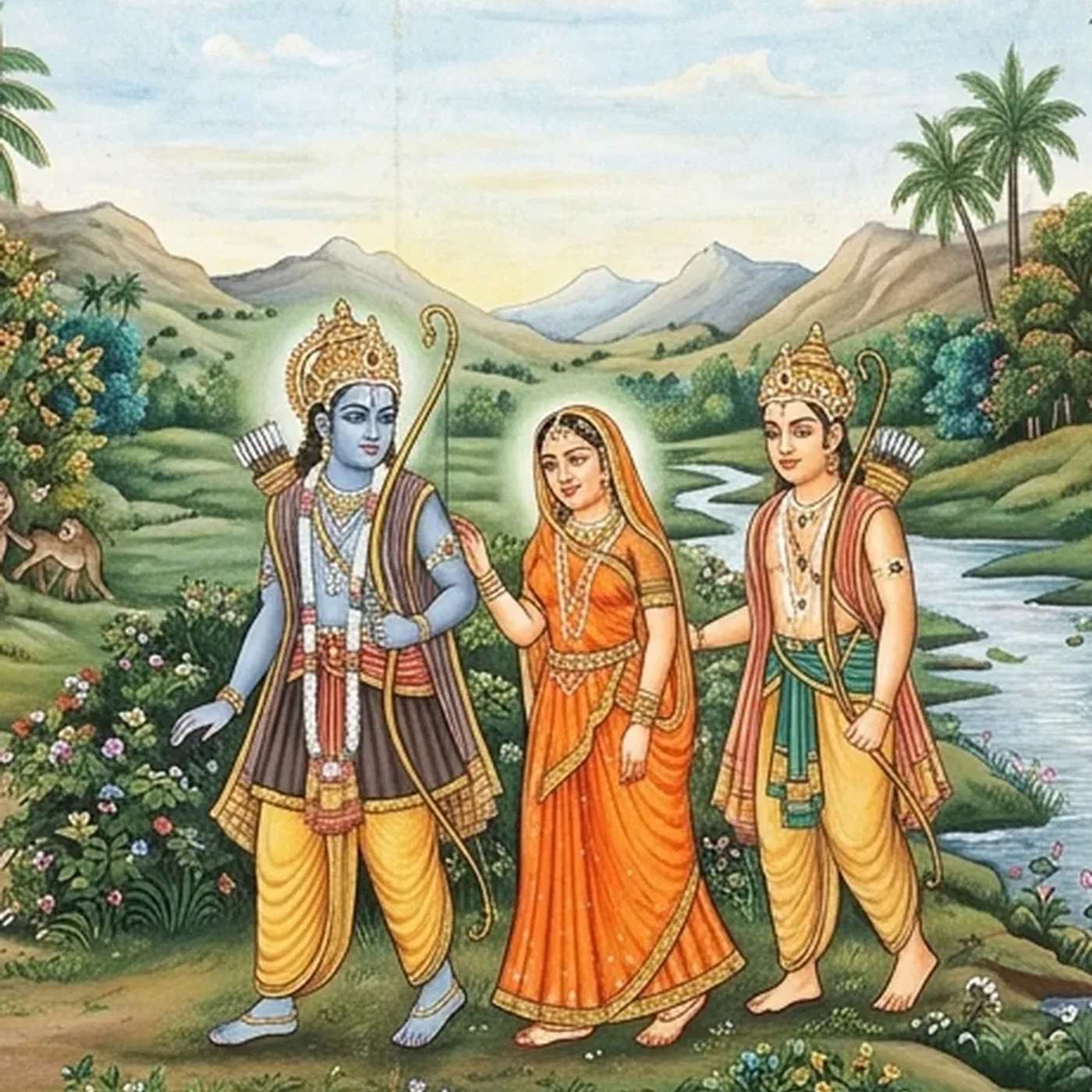
A film sent me back to the old serial, and the serial sent me back to Valmiki. Then a question took hold: can anyone follow Rama’s footsteps today? In this episode, I take you along the Ramayana trail from Ayodhya to Dhanushkodi, clue by clue. A king who ruled with a pair of sandals. A feast that conjured a forest. The Lakshman Rekha that Valmiki never drew. A bird claimed by five places. A bundle of jewellery dropped from the sky. And a town the sea took back. I also explain how fourteen years of exile became a fo...
Who Really Invented Mysore Pak? Four Versions of the Truth

It has three ingredients and more claimants than a throne. Gram flour, ghee and sugar became one of the most famous sweets in India, and nobody can quite agree on how it began.
In this episode we follow four versions of the truth. A king’s lunch had no dessert, and a palace cook named Kakasura Madappa improvised. Or the king simply asked for something new, named after his kingdom. Or the secret lies in the word pak, which the inventor’s family says refers to sugar syrup, the heart of the sweet. The dates will not agre...
The mystery of the hidden faces of Shiva at Elephanta Caves
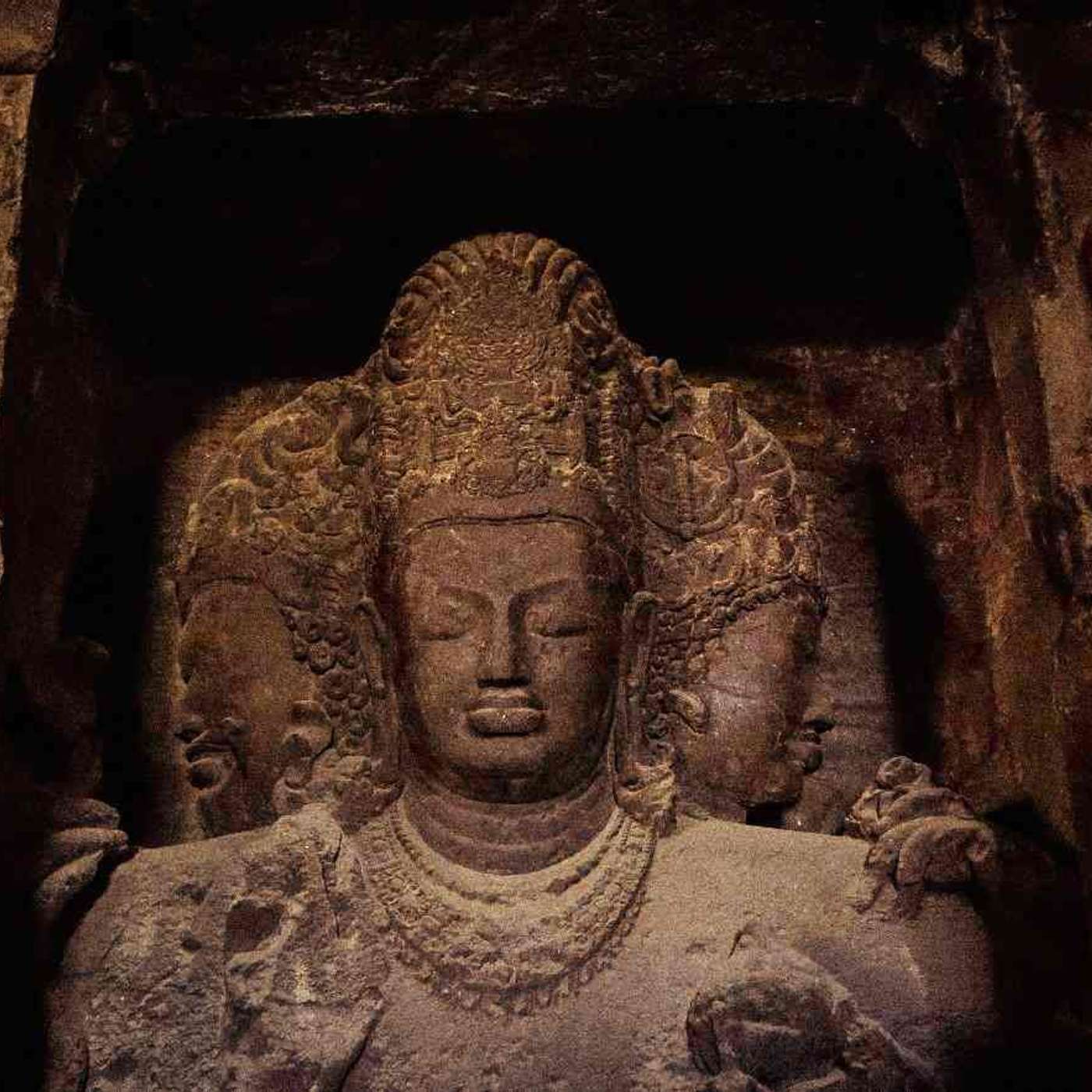
Every signboard at Elephanta calls it the Trimurti. Scholars say it is something else. This episode walks the island from the ferry at the Gateway of India to the Great Cave, where a colossal Shiva shows three faces and has five. We meet an island whose three villages had no mains electricity until February 2018, a stone slab naming the builder that the Portuguese took away, an elephant cut into pieces and reassembled in a Bombay museum garden, and the experts who advised UNESCO in 1987 to wait before listing the caves. It is a story of what you cannot see...
How a Small Mosque in Pulicat Told Its Town the Time Using Only the Sun
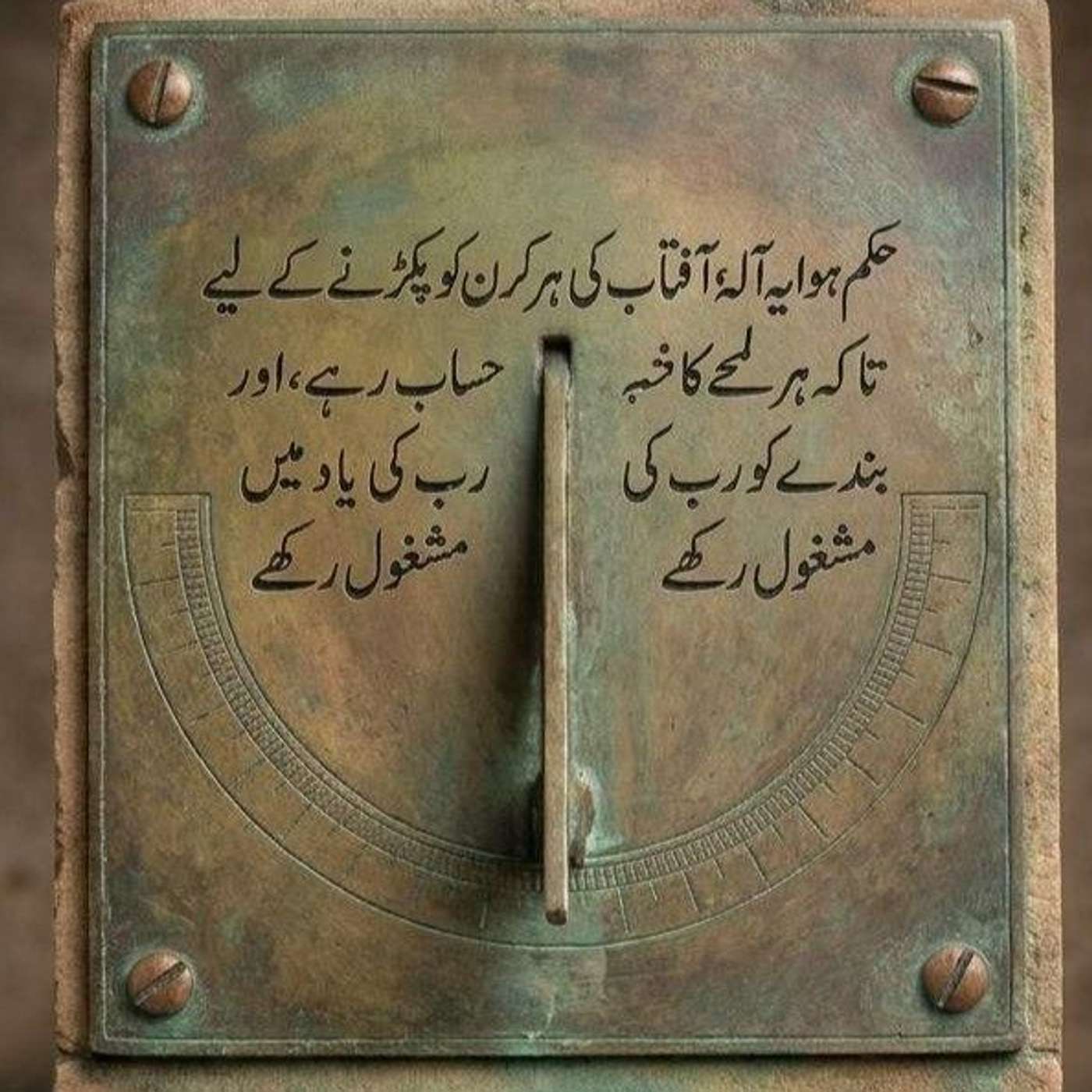
A town needs to agree on the time before it can pray together. In Pulicat, the answer was a shadow. At Chinna Pallivasal, one of the town’s main mosques, a sundial installed in 1914 showed the hour by which the community assembled for prayer. This episode explains how a sundial works, why local solar time differs from the clock on your phone, how a sea trading town came to have three mosques, and where the Pulicat sundial sits among the sundials of old Madras. The sundial is one stop on the Port to Palm day trip from Chennai. Book at...
The Lighthouse Built to Keep Ships Away: The Lost Port of Pulicat
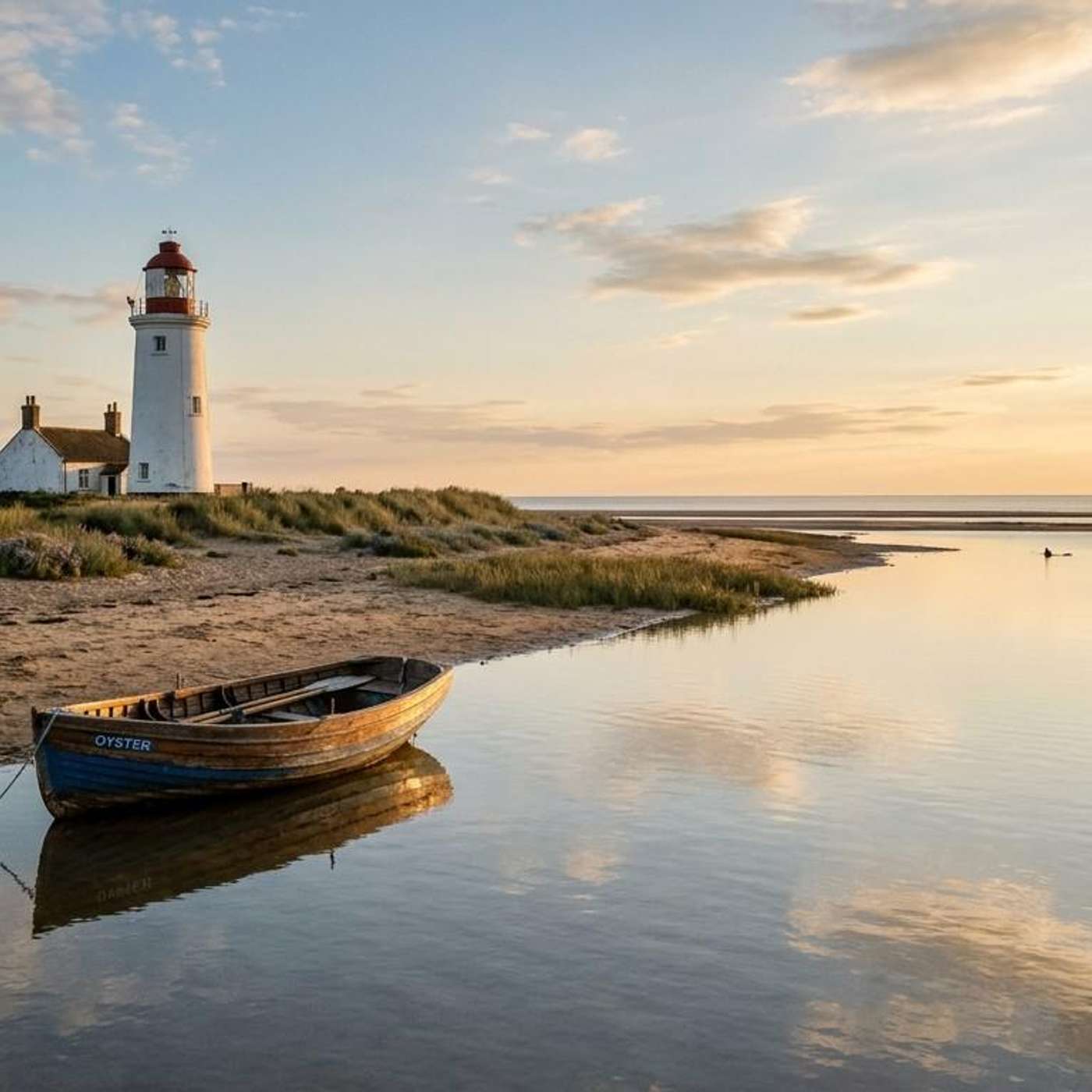
Most lighthouses bring ships in. The one at Pulicat, north of Chennai, was raised to warn them away. This episode tells the story of the lagoon port behind it. It appears in classical sources as Podouke, was known to the Pallavas as Mamalla Pattinam and hosted Arab traders by the 9th century. The Portuguese arrived in 1502, and the Dutch made it their headquarters on the Coromandel coast, building Fort Geldria, striking coins at the first VOC mint in India and running a gunpowder works. Shoals and silt then made the lagoon unusable for large ships, and the world moved...
India Was Rome’s Most Important Trading Partner: The Ancient Trade That Connected Tamil Nadu to the Mediterranean

In 77 CE, Pliny the Elder calculated that India was draining Rome of 50 million sesterces of gold every year. Roman coins bearing the profiles of Augustus and Nero have been found across Tamil Nadu. Roman amphorae have been excavated at Arikamedu near Pondicherry. Tamil Brahmi inscriptions have been found scratched on the walls of Egyptian desert tombs by Tamil merchants who sailed from the Coromandel Coast to the Red Sea two thousand years ago. Black peppercorns from India have been found at the Red Sea port of Berenike. And in 2026, new discoveries suggest Tamil merchants may have reached as far...
Damascus Steel Was Not From Damascus: The Indian Metal That Armed the Medieval World
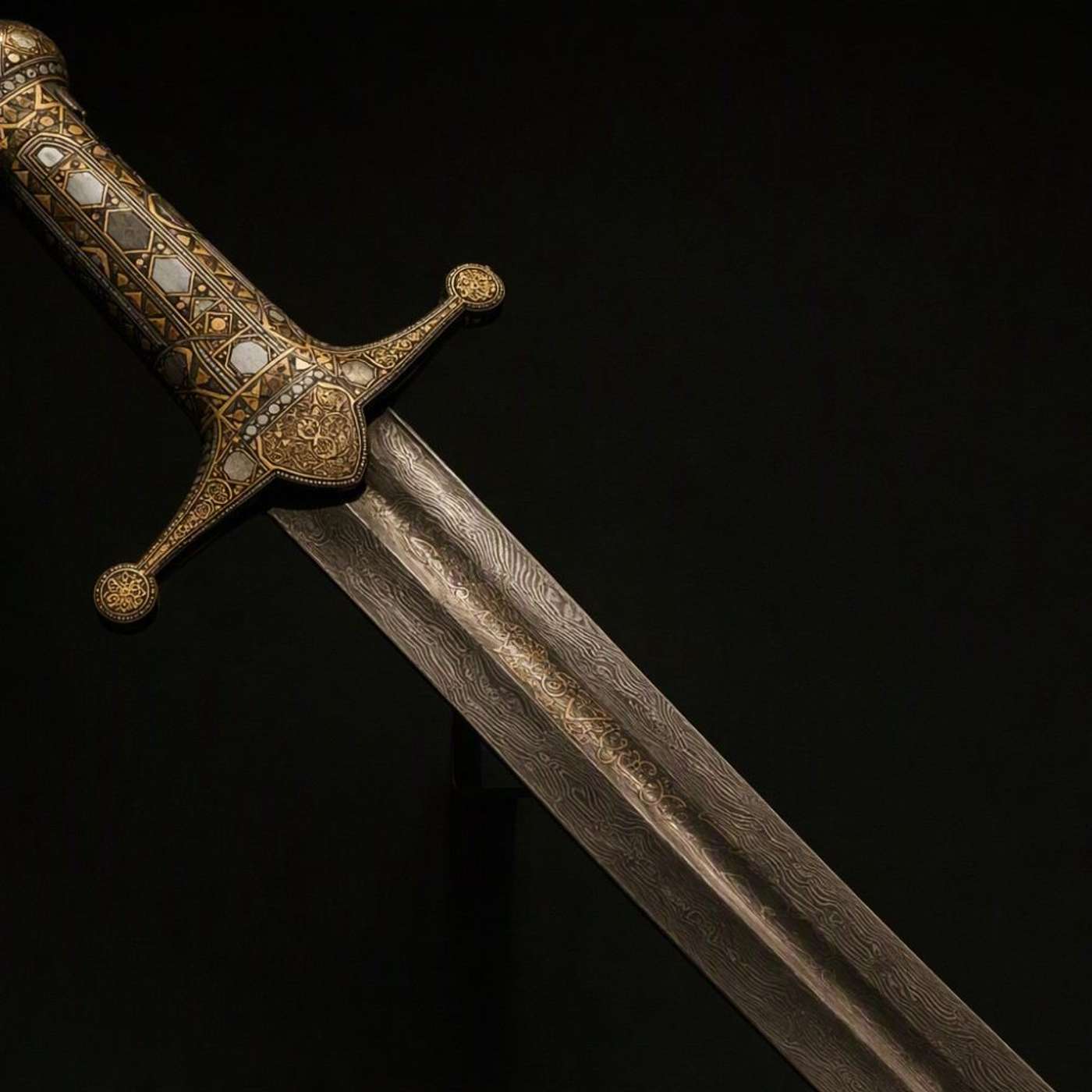
The Crusaders called it the most terrifying metal they had ever encountered. When the armies of the First Crusade arrived in the Holy Land in 1099 CE and met the forces of the Islamic world in battle, they discovered that their European swords were inferior in every measurable way to the blades their opponents carried. Harder. More flexible. Sharper. Capable of being sharpened to a finer point. The Islamic blades carried a flowing wavy pattern on their surface that European smiths had never seen and could not understand.
European metallurgists spent the next seven centuries trying to replicate...
The Iron Age Did Not Begin in Turkey: How Tamil Nadu Rewrote the History of Human Civilisation
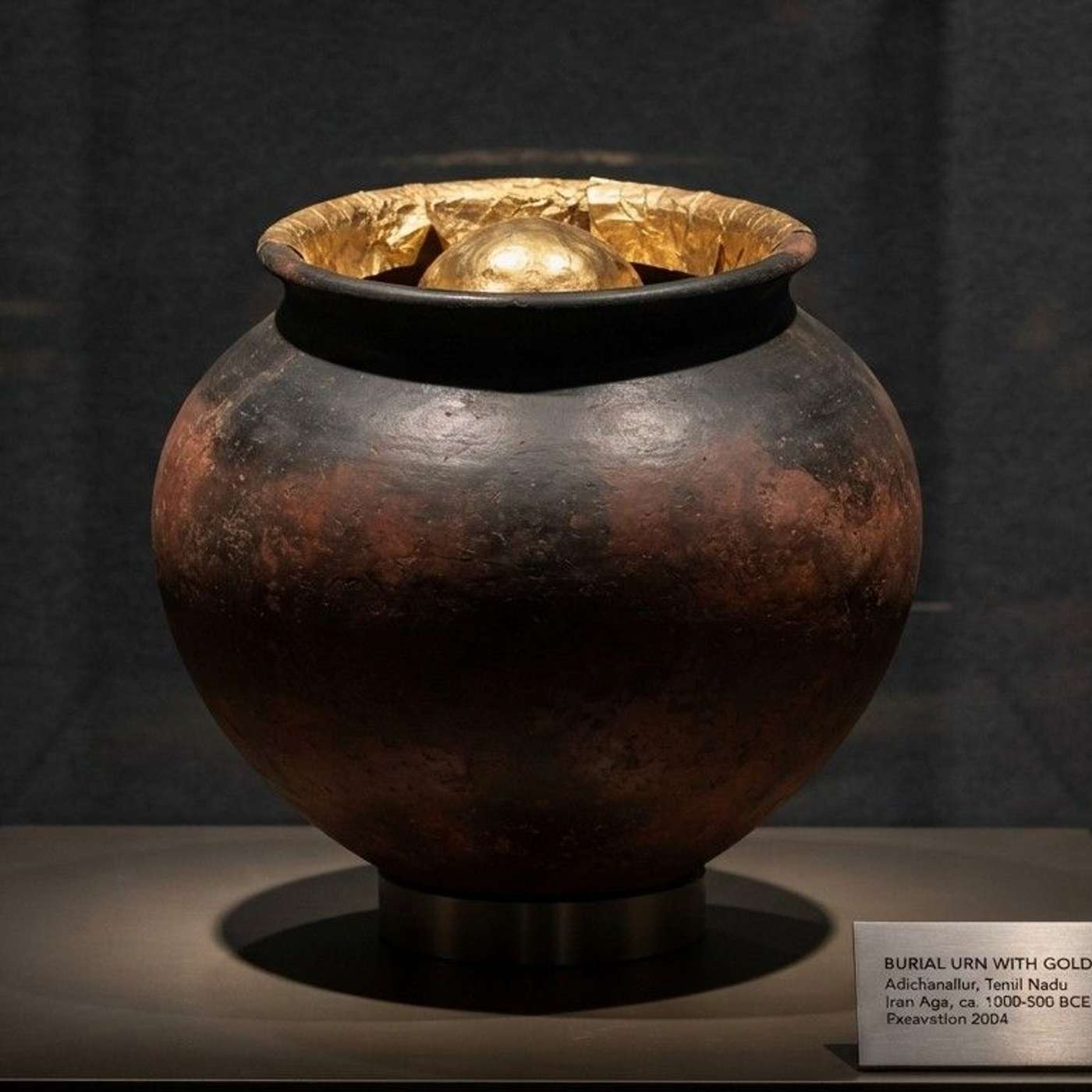
In 1876 a German archaeologist named Friedrich Jagor began digging in a field near Tirunelveli in southern Tamil Nadu and found something that should have rewritten the history of human civilisation. He found burial urns containing human skulls covered in thin sheets of beaten gold. He found iron artefacts. He filed his report and the world moved on.
Over a century later the Tamil Nadu State Department of Archaeology resumed excavations at the same site, Adichanallur, and at a nearby site called Sivagalai. What the carbon dating returned stopped everyone in the room. The organic materials found alongside...
The Art That Fire Makes Permanent: Varanasi Enamelling and Its Three Thousand Year Global Journey

There is a colour that changed the history of art on three continents. It is called the Purple of Cassius and it connects a working studio in Varanasi to the painted enamel houses of Limoges in France, to the Persian court of the medieval period, to the Mycenaean Greece of 1450 BCE and to the fragile silver heritage of the Andaman coast. In this episode we follow that thread across three thousand years of human craft history and arrive, at the end of it, in a kiln-lit studio in one of the world's oldest cities where the same chemistry is...
The Story of Mysore Silk: From a Caterpillar's Thread to a Royal Saree
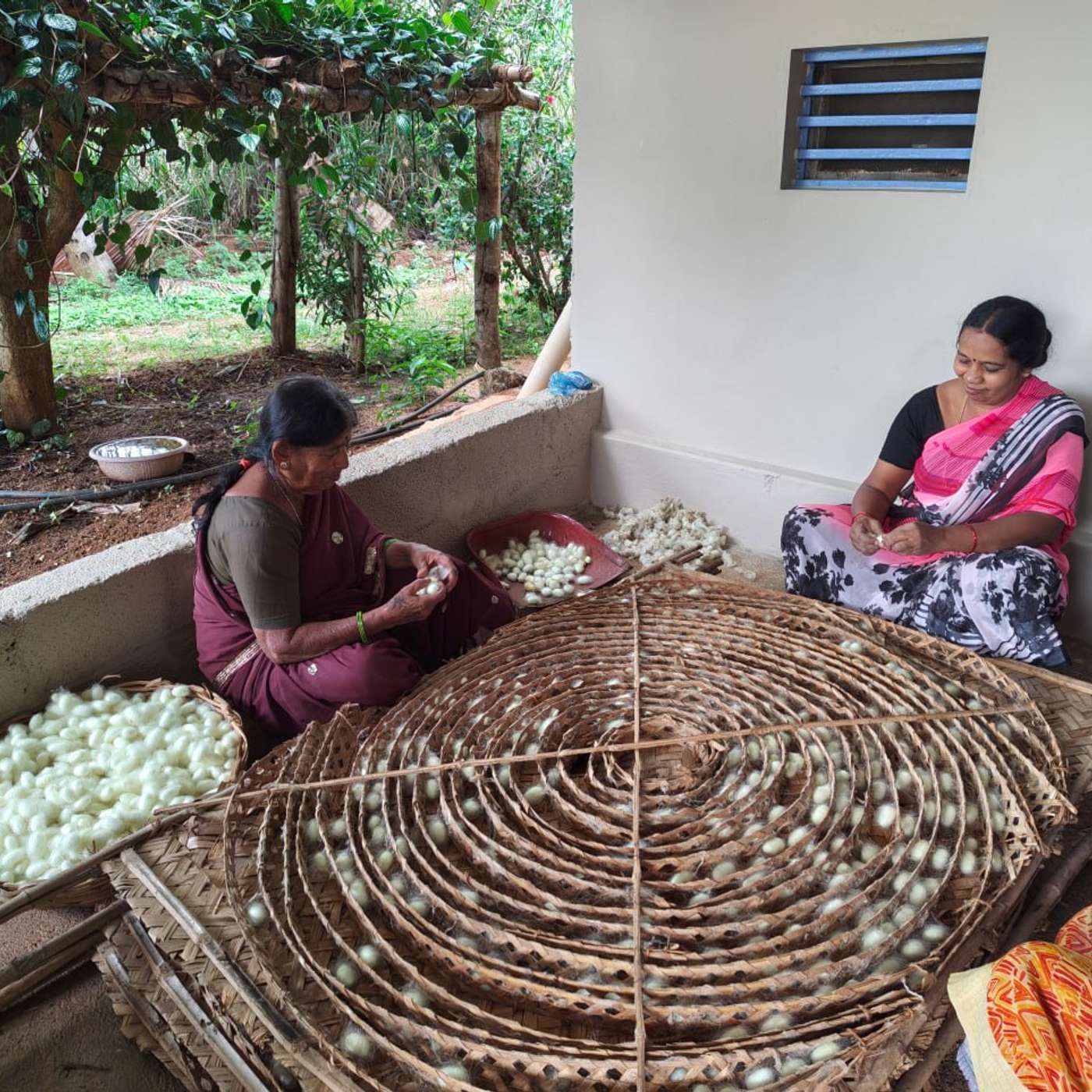
Hold a single silk cocoon in your palm and you are holding a thread close to a kilometre long, spun by a caterpillar in just a few days. Unwind thousands of them, weave them with threads of silver and gold, and you have a Mysore silk saree, one of the most coveted textiles in India.
In this episode of Incredible India Travel, we follow the story of Mysore silk across four thousand years. We begin with silk threads hidden inside beads in the Indus Valley cities of Harappa and Chanhudaro, the earliest evidence of silk anywhere outside...
Loom to Lac, Six Days Through the Weavers, Farmers and Silversmiths of the Deccan
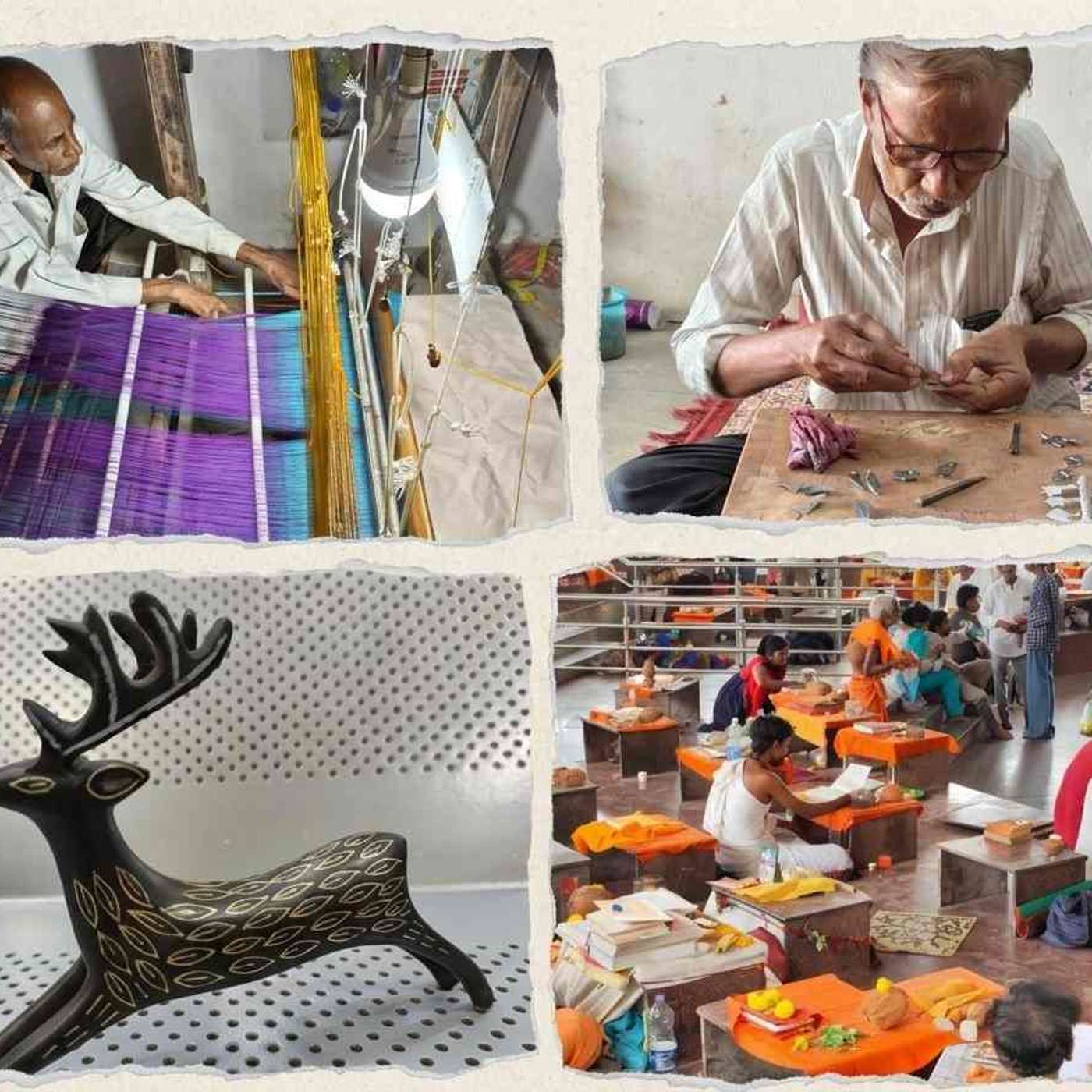
About This Episode
Sam and Taylor trace the full route of 5 Senses Tours' newest private trail, Loom to Lac, six days from Kalaburagi to Hyderabad that puts travellers inside a Guledagudda weaver's home, a Bidar silversmith's workshop, and a tur dal farming family's fields, before ending among the four hundred year old bangle makers of Hyderabad's Laad Bazaar. Along the way they unpack why this stretch of the Deccan holds four separate Geographical Indication crafts inside a single week long journey, a claim almost no other route in India can make.
What You Will Hear<...
Varahamihira: The Ujjain Astronomer Who Predicted Earthquakes, Catalogued 101 Comets and Found Underground Water 1500 Years Before Modern Science Knew How
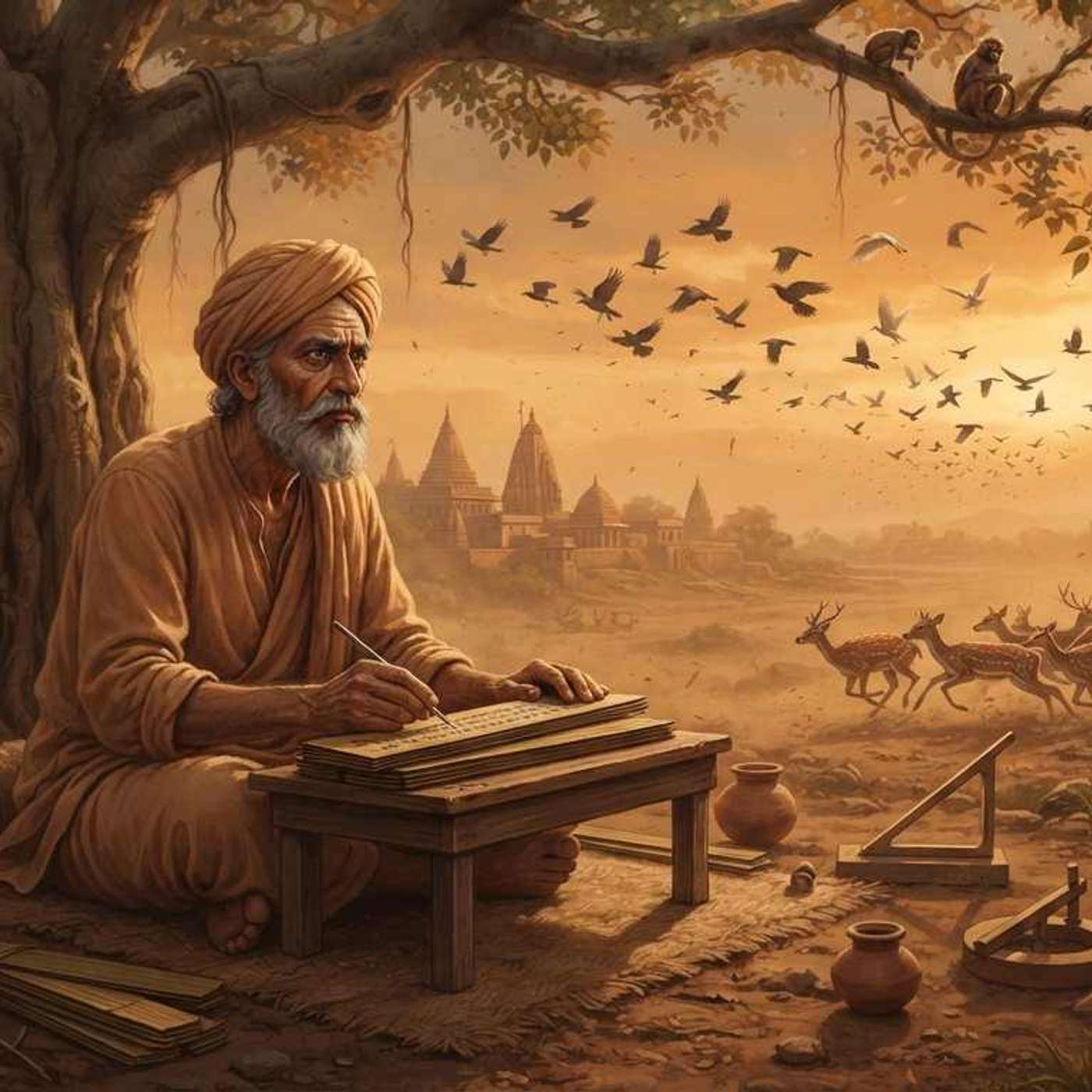
In the 6th century CE, in the city of Ujjain in what is now Madhya Pradesh, a scientist sat down to write an encyclopaedia.
Not an encyclopaedia of abstract philosophy or sacred text. An encyclopaedia of the observable, physical world. Rainfall and cloud formation. Planetary movements and eclipse prediction. Earthquake precursors and the behaviour of animals before seismic events. Groundwater location using plants and insects as ecological indicators. Comet cataloguing and periodicity. Architectural orientation using solar direction. Agricultural timing by stellar events. Gemology and botany and meteorology.
In one book. By one man. In the 6...
Pune Ganesh Festival: The Five Pandals That Helped Birth a Nation and Why Lokmanya Tilak Was the Greatest Political Genius of Colonial India
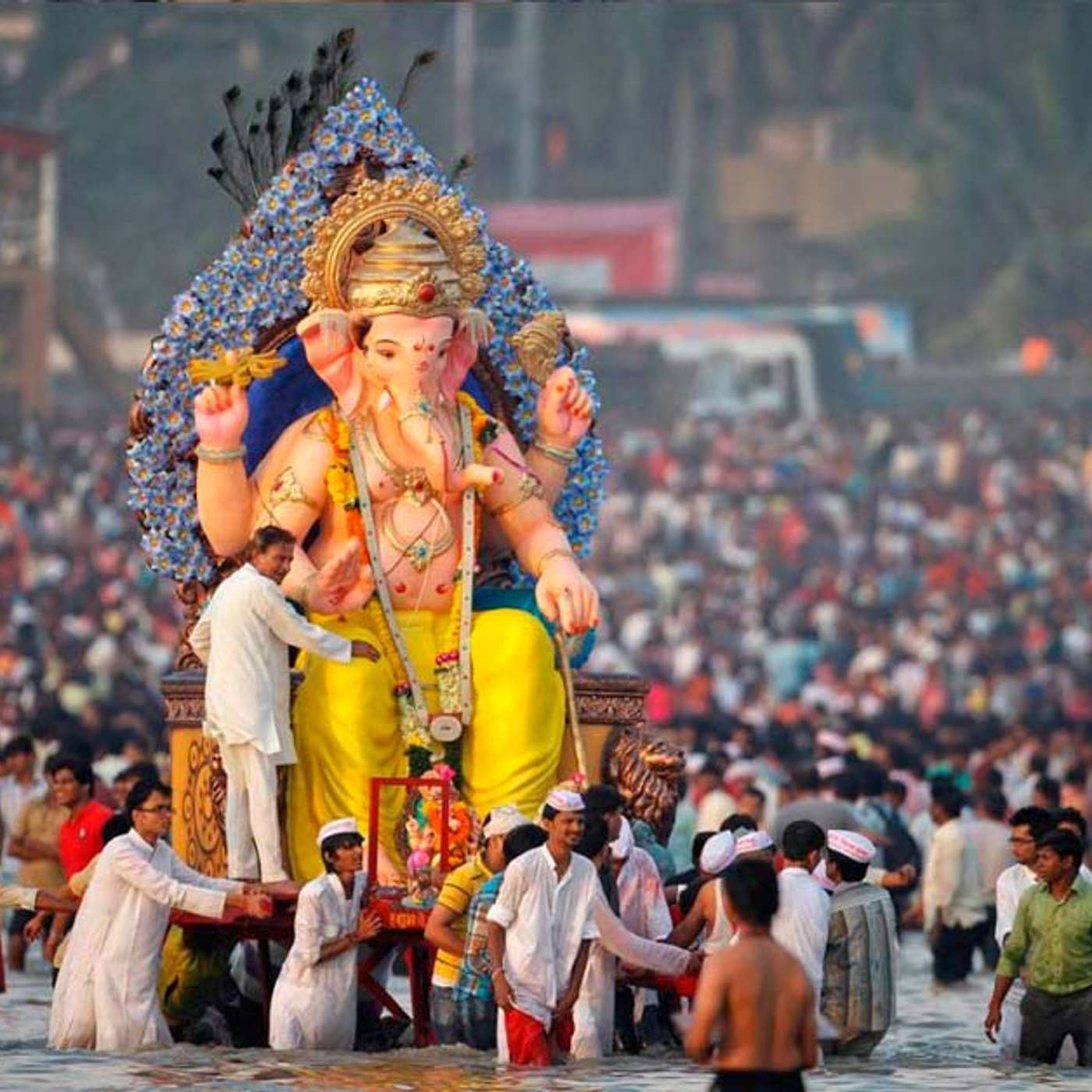
In 1893 the British colonial administration was watching Pune carefully.
Large public gatherings were viewed with suspicion. Political meetings were monitored. Any organised assembly that could give voice to the growing feeling of nationalism was a threat to the colonial order. The freedom movement was still finding its form, largely confined to educated drawing rooms and English language newspapers, unable to reach the vast majority of ordinary Indians.
Then Lokmanya Bal Gangadhar Tilak looked at something that had been happening quietly in Marathi homes for centuries and asked a question that would change the history of...
Sushruta: The Ancient Indian Surgeon Who Pioneered Plastic Surgery
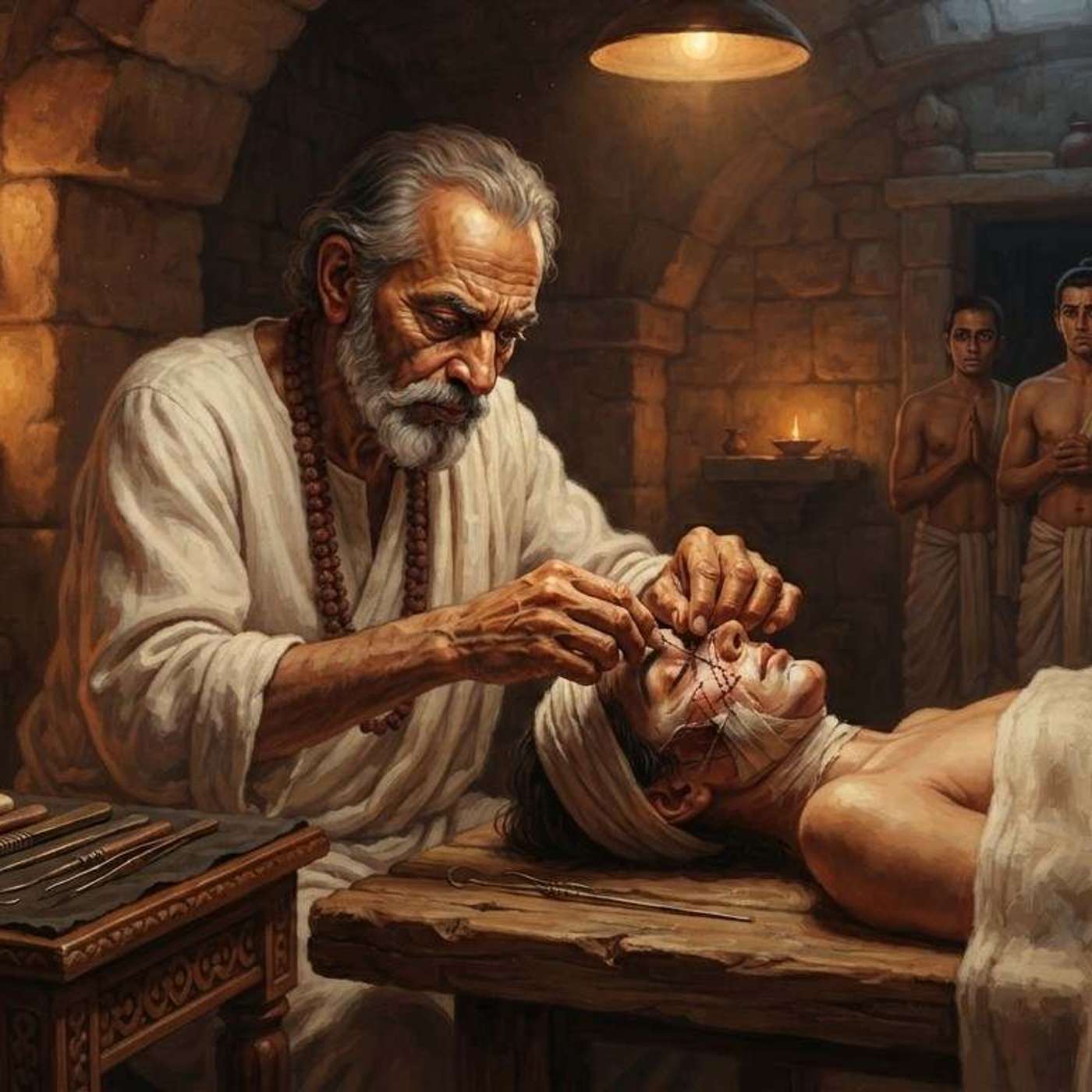
Long before modern hospitals and plastic surgery clinics, an extraordinary tradition of surgical medicine was developing in ancient India.
In this episode, we travel back more than two millennia to meet Sushruta, the ancient Indian physician traditionally associated with the Sushruta Samhita, one of the foundational texts in the history of surgery.
Sushruta is particularly remembered for his detailed description of rhinoplasty — the reconstruction of the nose — using a skin flap. His work also discusses surgical instruments, wound treatment, anatomy, suturing and other procedures. Modern medical historians and surgical literature recognize the importance of his cont...
Malpe Fishing Community: The Original Fishermen of the Karnataka Coast and Why They Are Being Pushed Out of the Sea They Have Always Fished
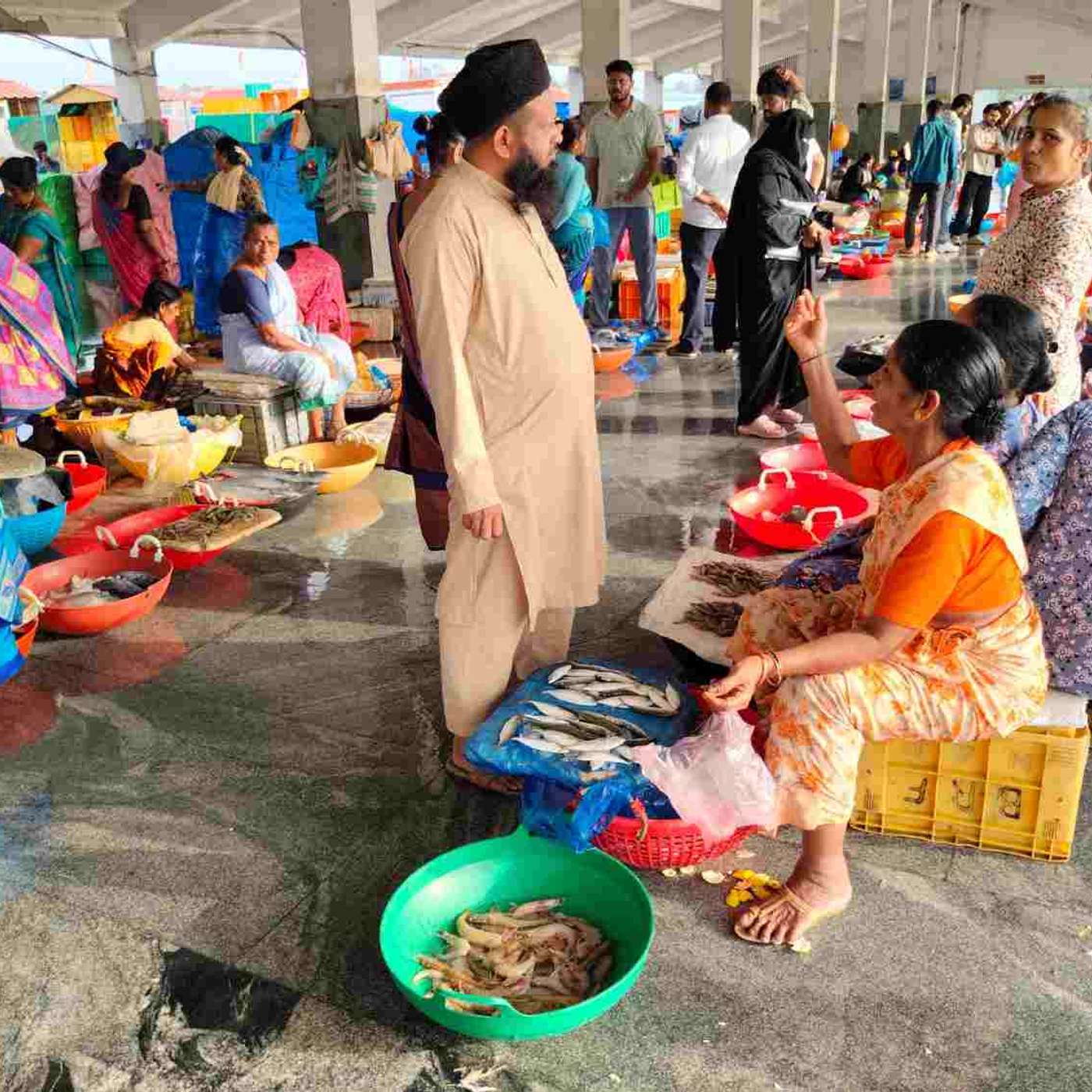
The boats leave before you are awake.
By the time visitors arrive at Malpe harbour in the morning, the day's work has already been underway for hours. The fishing families of Malpe do not operate on tourist time. They operate on the rhythm of the sea, which means departures in the dark, returns determined by the catch, and the women at the harbour ready to receive, sort and sell before the sun climbs high enough to compromise what has been pulled from the water.
Malpe is one of the most active fishing harbours on the...
Shankarapura Mallige: The Jasmine That Wakes Before Dawn and the Farming Families Who Cannot Afford to Sleep In
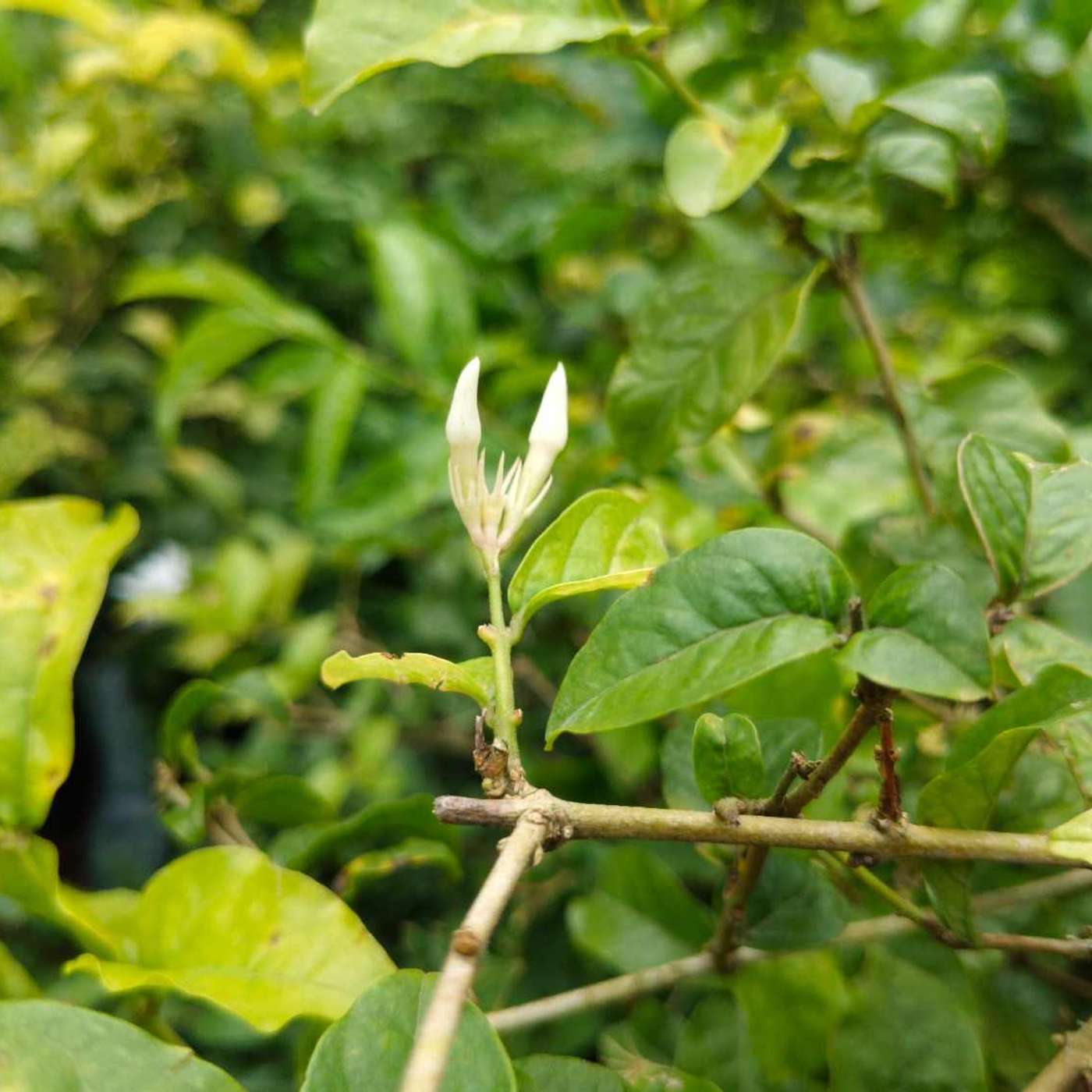
The flowers have to come off the plants before the heat of the day.
This is not a preference. It is biology.
Jasmine blossoms at its most fragrant in the cool hours before sunrise, and a flower left unpicked past mid-morning in the coastal Karnataka heat loses both its scent and its market value within hours. So the farming families of Shankarapura are in the fields before the light changes, plucking in the dark by habit and by touch, filling their baskets before the rest of the world has had its first coffee.
...
Udupi Cotton Weavers: The Last Forty-Two Families Keeping a 200-Year-Old Craft Alive at Talipady

In 2017 the Kadike Trust conducted a survey of Udupi cotton saree weavers across two districts of coastal Karnataka.
They found forty-two.
Not forty-two workshops. Not forty-two cooperatives. Forty-two individual weavers still practising a craft that had once supported over five thousand weaving families in the same region.
This is not a story about a craft that died. It is a story about a craft that is still alive, barely, in the hands of the families at the Talipady Weavers Society, and about what it would take for it to remain alive long enough...
Coast to Canopy: Seven Days Inside Five Communities That Are Keeping Karnataka's Living Traditions Alive
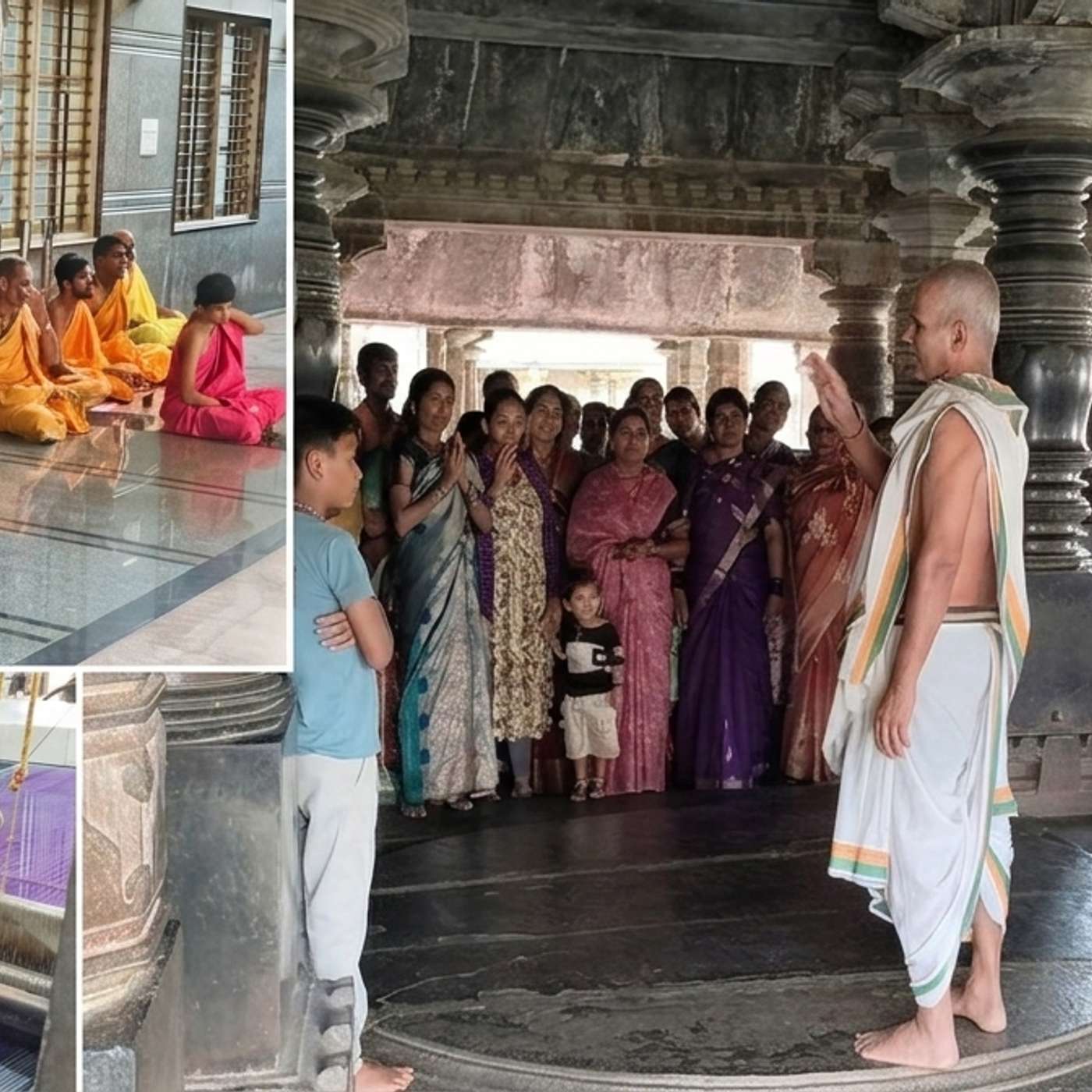
What does responsible tourism actually look like when it is done properly? Not the marketing version. Not the brochure version. The real version, where communities decide what they share, where the money goes back to the people whose knowledge and lives you are entering and where no experience is scripted for the comfort of visitors.
This episode takes you inside the Coast to Canopy Trail, a seven day journey through coastal Karnataka and the Western Ghats built around five co-designed community partnerships: the Udupi cotton saree weavers of Talipady, the jasmine farming families of Shankarapura, the fishing...
Tirupati Balaji Temple Tour: Why 100,000 Pilgrims Visit the World's Richest Temple Every Single Day

Every single day, without exception, one hundred thousand people climb the Tirumala Hills in Andhra Pradesh to stand before Lord Venkateswara.
Not during festivals. Not during special occasions. Every ordinary day of every year.
The Vatican receives approximately 9 million visitors annually. The Tirupati Balaji temple receives between 50,000 and 100,000 devotees every single day. The annual figure approaches 40 million. No religious site on earth receives more human beings in devotion.
And the wealth that those devotees bring, in cash offerings, gold, jewellery and the extraordinary hair donation tradition that generates millions of rupees daily, has...
Aryabhata: The Ancient Indian Mathematician Who Calculated the Earth's Rotation to Within One-Hundredth of a Second in 499 CE
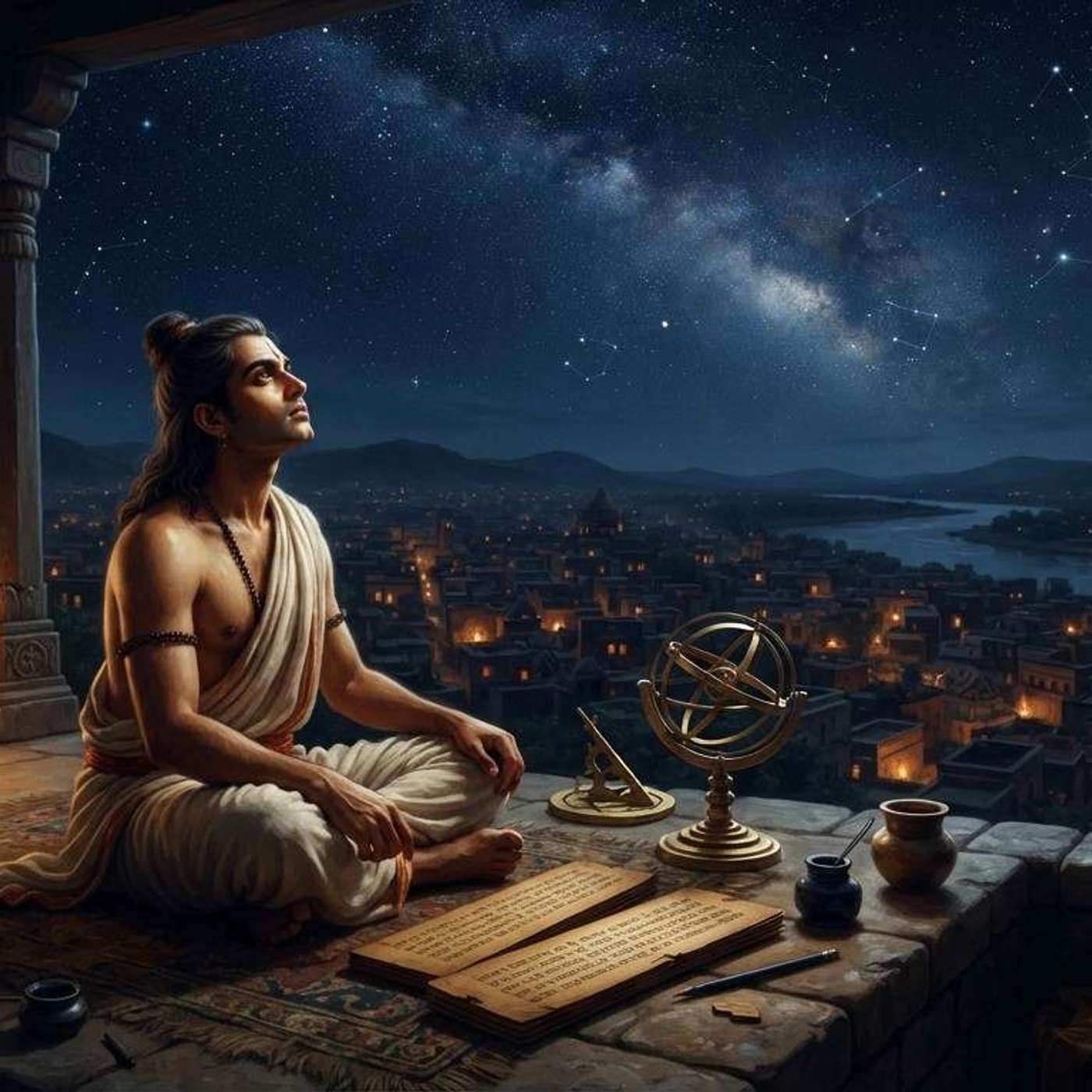
In 499 CE a twenty-three-year-old mathematician in ancient Bihar finished writing a book.
The book was 121 stanzas of Sanskrit verse. And in those 121 stanzas he made a series of claims about the universe that the rest of the world would spend the next thousand years catching up to.
The Earth rotates on its own axis. The apparent westward movement of the stars across the night sky is not the stars moving. It is the Earth spinning.
He calculated the Earth's sidereal rotation as 23 hours, 56 minutes and 4.1 seconds.
The modern value, determined by...
Sariska Tiger Reserve: The Forest That Hid the Pandavas, Imprisoned a Mughal Philosopher Prince and Brought Tigers Back From Zero

Three stories from the same forest.
Three thousand years ago, the Pandava brothers sheltered somewhere in the Aravalli Hills during their twelve years of forest exile. The temple at Pandupol, which means gateway of the Pandavas in Sanskrit, marks the legendary spot where Bhima, the most physically powerful of the five brothers, encountered Hanuman in the form of an old monkey lying across his path. Bhima asked the monkey to move. The monkey challenged him to lift his tail. Bhima, who could move mountains, could not shift it by a fraction. The temple commemorating this moment of...
Iron Pillar Delhi: 1600 Years. Open Air. Zero Rust. The Mystery That IIT Kanpur Scientists Finally Solved
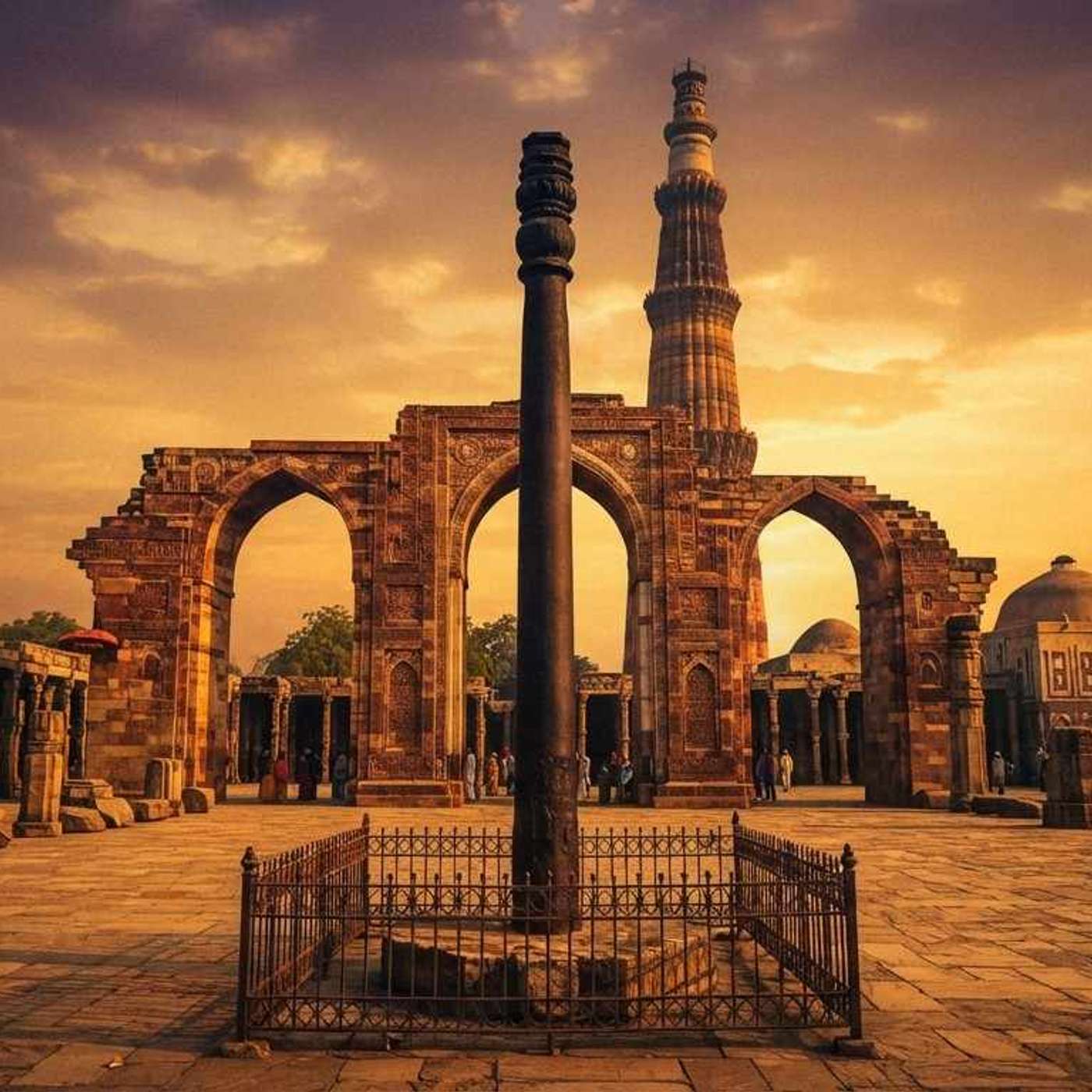
Leave a piece of iron in the open air.
Within weeks it rusts. Within years the rust penetrates deep into the structure. Within decades the metal is compromised. This is so universal and so well understood that the entire modern steel industry is built around preventing it, through alloys, coatings, galvanisation and paint.
And yet.
In the courtyard of the Qutb Complex in Mehrauli, Delhi, a pillar of wrought iron 7.2 metres tall and weighing over six tonnes has been standing in the open air, exposed to Delhi's monsoon rains and summer heat and...
Lakshmi of Pompeii: The Indian Goddess Who Was Buried Under Mount Vesuvius for Nineteen Centuries and What She Tells Us About Ancient India's Global Trade
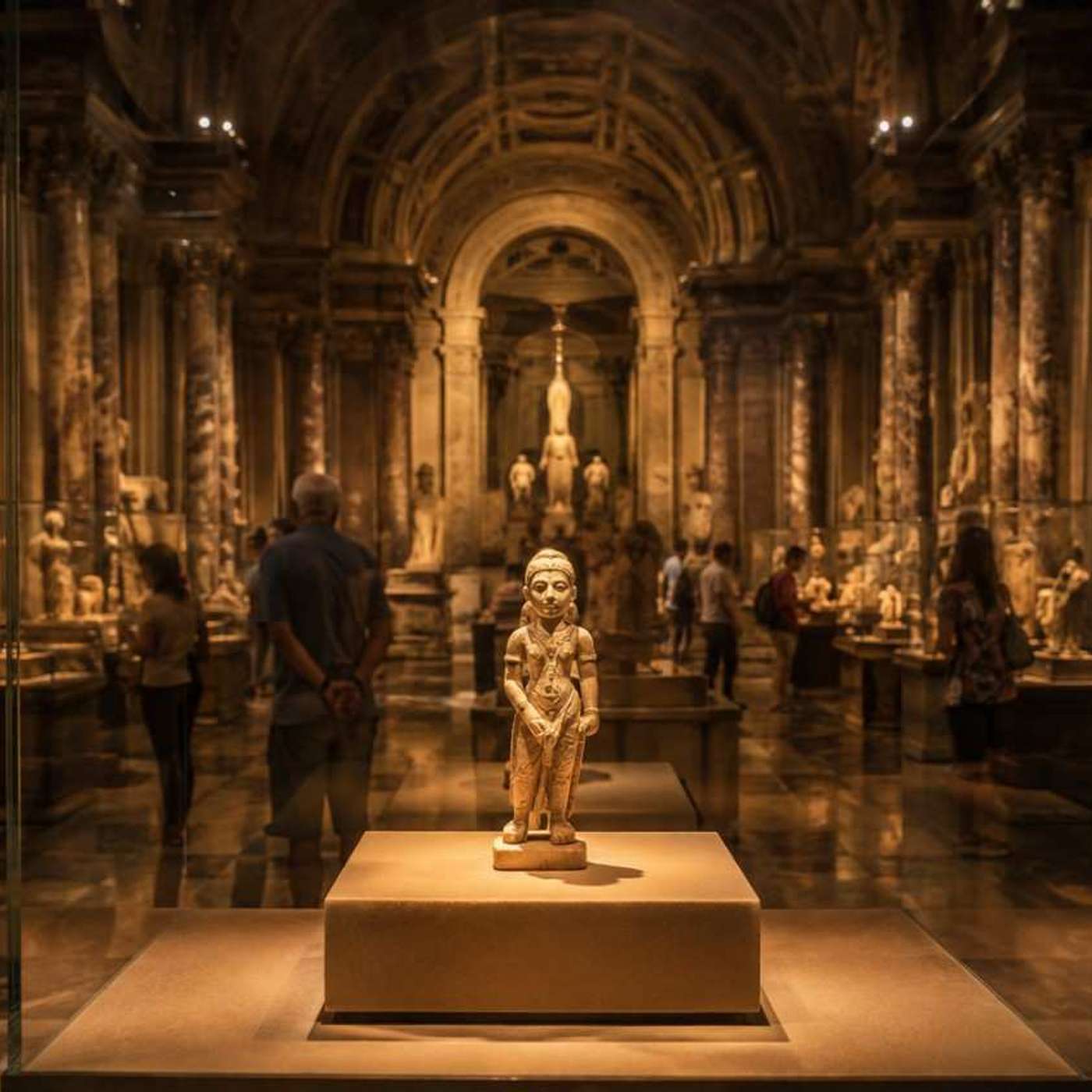
On the morning of August 24 in the year 79 CE, Mount Vesuvius erupted.
By the following day the Roman city of Pompeii was buried under four to six metres of volcanic ash and pumice. Its buildings, its streets, its citizens and everything they owned were sealed beneath the debris of one of the most catastrophic volcanic eruptions in recorded history.
In 1938, Italian archaeologist Amedeo Maiuri and his team were excavating a house in Pompeii next to a large dye works. They found the fragments of a small ivory statuette.
When conservators reassembled those fragments...
Fairy Queen Train: Ride One of the World's Oldest Working Steam Locomotives From Delhi to Alwar in Rajasthan
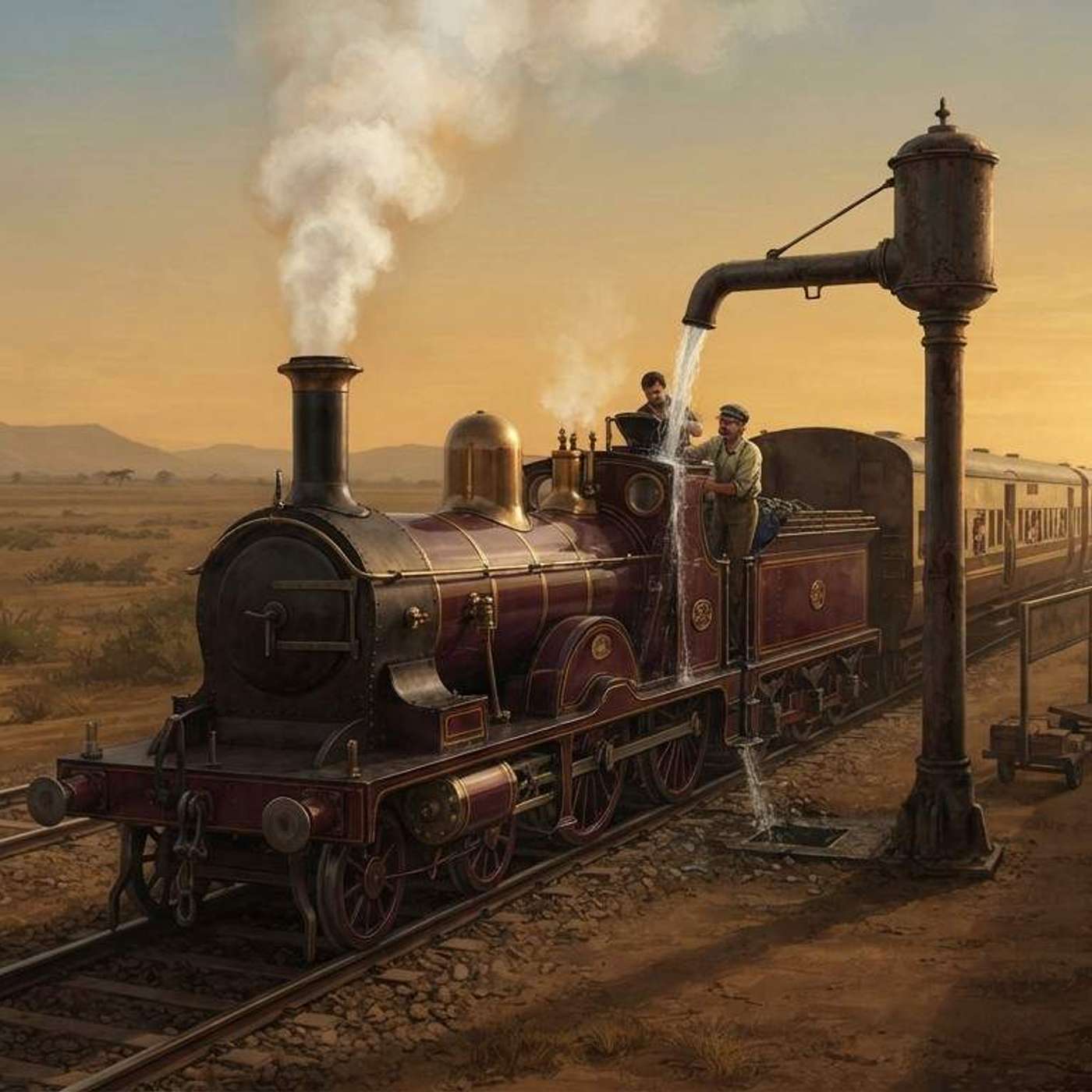
In 1855 three engineers in Leeds, England, built a steam locomotive for the East Indian Railway Company.
They named their firm Kitson Thompson and Hewitson. The locomotive they built was designated East Indian Railway Number 22. It weighed 26 tonnes. It produced 130 horsepower. Its maximum speed was 40 kilometres per hour.
That locomotive is still running today.
One hundred and seventy one years after it left the Kitson Thompson and Hewitson factory in Leeds, the engine that became known as the Fairy Queen is still hauling passengers from Delhi Cantonment Station toward Alwar in Rajasthan on its...
God Particle India: The Kolkata Physicist Whose Rejected Paper Made the Most Important Discovery in Physics Possible
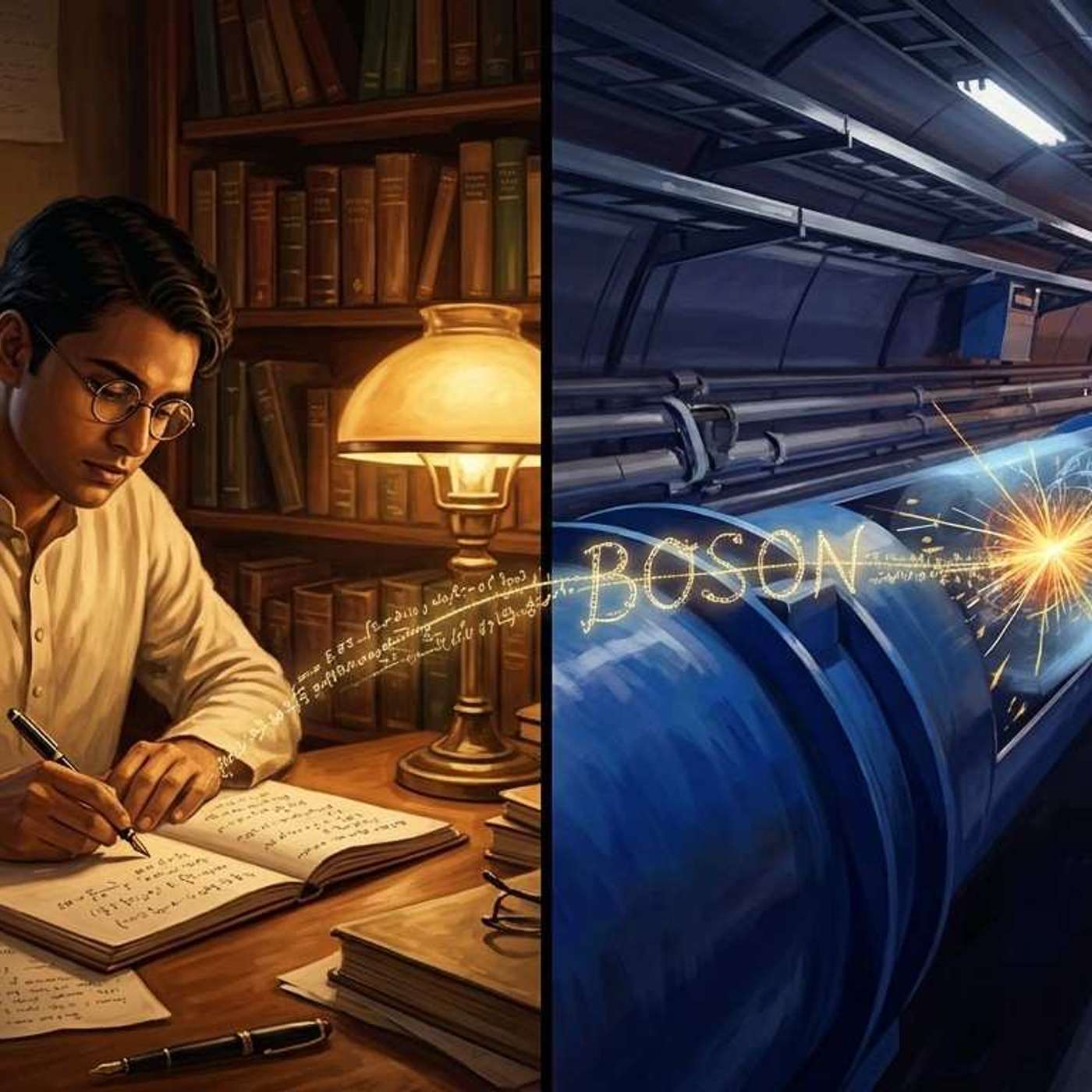
On July 4 2012 scientists at CERN in Geneva announced one of the most significant discoveries in the history of physics.
After a quest spanning nearly half a century, physicists had found the Higgs boson. The God Particle. The particle believed to give all other particles their mass. The particle without which there would be no atoms, no chemistry, no stars, no planets and no people. Rousing cheers and a standing ovation broke out as CERN Director General Rolf Heuer declared they had reached a milestone in their understanding of nature.
The world's newspapers celebrated Peter Higgs...
Ancient Indian Philosophy and Quantum Physics: What Three Nobel Laureates Proved and What the Upanishads Said Two Thousand Five Hundred Years Earlier

In October 2022 the Nobel Prize in Physics was awarded to three scientists for proving something that most people find genuinely difficult to believe.
Two particles, once they have interacted, remain connected regardless of how far apart you separate them. Measure one and the other responds instantly. Not because they are sending signals. Not because one is physically affecting the other. But because, at some fundamental level, they are not actually separate at all.
Einstein spent the last decades of his life insisting this could not be true. He called it spooky action at a distance...
Chitradurga Fort: The Woman Who Defended It Alone With a Pestle, and the Fort That Held Out for Four Hundred Years
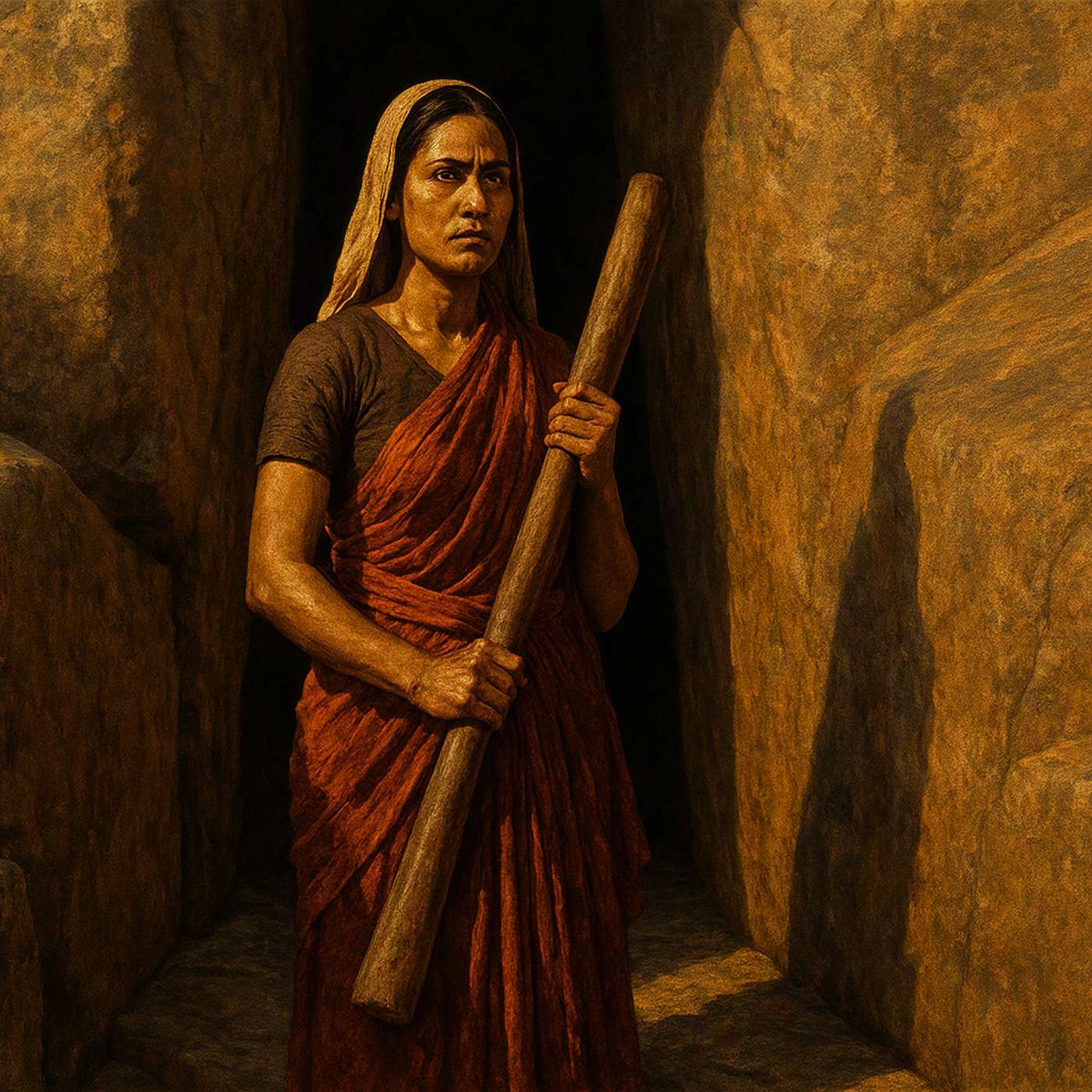
In 1779 Hyder Ali had been trying to take Chitradurga Fort for twenty years.
Three sieges. Three failures.
Against seven concentric walls. Nineteen iron-spiked gateways. Thirty-five secret passages. Two thousand watchtowers. And a water harvesting system so sophisticated that the fort never ran dry regardless of how long the siege lasted.
He finally found the weakness.
Not in the walls. Not in the gates. In a hole in the rock. A natural fissure in the granite hillside just large enough for one soldier to crawl through at a time. A chance sighting...
Kanada's Atomic Theory: The Ancient Indian Philosopher Who Discovered the Atom 2600 Years Before John Dalton
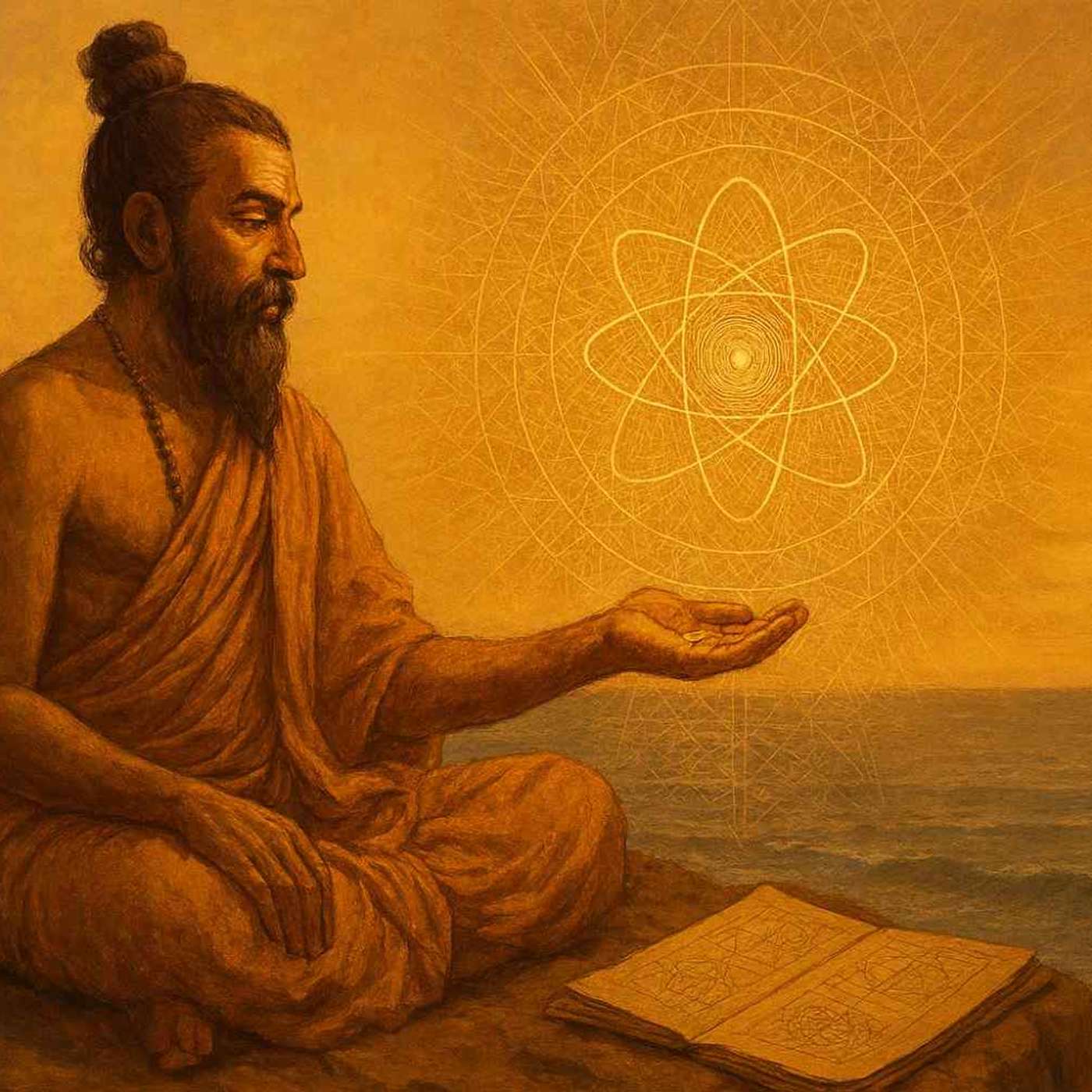
John Dalton is credited with discovering atomic theory in 1808.
He was 2600 years late.
In approximately 600 BCE, on a dusty road near what is now Dwaraka in Gujarat, a philosopher named Kanada was eating grain and thinking about division. He kept breaking the grain into smaller and smaller pieces. And at some point he reached a theoretical limit. The point at which the grain could no longer be divided without ceasing to be grain at all.
He called it paramanu. Para meaning beyond. Anu meaning atom. Paramanu meaning that which is beyond division. The...
Indus Valley Script Decipherment: The 4000-Year-Old Mystery That AI, a Million Dollar Prize and a Race Between Scholars Is Finally Beginning to Crack

There is a seal in the collection of the National Museum in Delhi.
It is approximately four centimetres square. It is made of steatite, a soft grey stone. It was carved somewhere in the Indus Valley between 2600 and 1900 BCE. And on its surface, above the carved image of a humped bull, there are five symbols.
Nobody knows what they say.
Not for lack of trying. Since the Archaeological Survey of India announced its first findings on the Indus Valley Civilisation in 1924, over 5000 inscriptions have been excavated from sites across present-day India, Pakistan and...
Madhava: The Kerala Mathematician Who Invented Calculus 200 Years Before Newton and Whose Work May Have Reached Europe Through a Spy Network of Jesuit Missionaries

In 1666 Isaac Newton invented calculus.
This is what most of the world was taught and what most of the world still believes.
There is a problem with this version of events.
A mathematician in Kerala had already done it. In the 14th century. And the Cambridge University Professor of Mathematics George Gheverghese Joseph has stated that the priority of Kerala developments in the calculus over that of Newton and Leibniz is now beyond doubt.
His name was Madhava of Sangamagrama. He was born around 1340 CE in a small town near what...
Wheat vs Rice: How Two Grains Quietly Shaped Two Indias

Why does Punjab celebrate its new year in April with bonfires and a festival built around cut wheat, while Tamil Nadu celebrates its harvest festival in January, watching a pot of rice boil over with milk and jaggery.
Why do the temples of the south rise in towering gopurams visible from a distance, while many temples of the north sit smaller and more intimately set into a riverbank or hillside.
Why does the north's classical music tradition favour a single performer exploring a raga alone, while the south's classical tradition favours an ensemble in constant...
Chanakya's 40 Ways to Steal: How Ancient India's Most Dangerous Book Catalogued Every Way to Rob a Government, and How a Librarian Found It Again Eight Hundred Years After It Vanished

In 1905, a young Sanskrit scholar named Rudrapatna Shamasastry was working through a heap of palm leaf manuscripts in the Mysore Oriental Library, doing the kind of routine cataloguing work a librarian does every day.
Then he opened one written in the Grantha script, and the words stopped being routine.
He was holding the Arthashastra. Chanakya's lost political treatise, written for the Mauryan Empire roughly twenty four centuries earlier. A book European scholars believed might never have survived, because it had vanished from circulation sometime around the 12th century and had not been seen by a...
Panini: The World's First Programmer Wrote Code in Sanskrit, Twenty Five Centuries Before Computers Existed
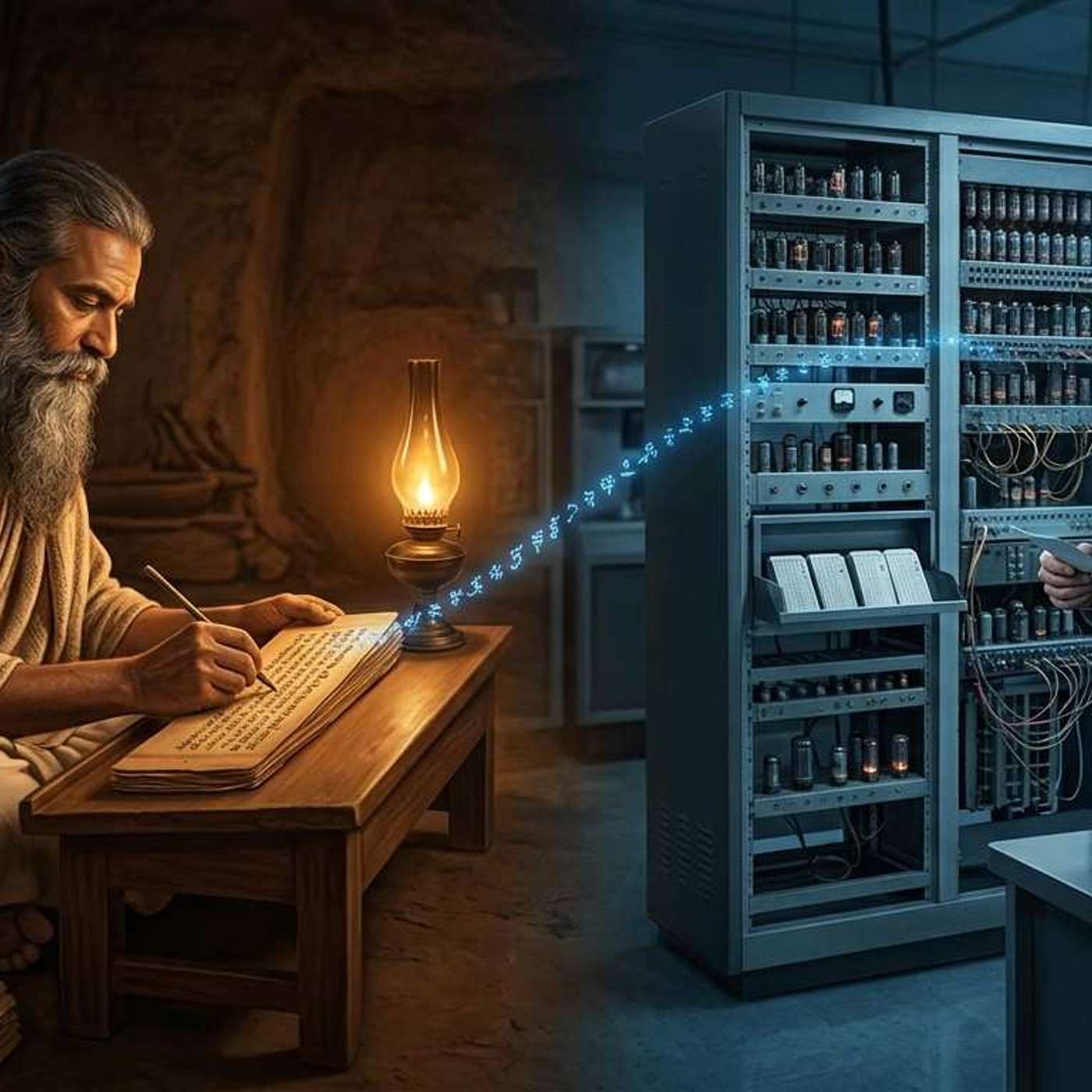
In 1959 a computer scientist named John Backus invented a notation for describing the grammar of programming languages.
It is called Backus Naur Form, and it is one of the foundational tools of modern computer science. Every programming language you have ever used was at some point defined using a descendant of this notation.
In 1967 a researcher reading an old Sanskrit grammar wrote a letter to the Communications of the ACM, the most respected computer science journal in the world, to point out something extraordinary.
Someone had already invented Backus Naur Form. Twenty five...
The Building in Kolkata That Produced Six Scientists Who Changed the World
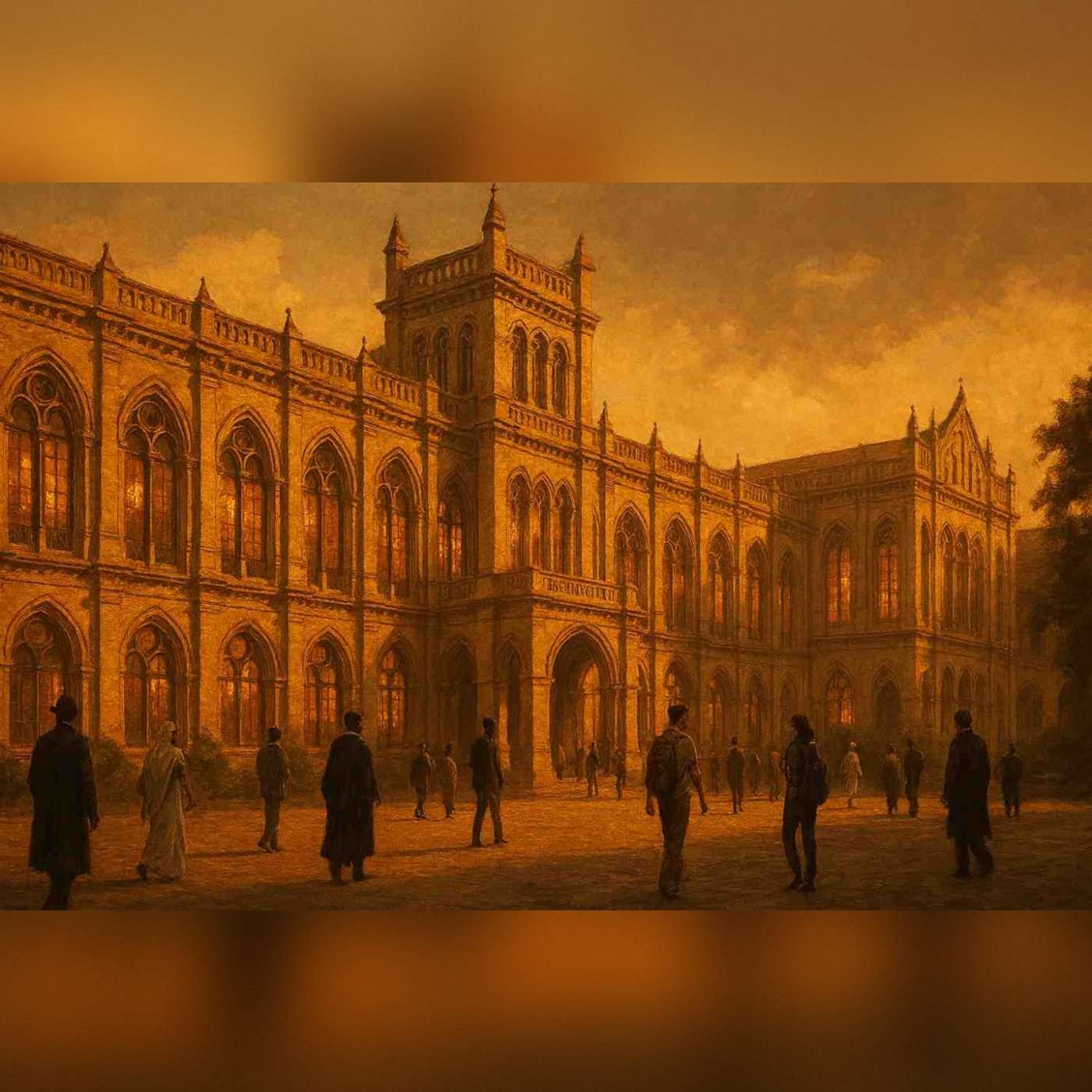
There is a building on College Street in Kolkata.
It was built in 1875. Its architecture is the confident Victorian Gothic of a colonial institution that expected to last. Tall windows. High ceilings. A sweeping central staircase. A laboratory called the Baker Laboratory that became one of the most productive scientific research spaces in Asia.
Its name is Presidency College. And the list of people who studied and taught within its walls across a period of approximately seventy years is so extraordinary that if you compiled it without knowing it was true you would be accused...
Mumbai to Pune Heritage Tour: The Extraordinary Victorian Railway That 42,000 Workers Built Through the Western Ghats and Changed India Forever

In 1854 a British engineer looked up at the Western Ghats and proposed building a railway through them.
His superiors said no.
He proposed it again. No. Again. No.
For decades the answer was always some version of the same thing. The gradients were too steep. The terrain was too difficult. The engineering was impossible. The Western Ghats rose over 1800 feet in sixteen miles between the Konkan coastal plain and the Deccan Plateau, and no conventional railway locomotive could climb a gradient that severe without simply sliding back down the hill.
But...
Heisenberg Tagore Kolkata: When the Uncertainty Principle Met the Upanishads
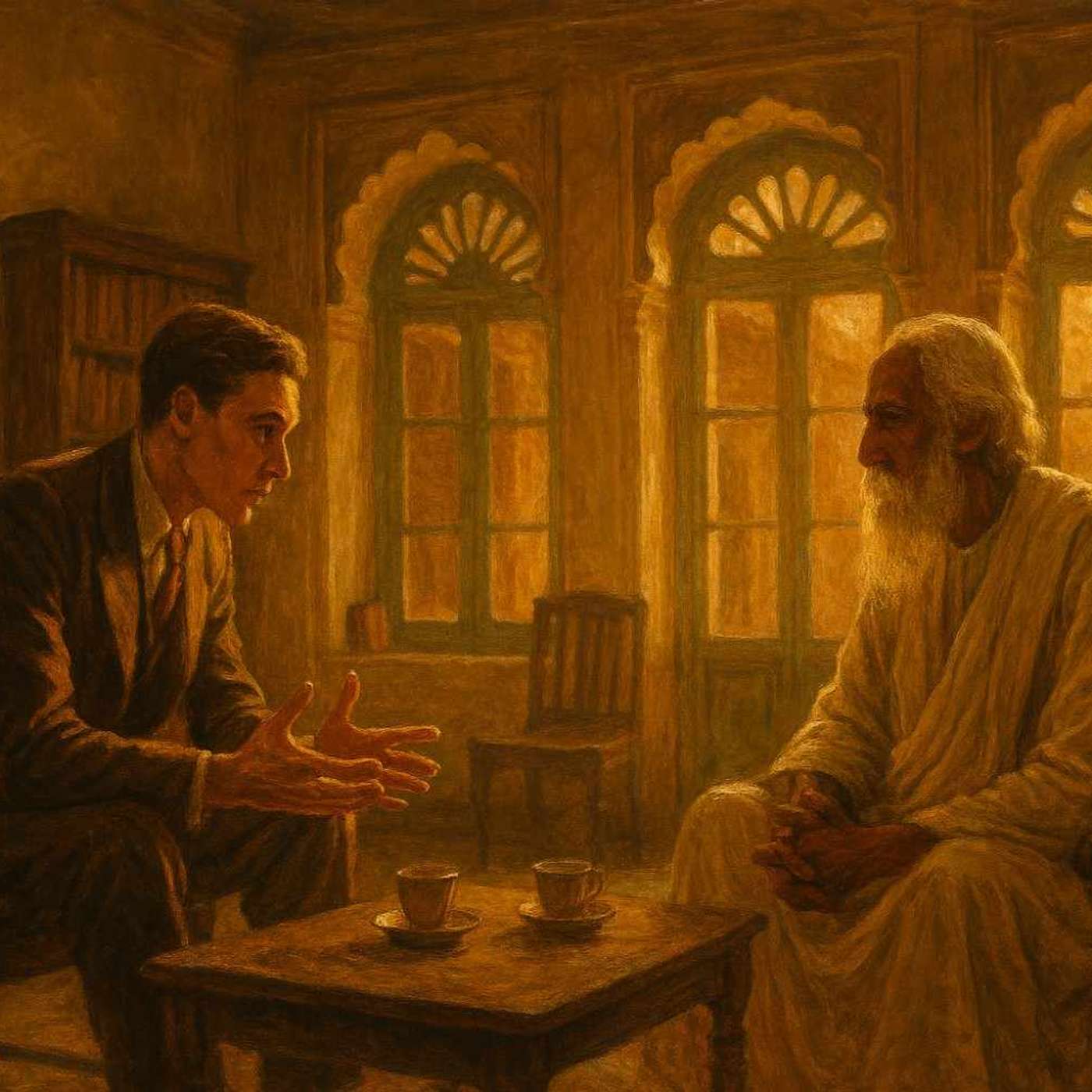
On the afternoon of October 4 1929 a 28-year-old German physicist arrived at the house of a 68-year-old Indian poet in Kolkata.
The physicist had two years earlier published the uncertainty principle, one of the most philosophically disturbing discoveries in the history of science. It had shaken the foundations of physics so completely that he himself could not fully make peace with what he had found. The mathematics was unambiguous. The implications were overwhelming. And nothing in the Western philosophical tradition within which he had been educated gave him a framework for understanding what his own equations were telling...
Ancient Karnataka Mathematicians: They Invented Calculus Before Europe Was Ready
Europe discovered calculus in the 17th century.
A mathematician from Bijapur in Karnataka had described its foundational concepts five hundred years earlier.
Europe developed modern algebra in the Renaissance.
A Jain mathematician working under a Rashtrakuta king in Karnataka had already written the most comprehensive algebra textbook in the ancient world.
Europe credits the decimal system to the Arabs.
A mathematician from Karnataka was the first person in recorded human history to write numbers using the Hindu decimal system with a circle for zero.
And in a...
Nilgiri Mountain Railway: The Victorian Toy Train Still Climbing Asia's Steepest Track Through India's Blue Mountains

In 1854 a British engineer looked up at the Nilgiri Hills and proposed building a railway to the top.
His superiors said no.
He proposed it again. No. A third time. No. A fourth time. No.
For forty-five years, through multiple proposals, multiple engineers, multiple committees and multiple rejections, the answer was always some version of no. The gradients were too steep. The terrain was too difficult. The engineering challenge was too great.
In 1899 the first train finally climbed from Mettupalayam at the base of the hills to Coonoor in the Blue...
Baba Baidyanath Jyotirlinga: The Extraordinary Story of the Only Place in the World Where Shiva and Shakti Are United Forever

There are twelve Jyotirlingas in India.
There are fifty-one Shakti Peethas.
And there is only one place in the entire world where both exist simultaneously within the same sacred complex.
That place is Deoghar in Jharkhand. And the story of how it came to hold both of these extraordinary designations begins not with a god but with a demon. The most devoted demon who ever lived. A demon whose love for Shiva was so absolute, so ferocious and so completely unlike anything the divine had ever received before that it moved Lord Shiva...
Ancient India Trade Routes: The 2000-Year-Old Document That Proves Vasco da Gama Did Not Discover India
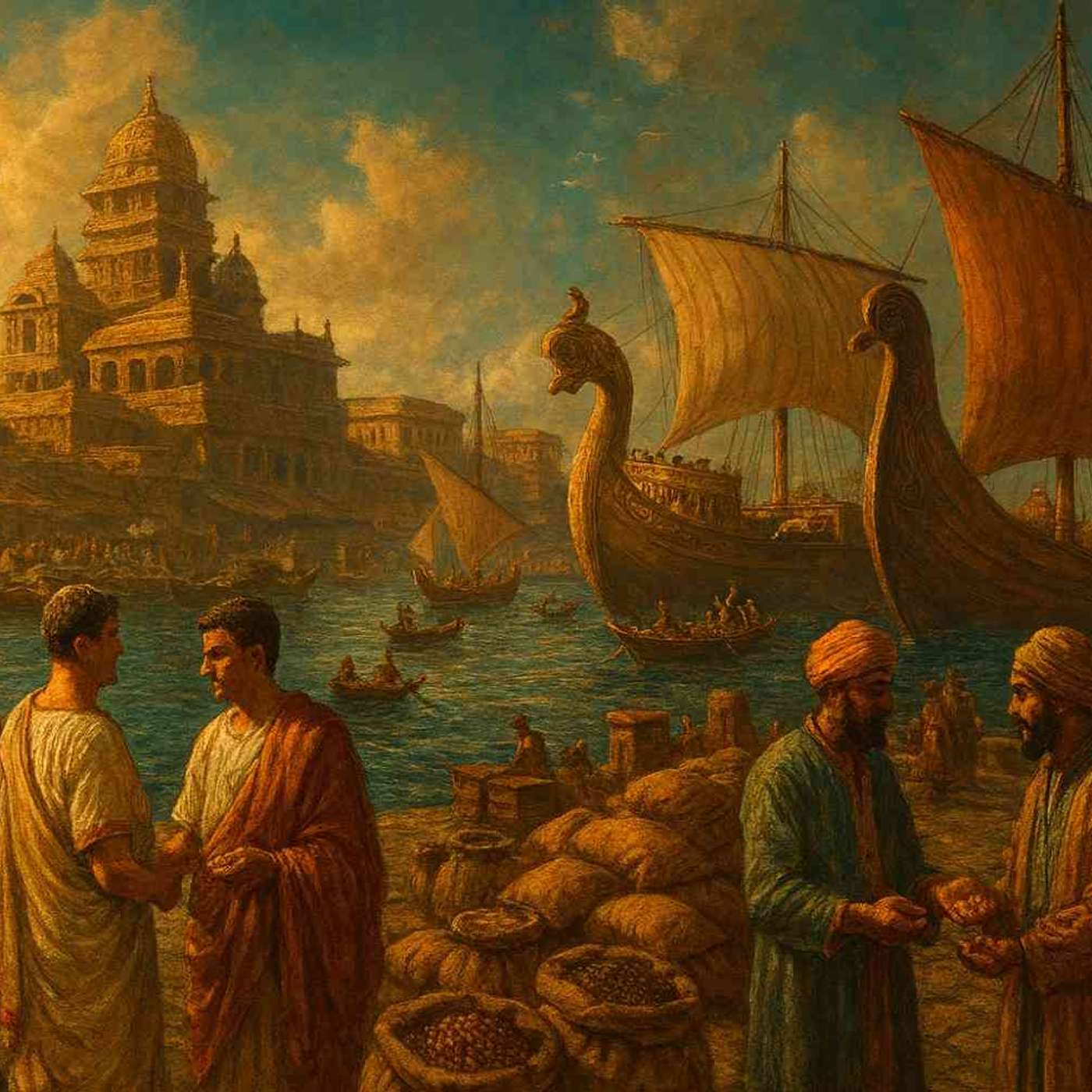
In 1498 Vasco da Gama sailed around the Cape of Good Hope, crossed the Indian Ocean and arrived at the port of Calicut on the Kerala coast.
Western history calls this the discovery of India.
There is a 2000-year-old document that destroys this claim completely.
It was written in approximately 60 CE by a Greek-speaking Egyptian merchant who had almost certainly made the journey himself. It is called the Periplus of the Erythraean Sea. And it describes in specific, practical, commercially detailed language the ports, the goods, the merchants and the monsoon navigation of an...
