The Coachman
Welcome to THE COACHMAN. I’m Omarr — storyteller, truth-teller, and your host.Every week, I take short stories from over a century ago and bring them back with soul. I read ‘em loud, clear, and with perspective — then I break ‘em down through the eyes of a modern Black man.Think history, culture, real talk… and a few f-bombs when needed.This ain’t school. This is storytelling that hits different.
Ep. 136: The Bogey Beastby Flora Annie Steel
The Bogey-Beast — A Folktale About Fear, Anxiety, and Imagination | TH3 COACHMAN In this episode of TH3 COACHMAN, I read and reflect on The Bogey-Beast by Flora Annie Steel, a darkly funny folktale about fear, uncertainty, poverty, and the human tendency to imagine disaster before understanding reality. After the reading, I explore the role of “bogey” figures in European folklore, the psychological nature of fear, and why stories about anxiety and imagination continue to resonate so strongly today. This episode explores fear, uncertainty, imagination, poverty, anxiety, and the emotional power of storytelling itself.
Listen to more episodes at:
Ep. 135: The Blind Man by Kate Chopin (United States) 1897
The Blind Man — A Kate Chopin Story About Perception and Emotional Distance | TH3 COACHMAN In this episode of TH3 COACHMAN, I read and reflect on The Blind Man by Kate Chopin, a psychologically rich short story exploring perception, misunderstanding, emotional distance, and human vulnerability. After the reading, I examine Chopin’s literary style, the symbolic use of blindness in literature, and why stories about emotional misunderstanding continue to resonate today. This episode explores perception, loneliness, emotional blindness, relationships, and the hidden tensions beneath ordinary life.
Listen to more episodes at:
https://th3coachman.wixsite.com/th3c...
Ep. 134: Bill, the Ventriloquial Rooster by Henry Lawson (Australia) 1900
The Blind Man — A Folktale About Perception, Understanding, and Human Blindness | TH3 COACHMAN In this episode of TH3 COACHMAN, I read and reflect on The Blind Man, a classic folktale exploring perception, vulnerability, compassion, and the hidden ways people misunderstand one another. After the reading, I explore the symbolic role blindness has played throughout folklore and literature, why stories like this continue to resonate emotionally, and how human beings often remain blind to truths directly in front of them. This episode explores perception, emotional awareness, social judgment, vulnerability, and the limits of human understanding.
Listen to mo...
Ep. 133: The Ant and the Grasshoper by Aesop (Ancient Greece) 1st-2nd century
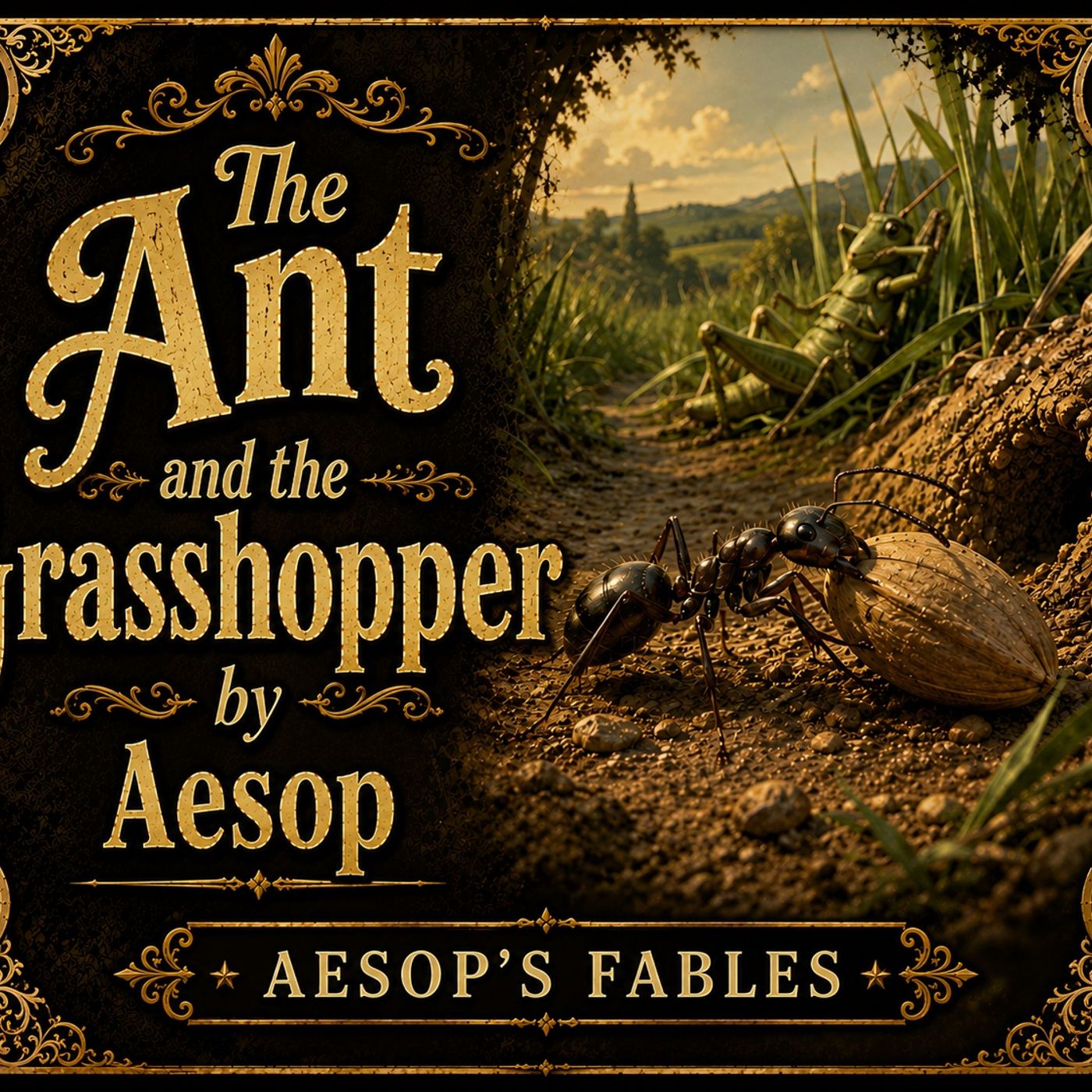
The Ant — A Classic Fable About Work, Discipline, and Survival | TH3 COACHMAN In this episode of TH3 COACHMAN, I read and reflect on The Ant, a timeless fable about labor, preparation, discipline, and survival. This simple but enduring story explores why societies throughout history admired patience, consistency, and long-term thinking. After the reading, I examine the historical role of fables in teaching responsibility, the symbolism of the ant across cultures, and why this ancient lesson still resonates in modern conversations about work, burnout, preparation, and success. This episode explores discipline, delayed gratification, survival, labor, and the quiet power of...
Ep. 132: Afternoon by Dorothy Parker (United States) Early 20th century

Afternoon — A Dorothy Parker Poem About Loneliness and Emotional Emptiness | TH3 COACHMAN In this episode of TH3 COACHMAN, I read and reflect on Afternoon by Dorothy Parker, a sharp and emotionally honest poem about loneliness, emotional fatigue, and the quiet emptiness hidden inside ordinary moments. After the reading, I explore Parker’s role in early 20th-century American literature, the emotional isolation beneath modern social life, and why this poem still resonates in an era filled with noise but lacking connection. This episode explores loneliness, emotional numbness, modern life, isolation, and the subtle sadness woven into everyday existence.
Ep. 131: 39 by Henry Lawson (Australia) early 20th century
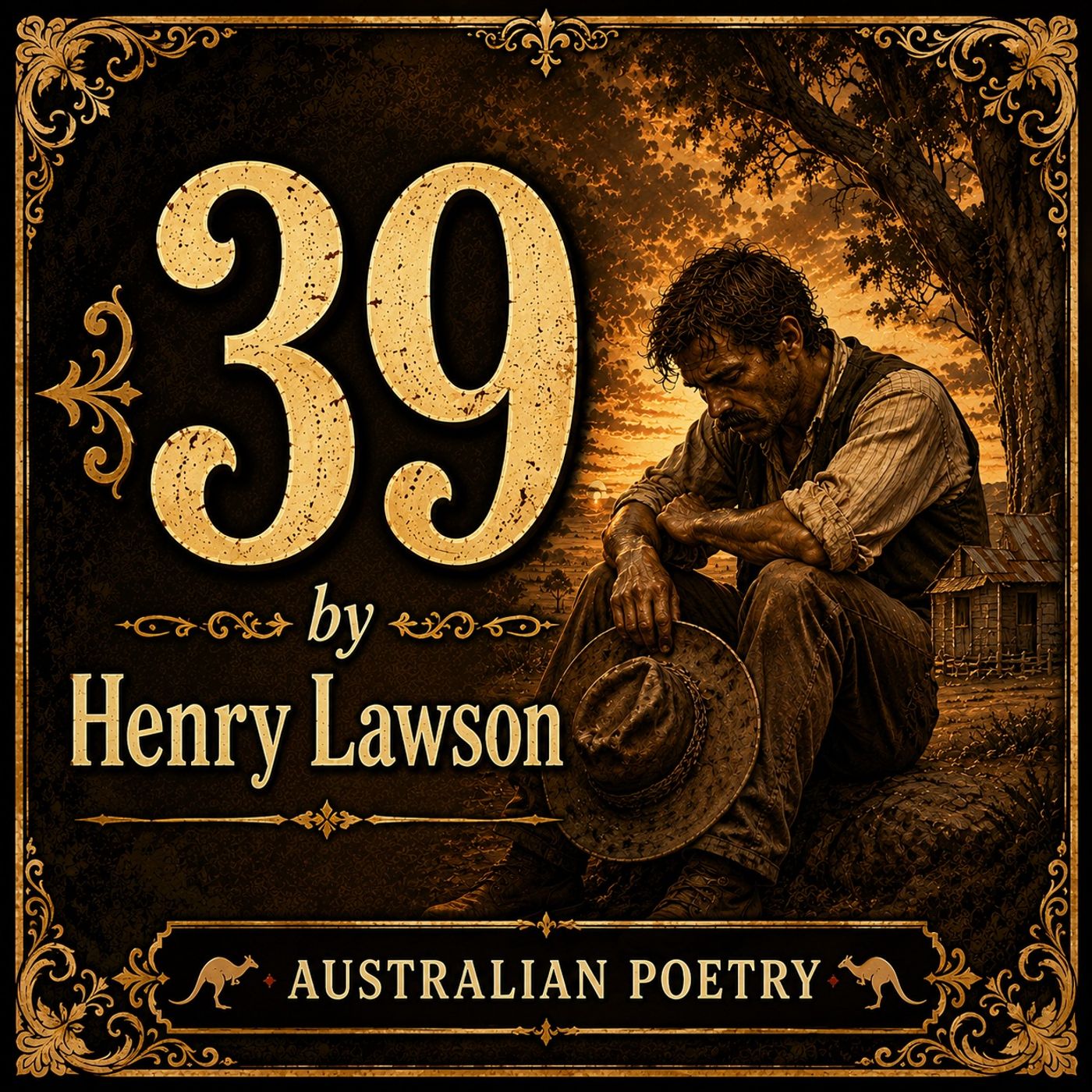
39 — A Henry Lawson Poem About Aging, Exhaustion, and Survival | TH3 COACHMAN In this episode of TH3 COACHMAN, I read and reflect on 39 by Henry Lawson, a deeply human poem about aging, emotional exhaustion, disappointment, and survival. Lawson’s writing captures the quiet emotional weight carried by ordinary working people trying to move through life while wrestling with time, regret, and endurance. After the reading, I explore Lawson’s role in Australian literature, the harsh realities of working-class life during his era, and why this poem still resonates with modern listeners facing burnout, pressure, and unmet expectations. This episode explor...
Ep. 130: The History of Susanna in The Book of David (Ancient Judea) 2nd -1st century BCE
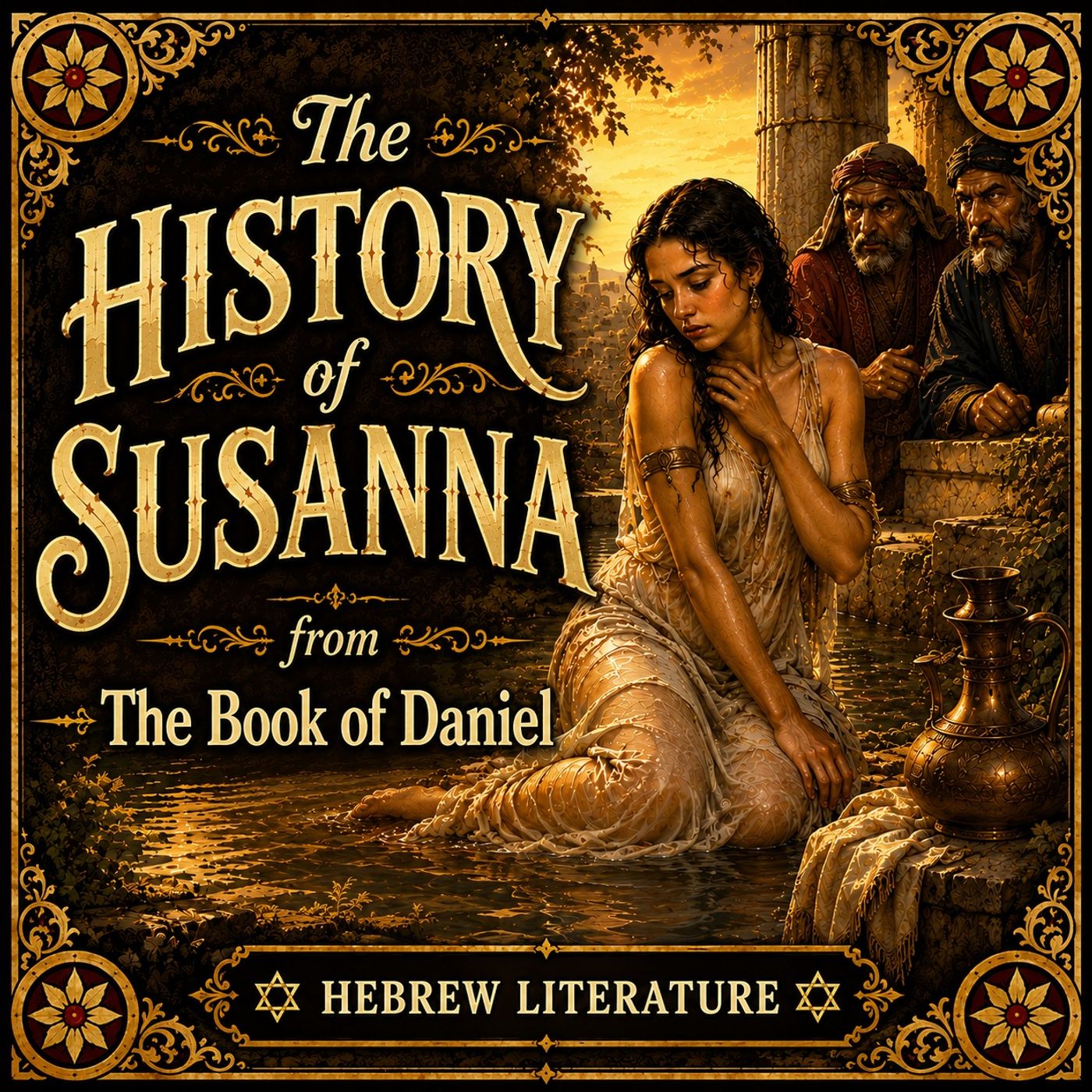
The History of Susanna — An Ancient Story About False Accusation and Corrupt Power | TH3 COACHMAN In this episode of TH3 COACHMAN, I read and reflect on The History of Susanna, one of the most powerful stories preserved in biblical apocryphal tradition. This ancient tale explores false accusation, abuse of authority, public shame, and the struggle for truth inside a corrupted system. After the reading, I explore the historical context surrounding reputation and justice in the ancient world, the symbolism of Daniel’s intervention, and why this story still resonates in conversations about power, credibility, and public judgment toda...
Ep. 129: The Aged Mother by Matsu Basho (Japan) Japanese Folklore
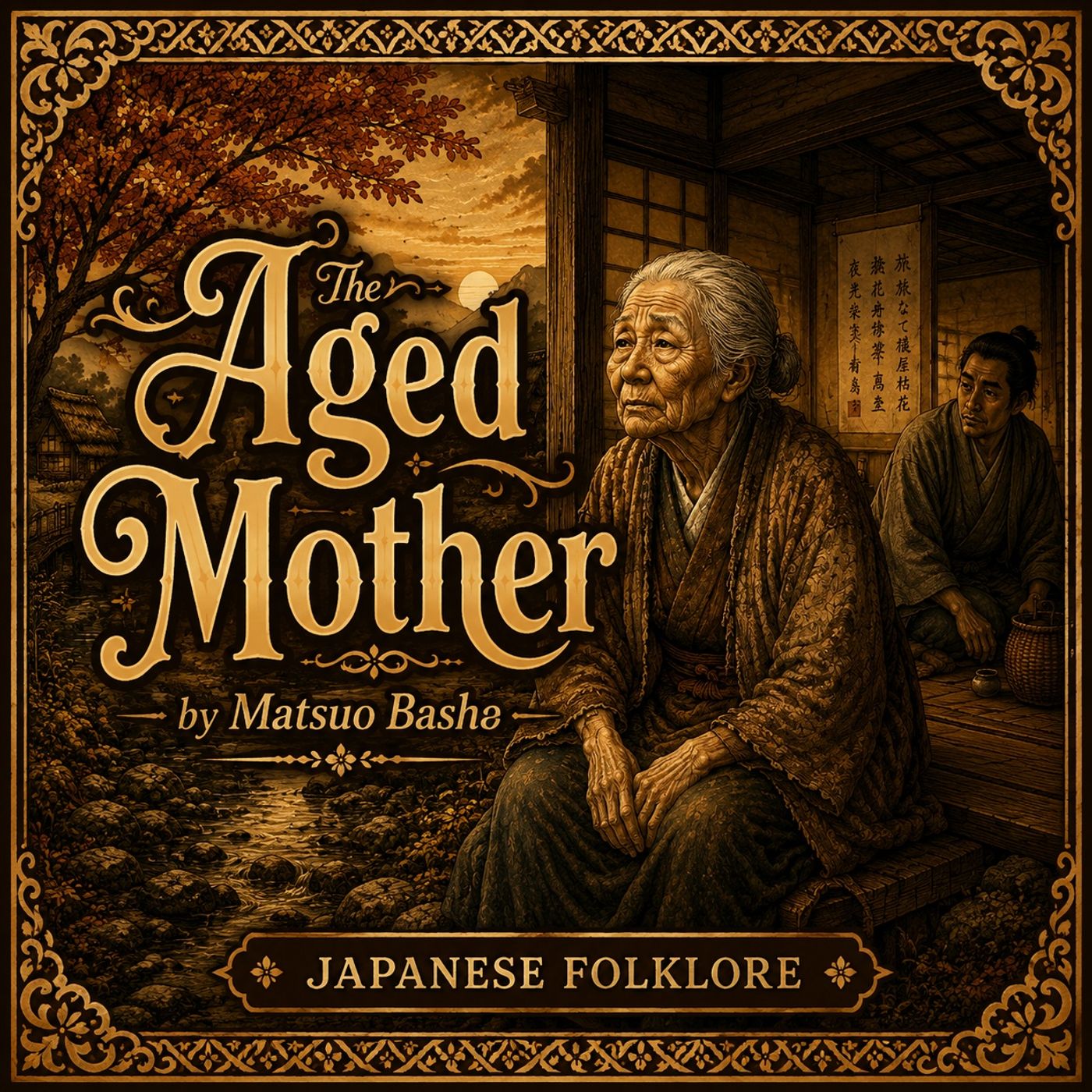
The Aged Mother — A Japanese Folktale About Wisdom, Aging, and Compassion | TH3 COACHMAN In this episode of TH3 COACHMAN, I read and reflect on The Aged Mother, a deeply emotional Japanese folktale about sacrifice, filial duty, and the hidden wisdom of the elderly. Set in a society where aging people are viewed as burdens, the story follows a son forced to make an impossible decision about his mother’s fate. After the reading, I explore the cultural roots behind the tale, the symbolism of the mountain journey, and why this ancient story still resonates today in conv...
Ep. 128: Weeduh, The Mockingbird by Australian Aboriginal Folktale (Australia) 1897
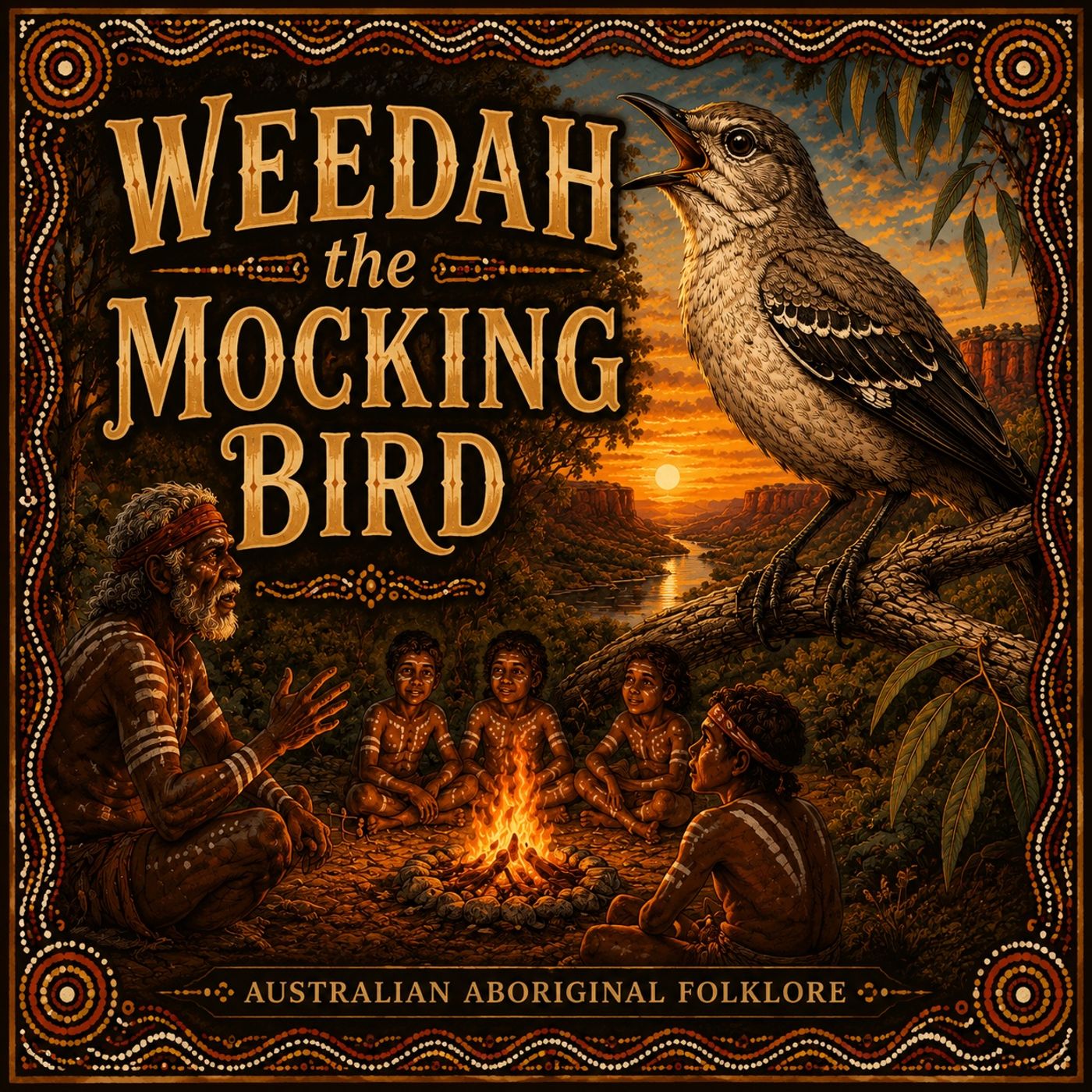
Weedah the Mocking Bird — An African American Folktale About Cleverness and Pride | TH3 COACHMAN In this episode of TH3 COACHMAN, I read and reflect on Weedah the Mocking Bird, a folktale from the African American oral storytelling tradition of the American South. This story blends humor, symbolism, and sharp observations about pride, intelligence, and survival. After the reading, I explore the cultural roots of African American folklore, the symbolism of the mockingbird, and why stories about underestimated intelligence continue to resonate today. This episode explores wit, ego, adaptation, and the power of paying attention. Listen to more episodes at...
Ep. 127: The Woman with Three Hundred and Sixty-Six Children by William Elliot Griffis (Holland) 1918
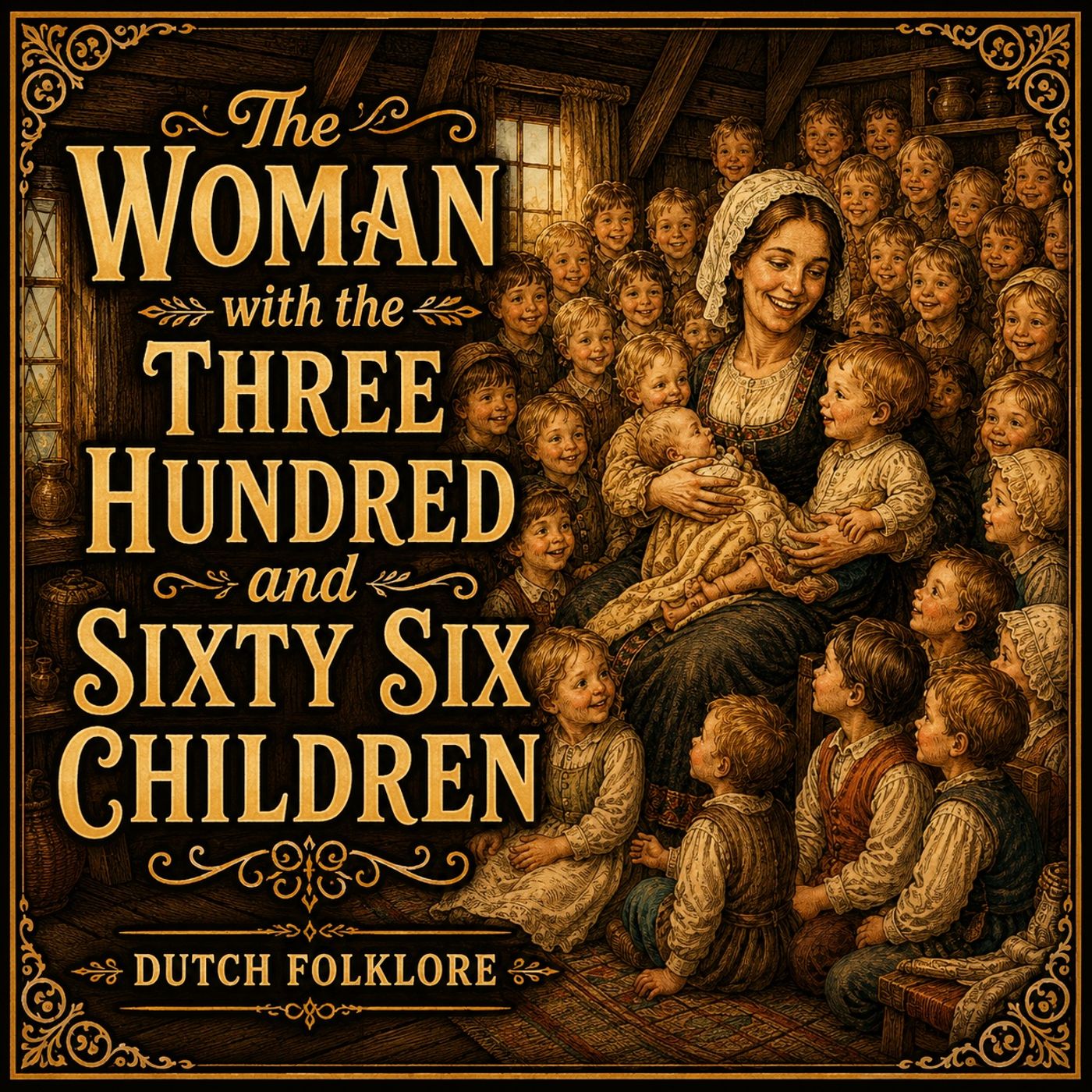
In this episode of The Coachman, we explore The Woman with the Three Hundred and Sixty Six Children; a powerful folktale about perspective, responsibility, and how quickly life can become overwhelming. This story reveals how small frustrations can turn into much larger consequences; not gradually, but all at once. What begins as a complaint becomes something uncontrollable. If you’ve ever felt overwhelmed or stretched beyond your limits; this episode will challenge how you see what’s in front of you.
Listen now and uncover the deeper meaning behind this striking tale. https://th3coachman.wixsite.com...
Ep. 126: The Lad and The Deil by Joseph Jacobs (Scotland) 19th century
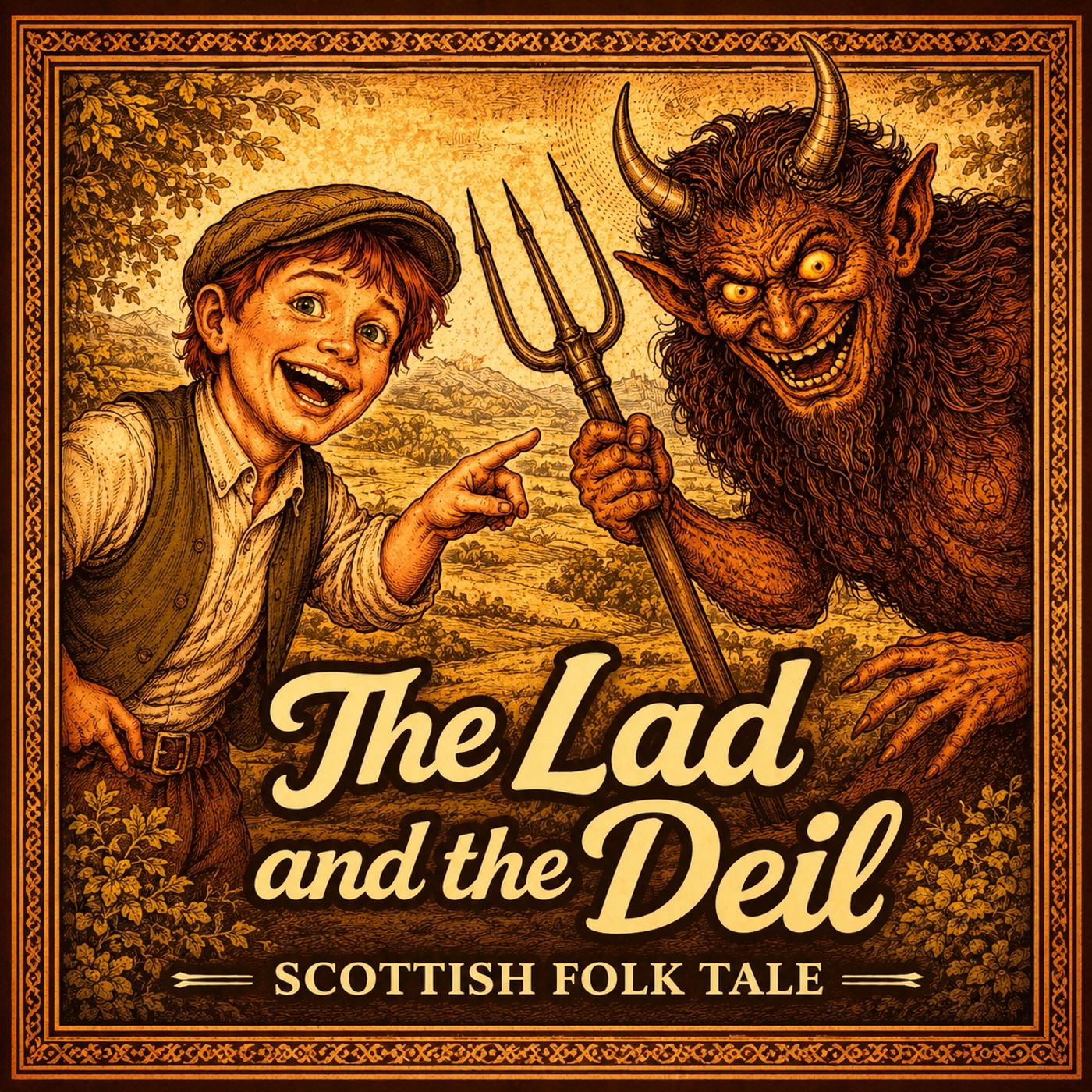
In this episode of The Coachman, we explore The Lad and the Deil; a classic Scottish folktale about intelligence, control, and the danger of revealing too much too soon. This story shows how power can be captured without force; through timing, awareness, and patience. What seems like a simple encounter becomes a lesson in how control is gained and lost. If you’ve ever felt the need to prove yourself, or underestimated someone else; this episode will challenge that instinct.
Listen now and uncover the deeper meaning behind this clever tale.
https://th3coachman.wixsite.com/th3coa...
Ep. 125: The Children and Old Folk (Slovenia) 1917
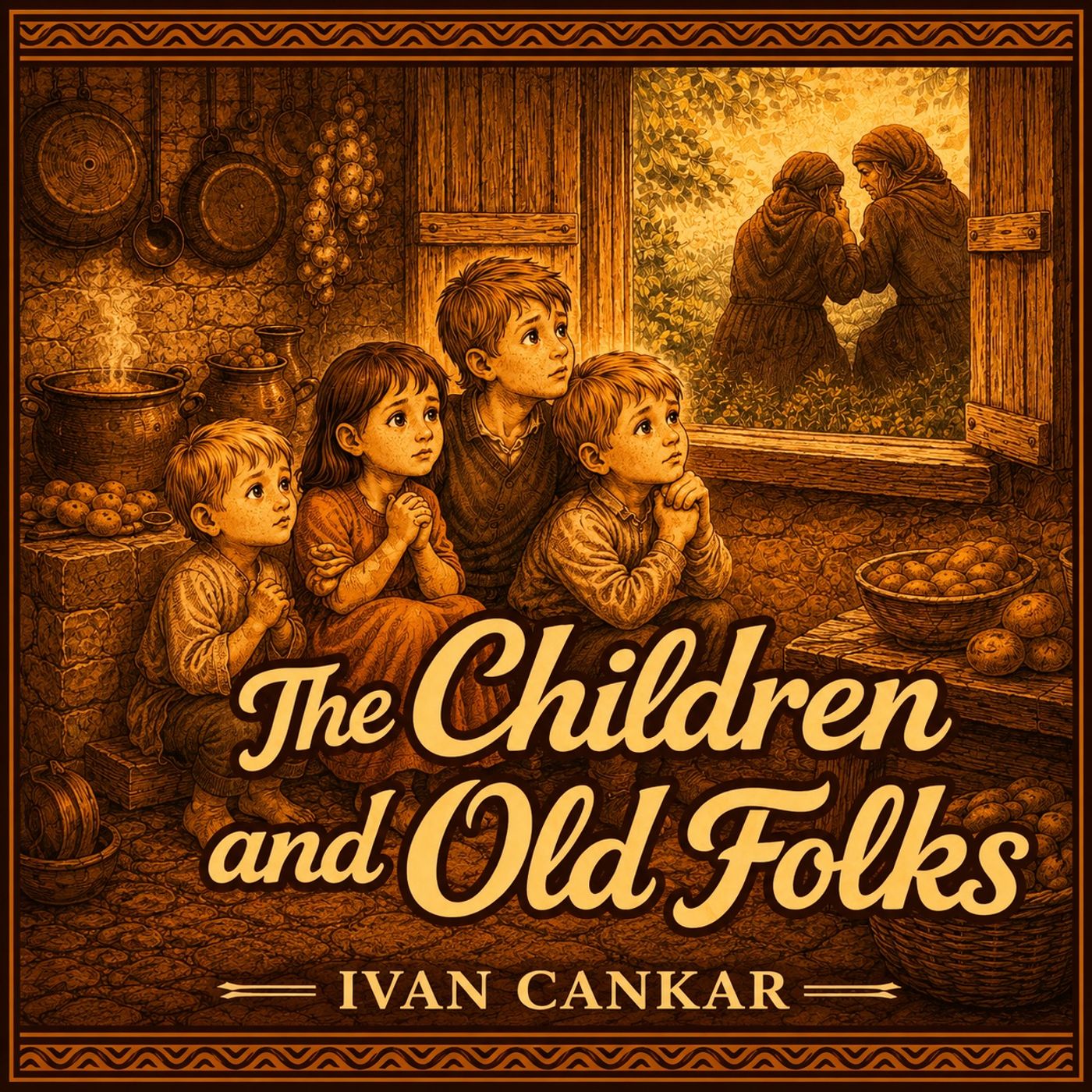
Children and Old Folk — A Quiet Story of Innocence, Age, and Human Tenderness | TH3 COACHMAN In this episode of TH3 COACHMAN, I read and reflect on Children and Old Folk by Ivan Cankar, a moving short story from his 1917 collection Dream Visions. This reflective piece explores the emotional kinship between the very young and the very old, revealing themes of vulnerability, tenderness, memory, and the quiet truths that often go unnoticed. After the reading, I break down Cankar’s literary background, the emotional depth of the story, and why this gentle but powerful work still resonates today. This is a...
Ep. 124: Munachar and Manachar by Joseph Jacobs (Ireland/Celtic Folklore) 1892
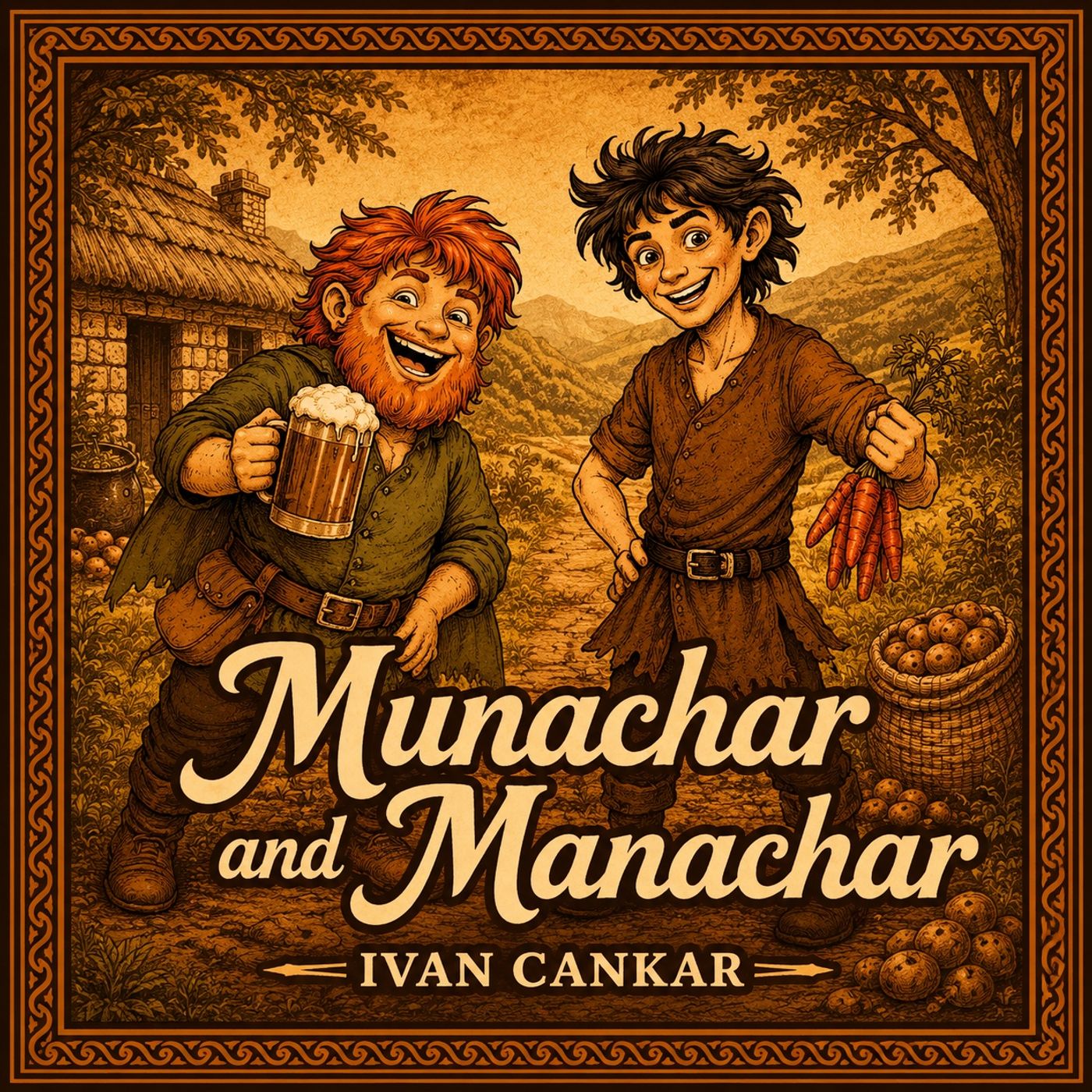
Munachar and Manachar — An Irish Folktale About Patience and Chain Reactions | TH3 COACHMAN In this episode of TH3 COACHMAN, I read and explore Munachar and Manachar, a humorous Irish folktale built around a chain of events that grows more complicated with every step. This classic cumulative story demonstrates how small problems can expand into unexpected journeys. After the reading; I discuss the storytelling tradition behind Irish cumulative tales; the cultural role of the seanchai storyteller; and why repetition and humor made these stories memorable for generations. 🎧 Inside this episode: • Full reading of Munachar and Manachar
• Irish folklore...
Ep. 123: Anansi and Nothing (Ghana/West Africa) written 19th century
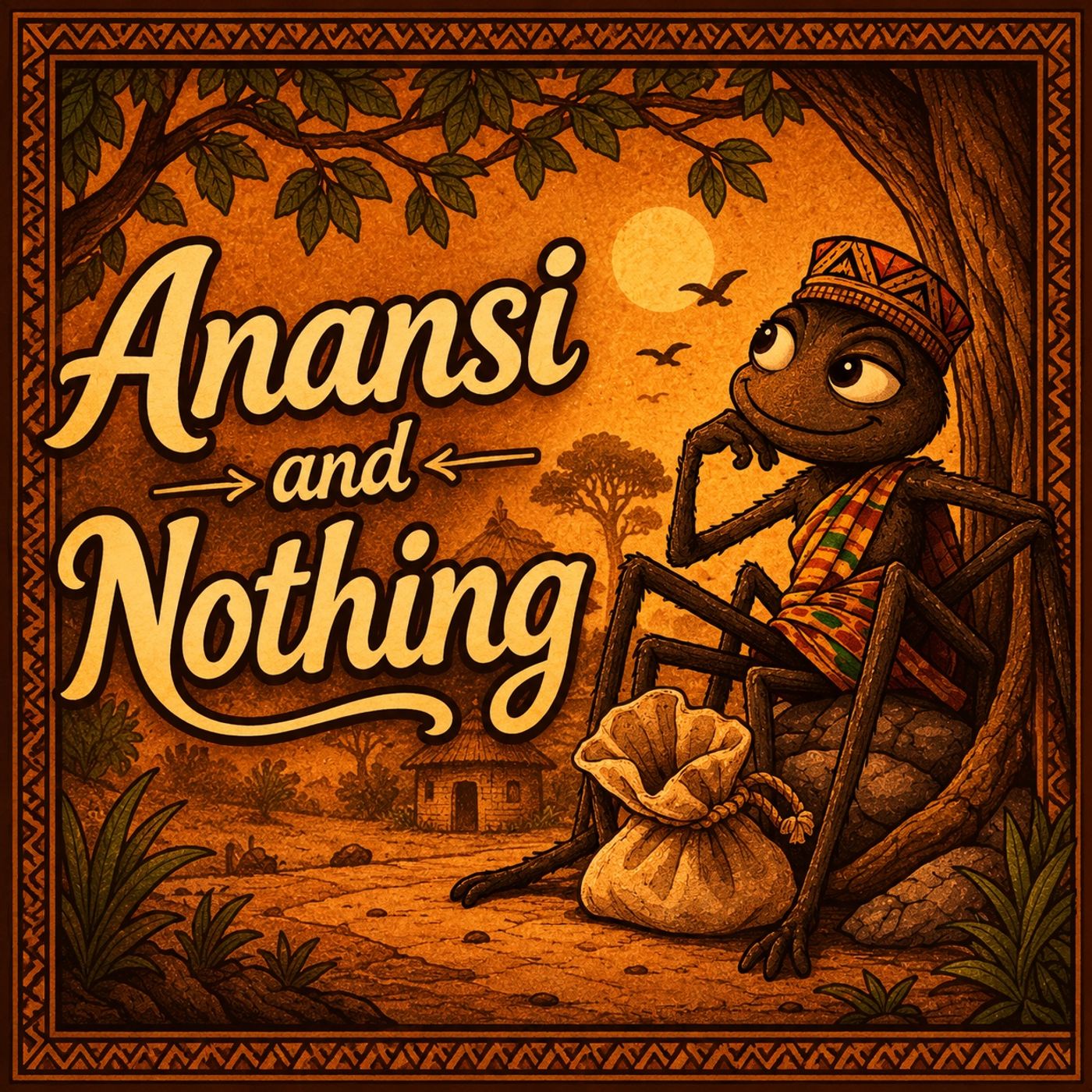
Anansi and Nothing — A West African Trickster Tale About Pride and Consequences | TH3 COACHMAN In this episode of TH3 COACHMAN, I read and analyze Anansi and Nothing; a classic folktale from the Akan storytelling tradition of West Africa. This story follows Anansi the spider; a legendary trickster known for his clever schemes; as he encounters a challenge that cannot be tricked or manipulated. After the reading; I explore the deeper meaning behind the story; including the cultural role of trickster characters; the symbolism of “Nothing”; and why Anansi tales continue to resonate across cultures today.
🎧 Inside this episode:<...
Ep. 122 The Goblin Pony (Scotland & Ireland) 18 - 19th century

The Goblin Pony — A Celtic Folktale About Temptation and Control | TH3 COACHMAN In this episode of TH3 COACHMAN, I read and break down The Goblin Pony, a haunting tale from Celtic folklore. This story follows a seemingly harmless enchanted pony whose ride quickly turns into something far more dangerous. After the reading, I explore the deeper symbolism of goblin creatures, the role of temptation in fairy tales, and why Celtic myths often warn against curiosity without caution. 🎧 Inside this episode:
• Full reading of The Goblin Pony
• Celtic folklore context
• Symbolism of enchanted animals
• Lessons about...
Ep. 121: Connla and the Fairy Maiden (Ireland) 8-9th century CE
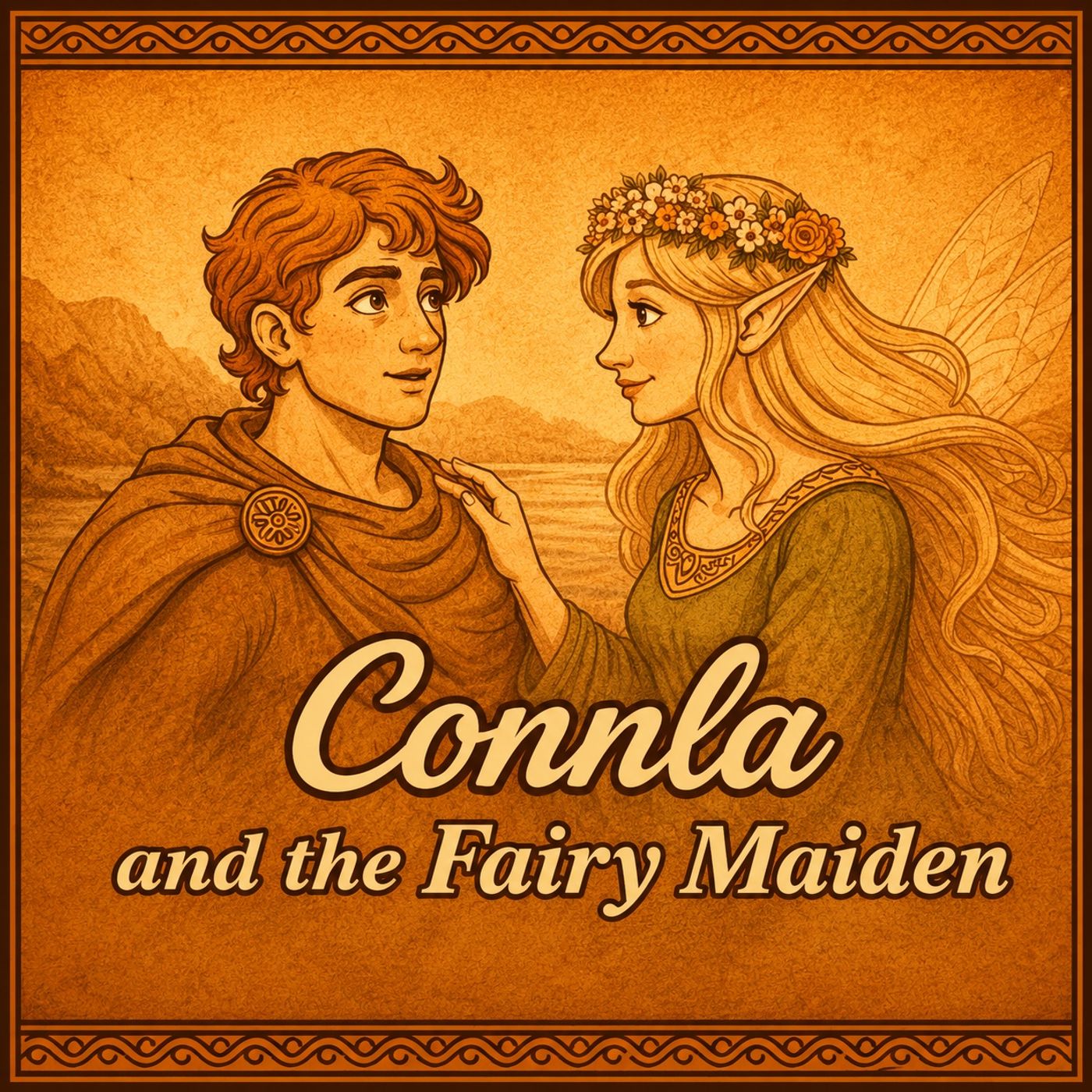
Connla and the Fairy Maiden — An Irish Myth of Desire, Fate, and the Otherworld | TH3 COACHMAN In this episode of TH3 COACHMAN, I read and break down Connla and the Fairy Maiden, one of the earliest Irish myths recorded in medieval literature. This haunting story follows a young prince who is drawn away from the human world by a mysterious fairy woman promising eternal youth and love. After the reading, I explore the cultural belief in the Otherworld, the symbolism of the apple, and why Irish mythology often treats desire as both beautiful and dangerous. This is a st...
Ep. 120: The Tortoise with His Pretty Daughter by Yoruba (Nigeria) c. Unknown
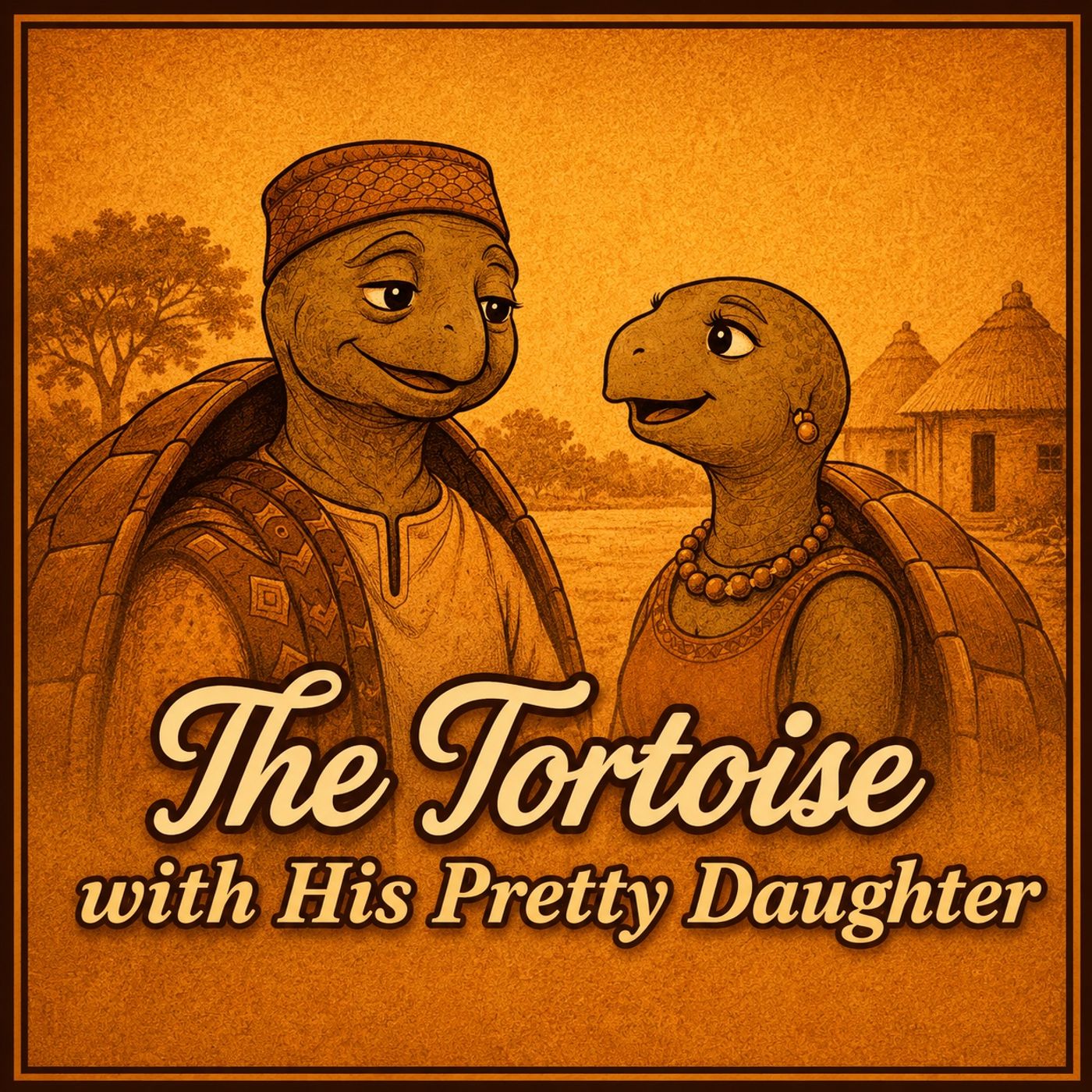
The Tortoise with a Pretty Daughter — A Folktale About Control, Fear, and Self-Sabotage | TH3 COACHMAN In this episode of TH3 COACHMAN, I read and break down The Tortoise with a Pretty Daughter, a traditional Indian folktale often associated with the Panchatantra. This story explores overprotection, pride, and the unintended consequences of trying to control outcomes instead of trusting wisdom. After the reading, I analyze the cultural context, symbolism, and why this ancient lesson still applies to modern family dynamics, parenting, and decision-making. 🎧 Inside this episode:
• Full reading of The Tortoise with a Pretty Daughter
• Indian folktale...
Ep. 14: The Foolish, Timid Rabbit (Ancient India) Ancient Over 2000 Years Ago
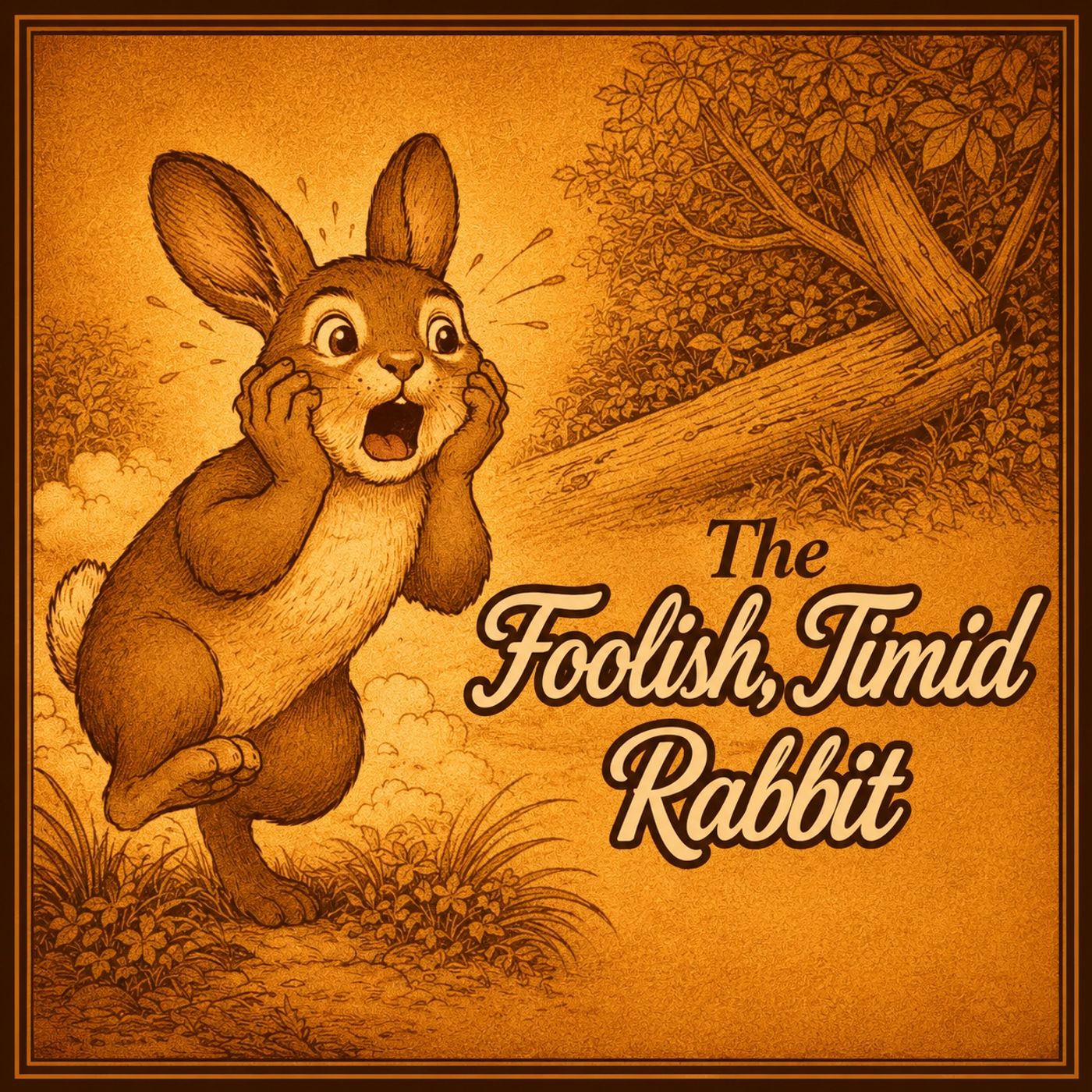
The Foolish, Timid Rabbit — A Fable About Fear, Rumors, and Calm Judgment | TH3 COACHMAN In this episode of TH3 COACHMAN, I read and break down The Foolish, Timid Rabbit, a classic folktale from ancient Indian and Buddhist traditions. This story follows a frightened rabbit whose panic spreads through the forest, causing chaos until wisdom finally intervenes. After the reading, I explore the deeper meaning behind the fable, including how fear spreads, why people follow panic, and the importance of calm leadership in moments of uncertainty. 🎧 Inside this episode:
• Full reading of The Foolish, Timid Rabbit
• The psych...
Ep. 118: The Prodigal Son Luke XV (Ancient Judea) 1st Century CE
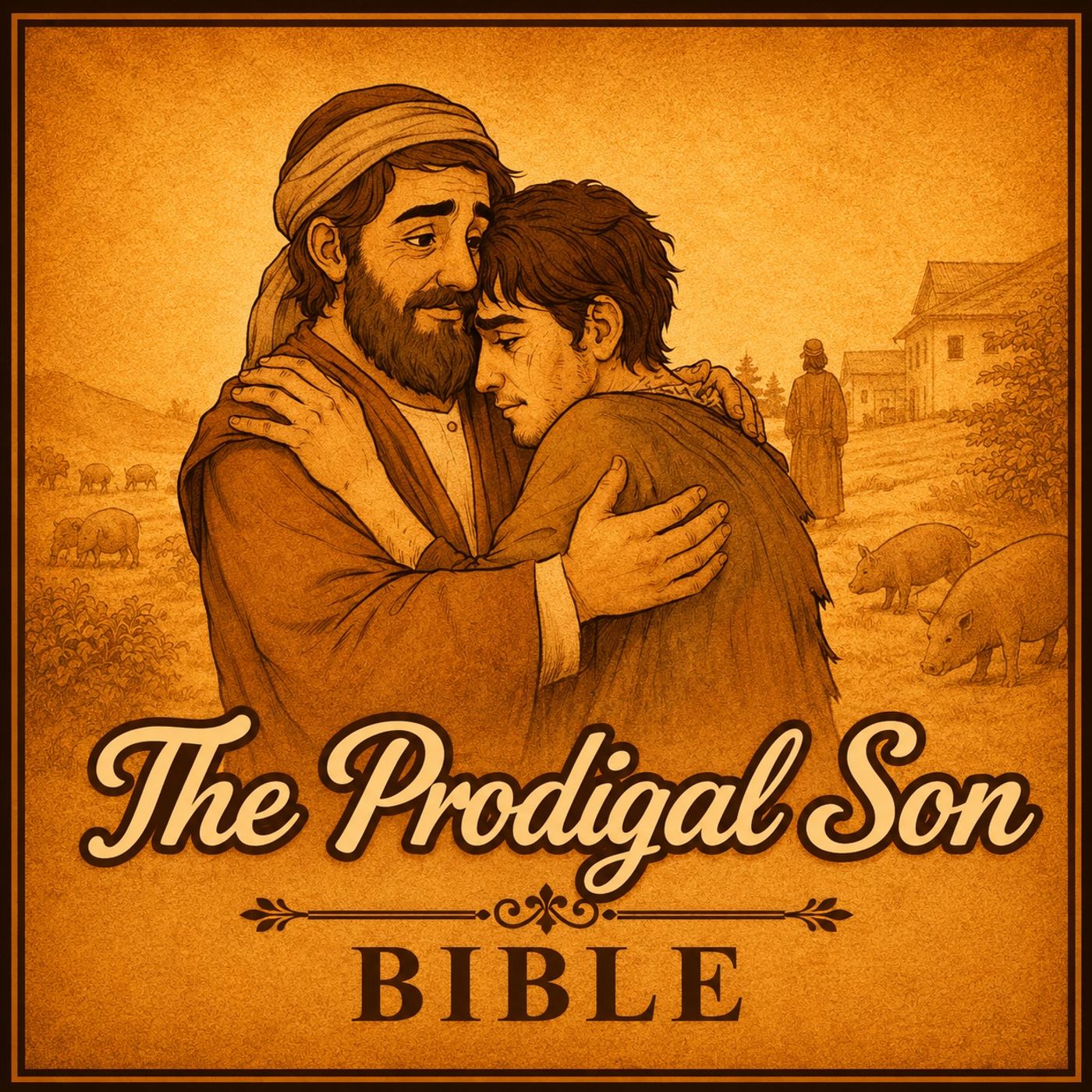
The Prodigal Son — A Timeless Story of Regret, Forgiveness, and Coming Home | TH3 COACHMAN In this episode of TH3 COACHMAN, I read and reflect on The Prodigal Son, one of the most powerful parables recorded in the Gospel of Luke. This ancient story explores pride, loss, shame, forgiveness, and the radical act of welcoming someone home after failure. After the reading, I break down the historical context, cultural expectations, and psychological depth behind the parable — examining why it continues to resonate across cultures, beliefs, and generations. 🎧 Inside this episode:\
• Full reading of The Prodigal Son
• Coachman in...
Ep. 117: A Woman's Wrath by Anton Chekov (Yiddish) Poland 1890's

A Woman’s Wrath — A Yiddish Story of Silence, Dignity, and Resentment | TH3 COACHMAN In this episode of TH3 COACHMAN, I read and break down A Woman’s Wrath by Isaac Loeb Peretz, a powerful Yiddish short story from the late 19th century. Set within a tightly bound community, this story explores suppressed anger, emotional neglect, and the quiet consequences of disrespect. After the reading, I analyze the cultural context of Eastern European Jewish life, the psychology behind restrained anger, and why Peretz’s portrayal of a woman’s inner life still resonates today. 🎧 Inside this episode:
• Full r...
Ep. 116: The Bird of Truth by Andrew Lang (Spain) 1890
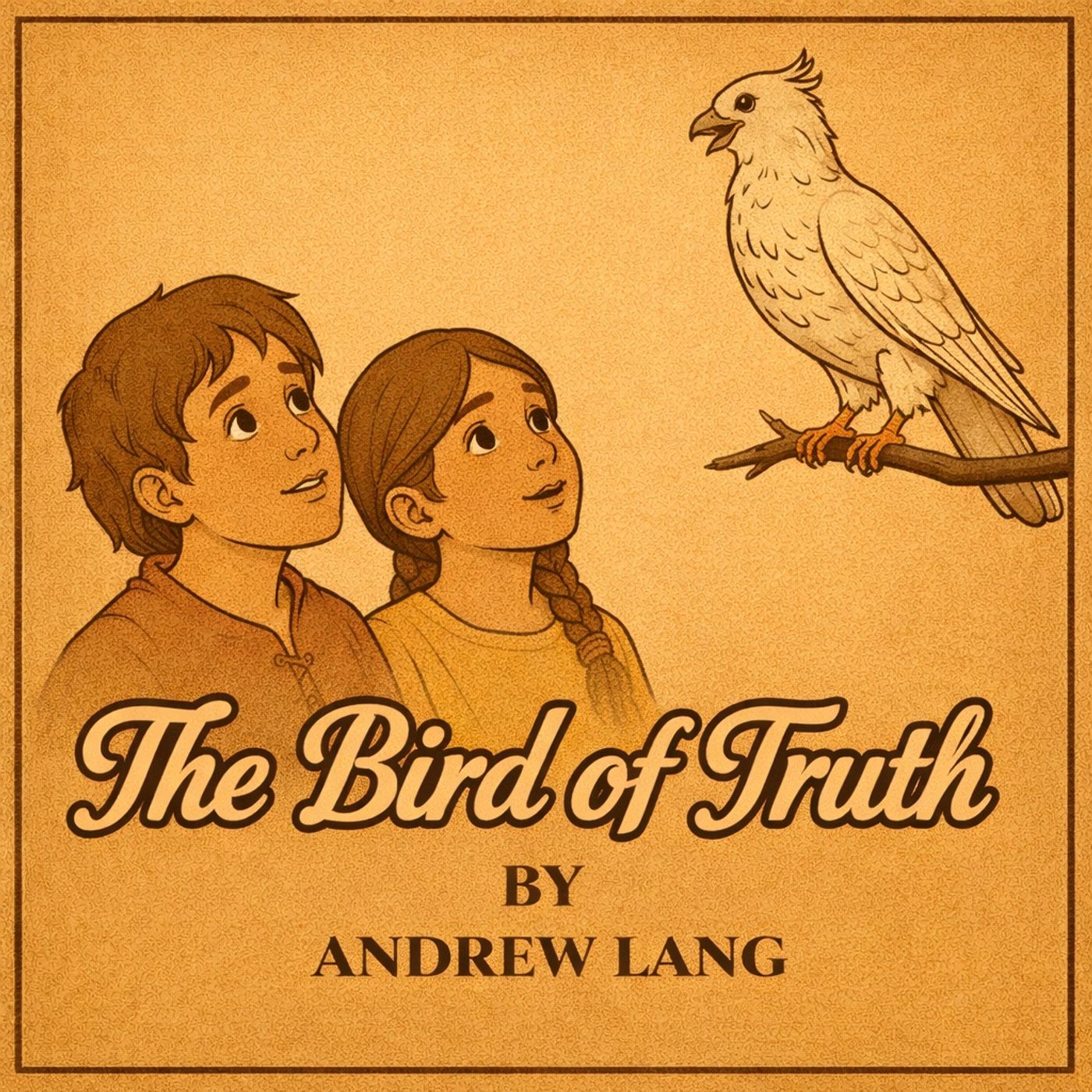
The Bird of Truth — A Dark Fairy Tale About Lies, Power, and Reality | TH3 COACHMAN In this episode of TH3 COACHMAN, I read and break down The Bird of Truth by Andrew Lang, a powerful fairy tale from The Red Fairy Book (1890). This haunting story follows abandoned children, a false queen who rules through deception, and a magical bird whose only purpose is to reveal the truth — no matter who it hurts. After the reading, I explore the deeper meaning behind the story, including the symbolism of the Bird of Truth, the danger of lies in positions of powe...
Ep. 115: The Dog and the Cook by Aesop (Ancient Greece) 6th century BCE

The Dog and the Cook — Aesop’s Lesson on Greed and Gratitude | TH3 COACHMAN In this episode, I read and break down Aesop’s classic fable The Dog and the Cook. Though short, this ancient story carries a sharp message about generosity, boundaries, and knowing when to stop taking. After the reading, I explore the deeper meaning behind the dog’s behavior and how this fable still applies to modern relationships, workplaces, and everyday life. 🎧 Inside this episode:
Full reading of The Dog and the CookAncient Greek moral teachingThe difference between need and greedCoachman humor and modern parallelsPe...
Ep. 114: Federigo's Falcon by Biovanni Boccaccio (Italy) 1353
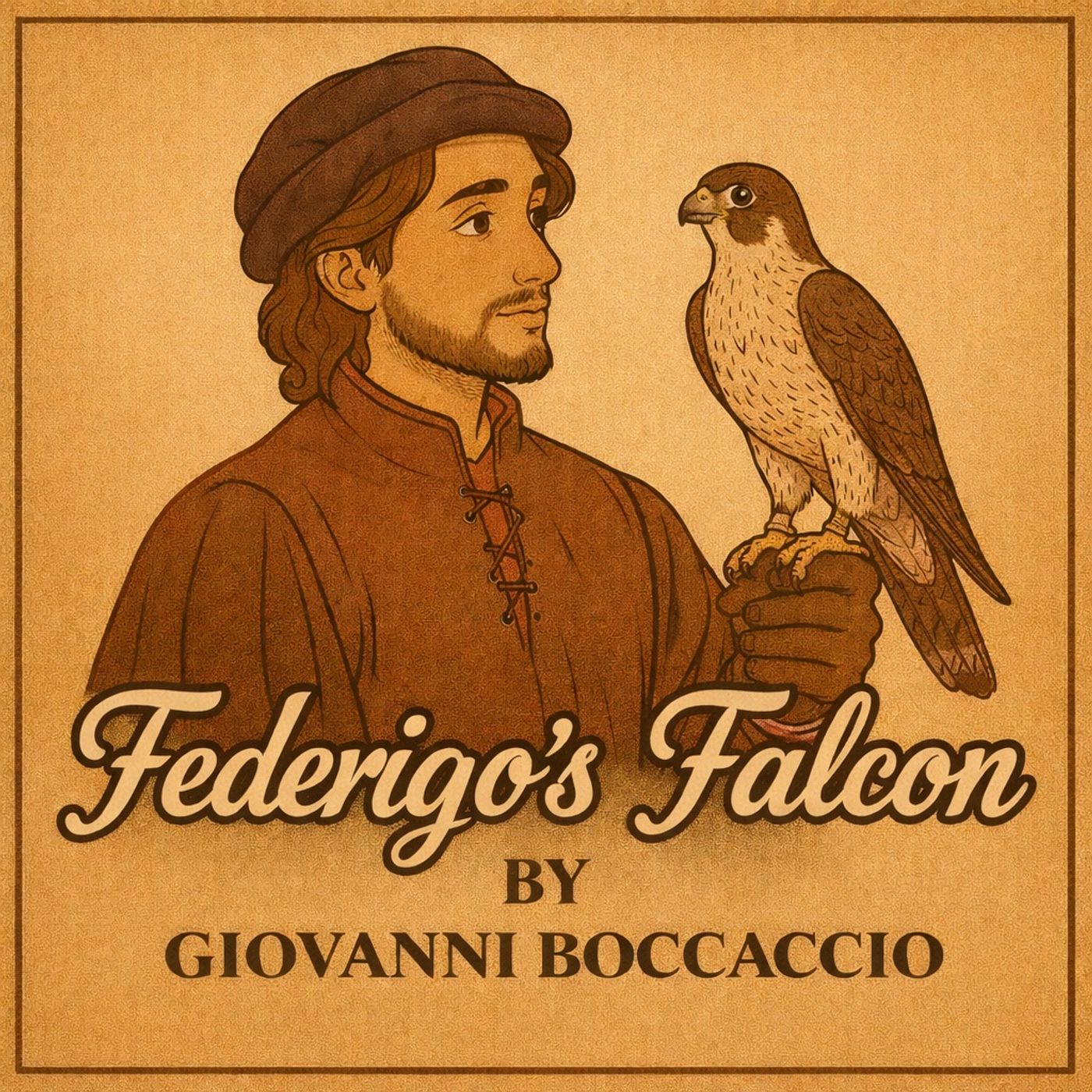
Federigo’s Falcon — A Story of Love, Sacrifice, and Quiet Dignity | TH3 COACHMAN In this episode, I read and reflect on Federigo’s Falcon by Giovanni Boccaccio, written in the 14th century as part of The Decameron. This timeless story explores love, generosity, and sacrifice through the quiet dignity of a man who gives everything without asking for anything in return. After the reading, I break down the historical context, symbolism of the falcon, and why this story remains one of the most powerful examples of ethical love in literature. 🎧 Inside this episode:
Full reading of Federigo’s FalconMed...
Ep. 113: The Little Match Girl by Hans Christian Andersen (Denmark) 1845

The Little Match Girl — A Story of Poverty, Imagination, and Neglect | TH3 COACHMAN In this episode, I read and reflect on The Little Match Girl by Hans Christian Andersen, first published in 1845. This haunting story follows a young girl selling matches on a freezing night, using imagination as her only refuge from hunger, cold, and indifference. After the reading, I break down the historical context, symbolism, and social realities behind the story — exploring why Andersen chose such a painful ending and why the story still resonates today. 🎧 Inside this episode:
Full reading of The Little Match Girl19th-cent...
Ep. 112: Rumpelstiltskin by the Brothers Grimm (Germany) early 1800's
Rumpelstiltskin — A Tale of Power, Desperation, and Identity | TH3 COACHMAN In this episode, I read and break down the Brothers Grimm classic Rumpelstiltskin, first published in 1812. Through a desperate bargain, a manipulative king, and a magical being with a dangerous temper, this story explores fear, deception, and the hidden meaning of names. After the read-through, I give the Coachman analysis — cultural context, symbolism, surprising facts, and the deeper psychological message. This tale isn’t just about magic; it’s about the dangers of lies, the weight of promises, and the knowledge that sets people free. 🎧 Inside this episode:
Full r...
Ep. 111: The Open Window by Saki "H.H. Munro" (England) 1914
The Open Window — A Brilliant Tale of Wit, Anxiety, and Deception | TH3 COACHMAN In this episode, I read and break down Saki’s iconic short story The Open Window, first published in 1914. What begins as a polite house visit quickly unravels into a masterclass in manipulation, storytelling, and social satire. After the full reading, I explore the historical background, the psychology behind Vera’s prank, and why Saki’s humor still hits today. We break down the symbolism, the twist, and the deeper message hidden beneath the comedy. 🎧 Inside this episode:
Full reading of The Open WindowHistory of Edwardia...
Ep. 110: The Selfish Giant by Oscar Wilde (Ireland) 1888
The Selfish Giant — A Story of Isolation, Healing, and Redemption | TH3 COACHMAN In this episode, I read Oscar Wilde’s beloved fairy tale The Selfish Giant, published in 1888. What seems like a simple story about a giant and a garden becomes a powerful reflection on selfishness, community, and emotional transformation. After the full reading, I break it down the Coachman way — exploring Wilde’s symbolism, the historical background, and the spiritual meaning behind the Giant’s journey from bitterness to love. 🎧 Inside this episode:
Full reading of The Selfish GiantSymbolism of winter, spring, and the gardenThe emotional core of the G...
Ep. 109: God Sees the Truth; But Waits by Leo Tolstoy (France) early 19th century
God Sees the Truth; but Waits — A Story of Justice, Pain, and Forgiveness | TH3 COACHMAN In this episode, I read and break down Leo Tolstoy’s timeless story God Sees the Truth; but Waits, first published in 1872. After the full read-through, I explore the history of Russia’s justice system, Tolstoy’s spiritual philosophy, and the heartbreaking transformation of a man who spends his life paying for a crime he did not commit. 🎧 Inside this episode:
Full reading of Tolstoy’s storyHistorical context of 19th-century RussiaThemes of wrongful conviction and spiritual awakeningThe power — and weight — of forgivenessCoachman humor, analysis...
Ep. 108: The Necklace by Guy de Maupassant (France) 1884
The Necklace — A Classic Story Decoded Through a Modern Black Lens | TH3 COACHMAN In this episode, I read and break down Guy de Maupassant’s The Necklace, the legendary tale from 1884 about pride, appearance, and the cost of pretending. After the full reading, I explore the historical background, the symbolism behind the necklace, and the brutal twist ending that still shocks readers today. 🎧 In this episode:
Full reading of The NecklaceHistory of social class in 19th-century FranceSymbolism behind luxury and appearanceThe dramatic twist explainedCoachman humor, commentary, and cultural perspectivePerfect for fans of classic stories, real talk, and literat...
Ep. 107: The Gift of the Magi by O. Henry (USA) 1905
The Gift of the Magi — Read & Broken Down Through a Modern Black Lens | TH3 COACHMAN In this episode, I revisit The Gift of the Magi by O. Henry — a classic Christmas story first published in 1905. After a full reading of the story, I break it down with cultural commentary, historical background, surprising facts, and a modern-day interpretation of sacrifice, love, and what giving really means. 🎧 Inside this episode:
Full reading of O. Henry’s storyHistorical context of early 1900s AmericaWhat the characters’ sacrifices revealThe hidden meaning behind the “Magi”Coachman humor and reflectionA message for listeners in 2026Perfect...
Ep. 106: The Cabuliawalla by Rabindranath Tagore (India) 1892
Kabuliwala — A Story of Migration, Memory, and Fatherhood | TH3 COACHMAN In this episode, I read Rabindranath Tagore’s timeless story Kabuliwala, written in 1892. It follows an Afghan fruit seller living in Calcutta and the unexpected friendship he forms with a young girl named Mini — a bond built on warmth, innocence, and shared humanity. After the reading, I break down the history behind the story, the emotional core of the Kabuliwala’s character, and the deeper themes of migration, sacrifice, and fatherhood. We explore why this story still resonates today and how Tagore captured the quiet heartbreak of a man far...
Ep. 105: Lancelot and Elaine by Mary MacGregor (Celtic)
Love can be displayed in many forms. But, what would you go through to show your love? Listen to the amazing story of Lancelot and Elaine. This story is not what you think...
Ep. 104: Tokgabi and His Pranks by William Elliot Griffis (Korea)
Keeping with the theme of fun pranks, Daisy and I read a wonderful story about little imps that enjoy a good prank here and there that have led to some traditions of Korea. Enjoy!
Ep. 103: How the Monkey Became a Trickster by Elsie Spicer Eells (Brasil)
Monkeys are fun and filled with personality. They're some of the trickiest animals too, but I bet you don't know how they got that way. Have a listen and find out why!
Ep. 102: The Princess and the Pea by Hans Christian Andersen
Finding true love is one of life's mysteries. But, for one queen, she solved it with a pea.
Ep. 101: Origin of the Welsh published by P.H. Emerson (Wales)

Wales...the land of 3.136 million people, rugged coastline, mountainous national parks, distinctive Welsh language and Celtic culture. Do you know where and how this country started? Well, now you can!
Ep. 100: The Disciple by Oscar Wilde (A Favourite from me to you)
100! Thank you for everyone's support. This couldn't have happend without the many people who have inspired, encouraged, suggested, followed, liked, and most of all...listened! I hope you all enjoy a tale so similar to the journey of this podcast and I wish you all a wonderful day!
Ep. 99: How the Ducks Got Their Fine Feathers by Frank Bird Linderman (Native American North America)

Ducks are such wonderful creatures that walk, fly, and swim across the globe that we all know about. But, can you tell me how they got their feathers?
Ep. 98: The Water of Life by Andrew Lang's Fairy Books (Catalan)
It's always hard to NOT do something when someone tells you not to do it. For example, when your mother or father told you not to go into that room around Christmas...what did they think was going to happen? Hear a fabulous tale about family, love, perserverence and adventure of a little girl that wouldn't give up hope.
Ep. 97: Nils Finn by Bjørnstjerne Bjørnson (Norway)
If you like to ski, then Join Nils Finn on his epic ski journey and the rumbling yonder!
