The Business of Fashion Podcast

The Business of Fashion has gained a global following as an essential daily resource for fashion creatives, executives and entrepreneurs in over 200 countries. It is frequently described as “indispensable,” “required reading” and “an addiction.” Hosted on Acast. See acast.com/privacy for more information.
Olivier Bron on Making Bloomingdale’s Desirable Again

For most of the last 30 years, the American department store has been a story of decline: store closures, bankruptcies, endless discounting and floors packed with racks that looked the same from one store to the next.
Bloomingdale’s is starting to tell a different story. Last quarter, its comparable sales grew more than 11 percent, its second consecutive quarter of double-digit growth, at a moment when much of the luxury industry is struggling to grow at all.
The man behind that turnaround is Olivier Bron, who arrived in New York nearly three years ago to become th...
The Generation Fashion Forgot

Fashion has long been obsessed with youth, treating young shoppers as both trendsetters and the engine of growth. Yet brands including Evereve, Ulla Johnson, Frances Valentine and Poppy & Peonies are finding opportunities in catering to women in their 40s, 50s and beyond, a demographic with significant spending power and brand loyalty that rarely features prominently in fashion campaigns.
On this week's episode of The Debrief, senior correspondent Sheena Butler-Young and US editor Diana Pearl examine why brands are still afraid to make the older shopper the face of a campaign, what “multi-generational selling” actually requires, and how...
Ask Imran Anything: Vanity Metrics, Creativity and Commerce, Gucci’s Future
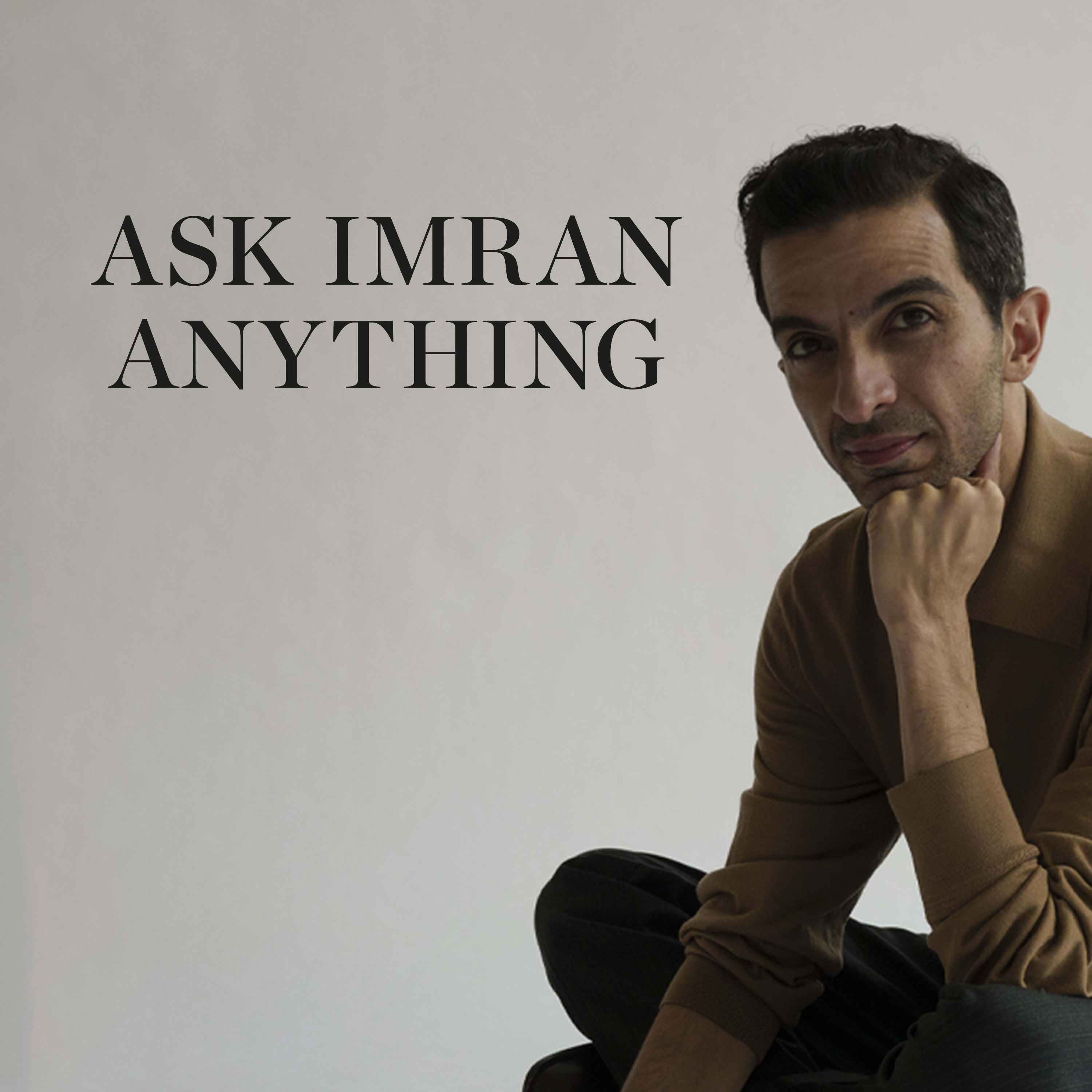
This week, by popular demand, we are back for the third installment of Ask Me Anything, where listeners from around the world send in their most pressing questions about what is happening in the fashion business.
This time, the conversation jumps off from the latest season of shows, specifically what’s actually happening at Gucci, whether metrics like Earned Media Value (EMV) and Media Impact Value (MIV) are worth anything at all, how brands can strike the right balance between creativity and commerce, and where human judgement still remains integral, even as AI becomes part of ev...
Who’s to Blame for Bad Customer Service?

A $15,000 mechanical bird named Molly has become an unlikely flashpoint for retail. After pop star Kelly Clarkson accused Brooklyn boutique Art of Play of treating her “like Julia Roberts’ character” in Pretty Woman, the dispute ignited a much bigger debate about customer service, training and who bears the brunt of bad retail experiences.
In this episode, senior correspondent Sheena Butler-Young is joined by Jessica Kwon, who recently examined why poor customer service remains so pervasive across retail, and retail editor Cathaleen Chen, who spearheaded BoF’s coverage of the world’s best independent stores. Together, they explore wh...
How Independent Thinking Powered the Spring/Summer 2027 Shows
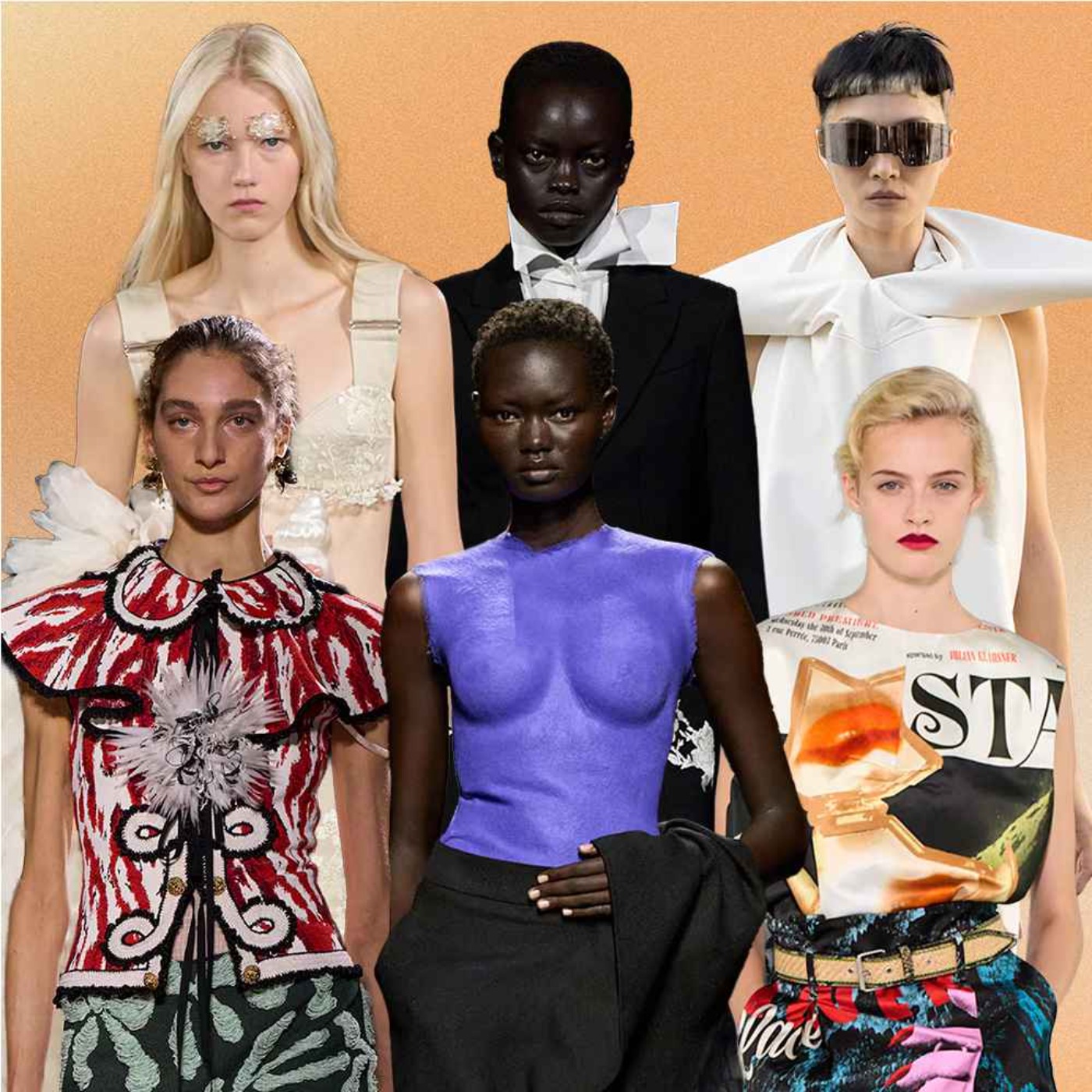
Tim Blanks, editor-at-large at The Business of Fashion, joins Imran Amed for their seasonal review of the Spring/Summer 2027 shows.
In London, Simone Rocha and Erdem delivered what Blanks calls career heights, and Christopher Kane made his debut at Mulberry, which brought the label back to the London schedule. In Milan, Demna presented his third show for Gucci, and Miuccia Prada and Raf Simons built Prada’s collection almost entirely around the skirt. In Paris, Anthony Vaccarello staged his final show for Saint Laurent, a collection built around gold. Kering confirmed his departure on Oct. 9.
The Verdict on Luxury Fashion’s Designer Reset

Fashion's biggest wave of creative-director musical chairs is now a year or so in, and the early read is starting to emerge. Over a dozen major houses have brought in new leadership, and while the broader luxury market is still sluggish, the areas designers can actually move — product, image, storytelling — are showing real signs of life. On a global scale, Chanel is seeing an immediate commercial payoff under Matthieu Blazy, Gucci looks to be stabilising under Demna, and at Dior, Jonathan Anderson's vision is starting to take shape.
In this episode, senior correspondent Sheena Butler-Young is join...
Marc Jacobs: 'I Don't Think That The Creative Is to Blame'
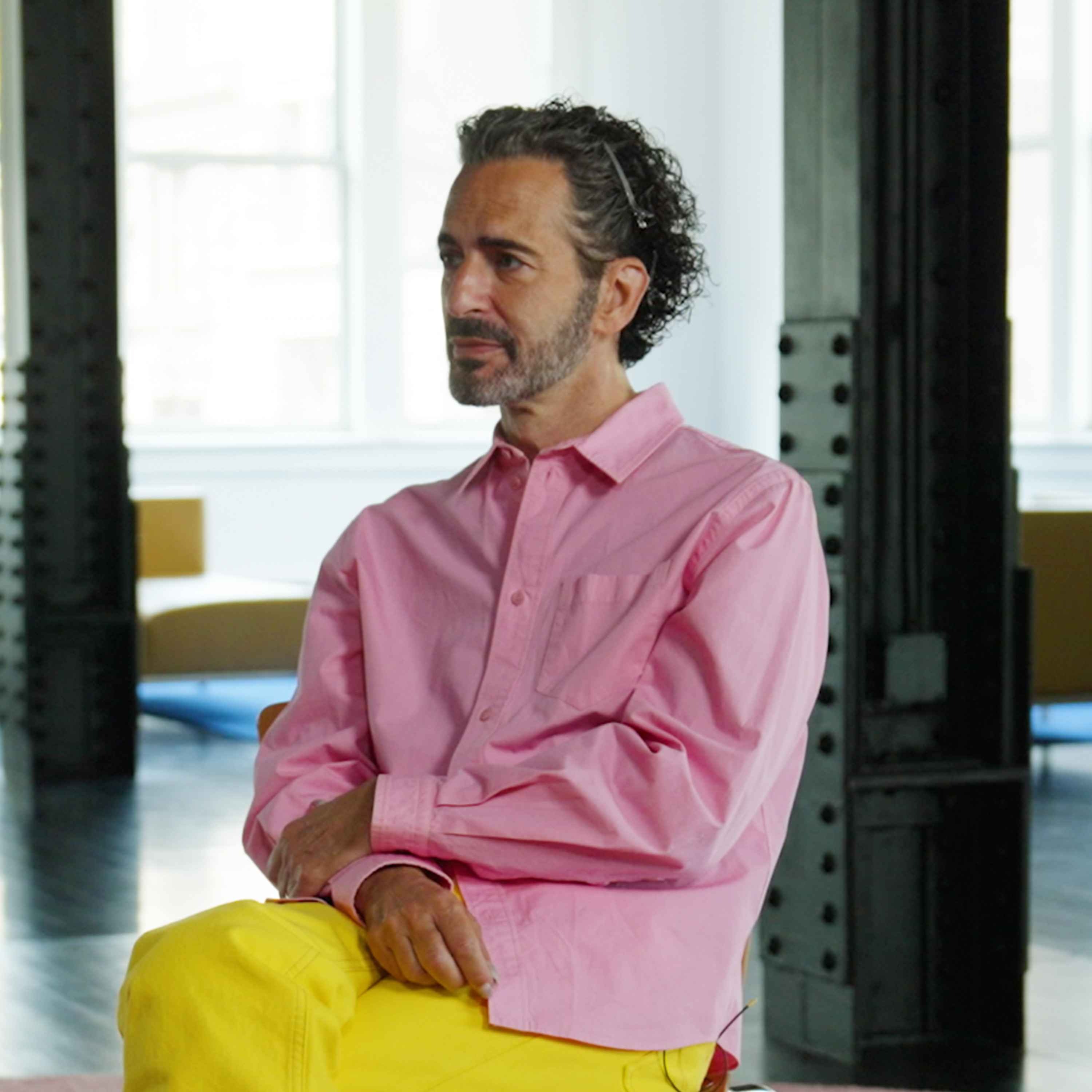
Today, we introduced The BoF 500 Class of 2026: 100 new members added to our ever-growing index of people shaping the global fashion industry. This year’s BoF 500 cover stories feature Miuccia Prada, Marc Jacobs, Givenchy’s Sarah Burton and Issey Miyake’s Satoshi Kondo, examining the ineffable creative quotient that turns clothes into things of desire.
But creativity is just one part of the fashion equation. It is not something managers can simply turn on like a light switch. Designers also need sufficient time and resources, and teams that know how to translate their visions into commercial products — not to m...
Luxury’s Italian Supply Chain Reckoning Isn’t Over

In 2024, Milan prosecutors uncovered sweatshop-like conditions within the Italian supply chains of major luxury brands, revealing that workers faced degrading living conditions, low pay, and 15-hour workdays. Nearly two years later, despite brands strengthening internal controls, increasing audits, and restricting subcontracting, labour groups report little fundamental change on the ground.
This week, BoF’s Sarah Kent and Sheena Butler-Young explore whether the luxury sector's response has addressed the root causes of this exploitation, or merely added layers of compliance to the same flawed business model.
Key Insights:
Feed Me's Emily Sundberg on How Fashion Underestimates Its Customers
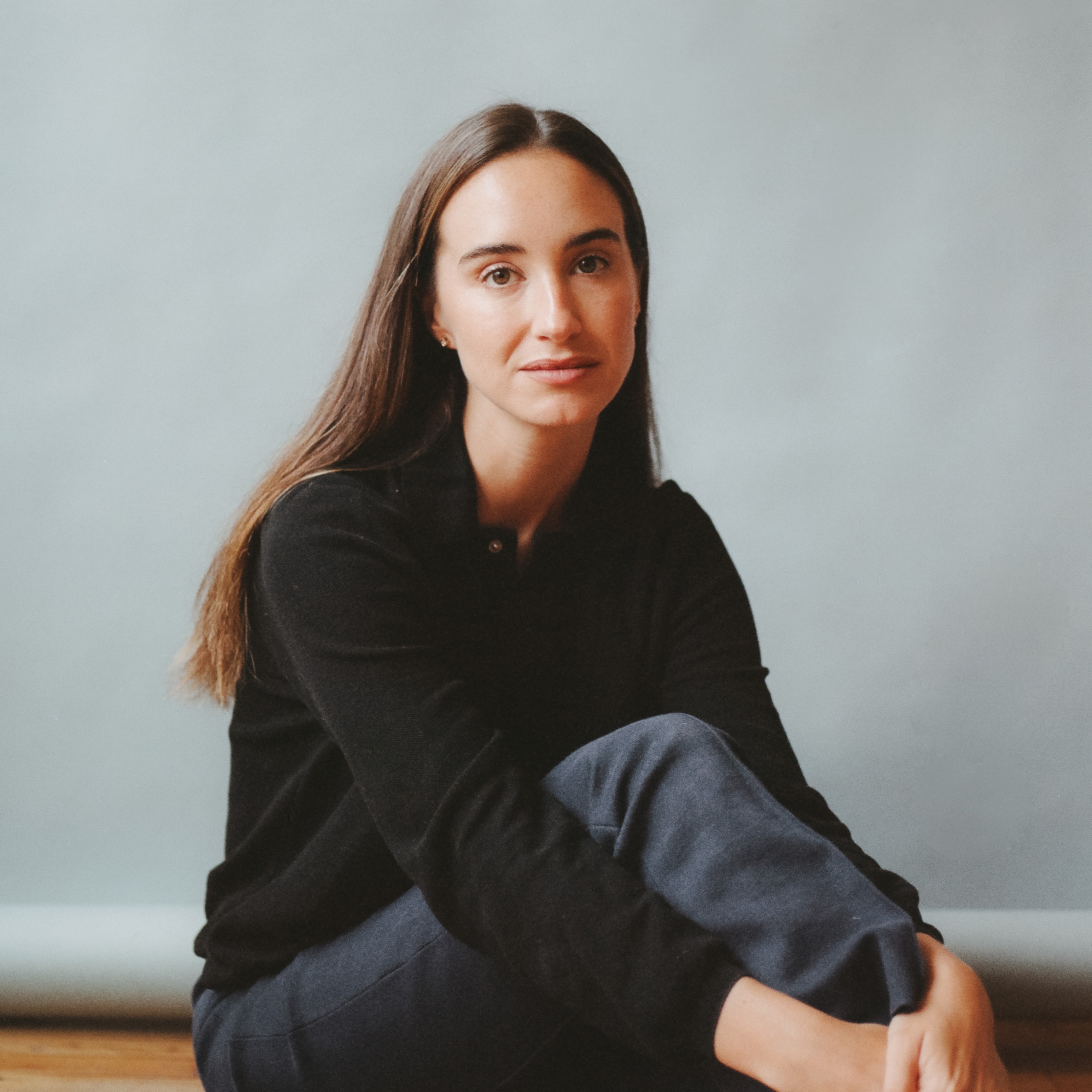
Every weekday morning, a certain slice of New York opens the same e-mail. Lawyers, bankers, editors, restaurateurs: some of the city's most plugged-in people read Feed Me, the daily newsletter written by Emily Sundberg.
In a few short years, Sundberg has turned a newsletter she started at her desk into one of the most talked-about new media publications in New York. She has built it herself, with a paywall from day one and no outside investors. Feed Me now includes contributing columnists, reader events, merchandise and a podcast.
Her readers are exactly the...
Fashion’s Latest Obsession: The Grocery Store

Fashion brands have long used cafes, restaurants and hospitality to sell a broader lifestyle. Increasingly, they’re looking to a less obvious partner: the gourmet grocery store. From branded smoothies and limited-edition tote bags to run clubs, labels are tapping destinations such as Erewhon, Happier Grocery and Meadow Lane to reach consumers in the course of their everyday routines. The draw is clear: these spaces sit at the intersection of food, wellness and community, while offering a highly-sensory environment for brand storytelling. But as more labels pile in, the challenge is making sure these collaborations amount to more than an...
Christopher Kane: Mulberry’s Heritage Is a Foundation, Not a Limitation
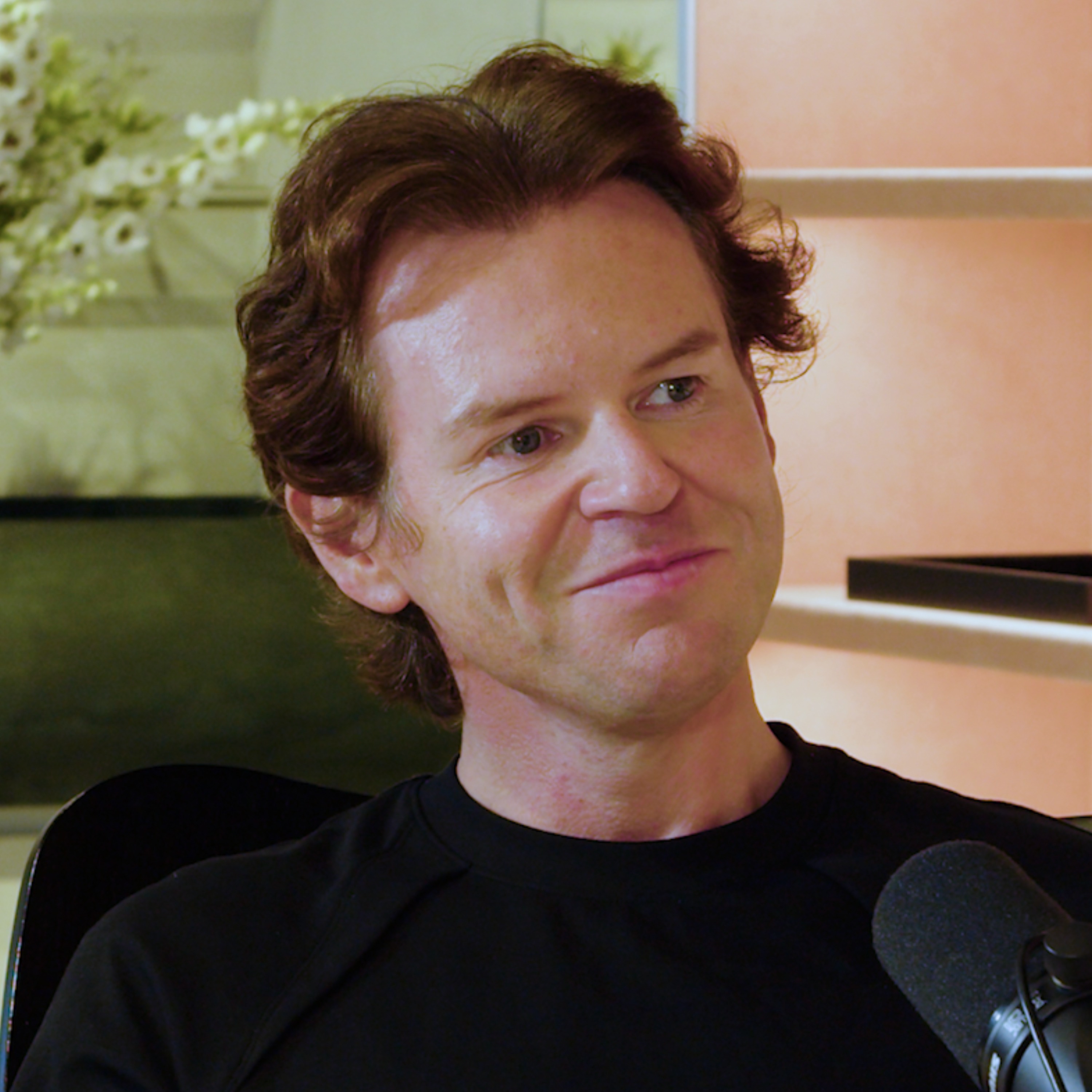
In 2023, Christopher Kane did what no independent designer ever wants to do. He closed the label he had spent 17 years building with his sister, Tammy Kane. This was the man who put rubberised lace on the runway, who cut up saddle leather on a domestic sewing machine, and who found his ideas in the least obvious places.
This Sunday, Kane returns to London Fashion Week as Mulberry’s creative director of womenswear.
It's an unlikely pairing. Mulberry means Somerset leather, country houses and the bags everyone remembers from the brand’s buzzy Alexa Chung year...
Can Fashion Sell a New Generation on Trade Jobs?

Behind every luxury handbag, bespoke suit and couture gown lies an intricate value chain powered by skilled artisans. But as master craftspeople retire without successors, fashion faces a growing shortage of skilled workers — US tailoring employment has fallen roughly 30 percent over the last decade. Nordstrom, North America's largest employer of tailors, is funding tailoring programmes at FIT and Seattle Central College with another planned at ASU FIDM. The effort is aimed at rebuilding that pipeline at a moment when skilled trades more broadly are enjoying renewed interest from young people questioning the value of a four-year degree.
In...
Why Colleen Allen Turns Away Retailers That Won't Pay Deposits

Colleen Allen learned to sew sitting on her grandmother's lap, holding the fabric while her grandmother worked the pedal. Growing up in the Midwest, far from the industry, she found her way in through magazines, fashion blogs and old McQueen shows on YouTube.
Allen studied menswear at Parsons, moved to London for a semester abroad at Central Saint Martins and asked to stay on to complete her degree. She landed her first job designing menswear at The Row but then something shifted. She decided to venture out on her own and create a womenswear label in 2024...
Has Fashion Had Enough of AI?

For many shoppers, fashion is now experienced primarily through a screen — discovered on social media, watched on runway livestreams and purchased from a product photo. Fashion critic Eugene Rabkin argues in his new book that this shift has left the industry prioritising a garment's image over the garment itself, hollowing out creativity and quality along the way. At the same time, as AI generated imagery floods the feed, a counter-movement is emerging: luxury brands are commissioning painters and illustrators, hosting phone-free dinners and building hands-on experiences designed to pull customers back into the physical world.
In th...
W. David Marx: Fashion Is Bigger Than Ever — but Worse at Rewarding Invention
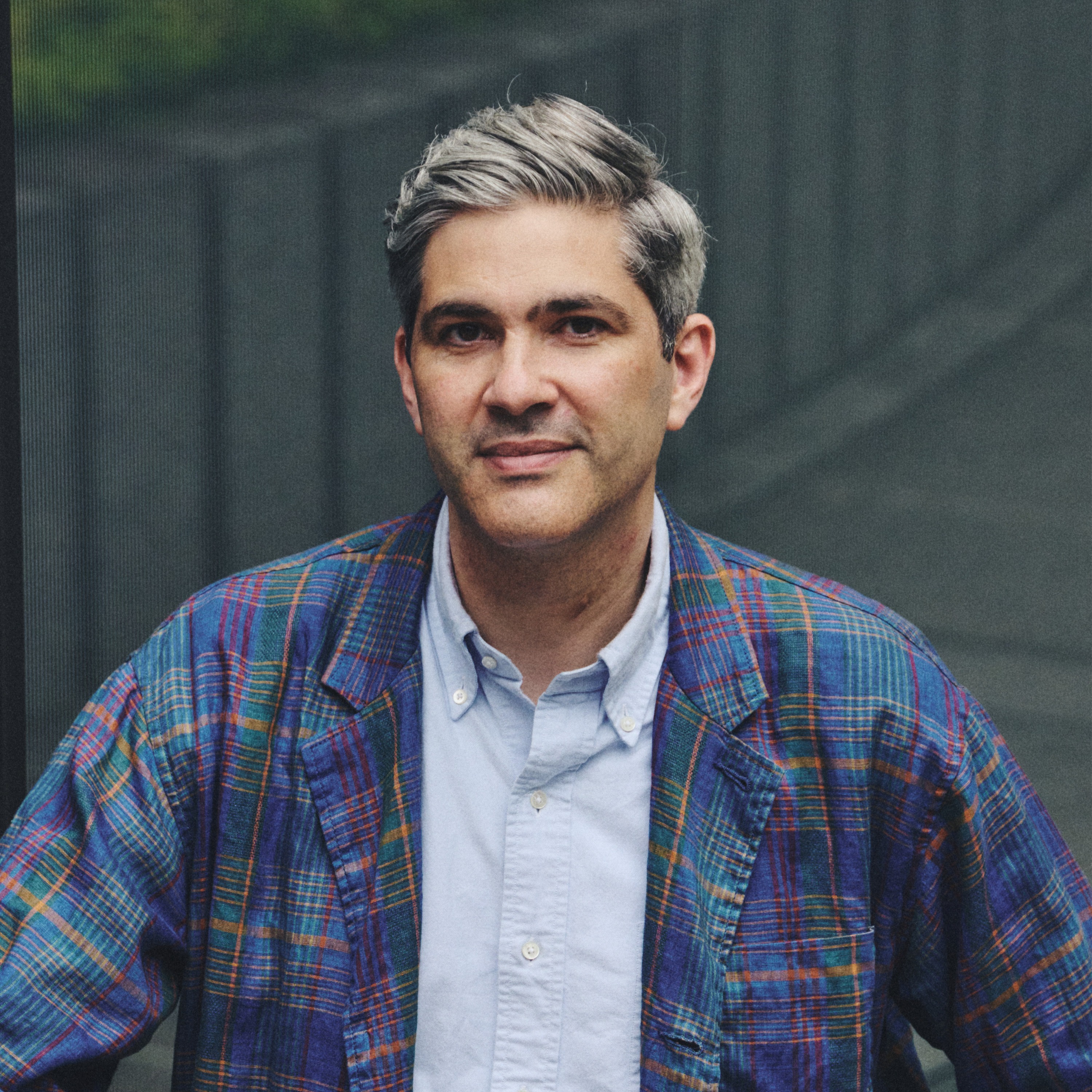
In the summer of 2007, BoF founder Imran Amed landed in Tokyo for the first time. A young American writer named W. David Marx took him on a menswear tour of the city's back streets of Shibuya and Harajuku. That trip would eventually lead Marx to become BoF's first contributor — apart from Amed himself.
Nearly 20 years on, Marx is still in Tokyo, watching a city that experienced three of fashion's biggest shifts before anywhere else: luxury as a middle-class product, the rise — and now retreat — of streetwear and menswear as a global obsession. Marx is the author of thr...
Who’s Winning and Losing in Beauty’s First Half

Beauty has long been one of the industry’s most reliable growth engines — fragrance boomed post-pandemic, prestige beauty held up better than other categories, and value-driven brands like e.l.f. proved that sharp pricing and marketing could keep consumers spending. But a slowdown that began last year and has only become more pronounced since has challenged that thinking.
In this episode, senior correspondent Sheena Butler-Young is joined by BoF senior beauty correspondent Daniela Morosini to unpack the first half's earnings across the beauty conglomerates — from Estée Lauder and Shiseido to L'Oréal, Beiersdorf and E.l.f. —...
Inside James Whitner's Purpose-First Retail Playbook
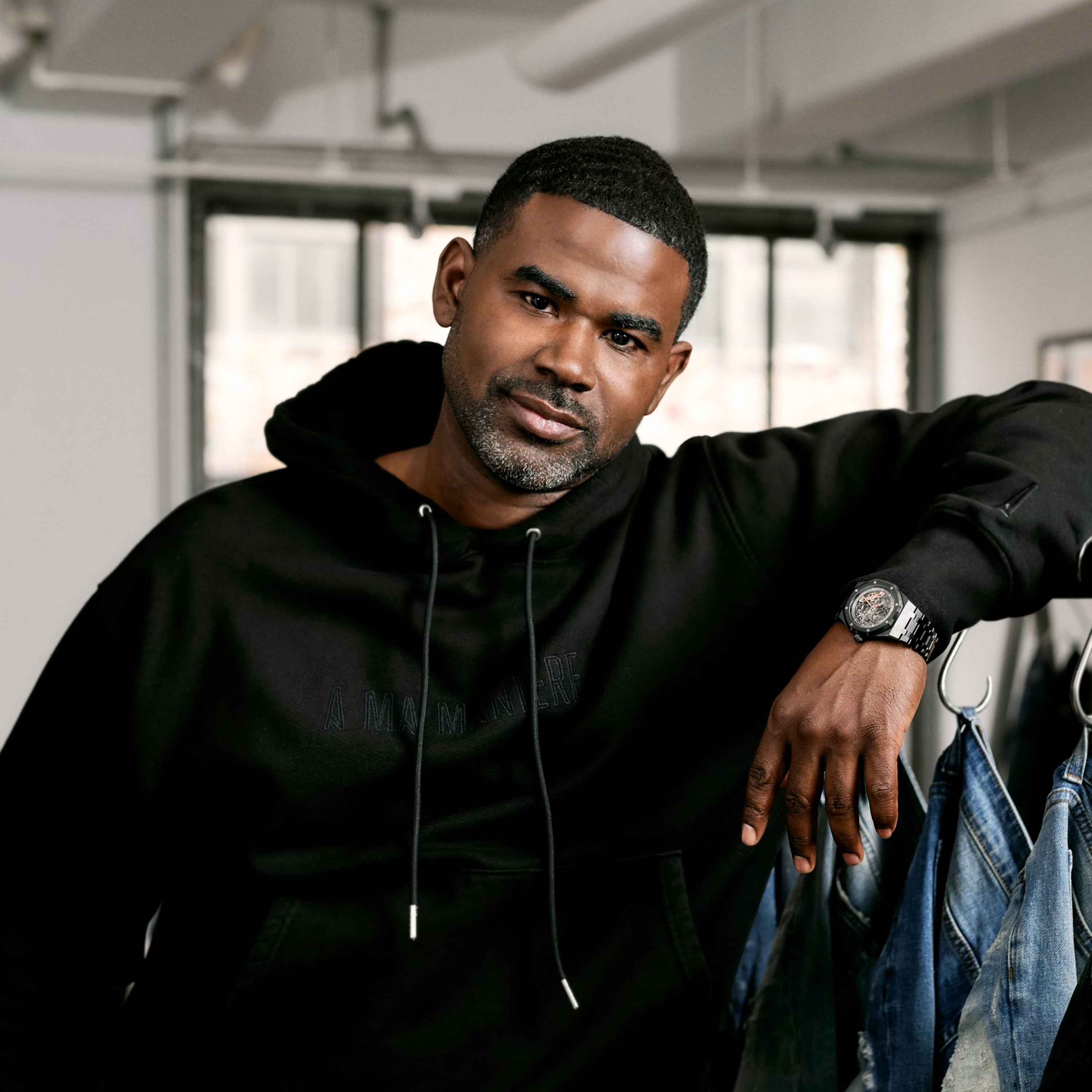
Earlier this month, A Ma Maniére — one part of James Whitner's The Whitaker Group — was named one of BoF's Best Fashion Stores in the World, our definitive global list of retailers with the most distinctive edits and experiences.
Whitner has spent twenty years building an independent retail business that operates more than 20 stores across 16 US cities — many of them in Black neighbourhoods that mainstream retail had overlooked — based on the feeling he got hanging out in barbershops and sneaker spots growing up in Pittsburgh.
“The best things happen in the barbershop — the most interest...
Why Upcycling Is Suddenly Everywhere in Fashion

For a long time, upcycling sat on the fringes of the fashion industry, a tactic used primarily by small independent designers, niche sustainability labels and in one-off capsule collections. That's changing. At Paris Couture Week this spring, Swiss designer Kevin Germanier closed the season with a collection made entirely from excess inventory across seven LVMH-owned brands. Coach is turning used denim into new bags, and Uniqlo is remaking unsellable and used garments under its RE label.
In this episode, senior correspondent Sheena Butler-Young speaks to senior editorial associate Shayeza Walid to explore why upcycling brands are...
Nick Knight Is Building His Own AI
I've been interviewing Nick Knight for more than 15 years. This is our fourth in-depth, sit-down interview. At this stage, it's become something closer to a running conversation about how technology is reshaping fashion.
This time around, I wanted to know where Nick is focusing his energy now. It turns out, he is building his own AI datasets from scratch — photographing a model over and over so the machine sees the world only through his references, and never scrapes the internet for somebody else's. He takes his own still image and asks the AI to make it mo...
The Influencer Follower-Count Era Is Ending

For years, follower count was the clearest shorthand for a creator's value — more followers meant more reach, more brand deals, more money. But social media doesn't work that way anymore. TikTok's For You page, Instagram's suggested posts and other algorithmically curated feeds mean creators can reach huge audiences without those people ever following them. At the same time, affiliate marketing platforms like LTK and ShopMy are giving brands a much clearer picture of who actually drives sales, with smaller creators often outperforming bigger names.
In this episode, senior correspondent Sheena Butler-Young talks to BoF US Editor Dia...
Kelly Wearstler on What Waiting Tables Taught Her About Design

When the designer Kelly Wearstler was five or six years old, she made little drawings and small sculptures out of cans and cartons, laid them out on the table at family gatherings, and put price tags on them.
She grew up in Myrtle Beach, South Carolina, raised by what she calls fiercely independent women who took her to thrift stores, flea markets and auctions. She got her first job at 13. She studied graphic design in Boston, apprenticed in New York with Milton Glaser, the designer behind the I Love New York logo, and then moved to Los...
What the Best Fashion Stores Get Right

For much of the last decade, fashion brands and retailers were fixated on making shopping as seamless as possible — endless product online, algorithmic recommendations, next-day delivery. But after years of digital sameness, something more analogue is starting to feel exciting again. That shift sits at the heart of BoF's new retail package, The Best Fashion Stores in the World — an insider's guide to 65 independent retailers spanning from Brooklyn's Ven. Space to Dongliang in Shanghai, Alara in Lagos and Dover Street Market.
BoF retail editor Cathaleen Chen joins senior correspondent Sheena Butler-Young to discuss why independent retailers are b...
Chris Green on Why The Best Fashion Stores Don’t Chase Scale
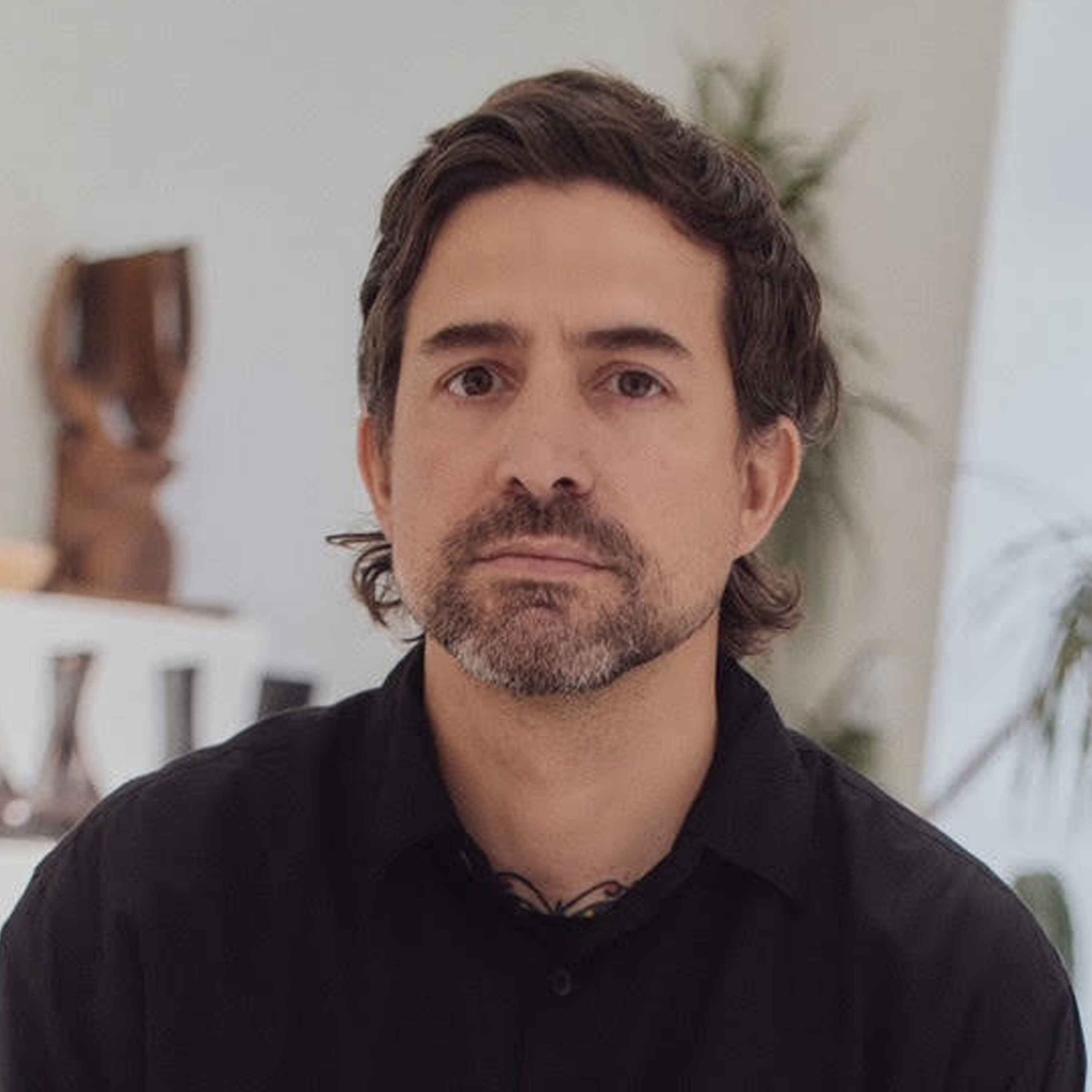
Independent multi-brand retailers have long been among fashion's most influential tastemakers, introducing emerging designers, shaping customer discovery and building communities around a distinct point of view. Yet many have struggled in recent years as e-commerce, rising costs and industry consolidation have reshaped the retail landscape.
Despite those challenges, a new generation of boutiques is proving that physical retail can still thrive by offering something digital platforms cannot: thoughtful curation, personal relationships and memorable experiences.
Among them is Brooklyn menswear store Ven. Space, founded by Totokaelo-alum Chris Green, which was recently named one of B...
The Fashion and Beauty Companies Everyone Wants to Work For

What makes a fashion or beauty company a truly desirable place to work? BoF’s second annual ranking of the industry’s most sought-after employers looks beyond brand recognition to examine what workers value — and where companies’ reputations do not always sync up with employee experience.
In this episode of The Debrief senior correspondent Sheena Butler-Young speaks with junior commercial writer Eoghan O’Donnell and commercial features editor Dan Hastings about the companies that topped the list, the factors shaping employees’ choices and the challenges facing employers today. They also discuss career development, leadership, workplace stability and how artif...
The Patient Work of Turning Around Dior
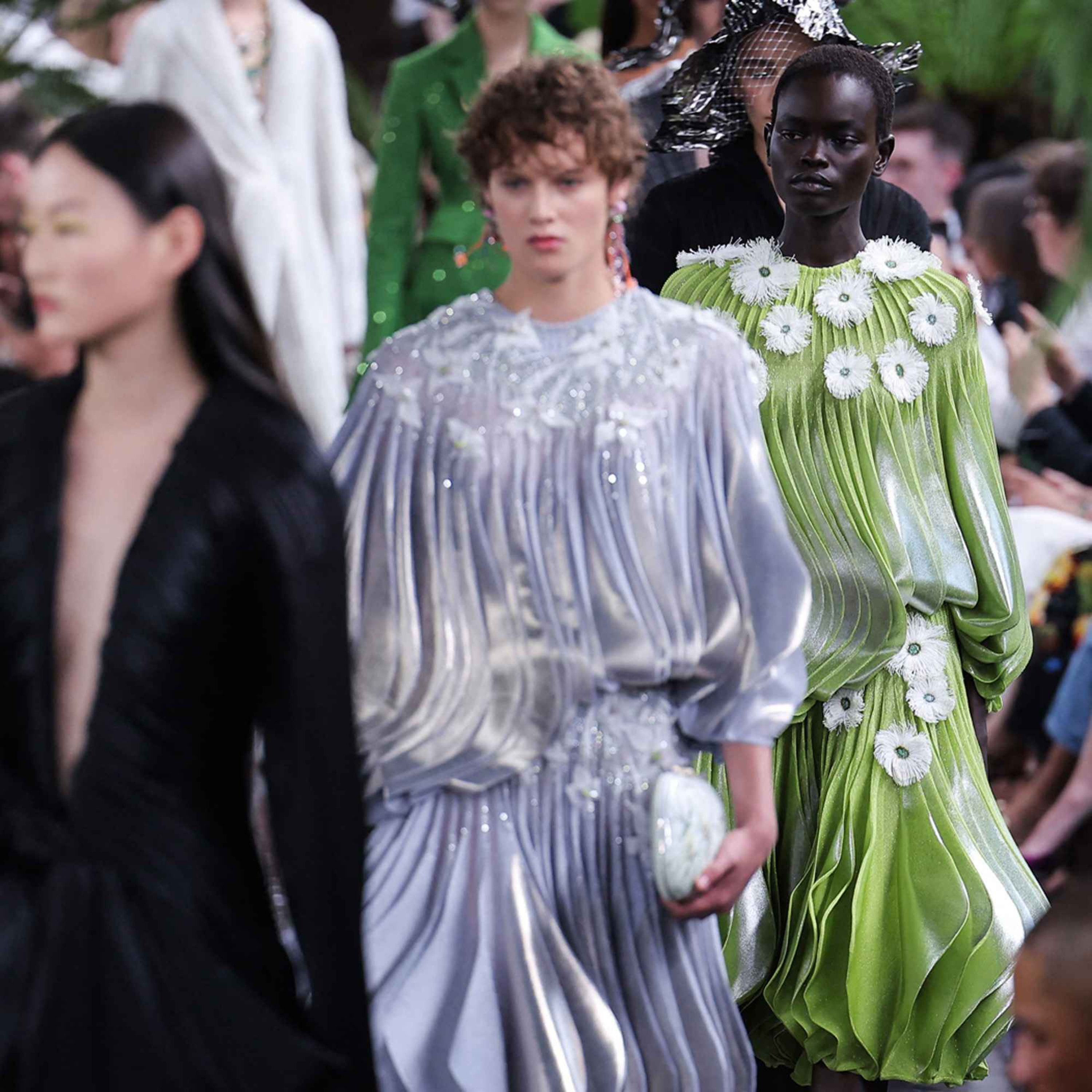
When I sat down with Jonathan Anderson in his Dior atelier last December, he hadn’t shown a single couture look yet and nothing he'd designed for the house had reached the shops. He was, by his own account, still working it out — joking that every fitting felt like doing a PhD, learning an institution with its own rules, its own hierarchy, its own way of making.
Jonathan’s first products landed in Dior stores on January 2nd. Six months later, this week's LVMH half-year results showed that the Dior turnaround is starting to bear fruit.
...
Why Everyone's Reading Clothing Labels Again

Fabric content used to be a niche sustainability conversation. Now it's a mainstream health one, driven by the same scrutiny shoppers already apply to what they eat and put on their skin — searches for "natural fibre" are up over 100 percent in five years, and searches for "what is viscose?" have climbed roughly 5,000 percent in the US over the same period. Gap found out just how fast that shift can turn into backlash when its nostalgic Zac Posen knit drop — 80 percent polyester, 20 percent elastane — drew comparisons to fast fashion within days of launch, despite carrying a premium, above-$100 price tag.
...
Avery Trufelman: “Everything Has Fashion. Fashion is Just Taste Over Time. ”
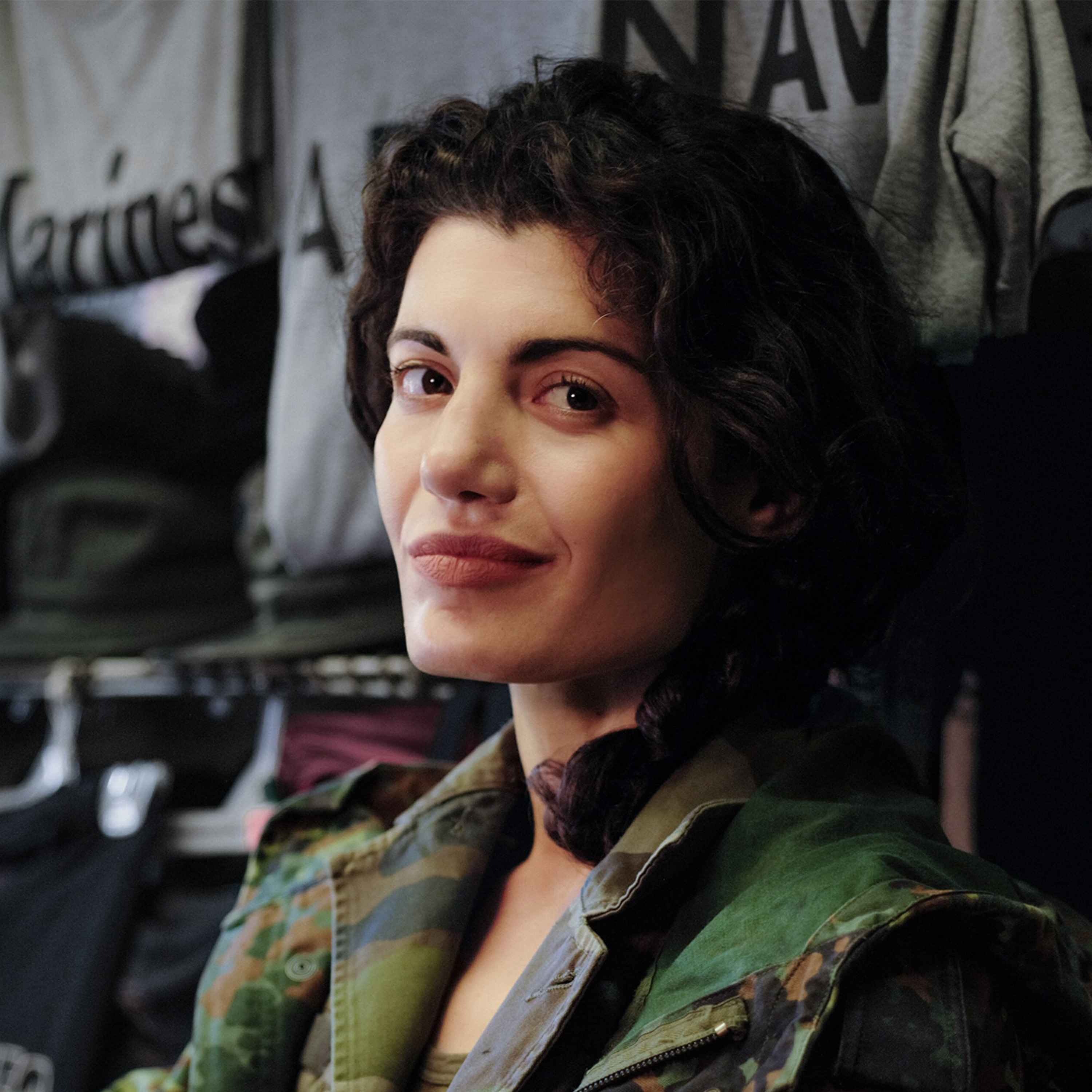
As fashion is increasingly consumed through a stream of images, products and fleeting trends, Avery Trufelman, host of the award-winning podcast “Articles of Interest,” takes a different approach. Trufelman zooms in on her subjects to uncover the histories, systems and human stories woven into the clothes we wear.
“It’s crops, it’s the earth, it’s handwork, it’s culture, it’s society,” Trufelman says. “You tug on a thread and you get everything.”
In this conversation from our archive, Trufelman joins BoF founder, CEO and editor-in-chief Imran Amed to discuss her path into podcasting a...
Is Fashion School Still Worth It?

For decades, institutions like Central Saint Martins, Parsons and Institut Français de la Mode have launched some of fashion's most successful careers. But, today's graduates are entering a more competitive industry grappling with slower growth across the board, where AI is changing how work gets done and employers are reassessing the skills they need. AI is transforming how entry-level work gets done, while students are asking harder questions about the return on investment of a fashion degree.
This week, BoF Careers features editor Dan Hastings joins Senior Correspondent Sheena Butler–Young to examine how fashion educ...
Paloma Elsesser on Purpose, Representation and the New Rituals of Body Care
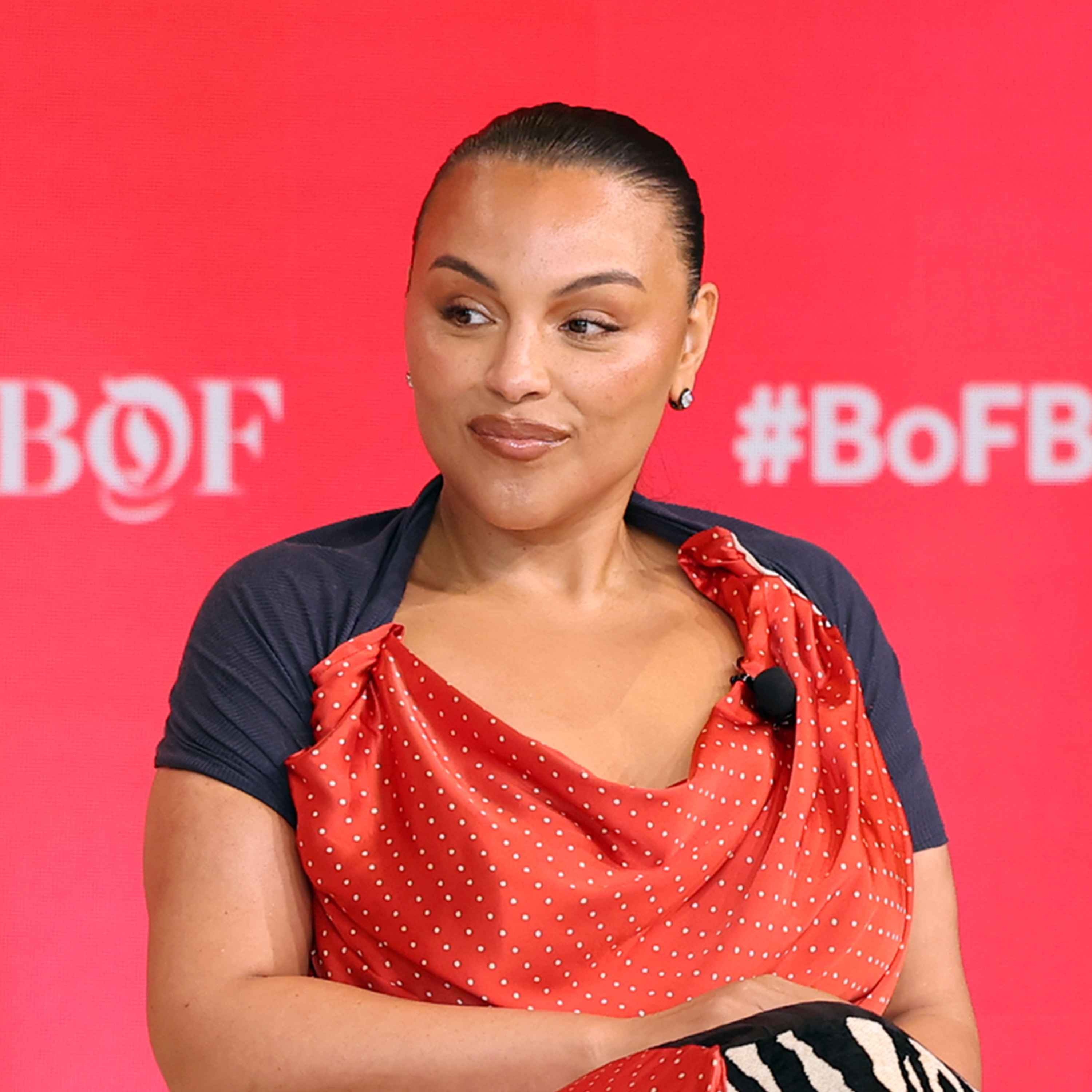
Diversity and body positivity have been important themes shaping the fashion conversation over the past decade. Yet a gap remains between the industry’s ideals and its reality. Few people have experienced that gap – and pushed back against it – more visibly than Paloma Elsesser. She’s walked the biggest runways, landed the biggest covers and used her platform to challenge the industry’s standards around bodies, beauty and who gets to be seen.
Now, she’s taking that authority somewhere new: building a body care brand rooted in the rituals she grew up with.
“My mother...
The Anti-Unicorn Playbook That Beat Fashion's DTC Boom

In 2016, the global retail landscape was dominated by successful direct-to-consumer (DTC) disruptors like Everlane, Glossier, Allbirds and Outdoor Voices. Backed by hundreds of millions of dollars in venture capital, they prioritised rapid sales growth and hyper-aggressive social media customer acquisition over immediate profitability.
In this episode, senior news and features editor Diana Pearl joins senior correspondent Sheena Butler-Young to explore why the once-dominant DTC formula ultimately unravelled — and how a quieter, lesser-scrutinised class of brands, such as Doên, Hill House and Staud, built more durable businesses by taking a different path.
Key Insigh...
Decoding Paris Haute Couture: Wonder, Restraint and the Call of the Void
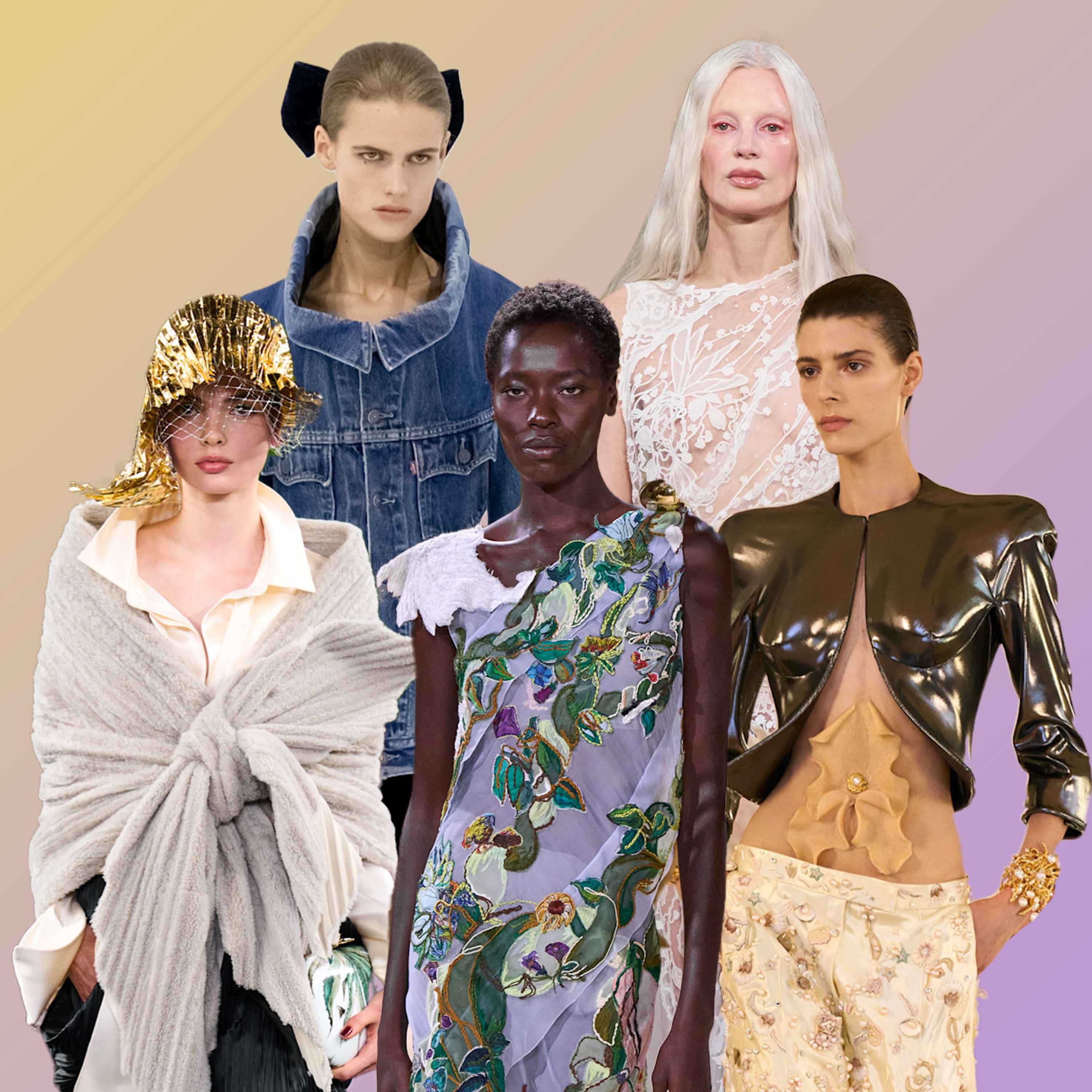
I missed couture season for the first time in years, but that made it even more valuable for me to catch up with Tim Blanks on everything that happened this week in Paris amidst a record breaking heatwave.
At Chanel, Mathieu Blazy built his sophomore couture collection around a fairy tale he found in Gabrielle Chanel's own library.. Dior's Jonathan Anderson tore down the walls of the usual tent in the gardens of Musée Rodin, staging an open-air show inspired by the sculptor Linda Benglis. And Michael Stewart, an independent London designer debuted his very fi...
Luxury’s New Reality

As luxury shoppers push back against relentless price hikes and uninspiring boutique environments, BoF's Mimosa Spencer and Robert Williams break down why emotional connection has overtaken heritage as the primary driver of high-end shopping.
Hosted on Acast. See acast.com/privacy for more information.
Mona Kattan on Finding the Courage to Go It Alone
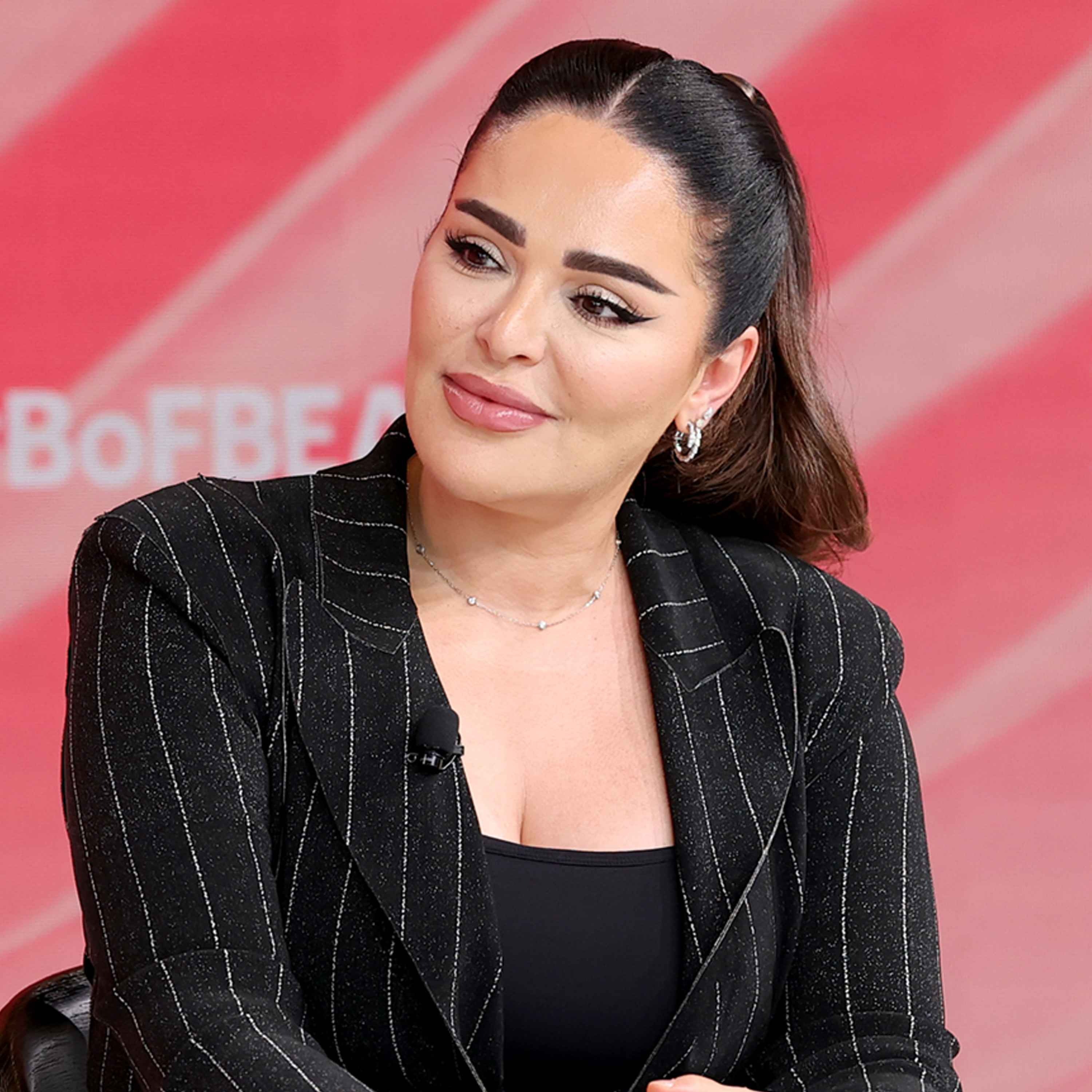
Mona Kattan has been collecting fragrances for most of her life. That obsession eventually became Kayali — a fragrance brand she built inside Huda Beauty, the global cosmetics company she co-founded with her sister Huda Kattan.
In 2020, something shifted. Mona entered therapy and uncovered a pattern that ran through her entire entrepreneurial journey: she had never built anything entirely on her own. She began to ask herself what it would mean to do something, fully, by herself.
“I am a very collaborative person, but I don’t want to sacrifice my vision,” she says. “Sometimes...
How Nike Built the Biggest World Cup Campaign Ever

The 2026 World Cup marked an unprecedented milestone for global football, expanding to 48 teams playing over 100 matches across the US, Canada and Mexico. In this special episode of The Debrief, Nike’s vice president of global brand management Helena Thornton joins BoFsenior correspondent Sheena Butler-Young and sports and fashion correspondent Mike Syke to discuss the strategy behind the brand's World Cup campaign, the expansive relationship between football, culture and commerce and what the tournament means at a pivotal moment for Nike.
The episode examines how Nike approached the sport's biggest stage, from the creative thinking behind its 'R...
Oura CEO on the Future of Health Intelligence
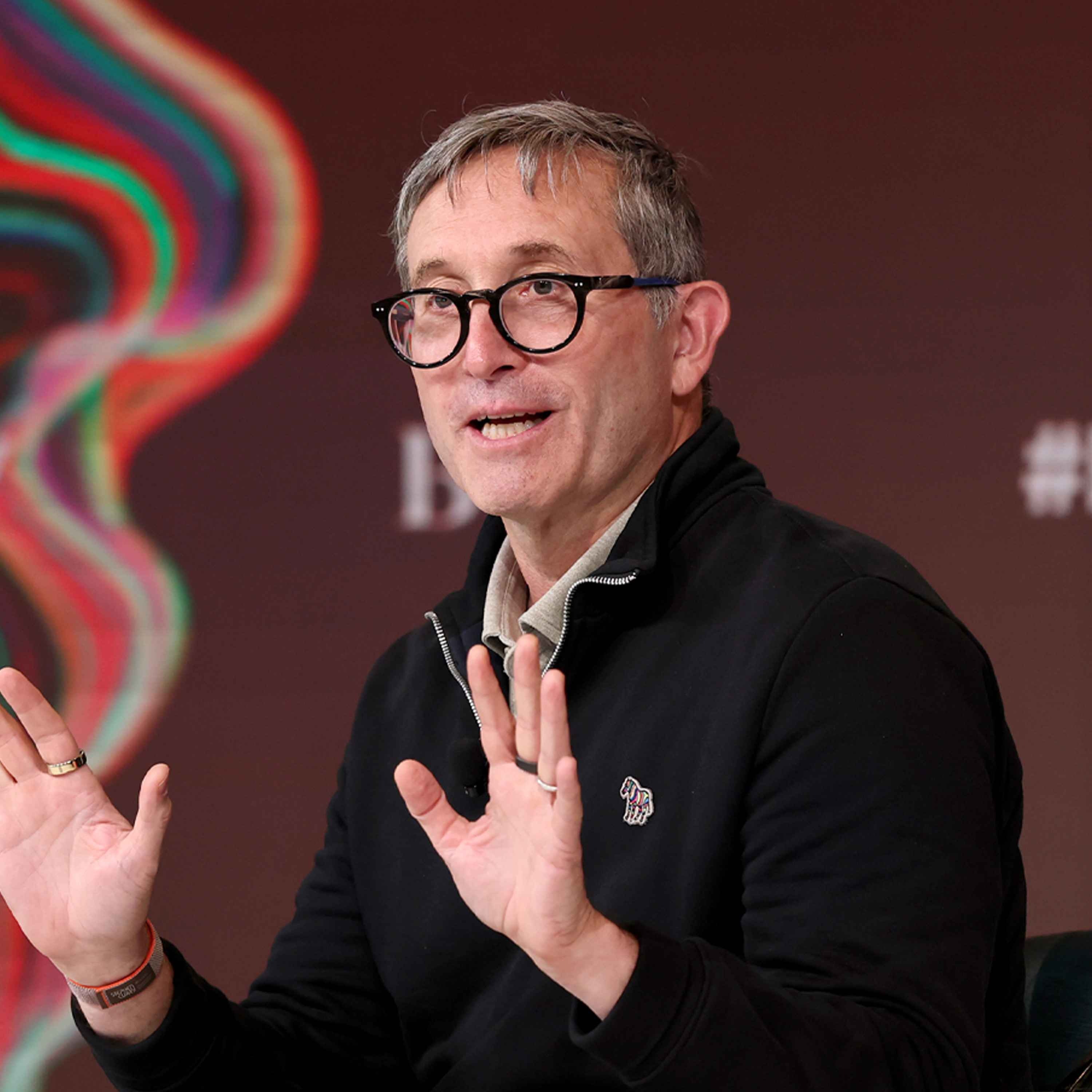
The boundaries between technology, wellness and luxury are blurring. Wearable technology is no longer just about tracking steps; it has become a sophisticated tool for lifestyle optimisation, personal health intelligence and a subtle statement of identity. Now, there are more devices than ever to help us in this pursuit, and at the cutting edge is Oura.
Under the leadership of CEO Tom Hale, who joined the company in 2022, Oura has grown from $220 million in annual revenue to $1 billion last year, achieving an $11 billion valuation. Last month, Oura filed for an IPO that could be one of...
Why Activewear Consumers Are Looking Beyond Lululemon

For more than a decade, activewear shoppers largely looked to Lululemon and Nike. But as the post-pandemic boom cools and growth becomes harder to find, a new crop of brands is gaining traction.
Smaller labels like SetActive, 437 and Oner Active aren’t reinventing activewear. They’re winning customers through social media, creator-led marketing and a deep understanding of today’s fitness culture where consumers move fluidly through workouts like pilates, Hyrox and tennis on any given week.
In this episode of The Debrief Podcast, retail editor Cathaleen Chen joins senior correspondent Sheena Butler-Young to discuss wh...
How Books Became Fashion’s Latest Status Symbol

Fashion’s book obsession is no longer subtle. What started as the occasional literary reference has become a broader wave of book clubs, salon-style events, campaign imagery and products designed to signal that a brand — and its customer — has cultural depth. It’s all happening as reading rates are declining, but the image of the reader has never looked more fashionable.
This week on The Debrief, BoF reporters Haley Crawford and Shayeza Walid explain how books became fashion’s latest flex, and when the trend starts to look less like culture and more like marketing.
Ke...
Anoushka Shankar: Creativity Is an Act of Hope

Anoushka Shankar has spent three decades building one of the most distinctive bodies of work in contemporary music. She has taken the sitar — an instrument rooted in centuries of North Indian classical tradition — into completely new territory, blending the ancient Hindustani raga system with electronic, flamenco and Western orchestral influences.
At a time when we're bombarded — wars, looming AI risk, a constant churn of uncertainty — her music is a salve. It carries echoes of long road trips with my family, listening to her father, Ravi Shankar, play the sitar.
But this is not just nos...
Fashion's Ozempic Reckoning

The rise of GLP–1 drugs, such as Ozempic and Wegovy, is forcing fashion and beauty companies to rethink everything from sizing and fit to product development. With one in eight Americans having tried a GLP–1 medication, brands are grappling with how to serve consumers whose bodies may be changing more rapidly than traditional product cycles were designed to accommodate.
In this episode of The Debrief, senior correspondent Sheena Butler-Young sits down with BoF senior news and features editor Diana Pearl and The Business of Beauty news and features editor Brennan Kilbane to discuss how fashion and beau...
Conner Ives is Building a Business With Instinct
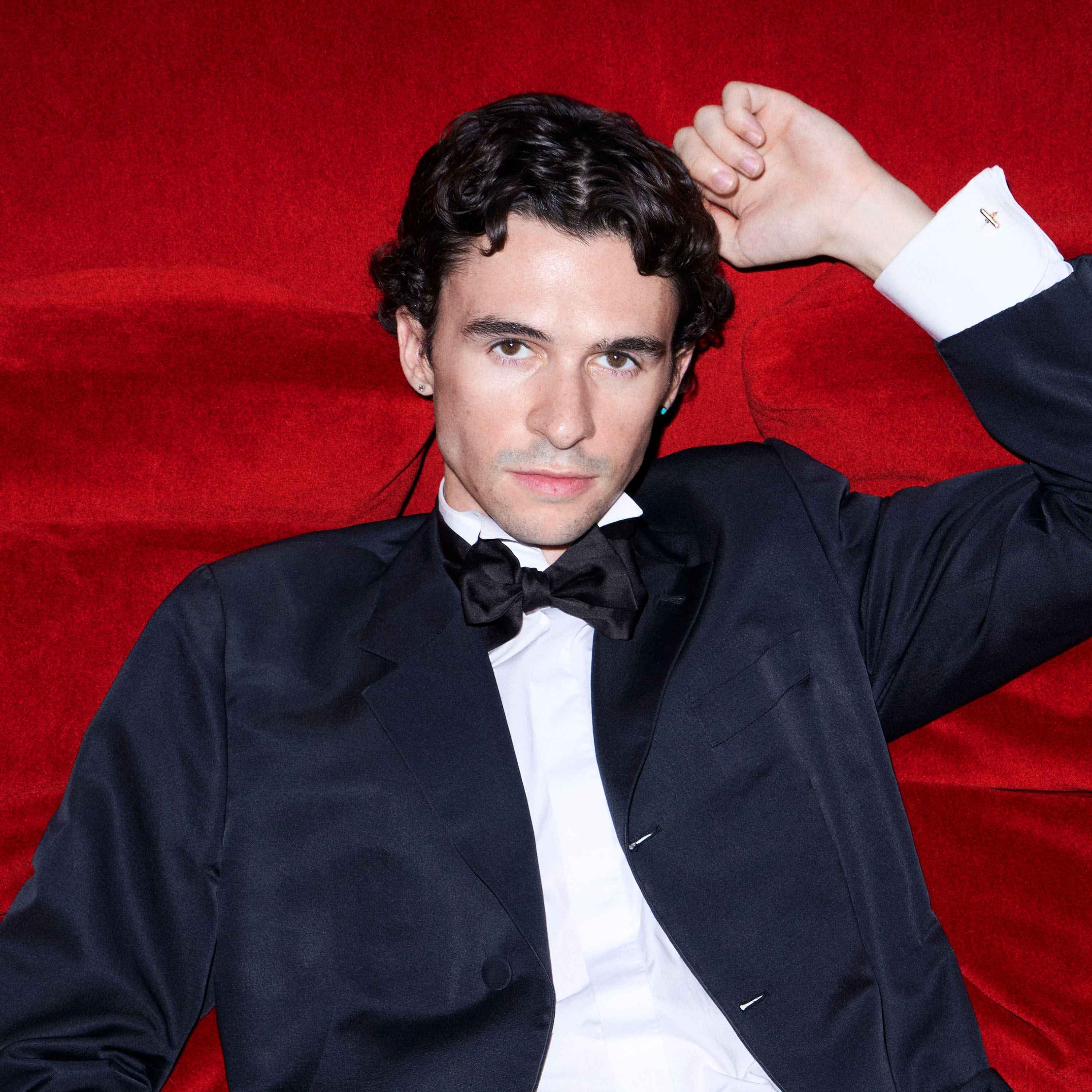
Born in the leafy enclave of Bedford, New York, designer Conner Ives, a self-professed “country mouse,” grew up in a household that taught him two things early: that quality is worth protecting, and ambition is worth following.
At 16, a connection through his mother's dental practice landed him an internship with Wes Gordon, and soon after he moved to London and set about becoming a designer.
In his first year on the BA at Central Saint Martins, a garment from a school project — a duchess satin duster coat adorned with swans — was requested and worn by...
