Think from KERA
Think is a daily, topic-driven interview and call-in program hosted by Krys Boyd covering a wide variety of topics ranging from history, politics, current events, science, technology and emerging trends to food and wine, travel, adventure, and entertainment.
The demise of the open casket funeral

Open caskets used to be fairly standard, but we’re losing the artists who make that possible. John Semley joins host Krys Boyd to discuss the history, culture and economics of morticians, why their particular trade is quickly going out of fashion, and how losing this restorative mortuary science is changing the way we grieve. His article “A Dying Art: The last of the morticians” was published in Harper’s Magazine.
This episode originally aired August 8th, 2026.
Learn about your ad choices: dovetail.prx.org/ad-choicesIran is a forever war

President Trump has said the Iran War will end after the mid-terms, but there is no sign either side is willing to come to the table. Ali Vaez, deputy program director for the Middle East and North Africa at the International Crisis Group, joins guest host Paige Phelps to discuss why both Iran and the U.S. have dug into a war that seems indefinite and unwinnable, how the conflict is changing our partnerships with Arab Gulf States and why both sides are emerging weaker eight months in. His essay “The New Forever War” was published in Foreign Affairs.
L...The CDC is barely hanging on
Thirty percent of the Centers for Disease Control staff has either resigned, retired or been laid off. Apoorva Mandavilli, science and global health reporter for The New York Times, joins guest host Paige Phelps to discuss the once-revered CDC that is now a skeleton of its former self, what that means for both domestic and international public health responses, and what that means for the general public now that flu seasons is here. Her article is “'Zombified’ C.D.C., Hobbled by Cuts, Struggles to Fulfill Scientific Mission
Learn about your ad choices: dovetail.prx.org/ad-choicesWe want to believe in UFOs
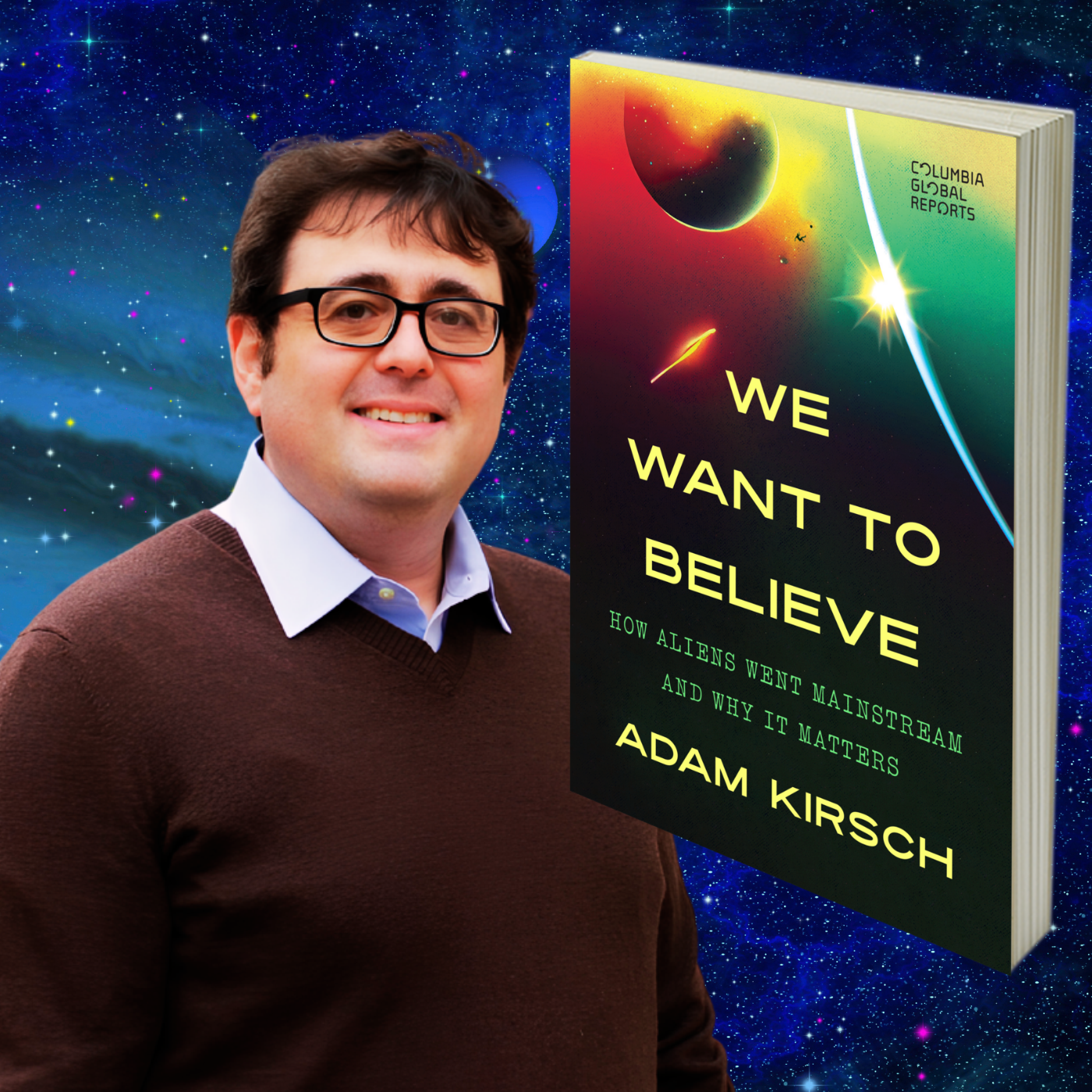
The search for life outside our planet can be seen as a yearning to find out what makes us human. Adam Kirsch is a poet, literary critic and senior editor at The Atlantic, and he joins guest host Paige Phelps to discuss the search for life in the cosmos —both UFOs and the scientific hunt for biological matter outside our universe — and what happens to our collective trust when we don’t find it. His book is “We Want to Believe: How Aliens Went Mainstream and Why It Matters.”
Learn about your ad choices: dovetail.prx.org/ad-choicesWe’ve gutted voting rights
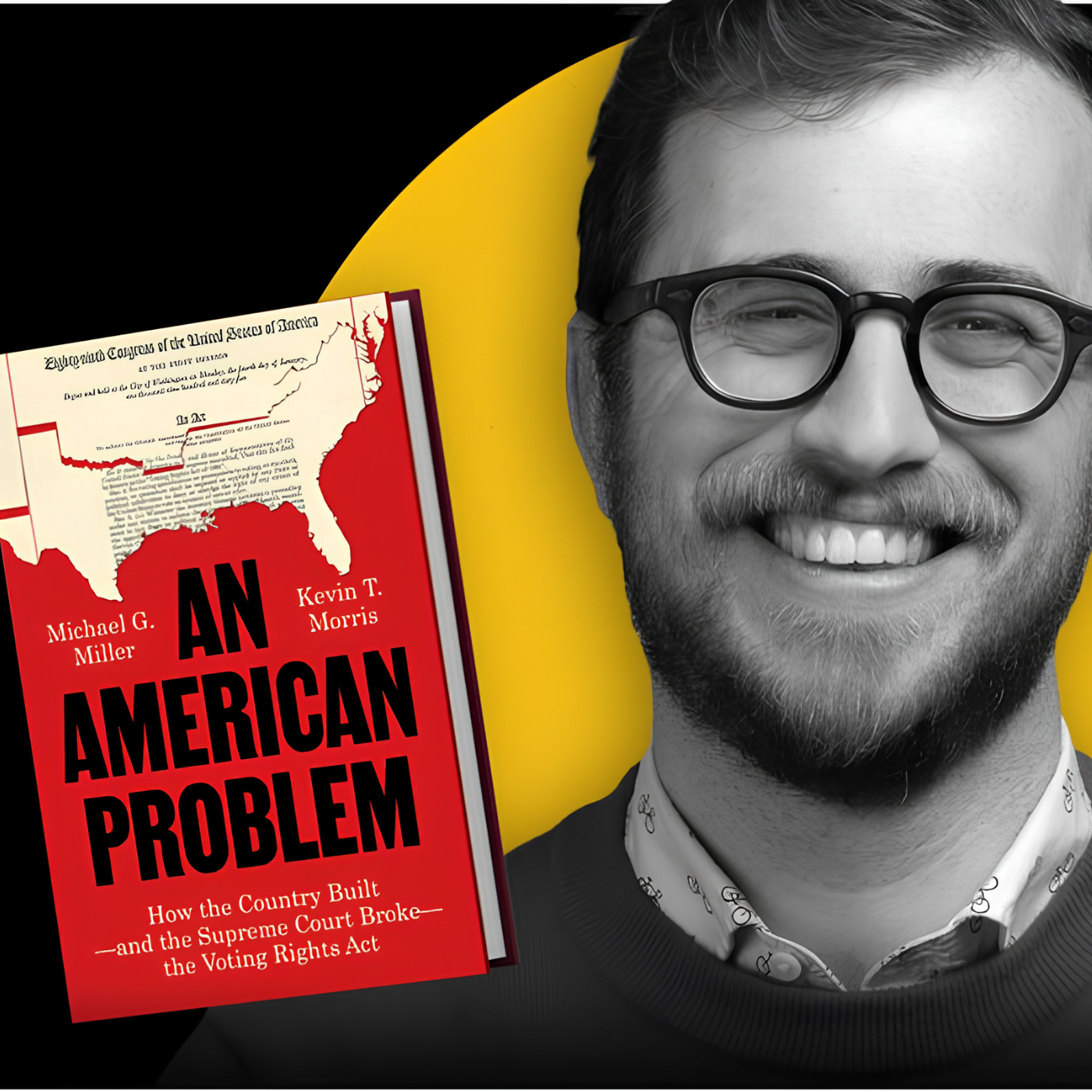
The Voting Rights Act of 1965 was a landmark bill. So why has a conservative Supreme Court been so willing to knock it down? Kevin Morris, senior research fellow and voting policy scholar at the Brennan Center for Justice at New York University School of Law, joins host Krys Boyd to discuss what the Voting Rights Act did for representational democracy across the country, why it’s fallen out of favor and the ways the Supreme Court has neutered key sections to weaken the legislation. His book, written with Michael Miller, is “An American Problem: How the Country Built—and the Su...
Even blueberries aren’t safe from China’s IP thieves

Companies looking to expand in the Chinese market face a looming problem: intellectual property theft. Wall Street Journal reporter Jon Emont joins host Krys Boyd to discuss the example of Driscoll’s berries, which sought to corner the Asian market with a new fruit there but found its plant cuttings stolen and greenhouse growing methods copied. His article is “Driscoll’s Gave China Its Blueberries—Then China Swiped the Secret to Growing Them.”
It's way too easy for chat bots to make bioweapons

In September, Anthropic blocked attempts to create a biological weapon with A.I., but biosecurity experts have been alarmed ever since. Carl Zimmer writes the Origins column and covers news about science as a freelance contributor to The New York Times. He joins host Krys Boyd to discuss why scientists are concerned about the potential for chatbots to make pathogens more deadly, the race to safeguard these systems from nefarious use, and why, for now, concerns may be overblown. His article is “A.I. Queries from Abroad Raise Fears of a Biological Weapons Race.”
Learn about your ad choi...All y’all have accents

Whether you notice it or not, you speak with an accent. Valerie Fridland, professor of linguistics in the English Department at the University of Nevada, Reno, joins host Krys Boyd to discuss how accents from the Southern drawl to the California Valley Girl came to be, why accents are key to culture, and why, in our mass media world, some are fading away. Her book is “Why We Talk Funny: The Real Story Behind Our Accents.”
This episode originally aired, May 11th, 2026.
Learn about your ad choices: dovetail.prx.org/ad-choicesYour perfect person doesn’t have to be perfect
In dating, finding “the one” might be easier if you stop assuming “the one” will be a perfect match. Paul Eastwick is professor of psychology at UC Davis, where he serves as the head of the Social-Personality Psychology program and the director of the Attraction and Relationships Research Laboratory. He joins host Krys Boyd to discuss why we need to look past imperfections when choosing a mate, why what we know about evolutionary biology has been exaggerated, and the pros and cons of dating apps. His book is “Bonded by Evolution: The New Science of Love and Connection.”
This epis...
The government insiders who rebelled against DOGE

When DOGE slashed and burned the federal workforce, those who stood up to the carnage were called “Blockers.” Best-selling author Michael Lewis joins host Krys Boyd to discuss the people who called out illegality and were punished for it, the haphazard ways DOGE went about cutting jobs, and why he feels all of it was a distraction from a larger power grab by the White House. His book is “Blockers: Rebels in the Deep State.”
Learn about your ad choices: dovetail.prx.org/ad-choicesHow do you define color?
If the definition of “green” is yellow plus blue, how do you define “yellow” and “blue”? Kory Stamper is a lexicographer who has written dictionaries for nearly 30 years at Merriam-Webster, Cambridge Dictionaries and Dictionary.com. She joins host Krys Boyd to discuss the difficulty of defining colors, why they are nearly indescribable, and why it took the help of scientists to create descriptions of everything around us. Her book is “True Color: The Strange and Spectacular Quest to Define Color – from Azure to Zinc Pink.”
This episode originally aired April 17th, 2026.
Learn about your ad choices: dovetail.prx.org/aLike — literally the most misunderstood word

Grammar hounds might despise it, but “like” is both ubiquitous and necessary in our everyday speech. Megan C. Reynolds, editor at Dwell magazine, joins host Krys Boyd to discuss one little word that defines so much of modern speech: like – from approval on social media to, like, the way we all casually talk today – and why we should all give it a second look. Her book is “Like: A History of the World’s Most Hated (and Misunderstood) Word.”
This episode originally aired, September 9th 2025.
Learn about your ad choices: dovetail.prx.org/ad-choicesHow vulnerability strengthens relationships

Ever feel embarrassed about oversharing at a cocktail party? Turns out, you might’ve been on the right track. Leslie John, James E. Burke Professor of Business Administration at the Harvard Business School, joins host Krys Boyd to discuss why sharing our feelings garners trust, why we’re so often reluctant to let people into our lives, and why there is a cost to undersharing. Her book is “Revealing: The Underrated Power of Oversharing.”
Learn about your ad choices: dovetail.prx.org/ad-choicesShould pseudoscience be taken seriously?
There is a growing number of people who think studying ghosts or alien abductions should be serious science. Journalist Matthew Hongoltz-Hetling joins host Krys Boyd to discuss a pushback against the scientific establishment, what our affinity for storytelling has to do with our long-held beliefs, and why the paranormal might need to be taken seriously in the future. His book is “The Ghost Lab: How Bigfoot Hunters, Mediums, and Alien Enthusiasts Are Wrecking Science.”
Learn about your ad choices: dovetail.prx.org/ad-choicesIt’s easy to bet on sports. It’s hard not to get hooked
If you were given thousands of dollars in free money to gamble, would you find yourself a little — or a lot — addicted to the games? McKay Coppins, staff writer at The Atlantic, joins host Krys Boyd to discuss how his magazine gave him $10,000 to use as seed money as he explored the rise of online sports gambling, why he was surprised at how much the gambling interfered with his family life and sleep and how he received special dispensation from his church to take part in the experiment. His article is “My Year as a Degenerate Gambler.”
This epi...
The spy who saved us from nuclear war
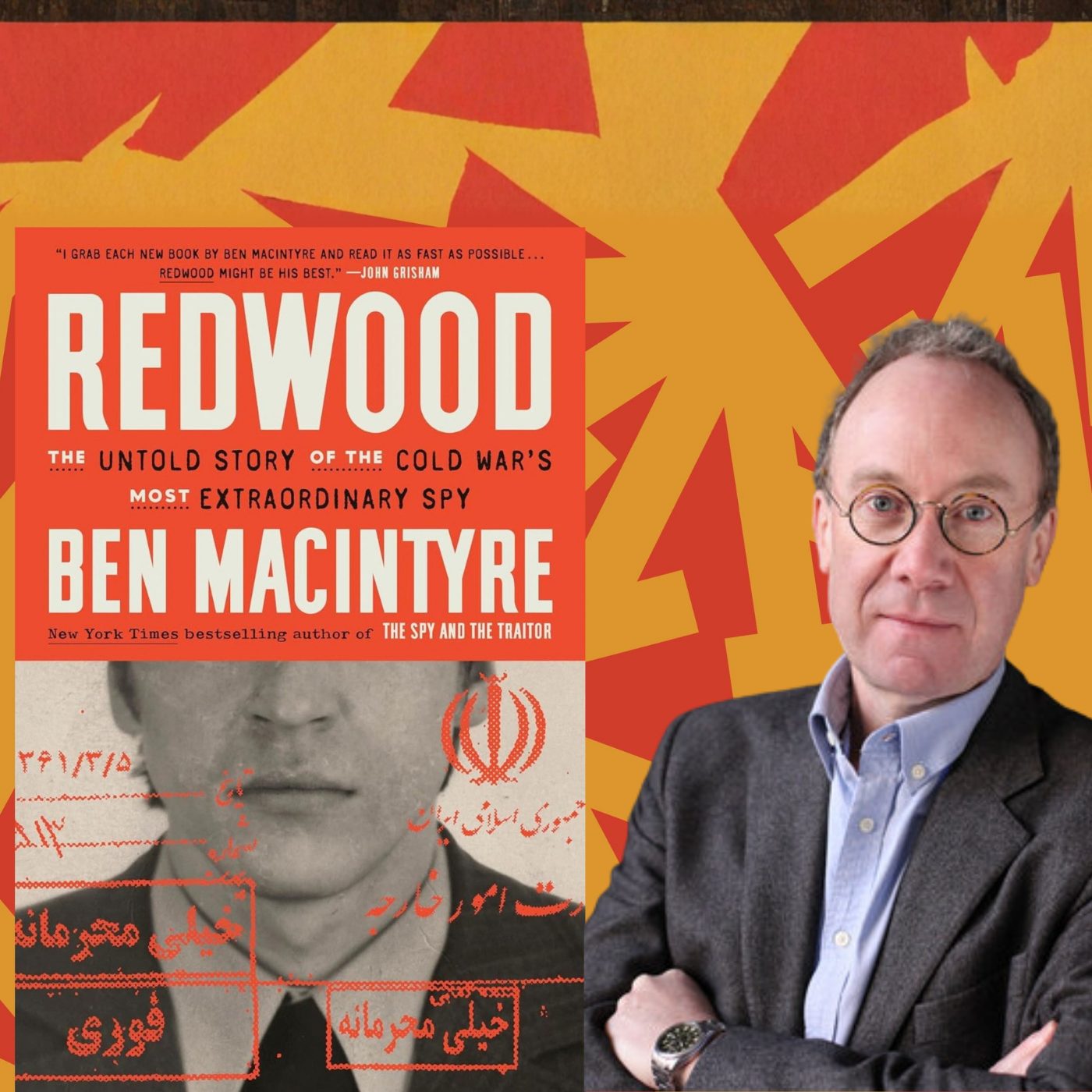
As President Trump threatens Iranian annihilation today, there was actually another nuclear threat there in the 1980s, thwarted by a Russian spy. Ben McIntyre, writer-at-large for The Times (UK), joins guest host John McCaa to discuss the man with the code name “Redwood,” how he was key to avoiding nuclear disaster when the Russians and Americans were strategizing what to do after the Iranian Revolution, and the reasons he was ready to leave the KGB. His book is “Redwood: The Untold Story of the Cold War’s Most Extraordinary Spy.”
Learn about your ad choices: dovetail.prx.org/ad-choicesWho’s getting rich off of U.S. foreign policy?

U.S. foreign policy was once focused on spreading democracy, but that has changed. Anne Applebaum, staff writer at The Atlantic, joins guest host John McCaa to talk about her reporting during which she’s witnessed government workers – under the guise of diplomatic efforts – making self-serving deals with short-term goals, how that’s rewiring American foreign policy, and how this is making the world rethink the United States’ reputation. Her article is “Empire of Grift.”
Learn about your ad choices: dovetail.prx.org/ad-choicesHow natural disasters survivors connect with each other

After devastating floods, fires, heat and hurricanes changed their lives, a support group was formed to connect families affected by climate change. David Gelles is a correspondent for The New York Times on the climate desk, where he leads the Climate Forward newsletter and event series. He joins guest host Courtney Collins to discuss Extreme Weather Survivors, a nationwide support group for families upended by climate disasters that’s grown to 2,500 people, how the network helps survivors navigate red tape and insurance woes and how they plan to use their collective power to lobby congress. His article is “Six Stra...
Where are the working class candidates?
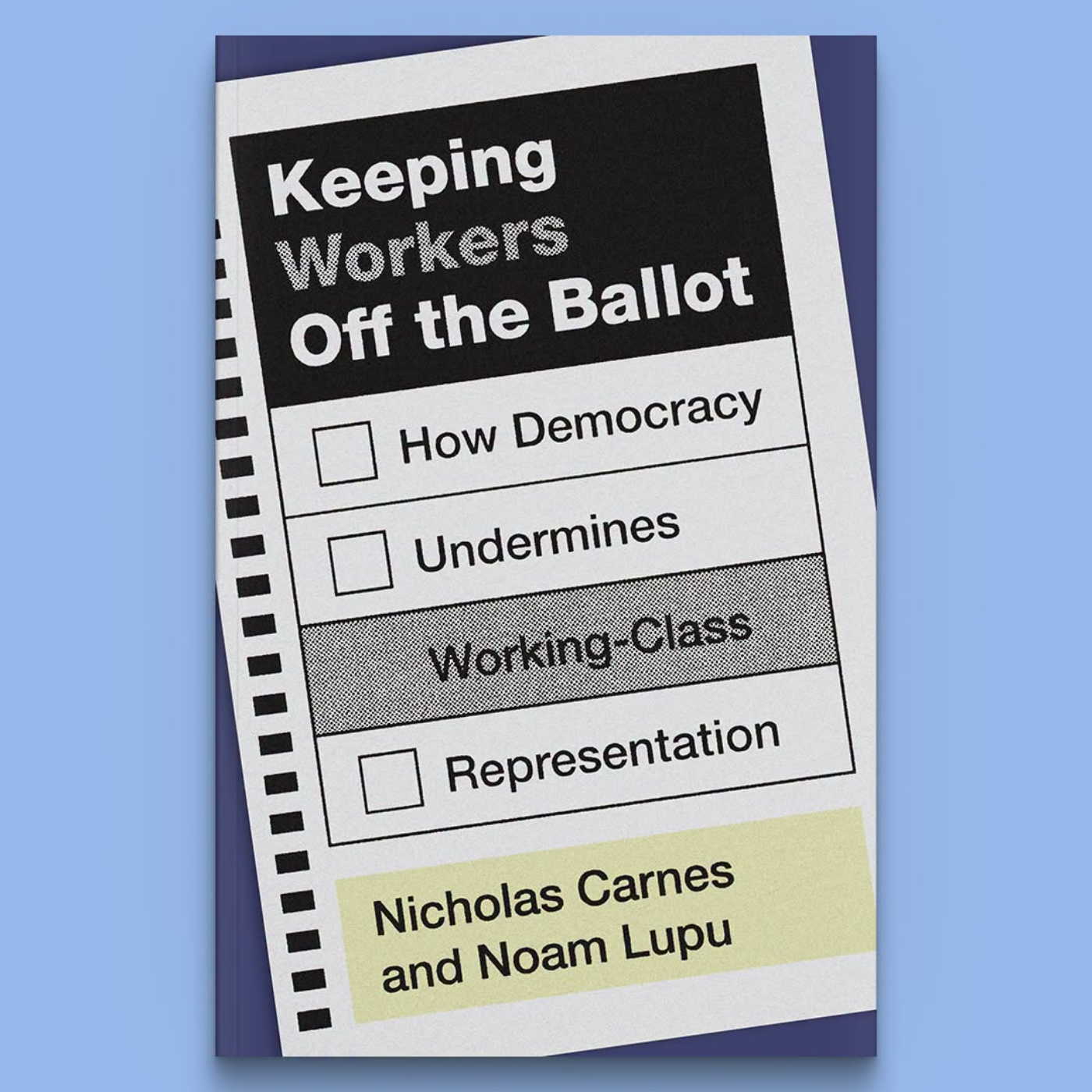
It’s not just exorbitant amounts of money that’s needed to win elections – they also take time – something working people are often short on. Nicholas Carnes, Z. Smith Reynolds Professor of Public Policy and professor of political science and sociology at Duke University, joins guest host Courtney Collins to discuss why working-class people are so often not considered electable, how party gatekeepers vet people who can afford to put in more time, and why ordinary citizens are not offered a seat at the table. His book, written with co-author Noam Lupu, is “Keeping Workers Off the Ballot: How Democracy...
What does your social media say about you?
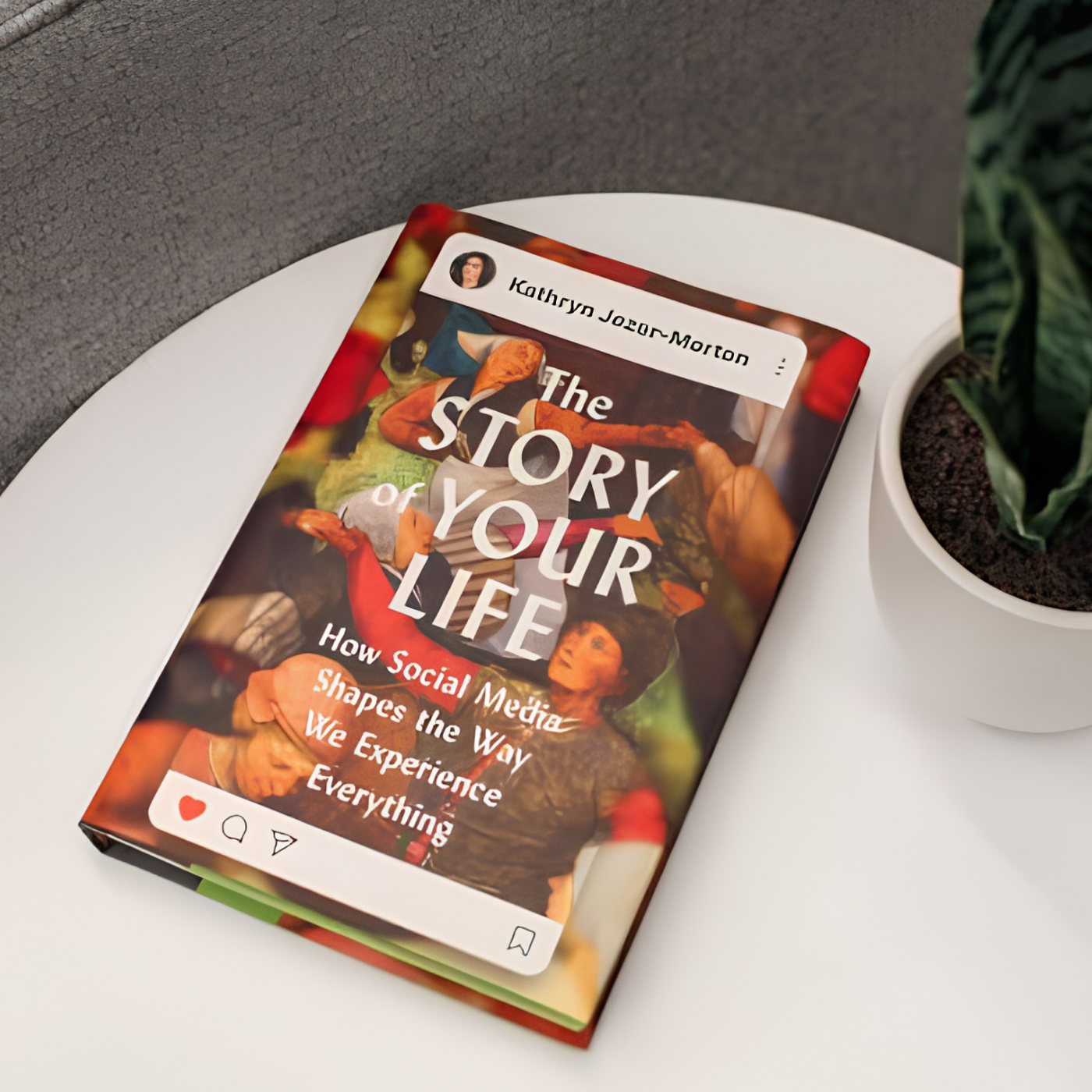
When we hold up our phones to film a concert for our feeds, we’re not just capturing the action, we’re signaling to followers who we are. Kathryn Jezer-Morton is author of the biweekly Brooding column at The Cut, and she joins guest host Courtney Collins to discuss how capturing content shapes the way we view ourselves, how we store our histories through social media and how we’re changing the way we behave to better fit the algorithm. Her book is “The Story of Your Life: How Social Media Shapes the Way We Experience Everything.”
Learn about your...The Big Little Lies sequel is out
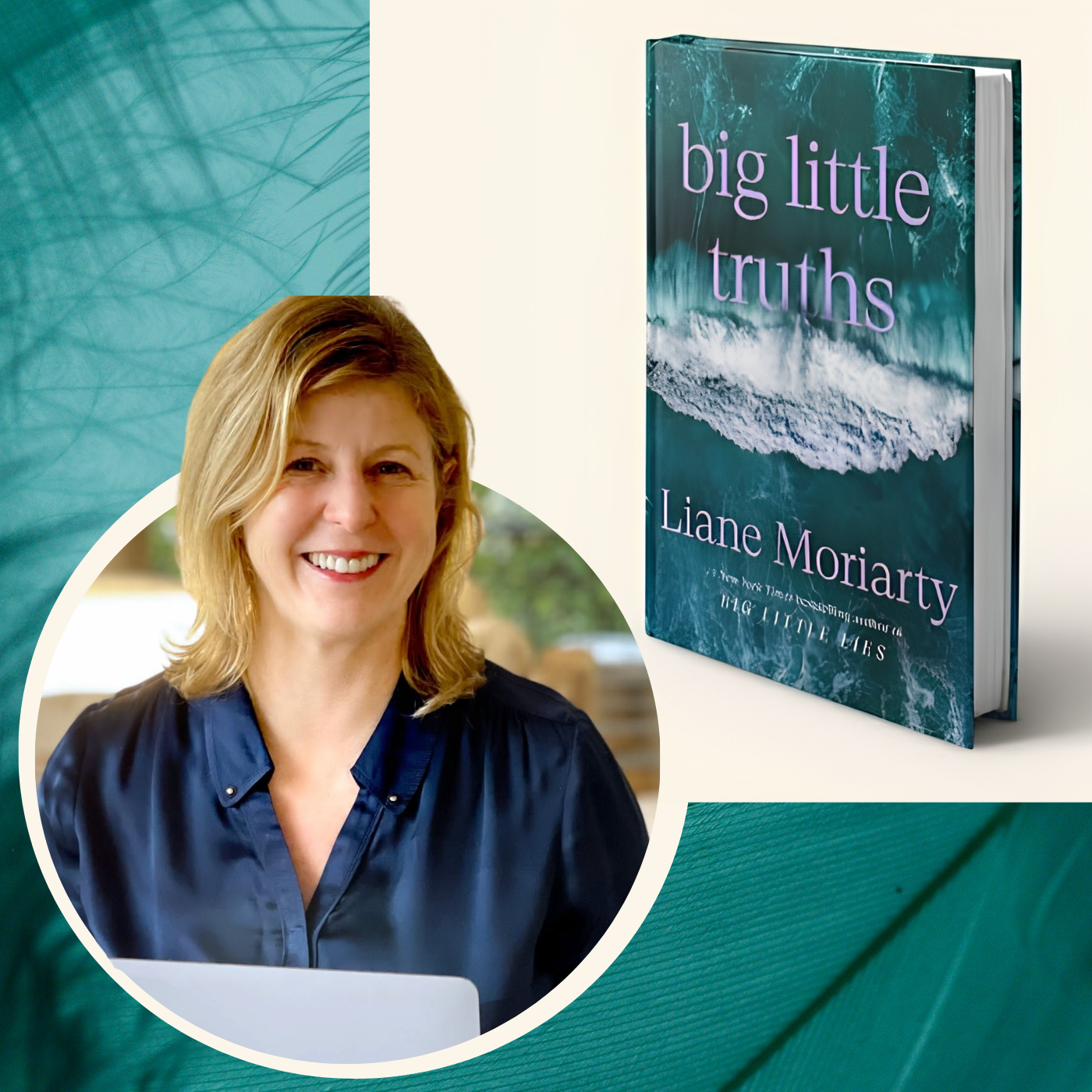
For the millions of readers who couldn’t get enough of “Big Little Lies,” there’s good news: A sequel is here. Best-selling author Liane Moriarty joins host Krys Boyd to talk about crafting characters that readers can’t get enough of, how her large family shapes her work, and why Hollywood can keep you humble. Her newest book is called “Big Little Truths.”
Learn about your ad choices: dovetail.prx.org/ad-choicesElection denial is reaching the grass roots
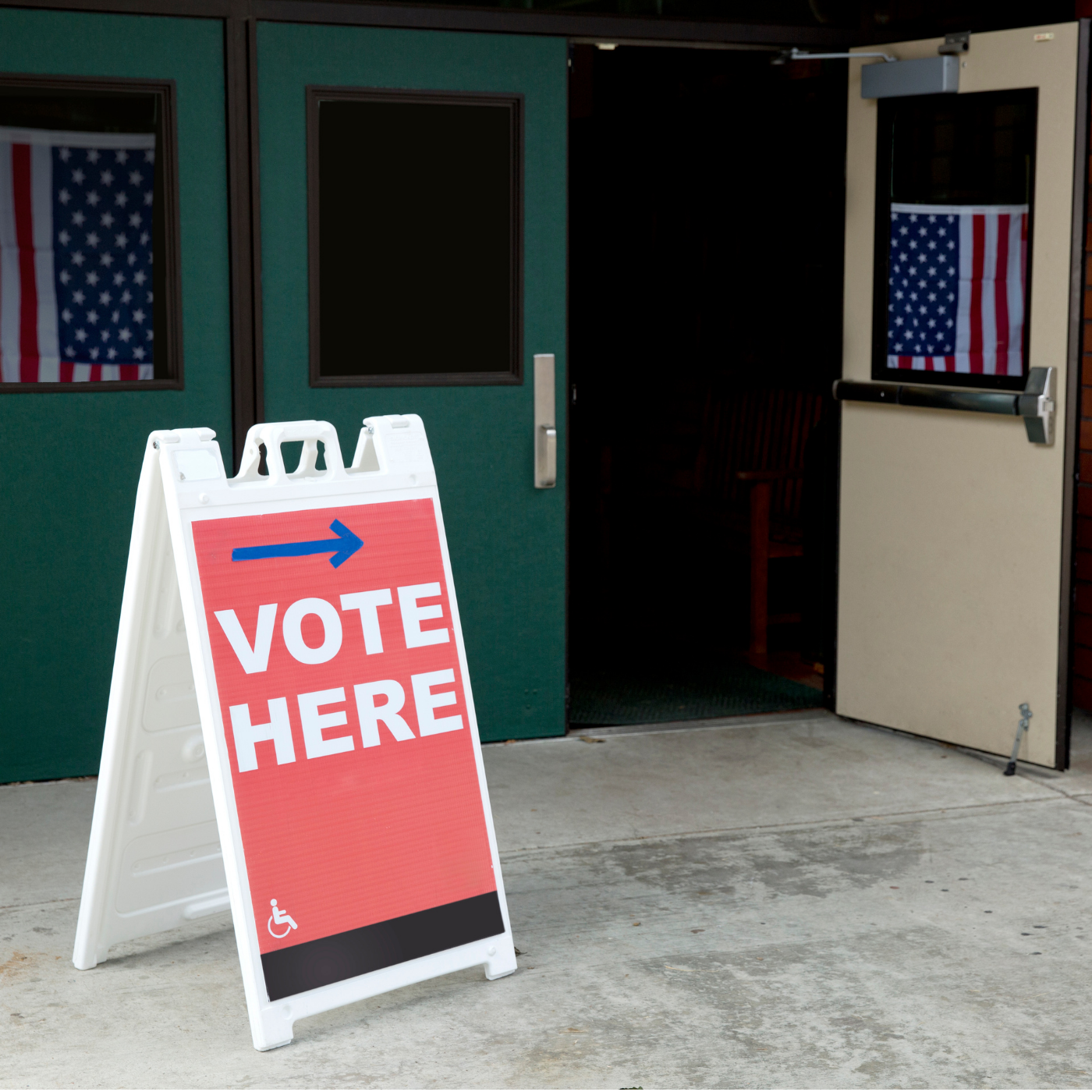
Slowly, and at the grassroots level, election deniers have cemented power over federal, state and local elections. Atlantic staff writer Toluse Olorunnipa joins host Krys Boyd to discuss efforts to sew doubt into the election process and concerns about a smooth midterm election in November. His article is “The Election Deniers’ Long Game.”
Learn about your ad choices: dovetail.prx.org/ad-choicesWhy do we want what we can't have?
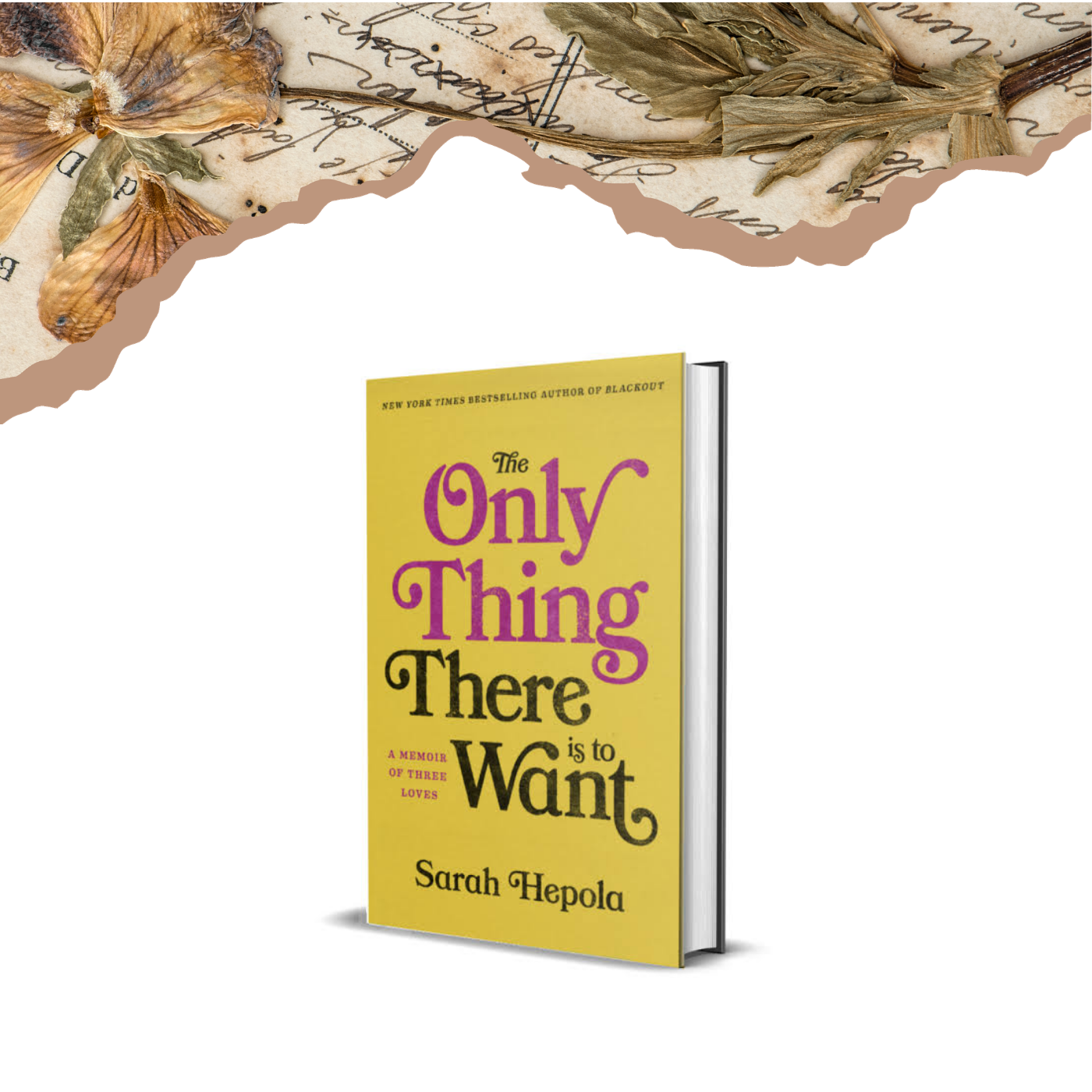
For one best-selling author, the longing for a family leaves big dreams unfulfilled. Sarah Hepola is co-host of the weekly culture podcast “Smoke 'Em If You Got 'Em” and a staff writer for The Dallas Morning News. She joins host Krys Boyd to discuss her search for answers about why marriage and motherhood have eluded her by doing a deep dive into previous relationships. Her new book is “The Only Thing There Is to Want: A Memoir of Three Loves.”
Learn about your ad choices: dovetail.prx.org/ad-choicesPersonalized pricing is costing you more
Prices on just about everything are up – so where is all of that extra money going? Lindsay Owens, president and CEO of the Groundwork Collaborative, joins host Krys Boyd to discuss how companies often band together to bump up prices, how surveillance technology boosts revenues and how hidden fees pad corporate bottom lines. Her book is “Gouged: The End of a Fair Price – and What That Means for Your Wallet.”
Learn about your ad choices: dovetail.prx.org/ad-choicesWhat a single family can reveal about dementia
In a family that has a genetic pre-disposition to dementia, scientists are searching for a cure for Alzheimer’s. Robert Kolker, contributing writer at The New York Times Magazine, joins host Krys Boyd to discuss the story of nine siblings who began to lose themselves to frontotemporal dementia and the years it took to get a diagnosis, how family members deal with the knowledge they have a 50-50 chance of developing the disease, and the advocacy and hope that has come out of this tragedy. His book is “The Vanishing Family: Love, Fate, and the Quest to End Dementia.”
Lea...Sometimes you have to quit to win
One thing winners have in common: they know when to quit. Lindsay Crouse is an author, producer, and journalist. She joins host Krys Boyd to discuss the courage it takes to let go and change course, why building up “strategic quitting” is a skill, and when you know that a job or a relationship or a goal is no longer serving you. Her book is “The Case for Quitting: The Surprising Benefits of Opting Out – Revolutionary Strategies for Personal Growth and Shifting Your Mindset on Success.”
Learn about your ad choices: dovetail.prx.org/ad-choicesCan we fix Social Security in time?

Social Security will run out of money in seven years. Even some Republicans think this it’s crucial to raise taxes. Steve Thompson covers the U.S. economy for the Washington Post and he joins host Krys Boyd to discuss why lawmakers are worried about the looming budget deficit, why higher taxes on income is being considered, and how the clock is running out to find solutions before benefits must be cut. His article is “As Social Security fund runs dry, some Republicans say it’s time to raise taxes.”
Learn about your ad choices: dovetail.prx.org/ad-choicWhen meditation goes wrong

It’s big business to sell us meditation and mindfulness, but there are significant side effects no one is talking about. Olga Khazan, staff writer at The Atlantic, joins host Krys Boyd to discuss why a study showed 10% of meditators experience some adverse effect from their practice, why some people should consult mental health professionals before a long meditation retreat, and why this research is unpopular in the mindfulness community. Her article is “The Dark Side of Mindfulness.”
Learn about your ad choices: dovetail.prx.org/ad-choicesMore nukes, more problems

The idea of nuclear deterrence—possessing weapons so that others don’t attack—doesn’t mean building up the arsenal makes us safer. Erin D. Dumbacher is Stanton Nuclear Security Senior Fellow and Director of the Defense and National Security Program at the Council on Foreign Relations. She joins host Krys Boyd to discuss why having too many weapons makes us a target, why modernizing the existing stockpile makes more sense than making new ones, and why, she believes, President Trump’s strategic goals are misguided. Her article “American doesn’t need more nuclear weapons” was published in Foreign Affairs.
Lea...How to look forward to midlife
Mid-life doesn’t need to mean crisis. Instead, it can be a chance to lean-in to all your strengths and grow. Allison Aubrey is science and health correspondent for NPR News and a contributor to CBS Sunday Morning. She joins host Krys Boyd to discuss what she calls “the third turn,” a time when you assess your best qualities and turn them into actionable ideas for the future, why she hates the word “retirement,” and why taking on mid-life head-on can be both rewarding and fulfilling. Her book is “Your Turn: How to Create a Midlife You Love.”
Learn about yo...The new prime real estate? Earth’s orbit
There are 15,000 satellites orbiting planet Earth. Just one accident could be calamitous. Jonathan O'Callaghan joins host Krys Boyd to discuss the enormous numbers of satellites being launched into space, what this means for traffic at low-Earth orbit altitude and space trash, and why, despite concerns, there are plans to launch 2 million more in the next few years. His article “Battle for the Night Sky” appears in Scientific American.
Learn about your ad choices: dovetail.prx.org/ad-choicesIt’s expensive to be lonely

Are you one of many Americans stuck in the loneliness epidemic? There’s an app for that. Vox correspondent Allie Volpe joins host Krys Boyd to discuss how tech is offering solutions to social isolation (a problem it created), the many online apps that are promising connection offline, and why previous generations were just better at making friends. Her article is “Can you spend your way out of loneliness?”
Learn about your ad choices: dovetail.prx.org/ad-choicesWhy consciousness evolved
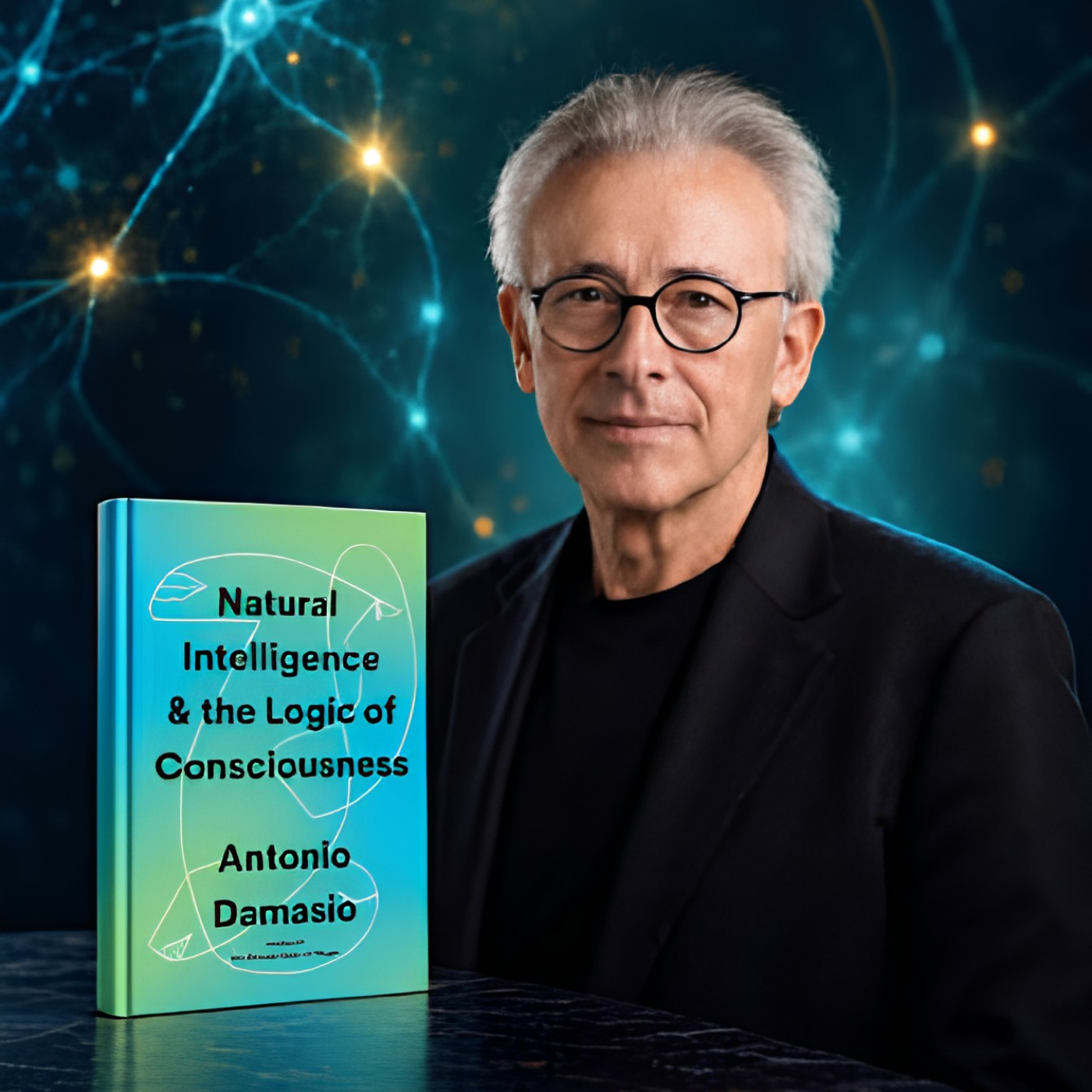
Did consciousness lead to us having feelings, or was it the other way around? Antonio Damasio is David Dornsife Professor of Neuroscience, Psychology, and Philosophy, and director of the Brain and Creativity Institute at the University of Southern California. He joins host Krys Boyd to discuss why he believes consciousness came before feelings and why feelings came early in the evolutionary process. Plus, we’ll ponder how many other organisms are aware of their existence. His book is “Natural Intelligence and the Logic of Consciousness.”
Learn about your ad choices: dovetail.prx.org/ad-choicesThe man who taught Trump everything he knows
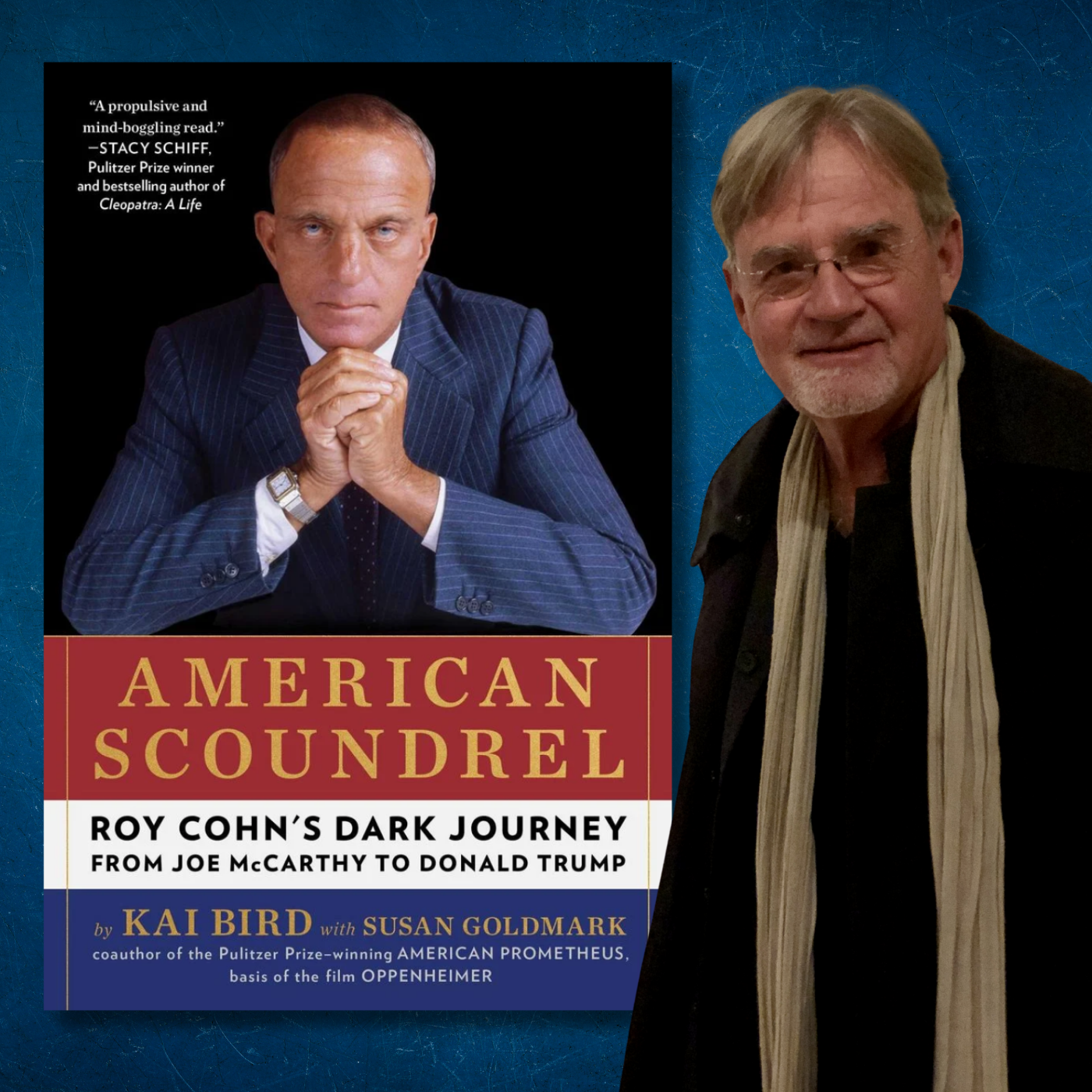
The legacy of the notorious lawyer Roy Cohn reverberates in politics today. Kai Bird is a Pulitzer-Prize winning biographer and journalist and executive director of the Leon Levy Center for Biography at the CUNY Graduate Center in New York City. He joins host Krys Boyd to discuss the life of the man who first prosecuted Julius and Ethel Rosenberg for espionage – which catapulted his career into the spotlight – his mentorship of a young Donald Trump and his eventual disbarment for unethical conduct. Bird’s book is “American Scoundrel: Roy Cohn’s Dark Journey from Joe McCarthy to Donald Trump.”
Learn abo...Is al-Qaeda functionally dead — or just dormant?

Twenty-five years after the world-altering terrorism of 9/11, is al-Qaeda still a threat? Graeme Wood is a staff writer at The Atlantic, and he joins host Krys Boyd to discuss whether the terrorist organization al-Qaeda has been lying low or regenerating power in the background, why analysts are split on the answer, and how disparate jihadist groups have been essentially allowed to “franchise” the name. His article is “What Happened to al-Qaeda?”
Europe isn’t built for the heat

Paris used to be a cool 70 degrees in summer. Now it’s often 95 and climbing —with no A/C to help. Eric Klinenberg is Helen Gould Shepard Professor in the Social Sciences and director of the Institute for Public Knowledge at New York University. He joins host Krys Boyd to discuss how Europe is warming at twice the rate of other continents due to global warming, what this means for people suffering – even dying – in these heat waves, and why air conditioning can’t be the ultimate answer. His article “The End of the European Summer” was published in The New Yorker...
Some dementia patients ‘come back’ at the very end

Days or even hours before death, some dementia patients become lucid again – and scientists want to know why. Journalist Billy Brennan joins host Krys Boyd to discuss “paradoxical lucidity,” where dementia patients seem to “wake up” and interact right before they decline again, what this “rally” means about our consciousness and brain activity before death, and why this happens more often than scientists realized. His article “Why Do Some Dementia Patients ‘Return’ Just Before They Die?” was published in The New York Times Magazine.
Learn about your ad choices: dovetail.prx.org/ad-choicesDo we still need post-9/11 surveillance?

After the Sept. 11 attacks, the Federal government enacted laws that aimed at both protecting Americans and keeping tabs on what we do. Now that 25 years have passed, is it time for us to revisit some of them? Abigail R. Hall is an Independent Institute Senior Fellow and professor of economics at the University of Tampa. She joins host Krys Boyd to make the case that some of these laws have outlived their intended purposes and violate our liberties. Her recent article for Reason magazine is “9/11 and the Surveillance Ratchet.”
Learn about your ad choices: dovetail.prx.org/ad-choicesWhy we haven't fixed the racial wealth gap

Much of America’s racial wealth gap can be traced to economic policies dating back decades and even centuries. Mehrsa Baradaran is professor of law at the University of California, Irvine. She joins host Krys Boyd to discuss the history of the wealth gap, why she believes politics keeps that gap alive for Black Americans and solutions that could alleviate the disparity. Her book is “The Racial Wealth Gap: A Brief History.”
Learn about your ad choices: dovetail.prx.org/ad-choicesThe wild sex lives of animals
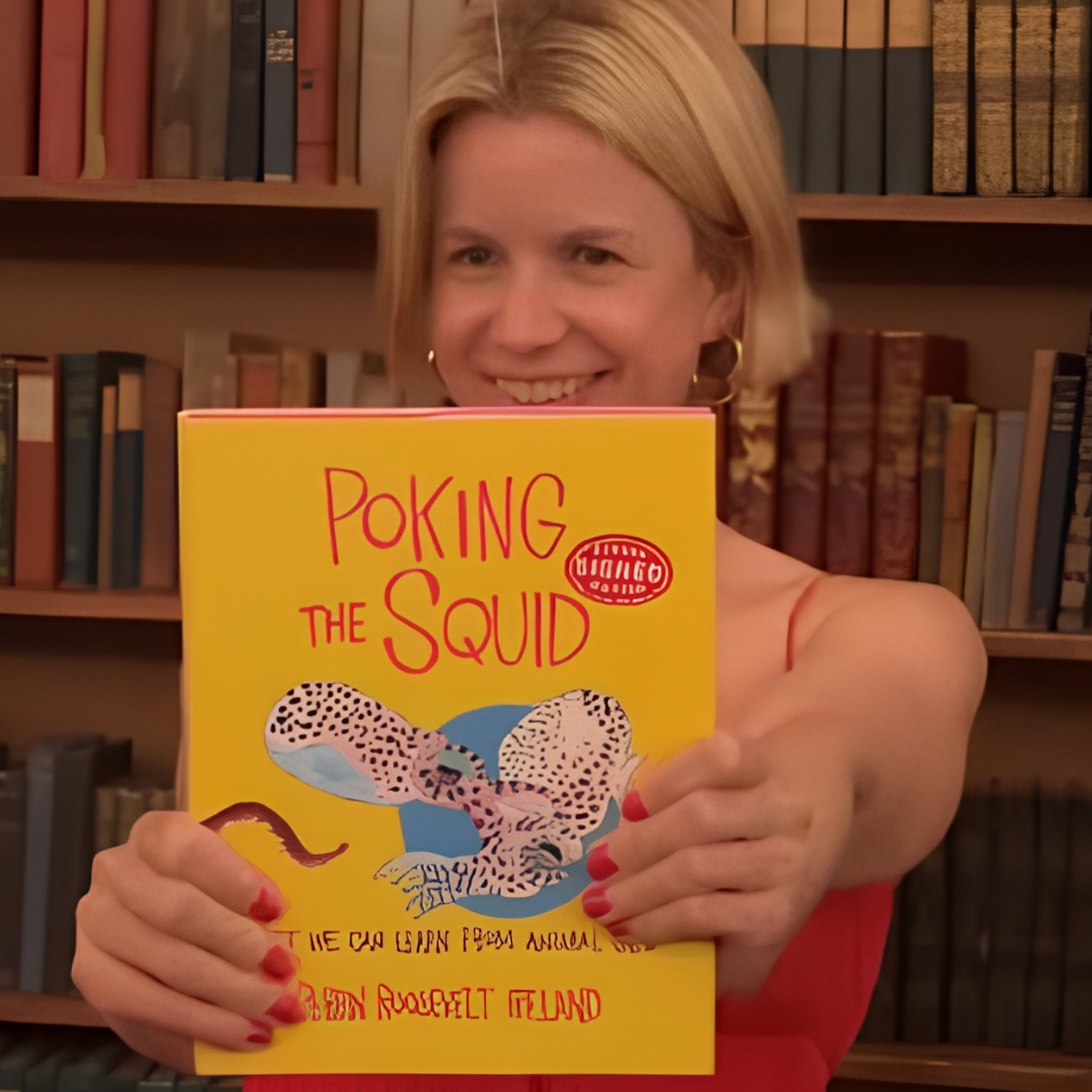
Same-sex coupledom is surprisingly frequent in the animal kingdom – scientists have found 1500 species and counting that pair up in this way. Perrin Roosevelt Ireland is an artist and environmentalist who serves on the board of the Roosevelt Institute, was an inaugural artist in residence at the New York Aquarium and is a Banff Graphic Novel Resident. She joins host Krys Boyd to discuss interesting facts about animal sex – from gender fluidity to procreation to co-parenting – and offer a glimpse into why so many species are worth saving from extinction. Her book is “Poking the Squid: What We Can Learn from Ani...
