Science Weekly

Twice a week, the Guardian brings you the latest science and environment news
Live episode: how AI is reshaping our minds
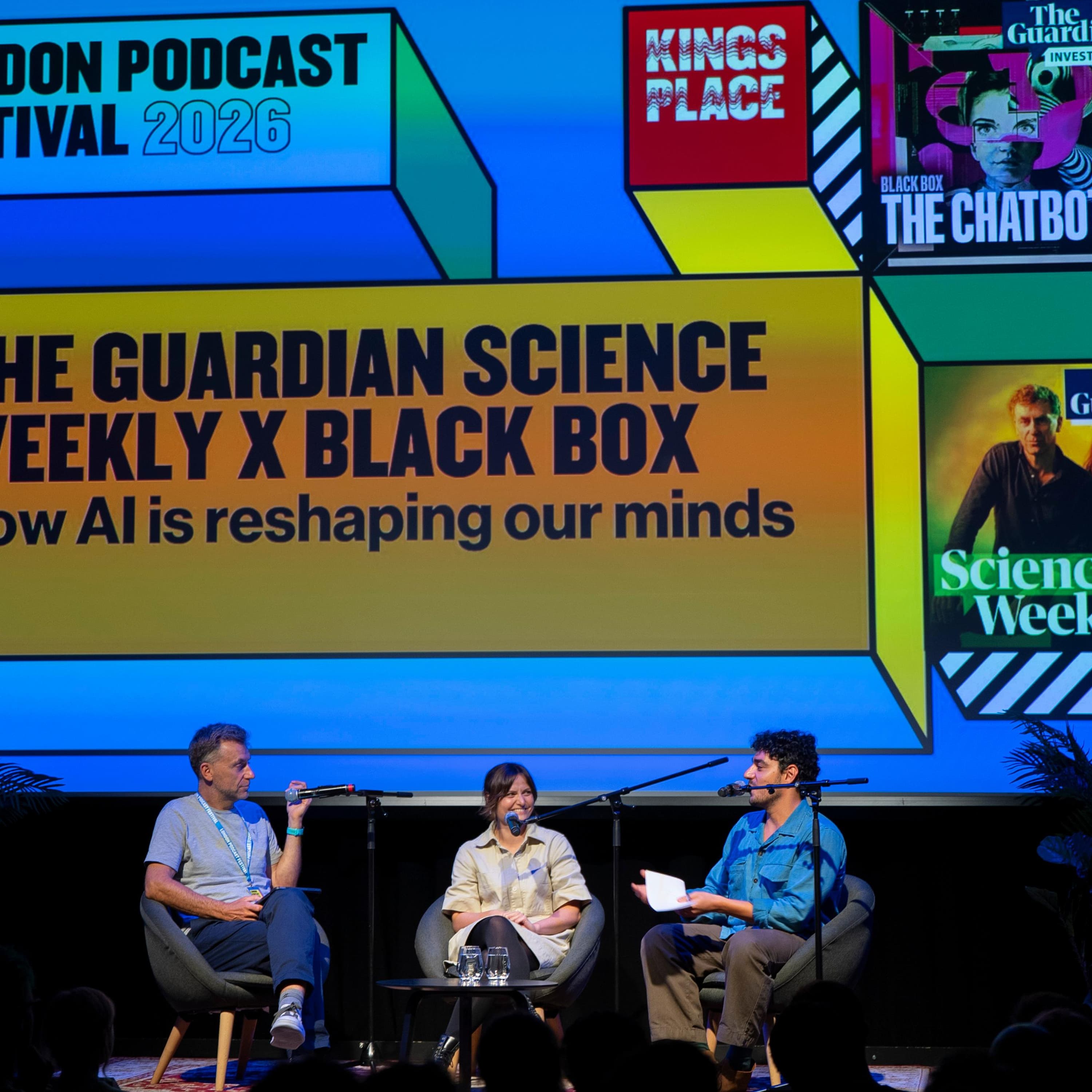
In this episode of Science Weekly, recorded in front of an audience at the London podcast festival on 3 September, Ian Sample hears from Michael Safi, the host of the Guardian’s chart-topping podcast about artificial intelligence, Black Box. In series two, Black Box: the chatbots, Michael meets people who have become convinced they have made scientific breakthroughs, cured diseases or invented new technologies using AI chatbots. Ian, Michael and Science Weekly’s co-host Madeleine Finlay explore the phenomenon labelled ‘AI psychosis’ and ask what it reveals about a technology now used by more than a billion people. Help support our independ...
‘One of the biggest discoveries in science’: have scientists found dark matter?
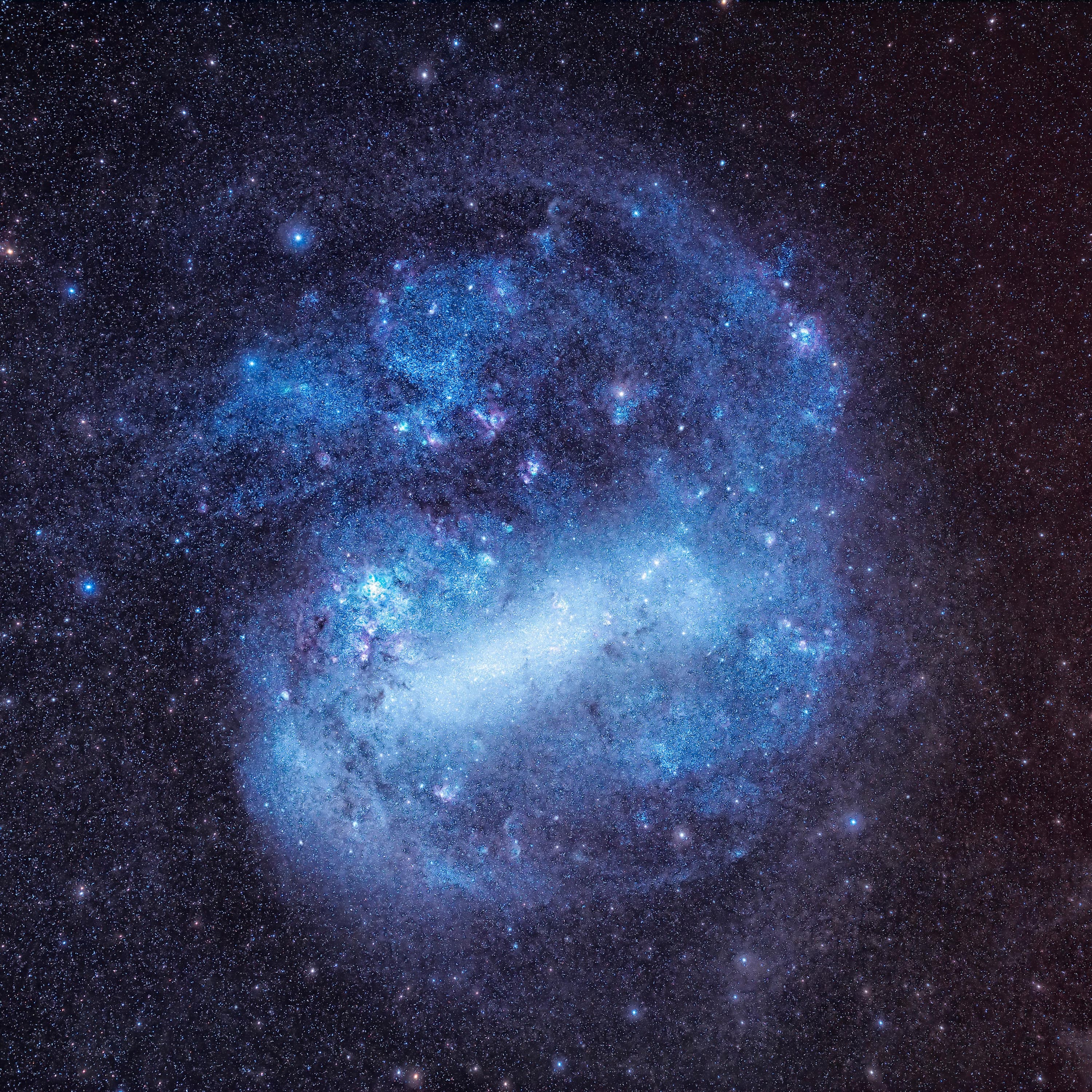
For decades physicists have been puzzling over the enigma of dark matter. We think it makes up 85% of the matter in the universe, but the mysterious substance cannot be seen or detected, and we know about it mainly through observations of the gravitational effects it has on other things. But now scientists believe they may be a step closer to detecting it. Science editor Ian Sample explains to Madeleine Finlay why, if confirmed, the finding could completely transform our understanding of the universe. And Dr Samuel Eriksen, senior research associate at the University of Bristol, and first author of the...
Are rich people really worse behaved? Here’s the science

Who’s more likely to steal sweets from a child? According to science, it’s the rich. A study seemingly confirming our suspicions about the moral behaviour of the wealthy was one of the winners of the 2026 Ig Nobel prizes, which honour research that makes you laugh and then think. Science editor Ian Sample tells Madeleine Finlay what the researchers think could be behind the phenomenon, and they explore some of the other awards, including one for a surprising quality we look for in our friends and another for a biomechanical definition of kissing. Help support our independent journalism at theg...
Introducing Black Box: The Chatbots

From the Guardian Investigates team: Across the world, hundreds of people have come to believe they have made extraordinary scientific discoveries with AI chatbots such as ChatGPT, Claude and Gemini. Others say their AI has ‘awakened’ or is leading them to a higher spiritual realm. The Guardian journalist Michael Safi begins investigating a phenomenon labelled ‘AI psychosis’, travelling to the US to meet two people who have been on weird journeys with their chatbots. Help support our independent journalism at theguardian.com/sciencepod
There’s a quick way to slow climate change. Why isn’t everyone doing it?

Methane is a potent greenhouse gas that traps more than 80 times as much heat than carbon dioxide over a 20-year period and causes 25% of global heating today. We definitely don’t want this gas spewing needlessly into the atmosphere, but in 2023 that’s exactly what environment editor Damian Carrington found was happening when he reported on 1,000 super-emitting methane leaks across the globe. Now Turkmenistan, the worst country for mega-leaks, has begun to plug them. Damian tells Madeleine Finlay why some experts call stopping leaks the climate ‘emergency brake’ and reveals which countries are still failing to act. Help support our independ...
Could humans ever communicate with whales?
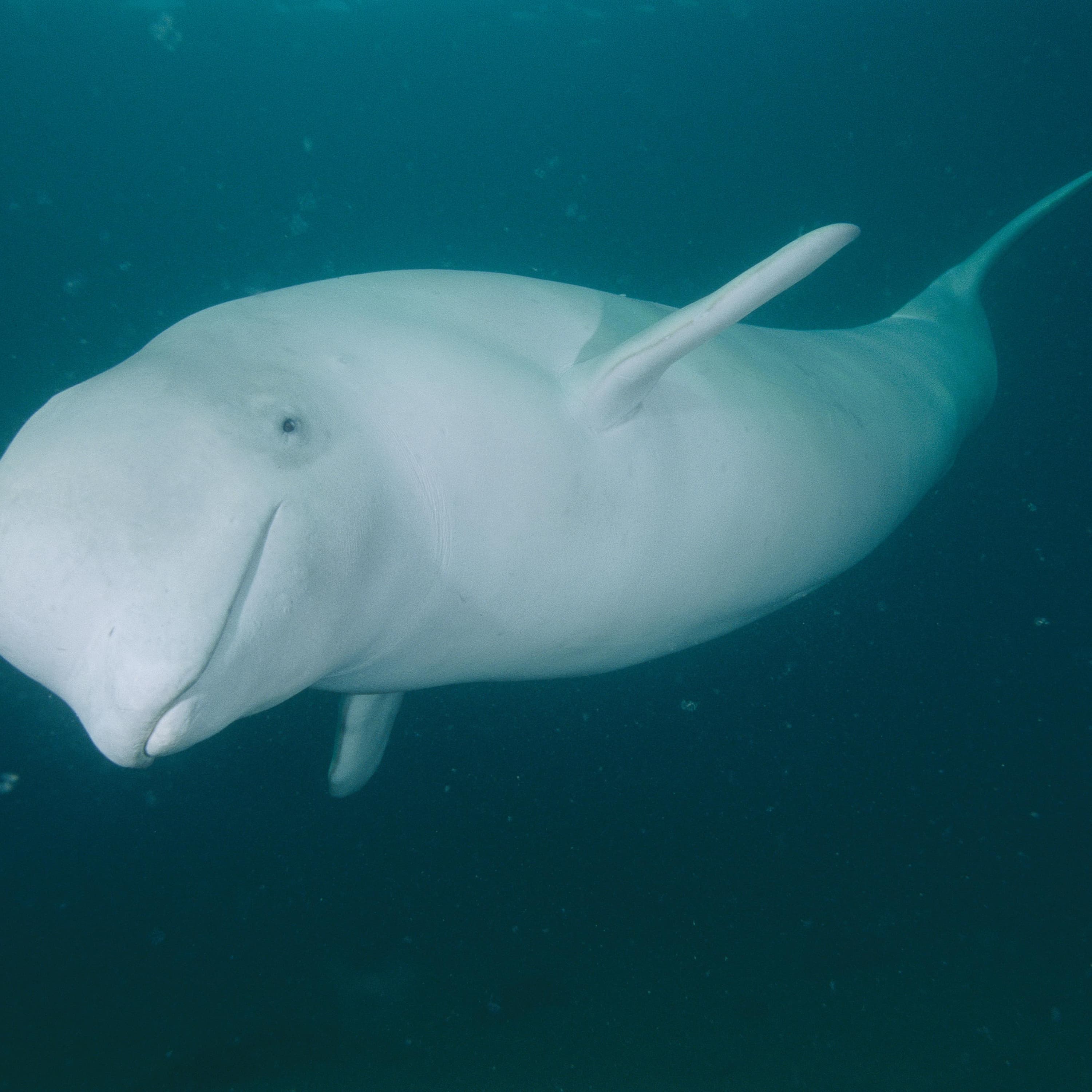
Ever since the earliest known recording of whale song was made in 1949, researchers have been captivated by the wails, rumbles, clicks, grunts and squeals of their communication. As technology improves, scientists are decoding the intricate patterns that make different species’ vocalisations distinctive. Madeleine Finlay hears from Emma Bryce, a journalist who has spent months investigating human efforts to understand whale song. She explains how this knowledge could help us better protect whales from human-made harms. Credits: 1. Copyright 1978 National Geographic Society and 1977 Capitol Records, Inc. Commentary by Dr Roger Payne 2. Valeria Vergara/Raincoast Conservation Foundation 3. Footage courtesy of Raincoast Conservation Foundation...
Everyone hates datacentres. Do we really need them?
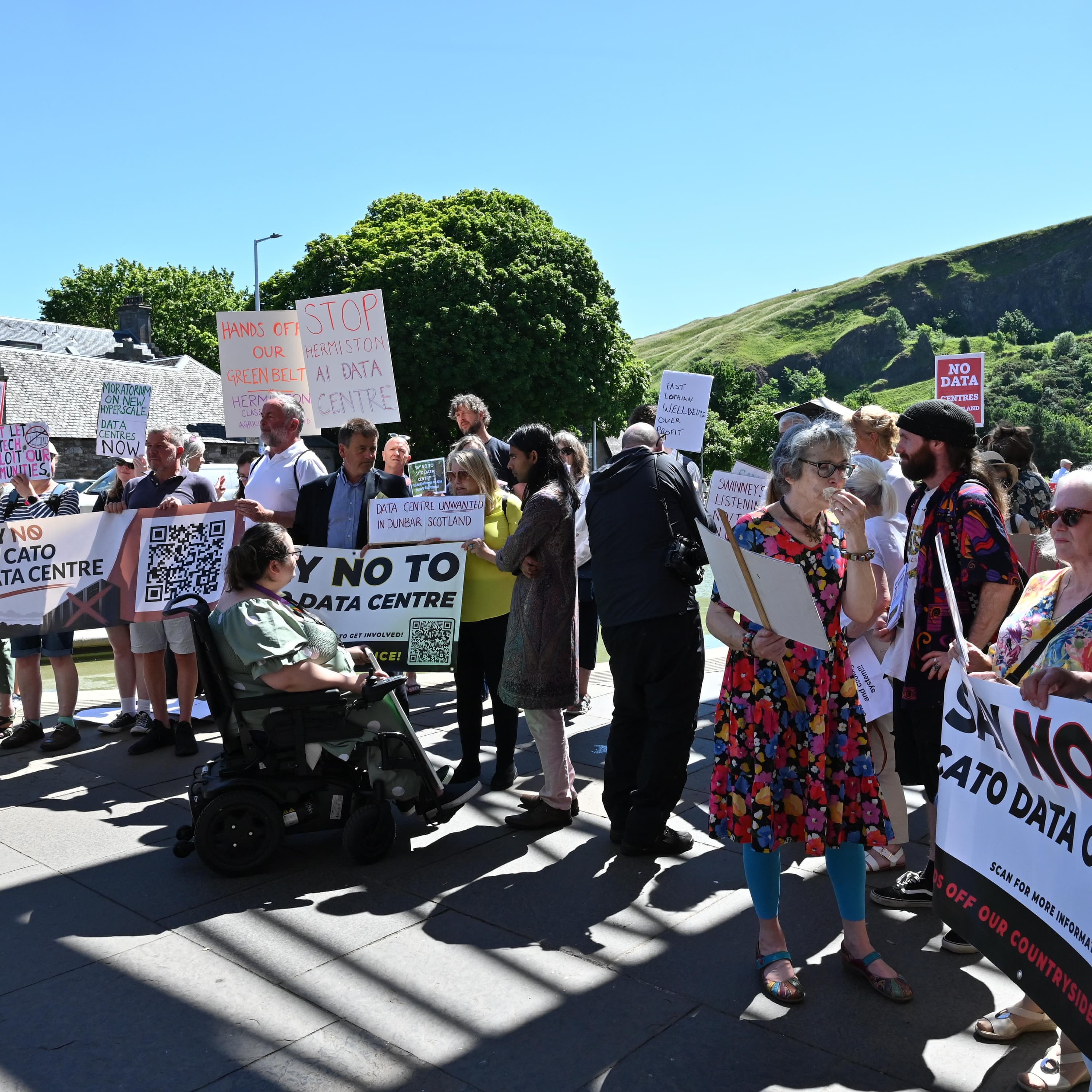
AI companies have promised us world-shifting technology. But there’s a cost: loud, unsightly datacentres that drain environmental resources. As the government pushes their rapid growth, can local communities do anything to push back? Madeleine Finlay speaks to the Guardian’s global technology reporter Aisha Down about the backlash to datacentres across the UK and around the world. Help support our independent journalism at theguardian.com/sciencepod
Creatine: is there truth behind the hype?
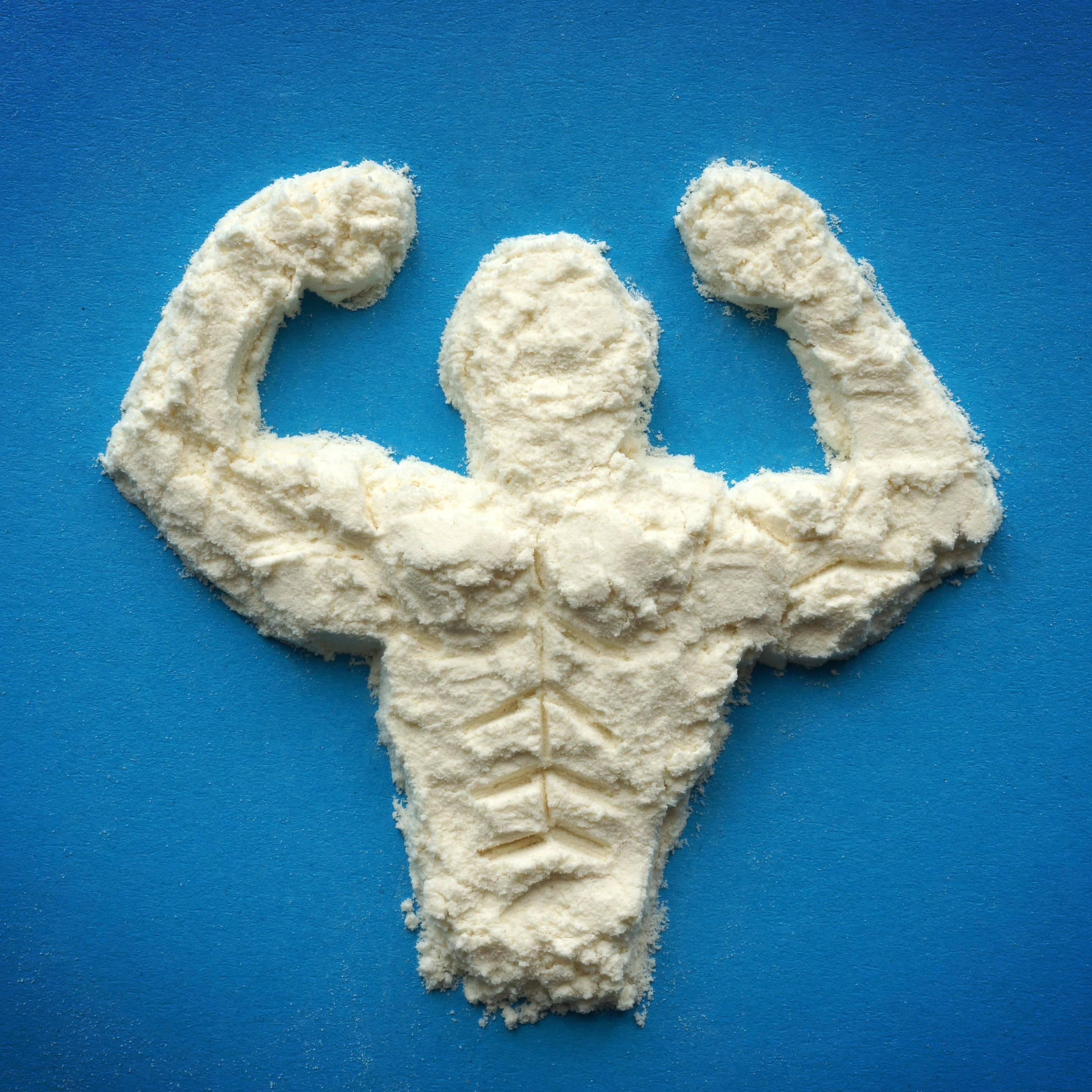
Creatine has become the go-to supplement for anyone wanting to give their fitness a boost and build muscle. It’s even made it out of the gym, with influencers touting its cognitive benefits. But what’s the science behind creatine, and does the evidence stack up? Madeleine Finlay hears from science editor Ian Sample and Dr Justin Roberts, professor of nutritional physiology at Anglia Ruskin University. Help support our independent journalism at theguardian.com/sciencepod
It’s finally raining. Will it be enough to end the drought?
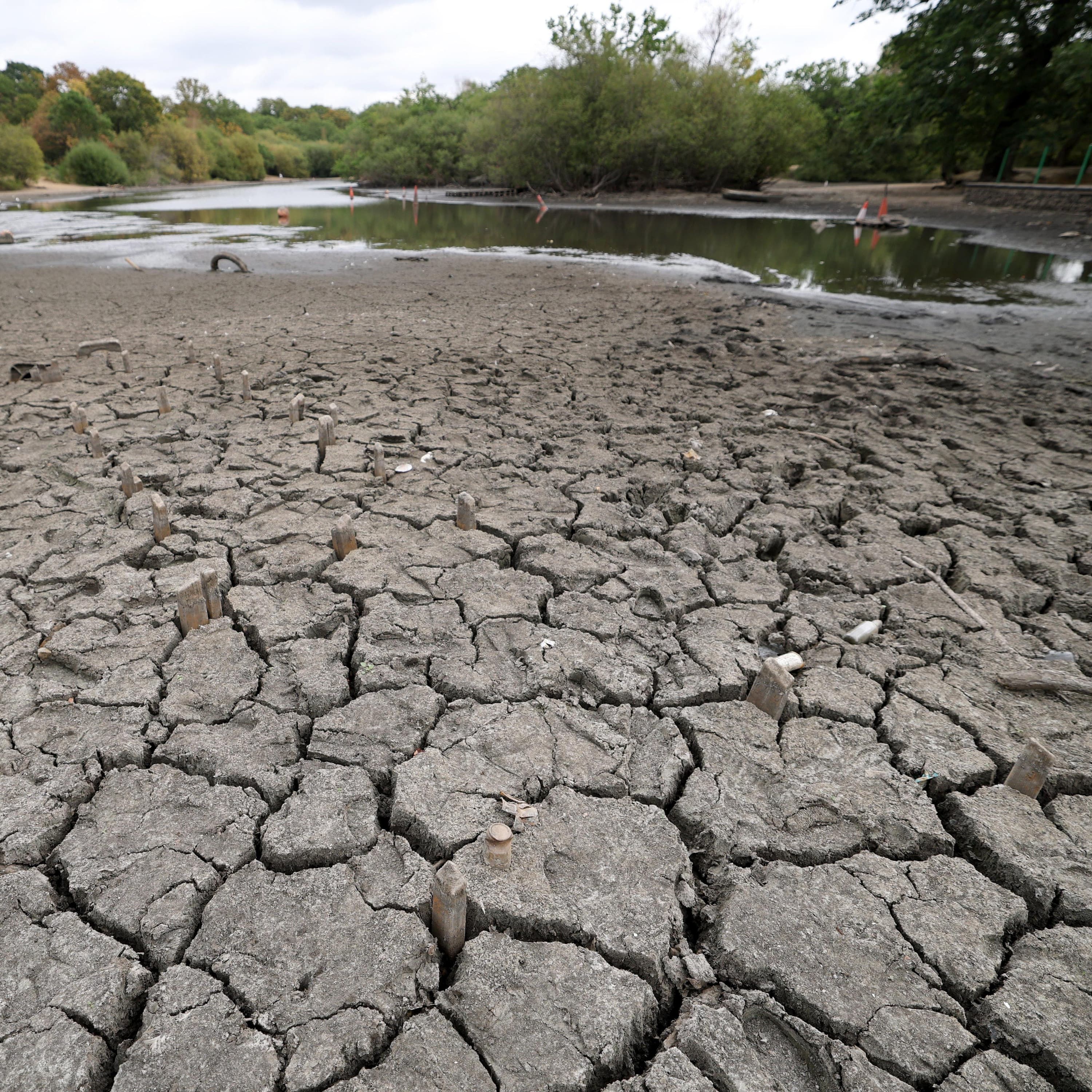
After a summer that has seen England and Wales experience the driest July since records began, rain is finally on the horizon. But with reservoirs at ‘exceptionally low’ levels, will there be enough rain to replenish stocks? Madeleine Finlay hears from Dr Anna Murgatroyd, a lecturer in hydrology at Newcastle University, about how much rain we need to see us through next summer, why we’re now at increased risk of floods, and what we can all be doing to take better care of our water supplies. Help support our independent journalism at theguardian.com/sciencepod
The ultra rich are collecting fossils, and that’s bad for science
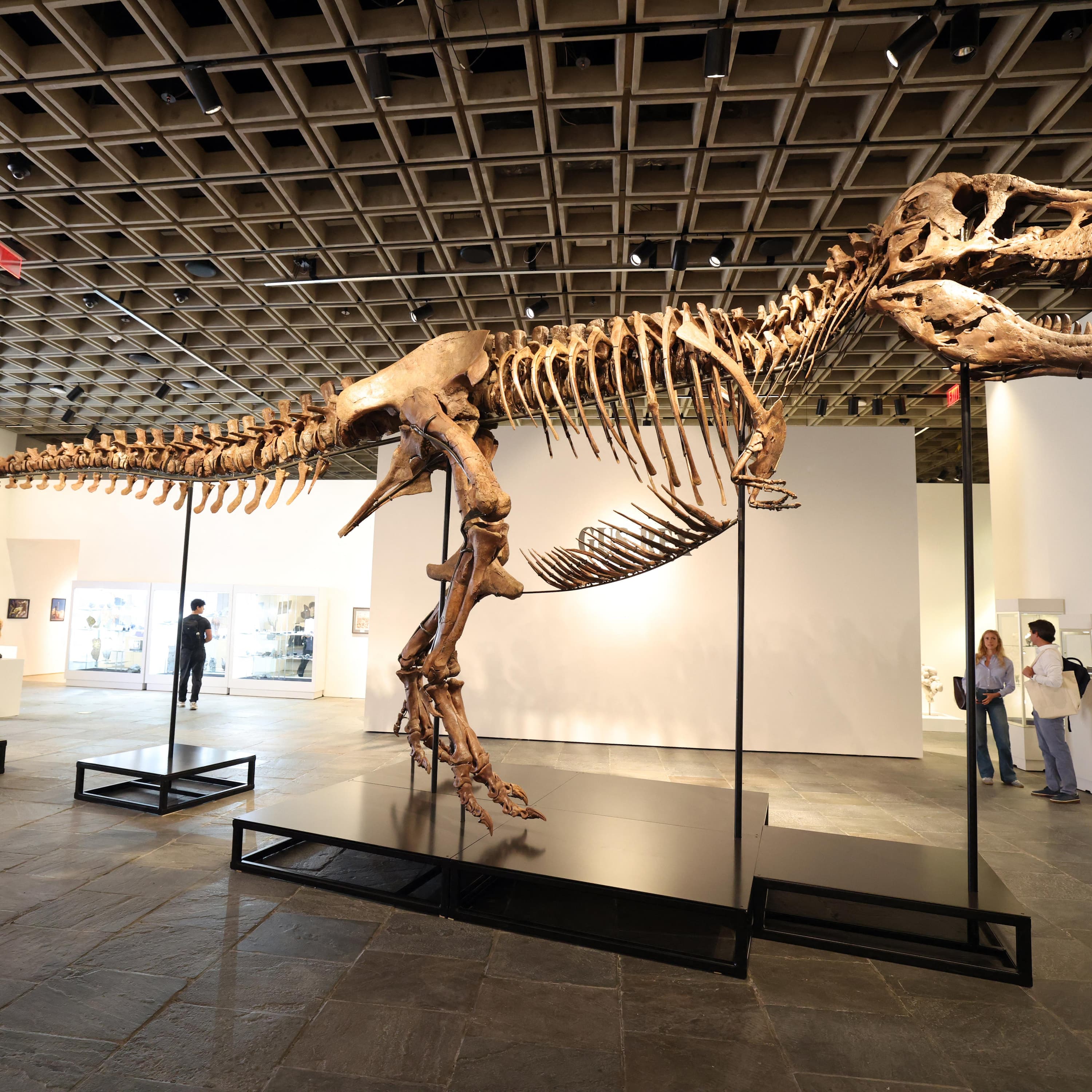
One of the UK’s best fossil collections has been sold overseas in what experts have called a loss to the nation. The collection, which is now on display at the Natural History Museum in Abu Dhabi, was gathered on Dorset’s Jurassic Coast. As dinosaur fossils sell to private collectors for increasingly large sums, scientists are worried that domestic museums are being priced out of the market, and in turn scientists are missing out on the opportunity to make new observations. To find out how fossils became big business and what it could mean for research, Madeleine Finlay hears from...
The immortal jellyfish and other mindblowing invertebrates
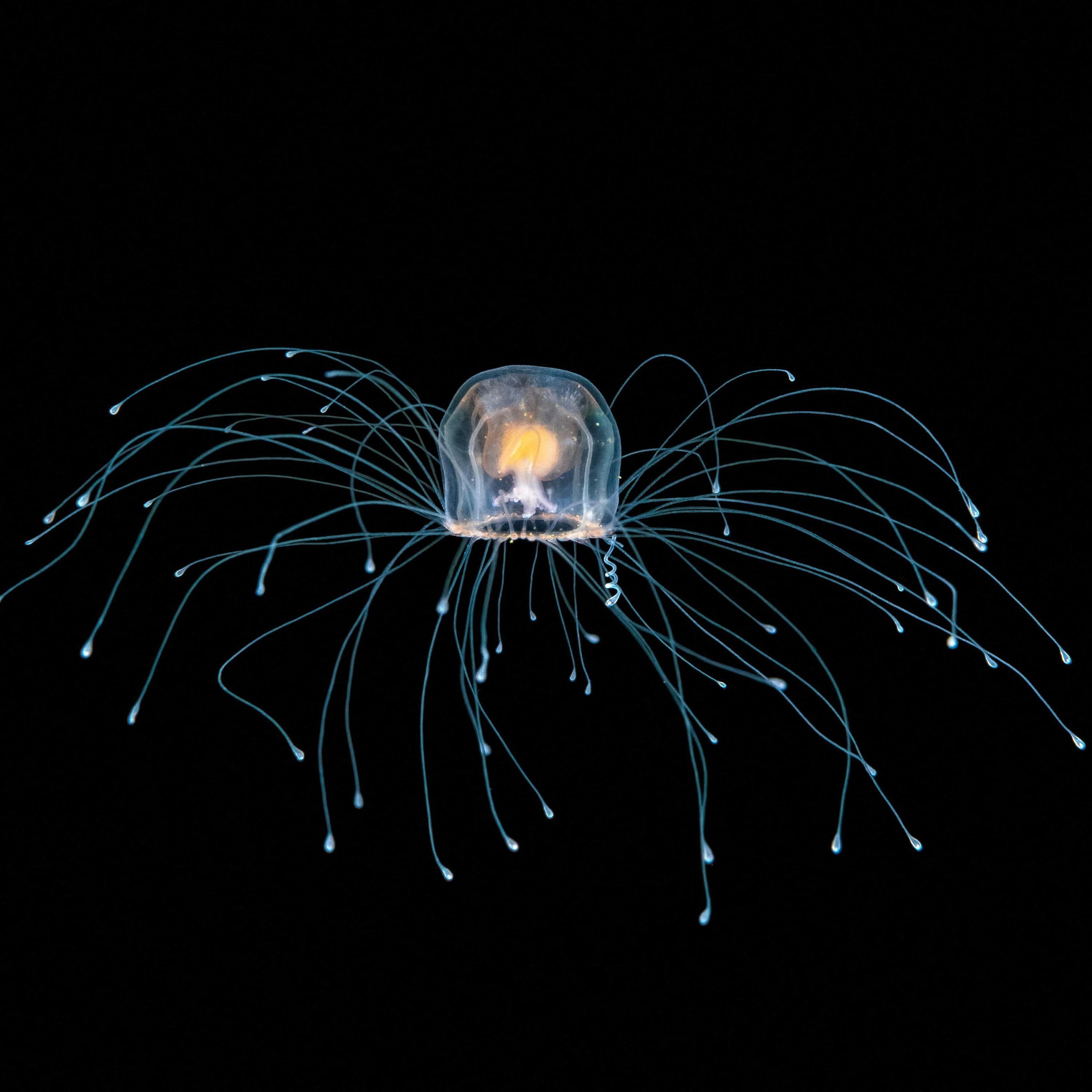
Each year the Guardian runs a competition to find the invertebrate of the year. To find out more about the 2026 nominees science editor Ian Sample hears from climate reporter Petra Stock, environment reporter Oliver Milman and Science Weekly co-host Madeleine Finlay. They each nominate an incredible invertebrate that you might never have heard of, and argue why their choice should be crowned the winner. Vote for your favourite now and the winner will be crowned on 17 August. Help support our independent journalism at theguardian.com/sciencepod
We’re reading less. And it’s making us stupid

Books have never been trendier, but studies show that as more and more things compete for our frazzled attention spans, we’re reading less and less. This is a problem because reading has a wealth of cognitive benefits that we’re in danger of missing out on. To find out why declining literacy could affect everything from memory to IQ, Madeleine Finlay speaks to the Guardian’s science editor, Ian Sample. She also hears from Prof Falk Huettig, an experimental psychologist at the Max Planck Institute for Psycholinguistics and author of The Perks of Being a Bookworm. Help support our indepe...
Four types of thinker, the cyclosporiasis outbreak, and the UK’s biggest telescope threatened

Madeleine Finlay is joined by Ian Sample, Guardian science editor, to discuss three eye-catching science stories including an investigation that has identified four distinct types of thinker. Also on the agenda is the unprecedented cyclosporiasis outbreak in the US which has now been linked to two fatalities, and the funding cuts that threaten the iconic Jodrell Bank world heritage site, home to the Lovell telescope. Help support our independent journalism at theguardian.com/sciencepod
The fight to save a historic English landscape
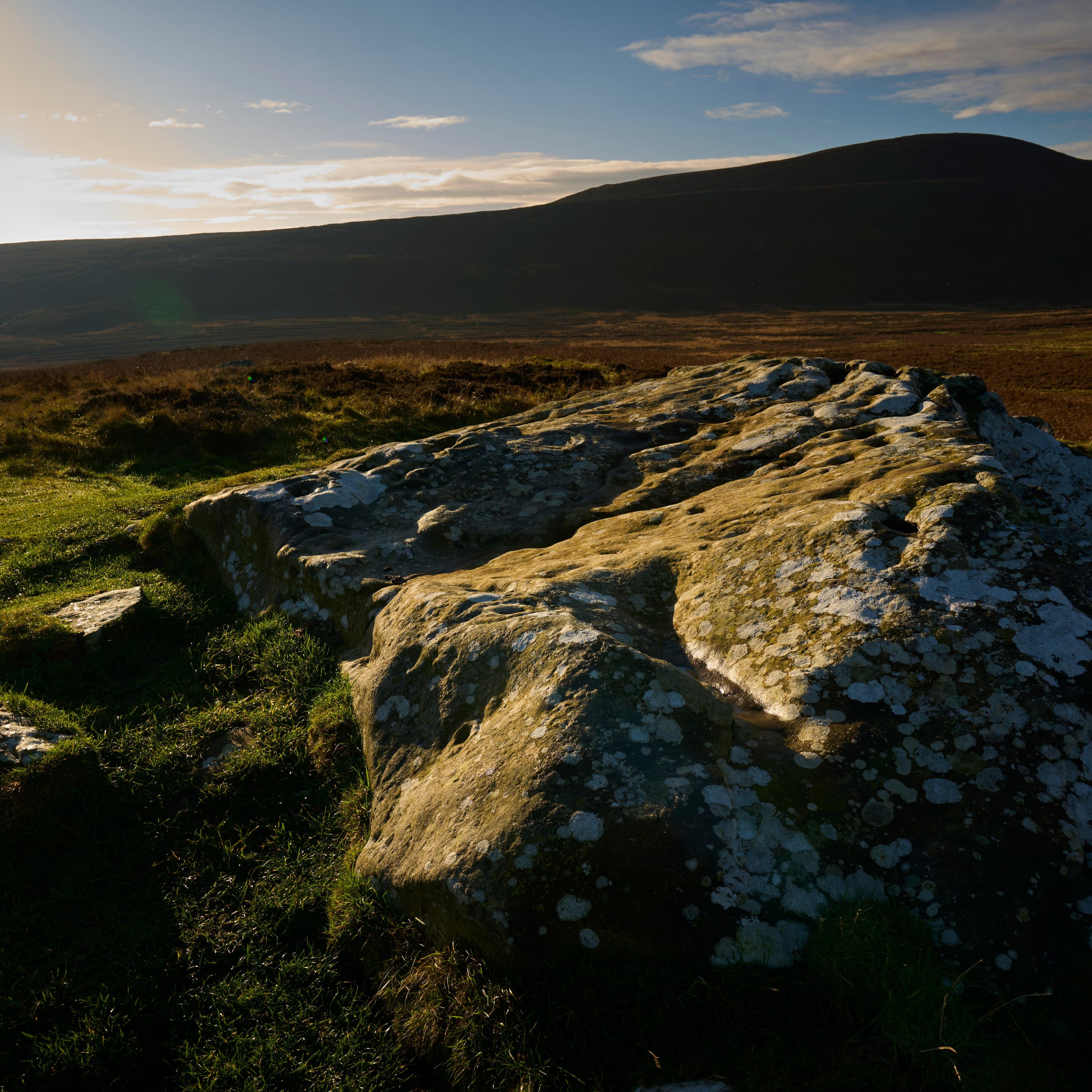
Madeleine Finlay travels to the Rothbury estate in Northumberland, in north-east England. It’s a piece of land that has been in the same family for 700 years, but now it has been put up for sale and the UK’s Wildlife Trusts are trying to raise £30m to secure it intact. To find out what makes the area so special, Madeleine speaks to Katy Barke, the head of nature recovery for Northumberland Wildlife Trust. She also hears from Sam Turner, a professor of archaeology at Newcastle University, who is trying to work out how the land has been used across the c...
Revisited: Saunas and cold plunges, where does the evidence stand?
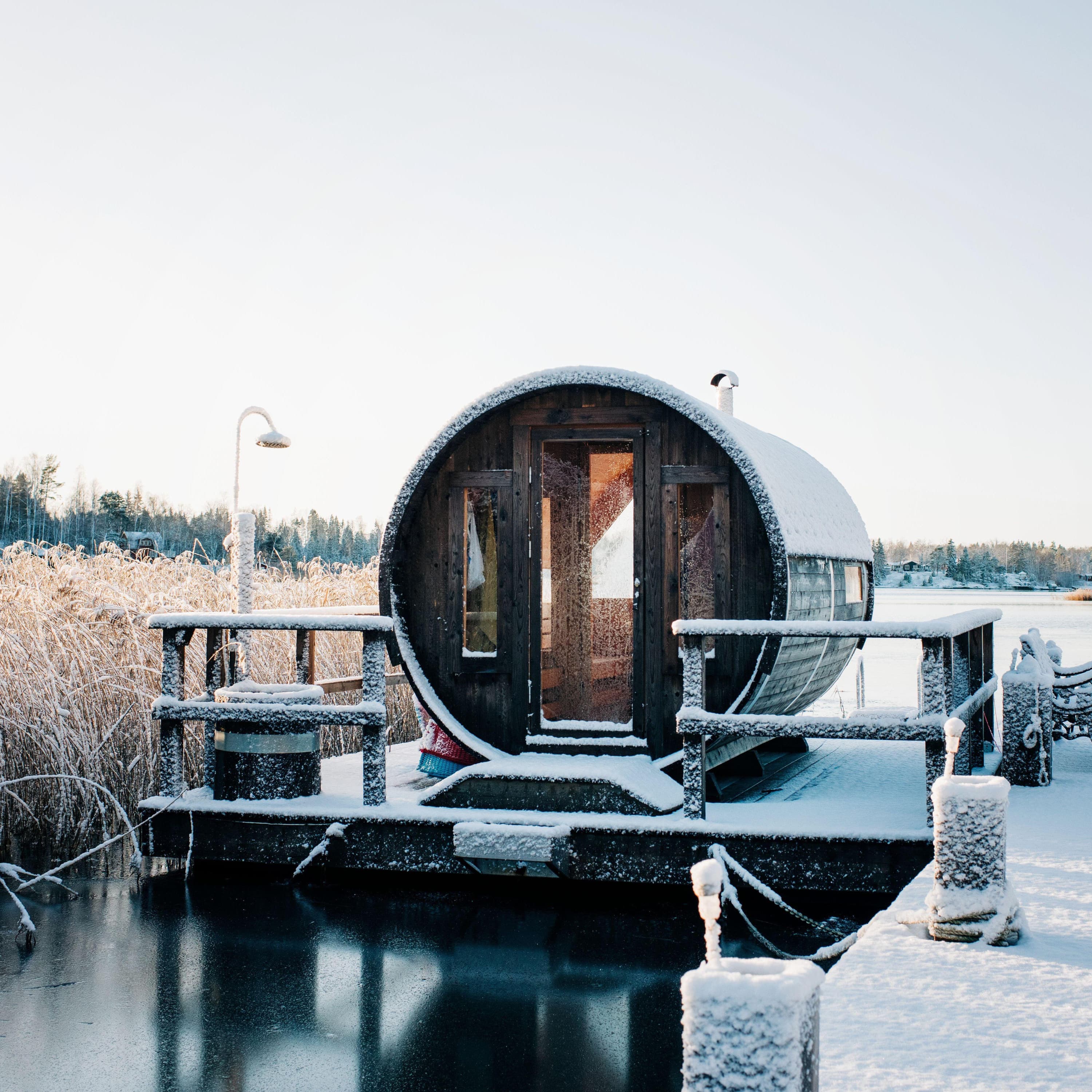
Saunas and cold plunge pools are popping up everywhere in the UK, bringing fiery heat and icy cold to a beach, city farm or park near you. Their users will be ready with all the reasons why it’s good for both the mind and the body. But what’s the evidence for the benefits of sauna and cold plunge? In this episode from April, Madeleine Finlay hears from Ian Sample and Dr Heather Massey, associate professor at the University of Portsmouth’s extreme environments laboratory. Help support our independent journalism at theguardian.com/sciencepod
Revisited: The surprising science of dreams and nightmares
In this episode from January 2026, Ian Sample puts listeners’ questions about dreams and nightmares to Dr Michelle Carr, the director of the Dream Engineering Laboratory in Montreal’s Centre for Advanced Research in Sleep Medicine, and the author of the book Into the Dream Lab. They look at why we dream, what we can learn by examining our dreams, and what we can do when dreams turn into nightmares. Carr gives her top tips for taking charge of our dreams and trying to influence their content. Help support our independent journalism at theguardian.com/sciencepod
Revisited: A Scottish tea mystery, episode three – a bag for life
Science correspondent Nicola Davis investigates the strange story of Tam O’Braan and his attempts to grow tea in Scotland. In episode three of this mini-series first broadcast in October 2025, all of O’Braan’s lies come to a head and it is revealed where he was sourcing the tea being supplied to hotels and shops. At trial, O’Braan takes the stand and the Scottish growers finally get some answers. But what remains today of the Scottish tea industry that O’Braan instigated?. Help support our independent journalism at theguardian.com/sciencepod
Revisited: A Scottish tea mystery, episode two – the list
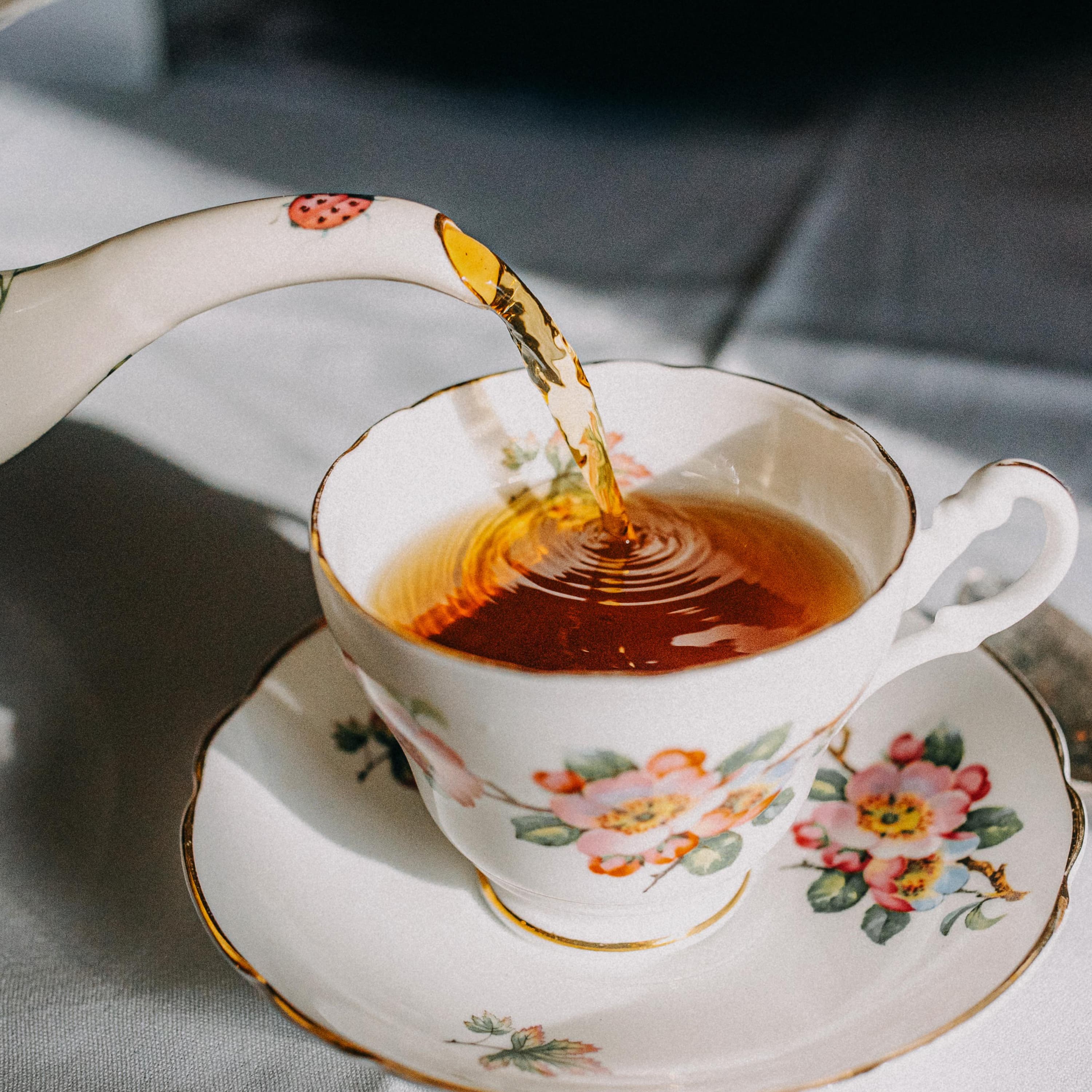
Science correspondent Nicola Davis investigates the strange story of Tam O’Braan and his attempts to grow tea in Scotland. In episode two of this mini-series first broadcast in October 2025, Nicola hears how O’Braan’s network of Scottish tea growers began to have suspicions about exactly what he was selling and where it came from, and how cutting-edge science helped provide some answers. Help support our independent journalism at theguardian.com/sciencepod
Revisited: A Scottish tea mystery, episode one – green shoots
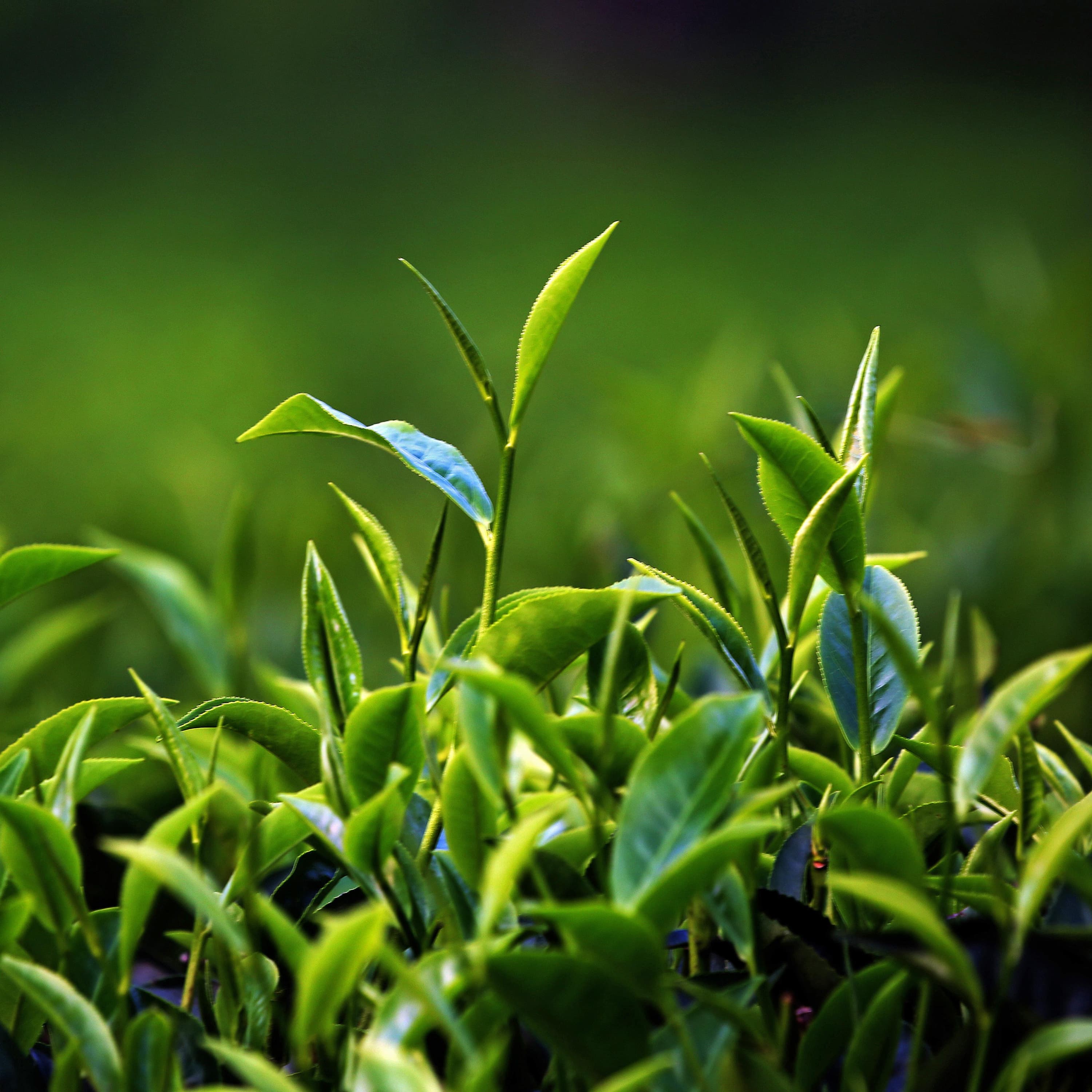
Science correspondent Nicola Davis investigates the strange story of Tam O’Braan and his attempts to grow tea in Scotland. In episode one of this mini-series first broadcast in October 2025, Nicola looks back on her first meeting with O’Braan while working on a feature about tea plantations in the UK. He was selling his award-winning Scottish-grown tea to some of the UK’s finest hotels, but something didn’t quite add up. And Nicola wasn’t the only person taking an interest in his story. Help support our independent journalism at theguardian.com/sciencepod
Can a world-first gene therapy reverse ageing?
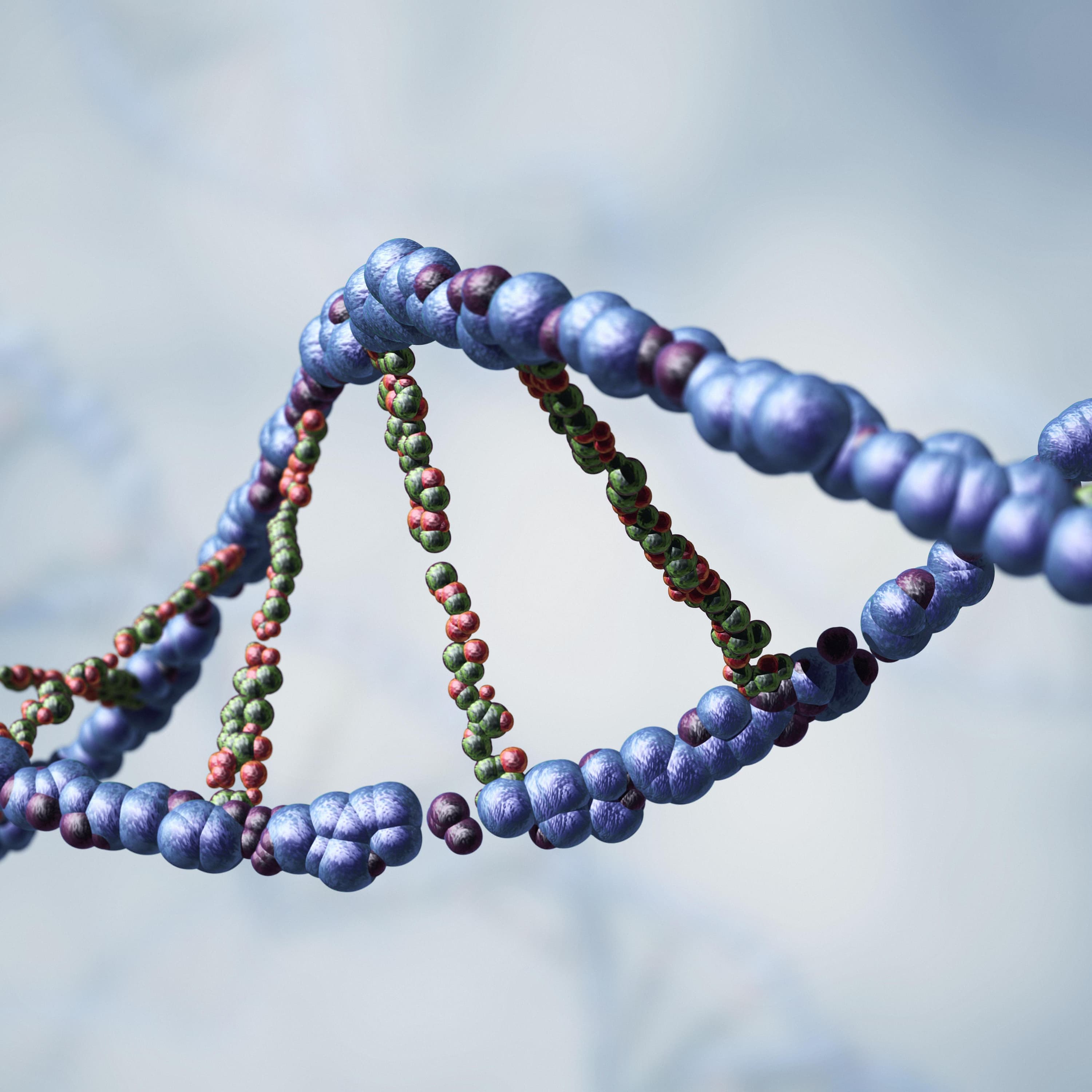
The first person has been treated with a highly anticipated new gene therapy that aims to turn back the clock on ageing cells. The trial is aimed at retinal cells, with the hope that encouraging them to behave as if they were young again could improve sight in the affected patients. If it proves to be safe, it could open the door to a whole raft of therapies based on the emerging field of cellular rejuvenation. To understand more about this cutting edge research, Madeleine Finlay hears from science editor Ian Sample and from Paul Knoepfler, professor of cell biology...
Fungi: the invisible force protecting our planet
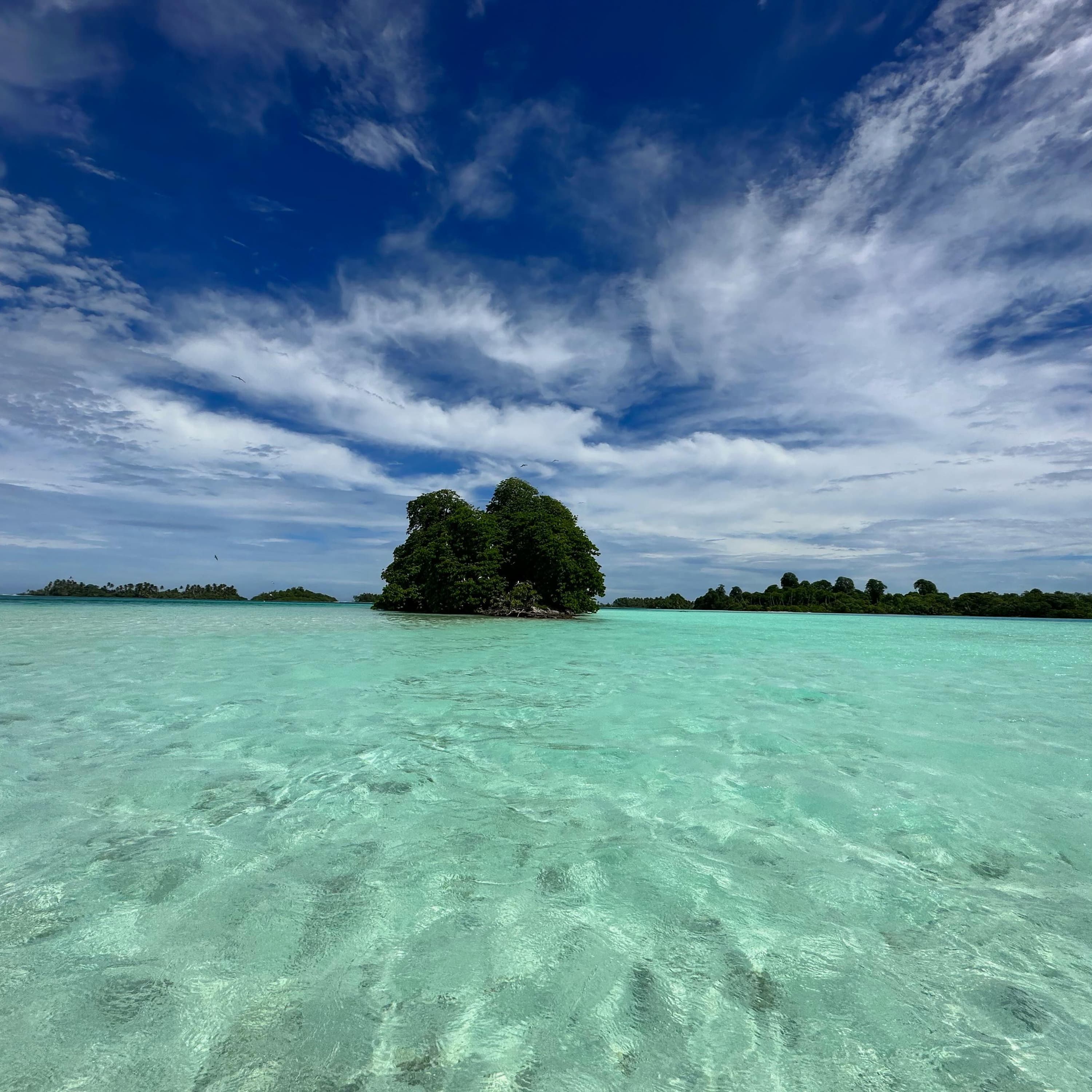
Scientists often talk about the importance of flora and fauna to the health of our planet, but Dr Toby Kiers, an evolutionary biologist and founder of the Society for the Protection of Underground Networks, wants us to consider another force: fungi. Her work charting the planet’s vital underground systems has earned her numerous awards, including a MacArthur fellowship and a Tyler Prize for Environmental Achievement (sometimes called the ‘green’ Nobel). She tells Ian Sample about her work mapping fungal networks on the remote Palmyra Atoll in the Pacific Ocean, and what the research reveals about fungi’s often invisible role. He...
Is male testosterone in freefall?
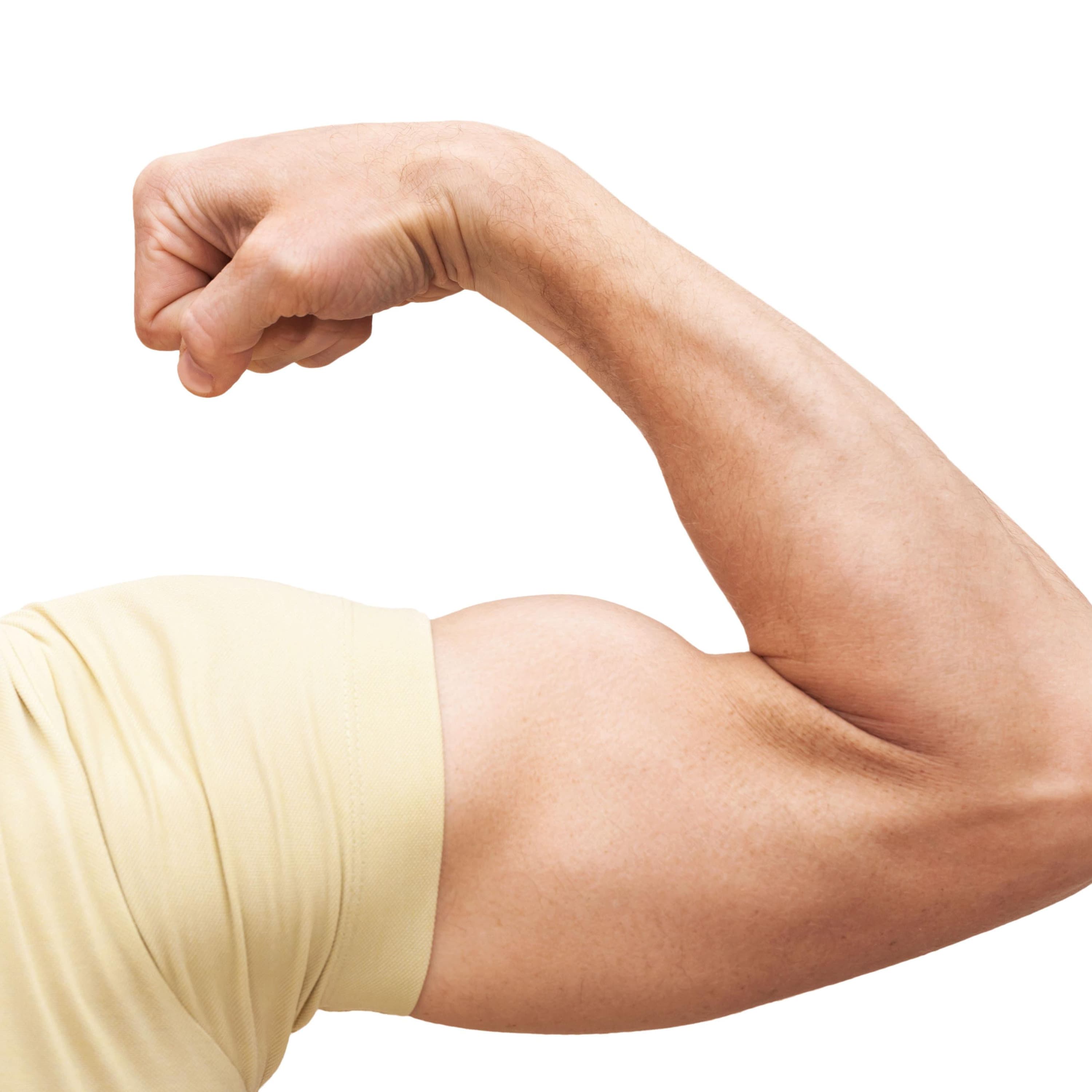
Men’s average testosterone levels have halved over the past 50 years, according to scientists who say society is facing a male fertility crisis. Rising levels of obesity and diabetes are expected to play a part, but the team behind the work suggest that environmental factors such as endocrine-disrupting chemicals – which can be found in various household items – and global heating could also be factors in the apparent striking decline. Ian Sample speaks to science correspondent Hannah Devlin to find out how the work has been received and what the researchers want to see happen in response to their finding. Help suppor...
‘A break from scrolling’: how Gen Z fell in love with birding
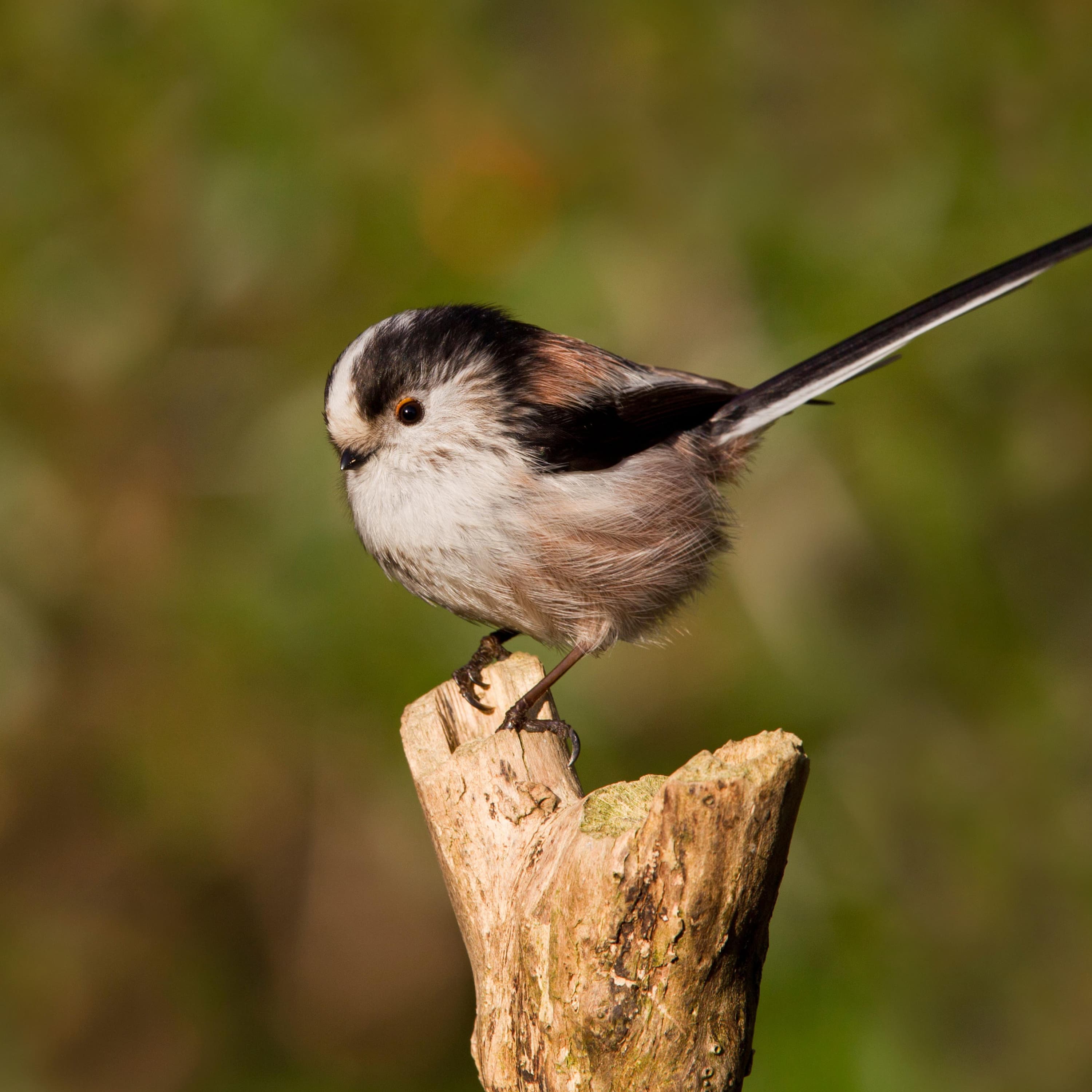
In the last 50 years, Britain has lost an astonishing 73 million wild birds from its landscape, according to the British Trust for Ornithology. Habitat loss, pesticides, disease, cats and the climate crisis mean there are fewer birds than ever before. For children and young people it can be difficult to appreciate the scale of the loss due to a psychological phenomenon called ‘shifting baseline syndrome’, where each generation inherits a degraded version of the environment, and therefore doesn’t notice the overall decline. But Gen Z are bucking the trend. Thanks to social media and the Merlin Bird ID app, birding has be...
‘Beautiful blobs’: can scientists build life from scratch?
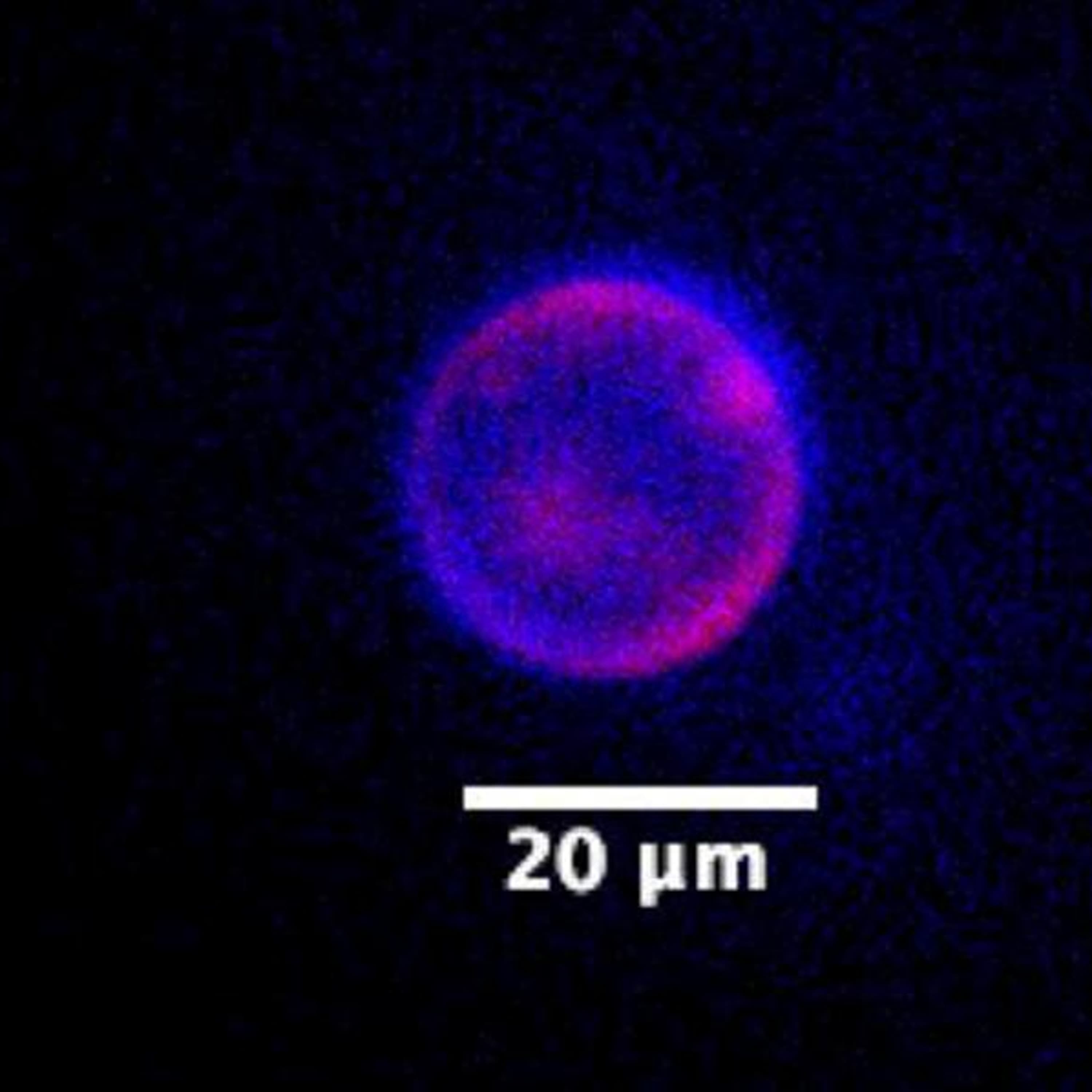
Researchers claim they are closer to creating life from nothing after building tiny, quivering blobs that use lab-made DNA to feed, grow and multiply in a dish. To find out how significant this step is, and where scientists hope it will lead, Madeleine Finlay hears from co-host Ian Sample and from Kate Adamala, professor of genetics at the University of Minnesota. Help support our independent journalism at theguardian.com/sciencepod
Reflecting pool algae: the science Trump needs to know
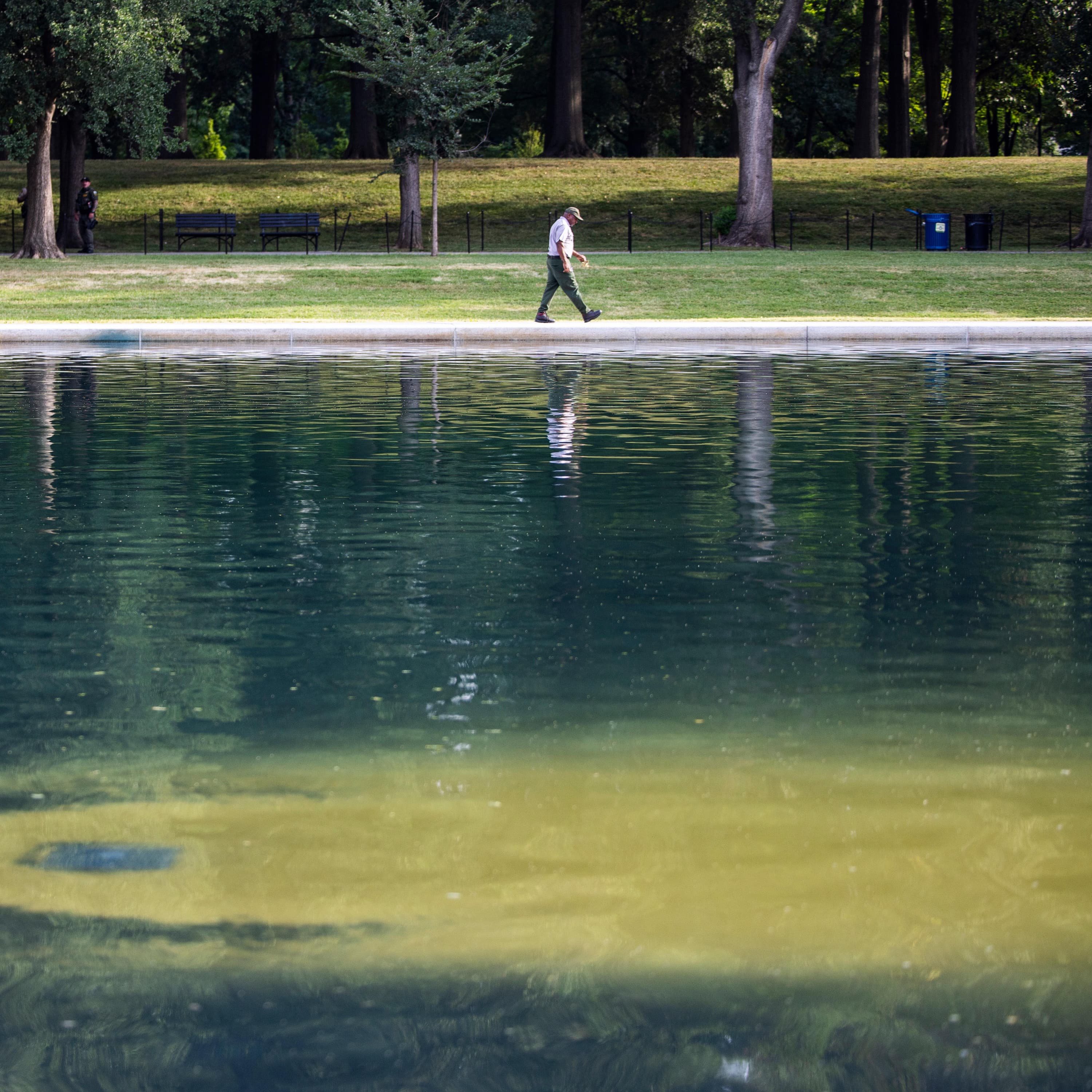
The Lincoln Memorial reflecting pool in Washington DC has hardly been out of the news since April when President Trump vowed to have it renovated, and painted ‘American flag blue’ by 4 July. Despite the pool being stripped, cleaned, coated and refilled, within days the algae that has plagued it for decades was back. To find out why these blooms happen, what makes them so difficult to tackle and what Trump could try next, Ian Sample hears from co-host Madeleine Finlay, and from Dr Linda May, a freshwater ecologist at the UK Centre for Ecology & Hydrology.. Help support our independent journalism at t...
Nature or nurture: can genes make us behave ‘badly’?
How much do our genes determine about our lives, and could they influence traits like risk-taking, antisocial behaviour or even violence? Ian Sample talks to Kathryn Paige Harden, a behavioural geneticist and professor of psychology at the University of Texas at Austin who studies how genetic factors shape human behaviour. In her book Original Sin she explores how nature and nurture combine to influence our likelihood of committing crimes, and asks whether the ‘cause’ of our actions matters for how we think about culpability. Help support our independent journalism at theguardian.com/sciencepod
Extreme heat: is the UK becoming a 40C country?
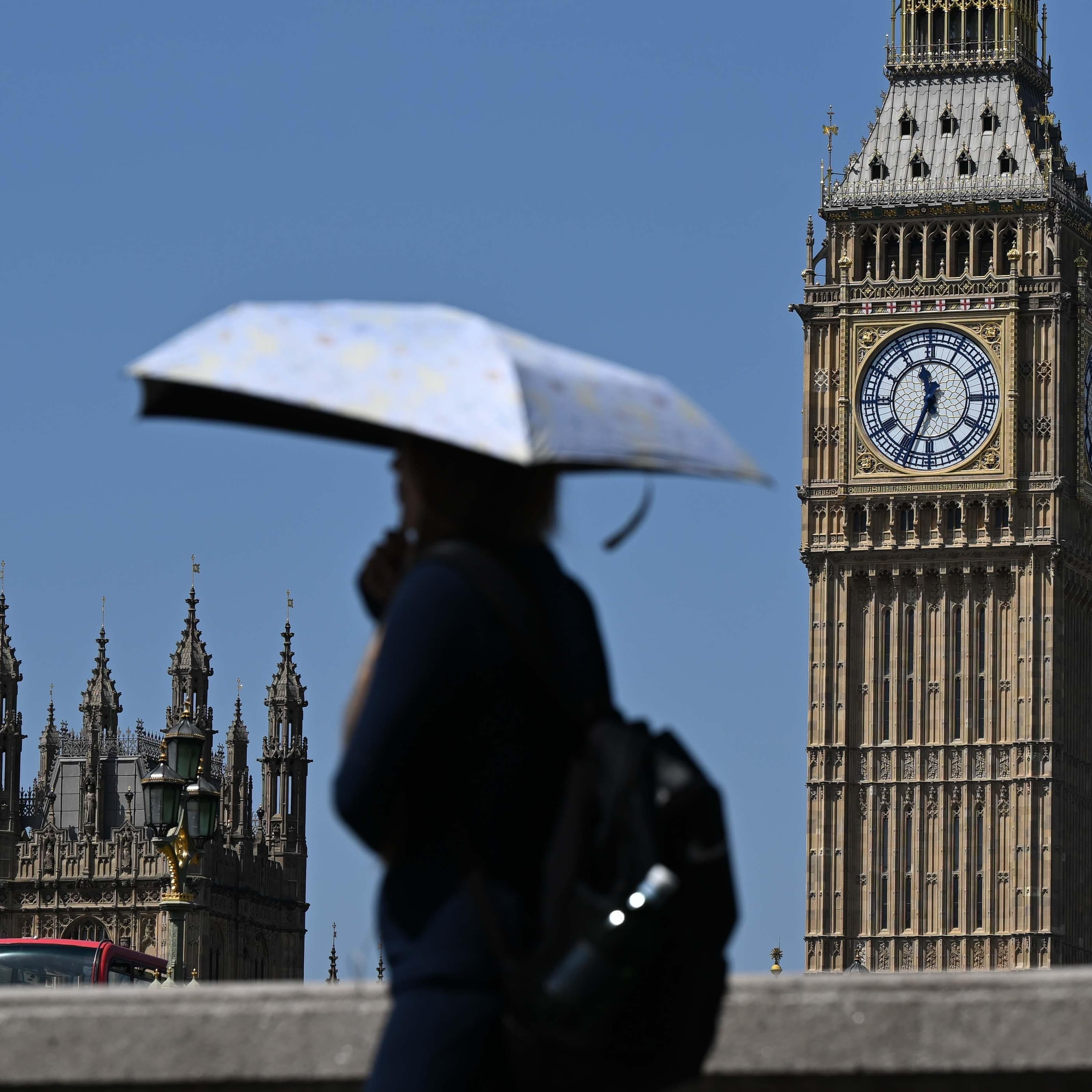
Met Office forecasters have issued a rare red weather warning for England, with temperatures potentially reaching 40C (104F) in some places. Europe is also dealing with a debilitating heatwave, with schools closed, trains cancelled and France even restricting the consumption of alcohol outdoors to take pressure off the emergency services. The high temperatures coincide with the coming El Niño, which some scientists have nicknamed Godzilla for its predicted strength. To find out whether the two are linked, Ian Sample hears from our Europe climate correspondent, Ajit Niranjan. He explains why it’s so hot, why we could be in for...
The audacious plan to refreeze the Arctic
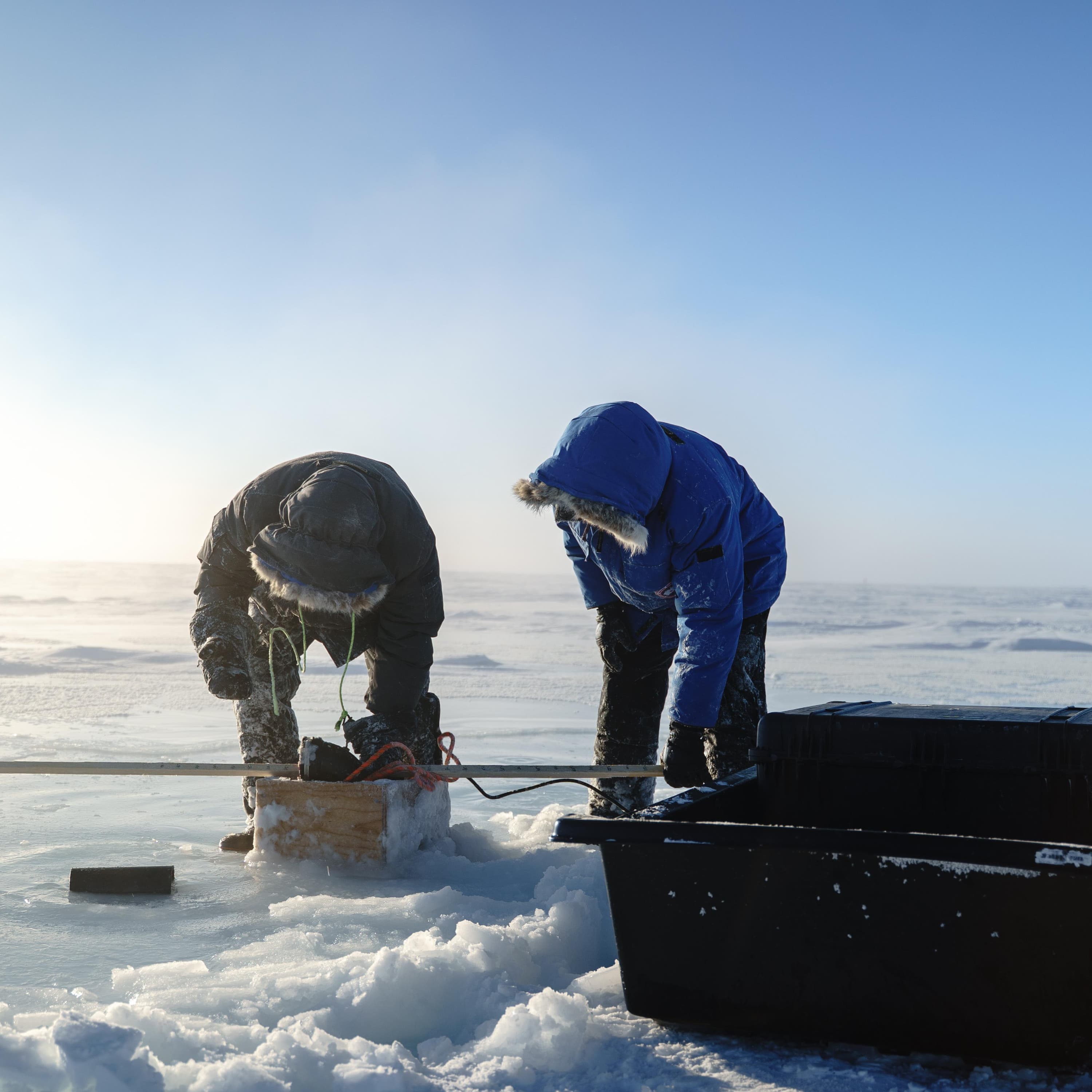
Sea ice is melting fast and worsening the climate crisis. But what if there were a way to thicken it again? Madeleine Finlay is joined by environment editor Damian Carrington to discuss a bold attempt to refreeze the Arctic which is showing early signs of success. He visited the project to find out how it will work, how much it will cost and whether it really has potential to improve the fate of the Arctic’s ice. Help support our independent journalism at theguardian.com/sciencepod
Should we ban social media for under-16s?
The UK prime minister, Keir Starmer, has announced a social media ban for under-16s, as part of an online safety drive that aims to go even further than the world’s first ban, introduced by Australia last year. Many parents have welcomed the proposals, but scientists have pointed to the lack of strong evidence for the efficacy of bans, and some campaigners have argued that the proposal allows social media companies to avoid making meaningful changes on their platforms. Ian Sample is joined by co-host Madeleine Finlay to explore what the evidence indicates about the harms of social media an...
‘The undruggable became druggable’: a gamechanging treatment for the world’s deadliest cancer
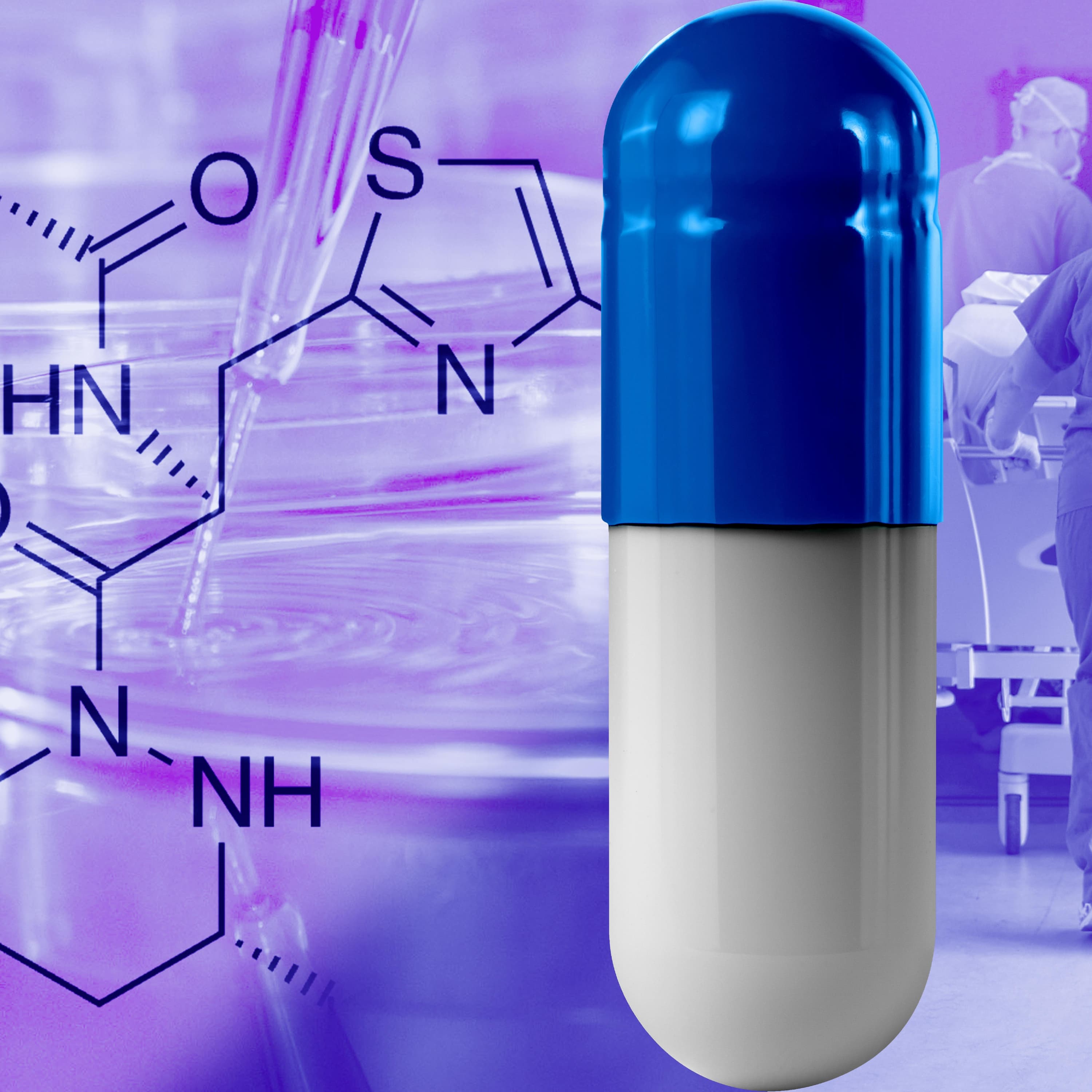
A daily pill can double survival time in patients with the world’s deadliest cancer, according to the results of a clinical trial that experts are saying is a gamechanger and one of the biggest breakthroughs in decades. To find out more about how daraxonrasib works and how life-changing it could be for patients, Madeleine Finlay speaks to Prof Naureen Starling, consultant medical oncologist at the Royal Marsden hospital. Help support our independent journalism at theguardian.com/sciencepod
The dinosaurs who survived the asteroid
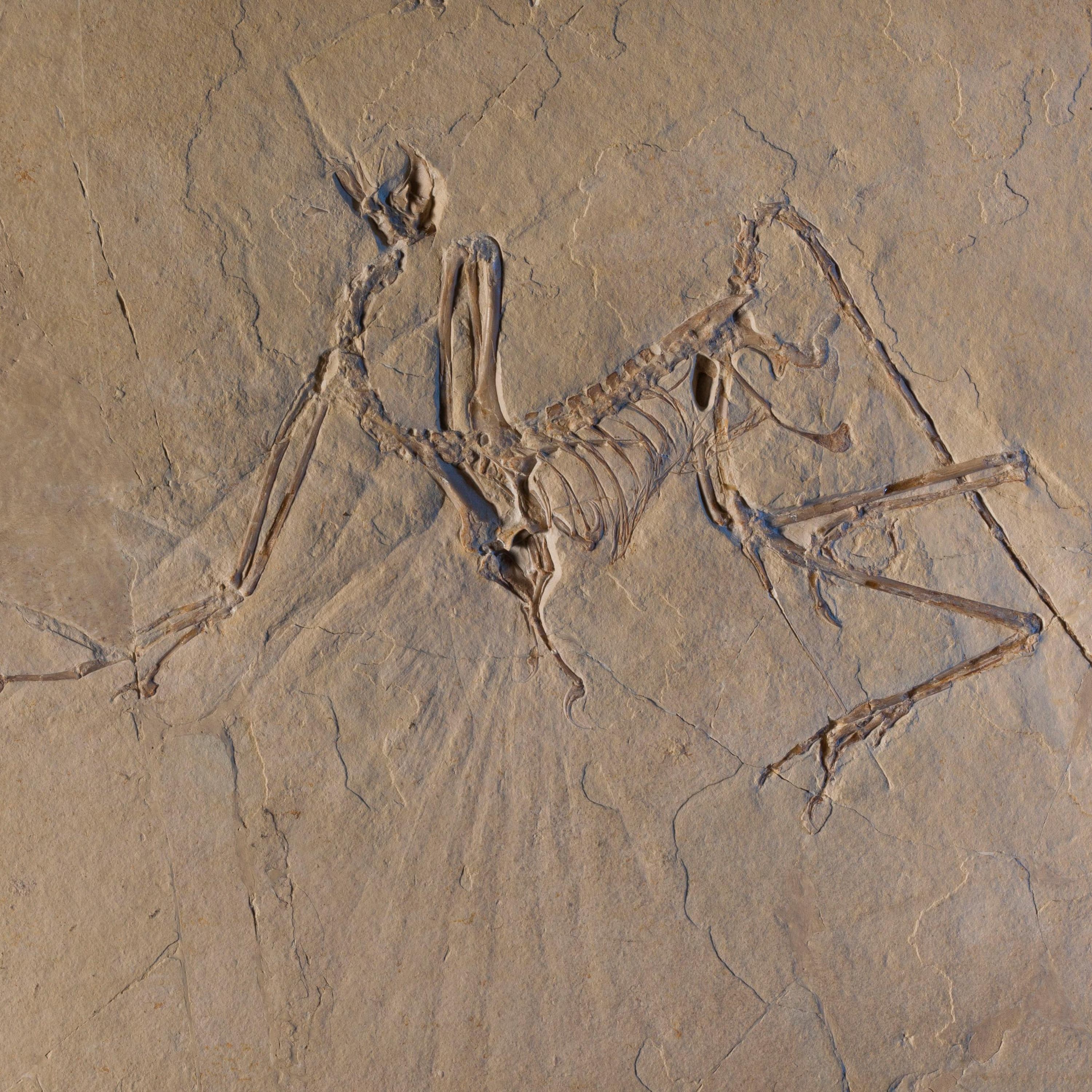
While many dinosaurs were wiped out when a colossal asteroid struck Earth 66m years ago, one group survived: birds. Prof Steve Brusatte, a palaeontologist at the University of Edinburgh, has written a new book, The Story of Birds, tracing the evolution of our feathered friends from their dinosaur origins. He joins science correspondent Nicola Davis to discuss how scales first became feathers, how winged dinosaurs survived the impact of the asteroid and why their extreme adaptability offers hope that birds might also make it through the current environmental crisis. Help support our independent journalism at theguardian.com/sciencepod
Heatstroke, sports washing and VAR psychology: the science of the World Cup

It’s just a week until the first whistle of the 2026 World Cup. To mark the occasion, Madeleine Finlay talks to Ian Sample about the science behind the tournament. It’s likely to be one of the hottest ever World Cups, and scientists have written to Fifa asking it to reconsider its heat mitigations for players and referees. Dr Oliver Gibson of Brunel University outlines their concerns. Also on the agenda is the huge fossil-fuel impact of the tournament, and the effect of VAR on the psychology of referees and fans. Help support our independent journalism at theguardian.com/sciencepod
The incredible science of the sleeping brain
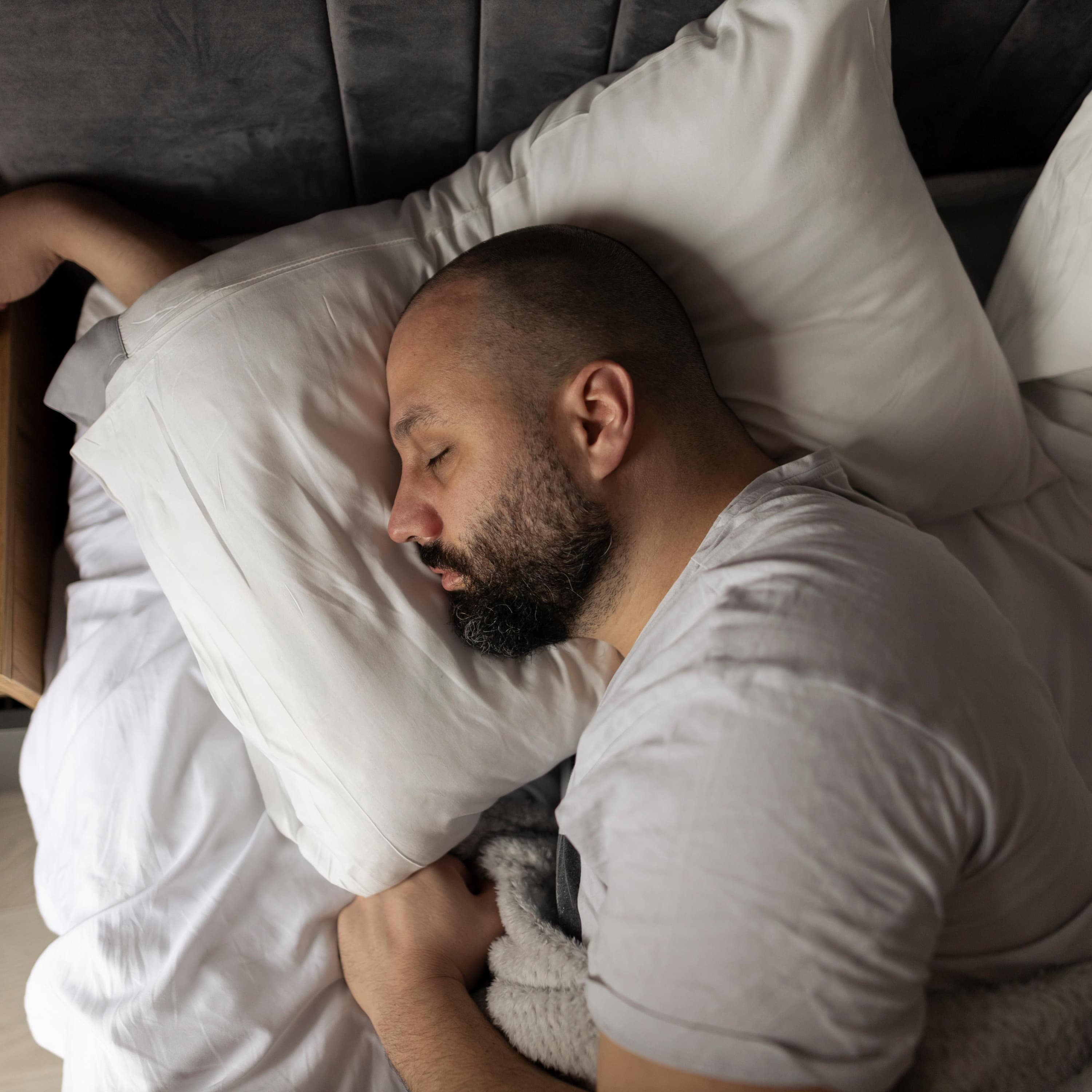
Humans have been wondering why we sleep for thousands of years. Is sleep’s purpose rest and relaxation, memory consolidation or maybe cognitive processing? In the last 15 years, scientists have discovered another possible explanation – waste disposal. In 2012 neuroscientist Maiken Nedergaard’s lab discovered that the brain has its own cleaning process, the glymphatic system, which clears away unhelpful proteins and metabolic byproducts, and only switches on at night. Since that groundbreaking discovery we’ve learned more about what drives this system and, importantly, how it could be impacting dementia. To understand more, Ian Sample talks to Prof Nedergaard about how she made...
Are robots nearing their ChatGPT moment?

Last month at Beijing’s half marathon, a robot named Lightning beat the human world record by nearly seven minutes. It’s the latest in a string of AI-powered milestones that have got people wondering whether robots are about to enter our everyday lives, just as chatbots have. And the country leading the charge is China, where the government has pledged to invest more than £100bn in robotics over the next 20 years. To find out how robots are already entering the workforce, and what needs to happen to get them cleaning our homes and weeding our gardens, Ian Sample hears from...
Red-light masks: can they really slow ageing?
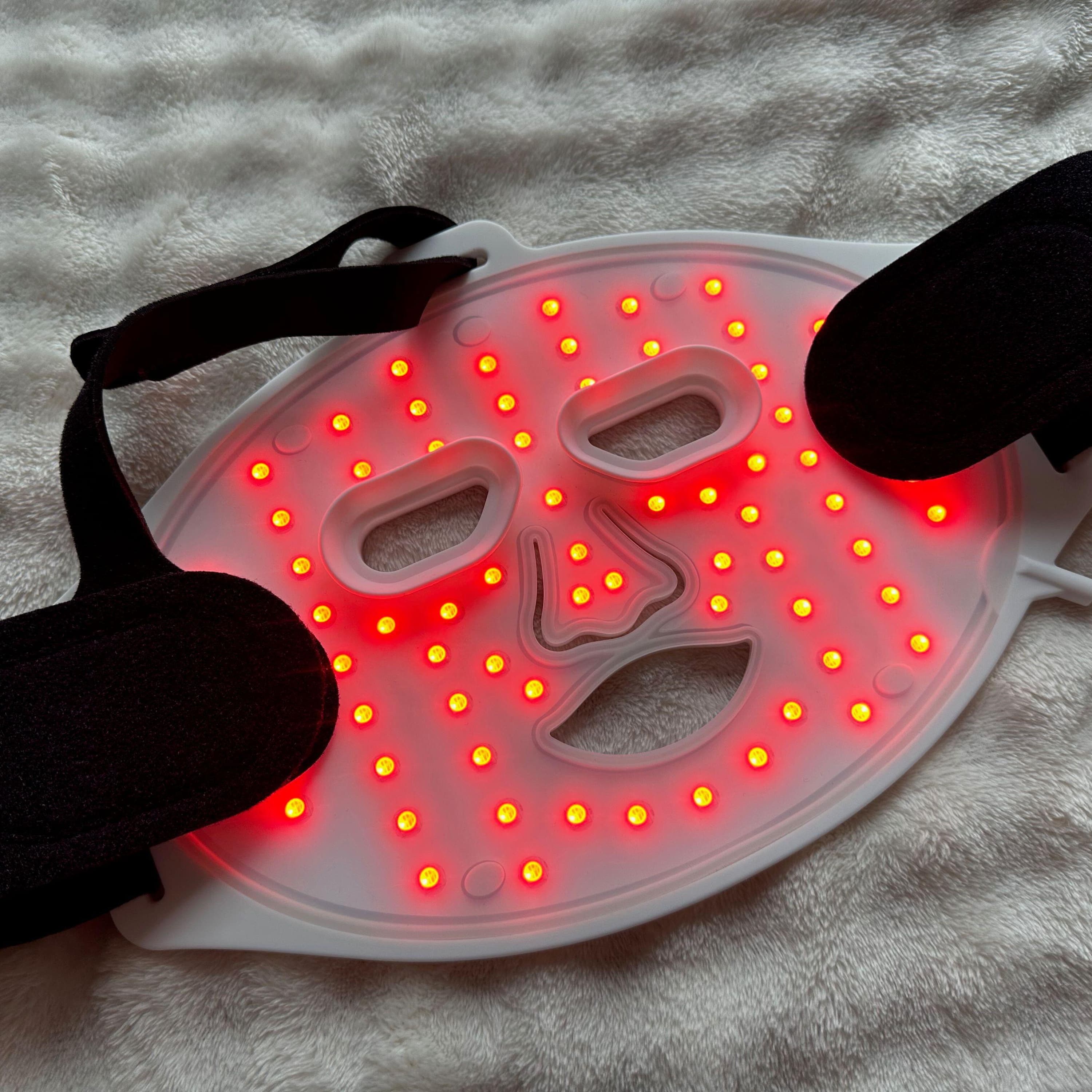
Home red-light therapy devices have exploded in popularity as masks, body wraps and mittens promise to reduce wrinkles, redness and even acne. But do the claims stack up, and what other benefits are scientists investigating? Ian Sample hears from his co-host, Madeleine Finlay, and the consultant dermatologist Dr Jonathan Kentley. Kentley explains how the potential benefits of red light were discovered, how it is thought to interact with collagen in our skin, and what science has to say about its impact on our appearance. Help support our independent journalism at theguardian.com/sciencepod
Stateside with Kai and Carter: why the fight over abortion pills is only just beginning
The US supreme court has preserved nationwide access to mail-order abortion pills – for now. As Carter Sherman explains, the fight to protect this medication is far from over, as a nationwide, near-total abortion ban could be on the horizon. Carter speaks with Dr Angel Foster, co-founder of the Massachusetts Medication Abortion Access Project, who reveals how the legal battle over abortion pills has affected patients across the US – and what could happen next. Help support our independent journalism at theguardian.com/sciencepod
Can a name change transform PCOS outcomes for women?
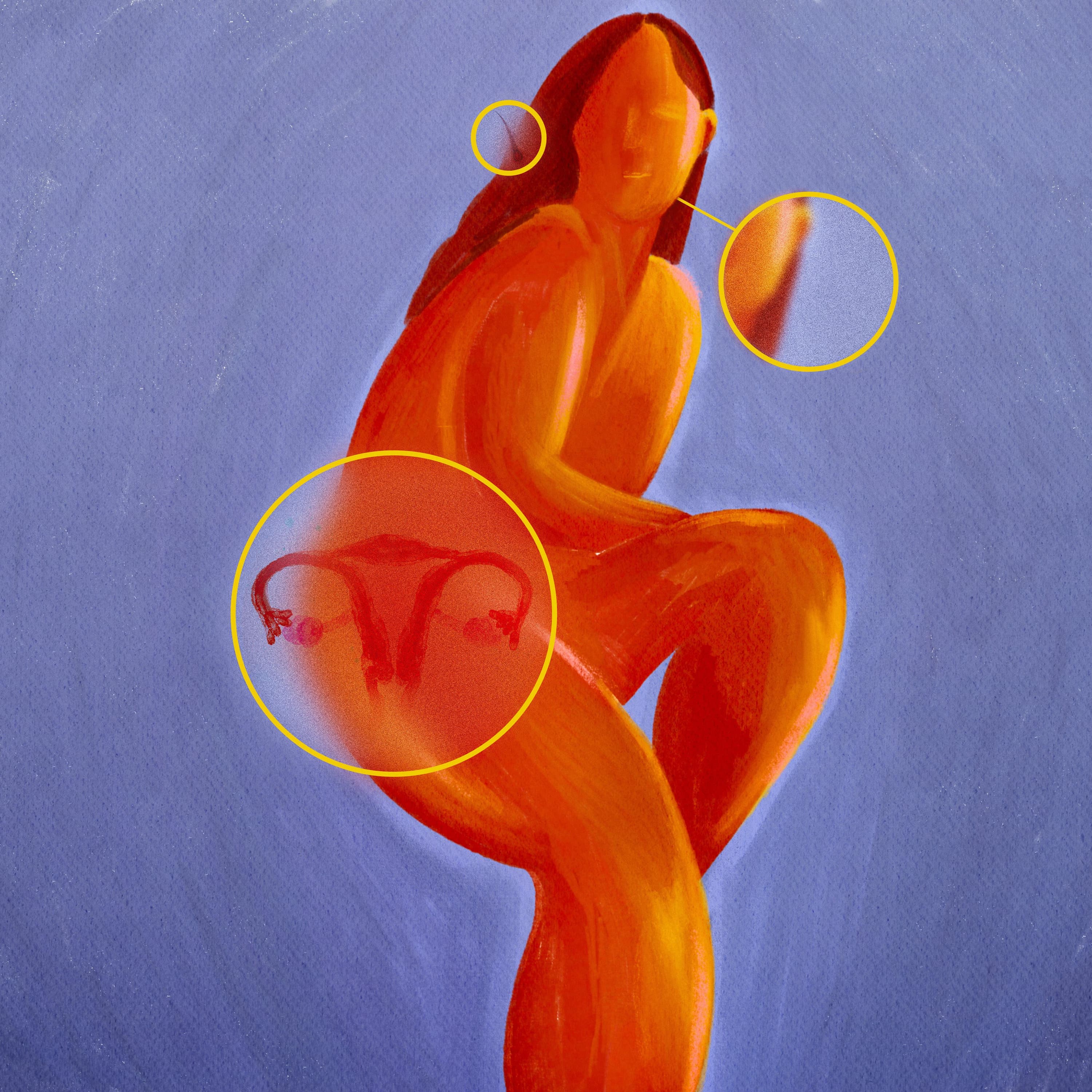
After more than a decade of global consultation, polycystic ovary syndrome – which affects as many as one in eight women – has been renamed. The condition is caused by high levels of androgens, which can lead to symptoms such as excess hair, weight gain and irregular periods. To understand why campaigners wanted it renamed, and what its new name – polyendocrine metabolic ovarian syndrome (PMOS) – could mean for patients, Madeleine Finlay hears from the Guardian’s science correspondent, Nicola Davis, and Rachel, a campaigner from the charity Verity. Help support our independent journalism at theguardian.com/sciencepod
Ebola: how does it spread and can the outbreak be contained?
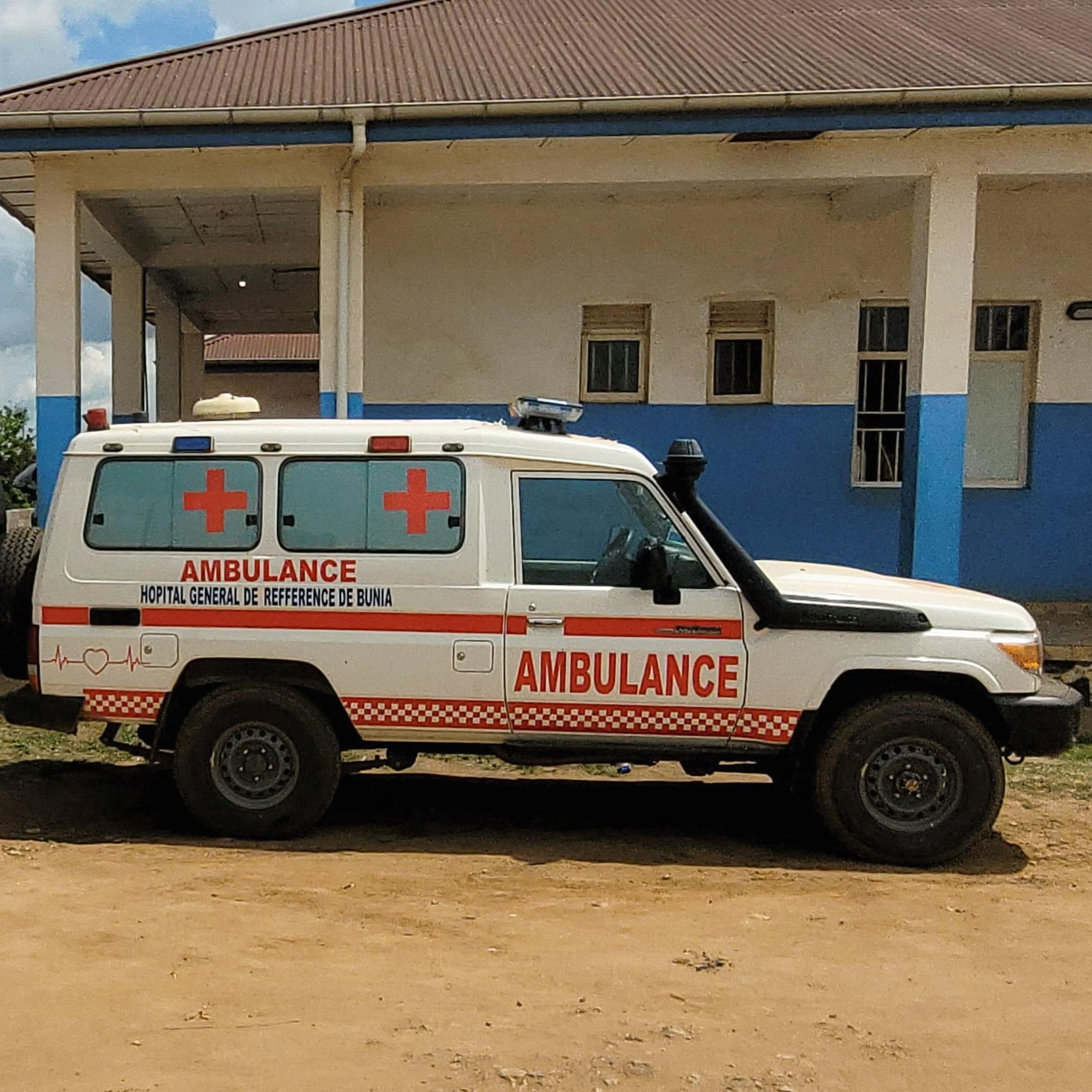
An outbreak of Ebola has emerged in the Democratic Republic of Congo and Uganda, leading to nearly 400 confirmed cases and more than 100 deaths. To find out how the outbreak might have begun, what authorities can do to contain it and why this outbreak is causing particular concern, Ian Sample hears from Daniela Manno, a clinical epidemiologist at the London School of Hygiene and Tropical Medicine. Help support our independent journalism at theguardian.com/sciencepod
Stateside with Kai and Carter: Stacey Abrams on why gutting of the US Voting Rights Act is ‘evil’
The US supreme court dealt a devastating blow to the 1965 Voting Rights Act when it ruled in Louisiana v Callais in April that states cannot consider race in redistricting. Southern states from Tennessee to Alabama have rushed to erase majority-Black districts, sparking chaos for the midterm elections. Kai Wright talks to Stacey Abrams, a voting rights activist and former Georgia house minority leader, about the fallout from the decision, and why, despite it all, she still believes the way forward lies in engaging more voters to participate in democracy. ‘They have fractured communities and said we’re going to scatter thes...
Hantavirus update, Pentagon’s UFO files, can art slow biological ageing?
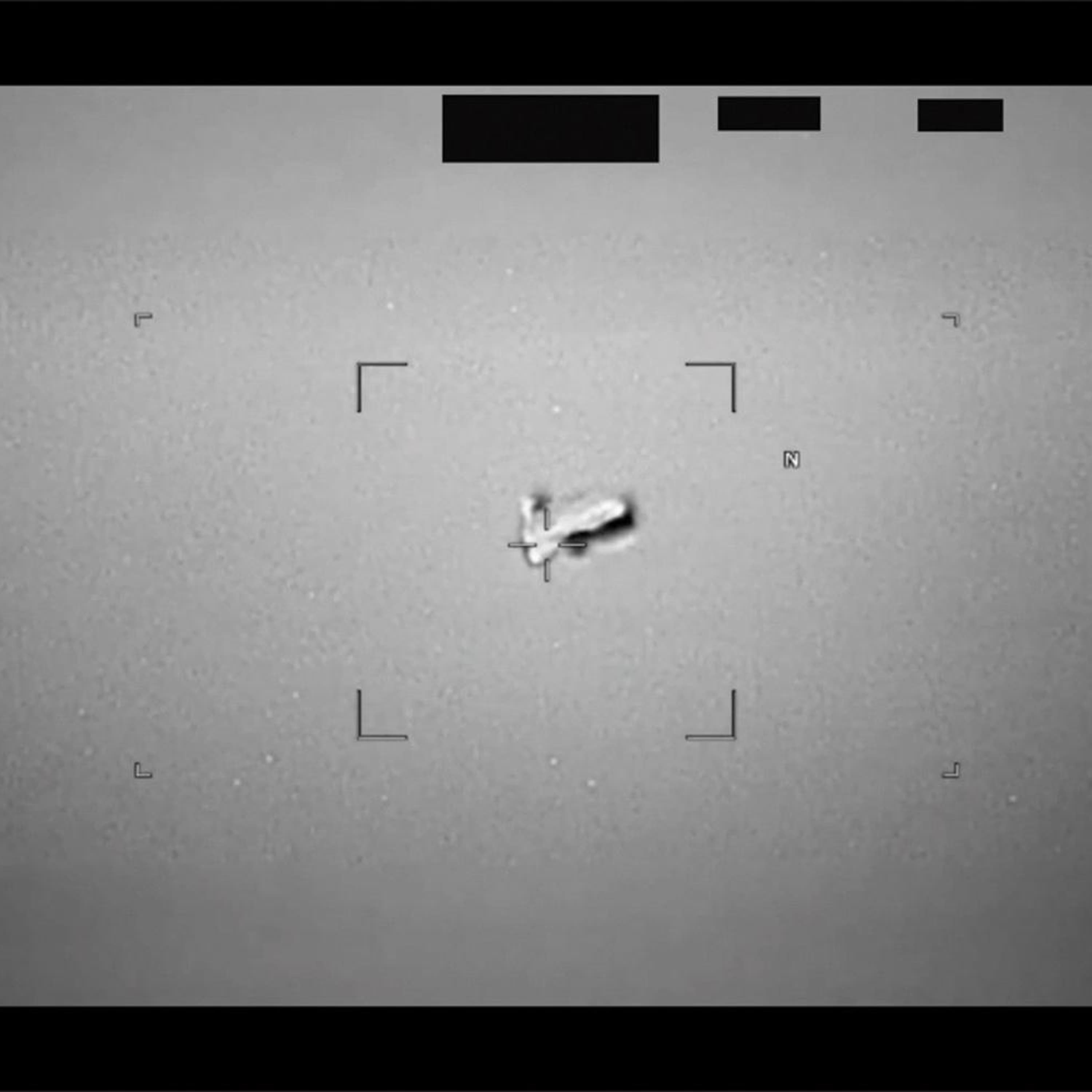
Madeleine Finlay sits down with co-host and science editor Ian Sample to discuss three eyecatching stories from the week, including an update on hantavirus. Also on the agenda is the Pentagon’s release of a tranche of never before seen documents relating to UFOs, and a study looking at the link between taking part in cultural activities and slower biological ageing. Help support our independent journalism at theguardian.com/sciencepod