The XCOM Historian: A Military History of the XCOM Universe
The XCOM Historian: A Military History of the XCOM Universe explores humanity’s secret war against extraterrestrial invasion, occupation, and extinction through the modern XCOM continuity. Beginning with the formation of an international paramilitary organization to confront a global alien assault, the Lorecast examines XCOM’s soldiers, commanders, scientists, engineers, intelligence networks, and increasingly advanced weapons. Humanity’s defeat transforms the conflict into something very different: Earth falls under alien control, ADVENT becomes the occupation regime’s military and police force, and the surviving XCOM organization wages a global guerrilla war from the Avenger. The series follows the resistance campaign, the Elde...
The Progeny, Gray Phoenix, Sacred Coil, and the Atlas Conspiracy
The Progeny, Gray Phoenix, Sacred Coil, and the Atlas Conspiracy offers a focused view of the ADVENT occupation, resistance war, and uneasy post-liberation peace, where technology, politics, and survival continually interact. The military frame emphasizes urban peacekeeping, multi-species integration, counterterrorism, political violence, and the transition from liberation warfare to public security, rather than treating the topic as disconnected game lore. City 31 shows that peace requires different skills from insurgency, especially when former alien soldiers and human resistance veterans must share one political order. The discussion remains grounded in the supplied title and its exact place in the XCOM chronology. Placed...
City 31 and Chimera Squad: Reclamation Becomes Peacekeeping
The military significance of City 31 and Chimera Squad is clearest when placed inside the ADVENT occupation, resistance war, and uneasy post-liberation peace. The analysis concentrates on urban peacekeeping, multi-species integration, counterterrorism, political violence, and the transition from liberation warfare to public security, with attention to what leaders can know, mobilize, sustain, and risk. City 31 shows that peace requires different skills from insurgency, especially when former alien soldiers and human resistance veterans must share one political order. The supplied chronology sets the boundary, so classic, reboot, alternate-prehistory, and post-occupation timelines are not silently merged beyond what the title itself establishes. Its...
After Liberation: Amnesty, Reconstruction, and the Alien Soldiers Left Behind
After Liberation becomes strategically important within the ADVENT occupation, resistance war, and uneasy post-liberation peace. At the center is postwar security, amnesty, demobilization, reconstruction, and the difficult integration of populations and soldiers shaped by occupation, linking tactical choices to the ability of governments, XCOM, or resistance forces to continue operating. Victory creates a new problem: Earth must decide which former enemies can become citizens, which institutions can be trusted, and how much wartime force should remain. The supplied ordering and terminology are preserved so changes in doctrine, technology, political support, and alien strategy accumulate naturally within each season. The surrounding...
The ADVENT Network Tower and the Final Assault Beneath the Ocean

The strategic value of studying The ADVENT Network Tower and the Final Assault Beneath the Ocean comes from the choices it creates inside the ADVENT occupation, resistance war, and uneasy post-liberation peace. That makes occupation, collaboration, propaganda, social engineering, and the conversion of alien military victory into a durable political order central to understanding the immediate crisis and the wider campaign around it. ADVENT governs through more than force, using cities, clinics, messaging, and apparent prosperity to normalize occupation while hiding its deeper objectives. Because XCOM contains distinct continuities and alternate outcomes, the episode preserves the supplied label instead of...
The Forge, the Psionic Gate, and the Route to the Alien Fortress
The Forge, the Psionic Gate, and the Route to the Alien reveals a recurring pressure within the ADVENT occupation, resistance war, and uneasy post-liberation peace: every military solution creates new political, technological, or biological problems. The episode focuses on deep strike, enemy command centers, expeditionary assault, and the attempt to end the war by attacking the infrastructure directing the invasion, showing why the subject matters beyond the immediate battle, unit, or character. These operations seek more than local victory: they target the enemy’s ability to coordinate and sustain the entire campaign. The discussion remains grounded in the supplied title an...
The Assaults on the Chosen Strongholds
The importance of The Assaults on the Chosen Strongholds comes from its place in the ADVENT occupation, resistance war, and uneasy post-liberation peace, where one operation can reshape the next phase of the war. The military frame emphasizes elite enemy commanders, personalized counterinsurgency, intelligence hunting, and the campaign to destroy leadership assets that repeatedly target XCOM, rather than treating the topic as disconnected game lore. The Chosen are dangerous because they combine battlefield power with information gathering, making them persistent strategic opponents rather than one-time tactical threats. The supplied chronology sets the boundary, so classic, reboot, alternate-prehistory, and post-occupation timelines...
The Resistance Ring: Covert Actions and Coalition Warfare
The Resistance Ring turns part of the ADVENT occupation, resistance war, and uneasy post-liberation peace into a concrete problem of command, survival, and adaptation. The analysis concentrates on institutional memory, resistance mythology, veteran leadership, and the use of past defeat as a foundation for renewed organization, with attention to what leaders can know, mobilize, sustain, and risk. Bradford’s archives preserve lessons and identity that help XCOM re-form after two decades in which the official history of the war has been rewritten. The supplied ordering and terminology are preserved so changes in doctrine, technology, political support, and alien strategy accumulate na...
The Assassin, the Hunter, and the Warlock: The Chosen Campaign
Viewed as military history, The Assassin, the Hunter, and the Warlock belongs to the ADVENT occupation, resistance war, and uneasy post-liberation peace, a setting shaped by intelligence and logistics as much as firepower. At the center is elite enemy commanders, personalized counterinsurgency, intelligence hunting, and the campaign to destroy leadership assets that repeatedly target XCOM, linking tactical choices to the ability of governments, XCOM, or resistance forces to continue operating. The Chosen are dangerous because they combine battlefield power with information gathering, making them persistent strategic opponents rather than one-time tactical threats. The episode stays within the supplied continuity and...
The Templars: Psionic Warfare and the Search for the Elders
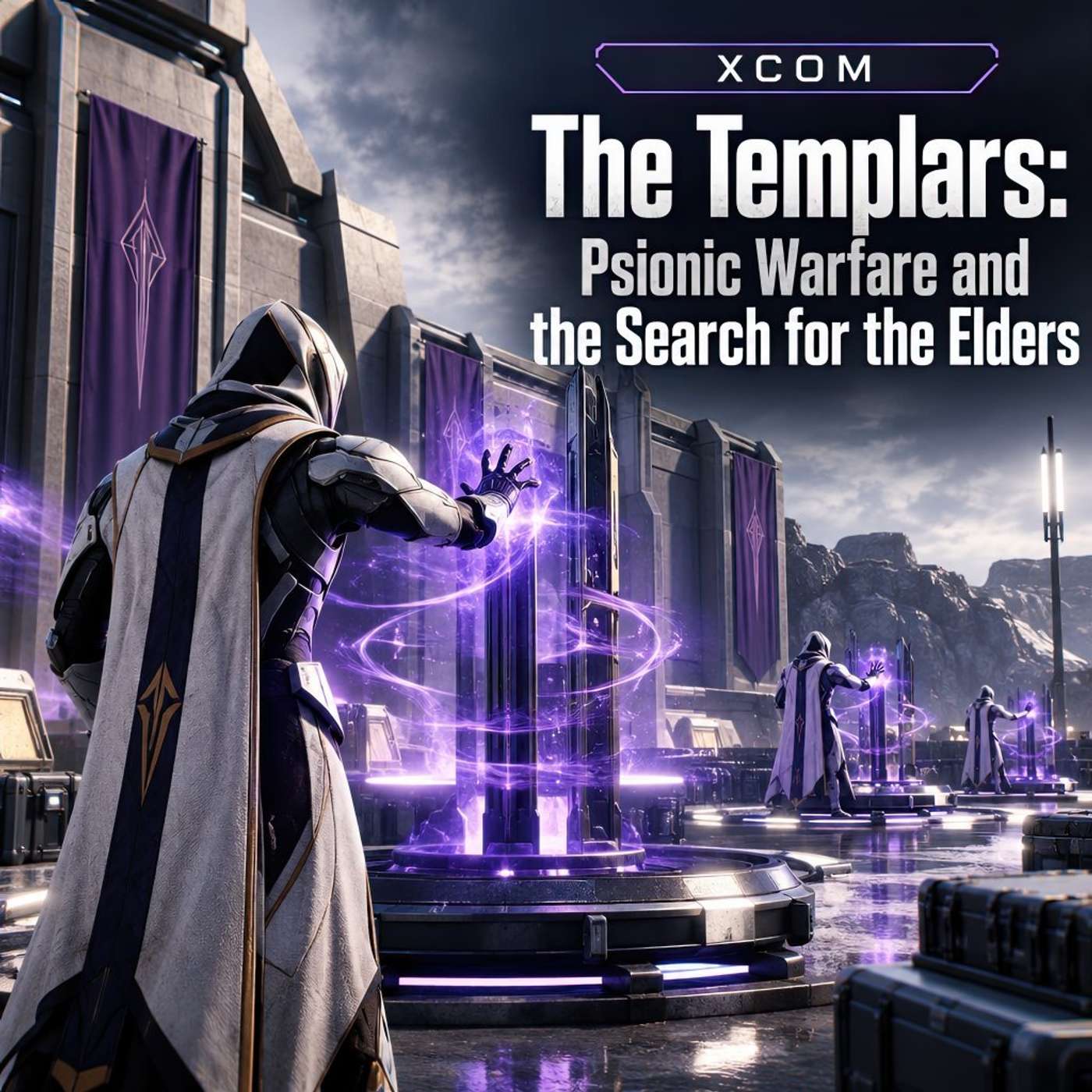
The Templars offers a focused view of the ADVENT occupation, resistance war, and uneasy post-liberation peace, where technology, politics, and survival continually interact. That makes strategic biotechnology, leadership survival, secret research, and the use of human populations to solve a crisis facing the alien ruling class central to understanding the immediate crisis and the wider campaign around it. The Avatar Project reframes occupation as a resource-extraction program whose true objective is tied to the Elders’ own survival. The discussion remains grounded in the supplied title and its exact place in the XCOM chronology. Placed in sequence, the topic advances the se...
The Skirmishers: ADVENT Defectors Become a Resistance Army
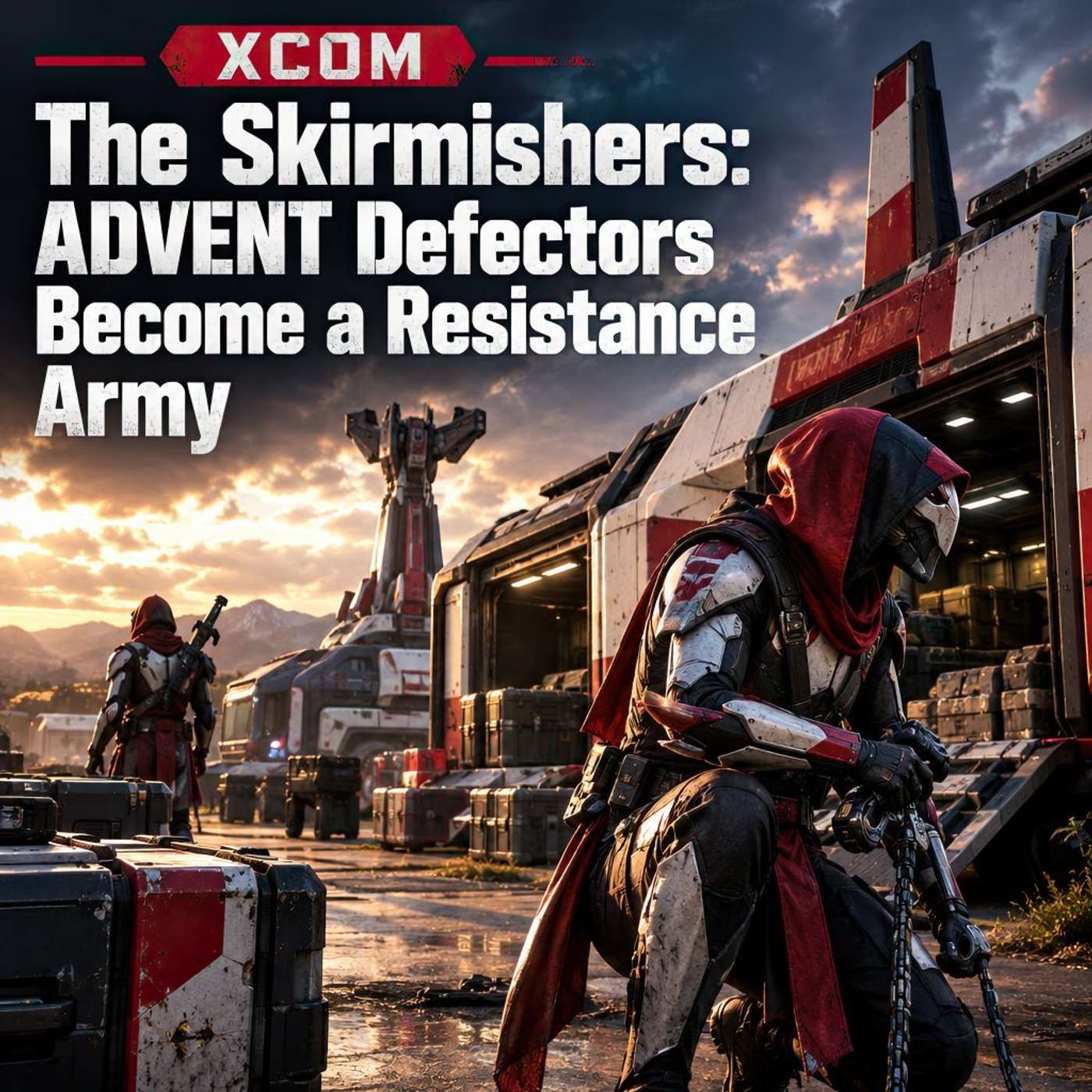
The military significance of The Skirmishers is clearest when placed inside the ADVENT occupation, resistance war, and uneasy post-liberation peace. The episode focuses on occupation, collaboration, propaganda, social engineering, and the conversion of alien military victory into a durable political order, showing why the subject matters beyond the immediate battle, unit, or character. ADVENT governs through more than force, using cities, clinics, messaging, and apparent prosperity to normalize occupation while hiding its deeper objectives. The supplied chronology sets the boundary, so classic, reboot, alternate-prehistory, and post-occupation timelines are not silently merged beyond what the title itself establishes. Its position matters...
The Reapers: Intelligence, Sabotage, and Survival
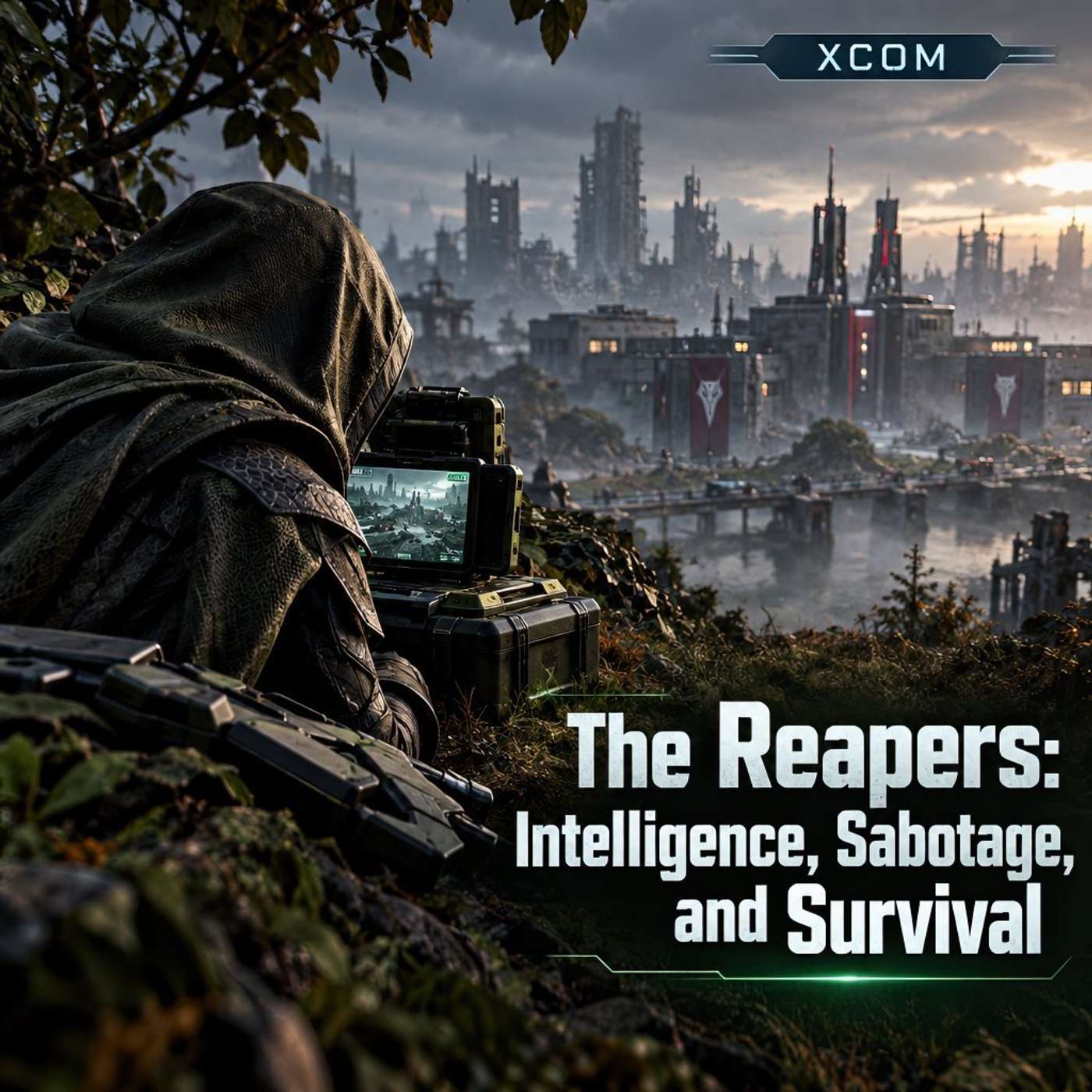
The Reapers becomes strategically important within the ADVENT occupation, resistance war, and uneasy post-liberation peace. The military frame emphasizes guerrilla warfare, ambush, sabotage, extraction, and the need to strike a stronger occupation force without accepting prolonged conventional battle, rather than treating the topic as disconnected game lore. XCOM wins time and influence by attacking selected objectives, then withdrawing before ADVENT can bring superior resources to bear. The supplied ordering and terminology are preserved so changes in doctrine, technology, political support, and alien strategy accumulate naturally within each season. The surrounding chronology ultimately demonstrates how mobile insurgency, occupation, coalition warfare, defectors...
The Lost and the Ruins of Abandoned Cities

The strategic value of studying The Lost and the Ruins of Abandoned Cities comes from the choices it creates inside the ADVENT occupation, resistance war, and uneasy post-liberation peace. The analysis concentrates on occupation, collaboration, propaganda, social engineering, and the conversion of alien military victory into a durable political order, with attention to what leaders can know, mobilize, sustain, and risk. ADVENT governs through more than force, using cities, clinics, messaging, and apparent prosperity to normalize occupation while hiding its deeper objectives. Because XCOM contains distinct continuities and alternate outcomes, the episode preserves the supplied label instead of forcing every...
Alien Hunters: Vahlen and the War Against the Alien Rulers
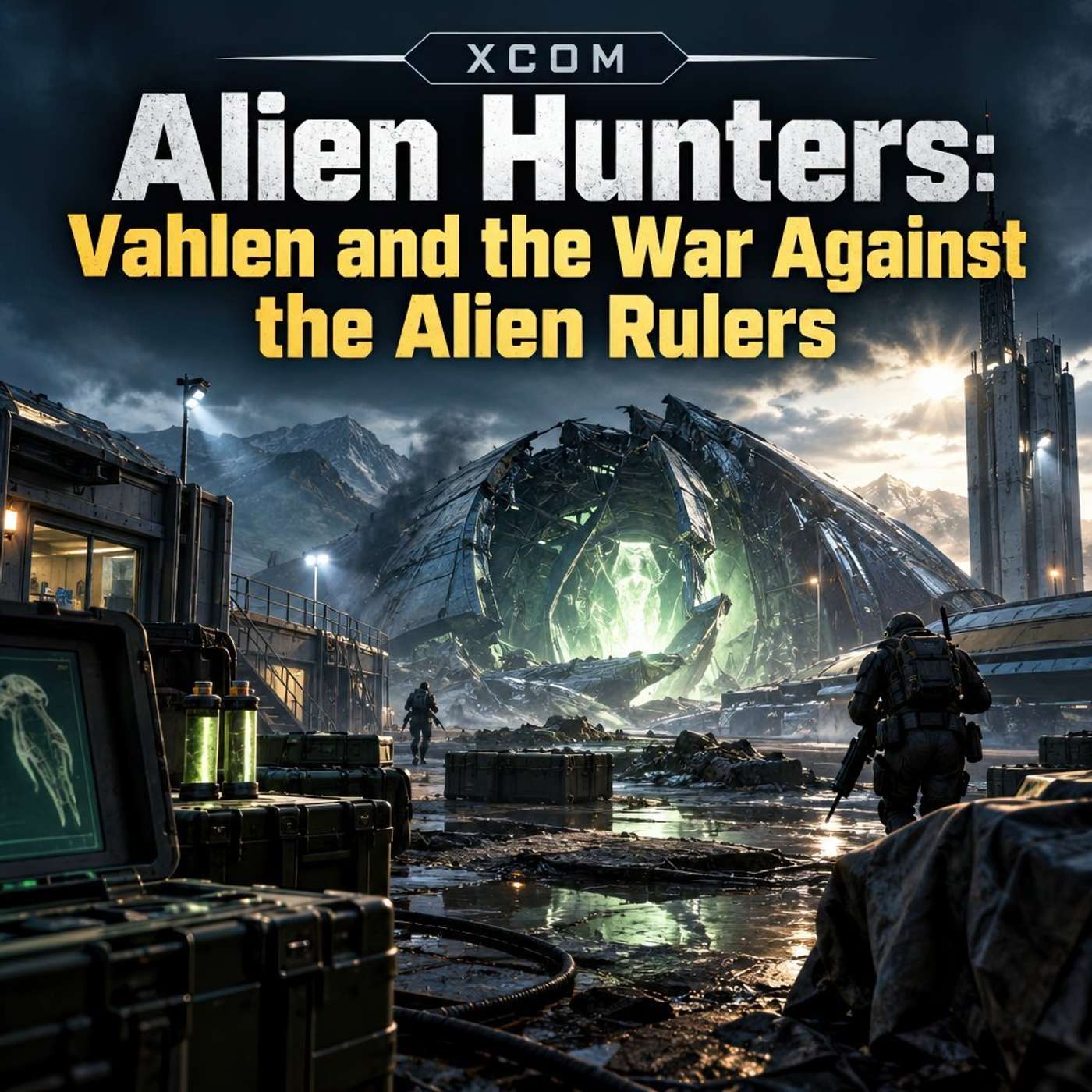
Alien Hunters reveals a recurring pressure within the ADVENT occupation, resistance war, and uneasy post-liberation peace: every military solution creates new political, technological, or biological problems. At the center is wartime research, reverse engineering, manufacturing, scientific exploitation, and the rapid conversion of captured alien systems into usable human capability, linking tactical choices to the ability of governments, XCOM, or resistance forces to continue operating. XCOM’s defining advantage is institutional learning: every recovered weapon or corpse can shorten the technological gap if researchers and engineers have enough time. The discussion remains grounded in the supplied title and its exact place in...
Shen’s Last Gift: Julian, SPARKs, and the Lost Towers
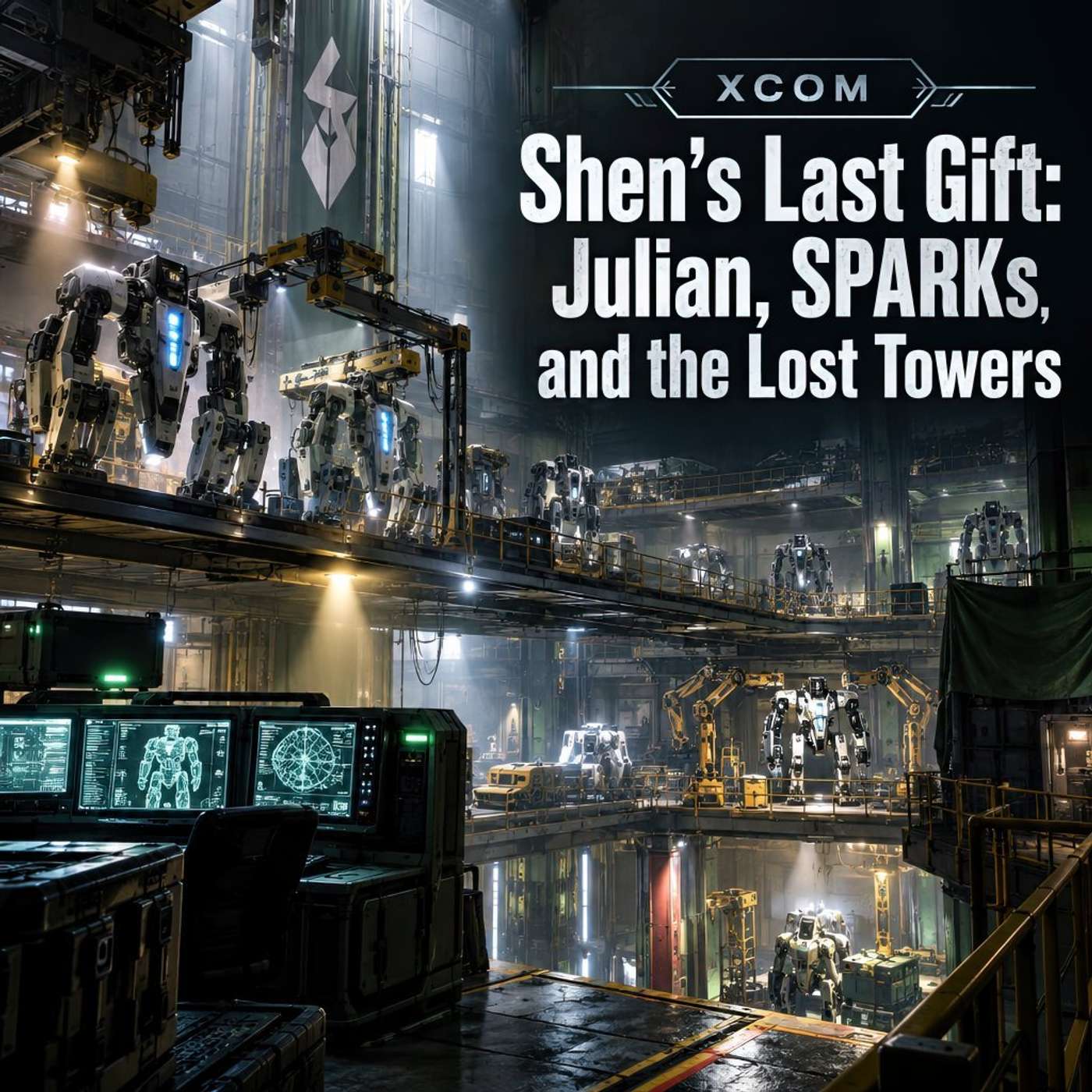
The importance of Shen’s Last Gift comes from its place in the ADVENT occupation, resistance war, and uneasy post-liberation peace, where one operation can reshape the next phase of the war. That makes wartime research, reverse engineering, manufacturing, scientific exploitation, and the rapid conversion of captured alien systems into usable human capability central to understanding the immediate crisis and the wider campaign around it. XCOM’s defining advantage is institutional learning: every recovered weapon or corpse can shorten the technological gap if researchers and engineers have enough time. The supplied chronology sets the boundary, so classic, reboot, alternate-prehistory, and post...
Skulljacks, Codices, and the Shadow Chamber
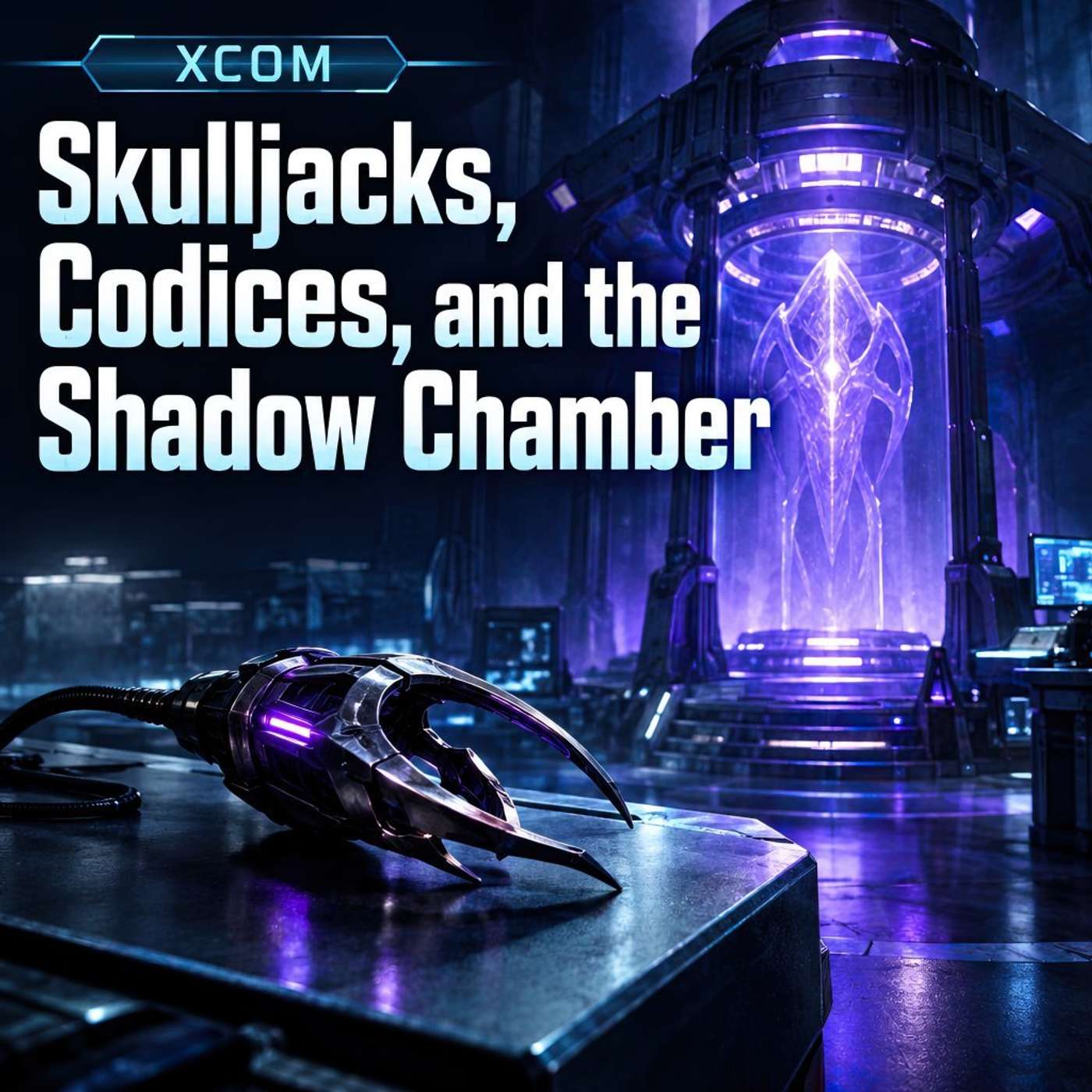
Skulljacks, Codices, and the Shadow Chamber turns part of the ADVENT occupation, resistance war, and uneasy post-liberation peace into a concrete problem of command, survival, and adaptation. The episode focuses on cyber intrusion, intelligence exploitation, dangerous access, and the use of alien network interfaces to penetrate command systems, showing why the subject matters beyond the immediate battle, unit, or character. Skulljacking creates intelligence opportunities while exposing XCOM to threats that exist partly inside the enemy’s networked infrastructure. The supplied ordering and terminology are preserved so changes in doctrine, technology, political support, and alien strategy accumulate naturally within each season. Th...
The Blacksite and the Discovery of the Avatar Project
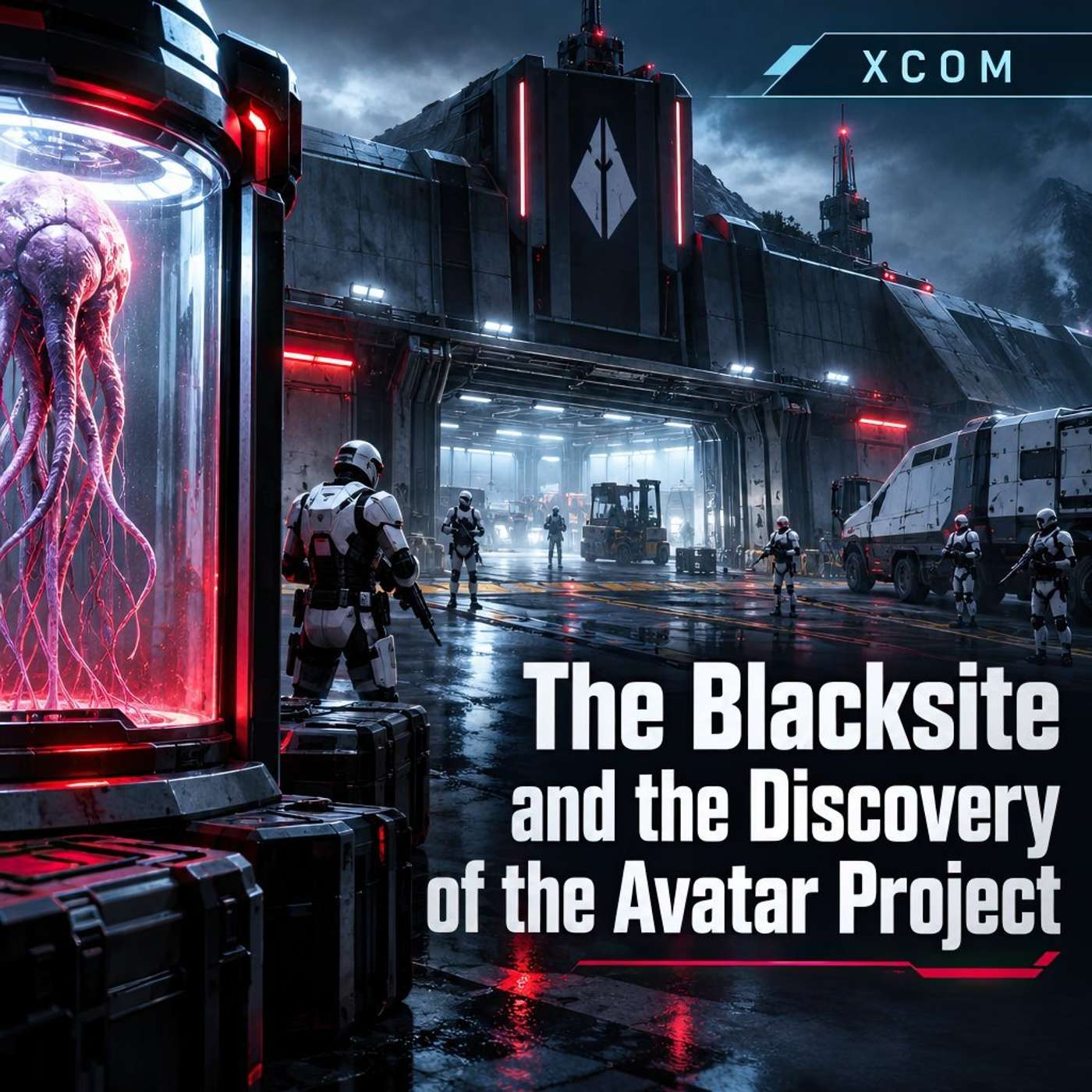
Viewed as military history, The Blacksite and the Discovery of the Avatar Project belongs to the ADVENT occupation, resistance war, and uneasy post-liberation peace, a setting shaped by intelligence and logistics as much as firepower. The military frame emphasizes strategic biotechnology, leadership survival, secret research, and the use of human populations to solve a crisis facing the alien ruling class, rather than treating the topic as disconnected game lore. The Avatar Project reframes occupation as a resource-extraction program whose true objective is tied to the Elders’ own survival. Because XCOM contains distinct continuities and alternate outcomes, the episode preserves the su...
The ADVENT Army: Hybrids, MECs, Aliens, and Occupation Doctrine
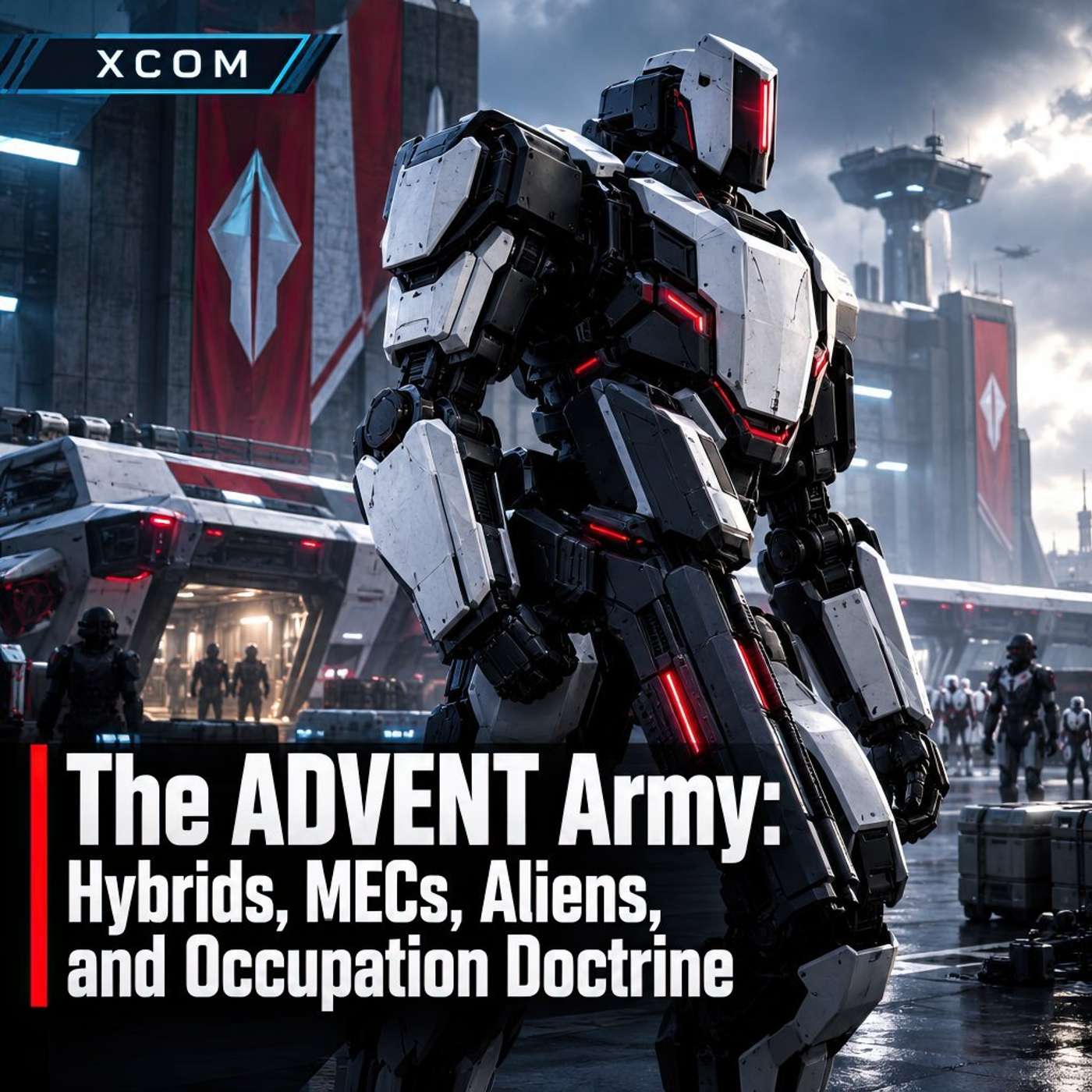
The ADVENT Army offers a focused view of the ADVENT occupation, resistance war, and uneasy post-liberation peace, where technology, politics, and survival continually interact. The analysis concentrates on occupation, collaboration, propaganda, social engineering, and the conversion of alien military victory into a durable political order, with attention to what leaders can know, mobilize, sustain, and risk. ADVENT governs through more than force, using cities, clinics, messaging, and apparent prosperity to normalize occupation while hiding its deeper objectives. The discussion remains grounded in the supplied title and its exact place in the XCOM chronology. Placed in sequence, the topic advances the...
Guerrilla Operations: Ambush, Sabotage, Extraction, and Retaliation
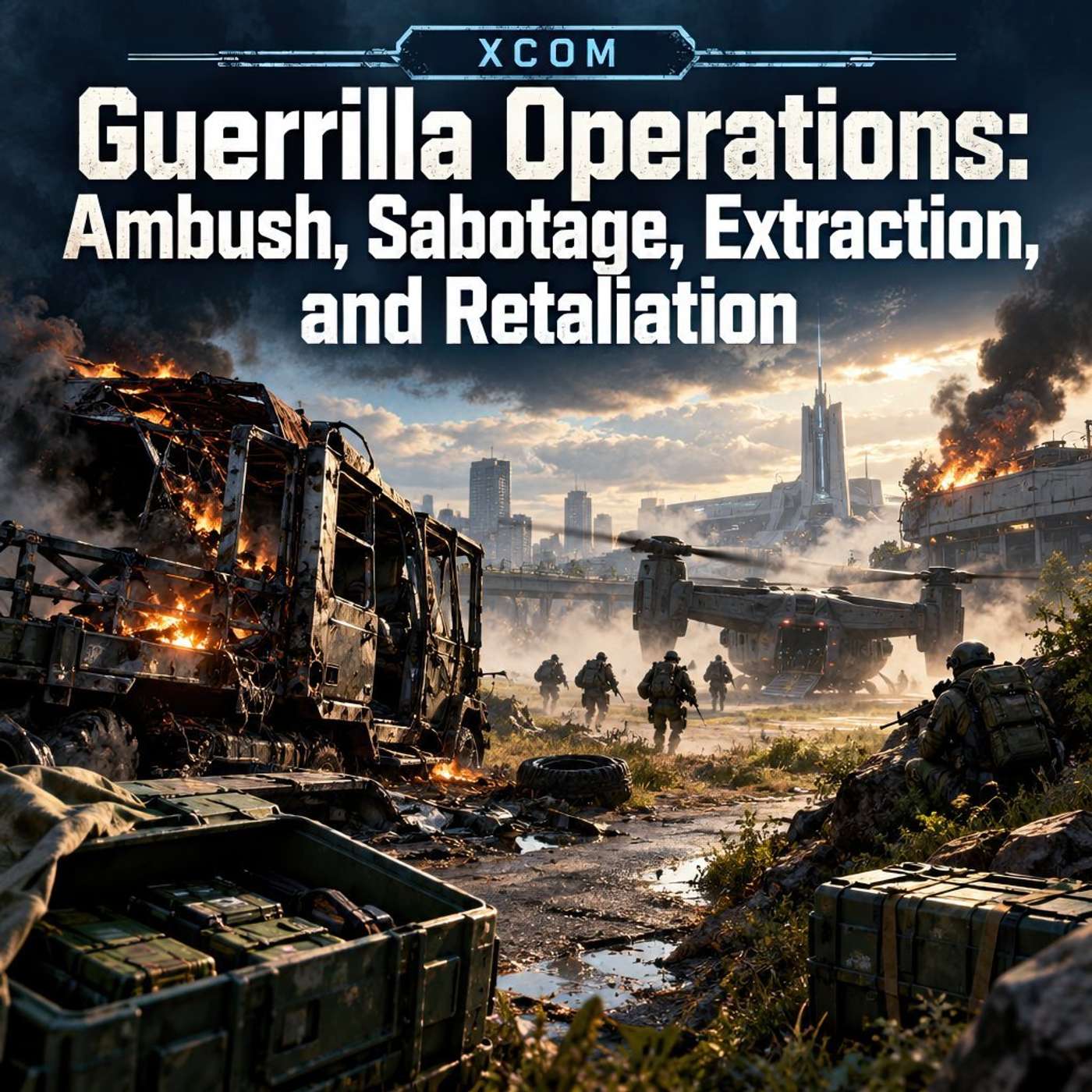
The military significance of Guerrilla Operations is clearest when placed inside the ADVENT occupation, resistance war, and uneasy post-liberation peace. At the center is base defense, counterattack, command survival, and the danger of the enemy identifying the central institution directing resistance, linking tactical choices to the ability of governments, XCOM, or resistance forces to continue operating. An attack on headquarters threatens the entire war effort because losing the command center could erase accumulated research, personnel, and coordination at once. The supplied chronology sets the boundary, so classic, reboot, alternate-prehistory, and post-occupation timelines are not silently merged beyond what the title...
Resistance Havens and the Reconstruction of XCOM
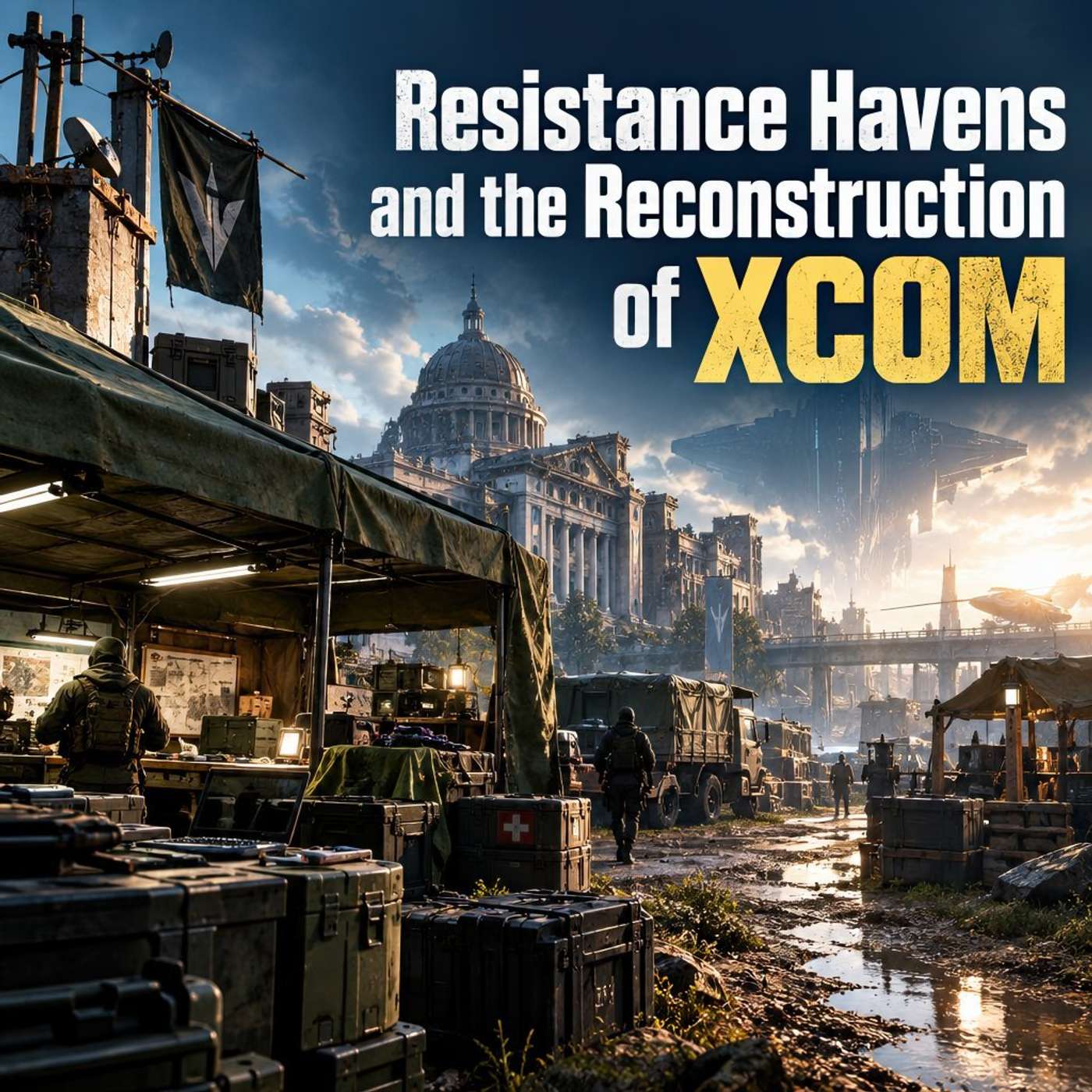
Resistance Havens and the Reconstruction of XCOM becomes strategically important within the ADVENT occupation, resistance war, and uneasy post-liberation peace. That makes institutional memory, resistance mythology, veteran leadership, and the use of past defeat as a foundation for renewed organization central to understanding the immediate crisis and the wider campaign around it. Bradford’s archives preserve lessons and identity that help XCOM re-form after two decades in which the official history of the war has been rewritten. The supplied ordering and terminology are preserved so changes in doctrine, technology, political support, and alien strategy accumulate naturally within each season. The su...
The Rescue of the Commander and Operation Gatecrasher
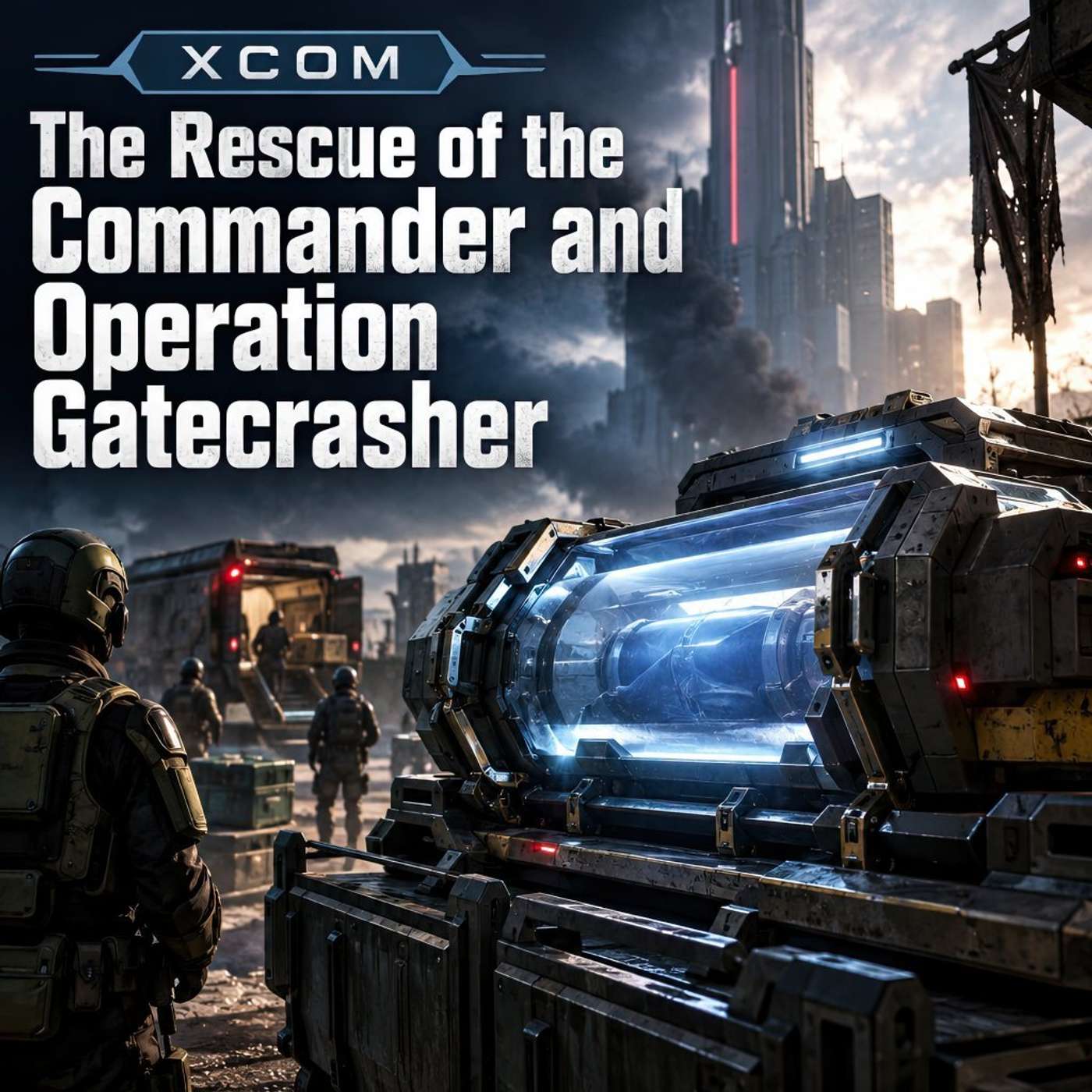
The strategic value of studying The Rescue of the Commander and Operation Gatecrasher comes from the choices it creates inside the ADVENT occupation, resistance war, and uneasy post-liberation peace. The episode focuses on leadership recovery, symbolic restoration, sabotage, and the first overt operations of a rebuilt resistance force, showing why the subject matters beyond the immediate battle, unit, or character. Recovering the Commander provides both operational expertise and political legitimacy, while Gatecrasher signals that XCOM has returned to active war. Because XCOM contains distinct continuities and alternate outcomes, the episode preserves the supplied label instead of forcing every alien war...
The Avenger: Building a Mobile Headquarters for Global Insurgency

The Avenger reveals a recurring pressure within the ADVENT occupation, resistance war, and uneasy post-liberation peace: every military solution creates new political, technological, or biological problems. The military frame emphasizes deep strike, enemy command centers, expeditionary assault, and the attempt to end the war by attacking the infrastructure directing the invasion, rather than treating the topic as disconnected game lore. These operations seek more than local victory: they target the enemy’s ability to coordinate and sustain the entire campaign. The discussion remains grounded in the supplied title and its exact place in the XCOM chronology. Placed in sequence, the to...
Bradford’s Archives: Memory, Myth, and the Birth of the Resistance
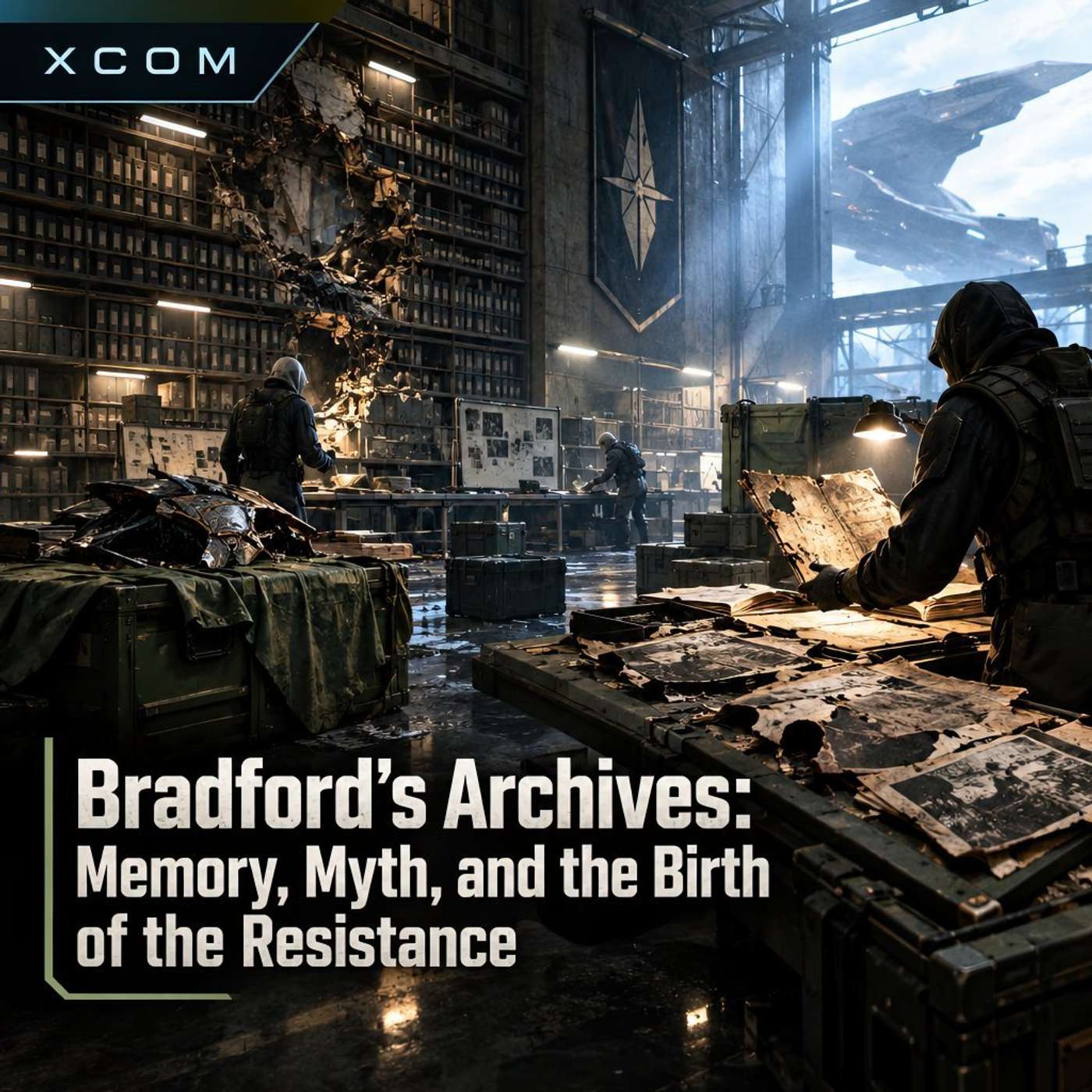
The importance of Bradford’s Archives comes from its place in the ADVENT occupation, resistance war, and uneasy post-liberation peace, where one operation can reshape the next phase of the war. The analysis concentrates on institutional memory, resistance mythology, veteran leadership, and the use of past defeat as a foundation for renewed organization, with attention to what leaders can know, mobilize, sustain, and risk. Bradford’s archives preserve lessons and identity that help XCOM re-form after two decades in which the official history of the war has been rewritten. The supplied chronology sets the boundary, so classic, reboot, alternate-prehistory, and post...
ADVENT Cities, Gene Clinics, Propaganda, and the Politics of Occupation

ADVENT Cities, Gene Clinics, Propaganda, and the Politics of Occupation turns part of the ADVENT occupation, resistance war, and uneasy post-liberation peace into a concrete problem of command, survival, and adaptation. At the center is occupation, collaboration, propaganda, social engineering, and the conversion of alien military victory into a durable political order, linking tactical choices to the ability of governments, XCOM, or resistance forces to continue operating. ADVENT governs through more than force, using cities, clinics, messaging, and apparent prosperity to normalize occupation while hiding its deeper objectives. The supplied ordering and terminology are preserved so changes in doctrine, technology...
The Elders and the Avatar Project
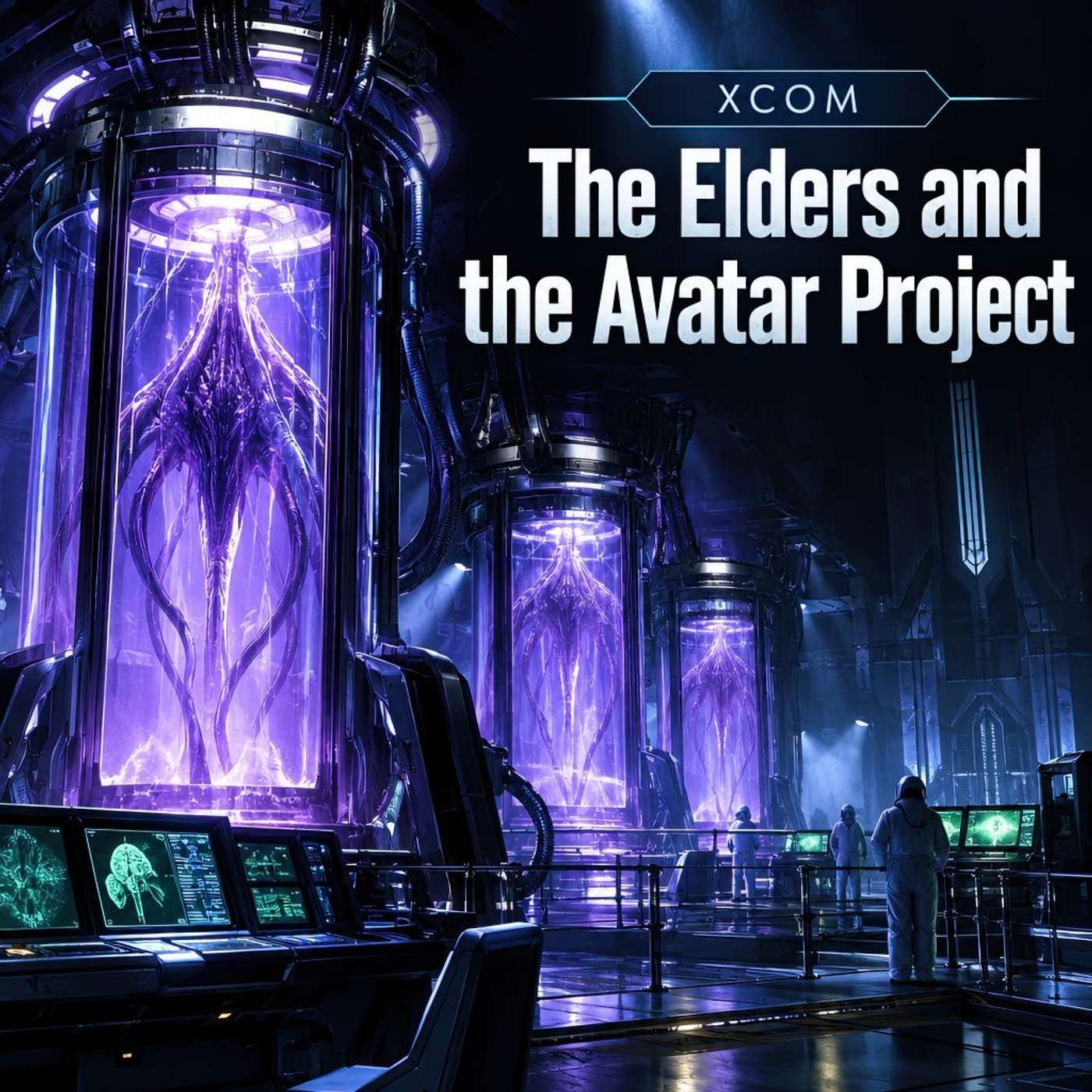
Viewed as military history, The Elders and the Avatar Project belongs to the ADVENT occupation, resistance war, and uneasy post-liberation peace, a setting shaped by intelligence and logistics as much as firepower. That makes strategic biotechnology, leadership survival, secret research, and the use of human populations to solve a crisis facing the alien ruling class central to understanding the immediate crisis and the wider campaign around it. The Avatar Project reframes occupation as a resource-extraction program whose true objective is tied to the Elders’ own survival. Because XCOM contains distinct continuities and alternate outcomes, the episode preserves the supplied label in...
Twenty Years of Alien Rule: Earth Under ADVENT

Twenty Years of Alien Rule offers a focused view of the ADVENT occupation, resistance war, and uneasy post-liberation peace, where technology, politics, and survival continually interact. The episode focuses on occupation, collaboration, propaganda, social engineering, and the conversion of alien military victory into a durable political order, showing why the subject matters beyond the immediate battle, unit, or character. ADVENT governs through more than force, using cities, clinics, messaging, and apparent prosperity to normalize occupation while hiding its deeper objectives. The discussion remains grounded in the supplied title and its exact place in the XCOM chronology. Placed in sequence, the...
The Defeat Timeline: XCOM Falls and the Commander Is Taken
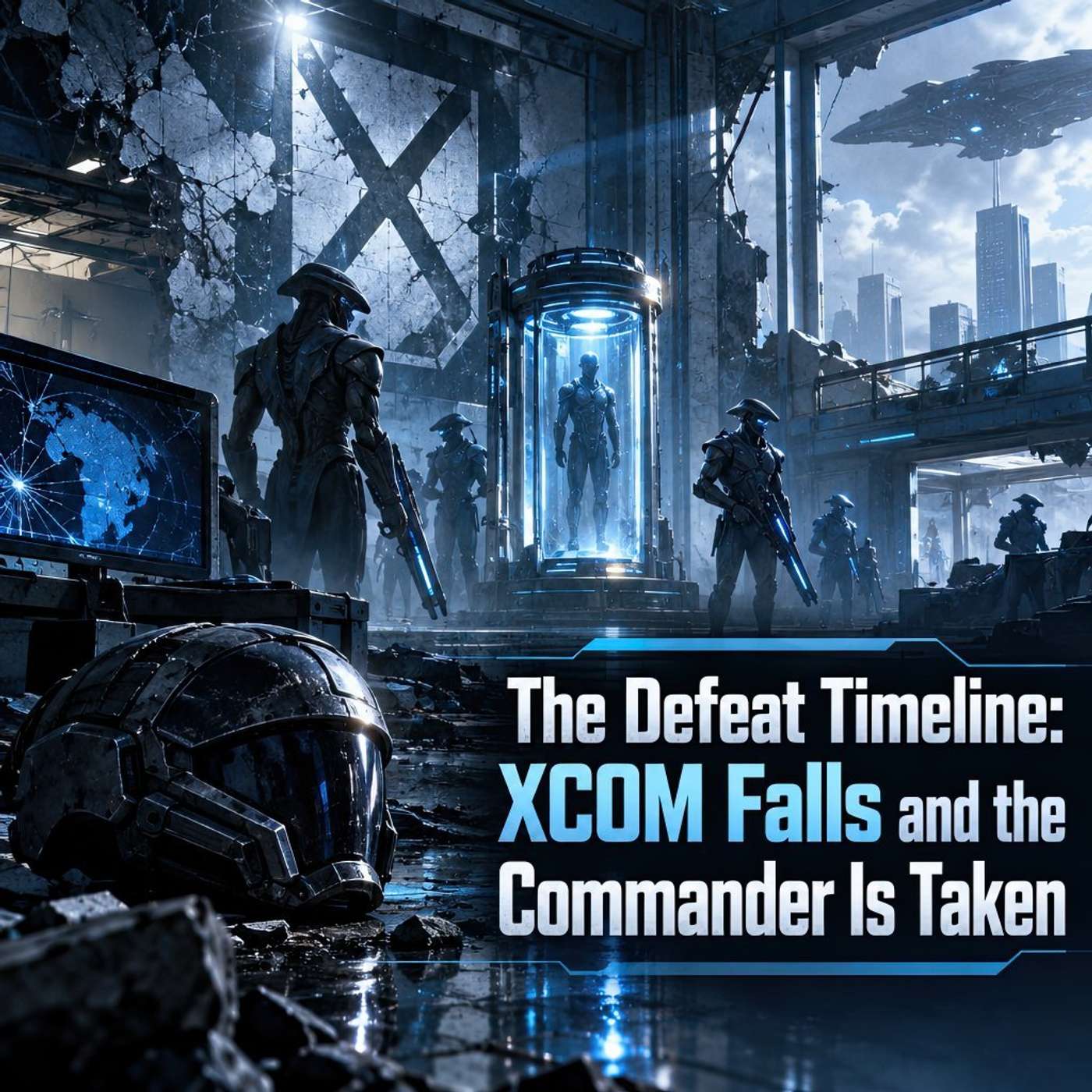
The military significance of The Defeat Timeline is clearest when placed inside the rebooted first invasion and the timeline in which XCOM is ultimately defeated. The military frame emphasizes institutional collapse, command capture, occupation, and the strategic consequences of losing the war before humanity fully understands the enemy, rather than treating the topic as disconnected game lore. The defeat timeline becomes the foundation of XCOM 2, where resistance must be rebuilt under a regime that already controls the planet. The supplied ordering and terminology are preserved so changes in doctrine, technology, political support, and alien strategy accumulate naturally within each season...
The Temple Ship Assault and XCOM’s Possible Victory
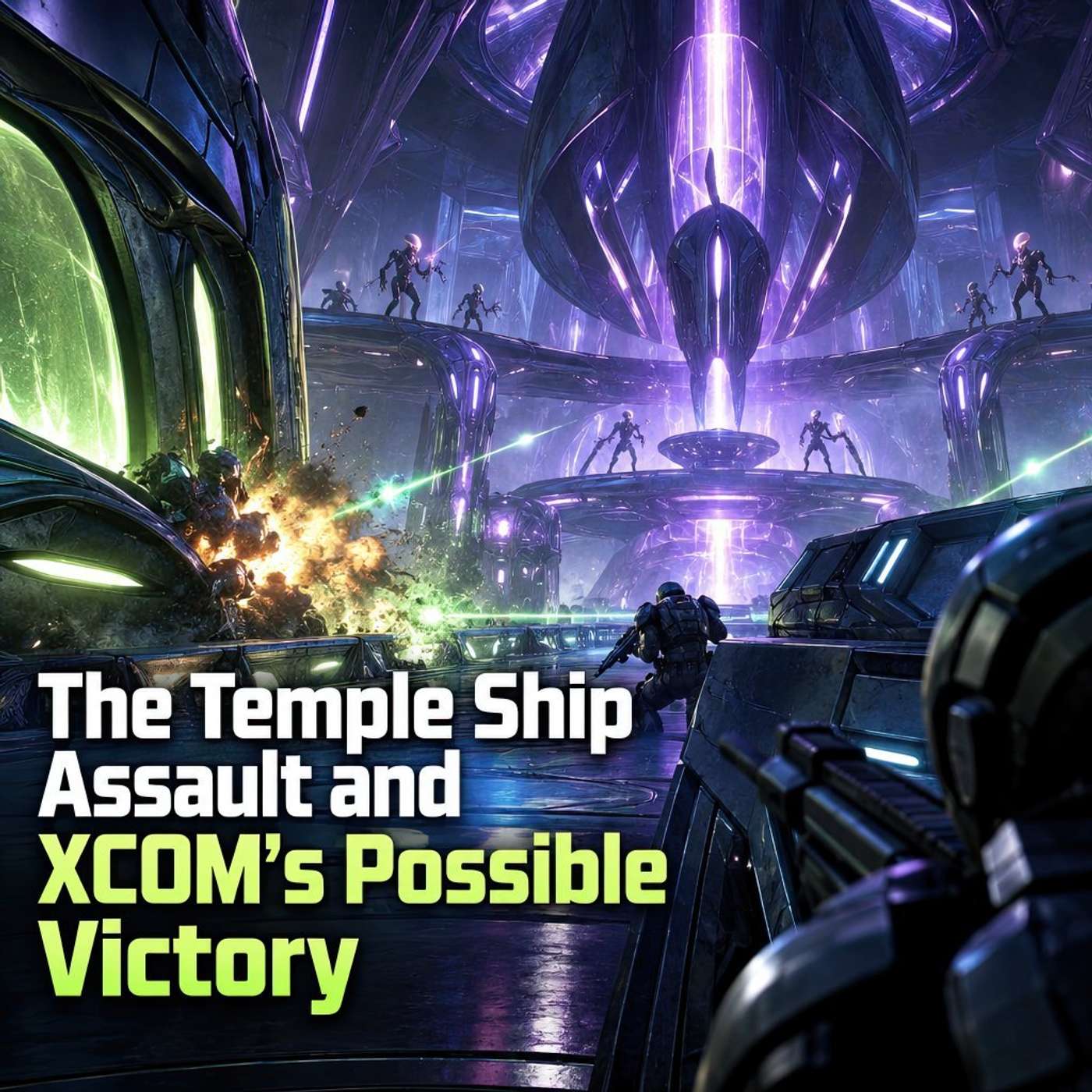
The Temple Ship Assault and XCOM’s Possible Victory becomes strategically important within the rebooted first invasion and the timeline in which XCOM is ultimately defeated. The analysis concentrates on deep strike, enemy command centers, expeditionary assault, and the attempt to end the war by attacking the infrastructure directing the invasion, with attention to what leaders can know, mobilize, sustain, and risk. These operations seek more than local victory: they target the enemy’s ability to coordinate and sustain the entire campaign. Because XCOM contains distinct continuities and alternate outcomes, the episode preserves the supplied label instead of forcing every alie...
The Volunteer, the Gollop Chamber, and Humanity’s Psionic Counterstroke
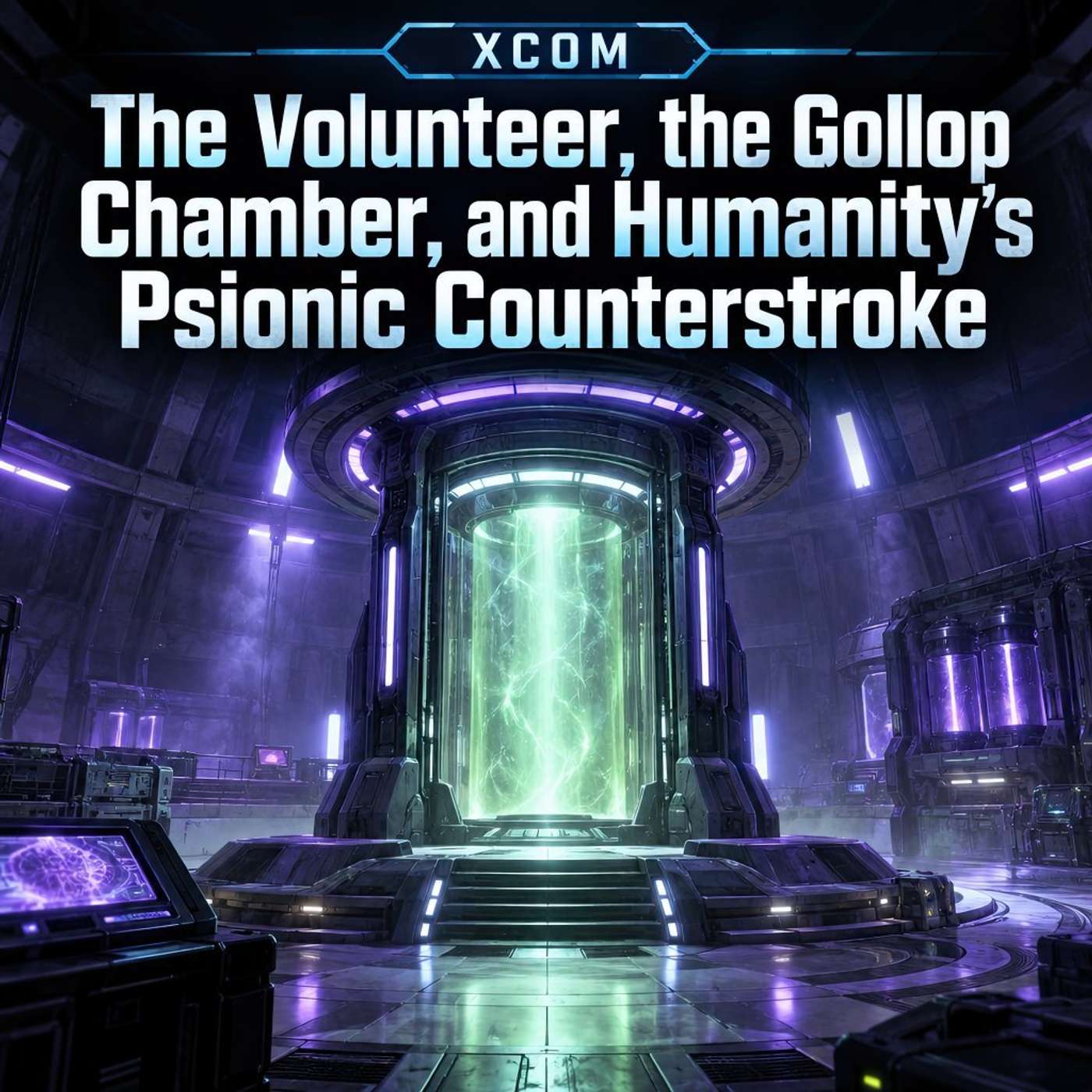
The strategic value of studying The Volunteer, the Gollop Chamber, and Humanity’s Psionic Counterstroke comes from the choices it creates inside the rebooted first invasion and the timeline in which XCOM is ultimately defeated. At the center is psionic warfare, command influence, mental defense, and humanity’s attempt to turn alien cognitive capabilities into its own strategic weapon, linking tactical choices to the ability of governments, XCOM, or resistance forces to continue operating. Psionics transform the battlefield because command, morale, and individual autonomy can be attacked directly rather than only through physical force. The discussion remains grounded in the supp...
The Overseer UFO and the Hyperwave Intelligence Breakthrough
The Overseer UFO and the Hyperwave Intelligence Breakthrough reveals a recurring pressure within the rebooted first invasion and the timeline in which XCOM is ultimately defeated: every military solution creates new political, technological, or biological problems. That makes strategic intelligence, sensor breakthroughs, high-value interception, and the use of captured communications technology to reveal enemy command structure central to understanding the immediate crisis and the wider campaign around it. Hyperwave intelligence changes the war because XCOM can finally anticipate operations rather than merely react after alien forces appear. The episode stays within the supplied continuity and avoids unsupported connective claims. Across...
Annette Durand and the Alien Psionic Program
The importance of Annette Durand and the Alien Psionic Program comes from its place in the rebooted first invasion and the timeline in which XCOM is ultimately defeated, where one operation can reshape the next phase of the war. The episode focuses on psionic warfare, command influence, mental defense, and humanity’s attempt to turn alien cognitive capabilities into its own strategic weapon, showing why the subject matters beyond the immediate battle, unit, or character. Psionics transform the battlefield because command, morale, and individual autonomy can be attacked directly rather than only through physical force. The episode stays within the su...
Site Recon: Newfoundland and the Chryssalid Infestation
Site Recon turns part of the rebooted first invasion and the timeline in which XCOM is ultimately defeated into a concrete problem of command, survival, and adaptation. The military frame emphasizes terror warfare, civilian casualties, psychological pressure, and the strategic effort to collapse political support faster than XCOM can win battles, rather than treating the topic as disconnected game lore. Alien terror attacks are aimed at governments as much as civilians, because panic can destroy the coalition even when XCOM’s tactical units remain intact. Because XCOM contains distinct continuities and alternate outcomes, the episode preserves the supplied label instead of...
EXALT: Collaboration, Espionage, and the Covert War Against XCOM
Viewed as military history, EXALT belongs to the rebooted first invasion and the timeline in which XCOM is ultimately defeated, a setting shaped by intelligence and logistics as much as firepower. The analysis concentrates on infiltration, espionage, collaboration, political subversion, and the danger of losing governments from inside rather than through battlefield defeat, with attention to what leaders can know, mobilize, sustain, and risk. The political war is especially dangerous because a compromised state can deny XCOM resources and access without the aliens needing to destroy its armies. The discussion remains grounded in the supplied title and its exact place...
Gene Modification and the Biology of Battlefield Adaptation
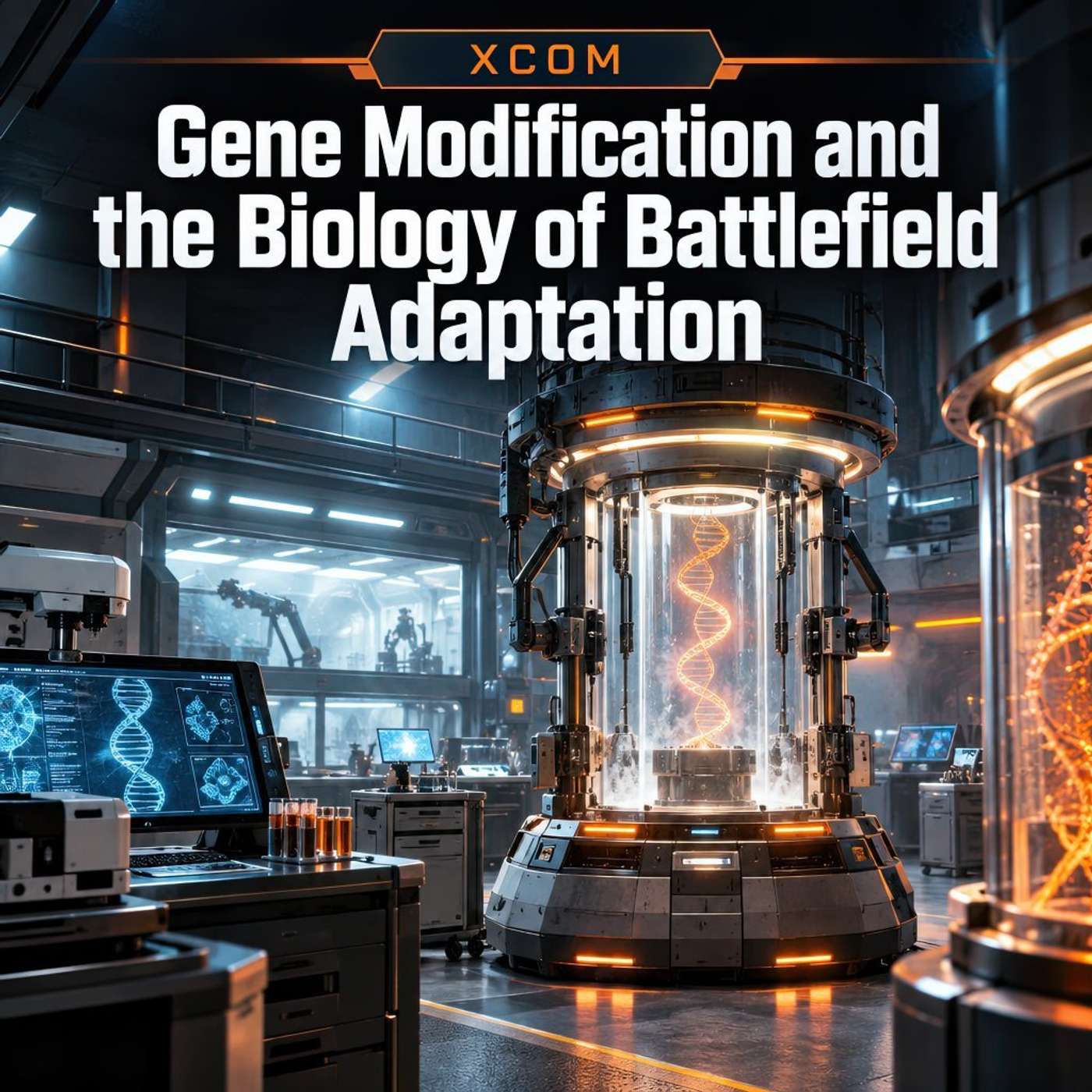
Gene Modification and the Biology of Battlefield Adaptation offers a focused view of the rebooted first invasion and the timeline in which XCOM is ultimately defeated, where technology, politics, and survival continually interact. At the center is human enhancement, mechanized infantry, genetic adaptation, and the strategic choice to modify soldiers in order to close the alien capability gap, linking tactical choices to the ability of governments, XCOM, or resistance forces to continue operating. Enhancement creates major battlefield advantages while raising questions about cost, identity, and whether humanity must change itself to survive. The episode stays within the supplied continuity and...
MEC Troopers and the Rise of Mechanized Infantry
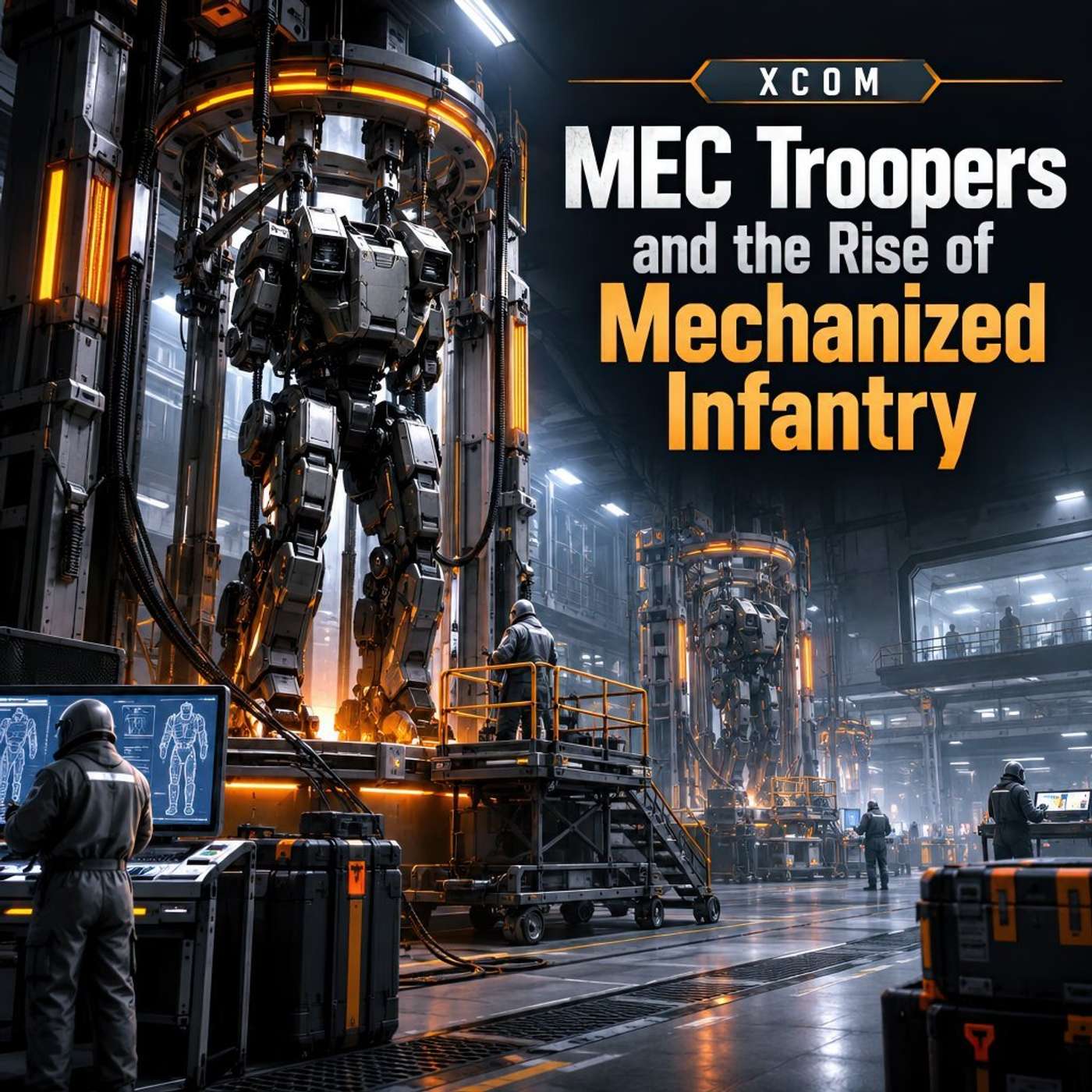
The military significance of MEC Troopers and the Rise of Mechanized Infantry is clearest when placed inside the rebooted first invasion and the timeline in which XCOM is ultimately defeated. That makes human enhancement, mechanized infantry, genetic adaptation, and the strategic choice to modify soldiers in order to close the alien capability gap central to understanding the immediate crisis and the wider campaign around it. Enhancement creates major battlefield advantages while raising questions about cost, identity, and whether humanity must change itself to survive. The supplied ordering and terminology are preserved so changes in doctrine, technology, political support, and alien...
Meld and the Race to Transform the Human Soldier
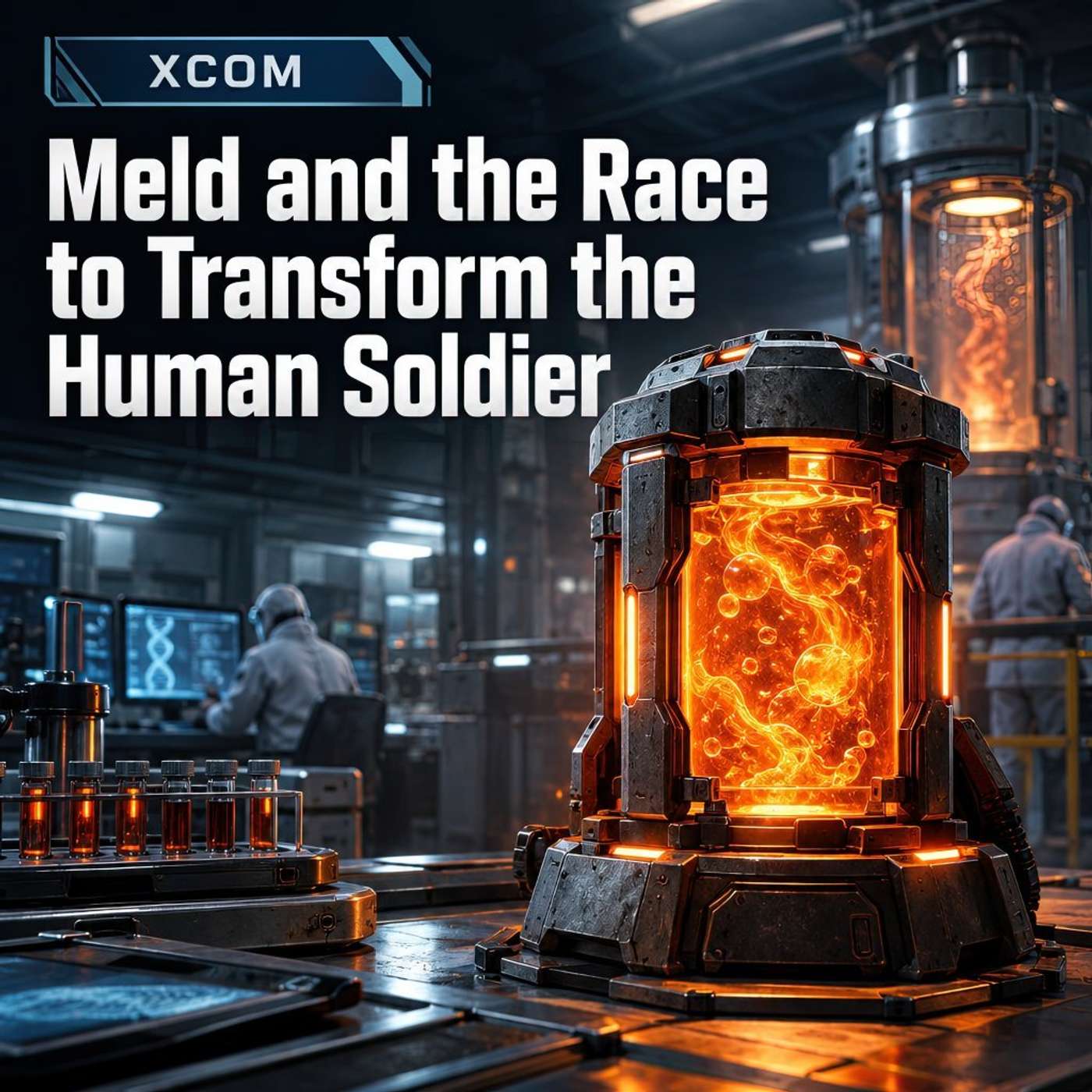
Meld and the Race to Transform the Human Soldier becomes strategically important within the rebooted first invasion and the timeline in which XCOM is ultimately defeated. The episode focuses on human enhancement, mechanized infantry, genetic adaptation, and the strategic choice to modify soldiers in order to close the alien capability gap, showing why the subject matters beyond the immediate battle, unit, or character. Enhancement creates major battlefield advantages while raising questions about cost, identity, and whether humanity must change itself to survive. Because XCOM contains distinct continuities and alternate outcomes, the episode preserves the supplied label instead of forcing every...
The Alien Retaliation and the Defense of XCOM Headquarters
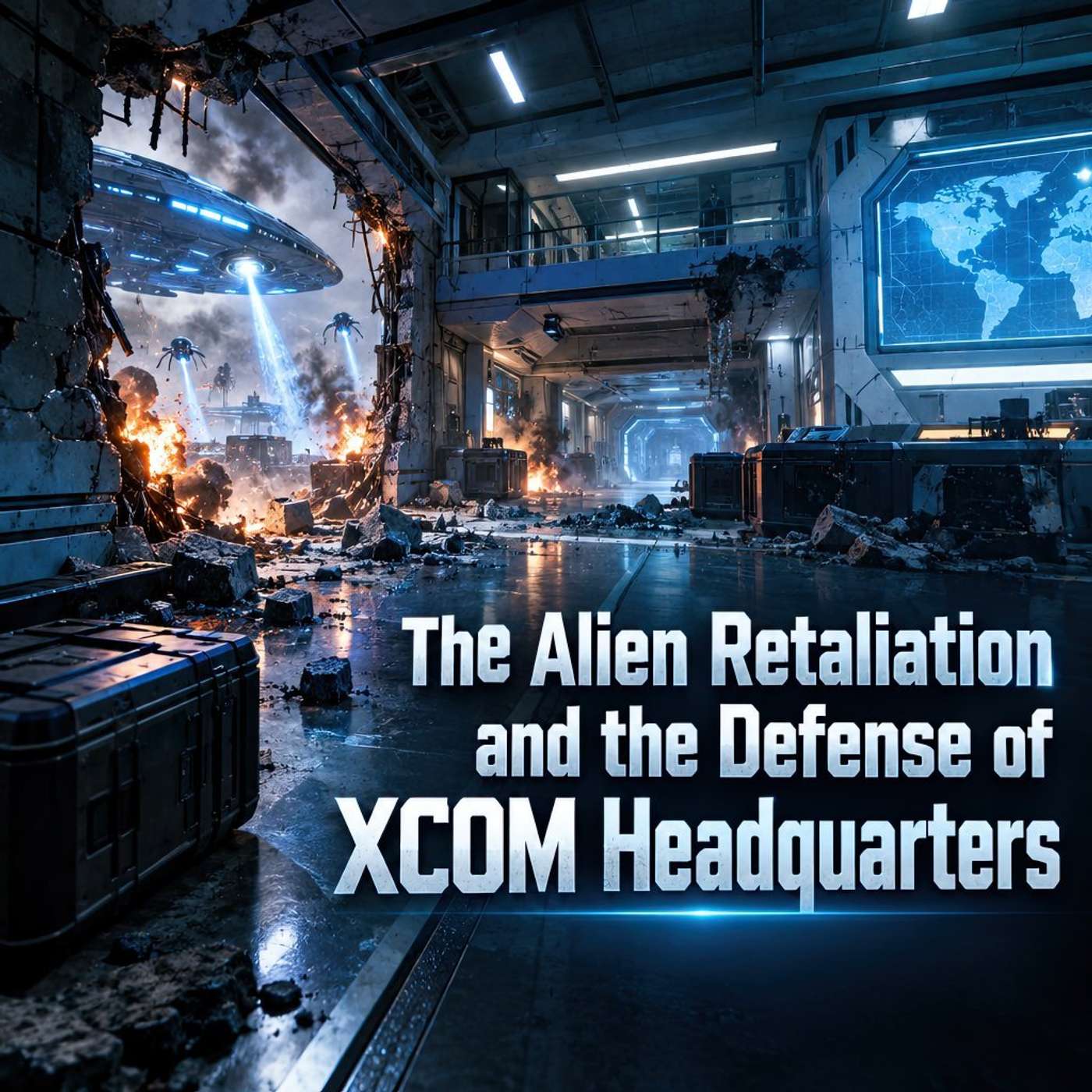
The strategic value of studying The Alien Retaliation and the Defense of XCOM Headquarters comes from the choices it creates inside the rebooted first invasion and the timeline in which XCOM is ultimately defeated. The military frame emphasizes deep strike, enemy command centers, expeditionary assault, and the attempt to end the war by attacking the infrastructure directing the invasion, rather than treating the topic as disconnected game lore. These operations seek more than local victory: they target the enemy’s ability to coordinate and sustain the entire campaign. The discussion remains grounded in the supplied title and its exact place in...
The Outsider Shard and the Assault on the Alien Base
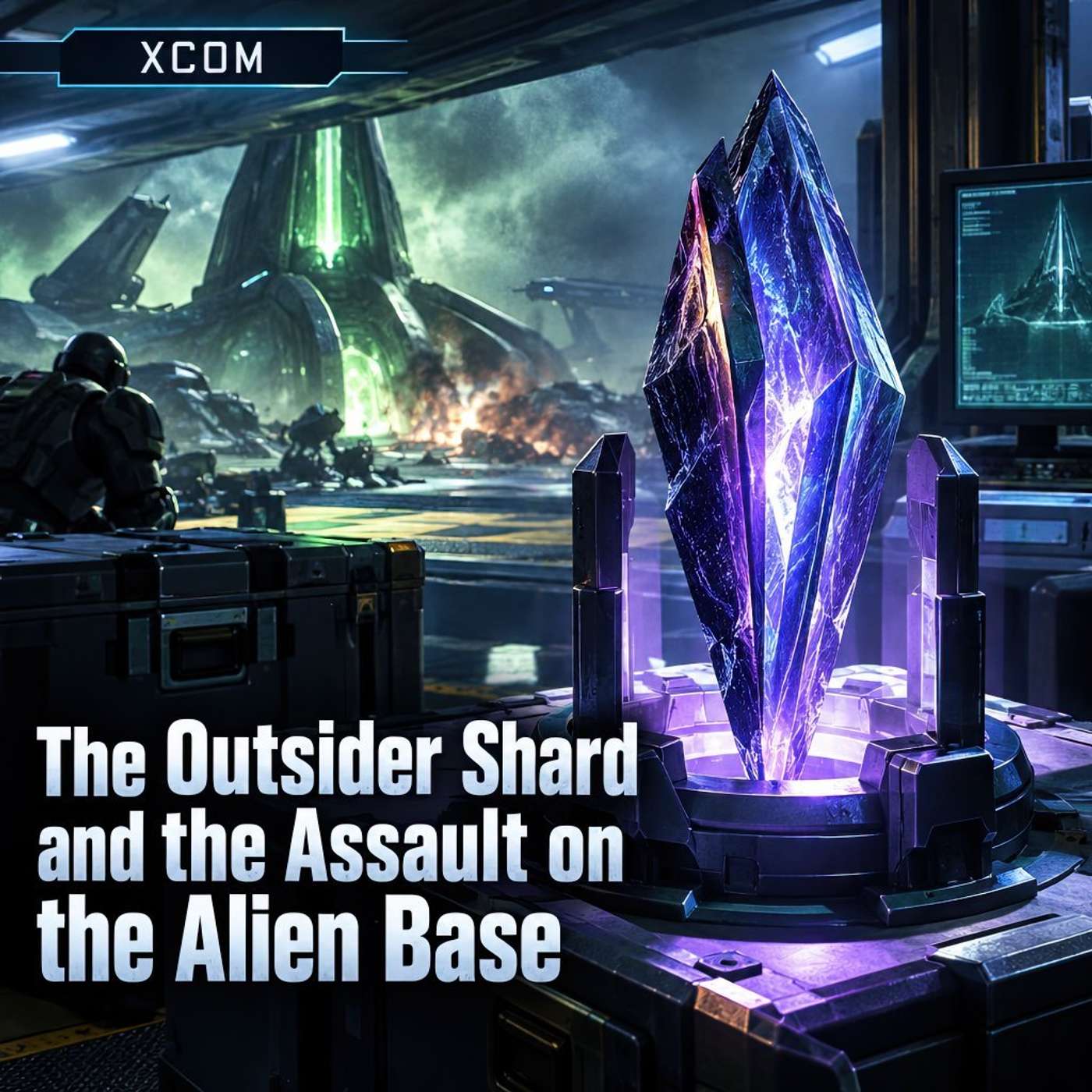
The Outsider Shard and the Assault on the Alien Base reveals a recurring pressure within the rebooted first invasion and the timeline in which XCOM is ultimately defeated: every military solution creates new political, technological, or biological problems. The analysis concentrates on strategy, command, logistics, political legitimacy, technology, and the military consequences created by the people or events named in the title, with attention to what leaders can know, mobilize, sustain, and risk. The subject matters because it changes the strategic options available afterward. The episode stays within the supplied continuity and avoids unsupported connective claims. Within the season, it...
Slingshot: Zhang, the Triads, and the Alien Battleship
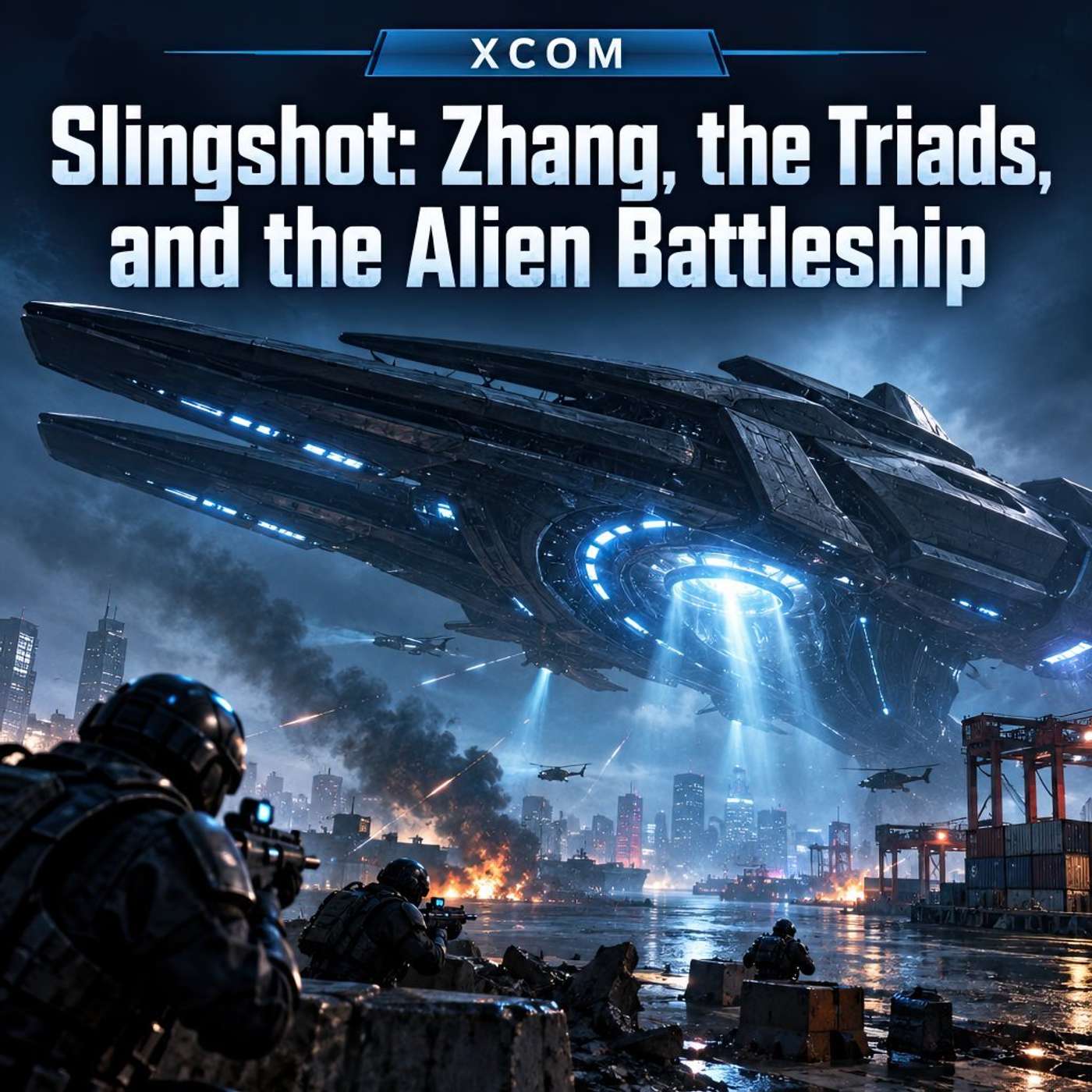
The importance of Slingshot comes from its place in the rebooted first invasion and the timeline in which XCOM is ultimately defeated, where one operation can reshape the next phase of the war. At the center is irregular contacts, special missions, intelligence recovery, and the opportunity to exploit a criminal or non-state network against the alien campaign, linking tactical choices to the ability of governments, XCOM, or resistance forces to continue operating. The mission demonstrates how XCOM can gain strategic advantage by working through actors outside normal government channels. The episode stays within the supplied continuity and avoids unsupported connective...
Dr. Shen’s Foundry: Turning Captured Technology Into Human Weapons
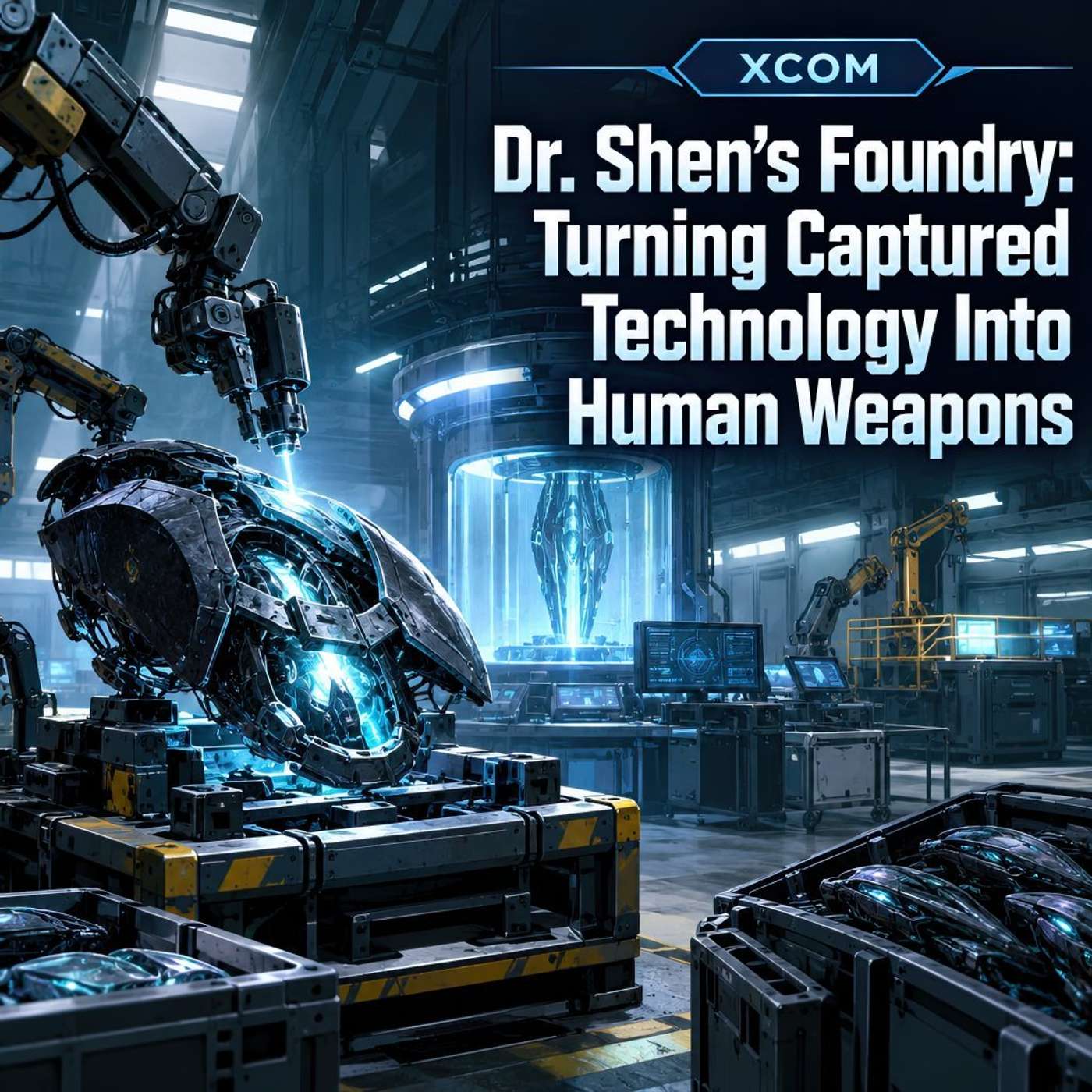
Dr. Shen’s Foundry turns part of the rebooted first invasion and the timeline in which XCOM is ultimately defeated into a concrete problem of command, survival, and adaptation. That makes wartime research, reverse engineering, manufacturing, scientific exploitation, and the rapid conversion of captured alien systems into usable human capability central to understanding the immediate crisis and the wider campaign around it. XCOM’s defining advantage is institutional learning: every recovered weapon or corpse can shorten the technological gap if researchers and engineers have enough time. Because XCOM contains distinct continuities and alternate outcomes, the episode preserves the supplied label inst...
Dr. Vahlen’s Research Program and the Ethics of Alien Interrogation
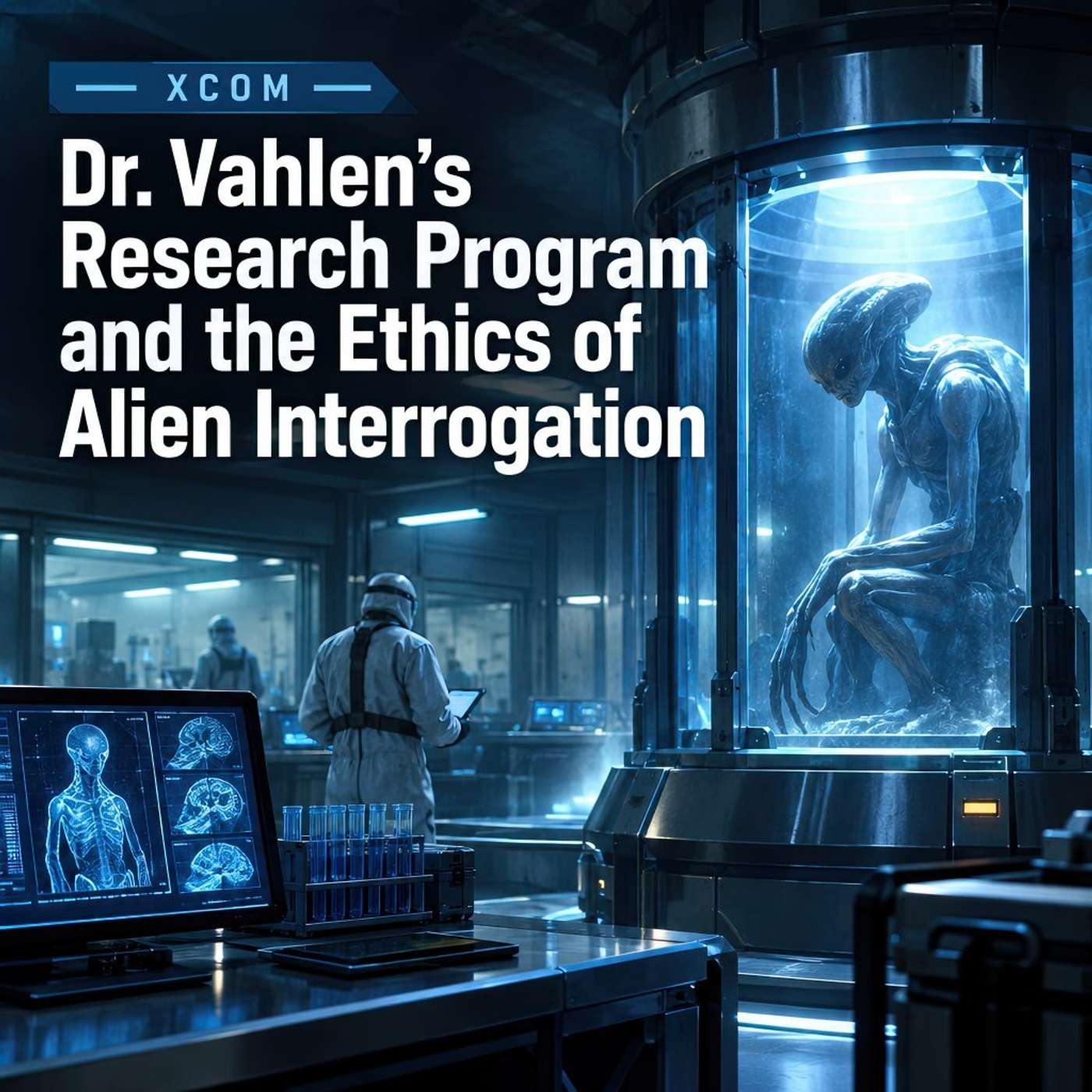
Viewed as military history, Dr. Vahlen’s Research Program and the Ethics of Alien Interrogation belongs to the rebooted first invasion and the timeline in which XCOM is ultimately defeated, a setting shaped by intelligence and logistics as much as firepower. The episode focuses on wartime research, reverse engineering, manufacturing, scientific exploitation, and the rapid conversion of captured alien systems into usable human capability, showing why the subject matters beyond the immediate battle, unit, or character. XCOM’s defining advantage is institutional learning: every recovered weapon or corpse can shorten the technological gap if researchers and engineers have enough time. The...
