The StarCraft Historian: A Military History of the StarCraft Universe
The StarCraft Historian: A Military History of the StarCraft Universe explores the wars, factions, commanders, technologies, and civilizations that transform the Koprulu Sector across generations of conflict. Beginning with humanity’s arrival in the sector and the violent struggles among Terran governments, the Lorecast follows the rise and fall of the Terran Confederacy, Arcturus Mengsk’s Dominion, and the rebellions that challenge his rule. Humanity’s internal wars soon become part of a much larger conflict when the Zerg Swarm enters Terran space and the ancient Protoss intervene. The series traces the Great War, fall of Aiur, Brood War, United Earth...
After Amon: Nova Covert Ops, the Defenders of Man, and the Uncertain Peace
After Amon offers a focused view of the Second Great War and the End War against Amon, where politics, biology, and technology continually interact. The military frame emphasizes ancient intervention, species engineering, strategic manipulation, and the long-term consequences of wars shaped by actors operating across immense timescales, rather than treating the topic as disconnected game lore. The Xel’naga legacy matters because later conflicts are influenced by designs and rivalries that predate the modern Koprulu powers. The discussion remains grounded in the supplied title and its exact place in the StarCraft chronology. Placed in sequence, the topic advances the season’s co...
Into the Void: Kerrigan’s Ascension and the Defeat of Amon
The military significance of Into the Void is clearest when placed inside the Second Great War and the End War against Amon. The analysis concentrates on ancient intervention, species engineering, strategic manipulation, and the long-term consequences of wars shaped by actors operating across immense timescales, with attention to what leaders can know, mobilize, sustain, and risk. The Xel’naga legacy matters because later conflicts are influenced by designs and rivalries that predate the modern Koprulu powers. The supplied chronology sets the boundary, so the description stays with the named factions, locations, technologies, and events rather than inventing unsupported connective details. It...
The Return to Aiur: The Golden Armada and the Severing of the Khala
The Return to Aiur becomes strategically important within the Second Great War and the End War against Amon. At the center is Protoss social order, caste structure, psionic coordination, military hierarchy, and the strategic strengths and limits created by the Khala, linking tactical choices to the ability of states, fleets, swarms, or coalitions to continue the struggle. Protoss power rests on advanced technology and cohesion, but rigid institutions can become liabilities when doctrine fails to adapt to an unfamiliar enemy. The supplied ordering and terminology are preserved so changes in doctrine, politics, alliances, and military capability accumulate naturally across the...
Ulnar, the Keystone, and the Last Xel’naga
The strategic value of studying Ulnar, the Keystone, and the Last Xel’naga comes from the choices it creates inside the Second Great War and the End War against Amon. That makes ancient intervention, species engineering, strategic manipulation, and the long-term consequences of wars shaped by actors operating across immense timescales central to understanding the immediate crisis and the wider campaign around it. The Xel’naga legacy matters because later conflicts are influenced by designs and rivalries that predate the modern Koprulu powers. Because StarCraft reveals motives and ancient manipulation gradually, the episode preserves what is established at this point inst...
Alarak, Rak’Shir, and the Tal’darim Civil War
Alarak, Rak’Shir, and the Tal’darim Civil War reveals a recurring pressure within the Second Great War and the End War against Amon: every military solution creates new political, technological, or biological problems. The episode focuses on Tal’darim politics, ritual combat, leadership succession, and the strategic value of turning an enemy faction against Amon, showing why the subject matters beyond the immediate battle, faction, or character. The civil war matters because Alarak transforms a hostile force into an ally by challenging the political system that binds it to Amon. The discussion remains grounded in the supplied title and its ex...
The Purifiers and the Return of Mechanical Protoss Power
The importance of The Purifiers and the Return of Mechanical Protoss Power comes from its place in the Second Great War and the End War against Amon, where one operation can reshape the next phase of the conflict. The military frame emphasizes autonomous military systems, stored personalities, mechanical Protoss forces, and the political challenge of integrating artificial soldiers into a broader alliance, rather than treating the topic as disconnected game lore. The Purifiers add major combat power while forcing Protoss leaders to confront old assumptions about personhood, command, and control. The supplied chronology sets the boundary, so the description stays...
Shakuras Destroyed: Evacuation and Strategic Denial
Shakuras Destroyed turns part of the Second Great War and the End War against Amon into a concrete problem of command, survival, and adaptation. The analysis concentrates on political schism, exile, alliance, cultural reconciliation, and the military consequences of reuniting Protoss factions after centuries of division, with attention to what leaders can know, mobilize, sustain, and risk. The Khalai–Nerazim relationship shows how strategic necessity can force former rivals to cooperate without erasing the histories that divided them. The supplied ordering and terminology are preserved so changes in doctrine, politics, alliances, and military capability accumulate naturally across the seasons. The su...
The Spear of Adun and the Recovery of the Keystone on Korhal
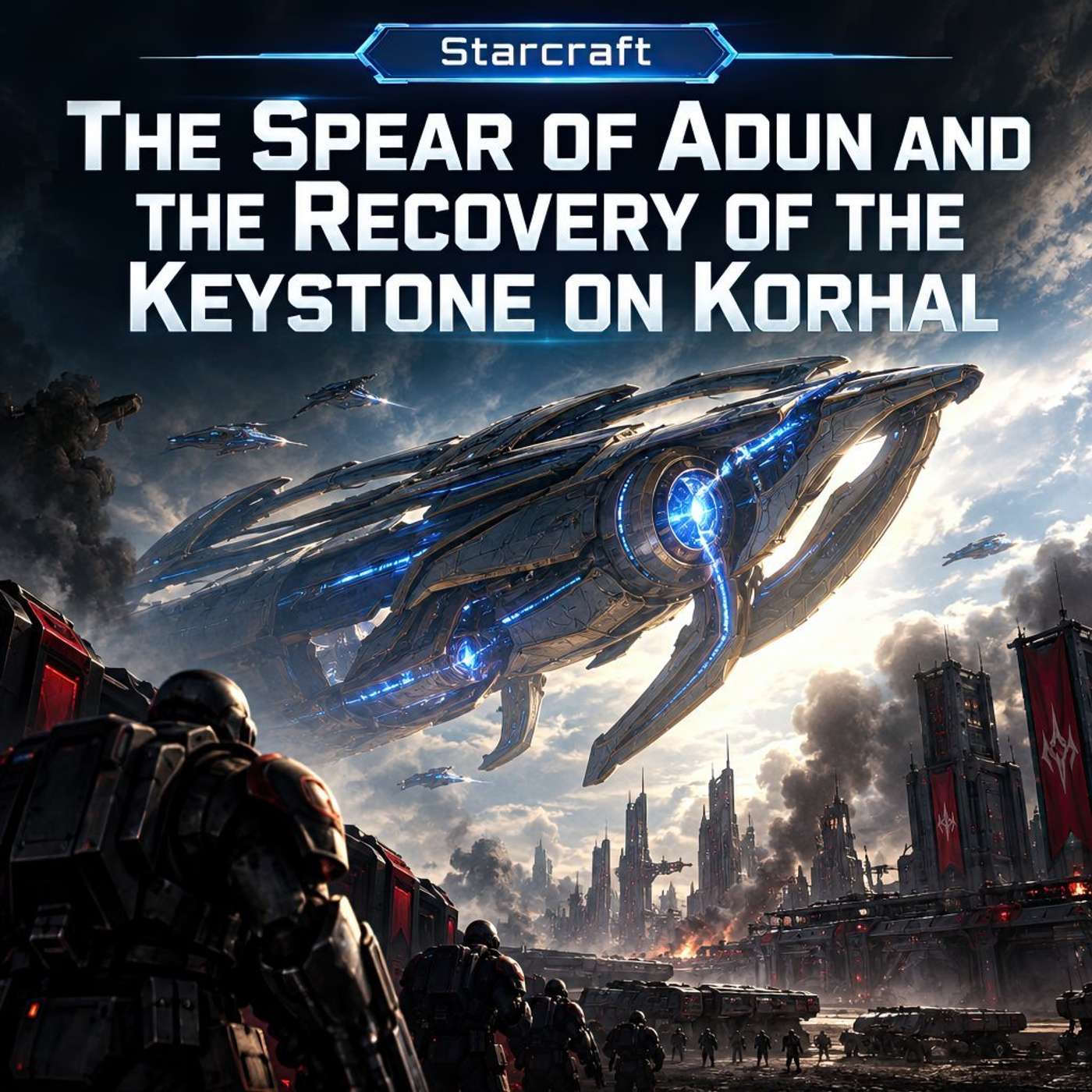
Viewed as military history, The Spear of Adun and the Recovery of the Keystone on belongs to the Second Great War and the End War against Amon, a setting shaped by institutions as much as firepower. At the center is psionic coercion, strategic evacuation, ancient warships, artifact control, and the challenge of fighting an enemy capable of compromising an entire command network, linking tactical choices to the ability of states, fleets, swarms, or coalitions to continue the struggle. The subject matters because it changes the strategic options available afterward. The episode stays within the supplied chronology and avoids unsupported continuity...
Whispers of Oblivion and Amon’s Seizure of the Khala
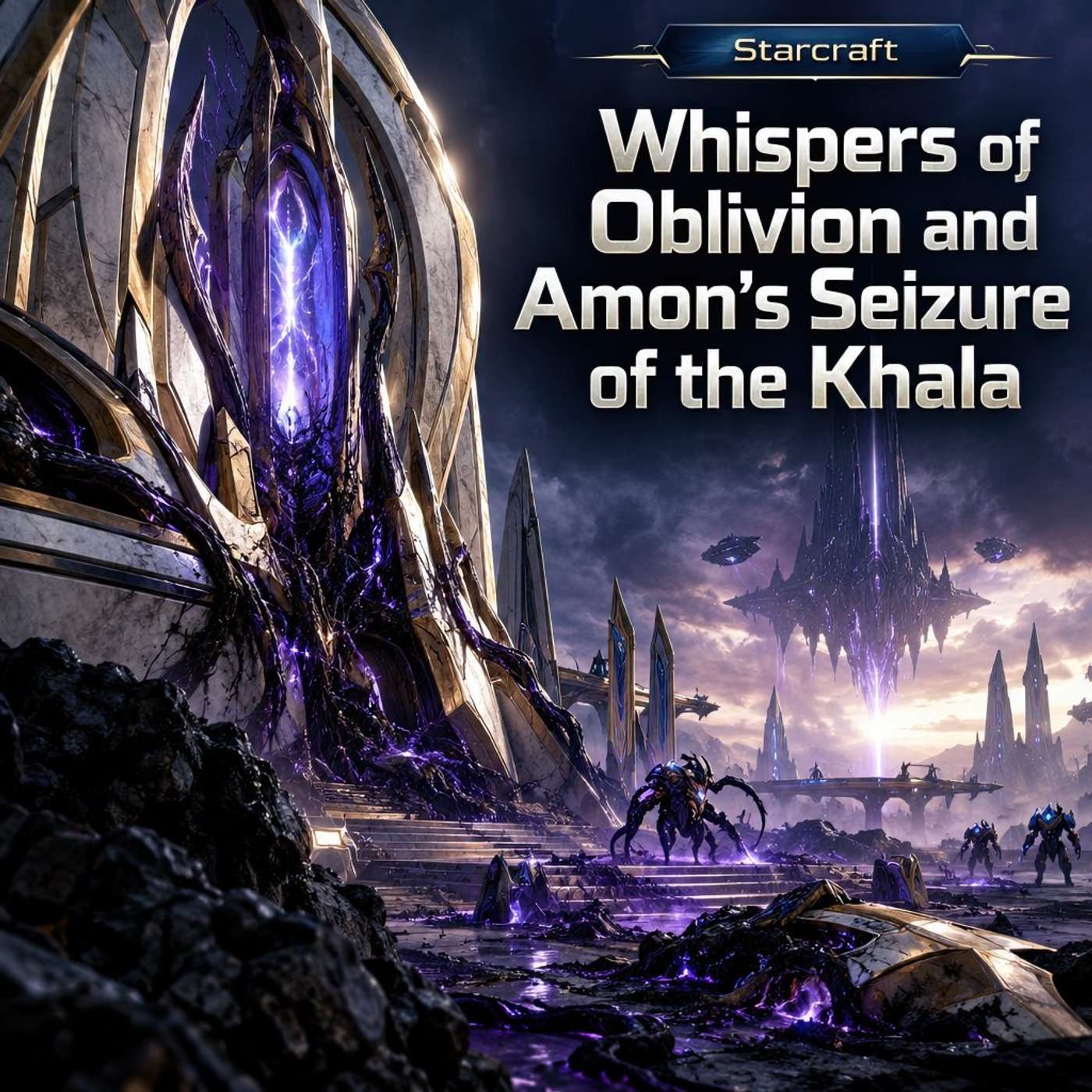
Whispers of Oblivion and Amon’s Seizure of the Khala offers a focused view of the Second Great War and the End War against Amon, where politics, biology, and technology continually interact. That makes ancient intervention, species engineering, strategic manipulation, and the long-term consequences of wars shaped by actors operating across immense timescales central to understanding the immediate crisis and the wider campaign around it. The Xel’naga legacy matters because later conflicts are influenced by designs and rivalries that predate the modern Koprulu powers. The discussion remains grounded in the supplied title and its exact place in the StarCraft chro...
The Invasion of Korhal and the Death of Arcturus Mengsk
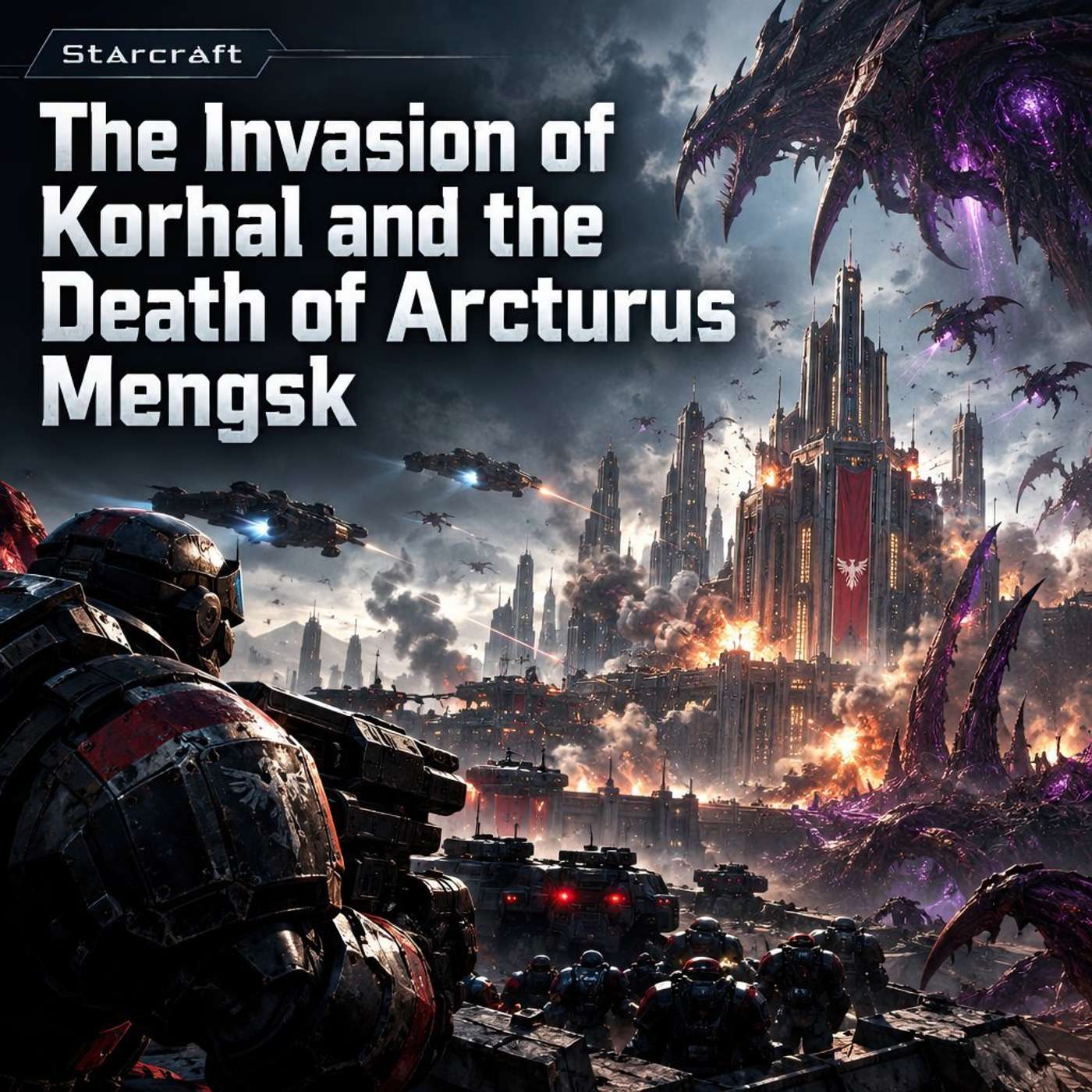
The military significance of The Invasion of Korhal and the Death of Arcturus Mengsk is clearest when placed inside the Second Great War and the End War against Amon. The episode focuses on insurgency, repression, nuclear escalation, propaganda, and the use of grievance to build a revolutionary military movement, showing why the subject matters beyond the immediate battle, faction, or character. Korhal becomes both battlefield and political symbol, giving Mengsk the legitimacy and anger needed to challenge the Confederacy. The supplied chronology sets the boundary, so the description stays with the named factions, locations, technologies, and events rather than inventing...
Skygeirr Station: Narud, Stukov, and the Hybrid Army
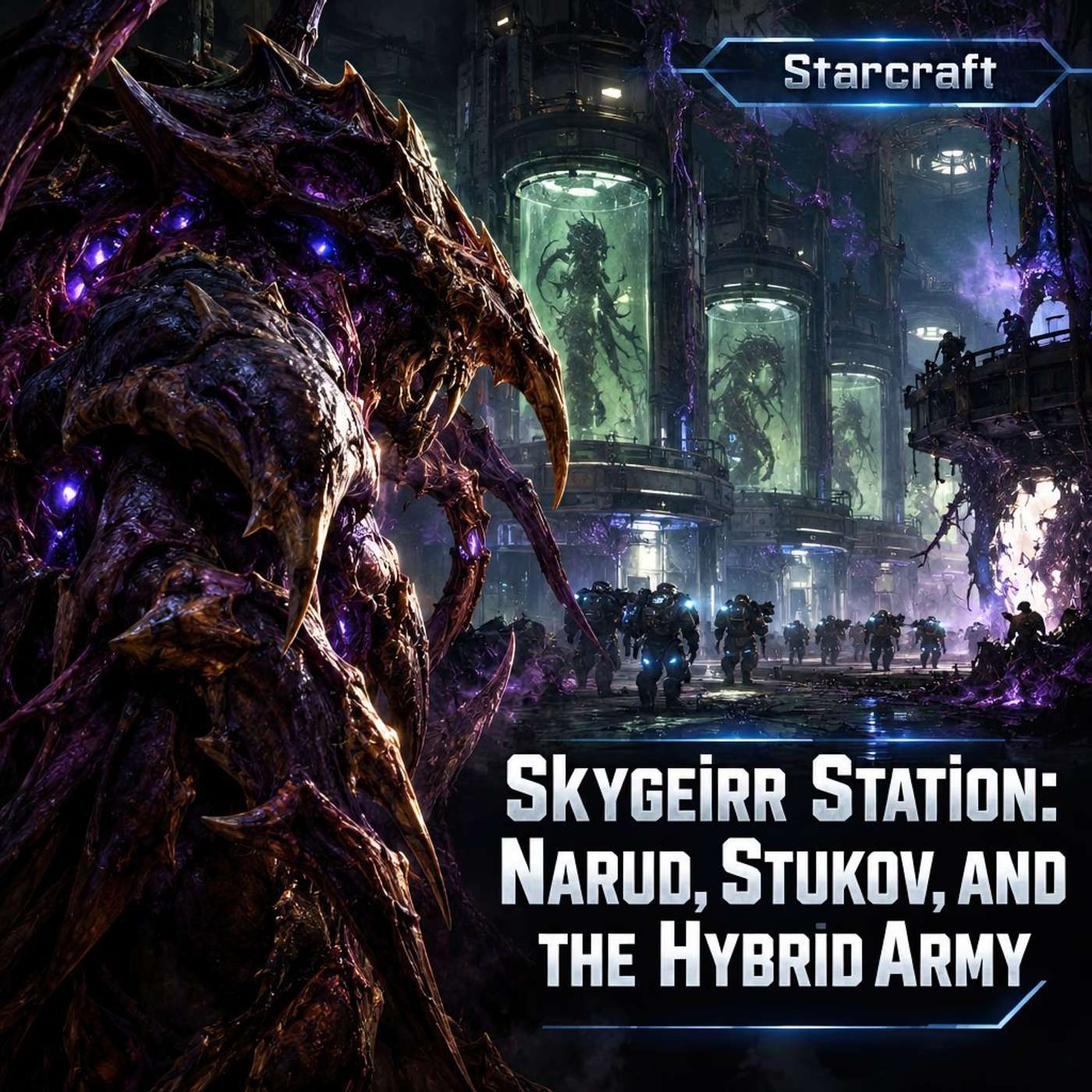
Skygeirr Station becomes strategically important within the Second Great War and the End War against Amon. The military frame emphasizes counterintelligence, command distrust, assassination, and the strategic consequences of hidden actors manipulating senior leaders, rather than treating the topic as disconnected game lore. The death of Stukov shows how an expedition can be undermined from inside even while it appears successful on the battlefield. The supplied ordering and terminology are preserved so changes in doctrine, politics, alliances, and military capability accumulate naturally across the seasons. The surrounding chronology ultimately demonstrates how revolution, artifact warfare, swarm reunification, Protoss political fracture, hybrid...
The Reconquest of Char and the Death of General Warfield
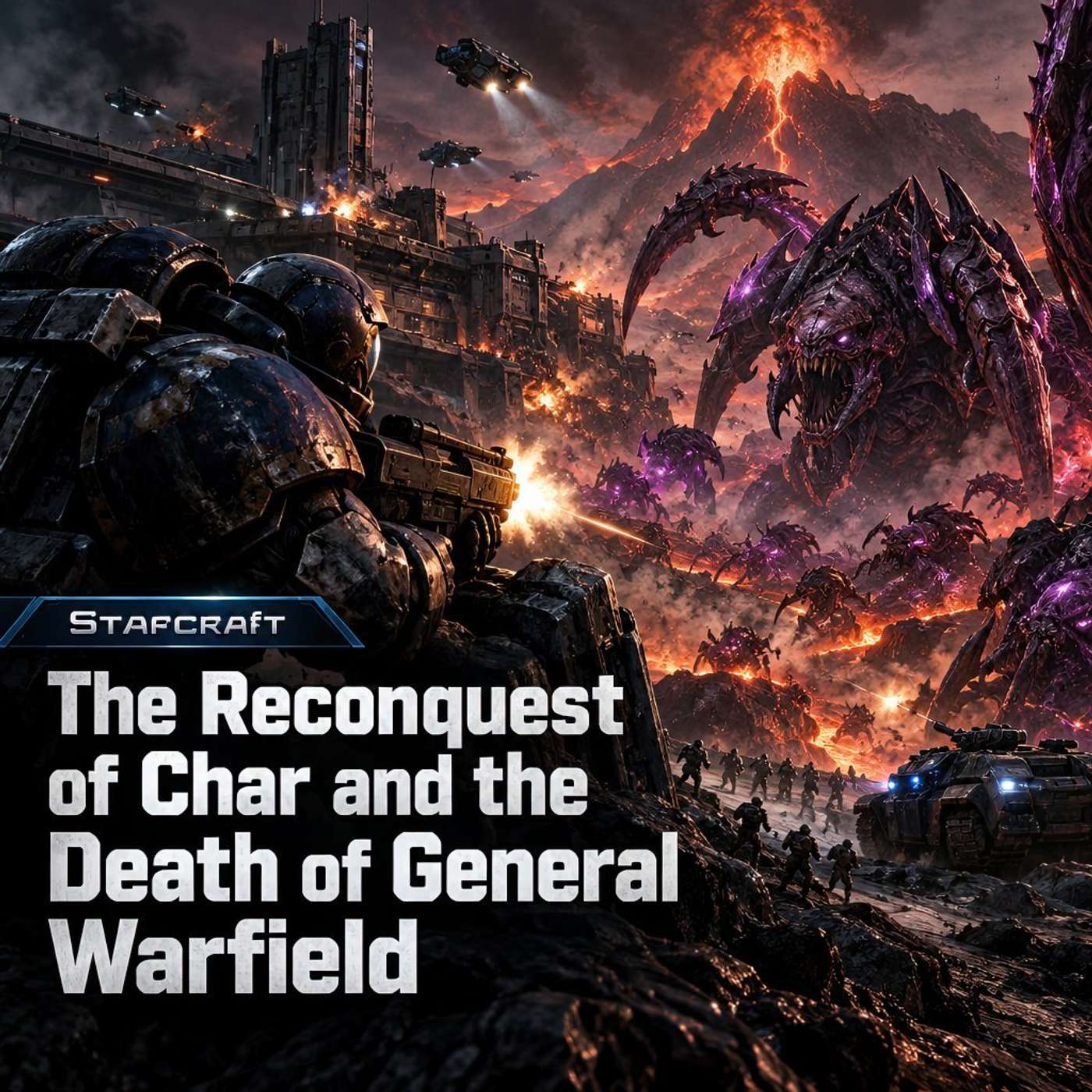
The strategic value of studying The Reconquest of Char and the Death of General Warfield comes from the choices it creates inside the Second Great War and the End War against Amon. The analysis concentrates on betrayal, infestation, leadership transformation, and the creation of a commander whose personal history becomes inseparable from sector-wide strategy, with attention to what leaders can know, mobilize, sustain, and risk. Kerrigan’s transformation changes the balance because she combines Terran intelligence with Zerg capability, eventually becoming an independent strategic actor. Because StarCraft reveals motives and ancient manipulation gradually, the episode preserves what is established at th...
Zerus and the Rebirth of the Primal Queen of Blades
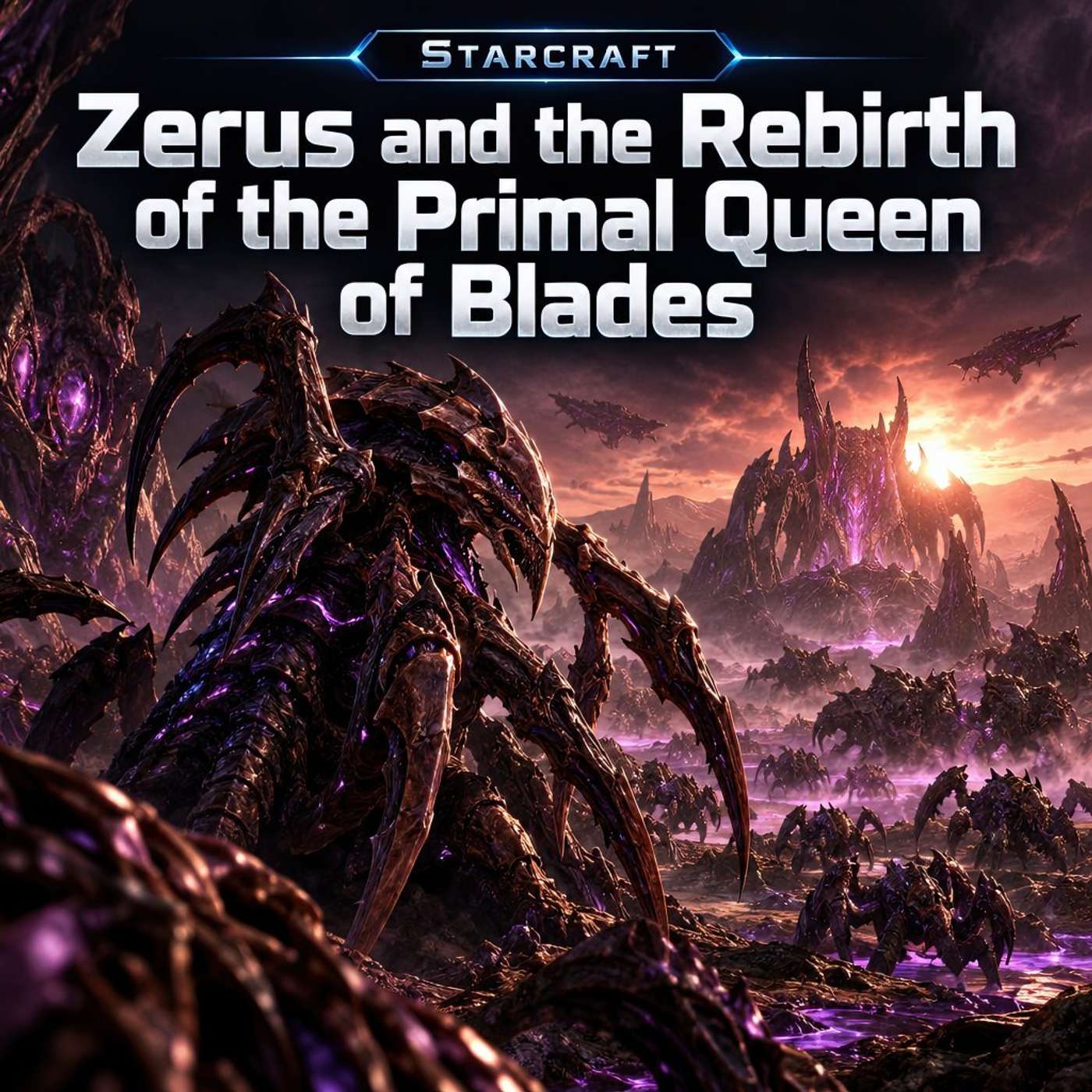
Zerus and the Rebirth of the Primal Queen of Blades reveals a recurring pressure within the Second Great War and the End War against Amon: every military solution creates new political, technological, or biological problems. At the center is biological warfare, centralized swarm control, adaptive evolution, specialized broods, and the conversion of living organisms into military capability, linking tactical choices to the ability of states, fleets, swarms, or coalitions to continue the struggle. The Zerg turn biology into force structure, allowing losses to become evolutionary lessons and making adaptation part of doctrine rather than an afterthought. The episode stays within...
Kaldir and the Campaign to Reunite the Swarm
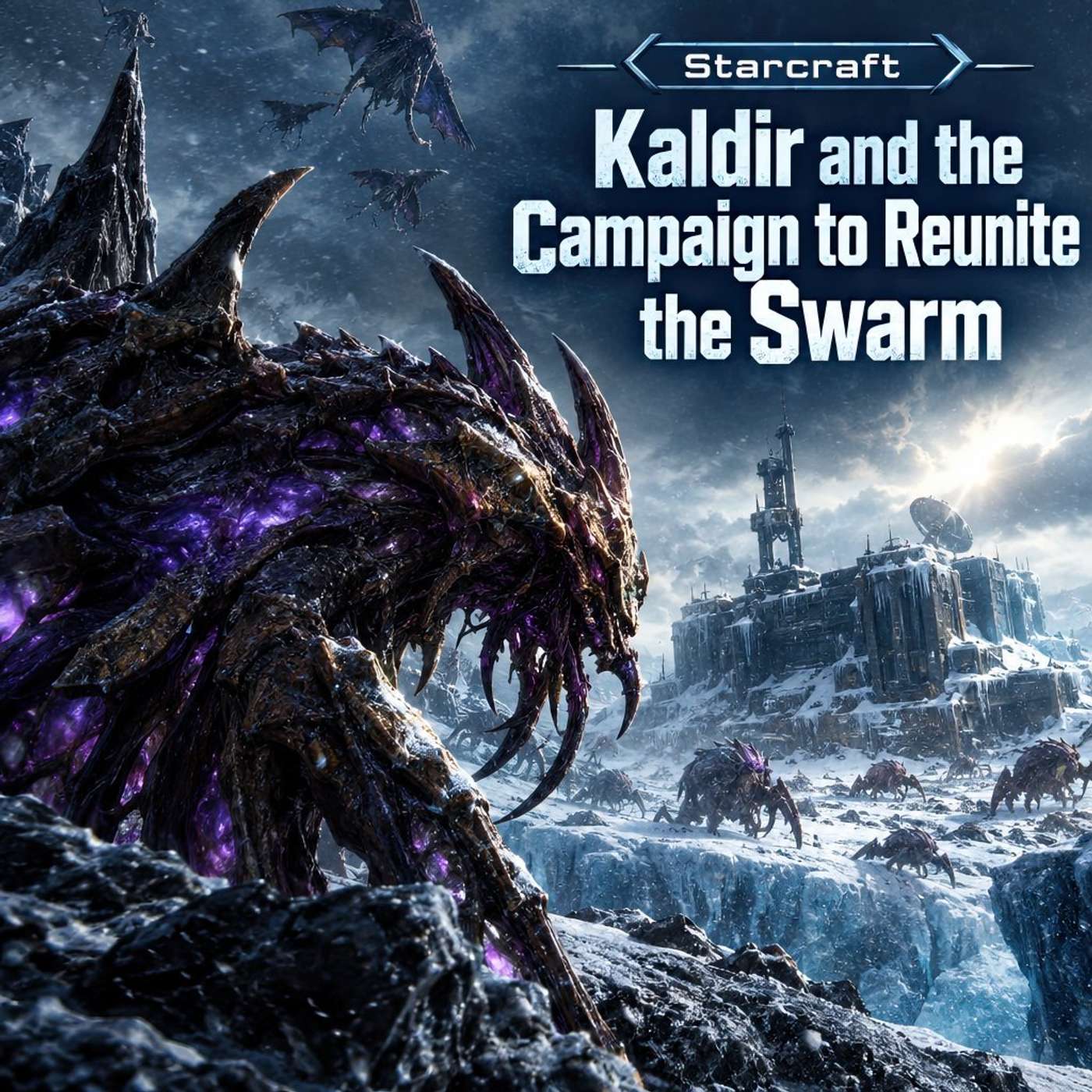
The importance of Kaldir and the Campaign to Reunite the Swarm comes from its place in the Second Great War and the End War against Amon, where one operation can reshape the next phase of the conflict. That makes swarm reunification, evolutionary adaptation, primal Zerg politics, and the rebuilding of centralized control after Kerrigan loses her previous form central to understanding the immediate crisis and the wider campaign around it. Kerrigan’s campaign reconstructs military power by bringing disparate Zerg groups back under one strategic direction. The supplied chronology sets the boundary, so the description stays with the named factions, lo...
The Umojan Laboratory and Mengsk’s Attempt to Kill Kerrigan
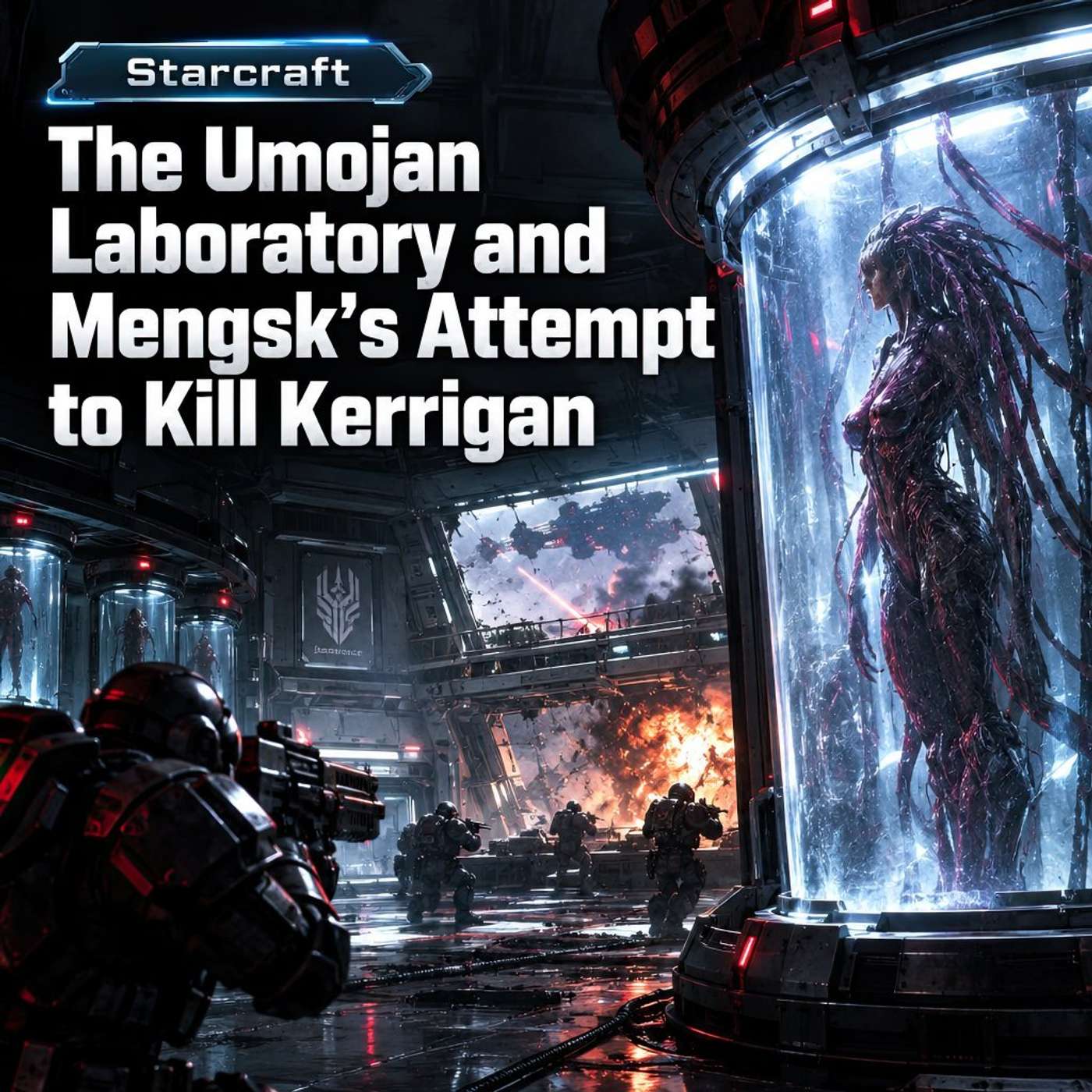
The Umojan Laboratory and Mengsk’s Attempt to Kill Kerrigan turns part of the Second Great War and the End War against Amon into a concrete problem of command, survival, and adaptation. The episode focuses on Terran state formation, resource competition, corporate warfare, political rivalry, and the emergence of competing military powers, showing why the subject matters beyond the immediate battle, faction, or character. The sector’s Terran states grow through conflict over trade, minerals, colonies, and political control, creating a fragmented environment before alien contact begins. The supplied ordering and terminology are preserved so changes in doctrine, politics, alliances, and...
The Invasion of Char and the De-infestation of Sarah Kerrigan
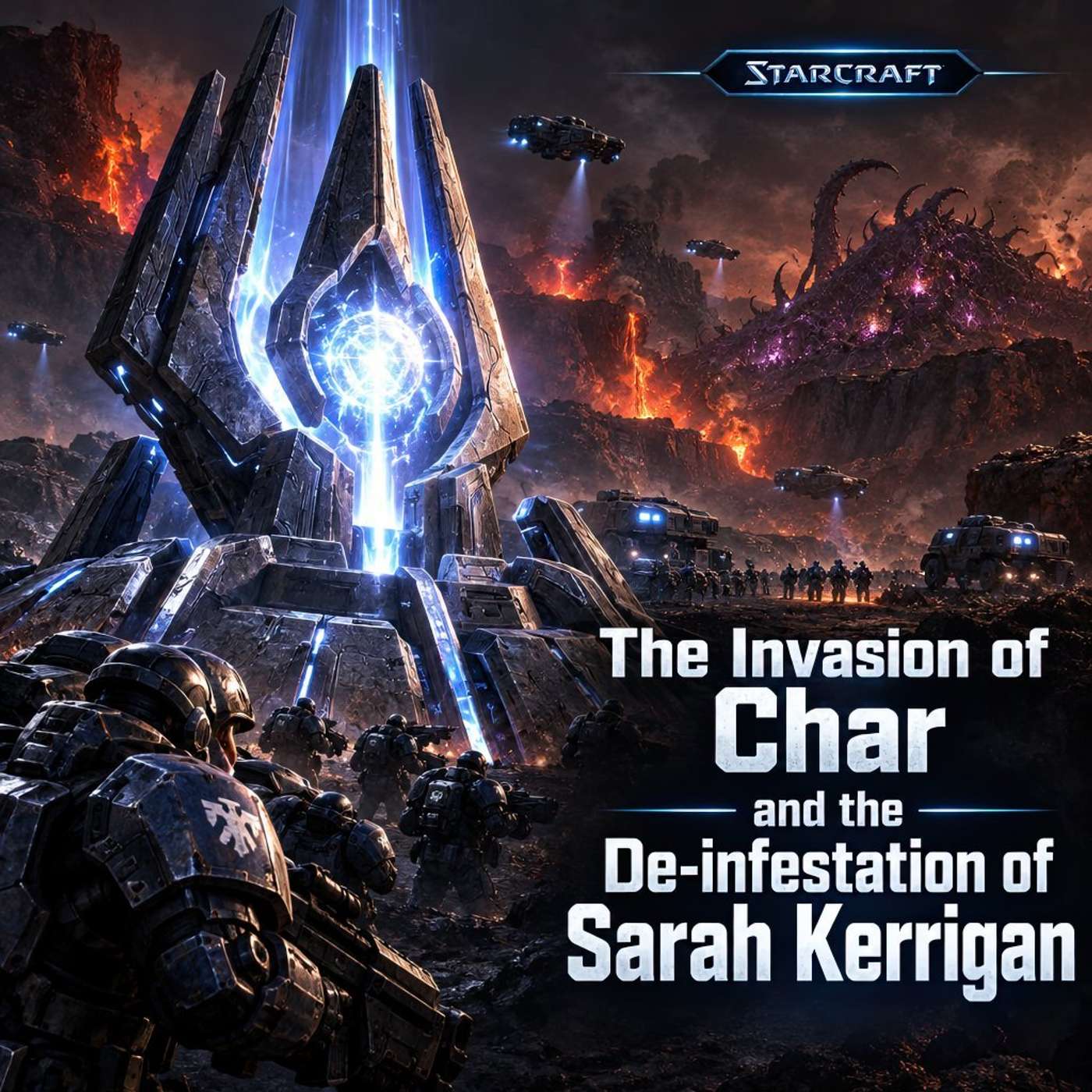
Viewed as military history, The Invasion of Char and the De-infestation of Sarah Kerrigan belongs to the Second Great War and the End War against Amon, a setting shaped by institutions as much as firepower. The military frame emphasizes first contact, alien infestation, evacuation, planetary denial, and the difficulty of interpreting a conflict whose participants already understand one another better than humanity does, rather than treating the topic as disconnected game lore. The Sara campaigns reveal that local survival decisions are being made inside a much older Protoss–Zerg war. Because StarCraft reveals motives and ancient manipulation gradually, the episode pr...
Zeratul’s Prophecy: The Overmind, the Hybrids, and the Coming of Amon
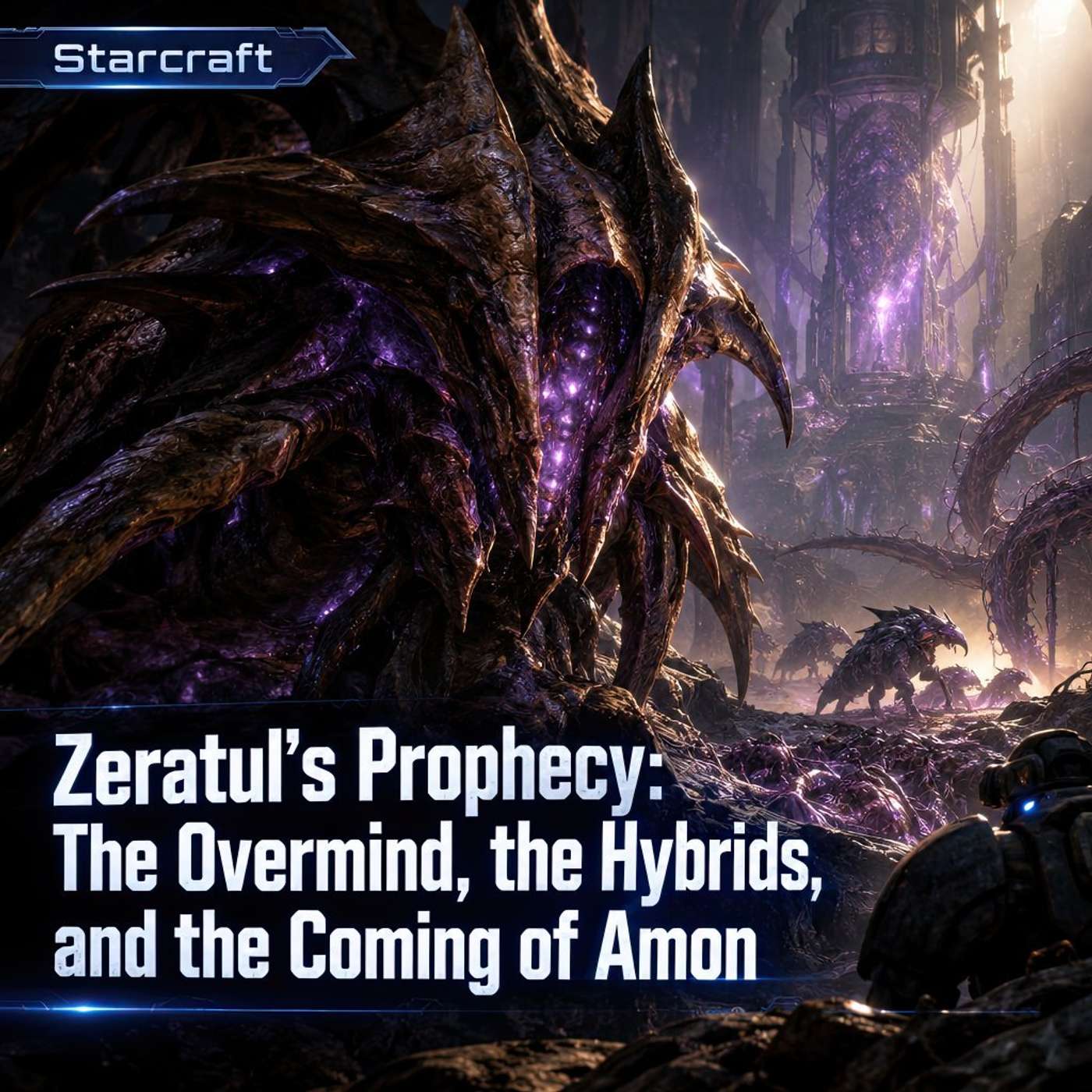
Zeratul’s Prophecy offers a focused view of the Second Great War and the End War against Amon, where politics, biology, and technology continually interact. The analysis concentrates on ancient intervention, species engineering, strategic manipulation, and the long-term consequences of wars shaped by actors operating across immense timescales, with attention to what leaders can know, mobilize, sustain, and risk. The Xel’naga legacy matters because later conflicts are influenced by designs and rivalries that predate the modern Koprulu powers. The discussion remains grounded in the supplied title and its exact place in the StarCraft chronology. Placed in sequence, the topic adva...
The Odin Raid and the Battle for Korhal’s Information Network
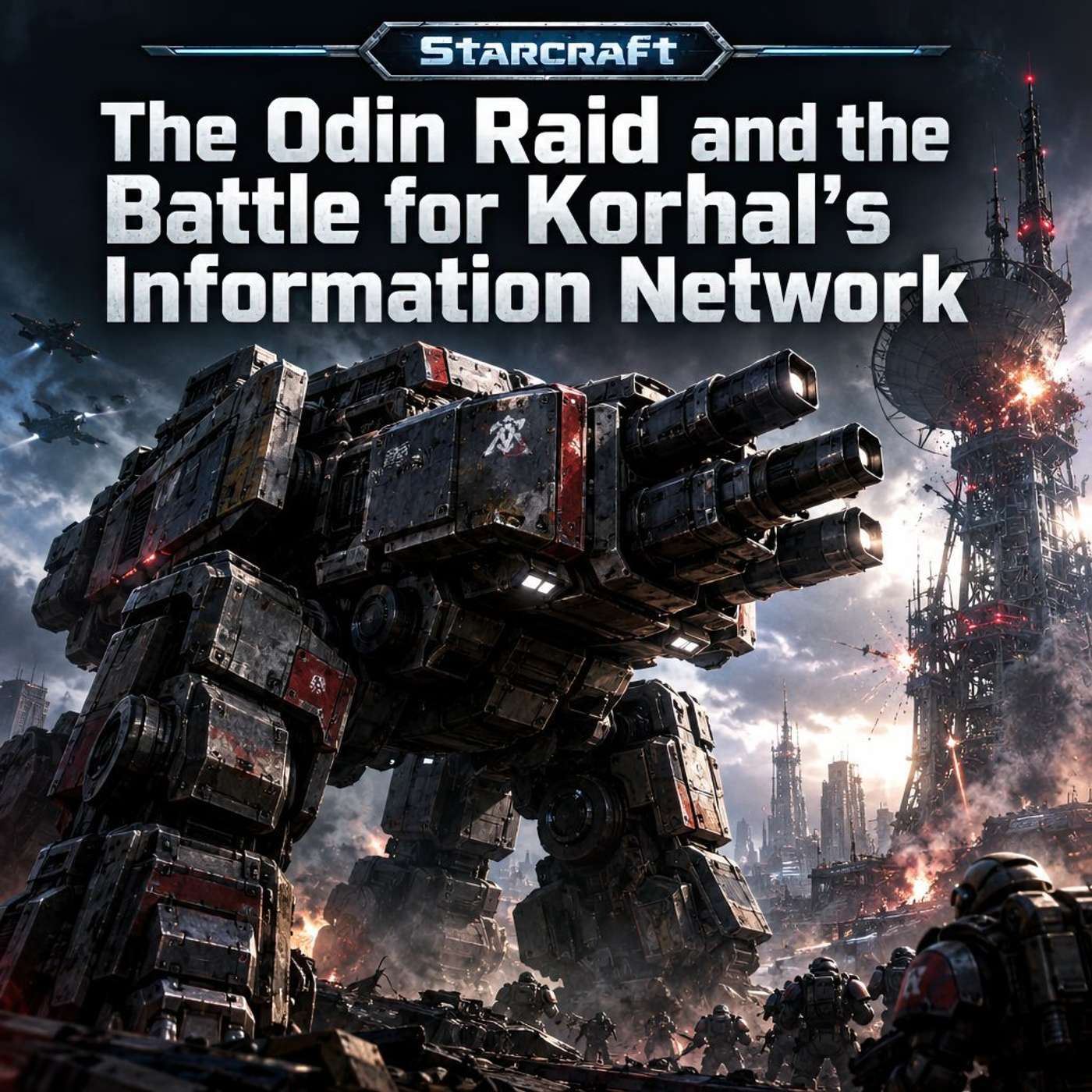
The military significance of The Odin Raid and the Battle for Korhal’s Information Network is clearest when placed inside the Second Great War and the End War against Amon. At the center is raiding, economic warfare, information operations, propaganda disruption, and the use of targeted attacks to weaken Dominion control without holding territory, linking tactical choices to the ability of states, fleets, swarms, or coalitions to continue the struggle. Raynor’s campaign attacks the systems that sustain Mengsk’s power, turning logistics and information into operational objectives. The supplied chronology sets the boundary, so the description stays with the named...
Haven: Infestation, Evacuation, and the Threat of Protoss Purification
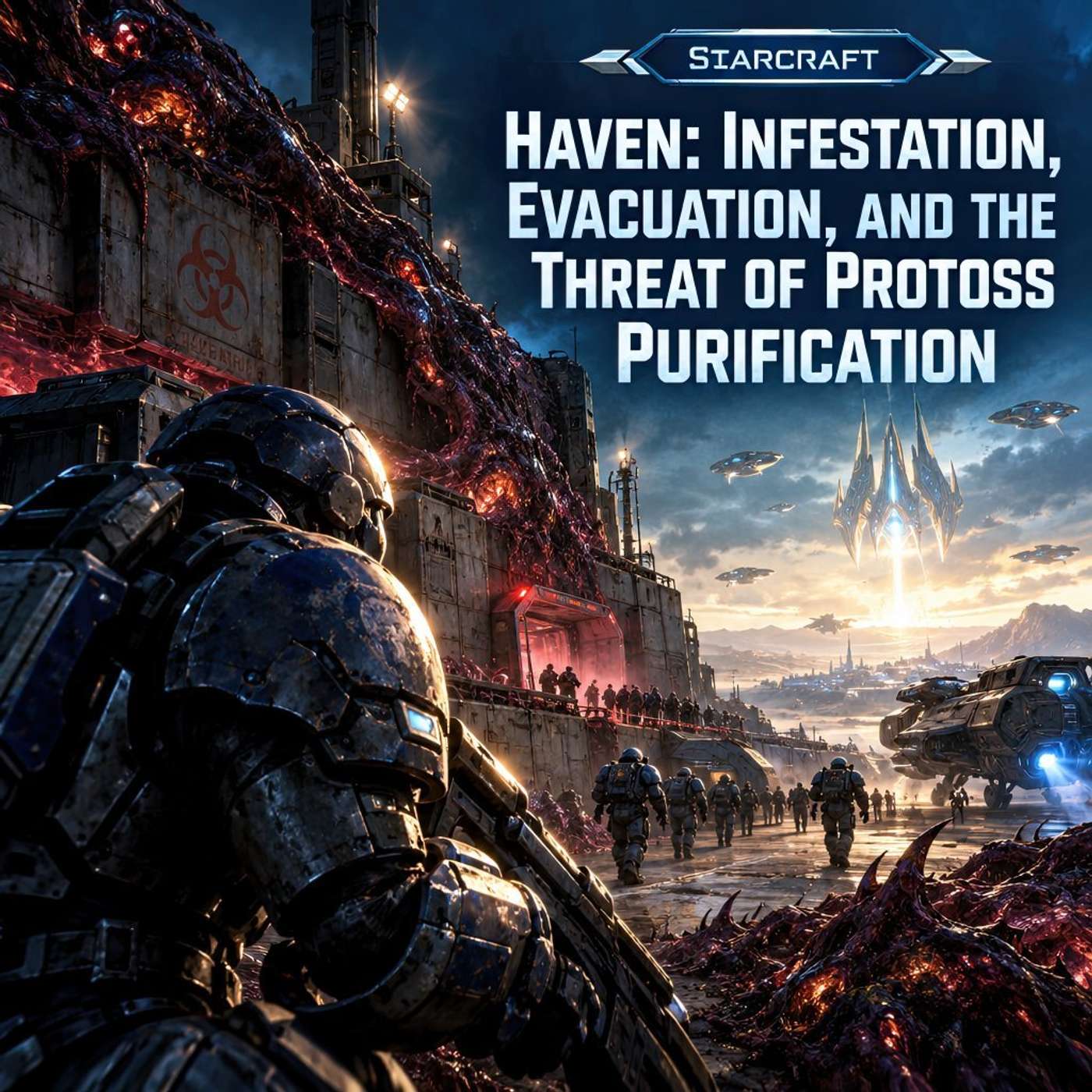
Haven becomes strategically important within the Second Great War and the End War against Amon. That makes first contact, alien infestation, evacuation, planetary denial, and the difficulty of interpreting a conflict whose participants already understand one another better than humanity does central to understanding the immediate crisis and the wider campaign around it. The Sara campaigns reveal that local survival decisions are being made inside a much older Protoss–Zerg war. The supplied ordering and terminology are preserved so changes in doctrine, politics, alliances, and military capability accumulate naturally across the seasons. The surrounding chronology ultimately demonstrates how revolution, artifact wa...
Tosh, the Spectres, and the Assault on New Folsom
The strategic value of studying Tosh, the Spectres, and the Assault on New Folsom comes from the choices it creates inside the Second Great War and the End War against Amon. The episode focuses on psionic special operations, covert action, political control, memory manipulation, and the military use of highly specialized personnel, showing why the subject matters beyond the immediate battle, faction, or character. Terran governments rely on Ghosts and Spectres for missions conventional forces cannot perform, but their conditioning also makes loyalty a strategic concern. Because StarCraft reveals motives and ancient manipulation gradually, the episode preserves what is established...
The Great Train Robbery and the Dominion War Economy
The Great Train Robbery and the Dominion War Economy reveals a recurring pressure within the Second Great War and the End War against Amon: every military solution creates new political, technological, or biological problems. The military frame emphasizes raiding, economic warfare, information operations, propaganda disruption, and the use of targeted attacks to weaken Dominion control without holding territory, rather than treating the topic as disconnected game lore. Raynor’s campaign attacks the systems that sustain Mengsk’s power, turning logistics and information into operational objectives. The discussion remains grounded in the supplied title and its exact place in the StarCraft chro...
The Moebius Foundation and the Race for the Xel’naga Artifacts
The importance of The Moebius Foundation and the Race for the Xel’naga Artifacts comes from its place in the Second Great War and the End War against Amon, where one operation can reshape the next phase of the conflict. The analysis concentrates on ancient intervention, species engineering, strategic manipulation, and the long-term consequences of wars shaped by actors operating across immense timescales, with attention to what leaders can know, mobilize, sustain, and risk. The Xel’naga legacy matters because later conflicts are influenced by designs and rivalries that predate the modern Koprulu powers. The supplied chronology sets the boundary, so t...
The Hyperion: Mercenaries, Salvage, and the Logistics of Raynor’s War
The Hyperion turns part of the Second Great War and the End War against Amon into a concrete problem of command, survival, and adaptation. At the center is mobile basing, mercenary recruitment, salvage, shipboard logistics, and the military value of a flexible flagship for an insurgent force, linking tactical choices to the ability of states, fleets, swarms, or coalitions to continue the struggle. The Hyperion functions as command center, transport, refuge, and logistics hub, allowing Raynor’s movement to survive without fixed territory. The supplied ordering and terminology are preserved so changes in doctrine, politics, alliances, and military capability accumulate na...
Mar Sara, Agria, and Meinhoff: Rebellion Amid the Zerg Offensive
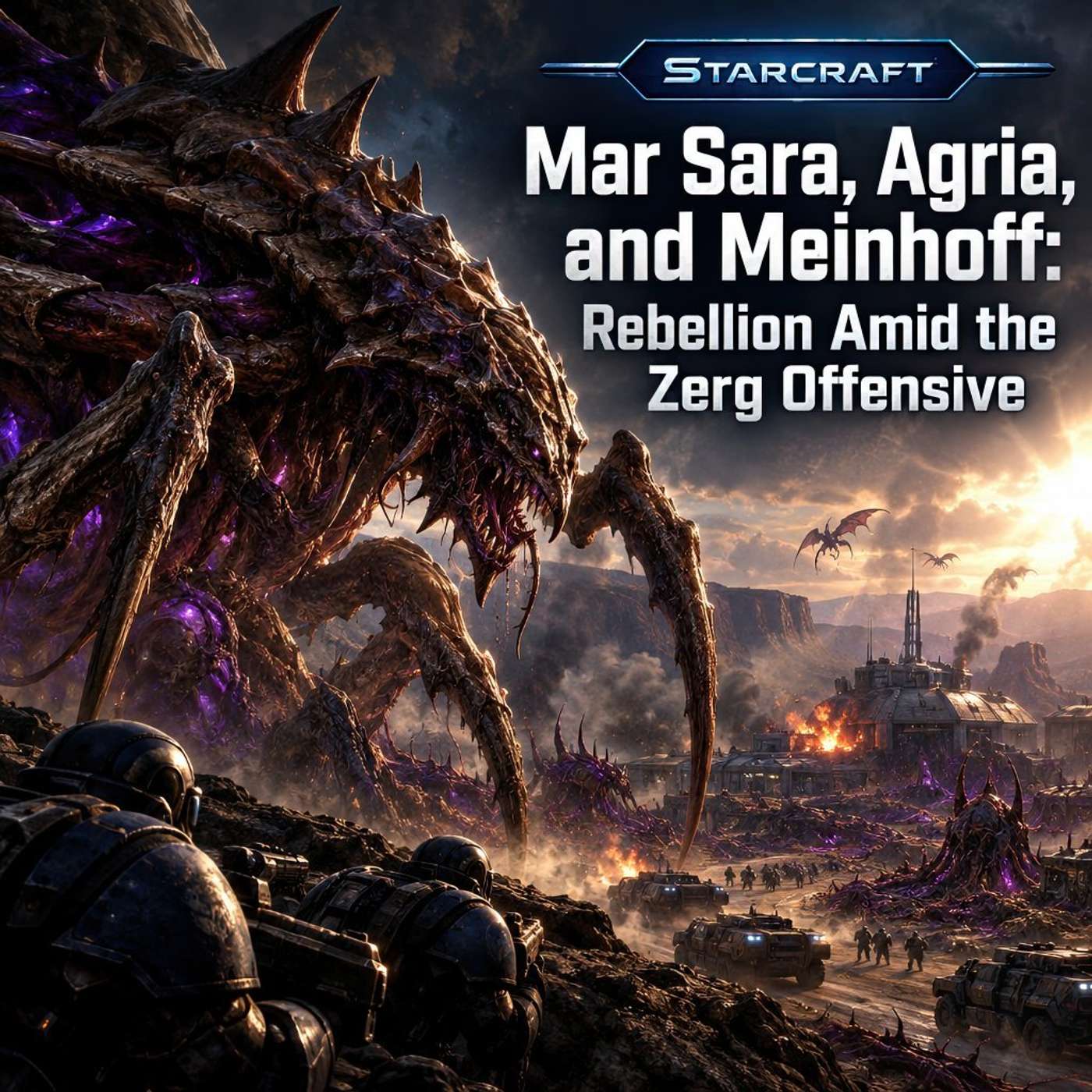
Viewed as military history, Mar Sara, Agria, and Meinhoff belongs to the Second Great War and the End War against Amon, a setting shaped by institutions as much as firepower. That makes first contact, alien infestation, evacuation, planetary denial, and the difficulty of interpreting a conflict whose participants already understand one another better than humanity does central to understanding the immediate crisis and the wider campaign around it. The Sara campaigns reveal that local survival decisions are being made inside a much older Protoss–Zerg war. Because StarCraft reveals motives and ancient manipulation gradually, the episode preserves what is established at...
The Second Great War Begins: Kerrigan Returns to Terran Space
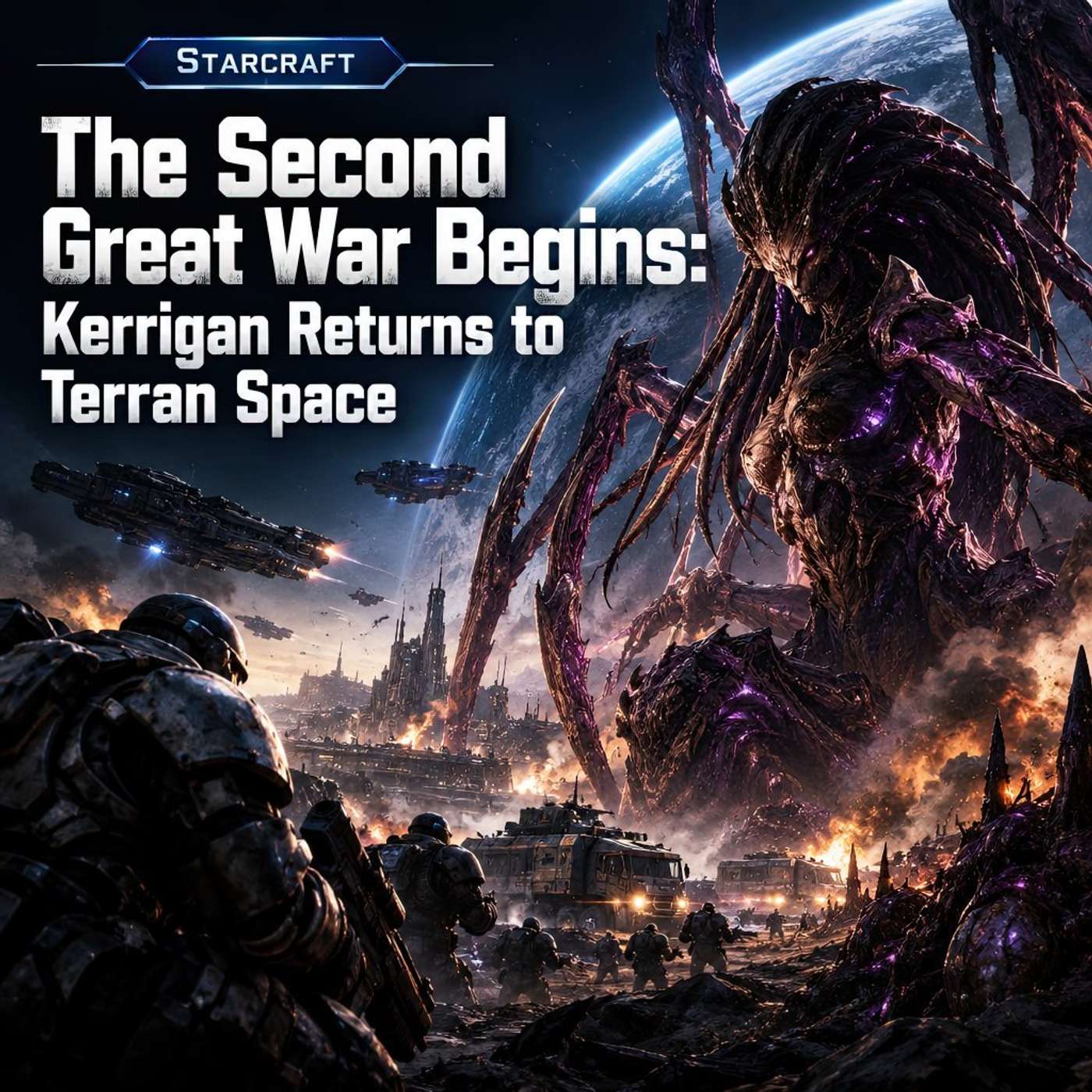
The Second Great War Begins offers a focused view of the Second Great War and the End War against Amon, where politics, biology, and technology continually interact. The episode focuses on renewed invasion, civilian evacuation, rebellion, and the sudden convergence of anti-Dominion resistance with a massive Zerg offensive, showing why the subject matters beyond the immediate battle, faction, or character. The opening campaigns force Raynor to balance political objectives against survival as local crises become part of a much larger war. The discussion remains grounded in the supplied title and its exact place in the StarCraft chronology. Placed in sequence...
Raynor’s Raiders, Ghosts, Spectres, and the Four-Year Shadow War
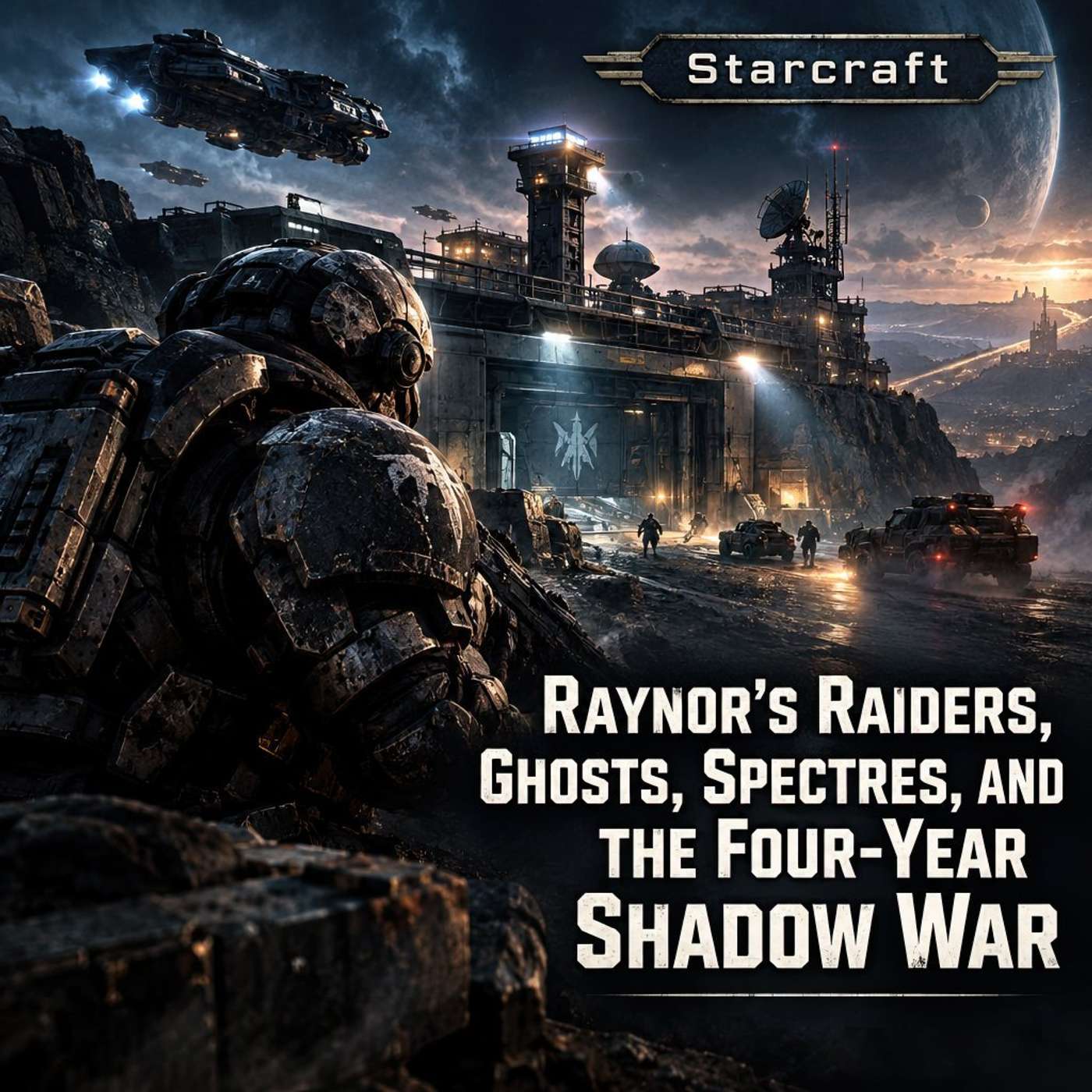
The military significance of Raynor’s Raiders, Ghosts, Spectres, and the Four-Year Shadow War is clearest when placed inside the Brood War and Kerrigan’s rise to dominance. The military frame emphasizes psionic special operations, covert action, political control, memory manipulation, and the military use of highly specialized personnel, rather than treating the topic as disconnected game lore. Terran governments rely on Ghosts and Spectres for missions conventional forces cannot perform, but their conditioning also makes loyalty a strategic concern. The supplied ordering and terminology are preserved so changes in doctrine, politics, alliances, and military capability accumulate naturally across the seas...
The Dominion Rebuilds: Fleet Expansion, Propaganda, and Imperial Rule
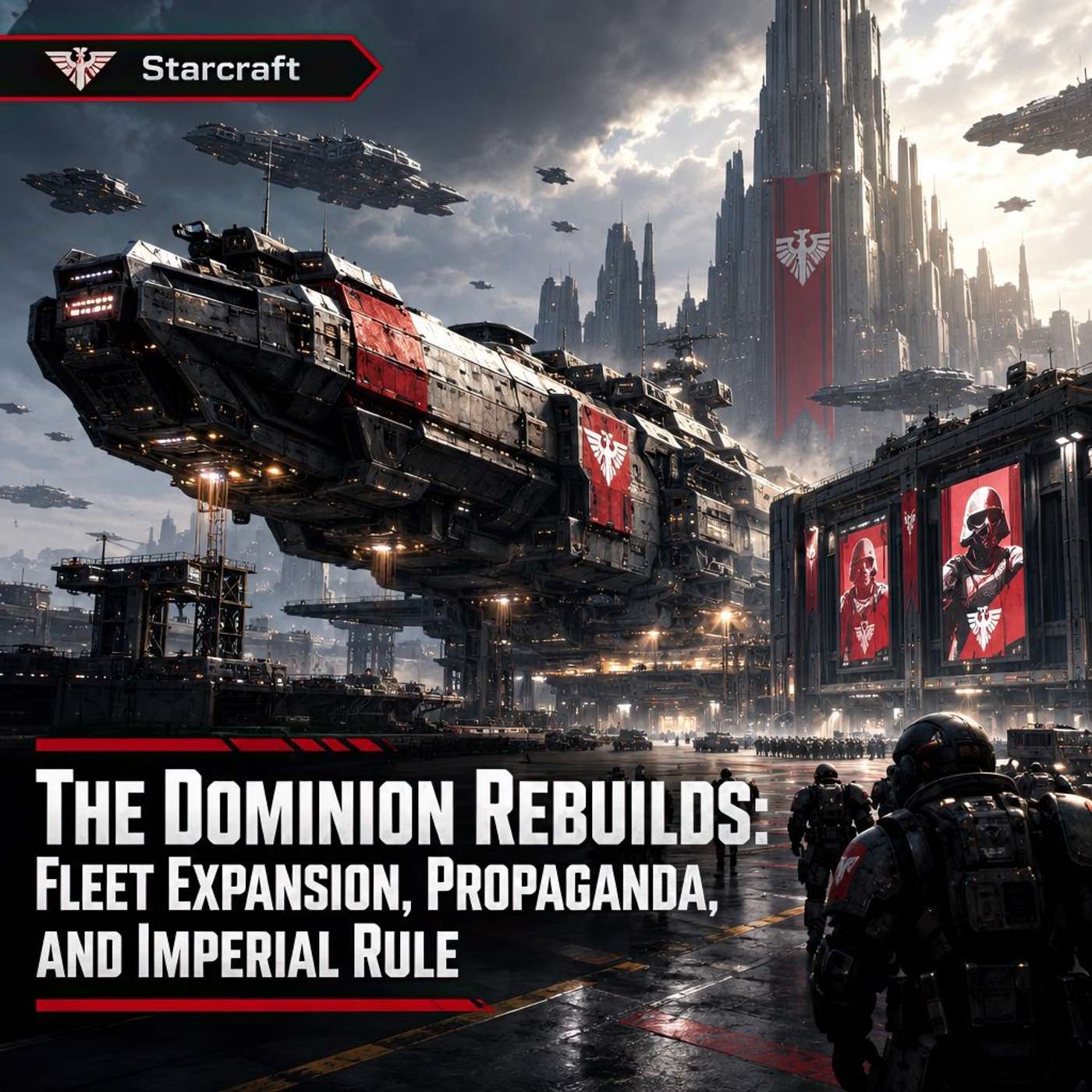
The Dominion Rebuilds becomes strategically important within the Brood War and Kerrigan’s rise to dominance. The analysis concentrates on postwar reconstruction, fleet expansion, authoritarian legitimacy, propaganda, and the militarization of a regime seeking to recover after defeat, with attention to what leaders can know, mobilize, sustain, and risk. The Dominion rebuilds by combining industrial recovery with information control, presenting restored military strength as proof of political stability. Because StarCraft reveals motives and ancient manipulation gradually, the episode preserves what is established at this point instead of projecting later knowledge backward. Its position matters because the wider campaign shows how co...
Resurrection IV: The Return of Infested Stukov
The strategic value of studying Resurrection IV comes from the choices it creates inside the Brood War and Kerrigan’s rise to dominance. At the center is counterintelligence, command distrust, assassination, and the strategic consequences of hidden actors manipulating senior leaders, linking tactical choices to the ability of states, fleets, swarms, or coalitions to continue the struggle. The death of Stukov shows how an expedition can be undermined from inside even while it appears successful on the battlefield. The discussion remains grounded in the supplied title and its exact place in the StarCraft chronology. The surrounding chronology ultimately demonstrates how co...
The Battle of Omega and the Destruction of the UED Expedition
The Battle of Omega and the Destruction of the UED Expedition reveals a recurring pressure within the Brood War and Kerrigan’s rise to dominance: every military solution creates new political, technological, or biological problems. That makes expeditionary warfare, distant intervention, fleet projection, political ambition, and the attempt by Earth to impose order on the Koprulu Sector central to understanding the immediate crisis and the wider campaign around it. The UED arrives with disciplined forces and strategic surprise, but distance from home and limited local legitimacy create vulnerabilities as the campaign expands. The supplied chronology sets the boundary, so the de...
Duran’s Hybrid Laboratory and the Enemy Behind the War
The importance of Duran’s Hybrid Laboratory and the Enemy Behind the War comes from its place in the Brood War and Kerrigan’s rise to dominance, where one operation can reshape the next phase of the conflict. The episode focuses on counterintelligence, command distrust, assassination, and the strategic consequences of hidden actors manipulating senior leaders, showing why the subject matters beyond the immediate battle, faction, or character. The death of Stukov shows how an expedition can be undermined from inside even while it appears successful on the battlefield. The supplied ordering and terminology are preserved so changes in doctrine, poli...
Raszagal, Zeratul, and the Death of the New Overmind
Raszagal, Zeratul, and the Death of the New Overmind turns part of the Brood War and Kerrigan’s rise to dominance into a concrete problem of command, survival, and adaptation. The military frame emphasizes biological warfare, centralized swarm control, adaptive evolution, specialized broods, and the conversion of living organisms into military capability, rather than treating the topic as disconnected game lore. The Zerg turn biology into force structure, allowing losses to become evolutionary lessons and making adaptation part of doctrine rather than an afterthought. Because StarCraft reveals motives and ancient manipulation gradually, the episode preserves what is established at this po...
True Colors: Kerrigan Betrays Mengsk, Raynor, and Fenix
Viewed as military history, True Colors belongs to the Brood War and Kerrigan’s rise to dominance, a setting shaped by institutions as much as firepower. The analysis concentrates on insurgency, repression, nuclear escalation, propaganda, and the use of grievance to build a revolutionary military movement, with attention to what leaders can know, mobilize, sustain, and risk. Korhal becomes both battlefield and political symbol, giving Mengsk the legitimacy and anger needed to challenge the Confederacy. The discussion remains grounded in the supplied title and its exact place in the StarCraft chronology. The surrounding chronology ultimately demonstrates how coalition warfare, UED in...
The Liberation of Korhal
The Liberation of Korhal offers a focused view of the Brood War and Kerrigan’s rise to dominance, where politics, biology, and technology continually interact. At the center is temporary alliance, coalition manipulation, war termination, betrayal, and the strategic use of former enemies against a stronger common opponent, linking tactical choices to the ability of states, fleets, swarms, or coalitions to continue the struggle. Kerrigan succeeds by treating alliances as temporary instruments, preserving her own freedom of action even when partners believe they are building a durable coalition. The supplied chronology sets the boundary, so the description stays with the na...
The Kel-Morian Raids and the Logistics of the Counteroffensive
The military significance of The Kel-Morian Raids and the Logistics of the Counteroffensive is clearest when placed inside the Brood War and Kerrigan’s rise to dominance. That makes Terran state formation, resource competition, corporate warfare, political rivalry, and the emergence of competing military powers central to understanding the immediate crisis and the wider campaign around it. The sector’s Terran states grow through conflict over trade, minerals, colonies, and political control, creating a fragmented environment before alien contact begins. The supplied ordering and terminology are preserved so changes in doctrine, politics, alliances, and military capability accumulate naturally across the seas...
Kerrigan’s Coalition Against Earth
Kerrigan’s Coalition Against Earth becomes strategically important within the Brood War and Kerrigan’s rise to dominance. The episode focuses on coalition warfare, doctrinal innovation, alliance across Protoss factions, Terran cooperation, and the use of self-sacrifice to destroy an otherwise protected strategic target, showing why the subject matters beyond the immediate battle, faction, or character. Tassadar’s campaign succeeds because rigid doctrine gives way to combined knowledge from Khalai and Nerazim traditions. Because StarCraft reveals motives and ancient manipulation gradually, the episode preserves what is established at this point instead of projecting later knowledge backward. Its position matters because the wi...
To Chain the Beast: The UED Captures the New Overmind
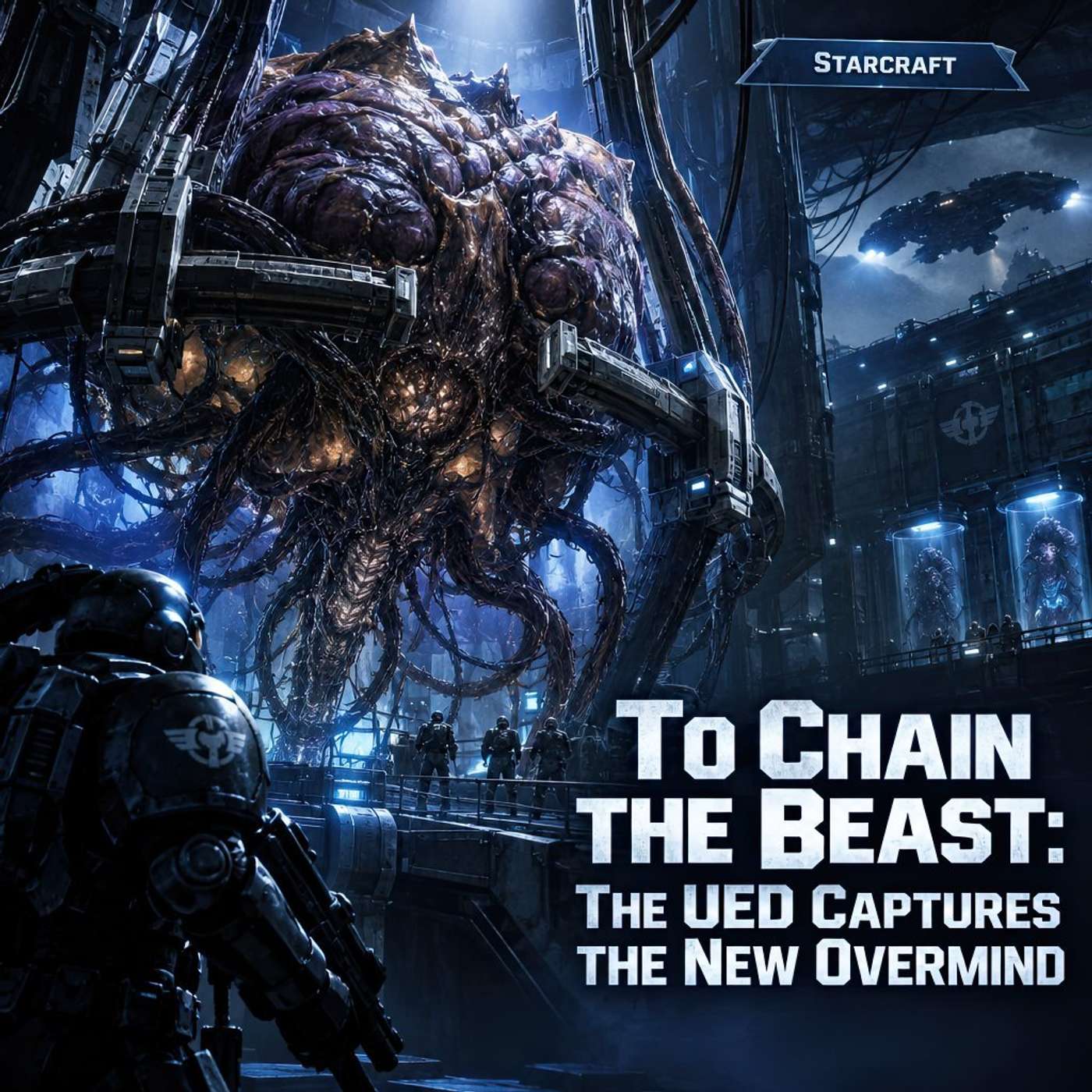
The strategic value of studying To Chain the Beast comes from the choices it creates inside the Brood War and Kerrigan’s rise to dominance. The military frame emphasizes biological warfare, centralized swarm control, adaptive evolution, specialized broods, and the conversion of living organisms into military capability, rather than treating the topic as disconnected game lore. The Zerg turn biology into force structure, allowing losses to become evolutionary lessons and making adaptation part of doctrine rather than an afterthought. The discussion remains grounded in the supplied title and its exact place in the StarCraft chronology. The surrounding chronology ultimately demonstrates ho...
Patriot’s Blood: Stukov’s Death and Duran’s Betrayal
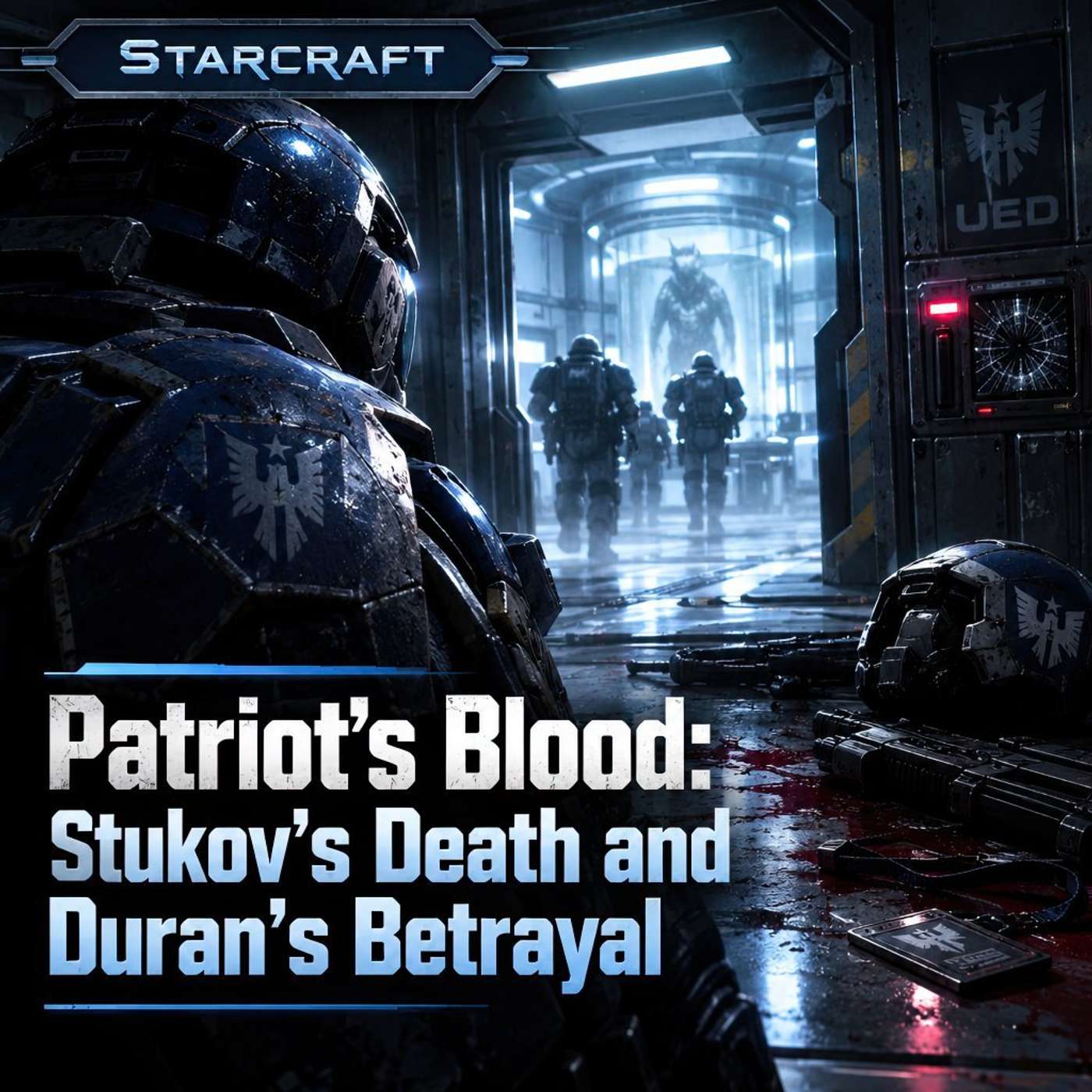
Patriot’s Blood reveals a recurring pressure within the Brood War and Kerrigan’s rise to dominance: every military solution creates new political, technological, or biological problems. The analysis concentrates on counterintelligence, command distrust, assassination, and the strategic consequences of hidden actors manipulating senior leaders, with attention to what leaders can know, mobilize, sustain, and risk. The death of Stukov shows how an expedition can be undermined from inside even while it appears successful on the battlefield. The supplied chronology sets the boundary, so the description stays with the named factions, locations, technologies, and events rather than inventing unsupported connective deta...
The Pursuit to Aiur and the Coalition Against the UED
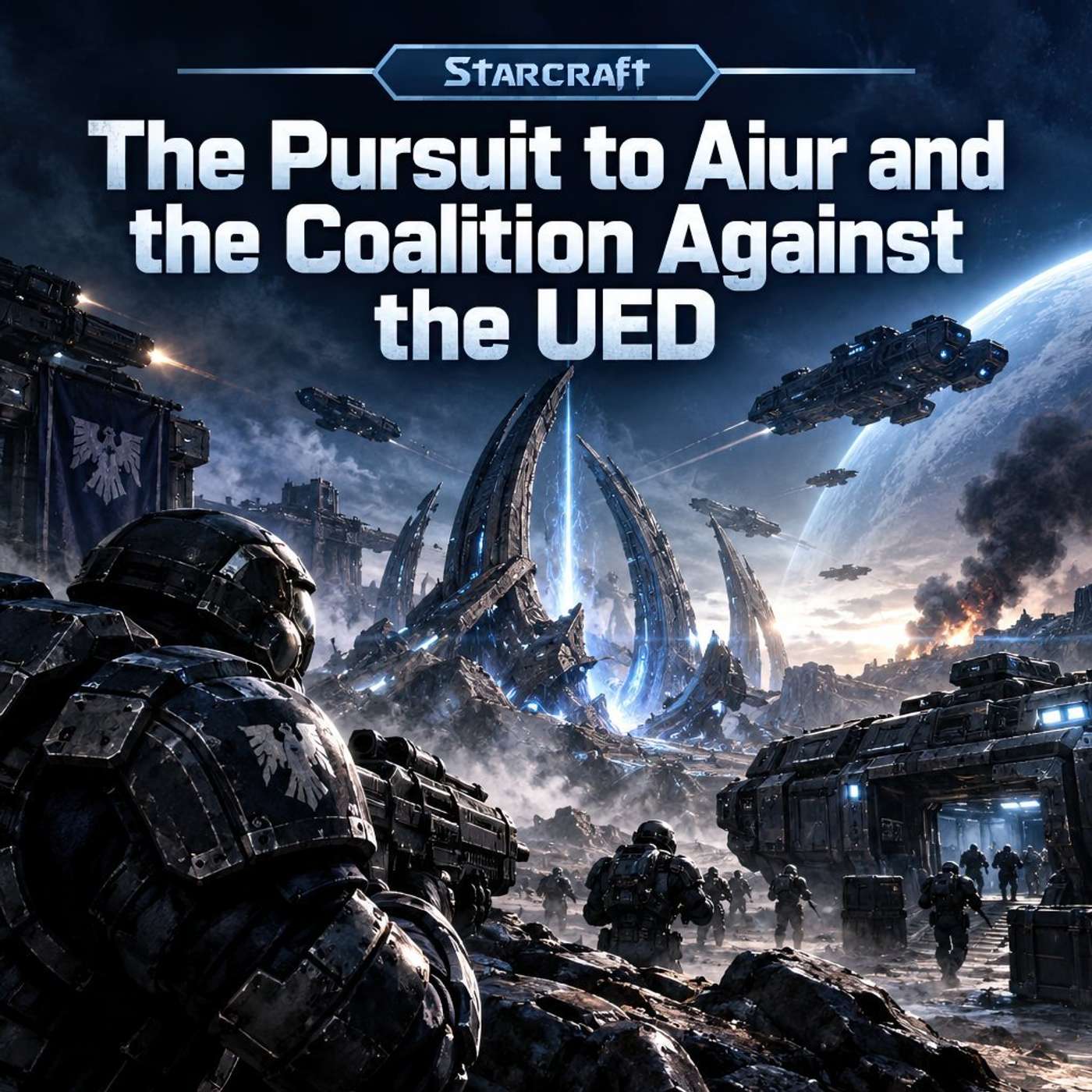
The importance of The Pursuit to Aiur and the Coalition Against the UED comes from its place in the Brood War and Kerrigan’s rise to dominance, where one operation can reshape the next phase of the conflict. At the center is Protoss social order, caste structure, psionic coordination, military hierarchy, and the strategic strengths and limits created by the Khala, linking tactical choices to the ability of states, fleets, swarms, or coalitions to continue the struggle. Protoss power rests on advanced technology and cohesion, but rigid institutions can become liabilities when doctrine fails to adapt to an unfamiliar enemy. Th...
The Assault on Korhal and the Flight of Emperor Mengsk
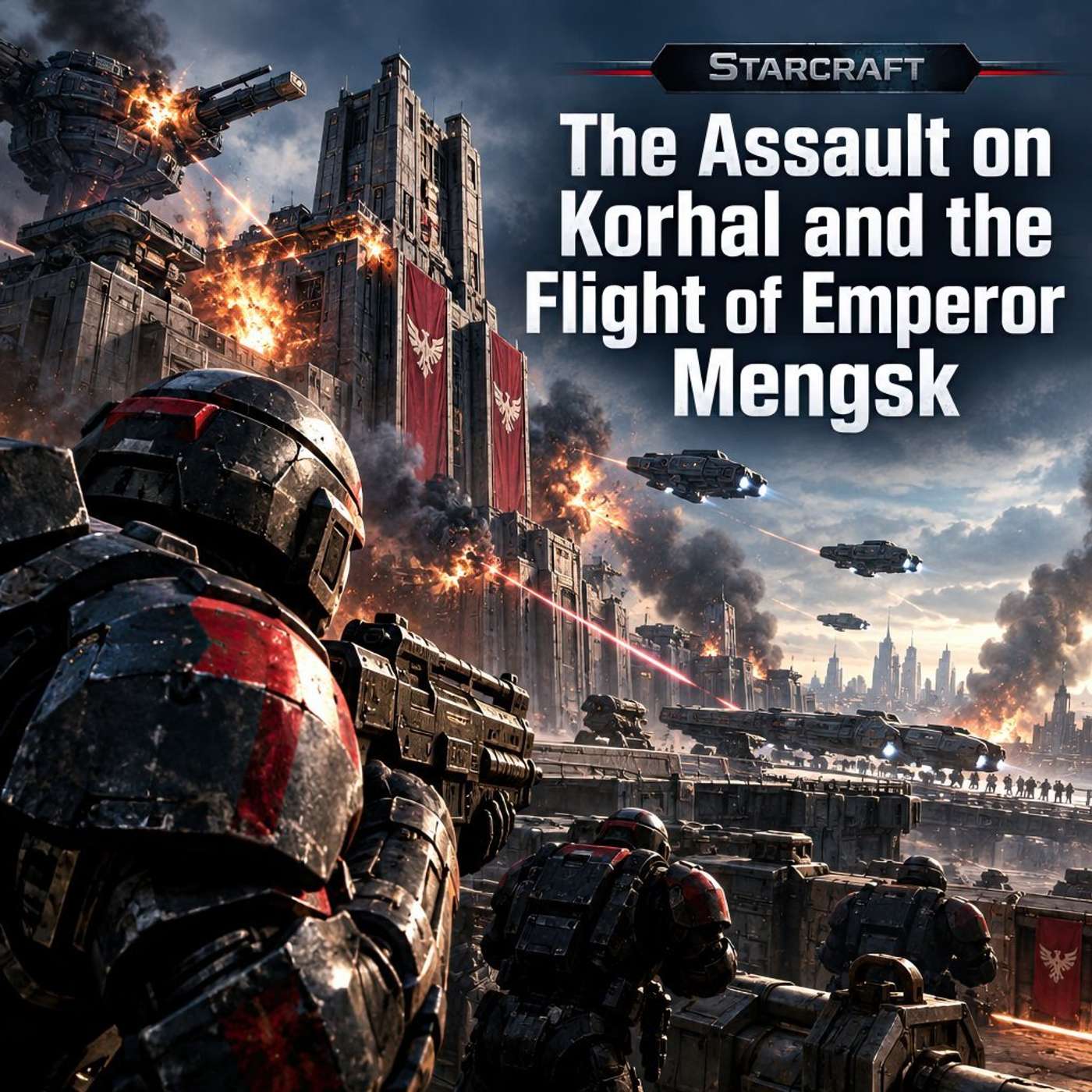
The Assault on Korhal and the Flight of Emperor Mengsk turns part of the Brood War and Kerrigan’s rise to dominance into a concrete problem of command, survival, and adaptation. That makes insurgency, repression, nuclear escalation, propaganda, and the use of grievance to build a revolutionary military movement central to understanding the immediate crisis and the wider campaign around it. Korhal becomes both battlefield and political symbol, giving Mengsk the legitimacy and anger needed to challenge the Confederacy. Because StarCraft reveals motives and ancient manipulation gradually, the episode preserves what is established at this point instead of projecting later kn...
The Ruins of Tarsonis and the Recovery of the Psi Disrupter
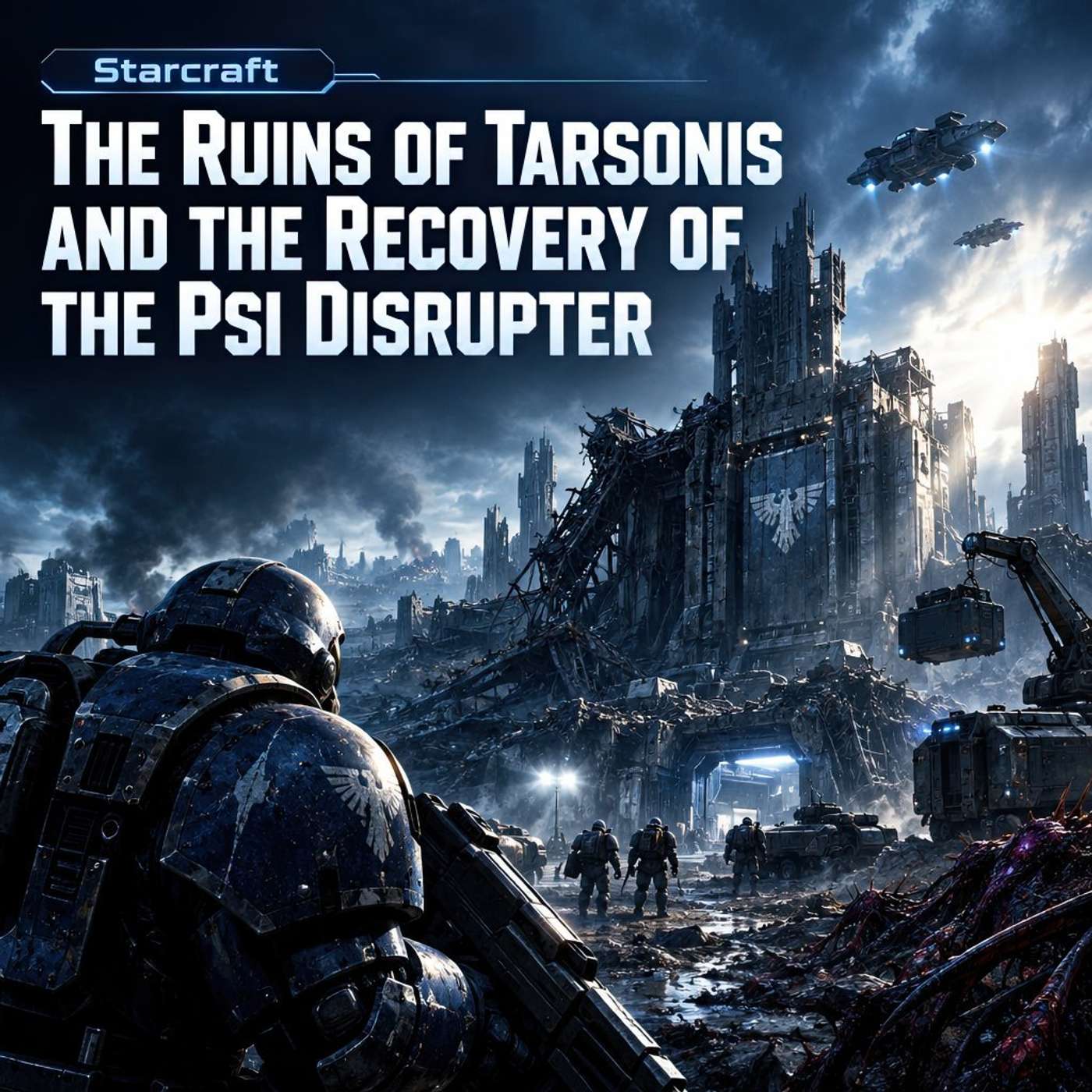
Viewed as military history, The Ruins of Tarsonis and the Recovery of the Psi Disrupter belongs to the Brood War and Kerrigan’s rise to dominance, a setting shaped by institutions as much as firepower. The episode focuses on Terran state formation, resource competition, corporate warfare, political rivalry, and the emergence of competing military powers, showing why the subject matters beyond the immediate battle, faction, or character. The sector’s Terran states grow through conflict over trade, minerals, colonies, and political control, creating a fragmented environment before alien contact begins. The discussion remains grounded in the supplied title and its exac...
