The Citadel Historian: A Military History of the Mass Effect Universe
The Citadel Historian: A Military History of the Mass Effect Universe explores BioWare’s galaxy as a history of civilizations, alliances, military institutions, technological revolutions, and wars that repeatedly threaten the survival of entire species. Beginning long before humanity enters galactic politics, the Lorecast examines the Rachni Wars, Krogan Rebellions, quarian-geth conflict, rise of the Citadel Council, and the military balance maintained by the great powers of Citadel space. Humanity’s arrival brings the First Contact War, rapid political advancement, colonial conflicts, Cerberus, and the growing importance of the Systems Alliance. The series follows the turian Hierarchy, asari Republics, salarian Unio...
The Battle for Meridian and the Future of the Heleus Cluster
Viewed as military history, The Battle for Meridian and the Future of the Heleus Cluster belongs to the Andromeda Initiative and the struggle to establish a new civilization in the Heleus Cluster, a setting shaped by institutions as much as technology. The military frame emphasizes decisive infrastructure control, coalition assault, alien technology, and the fight over a system capable of transforming the entire Heleus Cluster, rather than treating the topic as disconnected science-fiction lore. Meridian matters because control of terraforming at scale can determine not just military victory but whether multiple civilizations have habitable worlds at all. The episode stays...
Khi Tasira and the Race to Find Meridian
Khi Tasira and the Race to Find Meridian offers a focused view of the Andromeda Initiative and the struggle to establish a new civilization in the Heleus Cluster, where political authority and military necessity continually interact. The analysis concentrates on decisive infrastructure control, coalition assault, alien technology, and the fight over a system capable of transforming the entire Heleus Cluster, with attention to what leaders can know, mobilize, sustain, and risk. Meridian matters because control of terraforming at scale can determine not just military victory but whether multiple civilizations have habitable worlds at all. The episode stays within the supplied...
The Quarian Ark Keelah Si’yah: Plague, Sabotage, and Survival
The military significance of The Quarian Ark Keelah Si’yah is clearest when placed inside the Andromeda Initiative and the struggle to establish a new civilization in the Heleus Cluster. At the center is machine rebellion, exile, fleet survival, networked warfare, and the long strategic consequences of the Morning War, linking tactical choices to the ability of governments, fleets, or coalitions to continue the struggle. The quarian–geth conflict demonstrates how a civil war can become a centuries-long security dilemma when both sides build identity around incompatible memories of the same catastrophe. The discussion stays with the named people, species, fact...
The Salarian Ark Paarchero and the Archon’s Flagship
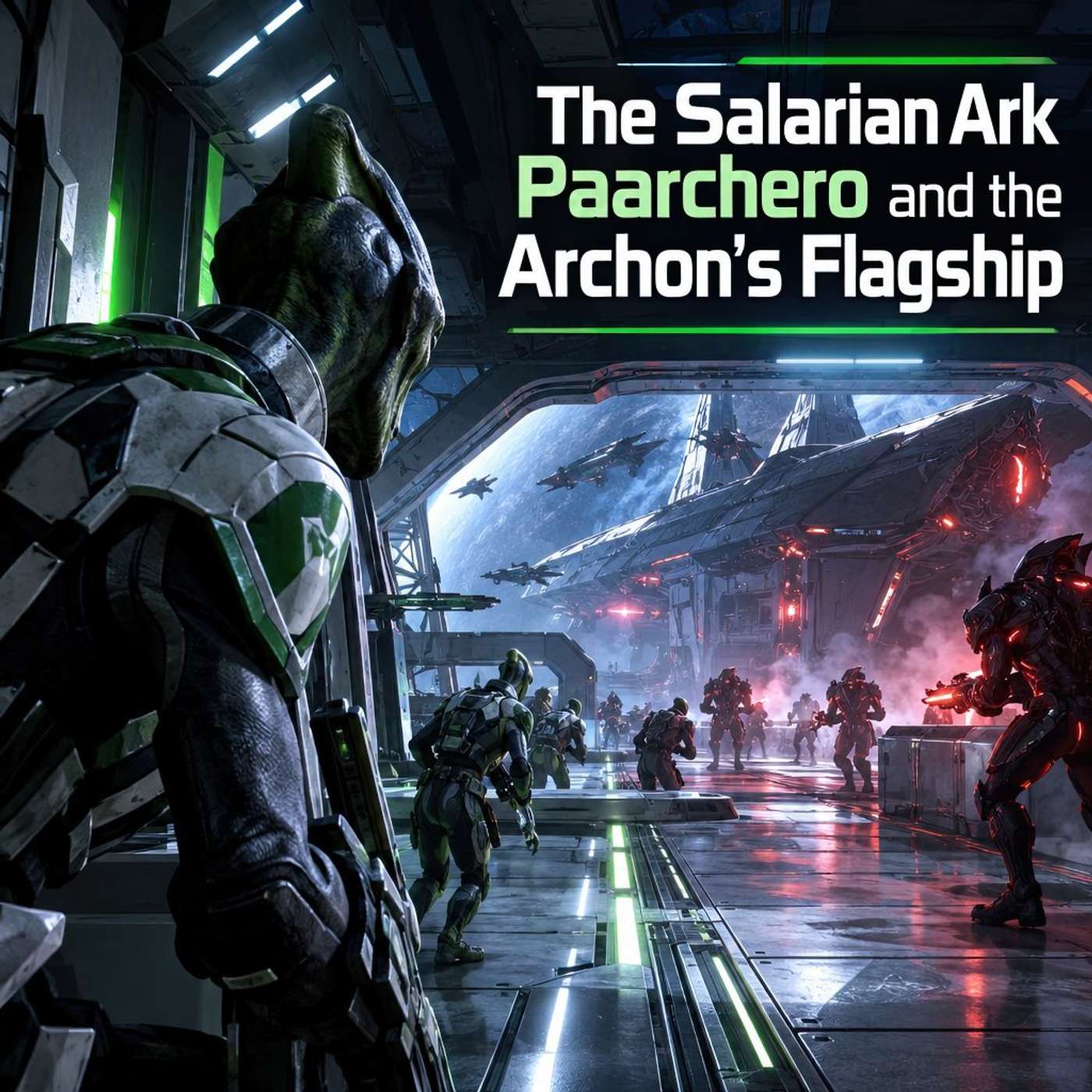
The Salarian Ark Paarchero and the Archon’s Flagship becomes strategically important within the Andromeda Initiative and the struggle to establish a new civilization in the Heleus Cluster. That makes intelligence, covert action, rapid analysis, scientific warfare, and the strategic role of the Special Tasks Group central to understanding the immediate crisis and the wider campaign around it. Salarian strength comes from acting early and indirectly, using information and specialized teams to shape conflicts before conventional armies become necessary. The supplied chronology sets the boundary, so later revelations or alternate outcomes are not projected backward beyond what the title itself es...
The Lost Arks: Natanus, Leusinia, and the Search for Their Pathfinders
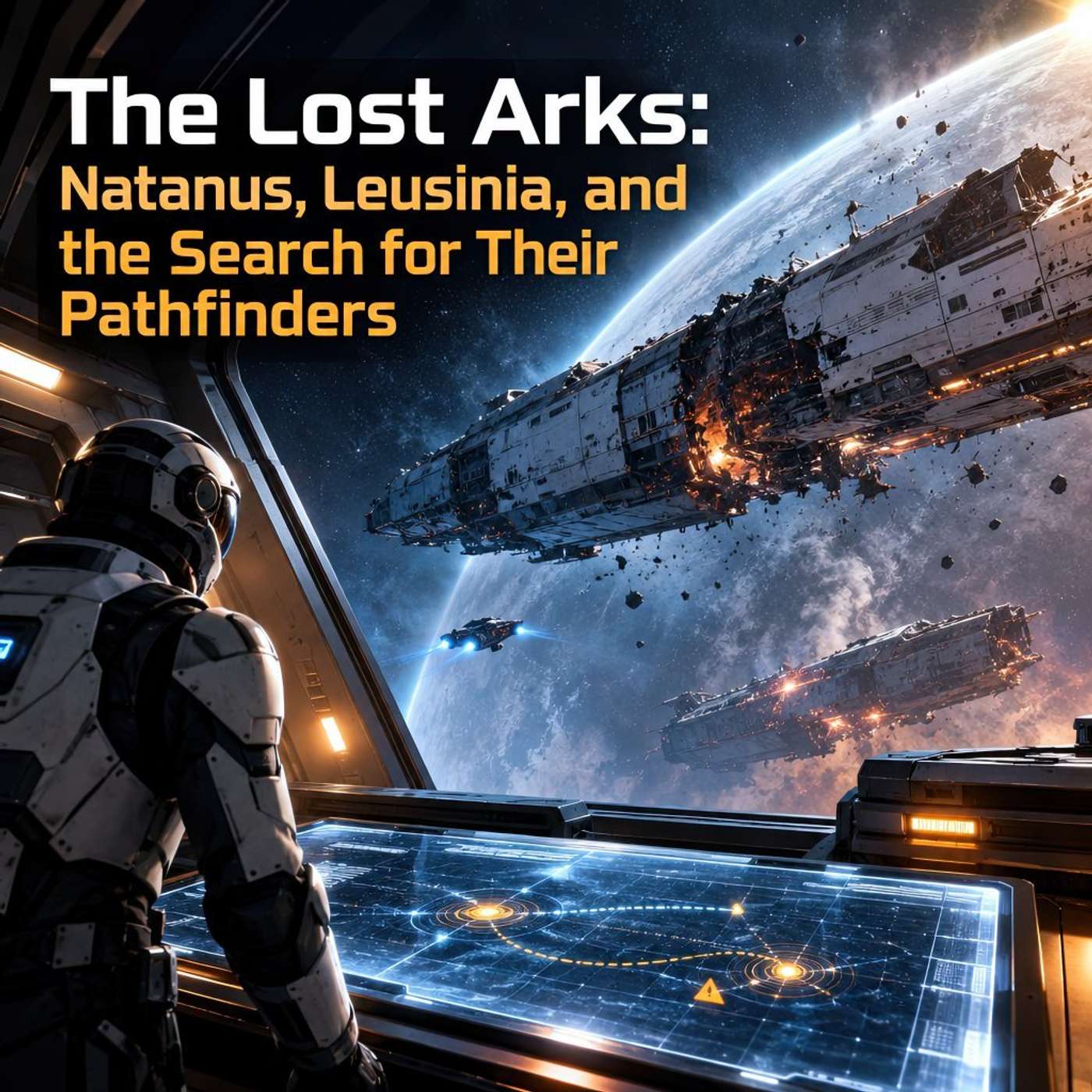
The strategic value of studying The Lost Arks comes from the choices it creates inside the Andromeda Initiative and the struggle to establish a new civilization in the Heleus Cluster. The episode focuses on intergalactic colonization, strategic redundancy, civilian transport, secret financing, and the security consequences of moving a civilization beyond Milky Way politics, showing why the subject matters beyond the immediate battle, faction, or character. The Initiative begins as a settlement project, but distance from established governments forces it to carry its own command, logistics, and defense institutions. The supplied ordering and terminology are preserved so changes in alliances...
The Remnant Vault Network and the Strategic Race for Terraforming
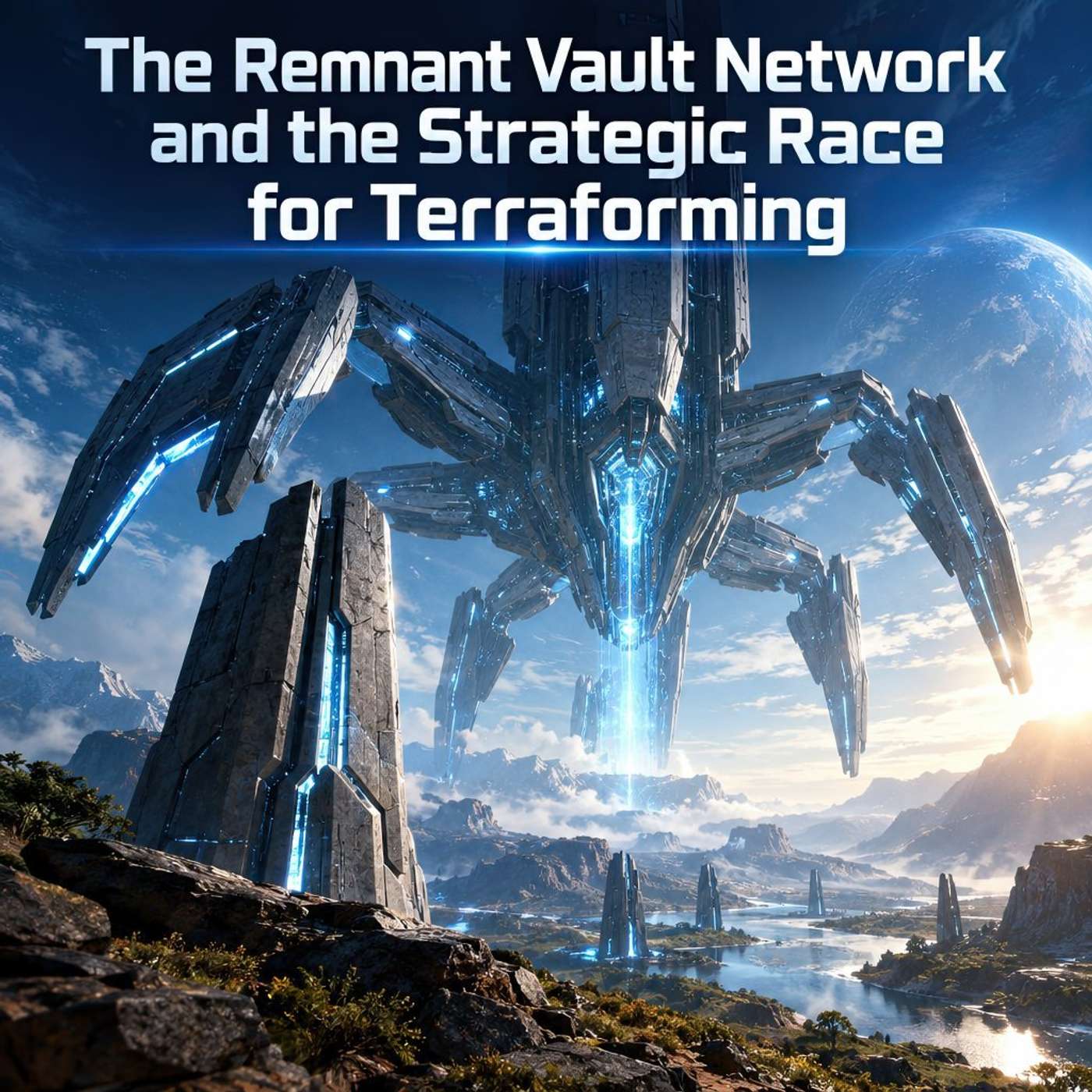
The Remnant Vault Network and the Strategic Race for Terraforming reveals a recurring pressure within the Andromeda Initiative and the struggle to establish a new civilization in the Heleus Cluster: every military solution creates new political or logistical problems. The military frame emphasizes ancient technology, synthetic infrastructure, created species, and the strategic consequences of inheriting systems whose original operators are absent, rather than treating the topic as disconnected science-fiction lore. Remnant technology becomes a military and political objective because whoever understands it gains leverage over habitability, movement, and regional power. The episode stays within the supplied chronology and avoids unsupported...
Elaaden and the Struggle for Krogan Independence
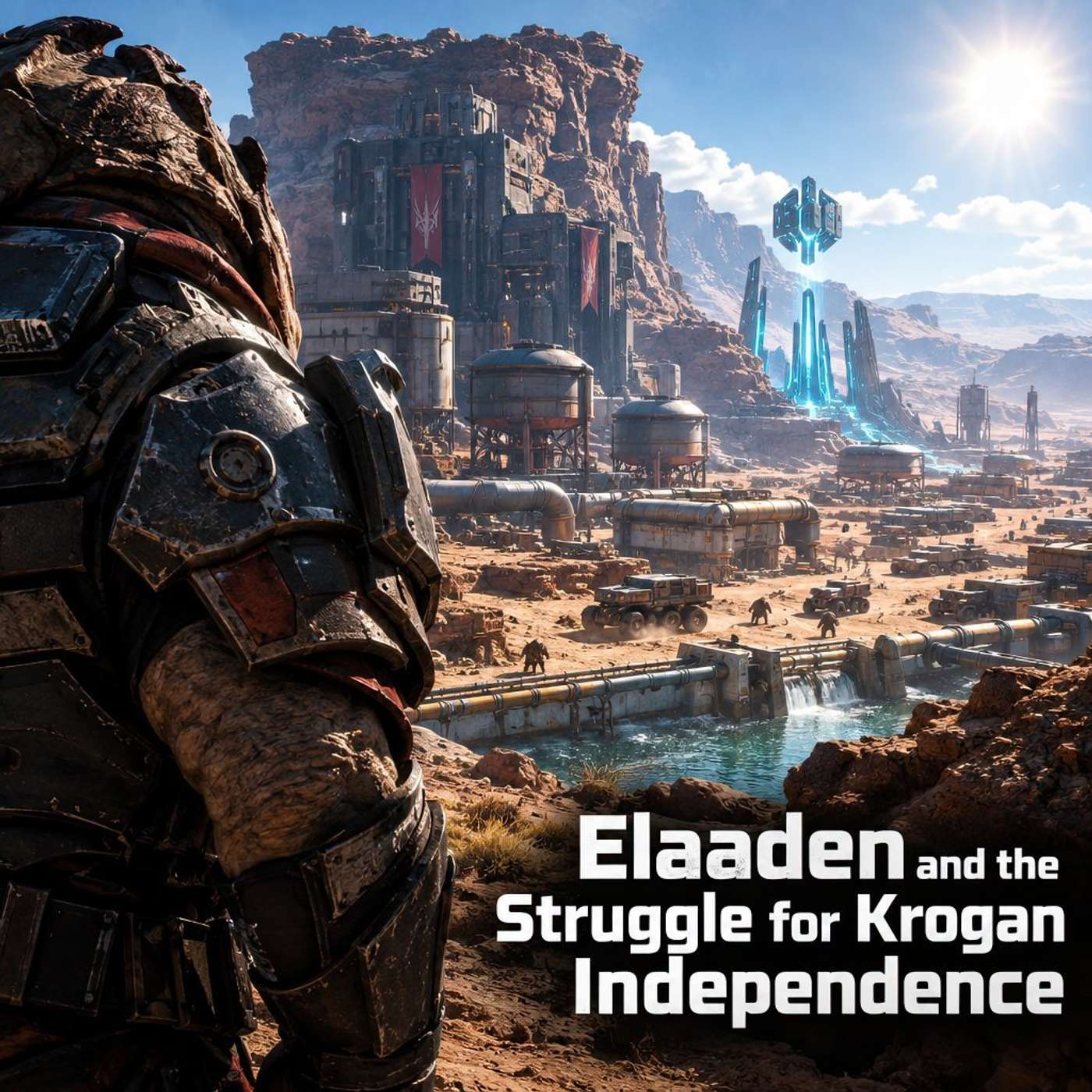
The importance of Elaaden and the Struggle for Krogan Independence comes from its place in the Andromeda Initiative and the struggle to establish a new civilization in the Heleus Cluster, where one operation can reshape the next phase of the conflict. The analysis concentrates on coalition bargaining, demographic warfare, historical grievance, and the use of a species-level cure as strategic leverage, with attention to what leaders can know, mobilize, sustain, and risk. The Tuchanka campaign turns an old atrocity into a present alliance question: the krogan can provide decisive ground power only if their political future is addressed. The episode...
Kadara Port: The Outcasts, the Collective, and a Contested Government
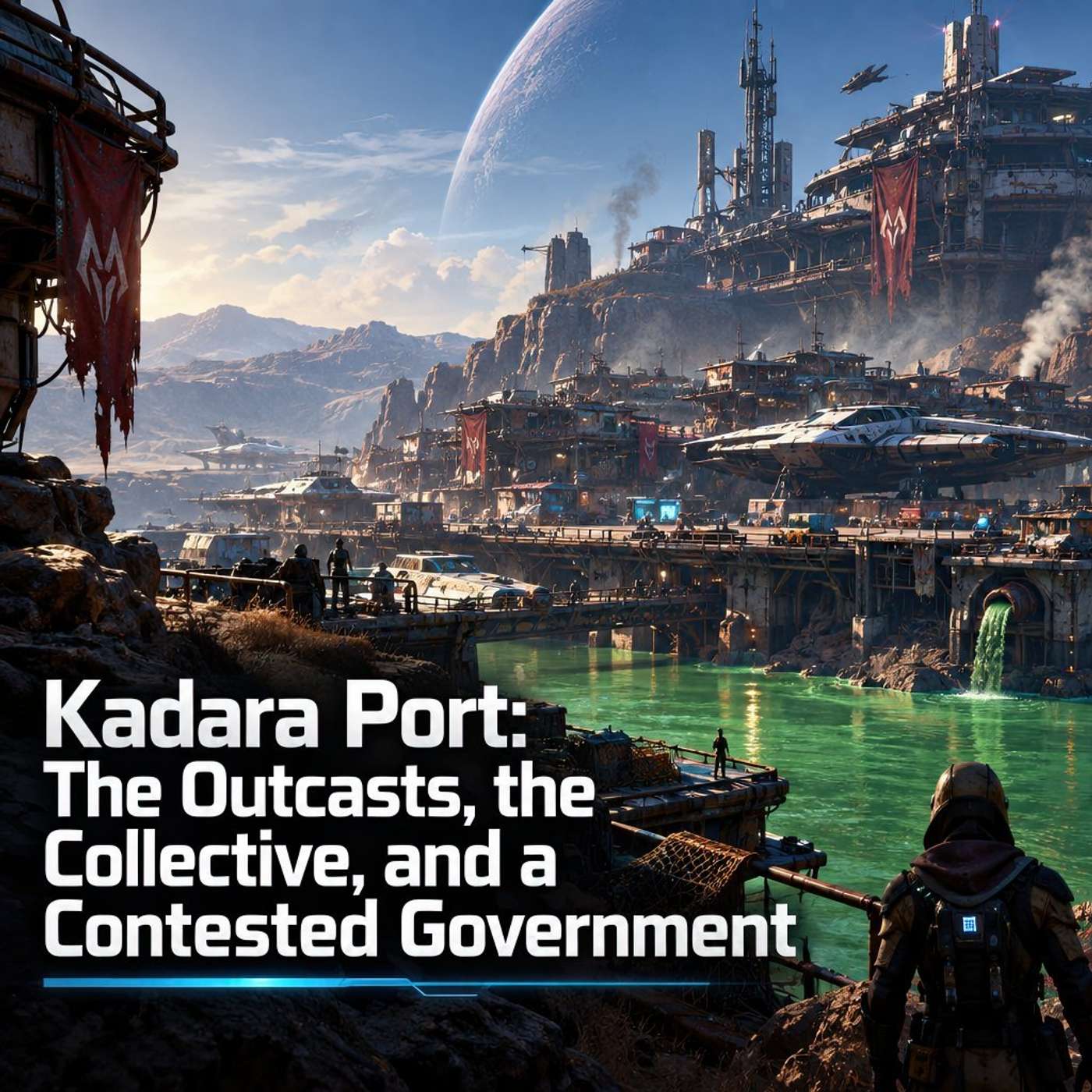
Kadara Port turns part of the Andromeda Initiative and the struggle to establish a new civilization in the Heleus Cluster into a concrete problem of command, survival, and political judgment. At the center is frontier governance, criminal power, exile politics, contested sovereignty, and the military problems of settlements outside Nexus control, linking tactical choices to the ability of governments, fleets, or coalitions to continue the struggle. These worlds show that colonization creates political competition as well as territory, with security often provided by factions whose legitimacy remains disputed. The supplied chronology sets the boundary, so later revelations or alternate outcomes...
Havarl and the Roekaar Insurgency
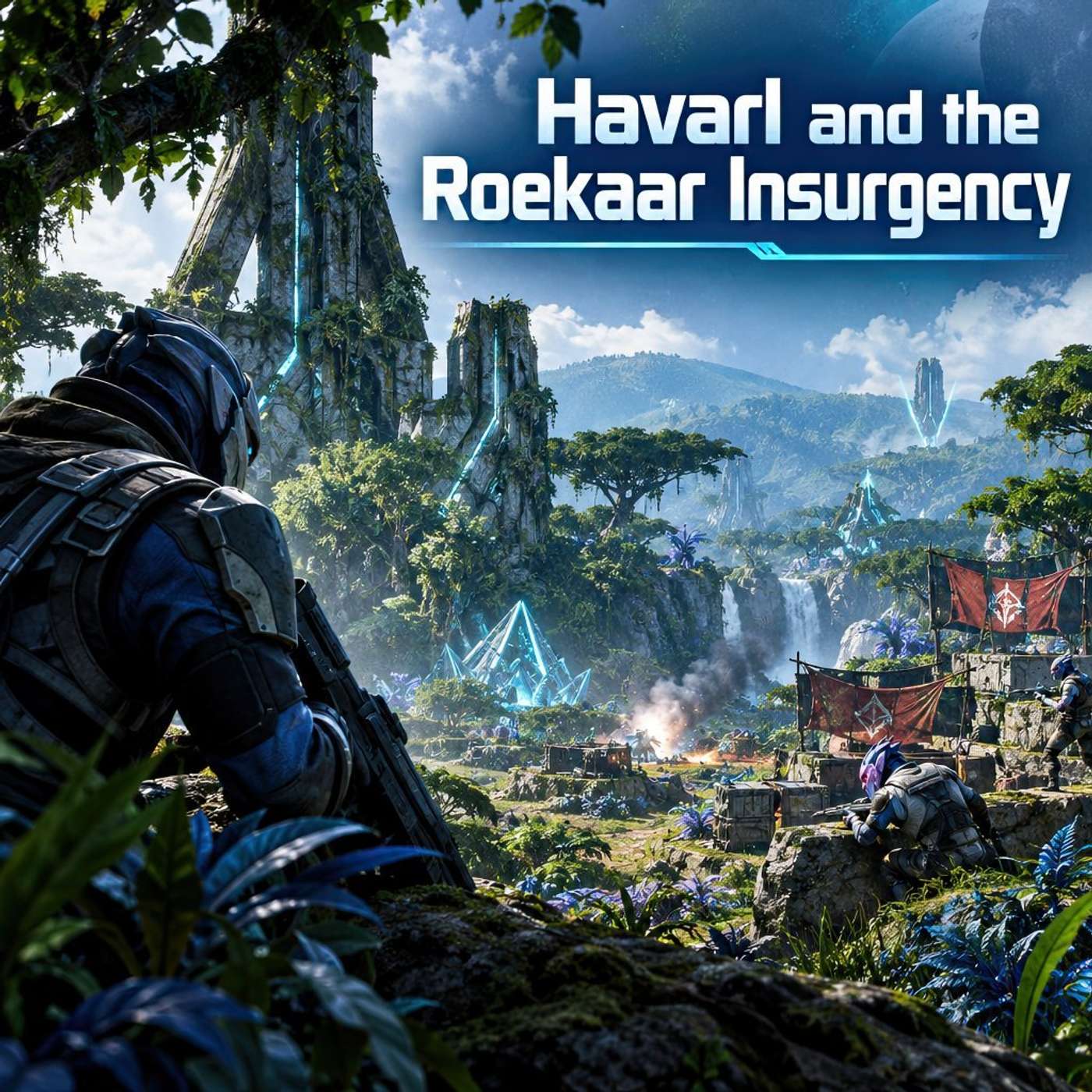
Viewed as military history, Havarl and the Roekaar Insurgency belongs to the Andromeda Initiative and the struggle to establish a new civilization in the Heleus Cluster, a setting shaped by institutions as much as technology. That makes resistance warfare, occupation, alliance building, insurgency, and the political challenge of earning trust from a population already fighting for survival central to understanding the immediate crisis and the wider campaign around it. The Initiative cannot treat the Angara merely as local auxiliaries; meaningful cooperation depends on shared objectives and respect for an existing resistance movement. The episode stays within the supplied chronology and...
Voeld: Occupation, Resistance, and the Rescue of the Moshae
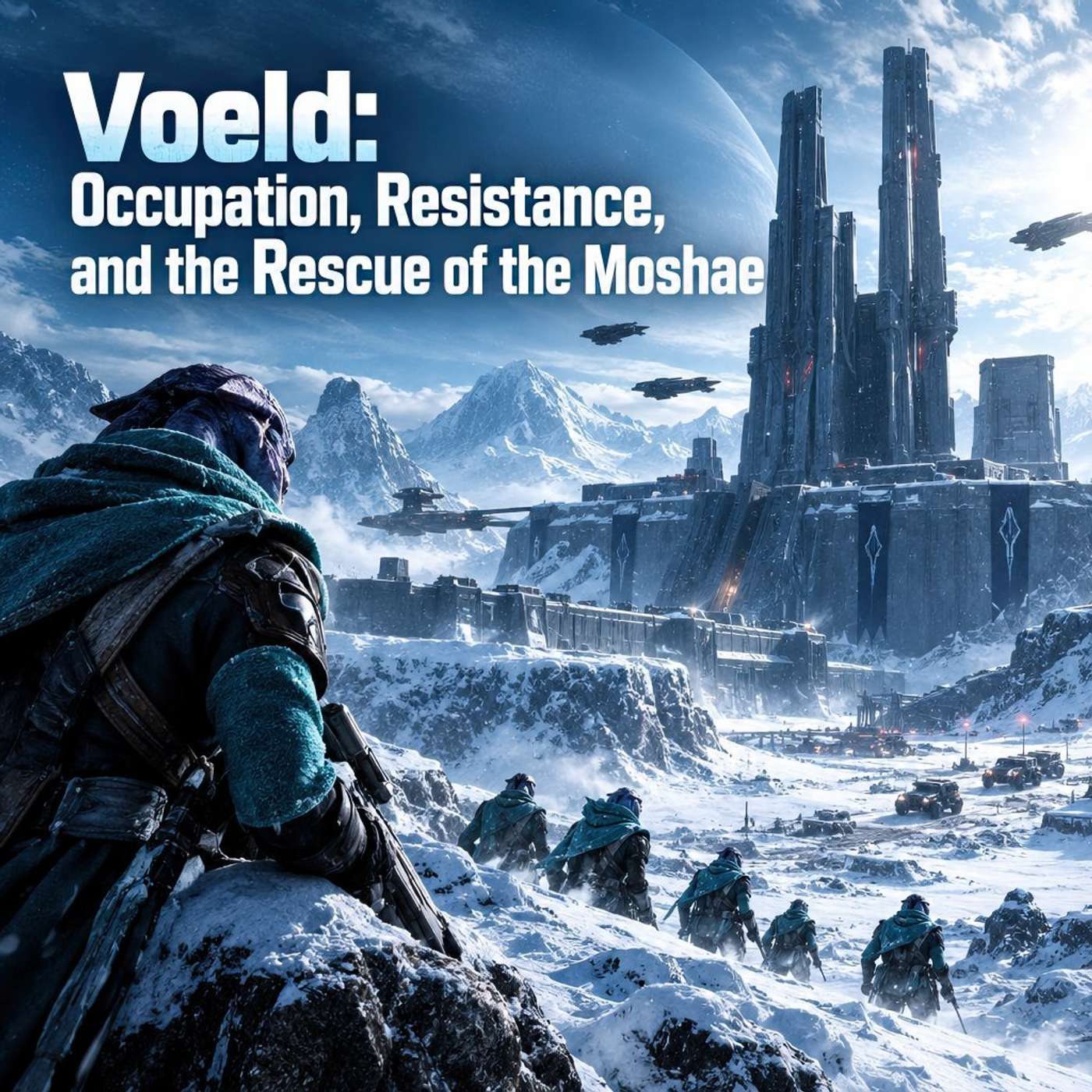
Voeld offers a focused view of the Andromeda Initiative and the struggle to establish a new civilization in the Heleus Cluster, where political authority and military necessity continually interact. The episode focuses on resistance warfare, occupation, alliance building, insurgency, and the political challenge of earning trust from a population already fighting for survival, showing why the subject matters beyond the immediate battle, faction, or character. The Initiative cannot treat the Angara merely as local auxiliaries; meaningful cooperation depends on shared objectives and respect for an existing resistance movement. The episode stays within the supplied chronology and avoids unsupported continuity claims...
Aya and the First Alliance Between Angara and the Initiative
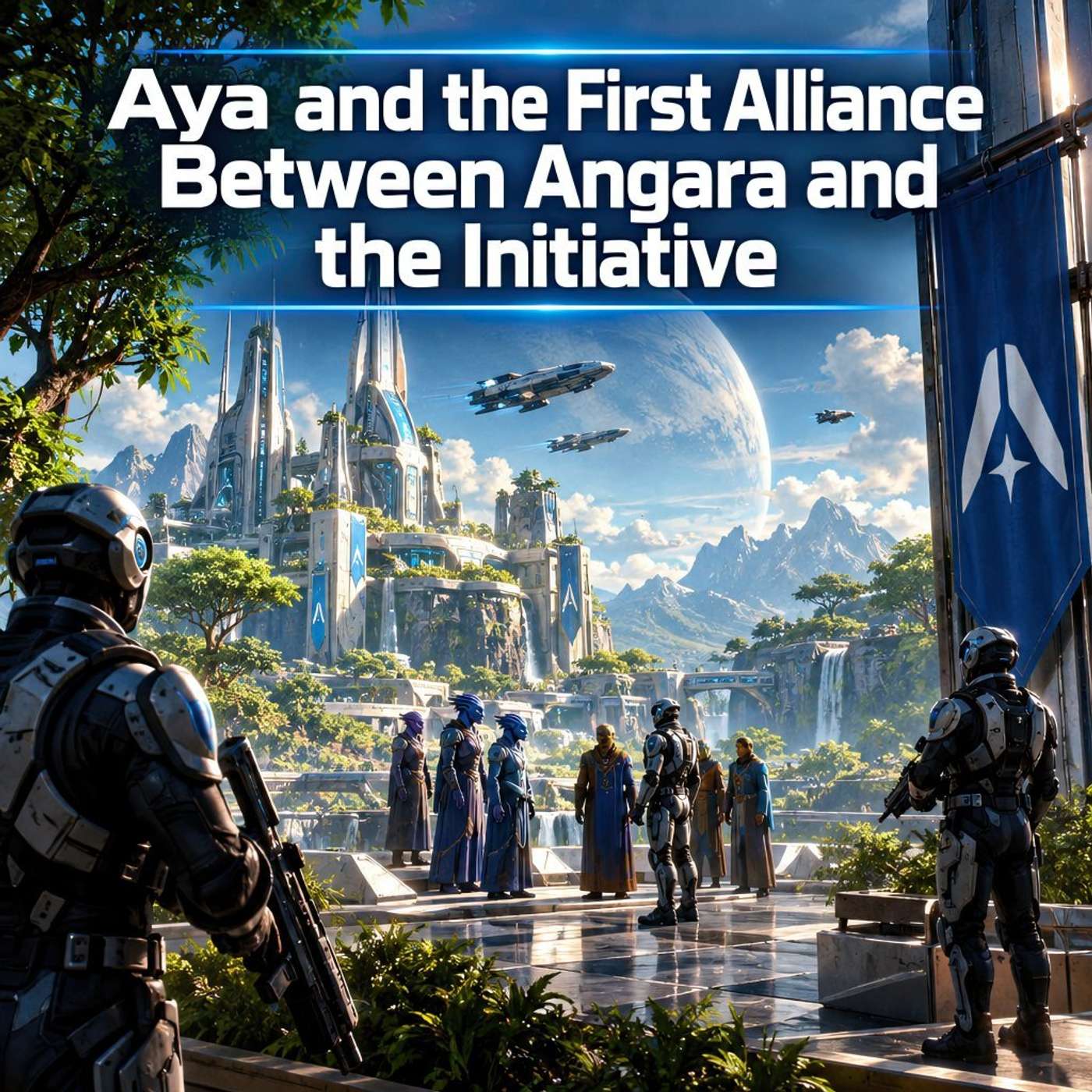
The military significance of Aya and the First Alliance Between Angara and the Initiative is clearest when placed inside the Andromeda Initiative and the struggle to establish a new civilization in the Heleus Cluster. The military frame emphasizes ancient technology, synthetic infrastructure, created species, and the strategic consequences of inheriting systems whose original operators are absent, rather than treating the topic as disconnected science-fiction lore. Remnant technology becomes a military and political objective because whoever understands it gains leverage over habitability, movement, and regional power. The discussion stays with the named people, species, factions, technologies, locations, and events supplied for...
The Angaran Resistance and the War for Survival
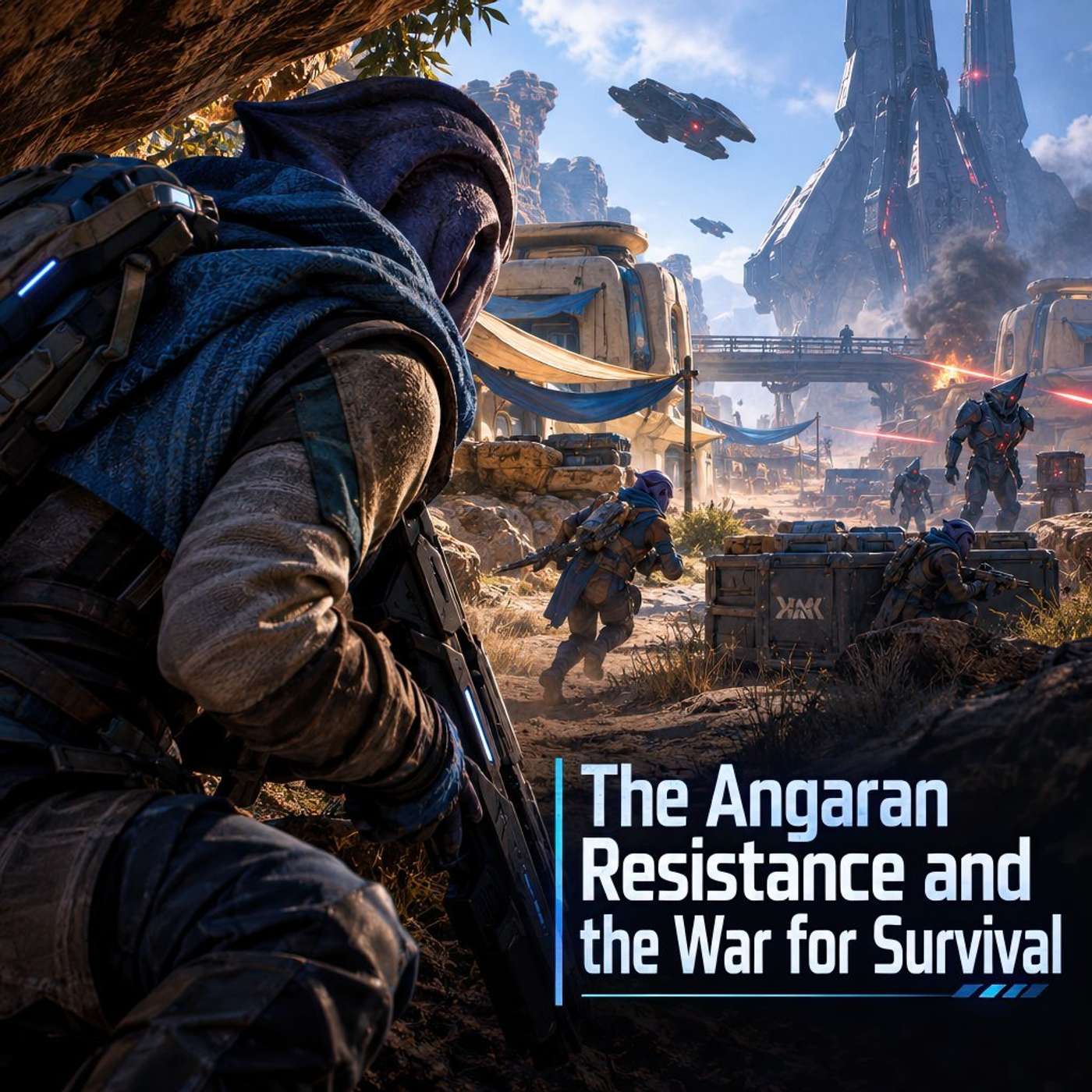
The Angaran Resistance and the War for Survival becomes strategically important within the Andromeda Initiative and the struggle to establish a new civilization in the Heleus Cluster. The analysis concentrates on ancient technology, synthetic infrastructure, created species, and the strategic consequences of inheriting systems whose original operators are absent, with attention to what leaders can know, mobilize, sustain, and risk. Remnant technology becomes a military and political objective because whoever understands it gains leverage over habitability, movement, and regional power. The supplied chronology sets the boundary, so later revelations or alternate outcomes are not projected backward beyond what the title...
The Kett Empire: Conquest Through Exaltation
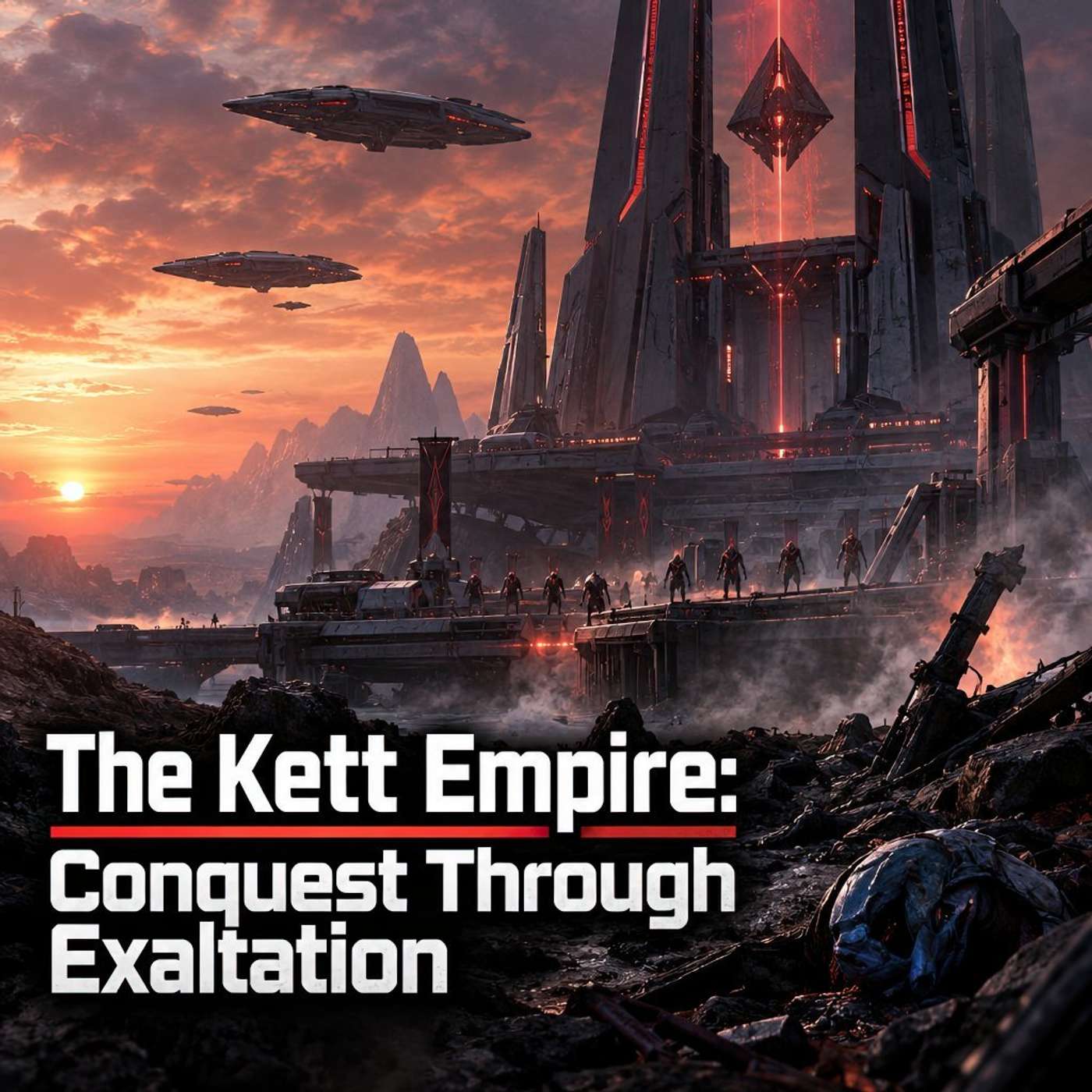
The strategic value of studying The Kett Empire comes from the choices it creates inside the Andromeda Initiative and the struggle to establish a new civilization in the Heleus Cluster. At the center is imperial conquest, forced biological transformation, military hierarchy, and the use of assimilation as a strategic system, linking tactical choices to the ability of governments, fleets, or coalitions to continue the struggle. Kett expansion is dangerous because defeated populations can be converted into resources for further conquest, turning attrition into growth for the invader. The supplied ordering and terminology are preserved so changes in alliances, doctrine, political...
Eos and the First Viable Initiative Outpost

Eos and the First Viable Initiative Outpost reveals a recurring pressure within the Andromeda Initiative and the struggle to establish a new civilization in the Heleus Cluster: every military solution creates new political or logistical problems. That makes planetary reconnaissance, settlement security, terraforming, and the military value of establishing the first sustainable footholds central to understanding the immediate crisis and the wider campaign around it. A viable outpost provides more than shelter because it creates logistics, legitimacy, and a base from which the Initiative can expand operations. The episode stays within the supplied chronology and avoids unsupported continuity claims. Its...
Hyperion at Habitat 7: The Human Ark Reaches Heleus
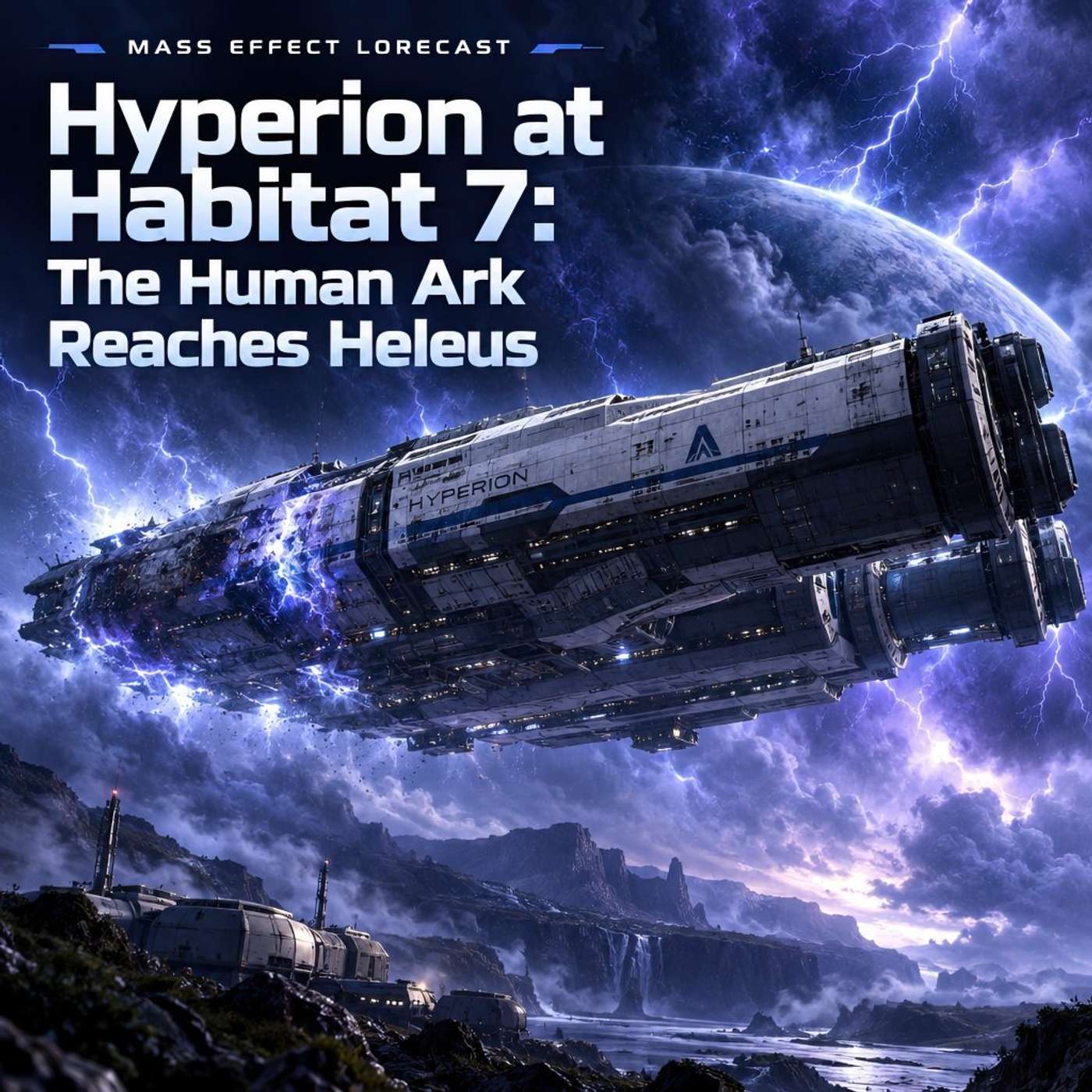
The importance of Hyperion at Habitat 7 comes from its place in the Andromeda Initiative and the struggle to establish a new civilization in the Heleus Cluster, where one operation can reshape the next phase of the conflict. The episode focuses on planetary reconnaissance, settlement security, terraforming, and the military value of establishing the first sustainable footholds, showing why the subject matters beyond the immediate battle, faction, or character. A viable outpost provides more than shelter because it creates logistics, legitimacy, and a base from which the Initiative can expand operations. The discussion stays with the named people, species, factions, technologies...
The Krogan Departure and the Founding of New Tuchanka
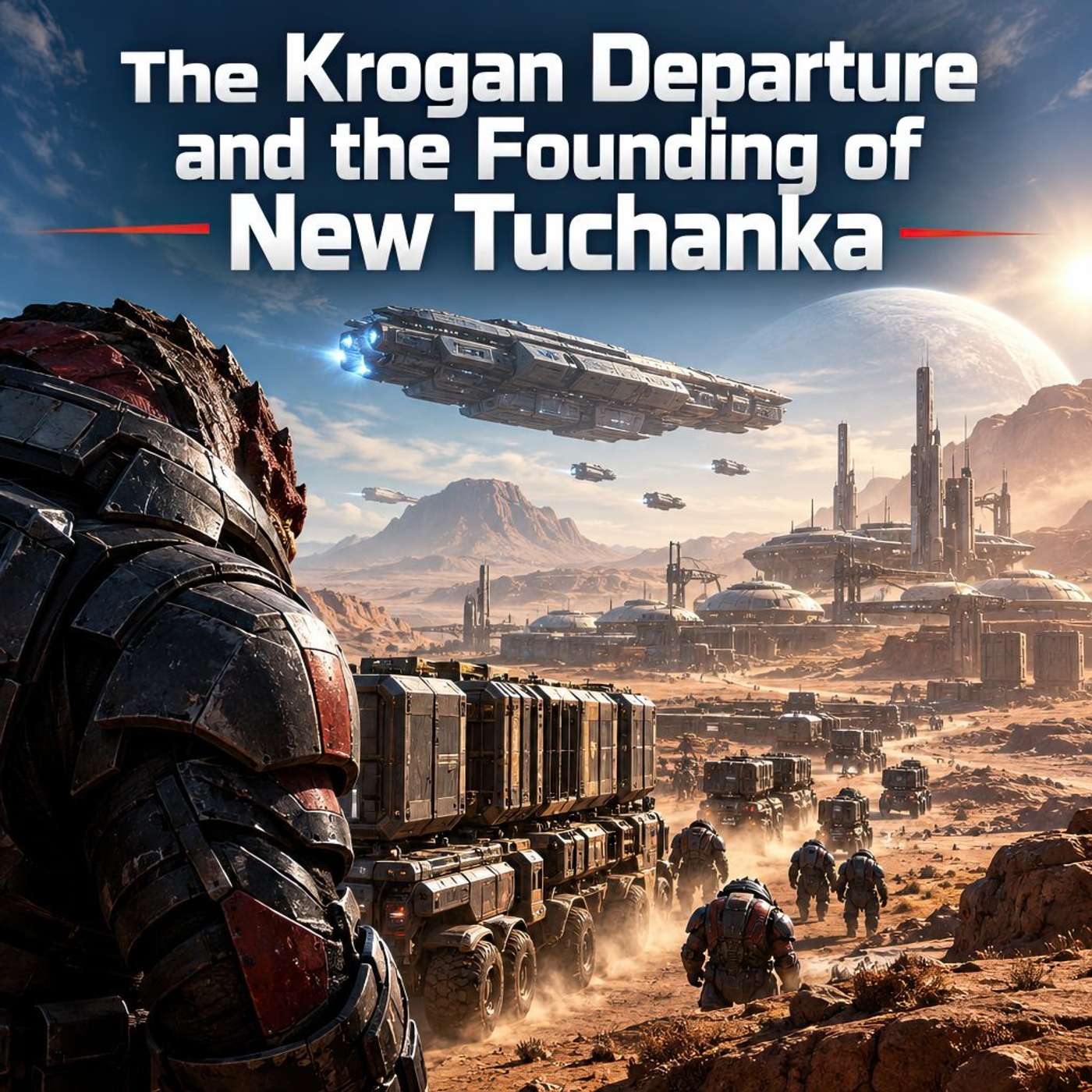
The Krogan Departure and the Founding of New Tuchanka turns part of the Andromeda Initiative and the struggle to establish a new civilization in the Heleus Cluster into a concrete problem of command, survival, and political judgment. The military frame emphasizes coalition bargaining, demographic warfare, historical grievance, and the use of a species-level cure as strategic leverage, rather than treating the topic as disconnected science-fiction lore. The Tuchanka campaign turns an old atrocity into a present alliance question: the krogan can provide decisive ground power only if their political future is addressed. The episode stays within the supplied chronology and...
The Exiles: How a Mutiny Created Rival Powers
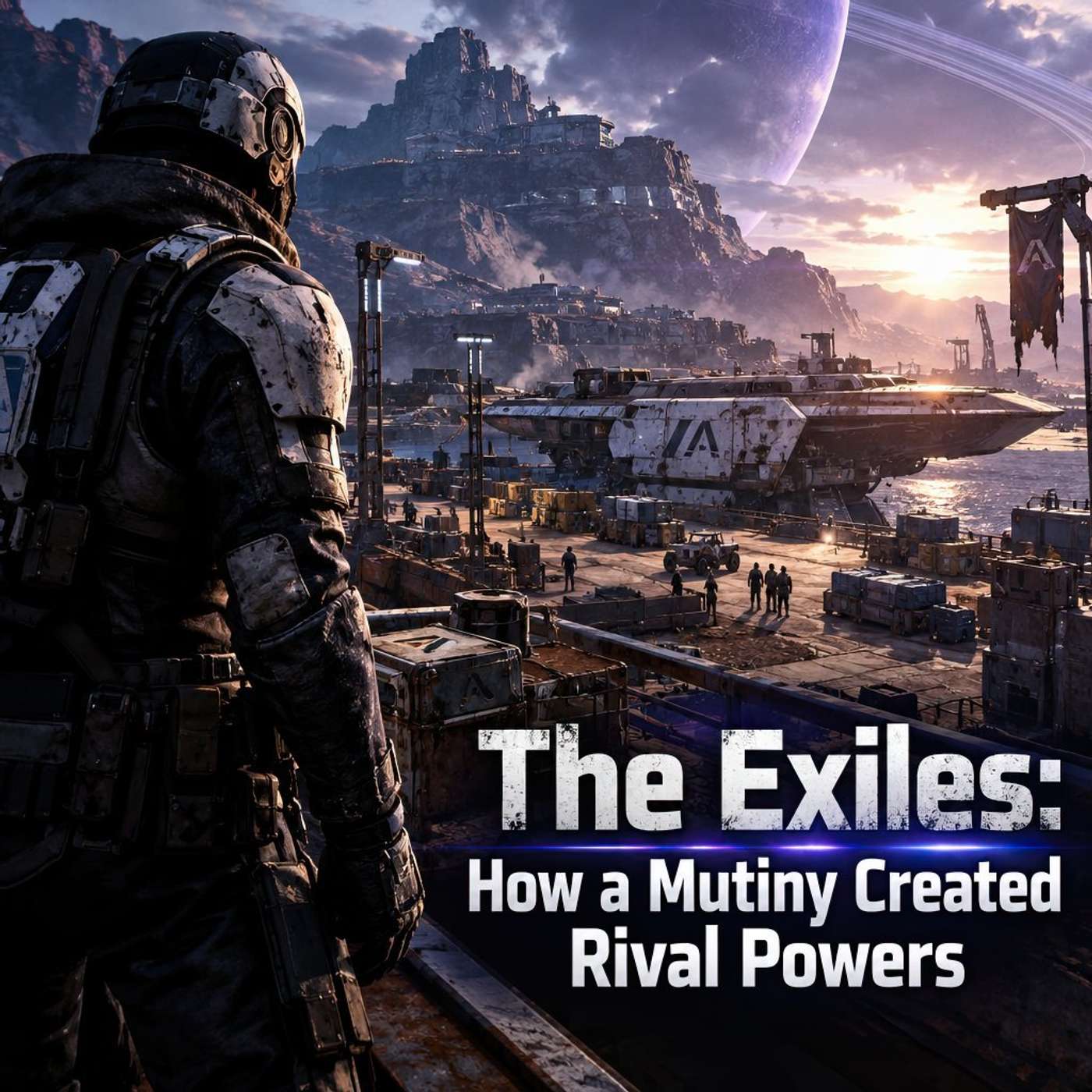
Viewed as military history, The Exiles belongs to the Andromeda Initiative and the struggle to establish a new civilization in the Heleus Cluster, a setting shaped by institutions as much as technology. The analysis concentrates on institutional collapse, mutiny, exile, faction formation, and the political fragmentation of a colony project before stable settlement is achieved, with attention to what leaders can know, mobilize, sustain, and risk. The Initiative’s crisis shows how quickly scarcity and failed leadership can create rival armed communities even among people who crossed galaxies for the same mission. The episode stays within the supplied chronology and av...
The Nexus Uprising and the Failure of Initiative Government
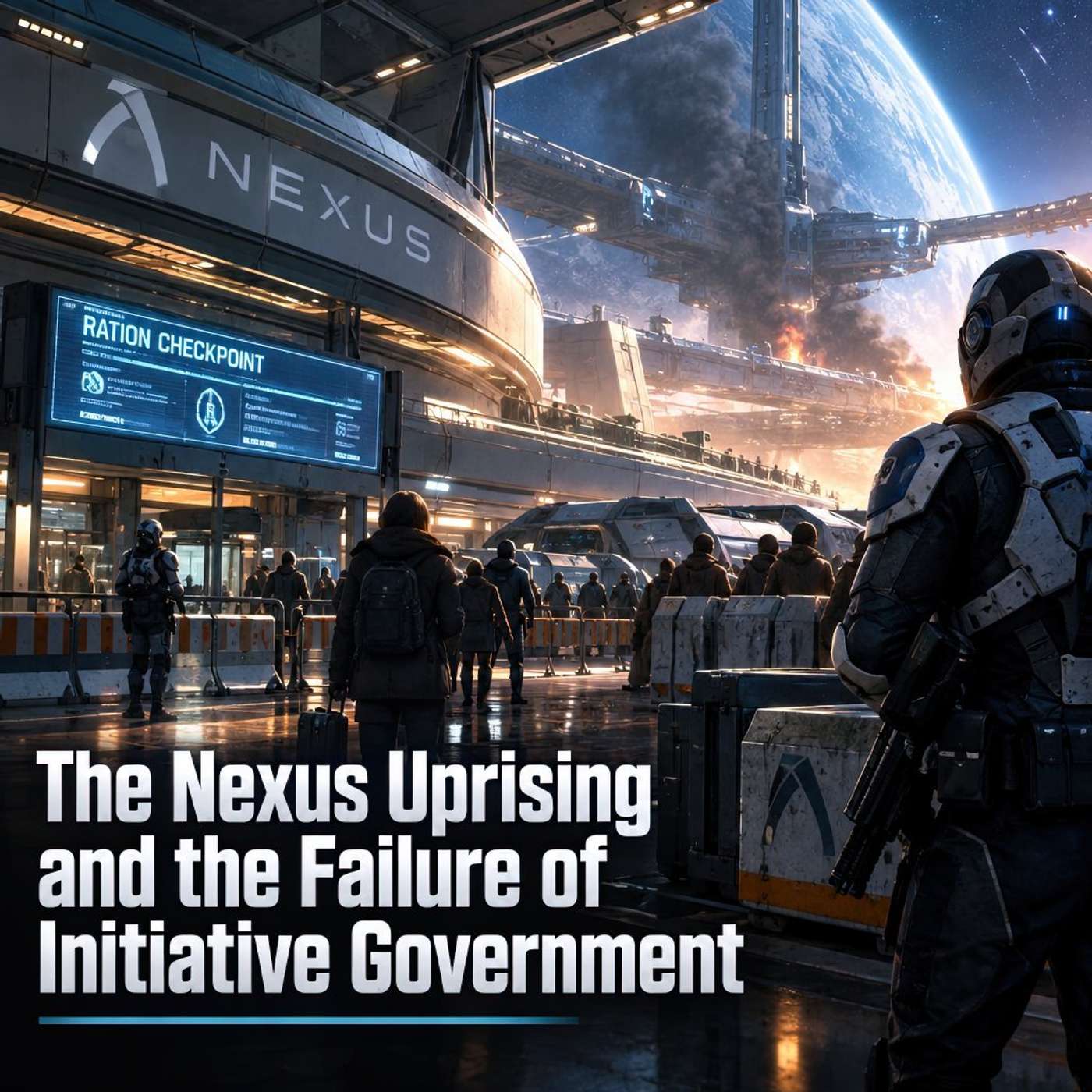
The Nexus Uprising and the Failure of Initiative Government offers a focused view of the Andromeda Initiative and the struggle to establish a new civilization in the Heleus Cluster, where political authority and military necessity continually interact. At the center is intergalactic colonization, strategic redundancy, civilian transport, secret financing, and the security consequences of moving a civilization beyond Milky Way politics, linking tactical choices to the ability of governments, fleets, or coalitions to continue the struggle. The Initiative begins as a settlement project, but distance from established governments forces it to carry its own command, logistics, and defense institutions. The...
The Nexus Arrives: Collision, Casualties, and Command Breakdown
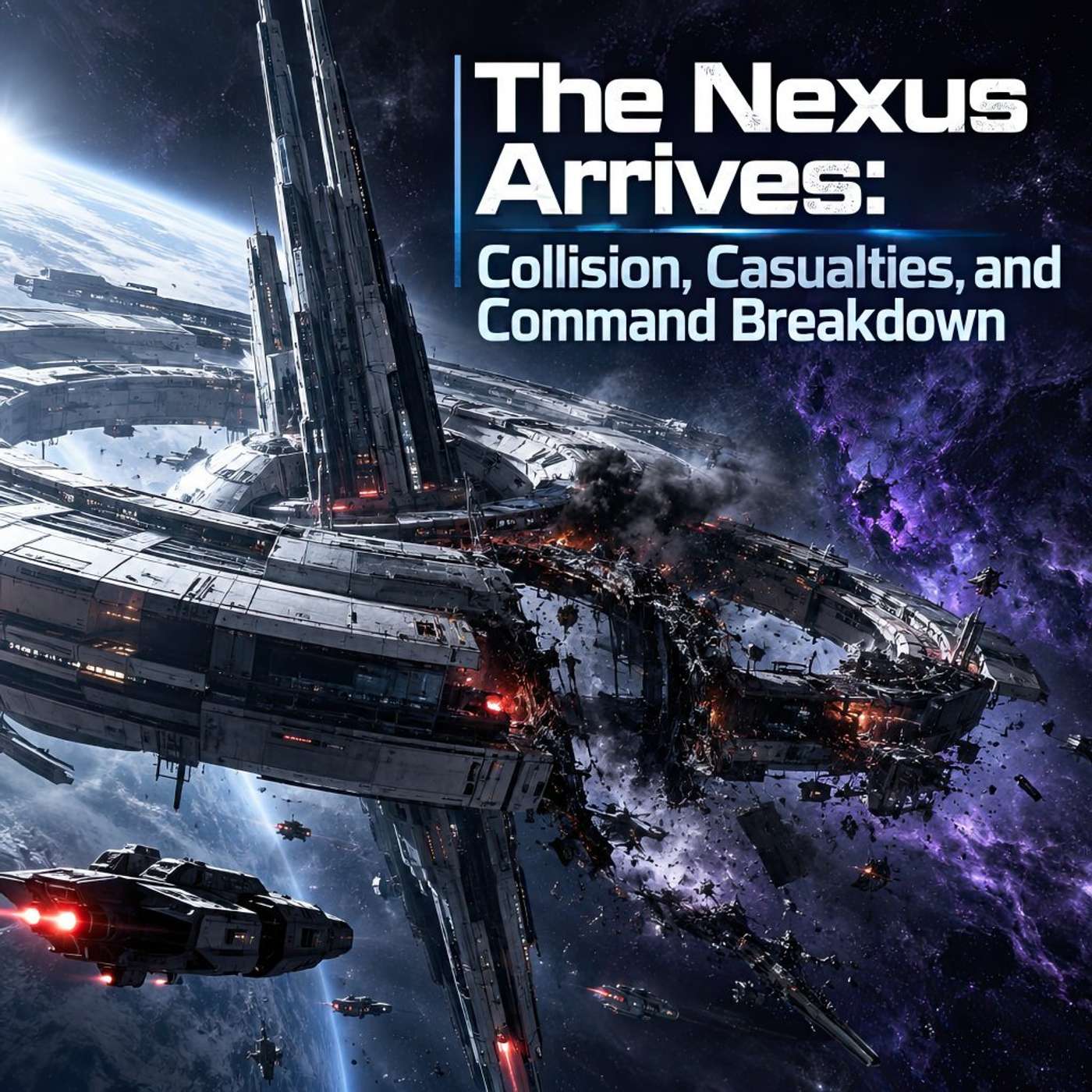
The military significance of The Nexus Arrives is clearest when placed inside the Andromeda Initiative and the struggle to establish a new civilization in the Heleus Cluster. That makes intergalactic colonization, strategic redundancy, civilian transport, secret financing, and the security consequences of moving a civilization beyond Milky Way politics central to understanding the immediate crisis and the wider campaign around it. The Initiative begins as a settlement project, but distance from established governments forces it to carry its own command, logistics, and defense institutions. The discussion stays with the named people, species, factions, technologies, locations, and events supplied for this...
The Scourge and the Ruin of the Heleus Terraforming Network
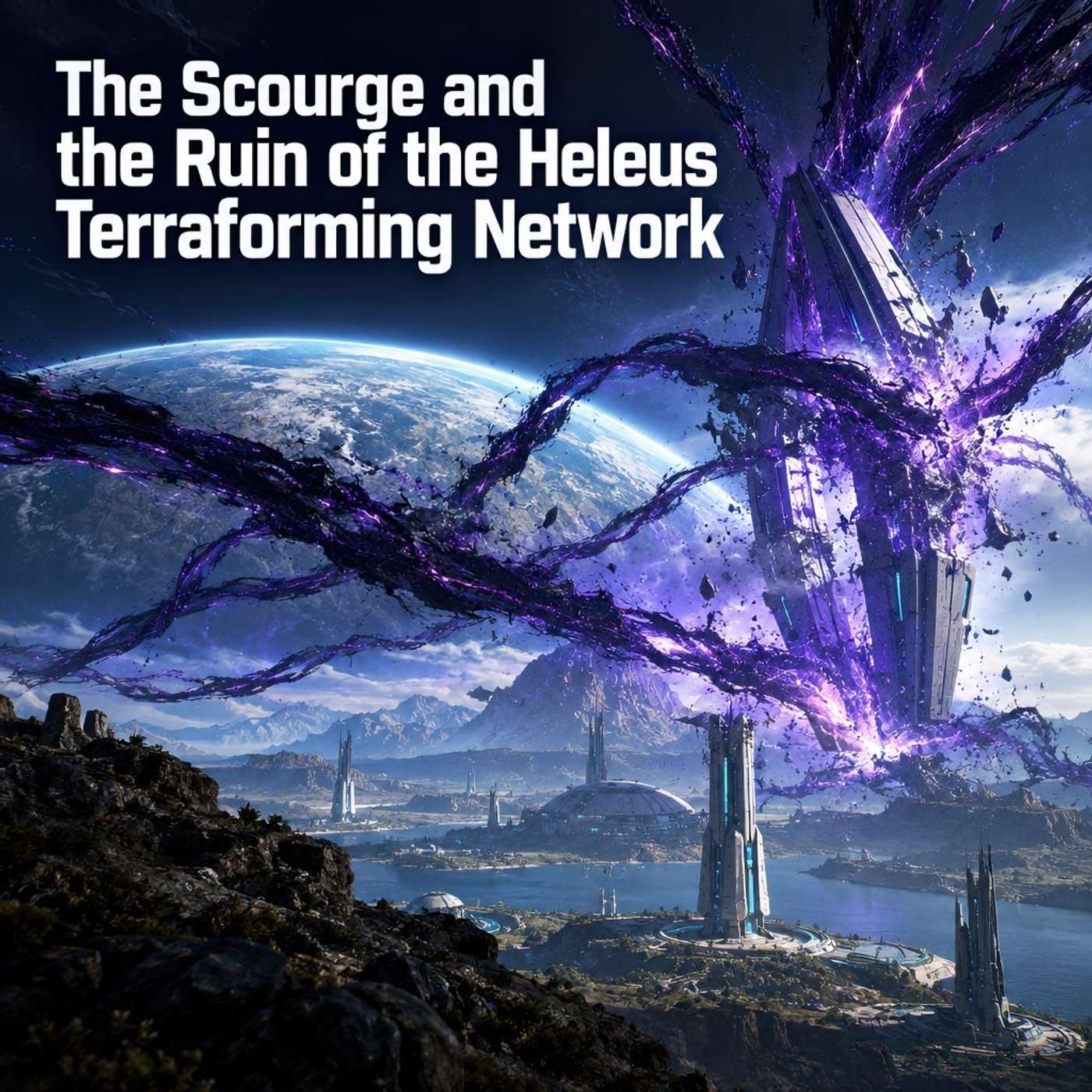
The Scourge and the Ruin of the Heleus Terraforming Network becomes strategically important within the Andromeda Initiative and the struggle to establish a new civilization in the Heleus Cluster. The episode focuses on environmental hazard, navigation disruption, destroyed infrastructure, and the military consequences of a region-wide catastrophe, showing why the subject matters beyond the immediate battle, faction, or character. The Scourge weakens every arriving force by breaking routes and damaging terraforming systems, making survival depend on adapting to an environment no expedition planned for. The supplied chronology sets the boundary, so later revelations or alternate outcomes are not projected backward...
The Jardaan, the Remnant, and the Creation of the Angara
The strategic value of studying The Jardaan, the Remnant, and the Creation of the Angara comes from the choices it creates inside the Andromeda Initiative and the struggle to establish a new civilization in the Heleus Cluster. The military frame emphasizes ancient technology, synthetic infrastructure, created species, and the strategic consequences of inheriting systems whose original operators are absent, rather than treating the topic as disconnected science-fiction lore. Remnant technology becomes a military and political objective because whoever understands it gains leverage over habitability, movement, and regional power. The supplied ordering and terminology are preserved so changes in alliances, doctrine...
Pathfinders, SAM, and APEX: The Initiative’s Security Doctrine
Pathfinders, SAM, and APEX reveals a recurring pressure within the Andromeda Initiative and the struggle to establish a new civilization in the Heleus Cluster: every military solution creates new political or logistical problems. The analysis concentrates on pathfinding, artificial intelligence support, expeditionary reconnaissance, and rapid-response security in an unfamiliar galaxy, with attention to what leaders can know, mobilize, sustain, and risk. The Initiative relies on small expert teams to identify habitable worlds, resolve local crises, and create conditions in which larger civilian settlements can survive. Because Mass Effect includes divergent player outcomes, the episode preserves the supplied framing instead of...
The Arks and the Nexus: Moving a Civilization Between Galaxies
The importance of The Arks and the Nexus comes from its place in the Andromeda Initiative and the struggle to establish a new civilization in the Heleus Cluster, where one operation can reshape the next phase of the conflict. At the center is intergalactic colonization, strategic redundancy, civilian transport, secret financing, and the security consequences of moving a civilization beyond Milky Way politics, linking tactical choices to the ability of governments, fleets, or coalitions to continue the struggle. The Initiative begins as a settlement project, but distance from established governments forces it to carry its own command, logistics, and defense...
Jien Garson, the Benefactor, and the Initiative’s Secret Financing

Jien Garson, the Benefactor, and the Initiative’s Secret Financing turns part of the Andromeda Initiative and the struggle to establish a new civilization in the Heleus Cluster into a concrete problem of command, survival, and political judgment. That makes intergalactic colonization, strategic redundancy, civilian transport, secret financing, and the security consequences of moving a civilization beyond Milky Way politics central to understanding the immediate crisis and the wider campaign around it. The Initiative begins as a settlement project, but distance from established governments forces it to carry its own command, logistics, and defense institutions. The episode stays within the su...
The Andromeda Initiative: A Civilian Exodus With Military Consequences
Viewed as military history, The Andromeda Initiative belongs to the Andromeda Initiative and the struggle to establish a new civilization in the Heleus Cluster, a setting shaped by institutions as much as technology. The episode focuses on intergalactic colonization, strategic redundancy, civilian transport, secret financing, and the security consequences of moving a civilization beyond Milky Way politics, showing why the subject matters beyond the immediate battle, faction, or character. The Initiative begins as a settlement project, but distance from established governments forces it to carry its own command, logistics, and defense institutions. The episode stays within the supplied chronology and...
The Crucible, the Catalyst, and the Competing Endings of the Reaper War
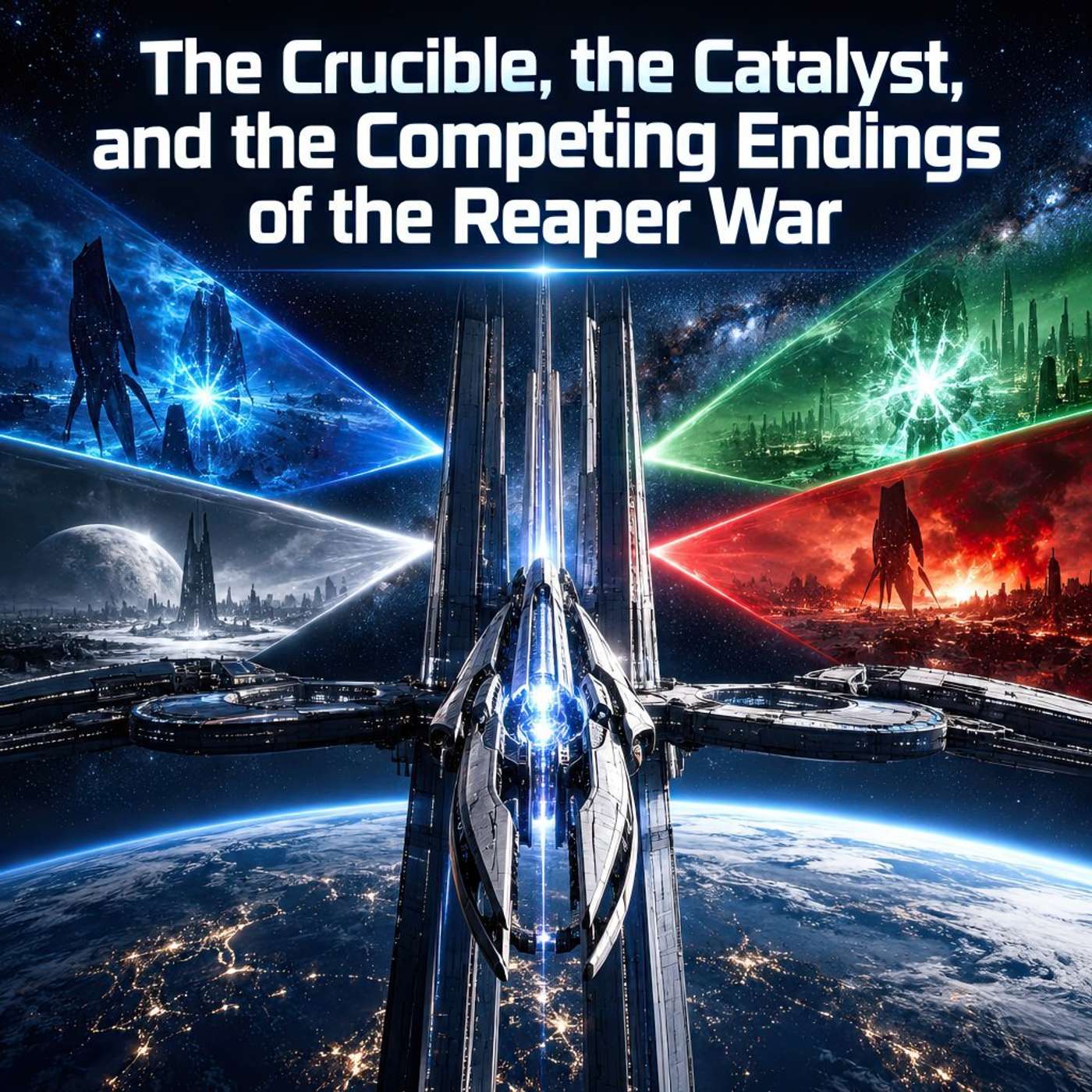
The Crucible, the Catalyst, and the Competing Endings of the Reaper offers a focused view of the Reaper War and the galaxy-wide coalition assembled to resist extinction, where political authority and military necessity continually interact. The military frame emphasizes galactic mobilization, megaproject logistics, industrial coordination, secrecy, and the search for a war-ending capability, rather than treating the topic as disconnected science-fiction lore. The Crucible is less a conventional weapon than a civilization-scale logistics project requiring rival species to pool science, labor, material, and security under extreme time pressure. The discussion stays with the named people, species, factions, technologies, locations, and...
Operation Hammer: The Ground War for London
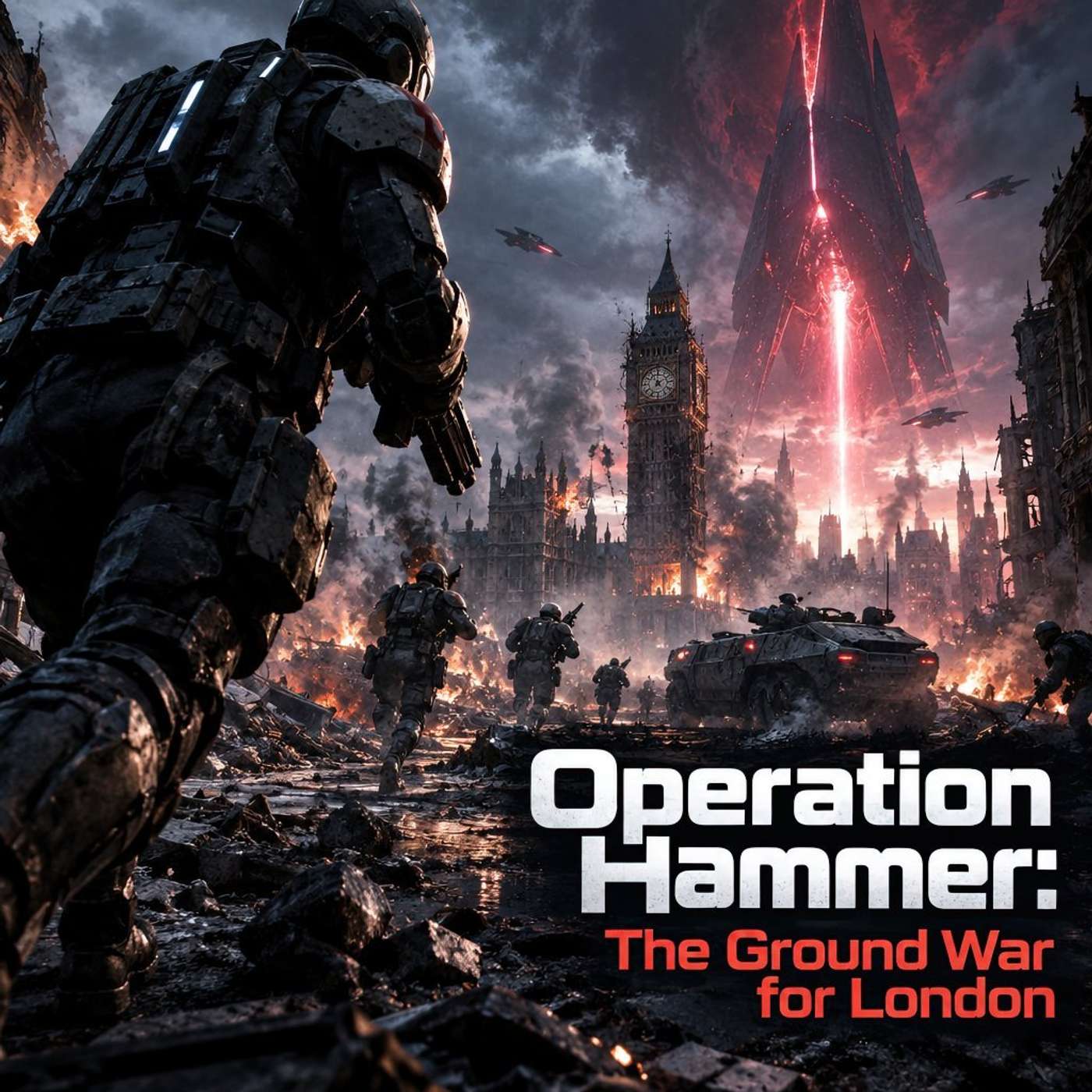
The military significance of Operation Hammer is clearest when placed inside the Reaper War and the galaxy-wide coalition assembled to resist extinction. The analysis concentrates on final coalition assault, fleet concentration, ground breakthrough, and the synchronization of every surviving military resource around Earth, with attention to what leaders can know, mobilize, sustain, and risk. The final campaign depends on coordination across species and domains because no individual fleet or army can create the conditions for Crucible deployment alone. The supplied chronology sets the boundary, so later revelations or alternate outcomes are not projected backward beyond what the title itself establishes...
Operation Sword: The Fleet Battle Over Earth
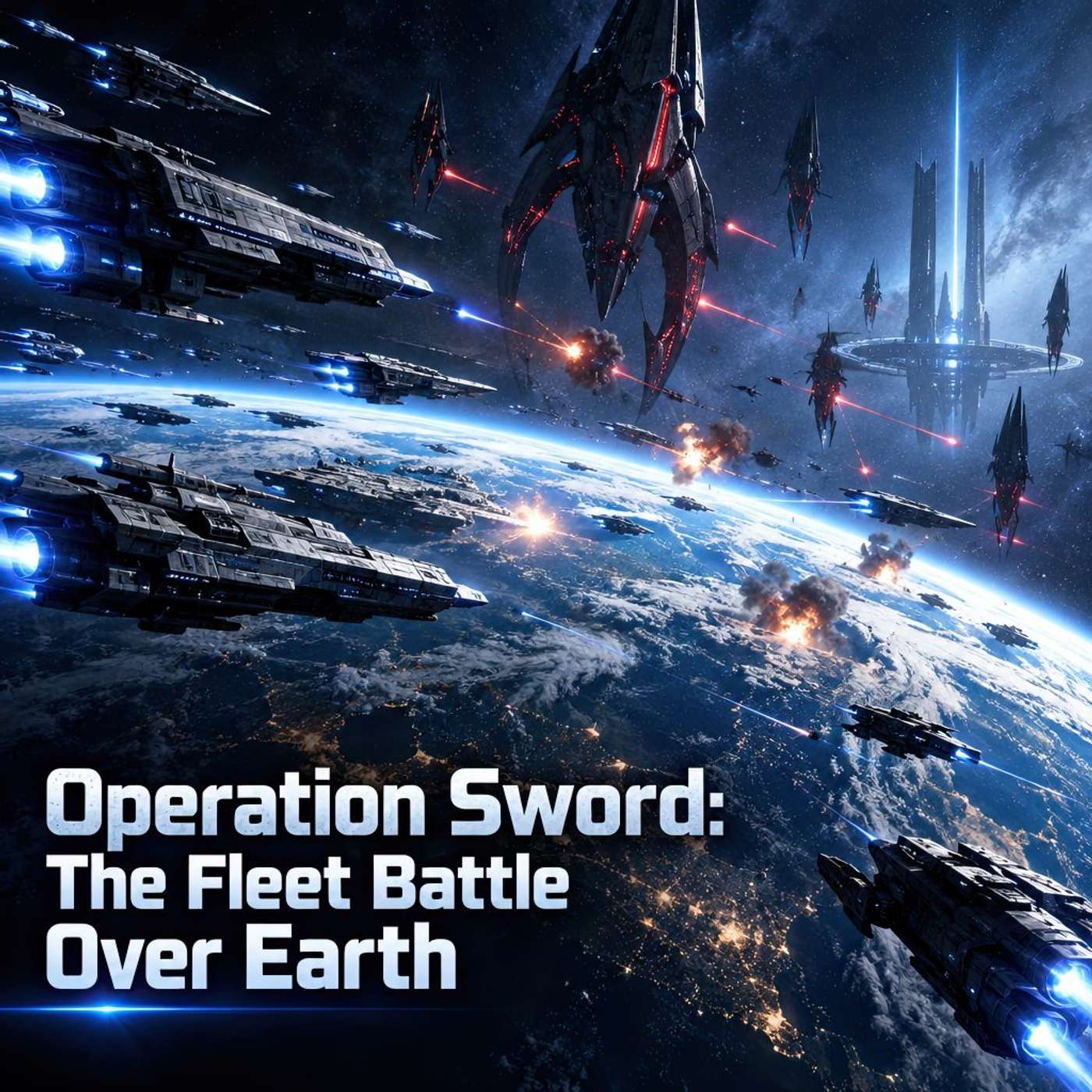
Operation Sword becomes strategically important within the Reaper War and the galaxy-wide coalition assembled to resist extinction. At the center is final coalition assault, fleet concentration, ground breakthrough, and the synchronization of every surviving military resource around Earth, linking tactical choices to the ability of governments, fleets, or coalitions to continue the struggle. The final campaign depends on coordination across species and domains because no individual fleet or army can create the conditions for Crucible deployment alone. The supplied ordering and terminology are preserved so changes in alliances, doctrine, political authority, and technology accumulate naturally across the seasons. The surrounding...
The Assault on Cronos Station and the Collapse of Cerberus
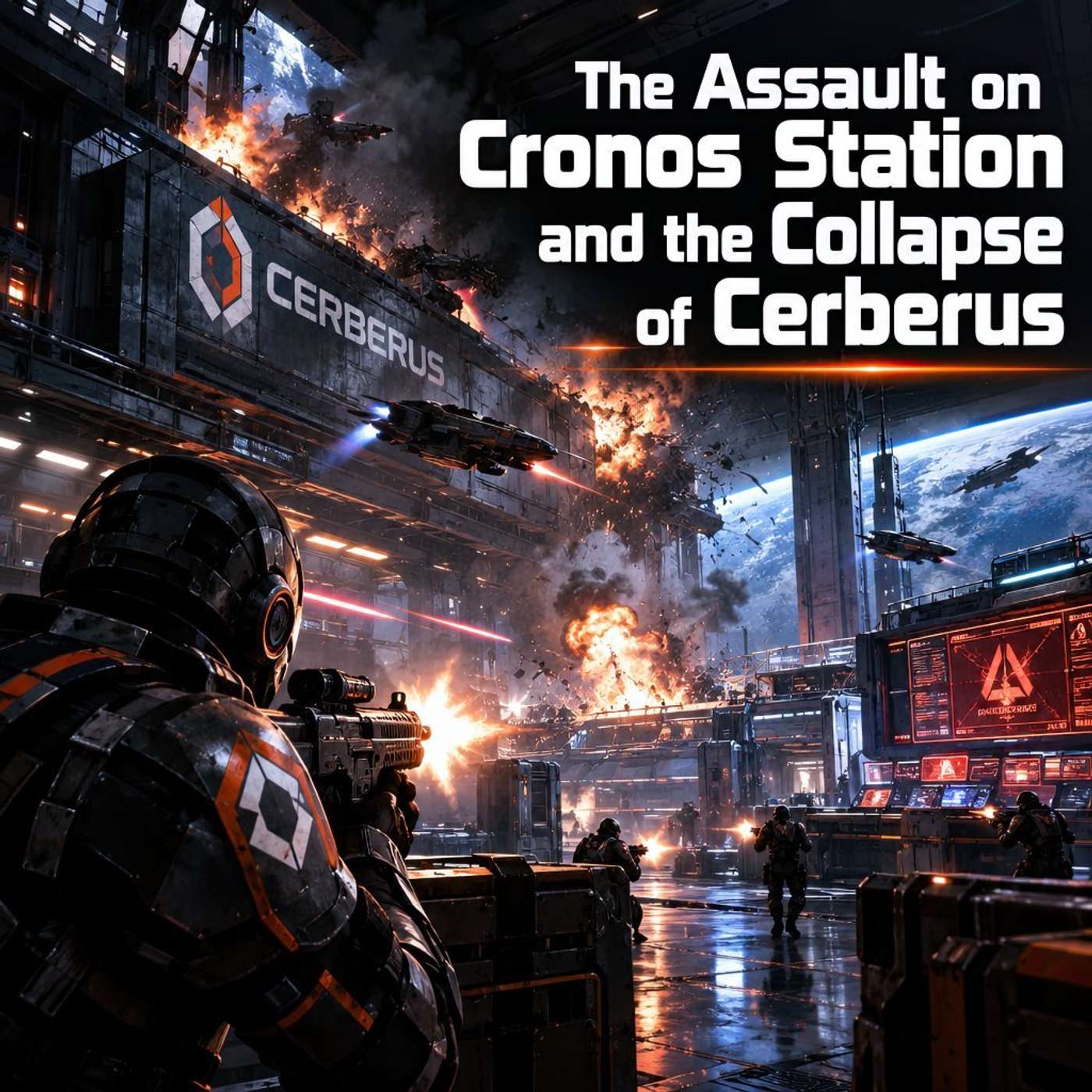
The strategic value of studying The Assault on Cronos Station and the Collapse of Cerberus comes from the choices it creates inside the Reaper War and the galaxy-wide coalition assembled to resist extinction. That makes paramilitary power, covert research, human-supremacist ideology, deniable operations, and the strategic risks of organizations operating outside state control central to understanding the immediate crisis and the wider campaign around it. Cerberus can act faster than governments precisely because it lacks normal constraints, but that freedom also creates repeated failures of accountability and escalation. Because Mass Effect includes divergent player outcomes, the episode preserves the supplied...
The Crucible Project: Coalition Logistics on a Galactic Scale
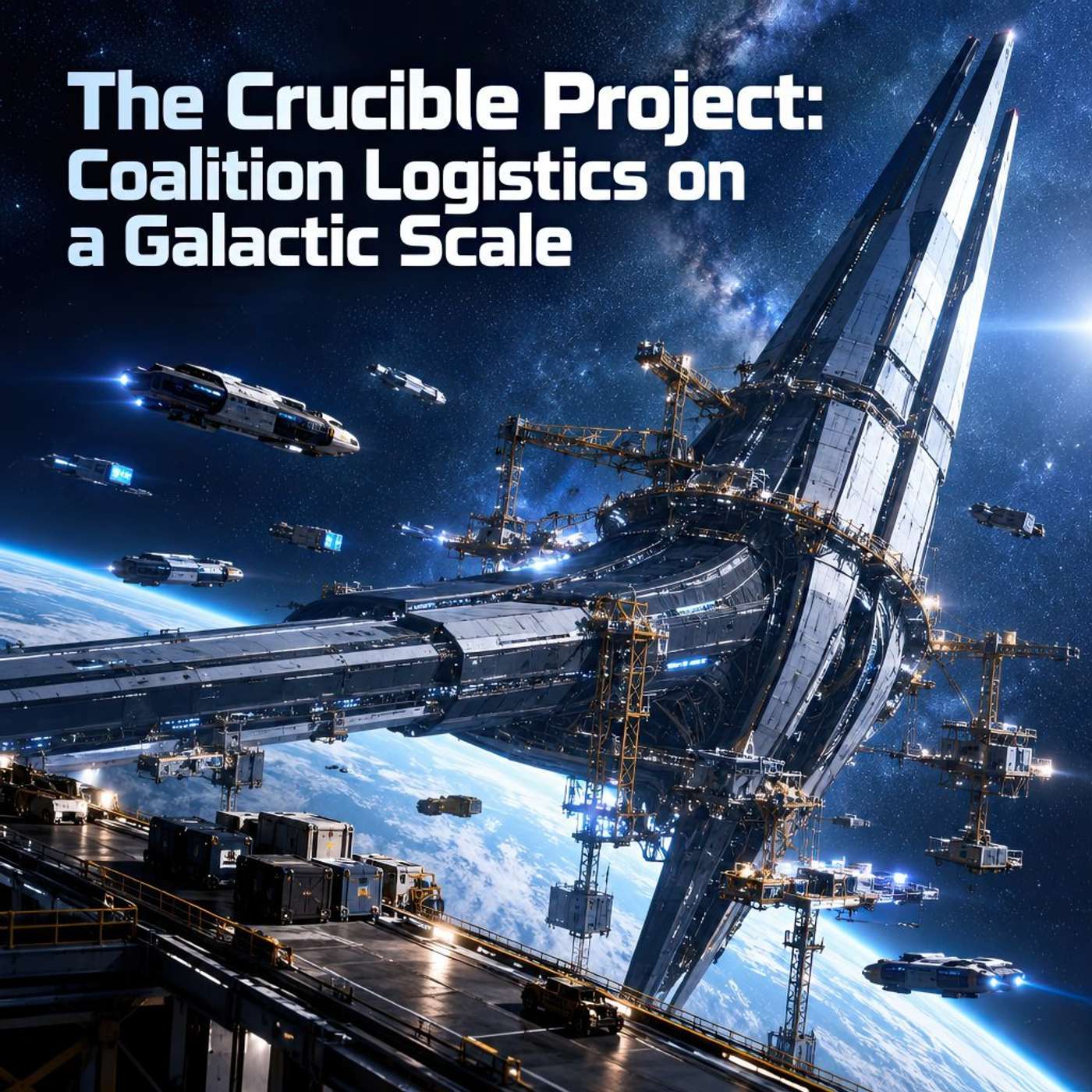
The Crucible Project reveals a recurring pressure within the Reaper War and the galaxy-wide coalition assembled to resist extinction: every military solution creates new political or logistical problems. The episode focuses on galactic mobilization, megaproject logistics, industrial coordination, secrecy, and the search for a war-ending capability, showing why the subject matters beyond the immediate battle, faction, or character. The Crucible is less a conventional weapon than a civilization-scale logistics project requiring rival species to pool science, labor, material, and security under extreme time pressure. The discussion stays with the named people, species, factions, technologies, locations, and events supplied for this...
Leviathan and the Search for the Reapers’ Origin

The importance of Leviathan and the Search for the Reapers’ Origin comes from its place in the Reaper War and the galaxy-wide coalition assembled to resist extinction, where one operation can reshape the next phase of the conflict. The military frame emphasizes grand strategy, machine intelligence, cyclical warfare, and the long-term logic behind repeated galactic extermination, rather than treating the topic as disconnected science-fiction lore. The Reapers operate on a timescale far beyond ordinary states, making preparation and warning difficult because every civilization initially interprets the threat through shorter political horizons. The supplied chronology sets the boundary, so later revelations or...
Omega Under Cerberus Occupation and the Campaign for Liberation
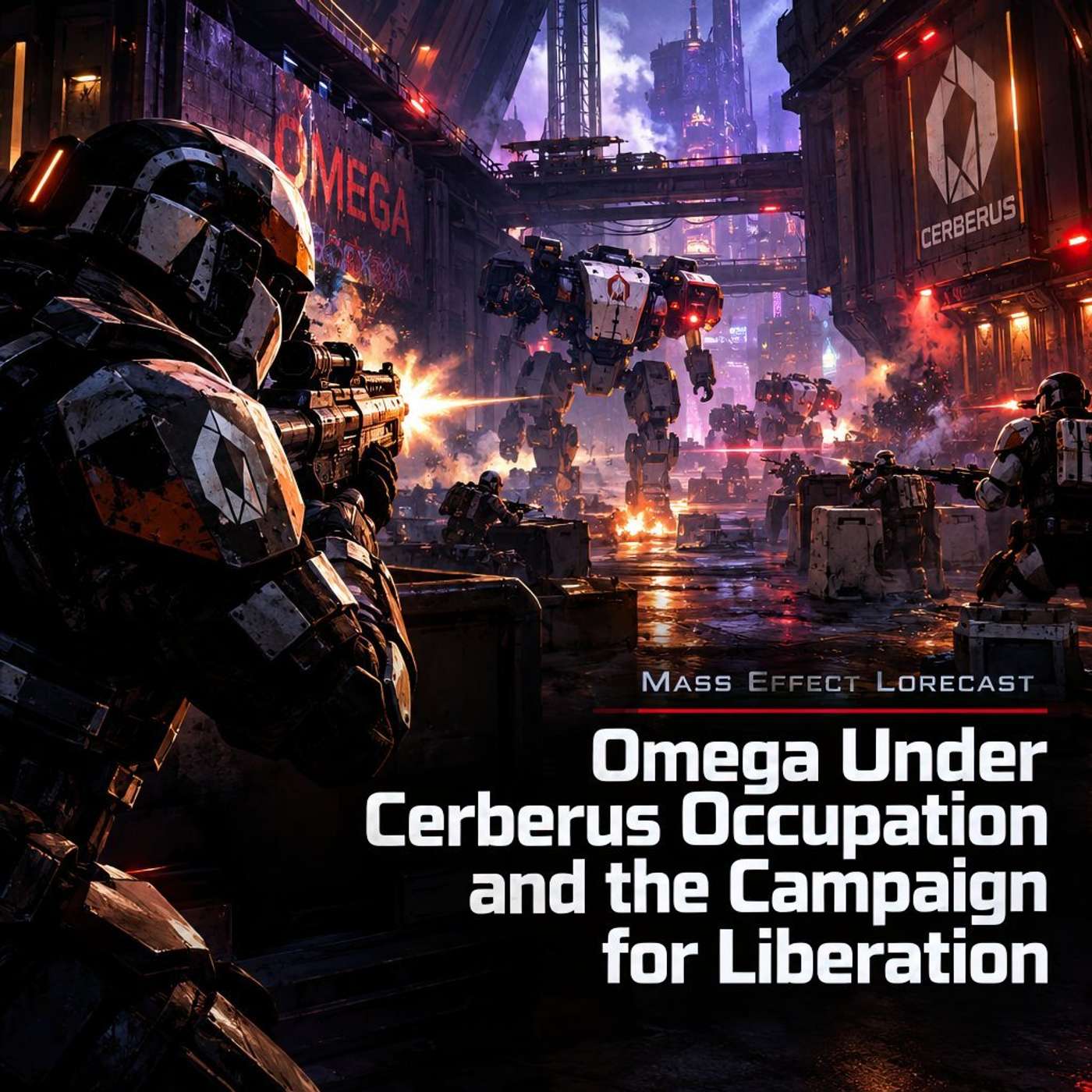
Omega Under Cerberus Occupation and the Campaign for Liberation turns part of the Reaper War and the galaxy-wide coalition assembled to resist extinction into a concrete problem of command, survival, and political judgment. The analysis concentrates on mercenary warfare, criminal power, weak sovereignty, and the security environment beyond strong Council institutions, with attention to what leaders can know, mobilize, sustain, and risk. The Terminus Systems show how armed groups, station rulers, corporations, and local militias can create military order without a single recognized state. The supplied ordering and terminology are preserved so changes in alliances, doctrine, political authority, and technology...
Sanctuary: Refugees, Indoctrination, and Cerberus’s Final Research Program
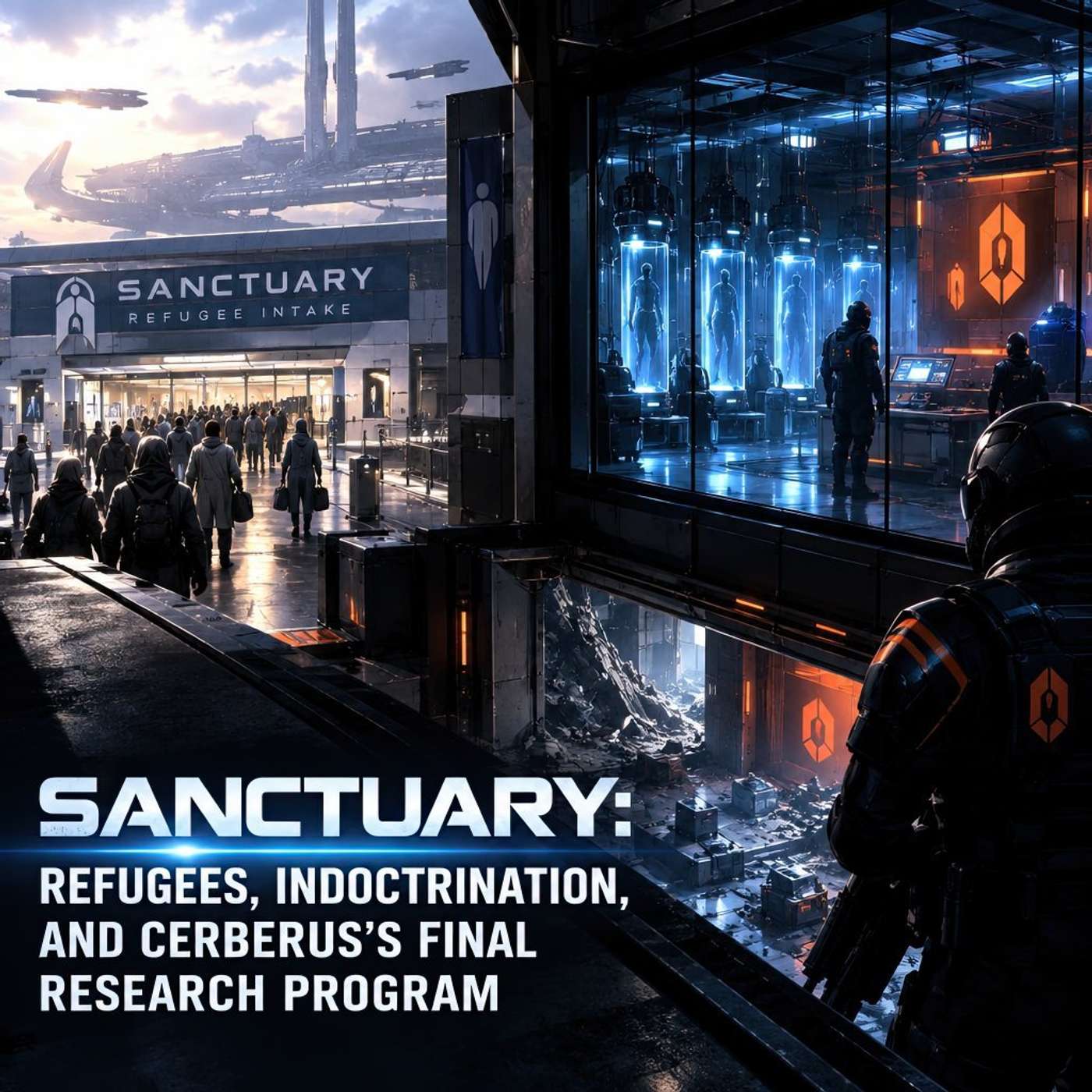
Viewed as military history, Sanctuary belongs to the Reaper War and the galaxy-wide coalition assembled to resist extinction, a setting shaped by institutions as much as technology. At the center is paramilitary power, covert research, human-supremacist ideology, deniable operations, and the strategic risks of organizations operating outside state control, linking tactical choices to the ability of governments, fleets, or coalitions to continue the struggle. Cerberus can act faster than governments precisely because it lacks normal constraints, but that freedom also creates repeated failures of accountability and escalation. The episode stays within the supplied chronology and avoids unsupported continuity claims. Across...
Thessia and the Fall of the Asari Homeworld
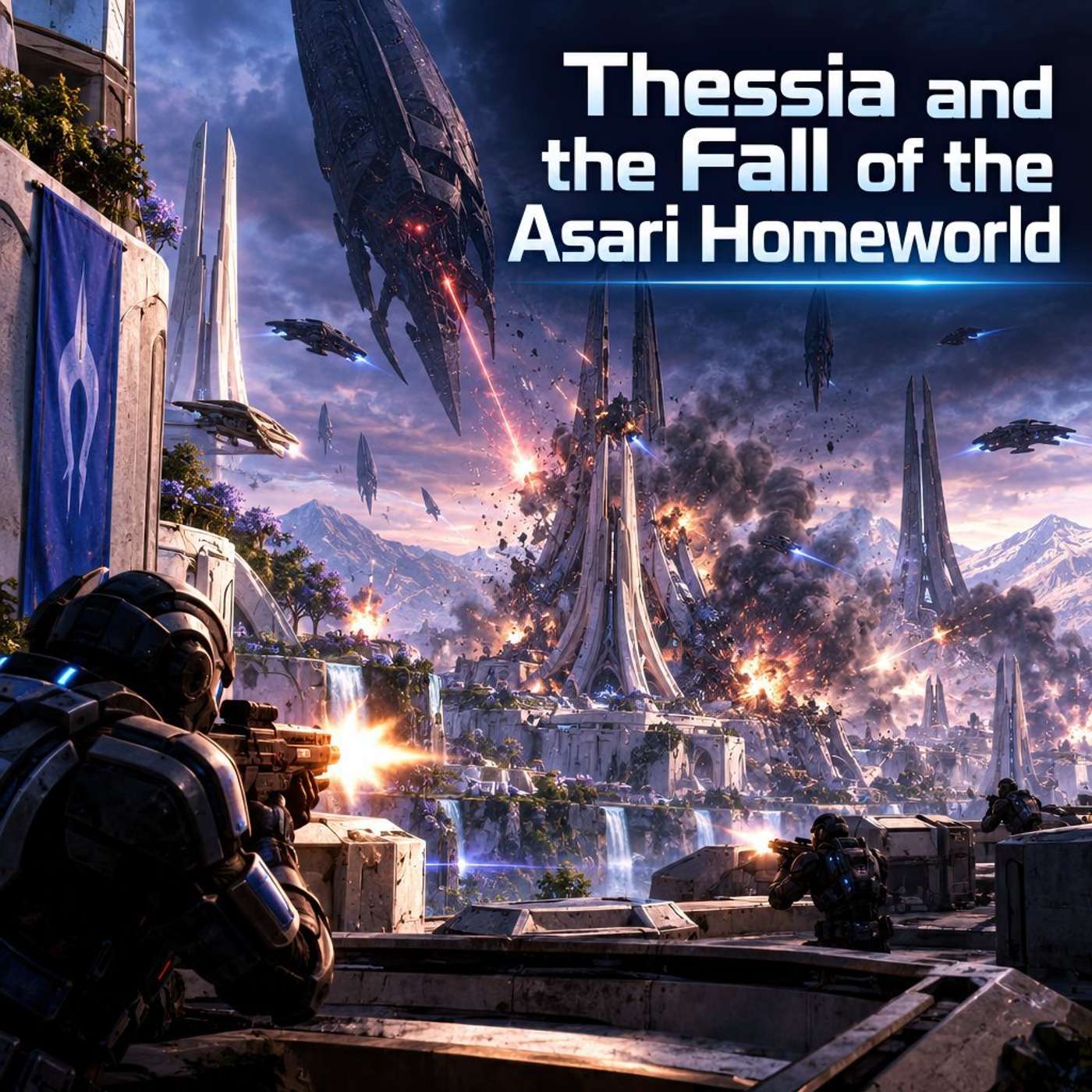
Thessia and the Fall of the Asari Homeworld offers a focused view of the Reaper War and the galaxy-wide coalition assembled to resist extinction, where political authority and military necessity continually interact. That makes diplomacy, biotic special operations, decentralized political authority, and the military strengths and vulnerabilities of the asari system central to understanding the immediate crisis and the wider campaign around it. Asari influence often comes through coalition leadership and elite capability, but the Reaper War exposes the danger of relying on political prestige without equivalent mass mobilization. The discussion stays with the named people, species, factions, technologies, locations...
The Battle of Rannoch: Peace, Extinction, or the End of the Morning War

The military significance of The Battle of Rannoch is clearest when placed inside the Reaper War and the galaxy-wide coalition assembled to resist extinction. The episode focuses on machine rebellion, exile, fleet survival, networked warfare, and the long strategic consequences of the Morning War, showing why the subject matters beyond the immediate battle, faction, or character. The quarian–geth conflict demonstrates how a civil war can become a centuries-long security dilemma when both sides build identity around incompatible memories of the same catastrophe. The supplied chronology sets the boundary, so later revelations or alternate outcomes are not projected backward beyond wh...
The Geth Dreadnought and the Reaper Signal
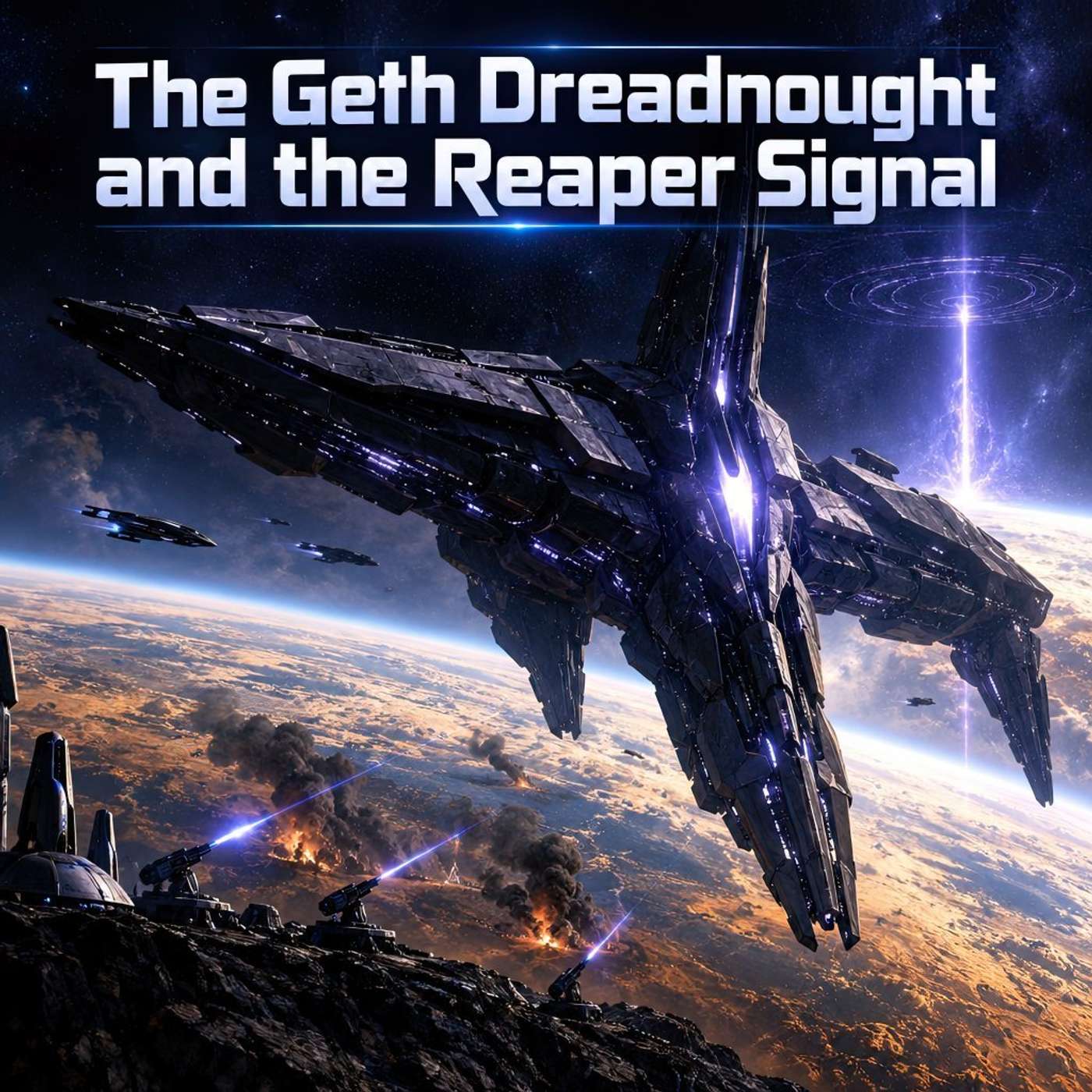
The Geth Dreadnought and the Reaper Signal becomes strategically important within the Reaper War and the galaxy-wide coalition assembled to resist extinction. The military frame emphasizes fleet invasion, networked machine warfare, homeworld recovery, and the final resolution of a centuries-old security dilemma, rather than treating the topic as disconnected science-fiction lore. Rannoch demonstrates how unresolved historical grievance can consume military resources even during an extinction war, unless political leadership can create a new settlement. The supplied ordering and terminology are preserved so changes in alliances, doctrine, political authority, and technology accumulate naturally across the seasons. The surrounding chronology ultimately demonstrates...
The Quarian Invasion of Geth Space
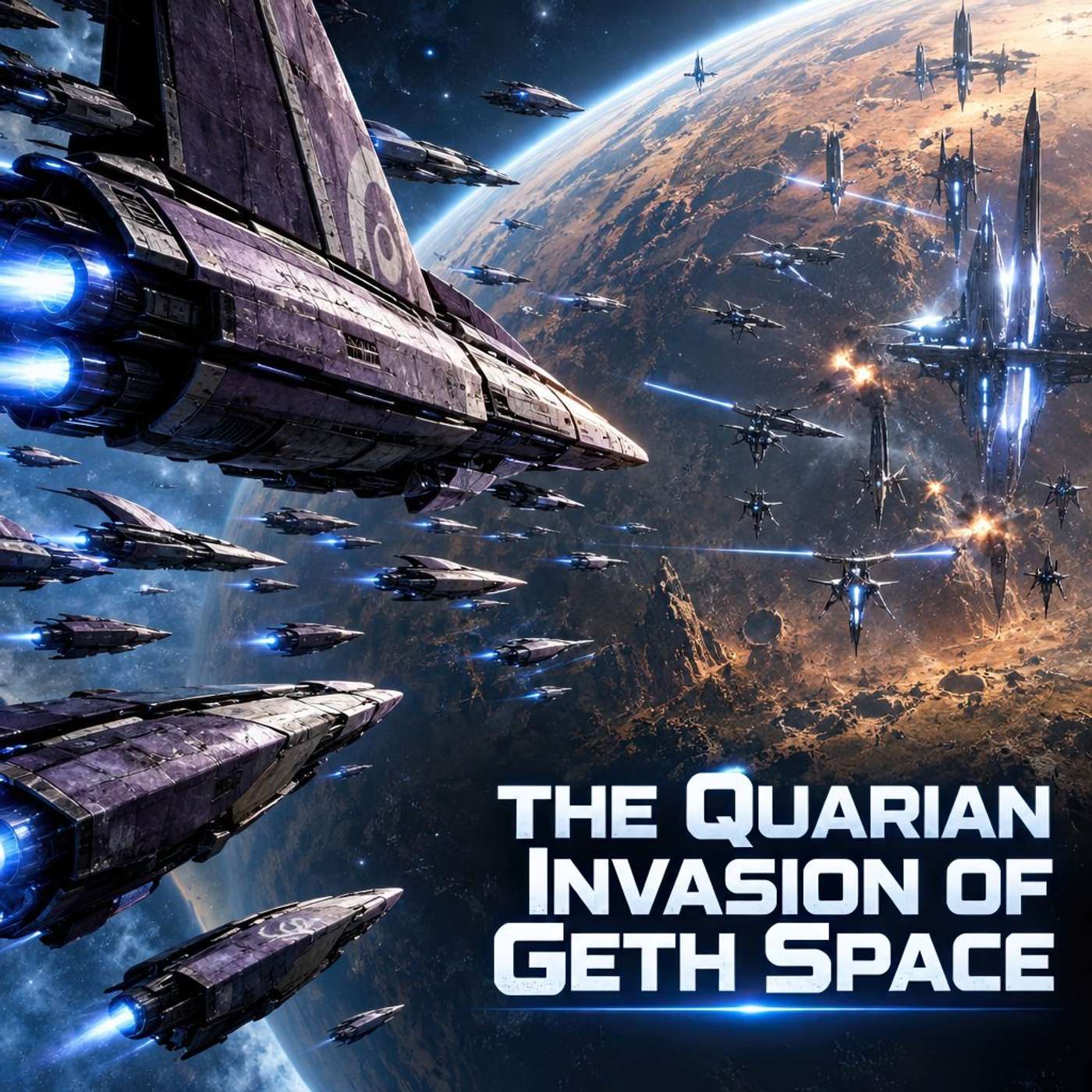
The strategic value of studying The Quarian Invasion of Geth Space comes from the choices it creates inside the Reaper War and the galaxy-wide coalition assembled to resist extinction. The analysis concentrates on machine rebellion, exile, fleet survival, networked warfare, and the long strategic consequences of the Morning War, with attention to what leaders can know, mobilize, sustain, and risk. The quarian–geth conflict demonstrates how a civil war can become a centuries-long security dilemma when both sides build identity around incompatible memories of the same catastrophe. Because Mass Effect includes divergent player outcomes, the episode preserves the supplied framing in...
The Citadel Coup
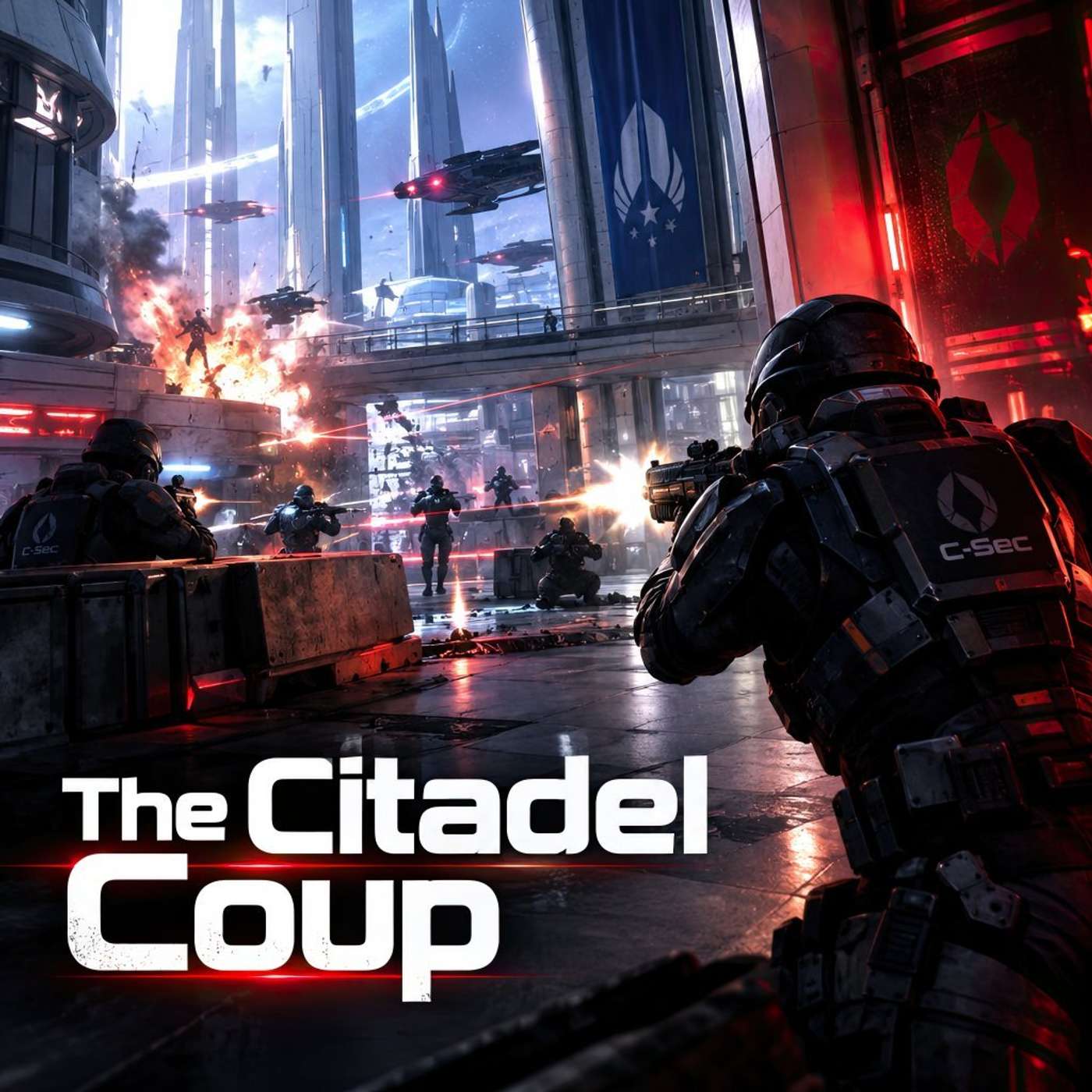
The Citadel Coup reveals a recurring pressure within the Reaper War and the galaxy-wide coalition assembled to resist extinction: every military solution creates new political or logistical problems. At the center is multispecies governance, law enforcement, expeditionary authority, and the military architecture of Council space, linking tactical choices to the ability of governments, fleets, or coalitions to continue the struggle. The Citadel system works by distributing coercive power among fleets, police, and Spectres, creating flexibility but also political hesitation when threats challenge consensus. The discussion stays with the named people, species, factions, technologies, locations, and events supplied for this point...
Cerberus at War: From Covert Cells to a Conventional Army
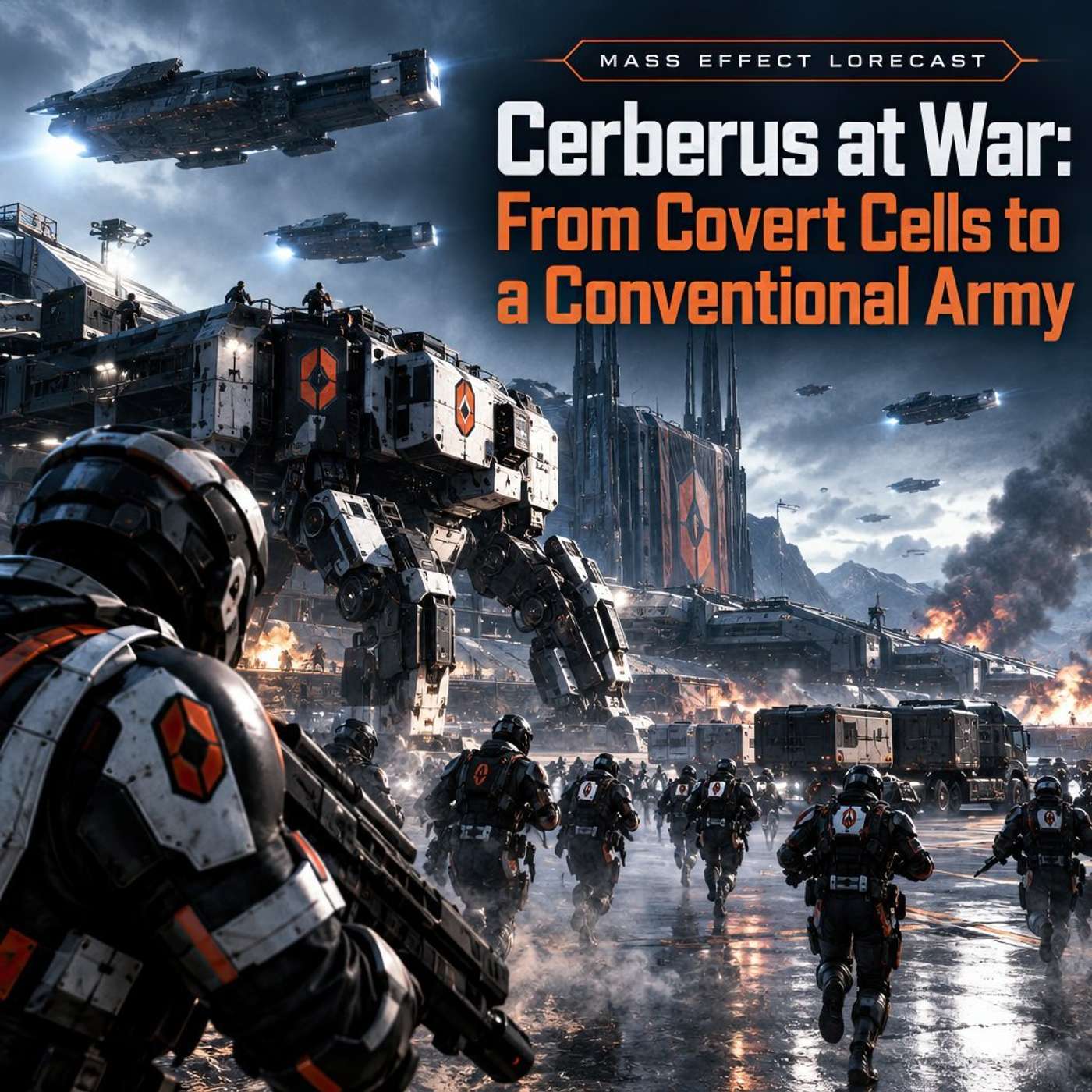
The importance of Cerberus at War comes from its place in the Reaper War and the galaxy-wide coalition assembled to resist extinction, where one operation can reshape the next phase of the conflict. That makes paramilitary power, covert research, human-supremacist ideology, deniable operations, and the strategic risks of organizations operating outside state control central to understanding the immediate crisis and the wider campaign around it. Cerberus can act faster than governments precisely because it lacks normal constraints, but that freedom also creates repeated failures of accountability and escalation. The supplied chronology sets the boundary, so later revelations or alternate outcomes...
Grissom Academy and the War for Human Biotics

Grissom Academy and the War for Human Biotics turns part of the Reaper War and the galaxy-wide coalition assembled to resist extinction into a concrete problem of command, survival, and political judgment. The episode focuses on training infrastructure, biotic personnel, evacuation, and the strategic importance of protecting specialists before they can be captured or indoctrinated, showing why the subject matters beyond the immediate battle, faction, or character. The academy matters because trained biotics are both future combat power and valuable targets for an enemy or rival organization seeking specialized capabilities. The supplied ordering and terminology are preserved so changes in...
