The Perfume Journal by PREMIEREPEAU
Essays on perfume history and culture, read aloud: the craft, the trade and the stories told about them. A broken clay tablet that names the first chemist on record. A palace with no plumbing. A plague doctor's beak, younger than its legend. Some famous stories meet the records. Not all of them survive. Episodes run 10 to 12 minutes, adapted from the journal of the Paris perfume house PREMIEREPEAU.
The osmanthus flower: the colour that is harvested
Osmanthus flowers are beaten from the branches with long sticks, and the harvest takes the orange ones. Yet when one white cultivar and one orange were measured, the fruit-and-violet substance made up 35.59% of the white one's scent and 0.61% of the orange one's.
How osmanthus is beaten down and kept in brineWhere the fruit-and-violet substance sits in a white and an orange flowerWhen orange first appears in the old textsChapters
00:00 Opening00:34 Beaten onto a sheet02:00 A nose at the outlet02:51 One pair, measured04:19 The tree that closes05:33 The last colourRead more: Osmanthus: The Flower...
Benzoin: the resin behind the names of chemistry
A resin tapped from Southeast Asian trees gave chemistry its benz names, from benzoic acid to benzene, and once scented the smoke of European churches. Rubber pays in 5 years, cassava in 1, and styrax needs 7 to 10.
How a resin tapped from wounded trees named a family of chemistryWhat the natural resin carries that a laboratory copy does notHow four hundred years of tapping knowledge lives only in people's handsChapters
00:00 Opening00:40 Wounded on purpose01:44 Incense of Java03:00 Names in the textbook03:52 Warmth on the skin05:18 One year, or seven06:28 Four hundred years07:38 The wounded treeRead...
Civet: the warmth that was scraped from a scream
In a building in Jimma, civets pace in cages they cannot fully turn around in, and twice a week a handler scrapes a paste from them that smells of rot and honey. The international trade that bought it has largely closed. The cages have not all been emptied.
why a paste that reeked made perfumes feel like skinhow the stress of confinement was the mechanism of the cageswhy the cages have not all been emptied though the international trade has largely closedChapters
00:00 Opening00:35 Two scrapings a week01:52 Five hundred years02:46 One part in a thousand04:02...The Damask rose: three parents, no single wild home
A skincare brand writes that the damask rose is native to Syria, cultivated for millennia. The record says a hybrid of three species with no single wild home, and one date, written by the oil trade itself.
Why the sentence about Syria has no sourceA hybrid of three parents has no single wild homeThe clock a protected name puts on the harvestChapters
00:00 Opening00:35 Native to Syria01:23 Three parents, no city02:22 Millennia, by one date03:18 Ten to fifteen hours to the still04:43 The one dateRead more: The Damask Rose: A Hybrid of Three Species...
Tuberose at night: the peak with no hour
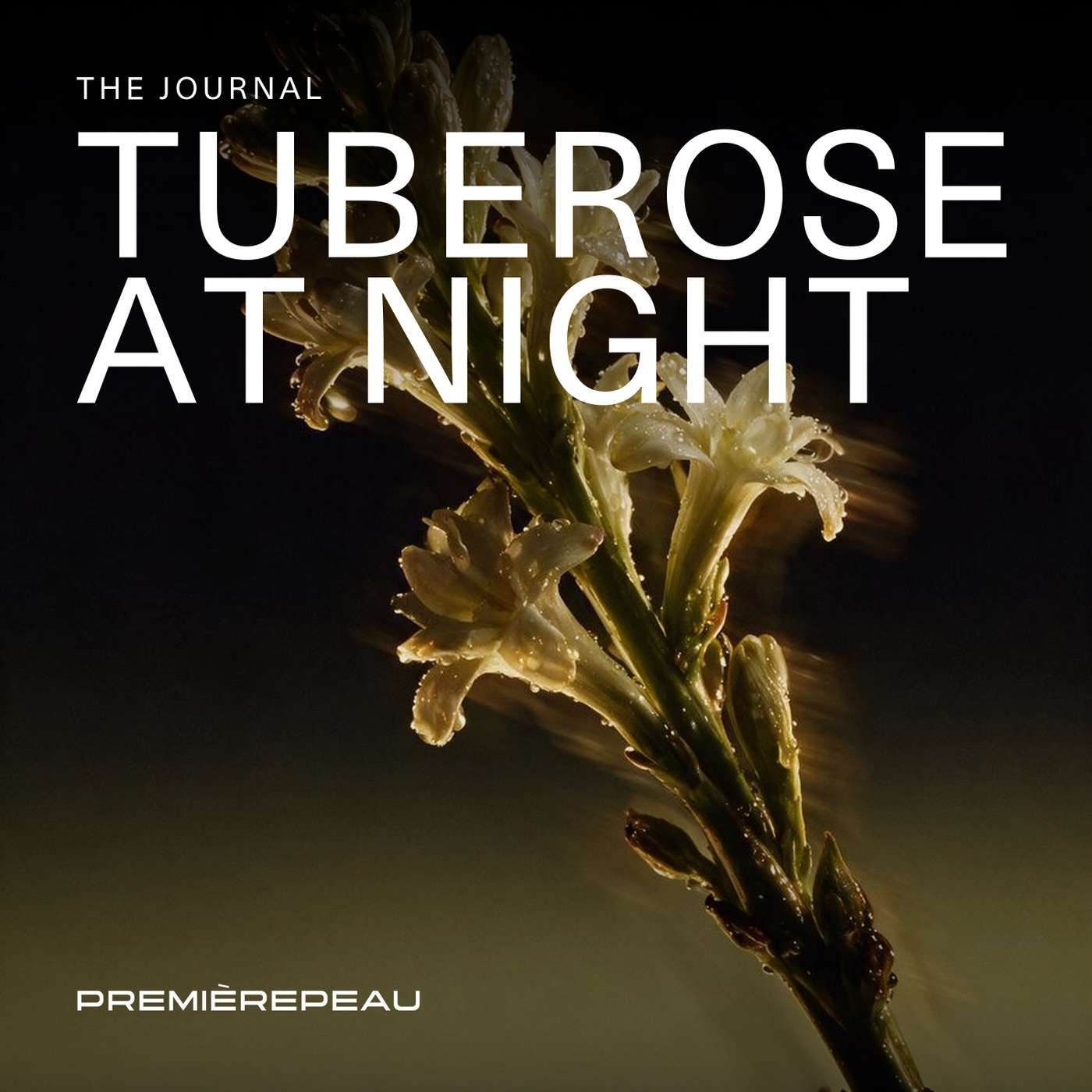
Tuberose is famous for a scent said to peak after dark, yet a careful reading of its flowers, stage by stage, was taken at 5 in the morning. The record also holds a forbidden-garden story no document supports, and 135 studies that found no overall difference between pollination by day and by night.
How the scent changes as one flower opensWhat four pages claim, and no document supportsWhy the night peak has no known causeChapters
00:00 Opening00:33 Bottles at dawn01:50 Four pages, no document02:52 Peaking at night04:44 Five in the morningRead more: Tuberose: The Night-Blooming Flower...
Myrrh and the pharaohs: the bitterness that got honoured
In Somali, myrrh is molmol — very bitter. Temples burned it at the harshest hour of the day, a pharaoh sent ships for the living trees, and molecules behind its smell were reported in Nature to act on the receptors of morphine.
What people did with a resin named for its bitternessWhat the embalmers' labelled pots revealed in 2023What a 1996 letter in Nature reported about myrrh and the receptors of morphineChapters
00:00 Opening00:39 Wound, wait, collect02:10 Myrrh at the zenith03:30 Trees, not just resin04:27 A word in the pots05:18 The receptors of morphine07:13 Very bitterRead mo...
Frankincense and myrrh: the price was the road
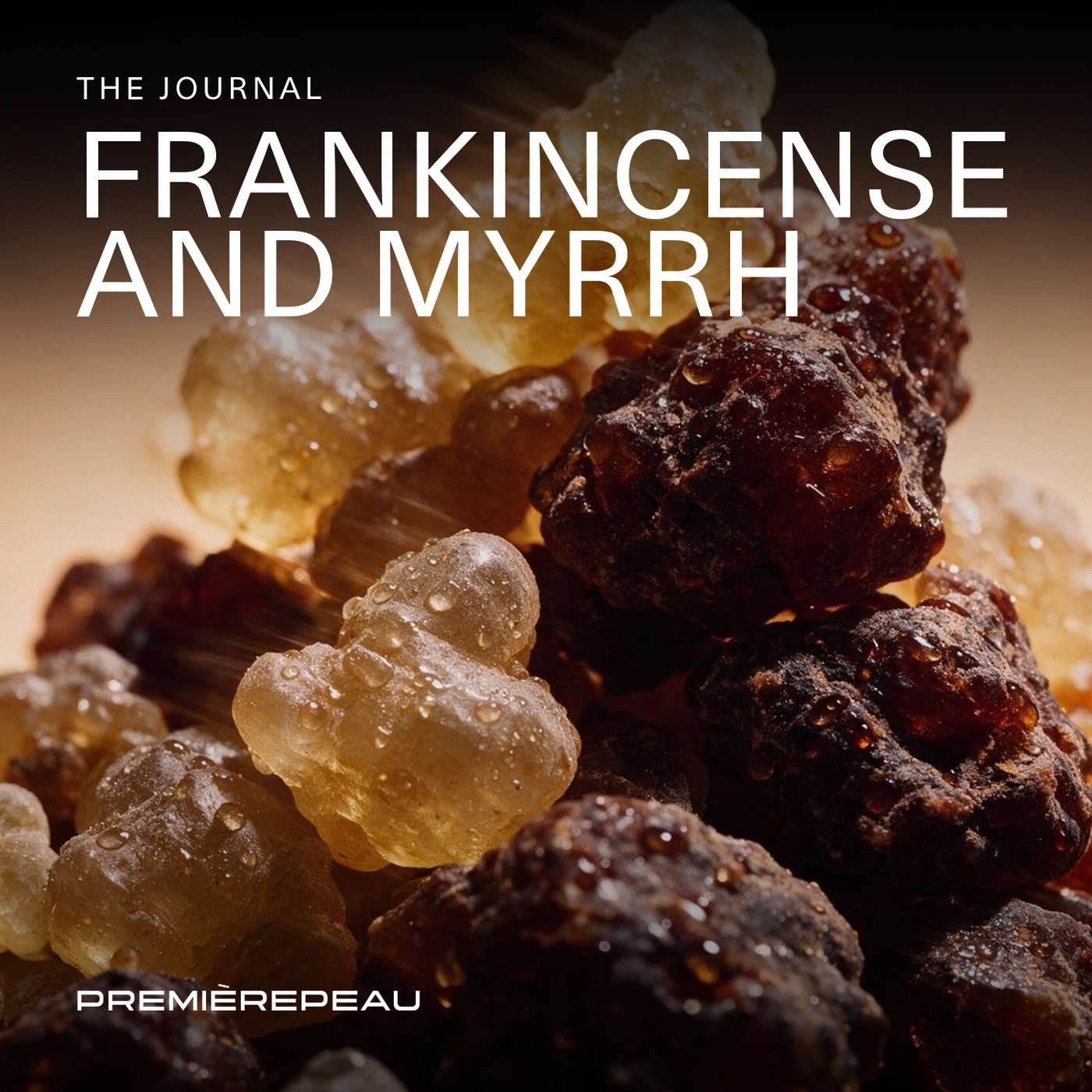
A church magazine wrote that frankincense was worth its weight in gold; Pliny's Rome priced it at about 1/170th of that. Follow the coin from the bark to Gaza, 65 days by camel, to a workshop that stripped its workers at the door.
What a pound of gold bought in Pliny's RomeWho wrote the meaning of the three giftsWhat each camel cost on the roadChapters
00:00 Opening00:36 Six against a thousand01:24 One verse, no reason02:11 The bishop's sentence02:53 Sixty-five days by camel04:39 The roadRead more: Frankincense and Myrrh: Two Resins, One Verse and Their Price...
Rose water: the leftover that never left
Rose water is what remains after the oil worth thousands is skimmed off the top, and it has been poured for a thousand years. Its cheapness put it in every kitchen, and put fakes beside it that the nose cannot catch.
Why rose water is a by-product of rose oilA Persian festival distilling the way Ibn Sina describedHow to spot the fakes poured into the same bottlesChapters
00:00 Opening00:38 Rose plus water01:27 A better cooling coil02:24 Thirty kilos at dawn03:36 The same still, different money04:25 Added last, off the heat05:30 Most of what you pour06:49 The...Musk: from a deer to a ring
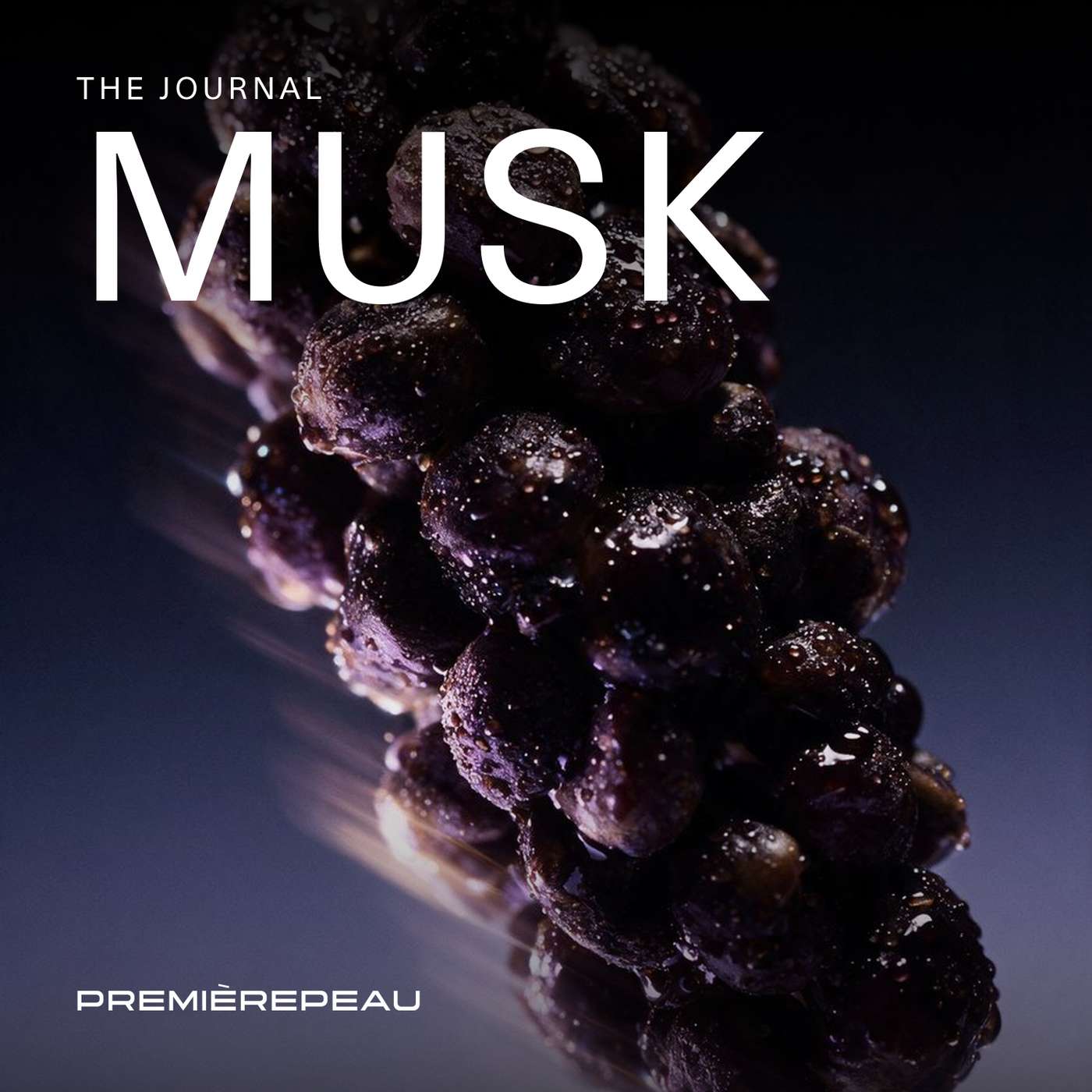
A 1653 cookery book finishes a dish with one grain of musk, a few hundredths of a gram from a deer. Today the word mostly names laboratory molecules, and chemistry's route there ran through a ring of fifteen carbons.
How the deer is regulated, not bannedHow a ring chemists doubted replaced the glandWhy some noses cannot find musk at allChapters
00:00 Opening00:36 A grain in the pot01:28 Regulated, not banned02:23 Fifteen carbons in a ring03:35 Six thousand tonnes a year04:58 The grainRead more: What Is Musk? 3,000 Years of Obsession, at PREMIEREPEAU
Sources: Live...
Bergamot: two claims the record won't confirm
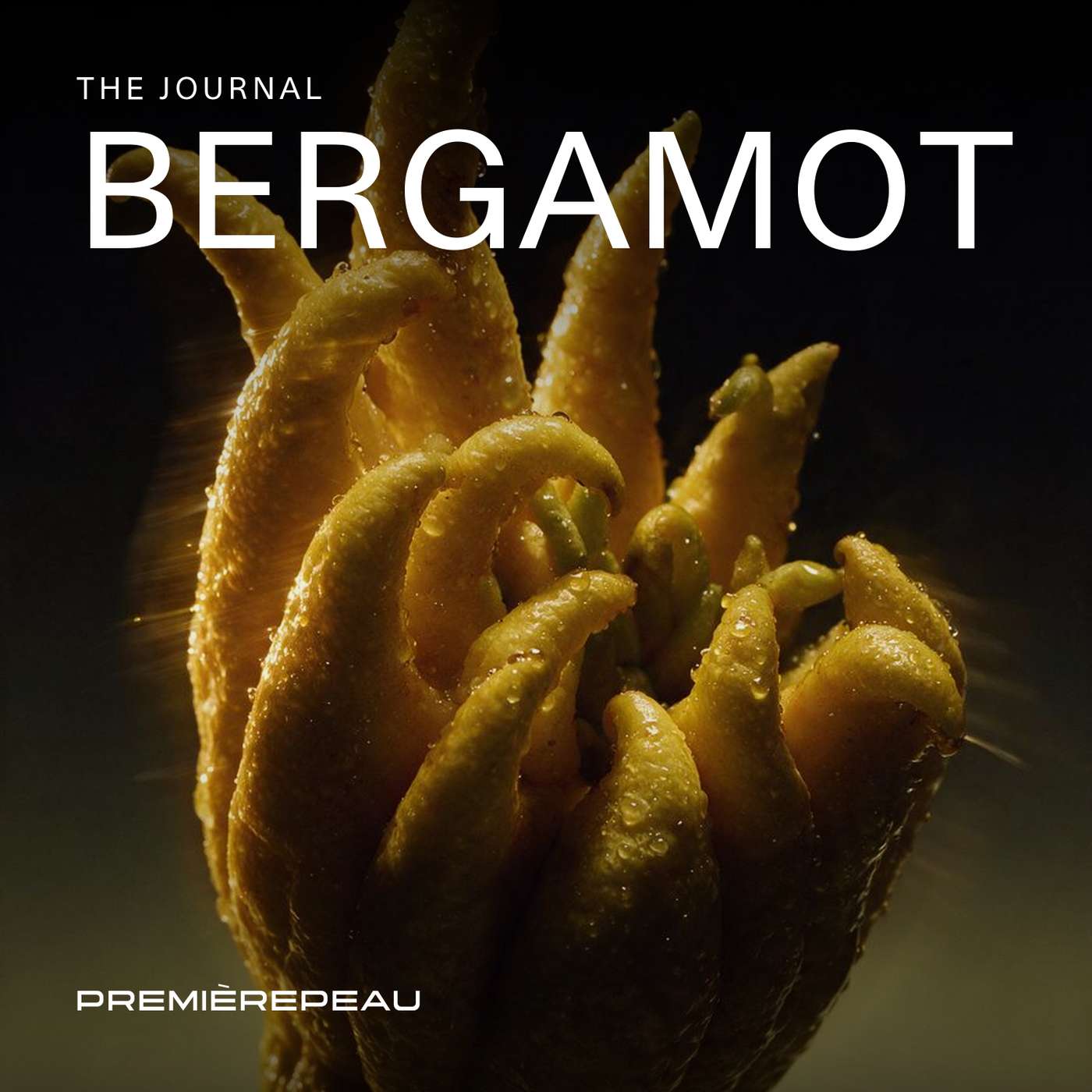
An 1824 recipe promised five-shilling tea that would pass for twelve, flavoured with oil of bergamot. Today that oil is called a lemon hybrid that opens every perfume, while the plant records file it under the lemon itself.
Which molecule gives bergamot its floral second voiceHow plant databases file bergamot under the lemonHow many perfumes one count actually givesChapters
00:00 Opening00:38 Five shillings a pound01:29 A second voice02:56 A strip of coast03:48 Filed under lemon05:15 A third of the list06:02 The recipeRead more: Bergamot: Calabria's Citrus Monopoly, at PREMIEREPEAU
Sources: PREMIEREPEAU journal essay « B...
Sarsaparilla: the ban that never named the vine
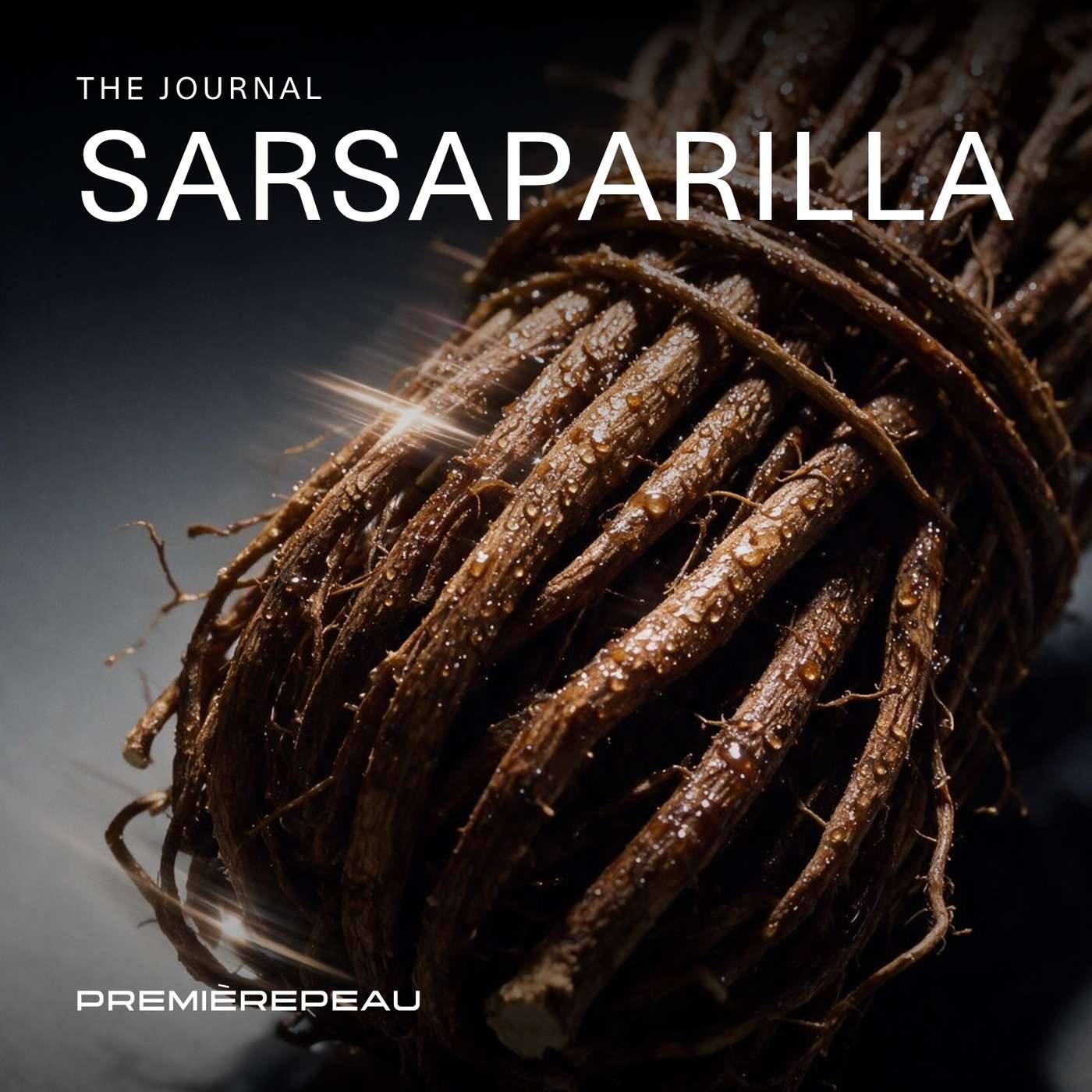
The pages that rank all say America banned the sarsaparilla vine in 1960. The order of that December names four substances and no vine, and no source even describes the smell of the root.
What the order of December 1960 actually bansThree plants that share one wordWhich molecules carry the smell called root beerChapters
00:00 Opening00:33 Four names, no vine01:37 Three plants, one word02:25 Medicine for the blood03:25 Two recipes, no winner04:36 Two separate losses05:42 The smell is elsewhere07:02 The orderRead more: Sarsaparilla: Three Plants Share One Word, and the 1960 Ban Never Named the Vine, at...
Hyssop: the name the garden herb took
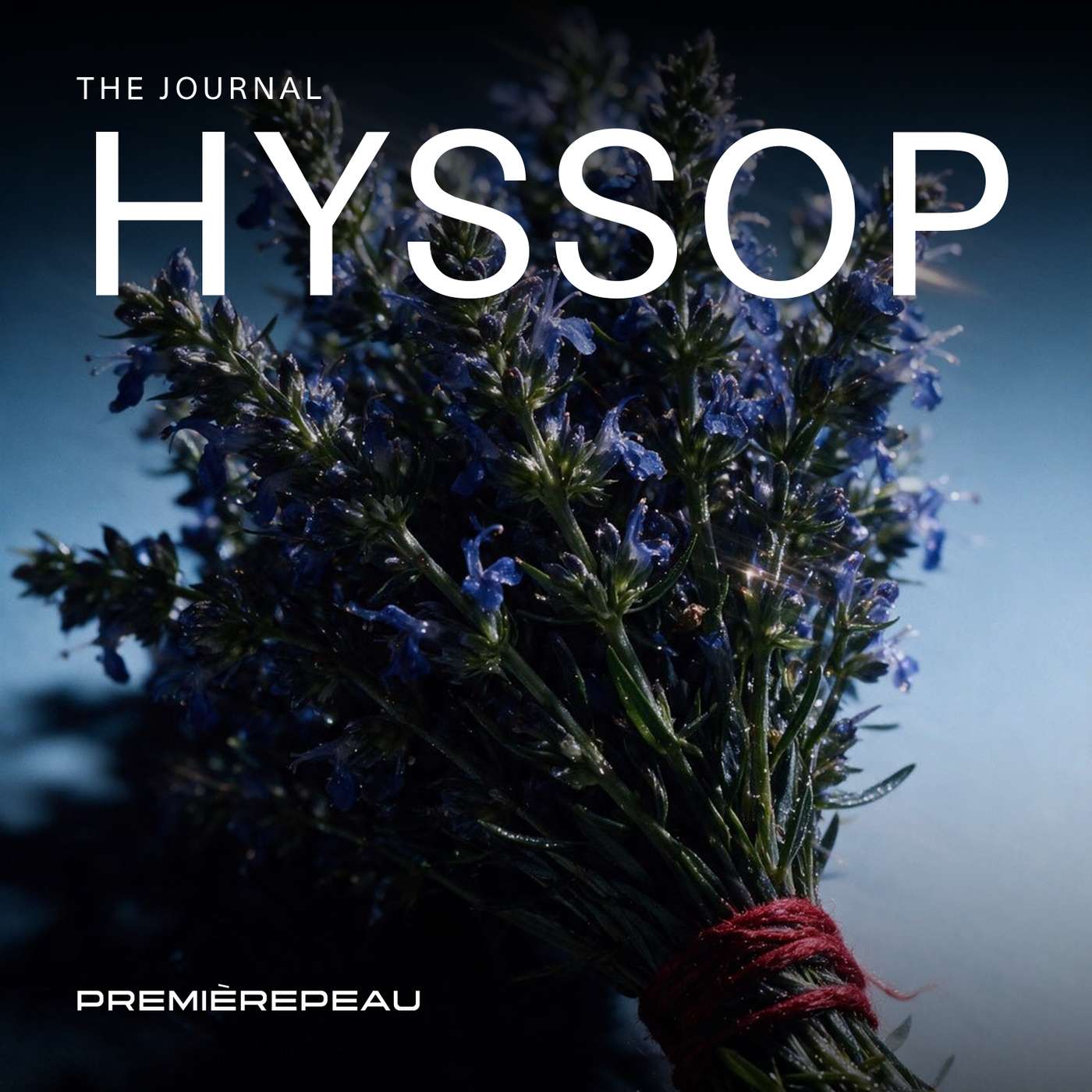
"Purge me with hyssop" says the psalm, yet the garden hyssop never grew wild in Palestine: the plant of the rites was probably a wild oregano. The shrub that took its name flavours absinthe, and France reserves its oil to pharmacists.
Why the garden hyssop cannot be the biblical plantWhat Linnaeus named in 1753Why the oil stands behind the pharmacist's counterChapters
00:00 Opening00:30 Two plants, one word01:17 Bunch, blood, doorposts02:27 Not on the map03:33 The sponge, and a name given in May04:40 Ninety-two hours06:32 The word and the counterRead more: Hyssop: The Herb of...
The real price of a bottle: what the price pays for
A blog says a 150-dollar bottle may hold 1.50 dollars of ingredients. The filed accounts of a fragrance company say advertising took a fifth of its sales. Oud weighed against a real gold price, and a 45.4-million-euro fine, are what the record can say about what a price pays for.
What two filed accounts say a price pays forWhy orris costs years before it costs eurosOud weighed against a public price of goldChapters
00:00 Opening00:47 Claims without accounts01:39 What the accounts say04:00 Six years, one root05:08 Weighed against gold06:33 A fine in Paris07:57 Printed everywhereRead...
What perfume is made of: the one word the law allows
A perfume bottle is mostly alcohol, and the alcohol is spoiled on purpose, by recipes written into law. Everything that smells hides behind one word on the label, and the palette behind that word is published, and almost nobody reads it.
Why the alcohol in perfume is spoiled on purposeWhat one word on the label legally stands forHow much of fragrance now comes from factoriesChapters
00:00 Opening00:29 Alcohol comes first01:36 Spoiled on purpose02:36 One word, by regulation03:32 A month in the jar04:44 What the word stands on05:32 One wordRead more: What Is Perfume Made...
The acidity of your skin: the strip never sweats
A perfumer spends eleven months judging a formula on strips of paper, and paper never sweats or eats garlic. The skin that perfume finally meets can be a full pH step more acidic, hosts a thousand bacterial species, and rewrites her work before it reaches a nose.
Why acidic skin takes esters apart fasterHow skin oil becomes a reservoir for the baseWhy the skin scent is a literal hybridChapters
00:00 Opening00:37 Eleven months on paper01:49 Nineteen twenty-eight03:23 The skin's own solvent04:53 A thousand guests06:13 Three days of garlic07:21 Your body finishes it08:36 The strip and the...Bakhoor: what the word named, and where the smoke went
In Cairo in the 1830s, bakhoor meant an inferior frankincense for fumigating rooms; in Qatar today it means oil-soaked chips passed among guests. In both records the smoke is brought to the body, not only to the room.
What the word bakhoor named in CairoWhere the smoke goes, in both recordsWhat three lung studies found and did notChapters
00:00 Opening00:33 Cheap resin, soaked chips01:20 Plaster, charcoal, coals02:54 Coffee, sherbet, then smoke04:44 Three studies, no verdict06:03 The smoke followsRead more: Bakhoor: The Ancient Scenting Ritual The West Forgot, at PREMIEREPEAU
Sources: Live journal...
Rafflesia: the corpse flower nobody queues for
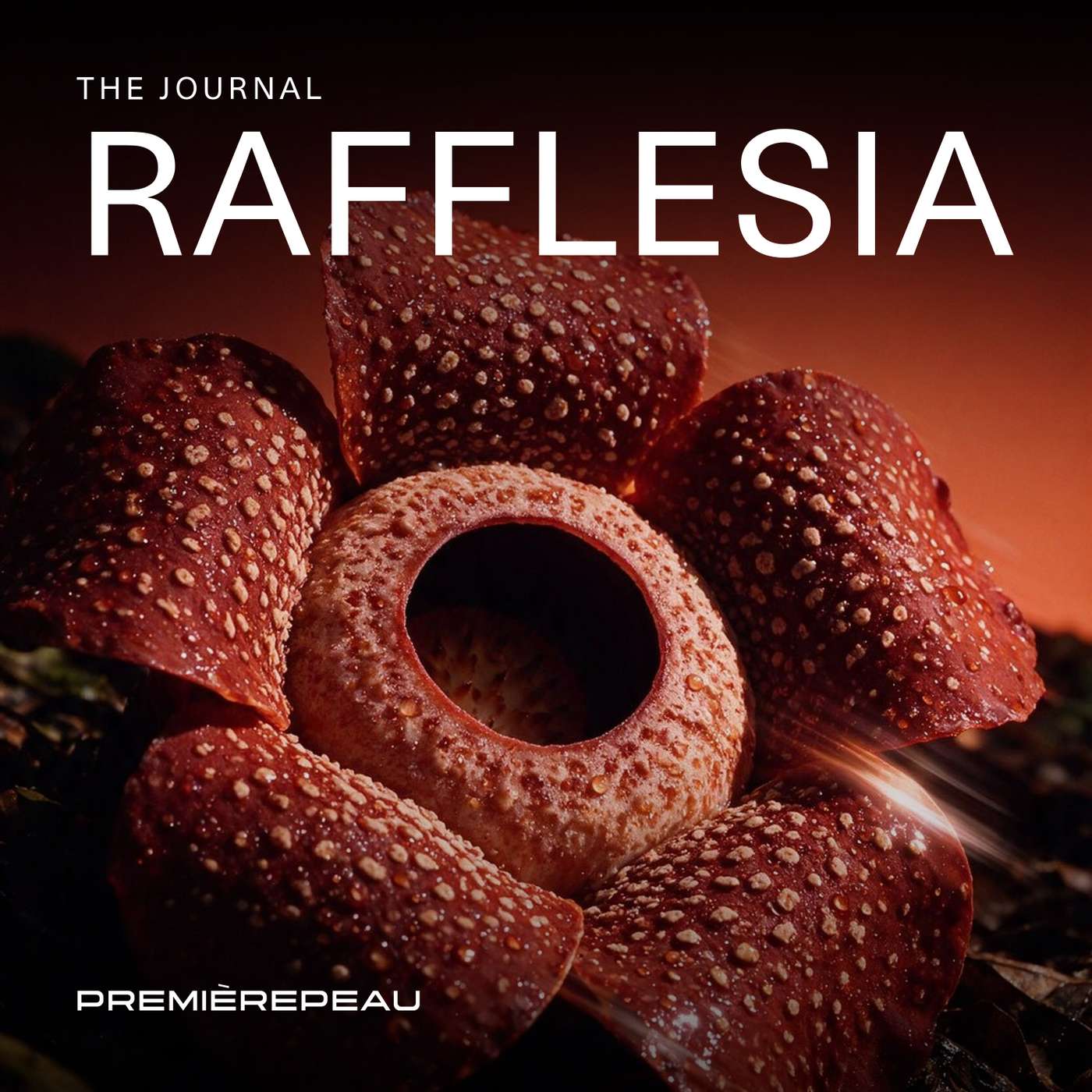
In 1926 the crowds at Kew were so big the police came, for a titan arum that is not the largest flower on earth. The largest single flower lives hidden inside vines, almost no botanic garden has it, and no scent analysis of it is on record.
Two unrelated plants answer to corpse flowerWhat the two sulphur molecules found in a relative smell ofOne species of fly, one week of floweringChapters
00:00 Opening00:40 Police at the glasshouse01:46 A yard across02:56 A cabbage on a vine04:09 Onion, cabbage, meat05:19 One species of fly06:39 A surprise bloom07:32 The flower...The peony: the note and the flower
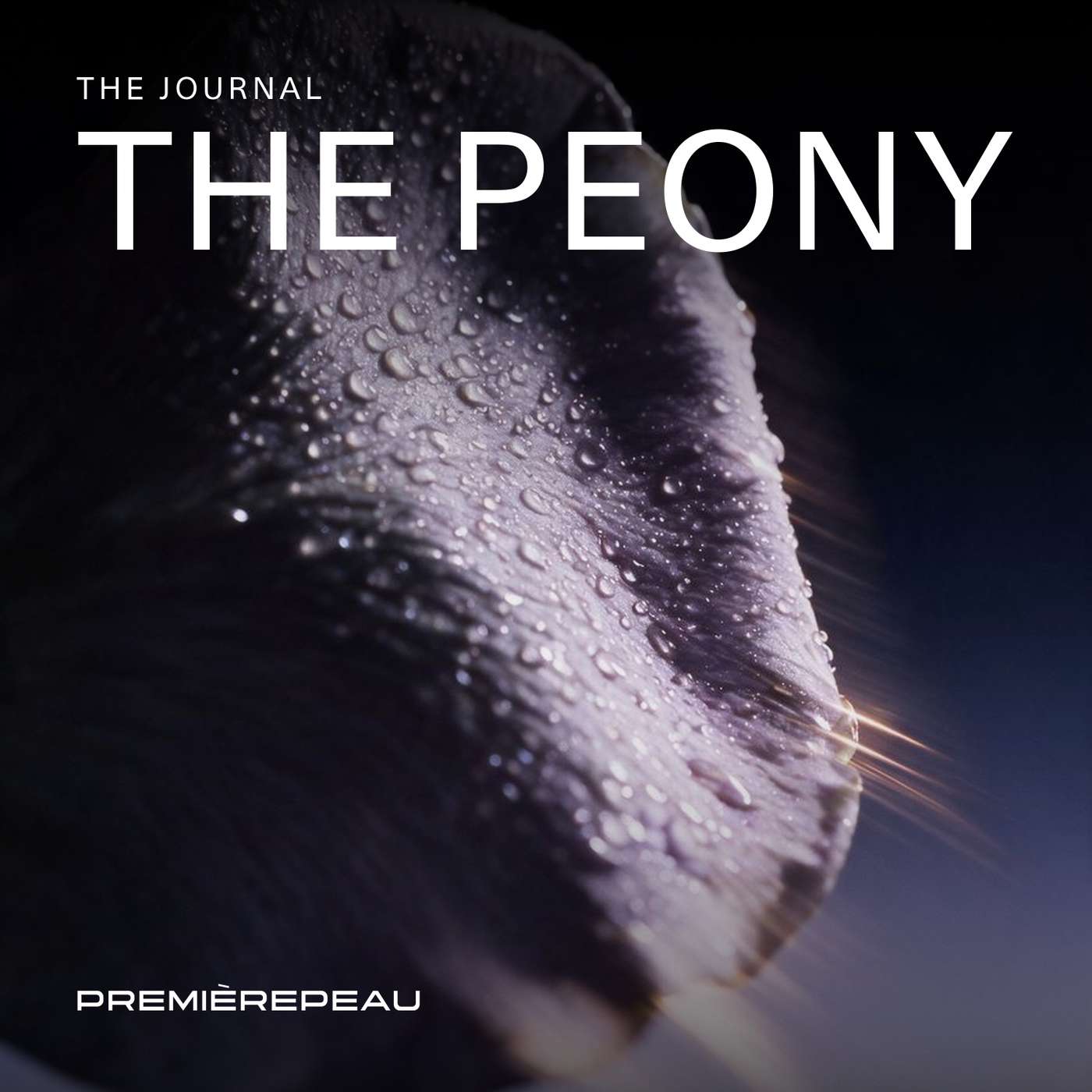
Perfume shops call the peony mute, yet a laboratory has distilled an oil from its petals. The note sold under the flower's name commonly names 2 molecules no peony study has found, while 3 of the flower's 4 loudest substances carry rose words.
What 3 perfume shops say the peony cannot giveHow 0.5 g of petals becomes a listWhich molecule carries the peony's nameChapters
00:00 Opening00:37 Three shops, one sentence01:23 Two thirds of a milligram02:50 Sixteen of eighty-seven04:05 Half a gram of petals05:56 The same molecules, other proportions06:50 Joker, silentRead more: Peony: The Mute Flower of Perfumery, at PREMIEREPEAU<...
Hair perfume: what separates it from perfume
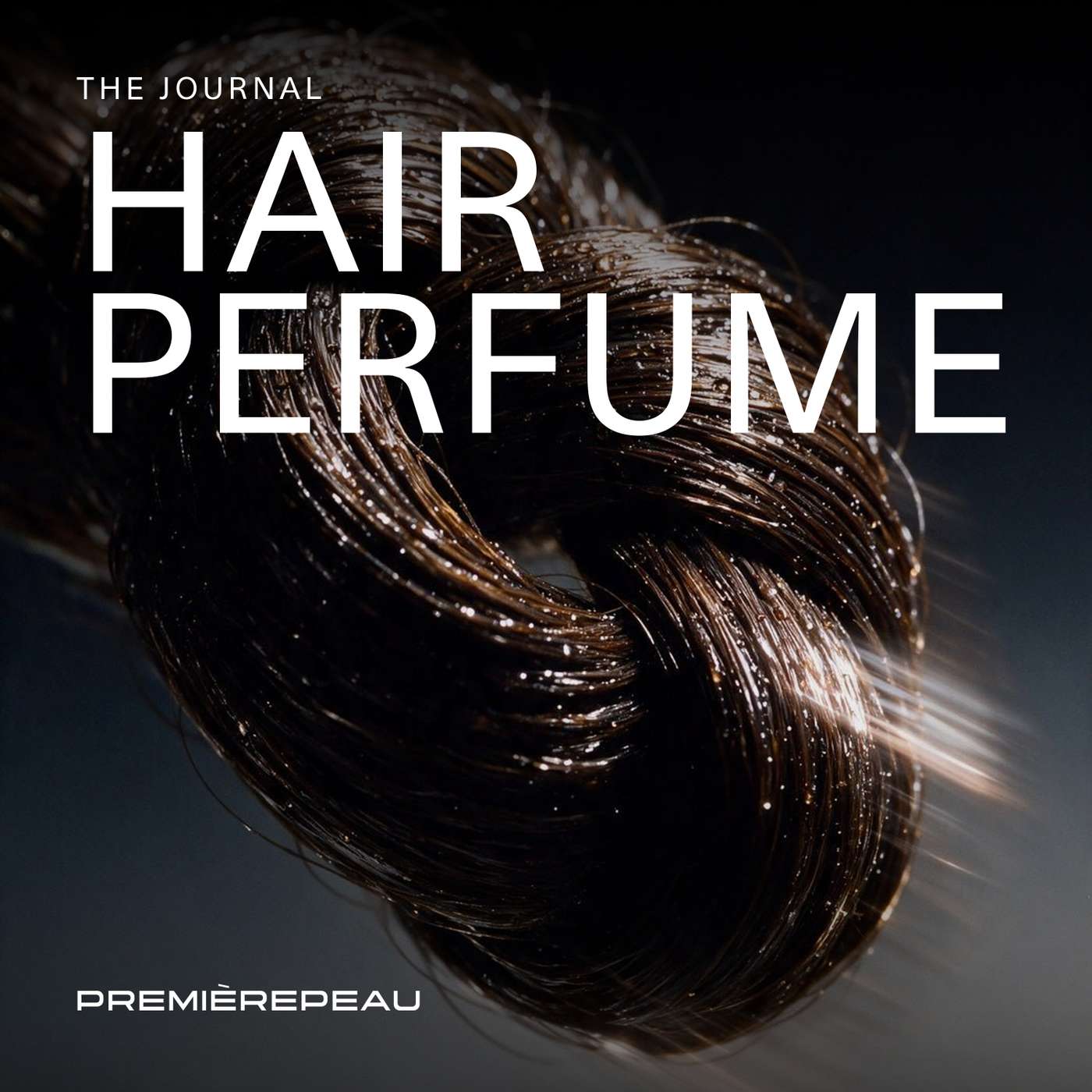
Four hair mists from four makers all list alcohol first, and one maker still calls the product "generally water-based". The documented difference sits in a rulebook of ceilings that runs both ways; keratin, measured in 1983, holds scent and gives it back to the air.
Why a hair mist is a perfume held to other limitsHow keratin holds fragrance and gives it back to the airA 1795 guinea tax on hair powderChapters
00:00 Opening00:35 A stamp on the head01:35 Alcohol comes first02:51 Not weaker, other limits03:57 What keratin holds05:18 Powder, oil, smoke06:24 The rulebookRead more: Hair...
The linden tree: the smell no paper measured
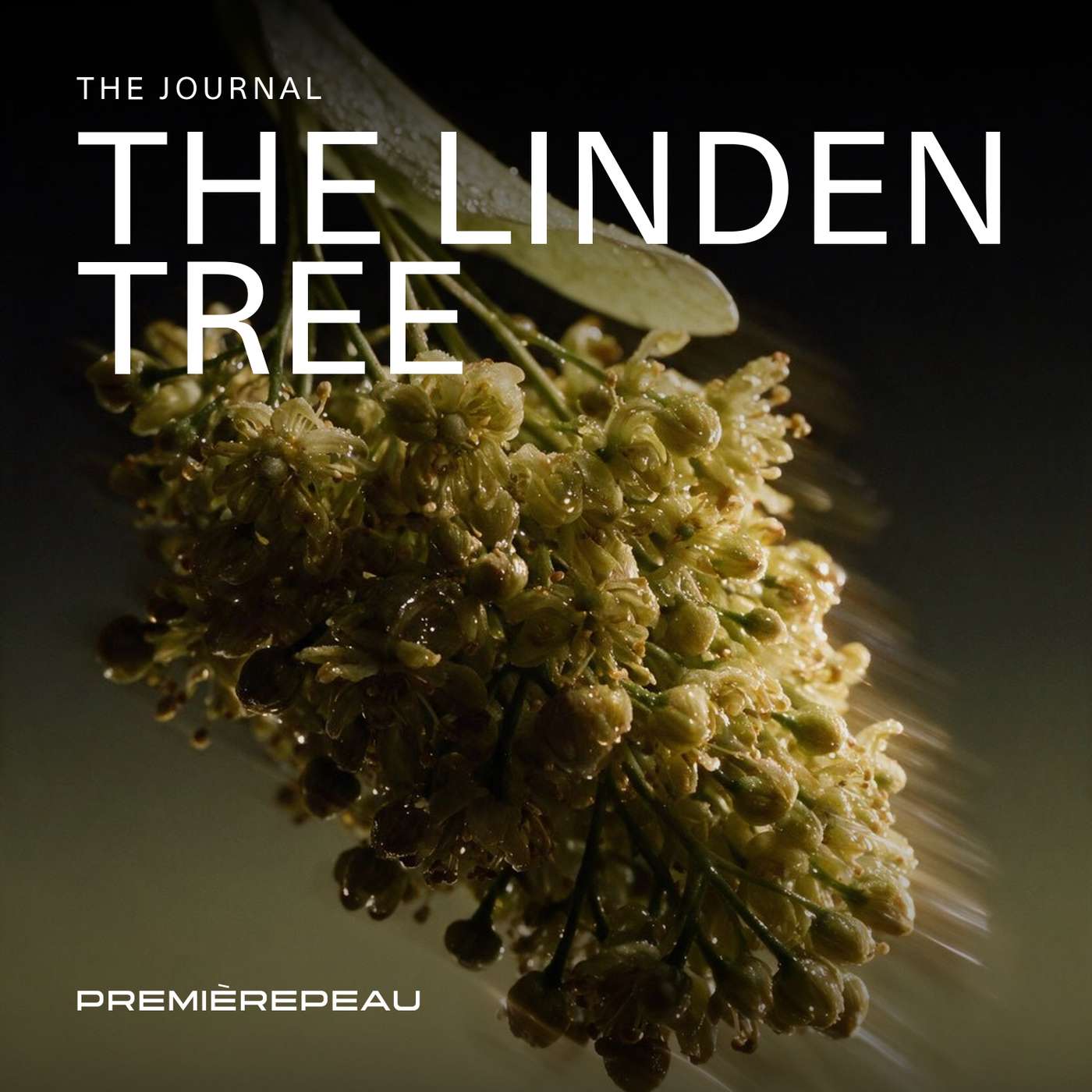
Proust's madeleine went into a linden infusion tipped from a pharmacy bag; a molecule carries the flower's name. Yet no paper the record offers has measured which molecules the flower itself gives.
Why farnesol's link to linden is only a wordWhat Pliny's chapter says the Romans madeWhat the EU regulator accepts, and on what evidenceChapters
00:00 Opening00:35 A bag from the pharmacy01:31 Linden or lime02:15 A word in a list03:03 Ribbons between bark and wood03:53 The honey, without it04:45 Long-standing use06:18 The pharmacy bagRead more: Linden Tree: The Flower, the Smell and the Tea...
Concentration: the label that measures the wrong thing
An extrait, the strongest and dearest form, can sit close to the skin and fade within hours, while a mid-century toilette still fills the room. The strength on the label measures what went in, not what your skin gives back.
Why the same molecule leaves at the same speed either wayHow a stopper bottle and a splash became one ladderWhat actually holds a scent on the skin for hoursChapters
00:00 Opening00:34 Pay more, get more01:21 Gone in the first second02:15 Light ones, heavy ones03:29 The molecule does not know04:38 A stopper and a splash06:02 What holds...Pheromone perfumes: what the bottle really changes
The word pheromone was coined in 1959, younger than many perfumes now sold as containing one, and no study read shows those bottles working as sold. A blind trial points elsewhere: a spray with no pheromone in it changed how men behaved, and how women rated them on video.
What it takes to prove a pheromone, and why steroids failWhy the famous T-shirt study is not settledHow a spray with no pheromone changed the ratings on videoChapters
00:00 Opening00:31 A young word01:46 Sweat, wood, or nothing02:45 Careful studies, weak ground03:58 Two nights in a shirt05:14 A second...White sage: in decline while no official list calls it endangered
300 pounds of poached white sage arrived in three duffel bags; 30 pounds cooked in the heat of them. No official list calls the plant endangered, yet NatureServe's file records a decline of 30 to 50 per cent and names poaching as the main cause.
What white sage leaf oil is mostly made ofWhy the plant declines while no list calls it endangeredWhat the word wildcrafted usually stands forChapters
00:00 Opening00:33 Mostly eucalyptus01:46 Leaves on hot coals03:24 Not on any list04:26 Thirty cents a pound06:19 One file, and the bagsRead more: White Sage: The Smudging Plant of California...
Carbon dioxide extraction: the gentleness of crushing pressure
Crush a blackcurrant leaf and the smell lives for two seconds. The gentlest way to take a plant's scent is a fluid that is neither liquid nor gas, at seventy-four times the pressure of the air, discovered in sealed cannon barrels in 1822.
What heat and hexane each destroy on the wayWhy a vanished line between liquid and gas mattersWhy the gentlest extraction still is not everywhereChapters
00:00 Opening00:46 Heat or hexane02:31 Cannon barrels03:46 The pressure lets go05:31 The four-euro shower gel06:39 The leaf's own molecule07:52 The crushed leafRead more: Supercritical CO2 Extraction: The Third...
The fragrance pyramid: floors that never open in turn
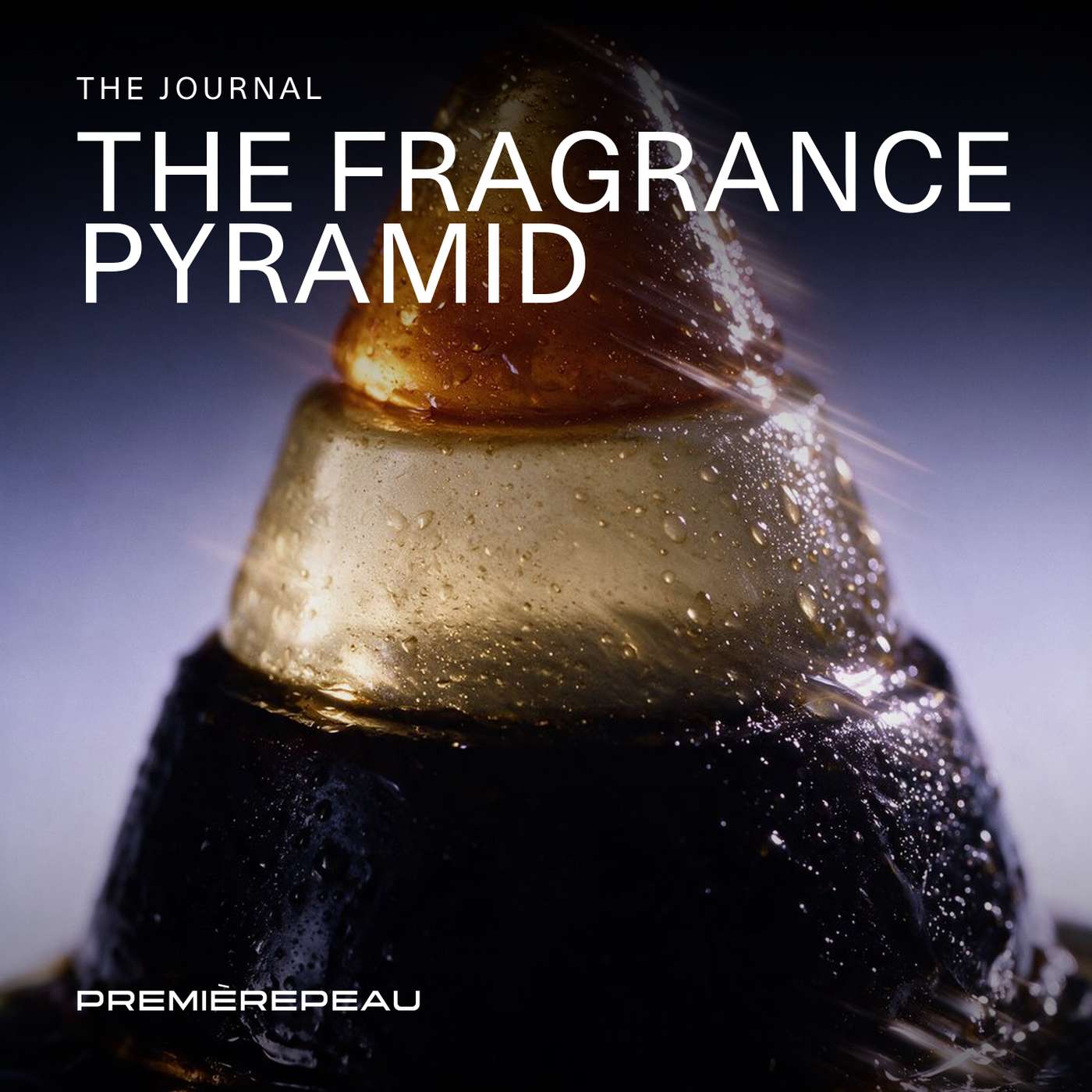
The guide says the base notes appear thirty minutes after a perfume goes on. The perfumer who wrote the classes down said the base smells rough from the moment the drop lands — and the air above the liquid holds every material from the first instant.
The classes were made with a strip and a clockEvery material is in the air from the startA loud material can hide a quiet oneChapters
00:00 Opening00:38 Three floors, on order01:39 One drop, one clock03:45 Three hands, one word05:15 Everything, the first instant07:19 The strip, not the clockRead more: Sc...
Hinoki: what the record actually holds
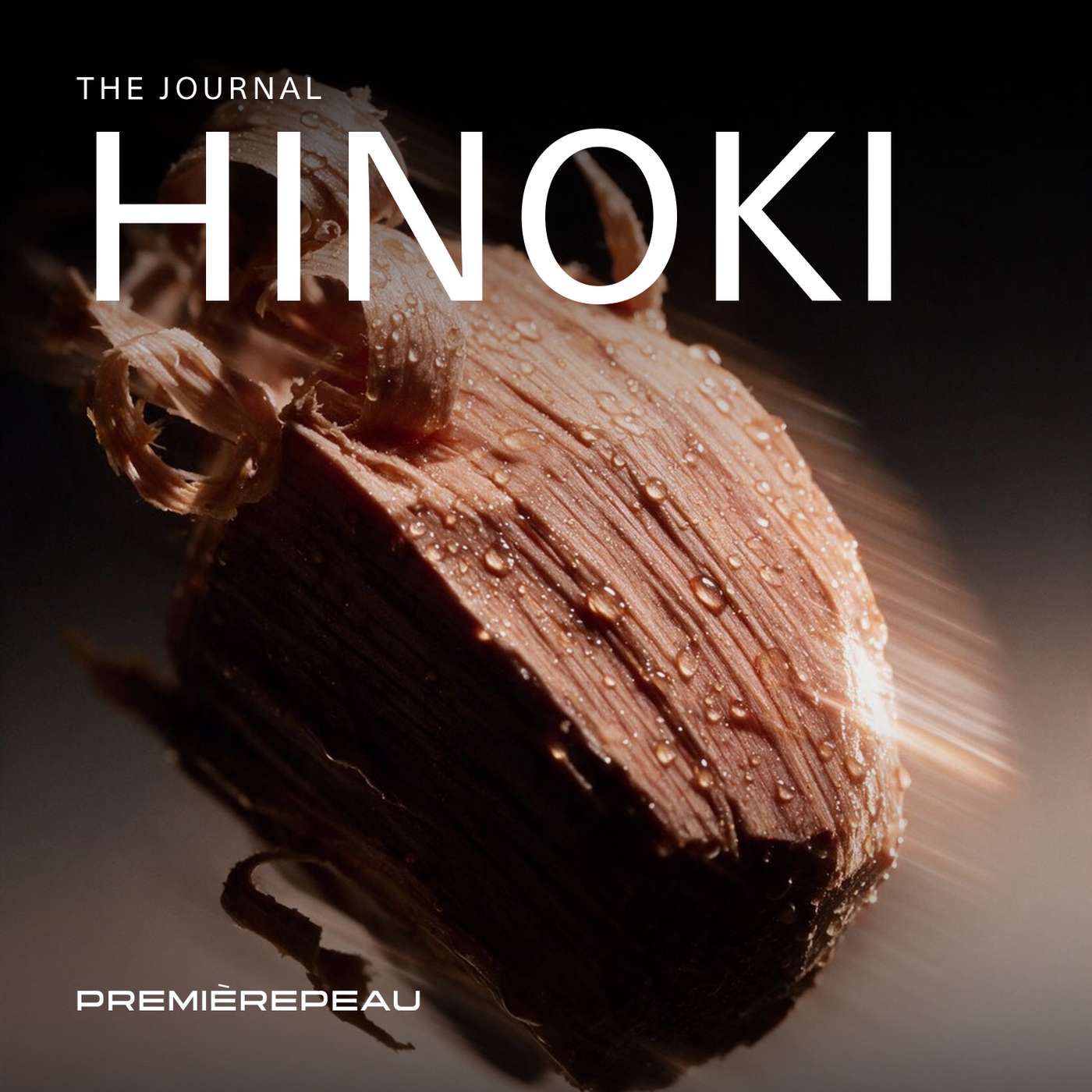
A science review prints that hinoki means fire tree; a Seattle garden calls that probably wrong. The oldest wording found for the smell, from 1904, gives no odour word, and the temple and shrine tied to the wood never name it on their own pages.
What the records say about the fire treeWhy hiba and sugi are not hinokiWhat the temple and shrine pages leave outChapters
00:00 Opening00:35 What everyone repeats01:33 Named in eighteen forty-seven02:24 Five trees, guarded03:42 A peculiar scent04:38 Taking in the forest05:35 Every twenty years07:08 The book of nineteen oh fourRead more...
Nag champa: a serpent, or a father
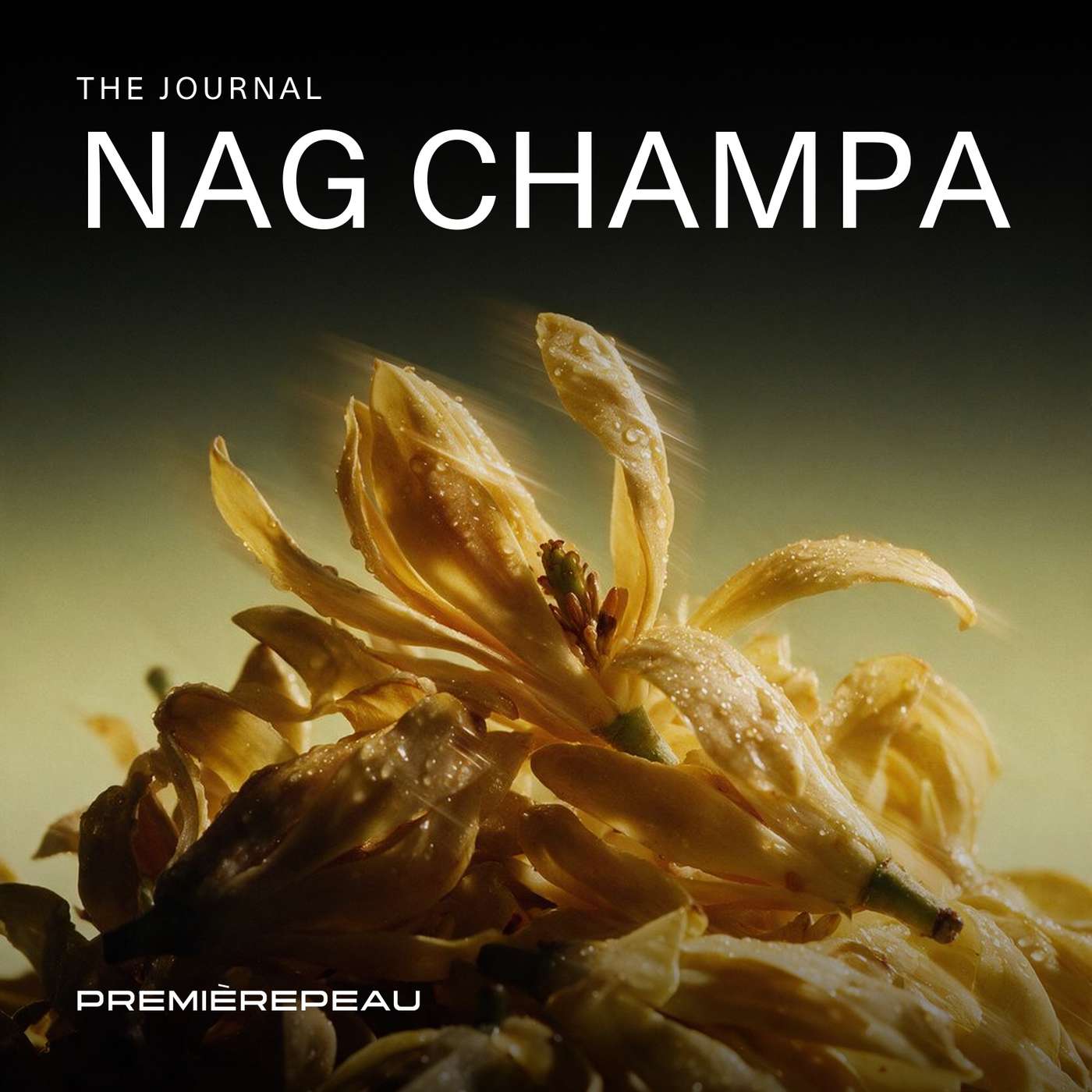
A box of nag champa sticks can feel wet when its grey resin takes moisture from the air. The name is told as a serpent's, an ancient temple formula, yet the only dated account says a man coined it in the nineteen-sixties after his father, Nagaiah.
Why nag champa sticks can feel dampSome 200,000 women roll the raw sticks at homeWhat the only dated account of the name saysChapters
00:00 Opening00:31 Not one flower01:50 Rolled by hand, held by resin03:38 Nineteen sixty-four04:25 The name on the boxRead more: Nag Champa: How an Incense Stick Became...
Wormwood and the blamed substance
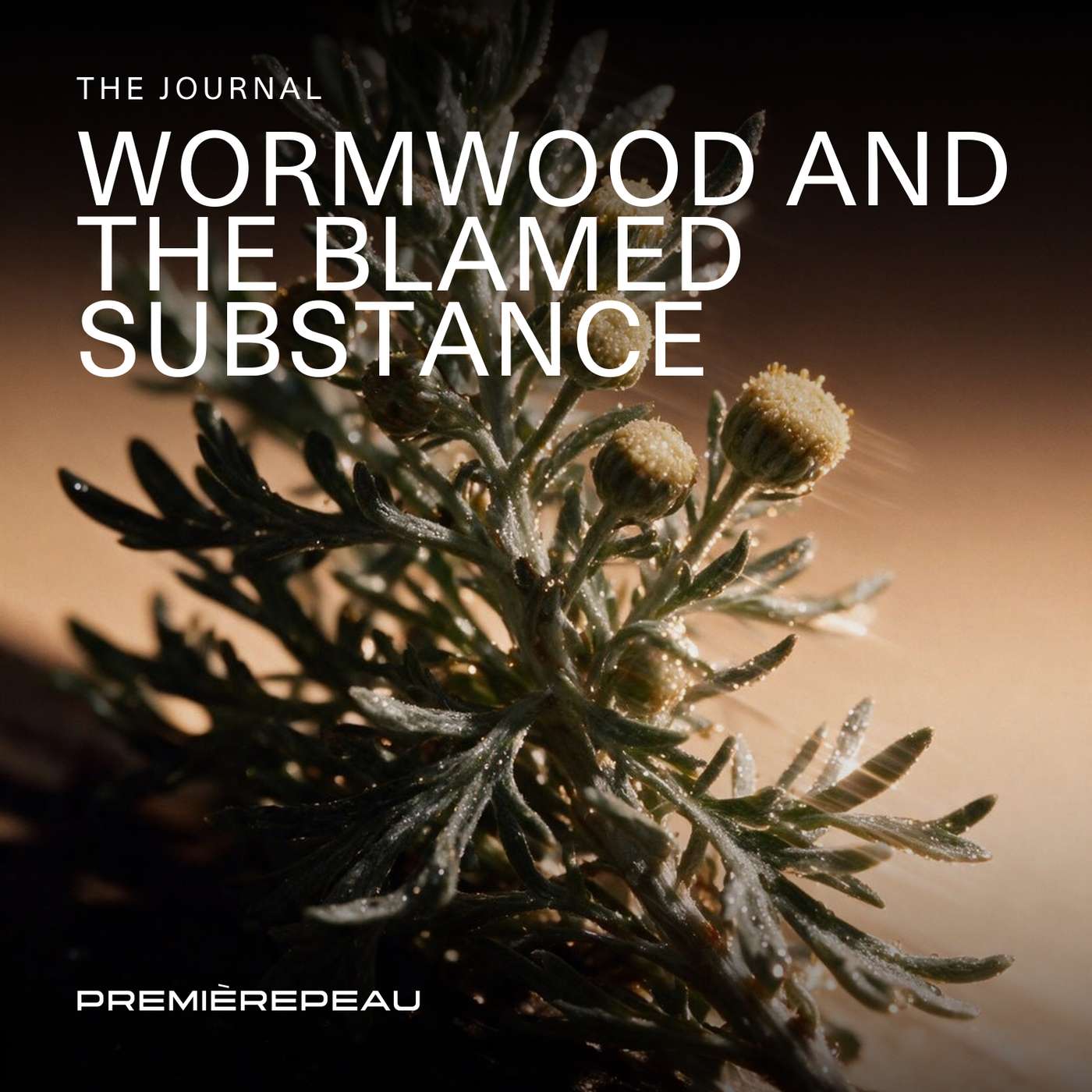
In 2008 a laboratory opened 13 bottles of absinthe made before 1915 and measured the blamed substance: a median of 33 mg a litre, where the drink was once thought to hold up to 350. And a wild wormwood plant can carry almost none of it.
In 11 wild wormwood populations, only 1 was a thujone typeWhat 13 pre-ban bottles actually heldWhat about 15 mg did to attentionChapters
00:00 Opening00:37 The drink they banned01:26 Only population nine02:30 Thirteen old bottles03:36 What the ceilings say04:40 Fifteen milligrams05:49 The bottlesRead more: Wormwood: The Herb of Absinthe, Its Thujone and Its Cousins, at PREMIEREPEAU
...
The incense waterfall: the sentence the shops never measured
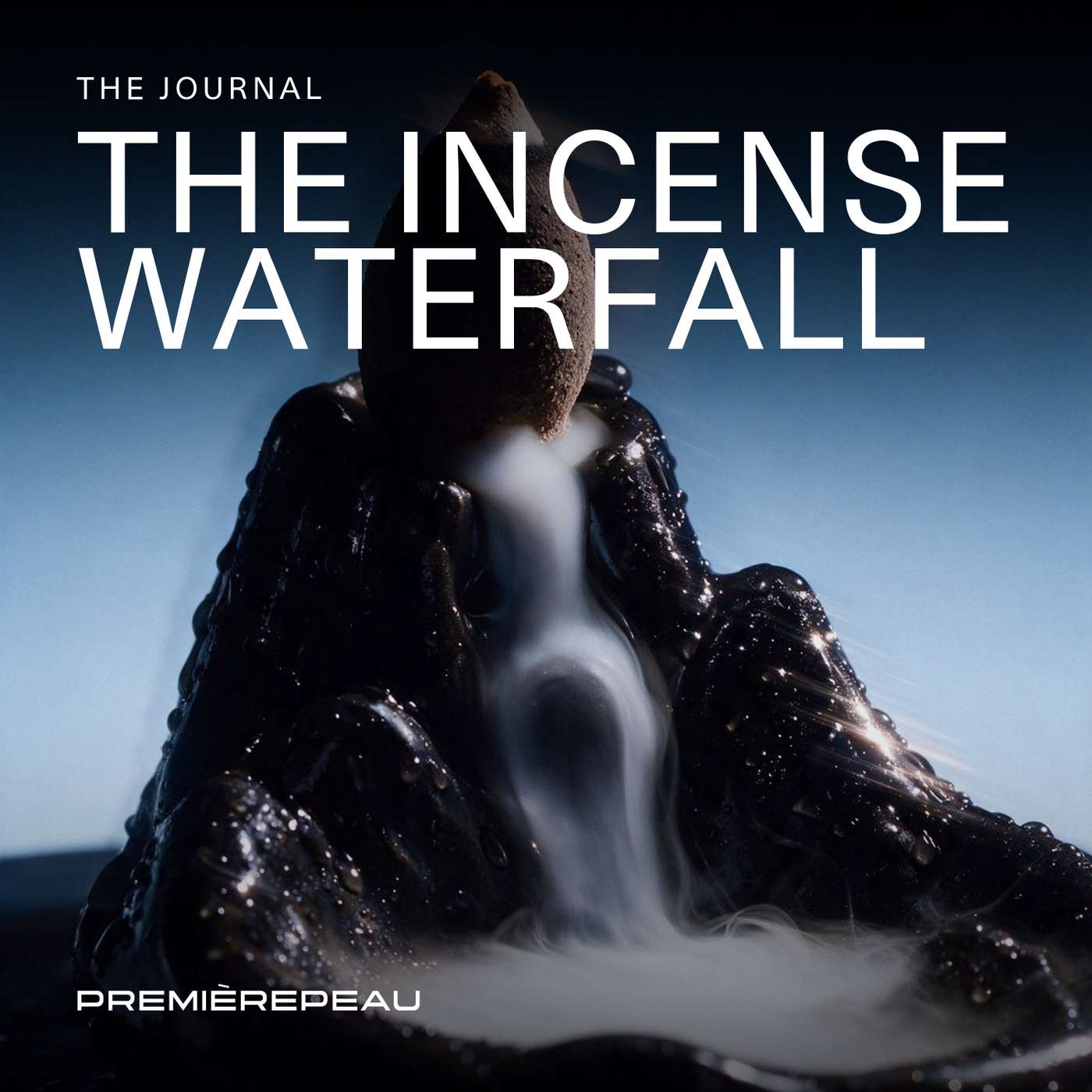
On Google's first page for incense waterfall, every ordinary result is a shop repeating one sentence: cooled smoke sinks. Air cooled to the room's temperature weighs what the room's air weighs, and the one student who timed the falling smoke had to guess its density.
Why the smoke would have to end colder than the room to sinkWhere one patent puts the weight insteadHow fast the fall was filmed to moveChapters
00:00 Opening00:33 The same sentence01:37 A channel through the cone03:13 The limit of cooling04:11 Where the patent puts the weight05:07 Eleven frames06:17 The one sentence<...Datura: a night scent and its moth
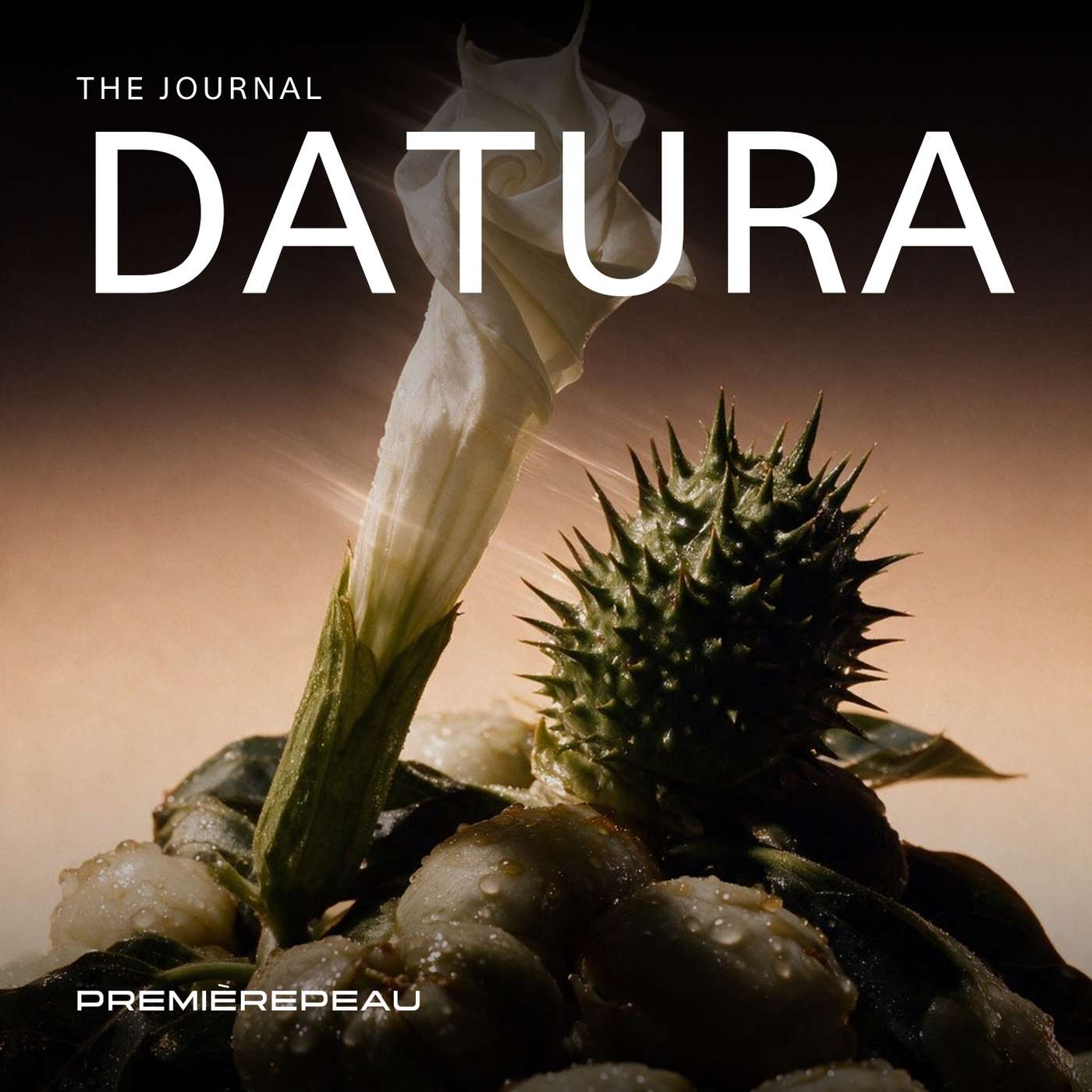
In a laboratory, 19 of 20 hawkmoths that had never met a flower went first to a datura flower over an agave. The scent that drew them was measured molecule by molecule in Arizona, and no source shows it sold to a perfumer.
How the scent of one datura was taken apart in ArizonaWhat the flower pays its moth in returnWhat a 1705 history says happened to soldiers who ate it as a saladChapters
00:00 Opening00:35 Cigars at dusk02:01 Paper flowers03:11 Six times less04:11 A boiled salad06:22 The desert nightRead more: Datura: The Poisonous Trumpet Flower That...
Mastic: a shrub of the whole Mediterranean, a resin of one island
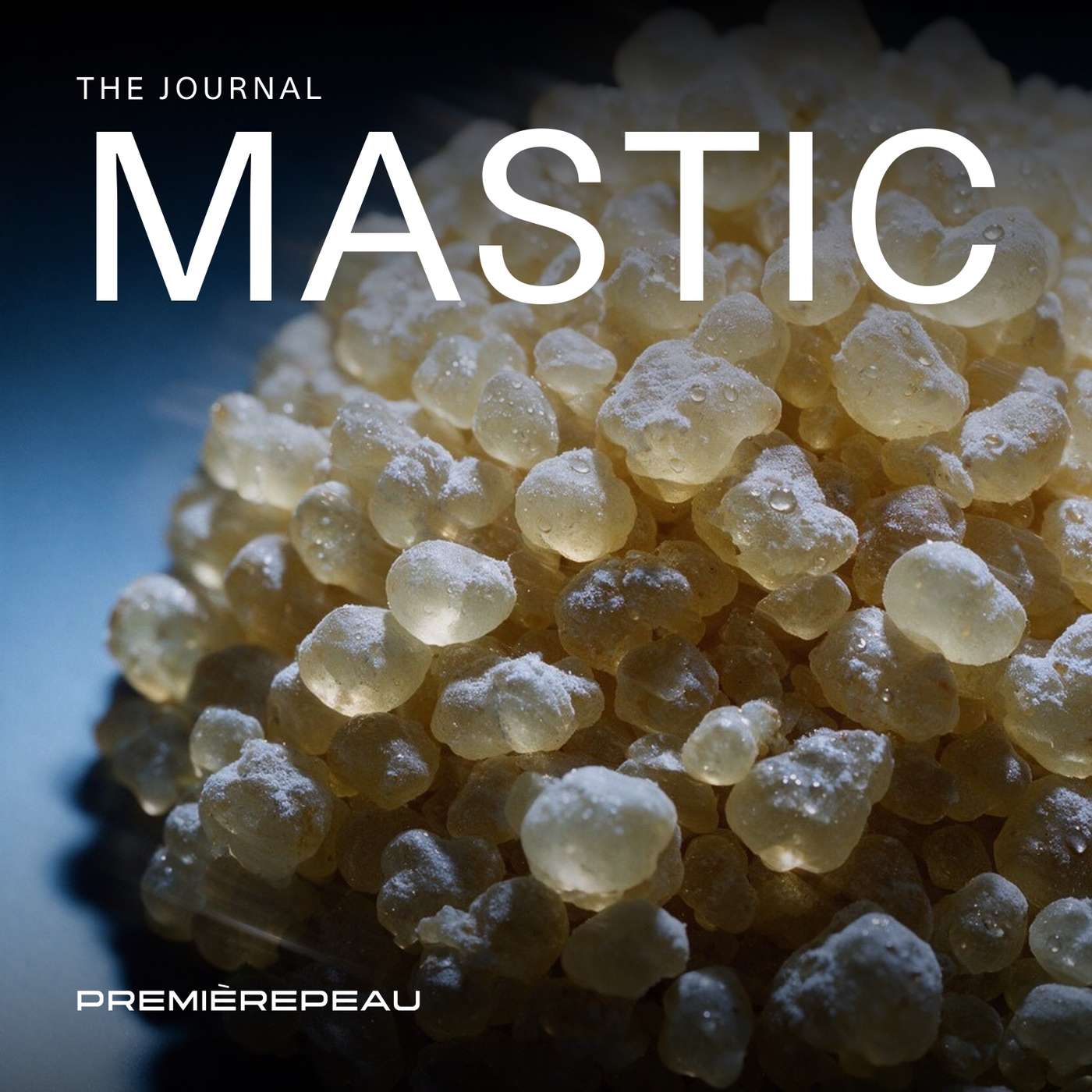
The mastic tree has been recorded in 61 countries, yet the resin is produced only on one Greek island, and the law says so. From the women sweeping the ground to two translations of Pliny's price and a divided vote on the stomach claims.
A shrub recorded in 61 countries, and a resin from one islandA harvest split between sweeping and an iron toolA chewed tear, and a harvest more than 2,500 years oldChapters
00:00 Opening00:38 A shrub of the whole Mediterranean01:33 Sweeping before the iron02:27 Fifteen to twenty days on the ground03:36 Twenty denarii, or ten04:45 Two countries...Absolutes, concretes and resinoids: the word is the recipe
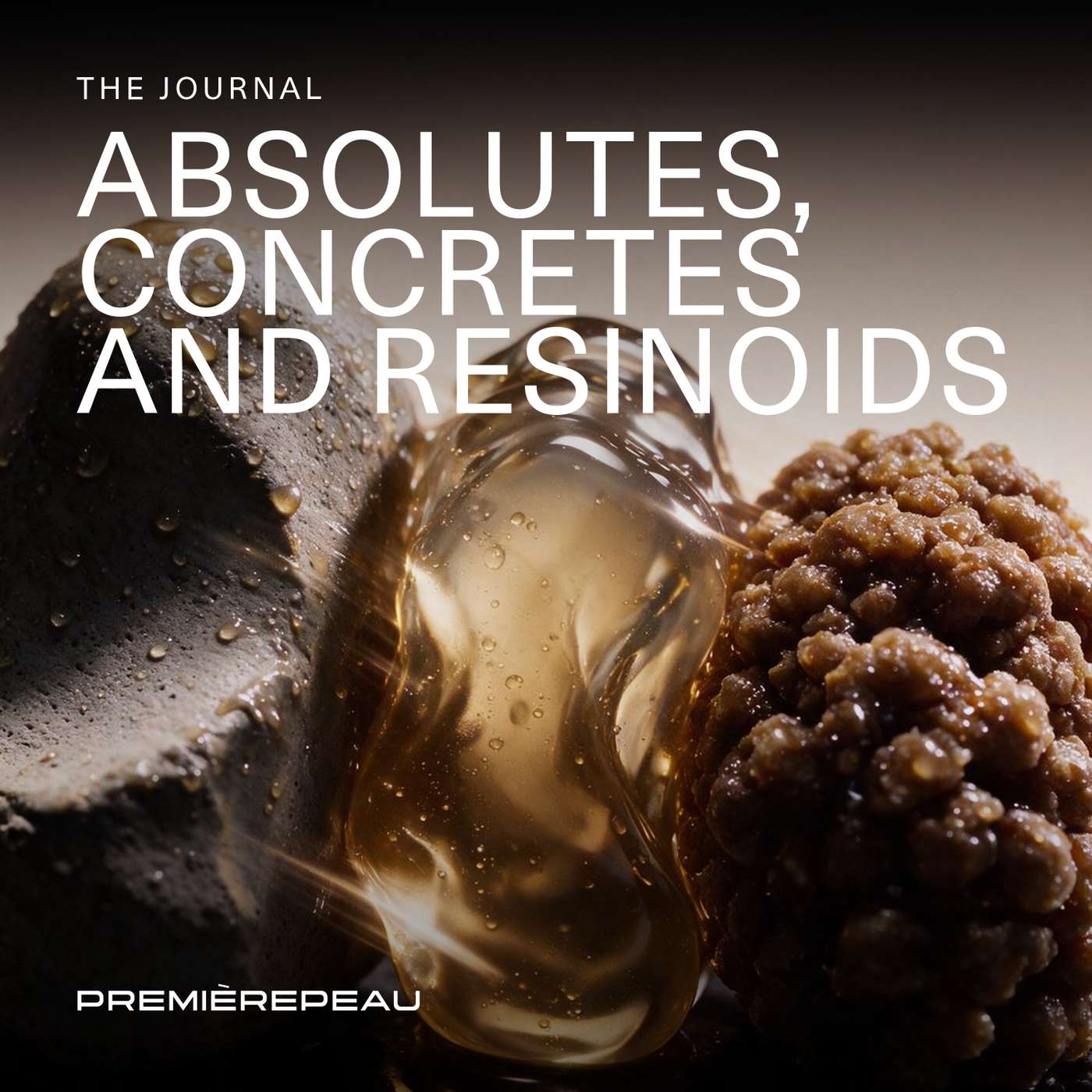
Rose oil drawn with steam sells at about 5,000 euros a kilo; rose absolute, drawn with a solvent, at about 8,000. Following one flower through still, solvent and cold alcohol to see what each word on the jar does to the substance.
Why steam carries only the lightest part of a roseWhat chilling a concrete's ethanol wash does to its waxesWhy a vanilla tincture keeps what the absolute losesChapters
00:00 Opening00:35 Not two names01:25 What steam can carry02:23 Everything the solvent takes03:51 Down to minus twenty05:18 Dry things06:47 The jar and the petalsRead more: Absolute, Concrete...
Synthetic and natural: the record against the word
Shop pages call conventional fragrance a synthetic cocktail and sell natural as the clean side. The European record counts eighty-two allergens, twenty-eight of them naturals, and banned two molecules of a moss beside one made molecule. No law defines the word natural on a perfume.
Why the allergen record ignores where a substance came fromWhat a ban took from oakmoss, a naturalWhy no law defines natural on a perfumeChapters
00:00 Opening00:36 The clean side01:32 Eighty-two substances03:21 The moss loses05:11 No law for natural06:47 Four tonnes of petals07:33 Jasmine beside vanillinRead more: Synthetic vs Natural...
Eau de toilette: the name the old dictionaries never caught
In 1694 the French Academy defined a toilette as a cloth spread on a table for the dressing gown, the combs and the cap. The phrase eau de toilette came from the perfumers, and no law has ever written down the strength it carries.
How a word for linen came to name the water of a dressing tableHow much weaker the old toilet waters wereHow the law sets limits for a name it never definesChapters
00:00 Opening00:38 A cloth on a table01:48 Seven hundred and fifty grams03:06 Five books, no result04:27 Three ceilings, no definition05:44 The cloth<...Palo santo: two trees, one holy name
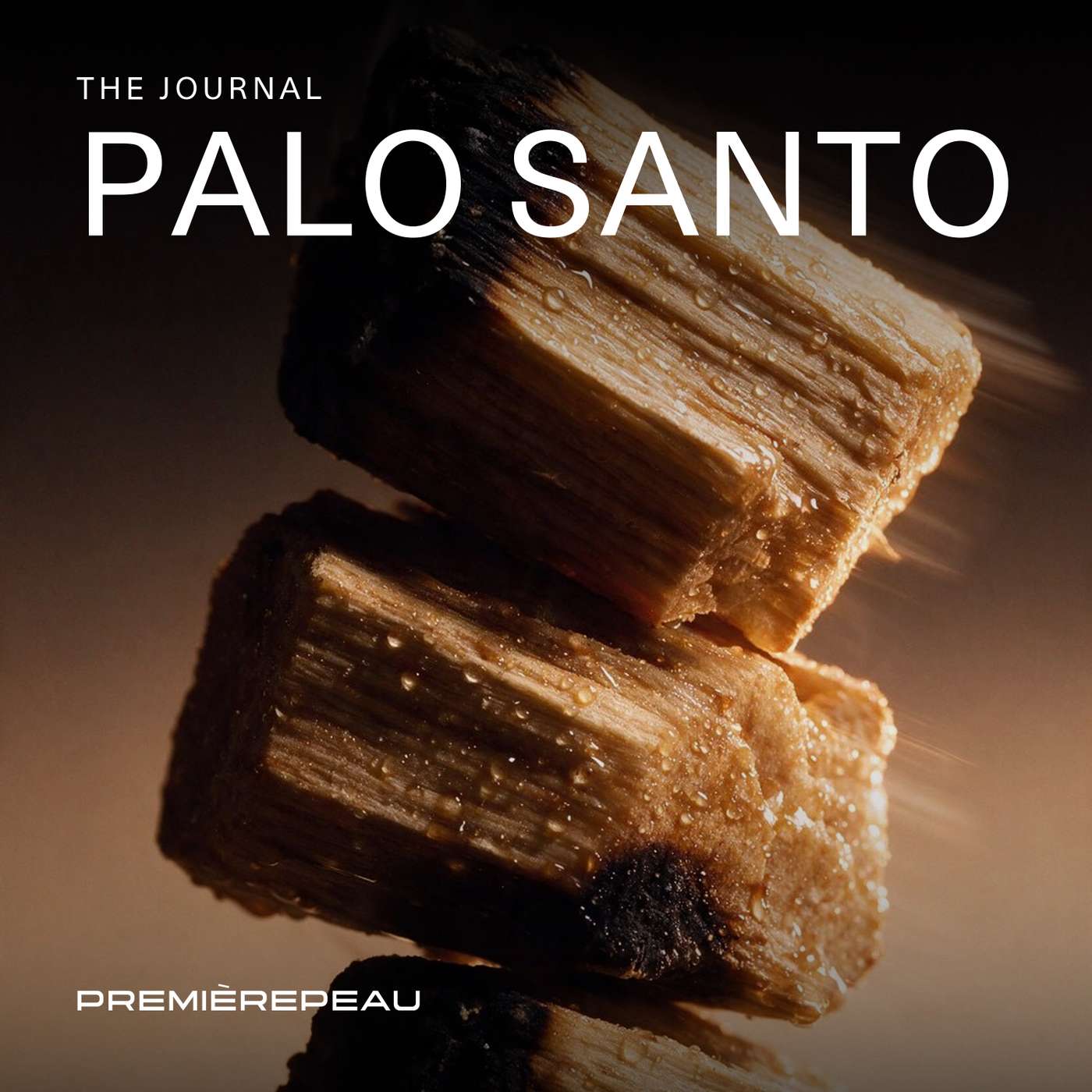
Ask if palo santo is endangered and the answer is yes and no: two unrelated trees share the holy name. The wood scientist who explained it in 1921 was writing about the one you are not burning.
Two unrelated trees share the name palo santoWhy the holy name belongs to the other treeWhat a stick's oil and seizure figures revealChapters
00:00 Opening00:36 Lit again and again01:38 A cousin of frankincense02:45 Nineteen twenty-one04:05 Endangered, on paper05:16 What the steam takes06:33 A name, not a tree07:26 The holy nameRead more: Palo Santo: The Holy Wood That Is...
Aftershave: a burn that means nothing

Aftershave stings as though it were cleaning the cut. In 2002 a team measured why: alcohol resets a heat nerve so that skin at body temperature registers as scalding. What the bottle is for is a much older story.
Why an aftershave burn reports heat that is not thereWhat a nineteen-six shaving shelf held beside the razorHow a Caribbean leaf became the aftershave before the wordChapters
00:00 Opening00:35 A nerve moved01:46 Before the word03:05 The lightest scent03:53 A leaf in alcohol05:26 Four jobs, none the sting06:22 Closing the shave06:56 The witch hazelRead more: Aftershave: Why...
Perfume as autobiography: the document you spray
The fragrance you sprayed this morning says your class, your geography, your generation and your relationship to risk, to everyone within 2 metres. The sociologist who showed that taste is social examined food, clothing, furniture, art and music, but not perfume.
Why perfume is taste with no other functionHow geography and generation write your preferencesWhy the reading goes on without your consentChapters
00:00 Opening00:28 What you put on01:18 He missed the bottle02:20 Three floors of one market03:48 Where and when05:57 A choice about risk07:18 Like an accent08:28 The other noseRead more: Perfume as Involuntary Autobiography...
Solid perfume: the cone and the cake
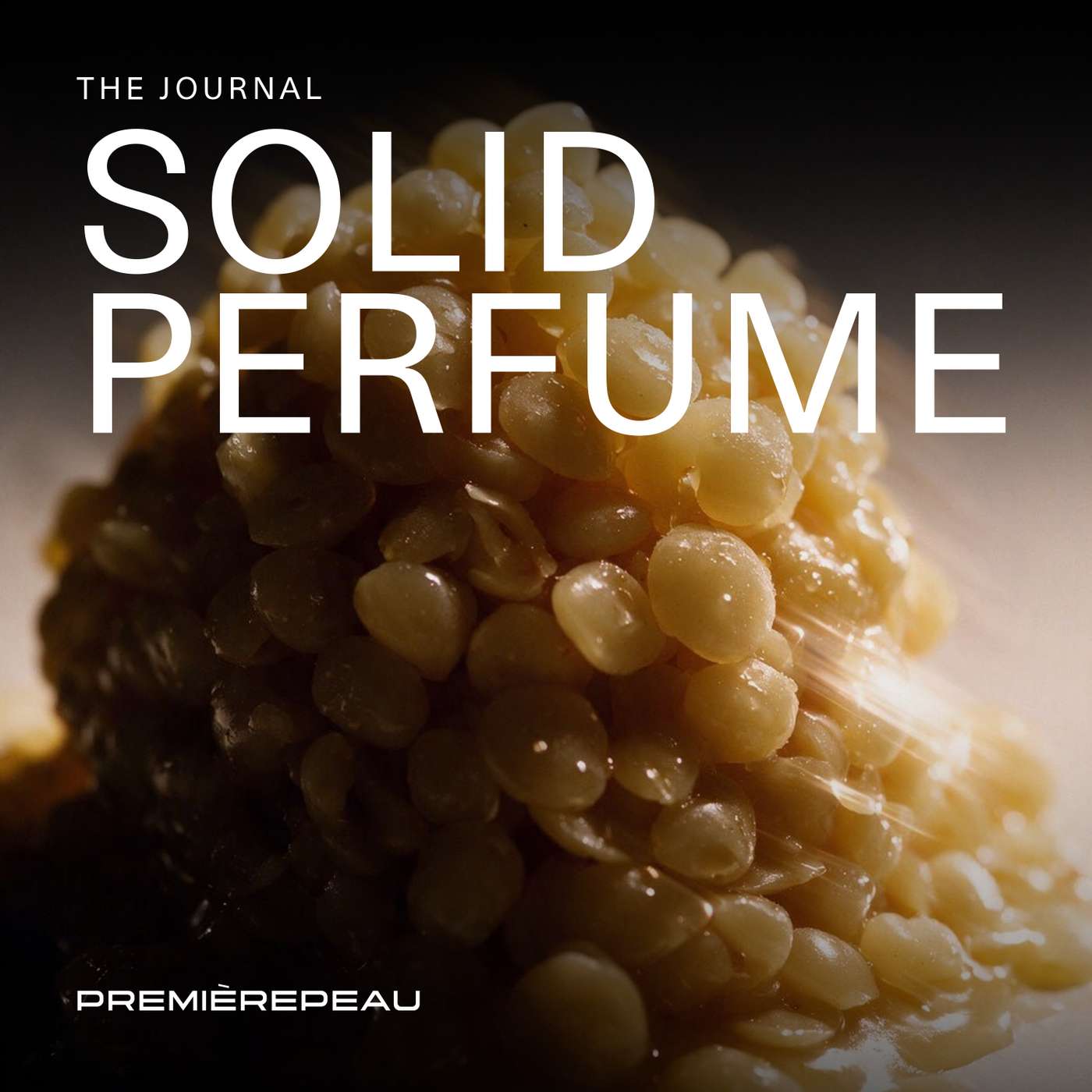
Nothing dug up shows a melting banquet cone: the first real cones, found at Amarna and published in 2019, are mainly wax, from burials. The oldest dated solid perfume on record is a paraffin cake, poured in oiled pie pans and put in gilt boxes, that a New York recipe publisher says his firm introduced in 1863.
Whether anything dug up shows the melting cones of EgyptWhat the first real cones, from Amarna, are made ofA paraffin cake that a New York recipe book dates to 1863Chapters
00:00 Opening00:28 Cones on the guests01:55 Wax, from the graves03:07 Oiled pie...The gardenia: an impossible flower, in fat and wax
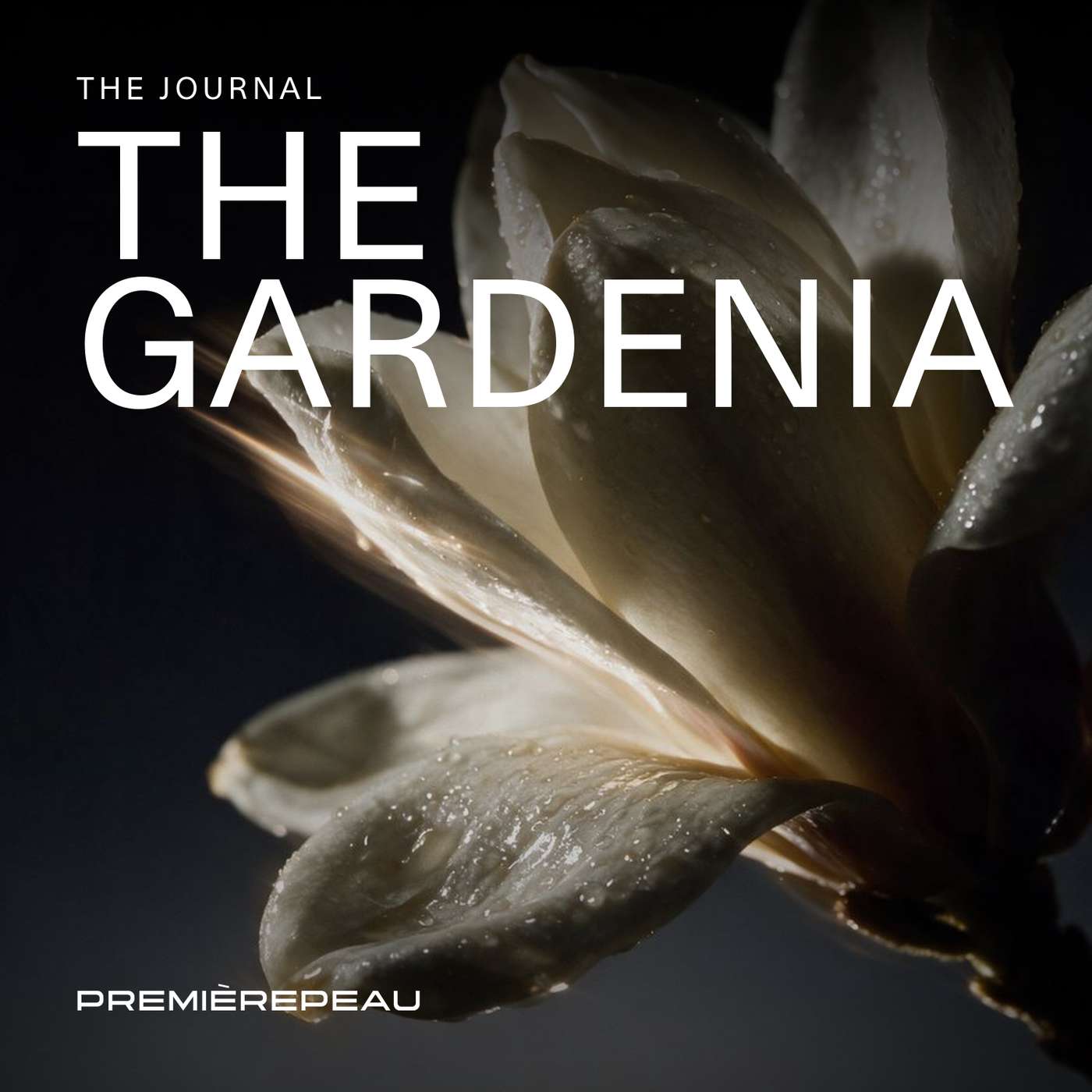
Perfumers say no real gardenia extract exists and every gardenia perfume is a fake. Yet in 2015 a Thai lab laid petals on spermaceti wax and palm oil for 14 mornings, and 152 people judged the result close to the living flower.
What a kilo of gardenia yields in the still: 0.07 grams of oilA molecule with gardenia in its odour record, and no record of it in the flowerHow fat and wax caught the scent in 14 morningsChapters
00:00 Opening00:37 Named for a belief01:39 Almost nothing in the still02:42 Fourteen mornings04:14 The tray of waxRead more: Gardenia: Why...
Why your favourite perfume changed, and nobody told you
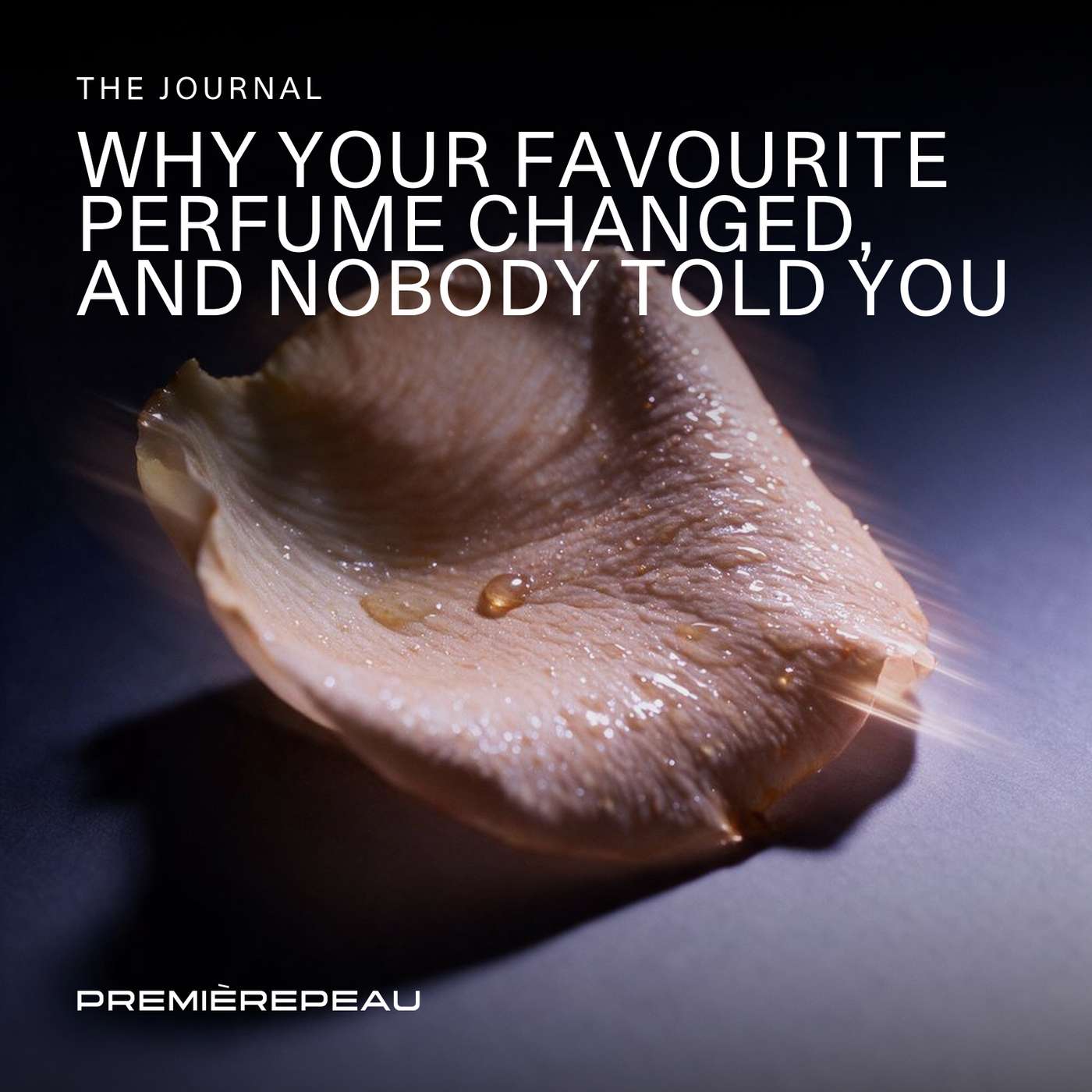
The scent trail that used to fill a room now barely reaches your collar. The formula changed, the bottle stayed the same, and the silence around it was a business decision made about you.
Why a whole family of perfumes was guttedWhat a brief to modernise really asks forWhy sealed vintage bottles cost so muchChapters
00:00 Opening00:34 Just less02:04 The rulebook reaches in03:29 Fractions of a cent05:13 You cannot prove it06:32 Sealed and expensive08:17 Unmarked edits09:22 Not lyingRead more: Why Your Favourite Perfume Changed (And Nobody Told You), at PREMIEREPEAU
Sources: Live...
