The Essentials of Perfume by PREMIEREPEAU
The great perfume ingredients, one at a time: where each comes from, how it is made, and what it does in a fragrance. Two to four tonnes of roses for one kilo of oil. A vanilla bean with almost no smell until it is cured. A sandalwood tree that takes fifteen years to be ready. Every word of the trade is explained before it is used. Episodes run 5 to 8 minutes. From the Paris perfume house PREMIEREPEAU.
Quince: the perfume in a hard, tart fruit
Around 1275, Edward I had quinces planted at the Tower of London — a fruit hard, tart and astringent when ripe. Its aroma is held in free and sugar-bound form, and two of its substances are used in perfumery.
How quince holds its aroma, free and bound to sugarWhich quince substances count most for its smellHow marmalade took its name from quinceChapters
00:00 Opening00:31 Quince and honey01:52 The number four hundred twenty-five03:13 A word from fifteen twenty-one03:53 The locked perfumeRead more: Quince, at PREMIEREPEAU
Sources: Glossary entry « Quince » and its sources: FAO AGRIS, Free and...
Palmarosa: the grass inside the rose
A grass in India gives an oil that smells of roses, and some rose oils sold on the market are up to 9 parts geranium or palmarosa to 1 of rose. In 2013, chemists weighed the carbon in 19 bottles sold as rose and found the grass in most of them.
A leaf run between fingers tells two grasses apartA grass oil with up to 95% geraniolHow carbon atoms expose a false roseChapters
00:00 Opening00:34 Smooth or sticky01:49 Cut at twenty centimetres02:40 Poured into rose04:08 The leaf and the carbonRead more: Palmarosa, at PREMIEREPEAU
Sources: Live glossary...
Lime: the fruit that goes into the still
In the winters of 1894-95 a freeze killed Florida's lemon groves, and Mexican limes took their place. Almost alone among citrus, the lime gives its oil from whole crushed fruit sent through steam; the oil pressed from the peel is the one that burns in sunlight.
A freeze killed the lemons and the limes took their nameHow lime oil comes from crushed whole fruit and steamWhy the peel-pressed oil is held to seven parts in a thousandChapters
00:00 Opening00:42 The winters of ninety-four02:44 Seven parts in a thousand03:34 Twenty hours03:59 What each road keepsRead...
Chamomile: the blue that forms in the still
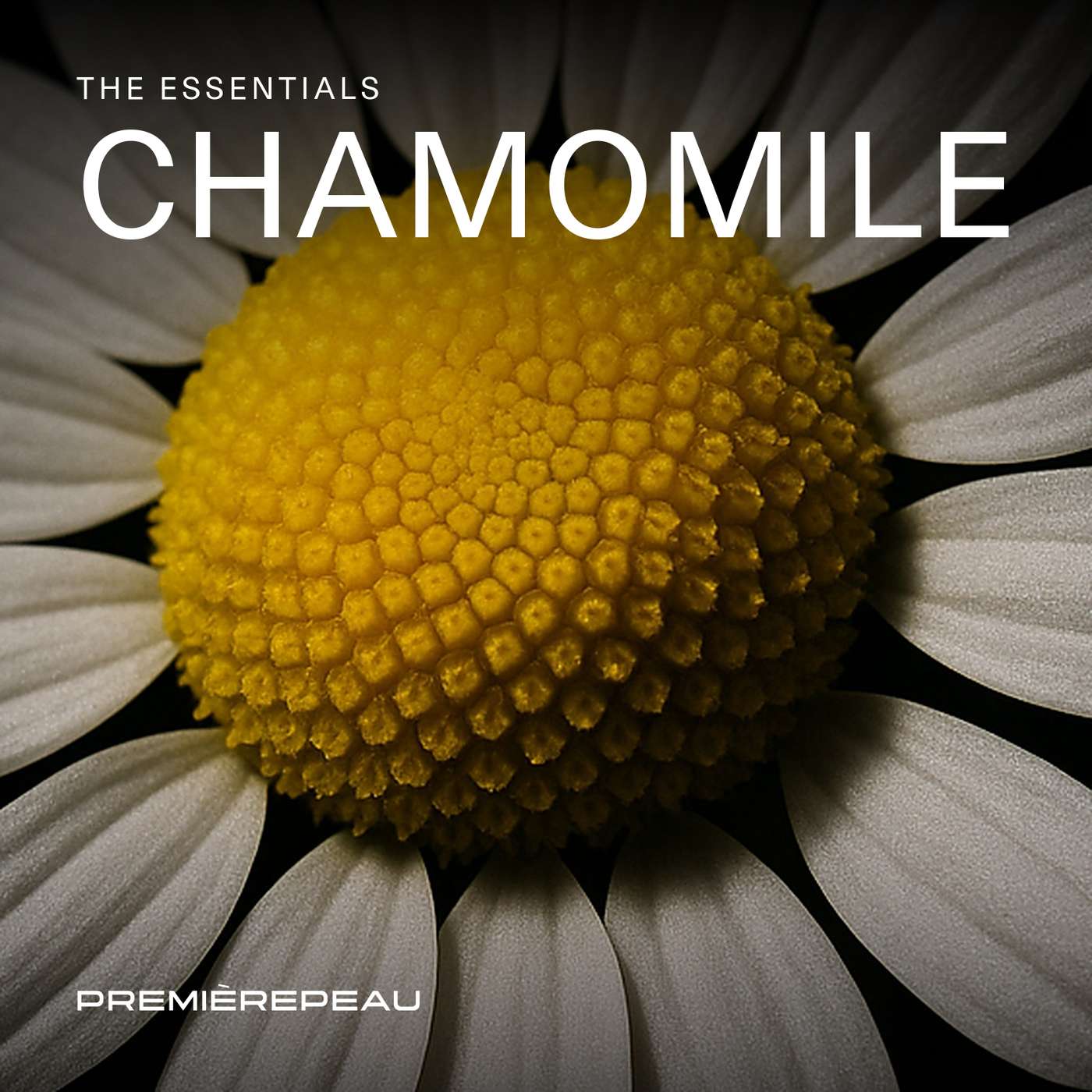
Distil German chamomile and the oil comes off deep blue, though the flower is white and yellow. The blue forms in the still, and longer heating lowers the share of bisabolol, the substance whose scent has been likened to apples, sugar and honey.
What turns German chamomile oil blueHow longer heating lowers the apple-smelling shareChapters
00:00 Opening00:34 A name for two plants02:09 The colour that is made02:55 Apples, sugar and honey03:34 The earth appleRead more: Chamomile, at PREMIEREPEAU
Sources: Glossary entry « Chamomile » and its sources: Pharmaceuticals (2022), A Comprehensive Study of Therapeutic Applications of...
Seaweed: the smell the sea was given the wrong name for
In the Victorian era, the bracing smell of sea air was credited to ozone. Part of it is a gas that microbes make from a substance in seaweed, and the weed's dark green absolute opens on iodine and moves toward cocoa.
Why ozone was the wrong name for sea airHow microbes break down a substance from seaweed into part of the smellHow seaweed absolute changes over hours and daysChapters
00:00 Opening00:35 The makers on the weed02:05 Thirty to forty thousand tons of weed02:56 Cocoa in the oarweed03:38 The wrong nameRead more: Seaweed, at PREMIEREPEAU<...
Beeswax: honey that stayed
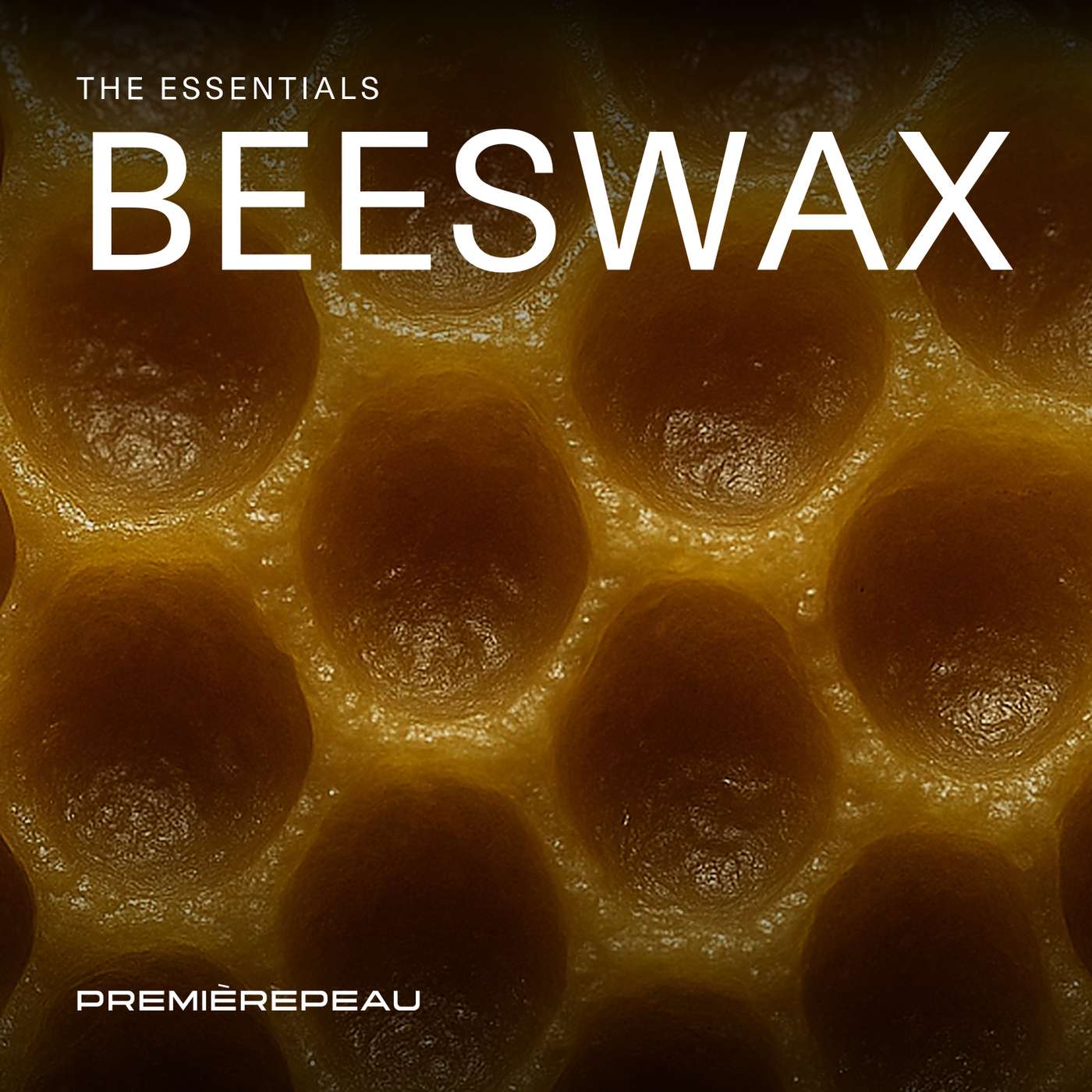
Beeswax is honey, eaten and rebuilt: a gram of it costs the hive 6 to 9 grams of honey. Washed in alcohol, the wax still gives a honey note.
Bees turn the sugars of honey into waxHow much honey one gram of wax costsWhich smell the washed wax gives perfumersChapters
00:00 Opening00:34 A tenth of a millimetre01:30 Eight mirrors02:36 Chewing the white04:21 One gramRead more: Beeswax, at PREMIEREPEAU
Sources: Live glossary entry « Beeswax » and its sources: Foods (2022), Honeycomb, a New Food Resource with Health Care Functions; IFRA Standards, 51st Amendment, and Transparency List; Perflavory, be...
Rosewood: a forest felled for one smell
Roughly 500,000 rosewood trees were felled for an oil whose main substance a laboratory can copy. The leaves of the survivors give oil too, and in one study their linalool leaned to the opposite mirror form from the wood's.
How 100 kilos of wood gave 1 kilo of oilWhat the leaves give while the tree standsThat one smell comes in mirror formsChapters
00:00 Opening00:36 A tree that smells01:29 Down the river02:34 The number falls03:46 The mirror smell04:37 The standing treesRead more: Brazilian Rosewood, at PREMIEREPEAU
Sources: Glossary entry « Brazilian Rosewood » and its sources: FAO Non-Wood Fo...
Cognac: what the angels leave behind
A barrel of cognac loses about 3% of what it holds every year, and the region calls it the angels' share. After more than 50 years in oak, a spirit that went in at about 70% alcohol stands at 40%.
Why cognac starts as a very dry, acidic, thin wineWhat oak gives, and when oak stops givingWhy the age on a label is the age of the youngest spirit in the blendChapters
00:00 Opening00:30 A thin wine01:18 Twice through the copper02:07 Fifty years of losing03:14 The youngest one counts04:16 The barrelRead more: Cognac, at PREMIEREPEAU
Sources...
Peru Balsam: the smell skin argues with
Peru balsam never came from Peru: it is tapped from trees in one corner of El Salvador, from bark heated with a torch, soaked up in rags and boiled out of them. It is also one of the five allergens skin most often reacts to, and the substances behind the reactions are largely unknown.
Why a balsam from El Salvador carries Peru's nameHow Balsameros take resin from heated bark with ragsWhy dermatologists still patch-test this perfume materialChapters
00:00 Opening00:38 Named for a port01:32 Fire on the bark03:16 What the skin says04:38 Port, rags, skinRead...
Fenugreek: two smells, one seed
For four years, New York now and again smelled maple syrup in the air. The source was identified as a plant that processes fenugreek seeds, the spice that smells of curry. The substance behind the seed's smell is sotolon.
One substance smells sweet when faint and of curry when strongIt passes through the body into sweat and urineWhat drifted sweet over New York for four yearsChapters
00:00 Opening00:40 The seed and its substance02:19 Through the body03:06 What it is used for03:41 The city's sweet airRead more: Fenugreek, at PREMIEREPEAU
Sources: Live glossary...
Sichuan Pepper: the spice that touches
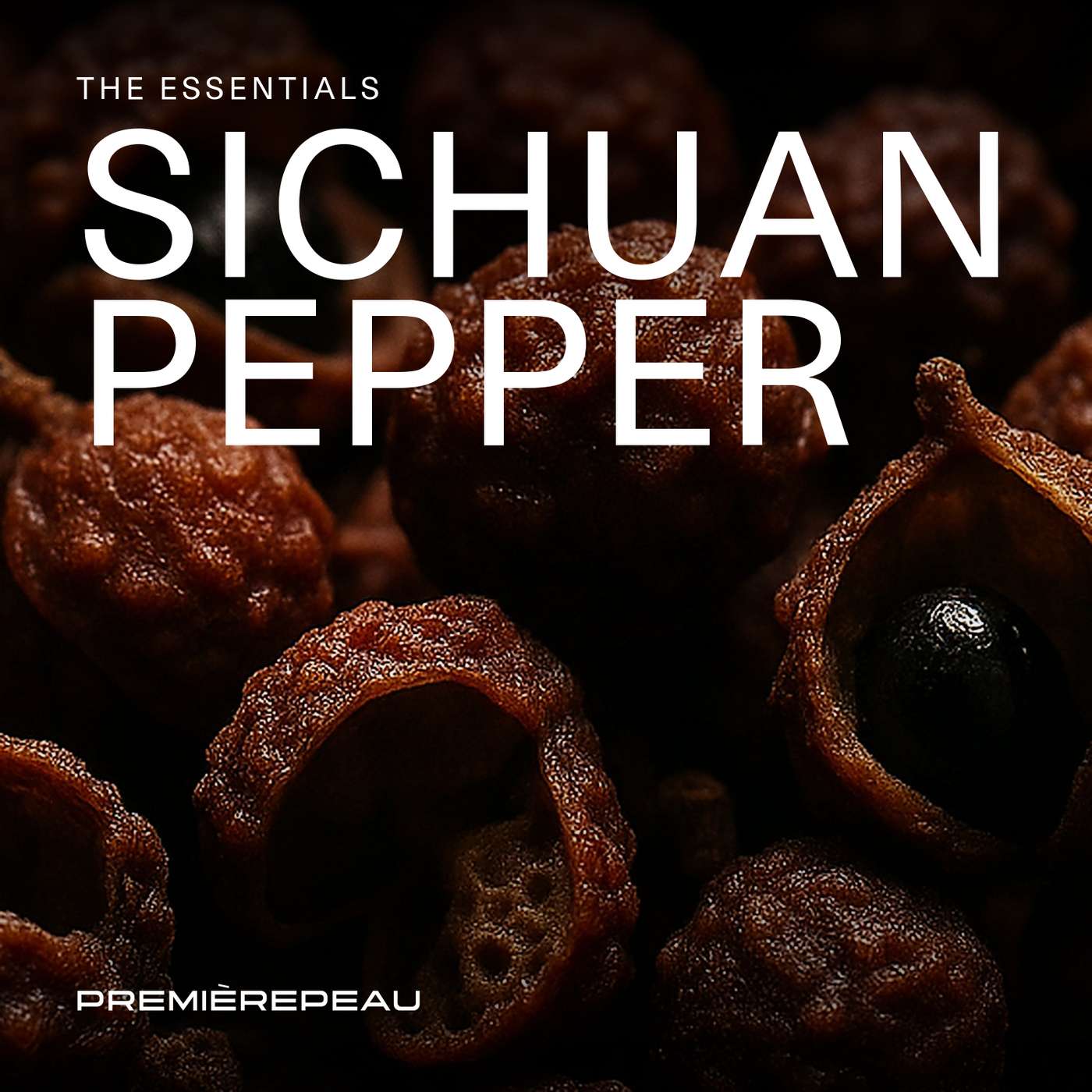
For 37 years the US banned Sichuan peppercorns at the border: they could carry citrus canker. The plant is a citrus cousin, not a pepper. Stranger still, the tingle it leaves on your lips matches a 50 Hz vibration on a finger.
A spice banned for 37 years as a possible citrus disease carrierHow the numbing molecule targets light-touch nervesA lip tingle matched by a 50 Hz vibration on a fingerChapters
00:00 Opening00:38 The husks in July01:31 The molecule that touches02:40 Lemon that lasts03:25 The citrus cousinRead more: Sichuan Pepper, at PREMIEREPEAU
Sources: Live glossary entry « S...
Tarragon: the smell under question
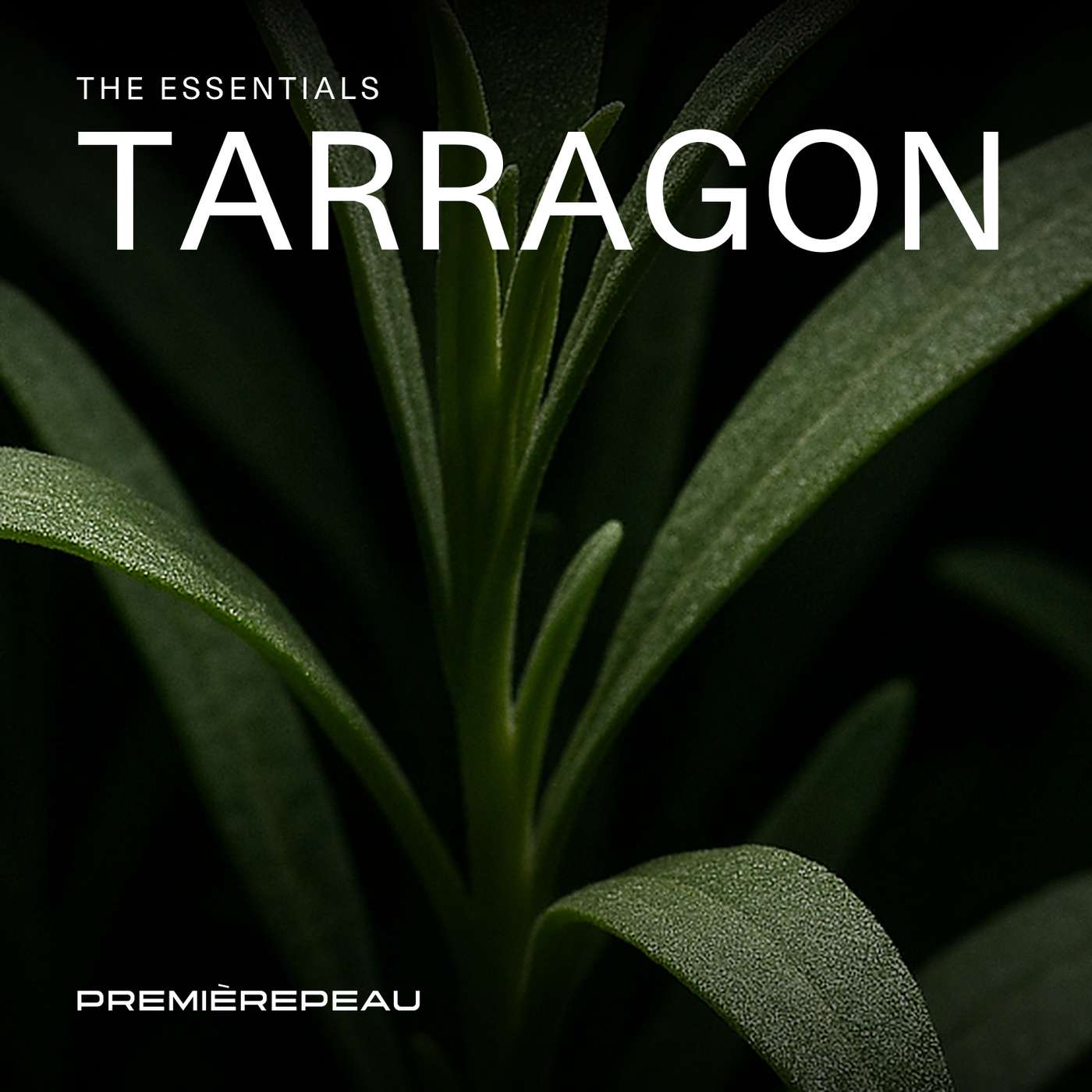
Tarragon seems to be named little dragon for its coiled roots, and was supposed to protect against snakebite. Today estragole, 40 to 85% of its oil, is suspected to be carcinogenic.
Why tarragon is named after a dragonWhich molecule carries the anise in tarragon's smellWhy tarragon oil is under safety reviewChapters
00:00 Opening00:35 Weeks worth cutting02:05 One name for the smell02:28 Measured against the body03:23 What the dragon carriesRead more: Tarragon, at PREMIEREPEAU
Sources: Glossary entry « Tarragon » and its sources: Frontiers review of Artemisia dracunculus; Utah State University Extension; IFRA Standards, 51st Amendment; The Go...
Amyris: the torchwood sold as sandalwood
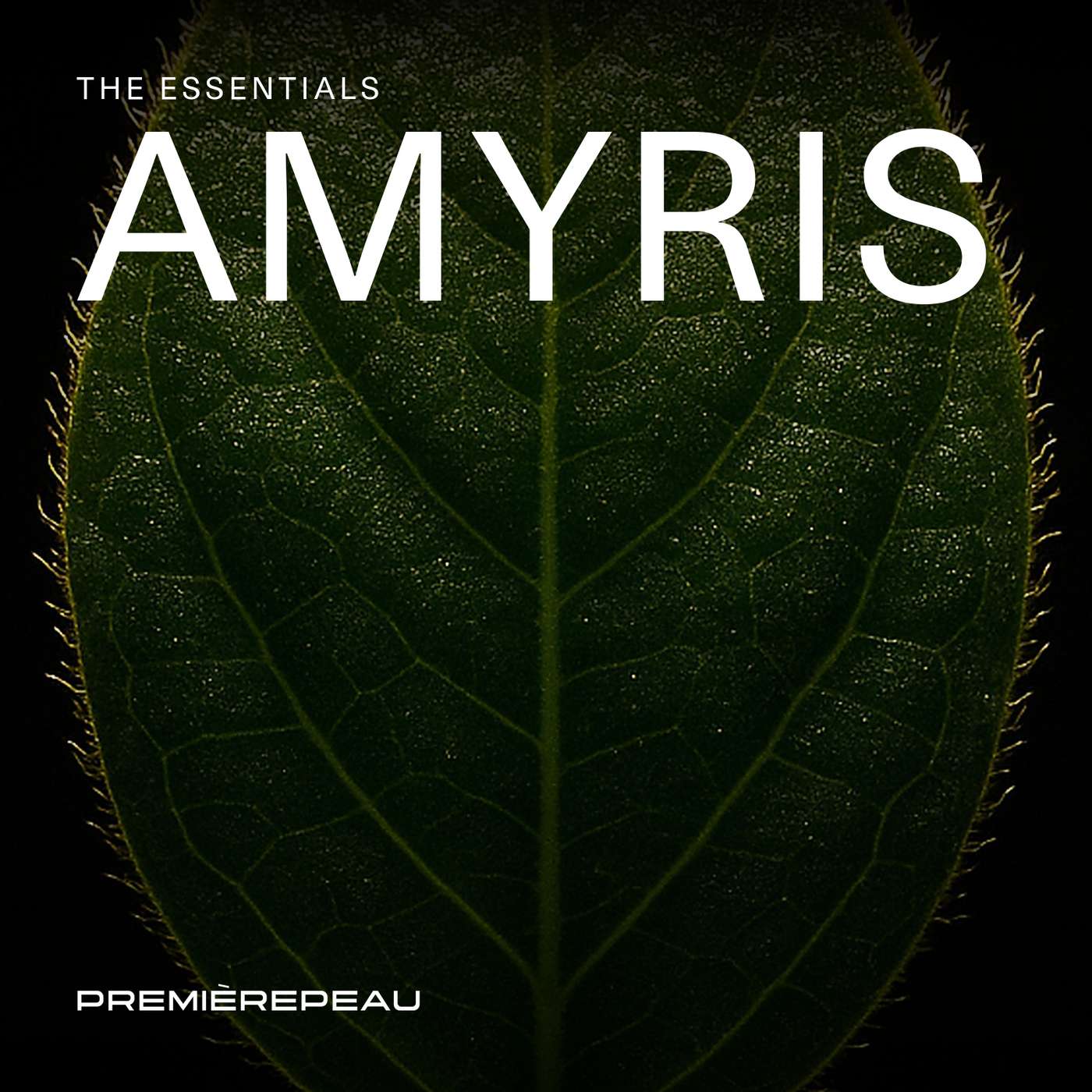
In a test of 6 oils sold as sandalwood, none met the standard and 3 held amyris, the oil of a Caribbean torchwood that burns even when green.
A torchwood of the citrus family behind sandalwood labelsTrunks ringed so the tree dies and dries standingWhat gas chromatography found in 6 bottlesChapters
00:00 Opening00:32 A citrus cousin01:23 Wood, cut green or ringed02:19 Two trees, one name03:22 Six bottles04:14 Sweet, then wood04:59 The torchwoodRead more: Amyris, at PREMIEREPEAU
Sources: Glossary entry « Amyris » and its sources: Molecules (2021), A Comparison of the Composition of Selected Commercial Sandalwood Oils with th...
Hay: the sweet smell of dried grass
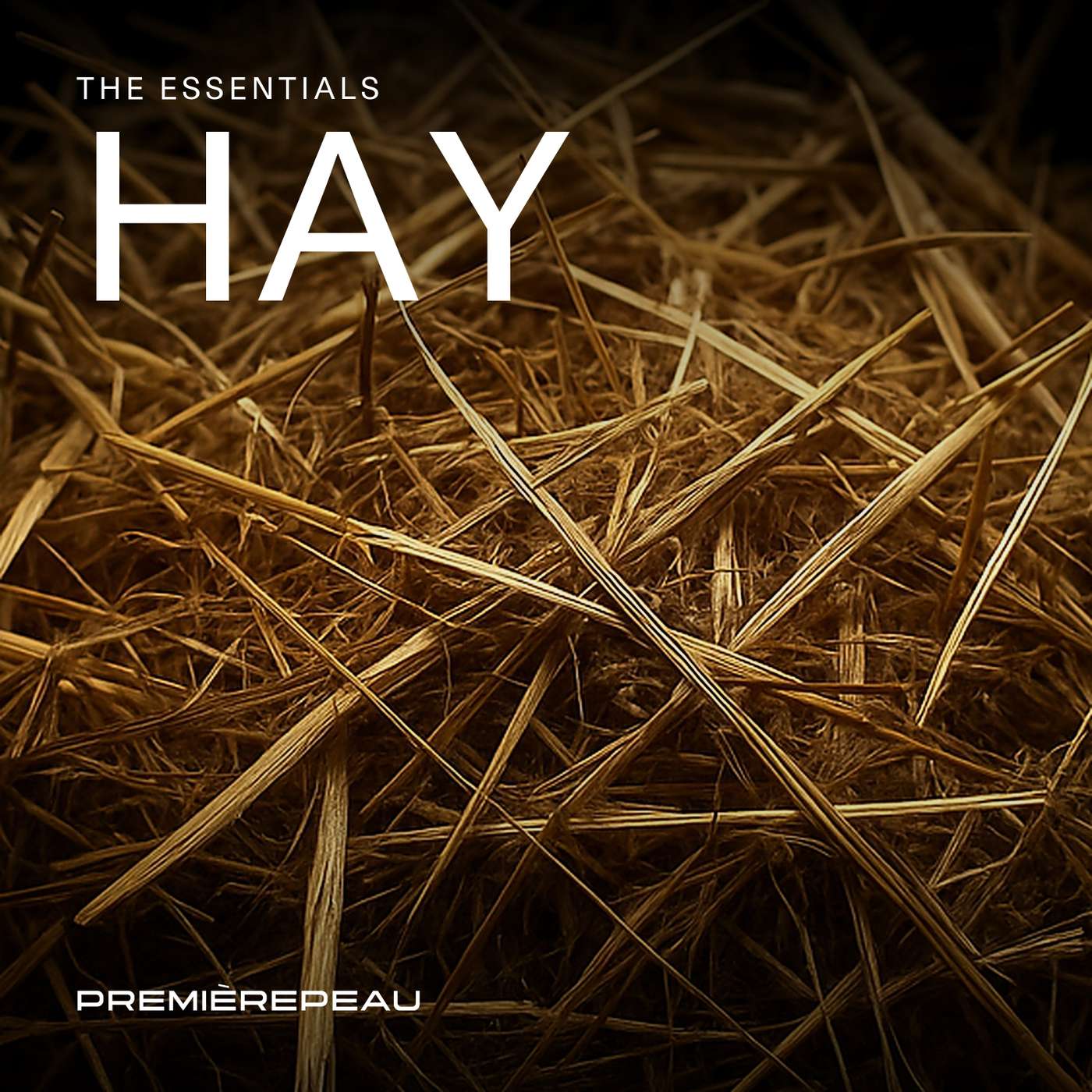
In the Var, cut grass is left to dry under the sun, and once dry it smells of hay, warm and sweet. The crystal behind that sweetness tastes bitter, may serve plants as a chemical defence, and was first made by a chemist in 1868, 14 years before it became a key component of the perfume that began the fougère family.
How dried grass is washed twice into a dark green absoluteA crystal that smells sweet and tastes bitterHow a crystal first made in 1868 became part of the fougère familyChapters
00:00 Opening00:39 Drying in the sun01:39 Th...Rice: two hundred substances, one smell
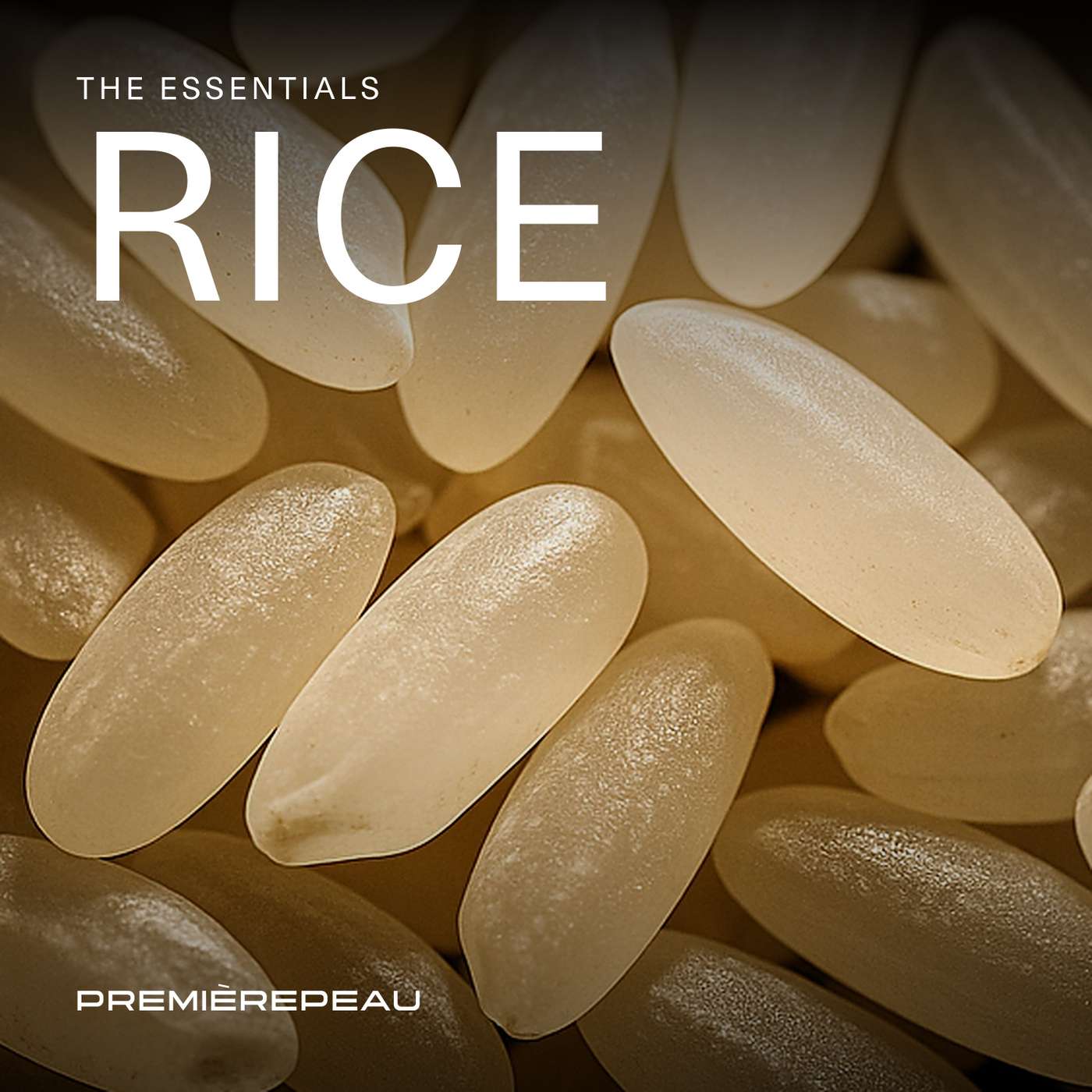
A cooked grain of basmati smells of hot, buttered popcorn. More than 200 volatile substances have been found in rice, yet only one is confirmed to give that smell, and earlier studies of the volatile substances in rice did not detect it.
A stopped gene lets aromatic rice make more of the popcorn substanceWhy earlier studies missed the popcorn substanceHow little of it a nose can find in waterChapters
00:00 Opening00:35 A gene that stopped01:45 More in brown rice03:10 Unstable in the machine03:39 The popcorn grainRead more: Rice, at PREMIEREPEAU
Sources: Glossary entry « R...
Allspice: three spices, one berry
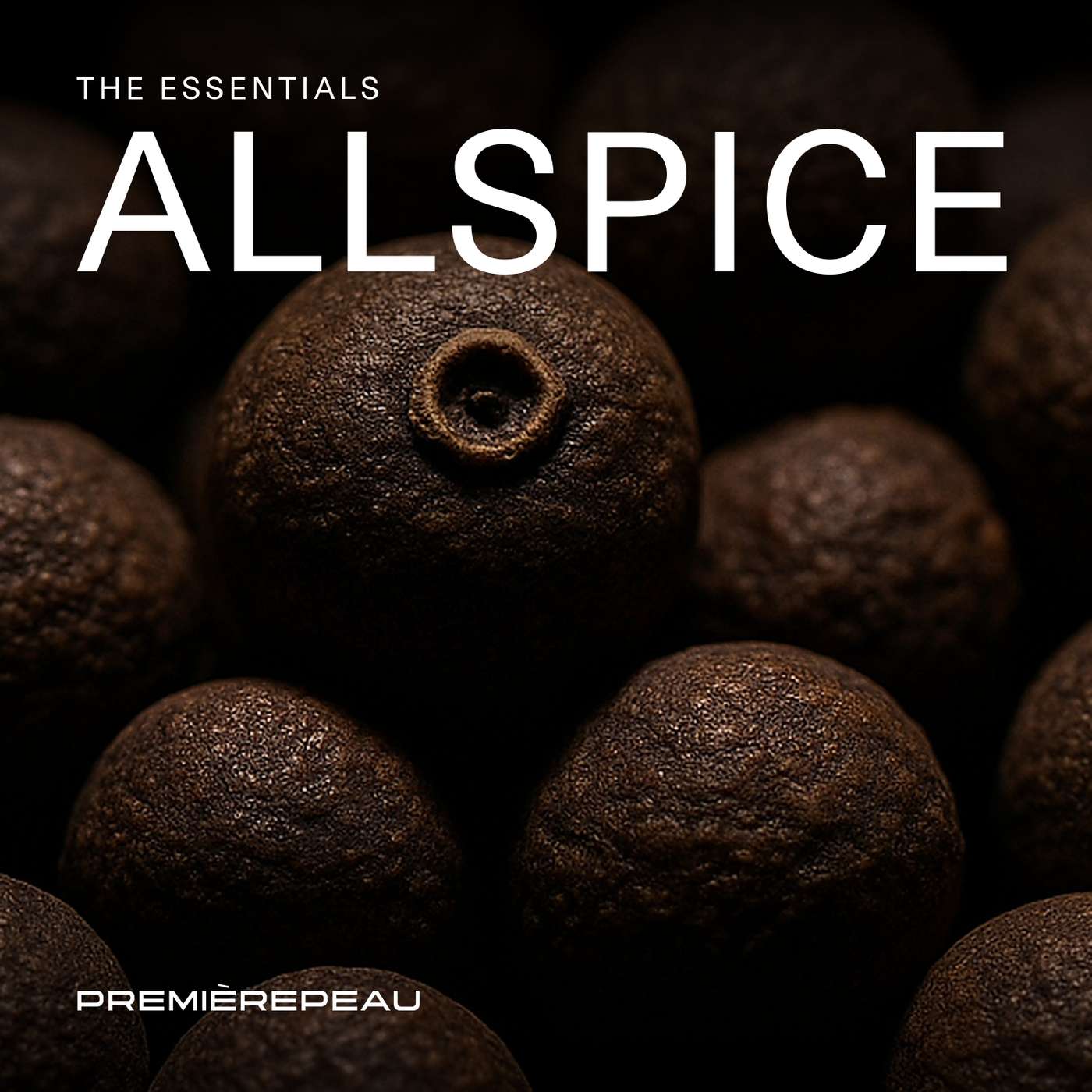
By 1621 the English had named a Caribbean berry allspice, for the flavours of cinnamon, nutmeg and clove it combines. Its oil is 50 to 80 per cent eugenol, the substance that smells of clove, and a cheaper mixture can take the place of the berry oil.
What one berry smells of: cinnamon, nutmeg and clove, with clove in frontHow the green berry is sweated or blanched, then driedWhat the oil is made of, and what can take its placeChapters
00:00 Opening00:34 Not a mixture01:44 Up to five days of sweating03:15 The cheaper stand-ins03:40 One berryRead more...
Bay Leaf: the wreath tree gives its smell slowly
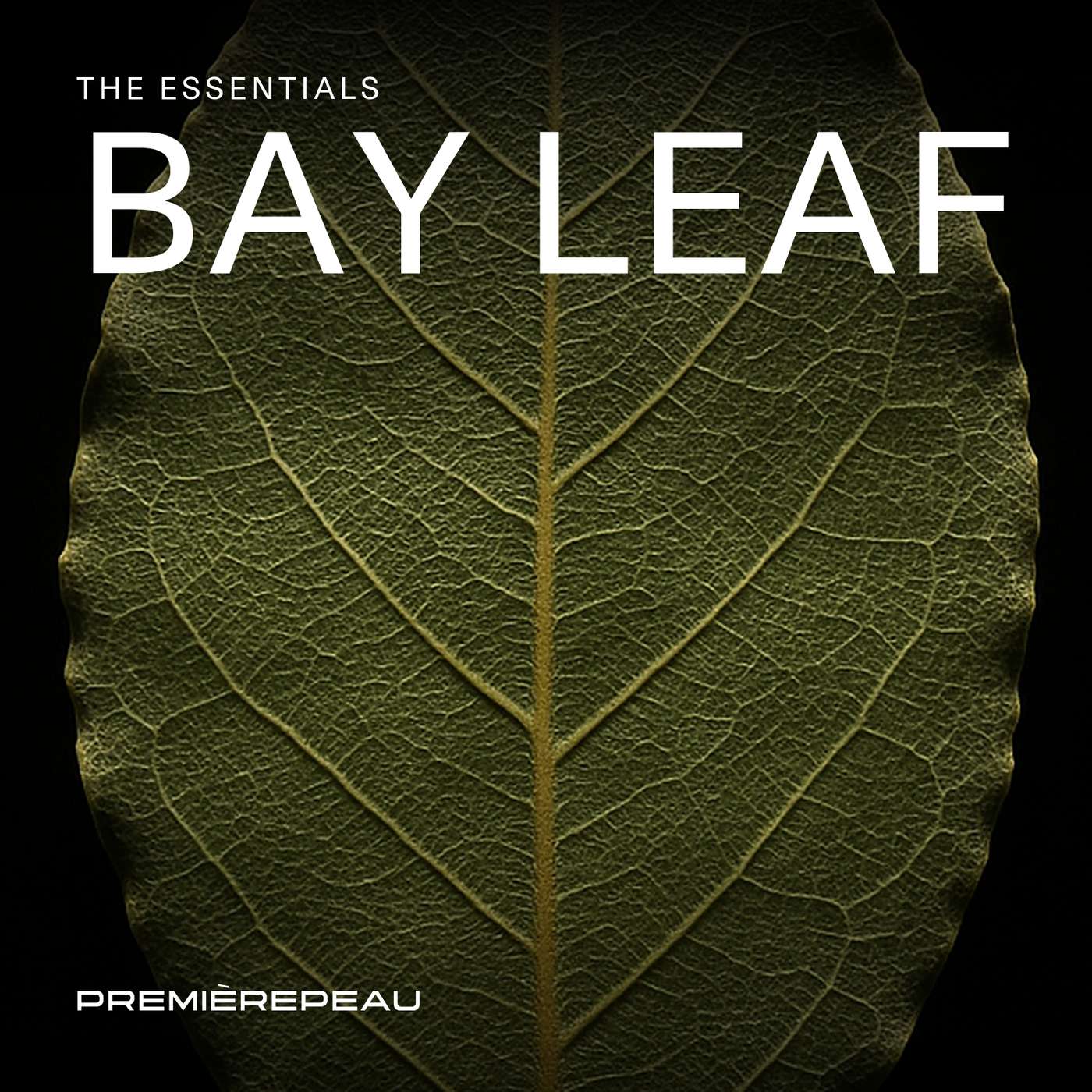
At the Pythian Games the prize was a wreath of bay leaves. Their oil opens on camphor, warms to cardamom, and only after days settles into a fine woody smell. The cologne called bay rum comes from another tree.
The bay laurel is a leftover of old Mediterranean laurel forestsIts oil smells of camphor first, wood after daysBay rum comes from an unrelated Caribbean treeChapters
00:00 Opening00:24 A wreath for Apollo01:46 Camphor, then cardamom03:26 One berry, one word03:49 The laurel berryRead more: Bay Leaf, at PREMIEREPEAU
Sources: Glossary entry « Bay Leaf » and it...
Tiare: the gardenia that gives
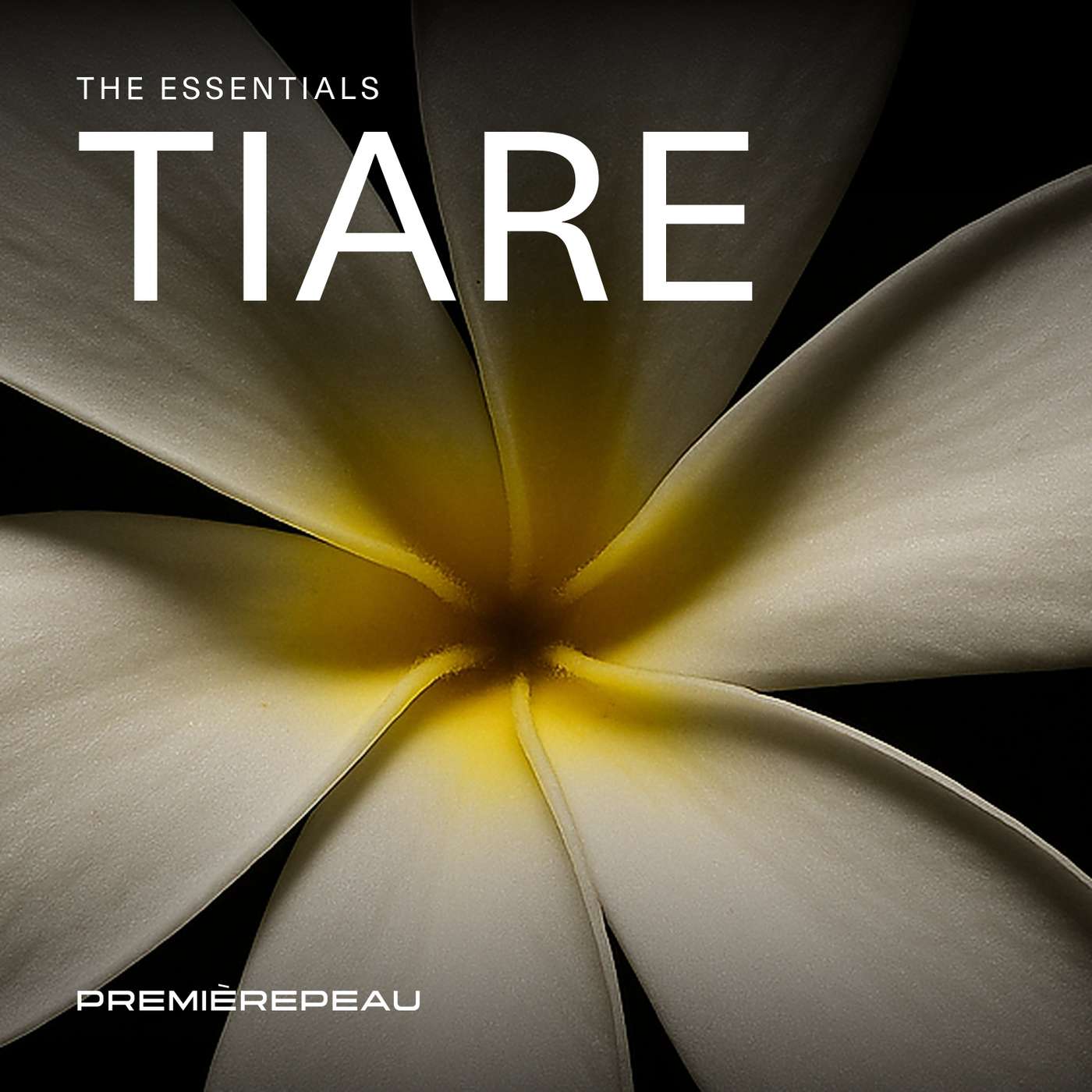
A gardenia flower does not release a natural oil, so gardenia notes are almost always re-created from other materials. In Tahiti, the tiaré hands its smell over instead — into coconut oil, at least 10 buds to the litre, under a name protected by law.
Why most gardenia notes are built from other materialsHow at least 10 buds a litre scent coconut oilWhere the Tahitian gardenia really comes fromChapters
00:00 Opening00:34 Nothing to press01:52 At least ten flowers a litre03:02 A carried flower03:25 The carried flowerRead more: Tiare Flower, at PREMIEREPEAU
Sources: Glossary entry « Tiare Flow...
Angelica: the musk under one part in a hundred
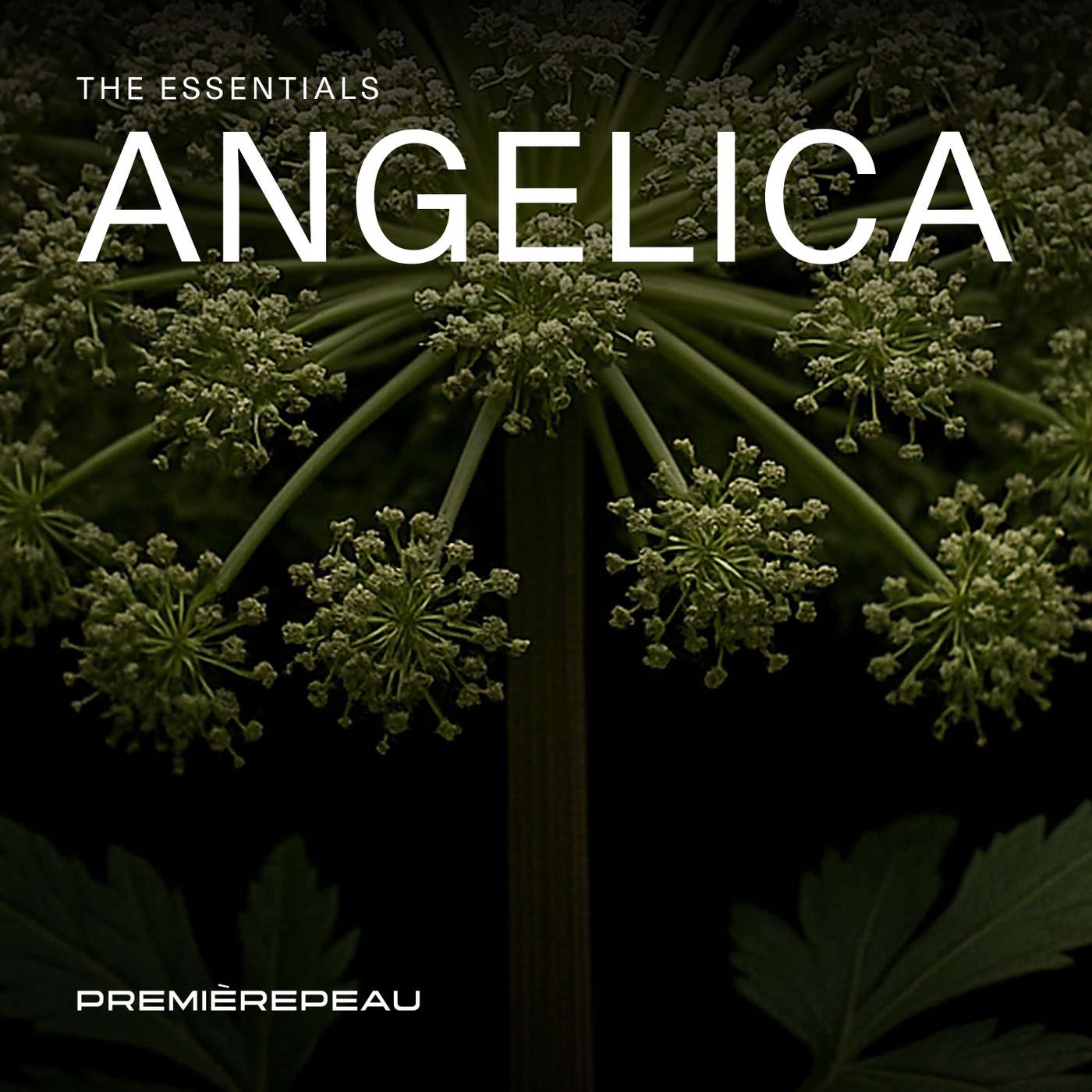
Angelica's name means angel-like, probably for its scent, and what perfumers prize in its root is a musk. The musk lives in a colourless solid that makes up less than 1 part in 100 of the root.
What angelica grows before its stem risesHow the smell turns musky after daysWhich substance gives angelica root its muskChapters
00:00 Opening00:30 The second year02:15 Less than one part02:59 Juniper's partner04:19 The name passed downRead more: Angelica, at PREMIEREPEAU
Sources: Glossary entry « Angelica » and its sources: IFRA Standards, 51st Amendment; Wikipedia entries on Angelica archangelica, Cyclopentadecanolide and Phytophotodermatitis; IF...
Litsea Cubeba: a lemon from a laurel
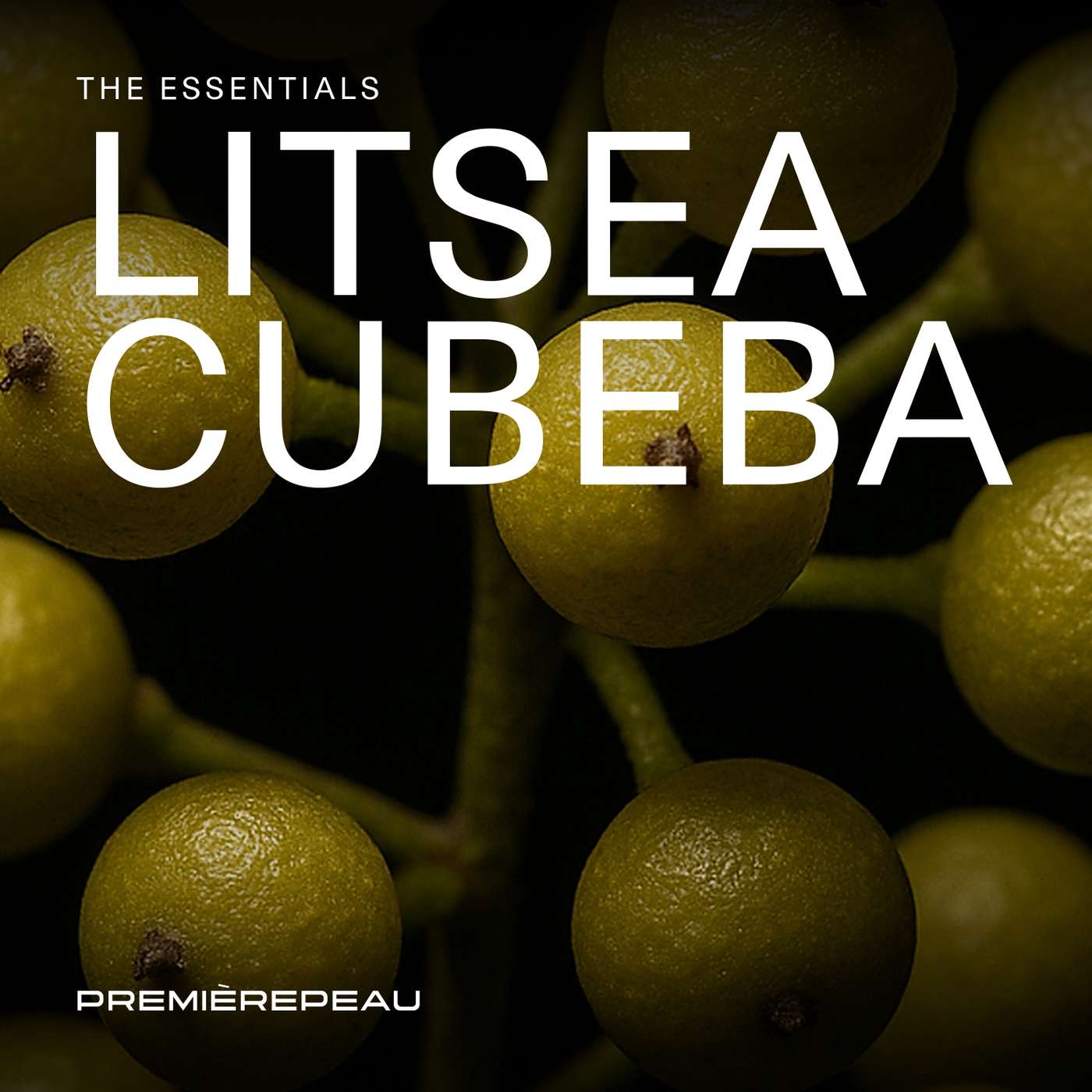
A tree in the laurel family, not a citrus at all, gives an oil that is 70 to 85 per cent citral, the substance perfumers use to strengthen lemon oil. The chemical industry uses the oil as a raw material for violet-like fragrances and vitamin A.
A laurel-family tree makes an oil mostly lemonThat lemon is two near-twins, geranial and neralThe chemical industry uses it to make violet-like scents and vitaminsChapters
00:00 Opening00:33 One hundred grams, five hours02:14 Two shapes of lemon03:12 Lemons into violets04:18 The last dropRead more: Litsea Cubeba, at PREMIEREPEAU
Sources...
Star Anise: the herb's smell, the tree's star
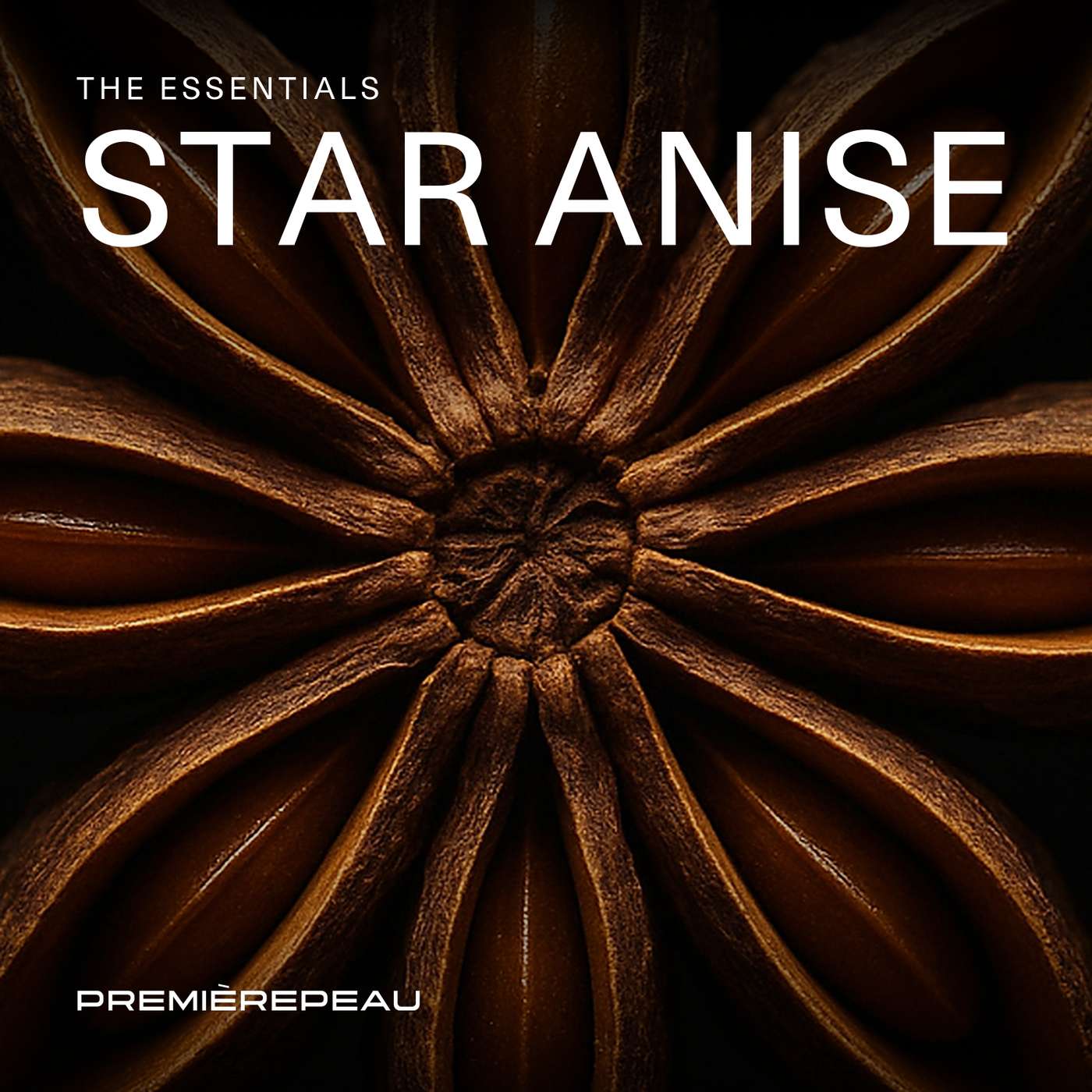
A tree unrelated to anise makes anise's own smell: one sweet substance, most of the oil. Around 2007, an estimated 90% of the Chinese star anise harvest went to making a flu drug.
Why an unrelated tree smells like aniseA substance 13 times sweeter than sugarWhere most of the Chinese harvest went around 2007Chapters
00:00 Opening00:32 Little boats01:27 One sweet substance02:24 An English sailor03:59 The harvestRead more: Star Anise, at PREMIEREPEAU
Sources: Glossary entry « Star Anise » and its sources: Molecules (2022), Illicium verum and Trans-Anethole as Valuable Raw Materials for Medicinal and Cosmetic Applications; PubChem, Anethole; IFRA St...
Heliotrope: the compound that is not in the flower's aroma
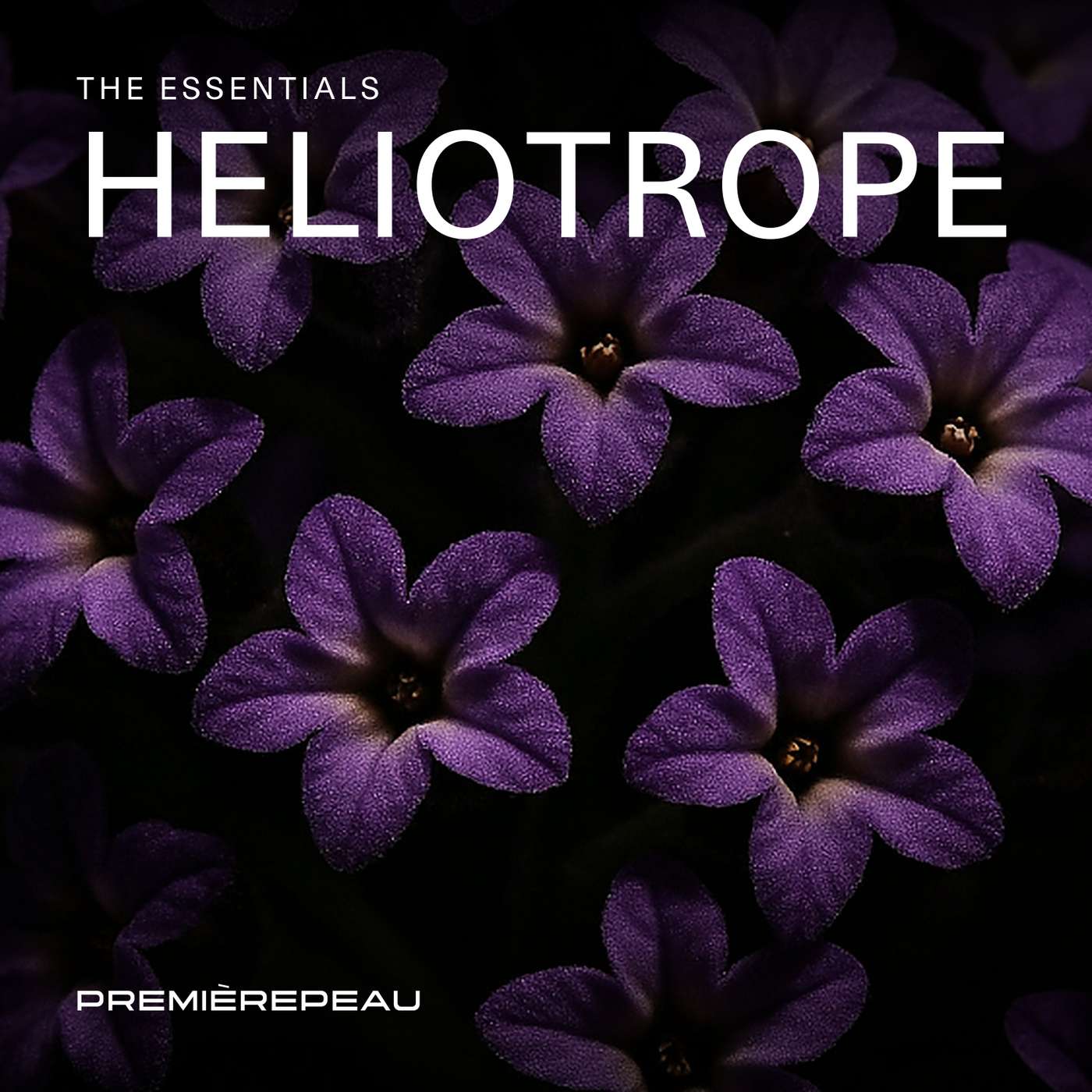
A vanilla-scented heliotrope was laid on Emily Dickinson's coffin, yet the perfume material named for that flower is not in the flower's true aroma. It is made in a factory, and in Europe it is regulated as a drug precursor.
How the material took its name from the flower's cherry pie notesWhere its production began in 1878How long its smell lasts at full strengthChapters
00:00 Opening00:30 Cherry pie in the borders01:26 Warmth of the body02:23 Built at Holzminden03:58 The coffin flowersRead more: Heliotrope, at PREMIEREPEAU
Sources: Live glossary entry « Heliotrope » and its so...
Citron: a citrus with almost nothing to drink
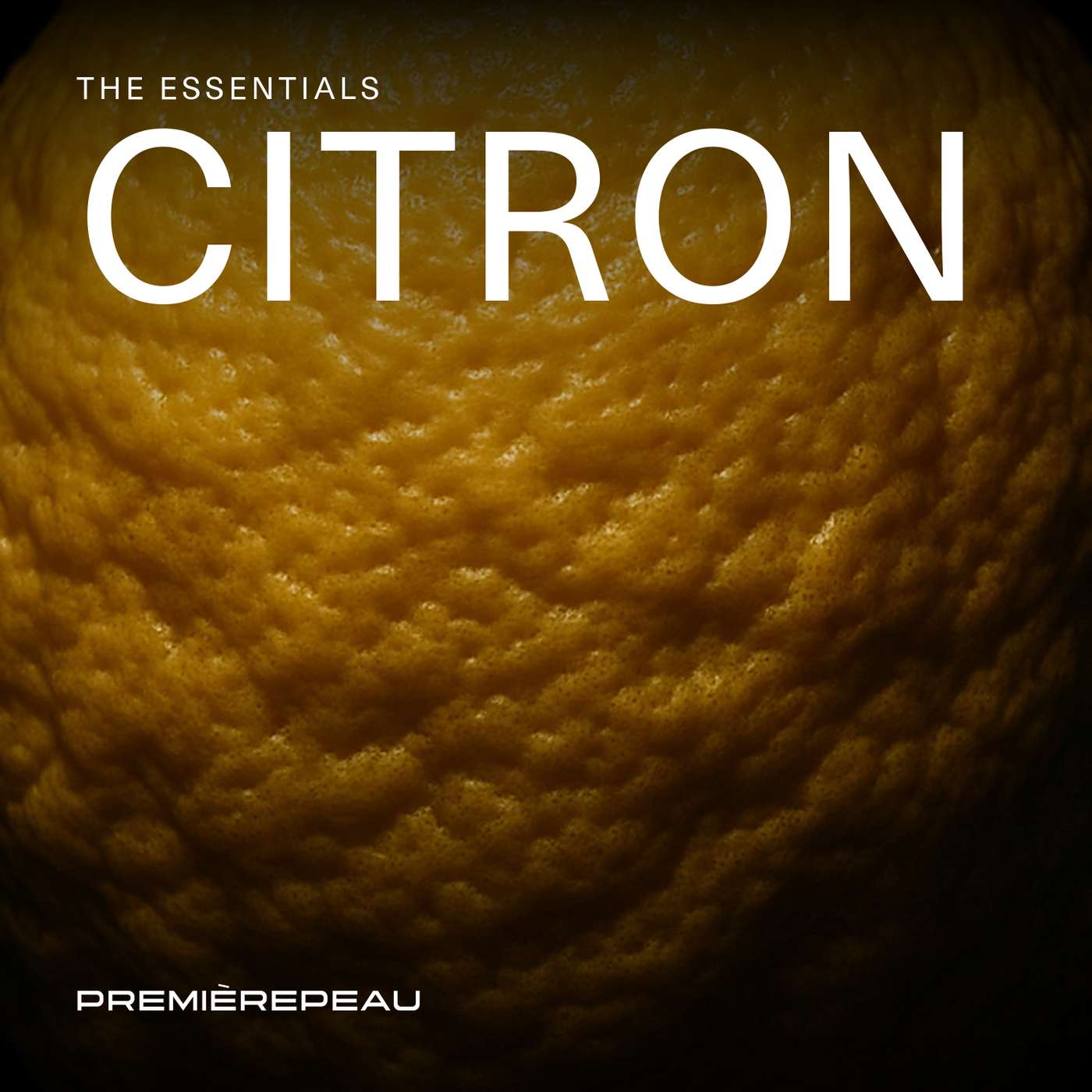
A citron is larger than a lemon, mostly thick white rind, with a dry pulp that holds little juice, if any. The earliest trace of the etrog in Israel is pollen from the 2nd century BCE, and the citron is one of the few original citrus fruits that most cultivated citrus came from.
A thick white rind, a dry pulp and little or no juiceCitron pollen from the 2nd century BCE, the earliest trace of the etrog in IsraelThe few ancestors behind most cultivated citrusChapters
00:00 Opening00:30 Rind and pith01:22 Held for a week02:50 Yellow at...Kaffir Lime: the perfume is in the leaf
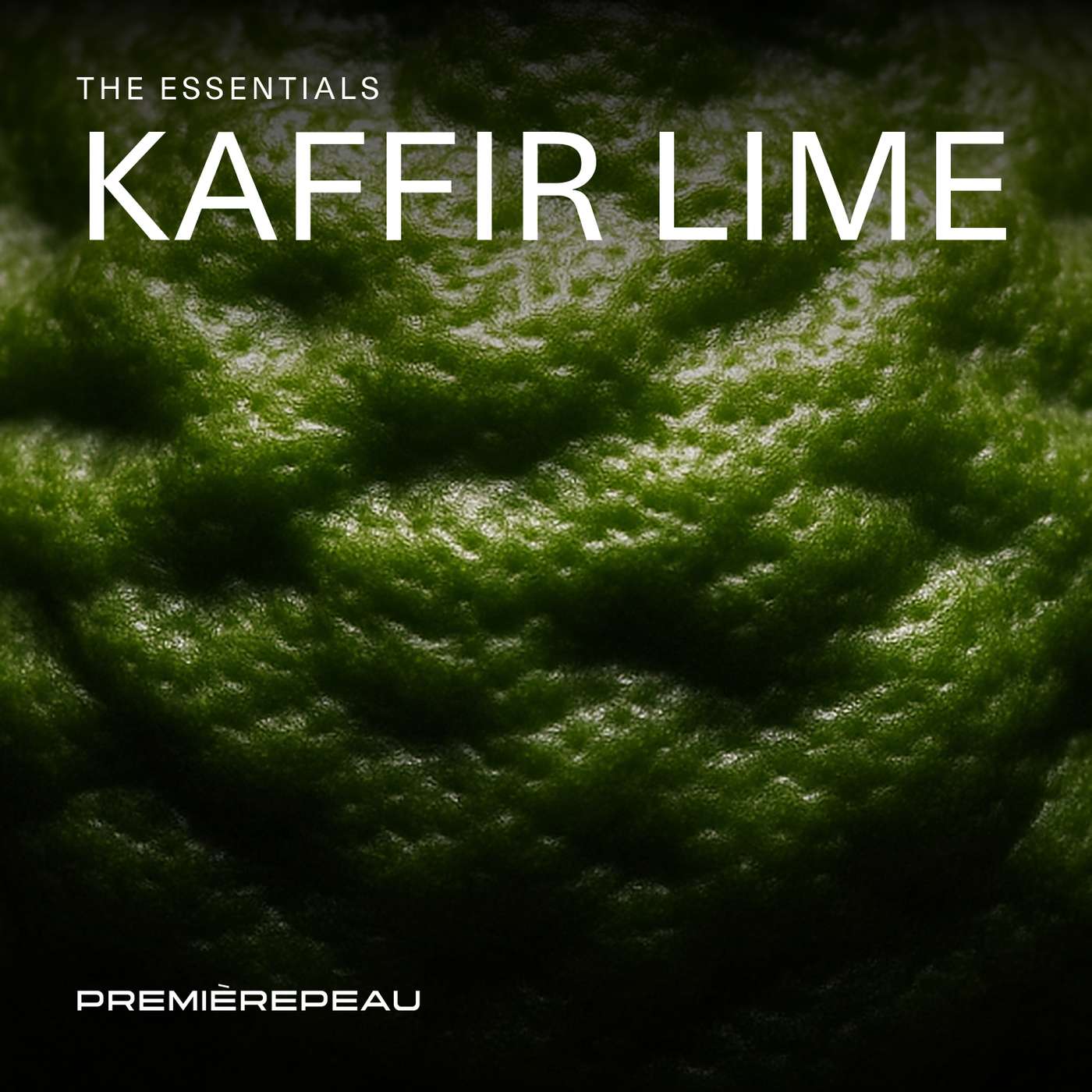
The perfume oil of the kaffir lime never touches the famous bumpy fruit: it is distilled from strange hourglass leaves. That oil can be four fifths one substance, in one mirror shape only, and it ends its days smelling of roses.
Which part of the tree the perfume oil comes fromThat the oil can be 80% one single substanceHow its smell turns from lemon to roseChapters
00:00 Opening00:26 Two leaves in one01:40 March, in the rain03:47 Over the days04:11 The leafRead more: Kaffir Lime, at PREMIEREPEAU
Sources: Glossary entry « Kaffir Lime » and its so...
Lemongrass: the lemon made by a grass
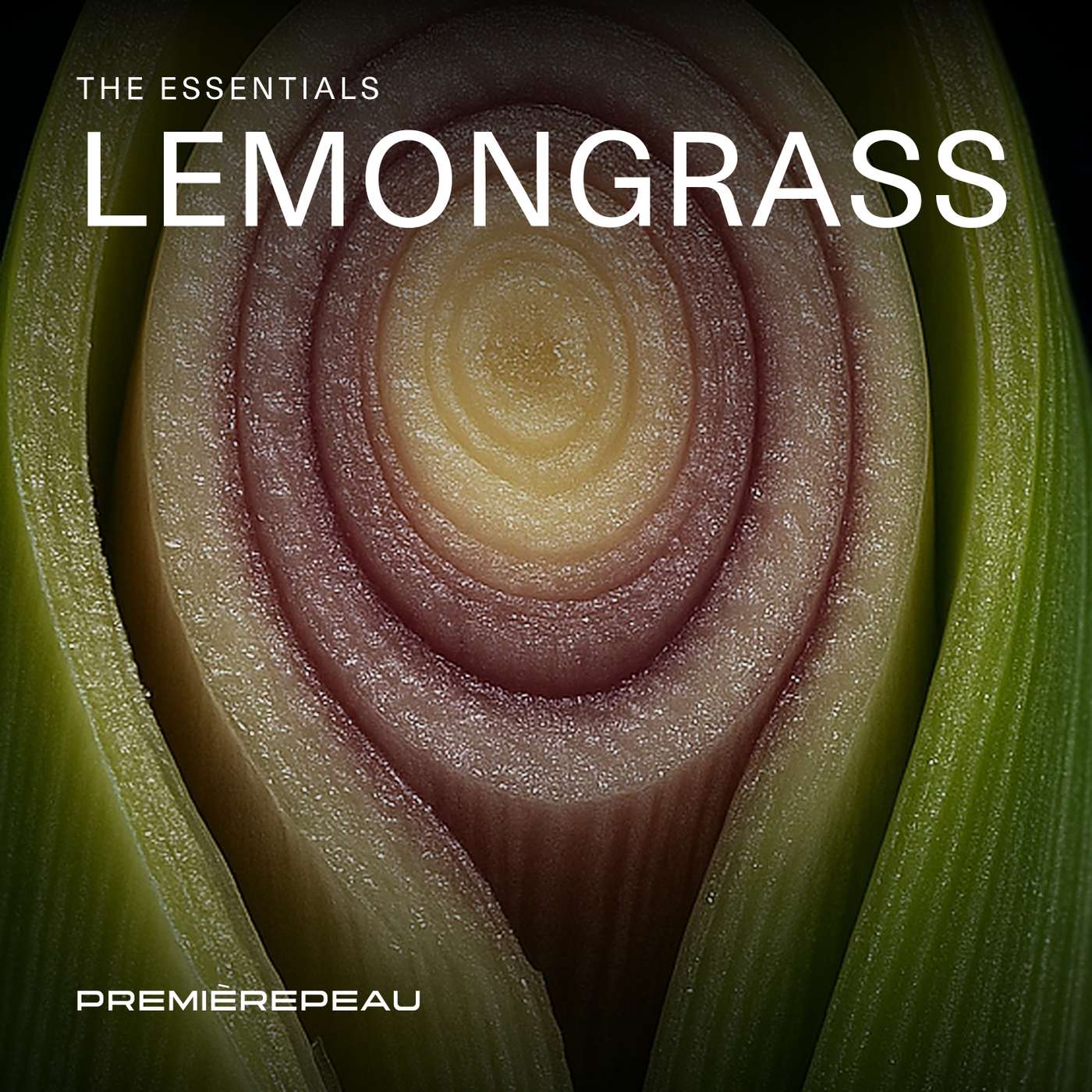
A grass from the slopes of Kerala gives an oil that is mostly citral, a lemon smell made of two near-twins. The same oil imitates a honeybee's scent signal, and beekeepers use it to attract bees to a hive or a swarm.
What gives a grass with no fruit its lemon peel smellHow two near-identical substances differ to a noseHow one oil attracts bees and repels other insectsChapters
00:00 Opening00:35 Before the stems harden01:50 Mostly one thing02:59 Two near-twins04:57 Boat and beardRead more: Lemongrass, at PREMIEREPEAU
Sources: Glossary entry « Lemongrass » and its so...
Clary Sage: the amber hiding in an herb
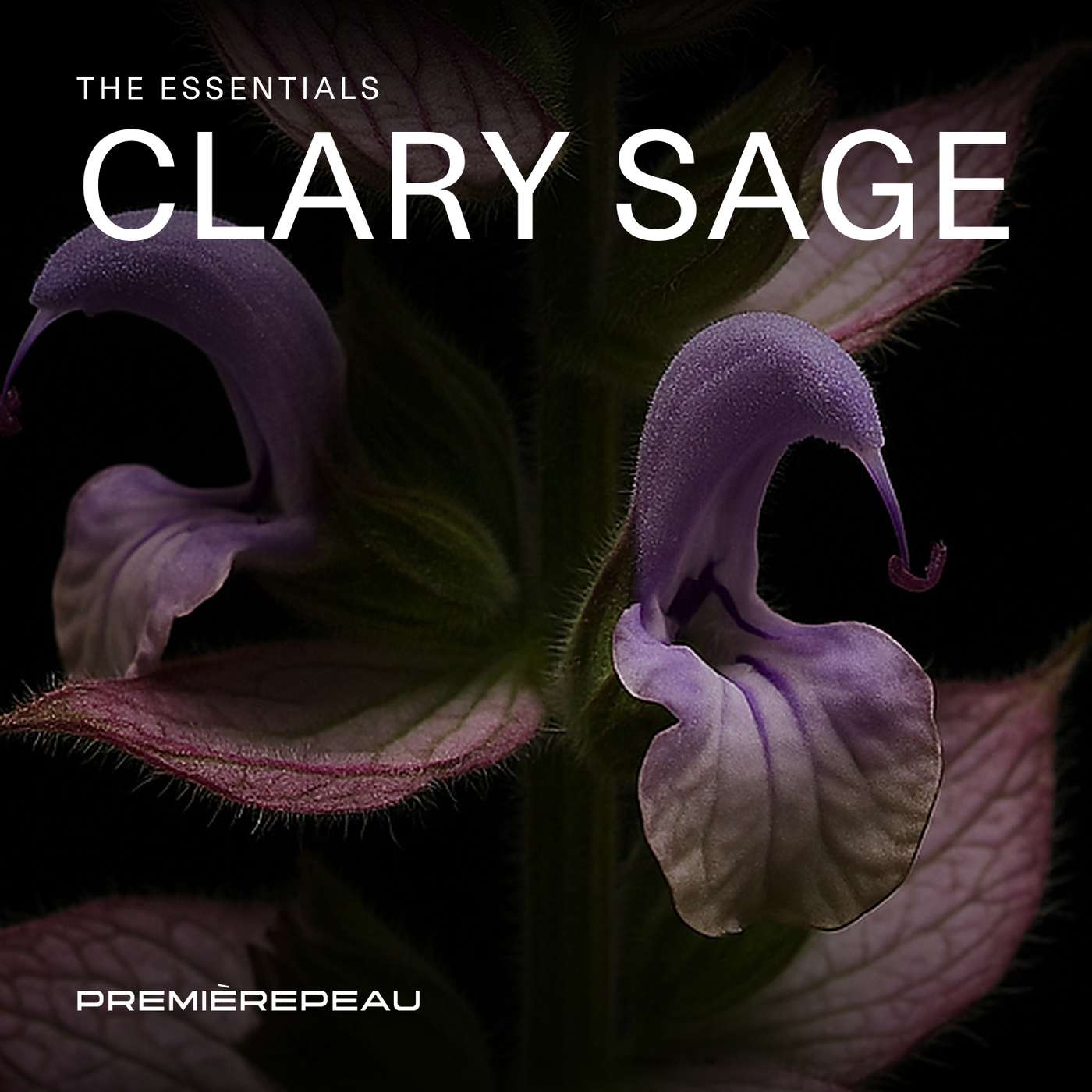
Old herbals told readers to lay a seed of clary sage in an eye to make a stuck speck easy to remove. The same flower gives an oil gone in 36 hours, and a solid that, in 3 steps, becomes a perfume's amber.
Steam or a solvent: 36 hours of scent against about 20 daysWhat the flower's small cups makeHow 3 steps turn an herb into amberChapters
00:00 Opening00:38 Two clocks from one flower02:45 Three steps to amber03:45 A newer route04:20 The seed in the eyeRead more: Clary Sage, at PREMIEREPEAU
Sources: Live glossary entry « Clary Sage » an...
Champaca: what the flower becomes
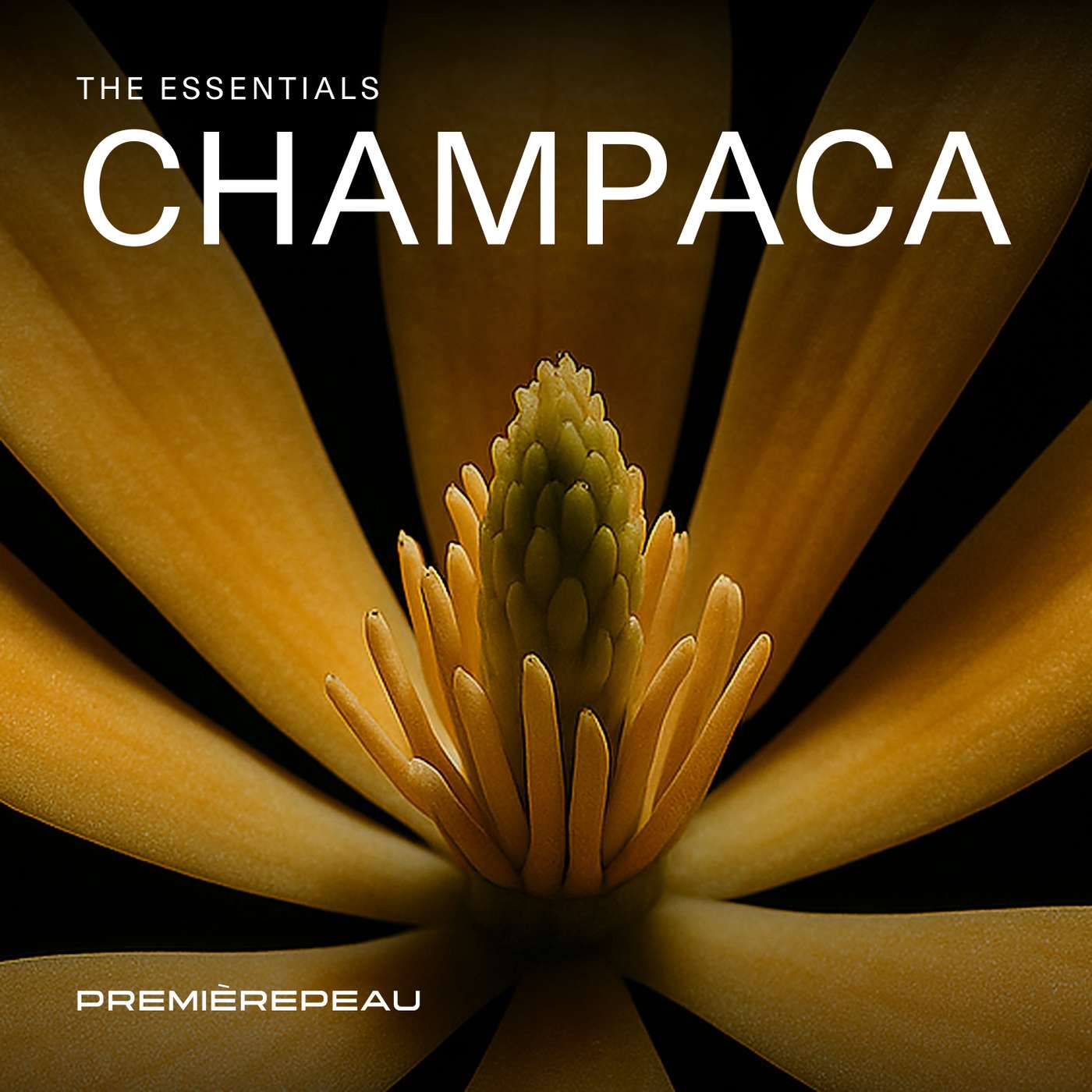
In India the champaca flower is floated in a bowl of water to scent a room. The red absolute drawn from it is a dark brownish-red liquid that smells of a dry, deep flower with earthy tea after hours, and of hay, dried fruits and hints of tobacco after days.
A low-strength material filed with the narcotic white floralsWhat sandalwood has to do with champacaWhat the days turn the flower intoChapters
00:00 Opening00:36 A bowl of water02:41 Apricot, tea, quiet03:26 Sandalwood, mostly04:00 Hay, after the flowerRead more: Champaca, at PREMIEREPEAU
Sources: Glossary...
Orange: a perfume made from juice
World production of oranges was 67 million tonnes in 2024, and the perfume material is cold-pressed as a by-product of orange juice production. The orange itself is a made fruit, about 42% pomelo and 58% mandarin, born in cultivation.
Orange oil is a by-product of juice productionMost of the oil is one substance, d-limoneneThe orange is a made fruit, from two parentsChapters
00:00 Opening00:25 Cells in the rind02:01 No wild parent03:05 Seventeen hours03:35 The leftoverRead more: Orange, at PREMIEREPEAU
Sources: Glossary entry « Orange » and its sources: PubChem, 1-Methyl-4-Prop-1-En-2-Ylcyclohexene; IFRA Standards, 51st Amendment; Molecules (2019), Ch...
Peppermint: cold where nothing is cold
A drop of peppermint oil makes the skin feel cold, and nothing in it is cold. The plant is a sterile cross that makes no seed, and the cold is a crystal, caught with ice, that asks the body for the feeling.
A sterile mint cross found by an English doctorHow menthol is caught out of the oil with iceWhy menthol asks the body for the feeling of coldChapters
00:00 Opening00:28 A plant without seed02:23 Caught with ice02:55 Why perfumers reach for it03:21 The cold the body reportsRead more: Peppermint, at PREMIEREPEAU
...
Banana: the smell before the fruit
In 1851 a London candy was sold as tasting of Jargonelle pears. In America it became banana flavouring, about ten years before a real banana could be bought — and a honey bee releases the same substance when she stings.
Banana flavouring reached America before bananas didIts alcohol is a by-product of fermentationA honey bee releases it from her stingChapters
00:00 Opening00:36 Ten years early01:42 Born in the vat03:00 The head of a perfume03:41 Before the fruitRead more: Banana, at PREMIEREPEAU
Sources: Live glossary entry « Banana » and its sources: PubChem, Isoamyl Acetate; CAMEO Chemicals, NOAA...
Fig: the smell with no fig in it
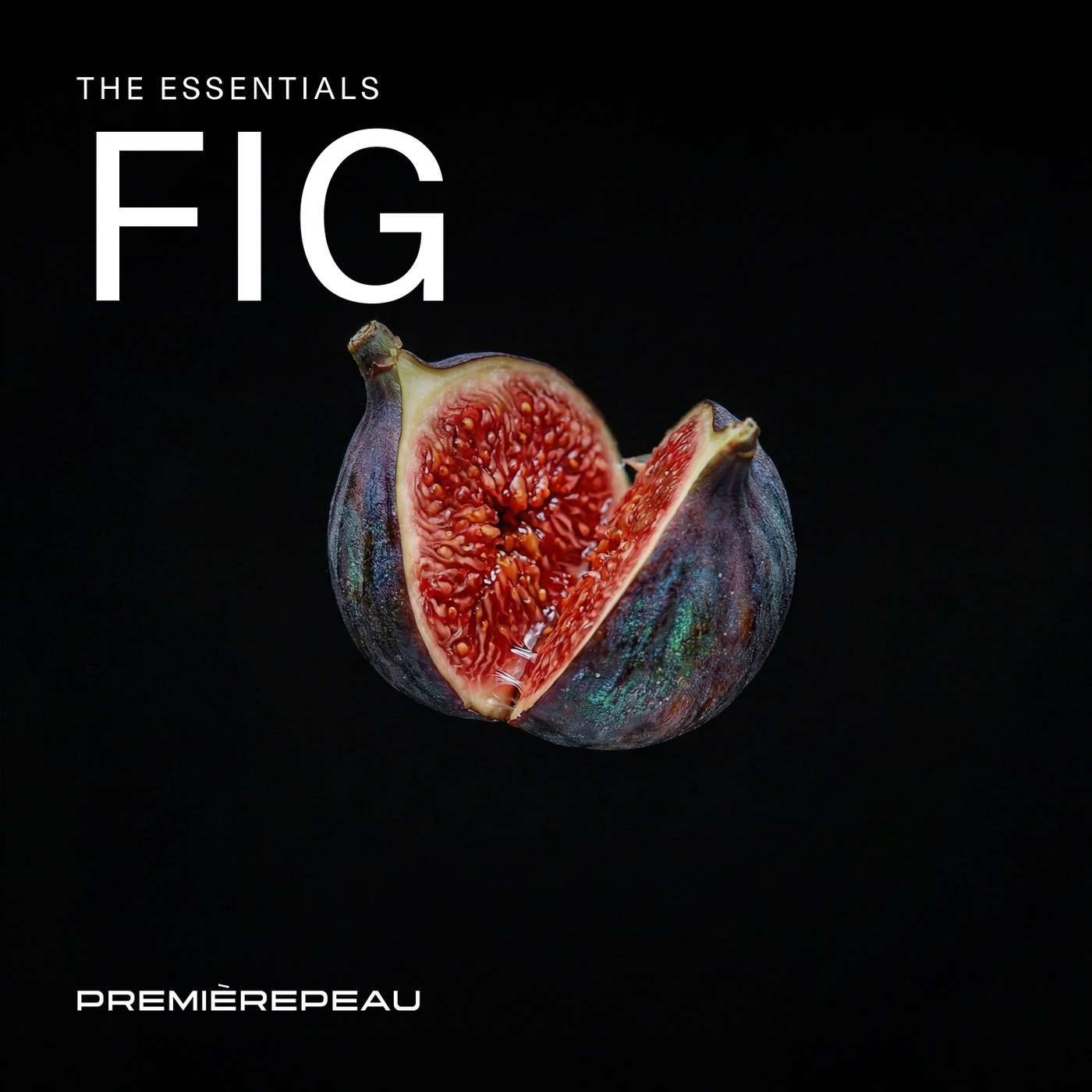
Nine sterile figs dug from a village some eleven thousand years old mark probably the first plant we ever grew. Its leaf absolute is prohibited in perfume, and the fig note is built from two materials, one leafy like a tomato stem, the other tasting of coconut.
Nine sterile figs from a stone-age villageThe fig leaf absolute, prohibited in perfumeWhat a fig note is really built fromChapters
00:00 Opening00:24 What the fruit gives01:31 One part in ten02:35 Stem and coconut03:14 Nine sterile figsRead more: Fig, at PREMIEREPEAU
Sources: Glossary entry « Fig » and it...
Marigold: a borrowed name, a guarded oil
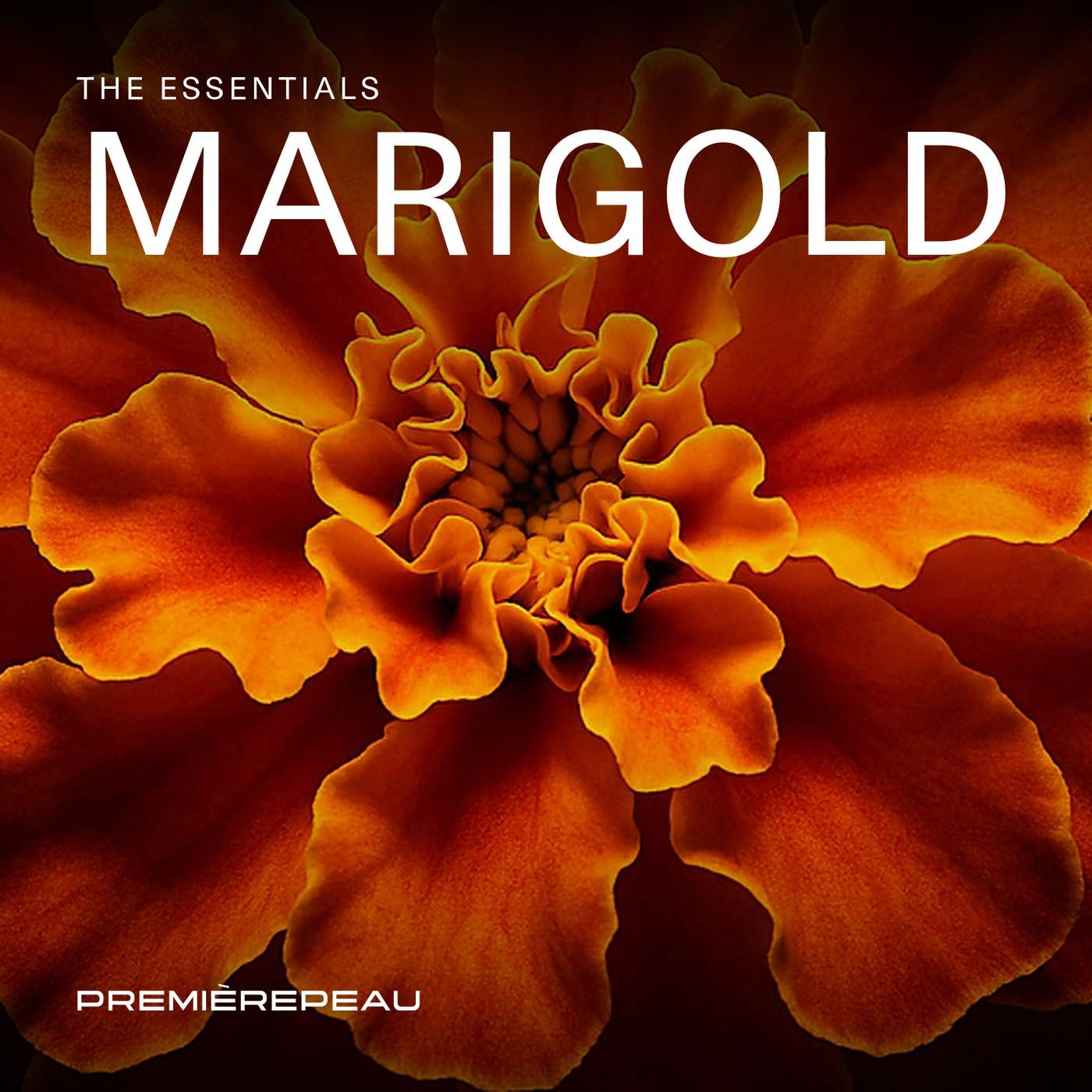
The perfume's marigold is not the European plant that first bore the name Mary's gold. The oil comes from a herb eaten in Peru since before the Europeans arrived, and a light-sensitive substance in it limits how much may be left on skin.
Why the perfume's marigold is not Mary's goldFrom Peruvian kitchen herb to distilled oilWhat sunlight does to the oil on skinChapters
00:00 Opening00:32 Mary's gold01:15 A herb called huacatay03:09 One part in ten thousand04:16 The borrowed nameRead more: Marigold, at PREMIEREPEAU
Sources: Live glossary entry « Marigold » and its sources: Mo...
Hyacinth: the flower that perfumers rebuild
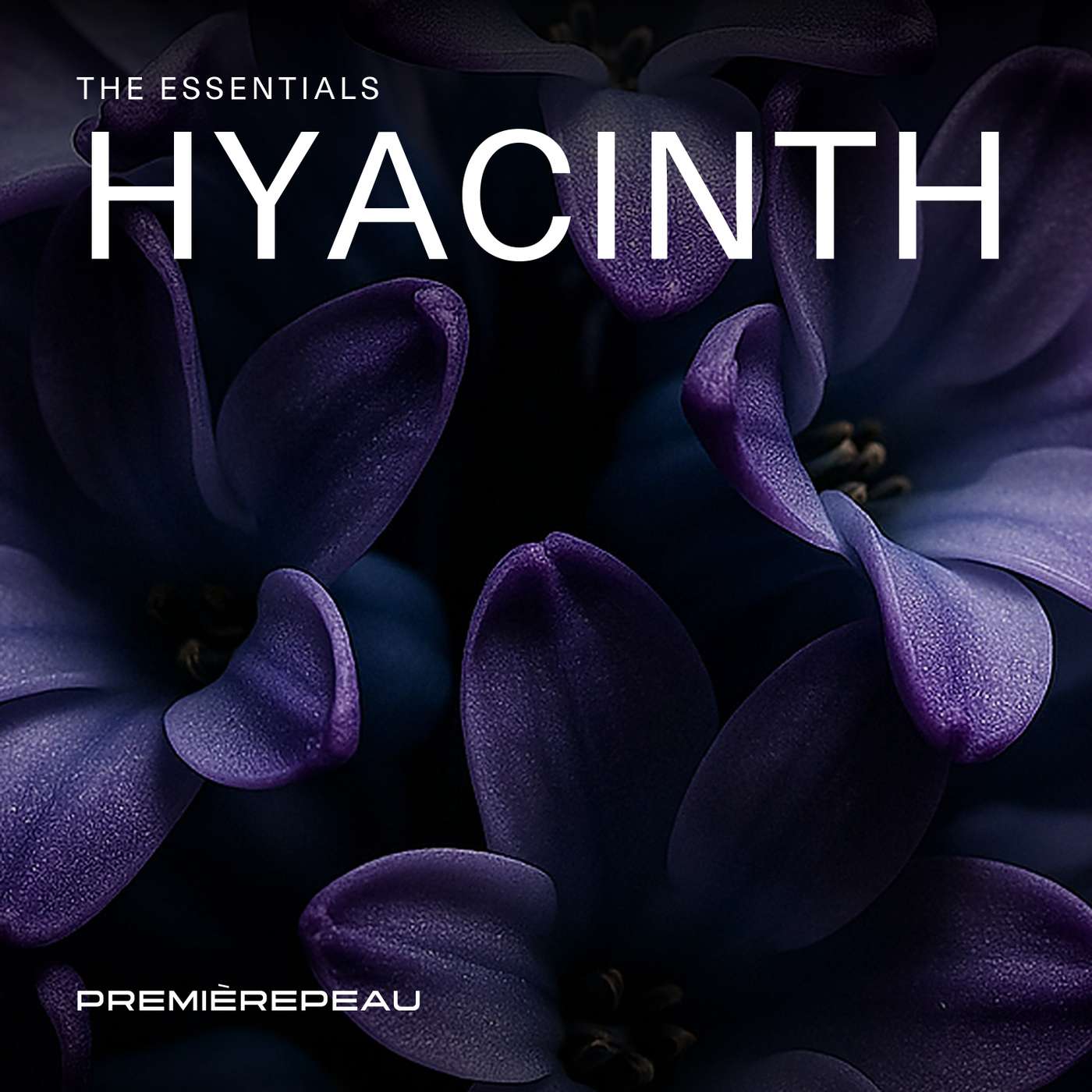
Apollo wrote a cry of grief on the petals of a flower that was never the hyacinth. The garden flower is strongly fragrant, yet the liquid drawn from it is barely made anywhere, and the hyacinth of a perfume is nearly always rebuilt.
Why the real hyacinth liquid is barely made, and what perfumers doHow bulbs are tricked into flowering at ChristmasHow the absolute's scent turns over daysChapters
00:00 Opening00:33 Alas, alas01:23 Two thousand Dutch names02:29 Weeks in the dark04:20 Written petalsRead more: Hyacinth, at PREMIEREPEAU
Sources: Glossary entry « Hyacinth » and its so...
Coriander: soap to one nose, lemon to another
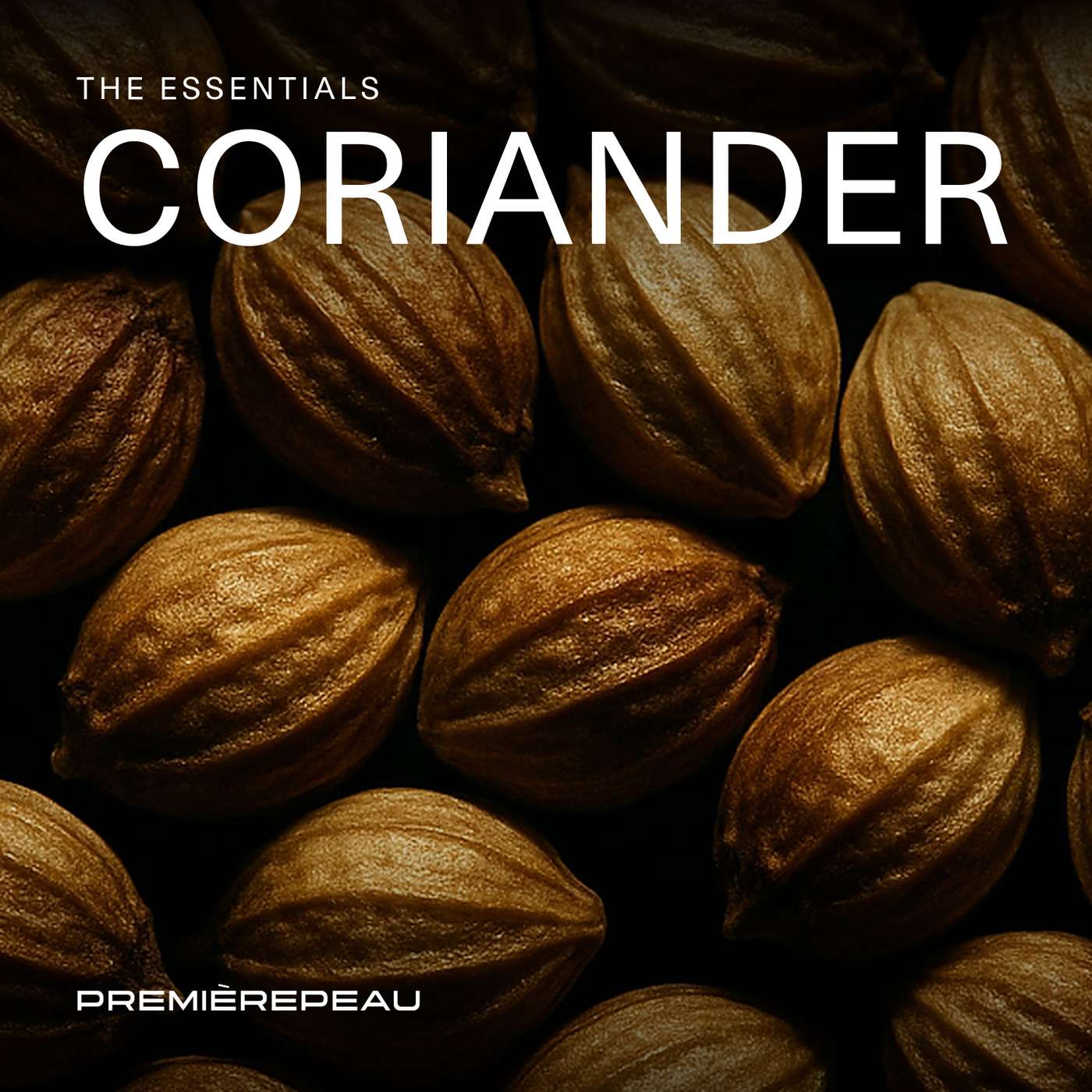
About 500 millilitres of coriander seeds lay in Tutankhamen's tomb. The same plant tastes of soap to some people and of lemon to others, while the oil of its seed is mostly linalool, sweet and floral.
A gene variant behind the taste of soapWhat a Pylos tablet says about perfumeLinalool, the main substance of the seed oilChapters
00:00 Opening00:34 Soap or lemon01:15 Written for perfume02:07 Two thirds of one thing03:02 Twenty-two and a half minutes04:28 The seeds in the tombRead more: Coriander, at PREMIEREPEAU
Sources: Live glossary entry « Coriander » and its sources: Molecules (2023); FA...
Lotus: the flower is not the bottle
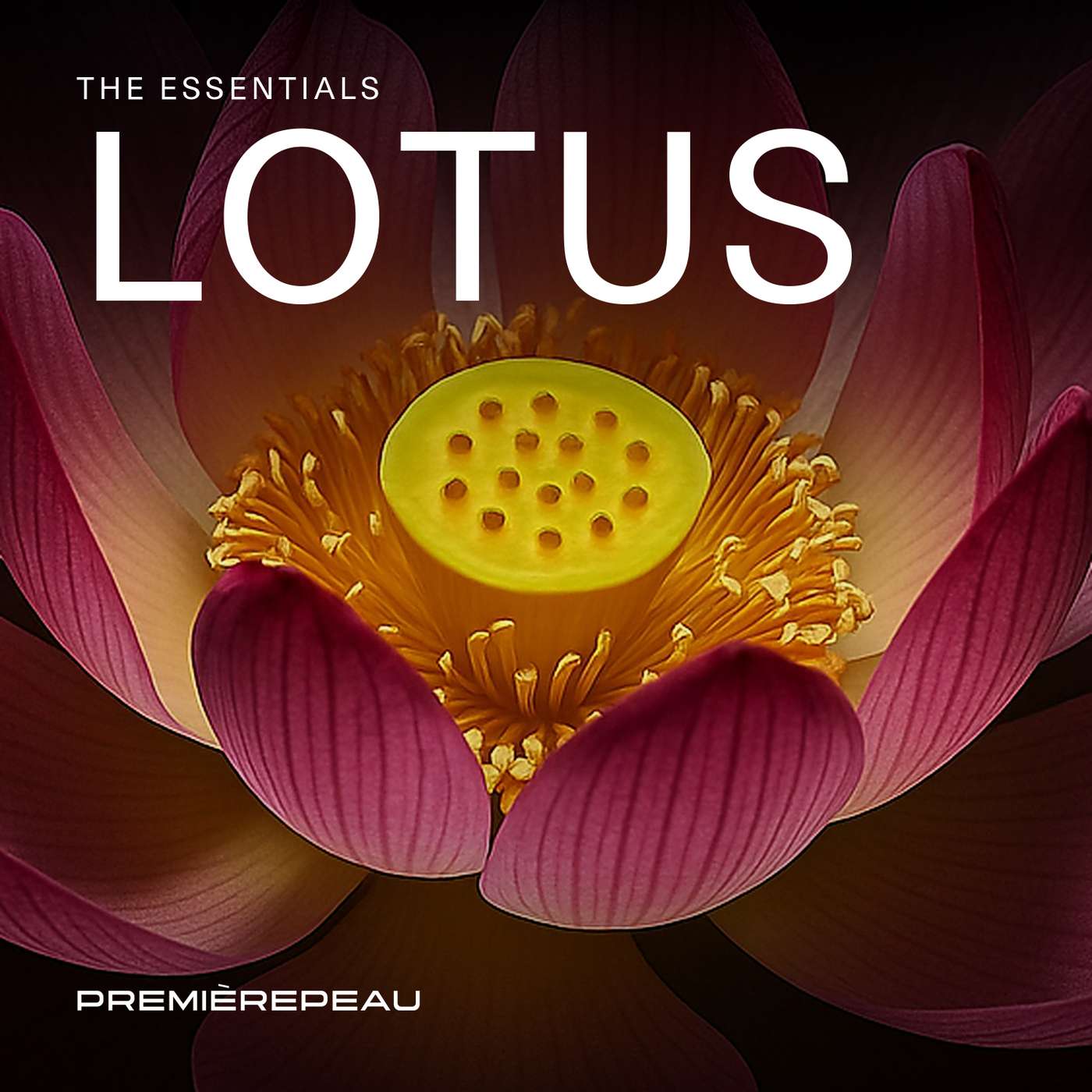
A lotus seed 1,300 years old has germinated. The living flower, read at dawn, smells of camphor and clove, and the perfume material called lotus absolute is honeyed, dark and earthy, and is said to need time to develop.
What the living lotus flower smells of at dawnWhy lotus absolute is not the flower's scentHow long a lotus seed can waitChapters
00:00 Opening00:31 One gram at dawn02:20 One drop at a time03:38 Thirteen hundred years04:23 The waiting seedRead more: Lotus, at PREMIEREPEAU
Sources: Glossary entry « Lotus » and its sources: PeerJ (2025), Untargeted metabolites profiling of...
Violet: the scent that left the flower
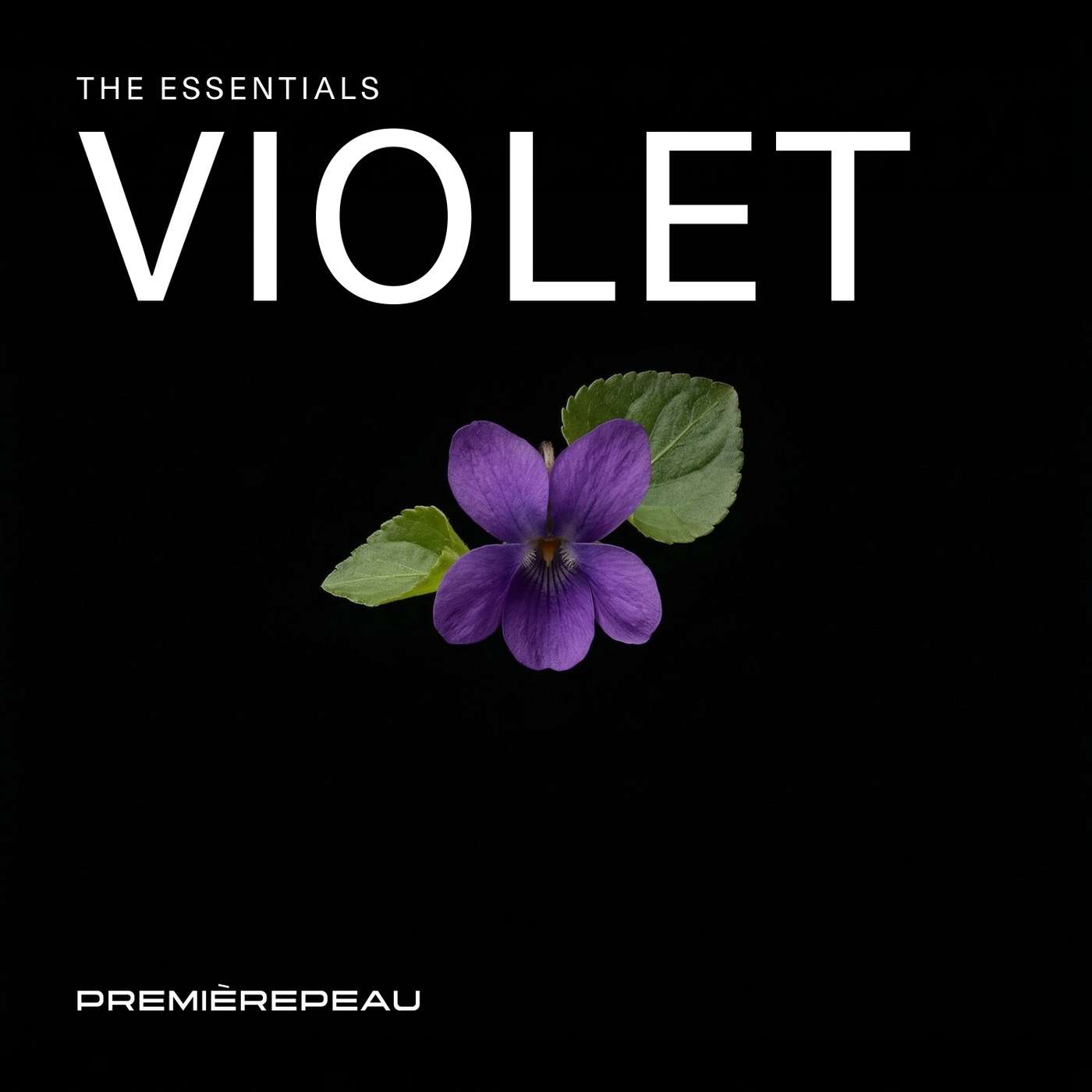
In one French village, a violet bouquet is about 25 flowers, sold between Christmas and Valentine's Day. But the scent of violet rests on molecules that chemists learned to make, and in a few noses one of them arrives as vinegar.
A village where violet is still the main work of the growersSeven years spent ironing out the difficulties of making the scentOne gene that turns violet into vinegarChapters
00:00 Opening00:33 Flowers out of the oven02:19 Seven years for one smell03:12 A gene in the nose03:51 The bouquetRead more: Violet, at PREMIEREPEAU
Sources...
Licorice: what the nose finds in a sweet root
Glycyrrhizin, the sweet substance in licorice root, is 30 to 50 times sweeter than sugar. The aroma a perfume takes from the root comes from 39 aroma compounds, and its scent descriptions keep the word sweet.
What a root known for its sweet taste gives the nose: 39 aroma compoundsWhat soaking and boiling draw out of the rootWhere the root is made into a drinkChapters
00:00 Opening00:27 Years in the ground01:26 Thirst in the desert02:55 Small black pieces03:44 Sweet rootRead more: Licorice, at PREMIEREPEAU
Sources: Glossary entry « Licorice » and its sources: Plants (2021), comprehensive review of Glycyrrhiza gl...
Cumin: softness at four parts in a thousand
Wild cumin grew nine thousand years ago at a drowned village on the Israeli coast, and its remains were dug from the ground. Its oil can irritate skin in sunlight and sits in perfume at traces, yet perfumers keep it for a softness that is difficult to reproduce with its own main molecule.
How grinding and distillation change cumin oilWhy the main molecule does not give the softnessHow a phototoxic oil is held to four parts in a thousandChapters
00:00 Opening00:39 A seed under the sea02:39 Four parts in a thousand03:23 What days leave04:07 Under the...Cocoa: a smell made by heat
A fresh cacao seed is soft, pale lavender, wrapped in a pulp that tastes of lychee. The smell of chocolate comes from the roast, where time and temperature affect the result.
A cacao seed starts pale lavender to dark brownish purpleThe browning reaction of the roast forms the pyrazinesAbout 80 pyrazines contribute to the cocoa flavourChapters
00:00 Opening00:29 Cracked and deshelled01:55 Fifteen to forty-five minutes03:00 Two hundred hours04:01 Two heatsRead more: Cocoa Absolute, at PREMIEREPEAU
Sources: Glossary entry « Cocoa Absolute » and its sources: Journal of Food Science and Technology (2023), Effects of roasting on al...
Mango: the smell perfumery has to rebuild
In an Alphonso mango, the two substances that weigh most in the flavour are not the biggest share of the fruit. In perfumery there is no standard essential oil of mango: the aroma is typically rebuilt.
Why two small shares weigh most in an AlphonsoWhere mango butter comes from, and what it is forHow a perfume's mango is rebuilt from named substancesChapters
00:00 Opening00:29 Not the biggest share01:33 No single smell02:37 Beaten from the stone04:05 Two substances, no oilRead more: Mango, at PREMIEREPEAU
Sources: Live glossary entry « Mango » and its sources: Molecules (2018), Fo...
