The Xenomorph War Historian
The Xenomorph War Historian: A Military History of the Alien and Predator Universe explores one of science fiction’s most dangerous shared settings through the lens of war, strategy, survival, and first contact gone wrong. This Lorecast examines the history, factions, creatures, technologies, and campaigns that define the Alien and Predator mythos, from human expansion into deep space and the ambitions of Weyland-Yutani to the nightmare of xenomorph infestations, the doctrine and failures of the Colonial Marines, and the deadly hunt traditions of the Yautja. Each episode approaches the universe as a military historian would: breaking down timelines, command decisions, ba...
Hive Versus Clan: Who Holds the Strategic Advantage?
A Xenomorph hive and a Predator clan represent opposite approaches to warfare: one expands through biology and mass, while the other concentrates technology and skill in a small number of elite hunters. This episode closes the season by comparing their strategic strengths without pretending there is a single answer independent of terrain and mission. Predators dominate at range, possess superior sensors and mobility, and can choose when to engage, but individual losses are costly and ritual rules can create self-imposed limits. Xenomorphs can absorb casualties, exploit enclosed spaces, reproduce through captured hosts, and turn infrastructure into part of the hive...
The Rage War: Humans and Predators Against a Weaponized Xenomorph Army
The Rage War pushes the crossover to interstellar war by confronting humans and Predators with Xenomorphs used as deliberate weapons rather than uncontrolled infestations. This episode examines how weaponization changes the species' strategic meaning. A natural hive is already dangerous because it grows through hosts and adapts to terrain; an organized enemy that directs Xenomorph forces adds planning, coordination, and broader political purpose to those biological advantages. The scale of the threat creates conditions in which humans and Predators must cooperate despite a long history of mutual violence. That alliance demonstrates the difference between tactical hostility and strategic necessity: former...
Fire and Stone and Life and Death: The Return to LV-223
Fire and Stone and Life and Death return the crossover to LV-223, linking Xenomorphs, Predators, Engineers, and humans around a world already defined by dangerous biological technology. This episode examines how the setting becomes a strategic crossroads rather than a single-species battlefield. Expeditions arrive with different goals—survival, investigation, recovery, hunting, or control—while the planet's existing hazards repeatedly disrupt those plans. The presence of multiple powerful species makes simple alliances unstable because today's useful partner may pursue an incompatible objective tomorrow. LV-223 also demonstrates the long afterlife of abandoned technology: ruins and biological systems continue shaping events long after thei...
Three World War and the Predator Killer Clans

Three World War expands the crossover into a conflict involving humans, traditional Predators, and Predator Killer clans whose methods violate assumptions built around the familiar hunting code. This episode examines how that new faction changes the strategic balance and forces old enemies to reconsider cooperation. Humans who have learned to interpret conventional Predator behavior can no longer rely on those expectations when facing killers who treat warfare and captured Xenomorphs differently. Machiko Noguchi's experience becomes especially important because she understands Predator culture from inside and can help distinguish clan behavior that outsiders might otherwise treat as identical. The conflict shows...
Specimen 6 and the Fall of the BG-386 Colony
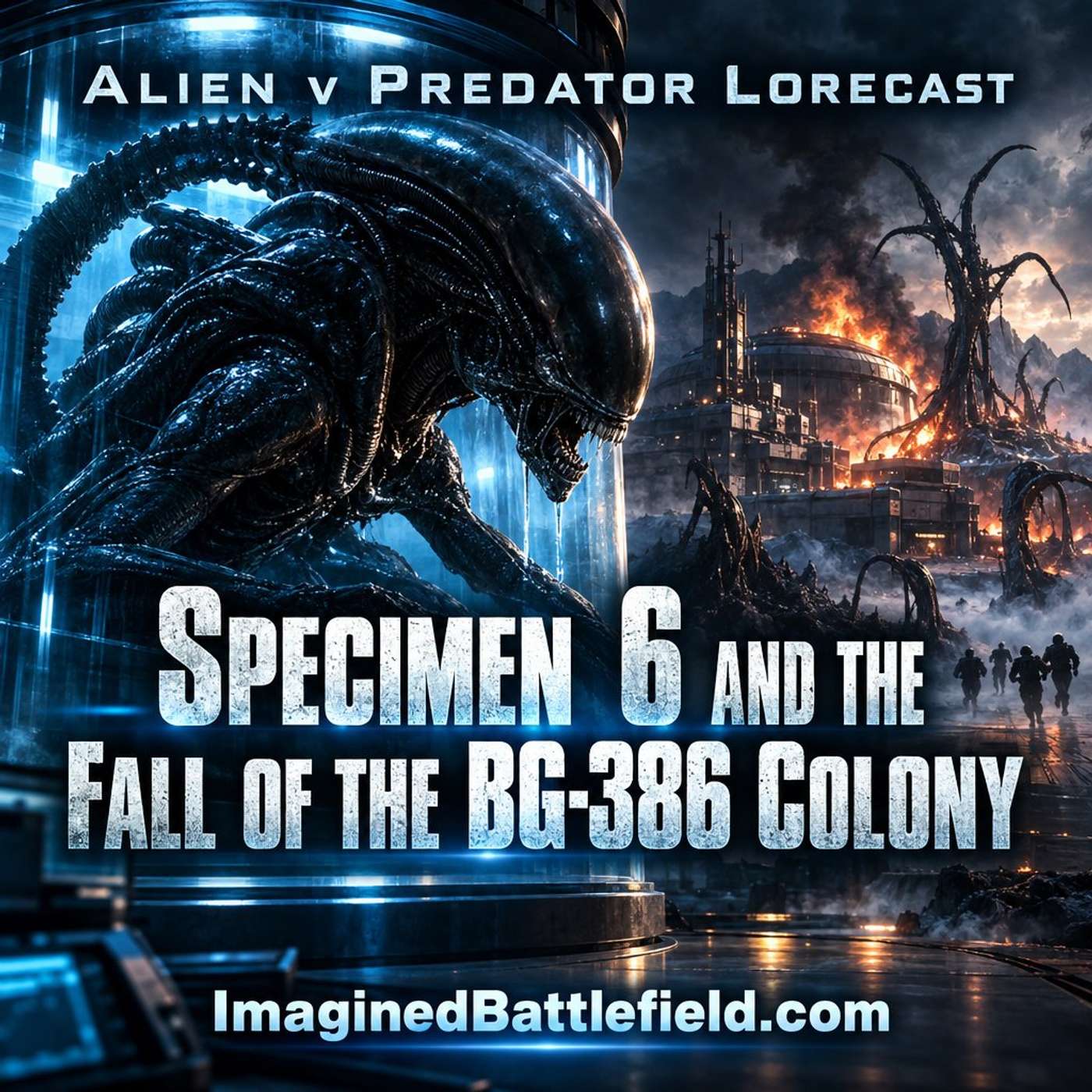
Specimen 6 provides a Xenomorph perspective on the collapse of BG-386, showing how a single captive organism can become the starting point for a wider infestation. This episode examines the fall of the colony through the logic of escape, reproduction, and hive growth rather than human command. Laboratory containment initially treats the Xenomorph as an object of study, but captivity also concentrates hosts, infrastructure, and access in one controlled environment. Once the specimen escapes, those same systems become pathways for expansion. The campaign demonstrates why Xenomorph research is uniquely dangerous: every successful containment procedure must remain perfect, while the organism needs...
BG-386: Marines, Predators, and Weyland-Yutani’s Xenomorph Program
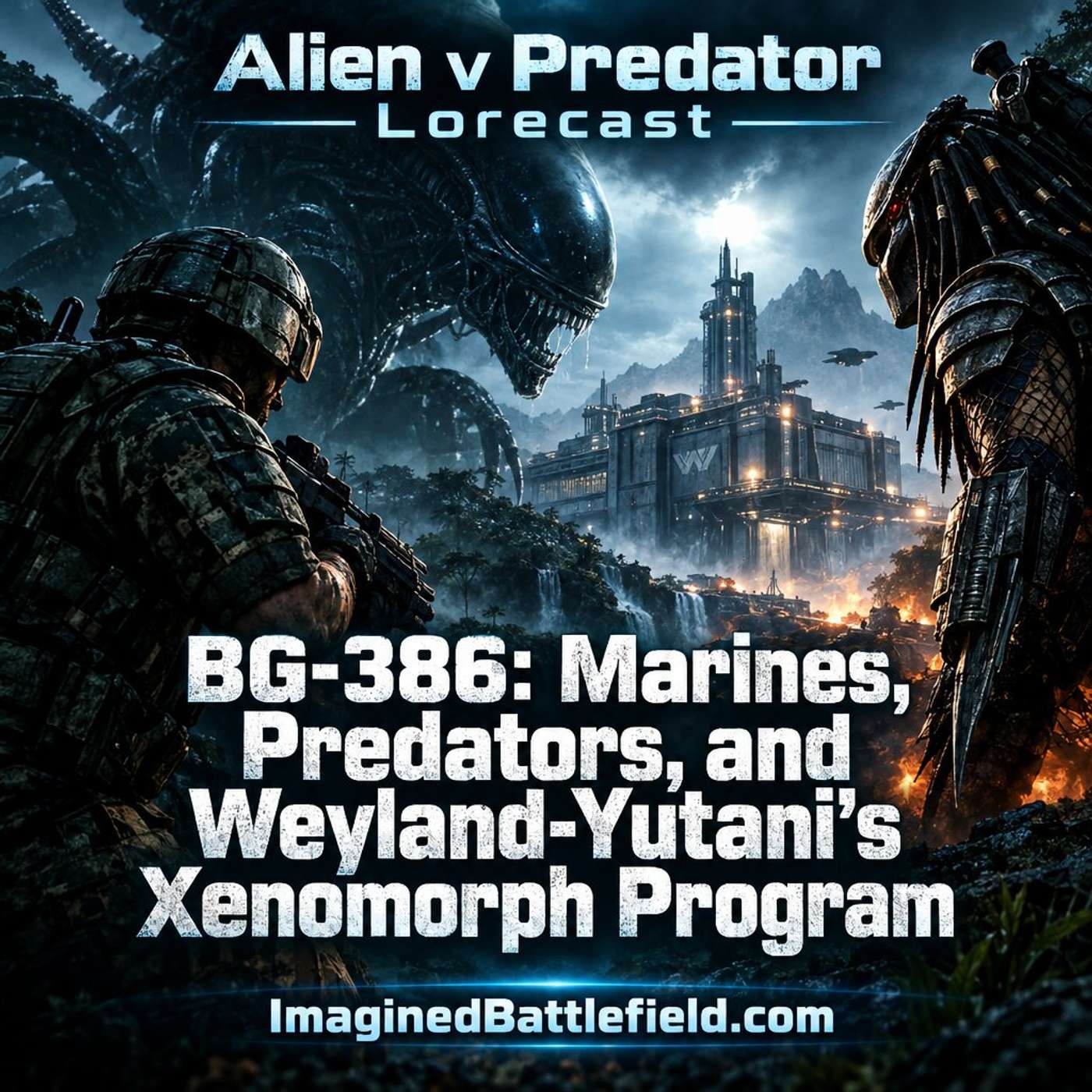
BG-386 is another corporate research world where Weyland-Yutani's effort to exploit Xenomorph biology collides with Colonial Marines and a Predator presence. This episode examines the 2010 Alien vs. Predator conflict as a three-faction struggle over a site containing both modern research and ancient Predator significance. Marines enter a battlespace already compromised by corporate secrecy, while Xenomorphs turn the facility into hunting terrain and Predators pursue their own objectives connected to the planet's past. The result is a layered fight in which every faction interprets the same installation differently: laboratory, hive, mission objective, or sacred hunting ground. BG-386 reinforces the danger of...
Wolf’s Containment Mission and the Destruction of Gunnison
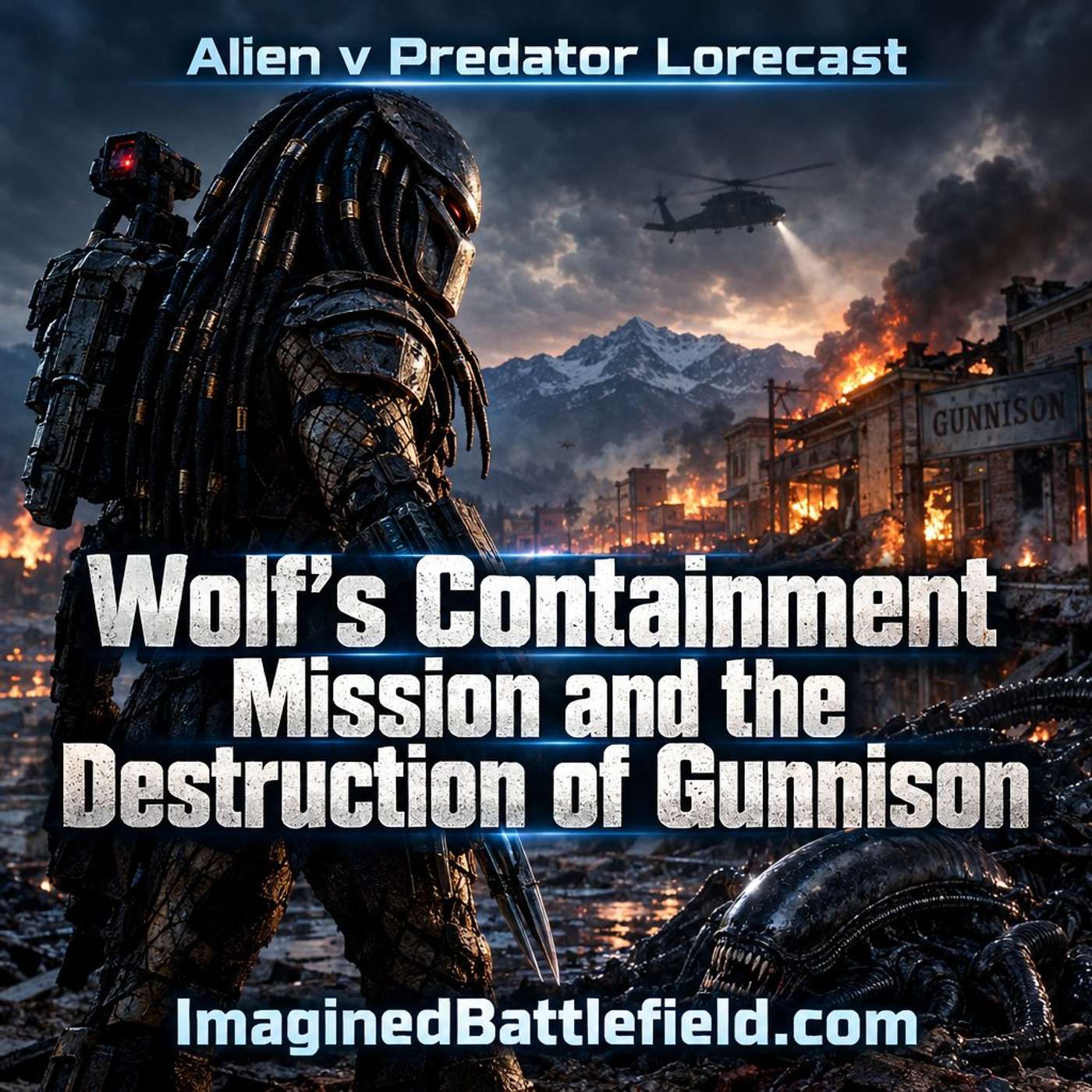
Wolf arrives in Gunnison not as a hunter seeking sport but as an experienced Predator conducting a containment mission after evidence of the outbreak is detected. This episode examines how that role changes Predator doctrine. Wolf uses specialized equipment, destroys traces of alien activity, tracks the infestation, and attempts to eliminate both Xenomorphs and the Predalien before the crisis spreads farther. His methods are ruthless because human casualties and local destruction are secondary to containment. Yet even an elite Predator cannot fully control a rapidly expanding outbreak inside a populated town. Human authorities ultimately resort to overwhelming destruction, demonstrating how...
Gunnison: The Predalien Outbreak Reaches Earth
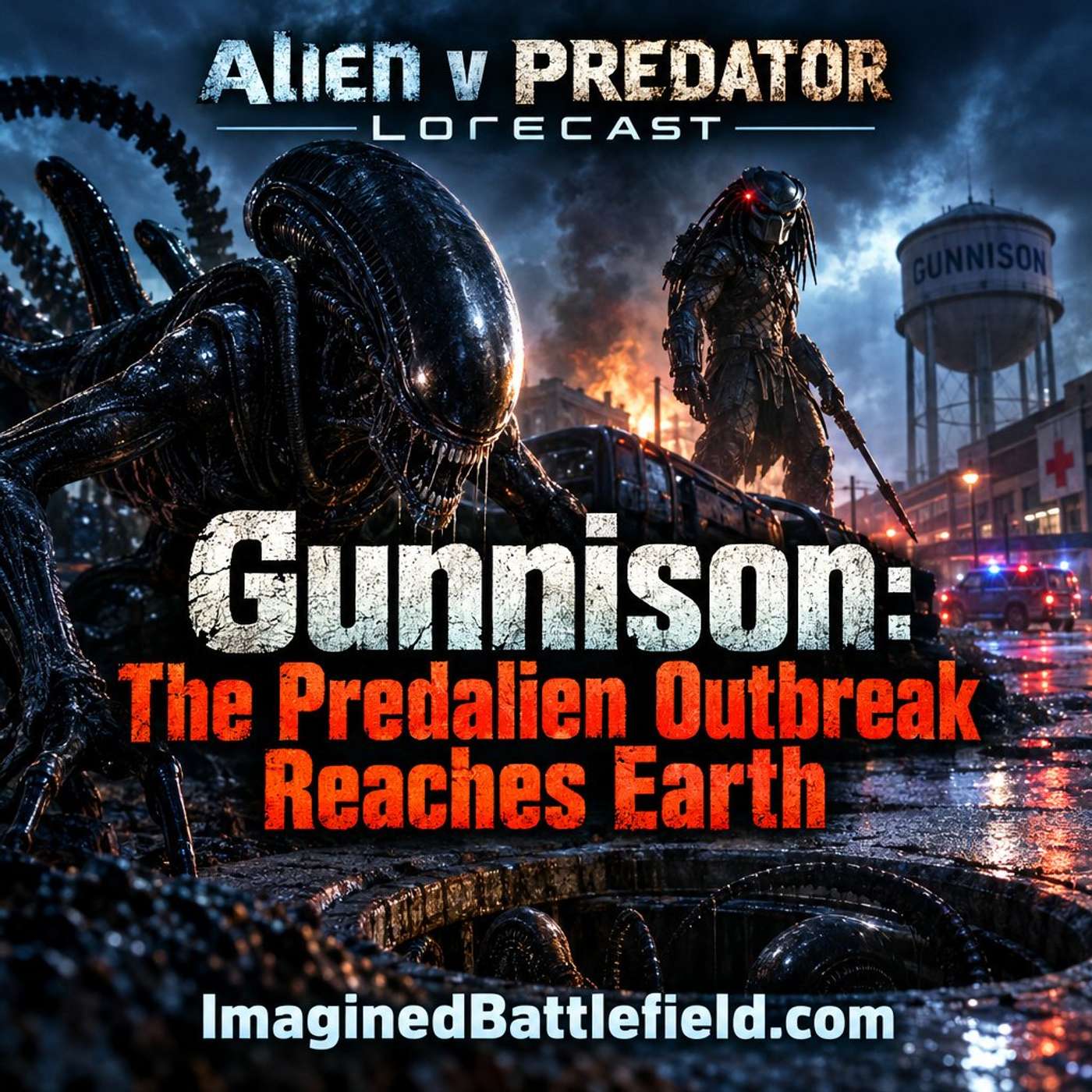
Gunnison transforms the Alien Versus Predator conflict from a hidden expeditionary encounter into a biological outbreak inside an inhabited American town. This episode examines how a Predalien and spreading Xenomorph infestation exploit ordinary civilian spaces while local authorities struggle to understand the scale of the threat. Homes, sewers, hospitals, streets, and public buildings become parts of the battlespace, removing the isolation that normally contains alien incidents. The outbreak also demonstrates how quickly infection can outrun conventional emergency response when officials lack accurate intelligence and civilians continue normal movement. At the same time, the arrival of a Predator containment specialist introduces...
Scar, Lex, and the Battle Against the Queen

Scar and Alexa Woods become reluctant allies after the Antarctic blooding hunt collapses and the Xenomorph threat grows beyond the original contest. This episode examines their cooperation as another example of battlefield respect overriding the expected relationship between Predator and human. Lex earns Scar's recognition through action under pressure, while Scar provides the knowledge and weaponry needed to fight an enemy designed to overwhelm isolated defenders. Their alliance culminates in the struggle against the Queen, where neither side can succeed through individual strength alone. The battle also demonstrates the limits of Predator control over Xenomorph hunts: a ritual intended to...
Bouvetøya: The Antarctic Pyramid and the Weyland Expedition
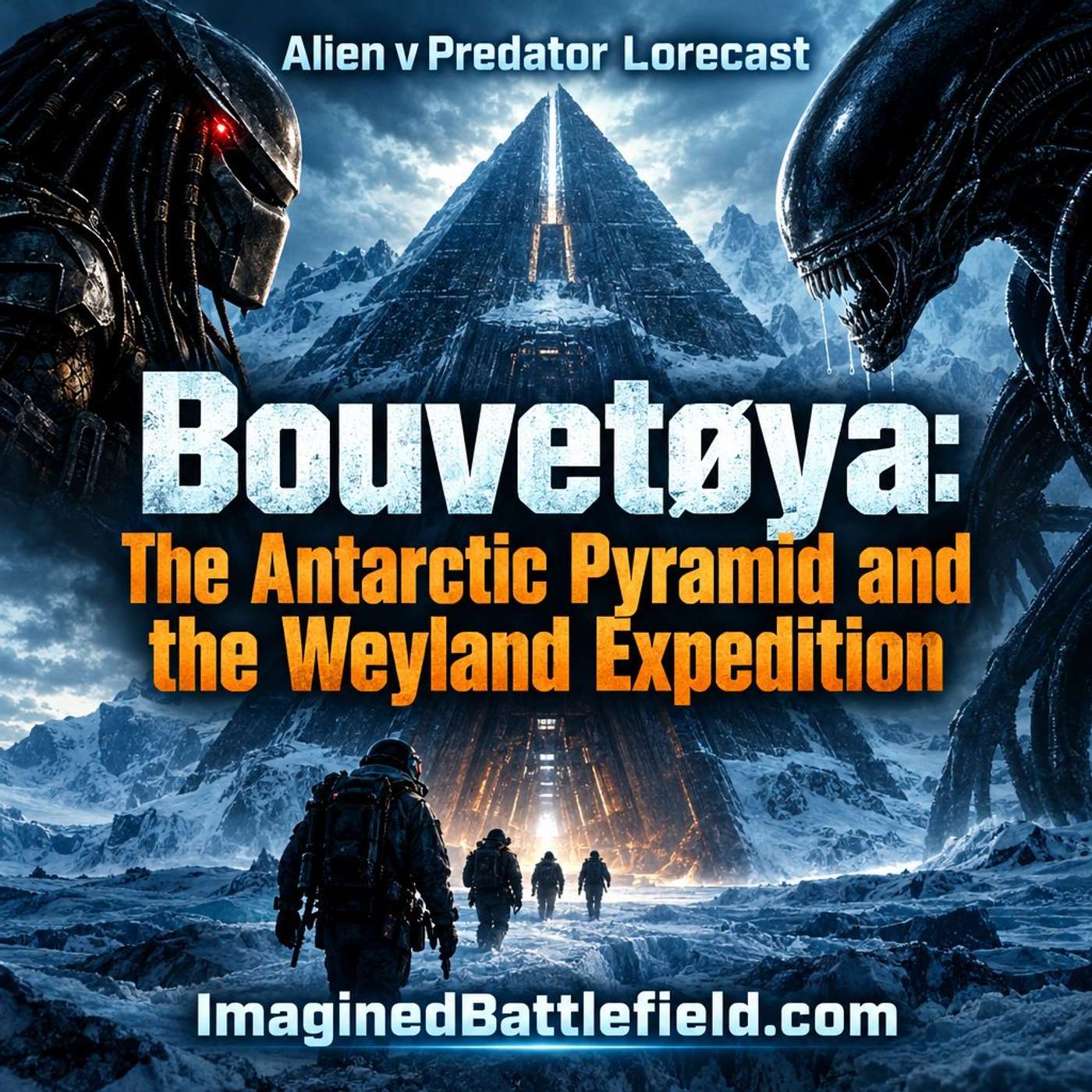
Bouvetøya places a modern human expedition inside an ancient Predator hunting site hidden beneath the Antarctic environment. This episode examines how the Weyland expedition enters the pyramid as an archaeological and corporate mission but quickly becomes part of a ritual cycle involving Predators and Xenomorphs. The structure itself functions as a weaponized battlefield, with changing passages, confined spaces, and chambers designed around the hunt. Human intrusion disrupts timing and access to Predator equipment, while the release of Xenomorphs turns exploration into a survival operation. The expedition's technology cannot compensate for its lack of intelligence about the site's true purpose. B...
The K-Series and Weyland-Yutani’s Attempt to Engineer a Better Xenomorph
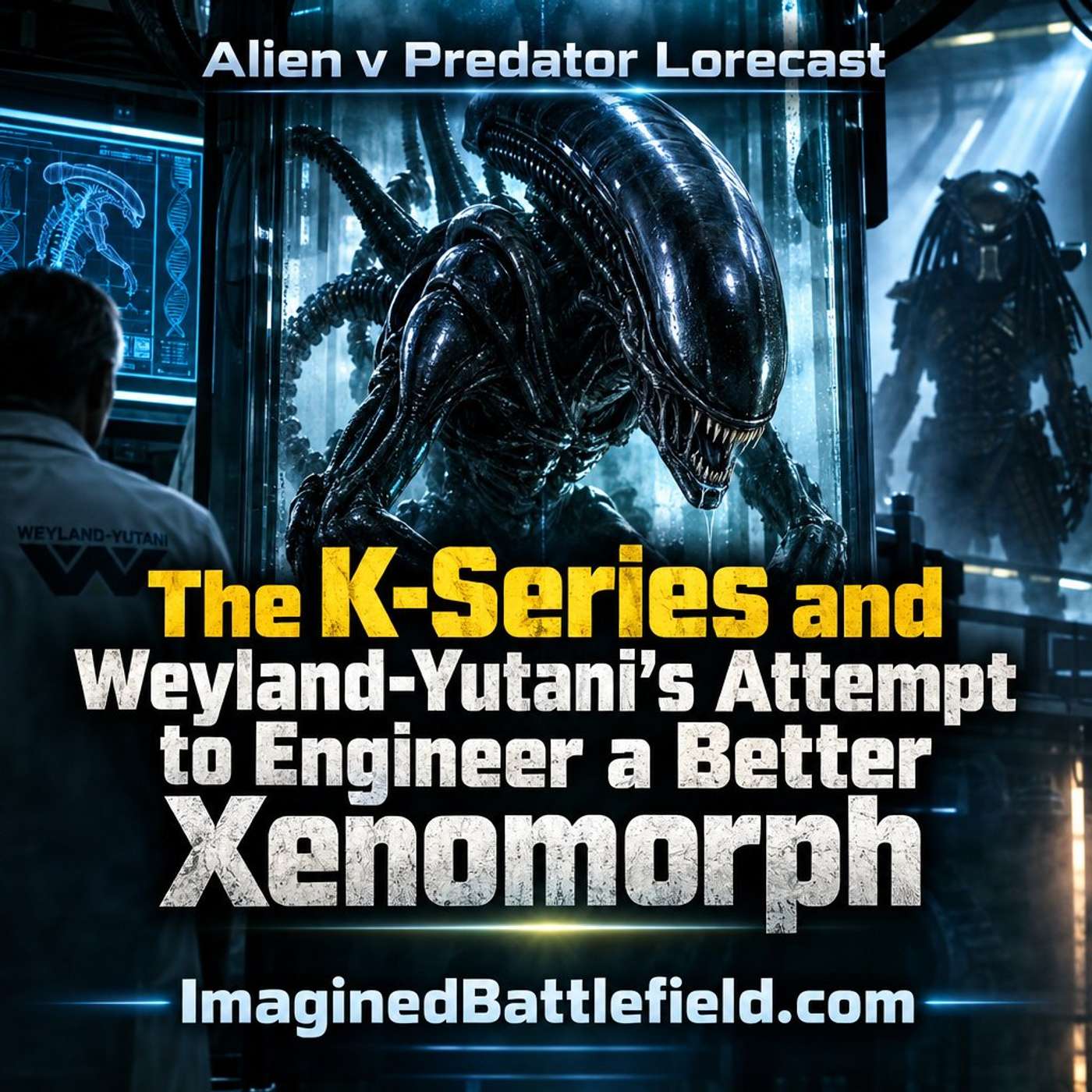
The K-Series represents Weyland-Yutani's attempt to improve an organism that is already extraordinarily dangerous by subjecting Xenomorph biology to deliberate human engineering. This episode examines the strategic logic and the contradiction at the heart of that effort. A corporation seeking a controllable bioweapon wants the Xenomorph's speed, resilience, reproduction, and lethality without accepting the independence that makes those traits so hard to manage. Engineering therefore aims to create advantage through modification, but every enhancement risks producing a threat that is even more difficult to contain. In Alien versus Predator: Extinction, the K-Series also changes the balance among the three factions...
LV-742: The Three Armies of Alien versus Predator: Extinction
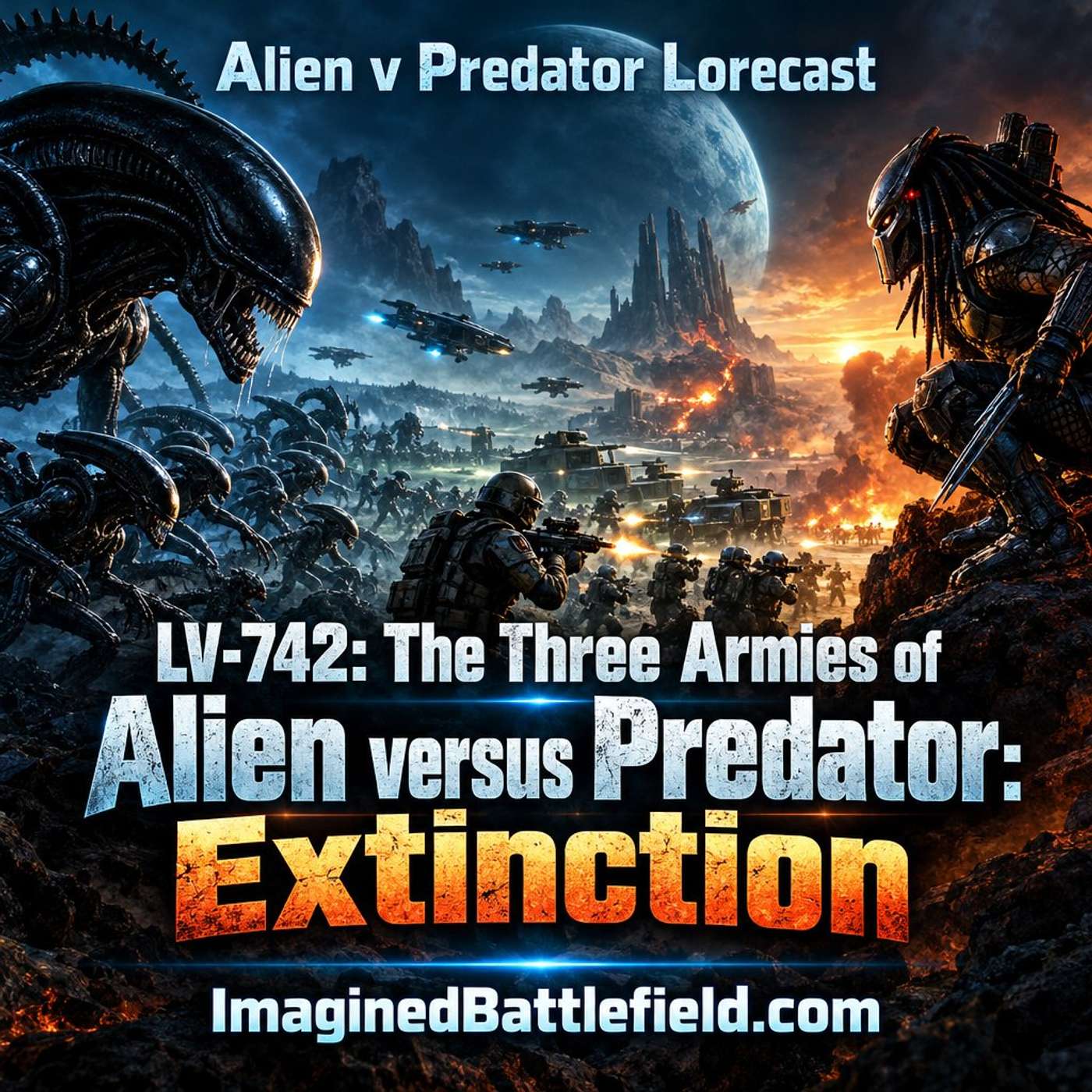
LV-742 becomes the setting for a large-scale three-way conflict in Alien versus Predator: Extinction, where humans, Xenomorphs, and Predators operate as distinct armies rather than isolated individuals. This episode examines how real-time strategy changes the military logic of the crossover by emphasizing force composition, reinforcement, territory, and resource management. Human forces rely on organized units and technology; Predators field smaller numbers of highly capable hunters; Xenomorphs convert biological growth and host capture into expanding combat strength. The balance among those systems reveals why none of the factions can be understood through individual duels alone. Strategic success depends on preserving the...
Primal Hunt and the Ancient Predator Hunting Ground
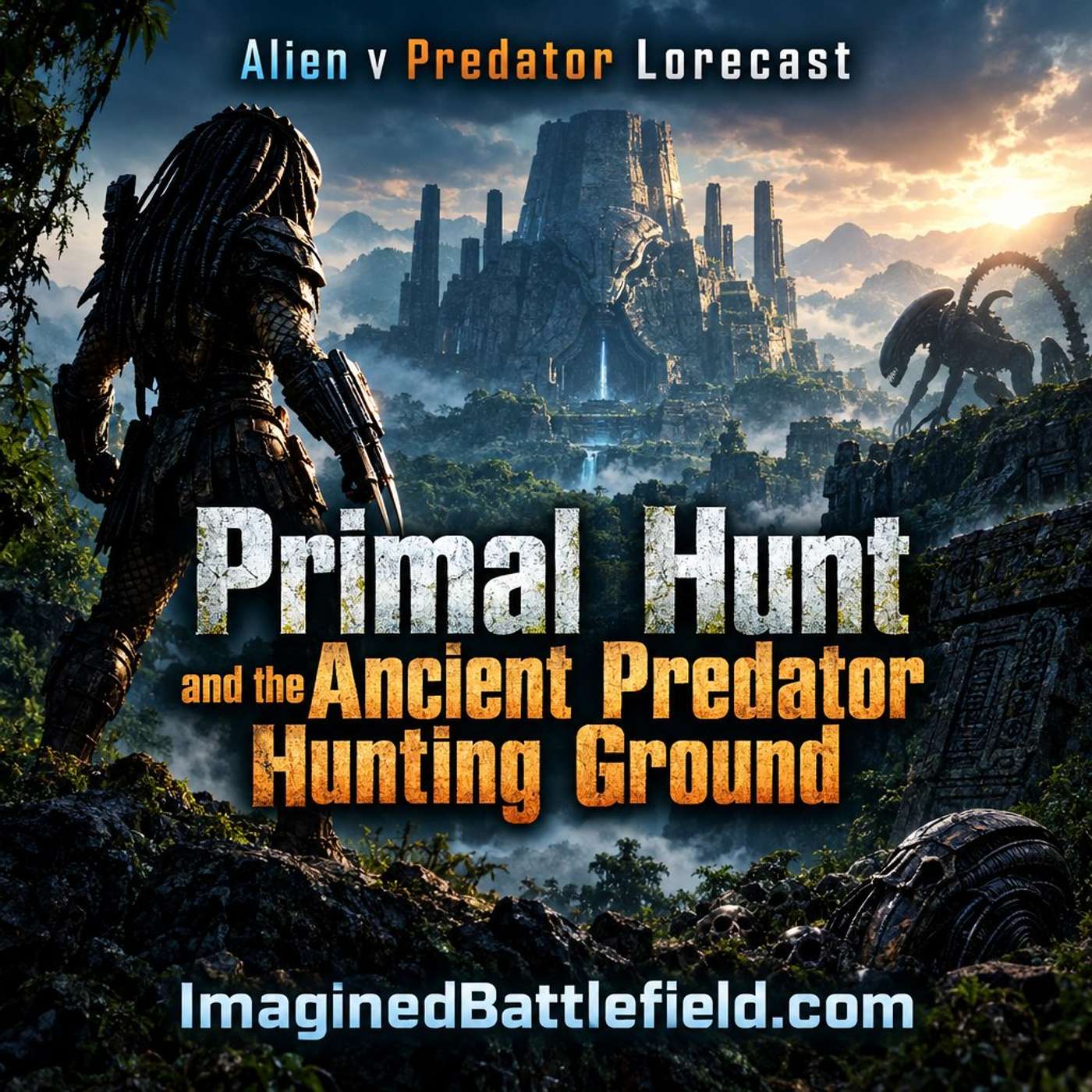
Primal Hunt reaches backward into the history of LV-1201 to reveal that the planet was a Predator hunting ground long before Weyland-Yutani established its modern research operations. This episode examines how ancient Predator activity, Xenomorph infestation, and older alien technology create layers of military history in the same terrain. A hunt conducted centuries earlier leaves behind infrastructure and consequences that later humans encounter without understanding their origin. The expansion's interwoven campaigns show how artifacts can become strategic objectives across time, drawing Predators and corporate personnel into repeated conflict. The ancient hunting ground also reinforces a recurring weakness in human frontier...
Rykov, Eisenberg, and the Interlocking Campaigns of Aliens versus Predator 2

Aliens versus Predator 2 tells its conflict through interlocking human, Predator, and Xenomorph campaigns whose events reveal different parts of the same collapse on LV-1201. This episode examines how General Rykov and Dr. Eisenberg embody two forms of corporate power: armed security and scientific control. Their decisions shape a facility already strained by secret research, ancient technology, and previous contact with Predators. Following the campaigns together shows how one faction's tactical success can become another faction's disaster, with prisoners, experiments, security actions, and hunts crossing the same spaces at different moments. The structure is valuable for military analysis because no participant...
LV-1201: Weyland-Yutani’s Research Colony and the Iron Bears
LV-1201 is a Weyland-Yutani research world where Xenomorph experimentation, ancient ruins, Predator activity, and private military security converge into one unstable system. This episode examines the colony and the Iron Bears as an example of how corporate research facilities become fortified military zones when the subject of study is itself a strategic threat. The company's security forces possess weapons and organization, but they are also tied to research objectives that encourage capture, secrecy, and continued exposure. Predator interest in the planet adds another layer because hunters view the same terrain through entirely different priorities. Once containment and security begin to...
Aliens versus Predator (1999): Colonial Marines in a Three-Sided War
Aliens versus Predator (1999) places Colonial Marines, Xenomorphs, and Predators into intersecting campaigns where each faction experiences the conflict through different capabilities and objectives. This episode examines the game as a military thought experiment in asymmetry. Marines depend on weapons, sensors, ammunition, and disciplined movement; Xenomorphs rely on speed, darkness, surfaces, and close-range attack; Predators combine stealth, sensors, ranged energy weapons, and hunting doctrine. The same environment therefore becomes three different battlefields depending on who is moving through it. Human forces are especially vulnerable because they occupy the middle ground: technologically advanced enough to fight, but neither biologically adapted like the...
War and Hunter’s Planet: The Collapse of Machiko’s Alliance
Machiko Noguchi's time among Predators does not produce a permanent reconciliation between human and Yautja values. This episode examines how War and Hunter's Planet develop the tensions that eventually make her alliance unstable. Hunting customs that may appear disciplined from within Predator culture can become intolerable when human civilians are treated as acceptable complications or prey. Machiko's unusual status also leaves her exposed to resentment and rivalry among hunters who do not accept a human as an equal. These pressures force her to choose repeatedly between belonging to the clan and acting according to her own moral and strategic judgment...
Machiko Noguchi: The Human Who Joined a Predator Clan
Machiko Noguchi's story moves beyond temporary alliance when her performance at Ryushi earns recognition from Broken Tusk and eventually opens a path into Predator society. This episode examines what it means for a human to be accepted into a clan whose culture defines status through hunting ability, ritual, and repeated proof under danger. Machiko possesses skills and experience that make her valuable, but joining the hunters does not erase the physical, cultural, or moral differences between them. She must operate inside a society built for stronger beings with traditions she only partly understands. Her position therefore becomes a continuing test...
Broken Tusk and the Human–Predator Alliance

Broken Tusk becomes one of the most important figures in Alien Versus Predator lore because his actions show that a human and Predator can cooperate when battlefield conditions create a shared objective. This episode examines how the veteran hunter's relationship with Machiko Noguchi develops during the Ryushi crisis and why the alliance matters strategically. Both sides begin with incompatible assumptions, but the uncontrolled Xenomorph infestation creates a threat neither can safely ignore. Broken Tusk brings knowledge of the prey, advanced weapons, and hunting experience; Machiko brings local understanding, initiative, and the ability to operate within the human settlement. Their cooperation...
Prosperity Wells and the Battle of Ryushi
Prosperity Wells sits at the center of the Ryushi disaster, where a working colony is trapped between expanding Xenomorphs and a Predator hunting party whose blooding mission has gone wrong. This episode examines the battle as a collapse of controlled conditions into improvised war. Colonists must protect people and infrastructure without understanding either alien force, while Predators confront prey that has spread beyond the intended hunt. Xenomorphs exploit the settlement's animals, structures, and population to increase their numbers, converting the colony's own resources into parts of the hive system. The fighting forces unlikely tactical choices as former enemies recognize that...
Ryushi: A Colonial World Chosen for a Blooding Hunt
Ryushi becomes a battlefield because a Predator blooding hunt is imposed on a human colony that has no knowledge of the ritual taking place around it. This episode examines the strategic setup of the original Alien Versus Predator story: a remote agricultural settlement, a seeding operation intended to produce Xenomorph prey, and a hunting party arriving to test young warriors. The plan depends on controlling the Xenomorph life cycle, but the presence of colonists and local livestock introduces variables that the hunters do not fully contain. For the humans, routine frontier operations suddenly intersect with two alien species whose goals...
Predator Hunting Parties: Young Bloods, Blooded Warriors, and Elders
Predator hunting parties bring together warriors at different stages of status and experience, creating a hierarchy that shapes how a Xenomorph hunt is planned and supervised. This episode examines the roles of young hunters seeking recognition, Blooded warriors with proven experience, and elders whose authority can define the rules of a hunt. The arrangement resembles a dangerous form of field training in which failure carries consequences far beyond a failed exercise. Experienced Predators may control transport, seeding, equipment, and observation while younger hunters enter the most hazardous phase of the mission. Against Xenomorphs, the structure matters because a novice who...
The Xenomorph Hive at War: Queens, Drones, Warriors, and Mass
A mature Xenomorph hive is more than a collection of individual predators; it is a reproductive and defensive system capable of turning enclosed terrain into an organized battlespace. This episode examines the roles commonly associated with Queens, drones, warriors, and other forms across Alien Versus Predator stories, while distinguishing broad recurring patterns from continuity-specific details. The Queen anchors reproduction, while the hive's other members protect territory, capture hosts, expand access routes, and overwhelm threats through speed and numbers. Against Predators, mass becomes especially important because individual hunters possess weapons capable of killing many Xenomorphs quickly. The hive answers technological overmatch...
Why Predators Seed Worlds With Xenomorphs
In several Alien Versus Predator continuities, Predators deliberately seed worlds with Xenomorph eggs so young hunters can face one of the most dangerous known forms of prey. This episode examines the military logic behind that practice and the enormous risks built into it. Seeding turns biology into a training system: the hunters choose the location, introduce the organism, and expect to arrive when the resulting prey is mature enough to provide a meaningful test. The problem is that Xenomorph reproduction can escape any carefully planned boundary once hosts, terrain, or timing differ from expectations. Human settlements make the practice even...
Alien Versus Predator: Canon, Crossover, and Contradictory Histories
Alien Versus Predator exists across films, comics, novels, and games that do not always occupy the same continuity, making any military history of the crossover a problem of source control as much as chronology. This episode establishes the season's framework by separating major continuities and identifying which events can be compared without pretending every version fits one timeline. The recurring strategic elements are nevertheless clear: Predators deliberately seek Xenomorphs as dangerous prey, humans are frequently caught between the two species, and corporations repeatedly try to exploit technologies or organisms they cannot safely control. Different stories alter locations, characters, and outcomes...
What Kind of Military Civilization Are the Predators?
Across centuries of hunts, the Predators reveal enough fragments to sketch the outline of a military civilization without fully explaining its politics. This episode brings the season together by examining the evidence: interstellar mobility, advanced weapons, ritualized combat, clan structures, elders, internal outlaws, game preserves, captive warriors, and repeated surveillance of dangerous species. Their society appears capable of massive technological overmatch yet deliberately preserves forms of personal combat that create risk and status. That combination suggests a culture in which military skill is not merely practical but central to identity, memory, and hierarchy. At the same time, competing continuities warn...
Badlands: Dek, Thia, and the Hunt for the Kalisk
Dek's journey in Predator: Badlands begins from weakness within his own society rather than superiority over human prey. This episode examines how the young Predator's status as a clan outcast changes the meaning of the hunt and turns pursuit of the Kalisk into a test of legitimacy, identity, and survival. Thia becomes an unlikely partner, bringing a very different form of intelligence and perspective into a mission that Dek initially understands through Predator expectations. Their alliance forces cooperation across assumptions that would normally place their kinds on opposite sides of a hunt. The Kalisk itself functions as the ultimate adversary...
The Grendel King’s Arena and the Captive Killers
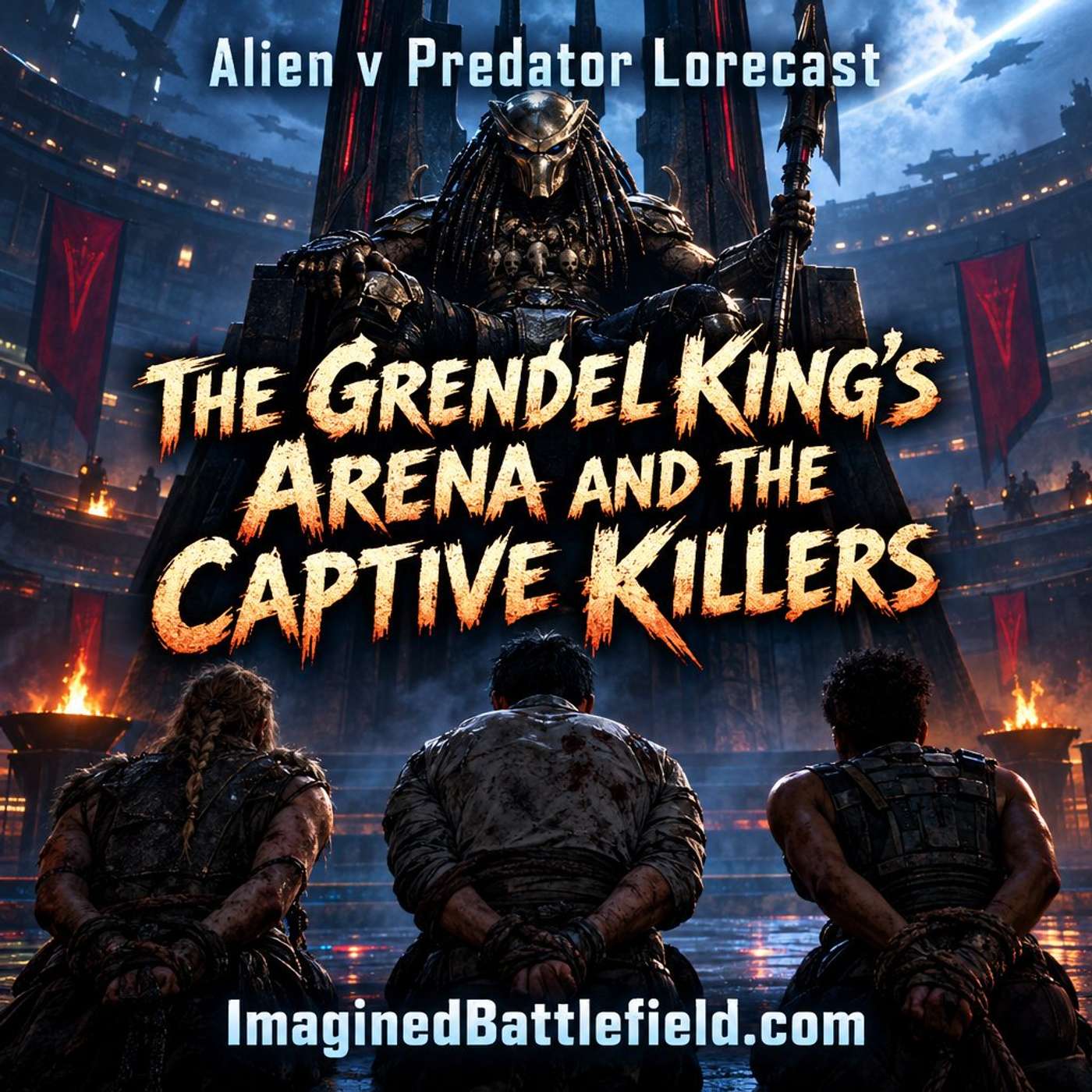
The Grendel King's arena reveals a Predator power structure capable of collecting exceptional human fighters from different eras and turning them into captives for ritualized combat. This episode examines the arena in Predator: Killer of Killers as a system of domination rather than an ordinary hunt. Ursa, Kenji, and Torres are removed from their historical battlefields, restrained, and expected to fight under rules imposed by a Predator warlord with overwhelming control of the environment. Their survival depends on refusing the intended competition and recognizing that cooperation offers a better chance against the system holding them. The arena therefore inverts the...
Project Stargazer, the Fugitive Predator, and the Upgrade Hunt
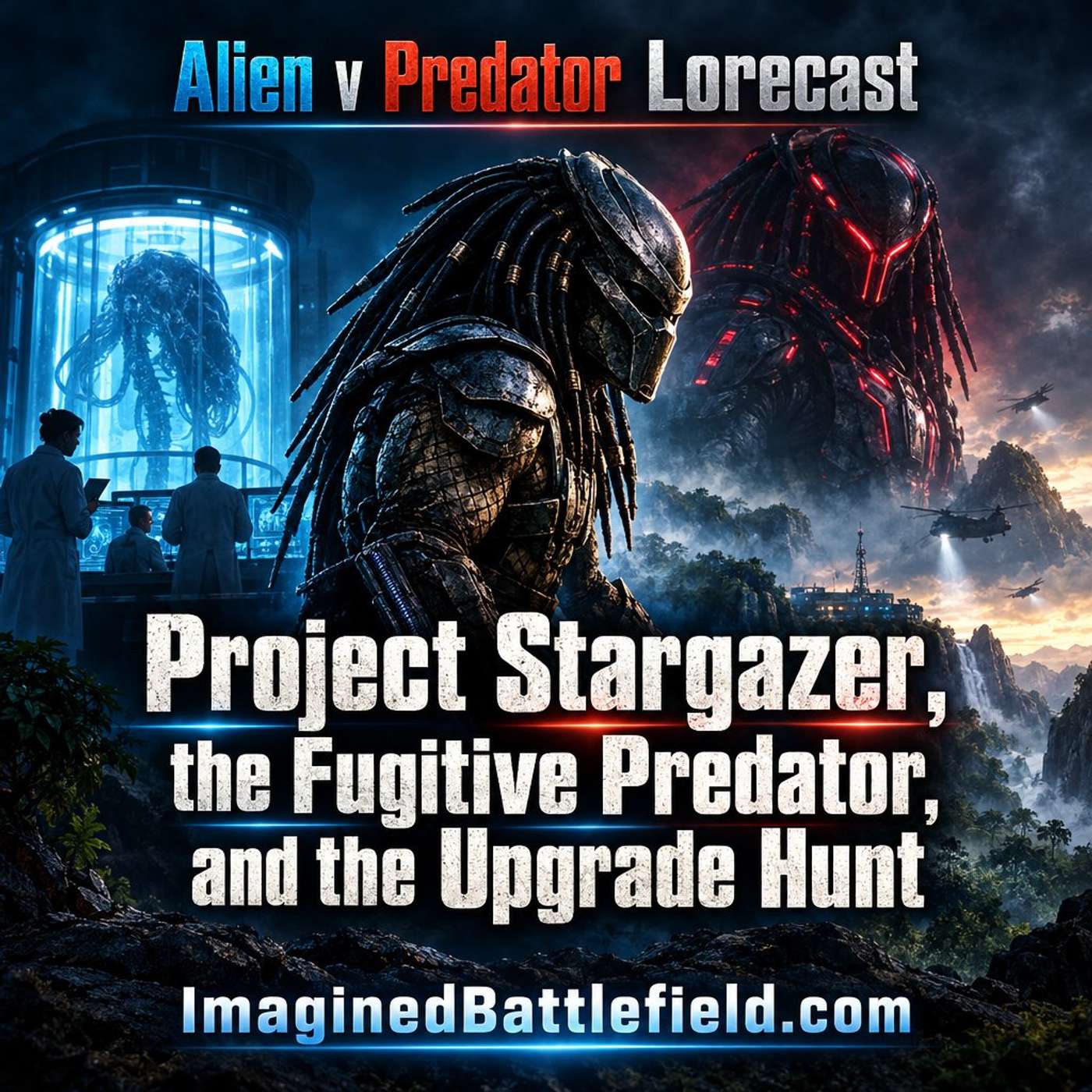
Project Stargazer shows a human organization trying to transform decades of Predator encounters into a formal research and exploitation program. This episode examines the collision among Stargazer, the Fugitive Predator, and the larger Upgrade Predator, whose arrival turns a capture effort into a much more dangerous hunt. Human researchers are no longer surprised that Predators exist, but institutional knowledge does not prevent ambition from outrunning control. Recovered equipment and biological material are treated as strategic opportunities, encouraging containment attempts that depend on assumptions about alien motives. The Fugitive's actions also complicate the simple hunter-versus-human model by introducing conflict among Predators...
Royce and Isabelle: Survival on a Manufactured Battlefield
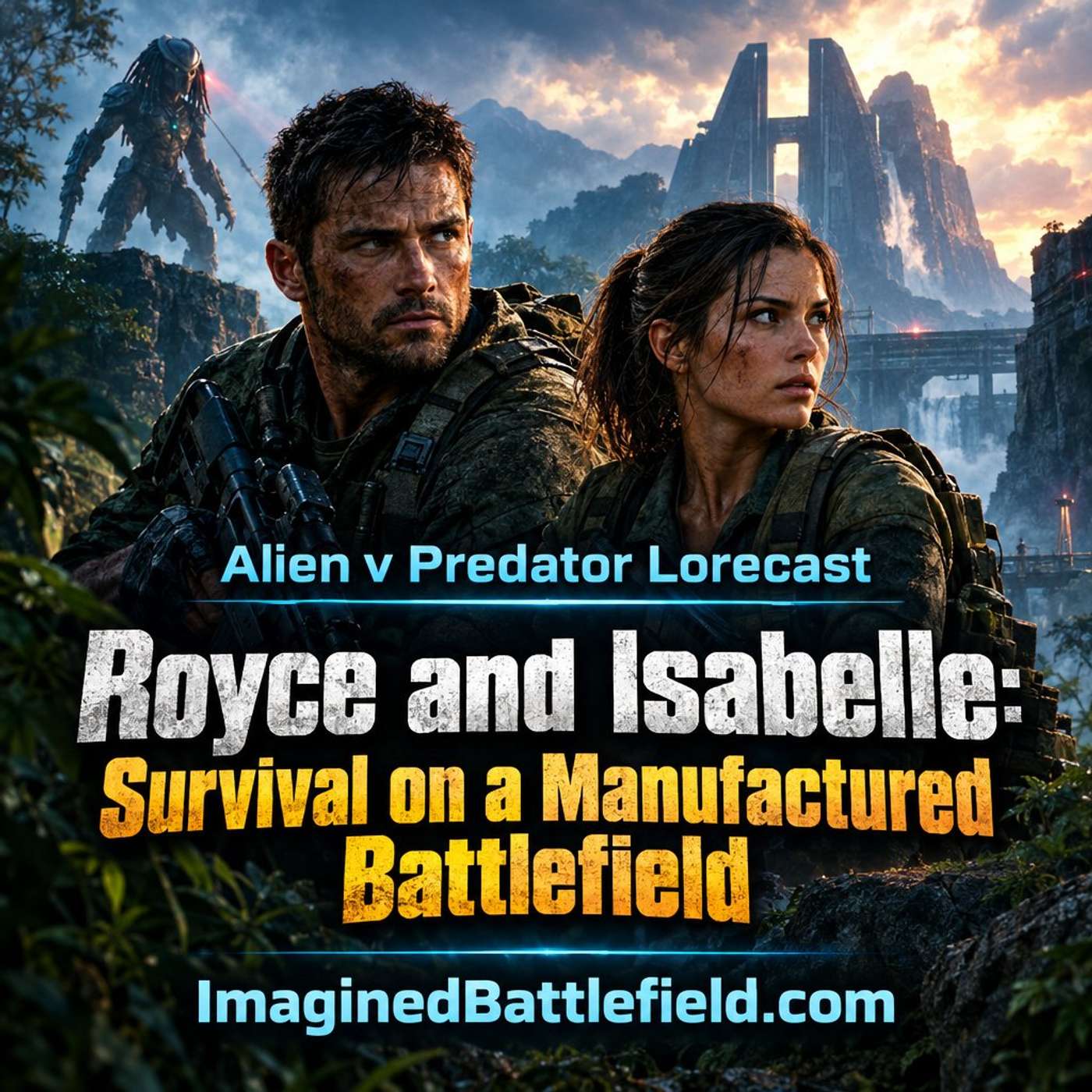
Royce and Isabelle survive because they recognize earlier than most of the group that the game preserve is not a random wilderness but a manufactured battlefield built around Predator objectives. This episode examines their partnership as an exercise in threat assessment, coalition leadership, and adaptation among strangers with incompatible backgrounds. Royce approaches the environment as a tactical problem, testing assumptions and using others' behavior to understand the hunters. Isabelle contributes military experience and crucial context about an earlier Predator encounter, giving the group a partial historical model for what they face. Their greatest challenge is that every apparent resource may...
The Game Preserve Planet and the Super Predator Clan
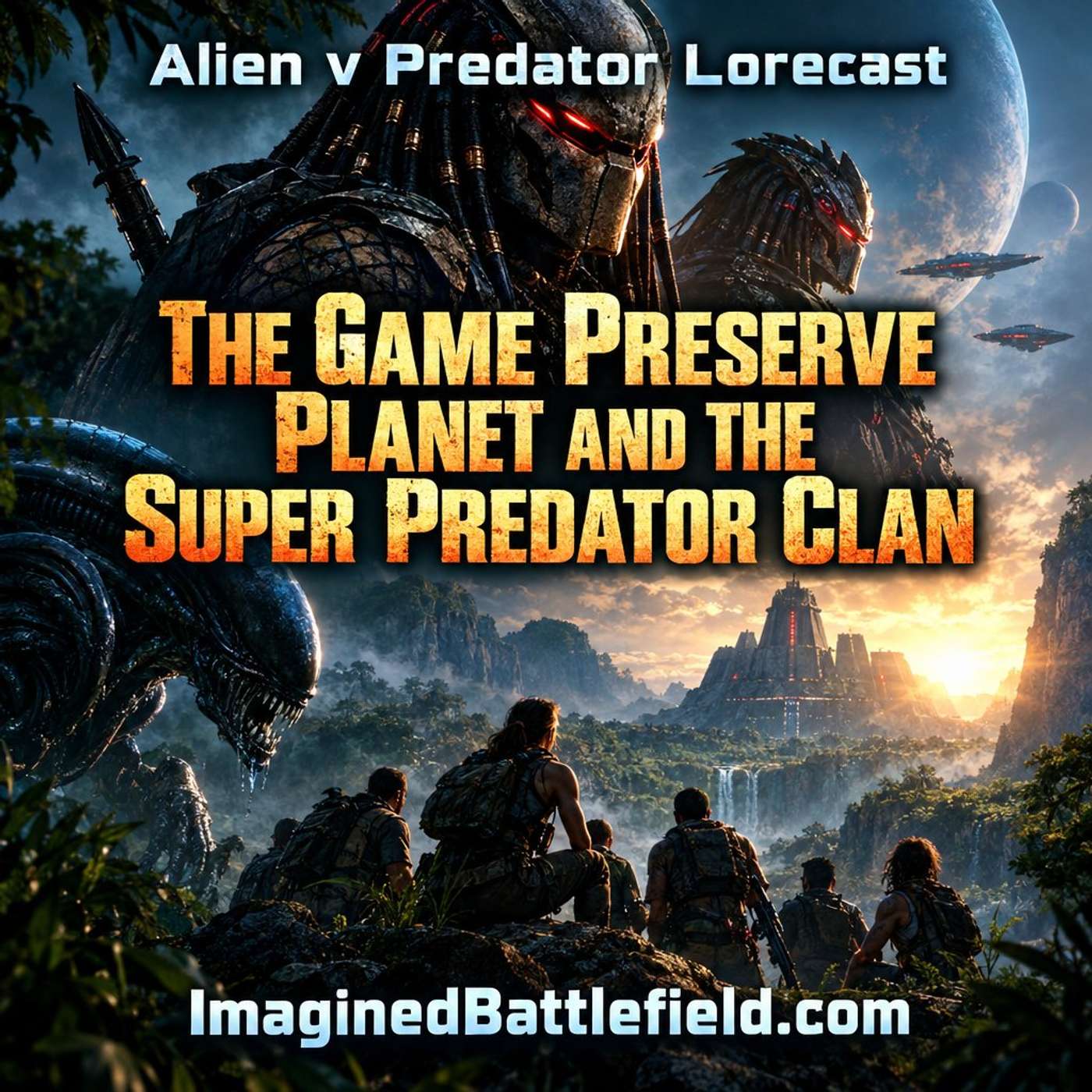
The game preserve planet turns the hunt into a deliberately engineered battlefield by transporting dangerous individuals from Earth and releasing them into an alien environment controlled by a Predator faction. This episode examines the preserve as a military system: prey selection, forced deployment, environmental uncertainty, surveillance, and pursuit are all arranged before the humans understand where they are. The Super Predators also introduce conflict within the species, including evidence that not all Predator groups follow the same practices or relationships. For the abducted humans, survival requires rapid coalition-building among people who are themselves violent, suspicious, and accustomed to being hunters...
Fireteam Voodoo and the OWLF’s Twenty-First-Century Counter-Hunt
Fireteam Voodoo represents the evolution of human Predator response from improvised survival into a dedicated armed counter-hunt. This episode examines the framework presented in Predator: Hunting Grounds, where the OWLF and associated operators collect intelligence, deploy specialized teams, and confront hunters while human conflicts continue around them. The battlefield is complicated because Fireteam missions can involve hostile human forces, objectives on the ground, and a Predator simultaneously stalking the unit. That creates competing priorities: complete the mission, preserve the team, identify the hunter, and exploit any opportunity to recover technology or biological evidence. The Predator likewise faces opponents who now...
The Elder’s Hunting Party and the Rules of Predator Intervention
The Elder's appearance at the end of the Los Angeles hunt reveals that the City Hunter belongs to a larger group with its own authority, expectations, and traditions. This episode examines what that hunting party suggests about Predator intervention when one of their own is defeated. Instead of immediately killing Mike Harrigan, the group recognizes the outcome, retrieves its dead, and allows the human survivor to leave. That decision matters because it shows restraint operating at the group level and suggests that individual hunts are observed within a broader social framework. The Elder's gift also connects the present encounter to...
OWLF and the First Organized Human Predator Program
The Other World Life Forms program represents a major change in human response: instead of one survivor improvising against a Predator, an organized agency attempts to study, track, and capture the hunter. This episode examines the OWLF effort as an intelligence and countermeasure program built around evidence from earlier encounters. Thermal signatures, environmental detection, specialized equipment, and planned containment show that the government has begun turning isolated stories into an operational threat model. Yet the program also illustrates the danger of assuming that understanding technology equals controlling the opponent. A Predator remains an adaptive combatant capable of recognizing traps and...
Los Angeles, 1997: The City Hunter Enters a Gang War

Los Angeles in 1997 gives the City Hunter a battlefield unlike the Central American jungle: dense buildings, rooftops, traffic, armed gangs, police, and constant human movement. This episode examines how an urban Predator selects targets inside a city already experiencing violent conflict and how Detective Mike Harrigan gradually recognizes that the killings do not fit ordinary criminal patterns. Vertical terrain again matters, but now the hunter uses alleys, towers, transit spaces, and interiors rather than trees. The city also creates more witnesses, more armed encounters, and greater risk that human authorities will detect the pattern. Harrigan's pursuit becomes both investigation and...
Jungle Hunter Doctrine and the Defeat of an Advanced Warrior
The Jungle Hunter fights according to a recognizable pattern: observe first, isolate dangerous opponents, use stealth to control contact, and escalate toward closer combat when the hunt becomes personally meaningful. This episode treats that pattern as doctrine and asks how Dutch Schaefer is able to exploit it. Cloaking and thermal vision give the Predator enormous situational advantages, but both technologies encourage confidence in a sensory picture that Dutch eventually learns to manipulate. Trophy taking and the desire for a worthy confrontation also shape the hunter's decisions, creating moments where efficient killing gives way to ritualized combat. Dutch wins not by...
Dutch Schaefer’s Team: Special Operations Against an Invisible Enemy
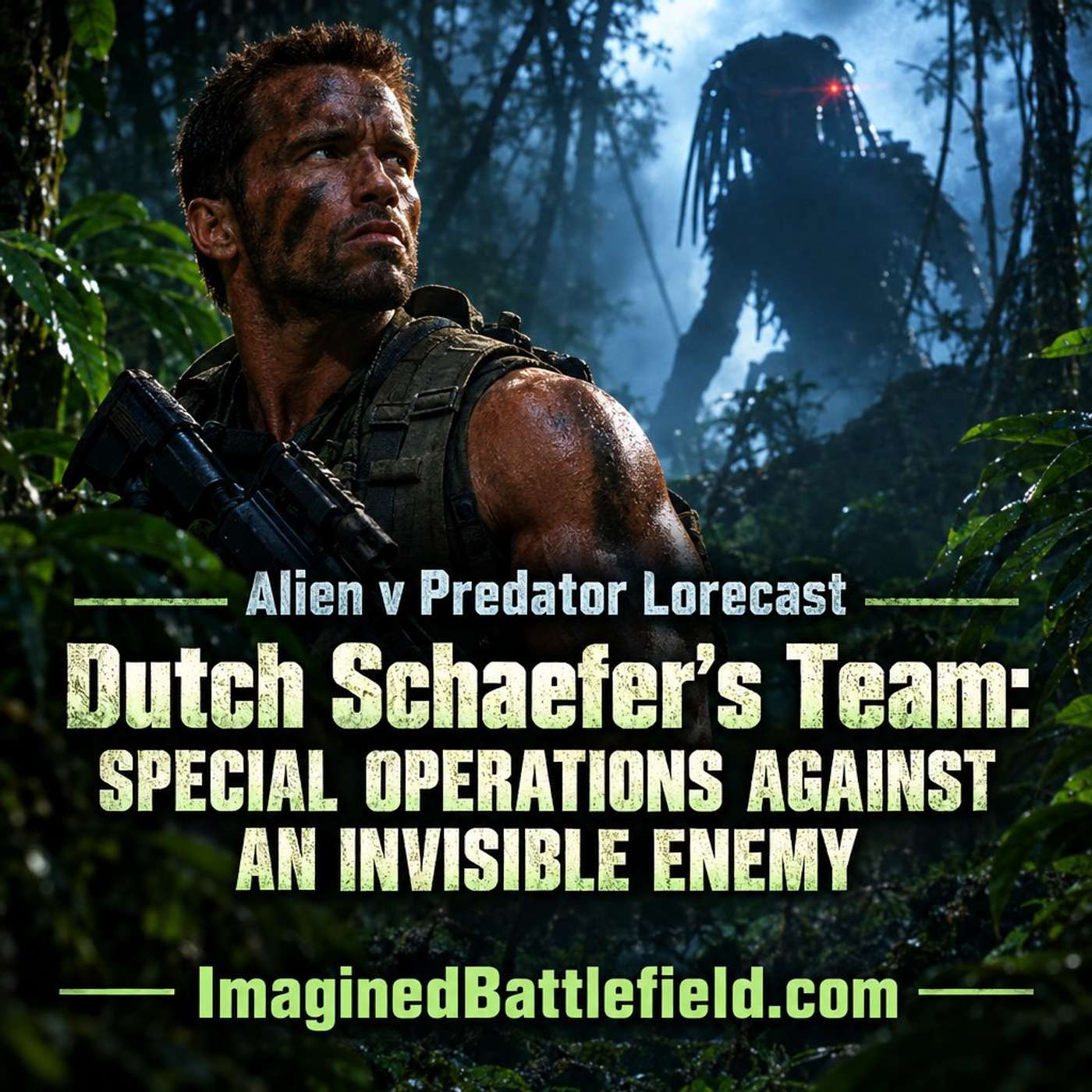
Dutch Schaefer's team enters the jungle as a highly capable special operations unit with strong small-unit cohesion, heavy firepower, and deep combat experience. This episode examines why those strengths initially fail against the Jungle Hunter and why Dutch ultimately survives when the team is destroyed. Their tactics are optimized for armed human opponents who can be located, suppressed, flanked, and pursued, not a cloaked alien who observes from above and chooses when to engage. Even massive firepower has limited effect when the unit lacks a reliable target. Dutch's eventual shift toward traps, concealment, terrain, and manipulation of the Predator's sensors...
The Central American Hunt of 1987

The Central American hunt of 1987 begins as a human military operation and becomes the encounter that defines the modern Predator threat. This episode reconstructs the shift from special operations mission to survival battle as an elite team realizes that trained soldiers are being watched, isolated, and killed by an enemy using camouflage, sensors, and energy weapons. The jungle favors the hunter because dense vegetation limits sightlines and gives an invisible opponent countless positions from which to observe. Human assumptions also delay recognition: the team initially searches for a conventional force when the evidence no longer fits one. As casualties mount...
The Adolini Pistol: Trophy, Memory, and Competing Histories
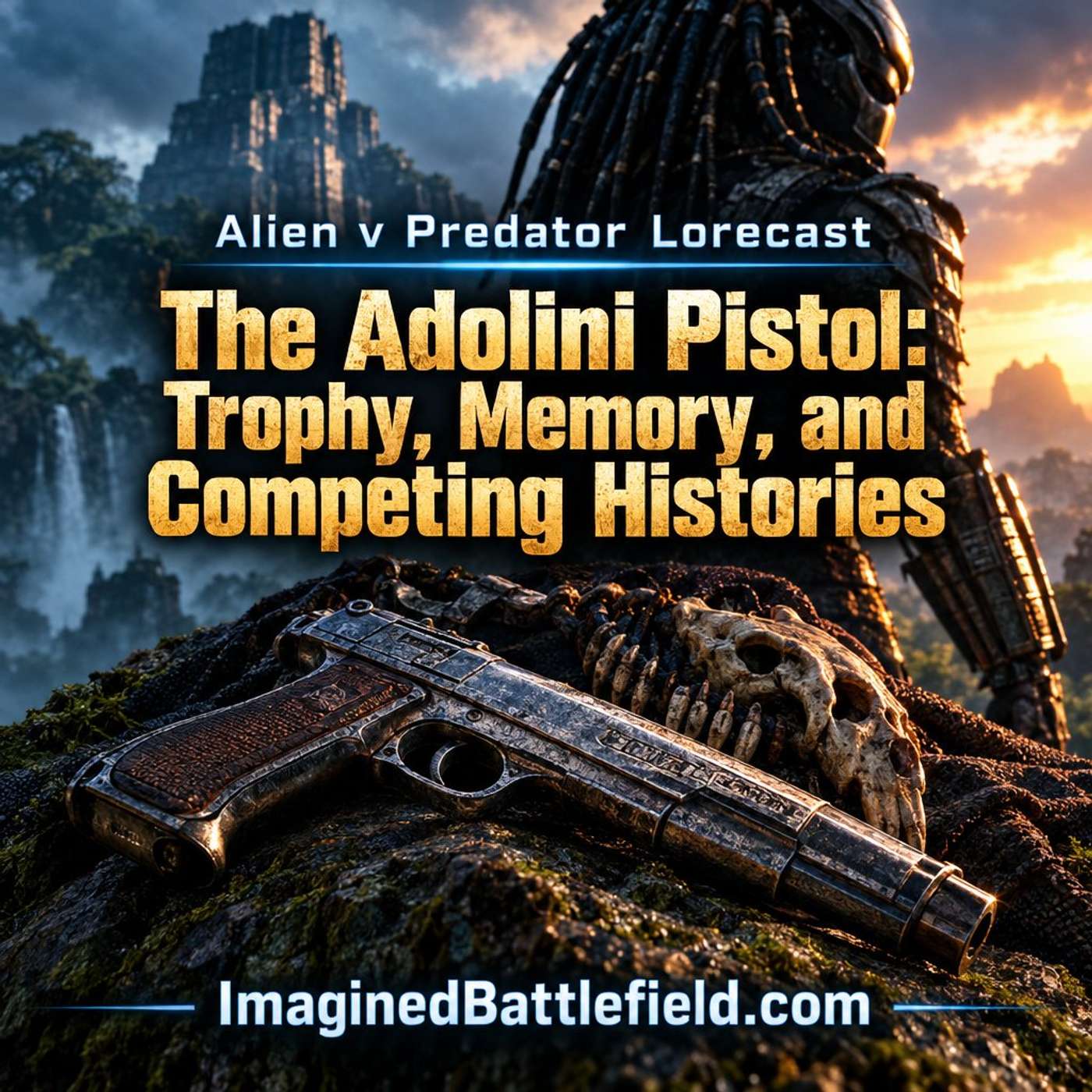
The Raphael Adolini pistol is one of the franchise's most recognizable links between separate Predator stories, but its history has not always been told the same way. This episode examines the weapon as both a trophy and a continuity problem, tracing how different stories have attached competing histories to the same object. Its importance comes from what trophies mean to Predator culture: a human weapon can become evidence of a worthy opponent, a remembered hunt, or an exchange shaped by respect. Later appearances transform the pistol into a bridge across centuries, inviting audiences to reconstruct events from incomplete or revised...
The Great Plains, 1719: Naru and the Feral Predator

The Great Plains hunt of 1719 places Naru, a young Comanche hunter, against a Predator whose technology is advanced but whose methods differ from later hunters seen in the franchise. This episode examines how tracking, observation, terrain knowledge, and repeated adaptation allow Naru to close a gap that initially appears impossible. She studies what the Feral Predator chooses to attack, how its weapons behave, and where its confidence creates openings. The encounter is also a contest over learning speed: the Predator evaluates Earth's animals and people while Naru evaluates the Predator. Conventional power favors the alien, but local knowledge favors the...
