Darwin College Lecture Series

Darwin College at Cambridge University has delivered eight public lectures each year since 1986, each series built around a single theme and approached from multiple disciplines. Leading scholars prepare their talks for general audiences, not specialists. Recent themes include Song, Code, and Revolution. Each series is later published as a book by Cambridge University Press. The range runs from asteroseismology to Palestinian music, from epigenetics to the cultural revolution in China. Follow the show and leave a five-star rating if you find an idea worth keeping.Links:Darwin College Lecture Series: https://www.darwin.cam.ac.uk/lecturesDarwin College: https://www...
Risk and (human-induced) climate change, by Bob Watson
Professor Bob Watson, University of East Anglia
Abstract
The question is not whether the Earth’s climate will change in response to human activities, but when, where and by how much. Human activities are changing the Earth’s climate and further human-induced climate change is inevitable. Indeed the climate of the next few decades will be governed by past emissions. The most adverse consequences of human-induced climate change will be in developing countries and poor people within them. Climate change threatens to bring more suffering to the one billion people who already go to bed hungry ever...
Visions by Paul Fletcher
The brain strives to become a model of the world in which it must survive. It is often more important for it to be functional and efficient than it is to be factually correct. Indeed, there are numerous instances in which it seems to favour usefulness over accuracy, expectation over actuality. This has led many to conclude that even normal perception has a constructive or hallucinatory quality. In extremis, under the influence of fatigue, fear, illness or drugs, an entire reality may be created, one that seems to conflict with the reality accepted by those around us. This condition...
Epigenetics: A Code upon a Code? - Professor Anne Ferguson-Smith
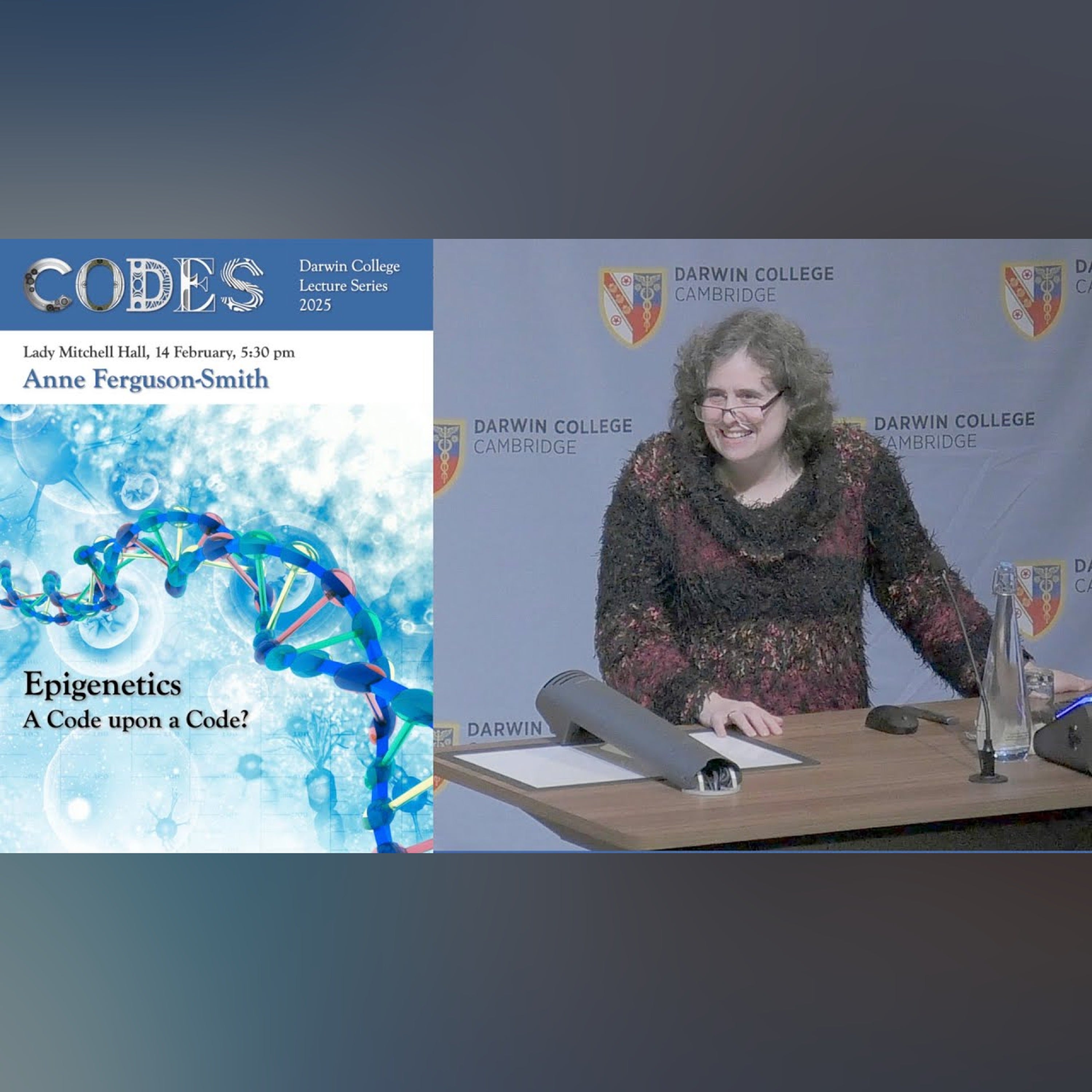
On top of the heritable genetic code that is our DNA, sits another layer of information that influences our genes. Studying the properties and functions of this ‘epi-genetic’ information has revealed a whole new aspect of genome biology with implications for health and disease, providing compelling explanations for how we might respond to our environment, and making us consider whether DNA is the only code we transmit from one generation to the next.
Uploaded 19-02-25
In her lecture, Anne will consider the influence of epigenetics on our genes, share a few insights into how unde...
How song shapes society, and society shapes song | Richard Morrison
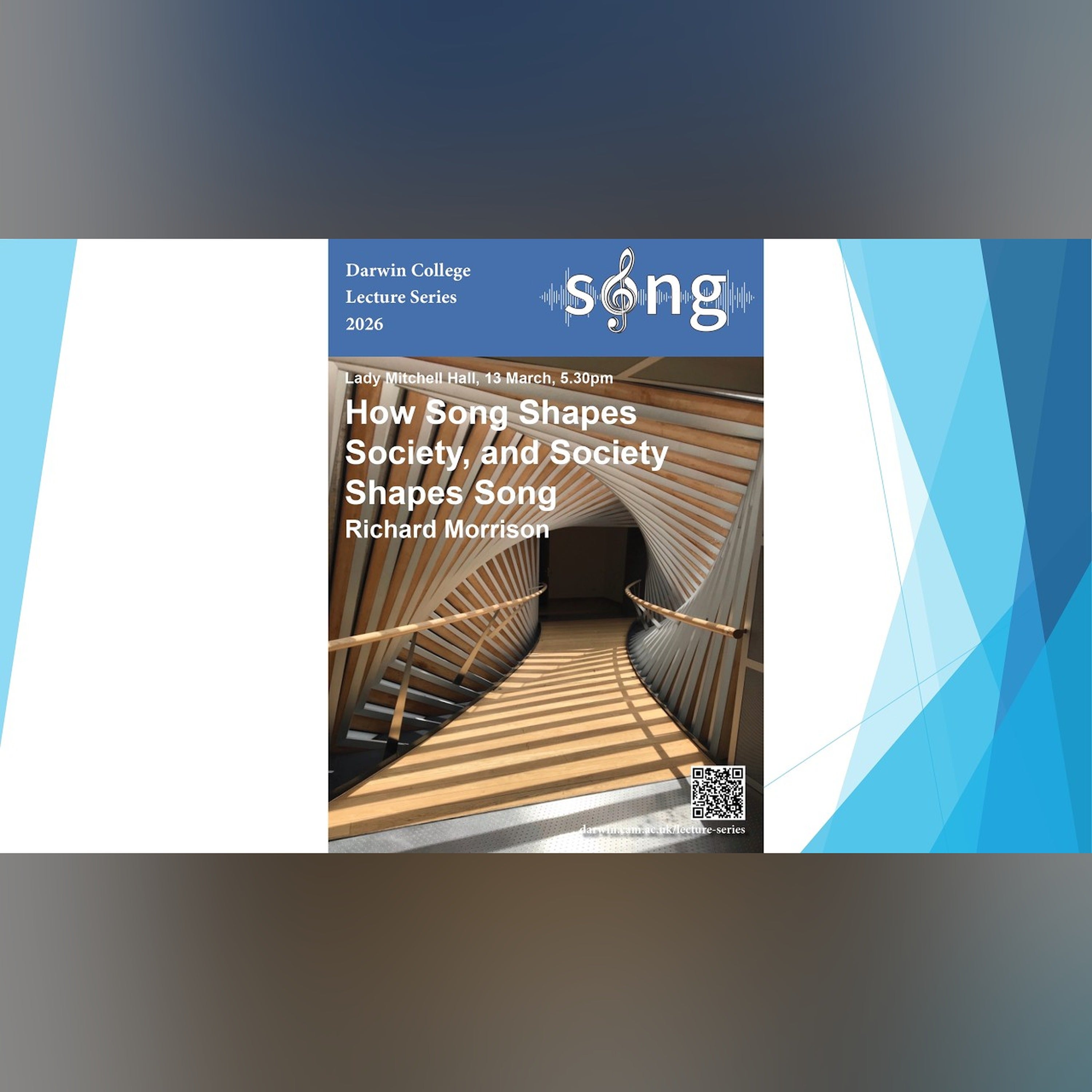
From Renaissance princes and popes to modern-day democrats and dictators, those who rule countries, religious communities and empires have often kept a close watch on singers, songs and those who compose them. Equally, song has often been used as a subversive weapon, a tool of protest and a call to arms, as well as to bolster communal or national pride and morale. The tensions around songs and singers are no less prominent today than in the past, as is shown by the recent controversies surrounding what gets broadcast from the Glastonbury Festival, who gets to sing at Covent Garden...
Risk and humanities, by Mary Beard
Professor Mary Beard, University of Cambridge
Abstract
Was there risk before modernity? This lecture explores how we might tell the ancient history of risk—from oracles (an ancient form of risk assessment) through gambling and agricultural strategies to the parade of Luck and Chance in sculptural form. In Greece and Rome (and other pre modern societies) is it misleading to think in terms of risk? Is it more helpful to ask simply, “What did people worry about?”—a question to which we find some surprising answers. At the same time, there is another agenda underlying this lecture...
Risk, security and terrorism, by Lucia Zedner
Professor Lucia Zedner, University of Oxford
Social scientists tell us we now live that we live in a ‘world risk society’. But what does this really mean and what, if anything, do environmental risks, health risks, and natural disasters have in common with those posed by terrorism? When we move from the natural world to human threats are we still dealing with hard science or are we in the realm of speculation? Are the presumptions behind risk based counter-terrorism policies and the profiling of terrorist suspects safe? Terrorist acts are exceptionally rare but they pose the risk of c...
The Power of Music: A Journey Back to Home - Maya Youssef
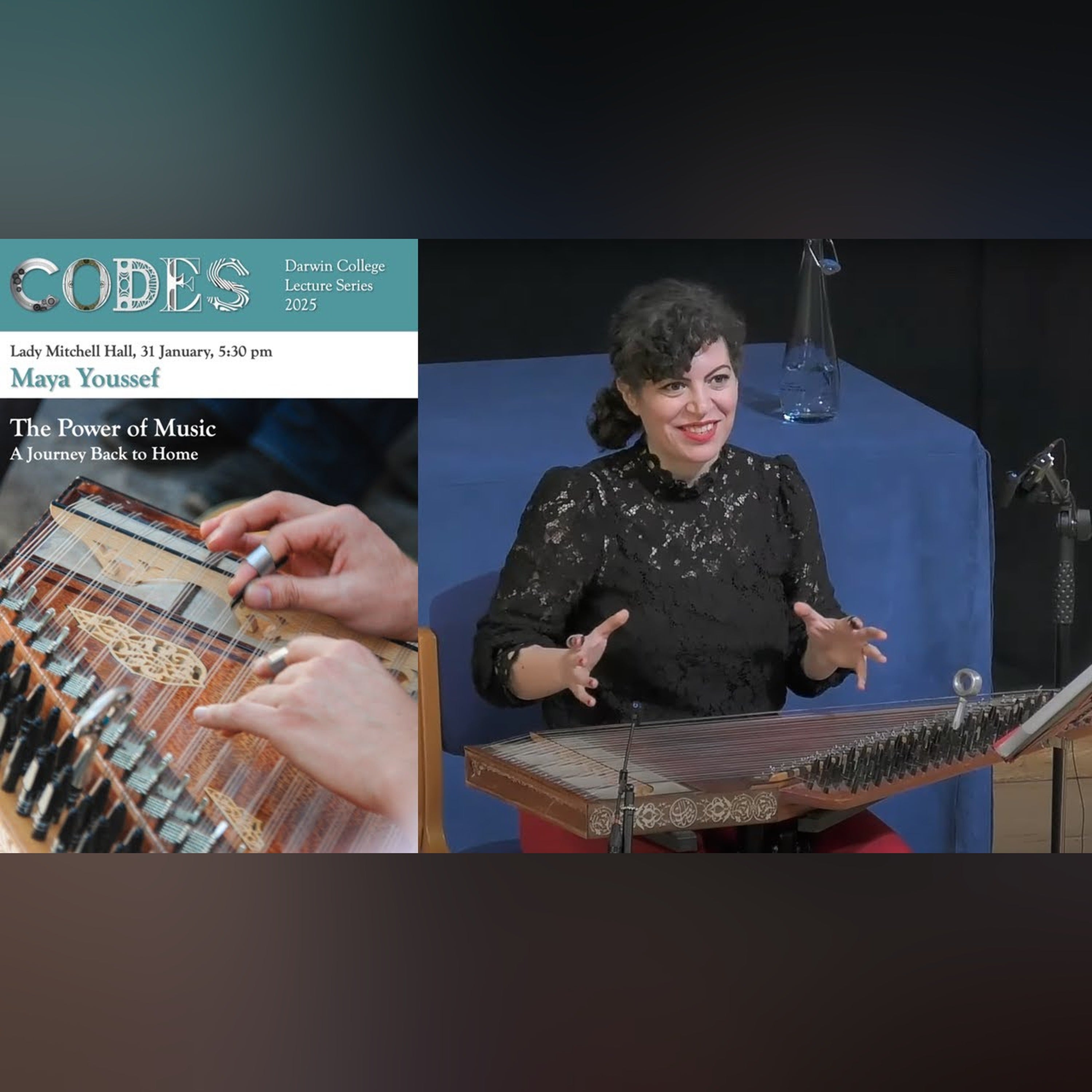
In this talk, I will explore how music holds a unique power to connect us to an essence of “home” – not just as a place, but as a feeling, a memory, or even a piece of ourselves we may have lost along the way. I’ll share my personal creative process, illustrating how I found music to be a profound tool for healing, for self-expression, and as a bridge to the deeper layers of my identity.
Uploaded 04-02-25
Through my experiences as a musician and Arabic music mentor, I’ve seen how melodies can unlock emo...
Risk: Trying to quantify our uncertainty, by David Spiegelhalter
Professor David Spiegelhalter, University of Cambridge
There has been a traditional division between ‘risk’, which can be quantified using probability distributions, and ‘uncertainty’, which is the surrounding mess of doubt, disagreement and ignorance. In well-understood situations we may be happy to quote reasonable odds for future events, and I shall look at ways in which these risks can be communicated visually. When the problem is more complex, analysts may use a mixture of judgement and historical data to construct a mathematical model that can assess future risks, but deeper uncertainties may be glossed over. I will use examples...
Songs of the Stars: Unravelling Stellar Music with Asteroseismology | Professor Conny Aerts
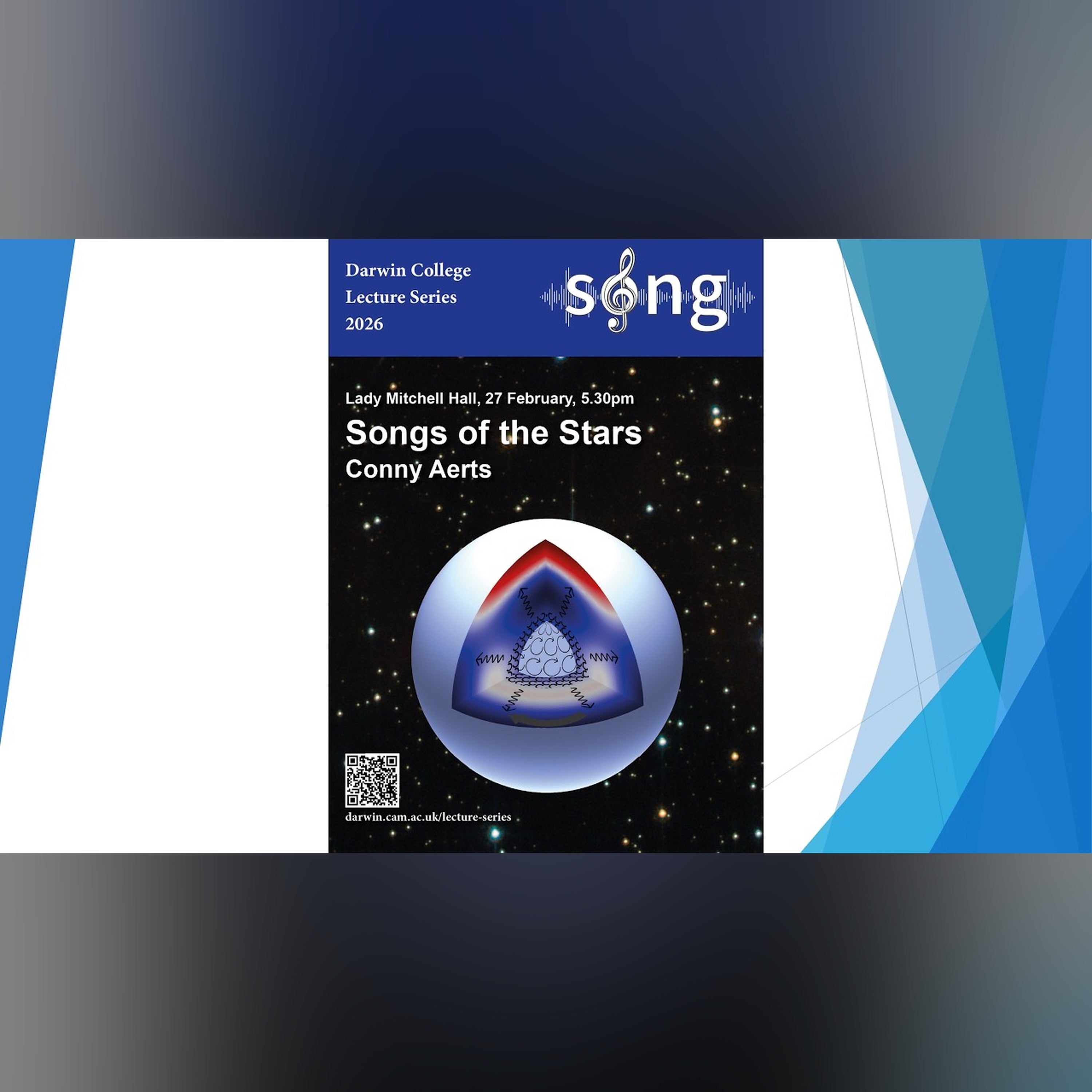
For the past two decades it has been possible to measure the seismic activity of stars with high precision. This is thanks to dedicated telescopes operating from space. Using these recorded ‘songs of the stars’, asteroseismologists can gaze into stellar interiors. By doing this, it is possible to probe the physical conditions and chemical composition of these hot balls of gas millions of light years away.
Uploaded 05-03-26
Asteroseismology is a unique and powerful tool to determine the size, mass, and age of stars to a higher precision than ever before. It also offers a wa...
Evolution of the Eye by Dan E. Nilsson
Eyes abound in the animal kingdom. Some are large as basketballs and others are just fractions of a millimetre. Eyes also come in many different types, such as the compound eyes of insects, the mirror eyes of scallops or our own camera-like eyes. Common to all animal eyes is that they serve the same fundamental role of collecting external information for guiding the animal’s behaviour. But behaviours vary tremendously across the animal kingdom, and it turns out this is the key to understand how eyes evolved. In the lecture we will take a tour from the first animals th...
Risk and government: the architectonics of blame-avoidance, by Christopher Hood
Professor Christopher Hood, University of Oxford
Abstract
My lecture will focus on the risk that matters most in politics and bureaucracy – namely the risk of blame. I will aim to show how concern with that central risk shapes the way public officeholders spend their time, how government organization is structured and how the standard operating routines of public service organizations develop. While ‘blame games’ and blame-avoidance in government generally get a bad press, the lecture will argue that not all blame-avoidance should be seen as negative in its effects, that we can make some distinctions between ‘good’ an...
Risk and natural catastrophes, by Mark Bailey
Professor Mark Bailey, Armagh Observatory
Abstract
Natural catastrophes – rare, high-consequence events – present us with a unique conjunction of problems so far as risk is concerned. First, they can have an extremely long recurrence interval, so long that the greatest may not have occurred within living human memory. Secondly, the effects of events with which we are all too familiar, for example earthquakes, floods, volcanoes and storms, are easily trumped by the impacts of objects – comets and asteroids – that reach Earth from outer space; and thirdly, the largest of these events have a global reach, in principl...
Songs We Grow By | Ibrahim Baltagi
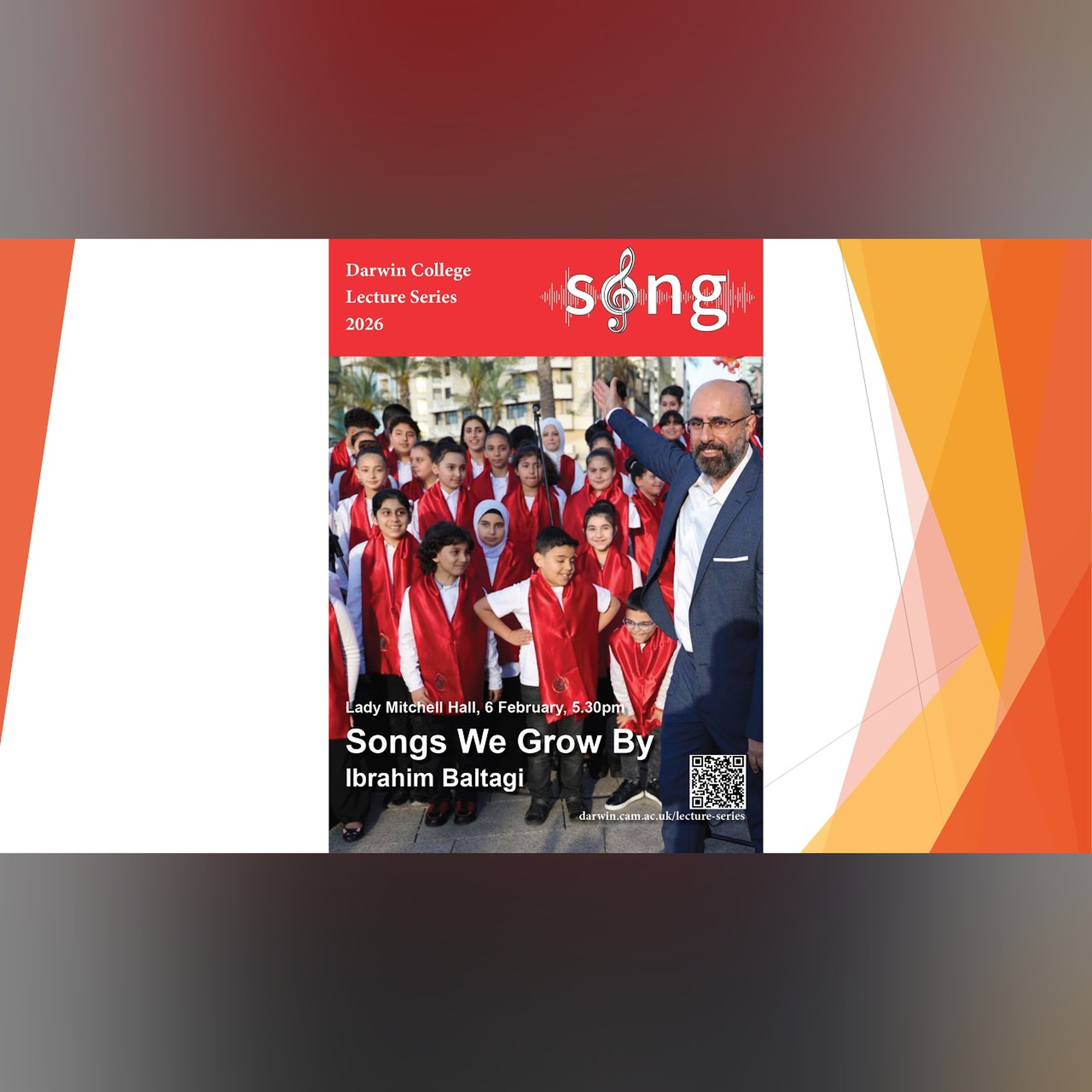
From the first lullabies that soothe an infant to the anthems of adolescence, song traces the map of our becoming. More than entertainment, it is a medium through which children learn to attend, remember, speak, and feel with others.
Uploaded 13-02-26
This lecture follows development from infancy through adolescence to show how song supports language growth, memory formation, emotional regulation, and social connection. I will use brief examples from Arabic, French, and American children’s songs. These examples will show how familiar repertoire reflects cultural identity in language, imagery, and style. They will also sh...
Bits with Soul - Professor Simon Peyton Jones
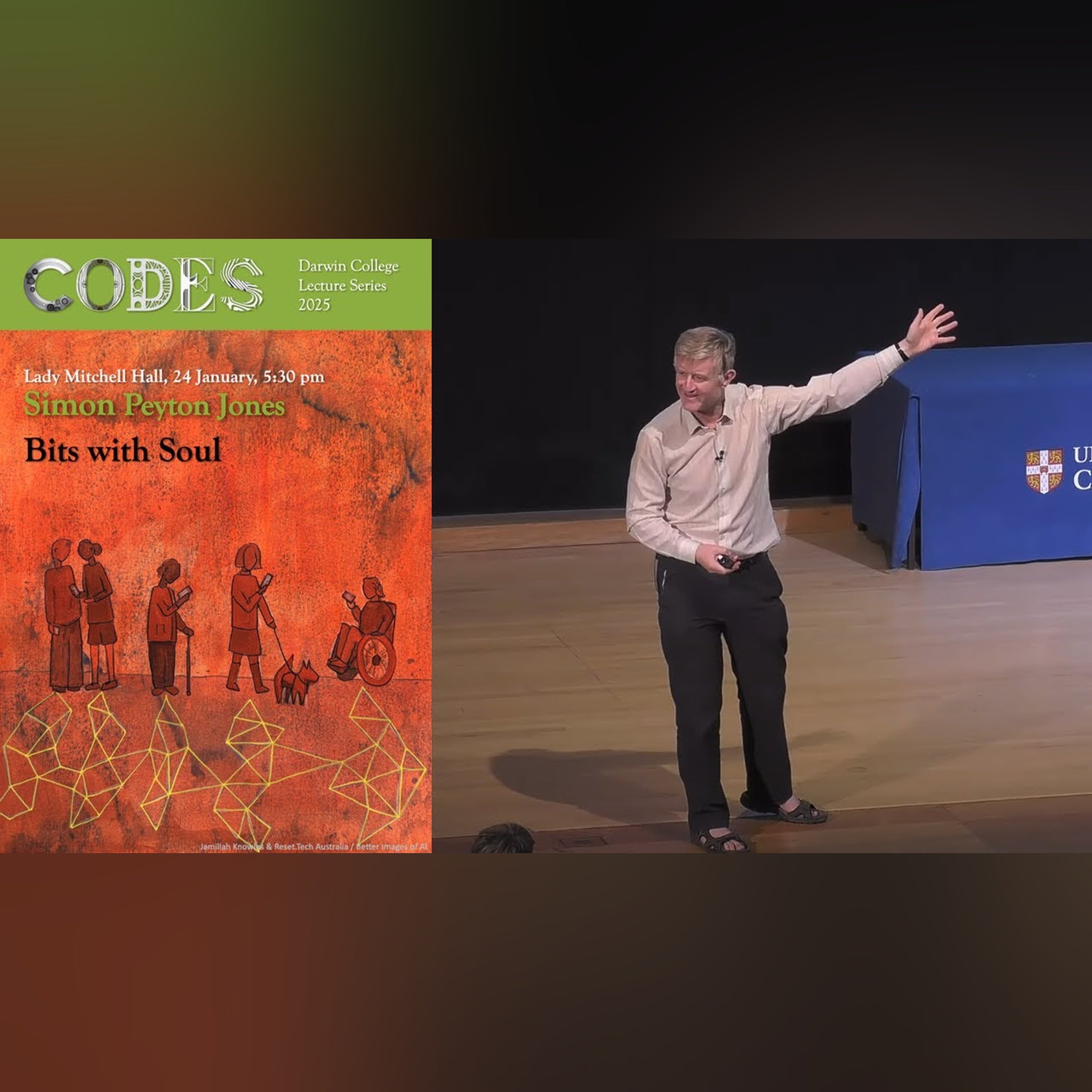
When people think of codes, coding, and computers, they often think of socially challenged nerds like me, writing “code” (whatever that might be) in a darkened basement, all soulless ones and zeros and glowing screens. But in fact computer science (the study of information, computation, and communication) gives us an enormously rich new lens through which to look at and explore the world. By encoding everything in the same, digital bits, we can mechanise the analysis and transformation of that information; we can explore it in ways that are simply inaccessible to manual techniques; we can engage our creativity to w...
Appearance and Physical Reality by Carlo Rovelli
Can we “see” photons, black holes, curved spacetime, quantum jumps, the expansion of the universe, or quanta of space? Physics challenges appearances, showing convincingly that our everyday vision of reality is limited, approximate and badly incomplete. Established theories such as quantum theory and general relativity and investigations like loop quantum gravity have a reputation of obscurity. Many suggest that science is forcing us into a counterintuitive and purely mathematical understanding of reality. I disagree. I think that there is a visionary core at the root of the best science. Where “visionary” truly means formed by visual images. Our mind, even whe...
Throat Singing: Body, Spirit, Pathways, Place | Carole Pegg
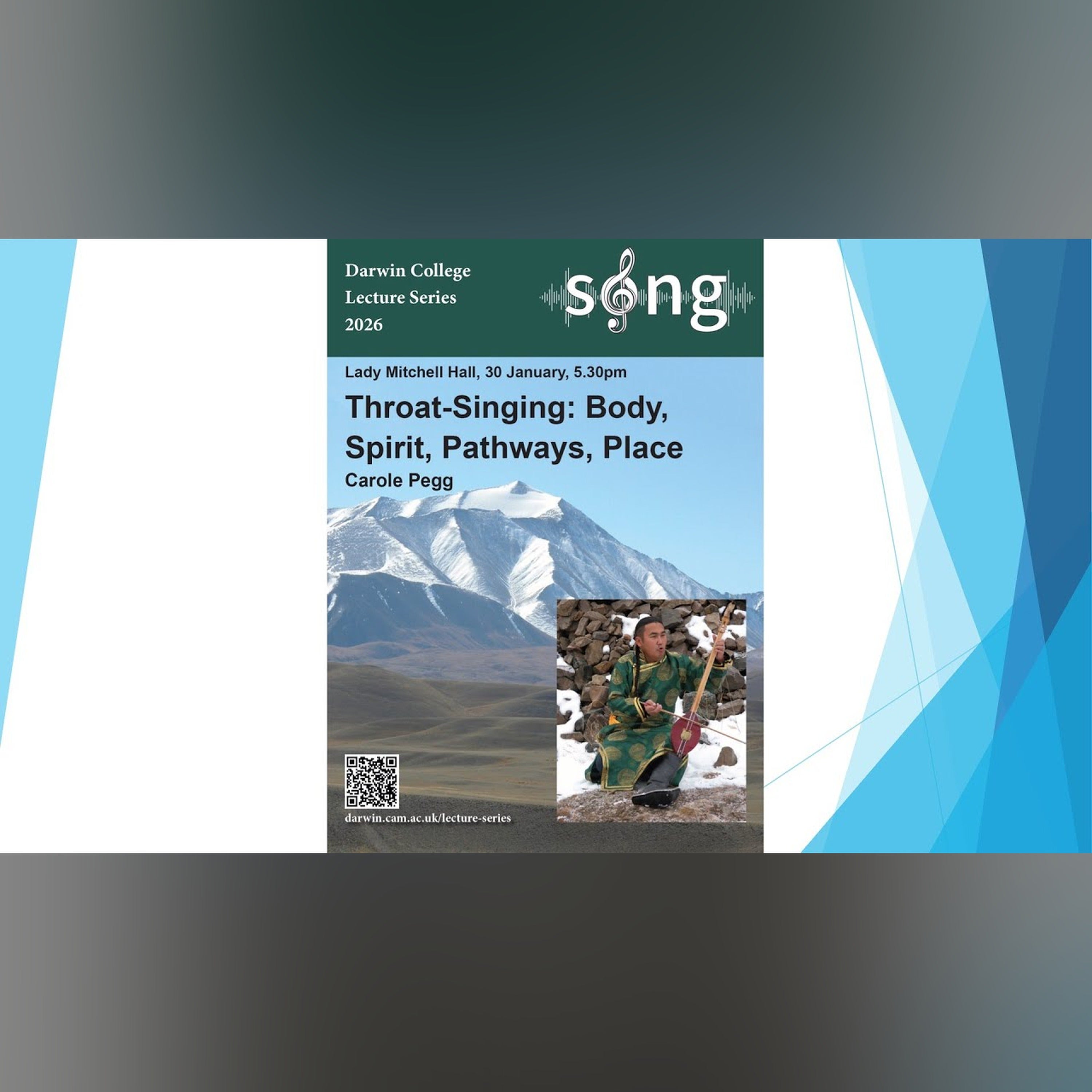
“Throat-singing” is timbre-centred vocal music typified by the simultaneous separate sounding of a musical drone and its overtones or undertones by a solo vocalist. Here I also include the timbral vocal technique of heroic epic performers. Often perceived as otherworldly, these vocal sounds have entranced global listeners and inspired many to attempt the technically difficult styles and substyles. My extensive fieldwork among Indigenous nomadic peoples of Inner Asia, the cradle of this genre, revealed how these sounds “place” the bodies of performers and listeners in the local acoustic landscape and mountain-steppe ecology, enable nomadizing along cross-border pathways in an animist...
Risk and the Brain: The neural basis of decision making under uncertainty, by John O'Doherty
Professor John O'Doherty, Trinity College Dublin
A deeper understanding of “how” the brain makes decisions will not only inspire new theories of decision making, it will also contribute to the development of genuine “artificial intelligence”, and it will enable us to understand why some humans are better than others at making decisions, why humans with certain psychiatric and neurological disorders are less capable of doing so, and why under some circumstances humans systematically fail to make “rational” decisions. In this talk I will provide an introduction to our current understanding of how the human brain is able to make deci...
Using Maths to Decode the Universe - Dr Tom Crawford
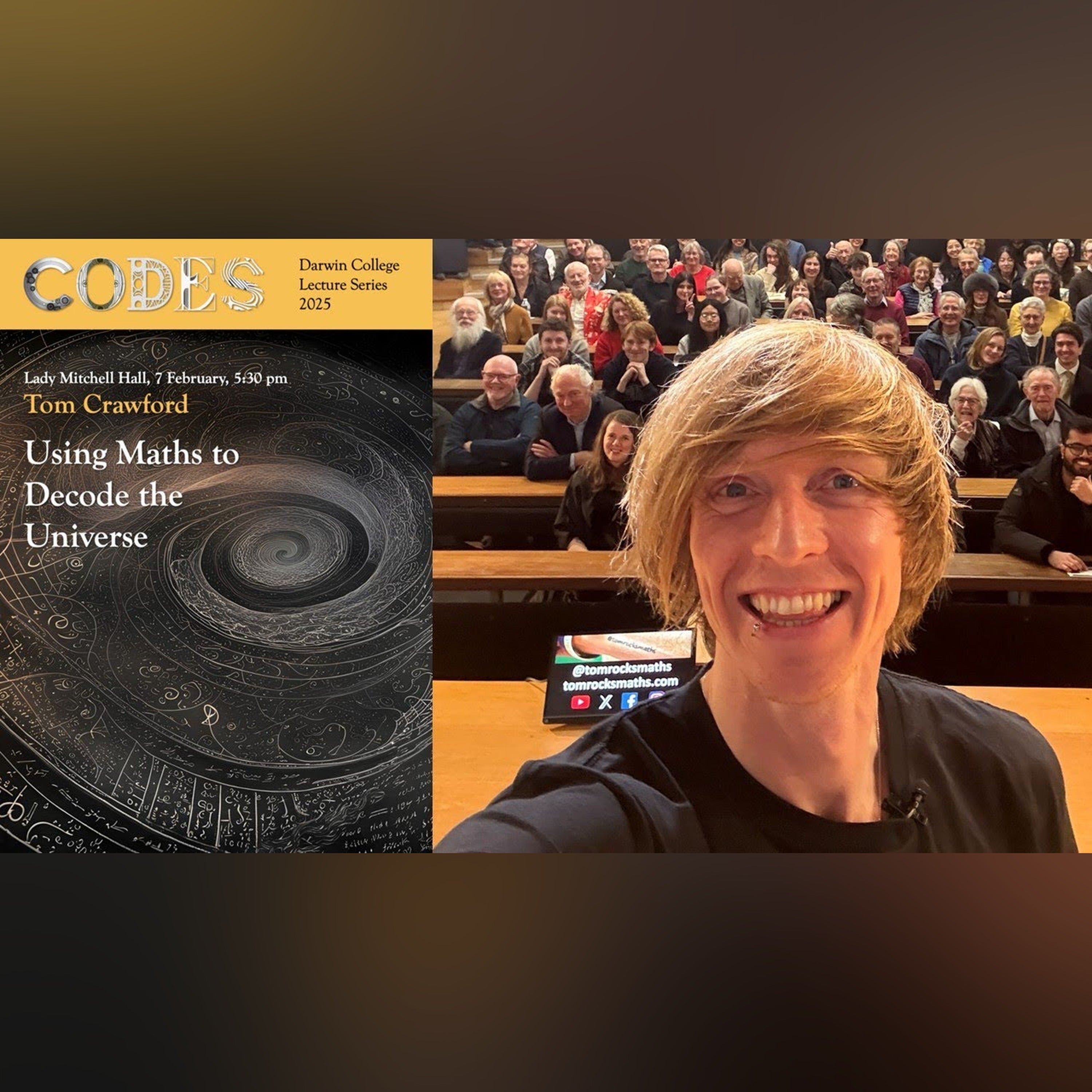
Mathematical modelling is one of the most powerful tools available in our quest to understand the universe. From the work of Einstein and the theory of relativity, to disease modelling during the COVID -19 pandemic, by using the language of mathematics and reducing the world to equations, we are able to increase our understanding of what is happening around us. In a sense, mathematics is the key that unlocks the secret code of the universe.
Uploaded 11-02-25
In this talk, Dr Tom Crawford will share some of his favourite examples of how mathematical modelling...
Eve's Byte of the Apple - Sandi Toksvig
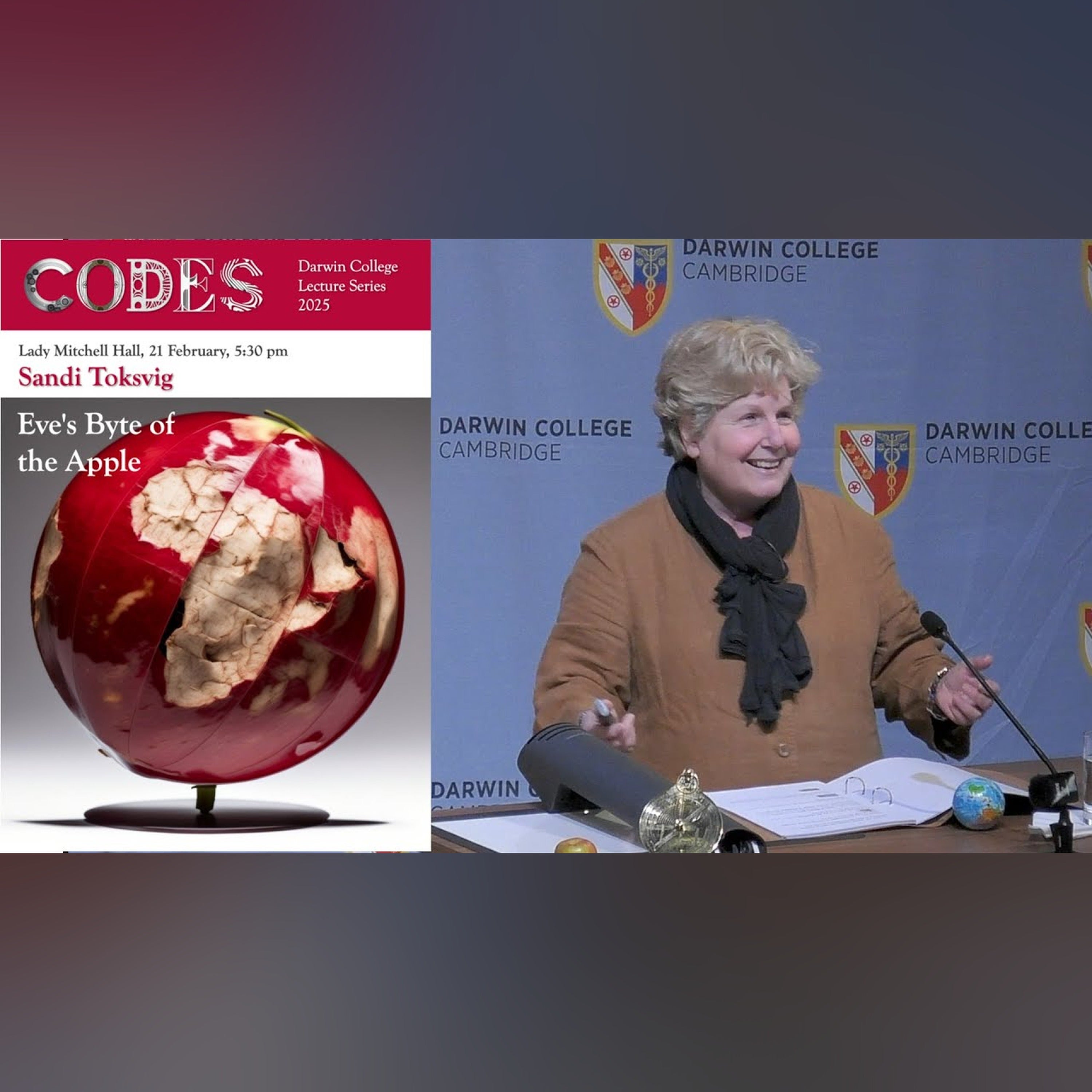
In “Eve’s Byte of the Apple”, Sandi Toksvig will be taking an alternative look at the evolution of information, at how the knowledge of women and about women is encoded, and what comes from those codes. Since 2023 Sandi has been a Bye-Fellow at Christ’s College, Cambridge working on The Mappa Mundi Project, creating a global interactive digital platform telling women’s stories worldwide. In this lecture, she considers how the evolution of information technology has been historically biased against women, continuing that bias to the present day. Most importantly, she asks what might be done about it.
Upl...
Hearing Her Voice: Women musicians in Vienna 1900 | Carola Darwin
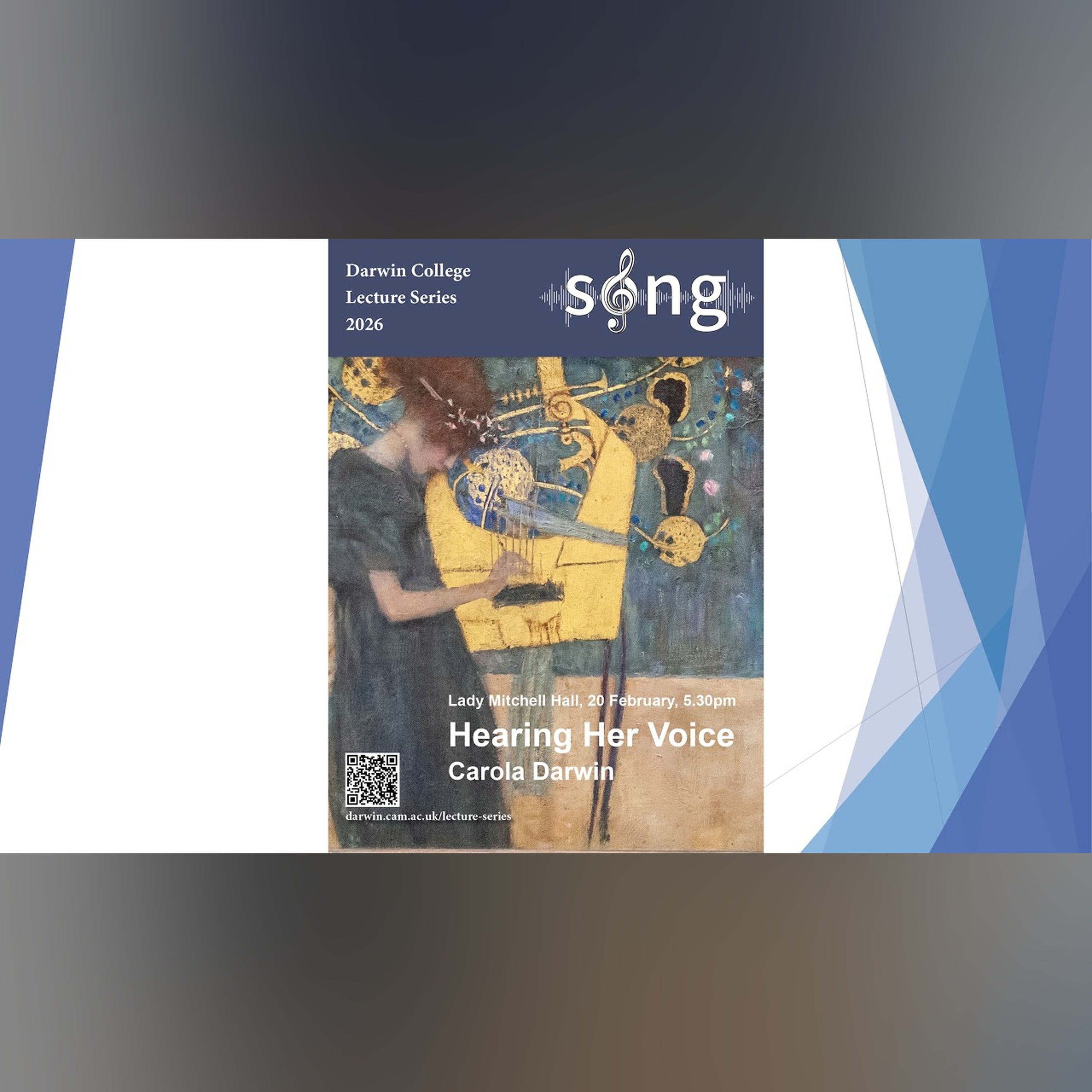
The early 20th century in Vienna saw an extraordinary flowering of talent and creativity in music, literature and visual art, as well as in philosophy and psychology. This period is particularly known for the networks of personal and professional relationships that linked creative people in different fields, such as the painter Gustav Klimt, the composer Arnold Schoenberg and the writer Hugo von Hofmannsthal. Until recently, however, the contribution of women to Vienna’s artistic life, has largely been ignored. This lecture shows how research into the lives and musical creativity of some of Vienna’s outstanding women musicians can help...
Computer Vision by Andrew Blake
Professor Andrew Blake, Samsung AI Research Centre.
Can we trust the judgement of machines that see? Computer vision is being entrusted with ever more critical tasks: from access control by face recognition, to diagnosis of disease from medical scans and hand-eye coordination for surgical and nuclear decommissioning robots, and now to taking control of motor vehicles.
Uploaded 05-03-19
The latest technologies for visual decision-making use neural networks, transmitting signals from input to output in many stages, where the signals at intermediate stages are not easily interpreted. This makes it harder to understand...
Vision of Future Technology by Sophie Hackford
Sophie will explore the idea that the way that computers see the world is becoming our dominant reality. The idea that a physical object, and its data ‘exhaust’, are in constant dialogue with each other. As machine autonomy creeps into our everyday lives, we are creating a physical internet, where people, objects, vehicles move as seamlessly in the real world, as data moves around the internet. Digital bots or ‘agents’ might represent us in interactions with our banks, friends, colleagues. Autonomous companies might soon be big players in the economy. Sophie will explore a world where human and machine ‘vision’ wi...
Perception of Visual Space by Colin Blakemore
The image in your eye, like a photograph or a precise figurative painting, is a two-dimensional projection of the world. But detecting the third dimension of that world is important for understanding the shapes of objects, as well as the distances of everything around us. Our forward-pointing eyes give us the luxury of binocular stereoscopic vision, but if you close one eye, you can still perceive distance on the basis of information in a single image, particularly from linear perspective. How do our brains interpret perspective and integrate it with stereo vision? In this lecture, as in the history...
Viewing the Universe by Carolin Crawford
Astronomers depend on light for their understanding of the cosmos beyond the confines of the Solar System. Many of the most exciting discoveries over the last couple of decades were made possible by new generations of cameras and telescopes, both on the ground and in space. The resulting observations captured the imagination not just of the scientists but also of the general public. Dr Crawford will discuss the new facilities anticipated coming online over the next ten years or so – how they’ll not only change our view of the Universe, but also alter the way we do Astronomy.
<...
Song in the Ancient World: Echoes of Religion and Resistance | Matthew Gordley
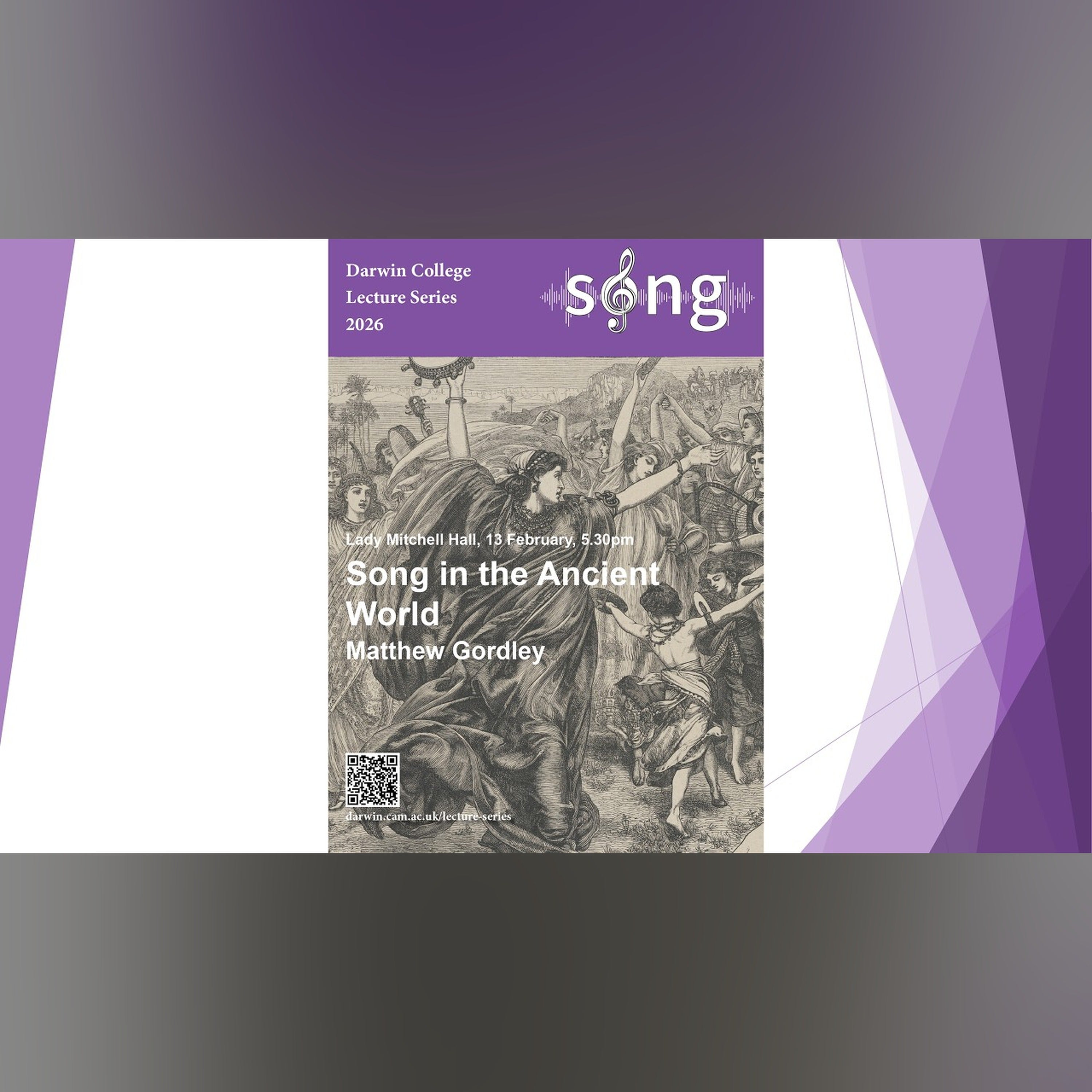
We have no shortage of evidence about the importance of song in the ancient world, including written descriptions of music in literature, songs embedded in narratives, standalone hymnic texts, and collections of psalms and hymns. While we can only imagine the melodies and modes of performance, the surviving texts reveal an imaginal world in which the divine and the human were inextricably interwoven.
Uploaded 20-02-26
In Greco-Roman antiquity we see how songs of one time and place became an evocative source for later generations to reflect on their particular realities in light of larger...
Notes and Noises in Nature: Not a Swan Song? | Hans Slabbekoorn
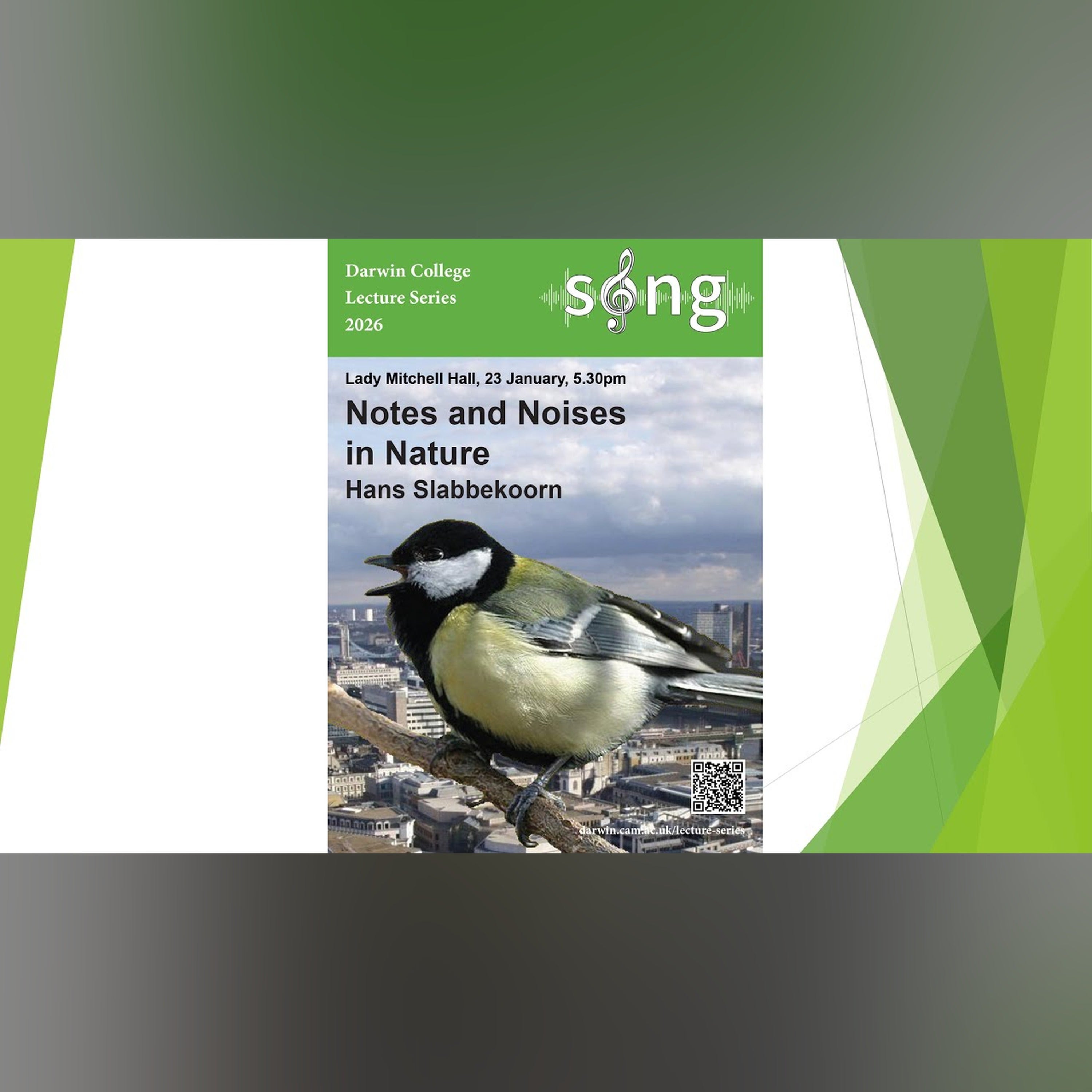
The first video in the 2026 Lecture Series on the theme of Song.
Nature is full of music, from tiny birds with melodious songs and elaborate repertoires to majestic whales with inaudibly low voices propagating around the globe. As far as we can tell, however, the music is not often just for pleasure and has evolved serving a purpose. Animals are almost continuously busy with their sonic flirts and fights, whether we hear them or not, in air and water, day and night. The acoustic ecology of species-specific habitats has shaped this music over evolutionary time. The circumstances...
Palestinian Song in Transition | Dr Issa Boulos
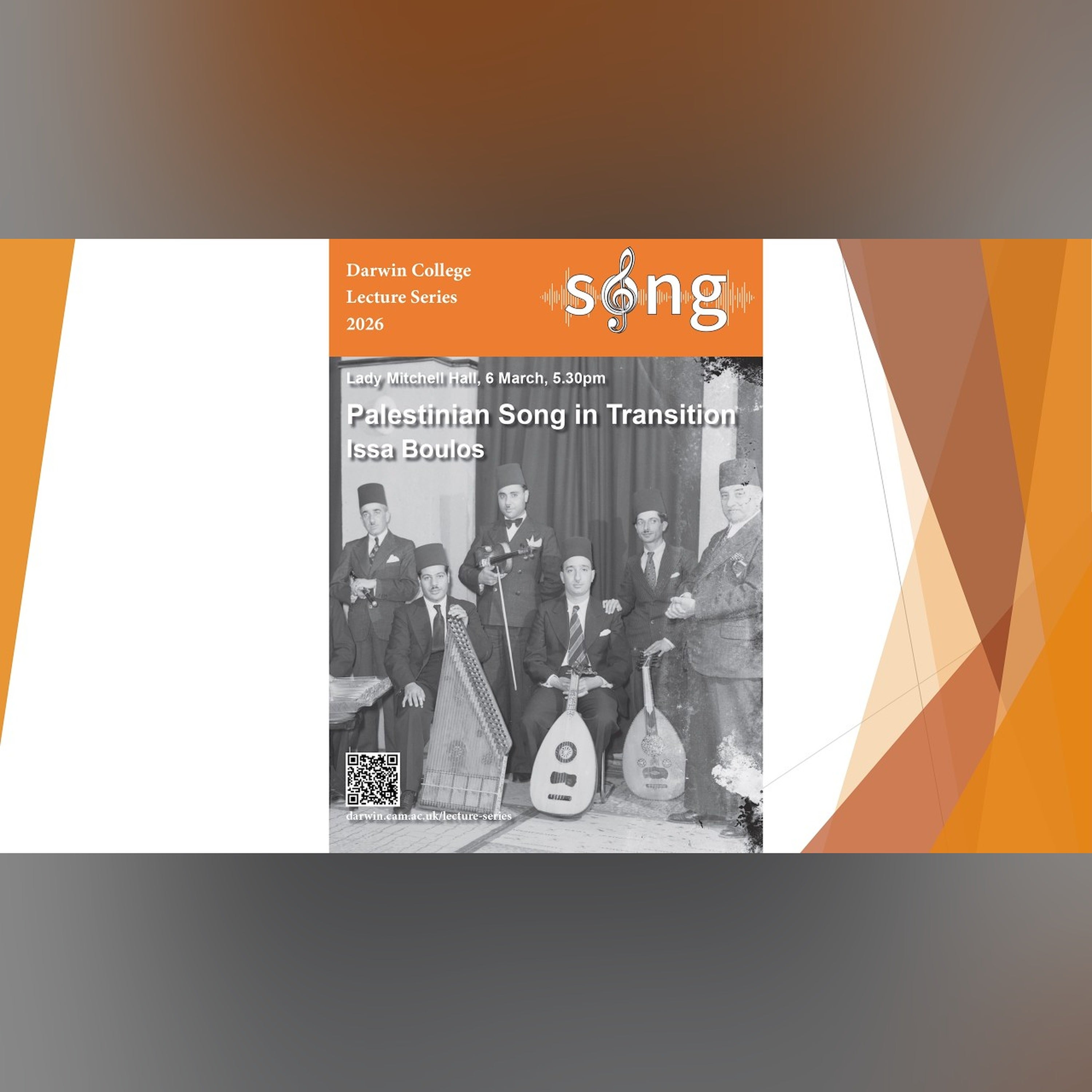
Between 1936 and 1948, Palestinian music experienced a transformative period shaped by the establishment of the Palestine Broadcasting Service (PBS) and the Near East Broadcasting Station (NEBS). These radio stations became influential cultural platforms that enabled Palestinian musicians to explore, refine, and project a national identity through music. They created an ecosystem in which diverse traditions could intermingle, inviting voices from across Palestine and the broader Arab region to contribute to a vibrant musical landscape.
Uploaded 13-03-26
Within this environment, vocal genres underwent significant evolution, as traditional folk melodies expanded into shaʿbī songs and new fo...
