KacheliTV

KacheliTV — World Classics, Read AloudWorld classics, fresh English translations, read aloud — complete collections, never excerpts.On the shelf now:• Krylov — all 198 Fables• Pushkin — verse tales, Ruslan and Lyudmila• Afanasyev — Russian folk tales• The Byliny — the old epics• Esenin and Mayakovsky — the poets• Omar Khayyam — the complete Rubaiyat, all 1,000 quatrains, recorded in full for the first time• W. B. Yeats — Fairy and Folk Tales of the Irish PeasantryComing: Nasreddin Hodja · Heer Ranjha · 1001 NightsListen everywhere:Hub: https://rss.com/podcasts/kachelitv/Spotify: https://open.spotify.com/show/6P3RkjIk2T8Cd7qIZv4zcKApple: https://podcasts.apple.com/podcast/id6821522250Amazon: https://music.amazon.com/podcasts/81c8753f-02eb...
Folk Tales of India — Part 7 of 81 (The Story of Prince Sobur)
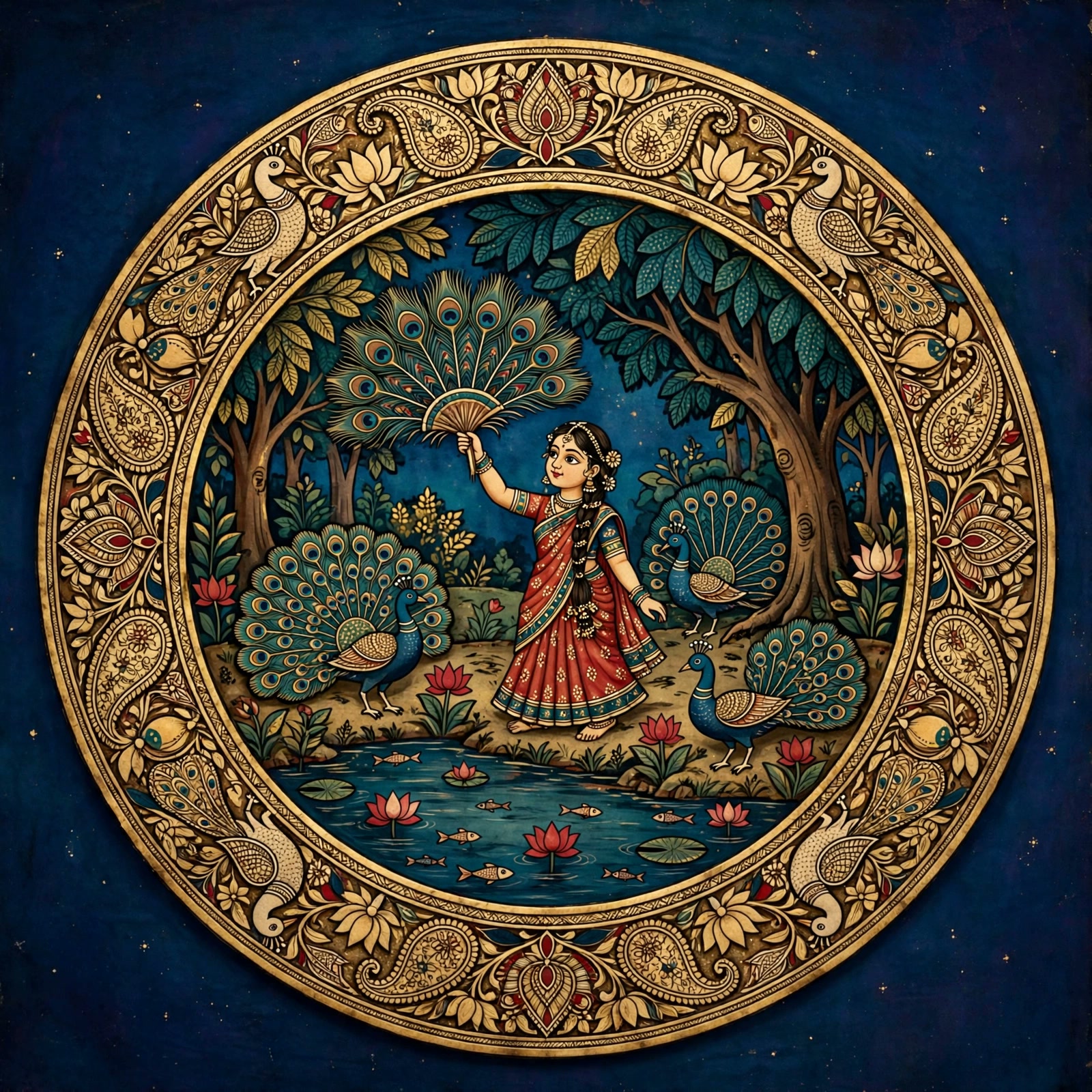
Folk Tales of India — Part 7 of 81 (The Story of Prince Sobur)
"I get my living by my own fortune," says the merchant's youngest daughter — and her angry father has her left in the forest. A speaking tree shelters her, peacocks make her rich, and a magic fan brings her a prince who appears whenever it is shaken. But when her jealous sisters strike at her happiness on her wedding night, she must cross the country in a holy man's disguise, with a cure no physician in the kingdom knows.
From Folk-Tales of B...
Folk Tales of India — Part 5 of 81 (The Story of Swet-Basanta)
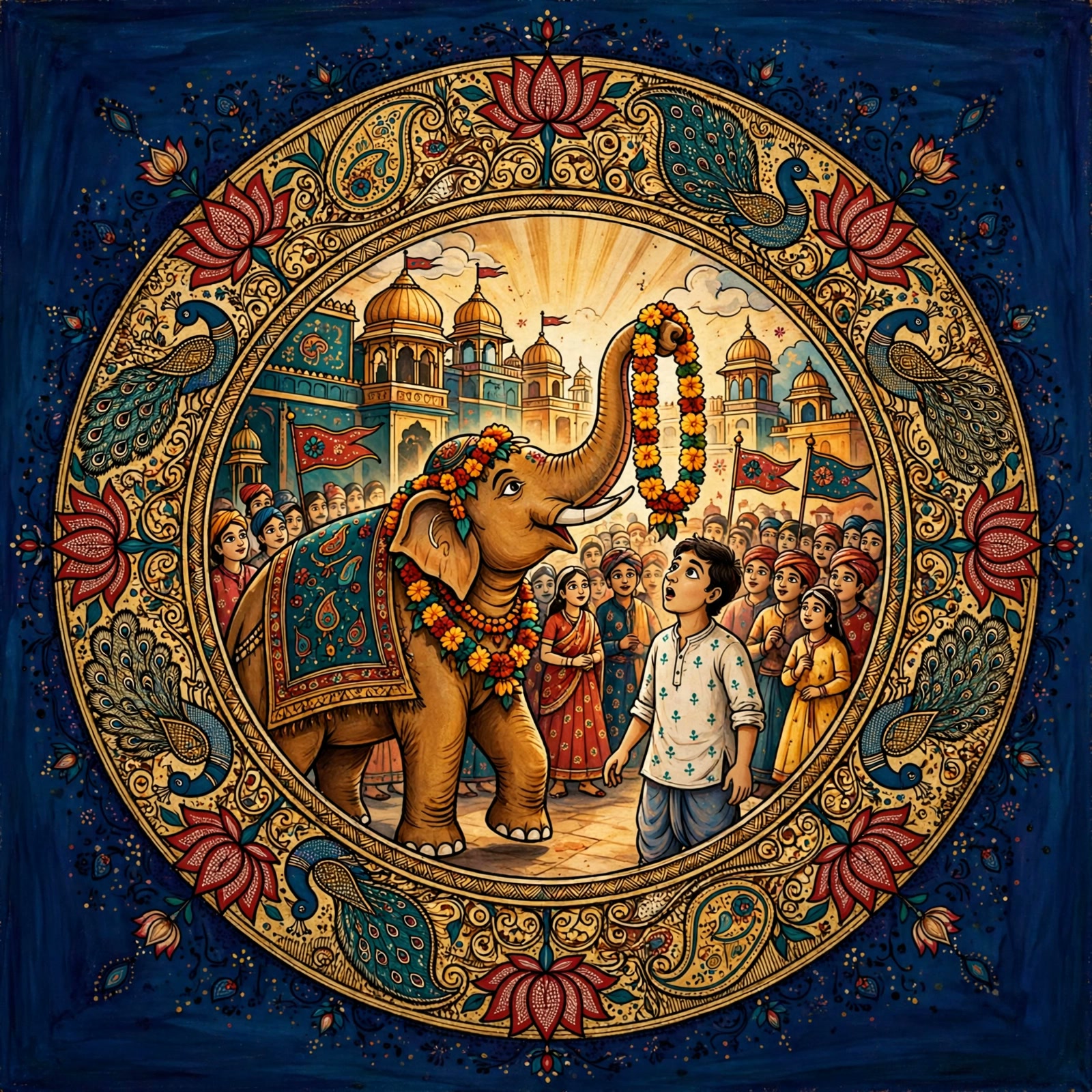
Folk Tales of India — Part 5 of 81 (The Story of Swet-Basanta)
Two brothers, Swet and Basanta, are driven from home by a stepmother's hatred. The royal elephant chooses Swet for a king; Basanta is carried off to a merchant's house, where his tears fall as pearls and his laughter as jewels — and a faithful wife, lost in the forest with her newborn child, holds the thread that brings them all together again.
From Folk-Tales of Bengal by Lal Behari Day (1883), public domain; told in a modern in-house rendering.
Kach...
Manas — The Earliest Recordings — Part 8 of 31 (The Memorial Feast of Kokotoy — Part One)
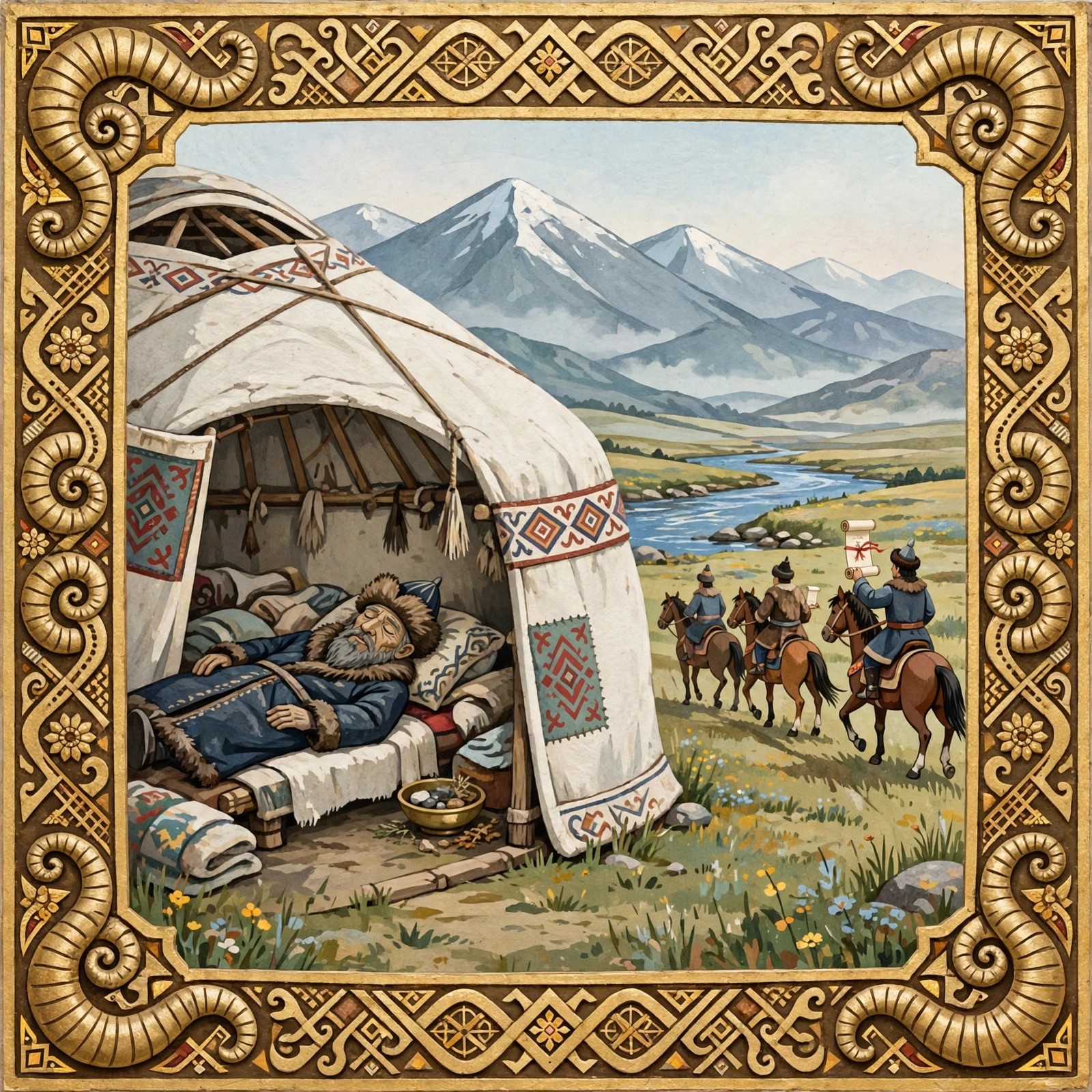
Manas — The Earliest Recordings — Part 8 of 31 (The Memorial Feast of Kokotoy — Part One)
Khan Kokotoy dies in his old age, and his son Bok Murun proclaims the great memorial feast in his honour: countless camels and yellow piebald mares for the foremost horse in the race, sheep without number for the feast itself. The summons rides out through all the sides of heaven — to Kokcho and to Joloi Kan, to Nes-Kara and to Kongyr Bai of Kashgar, to believer and unbeliever alike — and comes at last to Manas, who gives the messengers no answer. Bok Murun trac...
Myths of the Cherokee — Part 19 of 22 (Local Legends of South Carolina · Local Legends of Tennessee · Local Legends of Georgia)
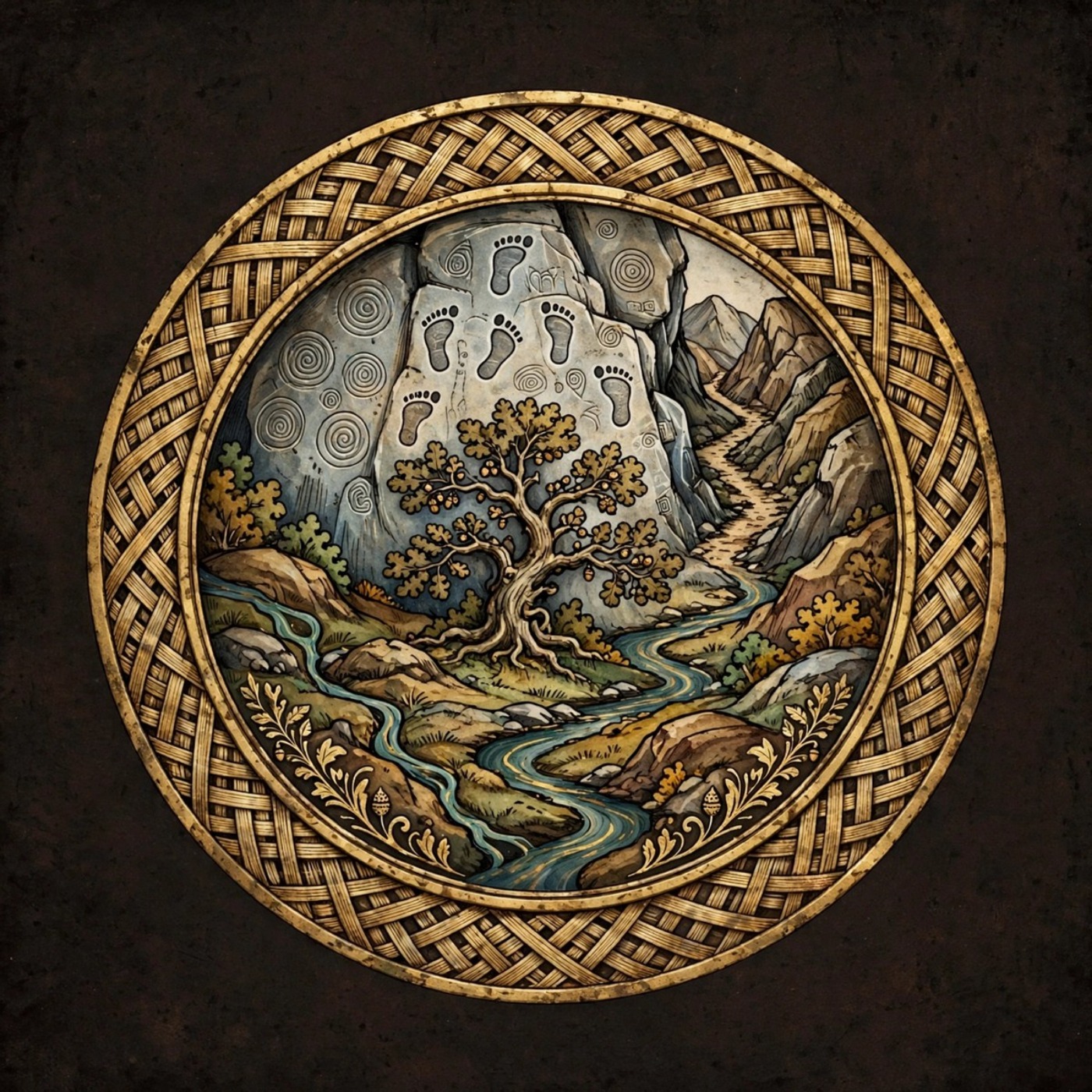
Myths of the Cherokee — Part 19 of 22 (Local Legends of South Carolina · Local Legends of Tennessee · Local Legends of Georgia)
The gazetteers of the three border states, compressed — and with them, Mooney's own cautions, which this shelf honors: the South Carolina names are faded, and the white traditions on them 'of more or less doubtful authenticity'; the Chickamauga gulch serpent is a newspaper invention ('not genuine'); Hiwassee's Pretty Fawn and Nacoochee's Evening Star are White's pseudo-myths, pure inventions both. What is genuine: the trading-path distances of the Mile creeks, Conneross and the duck, Buffalo Track rock, Tanasi...
Myths of the Cherokee — Part 17 of 22 (The Mounds and the Constant Fire · The Star Feathers)
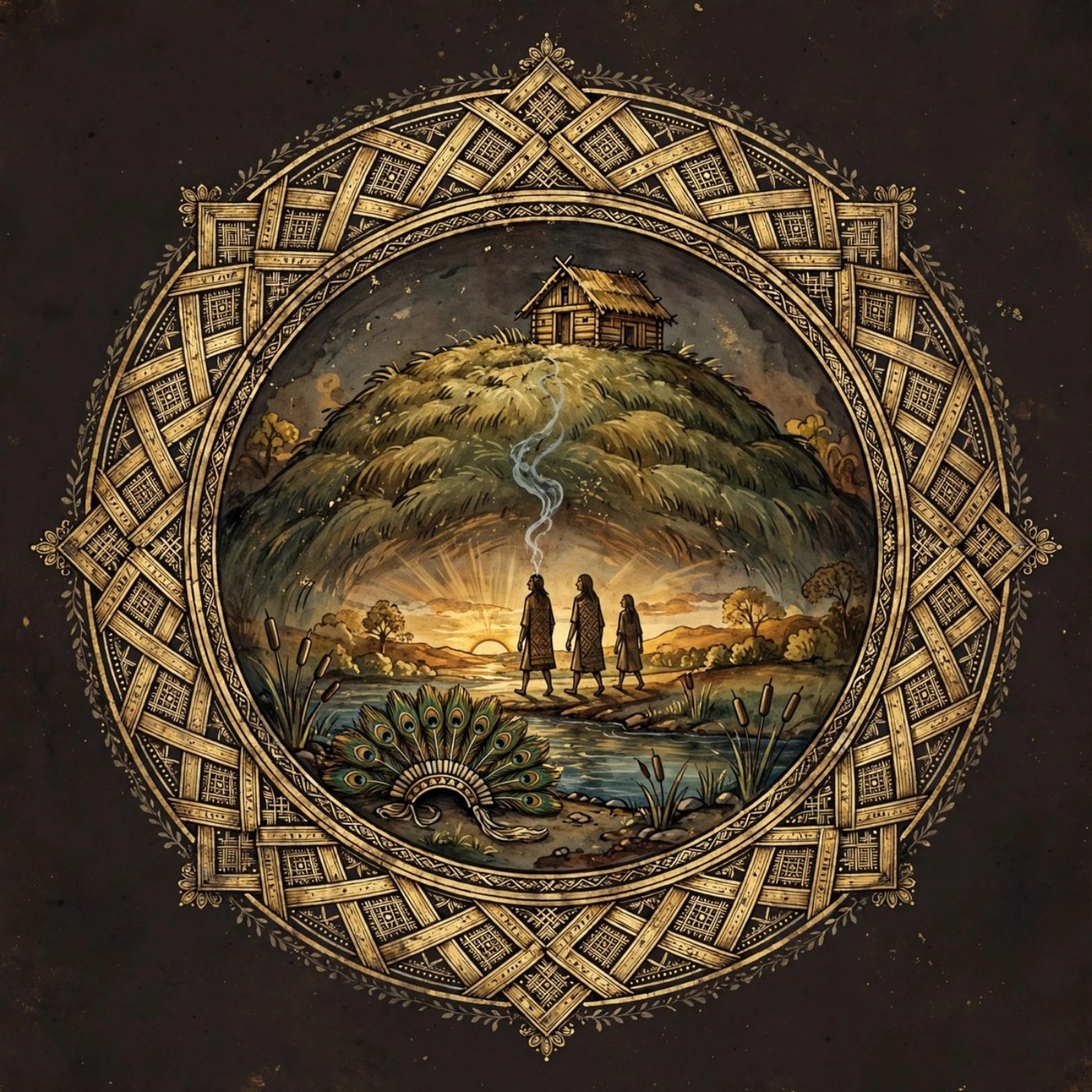
Myths of the Cherokee — Part 17 of 22 (The Mounds and the Constant Fire · The Star Feathers)
Traditions and anecdotes. The giants from the west, received as friends. The Lost Cherokee of 1721, found again beyond the plains. The mounds and the constant fire — the building of a townhouse mound, the fire keeper's art, the Green Corn new fire, the sacred box, the seven-stemmed peace pipe, and the stone drum — told with the reverence of Mooney's record. Then the household comedies: the ignorant housekeeper and the unshelled walnuts; the man in the stump, dragged out by the mother bear he...
Folk Tales of India — Part 4 of 81 (The Indigent Brahman)
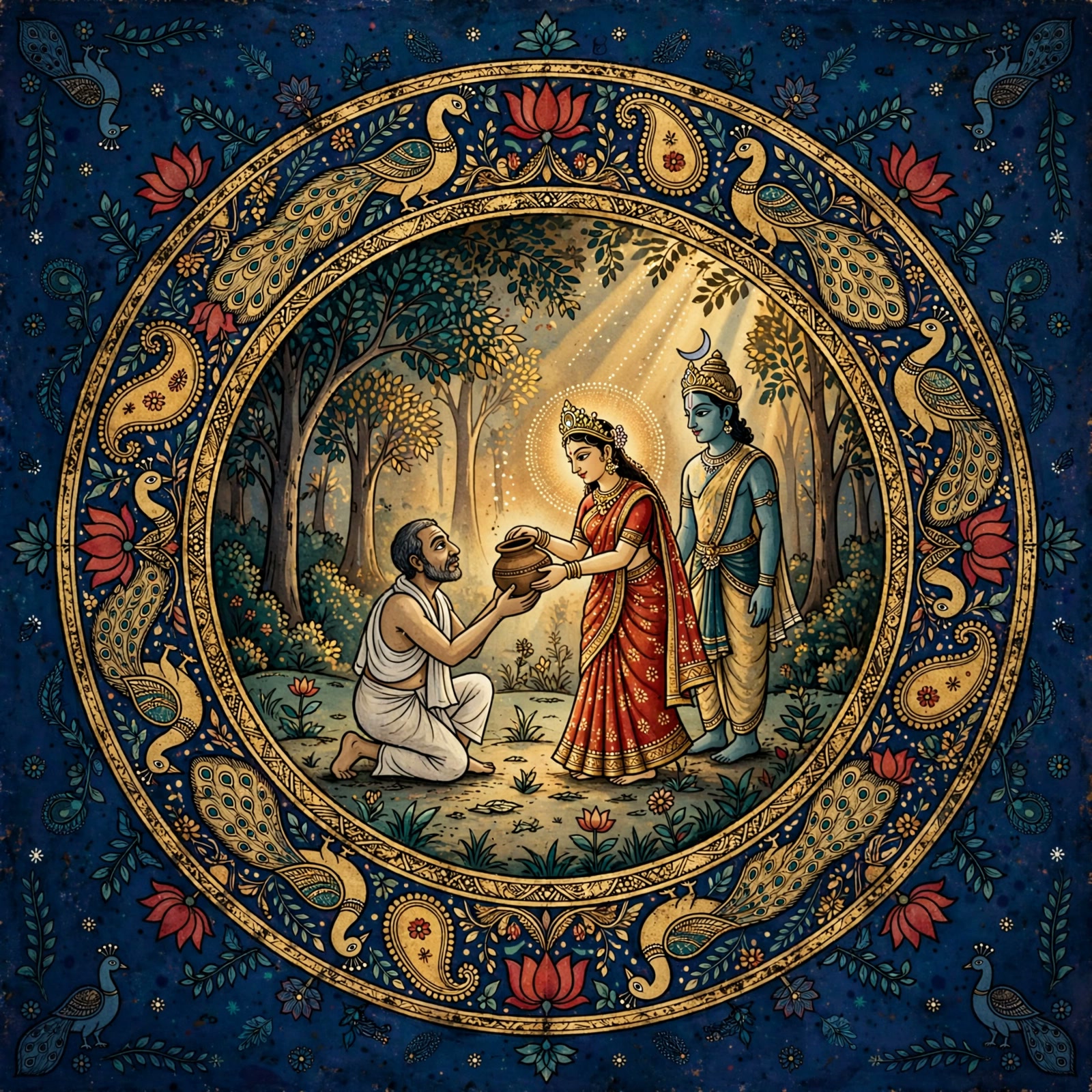
Folk Tales of India — Part 4 of 81 (The Indigent Brahman)
A poor Brahman, who writes the name of Durga one hundred and eight times before he tastes food, is given a humble earthen handi that pours out sweetmeats without end. But heaven's gifts come in pairs — one for the faithful, and one for the thief who steals it — and the goddess's second vessel holds a very different surprise.
From Folk-Tales of Bengal by Lal Behari Day (1883), public domain; told in a modern in-house rendering.
KacheliTV — world classics, read aloud.
Heer Ranjha — Part 5 of 9 (Taken to Rangpur · The Unhappy Bride · A Message to Ranjha · Ranjha Becomes a Jogi)
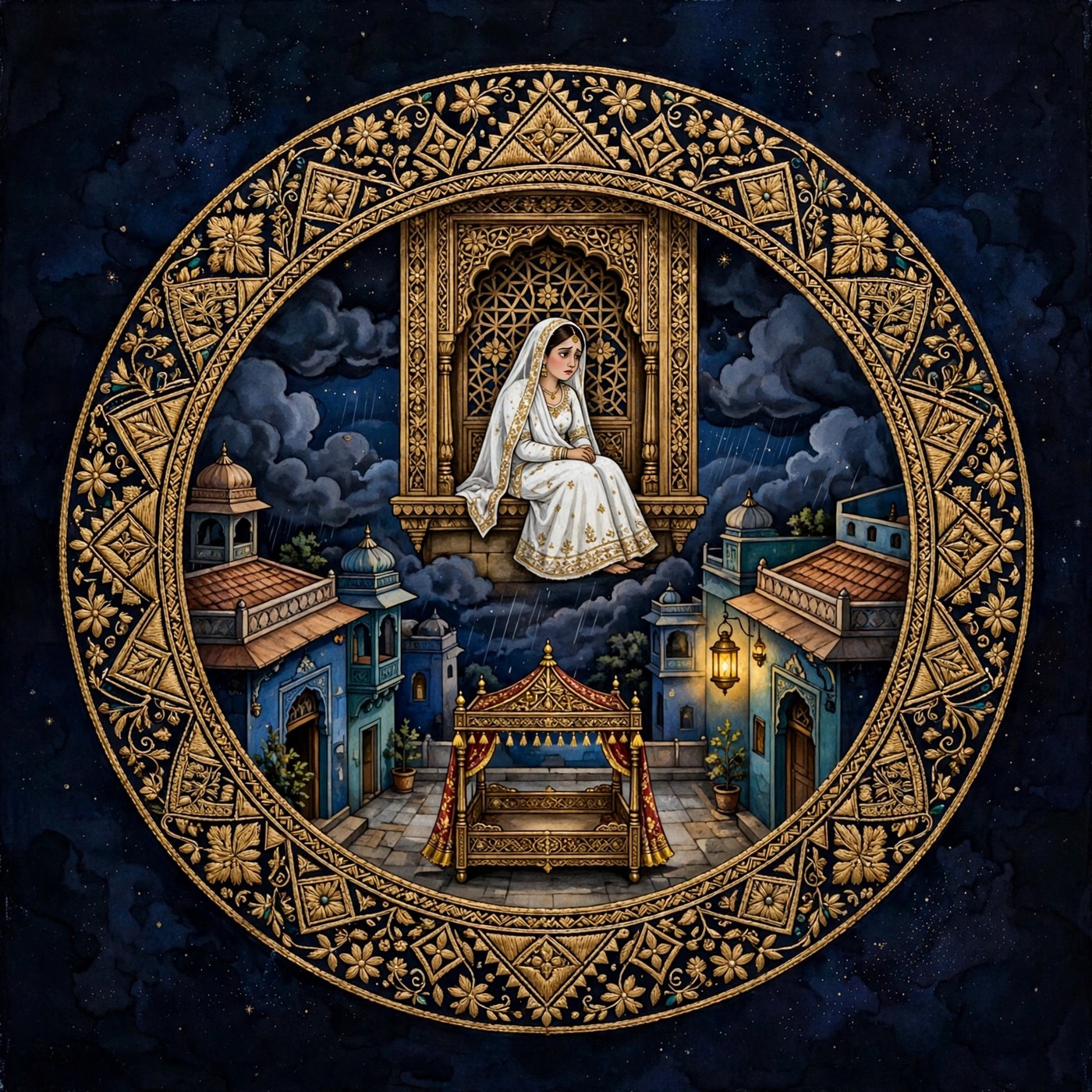
Heer Ranjha — Part 5 of 9 (Taken to Rangpur · The Unhappy Bride · A Message to Ranjha · Ranjha Becomes a Jogi)
The classic Punjabi romance of Heer Siyal of Jhang and Dheedo Ranjha of Takht Hazara, from Heer (1766), the beloved verse epic of Waris Shah — the tale of a flute-playing cowherd, a proud and fearless heroine, and a love that defied two villages. Retold in fresh English.
This episode: Heer is carried to Rangpur and keeps her faith in a house of strangers; the unhappy bride laments through the twelve months of the year; a trave...
Myths of the Cherokee — Part 11 of 22 (The Hunter in the Dakwa' · Origin of the Bear: The Bear Songs · The Bear Man)

Myths of the Cherokee — Part 11 of 22 (The Hunter in the Dakwa' · Origin of the Bear: The Bear Songs · The Bear Man)
Wonder tales. The Dakwa' of Toco creek swallows a warrior — and in the Wahnenauhi version a runaway boy — and both escape by the mussel shell. Ataga'hi, the animals' medicine lake in the Smokies, shows itself only after prayer, fasting, and vigil. The North's southern bride melts the ice houses; the Ice Man's hair brings wind, rain, sleet, and hail against the burning pit. Selu visits a discouraged hunter in a corn stalk and teaches him the...
Heer Ranjha — Part 1 of 9 (The Invocation · Ranjha Leaves Takht Hazara · The Mosque · The Banks of the Chenab · Heer Comes to the Ferry)
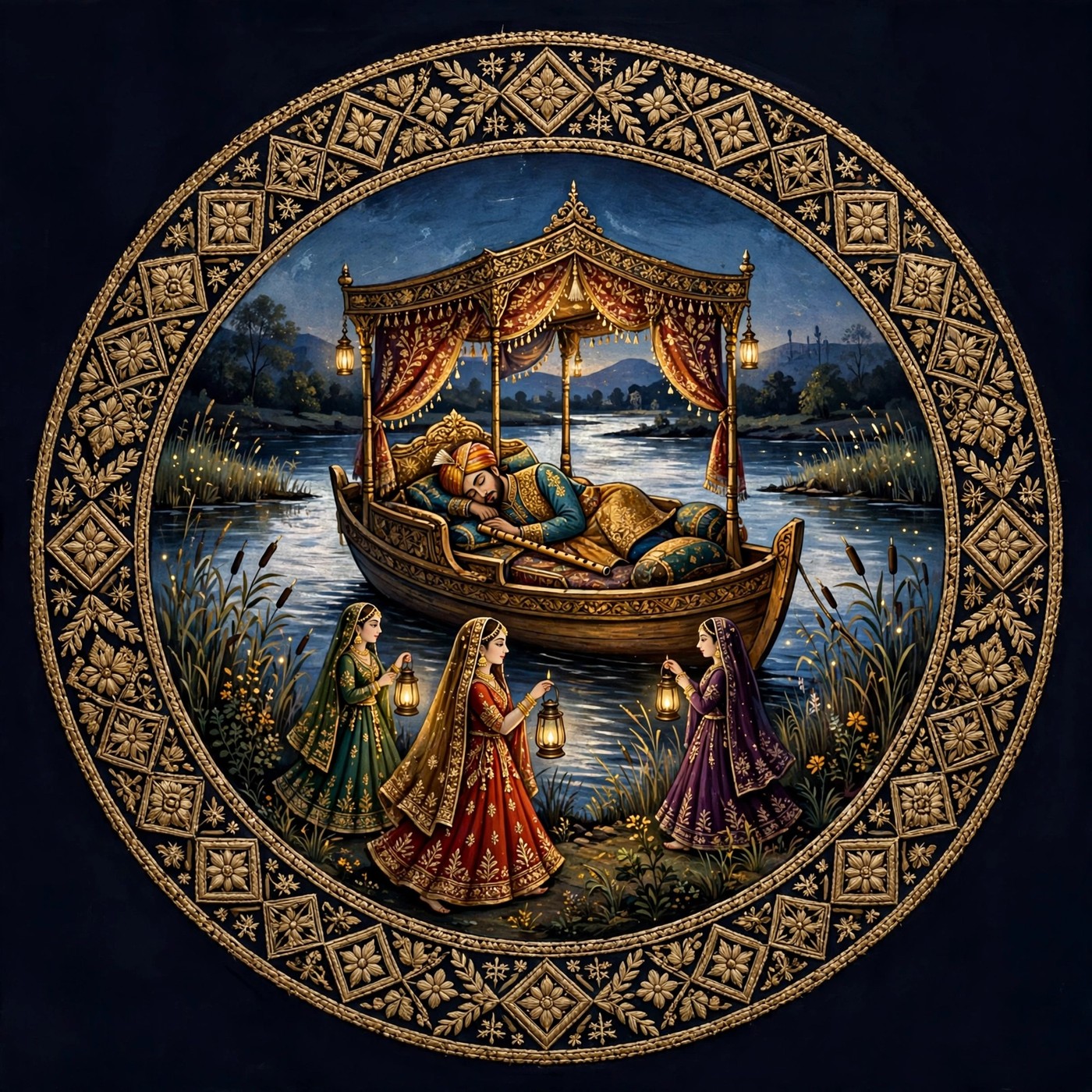
Heer Ranjha — Part 1 of 9 (The Invocation · Ranjha Leaves Takht Hazara · The Mosque · The Banks of the Chenab · Heer Comes to the Ferry)
The classic Punjabi romance of Heer Siyal of Jhang and Dheedo Ranjha of Takht Hazara, from Heer (1766), the beloved verse epic of Waris Shah — the tale of a flute-playing cowherd, a proud and fearless heroine, and a love that defied two villages. Retold in fresh English.
This episode: the poet's invocation; Ranjha, the favourite son, quarrels with his sisters-in-law and leaves Takht Hazara with his flute; the night in the mosq...
Heer Ranjha — Part 7 of 9 (Ranjha Meets Heer · Sehti Turns Out the Jogi · The Retreat to Kalabagh)
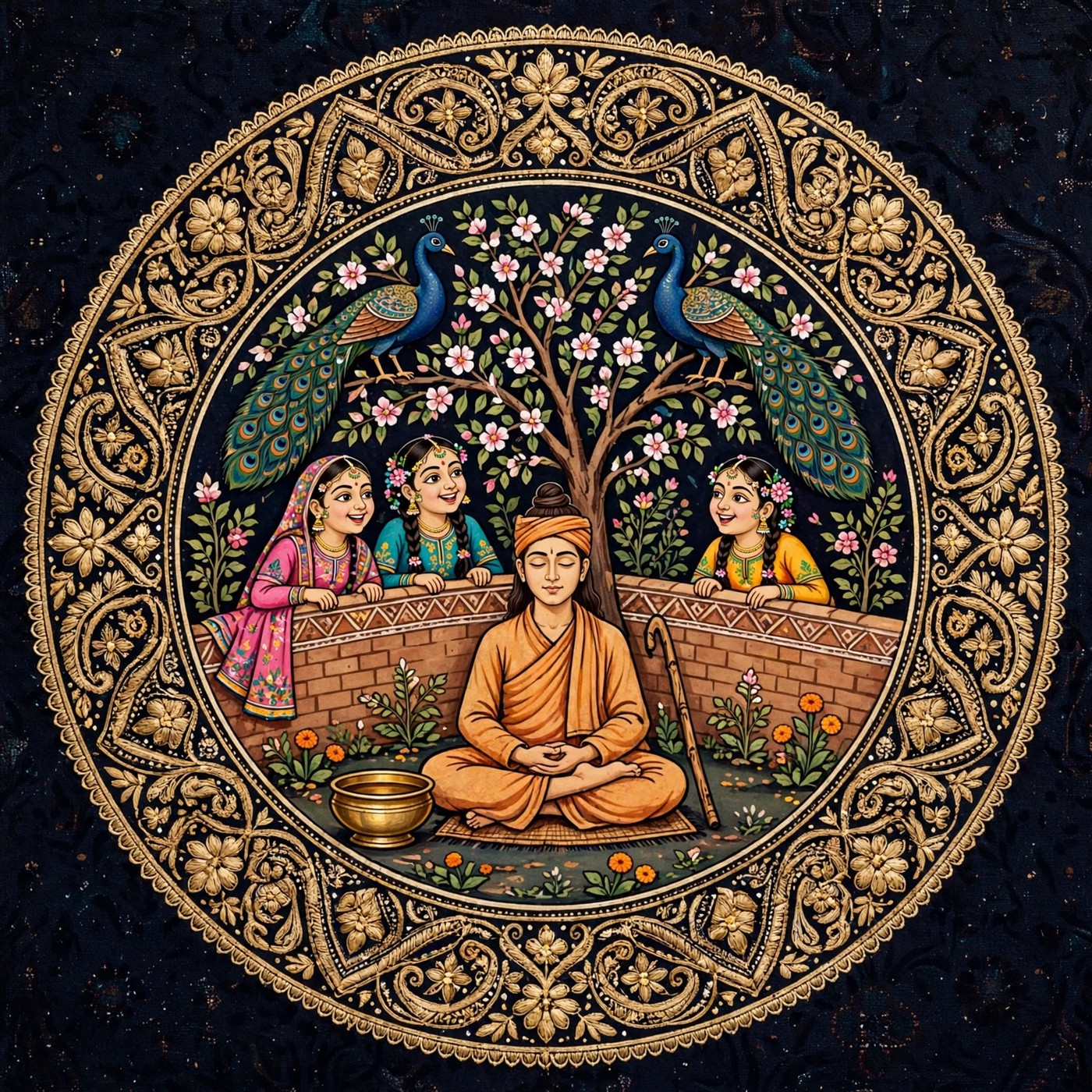
Heer Ranjha — Part 7 of 9 (Ranjha Meets Heer · Sehti Turns Out the Jogi · The Retreat to Kalabagh)
The classic Punjabi romance of Heer Siyal of Jhang and Dheedo Ranjha of Takht Hazara, from Heer (1766), the beloved verse epic of Waris Shah — the tale of a flute-playing cowherd, a proud and fearless heroine, and a love that defied two villages. Retold in fresh English.
This episode: the jogi reads Heer's fortune in the house of the Kheras, and the lovers know each other; Sehti's suspicion turns him out of the courtyard; and he retrea...
Heer Ranjha — Part 8 of 9 (Sehti and Heer Make Friends · The Garden Meeting · The Stratagem · The Snake-Bite Cure)
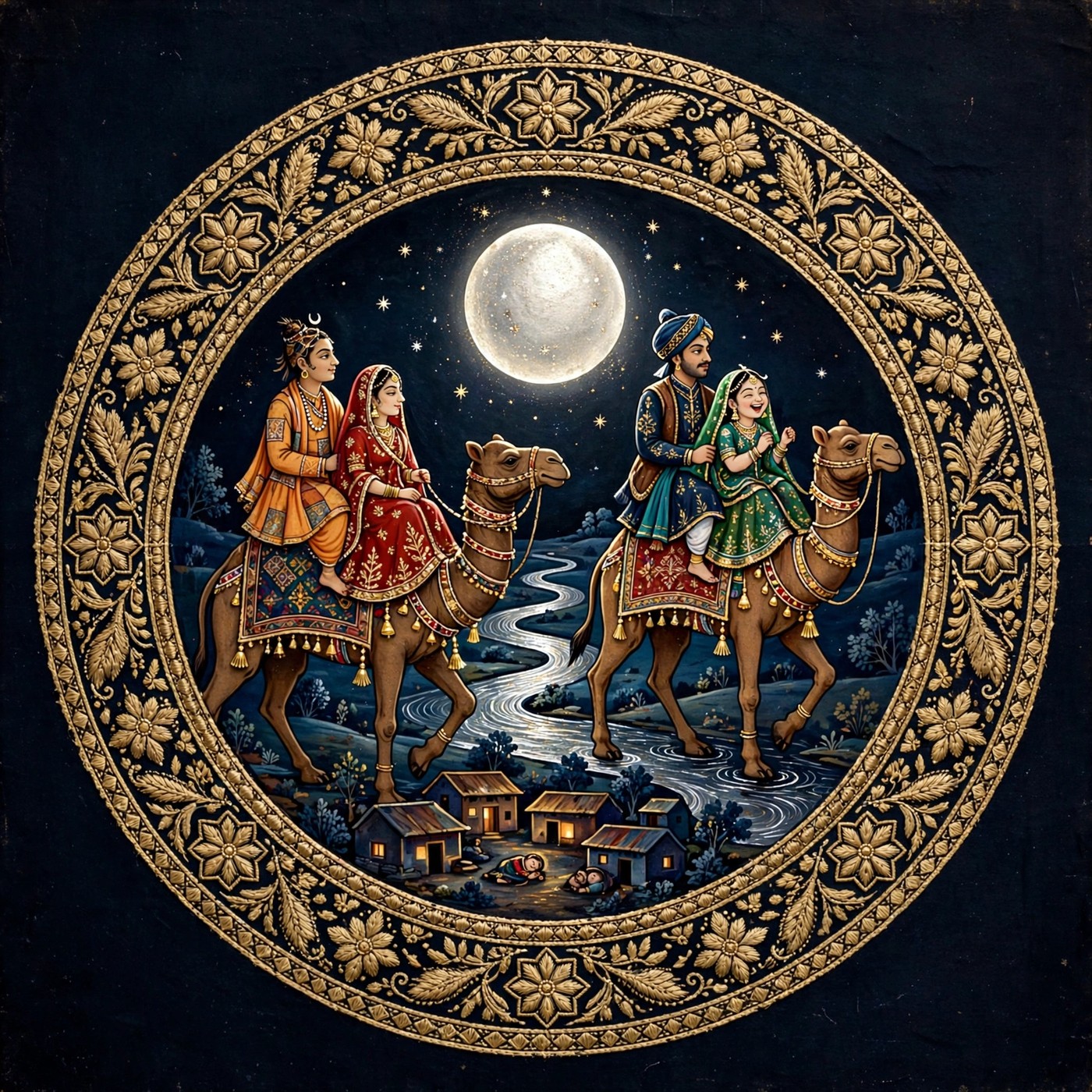
Heer Ranjha — Part 8 of 9 (Sehti and Heer Make Friends · The Garden Meeting · The Stratagem · The Snake-Bite Cure)
The classic Punjabi romance of Heer Siyal of Jhang and Dheedo Ranjha of Takht Hazara, from Heer (1766), the beloved verse epic of Waris Shah — the tale of a flute-playing cowherd, a proud and fearless heroine, and a love that defied two villages. Retold in fresh English.
This episode: Sehti makes friends with Heer and, out-arguing the jogi, becomes his sworn ally; Heer meets Ranjha in the garden of Kalabagh; the girls weave the stratagem of the...
Myths of the Cherokee — Part 10 of 22 (The Katydid's Warning · Untsaiyi', the Gambler · The Hunter and the Tla'nuwa)
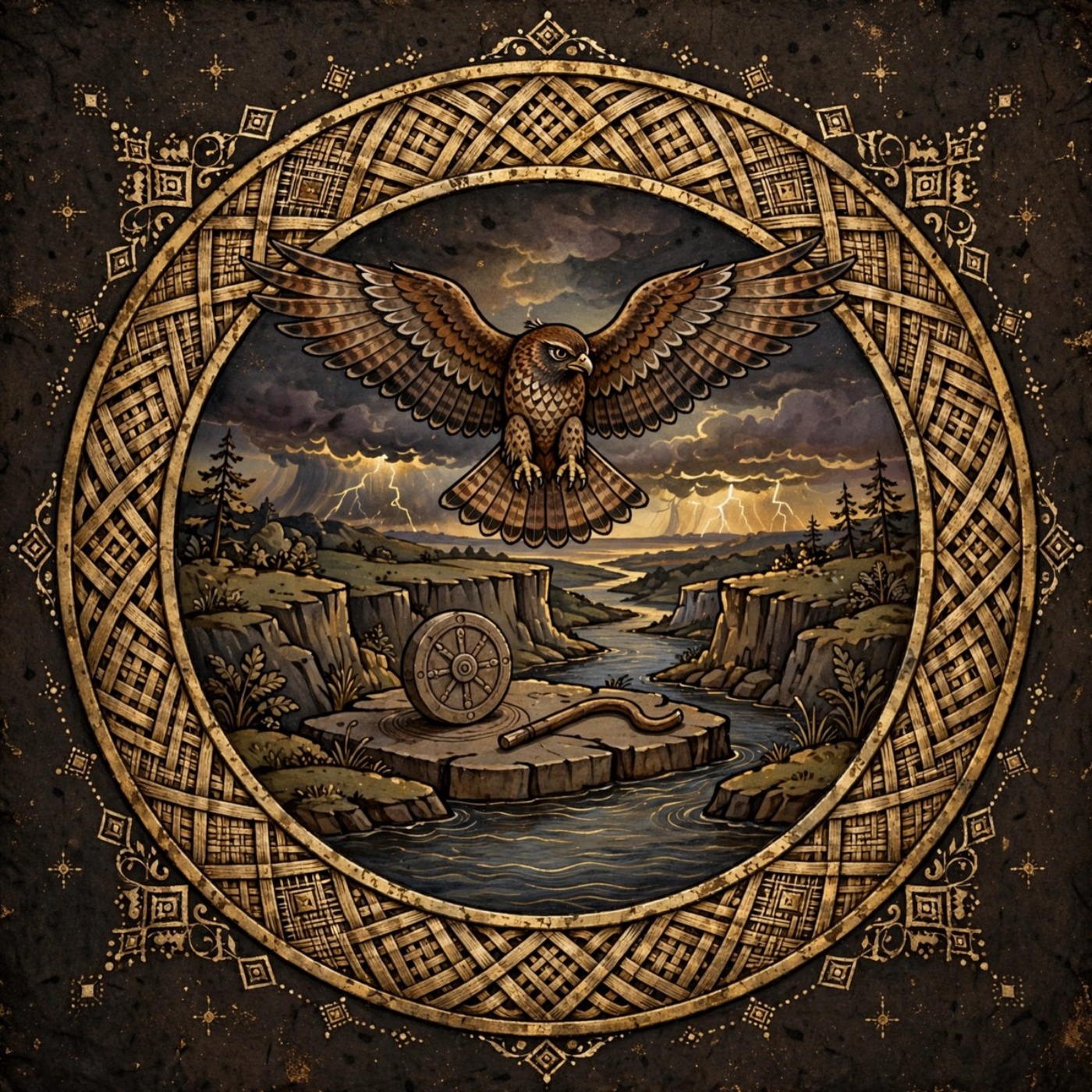
Myths of the Cherokee — Part 10 of 22 (The Katydid's Warning · Untsaiyi', the Gambler · The Hunter and the Tla'nuwa)
The gambler Untsaiyi', Brass, runs through this part: his scratches are the stripes on the Bullfrog's head. A gourd trumpet with a bullfrog's voice frightens a mother into consent; a katydid answers a sneer with a prophecy. Then the great tale itself: the boy covered with sores journeys west, sits unhurt on Thunder's thorn seat, is boiled clean in the pot at Untiguhi', chooses a rattlesnake for a necklace, stands against the young Thunders — and with the endless bead s...
Heer Ranjha — Part 2 of 9 (The Meeting · The Cowherd of Jhang · The Five Pirs · Meetings in the Forest · Kaidu's Discovery)
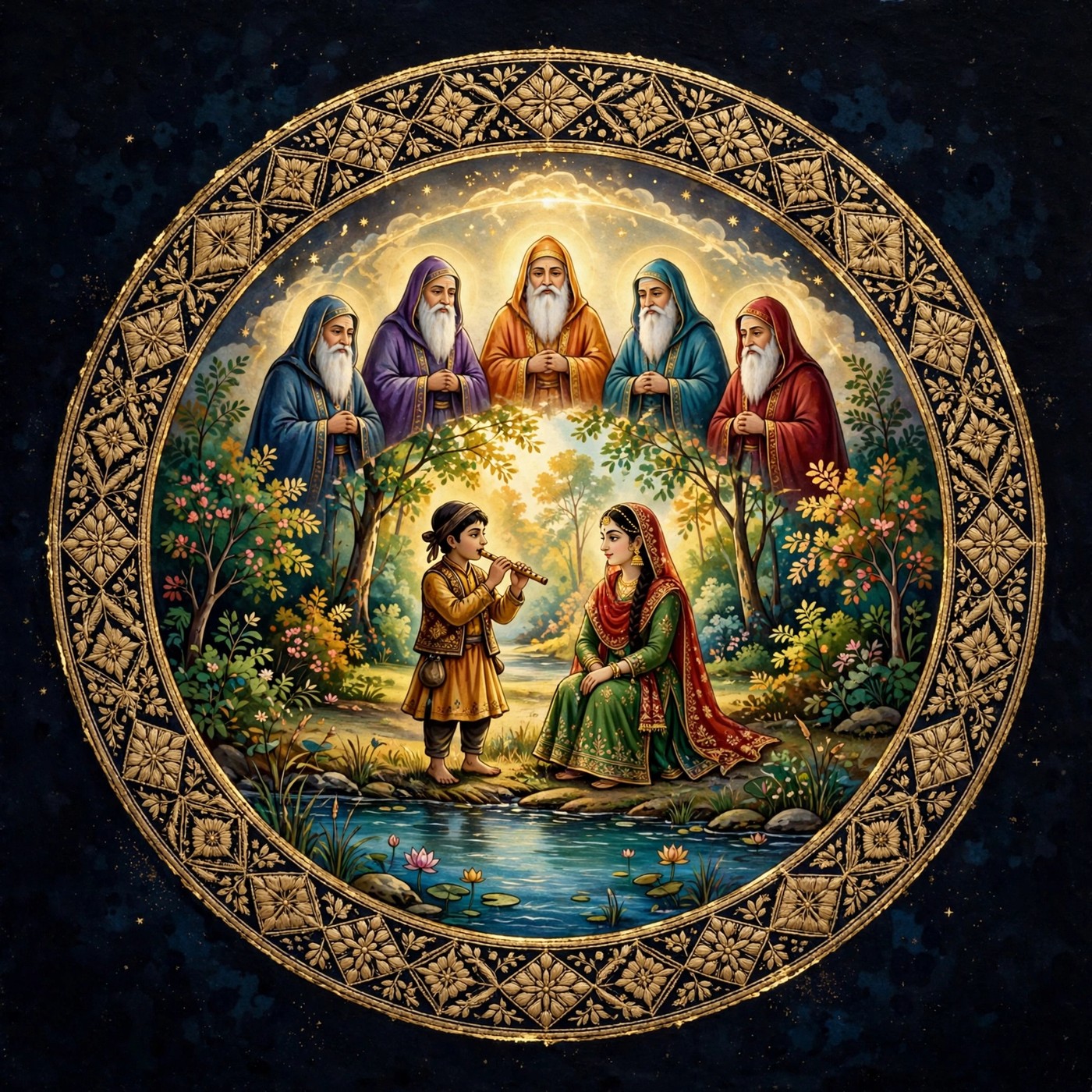
The classic Punjabi romance of Heer Siyal of Jhang and Dheedo Ranjha of Takht Hazara, from Heer (1766), the beloved verse epic of Waris Shah — the tale of a flute-playing cowherd, a proud and fearless heroine, and a love that defied two villages. Retold in fresh English.
This episode: Heer wakes the sleeper on her couch, and the two meet as the poem's lovers must; Ranjha takes service as Chuchak's cowherd; the Five Pirs bless him in a dream; the lovers meet in the forest; and Heer's uncle Kaidu, spying, discovers the secret and carries it to...
Popular Tales from the Norse — Part 1 of 14 (Why the Sea Is Salt · Hacon Grizzlebeard)
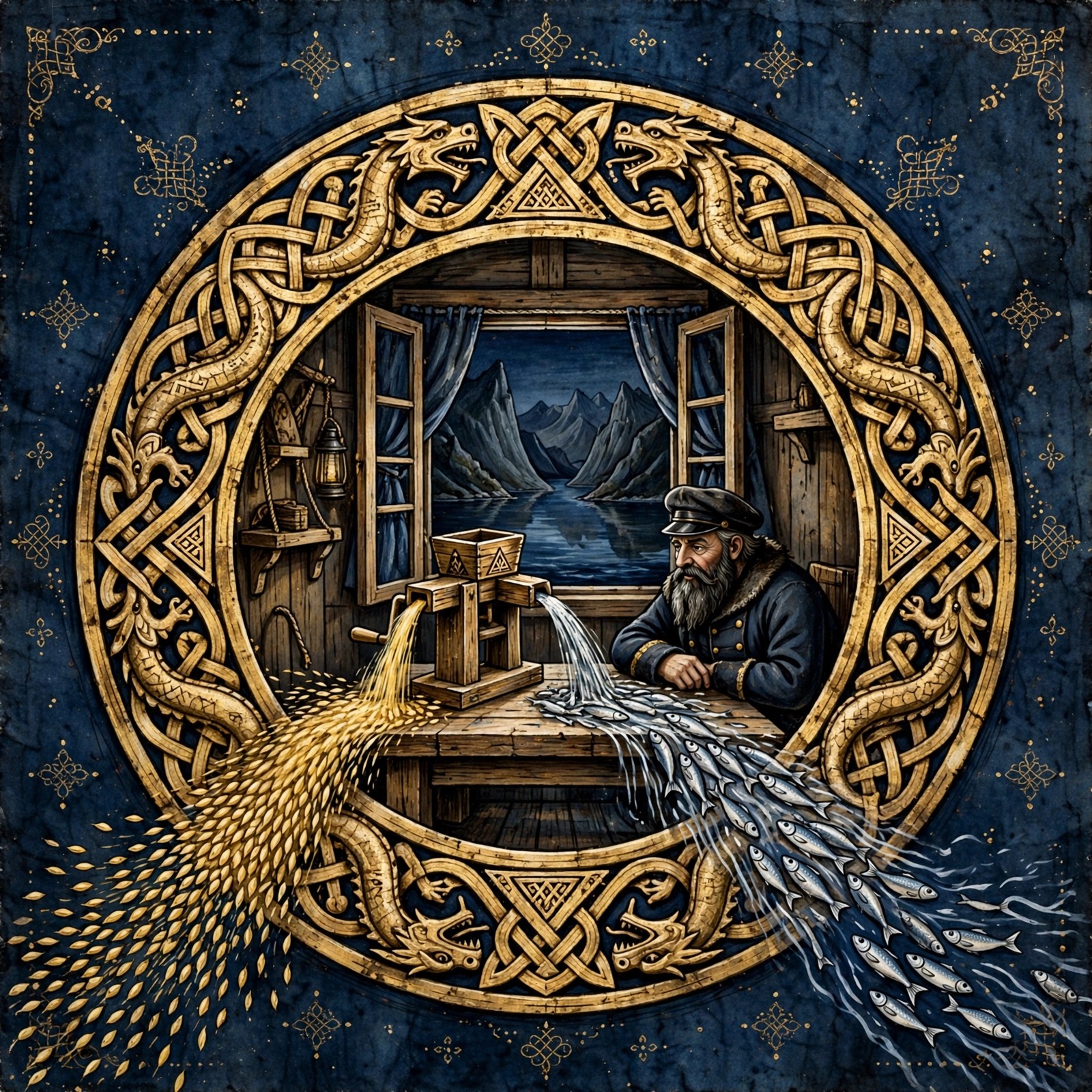
Two of the great Norwegian tales. In Why the Sea Is Salt, a poor brother receives a hand-mill that grinds whatever its owner wishes for — until it falls into the wrong hands, and grinds salt at the bottom of the sea to this day. In Hacon Grizzlebeard, a shivering, nonsense-talking wanderer talks his way into a king's household — and nothing there is ever quite the same again.
Chapters:
0:00 Opening
0:06 Why the Sea Is Salt
12:46 Hacon Grizzlebeard
From Popular Tales from the Norse (first edition, 1859), translated by G...
Myths of the Cherokee — Part 8 of 22 (The Snake Tribe · The Uktena and the Ulunsu'ti · Agan-Uni'tsi's Search for the Uktena)
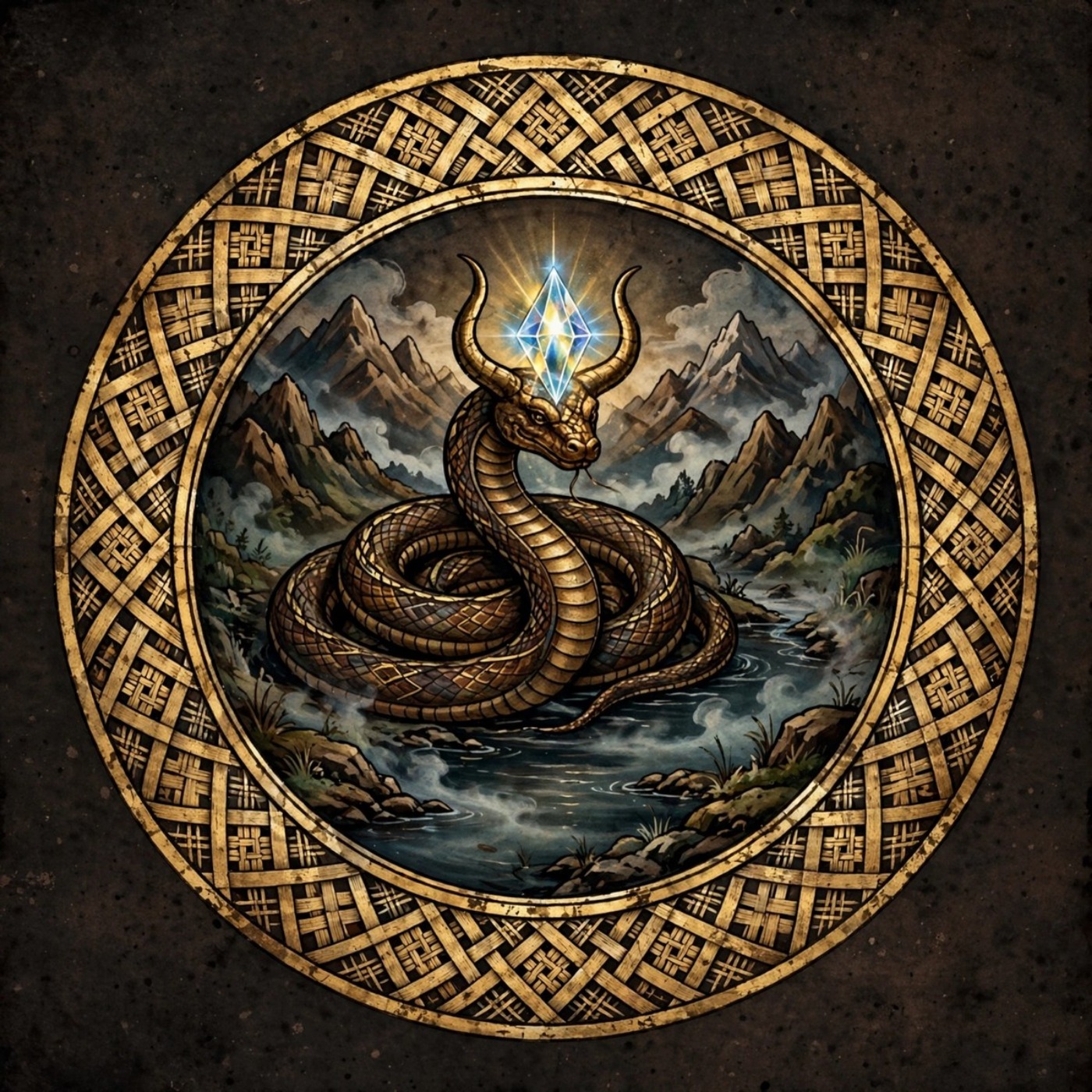
The snake stories — told with the reverence the Cherokee themselves gave them. Mooney's survey of the snake tribe comes first: the snakes as supernaturals and allies of the deer and the ginseng; the prayers at the season's first meeting; the rattlesnake, once a man, the Thunder's necklace, whose ghost must be asked pardon; rattlesnake's master, the campion root; the tooth that 'becomes alive' in the doctor's hand. Then the Uktena — the keen-eyed serpent with the diamond crest — and the Ulunsu'ti crystal that the East Cherokee still keep; Agan-uni'tsi's search down the Smoky gaps to Gahu'ti mountain; the Red Man of the...
Myths of the Cherokee — Part 7 of 22 (The Ball Game of the Birds and Animals · The Race Between the Crane and the Hummingbird · The Hunter and the Buzzard)
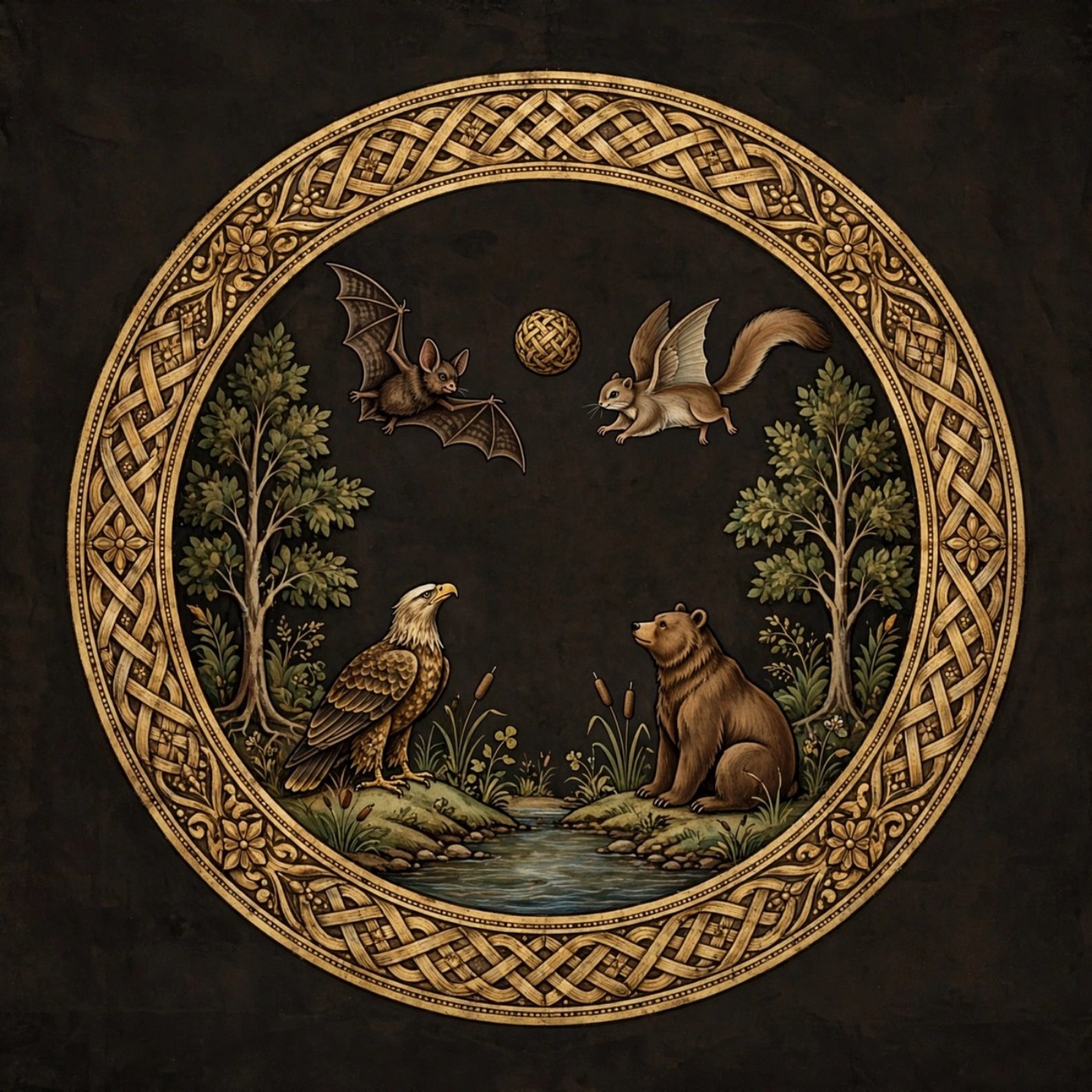
The great ball game opens the part: the Bat and the Flying Squirrel, made winged by the birds from a drumhead and stretched skin, beat the Bear, the Terrapin, and the Deer between them. Then the Terrapin's stolen scalp becomes the Turkey's beard, his stolen whistle the Partridge's voice; the Grouse's voice lessons end in a gobble; the Kingfisher gets his bill in two different tellings; the little brown bird paints himself into the Redbird; the Pheasant's drumming becomes a dance of the Green-corn feast; the Crane wins the race and loses the bride; an owl and a huhu...
Popular Tales from the Norse — Part 4 of 14 (Princess on the Glass Hill)
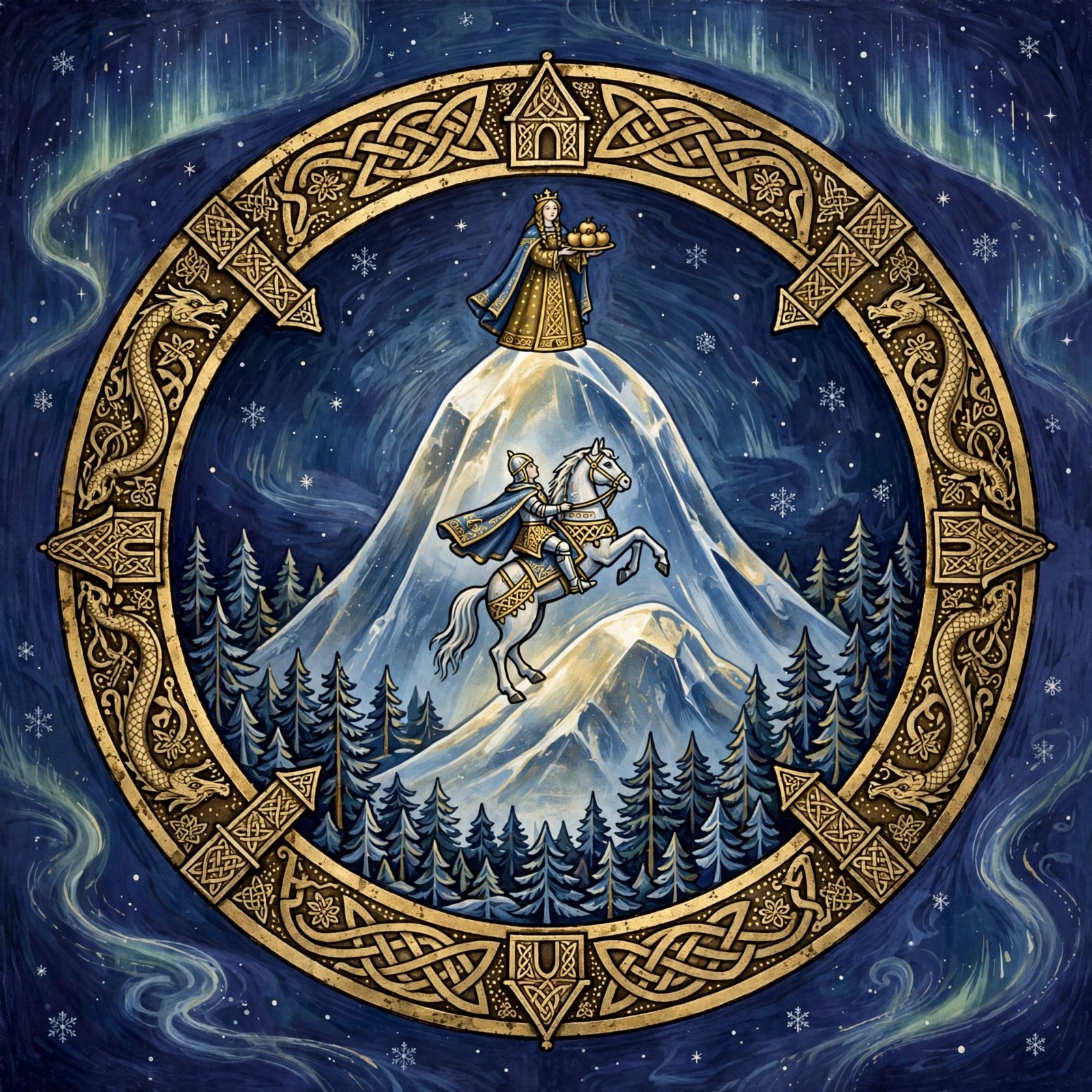
Three tales of Boots and the farmyard. In Princess on the Glass Hill, three brothers win three magical horses, and only Boots rides to the very top of the glass hill, where the princess waits with her golden apples. How One Went Out to Woo is the comic tale of a suitor who takes his mother's instructions exactly as she says them. The Cock and Hen is a tiny cumulative farmyard tale of promises, eggs, and the shoes that never come.
Chapters:
0:00 Opening
0:05 Princess on the Glass Hill
27:09 How...
Folk Stories from Southern Nigeria — Part 2 of 3 (Why the Sun and the Moon Live in the Sky · Why the Worms Live Underneath the Ground · Why a Hawk Kills Chickens · The Hippopotamus and the Tortoise · Why Dead People Are Buried)

The pourquoi episode: nine short tales of how things came to be. The driver ants settle their boast against the worms; a stolen hen-bride gives the hawk his right to chickens; the Sun's friend the Water comes visiting at last, and drives the Sun and Moon into the sky — the book's signature tale; the forgotten fly is awarded his dinner from the cow's eyes for ever; the rat's thefts set cat against rat for ever; Thunder the sheep cannot restrain her son Lightning, and both are banished to the sky; nobody may eat at the hippopotamus's feast who cannot na...
Folk Stories from Southern Nigeria — Part 1 of 3 (The Tortoise with a Pretty Daughter · Why the Bat Flies by Night · The King Who Married the Cock's Daughter · The Fish and the Leopard's Wife · Why the Bat Is Ashamed to Be Seen in the Daytime)

The tortoise hides his beautiful daughter Adet from a king whose law condemns any girl fairer than the prince's wives — until the prince himself settles the matter; the bat's trick on the bush rat sends him into the night for ever; King Effiom takes the Cock's daughter Adia unen for his favourite wife, and jealousy engineers her disgrace; the fish betrays his friend the leopard and is banished to the water; and a mouth-rinsing ordeal at the palaver exposes the bat, who hides by day for shame ever after. A selection of tales from Dayrell's collection. Source: Elphinstone Dayrell, Fo...
Myths of the Cherokee — Part 3 of 22 (Origin of Disease and Medicine · The Daughter of the Sun · How They Brought Back the Tobacco)
The great councils of the animals open this part: the bears debate turning Man's own weapons against him, the deer decree rheumatism for the hunter who forgets to ask pardon, and the birds and insects name the diseases one by one — until the plants, friendly to Man, volunteer a cure for every one of them, and medicine comes into the world. Then the Sun, who hates the faces men make at her, sends the killing fever; and her own daughter's rescue from the Ghost country fails by a lifted lid — which is why the dead, once gone, cannot be brou...
Folk Tales of India — Part 1 of 81 (Life's Secret)
A king has two queens and no heir — until a holy fakir gives the younger queen a secret: her son's life will be bound up with a necklace hidden in the heart of a great fish. When the jealous elder queen learns the secret, the little prince falls into an enchanted death by day and wakes by night — and the bride fate has written for him is a girl promised, before her birth, to a dead bridegroom.
From Folk-Tales of Bengal by Lal Behari Day (1883), public domain; told in a modern in-house rendering.
Manas — The Earliest Recordings — Part 3 of 31 (Almambet Comes to Manas, Part Two)

Manas rides out with the host to meet the unknown rider foretold by the dream. On Ashmara's hill the two heroes measure each other by a footprint; at the white tent Almambet names himself, is showered with the very gifts Kokcho refused him, and at the ride home becomes Manas's brother by the old rite of the milk. The tale of Almambet concludes. From the earliest written Manas, recorded from Kyrgyz singers in 1862–1869 and published by Wilhelm Radlov in 1885 (Proben der Volkslitteratur, Part V), in a fresh English translation made for KacheliTV.
Chapters:
00:00 Th...
Popular Tales from the Norse — Part 3 of 14 (The Mastermaid — Part Two · The Cat on the Dovrefell)
The Mastermaid concludes, and a most unusual cat takes up residence. In The Mastermaid — Part Two, the prince and the Mastermaid flee the giant and outwit him at every turn on the road home. In The Cat on the Dovrefell, a farmer brings home a cat unlike any other — and the trolls of the Dovrefell learn to keep their distance.
Chapters:
0:00 Opening
0:06 The Mastermaid — Part Two
20:37 The Cat on the Dovrefell
From Popular Tales from the Norse (first edition, 1859), translated by George Webbe Dasent from the ta...
Myths of the Cherokee — Part 1 of 22 (How the World Was Made · The First Fire)
The shelf opens with the creation diptych. The earth is a great island hung by four cords from the rock vault of the sky, and the Cherokee country takes its mountains from the tired wings of the Great Buzzard. Then, in a world still cold, the animals hold council for fire: the Raven, the owls and the snakes fail one by one, until the Water Spider spins a bowl from her own thread and carries home a single coal. Source: James Mooney, Myths of the Cherokee (1900), public domain; fresh in-house renderings faithful to Mooney's record, told in Mooney's order.<...
Manas — The Earliest Recordings — Part 2 of 31 (Almambet Comes to Manas, Part One)
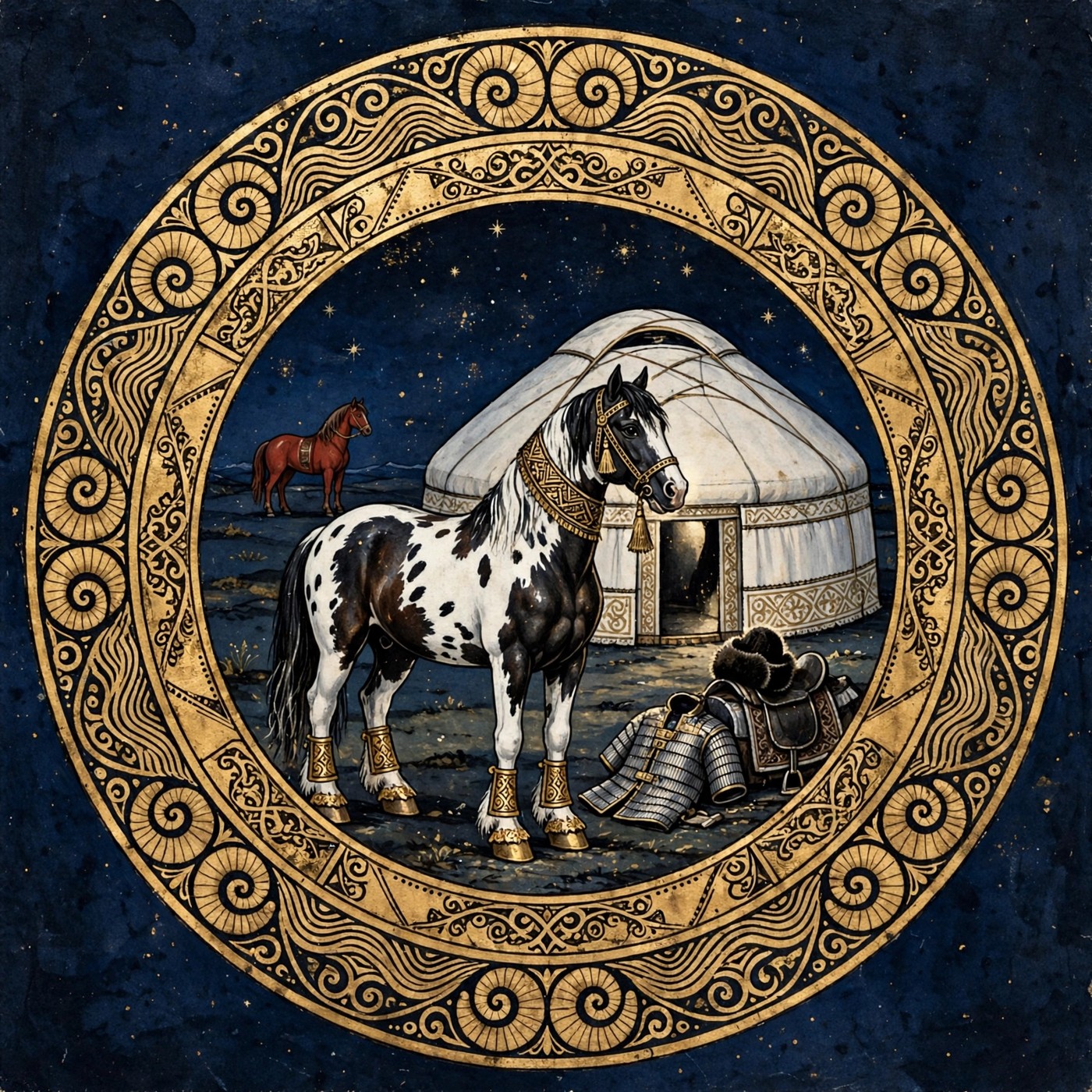
Envy undoes the friendship at Kokcho's court: the Forty slander Almambet, the gift of the piebald horse is asked and refused, and Almambet rides out under a great oath. Ak Erkech pleads too late. Meanwhile Manas dreams of a falcon and a hound, and Ajy Bai reads the dream: a prince's son is coming. From the earliest written Manas, recorded from Kyrgyz singers in 1862–1869 and published by Wilhelm Radlov in 1885 (Proben der Volkslitteratur, Part V), in a fresh English translation made for KacheliTV.
Chapters:
00:00 The Slander of the Forty
02:50 The Piebald Ho...
Manas — The Earliest Recordings — Part 1 of 31 (The Birth of Manas)

The hero's birth and first deeds, and the opening of the tale of Almambet: how the Oirot prince heard the teaching at Lake Issyk-Kul, read the Koran with his own eyes, defied his father's house, and rode out to Kokcho, on his way to Manas. From the earliest written Manas, recorded from Kyrgyz singers in 1862–1869 and published by Wilhelm Radlov in 1885 (Proben der Volkslitteratur, Part V), in a fresh English translation made for KacheliTV. This is the Manas of the first singers ever written down, not the later giant tellings.
Chapters:
00:00 The Birth of...
Sergei Esenin — Fifteen Poems (1914)
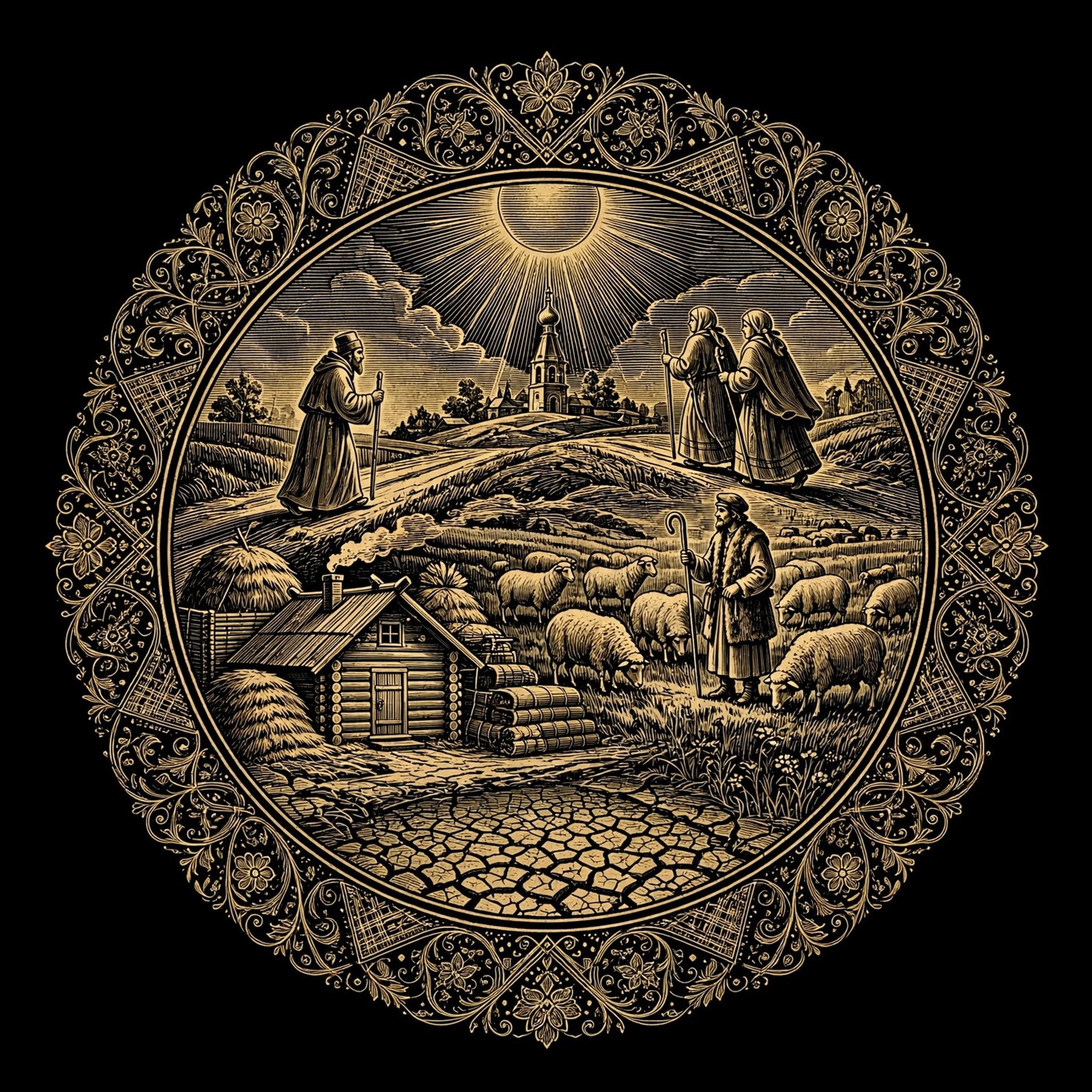
Fifteen lyrics by Sergei Esenin, all from 1914 — the year the nineteen-year-old poet found his voice: a humble monk in a skufia setting out where birch milk flows over the plains, the Lord walking the roads as a beggar to test men in love, autumn as a red mare scratching her mane, the Mother of God walking the clouds, the warm clutter of a village hut, recruits singing their last days away, a shepherd whose palace is the open field, pilgrim women on the monastery road, an abandoned hamlet of five huts, a drought prayer-service in the fields, and — at the...
Fairy and Folk Tales of the Irish Peasantry — Part 5 of 25 (The Fairy Nurse · Jamie Freel and the Young Lady · The Stolen Child · The Soul Cages, Part One)

Four pieces from W. B. Yeats's Fairy and Folk Tales of the Irish Peasantry (1888), read in the order Yeats printed them: "The Fairy Nurse" by Edward Walsh (poem), "Jamie Freel and the Young Lady" by Letitia Maclintock, and "The Stolen Child" by W. B. Yeats (poem), from the section "Changelings"; and "The Soul Cages" (Part One) by T. Crofton Croker, from the section "The Merrow."
Intermission: "Napoli in Fiamme."
KacheliTV — world classics, read aloud.
Fairy and Folk Tales of the Irish Peasantry — Part 4 of 25 (The Fairy Thorn · The Legend of Knockgrafton · A Donegal Fairy · The Brewery of Egg-shells)
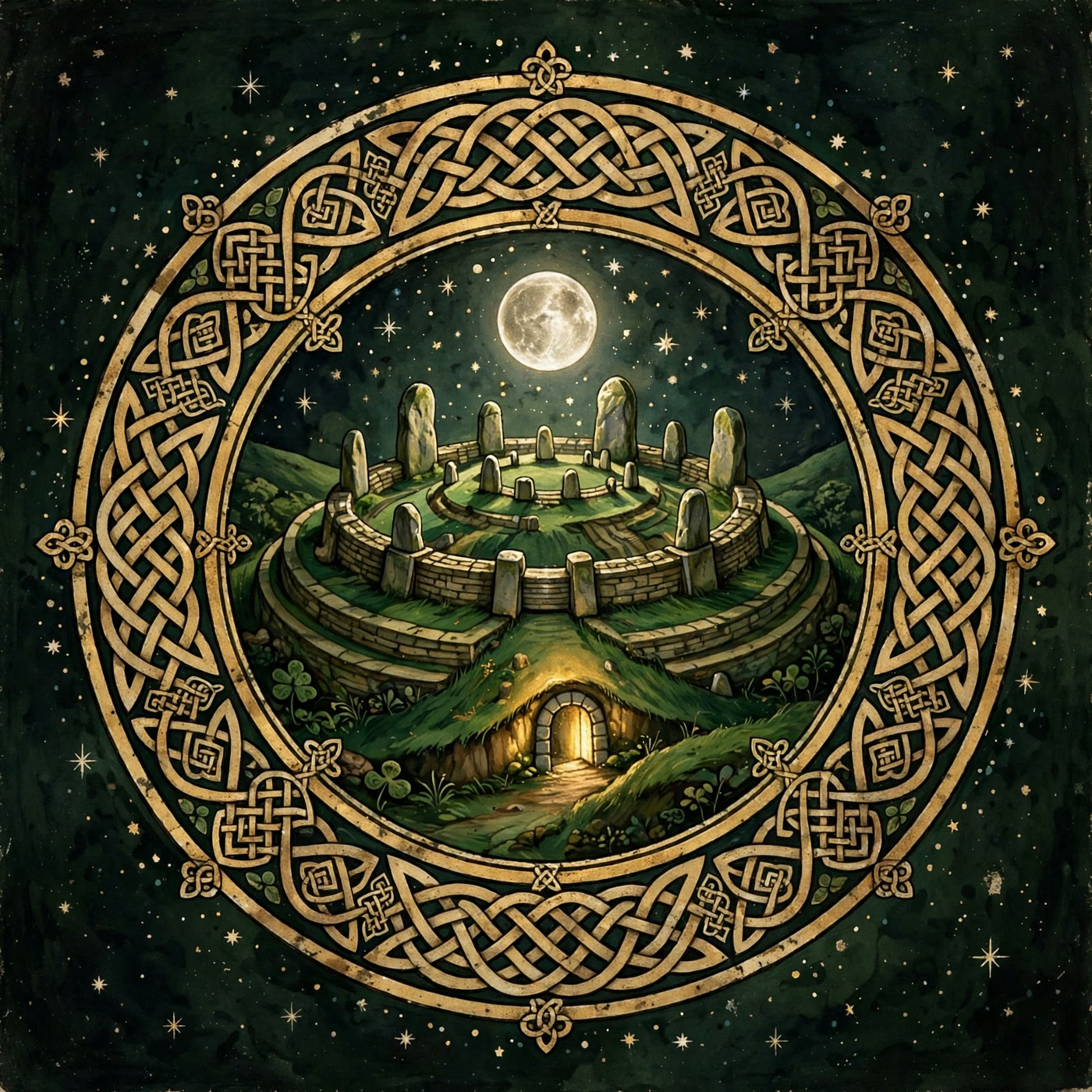
Four pieces from W. B. Yeats's Fairy and Folk Tales of the Irish Peasantry (1888), read in the order Yeats printed them: "The Fairy Thorn" by Samuel Ferguson (ballad), "The Legend of Knockgrafton" by T. Crofton Croker, and "A Donegal Fairy" by Letitia Maclintock, from the section "The Trooping Fairies"; and "The Brewery of Egg-shells" by T. Crofton Croker, from the section "Changelings."
Intermission: "La Partenza."
KacheliTV — world classics, read aloud.
Fairy and Folk Tales of the Irish Peasantry — Part 3 of 25 (Teig O'Kane and the Corpse, Part Two · Cusheen Loo · The White Trout; An Ulster Legend)
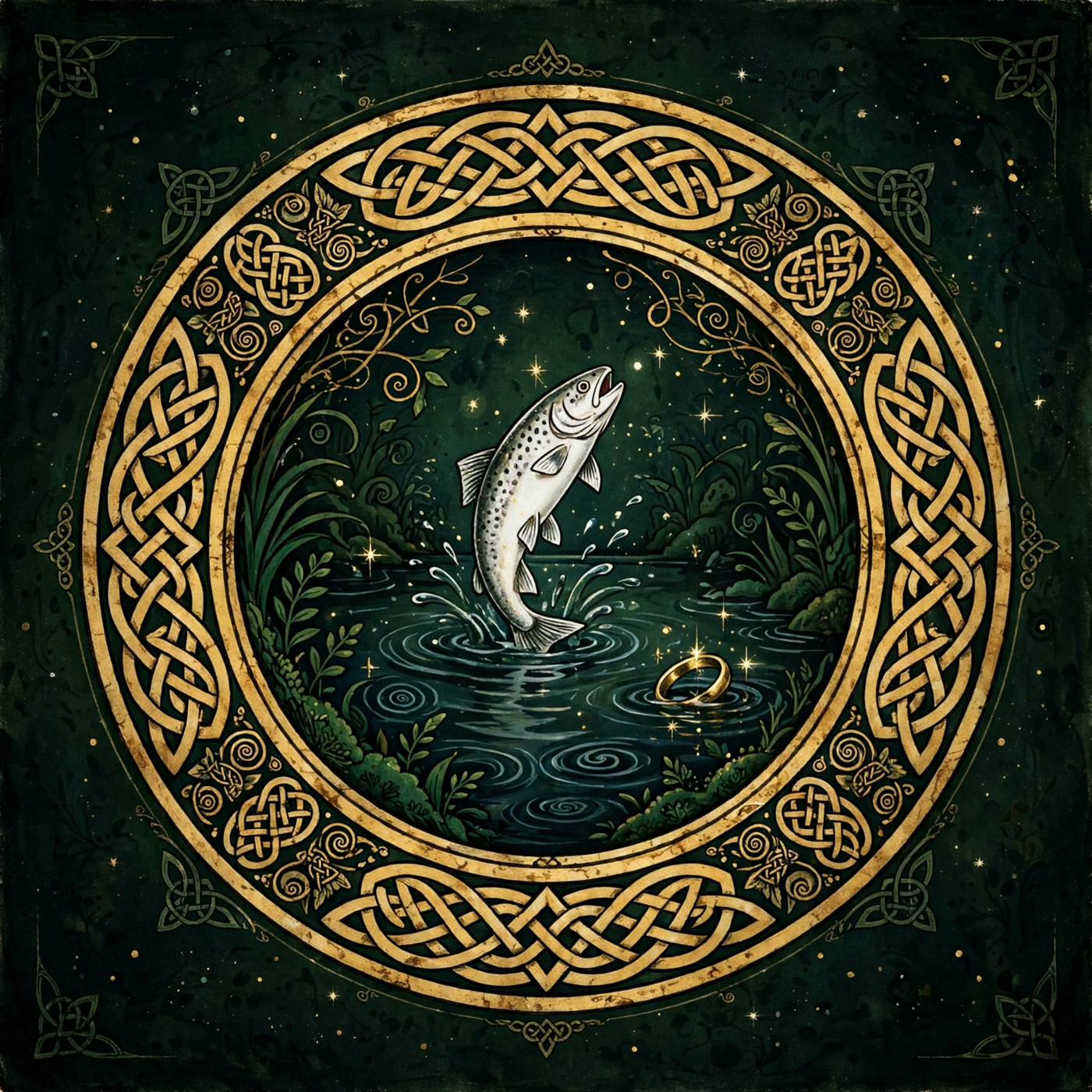
Three pieces from W. B. Yeats's Fairy and Folk Tales of the Irish Peasantry (1888), read in the order Yeats printed them, from the section "The Trooping Fairies": "Teig O'Kane and the Corpse" (Part Two), translated from the Irish by Douglas Hyde; "Cusheen Loo", a poem translated from the Irish by J. J. Callanan; and "The White Trout; An Ulster Legend" by S. Lover.
Intermission: "Before the Pines End."
KacheliTV — world classics, read aloud.
Fairy and Folk Tales of the Irish Peasantry — Part 2 of 25 (Teig O'Kane and the Corpse, Part One · Paddy Corcoran's Wife)
Two tales from W. B. Yeats's Fairy and Folk Tales of the Irish Peasantry (1888), read in the order Yeats printed them, from the section "The Trooping Fairies": "Teig O'Kane and the Corpse" (Part One), translated from the Irish by Douglas Hyde, and "Paddy Corcoran's Wife" by William Carleton.
Intermission: "The River's Dying Vision."
KacheliTV — world classics, read aloud.
Fairy and Folk Tales of the Irish Peasantry — Part 1 of 25 (The Fairies · Frank Martin and the Fairies · The Priest's Supper · The Fairy Well of Lagnanay)
Four pieces from W. B. Yeats's Fairy and Folk Tales of the Irish Peasantry (1888), read in the order Yeats printed them: "The Fairies" by William Allingham (poem), "Frank Martin and the Fairies" by William Carleton, "The Priest's Supper" by T. Crofton Croker, and "The Fairy Well of Lagnanay" by Samuel Ferguson (poem) — all from the section "The Trooping Fairies."
Intermission: "Three Pairs of Yellow Eyes."
KacheliTV — world classics, read aloud.
Sergei Esenin — Fifteen Poems (1913–1914)
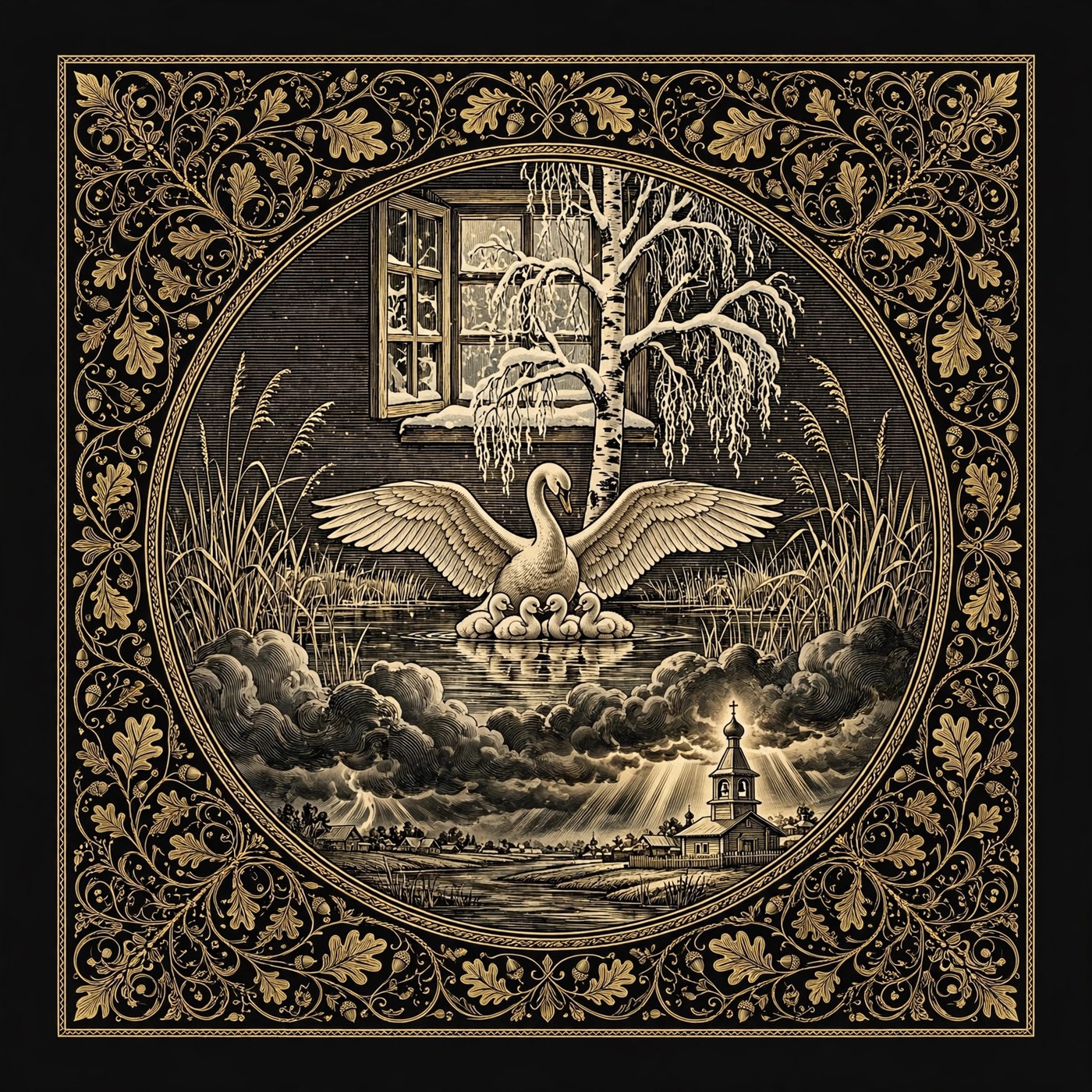
Fifteen lyrics by Sergei Esenin from 1913–1914, the years when the eighteen-year-old village poet was becoming a published voice: a white birch standing in sleepy silence under snow like silver, a suicide's farewell confession, a princess offered the corals of a poet's tears, spring herself drunk beneath the spells of merriment, a storm weeping at the window, children begging their grandmother for one more tale of Ivan the Fool, and the bylina of the little swan, who spreads her white wings over her cygnets and gives her life for them. The set closes in 1914 with the reeds rustling over the ba...
Rubaiyat of Omar Khayyam — Part 15 of 15 (Quatrains 935–1000)
The only complete English translation of all 1,000 rubaiyat attributed to Omar Khayyam — and the first ever recorded in full.
No complete English translation of Omar Khayyam's rubaiyat has ever existed — the largest ever published gathered 878 of the thousand quatrains attributed to him. This programme is the first to translate all 1,000 into English and the first to record them in full: every quatrain, in fresh translations made for this recording, with the Persian-style music of the Rubaiyat's own world beneath them.
This episode: Quatrains 935–1000 of 1,000 — the final part. Fresh English verse translations made for...
Rubaiyat of Omar Khayyam — Part 14 of 15 (Quatrains 869–934)

The only complete English translation of all 1,000 rubaiyat attributed to Omar Khayyam — and the first ever recorded in full.
No complete English translation of Omar Khayyam's rubaiyat has ever existed — the largest ever published gathered 878 of the thousand quatrains attributed to him. This programme is the first to translate all 1,000 into English and the first to record them in full: every quatrain, in fresh translations made for this recording, with the Persian-style music of the Rubaiyat's own world beneath them.
This episode: Quatrains 869–934 of 1,000 — fresh English verse translations made for this recordin...
Rubaiyat of Omar Khayyam — Part 13 of 15 (Quatrains 803–868)

The only complete English translation of all 1,000 rubaiyat attributed to Omar Khayyam — and the first ever recorded in full.
No complete English translation of Omar Khayyam's rubaiyat has ever existed — the largest ever published gathered 878 of the thousand quatrains attributed to him. This programme is the first to translate all 1,000 into English and the first to record them in full: every quatrain, in fresh translations made for this recording, with the Persian-style music of the Rubaiyat's own world beneath them.
This episode: Quatrains 803–868 of 1,000 — fresh English verse translations made for this recordin...
Rubaiyat of Omar Khayyam — Part 12 of 15 (Quatrains 737–802)

The only complete English translation of all 1,000 rubaiyat attributed to Omar Khayyam — and the first ever recorded in full.
No complete English translation of Omar Khayyam's rubaiyat has ever existed — the largest ever published gathered 878 of the thousand quatrains attributed to him. This programme is the first to translate all 1,000 into English and the first to record them in full: every quatrain, in fresh translations made for this recording, with the Persian-style music of the Rubaiyat's own world beneath them.
This episode: Quatrains 737–802 of 1,000 — fresh English verse translations made for this recordin...
Rubaiyat of Omar Khayyam — Part 11 of 15 (Quatrains 671–736)

The only complete English translation of all 1,000 rubaiyat attributed to Omar Khayyam — and the first ever recorded in full.
No complete English translation of Omar Khayyam's rubaiyat has ever existed — the largest ever published gathered 878 of the thousand quatrains attributed to him. This programme is the first to translate all 1,000 into English and the first to record them in full: every quatrain, in fresh translations made for this recording, with the Persian-style music of the Rubaiyat's own world beneath them.
This episode: Quatrains 671–736 of 1,000 — fresh English verse translations made for this recordin...
Rubaiyat of Omar Khayyam — Part 10 of 15 (Quatrains 604–670)
The only complete English translation of all 1,000 rubaiyat attributed to Omar Khayyam — and the first ever recorded in full.
No complete English translation of Omar Khayyam's rubaiyat has ever existed — the largest ever published gathered 878 of the thousand quatrains attributed to him. This programme is the first to translate all 1,000 into English and the first to record them in full: every quatrain, in fresh translations made for this recording, with the Persian-style music of the Rubaiyat's own world beneath them.
This episode: Quatrains 604–670 of 1,000 — fresh English verse translations made for this recordin...
Rubaiyat of Omar Khayyam — Part 9 of 15 (Quatrains 537–603)
The only complete English translation of all 1,000 rubaiyat attributed to Omar Khayyam — and the first ever recorded in full.
No complete English translation of Omar Khayyam's rubaiyat has ever existed — the largest ever published gathered 878 of the thousand quatrains attributed to him. This programme is the first to translate all 1,000 into English and the first to record them in full: every quatrain, in fresh translations made for this recording, with the Persian-style music of the Rubaiyat's own world beneath them.
This episode: Quatrains 537–603 of 1,000 — fresh English verse translations made for this recordin...
