Snoozy Space
Welcome to Snoozy SpaceWe make Space documentaries. We explore black holes, distant galaxies, dark matter, neutron stars, the James Webb Space Telescope, and the deepest mysteries of the universe in calm, slow-paced narration designed to help you relax and drift off.Every video is carefully researched, never fiction. From the edge of the solar system to the structure of the cosmos, each documentary walks you through real science told in a voice that won't keep you up. We cover topics like exoplanets, the Milky Way, stellar evolution, cosmic expansion, gravity, quantum physics, the Big Bang, and the search for life...
What Really Killed Mars?
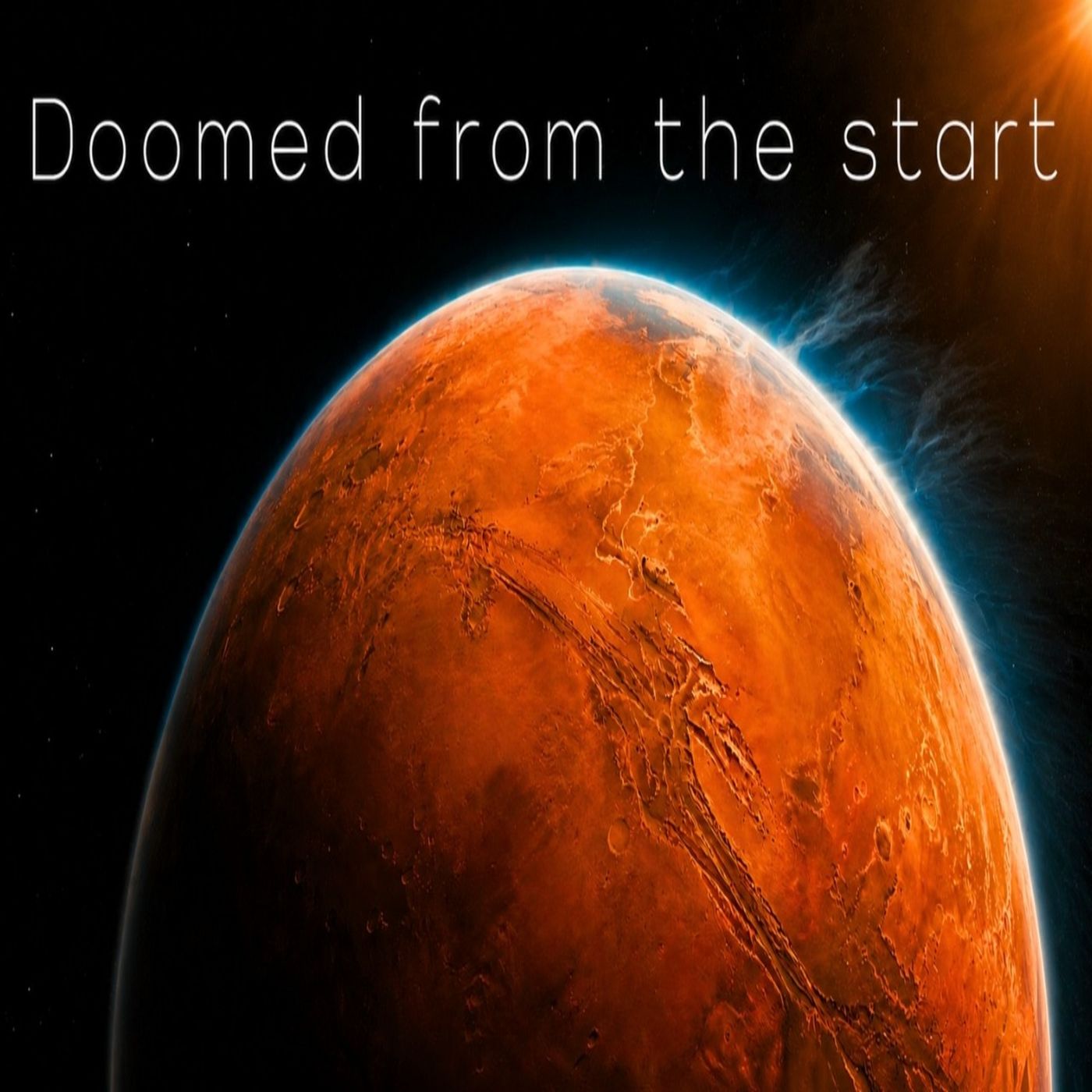
Mars looks like a dead world today. Cold, dry, and wrapped in an atmosphere barely strong enough to support liquid water. But billions of years ago, Mars was remarkably different. It had rivers, lakes, a vast northern ocean, a thicker atmosphere, active volcanoes, and the chemistry needed for life.
So what really killed Mars? 🔴
In this Snoozy Space documentary, we follow the evidence backward through Mars's history to uncover how a planet that once had the ingredients for habitability became the frozen desert we see today.
We explore the enormous Borealis impact, the collapse of...
The Most Important Planet Ever Discovered: Osiris
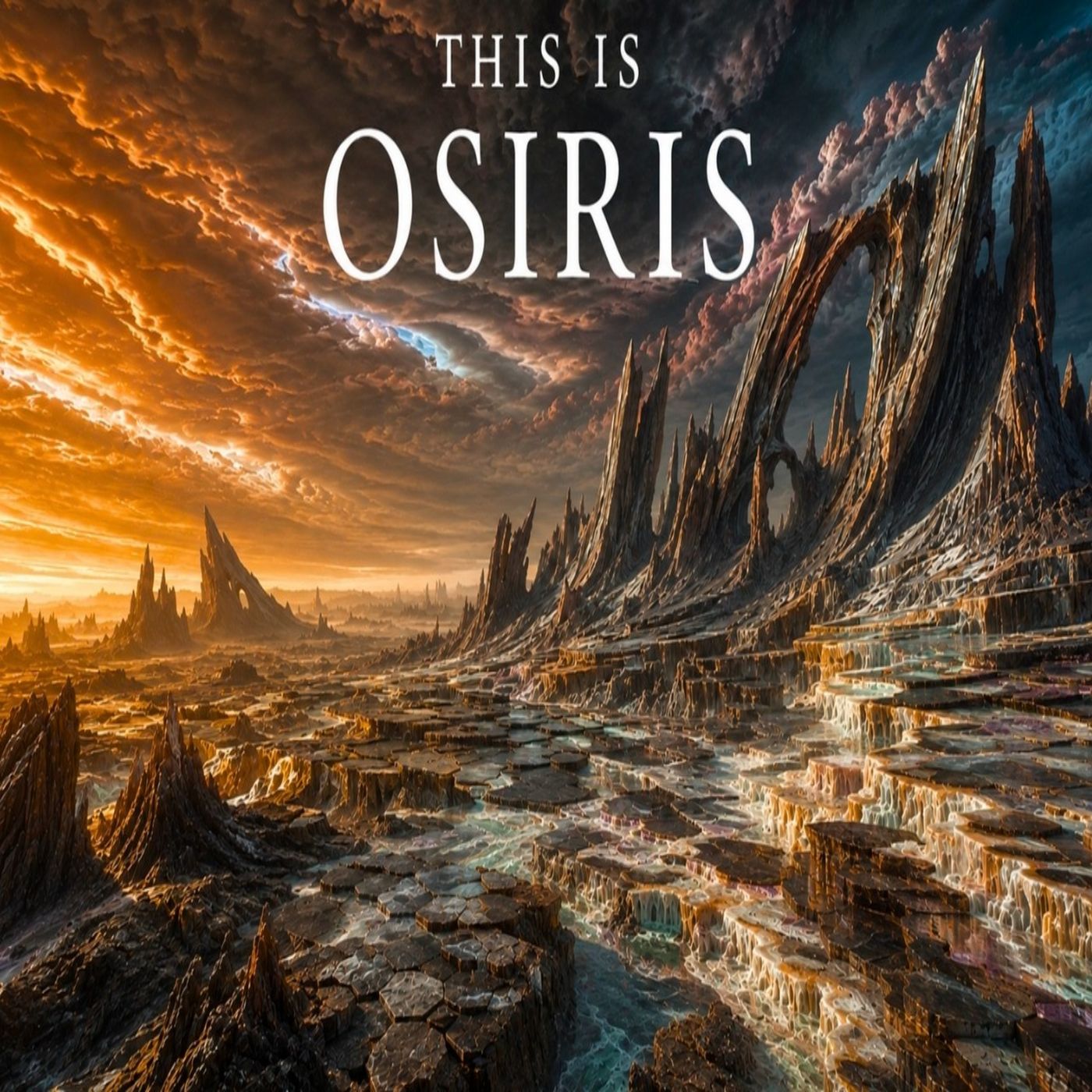
What happens when a Jupiter-sized planet ventures far too close to its star?
In this long-form Snoozy Space documentary, we journey to Osiris, the extraordinary exoplanet known formally as HD 209458 b, and trace the discoveries that transformed it from a distant point of light into one of the most studied worlds beyond our solar system. 🌌
First detected in 1999, Osiris helped reveal that giant planets can migrate dramatically inward from where they formed. Its atmosphere was then studied with the Hubble Space Telescope, revealing sodium, hydrogen, oxygen, and carbon escaping into space. Later observations uncovered a vast com...
Why Space Gets Deadlier the Farther You Go
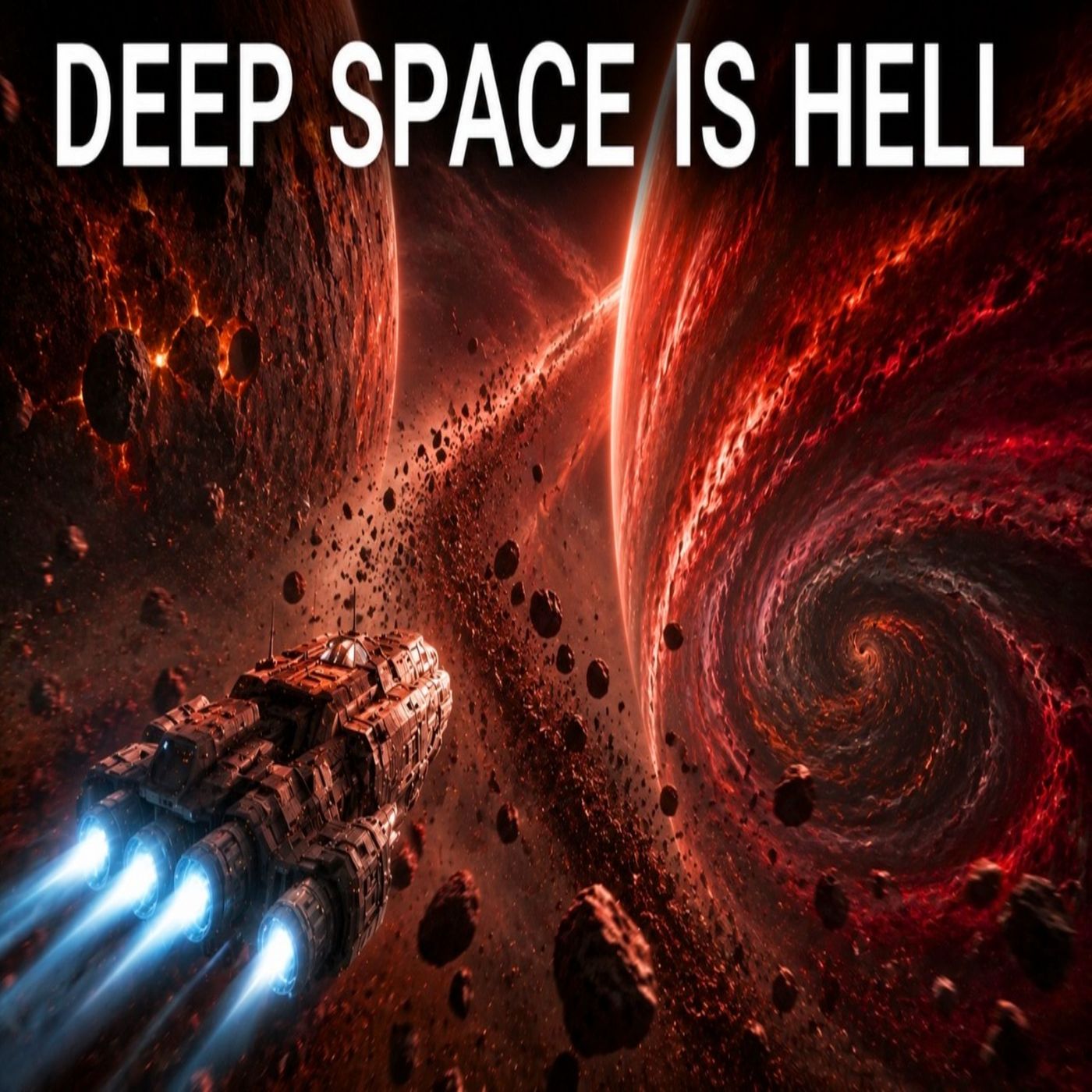
Space is much more than an empty distance above Earth. 🌌 The farther we travel, the more extreme the physics becomes, from the radiation of low Earth orbit to the crushing gravity of black holes, the explosive death of stars, and the immense scale of the observable universe.
In this long-form Snoozy Space documentary, we travel outward from Earth and explore what happens as humanity crosses one cosmic threshold after another.
We begin just above our atmosphere, where space already exposes the human body to radiation and microgravity. From there, we travel to the Moon, Mars, the ast...
This Moon Has Oxygen... But You Can’t Breathe There: Rhea
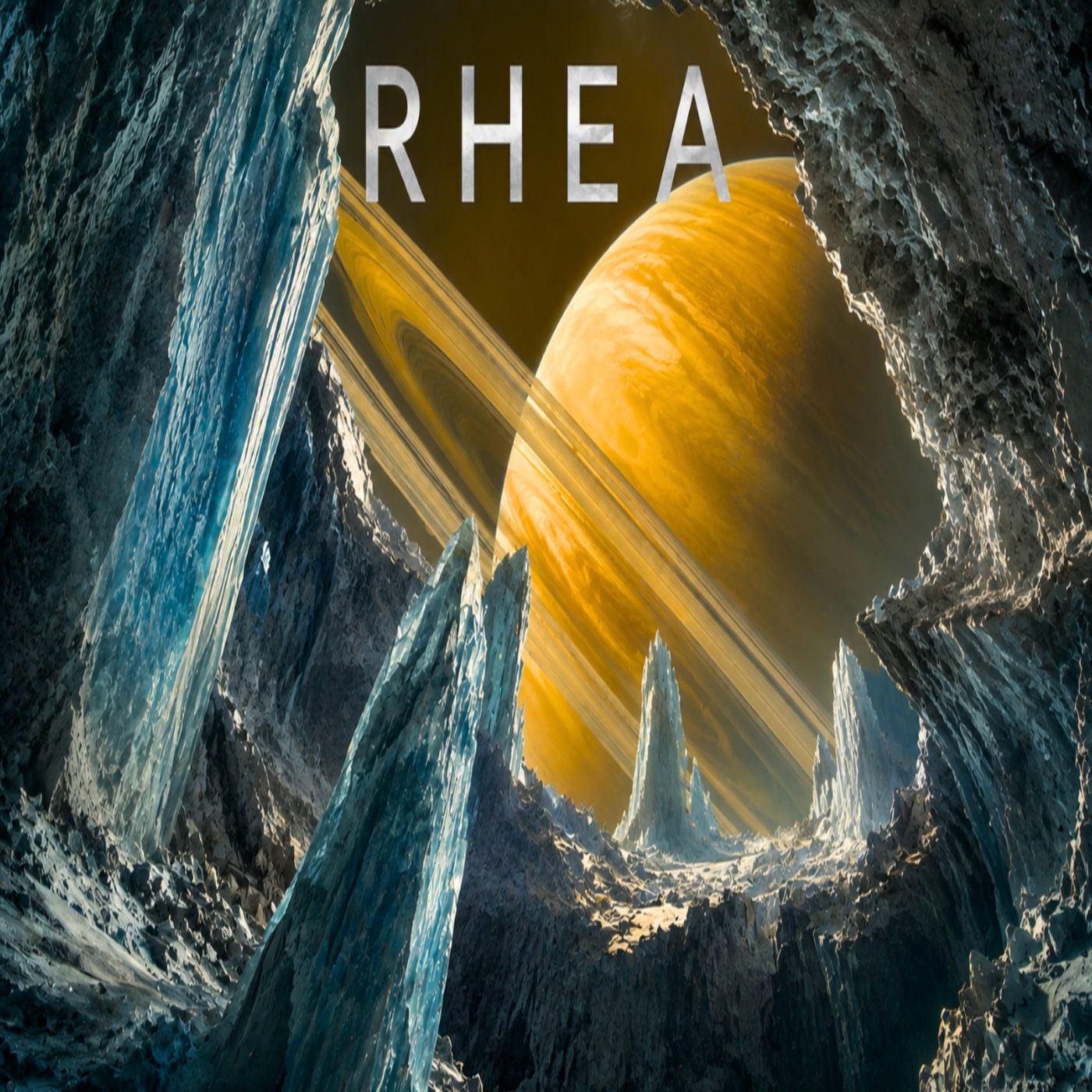
Rhea looks like one of Saturn’s most ordinary moons. Frozen, heavily cratered, and seemingly lifeless. But in two thousand and ten, the Cassini spacecraft discovered something that changed how scientists think about one of the strongest possible signs of life: oxygen.
Far from the Sun, Rhea has a faint oxygen-bearing exosphere. Yet nothing is alive there to produce it. Energetic particles from Saturn’s magnetosphere strike the moon’s water ice, breaking apart molecules and creating oxygen through a process called radiolysis.
🌌 So why does this matter?
For decades, oxygen in another world’s atmospher...
How Long Would You Survive on Every Planet Without a Spacesuit?
What would actually happen if you stepped onto another planet without a spacesuit? 🌌
Earth makes survival feel effortless. But across the rest of the solar system, the human body has almost no margin for error. On Venus, crushing atmospheric pressure and extreme heat create one of the most lethal environments imaginable. On Mercury and Mars, near-vacuum conditions trigger a very different chain of events. And on Jupiter, Saturn, Uranus, and Neptune, there isn't even a solid surface to stand on.
In this episode of Snoozy Space, we travel across the solar system and examine exactly how lon...
The Strange Moon That Generates Its Own Electricity: Hyperion
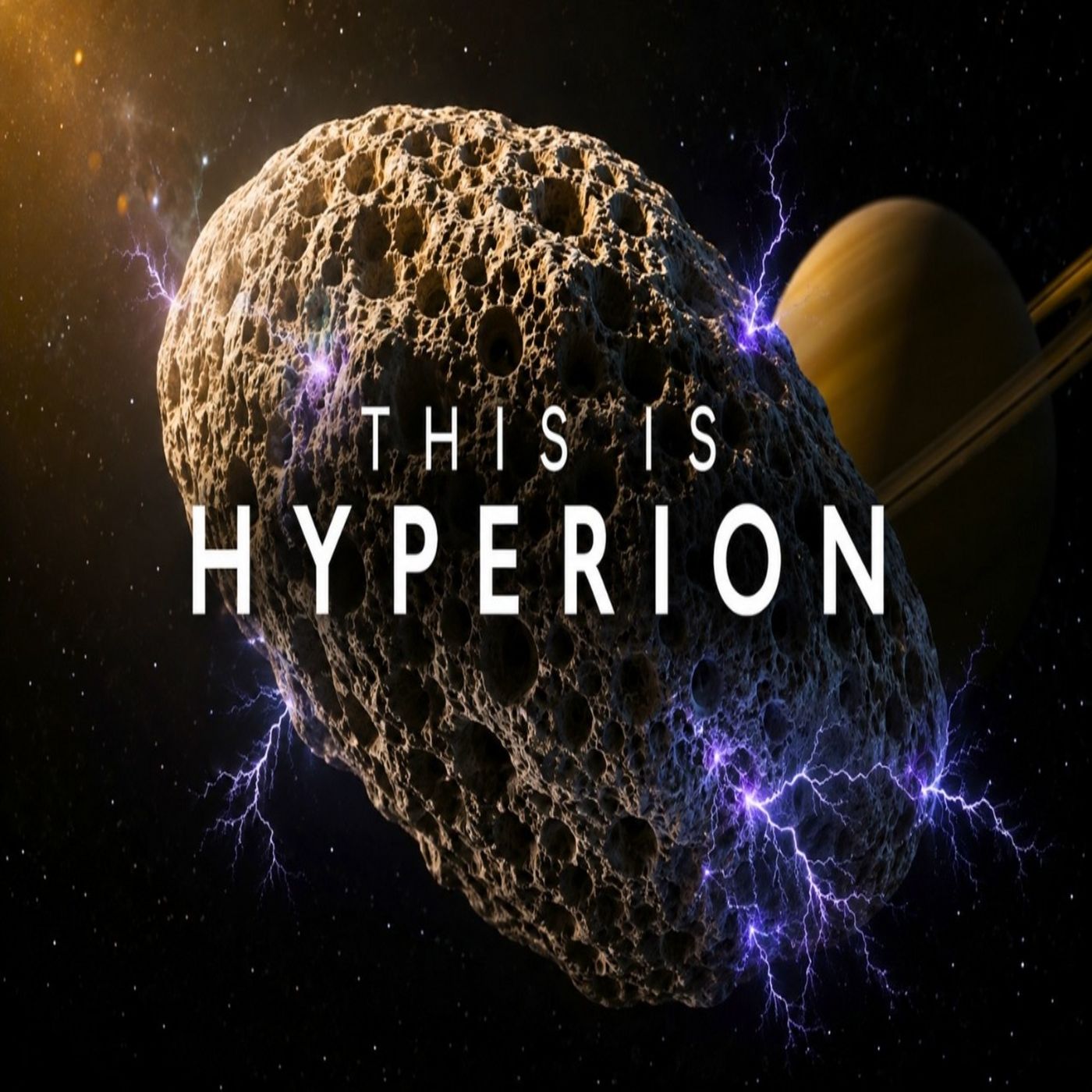
🌌 Hyperion is one of Saturn's strangest moons, and its mystery is electric.
Far from Earth, a small, irregular moon called Hyperion moves through the Saturn system with an unusual combination of extreme porosity, chaotic rotation, deep craters, and dark organic material. But in two thousand and five, the Cassini spacecraft detected something even more unexpected: an electrical disturbance associated with Hyperion's surface.
With no atmosphere, no weather, and no lightning, how can a moon like this develop a strong electrostatic charge?
In this Snoozy Space documentary, we explore Hyperion from its bizarre sponge-like surface to...
What We Would Actually Find If We Landed on Europa
Europa may be one of the most extraordinary places in our solar system, and beneath its frozen surface could be a vast ocean with the ingredients needed for life. 🌌
In this episode of Snoozy Space, we journey to Europa, Jupiter's mysterious icy moon, to explore what lies beneath its fractured surface and why scientists consider it one of the most promising places to search for life beyond Earth.
We explore Europa's strange lineae, chaotic ice terrain, powerful tidal heating, intense radiation environment, subsurface ocean, possible hydrothermal vents, mysterious water plumes, and the chemistry detected on its sur...
Why the Nearest Stars to Earth Are Trying to Kill Us
What if the stars closest to Earth are among the most violent?
In this long-form Snoozy Space documentary, we explore the strange and unsettling world of red dwarf stars, the most common stars in the Milky Way, and the powerful stellar flares they produce. From Proxima Centauri and Barnard's Star to Wolf 359 and UV Ceti, our nearest stellar neighbors reveal a universe far more active than the peaceful night sky suggests. 🌌
We follow the science behind stellar flares, magnetic fields, X-ray radiation, ultraviolet radiation, atmospheric loss, and tidal locking. We also examine Proxima b, the rocky pla...
The Dark Red World Hiding Beyond Neptune: Gonggong
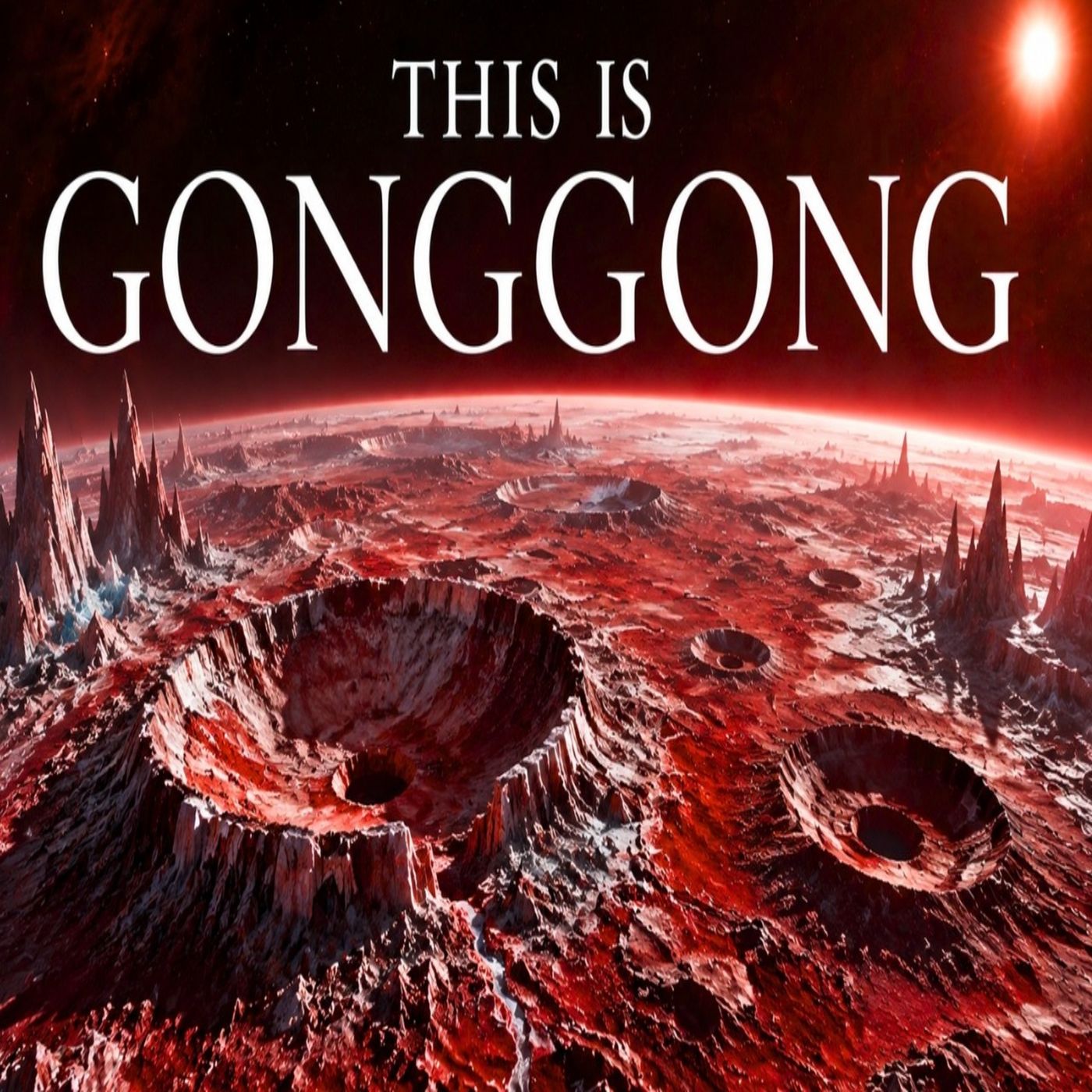
Gonggong may be one of the strangest worlds in the outer Solar System. 🌌
Once nicknamed “Snow White” because astronomers believed it was a bright, icy object, Gonggong turned out to be something very different: a dark red dwarf planet with complex organic chemistry, an unusual orbit, and a small moon named Xiangliu.
In this Snoozy Space documentary, we travel billions of miles beyond Neptune to explore the world that challenged almost every early assumption about it. We’ll trace Gonggong’s discovery in 2007, uncover why its color is so important, examine the chemistry detected by the James Webb...
The Impossible Star That Appears Older Than the Universe: Methuselah
Somewhere in the Milky Way, a star may be older than the universe itself. ✨
Meet Methuselah, one of the oldest and most mysterious stars ever studied. Officially catalogued as HD one four zero two eight three, this ancient star has been estimated to be roughly fourteen point four six billion years old, while the universe is believed to be about thirteen point eight billion years old.
That should be impossible.
So how can a star appear older than the universe that created it?
In this episode of Snoozy Space, we explore the sc...
What NASA Actually Found Inside Jupiters Great Red Spot
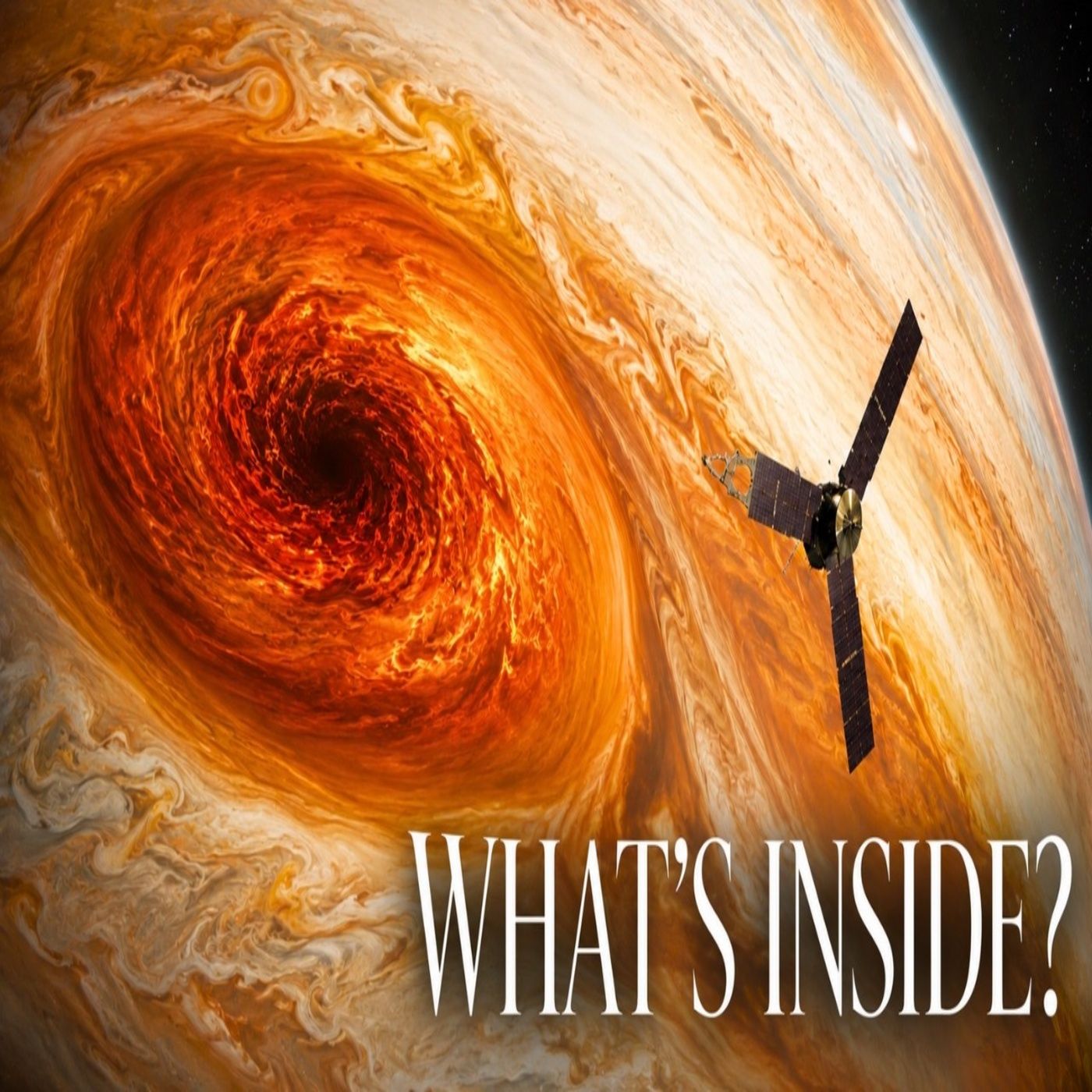
For more than four centuries, Jupiter's Great Red Spot has been one of the most recognizable features in the night sky. But beneath that enormous red cloud system lies a structure far more complex than astronomers once imagined. 🌌
In this long-form Snoozy Space documentary, we explore what NASA's Juno spacecraft actually discovered inside the Great Red Spot, and why those discoveries are changing our understanding of Jupiter's atmosphere.
The Great Red Spot is a storm larger than Earth, with winds reaching hundreds of miles per hour and a history stretching back centuries. Yet Juno revealed that the...
The Doomed Planet Being Eaten Alive by Its Own Star: WASP-12b
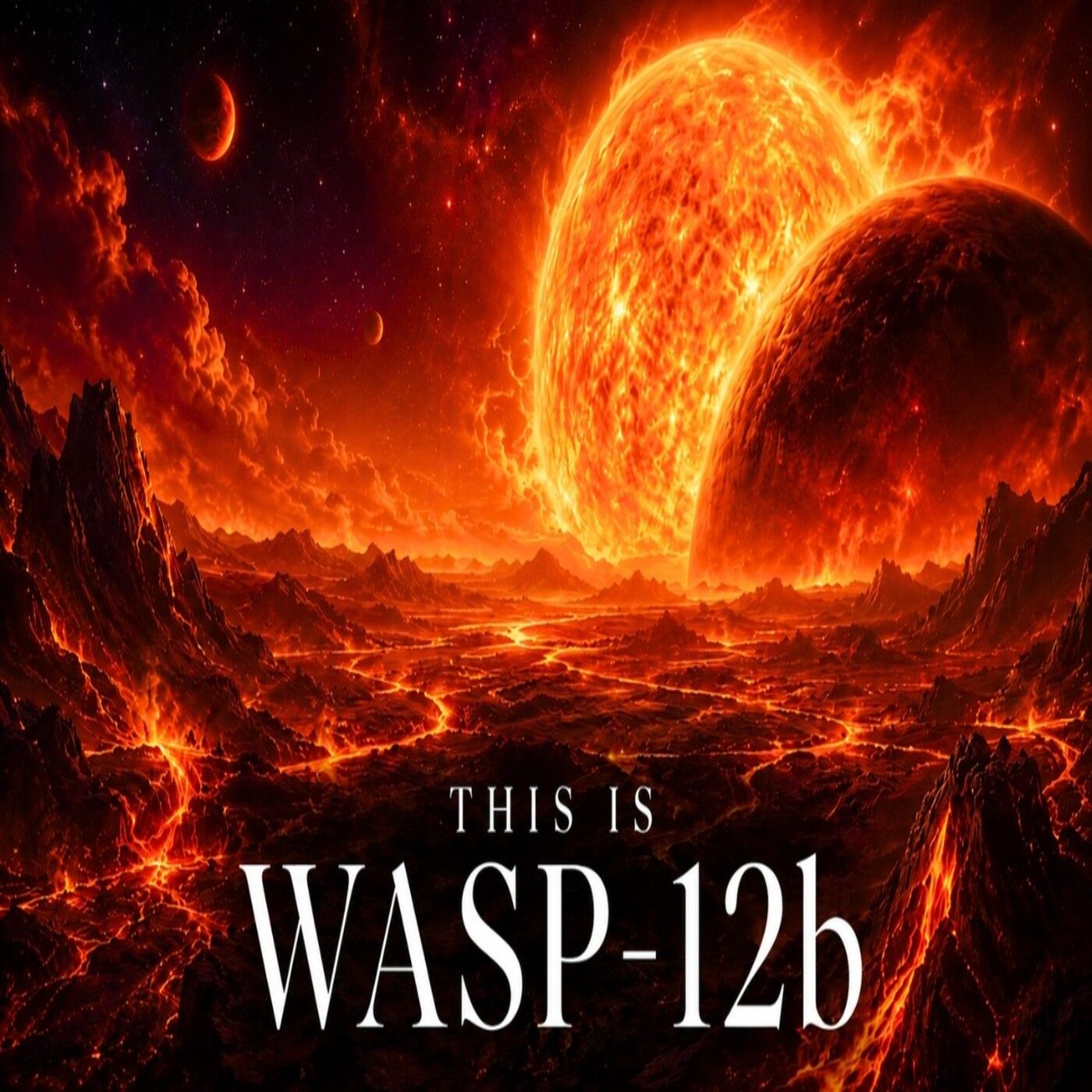
Some planets are born into chaos. Others spend their final years revealing exactly how a planetary system works. WASP-twelve B is one of the strangest worlds ever studied. Orbiting its star from only a few million miles away, this enormous hot Jupiter completes an orbit in roughly twenty-six hours. But its year is getting shorter. Astronomers have measured the planet's orbital period changing by only a tiny fraction of a second each year. Over long periods, however, those small differences accumulate into something remarkable: evidence that the planet is gradually losing orbital energy as tidal forces act between the planet...
The Ugliest Moon in Our Solar System: Miranda
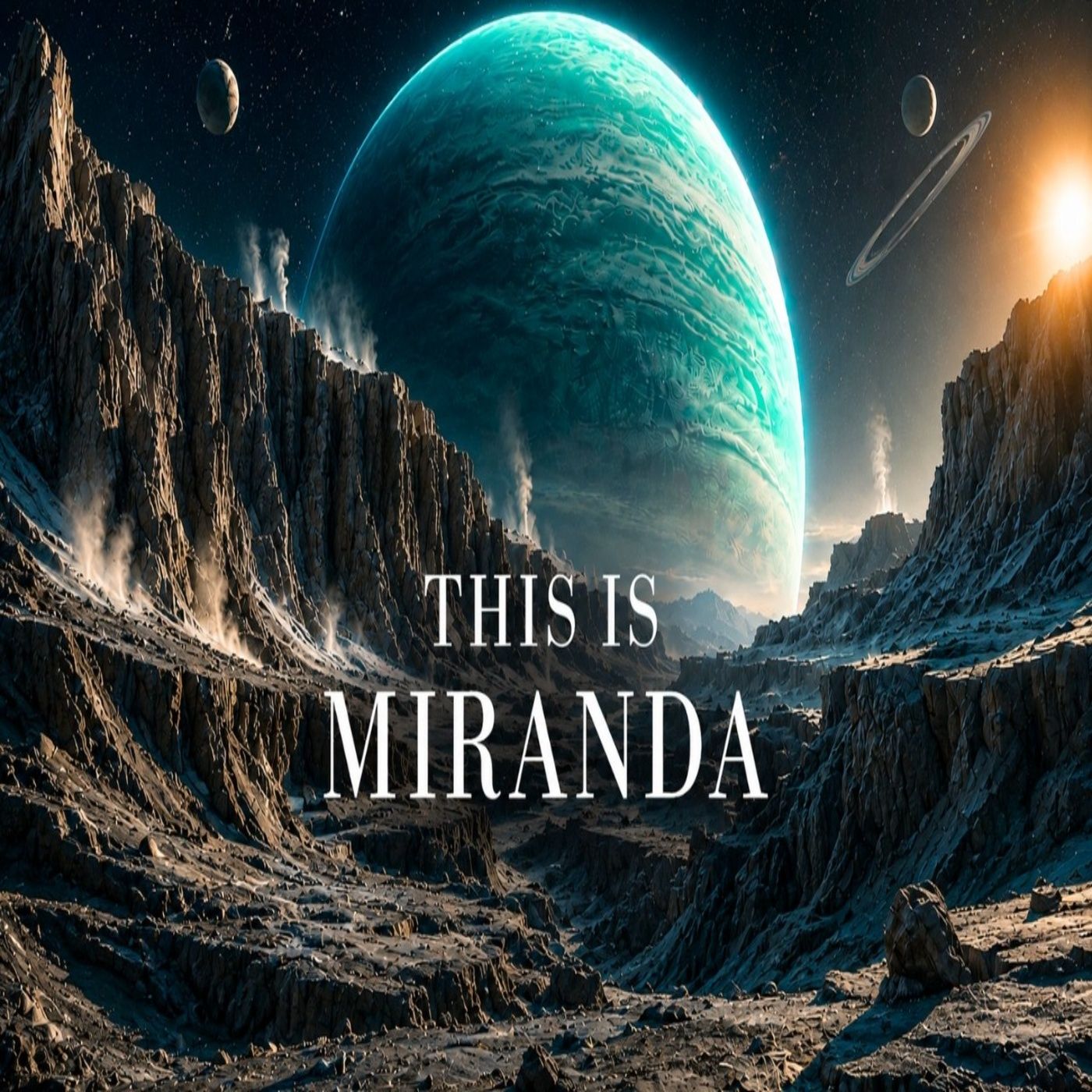
Miranda was supposed to be one of the most ordinary moons in the outer solar system. Instead, Voyager 2 revealed a world unlike anything planetary scientists expected. ❄️ With enormous cliffs, ancient cratered terrain, smooth young plains, and three strange geological structures known as coronae, Miranda looks less like a simple icy moon and more like several different worlds pressed together. In this Snoozy Space documentary, we travel to Miranda, the smallest of Uranus's five major moons, and explore the mysteries hidden beneath its fractured surface. We examine Verona Rupes, one of the tallest known cliffs in the solar system, the strange geol...
What We Would Actually See If We Reached Proxima B
What would it be like to stand beneath the sky of Proxima b, the nearest known potentially habitable exoplanet beyond our Solar System? 🌌 Proxima b orbits Proxima Centauri, the closest star to our Sun, just 4.24 light-years away. But distance is only the beginning. This world may be tidally locked, leaving one hemisphere facing perpetual daylight while the other remains in permanent darkness. Between them could lie a narrow region of eternal twilight, shaped by strange light, powerful stellar flares, persistent winds, and an uncertain atmosphere. In this Snoozy Space documentary, we journey across Proxima b from its red dwarf star and...
