Pennsylvania History Archives - 250 and Counting

Pennsylvania Writes A Constitution–September 20, 1776
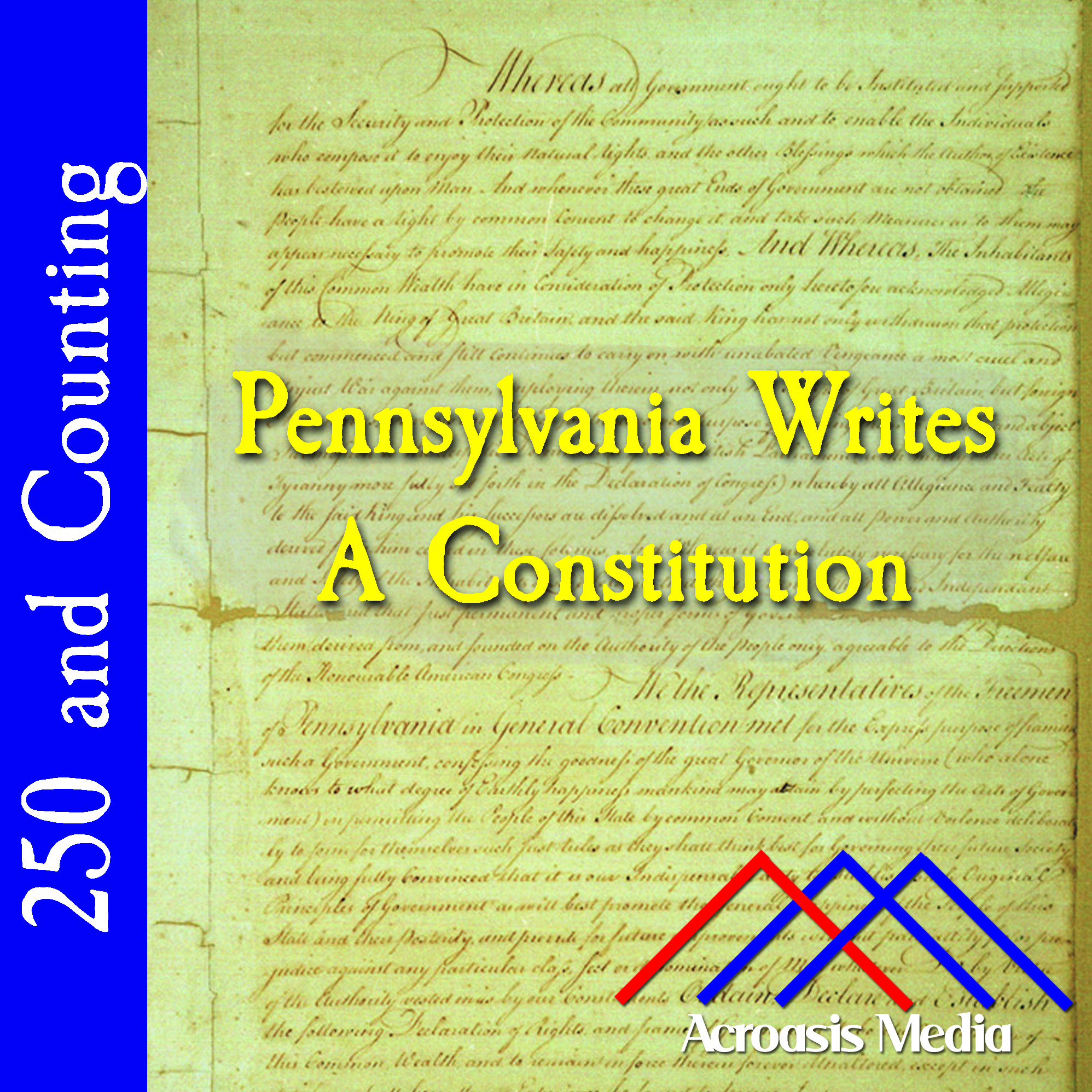
The Pennsylvania Constitution turned out to have many unique qualities, but they were so good that before long they weren’t unique anymore, because so many people copied them.
That’s not to say that everything about the Pennsylvania Constitution was unique, or even original. For instance, the document begins with a Declaration of Rights that was lifted directly from Virginia.
Regardless, there were some radical ideas in there (for that time), which clearly demonstrated that some of the authors had a little bit of an ax to grind when it came to the way thin...
Some Big News–July 6, 1776

The Pennsylvania Evening Post is an interesting study in media relations and what a publication sometimes has to do in order to survive.
The Post was America’s first daily newspaper, but early on it published three times a week, on Tuesdays, Thursdays and Saturdays. They were generally supportive of the Revolution and published pro-Patriot articles.
As Mike explains, it was through a quirk of their publishing schedule that the Post was able to publish the text of the Declaration of Independence before anyone else, but the war got worse before it got better, and as...
A Busy Day In Congress–June 25, 1776
The big story today is about the Pennsylvania Delegation finally getting new orders, but I admit that I buried the lede on this one, largely because the Board of War and Ordnance had a lot going on, and the Pennsylvania story was a relatively simple one to tell.
But as you can tell in today’s episode, the note we gave you the other day about the sheer volume of material they had to deal with is evident in the minutes of the Continental Congress for today; what’s more, a bunch of it was items that need...
George Schetky–June 1, 1776

George Schetky came from a very musical family. As we mention in the episode, his father was also a cellist and composer who was originally from Vienna. As a result his home always had plenty of music present and was a regular hub of performances.
In fact, one could say that the Schetky family was a musical dynasty, between George, his father, his uncle on his mother’s side (Alexander Reinagle) amd others. Thus, he was a virtuoso on the cello before he ever set foot in America.
George came to America to stay with hi...
Thwarted On The Delaware–May 8, 1776
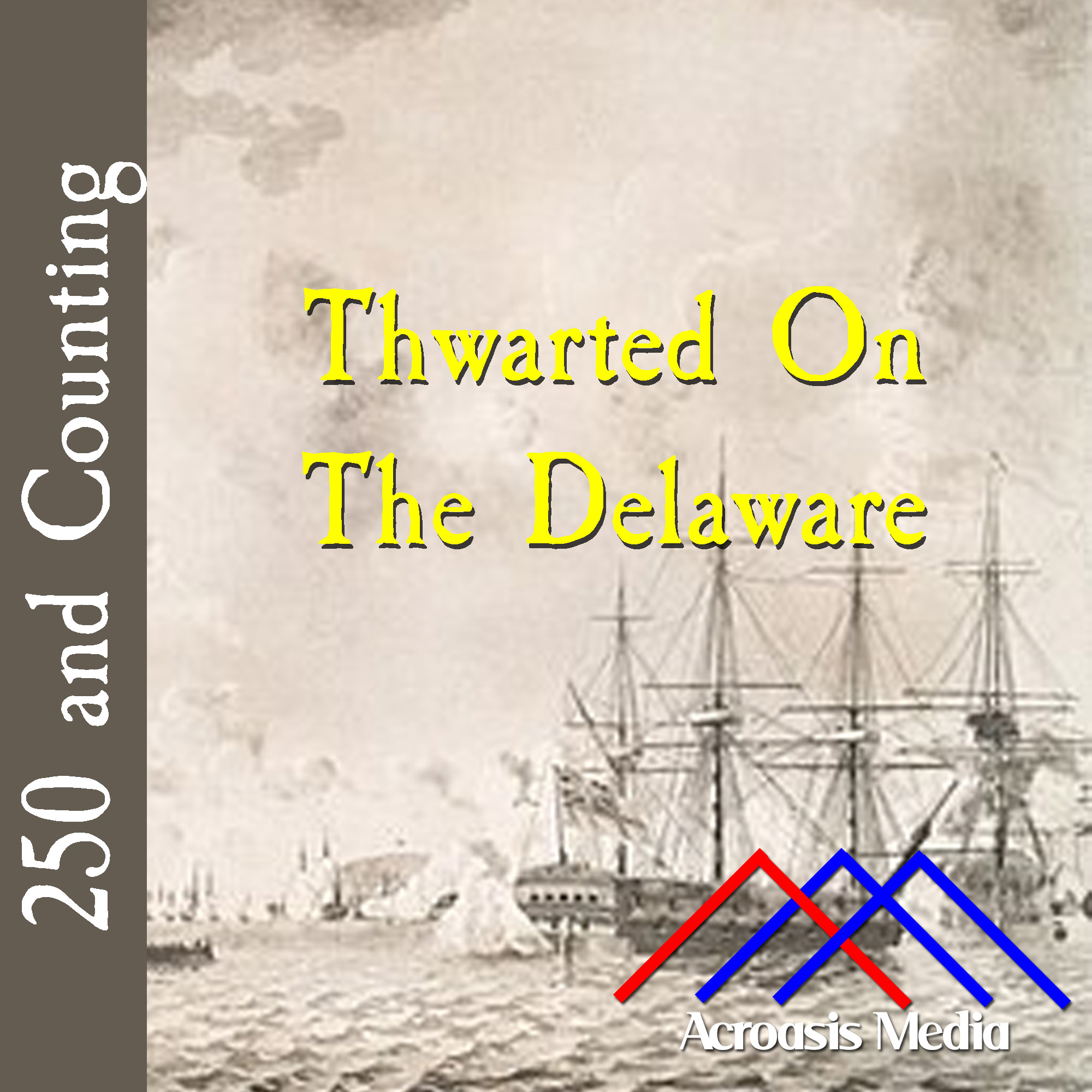
The HMS Roebuck was a ship that tangled with the Americans numerous times. One advantage that she had over other British ships was a relatively shallow draught (vertical distance between keel and waterline), which proved helpful when it came to navigating some of the shallower waters off the American coast.
The HMS Roebuck had already had an encounter just south of today’s events back in March. She was also involved in the Battle of Long Island, which took place during the summer, in a battle on the Hudson River in October 1776, and then in 1777 during another at...
The Pennsylvania Thirteenth–March 6, 1776
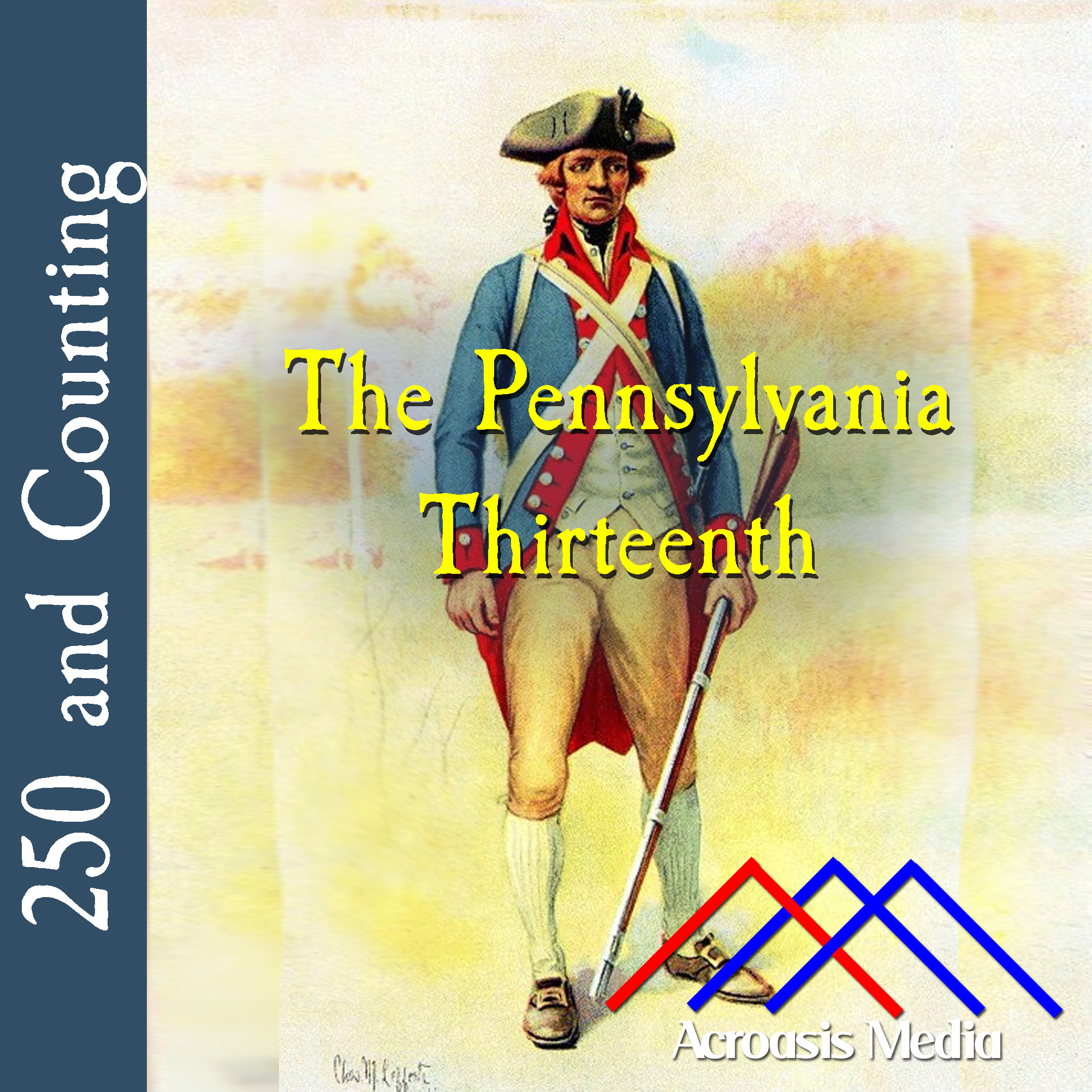
The Pennsylvania State Rifle Regiment, also known as Miles’ Regiment, also known as the Pennsylvania 13th Regiment first came about when the Pennsylvania State Battalion of Musketry merged with Miles’ Reigment. We know it’s confusing, largely because there were so many names involved and that’s not even where the names ended.
Samuel Miles was their commander when they were first raised, and he was their commander in 1777 at the Battle of Long Island. It’s especially notable because he allowed himself to be captured by British troops who thought he was George Washington, a ruse that allow...
Innis Green–February 26, 1776
Innis Green served as a Jacksonian Democrat in the U.S. House of Representatives during the 20th (1827–1829) and 21st (1829–1831) Congresses, essentially holding the party’s populist line.
But he did deviate from party alignment on May 26, 1830, when Green voted nay on H.R. 287, the Indian Removal Act. Despite this, the bill passed narrowly, 102-97. This stance positioned him among Pennsylvania Jacksonians influenced by local Quaker and moral opposition to forced tribal relocations, contrasting with southern and western Democrats who prioritized land acquisition for white settlement.
Green’s vote highlighted intraparty tensions over executive-driven policies, though it did no...
John M. Snowden–January 13, 1776

Portrait of John Maugridge Snowden, Third Mayor of Pittsburgh. From the Snowden Family Collection via Wikimedia Commons.
What can I say about John M. Snowden that I didn’t tell you about in the episode itself?
The truth is, he’s not a well-documented man, nor is his family, even though (as I noted) his wife was an advisor to George Washington for awhile.
I can note that I foreshortened his career a little bit, in that he had done a little public service before he was the mayor of Pittsburgh. He also spent some time...
When The North Went South–December 4, 1775
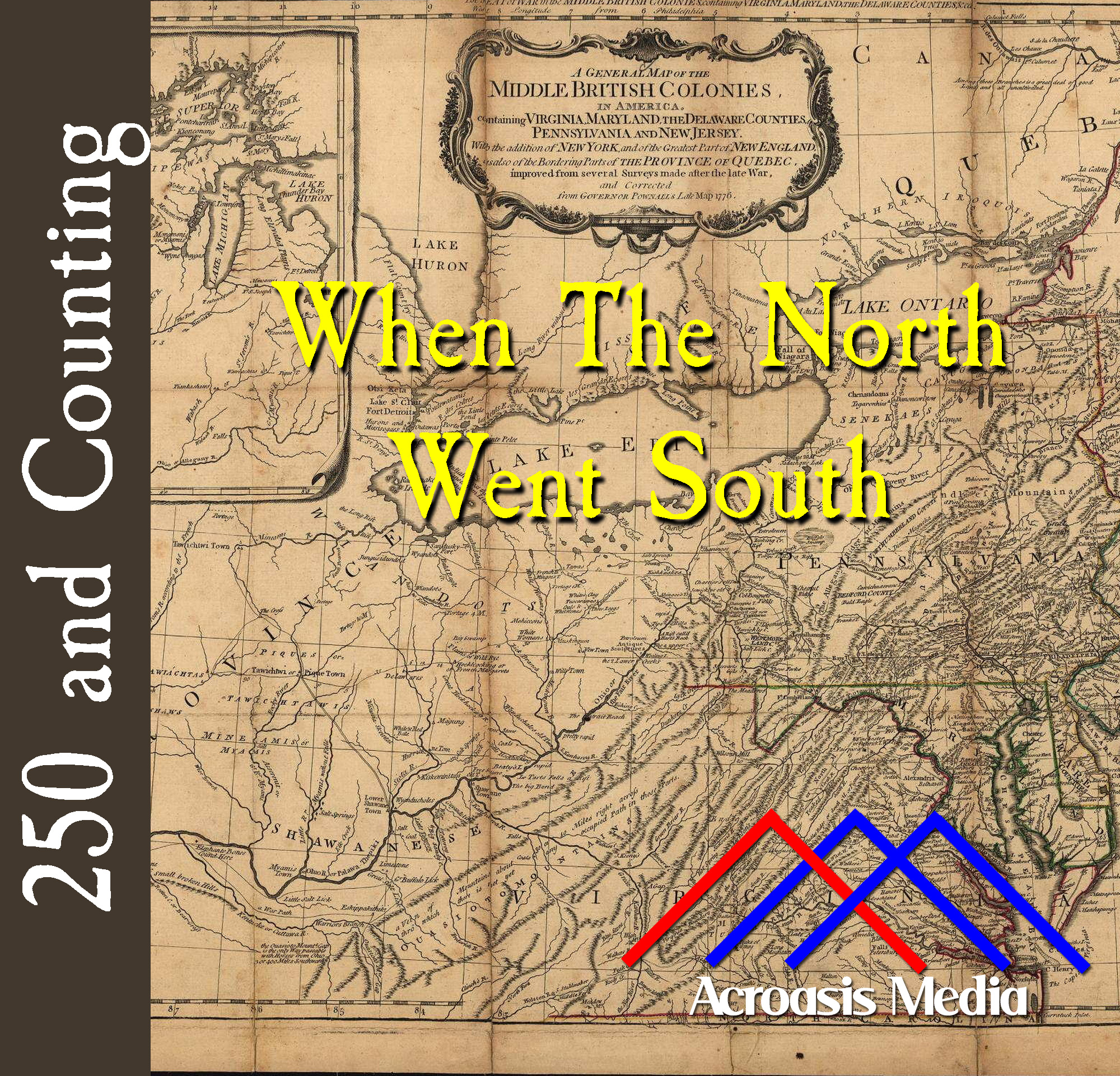
While the premise of today’s episode seems a little far-fetched, if you look closely at the map in today’s cover art, you’ll see it makes a lot of sense. In the mid-1700s, neither Pennsylvania nor Virginia had well-defined western borders. In fact, Virginia was occasionally thought to continue northward all the way to Lake Erie. Some maps even have a Pennsylvania boundary somewhere east of Pittsburgh.
The point is, there have been times when the borders have been blurry, and others where they’ve overlapped, and still others (before West Virginia was a thing) w...
George Kremer–November 21, 1775

While George Kremer is depicted in today’s artwork as a sophisticated “man of the people”, it’s thought that the artwork was meant to be sarcastic, since Kremer’s colleagues didn’t respect him very much, thinking he was a kind of bumpkin back-bencher.
And indeed, George Kremer’s political legacy, at both the state and Congressional level, is fairly thin, with the exception of the allegations he made against Henry Clay. At that time, if there was no clear majority winner of the presidential election, the House of Representatives chose the winner. Clay backed John Quincy Adams...
