Odyssey-Ancient History

Odyssey is your journey into the world of Ancient History; from the dawn of Mesopotamia to the fall of Rome. We'll be bringing you only the best documentaries that journey into the mysteries and ruins of worlds long lost.
Unearthing King Priam_s Gold_ The Quest For Troy_s Lost Treasures
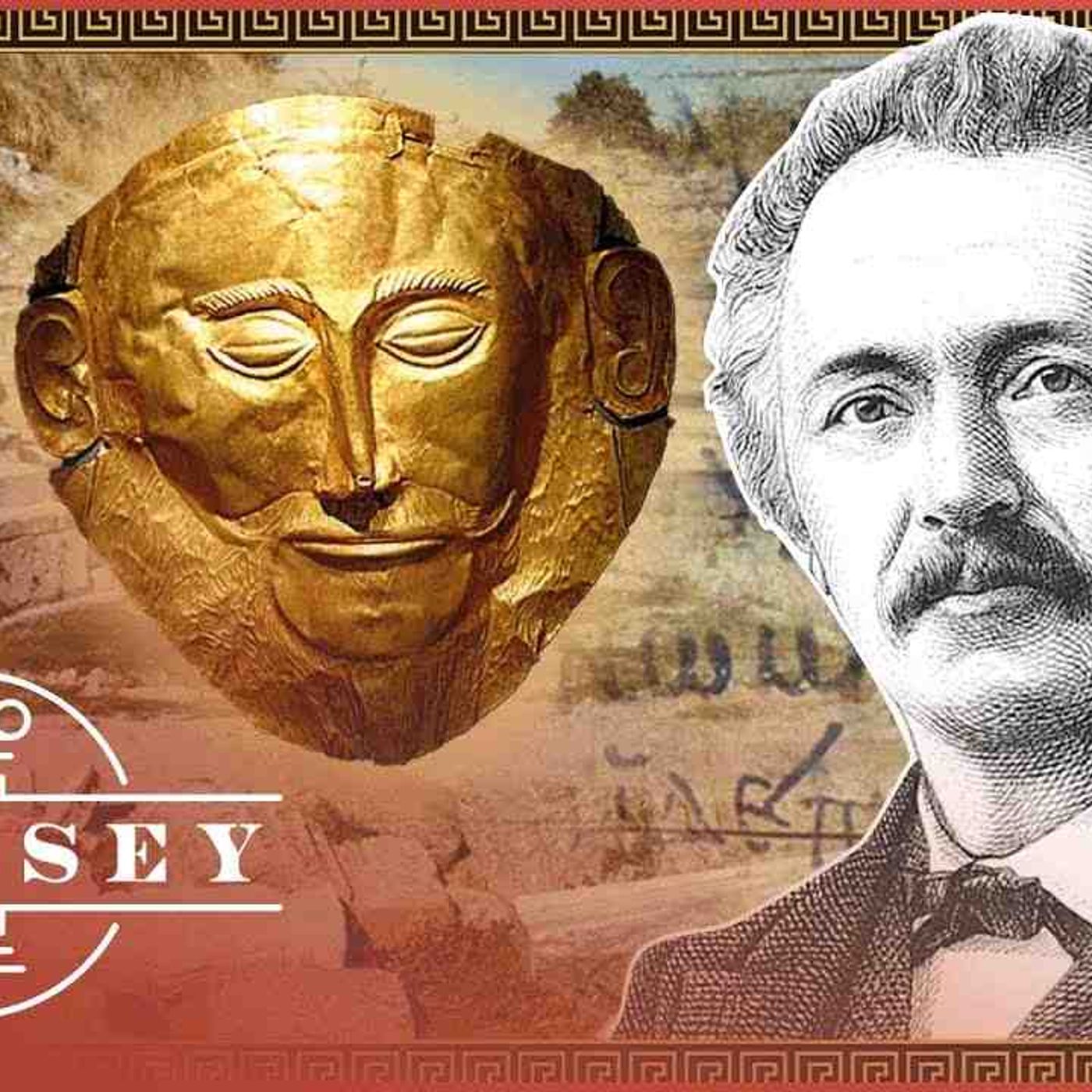
He was a grocer's apprentice who became a millionaire, then a self-made archaeologist. In 1873, Heinrich Schliemann discovered the legendary city of Troy—and a hoard of gold he called "Priam's Treasure" [citation:1][citation:2].
Schliemann smuggled over 9,000 artifacts from Turkey to Greece, dressing his wife in the jewelry for a famous photograph [citation:2]. The treasure was later hidden in Berlin, seized by the Soviets in 1945, and kept secret in Moscow's Pushkin Museum for 50 years [citation:1][citation:2][citation:8]. Today, its whereabouts are known—but its future remains uncertain [citation:1].
The Roman Bath House Hidden Down The End Of A Garden _ Time Team _ Odyssey
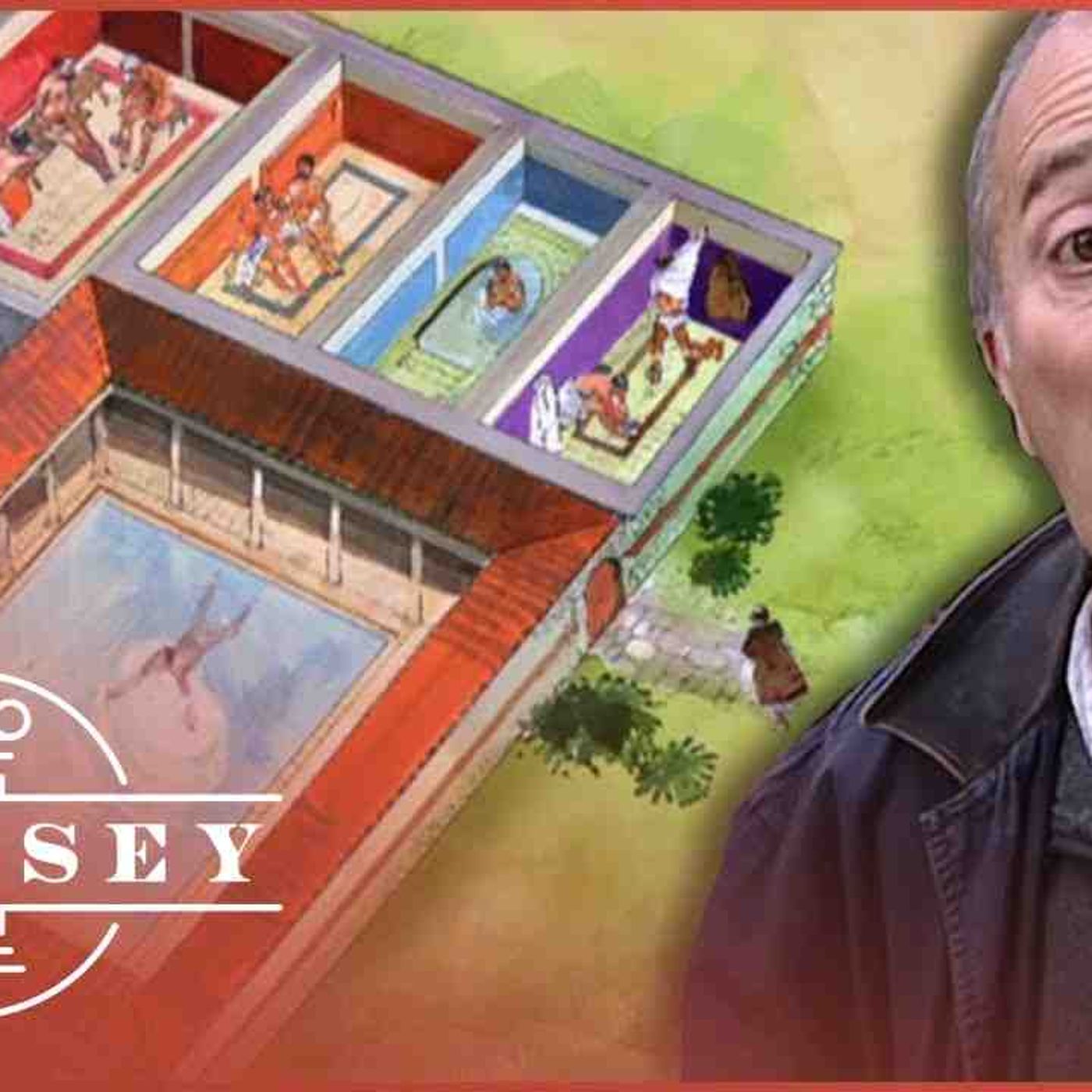
🏛️ "Next to Whitestaunton Manor in Somerset lies a patch of muddy weeds where coins and pottery have been found."
The team investigates the site of a supposed Roman villa, but archaeology student Freya Bowles believes the remains are something more. Working without mechanical diggers, they uncover a Roman bath house with a full hypocaust heating system, complete with decorative mosaic tiles. They build a full-size replica hypocaust to test how the system worked in Roman Britain.
The Ancient Roman Treasures Found In A Field In Gloucestershire _ Time Team
In a Gloucestershire field, Time Team unearthed one of the largest Roman villa complexes in Britain. The discovery of an enamelled bronze brooch with the inscription 'VTERE FELIX'—"Good luck to the wearer"—was a defining moment. The team found evidence of occupation from the 2nd to the 4th century AD, including glass, coins, jewellery, and a hypocaust system. Some experts even question whether the site was a villa or a religious sanctuary.
Stonehenge Mystery Solved_ The Anglo-Saxon Beheading
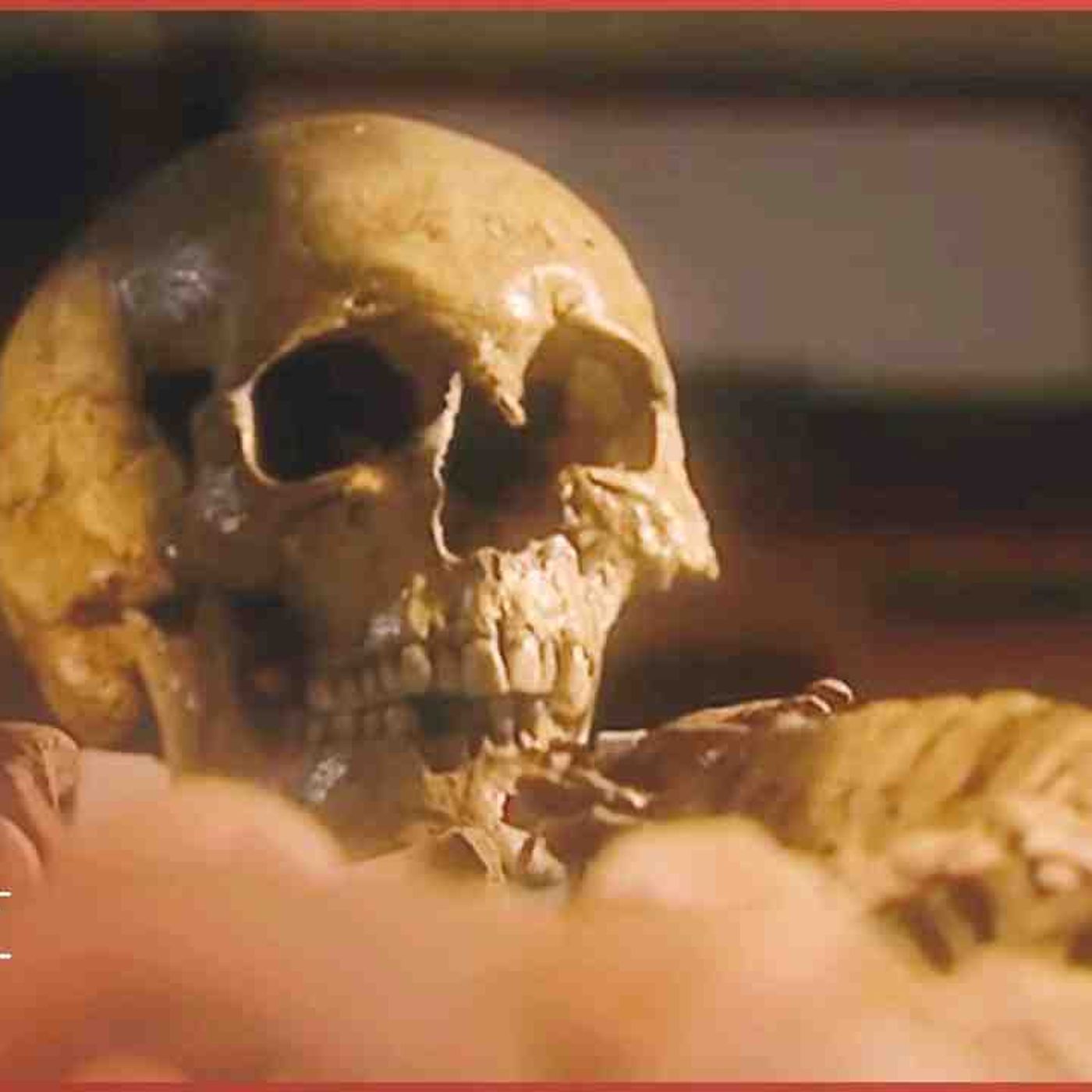
A decapitated skeleton found at Stonehenge in 1923 was believed destroyed in WWII. Rediscovered in 1999, it revealed a shocking truth: the man was executed in the 7th century AD, proving Stonehenge remained a place of power and terror centuries after it was abandoned [citation:2][citation:3]. This wasn't an ancient ritual—it was an Anglo-Saxon judicial execution likely tied to the transition from paganism to Christianity [citation:2][citation:4].
Is There Really A Roman Temple Buried Beneath This Church_ _ Time Team _ Odyssey

An enigma lies beneath a churchyard: the foundations of a vast Roman temple. Can the team unlock a mystery that has survived for centuries?
This is the story of one of Time Team's most challenging and extraordinary digs. They dug through a church graveyard to investigate what could be one of the largest Roman structures ever built in Britain [citation:2]. Facing a maze of walls and complex archaeology, the team works to decipher the site's true purpose and uncover its secrets.
Finding Bath_s Hidden Roman Graveyard _ Time Team
"Tony Robinson and the team dig in the centre of Bath to uncover the city's Roman cemetery. They also visit the site of a Roman villa in Somerset."
By the end of the excavation, Tony declares it one of the most significant sites the team has ever examined. The team not only identifies the cemetery but uncovers evidence of a well-preserved Roman mausoleum. A remarkable discovery in the heart of the modern city.
The Best Roman Forts And Anglo-Saxon Palaces Of Digging For Britain _ Full Series 3
🏛️ "A Roman fort in Wales. An Anglo-Saxon palace in Northumberland. A lost chapel in the Orkney Isles. Series 3 of Digging For Britain explores Britain's rich archaeological past."
Alice Roberts uncovers a Roman fort and its associated civilian settlement at Caerwent, which holds Britain's best-preserved Roman town walls . At Bamburgh, a royal Anglo-Saxon palace is revealed . The series also explores the discovery of the Staffordshire Hoard, the largest Anglo-Saxon treasure ever found . These finds shed light on Roman, Anglo-Saxon, and Medieval Britain.
The Lost Iron Age Capital Buried Under South Wales _ Time Team _ Odyssey
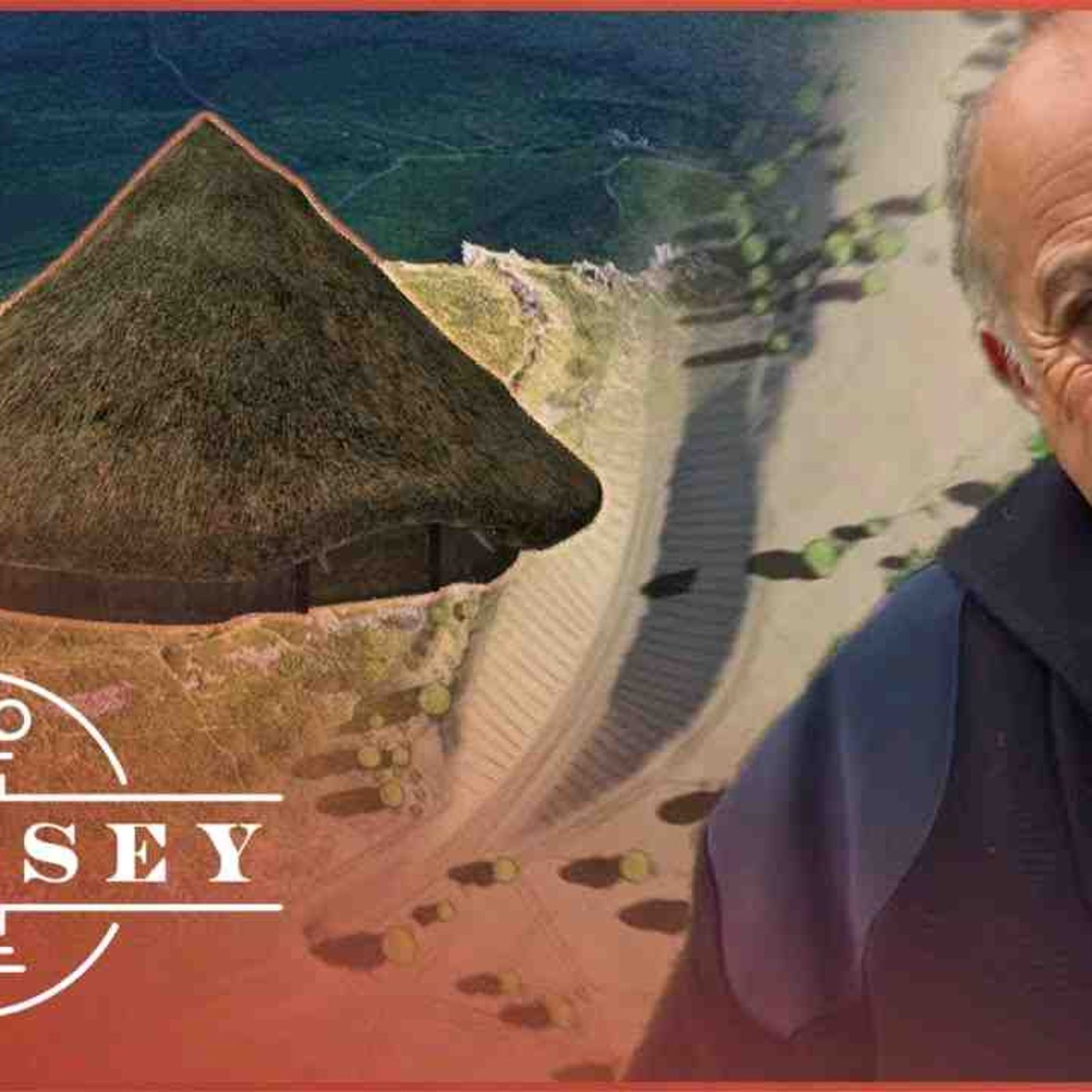
🏛️ "A huge hill in Cardiff dominates the city's Ely housing estate. Its towering ramparts and deep ditches identify it as a hillfort—but this was no ordinary Iron Age homestead." Time Team investigates Caerau Hillfort, a site so large that thousands of people could have lived there . The team is joined by Iron Age specialist Niall Sharples, who explains that a hillfort's function is primarily domestic and social, rather than military . Geophysics reveals multiple circular marks, indicating several roundhouses . Archaeologists find jewellery, fine drinking vessels, and one of the most complete Early Iron Age cups ever found in South Wales—proving t...
Is There An Ancient Roman Fort Buried Under This Welsh Moat_ _ Time Team _ Odyssey
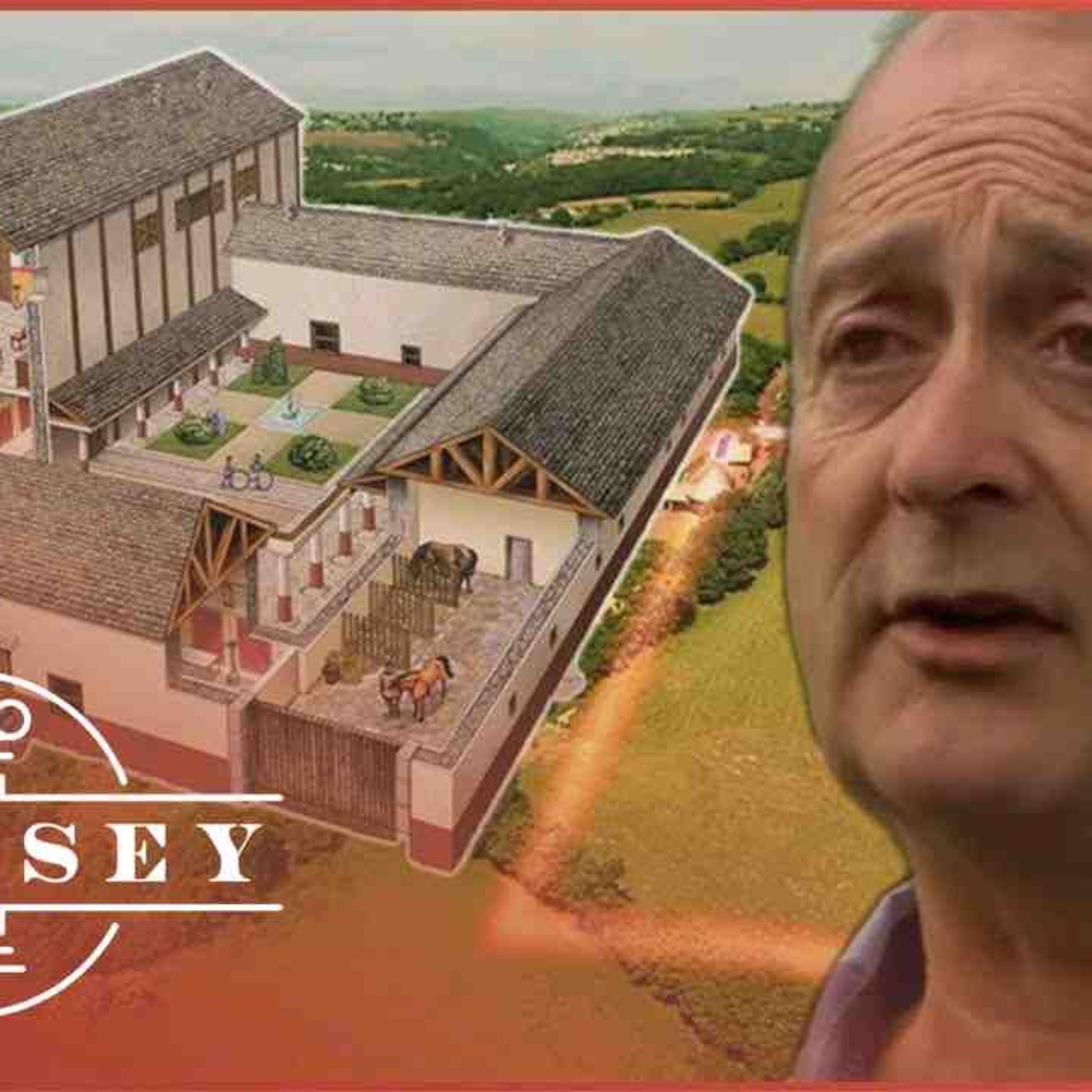
🔍 "An ancient moat has been discovered and no one knows what it once protected. Was it an early Welsh chapel, a Roman fort, or the ancestral home of a powerful family?"
Time Team investigates a mysterious moat near Llancaiach Fawr Manor in South Wales [citation:1][citation:3]. The team uses geophysics to search for answers, but what should be a straightforward dig becomes one of their most baffling investigations [citation:3]. As the three-day limit approaches, they uncover evidence that the site's history goes back thousands of years earlier than expected [citation:3].
Roman Field Uncovers Record Number Of Finds For Time Team _ Odyssey
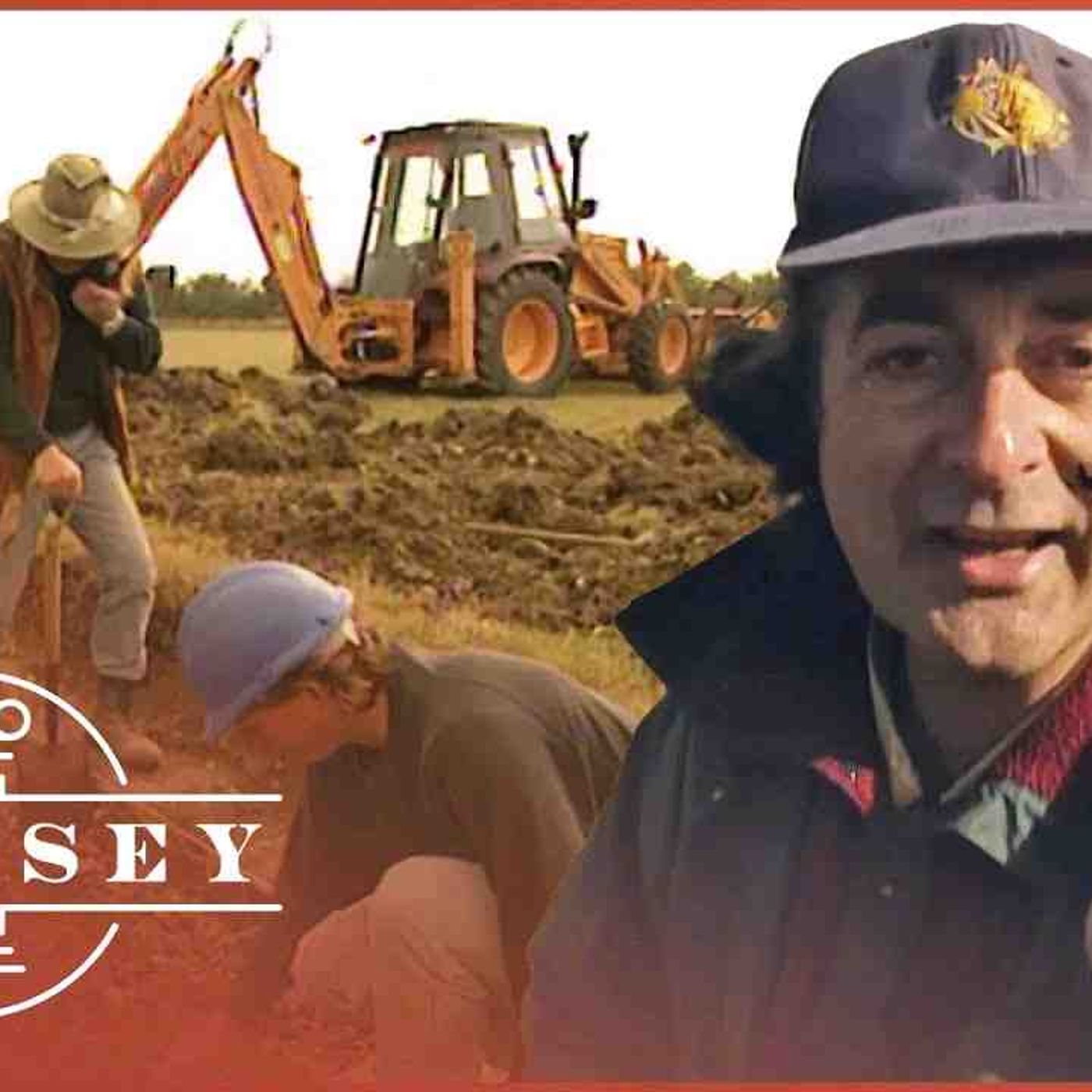
Roman field in Somerset uncovers record number of finds for Time Team. The team returns to the site of a major Roman villa complex, discovering a wealth of artefacts. Among the finds is a folding penknife handle decorated with gladiators, revealing the high status of the inhabitants. The excavation uncovers several phases of development, from a humble timber building to a grand two-story residence. It's one of their most productive digs ever.
The Prehistoric Remains Buried Under A Scottish Beach _ Time Team _ Odyssey
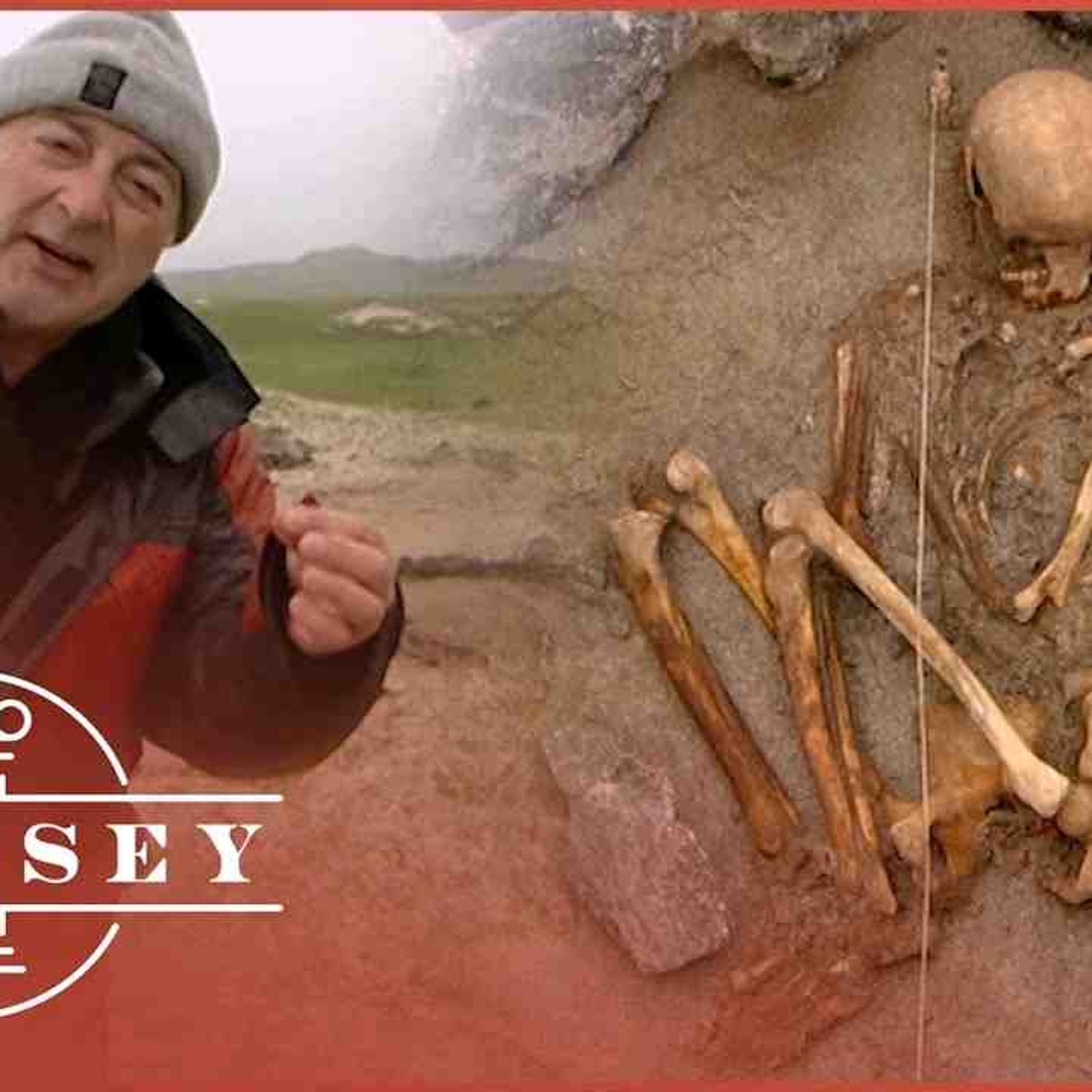
🏖️ "5000-year-old houses, fields, and burials lie hidden beneath the sand dunes of Orkney—until the tide exposes them."
The Links of Noltland is one of Scotland's most important prehistoric settlements, containing Neolithic farmsteads and Bronze Age buildings. Buried for millennia, coastal erosion now threatens to wash these remains away forever. Time Team joins a rescue mission to recover flints, artefacts, and the famous 'Westray Wife' figurine—the earliest depiction of a human form found in Scotland—before they vanish into the sea.
Is There A Massive Roman Villa Hidden Under This Field_ _ Time Team _ Odyssey

🏛️ "The geophysical survey clearly indicates the presence of a substantial and well-preserved villa on the site." [citation:5] Time Team travels to Somerset to investigate an exquisite Roman mosaic discovered in a field. The archaeologists uncover several phases of development—from a humble early timber building to a grand two-story villa. In the end, the site turns out to contain one of the largest Roman villas in the UK [citation:15].
The Priceless Roman Mosaics Buried Beneath This Field in Somerset _ Time Team _ Odyssey

A Somerset farmer unearthed an exquisite Roman mosaic under his pigsties. The geophysical survey revealed a substantial and well-preserved villa [citation:1][citation:4].
Time Team discovers one of the largest Roman villas in the UK, uncovering evidence of several phases—from a humble timber building to a grand two-story complex [citation:1][citation:14]. The site grows to include two large ranges and a courtyard gate structure, revealing a rich history of development over time [citation:1][citation:3]. A rare glimpse into Roman Britain's wealthiest estates.
The Prehistoric Mysteries Of The Cave People Living In Cheddar Gorge _ Time Team _ Odyssey
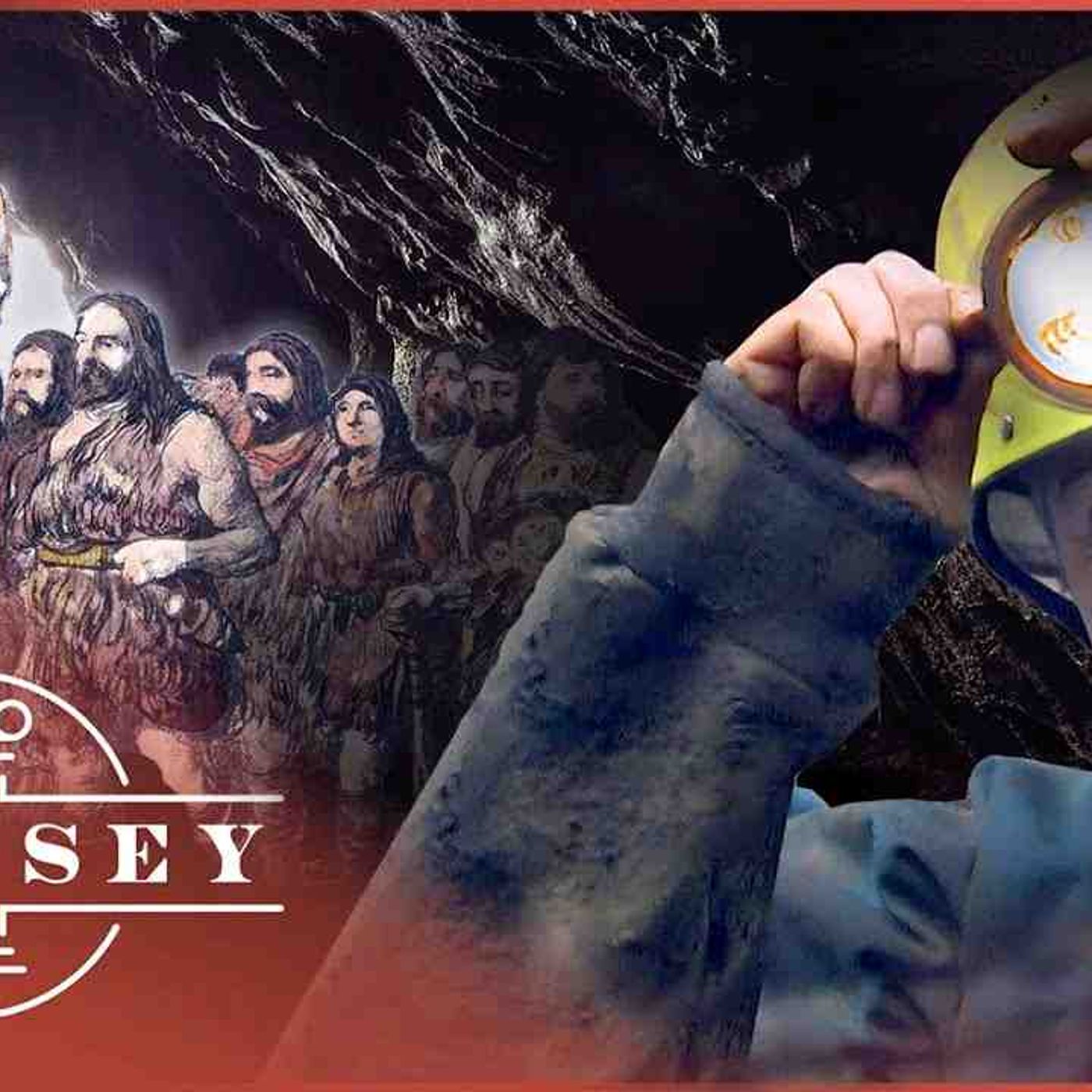
🏛️ "Time Team investigates Cooper's Hole at the invitation of the Marquess of Bath to find evidence of Palaeolithic human activity. This cave may be one of the oldest homes in England."
The team is joined by palaeontologist Andy Currant and cave archaeologists Larry Barham and Kate Robson Brown. Caver Malcolm Cotter directs them to a cache of bones, but the tunnel is blocked by flood sediment. The goal: schedule the site for protection. Cheddar Gorge's caves hold Britain's deepest human history, from Cheddar Man to Ice Age hunters.
Caerwent_ Britain_s Best Preserved Roman Town _ Time Team
🏛️ "Caerwent is the best-preserved Roman town in Britain. Laid out on a grid pattern, it has 20 blocks within its walls, which still stand at heights of up to five metres in places."
Time Team digs a previously untouched section of the town in search of what is believed to be the biggest villa in the area . They uncover a large, complex, multi-phase building surrounding a central courtyard with an apsidal-ended bathhouse, painted walls, and mosaics . Finds include a folding penknife handle decorated with gladiators .
Is The Site Of Prehistoric Rituals Hidden Beside Finlaggan Loch_ _ Time Team _ Odyssey
On the island of Islay, the Time Team searches for the inauguration site of the Lords of the Isles. Their focus is Cnoc Seannda, a rounded mound with a standing stone nearby—a pattern linked to ancient Irish kingship rituals [citation:1]. The team discovers a stone-lined trench, possibly a collapsed chamber, suggesting the mound may have held ritual significance [citation:1]. This 1994 dig also uncovered a Bronze Age cairn and flint arrowheads, revealing that the site's importance spans millennia, far beyond the medieval Lords [citation:9].
The Roman Villa Protected By A British Army Base _ Time Team _ Odyssey
"We need to get to the site. The firing range is closed for us on Sunday." A Roman villa complex lies hidden beneath an active army base in Somerset, protected from development by the military for over 200 years.
Time Team works with the Ministry of Defence to excavate a site no civilian has ever touched. Using geophysics and metal detectors, they search for the grand mosaic first discovered in 1881 [citation:6]. A rare chance to uncover Roman life beneath the bullets of a modern firing range.
The Hunt To Uncover America_s Mightiest Dinosaurs _ Dinosaur Hunt A Time Team Special _ Odys
Time Team makes its first expedition outside Britain to dig into America's dinosaur past. In Wyoming, they join a professional excavation to uncover the remains of a Diplodocus, one of the largest creatures to ever walk the earth.
Their mission is to unearth and cast a complete Diplodocus skeleton, requiring 3D laser scanning and careful excavation. They also visit a famous site containing an Allosaurus nursery, where the predators hunted the giant herbivores. A two-hour special capturing the extraordinary teamwork needed to bring these ancient giants back from time.
The Roman Relics Under The Firing Range _ Time Team _ Odyssey
"Tony and the Team get a unique opportunity to dig at an army firing range at High Ham in Somerset and investigate a series of mosaics first discovered 150 years ago."
Everything indicates a Roman villa, though perhaps not on such a grand scale. The inhabitants may have been Romanised Britons, living from the 2nd to the early 5th century. The team battles cold east winds and the challenge of digging on an active range. A rare chance to uncover Roman life beneath the bullets.
The Great Iron Age Ditch Under Dinmore Hill _ Time Team _ Odyssey
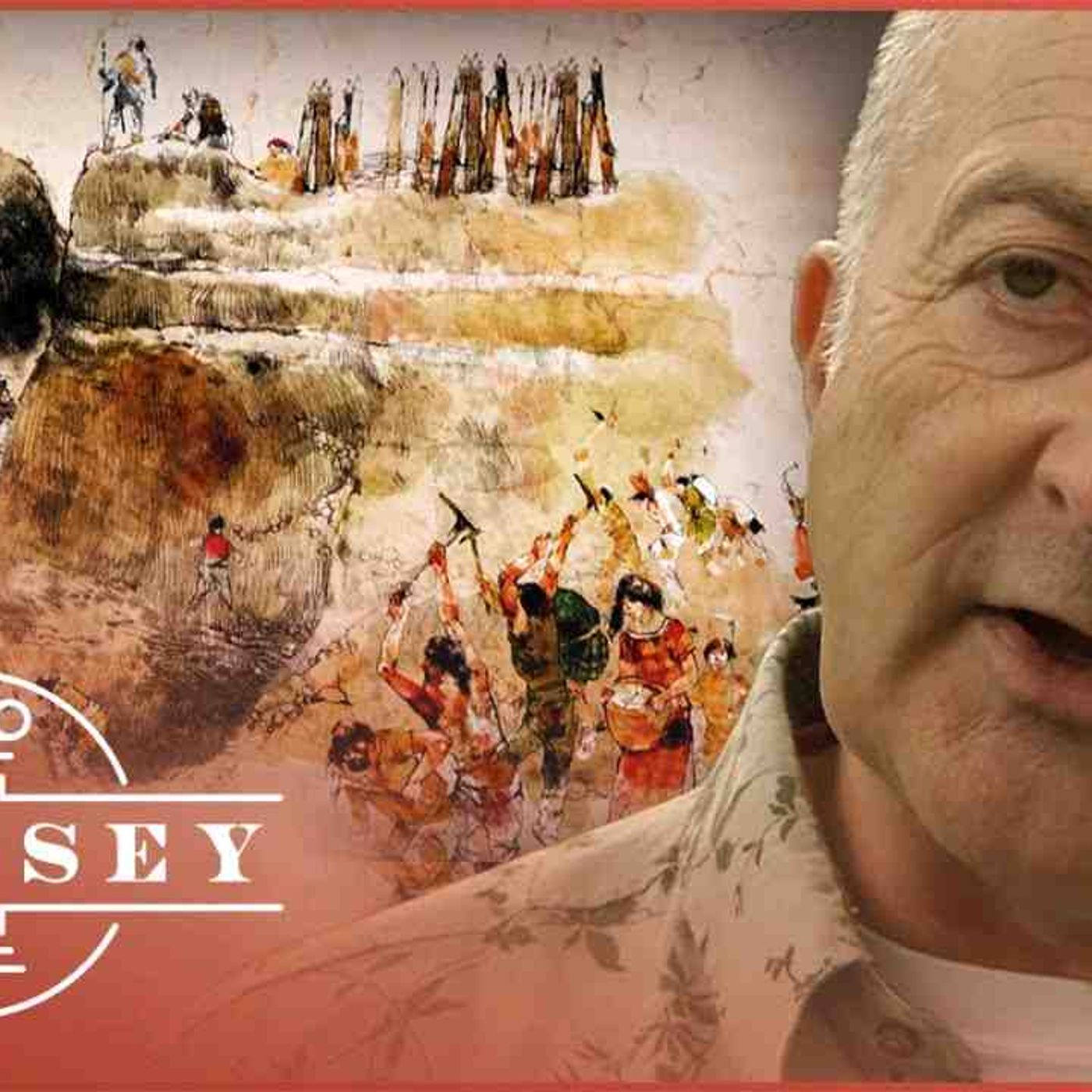
⚔️ "A remote Herefordshire hill. A massive ditch. And a mystery that divided the experts."
Time Team climbs Dinmore Hill to investigate one of the largest prehistoric sites they've ever encountered [citation:1]. The question: was it a vast Iron Age hill fort, or a much earlier cross-ridge dyke? Stewart Ainsworth argued for the earlier date [citation:1]. To settle the debate, they needed datable finds. Despite torrential rain, they uncovered a huge, magnificent ditch that must have been dug by thousands of people during the Iron Age [citation:1]. Joined by historian Bettany Hughes, they unravel the secrets of a commanding ancient monu...
Newport_s Vanishing Neolithic Treasures _ Time Team _ Odyssey
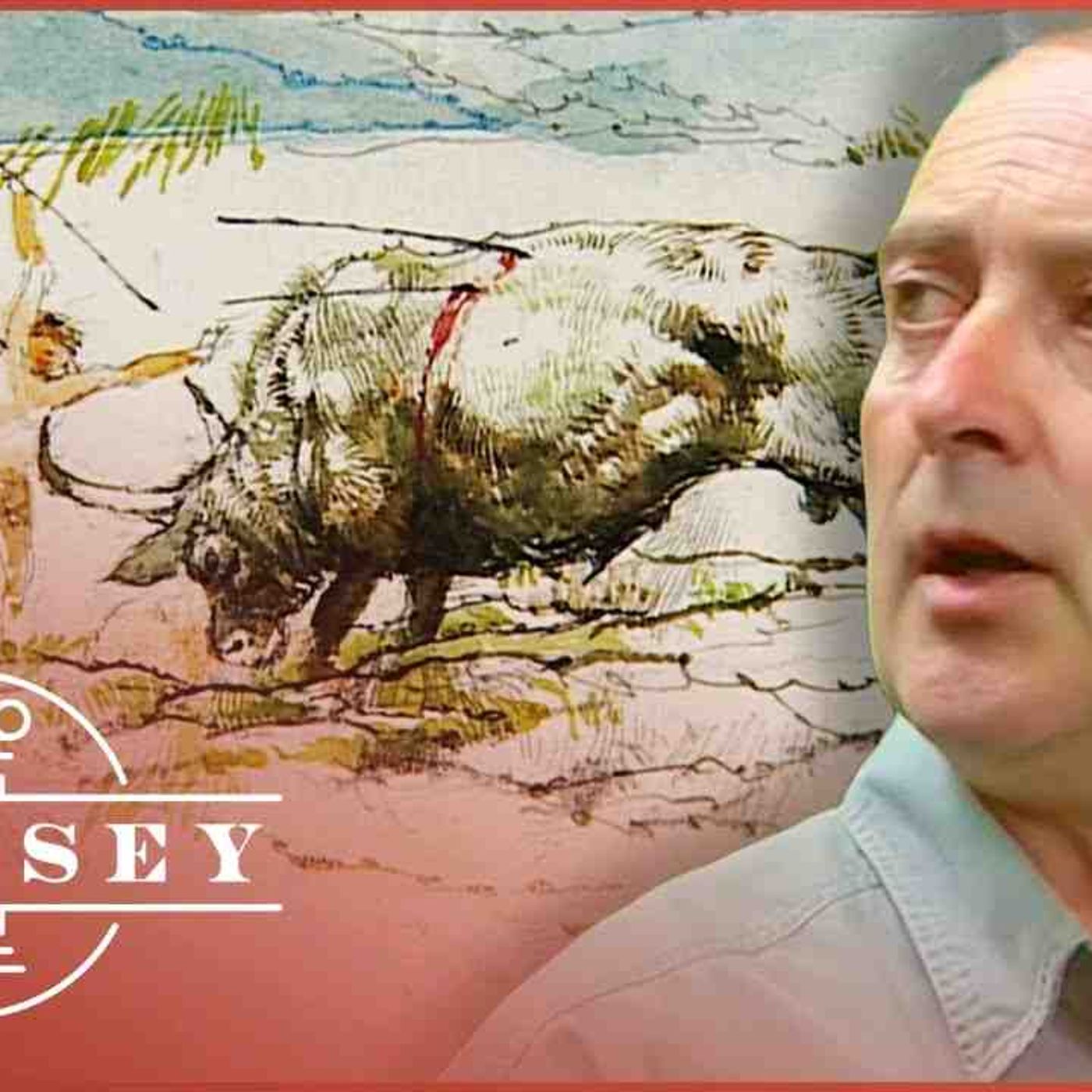
At Goldcliff on the Severn estuary, the tide is revealing rare evidence of Britain's earliest inhabitants. But with each wave, the precious Mesolithic finds are being washed away. Time Team arrives for a three-day rescue mission to recover flints, food remains, and fossilised footprints before they are lost forever. Among the discoveries are ancient footprints of adults and children preserved in the sand, and the massive tooth of an aurochs, an extinct giant prey animal. This is a race against the tide to uncover the secrets of a forgotten age.
The Ancient Minoans_ The First Civilization In Western Europe _ Island Of Minotaur _ Odyssey
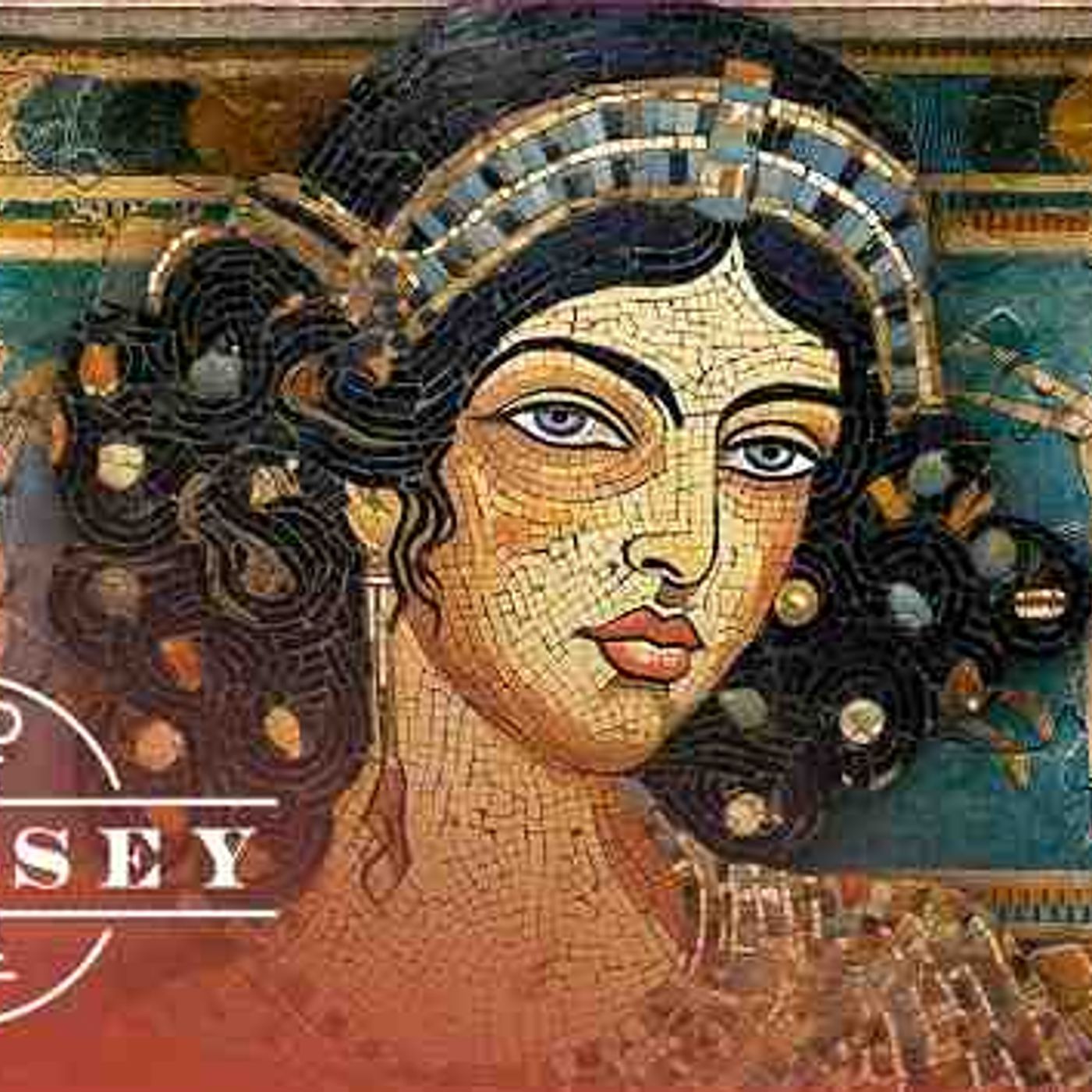
🏛️ "Before the myths of gods and monsters, there was a civilization that mastered the sea—and paid the price for its ambition."
On the island of Crete, the Minoans built labyrinthine palaces, commanded vast trade networks, and became Western Europe's first true civilization nearly 5,000 years ago [citation:1][citation:2]. They were innovators, artisans, and sailors who stretched across the Aegean from 2700-1500 BCE [citation:3]. Then their world fractured—volcanic fury, famine, and foreign domination ended their reign [citation:1]. This is the story behind the Minotaur's island. Let these quiet echoes of a lost world carry you into deep, restful sleep.
The Mystery Of Ancient London_s First Bridge _ Time Team
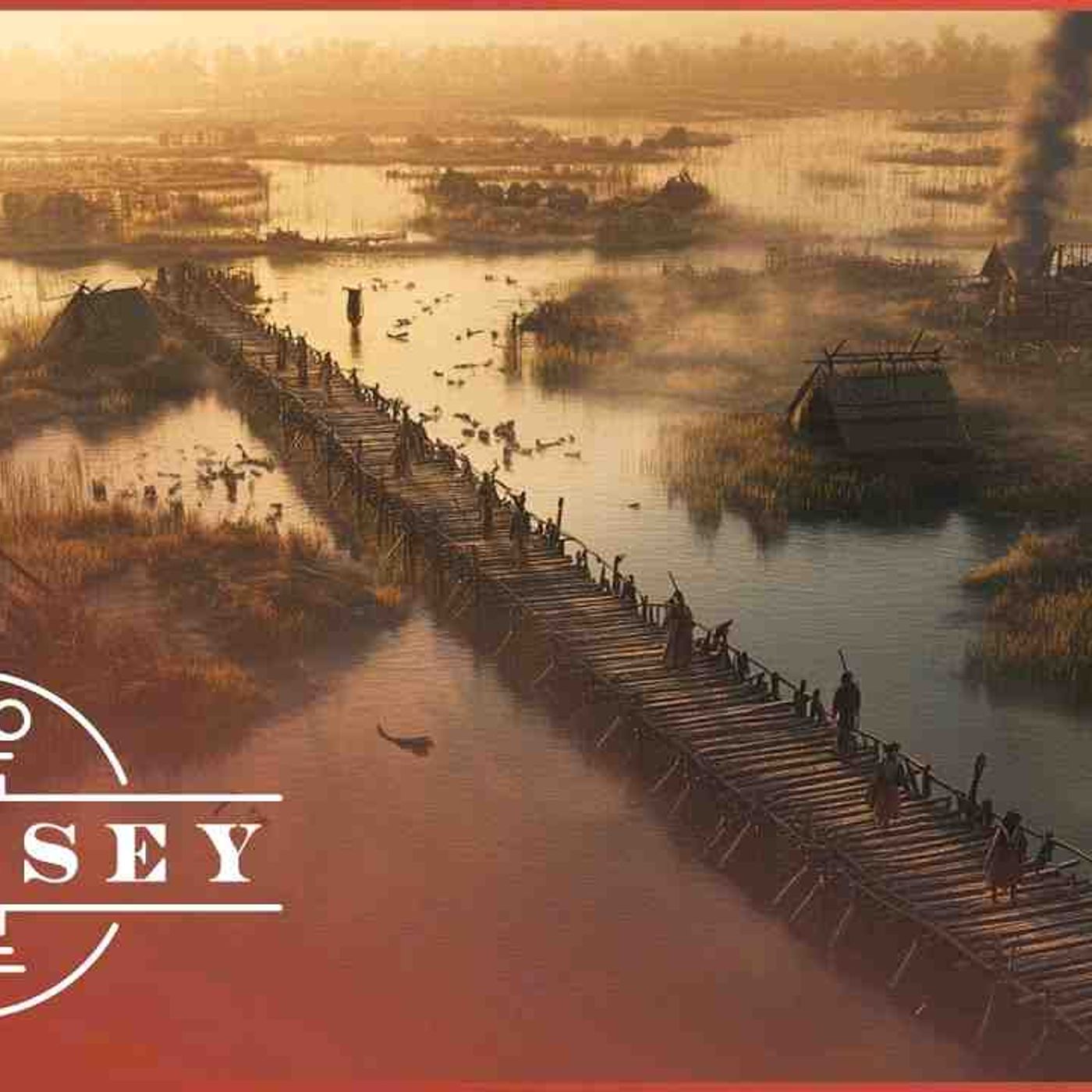
"London's first bridge was built by the Romans in 43 AD. It stood for nearly 2,000 years—but no one knew exactly where."
For decades, the location of the original London Bridge was the last great mystery of Roman London. In 1981, archaeologists digging 30 feet underground found an oak box-like structure on the riverbank. It was the bridge's foundation. The Romans had spanned the Thames, and the world's most famous bridge was finally found.
The Bizarre 5_000-Year-Old Burial Rituals Of Ancient Britain
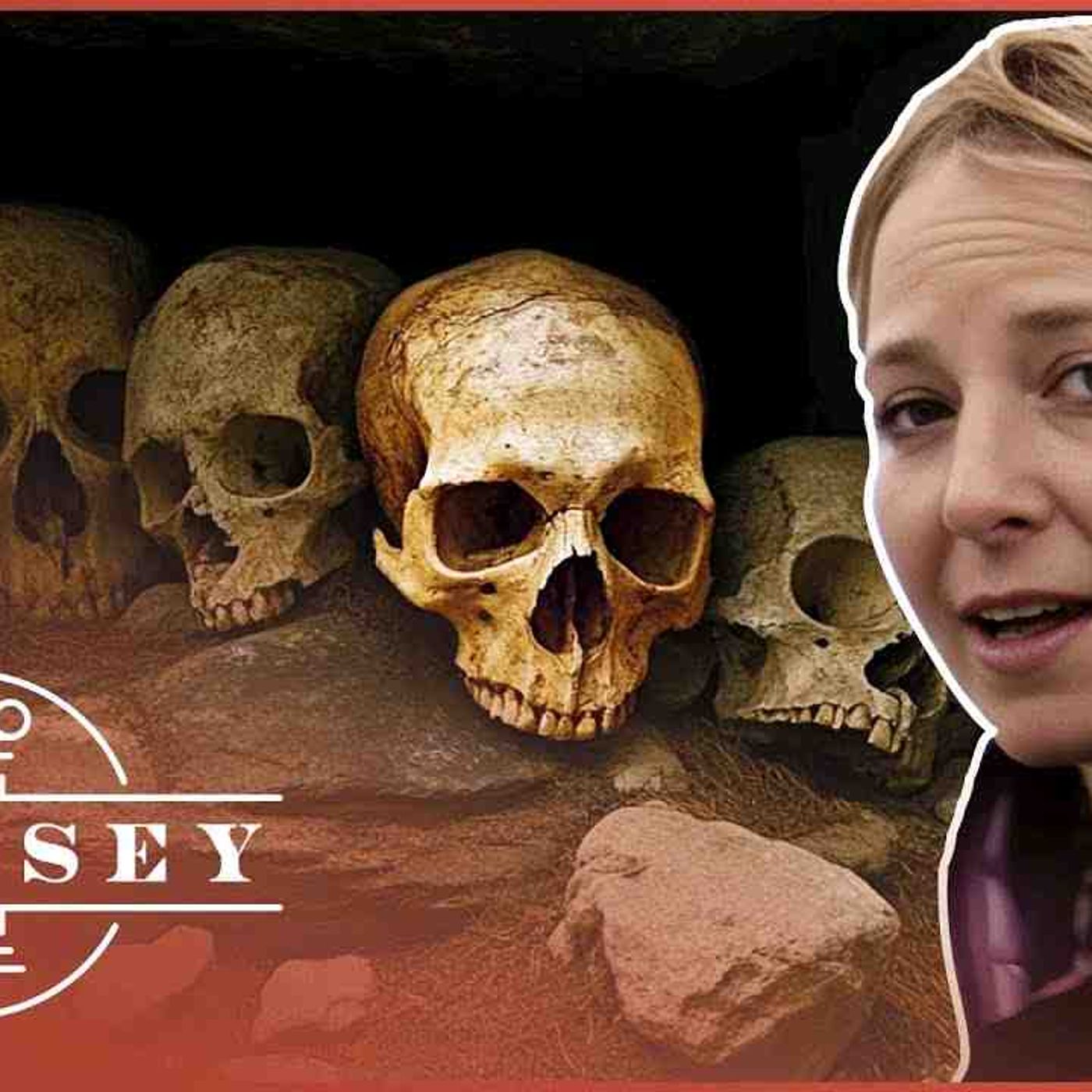
In Neolithic Britain, death was a communal act. People were buried in longbarrows—large earthen tombs that served as communal graves. Some bodies were rearranged, with skulls removed and bones mixed together, suggesting that the dead were not just buried but curated, their remains used in ceremonies for generations.
Excavations at sites like West Kennet Long Barrow reveal that these ancient Britons had a complex relationship with their ancestors, treating them as active participants in the world of the living. Cremation was sometimes practiced, but inhumation—placing the dead in tombs—was more common, creating a lasting link between the li...
The Mysterious Iron Age Tunnel Under A Garden _ Time Team _ Odyssey
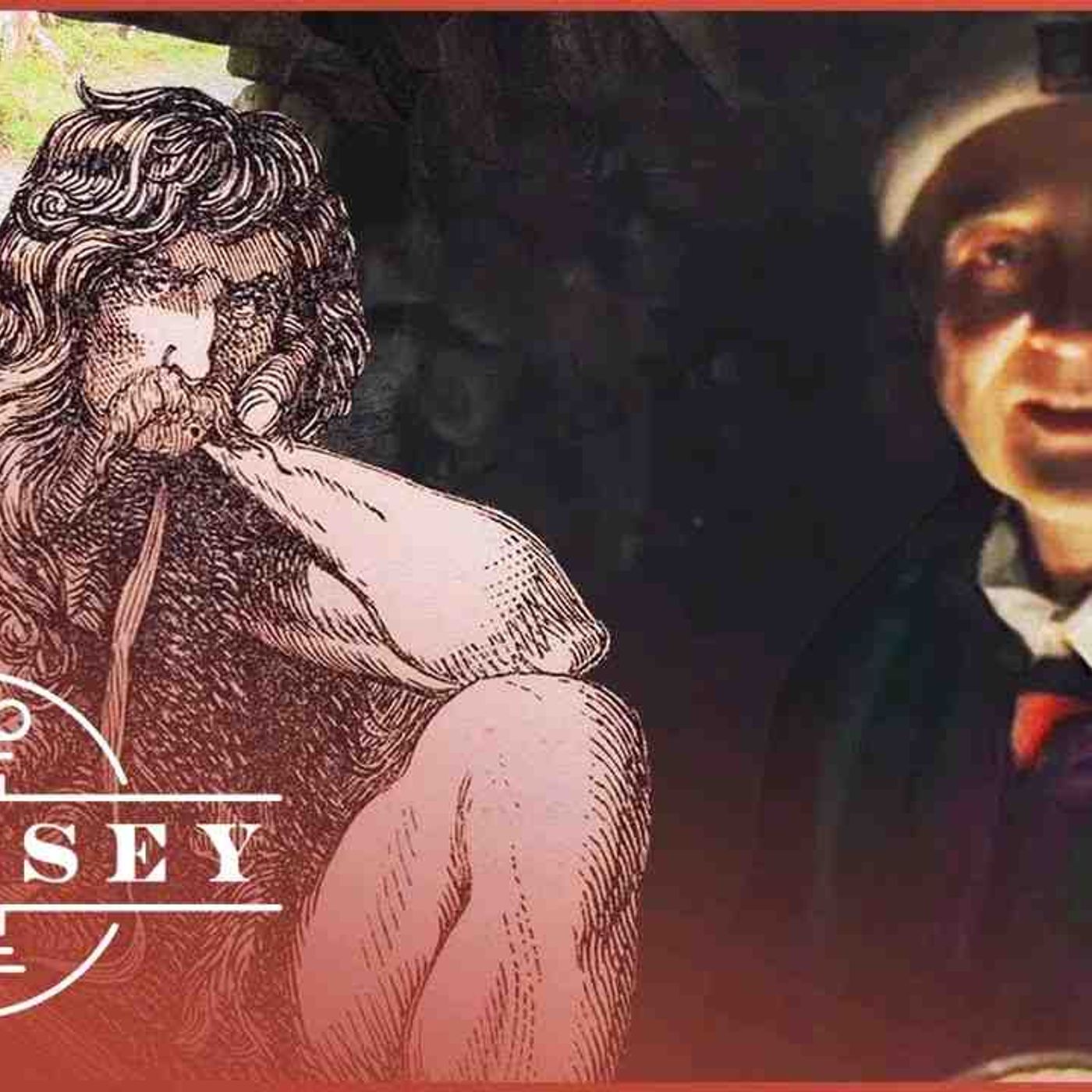
Deep beneath a garden in Perthshire, Scotland, a 2,400-year-old tunnel baffles experts. Discovered in 2022, the Broxy Kennels tunnel is carefully paved with stones hauled from miles away, yet its purpose remains a complete mystery . It wasn't a grain store, a refuge, or a ritual site—leaving archaeologists with more questions than answers. As the team investigates, they uncover a structure that refuses to reveal its secret, a testament to the ingenuity of Iron Age builders. This is a story where the best modern technology meets an ancient, unsolved puzzle.
The Search For The Lost Home Of The Confessor _ Time Team _ Odyssey
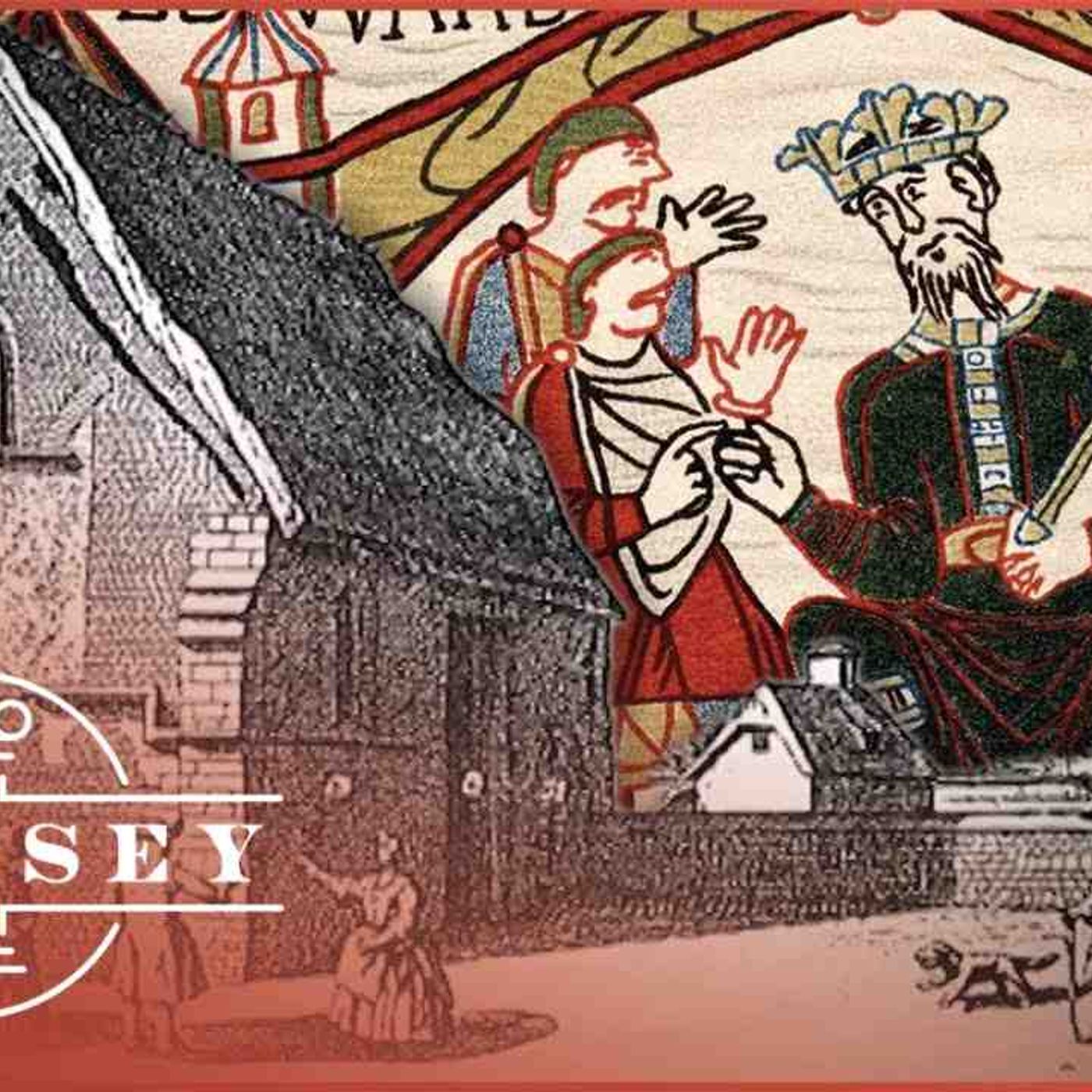
A sleepy Oxfordshire village. A king's birthplace. And a mystery that defied the experts. The Time Team descends on Islip to find the childhood home of Edward the Confessor [citation:5][citation:13]. Armed with medieval charters from Westminster Abbey, they hunt for a lost chapel and Saxon palace [citation:1][citation:11]. But the ground holds its secrets. Every trench brings more questions than answers [citation:9]. This is the story of a royal hunt that almost never found its prize.
Britain_s Pompeii_ The Remarkably Preserved Burnt Bronze Age Village
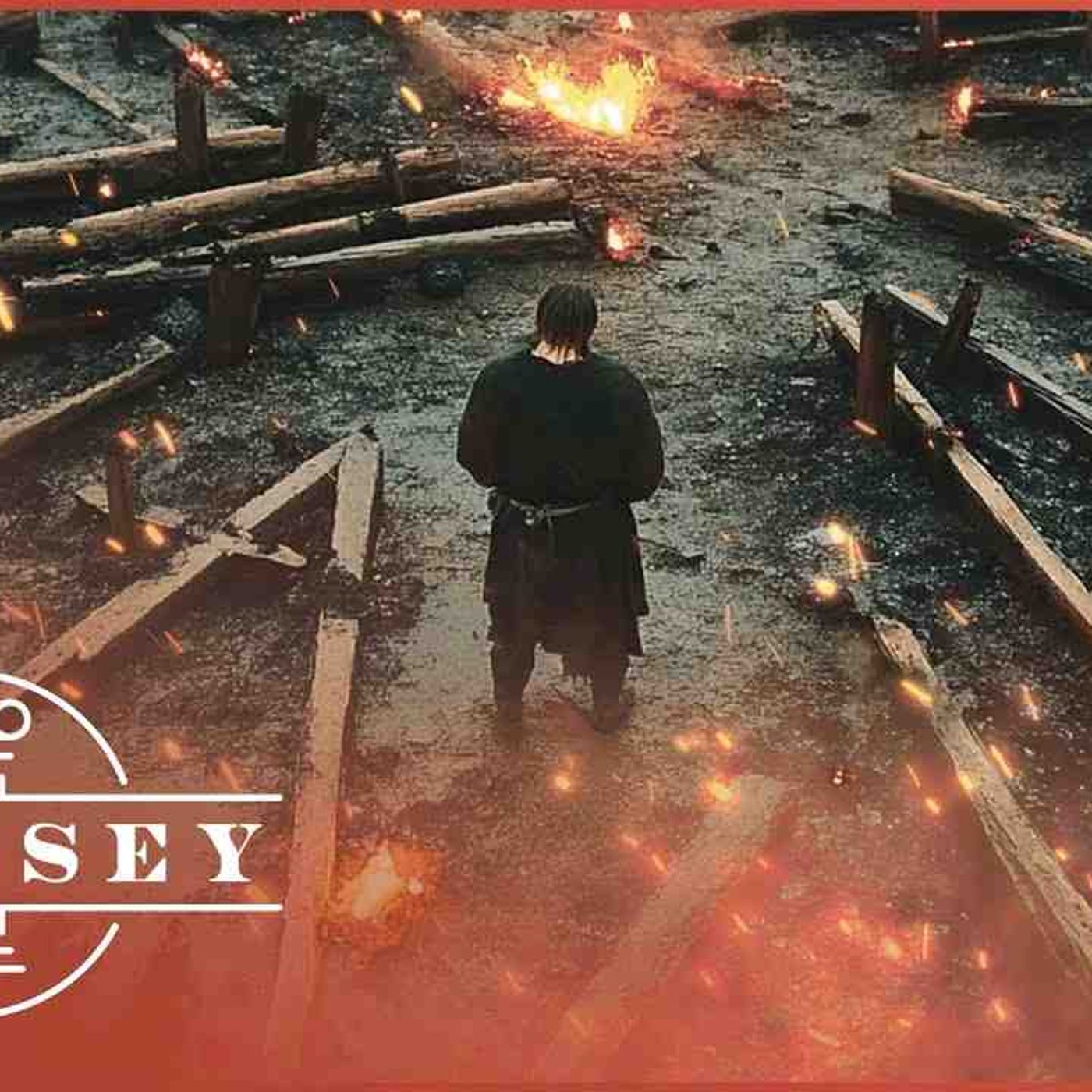
🔥 "A catastrophic fire swept through a stilt village 3,000 years ago. The structures collapsed into the river below—and time stopped."
Known as "Britain's Pompeii," Must Farm in Cambridgeshire preserves everyday life in astonishing detail. The 850 BC settlement was less than a year old when it burned [citation:2][citation:6]. Roundhouses contained complete pottery, metal tools, textiles, and food still in bowls [citation:3][citation:4]. Residents traded glass beads from Iran and Denmark [citation:6]. Even a human skull, smoothed by touch, suggests a lost loved one [citation:6]. This is a snapshot of Bronze Age Britain frozen in fire and mud.
The Ancient Roman Treasures Buried Under An English Field _ Time Team _ Odyssey
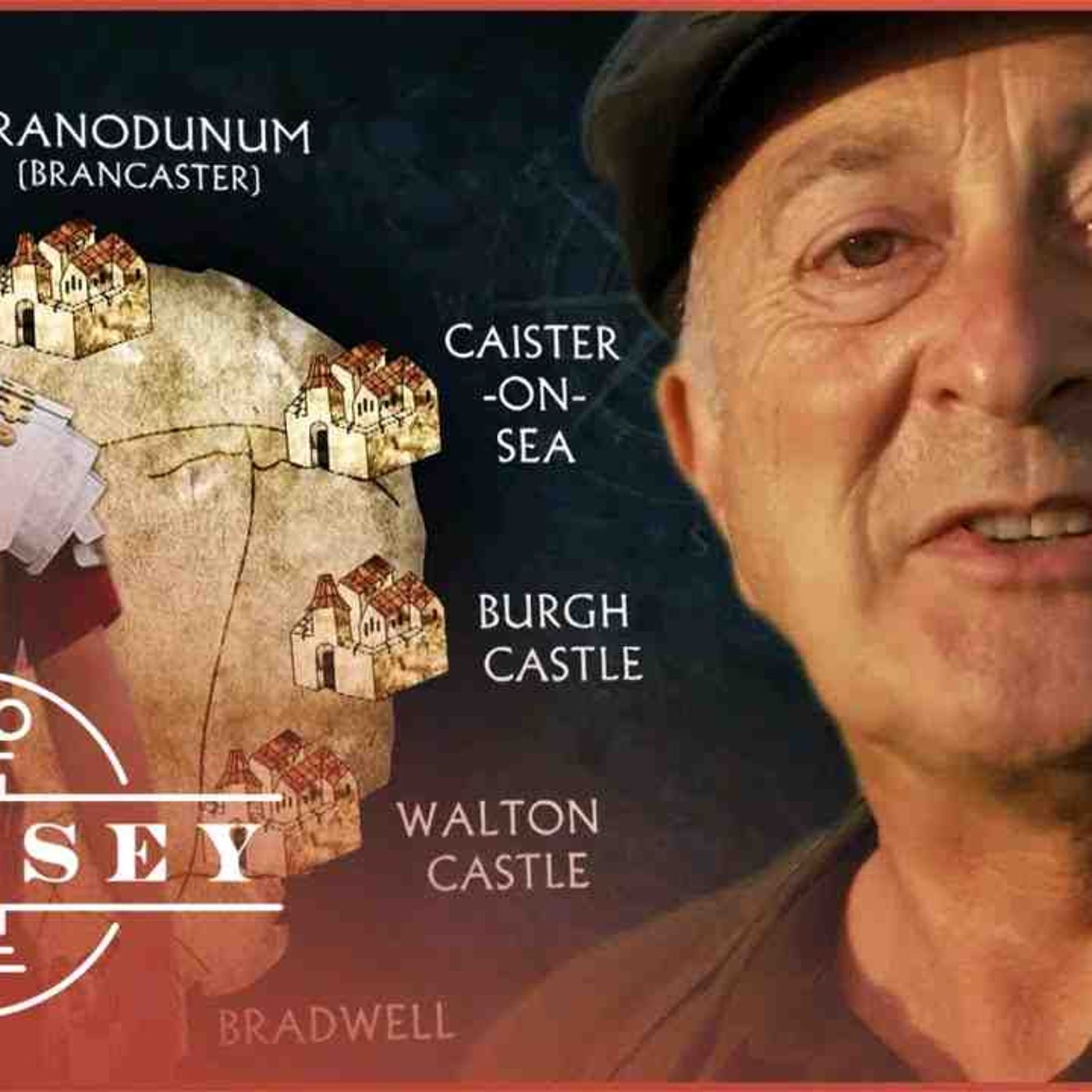
For years, a Suffolk farmer collected hundreds of pieces of Roman pottery, jewelry, and coins from one field. Time Team arrives to find the source: a grand Roman villa built around the 4th century AD [citation:1][citation:5].
As they dig across the field, the team uncovers a complex mosaic of buildings, including a richly decorated bathhouse with a hypocaust heating system. They find fragments of decorative floor tiles depicting mythical creatures like griffins and winged horses, revealing a high-status residence [citation:2]. A sealed kitchen, preserved by an ancient fire, offers a rare glimpse into daily Roman life. This is...
The Mystery of The Stone Age Skeletons In Derbyshire _ Time Team _ Odyssey
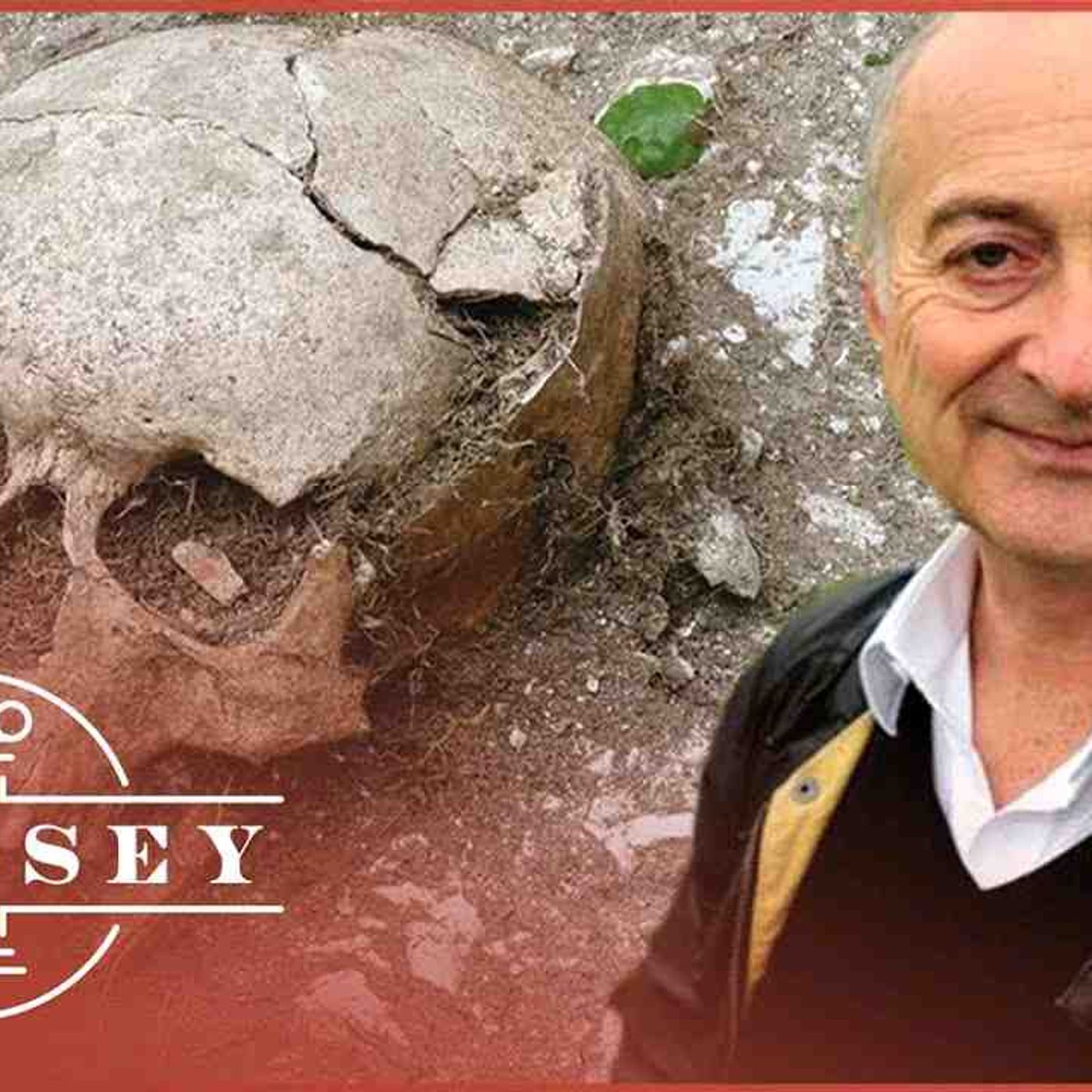
A cave in the Peak District held a grisly secret: dozens of human skeletons, some newborn babies, dating back to the Stone Age. The Time Team has three days to uncover why they were there.
Cavers found bones that spanned millennia—from Neolithic to Roman times. The excavation was dangerous, with unstable chambers threatening to collapse. Nearby, they investigated a Bronze Age barrow. But how did these ancient remains end up in a cave? The answer remains a mystery.
The Sacred Neolithic Henge Buried In Someone_s Backyard _ Time Team _ Odyssey
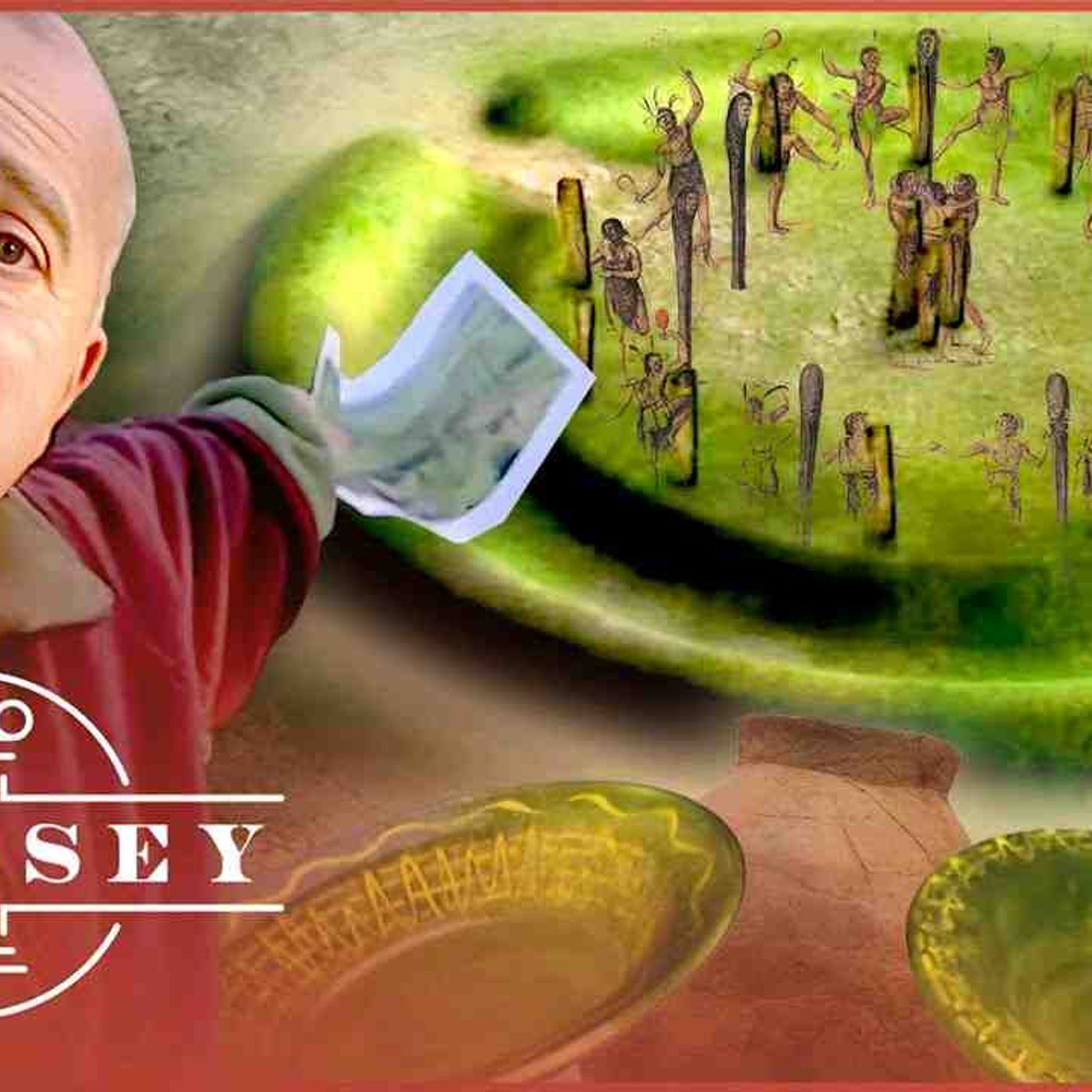
🏡 "One of the best-preserved Neolithic henges in Britain—buried in a back garden in the middle of a housing estate."
A local resident unearthed a Neolithic long barrow, prompting Time Team to investigate. They dig a garden in the village of Northborough, Cambridgeshire, in 2005, and uncover a 5,000-year-old monument with a timber circle built for the winter solstice. A rare glimpse into Neolithic life hidden beneath suburban lawns.
The Hunt For The Lost Roman Mansion _ Time Team
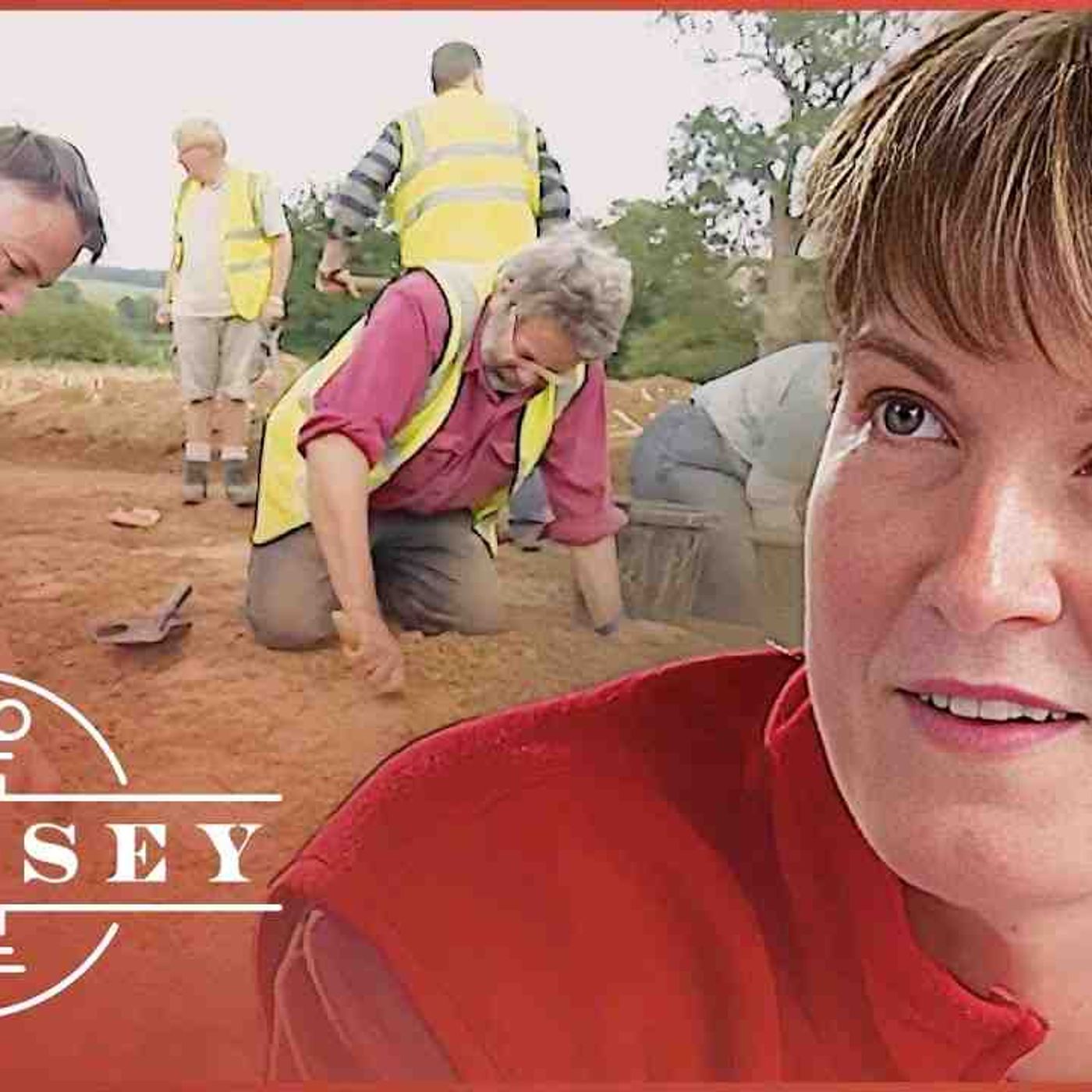
A concrete army barracks covers a 90-year-old secret. In 1907, Colonel Hawley found a Roman mosaic—then the villa was lost. Time Team arrives in 1996 to find it [citation:1][citation:3][citation:9].
With geophysics and expert knowledge, they search for a high-status building with mosaics and underfloor heating [citation:9][citation:11]. The concrete protects the site but makes the hunt a race against the clock [citation:4][citation:7]. By day three, they've found a substantial Roman mansion. But then the time runs out [citation:9].
The Complete Story Of The Rise & Fall Of The Aztecs
🌎 "The Aztecs, who probably originated as a nomadic tribe in northern Mexico, arrived in Mesoamerica around the beginning of the 13th century." From humble origins, they built Tenochtitlán—a city of 200,000, larger than any European capital—and ruled over 5 to 6 million people[citation:4][citation:6].
In 1519, Spanish conquistador Hernán Cortés arrived. Within two years, through disease, alliances with subject tribes, and superior weaponry, the empire that had dominated central Mexico for centuries crumbled. The fall of Tenochtitlán on August 13, 1521, marked the end of Mesoamerica's last great native civilization[citation:2][citation:4].