Philosophy Overdose
A collection of public and academic philosophy videos, mostly analytic philosophy but occasionally continental philosophy too. The channel looks for thought-provoking lectures and interviews, particularly what is rare and involves famous figures. There is occasionally an attempt at translation as well, especially that of German and French.Nothing here is monetized, the channel is wholly non-commercial. Everything here is for the purpose of education and spreading around good philosophy content. If there's any problem, let me know, and I can take it down.Feel free to let me know if there's anything you'd like me to post, including one of...
The Guts of the Frankfurt School: Reexamining Marx and the Marriage with Freud (Marcuse and Bryan Magee)
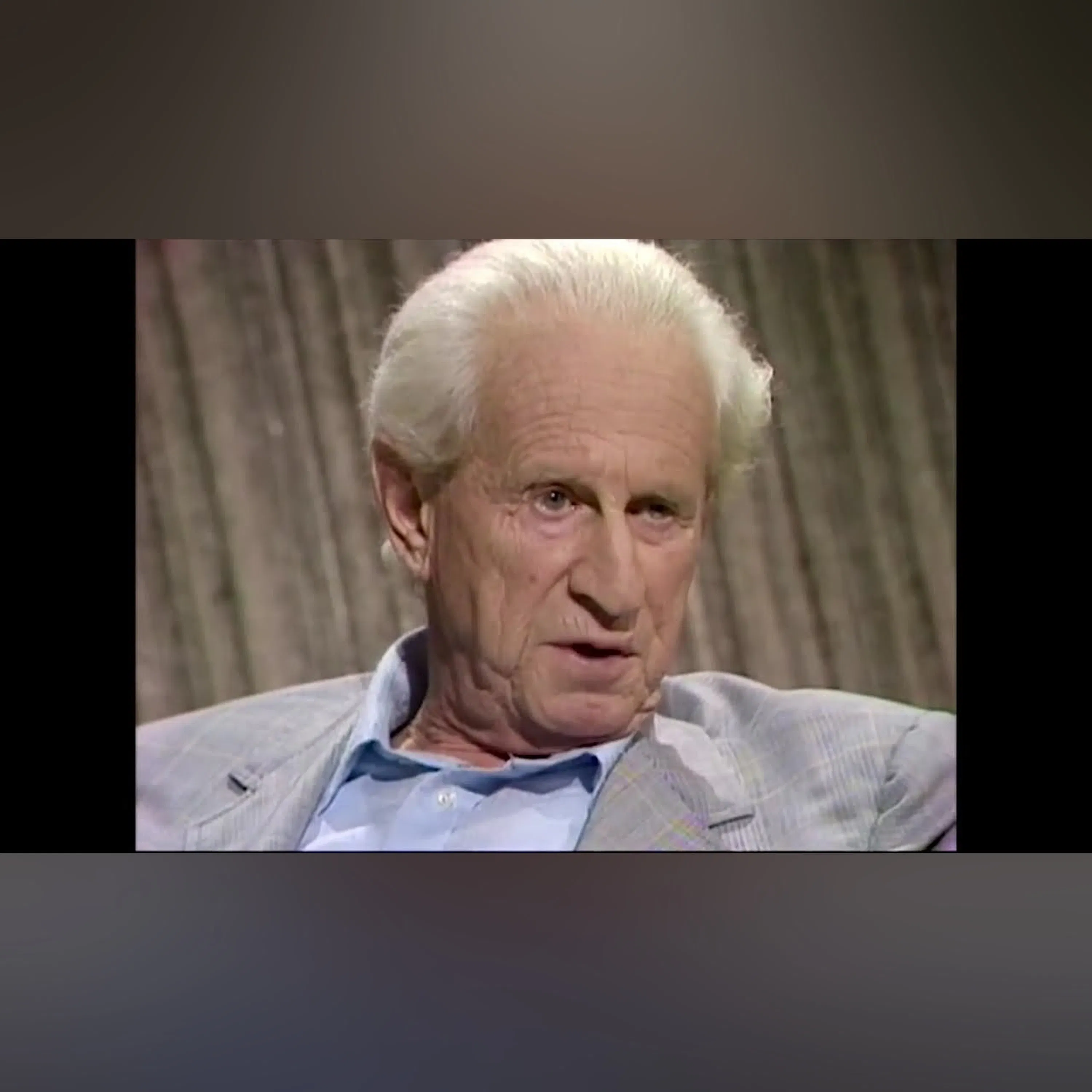
The full interview can be found here: https://www.youtube.com/watch?v=U23Ho0m_Sv0
#philosophy #bryanmagee #marx #freud #politicaltheory #politicalphilosophy #marxism #historyofphilosophy
Learn more about your ad choices. Visit megaphone.fm/adchoices
Political Equality
A clip of Ronald Dworkin discussing the notion of political equality which comes from a longer talk on the paradoxes of equality at Queen's University as part of the 1982 Chancellor Dunning Trust Lecture series. Read more on this topic: https://plato.stanford.edu/entries/equality/
#philosophy #politicalphilosophy #politicaltheory #ethics
Learn more about your ad choices. Visit megaphone.fm/adchoices
5 Idealisms and their Refutations - Kant's Critique of Pure Reason (Dan Robinson)
Dan Robinson gives the 5th lecture in a series of 8 on Immanuel Kant's Critique of Pure Reason. The very possibility of self-awareness (an "inner sense" with content) requires an awareness of an external world by way of "outer sense". Only through awareness of stable elements in the external world is self-consciousness possible.
This series looks at German Philosopher Immanuel Kant's seminal philosophical work 'The Critique of Pure Reason'. The lectures aim to outline and discuss some of the key philosophical issues raised in the book and to offer students and individuals thought provoking Kantian ideas surrounding metaphysics...
Sidgwick's Ethics - Peter Singer (2017)

In this talk, Peter Singer discusses and defends Henry Sidgwick's consequentialist ethics. This was the Routledge lecture in philosophy given at the University of Cambridge in 2017 under the title 'The Point of View of the Universe: Defending Sidgwick's Ethics'. Professor Singer discusses various forms of utilitarianism, some of the main arguments against each, as well as some of the responses. Read more about utilitarianism and consequentialism: https://iep.utm.edu/consequentialism-utilitarianism/
Sidgwick's Methods of Ethics: http://www.laits.utexas.edu/poltheory/sidgwick/me/index.html
#philosophy #ethics #utilitarianism #moralphilosophy #metaethics #petersinger
...
Rawls vs Nozick (Ronald Dworkin)
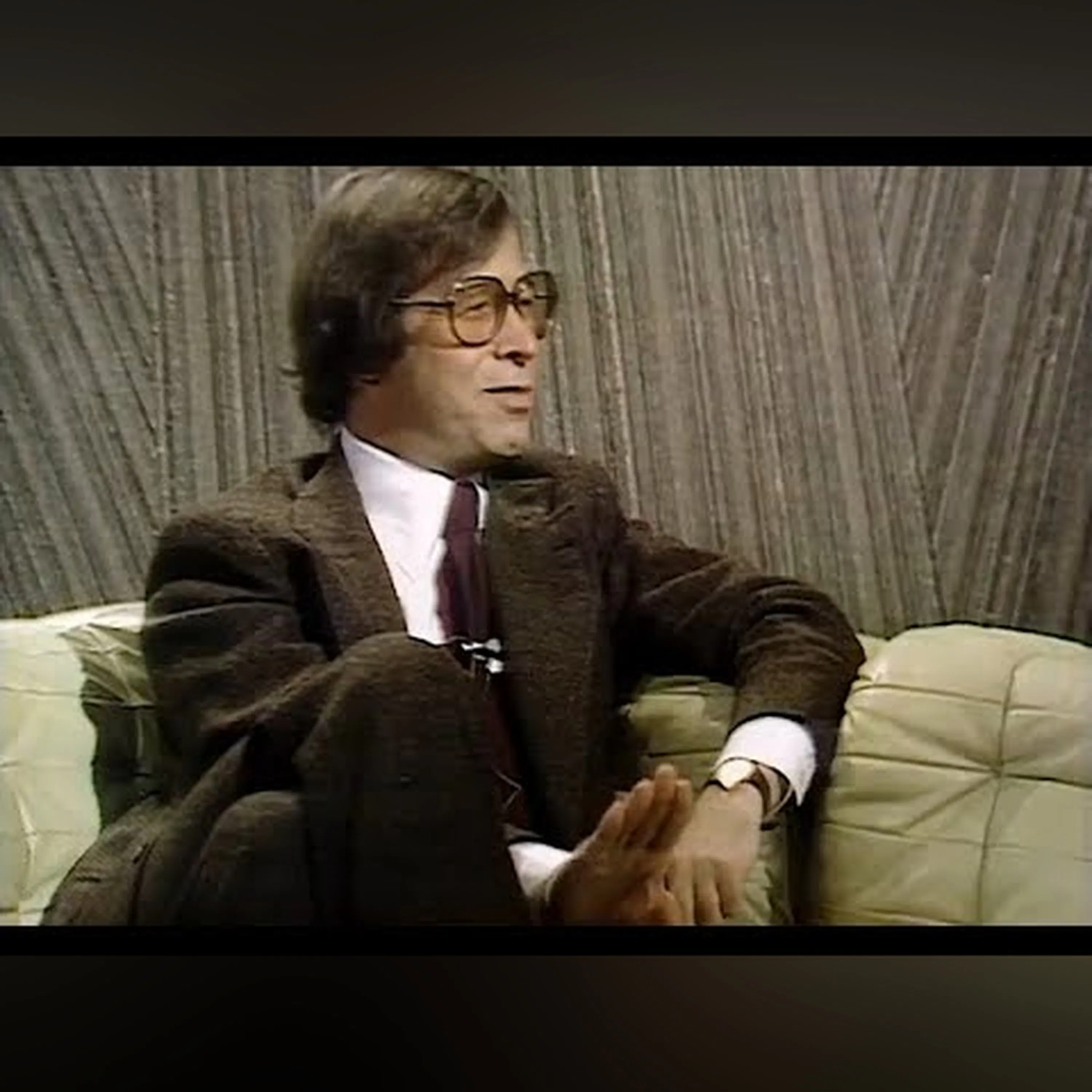
Ronald Dworkin gives a very brief, introductory overview of John Rawls' "A Theory of Justice" and Robert Nozick's "Anarchy, State, and Utopia" in an interview with Bryan Magee from 1977. Although both wrote very influential works of political philosophy, they came to quite different conclusions. Rawls famously put forward a novel argument for his position which made use of a thought experiment involving a hypothetical contract. Unlike other social contract theories though, Rawls added the further twist that the bargainers must be ignorant about certain facts about themselves which could bias them in their own favor (e.g. their race...
Fallibilism's Payoff - Catherine Elgin
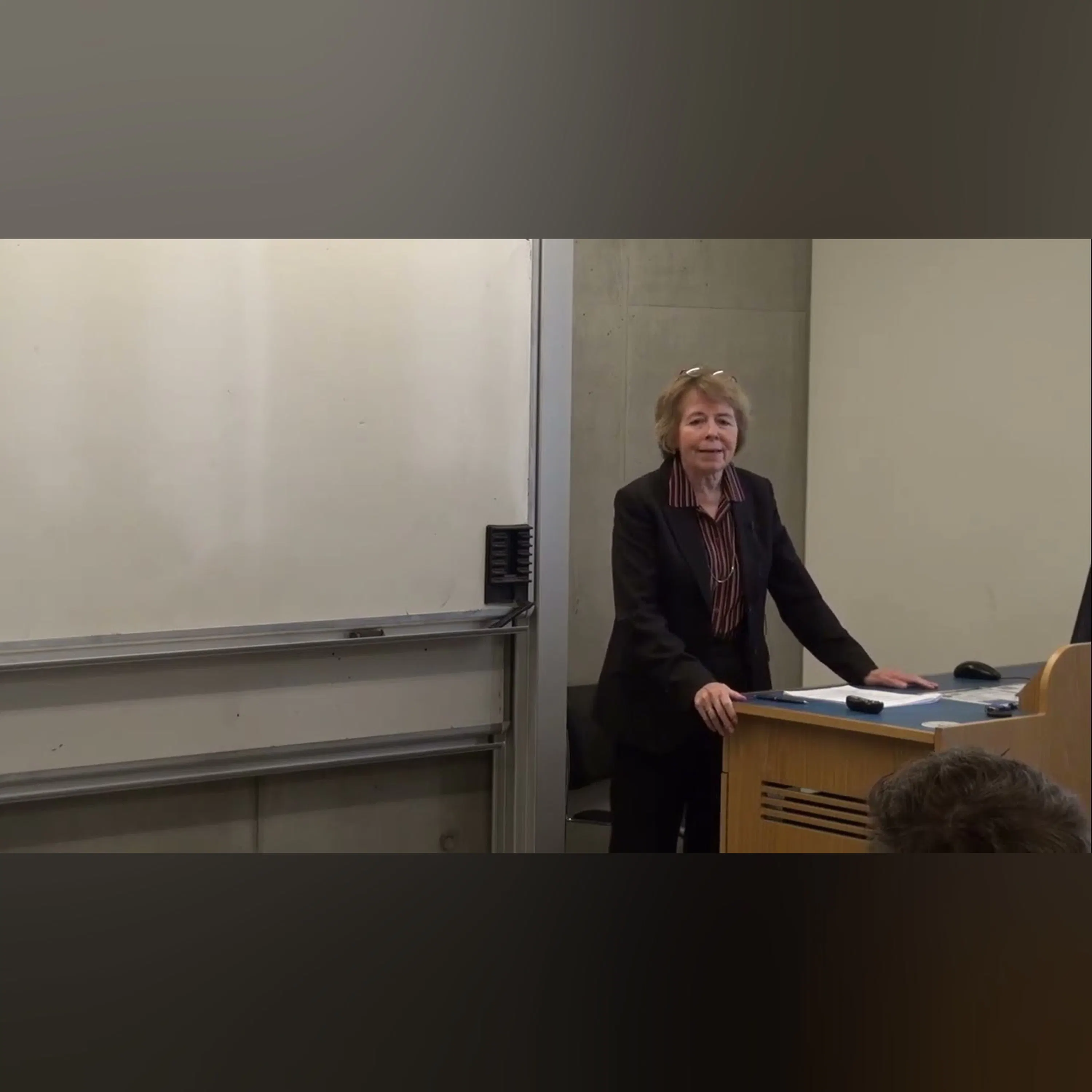
Catherine Elgin discusses fallibilism in a 2016 lecture at the University of Edinburgh. Elgin's talk "True Enough": https://youtu.be/P5pKJGXuCNE
#philosophy #epistemology #skepticism #science
Learn more about your ad choices. Visit megaphone.fm/adchoices
Prerequisites of Language Acquisition - Noam Chomsky (1964)

Noam Chomsky discusses language and the innate structures of the mind in a 1964 lecture at UC Berkeley and sponsored by the Philosophy Colloquium.
00:00 Lecture
1:10:24 Q&A
Source: https://cla.berkeley.edu/item/?bndlid=26712
#philosophy #chomsky #epistemology #language #linguistics #psychology #mind
Learn more about your ad choices. Visit megaphone.fm/adchoices
The Virtual and The Real (David Chalmers)
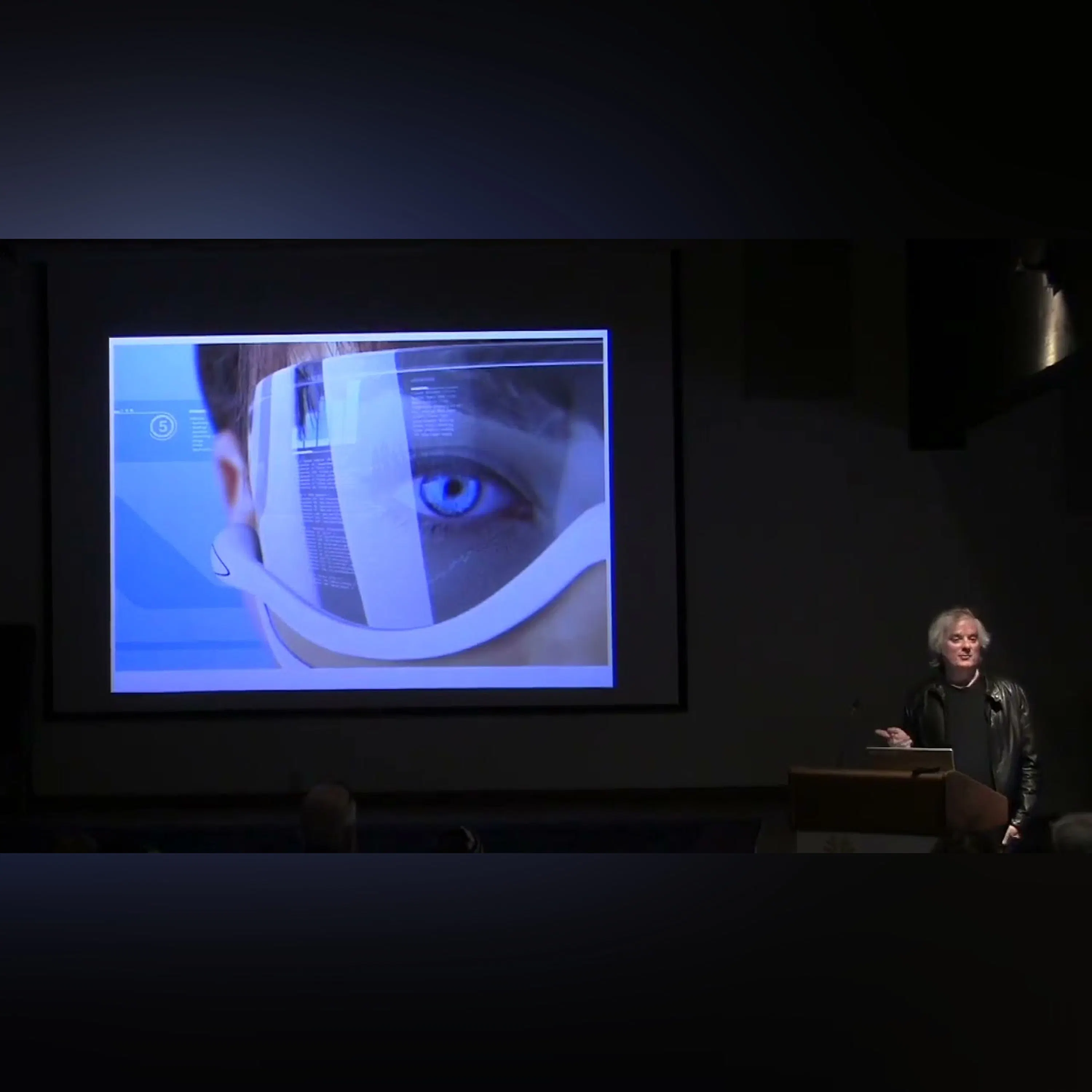
Distinguished philosopher Dr. David Chalmers discusses some of the philosophical issues that arise regarding virtual reality technology in a lecture back in 2017 at the Community Library in Idaho.
#philosophy #epistemology #davidchalmers #metaphysics #virtualreality
Learn more about your ad choices. Visit megaphone.fm/adchoices
Words and Philosophy - Hugh Mellor (1978)

Audio recording of a series of six short ratio talks by Hugh Mellor back in 1978 on the use of words in philosophy. Among other things, he dispells the myth that important issues can be settled merely by definitions. He goes on to consider the abuse of words, as well as logical argument, jargon, and the liar paradox.
These talks were given by D. H. Mellor (David Hugh Mellor) and originally broadcast on BBC Radio 3 in 1978.
00:00 It All Depends What You Mean
05:15 Define Your Terms
10:18 Fictional Documentaries
15:19 What's Wrong With Jargon
20:08 On...
Is God an Unnecessary Hypothesis?
Audio recording of a lecture by Peter van Inwagen on whether God is an unnecessary hypothesis at Calvin College back in 2004. This was the first of his Jellema lectures. His second lecture can be found here: https://youtu.be/izD-w3CCN98
#philosophy #philosophyofreligion #agnosticism #atheism #theism #epistemology
Learn more about your ad choices. Visit megaphone.fm/adchoices
Wittgenstein vs Socrates on Definitions and Explanations (James Klagge)

Wittgenstein described some of his views as being the opposite of Socrates'. Socrates famously sought essential definitions for concepts such as Truth, Justice, Knowledge, Goodness, Beauty, etc. This search for the definition or essential nature of things (i.e. the necessary and sufficient conditions for a given concept) is the very paradigm of philosophical or conceptual analysis. But according to Wittgenstein, such abstract terms do not have or do not need to have an underlying essence which all the particular instances have in common. We understand the meaning of such terms enough to be able to use them, even...
3 Space, Time and the "Analogies of Experiences" - Kant's Critique of Pure Reason (Dan Robinson)
Dan Robinson gives the 3rd lecture in a series of 8 on Immanuel Kant's Critique of Pure Reason. Kant's so-called "Copernican" revolution in metaphysics begins with the recognition of the observer's contribution to the observation. Thus, to the extent that Hume's empiricism restricts knowledge to experience, empiricism succeeds only by accepting the a priori grounding of experience itself.
This series looks at German Philosopher Immanuel Kant's seminal philosophical work 'The Critique of Pure Reason'. The lectures aim to outline and discuss some of the key philosophical issues raised in the book and to offer students and individuals thought...
5 Varieties of Philosophical Skepticism - Hilary Putnam

In this fifth lecture, James Conant continues to discuss and contrast Cartesian skepticism with Kantian skepticism, and does so by discussing the work of Hilary Putnam and John McDowell.
In this series of lectures on varieties of philosophical skepticism, James Conant distinguishes between two forms of philosophical skepticism: Cartesian skepticism and Kantian skepticism. He discusses their general structure and shows how they're related. This sheds light on issues in various different areas, including within the philosophy of perception, philosophy of mind, and philosophy of language. Some of the philosophers discussed throughout this course include Wittgenstein, Sellars, Hilary...
Deep Blue's Victory: Dennett and Dreyfus on AI (1997)

A news segment on Deep Blue's victory over world champion Garry Kasparov in 1997, which features commentary from both Daniel Dennett and Hubert Dreyfus on the possible significance for our understanding of artificial intelligence and ourselves as rational, conscious, intelligent beings.
#philosophy #artificialintelligence #dennett #chess #consciousness #debate
Learn more about your ad choices. Visit megaphone.fm/adchoices
Reasons, Rationality, and Heuristics - Emma Borg (2024)

Professor Emma Borg gives the second lecture in a series on "Reasons for Action" as part of the 2024 Frege Lectures in theoretical philosophy at the University of Tartu.
Do people generally do what they do on the basis of the reasons they have for acting? The standard philosophical answer - common-sense psychology or folk psychology - says yes. But recently the idea that humans are generally rational, reasons-responsive beings has come under considerable pressure, as a number of empirical findings (often in the fields of social, comparative, and developmental psychology) seem to suggest that, on the contrary...
Hilary Putnam on Science and Non-Science (1977)

A short clip of Hilary Putnam discussing science and the demarcation project in a 1977 interview with Bryan Magee on the philosophy of science. This is version of an upload from the other channel. The full interview can be found here: https://www.youtube.com/watch?v=JJB2q8ufAgk
#philosophy #epistemology #bryanmagee #philosophyofscience #science
Learn more about your ad choices. Visit megaphone.fm/adchoices
Nietzsche on the Value of Truth - Ken Gemes

Audio recording of the second lecture by Ken Gemes on Nietzsche. Nietzsche claims that with the rejection of religious underpinning of the value of truth (e.g. truth as God’s word and as something absolute), we can now raise the question of why and to what extent we should value truth. He argues that our need for meaning conflicts with our will to truth because such a will tends to destroy all mythologies including the mythology of value – our will to truth reveals that values are not objectively 'out there' in the world, but are merely our own proj...
Isaiah Berlin Interview on Freedom (1974)
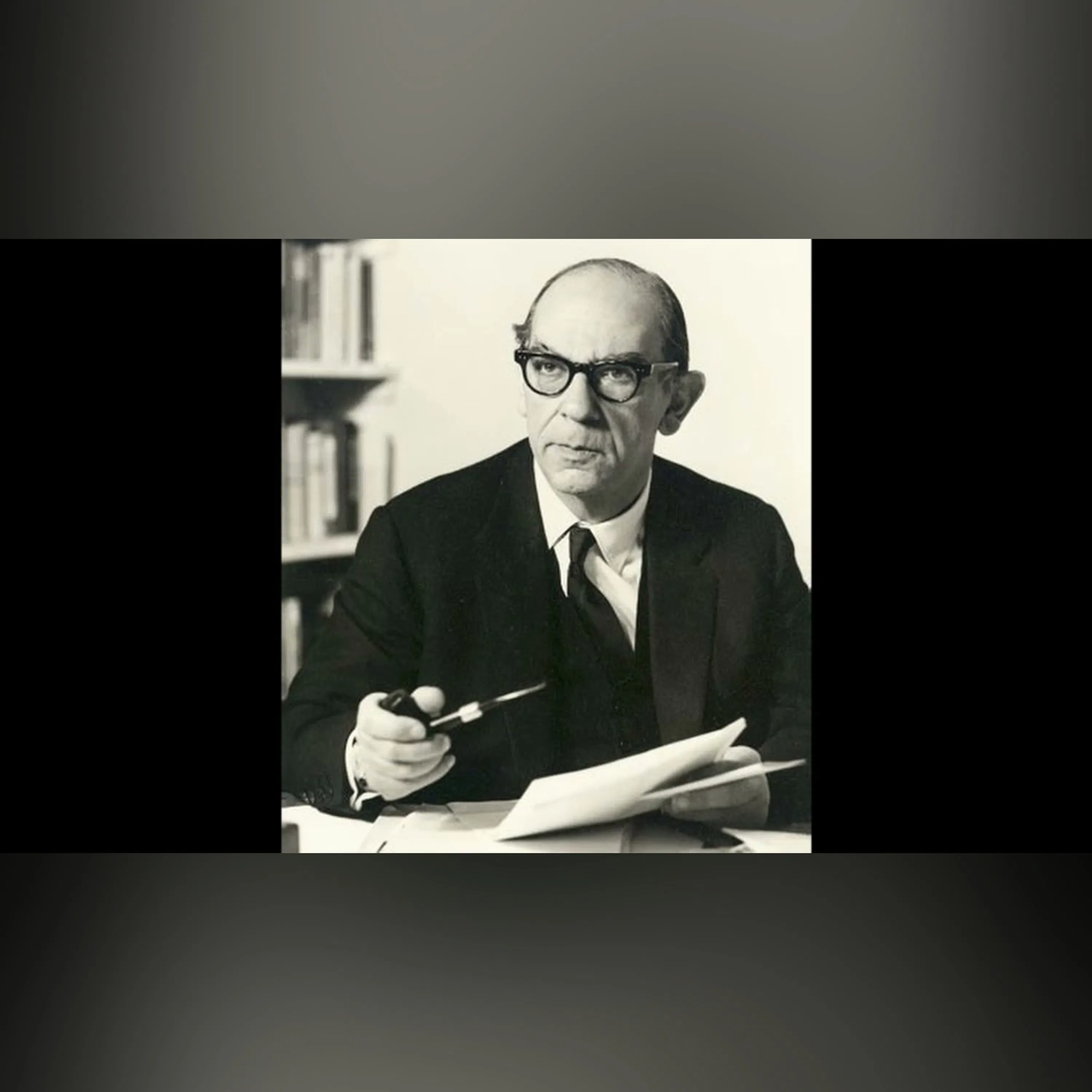
This is from an episode of the podcast Philosopher's Zone from a few years back. For more about the Philosopher's Zone: https://www.abc.net.au/radionational/programs/philosopherszone/
#philosophy #isaiahberlin #freedom #kant #determinism #causality #freewill #historyofphilosophy
Learn more about your ad choices. Visit megaphone.fm/adchoices
Political Liberalism and its End

Political liberalism has been extraordinarily successful, freeing the individual from custom, tribe, and tradition. The self-interested, self-directing individual has triumphed. But that great achievement may have come at a heavy cost. Unacceptable levels of inequality and the rise of a new global ruling class are two symptoms of a political system being lauded as the natural end point of history.
This is from an episode of the podcast Philosopher's Zone from a few years back with guest Patrick Deneen. More Philosopher's Zone: https://www.abc.net.au/radionational/programs/philosopherszone/
#philosophy #politicalphilosophy #liberalism #politicaltheory #rawls...
5 David Hume on Personal Identity - Reid's Critique of Hume (Dan Robinson)
Professor Dan Robinson gives the fifth in a series of 8 lectures on Thomas Reid's critique of David Hume at Oxford in 2014. “There are some philosophers who imagine we are every moment intimately conscious of what we call our self; that we feel its existence and its continuance in existence; and are certain, beyond the evidence of a demonstration, both of its perfect identity and simplicity…For my part, when I enter most intimately into what I call myself, I always stumble on some particular perception or other, of heat or cold, light or shade, love or hatred, pain or plea...
Death by Thomas Nagel

A reading of Thomas Nagel's 1970 article on death. The voice is AI, but modeled on Bryan Magee.
#philosophy #death #ethics
Learn more about your ad choices. Visit megaphone.fm/adchoices
Intro to the Philosophy of Mathematics (Ray Monk)
A good introduction to the philosophy of mathematics by Ray Monk. He considers the issue of the nature of mathematical truth - what mathematics is actually about - and discusses the views of Plato, Aristotle, Kant, Frege and Russell. What is mathematics about? Is mathematics something discovered or is it something invented or constructed by us? If numbers and mathematical objects are mere mental constructs, something invented by us, then why does mathematics work so well and seem to describe the world? On the other hand, if mathematical entities are "out there" in some sense waiting to be discovered...
Creativity in Science - Ernest Nagel (1968)
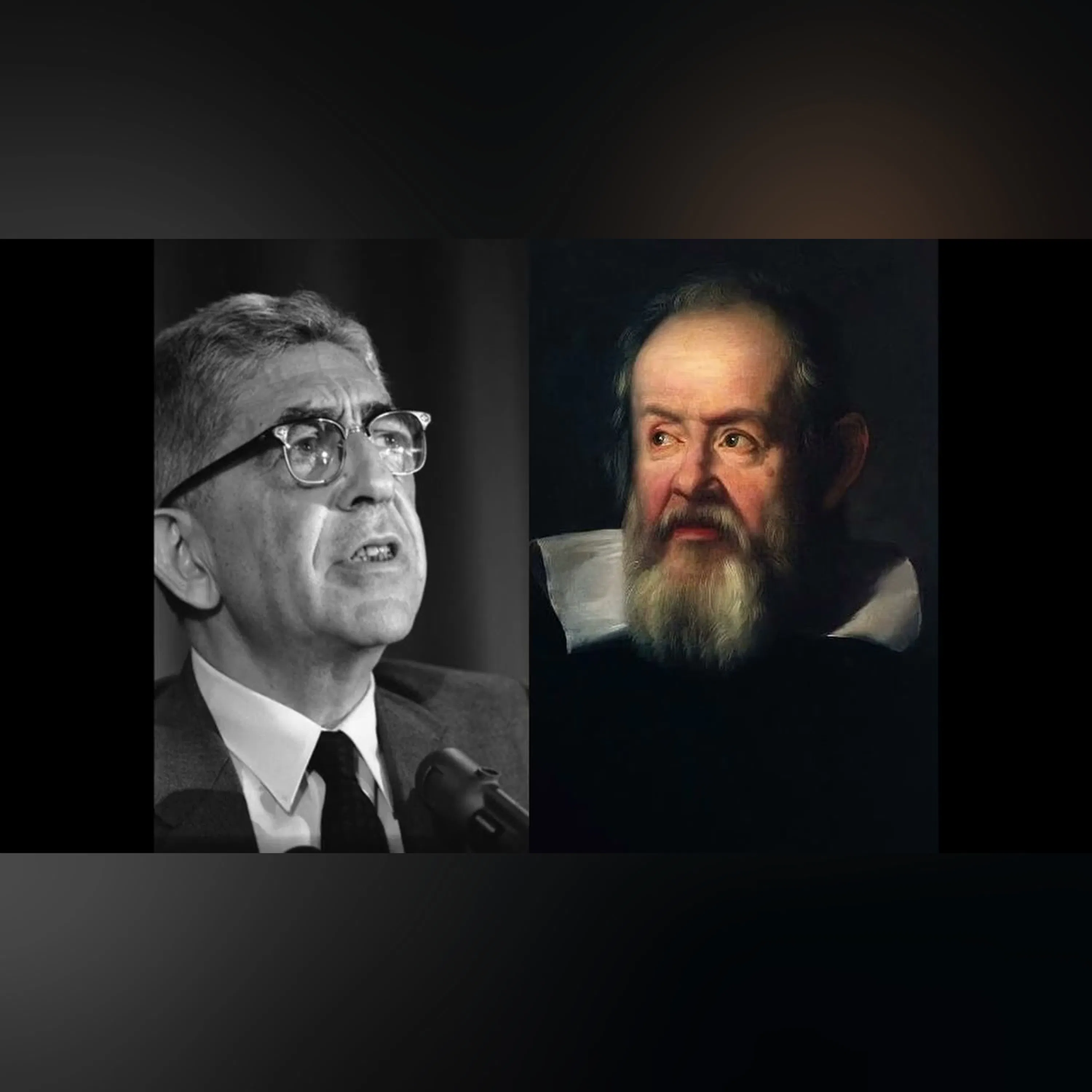
Audio recording of a public lecture by professor Ernest Nagel on the nature of creativity, particularly in connection with science. This talk was given at the Cooper Union Forum in 1968.
#philosophy #science #philosophyofscience #historyofscience #psychology
Learn more about your ad choices. Visit megaphone.fm/adchoices
Does Time Really Pass? (Simon Prosser on the Illusion of Passage)
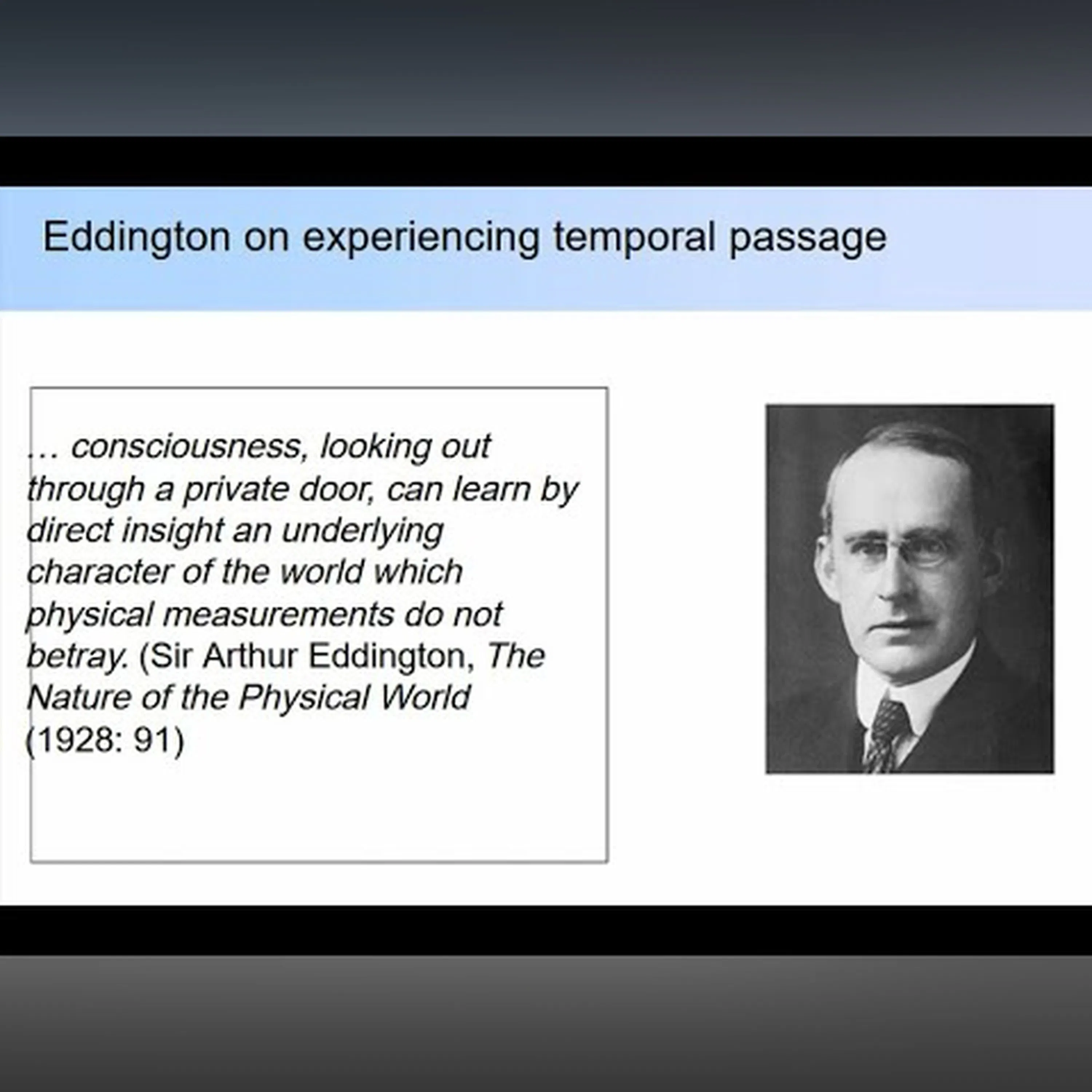
We are all familiar with the notion that time passes, but what does this mean? In this talk, Dr Simon Prosser argues that time does not pass. He begins by outlining some philosophical theories of temporal passage (A-theories of time, including presentism and the growing block view), along with a class of theories according to which time does not objectively pass (the B-theory of time, what's called eternalism or the block universe). He then goes over traditional problems for the notion of passage, including McTaggart's argument, the issue of the rate of passage, and the argument that passage is...
Cavell and Skepticism - Hilary Putnam (2005)

A clip of Hilary Putnam discussing philosophical skepticism and the work of Stanley Cavell which comes from a 2005 conference celebrating the work of Hilary Putnam at the ENS (École Normale Supérieure) in Paris.
#philosophy #epistemology #skepticism #historyofphilosophy
Learn more about your ad choices. Visit megaphone.fm/adchoices
The Absurdity of Moral Relativism and Subjectivism - A Polemic

Skeletons will dance, positions will be refuted. This is a re-upload from the previous channel. It was made in 2016. You may also like the following: https://youtu.be/DFHPH3m-KR8
#philosophy #relativism #ethics #postmodernism #historyofphilosophy
Learn more about your ad choices. Visit megaphone.fm/adchoices
Wittgenstein on Rules and Private Language
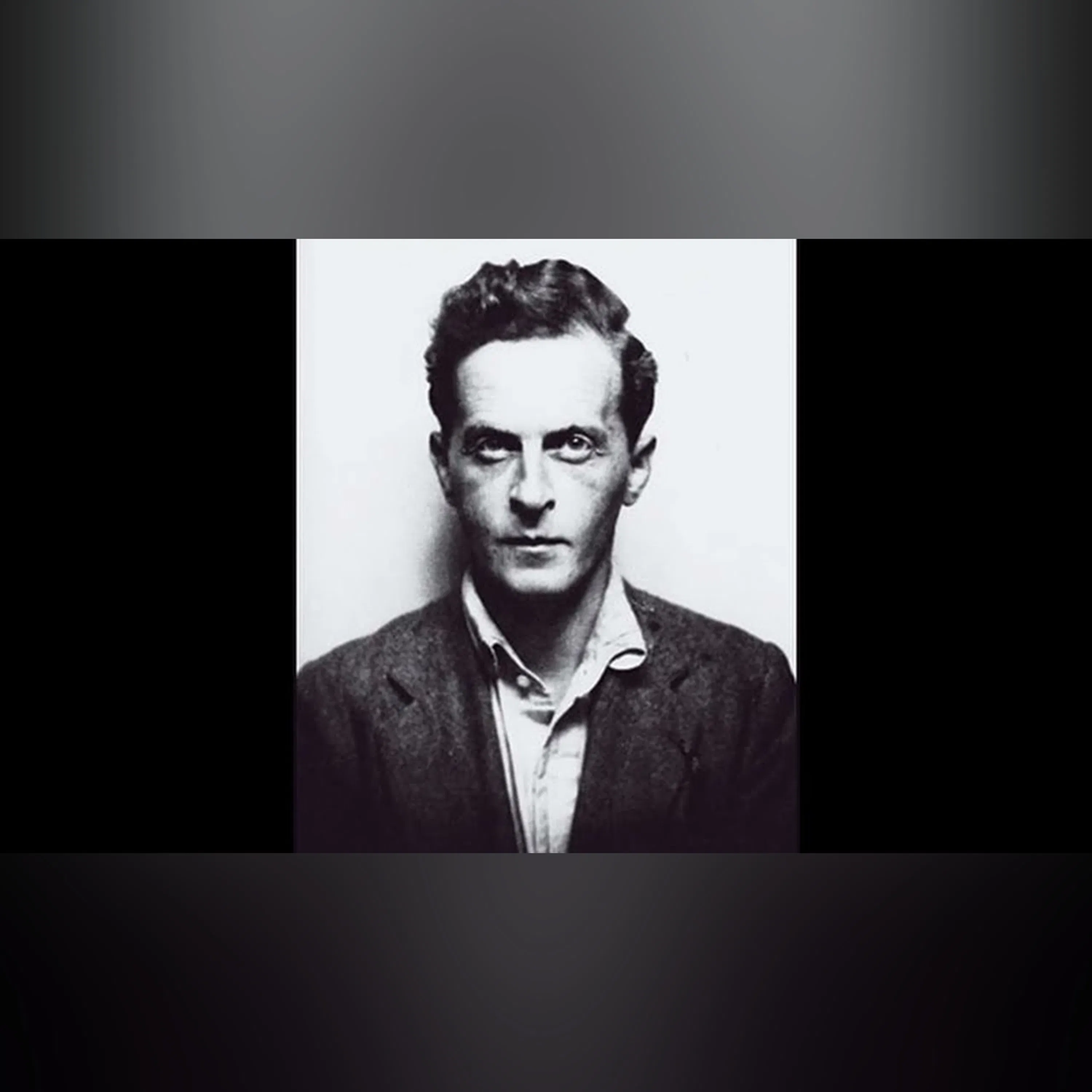
A reupload of something that I put together awhile back. The audio is from: https://youtu.be/v_hQpvQYhOI
Some relevant quotes:
"But how can a rule show me what I have to do at this point? Whatever I do is, on some interpretation, in accord with the rule...Any interpretation still hangs in the air along with what it interprets, and cannot give it any support. Interpretations by themselves do not determine meaning." Wittgenstein
"This was our paradox: no course of action could be determined by a rule, because any course of...
Philosophy and Our Mental Life - Hilary Putnam (1973)
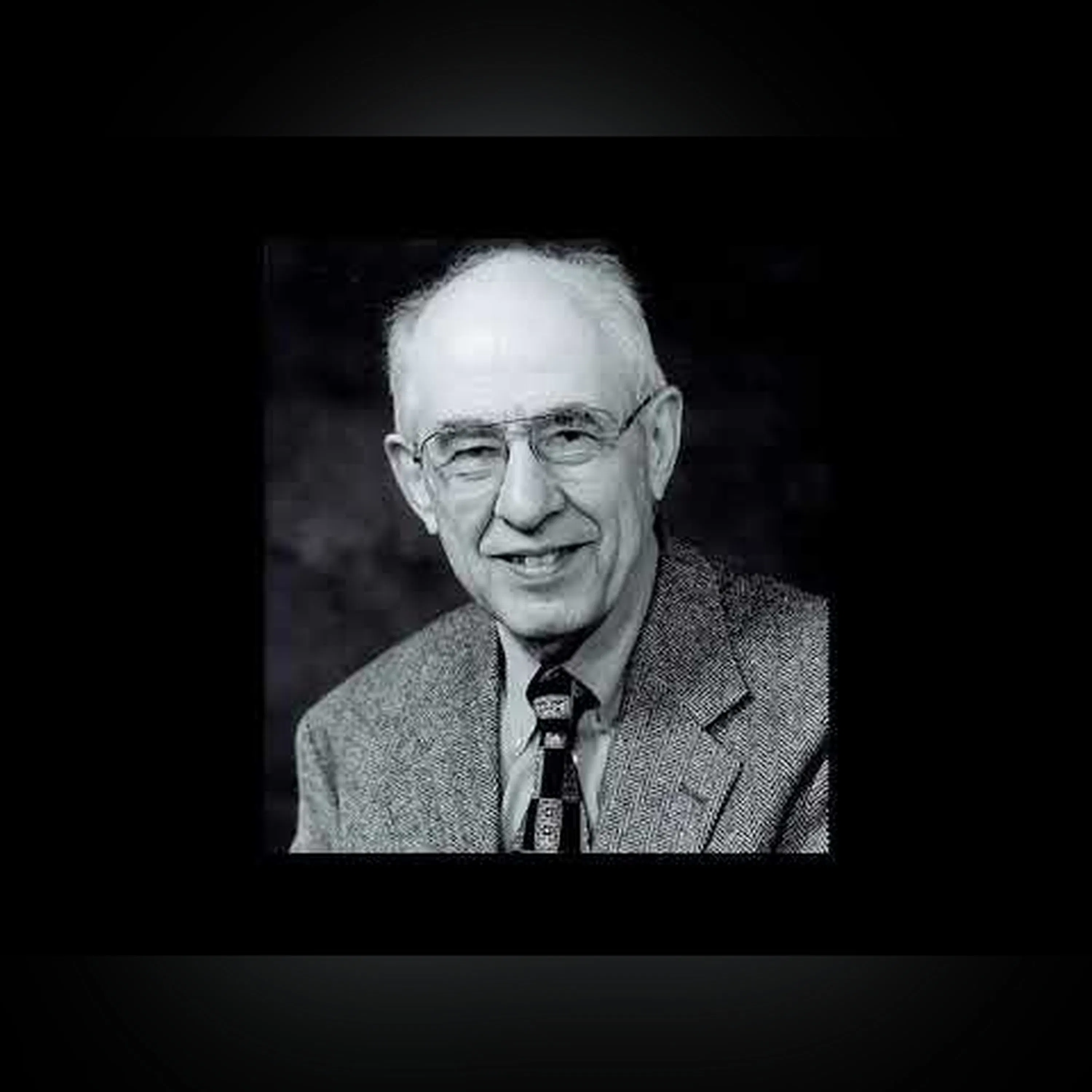
Audio recording of a 1973 lecture by Hilary Putnam as part of a symposium on "Computers and the Mind" at the University of California (Berkeley).
The question which troubles laymen, and which has long troubled philosophers, even if it is somewhat disguised by today's analytic style of writing philosophy, is this: Are we made of matter or soul-stuff? To put it as bluntly as possible, are we just material beings, or are we "something more"? In this talk, Hilary Putnam argues that this whole question rests on false assumptions. His purpose is not to dismiss the question, however...
Hannah Arendt on Eichmann, Banality, Guilt and Obedience (1964)

Clips of Hannah Arendt from a 1964 interview with Joachim Fest. This is a version of a previous upload. The translation is my own. More Arendt: https://www.youtube.com/playlist?list=PLhP9EhPApKE-07vAVTFEuiDvqli1y8f0U
#philosophy #hannaharendt #politicaltheory #totalitarianism
Learn more about your ad choices. Visit megaphone.fm/adchoices
The Hiddenness of God (Peter van Inwagen)
Audio recording of a lecture by Peter van Inwagen on the problem of divine hiddenness at Calvin College back in 2004. This was the second of his Jellema lectures. His first lecture can be found here: https://youtu.be/nNEweeN32QI
#philosophy #philosophyofreligion #agnosticism #atheism #theism #epistemology
Learn more about your ad choices. Visit megaphone.fm/adchoices
2 Reid and Common Sense Realism - Reid's Critique of Hume (Dan Robinson)
Professor Dan Robinson gives the second in a series of 8 lectures on Thomas Reid's critique of David Hume at Oxford in 2014. Is it the case that every simple idea is a “copy” of a simple impression? Hume is but the latest to deny that we have direct access to the external world. The “ideal” theory, relegating ideas to a mental realm whose occupants are but “copies” of some indefinite thing, is the sure path to skepticism and is at variance with the proper methods of science.
Under “David Hume”, the Stanford Encyclopedia of Philosophy begins with, “The most important phi...
Sidney Morgenbesser on Naturalism (1966)
Audio recording of a 1966 lecture given by Sidney Morgenbesser on philosophical naturalism at the Cooper Union Forum as part of a series on Philosophy for Modern Man.
#philosophy #determinism #atheism #freewill #causality #epistemology #science
Learn more about your ad choices. Visit megaphone.fm/adchoices
Nietzsche on Nihilism and the Death of God - Ken Gemes

Audio recording of the first of two lectures by Ken Gemes on Nietzsche. In this first talk, Ken Gemes introduces Nietzsche as the philosopher of the death of God. Nietzsche claims that we have not yet fully understood the ramifications of the modern rejection of belief in God. Giving up the belief in God undermines all our values, though many cling to those values in the absence of God or of any other justificatory basis for those values. When we truly appreciate the meaning of the death of God, we will, says Nietzsche, lapse into nihilism; the inability to...
6 Concepts, Judgment and Deduction of the Categories - Kant's Critique of Pure Reason (Dan Robinson)
Dan Robinson gives the 6th lecture in a series of 8 on Immanuel Kant's Critique of Pure Reason. Empiricists have no explanation for how we move from "mere forms of thought" to objective concepts. The conditions necessary for the knowledge of an object require a priori categories as the enabling conditions of all human understanding.
This series looks at German Philosopher Immanuel Kant's seminal philosophical work 'The Critique of Pure Reason'. The lectures aim to outline and discuss some of the key philosophical issues raised in the book and to offer students and individuals thought provoking Kantian ideas...
4 The Restrained Romantics - Kant, Schiller and Fichte (Isaiah Berlin 1965)

Isaiah Berlin gives the 4th lecture in a series of 6 on Romanticism and its roots.
All 6 lectures: https://www.youtube.com/playlist?list=PLhP9EhPApKE_9uxkmfSIt2JJK6oKbXmd-
For Berlin, the Romantics set in motion a vast, unparalleled revolution in humanity’s view of itself. They destroyed the traditional notions of objective truth and validity in ethics with incalculable, all-pervasive results. As he said of the Romantics elsewhere: “The world has never been the same since, and our politics and morals have been deeply transformed by them. Certainly this has been the most radical, and inde...
G. A. Cohen does Isaiah Berlin (1991)
G. A. Cohen impersonates Sir Isaiah Berlin in this short clip from 1991.
#philosophy #isaiahberlin
Learn more about your ad choices. Visit megaphone.fm/adchoices
Two Kinds of Freedom: Negative vs Positive

Another re-upload of something that I put together awhile ago about Isaiah Berlin's famous distinction between the notion of positive versus negative liberty, and the related liberal conception of freedom.
#philosophy #isaiahberlin #politicaltheory #politicalphilosophy #historyofphilosophy
Learn more about your ad choices. Visit megaphone.fm/adchoices
Husserl's Phenomenology - Marvin Farber (1959)

Audio recording of a 1959 lecture given by Marvin Farber on Edmund Husserl and Phenomenology as part of a series on Creative Thinking at the Cooper Union Forum.
#philosophy #husserl #phenomenology #epistemology #historyofphilosophy
Learn more about your ad choices. Visit megaphone.fm/adchoices
The Afterlife: How People Who Don’t Yet Exist Matter More to Us than People Who Do
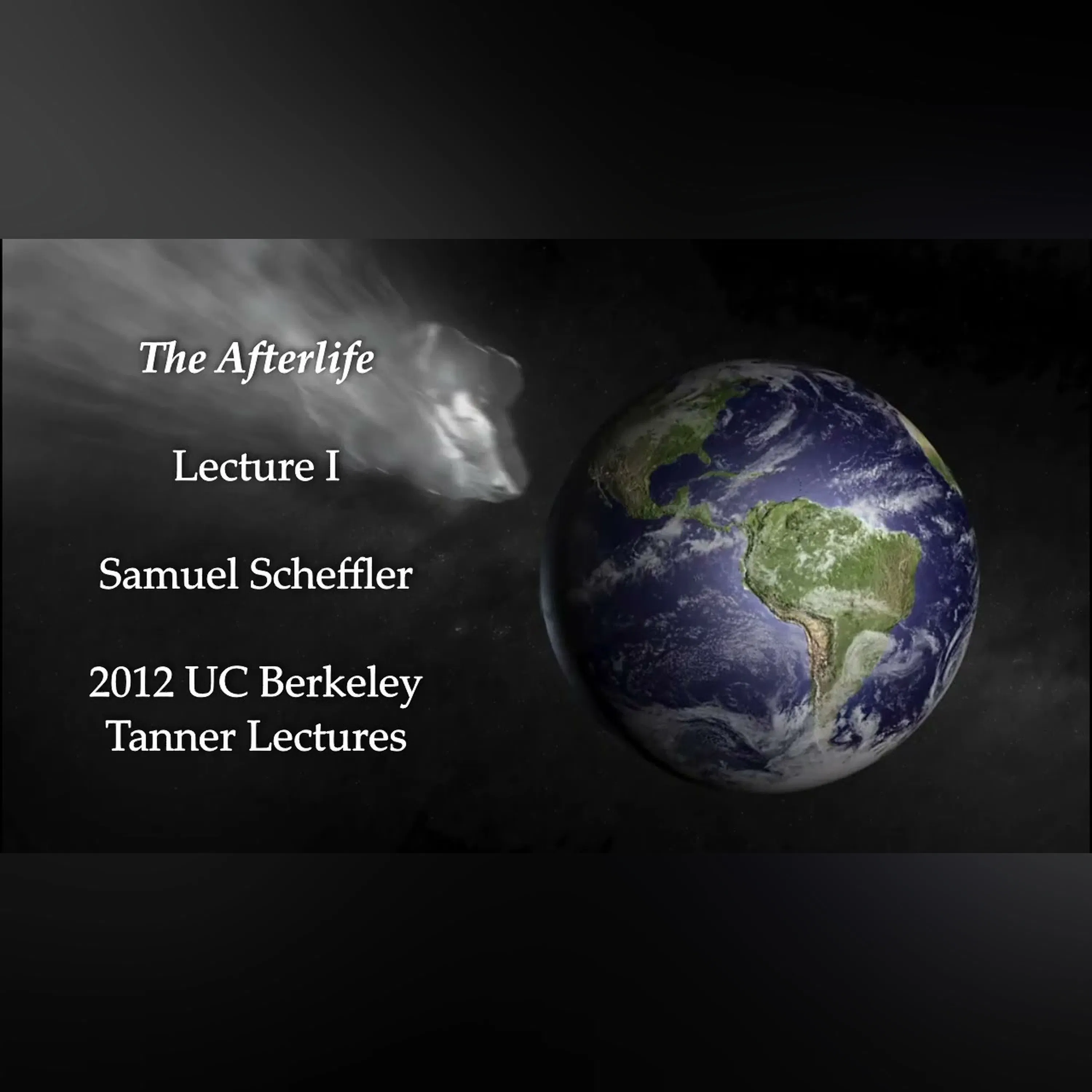
Samuel Scheffler (University Professor of Philosophy and Law at New York University) delivers the first of his 2012 Tanner lectures at Berkeley with commentary from Susan R. Wolf (Edna J. Koury Professor of Philosophy at the University of North Carolina Chapel Hill). Note, the introduction has been edited out.
00:00 Lecture
59:50 Susan Wolf
1:15:53 Response
#philosophy #ethics #moralphilosophy
Learn more about your ad choices. Visit megaphone.fm/adchoices
Justice for Hedgehogs - Ronald Dworkin (2011)

Audio recording of a lecture by Ronald M. Dworkin on his book "Justice for Hedgehogs" at the Carnegie Council in 2011. The title is a reference to the Ancient Greek poet Archilochus who wrote that "the fox knows many things, but the hedgehog knows one big thing." Ronald Dworkin argues for one big thing: the unity of value.
#philosophy #politicalphilosophy #ethics #moralphilosophy #jurisprudence
Learn more about your ad choices. Visit megaphone.fm/adchoices