Birth of a Parent
When a baby is born, a parent is born too. But what if that’s more than a metaphor? Birth of a Parent explores the emerging science of how parenthood transforms the human mind. Host Michael Feigelson speaks with leading scientists, writers, and thinkers to investigate whether becoming a parent is one of life’s most profound – and least understood – developmental stages.LIVE ON 9 DECEMBER: Birth of a Parent Conversation Circle. Why Parenthood Makes Us Hungry for Ritual. Join Michael Feigelson and Dimitris Xygalatas as we close season one. 2pm CET / 8am ET. Free and online. Register: https://tinyurl.com/yvyk7xje...
Ep. 13 - My Third Baby Changed Everything (bonus episode with Logan McClure Davda)
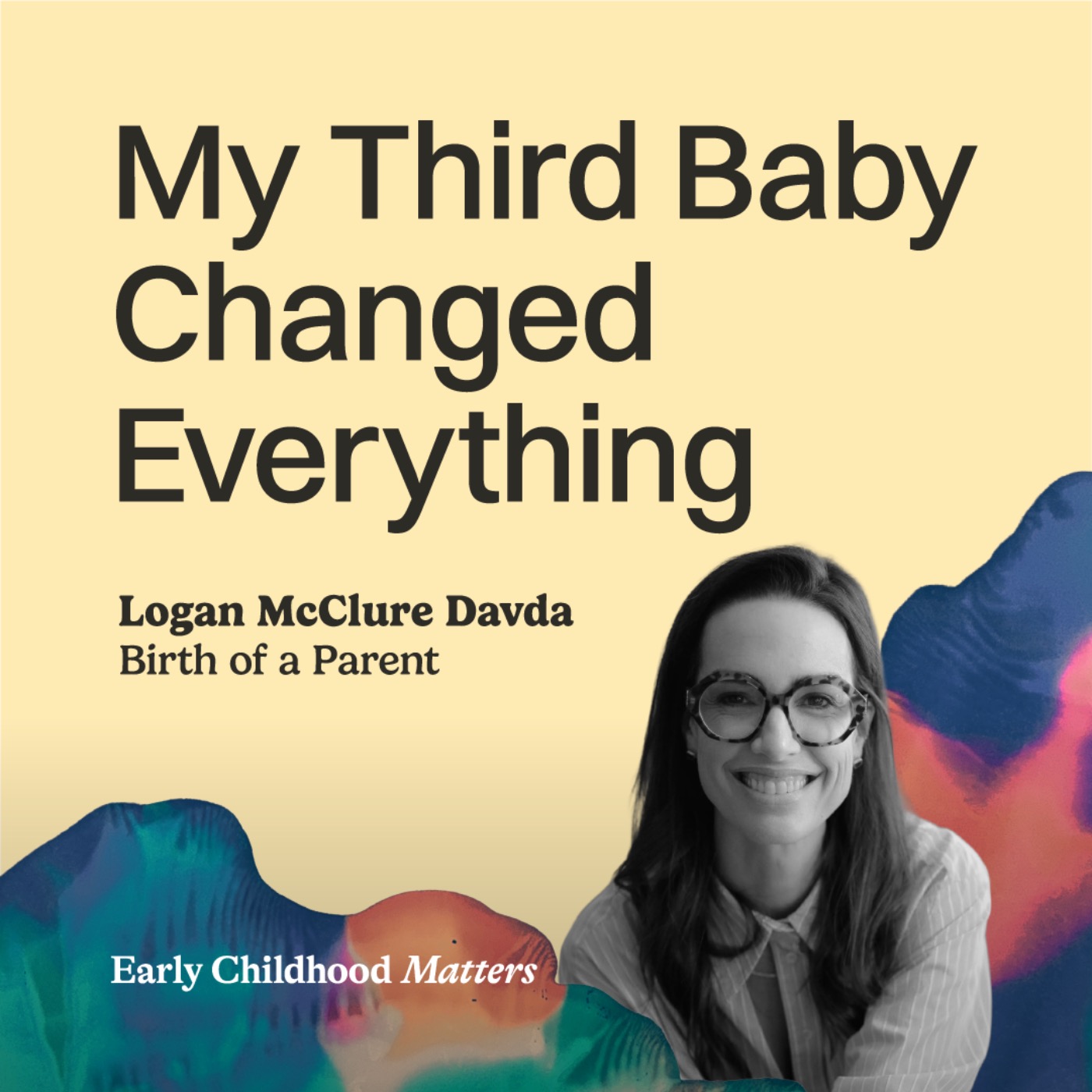
What does it take for an idea to change the world? After twelve episodes exploring how parenthood transforms us, Michael Feigelson puts that question to Logan McClure Davda, CEO of TED and mother of three. Together, they revisit the discoveries that stayed with her from season one and ask what it would take to change not just how parents see themselves, but how the world sees them.
Season 2 Is Coming: We Want to Hear From You
Birth of a Parent is coming back for a second season! As we begin working on the next twelve episodes, we want to hear from you. What have you experienced as a parent that you wish science could explain? And when did you first feel yourself becoming a parent?
Send us a short voice note with your questions, stories, or ideas. We’ll explore some of them with scientists, and your story might even become part of the next season.
Email us at [email protected] or send us a voice note on WhatsApp at...
Bonus - We’re Finalists, and We Need Your Vote!
Birth of a Parent is a finalist for the Lovie and Signal Awards across 6 categories, and public voting closes October 15.
Lovie:
• Best New Podcast -- https://tinyurl.com/nhdkrx6k
• Best Writing -- https://tinyurl.com/3292zkfu
Signal:
• Best Editing -- https://tinyurl.com/p9d92y3j
• Documentary — https://tinyurl.com/3u6e8d5h
• Family & Child-Raising -- https://tinyurl.com/26n4tftx
• Thought leadership -- https://tinyurl.com/476wnue2
The site asks you to create an account before you can vote.
Ep. 12 - The Grandmother Hypothesis (with Alison Gopnik)
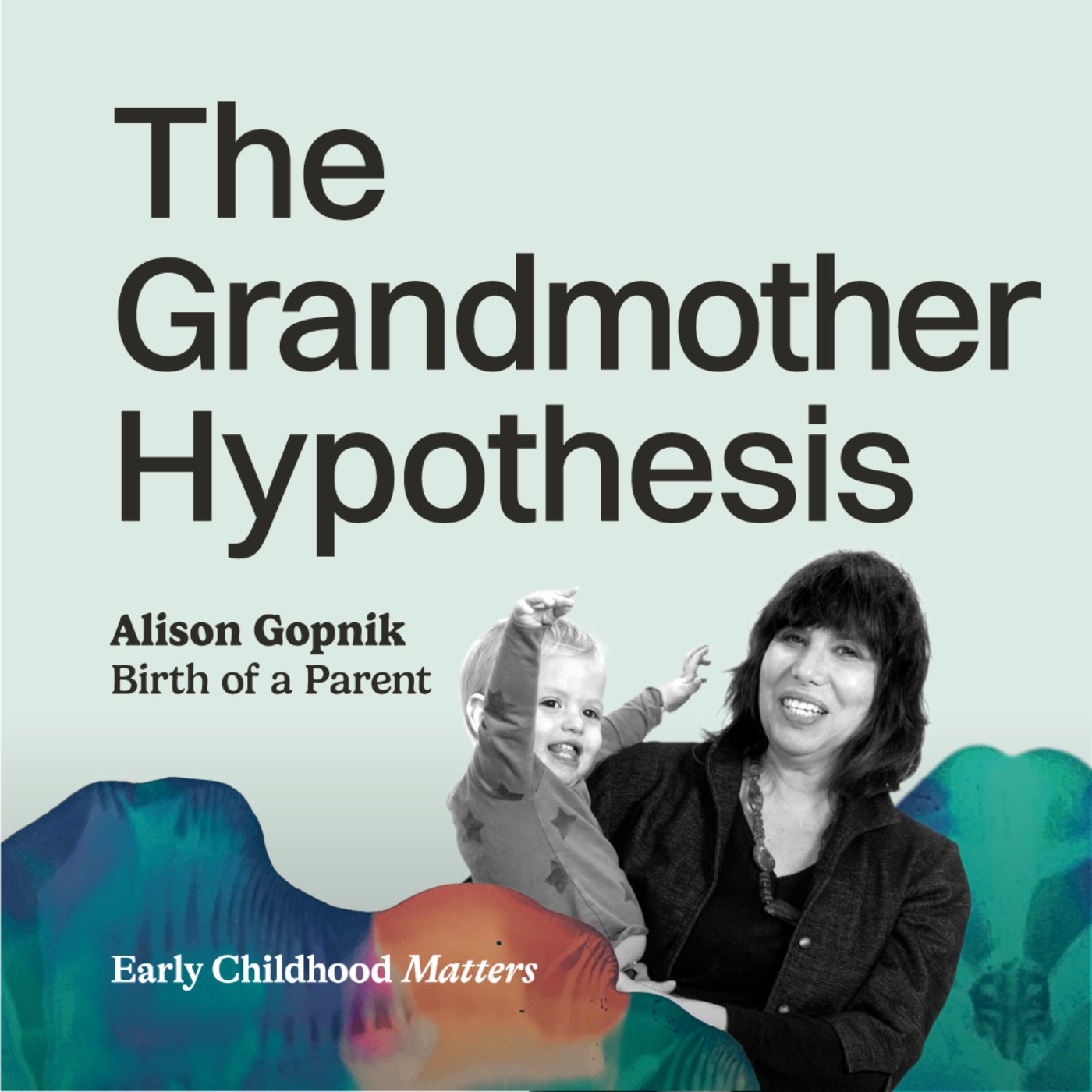
Most species don't have grandparents. Humans do. Why? In this final episode of season one, developmental psychologist Alison Gopnik explores a strange feature of human evolution, and what it reveals about childhood, caregiving, and why raising children was never meant to be a job for parents alone.
Shownotes:
Much of today's conversation draws on Alison Gopnik's bestselling book The Gardener and the Carpenter, in which she argues that the purpose of parenting is not to shape children into a predetermined ideal, but to create the conditions in which children can learn, explore and flourish.The...Ep. 11 - The Stories We're Missing (with Franklin Leonard)
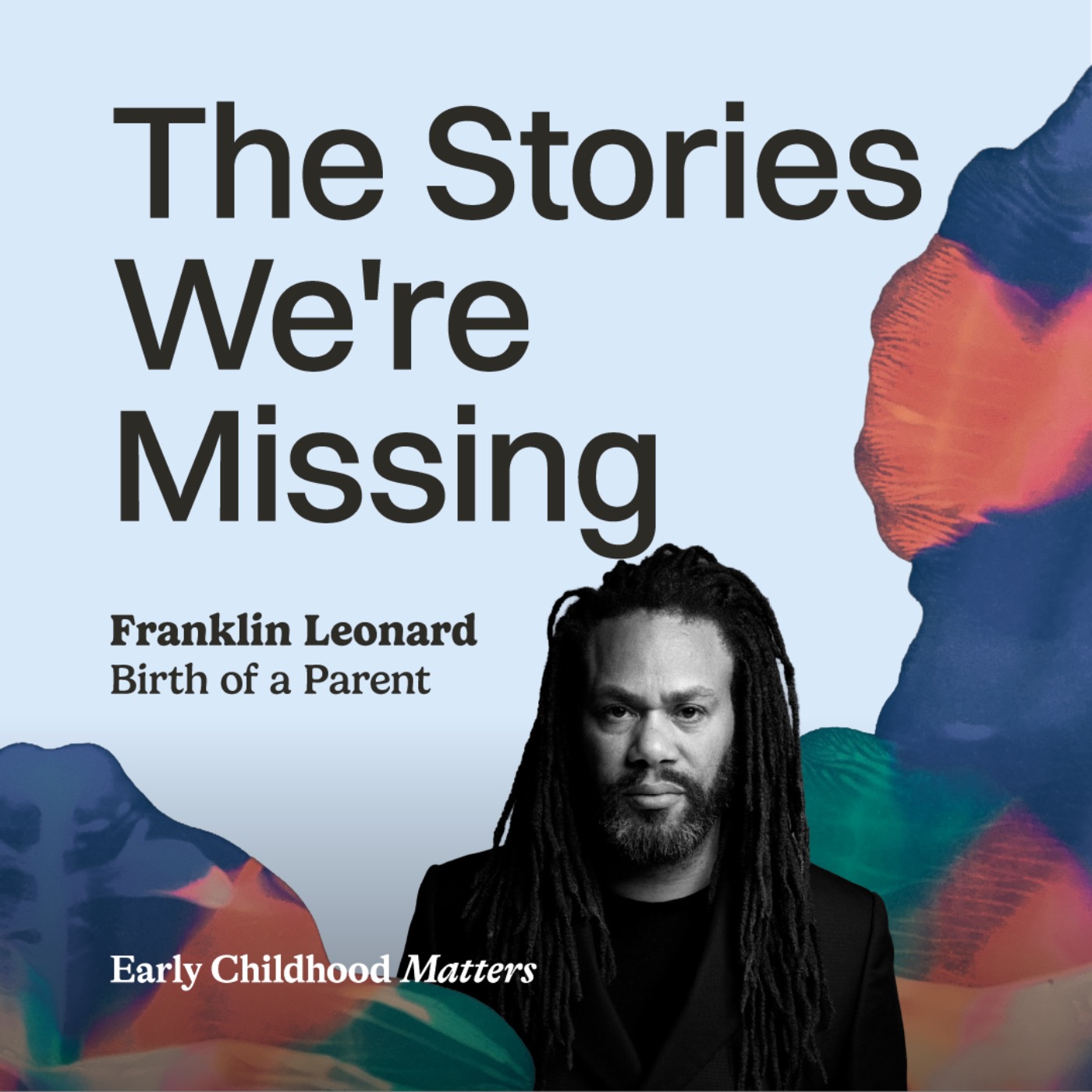
Parenthood may be one of the biggest transformations in human life. So why are there so few stories about it? Franklin Leonard, founder of The Black List, has spent his career identifying overlooked stories. In this conversation, he helps us think about one of the biggest stories we may still be struggling to tell.
Shownotes:
Much of today's conversation draws on Franklin Leonard's work as the founder of The Black List, the annual survey of Hollywood's most-liked unproduced screenplays, which has helped bring acclaimed films including Juno, The King's Speech and Slumdog Millionaire to the...Ep. 10 - Modern Fatherhood: How Men Are Rewriting the Script (with Richard Reeves)
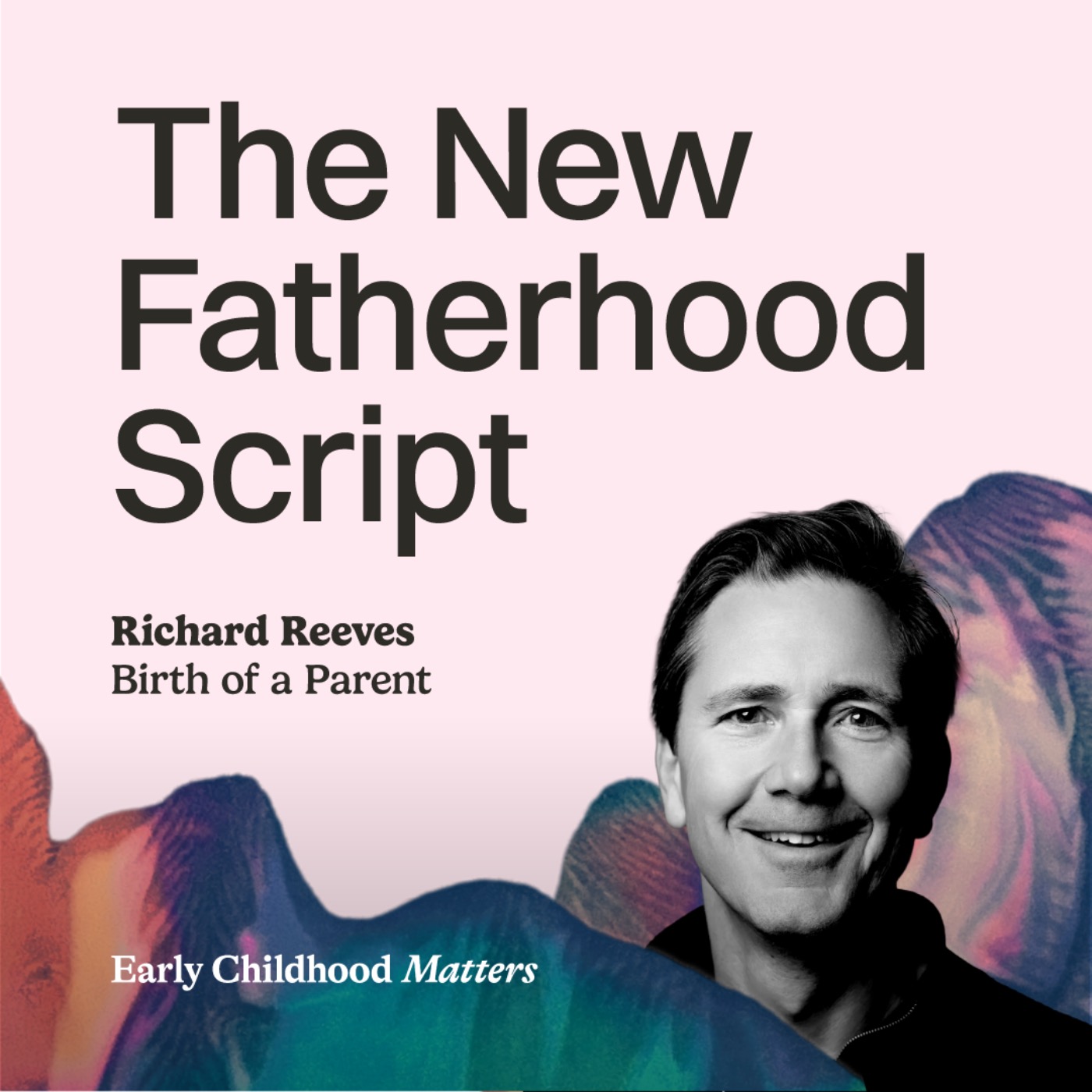
For much of history, becoming a father came with a script. Today, many of those expectations have disappeared. Richard Reeves explores what happens when old ideas about manhood no longer fit, and why fatherhood may be one of the places where a new script is still being written.
Shownotes:
Much of today's conversation draws on Richard Reeves' bestselling book Of Boys and Men, in which he explores the changing roles of boys and men in modern society, and why fatherhood may be more important than ever—not just for children, but for fathers themselves.Richard is...Ep. 9 - The Questions Without Answers (with Krista Tippett)
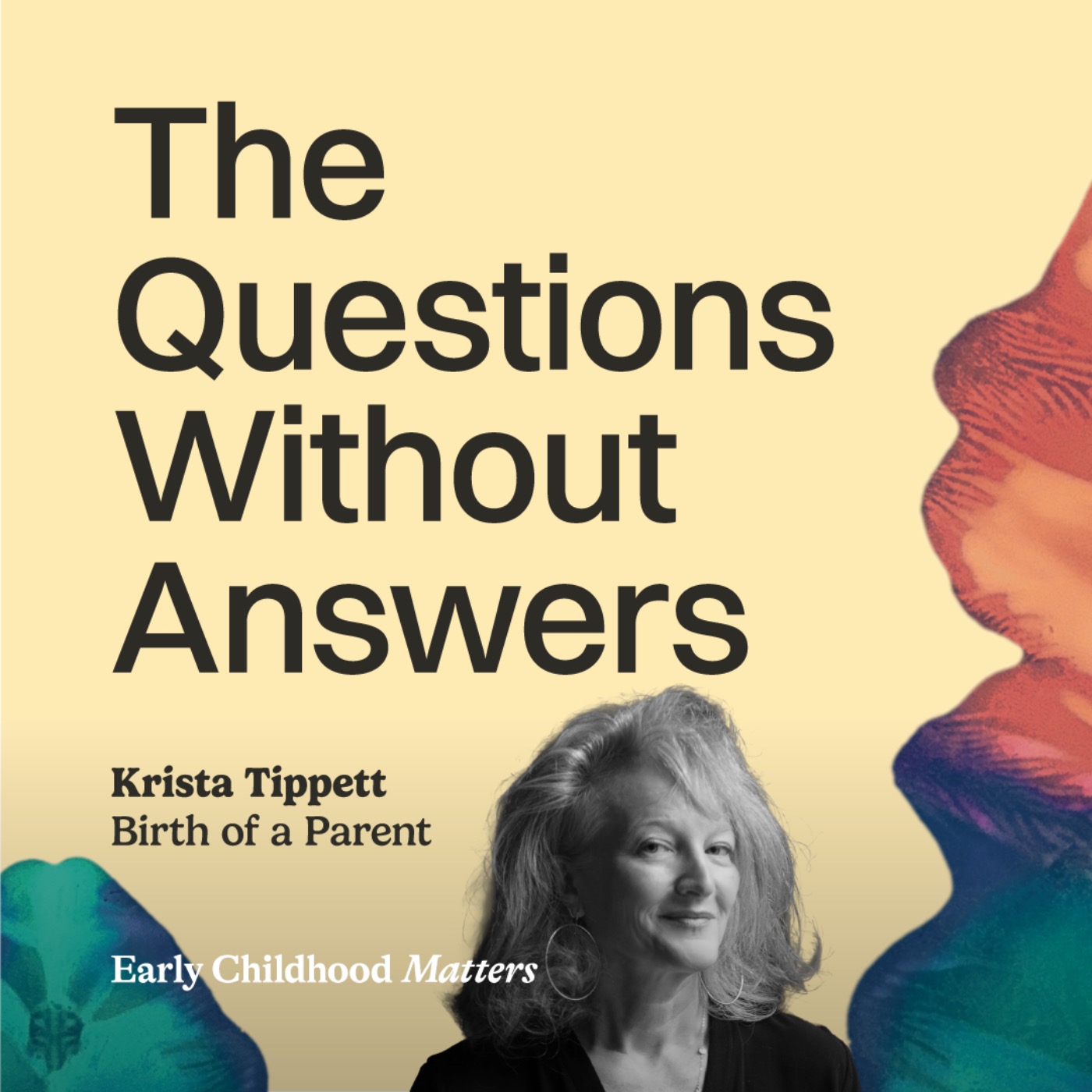
Why do children make ordinary things feel extraordinary again? Writer and On Being host Krista Tippett reflects on how becoming a mother transformed the way she sees the world, and why wonder may be one of parenthood's most overlooked gifts.
Shownotes:
Krista's long-running podcast On Being explores spirituality, ethics, science and what it means to be human.In the episode with Buddhist teacher Sylvia Boorstein Krista reflects on a conversation that reshaped how she understood humility and "new eyes."Krista reflects on the work of bioethicist Laurie Zoloth, whose writing explores what it means to...Ep. 8 - Why Nature Matters More Once You’re a Parent (with Nadina Galle)
Before children, a city is something you move through. After children, it's something you start to see. Ecological engineer Nadina Galle explores how parenthood reshapes our relationship with nature—and why even a blade of grass can begin to matter.
Shownotes:
Nadina's book The Nature of Our Cities explores how technology – from AI to sensors and satellite imagery – can help us better understand, protect and reconnect with urban nature.As a National Geographic Explorer Nadina works at the intersection of ecology, cities and technology.The Internet of Nature is Nadina's concept for using emerging technologies to map...Ep. 7 - The World’s Best Managers (with Emily Oster)
Every parent eventually becomes the CEO of a small, chaotic organization. Economist and data expert Emily Oster explains what parenting can teach us about decision-making, leadership, and why good management matters more than perfect answers.
Shownotes:
Much of today's conversation draws on Emily Oster's book The Family Firm, in which she argues that families can benefit from applying principles of good management – such as deliberate decision-making, clear communication and long-term planning – to everyday family life.The episode also touches on Emily's earlier bestselling books, Expecting Better and Cribsheet, which introduced millions of parents to her evid...Ep. 6 - The Illusion of Knowing (with Lulu Miller)
The human brain loves a good explanation. Parenthood has other plans. Science journalist and Radiolab host Lulu Miller explores why we are so determined to make sense of the world, and what happens when life refuses to fit the story.
Shownotes:
Much of today's conversation draws on Lulu Miller's bestselling book Why Fish Don't Exist, a meditation on our deep human desire to impose order on the natural world, and why embracing uncertainty may ultimately be more liberating.Lulu reflects on the life of David Starr Jordan, the pioneering ichthyologist whose lifelong quest to classify...Ep. 5 - The Rituals That Hold Us Together (with Dimitris Xygalatas)
Why does a bedtime routine feel so important? Anthropologist Dimitris Xygalatas studies rituals, from firewalking ceremonies to family traditions. His work reveals why humans return to rituals whenever life becomes uncertain, and why parenthood may be one of the most ritual-filled experiences of all.
Shownotes:
Much of today's conversation draws on Dimitris Xygalatas' book The Ritual Effect: From Habit to Ritual, Harness the Surprising Power of Everyday Actions, in which he explores why rituals are a universal feature of human life and how they shape our bodies, minds and relationships.Dimitris also discusses the Bayesian...Ep. 4 - The Connected Mind (with Vicky Leong)
Sometimes a child is looking right at you and seems completely elsewhere, and sometimes they're completely with you. Developmental neuroscientist Vicky Leong studies those moments of connection, uncovering how parents and children synchronize their minds and get ready to learn from one another.
Shownotes:
Shownotes 2:
Ep. 3 - The Dad Bod Theory (with Lee Gettler)
Why would evolution redesign a man's body after he has children? Anthropologist Lee Gettler helped uncover a surprising answer. His research on hormone changes including testosterone suggests that fatherhood doesn't just change how men think and feel, it changes their biology too.
Shownotes:
Lee’s landmark study Longitudinal Evidence that Fatherhood Decreases Testosterone in Human Males showed that men's testosterone levels decline after becoming fathers, helping reshape our understanding of paternal biology.The Cebu Longitudinal Health and Nutrition Survey (CLHNS) is one of the world's longest-running birth cohort studies, following thousands of families in the Ph...Ep. 2 - The Mom Brain Revolution (with Susana Carmona)
For centuries, scientists studied what pregnancy does to the body. Almost nobody studied what it does to the brain. Neuroscientist Susana Carmona helped change that, uncovering evidence that motherhood reshapes the human brain in ways scientists are only beginning to understand.
Shownotes:
Susana's book A Mother’s Brain brings together the latest research on how pregnancy and motherhood reshape the brain, body and identity.Susana leads the NeuroMaternal Lab in Madrid, where much of the research discussed in this episode is conducted.Browse Susana's scientific publications on pregnancy, the maternal brain and parental neuroplasticity.One of...Ep. 1 - A Human Metamorphosis (with Oren Harman)
Three quarters of animal species undergo metamorphosis. Why are we so sure humans don't? Historian of science Oren Harman takes us from butterflies to starfish in search of an answer, and toward a surprising way of thinking about what happens when a baby turns someone into a parent.
Shownotes:
Much of the conversation draws on Oren Harman's exploration of metamorphosis across the natural world in his book Metamorphosis: A Natural and Human History.Long before founding psychoanalysis, a young Sigmund Freud spent weeks dissecting hundreds of eels in an unsuccessful search for their reproductive organs...Trailer - Birth of a Parent
When a baby is born, a parent is born too. But what if that's more than a metaphor? Birth of a Parent explores the emerging science of how parenthood transforms the human mind. Host Michael Feigelson speaks with leading scientists, writers, and thinkers to investigate whether becoming a parent is one of life's most profound – and least understood – developmental stages.
By following the podcast, you support our message and never miss an episode.
The first episodes will be available from 22 July. Follow the podcast here so you never miss an episode.
Hoste...
