Learning from Brazil
Over the last 35 years of living in South America, I’ve seen how people all over the continent — but especially people of indigenous and African descent — can turn the way we think upside down and challenge us to a life that’s about flourishing and joy… and not so much about stuff.Learning form Brazil uses the insights from one of the most extraordinary places on Earth as a way to make life better for everyone.
Learning to play and to live with little kids
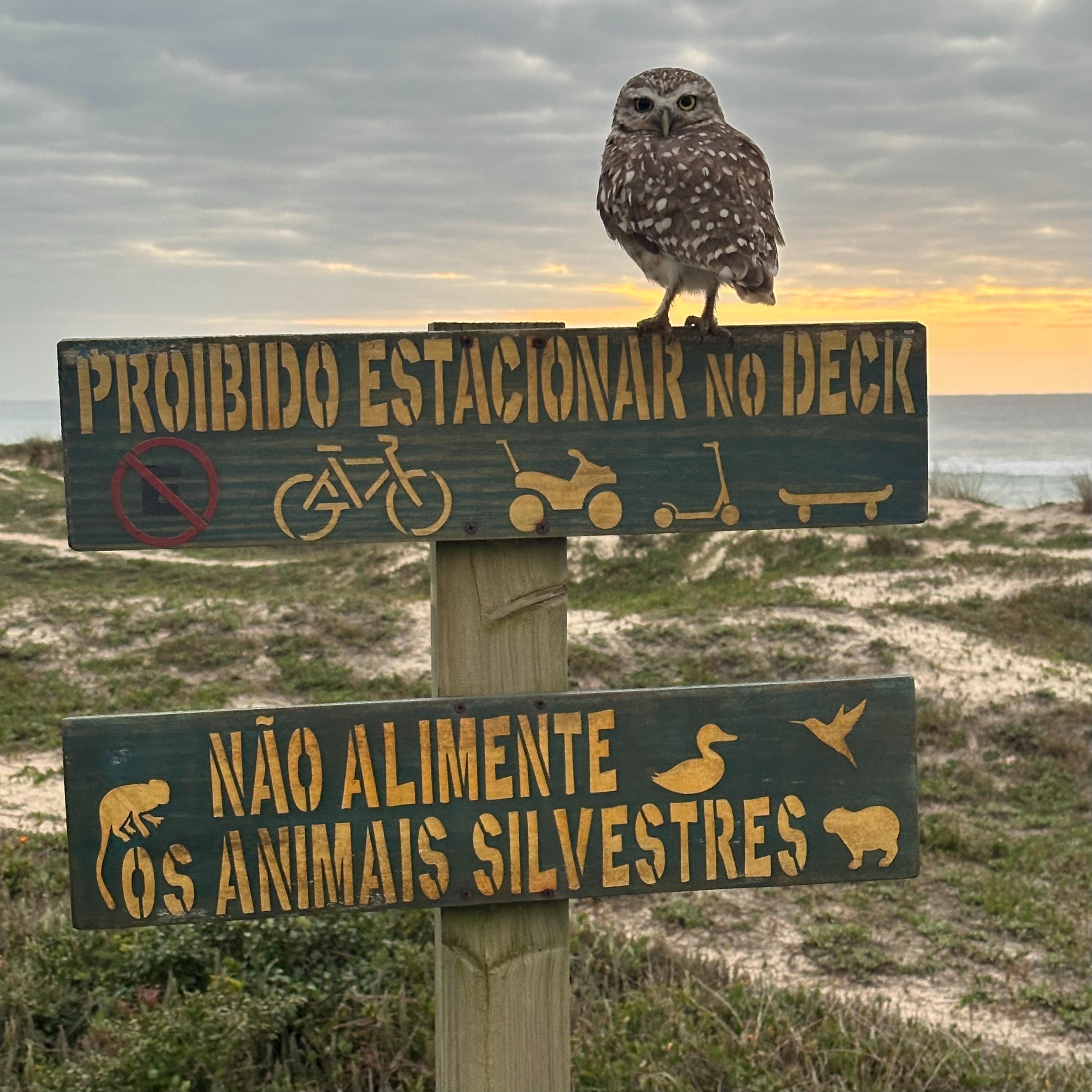
When we look beyond the idea that the goal of the game is to win, we see that the game transforms the player; the relationship with the “opponent” transforms the player. When an escola de samba performs or during the Kuarup in Xingu, we can’t talk distinguish between the artist and the work of art or between the subject and the object she manipulates. Nor does this art really fall into the “I-Thou” dynamics so thoughtfully analyzed by mid-century Jewish thinkers like Buber and Levinas. We don’t really know if the Morena de Angola is shaking the shaker, or i...
Joy is not a limited resource
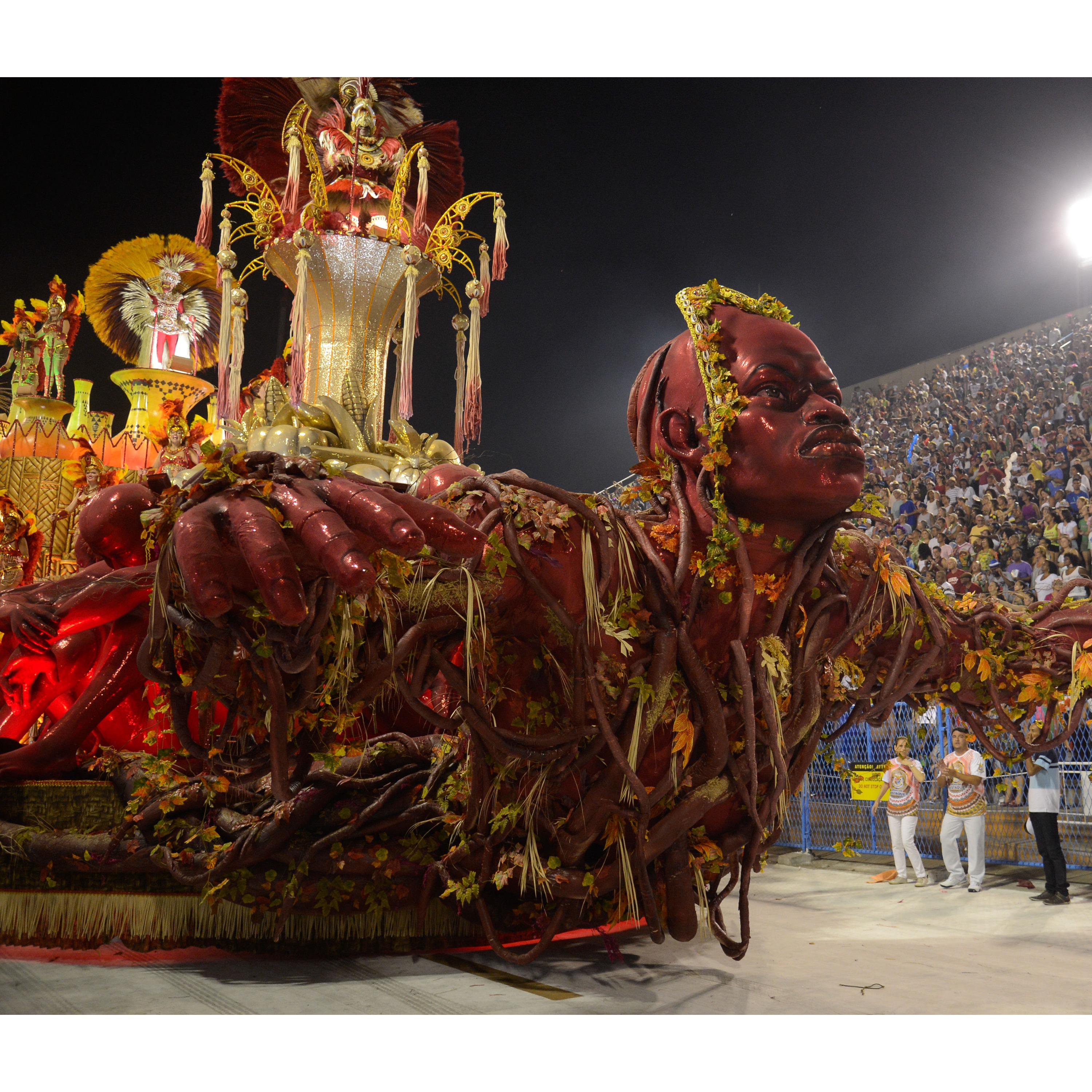
“When we play the drums and dance, my happiness grows together with yours,” says Ciany Castro, leader of a Tambor de Crioula. Unlike a material good — a pie, a chocolate bar, the stock of a corporation — joy is not a fixed, limited, dividable thing. The amount of happiness grows based on what activities we do, how happy you are, how happy I am, how happy a child around us is. In the realm of economic necessity, it might make sense to talk of a zero-sum game, but the moment that we talk about another immensely important aspect of human being —...
Listening to Nature
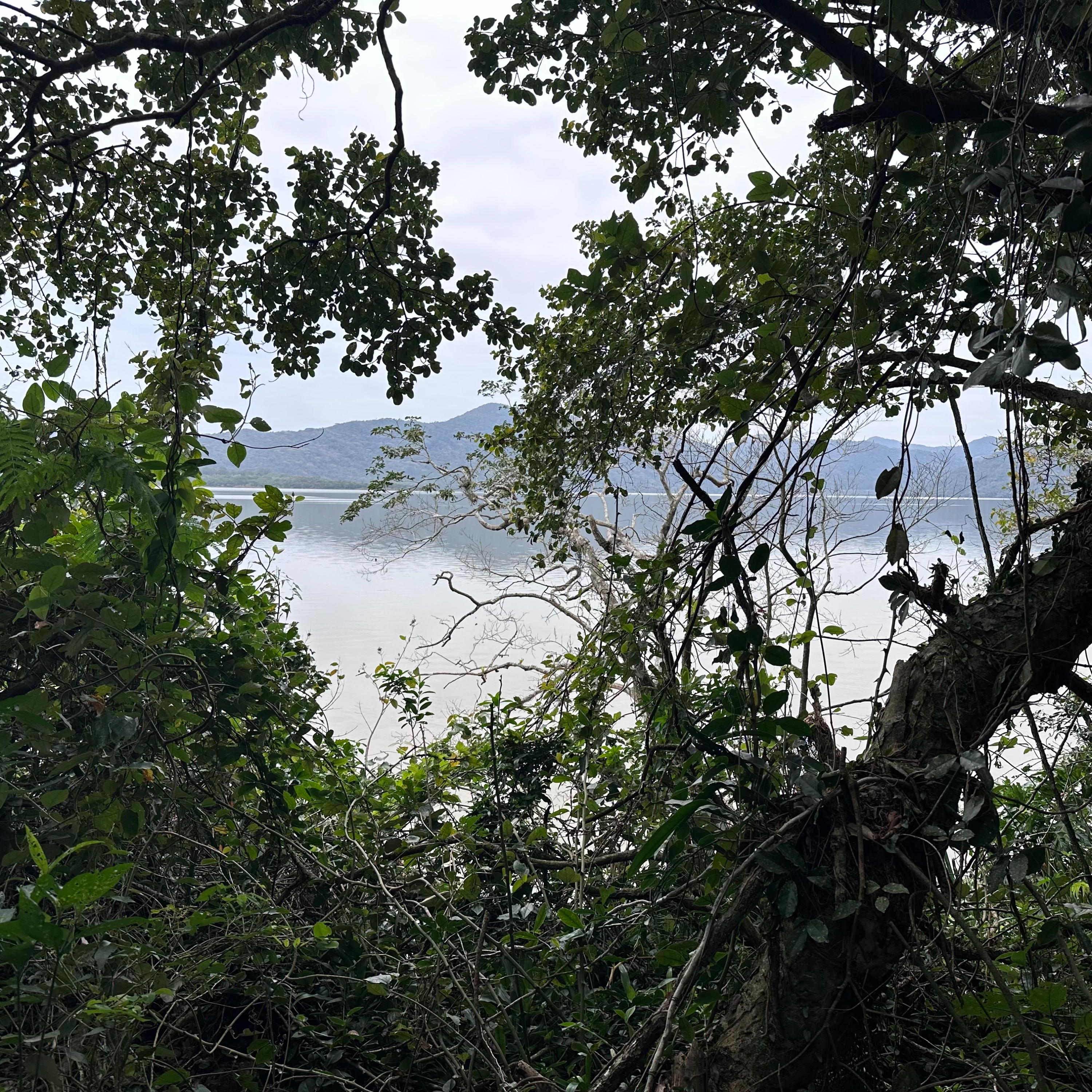
With this podcast, I’ve been trying to show that Brazilian popular culture has much to teach the world. One of the most important lessons I’ve learned from indigenous people is to sit and listen to the nature around me.
This morning, Rita and I walked into the jungle along the banks of the Lagoa de Peri, a fresh water lagoon nestled in the high mountains close to our house. It was cloudy, still, and cool — somewhere in the mid 40s Fahrenheit — and the birds decided to provide a symphony in the jungle, with only us...
The art of play
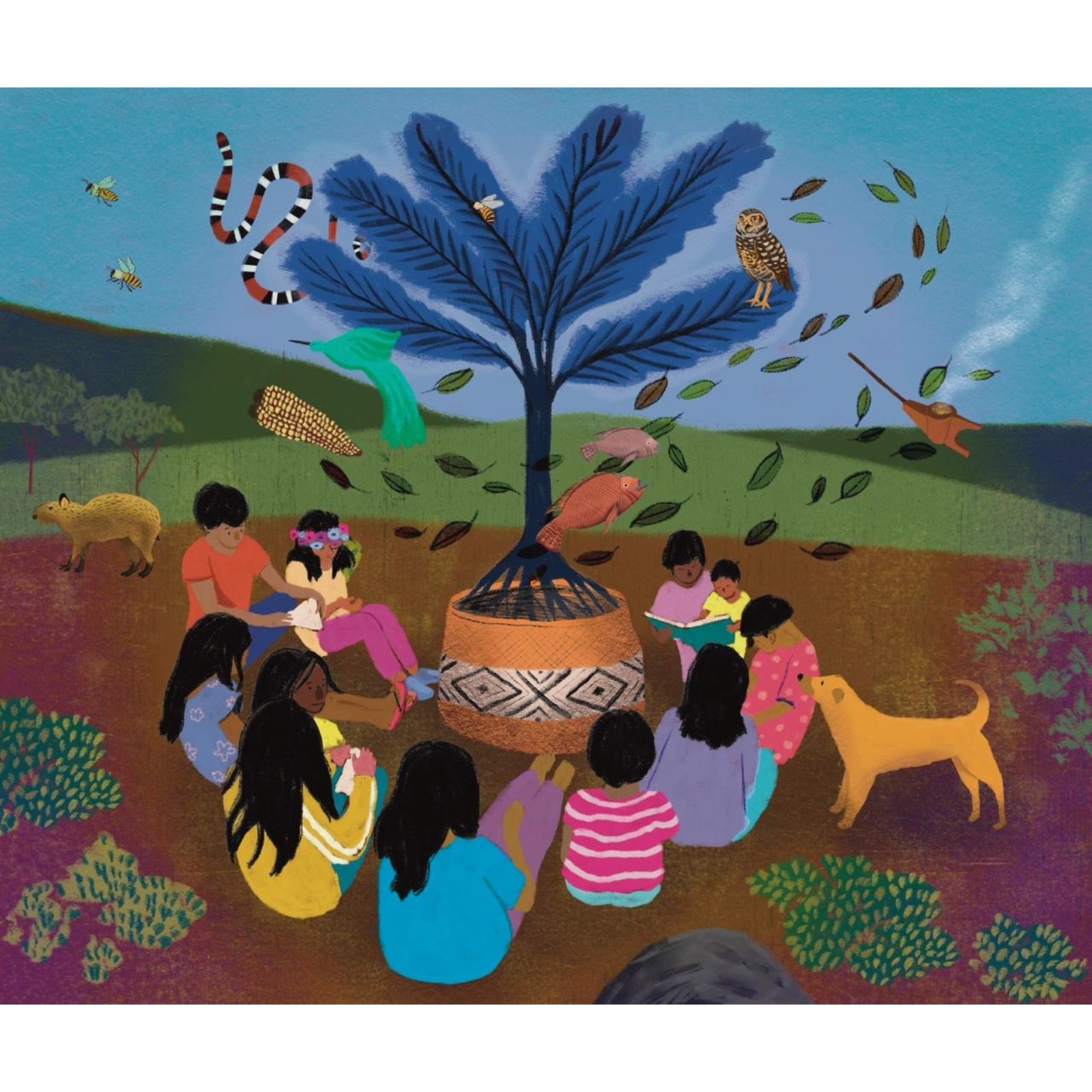
Everything in our culture is a type of art.
A song is art for us. Dancing is art. A prayer is art. From the moment you start smoking the ritual pipe to speak with the deities, making that connection with Nhanderu—that's art.
Body painting is art. It's making a connection with Nhanderu, so it's a type of art.
Of course, there isn't a word in Guarani for "art." But everything is related to art. It's all connected to spirituality.
The Guarani people se...
Music is a transpersonal feeling
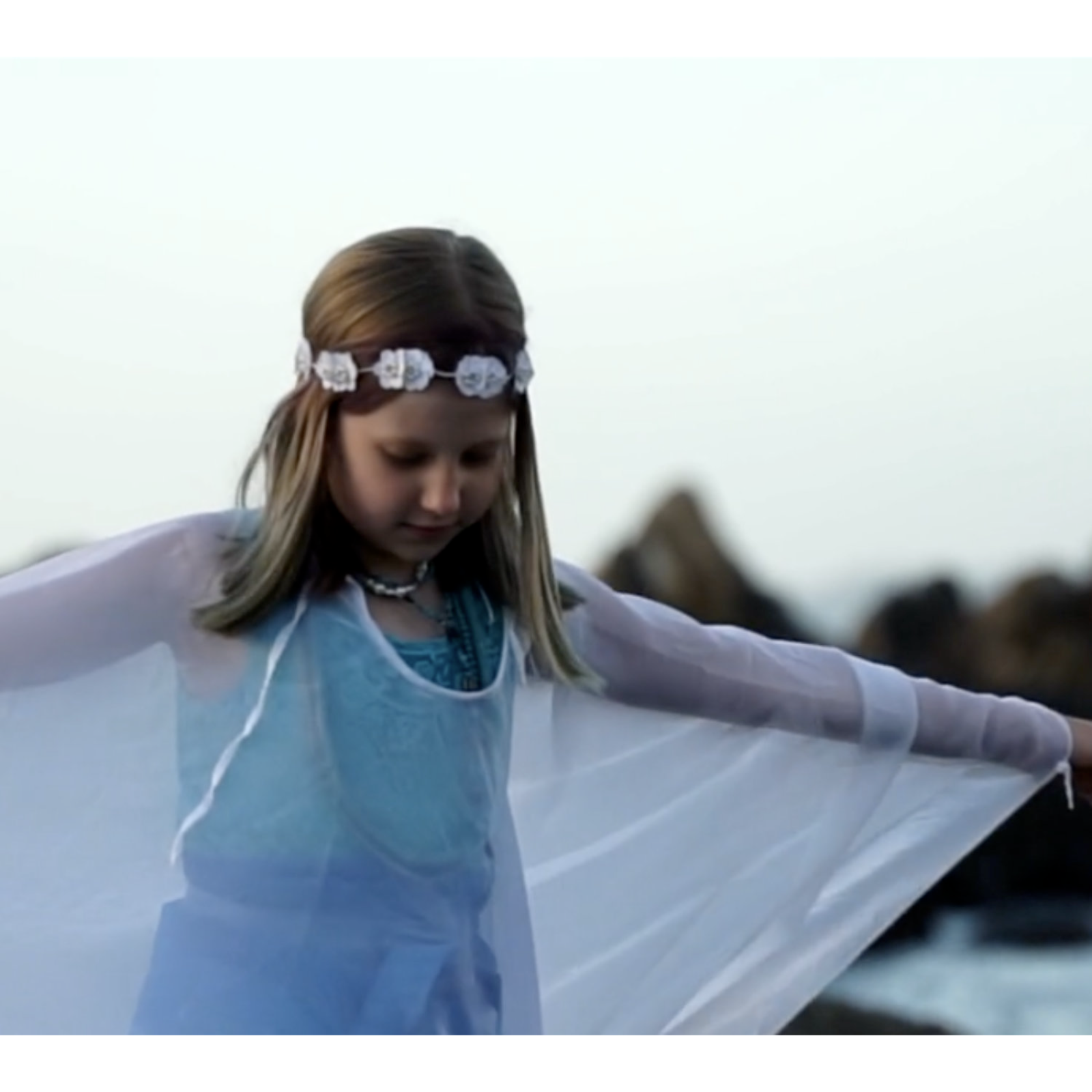
The idea that politics is really about creating and defining enemies — and that identity only emerges from hate — is not inevitable. In this episode of Learning from Brazil, we look at how some children and indigenous thinkers show other ways to think about who I am, who you are; who we are and who they are. When we see that culture connects us in an almost physical way -- one girl described music as a sort of transpersonal synaptic connection between people -- and that more than one soul can inhabit a single body, we can think politics and cult...
Learning from Conflict in the Amazon and in Medellín

Conflict is inevitable. We live in a world of diverse interests, ideas, and perspectives. An unequal world, and unjust world. If you try to resolve a conflict, you’re saying that it is, somehow, false. That the situation where we live should be one of harmony and balance, if people could just see it through the one right lens. But there isn’t just one right lens!
The most important lesson we had to learn — and then to teach — is that conflict is productive. It’s good. I learn from the dispute that I have with the o...
Making identity out of circles: afro-Brazilian ideas of being yourself
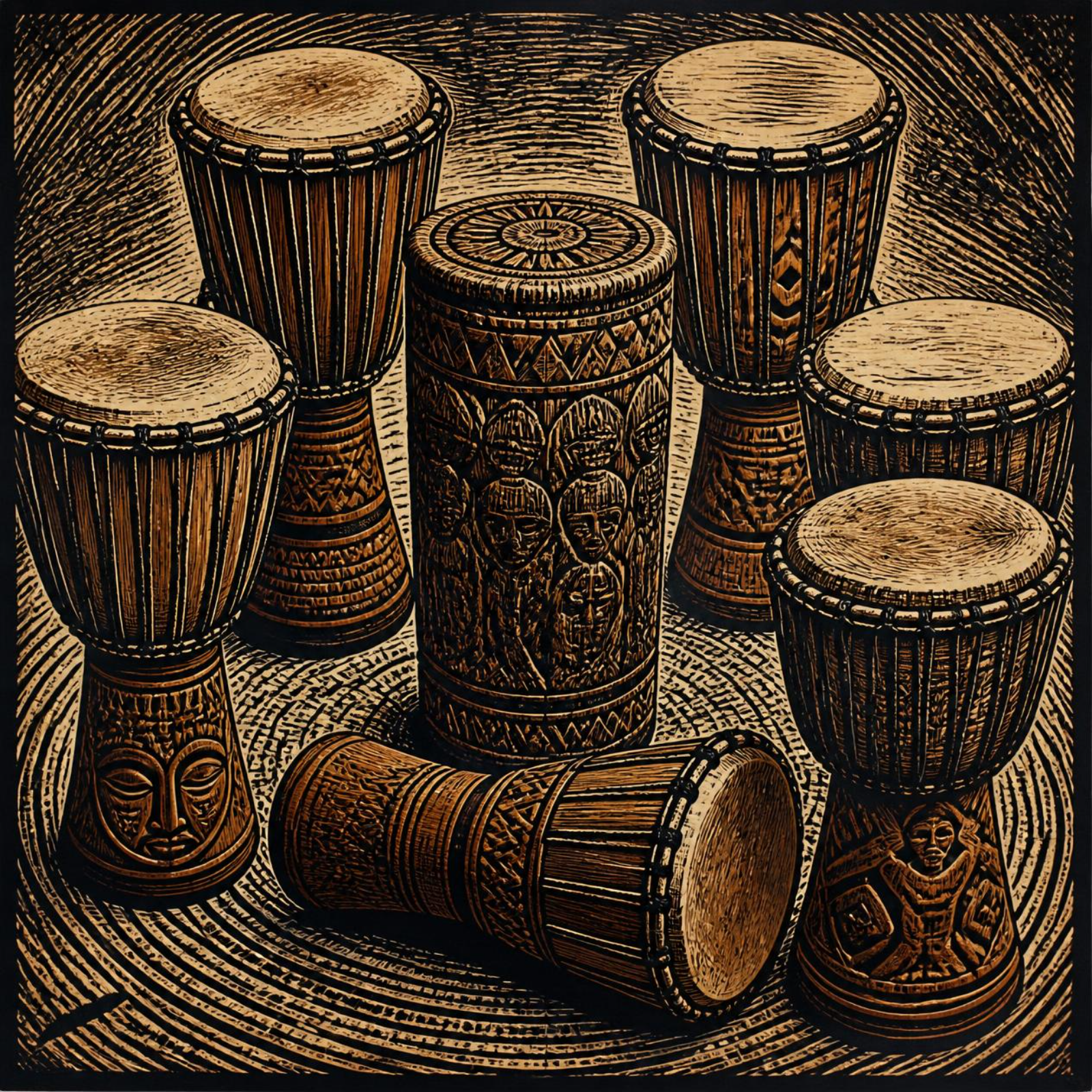
This circle, expressed in thought, story, and cultural practice, offers one Brazilian — and particularly afro-Brazilian — way to think outside of the logic of opposition and polarization. This strength of identity can come from the center of gravity in a spinning dancer, a cultural circle, the connection to an umbilical cord, the steps of a samba, or the curly hair of an old quilombo philosopher.
Interviews in the podcast come from various movies made by Usina da Imaginação and directed by Rita Oenning da Silva and Kurt Shaw: The Rhythm of Liberation (2025), Brincar na Rosa de Tam...
What can Brazilian football teach us about political rage?
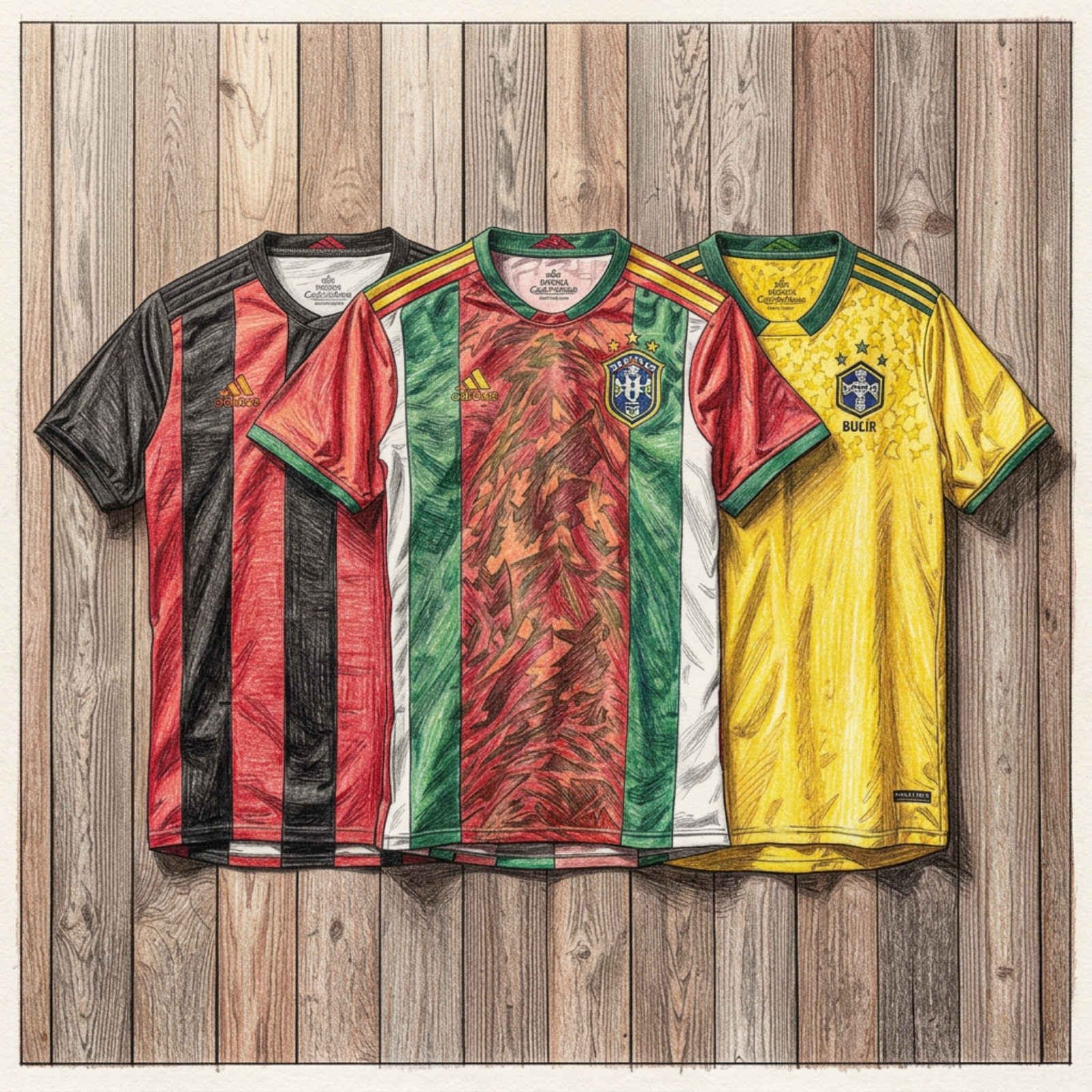
In the United States and Europe, identity construction based on opposition is often called “tribal,” with little self consciousness of the racist implication of the word. In Brazil, one is more likely to hear a phrase like, “the eternal Fla-Flu of politics,” referring to Flamengo and Fluminense, two classical football teams from Rio de Janeiro, whose 1963 contest attracted the largest crowd in world football history: 194,603 spectators in Maracanã.
Join Learning from Brazil as we look at how football can help us understand political polarization.
Interviews in the podcast come from various movies made by Usina...
Why do we need to learn from Brazil?
What can we learn form Brazil? Why should we listen to insights from a country where politics is an messed up as it is in the United States and Europe?
Indigenous and afro-Brazilian thinkers can offer new insights about why people all over the planet have come to hate each other so much... and centuries of conflict and living with difference can give new perspectives about how to encounter and life with people who are different from us.
In this bonus introduction, the host of Learning form Brazil explains the origin of this...
Coming together: on the street, in the family, through culture
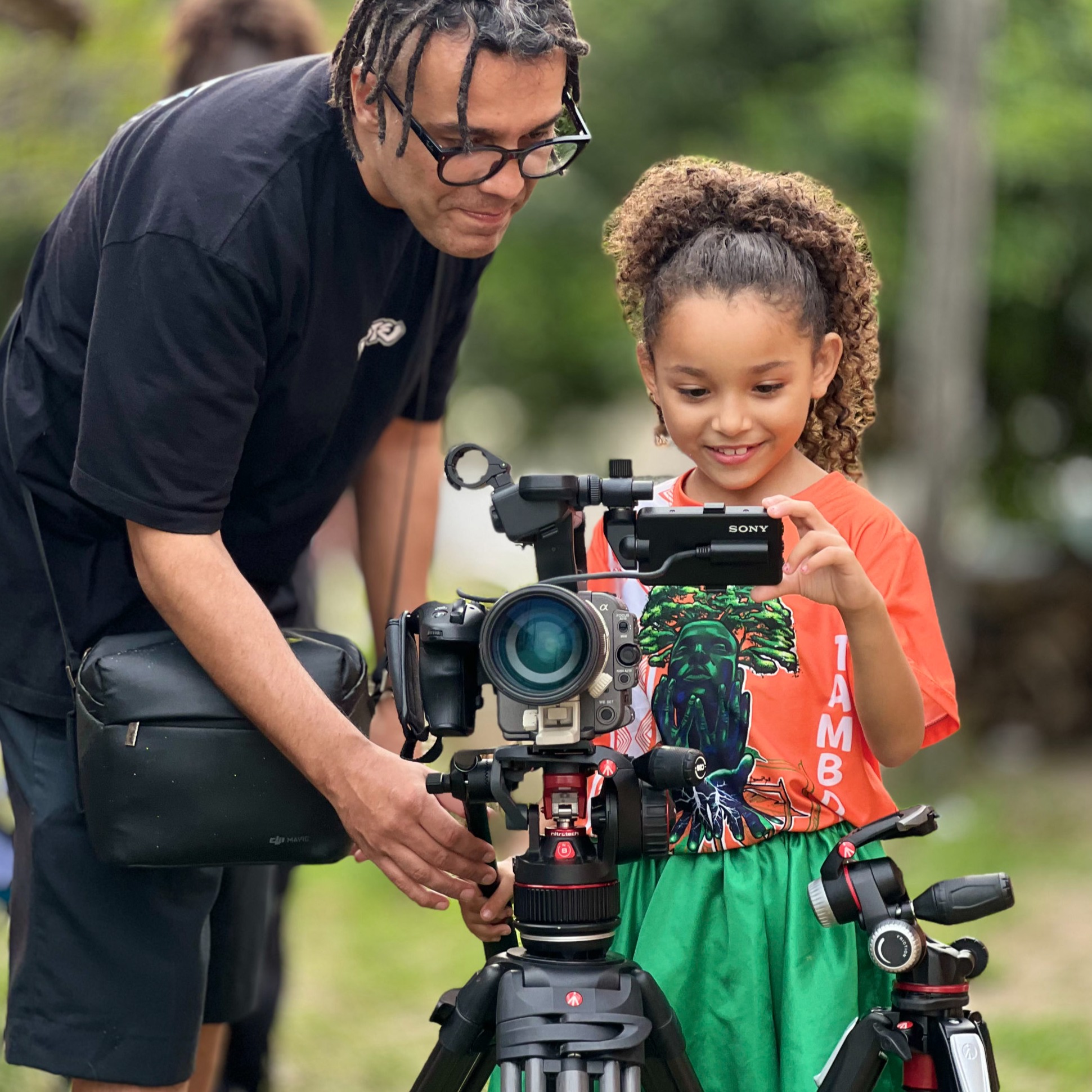
Art, ritual, and play are the most common motivations to come together in Brazil, and the drive to make beauty gives both meaning and purpose to estar juntos — being together. Think, for instance, of the immense investment of time, money, and energy required to prepare the performance of a samba school, a maracatu rural, or a Bumba-meu-boi: each one of these afro-Brazilian carnaval rituals demands huge groups of people who imagine and sew costumes, compose and rehearse new and relevant songs, and rehearse complex and difficult dances. Back rooms in homes in the favelas are filled with the cloth, fe...
From samba to the dabucuri: being together in Brazil
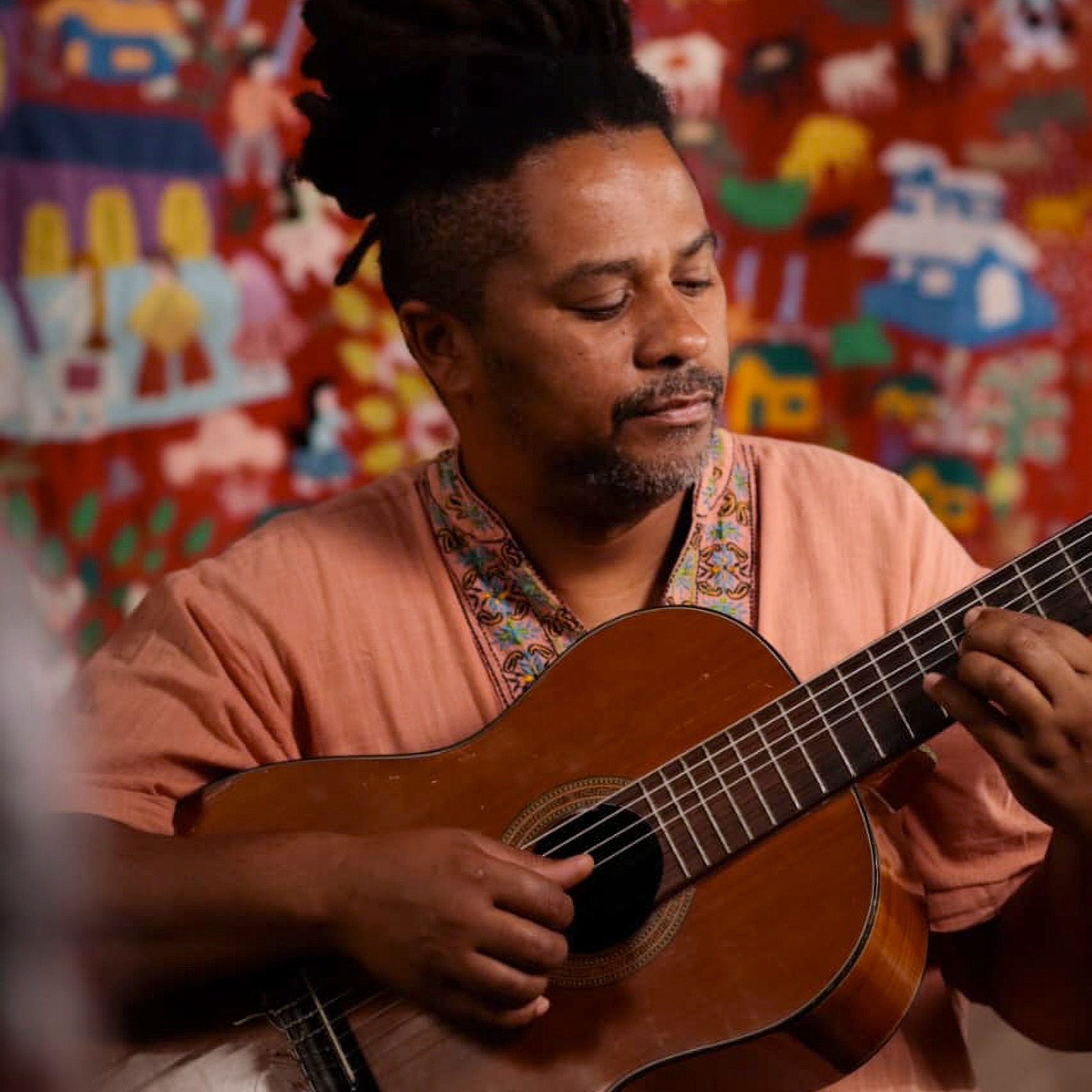
Aristotle began his Politics by defining humanity as a zoon politikon (ζῷον πολιτικόν), a phrase often translated as “political animal”, but which really means something closer to “community animal” or “animal that likes to be together.” Though day-to-day living together in Brazil owes more to African and indigenous cultures than to ancient Greece, the country is truly a place where people value and seek for ways to be together. Aristotle will not be our guide through contemporary Brazil, but his idea shows that Brazilians are not alone in seeing “estar juntos” or being-together as one of the most important goals of a good life.
Inte...