WorldSnap – Geopolitics , Global Power Plays and International
WorldSnap Geopolitics delivers clear, no-nonsense analysis of the forces shaping our world today. From great power rivalry and shifting alliances to economic warfare, emerging conflicts, and the future of multipolarity — we break down complex global events into sharp, digestible insights.Hosted in connection with the WorldSnap YouTube channel, each episode offers balanced perspectives on current geopolitical trends, strategic flashpoints, and what they mean for everyday people and nations alike.Whether you're a student, professional, or simply curious about why the world is changing so fast, WorldSnap Geopolitics gives you the context you need — without the spin.New episodes weekly. Snap the...
Boiling Cities: The Silent Killer Draining Economies and Lives
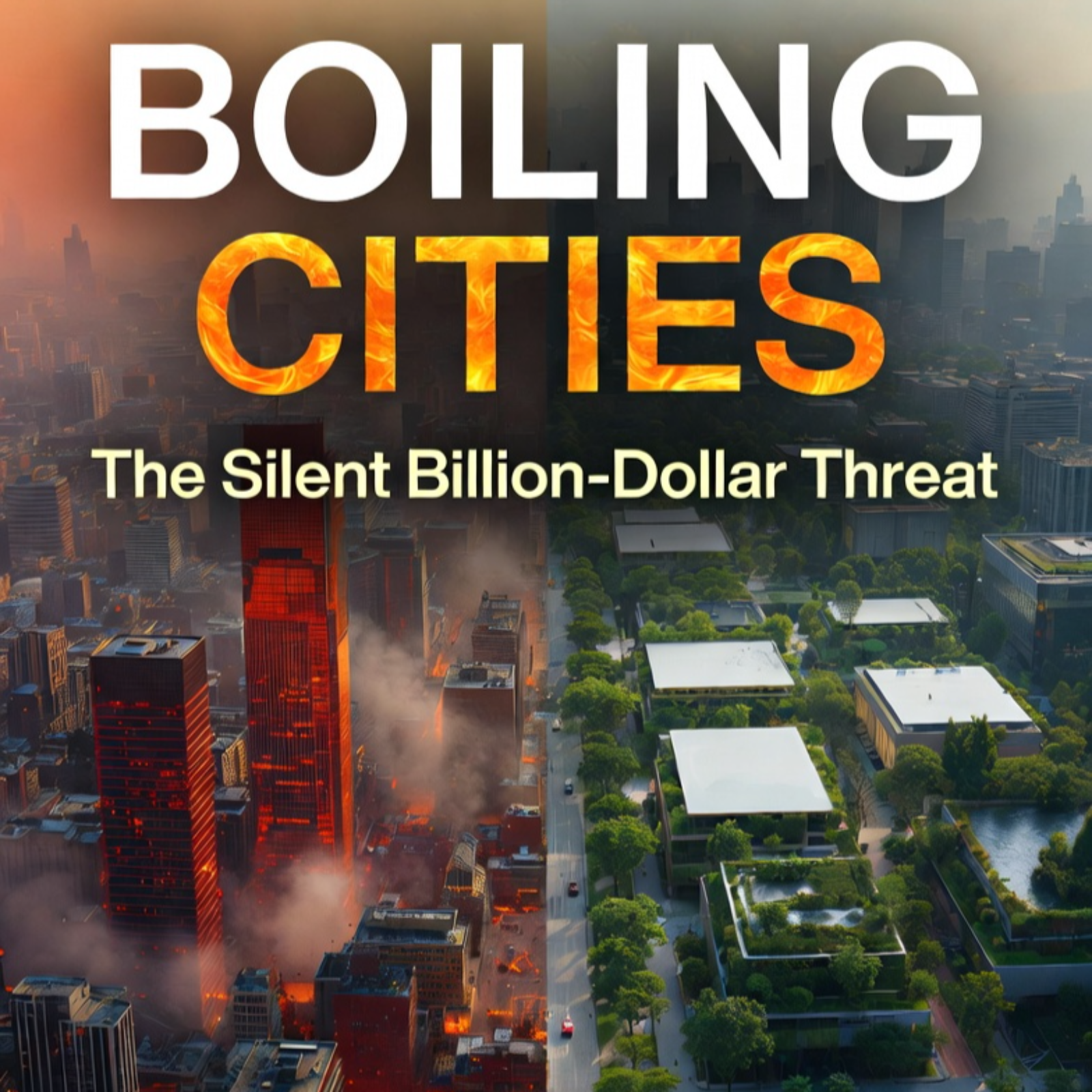
Cities around the world are getting dangerously hotter — not just from climate change, but from the concrete and glass we build. In this episode, we unpack the urban heat island effect: why cities can be 7–20°C hotter than surrounding areas, the massive economic costs in energy, productivity, and healthcare, and the surprising financial wins from smart solutions.
From reflective roofs in New York and cool pavements in Phoenix to restored rivers in Seoul and green corridors in Medellín, we explore real-world strategies that save money, protect health, and boost property values. Whether you’re an investor, policyma...
Winning Without Weapons: Inside China’s Three Warfares Strategy
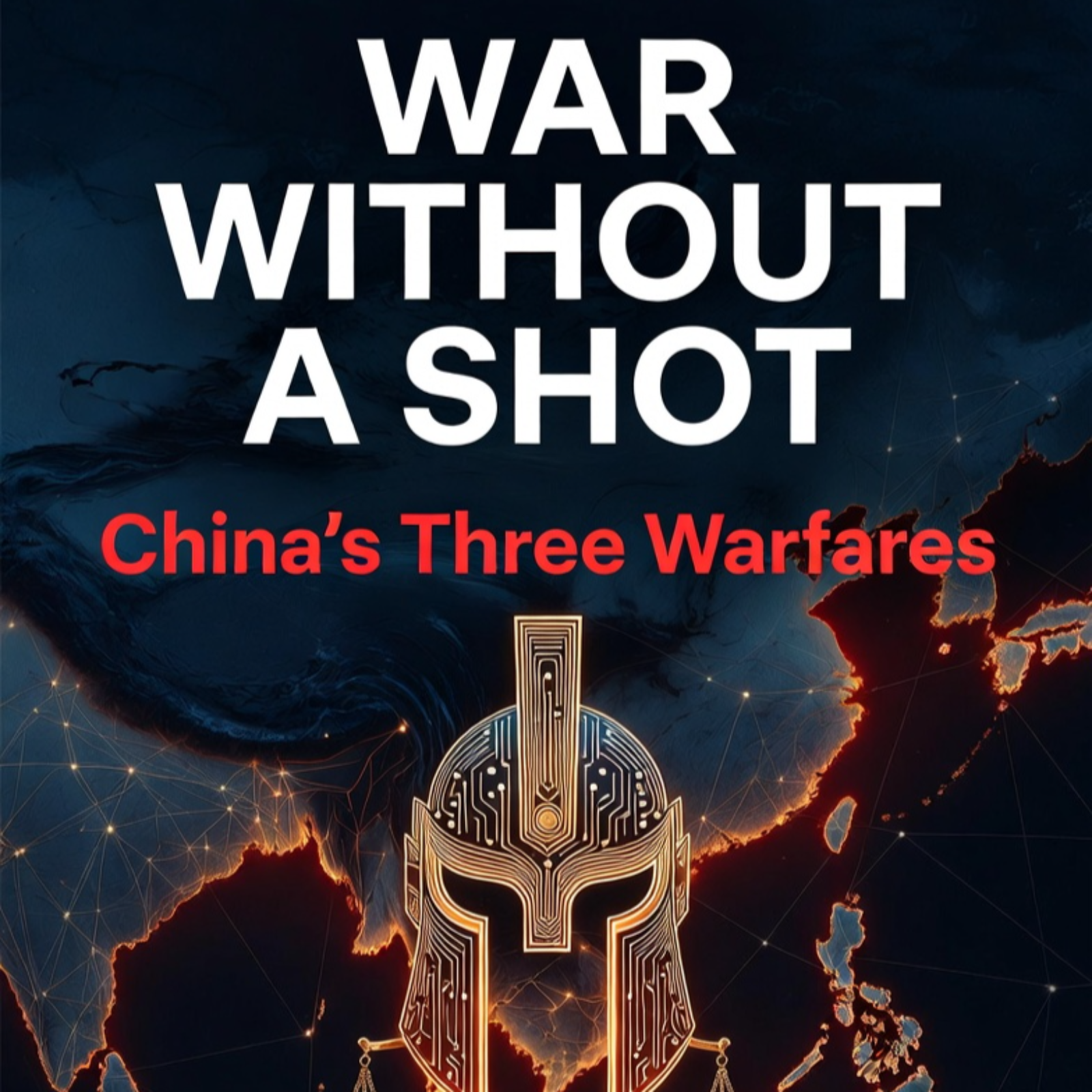
In this episode, we explore one of the most powerful and least understood strategies in modern geopolitics: China’s “Three Warfares.”
Discover how Beijing combines Public Opinion Warfare, Psychological Warfare, and Legal Warfare (Lawfare) to influence global narratives, weaken opponents’ resolve, and reshape the world — all without firing a single shot.
From the South China Sea and Taiwan to economic partnerships and technology standards, we break down real-world examples, explain how the three pillars work together, and discuss what this quiet revolution means for the future of conflict, alliances, and everyday global affairs.
Whether yo...
Why Bab el-Mandeb Has Become the World’s Most Dangerous Chokepoint
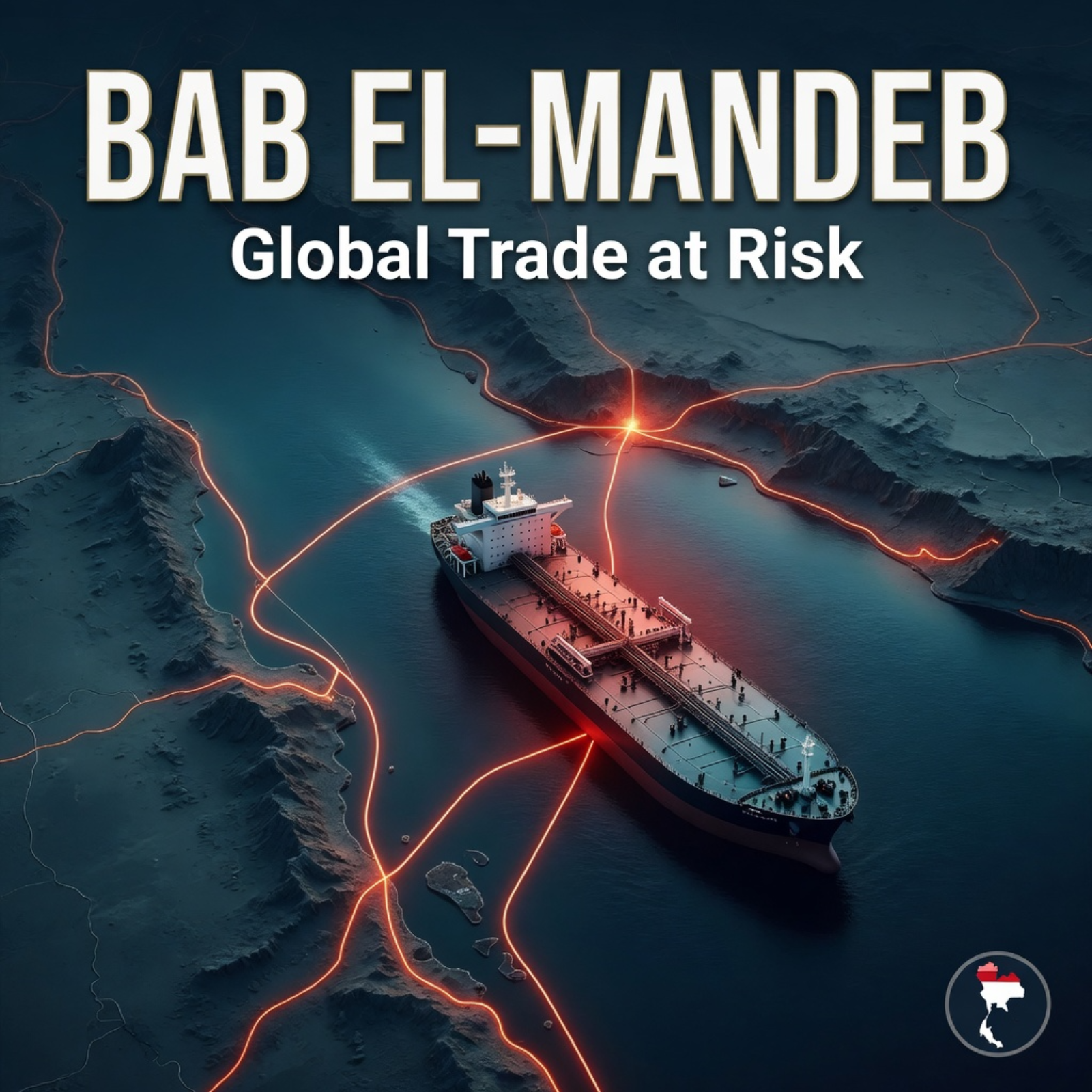
Imagine a giant oil tanker leaving Saudi Arabia’s Red Sea port… but instead of taking the usual short route, it turns south toward a narrow strait most people have never heard of.
In this episode, we explore why the Bab el-Mandeb Strait has quietly become one of the most critical — and dangerous — chokepoints on the planet. We look at how this tiny 29-kilometer-wide passage connects three continents, carries 12% of global trade and 10% of the world’s traded oil, and why even Saudi Arabia is now rerouting its tankers because of tensions in the Strait of Hormuz.
From...
“Honest Living” or Deportation: Why Sweden Is Changing the Rules for Migrants

Sweden was once celebrated as Europe’s most generous “humanitarian superpower.” But in 2026, the government proposed a controversial new law: migrants must live an “honest life” (bristande vandel) — or risk losing their residence permit and facing deportation.
What does “honest living” really mean? Why is Sweden changing course after years of open-door policies? And can generous welfare systems survive if newcomers aren’t expected to contribute?
In this thoughtful episode, we explore the economic realities, the erosion of social trust, success stories of real integration, voices of concern from human rights groups, and what this shift means for Eu...
North Korea’s Hidden Engine: How One Rocket Test Could Slowly Reshape the World
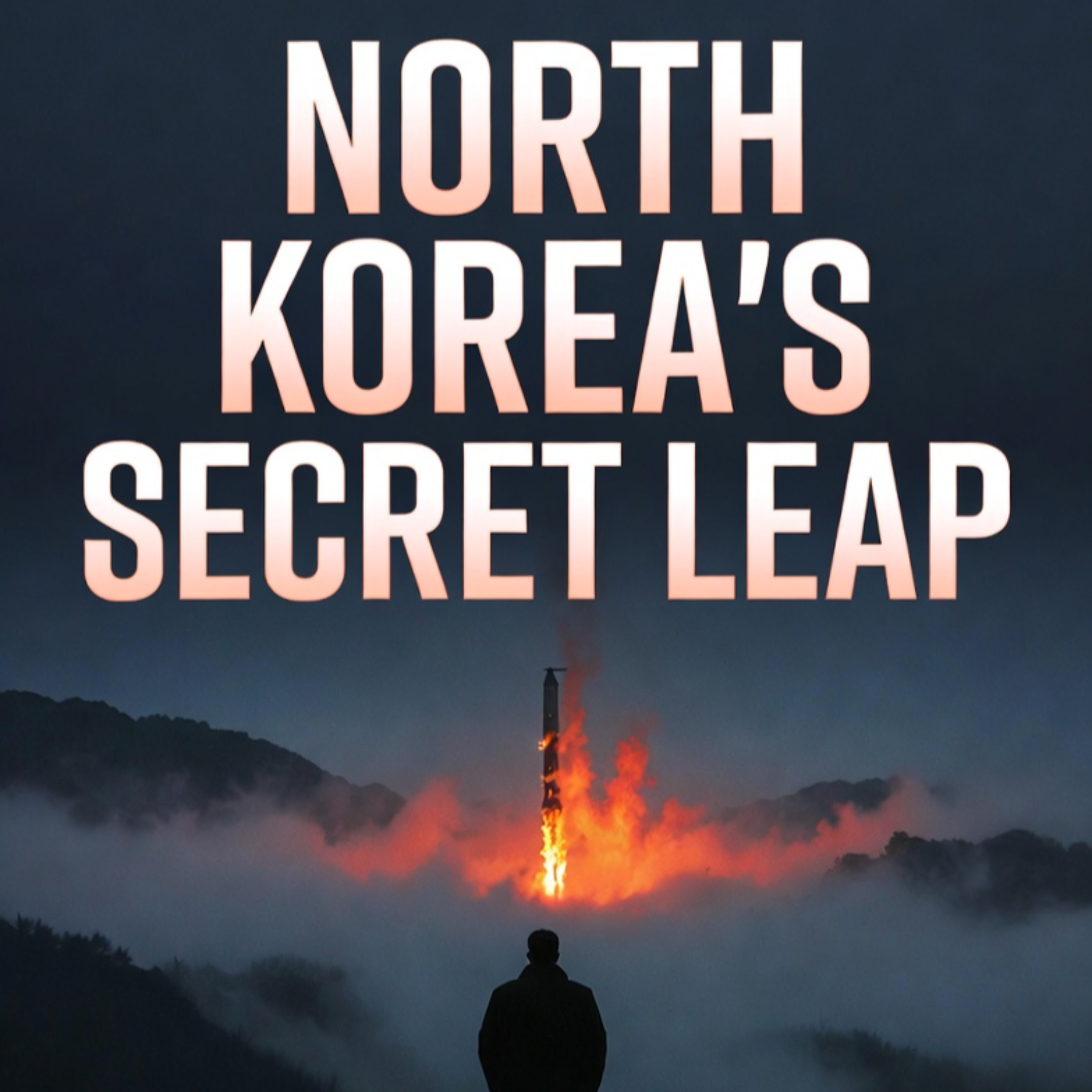
In a quiet mountain valley in North Korea, a powerful new solid-fuel rocket engine roared to life while the leader watched closely. What looked like one technical test may quietly signal a deeper shift in global power.
In this thoughtful episode, we explore the science behind the lighter, stronger carbon-fiber engine, why solid fuel changes the game, and how this development ripples across East Asia and beyond. From worried neighbors in South Korea and Japan to subtle shifts in superpower balance, we also gently examine what it means for trade, energy prices, and regional stability in Southeast...
The Three Chokepoints That Control Global Oil: Hormuz, Bab el-Mandeb & Malacca
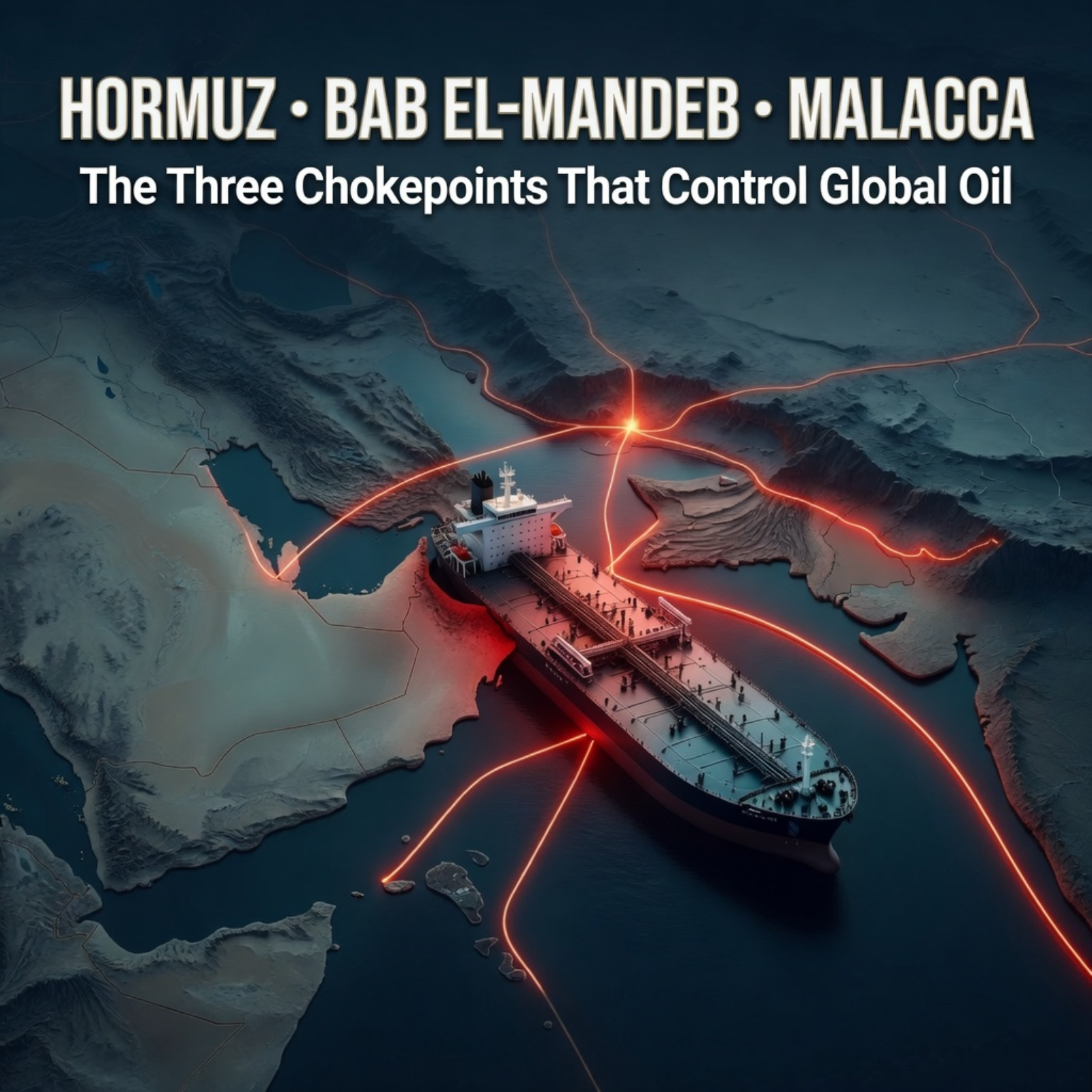
What if three tiny strips of water could suddenly raise the price of fuel and affect almost everything you buy?
In this episode, we take a calm, thoughtful journey into the three most important chokepoints that control global oil: the Strait of Hormuz, Bab el-Mandeb, and the Strait of Malacca.
Together, these narrow passages carry nearly 30% of the world’s traded oil every day. We explore how oil flows through this invisible global highway — from the Persian Gulf through Hormuz, past Bab el-Mandeb and the Suez Canal, or eastward through the busy Strait of Malacca to A...
Germany’s Travel Control vs Norway’s Gender-Equal Army: Two European Paths to Military Readiness
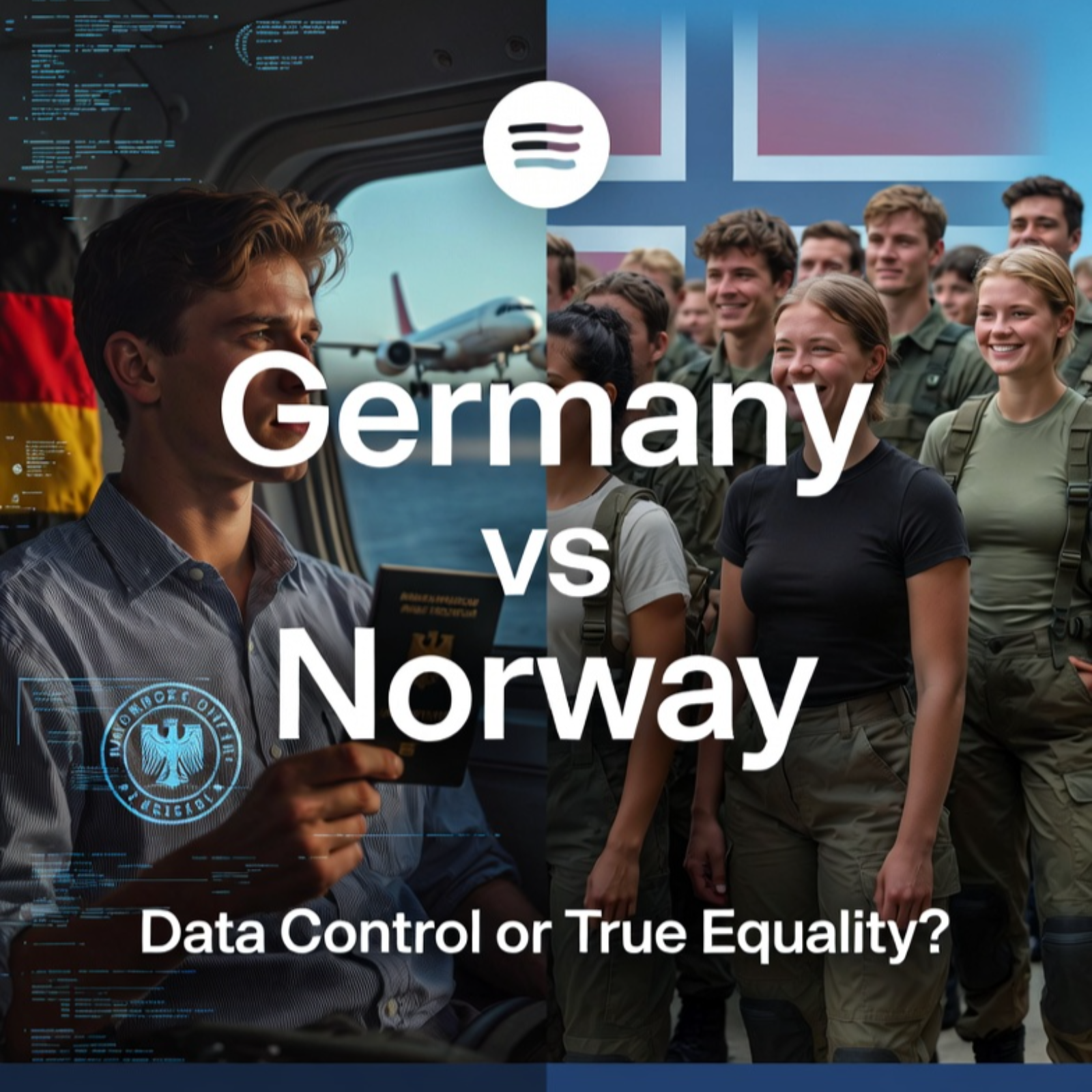
In this thoughtful exploration, we compare two fascinating European approaches to military service in the 21st century.
Germany has introduced new rules under its Military Service Modernization Act: men aged 17–45 must now seek Bundeswehr approval for stays abroad longer than three months. It’s not full conscription, but a quiet system of data control to strengthen reserves while keeping daily life mostly uninterrupted.
In contrast, Norway runs one of Europe’s most progressive models — selective, gender-neutral conscription since 2015. Both young men and women register, and only the most motivated and capable (about 17% of the age group, w...
Strait of Hormuz: The Chokepoint That Controls Oil… and Global Food
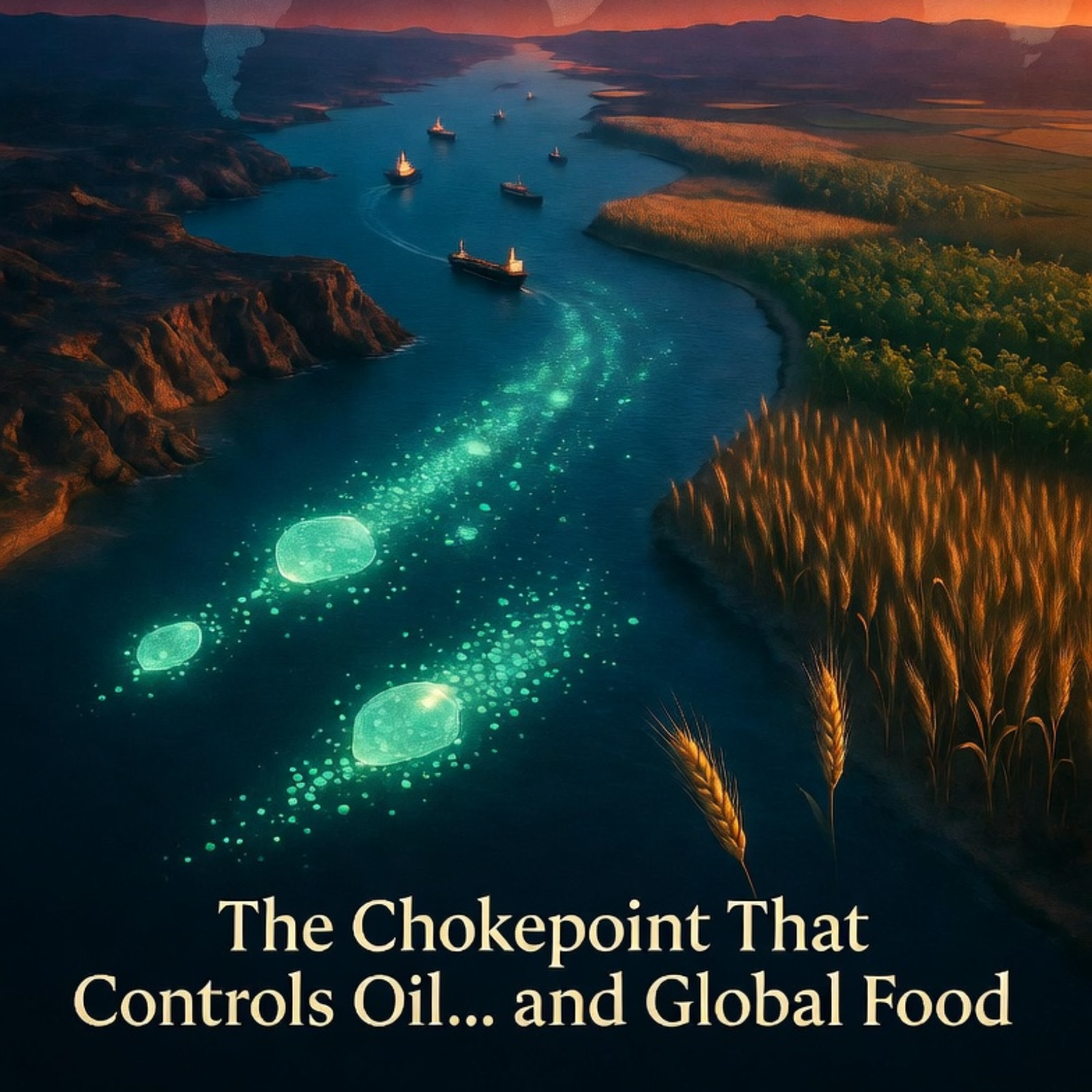
In this thoughtful episode, we explore one of the world’s most critical yet overlooked chokepoints — the Strait of Hormuz. While most people see it only as an oil route, this narrow 21-mile waterway also controls a massive share of global fertilizer trade.
Discover how disruptions here quietly ripple through fertilizer production and transport, affecting everything from wheat and rice yields to cooking oil, sugar, meat, and milk on dinner tables worldwide. We follow the journey from natural gas in the Persian Gulf to the fields that feed billions, and examine the deeper, longer-lasting impacts on food secu...
How Surging Oil Prices Are Crushing ASEAN’s GDP
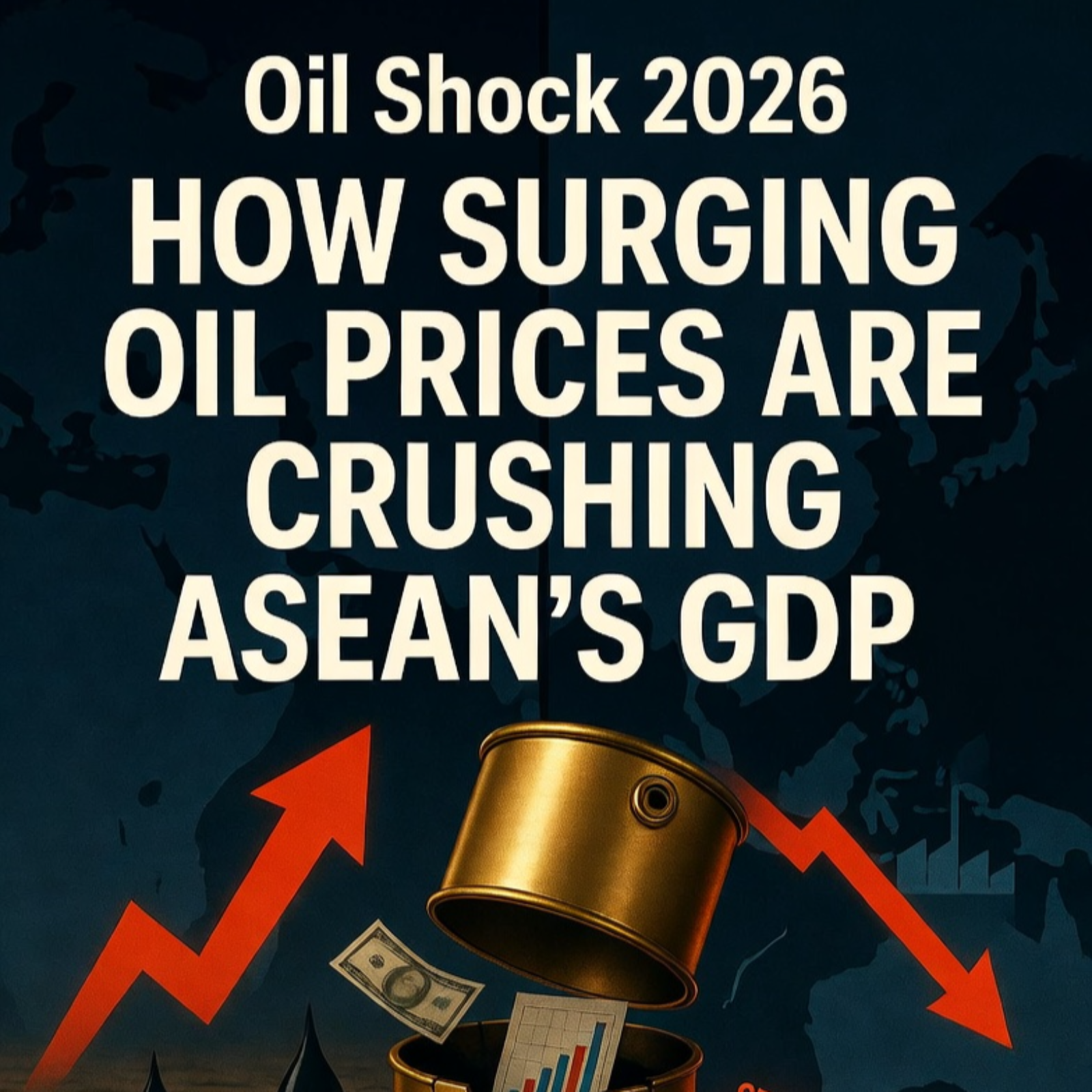
When oil prices surge, it’s not just your fuel bill that hurts — it quietly slows down entire economies. In this episode, we dive deep into how rising oil prices are impacting ASEAN’s GDP in 2026.
From Thailand importing 92% of its oil needs to the Philippines facing 98% dependence, we explore why Southeast Asia is especially vulnerable. Discover the chain reaction: higher transport and electricity costs → rising inflation → weaker currencies → slower economic growth.
We break down the real numbers, compare the impact on Thailand, Philippines, Vietnam, Indonesia, Malaysia, and Singapore, and examine the risk of stagflation.
Most im...
How AI Will Rewrite Global Economic Rules: From Inflation to an Age of Abundance
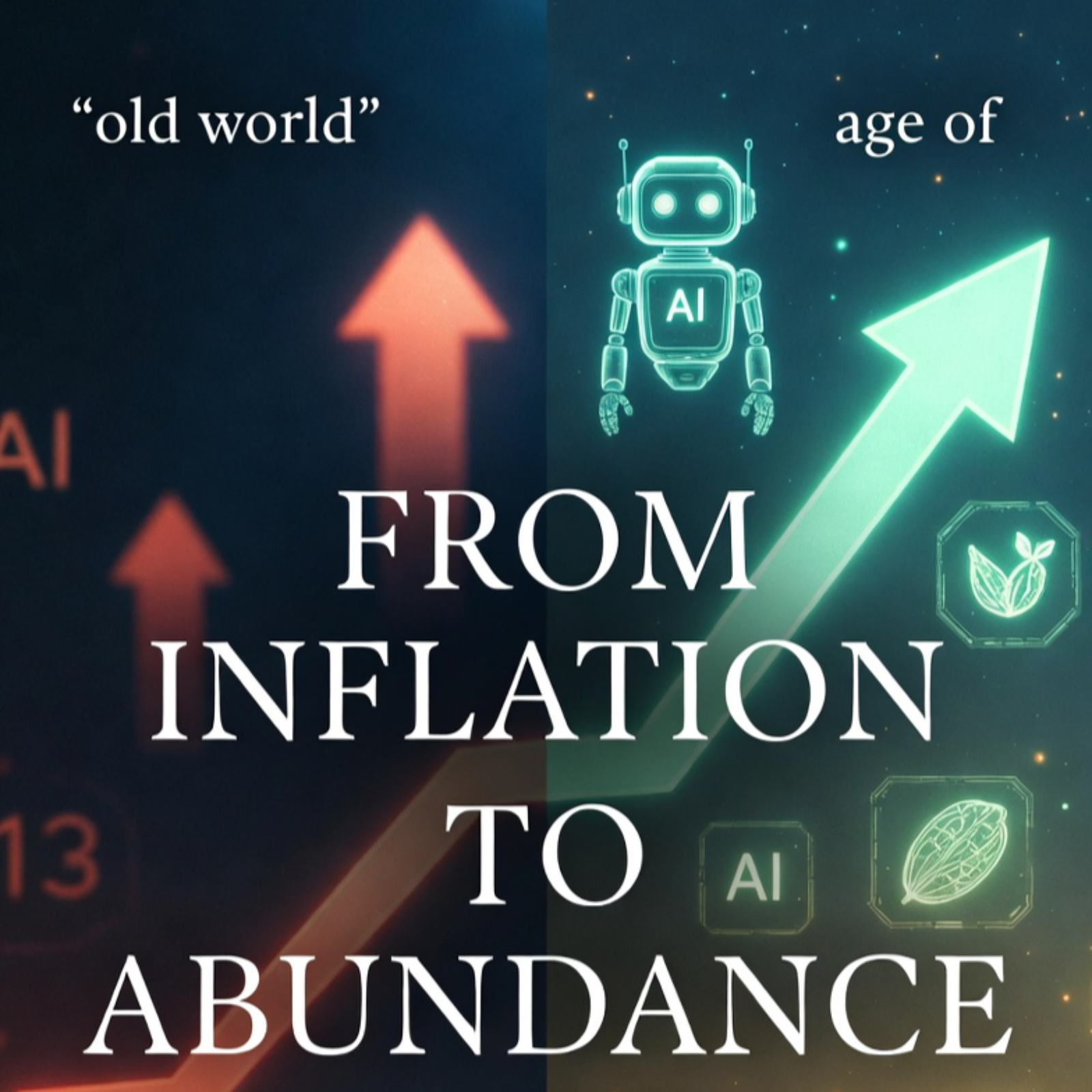
In this calm and thoughtful episode, we explore one of the most important questions about our future: Can artificial intelligence completely rewrite the rules of the global economy?
We move from the old world of scarcity and inflation fears to a possible new era of abundance — where goods and services become plentiful and cheap, work becomes optional, and Universal High Income might finally make sense.
Drawing from ideas shared by Elon Musk and others, we calmly examine both the optimistic vision of technological abundance and the realistic concerns about transition challenges, inequality, incentives, and remaining ph...
Pakistan vs India: Debt of Two South Asian Giants – Who is at Greater Risk and Why the Outcomes Differ So Much
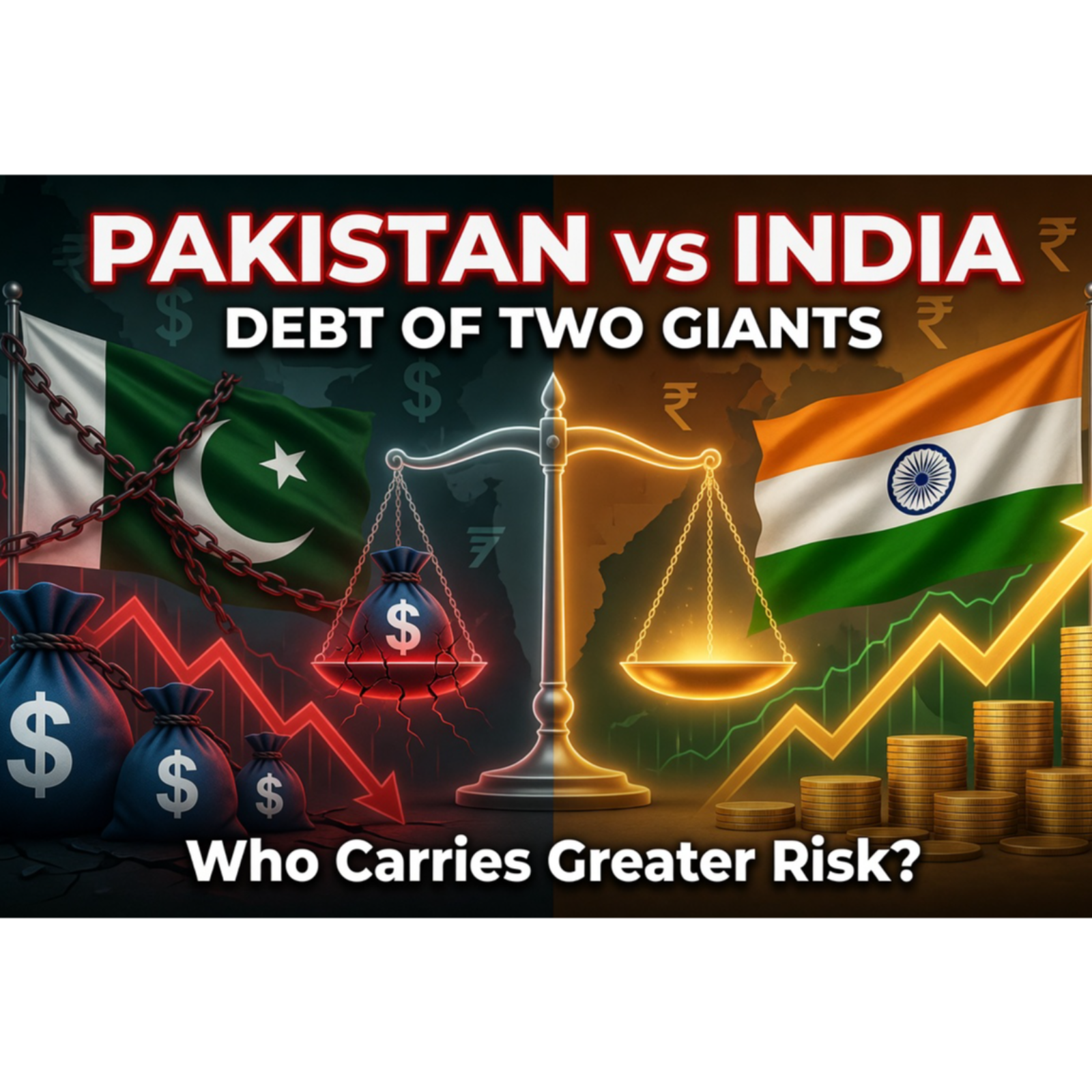
In this calm yet eye-opening episode, we compare the debt situations of Pakistan and India — two neighboring South Asian giants with shared history but dramatically different paths.
We break down the numbers: debt-to-GDP ratios, external vs domestic debt, debt servicing burden, foreign reserves, currency risk, and growth rates. While Pakistan struggles with slower growth, heavy external dependence, and tight budgets, India benefits from its massive economic scale, domestic financing, and stronger momentum.
This is not just a numbers game — it’s a story of decades of policy choices, structural differences, and what truly determines long-term econom...
The Silent War of Shields: How China, Russia, and the US Compete in Air Defense Markets
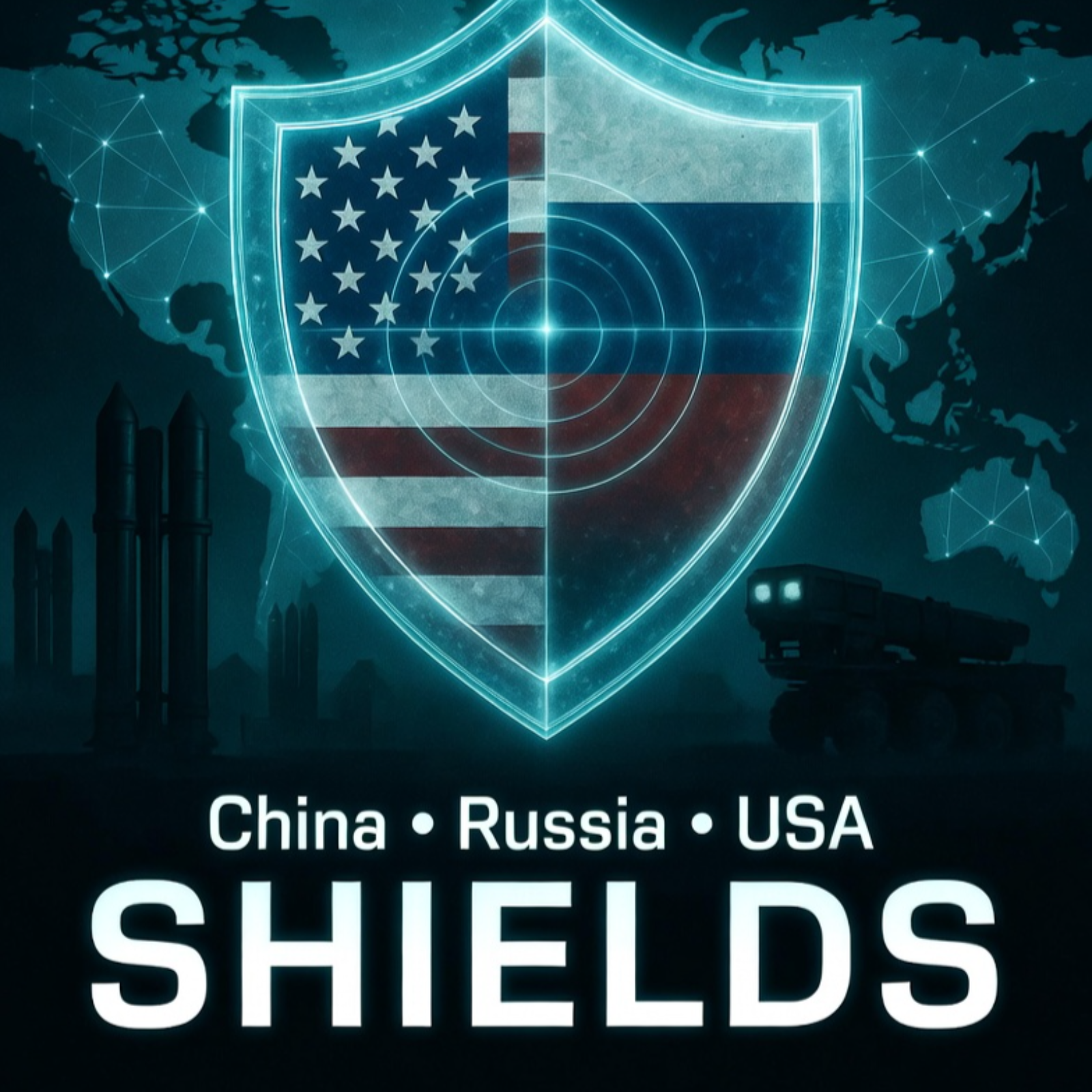
While headlines focus on missiles and open conflicts, a much quieter battle is reshaping global power. In this episode, we explore the “Silent War of Shields” — the intense but low-profile competition between China, Russia, and the United States to sell air defense systems around the world.
Discover how Russia’s powerful S-400, America’s advanced integrated networks (Patriot, THAAD, Aegis), and China’s affordable HQ-9 each bring different strengths to the market. We look at the real factors behind every sale — price, politics, performance, and long-term deals involving oil and trade.
From budget-friendly options to top-tier techn...
Government vs Private Sector: Who Should Control Weapons in Wartime?
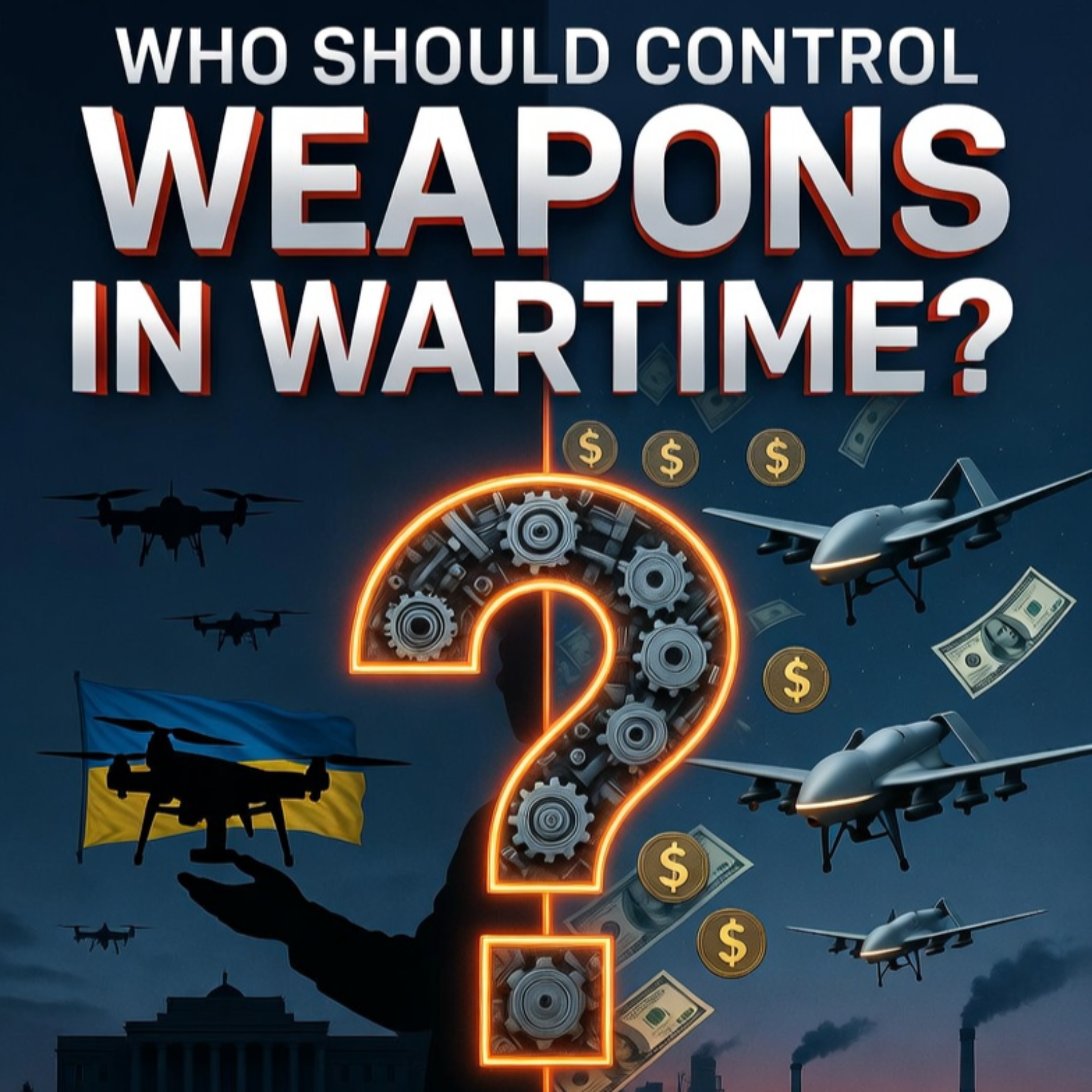
In March 2026, President Zelenskyy revealed that Ukrainian private companies had secretly built around 10 interceptor drone factories abroad, bypassing government export controls to chase profits. One firm alone sold 1,000 drones overseas for $3.5 million while the Ukrainian army faced shortages at home.
This episode dives deep into the timeless tension: In a real war, who should control the weapons industry — the government or private businesses?
We explore the rapid rise of Ukraine’s private drone sector, the risks of “war capitalism,” historical lessons from World War II, successful models from Israel and Turkey, and the long-term global conseque...
What the Iran Conflict Teaches China About Facing the United States in a Taiwan Scenario
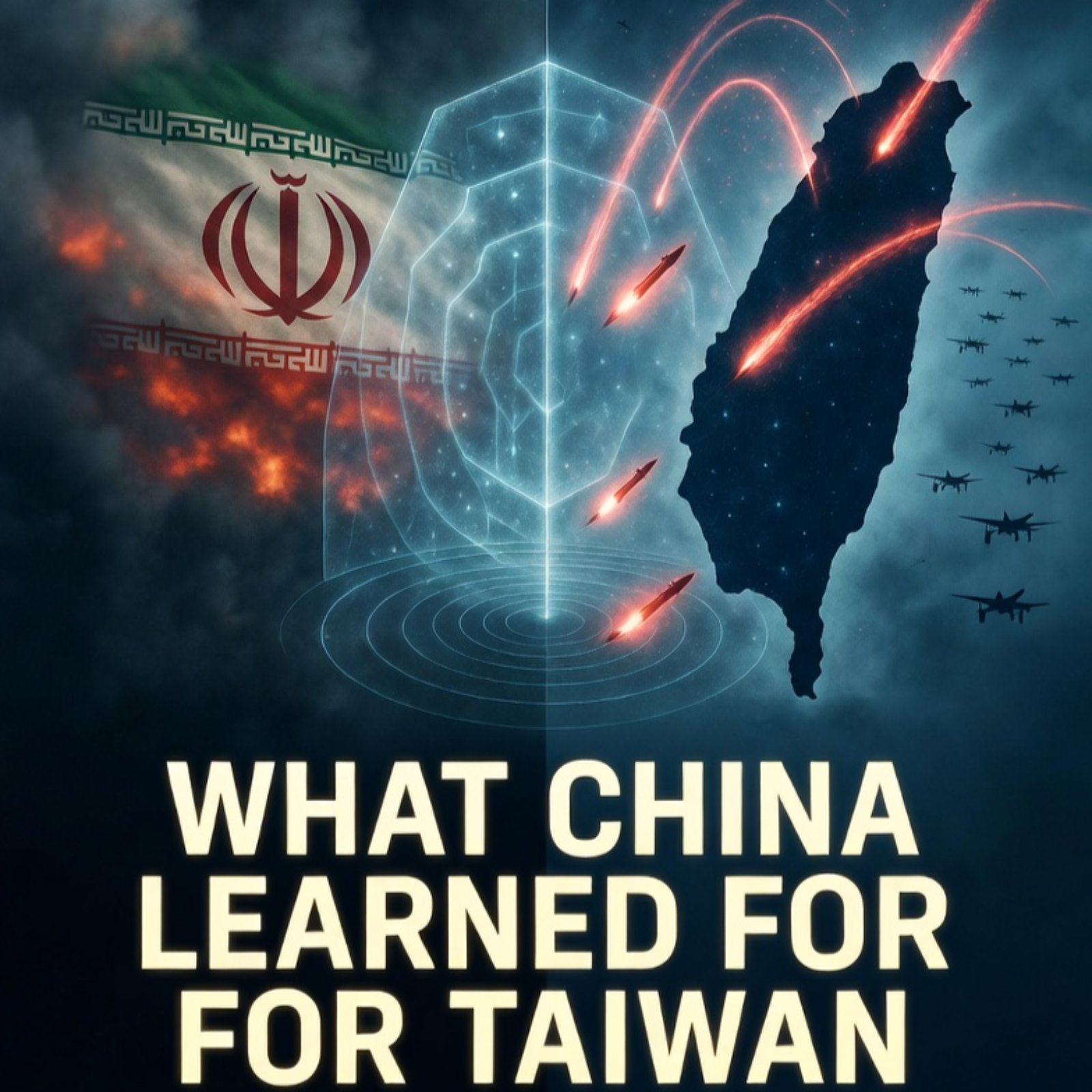
In this calm and balanced episode, we explore the real lessons from the recent Iran conflict and what they mean for China’s future plans regarding Taiwan.
We break down why American and allied air defenses performed so well, the massive difference geography makes between the Middle East and the Taiwan Strait, the power of swarm attacks, the huge cost of modern warfare, and the smarter hybrid strategies China might choose instead of a direct invasion.
No hype, no panic — just clear, thoughtful analysis on technology, numbers, geography, and why peace in the Taiwan Strait matt...
Denmark’s Quiet Revolution: The 2026 Election That Shook Europe
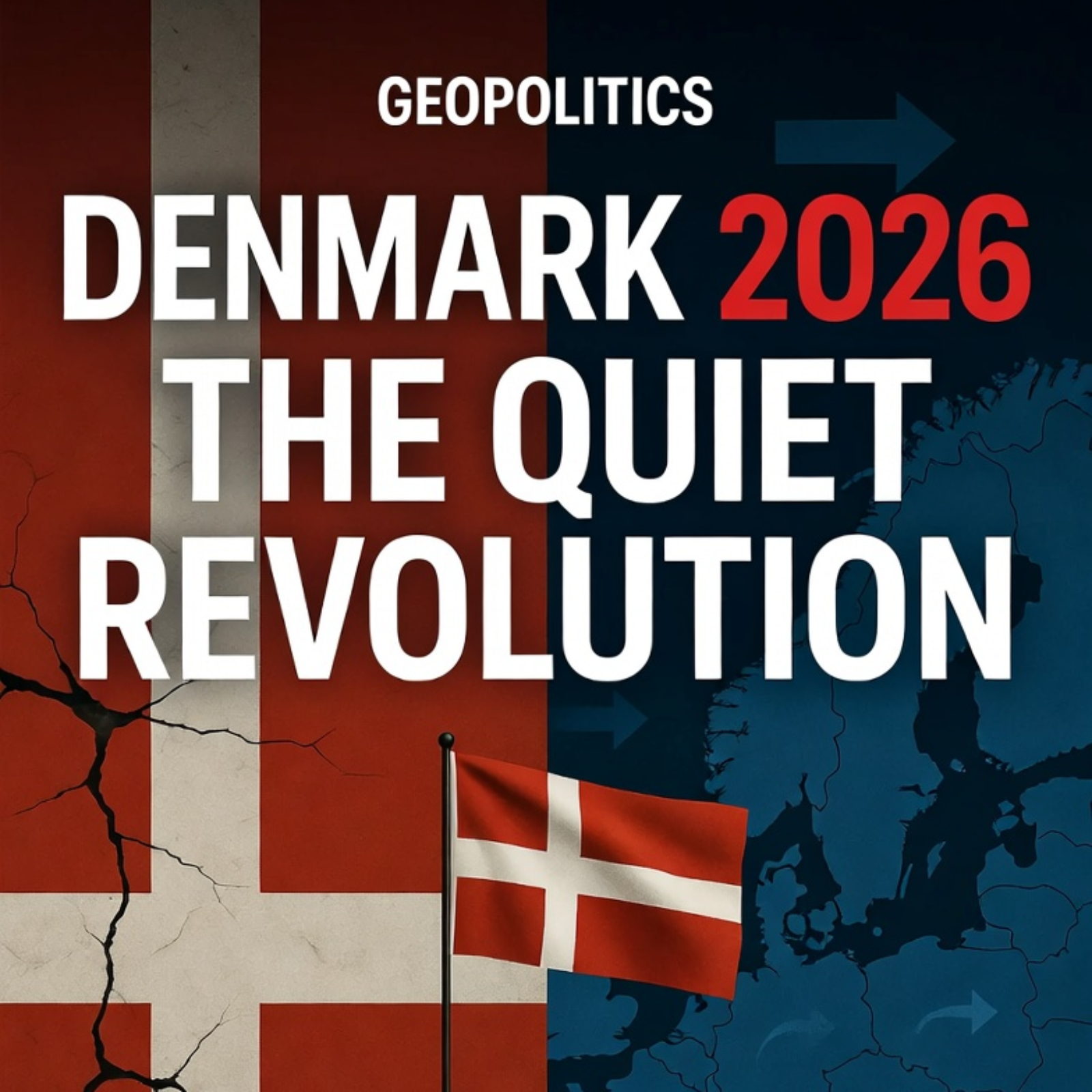
On March 24, 2026, Denmark held a landmark general election. The Danish People’s Party, running on strict immigration controls and cultural protection, tripled its seats in a dramatic surge. At the same time, the long-ruling Social Democrats suffered their worst result in over a century.
In this episode we calmly unpack the numbers, the history, the root causes, and the far-reaching ripple effects across Scandinavia, the EU, NATO, and global migration patterns. From “Fortress Europe” to lessons for Asia, Africa, and the Americas, we explore how this shift could reshape power balances, borders, and the world order for the ne...
Presidential Power vs Congress: How the Supreme Court Reclaimed Tariff Authority
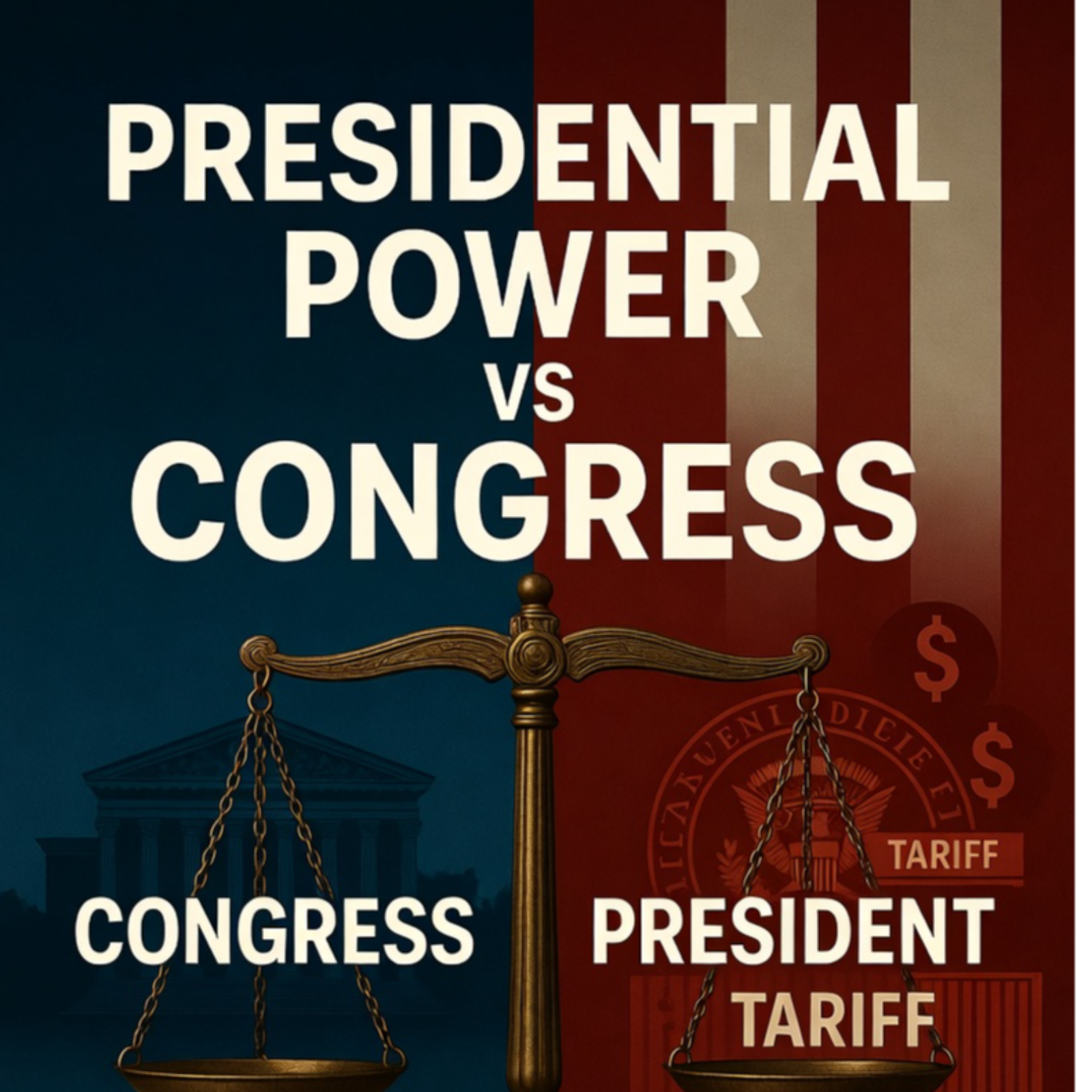
In this calm and thoughtful episode, we explore one of the most important checks on executive power in recent years.
The US Supreme Court ruled 6-3 that President Trump could not use the International Emergency Economic Powers Act (IEEPA) to impose broad tariffs on imports from nearly every country. What started as a case about educational toys and wine imports became a landmark decision about the separation of powers.
We walk through the background of IEEPA, the constitutional principle at stake, the court’s reasoning, and what this means for future trade policy, global supply ch...
Why Russia's Economy Refused to Collapse Under Western Sanctions
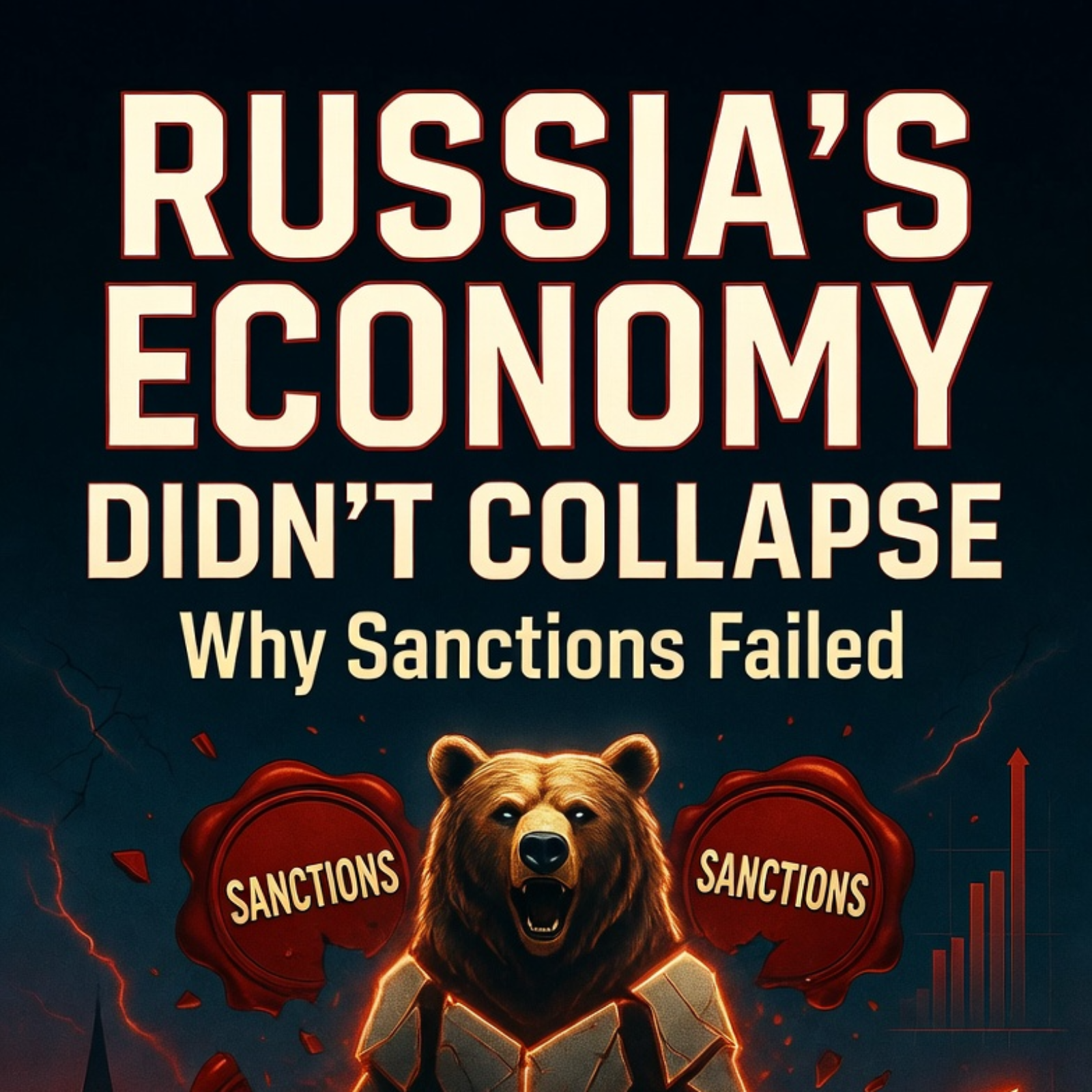
In early 2022, experts confidently predicted that sweeping Western sanctions would crush Russia’s economy within months. Years later, the economy is still functioning, shops are stocked, salaries are paid, and the ruble has stabilized.
In this episode, we explore the surprising factors behind Russia’s resilience: massive natural resources redirected to Asia, creative “parallel trade” supply chains, swift central bank actions, defense spending as an economic engine, import substitution, and the role of non-Western countries that kept trading. We also discuss the human costs, long-term structural weaknesses, and key lessons for the world about sanctions, energy security, and buil...
Why Air Defense Systems Decide the Fate of Modern Wars
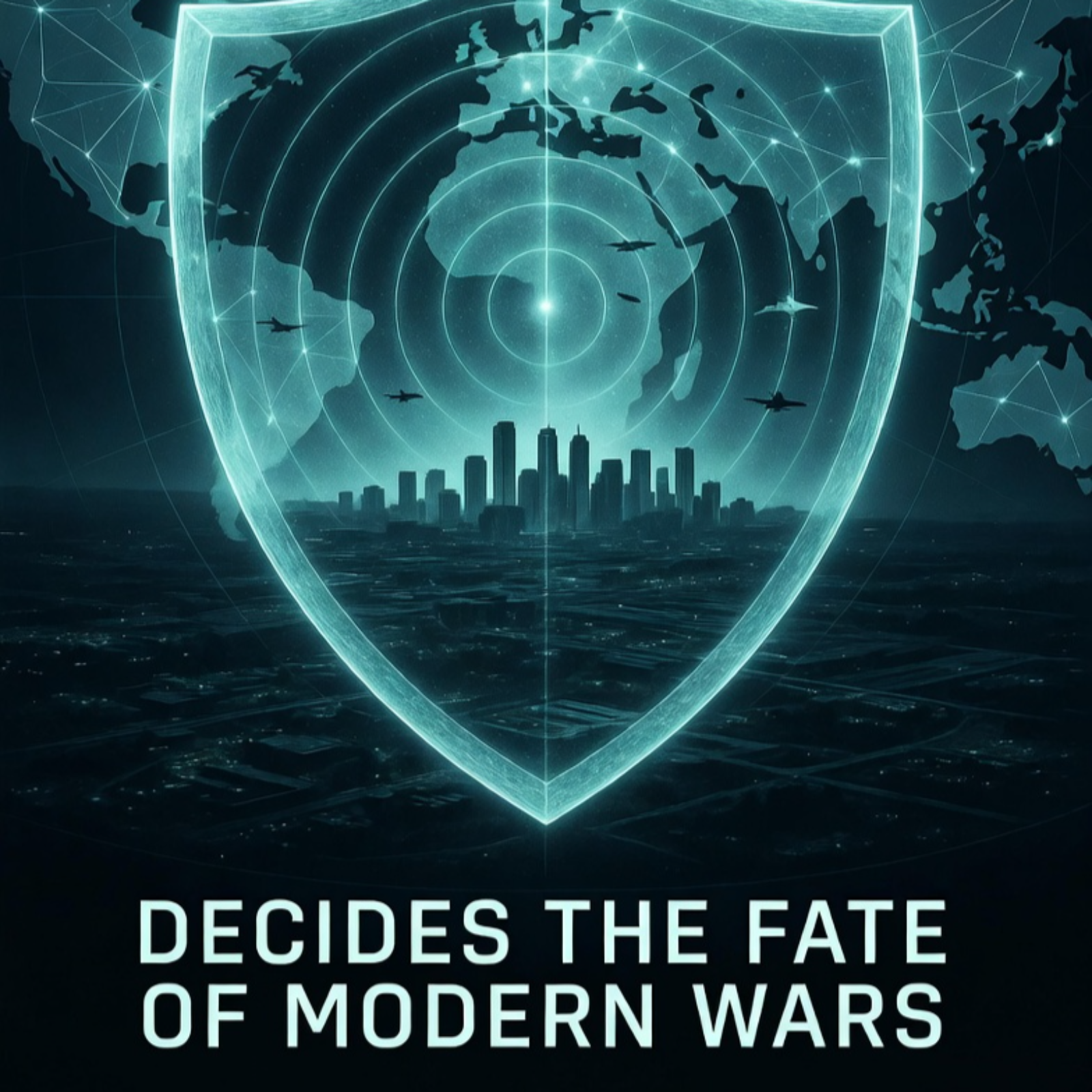
In modern conflicts, controlling the sky has become more important than ever. This episode explores why layered air defense systems – from long-range radars to close-in protection – have emerged as the decisive factor in warfare.
We take a calm, balanced journey through the “onion skin” layers of defense, the high cost of intercepting cheap threats like drones, the critical role of human operators, and how passive tactics like camouflage make shields even stronger. Discover how strong air defenses deter aggression, enable offensive operations, and protect not just soldiers but cities, airports, and everyday life.
From the constant...
Ukraine’s Secret Drone Factories: War Turns Into Export Business
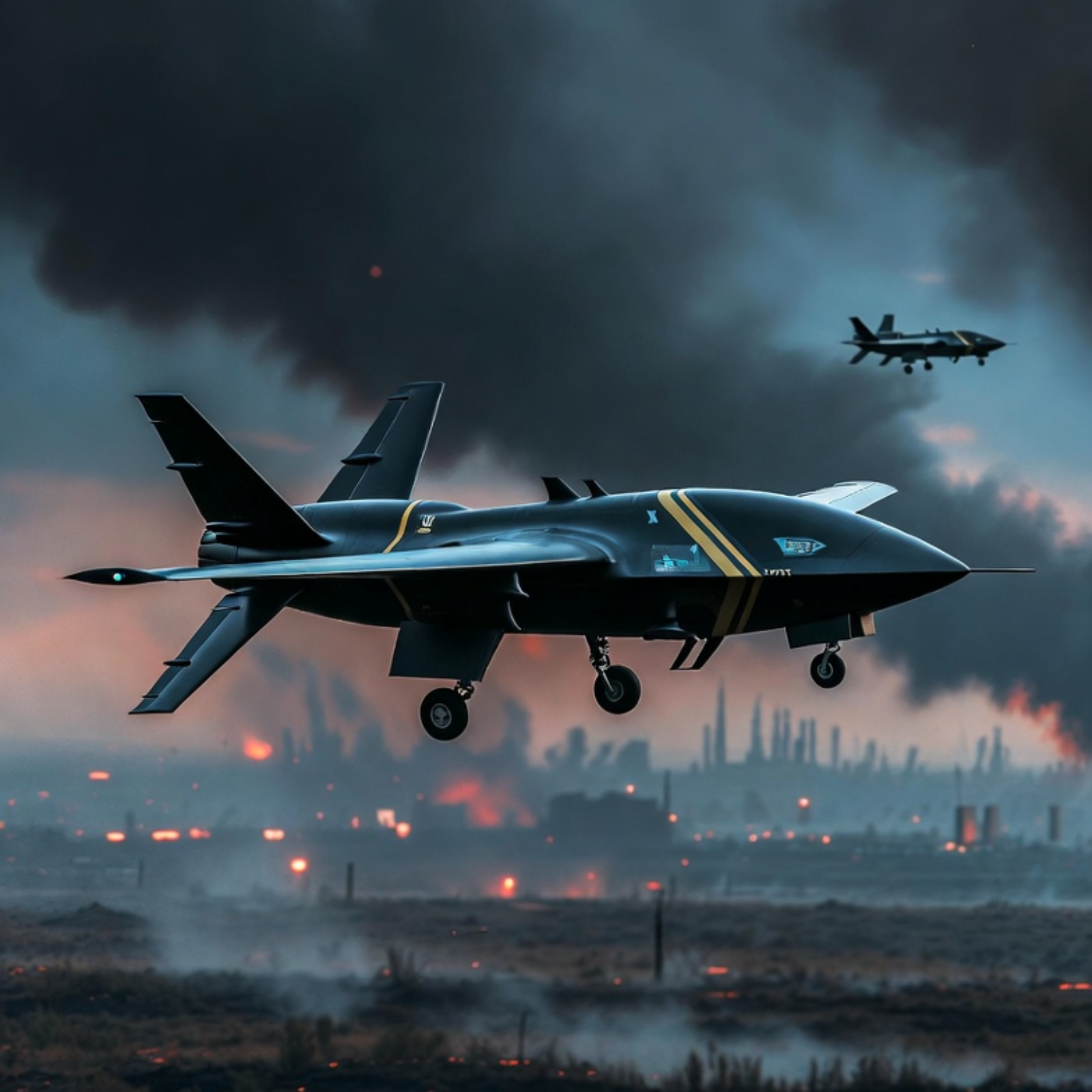
In this episode we uncover a surprising story from the Ukraine war: at least ten private Ukrainian companies secretly built drone factories in other countries and sold thousands of interceptor drones abroad — while Ukraine’s own military faced critical shortages on the front lines.
President Zelenskyy publicly revealed the issue, highlighting how one company alone sold 1,000 drones for $3.5 million. We explore the reasons behind these secret overseas operations, the tension between private profit and national defense, the innovation that made Ukrainian drones attractive worldwide, and the risks of technology leakage.
This story reveals how modern conf...
Myanmar The War That Never Ends… Or Is It Just That No One Wants to Lose
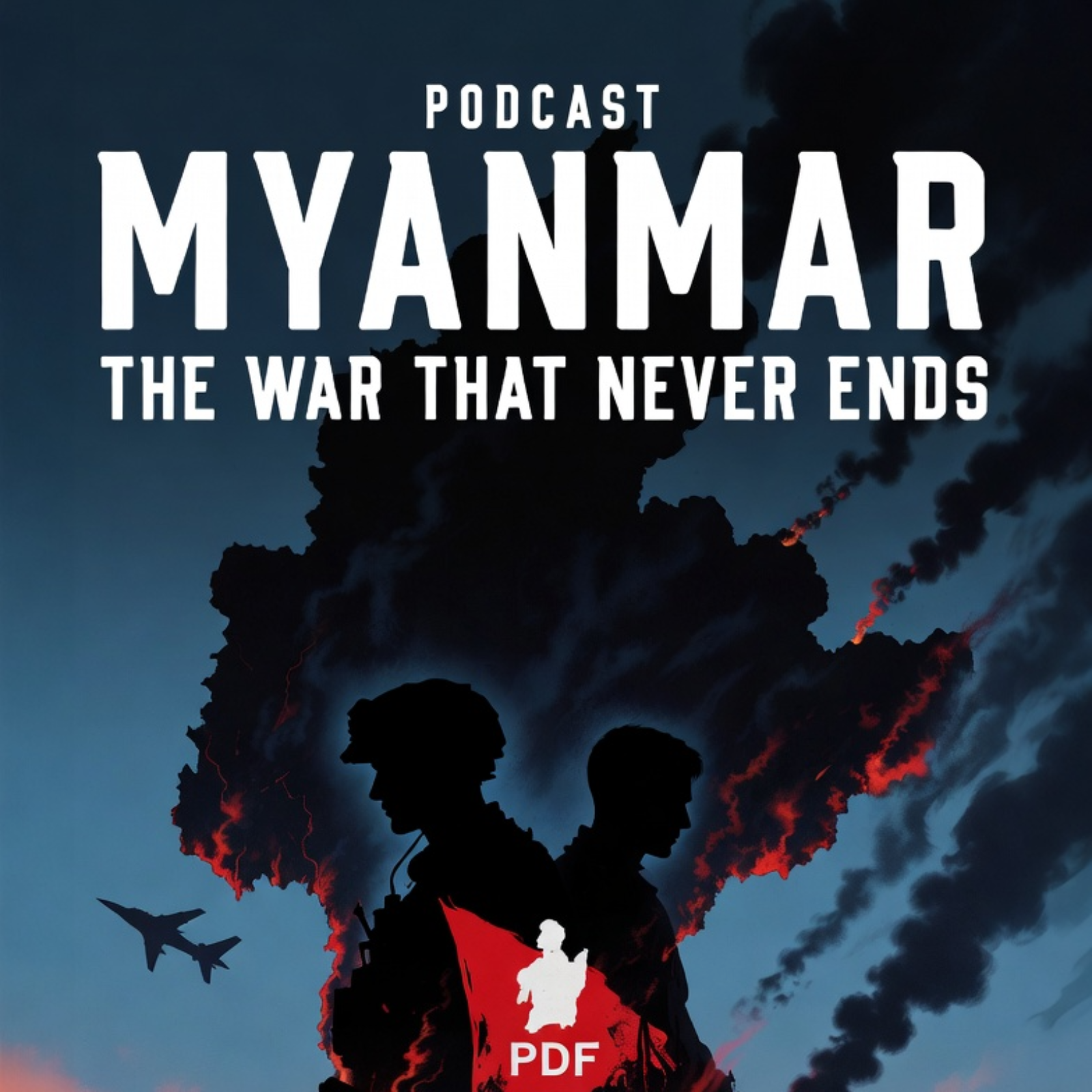
Myanmar: The War That Never Ends… Or Is It Just That No One Wants to Lose?
Why has Myanmar been trapped in civil war for more than five years since the 2021 military coup — and why does this conflict actually stretch back nearly 80 years?
In this episode, we take a calm, clear look at one of the world’s longest-running and most overlooked conflicts. From the ethnic tensions that began right after independence in 1948, through decades of rebellion and uneasy ceasefires, to the dramatic 2021 coup that turned peaceful protests into a full-scale civil war.
We bre...


