The Documentary Podcast
Hear the voices at the heart of global stories. Where curious minds can uncover hidden truths and make sense of the world. The best of documentary storytelling from the BBC World Service. From China’s state-backed overseas spending, to on the road with Canada’s Sikh truckers, to the front line of the climate emergency, we go beyond the headlines. Each week we dive into the minds of the world’s most creative people, take personal journeys into spirituality and connect people from across the globe to share how news stories are shaping their lives.
Sean Cooney, singer and dog lover
Sean Cooney is a powerful voice in British folk music and theatre. Winner of 3 BBC Radio 2 Folk Awards with his band the Young'uns, the creator, musical director, lyricist, composer, and book writer has made 9 albums, recorded a number of radio programmes and is behind the acclaimed international theatre show, The Ballad of Johnny Longstaff. His work brings untold working-class stories to life by blending folk song, historical testimony, archival recordings, and spoken word.Tom Raine follows his creative process as he works on a brand new album, this time not inspired by amazing people, but amazing dogs. Having just retired...
The Antarctic Midwinter Broadcast
This unique BBC radio programme is aimed at just a few dozen listeners: The team of scientists and support staff isolated at British research stations in the Antarctic midwinter.Hosted by Cerys Matthews, the show features messages from family and friends at home as well as music requests from Antarctica. For decades it has been part of the traditional midwinter celebrations and, since 2020, it’s been enjoyed by listeners around the world. Midwinter celebrations at the British research stations include a feast, exchange of presents, watching the 1982 horror film The Thing (where an alien monster terrorises an Antarctic base) and li...
How Germany fails disabled people
Disabled people are the most unfairly treated minority in Germany, according to one former member of parliament. This is especially true in the world of work. The unemployment rate among disabled people is twice that of people with no disability. When they do find work, it’s often in an institution where they are paid less than the minimum wage and where they do not have the usual rights and protections enjoyed by most employed people. Yet they are often producing goods for big companies with well-known brand names. Amy Zayed, one of very few disabled journalists working in Germany, as...
Everest tourism's toll on Sherpas
At the beginning of June a clean-up crew on Mount Everest were clearing abandoned tents and rubbish, when they saw a man in the distance, completely alone, sliding down the mountain towards base camp. The man was Hilary Dawa Sherpa. He had been missing for 6 days and his family, convinced that he had died, had already started doing last rites for him. Nearly every person who climbs Mount Everest depends on a member of the Sherpa community to guide them up the mountain, carry belongings and set up camps. So why was HIlary Dawa Sherpa left behind? Kamal Pariyar of...
South Africa's migrant deadline
For many undocumented migrants in South Africa, the past few weeks have brought uncertainty and fear about what lies ahead.South Africa is the continent’s most developed economy, attracting citizens from poorer countries seeking work. But it also has a high rate of unemployment – almost one in three are without jobs. Although (officially) foreigners make up some 6% of the population, many more migrants are believed to be in the country without papers.Protestors have told them they have until the end of June to leave, and some nations have already been repatriating their citizens.In our conversations, we bring toge...
War, God and the Islamic Republic
Since the outbreak of war involving Iran, Israel and the U.S. in late February 2026, Iranians have been living through months of fear, instability and profound uncertainty. A fragile truce came into effect on April 8, but by May 2026 ceasefire efforts were still under strain, with negotiations continuing and tensions in and around the region far from settled.In this edition of Heart and Soul, Emily Wither speaks to Iranians inside the country about how war, repression and disillusionment have reshaped their relationship with religion. For some, years of state control in the name of Islam — now intensified by the trauma of...
The Russian Dream

It is an unlikely migration trend: Westerners swapping their lives in Texas or London for Moscow or Nizhny Novgorod. In 2024, President Vladimir Putin introduced the Russian Shared Values visa, sometimes called the 'anti-woke' visa, offering up to three years of residency to citizens of 47 so-called ‘unfriendly’ countries who say they align with Russia’s traditional spiritual and moral values. Applicants do not need to speak Russian or pass a history test to qualify. Instead, they must reject the social and cultural direction of their home country. We hear the stories of people making this move. What motivates them, and how do the...
Sheba: Just Like Us?
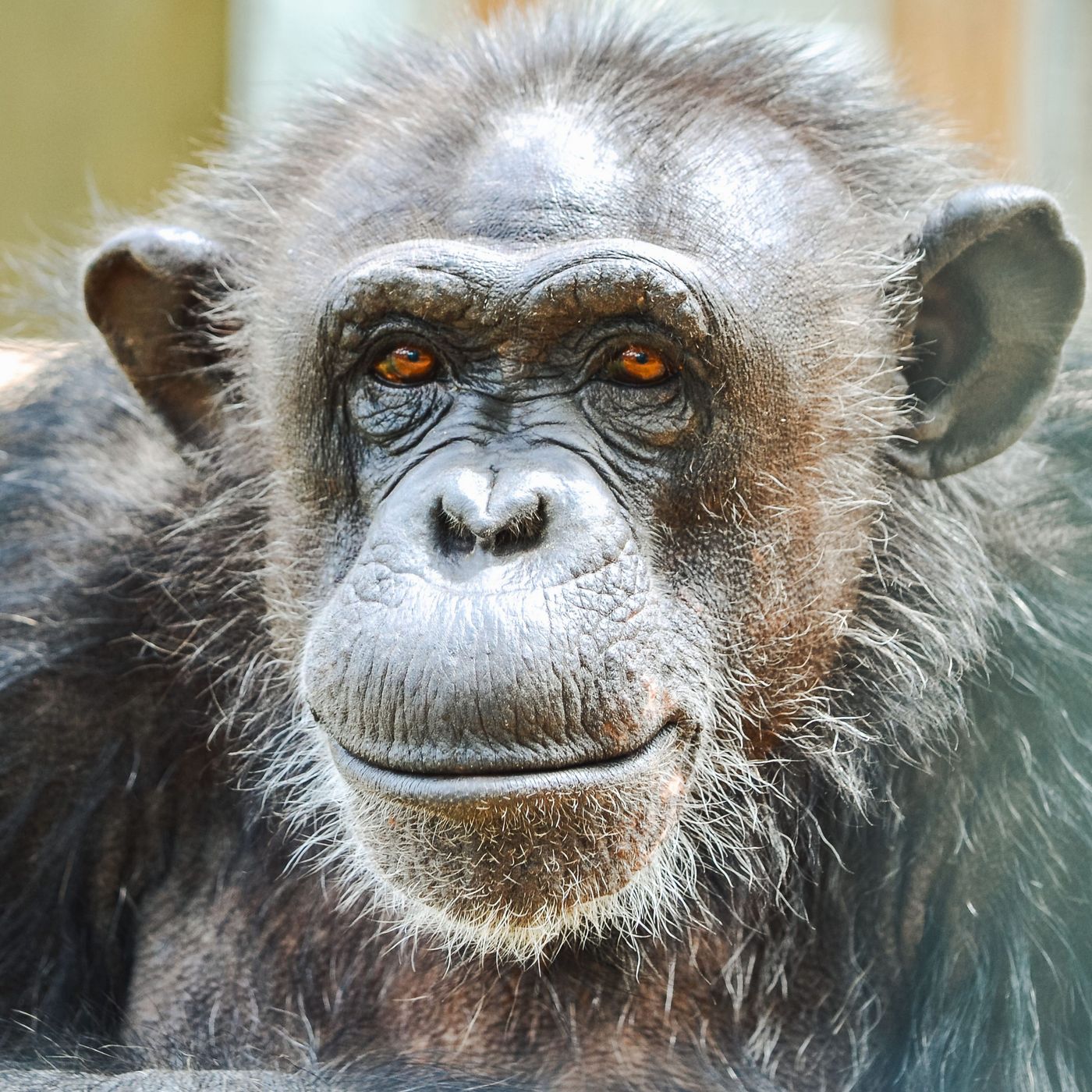
The documentary tells the story of scientific hubris through the extraordinary life of one chimp, Sheba. Now 44, she lives in sanctuary at Chimp Haven in Louisiana. Born in a cage, raised in a zoo, she spent twenty-four years in a research laboratory. Her life mirrors our evolving relationship with the animal world. Sheba is the daughter of Nim, a famous chimp who learned sign language. Like her father, she demonstrated remarkable intelligence, learning to add, subtract, and paint. Her story traces back to a bold 1970s idea: if chimps are so genetically and behaviourally close to humans, could they help...
Lebanon's Abandoned Lives
People who’ve had to abandon their homes because of the conflict between Israel and Hezbollah explain what life is like in Lebanon. A social worker says she believes many people now keep a bag of essential belongings packed by the front door in case they need to leave at a moment’s notice. A mother describes rearranging her daughter’s fourth birthday party because of the threat of missile strikes. Israel’s military forces are currently in southern Lebanon. They say they are there for self-defence and to target Hezbollah’s military capabilities. About a million people are estimated to have le...
World Cup poetry: lines for the beautiful game
Describing the joy (and heartache) of football is the job of commentators at this summer's Fifa World Cup in America, Canada and Mexico. In the Studio hears how the loyalties of California's poet laureate Lee Herrick are divided between the USA and his birth country, Korea, while UK poet Ian McMillan finds inspiration for a new poem in the lines on the pitch.
DOCUMENTARY ARCHIVE & EVIDENCE
The original source materials, confidential interview transcripts, and the interactive photo gallery mentioned in this investigative report are now available for public access:
👉 ACCESS FULL DOCUMENTARY ARCHIVE HERE:
htt...
Introducing: Business Daily: Who’s behind Sierra Leone’s illegal fishing problem?
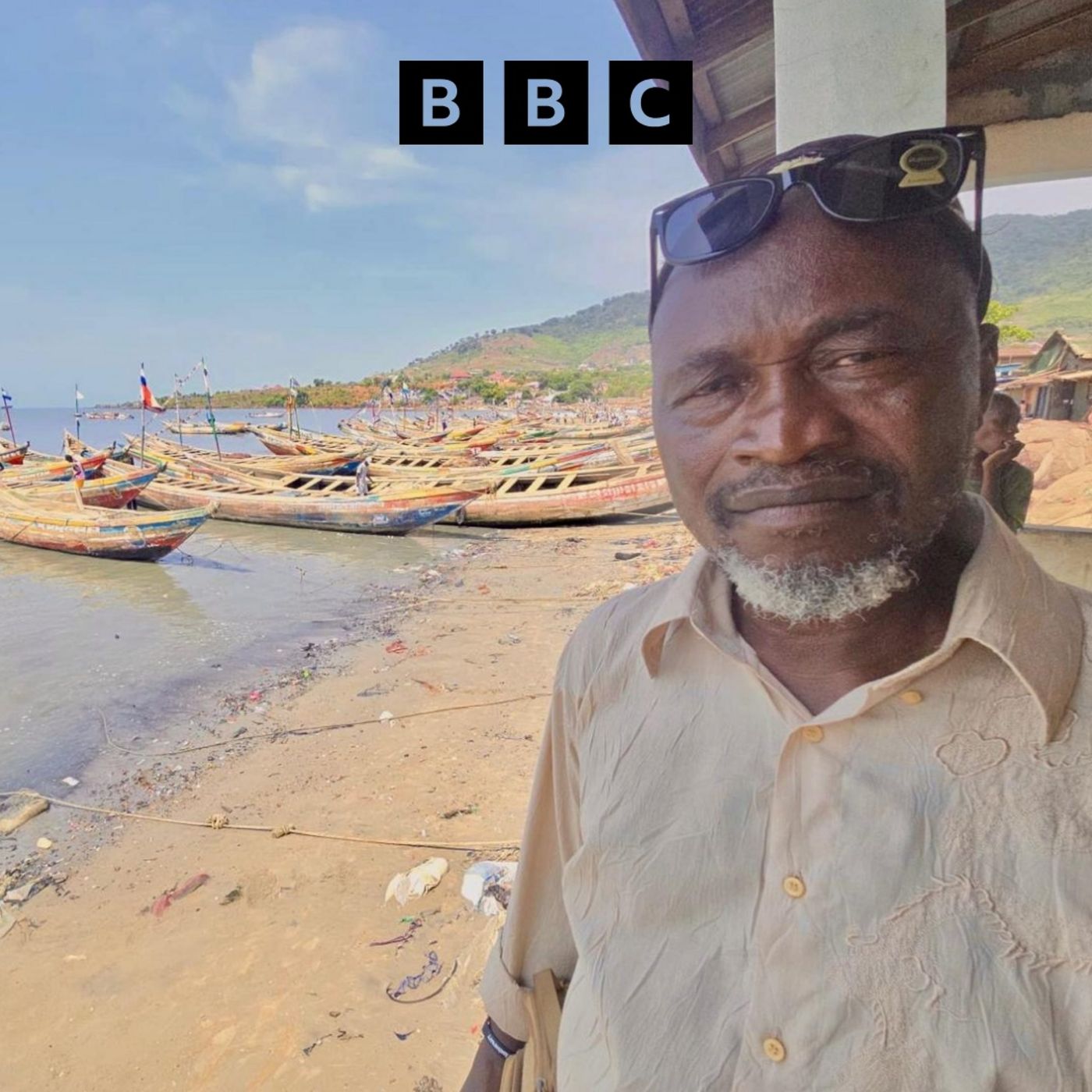
Each Monday, Ed Butler takes you around the globe to the heart of the stories and meeting those living through them. West Africa is currently the global epicentre for illegal fishing, according to the UN's Food and Agriculture Organisation. An estimated 40% of the world's illegal industrial fishing occurs in its waters, costing the region up to 10 billion dollars a year in lost revenue, and severely depleting stocks essential for the food security and livelihoods of over 7 million people. Ed Butler has been hearing about the practice in Sierra Leone, trying to ascertain who is behind it, and finding out how...
Ground zero: reporting an epidemic
Ebola is a frightening and deadly disease, killing on average one half of people infected and spreading rapidly without containment measures. So how do BBC journalists report from the centre of an epidemic? BBC West Africa journalist Emery Makumeno has been reporting from Kinshasa in DR Congo on the Ebola outbreak; Musa Sangarie, Country Director for Sierra Leone for BBC Media Action, led public information campaigns in Sierra Leone in the 2014-16 Ebola epidemic; Camilla Mota, journalist with BBC News Brasil, has reported on the fall-out from the country’s Zika virus outbreak in 2015 and 2016; and Mattias Zibell Garcia, producer at...
World Cup superfans
The most watched sporting event in the world has not been without its controversies, including high ticket prices and transport costs, as well as rows over visas and concerns about security. But, we wanted to hear from supporters. We bring together three world cup super-fans, including Craig who has walked across the United States to see his team compete. “Football is the universal language of the world,” he tells us. “That is just fact no matter where you travel, no matter where you go.” We also hear from guests in Jordan, Curacao in the Caribbean, Cape Verde and Uzbekistan. They share th...
Following the path of the rose
Saint, Sinner, Freedom Fighter, Leader, Follower, Symbol of the Divine Feminine - Mary Magdalene is one of the most controversial and significant figures in Christian history. But what does it mean to walk in her footsteps today? In this episode Natasha Serlin embarks on a personal journey to connect with her legacy and explore how it resonates with her today.Natasha traces a path through Southern France, beginning at the spot where Mary is believed to have first arrived: Saintes-Marie-de-la-Mer, and continuing to the cave of Saint Baume where she is said to have spent the final 30 years of her...
Introducing: What in the World
First, work feels more uncertain than it has in years. Layoffs, AI disruption, hiring freezes and a tough job market are leaving many people out of work or stuck. So instead of hopping jobs for better pay or new opportunities, more people are doing the opposite. They are staying put, even if they are unhappy. It is called “job hugging”. But is it a smart move in an unstable world, or could it hold you back in the long run? The BBC’s business reporter Emer Moreau takes us through the trend. Then later, we hear about Hannah's experience with reject...
Introducing: The Interface - What goes on in TikTok's Farlands?

The Interface is your weekly guide to the tech rewiring your week and your world. Hosted by journalists Thomas Germain, Nicky Woolf, and Karen Hao, each episode unpacks, week by week, how technology is shaping all our futures. No guests. No jargon. Just three sharp voices debating the stories that matter - whether they shook a government, broke the internet, or quietly tipped the balance of power.In this episode, Tom and Nicky head deep into the TikTok Farlands - the semi mythical place you supposedly reach if you scroll too far, too late, until your feed stops looking normal...
Khartoum: Lessons in war
For three years a brutal civil war has been raging in Sudan. Hundreds of thousands have been killed. Millions have been forced from their homes. But the war has other hidden costs – particularly for the young. It’s estimated that 60% of the population is under 25, and millions have lost out on their education. Now after the capital Khartoum was recaptured by the army, for the first time in years, school and universities have re-opened in the city. But as Mohanad Hashim reports, the lives of Khartoum’s youth are still shaped by war. Reporter: Mohanad Hashim Producer: Alex Last Sound mix: N...
Trine Hahnemann: mixing cookery and hygge
Renowned Danish chef Trine Hahnemann tells Sahar Zand how she combines the concept of hygge with her cooking. Hygge is a word that is embedded in the Danish language. It’s about relaxing and taking time away from the daily rush to enjoy life's quieter pleasures. And yet, Trine finds the time to write cookery books (over 20 so far), and run cookery lessons from the kitchen in her family home in Copenhagen. She tells Sahar how she does it, as she prepares a comforting meal of freshly harvested vegetables, and explains how she started her culinary career by cooking for ro...
Introducing: The Food Chain - Rethinking the potato
Potatoes are having a moment. Once dismissed as dull, stodgy or even unhealthy, they are now back, appearing on restaurant menus, in food magazines and across social media feeds. But the story of the potato goes back much further. Ruth Alexander traces the journey of one of the world’s most familiar foods. From its origins millions of years ago to its place in today’s global food system. AJ Shehata, senior sous chef at Fallow restaurant in London explains why the potato forces chefs to get creative. At the Natural History Museum, botanist Sandy Knapp explains how the potato may...
Finding soldier Tom
For more than 80 years, no-one knew what happened to a Soviet prisoner of war who escaped from the Nazis on the Channel Island of Jersey and spent the rest of World War Two hiding from the German occupiers with a local family, the Le Bretons. Known only by his first name, Bokejon, or simply Tom, he was one of about 2,000 Soviet prisoners and forced labourers brought to the island of Jersey to build Nazi fortifications. After liberation, Tom and the other surviving PoWs were sent back to the USSR and the Le Breton family, particularly their daughter Dulcie, always wondered...
Injured during childbirth
Three women come together to discuss a sensitive subject that is not often talked about: Injuries experienced during childbirth. While many of these injuries heal quickly, millions of women around the world sustain trauma that can impact their long-term physical, psychological, and social well-being. “You really have to struggle not to feel ashamed that your body has failed you,” Gill tells us. “You’re led to believe as a woman that this is what we’re here to do, to get pregnant and to give birth to babies easily and without any problems afterwards.” We also hear about the stigma surrounding...
The Missionary Soldier
David Eubank calls himself a missionary soldier. A former US Special Forces soldier, he is now an ordained Christian Reverend and founder of the Free Burma Rangers, a humanitarian group working in some of the world’s most dangerous conflict zones. He prays before missions, runs towards gunfire, rescues the wounded, and says love is what keeps him there. But David's story is also morally complicated. He has carried dying children from battlefields. He has watched friends and colleagues die. And he has killed. Rajeev Gupta speaks to David about what it means to follow Jesus in a firefight. David re...
The Black Power Station: I rap what I like
On the edge of a failing South African city, a disused power station hums once again - this time with beats, voices, and possibility. Makhanda is a divided place and, for the majority, opportunities are scarce and challenges are constant: poverty is grinding, houses and roads crumble, unemployment is overwhelming, violence is never far away and life can be cheap. But Makanda is also full of creativity and passion, and some of its young people are responding to the hardships they face with music. They are filling the gap where their futures should be with art rather than with drugs...
Good Bad Billionaire: Beyonce
Beyonce started out as a little girl competing in local talent shows, but over the course of a 30-year career in music she transformed herself into a mogul worth $1 billion. Journalist Zing Tsjeng and BBC business editor Simon Jack trace Beyonce’s early years in girl group Girls Tyme, the turbulent rise of Destiny’s Child, and her breakout as a solo artist, before examining the strategic decisions that transformed her from performer to powerful businesswoman and entrepreneur. Beyonce’s rise to billionaire features conflicts with family and friends, brand battles, and questions around feminism, capitalism, and control. Is she a forc...
Italy’s migrant fruit pickers
In Italy, Georgia Meloni’s coalition government gained power on an anti-immigration political platform. But faced with low birth-rates and a dwindling workforce, the prime minister has had to be pragmatic. Over the next two years, hundreds of thousands of temporary visas are being offered to migrant workers, mainly from Asia and sub-Saharan Africa, to help fill the gaps. In the far south of Italy, one of the country’s poorest regions, Calabria, is famous for its citrus fruit, and thousands of farms need workers to pick their produce. Some of the migrant workers live in terrible conditions. Lizzy McNeill repo...
Africa's football dreamers
Football is an obsession for many Ghanaians and a route to fame and fortune for a talented few – and it can be a gruelling journey for the children dreaming of stardom in the world’s top leagues.Against this backdrop, the country’s Right to Dream football academy aims to provide a safe passage to international game. Unusually, the school owns a number of top-tier clubs in Denmark, Egypt and the USA, which can act as stepping stones to the world’s top leagues, a path that stars such as Tottenham’s Mohamed Kudus and Atalanta’s Kamaldeen Sulemana have taken. But w...
Embargo and the Cuban spirit
Last week, the American government charged the former Cuban leader, Raúl Castro, with conspiracy to kill US nationals. They accuse him of playing a part in the downing of two planes in 1996, which were flying between Cuba and Florida. This comes after months of the US putting increasing pressure on the country. In January, President Trump threatened to impose tariffs on any country who supplied oil to the island, resulting in huge energy shortages ever since, with some parts of the country being without power for 22 hours a day. But Cubans have been living under a strict trade embargo f...
Responding to Ebola
With the Ebola outbreak in the Democratic Republic of Congo, the head of the World Health Organization warned this week that the country faces a “catastrophic collision” of disease and conflict. Ebola is a disease caused by a virus, and outbreaks between people start when somebody catches it from an infected animal. Ebola is rare but the symptoms are severe, often leading to death. To compound matters, not only is this area of central Africa badly affected by conflict, there is also not currently a vaccine for this strain of the virus. Two aid workers in the region share their expe...
Jamaica’s sacred heartbeat
At a hillside gathering in Watt Town, Jamaica, drums, prayer, and song converge in a living tradition that reaches beyond the island and across the generations to Africa. Kirt Henry is part of the community of revivalists who worked to secure Unesco recognition for a practice long misunderstood and marginalised. In this intimate journey into Jamaican spiritualism, scholar and practitioner, Kirt, reflects on faith shaped by memory, resilience, and ancestral connection. Through stories of healing, trance, ritual clothing and the sacred language of the body, Kirt explores a spiritual world where the boundaries between the earthly and the unseen are...
Manosphere messiahs: Kenya
It started in the West with influencers like Andrew Tate. Now the Manosphere has gone global, with copycats from Africa to Latin America attracting huge audiences and the cash to match. In this investigation, reporter Jacqui Wakefield explores the booming industry in Kenya, where social media algorithms are fuelling a growing gender divide. She meets one of the biggest Kenyan influencers, Andrew Kibe, and his devoted fans and asks, are women paying the price?
DOCUMENTARY ARCHIVE & EVIDENCE
The original source materials, confidential interview transcripts, and the interactive photo gallery mentioned in this investigative report are now available...
Manosphere messiahs: Mexico
It started in the West with influencers like Andrew Tate. Now the manosphere has gone global, with copycats from Africa to Latin America attracting huge audiences and the cash to match. In Episode One of a two-part investigation, reporter Jacqui Wakefield explores the booming industry in Mexico, where social media algorithms are fuelling a growing gender divide. She follows one of the biggest influencers in Latin America, the Mexican El Temach, meeting his fans – and one of the people who knows him best. And she speaks to some of the women paying the price for the misogyny of some manosphere co...
São Paulo's carnival competition
Every year during Brazil’s carnival celebrations, samba schools are tasked with creating elaborate parades based around a unique theme, from which they build huge floats, compose a song, and choreograph an entire visual spectacle. Tom Raine follows one of São Paulo’s oldest samba schools, Águia de Ouro, in the final stages of creating their carnival parade for their most important event of the year - parading in São Paulo’s iconic Sambadrome in the attendance of thousands of people, and millions more watching on TV across Brazil. This year they have chosen a theme titled Amsterdam: City of L...
Sierra Leone: The Diamond that saved a thousand lives
In 2017, five men digging in an open pit found the third largest diamond ever unearthed in West Africa. It was dubbed the Peace Diamond, in memory of the brutal civil war that had ravaged large parts of the region in the 1990s – a war driven in part by factions competing for control of the diamond trade. When the Peace Diamond sold for $6.5 million at auction in New York, the government pledged some of the profits would provide solar power, a clinic, a school and a road connection for the Sierra Leonean village where it was found. Each of the diggers an...
Sydney fireworks, the return
New Year’s Eve in Sydney is more than the 12 o’clock show. It is an event that takes over an entire city. Fireworks are launched from the Sydney Harbour Bridge and the Sydney Opera House, there are barges positioned across the Harbour, there are rooftops around the city with pyrotechnics, as well as lighting projections on the boats on the harbour, Luna Park and the bridge pylons. It is a year in the planning and one family has been designing the fireworks for this spectacular night for the last 25 years. Foti Fireworks is an award winning pyrotechnics family business orig...
The Sarkozy affair
The story of former French President Nicolas Sarkozy’s rise and fall has been gripping France. There are allegations of a secret pact with a dictator and unexplained meetings between figures close to government and a known terrorist. And so much cash that party workers do not know what to do with it. The former French President was jailed last year for conspiring to fund his 2007 election campaign with money from the late Libyan dictator Muammar Gaddafi. He is currently appealing his sentence - and he has some powerful supporters. Tristan Redman tells the story of how he became the fi...
AI farewells for Russia’s dead soldiers
'Virtual farewells' have become a trend on Russian social media. AI generated videos, depicting soldiers who have been killed in the war and paid for by their families, are being produced by AI artists. They show fantastical scenes of soldiers ascending to heaven; portrayals of their family members as guardian angels hovering over the front line; or sometimes little boys imagining a heroic future fighting in Putin's war in Ukraine. Liza Fokht of BBC Russian has been following the trend on social media/. A documentary about deforestation in the West Papua region has attracted criticism from Indonesia's army. Some reports su...
Life in a volcano danger zone
Earlier this month, a volcanic eruption, which sent a plume of ash some 10km into the sky, killed three people hiking up Mount Dukono in Indonesia. The tourists had climbed the mountain despite official warnings. It is the latest incident in recent years where tourists have been killed visiting an active volcano. We explore the attraction of volcanoes, as well as hearing about the extreme danger they can pose to visitors and those living nearby. “I think it’s good in life to maybe do something that scares you and be humbled,” says photographer Demian in Hawaii. Plus, volcano guides share...
Fighting for the children of Chernobyl
Forty years ago, the world’s worst nuclear accident took place at Chernobyl, in what was then the Soviet Union. When news of the disaster began to emerge beyond the Iron Curtain, one of those paying close attention was Adi Roche in Ireland. At the time, Adi was working as a peace educator, teaching about nuclear weapons and Cold War tensions. She went on to found Chernobyl Children International, which became one of the most significant and sustained humanitarian responses to the disaster. Over the years, she brought aid and medical support to Ukraine, Belarus and other affected regions, established a...
When Shiraz calls
A personal account of day-to-day life in Iran told through the conversations of two Iranian sisters – one in the UK, the other in the Iranian city of Shiraz. Since the outbreak of war at the end of February, a near total internet blackout and a shutdown of international phone lines by the Iranian authorities has meant limited information has got out of the country. But the sisters have made recordings of their conversations which have been shared with the BBC. They discuss when the bombs land, the destruction of places they love and the realities of an economy that’s bein...
Introducing: Focus on Africa - Electric vehicles: fixing Africa's fuel crisis?
Kenya is the latest African country to increase fuel prices citing the US-Israel war with Iran. While announcing one of the steepest pump price increments in recent times, the government reduced Value Added Tax (VAT) on fuel products from 16% to 8%, as the country's political opposition threatens street demonstrations if measures to lower prices further are not taken. In this episode, we explore if electric vehicles are a viable transport alternative in African countries.Also, the global fashion industry produces 92 million tonnes of textile waste every year with much of it ending up in landfills or being burned, according to the...