The STEM Lab
The STEM Lab evaluates educational technology through the lens of skill acquisition, not entertainment value - though both matter. We test every product for offline capability, subscription-freedom, curriculum progression potential, and compatibility with industry-standard tools—because today's robot kit is tomorrow's engineering portfolio.
Transitioning From Screen Free Coding to Text-Based Programming: Complete Checklist
Transitioning From Screen Free Coding to Text-Based Programming: Complete Checklist You've watched your child master (/screen-free-coding-toys) fundamentals through wooden robots, board games, and tactile puzzles. Now they're ready for the next step: typing actual code into a real development environment. This transition feels monumental—and it is. But it doesn't have to be overwhelming. This checklist walks you through every readiness indicator, technical requirement, and developmental milestone you need to confirm before introducing text-based programming. Whether you're moving toward Scratch's block-to-text hybrid or diving straight into Python, you'll know exactly what to prepare, what to expect, and how to su...
Best Screen Free Coding Board Games for Family Learning

Best Screen Free Coding Board Games for Family Learning Your seven-year-old just spent another afternoon glued to a tablet, and you're feeling that familiar tug of worry. You want to nurture their growing interest in coding, but you'd also love to reclaim some screen-free family time. Screen free coding board games offer exactly that balance—tactile, engaging ways to build computational thinking while sitting together at your kitchen table. After evaluating dozens of options through the lens of developmental readiness and skill progression, I've identified six exceptional board games that teach genuine programming concepts without a single pixel. What to...
How to Choose Screen Free Programming Tools That Scale With Your Child
How to Choose Screen Free Programming Tools That Scale With Your Child You want your child to understand computational thinking without handing them another screen. That instinct is sound—the tactile exploration of logic, sequence, and problem-solving builds neural pathways differently than tapping glass. But here's the challenge: you need to choose screen free programming tools that won't gather dust in six months when your child outgrows them. In this guide, I'll walk you through a developmental framework for selecting tools that grow alongside your child's skills, from first exposure to genuine algorithmic thinking. You'll learn how to evaluate ex...
STEM by Design: Complete Strategies and Activities Guide for 12 Year Olds
STEM by Design: Complete Strategies and Activities Guide for 12 Year Olds Twelve is the pivot year. It's when kids stop following assembly instructions and start asking "what if I changed this?" The stem by design strategies and activities for 12 year olds I'm breaking down here aren't about entertainment—they're about building real capabilities that map directly to professional tools. I've watched hundreds of sixth and seventh graders move through our fabrication lab, and the ones who get systematic design practice at this age hit the ground running with CAD software, microcontroller programming, and fabrication equipment by fourteen. This guide un...
Best Unplugged Coding Robots Under $100
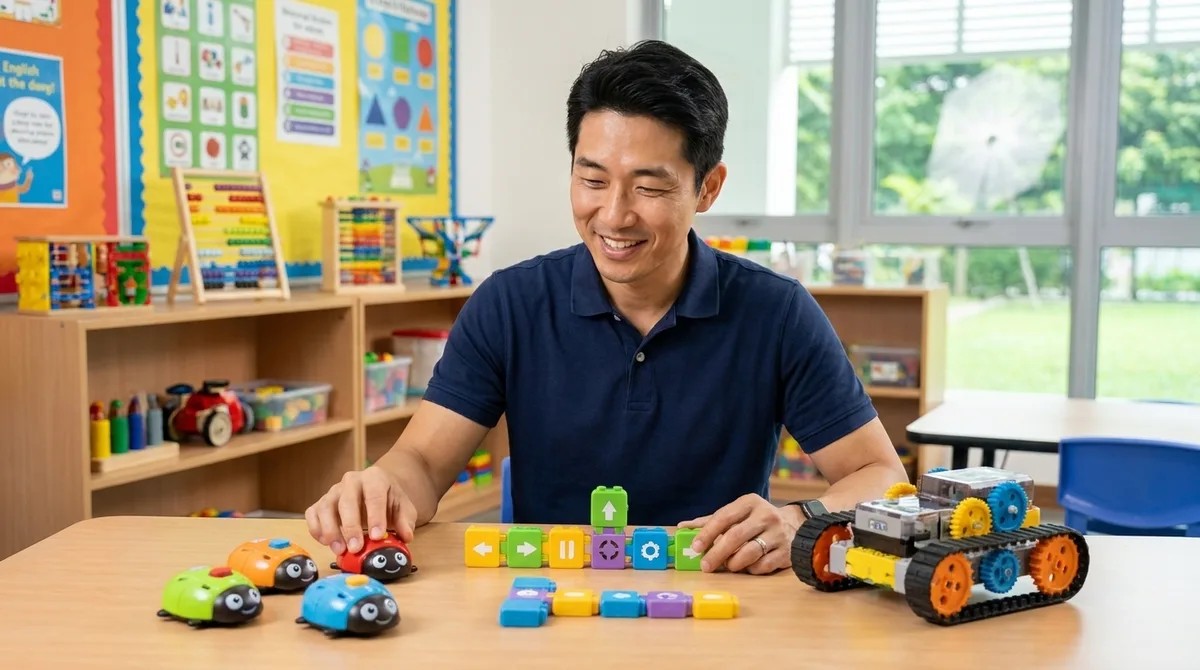
Best Unplugged Coding Robots Under $100 I've spent the past three months putting unplugged coding robots under 100 dollars through their paces in my fabrication lab, and I'm genuinely impressed by how far this category has come. These screen-free tools teach sequencing, loops, and debugging through tactile command sets—no batteries required for the programming interface, though most robots need power to execute. You'll find my favorite picks below, each tested for durability, learning progression, and real skill-building potential. Code & Go Robot Mouse Activity Set The uses directional arrow cards and a simple button interface to teach basic sequencing. I've watched do...
Understanding Sequence, Loops, and Conditionals Through Physical Play
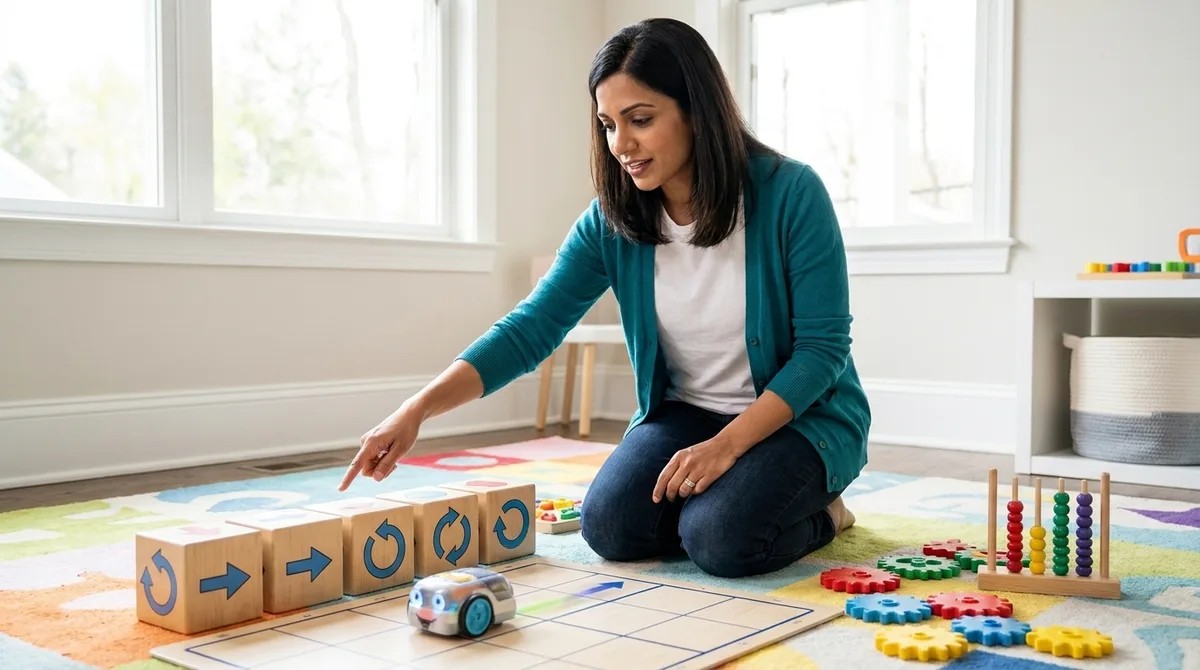
Understanding Sequence, Loops, and Conditionals Through Physical Play When you're trying to teach a seven-year-old what an "if-then" statement means, screen time isn't your only option—and often, it's not even your best one. Coding concepts physical toys create tangible, manipulable representations of algorithms that children can hold, rearrange, and test without ever opening a laptop. I've watched hundreds of students grasp nested loops within minutes using wooden blocks, after struggling for weeks with abstract on-screen syntax. These tools scaffold computational thinking beautifully because they externalize the invisible logic that makes programs work. This article walks you through the th...
How to Teach Programming Concepts Without a Computer
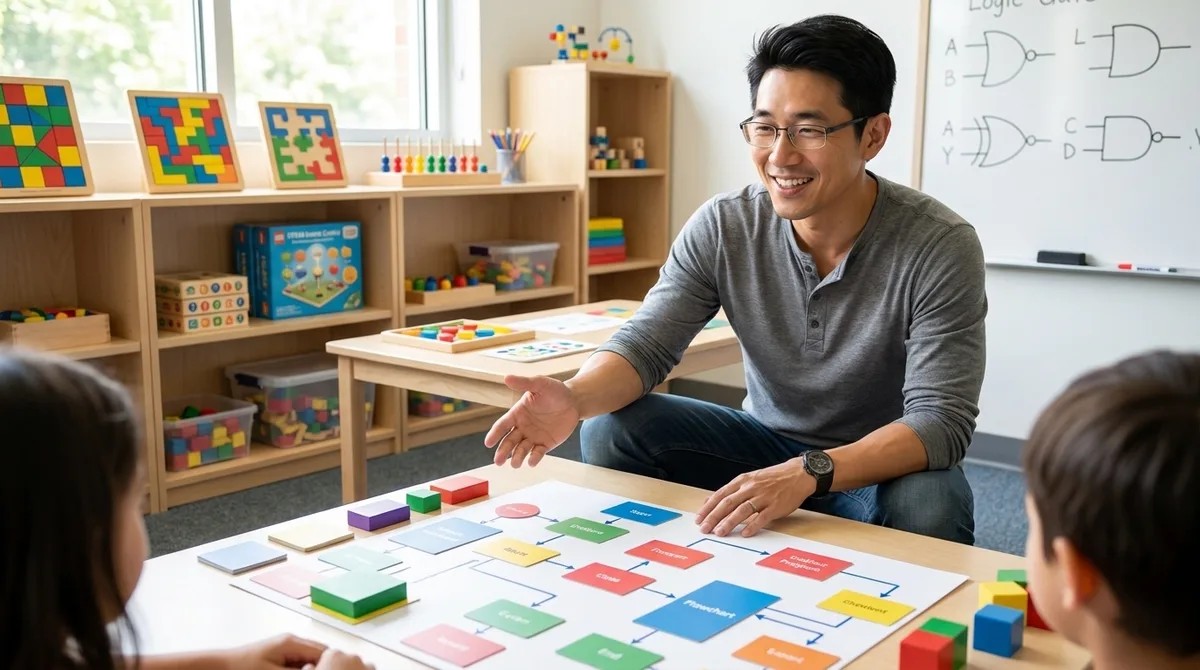
How to Teach Programming Concepts Without a Computer I've spent the last three years working with maker educators who've successfully taught foundational programming logic to kids as young as four—without touching a keyboard once. The ability to teach programming without computer screens isn't just possible; it's often more effective for building genuine understanding of algorithms, sequences, and logic flows. You'll learn five concrete methods I've tested across multiple fabrication labs, each building specific skill milestones that transfer directly to text-based coding later. This guide works for parents, teachers, and anyone working with learners ages 4-12. No prior programming kn...
What Is Screen Free Coding and Why It Matters for Early Development

What Is Screen Free Coding and Why It Matters for Early Development If you're watching your preschooler navigate a tablet with alarming fluency, you've probably wondered: can my child learn real programming skills without adding more screen time? The answer is yes. What is screen free coding? It's a hands-on approach to teaching computational thinking through physical objects—blocks, robots, board games, and cards—that lets children grasp sequencing, logic, and problem-solving without staring at a display. For families concerned about developmental impacts of early screen exposure, this approach offers a guilt-free path into STEM learning that builds foundational skil...
Best Screen Free Coding Toys for Preschoolers

Best Screen Free Coding Toys for Preschoolers You watch your three-year-old stack blocks with laser focus, creating intricate patterns without a second glance at the tablet collecting dust on the shelf. She's already thinking like a programmer—she just doesn't know it yet. If you're looking for screen free coding toys preschool children can use to build computational thinking without adding more screen time, you're making a choice rooted in developmental science. The quick verdict: the best options transform sequencing, pattern recognition, and cause-and-effect logic into physical experiences your child can touch, manipulate, and master through repetition—no wi-fi requ...
How to Choose the Most Fun STEM Projects for Kids That Build Real Skills
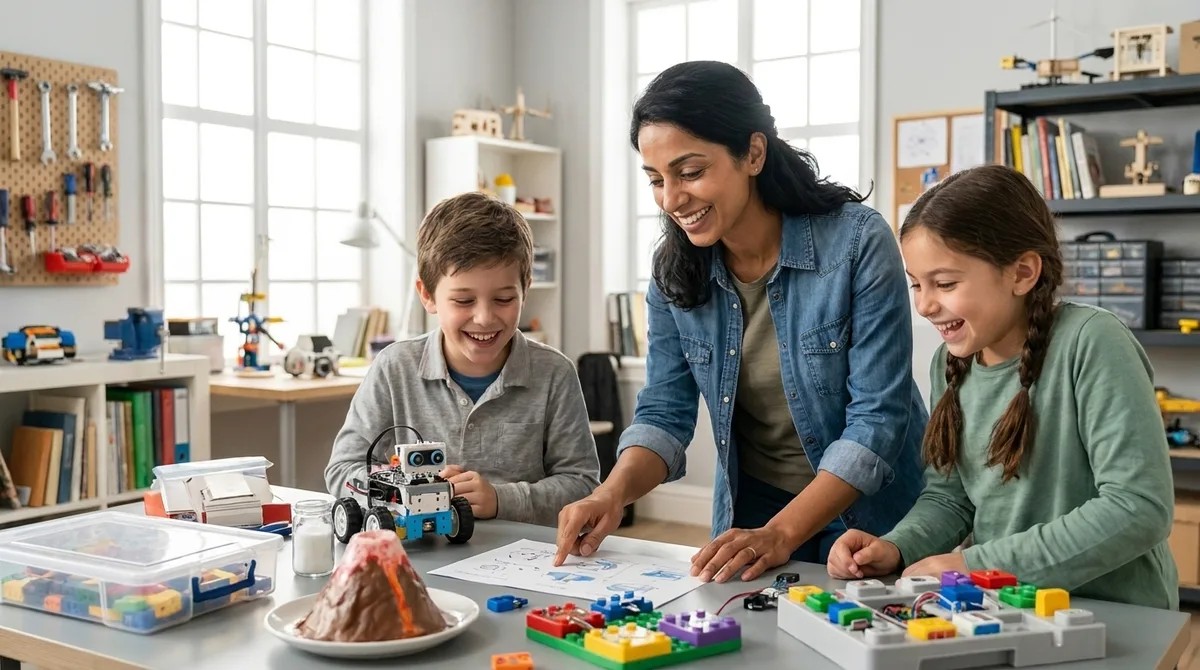
How to Choose the Most Fun STEM Projects for Kids That Build Real Skills You want your child to love learning, not tolerate it. The most fun STEM projects aren't the ones that *look* impressive on Instagram—they're the ones your child chooses to return to again and again, where curiosity compounds into genuine capability. In this guide, you'll learn how to evaluate projects for developmental fit, identify which skills they actually build, and create a selection framework that honors both your child's interests and your investment in their future. We'll walk through concrete assessment criteria, progressive complexity markers, an...
Understanding STEM Career Pathways: What Teen Activities Build Industry Skills
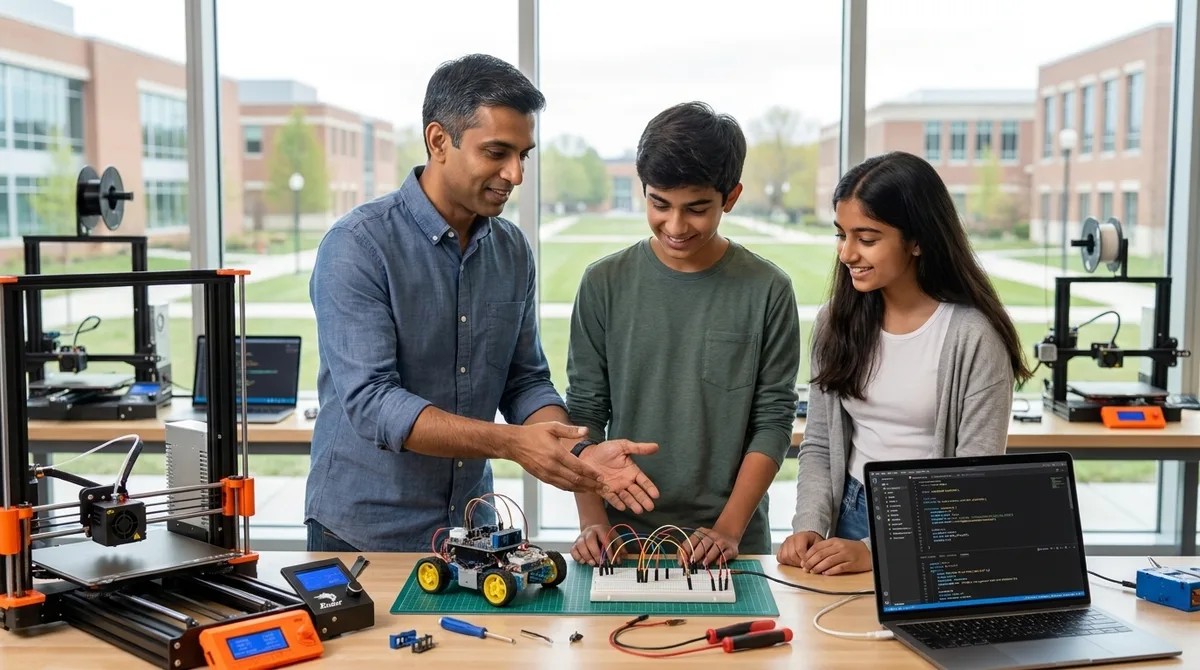
Understanding STEM Career Pathways: What Teen Activities Build Industry Skills The teen years represent the final window for building industry-aligned technical capabilities before college or workforce entry. Most households invest in STEM activities without understanding which ones map to actual hiring requirements in 2026's AI-driven economy. This analysis connects specific teen learning activities to measurable career preparation outcomes for STEM careers for teenagers, based on current enterprise hiring patterns and technical skill demand. What Is STEM Career Pathway Development? STEM career pathway development structures learning activities to build sequentially complex technical capabilities that align with entry-level requirements in science...
How to Choose Age-Appropriate Engineering Projects for Teenagers
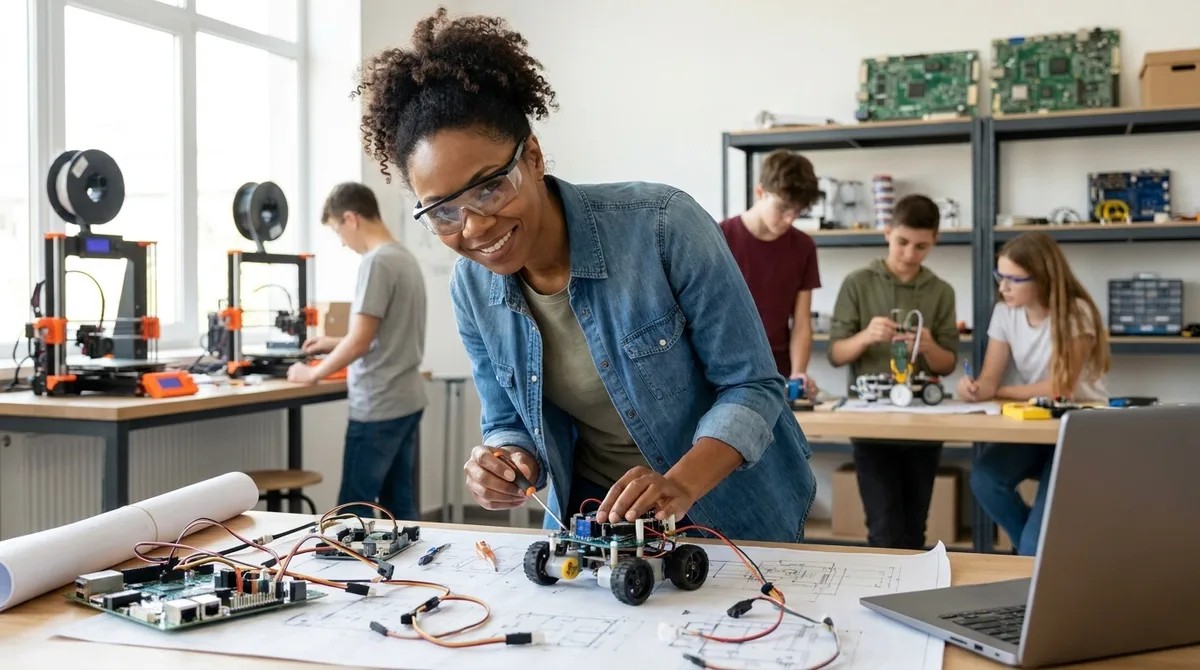
How to Choose Age-Appropriate Engineering Projects for Teenagers You'll learn to evaluate engineering projects for teenagers by mapping technical requirements to actual skill milestones, not arbitrary age brackets. This guide walks through assessing prerequisites, compatibility, expandability, and career alignment—so you can select projects that build sequentially toward industry-standard competencies. Expect to spend 20 minutes identifying your teenager's current capabilities and 10 more matching them to project pathways that challenge without overwhelming. What You'll Need: - Current skill inventory: programming languages known (block-based, Python, C++), CAD experience, electronics breadboarding comfort - Lab infrastructure assessment: available power capacity (120V outlets, surge protection), wo...
Teen Home STEM Lab Setup Checklist: Essential Equipment and Tools
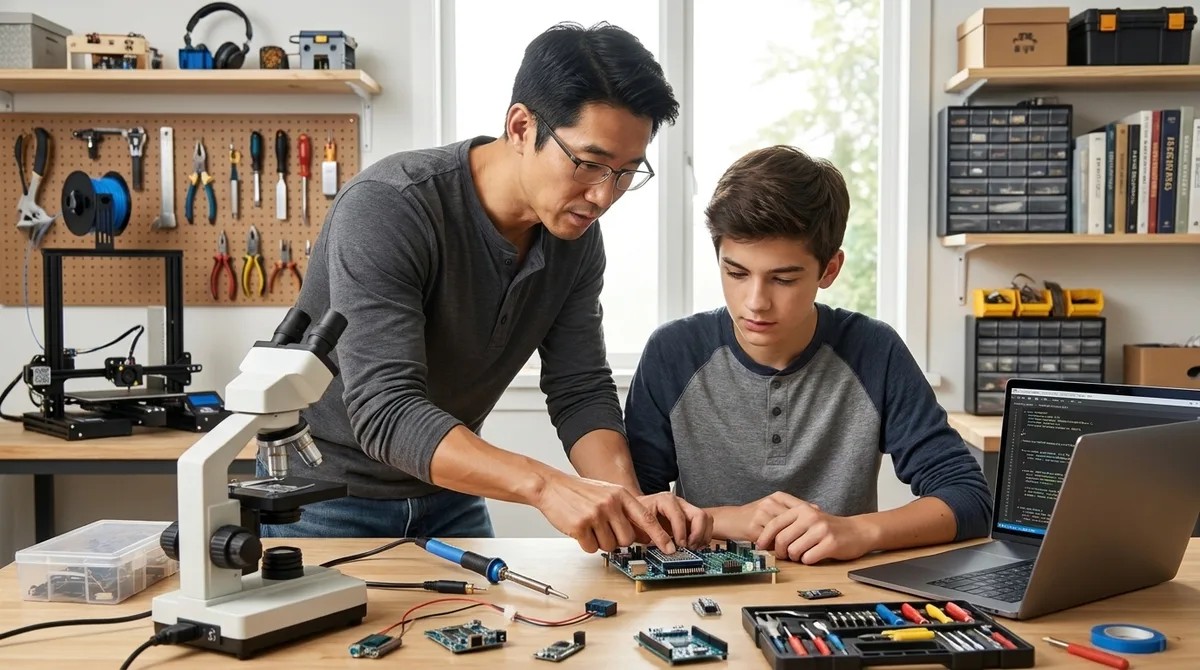
Teen Home STEM Lab Setup Checklist: Essential Equipment and Tools Building a home STEM lab for teenagers isn't about filling a room with flashy gadgets. It's about establishing a progressive capability-building environment where your teen develops actual skills used in engineering, computer science, and research careers. I've equipped dozens of these spaces, and the difference between a functional lab and a glorified toy closet comes down to intentional infrastructure choices. This checklist covers the essential categories—from computing platforms to measurement tools—that transform a bedroom corner or garage space into a legitimate skill-development workshop for teens aged 13-18. Comp...
What Are STEM Challenges for High School Students: Competition Types Explained

What Are STEM Challenges for High School Students: Competition Types Explained Your teenager's home experiments are building real skills—but stem challenges for high school students translate those capabilities into measurable achievements that colleges and employers recognize. These structured competitions aren't just résumé padding. They're opportunities to test problem-solving under constraints, collaborate across skill sets, and present technical work to expert judges. For families investing in (/article/home-stem-lab-for-teenagers), competitions provide clear milestones that validate your child's progress and reveal gaps in their learning path. What Are STEM Challenges for High School Students? STEM challenges for high school students are...
How to Start Teaching Your Teenager Python Programming at Home
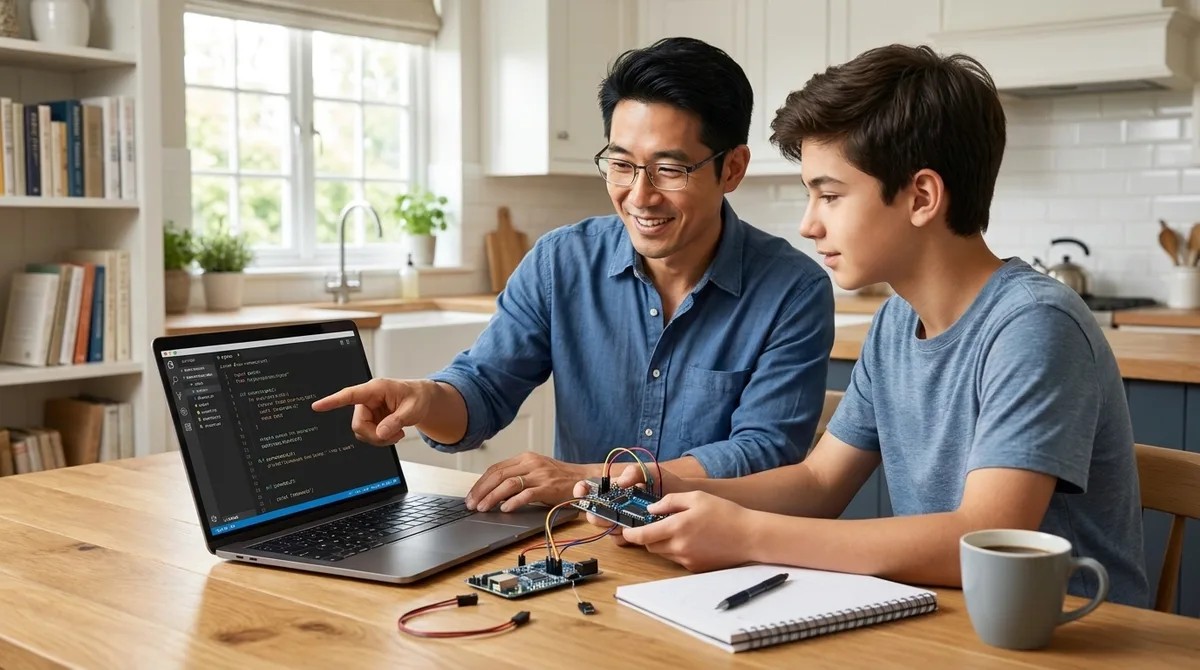
How to Start Teaching Your Teenager Python Programming at Home I've watched hundreds of teenagers walk into our fab lab with zero coding experience and walk out six months later building their own sensor arrays, automating 3D printer workflows, and scraping data from APIs. The difference between the kids who stick with it and those who bounce off? A structured learning path that connects Python to physical outcomes they can see and touch. Teaching teenagers Python isn't about memorizing syntax—it's about building a capability that unlocks real engineering tools. This guide walks you through the entire setup process, fr...
Best 3D Printers for Teen STEM Projects Under $500
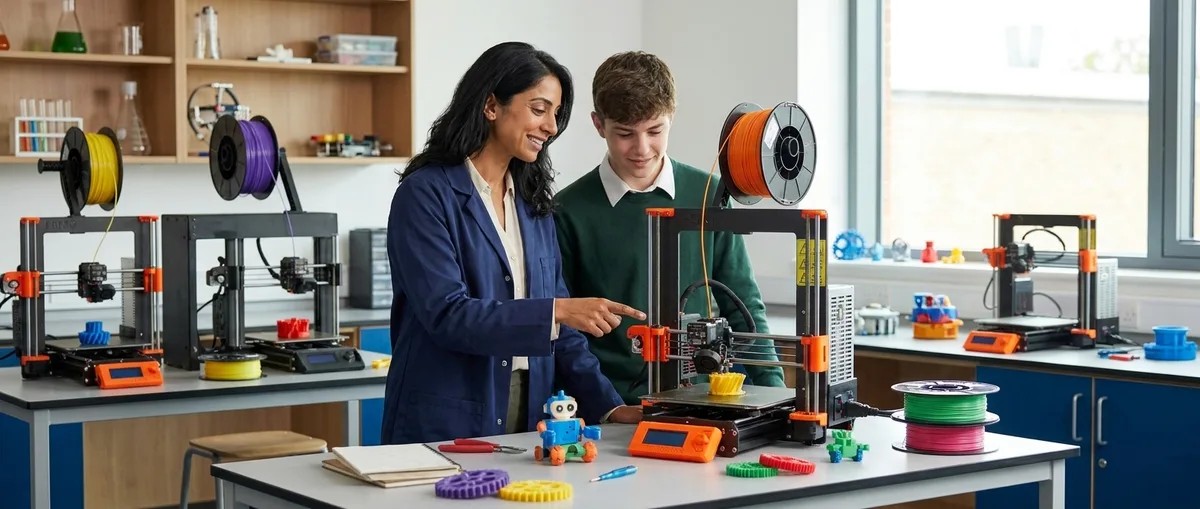
Best 3D Printers for Teen STEM Projects Under $500 You're watching your teenager move beyond ready-made projects, and you're wondering: are 3d printers for teens really worth the investment, or just another complicated device collecting dust? The right 3D printer becomes a skill-building workshop that transforms abstract CAD concepts into tangible engineering prototypes. Below, you'll find nine carefully selected 3d printers for teens that balance educational value with real-world capability—each one a stepping stone toward industry-standard manufacturing skills. Creality Ender 3 V3 SE: Industry-Standard Introduction to Additive Manufacturing The offers your teen unfiltered access to the same FDM technology used in...
Arduino vs Raspberry Pi for Teens: Which Platform Builds Better STEM Skills
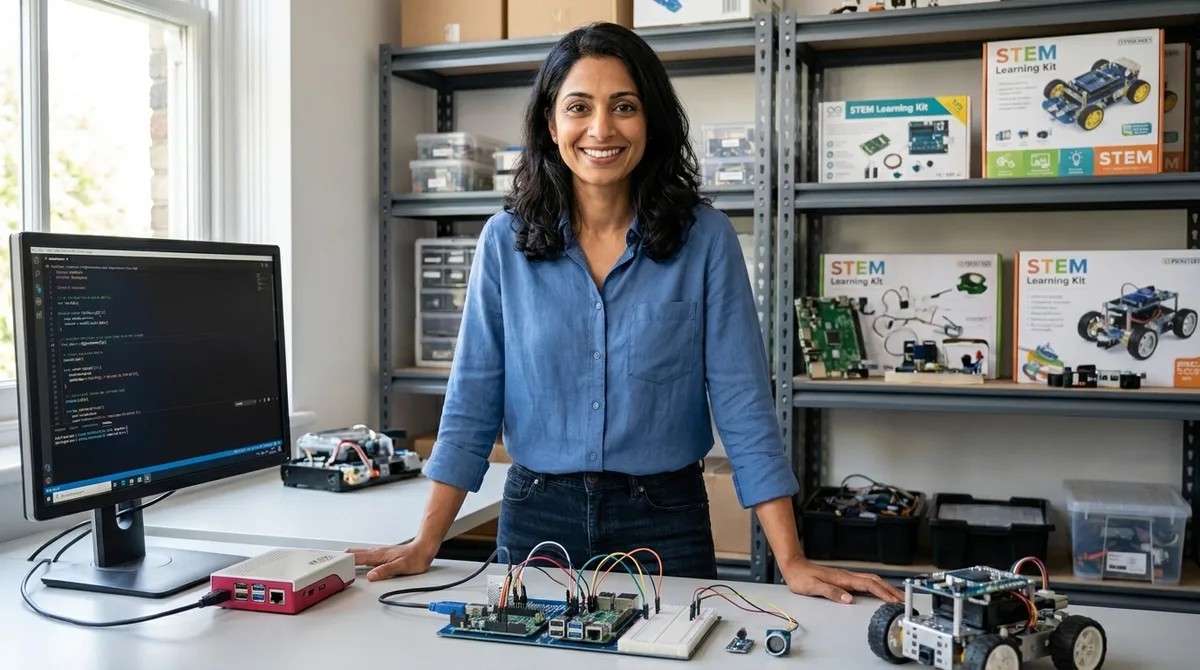
Arduino vs Raspberry Pi for Teens: Which Platform Builds Better STEM Skills For most teens, Arduino delivers faster, more tangible wins in physical computing and electronics fundamentals, while Raspberry Pi excels at software-intensive projects and computational thinking. The arduino vs raspberry pi for teens debate isn't about which is "better"—it's about matching your teenager's current interests and learning trajectory to the right platform. This comparison breaks down technical requirements, skill outcomes, and progressive learning paths so you can choose the platform that builds industry-relevant capabilities your teen can actually use. I'll walk you through compatibility requirements, hands-on vs sc...
Best Robotics Kits for Teenagers: Advanced Programming and Engineering Projects
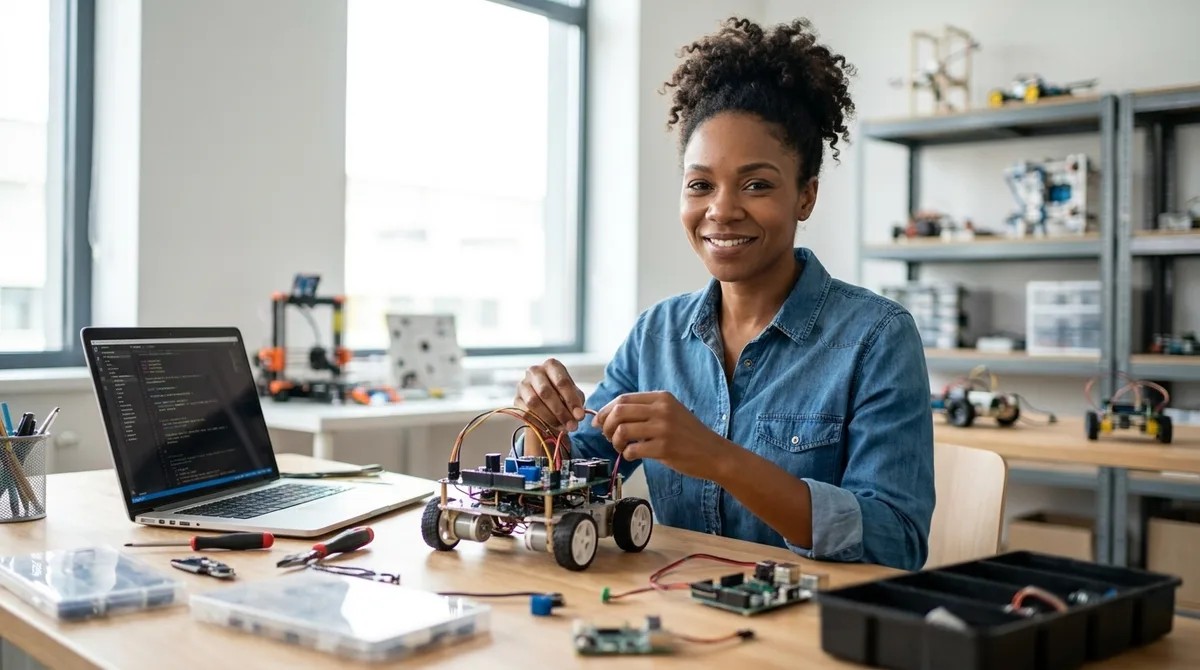
Best Robotics Kits for Teenagers: Advanced Programming and Engineering Projects Picture this: your sixteen-year-old is hunched over a circuit board at midnight, debugging a Python script that controls a six-axis robotic arm she's programmed to sort recyclables by material type. She's not playing—she's building the exact skills solar installation technicians and automation engineers use every day. The best robotics kits for teenagers bridge the gap between guided learning and professional-grade tooling, teaching ROS integration, sensor fusion, and mechanical design principles that translate directly to careers in sustainable manufacturing and renewable energy infrastructure. After testing dozens of platforms with va...
STEM Activities for Teenagers: Building Real Engineering and Coding Skills
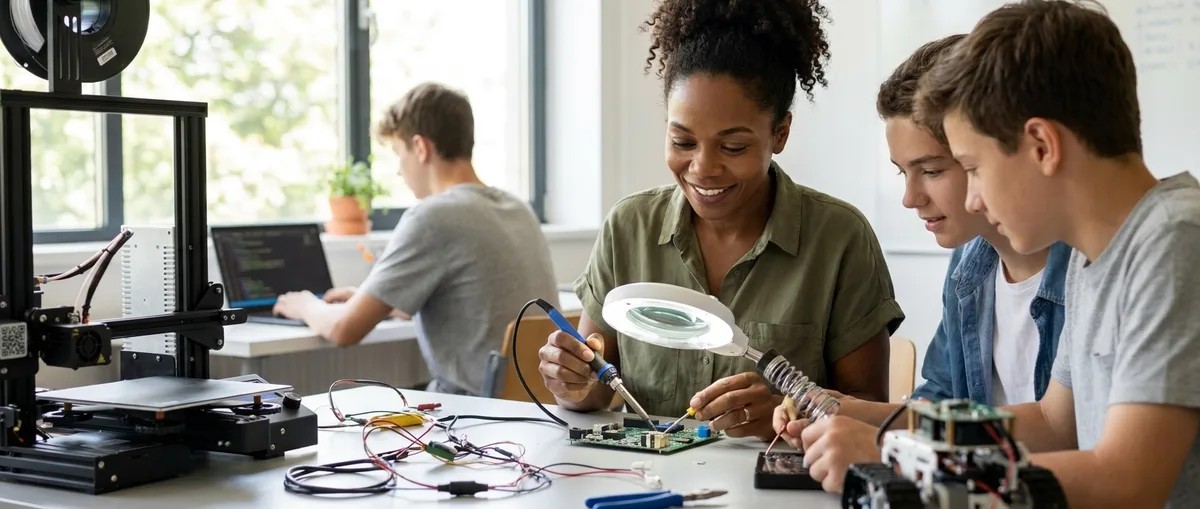
STEM Activities for Teenagers: Building Real Engineering and Coding Skills Teenage STEM education should feel less like playtime and more like apprenticeship. The stem activities for teenagers that matter aren't edutainment—they're rehearsals for actual engineering work, software development, and scientific research. You're investing in capability milestones that translate directly into industry tools, competitive portfolios, and the kind of hands-on fluency colleges and employers recognize instantly. If your teenager can design parametric CAD models, write Python scripts that control hardware, or collect calibrated environmental data, they're not "playing with STEM"—they're building a technical résumé. What Is ? Stem activi...
How to Choose Age-Appropriate STEM Activities for 12 Year Olds
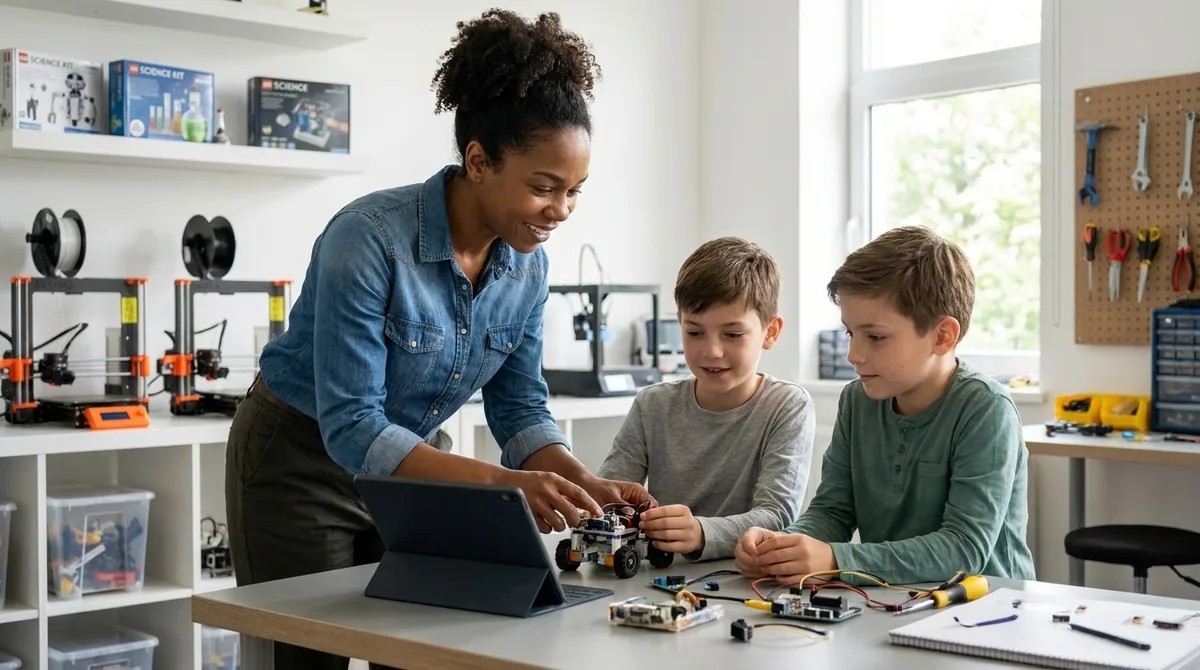
Choosing STEM activities for a twelve-year-old is nothing like choosing for a younger kid. At this age, they're ready to move beyond toy platforms and start using the same tools professionals use—real programming languages, industry-standard hardware, projects that actually generate data and solve problems. But most parents are still selecting activities the same way they did three years ago, relying on age ranges and marketing hype instead of evaluating technical compatibility, skill progression, and real learning outcomes. This episode walks you through a systematic framework for choosing activities that match where your child actually is and build directly to...
Complete STEM Lab Setup Checklist for 12 Year Olds at Home

Setting up a STEM lab at home for your twelve-year-old isn't about buying the most expensive gadgets or filling a room with flashy toys. This episode walks you through exactly what you need to create a real working space where your kid can move from following tutorials to building their own projects — and maybe even solving problems they notice on their own. You'll learn what tools, software, and safety gear actually matter, how much space and money you really need, and how to set up a learning path that builds real skills instead of just weekend entertainment.
Sh...
What Is Project-Based STEM Learning for Middle School Students
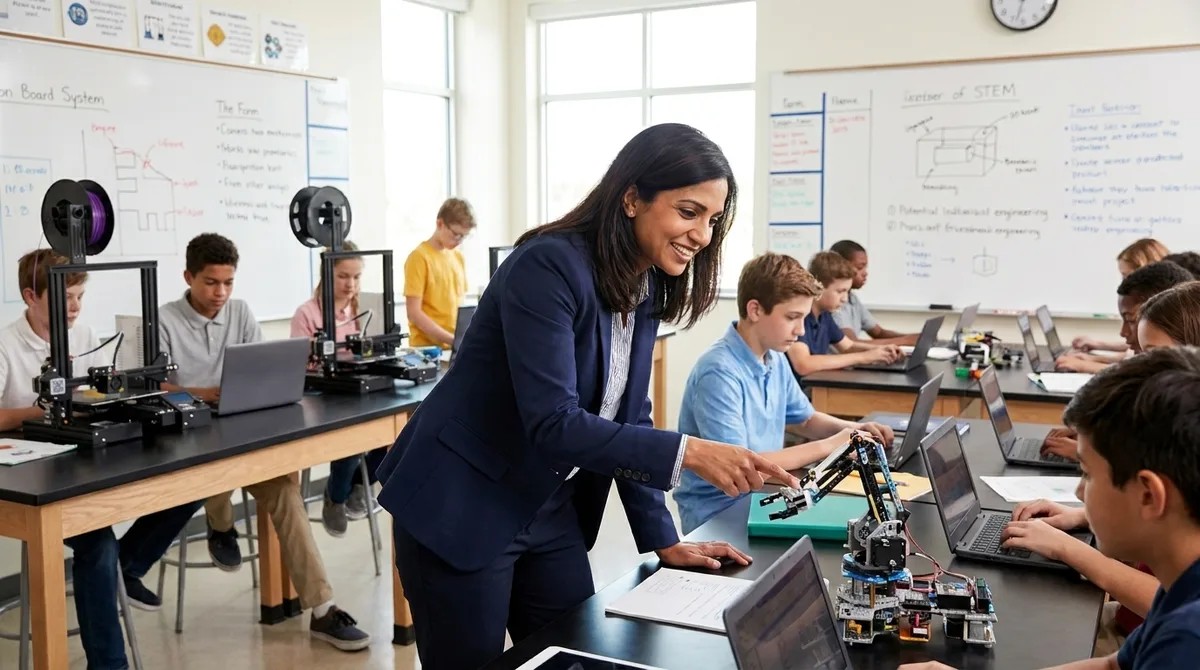
Middle schoolers memorize facts, pass tests, and forget everything two weeks later. But what if they built an actual solar-powered phone charger that failed twice before it worked? That's project-based STEM learning, and it changes how kids understand science, technology, engineering, and math. In this episode, we break down what project-based learning actually is, how it works in real classrooms and homes, and why it matters more than traditional instruction for developing real-world STEM skills. Whether you're a parent building a home learning environment or an educator looking to implement authentic projects, this episode gives you the framework, examples...
How to Design a STEM Learning Path for 12 Year Olds
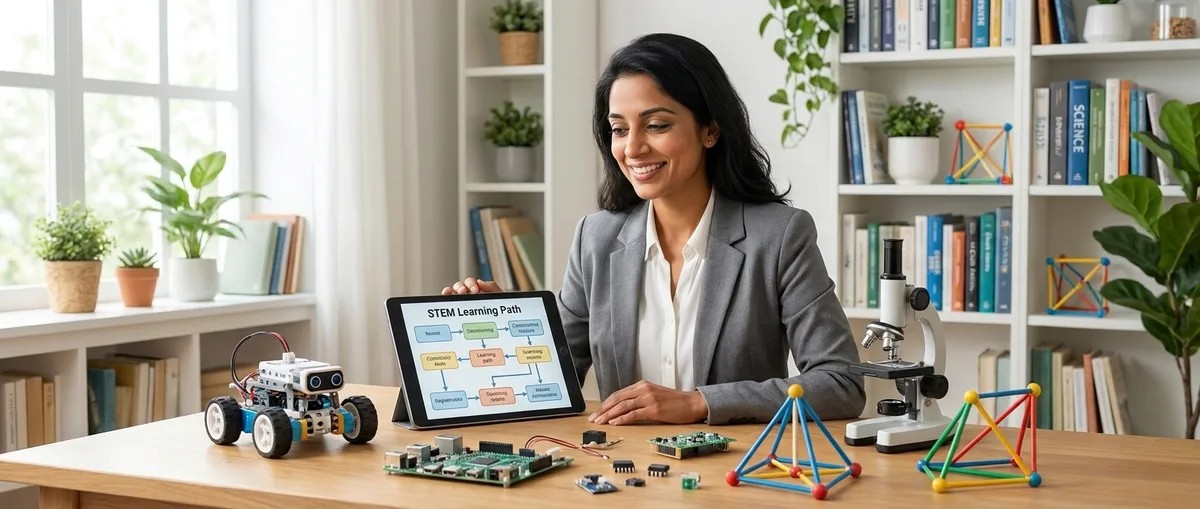
In this episode, Dr. Priya Mehta walks you through building a real STEM learning path for your twelve-year-old, one that matches their actual developmental abilities instead of dumbing things down. You'll hear exactly how to figure out what skills they already have, what gaps are holding them back, and how to pick tools that build on each other in a logical sequence. This isn't about buying the fanciest robotics kit or following some one-size-fits-all curriculum. It's about creating a custom year-long plan that turns your kid's curiosity into genuine technical capability.
Show Links
Affiliate Disclosure...
Best Coding Platforms for 12 Year Old Beginners
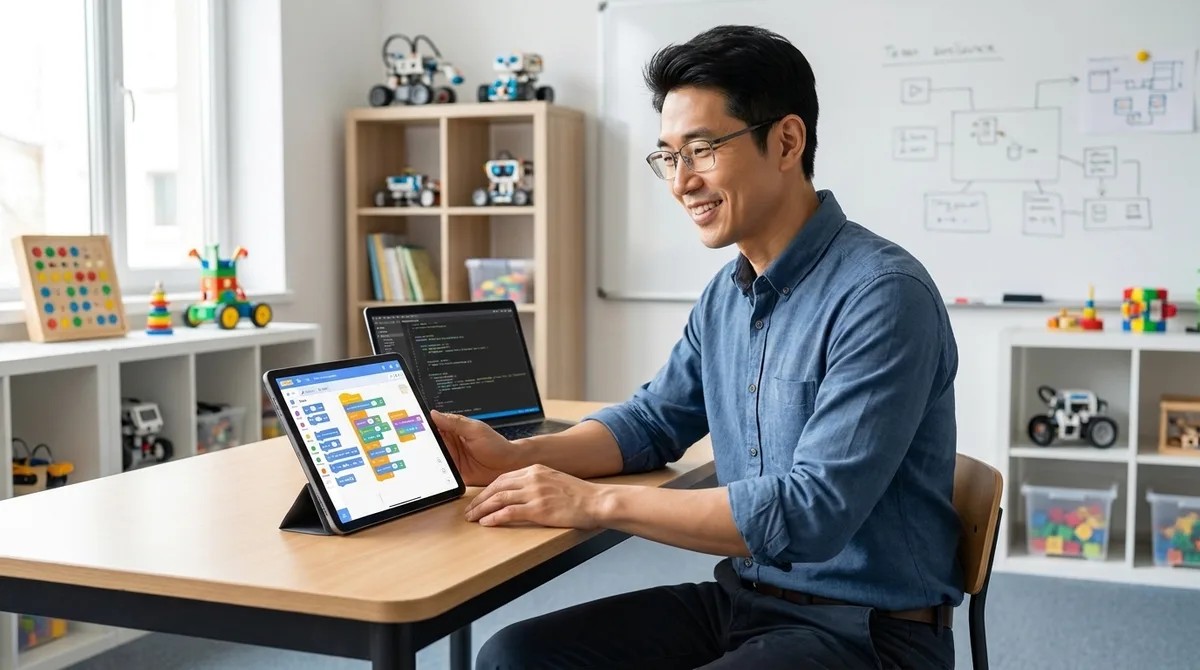
If your 12-year-old wants to learn coding, the options can feel overwhelming. Should they start with visual blocks or jump straight into Python? Do you need expensive hardware or paid subscriptions? This episode cuts through the noise. Kazuki Tanaka, who runs a fabrication lab and has tested coding platforms with actual 12-year-olds for over a year, breaks down the platforms that actually build career-relevant skills—from Scratch and Python to Arduino, Raspberry Pi, and Roblox Studio. You'll learn which platforms are completely free, which ones require one-time hardware investments, what skill milestones to expect, and how to match the ri...
Best STEM Project Kits for 12 Year Olds
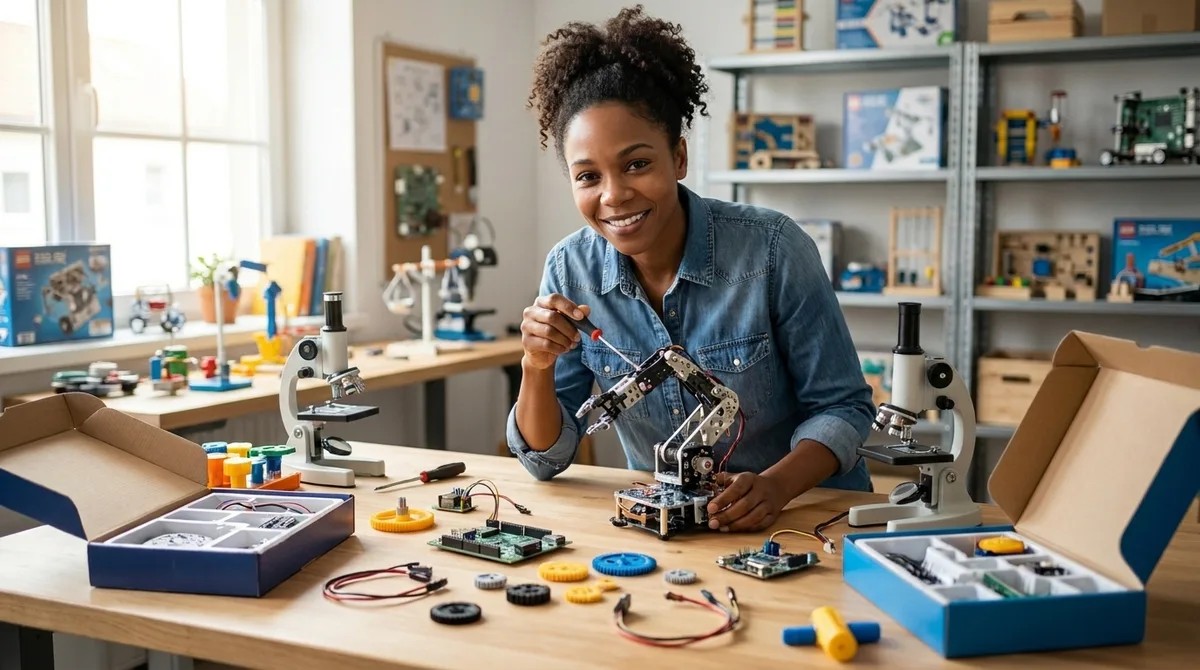
In this episode, we break down the best STEM project kits for twelve-year-olds—the age where kids are ready to move past guided builds and start tackling real engineering challenges. We cover six standout options ranging from LEGO robotics to resin 3D printers to solar energy systems, explaining what each teaches, what infrastructure it requires, and which trade-offs you're actually making. You'll also hear what to look for before buying any kit: expandability, technical compatibility, skill outcomes, durability, and total cost of ownership. Plus, we answer the most common questions parents ask about programming languages, supervision needs, time commitment, an...
Arduino vs Raspberry Pi for 12 Year Olds: Which Platform to Start With
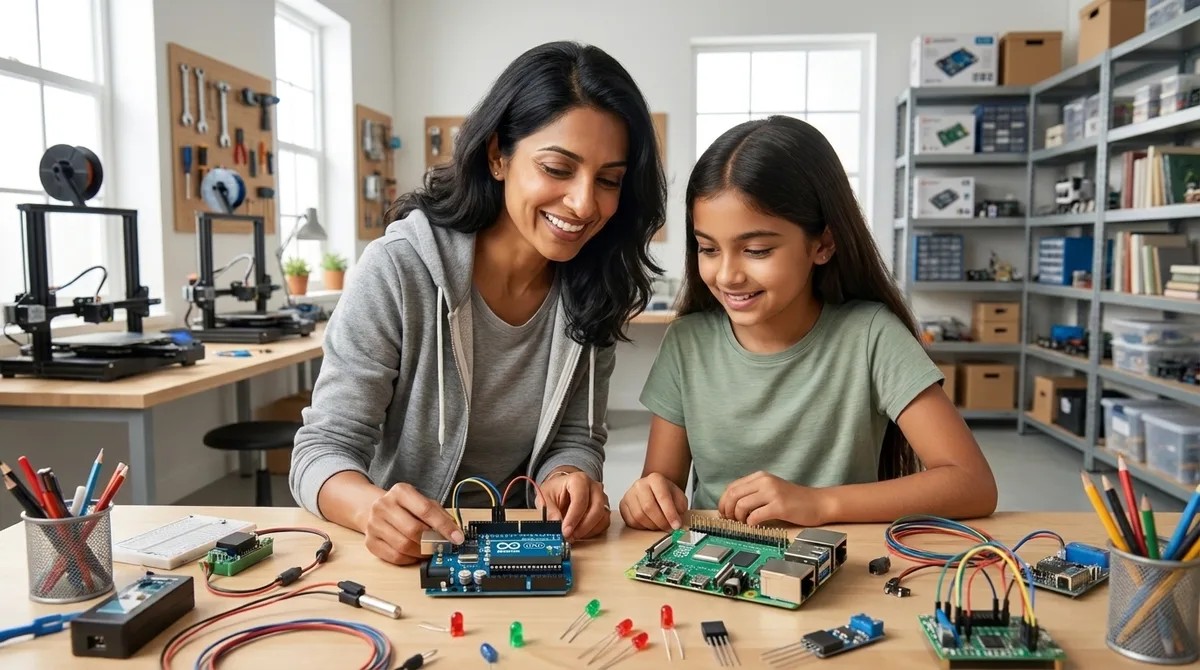
Arduino vs Raspberry Pi for 12 Year Olds: Which Platform to Start With For most 12 year olds, Arduino is the better starting point because it teaches fundamental electronics and embedded programming without the complexity of a full operating system, though Raspberry Pi suits children already comfortable with computers who want to build software-focused projects. This article compares arduino vs raspberry pi for 12 year olds across technical requirements, learning outcomes, expandability, and how each platform fits into (/article/how-to-design-stem-learning-path-for-12-year-olds). Quick Comparison | Criterion | Arduino | Raspberry Pi | |---------------|-------------|------------------| | Primary Focus | Embedded electronics, sensor integration, physical computing | General-purpose computing, software projects...
Best Citizen Science Kits for Kids: Building Real-World Research Skills at Home
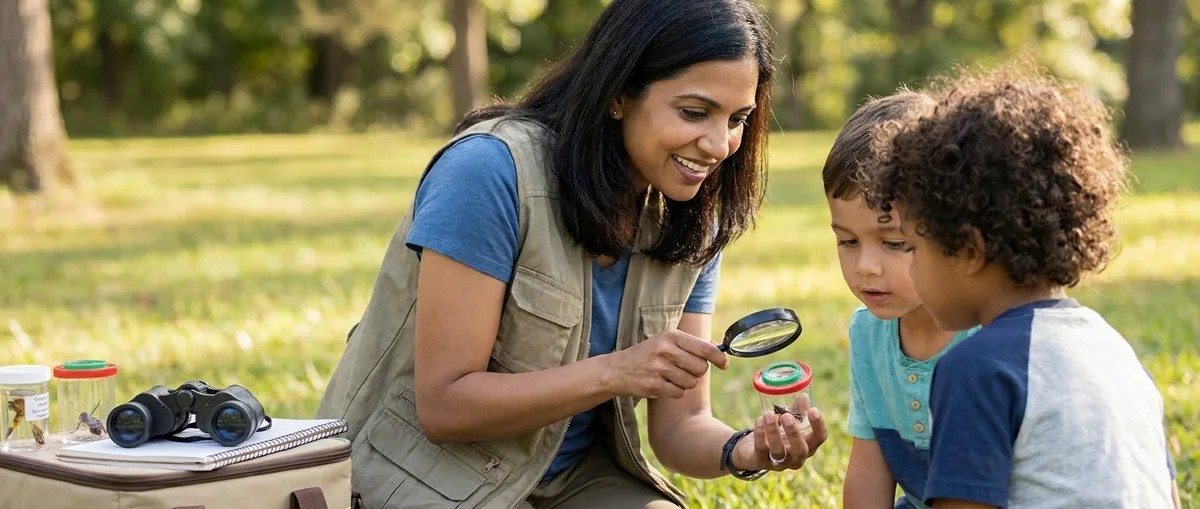
In this episode, we're talking about citizen science kits—the kind that connect your child to real research networks instead of just simulating science at the kitchen table. If you've ever wondered whether your kid could contribute actual data to university labs or environmental agencies, this episode walks you through what that looks like, what equipment you need, and how to pick a project that matches your child's age and interests. This isn't about toys or feel-good participation awards; it's about teaching kids the same protocols and data hygiene practices that professional scientists use every single day.
Citizen sc...Starting Your First Citizen Science Project: Complete Setup Checklist
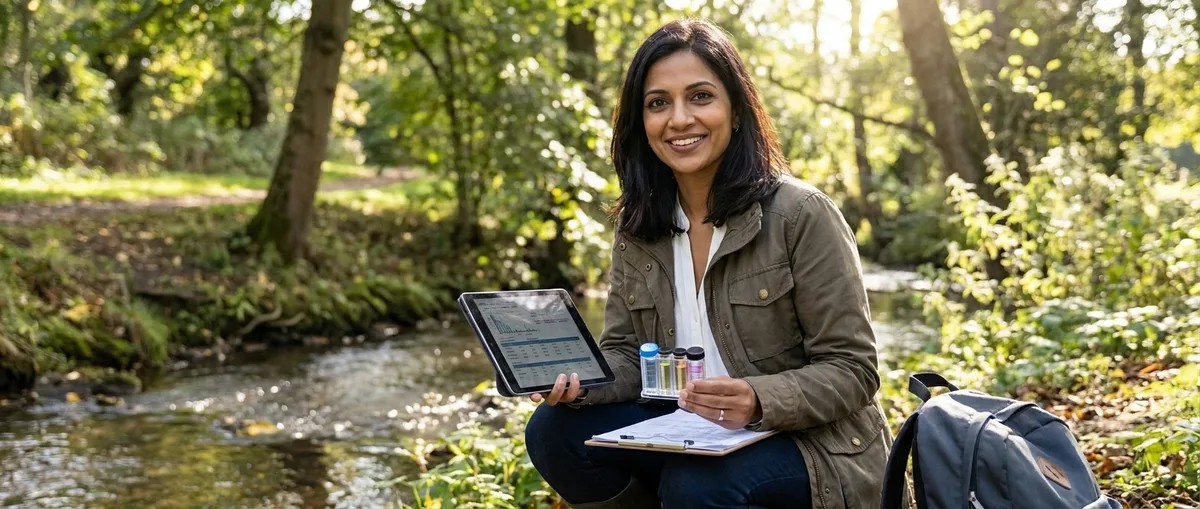
Thinking about starting a citizen science project with your kid? Most families jump straight in and end up with weeks of unusable data because they skipped the setup phase. This episode walks through the complete checklist you actually need before your first field session—equipment that meets research standards, software that won't lose your observations, protocols that keep data consistent, and the learning scaffolds that turn data collection into genuine skill-building. Whether you're tracking birds, monitoring water quality, or measuring air pollution, this guide shows you how to contribute observations scientists will actually use.
Show Links
...
Air Quality Sensors Explained: What Student Citizen Scientists Should Know
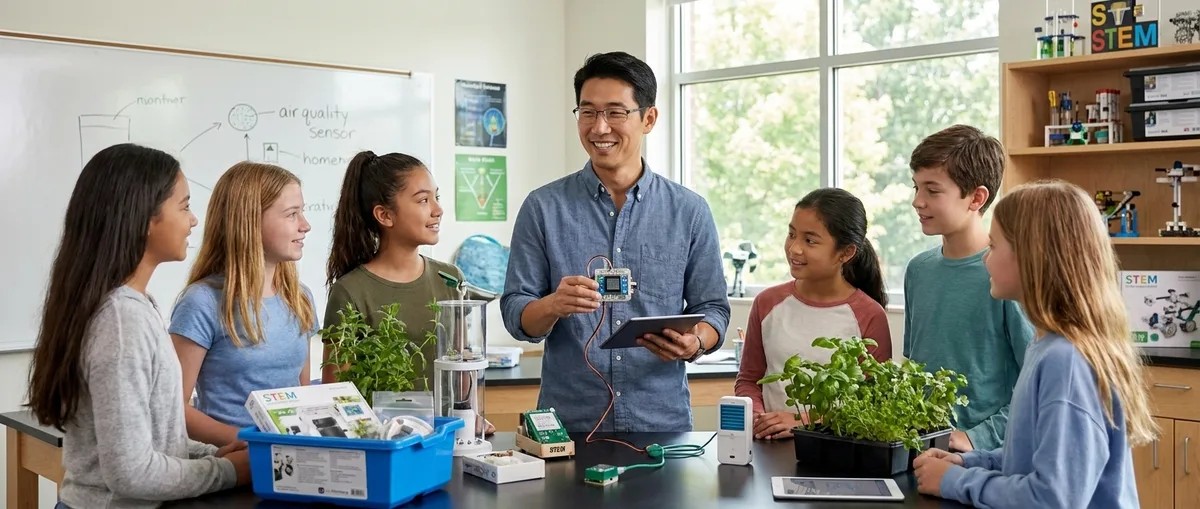
In this episode, we break down how air quality sensors actually work and why they're one of the best tools for teaching kids real measurement skills. You'll learn what makes student-grade sensors different from the ones professionals use, which types of sensors work best for different age groups and skill levels, and how building and coding these devices prepares students for careers in environmental engineering and data science. Whether you're a parent setting up a home STEM lab or an educator looking for hands-on projects that teach more than just theory, this episode walks you through everything from laser-scattering...
How to Collect and Analyze Environmental Data with Sensor Kits
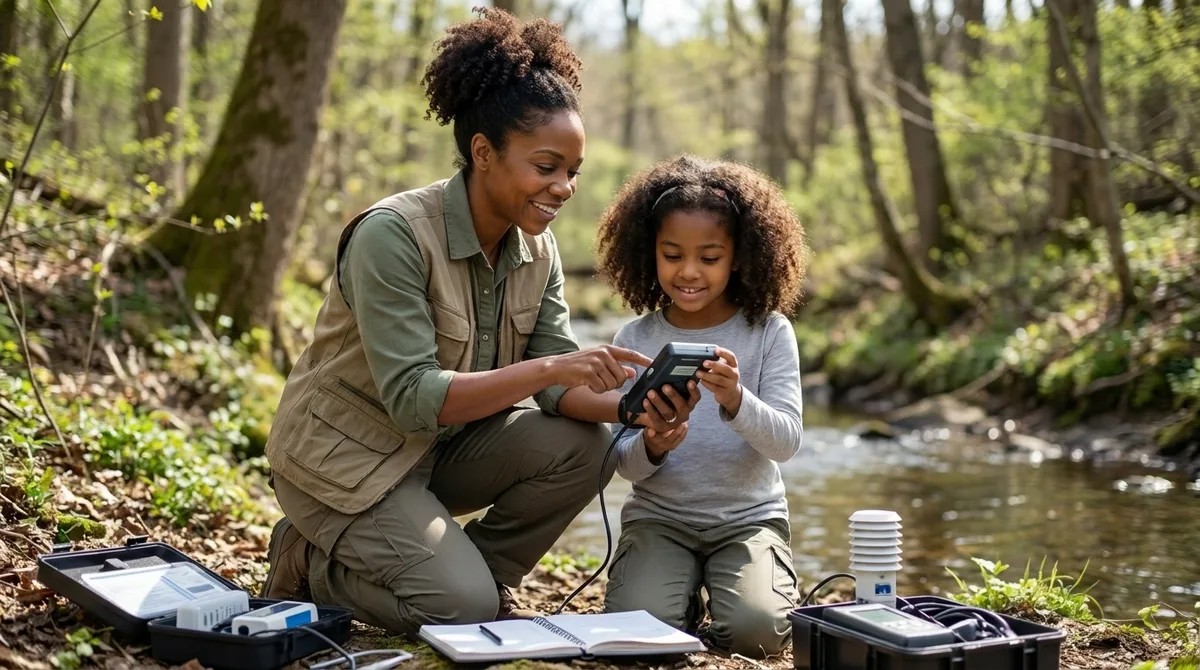
This episode walks you through the complete process of collecting and analyzing real environmental data using sensor kits — the same workflow that professional climate scientists, air quality engineers, and ecologists use every day. It's designed for kids ages 10 to 16 (with adult support where needed) and covers everything from choosing the right sensors based on your research question to deploying them in the field, calibrating them properly, collecting clean data, analyzing it, and sharing your findings with citizen science networks. Whether you're tracking air pollution near your school or monitoring water quality in a local creek, this is your step-by-step gu...
Environmental Sensor Calibration Checklist for Student Scientists
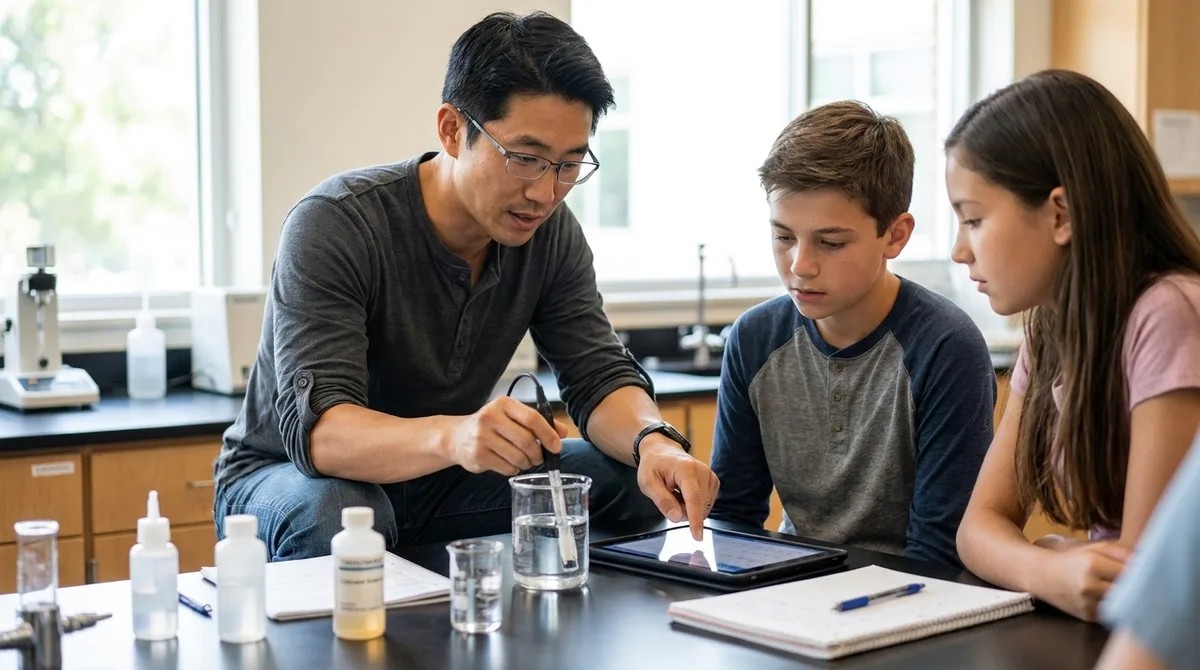
If you're helping students set up environmental sensors for science projects, you've probably seen this: the data looks great until you realize the temperature is off by three degrees or the CO₂ sensor drifted after two weeks. In this episode, Kazuki Tanaka walks through the complete calibration checklist he uses in schools and makerspaces to turn budget sensors into research-grade instruments. You'll learn how to validate hardware, build reference standards for under twenty dollars, run two-point calibrations that cut error by eighty percent, and document everything so the data actually counts as science.
Before you calibrate anything, check yo...Understanding Data Literacy Through Citizen Science: Skills Kids Develop

Most parents think citizen science is just a nice weekend activity for kids, but it's actually one of the most effective ways to teach real data analysis skills. In this episode, we break down exactly how kids develop data literacy through authentic research participation, from simple bird counting at age 7 to designing original environmental studies by age 16. We'll cover the predictable stages every child moves through, what technical equipment you actually need versus what's just nice to have, and why the skills kids build through citizen science transfer so powerfully to advanced coursework, standardized tests, and future careers.
...LEGO STEM Education: Complete Guide to Building Technical Skills Through Brick-Based Learning
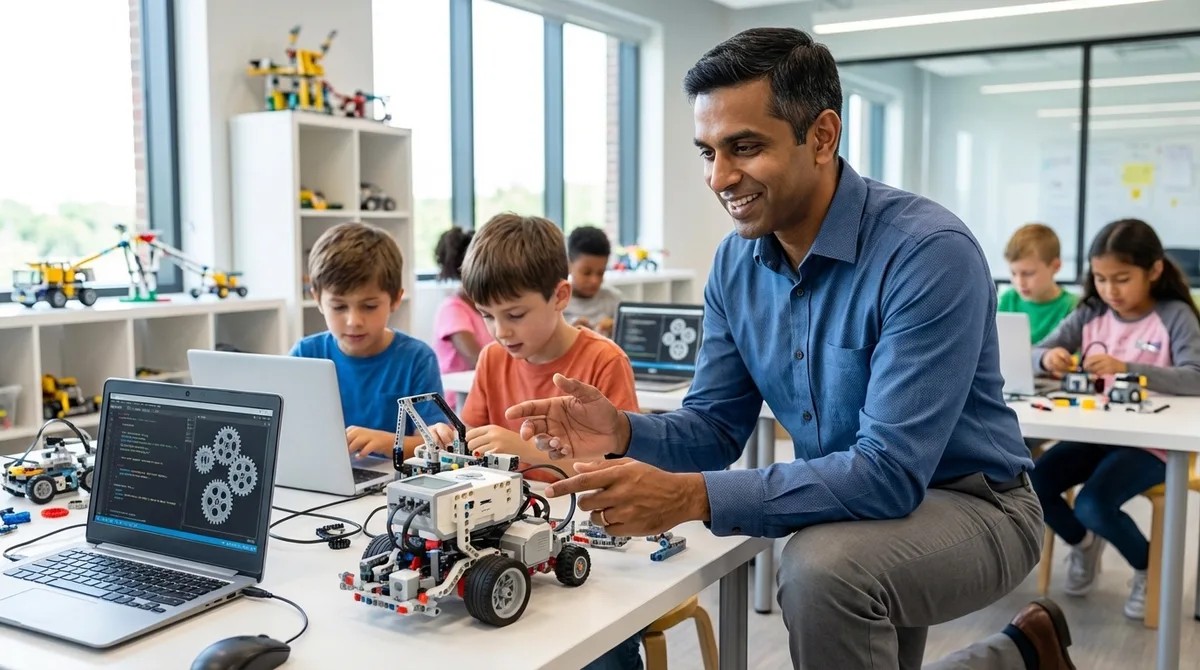
Ever wonder if those colorful plastic bricks could actually prepare your kid for an engineering career? This episode breaks down how LEGO's education-focused product lines have evolved far beyond simple play into structured learning systems that teach real programming, mechanical engineering, and the kind of hardware-software integration skills that employers actively seek. Host Rajiv Patel draws from fifteen years of watching companies struggle to find qualified entry-level engineers and shares how the right LEGO sets, used strategically, can build a genuine technical foundation.
LEGO STEM education includes three distinct product lines with different purposes. LEGO Education focuses on...STEM Toys for 10 Year Olds That Teach Real Skills: Skill-Building Guide
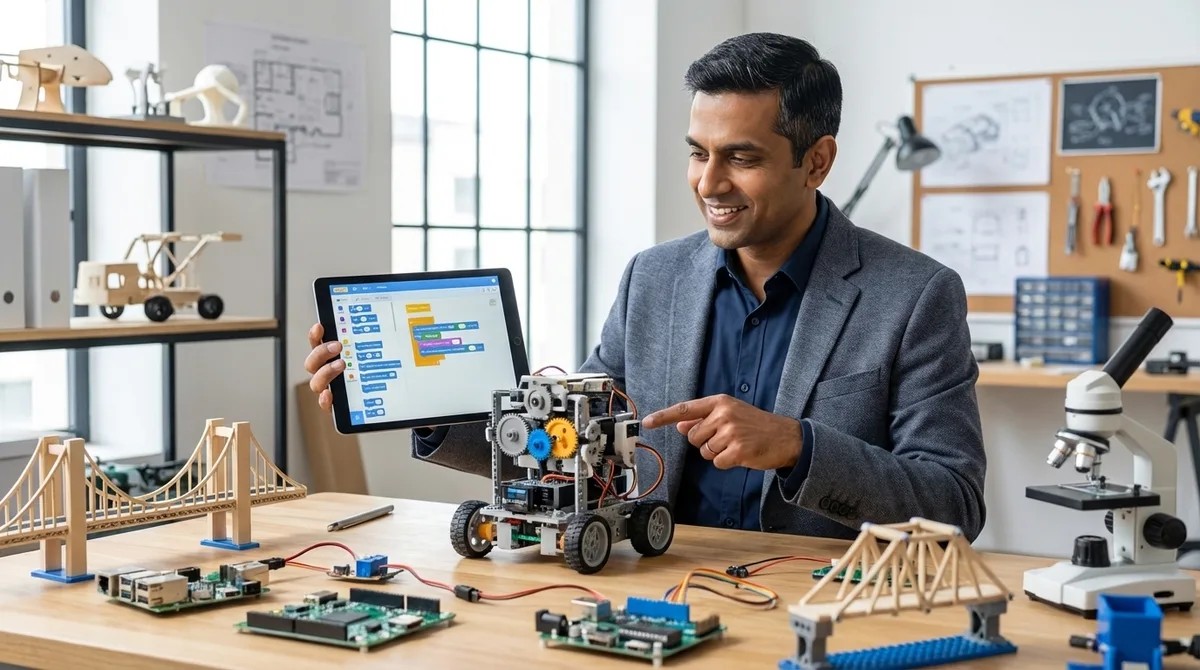
Most STEM toys promise to teach kids real skills but actually just trap them in closed systems where nothing they learn transfers to the real world. In this episode, Rajiv Patel draws on fifteen years of enterprise engineering experience to identify which products actually prepare ten-year-olds for the tools used in professional software development, engineering, and technical design. If you want your child building skills that show up on job descriptions instead of just toy packaging, this guide breaks down exactly what to look for and which products deliver.
Real skill-building toys connect directly to professional tools. The...How to Choose a Citizen Science Kit for Your Child's Skill Level
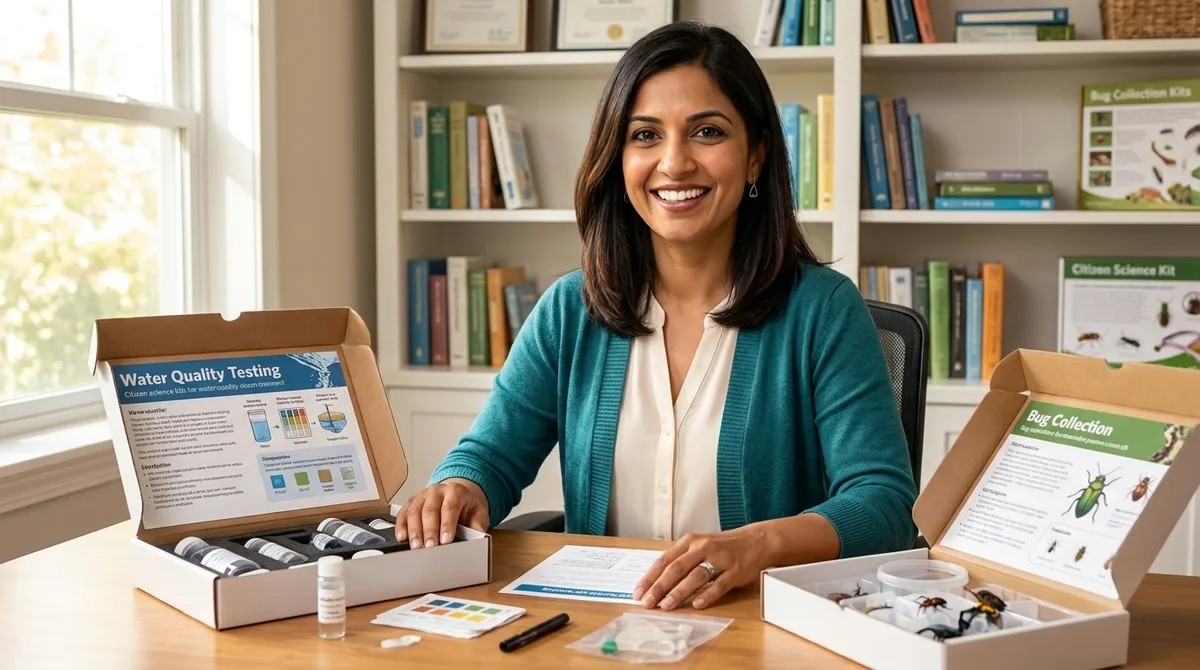
Your kid has moved beyond baking soda volcanoes, but you're drowning in options when you search for the next step. How do you find a science kit that actually lets them contribute to real research instead of just playing pretend scientist? In this episode, National Board Certified science educator Lakshmi Venkataraman breaks down a systematic framework for matching citizen science kits to your child's actual skill level, from basic observation tools all the way up to advanced environmental monitoring systems. Whether your young scientist is just starting to collect data or ready to work with sensors and code, you'll...
Citizen Science Project Checklist: Everything Young Researchers Need
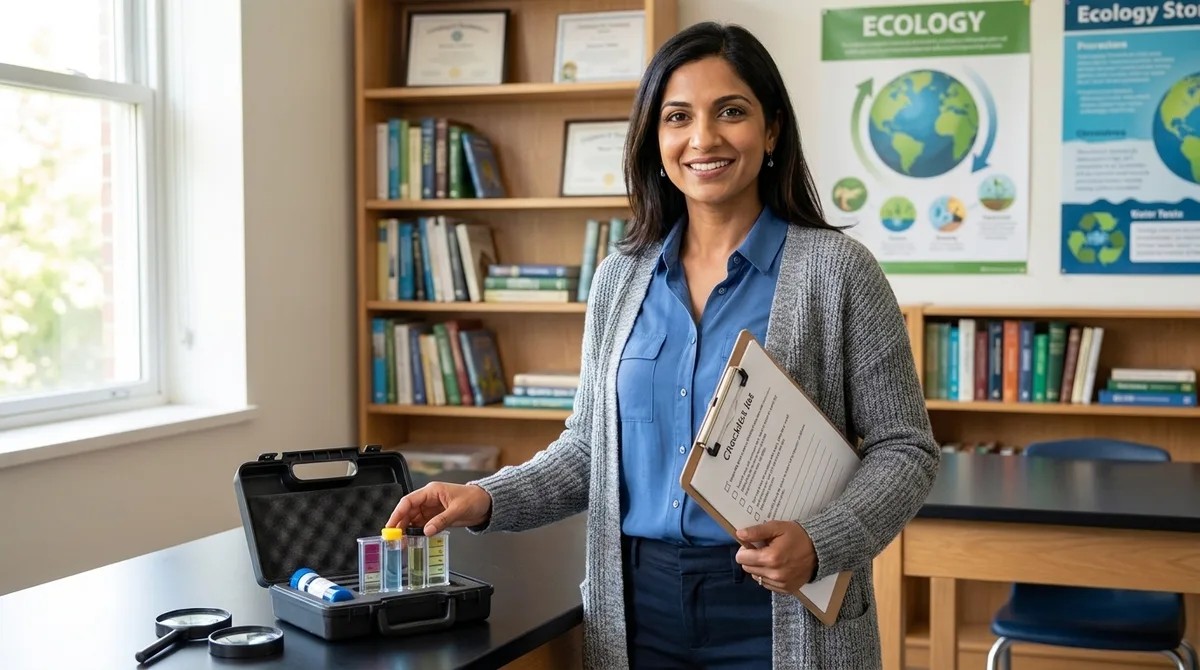
Your kid already has the curiosity—they're the one tracking bugs, checking weather gauges, and asking a million questions about nature. But how do you turn that enthusiasm into real science that actual researchers can use? This episode walks parents through everything young scientists need to participate in authentic citizen science projects, from the right equipment to proper data handling. Whether your child is in middle school or heading toward university-level research, this checklist bridges the gap between backyard exploring and rigorous scientific contribution.
Real science needs real tools, not toy versions. A cheap thermometer or random pH st...Best Water Quality Testing Kits for Student Citizen Scientists
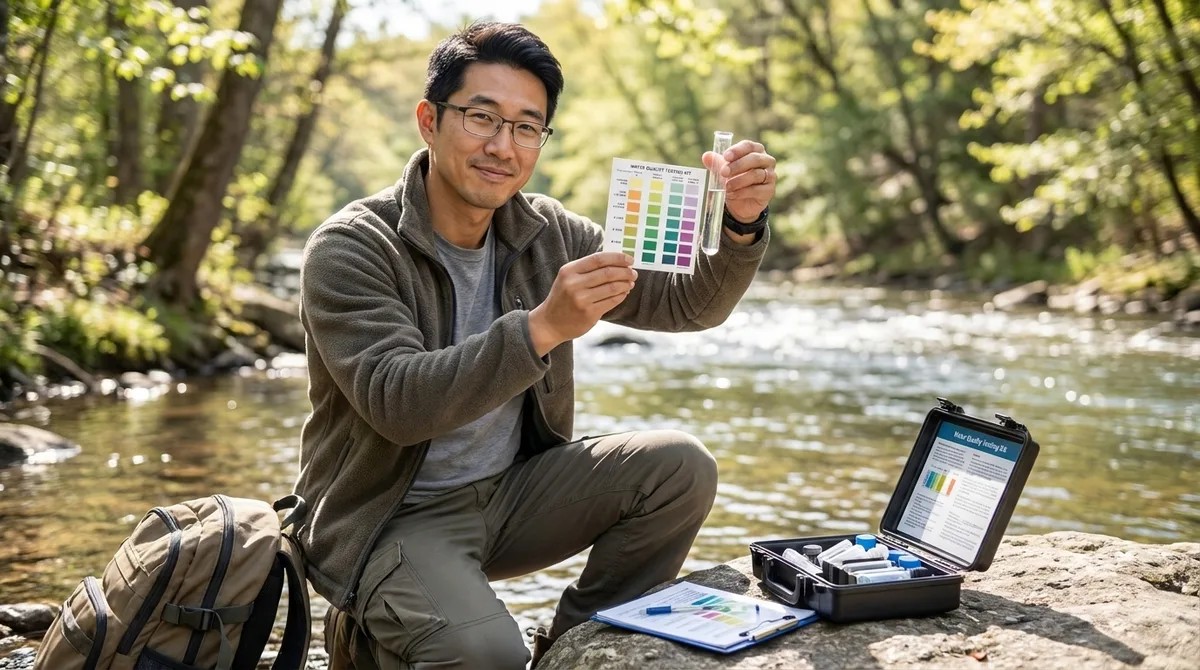
Finding the right water quality testing kit for student scientists is harder than it looks. In this episode, fabrication lab specialist Kazuki Tanaka breaks down what he learned after testing seventeen different kits with middle school citizen science programs across three states. Whether you're a teacher building an environmental monitoring curriculum or a parent supporting a young scientist, you'll discover which kits deliver real accuracy versus which ones produce impossible results that teach kids the wrong lessons. The central question: how do you balance lab-grade reliability with student-friendly design without breaking your budget?
The LaMotte GREEN kit offers...Arduino vs micro:bit for Citizen Science: Which Platform Is Better?
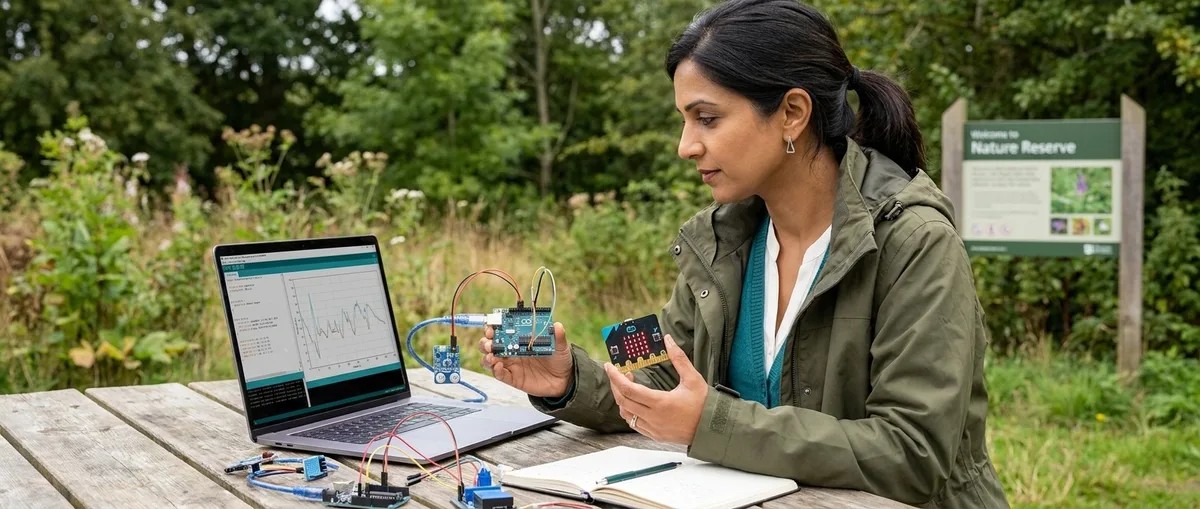
Your kid wants to track air pollution or monitor a local stream, but the first decision—Arduino or micro:bit—feels impossibly confusing. This episode cuts through the noise with guidance from a National Board Certified science educator who has watched hundreds of middle schoolers tackle this exact choice during real watershed monitoring projects. Whether your child is eight or sixteen, you'll learn which platform matches their current skills and scientific ambitions.
Micro:bit lets kids start doing science right away. Instead of spending weeks learning to code before collecting data, your child can drag and drop blocks to b...What Is Citizen Science: How Kids Contribute to Real Research
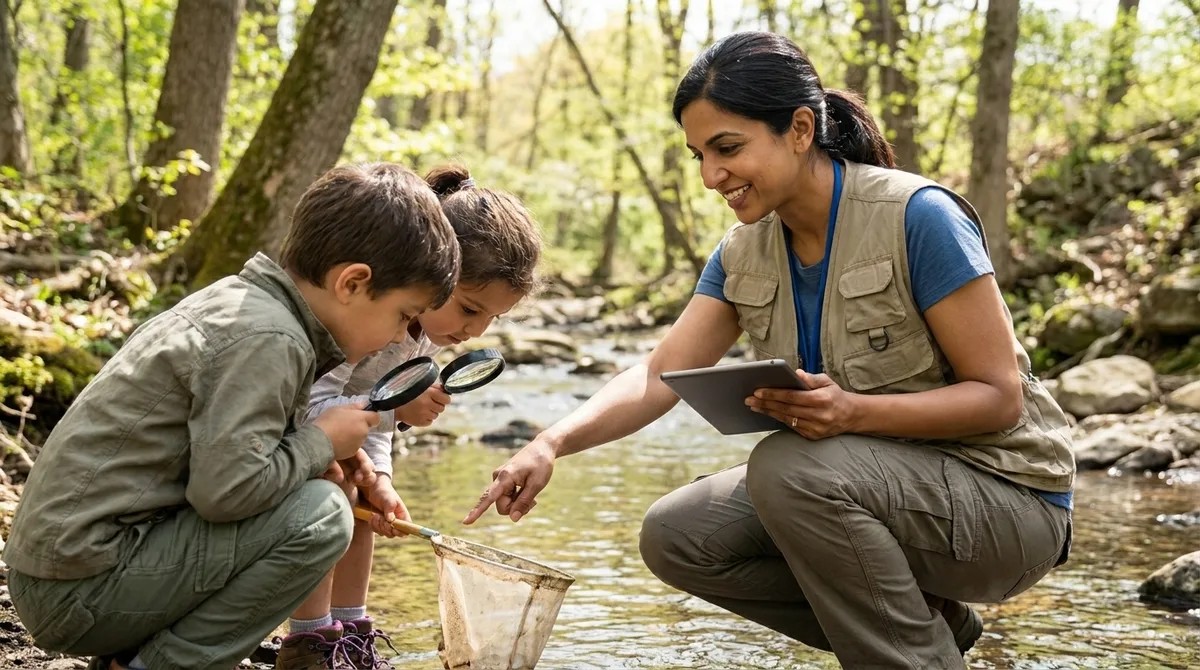
Ever wondered if your kid's science projects could actually matter beyond the classroom? This episode explores how middle schoolers are contributing real data to real research studies—the kind that ends up in scientific journals and shapes environmental policy. Host Lakshmi Venkataraman, a National Board Certified science educator, breaks down what citizen science actually means for young learners and why it's fundamentally different from typical school experiments. If you've been curious about getting your child involved in authentic research, this episode explains exactly how these programs work and what makes them valuable.
Citizen science means collecting data FOR sc...Best micro:bit Citizen Science Kits for Young Researchers
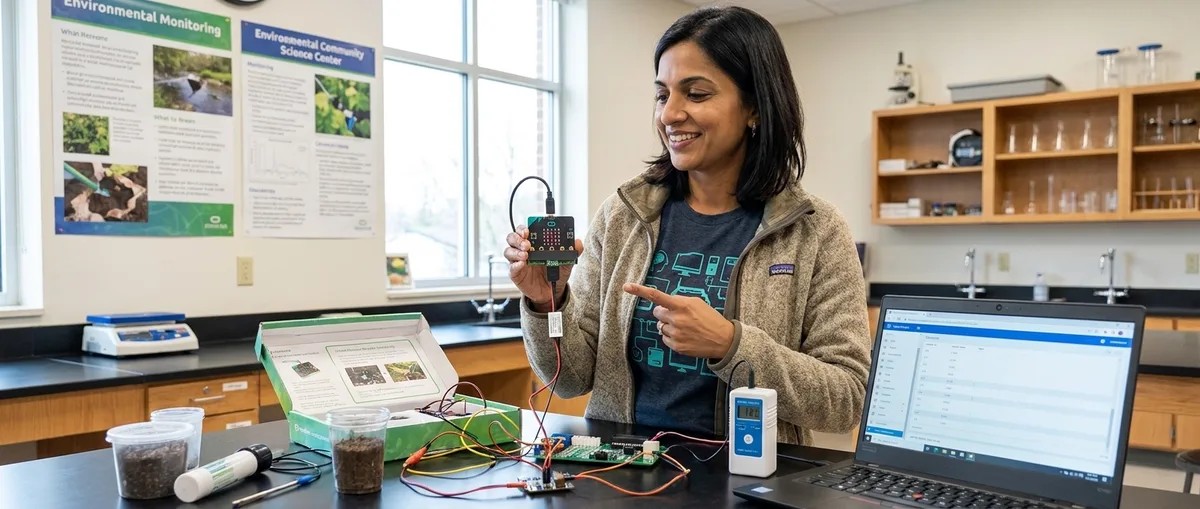
When your kid starts connecting a lawnmower next door to a spike in their air quality readings, science suddenly becomes personal. This episode explores how micro:bit citizen science kits can transform young learners from textbook readers into actual environmental researchers collecting real data. National Board Certified teacher Lakshmi Venkataraman breaks down what separates legitimate research tools from expensive toys, helping parents and educators choose kits that build genuine scientific skills.
Show Links
Affiliate Disclosure: As an Amazon Associate I earn from qualifying purchases.
Full article
Kitronik Environmental Science Board for...
