The Unpopular View with Michael Brown

Are foreign aid, climate policy, and global governance actually working — or are they propping up a broken system? The Unpopular View cuts through partisan noise with evidence-based analysis on the politics and economics of international development, foreign aid reform, climate policy, natural resource governance, and global corruption. Host Michael Brown is a social and environmental risk analyst and former NGO founder with three decades of field experience across more than 35 countries in Africa, Asia, Latin America, and the Pacific. He has worked on corruption investigations, community-led development, conservation, mining governance, and climate mitigation — on the ground, not from a think tank...
Midterms: Voters Hit Pause on Data Centers: What Happens Next? (The Four No’s)
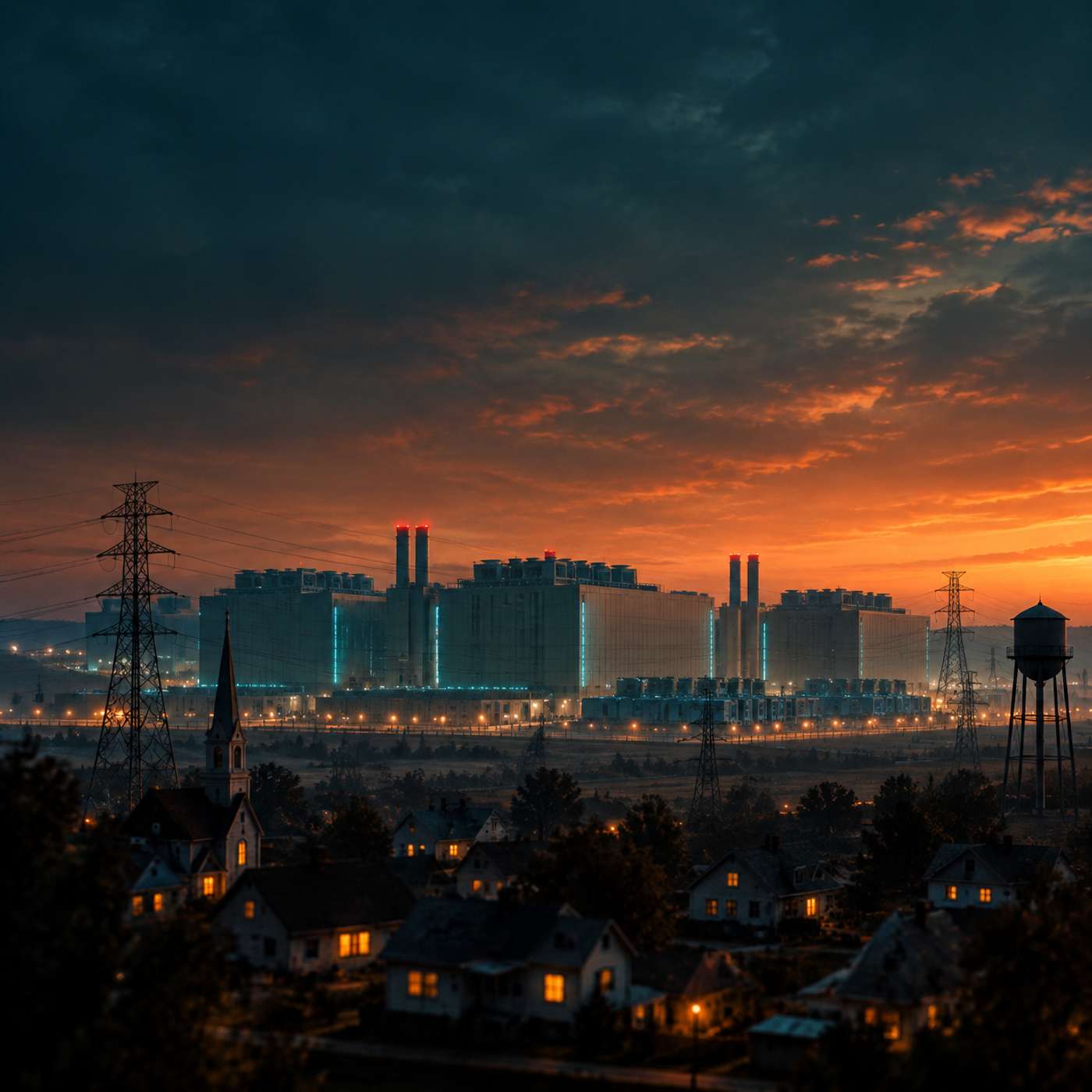
In the midterms, voters hit pause on the AI data center boom. Texas elected a governor who promised a moratorium, and towns from Ohio to Illinois to Wisconsin voted for limits. But a pause isn’t a decision.
In this episode of The Unpopular View, Michael Brown explains why so many communities feel railroaded. He covers secret NDAs like Louisiana’s “Project Lightning,” a 27-hour county hearing in Virginia, and deals announced in pieces. He then weighs what a town really gets (jobs, property taxes) against what it gives up (noise, water, higher electric bills, tax breaks...
PEPFAR: Worth the Cost? Part 2

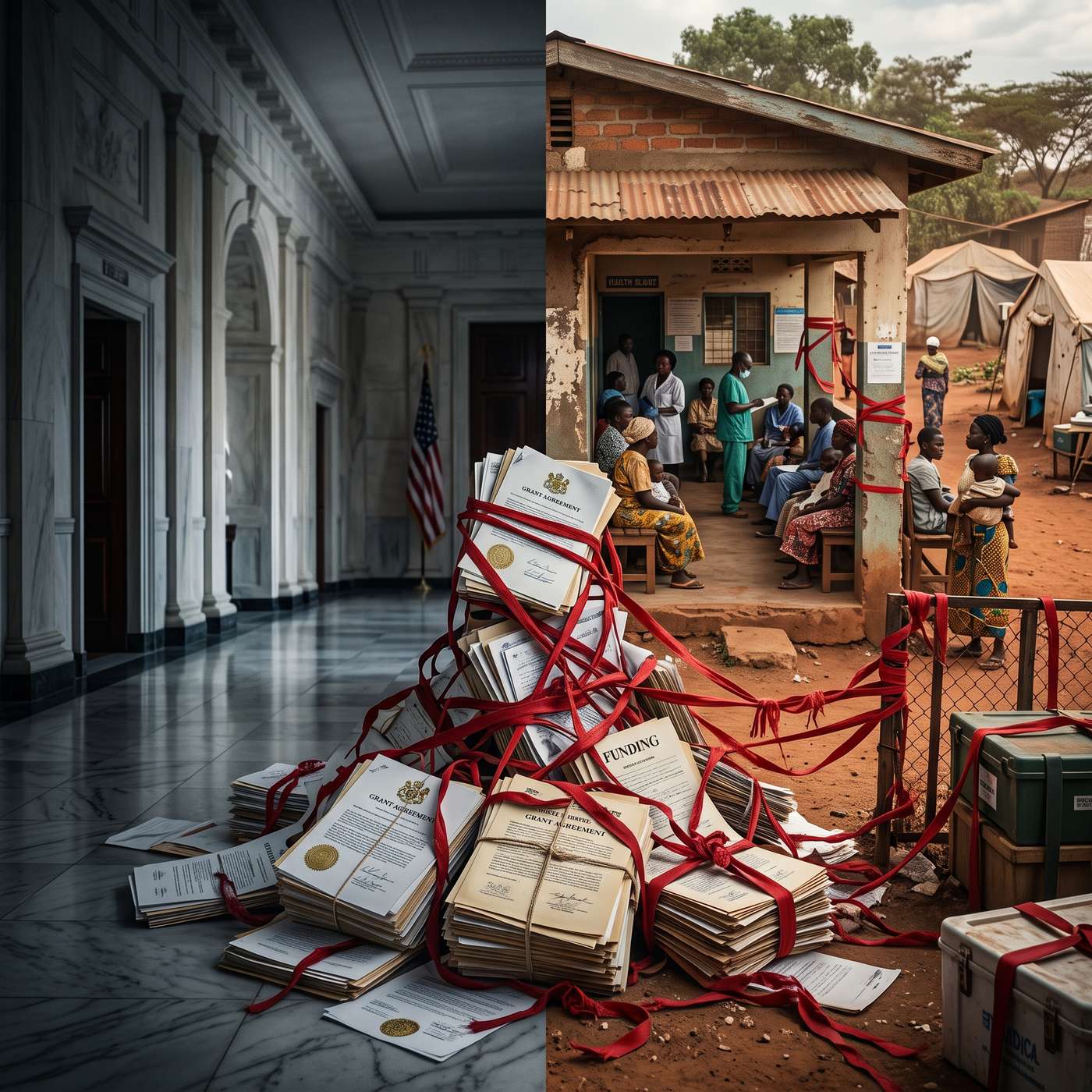
PEPFAR saved an estimated 26 million lives. It was also built so fast, and so far from the countries it served, that when the money froze in 2025, much of it was left standing on nothing.
In the second half of this conversation, Michael Brown turns to the other side of the ledger with John Donnelly, author of Lifeline. Who owned PEPFAR: African leaders, or just African staff? What did a 22-year emergency cost, and who paid? And can a five-year handover on Washington’s clock succeed where 20 years of planning didn’t?
In this epis...
Who Really Built PEPFAR?
Welcome to The Unpopular View with Michael Brown.
On this show, our core argument—backed by Michael’s two Routledge books on land and climate in the Global South—is clear: foreign aid only lasts when it is appropriate, feasible, and negotiated with the people it serves, never when it's imposed from the outside.
Today, we test that rule against the ultimate test case: PEPFAR (The President’s Emergency Plan for AIDS Relief).
Joining Michael is veteran journalist John Donnelly, author of the new book Lifeline: The Untold Story of PEPFAR. John covered the AIDS...
The value to Americans of aid and soft power in the DRC, Sudan, and Afghanistans of the world
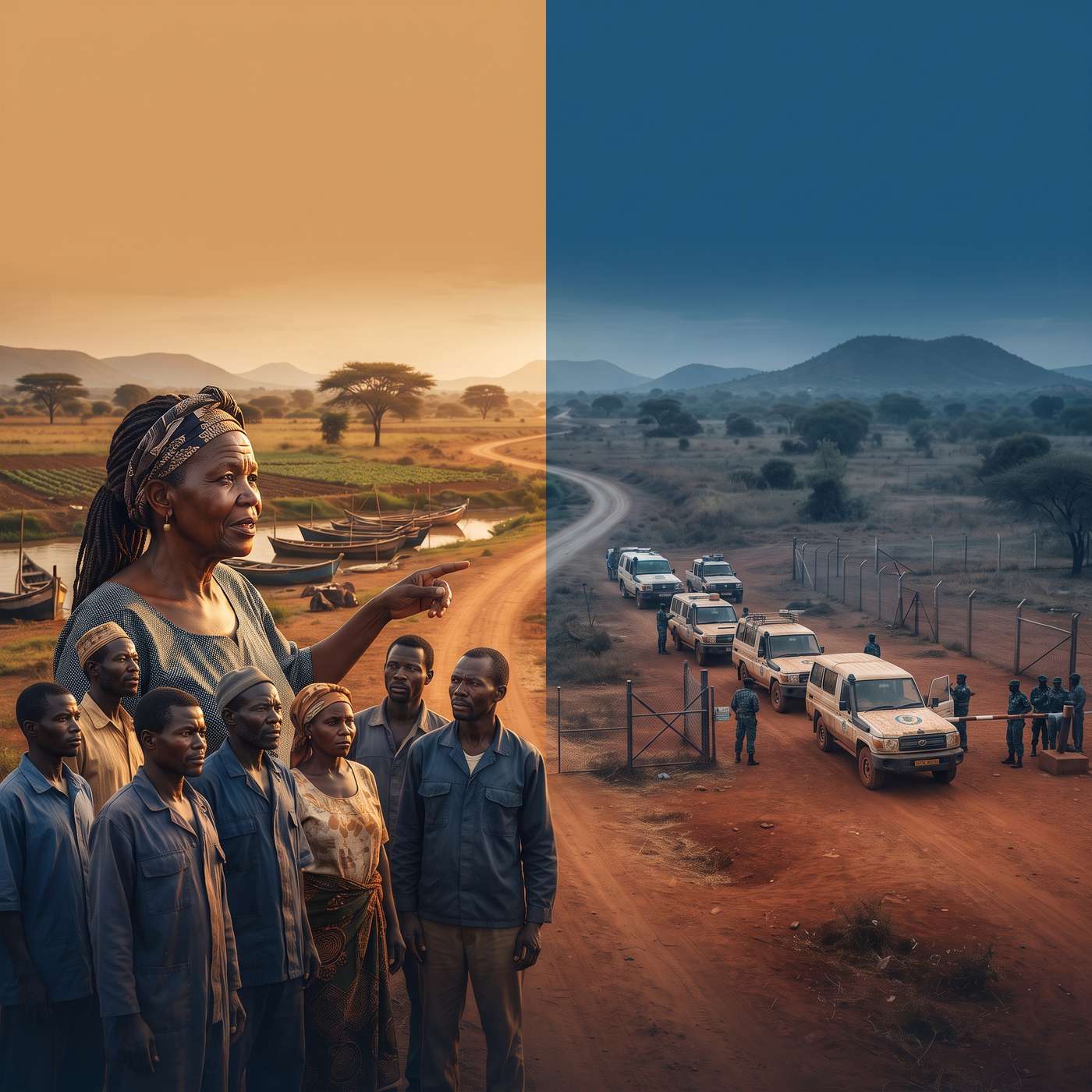
For fifty years, the people who design foreign aid programs have rarely been the people who have to live inside them. In this episode of The Unpopular View, host Michael Brown sits down with Dr. Samantha Nutt, founder of War Child, to ask the questions the humanitarian sector debates privately but rarely says out loud on the record.
Samantha has spent three decades working in Somalia, Sudan, the Democratic Republic of Congo, and Uganda — picking up the pieces after wars. Michael has worked in many of the same countries on land rights and rural livelihoods. Together th...
One Euro Gen Z's views on America, War, Migration Ukraine, Russia, etc.
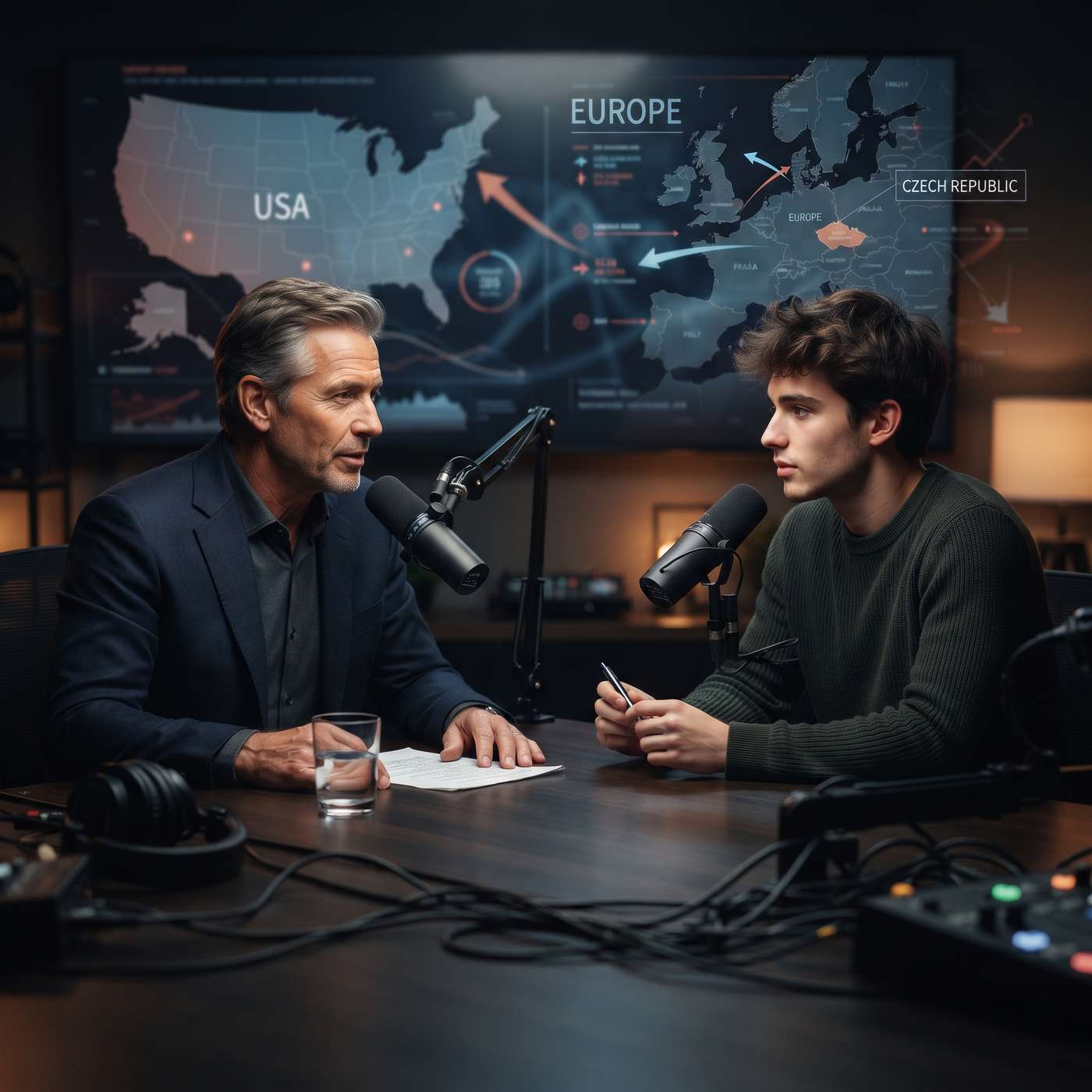
Welcome back to the second and final part of our deep dive into global geopolitics through a Gen Z lens. In this segment, host Michael Brown sits down with Armin Sumansky, a Bates College student from the Czech Republic, to turn the tables and examine the complexities of European foreign and domestic policy.
Is American foreign policy truly erratic, or does Europe harbor its own glaring contradictions? Michael and Armin break down the shifting consensus on European migration, the hardening of external borders, and the internal friction shaking the Schengen zone. They also tackle...
Gen Z: One European's Perspective
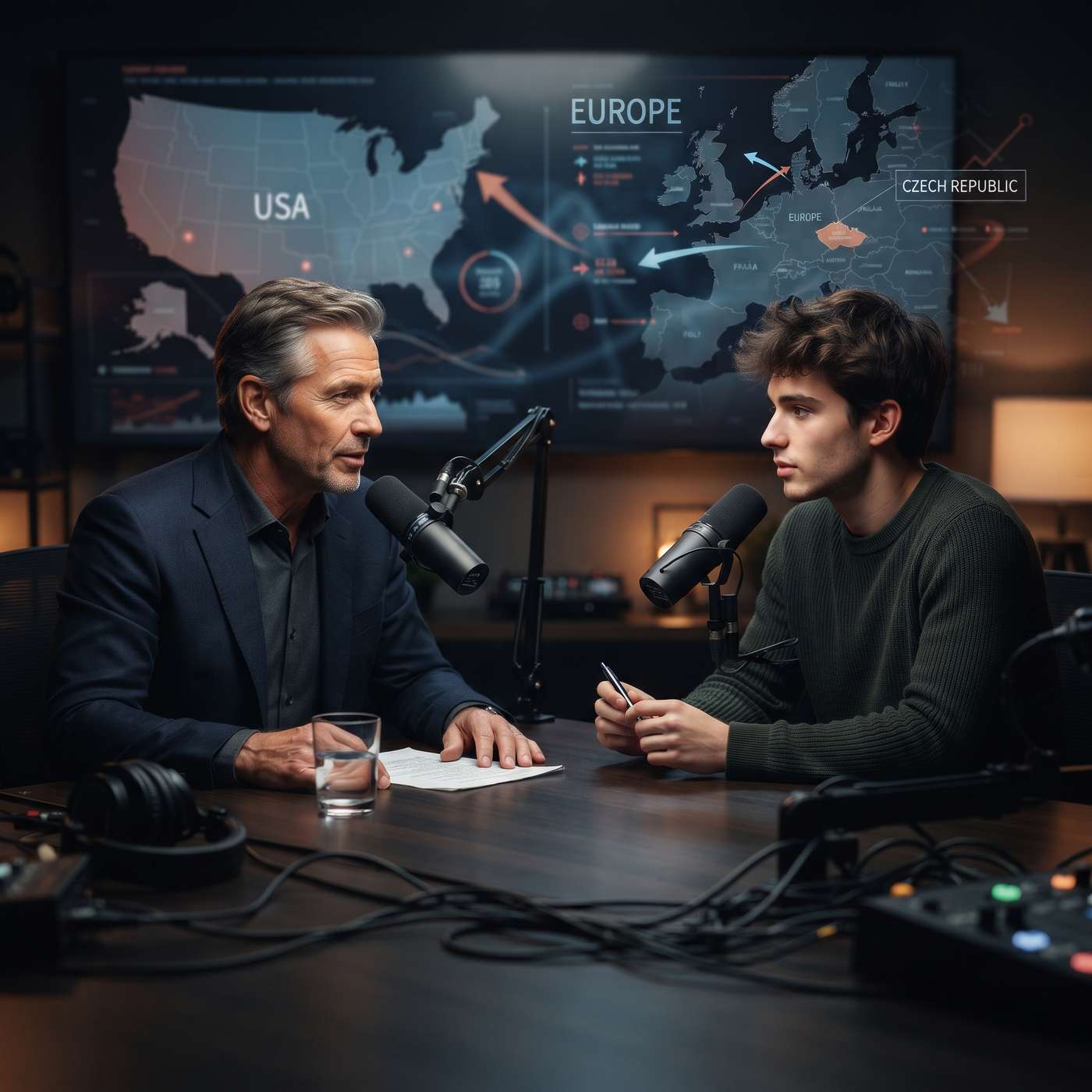
What does Gen Z actually think about the future? Is the generation as unified as the media claims, or is it fundamentally fragmented?
In Part 1 of this exclusive 2-part series, host Michael Brown sits down with Armin Sumansky—a second-year student at Bates College triple-majoring in Economics, Politics, and European Studies—to dismantle the biggest stereotypes surrounding Gen Z. Bringing a unique European perspective from his home country of the Czech Republic, Armen provides an inside look at how global economic anxieties, social media echo chambers, and geopolitical history shape the mindset of young peop...
Can Aid Be Fixed, or Should It Be Scrapped? Two Paths to a New Social Contract
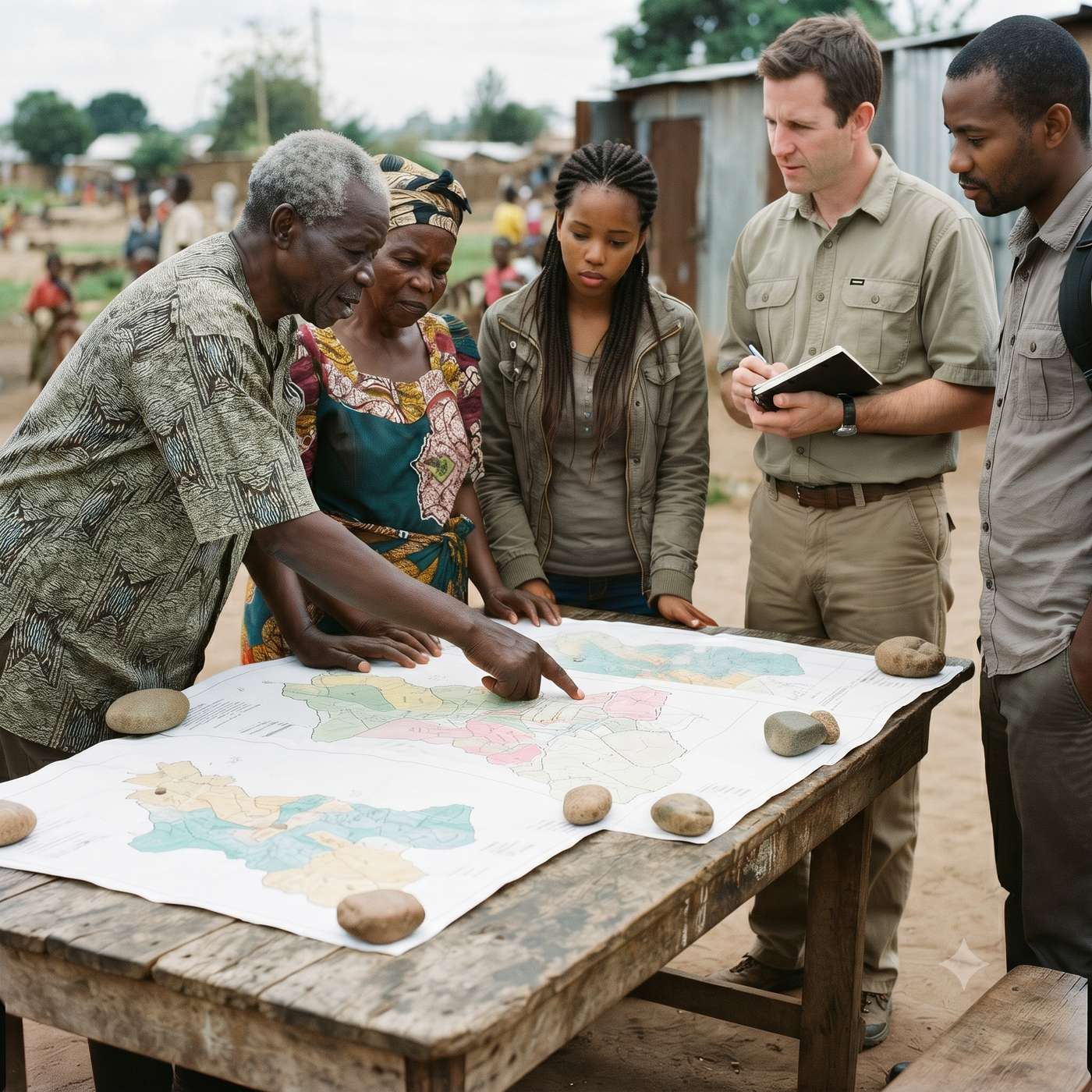
Episode 3/3 closes out this Unpopular View series as Michael Brown and Dr. Emily Brearley debate her "Solution 42" proposal for narrowing what institutions like USAID and the World Bank attempt — putting local communities in charge of choosing high-impact projects. A pointed conversation about who sits at the table, who pays, and whether international development can be rebuilt or should be scrapped altogether.
Contact: [email protected]
Subscribe & Review: If you appreciate unwrapping complex, unpopular policy debates, leave us a 5-star review on Apple Podcasts or Spotify!
Disclaimer:
The Unpopular View with Michael Brown is in...
AID: SMALL & PROVEN, OR BIG & NEGOTIATED?
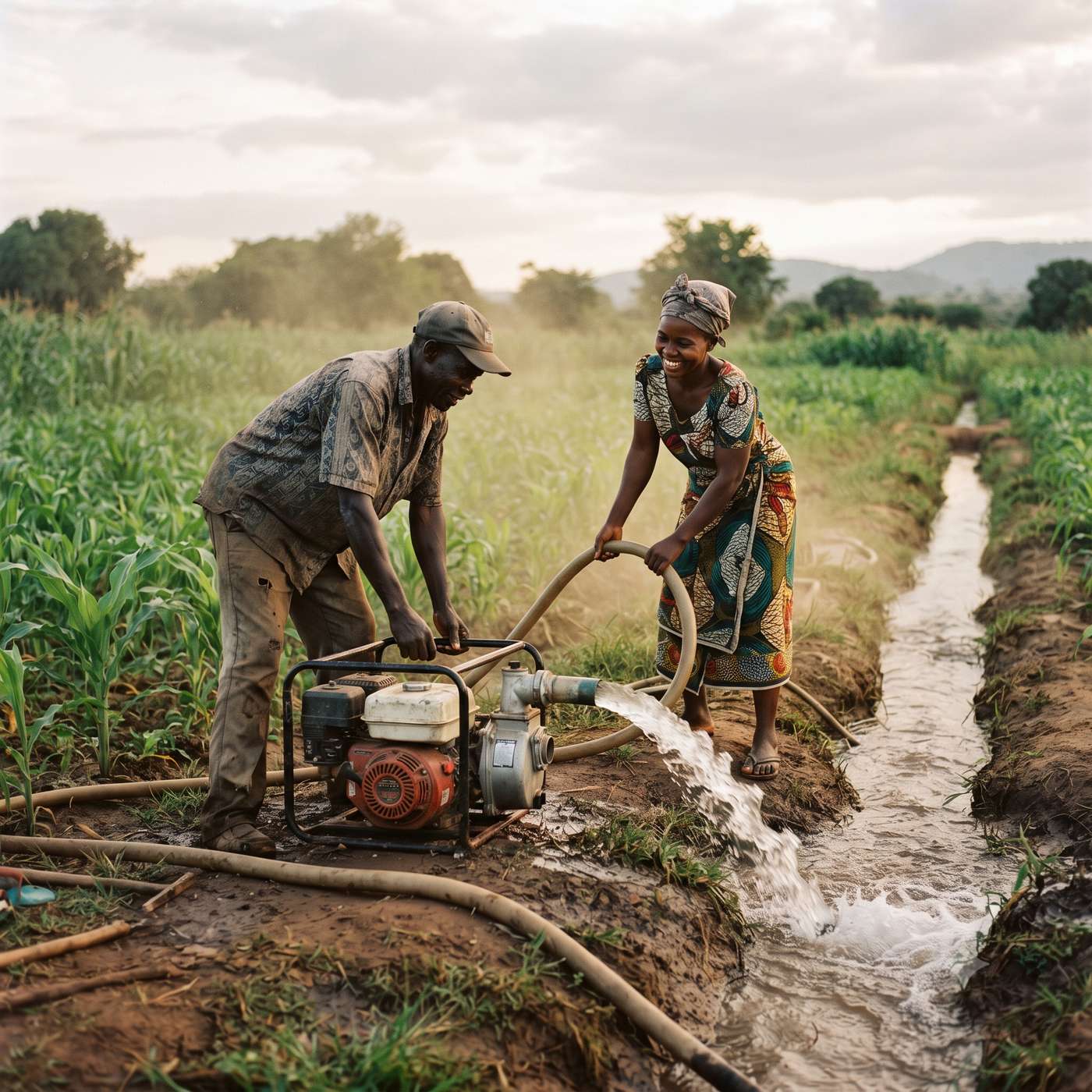
Episode 2/3 of this Unpopular View series digs into what actually makes development work succeed or fail. Michael Brown and Dr. Emily Brearley break down the real checklist — land tenure, corruption, community-level options analysis, and genuine local voice — against the money-first thinking that dominates the aid industry, debating cash transfers, big loans, and whether aid can ever scale without losing what makes it work.
Contact: [email protected]
Subscribe & Review: If you appreciate unwrapping complex, unpopular policy debates, leave us a 5-star review on Apple Podcasts or Spotify!
Disclaimer:
The Unpopular View with Michael Brow...
40 Years in the Field vs. a World Bank Insider: Did Foreign Aid Ever Have a Real Social Contract?
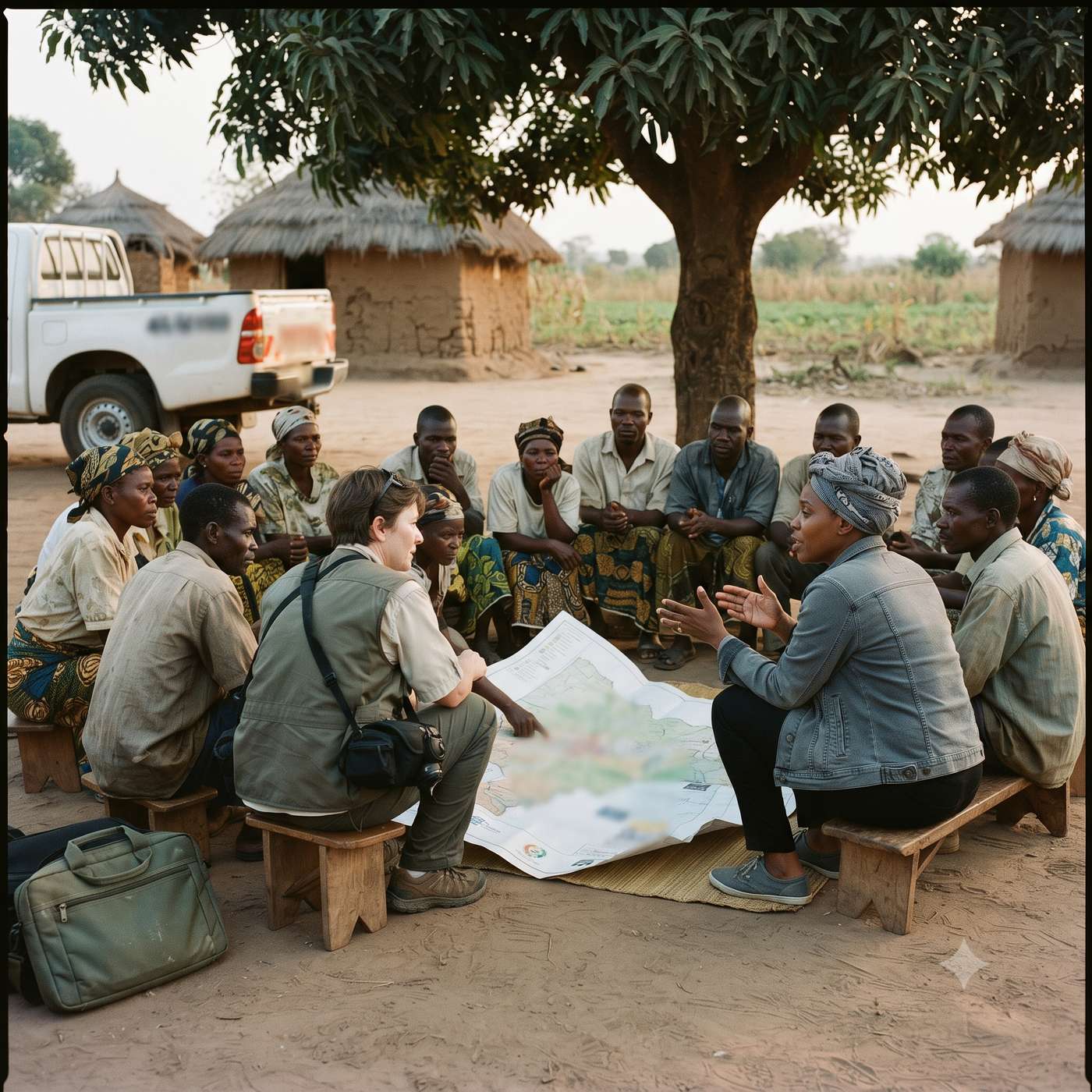
Episode 1/3 of this Unpopular View series opens with host Michael Brown drawing on 40 years in international development — from hand-hauling water near Timbuktu to a motor-pump irrigation project that changed everything — to challenge former World Bank economist Dr. Emily Brearley, author of Aid Inferno, on whether the foreign aid industry is fundamentally broken. A candid, unpopular look at USAID, World Bank funding, and whether a real social contract exists between donors and the communities they claim to serve.
Contact: [email protected]
Subscribe & Review: If you appreciate unwrapping complex, unpopular policy debates, leave us a 5-star review on A...
Sepsis: The Cost Of Inaction – Part 3 of 3 with Dr. Niranjan “Tex” Kissoon

The final segment turns from problem to solution. Michael Brown hands the floor to Tex to make the case for what actually works — the antibiotic pipeline, financing models, the global awareness gap, and the 10-year cliff facing health systems if governments fail to act. After two segments establishing the scale of the crisis, this one asks the hardest question: what happens to all of us, in lives and dollars, if nothing changes?
Contact: [email protected]
Subscribe & Review: If you appreciate unwrapping complex, unpopular policy debates, leave us a 5-star review on Apple Podcasts or Spotify!
Sepsis: A Global Crisis – Part 2 of 3 with Dr. Niranjan “Tex” Kissoon

Sepsis isn't just a U.S. problem — it's a global crisis with a much higher body count. Michael Brown and Dr. Kissoon shift focus to sub-Saharan Africa, South Asia, and Latin America, where hundreds of thousands of preventable deaths occur each year from infections a trained birth attendant and a one-dollar antibiotic could stop.
Dr. Kissoon breaks down the numbers, the geography, and why the antibiotic resistance building in under-resourced health systems abroad is quietly threatening the drugs your local ICU relies on. This isn't a foreign aid story — it's a shared one.
Contact: theunpopularviewpodcast1@gmai...
Sepsis: The Silent Killer - Part 1 of 3 with Dr. Niranjan "Tex" Kissoon
One year ago, I nearly died of sepsis after a routine biopsy — a 106.4° fever, four days at Danbury Hospital, and a near-miss that came after surviving cerebral malaria, meningitis, and a medevac out of Somalia. Weeks ago, two-time NASCAR champion Kyle Busch died of sepsis at 41, less than two weeks after what looked like a sinus cold. It doesn't care who you are. It just moves.
In Part 1 of this three-part series, I sit down with Dr. Niranjan "Tex" Kissoon — President of the Global Sepsis Alliance and the physician whose advocacy got the World Health Assembly to fo...
Will It Last? Has Boston’s Sports Identity Drifted Too Far From Its Roots?

Every dynasty eventually faces the same question: what was it actually built on?
Boston's sports story is told as one of loyal suffering rewarded — decades of heartbreak, then a golden era earned by a faithful fan base. But look closer. Bill Russell won eleven titles in a half-empty Garden. Willie O'Ree endured two seasons of racial abuse before his number was retired sixty years later. Pumpsie Green and Earl Wilson integrated the last team in baseball while Fenway drew 306 people.
The suffering was real. But who was doing the suffering — and who were the teams actu...
The Hubris Question: Have Boston’s Sports Expectations Turned Into Entitlement?
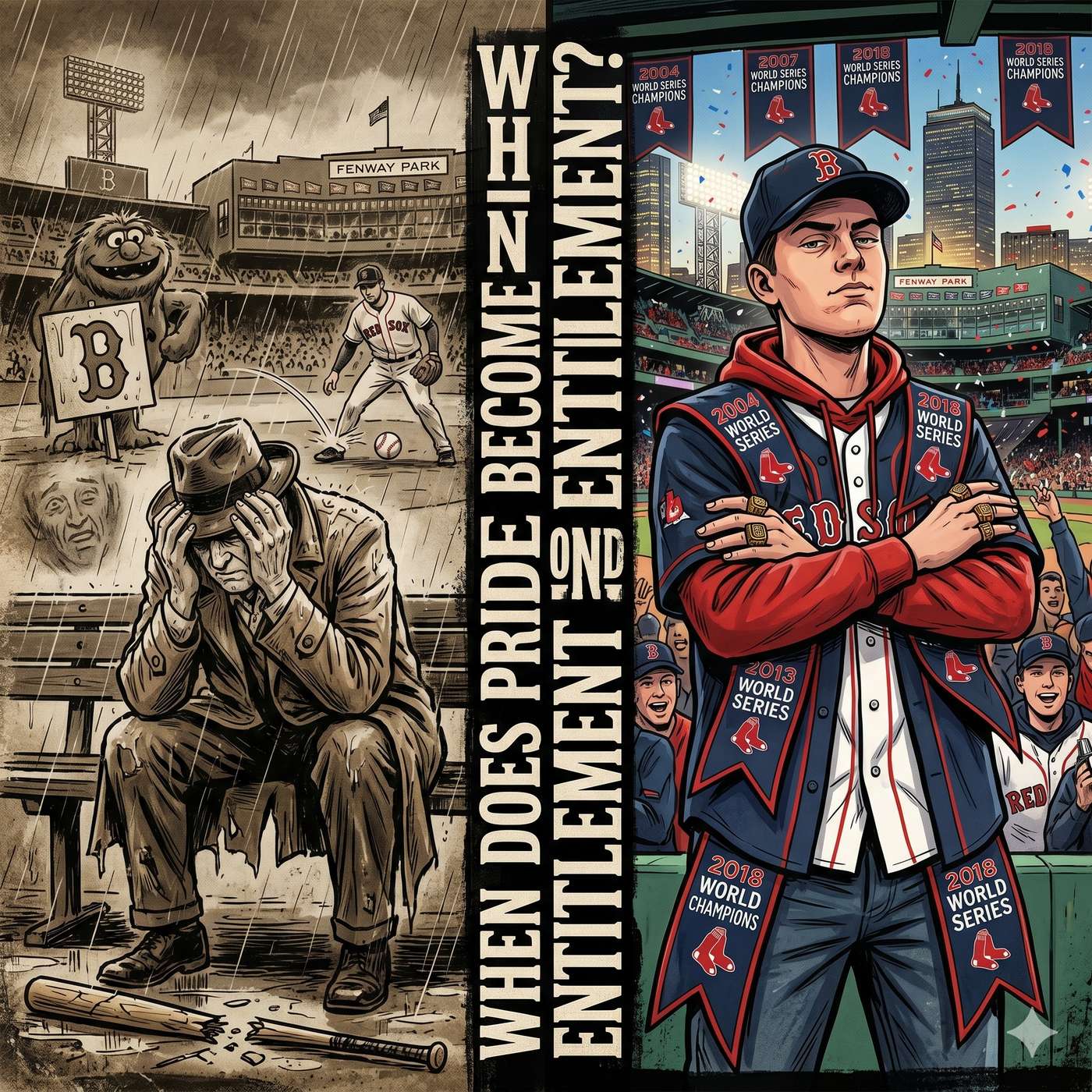
Hubris has toppled governments, derailed foreign policy, and wasted billions in development aid. So what happens when it takes over a sports city?
For decades, Boston fans wore their suffering like a badge. The Curse. The heartbreak. The close calls. Then the wins started coming — and didn't stop. Russell. Orr. Brady. The 2004 Red Sox. At some point, expectation quietly became entitlement.
CNBC's Alex Sherman and host dig into the question Boston fans don't want asked: have New England's most passionate supporters become exactly what they always despised — the Yankees fan, just with a different accent and...
Sixty Years, Three Bostons: From Bambino Curse to Boston Sports Dynasties – Has It Made the City Arrogant?

Sixty years of winning. Four franchises. More championships than any city has a right to expect. But has Boston's run of dominance — from the Celtics of Russell to the Patriots of Brady — turned healthy pride into something the rest of the country finds insufferable?
CNBC senior correspondent Alex Sherman joins the conversation. He covers the business of sports and culture at the highest level, with sit-downs alongside figures like Tom Brady and Mariano Rivera. But this isn't just a professional booking — it's a conversation his father would have been in the room for.
Before we judge...
Moving From the Aid Industrial Complex to Localization That Works

Every development program claims its goal is to leave. None of them do.
In the 1960s, the Green Revolution turned India from a country facing famine into a food exporter — and then it ended, because it succeeded. Nothing since has come close. Not because the problems are harder, but because the system was never built for exit. It was built for continuation. Another proposal cycle. Another three-year project. Poverty nudged down enough to justify the next budget request.
DOGE was wrong to destroy it. But the system it destroyed wasn't working either.
...
Where International Development Has Succeeded or Failed

AIDS arrested. Ebola contained. Malaria deaths cut in half. That wasn't charity — it was the international system protecting everyone, including Americans. You don't defund the firebreak while the forest is still burning.
But if this system can deliver vaccines to millions of children, why can't it secure land tenure for a single farming community?
Outside of health, the record is much harder to defend. Top-down agriculture programs that distorted markets. Governance efforts that may have made corruption worse. Conservation and Nature-based Solutions designed by outsiders, funded by outsiders — with communities displaced from their own...
The Aid Industrial Complex - Benefit or Problem for the Global South?

In 1953, the CIA overthrew Iran's elected government because outsiders decided they knew best. In 1961, Western intelligence helped assassinate Patrice Lumumba in the Congo — same logic, different method. The Cold War ended. The instinct didn't.
Today, $200 billion a year flows into global poverty programs. Less than ten cents of every dollar reaches the grassroots organizations that actually know what their communities need. The rest feeds donors, NGOs, and contractors — a system built to reassure institutions in Washington and Geneva, not farmers and teachers on the ground.
When DOGE shut down USAID, most Americans shrugged. But...
Africa's Demographic Surge: Youth, Technology, and the Race Between Transformation and Instability

Episode 9 of The Unpopular View, Michael Brown, is a the conclusion of this 3/3 sit down with longtime colleague Koffi Kouakou in a first “North–South dialogue” on African realities, American assumptions, and the China factor. They challenge the “single story” narrative about Africa, unpack what standard metrics miss about everyday life and informal economies, and explore how China’s visible infrastructure and technology investments are reshaping the West’s role on the continent.
Disclaimer:
The Unpopular View with Michael Brown is independently owned and produced by Michael Brown. PulsePoint Media Atelier LLC serves solely as the distribution a...
Critical Minerals and the New Resource Competition: Africa's Leverage or Another Extraction Cycle?

Episode 8 of The Unpopular View, Michael Brown, is a part 2/3 of his sits down with longtime colleague Koffi Kouakou in a first “North–South dialogue” on African realities, American assumptions, and the China factor. They challenge the “single story” narrative about Africa, unpack what standard metrics miss about everyday life and informal economies, and explore how China’s visible infrastructure and technology investments are reshaping the West’s role on the continent.
Disclaimer:
The Unpopular View with Michael Brown is independently owned and produced by Michael Brown. PulsePoint Media Atelier LLC serves solely as the distribution and promotiona...
North-South Conversation on Africa and Its Future

In Episode 7 of The Unpopular View, Michael Brown sits down with longtime colleague Koffi Kouakou in a first “North–South dialogue” on African realities, American assumptions, and the China factor. In this 3 part conversation, they challenge the “single story” narrative about Africa, unpack what standard metrics miss about everyday life and informal economies, and explore how China’s visible infrastructure and technology investments are reshaping the West’s role on the continent.
Guest: Koffi Kouakou — Managing Director, Stratnam Futures; Research Fellow, Center for Africa–China Studies; OECD expert group on strategic foresight; Oxford Saïd scenarios program alumnus.
From Timbuktu to Tehran: Why American Leaders Keep Misreading the Landscape

Episode 6 is a critique of how U.S. leaders and institutions repeatedly misread societies they intervene in—because they rely on the wrong frameworks and reward the wrong metrics. Michael lays out an “operating framework” of three assumptions American analysis applies almost everywhere: people primarily seek economic maximization; people behave with universal rationality (avoiding death and extreme risk); and American cultural success implies cultural superiority that others will adopt. Each assumption is partly true, he argues—but dangerously incomplete.
The episode draws a sharp line between what deep understanding actually requires and what the policy system rewards. Real und...
India, Israel & 50K Workers: What happens to the Palestinians?

This episode argues that one of the most consequential developments in the Israel–Palestine landscape isn’t a headline-grabbing battle or speech—it’s a “boring” labor agreement that quietly reshapes incentives on the ground. Michael breaks down the India–Israel deal signed Feb 25–26, 2026: a broadened strategic partnership with major defense, tech, cybersecurity, and agriculture/water cooperation—and, crucially, a commitment to bring 50,000 additional Indian workers to Israel over five years (on top of tens of thousands already arriving since late 2023).
The episode’s central claim is that this labor provision is not a side detail; it’s a mechanism. Before...
The American Offset Model: We offset our mining. Our emissions. Our standards. Our conscience.

Disclaimer:
The Unpopular View with Michael Brown is independently owned and produced by Michael Brown. PulsePoint Media Atelier LLC serves solely as the distribution and promotional partner for this podcast. All content, opinions, and intellectual property rights remain the exclusive property of the creator(s).
No part of this podcast may be reproduced, distributed, or transmitted in any form or by any means without the prior written permission of the copyright owner.
© 2026 Michael Brown & The Unpopular View. All rights reserved.
America’s Copper Contradiction

Disclaimer:
The Unpopular View with Michael Brown is independently owned and produced by Michael Brown. PulsePoint Media Atelier LLC serves solely as the distribution and promotional partner for this podcast. All content, opinions, and intellectual property rights remain the exclusive property of the creator(s).
No part of this podcast may be reproduced, distributed, or transmitted in any form or by any means without the prior written permission of the copyright owner.
© 2026 Michael Brown & The Unpopular View. All rights reserved.
From Somali Gunpoint to MN Welfare Fraud: The Oversight Failures We Repeat

In 1983 Somalia, I discovered systematic aid fraud that nearly got me killed. That taught me how oversight collapse—not any one group—creates fraud at scale.
40 years later, Minnesota's Somali community is taking heat for welfare fraud, and yes, the evidence is real. But fixating only on Minnesota Somalis misses the bigger story: SNAP fraud, Medicaid fraud, PPP fraud—it's happening nationwide across every demographic because we've built systems that invite exploitation and then act shocked when it happens.
This episode connects what I learned at gunpoint in Mogadishu to America's refusal to learn the same l...
Bridging Boomers, Gen Z & the Global Realities We Ignore

This is The Unpopular View: Challenging the Narratives Dividing Boomers, Gen Z, and the Global South.
I'm Michael Brown. I've spent 50 years in 80+ countries—Somalia, Mali, Congo—working on development, conservation, and climate projects. I've seen what works, what fails, and lived with remote communities while advising governments on policy. I also know what we tell ourselves to avoid uncomfortable truths.
This podcast exists because we're replacing evidence with tribal loyalty. We're choosing sides instead of testing claims. We're ignoring lessons from places we've never heard of while repeating the same mistakes at home.
Ea...
