Talking Rubbish - Recycled Content
'Talking Rubbish - Recycled Content' brings you the most useful moments from the Talking Rubbish podcast, all in bite-sized episodes. From practical recycling tips to surprising waste facts and myth-busting insights, James and Robbie cut straight to the good stuff to help you waste less, recycle better, and see your bin in a whole new way. Praise for Talking Rubbish: "Toast this pair who are trying to make a difference one rubbish episode at a time" - The Independent “Eye-opening stuff and only rarely dry” - The Guardian "Who knew rubbish could be so interesting" - Radio Times "This podcast will...
Is cheese wax recyclable?
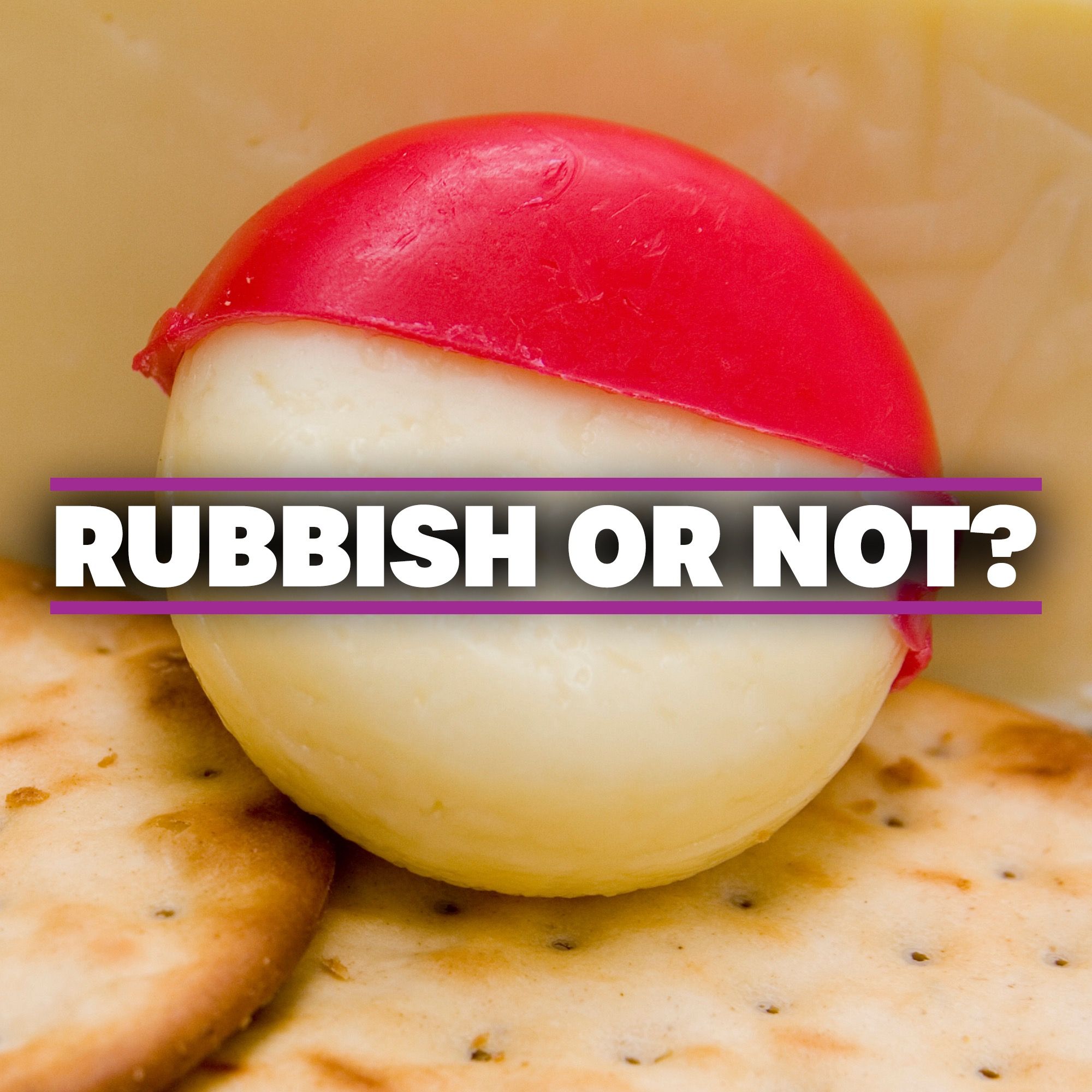
Cheese wax is a surprisingly tricky waste item. Babybel’s paraffin-based wax isn’t recyclable at home, although the company runs a Terracycle scheme that accepts everything from the wax to the nets and labels. Interestingly, under UK law, cheese wax isn’t even classed as packaging, because it’s considered part of the product itself rather than just something used to contain it.
This episode of Recycled Content, is the 'Rubbish or Not' from episode 53 of Talking Rubbish, which first aired on 31st July 2025.
While every effort has been made to provide the most acc...
Can tape go in the flexible plastic bin?
When it comes to recycling cardboard with tape attached, the adhesive itself is the main issue, particularly for flexible plastic recyclers, who generally don’t want it. The best practice, if you want to be extra conscientious, is to remove the tape and place it in general waste, which makes things easier for paper recyclers. That said, paper recycling facilities can usually handle tape during processing, where it’s washed off and ultimately incinerated. There’s also growing discussion around paper tape alternatives, some can be successfully recovered and recycled, while others cannot, highlighting the need for better standardisation across...
Are sandwich packs recyclable?
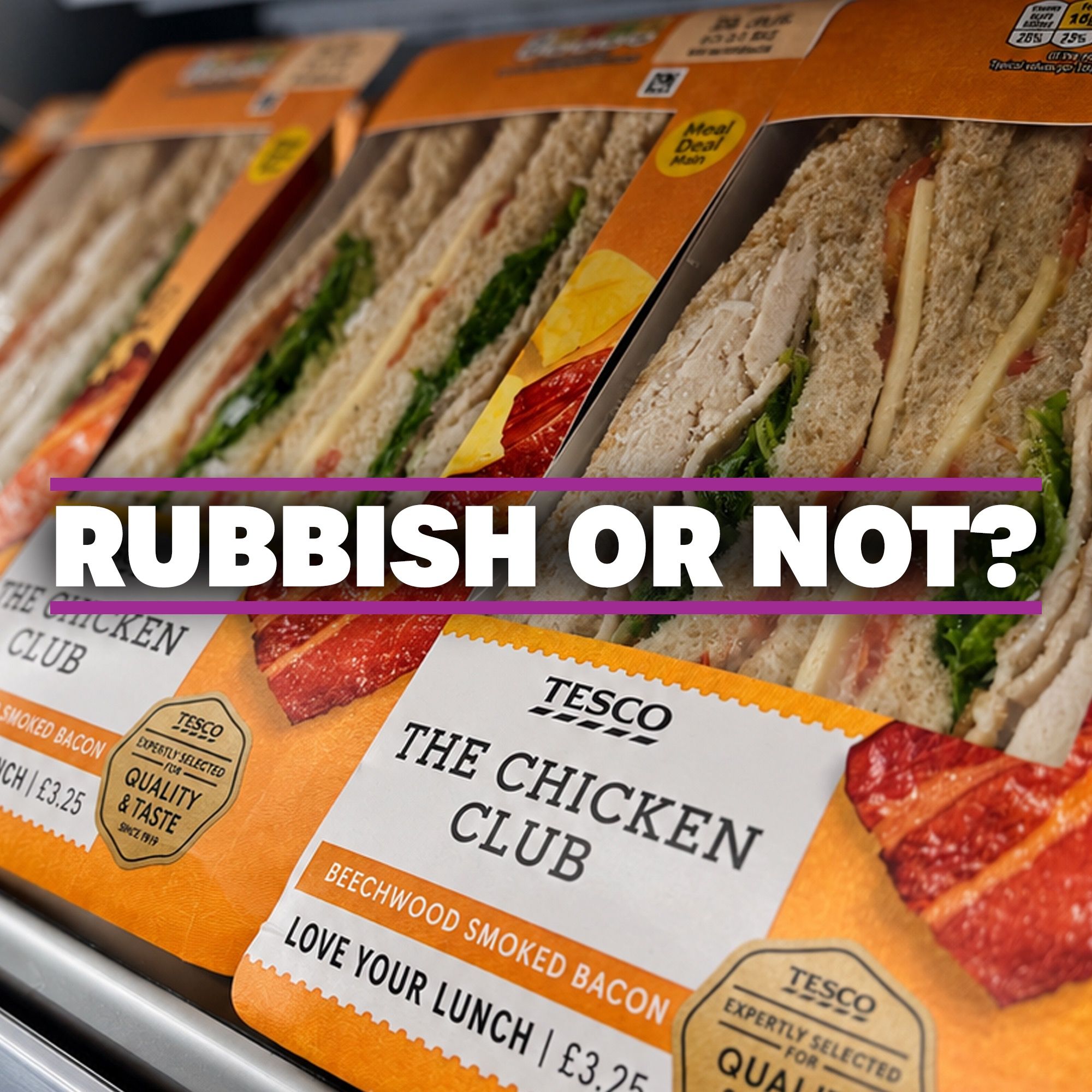
This episode tackles a common question; are sandwich packs actually recyclable? The discussion breaks down how mixed-material packaging works, whether plastic windows need to be removed, and why food contamination can make recycling more difficult. A practical, light-hearted look at the small recycling decisions people make every day and the confusion around what can really go in the bin.
This episode of Recycled Content, is the 'Rubbish or Not' from episode 52 of Talking Rubbish, which first aired on 24th July 2025.
While every effort has been made to provide the most accurate information, recycling guidance...
Do you need to use a bin bag?
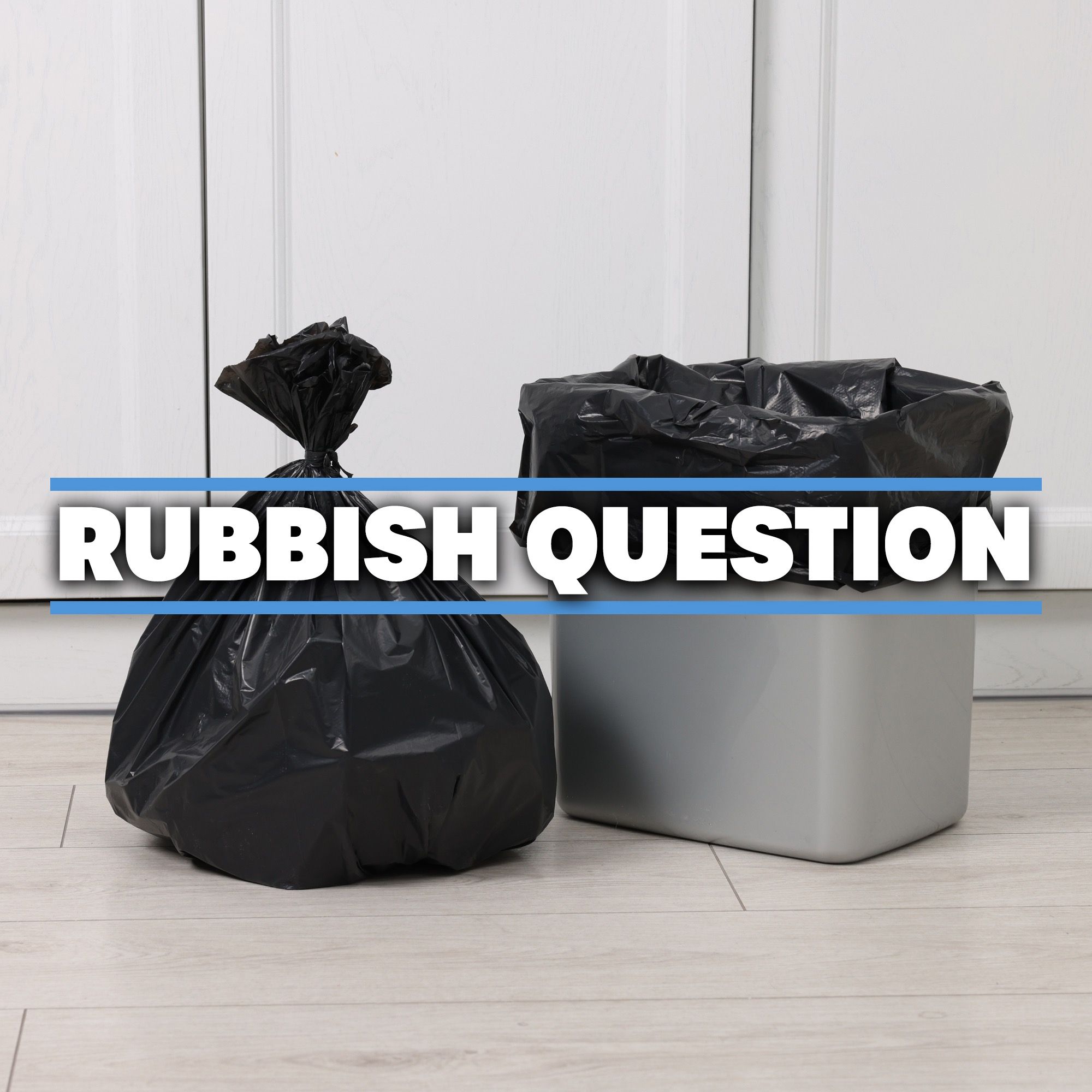
Do we actually need bin liners at all? Some people put loose rubbish straight into the wheelie bin to avoid adding more plastic to the waste stream, and found many councils don’t require bags. But in Cornwall, residents are told all waste must be contained in a sack before collection. So why the difference? And as mandatory food waste collections expand, could we one day stop selling bin liners altogether, except perhaps for food caddies?
This episode of Recycled Content, is the 'Rubbish Question' from episode 51 of Talking Rubbish, which first aired on 17th July 2025.
...
Are cocktail sticks recyclable?
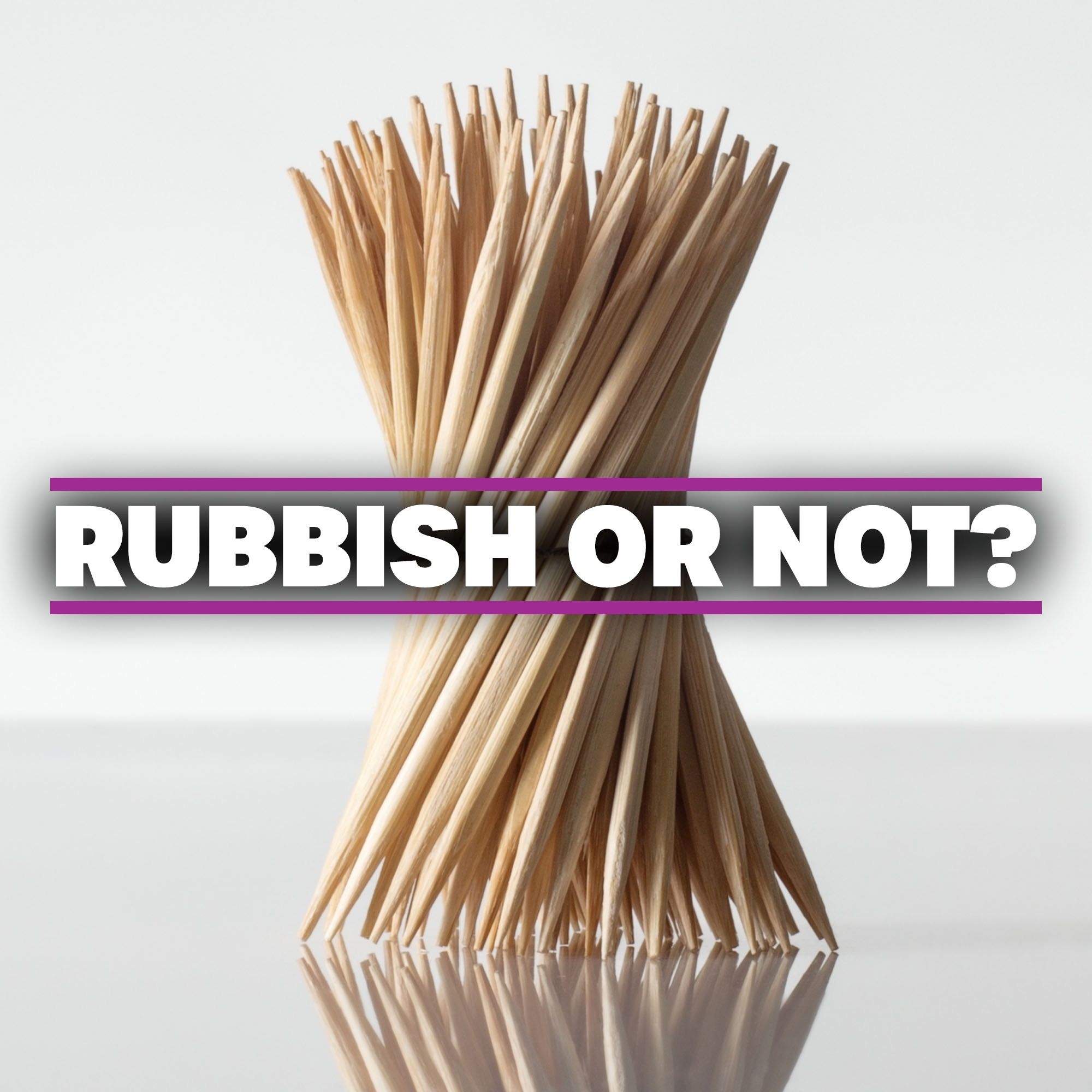
This episode explores whether cocktail sticks, toothpicks and wooden skewers can actually be recycled. Although they’re usually made from birch wood, their small size means they are unlikely to be accepted in household recycling collections and can easily fall through sorting equipment. We look at why home composting is often the best option, whether they can be taken to wood recycling at the tip, and how vague “recyclable” claims online can sometimes create more confusion than clarity.
This episode of Recycled Content, is the 'Rubbish or Not' from episode 51 of Talking Rubbish, which first aired on 17th July...
Do you need to remove the security sticker from plastic packaging?
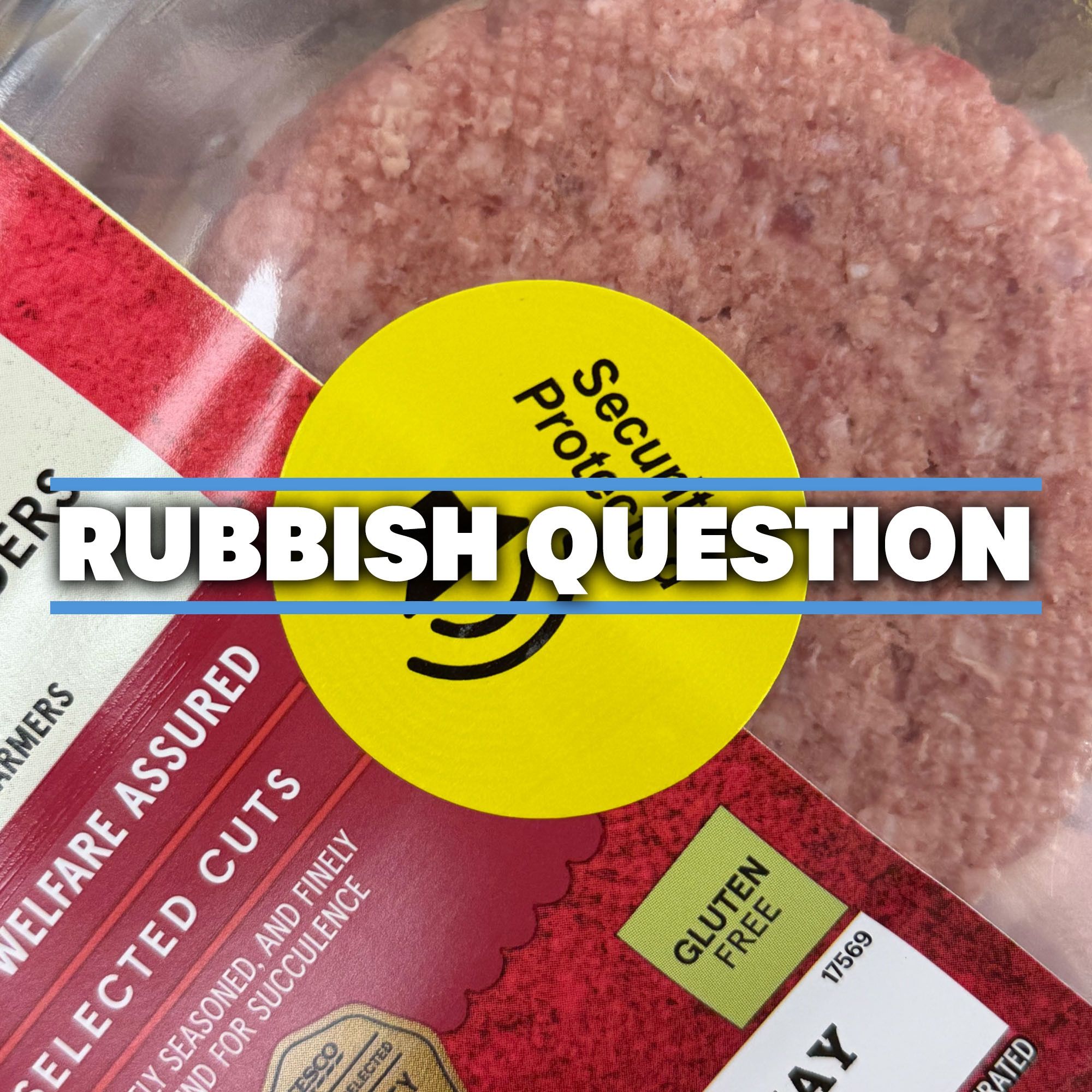
Do you need to remove security tags and anti-theft stickers from packaging before recycling? After a visit to Bristol Waste’s new materials recycling facility, we got the answer directly from the sorting line, and the good news is that these metal security labels are usually fine to leave on, as they are removed during the recycling process.
This episode of Recycled Content, is the 'Rubbish Question' from episode 49 of Talking Rubbish, which first aired on 3rd July 2025.
While every effort has been made to provide the most accurate information, recycling guidance changes quickly and...
Are Ozempic pens recyclable?
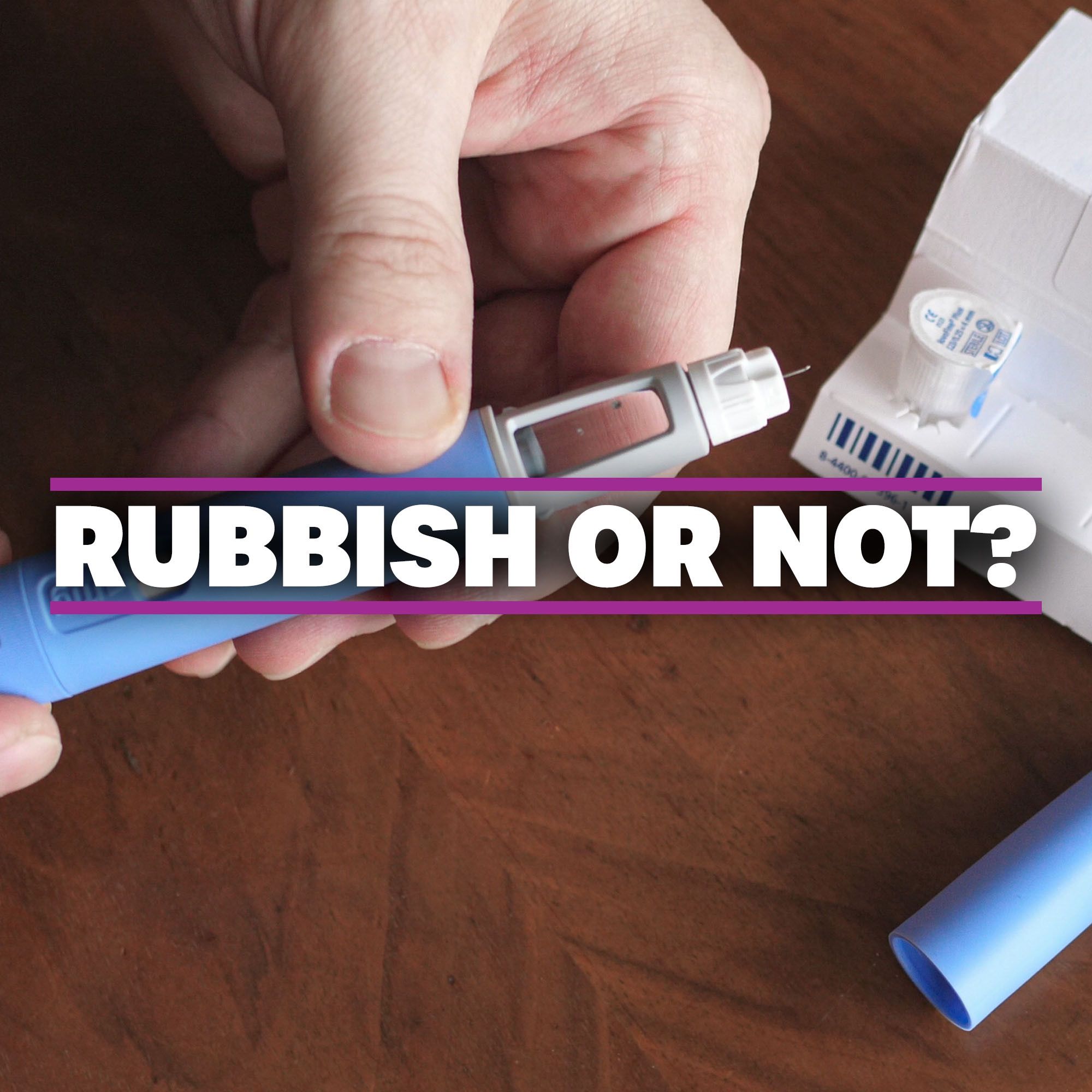
This episode looks at the growing waste problem created by Ozempic and other injectable medication pens. With millions of pens potentially ending up in landfill or incineration each year, we explore why these devices are classed as sharps waste, what the rules are for safe disposal, and whether recycling schemes like PenCycle are part of the solution. We also discuss the confusion many people have around disposing of medical pens correctly, and why this fast-growing stream of single-use plastic waste is becoming the next disposable vape problem.
This episode of Recycled Content, is the 'Rubbish or Not...
Should ocean bound plastic be added to reusable bottles?
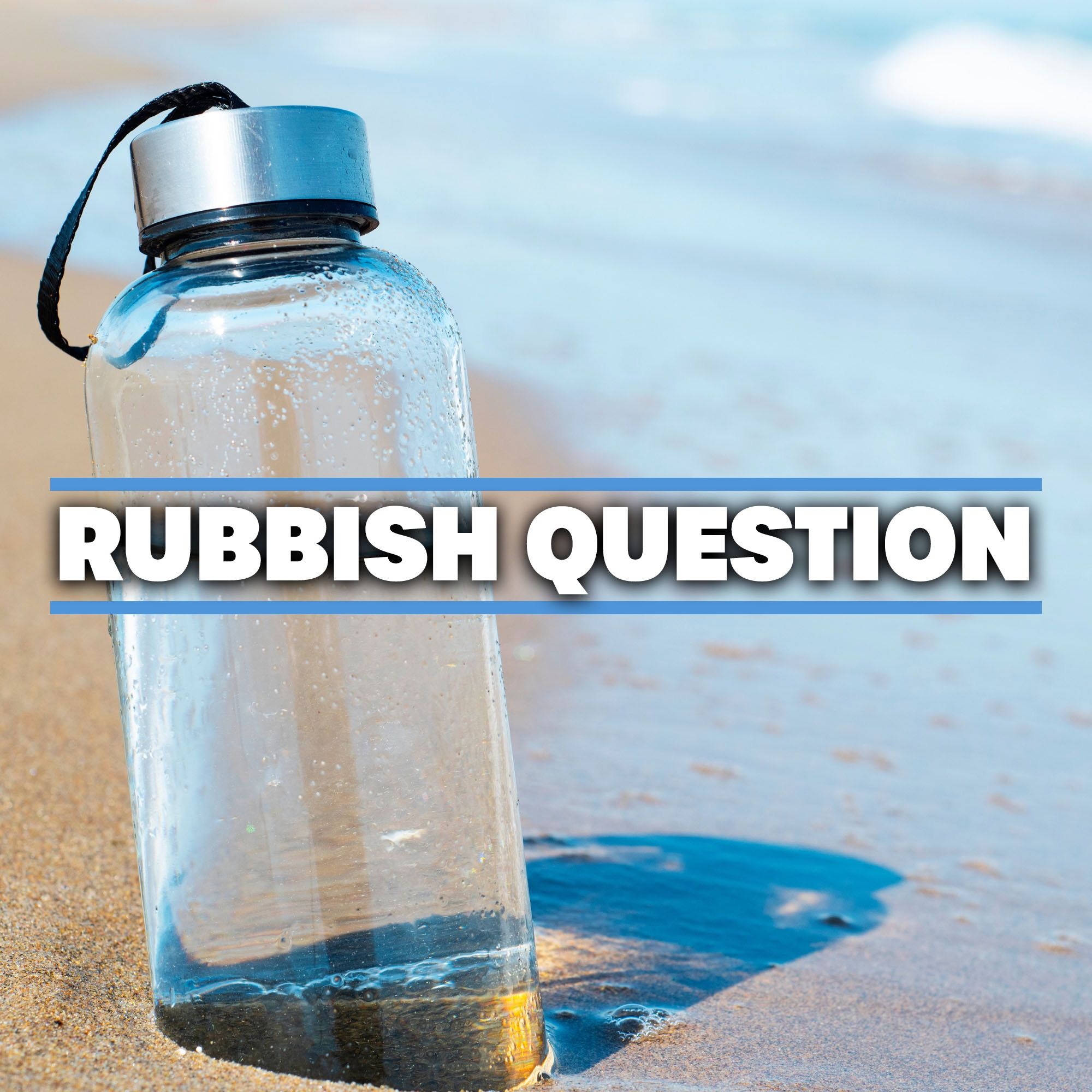
This episode revisits the use of ocean bound plastics in reusable water bottles and other food-contact items. We take a closer look at the Food Standards Agency guidance and the UK regulations covering materials that come into contact with food and drink. From refillable bottles to plastic cutlery, we explore why traceability and chemical safety standards matter, and why the FSA believes environmental plastics may be better used in non-food applications unless they can meet the same standards as UK recycled plastics.
This episode of Recycled Content, is the 'Rubbish Question' from episode 48 of Talking Rubbish, which...
Are disposable barbecues recyclable?
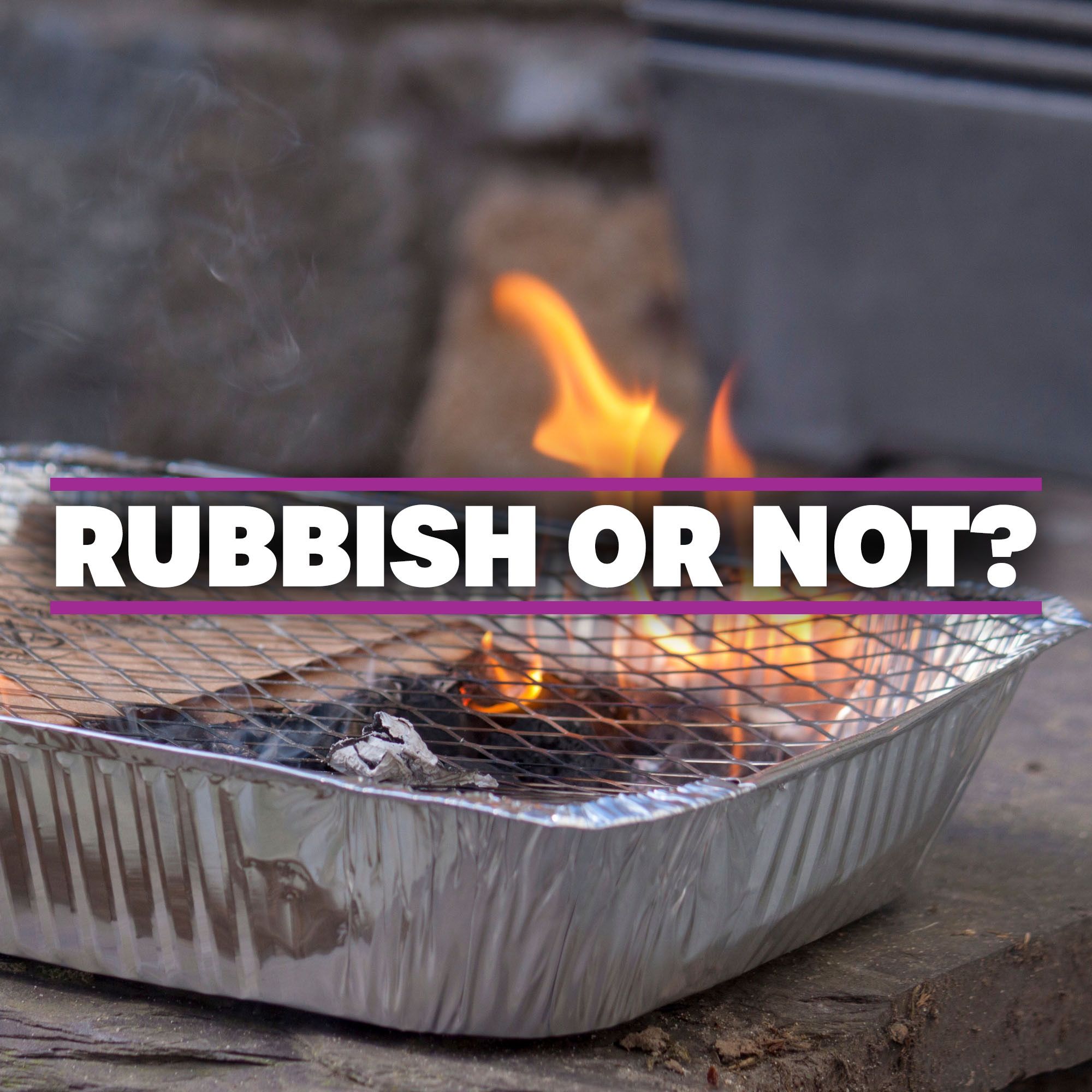
Disposable BBQs might seem convenient for festivals and summer gatherings, but they can be dangerous and difficult to recycle. In this episode, we look at why they should never go straight in the bin while still warm, how they can cause fires hours later, and what to do with the ash and aluminium tray once everything has fully cooled. We also explore whether any part of a disposable BBQ can actually be recycled, and the safest, most responsible way to dispose of one.
This episode of Recycled Content, is the 'Rubbish or Not' from episode 48 of Talking...
What actually happens to the rubbish in skips?
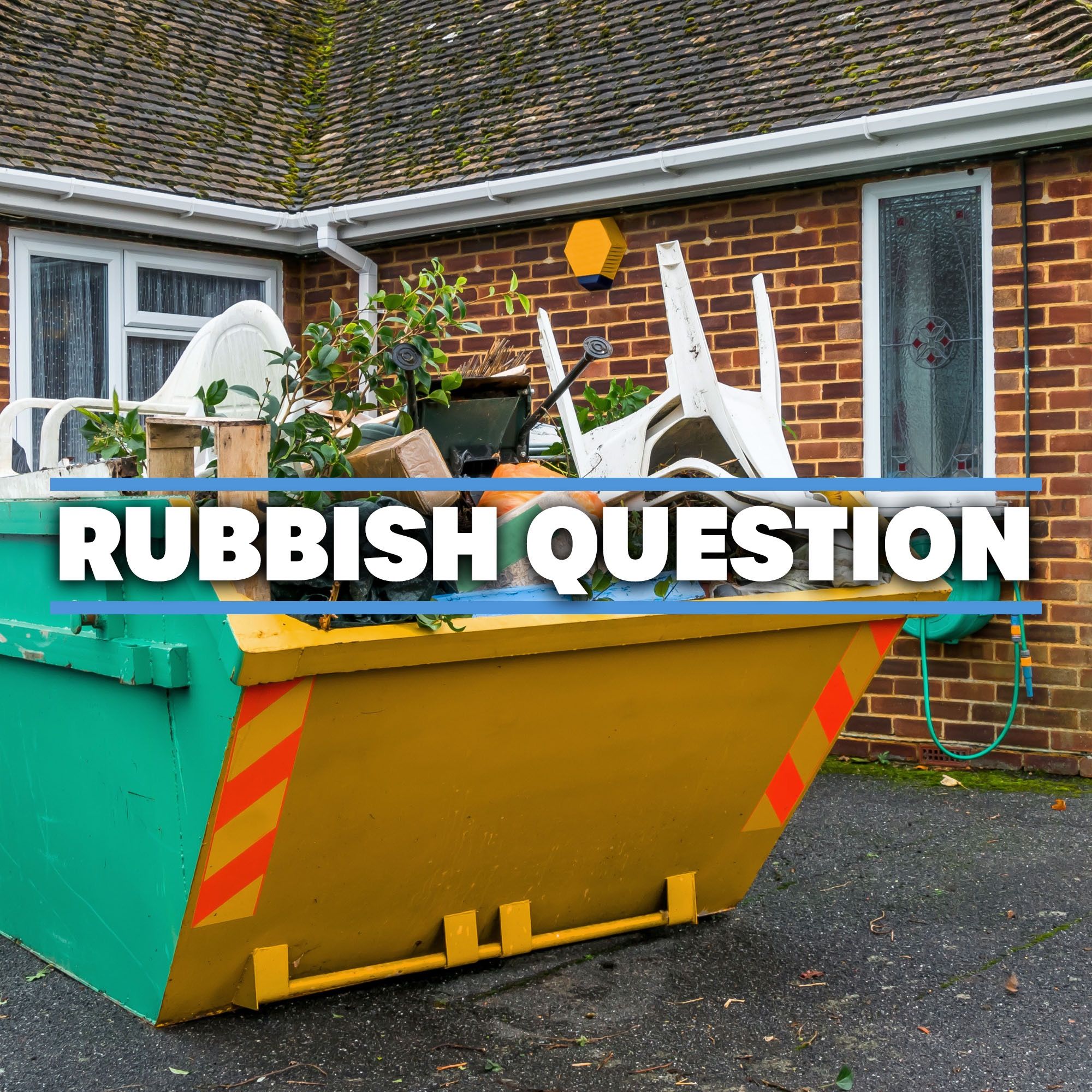
This episode explores what happens to construction waste after it leaves a skip, following the journey through a modern waste sorting facility. It looks at how different materials are separated, recycled, reused, or disposed of, and highlights the scale and complexity of managing household building waste. Along the way, it examines the environmental impact of renovations and offers an encouraging insight into how much material can now be recovered rather than sent to landfill.
This episode of Recycled Content, is the 'Rubbish Question' from episode 47 of Talking Rubbish, which first aired on 19th June 2025.
...
Are pens recyclable?
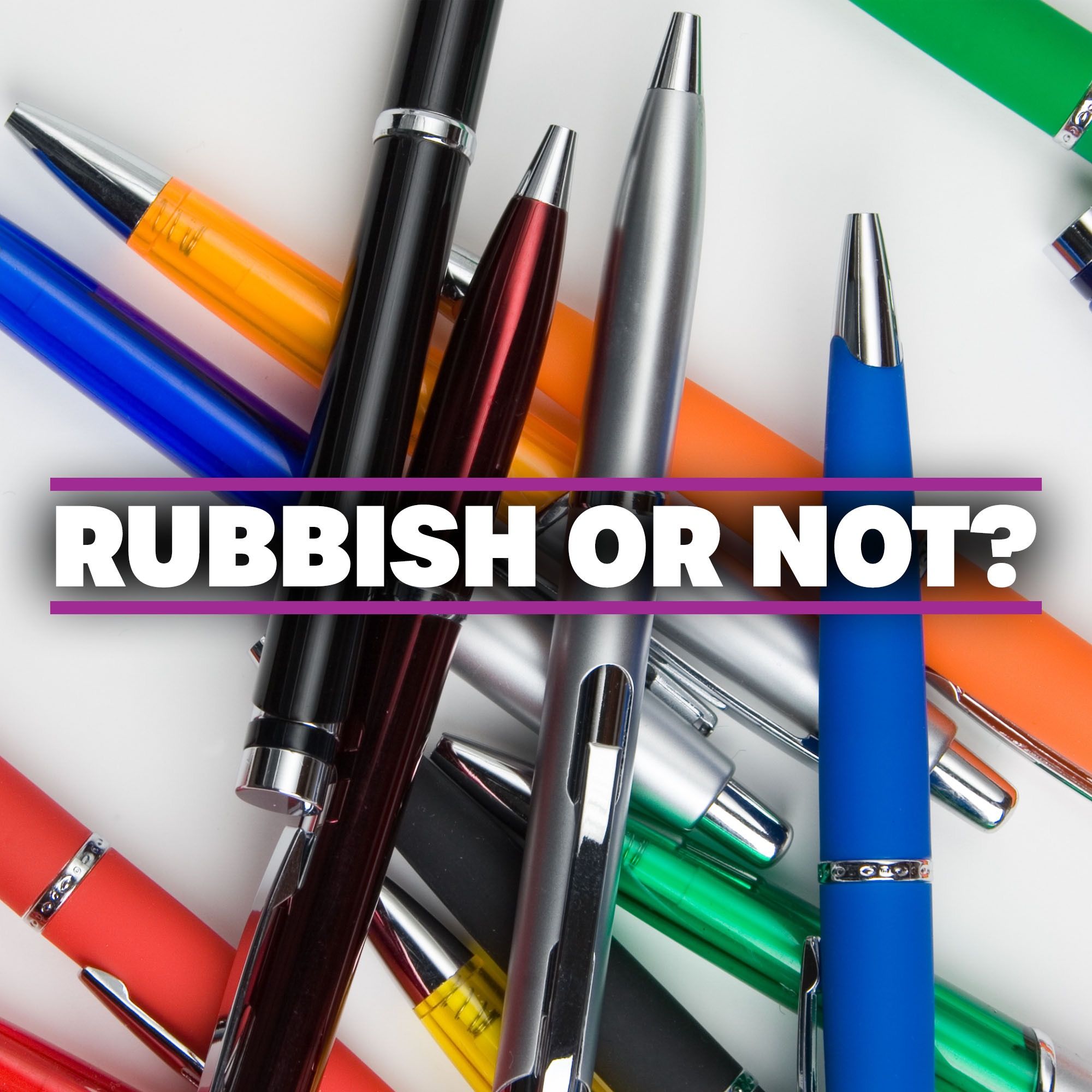
Pens turn out to be far more difficult to recycle, with their mix of plastics, metals, springs and ink making them unsuitable for kerbside recycling and extremely hard to process at end of life. Looking into the world’s best-selling Bic pen revealed a patchy picture of sustainability claims, discontinued take-back schemes and limited recycling options.
This episode of Recycled Content, is the 'Rubbish or Not' from episode 47 of Talking Rubbish, which first aired on 19th June 2025.
While every effort has been made to provide the most accurate information, recycling guidance changes quickly and so...
Is recycled plastic safe?
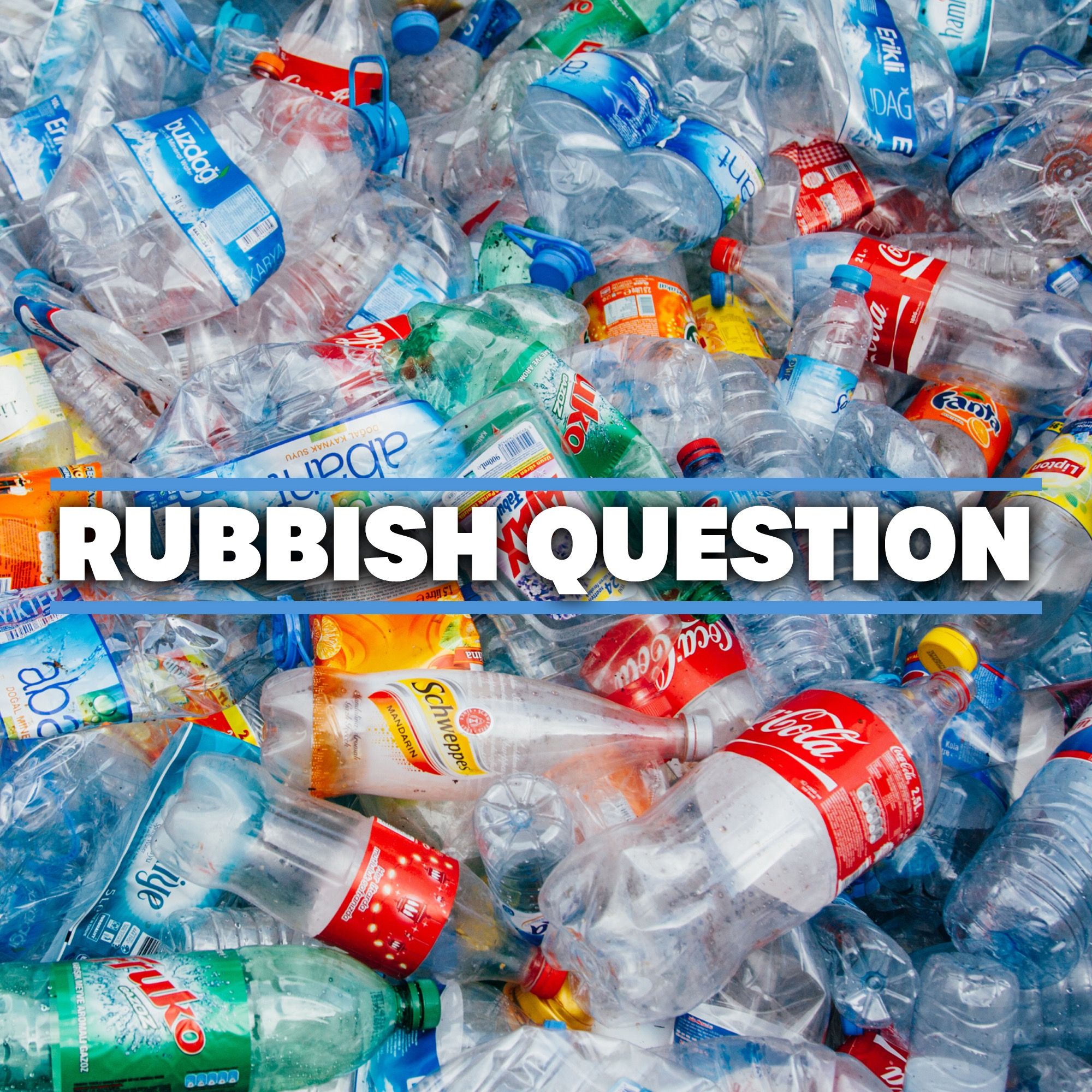
Is recycled plastic worse for us than virgin plastic, especially in drinking bottles, and does it release more microplastics? There is some truth behind the concern, recycled plastics can contain a mix of chemicals from their previous uses. However, food-grade plastics like PET drink bottles are heavily regulated, with strict EU limits on chemical migration into food and drink. The bigger concern may be in products like toys, where recycled plastics could combine chemicals from multiple sources, which is why the EU is tightening rules around substances like PFAS and endocrine disruptors. So while recycled plastic can potentially carry...
Are jigsaw puzzles recyclable?
Can you recycle a jigsaw puzzle? They’re mostly cardboard, so technically yes, but generally the pieces are too small to be processed properly. Still, if you really wanted to try, putting all the pieces back in the box and taping the lid shut might work. Although honestly, why throw one away at all? People love second-hand puzzles, even incomplete ones, as long as you warn them first. Derbyshire Council suggests donating or selling them, and Reddit had some brilliant reuse ideas too, including turning old puzzles into wreaths, coasters and even earrings.
This episode of Recycled Co...
Do aluminium cans contain plastic?
Do cans really contain plastic? Yes, most food and drink cans are lined with a thin plastic coating called an epoxy resin. Like paper straws and coffee cups, cans need a lining to stop the material reacting with food and drink. Without it, fizzy or acidic drinks could corrode the metal and affect the taste. The lining is removed during the recycling process.
This episode of Recycled Content, is the 'Rubbish Question' from episode 44 of Talking Rubbish, which first aired on 29th May 2025.
While every effort has been made to provide the most accurate...
Are staples recyclable?
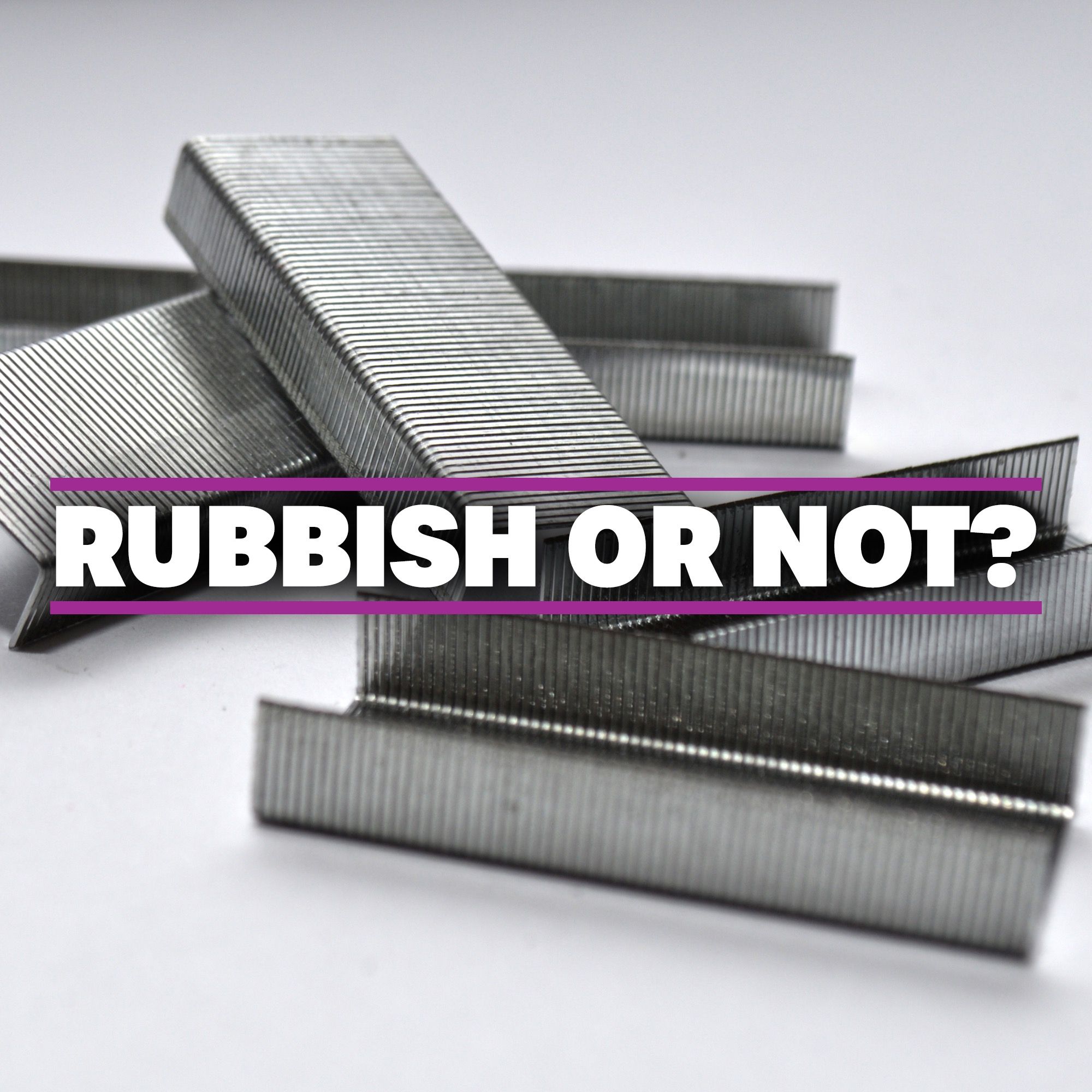
Staples are one of those tiny recycling dilemmas, they’re usually made of steel, but their small size makes people wonder what to do with them. The good news is you can generally leave them in paper when recycling, as the pulping process turns paper into slurry and screens easily remove small contaminants like staples. If you want to go the extra mile, you could collect staples in something like a steel can (even loosely sealed with foil) so they’re more easily captured in metal recycling systems, which use magnets and eddy currents to separate materials. Or, if you...
Why do compostable bags have holes in?
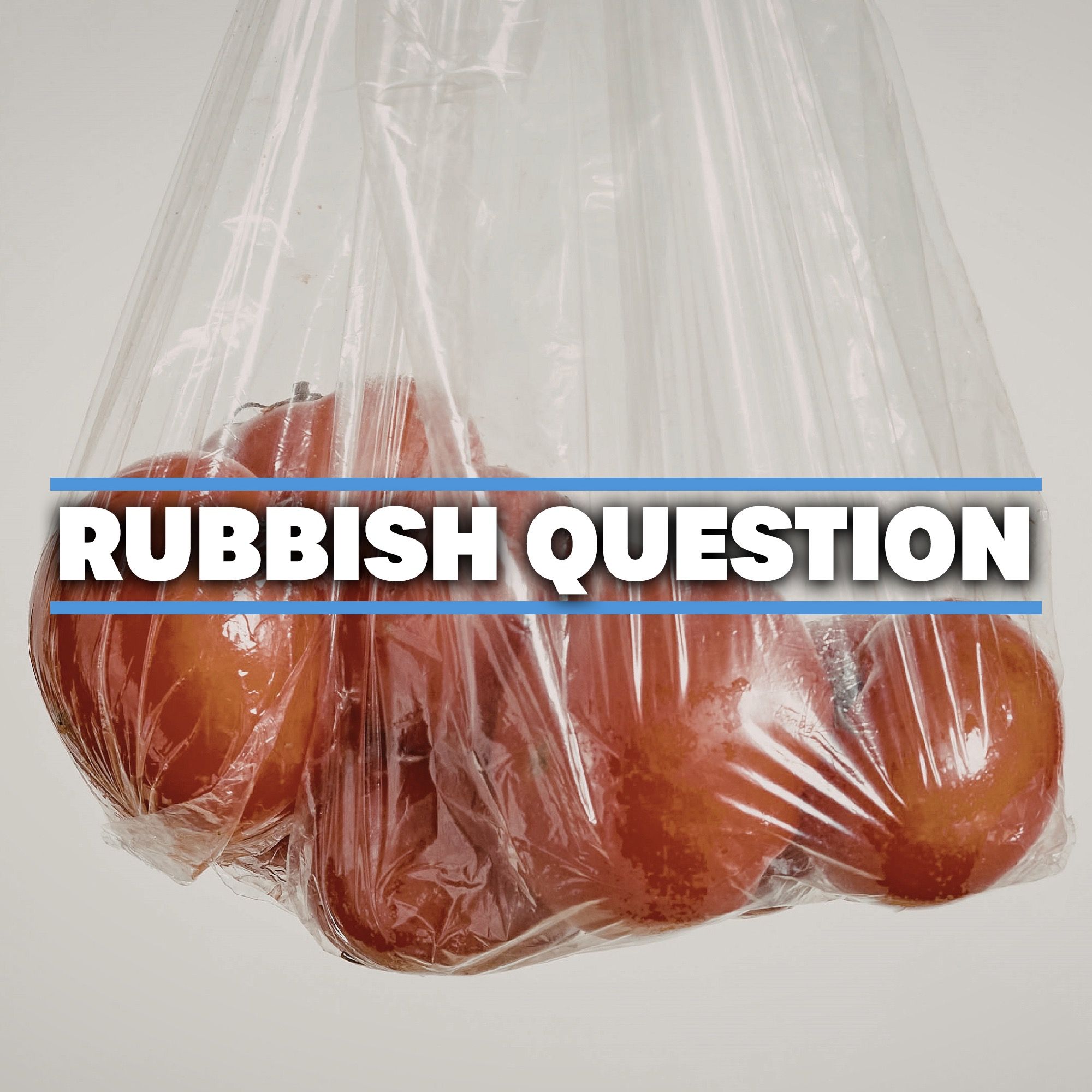
Those little holes in produce or meat bags might seem pointless, especially when you try to reuse them as compost caddy liners, but they’re there for a reason. They help with ventilation to reduce moisture and mould, allow the contents to compress without the bag bursting, and were historically thought to help prevent suffocation. In reality, for home delivery where you’re not transporting loose produce yourself, the ventilation and crush protection aren’t all that necessary.
This episode of Recycled Content, is the 'Rubbish Question' from episode 43 of Talking Rubbish, which first aired on 22nd May 20...
Is a butter wrapper recyclable?
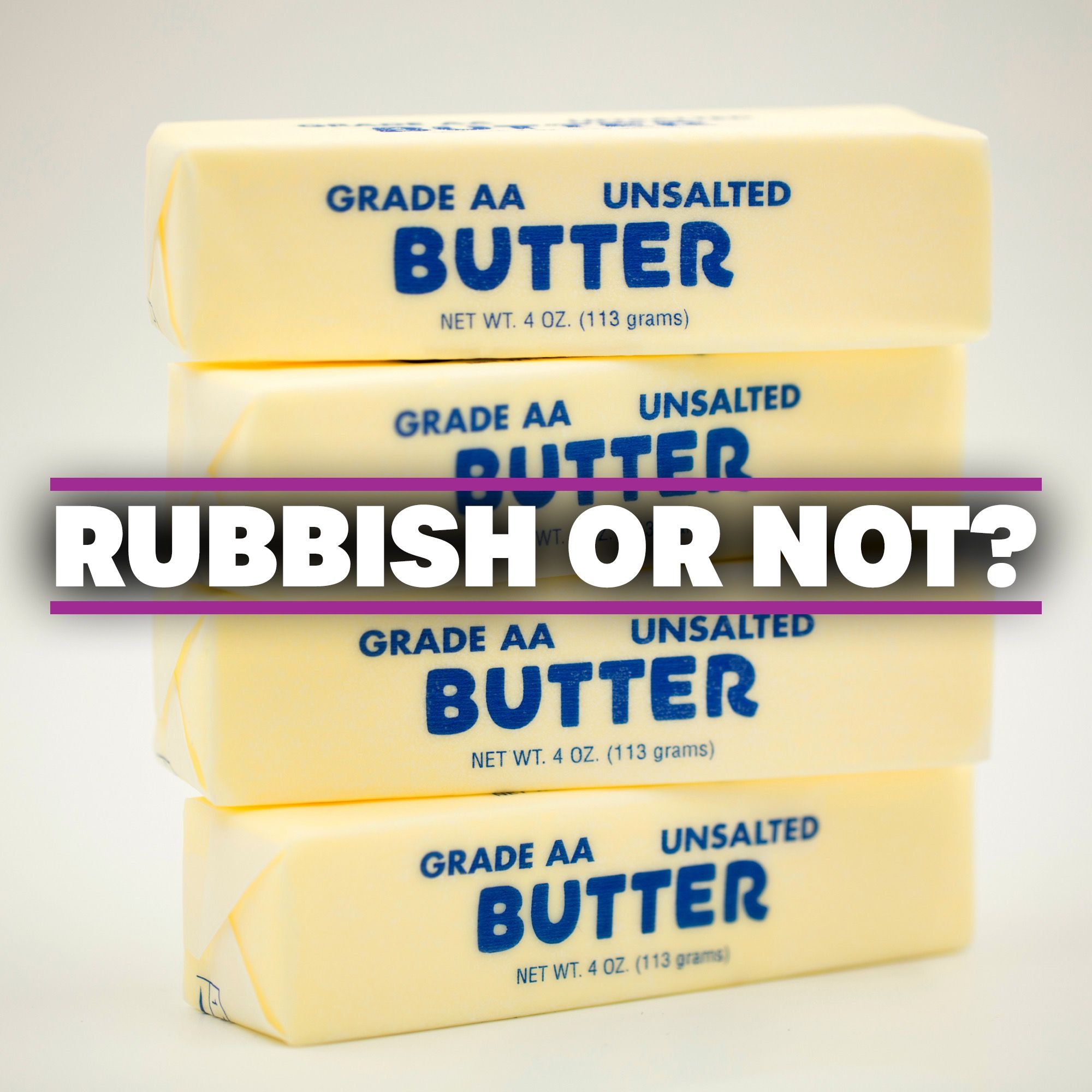
Most butter wrappers feel like paper, so it’s surprising when they say “don’t recycle”, but the reality is more complicated. Many are actually made from a mix of paper, plastic, and sometimes aluminium, with added coatings to stop grease leaking through, which makes them hard to recycle. Some simpler versions, like plain greaseproof paper, might go in food waste depending on your local council, so it’s always worth checking. There are signs of progress, in 2024, Aldi introduced a paper-based, recyclable butter wrap aimed at cutting tonnes of non-recyclable packaging.
This episode of Recycled Content, is the 'Rub...
How are mobile phones recycled?
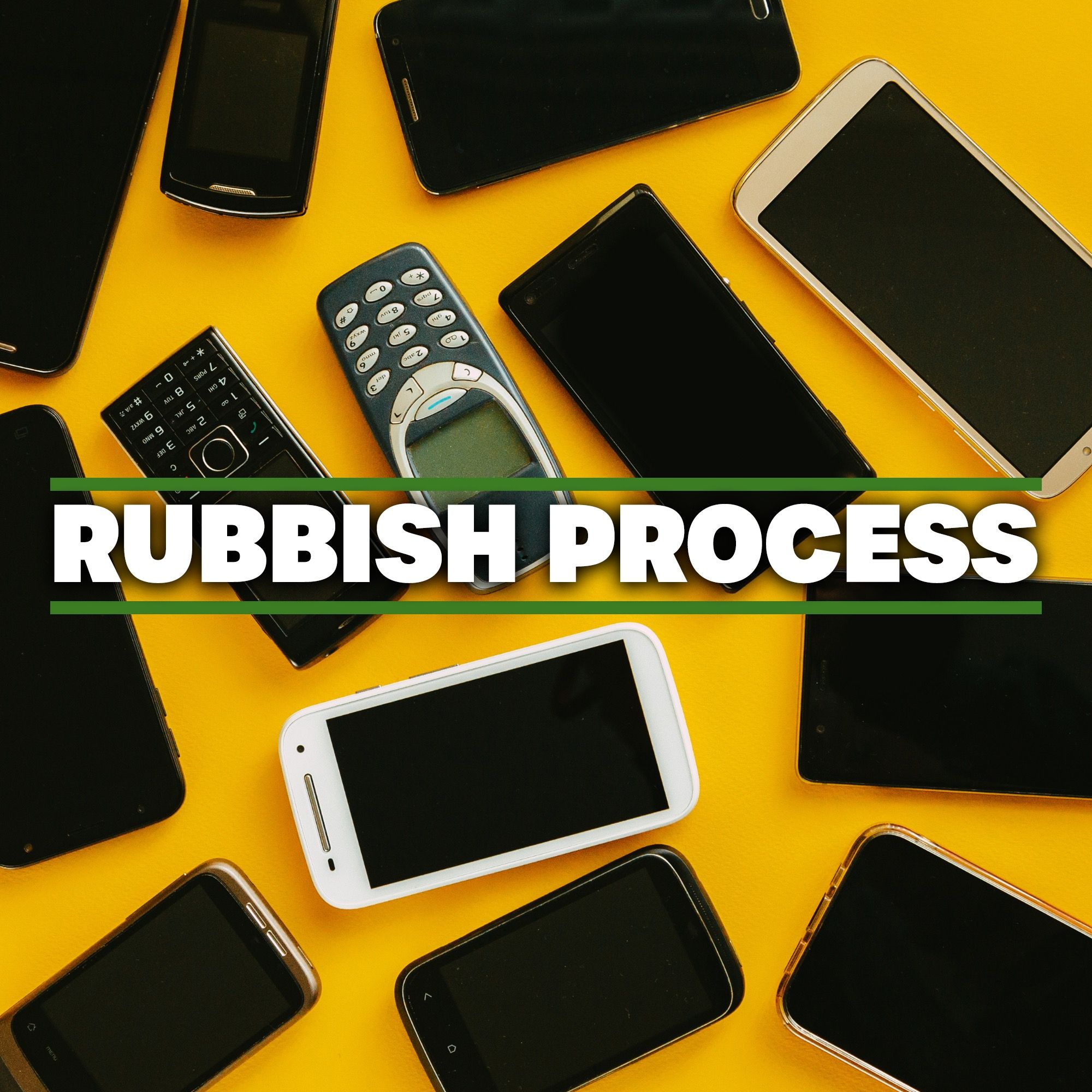
This episode explains what happens when mobile phones are recycled, starting with securely removing personal data through steps like hard resets and restoring factory settings. Devices are then pre-sorted, working phones may be resold, while newer ones can be stripped for parts. The remaining phones are shredded to ensure data security, and advanced processes using magnets and other techniques separate valuable metals from plastics. It also explores how recovered electronic materials can be refined through chemical and high-heat processes to extract precious metals like gold, with potential to recover others such as copper, nickel, and tin.
This...
How are mobile phones collected?
This episode looks at how old mobile phones are collected. It covers options like selling or trading in devices for cash, as well as the importance of securely wiping personal data before passing them on. The episode also highlights community initiatives that collect working smartphones, provided they’re undamaged and hold charge, and redistribute them to people in need, showing how both commercial and charitable routes can help extend the life of devices.
This episode of Recycled Content, is the 'Rubbish Process' from episode 43 of Talking Rubbish, which first aired on 22nd May 2025.
While ev...
Do laundry pods break down into microplastics?
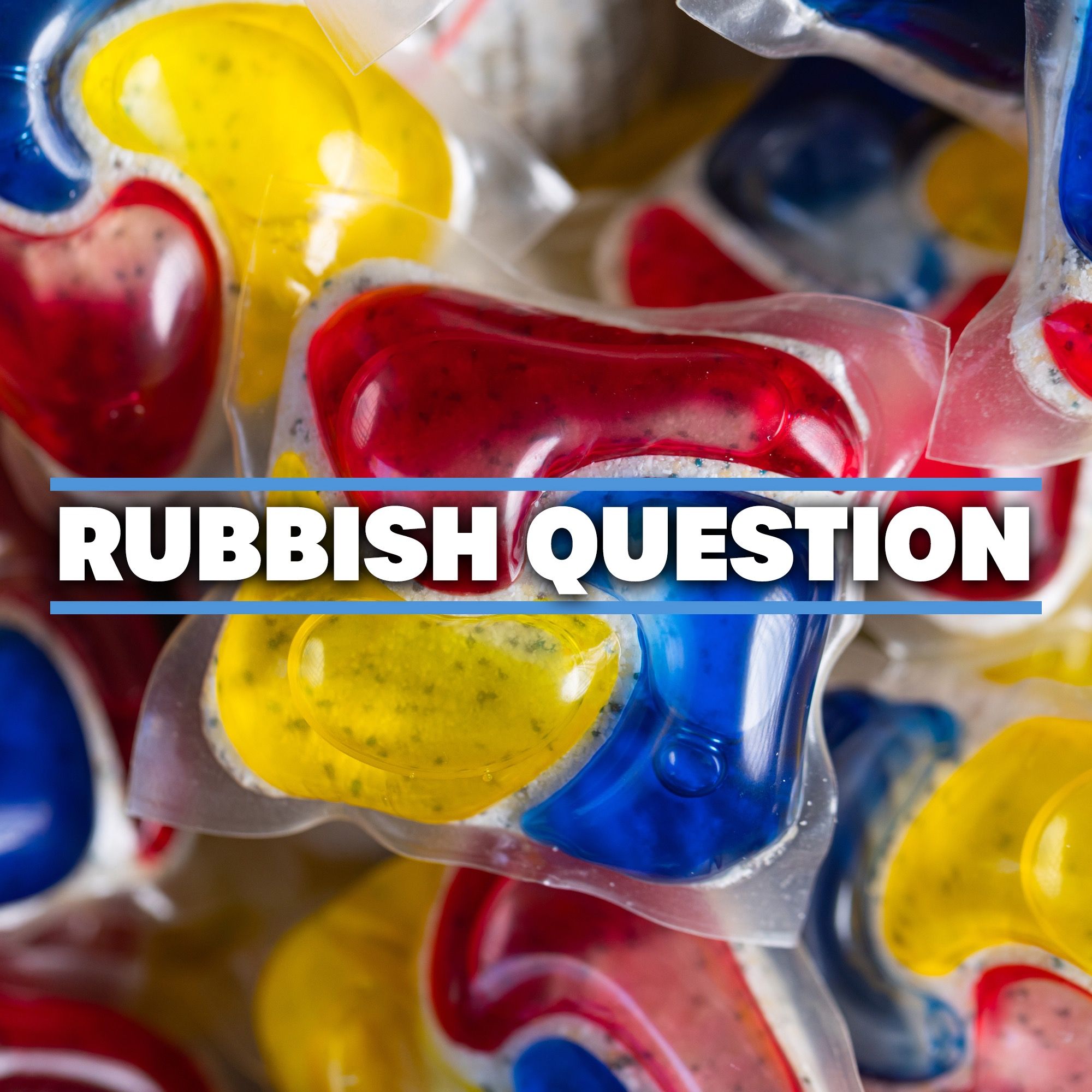
Do dissolvable dishwasher and laundry pods leave behind microplastics? These products use a water-soluble plastic called polyvinyl alcohol (PVA), designed to break down during use. While it can biodegrade into harmless substances in well-managed wastewater systems, questions remain about what happens when conditions aren’t ideal. With conflicting claims from industry and environmental studies, we explore whether this everyday convenience truly disappears, or if some of it lingers in our waterways.
This episode of Recycled Content, is the 'Rubbish Question' from episode 42 of Talking Rubbish, which first aired on 15th May 2025.
While every effort ha...
Are stickers recyclable?
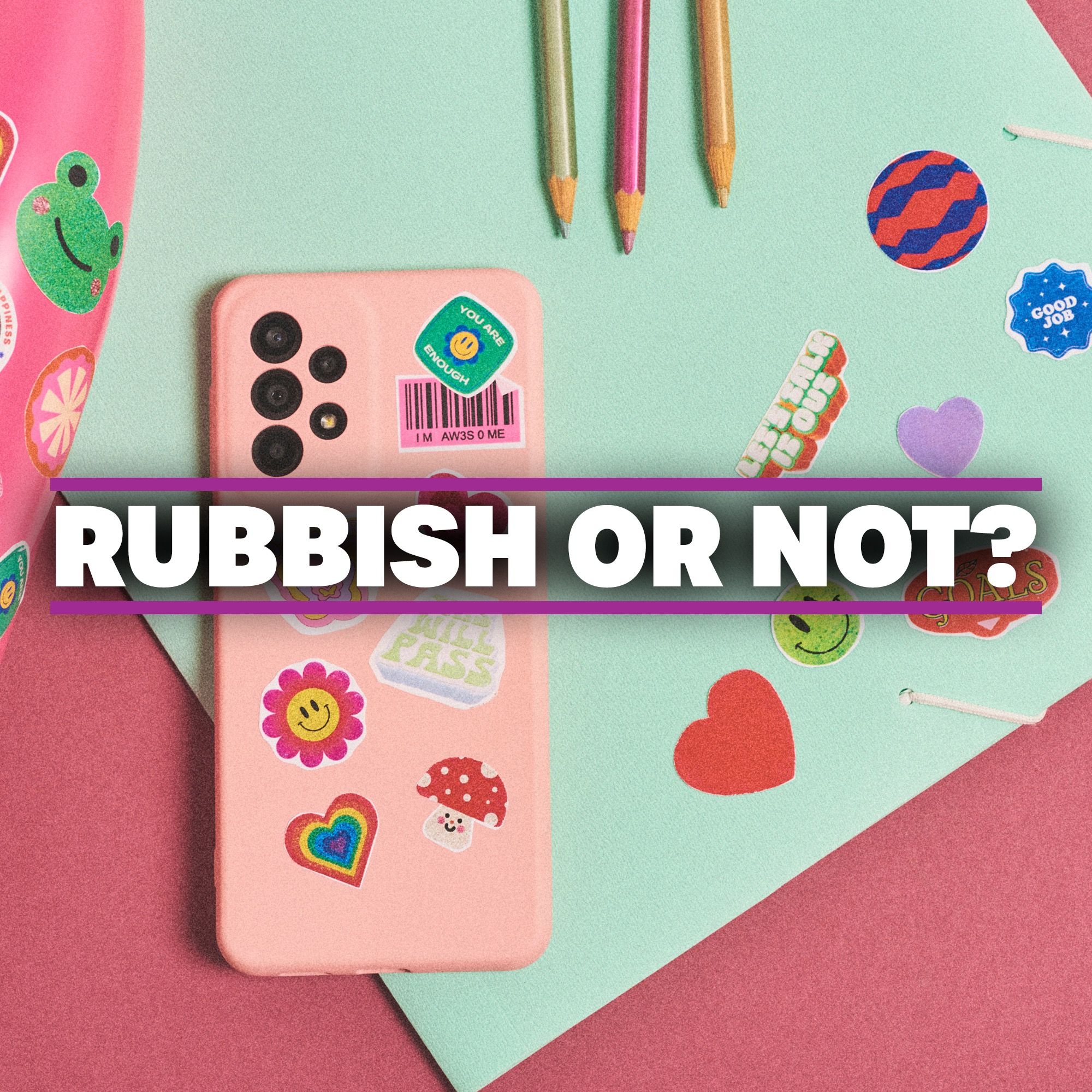
Stickers are a bit of a mixed bag when it comes to recycling. The sticker itself is usually fine, but because it’s small and lightweight, it often needs to be stuck onto a larger piece of paper or card to actually make it through a Materials Recovery Facility, or MRF. The bigger issue is the backing paper, this is typically coated with silicone, which makes it non-recyclable in standard paper streams.
This episode of Recycled Content, is the 'Rubbish or Not' from episode 42 of Talking Rubbish, which first aired on 15th May 2025.
While ev...
Why is a paper ice cream tub labelled 'recyclable' but a coffee cup isn't?
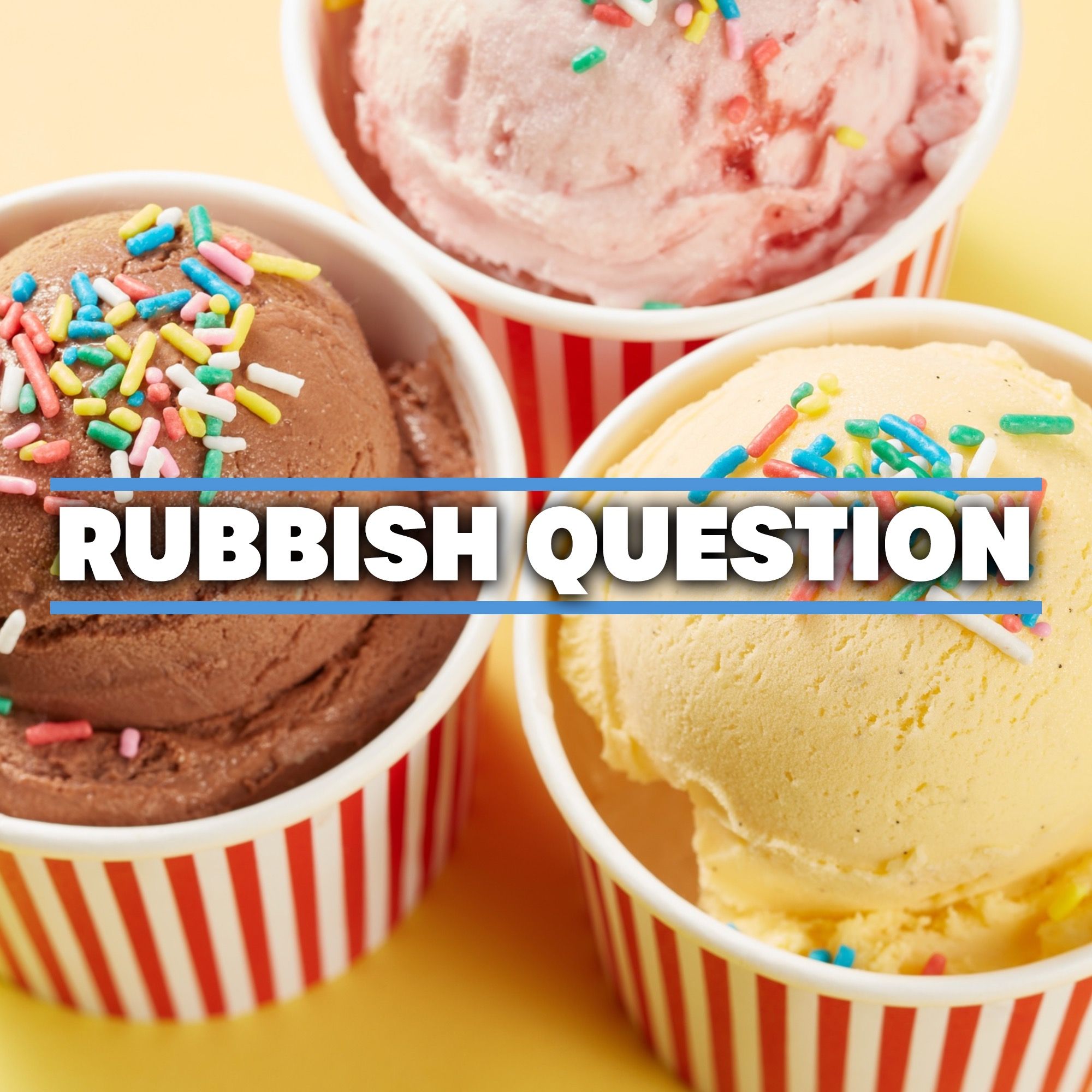
On the face of it, coffee cups and ice cream tubs are basically the same thing, so why are they labelled so differently? The answer lies less in the material itself and more in the sheer volume of waste they create. Single-use coffee cups are everywhere, used in huge numbers every day and often thrown away on the go, making them a major source of litter and contamination in recycling systems. Because they are so prevalent, the paper and recycling industries have pushed for them to be treated under separate rules, rather than grouped with other paper containers. Ice...
Are cotton buds recyclable?
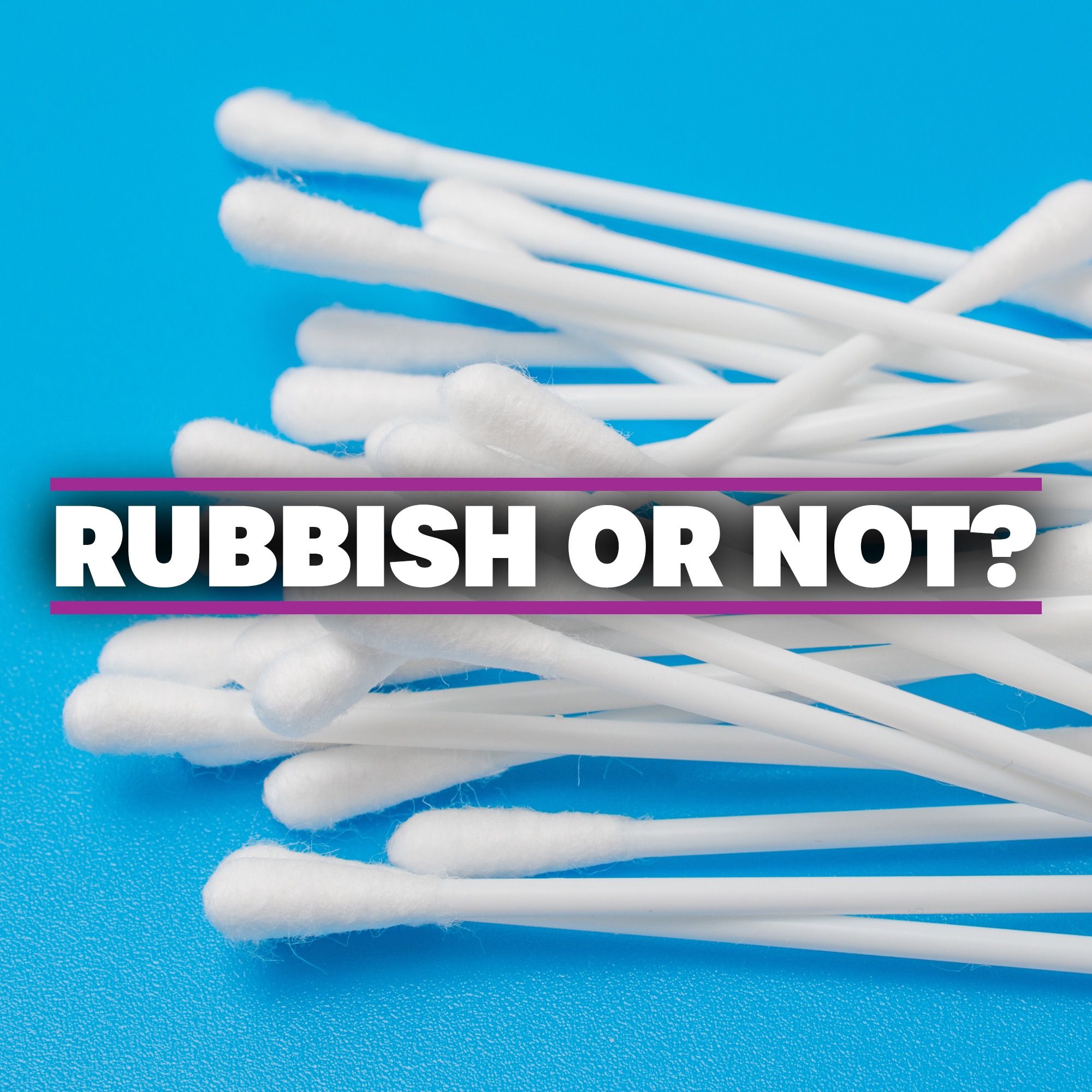
Cotton buds are usually not recyclable, they’re too small and may be contaminated after use. The best advice is to check your local council guidelines, choose reusable alternatives where possible, and avoid flushing cotton buds down the toilet, as they can cause blockages and pollute waterways.
This episode of Recycled Content, is the 'Rubbish or Not' from episode 41 of Talking Rubbish, which first aired on 8th May 2025.
While every effort has been made to provide the most accurate information, recycling guidance changes quickly and some advice may become outdated over time. Always check wi...
How are ink cartridges recycled?
In this episode, we take a closer look at what happens after used ink cartridges are collected for recycling. Once they arrive at specialist facilities, cartridges are sorted by type and condition. Some are cleaned, repaired, and refilled so they can be reused, while damaged ones are carefully dismantled. Materials such as plastic, metal, and leftover ink are separated and processed so they can be turned into new products or manufacturing materials. By recovering these valuable resources instead of sending them to landfill, cartridge recycling helps reduce waste, save energy, and support a more sustainable circular economy.
...
How are ink cartridges collected?
How are ink cartridges collected? Every year, millions of ink cartridges are thrown away, even though many can be refilled, remanufactured, or broken down into materials that can be recycled. We’ll look at how collection programs work, from drop-off points in shops to postal schemes.
This episode of Recycled Content, is the 'Rubbish Process' from episode 41 of Talking Rubbish, which first aired on 8th May 2025.
While every effort has been made to provide the most accurate information, recycling guidance changes quickly and some advice may become outdated over time. Always check with your lo...
How much recycled plastic is used to make a milk bottle?
How much recycled plastic is used to make a milk bottle? In this episode, we look at how milk bottles are made, how manufacturers use recycled materials, and why it matters for the environment. We explore what percentage of a bottle can come from recycled plastic and the challenges of creating more sustainable packaging.
This episode of Recycled Content, is the 'Rubbish Question' from episode 39 of Talking Rubbish, which first aired on 24th April 2025.
While every effort has been made to provide the most accurate information, recycling guidance changes quickly and some advice may...
Is tracing paper recyclable?
In this episode, we answer a simple question: is tracing paper recyclable? In most cases, yes—tracing paper can be recycled like regular paper unless it has a silicone coating or other special treatment.
This episode of Recycled Content, is the 'Rubbish or Not' from episode 39 of Talking Rubbish, which first aired on 24th April 2025.
While every effort has been made to provide the most accurate information, recycling guidance changes quickly and some advice may become outdated over time. Always check with your local council for the rules that apply to recycling in your ar...
Can you recycle broken glass?
Can you recycle broken glass? Sometimes, but it depends on your local council. Broken bottles and jars are often accepted in glass recycling bins, but sharp shards can be dangerous for collection workers and sorting machines, so some councils ask you to wrap small amounts carefully and place them in general waste instead. Items like drinking glasses, mirrors, Pyrex, and window glass usually can’t go in standard glass recycling because they’re made differently. The safest option is always to check your local council’s guidance before tossing it in the bin.
This episode of Recycled Conten...
Are Calpol syringes recyclable?
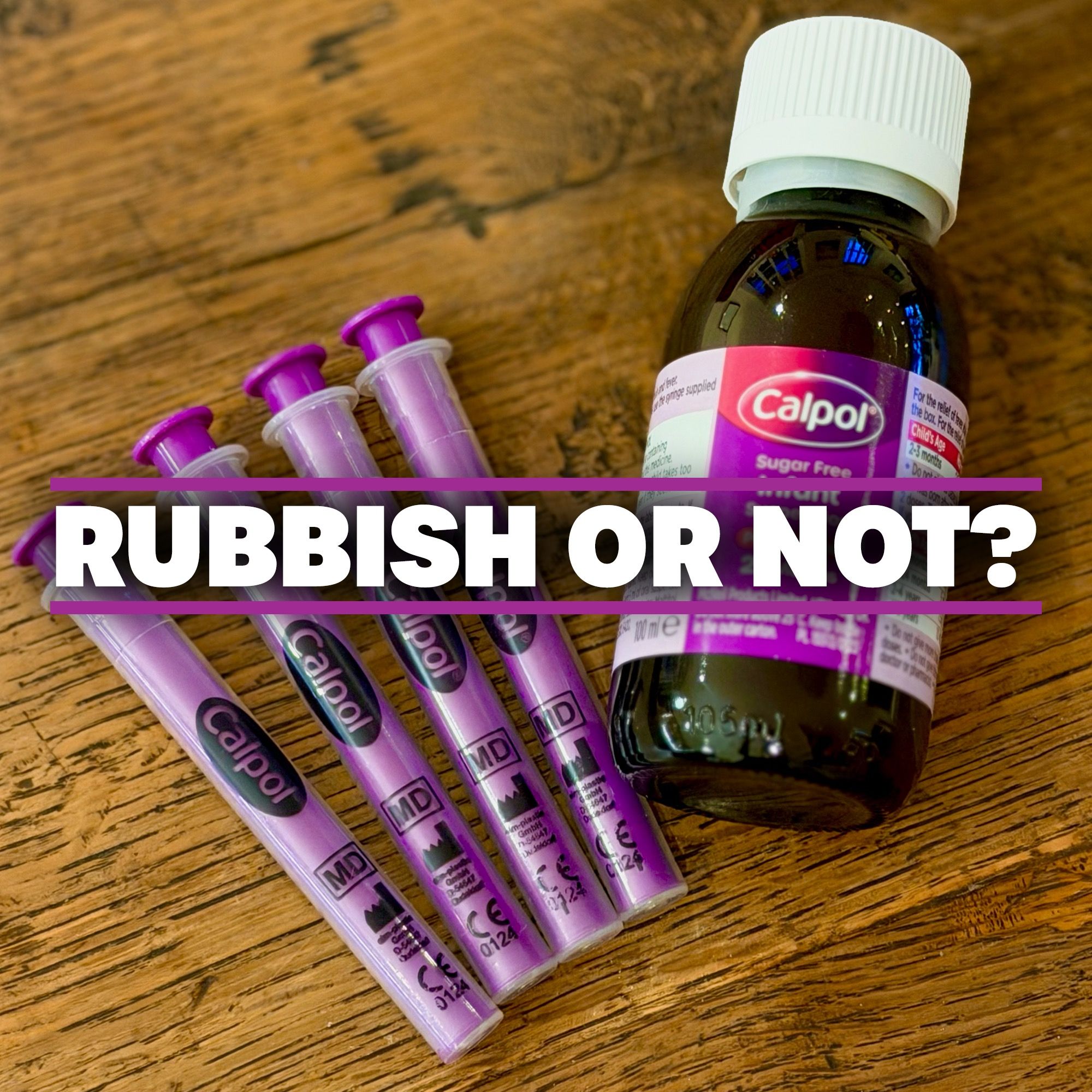
A question lots of parents ask, are Calpol syringes recyclable? The answer is usually not through standard household recycling. However, Calpol has partnered with some Tesco stores where you can return used syringes, and there’s also a postal recycling scheme available. It’s not the most convenient solution, but it’s definitely better than sending them straight to landfill.
This episode of Recycled Content, is the 'Rubbish or Not' from episode 38 of Talking Rubbish, which first aired on 17th April 2025.
While every effort has been made to provide the most accurate information, recycling guidan...
Should we compost dog poo?
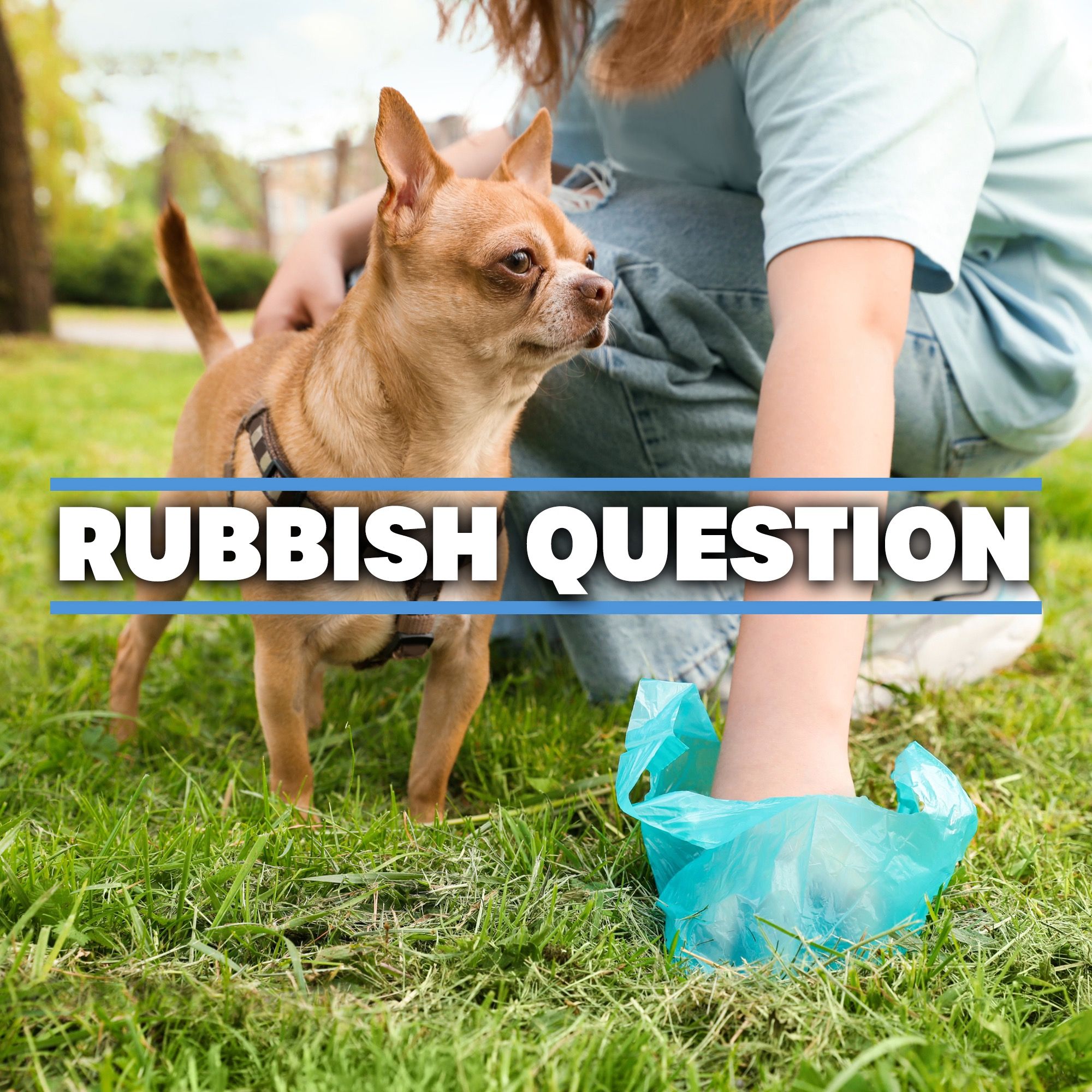
Composting dog poo sounds eco-friendly, but it’s not as simple as tossing it in the garden heap. Unlike fruit peels or grass clippings, dog waste can contain harmful bacteria, parasites, and pathogens, which can survive in regular home compost systems that don’t get hot enough to kill them. That means compost made from pet waste should never be used on edible plants or vegetable beds. So while the instinct to reduce landfill waste is a good one, dog poo needs more caution than your average banana peel.
This episode of Recycled Content, is the 'Rubbish Ques...
Are dog toys recyclable?
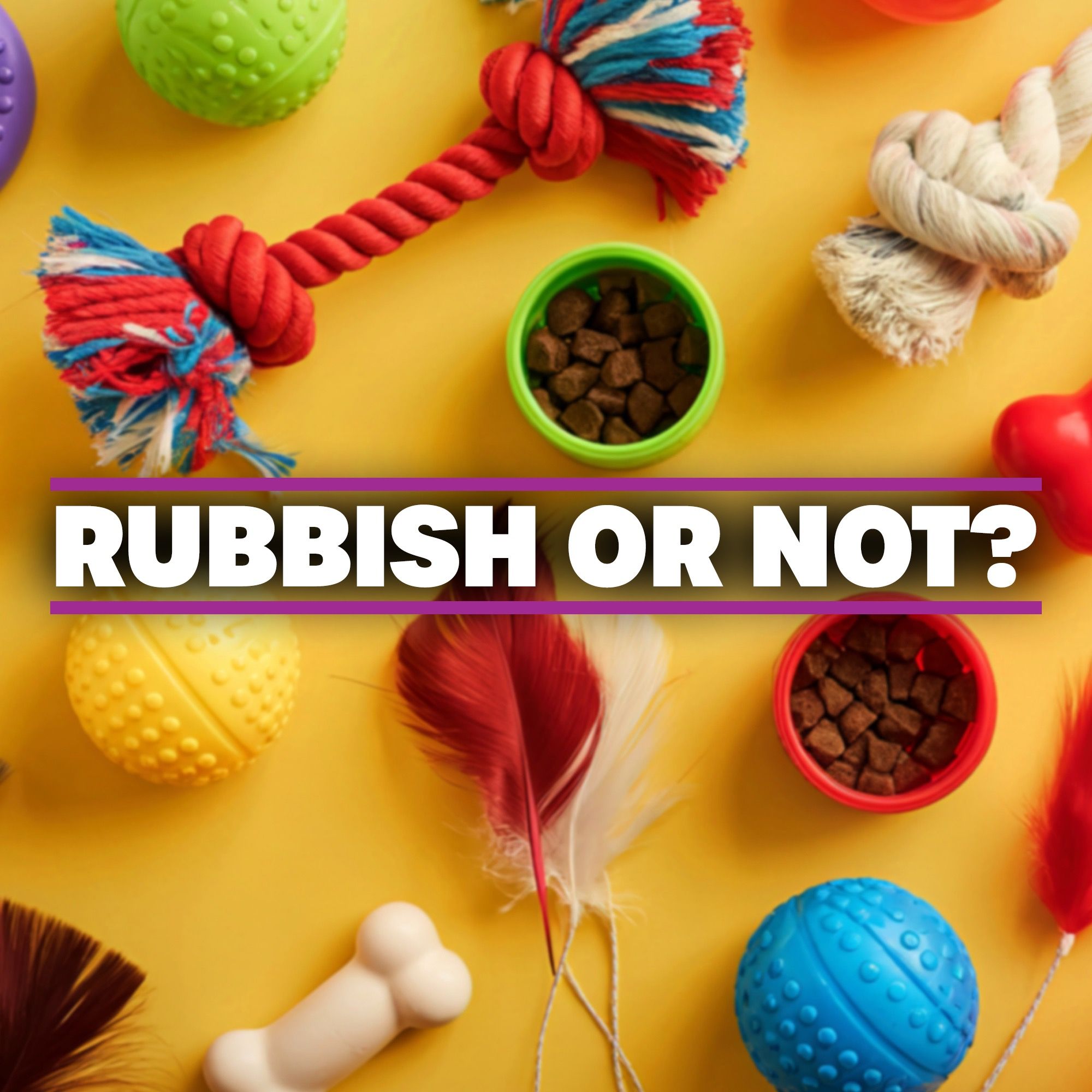
Most dog toys are made from mixed materials such as rubber, nylon, polyester fabric, foam, rope, squeakers, and hard plastics, which makes them difficult or impossible for standard local recycling systems to process. Even toys labelled as plastic are often contaminated with dirt, saliva, or damaged components, meaning they usually end up in landfill. While some natural rubber or single-material toys may be reusable or accepted through specialist take-back schemes, the wider issue is that cheap pet products are often designed for short lifespans rather than circular use.
This episode of Recycled Content, is the 'Rubbish or...
How are pet food pouches recycled?
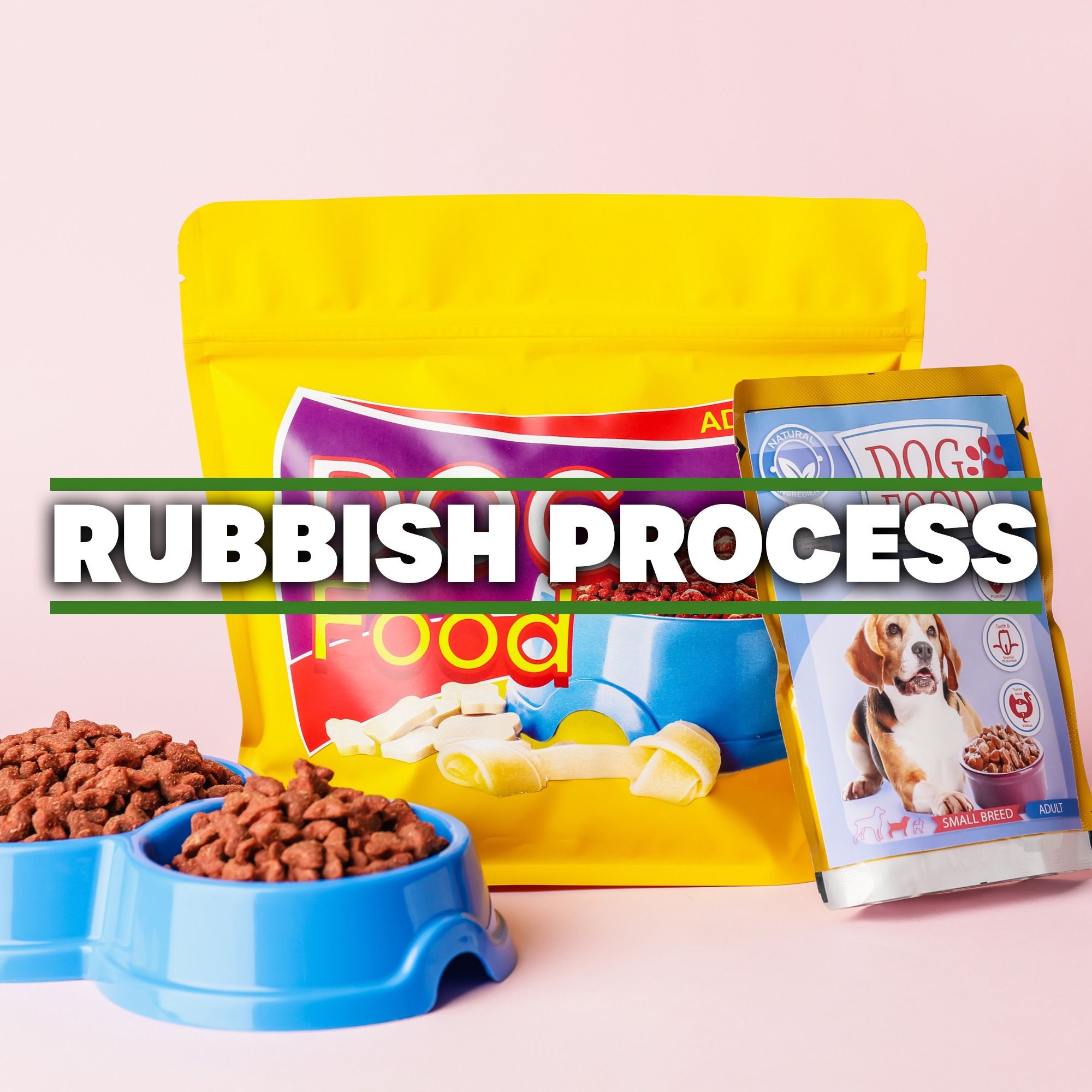
Pet food pouches are difficult to recycle because they are usually made from several layers of different materials, such as plastic films and foil, sealed together to keep food fresh and prevent leaks. These mixed materials cannot normally be separated by standard household recycling systems, so most pouches end up in general waste unless collected through specialist schemes. In dedicated recycling programs, the pouches are cleaned, shredded, and processed so the plastic components can be turned into new products such as outdoor furniture, bins, or construction materials. To recycle them properly, owners should empty the pouch, give it a...
How could EPR improve reusable packaging?
In this episode, we explore how Extended Producer Responsibility (EPR) could transform reusable packaging systems. By making producers responsible for the full lifecycle of their packaging, EPR can encourage businesses to design durable, refillable, and returnable packaging instead of single-use waste. It can also help fund collection, cleaning, and reuse infrastructure, making reusable options more practical and affordable for both companies and consumers. Ultimately, EPR has the potential to reduce waste, cut emissions, and accelerate the shift toward a circular economy.
This episode of Recycled Content, is the 'Rubbish Question' from episode 36 of Talking Rubbish, which first...
Are magnets recyclable?
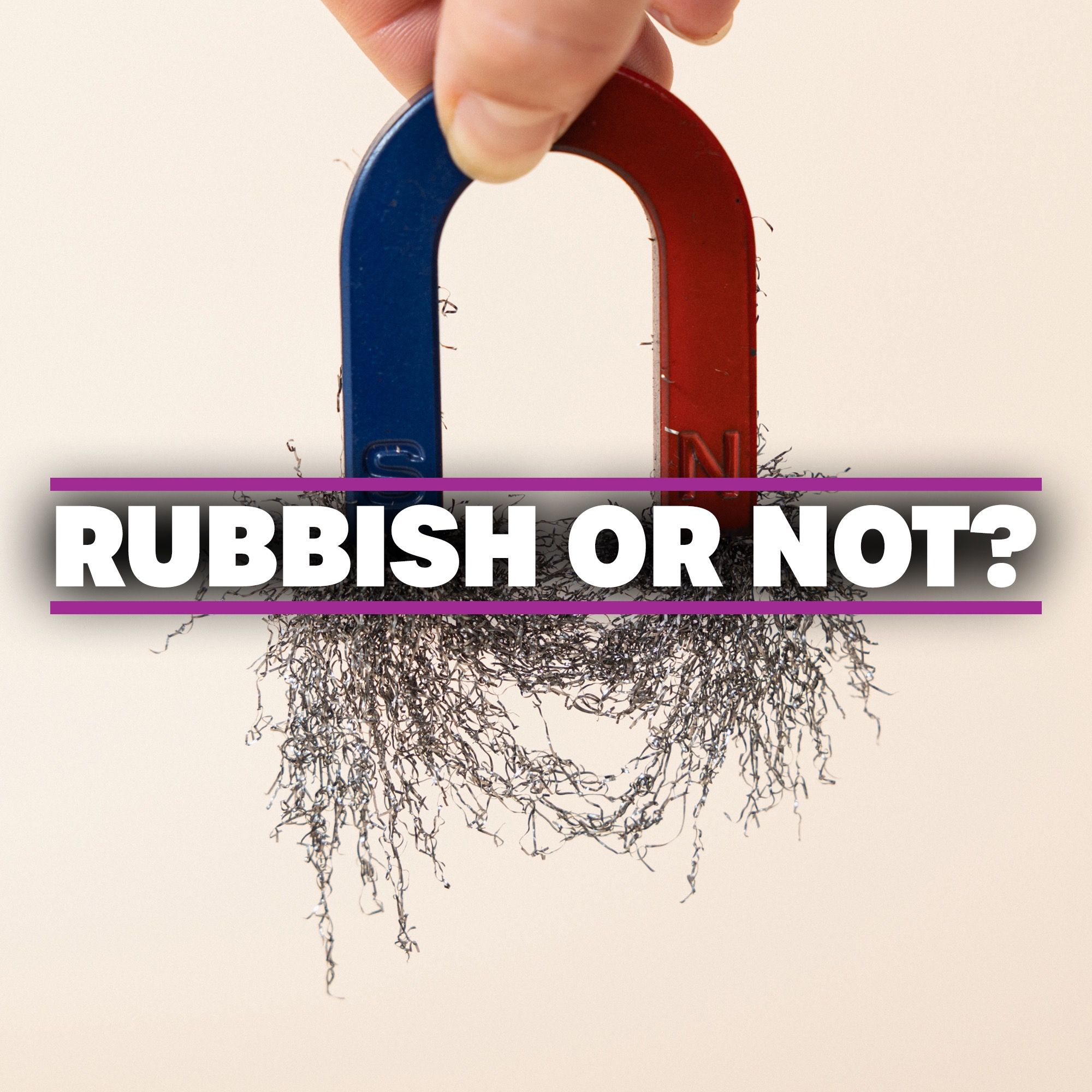
Common household magnets, like fridge magnets, are usually made from mixed materials and aren’t easily recycled through kerbside collections...and they will stick to everything in the recycling facility! Magnets found in electronics, speakers, motors, and hard drives may contain valuable metals such as neodymium or ferrite, which can often be recovered through specialist e-waste recycling. As demand grows for rare earth materials, recycling magnets is becoming increasingly important for reducing mining and waste.
This episode of Recycled Content, is the 'Rubbish or Not' from episode 36 of Talking Rubbish, which first aired on 3rd April 2025.
...
How is clothing recycled?
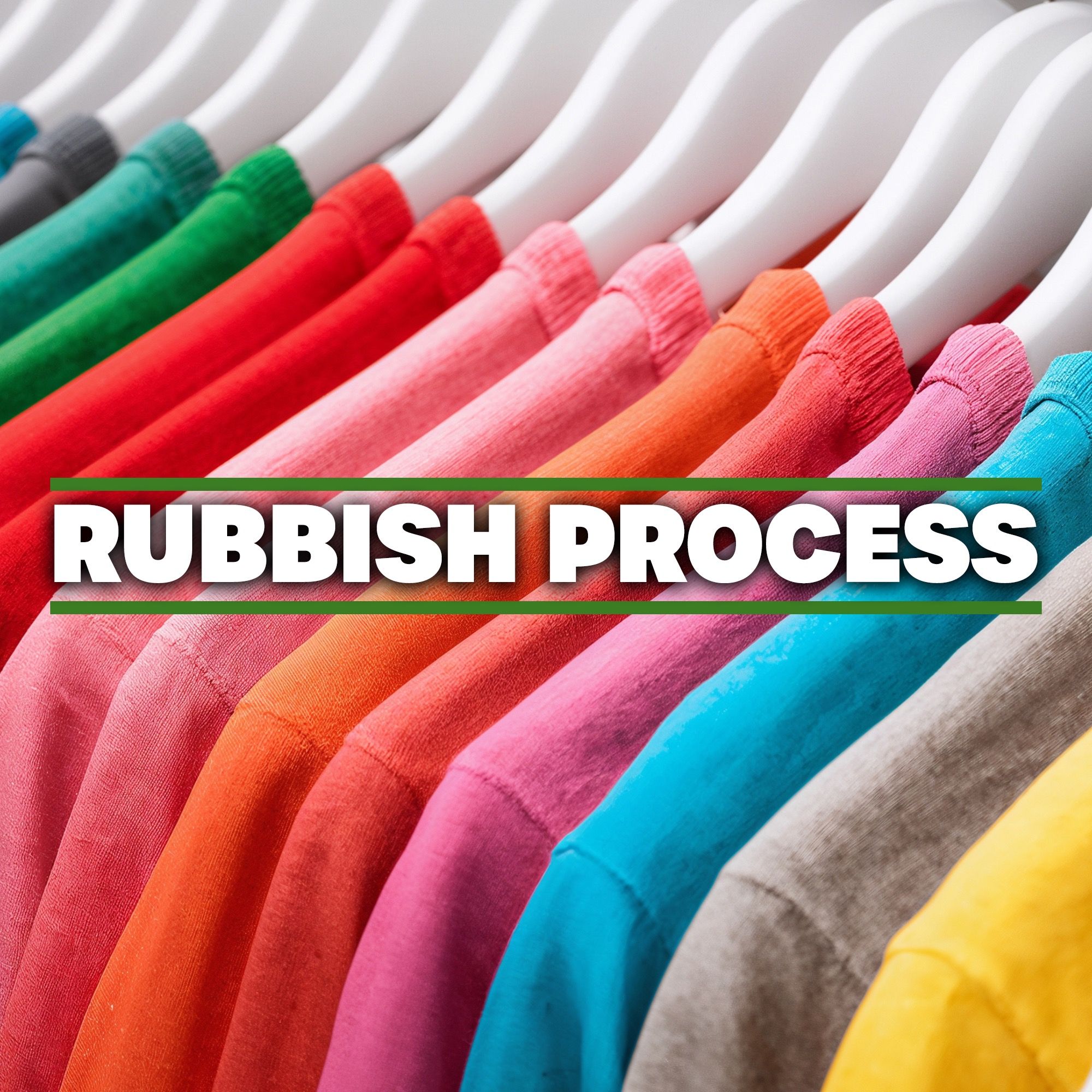
In this episode we explore the process of turning unwanted garments into useful new products. After clothing is collected and sorted, items that cannot be reused are sent for recycling. Fabrics may be shredded into fibers to create products such as insulation, stuffing, or cleaning cloths, while some materials can be processed into new yarn and made into fresh clothing. This episode shows how clothing recycling helps reduce landfill waste, save resources, and support a more sustainable fashion future.
This episode of Recycled Content, is the 'Rubbish Process' from episode 39 of Talking Rubbish, which first aired on 24...
How is clothing sorted?
In this episode we take a closer look at what happens after clothes are collected. Once garments arrive at sorting centers, workers carefully separate them based on quality, type, material, and condition. Items in good shape may be prepared for resale in second-hand shops, while damaged clothing can be recycled into new textiles, insulation, or cleaning cloths. Some facilities also use modern technology such as scanners and automated systems to identify fabrics more quickly. This episode explores how sorting clothing helps reduce waste and gives old garments a second life.
This episode of Recycled Content, is the...
How is clothing collected?
In this episode we explore the journey of clothes after they leave our wardrobes. From charity donation bins to store take-back schemes, clothing can be collected in many different ways. We discuss who gathers these items, and what happens to garments that can be reused, resold, or recycled. This episode highlights the importance of responsible clothing disposal and how small choices can help reduce waste and support a more sustainable fashion industry.
This episode of Recycled Content, is the 'Rubbish Process' from episode 36 of Talking Rubbish, which first aired on 3rd April 2025.
While every...
Does mixing waste affect recycling rates?
Mixing waste, such as combining recyclables with general rubbish or food waste, has a significant negative impact on recycling rates. When materials like paper, plastic, and glass are contaminated by leftover food, liquids, or non-recyclable items, they often become unsuitable for processing and are diverted to landfill or incineration instead. This contamination not only reduces the overall volume of materials that can be successfully recycled but also increases the cost and complexity of sorting at recycling facilities. As a result, even well-intentioned recycling efforts can be undermined if waste is not properly separated at the source, highlighting the importance...
Are hot water bottles recyclable?
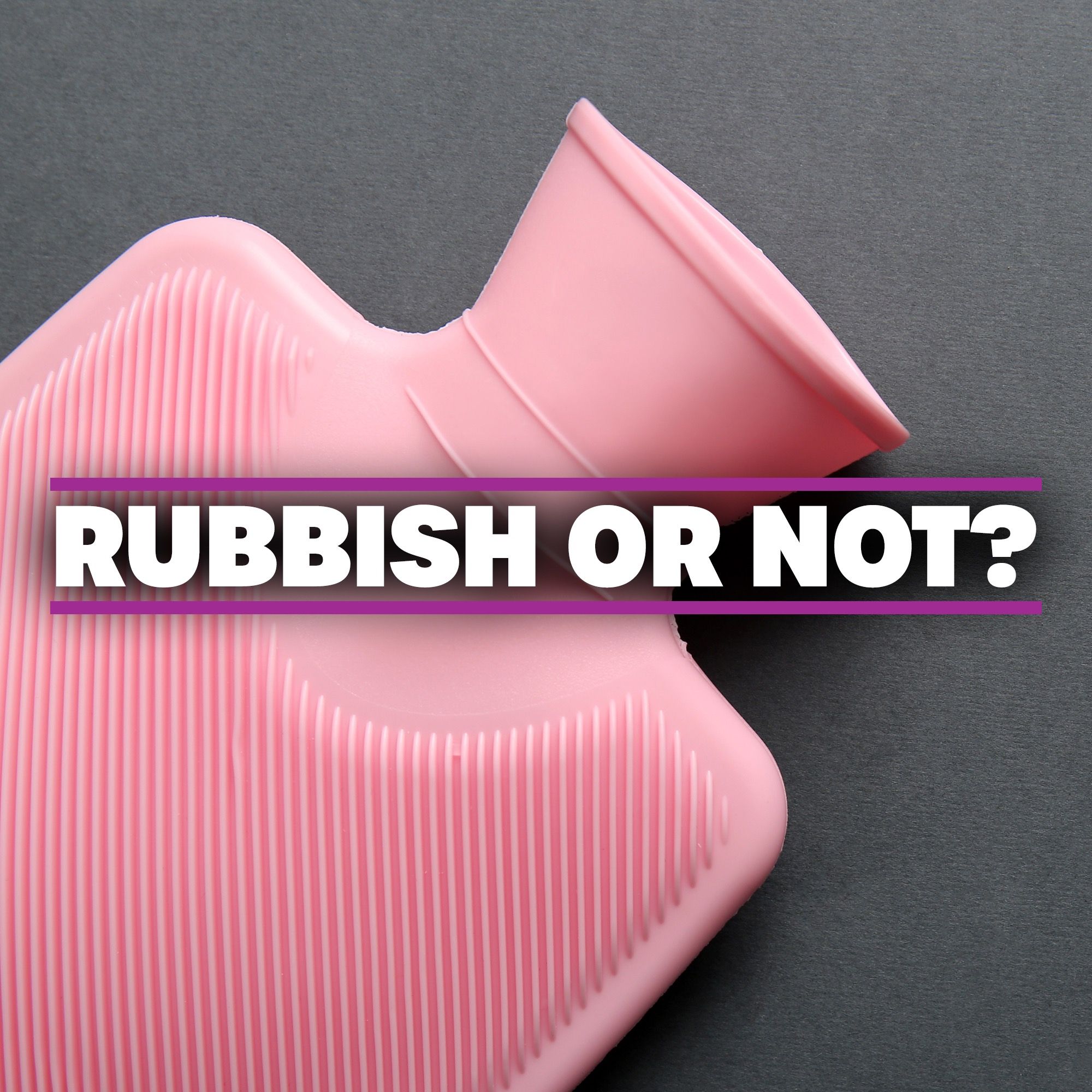
Hot water bottles became a bit of a divisive topic on Talking Rubbish as you will hear. Traditional hot water bottles are usually made of rubber, which is not usually collected in standard household recycling collections. Rubber bottles are particularly tricky, as natural rubber can degrade and isn’t widely processed in recycling systems. However, some local recycling centres may accept them, although we couldn't find many! They can be repurposed, like using old bottles as ice packs, padding, or even for crafts. The most sustainable option is to use them for as long as possible, and then turn th...
How will EPR affect small businesses?
In the UK, Extended Producer Responsibility (EPR) is likely to have a more nuanced impact on small brands because of the specific turnover and packaging thresholds built into the policy. Businesses with an annual turnover under £1 million and handling less than 25 tonnes of packaging are largely exempt, while those between £1–2 million and 25–50 tonnes face lighter reporting requirements without full fee obligations. This means many truly small brands will avoid the heaviest financial burden, at least initially.
This episode of Recycled Content, is the 'Rubbish Question' from episode 33 of Talking Rubbish, which first aired on 13th March 2025.
W...


