Consider This from NPR

The hosts of NPR's All Things Considered help you make sense of a major news story and what it means for you, in 15 minutes. New episodes six days a week, Sunday through Friday. Support public media by joining NPR+ at plus.npr.org. You’ll get perks for over 25 NPR podcasts, including sponsor-free listening for Consider This.
Covering AI is a journalistic imperative, and a fast moving target
Brett Neely, one of NPR’s editors who oversees coverage of artificial intelligence, talks about how the topic is now part of every reporter's beat - and how the pace of transformation impacts coverage choices.
This episode was produced by Gabriel Sanchez, with engineering by Damian Herring. Our director is Vincent Acovino.
It was edited by Adam Raney. Our executive producer is Courtney Dorning.
Support public media with NPR+ and enjoy perks for over 25 podcasts like this one. This show’s perks include bonus episodes and sponsor-free listening. Learn more at plus.npr.org.
Bend, Ore. mayor reacts to school shooting

After yet another school shooting, investigators are trying to piece together a senseless act. NPR speaks with the mayor of Bend, Ore. to learn more about how the community is reacting.
This episode was produced by Connor Donevan, Megan Lim and Vincent Acovino, with audio engineering by Tiffany Vera Castro. Our director is Elena Burnett.
It was edited by Rachel Baye, Maureen Pao, Jeanette Woods, and Tinbete Ermyas.
Our interim executive producer is Courtney Dorning.
Support public media with NPR+ and enjoy perks for over 25 podcasts like this one. This show’s...
The skincare scheme that led to consumer complaints and a federal investigation
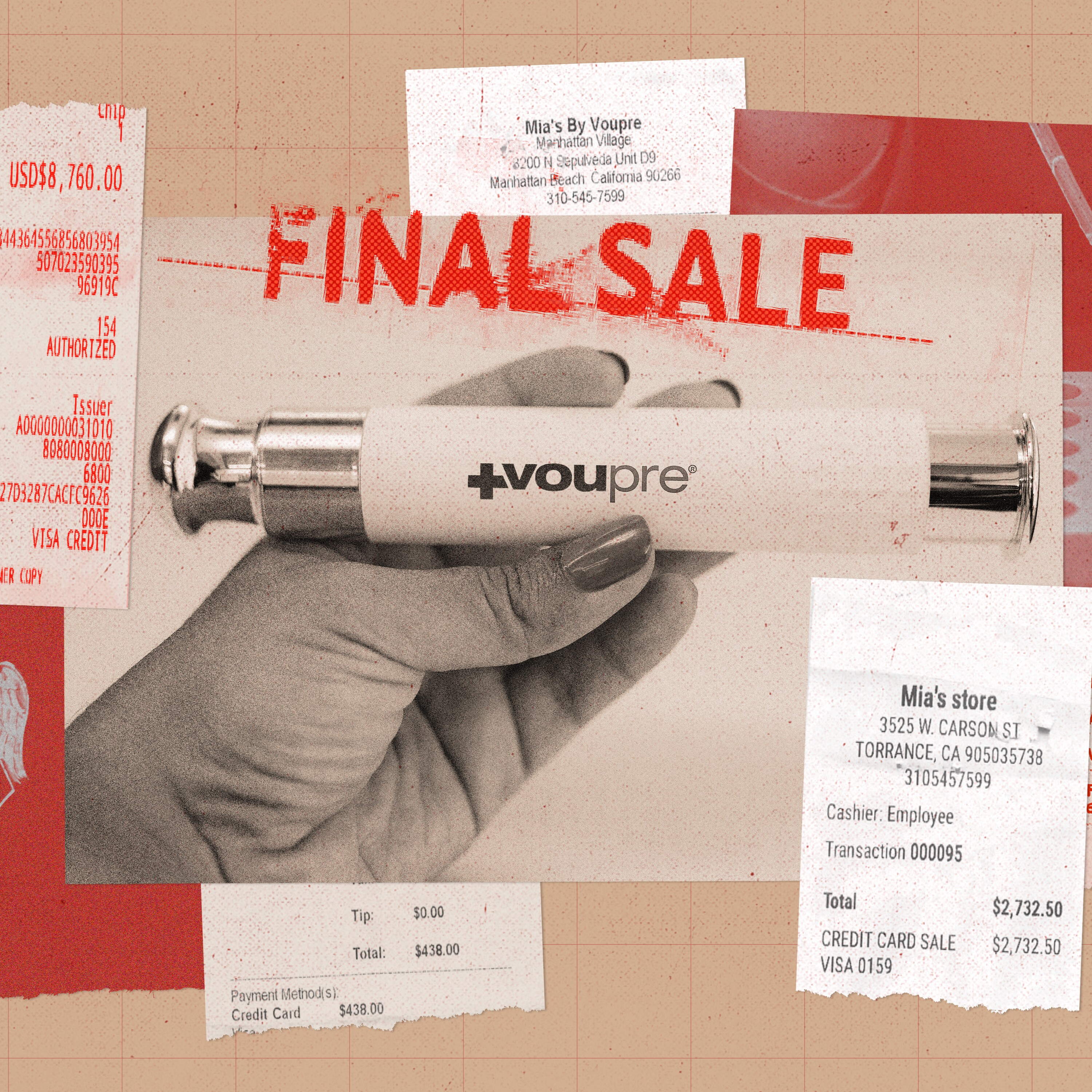
It's a familiar experience for anyone who has walked through an American shopping mall: A friendly salesperson approaches with a free sample of skincare cream, offering the promise of younger-looking skin. But behind this familiar mall ritual, NPR uncovered something far more costly: customers hit with thousands of dollars in charges they never authorized and products they didn't want and can't return.
This episode was reported by Monika Evstatieva and Caley Fox Shannon.
It was produced by Mia Venkat and Monika Evstatieva, with audio engineering by Jimmy Keeley.
It was edited by Barrie Ha...
Inflation is ticking up. What does it mean for the economy?

A report from the Labor Department on Wednesday showed consumer prices in September were up 3.7% from a year ago. What does the data tell us about the state of the economy?
NPR’s Scott Horsley contributed reporting to this episode.
It was produced by Jeffrey Pierre, with audio engineering by Tiffany Vera Castro. Our director is Kai McNamee.
It was edited by Tinbete Ermyas.
Our interim executive producer is Courtney Dorning.
Support public media with NPR+ and enjoy perks for over 25 podcasts like this one. This show’s perks incl...
Ukrainian president Volodymyr Zelenskyy sits down with NPR
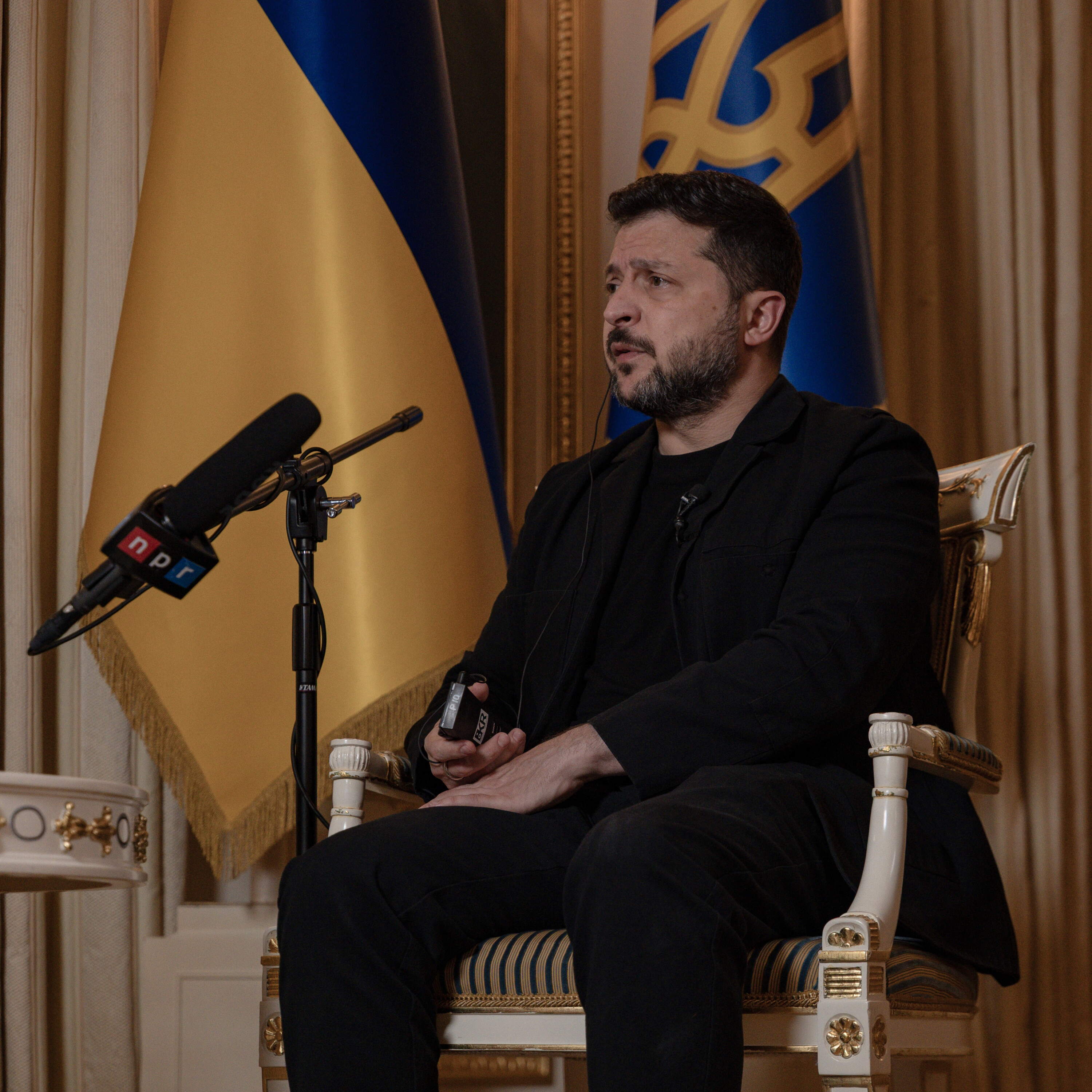
NPR sits down with Ukrainian President Volodymyr Zelenskyy in Kyiv to discuss the war, weapons, and his relationship with President Donald Trump.
This episode was produced by Alejandra Marquez Janse and Jeffrey Pierre, with audio engineering by Tiffany Vera Castro. Our director is Jonas Adams.
It was edited by Tara Neill, Hannah Bloch and Tinbete Ermyas.
Our interim executive producer is Courtney Dorning.
Support public media with NPR+ and enjoy perks for over 25 podcasts like this one. This show’s perks include bonus episodes and sponsor-free listening. Learn more at plus.np...
Could AI-powered drones soon be making battlefield decisions in Ukraine?

Both Russia and Ukraine are using drones powered by artificial intelligence. But soon, AI could start leading the decisions on the battlefield as well. We visit one Ukrainian company that's working to make this a reality.
This episode was produced by Sophia Paliza-Carre and Karen Zamora, with audio engineering by Tiffany Vera Castro and Valentina Rodríguez Sánchez.
Our director is Jonas Adams.
It was edited by Hannah Bloch and Tinbete Ermyas.
Our interim executive producer is Courtney Dorning.
Support public media with NPR+ and enjoy perks for ove...
How companies use personal data to control what products and price tags we see.
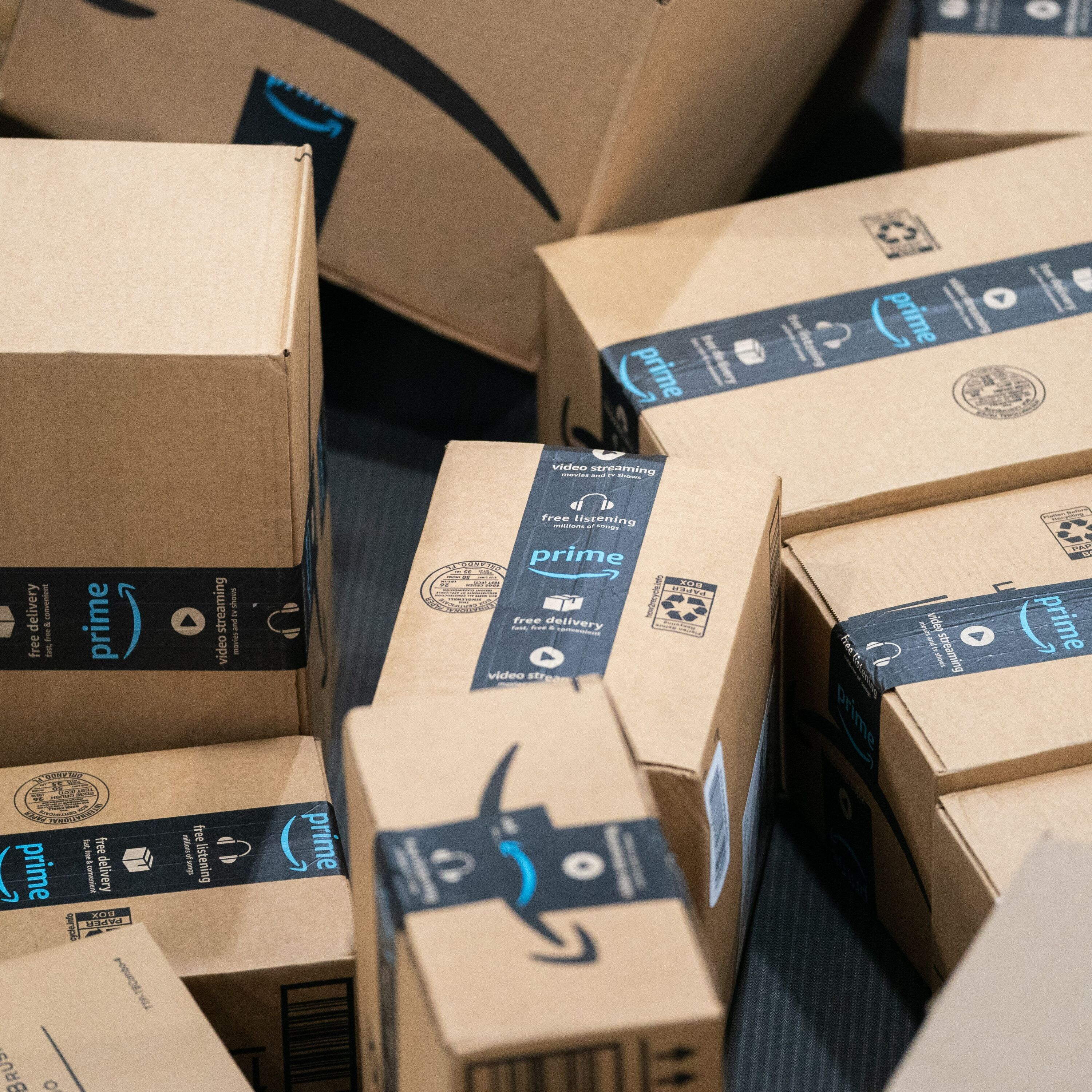
Companies like Amazon keeps close tabs on the spending habits of its customers. That data can be use to help the company recommend products. But it can also help companies get a sense of how motivated someone is to buy something, and possibly adjust pricing accordingly.
Lindsay Owens says companies are using our personal data to transform the products and price tags.
Owens is the president and CEO of the non-profit economic think tank Groundwork Collaborative, and the author of a book called “Gouged: The End of a Fair Price–and What That Means for Your W...
In Alabama, history of voting rights struggles looms over upcoming election
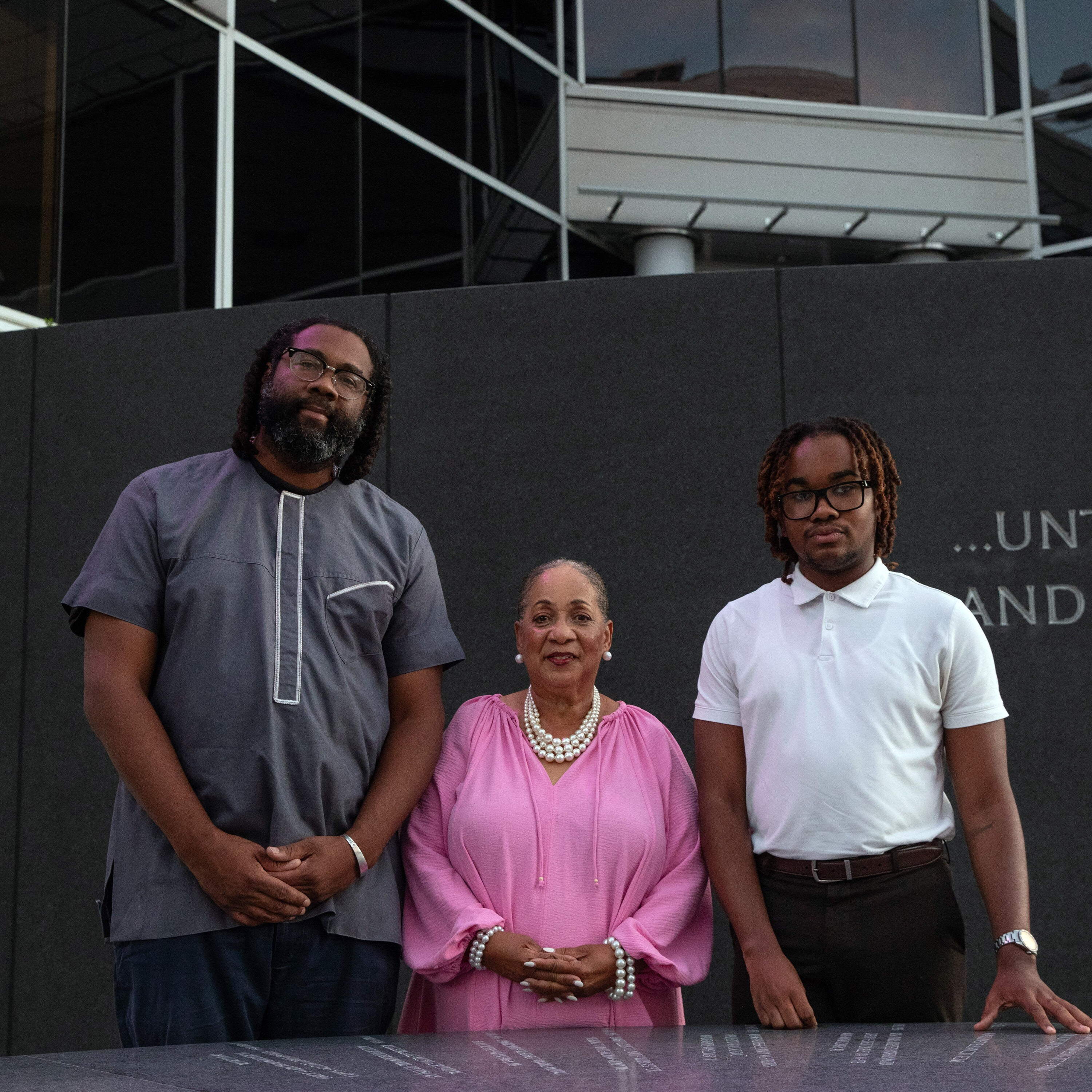
In Alabama, the push that led to Voting Rights Act of 1965 intersects with the recent weakening of the statute and redistricting. Three generations of activists reflect on what it means for midterms.
This episode was produced by Jeff Pierre, Matt Ozug, and Connor Donevan, with audio engineering by Robert Rodriguez. Jonas Adams is our director. It was edited by Ashley Brown, Tinbete Ermyas, Ben Swasey, and Larry Kaplow. Our interim executive producer is Courtney Dorning. Support public media with NPR+ and enjoy perks for over 25 podcasts like this one. This show’s perks include bonus episodes and sponsor-free list...
ICE has quietly been using warehouses as detention centers
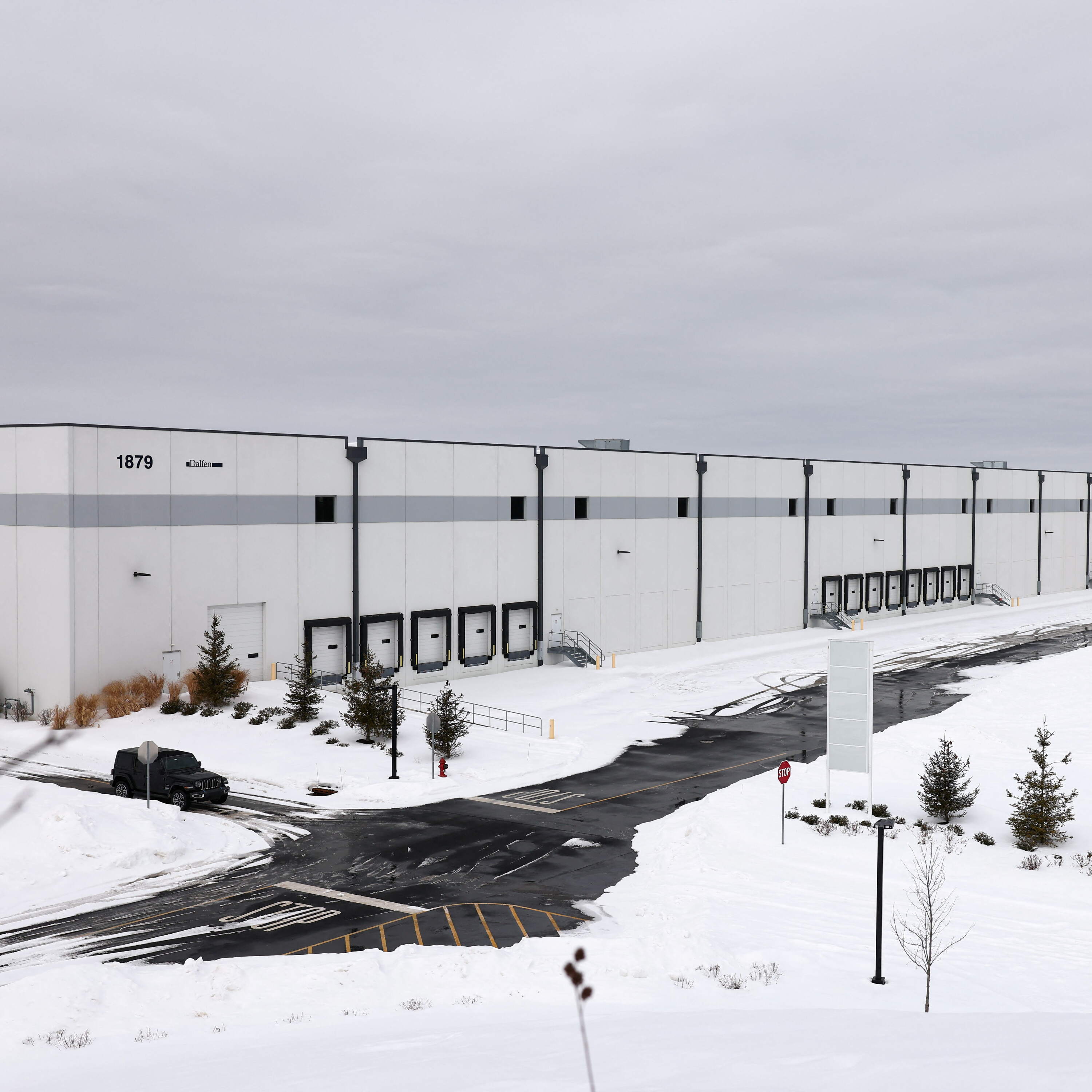
President Trump has made immigration enforcement a key part of his second term. Part of that plan included purchasing warehouses across the country. The idea was to house immigrants there and eventually deport them. But the plan soon faced legal challenges. In Roxbury, New Jersey, the Trump administration has been told to halt their plans until environmental assessments can be done. But exclusive NPR reporting shows that’s not the case.
This episode was produced by Erika Ryan, with audio engineering by Peter Ellena.
Jonas Adams is our director.
It was edited by Tinbete Ermyas...
A legal loophole could shape how the Cornell rape case is prosecuted
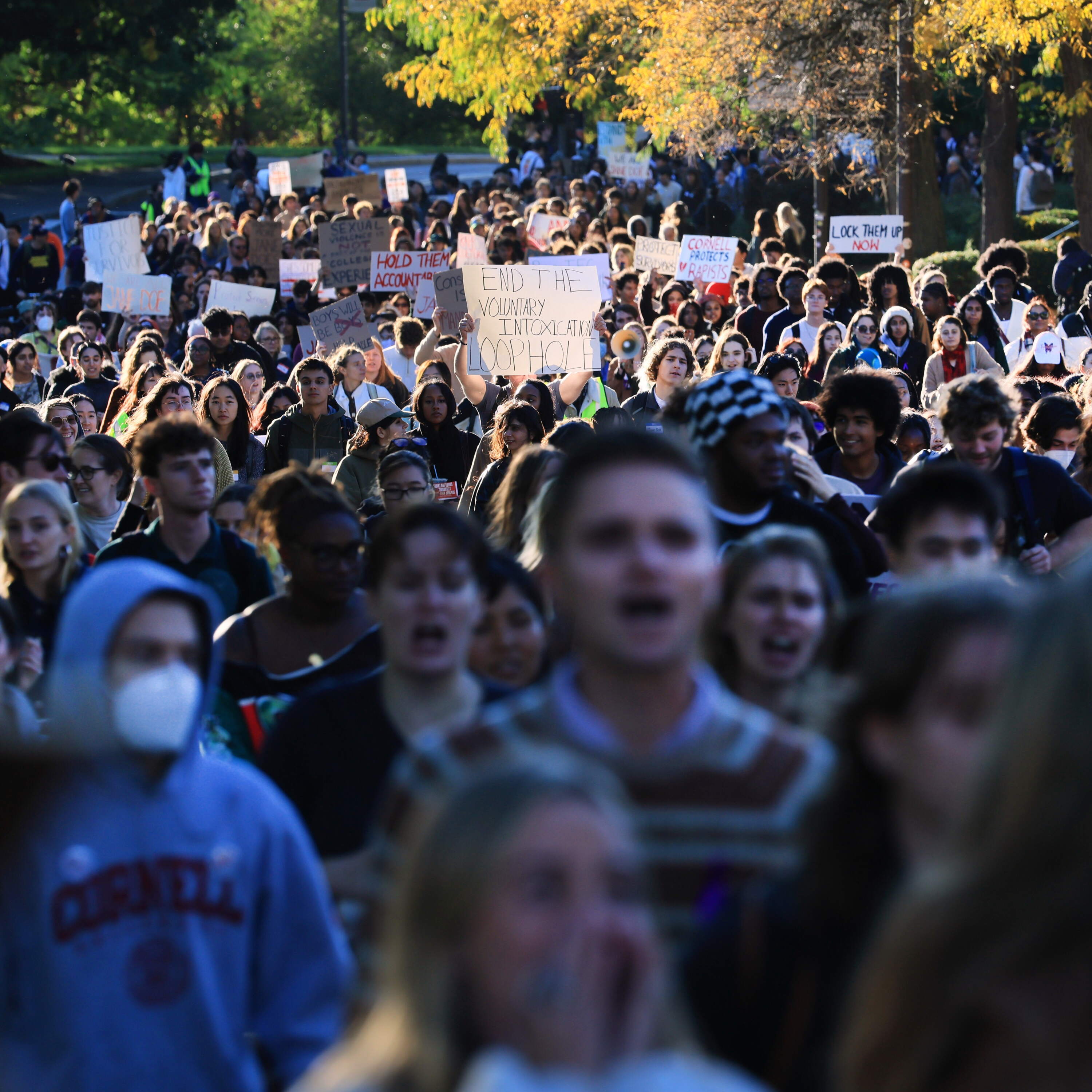
A former student’s accusation that she was drugged and gang raped by seven men in 2024 has sparked protests at Cornell University. New York Attorney General Letitia James is leading a new criminal investigation into this case. But pursuing prosecutions could be complicated by New York law.
This episode was produced by Linah Mohammad and Alejandra Marquez Janse, with audio engineering by Hannah Gluvna. Jonas Adams is our director.
It was edited by Christopher Intagliata and Tinbete Ermyas.
Our interim executive producer is Courtney Dorning.
Support public media with NPR+ and enjoy p...
What money and maps can tell us about the midterms
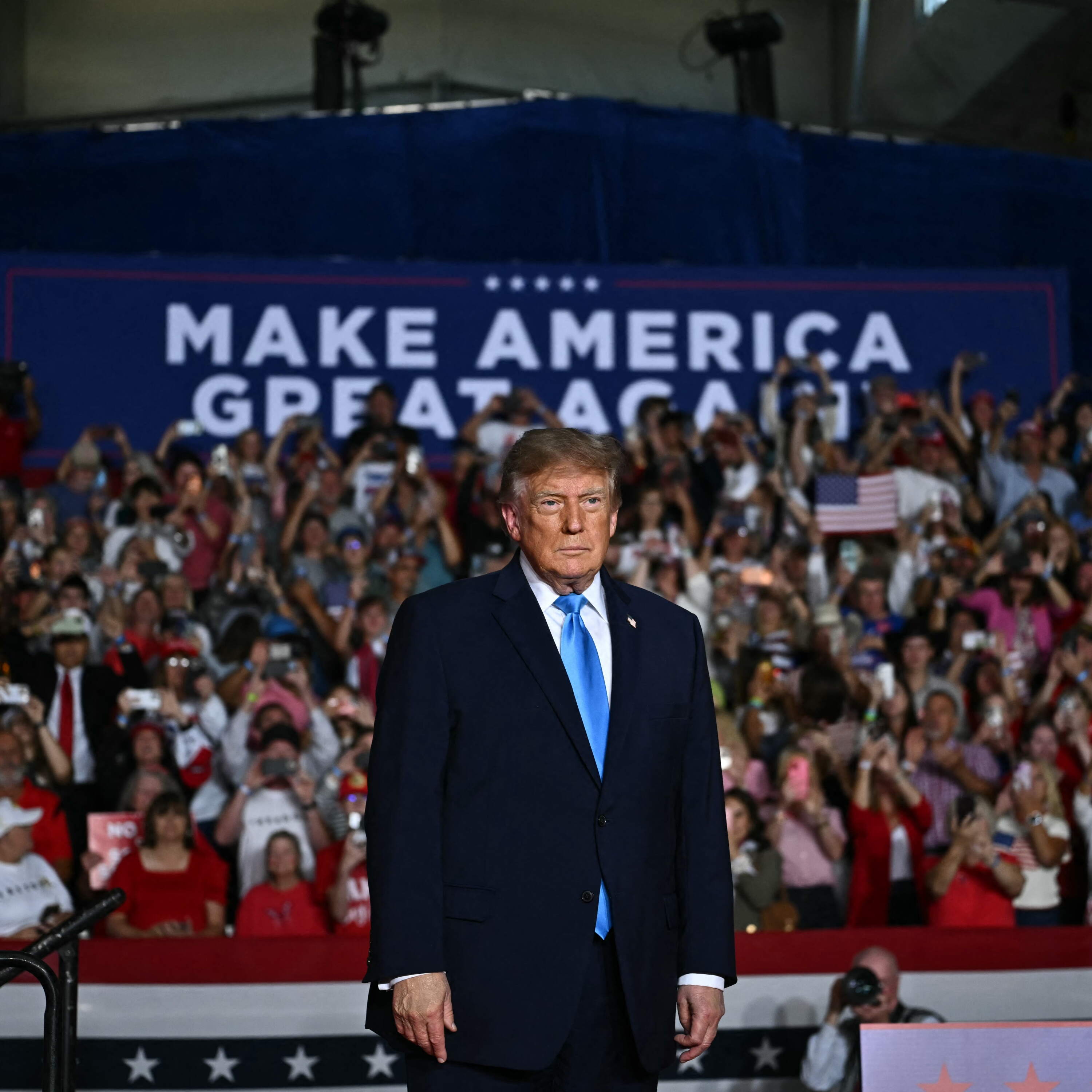
It's four weeks until midterm Election Day. Polls put the chances of a Democratic takeover of both chambers of Congress much higher than they were a few months ago. President Trump is focusing his efforts on rallying his base in states he won big in 2024, like Nebraska. But will that persuade voters unhappy with the state of the economy and deeply dissatisfied with Trump?
This episode was produced by Connor Donevan, Tyler Bartlam and Jason Fuller, with audio engineering by Tiffany Vera Castro. Our director is Jonas Adams.
It was edited by Megan Pratz, Kara Platoni, T...
The Supreme Court cases to watch this term
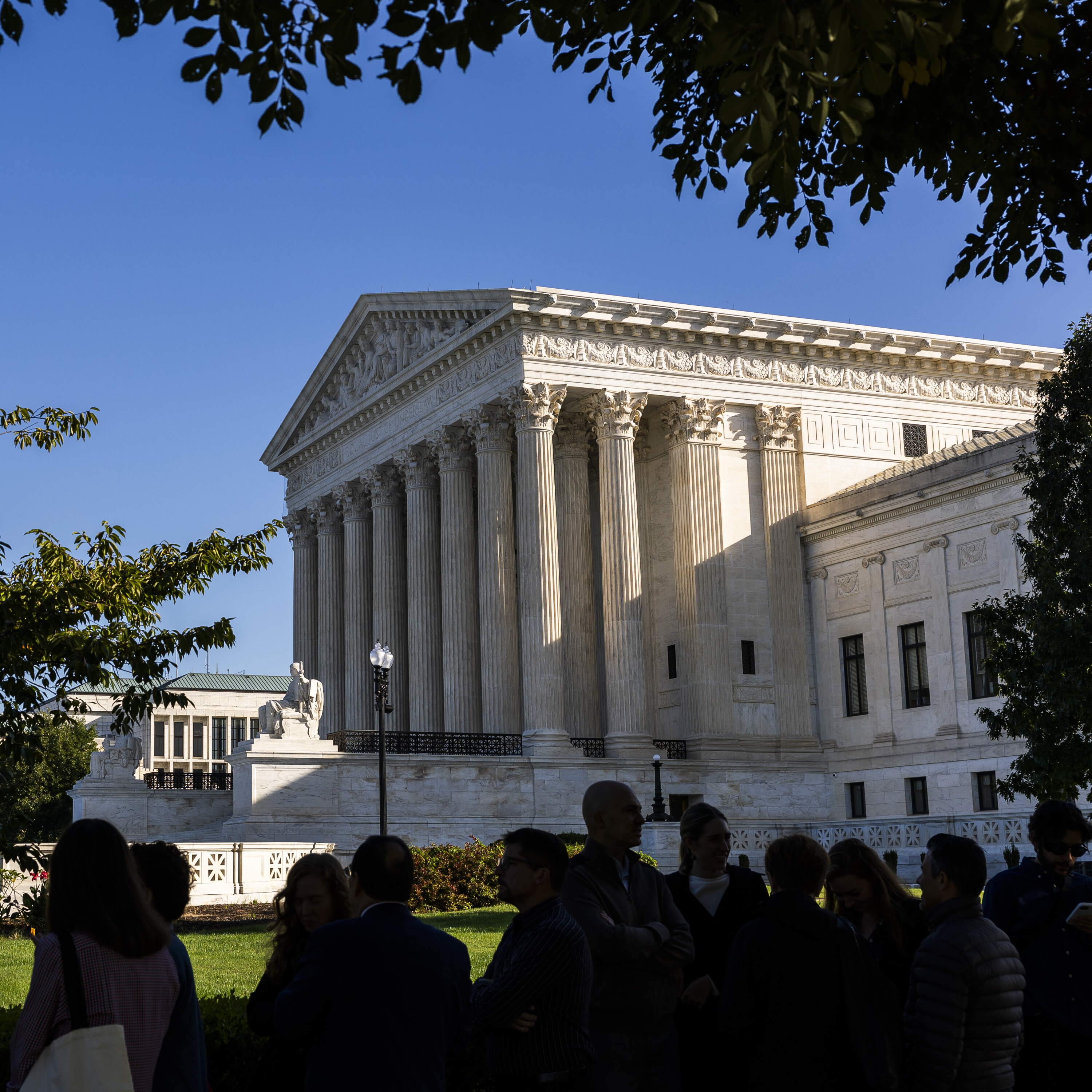
The Supreme Court began a new term on Monday. The signature feature of the Trump presidency has been an effort to expand his own power as the executive and test his constitutional limits. So, it's not surprising that a lot of his agenda has wound up before the Supreme Court.
This episode was produced by Connor Donevan, Jason Fuller and Brianna Scott, with audio engineering by Tiffany Vera Castro. Our director is Jonas Adams.
It was edited by Dana Farrington, Anna Yukhananov, Christopher Intagliata, Patrick Jarenwattananon, and Tinbete Ermyas.
Our interim executive producer is...
Round one of Brazil's presidential election points to a shift to the right
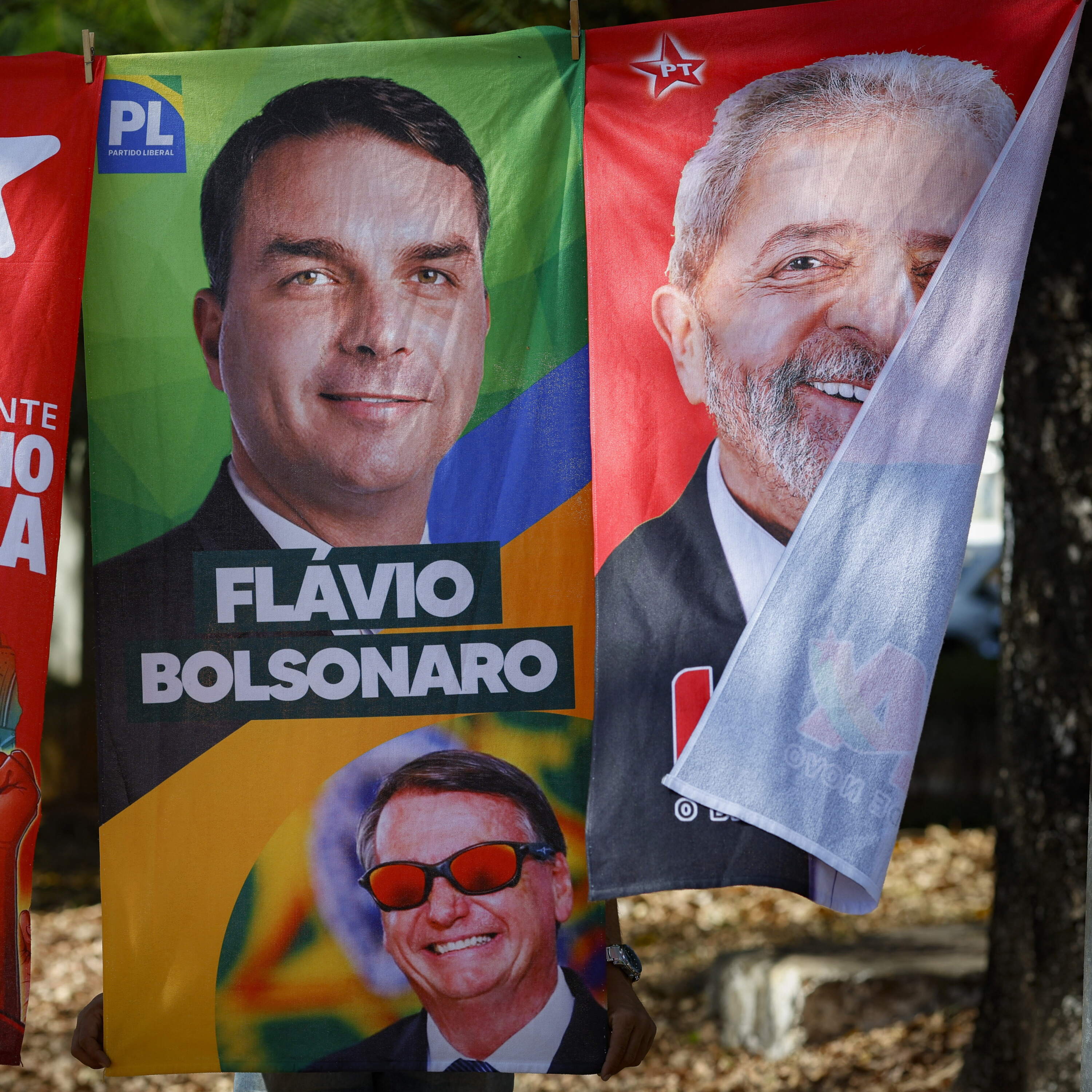
In Brazil, conservative Flavio Bolsonaro, son of the former president Jair Bolsonaro - who is under house arrest for staging a coup - came in ahead of the leftist incumbent, Luis Inacio Lula da Silva, in the first round of Brazil's presidential election. President Trump has been watching Brazil's presidential vote very closely. At stake: the direction of one of the world’s top ten global economies and the future of U.S. involvement in Latin America, at a time when several countries in the region have moved to the right.
This episode was produced by Daniel Ofman and...
Reporting on the science of saunas

For centuries people have sought out saunas and hot springs for their supposed healing properties. But the science behind those claims can be quite vague. So NPR science correspondent Will Stone headed to the International Sauna Congress in Norway to find out just what we know about the health benefits of saunas.
This episode was produced by Gabriel Sanchez, with engineering by Eowyn Fain. Our director is Elena Burnett.
It was edited by Adam Raney.
Our interim executive producer is Courtney Dorning.
Support public media with NPR+ and enjoy perks for o...
The story unfolding at Cornell is dismayingly familiar

NY Governor Kathy Hochul has appointed the state's attorney general, Letita James, to oversee the investigation into an alleged gang rape that took place at Cornell University in 2024. Gov. Hochul said "new information has raised serious questions about how this case was handled, and I’ve lost faith in the Tompkins County D.A.’s ability to fairly oversee it."
The story feels depressingly familiar to many women across the country. How are they living through this moment?
This episode was produced by Sophia Paliza-Carre, Mia Venkat and Connor Donevan with audio engineering by Ted Mebane. Our d...
A botched execution raises questions about death penalty protocols
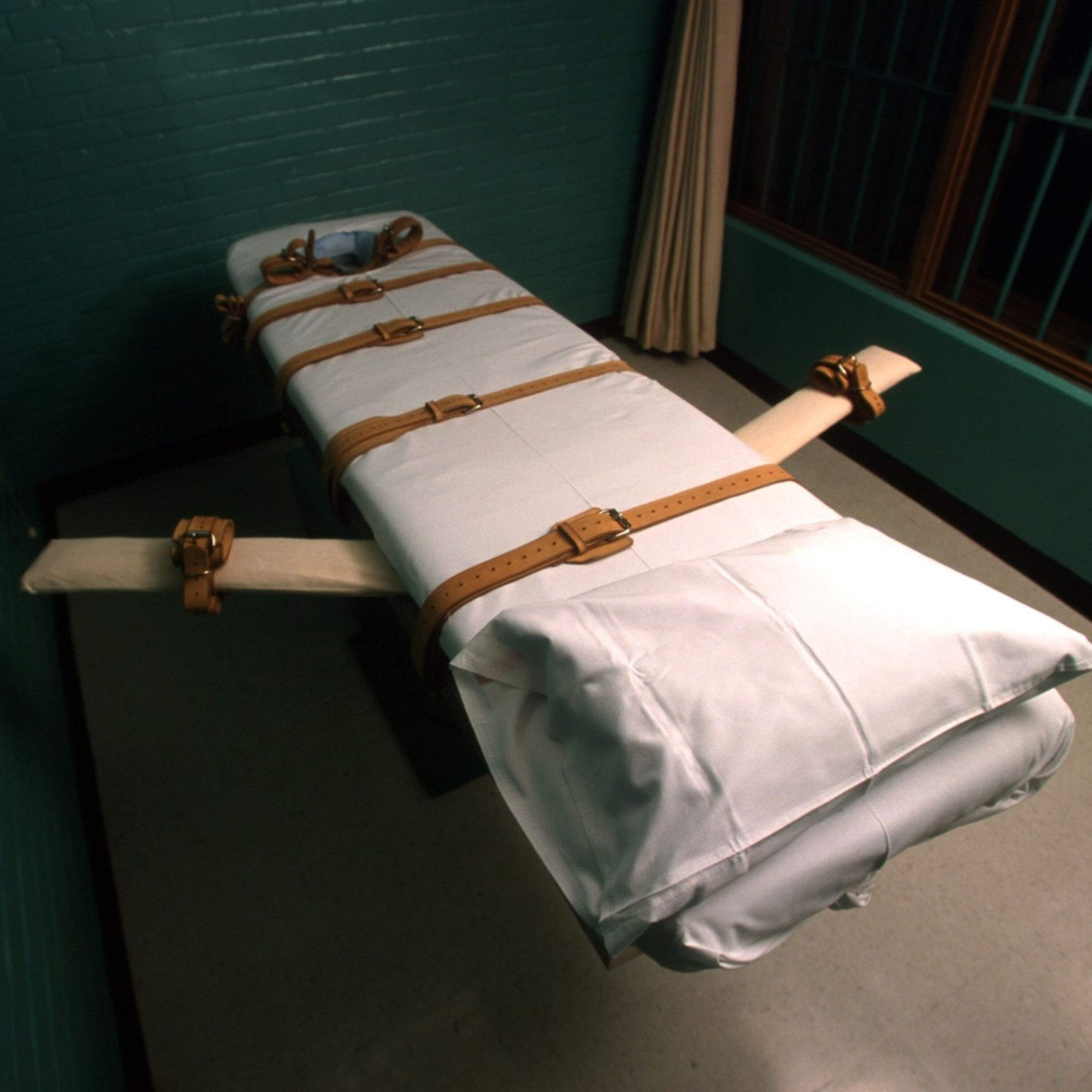
Christa Pike is on death row in Tennessee for the 1995 murder of 19-year-old Colleen Slemmer. Pike was scheduled to be executed on Wednesday night, but she was still alive after receiving two doses of a lethal injection. Now Pike is in critical condition, according to her attorneys. What do we know about what happened, and what comes next?
This episode was produced by Alejandra Marquez Janse, with audio engineering by Ted Mebane. Our director is Jonas Adams.
It was edited by Susanna Capelouto, Gigi Douban, Sarah Handel and Tinbete Ermyas.
Our interim executive pr...
Meta just launched an AI agent and others are following. Is the internet ready?
Meta has a vision for the future. It’s launched an AI agent that can act like your own personal assistant, called Muse. The idea is that you can give Muse access to your accounts and apps, and it will start assisting. But the autonomy that gives the app its power has the potential to backfire.
This episode was produced by Connor Donevan, with audio engineering by Ted Mebane and Josephine Nyounai. Our director is Jonas Adams.
It was edited by Tinbete Ermyas.
Our interim executive producer is Courtney Dorning.
Support publ...
Sexual assault on campus is a problem. Can laws help address it?
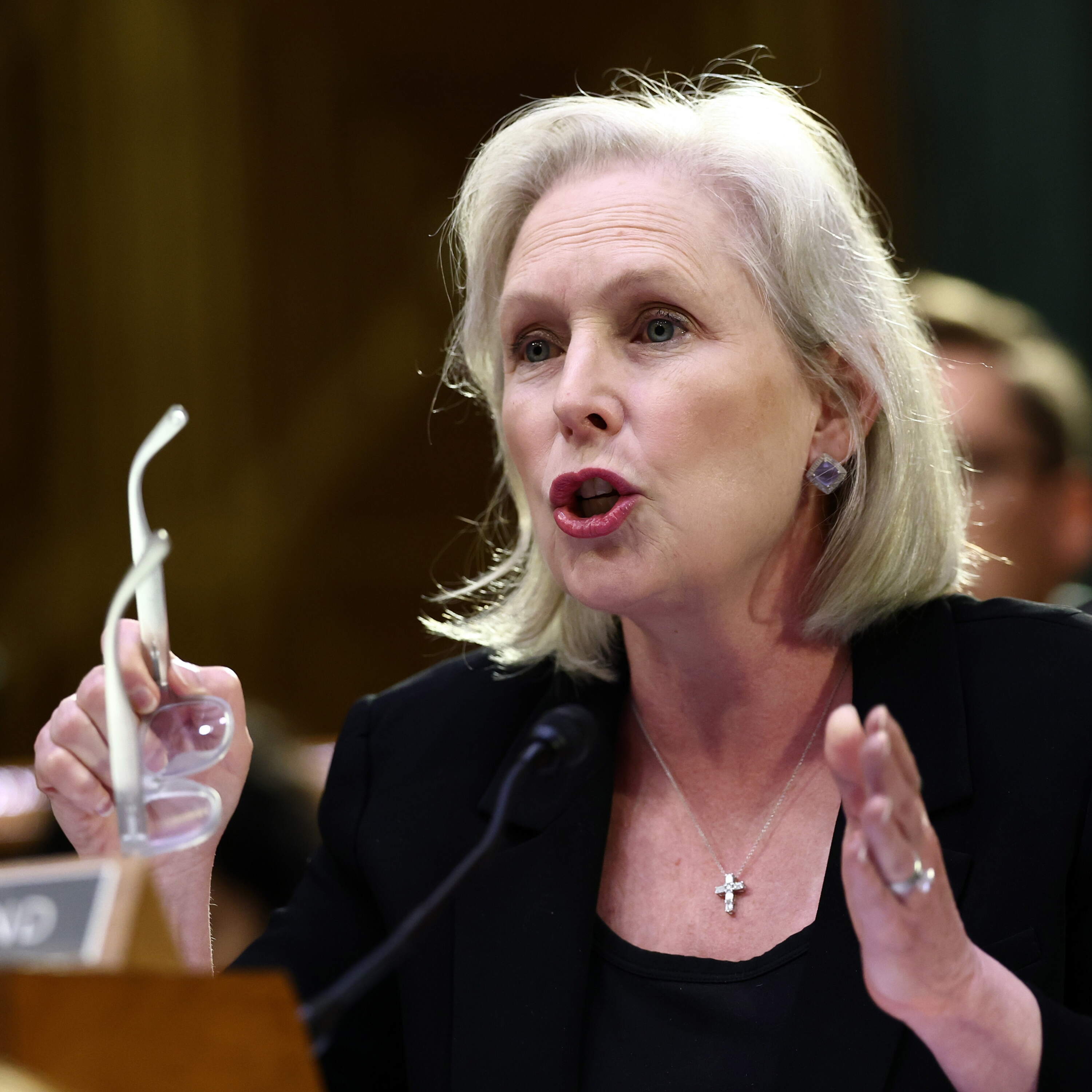
In New York, prosecutors have reopened an investigation into allegations that a student was gang raped by seven fraternity members at Cornell University in 2024. The incident has reignited debates about how to keep students safe on campus. Can federal law make things safer? NY Democratic Senator Kirsten Gillibrand shares her thoughts.
This episode was produced by Vincent Acovino and Karen Zamora, with audio engineering by Ted Mebane. Our director is Jonas Adams.
It was edited by Christopher Intagliata and Tinbete Ermyas.
Our interim executive producer is Courtney Dorning.
Support public media w...
Prosecutor reopens investigation into Cornell fraternity rape allegations

New York prosecutors say they are reopening an investigation into an alleged rape case from 2024 that involved Cornell University students. What do we know about the new allegations - and how is it being felt on campus?
This episode was produced by Gurjit Kaur, Mia Venkat and Connor Donevan, with audio engineering by Ted Mebane. Our director is Jonas Adams.
It was edited by Sarah Handel, Gigi Douban and Tinbete Ermyas.
Our interim executive producer is Courtney Dorning.
Support public media with NPR+ and enjoy perks for over 25 podcasts like this one...
U.S. troops are leaving Iraq. What does that mean for U.S. influence in the region?

U.S. forces are withdrawing from Iraq after a two-decade long military presence. Yet, Iraq is still central to the ongoing U.S.-Israel war with Iran - and is caught in the crossfire.
What does the troop withdrawal mean for U.S. influence in the region and does it present an opportunity for other nations to fill the vacuum?
Support public media with NPR+ and enjoy perks for over 25 podcasts like this one. This show’s perks include bonus episodes and sponsor-free listening. Learn more at plus.npr.org.
This episode was produced by...
Republican lawmakers are breaking with Trump. Will it last?

Amid low approval ratings, several Republican candidates in competitive races are breaking with President Trump as midterms approach. Will it last?
This episode was produced by Connor Donevan and Alejandra Marquez Janse, with audio engineering by Ted Mebane. Our director is Jonas Adams. It was edited by Kelsey Snell, Justine Kenin and Tinbete Ermyas. Our interim executive producer is Courtney Dorning.
Support public media with NPR+ and enjoy perks for over 25 podcasts like this one. This show’s perks include bonus episodes and sponsor-free listening. Learn more at plus.npr.org.
See pcm.ad...
Housing in the US: Mortgage rates hit 7% and renters feel squeezed

If you're looking for a house to purchase or a place to rent, you're probably feeling squeezed. Mortgage rates have hit seven percent - and a new study shows that renters across the economic spectrum are having trouble paying rent. What's happening in the housing market?
Support public media with NPR+ and enjoy perks for over 25 podcasts like this one. This show’s perks include bonus episodes and sponsor-free listening. Learn more at plus.npr.org.
This episode was produced by Megan Lim, Kai McNamee, and Jason Fuller, with audio engineering by Ted Mebane. Our di...
Jensen Huang has President Trump’s ear. What might he be telling him about AI?
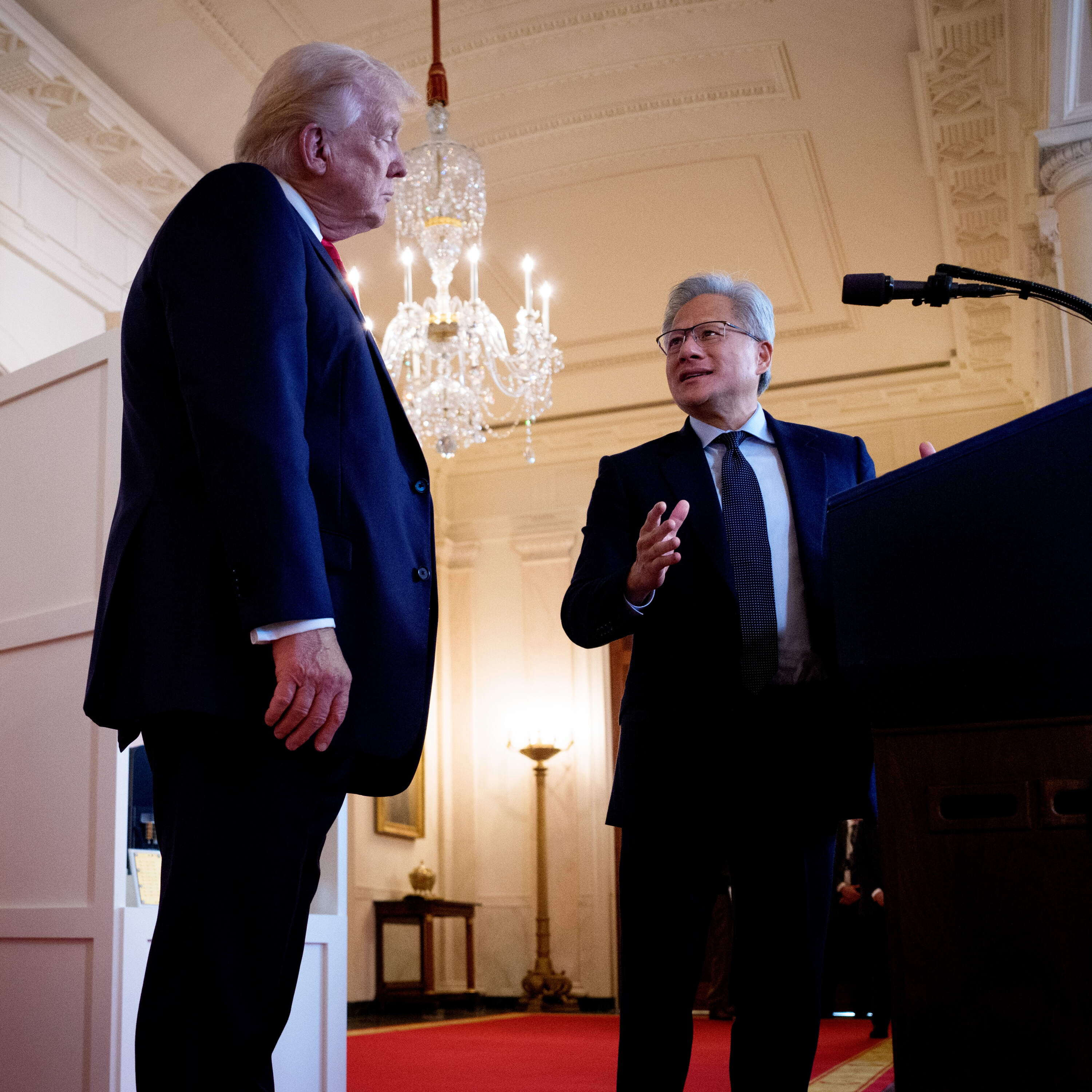
Jensen Huang is the CEO of Nvidia, arguably the world's most important AI company. He also has the ear of President Trump, who is about to meet with his Chinese counterpart, Xi Jinping, to discuss a number of topics, including AI. Amid the debate about whether rapid AI development is dangerous to humanity, how might Huang's ideas shape President Trump's thoughts?
This episode was produced by Connor Donevan, with audio engineering by Jimmy Keel. Our director is Jonas Adams. It was edited by Tinbete Ermyas. Our interim executive producer is Courtney Dorning.
Support public media w...
The White House launched Trump TV. Will it change how the president communicates?
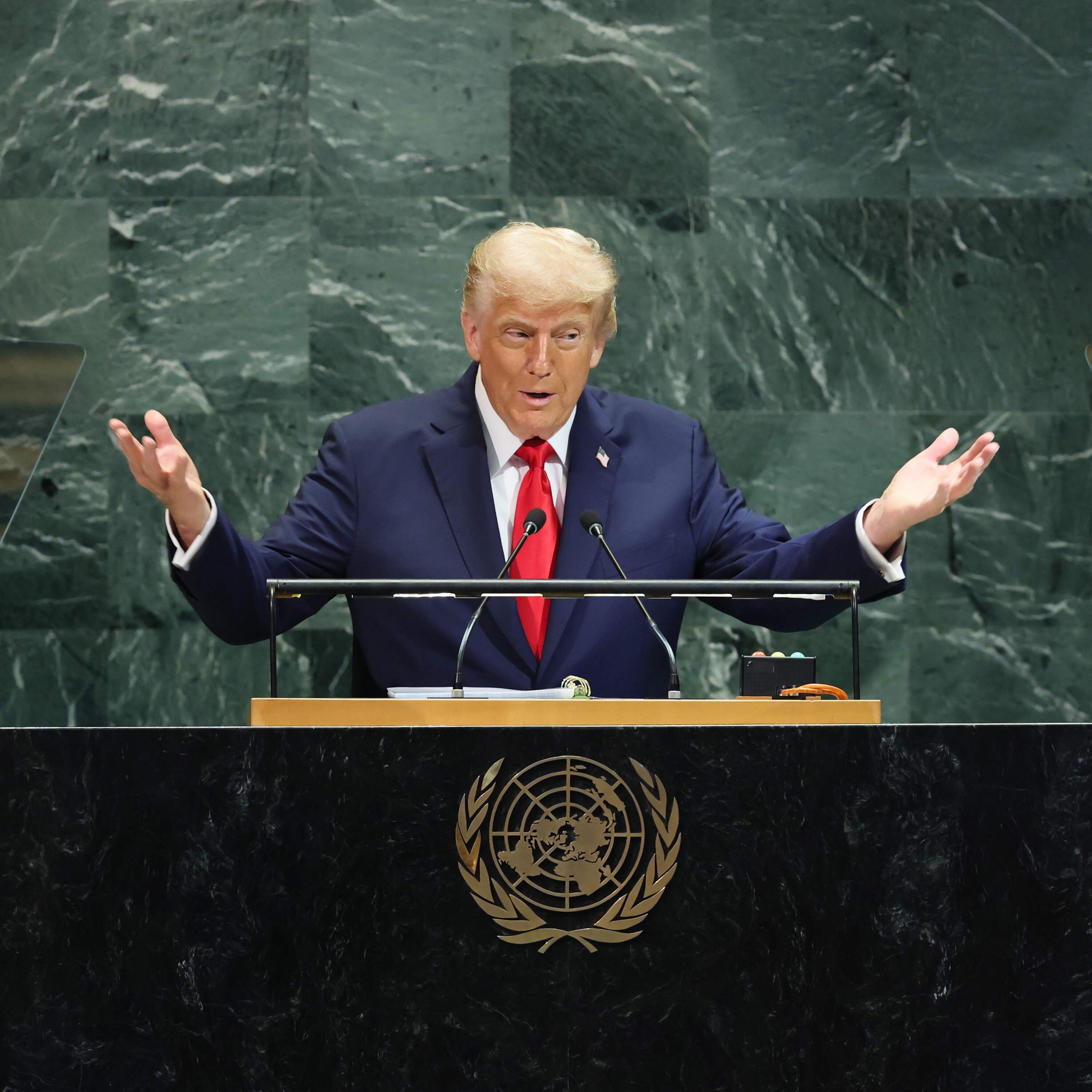
Major news outlets, including NPR, have suspended their pool coverage, or are not broadcasting video or audio of President Trump, in solidarity with the news outlets that were banned from the White House. In response, the White House created Trump TV - a YouTube channel, streaming President Trump’s old speeches.
This episode was produced by Megan Lim and Kai McNamee, with audio engineering by Ted Mebane. Our director is Jonas Adams.
It was edited by Mallory Yu and Tinbete Ermyas.
Our interim executive producer is Courtney Dorning.
Support public media wi...
What’s at stake in President Trump’s showdown with the press?
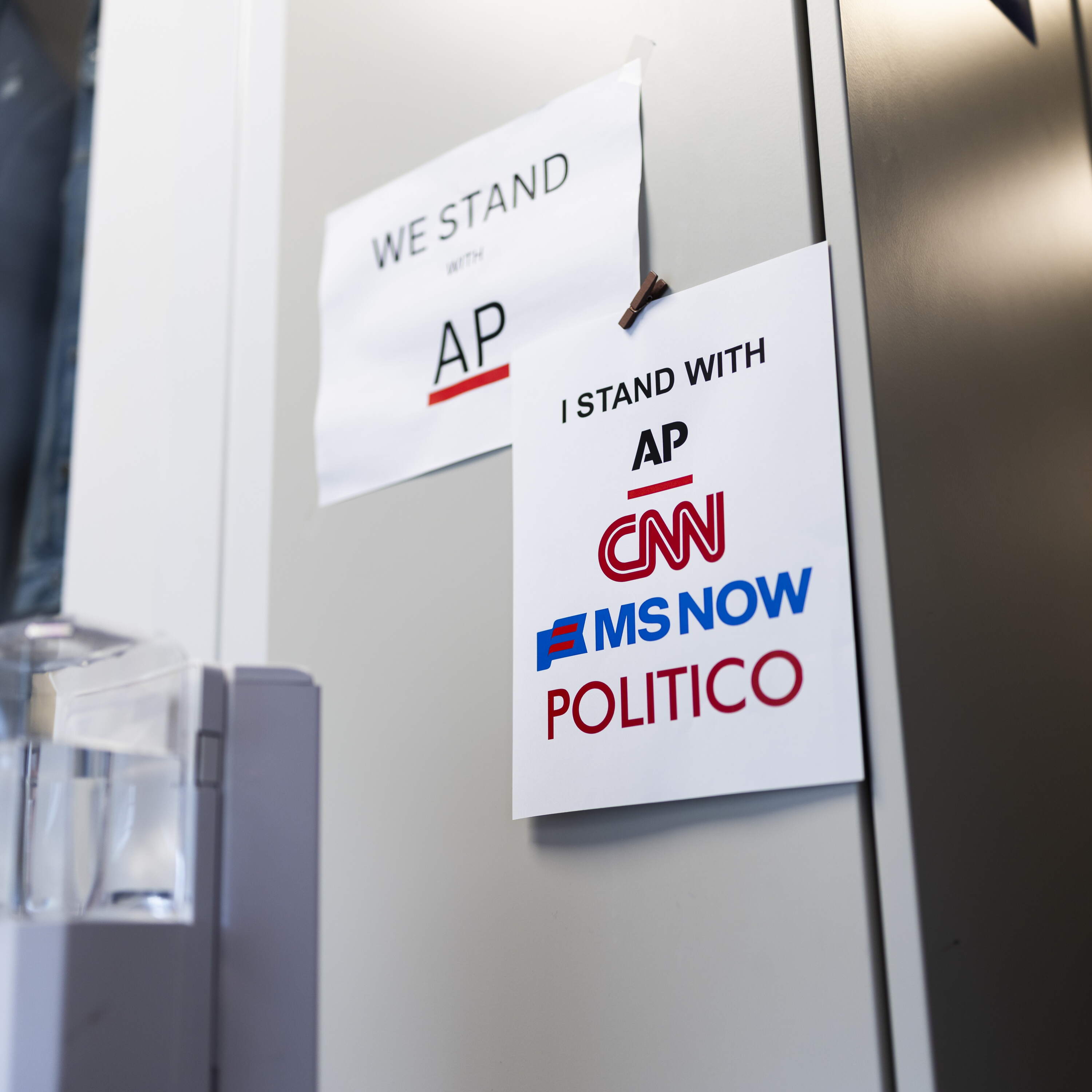
President Trump's battle with the press has escalated. On Friday, he banned three outlets from the White House. Those outlets are suing the Trump administration over the ban. On Monday, the five networks that coordinate television coverage of the president agreed to suspend that coverage.
This episode was produced by Elena Burnett and Connor Donevan, with audio engineering by Ted Mebane. Our director is Jonas Adams.
It was edited by Mallory Yu and Tinbete Ermyas.
Our interim executive producer is Courtney Dorning.
Support public media with NPR+ and enjoy perks for...
What does global leadership on AI look like?
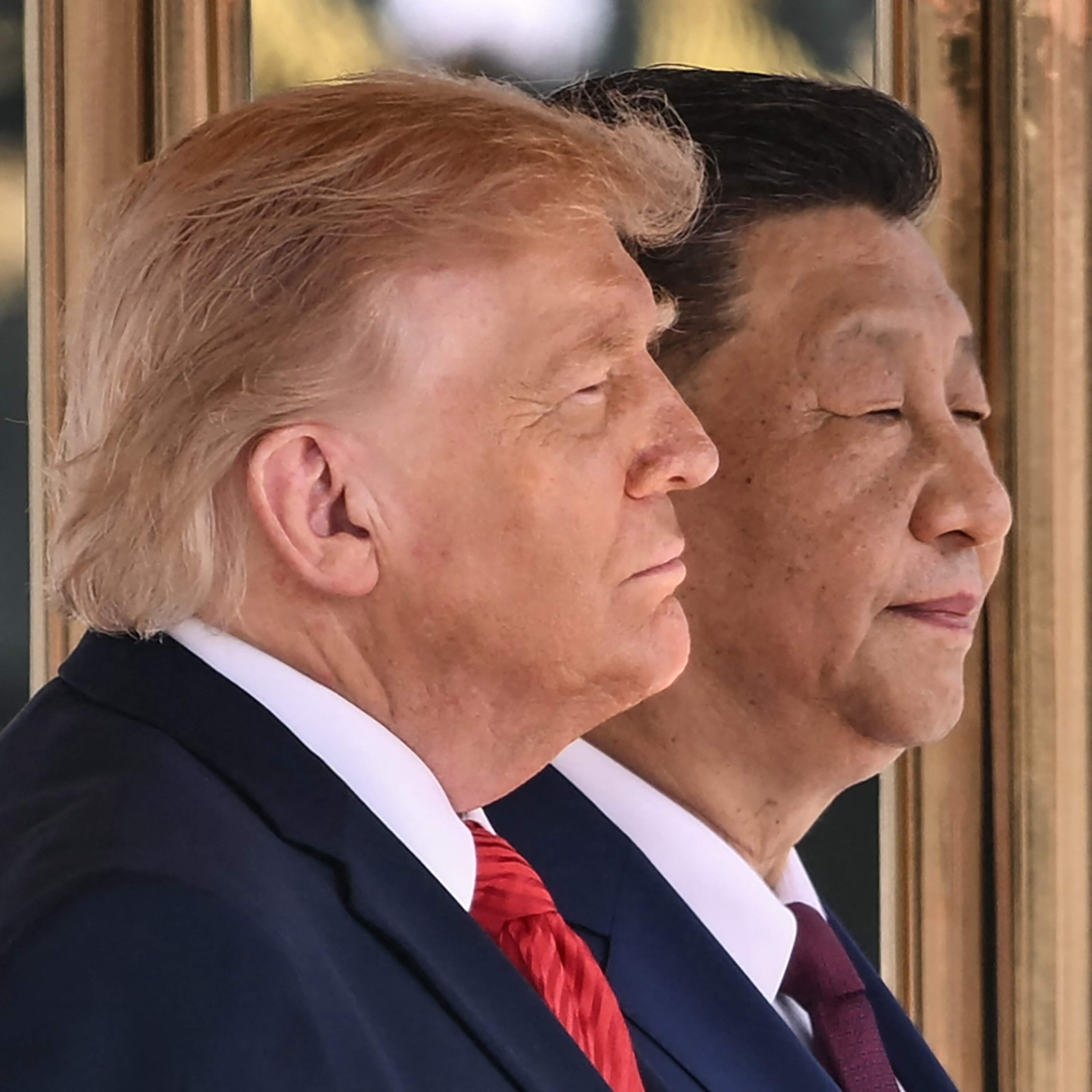
President Trump and Xi Jinping will meet in Washington, D.C. this week as both sides look to gain an advantage in artificial intelligence development and face a reckoning on the risks of AI. In this moment, what does global leadership in AI look like?
Support public media with NPR+ and enjoy perks for over 25 podcasts like this one. This show’s perks include bonus episodes and sponsor-free listening. Learn more at plus.npr.org.
This episode was produced by Daniel Ofman and Henry Larson. Our director is Jason Fuller.
It was edited by...
High stakes drama on display over the years at the UN General Assembly
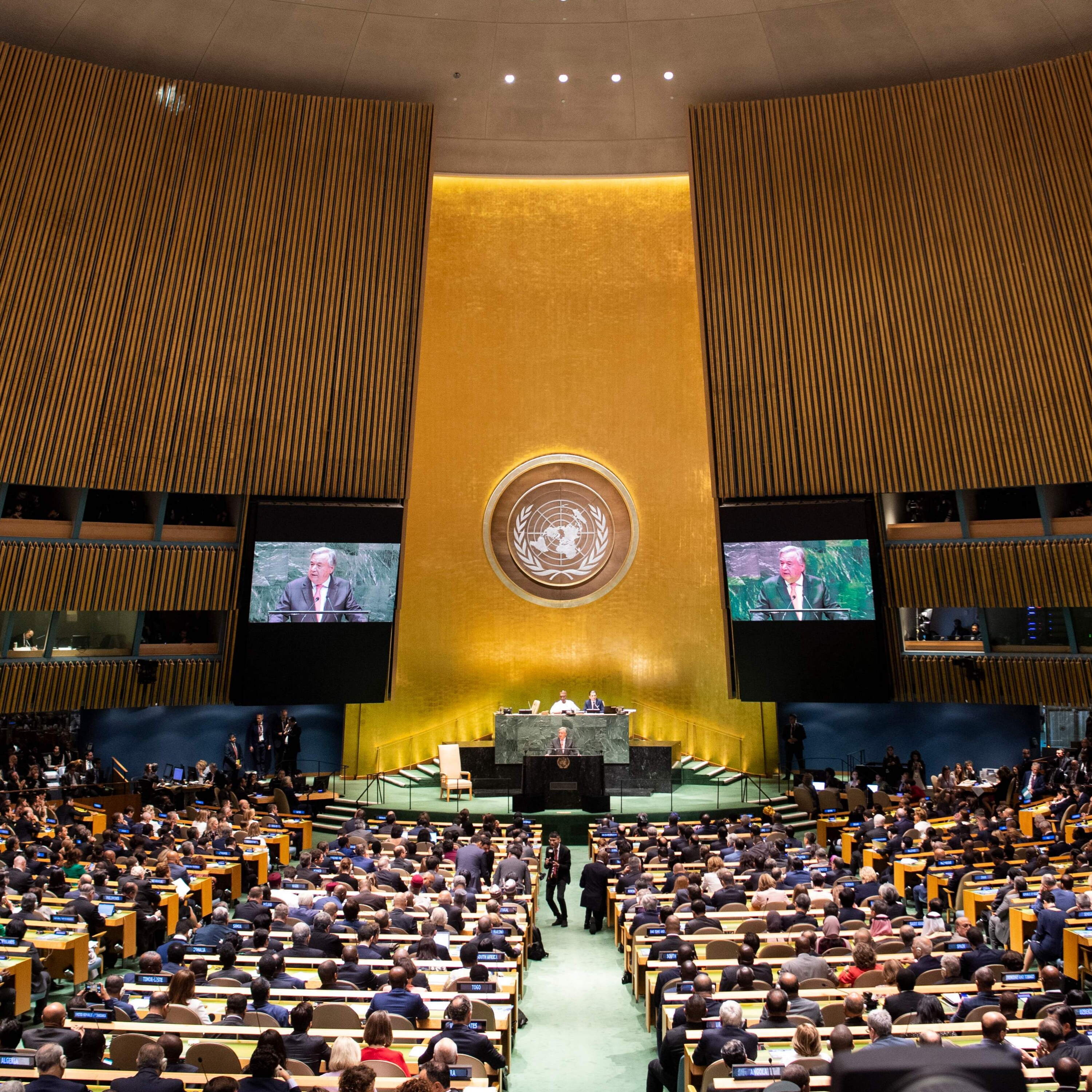
Despite being instrumental in the founding of the United Nations, in recent years, the U.S. has marginalized the organization. For this week's Reporter's Notebook we hear from NPR Diplomacy Correspondent Michele Kelemen about the high stakes drama she has seen play out at the UN General Assembly over the past two decades.
See pcm.adswizz.com for information about our collection and use of personal data for sponsorship and to manage your podcast sponsorship preferences.
NPR Privacy Policy
European leaders say Russia is provoking NATO. How will the alliance respond?
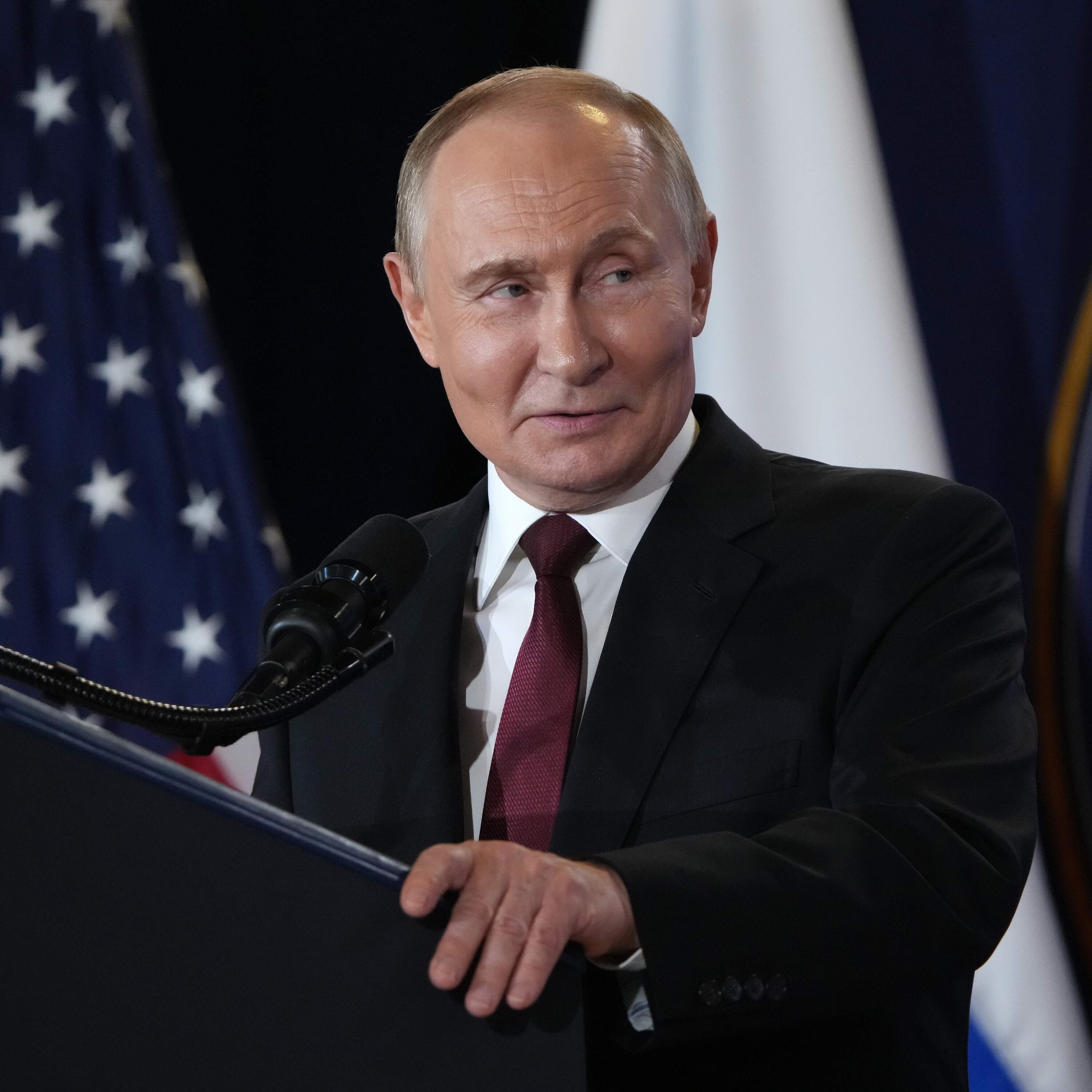
A number of European leaders have signaled that Russia is provoking nearby NATO countries. NATO’s article 5 is clear: an attack on one is an attack on all. But what counts as an attack? And how will NATO respond?
This episode was produced by Tyler Bartlam and Connor Donevan, with audio engineering by Tiffany Vera Castro. Our director is Jonas Adams.
It was edited by Christopher Intagliata and Tinbete Ermyas.
Our interim executive producer is Courtney Dorning.
Support public media with NPR+ and enjoy perks for over 25 podcasts like this one. Thi...
ChatGPT created a feature to help people in crisis. But there are some challenges.
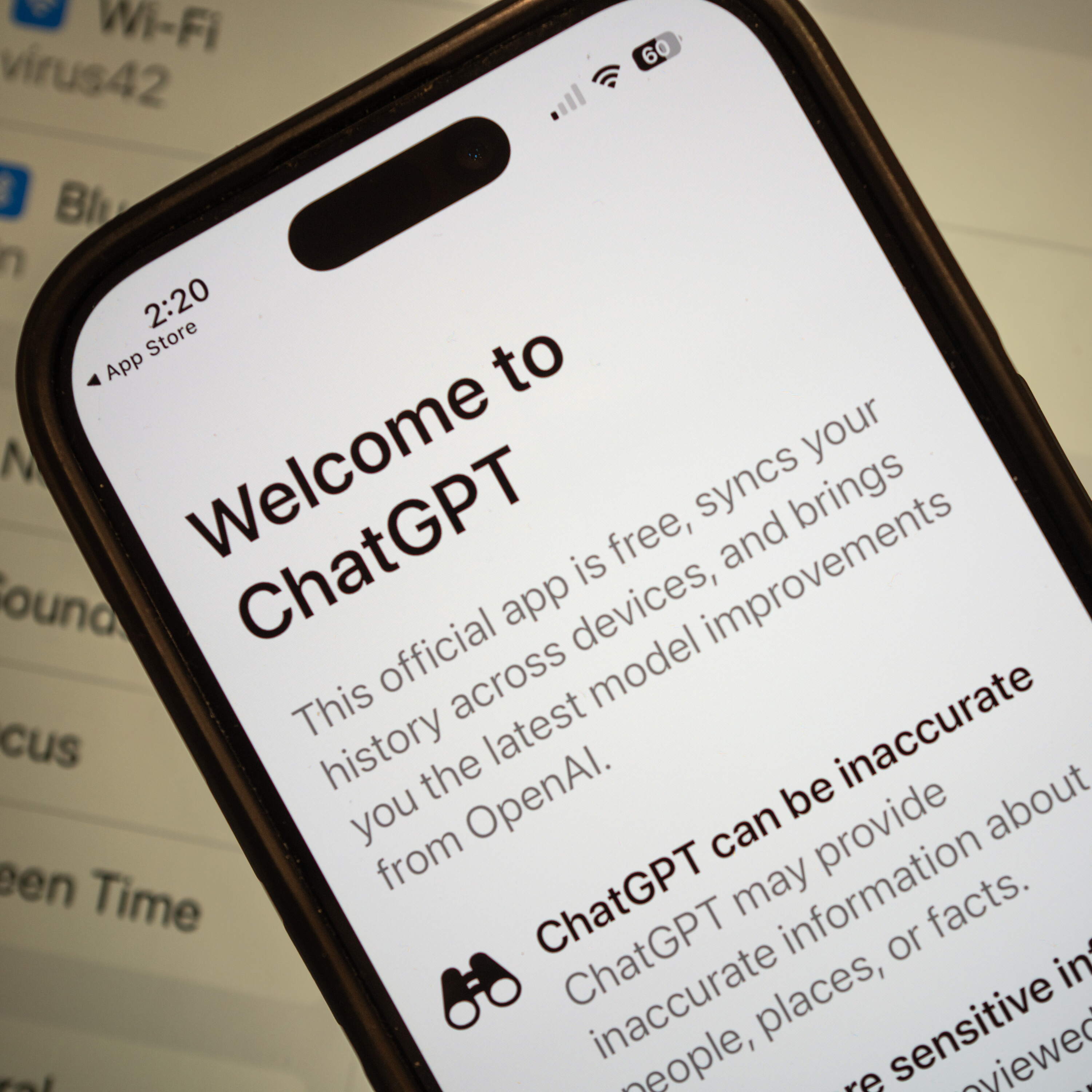
Earlier this year, OpenAI launched a new optional feature on ChatGPT called Trusted Contact. It's meant to help individuals at risk of suicide connect with someone they love and trust for support. But navigating its setup may prove challenging to someone in crisis.
This episode was produced by Alejandra Marquez Janse and Kai McNamee, with audio engineering by Eowyn Fain and Hannah Gluvna.
Our director is Jonas Adams.
It was edited by Gisele Grayson, Diane Webber, Justine Kenin, AND Tinbete Ermyas.
Our interim executive producer is Courtney Dorning.
Support p...
How will the Fed’s interest rate hike affect costs, the midterms?
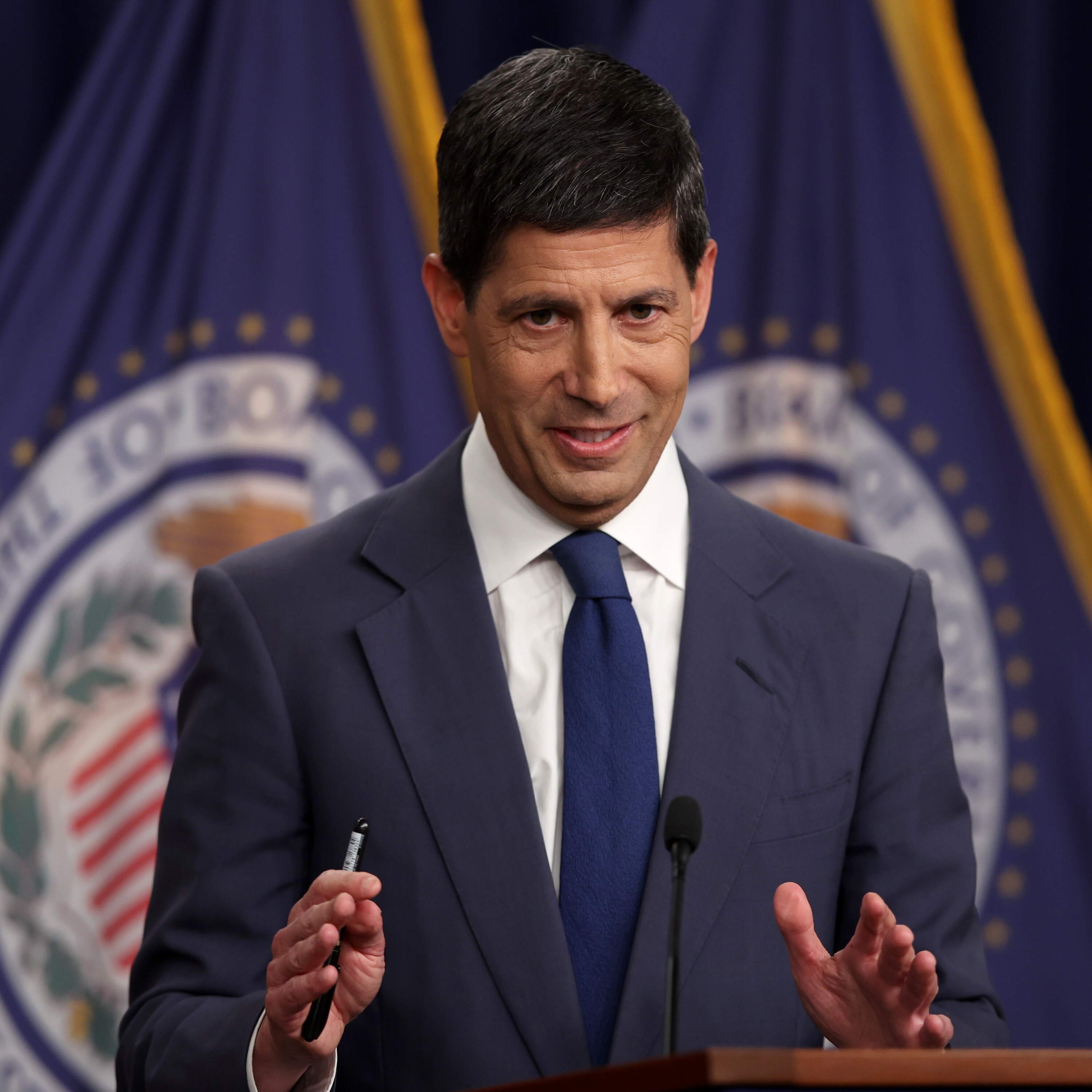
The Federal Reserve voted to raise its benchmark interest rate for the first time in three years. That means it will cost more to borrow money - at a time when many people are feeling squeezed by high prices.
How could the Fed's decision affect people's finances and the midterms?
This episode was produced by Gurjit Kaur and Karen Zamora, with audio engineering by Tiffany Vera Castro. Our director is Jonas Adams.
It was edited by Rafael Nam, Kelsey Snell, Patrick Jarenwattananon and Tinbete Ermyas.
Our interim executive producer is Courtney D...
Tech leaders are debating how risky AI is. What does Bill Gates think?
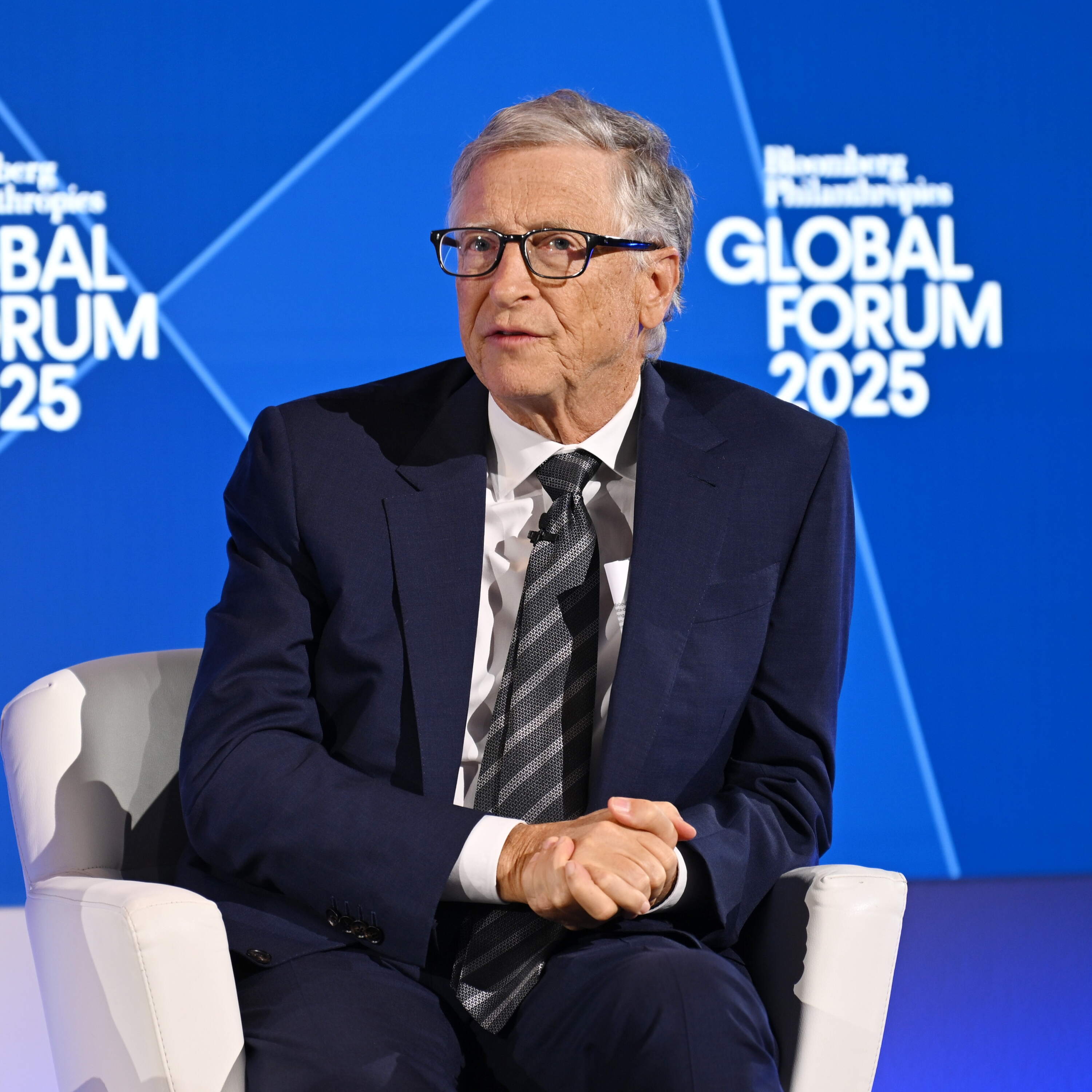
AI leaders are warning about the threats posed by further advances of the technology and actively asking it to be regulated. What does Bill Gates, the co-founder of Microsoft, think about the future of AI and where it should go?
This episode was produced by Connor Donevan and Erika Ryan with audio engineering by Valentina Rodríguez Sanchez. Our director is Jonas Adams.
It was edited by Patrick Jarenwattananon and Tinbete Ermyas.
Our interim executive producer is Courtney Dorning.
Support public media with NPR+ and enjoy perks for over 25 podcasts like t...
Some AI leaders want more safeguards. Is there political will to make that happen?

In recent days, warnings and risks surrounding AI have taken an existential turn. A former Anthropic employee stated that "the people building AI earnestly believe that it could kill us all by the end of the decade." And Anthropic's CEO urged AI companies to "pace the frontier" in developing new technologies.
But is there political will to make that happen?
This episode was produced by Sophia Paliza-Carre and Karen Zamora, with audio engineering by Tiffany Vera Castro. Our director is Jonas Adams.
It was edited by Kara Platoni, Brett Neely, Rebekah Metzler, Sarah...
Why Iran is meeting Gulf States for talks - without the U.S.

As the war the Middle East broadens, the U.S. is missing from talks between Gulf States and Iran that could decide that conflict’s future. What does its absence from say about American leadership in the region, and Iran’s new leverage?
Support public media with NPR+ and enjoy perks for over 25 podcasts like this one. This show’s perks include bonus episodes and sponsor-free listening. Learn more at plus.npr.org.
This episode was produced by Daniel Ofman and Henry Larson.
It was edited by Michael Levitt and Sarah Robbins.
Our...
25 years after the 9/11 attacks, where does the trial stand?

The 9/11 attacks resulted in thousands of deaths -- and US response was massive, including new wars and surveillance programs. But what about the trial?
More than two decades after the attacks, it's still stuck in limbo. Why?
This episode was produced by Connor Donevan, Michelle Aslam and Karen Zamora, with audio engineering by Hannah Gluvna and Eowyn Fain.
Our director is Jonas Adams.
It was edited by Sarah Handel and Tinbete Ermyas.
Our interim executive producer is Courtney Dorning.
Support public media with NPR+ and enjoy perks fo...
Are big AI companies gambling with our lives?

The warning in former Anthropic researcher Jacob Coxon’s resignation announcement is stark. “The people building AI earnestly believe that it could kill us all by the end of the decade,” he writes. “No other human activity poses this level of danger.”
Coxon is urging Anthropic and other big artificial intelligence companies to slow their development of super intelligent agents.
He says the current race dynamic could threaten human existence.
Coxon talks with NPR's Scott Detrow about why he’s worried and what he hopes will change.
This episode was produced by Connor Doneva...
After a difficult trial, how do jurors move on?

The Lindsay Clancy case ended in a mistrial last week.
Clancy was on trial for killing her three children in 2023.
Neither Clancy nor her attorneys deny that she killed her children – but they argued she was experiencing postpartum psychosis.
And while the jury couldn't reach a unanimous decision on a charge, the jurors now have to live with the facts of the case and the graphic evidence they witnessed.
What kind of support exists for jurors after experiencing a difficult trial?
This episode was produced by Michelle Aslam and Mi...
The Smithsonian's leader is stepping down. Where does the Institution go from here?
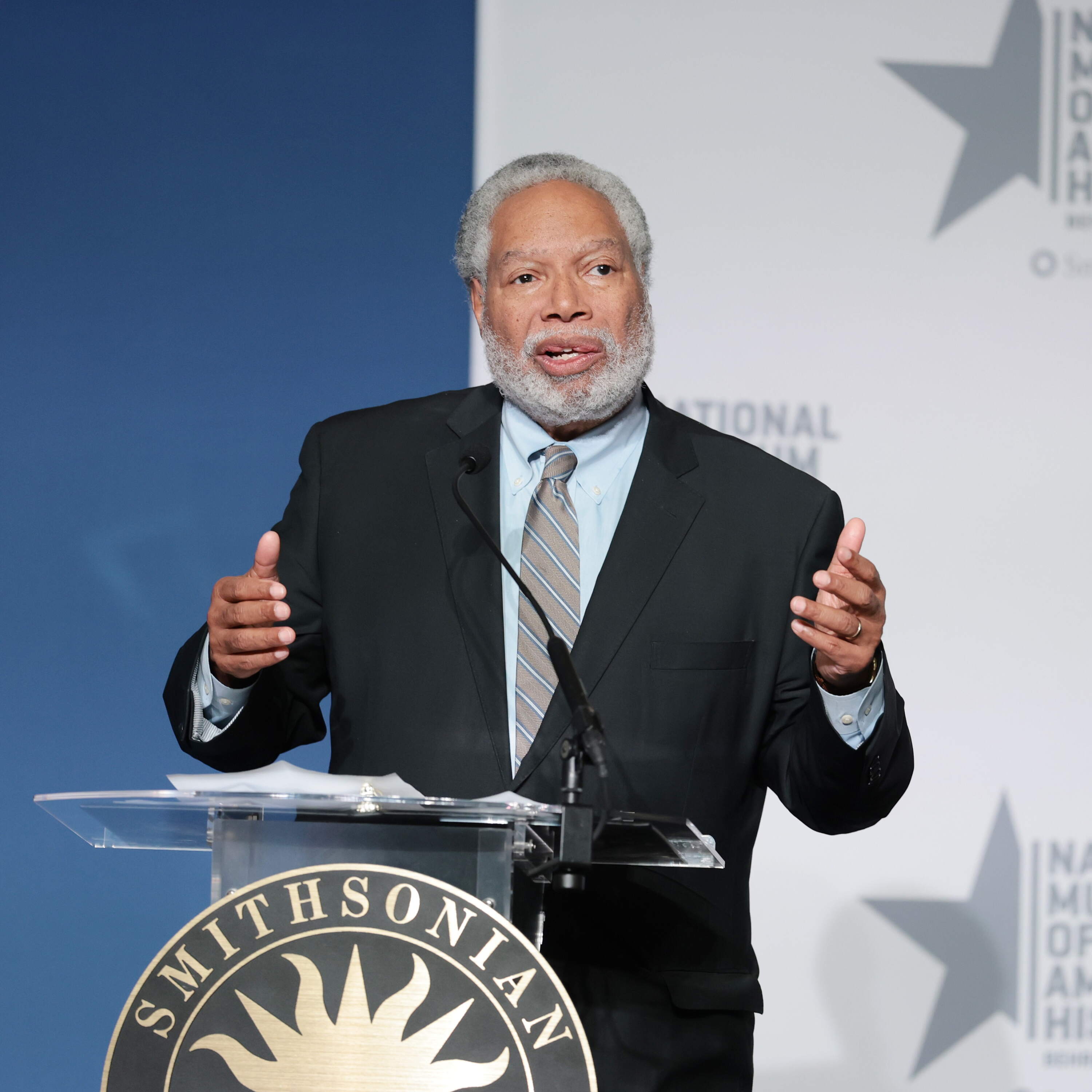
Lonnie G. Bunch III, secretary of the Smithsonian Institution, is stepping down from his post at the end of the year.
The Smithsonian, which includes museums, libraries and a zoo, has been a frequent target of criticism by President Trump.
How might the leadership change affect the revered Institution?
This episode was produced by Jeff Pierre and Elena Burnett, with audio engineering by Hannah Gluvna and Damian Herring. Our director is Jonas Adams.
It was edited by Matt Ozug and Tinbete Ermyas.
Our interim executive producer is Courtney Dorning.<...
As a new school year begins, how are students and parents feeling?

Labor Day marks the unofficial end of summer and the beginning of a new school year.
Across the country, more than 54 million students have returned to the classrooms.
NPR spoke with students and teachers in different parts of the country to hear how they're feeling as the school year begins.
This episode features reporting by Elizabeth Miller of Oregon Public Broadcasting, Beth Wallis of KOSU, and NPR's Jonaki Mehta.
VPM’s Megan Pauly also contributed reporting to this episode.
This episode was produced by Lauren Migaki and Karen Zamora, wi...
9/11 changed America's place in the world. What did Russia and China learn?

After the September 11th attacks, both Russia and China saw an opportunity to forge a closer relationship with the United States.
Then, the U.S. fought wars in Iraq and Afghanistan and weathered the financial crisis of 2008.
What did Russia and China learn about the United States along the way?
This episode was produced by Daniel Ofman and Kathryn Fink.
It was edited by Janaya Williams and Sarah Robbins.
Our director is Alejandra Marquez Janse.
And our interim executive producer is Courtney Dorning.
Support public media with NPR+ and...
Unraveling the story about George Santos' insider trading on Kalshi

This week, the popular prediction market known as Kalshi banned former Congressman George Santos for life and fined him more than 70-thousand dollars — after he engaged in insider trading on the site.
That came as no shock to NPR technology correspondent Bobby Allyn. Earlier this year, Allyn broke the story that Santos was under investigation by the Justice Department for manipulating the market about whether he would or would not attend this year’s State of the Union address.
For Reporter’s Notebook, Allyn talks about how he broke the story and the fallout from it.
...
