The Skeptic and The Disciple
A thoughtful weekly conversation between The Skeptic and The Disciple, exploring Christianity through science, logic, history, and honest questions. Each seven-part conversation unfolds Monday through Sunday.
Did Councils Create the Biblical Canon? - Week of 11/9/26 - Episode 6
Athanasius and the North African councils are placed in context, and later confessional differences are described without inventing one universal fourth-century decree.
This program uses AI-generated character voices.
Watch the illustrated YouTube edition
Why Were Some Books Disputed or Excluded? - Week of 11/9/26 - Episode 5
The friends examine disputed New Testament books and respected noncanonical writings without treating debate as either scandal or proof of certainty.
This program uses AI-generated character voices.
Watch the illustrated YouTube edition
What Made a Book Canonical? - Week of 11/9/26 - Episode 4
Apostolic connection, doctrinal coherence, widespread reception, and church use are tested as overlapping judgments rather than a mechanical checklist.
This program uses AI-generated character voices.
Watch the illustrated YouTube edition
How Did Apostolic Writings Become Scripture? - Week of 11/9/26 - Episode 3
Circulation, public reading, quotation, and early collection explain how a strong New Testament core emerged before the final edges settled.
This program uses AI-generated character voices.
Watch the illustrated YouTube edition
How Did Israel's Scriptures Become a Canon? - Week of 11/9/26 - Episode 2
The friends trace the Law, Prophets, and Writings while distinguishing authoritative collections from later assumptions about one fixed early list.
This program uses AI-generated character voices.
Watch the illustrated YouTube edition
Who Decided Which Books Belong in the Bible? - Week of 11/9/26 - Episode 1
The friends replace the myth of one secret vote with a documented, uneven process of reception, testing, use, and eventual listing.
This program uses AI-generated character voices.
Watch the illustrated YouTube edition
Can Scripture Speak Clearly Amid Sincere Disagreement? - Week of 11/2/26 - Episode 7
The week concludes with a practical reading method, calibrated confidence, the Bible's central clarity, and the next question of canon and trust.
This program uses AI-generated character voices.
Watch the illustrated YouTube edition
How Can We Disagree Without Making Meaning Flexible? - Week of 11/2/26 - Episode 6
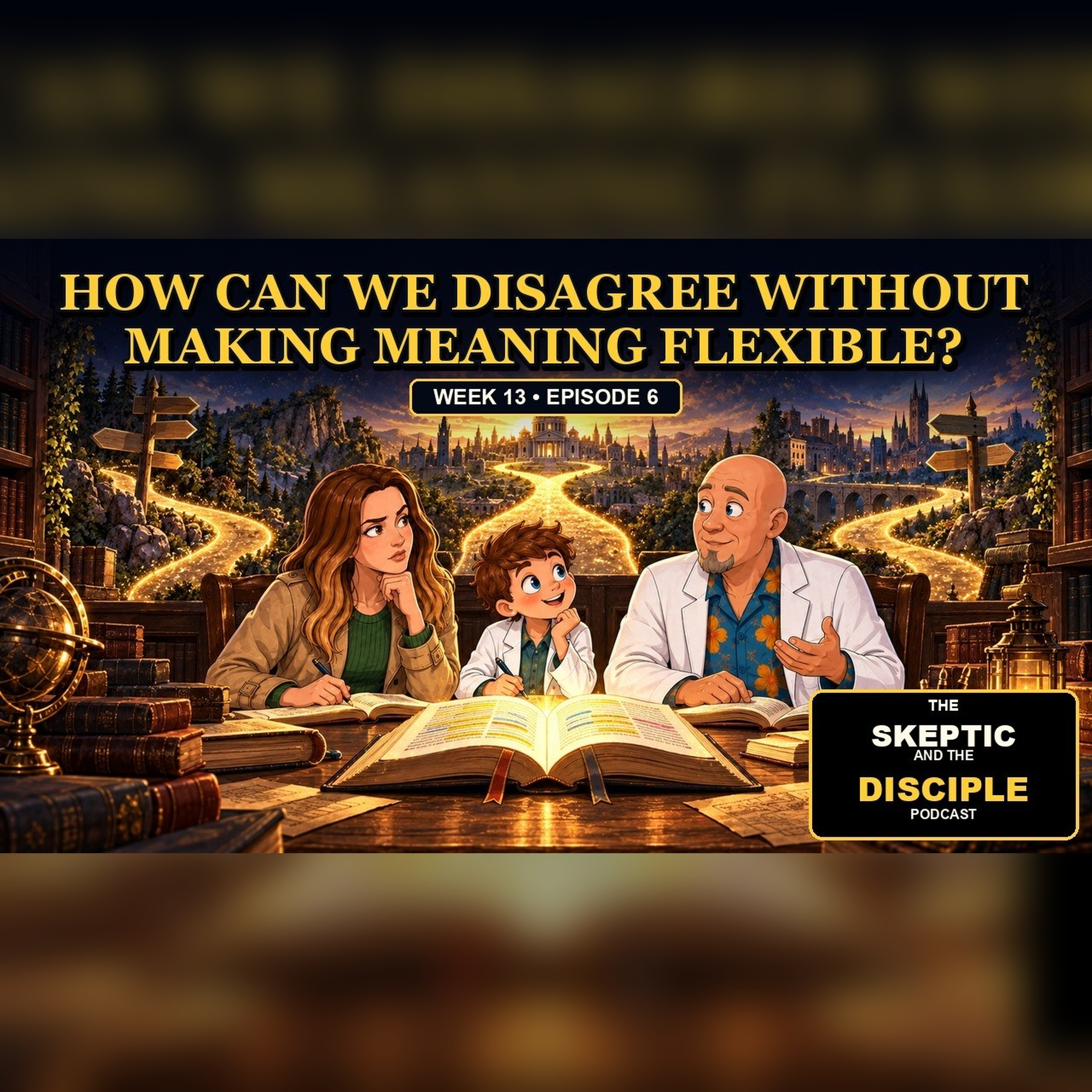
Explicit text, inference, application, uncertainty, and interpretive charity provide boundaries for disagreement without collapsing truth into preference.
This program uses AI-generated character voices.
Watch the illustrated YouTube edition
Who Gets to Interpret the Bible? - Week of 11/2/26 - Episode 5
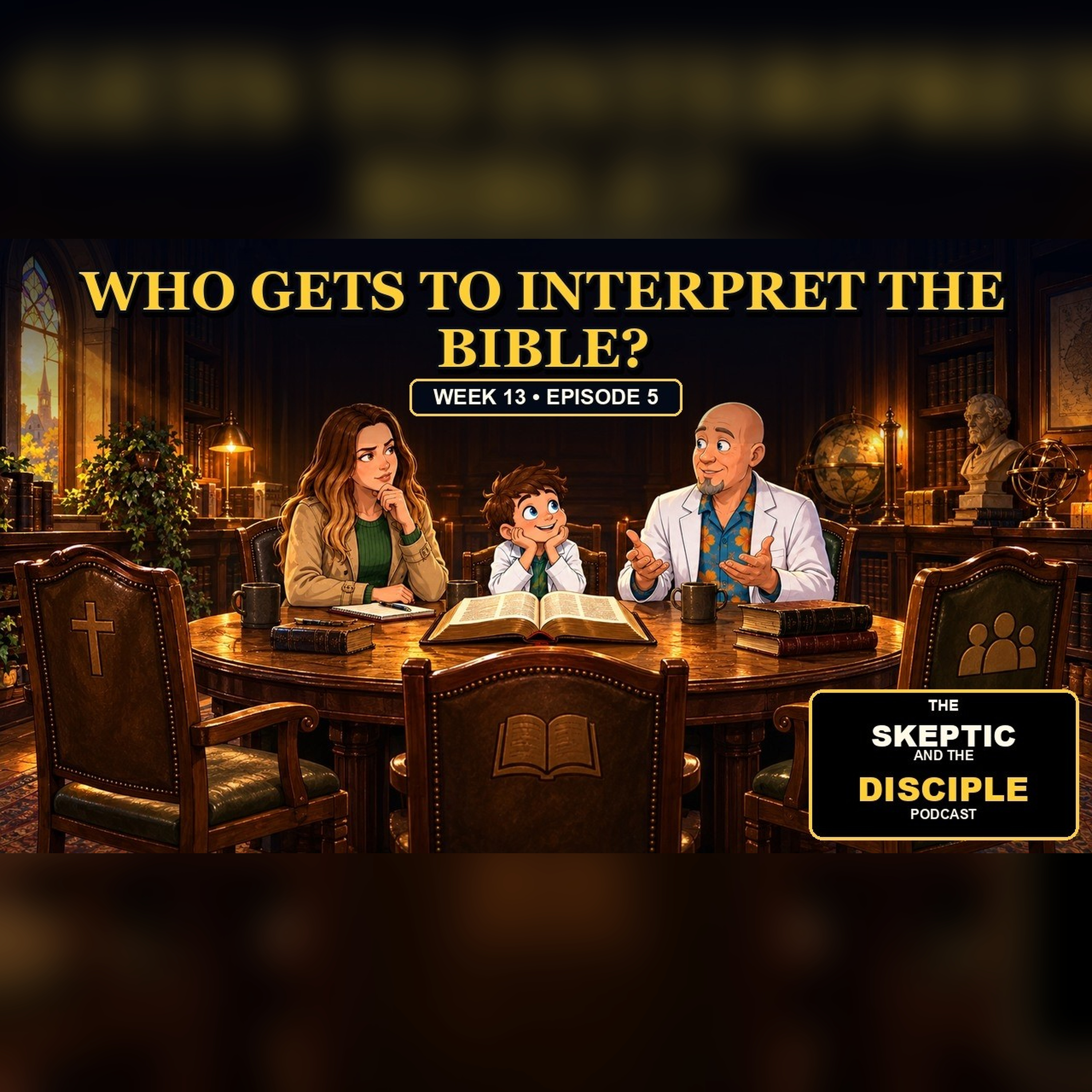
Individual conscience, scholarship, tradition, creeds, communities, and church authority are weighed as accountable aids rather than automatic guarantees.
This program uses AI-generated character voices.
Watch the illustrated YouTube edition
What About Tensions and Apparent Contradictions? - Week of 11/2/26 - Episode 4
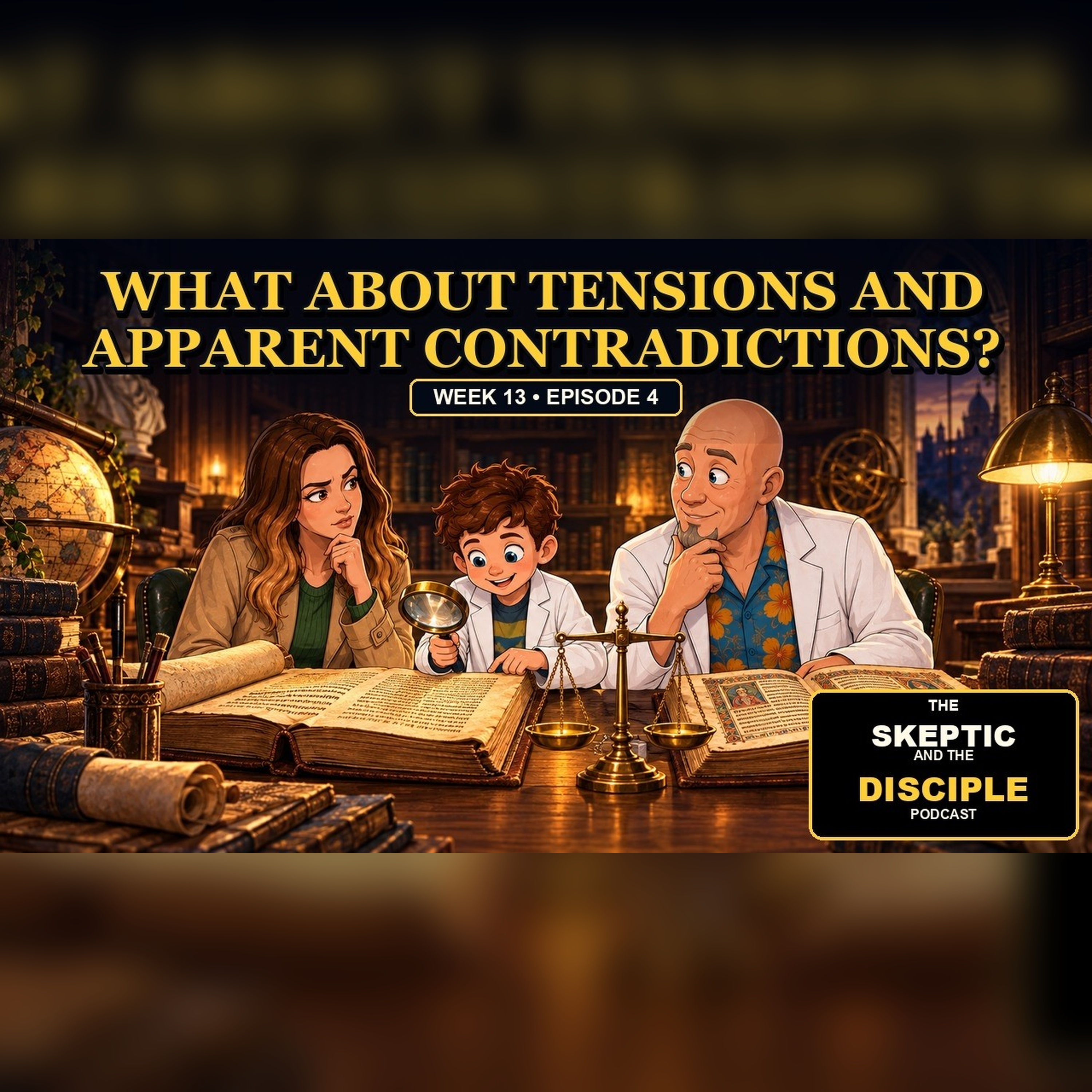
The conversation tests harmonization, differing accounts, ancient conventions, moral difficulty, and the limits of both defensive and skeptical readings.
This program uses AI-generated character voices.
Watch the illustrated YouTube edition
How Do Genre and Context Shape Meaning? - Week of 11/2/26 - Episode 3
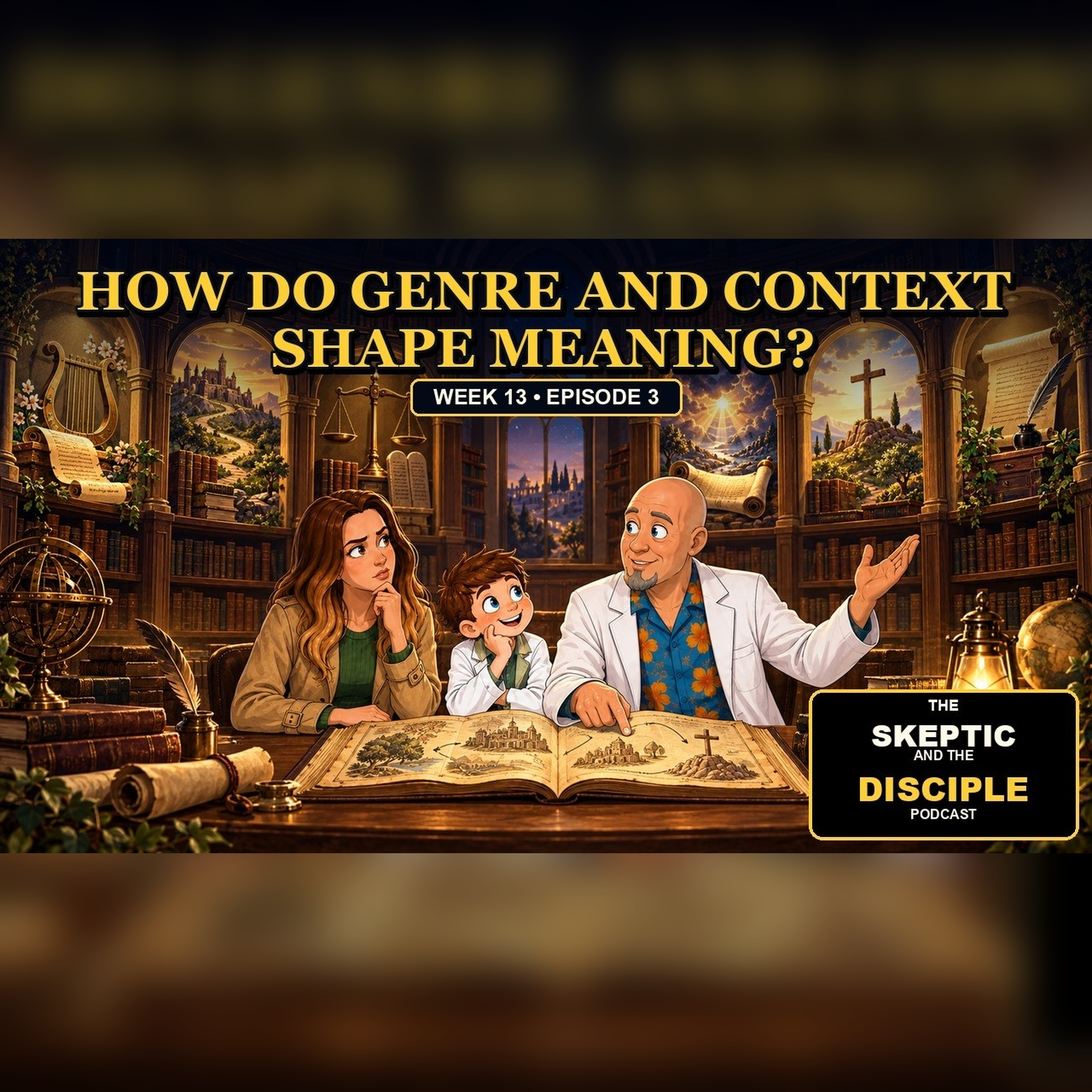
Poetry, narrative, law, wisdom, prophecy, Gospel, and letter show why responsible reading begins with literary and historical context.
This program uses AI-generated character voices.
Watch the illustrated YouTube edition
Is Inspiration the Same as Dictation? - Week of 11/2/26 - Episode 2
Dictation, verbal inspiration, authorial freedom, textual variation, and translation are compared without denying either divine agency or human authorship.
This program uses AI-generated character voices.
Watch the illustrated YouTube edition
What Does It Mean to Call the Bible Inspired? - Week of 11/2/26 - Episode 1

The friends define inspiration without assuming dictation, distinguish divine claim from human process, and establish what must still be tested.
This program uses AI-generated character voices.
Watch the illustrated YouTube edition
Can Faith Survive When No Miracle Comes? - Week of 10/26/26 - Episode 7
The week concludes with disappointment, lament, resurrection hope, ethical testimony, and the next question of biblical inspiration and responsible interpretation.
This program uses AI-generated character voices.
Watch the illustrated YouTube edition
How Should Christians Pray for Healing? - Week of 10/26/26 - Episode 6
Bold petition, consent, medical care, anointing, honest language, financial safeguards, documentation, and continuing support define a responsible practice of prayer for healing.
This program uses AI-generated character voices.
Watch the illustrated YouTube edition
Is Providence Just Coincidence? - Week of 10/26/26 - Episode 5
Pattern recognition, confirmation bias, ordinary causation, gratitude, painful outcomes, and cumulative interpretation clarify how providence can be personally meaningful without being oversold as public proof.
This program uses AI-generated character voices.
Watch the illustrated YouTube edition
Why Are Some Prayers Answered and Others Not? - Week of 10/26/26 - Episode 4
Uneven outcomes, selection bias, biblical lament, divine freedom, secondary causes, and harmful blame are examined without converting prayer into a guaranteed technique.
This program uses AI-generated character voices.
Watch the illustrated YouTube edition
How Should Healing Claims Be Tested? - Week of 10/26/26 - Episode 3
Medical records, diagnosis quality, timing, durability, base rates, independent review, patient privacy, and pastoral ethics form a fail-closed framework for examining healing testimony.
This program uses AI-generated character voices.
Watch the illustrated YouTube edition
What Would Count as a Miracle? - Week of 10/26/26 - Episode 2
Miracle, providence, anomaly, natural law, prior probability, and theological interpretation are separated so that extraordinary claims can be evaluated with conceptual precision.
This program uses AI-generated character voices.
Watch the illustrated YouTube edition
Do Miracles Still Happen? - Week of 10/26/26 - Episode 1
The friends define the question, distinguish possibility from proof, and ask how claims of extraordinary divine action should be approached without credulity or reflexive dismissal.
This program uses AI-generated character voices.
Watch the illustrated YouTube edition
Can Faith Survive Unanswered Pain? - Week of 10/19/26 - Episode 7
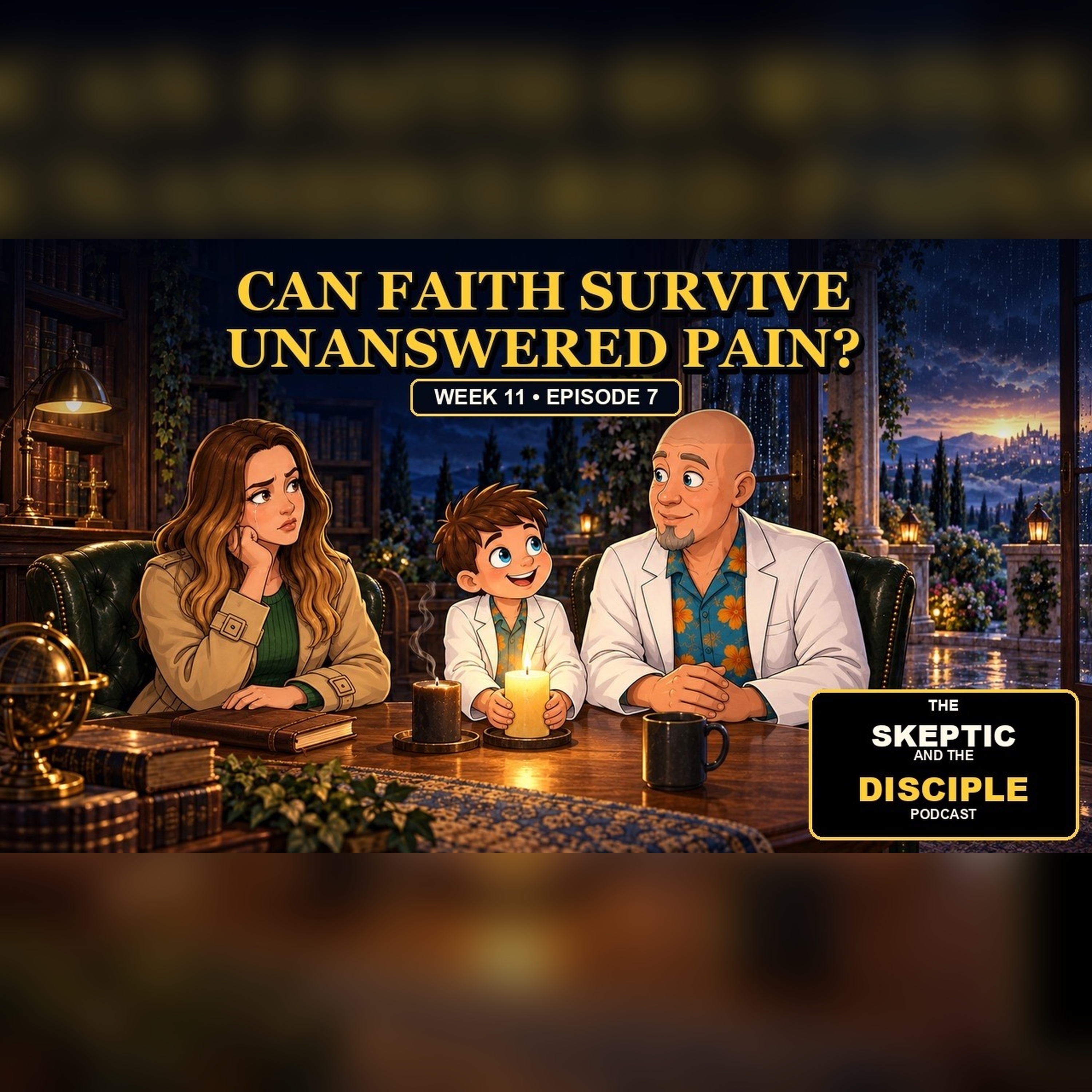
The week concludes with doubt, lament, unanswered prayer, communal faith, durable hope, and the next question of miracles and apparently uneven divine action.
This program uses AI-generated character voices.
Watch the illustrated YouTube edition
How Should Christians Respond to Suffering? - Week of 10/19/26 - Episode 6
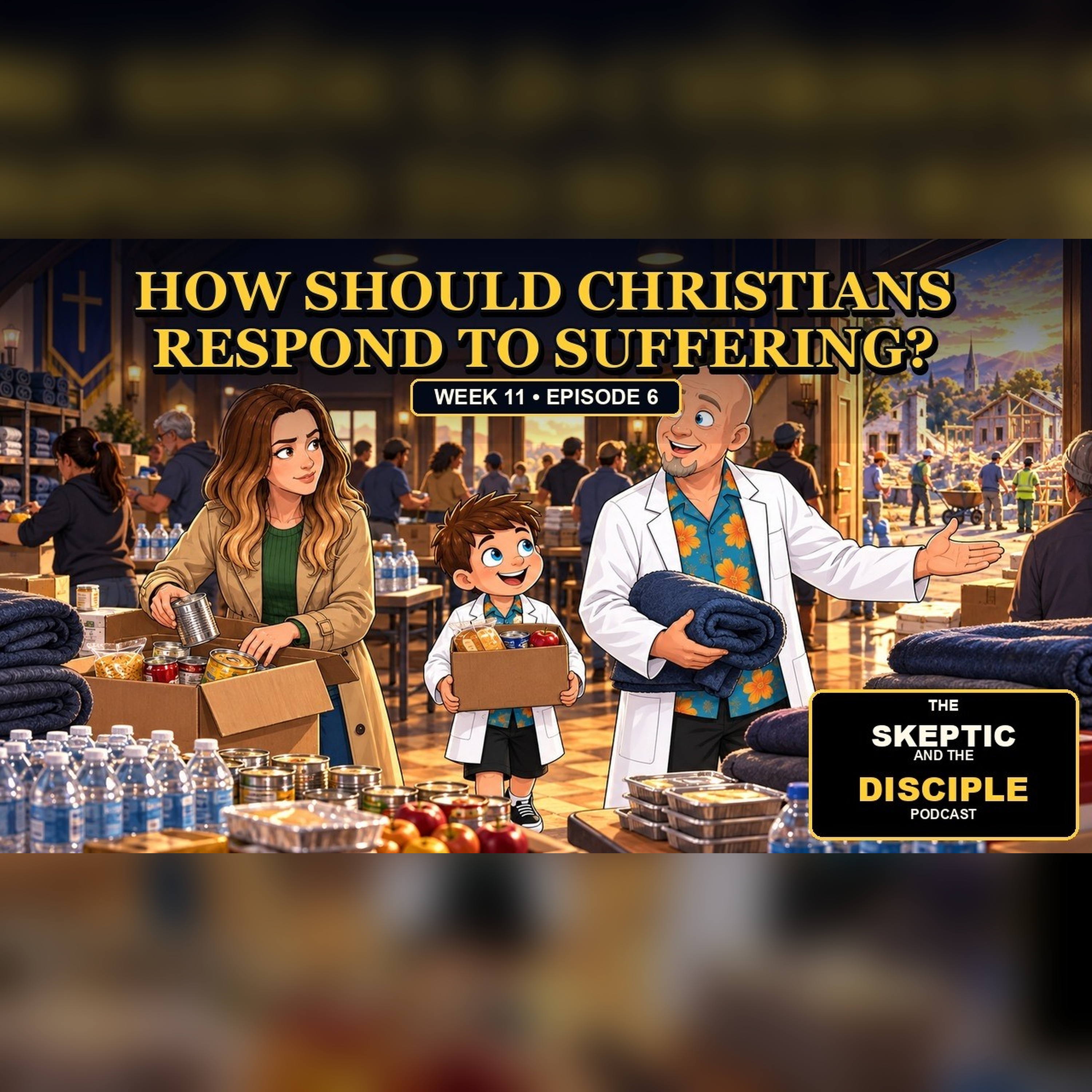
Practical care, medicine, therapy, lament, prayer, safeguarding, justice, and long-term companionship are set against harmful spiritual clichés.
This program uses AI-generated character voices.
Watch the illustrated YouTube edition
What Does the Cross Say to Suffering? - Week of 10/19/26 - Episode 5
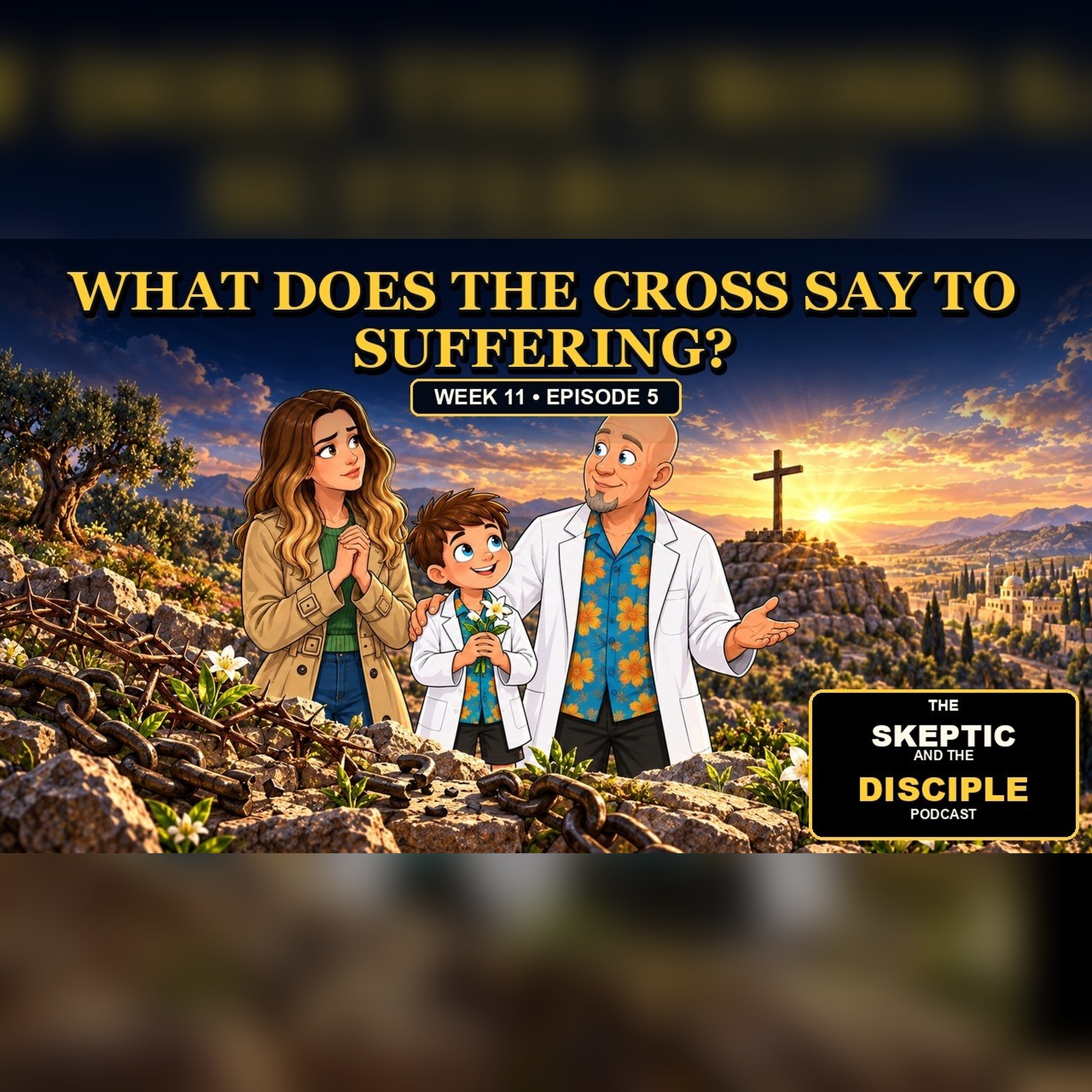
The cross is examined as divine solidarity, exposure of human violence, forgiveness, judgment, and a promise completed only by resurrection and restoration.
This program uses AI-generated character voices.
Watch the illustrated YouTube edition
Why Does God Seem Hidden? - Week of 10/19/26 - Episode 4
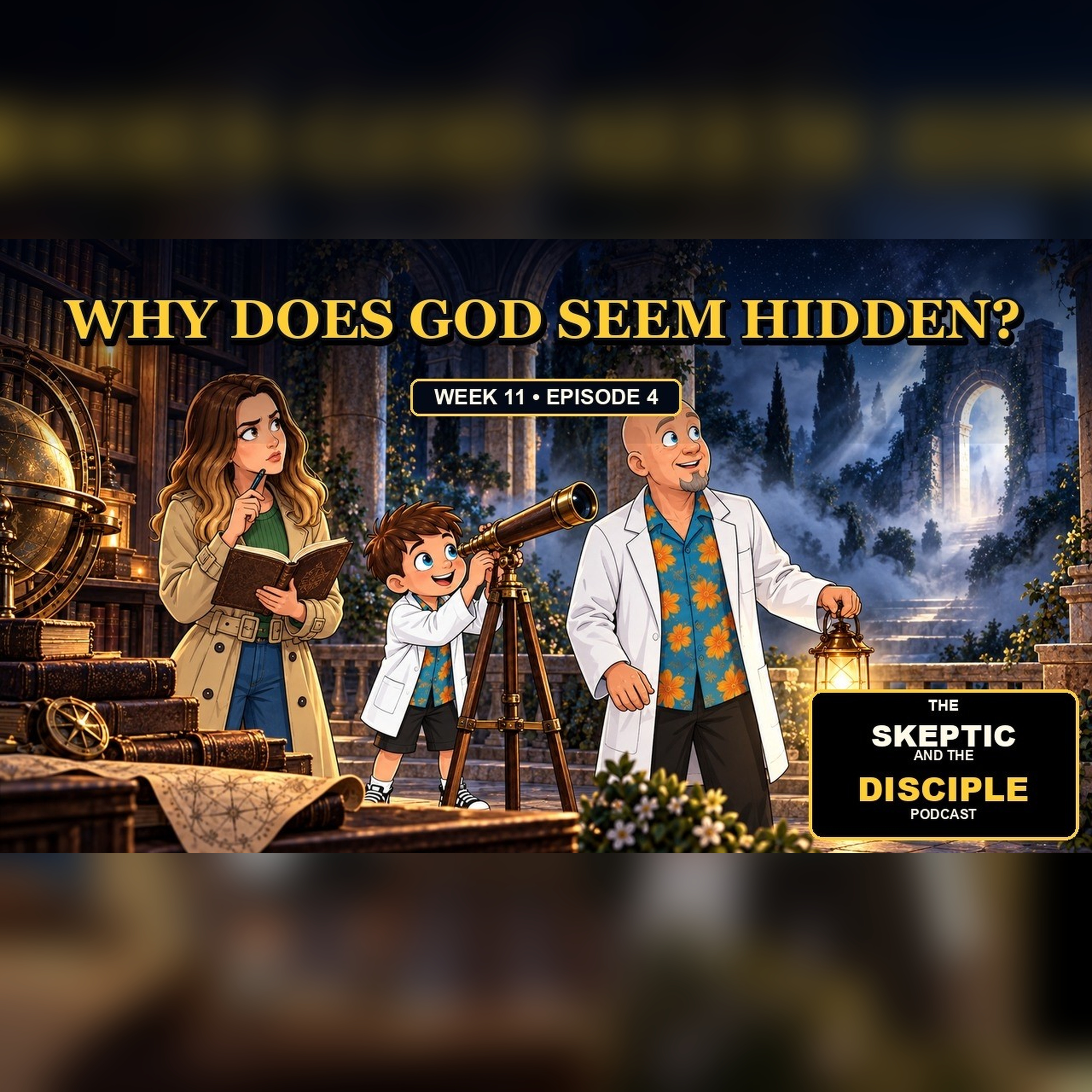
Sincere nonbelief, unanswered prayer, religious ambiguity, freedom, evidence, and the difference between divine silence and human abandonment are explored.
This program uses AI-generated character voices.
Watch the illustrated YouTube edition
Why Does Nature Cause Innocent Suffering? - Week of 10/19/26 - Episode 3
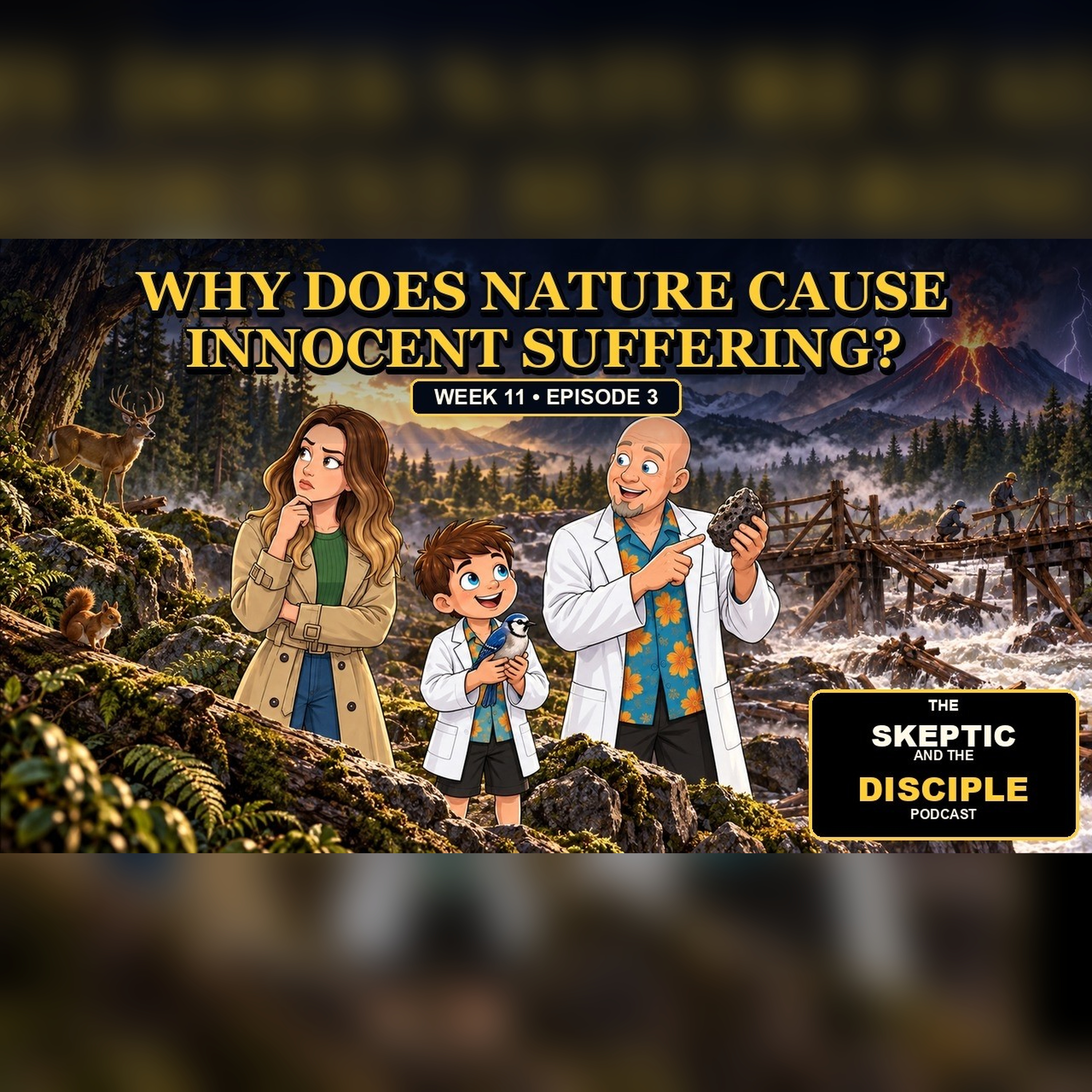
Natural law, evolution, disease, animal pain, creation's fallenness, and the limits of soul-making are weighed with scientific and theological care.
This program uses AI-generated character voices.
Watch the illustrated YouTube edition
Does Free Will Explain Evil? - Week of 10/19/26 - Episode 2
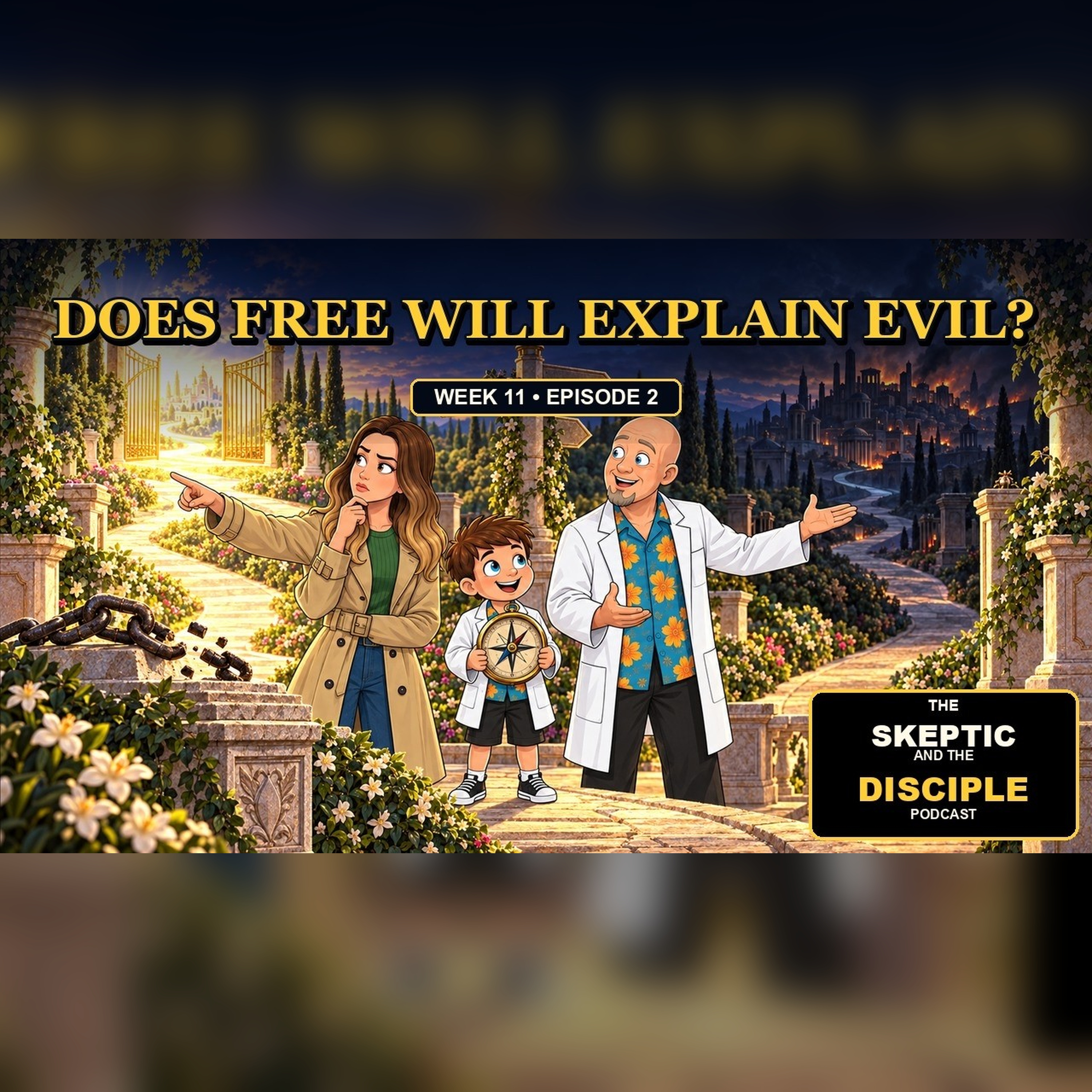
Freedom, love, responsibility, divine restraint, systemic evil, and the limits of the free-will defense are examined without making victims bear the explanation.
This program uses AI-generated character voices.
Watch the illustrated YouTube edition
If God Is Good, Why Is There So Much Suffering? - Week of 10/19/26 - Episode 1
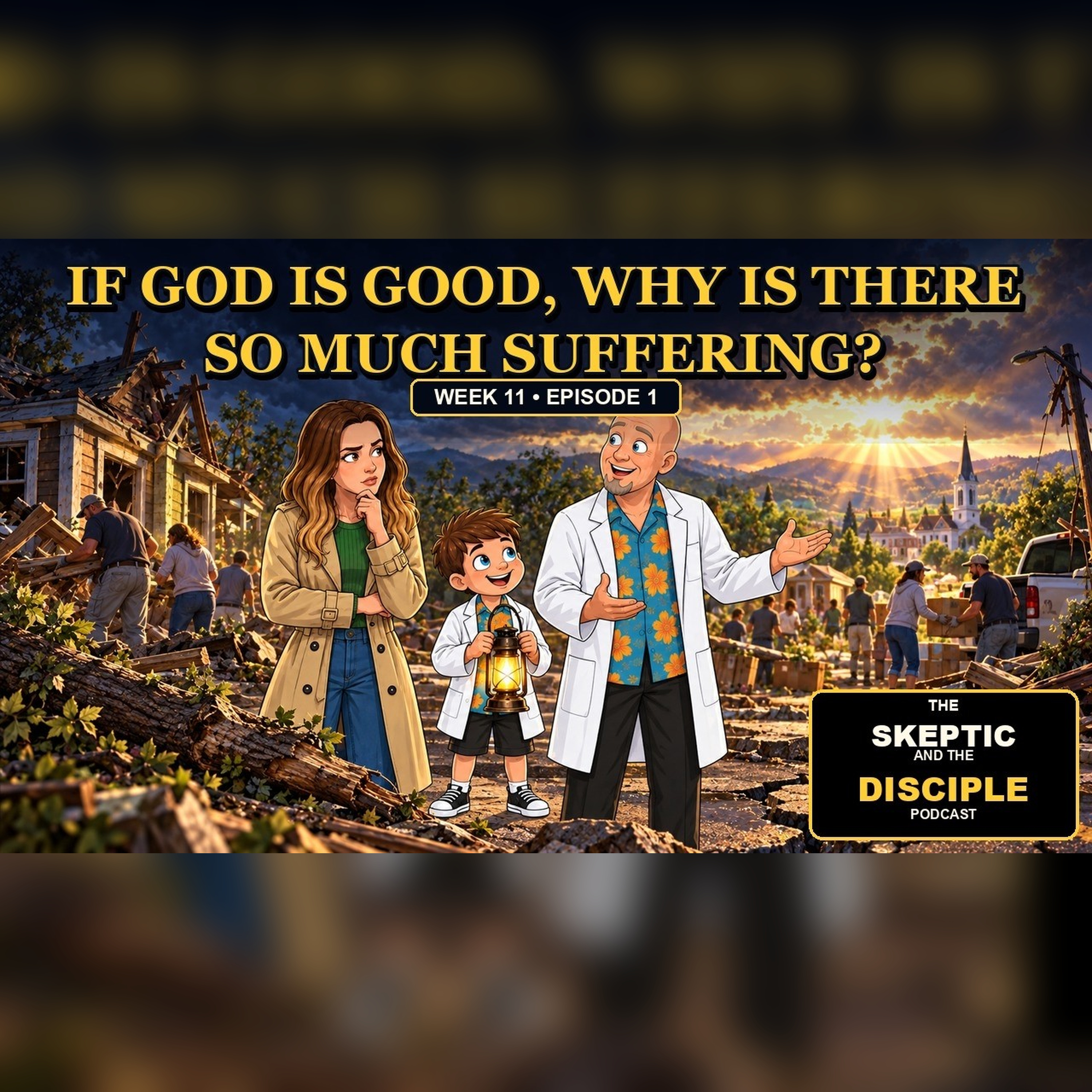
The friends separate the logical problem of evil from the lived problem of pain and test what Christian belief actually commits someone to explain.
This program uses AI-generated character voices.
Watch the illustrated YouTube edition
Can Christian Hope Survive Grief and Doubt? - Week of 10/12/26 - Episode 7
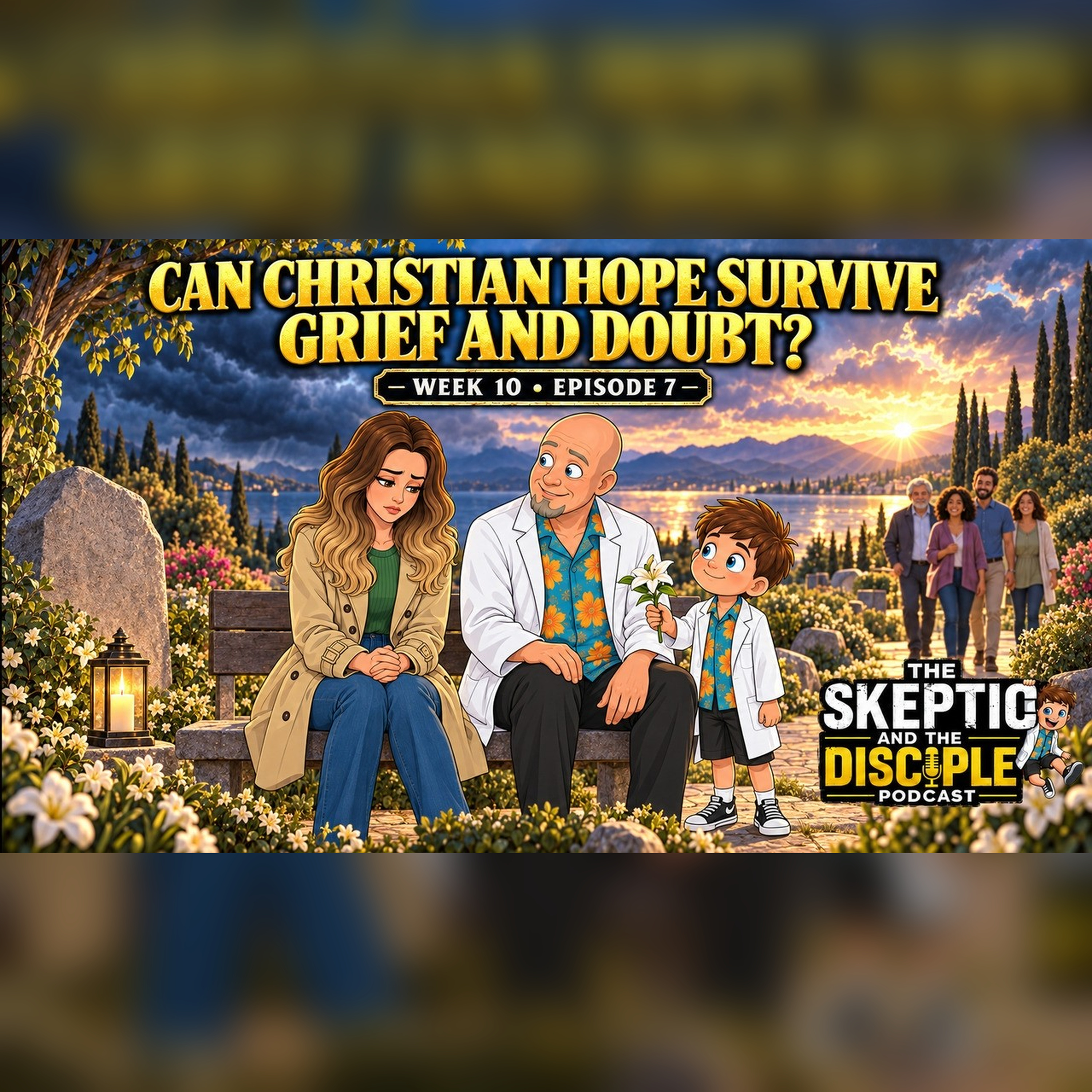
The week concludes by grounding hope in Jesus' resurrection while making room for grief, uncertainty, communal support, unanswered delay, and the next question of suffering and evil.
This program uses AI-generated character voices.
Watch the illustrated YouTube edition
Does Future Hope Neglect the Present World? - Week of 10/12/26 - Episode 6
The friends test whether resurrection hope encourages escapism or grounds justice, environmental care, vocation, grief, patience, and resistance to utopian coercion.
This program uses AI-generated character voices.
Watch the illustrated YouTube edition
What Will the New Creation Be Like? - Week of 10/12/26 - Episode 5
Biblical images of God's presence, a renewed earth, healed nations, meaningful work, worship, relationships, animals, and freedom from death are explored with disciplined humility.
This program uses AI-generated character voices.
Watch the illustrated YouTube edition
Can Final Judgment Be Good News? - Week of 10/12/26 - Episode 4
Final judgment is considered as public truth and justice, while competing Christian accounts of hell, mercy, and human responsibility are represented carefully.
This program uses AI-generated character voices.
Watch the illustrated YouTube edition
Why Does Bodily Resurrection Matter? - Week of 10/12/26 - Episode 3
Jesus' resurrection, personal identity, transformed embodiment, disability, recognition, and the goodness of creation are examined without inventing biological details.
This program uses AI-generated character voices.
Watch the illustrated YouTube edition
What Happens Between Death and Resurrection? - Week of 10/12/26 - Episode 2
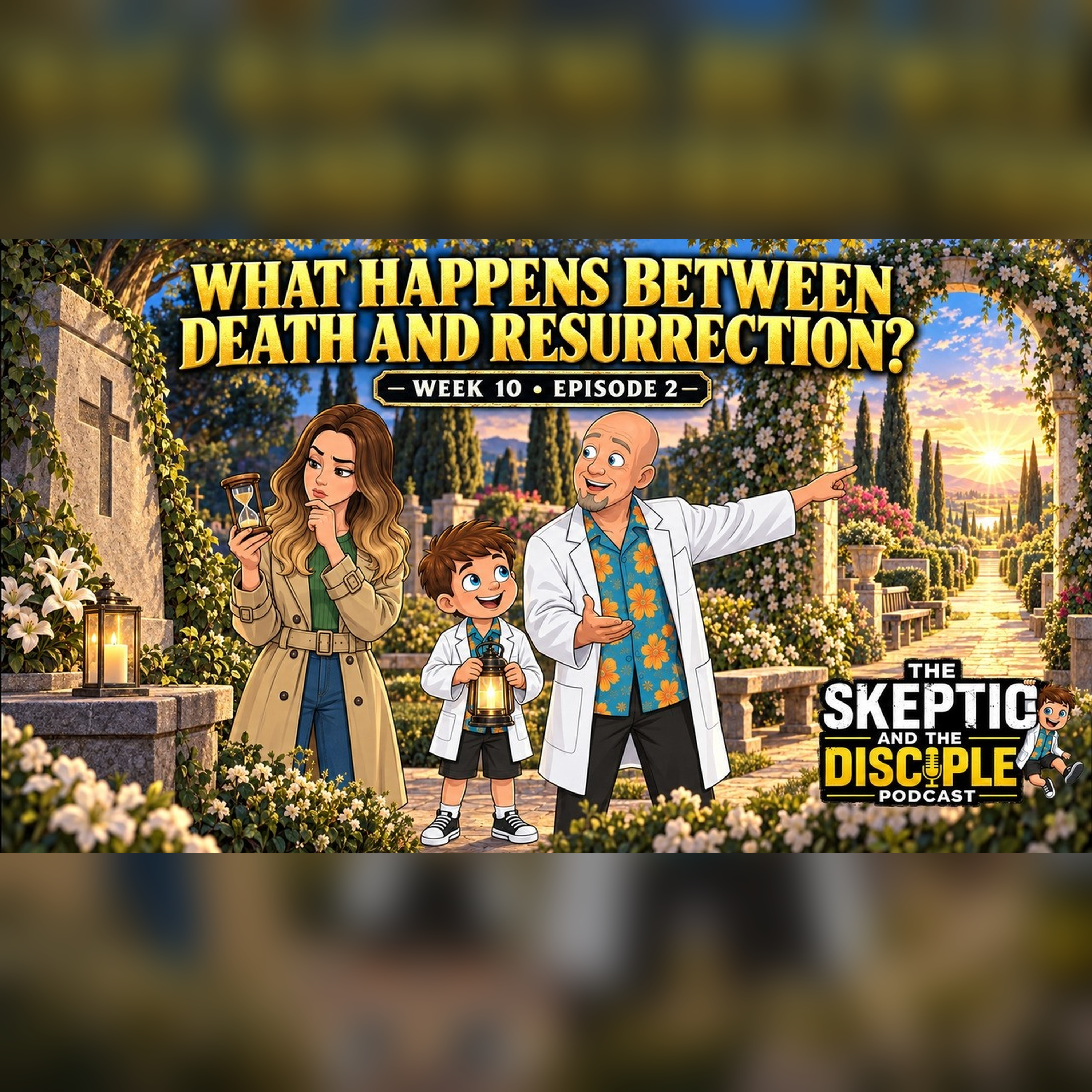
Biblical claims about death, presence with Christ, sleep imagery, grief, and the intermediate state are separated from confident speculation.
This program uses AI-generated character voices.
Watch the illustrated YouTube edition
Does Christian Hope Mean Escaping to Heaven? - Week of 10/12/26 - Episode 1
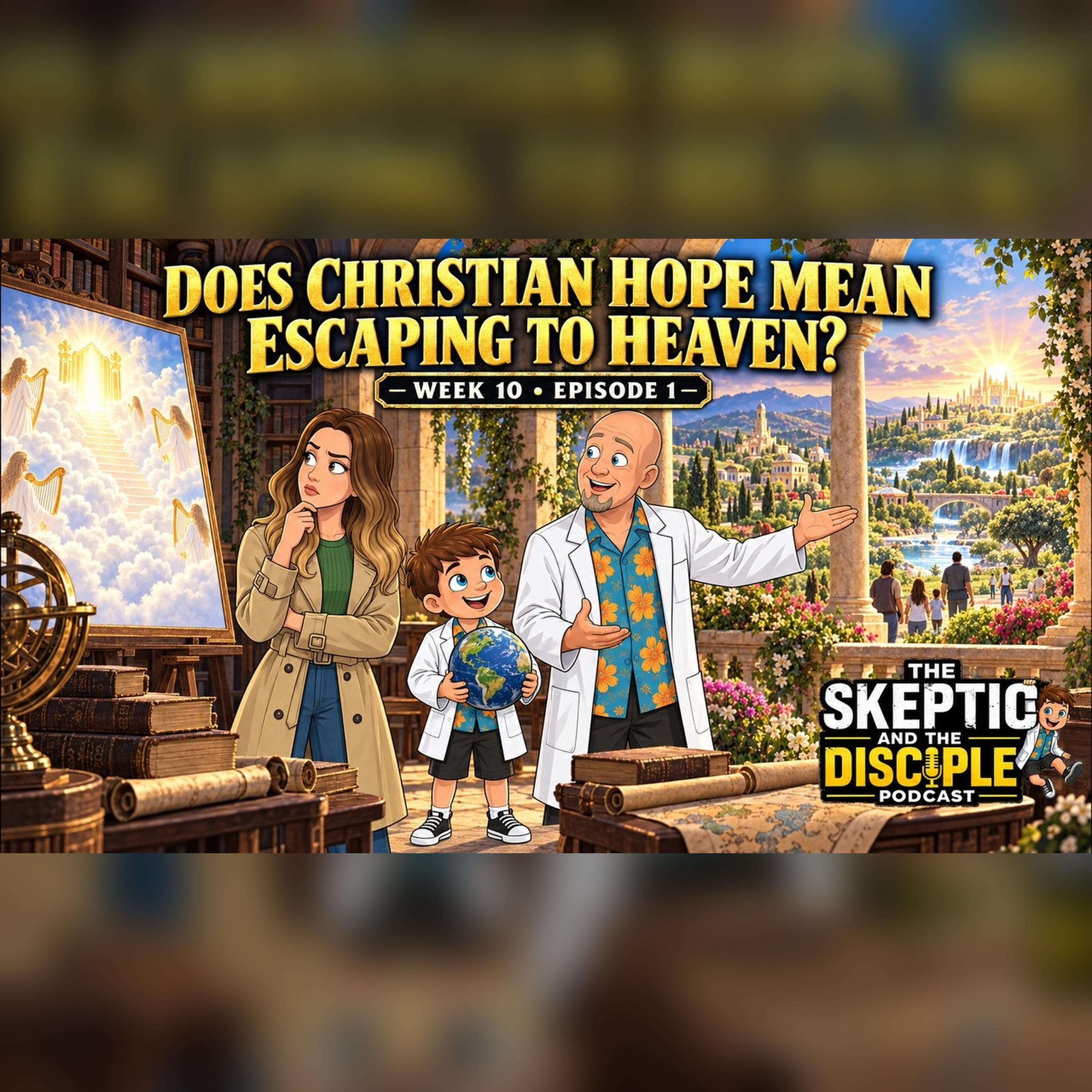
The conversation distinguishes life with God after death from Christianity's final hope of bodily resurrection and a renewed creation.
This program uses AI-generated character voices.
Watch the illustrated YouTube edition
Can a Wounded Person Trust the Church Again? - Week of 10/5/26 - Episode 7
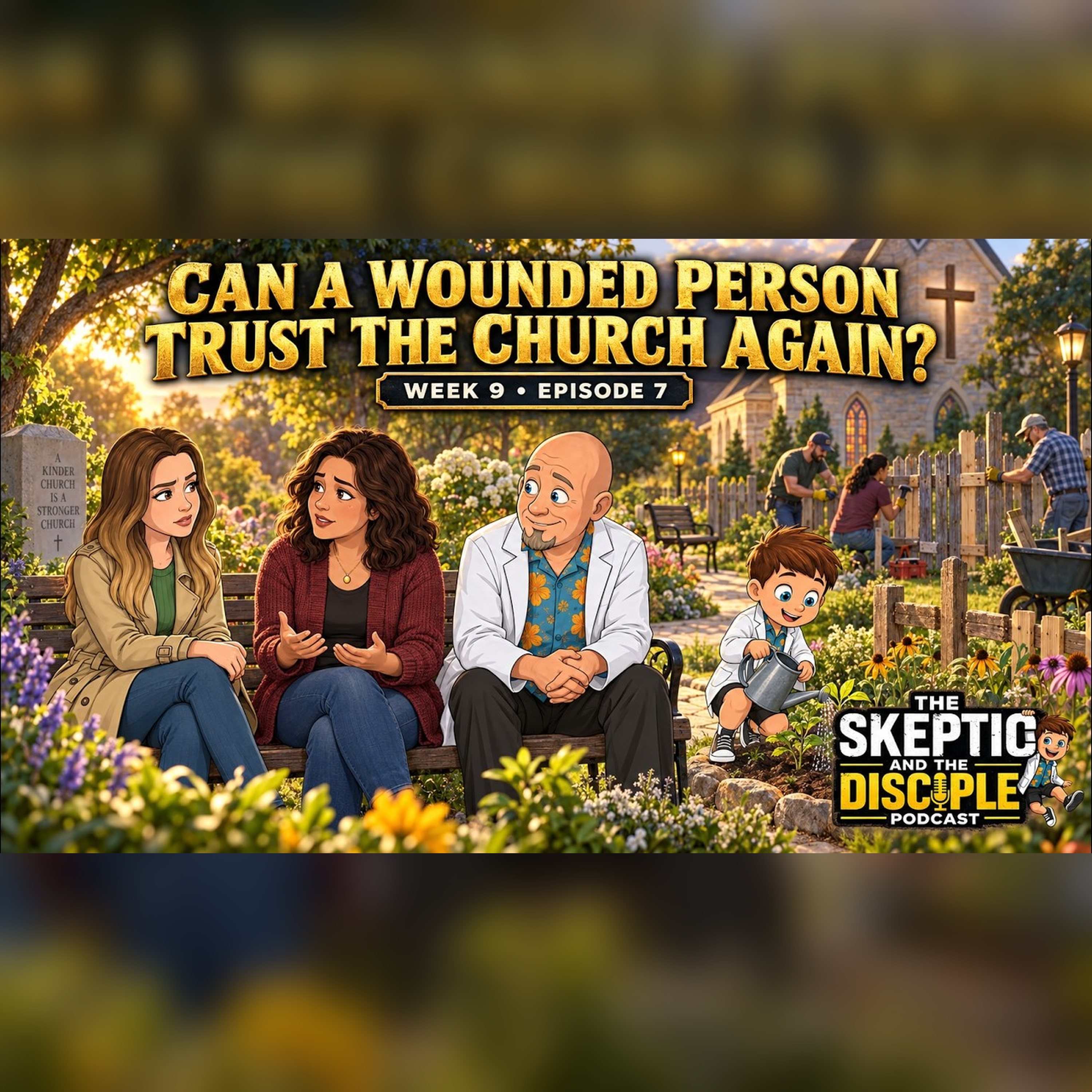
The week concludes with a practical picture of trustworthy Christian community, patient healing, bounded trust, institutional repentance, and hope rooted in Christ rather than organizational perfection.
This program uses AI-generated character voices.
Watch the illustrated YouTube edition
When Is It Right to Leave a Church? - Week of 10/5/26 - Episode 6
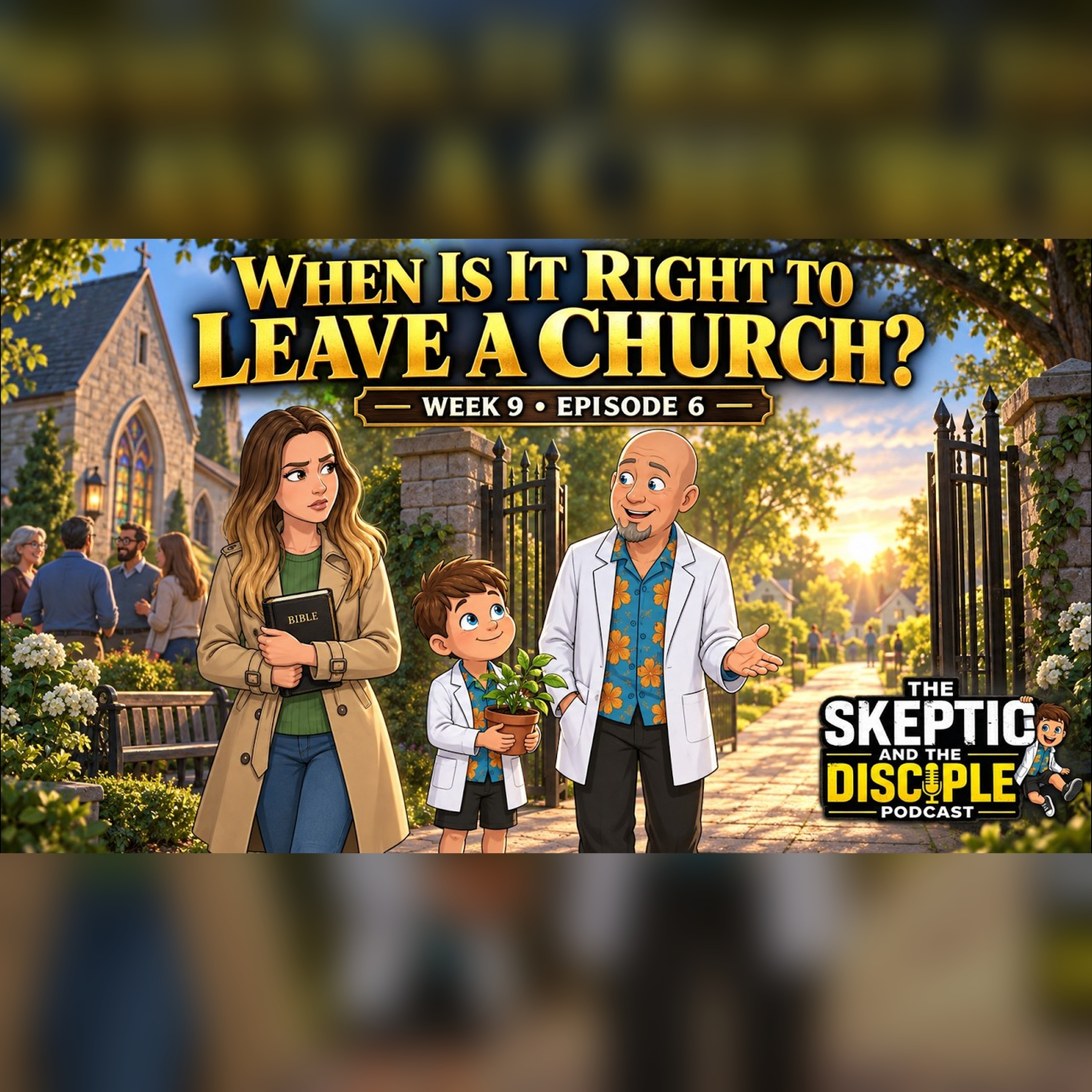
Warning signs, safety, conscience, family pressures, church discipline, patient reform, and responsible departure are considered without equating one congregation with Christ.
This program uses AI-generated character voices.
Watch the illustrated YouTube edition
What Should Churches Do About Abuse? - Week of 10/5/26 - Episode 5
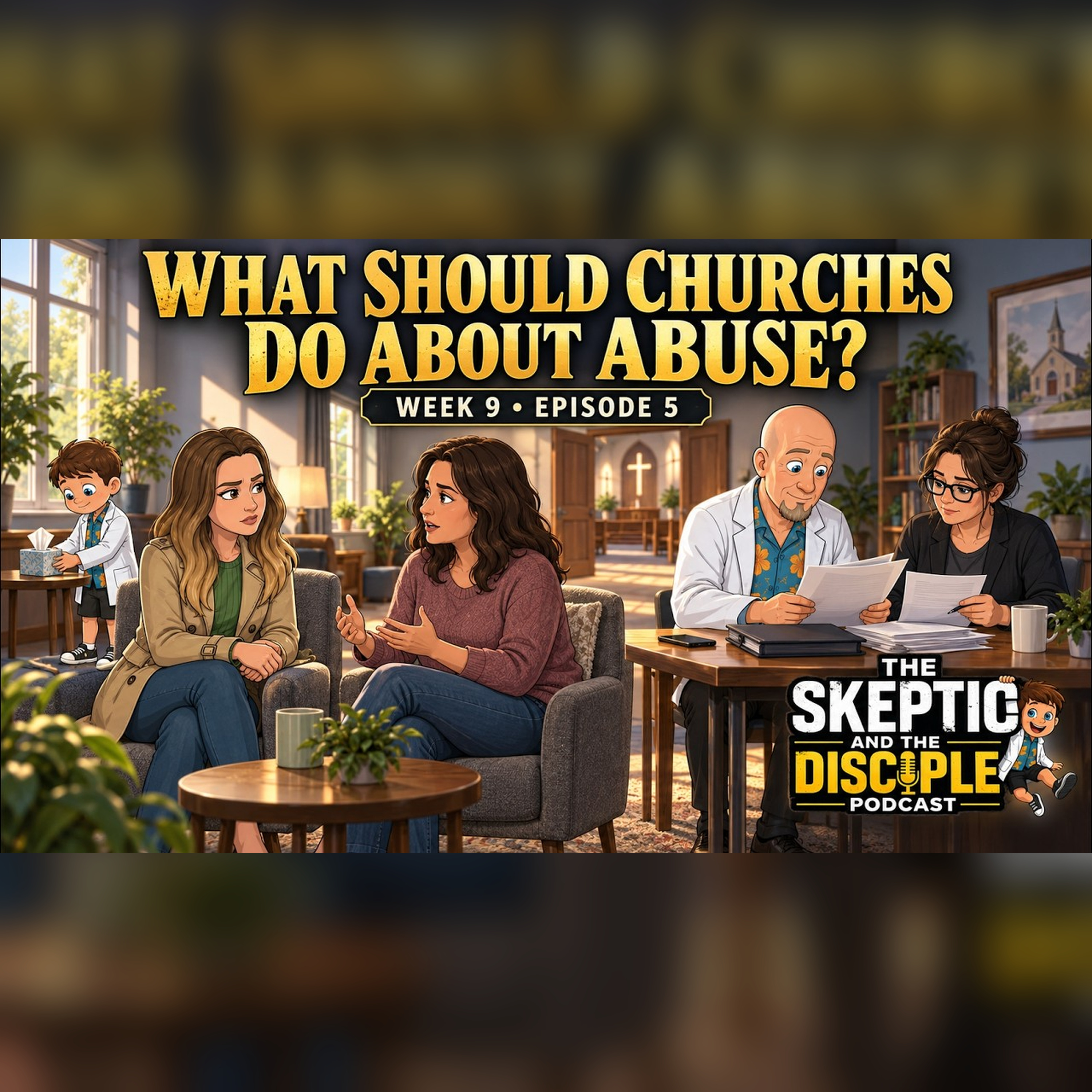
Concrete safeguards are discussed: immediate safety, civil reporting, independent investigation, survivor agency, due process, confidentiality, leadership consequences, restitution, and durable reform.
This program uses AI-generated character voices.
Watch the illustrated YouTube edition
Does Church Failure Disprove Christianity? - Week of 10/5/26 - Episode 4
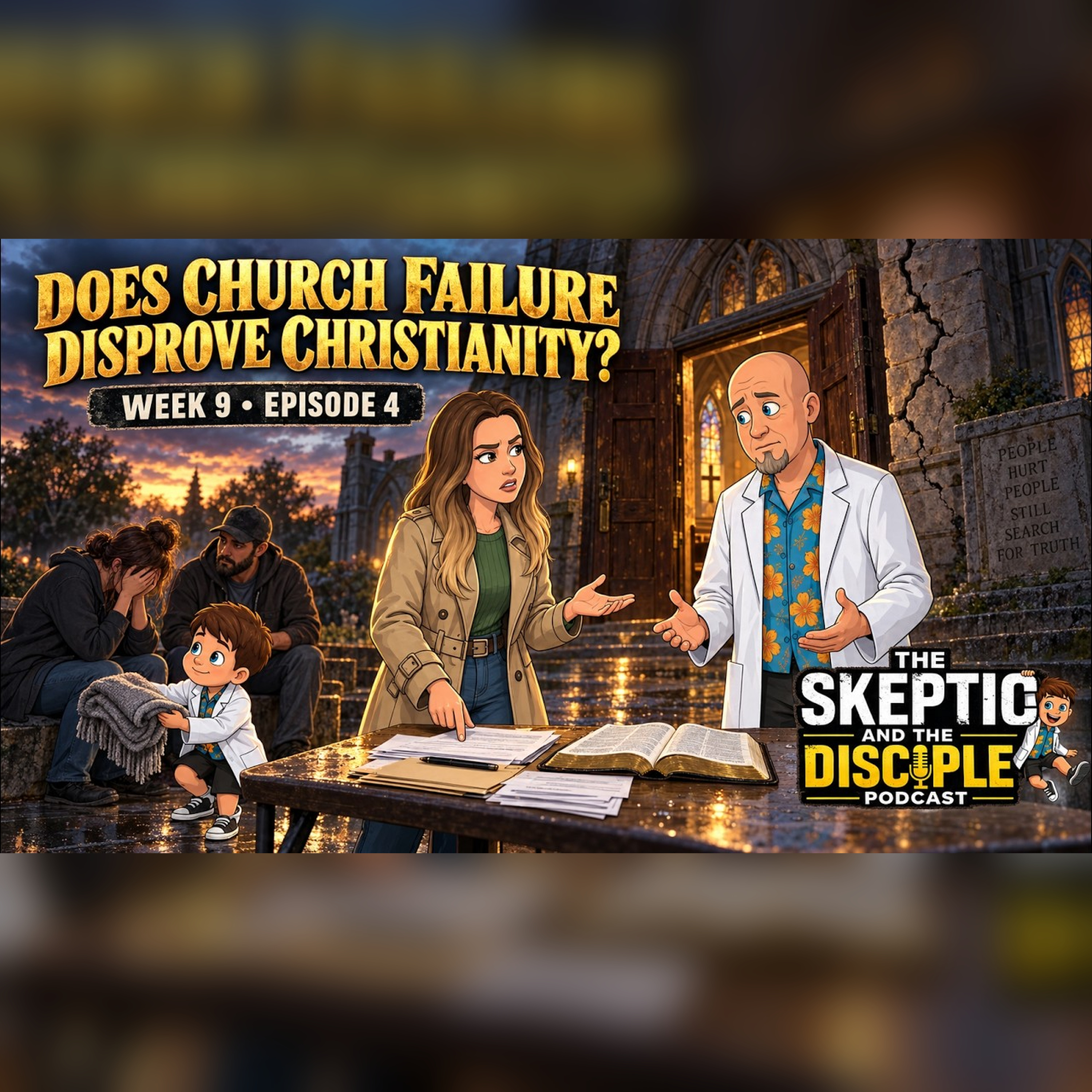
Hypocrisy, scandal, institutional evil, moral credibility, and the difference between explaining failure and excusing it are examined without protecting Christianity from evidence.
This program uses AI-generated character voices.
Watch the illustrated YouTube edition
How Should Church Authority Work? - Week of 10/5/26 - Episode 3
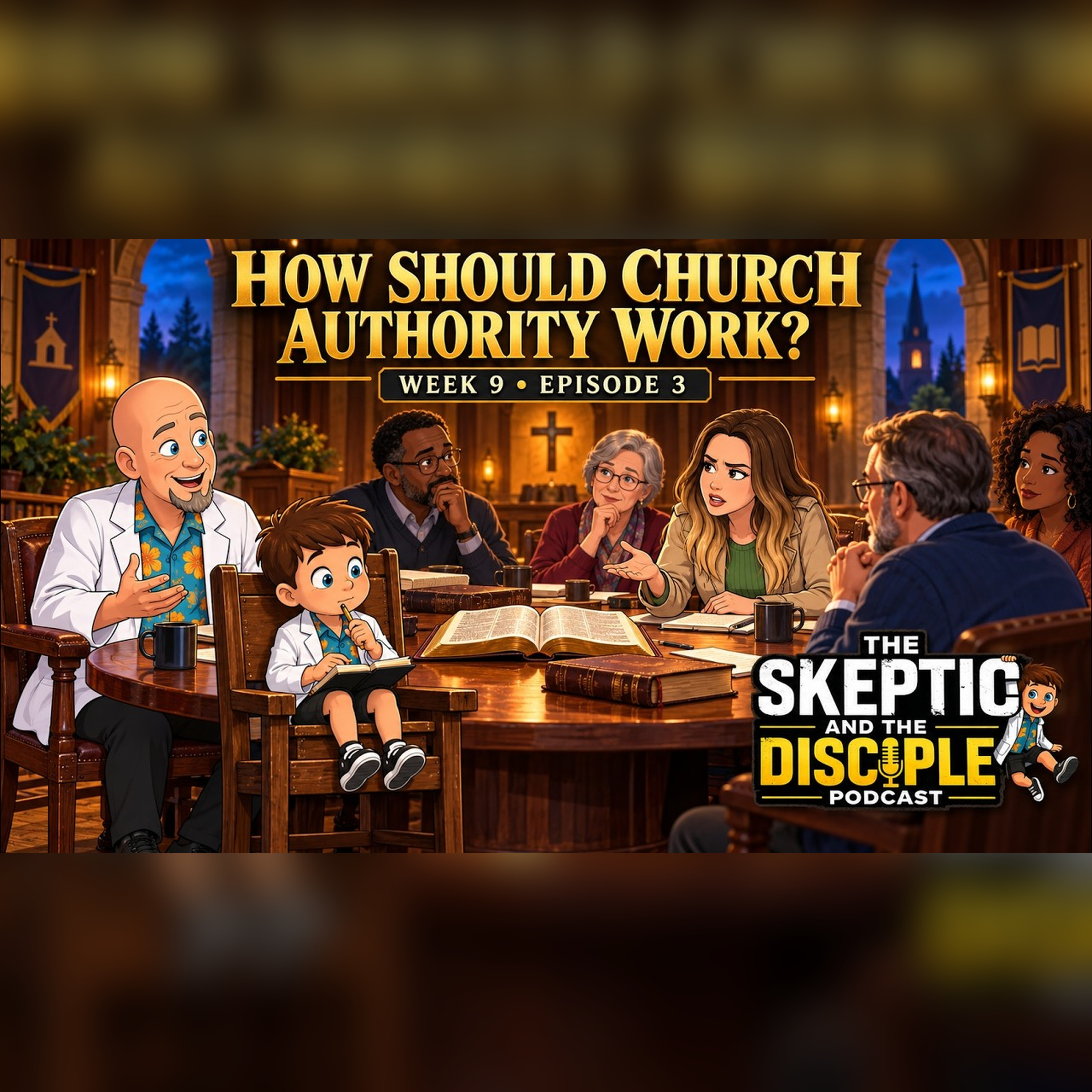
The Skeptic and Disciple distinguish authority from domination and examine Scripture, tradition, conscience, expertise, shared governance, and limits on church leadership.
This program uses AI-generated character voices.
Watch the illustrated YouTube edition
What Marks a Faithful Church? - Week of 10/5/26 - Episode 2
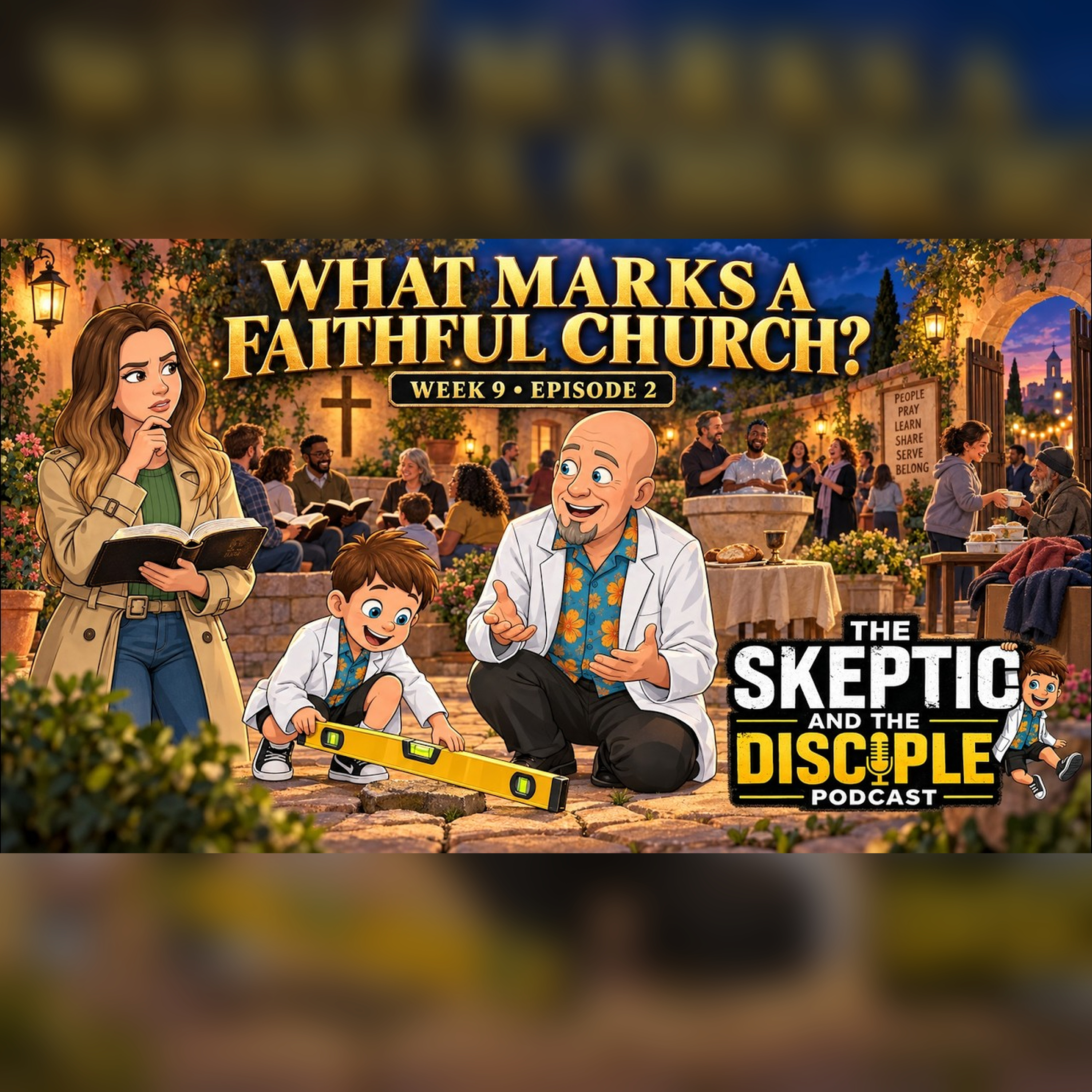
Scripture, gospel, sacraments, worship, leadership, mission, and care are treated as public marks that can guide discernment without claiming institutional perfection.
This program uses AI-generated character voices.
Watch the illustrated YouTube edition
