Health Tech Nerds Radio
Where we share our weekly news debriefs and discussions with industry experts. These are lo-fi recordings aimed at giving our readers more opportunities to engage with our analysis and a view into some of the conversations that shape it.
The Grand Roundup: Wildflower Health CEO Leah Sparks on the $100B maternal health gap, the Every Mother acquisition, and D2C's next frontier
This week's Grand Roundup is a replay of last week's Health Tech Nerds company presentation: Kevin sits down with Leah Sparks, CEO and founder of Wildflower Health, for a look into the maternal health and women's health market.
Leah walks through Wildflower's model — a digital and AI-enabled wraparound care layer that fills the gaps between OB visits for pregnant and postpartum patients, working across payers, providers, and now, following its recent acquisition of Every Mother, direct-to-consumer. She shares two case studies (a retained-placenta catch and a self-harm intervention routed through 988) and the metrics behind the business.
...
The Grand Roundup: Q2 earnings special — AI ROI finally shows up, managed care's comeback, Molina's ACA spiral, Hims' Bluetooth pill box pitch, and more
Kevin and Martin are out this week, so TGR is running our Q2 earnings wrap-up with HTN's Sean Leimbach, covering the quarter across the HTN Research coverage universe.
First up: AI. Centene's Sarah London gave what Kevin calls “the quote of earnings season” on the risk of spending big with no return, while Astrana pointed to a 210 basis point G&A win and Doximity's stock jumped 30%. From there, it's managed care's comeback: Humana as the sector's bellwether, Centene retreating from markets while Alignment and SCAN (teaming with Costco) push for share, Medicaid MCOs landing rate wins, and Moli...
The Grand Roundup: Medicare for All's trillion-dollar trade-offs, STAT’s Commure probe, the ICHRA covered-lives boom, new rounds for Aligned Marketplace and Innovaccer, and more
Kevin and Martin open on employer health: Bloomberg is asking staff to contribute to health insurance premiums after years of covering 100%, and a new survey shows small employers fleeing the big-three PBMs for centers of excellence and advanced primary care. Then they discuss Aligned Marketplace's $20 million raise and an HRA Council survey showing ICHRA lives roughly doubled year over year.
They also talk about a Yale preprint claiming Medicare for All would save a trillion dollars a year — but nobody's grappling honestly with what that means for access and quality.
There are lots of pr...
The Grand Roundup: Doximity's AI comeback, Bank of America's $250M GLP-1 bet, Clover and Oscar's blowout quarters, HCMC's $705M bailout, and more
Kevin and Martin dig into a busy week of Q2 earnings, starting with Doximity's whiplash quarter. From there they run through then payer calls: Oscar and Clover both grew close to 50% while improving MLR. They discuss Oscar's Oswell radiology agent and Clover's Counterpart licensing play, Hinge Health's investor day excitement and Cylinder acquisition, and Bank of America's $250 million GLP-1 spend.
They close on Minneapolis' HCMC bailout, a Denver hospital antitrust standoff, and the current "value-based care is back" moment powered by Vytalize, Agilon, and a wave of new AI-enabled ACO enablers — before previewing Hims' earnings as a be...
The Grand Roundup: BetterHelp’s cash pay collapse, Centene-Molina ACA divergence, Function’s 450M debt raise, Iowa’s managed care debate, and more
Kevin and Martin chat about a packed earnings week: Teladoc's BetterHelp cash pay business fell off a cliff in mid-May, Humana passed its 2026 MA stress test but is still terming 600,000 members from low-star plans to hit its 2028 margin target, Centene raised ACA guidance a week after Molina's "death spiral" quarter, and Centene’s Sarah London's blunt AI cost-management comments drew comparisons to Palantir's Alex Karp. Cigna, Waystar, and Alignment round out the earnings discussion.
They then move into private markets: Function raised $450 million in revenue-based financing from General Catalyst's Consumer Growth Fund, Included Health acquired Firefly He...
The Grand Roundup: Payer Q2 earnings, HCA's ACA miss, OpenEvidence & Doximity's PR war, fee schedule backlash, Neko's $7B valuation, and more
Kevin and Martin kick off with Q2 payer earnings. Elevance's stock fell 11% despite beating estimates because the company signaled Medicaid market exits without giving Wall Street any sizing to work with, while United warned that the No Surprises Act is driving commercial trend higher than expected.
They then discuss the OpenEvidence-Doximity documentation fight, with both citing the same study as proof that they’re winning, as well as reports that OpenEvidence turned down a $20B valuation while fielding acquisition interest from a "large tech player.”
They close on the physician fee schedule — clearing up the mislea...
Betting on regulatory tailwinds: how Evidenced picks its deals | Bryan Sivak & Sean Glass

Bryan Sivak and Sean Glass closed a $24 million first fund for Evidenced. They invest in healthcare companies benefiting from a regulatory or policy tailwind that pushes buyers to act sooner or spend more.Both are repeat entrepreneurs — Sivak sold his company, Glass took his public — and they walk through the portfolio bets that prove the thesis out, from a community health worker platform spun out of UPenn to a cardiometabolic care company navigating GLP-1 coverage. They're candid about the difficulty of fundraising as first-time managers competing against multi-stage giants for LP dollars, and they lay out which policy trends they...
CMS Bridge forecast, broker fraud, and the ACA numbers everyone's misreading | Sam Melamed (NCD)
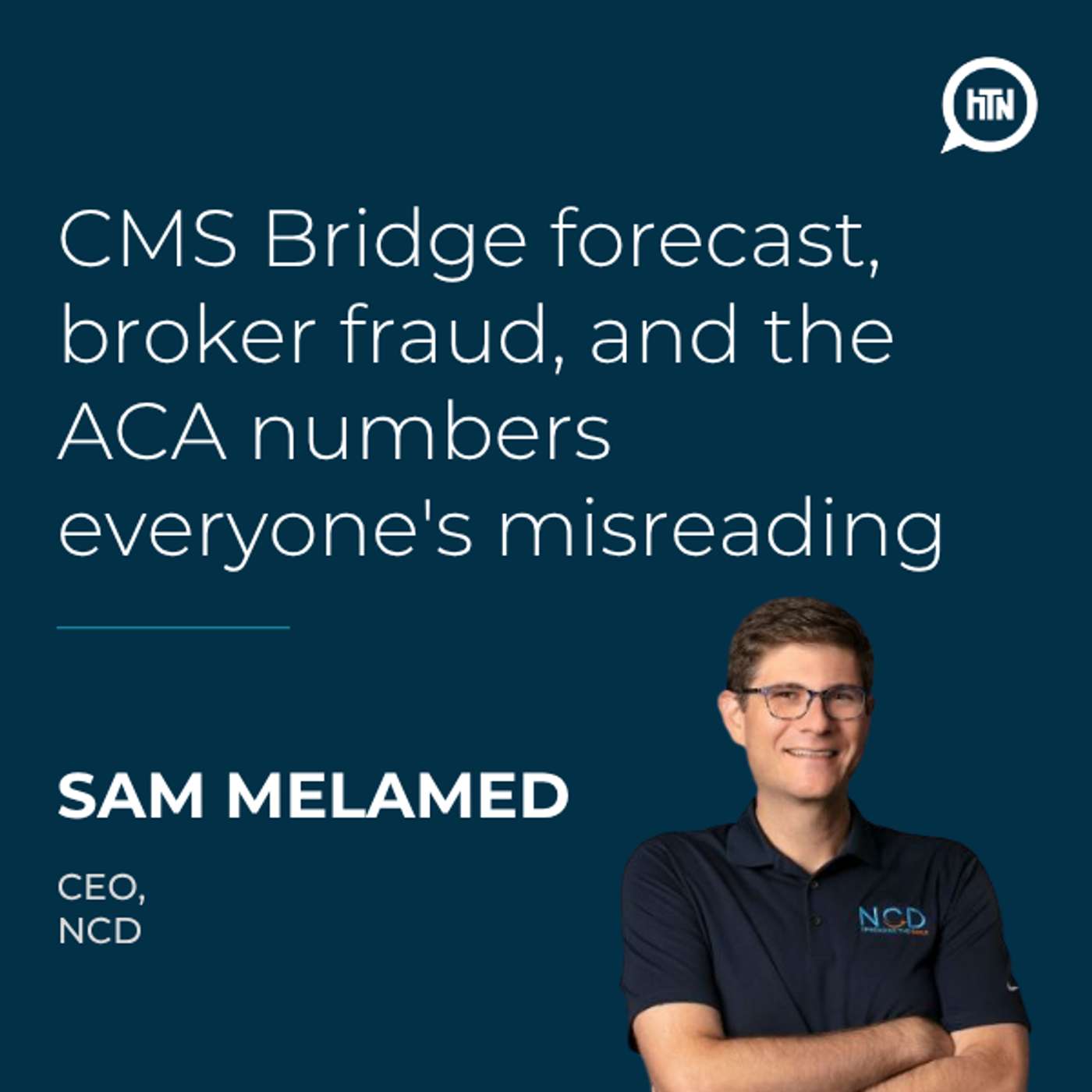
Sam Melamed spent 20 years building Insurance Forums into the largest online community for insurance agents and brokers before becoming CEO of NCD, a top-rated dental, vision, and supplemental benefits administrator, five years ago. He argues fears of an ACA "death spiral" are overstated, and pushes back on claims that fraud alone explains recent enrollment declines. He also breaks down how CMS's new Bridge program for GLP-1s is likely to play out, and previews the pullback in Medicare Advantage supplemental benefits expected heading into the next open enrollment period.
Links referenced
Sam Melamed (NCD): sam...
The Grand Roundup: Debating the future of ESI, concierge medicine's $40K price tag, Elevance/SCAN sue over Stars, ACA rate hikes and death spiral fears, and more
Kevin and Martin open by discussing a question that recently surfaced in the Health Tech Nerds Slack community: is employer-sponsored insurance actually crumbling, or just showing its age? They then move into a conversation about Midi's CEO calling out a $40K/year concierge menopause practice on LinkedIn and a run of quick hits: Elevance and SCAN joining Clover in suing over Stars ratings, a Wall Street Journal piece flirting with "death spiral" language for the ACA, Alignment Health's accounting troubles, and Pearl Health's $110M raise stacked half on credit.
Then Bryan Sivak and Sean Glass join...
A physician-turned-founder's take on making prior auth actually work | Jeremy Friese (Humata Health)
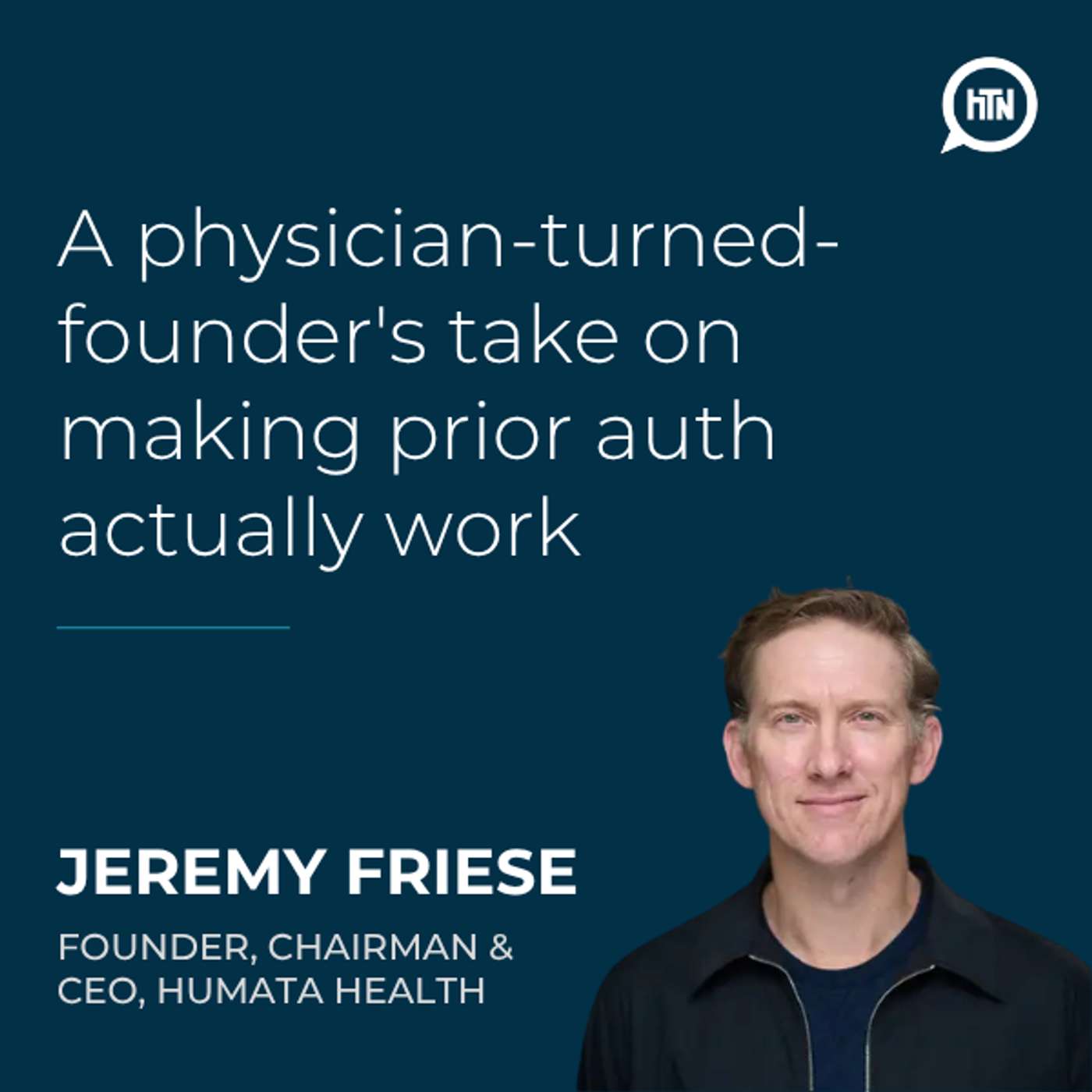
Jeremy Friese spent a decade as a physician at Mayo Clinic navigating prior auth from the provider side. Now he runs Humata Health, which helps large health systems submit better prior auths to every plan in the country. Humata is a participant in CMMI's WISeR program, handling Oklahoma's fee-for-service Medicare prior auth, and six months in, providers are submitting almost exclusively through Humata's portal. Jeremy's view on fixing prior auth: use AI only to say yes, build real transparency into the rules, and let humans sort out the small fraction that actually requires a fight.
Links referenced<...
The Grand Roundup: Agentic voice AI wars, recent funding roundup, Cityblock acquires Homeward, UpDoc's FDA clearance, Humata's WISeR rollout, and more
Kevin and Martin start with a discussion about a crowded week in healthcare AI funding. Prosper AI and Assort Health’s fundraising announcements were released on back-to-back days, with nearly identical customer quotes claiming each was "the only true platform." Kevin and Martin work through what that signals about the agentic voice AI space. They also cover Alan's €480M raise at a $6.3B valuation, Trase's $107M seed round, Cadence's RPM-to-chronic-care-management pivot, Hera's CCM play, Upside's Medicaid housing engagement numbers, the Cityblock-Homeward acquisition, and UpDoc's FDA 510K clearance. They close by explaining stop-loss lasering and what it means for insurability when...
The liability gap holding clinical AI back — and who should solve it | JD Friedland (Cleveland Clinic)
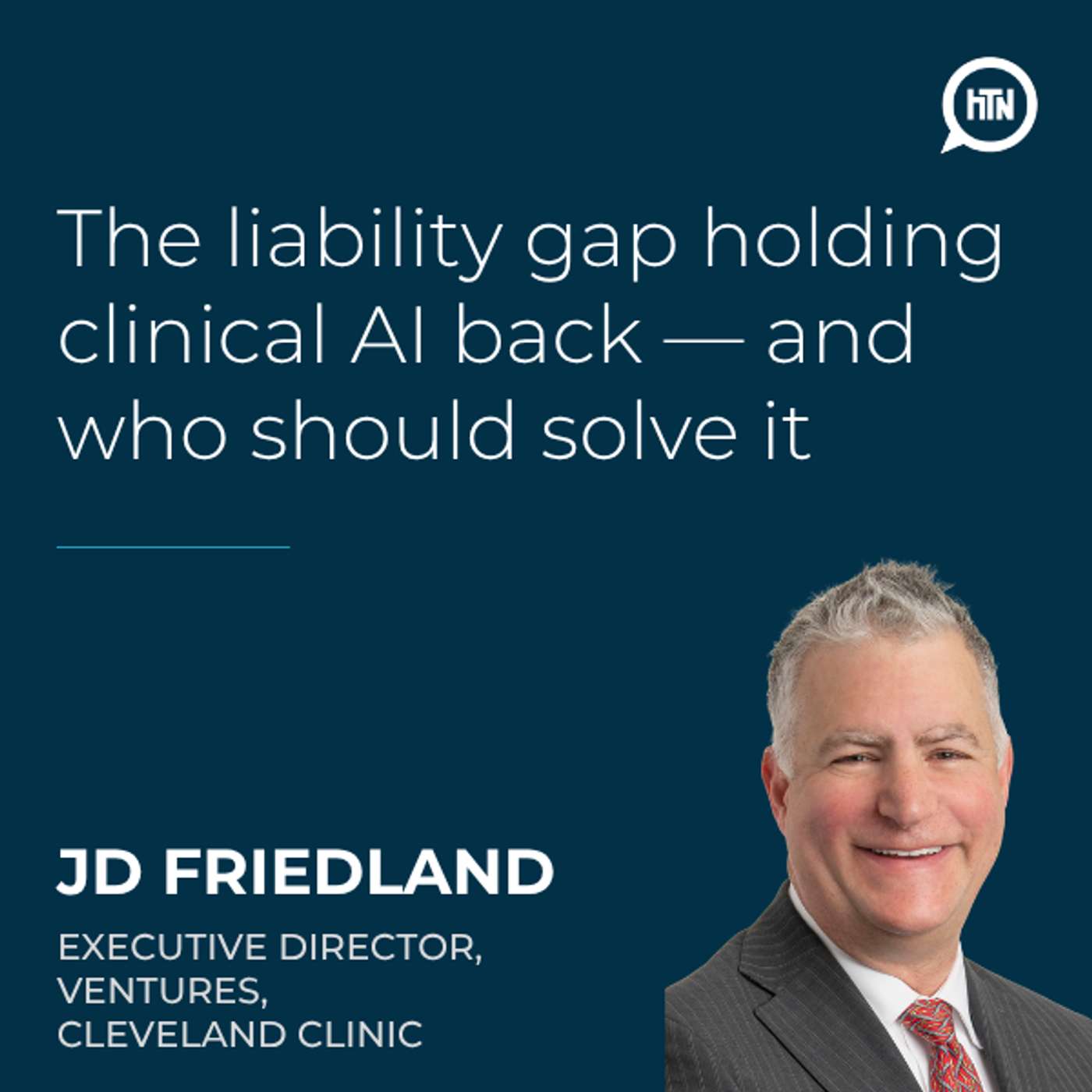
JD Friedland is the executive director for ventures at Cleveland Clinic, where he evaluates and deploys emerging health technology across one of the country's largest and most research-intensive health systems. He walks through what Cleveland Clinic has actually built — some examples include: sepsis detection with Bayesian, clinical trial recruitment via Dyania, and surgical note generation through Theator's ambient video platform. He gets into why Cleveland Clinic's data is worth more today than it will be once the window to be an early contributor has closed, why OpenEvidence's pharma-advertising model gives him pause, and why the liability question, not the te...
The Grand Roundup: Anti-tiering contracts and the OhioHealth ruling, Thoreau/Ensemble update, 340B and Eli Lilly, OpenLoop's D2C play, Cleveland Clinic on AI trust, and more
Kevin and Martin by discussing the OhioHealth DOJ settlement and what banning anti-tiering, anti-steering clauses in hospital contracts could mean for employer plan design, narrow networks, and upstart insurance models. They talk about the $12B Ensemble Health Partners deal: what it says about the RCM market's appetite for holistic versus point-solution approaches, and where it might fit into Matt Holt's broader Thoreau acquisition agenda. The Clover-Stars recalculation gets a full breakdown: what the judge sided with, what CMS did next, who won, and the uncertainty now rippling through payer teams, provider comp models, and the whole vendor ecosystem built...
The tasks AI should take off doctors' plates — and the ones it shouldn't | Hashem Zikry (Counsel Health)
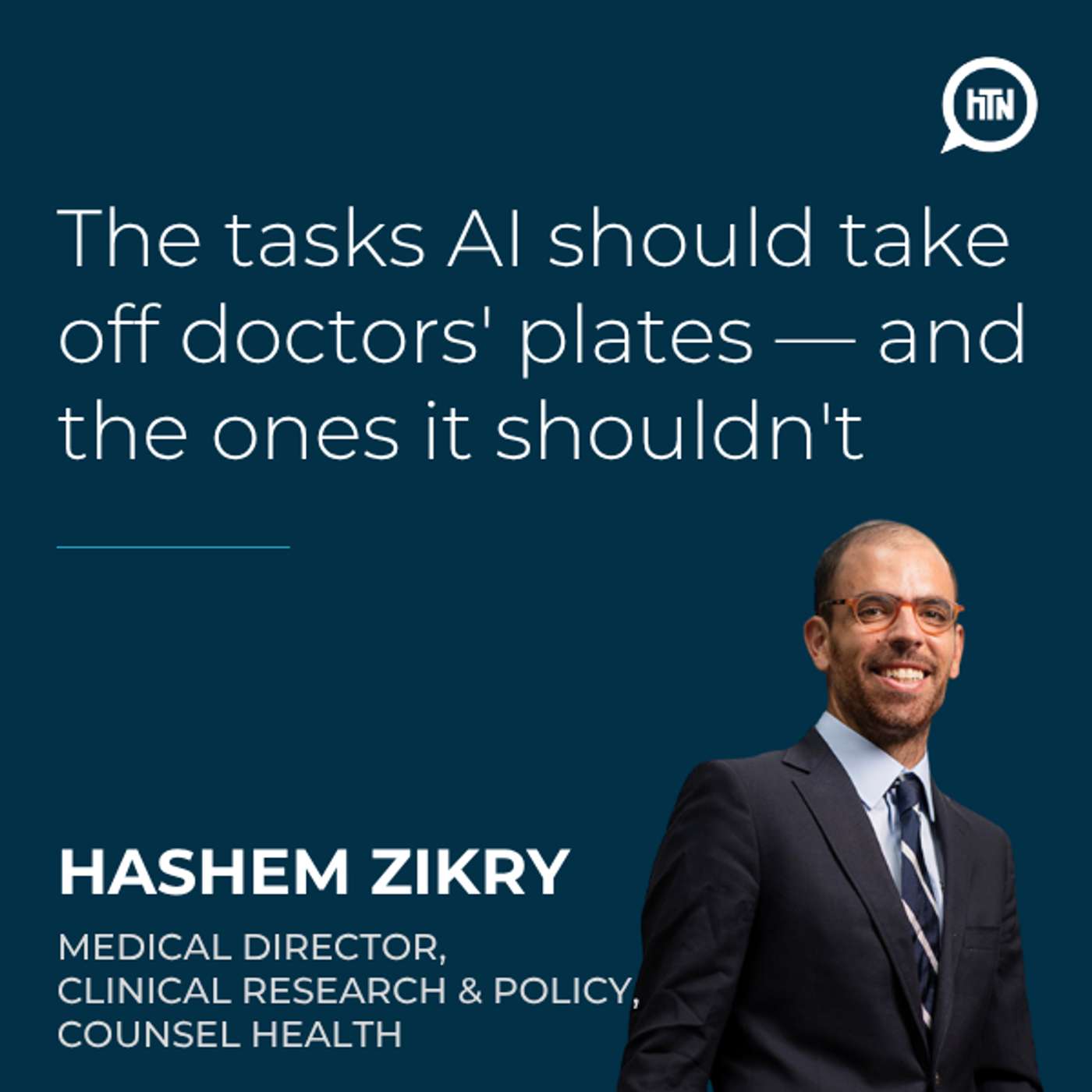
Hashem Zikry is a practicing emergency physician at UCLA, a researcher focused on unnecessary ED utilization, and the medical director for clinical research and policy at Counsel Health — which, this week, began integrating Oura biometric data into clinical decision-making for the first time. That combination of roles gives him an unusual perspective on the question everyone is asking: what should AI actually be allowed to do in clinical care?
He also speaks about regulation — the current state-by-state landscape ranges from Utah's live AI sandbox to New York and Colorado bills that would sharply limit patient-facing AI — and Zikry...
How Alignment Health gets health systems to come to them | John Kao (Alignment Health)
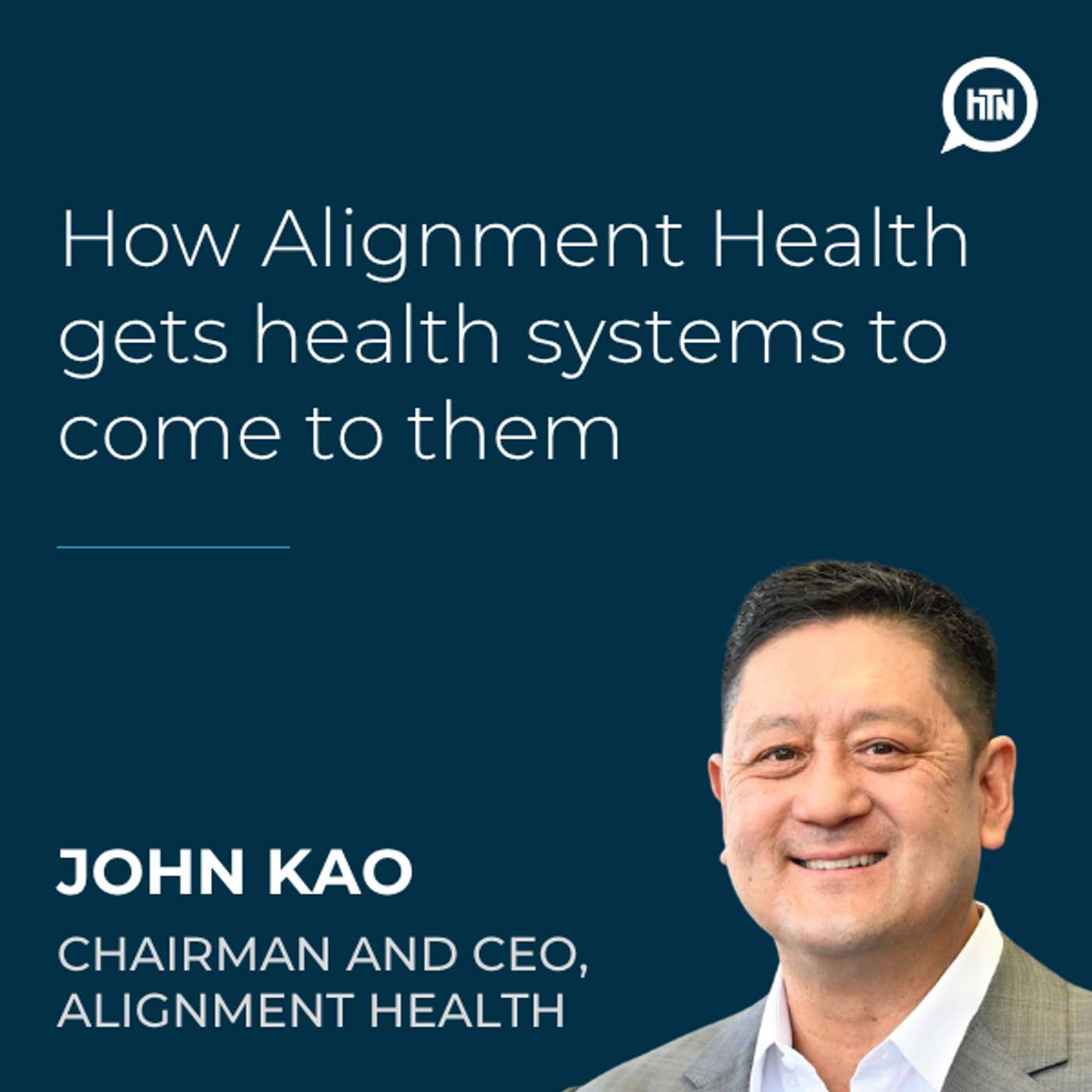
Thirty-five years into Medicare Advantage, John Kao sees the V28 correction as a pricing reset, not a structural rupture. Plans that invested in clinical care delivery are emerging from it better positioned than those that leaned on coding and prior auth. He expects MA to capture 65–70% of the senior market within the next decade — and argues the current administration's push on program integrity is accelerating, not threatening, that trajectory.
The second half of the conversation turns to health systems. Hospitals that are over capacity are coming to Alignment Health not out of ideological alignment on value-based care, but...
The Grand Roundup: $12B Matt Holt/Ensemble deal, Hawaii's payvider bet unravels, PwC's highest commercial trend in 18 years, Clover Stars win, clinical AI regulation, and more
Kevin and Martin chat about Matt Holt's return with a reported $12 billion bid for Ensemble Healthcare Partners. They unpack what it means that Thoreau, Holt’s AI-forward play, is interested in a business whose CEO explicitly pitched a more human-centric approach to RCM. From there, they do a deep dive into what’s going on in Hawaii: HMSA's decade-long VBC experiment is unraveling, providers have done a complete 180 on whether they want it, and the state is now pushing a payvider merger that makes even less sense given the backdrop. Kevin traces it all back to the same payer-provider adve...
The billing problem is actually an affordability problem | Seth Cohen (Cedar)
Seth Cohen runs Cedar, which sits inside the bill-pay workflow for health systems across the country, meaning he sees the patient collections reality that most hospitals are still processing. Most providers still sort patients into commercial, government, and self-pay, a taxonomy that made sense 15 years ago and doesn't anymore. ACA premium churn is quietly flipping commercial AR to self-pay retroactively, Medicaid redeterminations hit January 1st, and the average hospital is already collecting about 40 cents on every patient dollar owed. For a $5B system, that's $250M in net income lost annually. Seth argues that the billing problem has quietly become...
Why U.S. healthcare doesn't need more money—it needs a different system | Ezekiel Emanuel
Ezekiel Emanuel helped write the ACA, and now he's thinking about what comes next. To those saying America needs to spend more on healthcare, he points to countries like Germany, Switzerland, Norway—all have universal coverage, their systems provide comparable care quality to the U.S., yet they spend considerably less. The issue isn't money—it's how the system is organized. On the reform timeline, he expects policy change to happen in the 2032 election cycle, when the Medicare trust fund starts coming into view. As for AI, he believes it will be a fully integrated piece of the clinical land...
The Grand Roundup: Finding the optimal amount of healthcare fraud, ACA premium churn, wealthy New Yorkers are buying "med-à-terres", Zeke Emanuel on where healthcare policy reform is headed, and more
Kevin and Martin open with an unusual question: how much fraud should we actually tolerate in healthcare? News from Minnesota prompted the question, where the state just disenrolled 3,400 Medicaid providers, most not for fraud, but for incomplete paperwork. Kevin's argument is that zero-tolerance consolidates the market around whoever's best at compliance, not care. Martin mentions that we're underfunding the people who catch sophisticated fraudsters, and prior auth does actually work. They also discuss the ABA therapy workforce explosion (5X growth in behavioral techs since 2019), which the Wall Street Journal frames as a fraud story and Martin pushes back on...
Before, during, and after GLP-1s: the role of nutrition in metabolic care | Amit Shah (Virta Health)
Prior to the wave of GLP-1s, Amit Shah has spent a decade working on reversing metabolic disease through nutrition. As a leader at Virta Health, he's experienced the impact that changing what people eat can have on type 2 diabetes, cardiovascular events, and outcomes across a surprising range of conditions.
In this episode, he talks about the reality that 93% of American adults have some form of metabolic dysfunction, addresses patient preferences for medication or lifestyle changes through diet, and shares how Virta is showing that a nutrition-first approach, paired thoughtfully with GLP-1s, delivers better outcomes and...
Why foster-connected youth fall through healthcare's cracks—and how to fix it | Michelle Turner (Here Now Health)
Michelle Turner spent years as a foster parent watching the healthcare system fail the kids in her home because the existing system wasn't built for them. She founded Here Now Health to fix that, creating a virtual mental health platform purpose-built for foster-connected youth, controlling for the many barriers they face in seeking care. She walks through the little-known world of foster specialty Medicaid plans, why this high-acuity population has attracted almost no innovation, and how Here Now Health is proving that early, consistent care is both better for kids and far cheaper than the crisis cycle states are...
The Grand Roundup: Elevance CMS update, healthcare AI bundling vs. the $100B benchmark, Clover Stars ruling, D-SNP upcoding, No Surprises Act, CVS/Tennessee PBM split, and more
News & Analysis from Health Tech Nerds
Kevin and Martin open with Elevance's "thumb drive gate" CMS update, a $935 million accrual, and questions about what they ultimately owed. They debate how many $100 billion healthcare AI companies the market can support, using Commure's $7B valuation and Rockefeller-esque platform ambitions as a case study. In health law: the Clover Stars ruling and post-Chevron MA bid uncertainty, the Massachusetts AG's D-SNP upcoding lawsuit against UnitedHealthcare, No Surprises Act IDR enforcement chaos in Texas, and CVS suing Tennessee over PBM-pharmacy separation. They close by talking about Providence Health Plan and PacificSource exiting markets...
How Gyde is enabling the shift from MA broker to trusted advisor | Will Johnson (Gyde)
Will Johnson, CEO and Co-Founder of Gyde, joins on the day Gyde announces the acquisition of We Know Medicare to discuss the MA brokerage market and where it's headed.
Will walks through Gyde's acquisition model: buying quality MA brokerages and equipping them with a platform and support to drive organic growth post-acquisition. He contrasts this what agencies historically experienced in M&A: minimal resources post-transaction, team reorgs, and increased admin burdens. Gyde instead pitches itself as a long-term partner rather than a financial buyer.
The conversation shifts to the strategic value of the broker as...
How the No Surprises Act solved balance billing but created a pricing problem | Loren Adler (Brookings Institution)
Loren Adler, Fellow and Associate Director at the Brookings Institution, joins to assess the No Surprises Act four years in after recent coverage in NYT sparked discussion.
The good news: patients have largely been removed from balance billing. The harder news: the IDR arbitration process that replaced rate-setting has pushed prices to nearly 4x historical in-network rates in radiology, with those costs flowing to employers and likely eventually back to patients through higher premiums. Arbitration was always risky — it's opaque, and human arbitrators tend to be more sympathetic to physicians than insurers.
Loren walks through wh...
The Grand Roundup: Mass General Brigham's AI PCP backlash, Hinge Health pushback on CMMI ACCESS, No Surprises Act increasing costs, US drug access & TAMs, AI market signals, and more
News & Analysis from Health Tech Nerds
Mass General Brigham faced pushback from two directions in two weeks — the state flagging the MinuteClinic partnership for increasing costs, and its own primary care docs criticizing the K Health AI partnership. Kevin's take: MGB has the highest primary care rates in Massachusetts with PCPs talking about unionizing, raising the question of whether an academic medical center should be in the primary care business at all.
Digital health continued pushing back on CMMI ACCESS rates, with Hinge Health CEO Daniel Perez issuing the most direct public rebuke yet. Kevin's re...
Why Photon Health is doubling down on the pharmacy patient experience | Otto Sipe (Photon Health)

Otto Sipe, founder and CEO of Photon Health, joins following the company’s $16M Series A to discuss why prescribing infrastructure remains surprisingly antiquated, and why Photon believes the real opportunity is not transmitting prescriptions, but helping patients obtain them. Otto explains how Photon evolved from an e-prescribing network into a consumer-oriented prescribing marketplace focused on transparency, fulfillment, and patient navigation.
The conversation explores the broader prescribing ecosystem, including the limitations of legacy infrastructure, why “sending the XML document” is effectively a commodity, and how Photon is repositioning prescribing around the patient experience. Otto argues the real challe...
The case for underwriting as the new defensible moat in healthcare | Sean Doolan & Emre Karatas (Virtue VC)
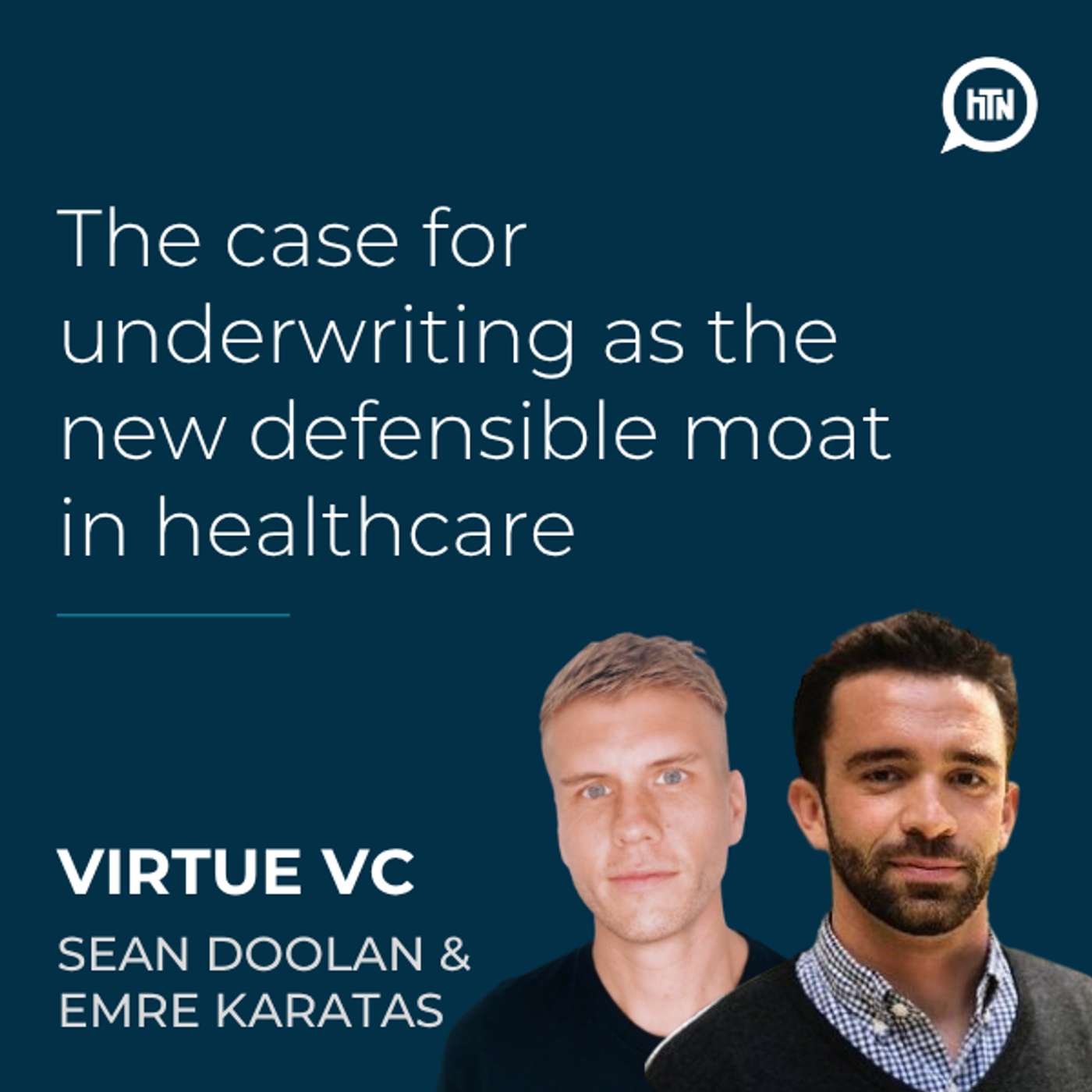
Sean Doolan and Emre Karatas from Virtue VC join to discuss their thesis that a new actuarial infrastructure layer is emerging in healthcare and why they're investing behind it.
The starting point is a simple observation: most healthcare risk is either mispriced or unpriced, and the incumbents who could theoretically fix it are structurally prevented from doing so because their business models depend on the mispricing. That creates an opening for a new category of companies that can quote a number, bear the risk, and stand behind their math.
Sean and Emre walk through how...
Why special needs plans are becoming strategically important in Medicare Advantage | Patrick Foley (Belong Health)
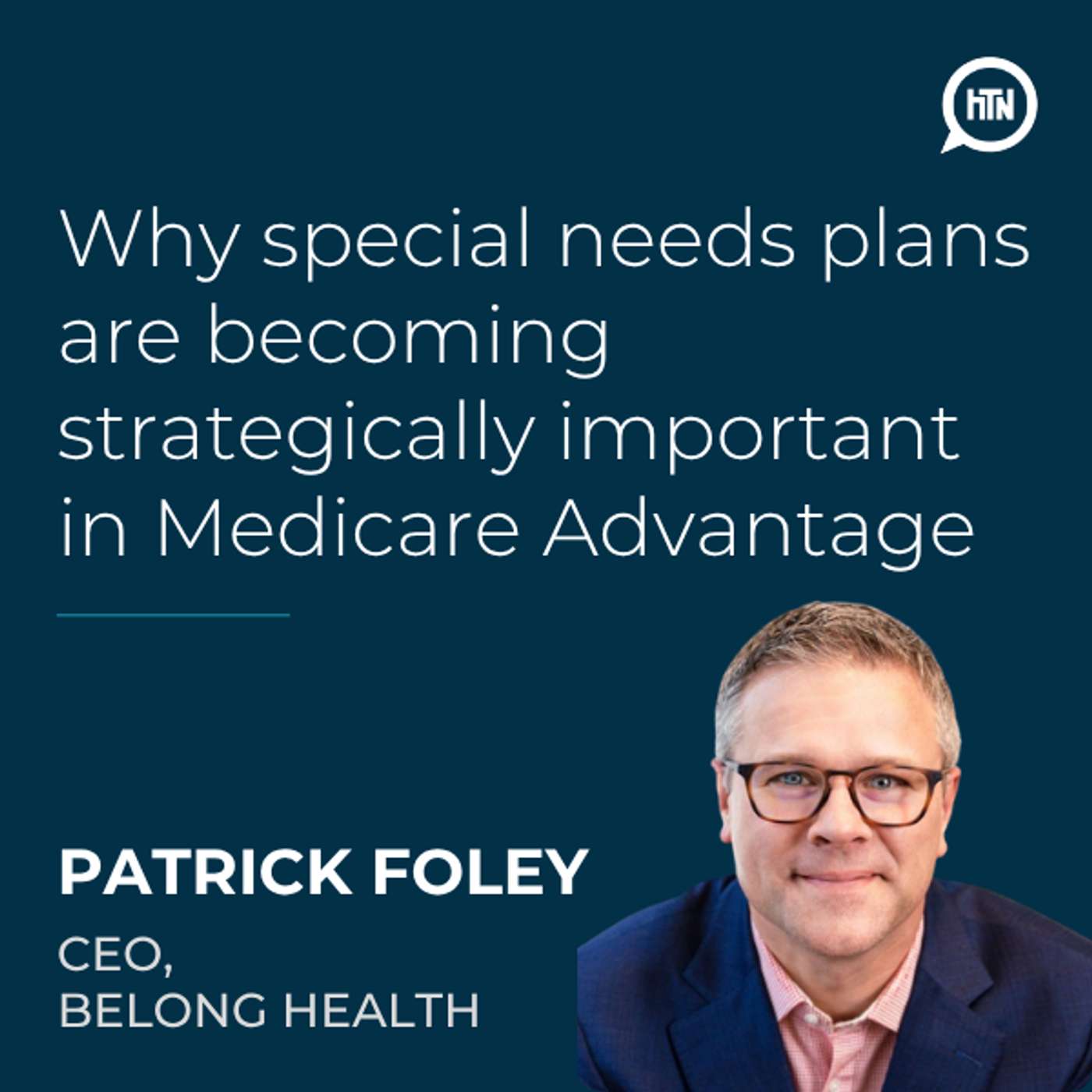
Patrick Foley, CEO of Belong Health, joins to discuss the growing opportunity in Medicare Advantage special needs plans and how Belong is helping community health plans compete in a market increasingly dominated by nationals.
Patrick walks through the three types of special needs plans — D-SNP for dually eligible members, C-SNP for chronic conditions, and I-SNP for institutional settings — and why C-SNP has become the highest growth segment over the past two to three years. The P&L dynamics are part of the story: C-SNP reimbursement reflects more accurate risk capture and higher member engagement, which makes it an a...
What's driving growth for the country's largest outpatient mental health provider | Dan Ferris (LifeStance Health)
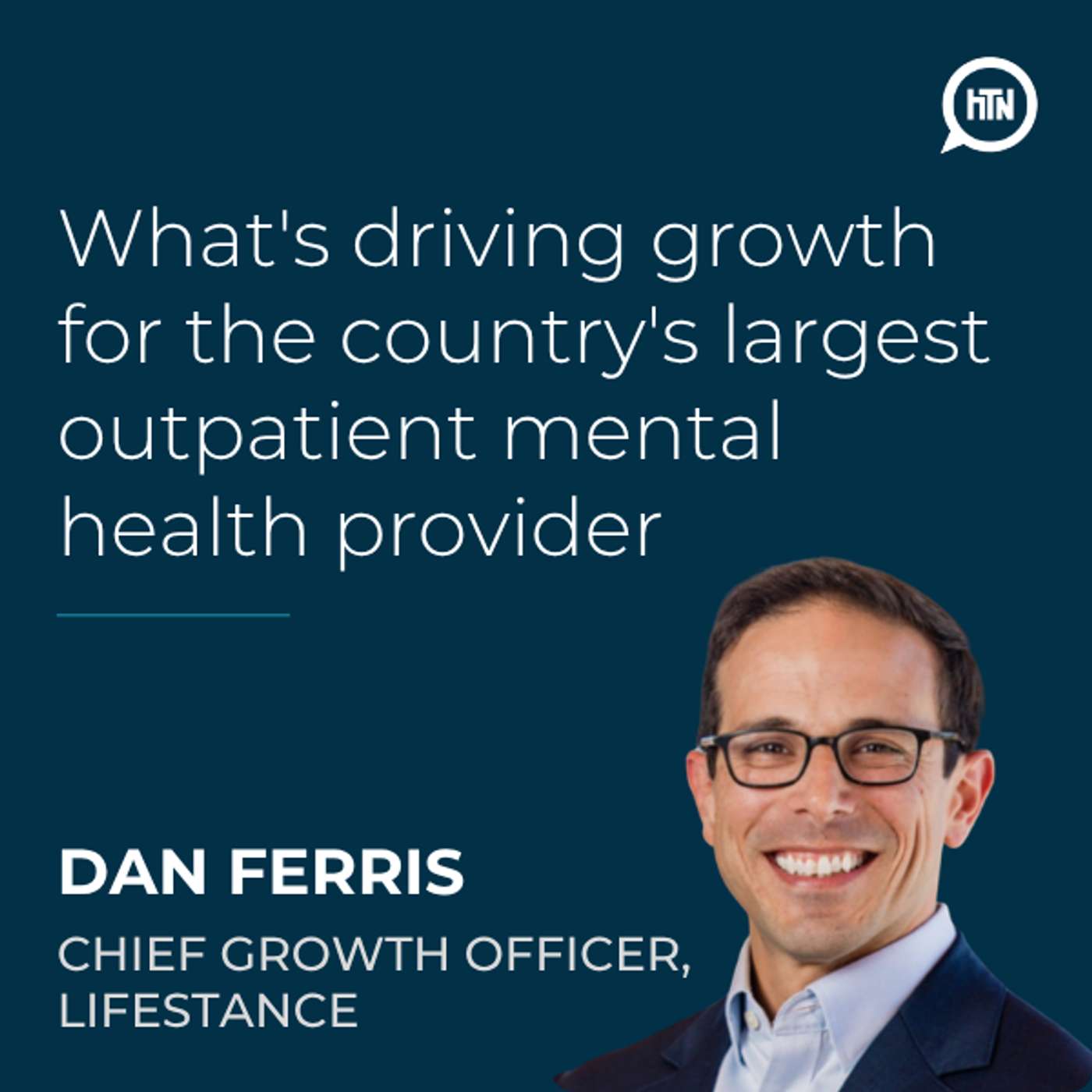
Dan Ferris, Chief Growth Officer at LifeStance Health, joins following the company's Q1 earnings to discuss how the largest outpatient mental health provider in the country is thinking about growth, operations, and the road ahead.
LifeStance serves over a million patients annually across 600 clinics and 33 states, with 8,300 employed clinicians. Dan walks through the growth algorithm: a confident organic engine running at mid-teens growth, complemented by tuck-in M&A to enter communities where LifeStance doesn't yet have a presence.
The conversation covers the national rollout of interventional psychiatry — TMS and Spravato — where payers are increasingly seeing the...
The Grand Roundup: Strong Q1s driven by operational execution, hospital market power, MinuteClinic / Mass General Brigham, SNP growth, pharmacy patient experience, and more
News & Analysis from Health Tech Nerds
Q1 earnings broadly reinforced a shift away from hype narratives and toward operational execution across value-based care and healthcare services companies.
Agilon: Stock jumped after a "turn the corner" quarter. The standout data point: new heart failure diagnoses occurring after hospital admissions reduced from 40-50% industry-wide to roughly 5%, reflecting stronger risk stratification and earlier intervention.Evolent: Continuing to build its oncology story — roughly 10% of the oncology market runs through Evolent today, with 50% still insourced by payers. Their thesis is that increasing complexity in oncology will push more payers toward outsourced sp...The NC State Health Plan: a case study in managed care, benefit design, and healthcare affordability | Brian Miller (NC State Health Plan)
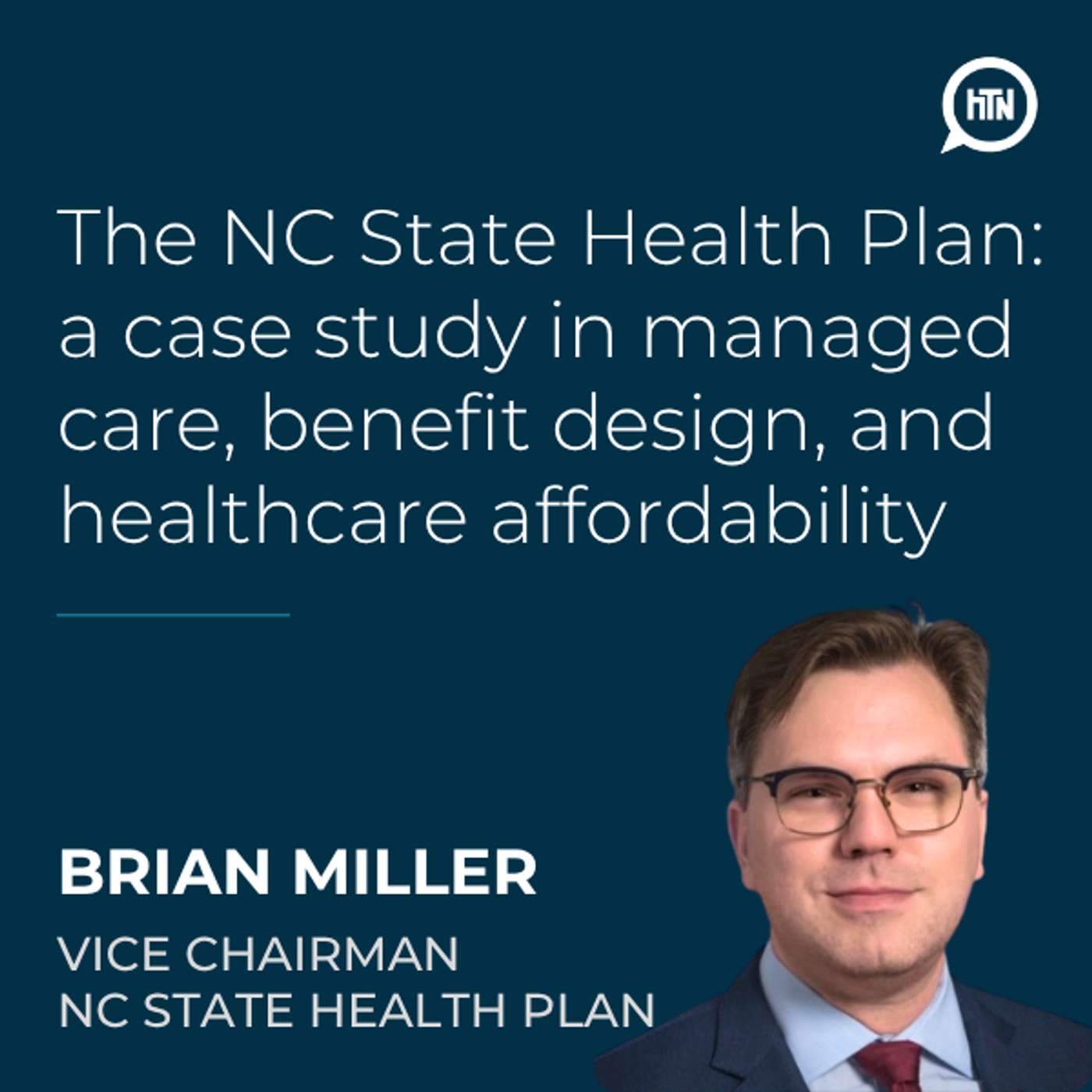
The North Carolina State Health Plan turnaround offers a compelling case study for what happens when a state leverages the full set of managed care and benefit design tools available to them. Vice Chairman Brian Miller joins to share his perspective on the philosophy behind the plan's member-first approach and what it suggests for healthcare affordability more broadly.
Brian walks through the principles guiding the turnaround: income-adjusted premiums modeled on Medicare, benefit design that avoids penalizing members with chronic conditions, and a preferred provider strategy that uses the plan's purchasing volume to steer members toward better value...
Healthcare affordability, declining trust, and the realities of reform | Natalie Davis (United States of Care)
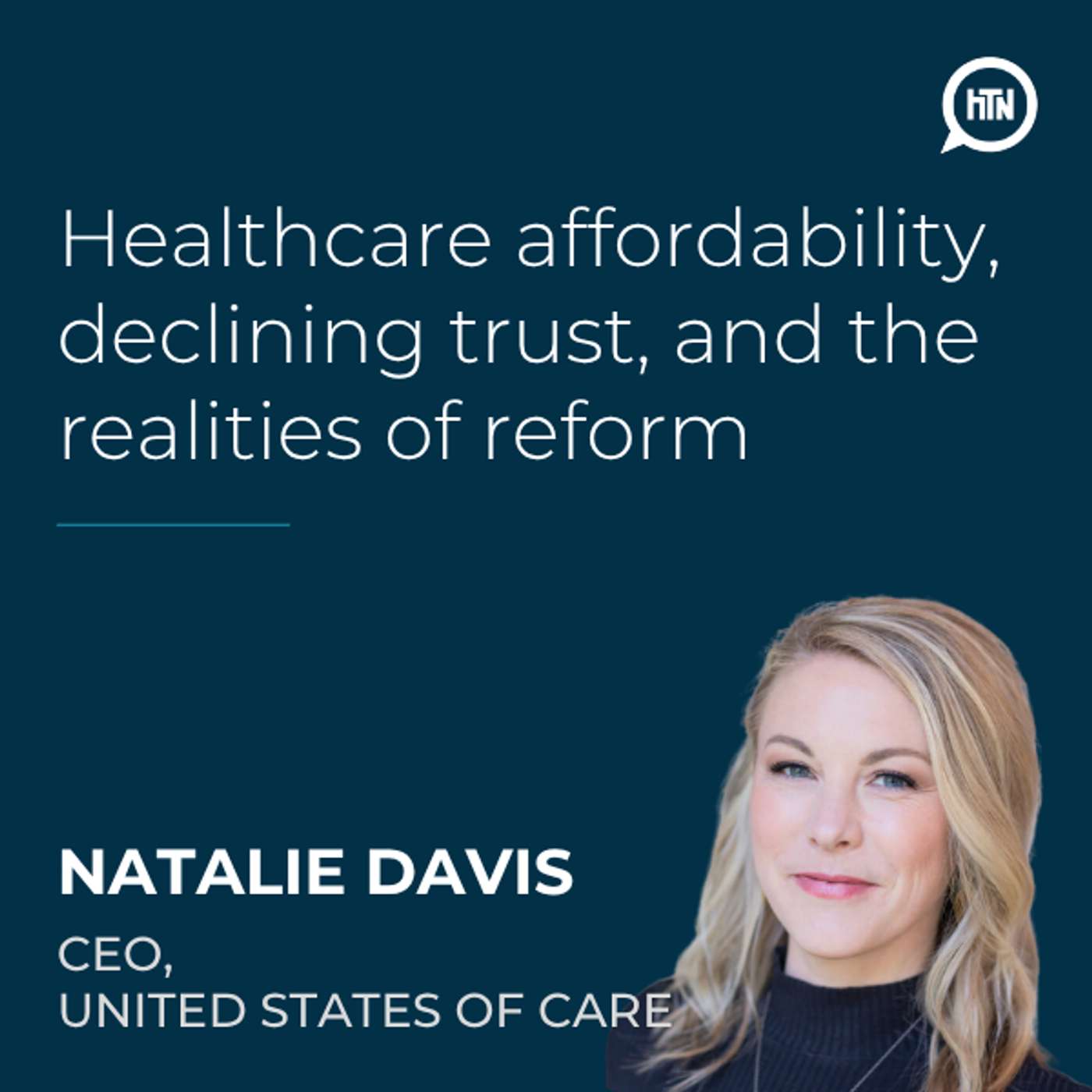
Natalie Davis, CEO of United States of Care joins to discuss the organization’s latest polling on healthcare affordability and what it reveals about voter sentiment heading into the next election cycle.
Drawing from research across more than 30,000 Americans, Natalie explains why affordability consistently emerges as the public’s top healthcare concern—not just because of medical bills, but because of the emotional stress, delayed care, and distrust the system creates. She walks through the policy solutions voters support most strongly, including prescription drug affordability, price transparency, site-neutral payments, and anti-competitive merger scrutiny.
The conversation also exp...
What Kelonia's journey to exit could mean for cell & gene therapies | Bryan Roberts (Venrock)
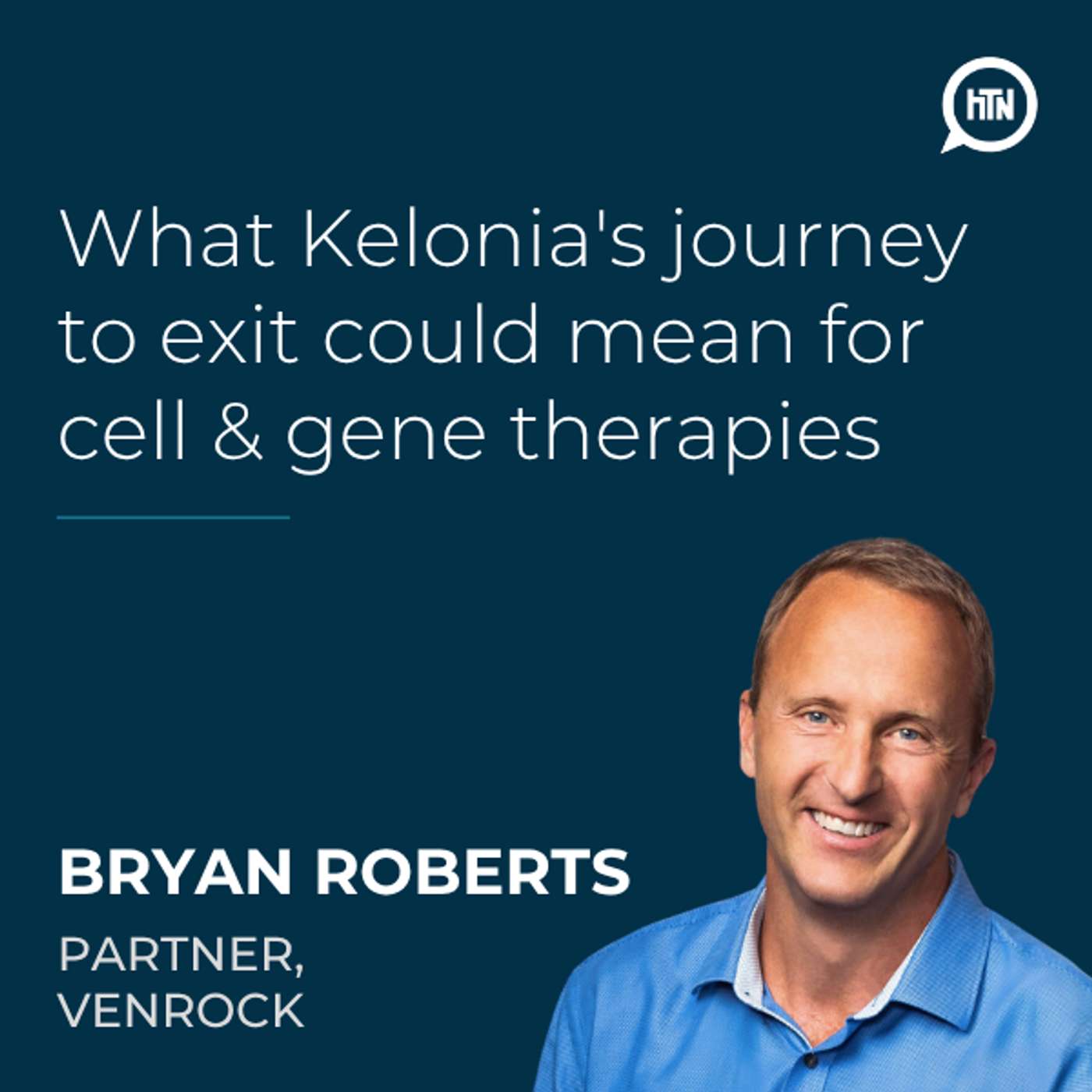
Bryan Roberts from Venrock joins to discuss Eli Lilly's acquisition of Kelonia, a gene therapy company Venrock seeded in 2020, for up to $7 billion.
Bryan walks through the original investment thesis: autologous ex vivo CAR-T therapy was producing remarkable efficacy in late-stage multiple myeloma, but everything else about the model was broken: six to seven week processing times, $220,000 cost of goods, and delivery restricted to academic medical centers. The bet was that Kelonia's in vivo platform, developed out of MIT and CNRS in France, could preserve the efficacy while eliminating the rest.
He describes the path...
Addressing revenue cycle's root problem, data fragmentation | Eliana Berger (Joyful Health)
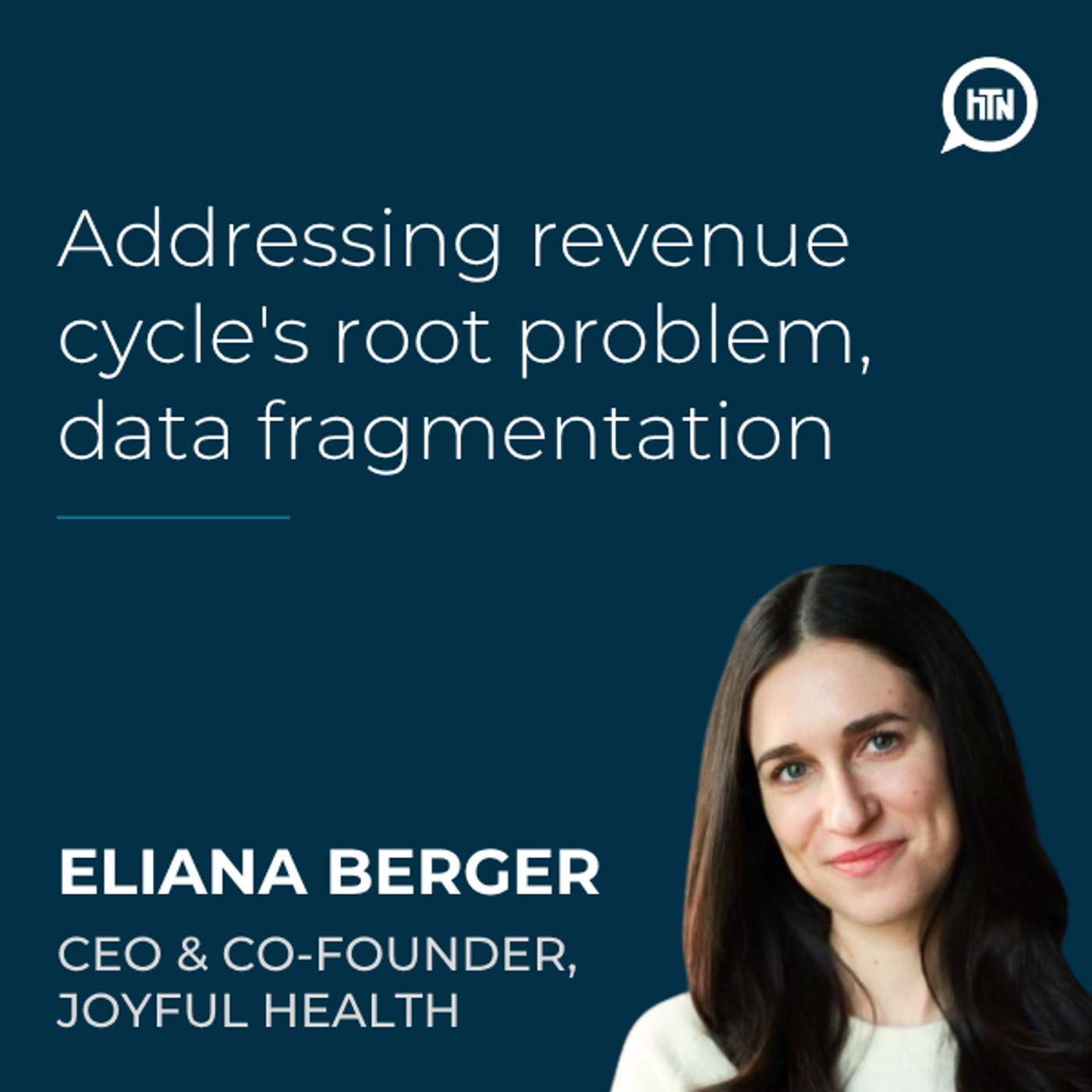
Eliana Berger, CEO and co-founder of Joyful Health, joins Kevin and Martin following the company's recent $17M Series A. Eliana walks through what she observed spending two years inside provider practices as a fractional CFO, the data fragmentation that sits underneath revenue cycle, and how she thinks about the distinction between AI services and AI agents in denials work.
Topics discussed:
The Grand Roundup: Devoted's long-term bet, Anthropic's AI services firm, Q1 earnings, healthcare financial infrastructure, gene therapy exit, public trust in healthcare, NC state health plan turnaround, and more
News & Analysis from Health Tech Nerds
- Anthropic partnered with Blackstone, Goldman Sachs, and a roster of the world's largest asset managers to launch an enterprise AI services firm, a straightforward move to speed adoption of the technology by addressing the implementation bottleneck.
- Devoted Health CEO Ed Park made a bold statement at the Medicarians conference, "Please pay MA plans less," which seems counterintuitive for an MA plan growing 120% year-over-year. Kevin's hypothesis: Devoted is building toward a fully integrated payer-provider model that uses MA as the entry point to capture the full healthcare dollar, with a...
How ACCESS unlocks innovative digital care models for original Medicare | Amanda Rees (Bold)
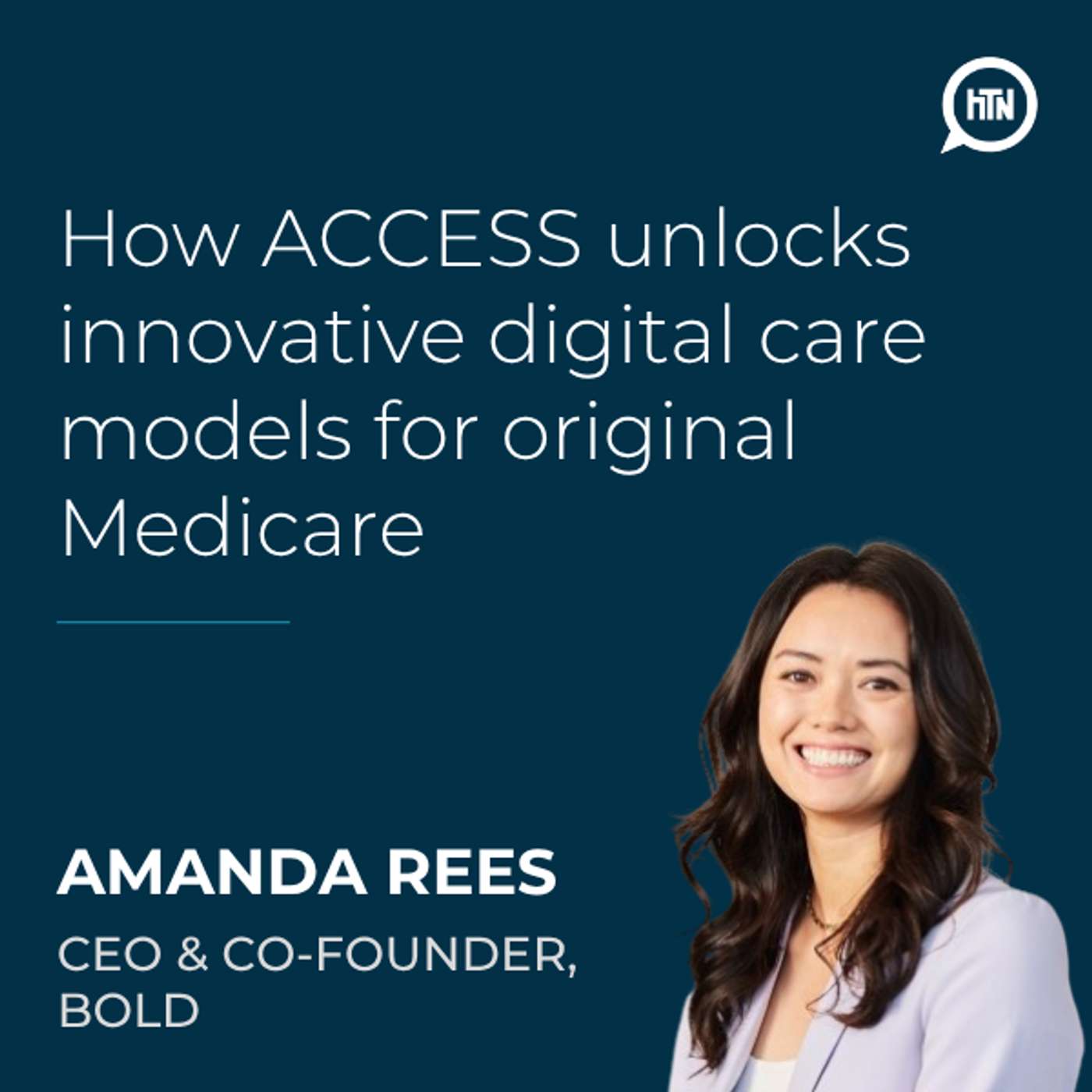
Amanda Rees, CEO and Co-Founder of Bold, joins to discuss Bold's AI-powered healthy aging platform and how CMMI ACCESS fits into a model the company has already been building in Medicare Advantage.
Bold started with falls prevention and has expanded into chronic condition support, weight management, and musculoskeletal pain — delivered digitally and without requiring additional devices. The conversation covers how Bold thinks about behavior change, and why the platform is designed around member agency rather than clinical control.
The bulk of the discussion focuses on ACCESS. Amanda notes that hundreds of thousands of original Medicare me...
The evolution of MA brokerages: from volume to retention—and what’s next | Patrick Keavy & Rebecca Springer (Bailey & Company)
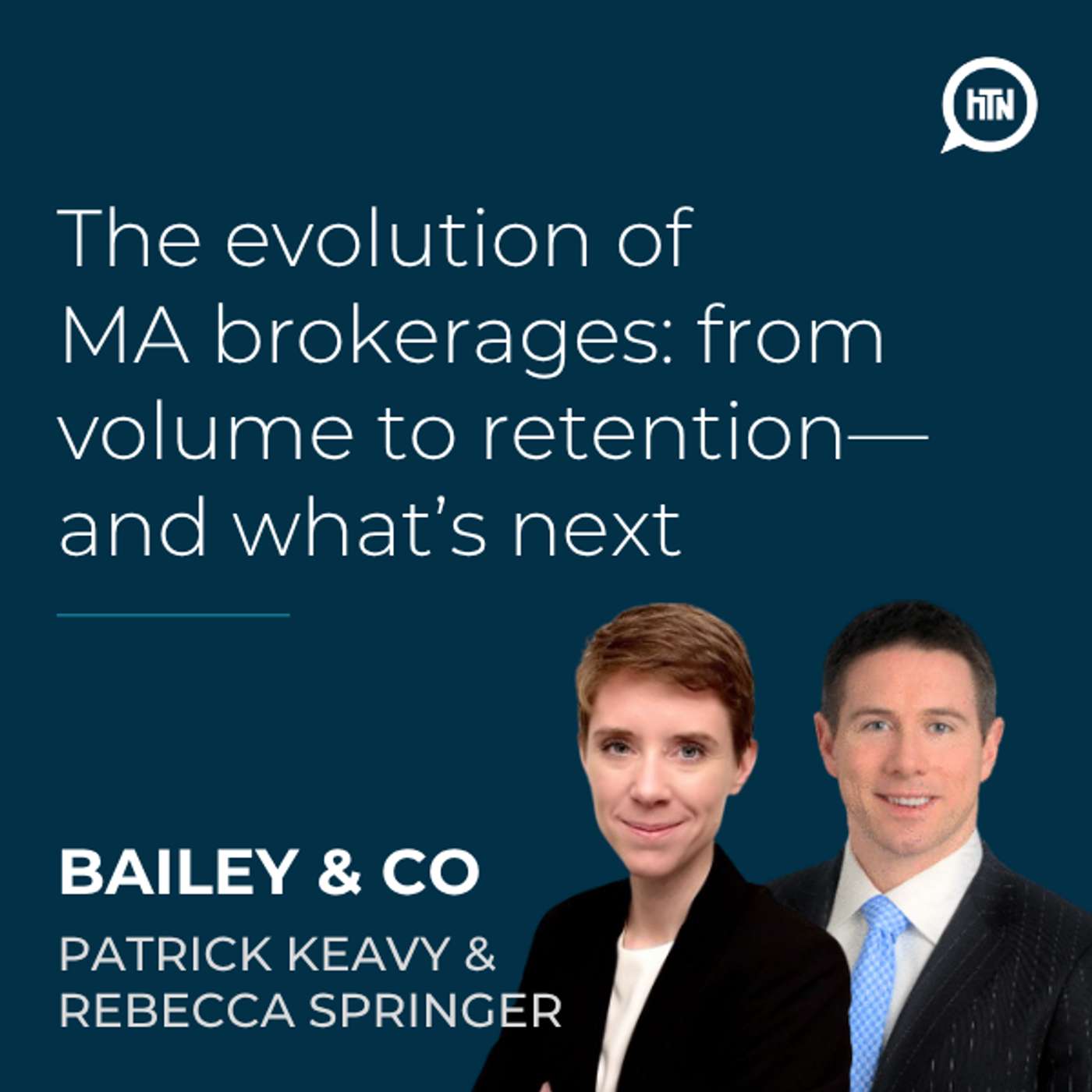
Patrick Keavy and Rebecca Springer from Bailey & Company join following the Medicarians conference and the release of their MA brokerage market report.
Patrick walks through how the 606 accounting change in 2019 reshaped the MA brokerage market by requiring brokers to recognize lifetime commission value upfront. Combined with rapid MA enrollment growth, this inflated EBITDA in ways that didn't reflect actual cash economics — drawing significant PE investment and driving a valuation bubble that eventually collapsed as carriers pulled back commissions and decommissioned plans.
Rebecca covers what the market looks like today: a tough AEP, significant churn, and ca...
AI and ACCESS: how Pair Team is scaling whole-person care to a broader population | Neil Batlivala
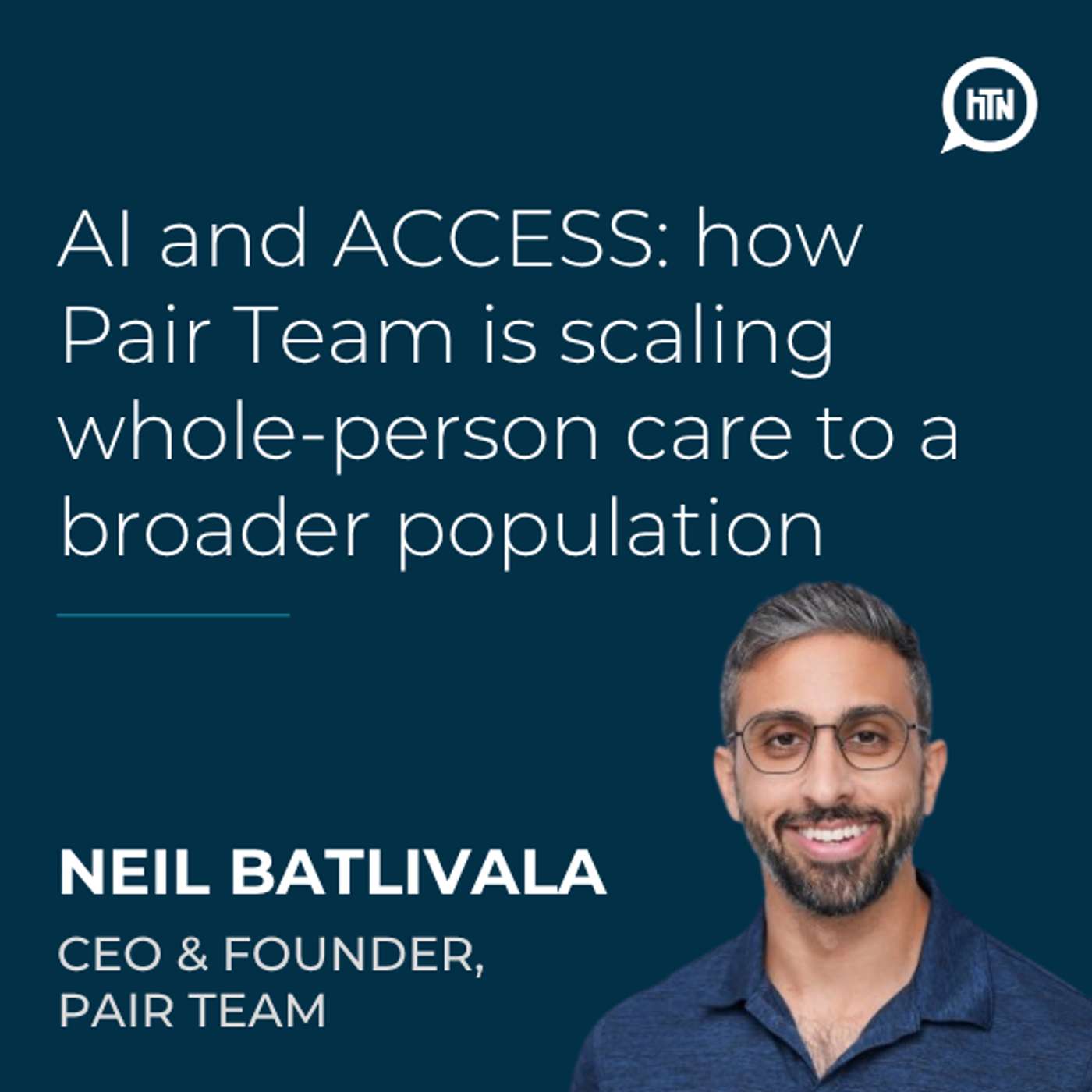
Neil Batlivala, CEO and Founder of Pair Team, joins to discuss how Pair Team provides AI-powered care management for safety net populations, addressing social needs alongside clinical care through a virtual medical group model and partnerships with social care providers.
The conversation centers on how Pair Team is thinking about CMMI ACCESS. Neil describes the rates as a feature, not a bug; CMS designed them to push participants to build sustainable, technology-driven models from the ground up. He discusses the role of AI in making
mapping task automation over time, what that means for unit economics, a...
The state of behavioral health: demand, supply, direct-to-consumer, and emerging treatments | Alli Oakes (Trilliant Health)
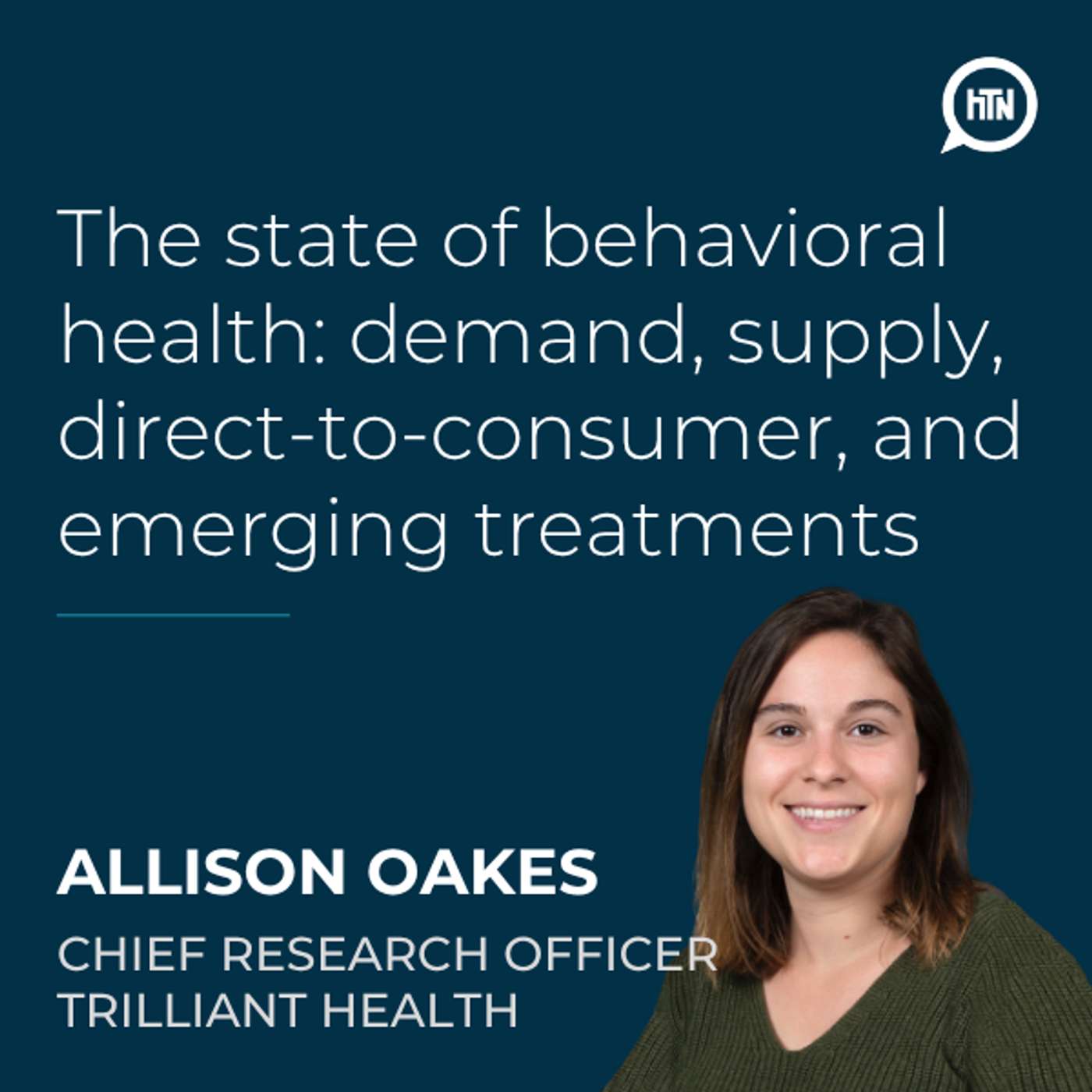
Alli Oakes, Chief Research Officer at Trilliant Health, walks through Trilliant's behavioral health report across demand, supply, and emerging treatments.
On demand, roughly one in four Americans is affected by a mental or behavioral health condition, and untreated costs extend well beyond direct care — unmanaged behavioral health issues exacerbate physical conditions and drive expensive downstream utilization including ED visits.
On supply, the picture is more nuanced than a simple shortage story. Psychiatry residency slots have grown 55% since 2018 and fill at 99%, suggesting insufficient positions rather than insufficient interest. Meanwhile, allied health providers and primary care physicians no...
The Grand Roundup: Q1 earnings, behavioral health market, Pair Team and Bold on ACCESS, future of MA brokers, Epic AI vs startups, AI prescribing, and more
Kevin and Martin open on a busy first week of healthcare earnings, where a January snowstorm and collapsing respiratory volumes turned out to be a bigger driver of HCA's quarter than ACA expiration or state directed payments combined. They cover Elevance's nearly billion-dollar accrual on the flash drive saga, Molina's marketplace MLR optics, and the rising patient-pay dynamic Cedar flagged on LinkedIn. They also revisit Zeke Emanuel's Bulwark piece on healthcare cost-cutting and reframe the question around whether 18% of GDP on healthcare is really the problem worth solving.
Alli Oakes, Chief Research Officer at Trilliant Health, breaks...
