Talking Indonesia
In the Talking Indonesia podcast, Dr Jemma Purdey, Dr Jacqui Baker, Tito Ambyo and Dr Elisabeth Kramer present an extended interview each fortnight with experts on Indonesian politics, foreign policy, culture, language and more. Find all the Talking Indonesia podcasts and more at the Indonesia at Melbourne blog.
Tito Ambyo and Jamie Edmonds - Indonesian Ghosts and Ghost Stories
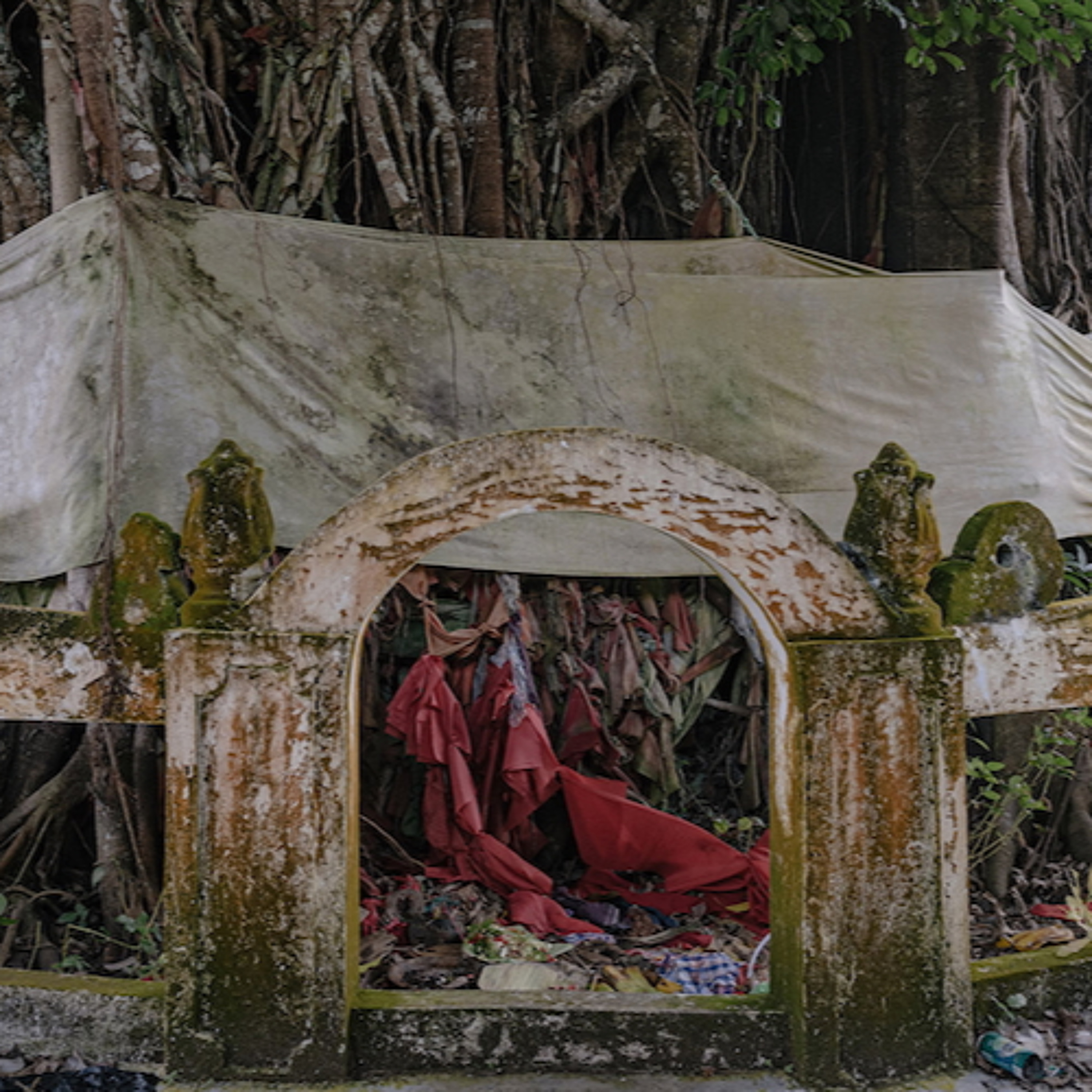
What does it mean to believe in ghosts? It turns out that's exactly the wrong question. In this special episode of Talking Indonesia, co-hosts Tito Ambyo and Jamie Edmonds sit down together not as interviewer and guest, but as co-editors who have spent months immersed in a collection of essays on ghosts and haunting in Indonesia. The result is something that is a bit different than the usual podcast interview: two scholars thinking aloud about what the ghostly has done to them. They move between the personal and the theoretical. Jamie's childhood on a road called Whispering Woods, his years...
Airlangga Julio - The People versus Fadli Zon
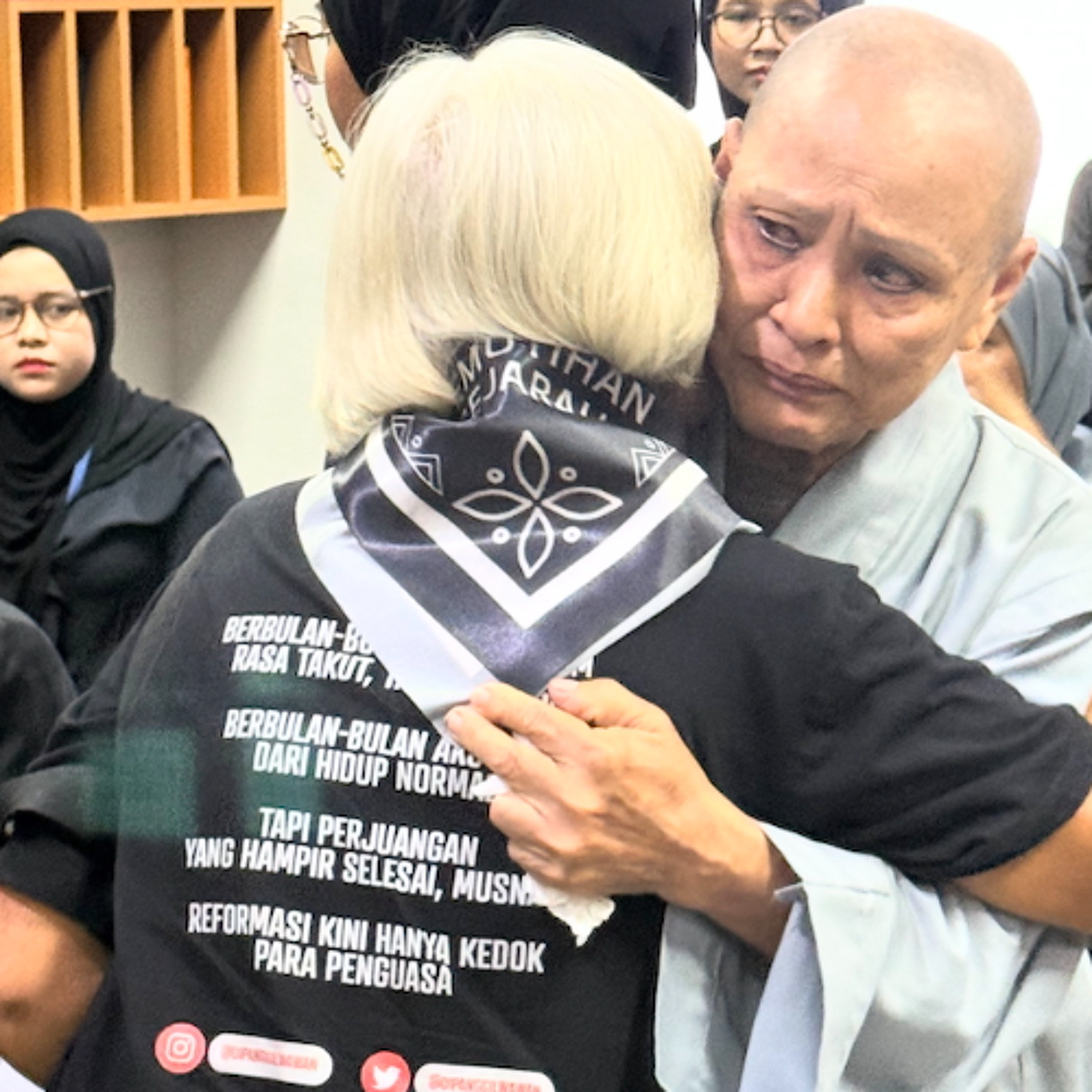
Airlangga Julio - The People versus Fadli Zon Last month marked the 28th anniversary of the mass rioting, that shook Indonesia's capital, Jakarta, and other major cities for several days in mid-May 1998. There was widespread looting and arson, which resulted in the deaths of over a 1000 people and large-scale property damage and capital flight. Soon, it was also revealed that incidents of sexual assaults and rapes had occurred on a massive scale. The rioters’ targets were overwhelmingly properties and businesses owned by ethnic Chinese Indonesians. The victims of sexual violence and rapes were also, although not exclusively, Chinese, Indonesian women. In...
Wengki Ariando: Sea Nomads and the Future of Our Ocean
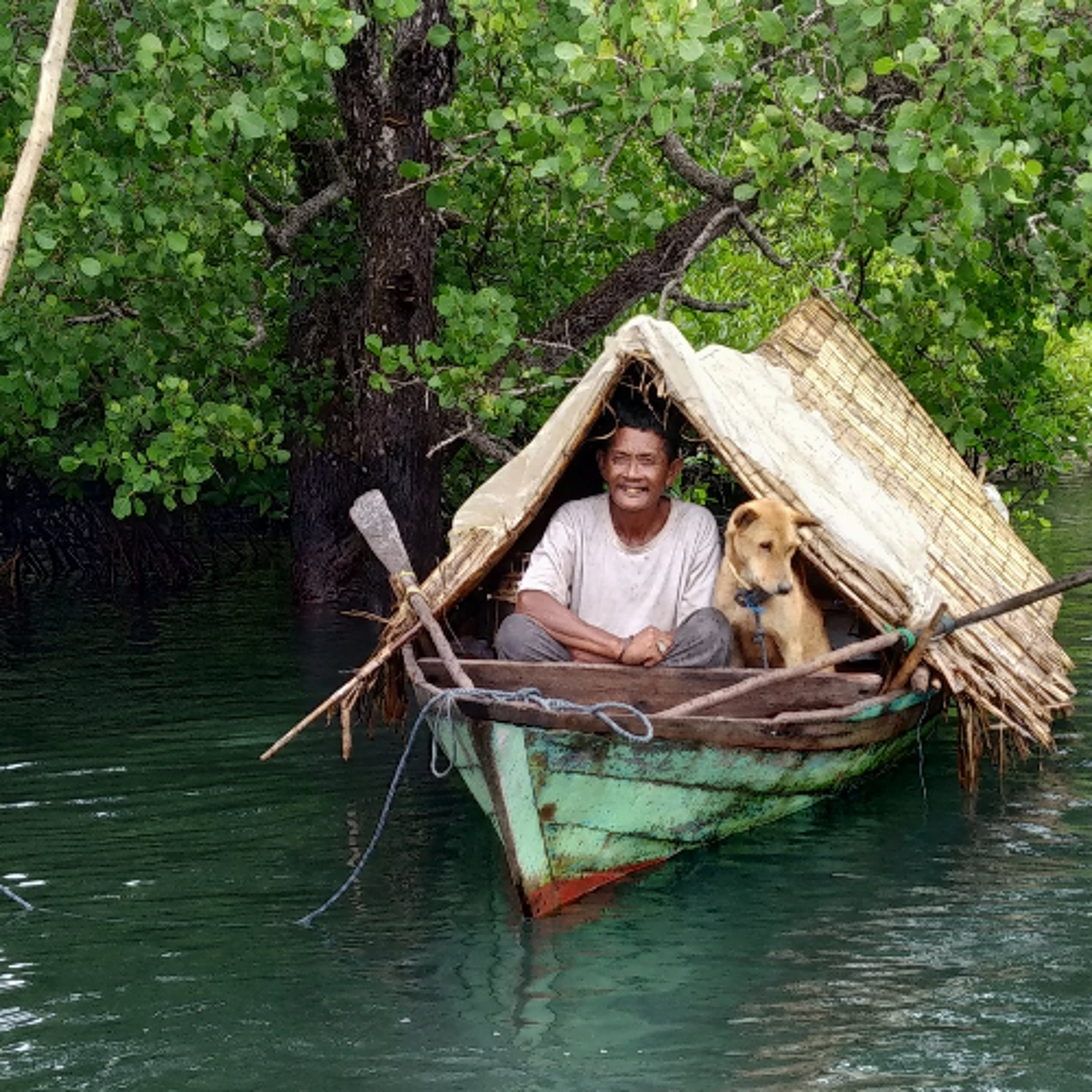
Every year on the 8th of June, World Ocean Day calls us to reflect on the vital role our seas and waterways play in sustaining life on Earth. Yet for most of us, the ocean remains something we observe from a distance, and more recently, a source of anxiety as sea levels rise, waters warm, and marine ecosystems collapse under the pressures of the Anthropocene. For Indonesia, a nation that defines itself as a maritime and archipelagic country, this distancing carries a particular irony. Despite the political rhetoric of "returning to the sea" that depicts the ocean as the future...
Murni Sianturi - Education in Papua
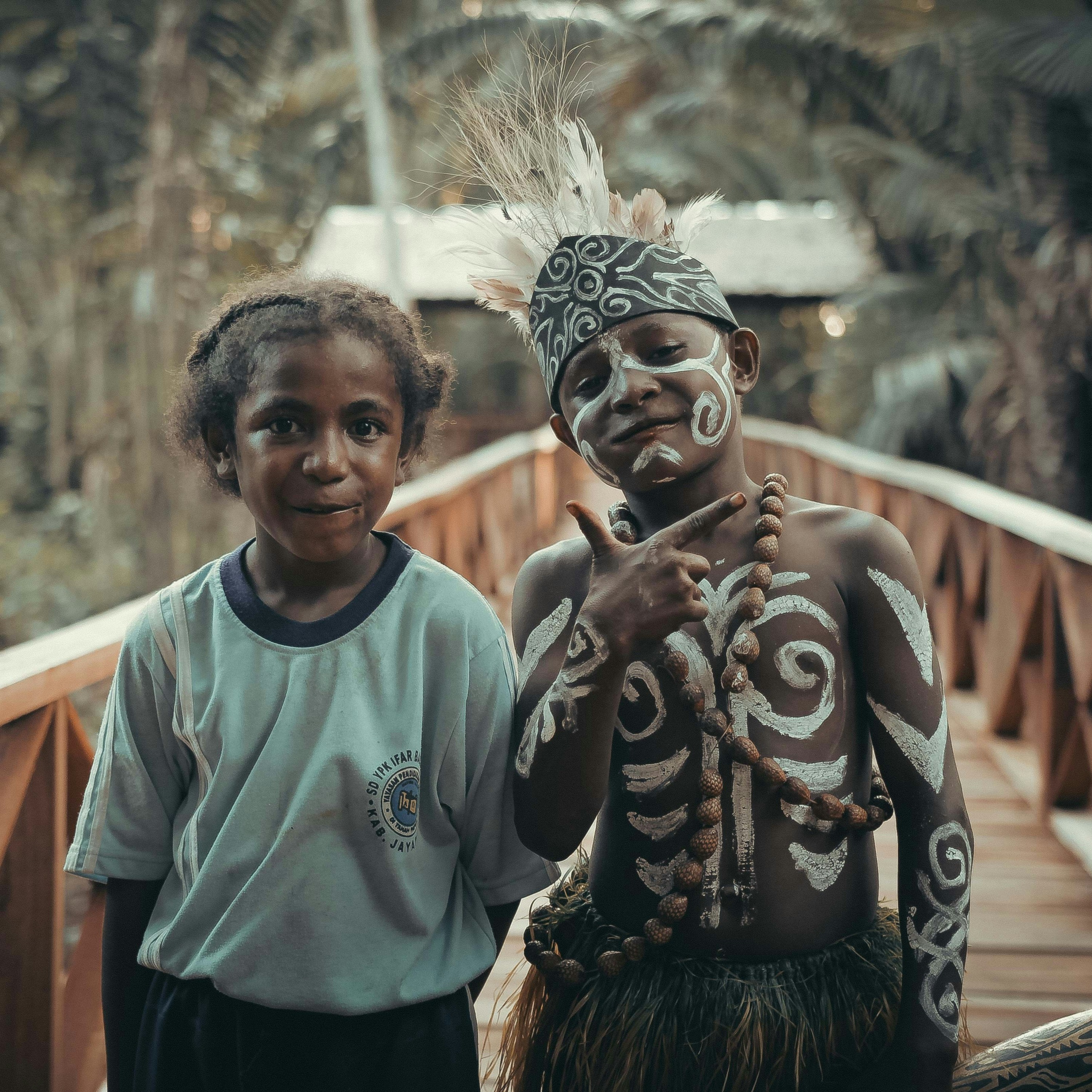
When we talk about improving education in remote or indigenous communities, we usually start with the wrong questions. We ask: what's missing? What needs to be fixed? But what if the problem isn't a lack of education but a failure to recognise the rich opportunities for education that are already there? In this episode, Dr Murni Sianturi challenges some of the most deeply held assumptions about schooling, knowledge, and what it means to learn. Her research in West Papua pushes back on three pervasive myths: that indigenous parents don't care about their children's education, that learning only happens in formal...
Panggah Ardiyansyah: 'Kramat' and the Politics of Indonesian History
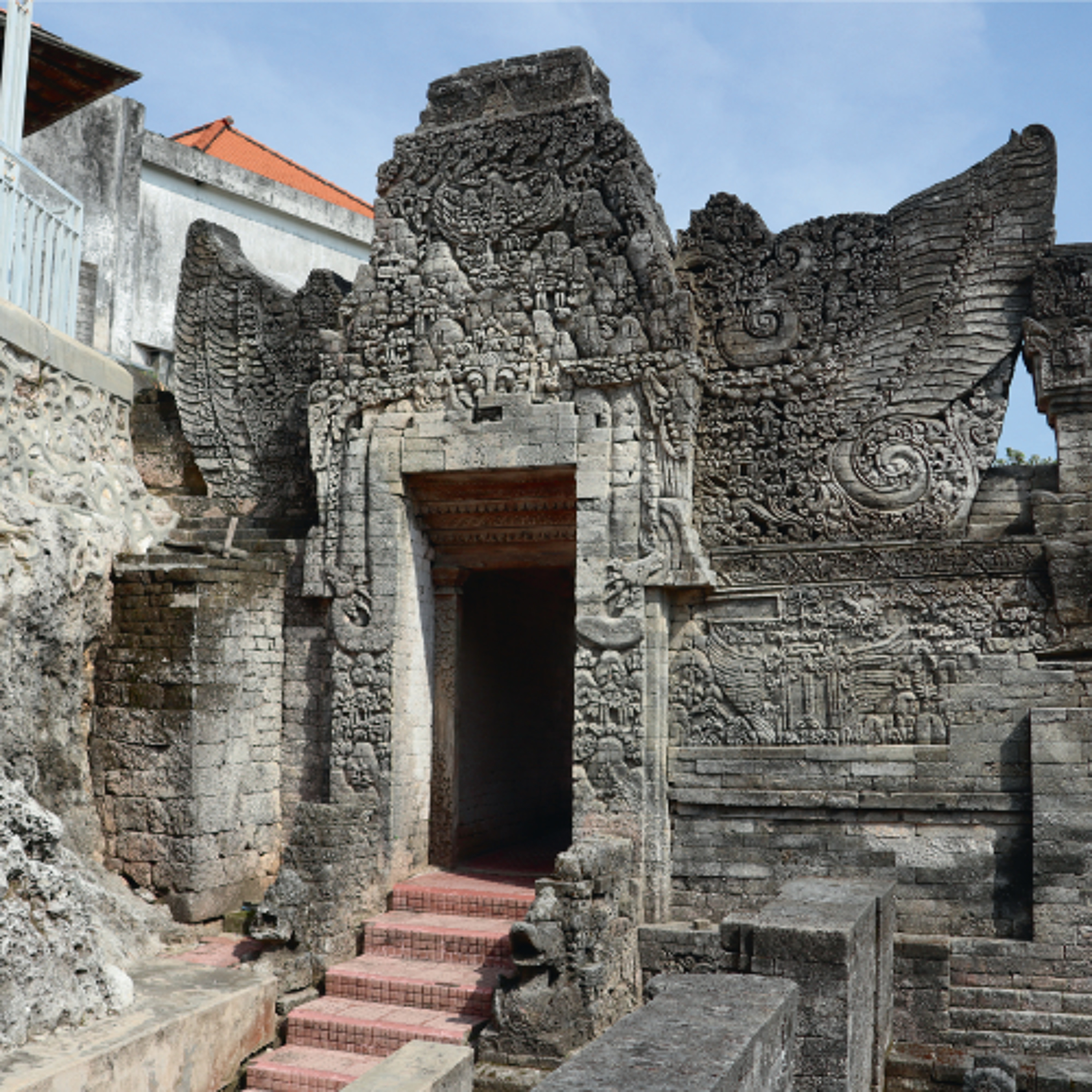
If you studied Indonesian history in school in the 1990s, you learned to divide the archipelago's past into neat chapters: Hindu-Buddhist kingdoms, then Islamic sultanates, with a brief “transitional period” somewhere in between. Colonial archaeologists created these categories in the nineteenth century, and they've structured Indonesian historiography ever since — shaping not just how we study ancient sites, but what counts as history in the first place and what we archive and remember for the future. But visit Sendang Duwur, a sixteenth-century Islamic compound in East Java, and these categories start to fracture. Here, soaring temple gates with Hindu iconography guard an act...
Rassela Malinda - Papua, Development and Politics From Below
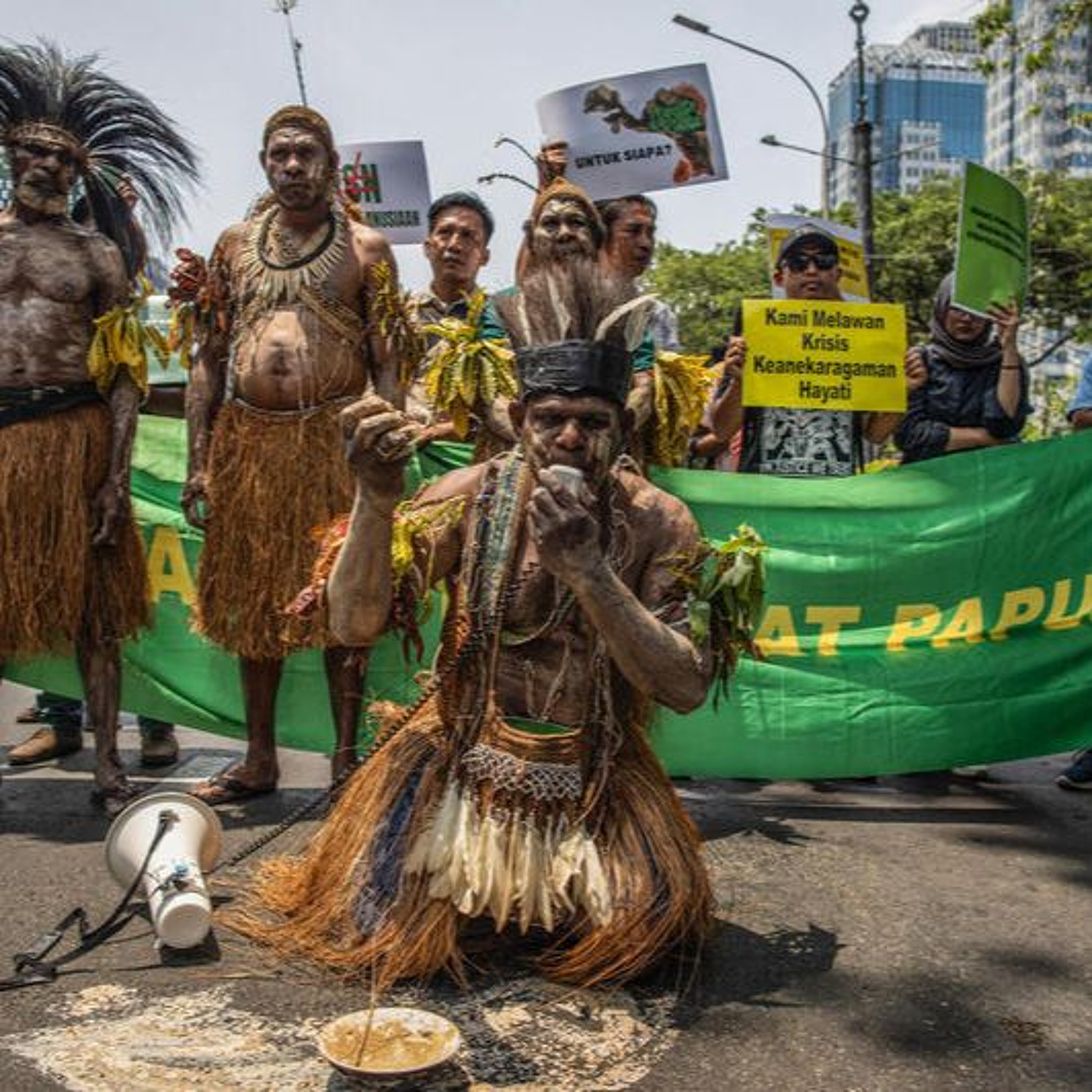
Rassela Malinda – Papua, development and politics from below In his inauguration speech in October 2024 President Prabowo Subianto reiterated his campaign pledge to “achieve food security in the shortest possible time”. He was not the first Indonesian president to make such a declaration. For Jokowi’s administration too and now Prabowo’s, West Papua occupies a central place in its ambitions to achieve both food and energy security, with the rollout of massive sugarcane and palm oil plantations to meet increasing biofuel targets, as well as mega rice production. These plans involve the clearing and development of hundreds of thousands of hectares o...
Linda Susilowati: Gender Transformation in Rural Java
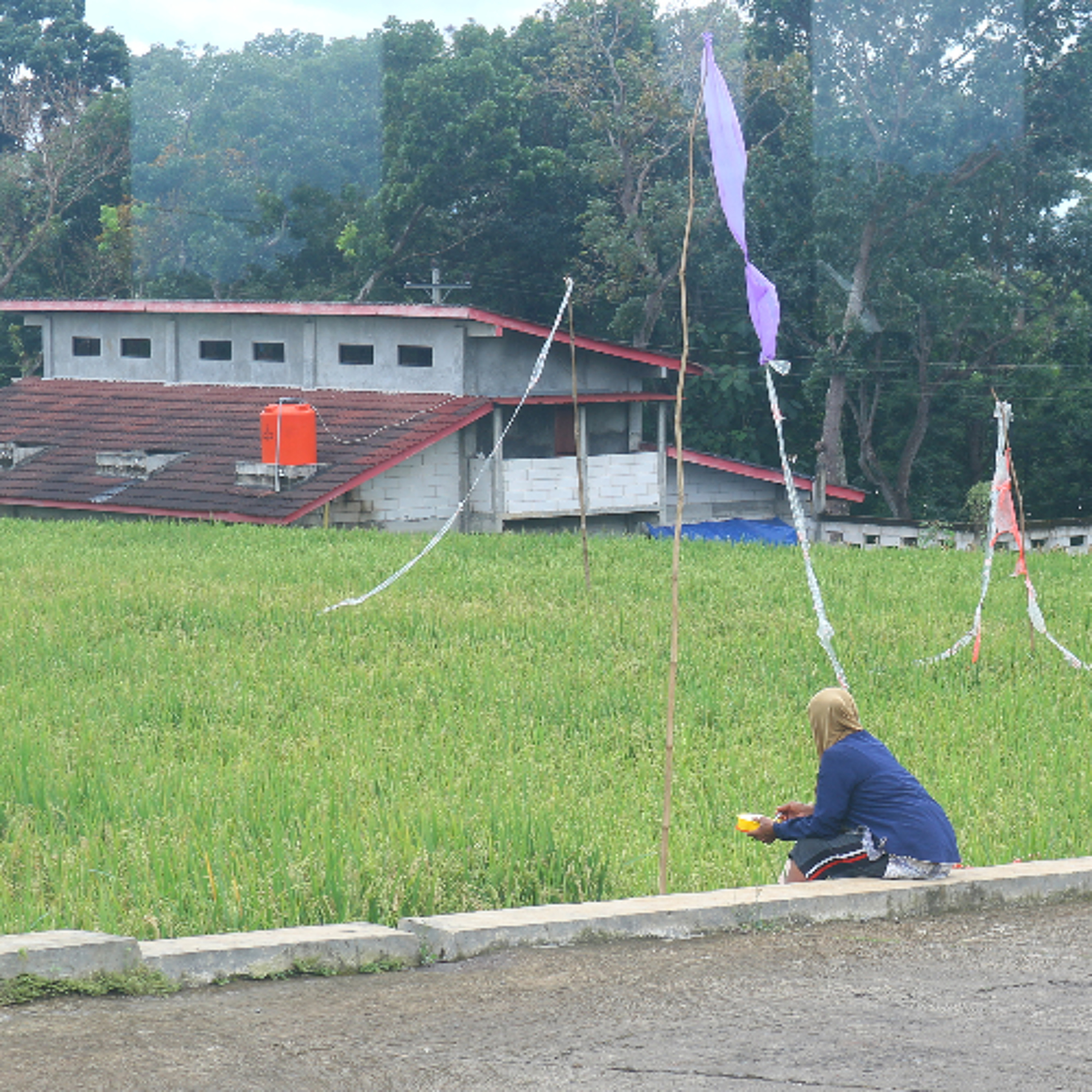
Rural Java has changed enormously over the past half-century. Girls now finish school, women hold community leadership positions, and dual incomes have become the norm rather than the exception. And yet, many Javanese women will tell you they still cook every meal, manage the household, and show up visibly as devoted wives, on top of everything else. It is this gap between what has changed and what has not that drives the research of Dr Linda Susilowati, a lecturer at Universitas Kristen Satya Wacana in Salatiga. Drawing on her doctoral fieldwork in Wonogiri, Central Java with over two hundred women...
Melissa Johnston: Resilient Patriarchies
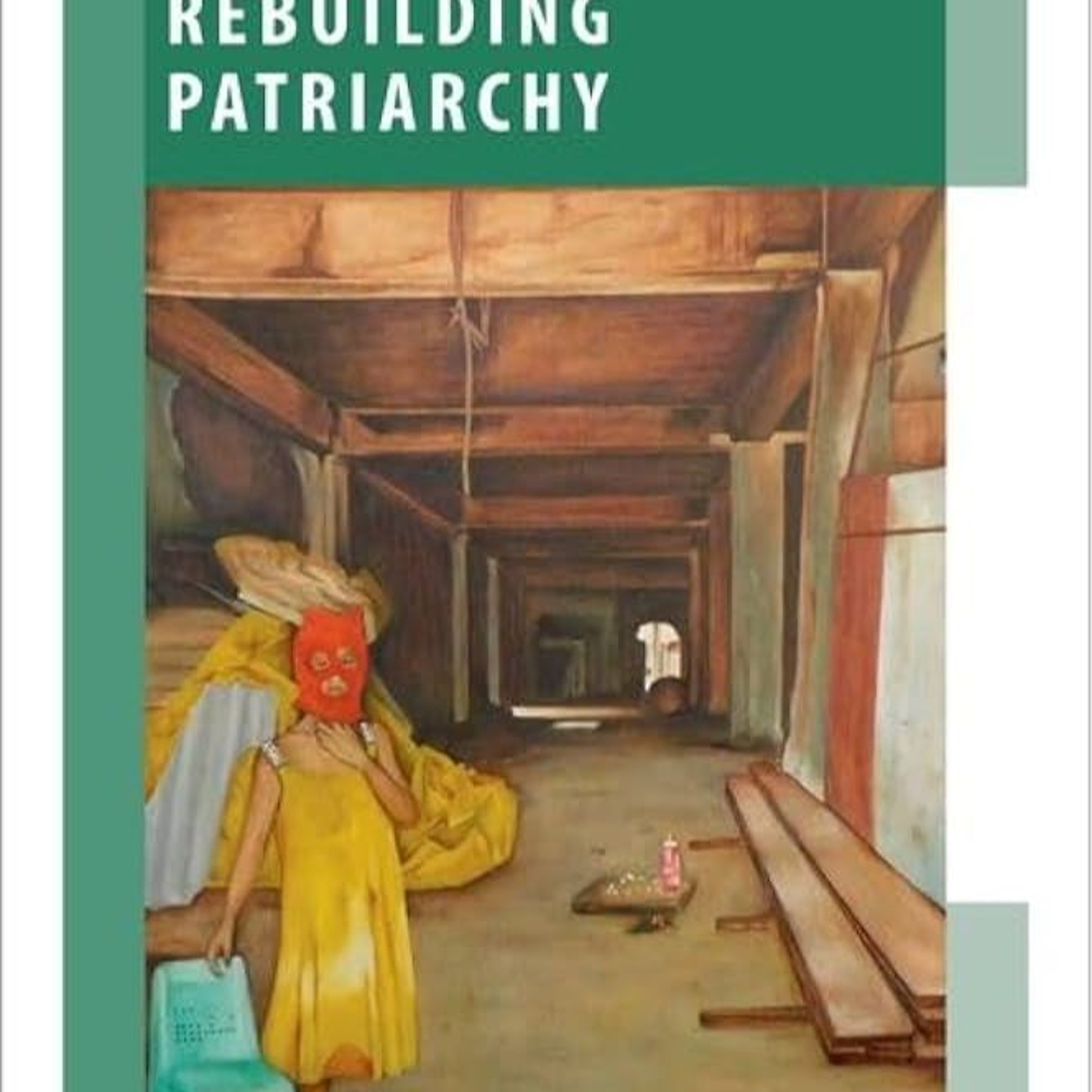
Timor Leste became independent from Indonesia in 2002, after 24 painful years of Indonesian occupation built on centuries of Portuguese colonisation. Both regimes were deeply violent and extractive, and as my guest today argues, drew Timorese society into different forms of a valorised armed masculinity that would have repercussions well after Timor’s independence. It’s in this post-conflict context that Mel Johnston examines Timor’s gender interventions. Gender mainstreaming is a global set of strategies, interventions and approaches that seek to address the inequality of being a women in policy-making. These set of principals have particular traction in the region. Gender mainst...
Maidina Rahmawati - The New Criminal Code

On January 2nd, 2026, Indonesia entered what officials are calling a "new era" of criminal justice. The country implemented a completely new Criminal code – KUHP - and a new Criminal Procedure Code—known as KUHAP—that changes what counts as a crime and how crimes are identified, investigated and punished. The government says this marks a shift toward "restorative justice" that prioritizes rehabilitation over punishment. Officials describe it as "more humane, modern, and just". But civil society groups are sounding the alarm. They're calling the new law "draconian and illiberal"—and potentially worse than the system it replaces. At the heart of the c...
Farabi Fakih and Fathun Karib: Indonesian Ecological Thinking
As Indonesia grapples with increasingly frequent climate disasters—from the devastating floods in Sumatra and Aceh to prolonged droughts affecting food security—a new book is rejecting the usual solutions. No carbon credits. No waiting for the next Elon Musk. Instead, Bacaan Bumi asks: what if the answers lie in Indonesia's own revolutionary history, its constitutional foundations, and its diverse philosophical traditions? Published by Yayasan Obor Pustaka Indonesia last year, Bacaan Bumi began as a monthly supplement for Inside Indonesia magazine—where, we should acknowledge, several Talking Indonesia hosts are also involved. (Yes, this is a slightly nepotistic episode, but we pro...
Alfira O'Sullivan and Murtala - After the Flood
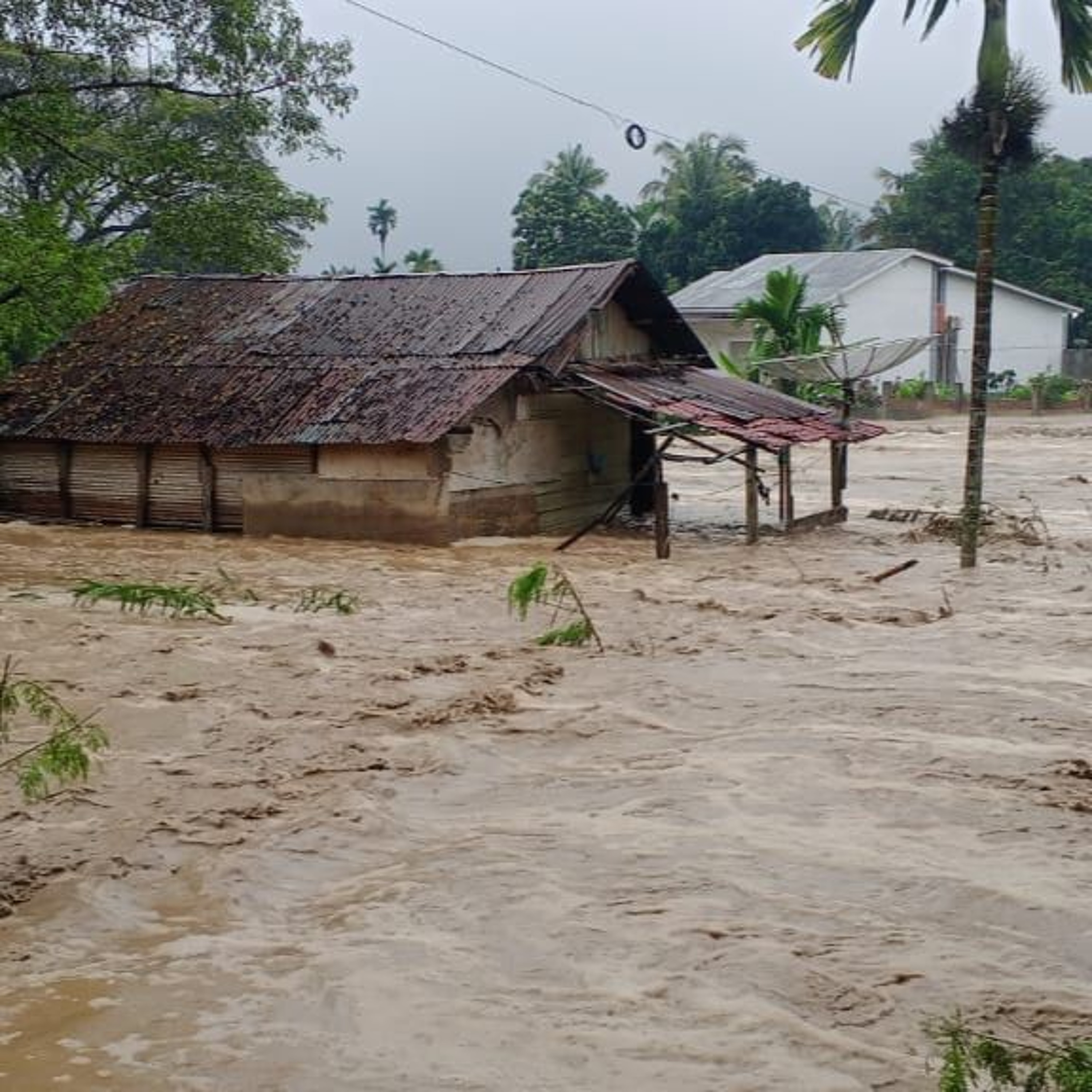
After the floods – Alfira O’Sullivan and Murtala In late November last year, heavy rainfall brought by Cyclone Senyar saw massive floods and landslides hit large parts of West and North Sumatra and Aceh Province. The images captured on cell phones and quickly sent across the world showed horrifying scenes of villages swept away by raging rivers and mudslides; and astonishingly, tree logs coursing down hillsides, collecting everything in their wake. The cost of this disaster, six weeks later, is still being counted. The National Disaster Management Agency's official tally has around 1,200 people killed, with hundreds still missing and thousands more...
Wahyu Astuti - Jakarta Water Crisis
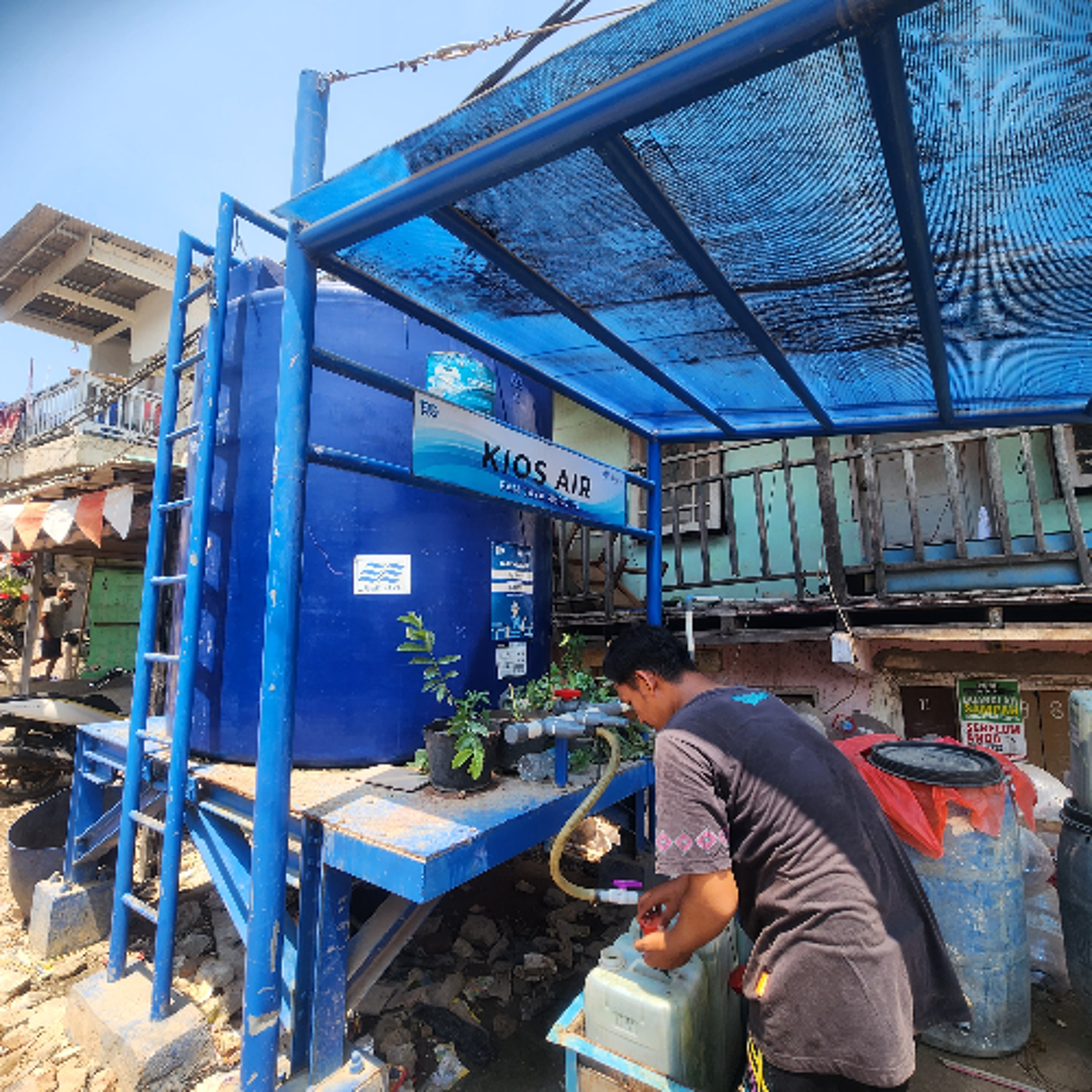
Jakarta is said to be in a water crisis. This is a familiar claim that has been repeated for years as parts of the city sink, groundwater is over-extracted, and access to clean water remains uneven. Yet what, precisely, is the crisis that Jakarta is facing? In this episode of Talking Indonesia, I speak with Wahyu Astuti, a PhD candidate at the University of Sydney, whose research shows that Jakarta’s water crisis is not singular, but defined in multiple and competing ways. She traces how certain framings of the crisis are sidelined, while others are actively promoted, and asks ho...
Ken Setiawan and Lailly Prihatiningtyas - Soeharto as National Hero
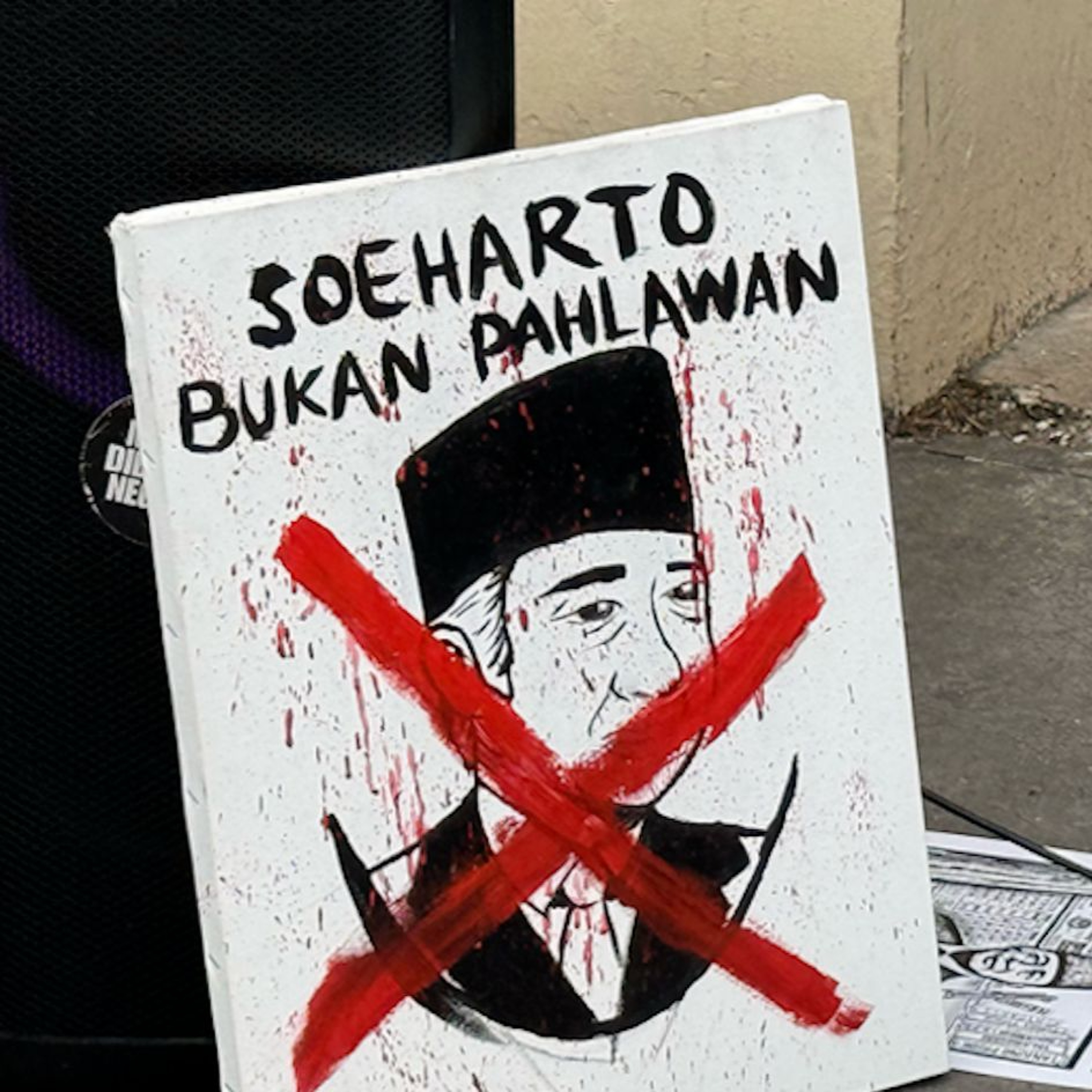
On 10 November 2025, Indonesia's President Prabowo Subianto made a controversial decision that reignited divisions in Indonesian society: he posthumously designated former President Suharto as a pahlawan nasional or a ‘national hero.’ Suharto seized power in 1965 during a period of violent upheaval and ruled Indonesia for over three decades until 1998, presiding over what he called the "New Order" regime. His rule brought rapid economic development, lifting millions out of poverty and transforming Indonesia into a regional power. But it was also marked by systematic human rights violations, including the mass killings of alleged communists in 1965-66, as well as brutal crackdowns in East...
Zainal Arifin Mochtar: Dirty Vote II o3

Cast your minds back to February 2024, in the campaign lull before Indonesians hit the ballot box, a documentary unceremoniously dropped on youtube. Now, documentaries on electoral campaigning are legion, and generally they attract a pretty narrow audience. By contrast, Dirty Vote, directed by acclaimed Indonesian investigative journalist, Dhandy Dwi Laksono, garnered 6.4 million eyeballs in the first 48 hours, over the week Dirty vote attracted half a million tweet on twitter, trending worldwide. Overall Dirty Vote had over 30 million viewers. So to say Dirty Vote went viral would be putting it mildly. And yet Dirty Vote was anything but ephemeral. In a...
Irma Hidayana - Free Nutritious Meals Program
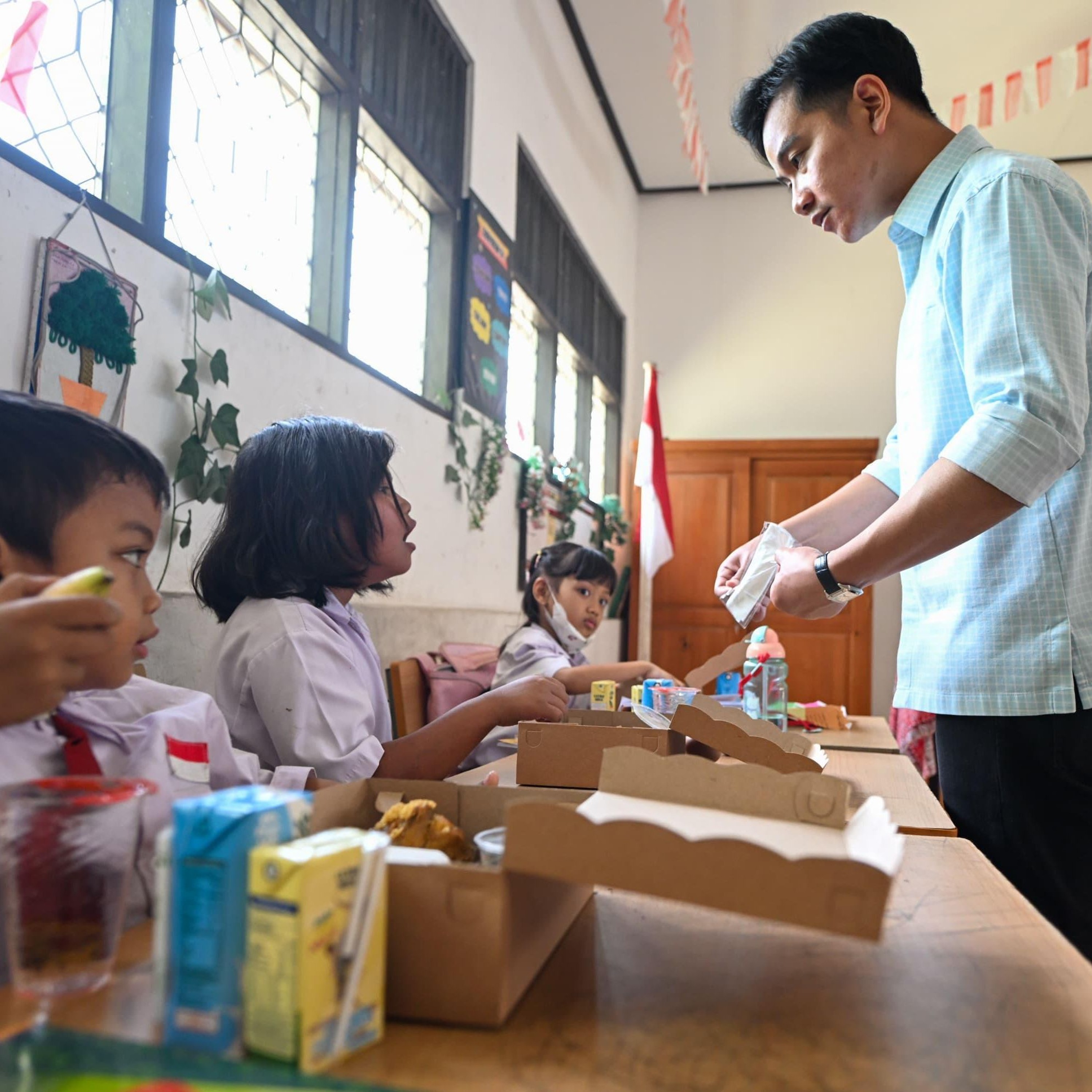
Irma Hidayana - Free Nutritious Meals Program by Talking Indonesia
Egi Primayogha - Corruption in Prabowo-Gibran's First Year
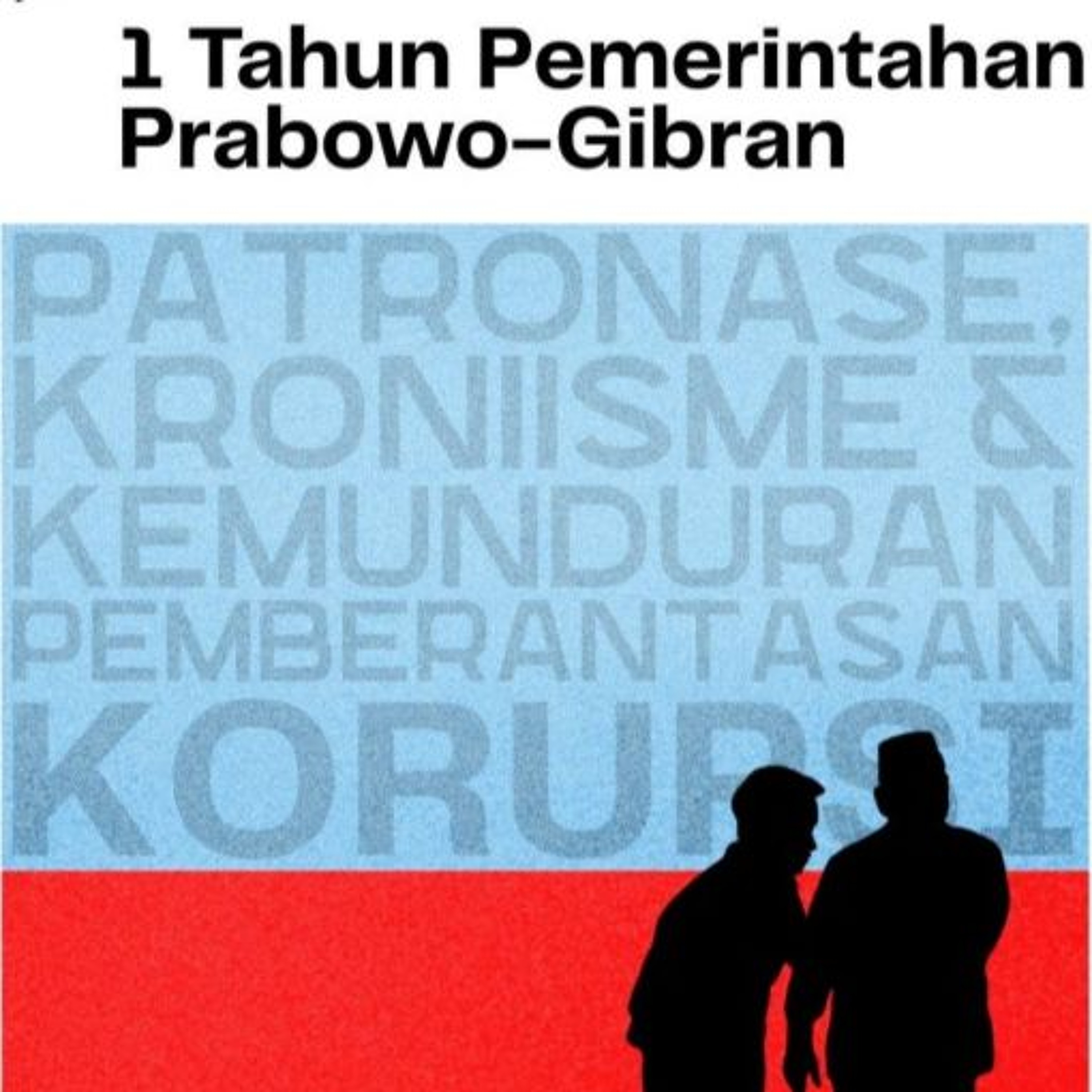
Corruption is always a hot topic in Indonesia, but where does the situation stand right now? In this episode, we talk to Egi Primayogha who is the advocacy coordinator for the NGO Indonesia Corruption Watch (ICW) about their assessment of the current government and their recent report entitled Catatan Kritis (or critical notes) on the first year of the Prabawo-Gibran government. ICW was formed in 1998 and, unfortunately, their role in keeping the government accountable is as important as ever. The report highlights a number of areas of concern, many of course are not new in Indonesian politics. The impact of...
Dian Tri Irawaty - Kampung and Urban Advocacy
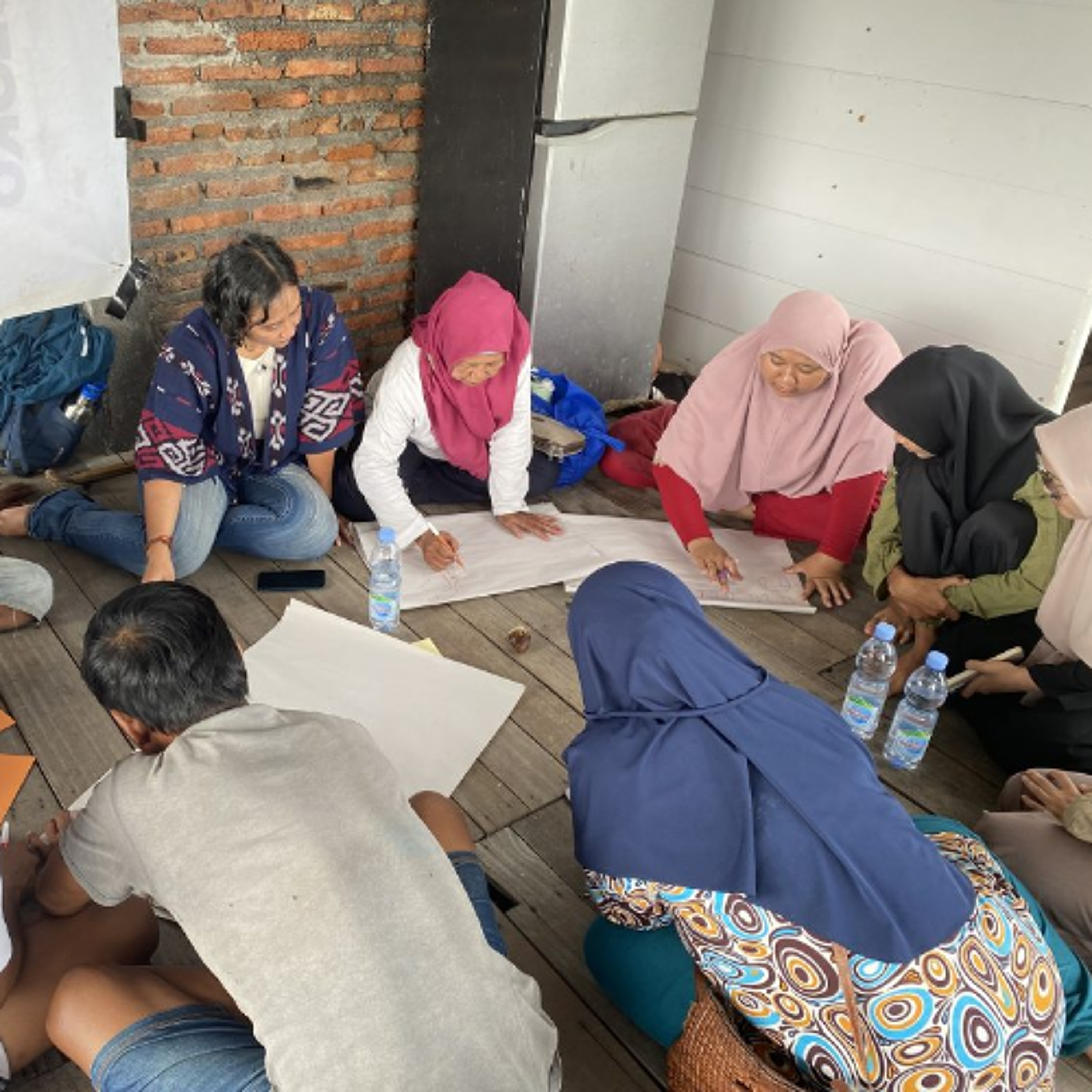
Dian Tri Irawaty - Kampung and Urban Advocacy by Talking Indonesia
Grace Leksana - A Re/writing History Project
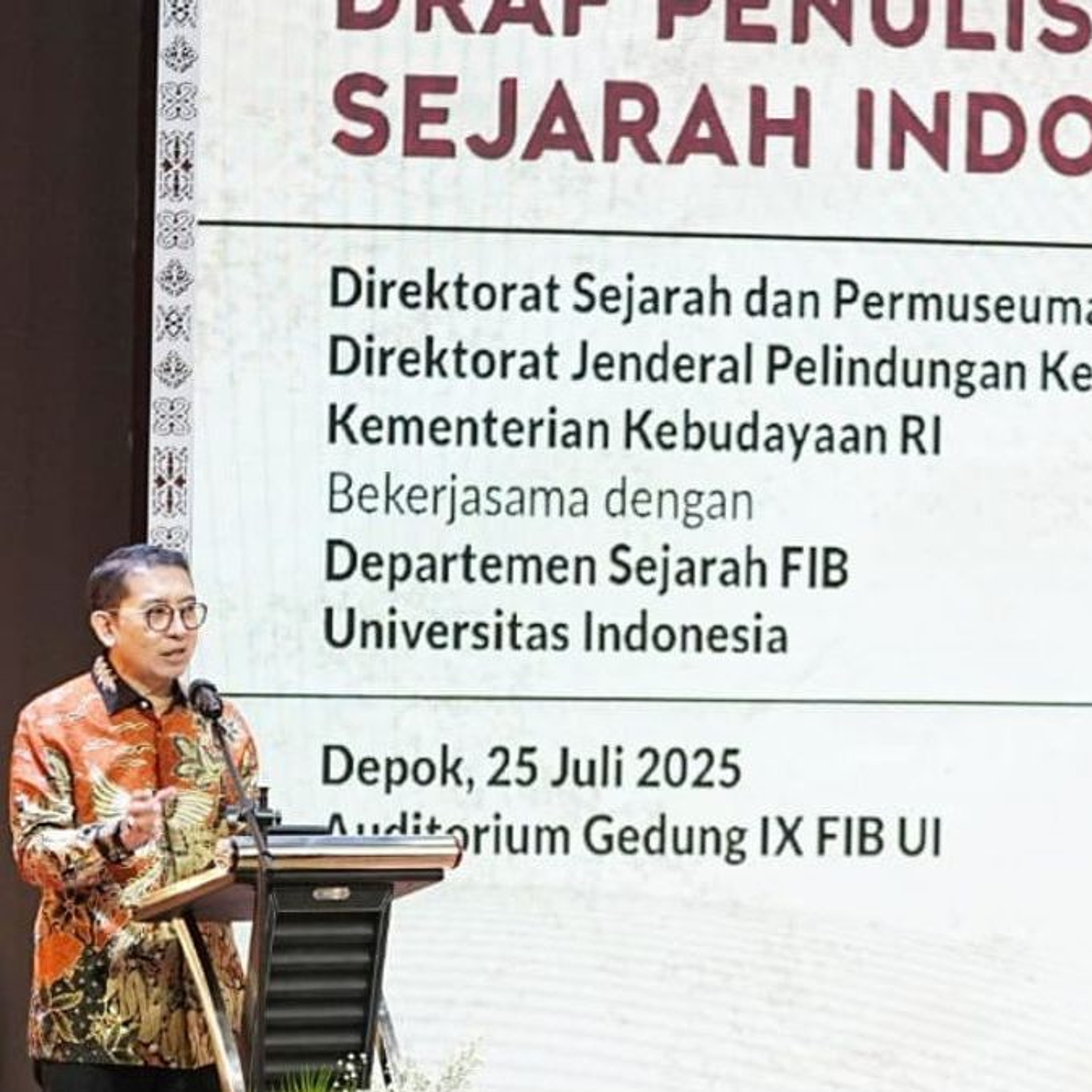
A ‘re’-writing history project - Grace Leksana Shortly after taking up his position as the Minister for Culture and Education in the Prabowo government, Fadli Zon announced he was commissioning a reworking of the official Indonesian history textbook. In early 2025, outlines of the project’s terms of reference started to trickle out, and historians, activists and survivors’ groups grew increasingly concerned. The new version, assembled without broad consultation, contained a raft of significant changes and glaring omissions, including human rights violations carried out by the New Order, and the roles of women at various stages in Indonesia’s pre- and post-i...
Aliansi Gusar - Overseas Responses to Indonesia's Protests
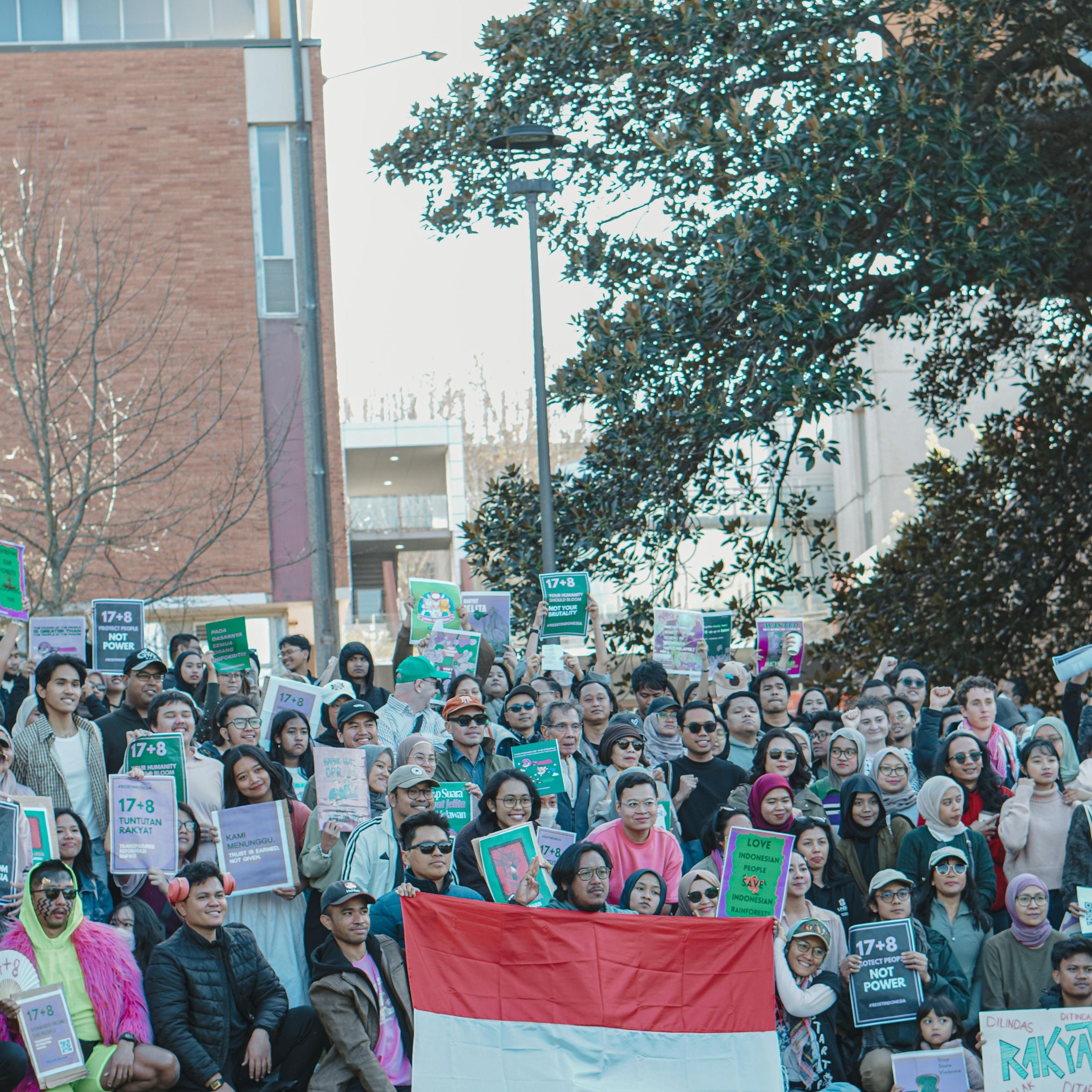
On August 25 2025, protestors took to the streets in Jakarta outside the parliament to vocalise their loss of confidence in the current parliament. While the protests were triggered by a newly announced increase in parliamentarian housing allowances, the protests were about so much more. Underpinning it all was a general lack of confidence that Indonesian politicians care about, or were effectively responding to, the very real struggles of everyday Indonesians that they are supposed to be representing. These protests spread to other parts of the country and in some cases, turned deadly. In today’s special episode, we turn to the th...
Rebecca Meckelburg: Indonesia's New Protest Movements
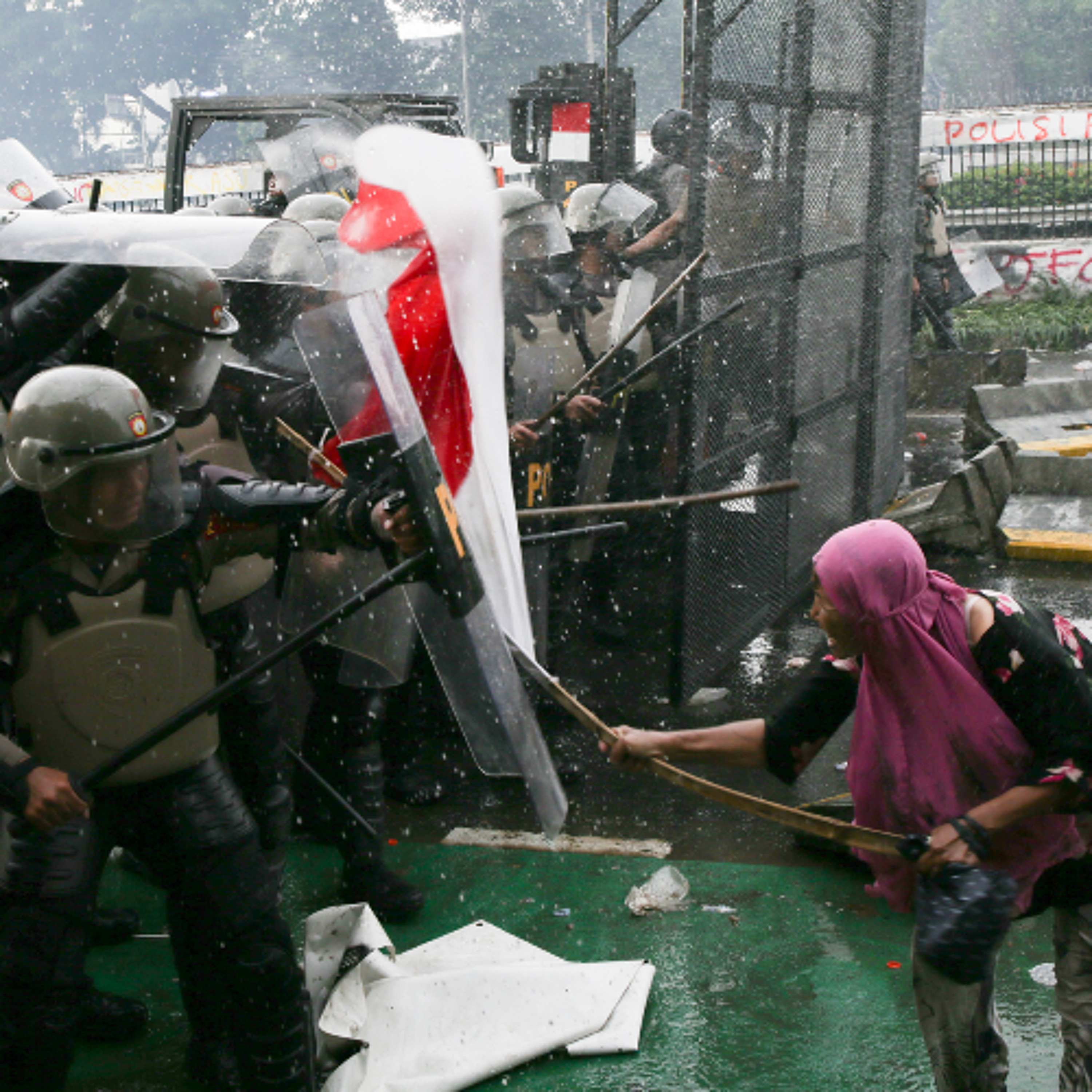
In late August, demonstrations against housing allowances for national parliamentarians escalated dramatically when a motorcycle delivery driver, Affan Kurniawan, caught up in the protests, was run over by a police tactical vehicle. His death, live-streamed, saw waves of protests in at least 47 Indonesian cities in a convulsion of genuine national rage and frustration. Parliaments were set on fire in at least 4 cities, police stations were attacked, and the homes of prominent political figures were looted, including Finance Minister Sri Mulyani. Our social media feeds were awash with footage of angry protestors and police brutality. Ibu Ana, a housewife in Jakarta...
Clara Siagian - Rusunawa and the State
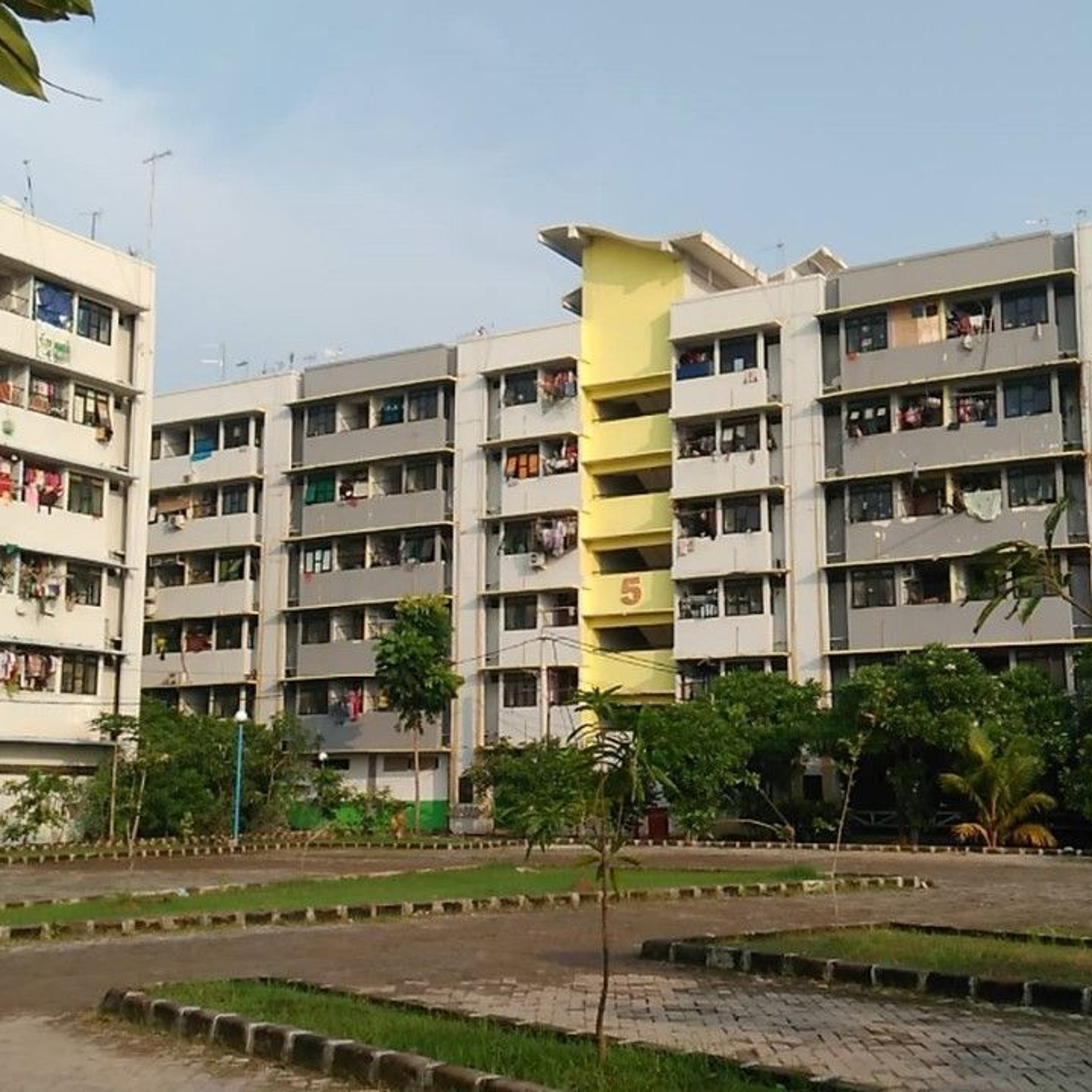
While Jakarta's eviction politics have often dominated headlines and grassroots campaigns, the experiences of those who have been relocated to rusunawa (social housing) complexes have remained largely invisible. Yet these families reveal how Indonesia's vision of urban modernity is being literally built into the architecture of everyday life, changing the ways people connect with each other and build their lives. In this episode of Talking Indonesia, host Tito Ambyo explores these tensions with guest Dr Clara Siagian, whose ethnographic research uncovers how social housing design enforces specific values of respectability on the urban poor - from banning certain cooking methods...
Diah Angendari - AI Policy in Indonesia

From the algorithms that curate your social media feed to the recommendation systems that influence what you buy, artificial intelligence is quietly reshaping every aspect of our daily lives. Yet most of us remain in the dark about how these powerful technologies are governed—and that's a problem we can't afford to ignore. Artificial Intelligence (or AI) policy isn't just about tech regulation; it's about who gets to shape the future of work, privacy, and power in our increasingly digital world. The rules being written today will determine whether AI serves all of society or just a privileged few. In th...
Ara Simanjuntak : Betting the Farm
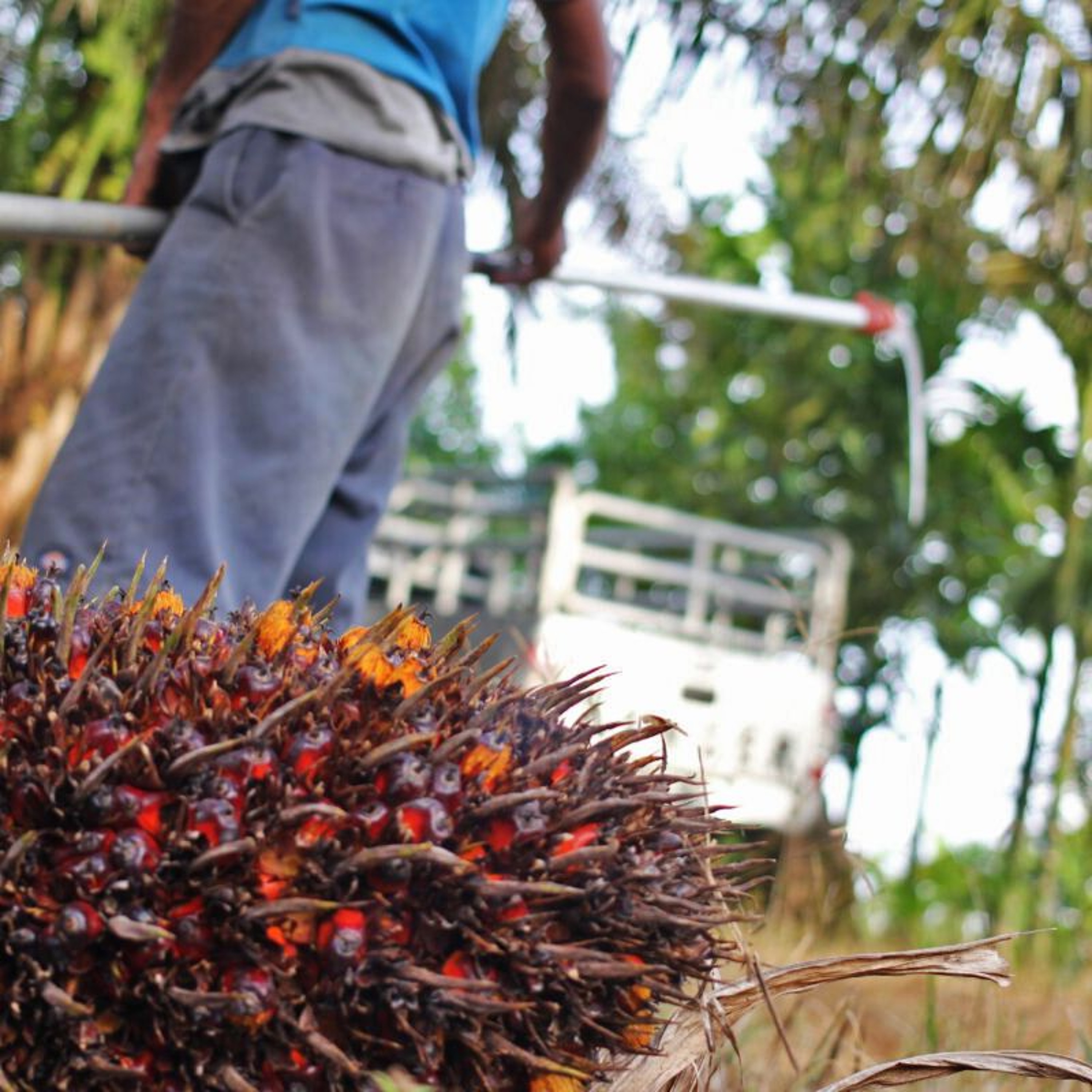
Palm oil contributes to up 4.5% to Indonesia’s GDP and unlike other commodities, the Indonesian government promotes palm oil as motor of rural development. This is because up to half of Indonesia’s palm oil production is generated by smallholders, farmers with 2-3 hectares of land, cultivating oil palm crops and selling the product for reliable market prices to corporate and state refineries. But this model of national development is in crisis. Small holder palm oil plants are aging, yields are decreasing and company profits are becoming leaner. At the same time, major markets are putting pressure on Indonesia’s palm o...
Nurwanto - School Violence and Bullying
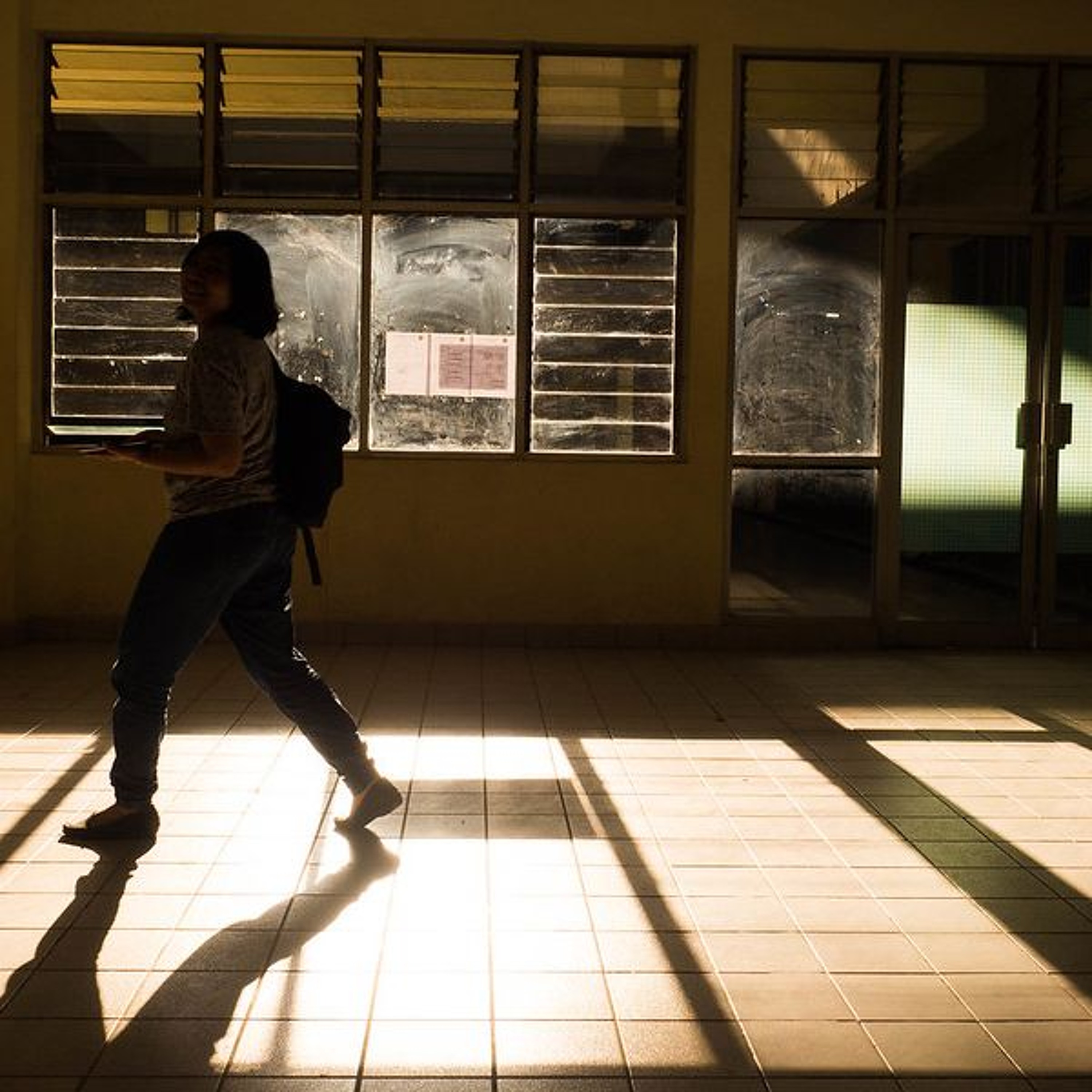
Nurwanto Nurwanto - School Violence and Bullying In recent months Indonesians have grown increasingly concerned and indeed outraged following several reports of deadly violence involving children as young as elementary school age. In a case in Riau in May an eight-year-old boy died after complications due to a ruptured appendix, which his parents believe was the result of beatings he suffered at the hands of fellow students aged 11-13 years. Around the same time, a video when viral of a brawl involving 20 primary school aged children in Depok. In response, the Governor of West Java, Dedi Mulyadi, called for the...
Justinus Lhaksana - Indonesian Football and the Road to the 2026 World Cup
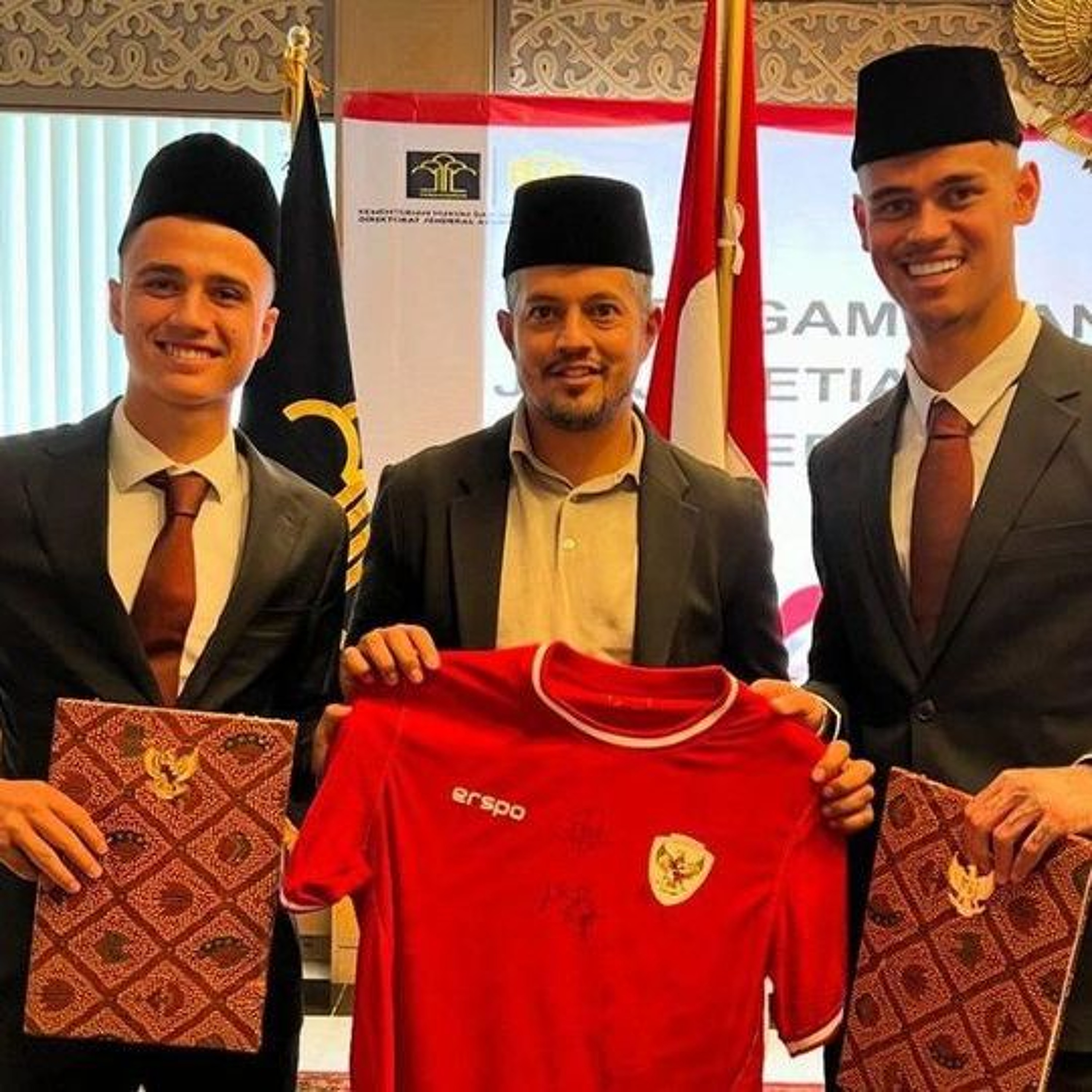
Justinus Lhaksana - Indonesian Football and the Road to the 2026 World Cup In October 2022, the image of Indonesian football filling news bulletins around the world was one of tragedy and horror at the huge loss of life sparked by clashes between fans and security agents at a football match in Kanjuruhan, East Java. Less than three years later, this image is being replaced some by something quite different. In June this year, Indonesia did what no other Southeast Asian football team has done since the 1930s and proceeded to the fourth round of qualifying for the FIFA World Cup to...
Nadia Egalita - Ethnography of Online Food Delivery
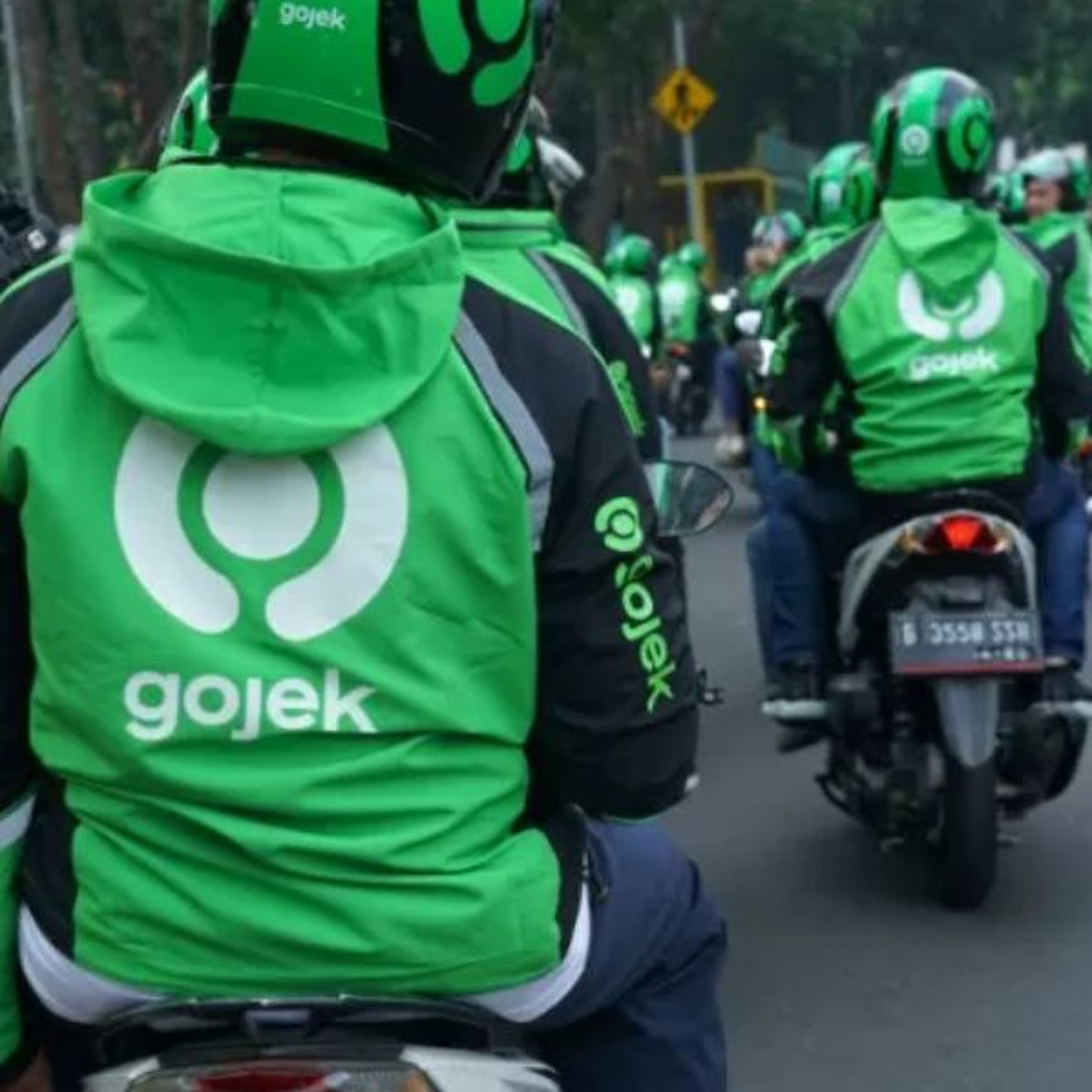
When you order food through Gojek or Grab in Indonesia, you're not just getting dinner delivered, but you're also participating in what has become a sophisticated digital platform economy. These food apps have fundamentally transformed how millions of Indonesians eat, shop, and navigate daily life, while generating billions in revenue for tech unicorns that now rival traditional media conglomerates in their cultural influence. But how exactly are these online food platforms reshaping Indonesian society? And what happens when we compare their impact across different cultural and economic contexts? A fascinating new study by Nadia Egalita, a PhD researcher at RMIT...
Sarah Shair-Rosenfield - Women and Healthcare
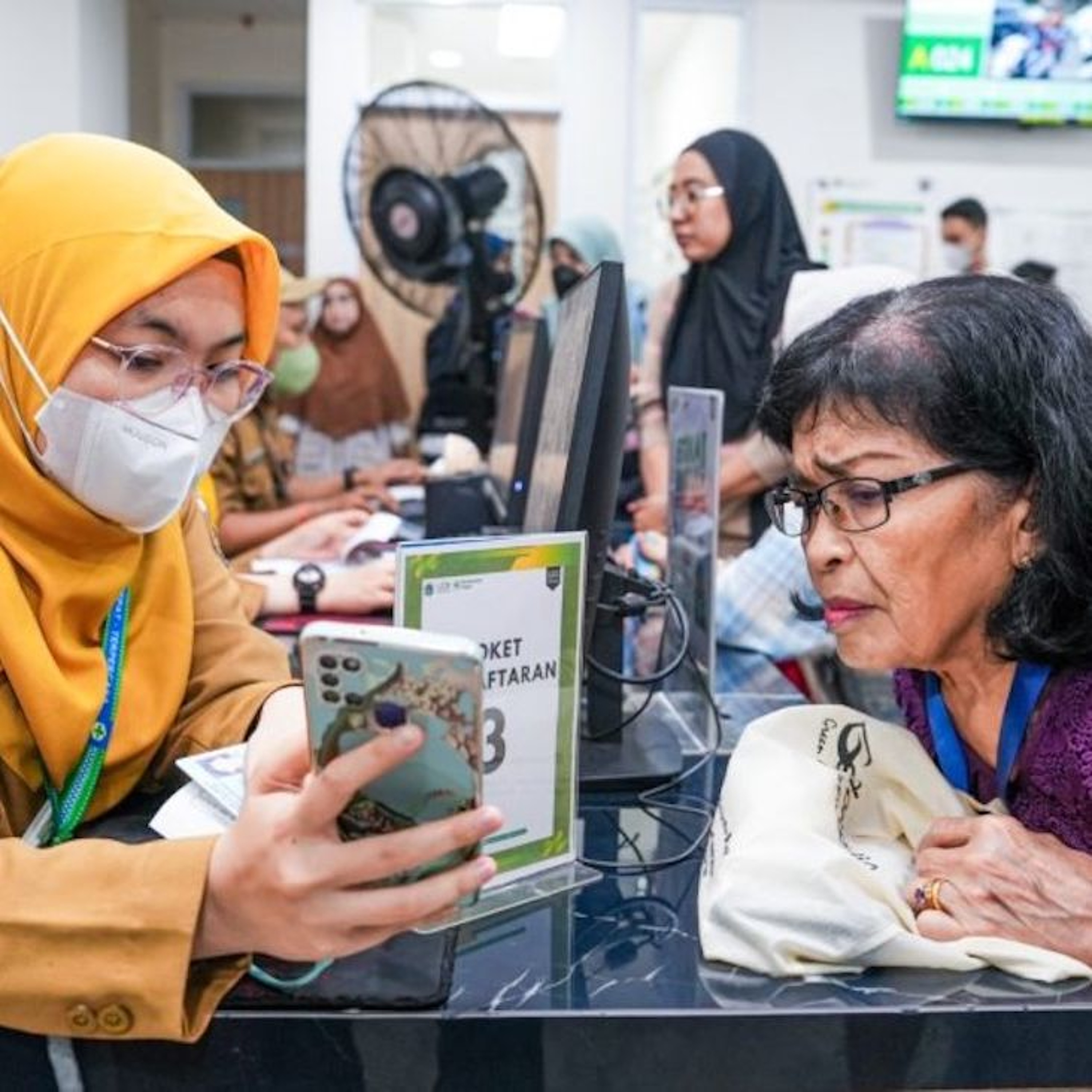
Despite significant strides in recent decades, Indonesia continues to face one of Southeast Asia's higher maternal mortality rates. A recent study published by Syaraji and colleagues (2024) found that for every 100,000 live births, approximately 249 women die from pregnancy-related causes. In Jakarta and other major cities, expectant mothers often access modern facilities staffed by trained professionals. But travel just hours outside these urban hubs, particularly to eastern provinces or remote islands, and the picture changes dramatically. There, a shortage of qualified healthcare workers, limited emergency obstetric services, and challenging geography create significant barriers to care. The Indonesian government has implemented several initiatives...
Evi Mariani - Media Freedom

Evi Mariani - Media Freedom In March this year parcels containing a pig’s head and the carcasses of dead rats were sent to the offices of Tempo magazine in Jakarta. The story made international headlines and led to an outpouring of support and condemnation from across Indonesia’s mediascape and public more broadly. Known for its deep investigative reporting the magazine’s chief editor described the brazen threat on its journalists as an act of terrorism. Just weeks after the attack on Tempo, the latest World Press Freedom Index downgraded Indonesia’s rating across all indicators. Media organisations and news out...
Haryo Pambuko Jiwandono - Indonesian Games and Esports
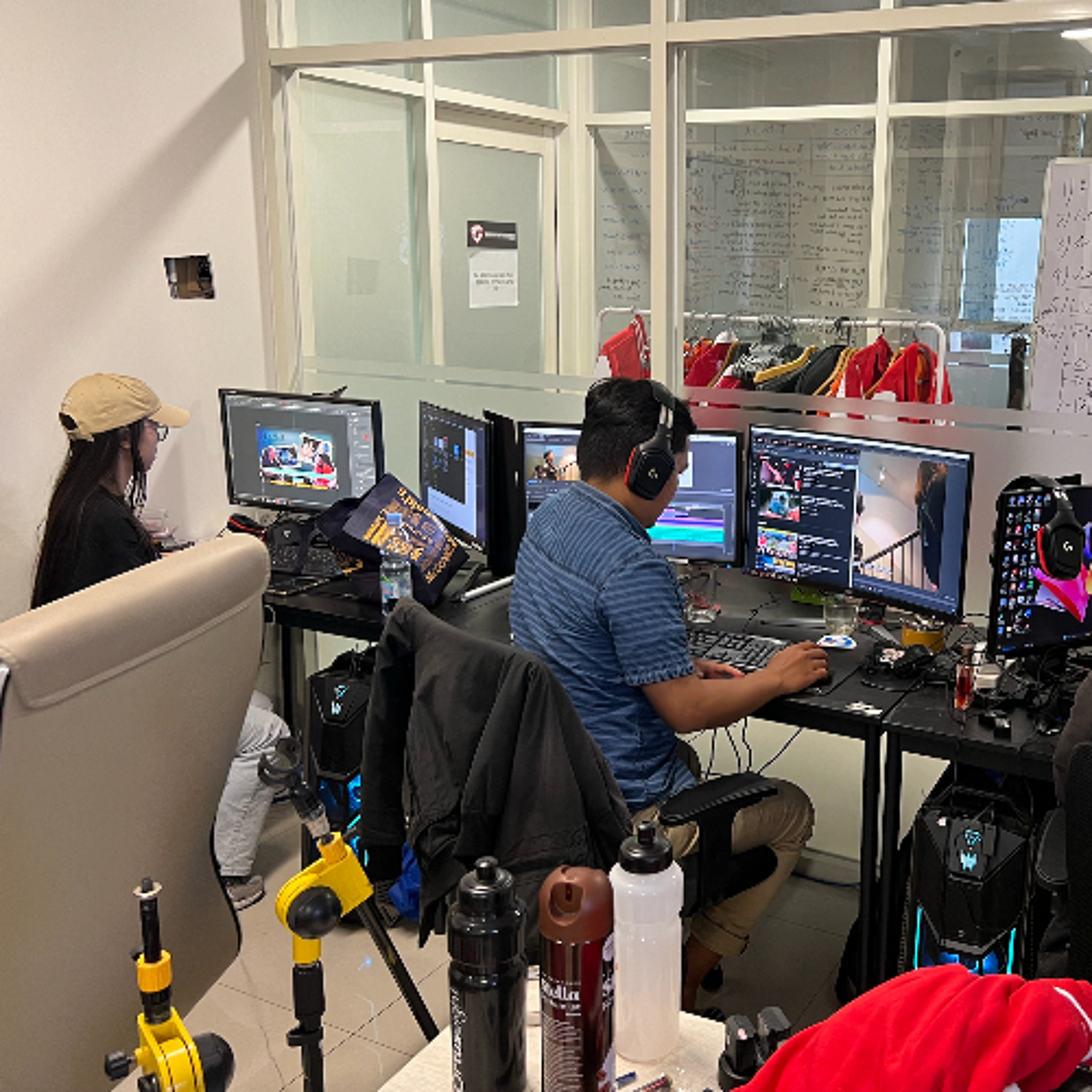
In recent years, Indonesia has experienced a remarkable transformation in its gaming landscape, with mobile esports emerging as a powerful cultural and economic force. What was once considered a fringe activity now enjoys mainstream legitimacy, supported by both grassroots communities and government institutions. In this episode, Tito Ambyo speaks with Haryo Pambuko Jiwandono, a PhD candidate at RMIT University researching mobile game esports in Indonesia. They explore how esports in Indonesia has evolved from informal gatherings at internet cafes to a structured industry with professional teams, government support, and international success. In 2024, Indonesia won the FIFA E World Cup against...
Olin Monteiro - A Growing Protest Movement
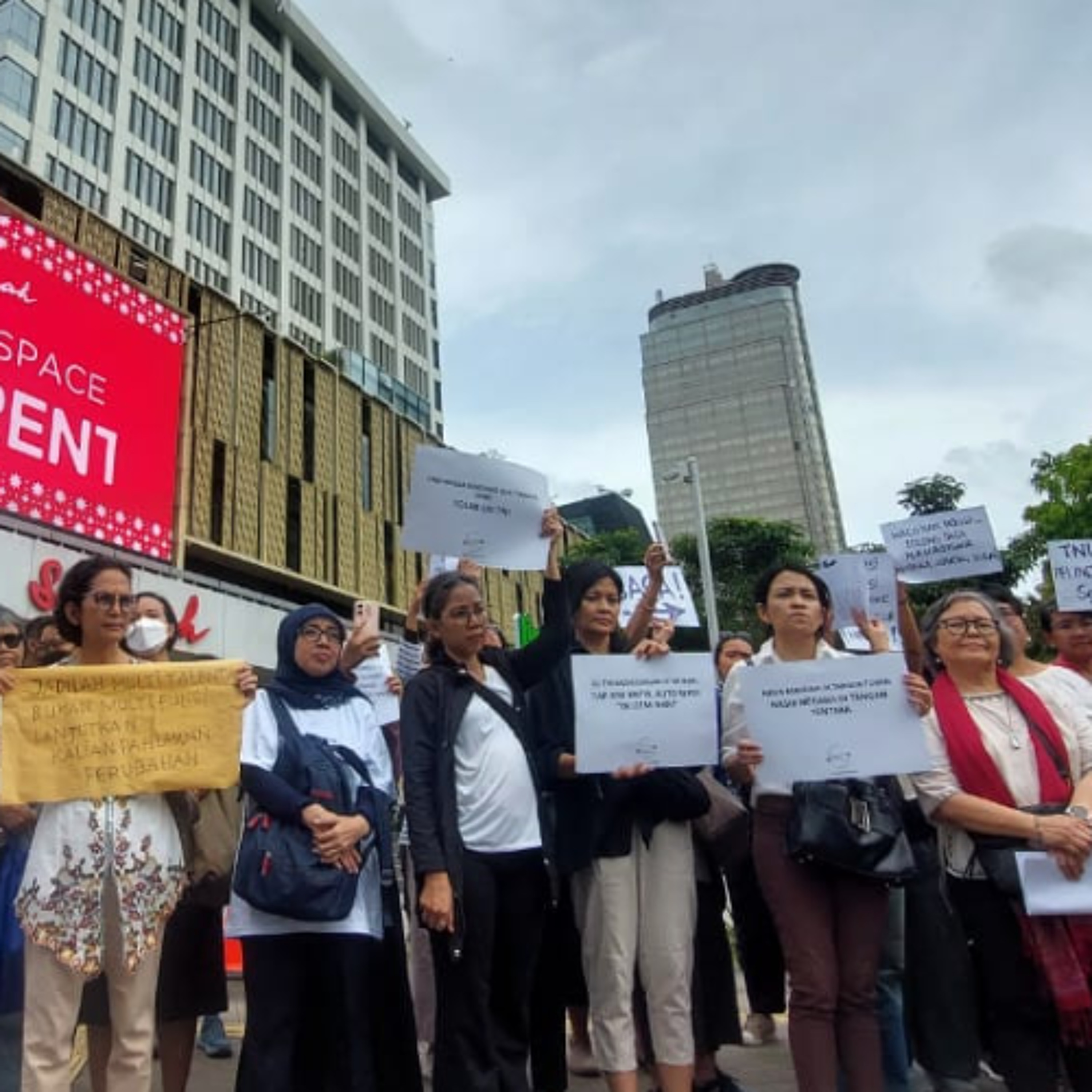
A growing protest movement On 28 March, in downtime Jakarta across from the Sarinah department store, an unlikely group of protesters gathered holding signs and making speeches. The crowd largely consisted of middleclass women of various ages, gathered under the name ‘Suara Ibu Indonesia’ (Voices of Indonesian Mothers). For the organisers, the choice of name and location for their protest was deliberately designed to evoke a moment in Indonesia’s past, now 27 years ago, when in the final months of the autocratic Suharto regime an economic and political crisis saw student protests met with deadly violence at the hands of the milita...
Melandri Vlok - Archaeology and Reading Bones

Bones can tell us so much about the past, not just about the ancestry of modern humans (or homo sapiens) but also about the people and cultures of times long forgotten. When we think about Indonesia’s place in history, we’re often inclined to think about the histories that shape the socio-cultural and political dynamics we see today. But Indonesia’s global historical significance goes way beyond this when we start considering how Indonesia features in early movements and migrations of humans and how they might have lived. It's estimated that ancient humans travelled through Wallacea, what we now unders...
Citra Lestari - Engaging Marginalised Groups in Risk Communication
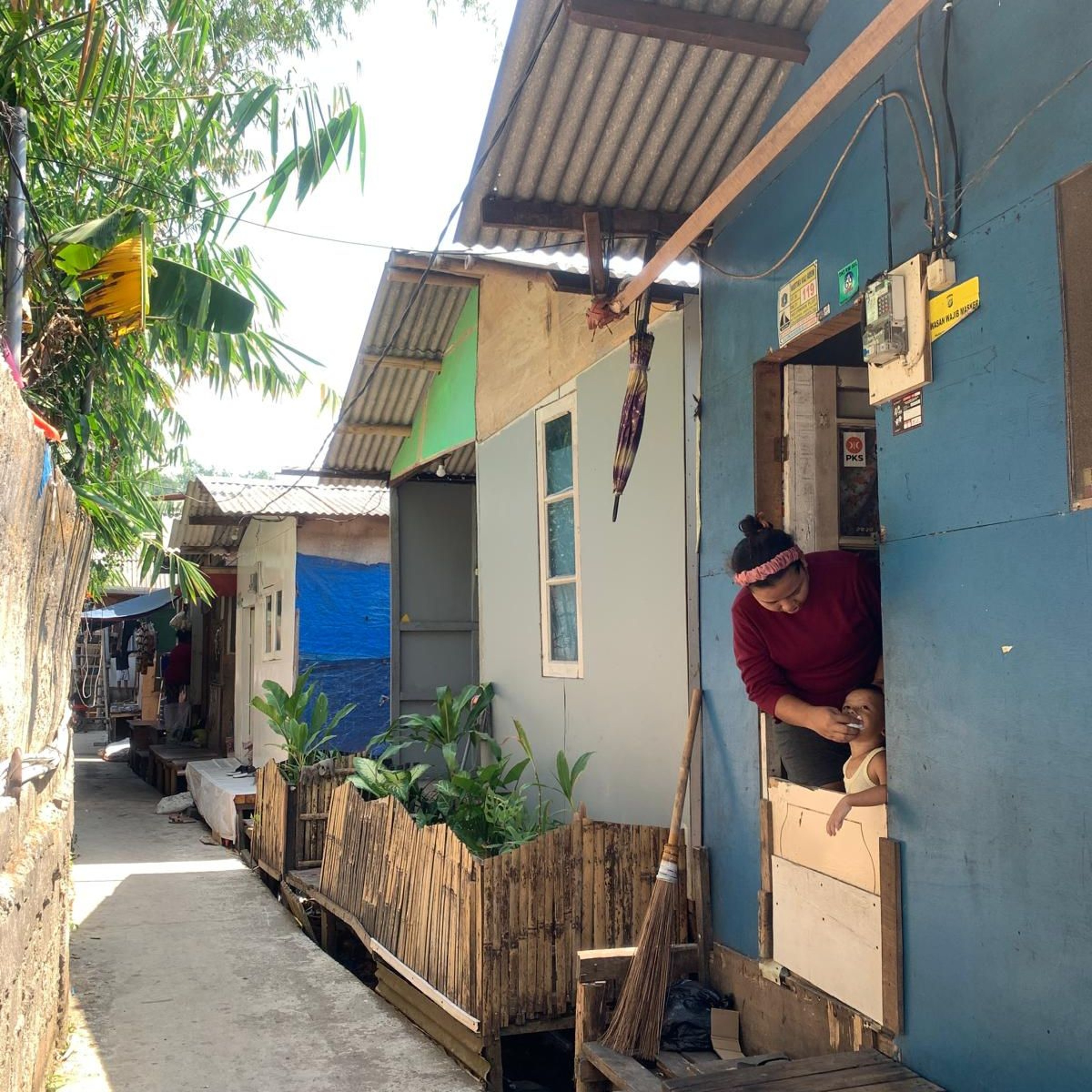
In Indonesia, a country prone to disasters and emergencies, effective risk communication can mean the difference between safety and vulnerability for millions. But what happens when risk communication fails to reach those most marginalised? How do social determinants of health impact how urban poor women navigate crises like the COVID-19 pandemic? In this week's episode, Tito Ambyo chats with Citra Lestari, a PhD candidate at the University of Melbourne. With a background as a risk communication professional and drawing on her personal experience as a mother, Citra's research focuses on how urban poor women in Jakarta understand and respond to...
Diego Garcia Rodriguez - Queer Muslims and Their Allies

Queer Muslims and Their Allies Amid Indonesia’s conservative turn, the moral panics of the 2010s and the introduction of the draconian Criminal Code in 2022, LGBTQI+ people are as vulnerable as at any time in the country’s modern history. In a nation with the world’s largest Muslim population and where religion plays a central role in defining belonging and nationalism, the identities of queer Indonesian Muslims provide valuable insight into how these subjectivities are negotiated in everyday life. How do queer Muslims maintain their faith and religious practices in an increasingly hostile environment? While in the West religion and qu...
Riandy Laksono - Prabonomics
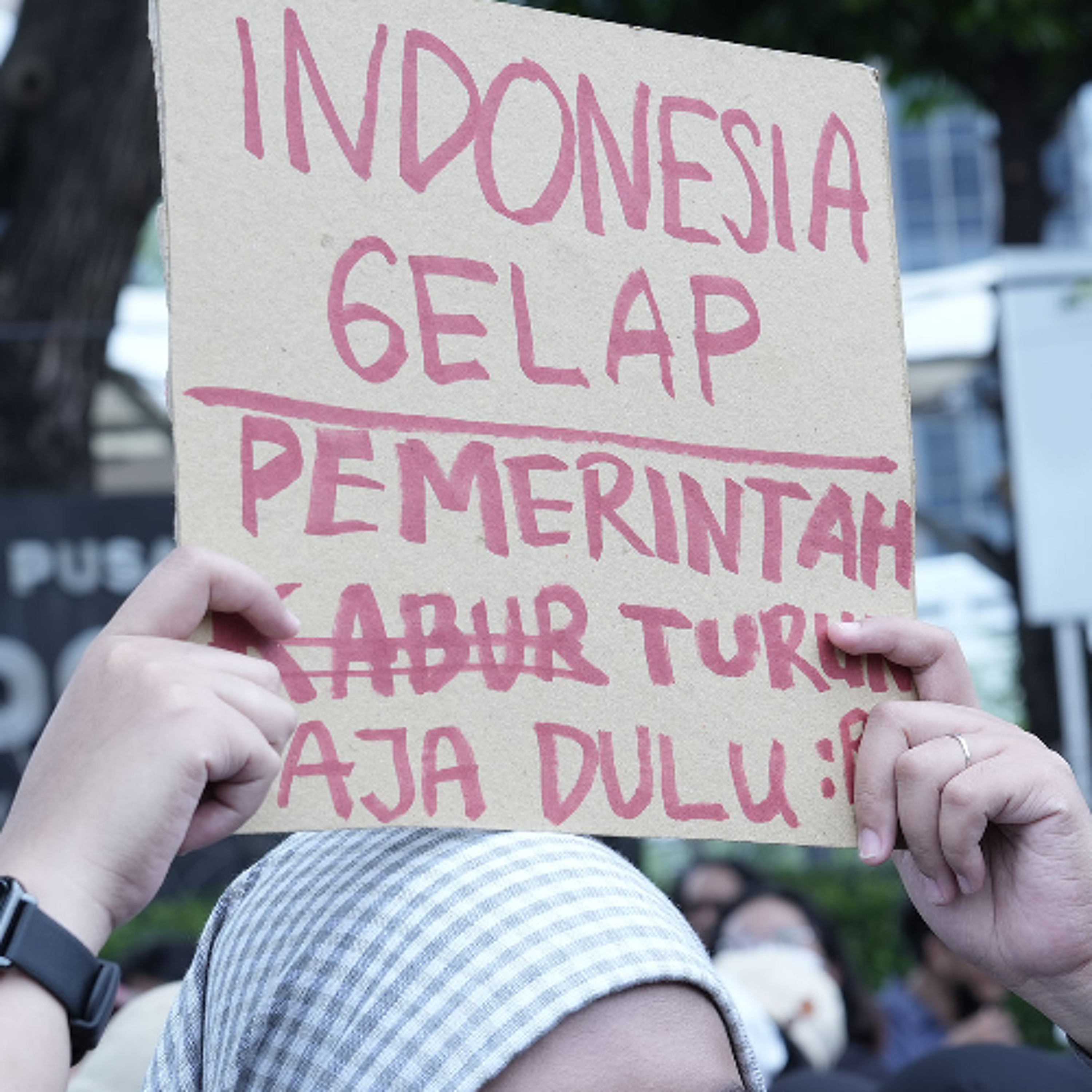
This past week has seen what some have argued are the first big mobilisations of the new Prabowo government, with coordinated student protests across 12 cities under the banner of Indonesia Gelap, or “Dark Indonesia”. The students list a number of demands, from human rights to environmental issues, but the trigger for these protests lie in deep budgetary cuts initiated across the public service, to the tune of US$44 billion. The worst ministries and agencies, including the Ministry for Manpower and the Ministry for Public Works, have proposed cuts of up to 55%. The National Consumer Protection Agency is being cut a whop...
Jane Ahlstrand - The Climate Crisis and Gender Nexus
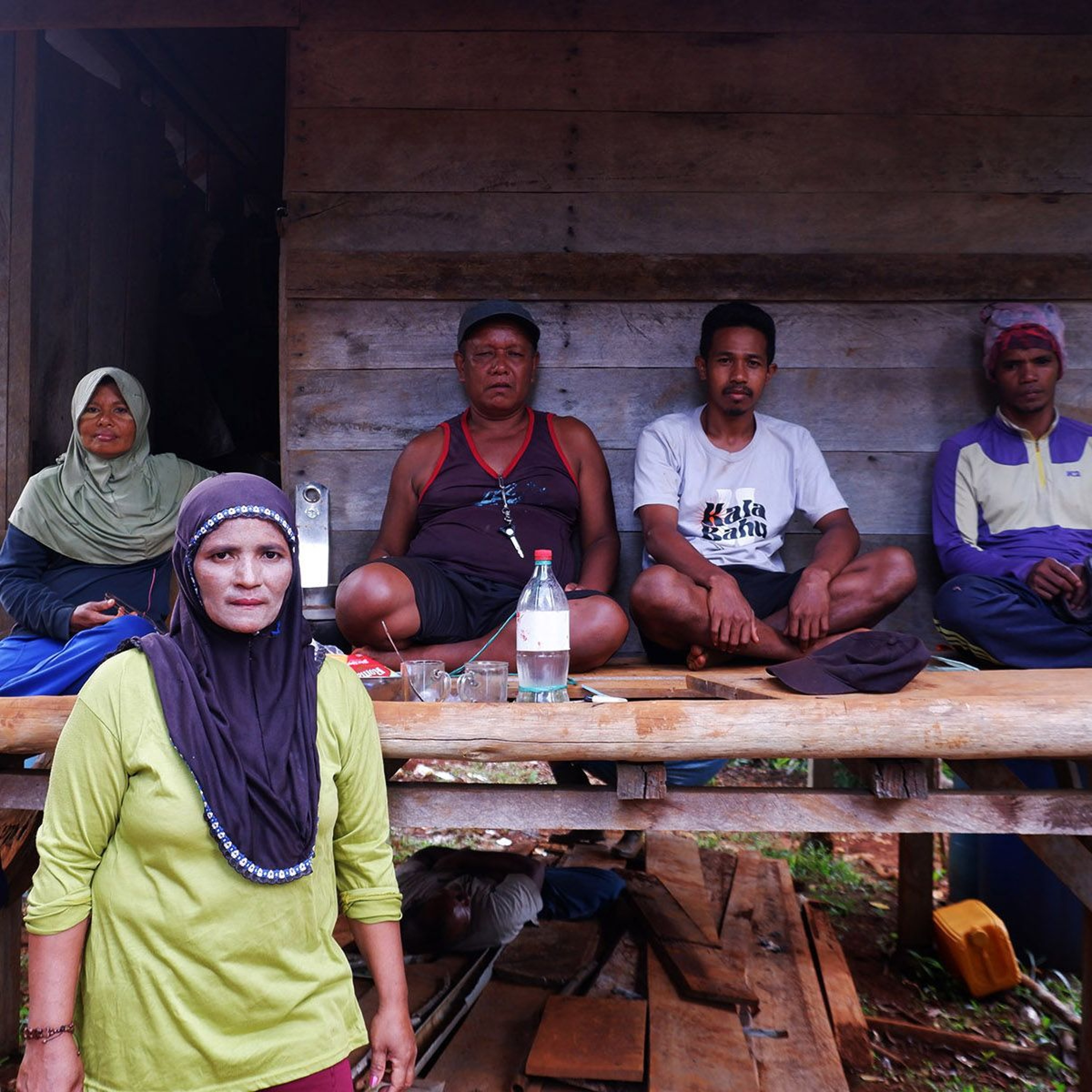
Climate Change is well-recognised as a massive challenge facing society today. It is clear that the political, economic and social consequences of climate change will not be felt equally, not only globally but also across Indonesia. Geography, class and—indeed--gender dynamics will influence how individuals Indonesians experience and respond to climate change. But it’s not just the environmental impacts that require navigation. As Arora-Johnson wrote in 2011, within the gender and climate development nexus, poor, rural-based women are portrayed as the most vulnerable and likely to die due to climate events. So, are these portrayals accurate? And how have they infl...
Moira Tirtha - Nongkrong Festival and the Indonesian Diaspora
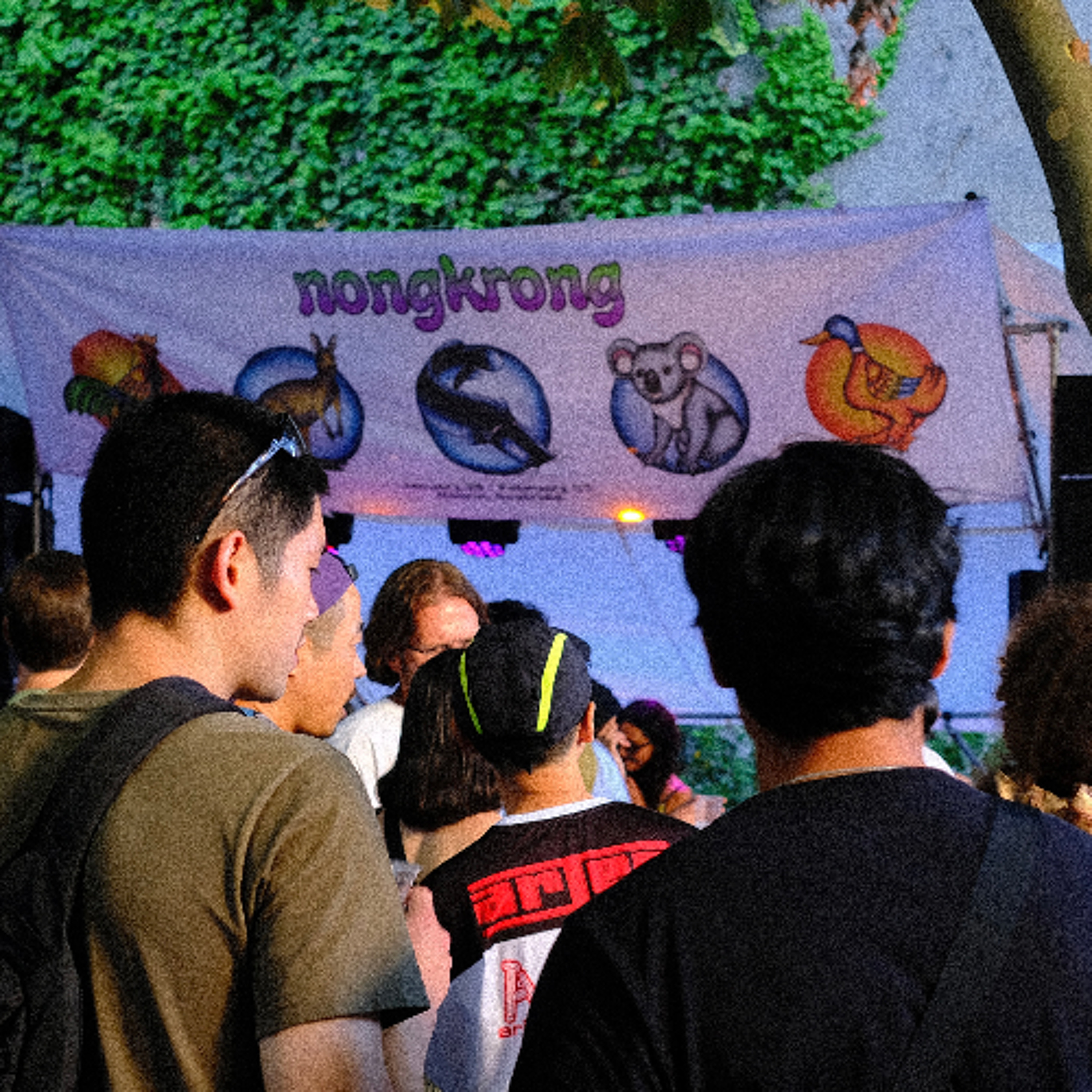
In Melbourne and across Australia, Indonesian diaspora communities are reimagining what it means to celebrate their cultural identity through art, food, and the simple act of "nongkrong" - hanging out. But what happens when these cultural practices become spaces for exploring complex questions about belonging, identity, and ethical settlement on Aboriginal land? What does it mean to maintain connections to Indonesia while building new communities in Australia? How can festivals become sites of both cultural celebration and critical dialogue? And what roles do art and creative practice play in helping diaspora communities navigate their layered identities? In this episode, Tito...
Wulan Dirgantoro - Art, Activism and a Cancelled Show
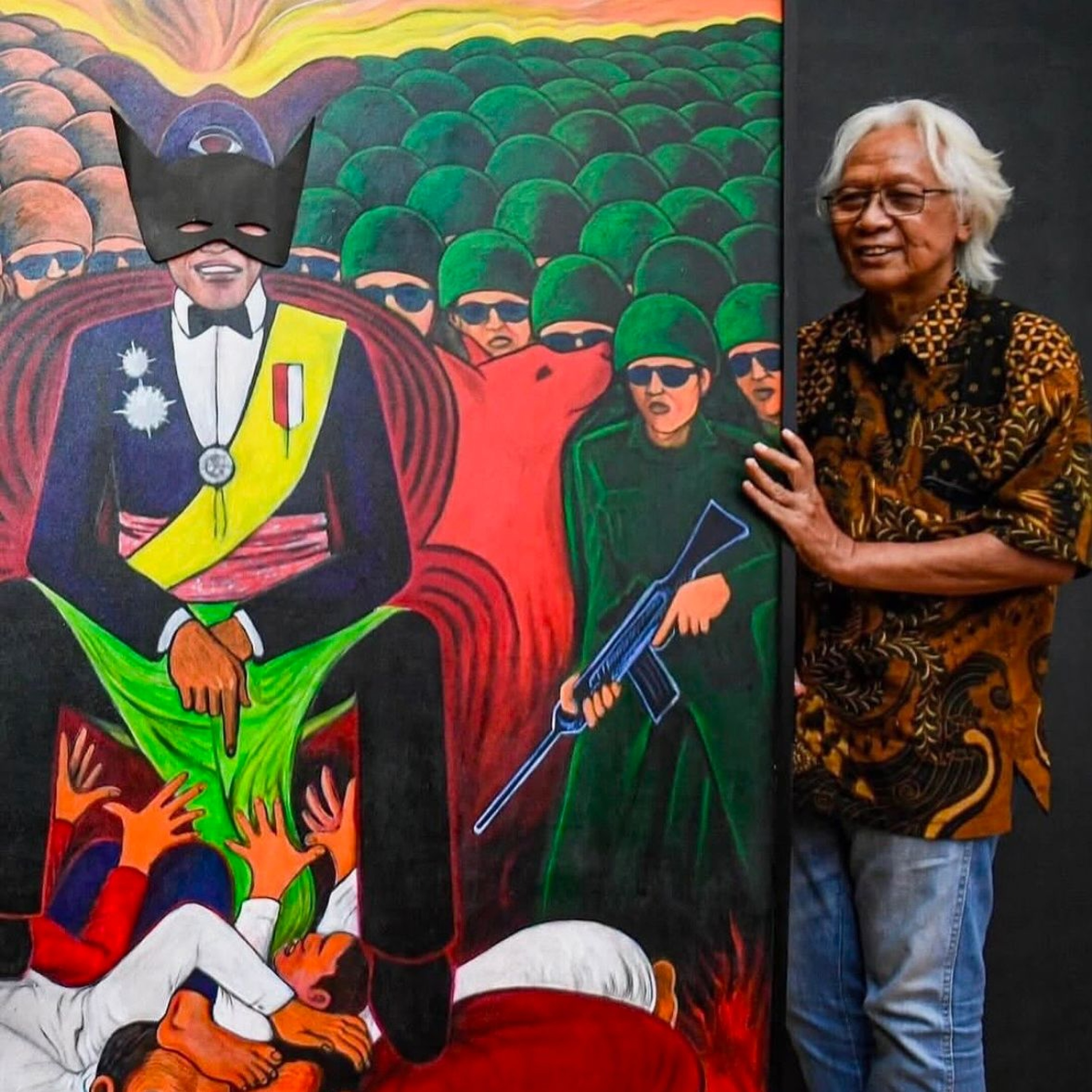
Art, activism and a cancelled show - Wulan Dirgantoro Late last year news media splashed the image of an elderly artist standing before a locked door at the National Gallery of Indonesia. The sign behind him displayed his name - Yos Suprapto – and the title of his solo exhibition 'Kebangkitan: Tanah Untuk Kedaulatan Pangan' (Revival: Land for Food Sovereignty), due to have opened on 19 December. The headlines explained that the gallery had cancelled the show with little notice. What followed was a battle of words and claims around the cancellation, or as the gallery described it, it's closure at the be...
Ian Wilson - Regional Elections
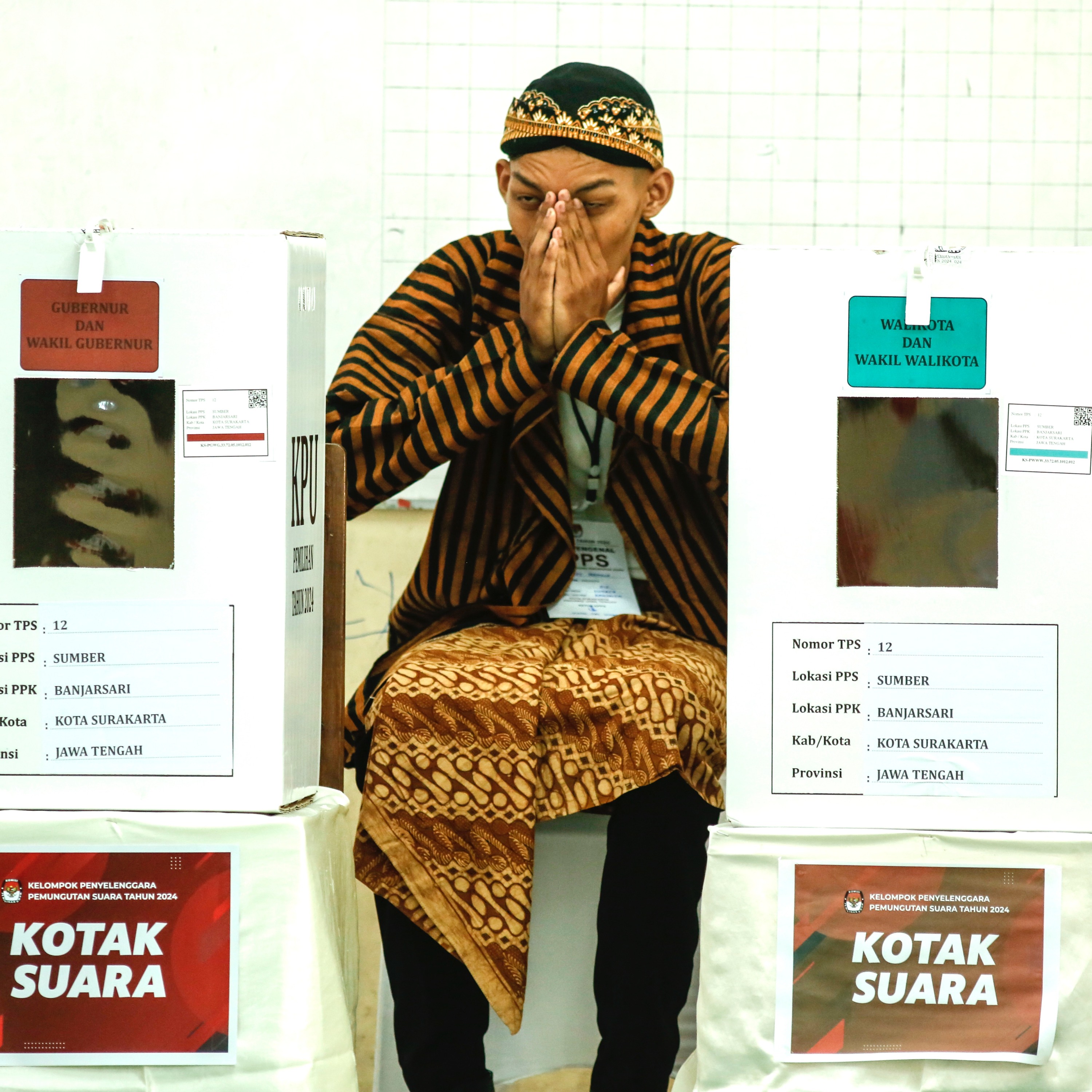
Late last month, for the first time its history, Indonesia held simultaneous regional elections across 545 provinces, regencies and municipalities across the country. Across 6000 ballot stations, and 1553 contesting candidates, there were upsets in key regions, like Central Java where the Indonesian Democratic Party of Struggle (PDIP) lost its provincial stronghold, and Jakarta, where PDIP’s underdog candidate, Pramono Anung, took the governorship from the governing coalition’s favourite, Ridwan Kamil. But elsewhere, candidates backed by Prabowo and his ruling KIM coalition handily won the election. This include Dedi Mulyani for governor of West Java, Khofifah Indar Parawansa in East Java, Bobby Nasu...
Vannessa Hearman - East Timor's Great Famine, 1977-1979
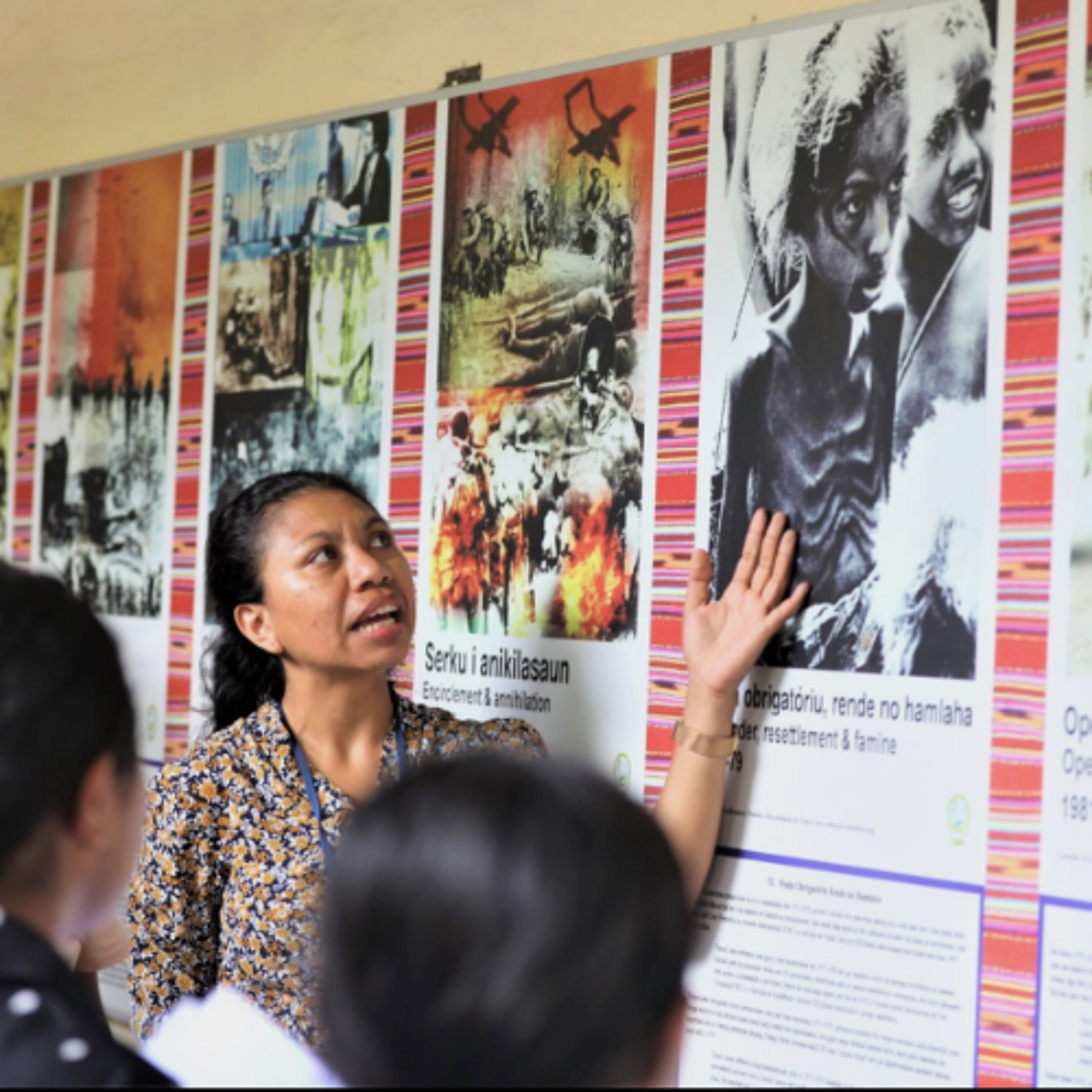
Vannessa Hearman - East Timor’s Great Famine, 1977-1979 Following Indonesia’s annexation of East Timor in December 1975, the forced displacement and mass starvation of its people resulted in what is known as the Great East Timor Famine, 1977-1979. As Indonesian forces moved into the province thousands of people were forced to flee their villages and farms into the mountains and bush, where food sources were scarce. It is estimated that over fifty percent of East Timor’s population of 600,000 was displaced. A report complied by the East Timor Truth, Reception and Reconciliation Commission (CAVR) concluded that at least 84,000 people, but po...
Aristyo Darmawan - Prabowo, China and the South China Sea
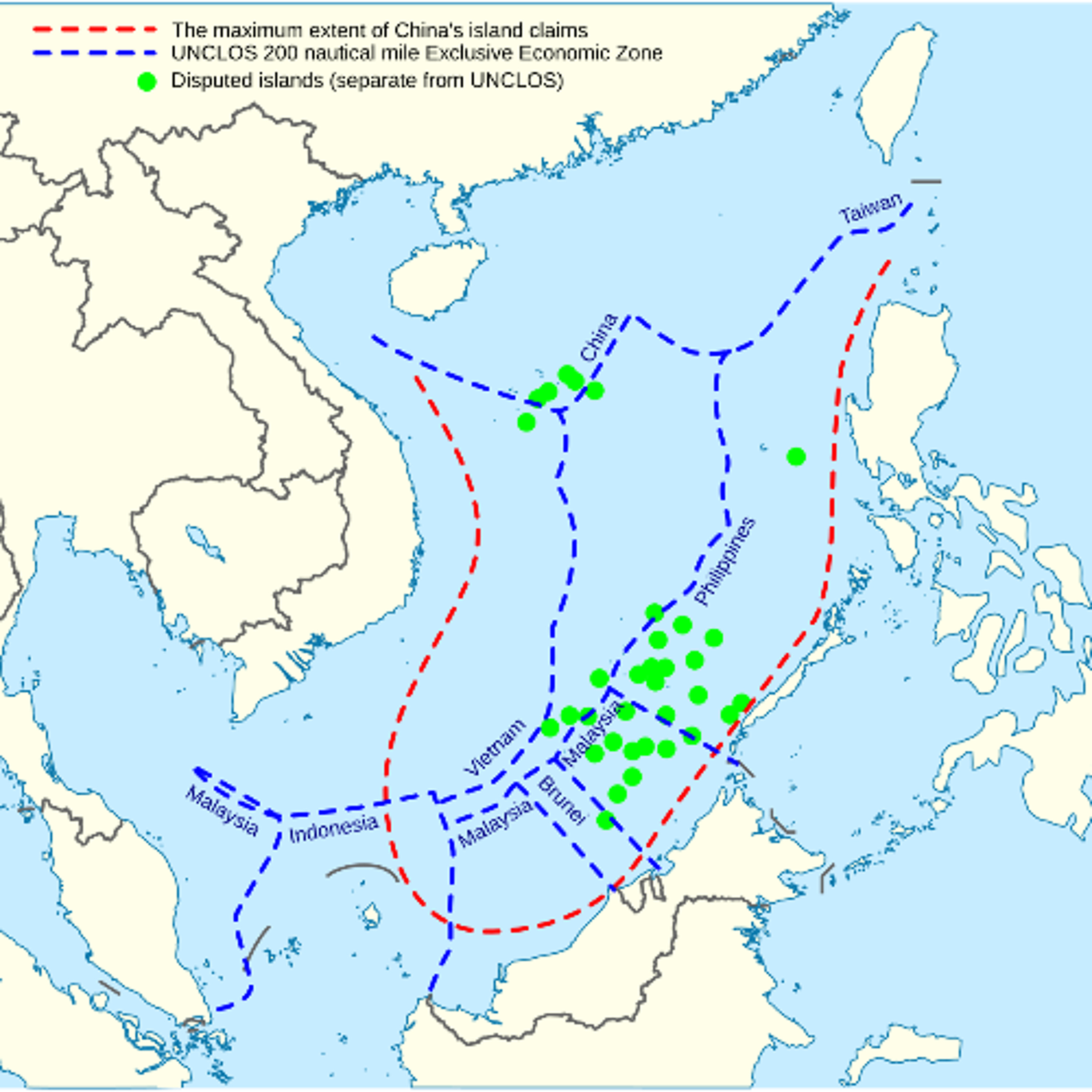
About 1000km north of Jakarta is a little pocket of paradise, a sprinkle of islands called the Natuna Islands, home to less than 100,000 people. These sparsely populated islands are the gateway to the North Natuna Sea, an area of unparalleled natural wealth. These waters are rich in fish, tuna, mackerel and marine life which sustains fisher livelihoods. This is also an area endowed untapped gas and oil reserves worth many billions of dollars. Indonesia claims the area as within its Exclusive Economic Zone, a right backed up by international maritime law. But China’s controversial nine-dash line, a map that sh...