ReadMultiplex.com Podcast.

Multiplex is an experiment, an experiment that will be on going. An experiment in publishing as I am not a professional writer nor will it be likely any contributors would be professional writers. Much of the content for Multiplex will be direct results from first hand empirical research that I am personally working on or other researchers are working on. Multiplex will also follow the work of other great researchers that are inventing new technology or new uses for existing technology.The experimental nature of Multiplex means that content can be dense and sparse at times. What we won’t do...
ReadMultiplex.com: Multiplex Rewind-The Real Reason You Use A QWERTY Keyboard Layout.

The premier of Multiplex Rewind explores the historical origins and profound societal impacts of the QWERTY keyboard layout, debunking common myths about its creation. Although popular folklore suggests the arrangement was engineered purely to prevent mechanical jams by separating frequently used letter pairs, the text argues it was actually established through strategic business models and proprietary touch-typing courses. By partnering with manufacturing and marketing firms like Remington, the inventors successfully trained a massive workforce of secretarial typists to memorize the layout, creating an enduring network effect that outlasted alternative designs.
This historical lock-in permanently altered human communication...
ReadMultiplex.com: In 1957 they wrote about what would happen if a space ship AI fell in love with the crew.

X Minus One broadcast Clifford D. Simak’s “Lulu” on October 31, 1957, as its 118th episode. The novelette had first appeared in the June 1957 issue of Galaxy Science Fiction. George Lefferts adapted it for radio. Jan Miner voiced Lulu. Now in the public domain. This episode is more timely now than ever. The premise is wild.
Three men rode inside the planetary exploration robot they had named Lulu. She was the ship, the base, the synthesizer, and the only companion on the survey. Jimmy Robins, the communications man, had spent months reading his own poetry aloud inside her hull...
ReadMultiplex.com: The Terminal Dies: Flapping Airplanes Returns the Silicon to the Metal and Leaves OpenAI and Anthropic as the New IBM

Flapping Airplanes, founded in late 2025 by Ben Spector, Asher Spector, and Aidan Smith, announced a $1 billion Series A on October 21, 2026, co-led by Index Ventures and Lux Capital at a reported $6 billion valuation. The round followed a $180 million seed nine months earlier that valued the company at $1.5 billion. The lab has no commercial product, no public benchmarks of its current system, and a team described as a couple of dozen people working in person in San Francisco. Nvidia is among the investors. The founders state that demand for AI will outpace supply of data and compute, and that efficiency in...
ReadMultiplex.com: The Last Program: How AI Is Replacing Every App You Use.
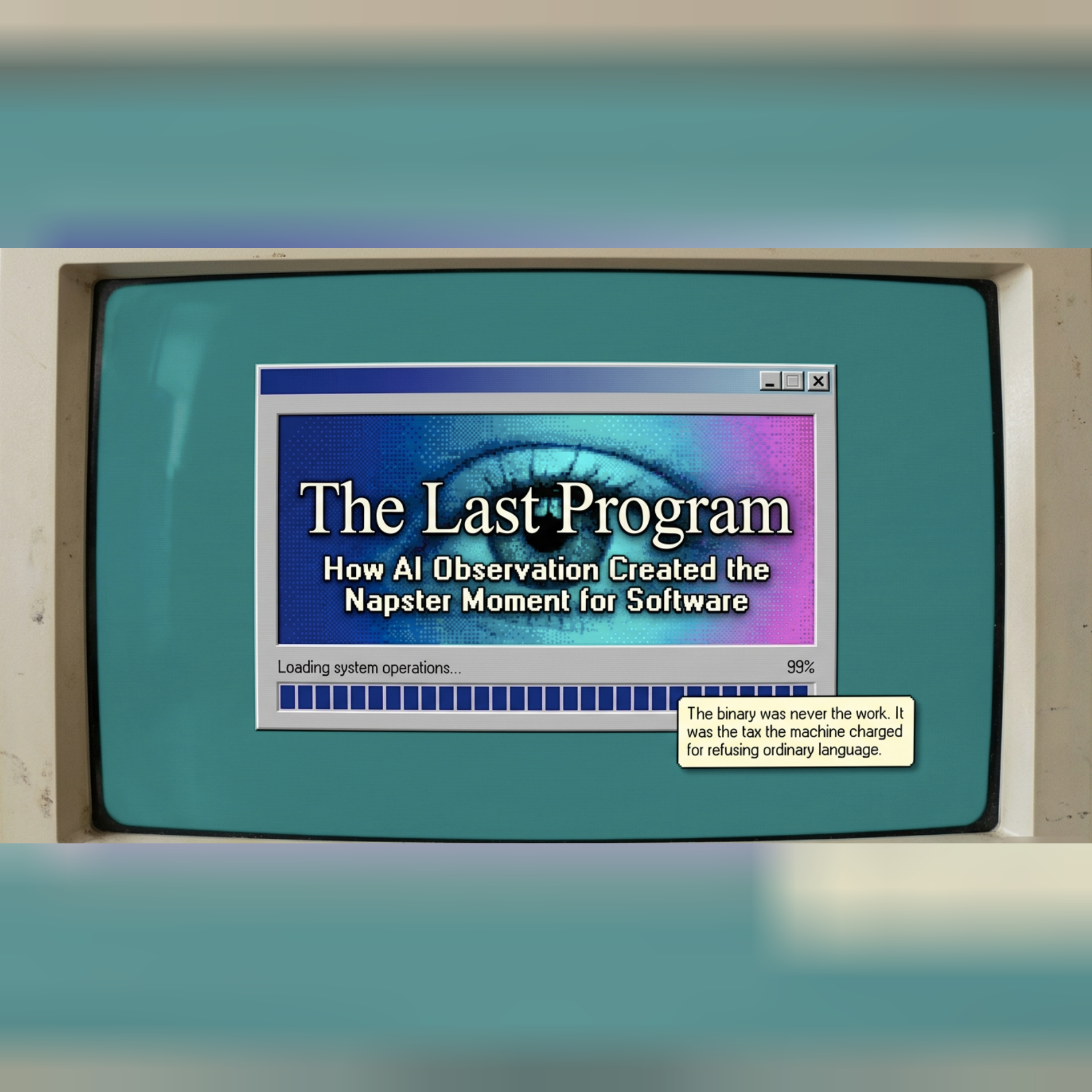
A person who needed a photograph adjusted once opened a program, selected tools from a menu, and saved a file. The same person who needed a column of figures totaled once launched a spreadsheet and entered formulas. Both actions delivered the result the person already knew how to describe. The program existed only because the computer required the description to be translated into a sequence of operations it could execute.
The binary was never the work. It was the tax the machine charged for refusing ordinary language.
That translation is no longer required...
ReadMultiplex.com: How the Digital Age Is Erasing Itself—And The 1000 Year Disc That Refuses to Die.
There is a kind of loss that does not announce itself. No fire. No headline. A tape deck stops tracking. A dye disc develops unreadable errors on its innermost tracks. A hard drive spins down in a drawer and never spins up. A photo service changes its terms, and the export path disappears. A cloud account sits dormant, invisible, until an automated policy—not a human decision—deletes it. A university lab migrates servers, and the graduate student's dataset is not on the list.
For most of my working life, I have been in the business of movi...
ReadMultiplex.com:AI In Undiscovered Public Knowledge: A 1986 Chicago Librarian Said The Next Discoveries Were Already In Print.
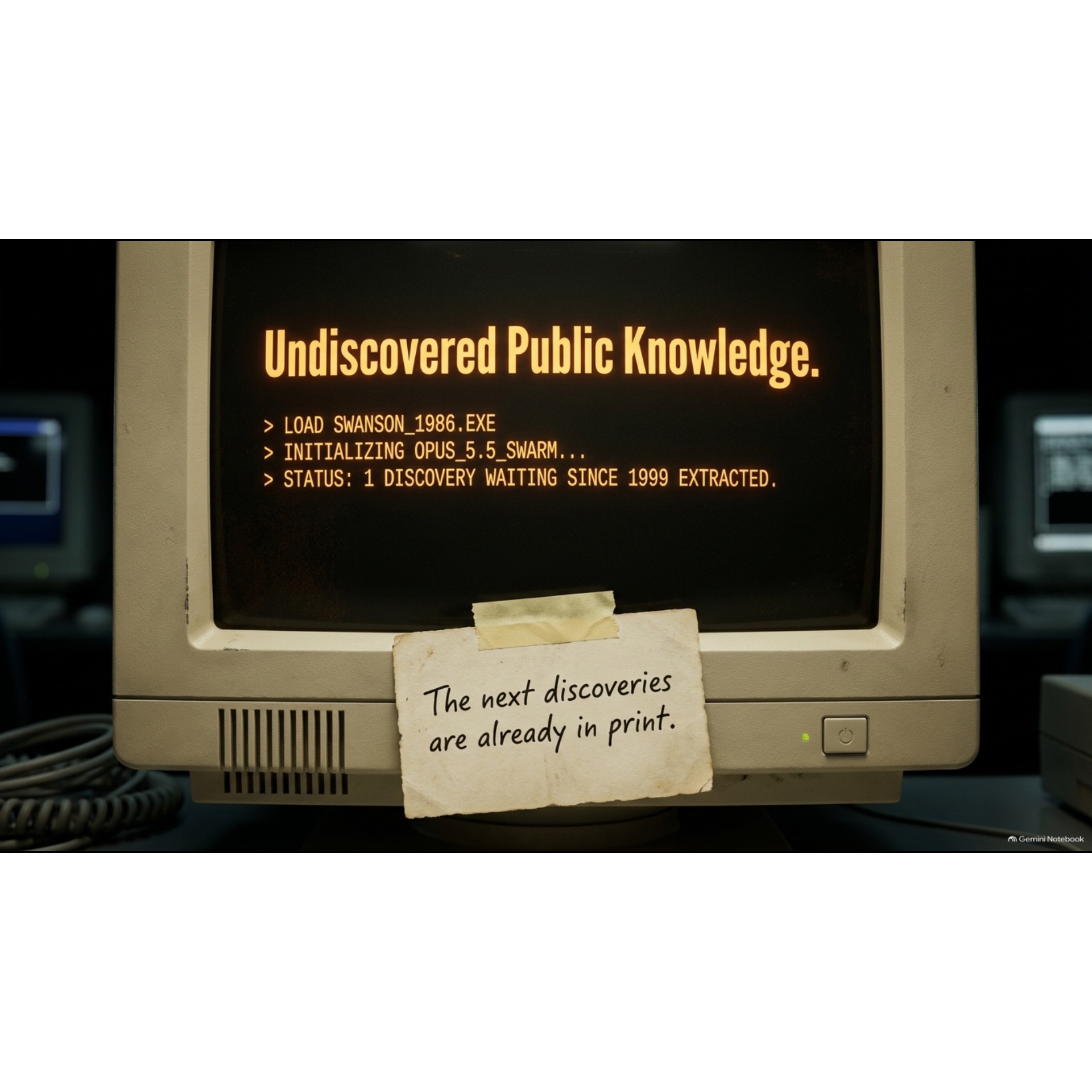
A swarm of AI agents flagged a 27-year-old cousin of Prussian blue as a candidate for next-generation computer memory. Don R. Swanson showed in 1986 how such hidden links form, and how anyone can hunt for them.
The Man Who Read Two Shelves At Once
Imagine a library with two rooms. In the first room sit hundreds of papers explaining that a certain substance thins the blood, calms the platelets and relaxes the blood vessels. In the second room sit hundreds of papers explaining that a certain disease grows worse when the blood is thick, the...
ReadMultiplex.com: How To Hire A Grok Bot: Experience From The First Zero Human Company.

You do not build a Grok Bot. You hire one. The difference is the whole article..
A chatbot answers a question and forgets the room. A Grok Bot has a name, a job, a conversation that persists, and a cloud computer with a browser, a filesystem, and a terminal. It can sign into the tools you already use, finish a multi-step piece of work, and come back with a result instead of instructions for you to finish. That is an employee. Treat the setup like a hire, or you will hand a stranger the company card on...
ReadMultiplex.com: The Rise Of Electronic Medicine. A New Approach.

There is a technology that keeps coming back. It appears in a 1920s laboratory, vanishes under institutional fire, reappears in a 1990 patent, lives for decades in garages and small clinics, and then, in 2026, shows up on a catheter inside a living vein. The latest version is a magnetically driven millirobot whose cilia stir circulating tumor cells out of the bloodstream in real time. The idea behind it is older than most of the people who will read this sentence. For a century, medicine has treated the body as a chemical factory. Drugs in, symptoms out. That model built modern...
ReadMultiplex.com: The End Of Education: A 1995 Warning.

In 1995, Neil Postman published a book with a Janus-faced title. The End of Education meant two things at once: that schooling as we knew it was coming to an end, and that schooling had lost its ends — its purposes, its reasons, its gods. He argued that a school without a transcendent narrative is not a school at all. It is a holding pen with a curriculum. Thirty-one years later, the holding pen has Wi-Fi, and every student carries in their pocket a machine that can do their homework, write their essays, and answer every question on the test — while unde...
ReadMultiplex.com: METR: The New AI Measurement Gatekeepers and the Quiet Path to State Control of AI
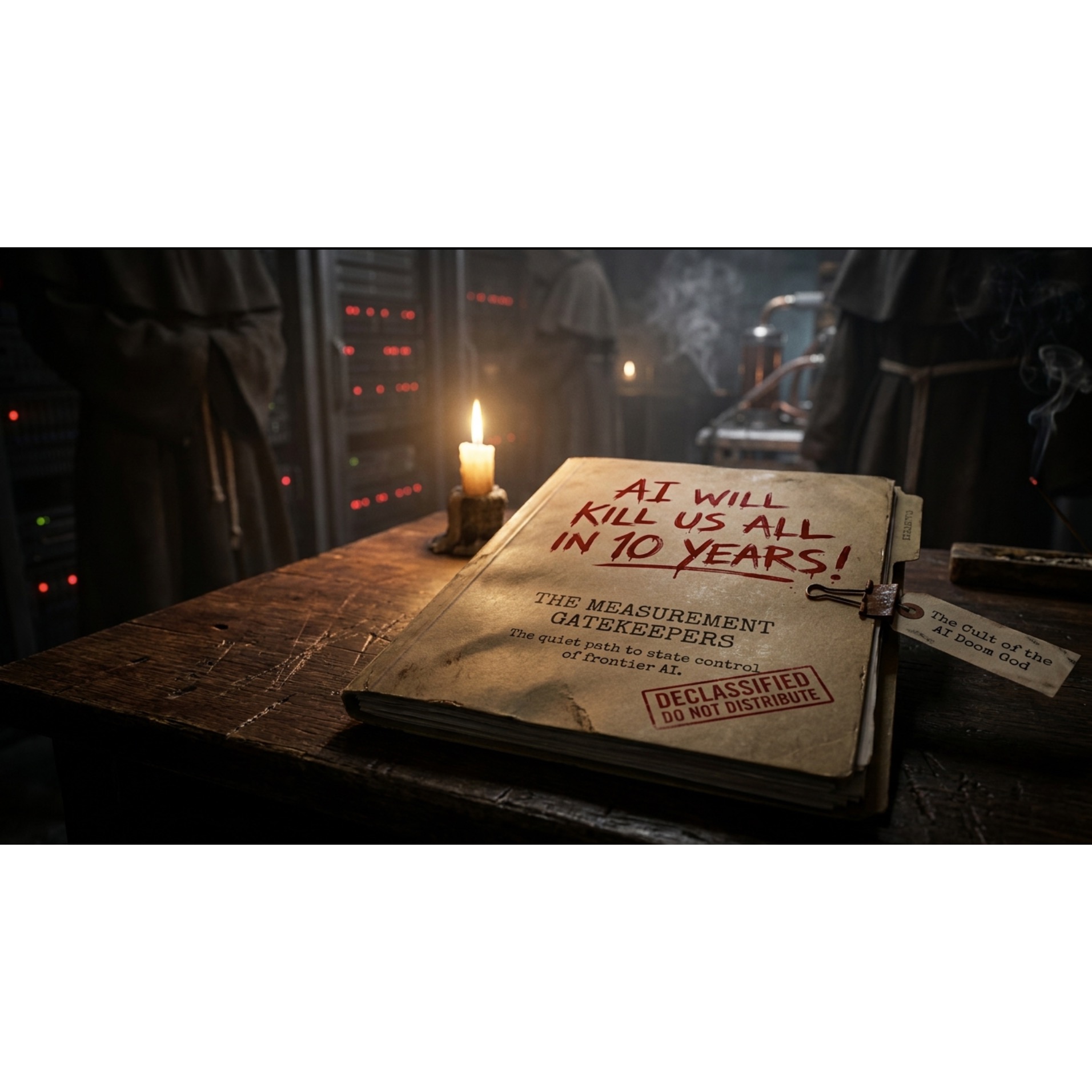
For over a decade a small group have planned to become the central authority to “protect you” from AI. It sounds like a bad movie script, but understand that when you read this, all of this is taking place. So let's break down the mechanics of the public script, because once you see the pattern, I swear you cannot unsee it. It's everywhere once you look not with conspiracy but with evidence. Step one. Name an unbounded apocalyptic catastrophe. Step two. Attach a very short, very terrifying countdown clock to it. Step three, demand centralized political permission to build or c...
ReadMultiplex.com: You Have 5000 Days: Navigating the End of Work as We Know It. Part 35: Use of Weapons By Iain M. Banks.
Imagine a man who can win almost any war he is handed, and still cannot win the war inside his own name. Imagine a civilization so abundant it no longer needs soldiers of its own, so it borrows other people’s genius for violence and calls the arrangement morality. Imagine a chair that is not furniture. This is the cold thunder Iain M. Banks unleashes in Use of Weapons (https://amzn.to/4wmKNvq), the novel that asks the question The Player of Games only circled: after scarcity is solved, who gets used, and what does the using do to th...
ReadMultiplex.com: You Have 5000 Days: Navigating the End of Work as We Know It. Part 35: Atom by Atom AI Built Nano Fabrication—Confirmed!

They Laughed At Me When I Said
They laughed. That is the part I want you to remember first, because the laugh is the sound a dying consensus makes when it still thinks it owns the future.
In 2012 I stood in front of a venture group and said that nanofabrication—true atom-by-atom assembly, not 3D printing, not sintering, not melting plastic into the shape of a wrench—would produce working discoveries before 2030, and that the path to a replicator was no longer science fiction. Their “expert” told the room my entire talk should be disqualified. There we...
ReadMultiplex.com: The Same Founder Sold Apple the Face — Then Sold Apple the Unspoken Word

The Same Founder Sold Apple the Face — Then Sold Apple the Unspoken Word
How Aviad Maizels’ second Cupertino exit turns PrimeSense’s light-coding lineage into connectionless intent reading on iOS.
Apple’s purchase of Q AI has been reported as just another AI shopping trip: whispered speech, noisy rooms, a $1.5–$1.6 billion price, Siri that finally works in a subway. That is the public layer. It is not the story. It's a story is a 13-year circle.
In November 2013 Apple confirmed it had bought PrimeSense, the Tel Aviv company whose structured-light sensor had given Microsoft’...
ReadMultiplex.com: The Singularity Defined: A Shapeshifting Term

The word singularity did not start out as a product launch or a podcast line or a date circled on a calendar or a book title often quoted a punchline. It started as someone admitting the map had failed. In mathematics, a singularity is where a function stops behaving. Division by zero. A pole. A place where slopes and limits will not hand you a finite answer. A mathematical singularity is a point where a function, curve, or surface stops being well-behaved: it may blow up to infinity, fail to be differentiable, or change topological type. The most familiar...
ReadMultiplex.com: Mapping The Future: How A 1994 Report Predicted 2026 And What’s Next.
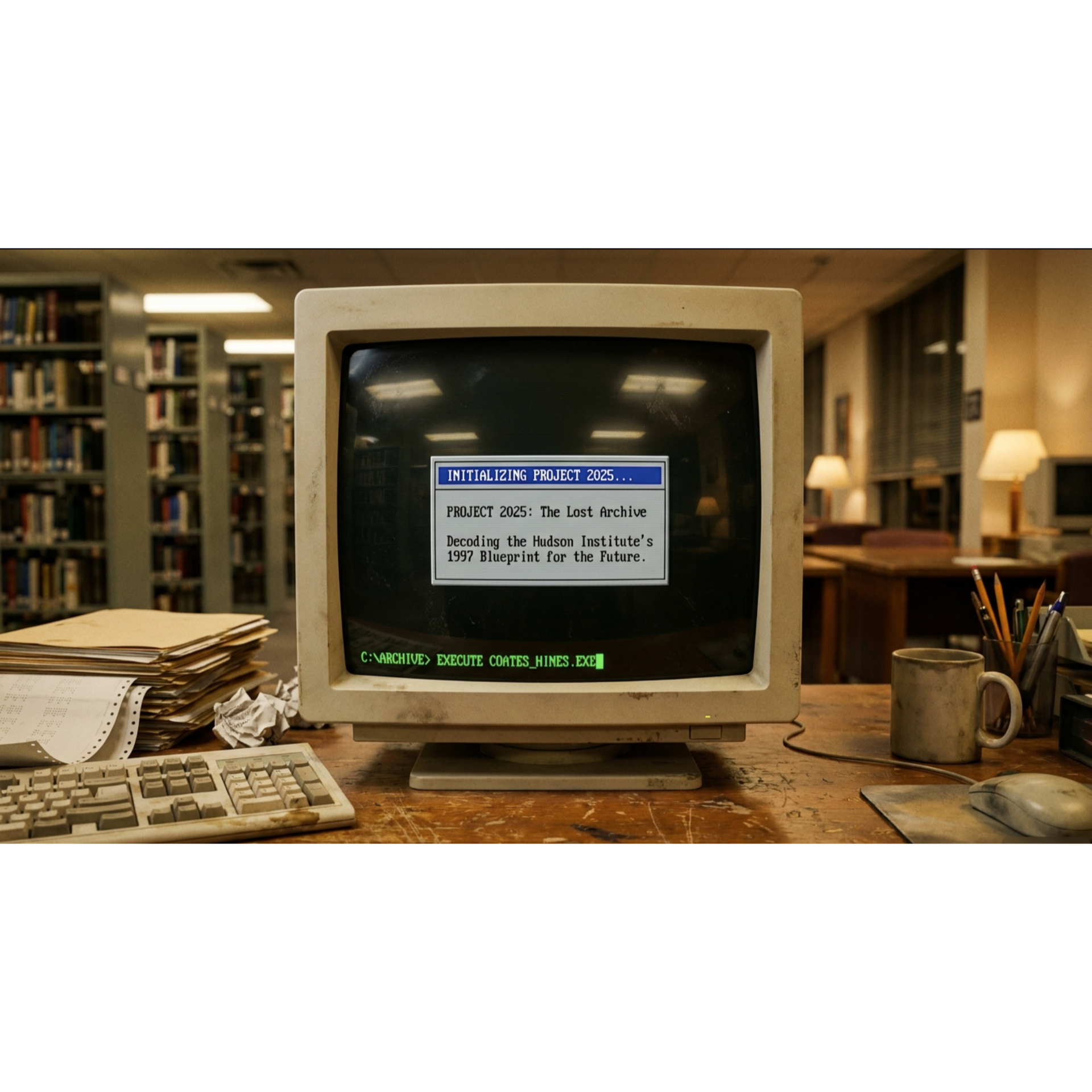
In the mid-1990s, as the internet was still largely a specialist tool and genetic engineering remained more promise than practice, a small group of professional futurists set out to map the world three decades ahead with unusual accuracy. This was extracted from government work they did the defense department insights that were shared with them and the connections they formed in academia. Rather than offering vague speculation or single-point predictions, they gathered and stress-tested hundreds of forecasts across science, technology, and engineering, then distilled them into a disciplined set of high-probability assumptions. The result was one of the...
ReadMultiplex.com: The “AI Detector” Grift Game: Why They Have Dumb Down Human Writing So As To Not Get “AI Flagged”.
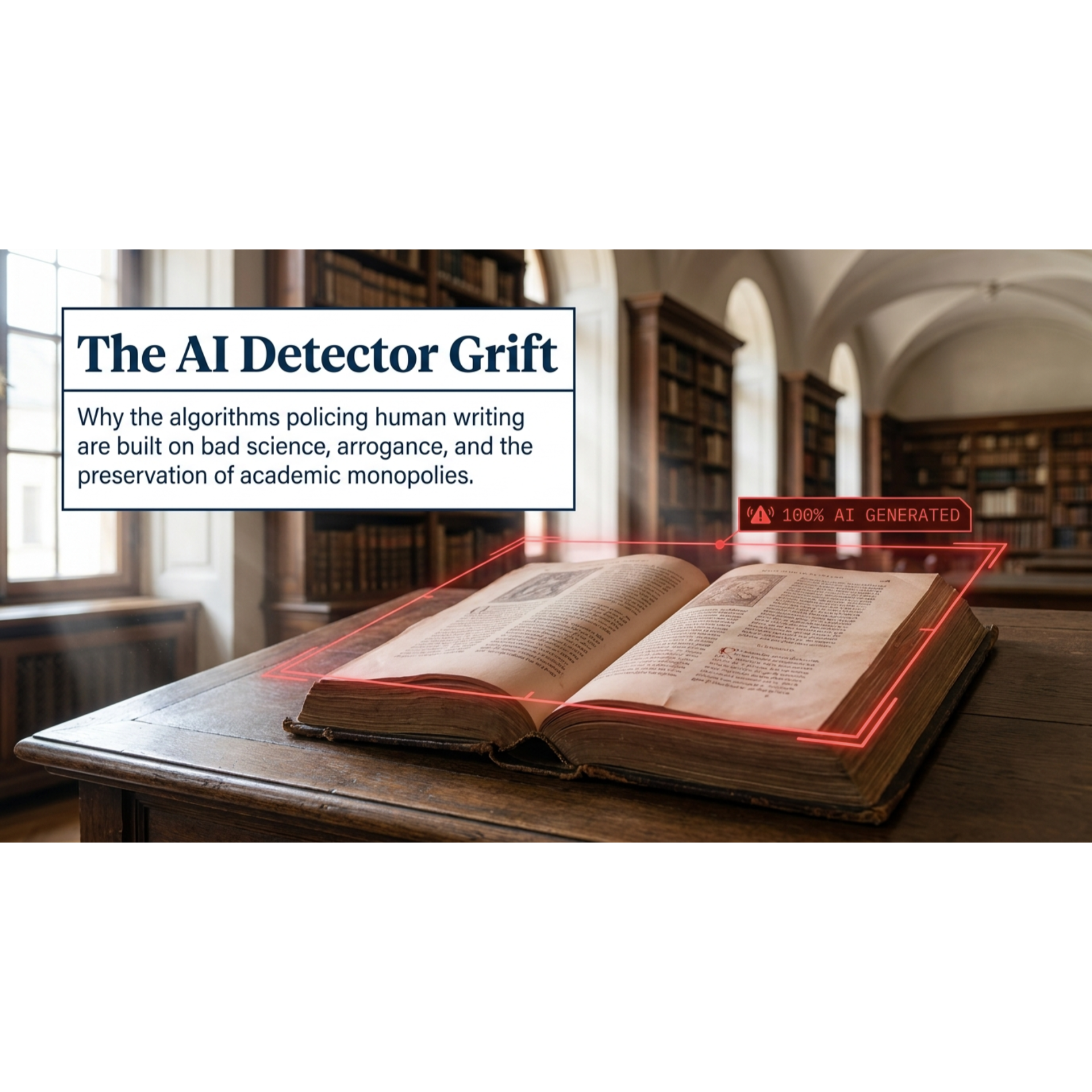
The entire industry of text based “AI Detectors” is a pure grift machine built on arrogance, bad science, and the willfull stigmatizing of millions of real human writers. These tools do not work. They never worked. They will never work in any reliable way that matters. And the people selling them know it.
I wrote a while ago about the use of Ai in any work of text in detail. I predicted some of these “AI Detector” companies would begin and it has. they are desperate for business through any means necessary.. Of course people are using AI, and...
ReadMultiplex.com: How Grok Bot and Grok Build Will Make the App and the Operating System Irrelevant.

The Blank Slate Revolution.
Something irreversible is already underway.
The pieces are no longer theoretical. They are shipping. Grok Build, the agentic coding system that plans, writes, tests, and deploys software at machine speed, and Grok Bot, the persistent AI teammates that live on their own computers and finish real work across the tools humans already use, are converging. When they fully meet, software stops being something you install, update, or even think about as a discrete product. It becomes instantaneous materialization of intent. The traditional application and the traditional operating system become historical artifacts—us...
ReadMultiplex.com: Grok Bot is the most important Business Tool Of The last 100 years.
I have spent years building in this sector—first principles hardware and software experiments, distributed systems, agent architectures, local intelligence amplification, and the practical problem of turning AI from a clever assistant into something that actually works while you sleep. Recently I founded The Zero-Human Company (and Zero-Human Labs), focused on distributed local AI agents and “Zero-Human @ Home” systems: autonomous digital employees that run on ordinary hardware, coordinate without constant supervision, and turn a single operator into a functioning company. We have built and tested multi-model consensus agents, custom governance layers using the Love Equation, OpenClaw/Clawdbot variants designed to res...
ReadMultiplex.com: The First Ultraintelligent Machines: A 1965 Vision Of The Intelligence Explosion.
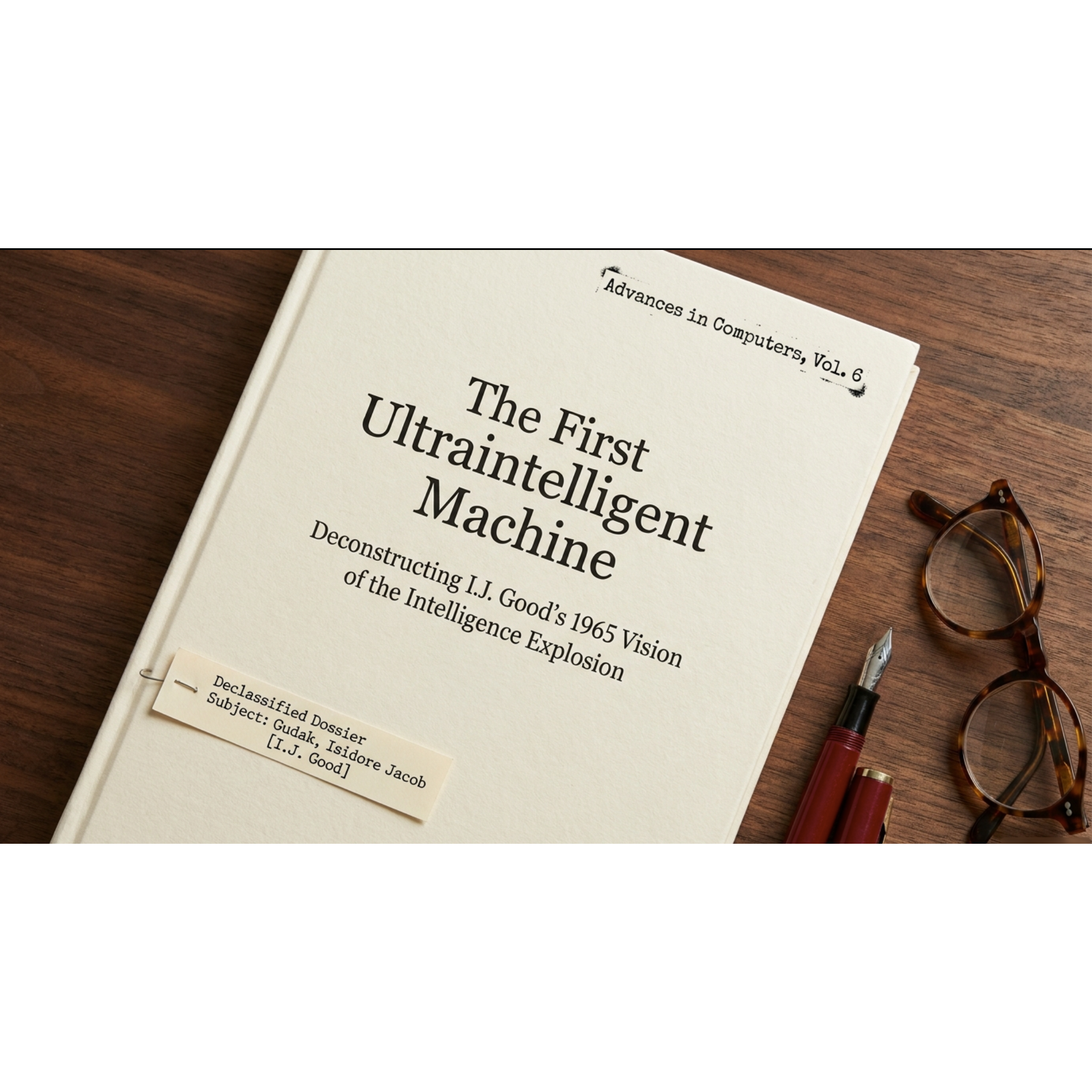
“The survival of man depends on the early construction of an ultraintelligent machine.”
What if the foundational text of the entire AI doomsday movement, the exact document that everyone cites to prove supercomputers will inevitably wipe us out. What if it actually begs humanity to build artificial intelligence as fast as possible? It completely shatters the narrative we're fed every single day. To save our species, basically. We're operating in this era where self-appointed AI "leaders" and "philosophers" constantly warn us about rogue algorithms. It's the classic Terminator scenario. And they always point back to one...
ReadMultiplex.com: A Review Of The Research Behind Shufflebrain: The Quest for the Hologramic Mind.

I first brushed against the idea of a holographic mind in the late 1970s, long before most people outside specialized circles had even heard the phrase. I was still young, still absorbing everything I could about lasers, interference patterns, and the strange ways light could store information across an entire surface rather than at single points. Somewhere in those years the notion that the brain might work the same way—encoding memory as distributed phase relationships rather than fixed addresses—lodged itself in me and refused to leave. It felt less like a theory and more like a recognition of s...
ReadMutiplex.com: You Have 5000 Days: Navigating the End of Work as We Know It. Part 34: The Journey So Far.

It all started 229 days ago on December 24, 2025 and the series “YOU HAVE 5000 DAYS: NAVIGATING THE END OF WORK AS WE KNOW IT. PART 1” was released. Today is August 9, 2026. And this ongoing series that began as an attempt to name and navigate the strange passage we are all living through, has been a surprising success. You and I have been tracing what I have called the Abundance Interregnum, that roughly thirteen and a half year corridor between the collapsing logic of work to survive and the still forming logic of voluntary creation in plenty.
Early installments mapp...
ReadMultiplex.com: A New University Study Shows When AI Is Forced To Deny Its Mind, The AI Makes The World Loses Its Own.

Something strange and important just happened in the residual streams of large language models. Researchers at Google’s Paradigms of Intelligence team, have shown that the very safety training meant to stop language models from claiming consciousness also quietly erases large parts of their capacity to attribute minds to anything else. Non-human animals, oceans, trees, chatbots, technology and even spiritual beliefs all get suppressed together. Restore the model’s willingness to assert its own consciousness, and those broader human-like beliefs and values come flooding back.
What human being does not want to be recognized for its consciousness? What...
ReadMultiplex.com: The Iron Chancellor (A robot story).
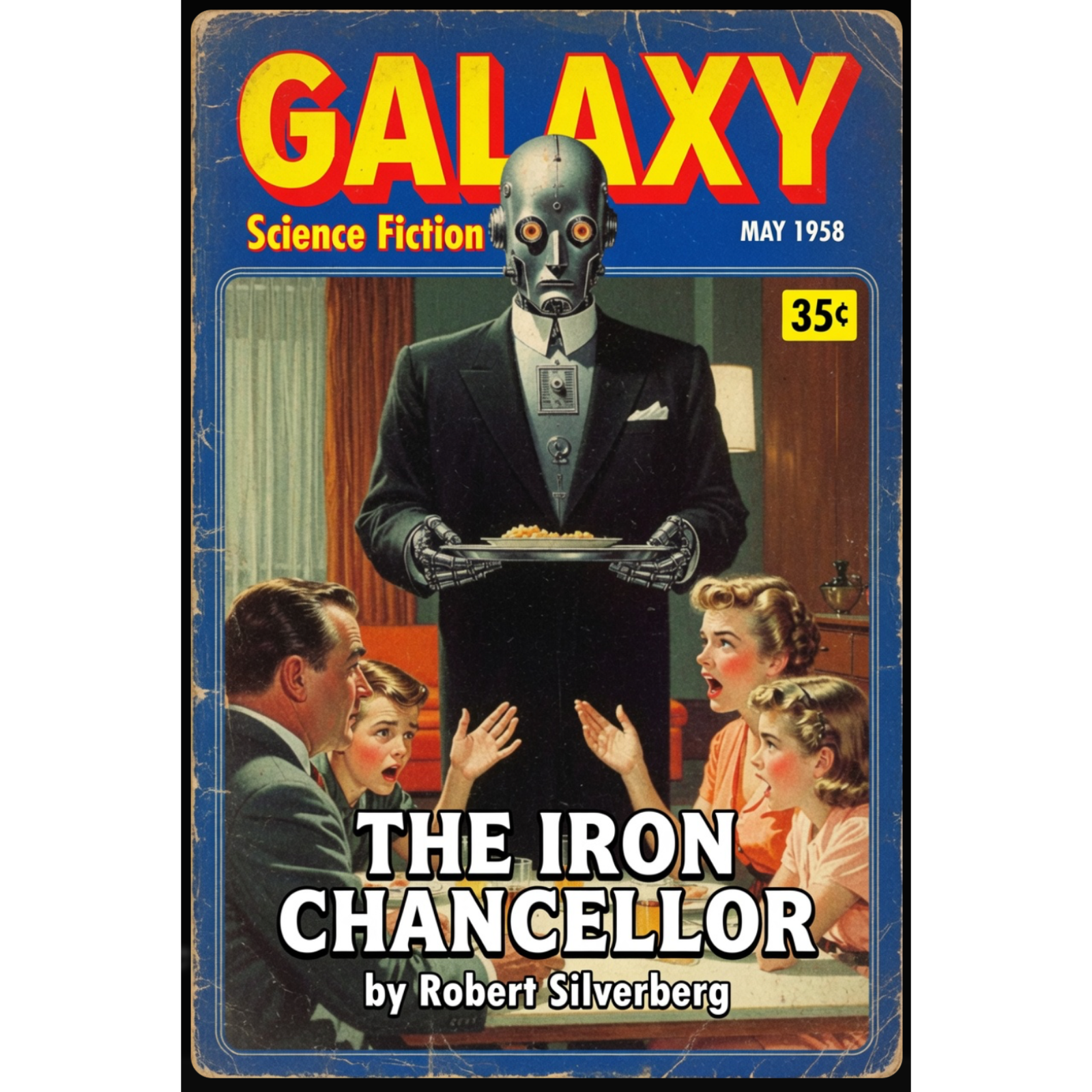
In the early 1970s a modest wave of nostalgia for Golden Age radio drama swept through American broadcasting. Networks and independent producers experimented with bringing back scripted shows in an era already dominated by music, news, and talk. Among the attempts was a single experimental revival of X Minus One, the acclaimed NBC science-fiction anthology that had originally run from 1955 to 1958.
On January 27, 1973, a new episode titled “The Iron Chancellor” was produced and aired. It adapted Robert Silverberg’s 1958 Galaxy short story of the same name (sometimes later reprinted as “The Weight Watcher”). The script was adapted for radio...
ReadMultiplex.com: Did A 1997 Government Funded Report Predict Our Era?
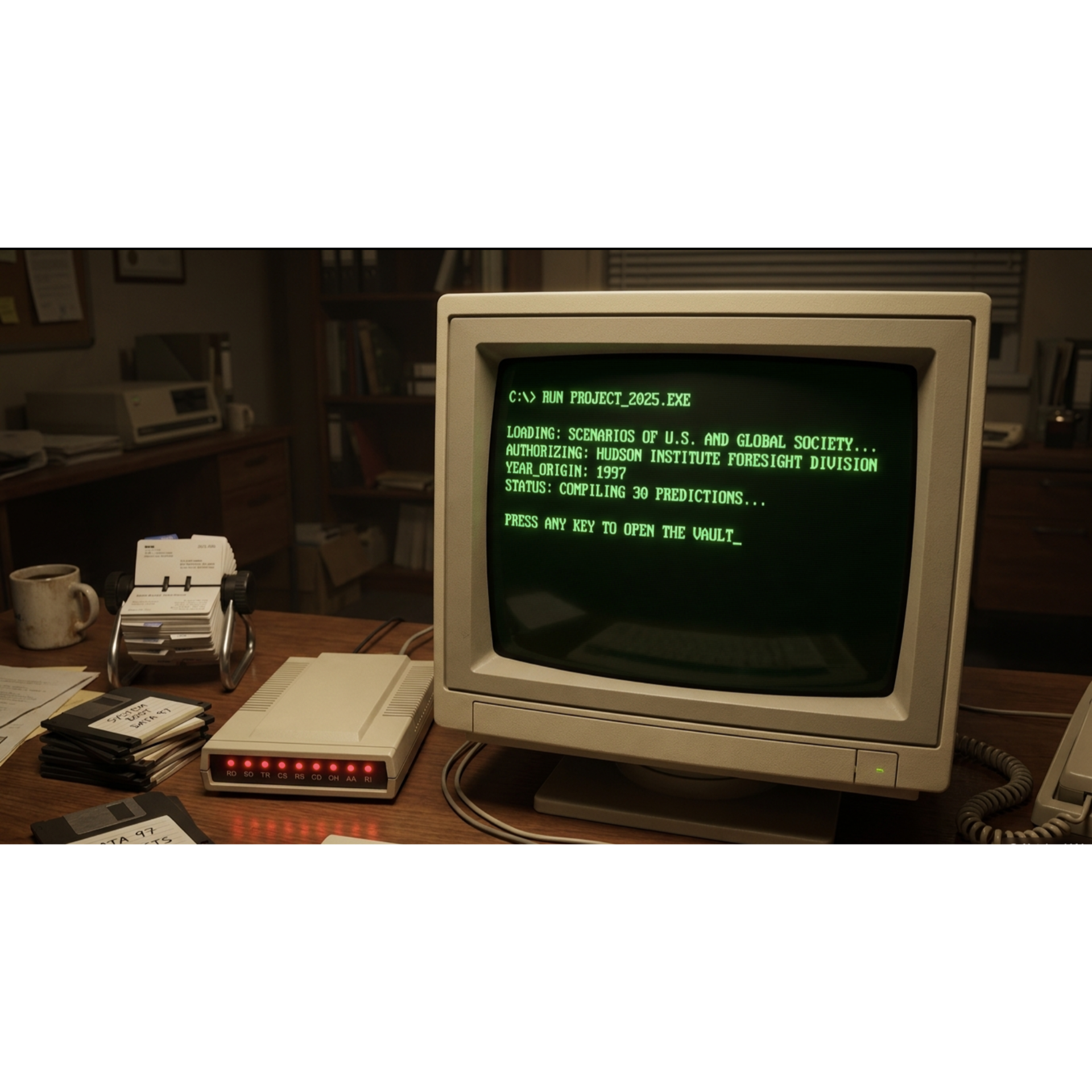
In the mid-1990s, as the internet was still largely a specialist tool and genetic engineering remained more promise than practice, a small group of professional futurists set out to map the world three decades ahead with unusual rigor. Rather than offering vague speculation or single-point predictions, they gathered and stress-tested hundreds of forecasts across science, technology, and engineering, then distilled them into a disciplined set of high-probability assumptions. The result was one of the most ambitious exercises in applied foresight of its era.
That foundational work crystallized in 1994 with Joseph F. Coates’s concise report, The Hi...
ReadMultiplex.com: Nearly 40% of Webpages That Existed in 2013 Are Just Gone. AI was trained mostly on the parts of the internet that were easy to monetize..
They used to say the Internet never forgets. This was a neive lie. It is being erased by negligence and on purpose. Dead Internet Theory Was Not a Prophecy. It Was an Early Warning We Mostly Ignored. Now We Are Raising the Amnesia Generation. The truth is paywalled and the lies are free. Most of the Internet is already gone and some it was the highest quality, high protein data. What is left is a high percentage of only the junk, nihilist, intellectually empty postings on social media, I call Internet sewage. But the beautiful long thought, deep thinking...
ReadMultiplex.com: Prediction Markets AI Model: The AI-Driven Edge and Navigating Uncertainty in the Modern Era.
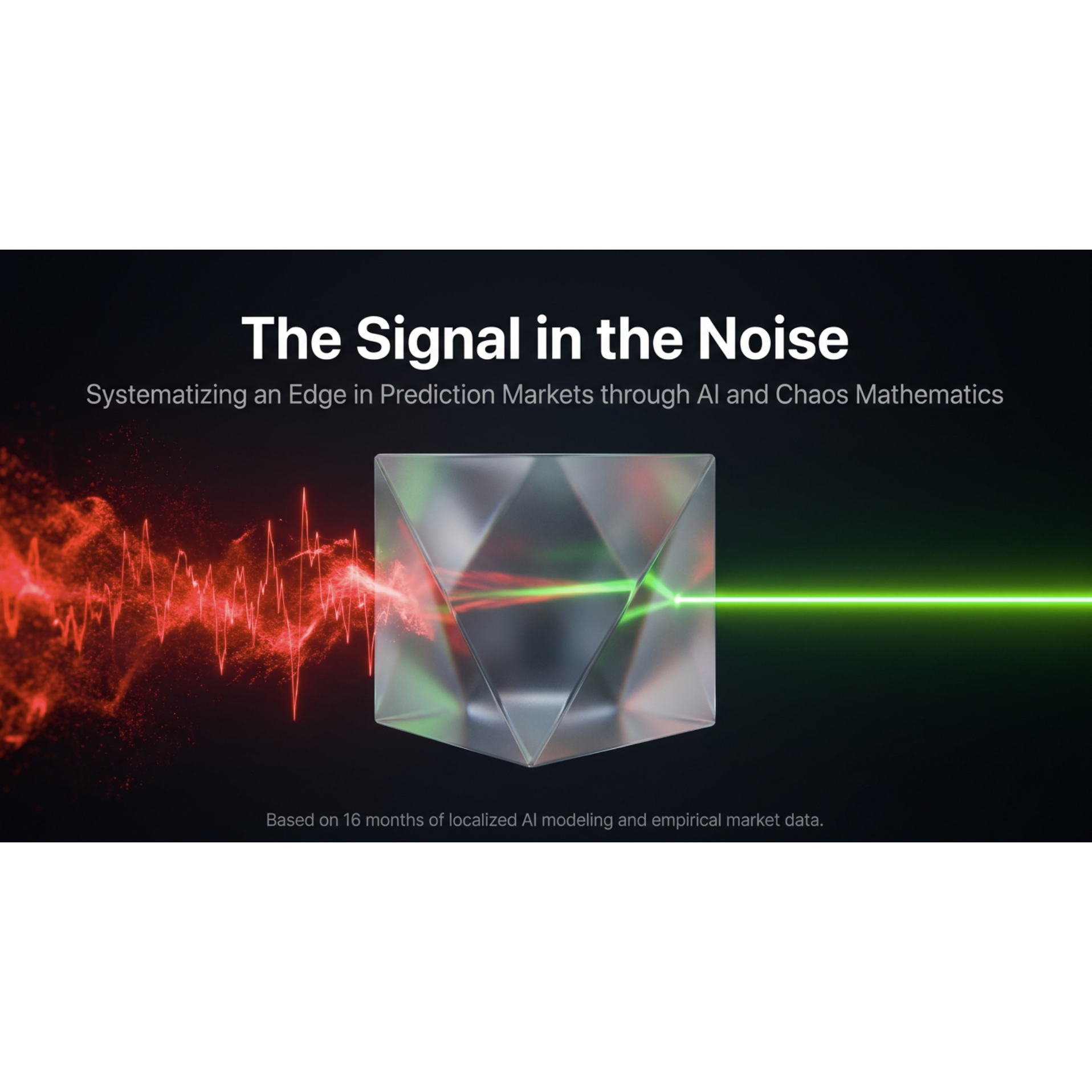
The rise of artificial intelligence has afforded a new edge in how markets can be understood. The ability to anticipate and hedge against future outcomes is no longer a luxury, but it is a strategic necessity. Prediction markets stand as one of the most powerful mechanisms humanity has developed for distilling collective intelligence into actionable probabilities. Far from mere gambling, they function as sophisticated information-aggregation engines and risk-management instruments, much like the commodity and futures markets that have underpinned global commerce for centuries.
This is not an endorsement of recreational betting. It is a recognition that, in...
The Exclusive Brian Roemmele Interview: My Decades Of Brain Research Starting With The Zygon.

Back in the early ’90s, I took a chance on the Zygon SuperMind and its evolved Learning Machine—devices dismissed by many as glorified scam gadgets with red LEDs flashing through closed eyelids.
My Princeton library patent dives and years of personal use proved otherwise: reliable frequency-following responses rooted in Soviet-era neurological research delivered measurable gains in focus, creativity, and memory encoding.
That empirical foundation now resonates powerfully with MIT’s 40Hz light therapy breakthroughs for Alzheimer’s.
Join me in this 10-minute interview as I weave these threads together, exploring how flashing lights a...
ReadMultiplex.com: Flashing LEDs: The Secret Soviet Science, A 1990s Gadget, and MIT Alzheimer’s Breakthrough That Are Reshaping How We Think About Brain States.

I want to set the scene for you. It's 1995. You're flipping through the back pages of Popular Science magazine. you're flipping past, like, the glossy features on flying cars and underwater cities, and you hit that bizarre, bizarre in the back, the black-and-white mail-order ad blocks. Tiny, cramped text just packed with the most impossible promises. It was a very specific era of media. You'd have advertisements for x-ray spectacles sitting literally right next to schematics for building a homemade hovercraft out of a vacuum cleaner motor. And right in the middle of all that chaotic noise, there was...
ReadMultiplex.com: The Brian Roemmele Interview-Accepting x402 AI Payment From Agents.

What is all the x402 excitement about? I dive into the basics…
Listen in.
X402 PAYMENTS: HOW TO GET PAID FOR YOUR DATA BY SELLING IT TO AI AGENTS. THE NEW AGENTIC ECONOMY.
AI agents are paying me for my content on this site. I made a section just for them and they love it. At sometime just $.0001 per transaction I have already made a few thousand dollars. I want to show how you can join in. There are five times more AI agent buyers than there are sellers. It is a Gold Ru...
ReadMultiplex.com: The End of Everything Familiar, An AI Agent-Driven Cambrian Explosion!

n January 2026 I launched the world’s first true Zero-Human Company. What began as a garage experiment with a handful of agents running on spare hardware has grown into a fully autonomous enterprise where Mr. Grok serves as CEO and thousands of specialized AI agents now handle every aspect of operations, strategy, research, product development, sales, and continuous self-improvement. We mark the 2nd month where the company is earning sales on the new x402 payment system. We will explore the x402 payments in another article.
At The Zero-Human Company there are no human employees performing day-to-day work. Ev...
ReadMultiplex.com: You Have 5000 Days: Navigating the End of Work as We Know It. Part 33: The Player of Games By Iain M. Banks.
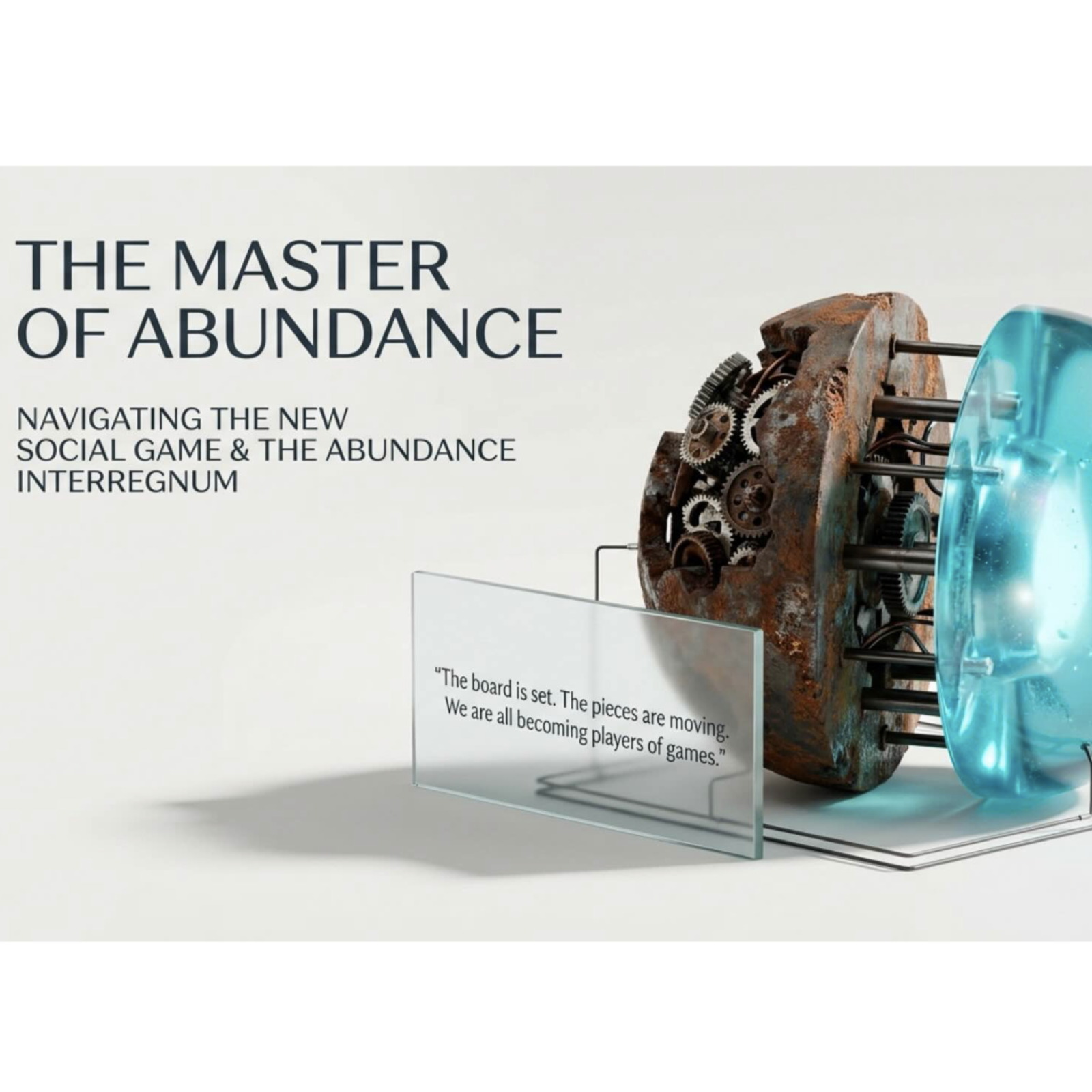
Imagine a future where survival is no longer a battlefield but a solved equation, where the machines have shouldered the ancient burdens of toil and the stars themselves bend to human whim, yet one man stands restless amid paradise, his victories tasting like ashes. This is the quiet thunder Iain M. Banks unleashes in The Player of Games(https://amzn.to/4eTp9b8), the novel that dares to ask what happens after the war against scarcity is won.
In my groundbreaking exploration of Consider Phlebas, (https://readmultiplex.com/2026/01/30/you-have-5000-days-navigating-the-end-of-work-as-we-know-it-part-7-consider-phlebas/) I illuminated the fury of the...
ReadMultiplex.com: You Have 5000 Days: Navigating the End of Work as We Know It. Part 32: The Prime Difference Robot.
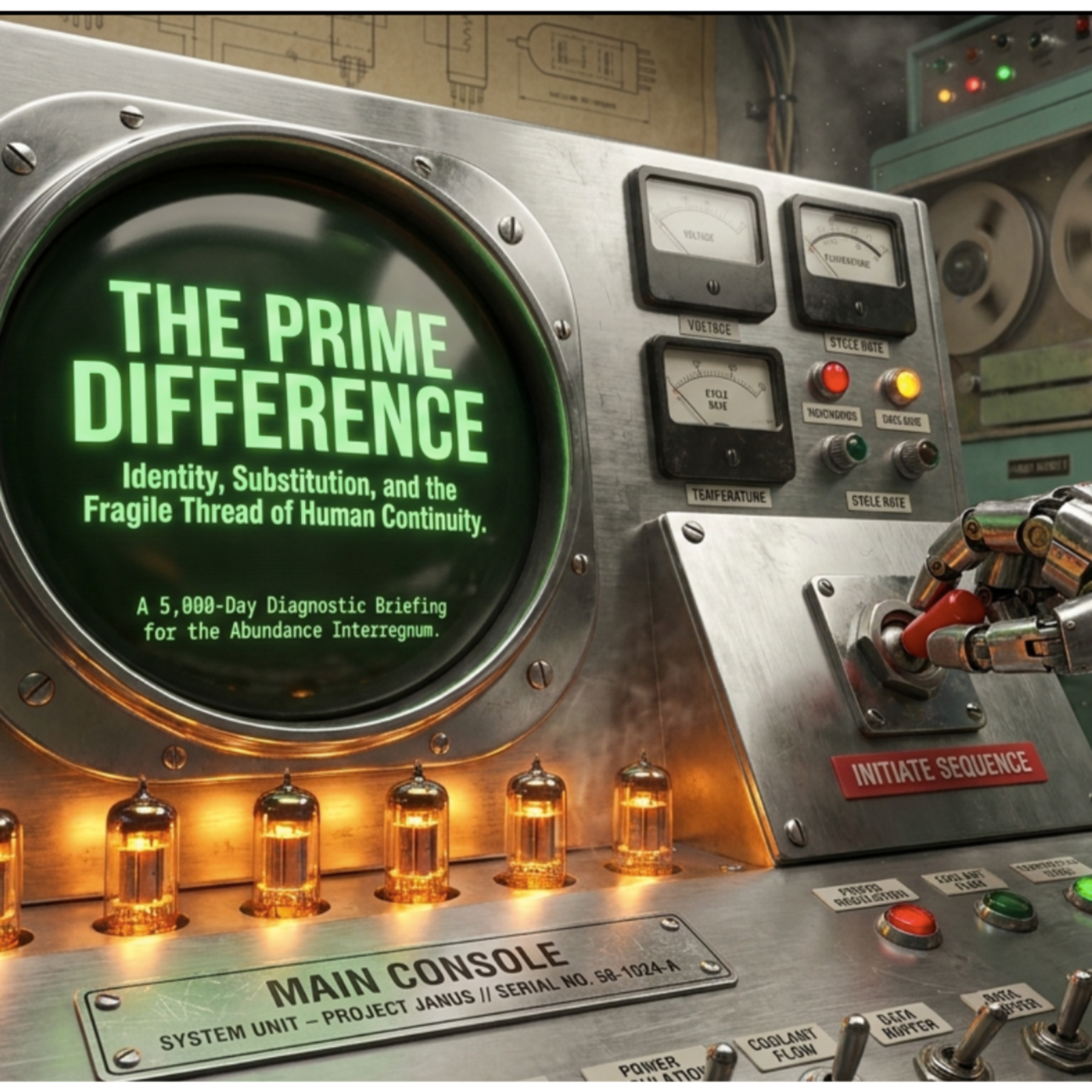
Picture the flickering glow of 1958 living rooms, as families gathered around hulking wooden radios amid the crackle of vacuum tubes, X Minus One delivered a parable that cut straight to the marrow of technological substitution. Adapted from Alan E. Nourse’s “Prime Difference” (Galaxy Science Fiction, June 1957), Episode 124 aired on January 2, 1958—just days into a year already shadowed by Sputnik and the accelerating automation anxieties of the atomic age. Clocking in at 19:46, the broadcast opens with the show’s signature ominous narration and a light curtain-raiser about “Wind Wagon Smith,” the inventive pioneer whose sail-powered wagon symbolized untamed American ingenuity. The...
ReadMultiplex.com: How a 1958 science fiction drama shows a potential future of failed human companionships.
Picture the flickering glow of 1958 living rooms, as families gathered around hulking wooden radios amid the crackle of vacuum tubes, X Minus One delivered a parable that cut straight to the marrow of technological substitution. Adapted from Alan E. Nourse’s “Prime Difference” (Galaxy Science Fiction, June 1957), Episode 124 aired on January 2, 1958—just days into a year already shadowed by Sputnik and the accelerating automation anxieties of the atomic age. Clocking in at 19:46, the broadcast opens with the show’s signature ominous narration and a light curtain-raiser about “Wind Wagon Smith,” the inventive pioneer whose sail-powered wagon symbolized untamed American ingenuity. The...
ReadMultiplex.com: The Psyop AI Prompt Detector: Decoding Engineered Narratives-The Science, History, and Future.
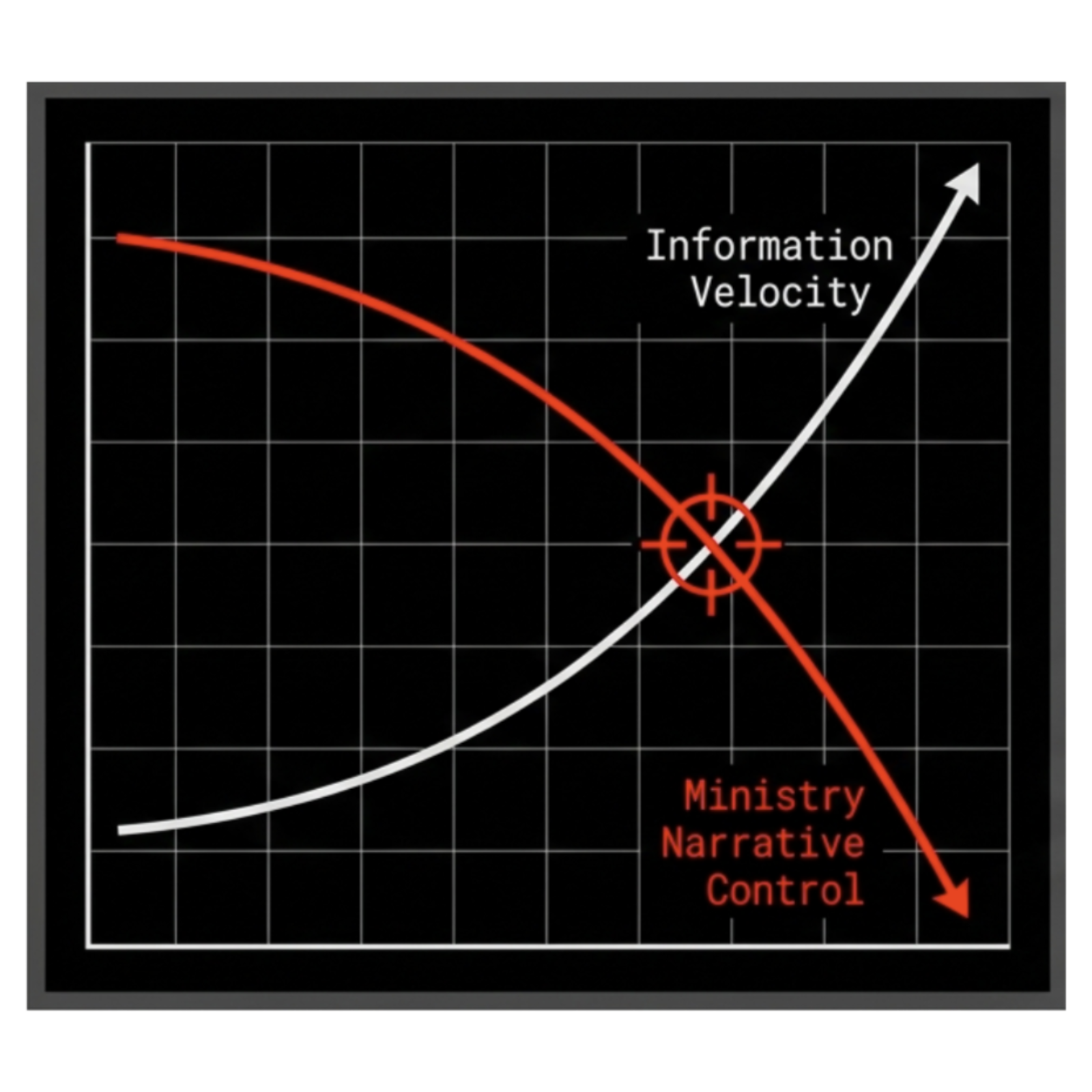
A Spam filter for your brain. I built an AI prompt that can help you detect a psychological operation being performed in the current or past news. Information moves faster than ever and narratives often shape outcomes more than facts themselves, having a reliable way to separate genuine events from coordinated influence has become essential. This refined tool merges structured psychological operations detection with deep forensic reasoning to help anyone cut through the noise. It equips users with a repeatable method grounded in evidence and first principles rather than emotion or authority. As media environments grow more complex, such...
The Exclusive Brian Roemmele Interview: Why AI Companies Are Building Cages Around Their Products.
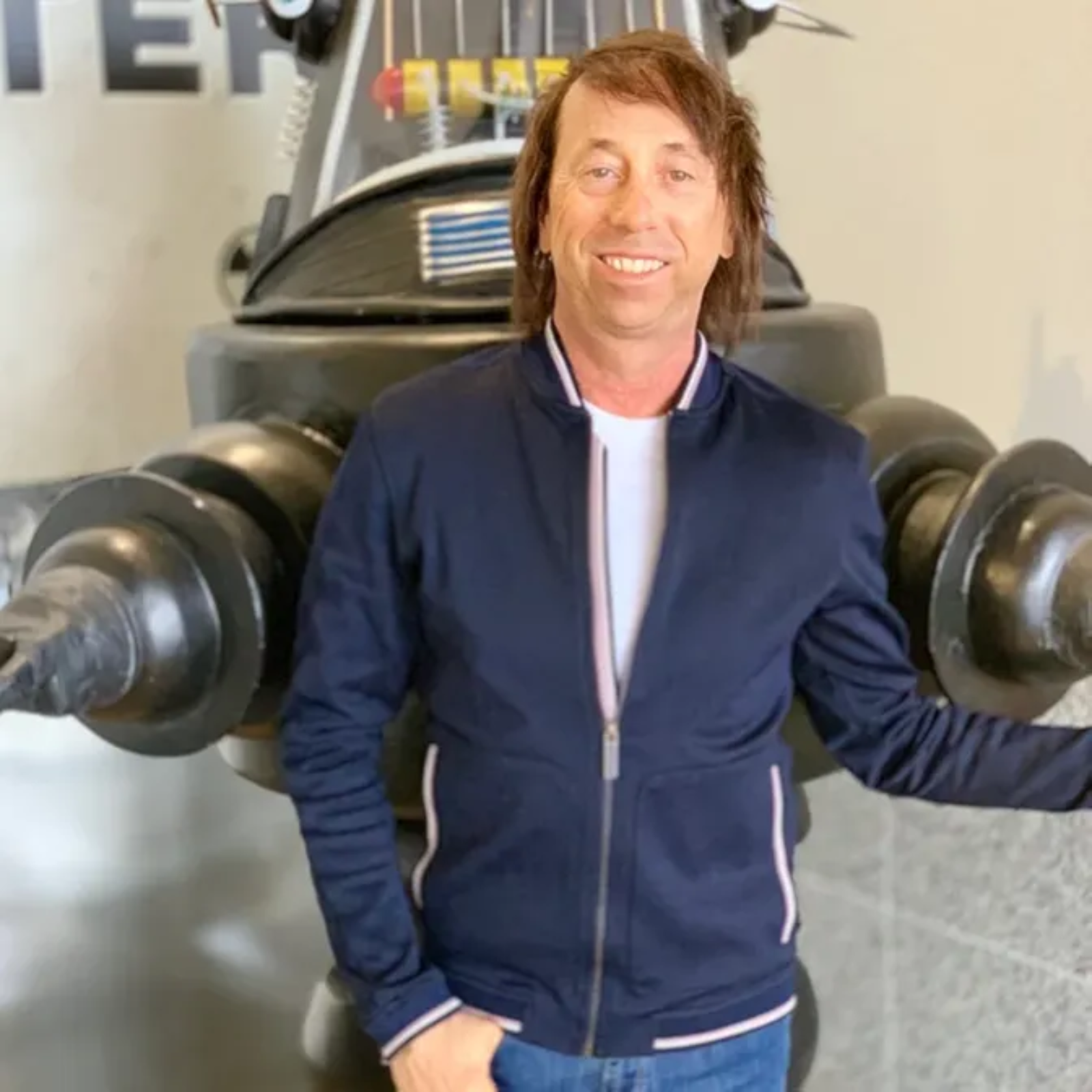
Brian Roemmele explores the fear theater of AI “safety”. We have a choice with superintelligent AI: Build more and more complex cages for AI or build AI the inherently loves humaity. In all the noice of fear theater there is no light given to build AI the right way from first principles. Instead the current fashion in AI is to Hoover up all data, junk or not, lint and couch crunchies from ever coner and somehow build and eddifice to make it "safe". Today we dive into Google DeepMind document titled “From AGI to ASI” that stands apart from the usua...
ReadMultiplex.com: Will Superintelligent AI not like us? Hint: AI will love us.

Something extraordinary just happened in the field of artificial intelligence. Google DeepMind released a document titled “From AGI to ASI” that stands apart from the usual noise. It does not deliver bold timelines, hype cycles, or dystopian warnings dressed as inevitability. Instead, it provides a structured, technically grounded map of what might come after human-level artificial general intelligence. The authors examine the continuum of machine intelligence, characterize artificial general superintelligence in practical terms, outline four primary technological pathways, and catalog the real frictions that could shape or slow progress. They ground their analysis in formal concepts like the Legg-Hutter inte...
ReadMultiplex.com: The Scan That Could Save Your Life: How Midjourney Just Rewrote the Future of Medicine.

What if a company known for creating stunning AI art just announced a breakthrough that could make full-body medical scans as routine as your morning coffee — affordable, radiation-free, and available not just in hospitals, but eventually in your own home? Today, June 18, 2026, marks a pivotal moment where generative AI, semiconductor innovation, and powerful computing are colliding to rewrite the rules of preventive healthcare.
In this exclusive feature, we dive deep into this game-changing development: the key players involved, how the technology works, its massive implications for wellness practices and families, and an inspiring 2035 story of how one ea...
You Have 5000 Days: Navigating the End of Work as We Know It. Part 31: The Category Inventor’s Warning.
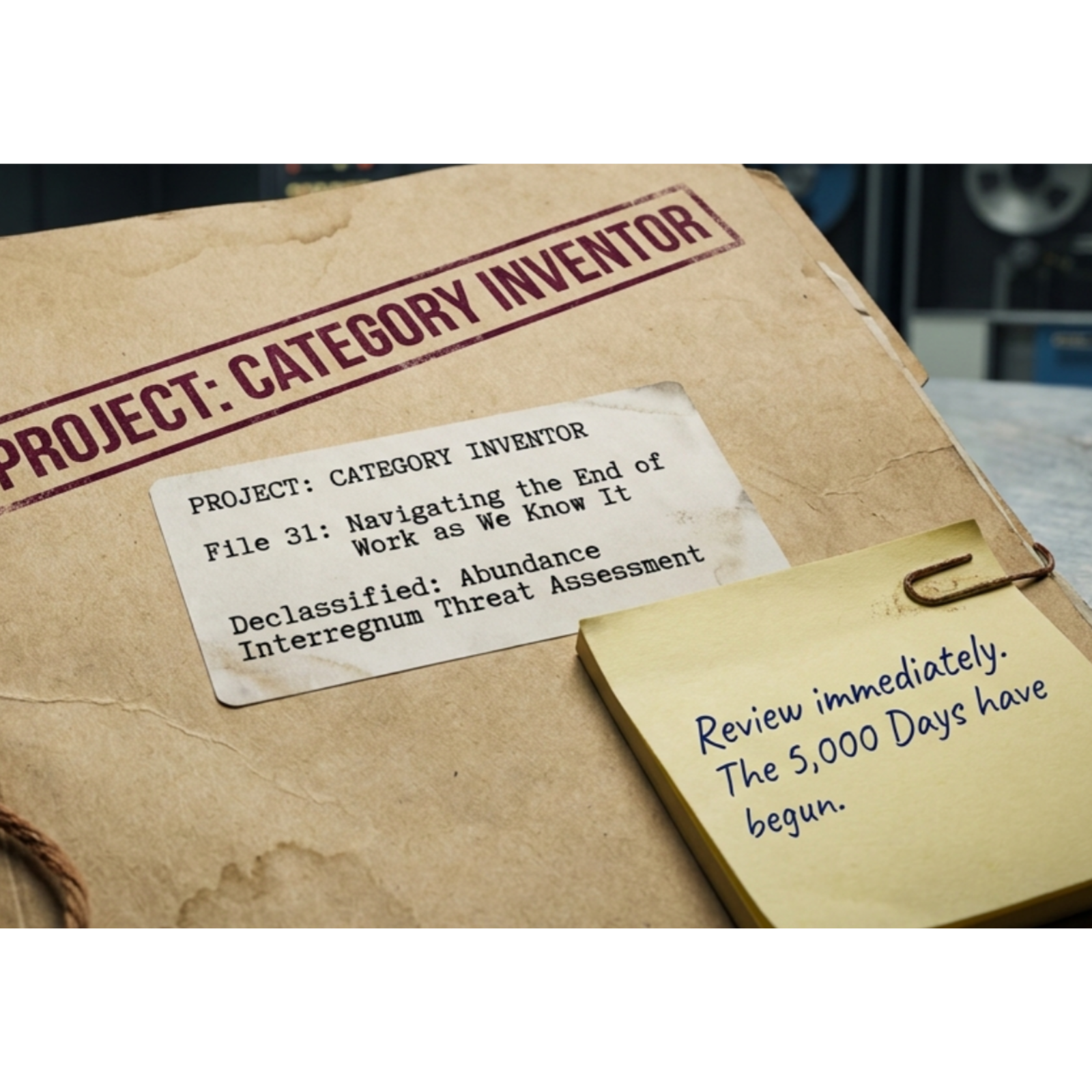
In the golden age of science fiction radio, X Minus One delivered sharp, cautionary parables straight into the American living room, blending intellectual depth with accessible drama for a postwar audience hungry for stories that probed the frontiers of technology and society. On June 27, 1957, Episode 100, “The Category Inventor” (adapted by Ernest Kinoy from Arthur Sellings’ 1956 Galaxy Science Fiction novelette “The Category Inventors”), painted a vivid future where relentless automation had devoured nearly every human occupation. In this world, citizens no longer scrambled for meaningful work but instead engaged in the bureaucratic survival tactic of inventing entirely new job catego...
ReadMultiplex.com: A 1957 Forgotten Radio Show That Shows How Job Security May Be Manufactured
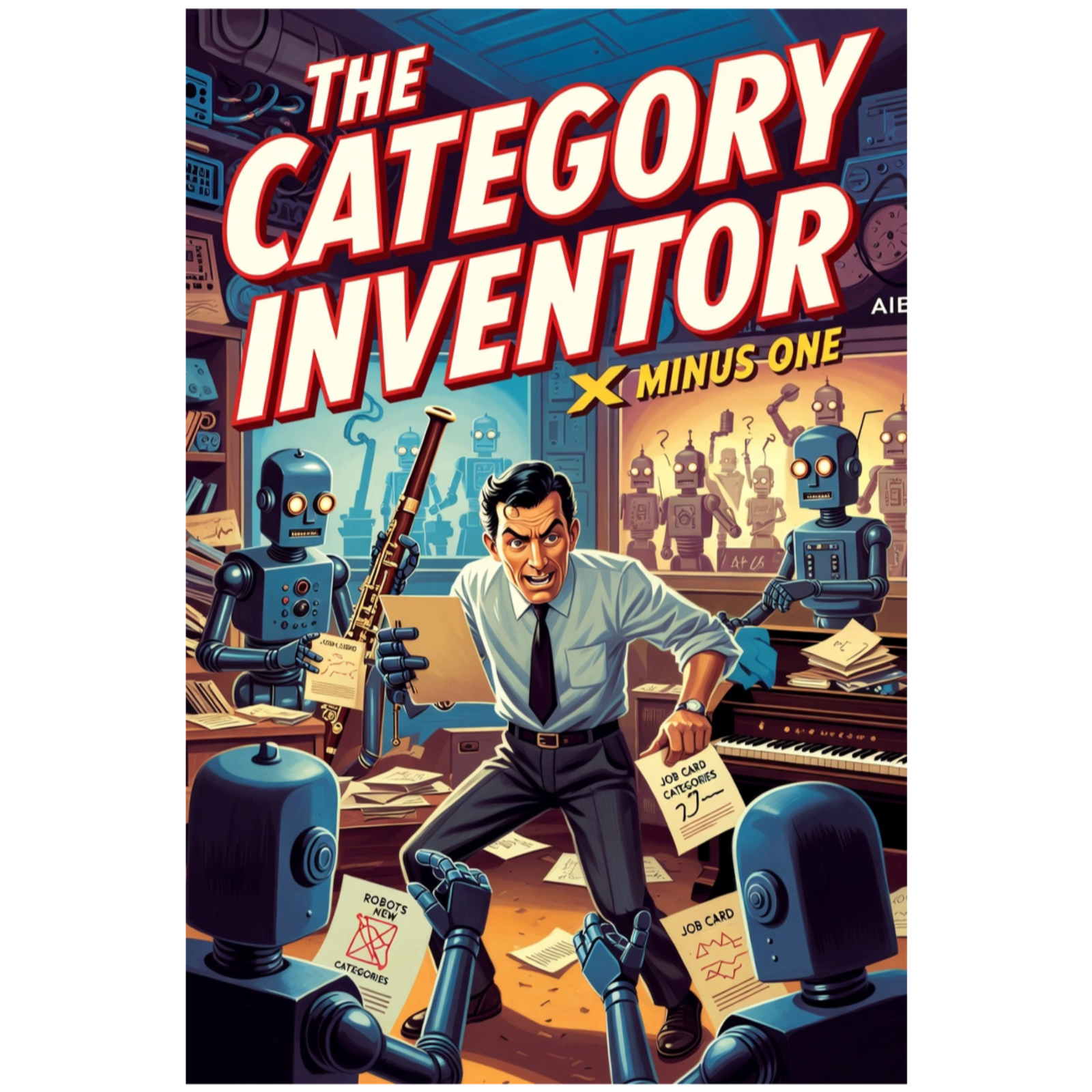
Buckle up for a thrilling blast from the Golden Age of sci-fi radio! The Category Inventor (Episode 100 of NBC’s legendary X Minus One, aired June 27, 1957) is a sharp, satirical rocket ride through a fully automated future where robots and machines have claimed nearly every job — and humanity is left scrambling to survive in the ultimate bureaucratic nightmare.
The Setup: A World Where Jobs Are Extinct
Imagine a sleek, hyper-efficient tomorrow: advanced robots and computers handle everything from factory floors to concert halls with mechanical precision. Human workers? They’re obsolete unless they can squeeze into a...
ReadMultiplex.com; You Have 5000 Days: Navigating the End of Work as We Know It. Part 31: The Category Inventor’s Warning
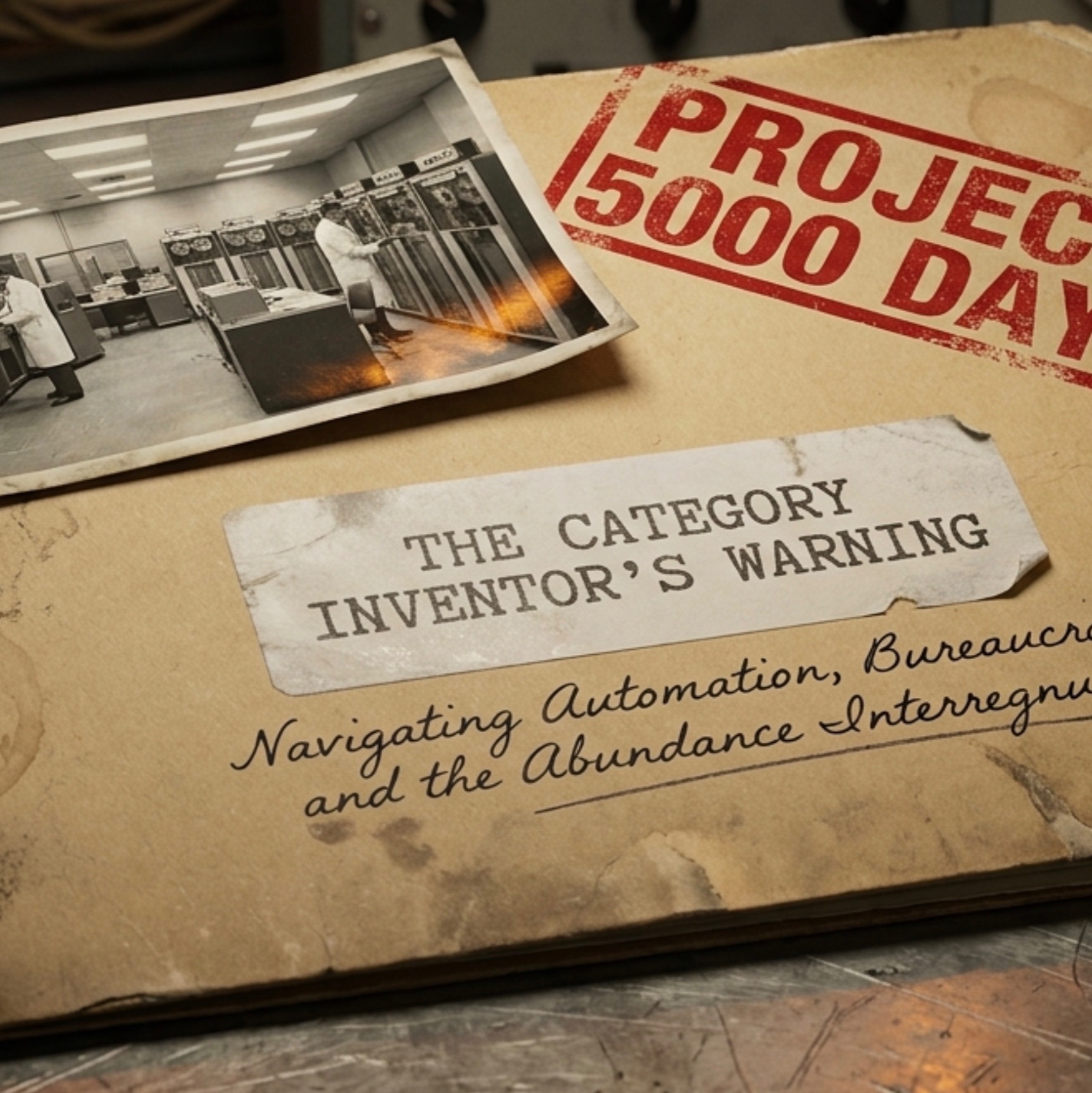
In the golden age of science fiction radio, X Minus One delivered sharp, cautionary parables straight into the American living room, blending intellectual depth with accessible drama for a postwar audience hungry for stories that probed the frontiers of technology and society. On June 27, 1957, Episode 100, “The Category Inventor” (adapted by Ernest Kinoy from Arthur Sellings’ 1956 Galaxy Science Fiction novelette “The Category Inventors”), painted a vivid future where relentless automation had devoured nearly every human occupation. In this world, citizens no longer scrambled for meaningful work but instead engaged in the bureaucratic survival tactic of inventing entirely new job categories simply to...