The Vitality Lab Podcast
Your Testosterone Is a Symptom, Not the Cause | Prof. Channa Jayasena
Testosterone has become the hormone men blame for everything — low energy, stalled progress in the gym, middle age itself. Prof. Channa Jayasena, Consultant in Reproductive Endocrinology & Andrology at Imperial College London, thinks we've got the causality backwards.
In this episode we cover why testosterone is a readout of your health rather than a lever to pull on it; why there's no clean cut-off between "normal" and "low"; and what the European Male Ageing Study actually found (only 2% of men aged 40–80 had low testosterone causing symptoms — almost all of them with comorbidities).
We also get into the ha...
From Legal Highs to VR Therapy: Prof. Paolo Deluca on the Changing Science of Addiction
Professor Paolo Deluca (King's College London, Institute of Psychiatry, Psychology & Neuroscience) has spent over 25 years researching addiction — from the emergence of unregulated synthetic substances sold online, to his current work developing VR-based treatment tools paired with wearable sensors that can help identify craving episodes in real time.
In this conversation, we explore how classical conditioning (think Pavlov's dogs) explains why certain environments and cues trigger cravings, how his team is using virtual reality to help people build resistance to those triggers in a controlled, supportive setting, and how wearable technology could one day give clinicians earlier warning si...
David Shaikh: Using AI to Diagnose Neglected Tropical Diseases in Africa
Serial entrepreneur David Shaikh — co-founder of Sherwood Sciences — joins the show to talk about building "impact startups," the €5.7M EU-funded app he's developing to diagnose skin neglected tropical diseases (NTDs) like leprosy and Buruli ulcer across Africa, and two decades of lessons learned from ticketing marketplaces to healthcare tech.
We dig into how deep convolutional neural networks are being trained on dermatologist-labeled images to help frontline health workers catch these diseases early, the challenges of building a bias-free, skin-tone-inclusive dataset across five African countries, and why the project will be fully open source and eventually handed to the WH...
The ADHD Brain, Explained | with Professor Eleanor Dommett
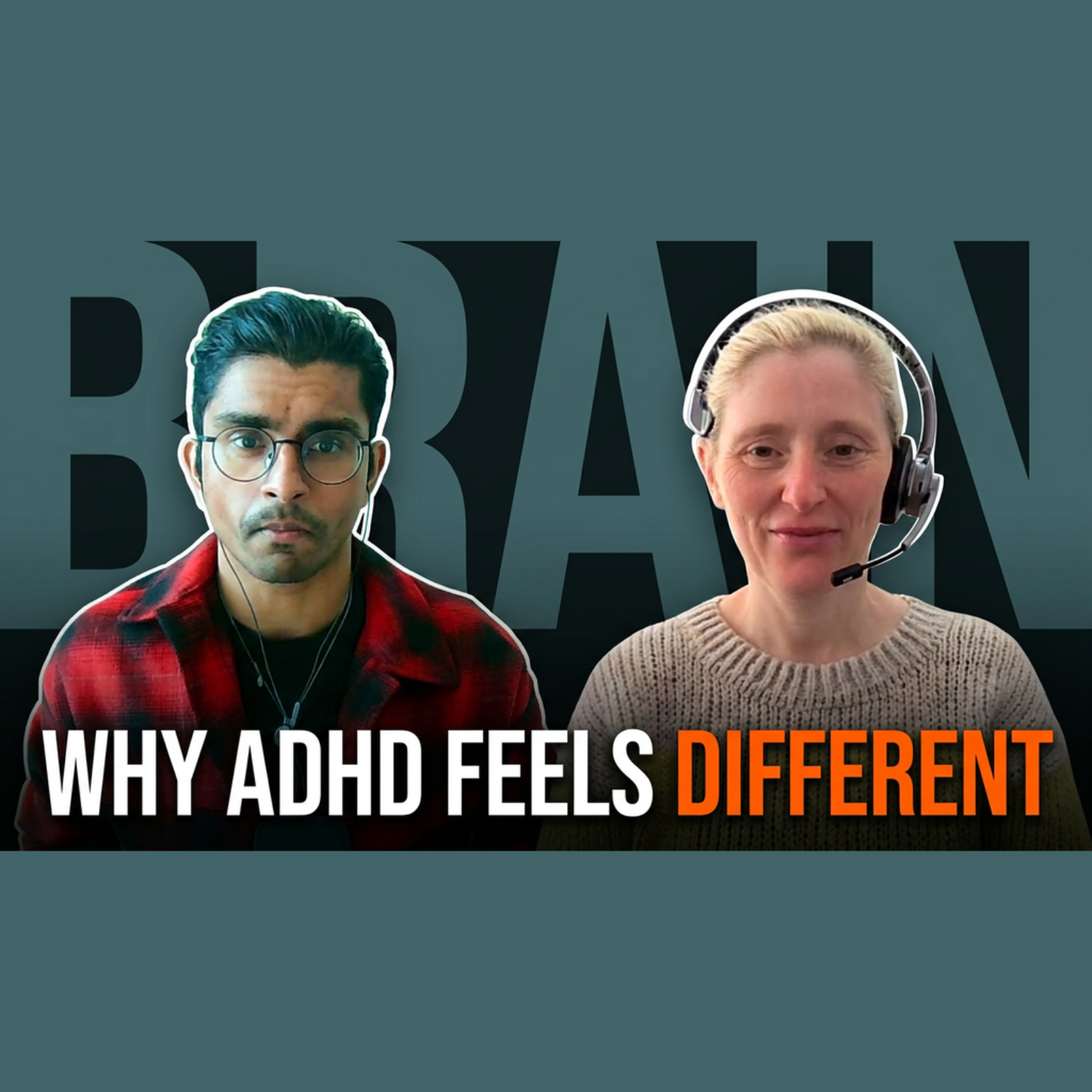
Neuroscientist Professor Ellie Dommett joins Aaran to break down what's actually happening inside the ADHD brain — from the role of the prefrontal cortex and amygdala to the real story behind dopamine dysregulation, attention, and impulsivity.
They explore why ADHD isn't simply an "attention deficit," how it connects to risk-taking, addiction, and exercise (including ultrarunning as a form of self-management), and why moderation can be harder to find for some people with ADHD. Professor Dommett also discusses cultural differences in treatment approaches worldwide, the ongoing debate around medication versus behavioral strategies, and an underexplored frontier in the field: ho...
Maternal Alcohol Use: Hormones, Identity & Understanding | Dr Abi Rose

"I don't think there should be any shame or judgment around alcohol use during any period" — psychologist Dr. Abi Rose has spent over 20 years researching alcohol, with a recent focus on women through fertility, pregnancy, motherhood, and menopause.
In this conversation, we explore what actually drives maternal drinking — the hormonal shifts in estrogen, progesterone and cortisol during pregnancy and postpartum, and how alcohol can become tied up with identity, social bonding, and coping with stress and sleep deprivation. Dr. Rose walks through the evidence on fetal alcohol spectrum disorder, why fear-based health messaging often doesn't work, and what...
How Elite Athletes Think Under Pressure | Dr. Amy Whitehead
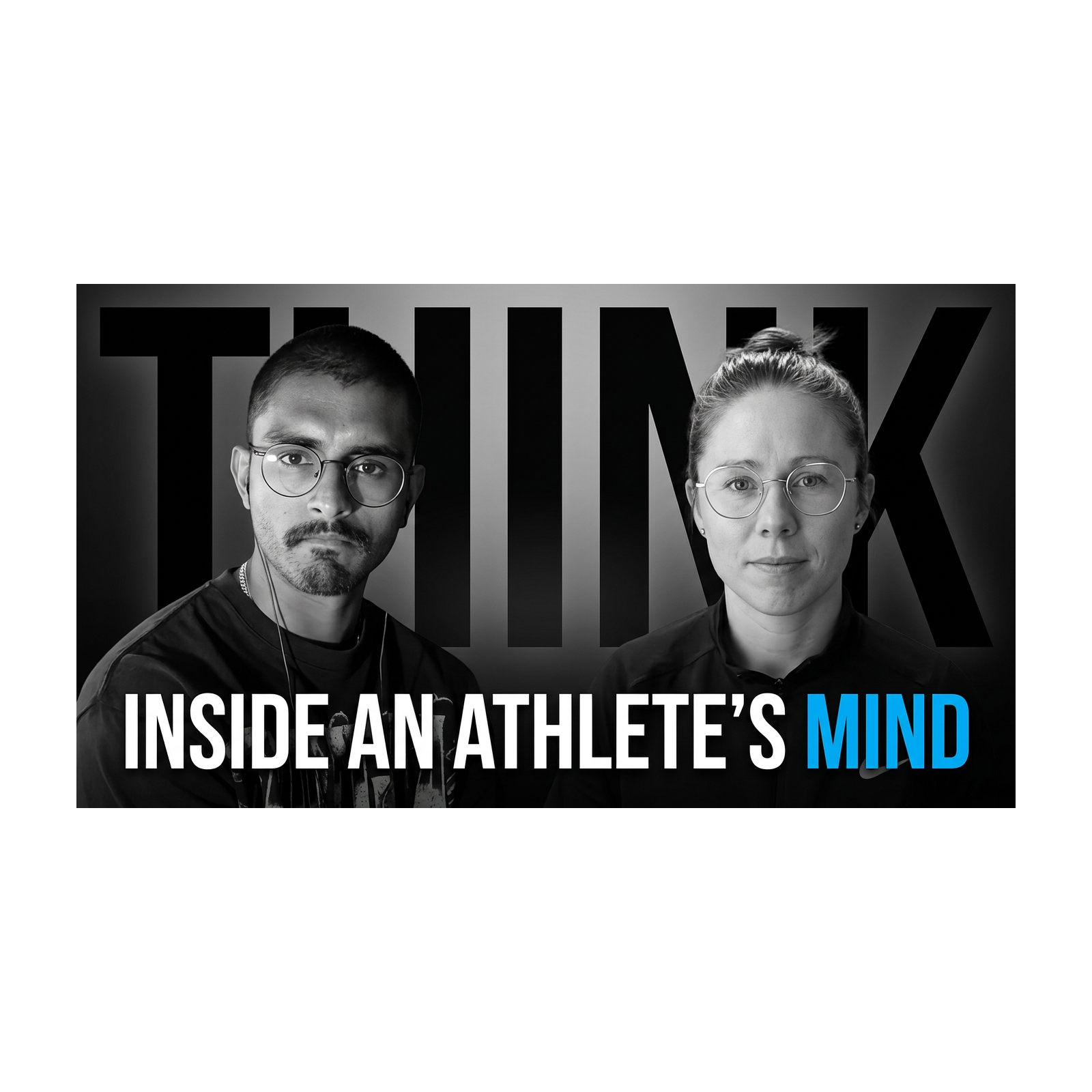
What do elite athletes and coaches actually think during performance?
In this episode, I sit down with Amy Whitehead to explore the Think Aloud method, a powerful tool used in sport psychology to capture real-time thought processes during performance.
We discuss how self-talk shapes decision-making, how pressure alters cognition, and why reflection and awareness are critical for high-level performance. The conversation also explores how athletes and coaches can train their minds to regulate emotions, improve focus, and perform under pressure.
We go into the different levels of Think Aloud, how it is used...
€5M to Build AI for Skin Neglected Tropical Diseases | David Shaikh
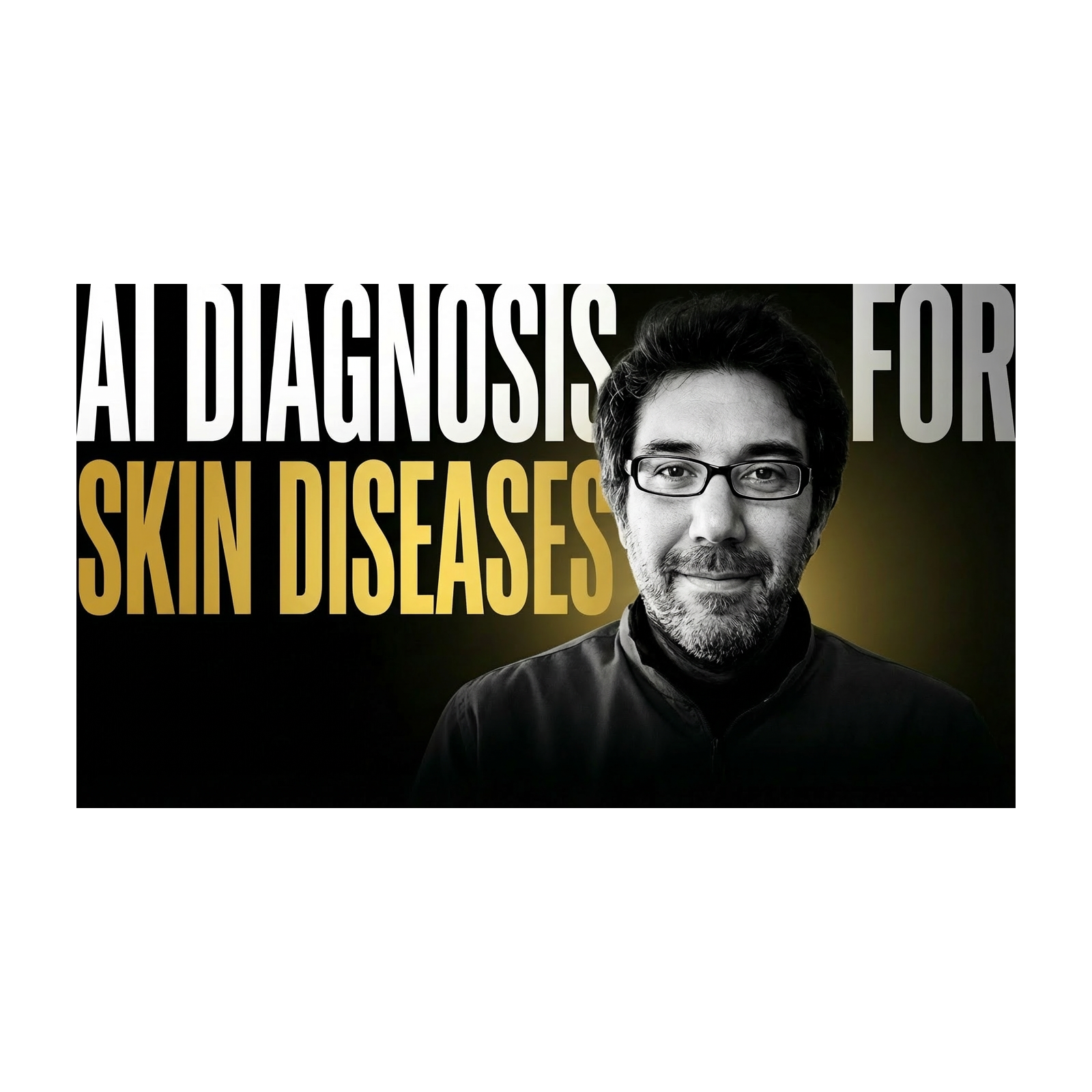
What does it take to win €5 million to build open-source AI for global health?
In this episode, I sit down with David Shaikh — founder of Sherwood Sciences — to unpack how he secured major European funding to build an AI-powered app designed to help frontline health workers diagnose neglected tropical skin diseases across Sub-Saharan Africa.
We go deep into:
• Why the hardest part of AI isn’t the model — it’s the data
• Building the largest skin NTD dataset ever collected
• Bias in medical AI and why skin tone matters
<...Decoding the Brain's Memory System: Insights from the Hippocampus | Dr Marielena Sosa
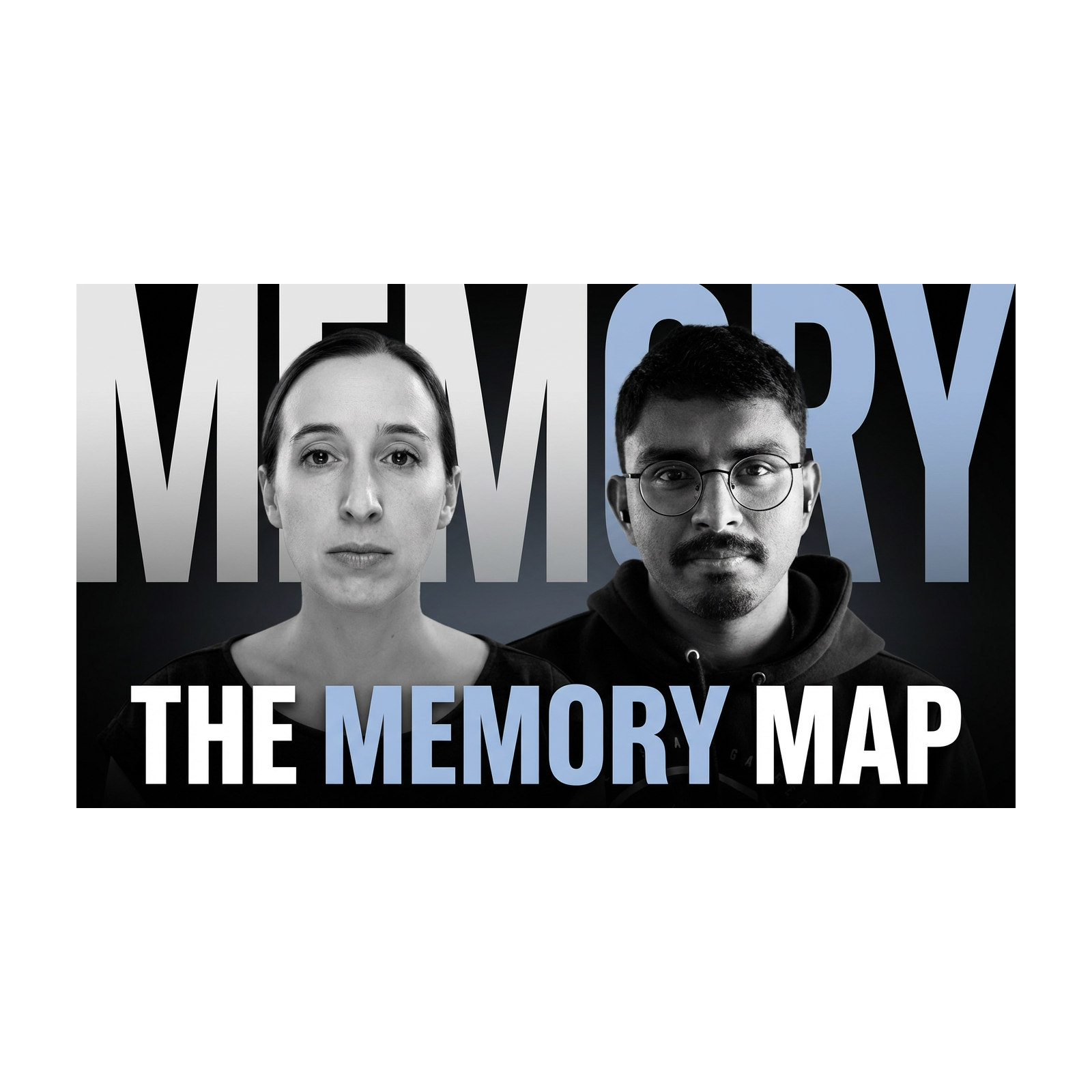
How does the brain build memory — and why does reward reshape what we remember?
In this episode, I sit down with Marielena Sosa to discuss her postdoctoral research at Stanford University, where she studied how the hippocampus encodes space, context, and reward to construct cognitive maps of experience.
Dr. Sosa is now a Principal Investigator at University of Colorado Boulder, leading a lab focused on the neural mechanisms of memory and prediction.
We explore:
– Why memory is not passive storage but active prediction
– How reward reorganizes neural representations
– Th...
Don’t Become Your Outcome: The Voice in Your Head Shapes Your Reality | Dr. Alexandra S. Ilieva,
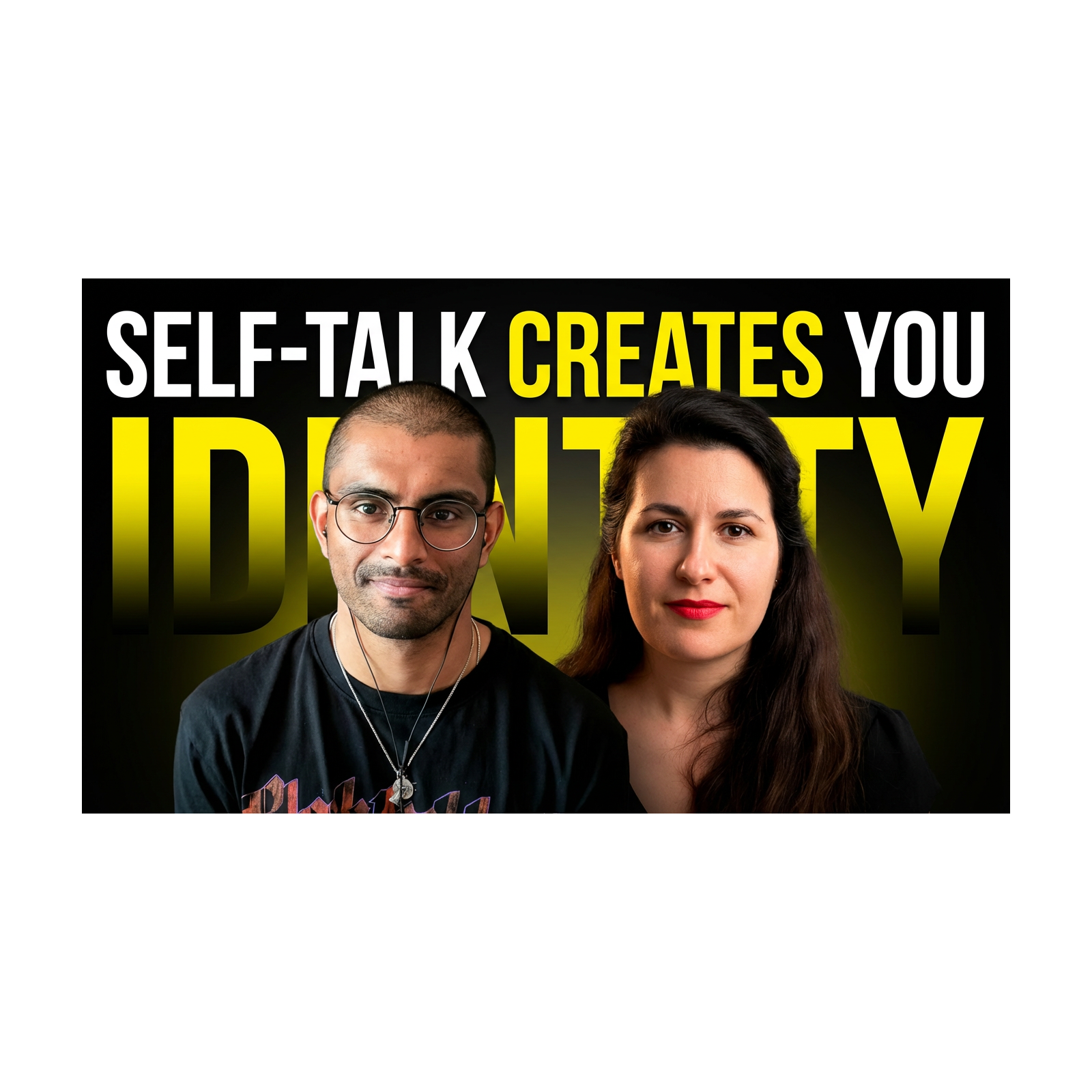
In complex fields like biotech and health, technical brilliance isn’t enough.
Judgment, psychological flexibility, and the ability to operate under uncertainty often determine who adapts — and who collapses.
In this episode, Dr. Alexandra Ilieva, philosopher and Teaching Associate in Buddhist Studies at the University of Cambridge, joins The Vitality Lab to explore how ideas from Madhyamaka Buddhism and contemporary pragmatism can function as practical tools for thinking clearly under pressure.
We examine:
Why attaching identity to outcomes distorts judgmentHow the “voice in your head” shapes perception and decision-makingWhy over-identifying with views makes di...Microbiome in Parkinson’s: Biomarker, Bystander, or Therapeutic Target? | Dr. Frederick Clasen
In this episode, we go beyond genetic and molecular narratives of Parkinson’s disease to explore a bold new frontier: the role of the microbiome as a biomarker, bystander, or therapeutic target in cognitive decline. My guest today is Dr Frederick Clasen, Research Associate at the Centre for Host-Microbiome Interactions, Faculty of Dentistry, Oral & Craniofacial Sciences, King’s College London. Dr Clasen completed his undergraduate and master’s work in Bioinformatics and Biotechnology at the University of Pretoria before earning his PhD across the Francis Crick Institute and King’s College London, where he developed mathematical and genome-scale models of host...
Can Fasting Reduce Inflammation? | Professor Clare Bryant
Professor Clare Bryant is a Professor of Innate Immunity at the University of Cambridge and one of the world’s leading experts on inflammation, inflammasomes, and immune signalling. Her work focuses on how the immune system detects danger — from infections to misfolded proteins — and how chronic inflammation contributes to ageing and neurodegenerative disease. Her research has helped shape our understanding of the NLRP3 inflammasome, a key inflammatory pathway now implicated in conditions such as Alzheimer’s disease, Parkinson’s disease, obesity, cardiovascular disease, and atherosclerosis.
In this episode, we explore what inflammation actually is, why we need it to surv...
How Pets Protect Mental Health | Professor Helen Brooks
What role do pets really play in mental health?
In this episode, I’m joined by Helen Brooks, Professor of Health and Psychosocial Wellbeing and Mental Health Research Group Lead at the School of Nursing, Midwifery and Social Work. Helen is also Programme Director for the MSc in Clinical Research and has spent years studying how people manage mental and physical illness in everyday life.
We explore her research on pets and companion animals as emotional anchors — not as therapy tools, but as sources of presence, routine, purpose, and non-judgemental support.
We talk abou...
Drugs: Decriminalization vs Legalization | Professor Harry Sumnall
Professor Harry Sumnall is a Professor in Substance Use at the Public Health Institute, Liverpool John Moores University, and a member of the UK Government’s Advisory Council on the Misuse of Drugs (ACMD).
In this conversation we break down the drug policy terms people constantly confuse — and why that confusion matters in real life.
We cover:
What decriminalization actually means (and what it doesn’t)Decriminalization vs depenalization vs legalizationWhy illegal markets create unique harms (potency, adulteration, organized crime)The “continuum” approach: prevention → harm reduction → treatment → recoveryWhy education alone rarely changes behaviour — and what doesStigma an...Anxiety & Intrusive Thoughts: How To Break the Loop | Dr Blake Stobie
Dr Blake Stobie is the Lead Consultant Clinical Psychologist and Director at the Centre for Anxiety Disorders and Trauma (CADAT) in London. With over 25 years of experience treating anxiety, obsessive-compulsive disorder, PTSD and related conditions, Dr Stobie blends deep clinical insight with a warm, evidence-based approach to understanding the mind.
We dive into the surprising truth about intrusive thoughts, what they really tell us about how our mind works, and why nearly everyone experiences them — even if they feel bizarre or upsetting. Dr Stobie reframes these thoughts not as flaws or warnings, but as a normal part of...
GLP-1 Drugs, the Brain, and Mental Health | Dr Riccardo De Giorgi
Dr Riccardo De Giorgi, MD, DPhil, MRCPsych, is a Clinical Lecturer in Psychiatry at the University of Oxford and an Honorary Consultant in General Adult Psychiatry at Oxford Health NHS Foundation Trust. He teaches psychiatry and psychopharmacology, leads experimental medicine research, and focuses on repurposing immuno-metabolic drugs — including GLP-1 receptor agonists — for cognitive and mental disorders.
In this episode, we explore GLP-1 receptor agonists (GLP-1RAs) — medications originally developed for diabetes and obesity — and their emerging relevance to psychiatry and brain health. Recent analyses, including work led by Dr De Giorgi, review preclinical and clinical evidence suggesting these dr...
Gum Disease, Fasting-Mimicking Diets & Inflammation | Professor Luigi Nibali
Professor Luigi Nibali is an award-winning specialist periodontist who has been keeping gums healthy and saving teeth for more than 15 years. He is a Professor of Periodontology at King’s College London (Guy’s Hospital) and a leading clinician–scientist in gum disease and oral inflammation.
Trained in dentistry in Italy, Luigi Nibali completed an MSc and PhD at the UCL Eastman Dental Institute, where his research focused on the genetic and inflammatory drivers of aggressive periodontitis. His work spans clinical periodontology, systemic inflammation, and the links between oral health and cardiovascular disease, diabetes, cancer, and neurodegeneration.
I...
What Actually Helps When You’re Struggling | Professor Pooja Saini
Professor Pooja Saini is a UK-based academic and practitioner specialising in mental health, suicide prevention, and community-based support, with years of experience working at the intersection of research, healthcare, and real-world services.
In this conversation, we explore why mental health is still so hard to talk about, why people often struggle in silence, and how misunderstanding, stigma, and system design shape the way we respond to distress. Rather than slogans or motivation, this episode focuses on understanding — what actually helps people cope, recover, and feel supported before things reach crisis.
This episode is for anyone wh...
Why Exercise Helps Depression — Why Starting Is So Hard | Dr Emily Hird
In this episode, we’re joined by Dr Emily Hird, a cognitive neuroscientist and research fellow at University College London’s Institute of Cognitive Neuroscience, whose research focuses on the brain mechanisms underlying depression and other mental health conditions.
Dr Hird’s work examines how changes in reward processing, motivation, and effort-based decision-making contribute to symptoms such as anhedonia and apathy. Her research also explores how dopamine signalling, inflammation, and stress interact in depression — and why physical activity may help by reshaping these brain circuits over time.
Together, we unpack why depression isn’t just a change i...