Air Crash Chronicles

Air Crash Chronicles is a podcast that takes you inside the world of aviation disasters.Each episode breaks down a real plane crash—what happened, why it happened, and how investigators uncovered the truth.We explore cockpit audio, black box data, engineering failures, human factors, weather conditions, and the chain of events that led to each tragedy.This podcast is designed for aviation enthusiasts, curious minds, and anyone who wants to understand how modern air travel becomes safer through every accident investigation.With clear storytelling, deep research, and verified sources, Air Crash Chronicles brings you gripping, immersive episodes that reveal th...
How 297 People Survived Air France 358
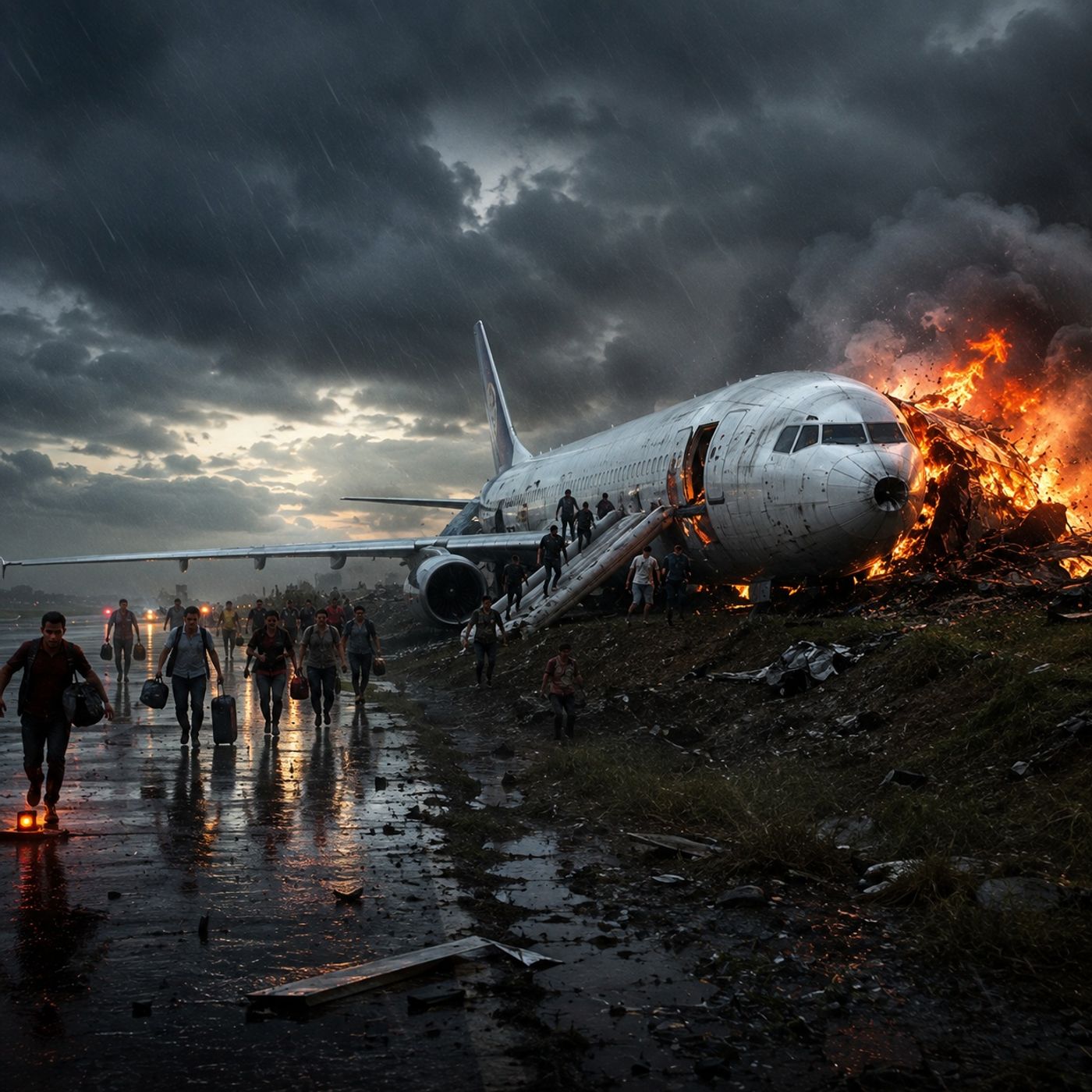
Air France Flight 358 crashed while attempting to land at Toronto Pearson International Airport in August 2005 during a severe thunderstorm. The Airbus A340 touched down on a rain-soaked runway but failed to stop, eventually overrunning the runway and crashing into a ravine.
The aircraft was destroyed by a massive post-crash fire, but remarkably, all 307 people on board survived. The rapid evacuation of the passengers and crew played a crucial role in preventing a far greater loss of life.
The investigation found that the aircraft touched down farther along the runway than it should have...
The Double Disaster of Duffy Street

The 1989 San Bernardino train disaster began when a heavily loaded freight train lost control while traveling through California. A major weight miscalculation, combined with mechanical problems, caused the train to derail at high speed and crash into residential homes, resulting in multiple fatalities and widespread destruction.
But the tragedy did not end with the derailment. During the cleanup operation, workers accidentally damaged an underground fuel pipeline near the crash site. Nearly two weeks later, the damaged line ruptured and ignited, producing a massive explosion and fire that destroyed additional homes and claimed more lives.
<...
The boy who crashed Aeroflot Flight 593

Aeroflot Flight 593 crashed into the Siberian wilderness in 1994 after a seemingly harmless decision in the cockpit turned into a catastrophic loss of control. The captain allowed his teenage children to sit in the pilot’s seat and handle the aircraft’s controls while the Airbus A310 was cruising at altitude.
While the captain’s son was manipulating the controls, he inadvertently caused a partial disengagement of the autopilot. The crew initially failed to recognize what had happened because the change did not produce a sufficiently obvious warning. The aircraft gradually entered an extreme bank before plunging into a...
Tragedy on Nimitz Hill: The Fall of Flight 801
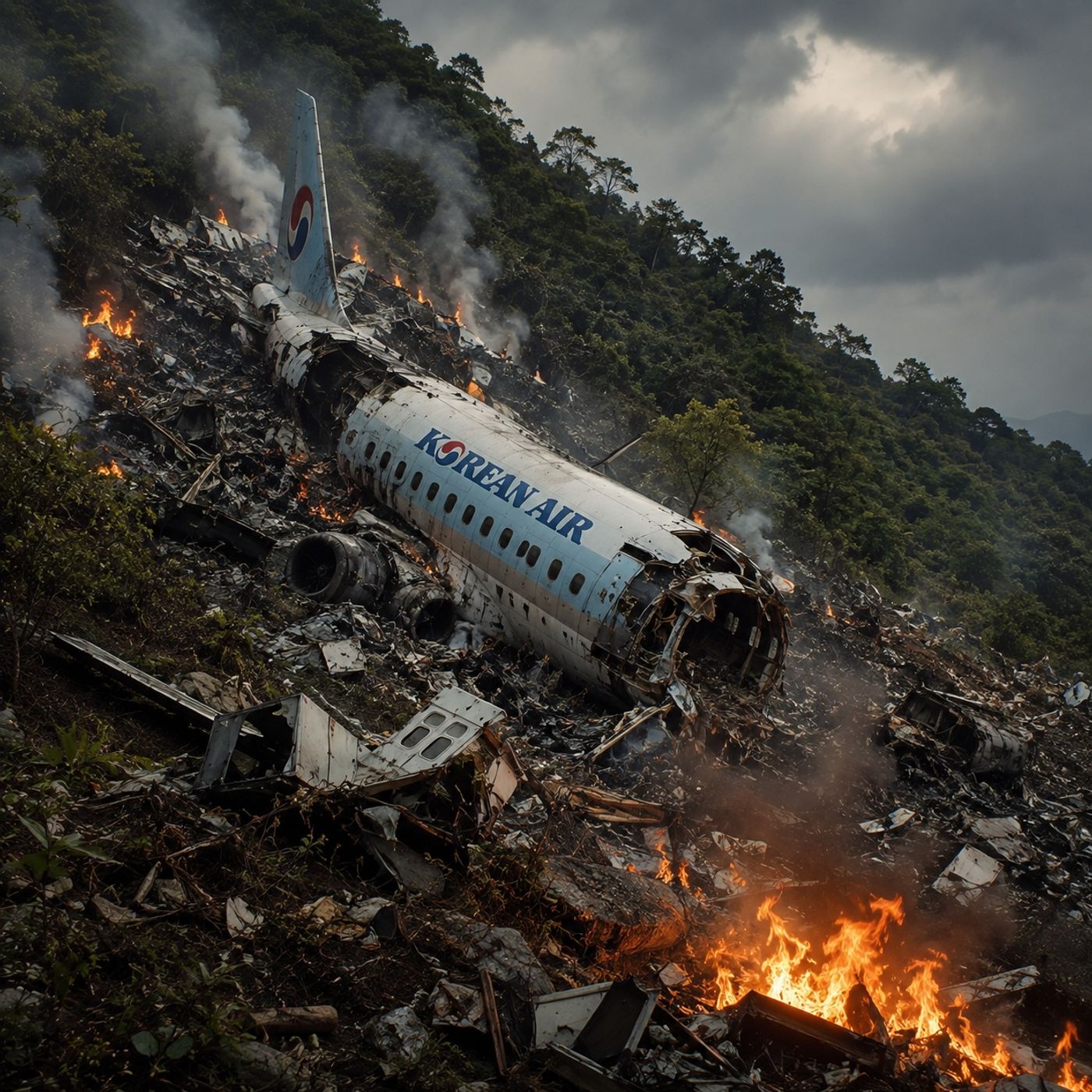
Korean Air Flight 801 crashed into a hillside while attempting to land in Guam in 1997, killing 228 people. The accident occurred during severe weather, when the flight crew descended too early while approaching the airport.
The investigation identified a combination of pilot fatigue, inadequate training, and confusing instrument information that contributed to the crew losing awareness of their actual altitude. At the same time, important ground-based safety equipment was unavailable, limiting the ability of air traffic controllers to detect the aircraft’s dangerously low position and warn the crew.
The crash produced a devastating fire, wi...
The Fatal Lunchbox on the Pedal

The 1986 Hinton train collision in Alberta, Canada, was a devastating railway disaster that killed 23 people and caused massive destruction. A Canadian National freight train failed to stop at a series of signals before colliding head-on with a VIA Rail passenger train at high speed.
The investigation revealed a dangerous combination of crew fatigue, ignored safety procedures, and failures involving critical safety systems. The lead engineer’s poor health and the conductor’s failure to activate the emergency brakes contributed to the tragedy, while the train’s dead-man safety system was effectively bypassed.
The disast...
The Final Flight of Ethiopian Airlines 961

Ethiopian Airlines Flight 961 was hijacked in 1996 by three men who demanded that the aircraft be flown to Australia. The captain, Leul Abate, repeatedly warned the hijackers that the Boeing 767 did not have enough fuel to reach their destination, but they refused to accept the warning and prevented the crew from making a necessary refueling stop.
As the fuel ran out, the pilots were forced to attempt an emergency ditching in the Indian Ocean near the Comoros Islands. Captain Abate fought to control the aircraft and bring it down as safely as possible, while crew members and...
The Aeroméxico Flight 498 Disaster
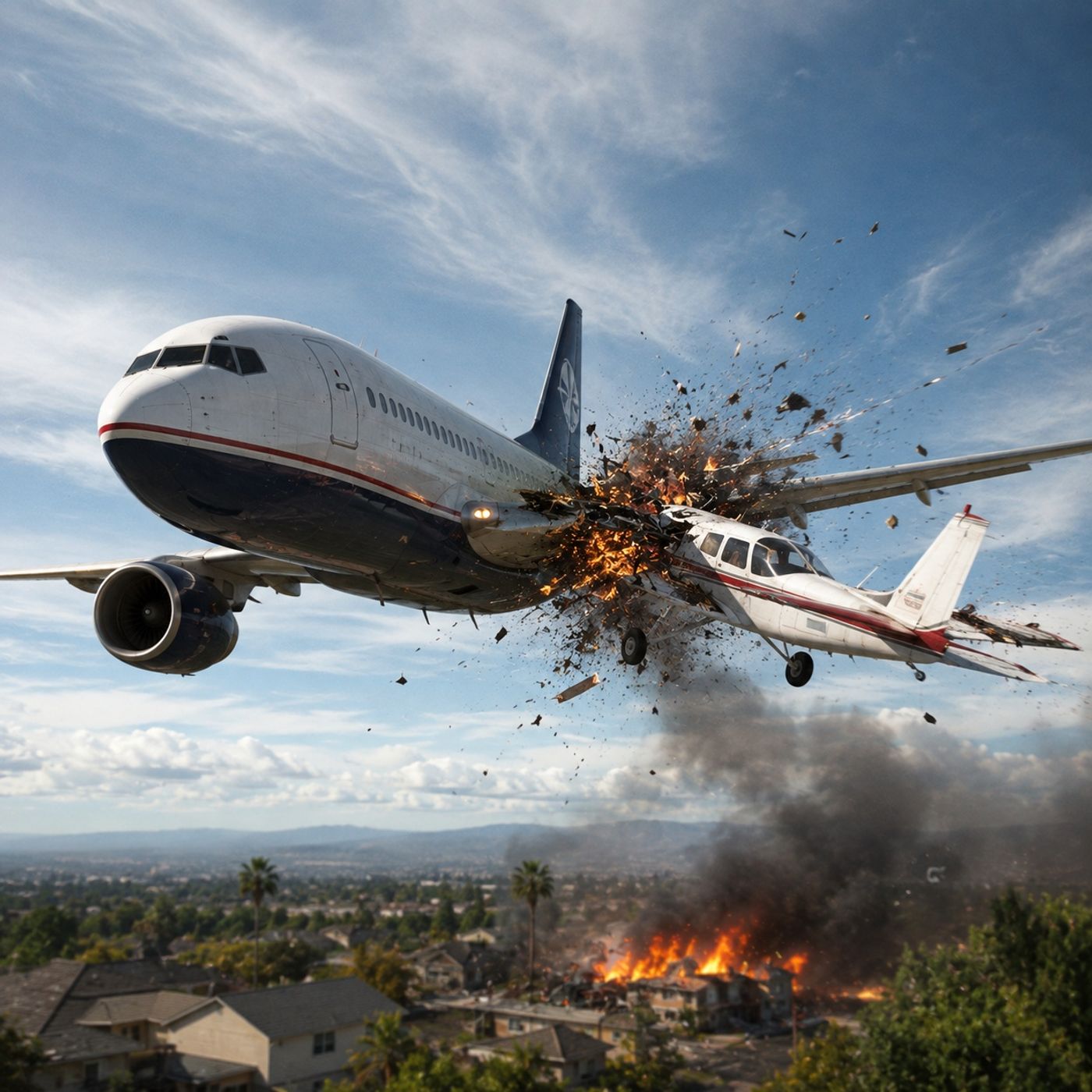
Aeroméxico Flight 498 was involved in a devastating midair collision over Cerritos, California, in 1986 when the passenger jet collided with a private Piper Cherokee. The impact killed 82 people, including those aboard both aircraft and people on the ground when the burning wreckage crashed into a residential neighborhood.
The investigation revealed a dangerous combination of failures. The private pilot had entered restricted airspace without being detected, while air traffic control was unable to identify the developing conflict in time. Both aircraft were also operating without an effective system capable of automatically warning the crews about an imminent c...
The Silence of the Engines: Flight 9’s Volcanic Crisis

British Airways Flight 9 faced an extraordinary emergency in 1982 when the Boeing 747 flew directly into a massive volcanic ash cloud near Indonesia. Within minutes, all four engines lost power as abrasive volcanic particles were drawn into the engines, creating a terrifying situation at cruising altitude.
The crew suddenly found themselves dealing with multiple failures at once. The cockpit windshield became difficult to see through, smoke entered the cabin, and passengers witnessed strange phenomena such as St. Elmo’s Fire and flames surrounding the engines. With the aircraft effectively gliding without engine power, the crew desperately searched for a...
The Tragedy of the Toxic Cloud
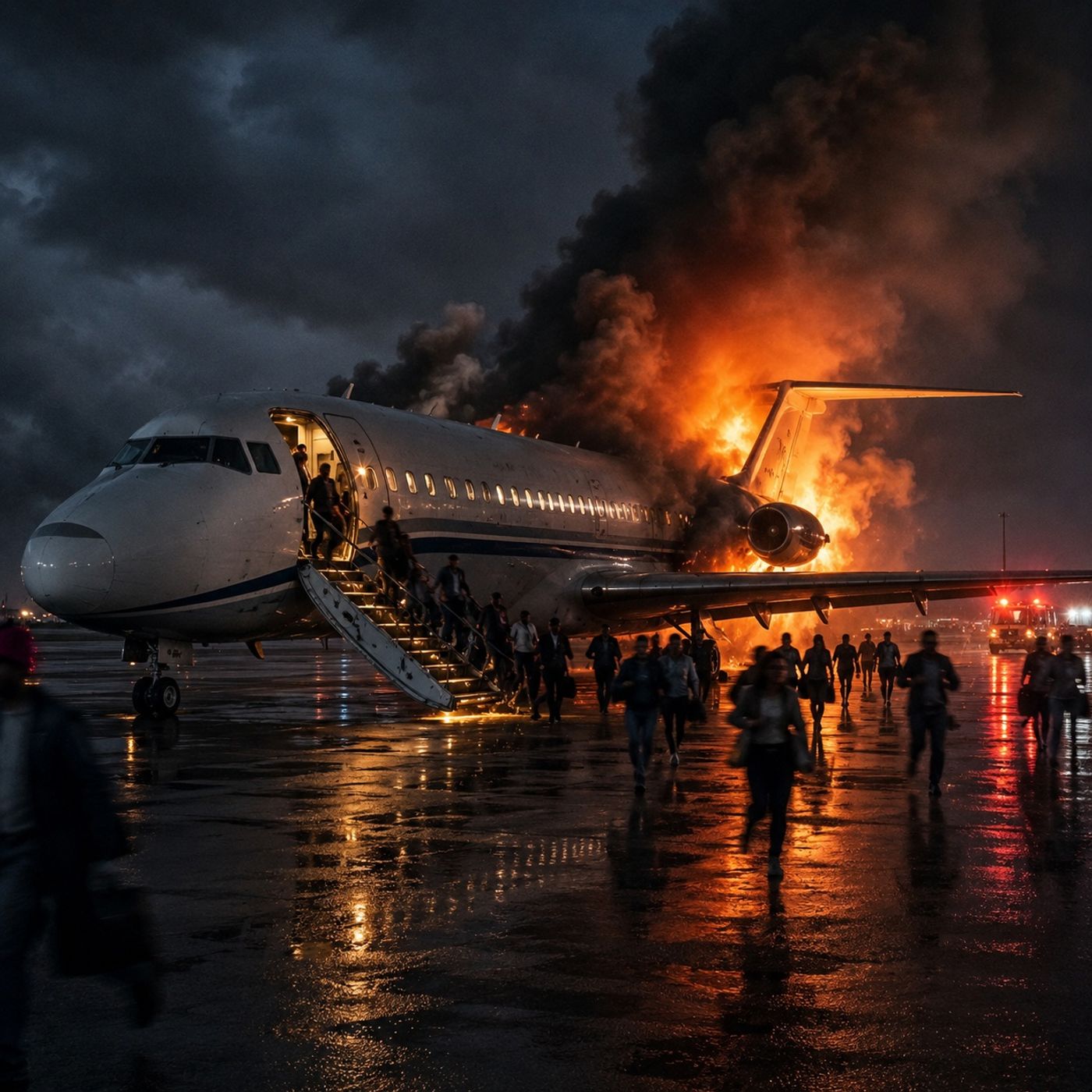
Air Canada Flight 797 suffered a hidden electrical fire in 1983 that turned a seemingly minor technical problem into a deadly emergency. The fire began in the rear of the DC-9, eventually producing thick, toxic smoke that spread through the passenger cabin and interfered with critical aircraft systems.
As conditions rapidly deteriorated, the crew fought to keep the aircraft under control and diverted toward Cincinnati for an emergency landing. The aircraft landed successfully, but moments later, a sudden flashover erupted inside the cabin, leaving passengers with almost no time to escape. Twenty-three people were killed.
...
The Doom of the DC-10: An Avoidable Disaster
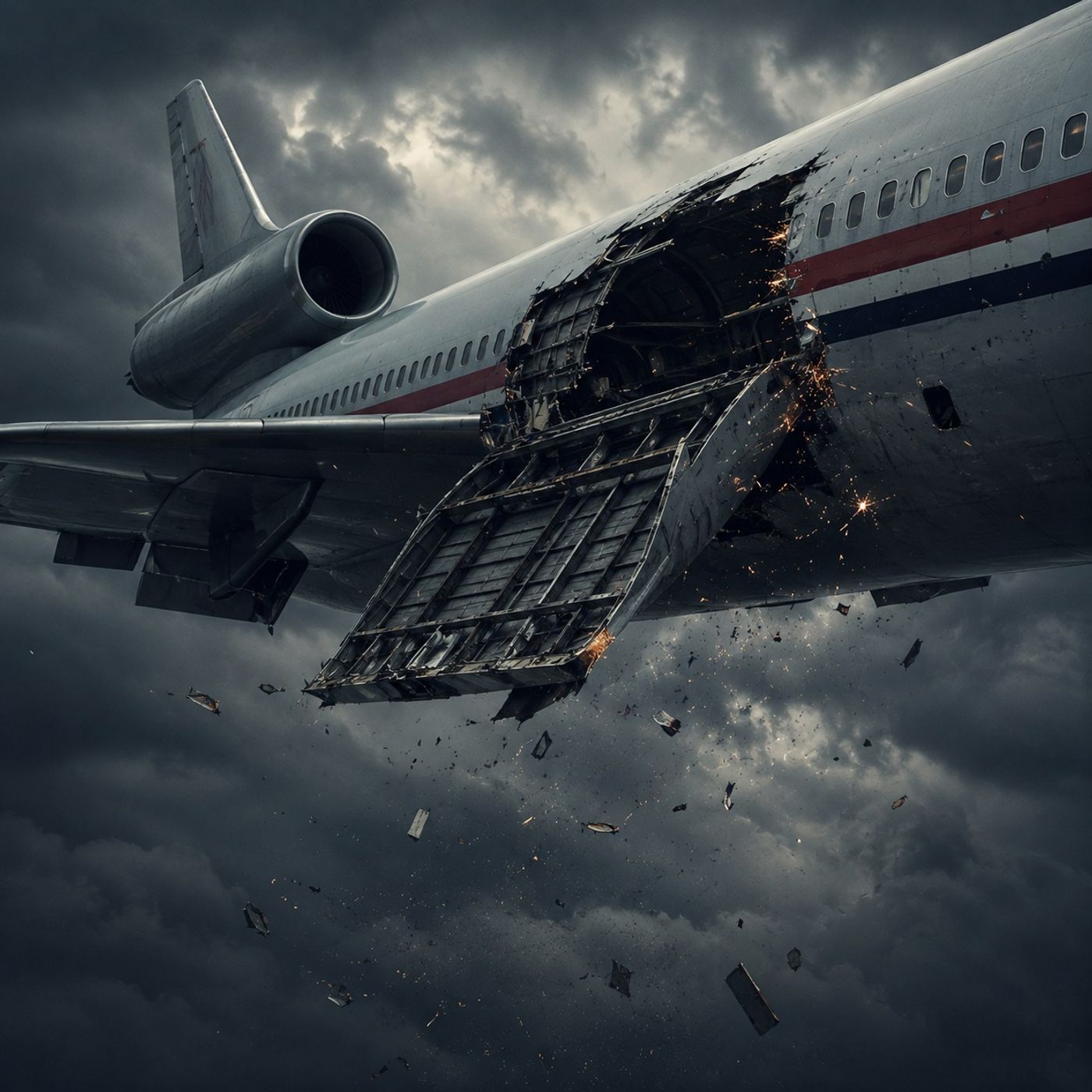
The McDonnell Douglas DC-10 became the center of one of aviation’s most notorious safety controversies because of a dangerous flaw involving its outward-opening cargo doors.
In 1972, American Airlines Flight 96 suffered a catastrophic cargo-door failure that caused part of the cabin floor to collapse and damaged critical control systems. Although the incident exposed a serious design vulnerability, the problem was not immediately addressed through mandatory regulatory action. Instead, voluntary measures were relied upon to correct the weakness.
Two years later, Turkish Airlines Flight 981 suffered a similar cargo-door failure shortly after takeoff. The resulting st...
The Illegal Map That Killed Ron Brown

USAF Flight 21 crashed near Dubrovnik, Croatia, in 1996 while carrying U.S. Commerce Secretary Ron Brown and a trade delegation. All 35 people on board were killed.
The aircraft was attempting to reach the airport in difficult weather and mountainous terrain, while the crew had to rely on outdated navigation equipment and inadequate onboard systems. A critical mistake involved the use of unapproved approach charts containing an inaccurate minimum descent altitude, leading the pilots dangerously low during the approach.
The disaster exposed problems that went far beyond pilot error. The flight had been allowed to...
Descent Into the Red Sea: The Flash 604 Mystery
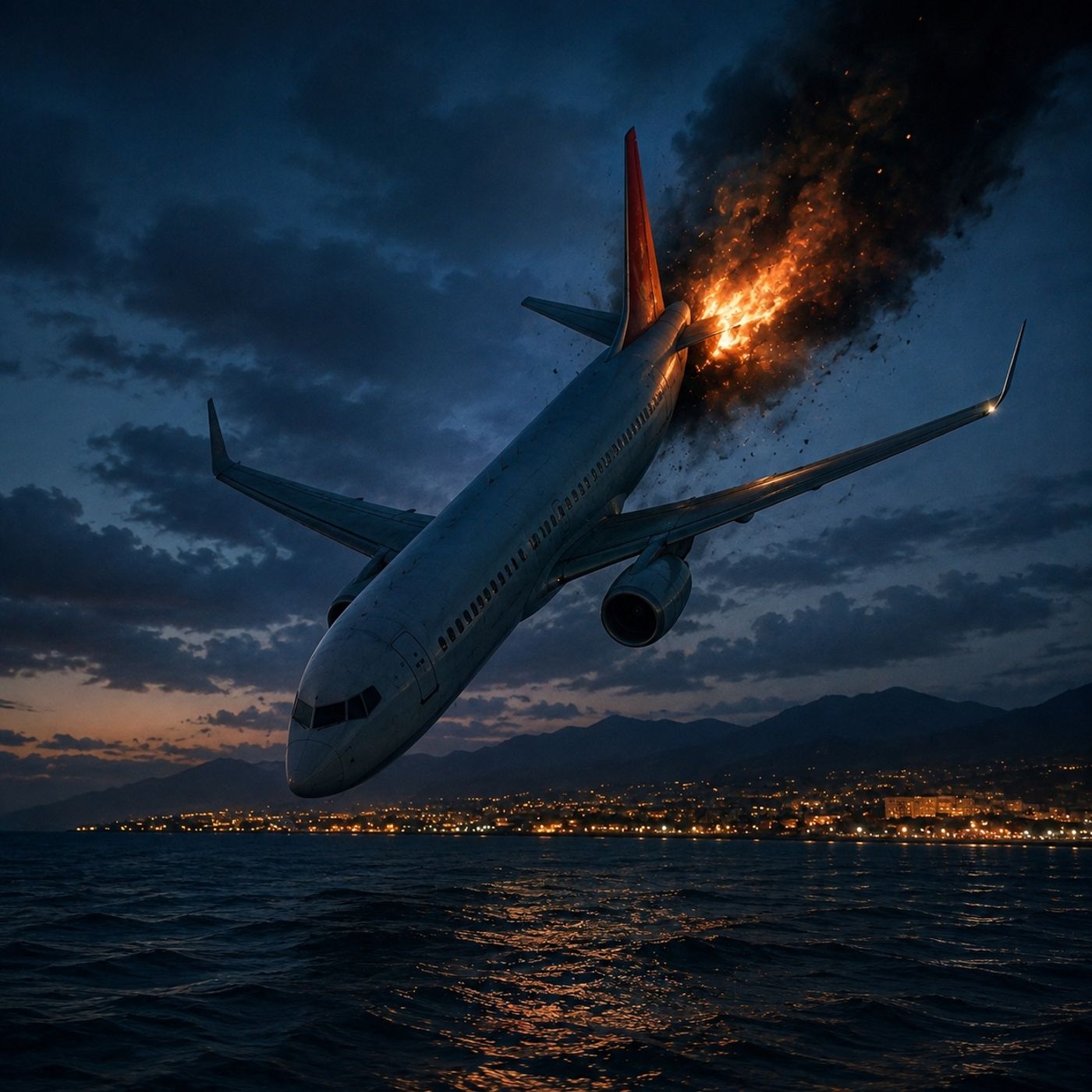
Flash Airlines Flight 604 crashed into the Red Sea shortly after departing from Sharm El Sheikh, Egypt, in 2004, killing all 148 people on board. The Boeing 737 suddenly entered a steep and uncontrolled descent, leaving the crew with only seconds to respond.
The investigation was complicated by the extreme depth of the wreckage, but investigators examined several possible explanations. Egyptian authorities considered potential mechanical problems involving the aircraft’s flight controls, while American and French investigators focused more heavily on pilot disorientation and the captain’s loss of situational awareness during the nighttime departure.
The airline also...
The Ghost Plane: The Tragic Flight of Helios 522
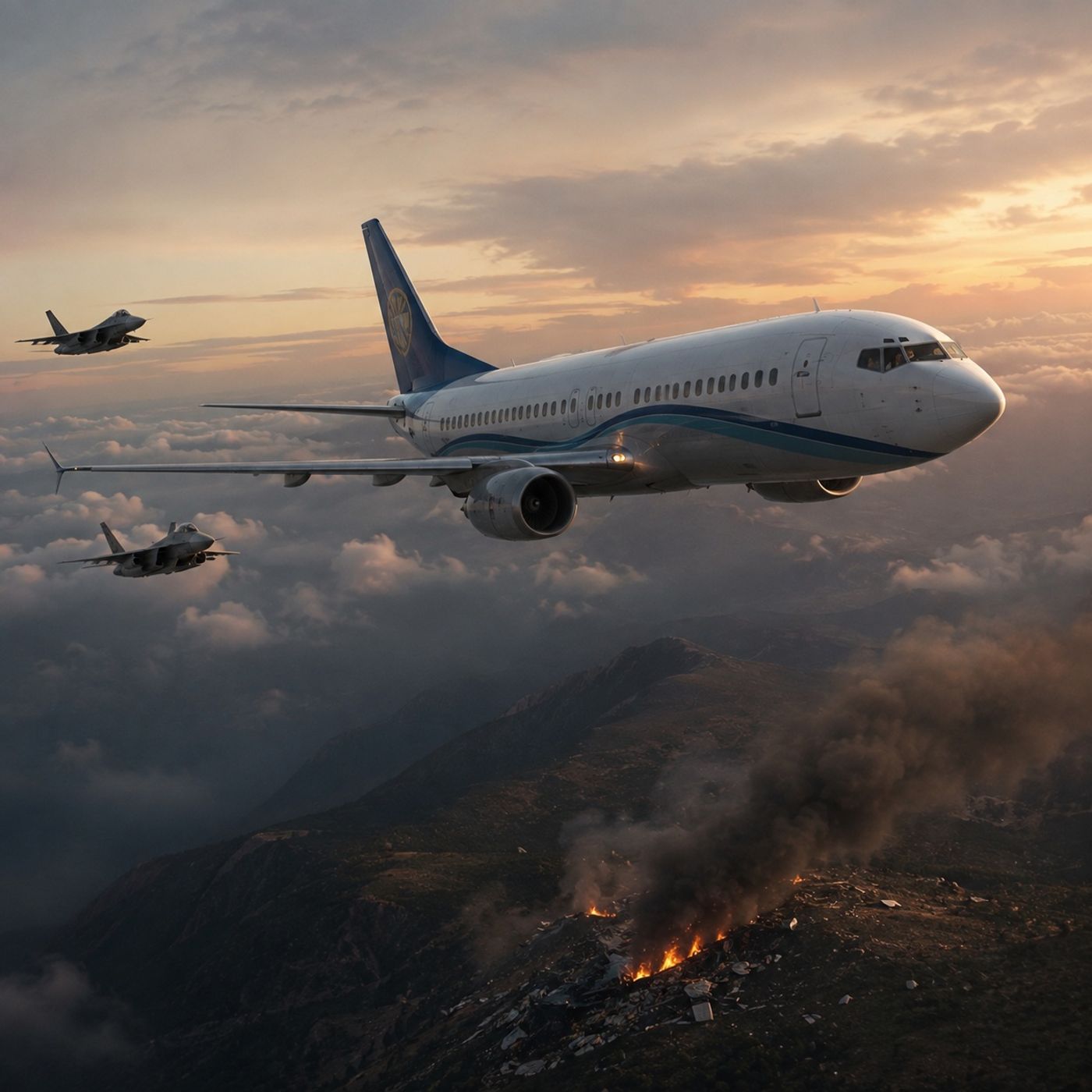
Helios Airways Flight 522 became one of aviation’s most haunting tragedies when the Boeing 737 continued flying on autopilot without a conscious crew, eventually becoming known as the “ghost plane.”
The disaster began with a maintenance error that left the aircraft’s pressurization system in the wrong configuration. As the aircraft climbed, the cabin failed to pressurize properly, causing the pilots and passengers to gradually lose consciousness from hypoxia. Confused by the warning alarms, the crew failed to recognize the true nature of the emergency.
With the aircraft still flying automatically, it eventually reached the Athe...
The 737 Rudder Mystery: Solving a Decade of Disaster
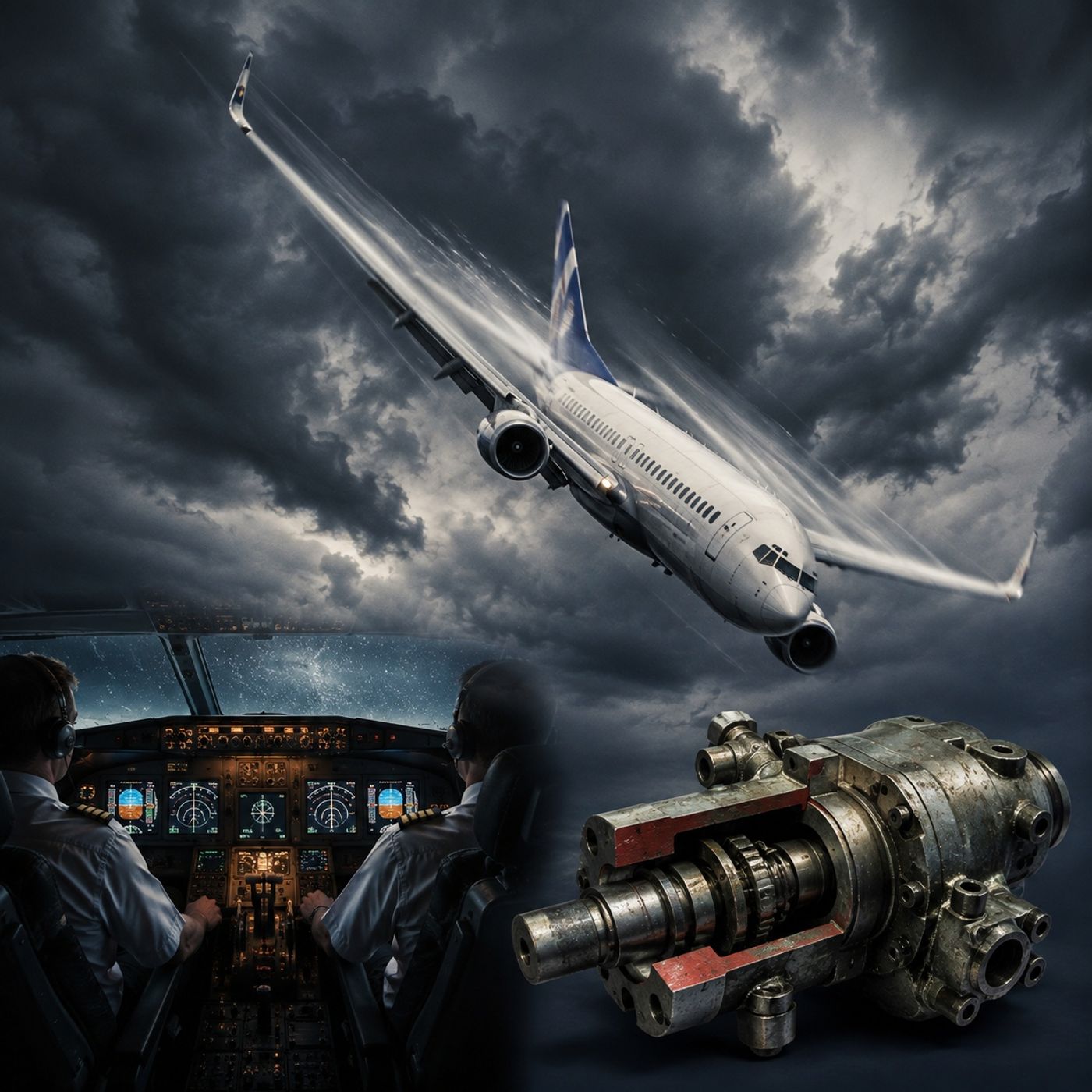
A series of mysterious Boeing 737 accidents left investigators searching for answers after several aircraft suddenly lost directional control and entered violent spins without any obvious mechanical problems.
United Flight 585 and US Air Flight 427 both crashed after the pilots unexpectedly lost control, but investigators initially struggled to identify what had gone wrong. A major breakthrough came after the Eastwind Flight 517 incident, in which the surviving pilot reported a sudden and unexplained loss of rudder control.
Years of investigation and extensive testing eventually uncovered a hidden mechanical flaw. A hydraulic servo valve in the 737’s ru...
The Vertical Plunge of China Airlines Flight 006
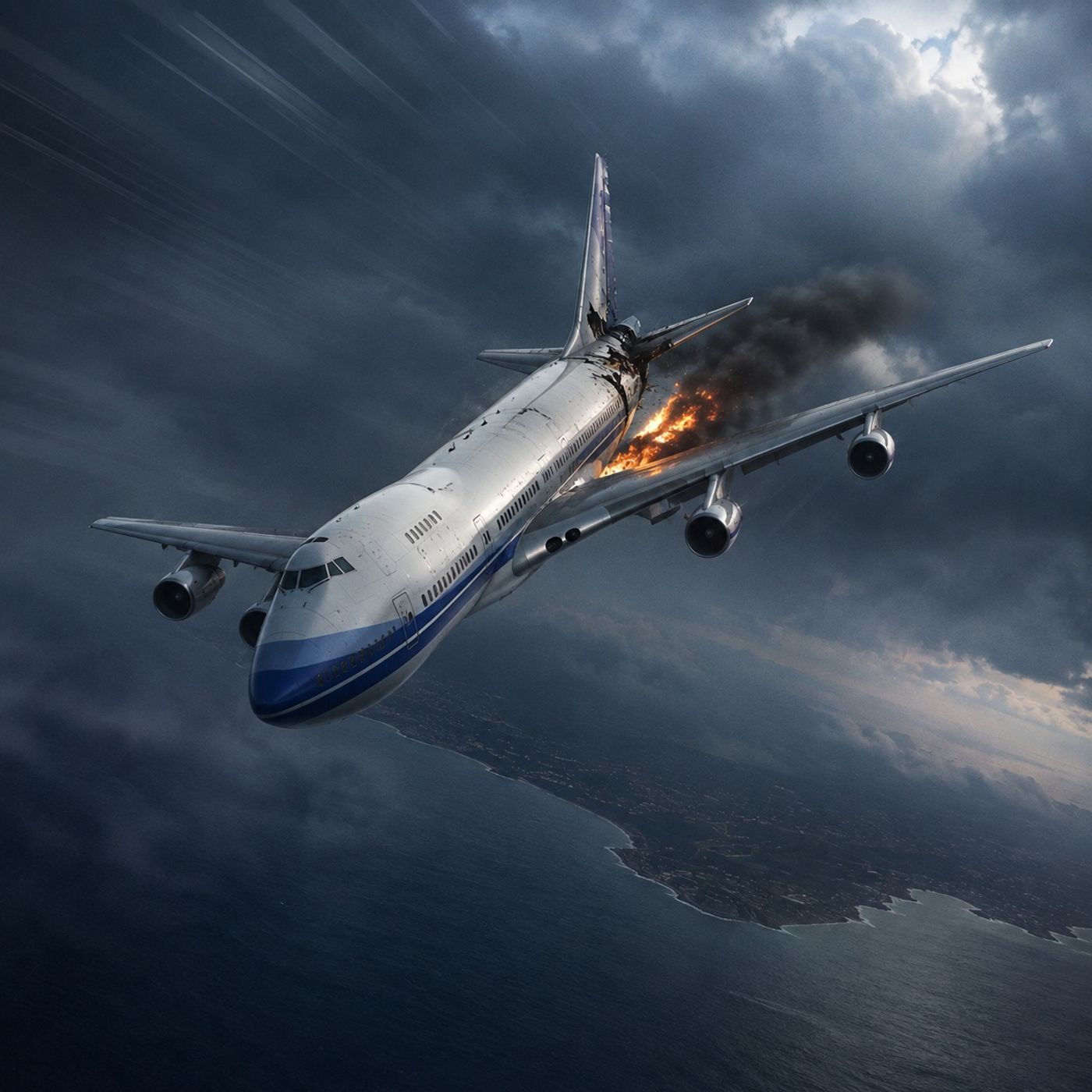
China Airlines Flight 006 experienced a terrifying emergency over the Pacific Ocean in 1985 when Engine 4 lost thrust at an altitude of 41,000 feet. What followed was a chain of pilot errors, instrument confusion, and excessive reliance on the autopilot that sent the Boeing 747 into a violent descent.
The aircraft plunged thousands of feet in a matter of minutes, subjecting passengers and crew to extreme G-forces as the aircraft spiraled toward the ocean. The pilots struggled with spatial disorientation and confusing flight indications while attempting to understand what was happening.
Despite the enormous stresses placed on...
The Fatal Radar Trap of Flight 242

Southern Airways Flight 242 suffered a catastrophic accident in 1977 after flying directly into a powerful hailstorm. Outdated weather information and unreliable radar gave the crew an incomplete picture of the storm, leaving them unaware of just how severe the conditions ahead had become.
As the aircraft entered the storm, enormous amounts of hail and water struck the plane, severely damaging both engines. The engines eventually lost power, leaving the pilots with no choice but to attempt an emergency landing. With no suitable airport within reach, the crew tried to land on a highway in New Hope, Georgia.<...
Delta 191: The Invisible Battle Against the Microburst
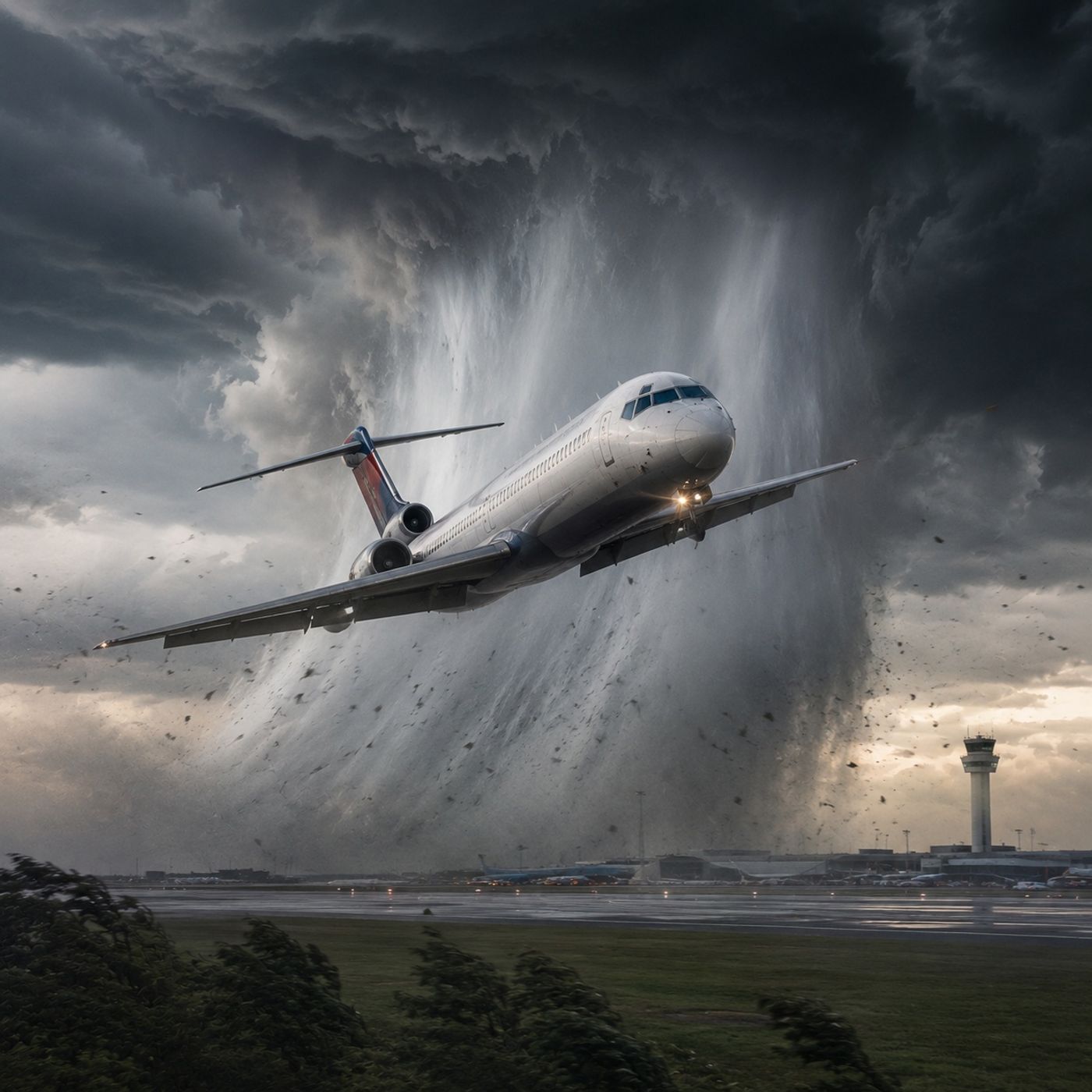
Delta Flight 191 crashed while approaching Dallas/Fort Worth International Airport in 1985 after encountering a powerful microburst, a sudden and dangerous atmospheric phenomenon involving intense downdrafts and rapidly shifting winds.
As the aircraft entered the microburst, the crew struggled to maintain control while powerful changes in wind speed and direction rapidly reduced the aircraft’s performance. The plane crashed near the airport, resulting in 137 fatalities.
The disaster became a major turning point in aviation safety. Investigations led to significant advances in understanding and detecting microbursts, including the development and widespread use of terminal Doppler we...
The Gimli Glider: A High-Stakes Descent Without Fuel

On July 23, 1983, Air Canada Flight 143 became one of aviation’s most remarkable survival stories when the Boeing 767 ran completely out of fuel at 41,000 feet, causing both engines to shut down.With the aircraft suddenly transformed into a massive glider, Captain Bob Pearson drew on his experience as a glider pilot and managed to control the powerless aircraft while searching for a place to land. The crew eventually reached a decommissioned runway in Gimli, Manitoba, where they performed an emergency landing. The nose gear collapsed, and civilians were present on the runway, but remarkably, all 69 people on board survived.The in...
Against All Odds: The Miracle of Flight 232
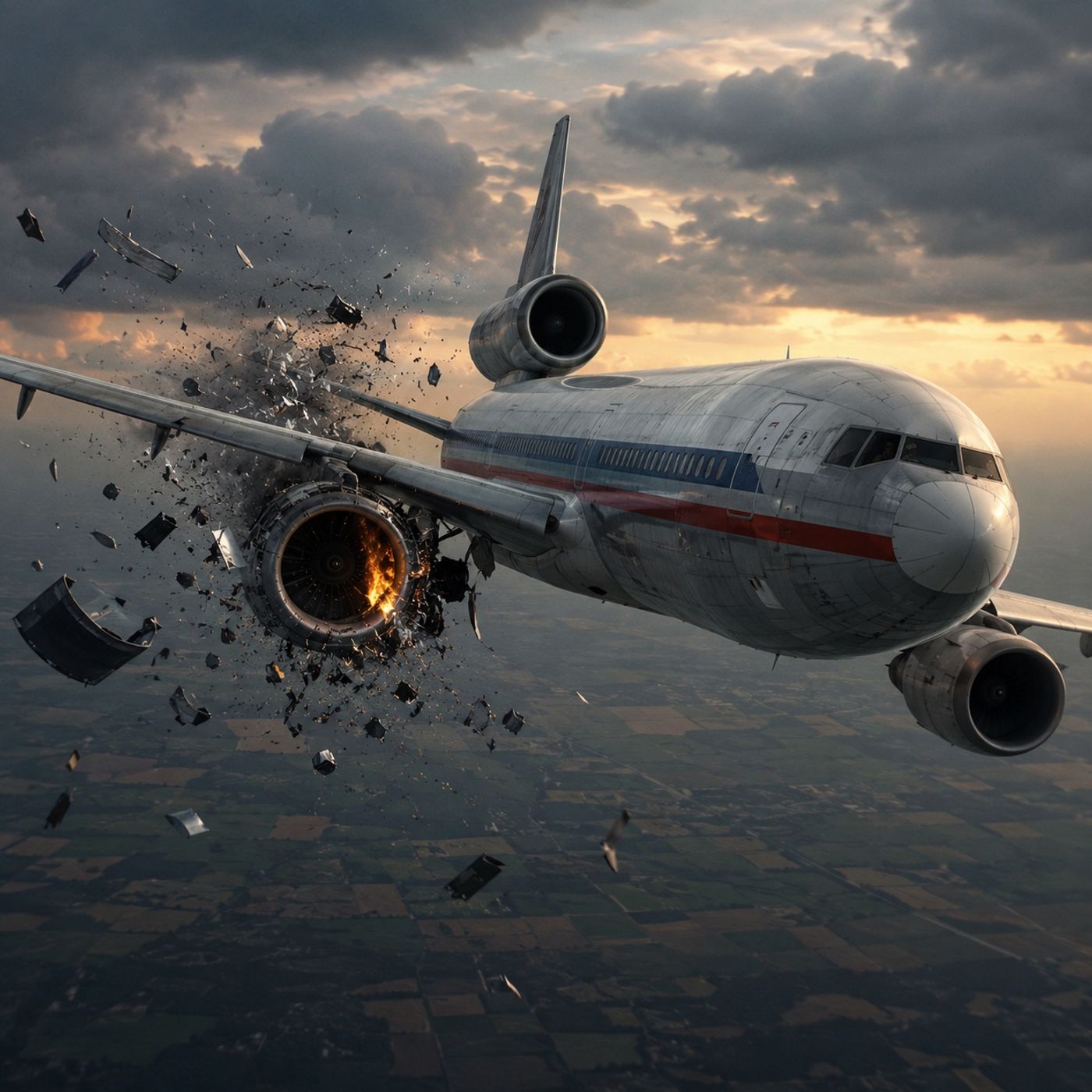
United Airlines Flight 232 suffered a catastrophic engine failure in 1989 that destroyed all three of the DC-10’s hydraulic systems, leaving the pilots without their normal flight controls. With the aircraft nearly impossible to control, the cockpit crew, assisted by an off-duty flight instructor, discovered that they could influence the aircraft’s direction and descent using only engine thrust.
Despite having extremely limited control, the crew managed to guide the crippled aircraft toward Sioux City, Iowa, and attempted an emergency landing. The DC-10 crashed violently, but the crew’s extraordinary teamwork and resourcefulness helped save 185 people who surviv...
The Secret Cargo of Flight 295

South African Airways Flight 295, a Boeing 747 Combi known as the Helderberg, disappeared over the Indian Ocean in 1987 after a devastating fire broke out in its cargo area. As thick, toxic smoke began filling the aircraft, the crew made desperate attempts to clear the fumes and save those on board, but the fire eventually overwhelmed the aircraft.Investigators faced enormous challenges in recovering the wreckage, which lay roughly 4,400 meters beneath the ocean. A record-breaking deep-sea operation eventually recovered crucial evidence, including the cockpit voice recorder.The investigation exposed serious weaknesses in the Combi aircraft’s fire-safety design. Fire-generated pressure allowed to...
How 1936 weight standards crashed Flight 5481
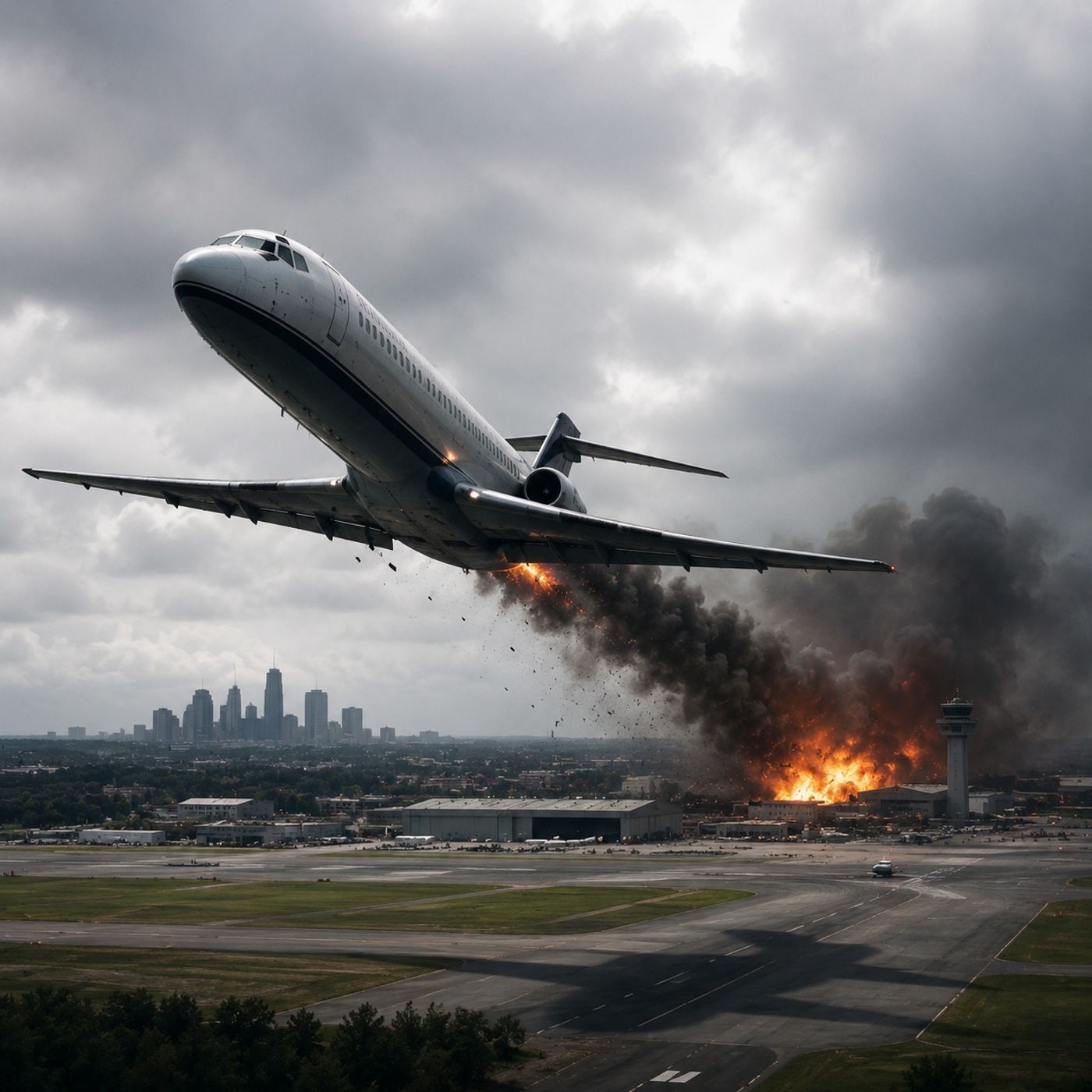
Air Midwest Flight 5481 crashed shortly after takeoff from Charlotte, North Carolina, in 2003, killing everyone on board. The disaster was caused by a dangerous combination of maintenance errors and inaccurate weight calculations.
Improper maintenance of the elevator control cables severely restricted the aircraft’s ability to respond to the pilots’ commands. At the same time, outdated passenger and baggage weight estimates resulted in the aircraft being significantly more tail-heavy than expected. Once airborne, the pilots were unable to lower the nose enough to regain control.
Despite the desperate situation, Captain Katie Leslie fought to keep...
The Pilot Blamed for the Munich Crash
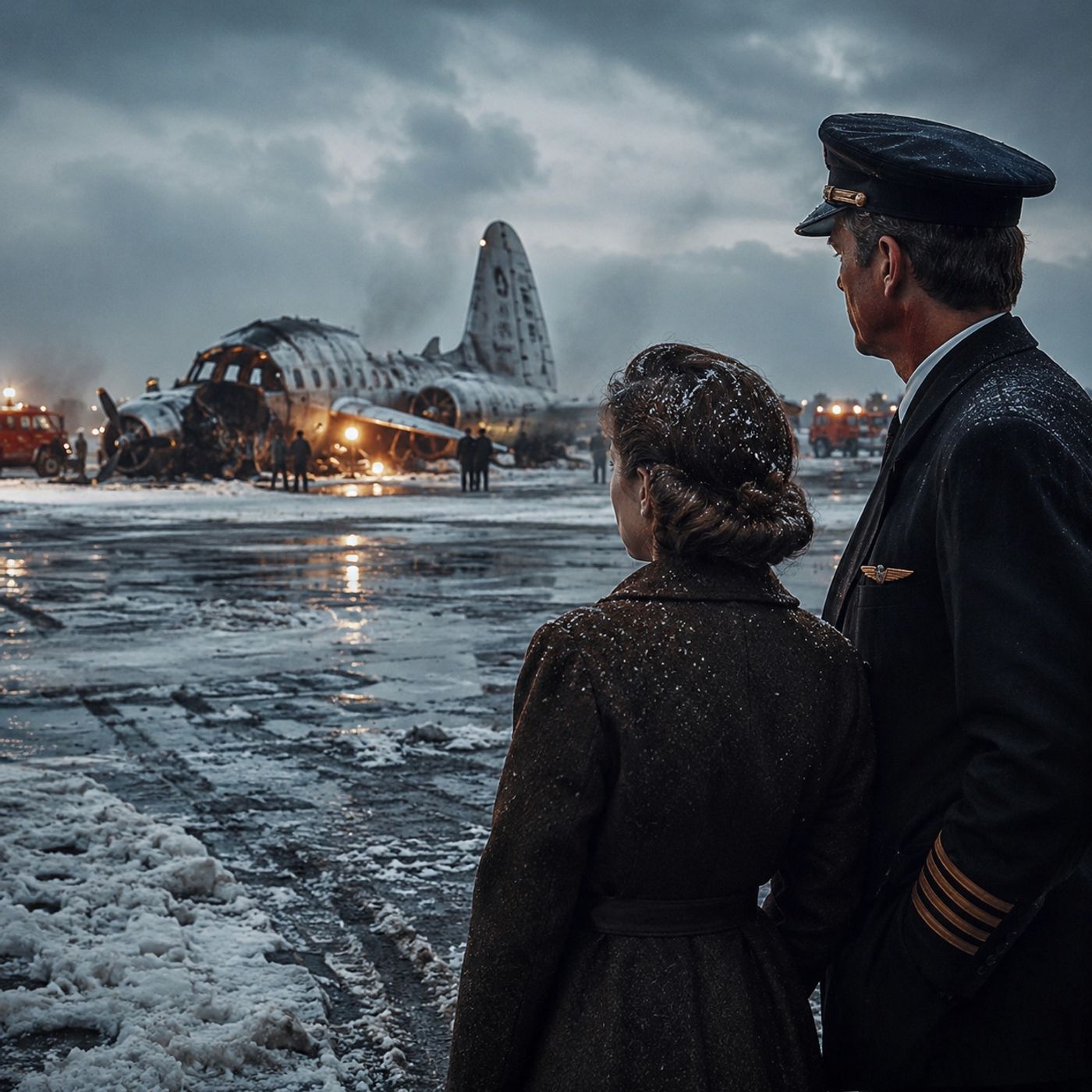
The 1958 Munich air disaster was a devastating aviation tragedy that claimed 23 lives, including several members of Manchester United’s legendary football team. The aircraft crashed while attempting to take off in difficult winter conditions, leaving Captain James Thain as the only surviving pilot.
For more than a decade, Thain was blamed for the disaster and accused of failing to properly de-ice the aircraft’s wings. Refusing to accept responsibility for an accident he believed was caused by something else, he and his wife conducted their own investigation. Their research pointed to slush on the runway as the...
Why Flight 708 Fell With Working Engines
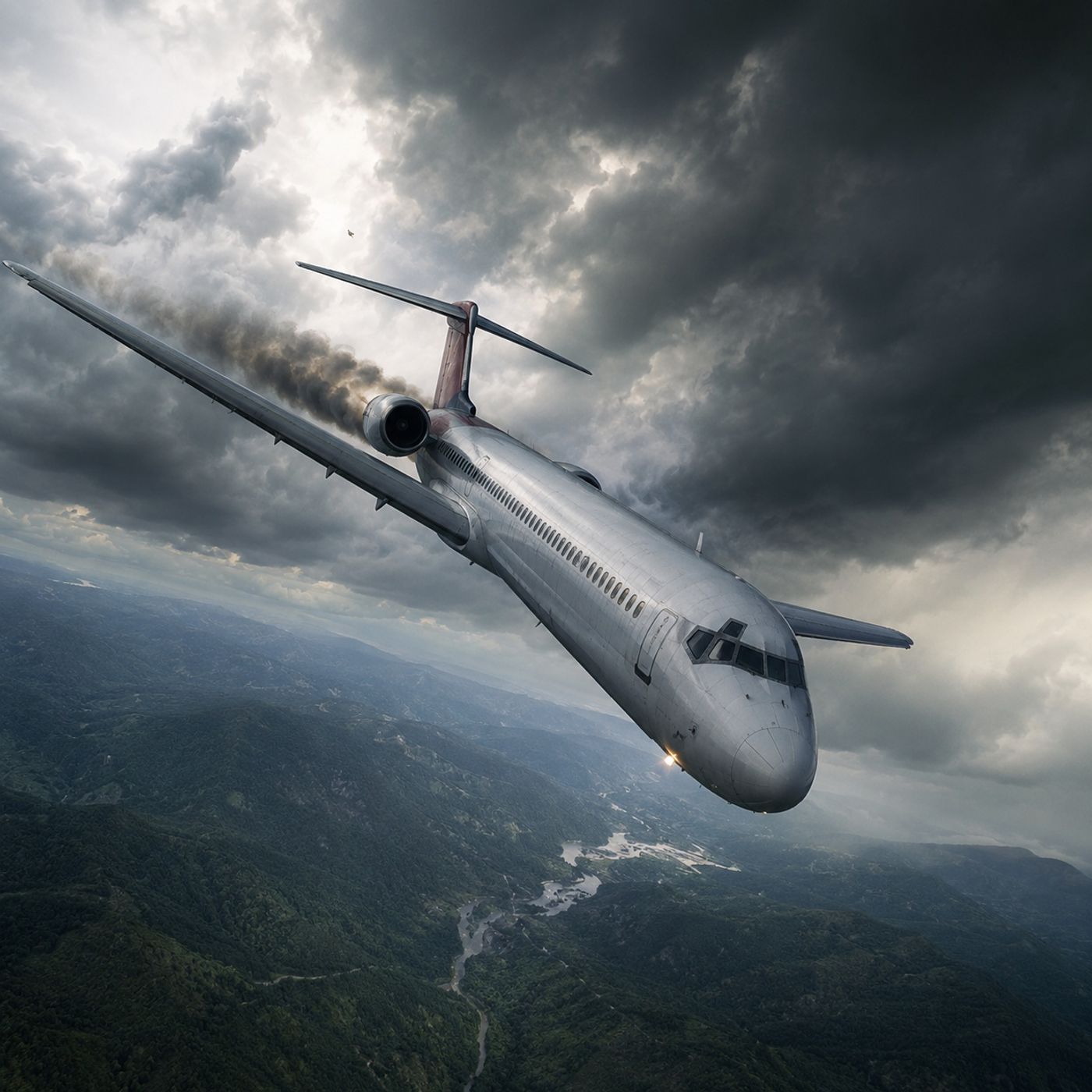
West Caribbean Airways Flight 708 was a devastating accident that claimed the lives of all 160 people on board when the MD-82 crashed in a remote region of Venezuela.
While cruising at high altitude, the aircraft gradually lost airspeed and eventually entered a stall. The crew failed to recognize that operating the anti-ice system was reducing the engines’ available thrust, while the autopilot continued trying to maintain altitude at the expense of airspeed. As the aircraft slowed further, the captain mistakenly believed the engines had suffered a dual flameout.
The situation was made worse by in...
The Deadly Hierarchy of Flight 8509
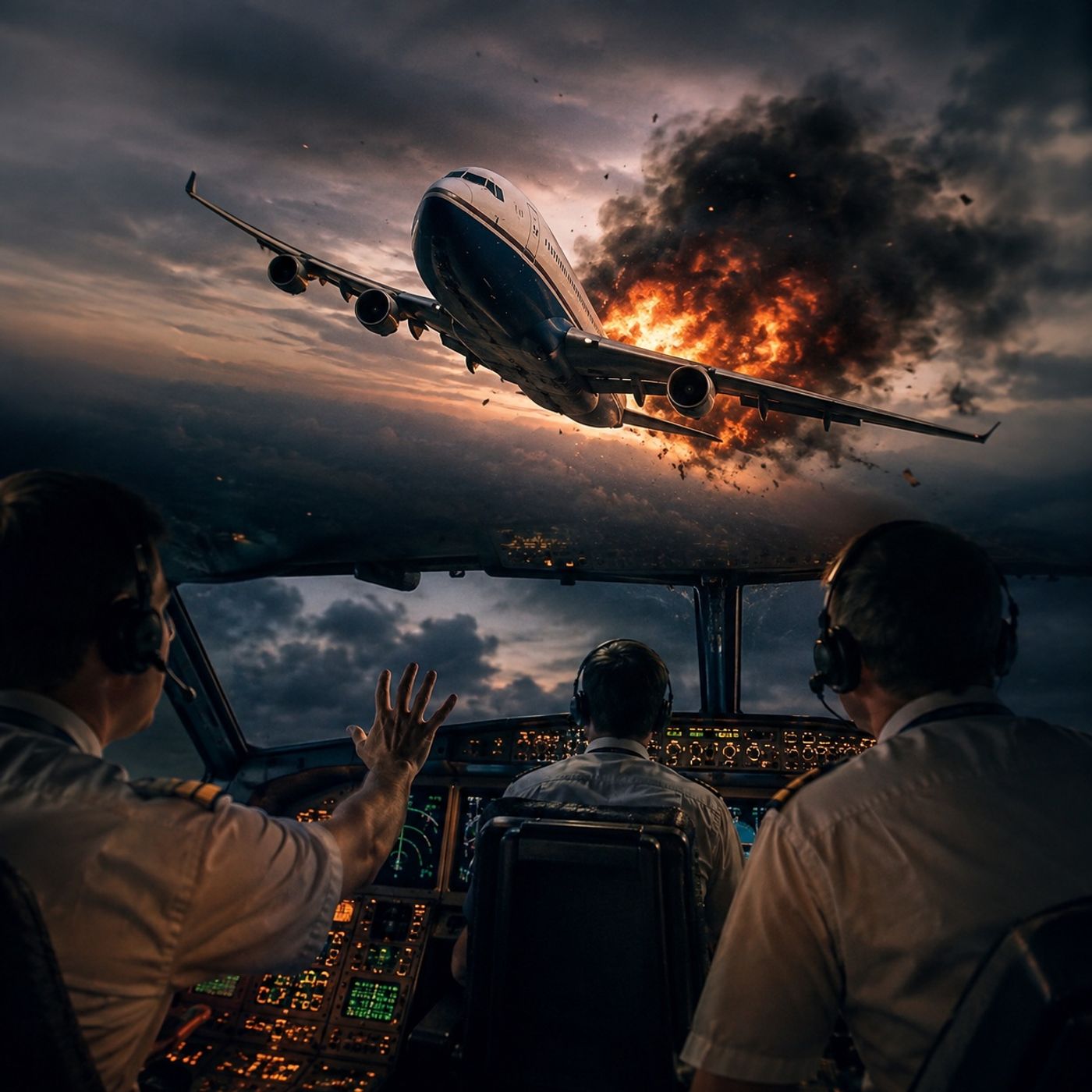
Korean Air Flight 8509 was a cargo aircraft that crashed shortly after departing Stansted Airport in 1999. The disaster began when the captain’s flight instruments malfunctioned, giving him a false indication of the aircraft’s attitude during a turn.
Despite warning alarms and functioning instruments available to the other crew members, no one effectively challenged the captain’s actions or took control. The aircraft entered a dangerous descent and ultimately crashed, killing everyone on board.
Investigators found that the accident was not simply an equipment failure. A rigid cockpit hierarchy and deeply ingrained cultural attitu...
Why TAM 3054 Accelerated While Braking

TAM Airlines Flight 3054 suffered a catastrophic accident while landing at Congonhas Airport in São Paulo, Brazil. The Airbus A320 touched down on a wet runway but failed to decelerate properly because one engine remained at full thrust while the other was in reverse.
Under intense pressure and concerned about the wet surface and a disabled thrust reverser, the captain made a critical error during the landing procedure. The aircraft was unable to stop, overran the runway, crossed a major road, and crashed into a nearby building, resulting in 199 deaths.
The investigation determined t...
The Paperwork Lie That Destroyed Flight 2120
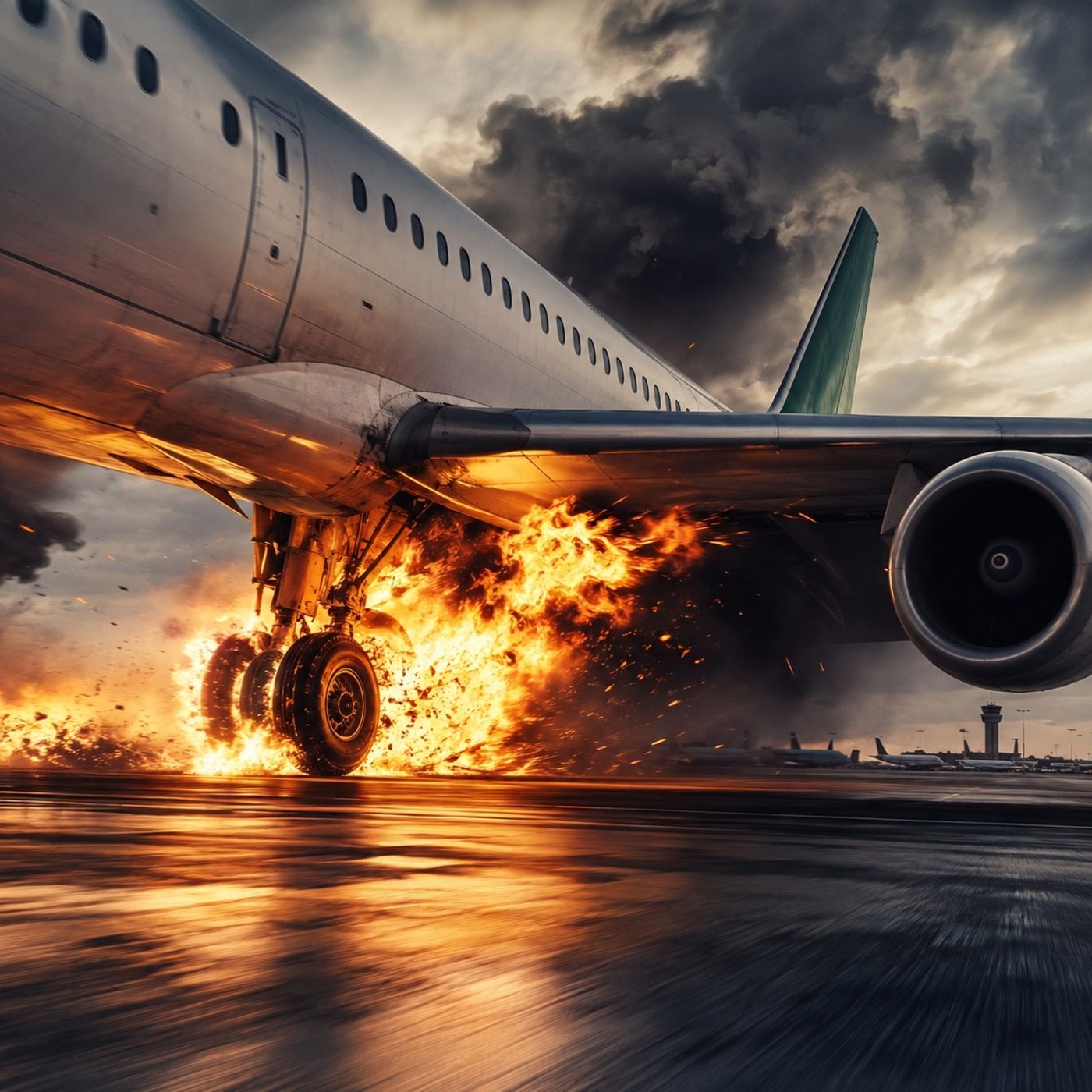
Nigeria Airways Flight 2120 was a devastating aviation disaster that began with a seemingly minor maintenance issue. On the runway in Jeddah, Saudi Arabia, the aircraft’s underinflated tires overheated during a long taxi in extreme heat. The tires eventually burst and caught fire during takeoff.
When the pilots retracted the landing gear, the burning rubber was pulled into the wheel well, where the fire damaged hydraulic lines and electrical wiring before spreading into the passenger cabin. The crew desperately attempted to return to the airport, but the intense fire severely compromised the aircraft, causing it to cr...
Blind in the Fog: The Linate Airport Disaster

The 2001 Milan Linate Airport disaster occurred when a Scandinavian Airlines MD-87 collided with a Cessna private jet in thick fog, killing 118 people. The Cessna had mistakenly entered an active runway, but the investigation revealed that the accident was the result of much deeper systemic failures at the airport.
Faded runway markings, confusing signage, inadequate communication procedures, and the lack of an operational ground radar system made it difficult for controllers and pilots to maintain awareness of aircraft movements. Deactivated motion sensors and weaknesses in the emergency response further compounded the situation, turning a navigational mistake into...
How tiny human errors crash modern planes
These incidents demonstrate how small mistakes and overlooked problems can develop into devastating aviation disasters. In one case, a minor technical issue distracted the crew from monitoring the aircraft, leading to a fatal loss of control. Another tragedy occurred when a simple configuration error caused a loss of cabin pressure, leaving the aircraft flying without anyone able to respond. Additional accidents showed how fatigue, poor communication, and excessive reliance on automated systems can reduce a crew’s ability to recognize danger in time. Through investigations and survivor accounts, these events revealed the importance of teamwork, awareness, and effective decision-making in...
The Fatal Descent of IFO 21

These cases reveal how aviation disasters can result from a devastating combination of technical weaknesses, human mistakes, and deliberate acts of violence. In one incident, outdated navigation tools and incorrect flight information caused an aircraft to collide with terrain during an approach. Another tragedy occurred when a simple configuration mistake led to a loss of cabin pressure, leaving the aircraft flying without anyone able to control it. A separate disaster exposed serious flaws in aircraft design, where a known structural issue contributed to a catastrophic failure. The final case showed the devastating impact of a security breach that turned...
The Nation Air Disaster

A routine takeoff turned into a devastating disaster when a hidden mechanical problem on the ground triggered a chain of failures in the air. Severely underinflated tires overheated during the takeoff roll, creating a fire that spread into the aircraft’s wheel area after the landing gear was retracted. As the flames grew, they damaged essential hydraulic systems and flight controls, leaving the crew unable to recover the aircraft. Investigators later uncovered serious maintenance and safety culture failures, including ignored repairs and inaccurate records that allowed the dangerous condition to continue. The tragedy led to major changes in aircraft fi...
The Mystery of British Airways Flight 38

A routine approach to landing became a life-threatening emergency when a passenger aircraft suddenly lost power from both engines just moments before reaching the runway. Although initial investigations found no obvious mechanical failures, the search for answers revealed a hidden problem caused by extreme flight conditions. Ice crystals had formed inside the fuel system during the long journey and later blocked the fuel supply at a critical moment, leaving the engines without enough power. Through quick decisions and precise handling, the crew managed to control the damaged aircraft and make a hard landing that allowed everyone on board to...
The software that betrayed Flight 751
A routine departure turned into a terrifying emergency when a passenger aircraft lost power from both engines shortly after takeoff. Hidden ice on the wings broke loose and was drawn into the engines, causing severe damage and leaving the crew with almost no time to react. As the failing engines struggled, an automatic system made recovery even more difficult by increasing power instead of reducing it. With both engines lost at low altitude, the captain relied on exceptional skill to glide the aircraft toward a suitable landing area. The plane broke apart on impact, but a combination of precise...
Why Flight 3407 Fell From the Sky

A routine flight ended in tragedy when a passenger aircraft encountered difficult conditions during its approach and entered a dangerous loss of control situation. Although weather and icing played a role, the disaster was ultimately linked to mistakes in the cockpit, where fatigue, distractions, and improper responses to the aircraft’s warnings prevented recovery. The investigation revealed deeper concerns about pilot preparation, workload, and operational standards. In the aftermath, families of the victims pushed for major safety reforms, leading to stricter training requirements and improved fatigue regulations. The accident became a lasting reminder of the importance of pilot readiness, si...
The Miracle on the Hudson: Flight 1549 Investigation

A routine flight became a life-or-death emergency when a passenger aircraft lost both engines shortly after takeoff following a massive bird strike. With no available runway and only moments to decide, the crew chose a dangerous emergency landing on a river rather than risk a crash in a populated area. Through exceptional skill, calm decision-making, and effective teamwork, the pilots guided the powerless aircraft to the water, allowing everyone on board to survive. Investigations later revealed that quick actions by the crew, reliable aircraft systems, and precise execution were key factors in the successful outcome. The event became a...
The Ghost in the Machine: Turkish Airlines Flight 1951
A routine approach turned into a deadly emergency when a hidden technical failure caused the aircraft’s automated systems to behave unexpectedly. A faulty sensor provided incorrect altitude information, leading the aircraft to enter an unintended landing mode and reduce engine power at a critical moment. As the plane slowed during its final descent, the crew failed to recognize the dangerous loss of speed in time to recover. The combination of unreliable data, heavy reliance on automation, and reduced manual monitoring left the pilots with too little time to respond. The tragedy highlighted the importance of maintaining situational awareness, un...
Microscopic flaws behind five harrowing flights
These cases reveal how a combination of hidden mechanical flaws and human mistakes can lead to dramatic and sometimes tragic outcomes in aviation. In one incident, a blocked sensor fed pilots with false speed readings, creating confusion that quickly spiraled out of control. Other events exposed critical design defects, where structural failures had already been identified but not fully addressed, leading to catastrophic consequences. Another remarkable case involved a simple miscalculation that caused an aircraft to run out of fuel mid-flight, forcing an unpowered landing against all odds. Investigations also uncovered long-standing control system issues that had gone undetected...
The Fatal Overshoot: Tragedy on Runway 35L
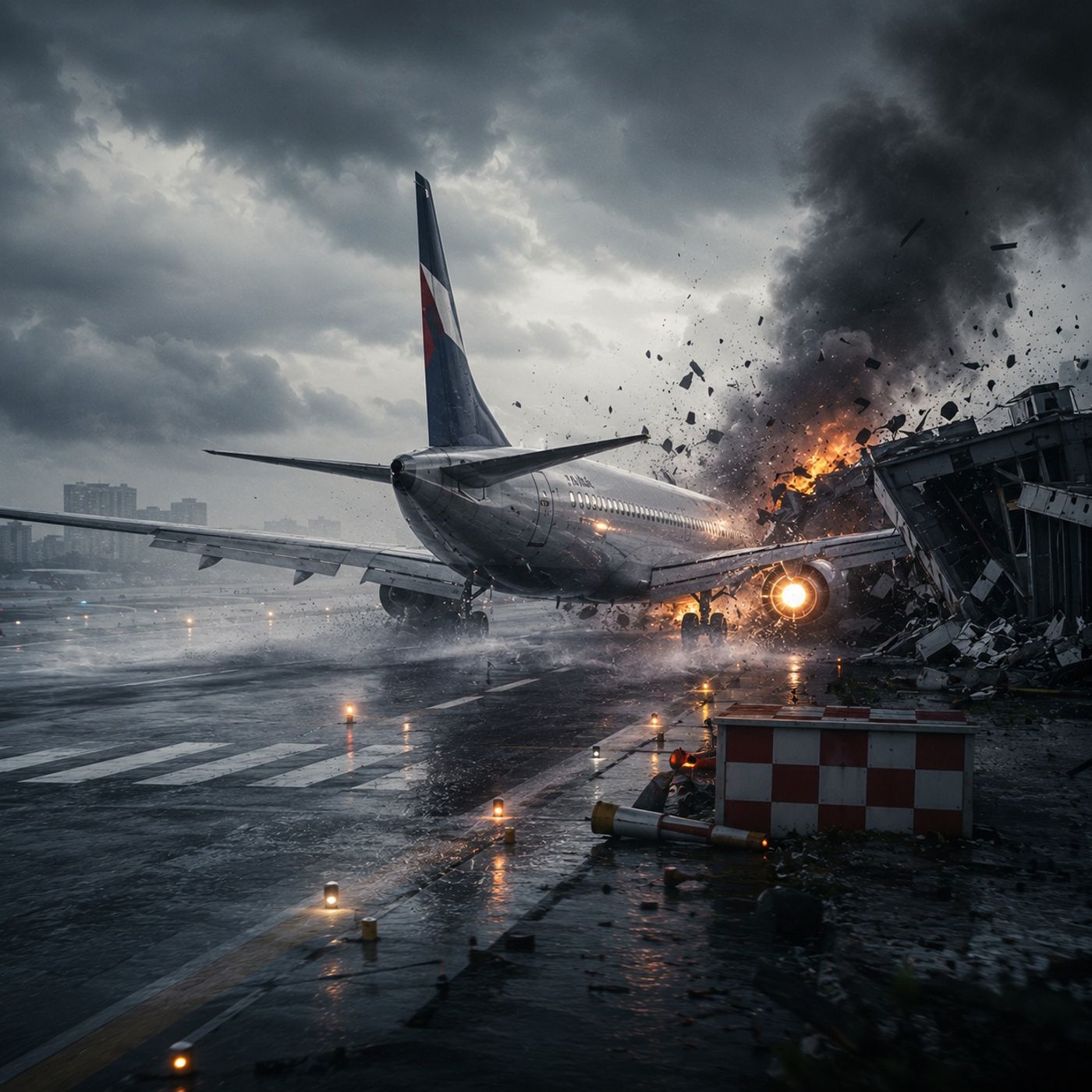
A routine landing became a catastrophic disaster when a passenger jet failed to stop on a challenging runway in São Paulo. Heavy rain, limited runway conditions, and a critical cockpit mistake combined to create a deadly situation. During the landing sequence, the crew struggled with aircraft systems and braking procedures, while one engine remained at high power, causing the aircraft to accelerate instead of slowing down. Unable to stop in time, the plane overran the runway and crashed into a nearby structure, resulting in a devastating loss of life. The accident exposed serious risks involving runway design, operating c...
Why Flight 708 Fell From the Sky

A routine flight turned into a deadly emergency when a combination of poor planning, limited preparation, and human mistakes pushed the aircraft beyond its safe operating limits. While flying at high altitude in challenging conditions, the crew failed to properly consider the impact of the aircraft’s systems and environment on its performance. As the plane slowed and entered a dangerous stall, the pilots misunderstood the situation and reacted as if the engines had failed. Stress, communication problems, and inadequate training made recovery nearly impossible. The tragedy exposed deeper issues within the airline’s operations and highlighted the importance of p...
What Brought Down Arrow Air 1285
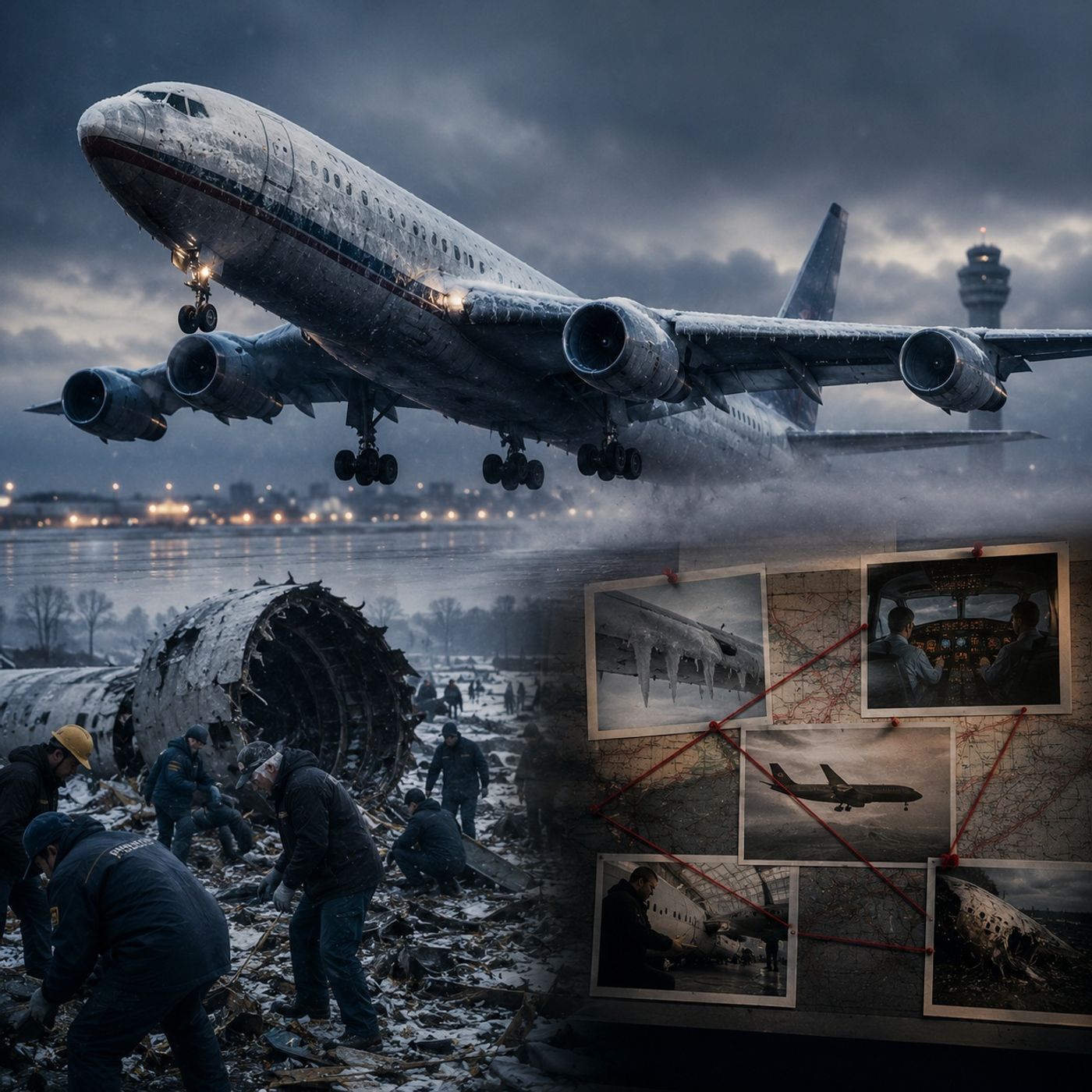
A devastating crash claimed the lives of hundreds of people shortly after takeoff, leading to one of the most controversial investigations in aviation history. Investigators were divided over the cause, with some concluding that hidden ice buildup and inaccurate weight calculations reduced the aircraft’s performance, while others argued that a deliberate act may have caused the disaster. Scientific tests demonstrated how even a thin layer of ice could severely affect an aircraft’s ability to climb, but conflicting evidence and differing interpretations kept the debate alive for years. The investigation exposed weaknesses in safety procedures and communication, leading to m...
The Fatal Cost of a Forgotten Screw

A routine flight ended in tragedy when a critical structural component of the aircraft failed mid-air during descent. The failure was traced back to a maintenance mistake, where essential screws were never reinstalled after an overnight repair. Due to poor communication during a shift change and incomplete documentation, the error went unnoticed. As the aircraft maneuvered at high speed, the weakened structure gave way, leaving the crew with no chance to recover. The disaster was entirely preventable and exposed deep flaws in maintenance practices and oversight. In the aftermath, the aviation industry placed greater emphasis on strict procedures, accountability...
