It's Avadhanam
Avadhanam is more than a podcast—it is an evolving space of mindful attention, inspired by the classical Indian art of Avadhanam, where the mind engages with multiple streams of thought simultaneously, with depth, clarity, and creativity.Staying true to its literal essence—focus, intellect, and multi-dimensional thinking—this channel brings together a wide spectrum of ideas, narratives, and reflections across life, society, and storytelling.From the wisdom-driven narratives of “Today’s Panchatantra”, to thought-provoking explorations like “Directors Who Direct Us”, and many more upcoming series, Avadhanam is designed as a confluence of perspectives:Philosophy & Life LessonsCinema, Storytelling & Creative InsightsContemporary Issues, Society...
[Today's Panchatantra] The Elephant And Rabbit's Fight
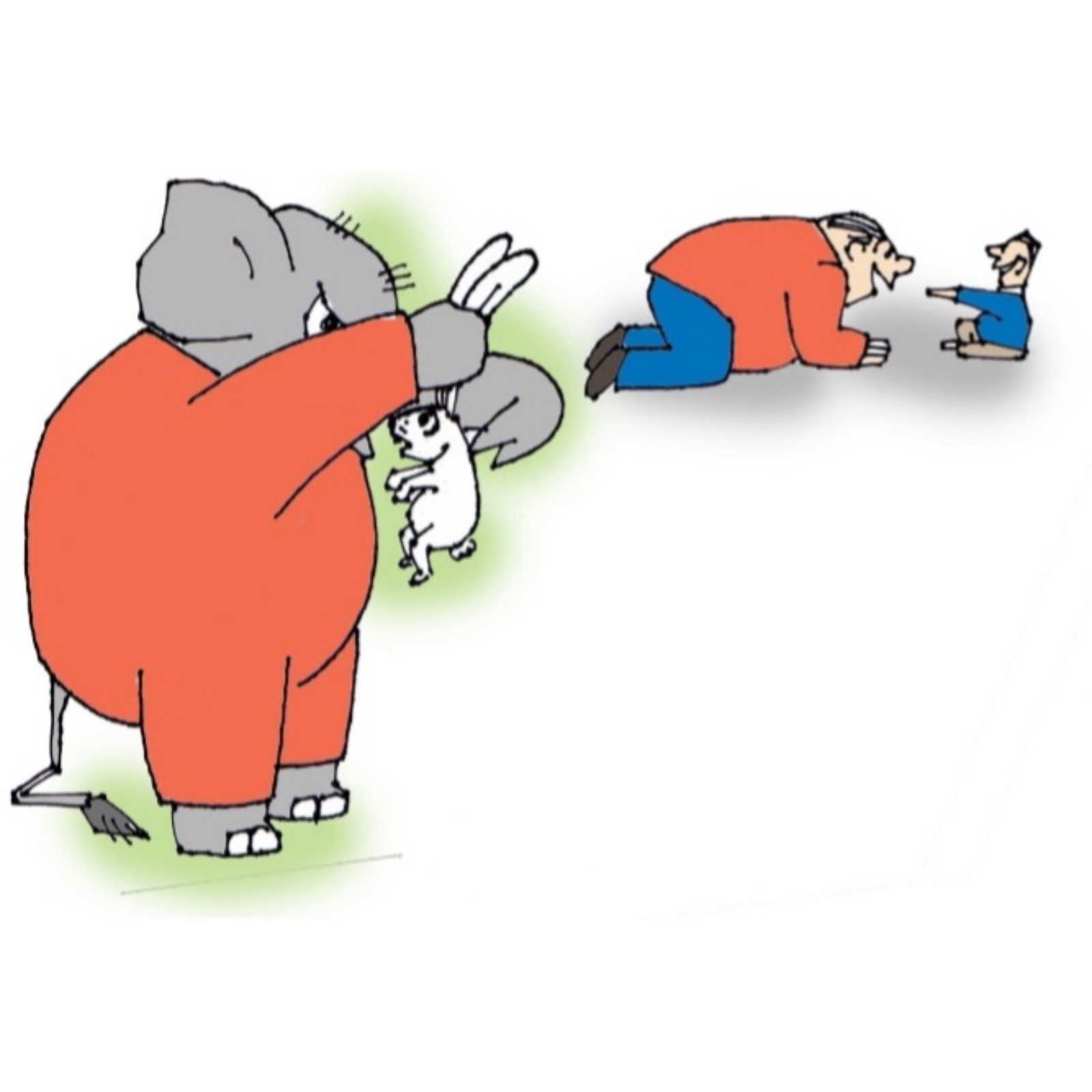
Whether in corporate offices, personal life, or social interactions, the principle remains clear: wisdom outweighs strength, and clever planning surpasses sheer force. Respect the power of intelligence, nurture unity, heed wise counsel, and approach life’s “elephants” with courage and strategy. Failing to do so may allow even the smallest threat to reshape outcomes—a lesson as vital today as it was thousands of years ago.
It's all about Wisdom Over Strength!!
[Today's Panchtantra] Crow's & Owls’ Feud
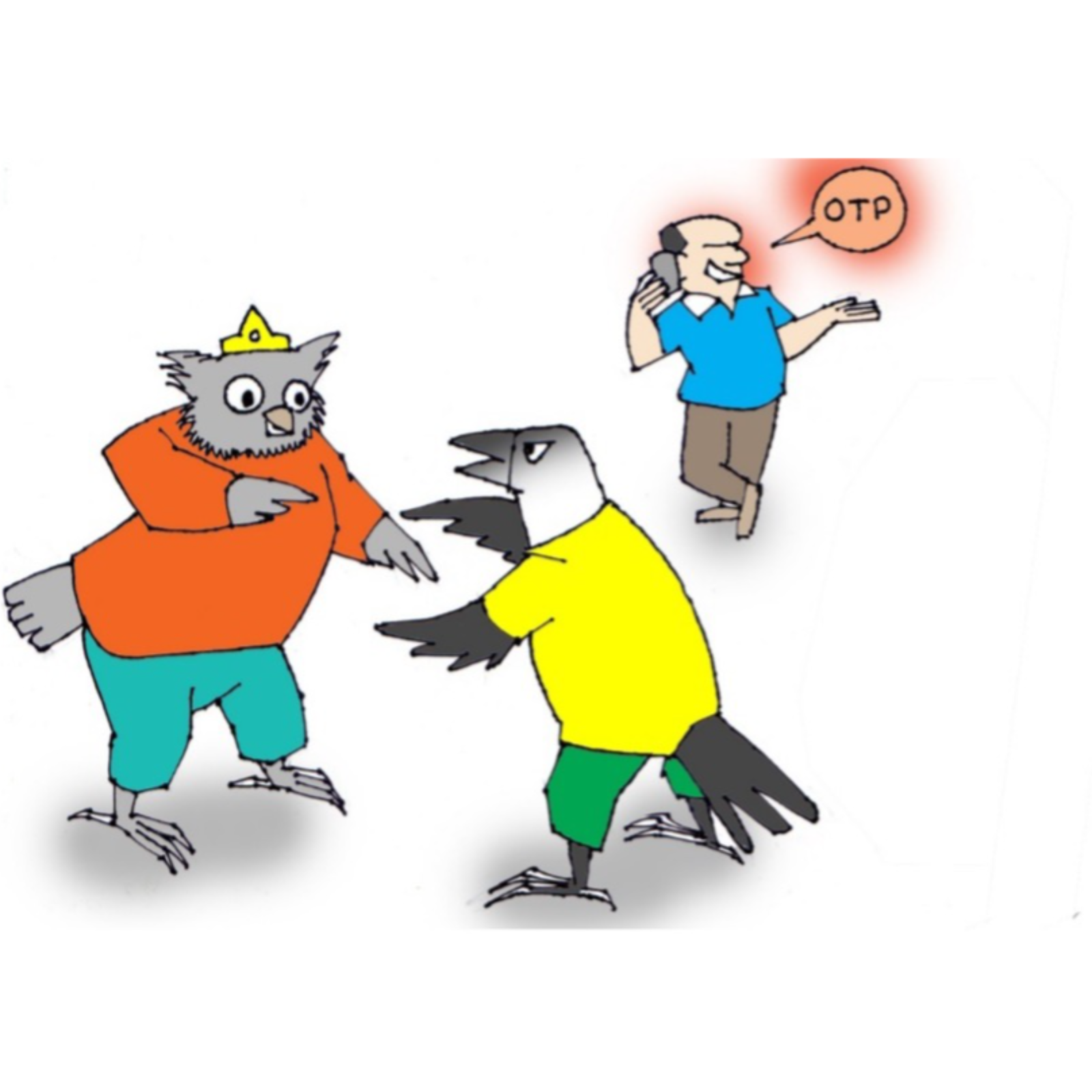
The fable reminds us that intelligence, caution, and listening to the wise are essential tools in navigating the complexities of life and work. By valuing prudent advice, preparing for unexpected challenges, and discerning between genuine allies and opportunists, we protect ourselves and strengthen our communities, organizations, and personal relationships.
In essence: do not blindly trust the enemy, listen to wise counsel, and safeguard what is important. Ignoring these principles, like the owls did, risks devastating consequences—an enduring lesson for both life and leadership.
[Today's Panchatantra] Merchant's Son

Ultimately, wealth, status, or personal charm may attract false friends, but true allies—those who combine wisdom, courage, and loyalty—are invaluable. Life, like the merchant’s story, tests character, strategy, and relationships; success depends not solely on effort, but on discernment, collaboration, and prudent action.
[Today's Panchatantra] Mother Sandili
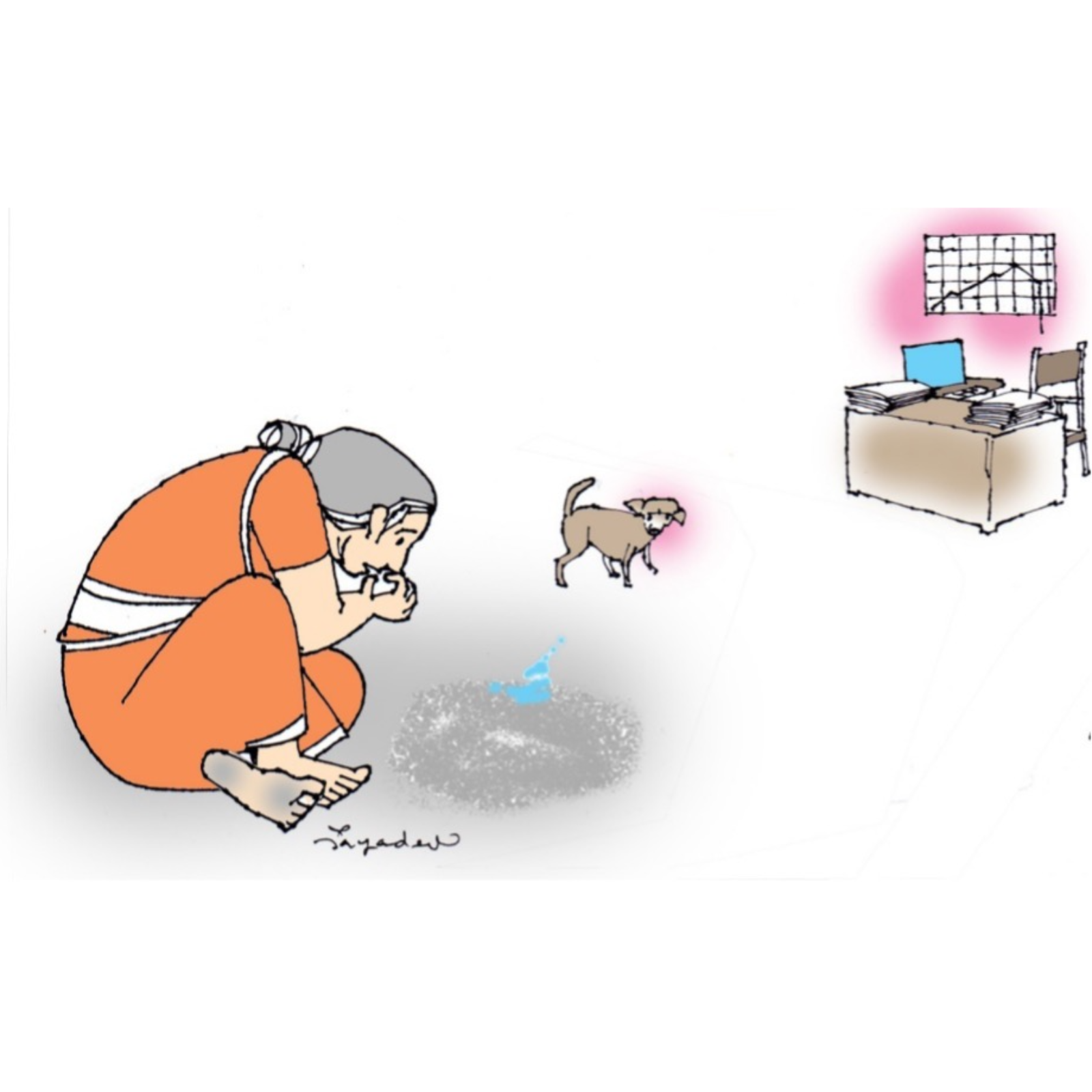
The fable of Mother Shamdili reminds us that no amount of careful planning, hard work, or vigilance guarantees a perfect outcome. Nature, circumstance, and chance—symbolized by the bird, wind, and dog—can disrupt even the most meticulous efforts.
In life and work, success involves persistent effort, strategic planning, flexibility, and resilience. Outcomes may be unpredictable, but the quality of our preparation, attitude, and adaptability shapes long-term results.
Whether managing corporate projects, planning personal goals, or navigating daily challenges, Shamdili’s experience offers a timeless reminder: work diligently, plan wisely, but accept that life’s “dogs and w...
The Sage and The mouse
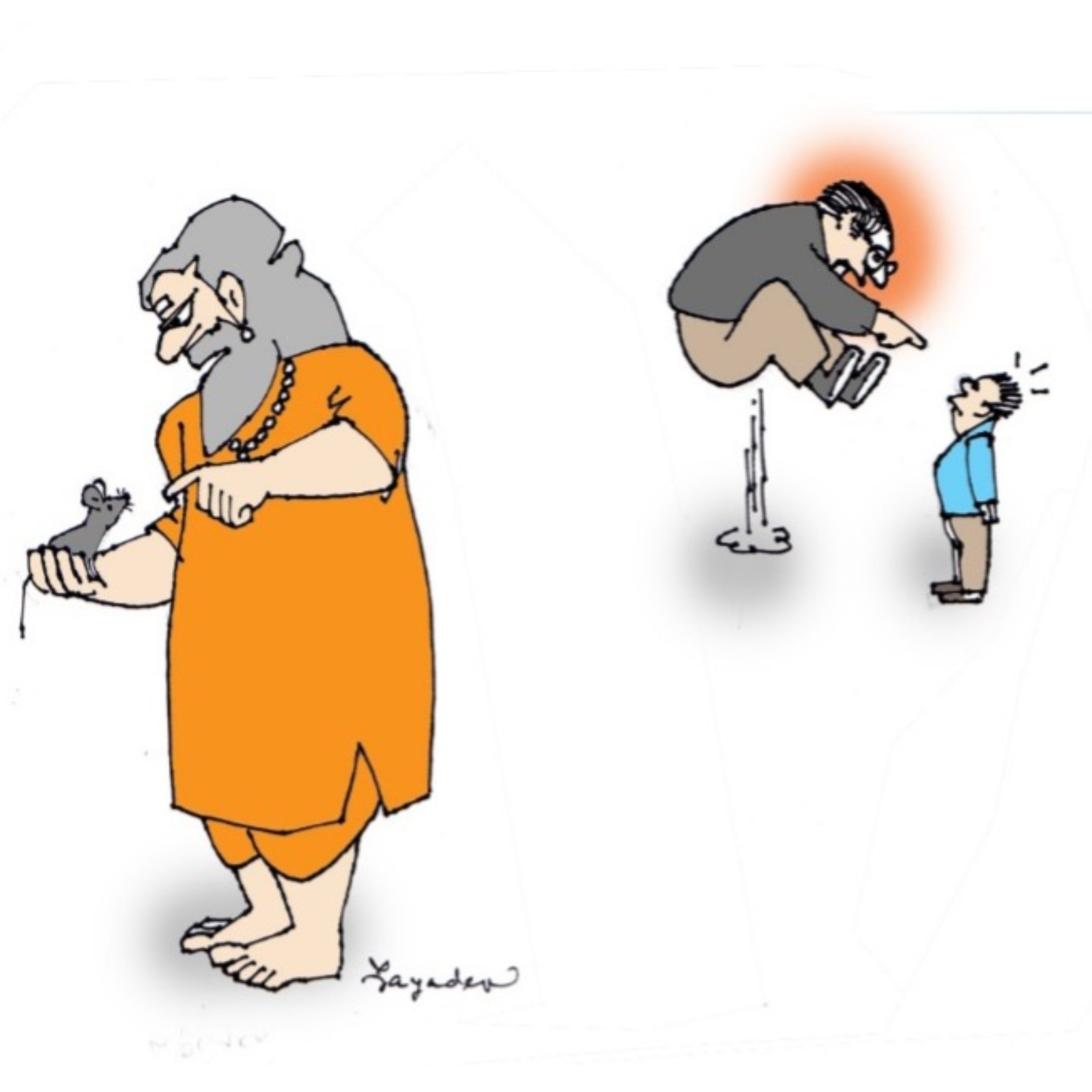
Gratitude and Wisdom Over Arrogance
In the forests of life, every individual encounters moments of power, fear, and temptation. The fable illustrates that strength without gratitude becomes vulnerability, and arrogance invites downfall. Just as the mouse-turned-tiger was humbled by its own lack of gratitude, individuals and leaders must remember their roots, honor guidance, and maintain humility.
Whether in corporate corridors or personal journeys, life presents opportunities to rise and tests of character to navigate. Recognizing that empowerment is a gift, not an entitlement, allows one to wield influence wisely and ethically.
Ultimately, the...
[Directors Who Direct Us] Alfred Hitchcock - Shadows Of A Doubt
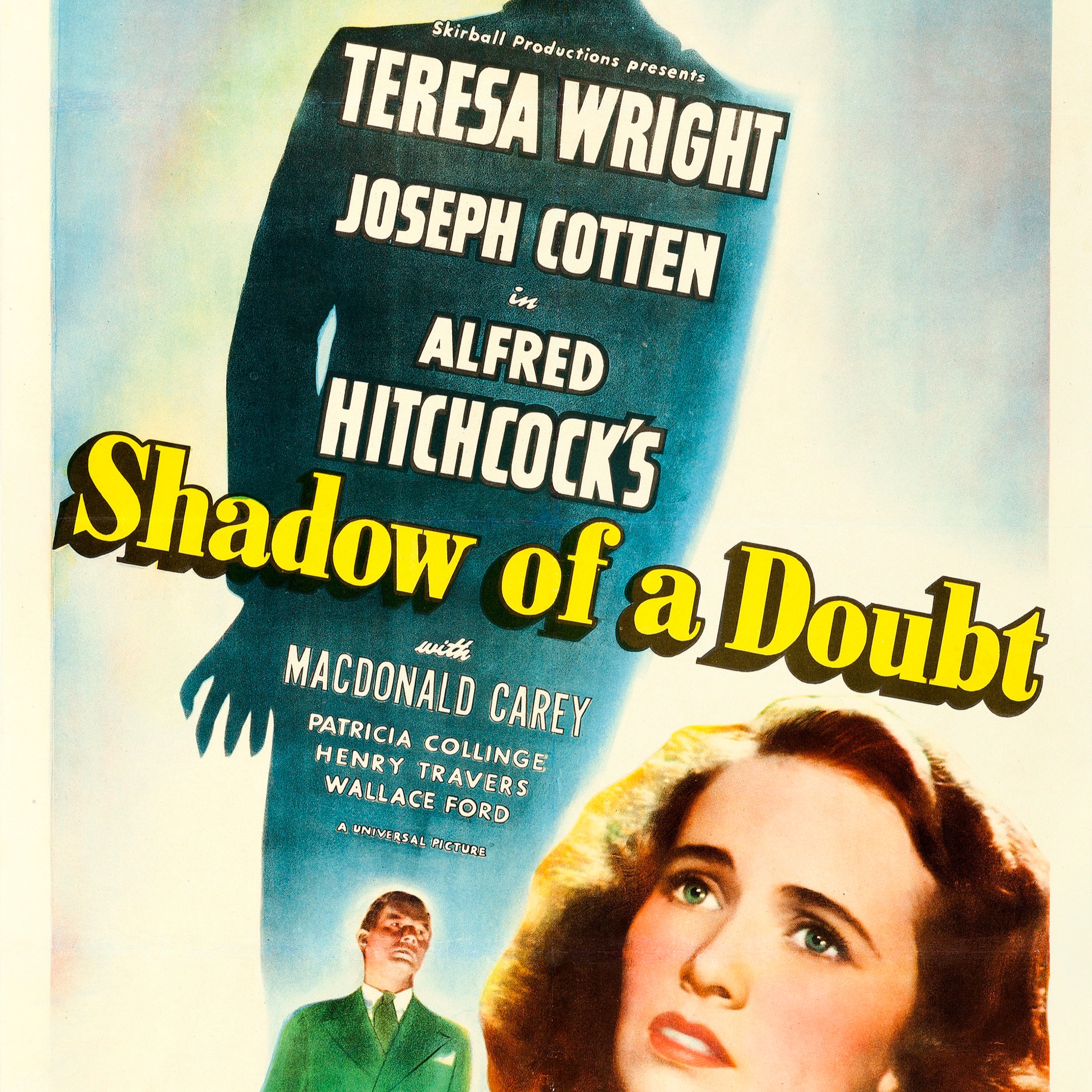
Welcome to “The Directors Who Direct Us.” 🎬
A series about the filmmakers who didn’t just tell stories… they invented the language of storytelling on screen.
From the master of suspense Alfred Hitchcock to the visionary perfection of Stanley Kubrick.
From the epic imagination of Akira Kurosawa to the poetic realism of Satyajit Ray.
These filmmakers didn’t just create great movies.
They created techniques… ideas… and emotions that filmmakers still follow today.
Every suspenseful moment… every breathtaking frame… every unforgettable story…
Carries a little bit of their influence...
[Directors Who Direct Us] Alfred Hitchcock - Strangers On A Train
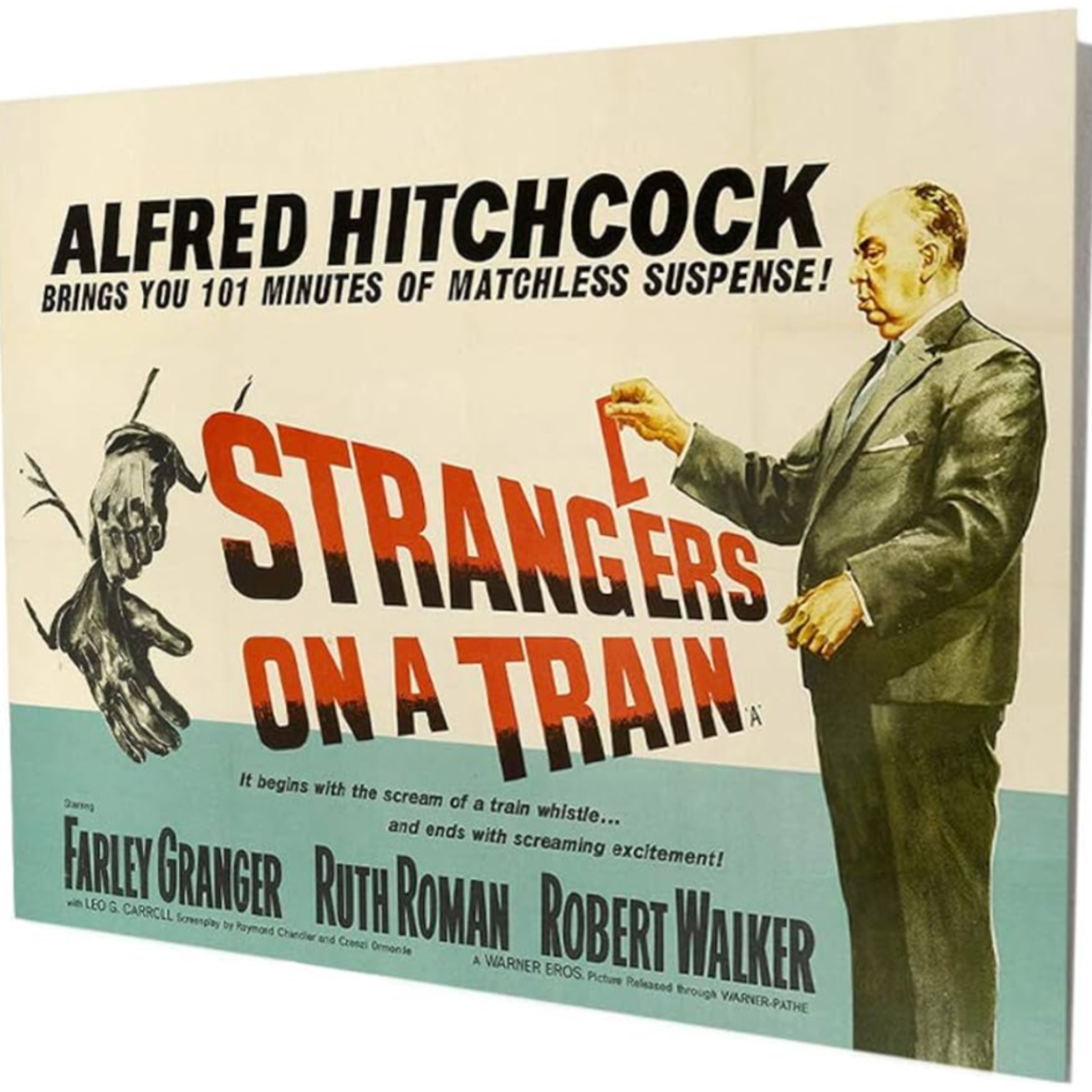
Welcome to “The Directors Who Direct Us.” 🎬
A series about the filmmakers who didn’t just tell stories… they invented the language of storytelling on screen.
From the master of suspense Alfred Hitchcock, to the visionary perfection of Stanley Kubrick.
From the epic imagination of Akira Kurosawa, to the poetic realism of Satyajit Ray.
These filmmakers didn’t just create great movies.
They created techniques… ideas… and emotions that filmmakers still follow today.
Every suspenseful moment… every breathtaking frame… every unforgettable story…
Carries a little bit of their influence...
[Directors Who Direct Us] Alfred Hitchcock - Rebecca
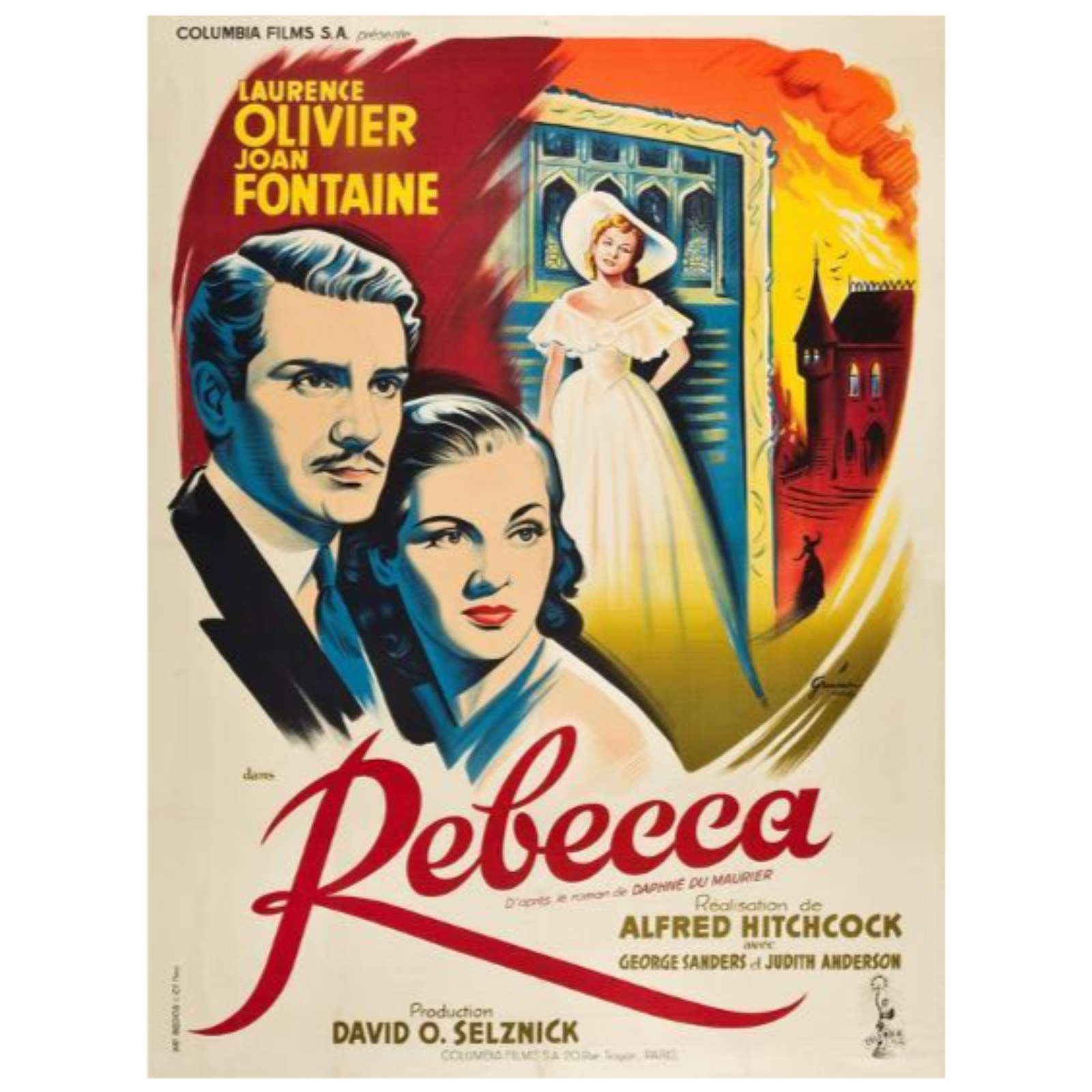
Welcome to “The Directors Who Direct Us.” 🎬
A series about the filmmakers who didn’t just tell stories… they invented the language of storytelling on screen.
From the master of suspense Alfred Hitchcock to the visionary perfection of Stanley Kubrick.
From the epic imagination of Akira Kurosawa to the poetic realism of Satyajit Ray.
These filmmakers didn’t just create great movies.
They created techniques… ideas… and emotions that filmmakers still follow today.
Every suspenseful moment… every breathtaking frame… every unforgettable story…
Carries a little bit of their influence...
[Directors Who Direct Us] Alfred Hitchcock - Rear Window
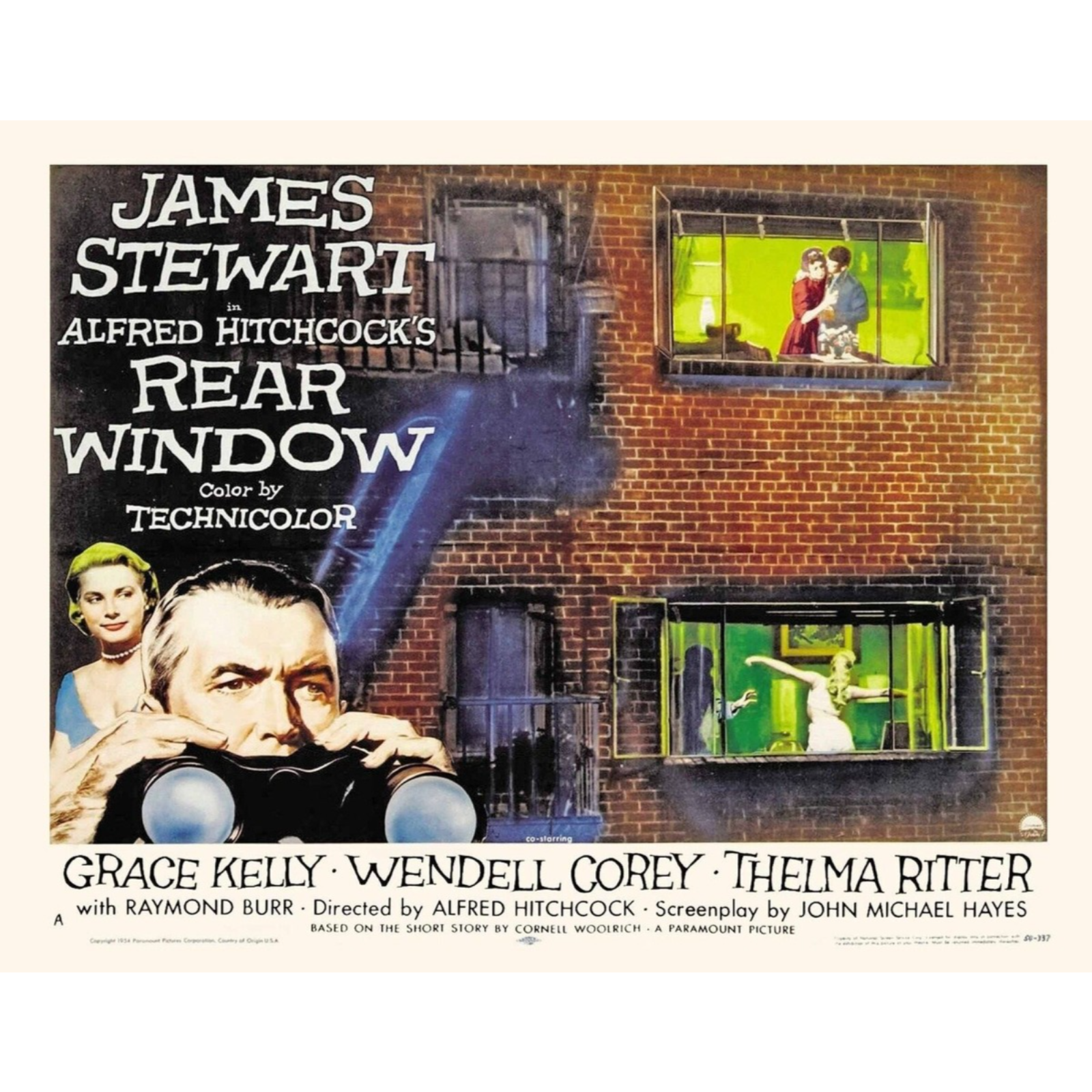
Welcome to “The Directors Who Direct Us.” 🎬
A series about the filmmakers who didn’t just tell stories… they invented the language of storytelling on screen.
From the master of suspense Alfred Hitchcock to the visionary perfection of Stanley Kubrick.
From the epic imagination of Akira Kurosawa to the poetic realism of Satyajit Ray.
These filmmakers didn’t just create great movies.
They created techniques… ideas… and emotions that filmmakers still follow today.
Every suspenseful moment… every breathtaking frame… every unforgettable story…
Carries a little bit of their influence...
[Directors Who Direct Us] Alfred Hitchcock - Notorious
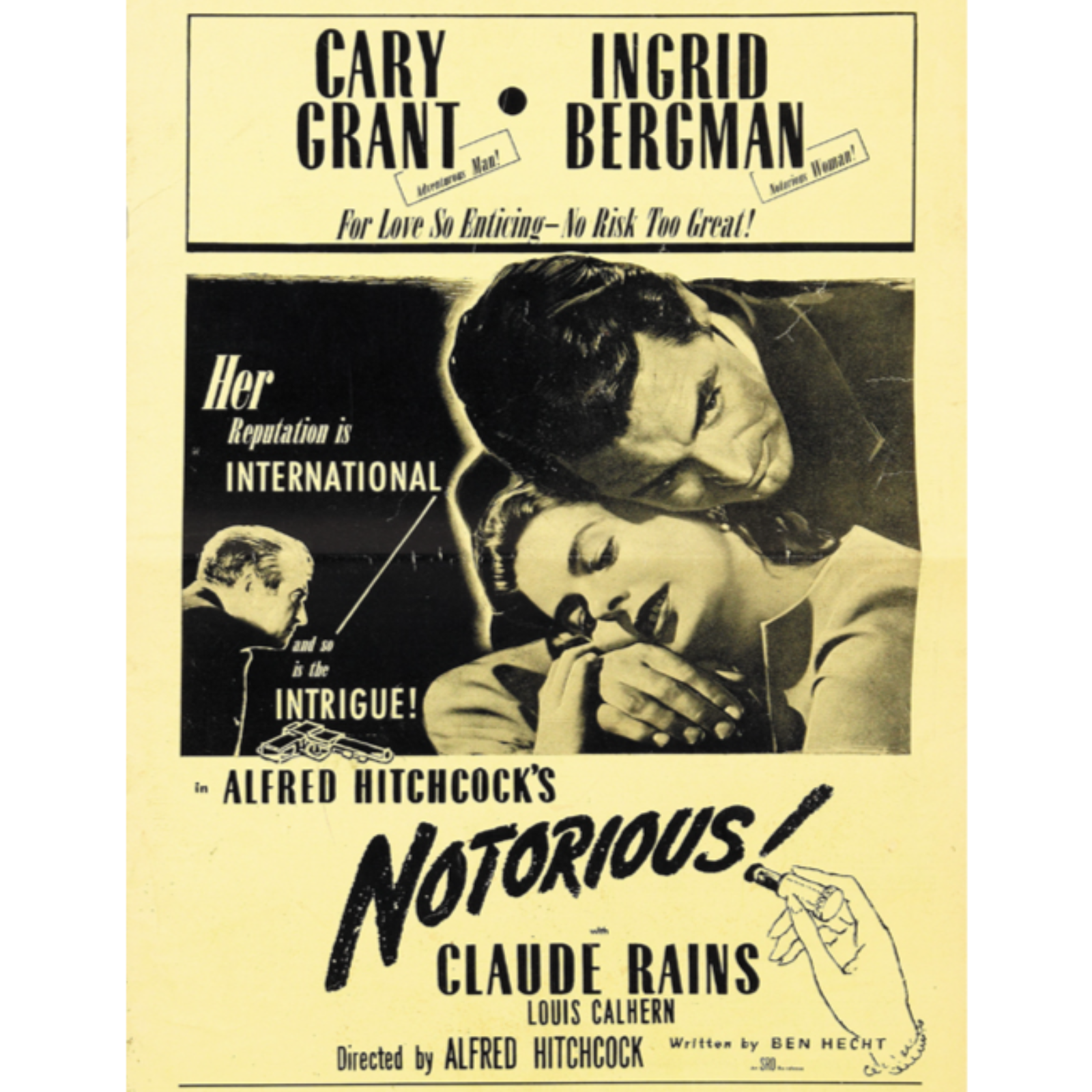
Welcome to “The Directors Who Direct Us.” 🎬
A series about the filmmakers who didn’t just tell stories… they invented the language of storytelling on screen.
From the master of suspense Alfred Hitchcock to the visionary perfection of Stanley Kubrick.
From the epic imagination of Akira Kurosawa to the poetic realism of Satyajit Ray.
These filmmakers didn’t just create great movies.
They created techniques… ideas… and emotions that filmmakers still follow today.
Every suspenseful moment… every breathtaking frame… every unforgettable story…
Carries a little bit of their influence...
[Directors Who Direct Us] Alfred Hitchcock - North By Northwest
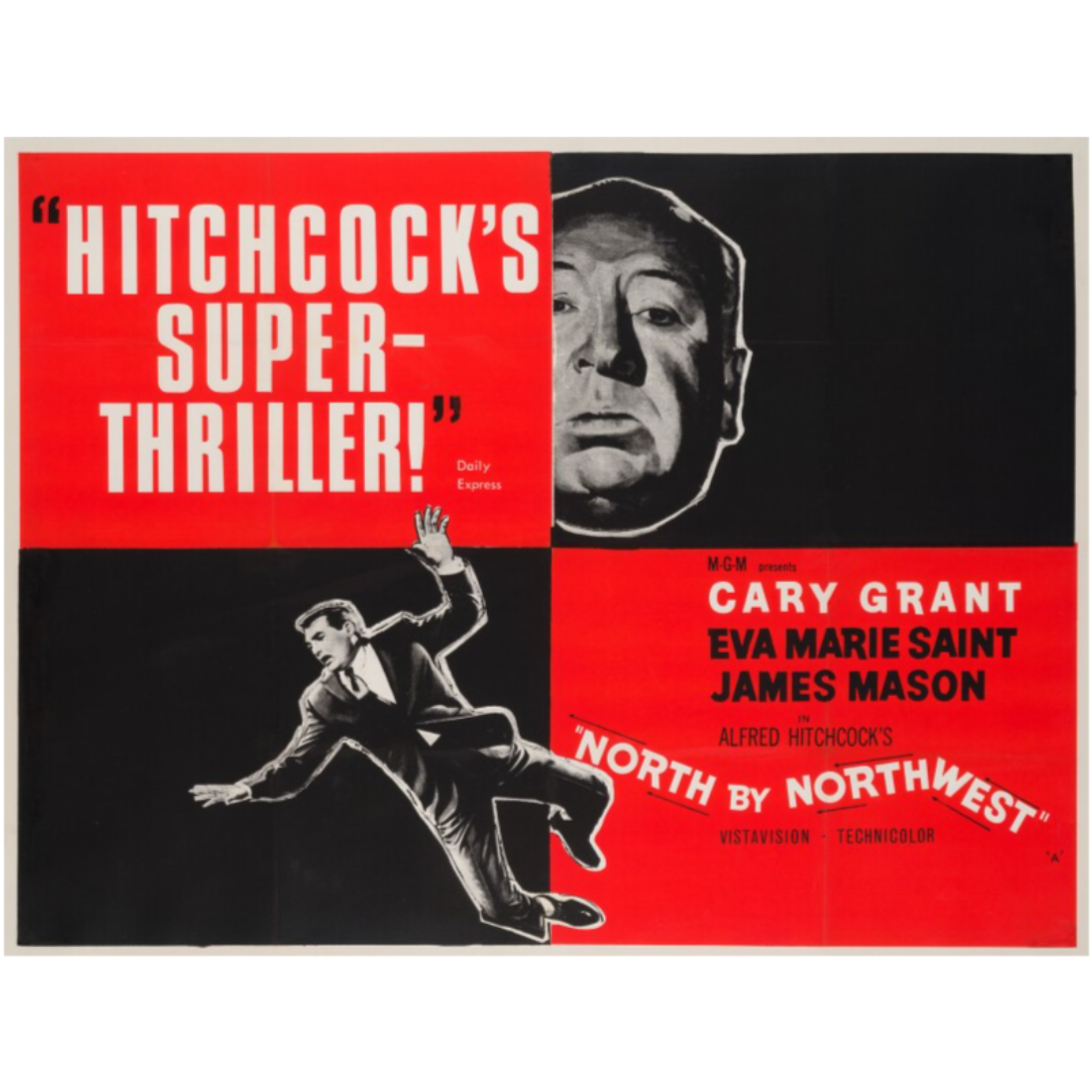
Welcome to “The Directors Who Direct Us.” 🎬
A series about the filmmakers who didn’t just tell stories… they invented the language of storytelling on screen.
From the master of suspense Alfred Hitchcock to the visionary perfection of Stanley Kubrick.
From the epic imagination of Akira Kurosawa to the poetic realism of Satyajit Ray.
These filmmakers didn’t just create great movies.
They created techniques… ideas… and emotions that filmmakers still follow today.
Every suspenseful moment… every breathtaking frame… every unforgettable story…
Carries a little bit of their influence...
[Directors Who Direct Us] Alfred Hitchcock - Dial 'M' For Murder
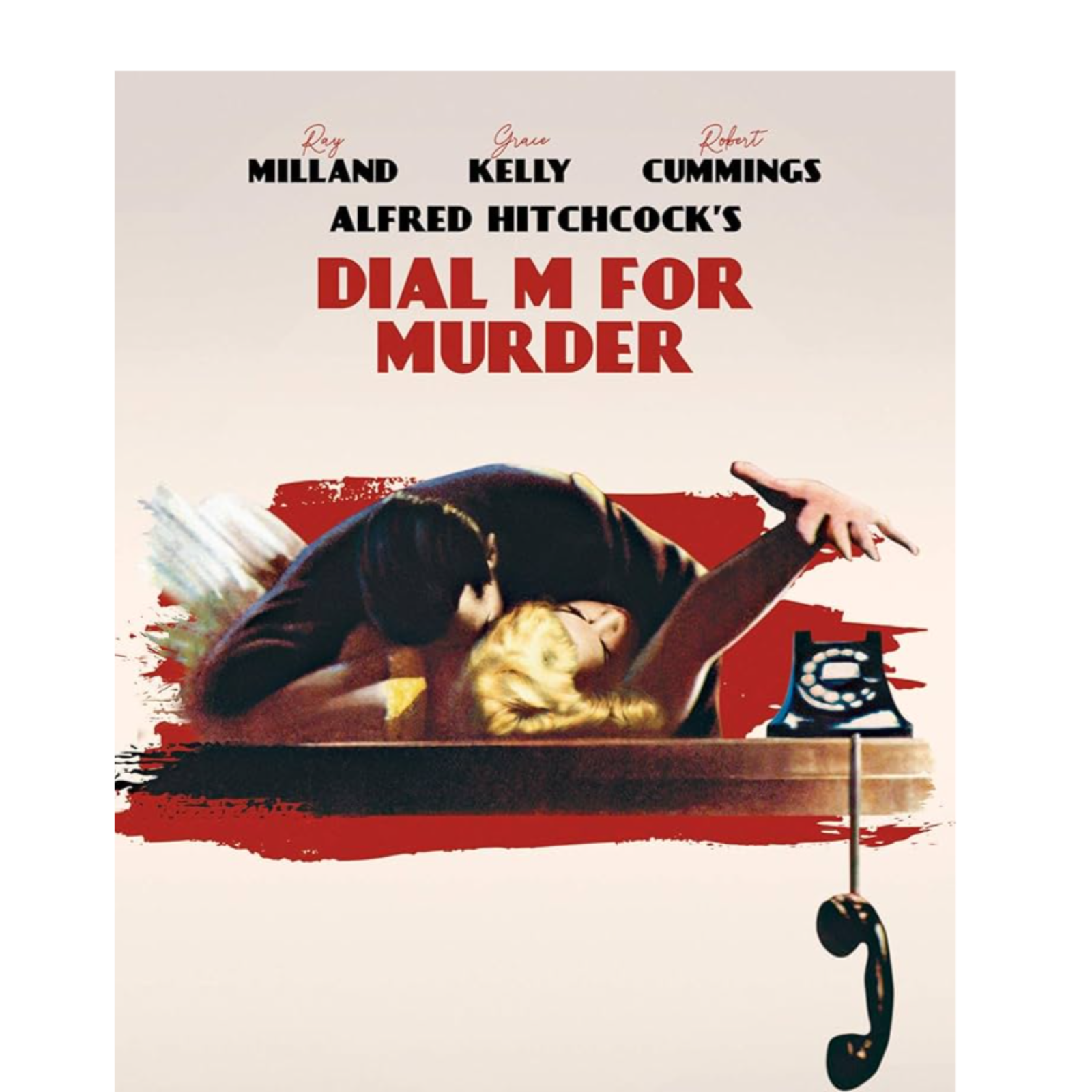
Welcome to “The Directors Who Direct Us.” 🎬
A series about the filmmakers who didn’t just tell stories… they invented the language of storytelling on screen.
From the master of suspense Alfred Hitchcock to the visionary perfection of Stanley Kubrick.
From the epic imagination of Akira Kurosawa to the poetic realism of Satyajit Ray.
These filmmakers didn’t just create great movies.
They created techniques… ideas… and emotions that filmmakers still follow today.
Every suspenseful moment… every breathtaking frame… every unforgettable story…
Carries a little bit of their influence...
[Directors Who Direct Us] Alfred Hitchcock - The Birds
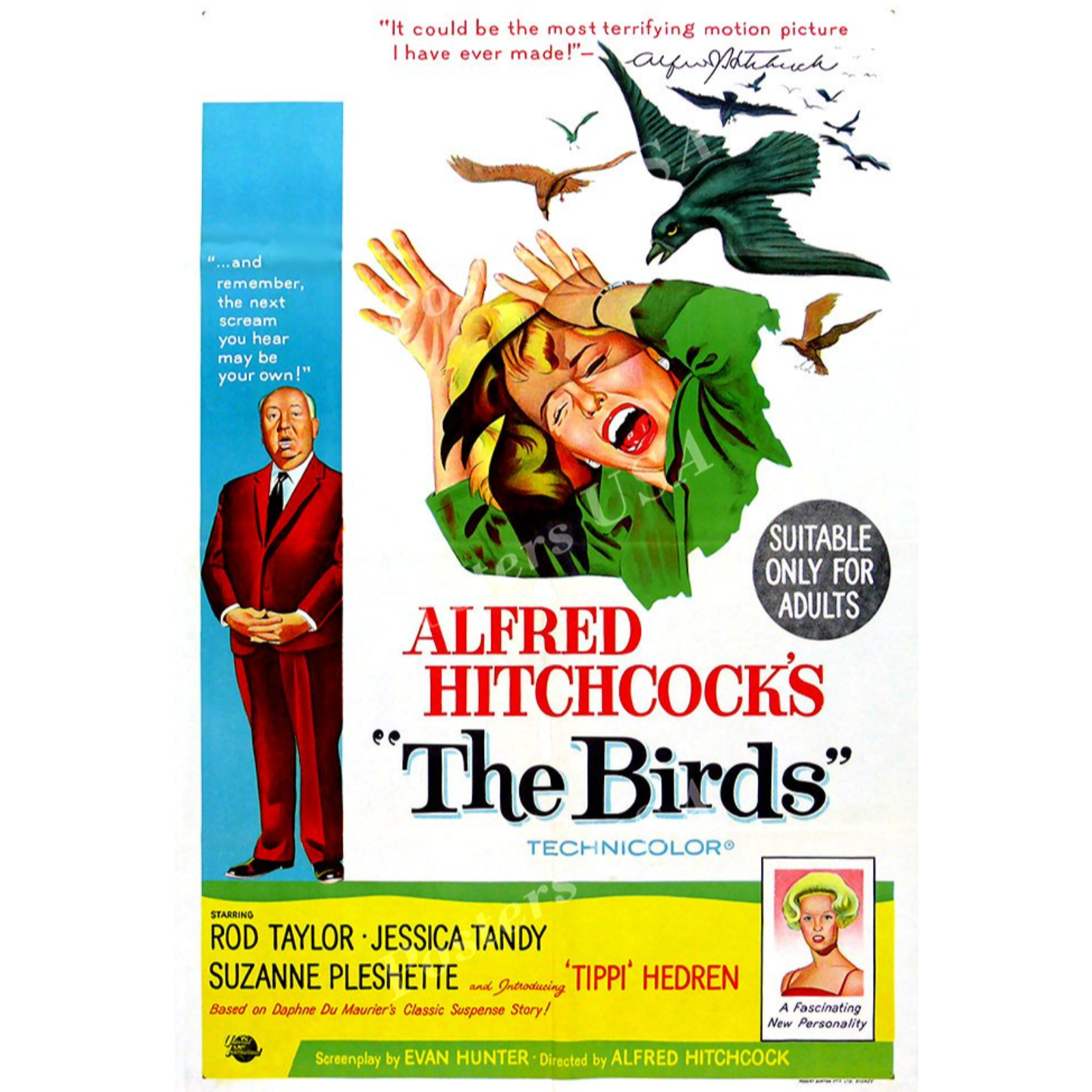
Welcome to “The Directors Who Direct Us.”
A series about the filmmakers who didn’t just tell stories… they invented the language of storytelling on screen.
From the master of suspense Alfred Hitchcock to the visionary perfection of Stanley Kubrick.
From the epic imagination of Akira Kurosawa to the poetic realism of Satyajit Ray.
These filmmakers didn’t just create great movies.
They created techniques… ideas… and emotions that filmmakers still follow today.
Every suspenseful moment… every breathtaking frame… every unforgettable story…
Carries a little bit of their influen...
[Directors Who Direct Us] Introduction

Welcome to “The Directors Who Direct Us.” 🎬
A series about the filmmakers who didn’t just tell stories… they invented the language of storytelling on screen.
From the master of suspense Alfred Hitchcock to the visionary perfection of Stanley Kubrick.
From the epic imagination of Akira Kurosawa to the poetic realism of Satyajit Ray.
These filmmakers didn’t just create great movies.
They created techniques… ideas… and emotions that filmmakers still follow today.
Every suspenseful moment… every breathtaking frame… every unforgettable story…
Carries a little bit of their influence...
[Directors Who Direct Us] Alfred Hitchcock - Psycho
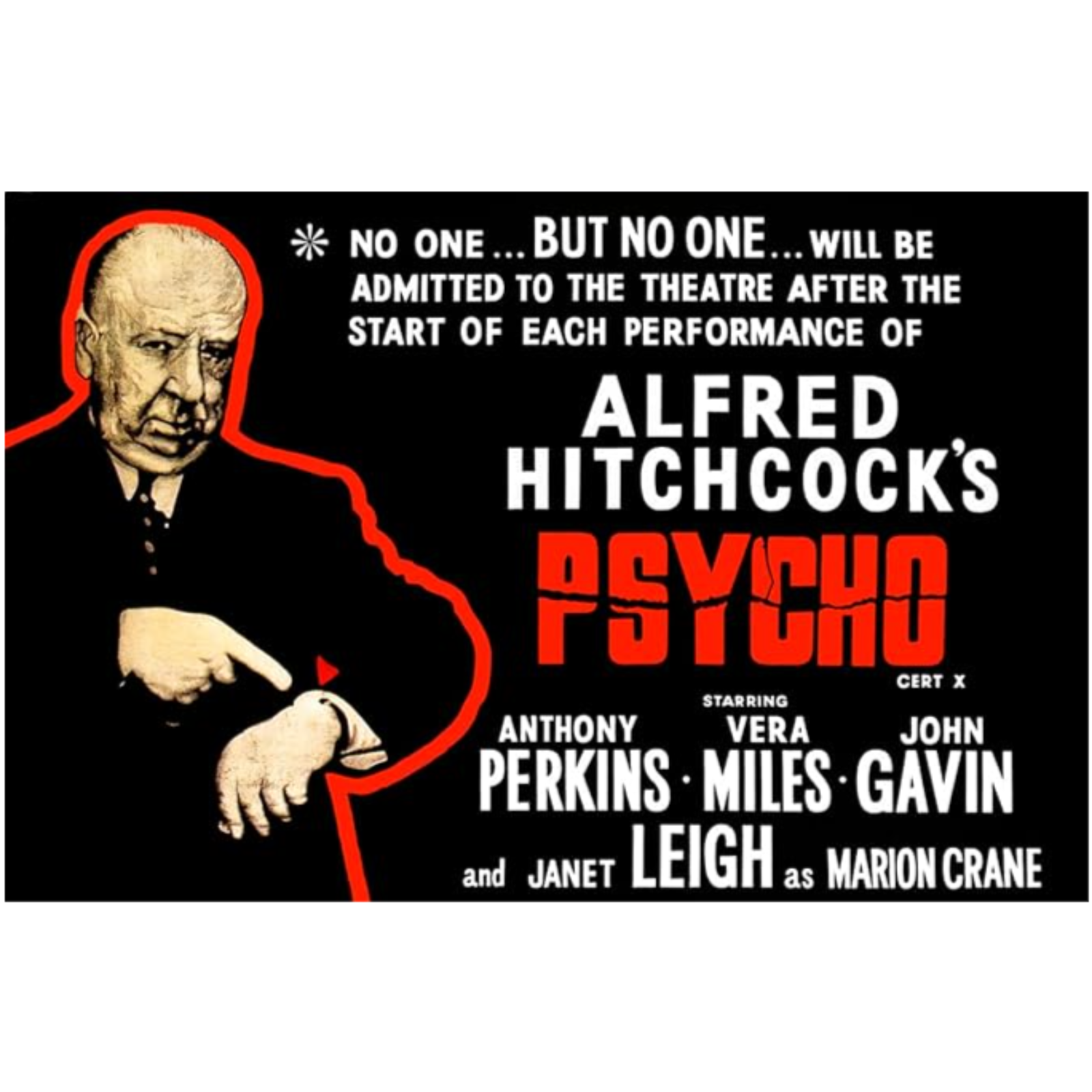
Some directors make movies.
But a few… change the way the world sees cinema.
Welcome to “The Directors Who Direct Us.”
A series about the filmmakers who didn’t just tell stories… they invented the language of storytelling on screen.
From the master of suspense Alfred Hitchcock, to the visionary perfection of Stanley Kubrick.
From the epic imagination of Akira Kurosawa, to the poetic realism of Satyajit Ray.
These filmmakers didn’t just create great movies.
They created techniques… ideas… and emotions that filmmakers still follow today.
[Today's Panchatantra] The Brahmin & The Thief
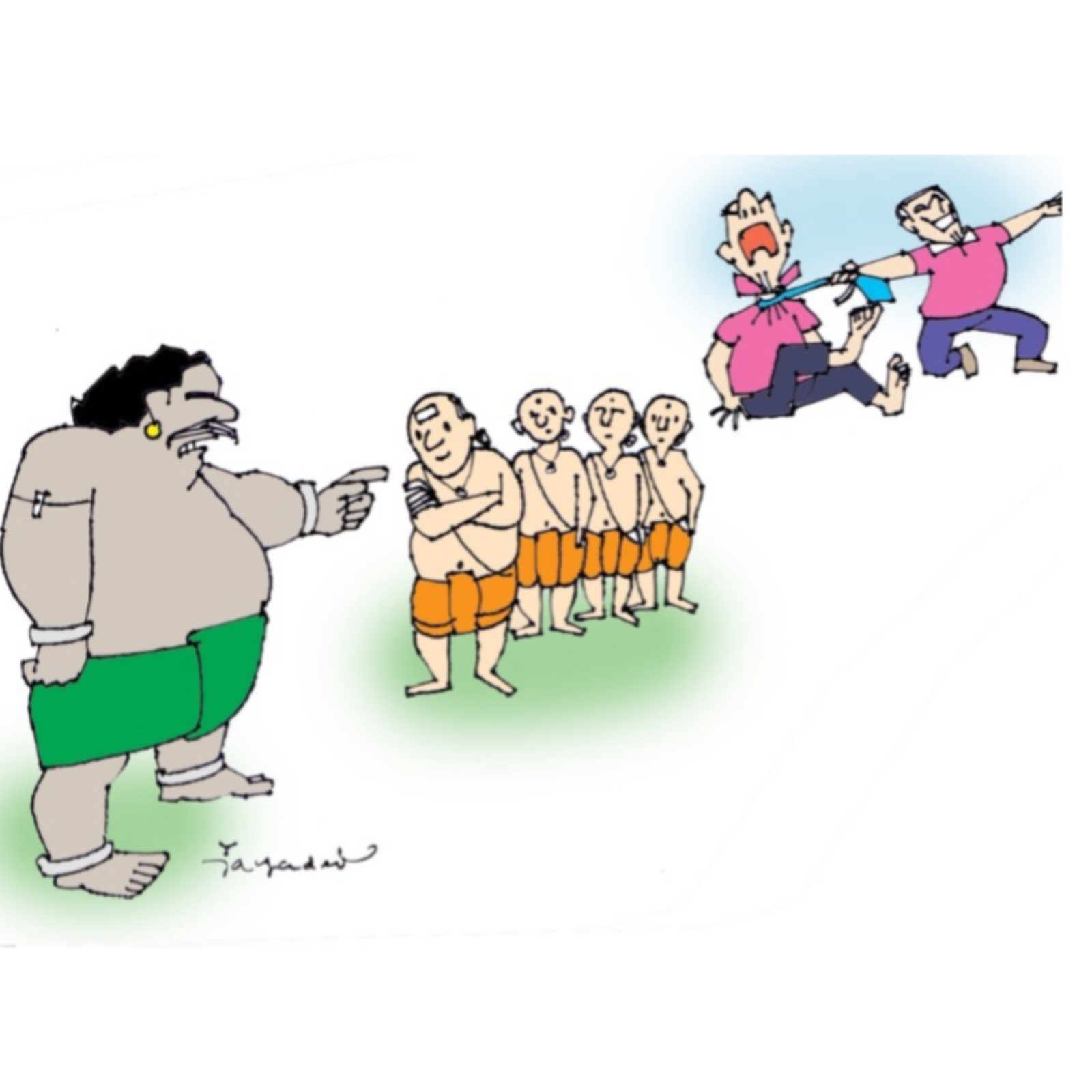
On a personal level, navigating life’s risks—financial decisions, relationships, and responsibilities—requires discernment, prudence, and calculated action. The Brahmin shows that sometimes admitting a small fault, taking a calculated risk, or strategically sacrificing short-term comfort can preserve greater gains and protect others.
Thus, whether in corporate boardrooms, personal ventures, or everyday life, the lesson remains: intelligence and strategic thinking triumph over ignorance and impulsiveness, and a clever adversary is often preferable to a foolish ally. Life’s “thieves” and challenges, when approached with wisdom, can be managed safely and even turned into opportunities for learning and growth.<...
[Today's Panchatantra] The King and the Foolish Monkey

The moral of the story is clear: it is better to face a wise adversary than to rely on a foolish friend. Several insights emerge:
Well-Meaning Actions Can Cause Harm: The monkey’s desire to help the king was genuine, yet its lack of intelligence and foresight resulted in injury. Similarly, in life, good intentions without prudence can have disastrous consequences.Foolish Friendship vs. Prudent Adversity: A foolish friend—well-intentioned but incompetent—may inadvertently cause more damage than a thoughtful adversary who challenges us but does so intelligently.The Danger of Impulsiveness: The monkey acted without assessing risk, much l...[Today's Panchatantra] Weighing Machine and The Merchant's Son

In modern workplaces, like the merchant’s scenario, employees may attempt shortcuts, misrepresent facts, or claim undue credit. Yet, when handled wisely, such misdeeds are exposed, and rightful ownership is restored. Similarly, in personal life, measured intelligence allows us to safeguard our interests, protect our loved ones, and resolve conflicts with grace.
The merchant’s calm wisdom, strategic foresight, and ethical retribution teach a timeless lesson: honor trust, anticipate consequences, and let intelligence guide your actions. Only then can we protect what is valuable, ensure fairness, and navigate life’s challenges without falling prey to deception or impuls...
[Today's Panchatantra] The Crow, the Cobra and the Mangoose
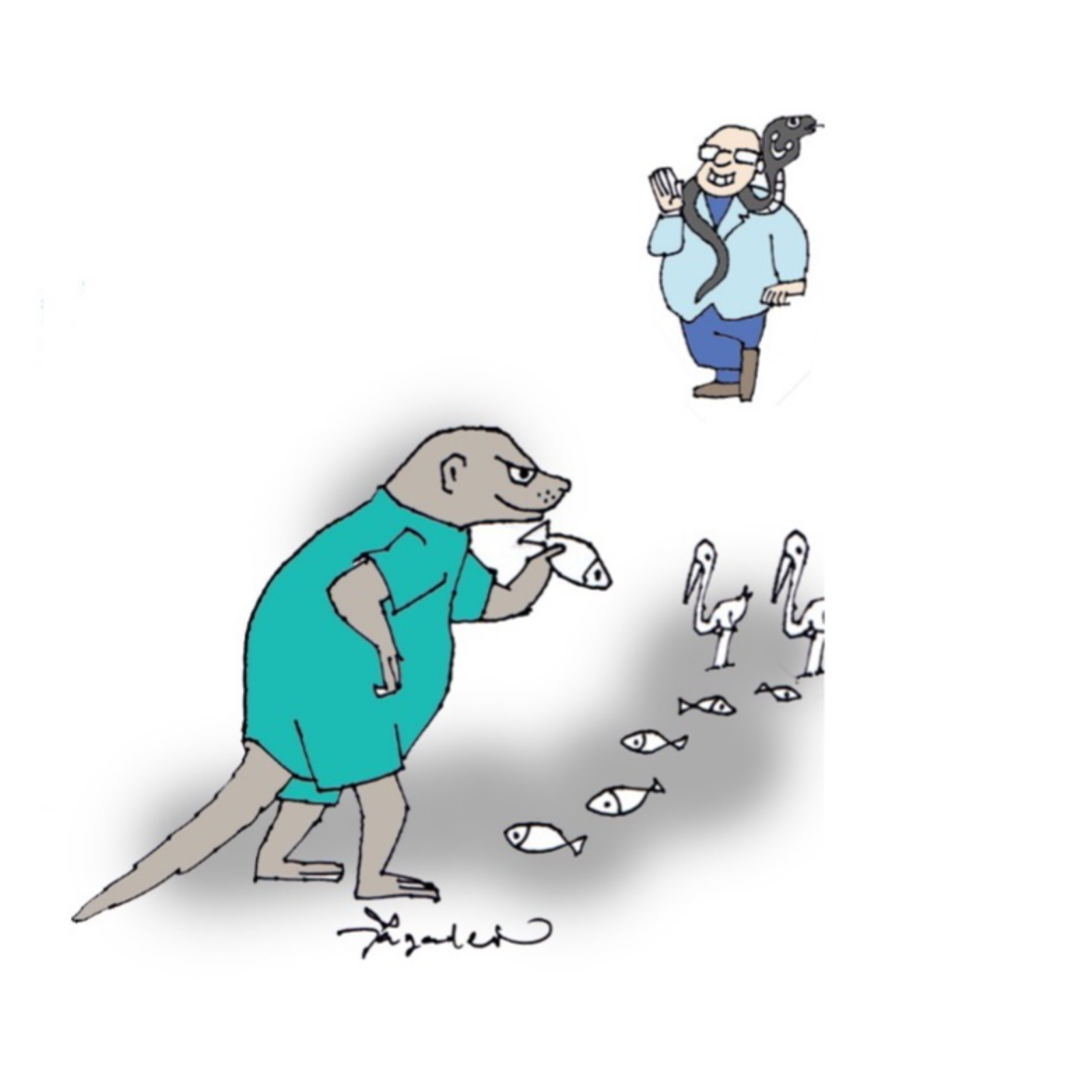
Wisdom Over Hastiness
Nearly 3,000 years later, the fable retains its relevance: solving one problem without considering long-term consequences may invite greater risks. Quick fixes, impulsive decisions, or unexamined interventions often generate new challenges.
For modern professionals and individuals alike:
Be thoughtful and strategic when addressing issues.Evaluate solutions for immediate effectiveness and long-term impact.Seek guidance, but maintain personal oversight.Remember that rushing to eliminate a problem may unintentionally create a “mongoose” of greater danger.[Today's Panchatantra] The Good Mind and The Bad Mind
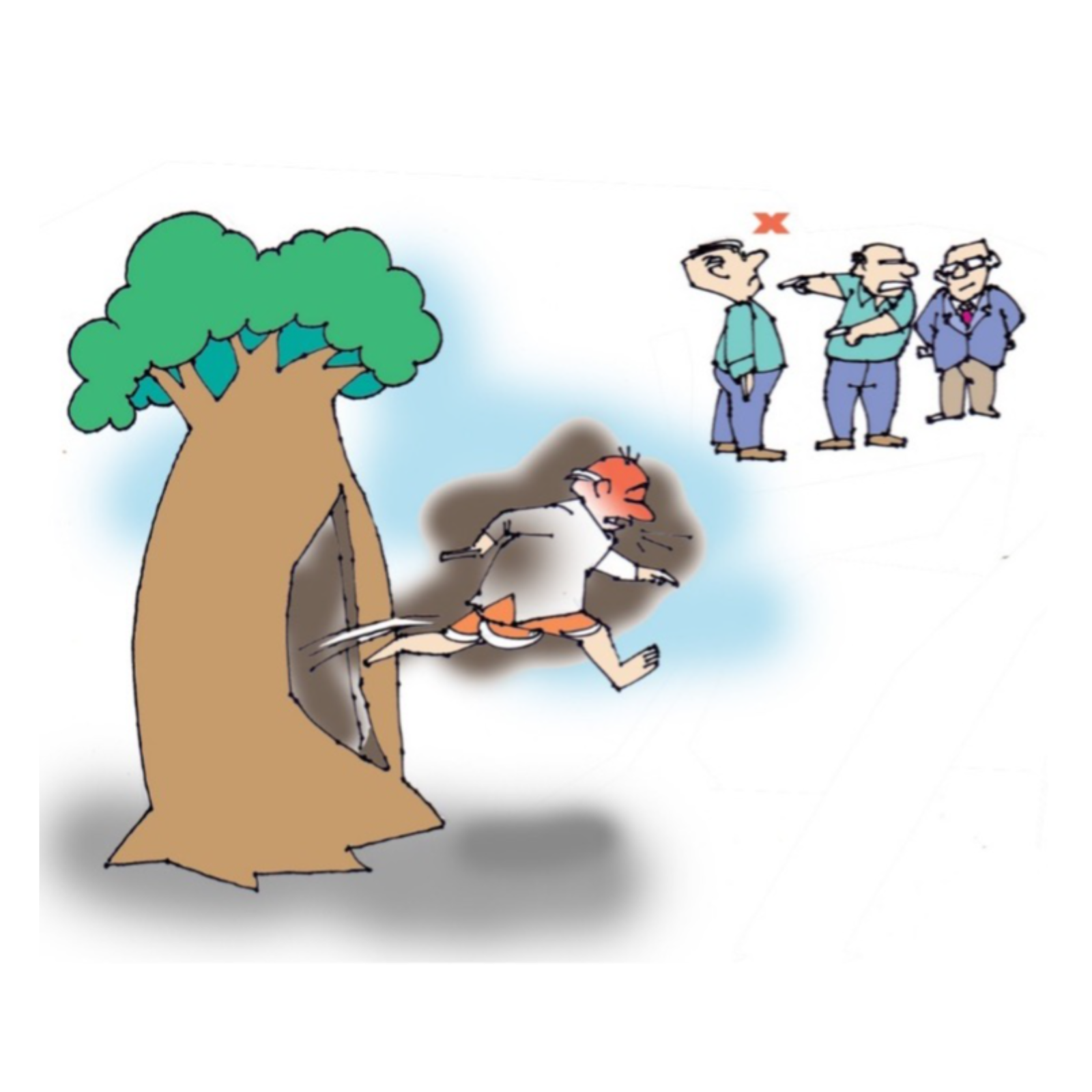
Nearly 3,000 years later, this fable remains relevant. It teaches us that truth, coupled with intelligence, cannot be permanently defeated by deceit. While cunning may appear advantageous, morality aligned with clever strategy ensures justice and long-term success.
In modern life, both in offices and personal spheres:
Be Dharmabuddhi: act with integrity, document actions, respond thoughtfully.Beware of Papabuddhi-like behavior: deceit may yield short-term rewards but leads to long-term consequences.Combine wisdom with morality, patience with courage, and creativity with ethical standards.When faced with life’s challenges, whether it’s office politics, personal betrayal, or moral dile...
[Today's Panchatantra] The Monkey and the Needle-Billed Bird: A Lesson in Giving Advice
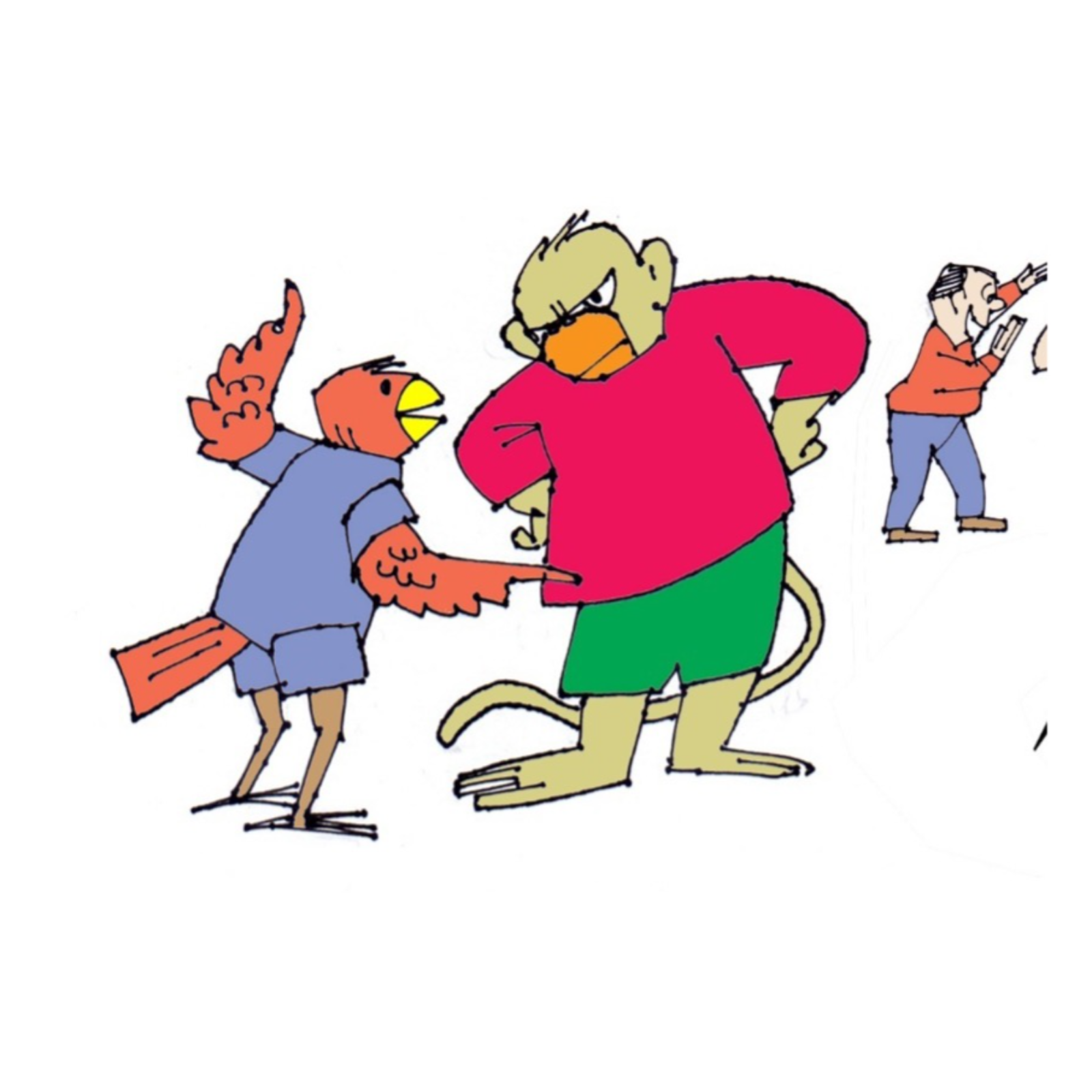
A Timeless Lesson
The story from Panchatantra, an ancient wisdom collection of stories, of the Sun Bird/ needle-billed bird and the monkeys offers a timeless cautionary tale: good intentions alone do not ensure successful guidance. Wisdom must be coupled with discernment, patience, and respect for the autonomy of others. Whether in a corporate boardroom, a personal relationship, or a community setting, the principle holds:
[Today's Panchatantra] Elephant and Sparrow
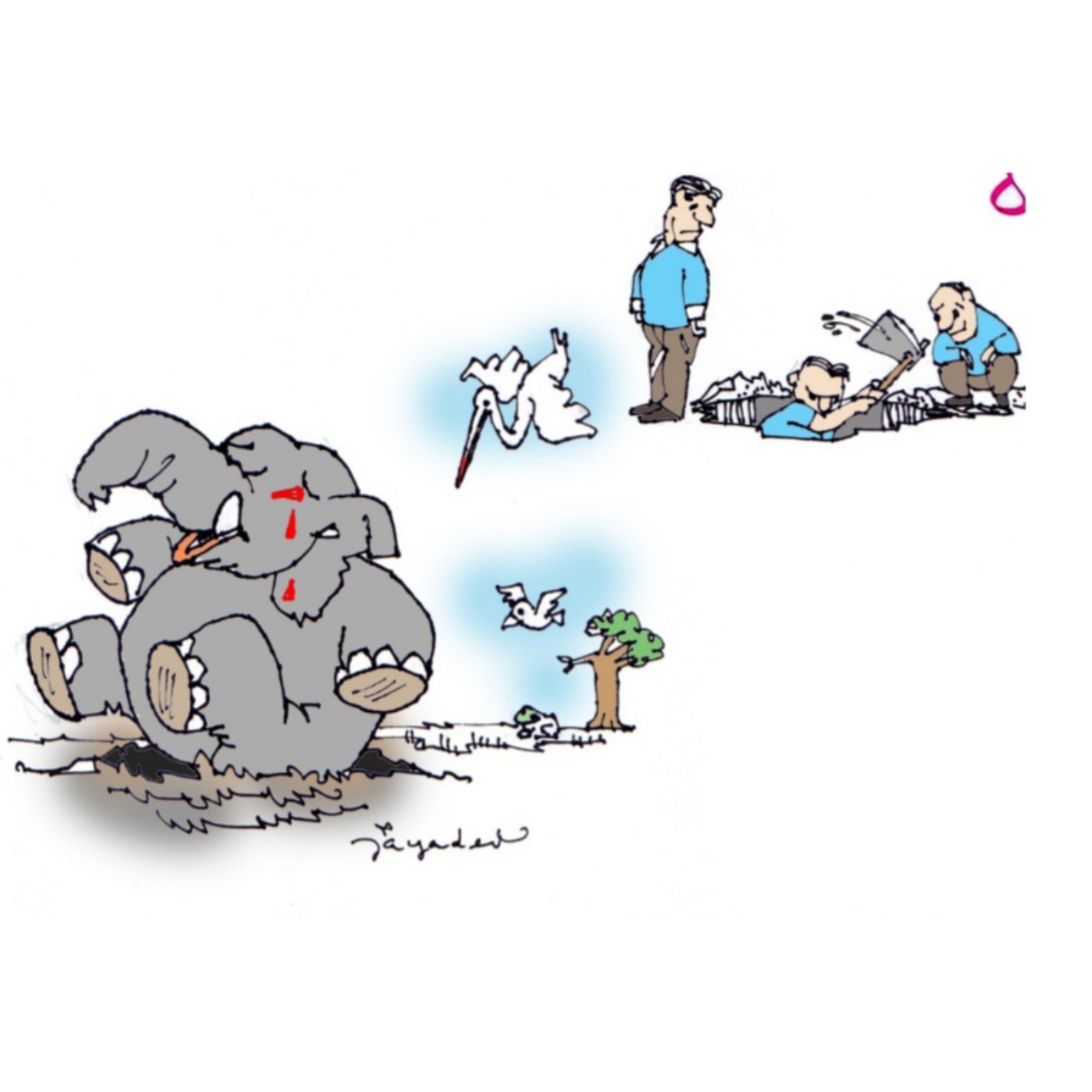
In this podcast, though the story is simple, the narrative is profound in its teaching. It transcends age, culture, and circumstance, demonstrating that:
Ancient Wisdom teaches that even in leadership contexts, arrogance can be a blind spot. Leaders who overestimate their individual capability risk metaphorical “mud pits” of failure. Those who respect input, encourage collaboration, and remain adaptable cultivate environments where success is shared, sustainable, and resilient.
Intelligence can surpass raw power.
Unity amplifies effectiveness.
Humility and collaboration are strengths, not weaknesses.
[Today's Panchatantra] Three Fish-Which Fish Are You!
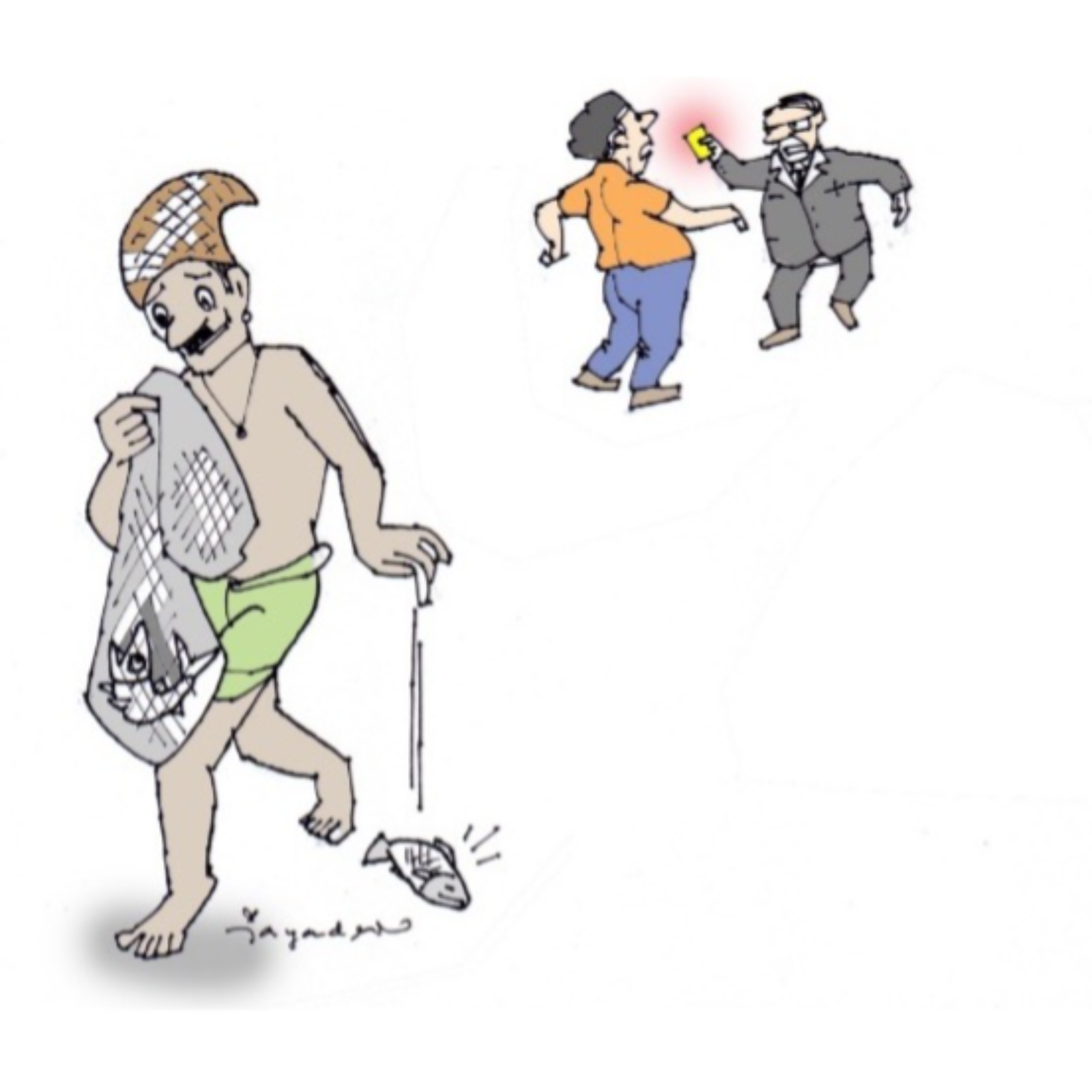
One such story is that of The Three Fishes. On the surface, it looks like a small tale about survival in a lake. But when we expand it, the story is about leadership, planning, problem-solving, and the dangers of leaving everything to destiny. Let us dive into the detailed retelling of this story and uncover what it means for our modern lives—both in the corporate world and in our personal journeys.
The Panchatantra stories are not just simple tales for children; they are wisdom capsules wrapped in the form of engaging narratives. Written nearly 3000 years ago, th...
[Today's Panchatantra] The Fallen Turtle: The Price of Loose Talk

One such story is that of the turtle and the two swans, where the turtle’s inability to control its tongue leads to a tragic downfall. Let us revisit this tale, unpack its meaning, and explore what it teaches us about the importance of restraint, discretion, and wisdom in both corporate and personal life.
Panchatantra stories, written nearly 3,000 years ago, repeatedly remind us of this timeless truth. These stories are not just bedtime tales for children. They are guidebooks for adults navigating the complex world of work, relationships, and leadership.
[Today's Panchatantra] Wisdom Beyond Childhood
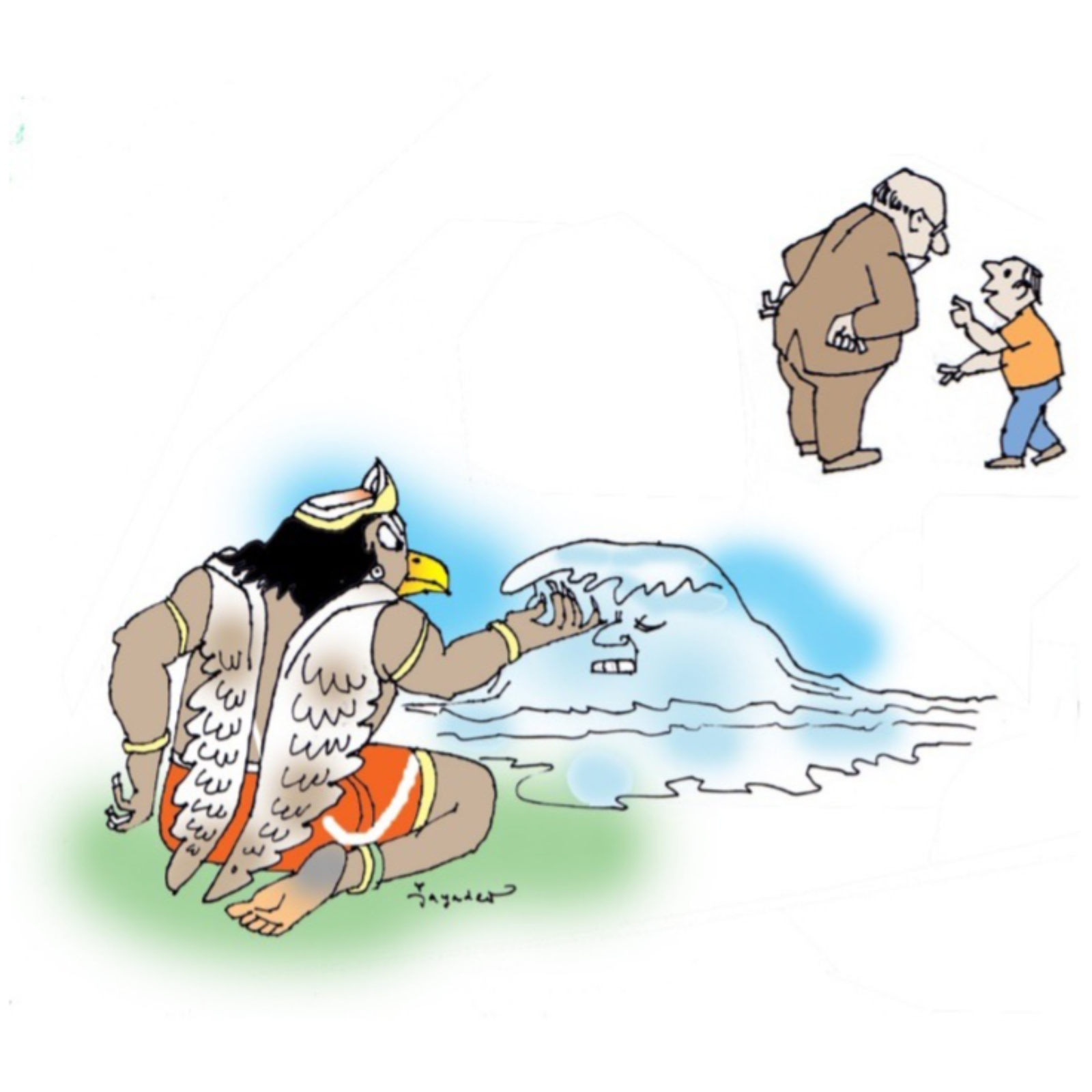
The story of the Tittibha birds and the mighty ocean is one such tale. Beyond its simple surface, it reveals deep truths about courage, arrogance, teamwork, and leadership. In this chapter, we will explore this story in detail, reflect on its relevance in the corporate world, and connect it with real-life experiences.
Panchatantra stories are often introduced to us as children’s fables. Parents, teachers, and grandparents use them to instill moral values, narrating tales where animals speak, act, and teach lessons. Yet, the richness of these stories is often missed in childhood. As adults, with the bu...
[Today's Panchatantra] The Betrayal of Trust: Lessons from the Forest

Today, we explore a story that teaches a vital lesson: associating with the wrong people and blindly trusting them can be dangerous. The forest in this story is not just a setting—it mirrors society, the workplace, and our social networks.
Panchatantra stories are far more than simple children’s tales. Written nearly 3,000 years ago, they offer timeless wisdom applicable to life, leadership, and human behavior. These fables, while entertaining, are deeply practical, showing us the consequences of choices, the perils of deception, and the value of prudence.
[Today's Panchatantra] The Fox and the Indigo Tank
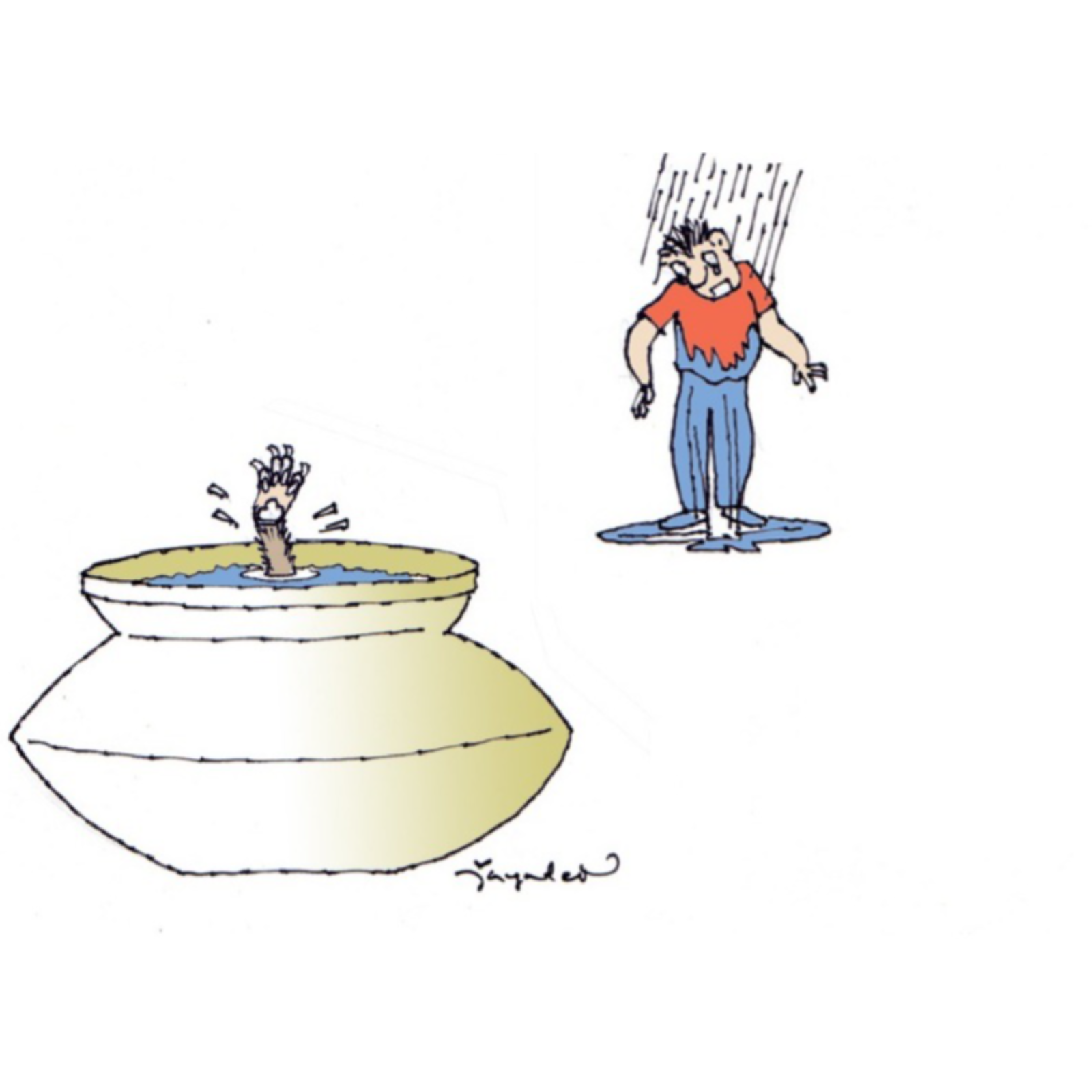
Panchatantra stories are more than simple children’s tales. Written nearly 3,000 years ago, they are timeless guides to human behavior, strategy, and morality. While entertaining, these stories offer profound lessons for both personal and professional life. Today, we explore a story that underscores a vital truth: disguising your true self, deceiving others, or relying on superficial appearances is ultimately dangerous.
[Today's Panchatantra] Patience Over Haste: Lessons from the Leech and the Fly

Patience Over Haste: Lessons from the Leech and the Fly
Panchatantra stories are more than children’s tales; they are practical lessons for life. Written nearly 3,000 years ago, these fables remain relevant in both personal and professional spheres. They teach us about strategy, patience, foresight, and human behavior, often in ways that are far more nuanced than they appear at first glance.
Today, we explore a story that underscores the dangers of haste and the power of careful timing. It’s a lesson that applies equally to boardrooms, offices, and personal decision-making.
[Today's Panchatantra] With wisdom but not with Might
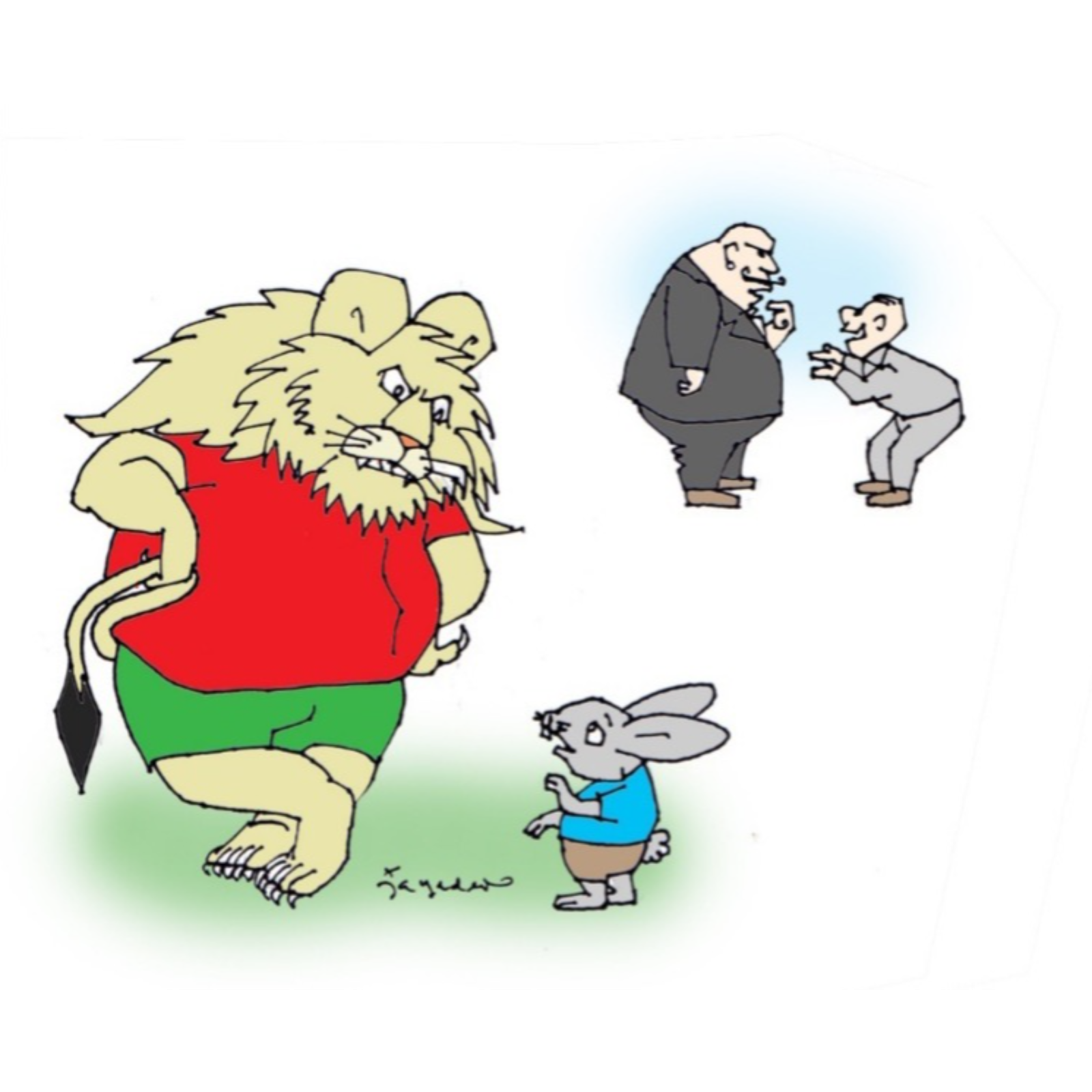
Panchatantra stories are timeless. Written nearly 3,000 years ago, they are not merely children’s tales; they are practical lessons in human behavior, strategy, and wisdom. Across centuries, these fables have taught valuable principles about decision-making, foresight, and problem-solving.
Today, we explore a story that demonstrates the power of intelligence over brute force. In a world that often celebrates strength, this tale reminds us that cleverness and strategy can triumph over raw power.
[Today's Panchatantra] Greed and Lies: Lessons from the Crane and the Fish

Overreaching for easy gains can blind one to risks and consequences, and lies and manipulative behavior may offer short-term advantage but often lead to ultimate failure. Trust should be earned, not given hastily—especially in times of vulnerability. But awareness and critical thinking can neutralize threats, even those that seem powerful.
Panchatantra stories are not merely entertaining tales for children; they are timeless guides that provide insight into human nature, decision-making, and strategy. Written almost 3,000 years ago, these fables remain highly relevant because they continue to teach principles that apply to personal life, professional environments, and social in...
[Today's Panchatantra] The Sage and The Hermit (Fox)
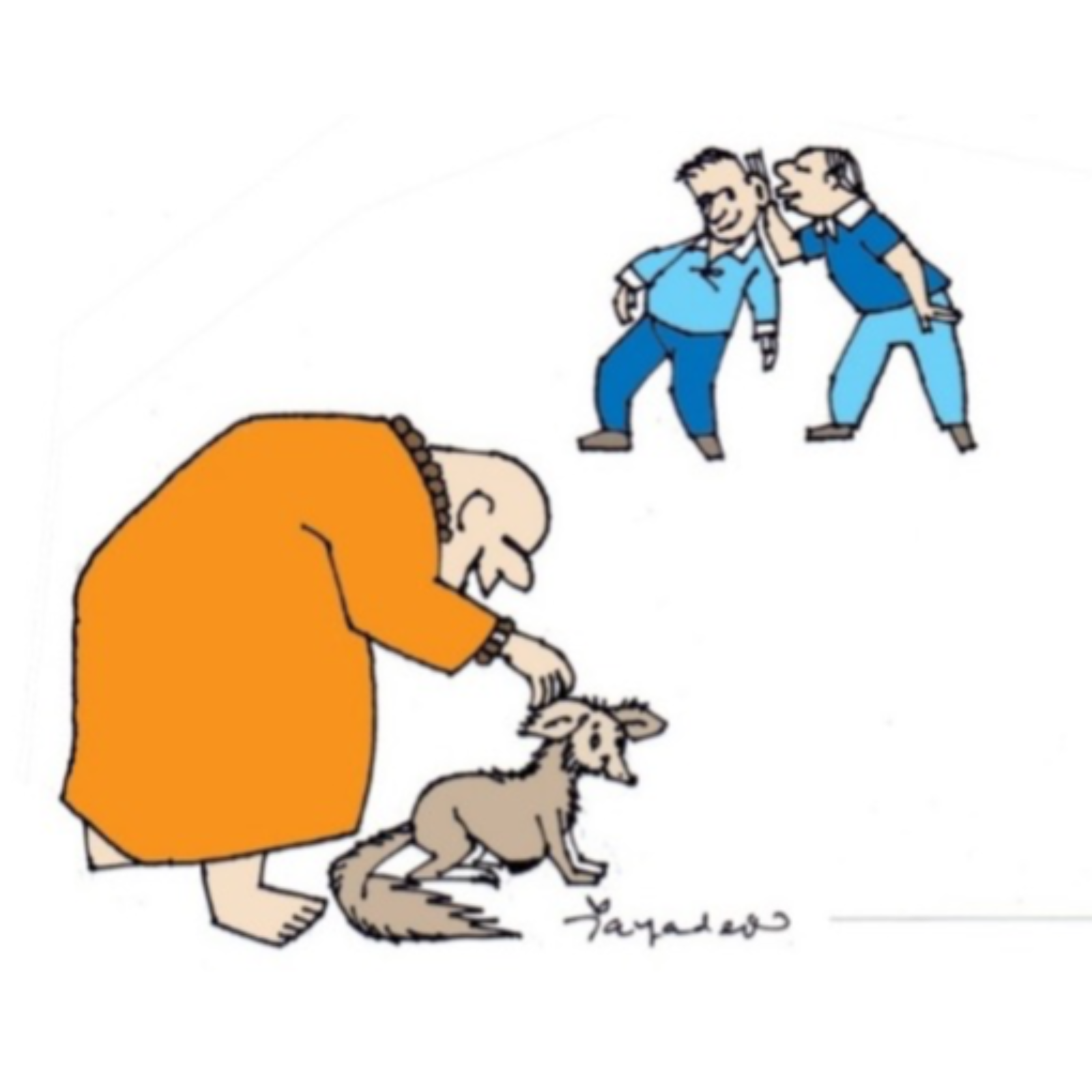
Whether it’s a colleague, a new boss, a client, or an acquaintance, blind trust without understanding can cost you opportunities, resources, or even your “shelter”—just like the fox losing the hermit’s ashram. By following the age-old Panchatantra wisdom—“see first, trust slowly”—we safeguard not only our professional standing but also personal peace and security.
So, whether a hermit in the forest or a professional in the corporate world, remember: caution, observation, and measured trust are your best allies.
[Today's Panchatantra] The Crows and the Snake

Lessons in Clever Thinking and Problem-Solving
Panchatantra stories are much more than simple tales for children—they are timeless repositories of wisdom for anyone navigating life’s challenges. Written nearly 3,000 years ago, these stories continue to hold relevance because they illuminate human behavior, decision-making, and strategy in ways that remain practical even today.
A story that teaches how thoughtful and strategic thinking can help overcome even the most powerful adversaries.
[Today's Panchatantra] The Monkey and The Wedge

One such story is The Monkey and the Wedge. On the surface, it seems like a playful tale of a monkey’s mischief. But when viewed through the lens of corporate culture and personal relationships, it offers strikingly relevant insights for our times.
[Today's Panchatantra] The Jackal and the drum

One such story is The Jackal and the Drum. It addresses one of humanity’s oldest emotions—fear of the unknown. Fear is often invisible, irrational, and yet powerful enough to paralyze action and keep us from achieving our true potential. This tale shines a light on how courage and curiosity can transform fear into opportunity.
