OncLive® On Air
In OncLive® On Air, you can expect to hear interviews with academic oncologists on the thought-provoking oncology presentations they give at the OncLive® State of the Science Summits. The topics in oncology vary, from systemic therapies, surgery, radiation therapy, to emerging therapeutic approaches in a particular type of cancer. This includes lung cancer, breast cancer, gastrointestinal cancers, hematologic malignancies, gynecologic cancers, genitourinary cancers, and more.
Testing, Timing, and Toxicity: Maximizing Tepotinib’s Durable Benefit in MET Exon 14 Skipping NSCLC

Welcome to OncLive On Air®! I’m your host today, Chris Ryan.
OncLive On Air is a podcast from OncLive®, which provides oncology professionals with the resources and information they need to provide the best patient care. In both digital and print formats, OncLive covers every angle of oncology practice, from new technology to treatment advances to important regulatory decisions.
In today’s episode, we spoke with Paul K. Paik, MD, about long-term responses to tepotinib (Tepmetko) in patients with advanced non–small cell lung cancer (NSCLC) harboring MET exon 14 skipping alterations. Dr Paik is clinical...
SCLC Treatment Advances Compound With EGFR- and KRAS-Directed NSCLC Updates at ESMO 2026

In this episode of Oncology Unplugged, Chandler Park, MD, MSc, FACP, of Norton Cancer Institute in Louisville, Kentucky, spoke with Tejas Patil, MD, an assistant professor of medicine and vice head of Clinical Affairs in the Division of Medical Oncology at the University of Colorado School of Medicine and the clinical research director of thoracic oncology at the University of Colorado Cancer Center, about lung cancer advances presented at the 2026 ESMO Congress.
The experts discussed small cell lung cancer (SCLC), highlighting the phase 3 DeLLphi-305 trial (NCT06211036) of maintenance tarlatamab-dlle (Imdelltra) plus durvalumab (Imfinzi) in extensive-stage disease. Dr...
Localized Prostate Cancer 2026 UPDATE: PSMA PET, ARPI Strategies, and New Trials Reshape Localized Management
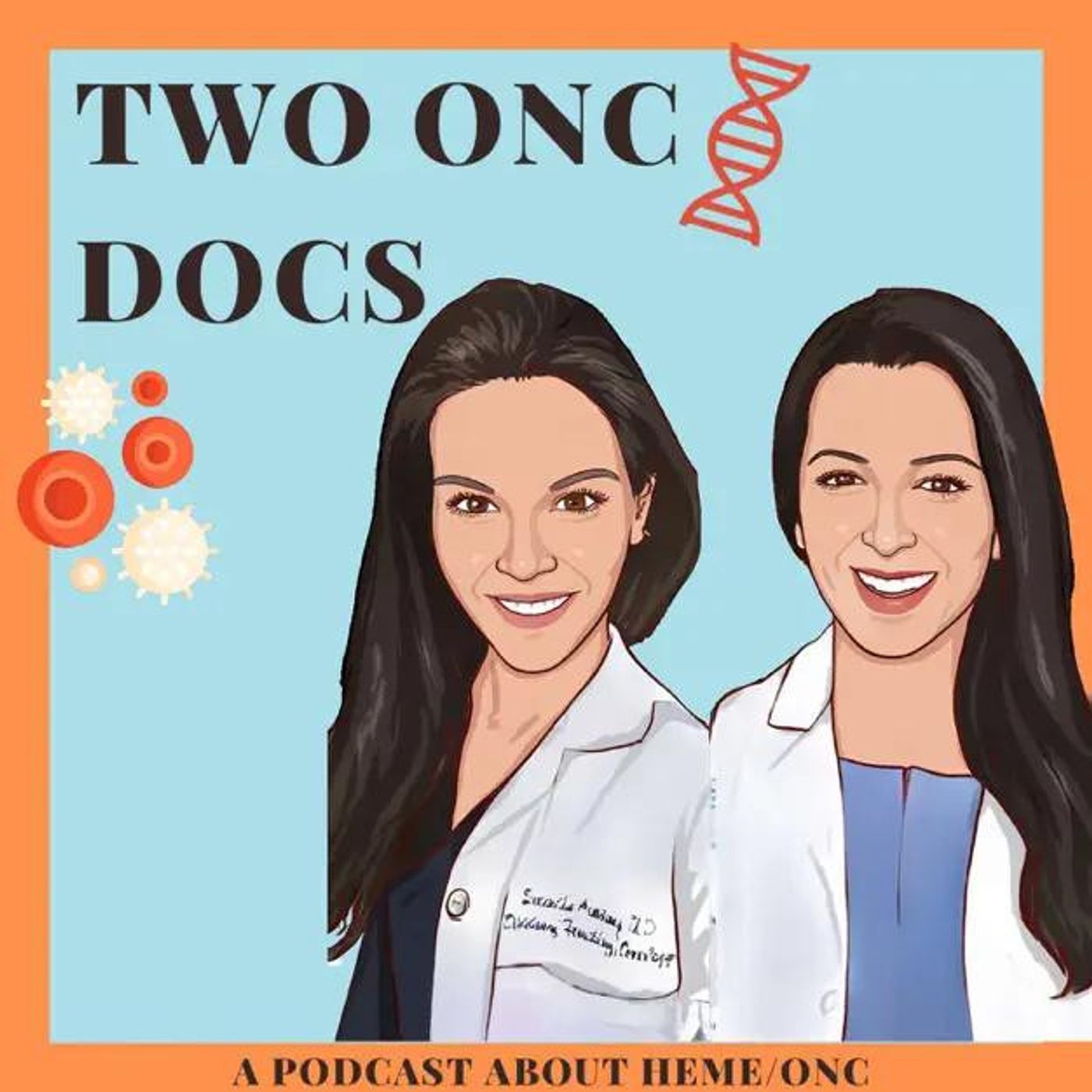
Two Onc Docs, hosted by Samantha A. Armstrong, MD, and Karine Tawagi, MD, is a podcast dedicated to providing current and future oncologists and hematologists with the knowledge they need to ace their boards and deliver quality patient care. Dr Armstrong is a hematologist/oncologist and assistant professor of clinical medicine at Indiana University Health in Indianapolis. Dr Tawagi is a hematologist/oncologist and assistant professor of clinical medicine at the University of Illinois in Chicago.
In this episode, OncLive On Air® partnered with Two Onc Docs to deliver a comprehensive, board-focused review of localized prostate cancer d...
ESMO 2026 Data Continue to Shine a Spotlight on Daraxonrasib’s Activity in Pretreated Metastatic Pancreatic Cancer

In today's episode, we spoke with Zev A. Wainberg, MD, MSc, about subgroup data from the phase 3 RASolute 302 trial (NCT06625320) of daraxonrasib (Rasonque) in patients with previously treated metastatic pancreatic cancer, which were presented at the 2026 ESMO Congress. Dr Wainberg is a professor of medicine at the David Geffen School of Medicine at UCLA and co-director of the UCLA GI Oncology Program in Los Angeles, California.
In our exclusive interview, Dr Wainberg discussed how daraxonrasib improved overall survival (OS) vs investigator’s choice of standard-of-care chemotherapy across RAS genotype subgroups, preselected chemotherapy regimens, and prior treatment settings. Ad...
RAS Inhibition With Daraxonrasib Marks a Turning Point in Pancreatic Cancer Management

In this episode of Oncology Unplugged, host Chandler Park, MD, MSc, FACP, a medical oncologist at Norton Cancer Institute in Louisville, Kentucky, was joined by John L. Marshall, MD, the chief of hematology and oncology, a professor of medicine and oncology, and the director of the Otto J. Ruesch Center for the Cure of Gastrointestinal Cancers at Georgetown Lombardi Comprehensive Cancer Center in Washington, DC.
Their discussion centered on the evolution of pancreatic adenocarcinoma management over the past several decades, culminating in the emergence of RAS-directed therapy. Drs Park and Marshall traced the treatment history from early...
Unpacking Key Multiple Myeloma Data From ASCO 2026: With Noa Biran, MD

In today’s episode, we welcomed Noa Biran, MD, to discuss some of the key multiple myeloma data to emerge from the 2026 ASCO Annual Meeting. Dr Biran is the medical director of Clinical Protocol Data Management and an associate professor of medicine in the Multiple Myeloma Division at Hackensack Meridian Health and John Theurer Cancer Center in New Jersey.
In the exclusive interview, Dr Biran detailed key data from pivotal studies such as the phase 3 MajesTEC-9 (NCT05572515) and SUCCESSOR-2 (NCT05552976) trials, and explained how emerging data could affect the multiple myeloma treatment landscape.
Perioperative Research Success Is Set to Transform Bladder Cancer Care After ESMO 2026

In this episode of Oncology Unplugged, host Chandler Park, MD, MSc, FACP, a medical oncologist at Norton Cancer Institute in Louisville, Kentucky, was joined by Petros Grivas, MD, PhD, FASCO, the medical director of local/regional outreach and international program and a professor in the Clinical Research Division at Fred Hutch Cancer Center, as well as a professor in the Division of Hematology and Oncology at the University of Washington School of Medicine in Seattle.
Their discussion centered on key bladder cancer data presented at the 2026 ESMO Congress, highlighting the rapidly expanding landscape of perioperative, metastatic, and...
Thorough Treatment Adherence and Selection Anchor Proper TKI Utilization in CML

In our exclusive interview, Dr Haddad discussed the importance of consistent daily adherence to oral TKIs for achieving deep responses, treatment-free remission, and long-term survival in patients with CML. Additionally, he broke down common barriers to TKI adherence, including busy schedules, travel, and under-recognized adverse effects (AEs), underscoring the use of dose reductions and therapy changes to manage AEs and keep patients on treatment. Finally, Haddad explored where liquid and orally disintegrating TKI formulations, such as imatinib oral solution (Imkeldi), may help patients who cannot swallow, those with advanced-phase CML or Philadelphia chromosome–positive acute lymphoblastic leukemia, and pediatric patients.
How Allergists Fit Into the Systemic Mastocytosis Management Equation

In today’s episode, we spoke with Nathan A. Boggs, MD, PhD, about the role the allergists play in the diagnosis and management of systemic mastocytosis. Dr Boggs is the director of the Allergy Division in the School of Medicine of Uniformed Services University of the Health Sciences in Bethesda, Maryland.
In our exclusive interview, Dr Boggs broke down how allergists/immunologists fit into the multidisciplinary diagnosis and treatment of patients with systemic mastocytosis. Additionally, Boggs highlighted key strategies for symptom management and how agents such as avapritinib (Ayvakit), bezuclastinib (CGT9486), and elenestinib (BLU-263) have and will co...
Board Review 2026: Top Hematology/Oncology Topics to Know

Two Onc Docs, hosted by Samantha A. Armstrong, MD, and Karine Tawagi, MD, is a podcast dedicated to providing current and future oncologists and hematologists with the knowledge they need to ace their boards and deliver quality patient care. Dr Armstrong is a hematologist/oncologist and assistant professor of clinical medicine at Indiana University Health in Indianapolis. Dr Tawagi is a hematologist/oncologist and assistant professor of clinical medicine at the University of Illinois in Chicago.
In this episode, OncLive On Air® partnered with Two Onc Docs to deliver a board exam preparation guide for the days l...
Beyond PD-L1: Refining First-Line Treatment Decisions in Metastatic NSCLC

In this episode of OncLive On Air, Aditya Juloori, MD, a radiation oncologist and associate professor at the University of Chicago in Illinois, was joined by David Carbone, MD, PhD, a thoracic medical oncologist and director of the Thoracic Oncology Center at The Ohio State University in Columbus. Together, they explored how factors beyond PD-L1 expression, including histology, co-occurring genomic alterations, brain metastases, and patient fitness, can inform first-line regimen selection for patients with driver-negative metastatic non–small cell lung cancer (NSCLC).
Dr Carbone began by explaining that immunotherapy has transformed the treatment landscape, with frontline regimens no...
Order Both IHC and NGS: Defining MET Alterations and Positioning Telisotuzumab Vedotin in Non–Small Cell Lung Cancer

In today’s episode, we spoke with Lyudmila Bazhenova, MD, and Sandip Patel, MD. Dr Bazhenova is a thoracic medical oncologist and co-lead of the lung cancer team at University of California San Diego Moores Cancer Center, and Dr Patel is a professor of medical oncology at UC San Diego.
In our exclusive interview, Drs Bazhenova and Patel explained why describing a tumor as “MET positive” is no longer specific enough in non–small cell lung cancer (NSCLC). MET protein overexpression, MET exon 14 skipping mutations, and MET amplification are biologically distinct findings detected by different assays, and each car...
Weigh Benefit Against Burden: Defining Lurbinectedin’s Role in a Shifting Small Cell Lung Cancer Landscape

In today’s episode, we spoke with Triparna Sen, PhD, and Jacob Sands, MD. Dr Sen is a professor of internal medicine and the director of the Lung Cancer Preclinical Therapeutics Platform at the Ohio State University Comprehensive Cancer Center—James in Columbus. Dr Sands is associate chief of the Lowe Center for Thoracic Oncology and the oncology medical director of the International Patient Center at Dana-Farber Cancer Institute, as well as an assistant professor at Harvard Medical School in Boston, Massachusetts.
In our exclusive interview, Drs Sen and Sands discussed findings from the phase 3 IMforte trial (NCT0...
FDA Approval Insights: First-Line Maintenance Tucatinib/Trastuzumab/Pertuzumab in Advanced HER2+ Breast Cancer

In today’s episode, we spoke with Erika P. Hamilton, MD, about the FDA approval of tucatinib (Tukysa) plus trastuzumab (Herceptin) and pertuzumab (Perjeta) for the maintenance treatment of adult patients with unresectable locally advanced or metastatic HER2-positive breast cancer following induction therapy. Dr Hamilton is director of Breast Cancer and Gynecologic Cancer Research at Sarah Cannon Research Institute.
This regulatory decision was backed by data from the phase 3 HER2CLIMB-05 trial (NCT05132582), in which treatment with tucatinib plus trastuzumab and pertuzumab generated a median progression-free survival of 24.9 months (95% CI, 21.3-not reached) vs 16.3 months (95% CI, 12.6-18.7) wi...
Biology-Driven Care and AI Tools Steer the Future of Breast Oncology

In this episode of Oncology Unplugged, host Chandler Park, MD, MSc, FACP, a medical oncologist at Norton Cancer Institute in Louisville, Kentucky, was joined by Jame Abraham, MD, FACP, the enterprise chairman of the Department of Hematology and Medical Oncology at Cleveland Clinic and a professor of medicine at the Cleveland Clinic Lerner College of Medicine in Ohio.
Their discussion centered on recent practice-changing advances in breast cancer, spanning treatment de-escalation, antibody-drug conjugates, and the growing role of artificial intelligence (AI) in oncology. Drs Park and Abraham first addressed findings from the phase 3 ASCENT-04 trial (NCT05382286), in...
Subcutaneous, On-Body Administration Opens Potential Door for At-Home Treatment in Multiple Myeloma
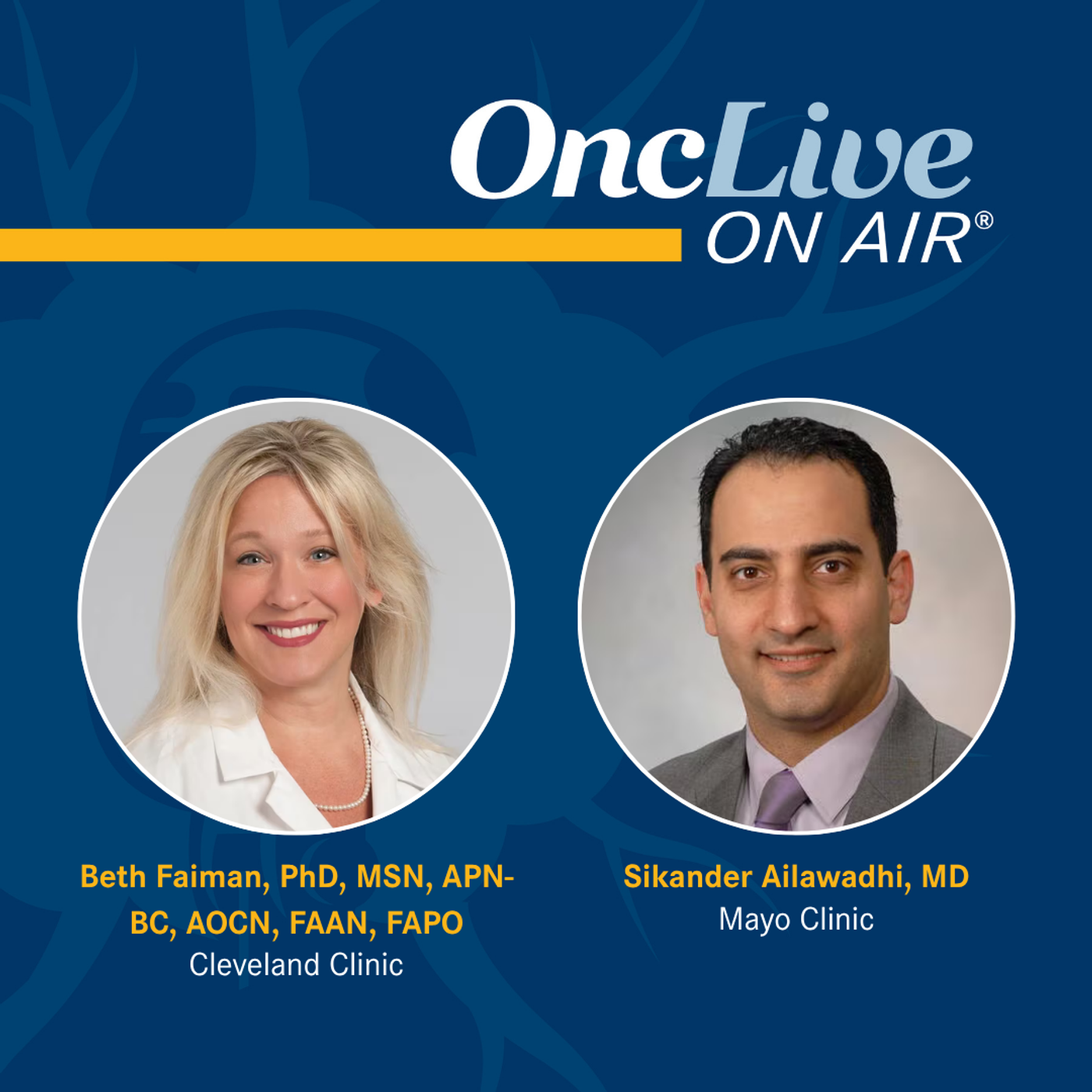
In this episode, produced in coordination with Oncology Nursing News®, Beth Faiman, PhD, MSN, APN-BC, AOCN, FAAN, FAPO, and Sikander Ailawadhi, MD, discussed how on-body subcutaneous administration methods could allow for select at-home administration of therapies for patients with multiple myeloma. Dr Faiman is an adult nurse practitioner in the Department of Hematology/Oncology at the Cleveland Clinic and a clinical member of the Cancer Prevention, Control and Population Research Program at Case Comprehensive Cancer Center in Ohio. Dr Ailawadhi is a consultant in the Division of Hematology/Oncology in the Department of Internal Medicine, a consultant in the D...
Sequencing B7-H4–Targeted ADCs and Optimizing Toxicity Management in Gynecologic Cancers

In today’s episode, we spoke with Angeles Alvarez Secord, MD, MHSc. Dr Secord is a professor of obstetrics and gynecology and a member of Duke Cancer Institute in Durham, North Carolina.
In our exclusive interview, Dr Secord discussed the emergence of B7-H4 as an attractive antibody-drug conjugate (ADC) target in gynecologic cancers, noting that expression rates of 80% to 90% or higher across endometrial and ovarian cancers distinguish it favorably from other targets such as folate receptor α and HER2, where high expression thresholds are often required for meaningful benefit. She also highlighted a mechanistic distinction: unlike FRα- or...
The Next Wave: ADCs, Targeted Therapies, and Emerging Strategies in Ovarian Cancer
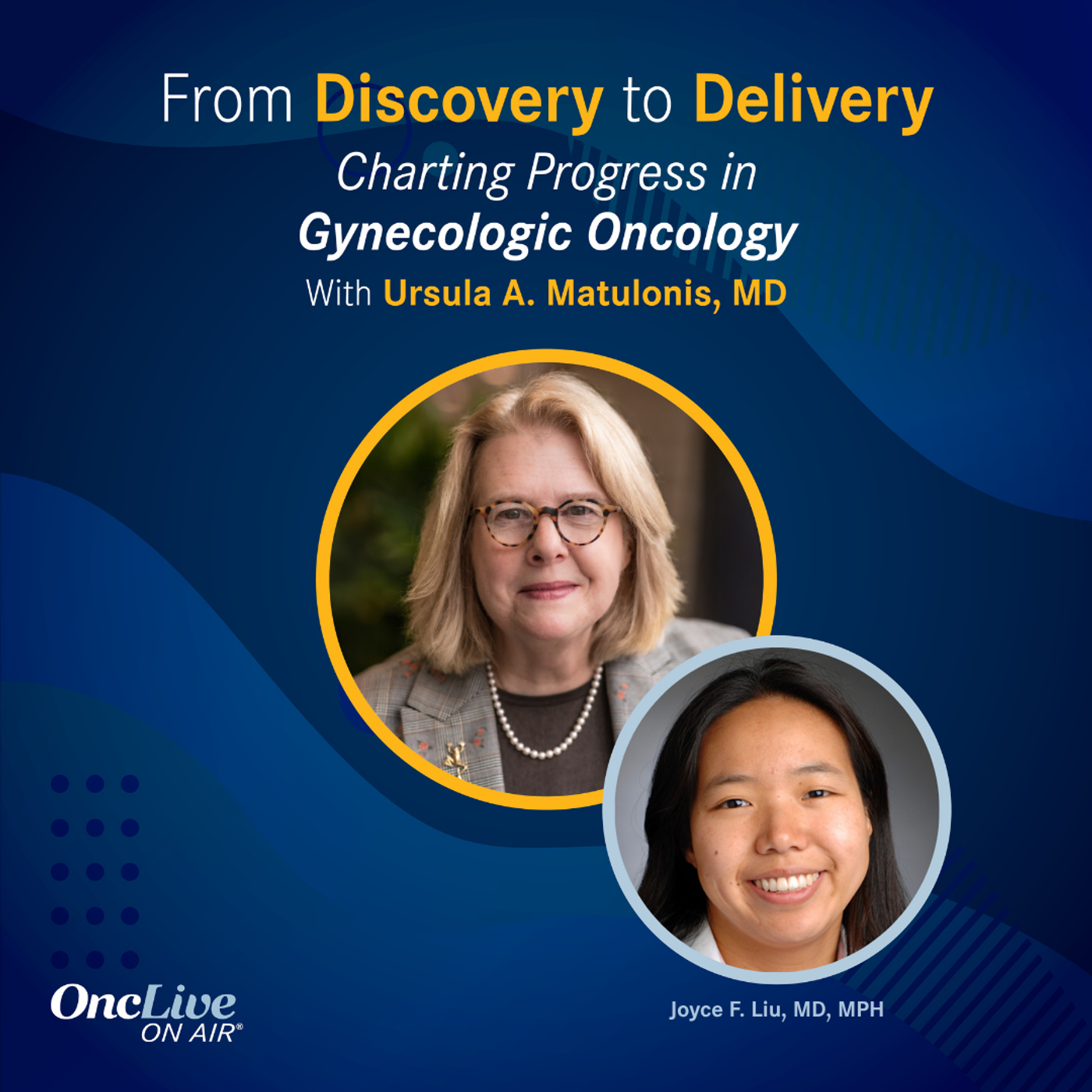
From Discovery to Delivery: Charting Progress in Gynecologic Oncology, hosted by Ursula A. Matulonis, MD, brings expert insights into the most recent breakthroughs, evolving standards, and emerging therapies across gynecologic cancers. Dr Matulonis is chief of the Division of Gynecologic Oncology and the Brock-Wilson Family Chair at the Dana-Farber Cancer Institute, as well as a professor of medicine at Harvard Medical School, both in Boston, Massachusetts.
In this episode, Dr Matulonis was joined by Joyce F. Liu, MD, MPH, a medical oncologist and associate professor of medicine at Harvard Medical School, associate chief and director of clinical...
Navigating Patient-Centric Treatment Administration Strategies in Myeloma
In this episode, produced in coordination with Oncology Nursing News®, Beth Faiman, PhD, MSN, APN-BC, AOCN, FAAN, FAPO, and Sikander Ailawadhi, MD, discussed how on-body subcutaneous administration methods are affecting multiple myeloma management and how these administrations could be a key focus of future health care initiatives. Dr Faiman is an adult nurse practitioner in the Department of Hematology/Oncology at the Cleveland Clinic and a clinical member of the Cancer Prevention, Control and Population Research Program at Case Comprehensive Cancer Center in Ohio. Dr Ailawadhi is a consultant in the Division of Hematology/Oncology in the Department of I...
Novel MEK inhibitor Research Aims to Balance Efficacy and Tolerability in Pancreatic Cancer
In today’s episode, we spoke with Vincent Chung, MD, about the development of atebimetinib (IMM-1-104) in metastatic pancreatic cancer. Dr Chung is a professor in the Department of Medical Oncology & Therapeutics Research at City of Hope in Duarte, California.
In our exclusive interview, Dr Chung discussed MEK inhibition as a logical target in metastatic pancreatic cancer, the unique mechanism of action of atebimetinib that contributes to its improved tolerability relative to earlier-generation MEK inhibitors, key safety and efficacy findings from a phase 2a trial (NCT05585320) combining atebimetinib with modified gemcitabine/nab-paclitaxel (Abraxane) in patients with ad...
FDA Approval Insights: Ropeginterferon Alfa-2b Ushers in Long-Awaited New Treatment Option for Essential Thrombocythemia
In today’s episode, we welcomed Ruben Mesa, MD, FACP, who outlined the significance of the August 2026 FDA approval of ropeginterferon alfa-2b-njft (Besremi) for the treatment of adult patients with essential thrombocythemia. Dr Mesa is senior vice president of Atrium Health and president and executive director of the Atrium Health Wake Forest Baptist Comprehensive Cancer Center in Charlotte, North Carolina.
In the exclusive interview, Dr Mesa discussed what the FDA approval of ropeginterferon alfa-2b means for the essential thrombocythemia treatment paradigm, detailed the key efficacy and safety findings from the phase 3 SURPASS-ET trial (NCT04285086) that su...
FDA Approval Insights: Daraxonrasib for Metastatic Pancreatic Ductal Adenocarcinoma
In today’s episode, we spoke with Kim A. Reiss Binder, MD, about the August 2026 FDA approval of daraxonrasib (Rasonque) for the treatment of adult patients with metastatic pancreatic adenocarcinoma who have received at least 1 prior systemic therapy or are not candidates for multi-agent systemic therapy. Dr Reiss Binder is the assistant program director of the Hematology/Oncology Fellowship Program and an associate professor of medicine (hematology-oncology) at the Hospital of the University of Pennsylvania in Philadelphia.
In our exclusive interview, Dr Binder discussed the significance of this approval, key efficacy data from the pivotal phase 3 RASolute 302 tr...
Resistance Patterns Shape FGFR Inhibitor Sequencing in Cholangiocarcinoma
In this episode, we spoke with Arndt Vogel, MD, a faculty member at the University of Toronto Institute of Medical Science, a scientist at the Toronto General Hospital Research Institute, and a medical oncologist at the UHN–Princess Margaret Cancer Centre in Canada.
In our exclusive interview, Dr Vogel highlighted the rationale and growing evidence for sequential FGFR inhibition in FGFR2 fusion–positive cholangiocarcinoma, explaining that on-target resistance mutations and the differing binding properties of agents like pemigatinib (Pemazyre), futibatinib (Lytgobi), and the more selective tinengotinib (TT-00420) support using these drugs in sequence, although he emphasized that trea...
Subcutaneous Therapies Bolster Administration Options in Multiple Myeloma
In this episode, produced in coordination with Oncology Nursing News®, Beth Faiman, PhD, MSN, APN-BC, AOCN, FAAN, FAPO, and Sikander Ailawadhi, MD, discussed evolving administration strategies for multiple myeloma therapies, primarily focusing on subcutaneous and on-body administration. Dr Faiman is an adult nurse practitioner in the Department of Hematology/Oncology at the Cleveland Clinic and a clinical member of the Cancer Prevention, Control and Population Research Program at Case Comprehensive Cancer Center in Ohio. Dr Ailawadhi is a consultant in the Division of Hematology/Oncology in the Department of Internal Medicine, a consultant in the Department of Cancer Biology, an...
Navigating DLL3-Targeting T-Cell Engagers and the Evolving Small Cell Lung Cancer Treatment Landscape
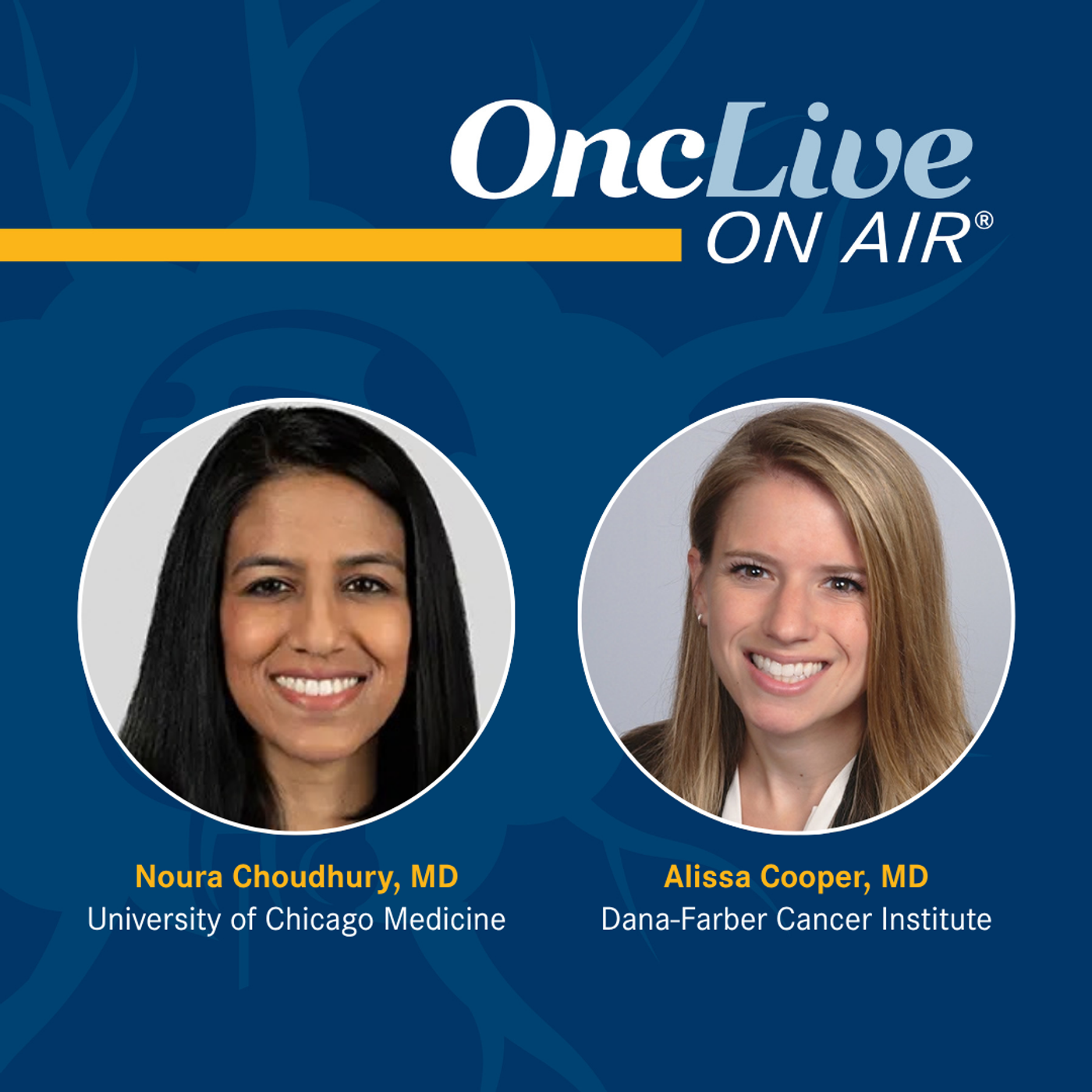
In today's episode, we spoke with Alissa Cooper, MD, and Noura Choudhury, MD. Dr Cooper is a physician at Dana-Farber Cancer Institute and instructor in medicine at Harvard Medical School in Boston, Massachusetts, and Dr Choudhury is an assistant professor of medicine at the University of Chicago in Illinois.
In our exclusive interview, Drs Cooper and Choudhury discussed the evolving role of DLL3-targeting T-cell engagers in small cell lung cancer (SCLC), with a focus on tarlatamab-dlle (Imdelltra) and how emerging trial data may reshape the current treatment paradigm across lines of therapy.
The discussion...
Start Earlier and Find Your Community: Navigating the Fellowship-to-Faculty Transition Through Mentorship and Specialty-Focused Meetings
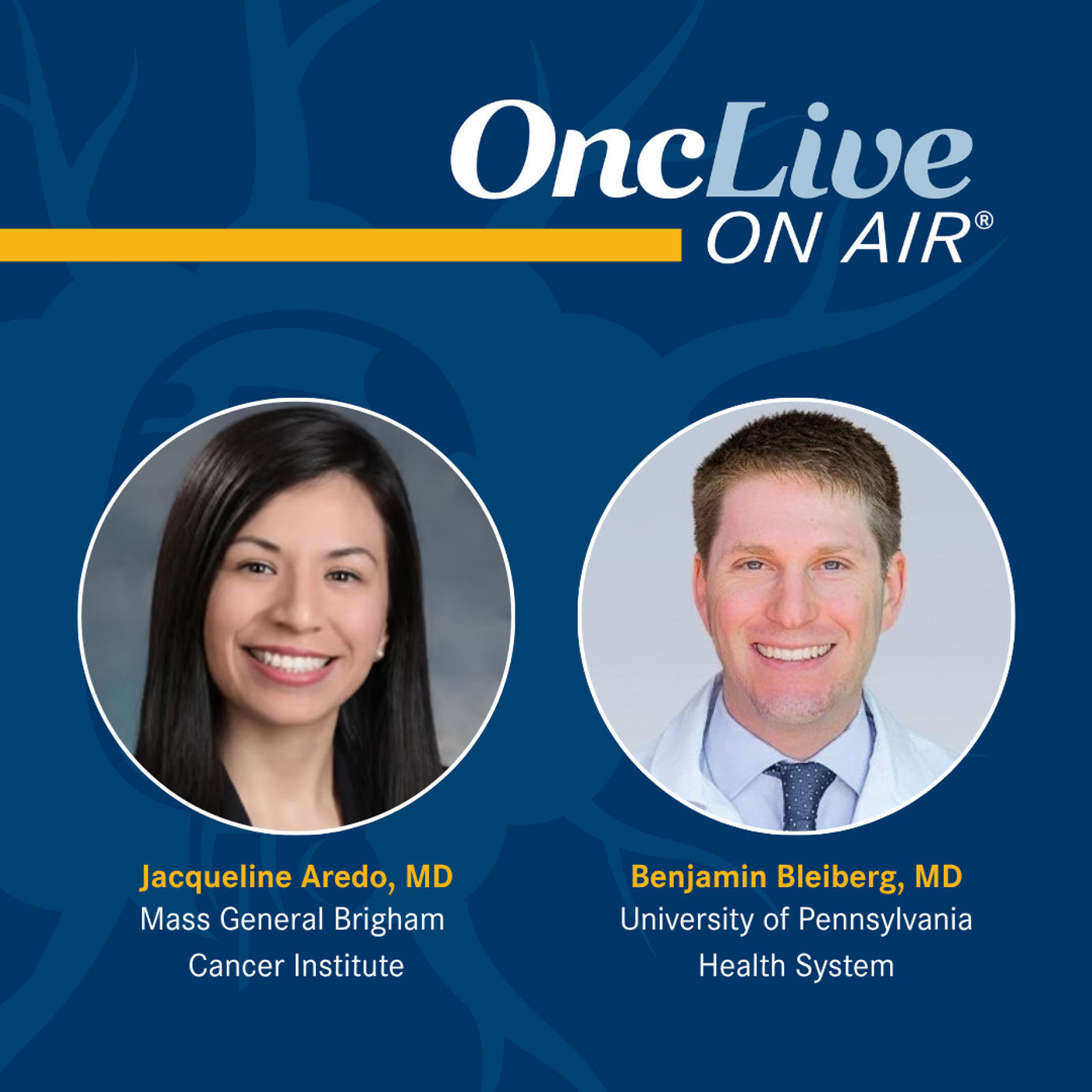
In today's episode, we spoke with Jacqueline Aredo, MD, and Benjamin Bleiberg, MD. Dr Aredo is a thoracic oncologist at Mass General Brigham Cancer Institute in Boston, Massachusetts, and Dr Bleiberg is an adjunct assistant professor of medicine at the University of Pennsylvania Perelman School of Medicine in Philadelphia.
In our exclusive interview, Drs Aredo and Bleiberg reflected on the experiences and relationships that shaped their transitions from fellowship into their first faculty positions in thoracic oncology and on the role that smaller, specialty-focused meetings played in building the professional community that supported them along the way.<...
OncoBytes Adaptive Learning Pathways™: Decoding Precision Diagnostics and Targeted Therapies in Glioma
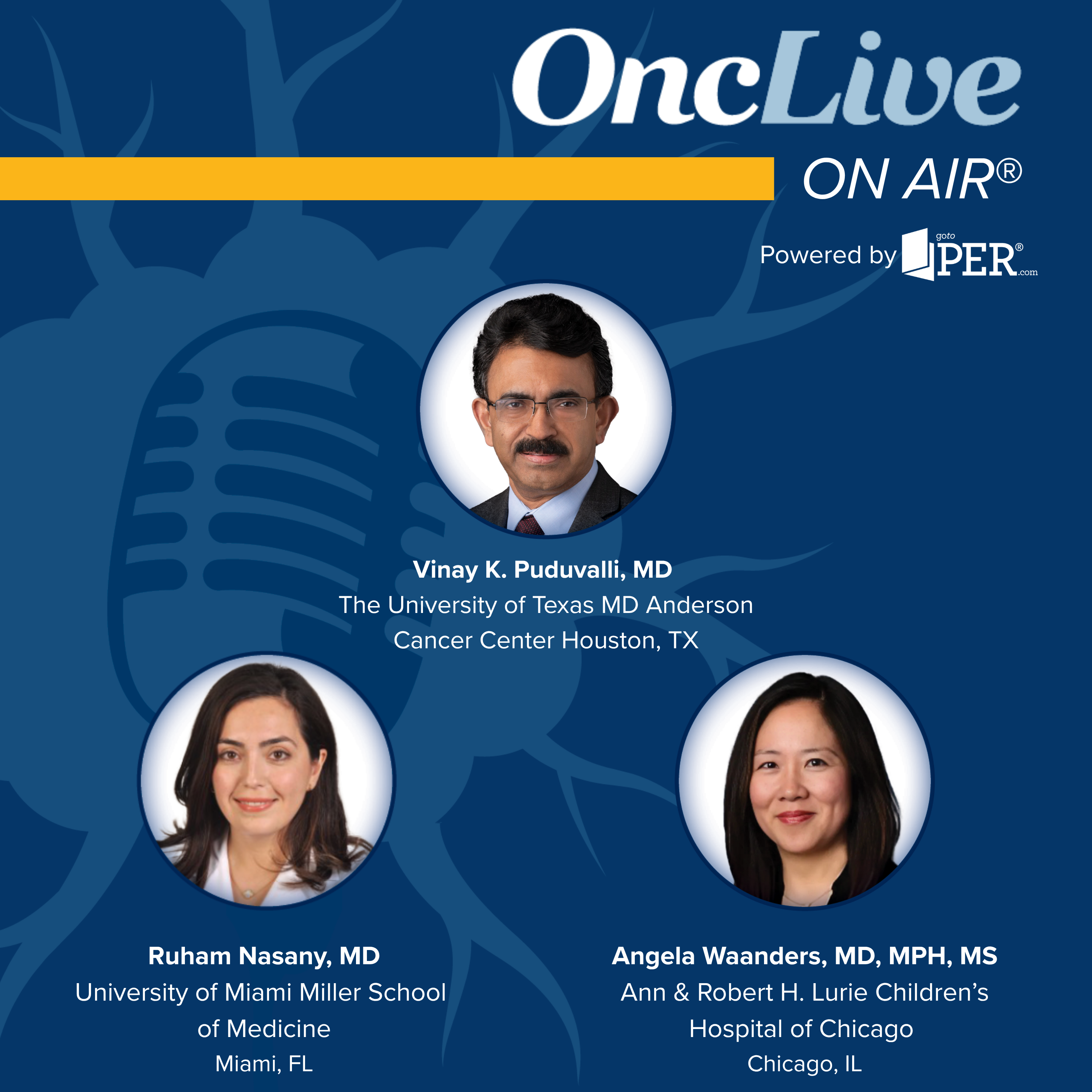
Highlights from the PER® CME activity "OncoBytes Adaptive Learning Pathways™: Decoding Precision Diagnostics and Targeted Therapies in Glioma" — this podcast is not certified for credit. To participate in the full accredited activity and earn CME credit, use the link below.
In this podcast, experts Vinay K. Puduvalli, MD; Ruham Nasany, MD; and Angela Waanders, MD, MPH, MS; discuss advances in molecular diagnostics and strategies to treat adults with low- and high-grade gliomas.
Earn CME credit by completing the full accredited activity (available through September 1, 2027): https://www.gotoper.com/courses/oncobytes-adaptive-learning-pathways-decoding-precision-diagnostics-and-targeted-therapies-in-glioma
This podcast, including the narra...
Dissecting Diagnostic and Management Factors in Systemic Mastocytosis
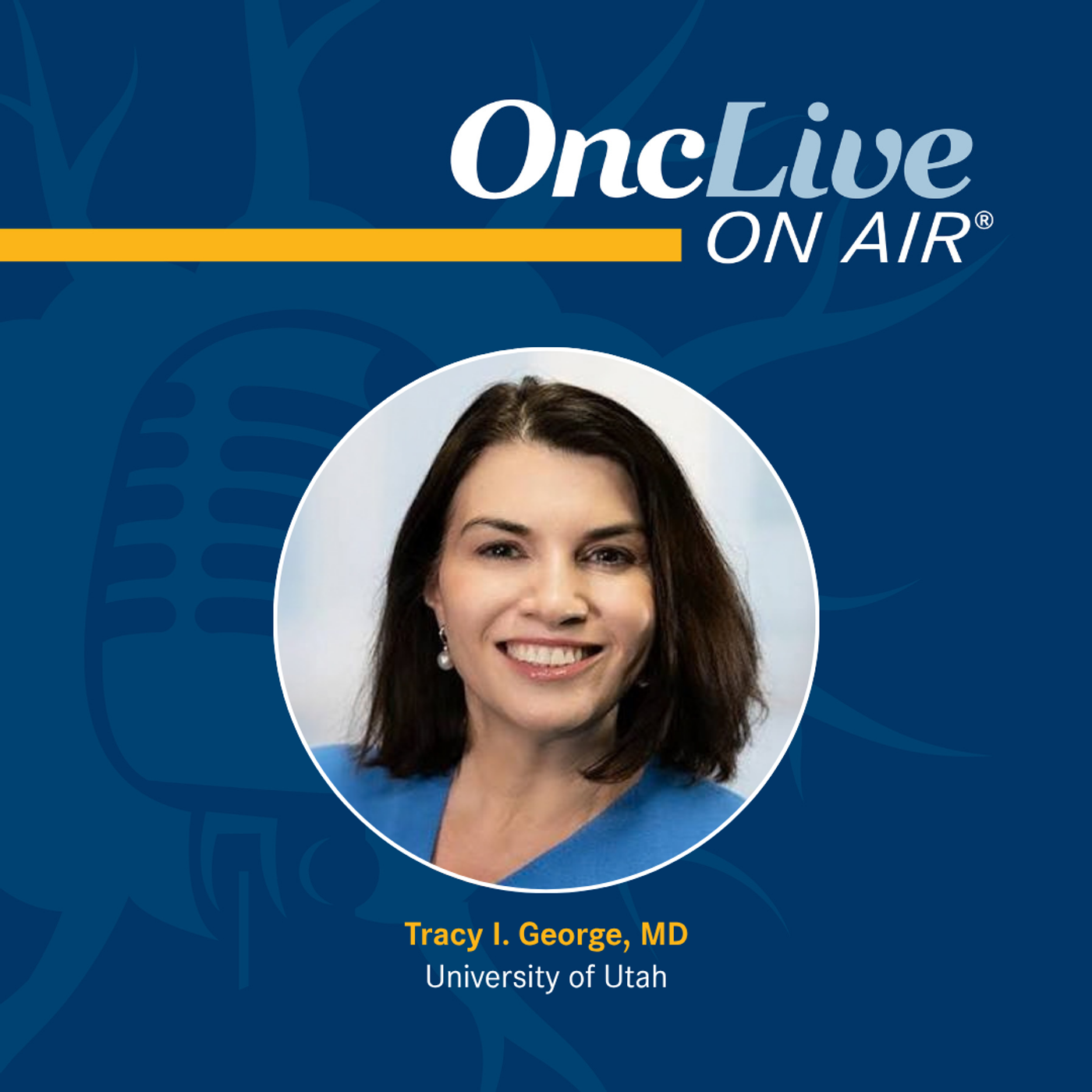
In today’s episode, we welcomed Tracy I. George, MD, who provided a pathologist’s perspective on the diagnosis and evolving management considerations for systemic mastocytosis. Dr George is president of the Innovation Business Unit and chief scientific officer at ARUP Laboratories and a professor of pathology at the Spencer Fox Eccles School of Medicine at the University of Utah in Salt Lake City.
In the exclusive interview, Dr George highlighted the key hallmarks of systemic mastocytosis that can inform diagnosis, detailed how pathologists collaborate with other multidisciplinary experts to care for patients with systemic mastocytosis, and expl...
Unpacking Data and Upcoming Developments for Olverembatinib in CML
In today’s episode, we spoke with Elias Jabbour, MD, and Dennis Kim, MD. Dr Jabbour is a professor of Leukemia at The University of Texas MD Anderson Cancer Center in Houston. Dr Kim is an associate professor at the Institute of Medical Science at the University of Toronto in Canada.
In our exclusive interview, Drs Jabbour and Kim discussed the third-generation TKI olverembatinib (HQP1351), how it works, and its advantages compared with other treatment options for chronic myeloid leukemia and acute lymphoblastic leukemia. Additionally, the 2 experts overviewed data for the investigational TKI that came out of th...
Advancing Targeted Therapy in HR+/HER2– Metastatic Breast Cancer: Integrating Next-Generation Endocrine and PAM-Pathway Strategies Into Practice
Highlights from the PER® CME activity "Advancing Targeted Therapy in HR+/HER2– Metastatic Breast Cancer: Integrating Next-Generation Endocrine and PAM-Pathway Strategies Into Practice
" — this podcast is not certified for credit. To participate in the full accredited activity and earn CME credit, use the link below.
In this podcast, experts Joyce O’Shaughnessy, MD, Sarat Chandarlapaty, MD, PhD, Mitchell Elliott, MD, FRCPC, and Seth A. Wander, MD, PhD, discuss how they are integrating recent data from pivotal clinical trials evaluating next-generation oral selective estrogen receptor degraders (SERDs) as well as inhibitors of the PI3K/AKT/mTOR signali...
Exploring the FDA Approval of Optune Pax and What It Means for Locally Advanced Pancreatic Cancer
In today’s episode, we spoke with Philip A. Philip, MD. Dr Philip is the director of Gastrointestinal Oncology, co-director of the Pancreatic Cancer Center, and medical director of Research and Clinical Care Integration at the Henry Ford Cancer Institute in Detroit, Michigan.
In our exclusive interview, Dr Philip discussed the February 2026 FDA approval of Optune Pax for lo cally advanced pancreatic cancer in addition to key data from the phase 3 PANOVA-3 trial (NCT03377491), which evaluated the modality in combination with gemcitabine and nab-paclitaxel (Abraxane) in this population. Philip looked ahead toward combination regimens with newly approved dr...
Neoadjuvant Immunotherapy and Short Treatment Courses Drive Paradigm Shifts in CRC Management
In this episode of Oncology Unplugged, host Chandler Park, MD, a medical oncologist at Norton Cancer Institute in Louisville, Kentucky, was joined by Pashtoon Kasi, MD, MS, the medical director of GI Medical Oncology, the Rad Family Chair in Gastrointestinal Oncology, and an associate clinical professor in the Department of Medical Oncology & Therapeutics Research at City of Hope Orange County in Irvine, California.
Their discussion centered on the rapid rise of neoadjuvant immunotherapy in colorectal cancer (CRC) management, framing the shift in which immunotherapy is given upfront and surgery becomes the adjuvant step as a genuine paradigm...
Breaking Down the FDA Approval of Zanidatamab-Based Regimens in HER2+ Gastric Cancer
In today’s episode, we spoke with Nataliya Uboha, MD, PhD. Dr Uboha is an associate professor and researcher in the Department of Medicine at the University of Wisconsin School of Medicine in Madison.
In our exclusive interview, Dr Uboha discussed the August 2026 FDA approval of zanidatamab (Ziihera)-based regimens for first-line HER2-positive locally advanced or metastatic gastric cancer, and unpacked data from the phase 3 HERIZON-GEA-01 trial (NCT05152147) that supported the regulatory decision. She also shed light on where zanidatamab fits in the gastric cancer treatment paradigm in combination with PD-1 inhibitors like tislelizumab (Tevimbra) and al...
Recent Data Readouts Help Untangle HER2 Overexpression and Mutation Implications in NSCLC
In today’s episode, Narjust Florez, MD, and Jonathan Wesley Riess, MD, MS, hosted a discussion about the distinction between HER2 overexpression and HER2 mutations in non–small cell lung cancer (NSCLC). Dr Florez is the associate medical director of the Cancer Care Access Program and a physician at Dana-Farber Cancer Institute, as well as an assistant professor of medicine and a faculty member at Harvard Medical School, both in Boston, Massachusetts. Dr Riess is the director of Thoracic Oncology and an associate professor of medicine in the Division of Hematology and Oncology at the University of California (UC) Davi...
INCB161734 Holds Potential Significance for KRAS G12D–Mutated mPDAC Management
In today’s episode, we spoke with Davide Melisi, MD, PhD. Dr Melisi is an associate professor of medical oncology at the University of Verona in Italy.
In our exclusive interview, Dr Melisi discussed the investigational oral KRAS G12D inhibitor INCB161734, its mechanism of action, what early data have shown with the agent, and the aims of the ongoing phase 3 DAWN-303 trial (NCT07522073) evaluating it in patients with KRAS G12D–mutated metastatic pancreatic ductal adenocarcinoma. He also explored how the agent could be integrated into treatment sequencing alongside the August 2026 FDA approval of daraxonrasib (Rasonque) for...
Pancreatic Cancer Experts Map Treatment Sequencing With Liposomal Irinotecan and Beyond
In today’s episode, we spoke with Raji Shameem, MD, and Shubham Pant, MD, MBBS. Dr Shameem is a clinical assistant professor of medicine at the Orlando College of Osteopathic Medicine, an assistant professor of Medicine at the University of Central Florida, and a physician at Orlando Health. Dr Pant is a professor in the Department of Gastrointestinal Medical Oncology and the Department of Investigational Cancer Therapeutics, as well as the director of Clinical Research at The Sheikh Zayed Center For Pancreatic Cancer Research at The University of Texas MD Anderson Cancer Center in Houston.
In our ex...
Integrating Precision Pathways in HER2+ Gastroesophageal Adenocarcinoma—Testing, Treatment, and Supportive Care
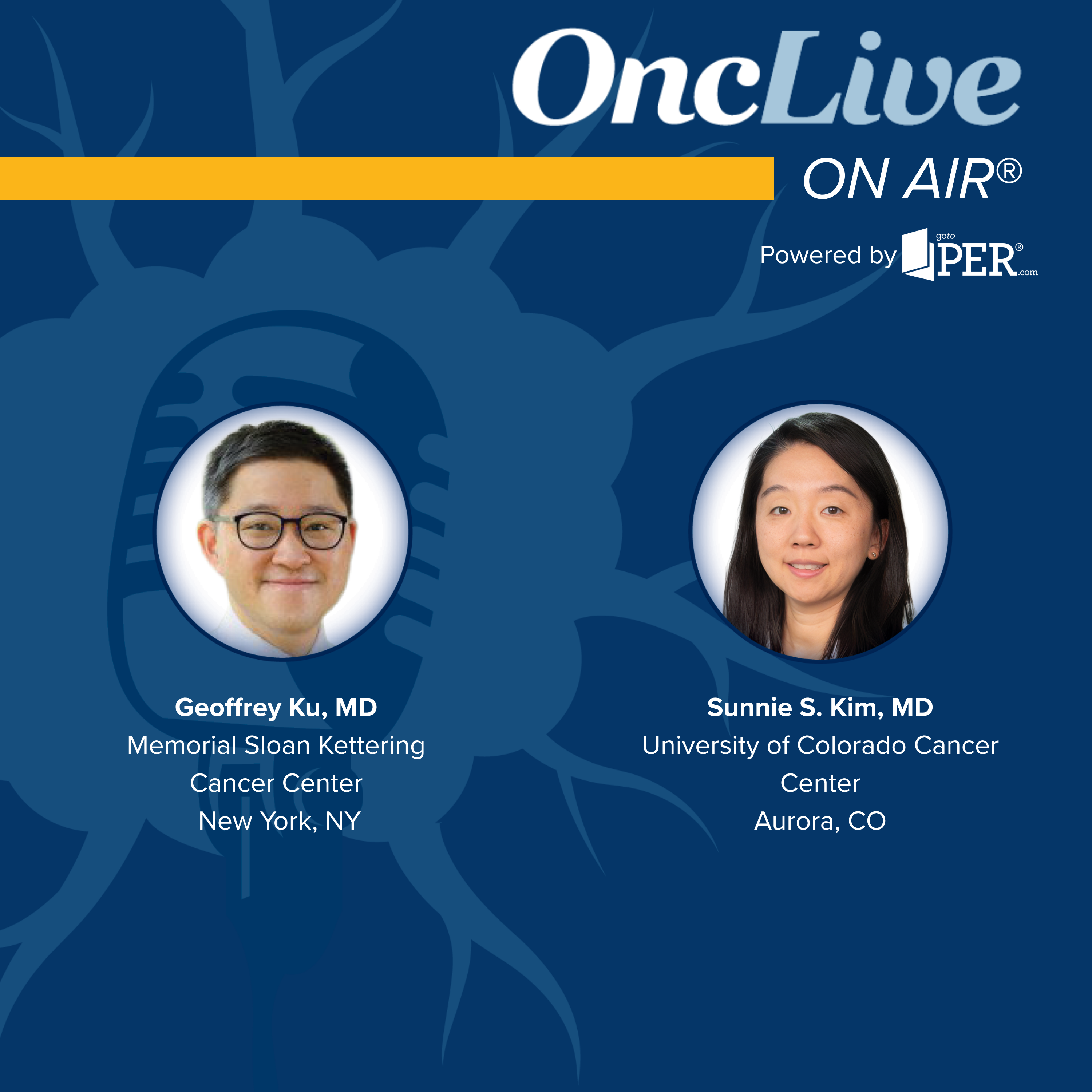
Highlights from the PER® CME activity "SimulatED: Integrating Precision Pathways in HER2+ Gastroesophageal Adenocarcinoma — Testing, Treatment, and Supportive Care" — this podcast is not certified for credit. To participate in the full accredited activity and earn CME credit, use the link below.
In this podcast, experts Geoffrey Y. Ku, MD, and Sunnie Kim, MD, discuss essential biomarker testing for advanced gastroesophageal adenocarcinoma, first-line treatment selection for HER2-positive metastatic disease in light of data from HERIZON-GEA-01 (NCT05152147), management of treatment-related diarrhea and other adverse events, and HER2 retesting at disease progression.
Earn CME credit by completing the f...
Fast-Moving Treatment Advances Shape B-Cell Lymphoma Care
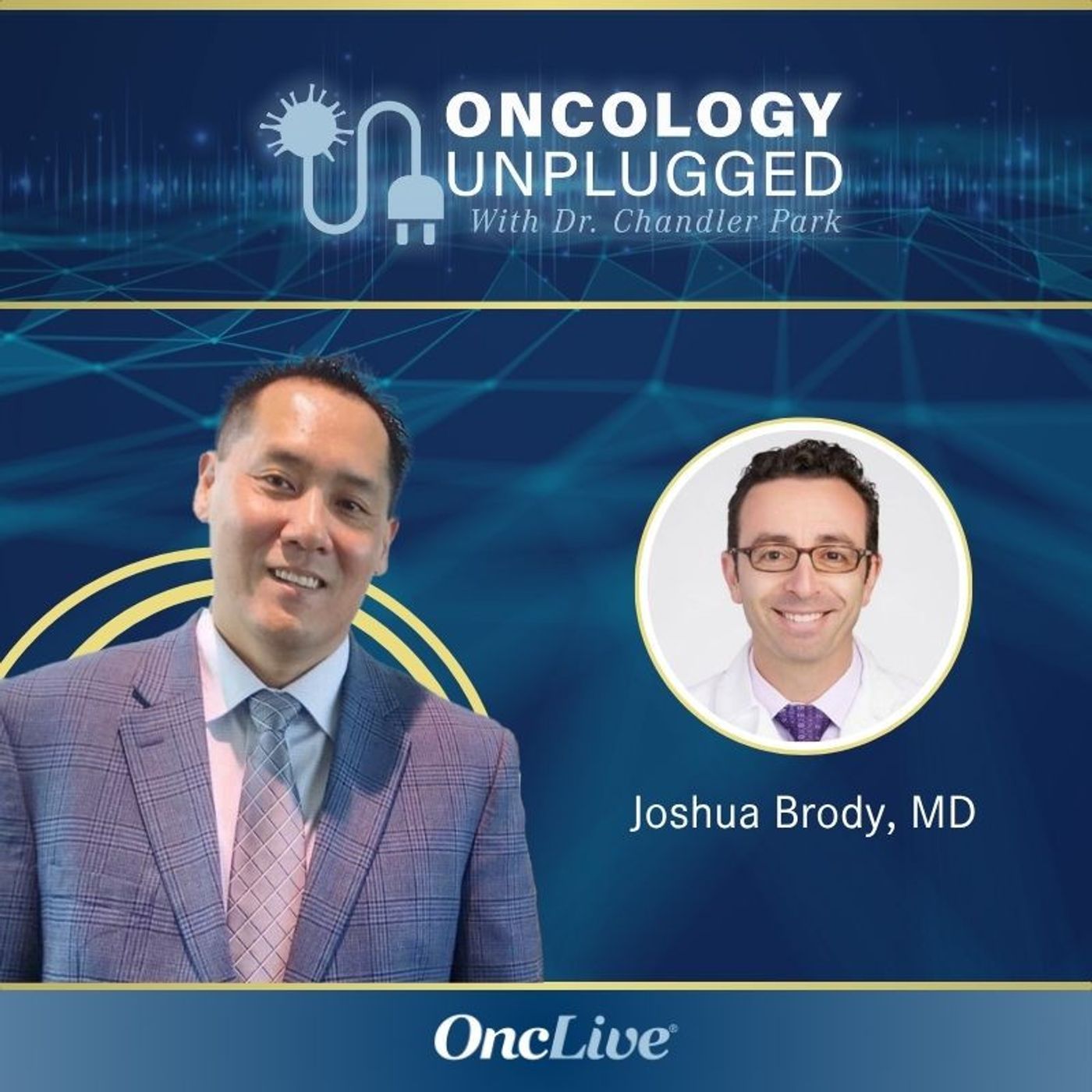
In this episode of Oncology Unplugged, host Chandler Park, MD, a medical oncologist at Norton Cancer Institute in Louisville, Kentucky, was joined by Joshua Brody, MD, the director of the Lymphoma Immunotherapy Program at the Mount Sinai Tisch Cancer Center and a faculty member of the Icahn Genomics Institute in New York, New York.
Their discussion centered on the rapidly evolving treatment landscape for B-cell non-Hodgkin lymphomas, highlighting a wave of recent advances across frontline and relapsed diffuse large B-cell lymphoma (DLBCL) and mantle cell lymphoma (MCL) management. Drs Park and Brody framed this current era as...
Metastatic Non-Small Cell Lung Cancer 2026 UPDATE
Two Onc Docs, hosted by Samantha A. Armstrong, MD, and Karine Tawagi, MD, is a podcast dedicated to providing current and future oncologists and hematologists with the knowledge they need to ace their boards and deliver quality patient care. Dr Armstrong is a hematologist/oncologist and assistant professor of clinical medicine at Indiana University Health in Indianapolis. Dr Tawagi is a hematologist/oncologist and assistant professor of clinical medicine at the University of Illinois in Chicago.
In this episode, OncLive On Air® partnered with Two Onc Docs to deliver a comprehensive, board-focused review of metastatic non–small cel...
Precision Immunotherapy, PET-Adapted Regimens, and Novel Targets Are Redefining Hodgkin Lymphoma Care: With Chandler Park, MD; Joshua Brody, MD
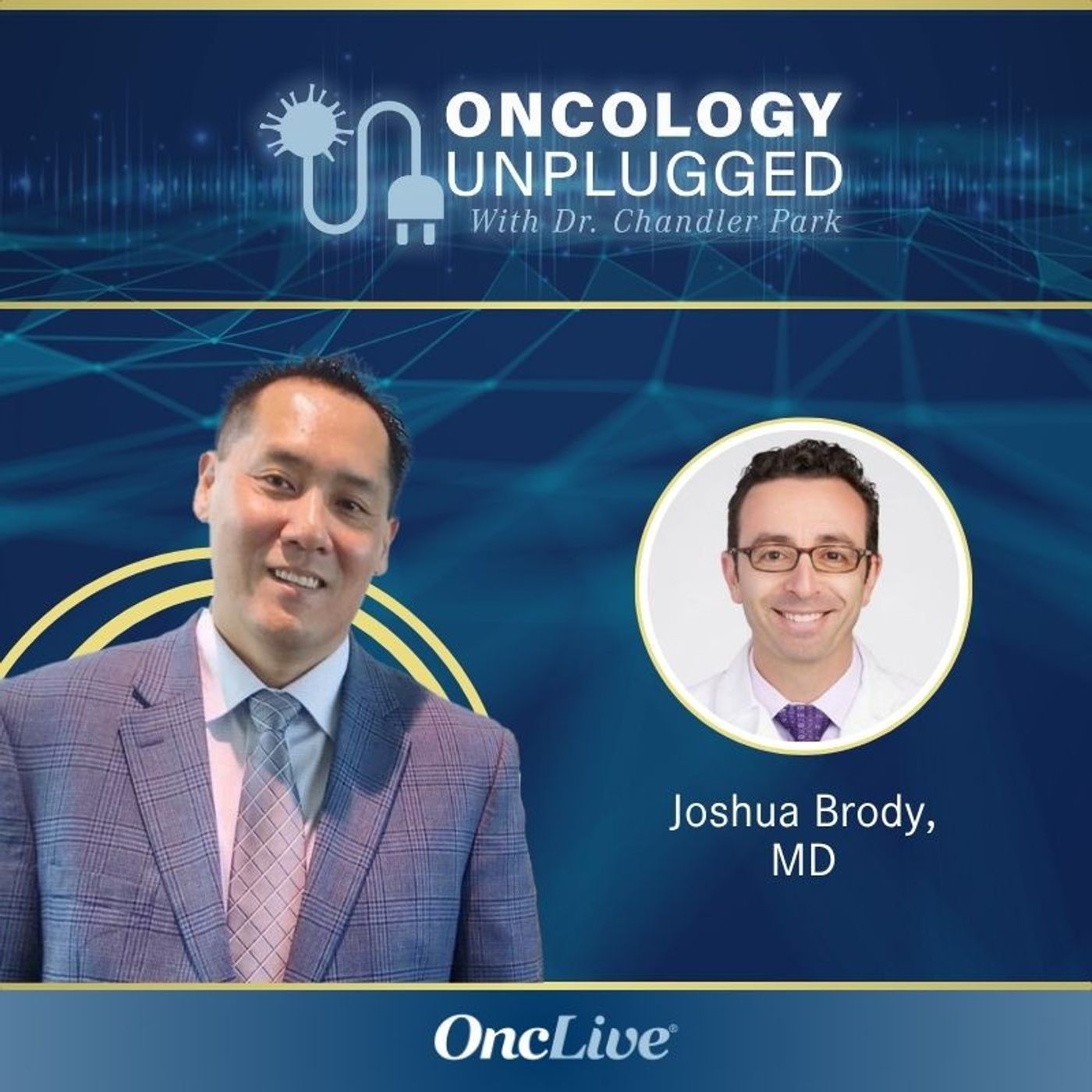
In this episode of Oncology Unplugged, host Chandler Park, MD, a medical oncologist at Norton Cancer Institute in Louisville, Kentucky, was joined by Joshua Brody, MD, the director of the Lymphoma Immunotherapy Program at the Mount Sinai Tisch Cancer Center and a faculty member of the Icahn Genomics Institute in New York, New York.
Their discussion centered on the evolving frontline and relapsed treatment landscape in Hodgkin lymphoma, highlighting the field’s decades-long shift away from intensive chemotherapy and radiation toward better-tolerated, biologically targeted regimens. Drs Park and Brody framed Hodgkin lymphoma as a rare success story in...
