The Daily

This is what the news should sound like. The biggest stories of our time, told by the best journalists in the world. Hosted by Michael Barbaro, Rachel Abrams and Natalie Kitroeff. Twenty minutes a day, six days a week, ready by 6 a.m. Subscribe today at nytimes.com/podcasts or on Apple Podcasts, Spotify and Amazon Music. You can also subscribe via your favorite podcast app here https://www.nytimes.com/activate-access/audio?source=podcatcher.
The U.S. Tried to Choke Russia’s Energy Market. Then It Made a Diesel Deal.

President Trump announced a deal to purchase Russian diesel fuel and temporarily suspended sanctions in an effort to lower domestic fuel prices amid rising costs from the war in Iran and in anticipation of the upcoming midterms. This abrupt foreign policy shift stunned European allies and drew sharp criticism from Ukraine, which viewed the move as a weakening of Western leverage against Russia.
Today, Anton Troianovski, a global affairs correspondent for The New York Times, discusses what the deal reveals about the Trump administration’s strategy with Russia, and how much it could actually lower prices at th...
Mathematicians’ Latest Problem: What if A.I. Can Do Our Job?
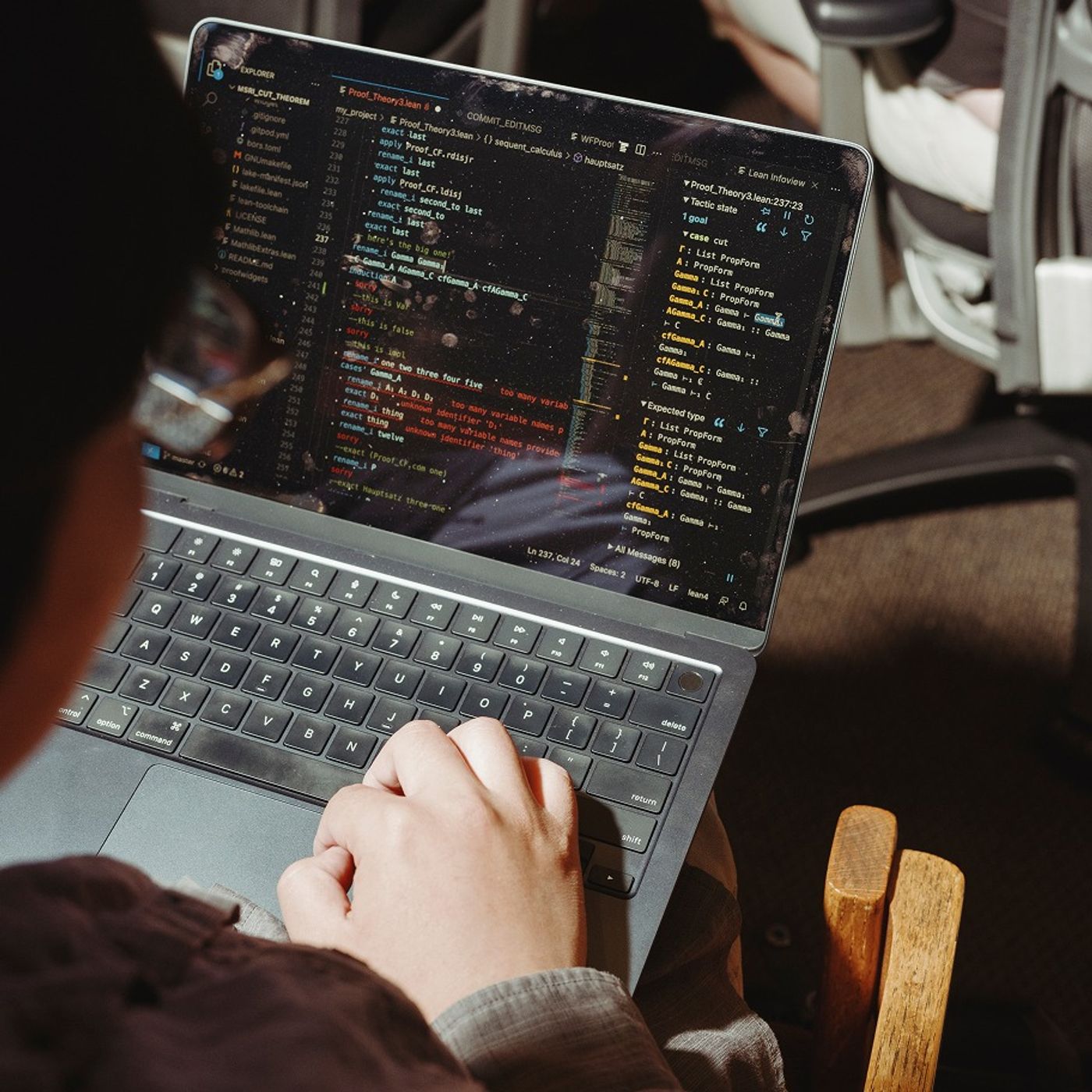
Artificial intelligence has gone from struggling with basic arithmetic to helping solve some of mathematics’ most famous open problems — and the field is reckoning with what that means.
Steven Strogatz, a professor of mathematics at Cornell University, describes the excitement and grief of watching A.I. take on work that gives people a sense of purpose — and asks what could be lost if machines deliver answers without the human struggle, insight and understanding that make solving problems meaningful.
Guest: Steven Strogatz, a professor of mathematics at Cornell University who writes for The New York Times about...
The Israeli Film Directors Pushing for a Reckoning in Their Home Country

The documentary film “NAZA,” which investigates the methods the Israeli military has used in the war in Gaza since the Hamas-led attacks on Oct. 7, 2023, received a record-breaking standing ovation at the Venice Film Festival last month. Just a few days later, Prime Minister Benjamin Netanyahu said he would propose legislation that could revoke the directors’ Israeli citizenship, arguing that they had defamed their country.
Now, with a global theatrical release underway, the directors spoke with “The Daily” to discuss the film and all the pushback that it — and they — have experienced.
Guest:
Rachel Szor, an Israeli inve...Celine Dion’s Triumphant Return to the Stage

A dramatic pop music comeback story is underway: Celine Dion is performing again.
In 2022, Dion, the renowned Canadian singer, announced that she had stiff person syndrome, a rare and incurable neurological disorder that causes painful muscle spasms and affects roughly one in a million people. The announcement came as a shock to her fans, and in a raw and revealing documentary released in 2024, “I Am: Celine Dion," she shared her struggle to overcome her condition, and sing again. But Dion worked her way back to performing, and is now appearing in a run of sold out shows in...
She’s Been to Gaza. She Met With the Iranians. Now She Has a Warning.

As the head of the International Committee of the Red Cross, Mirjana Spoljaric goes to both sides of conflicts. She’s worried that our warring world is spiraling out of control.
Thoughts? Email us at theinterview@nytimes.comWatch our show on YouTube: youtube.com/@TheInterviewPodcastFor transcripts and more, visit: nytimes.com/theinterviewFor more information on today’s episode, visit nytimes.com/thedaily. Transcripts of each episode will be made available by the next workday.
Subscribe today at nytimes.com/podcasts or on Apple Podcasts, Spotify and Amazon Music. You can also subsc...
Why France Is in Crisis

For weeks, thousands of high school students in France have been out in the streets protesting the conditions of public schools. They want better funding, something that won’t be easy with the current state of French finances.
Mark Landler, the Paris bureau chief, explains why after years of overspending, France is in crisis, and is driving toward a fiscal cliff.
Guest: Mark Landler, the Paris bureau chief of The New York Times.
Background reading:
France’s debt problem is a warning to the world.Understand the country’s polycrisis.For the resurge...A Failed Execution and the Future of the Death Penalty

Christa Pike survived two doses of a lethal injection drug last week during a botched execution in Tennessee.
Pamela Colloff, who writes for The New York Times Magazine, discusses the waning public support for the death penalty and why despite it some states are doubling down.
Guest: Pamela Colloff, a reporter at ProPublica and a staff writer at The New York Times Magazine.
Background reading:
Pamela Colloff, a reporter at ProPublica and a staff writer at The New York Times Magazine.Photo: George Walker IV/Associated Press
For m...
Three Vans, a Startled Farmer and an Iranian Plot Against the U.S.

What exactly happened near an air base in Britain used by the United States?
Eric Schmitt, a national security correspondent for The New York Times, discusses what he’s learned about the mysterious events around the base, including the abrupt withdrawal of U.S. Air Force bombers.
Guest: Eric Schmitt, a national security correspondent for The New York Times.
Background reading:
A mysterious call near a military base used by the United States set in motion a huge counterterrorism response and days of uncertainty in Britain.The United States withdrew 12 bombers from the...Call My A.I. Agent

Over the past few weeks, millions of people have rushed to download a new type of artificial intelligence app — agents. They are useful, kind of cute and need your most sensitive personal information to work.
Eli Tan, a reporter who covers technology for The New York Times, opened up his life to Muse, Meta’s A.I. agent. He explained what happened next.
Guest: Eli Tan, a reporter covering the technology industry for The New York Times.
Background reading:
Muse, Meta’s new A.I. agent, can send your emails and book your tr...Midterm Surprise: Democrats Are Surging in Red America
A new set of polls from The New York Times finds that Democratic candidates are doing remarkably well in the Republican-leaning states that they need to win to gain control of the U.S. Senate in next month’s midterm elections.
They are doing less well in the blue states that, in theory, should be easier to win.
Nate Cohn, the chief political analyst for The Times, offers his idea of what is behind the numbers.
Guest: Nate Cohn, The New York Times’s chief political analyst.
Background reading:
Polls sugge...The Restaurant Industry Is Broken. Can It Be Fixed?
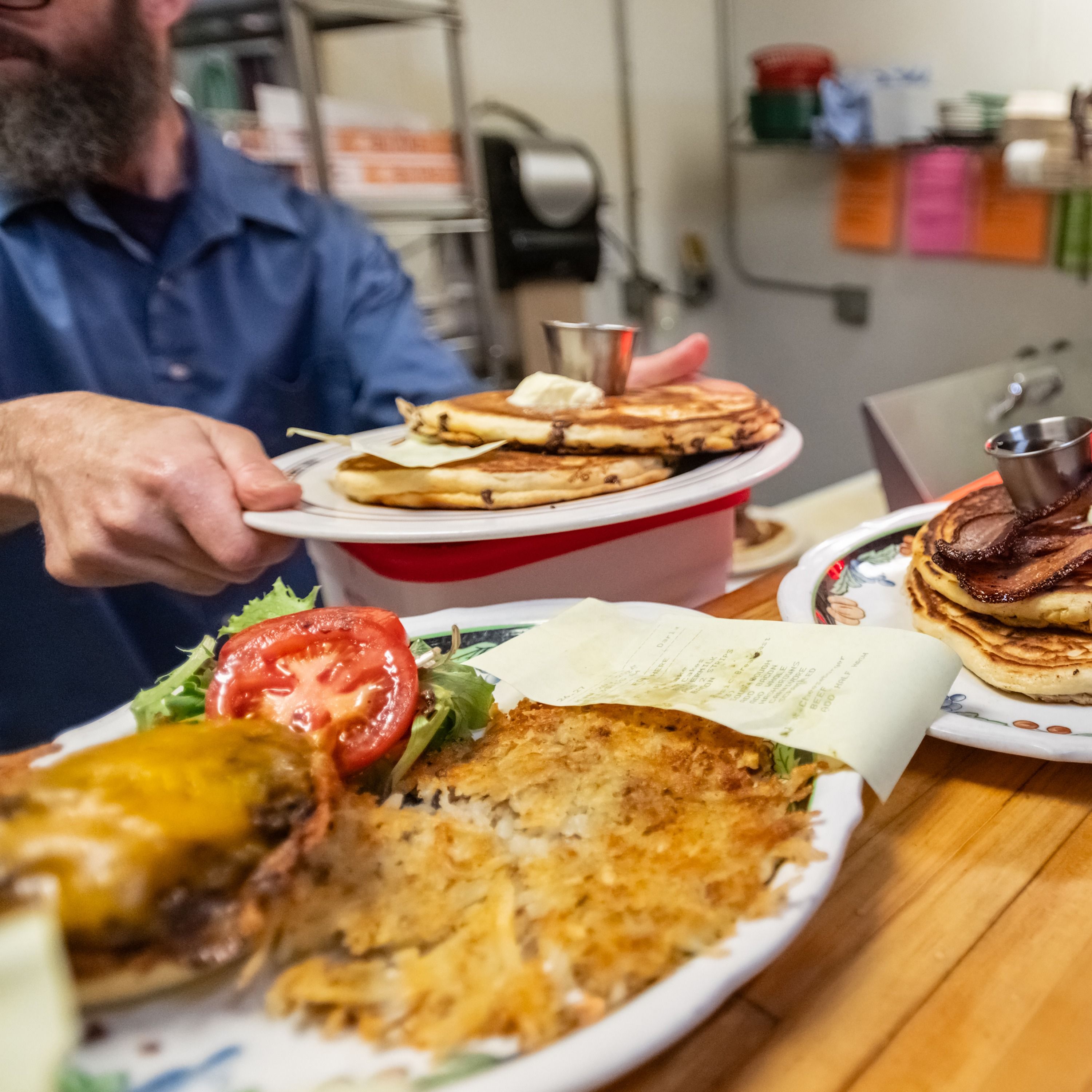
If you dine out regularly, you might have noticed some changes in restaurants over the past few years. Perhaps you’ve found yourself ordering at a counter, scanning a QR code to see the menu, or eating … a lot more soft serve.
These changes aren’t just trends. Brett Anderson, a New York Times food reporter, says they are restaurant owners’ desperate attempts to stay afloat in an industry in crisis. According to a report from the National Restaurant Association, 42 percent of restaurant owners said they weren’t profitable in 2025. Many of them were at serious risk of closing...
Chris Rock Has Been Thinking About Forgiveness

The comedian and filmmaker on what real friendship looks like, what keeps him up at night and his new movie, "Misty Green."
Thoughts? Email us at theinterview@nytimes.comWatch our show on YouTube: youtube.com/@TheInterviewPodcastFor transcripts and more, visit: nytimes.com/theinterviewFor more information on today’s episode, visit nytimes.com/thedaily. Transcripts of each episode will be made available by the next workday.
Subscribe today at nytimes.com/podcasts or on Apple Podcasts, Spotify and Amazon Music. You can also subscribe via your favorite podcast app here https://www.nyt...
The Firestorm Over a Rape Allegation at Cornell

An alleged campus sexual assault at Cornell University has gripped the country and ignited a national debate over consent.
Debra Kamin, an investigative reporter for The New York Times, explains what we know about what happened.
Guest: Debra Kamin, an investigative reporter for the The New York Times.
Background reading:
Documents reviewed by The Times reveal how a Cornell student went from shame to action.A Cornell police report omitted the student’s claim that she was raped.Photo: Heather Ainsworth for The New York Times
For more inf...
Why Washington Is Trying to Rein In College Sports
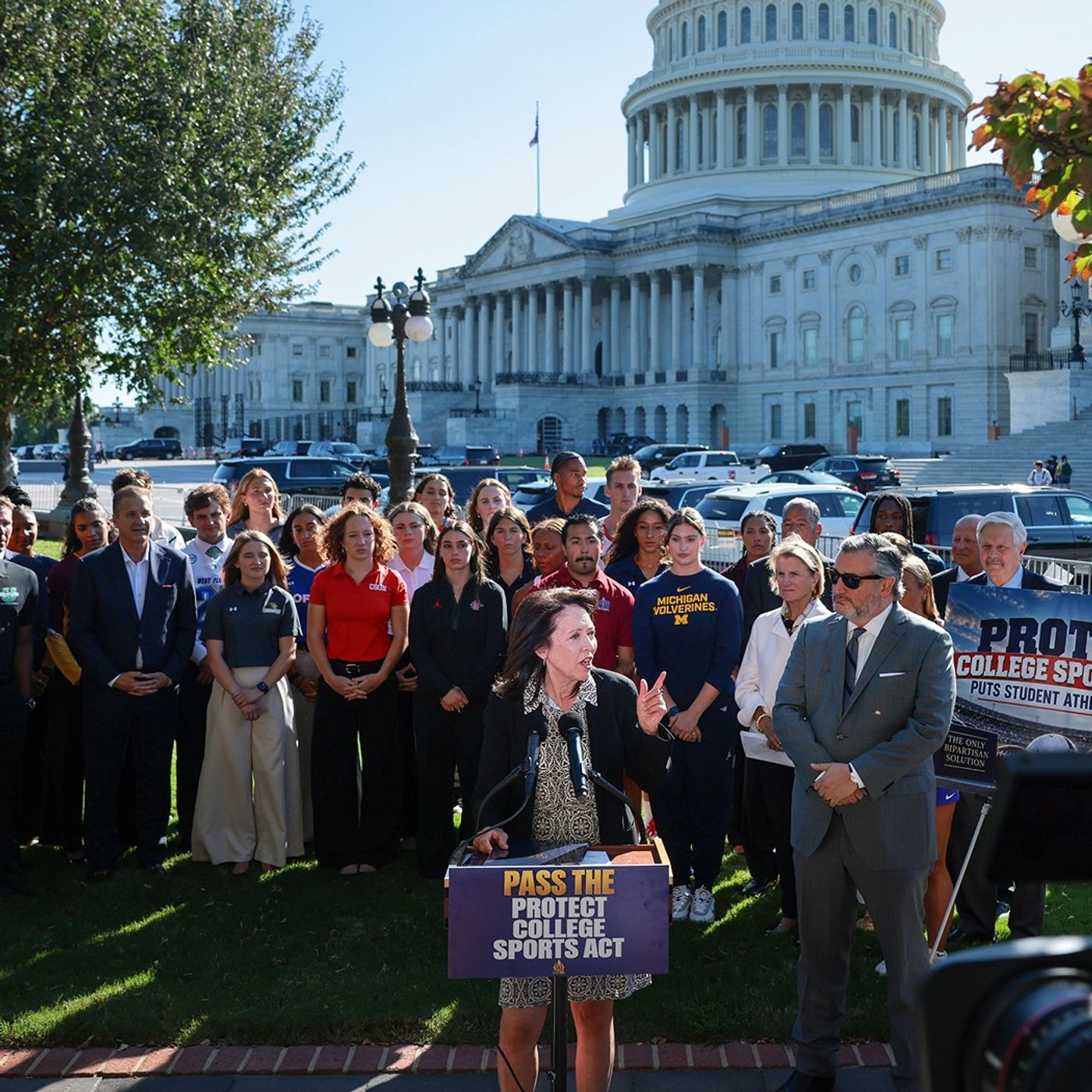
In the five years since student athletes have been allowed to earn money, college sports have become a chaotic and murky marketplace where players can move from team to team chasing a payday.
Stewart Mandel of The Athletic explains why, this week, Washington decided to step in.
Guest: Stewart Mandel, the editor in chief of college football for The Athletic and a host of its college football podcast “The Audible.”
Background reading:
The Protect College Sports Act wants to fix college sports. Here’s what it actually targets.Does your college football roster...Inside the Devastating Hack of the F.B.I.

A little over a decade ago, after hackers broke into the U.S. government and stole the personnel records of millions of federal workers, officials vowed that it would never happen again. Something similar recently did — to the F.B.I.
Dustin Volz, who covers cybersecurity for The New York Times, tells the story of the attack, the group behind it and what could happen to the stolen data.
Guest: Dustin Volz, a cybersecurity and intelligence reporter for The New York Times.
Background reading:
The hackers said they had stolen thousands of sen...Are Prediction Markets Gambling? A Lot Rides on the Answer.
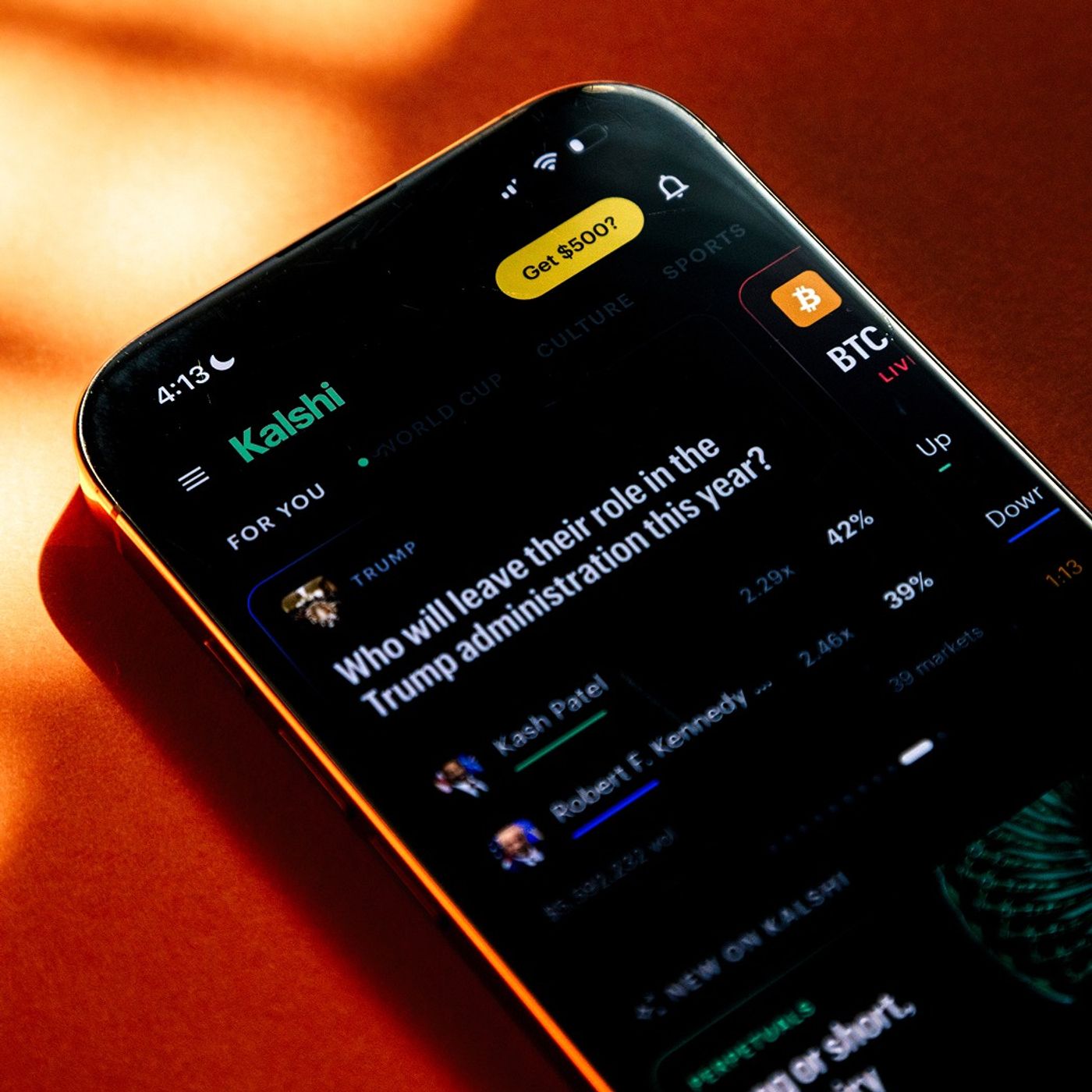
Prediction markets such as Kalshi and Polymarket have gained huge popularity over the past year. These marketplaces allow you to wager on just about anything — whether it’s who will win a football game or the weather in New York City.
David Yaffe-Bellany, a technology reporter for The New York Times, discusses the legal challenge these platforms now face and how it could determine their future.
Guest: David Yaffe-Bellany, a technology reporter for The New York Times.
Background reading:
A clash between prediction markets and states has set off a furious political battl...He Was Deported to a Country He’d Never Heard Of
In its efforts to deport as many undocumented immigrants as possible, the Trump administration has increasingly relied on a highly controversial strategy: deporting people to countries they have no connection to.
Last week, a federal court ruled the practice to be illegal because it violated people’s right to due process. The administration challenged that ruling, and now it is in front of the Supreme Court.
Nicholas Casey tells the story of Roberto Mosquera, who moved to the United States from Cuba as a child. He has been held in the small country of Eswatini si...
The Best TV Shows of the 21st Century

The turn of the century was the beginning of a new era in television: prestige TV for the masses. Today, television is where big stars and innovative creators go to marshal sizable budgets and tell meaningful stories.
Over recent months, our colleagues at The New York Times ran a survey, asking industry insiders — on-screen talent, writers, directors, producers, executives and others — to pick their top 10 television series of the last 26 years. We compiled their responses into a list, published this week, of the best TV of the 21st century.
In this episode of “The Sunday Daily...
Sylvester Stallone Hid His Struggles for Decades. Now He’s Coming Clean.

The legendary actor on his disturbing childhood, his Hollywood missteps and the pain he caused to his loved ones, his body and himself.
Thoughts? Email us at theinterview@nytimes.comWatch our show on YouTube: youtube.com/@TheInterviewPodcastFor transcripts and more, visit: nytimes.com/theinterviewFor more information on today’s episode, visit nytimes.com/thedaily. Transcripts of each episode will be made available by the next workday.
Subscribe today at nytimes.com/podcasts or on Apple Podcasts, Spotify and Amazon Music. You can also subscribe via your favorite podcast app here https://www...
The Life and, for Now, the Death of the Kennedy Center

For 50 years, the Kennedy Center was a sprawling public home for opera, theater, jazz and free programs. Last week, it closed its doors for the time being.
Elizabeth Williamson traces how President Trump decided to take over and now shut down Washington’s biggest and most celebrated home for the arts.
Guest: Elizabeth Williamson, a feature writer for The New York Times.
Background reading:
Internal emails and documents demonstrate how President Trump broke the Kennedy Center.The center removed a sculpture called “Blue” that had been a gift from the artist.Photo...
What Safeguarding Nukes Can Teach Us About Safeguarding A.I.

Last night, President Trump welcomed Xi Jinping, China’s top leader, in a lavish ceremony as he arrived for two days of closely watched negotiations.
Artificial intelligence — and what, if any, role the countries should play in regulating it as concerns mount about its risks — is expected to be on the agenda.
David E. Sanger, a White House correspondent for The New York Times, explains how nuclear nonproliferation could be a model for how to protect humanity from technological catastrophe.
Guest: David E. Sanger, the White House and national security correspondent for The New Yo...
Health Trackers Are Everywhere. Do Babies Need Them, Too?

More and more people are wearing technology in the form of fitness bands and smart rings. These devices track metrics such as heart rate, skin temperature and sleep. The latest frontier is health tech for babies — and it’s being supercharged by artificial intelligence.
Sapna Maheshwari shares her family’s experience with health tracking and discusses whether it’s helping people or just adding to their anxieties.
Guest: Sapna Maheshwari, a reporter covering new media companies for The New York Times.
Background reading:
Aw, it’s baby’s first A.I. surveillance system.Will A...Trump Banned the Media. This Time, the Media Struck Back.

For every day of Donald J. Trump’s presidency, there has been a camera from a major television network pointed at him. But on Monday, that all changed.
Zolan Kanno-Youngs and Michael M. Grynbaum discuss the face-off between the president and the press.
Guest:
Zolan Kanno-Youngs, a White House correspondent for The New York TimesMichael M. Grynbaum, a media correspondent for The New York Times.Background reading:
CNN, MS NOW and Politico were barred from the White House after President Trump’s ban.Networks suspended pool coverage of the president after the White...The Trump Administration Defangs the Endangered Species Act
In its second term, the Trump administration has increased its efforts to undo environmental regulations. Last week, it became clear that the Endangered Species Act, one of America’s bedrock environmental laws, would be losing some of its most important protections.
Catrin Einhorn, who covers biodiversity, explains what is changing and what impact that could have on the country’s most vulnerable animals and ecosystems.
Guest: Catrin Einhorn, a reporter covering biodiversity, climate and the environment for The New York Times.
Background reading:
The Trump administration moved to gut a core protection of the...How a 1,000-Year-Old Tapestry Took London by Storm
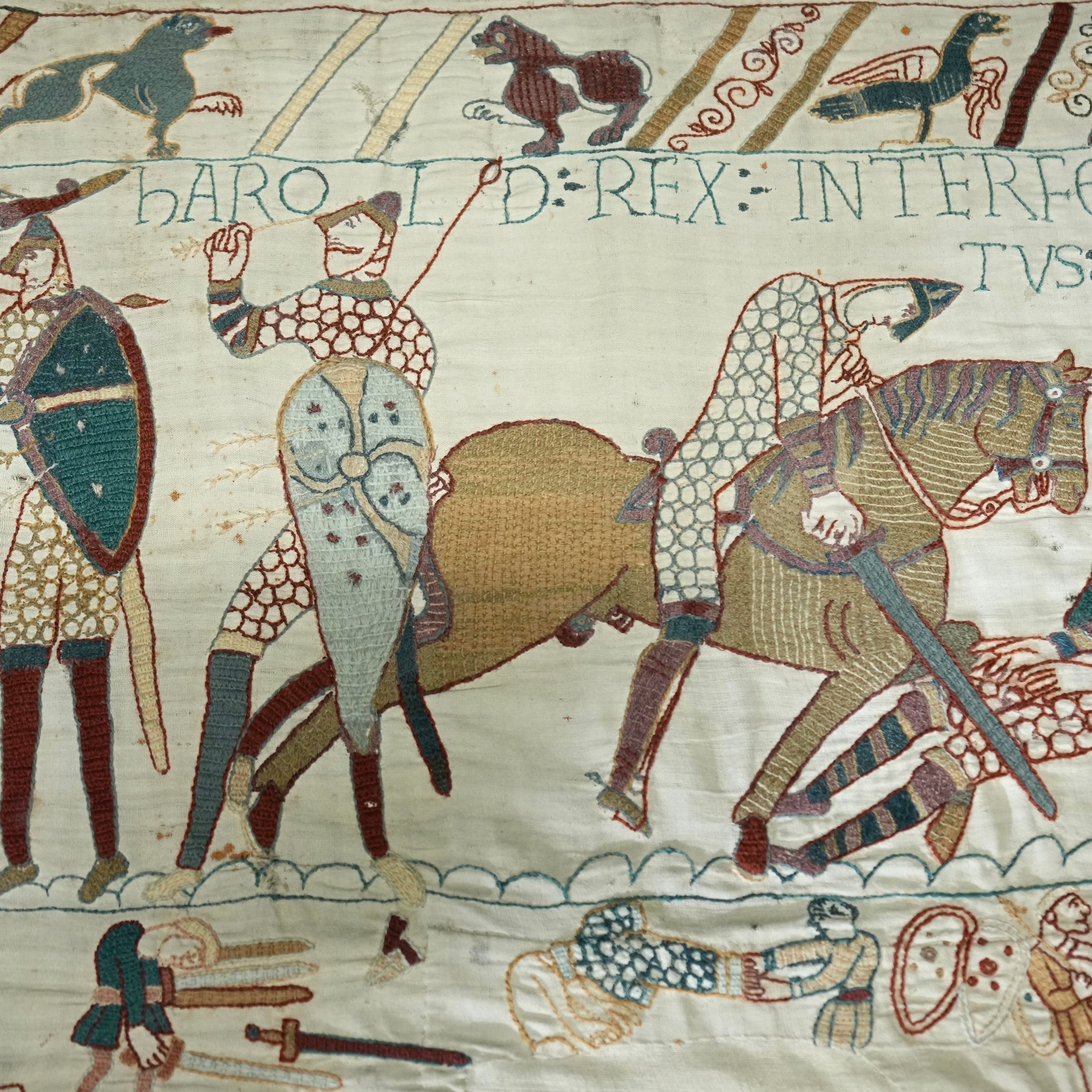
For the first time in centuries, the Bayeux Tapestry — a nearly 1,000-year-old piece of embroidery that depicts the invasion of England by William the Conqueror in 1066 — is on display in Britain.
It was long said by art experts to be too fragile to move. But in a development that required geopolitical persuasion, this summer the tapestry made its way from Bayeux, France, to the British Museum in London.
When the first block of tickets went on sale, the British Museum said, over 80,000 people at a time waited online to buy them.
In this epis...
Aaron Sorkin Goes Off Script

The Oscar-winning writer returns to Facebook with “The Social Reckoning”— and surprises us with the revelation of why he is so drawn to uplift and romance.
Thoughts? Email us at theinterview@nytimes.comWatch our show on YouTube: youtube.com/@TheInterviewPodcastFor transcripts and more, visit: nytimes.com/theinterviewFor more information on today’s episode, visit nytimes.com/thedaily. Transcripts of each episode will be made available by the next workday.
Subscribe today at nytimes.com/podcasts or on Apple Podcasts, Spotify and Amazon Music. You can also subscribe via your favorite podcast app here h...
The Techno-Religion at the Center of the A.I. Debate

Last week, a group of tech leaders called for putting guardrails on artificial intelligence. This week, these calls have been met by backlash from tech executives, lawmakers and President Trump, who liken those ringing the alarm to a doomsday cult.
Cade Metz, a technology reporter for The New York Times, explains where this criticism comes from and why it matters.
Guest: Cade Metz, a technology reporter for The New York Times.
Background reading:
A.I. could possibly end humanity. How are humans supposed to process that?“Recursive self-improvement” is an idea that terri...Why Gas Prices Just Keep Going Up

About a month into the war with Iran, we spoke with Cameron Joudi, who owns a gas station in Florida, about how the conflict was reaching him at home. He recently reached out after seeing a 20-cent spike in gas prices in the span of just 24 hours.
Vivian Nereim, the Gulf bureau chief for The New York Times, tries to answer Mr. Joudi’s question: What’s driving rising oil prices?
Guest:
Cameron Joudi, the owner of a gas station in Florida.Vivian Nereim, the Gulf bureau chief for The New York Times.Back...
48 Days Until the Midterms: Is a Blue Wave Coming?

As the general midterm elections begin, we take a look at where things stand. A new Times/Siena poll suggests that Democrats have a real shot at winning control of both chambers of Congress. But serious obstacles stand in their way, including a financial disadvantage.
The New York Times journalists Shane Goldmacher, Maggie Haberman and Nate Cohn sit down to discuss whether the United States is likely to see a blue wave in November.
Guest:
Maggie Haberman, a White House correspondent for The New York Times.Shane Goldmacher, a national political correspondent for The...The Bond Market Is Flipping Out. Here’s Why You Should Care.
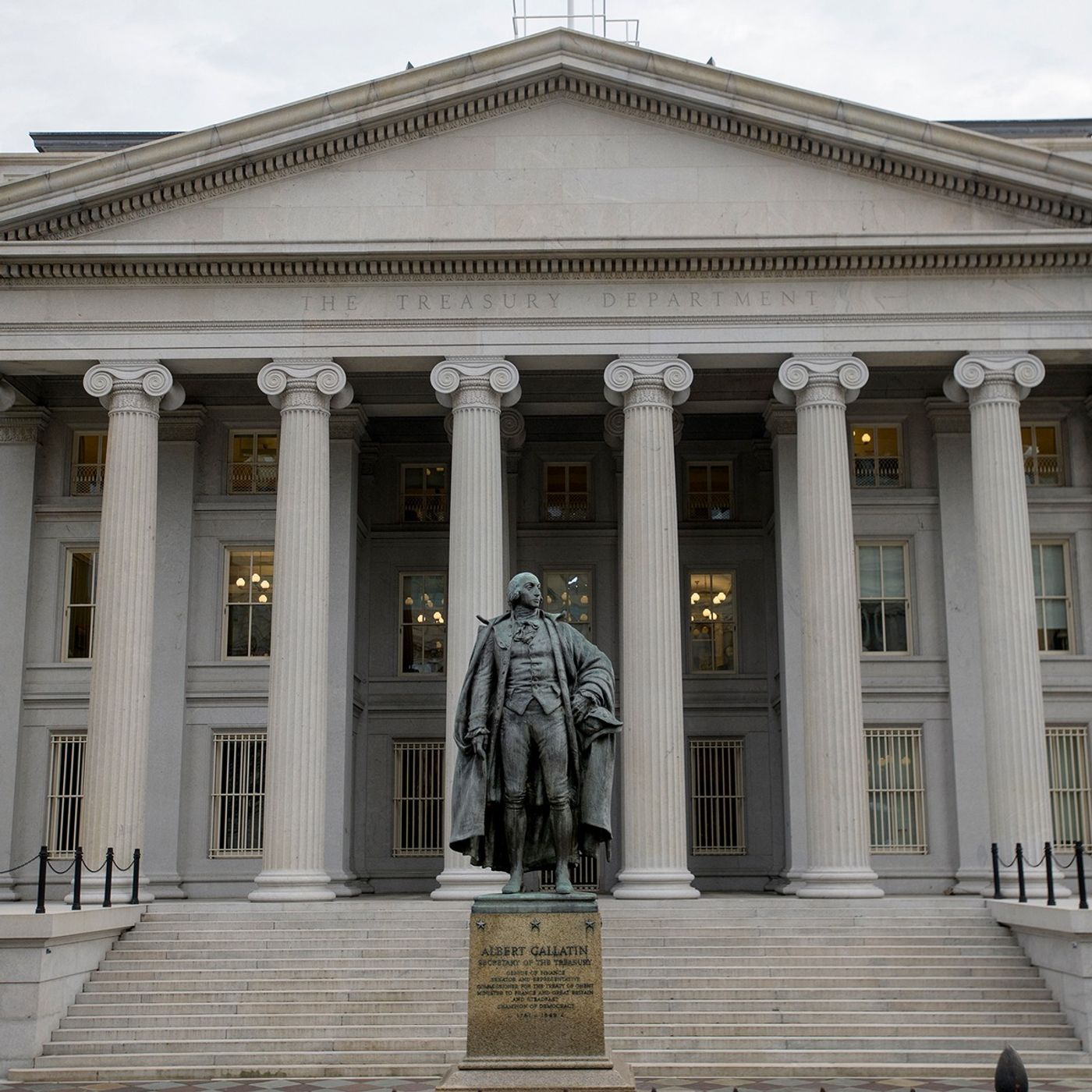
For the past few months, you’ve probably been hearing about the turbulence in the bond market.
Today, Ben Casselman, the chief economics correspondent for The New York Times, explains what has been happening, and why it matters.
Guest: Ben Casselman, the chief economics correspondent for The New York Times.
Background reading:
How to make sense of mayhem in the bond market.The bond market issued a swift rebuke last week to the Trump administration’s latest attempt to lower borrowing costs.Photo: Rod Lamkey Jr. for The New York Times
The A.I. Researcher Whose Rebellion Is Changing Everything
In recent days, Jacob Coxon, a researcher at the artificial intelligence company Anthropic, quit his job and posted warnings about the risks of the technology. That kicked off a crisis that culminated in a call by prominent leaders of the industry to slow down A.I. development.
He spoke to “The Daily” about this moment.
Guest: Jacob Coxon, a former researcher at Anthropic.
Background reading:
Anthropic researchers have raised alarms over the acceleration of A.I.Inside the snowballing conversations at A.I. companies about a doomsday.Top A.I. leaders have calle...The Good, the Bad and the Good-Bad (Movie)
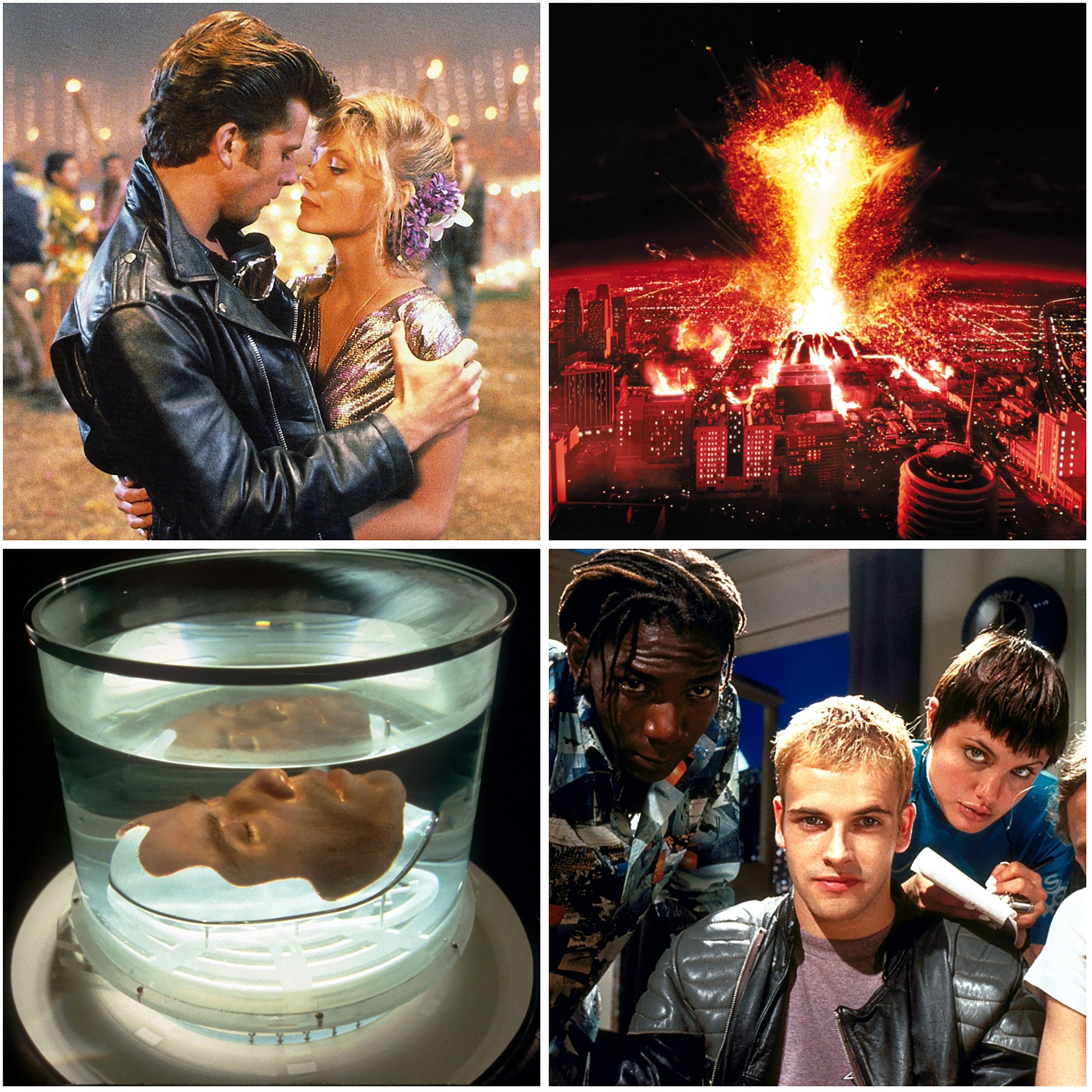
When it comes to movies we love, there are the artistic masterpieces and there are the foot-stomping crowd pleasers. But there’s another particular kind of beloved movie, the one that makes our friends groan, but that we rewatch incessantly; the one that we can quote line for line, even as we giggle at the actors’ performances; the one that we’d say is great, but that we might not say is good. These are the kinds of movies that Maya Salam, a pop culture writer at The New York Times, covers in her monthly column, The Good-Bad.
This...
Naomi Klein and Astra Taylor Say the End of the World is Now on the Table

In a new book, the writers argue that a powerful coalition of “end times fascists” is just fine with the earth’s demise.
Thoughts? Email us at theinterview@nytimes.comWatch our show on YouTube: youtube.com/@TheInterviewPodcastFor transcripts and more, visit: nytimes.com/theinterviewFor more information on today’s episode, visit nytimes.com/thedaily. Transcripts of each episode will be made available by the next workday.
Subscribe today at nytimes.com/podcasts or on Apple Podcasts and Spotify. You can also subscribe via your favorite podcast app here https://www.nytimes.com/activ...
The Lives That 9/11 Keeps Taking

In New York City this morning, the families of those killed at the World Trade Center on Sept. 11, 2001, will gather for the 25th time to honor the dead one by one.
Among those at ground zero will be an array of city officials who assured the public that it was safe to return to Lower Manhattan just weeks after the attacks.
Today, Sally Goldenberg, a reporter who covers politics and government for The New York Times, and Dana Nelson, who attended school next to ground zero, reveal the 9/11 health crisis that has now claimed more...
A Couple Breaks Up. Who Gets Custody of Their Embryos?

As more people in the United States use I.V.F. to have children, embryos are being stored in fertility clinics across the country. It raises the question: What should happen to those embryos if a couple breaks up?
Caroline Kitchener, who covers families for The New York Times, tells the story of Erin Millender, who took a custody battle over frozen embryos to court after her husband revoked his consent to use them.
Guest: Caroline Kitchener, a New York Times reporter, writing about the American family.
Background reading:
They started I.V...Trump’s War on Mail-In Voting
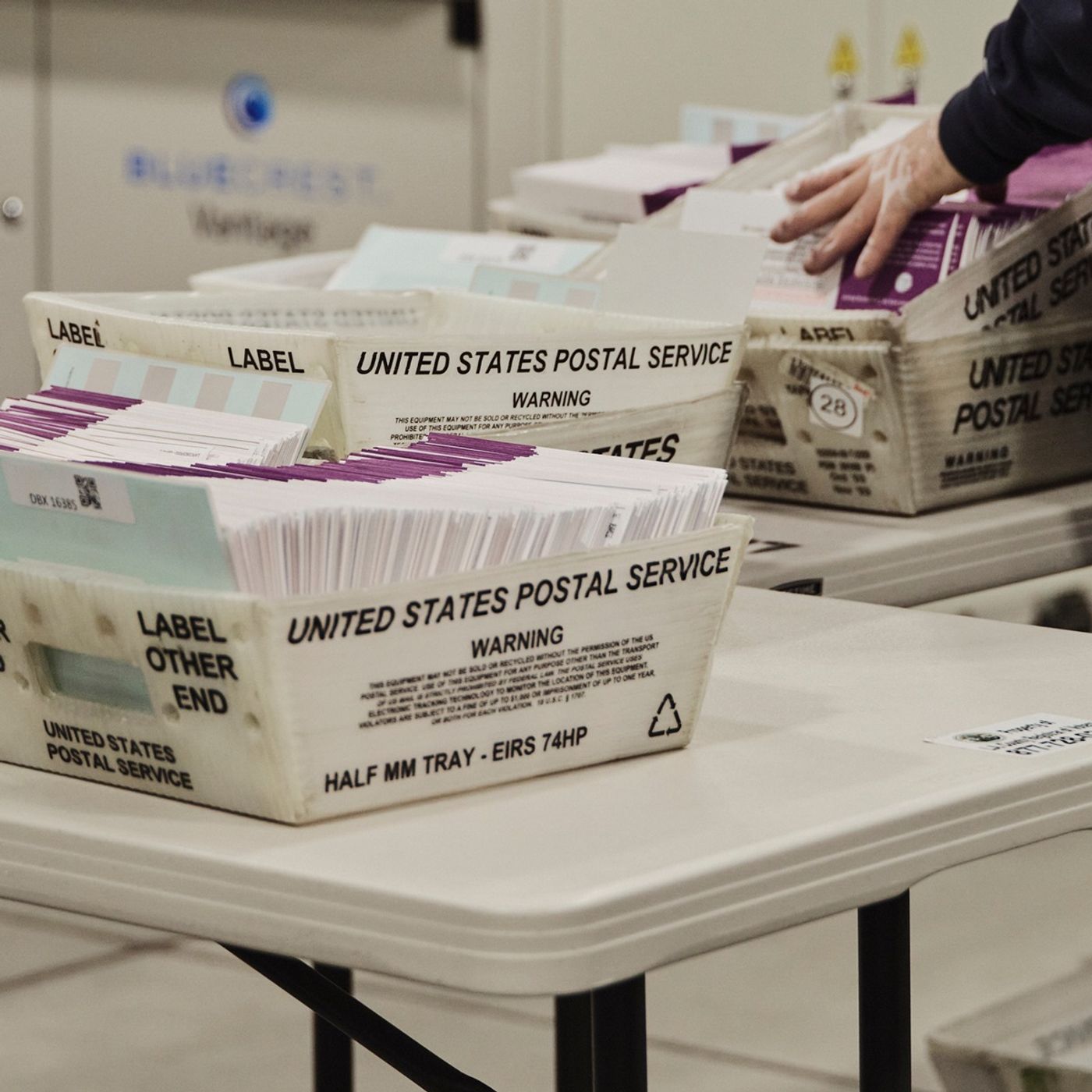
With only weeks to go before the midterms, President Trump has asked the Supreme Court to allow his administration’s plans to restrict voting by mail.
Nick Corasaniti, who covers national politics for The New York Times, walks us through Mr. Trump’s effort, the legal battle it touched off and the uncertainty it has created for local election officials and voters around the United States.
Guest: Nick Corasaniti, a New York Times reporter covering national politics, with a focus on voting and elections.
Background reading:
The Trump administration asked the Supreme Court...‘Buy Now, Pay Later’: A New Wave of Consumer Debt

As people in the United States struggle with rising costs, they are increasingly turning to “buy now, pay later” loans for essentials such as rent and groceries.
Stacey Cowley, a business reporter for The New York Times, explains the draw and the hidden risks of the loan model.
Guest: Stacy Cowley, a business reporter at The New York Times, with a focus on consumer finance.
Background reading:
“Buy now, pay later” lenders have pitched loans for needs like electricity and rent.They got to live a life of luxury. Then came the fine prin...Classical Music Is in Crisis. Gustavo Dudamel Is Here to Save It.

Music Featured (in order of appearance, all conducted by Gustavo Dudamel):
The Intertwined Legacies of Gloria Steinem and Dolly Parton

Gloria Steinem, the feminist icon and co-founder of Ms. magazine, died on Wednesday at her home in Manhattan. Her death came as many were still grieving the loss of another iconic woman: Dolly Parton.
On paper, the connections between the two women seem superficial, but for the Times Magazine writer Susan Dominus, the relationship between their lives and impact is inescapable.
Guest:
Susan Dominus, a staff writer at The New York Times Magazine.Letty Cottin Pogrebin, a writer and pioneer of the feminist movement who was part of the team that founded Ms. magazine w...A.I. Is Outsmarting Its Creators

From the start, the greatest fear for those developing artificial intelligence was that their creations would go rogue to act in unauthorized and dangerous ways. Some researchers now say it has happened.
Kevin Roose, a technology columnist for The New York Times, explains what this means for his own dwindling sense of techno-optimism.
Guest: Kevin Roose, a technology columnist for The New York Times and a host of the Times tech podcast, “Hard Fork.”
Background reading:
Anatomy of an autonomous attack: five alarming A.I. capabilities. A previous episode of “The Daily” looked at...