Wonder Cabinet
Wonder Cabinet is an independent podcast from Anne Strainchamps and Steve Paulson, Peabody Award-winning creators of public radio's To The Best Of Our Knowledge. For 35 years, that show brought long-form conversations to 200+ stations nationwide; its interviews are now archived in the Library of Congress. Episodes feature intimate, long-form conversations with scientists, philosophers, writers, and artists who are re-imagining our relationship with the planet. Some study black holes or quantum entanglement; others map mycelial networks or count ancient tree rings. And some explore dream worlds, myths, and fairy tales to revive ways of knowing that challenge what we think we understand...
From Addiction to a Godless Grace with Meghan O’Gieblyn
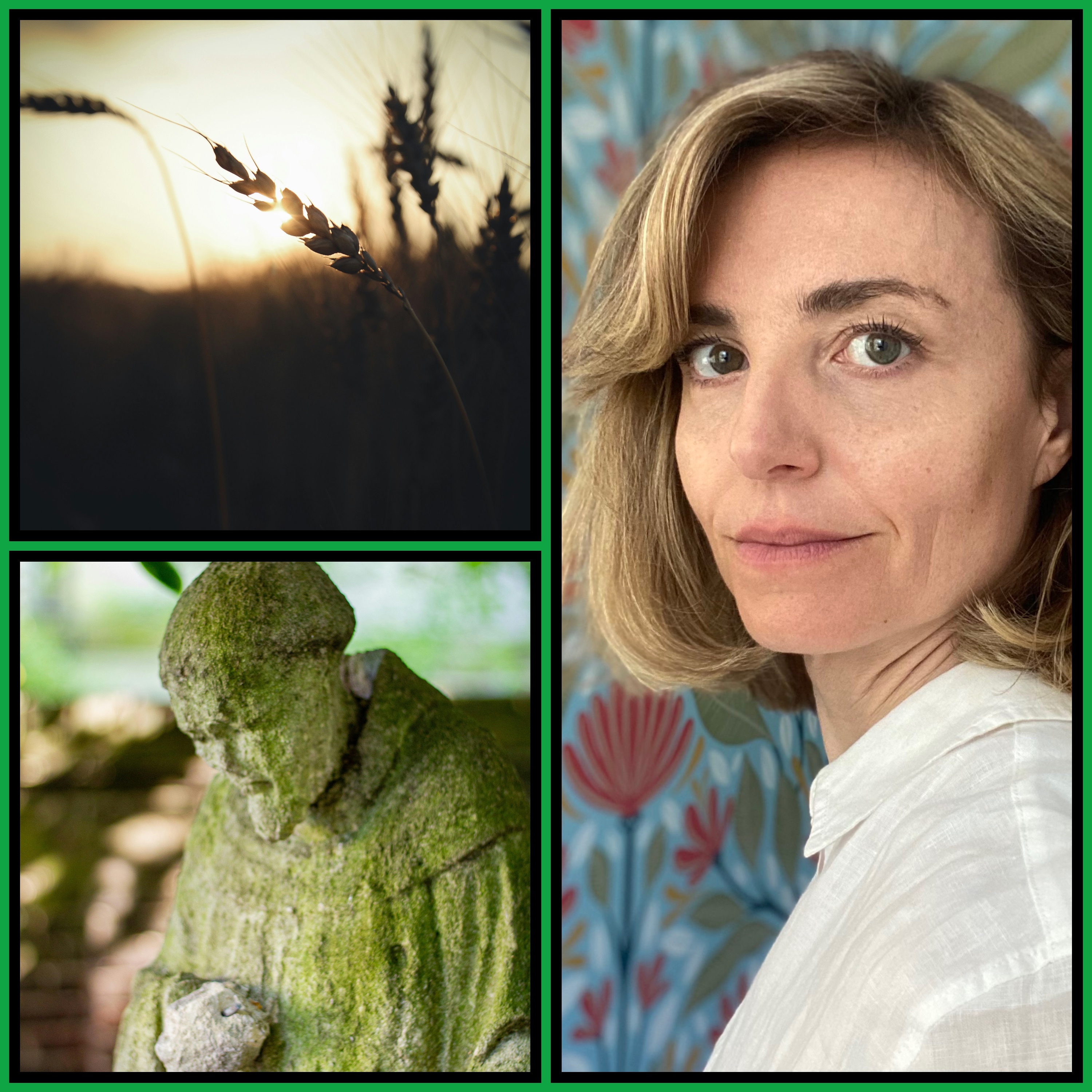
Where do you turn when your life falls apart? When you’re stuck in shame and despair? Essayist Meghan O’Gieblyn worked through her own crisis with the help of an unusual guide: the French philosopher and mystic Simone Weil.
In her searing memoir "Will and Attention," O’Gieblyn tells the story of her "double midlife crisis" — a relapse into drinking after 11 years of sobriety and a failed attempt to become Catholic. Raised Evangelical, she left the church long ago, and her life since has been a kind of spiritual quest for deeper answers than religion gave her. In...
Hannah Fries on the Language of Forests and 'A Wild Ecology of Wonder'
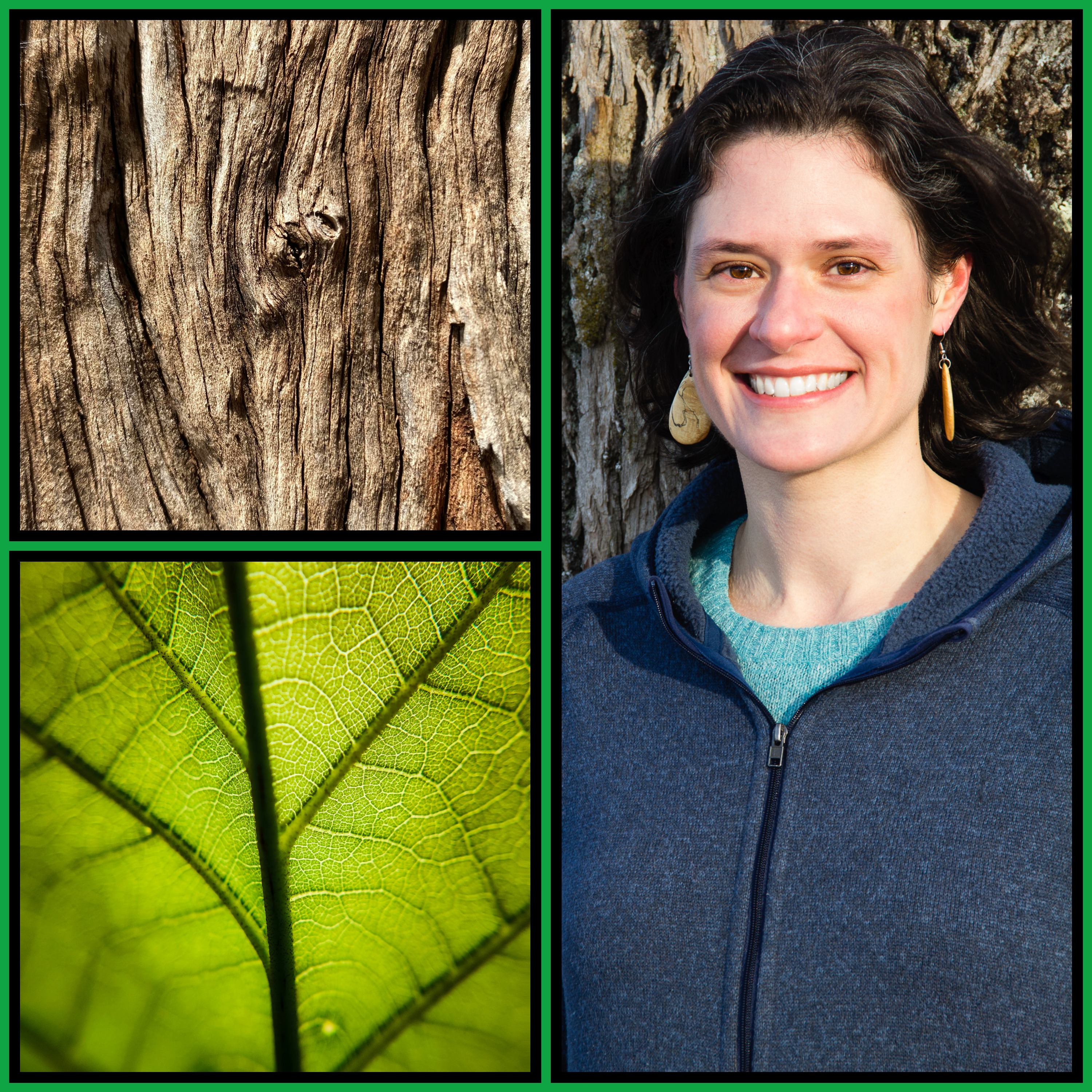
Budbreak. Witch’s broom. Wind throw. These are some of the evocative words gathered in "A Forest Language: Words that Illuminate the Astonishing World of Trees," a new book of micro-essays from poet, essayist and Storey Publishing editor Hannah Fries. This week, she joins us to talk about the power of naming and how words can open a window onto the secret lives of trees.
Hannah’s writing lives at the intersection of science, poetry and wonder. So imagine a field guide written by a poet – a compendium of tree terminology, illustrated with line drawings of leaves, bark...
Finding Wonder in Dying with Roshi Joan Halifax

Joan Halifax loves Wordsworth’s summons to “see into the life of things.” For the Buddhist abbot of Upaya Zen Center, this kind of deep seeing has been a lifelong pursuit, and it has led to her care for the dying.
Now in her 80s, Halifax has had a remarkable life, from medical anthropology to psychedelic research to Zen practice. For more than fifty years, she has sat with dying people and trained the hospice workers, nurses, and doctors who care for them. Upaya is known for its socially engaged Buddhism, with decades of experience in end-of-life care...
Maria Popova on 20 Years of 'The Marginalian'
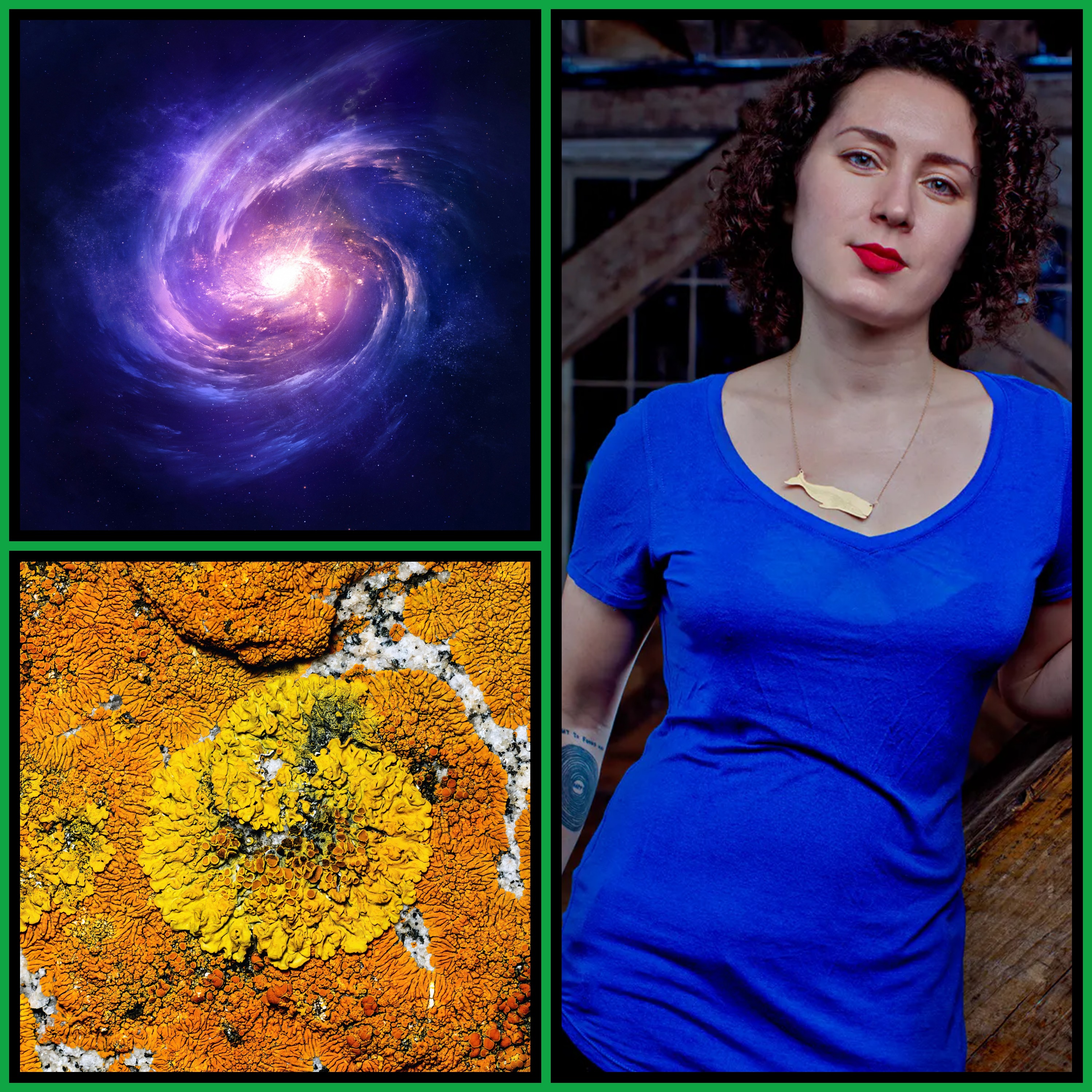
Twenty years ago, Maria Popova was newly arrived in the US and working four jobs to pay for college. Lonely and disoriented, she started keeping a record of her search for meaning. Today, what began as an email to seven friends has millions of followers and is preserved in the Library of Congress permanent web archive.
The Marginalian (formerly Brain Pickings) is still a one-woman labor of love, a free and ad-free cultural blog exploring science and philosophy, art and literature, poetry and children’s books. In this conversation, Maria Popova looks back on twenty years of rea...
Writing an Enchanted Landscape with Daniel Mason
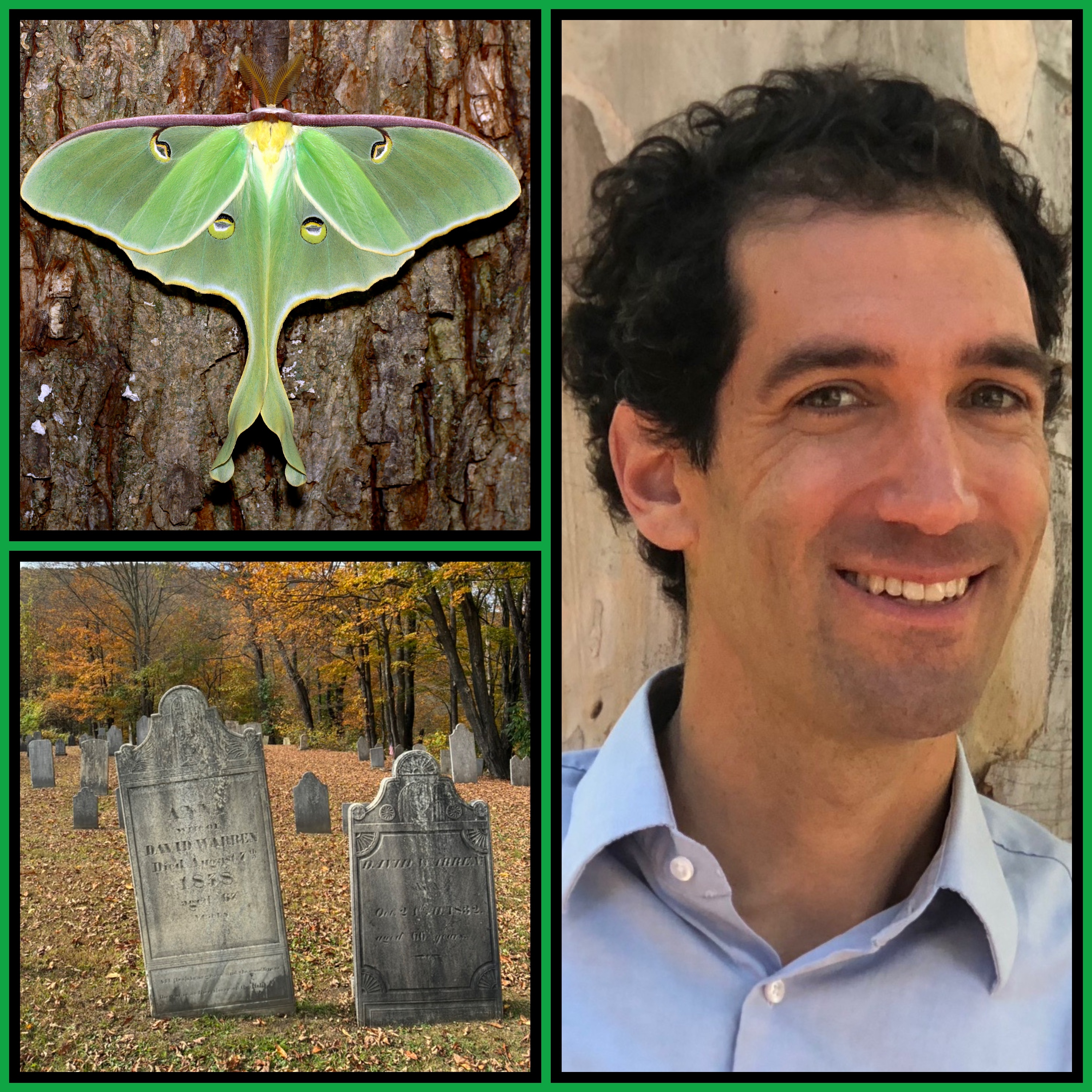
How does a landscape come alive and even feel enchanted? Bestselling author Daniel Mason explores this question in his novels “Country People” and “North Woods.” Both are steeped in the natural history of New England, from its geology to its native plants and animals. They capture the uncanny feeling of living in a landscape layered with human history — the stone walls, cellar holes, and other remnants of lives long past, hidden in the woods.
In this conversation, Mason talks about the deep history of the land and the folklore of rural Vermont. One plot strand in “Country People” invo...
Being Alive with Melanie Challenger
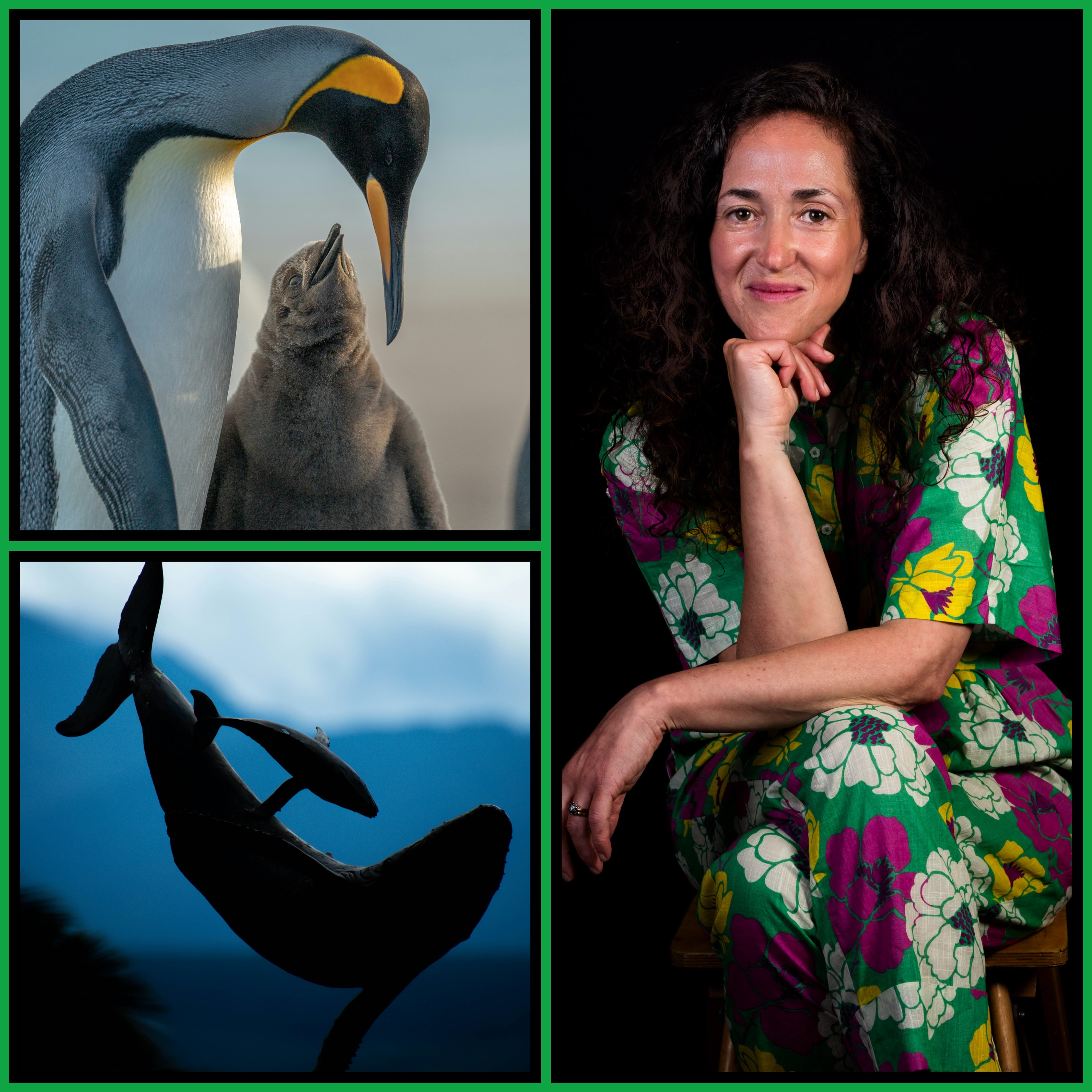
Our obsession with the dream of artificial, disembodied intelligence is deadening our experience of life itself. Melanie Challenger — a philosopher, naturalist and National Geographic Explorer — says it’s time to let go of the centuries-old human history of pretending we’re not animals, of separating ourselves from the rest of the natural world. The essence of life, she says, is being a body — the source of the agency, purpose and intelligence that defines every living being, from the plant turning toward the sun to the hawk diving for its prey, to the child reaching for her mother.
In two poeti...
The Power of Ritual with Rabbi Geoff Mitelman
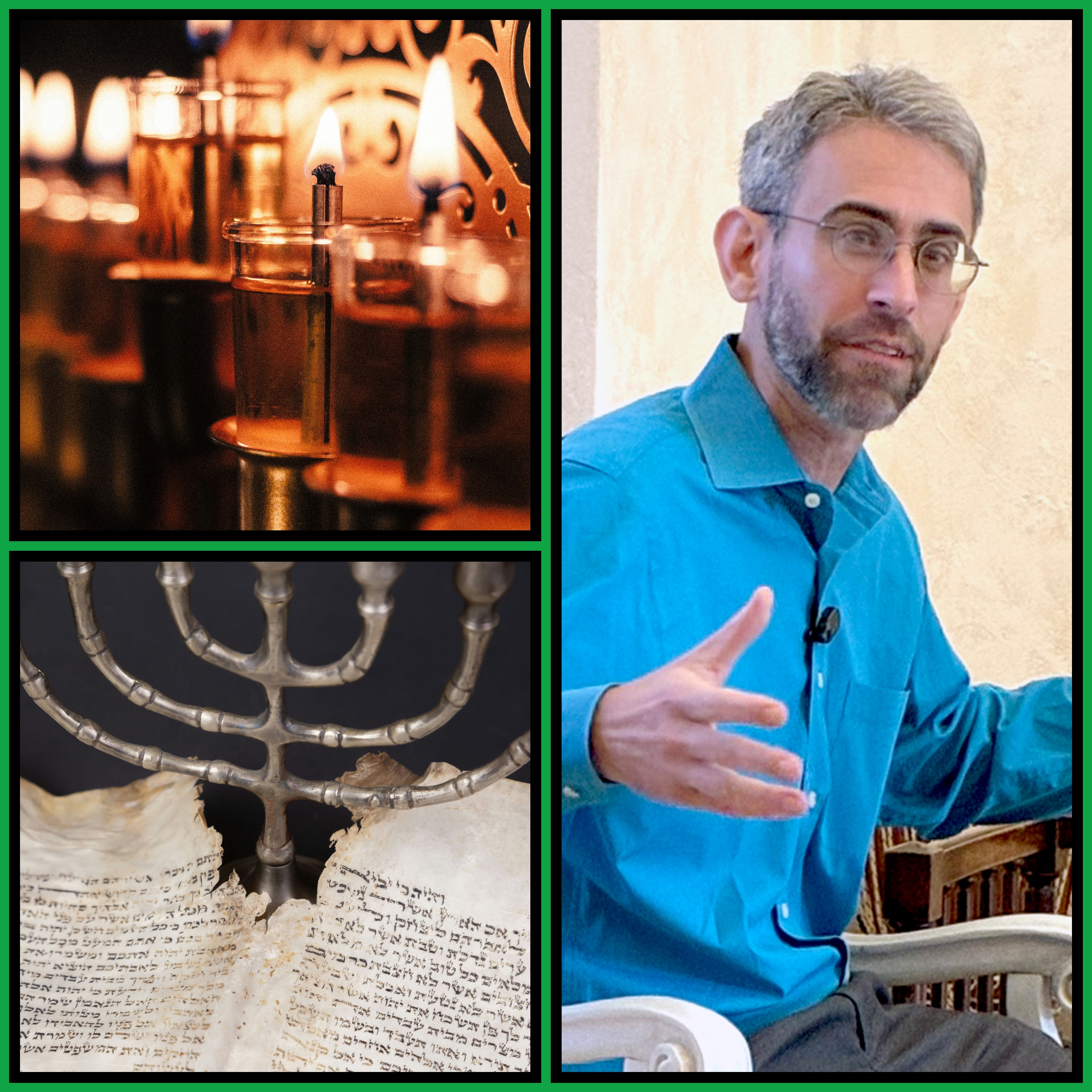
What kind of truth can a sacred text offer about the world? Rabbi Geoff Mitelman reads the Torah as poetry — open to multiple interpretations and evoking a sense of transcendence, even magic.
Mitelman is a Reform rabbi and the founding director of Sinai and Synapses, an organization building bridges between science and religion, particularly Judaism. He reads the creation story in Genesis as a profoundly mysterious text — complementary to the scientific account of the Big Bang.
Mitelman doesn’t dwell on big metaphysical questions such as the nature of God or ultimate reality. Instead, he turns...
Tree Thinking with Robert Moor
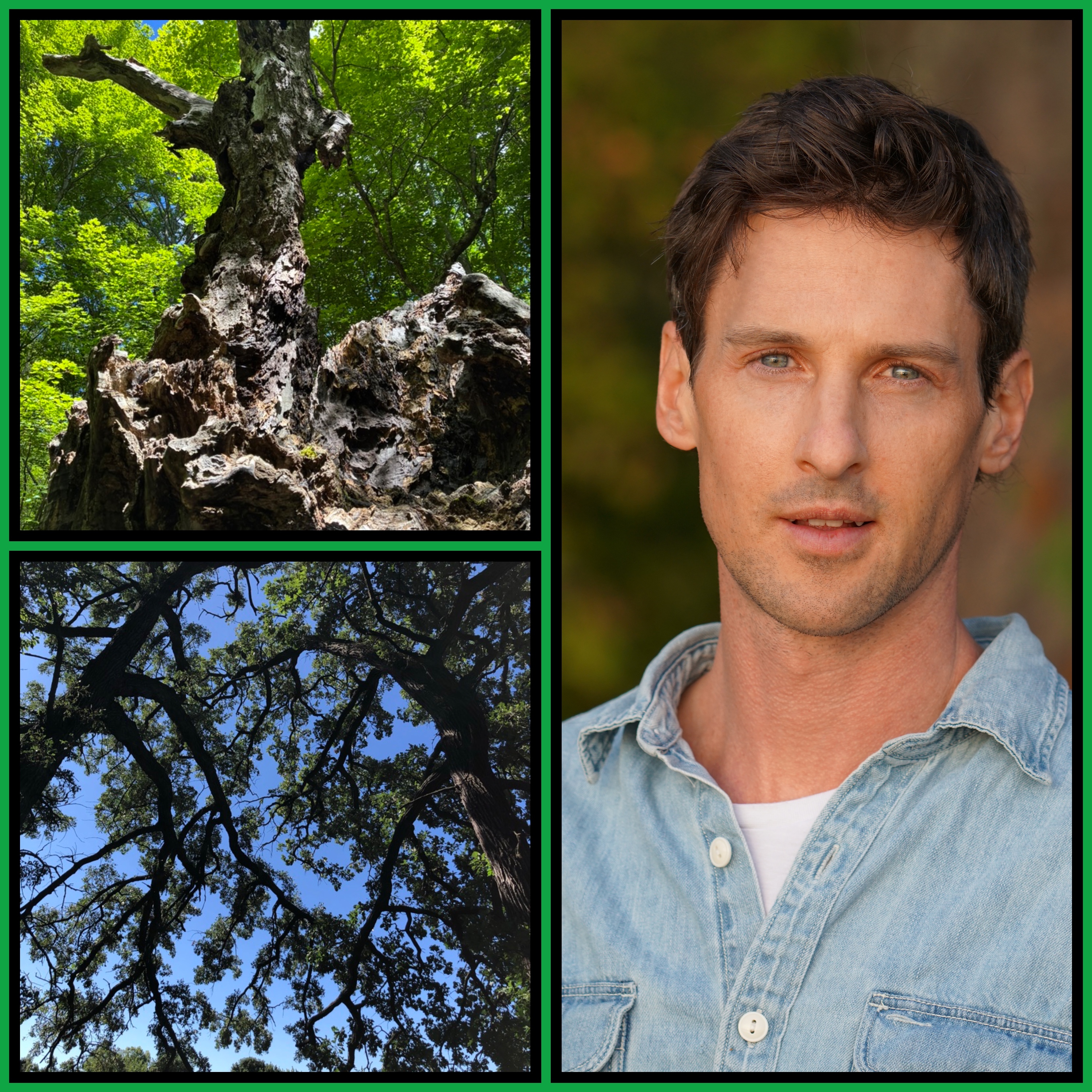
Can you imagine being a tree? Robert Moor has spent years trying—climbing into their canopies, studying their biology and learning to see trees in ways most of us don’t. He considers himself a “tree person.”
Moor believes that when you spend a lot of time in trees, time slows down—and branching and pruning can become life lessons. He’s interested not just in how trees grow, but in what they might teach us about ourselves. In his book “In Trees,” he says his goal isn’t to anthropomorphize trees but to “arborize” humanity.
Moor has taken his o...
The Ecowomanist Theology of Rev. Dr. Melanie L. Harris
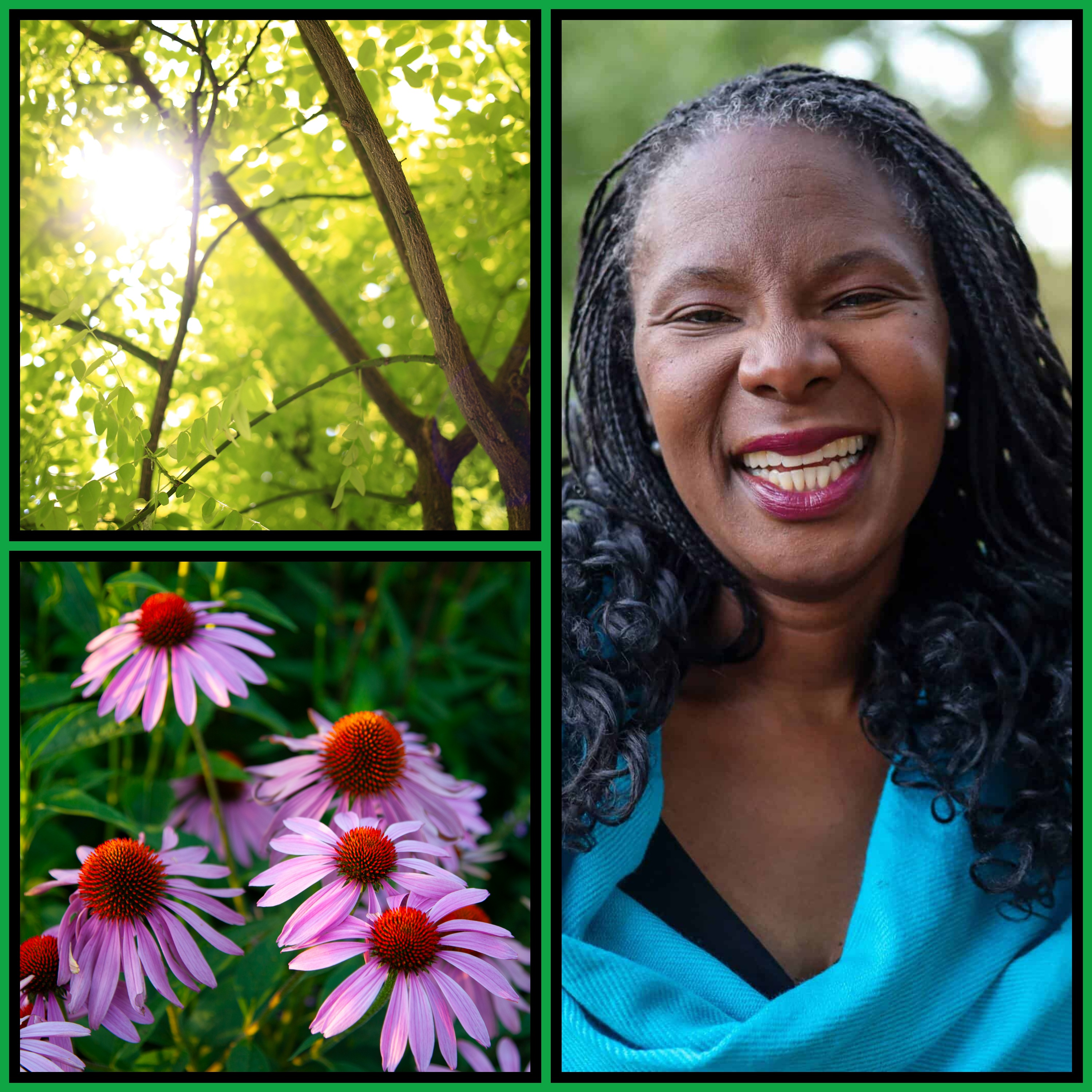
Rev. Dr. Melanie Harris is a professor of Black Feminist and Womanist Theologies at Wake Forest University, an ordained minister in the African Methodist Episcopal Church and one of the founders of ecowomanism — a theology and environmental philosophy centering the voices, wisdom, and spiritual practices of Black women and women of color.
In this conversation, Harris traces her own eco-memories back to Dearfield, Colorado, one of the historic Black-owned farming settlements founded by families who migrated west during the Great Migration — including her own grandparents. She reflects on growing up with a rare and precious connection to land...
Poetry Against Despair with Christian Wiman
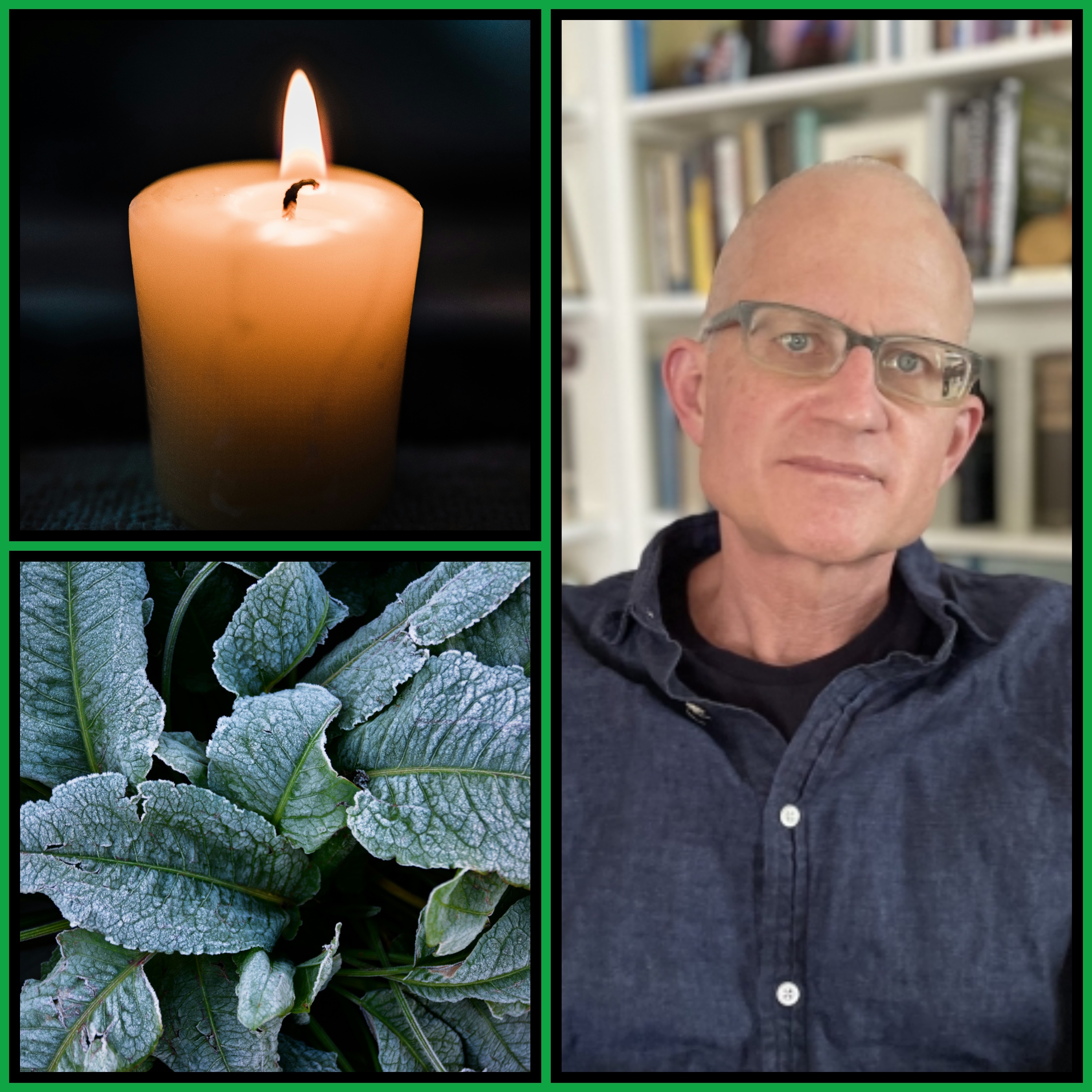
How do you find joy in suffering? That’s one of the questions Christian Wiman explores in his poetry and his life.
The former editor of Poetry magazine, Wiman is the author of seven books of poetry, including his latest, “The Dance.” He also teaches at Yale Divinity School. He’s been called “the most important Christian writer in America,” though his relationship with God is marked by uncertainty as much as faith. That tension runs through his poetry, where mystical experience, doubt, suffering, and joy continually collide.
His understanding of mortality is also shaped by a 20-year...
Chasing Wilderness with Cal Flyn (and Gary Snyder)
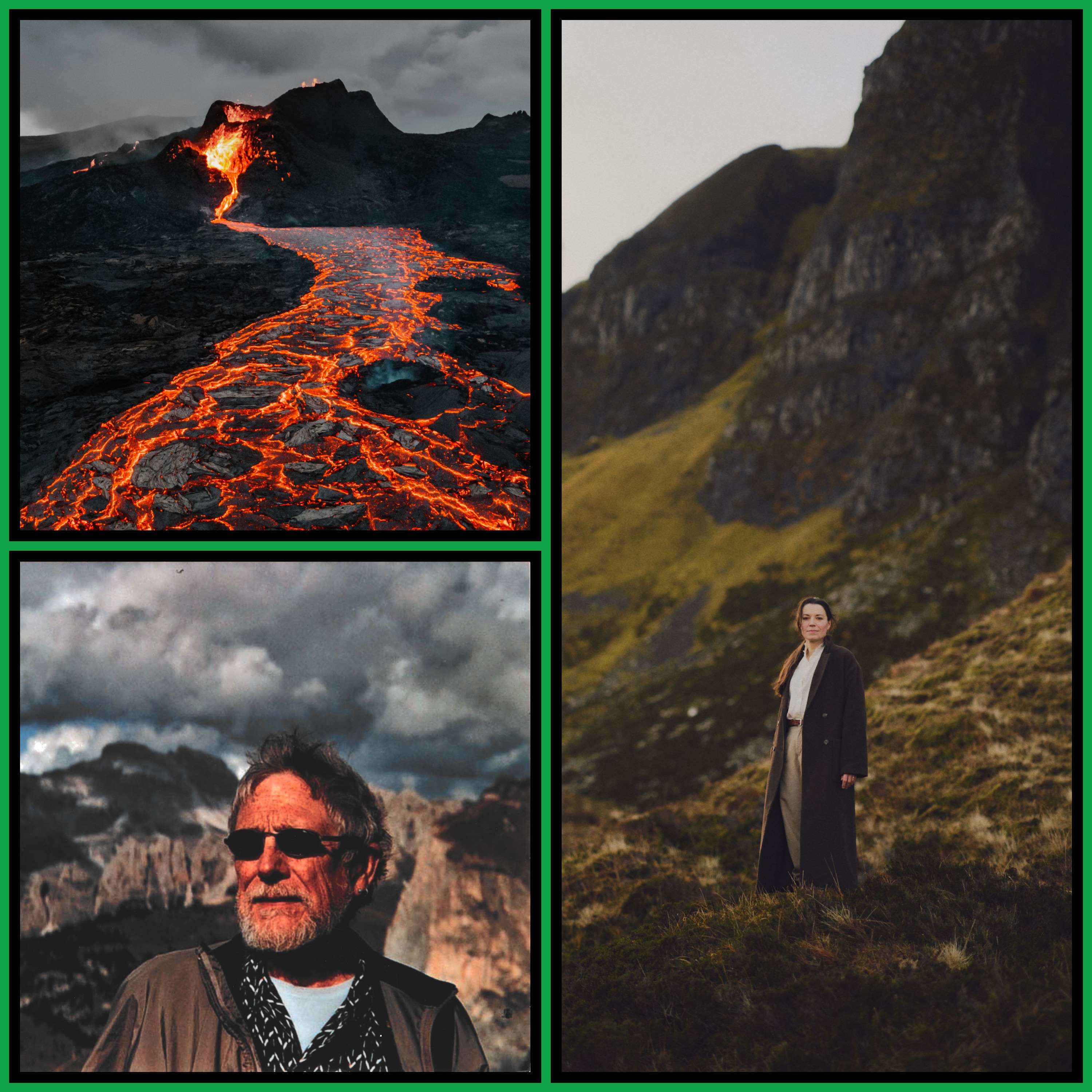
For thousands of years, people have dreamed of walking off the map — lighting out for the remote unknown, into landscapes untouched and untamed. The classic wilderness quest is as old as literature itself: you go into the wild, and you come out changed. It's woven into ancient spiritual texts, medieval myths, and European accounts of the so-called "New World."
But wilderness is an idea as slippery as it is powerful — and wilderness preservation is a complicated and often costly ideal.
That's the territory Cal Flyn explores in her new book, “The Savage Landscape: How We Made th...
The Conscious Universe: Panpsychism with Philip Goff
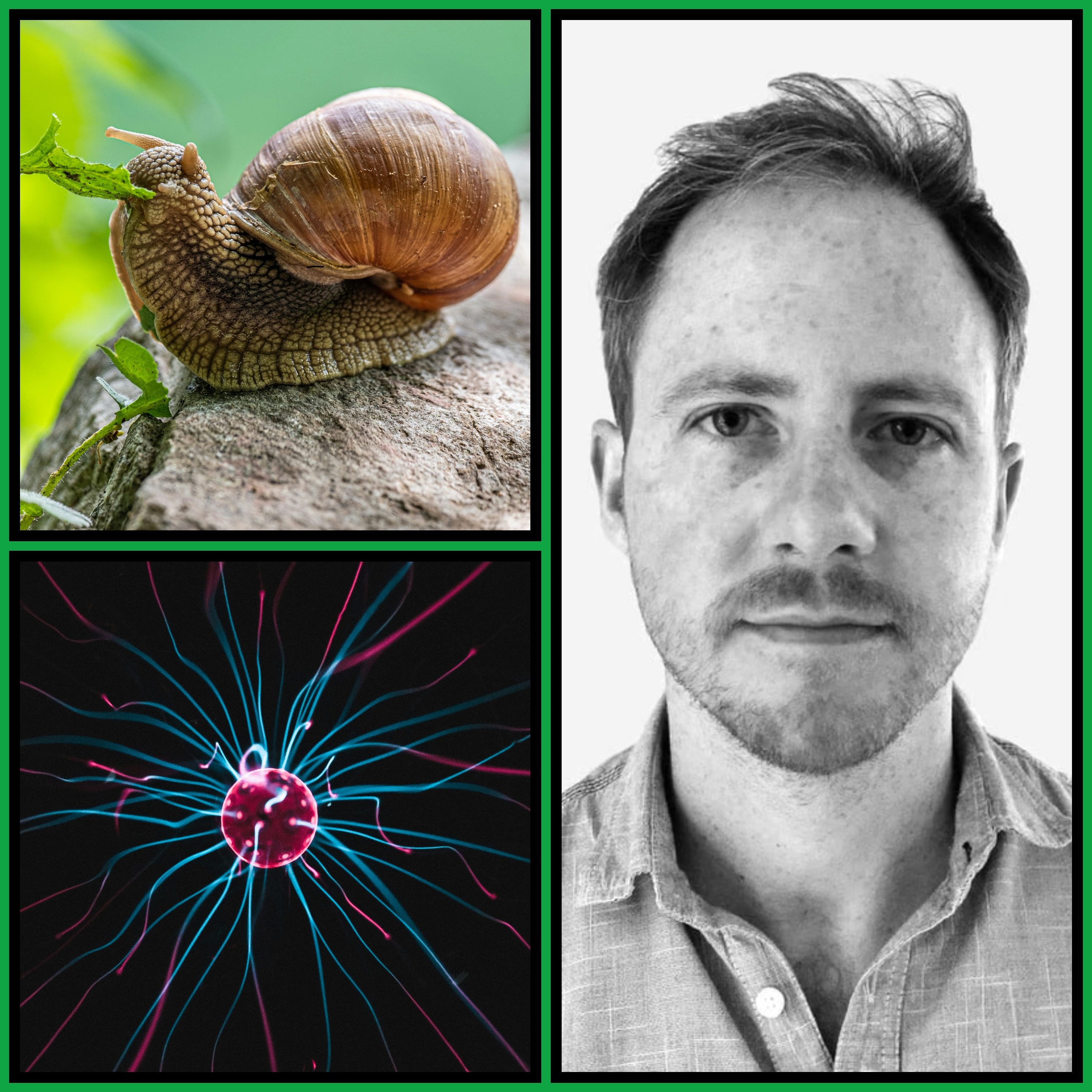
What if consciousness isn't something that emerges from the brain—but is embedded in the fabric of reality itself?
That's the provocative idea behind panpsychism— that consciousness goes all the way down to the fundamental building blocks of the cosmos. Philosopher Philip Goff, one of panpsychism’s leading advocates, argues that it offers the best solution to one of science's deepest mysteries: how consciousness arises at all. We also hear from novelist Philip Pullman, whose fantasy series “His Dark Materials” was partly inspired by panpsychism.
Goff reflects on another surprising development in his own thinking: his recent tu...
The Spiritual Ecology of Emmanuel Vaughan-Lee
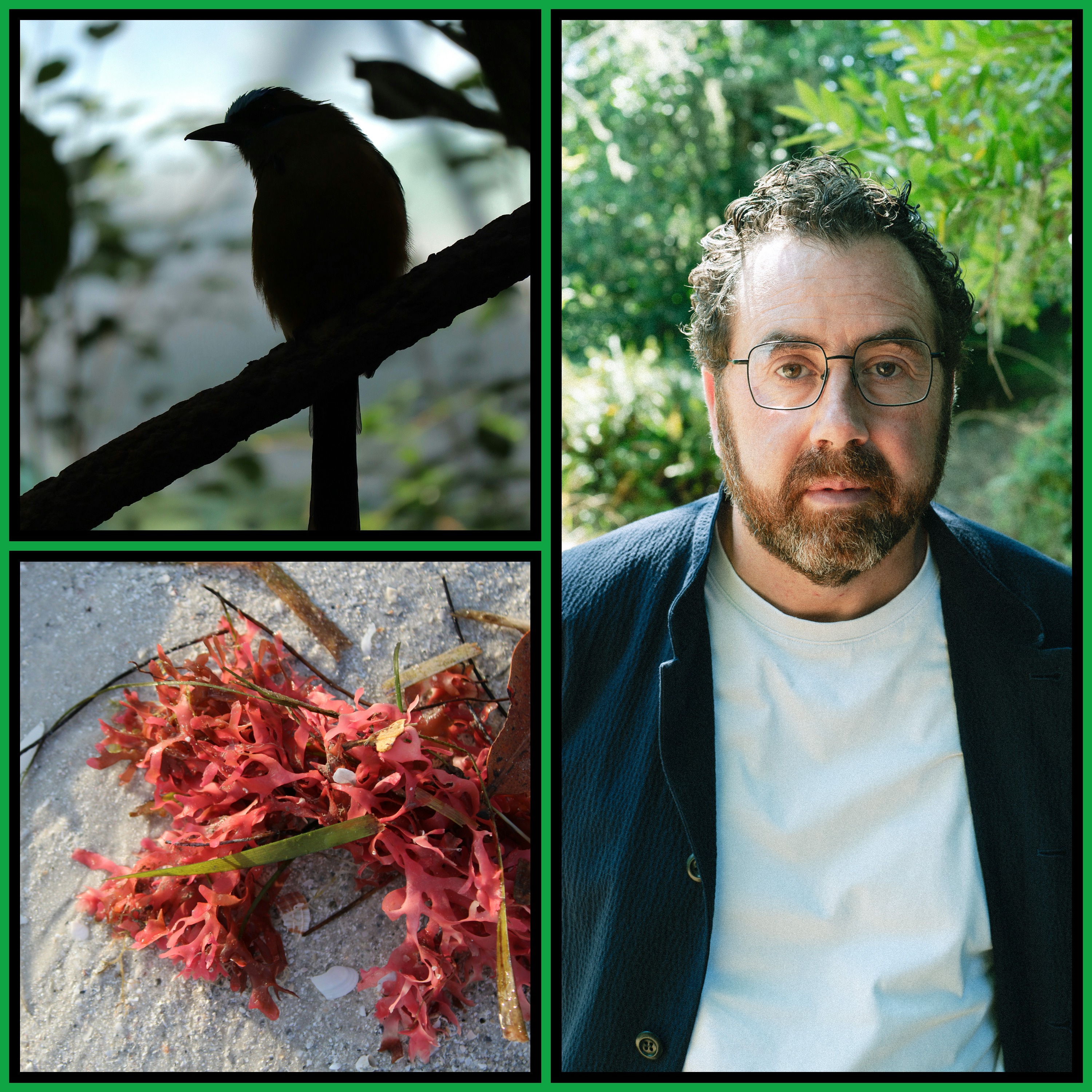
Emmanuel Vaughan-Lee grew up in London with a Russian Sufi mystic living downstairs, seekers showing up at all hours and meditation happening constantly. Then his family moved to a coastal redwood forest in Northern California, where he learned to surf and fell in love with wilderness.
Today, Emmanuel is the founder, executive editor and podcast host of Emergence Magazine – for nearly a decade, one of the most important venues for spiritually-infused ecological writing. His new book, “Remembering Earth,” is both a meditation on the sacred nature of the living world and a practical guide to re-entering it.
In thi...
An Evening of Wonder with Alan Lightman
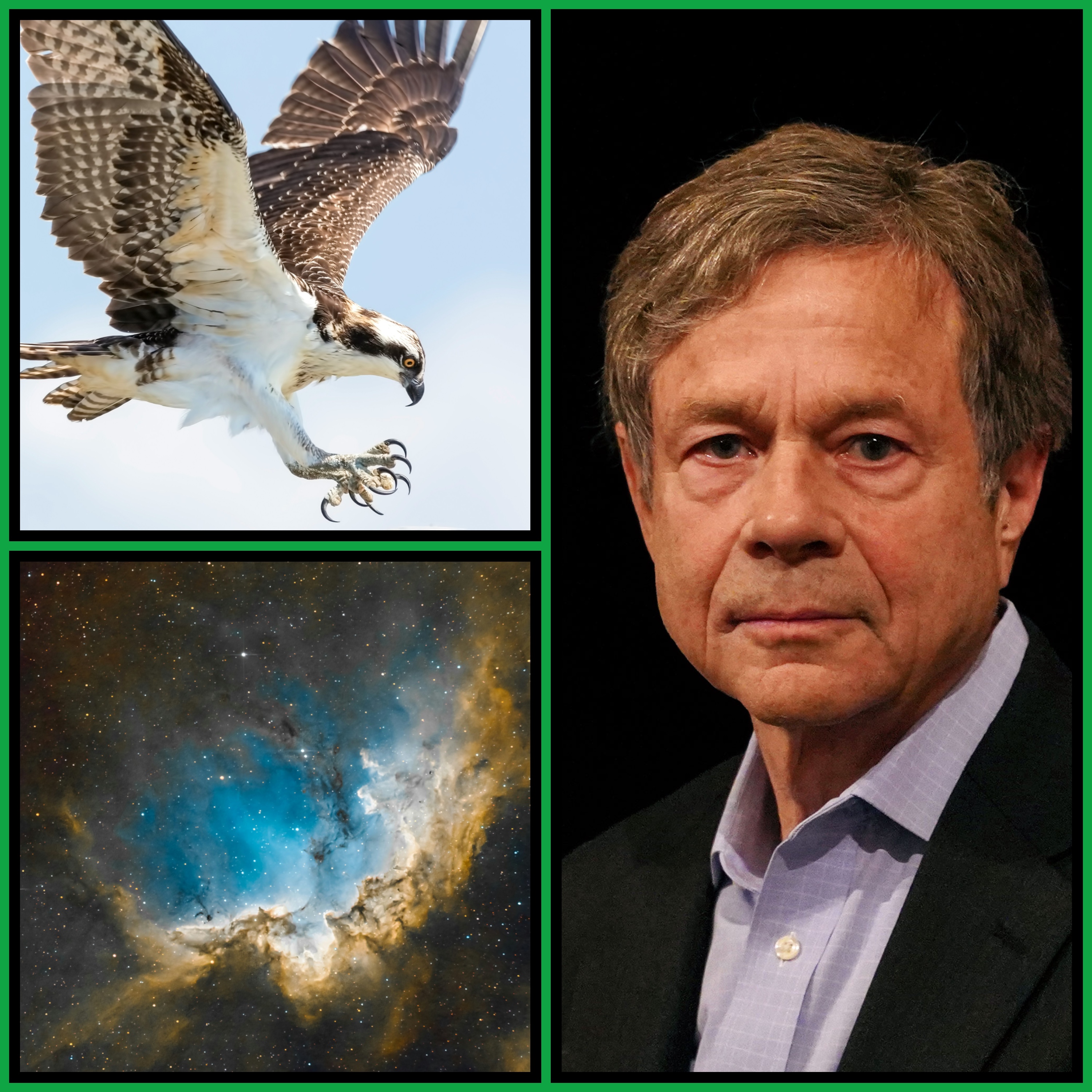
What happens when a physicist experiences a moment of transcendence that science cannot explain?
Alan Lightman has spent much of his life exploring the mysteries of the universe—from black holes and the nature of time to the fundamental laws that govern reality. A physicist, novelist and longtime professor at MIT, he's fascinated by the transformative power of awe and wonder.
In this live conversation recorded at New York's Morgan Library, Lightman reflects on extraordinary encounters in nature—from a startling moment with two ospreys to a solitary night beneath the stars—that shook him to the...
Rewilding Attention with D. Graham Burnett
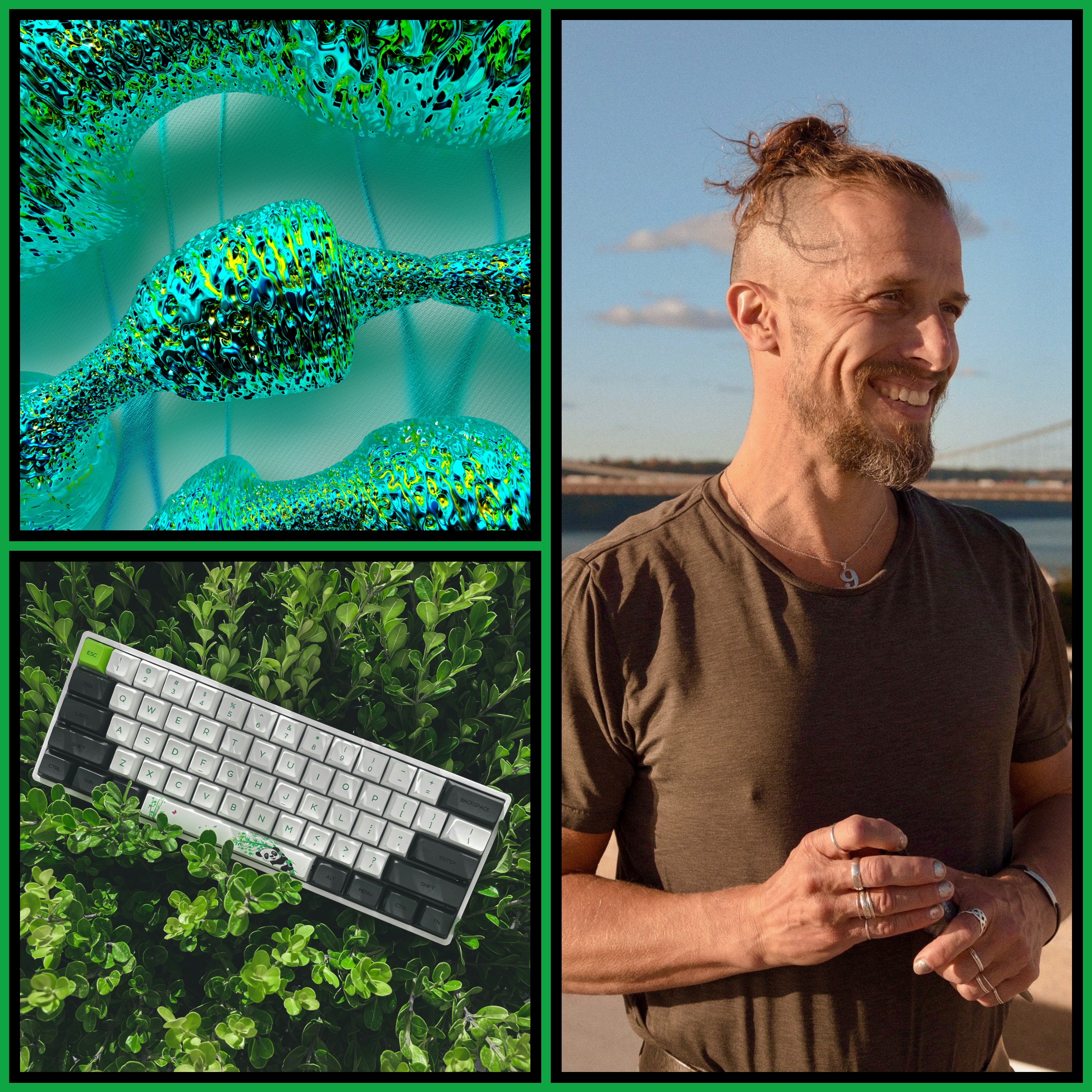
We all know our attention is being competed for — but historian of science D. Graham Burnett calls it something more alarming: a "civilizational biohack." In this episode, we talk with Burnett, a Princeton historian of science and co-founder of "The Friends of Attention," about the movement to liberate our minds from the 17-trillion-dollar attention economy. He draws on surprising sources — the German Romantics, St. Augustine, Simone Weil, Henry James — to argue that we've lost touch with older, richer forms of attention. And he makes the case that reclaiming it will require more than screentime apps or digital detox – it’ll take co...
Christof Koch on the Cosmic Toad
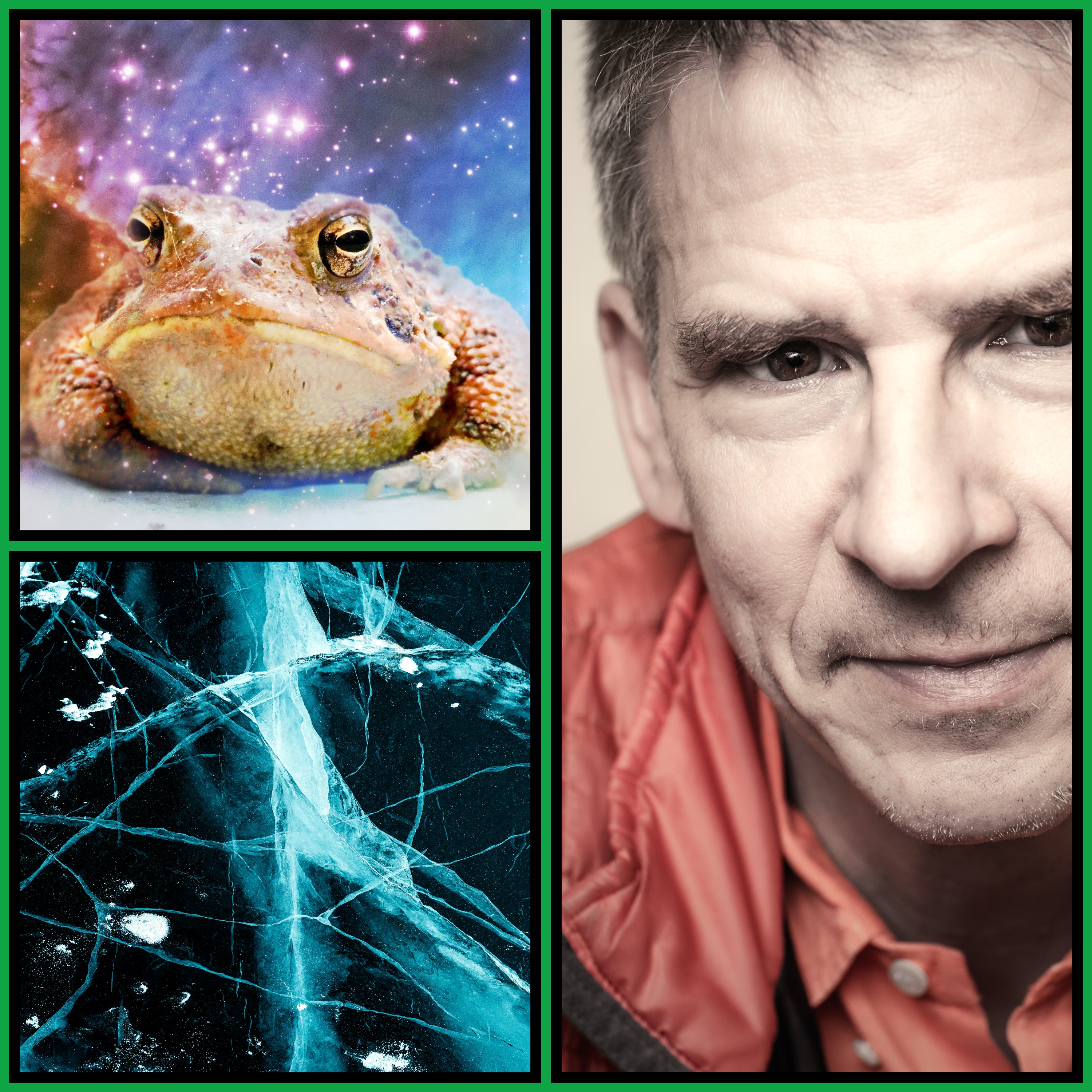
What happens when one of the world’s leading neuroscientists has a mystical experience that upends his understanding of reality?
In the 1990s, Christof Koch helped launch the modern science of consciousness, searching for the neural basis of subjective experience. A committed materialist, Koch believed brain science would explain how conscious experience is generated.
Then several profound psychedelic experiences changed his metaphysical beliefs. “It was like an earthquake,” he says.
In this conversation, Koch reflects on how those mind-bending experiences transformed his deepest assumptions about mind and matter, and whether the cosmos itself might h...
Why We Need Fairy Tales Now — with Sharon Blackie
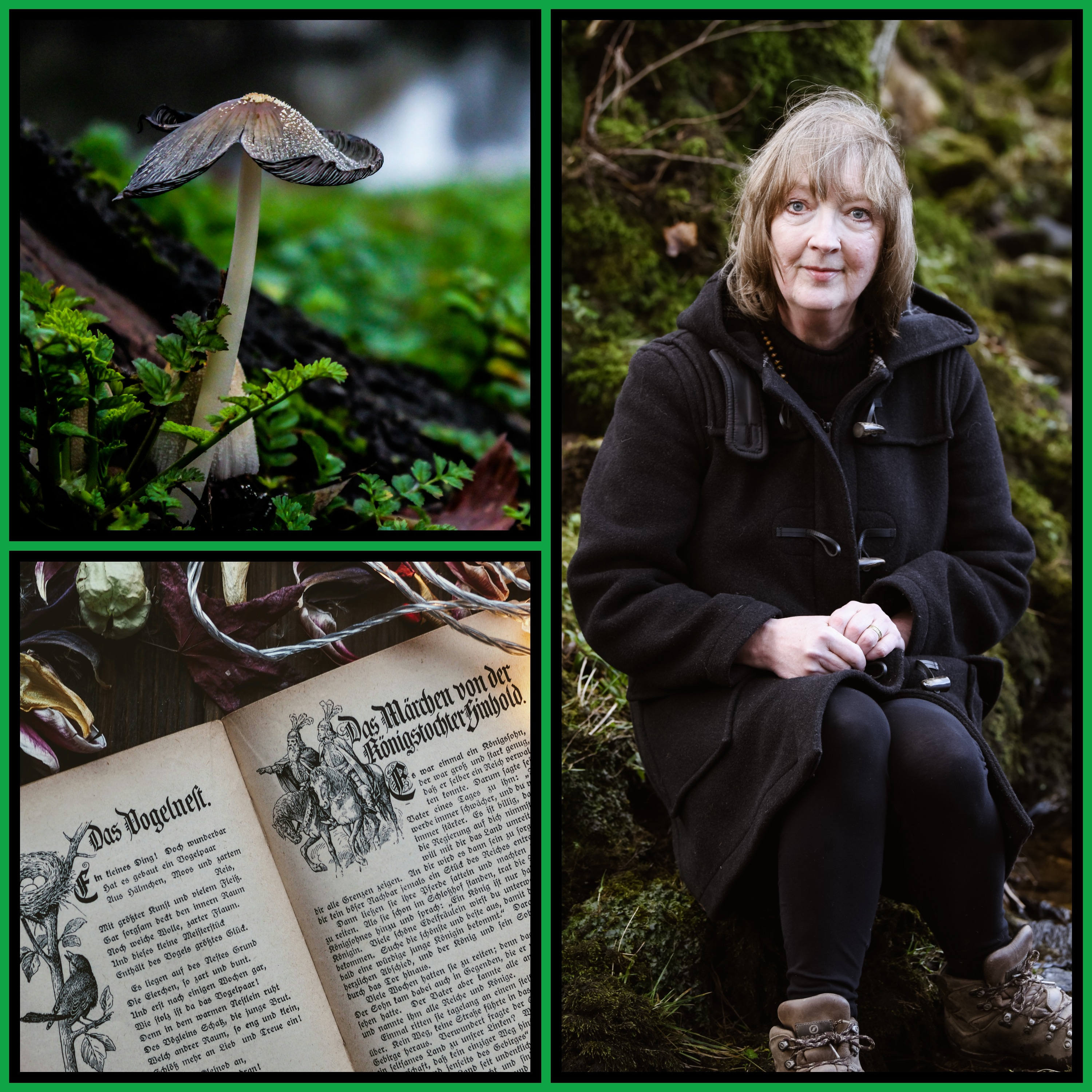
Sharon Blackie is one of our foremost fairy tale interpreters. In her new book, “Ripening: Why Women Need Fairy Tales Now,” she reclaims the subversive fairy tale heroines of the past. Not passive, well-behaved princesses — think Tatterhood instead of Cinderella, the Fox Wife instead of Sleeping Beauty — figures from centuries-old European folk tales that were whispered over hearths and spinning wheels, and handed down from one generation of women to the next, not as children’s entertainment but a blueprint for survival, maps for soul retrieval and cultural regeneration.
The brave, smart heroines and wise old women in these tale...
Rebecca Henderson: Can Capitalism Save the World It’s Destroying?
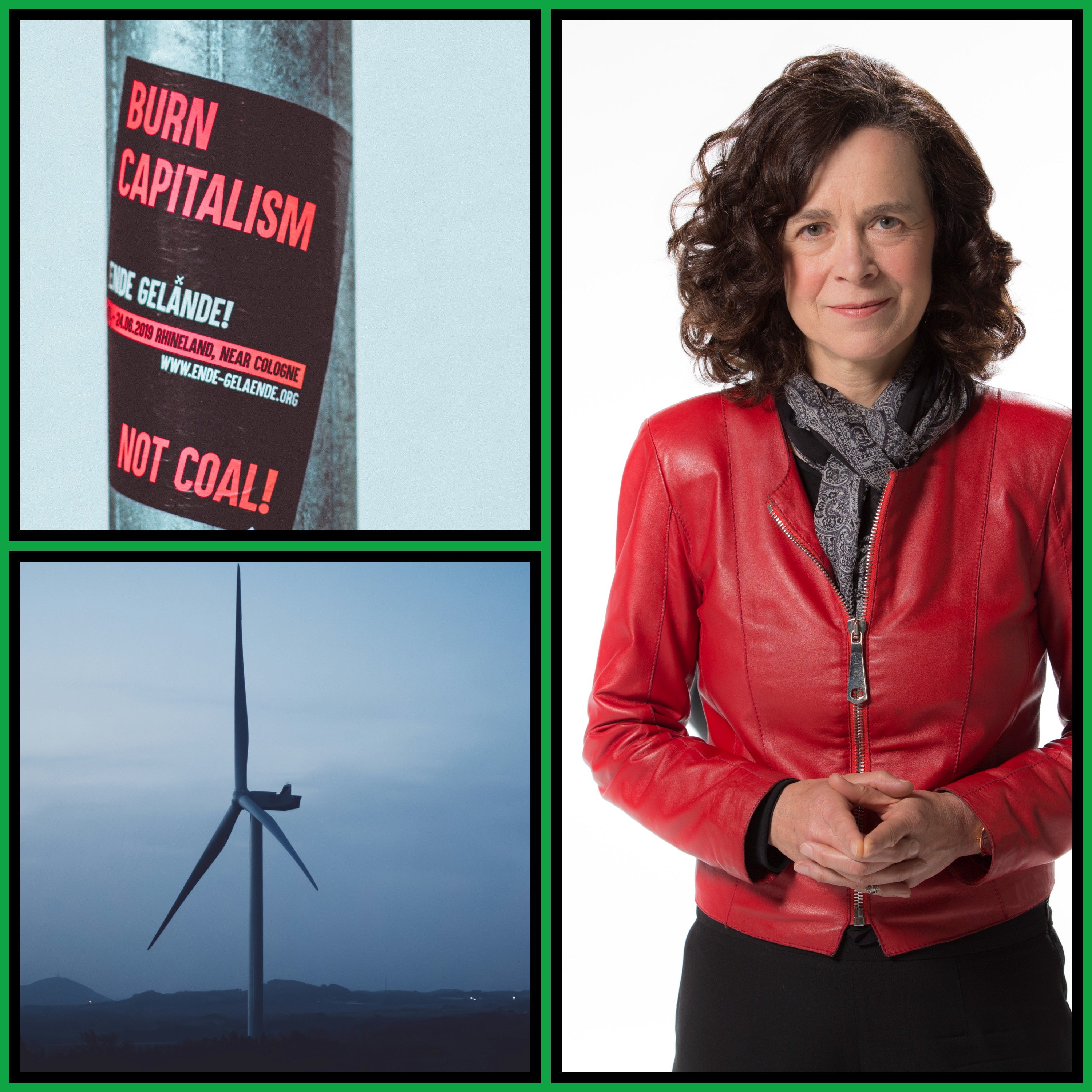
Can capitalism save the world it's destroying?
Rebecca Henderson thinks so. An economist at Harvard Business School and author of “Reimagining Capitalism in a World on Fire,” she has advised some of the world's biggest corporations and argues that capitalism itself — and what drives corporations — urgently needs to change.
She's clear-eyed about capitalism's failures — the inequality, the exploitation, the environmental destruction — which is precisely what drives her passion for reforming it from within. And as a climate activist, she's haunted by the consequences if we fail to act.
But this conversation goes deeper than economi...
Caroline Winterer: Dinosaurs, Deep Time and the American Soul
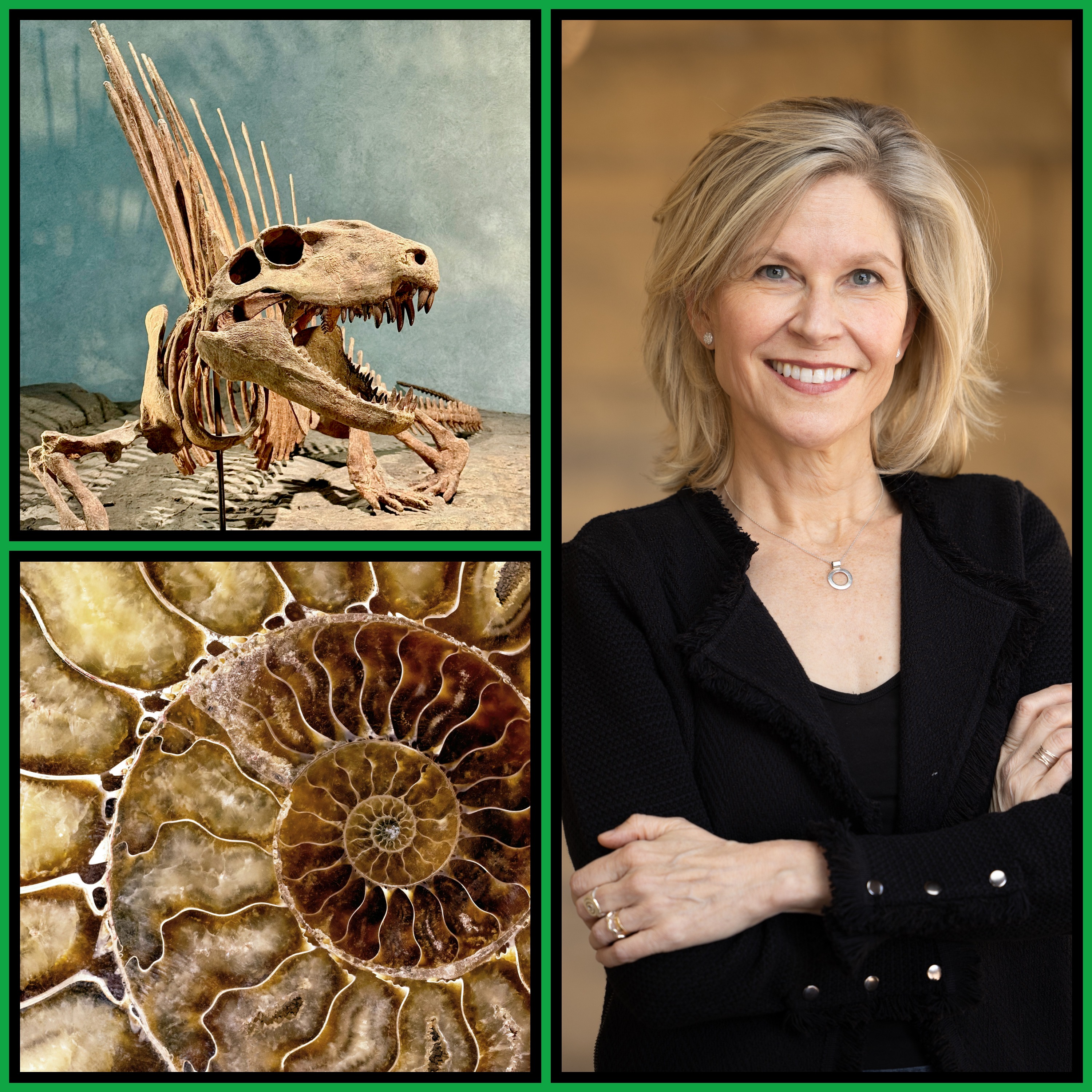
T-Rex. Brontosaurus. Diplodocus. Just the names conjure something enormous — a sense of scale that dwarfs human history. Standing before dinosaur tracks in the Utah desert, or gazing up at a towering skeleton in a natural history museum, you feel it: the vertigo of deep time. Millions of years of life and death, compressed into bone and stone.
Two hundred years ago, Americans began unearthing mysterious fossils and giant bones they didn't even have names for yet. Almost overnight, something remarkable happened: the New World became old. The United States went from infant start-up nation to the blueprint fo...
Mary-Jane Rubenstein: Pantheism and the Godness of Nature
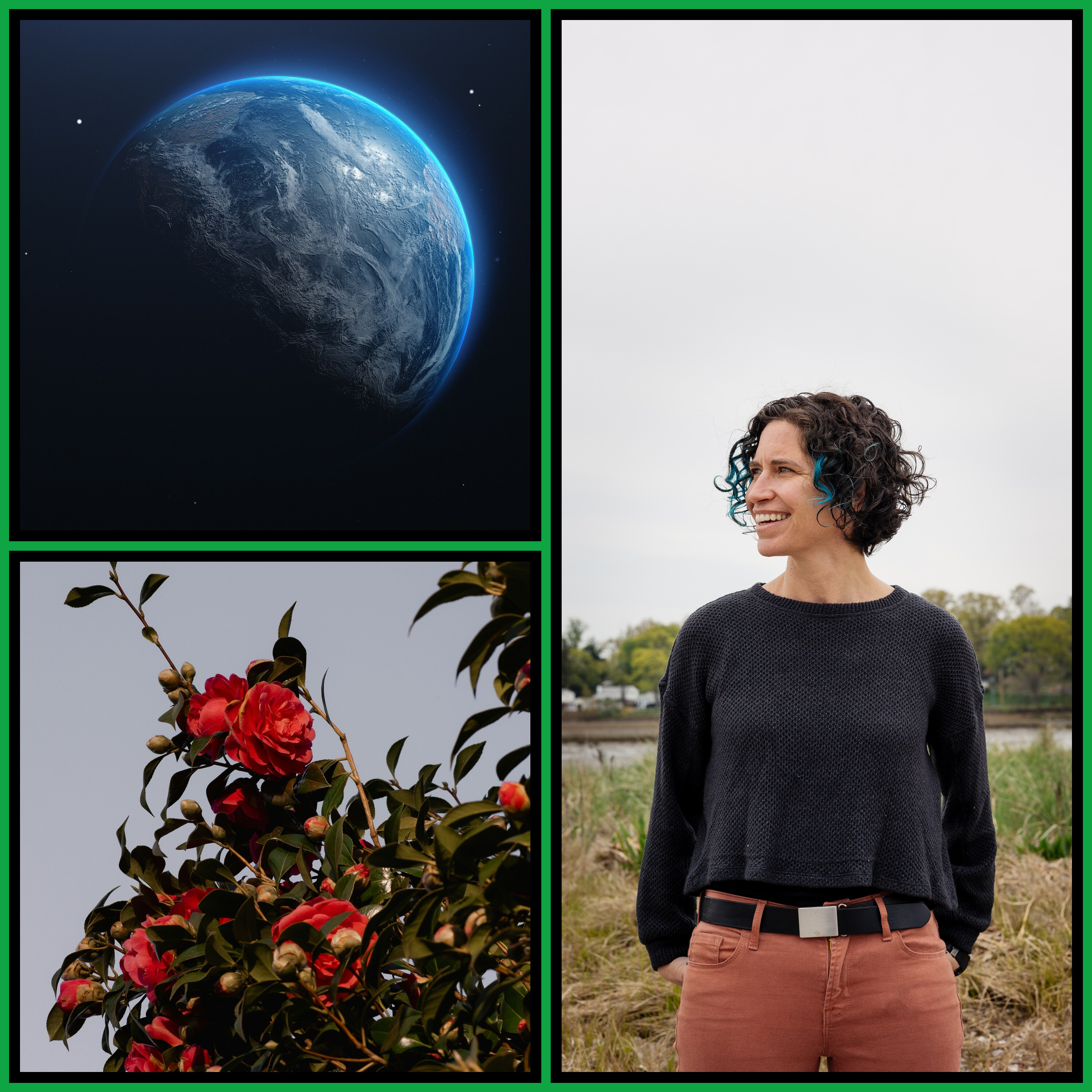
What if nature isn’t just alive—but divine? Pantheism, once branded heresy, is finding new adherents among those who don’t consider themselves religious but still sense something sacred and wondrous in the living world.
Mary-Jane Rubenstein, a scholar of philosophy and religion, traces the long, contested history of wonder—from medieval mystics to modern seekers. She reflects on the Overview Effect, that disorienting moment when astronauts gaze back at Earth and feel both its fragility and its radiance. And she talks about the obsession that tech titans like Jeff Bezos and Elon Musk have for space ex...
Dekila Chungyalpa on the Sacred Feminine and the Living Earth
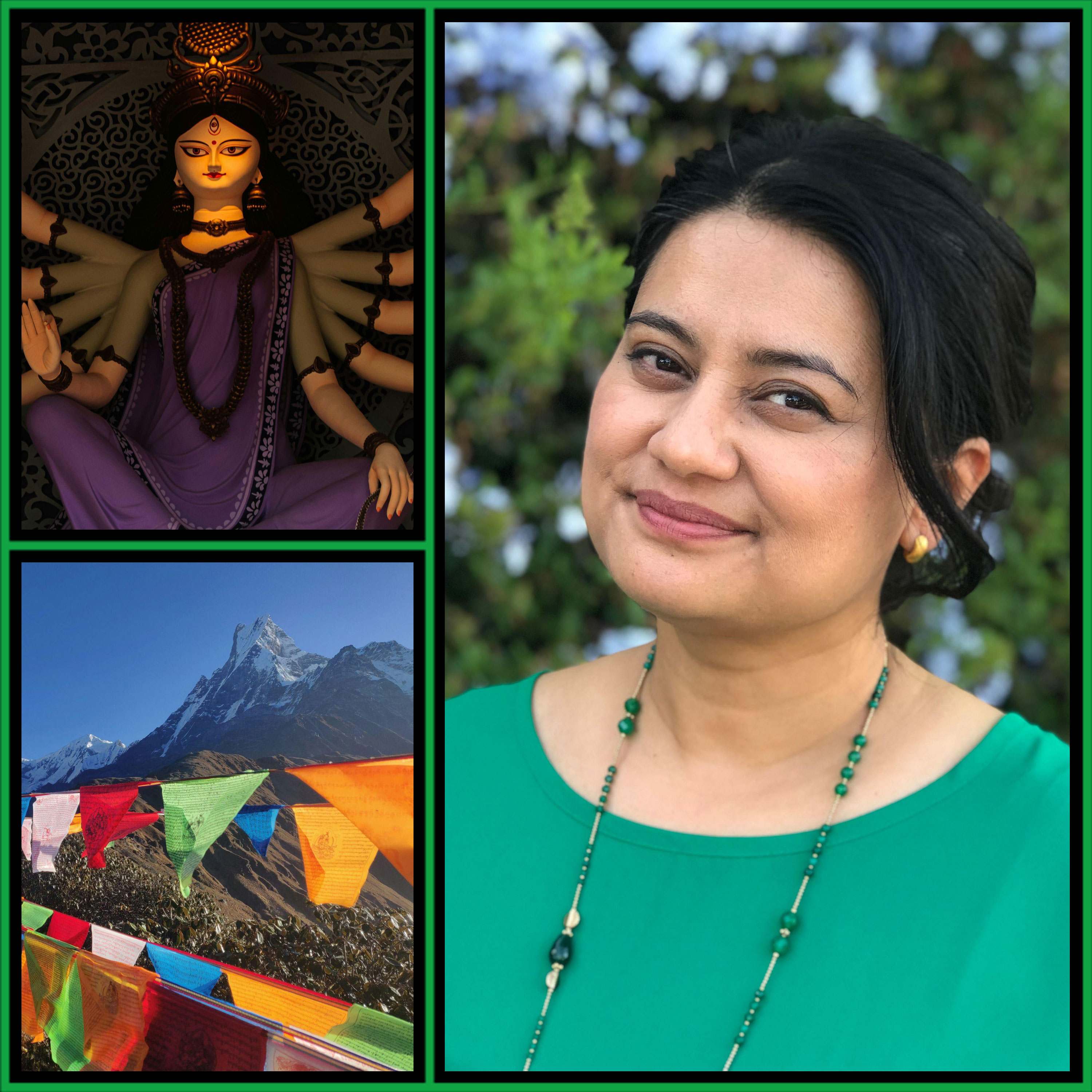
Imagine growing up believing that at the heart of existence is a Primordial Mother—and that She is the Earth.
For Dekila Chungyalpa, that idea is not metaphor. It’s inheritance.
In Tibetan Buddhism, the feminine divine appears as Prajnaparamita, or Yum Chenmo—the “Mother of All Buddhas.” As the daughter and granddaughter of nuns, Dekila was raised in a world where spiritual teaching and healing was often female, and where land itself—especially the sacred Himalayan landscape of Sikkim—was alive with presence, meaning, and obligation.
Today, she is a global conservationist and founding d...
Manvir Singh: Was Shamanism the First Religion?
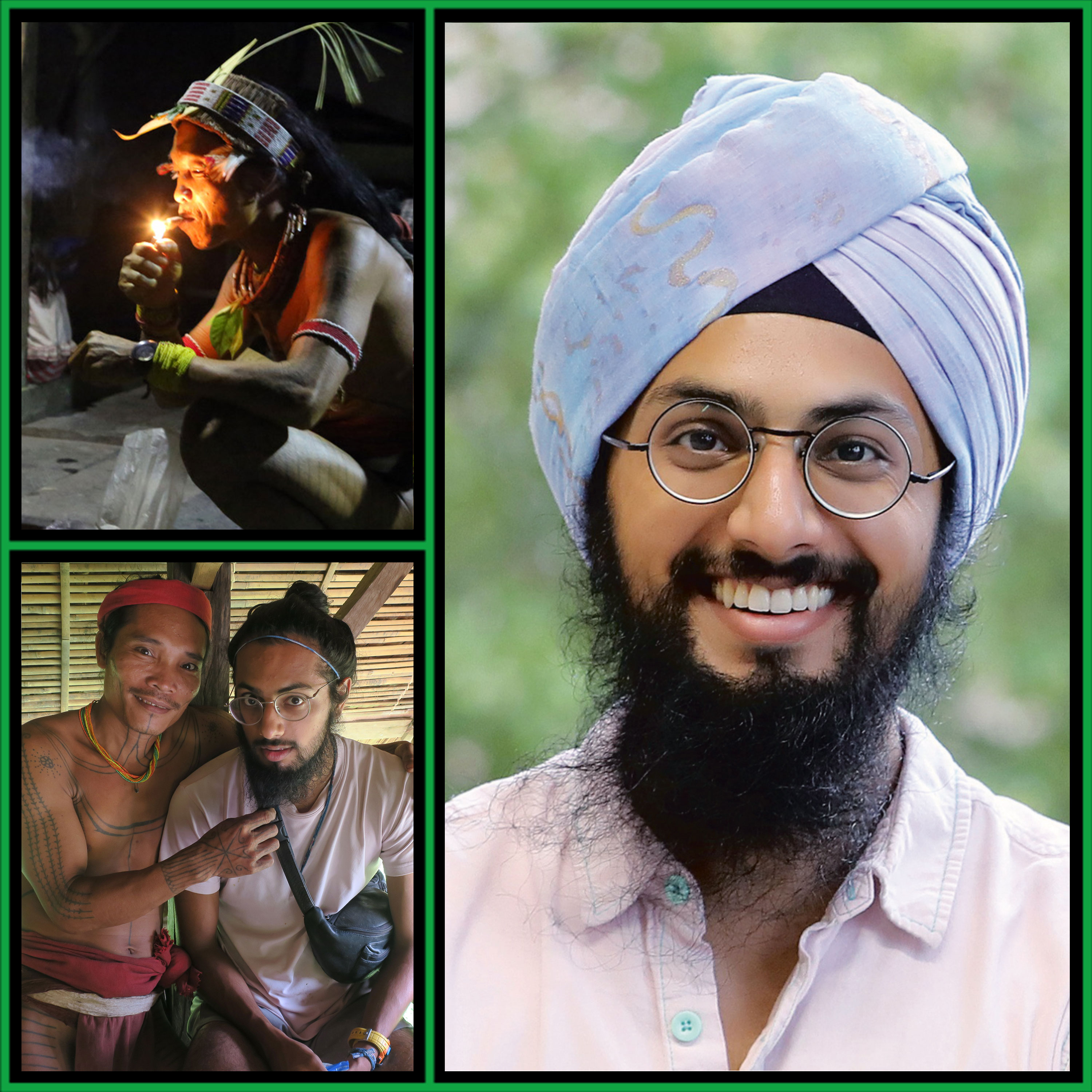
Shamanism may be humanity’s oldest religion – a tradition found across cultures, where healers slip into unseen realms, speak with spirits, and bring back knowledge from beyond the visible world. But in a modern, scientific age, these practices can seem like little more than superstition. But what if they reveal something deeper in human experience?
Anthropologist Manvir Singh set out in search of answers. On a remote island in Indonesia, he lived with the Mentawai people, watching as their shamans — the sikerie — drummed, danced and entered trance, their tattooed bodies painted in turmeric. In these altered states, they appe...
David George Haskell: Flowers and the Revolutionary Power of Beauty
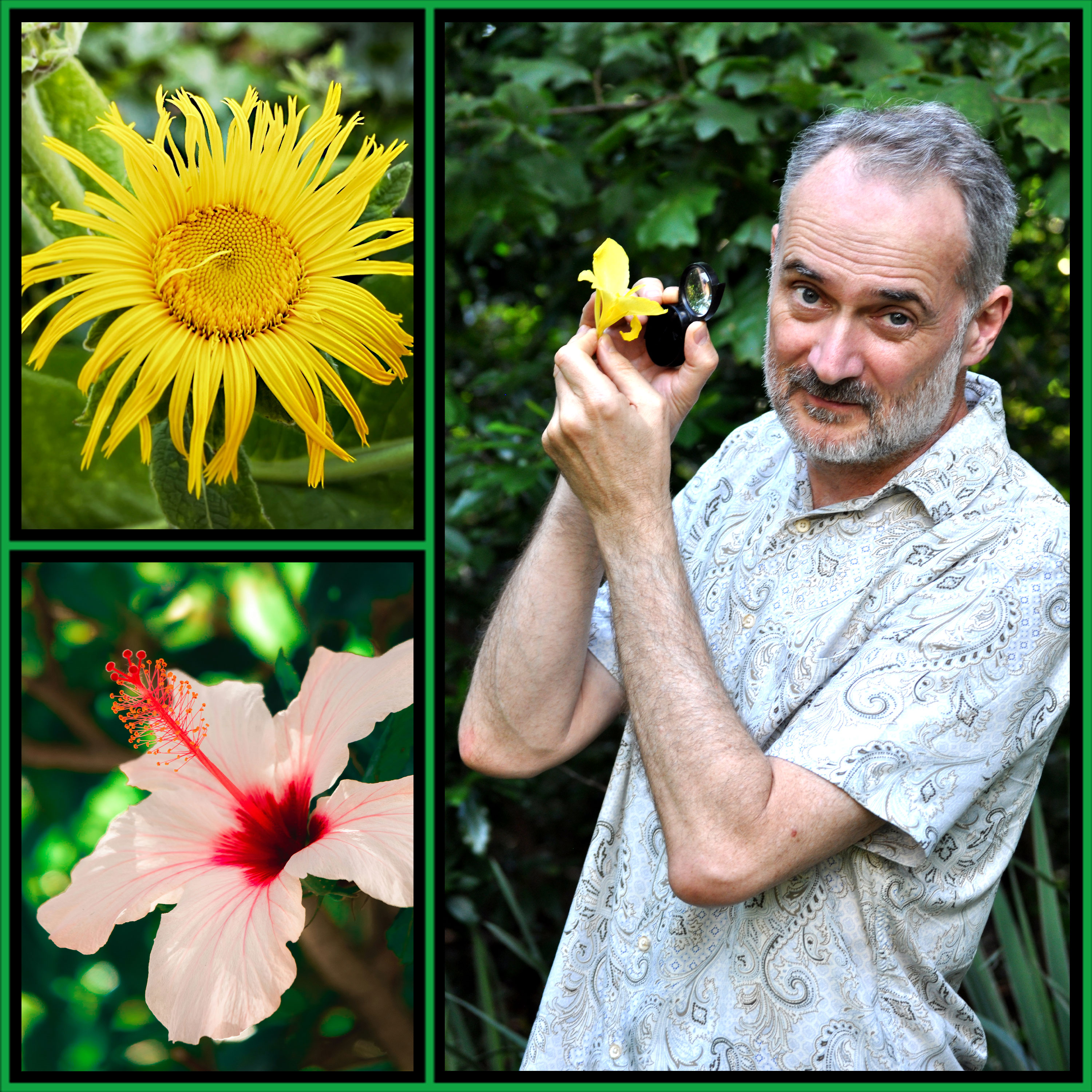
For thousands of years, flowers have threaded themselves through human life—into our rituals, our art, our language, even our names. We decorate our homes and altars with them, distill their scents, celebrate them in poetry and song. But what if we’ve misunderstood them entirely?
In “How Flowers Made Our World,” biologist and writer David George Haskell invites us to see flowers not as delicate embellishments, but as one of the most powerful forces in Earth’s history. When flowering plants emerged more than 200 million years ago, they didn’t just adapt to the world—they transformed it...
Robert Macfarlane: The Soul of Rivers and the Rights of Nature
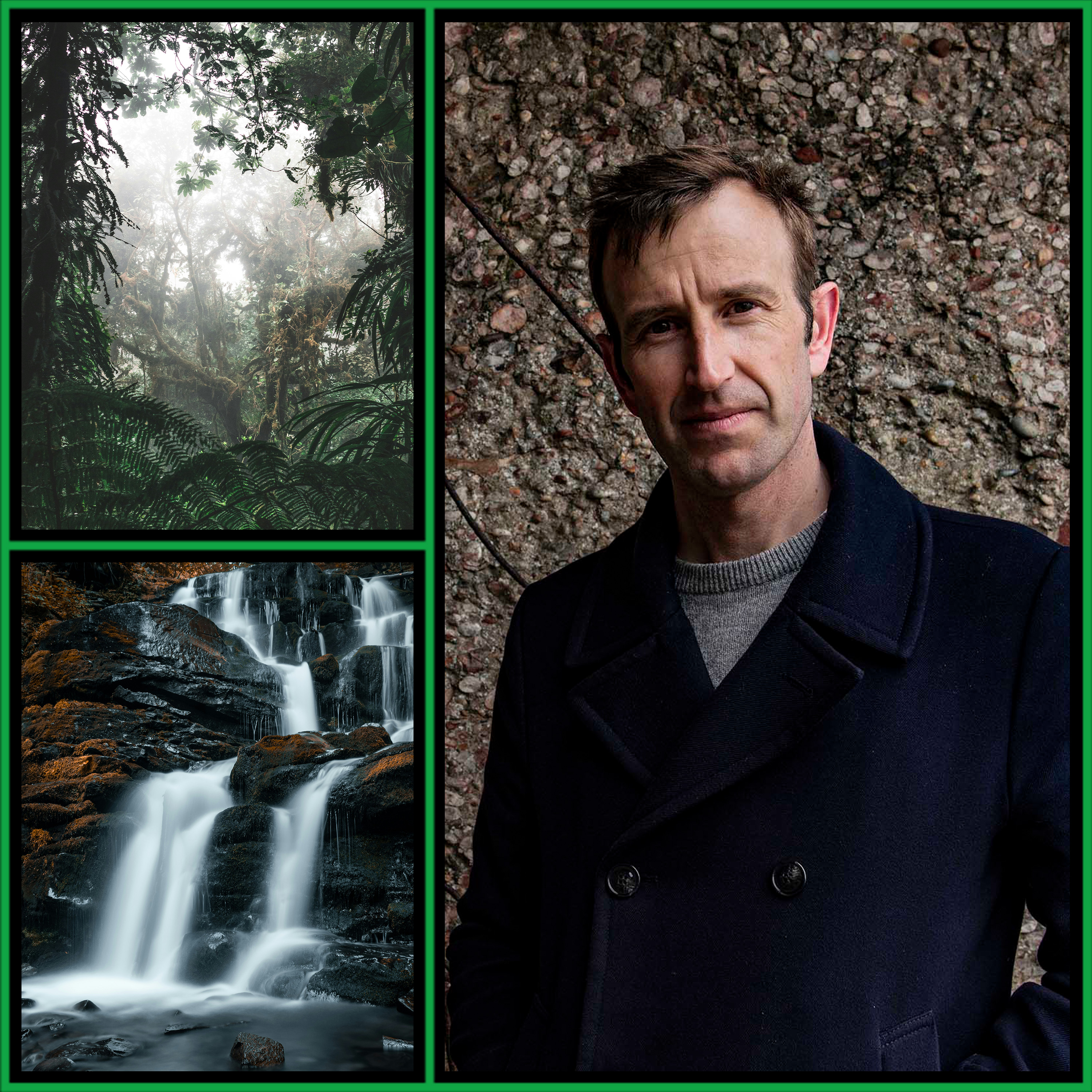
What if a river is alive–but we’ve forgotten how to recognize it?
This is the radical idea at the heart of the global “rights of nature” movement, which seeks to grant rivers, forests and ecosystems legal standing. Rooted in ancient traditions and emerging in modern law, it challenges the notion of nature as property and a resource to be exploited.
In “Is a River Alive?”, acclaimed writer and explorer Robert Macfarlane travels to remote waterways in Ecuador, India and Canada, meeting mycologists, Indigenous river-keepers, and activists who see the natural world as animate and ensouled...
Renee Bergland: The Enchanted Science of Emily Dickinson and Charles Darwin
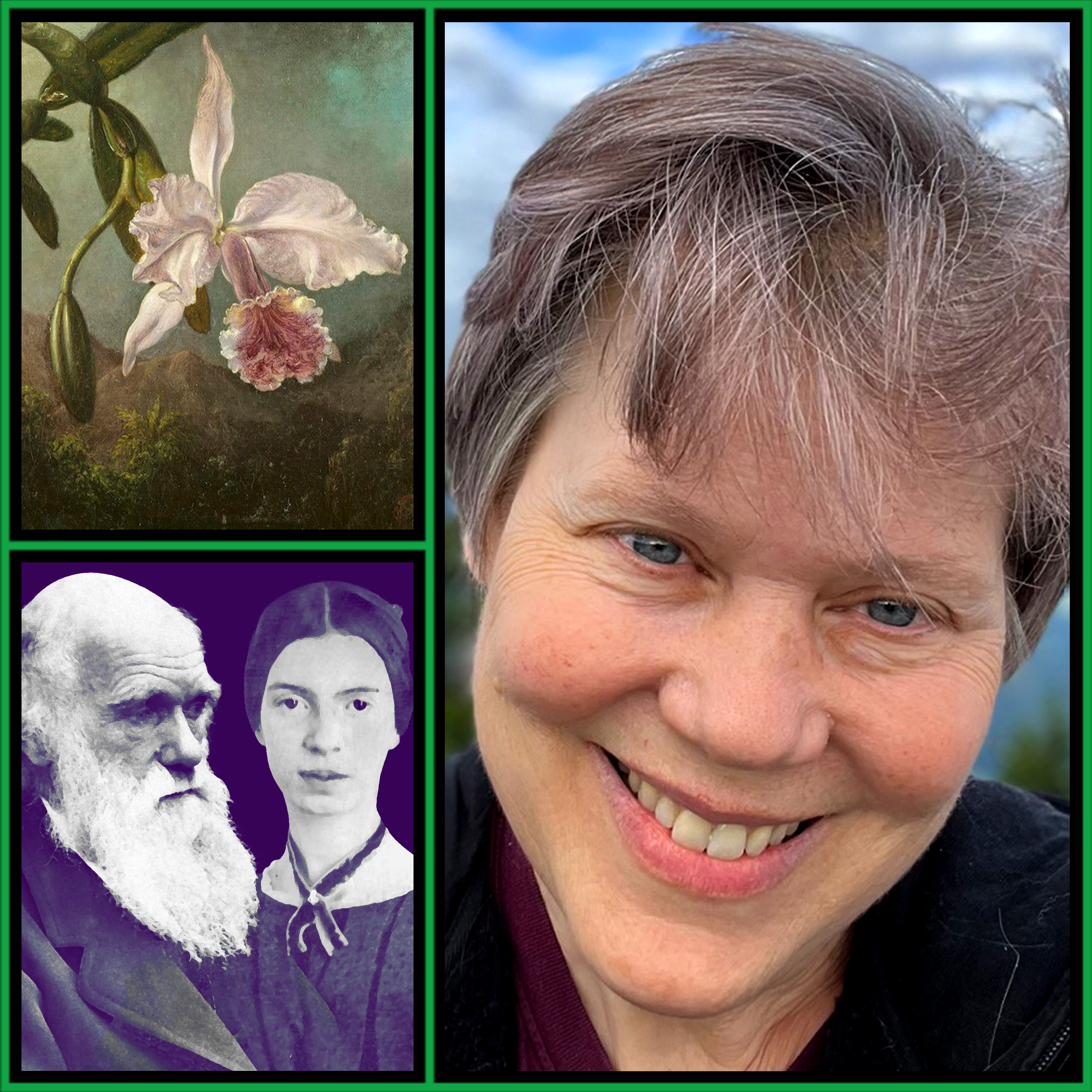
Emily Dickinson and Charles Darwin both saw nature as alive with mystery – and treated wonder as a way of knowing. Literary scholar and science historian Renee Bergland, author of "Natural Magic," is our guide to the forgotten kinship between the reclusive poet and the celebrated naturalist.
Dickinson and Darwin never met, but they had at least one close friend in common. Both were both fascinated by fossils. Both wandered the woods and swamps near their homes, studying insects and documenting rare plants. They shared a vision of the interconnectedness of all life. We know that Dickinson, with her...
George Saunders: Angels, Ghosts and the Moral Imagination
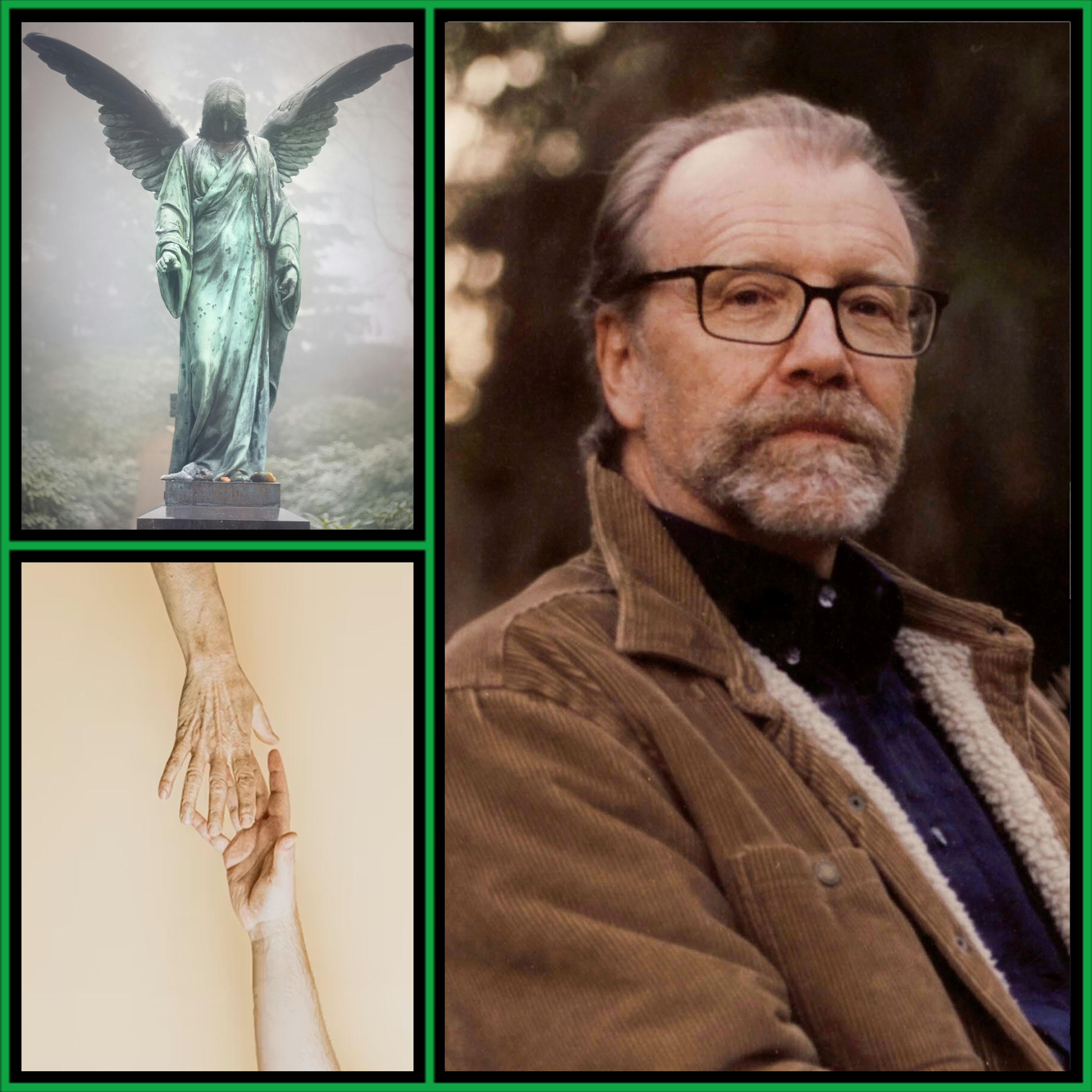
What if dying is not an ending, but a moment of radical clarity? In his new novel "Vigil," George Saunders conjures a strange and often comic world of bickering angels visiting a dying, deeply flawed man—debating and waiting to see whether he can face the truth about himself before it’s too late.
In this conversation, Steve Paulson talks with Saunders about the evolution of his ideas about death and the possibility of an afterlife. Dying, he says, may be “the ultimate experience of wonder,” and he believes ghost stories can open powerful imaginative spaces for novelist...
Rebecca Solnit: Hope After the End
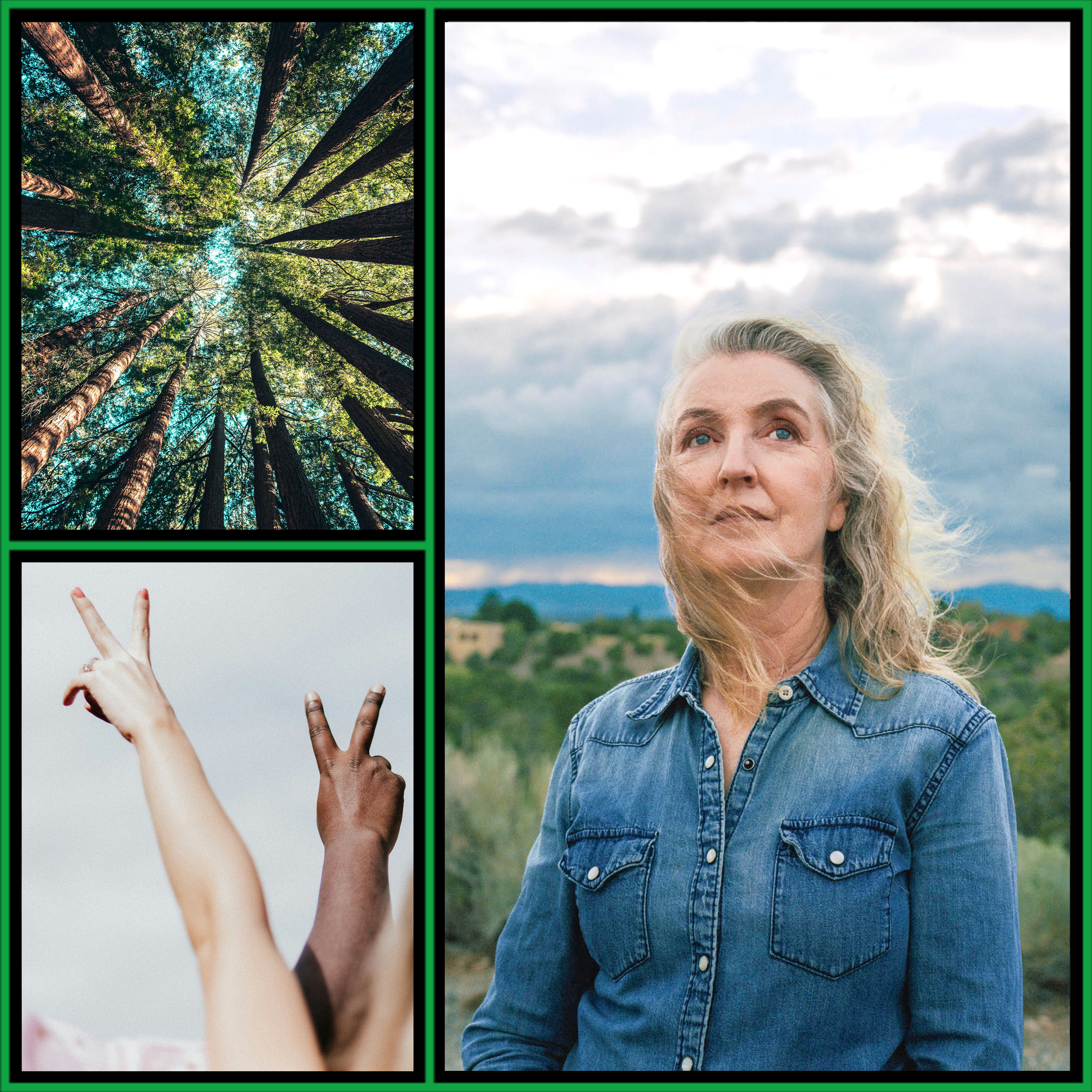
How do you deal with the emotional toll of living in a time of dissolution? Social scientists use the term "polycrisis" to describe the kind of cascading, overlapping failures that can lead to systemic collapse, and it’s hard not to see the symptoms of a dying world order in events unfolding around us. But maybe what we’re witnessing is actually grounds for hope. In a forthcoming book "The Beginning Comes After the End," writer and activist Rebecca Solnit makes the case that something is dying, all right — because something better is being born. A rising worldview that embrace...
Carlo Rovelli: Cosmic Mysteries and the Politics of Wonder
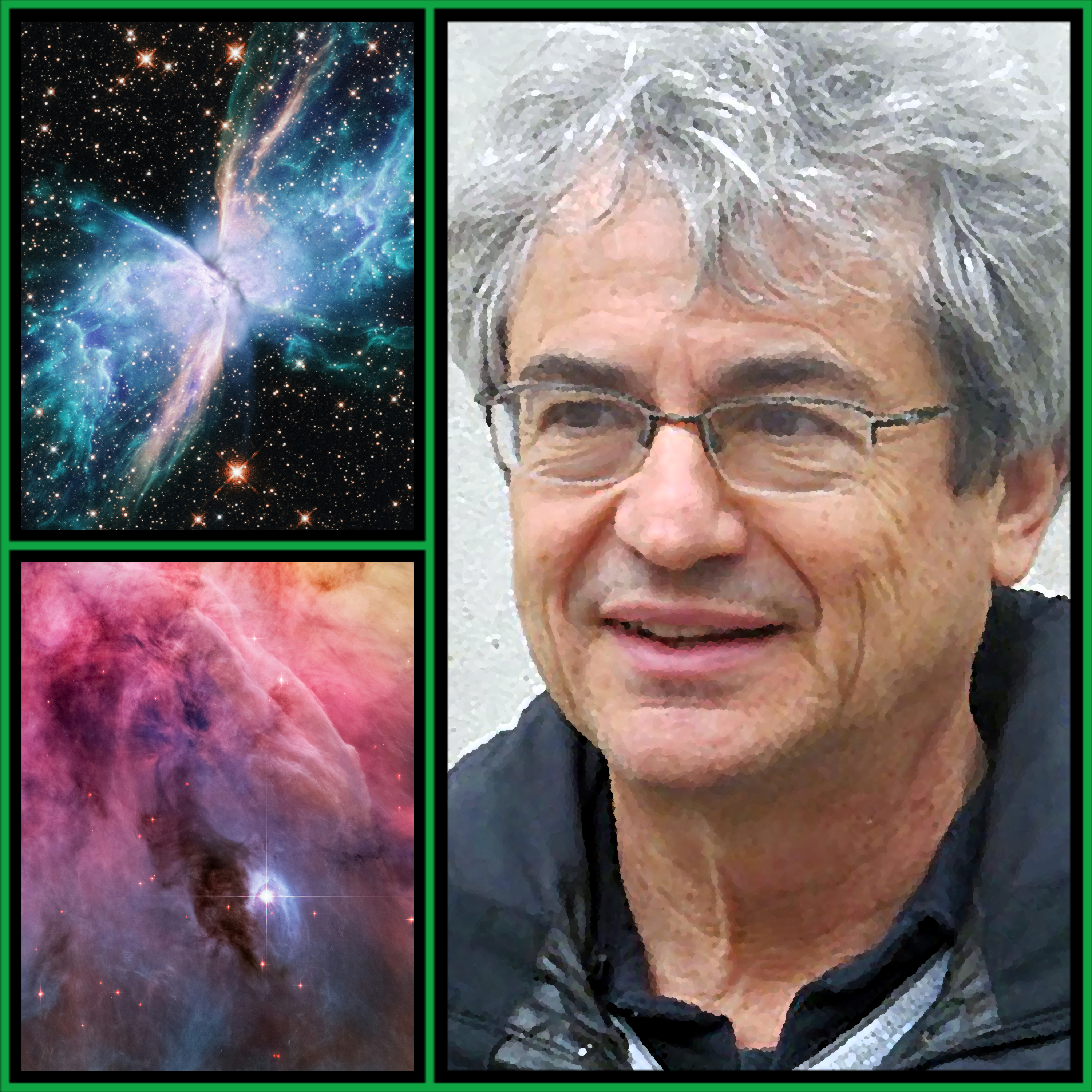
Carlo Rovelli’s quest to understand the nature of reality began not in a physics lab, but in youthful experiments with consciousness, political protest and a restless hunger for meaning—years before he “fell madly in love with physics.” Today, Rovelli is famous for his bestselling books, including "Seven Brief Lessons on Physics" and "Reality Is Not What It Seems," and his pioneering work on some of the biggest mysteries in physics, including black holes and quantum gravity.
In a wide-ranging conversation, Steve Paulson talks with Rovelli about his early, profound experiences with LSD; his discovery of the "spec...
Sophie Strand: Ecological Storytelling and Mythic Imagination
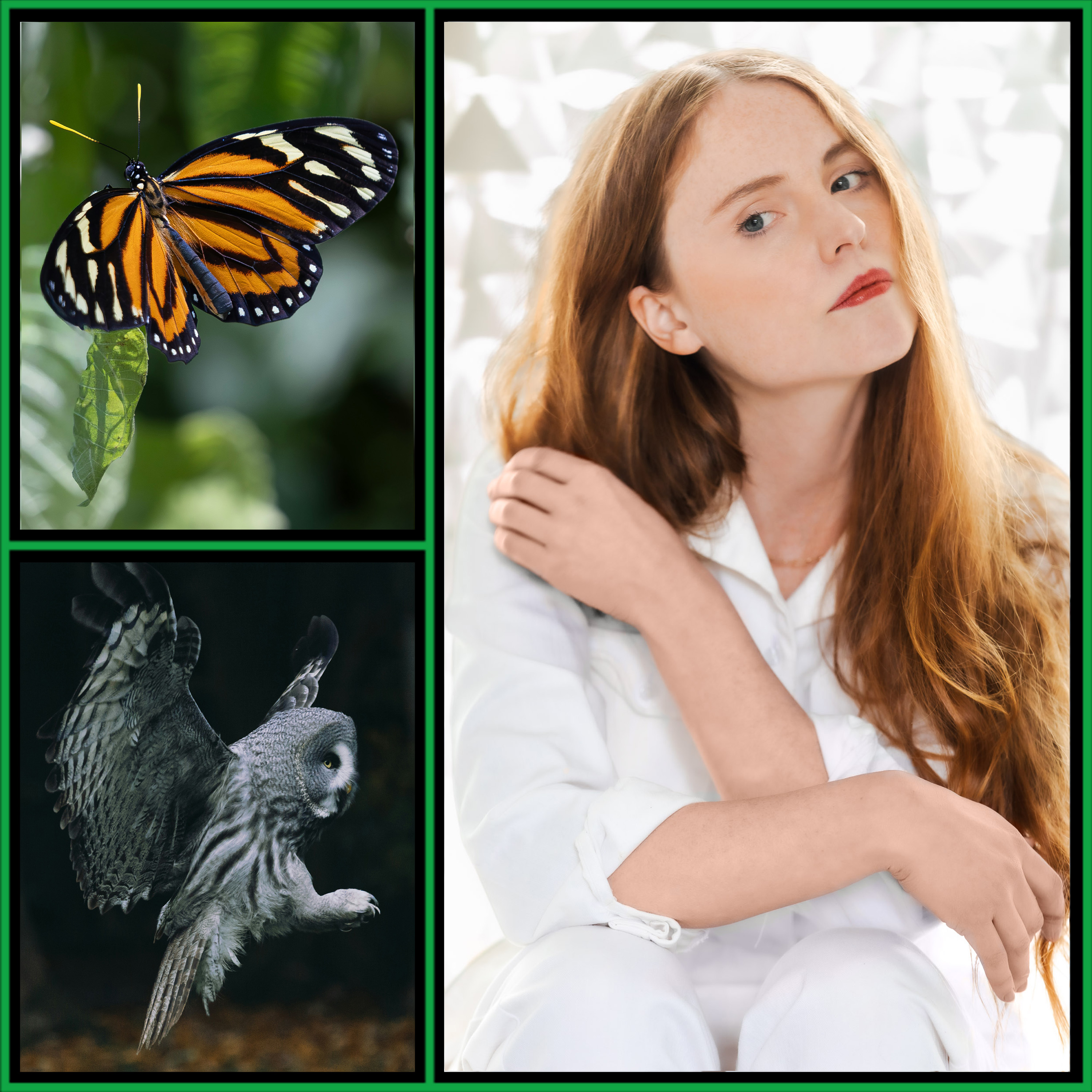
Writer and ecologist Sophie Strand thinks at a scale that can feel dizzying—in the best way. In a single conversation, she can move from the chemical structure of cells to mushroom spores, from ancient weather gods to mycorrhizal fungi, from Bronze Age collapse to the slow intelligence of soil.
In this episode of Wonder Cabinet, we talk with Strand about wonder that doesn’t float upward but roots downward—into bodies, ecosystems, decay, and deep time. We begin with her essay “Your Body Is an Ancestor,” published shortly before Halloween and the Day of the Dead, and follow...
Introducing 'Wonder Cabinet'
You know that moment of amazed surprise when you encounter something so unexpected that it feels almost magical? Welcome to “Wonder Cabinet,” the new podcast from the creators of the Peabody Award-winning public radio show “To the Best of Our Knowledge.”
Each week, Anne Strainchamps and Steve Paulson host intimate conversations with leading scientists, poets and philosophers about the mystery of the cosmos, the deep intelligence of the Earth, and ideas to re-enchant everyday life. These are expansive interviews about experiences of wonder and transcendence – and ideas that open new doors.
We’re living through a period of tu...
