Book In

Brothers Rupert and Charlie Fordham discuss all things English Literature. From Chaucer to the present day, covering drama, novels and poetry, they cover all the classics and much more, from the UK, Ireland, the US, Europe and the rest of the world. Informative but lighthearted, Book In is suitable for all readers, and will be helpful for students from school to degree level. Both Rupert and Charlie have been keen readers all their lives and both studied English at university. For many years Charlie taught English at GCSE and A-level.
The Tempest - William Shakespeare

The Tempest is Shakespeare's last play, and many have seen its central character, Prospero, as representing Shakespeare himself, preparing for his departure from the stage. But the truth is more complex and nuanced; Prospero is indeed a visionary and powerful figure, manipulating the fates of the characters who have been shipwrecked on his island. But he is also tetchy, angry, petty, vindictive and cruel. He assembles all his enemies on the island and forces them to confront their treachery; they are forgiven, and Prospero gives up his magic powers to return to the real world. The character of Caliban...
The Winter's Tale - William Shakespeare

When Shakespeare wrote The Winter’s Tale, he was an older, though not old, man. It was one of what are often called his late plays, and along with The Tempest one of the two great plays he wrote at the end of his career. In these plays, he experimented with new forms of expression and genre. They seem to stretch traditional genres of tragedy or comedy, and develop a more transcendent sense of magic and mystery. At the end of The Winter’s Tale, the female courtier Paulina perhaps speaks for Shakespeare when she says, ‘It is required/You do...
Autumn Poems – Keats, MacNeice, Frost – with Pip Torrens and Andrew Crean reading

As the exceptional summer of 2026 fades into memory, we look at three autumn poems. John Keats’ To Autumn is the finest of his Odes and one of the greatest poems written in English. At the moment of fruition, decay begins; from the high point of life, comes death; and in that moment of equipoise there is an ecstasy as well as a melancholy at the passing of life and of beauty, beautifully captured in Pip Torrens’ wonderful, understated reading. Louis MacNeice’s Autumn Journal is a sprawling, journalistic account of the autumn of 1938, and he describes the changing of the se...
Sense & Sensibility - Jane Austen

As Georgia Oakley's film of Sense and Sensibility is released, Book In looks at Jane Austen's novel. It was the first that she published, but already her genius for satire, social comedy and the extraordinarily subtle expression of human relationships is evident from the first page. Marianne has sensibility, and throws herself at life; unimpressed with the worthy but pedestrian Colonel Brandon, she is thrilled by the arrival of Willoughby, who leaves her house during a rainstorm "to make himself more interesting". Elinor has sense; she watches her sister fly too close to the sun, and is there for h...
In conversation with Iain Dale - Have I Said Too Much?

Iain Dale is one of the country's leading broadcasters. His evening radio show on LBC attracts millions of listeners, and for 30 years he has been at the centre of British politics as a publisher, radio host, author, podcaster, bookshop owner, political candidate and TV pundit. He has interviewed everyone from Margaret Thatcher to Andy Burnham, and in his brilliant and highly entertaining autobiography "Have I Said Too Much?" (to which the answer is clearly "no"), he tells the story of his life and career. He talks about his childhood on a farm, his early political adventures at the University...
Re-Release - Philip Larkin Poems

We're swotting up for our next series this week, so sadly haven't had time to record a new episode. Instead, we're re-releasing one of our classics from the archive.
Philip Larkin wrote some of the greatest poetry in English in the second half of the twentieth century. Brilliant, famous and successful, he chose to live as a librarian in Hull, largely avoiding the public gaze, and watching the world from the edge of England. His simple language and easily accessible work have made him hugely popular, and his ability to use everyday scenes and events to convey p...
Classic Booker Prize Winners: Offshore - Penelope Fitzgerald

In the early 1960s, a group of old barges and minor naval craft have been converted to houseboats. They are falling apart and so are their owners. The boats creak, leak and occasionally sink, and the people who live on them struggle with life, relationships, money and mental health issues. Penelope Fitzgerald’s marvellous novel, which won the Booker Prize in 1979, describes lives lived on the edge, between water and land, marriage and separation, getting by and financial ruin, and life and death. London, too, is poised between the greyness and discomfort of the post-war period, and the explosion of...
Classic Booker Prize Winners: Possession - A.S. Byatt

A.S.Byatt wrote Possession as a completely self-indulgent project, with no thought of commercial or critical consequence. It sold millions and won the Booker Prize in 1990, introducing her to a mass audience and turning her into a literary superstar. It tells the story of a fictional Victorian poet, Randolph Henry Ash, who is mostly Browning with a dash of Tennyson; Ash falls in love and eventually has a child with another fictional minor Victorian poet, Christabel LaMotte. But their affair remains unknown to posterity until a young researcher in the 1980s discovers by chance some letters they had...
Classic Booker Prize Winners: The Siege of Krishnapur - J. G. Farrell

The Siege of Krishnapur is set in India in 1857 during the Indian Rebellion (or what used to be known as the Indian Mutiny). The small British community are besieged by the rebellious Indians, and as food and medicine gradually run out, and casualties rise by the day, their instinctive recourse to the social and hierarchical structures by which they have lived their lives is tested to breaking point. Their leader is the Collector, an essentially good and thoughtful man, who tries to maintain discipline, ensure the defences are manned, and keep up morale by promising that relief is near...
Classic Booker Prize Winners: Midnight's Children - Salman Rushdie - Part 2

In the second part of the Book In episode on Midnight's Children, Charlie and Rupert look at the way Salman Rushdie places the novel in the context of the extraordinary political and social changes created by the birth of the Indian nation. How will India change after independence? How is Pakistan different? How did the dreams of independence give way to the chaos of Partition, the creation of Bangladesh and the nightmare of Emergency Rule under Indira Gandhi? Why is Rushdie so brilliant at writing about women? And how is the style like Dickens on acid? Join us as...
Classic Booker Prize Winners: Midnight's Children - Salman Rushdie - Part 1

On the stroke of midnight of August 15th 1947, the nation of India became independent from Great Britain. Saleem Sinai, the central character of Salman Rushdie's novel Midnight's Children, is born at exactly the same moment, and in this monumental book, Rushdie tells the story of Saleem's family background, his childhood and his early years as an adult. Saleem's story is also India's story, and it plays out against the background of the birth of this vast and teeming nation. The creation of Pakistan, the subsequent emergence of Bangladesh, the death of Mahatma Gandhi, the emergency rule of Indira Gandhi...
In conversation with Jesse Norman - The Winding Stair

Jesse Norman joins Book In to talk about his brilliant novel The Winding Stair, about the rivalry between Francis Bacon and Edward Coke as they battled for power in the court of King James 1st. In this special edition of Book In, Jesse talks to Rupert about the novel – what inspired him and how he wrote it. Bacon was described by Thomas Jefferson as one of the three greatest men who had ever lived, and in his belief in the potential of the human mind and spirit to create a better society and a richer life for people, he wa...
The Odyssey - Film Review

Christopher Nolan’s film of The Odyssey has been the blockbuster cultural event of the summer. Within a few weeks of release, it has already grossed nearly $1bn, putting it on course to become one of the most successful movies of all time. But is the hype justified? Does it matter that while Homer’s hero was interested in glory and honour, Matt Damon’s Odysseus is a traumatised war veteran driven by grief at the loss of his men, and the damage and pain he has inflicted? Why is there so little sex in the movie? Is it too wo...
Early C20th Poets: W.B. Yeats - An Irish Airman, Rough Beasts and Golden Birds

“Things fall apart; the centre cannot hold” – the famous lines from W.B Yeats’ visionary and apocalyptic poem The Second Coming are as resonant today as they were when he wrote them in the aftermath of the First World War, with Europe decimated economically, spiritually and culturally. He wrote that “The best lack all conviction, and the worst/Are full of passionate intensity”, and as he grew older, his poetry articulated the worries and anxieties of the age. But he remained a private as well as a public artist, and in his later poems he explored the role of the artist in...
Early C20th Poets: W. B. Yeats - Innisfree to Easter 1916

In the early 20th century, as the nation of Ireland emerged from the turmoil of centuries of struggle, oppression, poverty and famine, one figure above all others was both prophet and judge of the tumultuous process. In his early years, William Butler Yeats created a mythology of Ireland, and later, with poems like Easter 1916 and The Second Coming, he wrote of the ambiguity, the "terrible beauty", that was explicit in the uprisings and civil wars which preceded the creation of the Irish Free State. But he was not just a poet; with Maud Gonne, the actress and revolutionary with w...
Early C20th Poets: W.H. Auden

W H Auden wrote some of the most beautiful and complex poetry of the 20th century. Best known to modern audiences as the author of “Stop all the Clocks”, read by John Hannah in Four Weddings and a Funeral, he grew up in Yorkshire and the Midlands, and his parents were a psychiatrist and a nurse; this provincial, professional background pervades his poetry with its images of industry and science. Like many of his generation, he was on the left and went to Spain to support the Republicans in the Spanish Civil War. But when World War Two started, he l...
Early C20th Poets: T. S. Eliot - The Hollow Men, Ash Wednesday and Marina

In the second episode on T.S.Eliot, Book In looks at the poems he wrote after The Wasteland, as he moved towards a conversion to Christianity. In the Hollow Men, he returns again to the desolation and spiritual emptiness of the West after the First World War, weaving together Dante, Conrad’s Heart of Darkness and the Gunpowder Plot amongst other themes. By the time he wrote Ash Wednesday three years later he had fully embraced the High Anglican church, and the poem tells of his need to renounce the pride and arrogance which he felt had characterised hi...
Early C20th Poets: T. S. Eliot – Prufrock, Preludes and La Figlia Che Piange

The first poem that T.S.Eliot published, in 1915, was The Love Song of J. Alfred Prufrock, and two years later, it was included as the title poem in a collection called Prufrock and Other Observations. It was a sensation; breaking dramatically with the gentle and conventional lyrics of the late Victorian and Edwardian poets of the time, many critics found it pretentious at best and incomprehensible at worst. One speculated that Eliot had thought "I'll just put down the first thing that comes into my head, and call it The Love Song of J. Alfred Prufrock." But Prufrock...
Early C20th Poets: Thomas Hardy

At the age of 55, and at the height of his fame, Thomas Hardy gave up writing novels and decided to devote the rest of his life to poetry. He was disillusioned with the commercial requirements of novel writing, and had been upset by the adverse reaction of some critics to Jude the Obscure. Many people believe that his poems are his greatest achievement, and he is in exalted company in being in the first rank of both poetry and novels or plays, along with Samuel Beckett, DH Lawrence and Shakespeare. Much of his poetry was inspired by his first...
Great Sporting Books

Sports Books: Open - Andre Agassi, Fever Pitch – Nick Hornby, Great Cricket Matches
Book In take a look at three books on sport. Open is the autobiography of Andre Agassi: one of the greatest players of all time, Agassi was driven by his domineering father to hit 2,500 balls a day from the age of 5, and at 13 was sent to the Nick Bolliteri Tennis Academy in Florida, essentially a boot camp for teenage tennis prodigies. By 18, he was in the world’s top 10 and won three Grand Slams but the wheels came off in his mid 20s as his...
World Cup Special

It’s World Cup time again! As hope springs eternal for Harry Kane and Co, and as the nation becomes obsessed by whether England should play Rashford or Gordon, and how to fit in Jude Bellingham, Rupert and Charlie choose their own teams from the pages of (mainly) English literature. Recalling the style of the England teams of his youth, Charlie opts for a 4-4-2 formation, and selects players from clubs as diverse as Chaucer, Tolkein and Dickens. Rupert goes for the more sophisticated, continental 4-3-3, and relies fairly heavily on Milton, while also making use of C...
The Odyssey - Homer

Around the 8th century BC, the inhabitants of Greece began to write things down. Amongst these were some of the poems telling of ancient times which bards had passed from generation to generation, and the greatest of these poems were the Iliad and the Odyssey. The Odyssey tells of the adventures of one of the Greek heroes, Odysseus, as he returned to his home in Ithaca from the Trojan War. His journey took 10 years, and included adventures which are famous to this day, including his encounter with the one-eyed Cyclops, and negotiating the twin dangers of Scylla and Charybdis...
C20th Novels: The Old Devils - Kingsley Amis
By the mid 1980s, Kingsley Amis was generally considered to be finished as a novelist. Devastated by the collapse of his marriage to Elizabeth Jane Howard, he was hugely overweight, drinking far too much and renting a basement flat from his first wife and her third husband. But in 1986, he published what his son Martin regarded as his masterpiece, The Old Devils, which won the Booker Prize. Set in the south Wales in which he had spent the first 15 years of his professional life, it follows the lives of several couples who have known each other since childhood and...
C20th Novels: A Passage to India - E.M. Forster

What really happened in the Marabar Caves? This is the central mystery of A Passage to India, EM Forster’s most celebrated novel, set in colonial India in the early 20th century. An Indian doctor, Aziz, wants to show some English visitors the real India, and takes them on an expedition to the strange caves which are a short trainride from the city of Chandrapore. He goes into one of the caves with Adela Quested, a young woman recently arrived from England. But Adela suddenly flees from the cave and accuses Aziz of attempting to rape her. The incident cr...
C20th Novels: The Quiet American - Graham Greene

Graham Greene’s novel The Quiet American is set in Vietnam in the 1950s – the French are trying to hold on to colonial power and are supporting the south in its struggle against a communist insurgency in the north. America is not yet involved militarily but is taking an interest. The novel tells the story of an American agent called Pyle who is supplying advice and explosives to a shadowy group who he believes can provide a “Third Way” for the country. Pyle meets a British journalist, Fowler, and it is through Fowler’s eyes that the story unfolds. His voice...
C20th Novels: Brideshead Revisited - Evelyn Waugh - Part 2

At Book In, we continue our discussion of Evelyn Waugh’s wonderful novel Brideshead Revisited. We look at the characters of the Marchmain family - the children Sebastian, Julia, Bridey and Cordelia, and the parents, Lord and Lady Marchmain, and at how Charles Ryder interacts with them, and we also talk about the extraordinary creation of Anthony Blanche who is so important both as a friend of Sebastian and as a commentator on the Flyte family. And we look at the humour in the book - as always, Waugh is a brilliantly writer and the scenes with Charles and hi...
C20th Novels: Brideshead Revisited - Evelyn Waugh - Part 1

Brideshead Revisited is Evelyn Waugh’s most famous novel. Magnificent but flawed, he wrote it while recovering from an injury during the Second World War, and the lush, sumptuous world of Oxford in the 1920s which he portrays is in stark contrast to the drab reality of life in the army. He later said that he regretted the richness of the language he had used, and declared that the novel was about the “operation of divine grace on a group of diverse but closely connected characters”. The Catholicism is of course central to the novel, as it was to Waugh’...
Re-Release - Emma - Jane Austen

Another from the archives while Rupert is away scaling mountains. We'll be back soon!
Emma is one of only six novels that Jane Austen completed, and yet she is among the very greatest of all English writers. How did an obscure spinster living in a modest house in Hampshire come to create these extraordinary books, and what is it that is so special about them? Rupert and Charlie look at arguably the greatest of them all, the story of Emma Woodhouse. Set in the modest provincial town of Highbury, and charting the day to day lives and...
Re-Release - The Great Gatsby - F. Scott Fitzgerald

Our first ever episode re-released: Rupert and Charlie discuss The Great Gatsby, Scott FitzGerald’s wonderful novel of love, loss and broken dreams. Published 100 years ago, the book is extraordinarily modern and speaks to a contemporary audience as powerfully as it did to the jazz generation of the 1920s. Charlie talks about the multi-layered nature of the book with its time shifts and multiple viewpoints. Was Gatsby really a good guy who lost his way? Is Daisy a murderess? Did FitzGerald himself really believe in the American dream? Are the film versions accurate? And is The Great Gatsby the el...
The Caretaker - Harold Pinter

Two brothers live in a squalid bedsit in west London. The room is crammed with junk. They befriend Davies, who is homeless and a tramp. He moves in with them, and they offer him a job as a caretaker for the property. But the job falls through, because Davies can’t get his papers, which are in Sidcup. Harold Pinter’s brilliant play tells the story of these three lost men, and how power shifts between them over time. They are hopeless and damaged, but they variously have dreams of getting a job, refurbishing and letting out the property and...
Arcadia - Tom Stoppard

Tom Stoppard was glamorous, charismatic and brilliant, and his plays are among the finest written in English since the Second World War. Perhaps his most accomplished work is Arcadia, first performed in 1993, with a stellar cast including Rufus Sewell, Felicity Kendal, Harriet Walter and Bill Nighy. The play contains two separate groups of people, one from the early 1800s, and the other from the present day, but performing in the same room in a country house in England. Stoppard explores a multitude of themes including mathematics and chaos theory, landscape gardening, entropy, the nature of knowledge, and literary criticism...
Wuthering Heights - Film Review
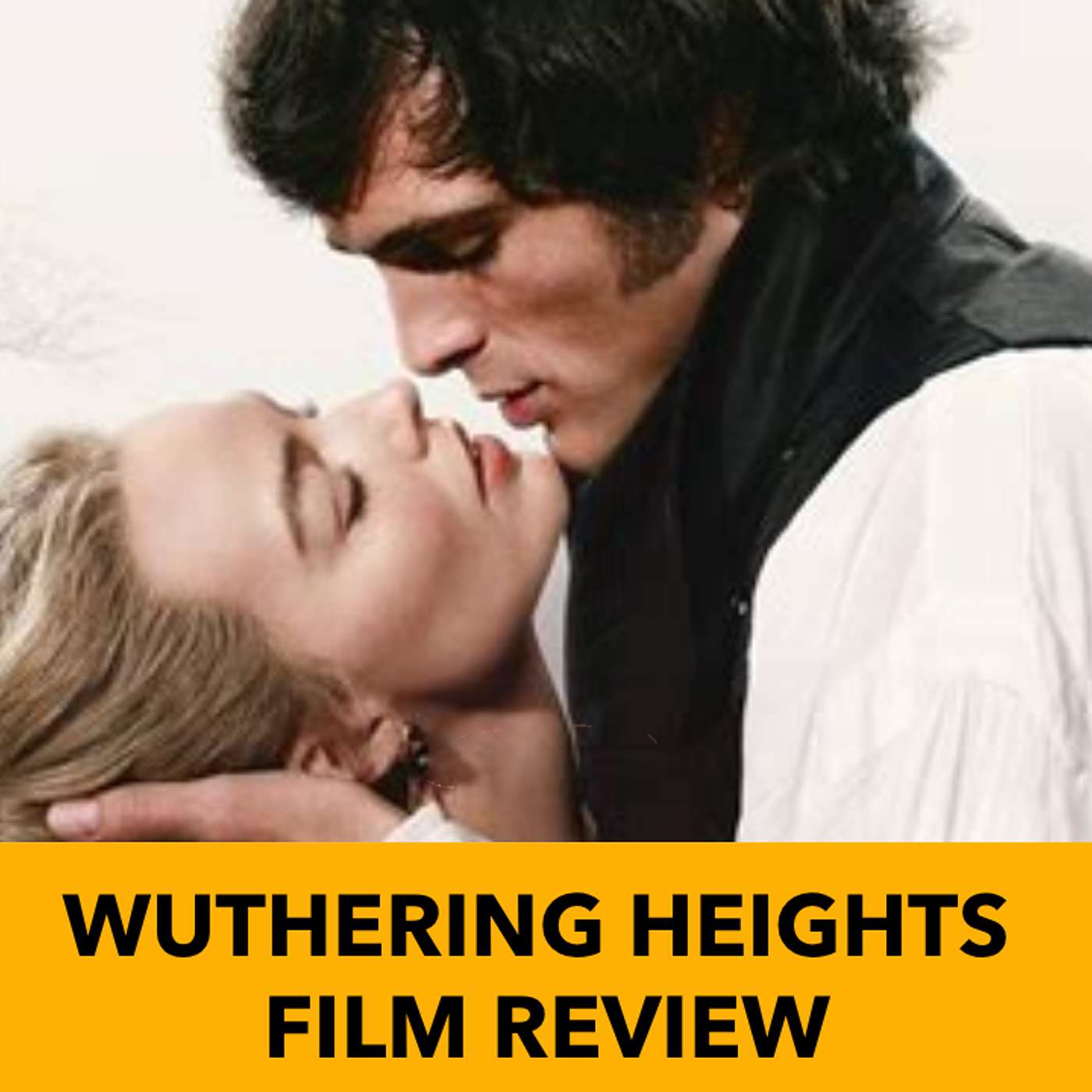
Tune in for Book In’s review of Emerald Fennell’s film Wuthering Heights. The advance publicity promised a modern and original take on Emily Bronte’s classic novel - does the film deliver this? Fennell is well known for her fondness for portraying themes of repressed sexuality and sado-masochism - does this work in Wuthering Heights? Do Margot Robbie and Jacob Elordi capture the extraordinary combination of innocence and passion that Cathy and Heathcliff have in the novel? Is Elordi a convincing villain? And could this be the start of a major career revival for Martin Clunes? Join Rupert...
The Great Tradition - F. R. Leavis
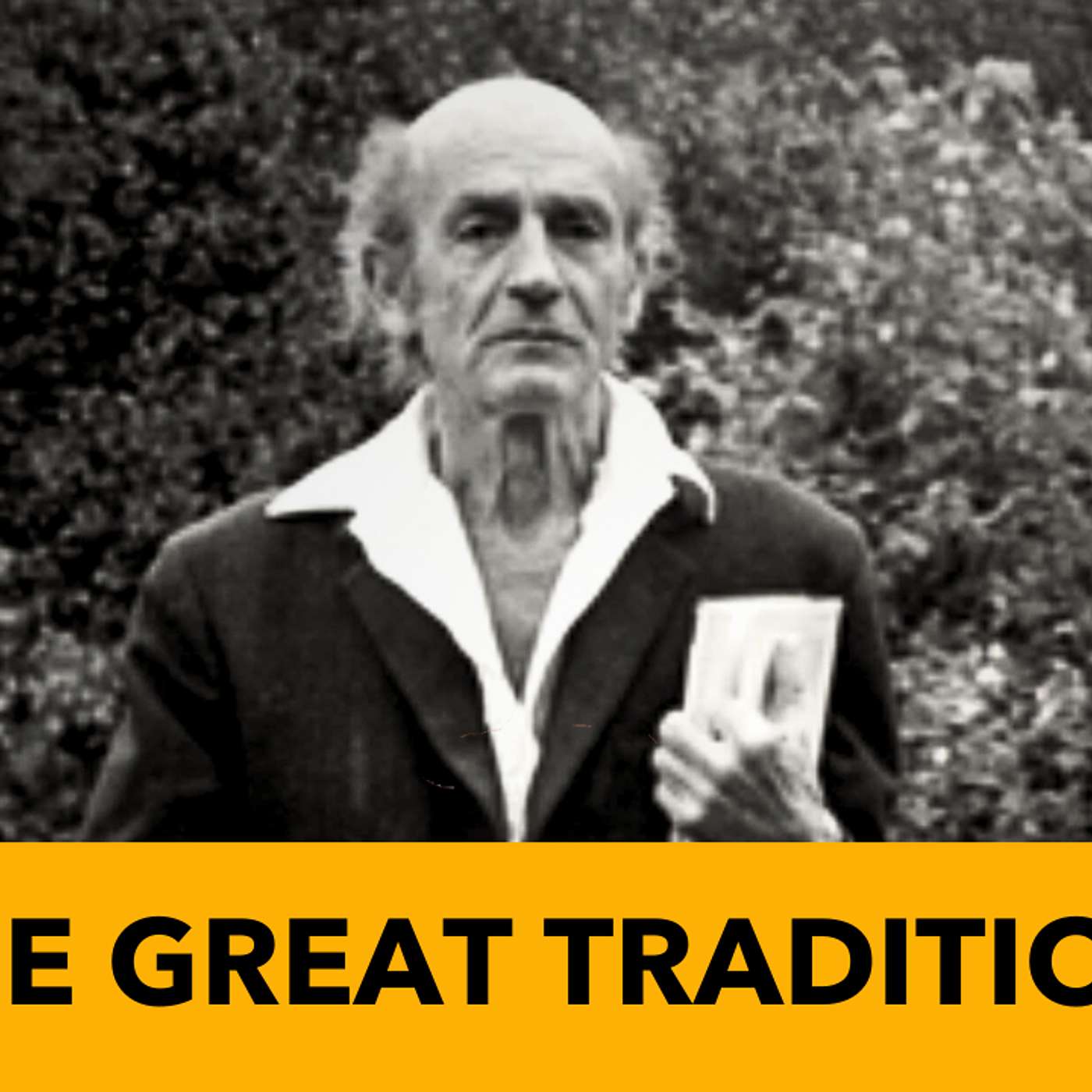
The Great Tradition - which are the greatest novels we have done in the podcast?
What are the greatest novels in the English language? On Book In, we’ve covered quite a few over the last few months, and now we take a step back, and try to assess their quality. The critic F R Leavis, who we have referenced frequently in the podcasts, had his views, trenchantly expressed in his famous work The Great Tradition. We look at his criteria and discuss whether or not they are relevant or useful today. And we come up with our...
Mrs Dalloway - Virginia Woolf - Part 2
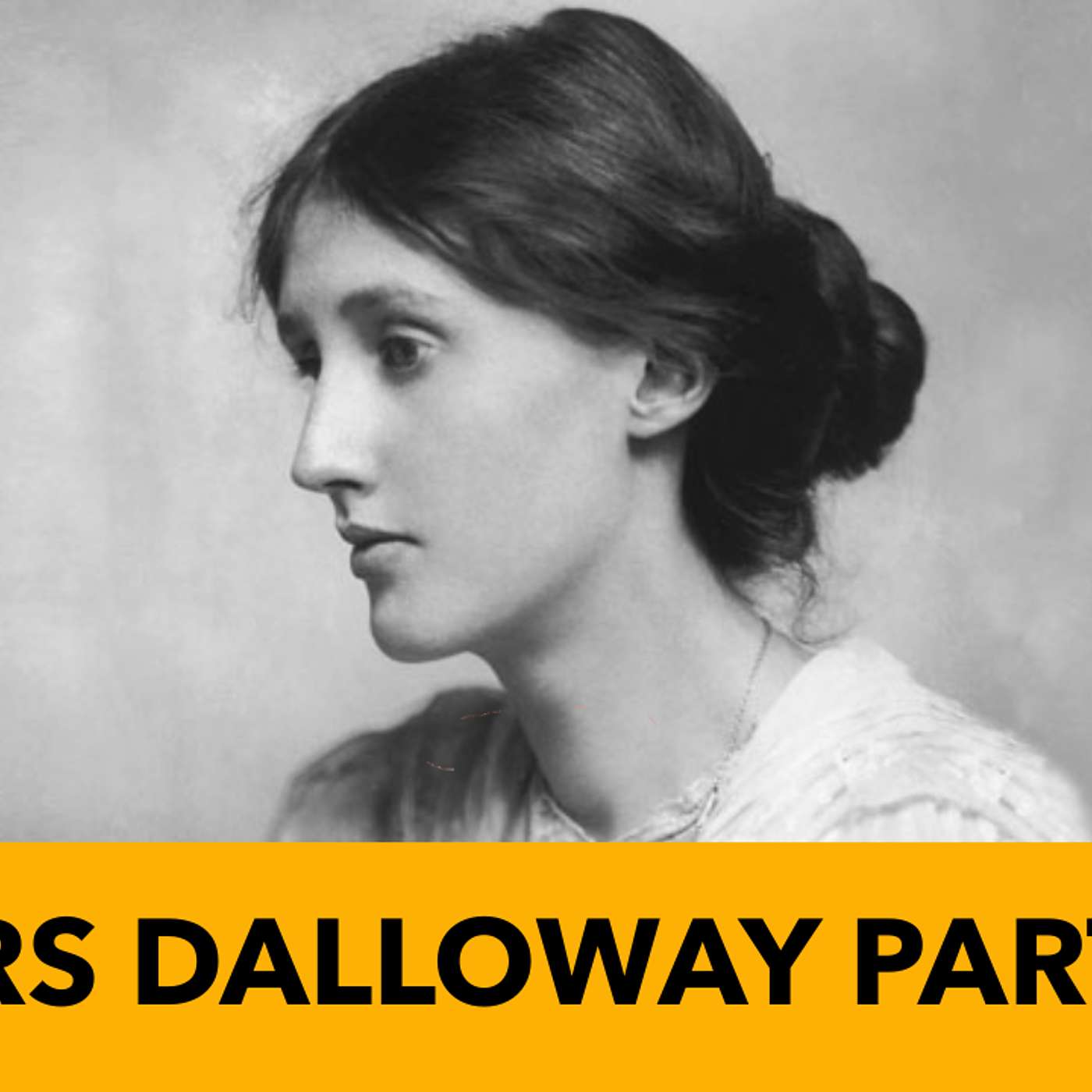
Charlie and Rupert continue their discussion of Mrs Dalloway by Virginia Woolf. What effect had the First World War had on the rarefied circles in which Clarissa Dalloway moved, and were those experiences different to the rest of society? The novel ostensibly takes place within the confines of a single day in June 1923, but within this framework, Woolf tells the stories of her characters over many decades. How does she do it, and how does it reflect the way in which we all experience time and memory in our everyday lives? What is the influence of the modernist giants...
Mrs Dalloway - Virginia Woolf - Part 1
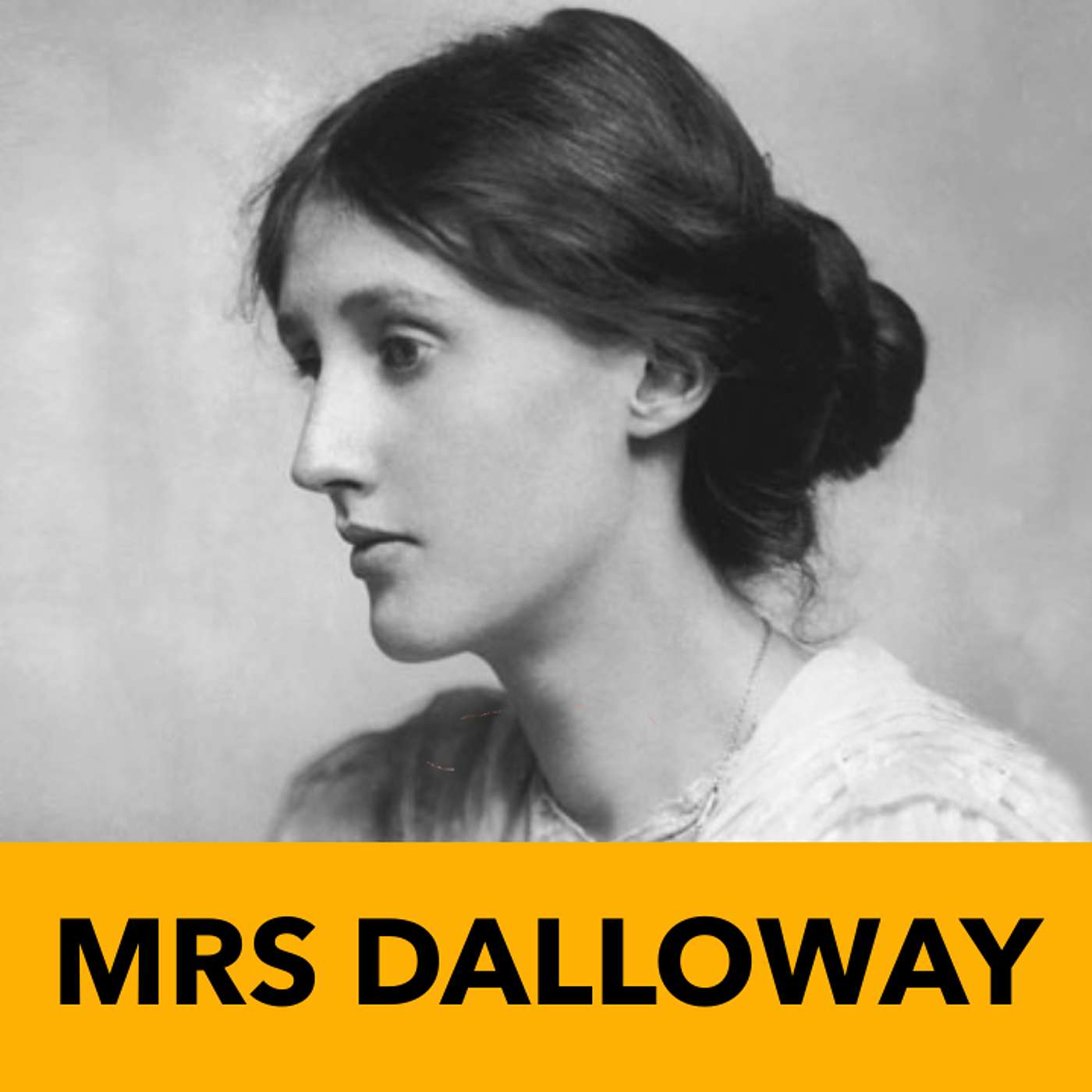
At the age of 40 Virginia Woolf was a prominent figure in post first world war London. She had published several novels, and was a well known commentator and critic. She came from literary aristocracy - her father was Leslie Stephen, who had married William Thackeray’s daughter, and with her husband Leonard Woolf, she was a central figure in the Bloomsbury Group, which included her sister Vanessa Bell, Vanessa’s artist husband Clive, Maynard Keynes, Lytton Strachey and Duncan Grant. But then in 1925 everything changed; she published Mrs Dalloway, in which she told the story of the experience of one w...
The Mayor of Casterbridge - Thomas Hardy - Part 2
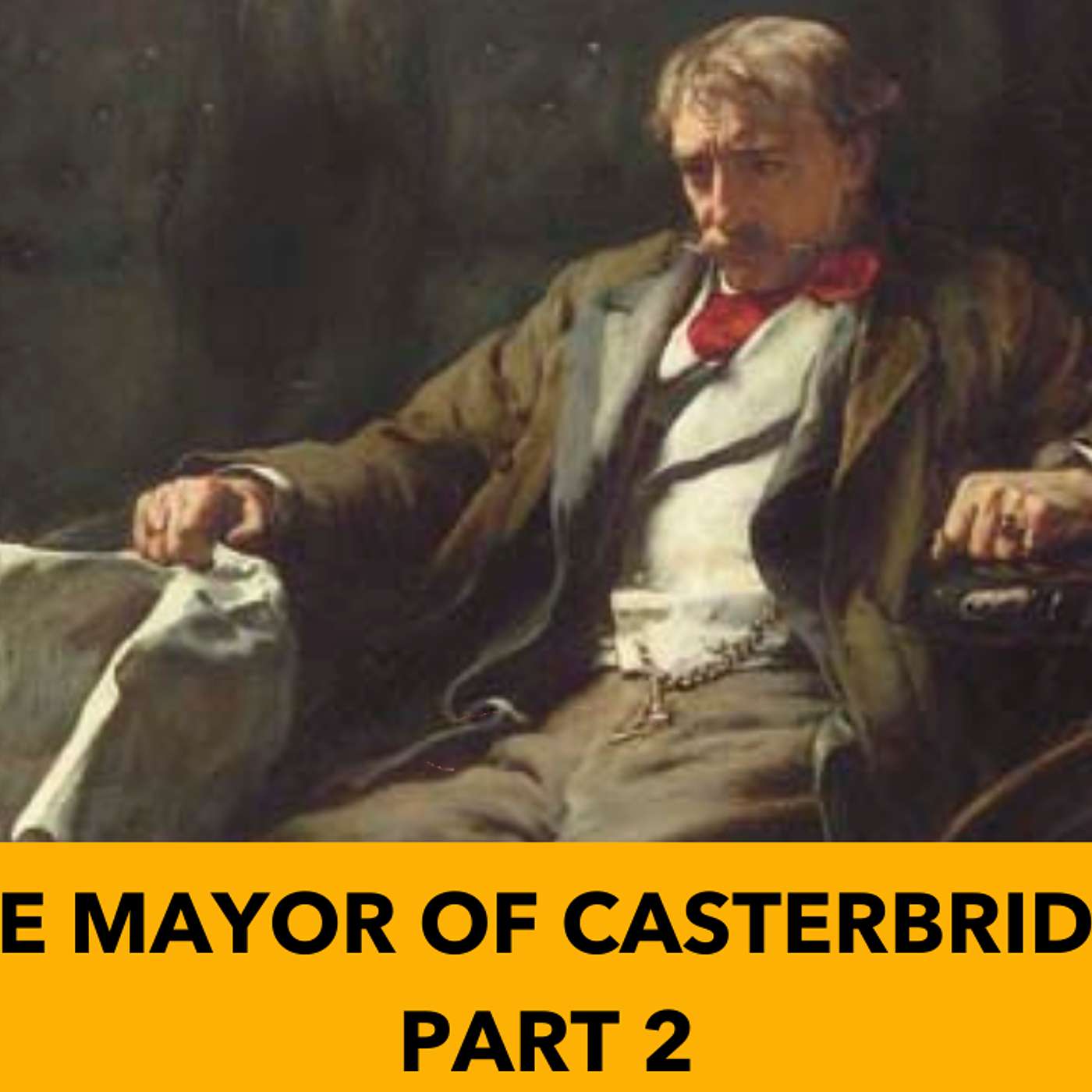
In the second part of Book In’s episode on Thomas Hardy’s great novel The Mayor of Casterbridge, Rupert and Charlie look at the character of Michael Henchard - the qualities which enabled him to rise, and the faults that led to his fall. But is he the victim of his own downfall, or is it the case that in Hardy’s world the universe is random and cruel, and tragedy and misery are the inevitable conditions to which human beings are bound? Why dies the young Scotsman Donald Farfrae succeed where Henchard does not? What was going on in...
The Mayor of Casterbridge - Thomas Hardy - Part 1
Thomas Hardy lived an extraordinary life. He was born into poverty and obscurity in rural Dorset in 1840, yet when he died in 1928, he was rich and world famous. His funeral at Westminster Abbey was a quasi-state occasion, with all the leading politicians and writers of the day attending, and thousands of people lining the streets of London in tribute. As a child, he remembered his grandmother recalling the French Revolution, yet he lived through the first world war into a world of motor cars, radio and television, and mass democracy. He was unhappily married to his first wife, Emma...
Great Expectations - Charles Dickens - Part 2

Rupert and Charlie continue their discussion of Great Expectations. They take a look at what was always one of Dickens' great preoccupations, the operation of the law in the book, and the brilliant character of Jaggers the lawyer and his sidekick, Wemmick. The prison hulks on the Thames from which Magwitch escapes were well known to Dickens as a child, and the descriptions of the court, where 32 people are sentenced to death, are unforgettable. As so often in Dickens, the cast of minor characters are rich and varied, and we look at many of them including Trabb's Boy who t...
Great Expectations - Charles Dickens - Part 1

Published at the height of his powers in 1860, Great Expectations is Charles Dickens’ penultimate novel, and one of his very greatest. Its characters are unforgettable - Miss Havisham, self-imprisoned in her wedding dress and with her wedding feast laid on the table in the forbidding Satis House; her ward Estella, haughty, ice-cold and unreachable, the agent of Miss Havisham’s intended revenge on men and on the world; Magwitch, the desperate and terrifying convict who confronts the young boy Pip in a graveyard on the Kent marshes; and the intimidating, brilliant and untouchable lawyer Jaggers, who seems to act as a...
Jane Eyre - Charlotte Brontë - Part 2
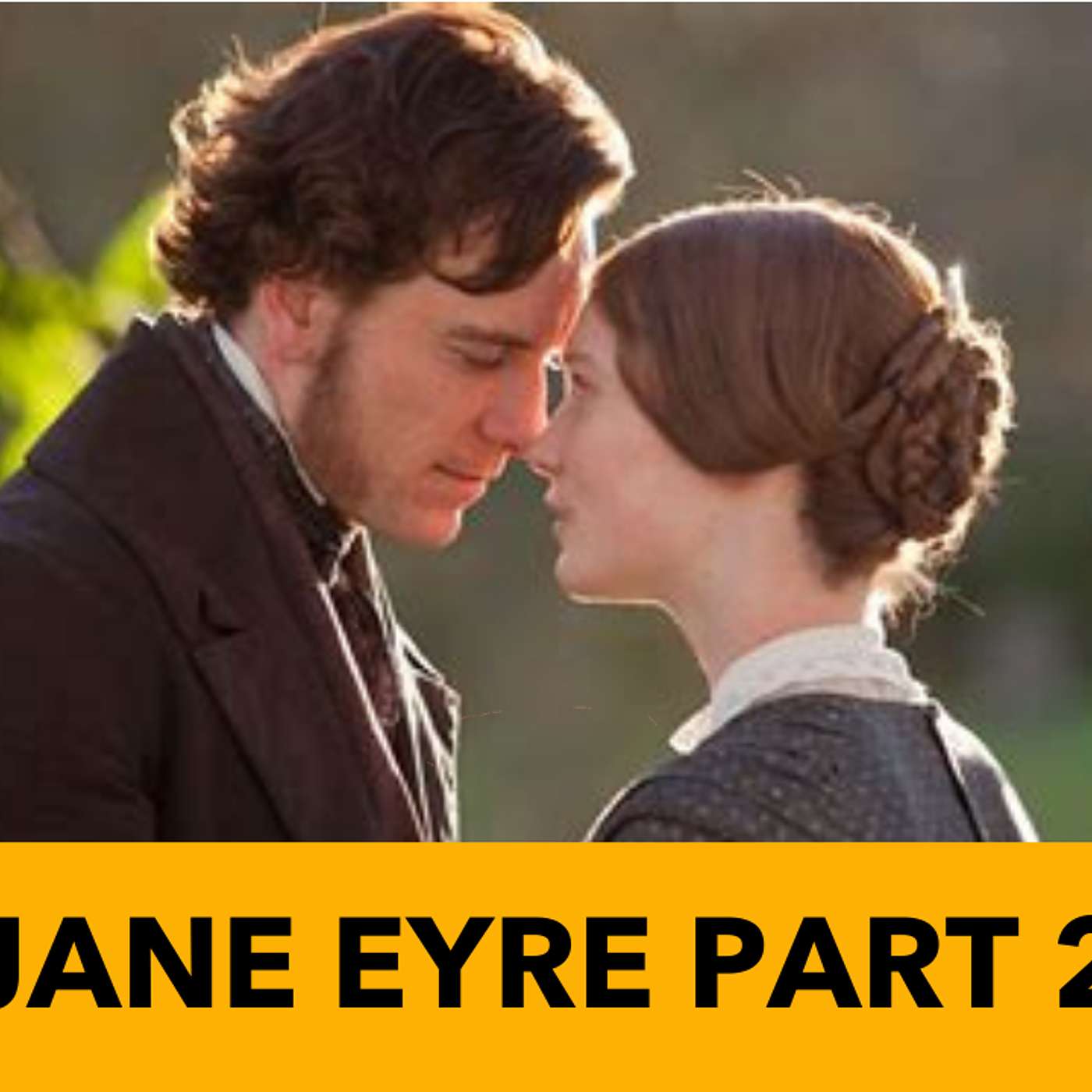
In the second of the episodes on Jane Eyre, Rupert and Charlie take a look at some of the main characters in the book. The behaviour of Mr Rochester is basically weird - he locks up his wife in the attic, dresses up as a female gypsy fortune teller, and flirts with Blanche Ingram when he's really in love with Jane. Why does he do this? Why did he marry Bertha in the first place? And why does he risk his life to save her? When Jane leaves Rochester, she finds shelter with a family who turn out to...
