Cheeky Pint

Stripe cofounder John Collison interviews founders, builders, and leaders over a pint.
Nik Storonsky: The most uncompromising banking CEO
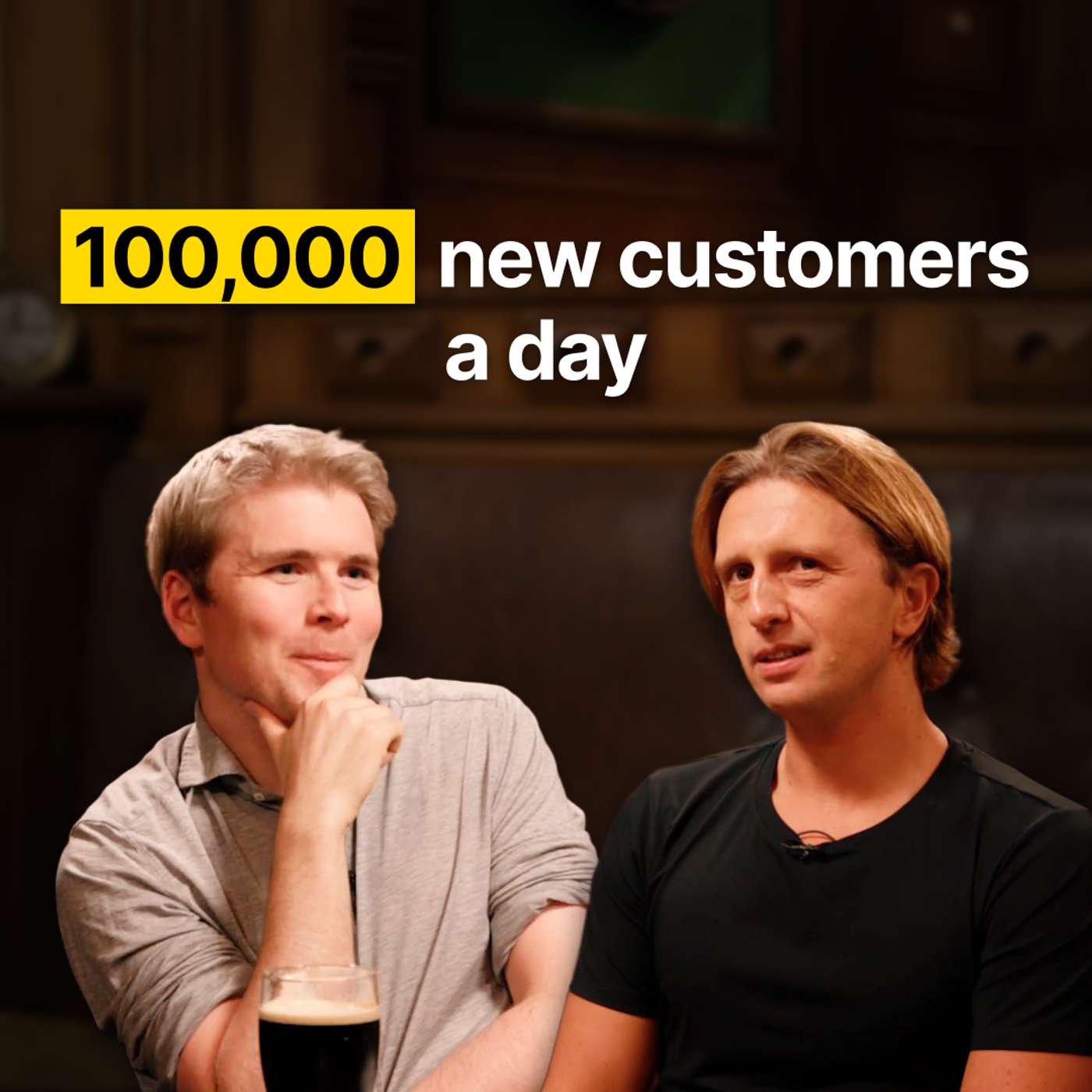
Nik Storonsky, Founder and CEO of Revolut, joins John to break down how Revolut scales across 50 million customers worldwide, their strategy to challenge Amex and Chase in the US, and why products live or die by strict retention curves in their "new bets" process. They also discuss building a profitable fintech around subscriptions rather than lending, how they are cutting 210-day compliance approval cycles with AI, and why CEOs should skip conferences in favor of product development.
Timestamps
(00:00:00) Introduction
(00:00:21) Revolut growth
(00:04:03) New bets framework
(00:12:35) Why bank lending...
The company building America’s uranium supply from scratch
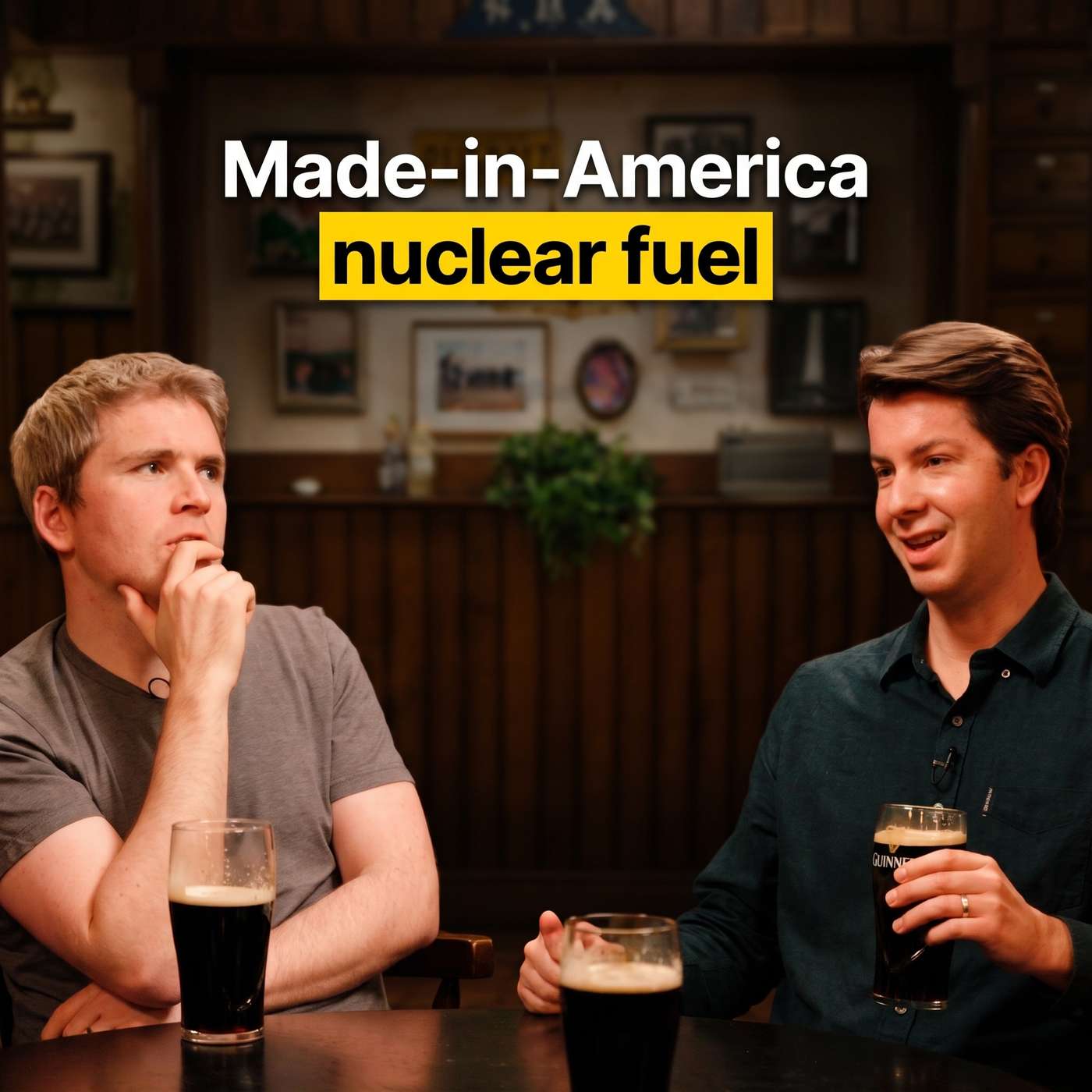
Scott Nolan, Co-Founder and CEO of General Matter, joins John for a pint to discuss the engineering, economics, and geopolitics behind uranium enrichment. Scott breaks down why advanced reactors can't scale without High-Assay Low-Enriched Uranium (HALEU), why the US outsourced its fuel supply following the Cold War, and how General Matter is building a domestic facility in Paducah, Kentucky, to replace Russian imports. He also shares lessons as an early employee at SpaceX, and why 1970s interest rates stalled nuclear.
Timestamps
(00:00:00) Introduction
(00:00:41) America’s missing nuclear fuel
(00:05:27) Why small re...
Why Sam Altman is against a single superintelligence
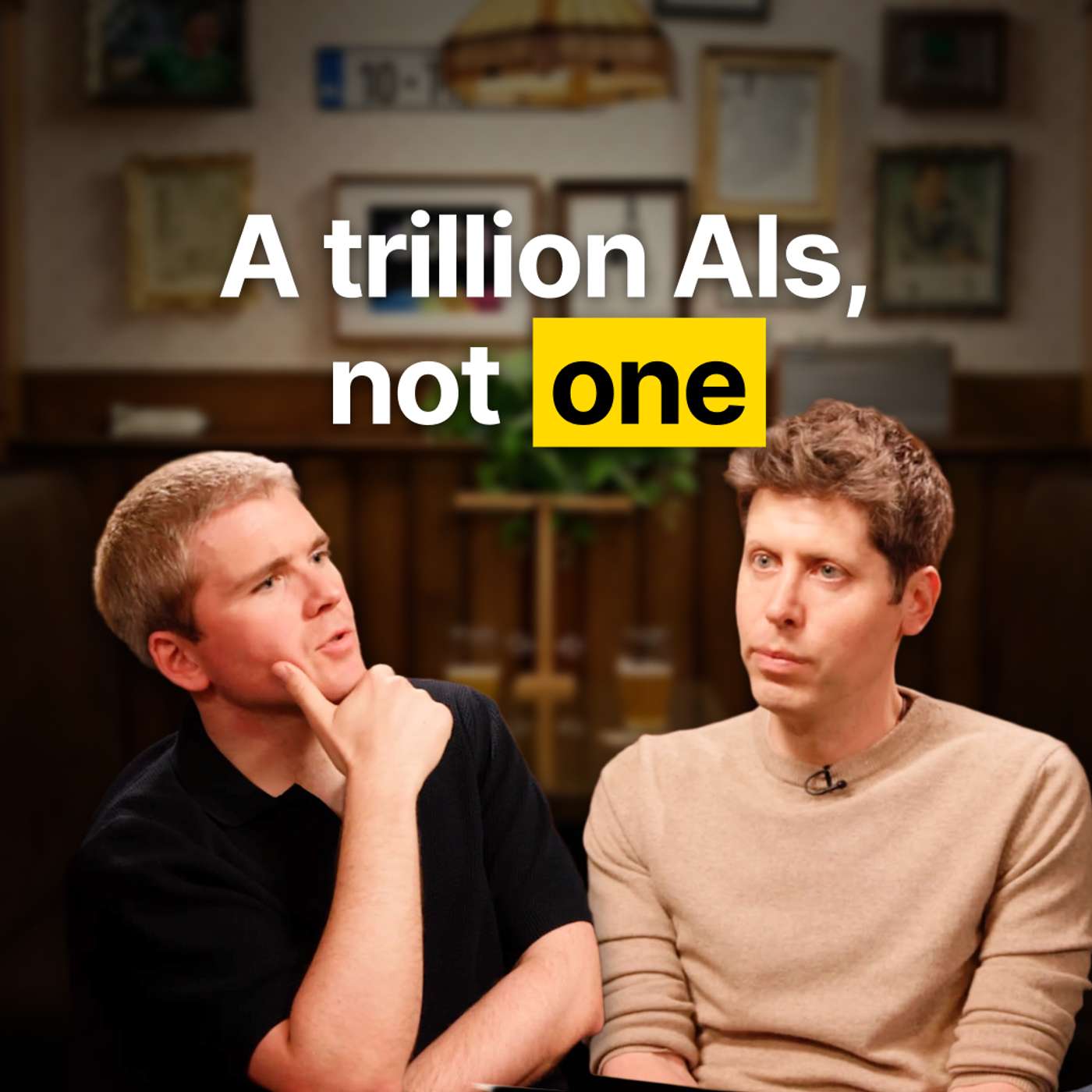
Sam Altman, CEO of OpenAI, joins John to break down how models uncovered critical PHP vulnerabilities, why test-time compute unlocks massive agent swarms, and OpenAI's internal experiments proving complex math problems like Navier-Stokes. He also shares why sandboxing superhuman models is an unsolved safety dilemma, how robotics will scale future gigawatt data centers, and why businesses must adapt as personal agents replace traditional web forms and mobile apps.
Timestamps
(00:00:00) Introduction
(00:00:12) PHP week
(00:02:37) Internet early days
(00:07:33) Cyber Blue
(00:08:54) Sandboxing
(00:15:47) Math
(00:23:12) Agent swarms<...
The airline CEO putting Starlink on every plane
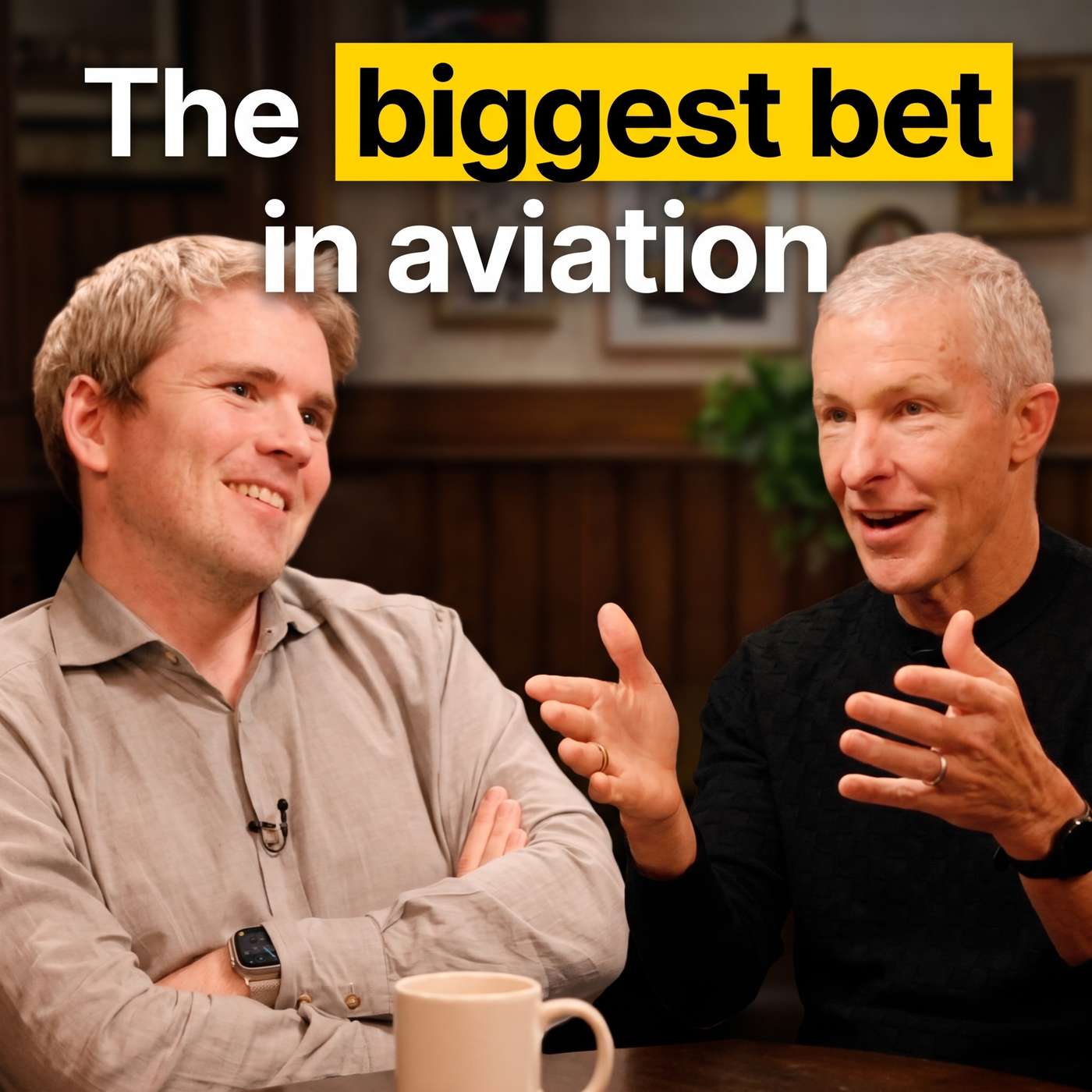
Scott Kirby, CEO of United Airlines, joins John and Ben Thompson to break down the airline business and United’s contrarian bets shaping commercial aviation.
Scott details United’s massive COVID fleet expansion while competitors shrank, why customer surveys are useless for predicting the future, and rolling out SpaceX’s Starlink across the entire fleet. They also cover in-housing seatback software, why low-cost carriers fail, air traffic control bottlenecks, and Scott’s weekend vibe coding projects.
Timestamps
(00:00:00) Introduction
(00:00:26) Buying planes while the world shrank
(00:06:35) Owning the airline tech stac...
How Toto Wolff built the most valuable team in F1

Toto Wolff, Team Principal and Co-Owner of the Mercedes-AMG PETRONAS F1 Team, joins John Collison for a pint to discuss the engineering, management, and economics behind modern Formula 1. Toto breaks down how Mercedes spots generational driver talent as early as age eight, why they enforce a strict "No Dickheads" hiring policy across 2,500 employees, and how the F1 cost cap transformed racing teams into $1B+ assets. He also shares his early career as a dot-com investor, the team’s "Navy SEALs" approach to car development, and why he believes live sports are immune to AI disruption.
...
The company building underwater drones for $50,000
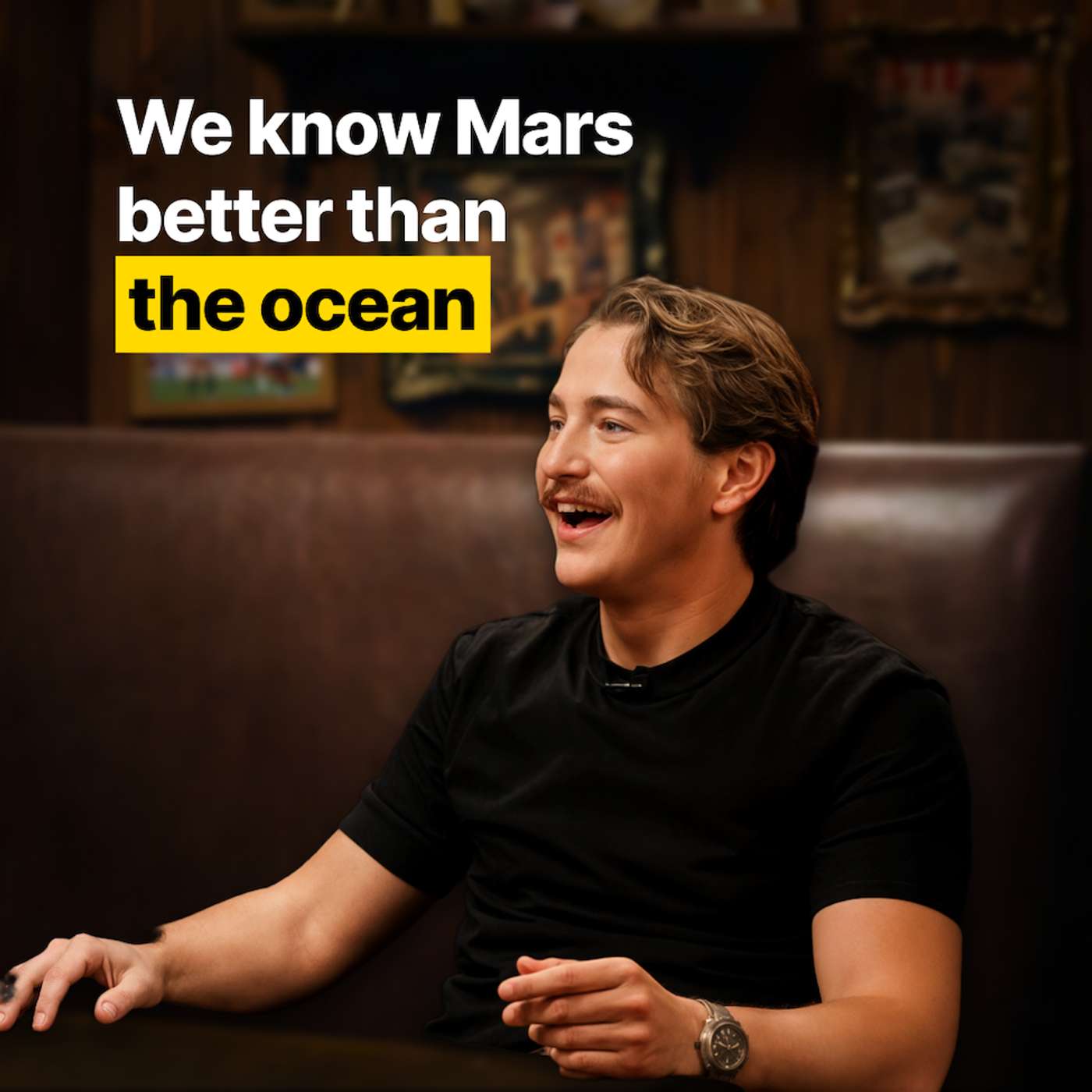
Will O'Brien, founder and CEO of Ulysses, joins John and Chris Sacca for a pint to discuss how underwater autonomous robots are scaling up to solve critical ocean challenges.
They cover the technical history of Guinness (including the math breakthrough that created Student's t-test), why seagrass is an overlooked super-sequester of carbon, and the engineering required to operate robots thousands of meters beneath the surface. Will also breaks down Ulysses' vertical integration strategy, the reality of eco-pragmatism versus "green tape," and what it takes to sell hard tech to defense and offshore energy sectors.
<...
Muse Wonder: Zuckerberg and Wang's $100B AI
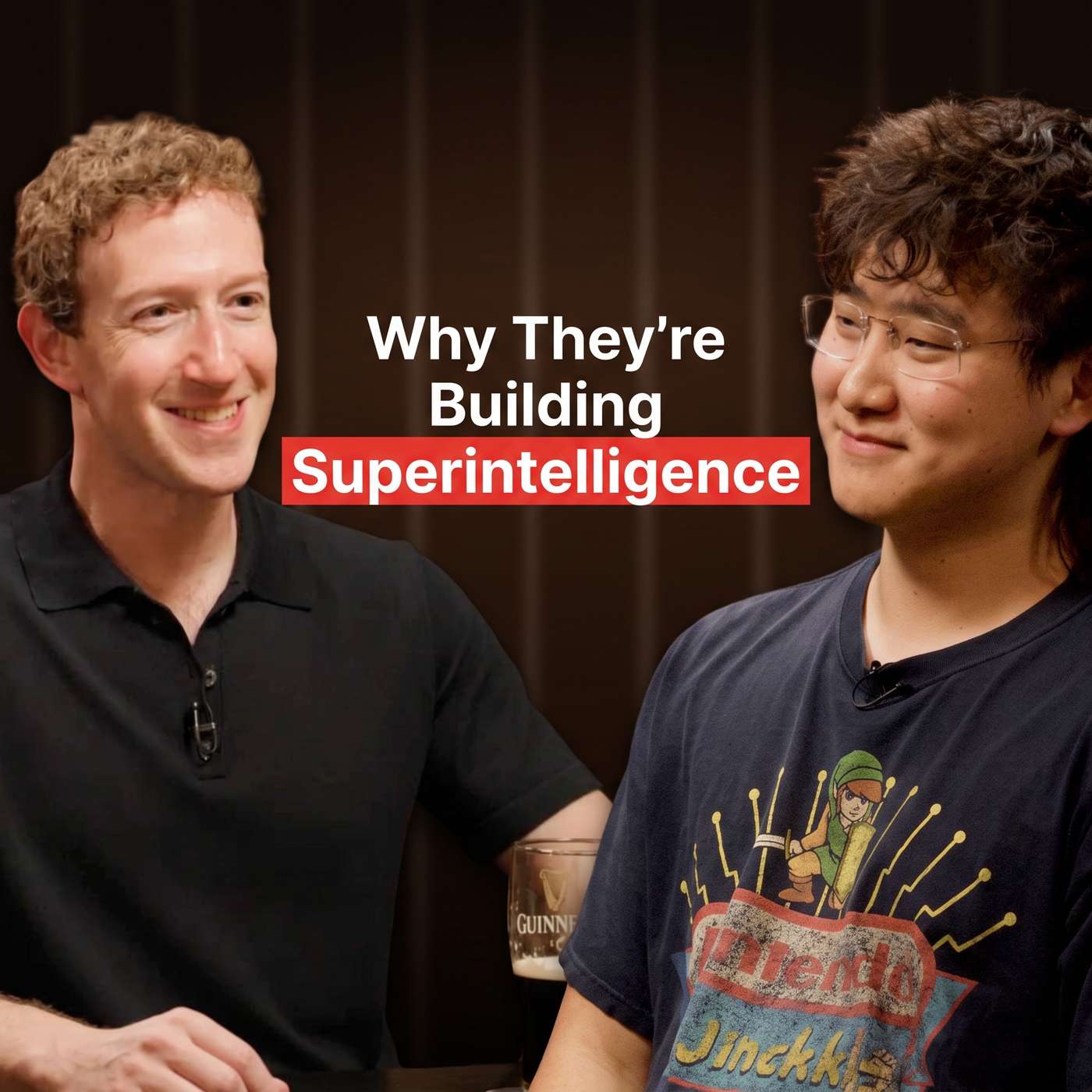
As Meta scales its AI infrastructure past five gigawatts, Mark Zuckerberg (founder and CEO, Meta) and Alexandr Wang (Chief AI Officer, Meta Superintelligence Labs) join John for a pint to discuss the launch of Muse Wonder and the future of personal AI agents.
In this episode, Mark and Alex open up about the creation of Meta Superintelligence Labs (MSL), the decision to execute a complete talent reboot, and what it really feels like to make a $100B+ CapEx commitment before knowing if the model will work. They dive deep into the architecture of Muse Wonder—including active me...
What comes after smartphones, with Snap CEO Evan Spiegel
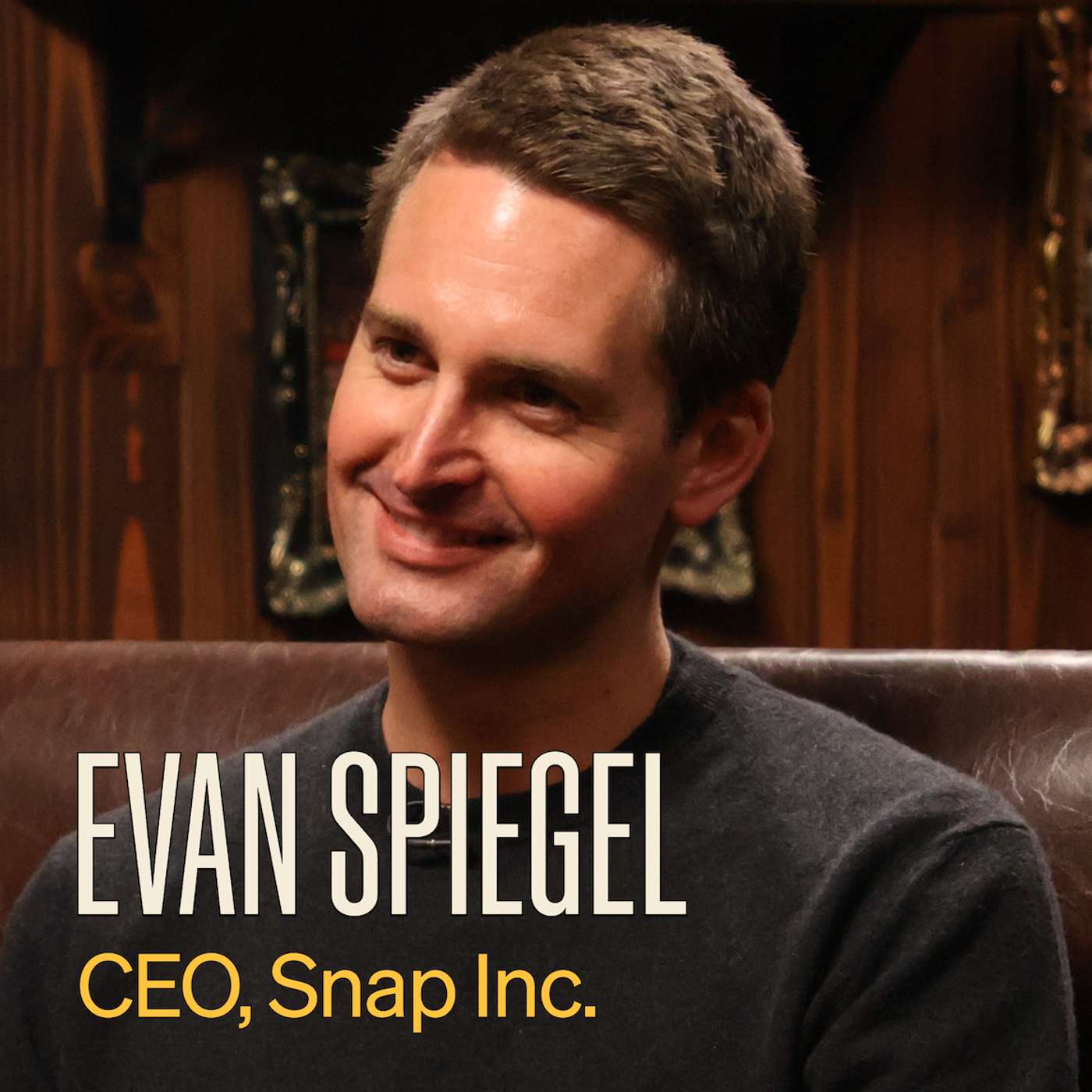
Snap CEO Evan Spiegel joins John at the pub for a deep dive into Snap's "crucible moment" of 2026: the long-awaited consumer launch of Spectacles. Evan explains why he believes the smartphone has become an isolating legacy device and how true AR glasses represent the first step toward making computing human again. They discuss the technical hurdles of fitting a spatial computer into a glasses form factor, why Snap built its own OS from scratch, and how Claude is transforming their software development, with over two-thirds of Snap’s new code now written by AI. Plus, the pair dig into th...
The economics and trends of the restaurant industry, with Tony Xu of DoorDash
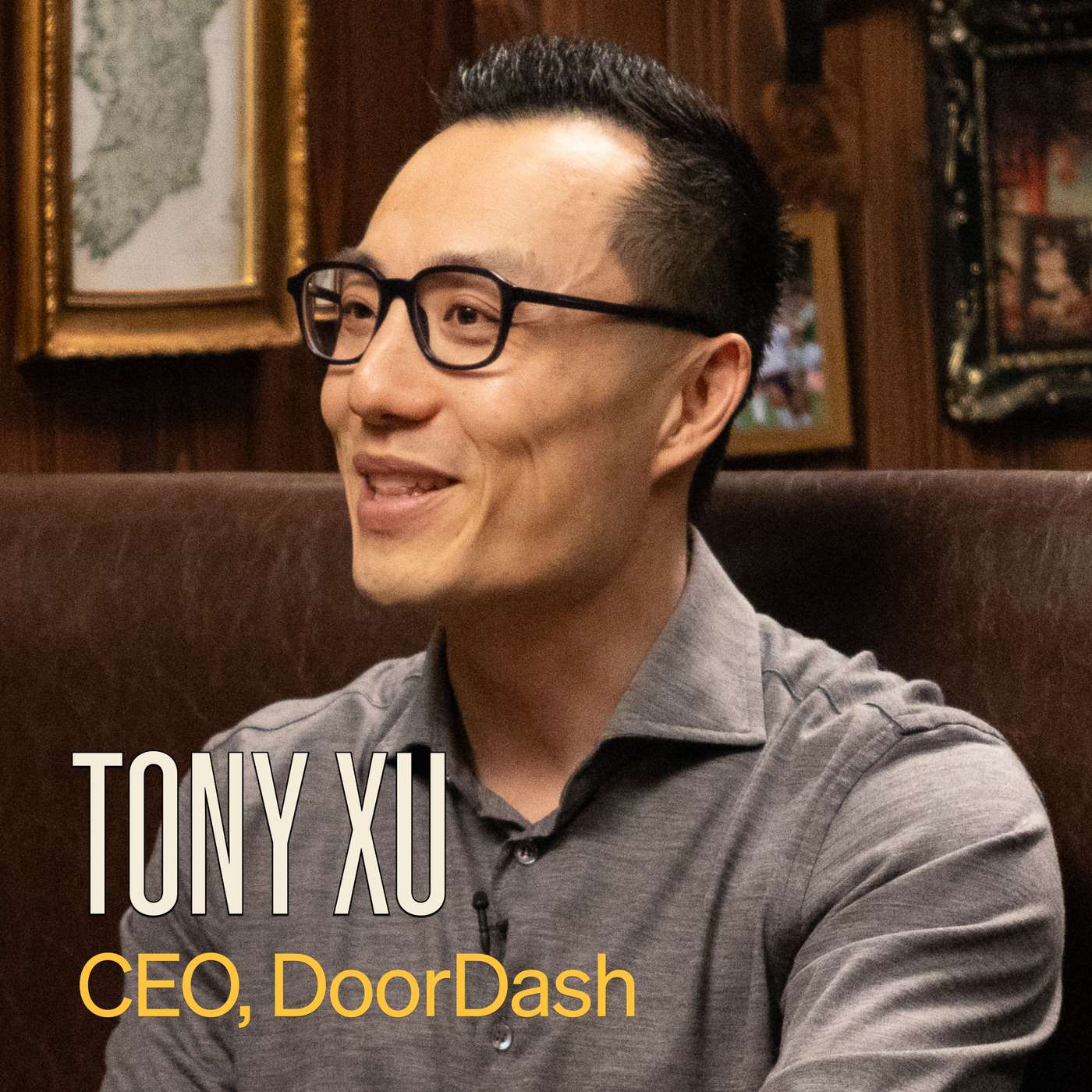
Tony Xu, cofounder and CEO of DoorDash, joins John for a pint to discuss how they won a crowded market by obsessing over retention and the reality of fighting fraud in the physical world. They cover the harsh economics of the restaurant industry, why DoorDash succeeded where Google failed, and the harrowing story of spending 40% of their remaining cash on refunds to save the company’s reputation. Tony introduces Dot, their new autonomous delivery robot, and explains why true autonomy requires solving for the “last two feet” of delivery. Finally, he shares lessons from the early days, including why custom...
The world of voice AI, with Mati Staniszewski of ElevenLabs
Mati Staniszewski is the co-founder of ElevenLabs, the research company making audio accessible across languages and voices. He sits down with John to discuss the "voice Turing Test" and why AI has conquered text but still struggles with conversational speech. They discuss the future of human-computer interaction, including why we still can't get our phones to read a PDF properly and the massive potential for voice agents in everything from farming to healthcare. Mati also opens up about ElevenLabs’ rapid ascent to an $11 billion valuation and gives a behind-the-scenes look at how Ukraine is using their tech for digital go...
The history and future of AI at Google, with Sundar Pichai
Sundar Pichai is the CEO of Google and Alphabet. He sits down with John and Elad Gil to discuss Google’s resurgence in the AI race, managing a massive $180 billion CapEx budget, and why 2026 is the year of the supply crunch. They cover the constraints of memory and power, why he believes the US economy will grow significantly due to AI, and the internal cultural shift back to "Googley" optimism. Sundar also shares details on long-term bets like data centers in space, why he wishes he had funded Waymo even faster, and the small thing inside Google that still ig...
Compliance at scale and why TAM is a distraction with Christina Cacioppo of Vanta
Christina Cacioppo, founder and CEO of Vanta, joins the pub to discuss building the future of agentic trust. She explains why compliance has a “vitamin vs painkiller” dynamic, the drama behind their famous 101-billboard campaign, and why she believes "market sizing is bullshit." They cover the tension between vibe coding and rigorous security, how Vanta is using agents to generate UI, and why the best founders are relentless truth-seekers.
Timestamps
(00:00:17) Vanta
(00:12:30) How compliance works
(00:15:06) Breaches
(00:23:52) Stripe Tax
(00:24:43) AI and compliance
(00:44:50) Go-to-market
(0...
The 20-year journey to fully autonomous cars with Dmitri Dolgov of Waymo
Waymo is now doing nearly 500,000 rides a week across 10 cities. Co-CEO Dmitri Dolgov came to the pub to discuss how they moved from scientific research to massive global scaling. He gives a masterclass on the sensor stack (and why you still need Lidar), how they use "Simulation" and "Critic" models to train the AI, and why he believes cars that require human supervision will never naturally evolve into robotaxis. They also cover the new custom-built vehicle that feels like a living room, the economics of ride-hailing in rural Alaska, and the "Russian math nerd" diaspora that seems to run...
Creating prediction markets (and suing the CFTC) with Tarek Mansour and Luana Lopes Lara

Tarek Mansour and Luana Lopes Lara are the co-founders of Kalshi, the first federally regulated prediction market in the US. They sit down with John and Matt Huang to discuss growing their revenue 11x in six months, why they sued their own regulator to list election markets, and how they are building the "New York Stock Exchange of events." They cover why prediction markets are an antidote to social media polarization, the mechanics of market making for culture, and their vision for trading everything from GPU shipments to the Oscars and the weather.
Timestamps<...
Bret Taylor of Sierra on AI agents, outcome-based pricing, and the OpenAI board
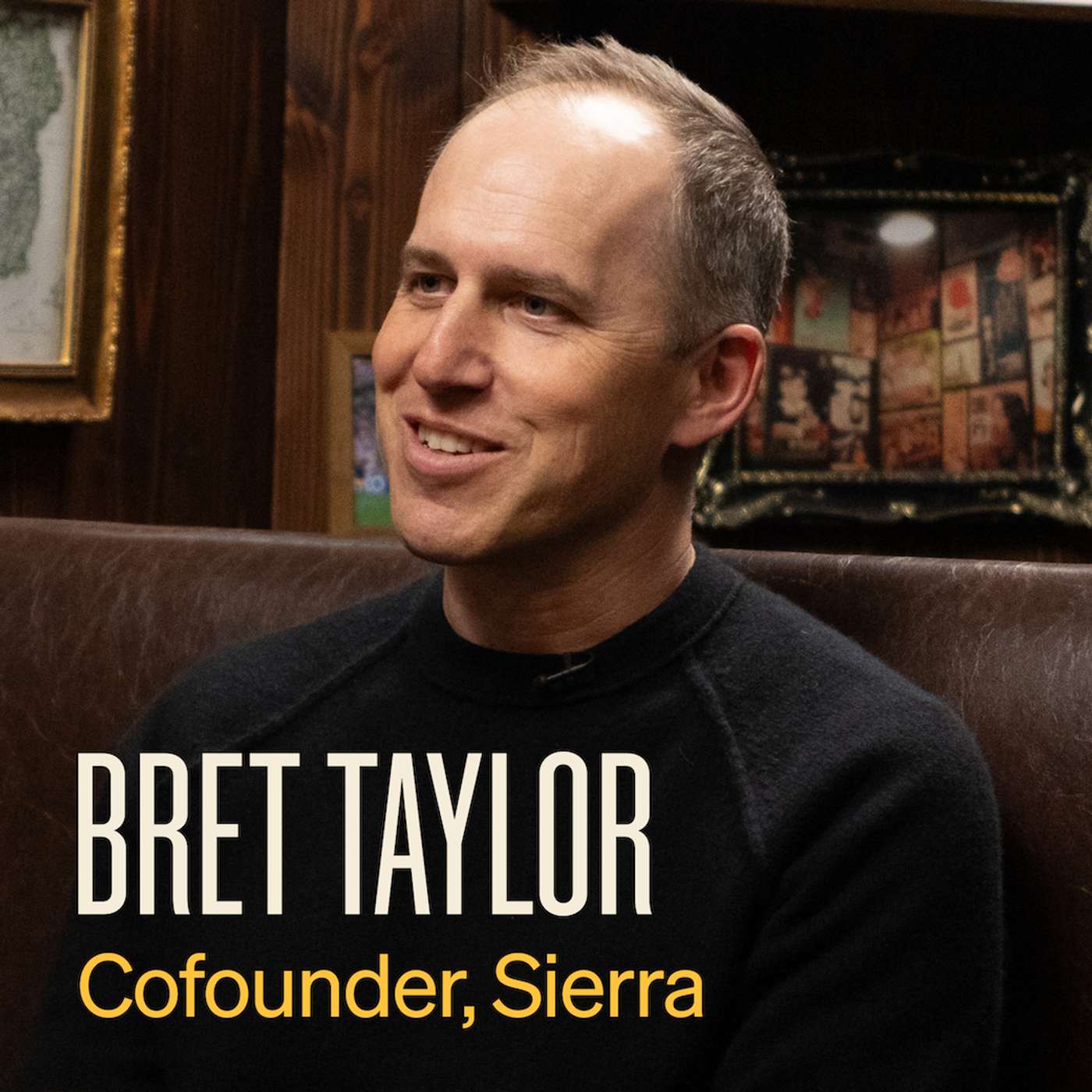
Bret Taylor, co-founder of Sierra and Chair of the OpenAI board, joins John for a pint to discuss the rapid shift toward an agentic future. In this episode, Bret explains why outcome-based pricing is the future of software business models, and why he believes the atomic unit of AI productivity is a process, not a person. They cover why big companies struggle to adopt AI because they are “shipping their org charts.” Bret also discusses a new type of hyper-generalist, reflects on his experience with the OpenAI and Twitter boards, and explains why he believes we might see the end...
Garrett Langley of Flock Safety on building technology to solve crime
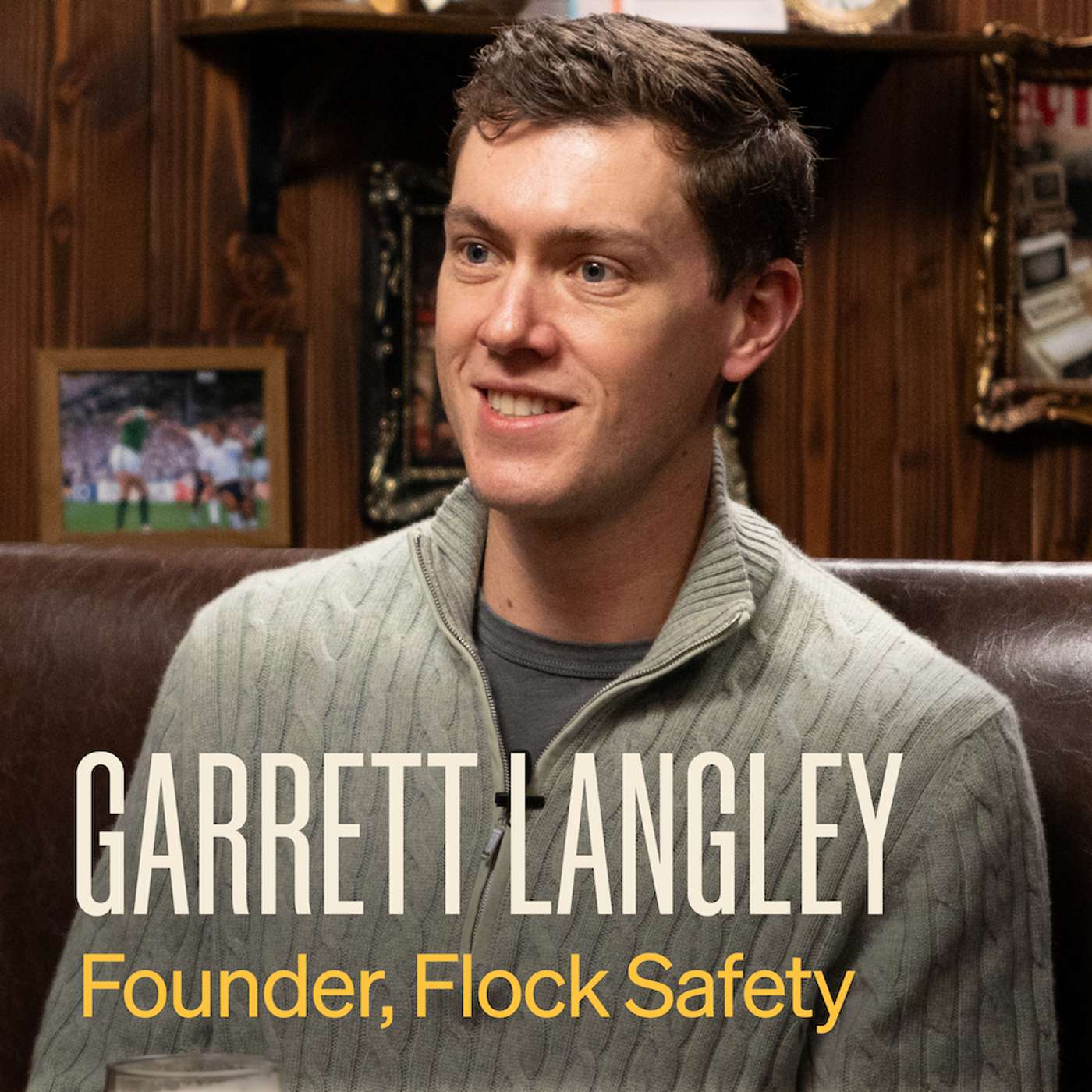
Garrett Langley is the founder and CEO of Flock Safety, a public safety operating system that helps communities and law enforcement eliminate crime. He sits down with John to discuss why most crime is opportunistic, how Flock helps clear over one million crimes a year, and the engineering challenges of building solar-powered cameras and autonomous drones. They cover the shifting landscape of criminal technology, why hardware requires making "one-way door" decisions, and his vision for a future where technology prevents crime before it happens.
Timestamps
(00:00:19) Flock
(00:19:51) Safety vs privacy
(00:23:54) Crime and technology<...
Reiner Pope of MatX on accelerating AI with transformer-optimized chips
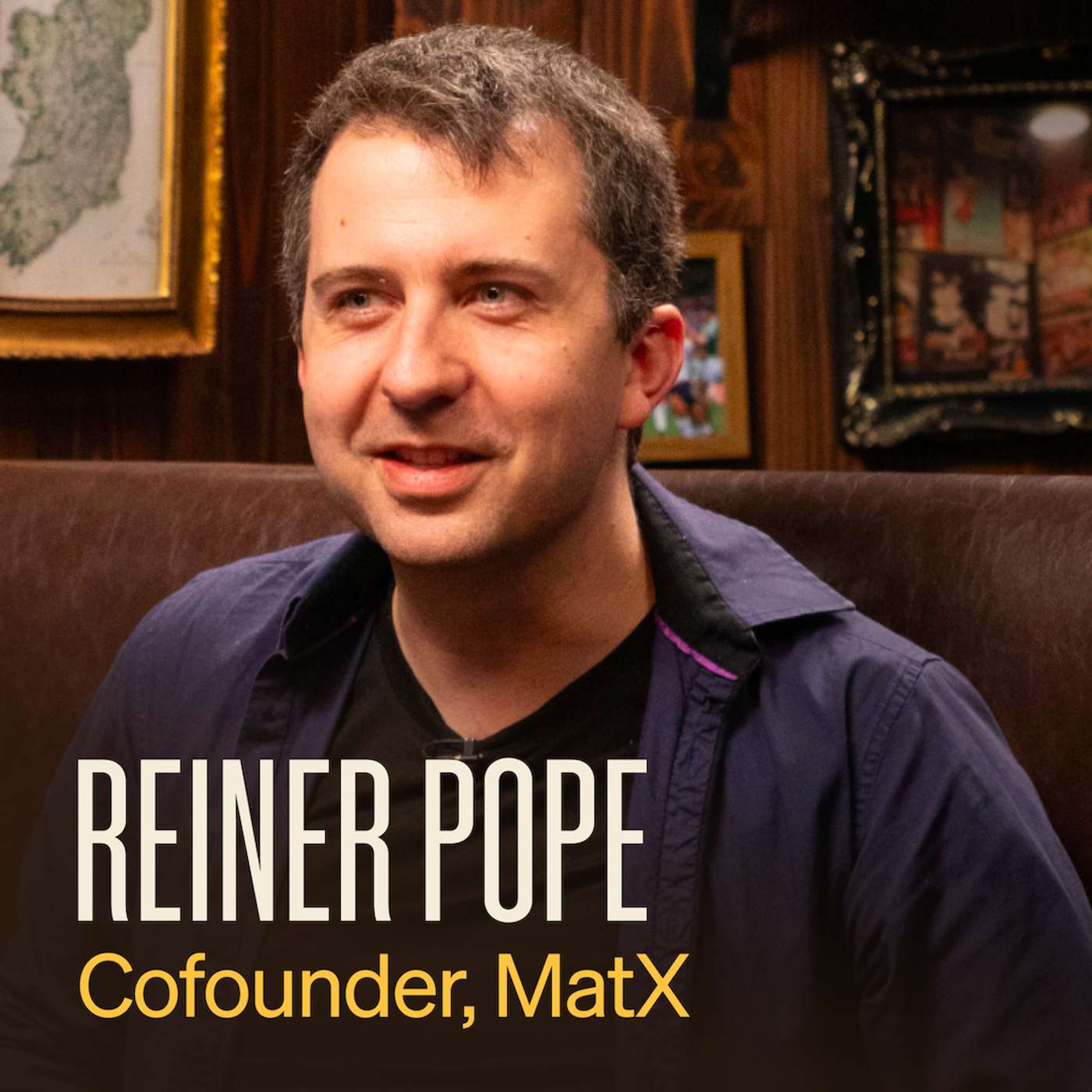
Reiner Pope is the co-founder and CEO of MatX, designing specialized chips for Large Language Models. A former Google TPU architect, he joins John to discuss why the current generation of AI hardware is hitting a wall. They cover the "uncomfortable trade-off" between latency and throughput for current chips, why MatX is betting on combining HBM and SRAM to solve it, and the massive logistical challenge of manufacturing chips at scale with TSMC. Reiner also shares his predictions for AI in 2027, why he prefers Rust for hardware design, and why the best iteration loops happen in your head before...
Stripe’s 2025 annual letter

The internet economy accelerated in 2025. The fastest-growing companies got even faster, agentic commerce and stablecoin payments started to kick into gear, and total payment volume on Stripe grew by a third as our customers continued to prosper.
Our annual letter covers the trends that we think are worth paying close attention to as the pace of change accelerates.
Timestamps
(01:48) The sorting machine
(05:45) Global by default
(09:01) Stable progress
(12:14) Working capital’s working. Capital!
(15:09) Escaping from low revenue mode
(18:33) The five levels of agentic commerce
...
Ramp founder Eric Glyman on the many ways AI is changing corporate spending
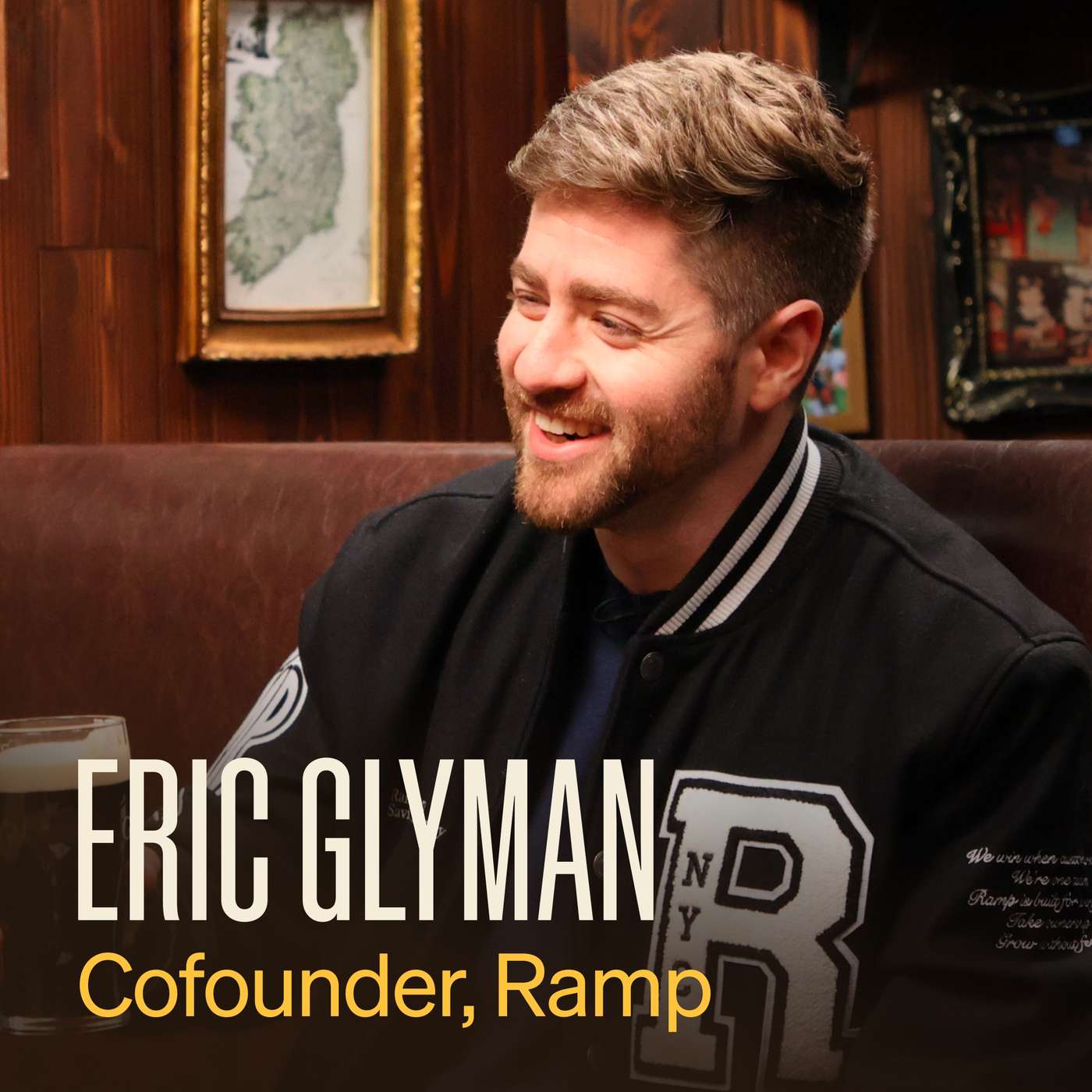
Eric Glyman is the cofounder and CEO of Ramp, the finance automation platform that now powers over 2% of all corporate spend in the US. He sits down with John and co-host Alex Rampell to discuss how Ramp scaled to over $1 billion in revenue in just seven years, and why the future of fintech is "selling time, not money." They cover the "SaaS apocalypse" (and why lines of code are becoming a liability), how Ramp uses AI agents to review 100,000 expenses a day with 99% accuracy, and why their internal data suggests the US economy is much stronger than the Census...
Ben Thompson from Stratechery on AI ads, the end of SaaS, and the future of media
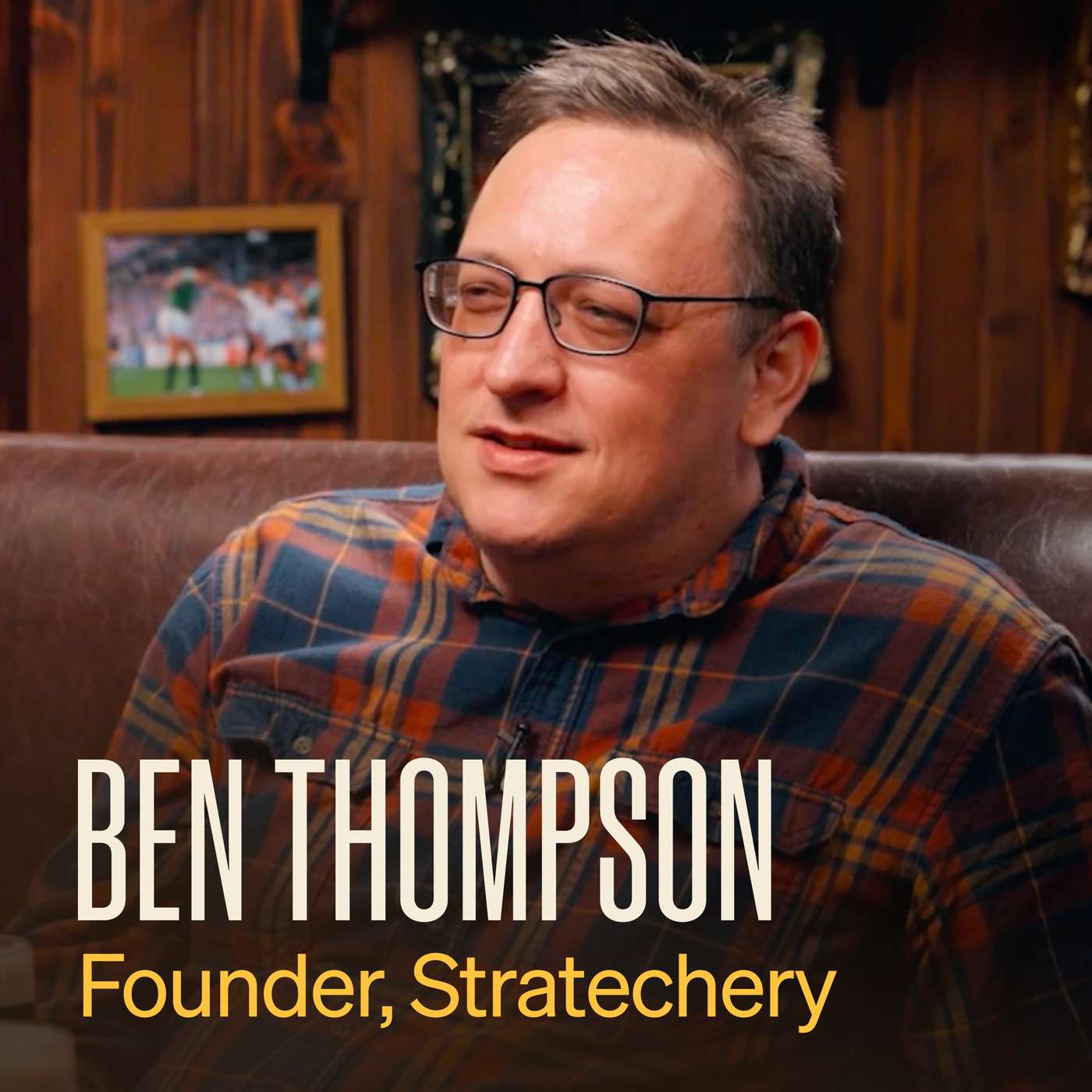
Ben Thompson, the internet’s premier tech analyst, joins John for a wide-ranging conversation on the mechanics of the internet economy. They discuss the origins of Stratechery and the "1,000 true fans" model, why Taiwan is the most convenient place to live (and the best Uber Eats market), and why the public markets are wrong to think SaaS is "canceled." Ben also explains why the US failure to control the TikTok algorithm is a disaster, why he’s a "crypto defender" in an age of infinite AI content, and gives John some very direct feedback on Stripe’s ACH implementation.
<...
Elon Musk on Space GPUs, AI, Optimus, and his manufacturing method
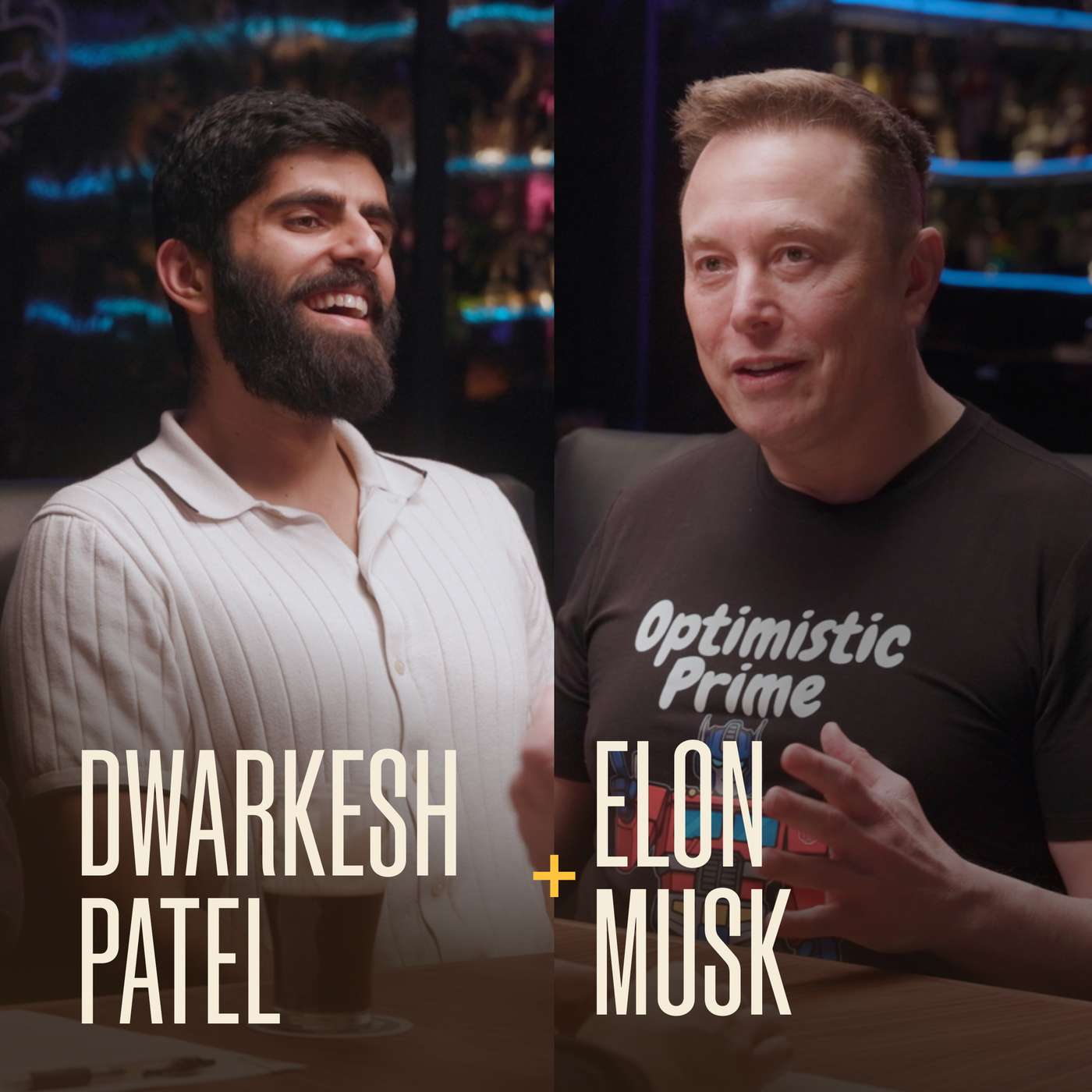
John Collison and Dwarkesh Patel sit down with Elon Musk to discuss why the future of AI isn’t on Earth, but in the "always sunny" vacuum of space. Between pints, they discuss the brutal physics of scaling—from the "farcically cheap" solar cells coming out of China to switching Starship from carbon fiber to stainless steel—as well as the “infinite money glitch” of humanoid robots, China, and DOGE.
Timestamps
00:00:23 Space GPUs
00:35:39 Alignment
00:58:48 xAI
01:15:01 Optimus
01:28:03 China
01:40:46 Management
02:16:38 DOGE
02:34:58...
Julia DeWahl of Antares on building nuclear reactors for the US military
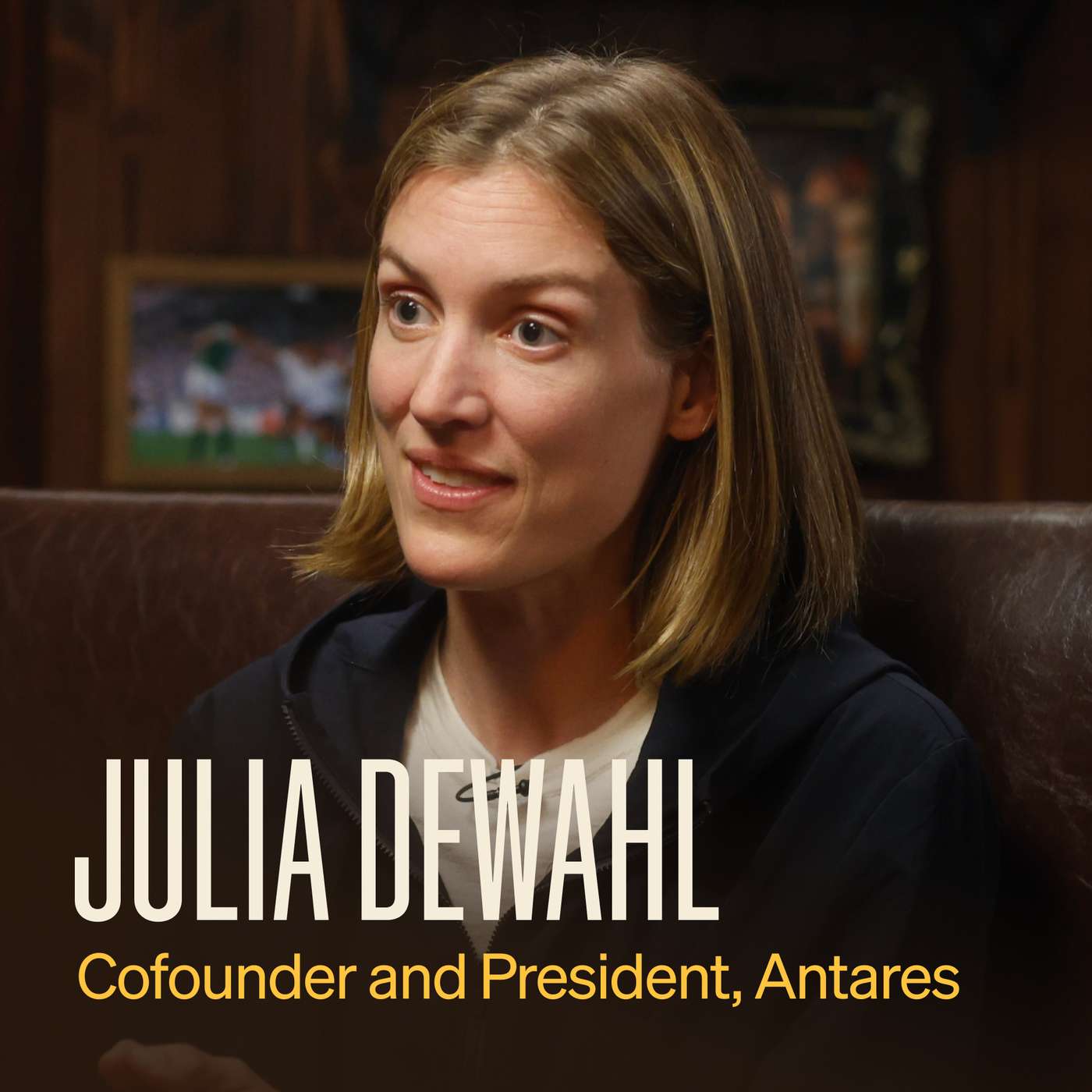
Julia DeWahl is the cofounder of Antares, a company developing nuclear micro-reactors for the US military and critical infrastructure. She sits down with John to discuss the vision for the "Starlink of electricity", and why AI hyperscalers are driving a nuclear renaissance. They cover the bipartisan shift in nuclear regulation (and why the NRC’s old mandate made "zero" the safest number of reactors), and why true energy resilience requires more than just solar and batteries. Julia also shares lessons from the early days of Opendoor and Starlink, including why customer obsession sometimes means sitting outside a bagel shop.
...Satya Nadella describes how lessons from Microsoft’s history apply to today’s boom
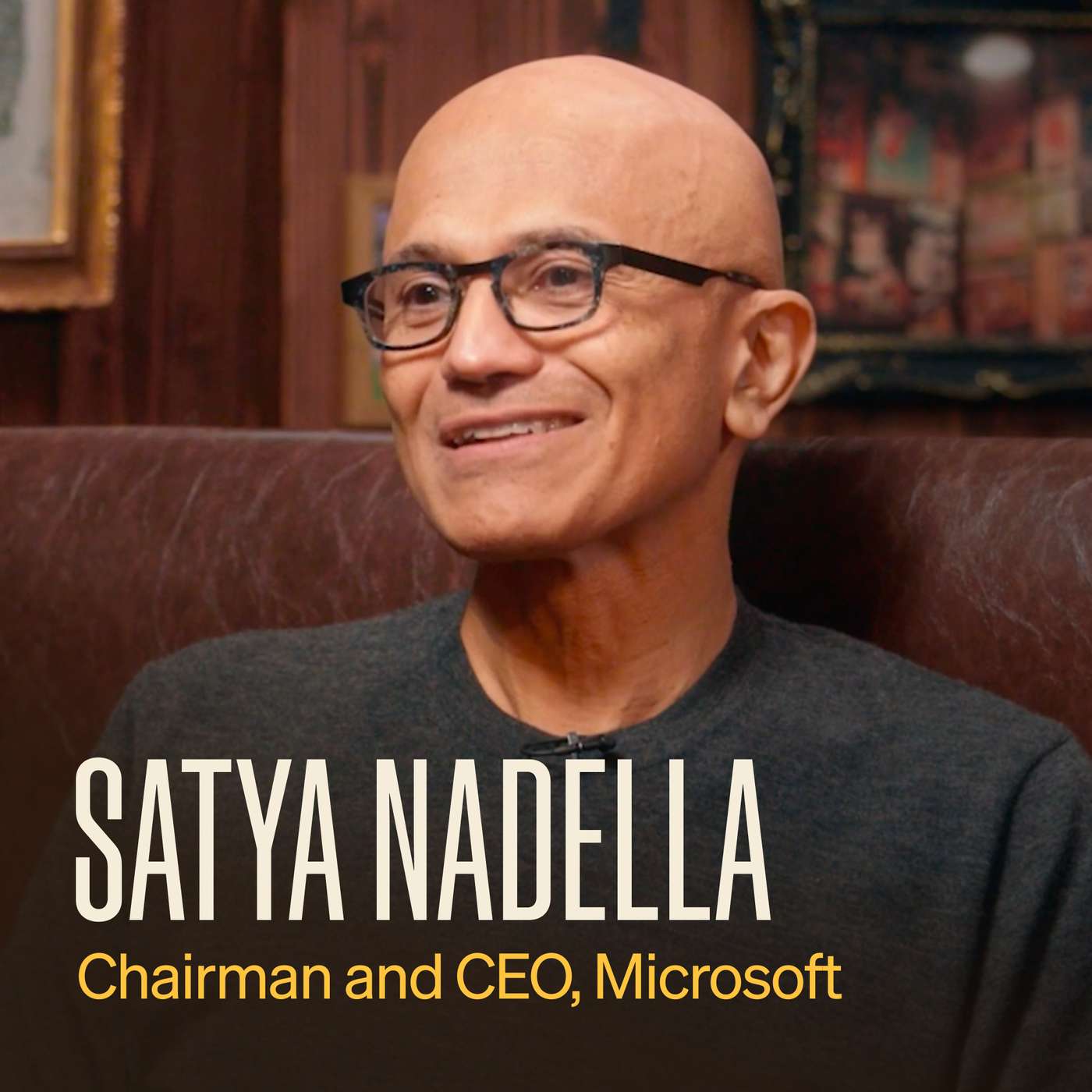
Satya Nadella, CEO of Microsoft, sits down with John to discuss the diffusion of AI inside the enterprise. He explains why “all your data at your fingertips” is the evergreen pitch, why this AI CapEx cycle is different from the .com bubble, and his vision for "agentic commerce". They also cover Microsoft's product bundling strategy and how he "wanders the virtual corridors" of Teams to run the company.
Links
[Read] Softwar: An Intimate Portrait of Larry Ellison and Oracle, Matthew Symonds[Try] Superwhisper[Read] The Internet Tidal Wave, Bill GatesTi...
Dave Ricks, CEO of Eli Lilly, on GLP-1s and the business of pharma

Dave Ricks, the CEO of Eli Lilly, the world's most valuable pharmaceutical company, sits down with John and Patrick to discuss the complex business of drug development. Dave explains the true origin story of GLP-1s (from Gila monster saliva), why their potential goes far beyond weight loss to addiction and inflammation, and how "self-pay" has become the #1 way new patients get Zepbound. They cover the "shadow generic" industry undermining patents, the challenges associated with clinical trial enrollment, and what drove insulin list prices to $275 (while the net price was $40). This is a rare, candid look into the strategies...
Stablecoin special: Zach Abrams (Bridge) and Henri Stern (Privy)
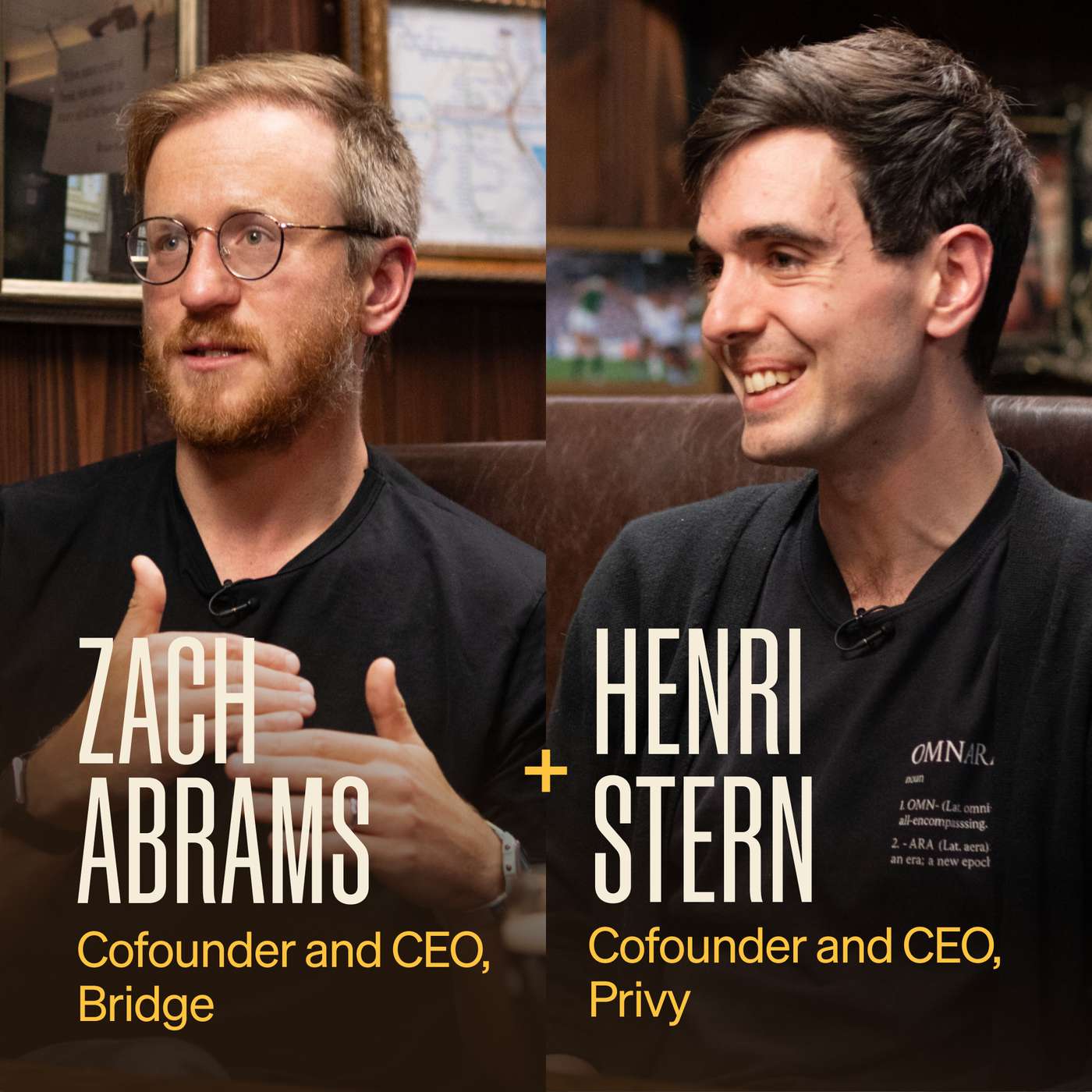
Zach Abrams, the CEO and cofounder of Bridge, the leading stablecoin orchestration platform, and Henri Stern, CEO and cofounder of Privy, the leading crypto wallet infrastructure, sit down with John to discuss the future of stablecoins, issuing, and what it will take for crypto to become ubiquitous. Both companies recently joined Stripe, and are uniquely positioned to dissect how crypto is changing financial infrastructure.
Key moments
(00:00) Introducing Bridge + Privy
(06:39) How stablecoins are being used today
(14:27) US Dollar dominance
(25:50) The future of banking
(34:35) Blockchains
(42:27) Building a...
Casey Handmer of Terraform Industries on solar maximalism, hard tech, and reclaiming the Salton Sea

Description
Casey Handmer is the founder of Terraform Industries, who is developing a machine that makes synthetic natural gas from sunlight and air. He joins the podcast to explain his solar maximalist worldview, why he believes solar costs will drop another 10x, and the core physics that doomed Hyperloop from the start. They also discuss the lessons of the underappreciated industrialist Henry Kaiser, Casey's new venture in solar-powered desalination, his grand plan to refill the Salton Sea, and why he believes "hard-edged" leaders are essential for hardware success.
Show notes
[Read...Dan Sundheim of D1 Capital on the art of public market investing

Seasoned public and private investor Dan Sundheim sits down with John to discuss the harrowing GameStop short squeeze, waking up at 3am for the European market open, and the emotional asymmetry of managing billions of dollars. They cover why he thinks successful private companies should avoid the public markets, the real genius of Elon Musk's business approach, and the pattern recognition that comes from years of investing. This is a rare, candid look into the strategies and mindset of a top public markets investor.
Show notes
[Read] The Essays of Warren Buffett: Lessons...How to build a $16B car company with RJ Scaringe, founder of Rivian
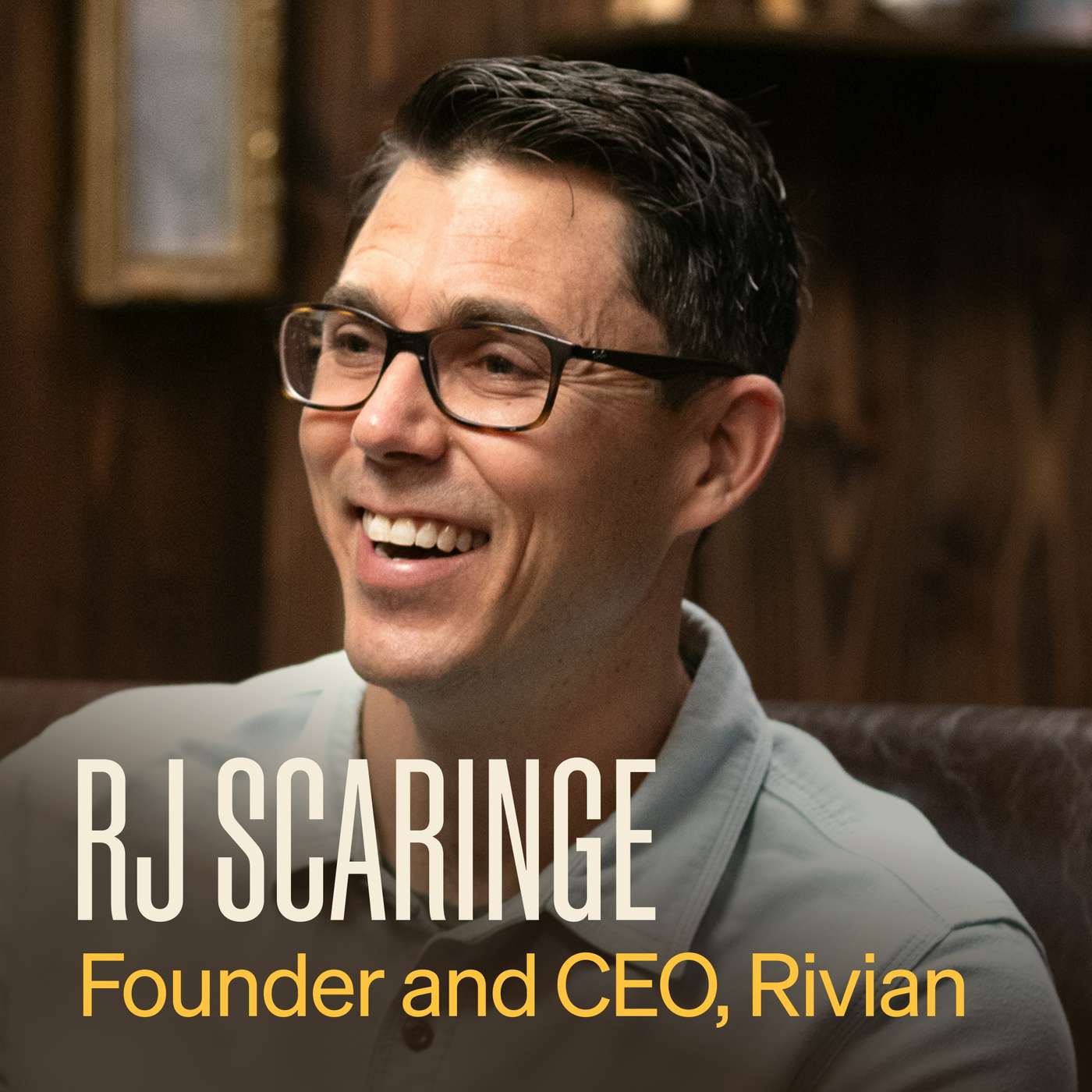
RJ Scaringe, founder and CEO of Rivian, sits down for a cheeky pint with John Collison to discuss what it takes to build a car company from scratch, developing the first electric pickup truck, the shift to a software-defined zonal architecture, Rivian's AI-driven approach to autonomy, and the strategy behind their recent $5.8 billion deal with Volkswagen.
Timestamps
(00:00) Gen 1
(12:32) Gen 2
(18:37) Developing the first electric pickup truck
(27:36) John pitches some car features
(36:46) Stripe’s payment methods
(37:54) Autonomous driving
(44:51) Component progress
(53:17) The new economics of ca...
Tobi Lütke is still captivated by internet commerce, 20 years later

Shopify founder and CEO Tobi Lütke joins John Collison to discuss the philosophies driving one of the internet’s most foundational companies. Tobi shares his perspective on why companies are a form of technology, how internal tools and "opinionated software" shape an organization's culture and accelerate its evolution, and why the best gift is finding a beautiful, unsolvable problem.
Show notes
[Buy] Momax: 140W Universal Travel Adapter[Read] Benjamin Bloom: The 2 Sigma Problem[Buy] Ikigai: vitamin cases [Read] Kevin Kelly: 1,000 True Fans[Read] Erich Gamma: Design Patterns [Read] Charles Calomiris: Fragile by Desig...Marc Andreessen and Charlie Songhurst on the past, present, and future of Silicon Valley
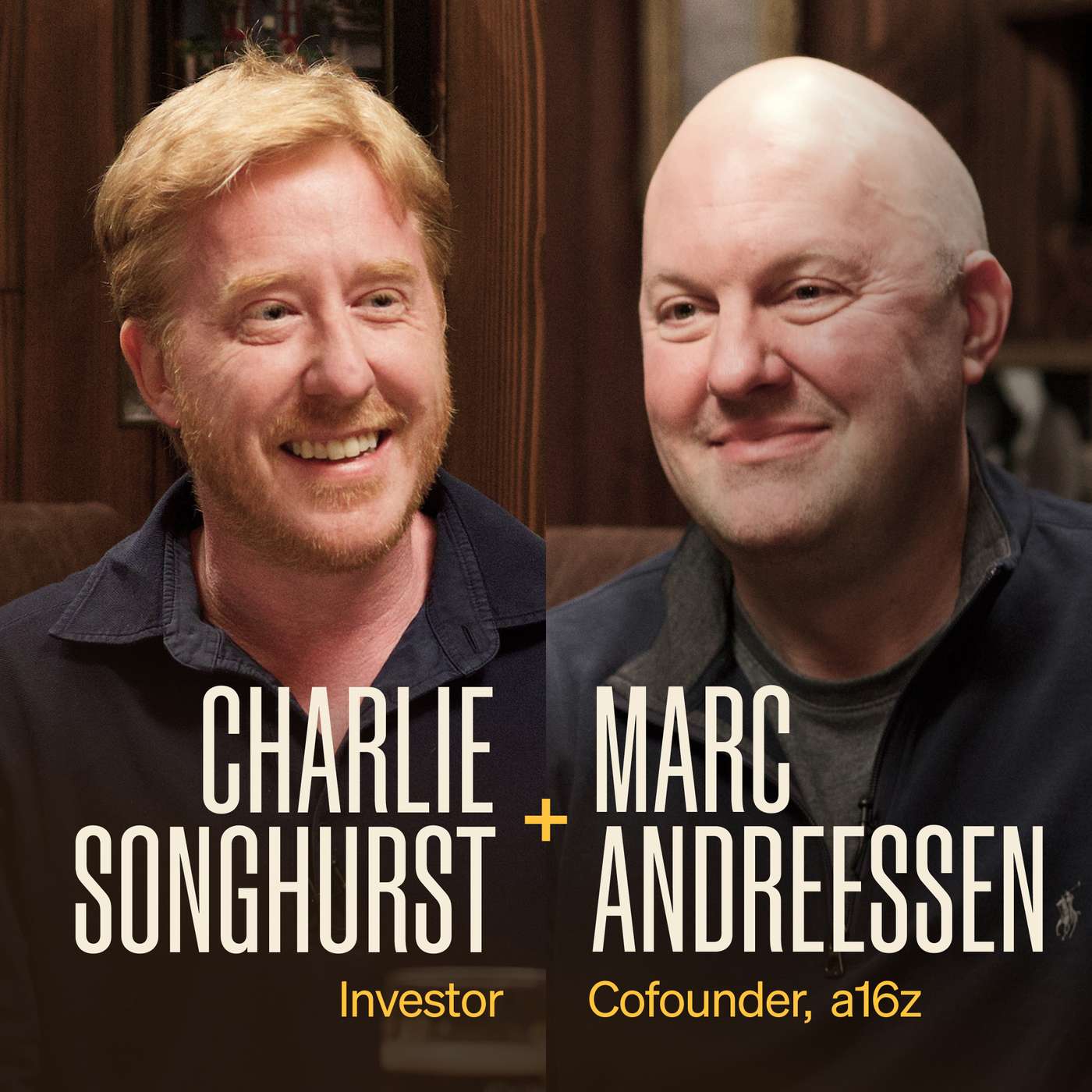
Marc Andreessen, cofounder of Netscape and Andreessen Horowitz, sits down for a Cheeky Pint with John Collison and Charlie Songhurst to discuss the history of Silicon Valley, spotting bubbles in real time, the "Elon method" of management, and why the mistakes that haunt you are the companies you don't invest in.
Show notes:
Roger Lowenstein: When Genius Failed: The Rise and Fall of Long-Term Capital ManagementDavid Swensen: Pioneering Portfolio ManagementIan M Banks: Consider Phlebas: A Culture NovelWalter Isaacson: Elon MuskThomas Rid: Rise of the Machines: A Cybernetic HistoryGeorge McGovern: A Politician's Dream Is...Des Traynor on reinventing Intercom twice and the “four horsemen” of good AI companies

Des Traynor, cofounder of Intercom, sits down for a Cheeky Pint with John Collison to discuss the growth of Fin (Intercom’s AI customer service agent), why selling AI products is hard, advice for product marketers, and cofounder dynamics.
Full transcript on Substack: https://cheekypint.substack.com/p/des-traynor-on-reinventing-intercom
Timestamps:
(00:00) Intro
(02:58) Reinventing Intercom
(06:31) Fin
(18:06) 1M resolutions a week
(24:22) Selling AI
(29:34) Product marketing
(37:18) Listening to users
(44:14) Usage-based billing
(45:14) Advice for startups
(52:09) AI pricing
(01:07:27) Cofounder dyn...
Ambrook CEO Mackenzie Burnett on American agriculture, rural resilience, and carrying 50lbs of fresh pork on Amtrak
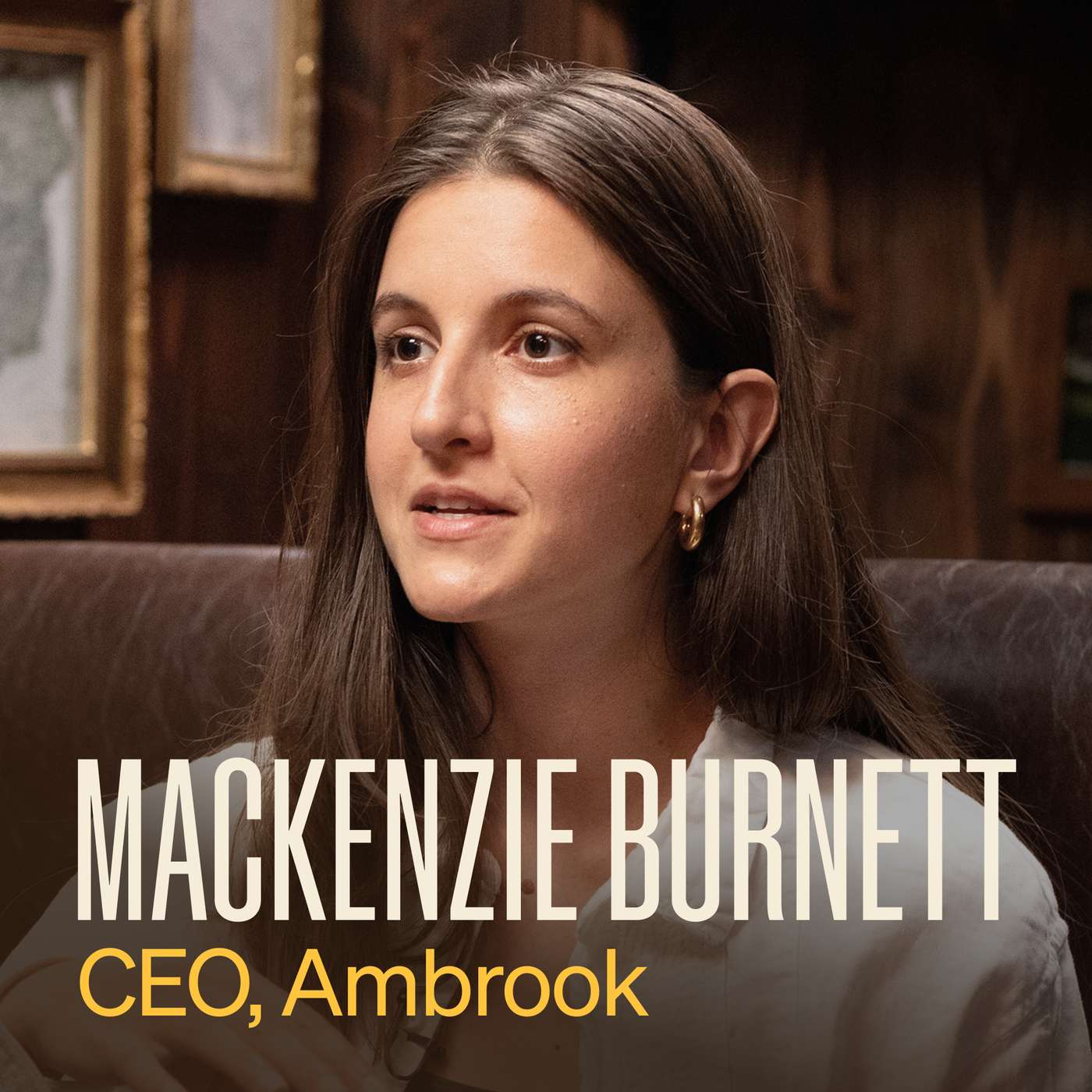
Mackenzie Burnett joins John Collison to talk about American agriculture, labor and immigration challenges, building rural resilience, ERPs, and the principle of money movement. She also shares some feedback for Stripe.
Show notes:
Where Soil is Holy, and Climate Change Is Seldom MentionedFarming goes digitalThe End of Accounting and the Path Forward for Investors and ManagersFull transcript on Substack: https://cheekypint.substack.com/p/ambrook-ceo-mackenzie-burnett-on
Timestamps:
(00:00) Introducing Ambrook
(05:37) Serving farmers
(19:25) Building rural resilience
(21:49) The economics of ag
(28:03) If Mackenzie ran the...
Zipline CEO Keller Cliffton on air-dropping blood to Rwandan hospitals and getting to 50,000 aircraft per year

Keller Cliffton joins John Collison to talk about Zipline’s journey to 115 million miles flown, the lost art of American airplanes, building 50k drones a year in California, getting to 99.9% reliability, and US vs. Chinese manufacturing.
Books referenced:
The Right Stuff by Tom WolfeSkunk Works by Ben RichApple in China by Patrick McGeeTimestamps
(00:00) Intro
(00:45) 115 million miles flown
(04:10) Why drone delivery took so long
(07:38) Getting started in Rwanda
(13:31) 51% reduction in maternal mortality
(15:33) Access vs. waste
(21:45) Sca...
Cognition CEO Scott Wu on acquiring Windsurf, AI replacing engineers, and the Moneyball-ification of everything

Scott Wu joins John Collison to talk about Cognition’s AI software engineer, the Moneyball-ification of everything, math competitions with Alexandr Wang in 6th grade, acquiring Windsurf over a weekend, whether coding tools will be replaced by the labs, and why he thinks we already have AGI.
Full transcript on Substack: https://open.substack.com/pub/cheekypint/p/cognition-ceo-scott-wu-on-acquiring
Timestamps
(00:00) Intro
(01:13) Early life and maths competitions
(03:47) Addepar job as a high schooler
(05:43) Where are all the young founders?
(08:45) Moneyball-ification of everything
...Coinbase CEO Brian Armstrong on bitcoin going to $1 million, electing a pro-crypto Congress, and Jamie Dimon

Brian Armstrong joins John Collison to talk about what’s happening behind the scenes at Coinbase: battling North Korean hackers, war stories from early scaling, confronting people who won’t use AI to code, Coinbase becoming people’s primary financial account, and why banks are now embracing crypto.
Full episode transcript on Substack
https://cheekypint.substack.com/p/coinbase-ceo-brian-armstrong-on-bitcoin
Timestamps
(00:00) Intro
(01:14) How Coinbase won the exchange market
(06:22) Losing money on every bitcoin purchase
(10:54) North Korean hackers
(14:54) The Everyt...
Robinhood CEO Vlad Tenev on tokenizing private companies, changing the SEC, and Frank Slootman

Vlad Tenev joins John Collison to discuss Bulgarian hyperinflation, Robinhood Banking, details from the GameStop saga—including advice from Marc Benioff, Mark Zuckerberg, and Elon Musk, payment for order flow economics and Michael Lewis’ Flash Boys, his approach to leadership through the Frank Slootman framework, and how he would change the SEC.
Full episode transcript on Substack: https://cheekypint.substack.com/p/robinhood-ceo-vlad-tenev-makes-his
Timestamps
(00:00) Intro
(00:58) Hyperinflation in Bulgaria
(04:07) Stablecoins
(05:41) Home country bias in investing
(06:59) Robinhood’s origins
(11:23) What th...
Anthropic CEO Dario Amodei on designing AGI-pilled products, model economics, and 19th-century vitalism

Dario Amodei joins John Collison to talk about Anthropic's growth to ~$5 billion in ARR, how AI models show capitalistic impulses, predictions for an agentic future, the economics of model businesses, and the 19th-century concept of vitalism.
Full episode transcript on Substack: https://cheekypint.substack.com/p/a-cheeky-pint-with-anthropic-ceo
Timestamps
(00:00) Intro
(00:50) Working with your sibling
(01:43) Building Anthropic with 7 cofounders
(02:52) ~$5 billion in ARR and vertical applications of products
(07:18) Developing a platform-first company
(10:08) Working with the DoD
(11:11) Proving skeptics...
Serial entrepreneur Pieter Levels on building in public and living as a digital nomad

Pieter Levels joins John Collison to discuss building successful online businesses as a digital nomad, thoughts on European accelerationism, and Pieter’s unconventional methods and philosophy as a bootstrapped founder making over $3 million per year.
Full episode transcript
https://cheekypint.transistor.fm/4/transcript
Timestamps
(00:00) Intro
(00:37) Pieter’s resume
(01:33) Trying to make money online as a 12 year old
(02:43) Being one of the first YouTube creators
(03:18) Who should indie hack
(04:31) What Pieter hates about VC-backed businesses
(07:51) Who is digi...
The Bot Company founder and CEO Kyle Vogt on home robots and why he’ll never sell another company

The Bot Company founder and CEO Kyle Vogt—who also cofounded Twitch and Cruise—joins John Collison to talk about applying AI to home robots, the similarities between robotics and self-driving, and why the next $100 billion company will have fewer than 100 people.
Full episode transcript
https://cheekypint.transistor.fm/3/transcript
Timestamps
(00:00) Intro
(00:38) The Bot Company pitch
(02:05) Single-task vs. multi-task robots
(04:27) What is the Turing test for robotics?
(05:52) Why this time is different for home robots
(08:42) The last mile...
Meta CFO Susan Li on headcount vs. GPU allocation, “free cash flow” hats, and almost becoming a PM

Susan Li of Meta—the youngest chief financial officer of a Fortune 100 company—joins John Collison to talk about capital allocation, managing investors, and how Mark Zuckerberg has changed over the 17 years of working together.
Full episode transcript
https://cheekypint.transistor.fm/2/transcript
Timestamps
(00:00) Intro
(01:20) Early education and career
(02:15) Lessons from Michael Grimes at Morgan Stanley
(03:12) Leadership traits and succession planning at Meta
(06:05) Mark Zuckerberg’s leadership and culture of feedback
(09:06) Financial forecasting and capital allocation
(14:18) ROI on Meta’s...
