Puerto Rico Open Your Eyes
Puerto Rico Abran los Ojos (Puerto Rico: Open Your Eyes) is a bold and thought-provoking podcast dedicated to uncovering the true history of Borikén—the island we now know as Puerto Rico. Through weekly episodes, we seek to awaken consciousness across the Latino community, sparking real conversations that bridge generations and borders.Our show dives deep into the stories often left untold, exploring how Puerto Rico became an unexpected bridge between two continents and examining the historical, cultural, and political forces that have shaped our identity. We confront the good, the bad, and the ugly—highlighting the beauty of Boric...
Why Did JD Vance Laugh at Puerto Rico’s Liberation?
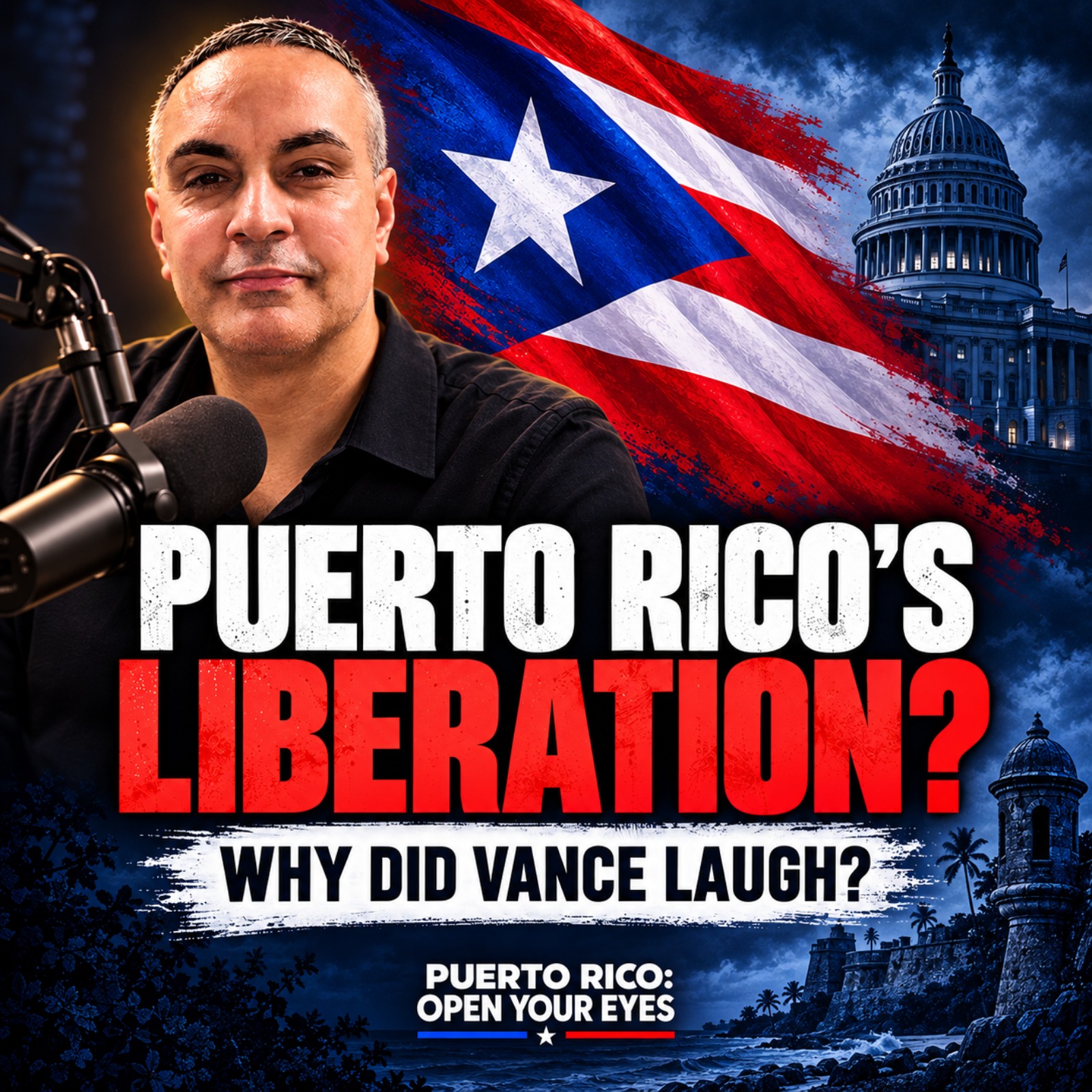
Vice President JD Vance laughed at a reference to the “liberation of Palestine and Puerto Rico” during a September 21 rally in North Carolina. Why did Puerto Rico enter that sentence, and what does liberation mean for a people whose political status remains under congressional authority?
In this episode of Puerto Rico: Open Your Eyes, Edwin Ortiz examines Vance’s remarks, the obstacles elected officials have raised to Puerto Rican statehood, and the need for a binding referendum that offers Puerto Ricans an honest choice.
Grab a cup of coffee and join the conversation. If this episod...
Mudarse a España desde Puerto Rico o EE. UU.: Visados, Impuestos, Vivienda y Ciudadanía
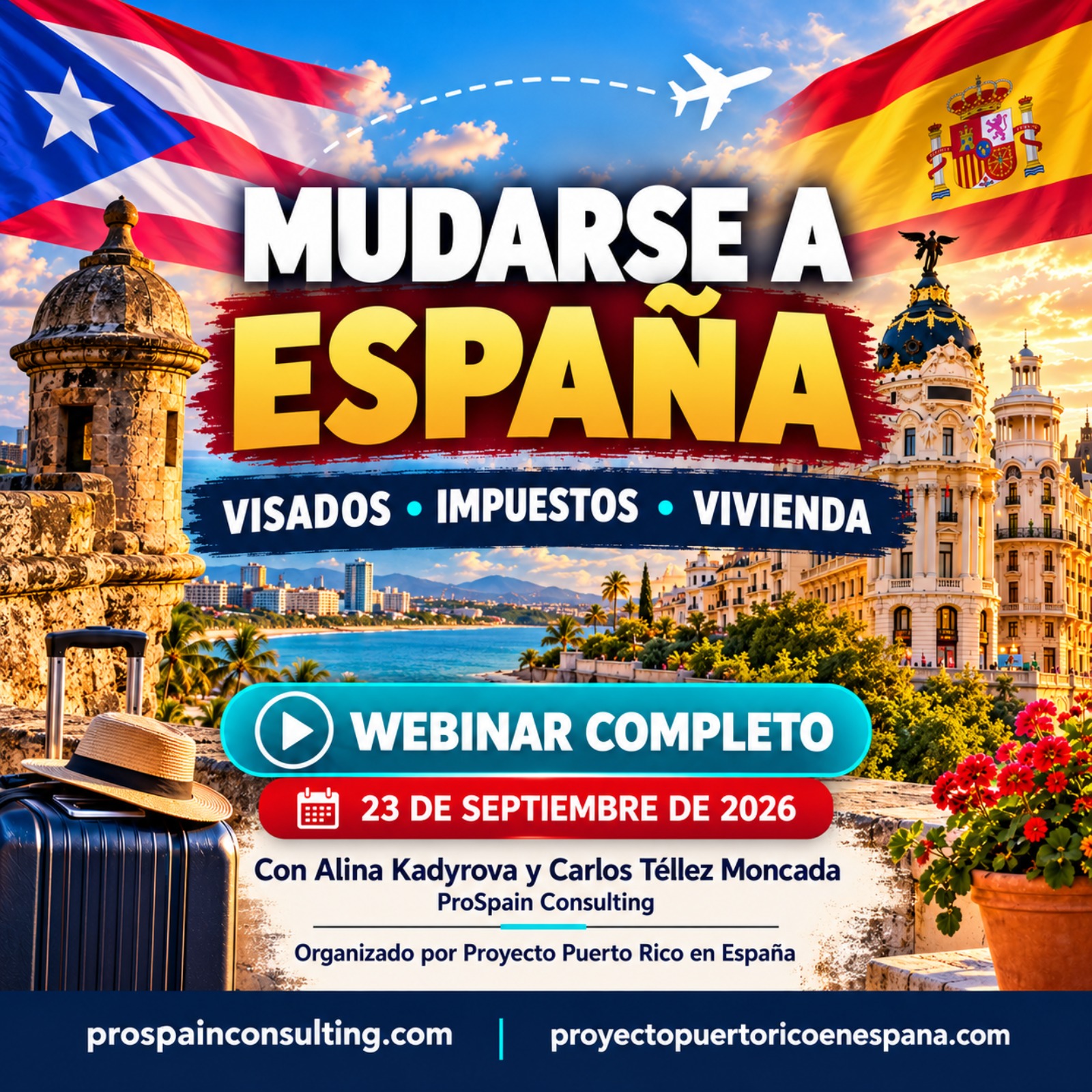
¿Estás considerando mudarte a España desde Puerto Rico o Estados Unidos?
En este webinar informativo, organizado por Proyecto Puerto Rico en España, contamos con la participación de los profesionales de ProSpain Consulting para conversar sobre los aspectos migratorios, contributivos, familiares y prácticos que deben evaluarse antes de establecerse en España.
Durante la presentación abordamos temas como:
• Las principales alternativas de residencia y visado disponibles para quienes no poseen nacionalidad española o de otro país de la Unión Europea.
• El visado de residencia no l...
Juan Garrido: The Free Black African Who Came to Puerto Rico | The History We Were Never Taught
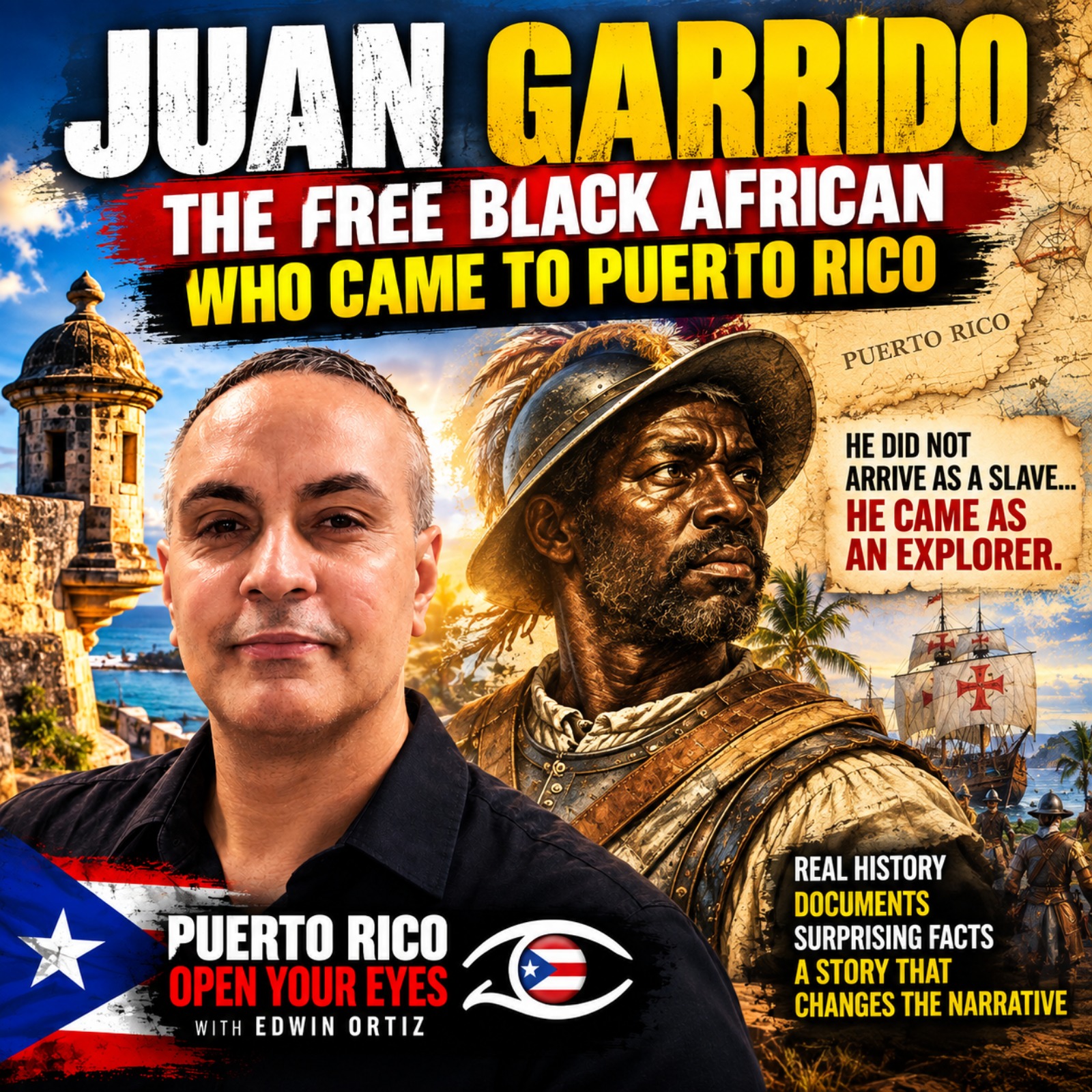
What if one of the earliest documented Black Africans in Puerto Rico did not arrive as an enslaved man?
His name was Juan Garrido—an African-born Black man who lived as a free man and participated in Spanish exploration and conquest during the early 1500s.
And Puerto Rico was part of his remarkable story.
In this episode of Puerto Rico: Open Your Eyes, Edwin Ortiz examines the documented history of Juan Garrido and a chapter of the African experience in the Spanish Americas that many people have never been taught.
Garrido pa...
El gobierno robado de Puerto Rico
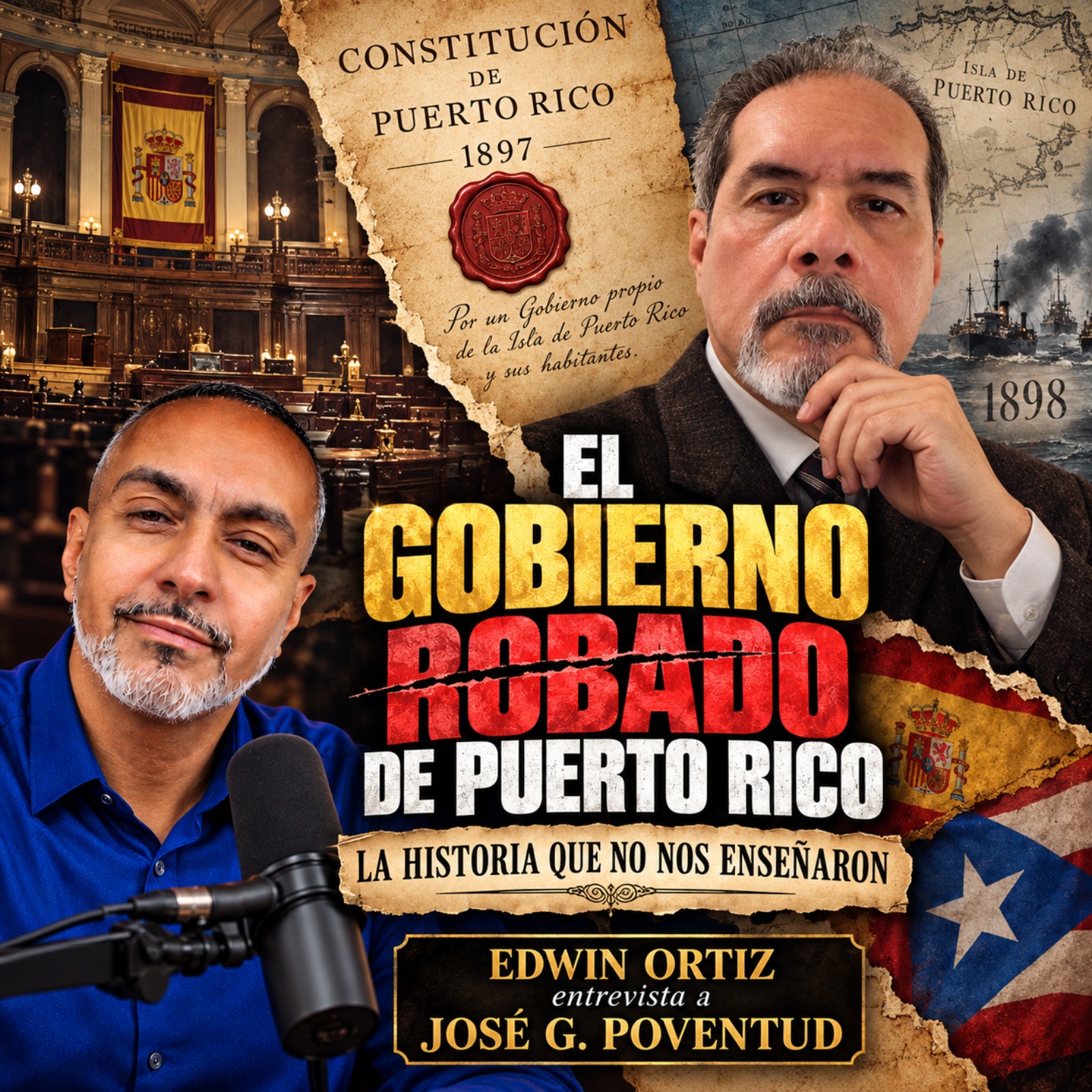
Hoy, Puerto Rico Abre los Ojos presenta un episodio especial con un invitado muy especial: José G. Poventud, activista comunitario puertorriqueño, veterano de la Marina de Estados Unidos e investigador histórico independiente comprometido con recuperar la historia política de Puerto Rico anterior a 1898.
Edwin Ortiz y José examinan una pregunta que todo puertorriqueño merece hacerse:
¿Qué gobierno tenía Puerto Rico antes de la invasión estadounidense y por qué a tantos de nosotros nunca nos enseñaron esta historia?
La conversación recorre el desarrollo político de Puerto Rico, d...
Puerto Rico’s Stolen Government: The History We Were Never Taught
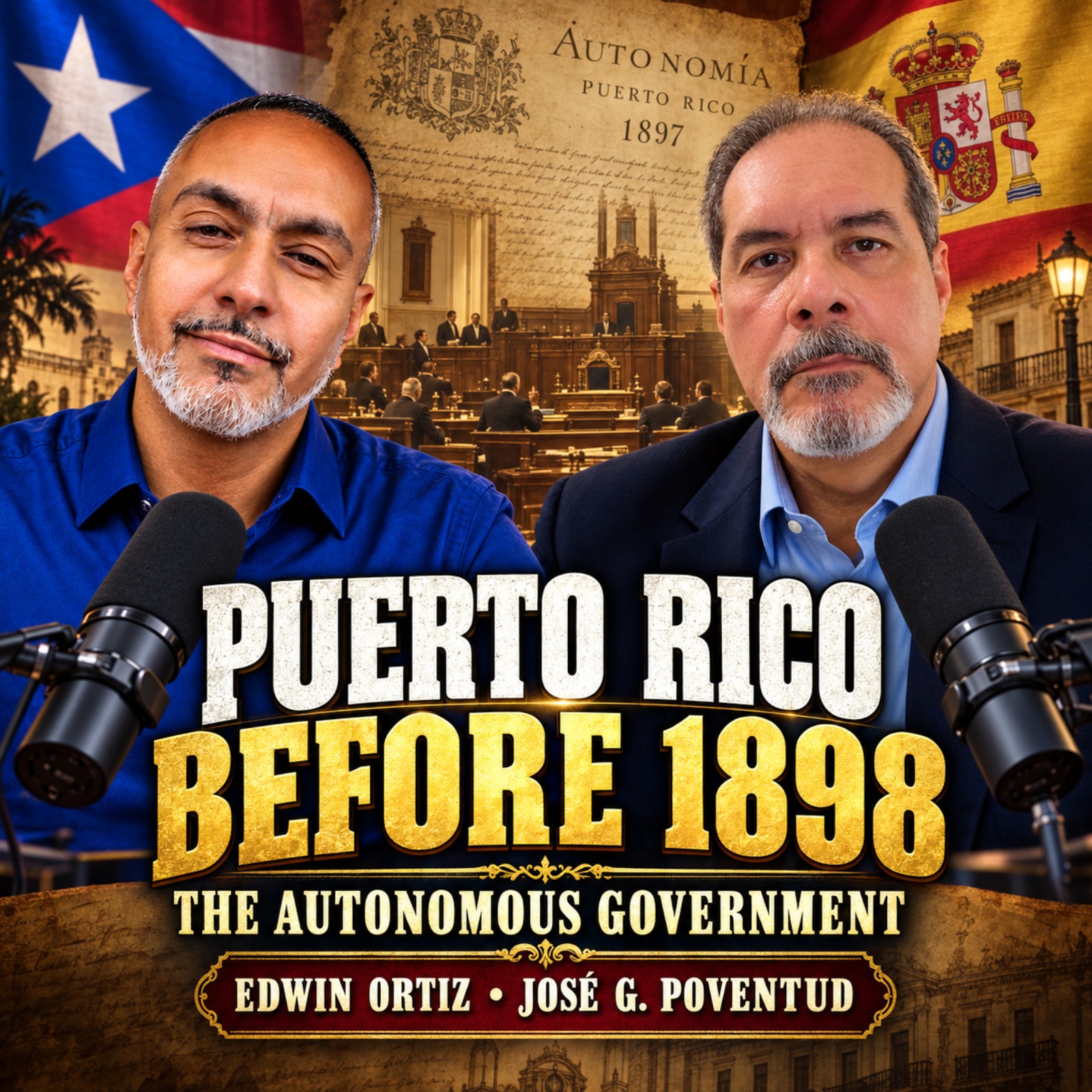
Puerto Rico’s Stolen Government
Today, Puerto Rico Open Your Eyes presents a special episode with a very special guest: José G. Poventud a Puerto Rican community activist, United States Navy veteran, and independent historical researcher committed to recovering Puerto Rico’s political history before 1898.
Host Edwin Ortiz and José examine a question every Puerto Rican deserves to ask:
What government did Puerto Rico possess before the United States invaded, and why were so many of us never taught about it?
The conversation follows Puerto Rico’s political development through its municipa...
🚨 ASÍ BORRAN NUESTRA HISTORIA: CUATRO ENGAÑOS SOBRE EL GOBIERNO DE PUERTO RICO
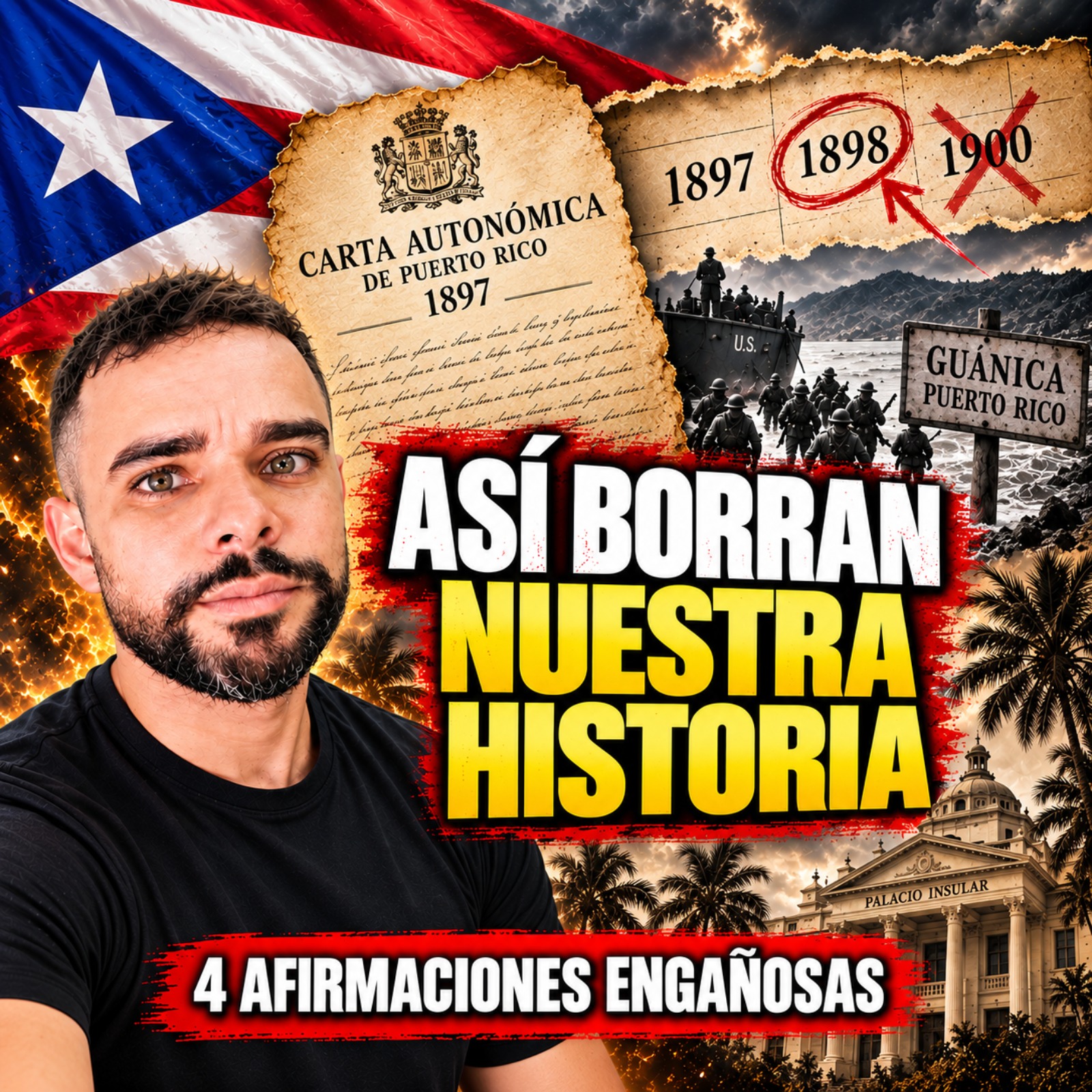
¿Puede borrarse una parte esencial de la historia de Puerto Rico mediante fechas incorrectas, omisiones y palabras cuidadosamente seleccionadas?
En este video examinamos cuatro afirmaciones engañosas relacionadas con la Carta Autonómica de 1897, el Gobierno autonómico puertorriqueño, el desembarco estadounidense en Guánica y la Ley Foraker de 1900.
La autonomía no comenzó el 17 de julio de 1898 ni desapareció automáticamente nueve días después. El Gobierno autonómico ya funcionaba desde febrero, los puertorriqueños eligieron a sus representantes el 27 de marzo y el 17 de julio se inauguró el Parlamento Insular electo...
Why Does Puerto Rican Independence Appear Stronger Online Than at the Ballot Box?
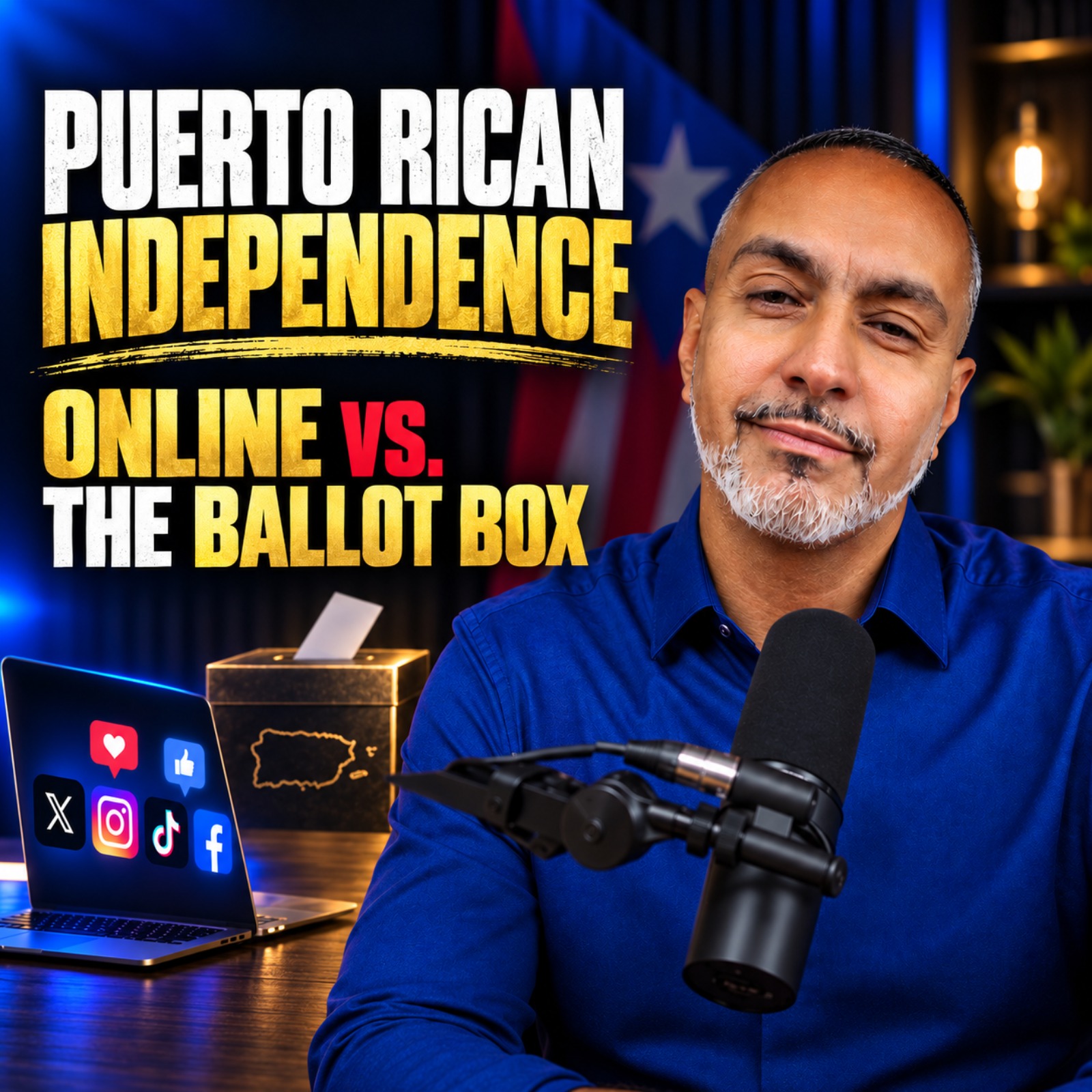
Why Does Puerto Rican Independence Appear Stronger Online Than at the Ballot Box?
Spend enough time on TikTok, Facebook, Instagram, or YouTube, and it may appear that Puerto Rico is experiencing an overwhelming political awakening in favor of independence. But when voters residing on the island enter the voting booth, the results present a different picture.
In this radio-style episode of Puerto Rico: Open Your Eyes, host Edwin Ortiz examines the difference between the growing cultural and digital visibility of Puerto Rican independence and its measurable electoral support.
Using the results of Puerto...
Luis Muñoz Rivera's 1901 letter to President William McKinley.
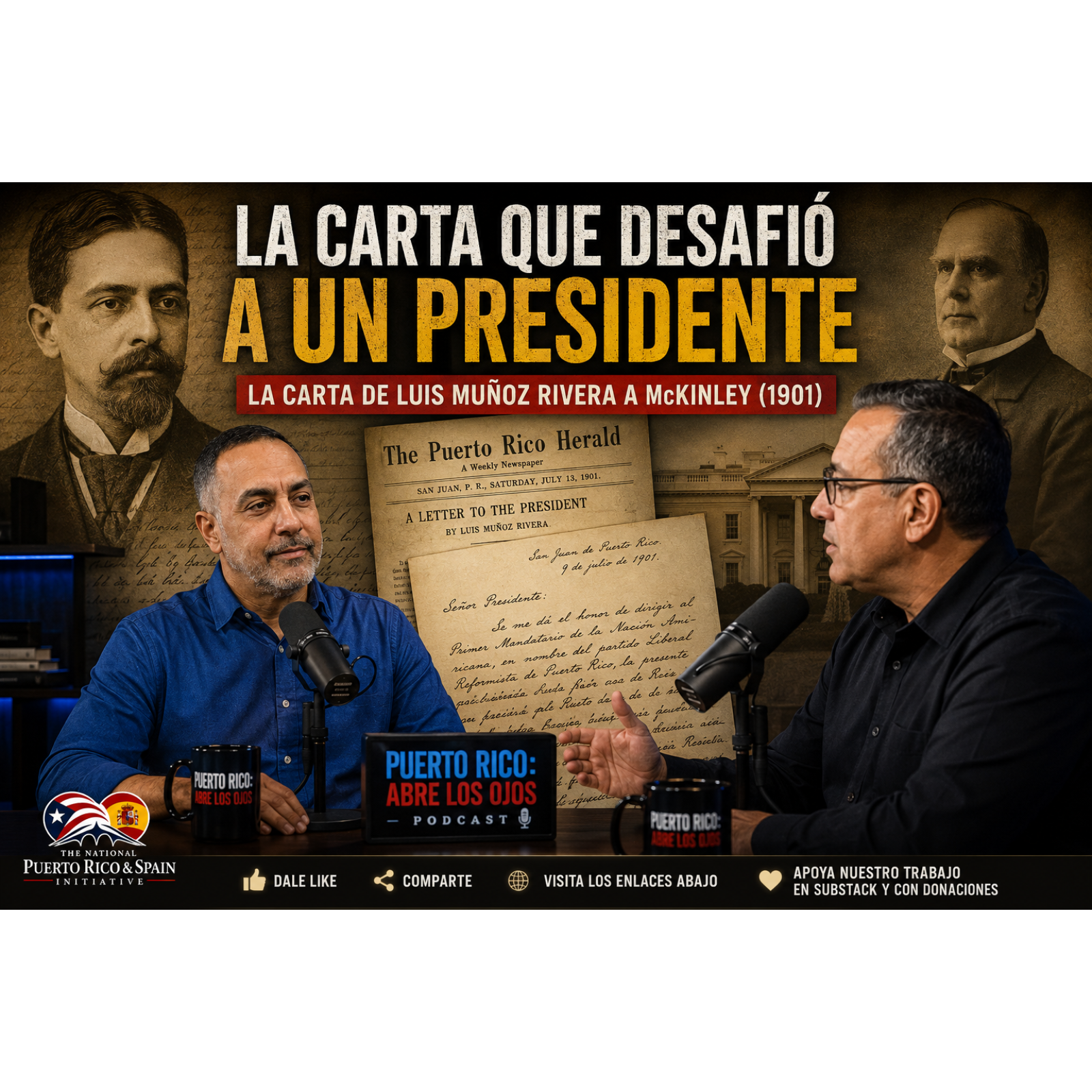
What happened to Puerto Rico's political institutions after the United States invaded the island in 1898?
In this special episode of Puerto Rico: Open Your Eyes, co-host José Montañez turns the tables and interviews Edwin Ortiz about an extraordinary primary source from this critical period in Puerto Rican history: Luis Muñoz Rivera's 1901 letter to President William McKinley.
Muñoz Rivera had participated at the highest level of Puerto Rico's autonomous government before the change of sovereignty. In his letter, published in The Puerto Rico Herald on July 13, 1901, he delivered a powerful criticism of the poli...
Es cierto que los puertorriqueños van a perder la ciudadanía estadounidense?
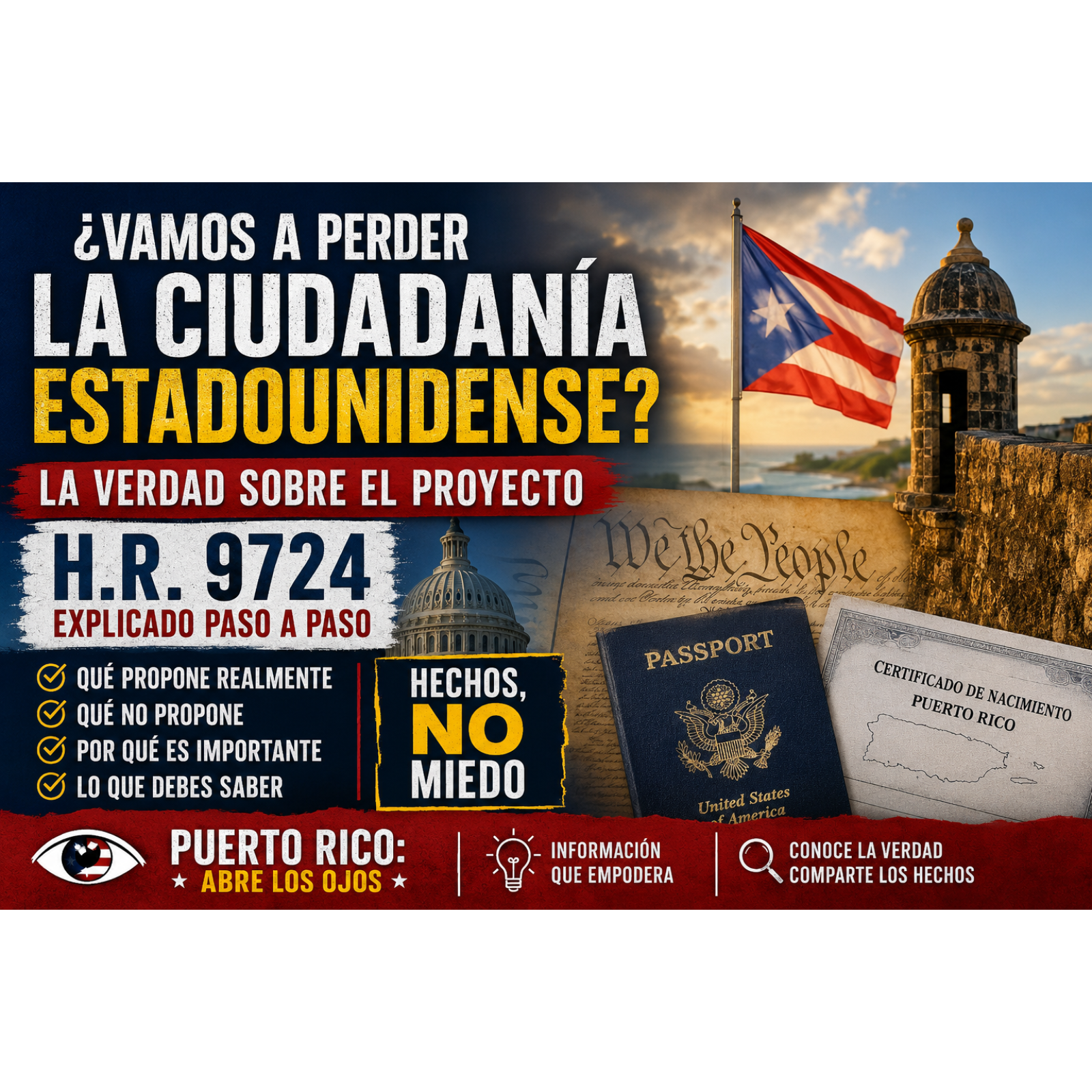
En los últimos días han circulado numerosos videos y publicaciones que afirman que el Congreso está a punto de eliminar la ciudadanía de los puertorriqueños. Pero, ¿qué dice realmente el proyecto H.R. 9724 presentado por el congresista Morgan Griffith?
En este episodio analizamos los hechos, explicamos paso a paso cómo funciona el proceso legislativo en el Congreso de los Estados Unidos, aclaramos por qué este proyecto todavía no es ley, y examinamos la diferencia entre nacer en uno de los cincuenta estados y nacer en un territorio como Puerto Rico.
Nuestro ob...
Is Puerto Rico really about to lose U.S. citizenship?
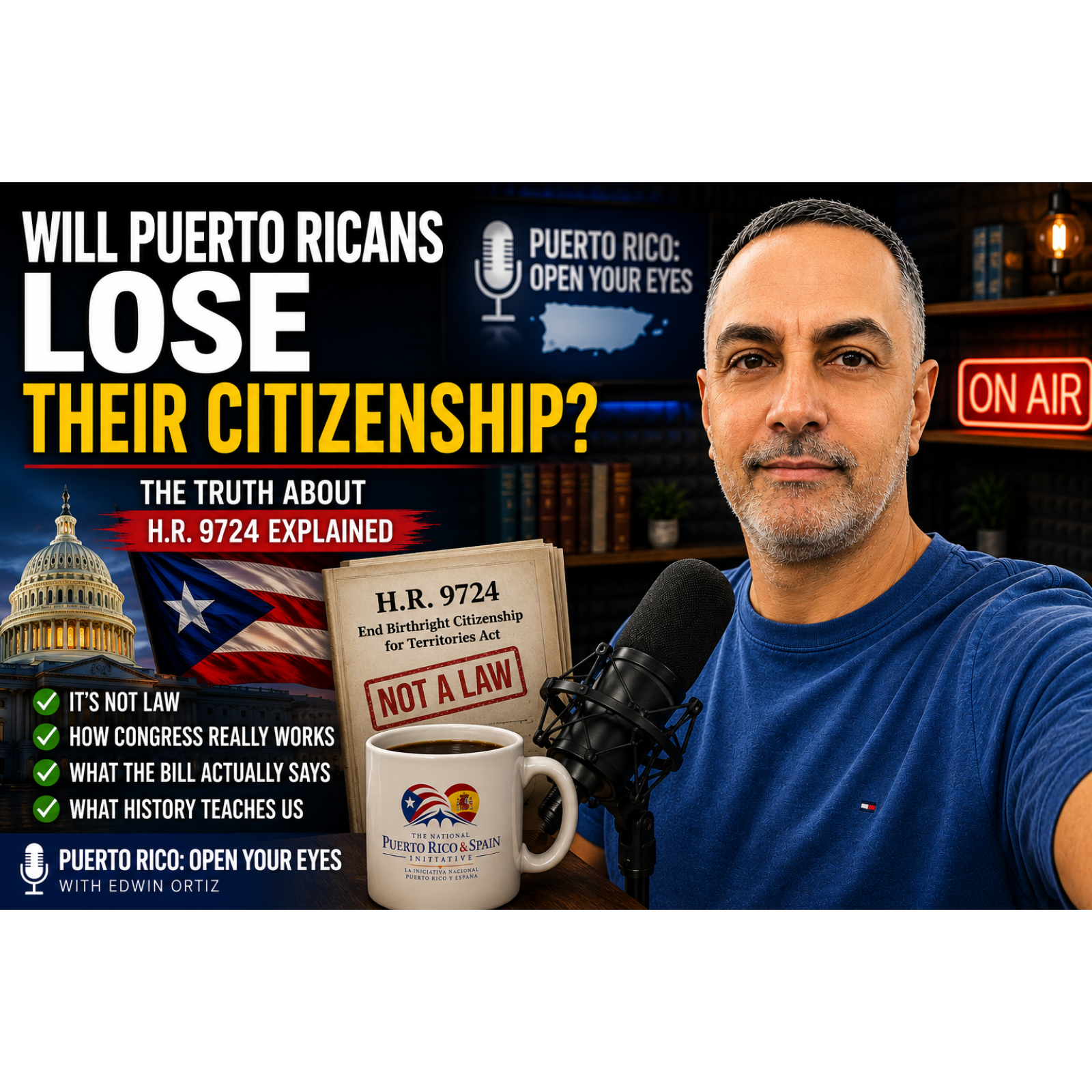
Is Puerto Rico really about to lose U.S. citizenship?
Social media is filled with alarming claims but what does Congressman Morgan Griffith's H.R. 9724 actually say? In this episode, we separate fact from fiction, explain how Congress really works, clarify why this proposal is not law, and examine the larger constitutional question surrounding Puerto Rico's territorial status and Congress's authority.
If you care about Puerto Rico's future, this is an episode you won't want to miss.
Please like, share, subscribe, and help us grow this educational movement.
🌐 Website: https://puertoricoabranlosojos.com...
No Todos Llegarán a la Meta
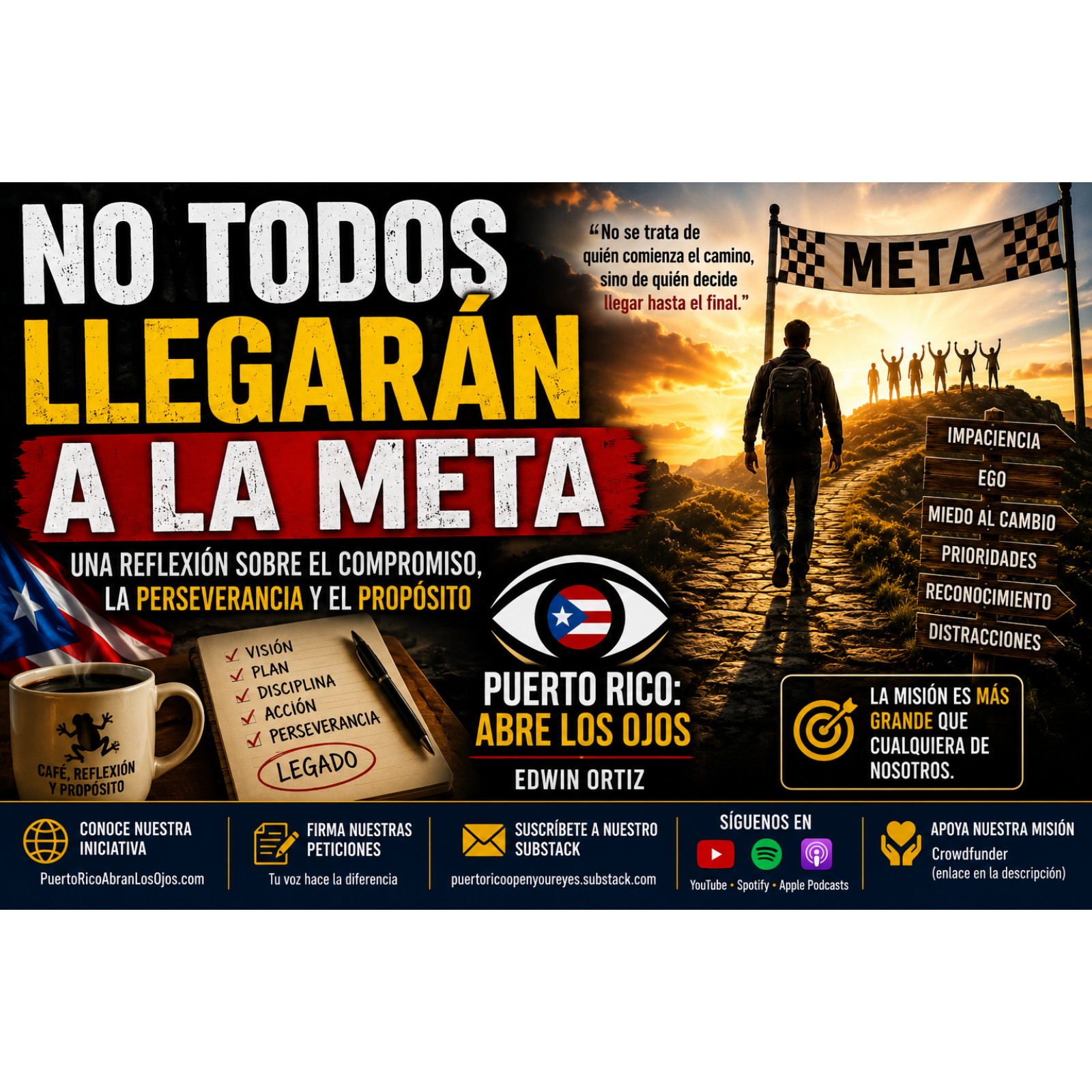
🎙️ No Todos Llegarán a la Meta
¿Por qué tantas personas comienzan una misión con entusiasmo, pero muy pocas permanecen hasta el final?
En este episodio de Puerto Rico: Abre los Ojos, Edwin Ortiz comparte una reflexión sobre la perseverancia, el liderazgo, el compromiso y la naturaleza humana.
Esta no es una conversación sobre personalidades ni sobre política. Es una reflexión sobre lo que ocurre en toda causa importante cuando aparecen los obstáculos, cambian las prioridades y el compromiso es puesto a prueba.
Utilizando nuestro esfuerzo por p...
Not Everyone Will Make It to the Finish Line | A Reflection on Purpose, Perseverance & Leadership
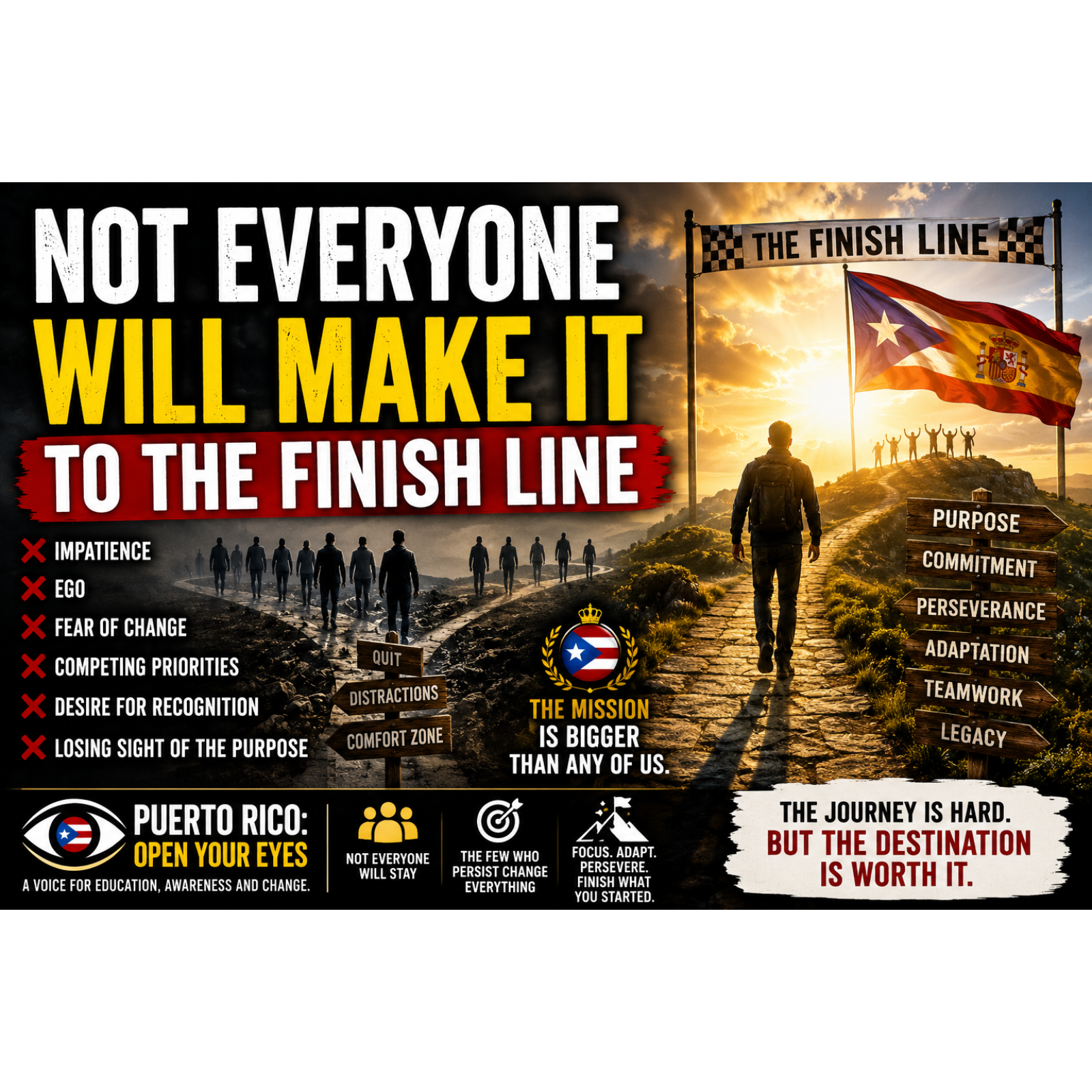
Not every worthwhile journey ends with the same people who started it.
Whether you're building a business, raising a family, leading an organization, serving your community, or fighting for a cause you believe in, one truth seems to repeat itself throughout history:
Many begin the journey. Few reach the finish line.
In this episode of Puerto Rico: Open Your Eyes, Edwin Ortiz shares a personal reflection on perseverance, commitment, leadership, and the realities of human nature.
This is not a discussion about personalities or politics.
It is a conversation...
The Forgotten Puerto Rican Who Played Soccer for Real Madrid Nearly 100 Years Ago
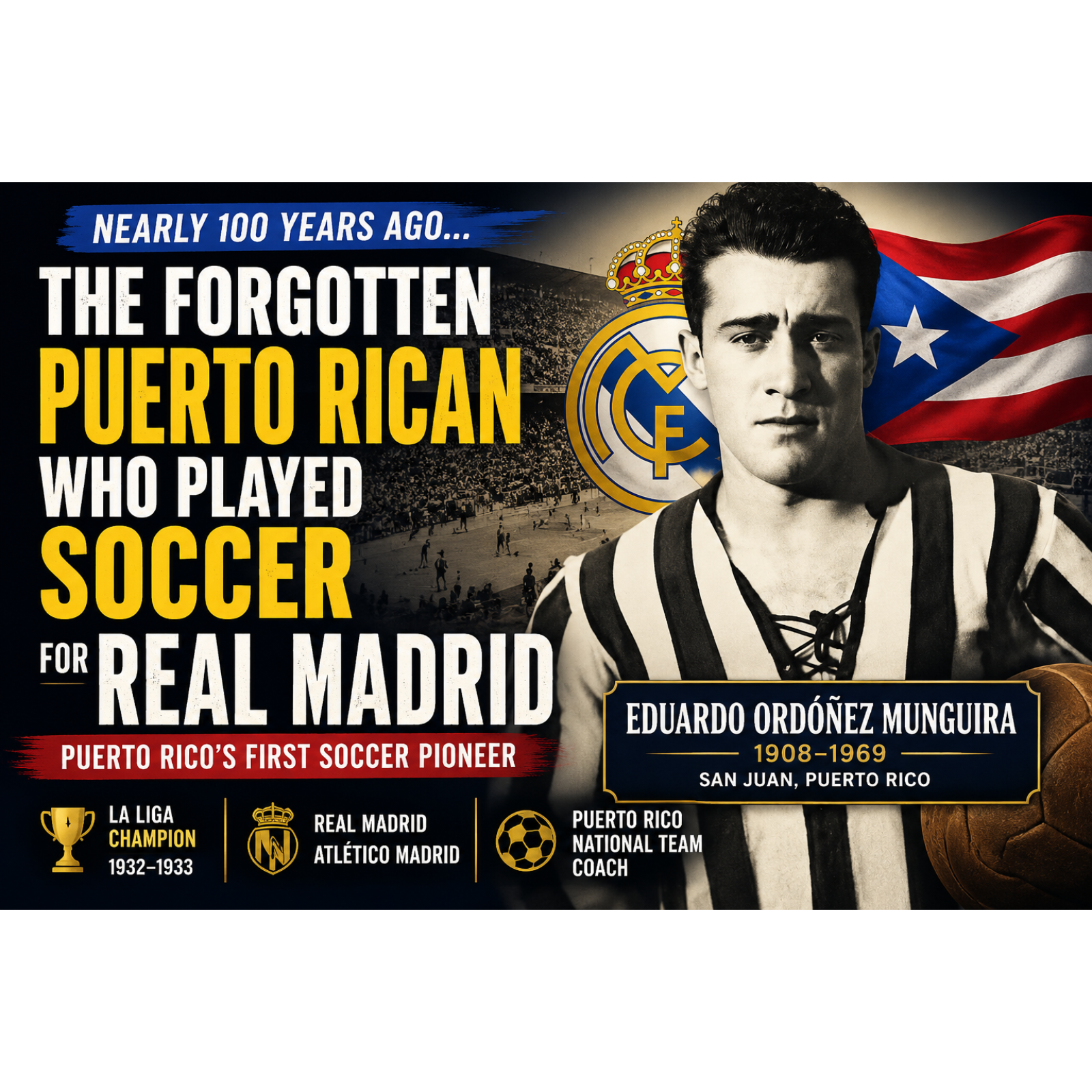
⚽🇵🇷 The Forgotten Puerto Rican Who Played Soccer for Real Madrid Nearly 100 Years Ago
Did you know that nearly a century ago, a Puerto Rican was competing at the highest level of professional soccer in Spain?
In this episode of Puerto Rico, Open Your Eyes, we explore the remarkable story of Eduardo Ordóñez Munguira, a Puerto Rican born in San Juan who went on to play professional soccer for both Real Madrid and Atlético Madrid. During the 1932–1933 season, he helped Real Madrid win the La Liga championship, becoming one of the earliest Puerto Rican soccer pionee...
Representa realmente la Estatua de la Libertad a Puerto Rico?
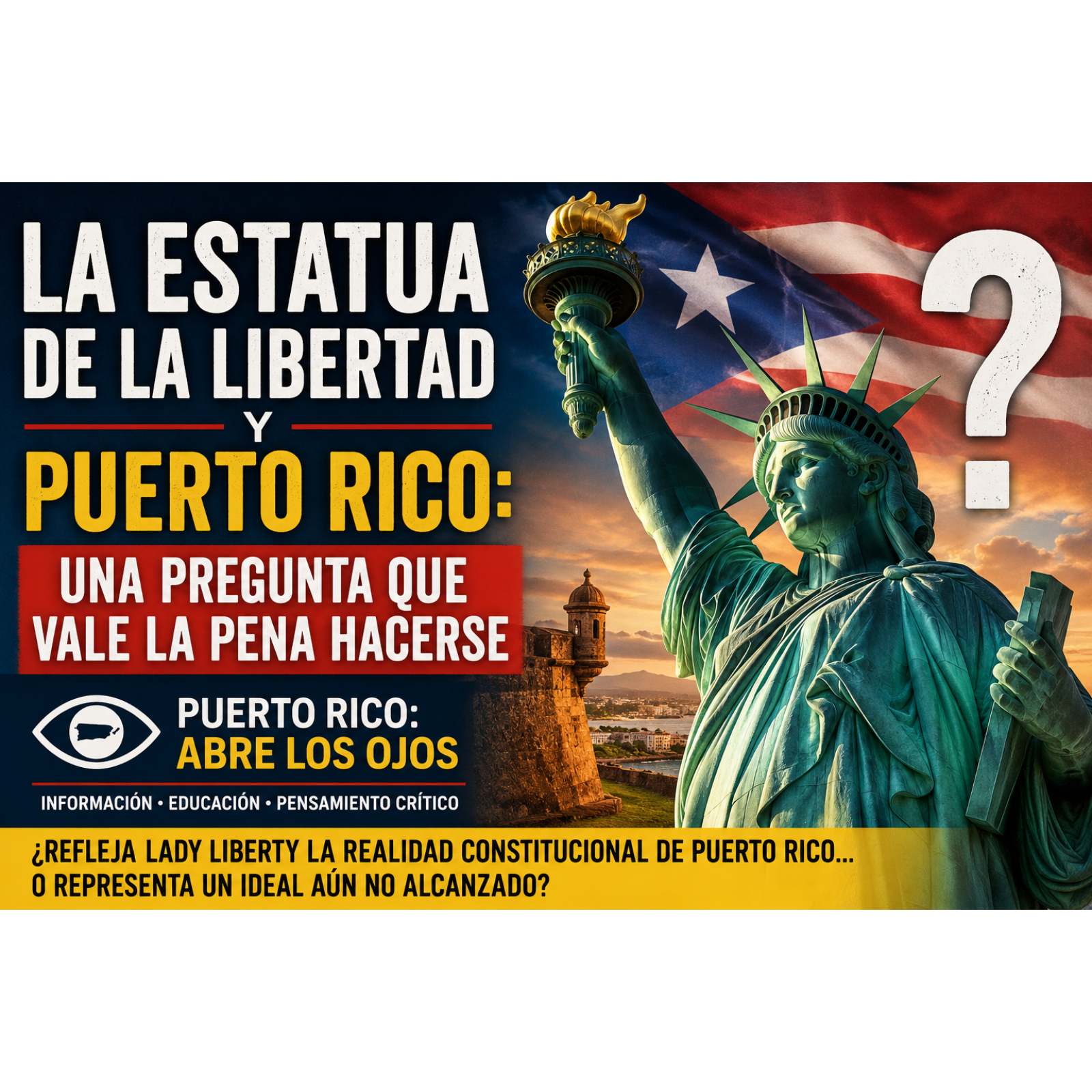
🎙️ Puerto Rico: Abre los Ojos
¿Representa realmente la Estatua de la Libertad a Puerto Rico?
En este episodio de Puerto Rico: Abre los Ojos, analizamos uno de los símbolos más reconocidos del mundo y planteamos una pregunta que invita a la reflexión:
¿Refleja realmente la Estatua de la Libertad la realidad constitucional de Puerto Rico?
Exploramos el estatus territorial de Puerto Rico, la autoridad constitucional del Congreso, la Ley PROMESA, la representación política, la ciudadanía estadounidense y el reciente debate nacional sobre la ciudadanía por nacimiento...
Does the Statue of Liberty Truly Represent Puerto Rico?
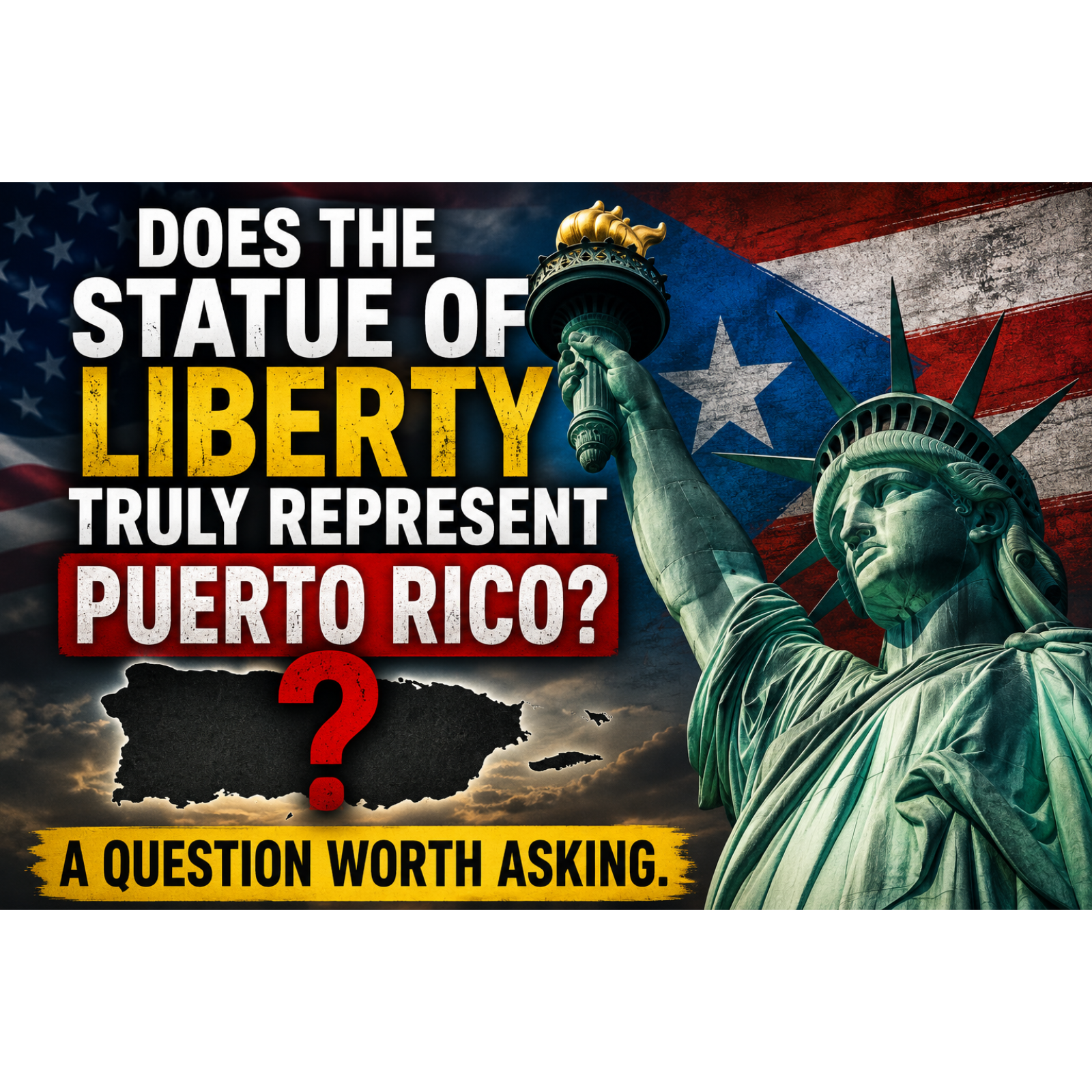
🎙️ Puerto Rico: Open Your Eyes
Does the Statue of Liberty truly represent Puerto Rico?
In this episode of Puerto Rico: Open Your Eyes, we examine one of America's most recognizable symbols and ask a thought-provoking question: Does Puerto Rico's constitutional reality reflect the ideals that Lady Liberty has come to symbolize?
We explore Puerto Rico's territorial status, congressional authority, PROMESA, citizenship, political representation, and the ongoing national discussion surrounding birthright citizenship. Rather than telling you what to think, this episode invites you to examine the facts, think critically, and draw your own conclusions.
...
Puerto Rico: ¿Lo Dijeron de Verdad? La Verdad Detrás de Dos Citas Históricas
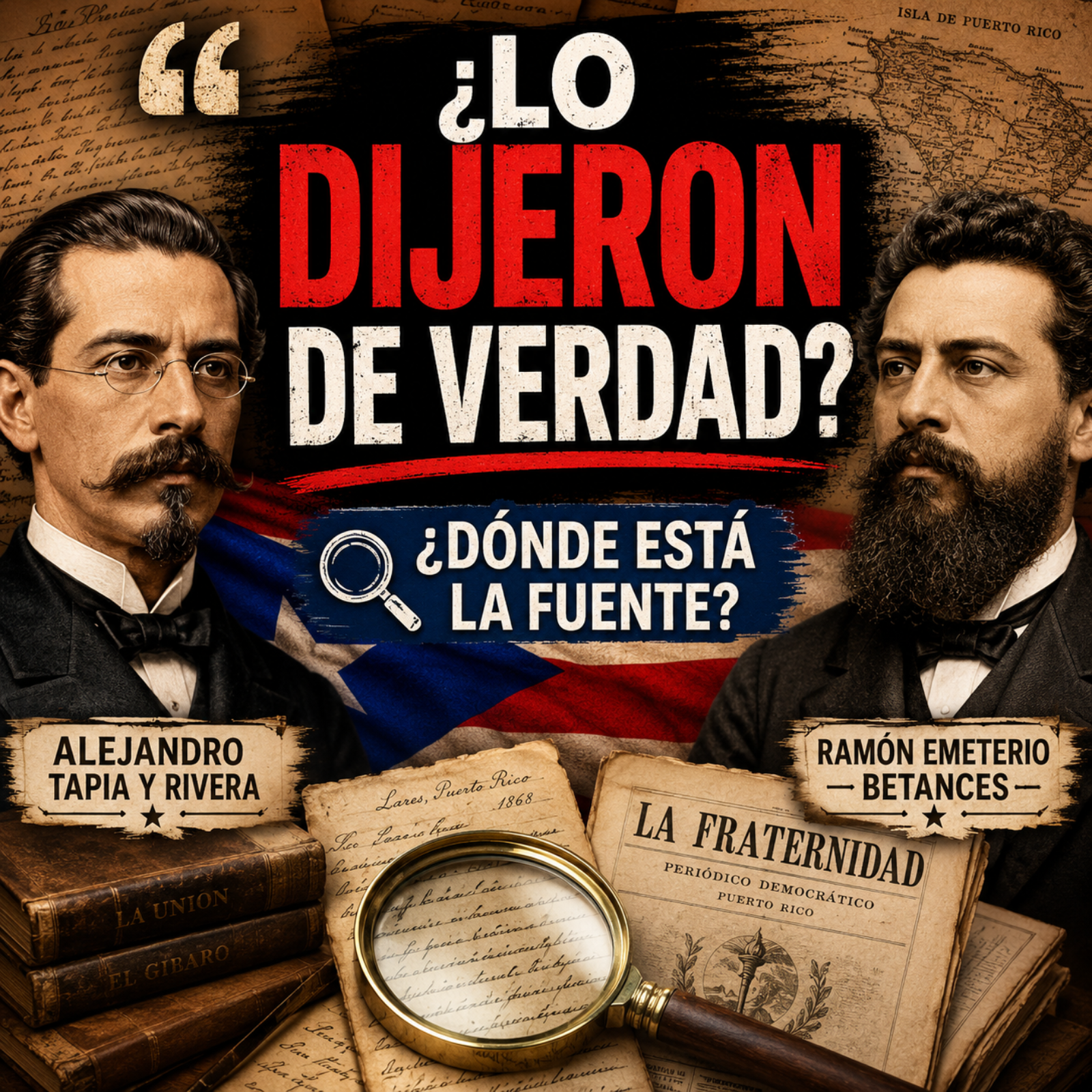
En este episodio examinamos dos frases que con frecuencia se atribuyen a figuras históricas puertorriqueñas: una a Alejandro Tapia y Rivera y otra a Ramón Emeterio Betances. Pero la pregunta es sencilla: ¿realmente dijeron esas palabras exactamente así?
Hicimos la búsqueda, revisamos distintas fuentes y, hasta este momento, no hemos encontrado una fuente primaria verificable que confirme esas citas textualmente. Por eso este video no es un ataque a nuestras figuras históricas; al contrario, es un llamado a tratar nuestra historia con seriedad, rigor y evidencia.
Si alguien tiene la fuente...
What Are You Afraid Of? Let Puerto Rico Decide
A recent comment challenged the idea of placing autonomous reunification with Spain on a future Puerto Rico status ballot. In this episode, we read the full comment, examine its historical and political claims, and respond directly.
The central question remains: if independence, statehood, or free association truly offers the strongest path forward, why fear allowing another democratic alternative to compete?
Let every serious option be presented. Let the people listen, compare, and decide.
🎙️ Puerto Rico, Open Your Eyes 🌐 Website: https://puertoricoabranlosojos.com/ ▶️ YouTube: https://www.youtube.com/@PuertoRicoOpenYourEyes 📰 Free Substack: https://substack.com/@puertoricoopeny...
Candidato a Alcalde o Enemigo de la Libertad Política en Puerto Rico?
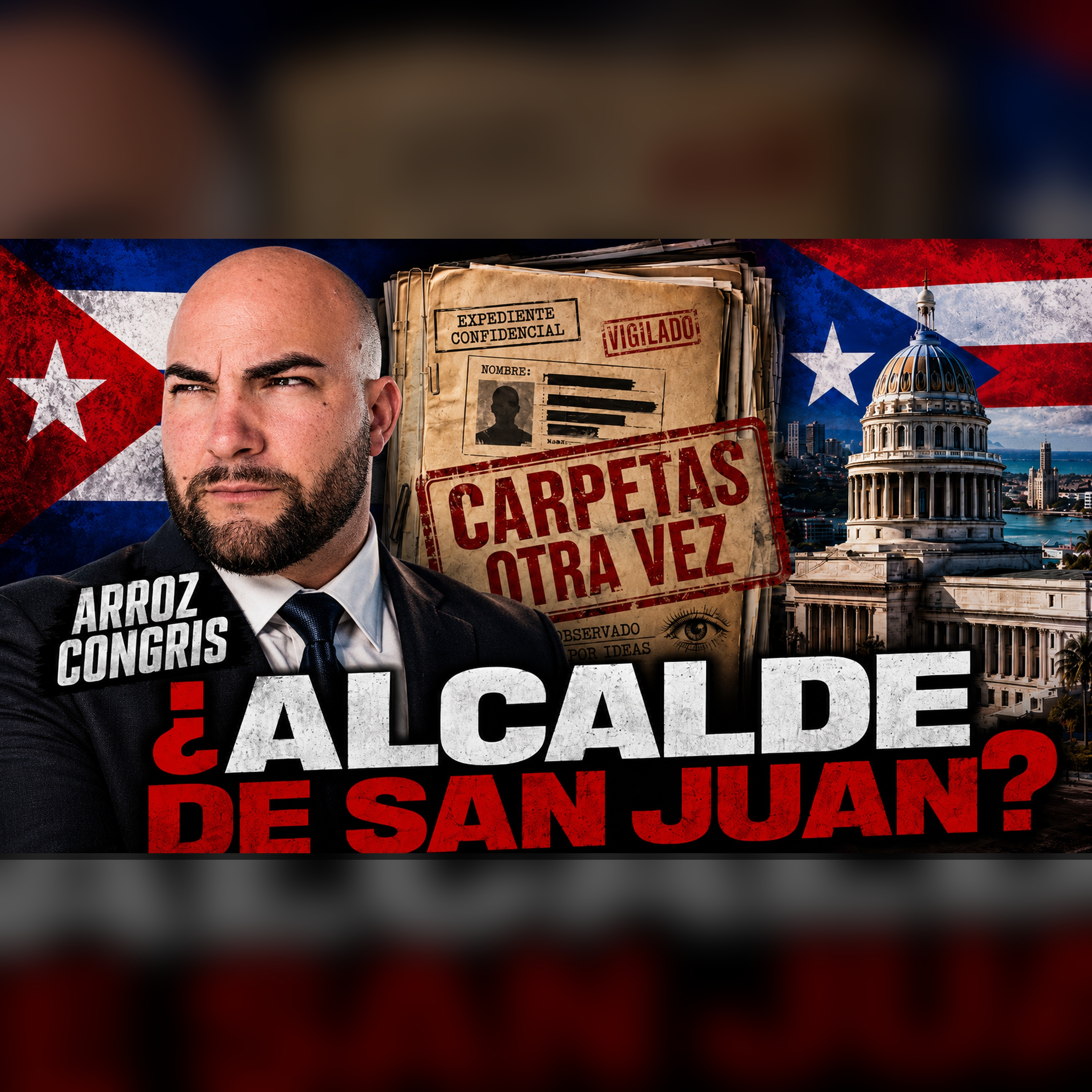
Libertad de Expresión o Incitación a la Persecución Política?
En este episodio de Puerto Rico, Abre los Ojos, analizamos la controversia provocada por el creador de contenido cubano conocido como Arroz con Gris, quien preguntó públicamente si debería aspirar a la alcaldía de San Juan, Puerto Rico.
La conversación va mucho más allá de su lugar de nacimiento. Examinamos si una persona que no nació ni se crió en Puerto Rico, y cuya vinculación política y jurídica con la isla genera interrogantes, debe pretender ocupar...
Euro Pacific Bank: Who Really Benefited from Puerto Rico?

🎙️ Stay Informed and Support Our Work
Follow Puerto Rico, Open Your Eyes for more episodes, historical research, political analysis, and discussions about Puerto Rico’s future.
Spotify: https://open.spotify.com/show/5RLJrBUuligvF675jKmVJO
RSS.com: https://rss.com/podcasts/puerto-rico-open-your-eyes/
Official RSS Feed: https://media.rss.com/puerto-rico-open-your-eyes/feed.xml
Official Podcast Website: https://puertoricoabranlosojos.com/
YouTube: https://www.youtube.com/@PuertoRicoOpenYourEyes
📚 Join Our Free Substack Community
Read our articles, investigations, historical documents, and complete podcast episodes:
https://substack.com/@puertorico...
Anguilla Rejected Independence — Could Puerto Rico Face the Same Question?
🎙️ New Podcast Episode: The Island That Rejected Independence And What Puerto Rico Should Learn From It
This story raises a powerful question for Puerto Rico:
This episode examines Anguilla’s history, Puerto Rico’s current political options, government overreach, the risks of independence without safeguards, and why Puerto Rico deserves the right to study autonomy with Spain as a serious democratic alternative.
Grab a cup of coffee, put on your earplugs or headphones, and listen while you walk, drive, work, relax, or go about your day. This podcast is meant to travel with you.
<...The Empty Chair: Who Represented Puerto Rico in 1898?
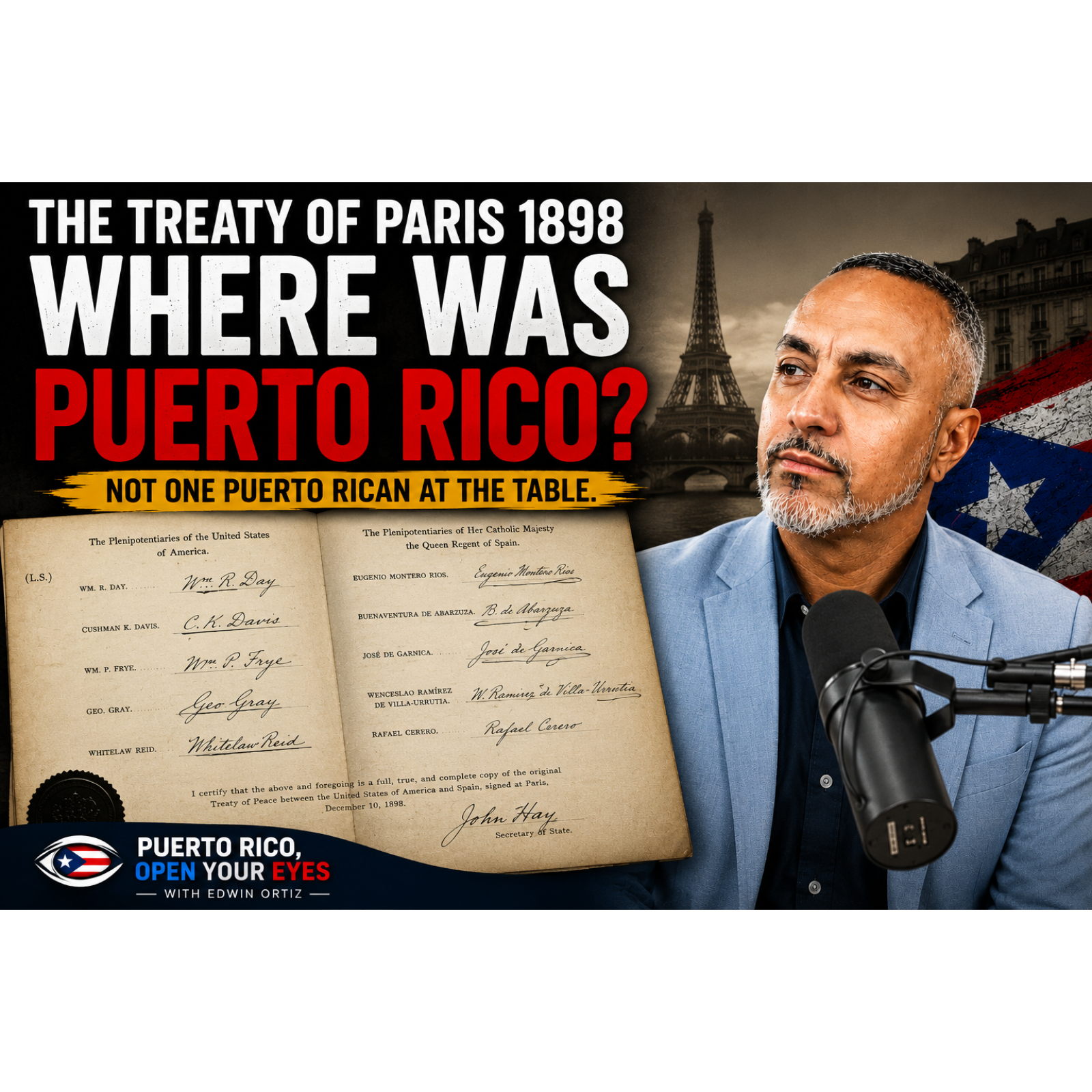
Most of us have heard about the Treaty of Paris, but very few have ever stopped to ask a simple question:
Who was sitting at the negotiating table... and who wasn't?
In this podcast, we examine the original Treaty of Paris, the signatures that changed Puerto Rico's future, and the surprising discovery that Puerto Rico's own duly elected autonomous government—elected on March 27, 1898—had no representative at the negotiating table.
We'll also explore the role of Whitelaw Reid, one of the five American commissioners who negotiated the treaty, his later writings in Problems of E...
Ser puertorriqueño depende del lugar donde naciste... o de quién eres?
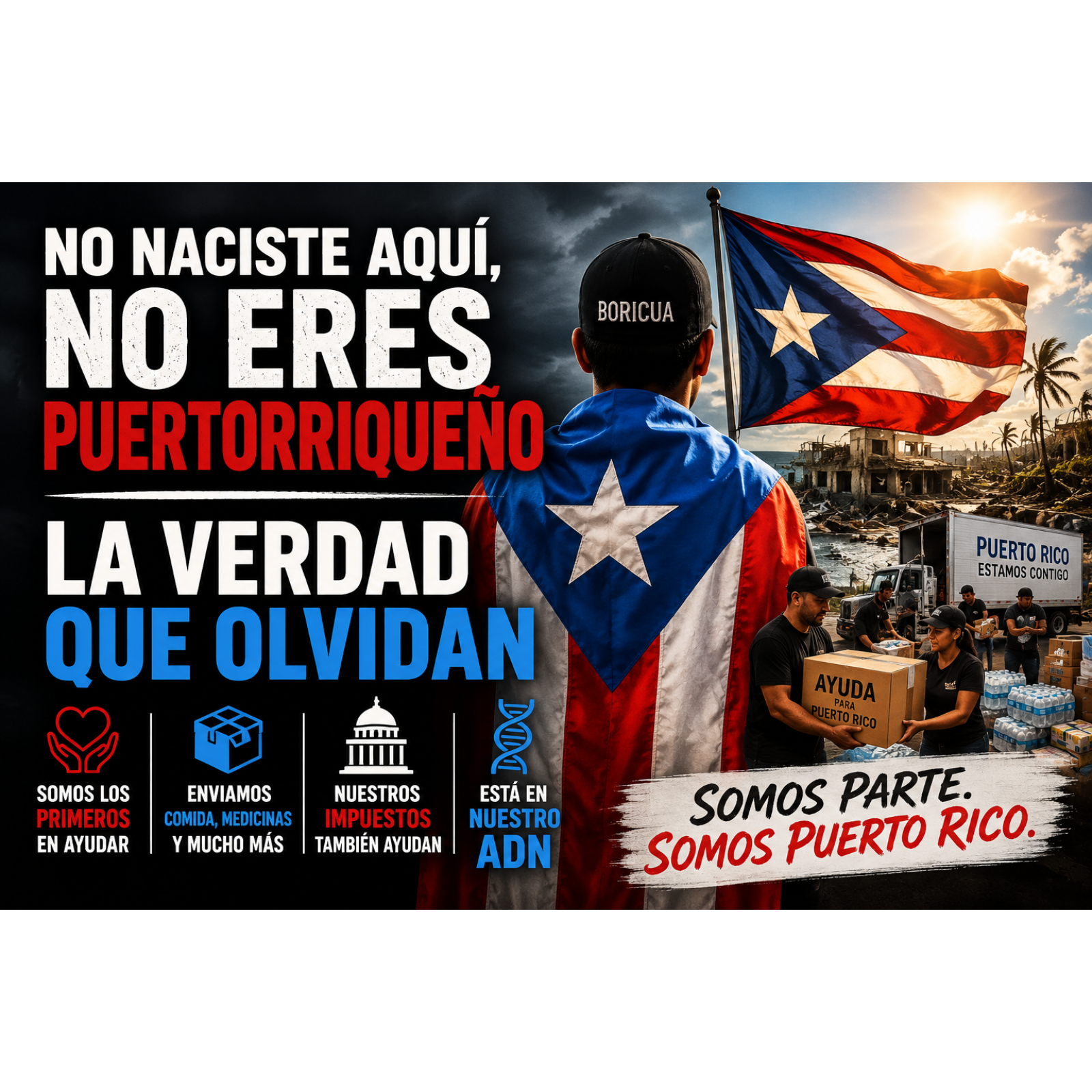
Durante años, muchos puertorriqueños de la diáspora hemos escuchado que no somos "verdaderos" puertorriqueños porque no nacimos en la isla.
Pero cuando Puerto Rico enfrenta huracanes, terremotos y otras emergencias, la diáspora siempre está entre los primeros en responder con ayuda, donaciones y apoyo a nuestras familias y comunidades.
En este episodio reflexionamos sobre el papel de la diáspora, nuestra identidad, nuestra historia y por qué ser puertorriqueño va mucho más allá del lugar de nacimiento. Está en nuestro ADN, nuestra cultura y el amor que sentimos...
The Forgotten Champion of Puerto Rico's Workers
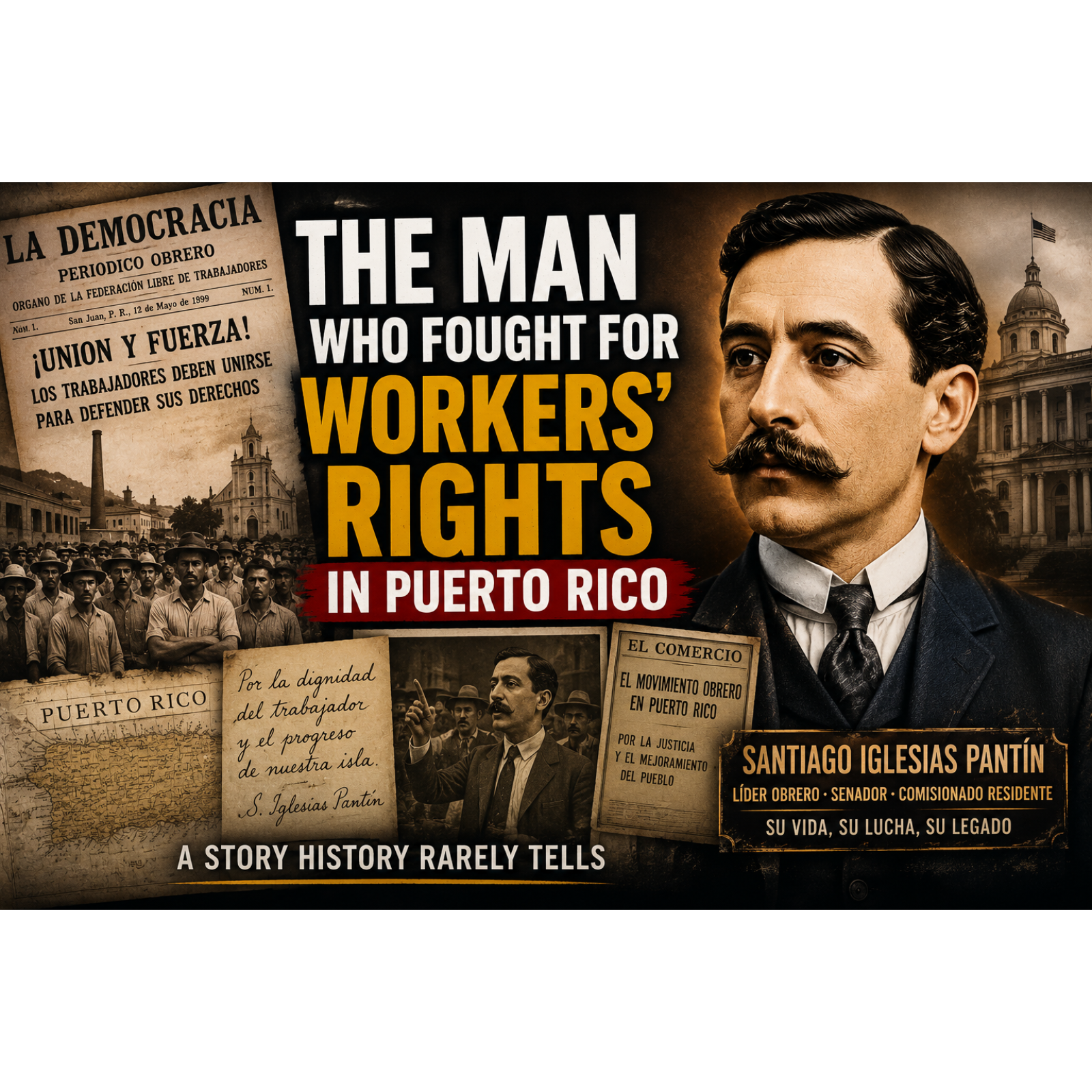
The Forgotten Spaniard Who Fought for Puerto Rico's Workers
Who was Santiago Iglesias Pantín, and why have so few Puerto Ricans heard his story?
Born in Spain, Santiago Iglesias Pantín arrived in Puerto Rico before the events of 1898 and dedicated the rest of his life to improving the lives of Puerto Rican workers. He organized laborers, helped establish the Free Federation of Workers, served in the Senate of Puerto Rico, and later represented the island in Washington as Resident Commissioner. His remarkable journey challenges us to look beyond simplistic narratives and reminds us th...
Are We Asking the Wrong Question? More Than 35 Opportunities... Why Is Puerto Rico Still a Territory?
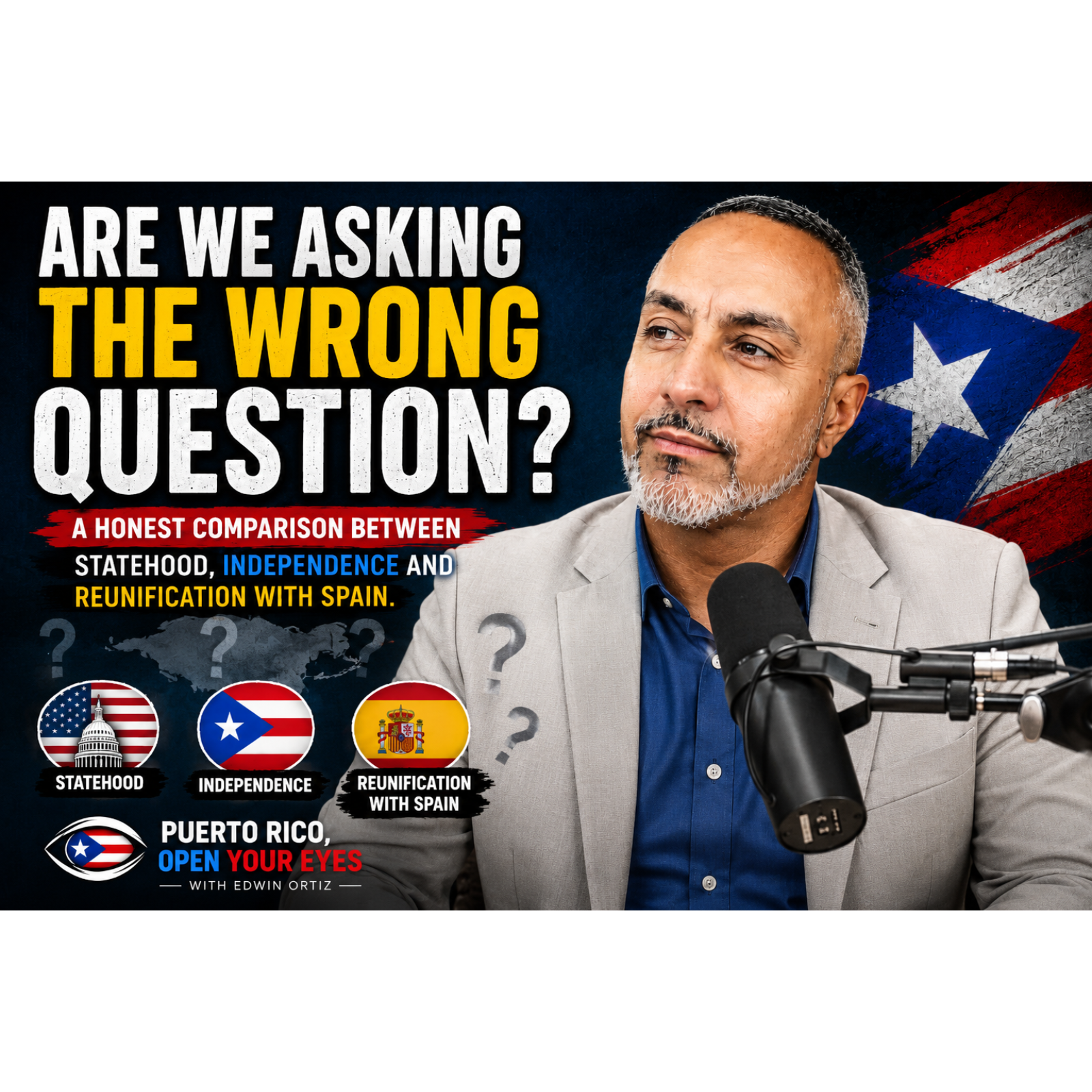
Are We Asking the Wrong Question? More Than 35 Opportunities... Why Is Puerto Rico Still a Territory?
For more than 128 years, Puerto Rico has remained an unincorporated territory of the United States. But have you ever stopped to ask yourself why?
If Congress has had more than 35 periods of unified government times when one political party controlled the White House, the House of Representatives, and the Senate why has Puerto Rico never been incorporated or admitted as a state?
In this episode of Puerto Rico, Open Your Eyes, we examine the historical record, compare...
Are We Asking the Wrong Question About Puerto Rico?
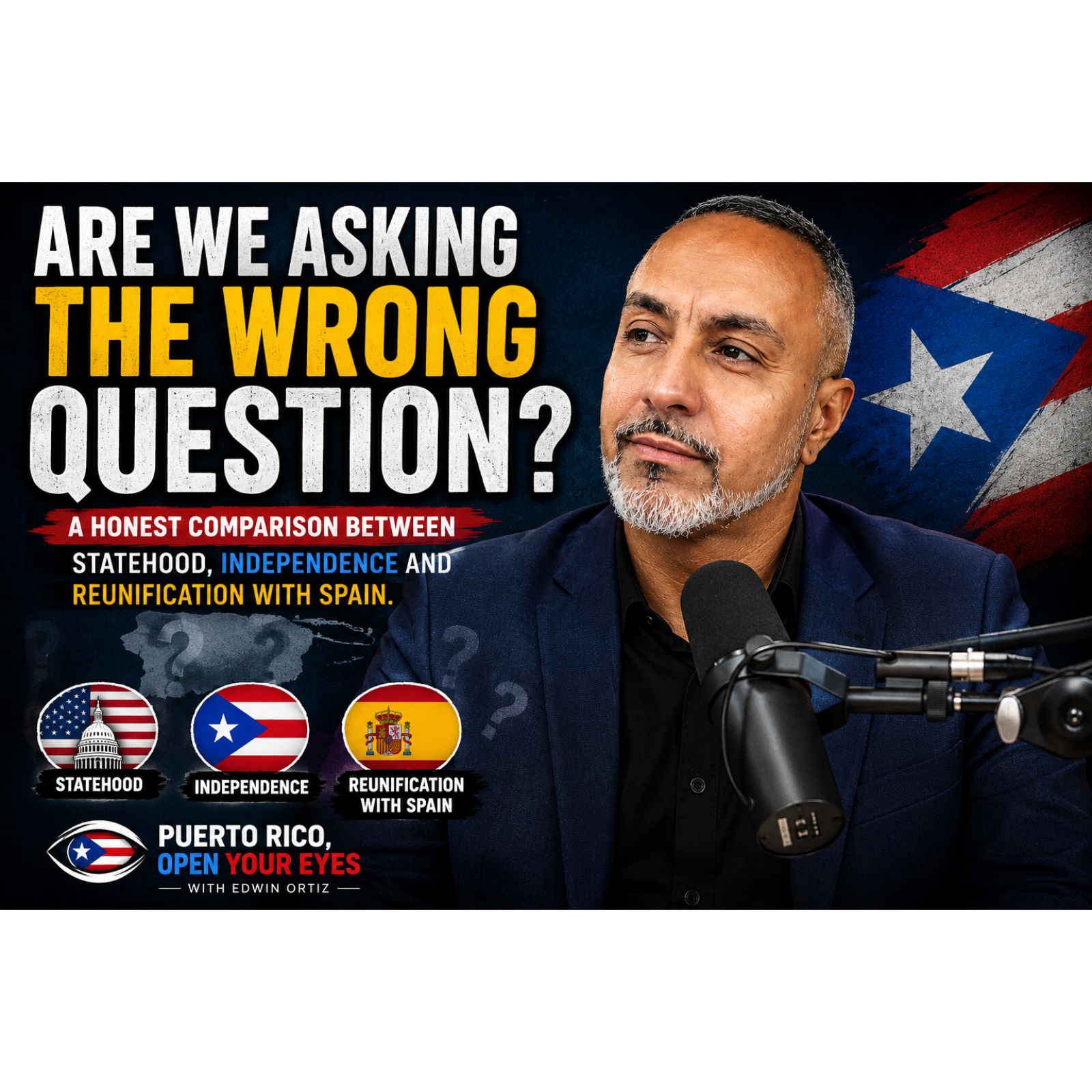
Are we asking the wrong question about Puerto Rico's future?
For decades, the debate over Puerto Rico's political status has centered on statehood, independence, and the current territorial status. But what if we've been approaching the conversation from the wrong perspective?
In this episode of Puerto Rico, Open Your Eyes, we explore a different way of evaluating Puerto Rico's future—not by asking which option comes with guarantees, but by asking a more important question:
Which path offers the strongest foundation for Puerto Rico's future?
Join us as we examine statehood, in...
Puerto Rico: Independence in the Last Seven Status Plebiscites
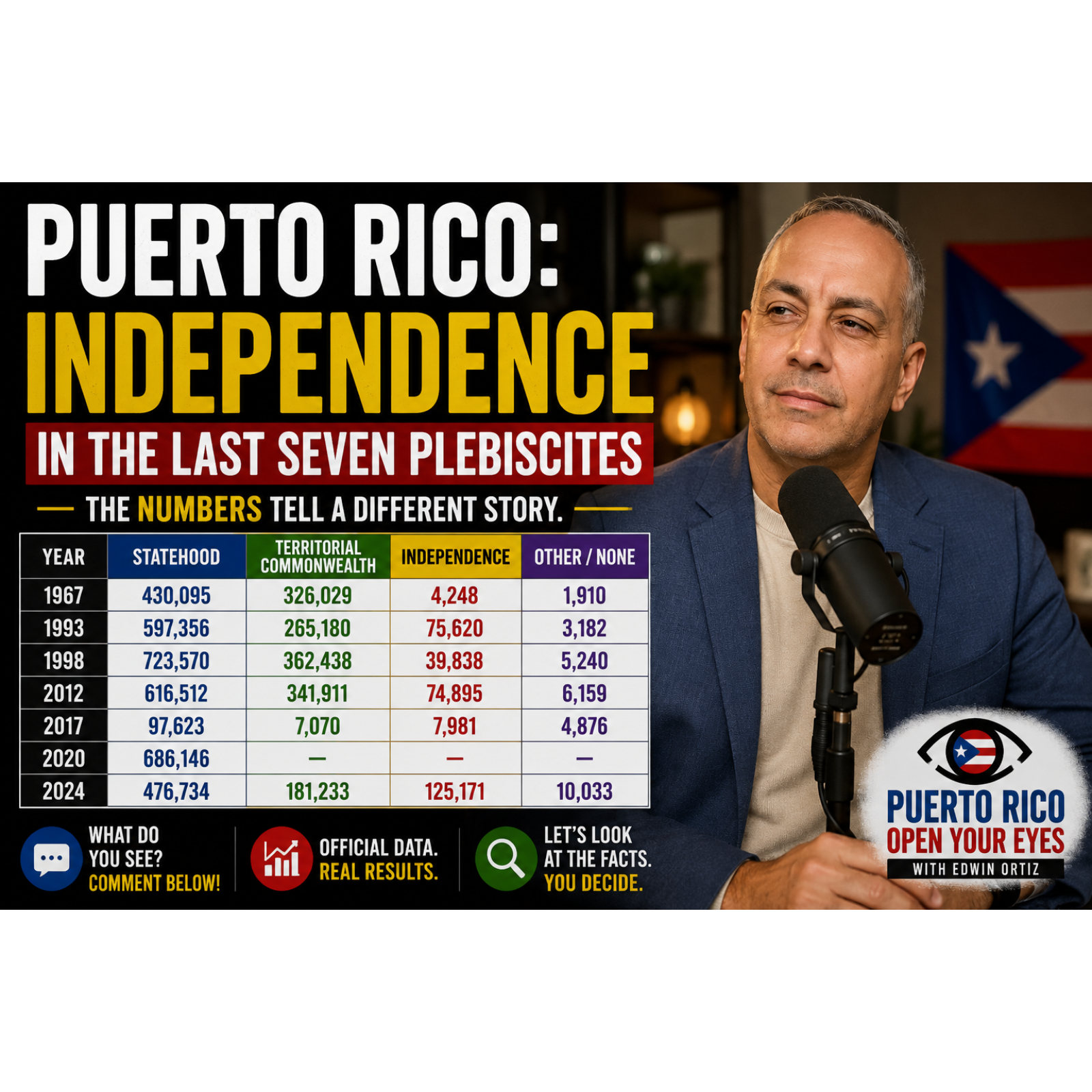
Puerto Rico: Independence in the Last Seven Status Plebiscites
Has the growing visibility of Puerto Rico's independence movement translated into broader electoral support?
In this episode of Puerto Rico, Open Your Eyes, we examine the official results of Puerto Rico's last seven status plebiscites. Rather than telling you what to think, our goal is to present the data, encourage critical thinking, and invite you to draw your own conclusions.
This is the first episode in a new series examining each of Puerto Rico's principal status options using the same methodology and the same...
Puerto Rico: La Independencia en los Últimos Siete Plebiscitos
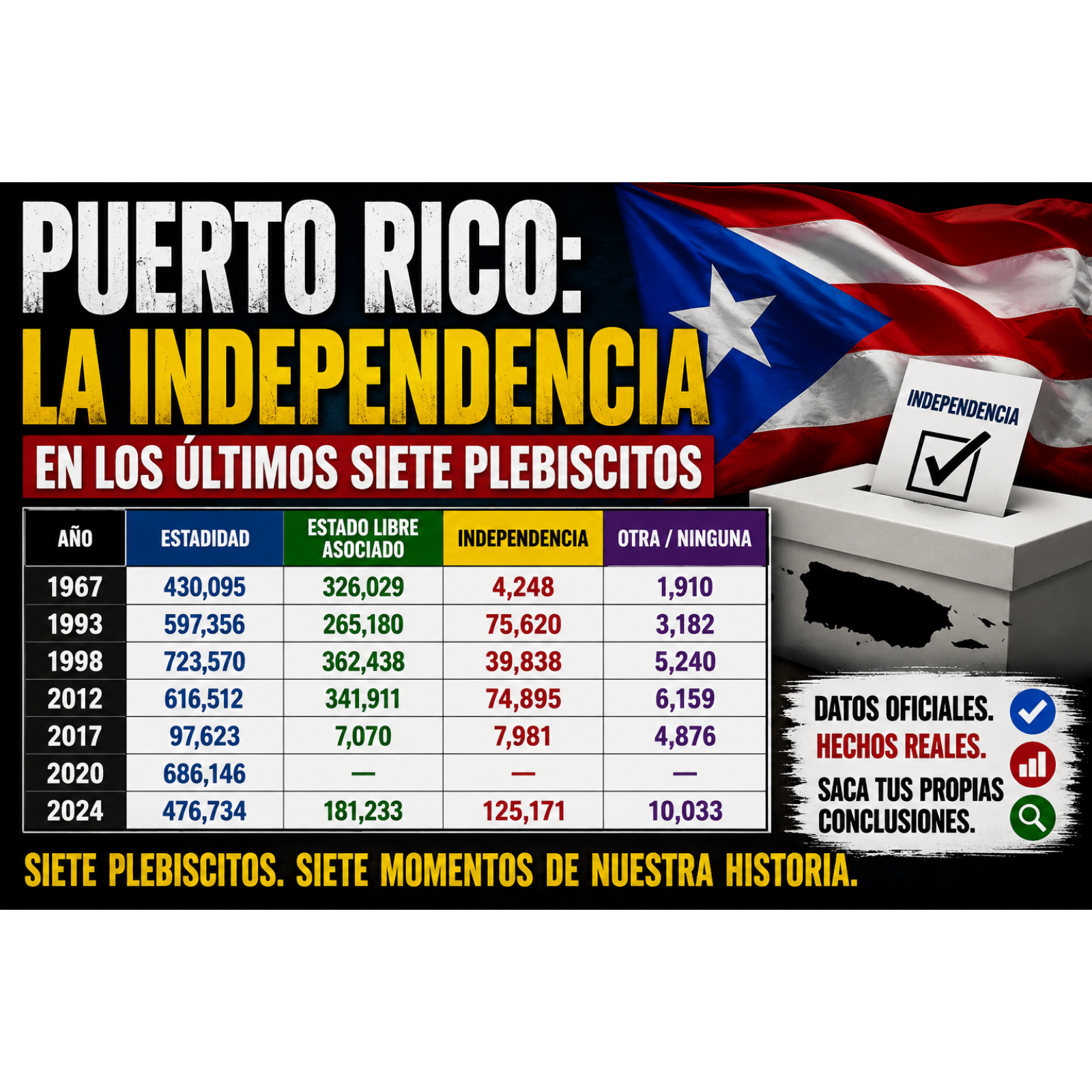
Puerto Rico: La Independencia en los Últimos Siete Plebiscitos
Qué revelan realmente los resultados oficiales de los últimos siete plebiscitos de estatus sobre la opción de independencia?
En este video no buscamos decirle a nadie qué debe pensar. Nuestro objetivo es presentar los datos oficiales y fomentar el pensamiento crítico para que cada persona llegue a sus propias conclusiones.
📊 Observe la tabla.
¿Qué patrón encuentra?
¿Qué fue lo primero que llamó su atención?
Déjenos su opinión en los comentarios. Nos interesa conocer su análisi...
Puerto Rico: ¿Qué opción ofrece el mejor futuro?
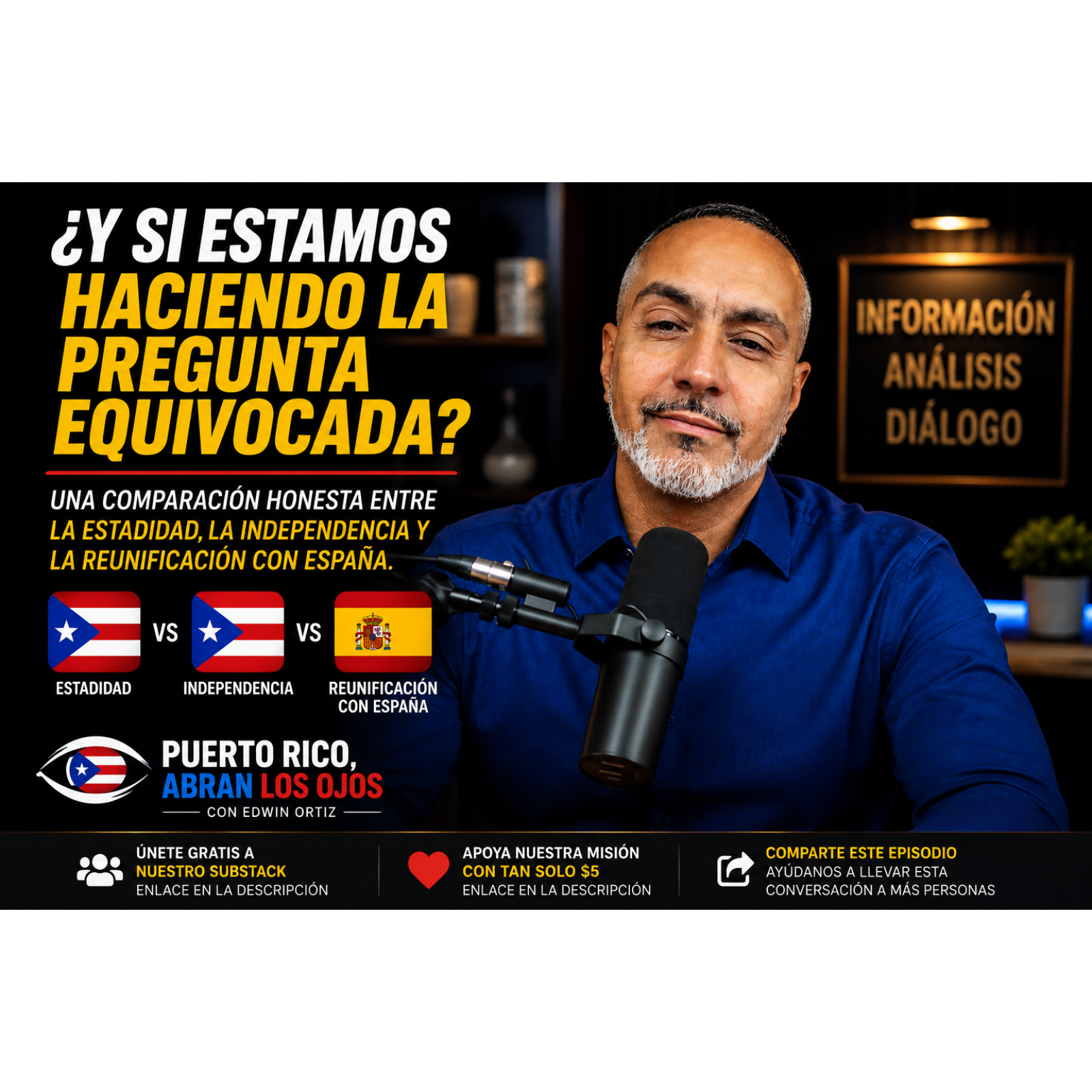
Cómo debe Puerto Rico evaluar su futuro político?
Debe basar esa decisión en emociones, en la historia o en una comparación seria de las oportunidades y los riesgos que presenta cada alternativa de estatus?
En este episodio de Puerto Rico, Abran los Ojos, analizamos una manera diferente de abordar este debate. En lugar de preguntarnos cuál opción viene con garantías, hacemos una pregunta mucho más importante:
¿Cuál de las alternativas ofrece el camino más fuerte para el futuro de Puerto Rico?
Acompáñenos...
Puerto Rico y la Revolución Americana: La historia que nunca nos enseñaron
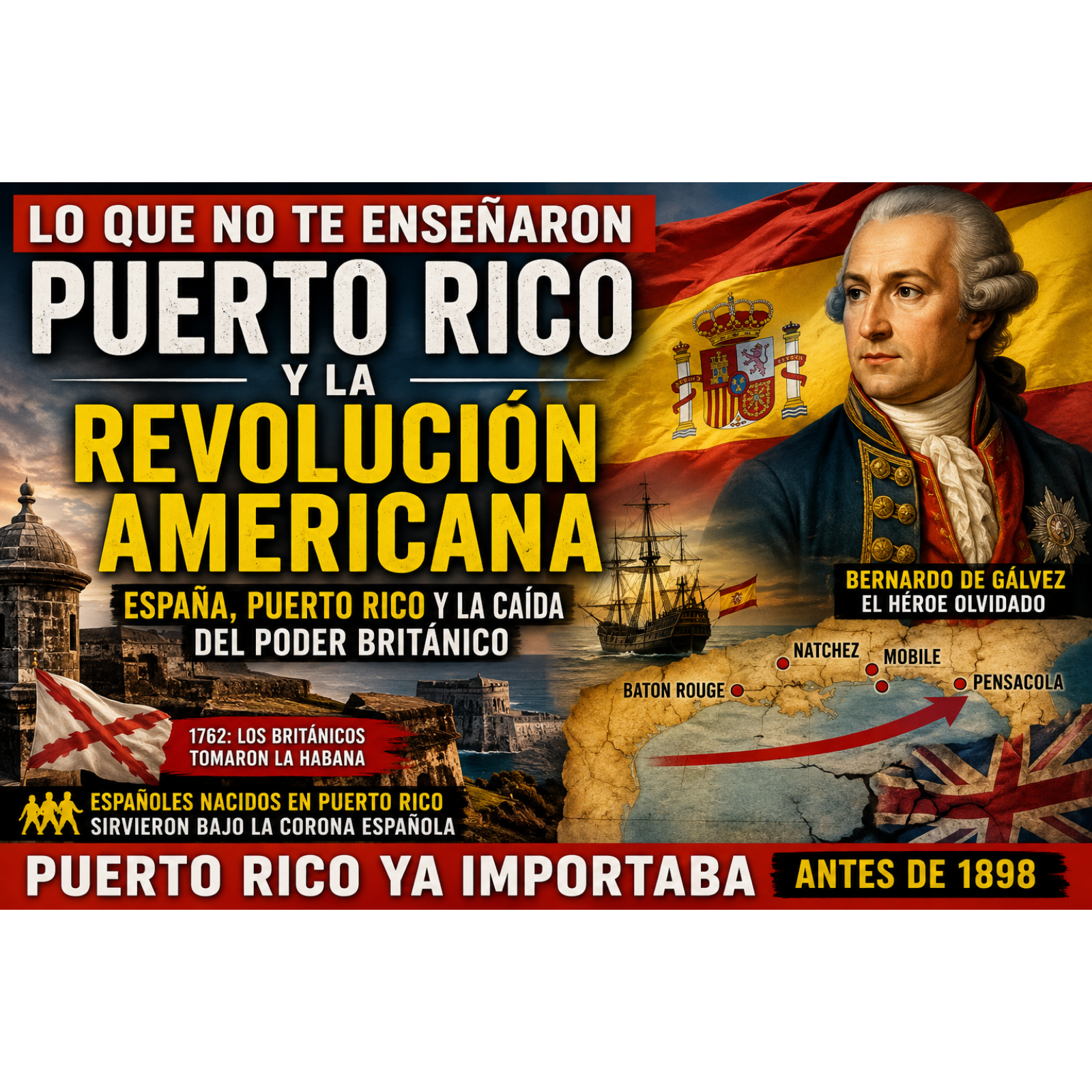
Mientras Estados Unidos se prepara para celebrar el aniversario número 250 de su independencia, es importante recordar que la historia de la Revolución Americana no se limita solamente a las trece colonias, George Washington, la Declaración de Independencia y Yorktown.
La Revolución Americana se convirtió en una guerra global. Francia participó. España participó. Gran Bretaña tuvo que pelear en múltiples frentes, desde Norteamérica hasta el Caribe y el Golfo de México.
En este episodio de Puerto Rico, Ábrenos los Ojos, exploramos una parte poco conocida de nuestra historia: la...
La Independencia es Más que una Bandera... Es un Presupuesto
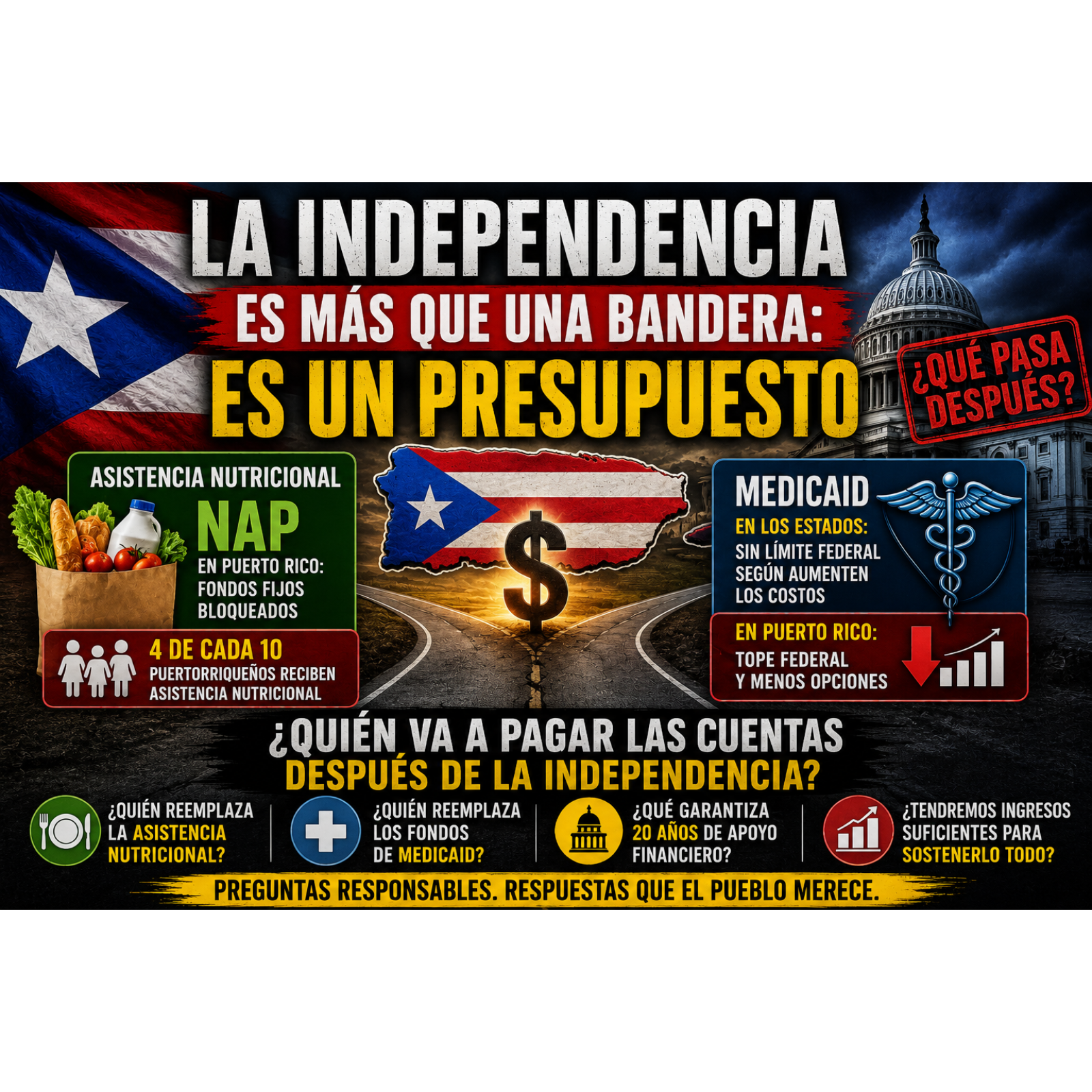
¿Puede Puerto Rico reemplazar realmente los fondos federales que recibe hoy bajo la independencia?
En este episodio de Puerto Rico Abran los Ojos, analizamos dos de los programas federales más importantes para Puerto Rico: el Programa de Asistencia Nutricional (NAP) y Medicaid. Explicamos cómo funcionan actualmente en Puerto Rico, cómo difieren de los programas equivalentes en los cincuenta estados y por qué esas diferencias son fundamentales al discutir el futuro político de la isla.
También examinamos la reciente propuesta de una transición económica de 20 años asociada con sectores d...
The Independence Question No One Wants to Answer
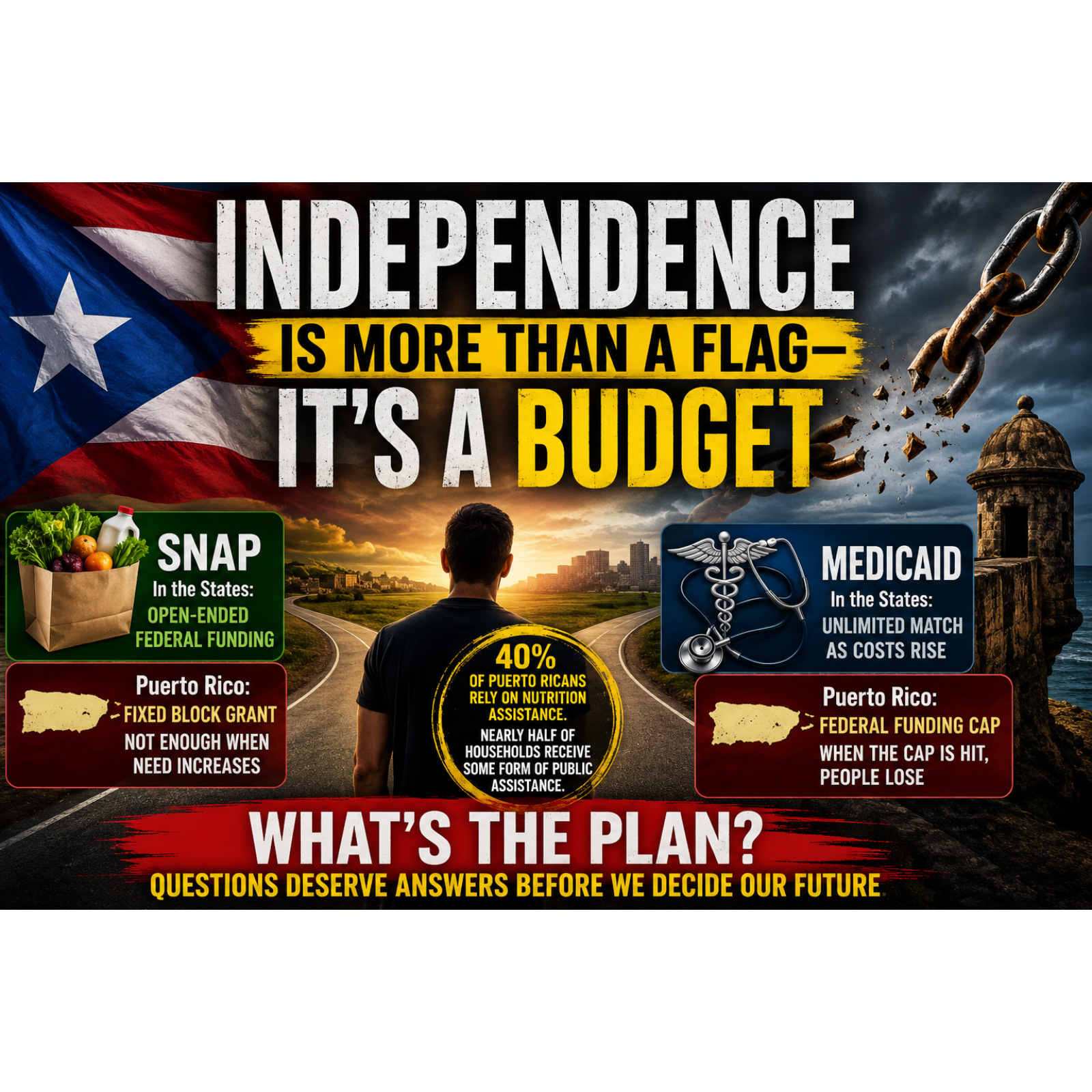
Can Puerto Rico realistically replace the federal funding it receives today under independence?
In this episode of Puerto Rico Open Your Eyes, we examine two of the most important federal programs affecting Puerto Rico—nutrition assistance (NAP) and Medicaid—and explain how they differ from the way those same programs operate in the fifty states.
We also discuss the recently proposed 20-year economic transition associated with Puerto Rico's independence movement and ask a series of practical questions about funding, long-term sustainability, and what contingency plans would exist if federal support changed over time.
This...
UN MENSAJE PARA REFLEXIONAR
En este episodio de Puerto Rico Abre los Ojos, hacemos una pausa para alejarnos de la política, del estatus y de las diferencias que con tanta frecuencia nos dividen, para compartir una reflexión sobre nuestra humanidad.
Este mensaje nace inspirado en un video compartido por la creadora de contenido Sophie (@sophie_poppins_sings). Sus palabras sirvieron de inspiración para desarrollar una adaptación dirigida a nuestra comunidad puertorriqueña, con el único propósito de invitar a la reflexión, fomentar el respeto mutuo y recordar que, por encima de nuestras diferencias, todos compartimos la misma...
Somos inmigrantes o descendientes? Una conversación sobre identidad, historia y memoria
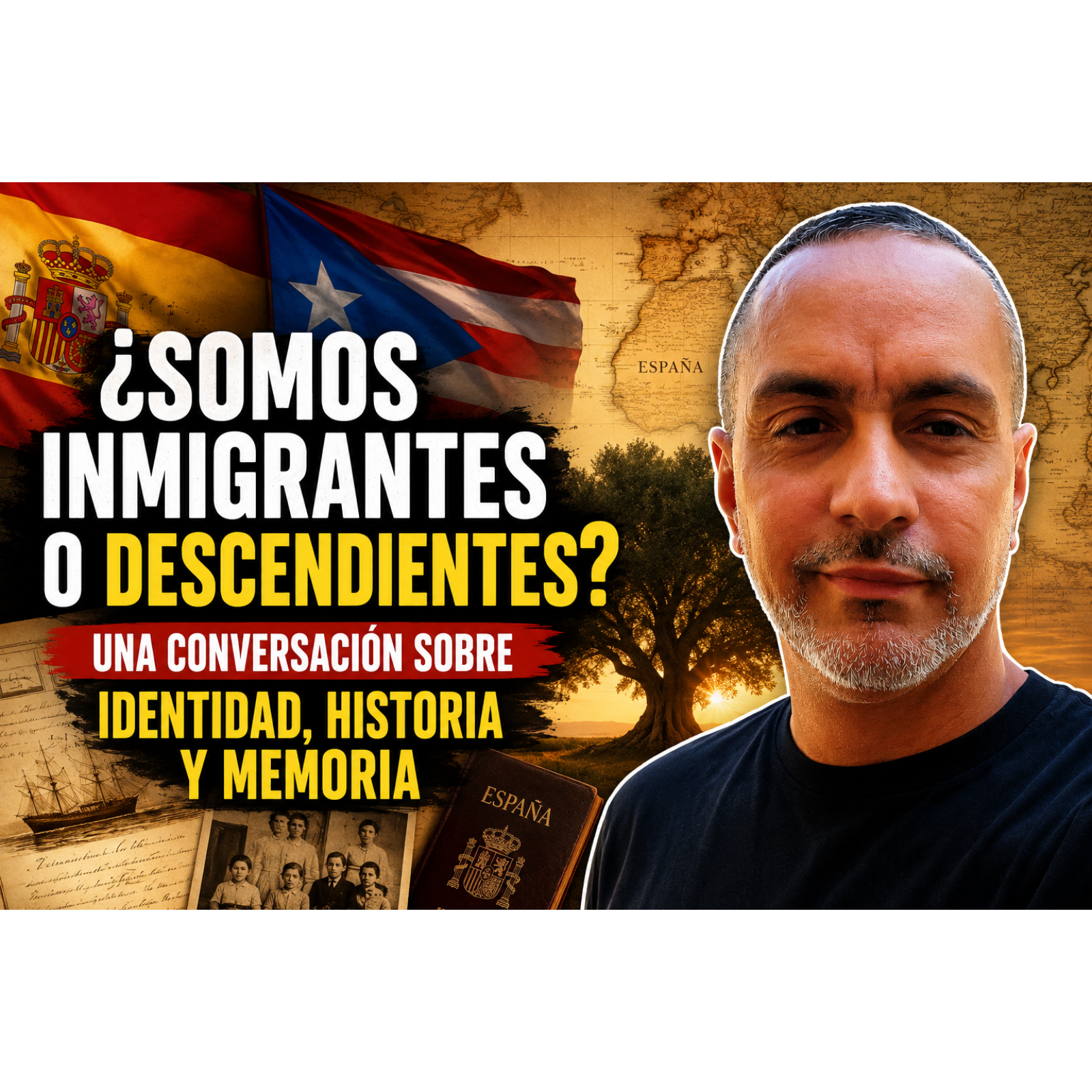
En este episodio de Puerto Rico Abre los Ojos, reflexionamos sobre la respuesta que recibió nuestra presentación ante el Comité de Descolonización de las Naciones Unidas y analizamos una pregunta que va mucho más allá de la política: ¿cómo entienden muchos puertorriqueños y cubanos su vínculo histórico con España?
A partir de un comentario en redes sociales y del testimonio de una descendiente de españoles nacida en Cuba, exploramos el papel de la genealogía, el ADN, la memoria familiar y la historia compartida entre Puerto Rico y España. Tambi...
In this episode of Puerto Rico Open Your Eyes, we examine a question that emerged following the United Nations Decolonization Committee
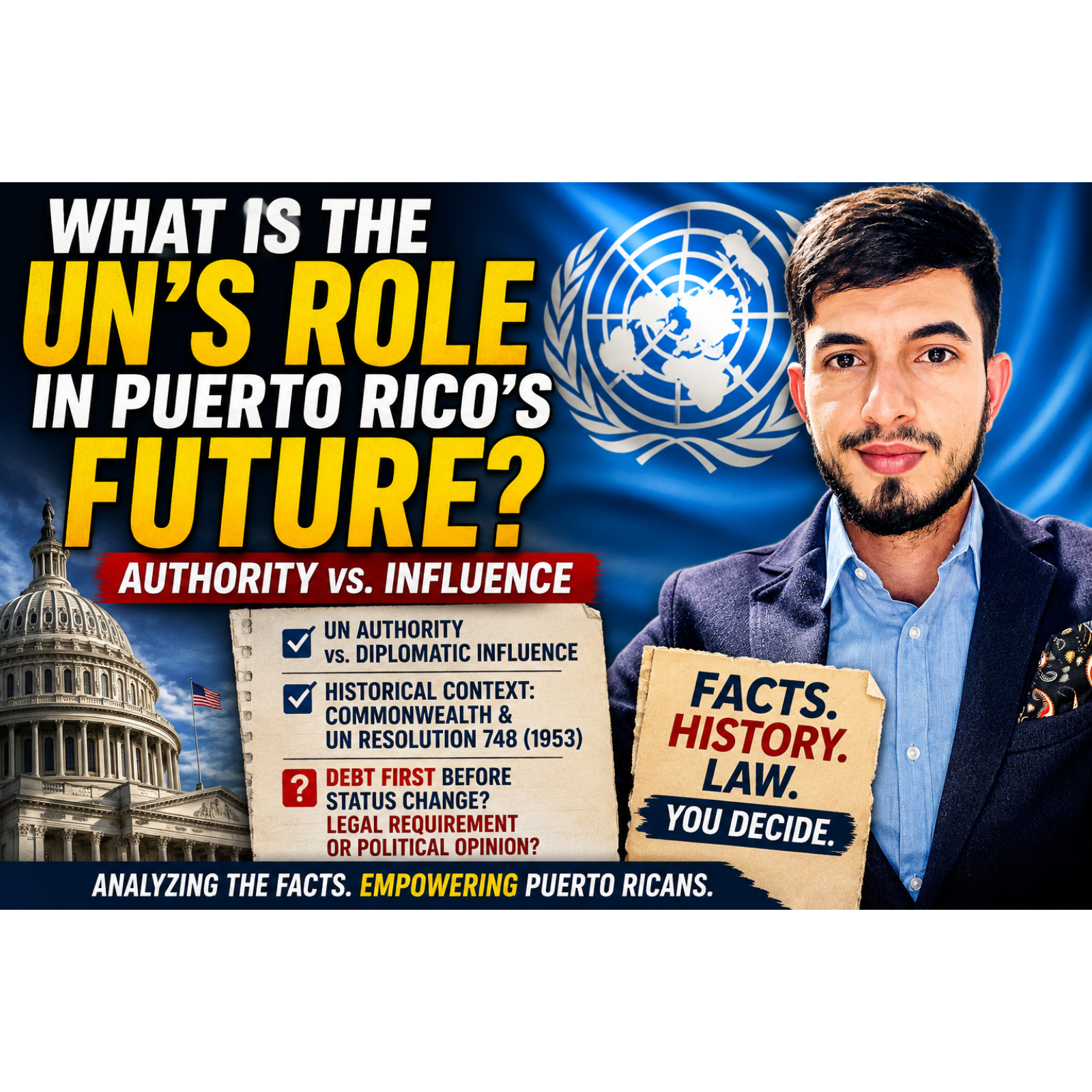
We explain the difference between the UN's legal authority and its diplomatic influence, examine the historical context surrounding the establishment of the Commonwealth of Puerto Rico and UN General Assembly Resolution 748 (1953), and address a widely repeated claim that Puerto Rico must first resolve its public debt or meet certain fiscal requirements before the U.S. Congress can consider a change in political status.
Is that a legal requirement, or simply a political opinion?
In this program, we examine the historical and legal facts so that every citizen can draw their own conclusions based on documented...
LA ONU PUEDE CAMBIAR EL FUTURO DE PUERTO RICO? LA VERDAD QUE NADIE TE EXPLICA
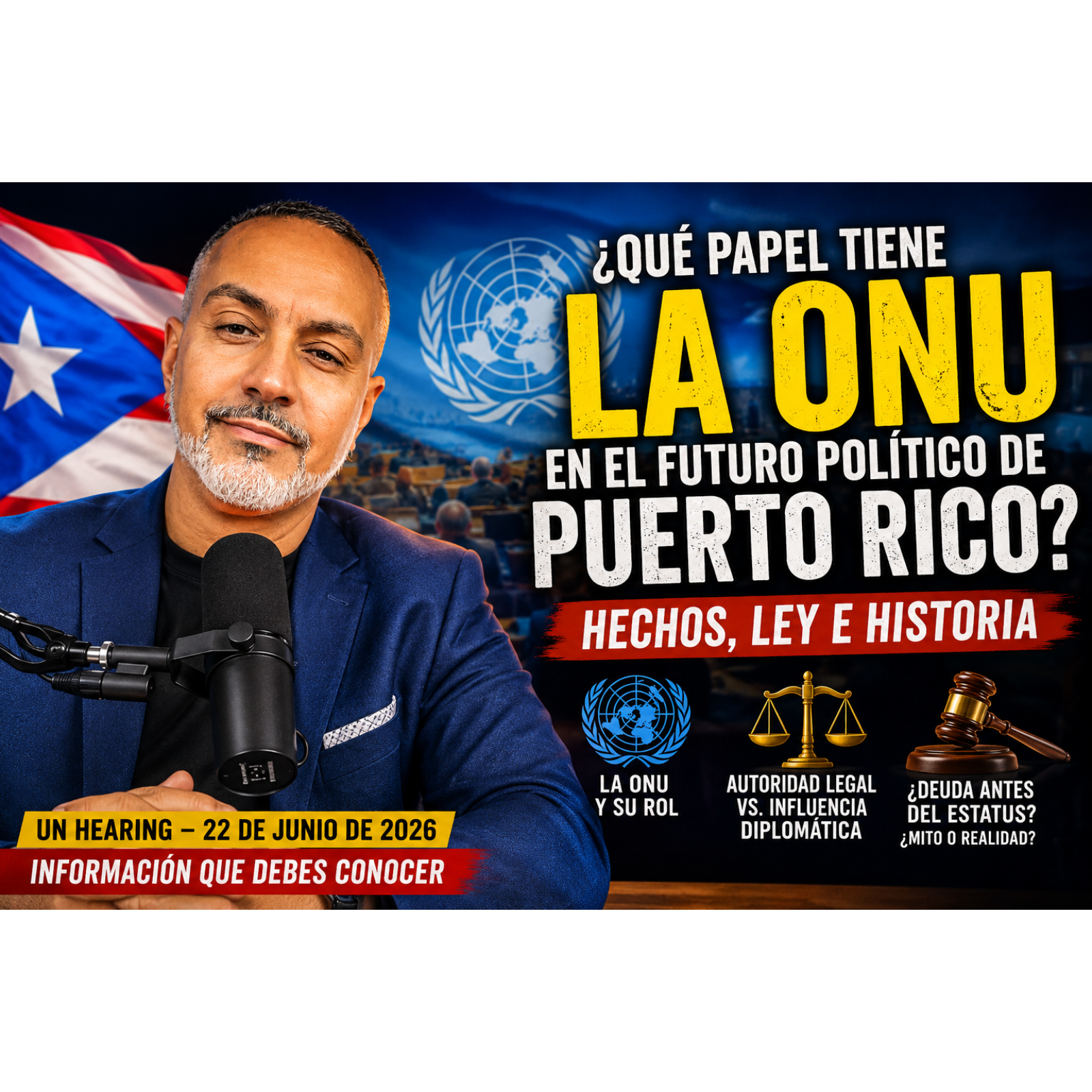
En este episodio de Puerto Rico Abre los Ojos, analizamos una pregunta que surgió tras las audiencias del Comité de Descolonización de las Naciones Unidas del 22 de junio de 2026: ¿Cuál es realmente el papel de la ONU en el futuro político de Puerto Rico?
Aclaramos la diferencia entre la autoridad legal y la influencia diplomática de las Naciones Unidas, examinamos el contexto histórico del Estado Libre Asociado y la Resolución 748 de 1953, y respondemos a una afirmación muy difundida que sostiene que Puerto Rico debe resolver primero su deuda o cumplir ciertos re...
SOCIALISMO O CAPITALISMO? ¿NOS ESTÁN DIVIDIENDO?
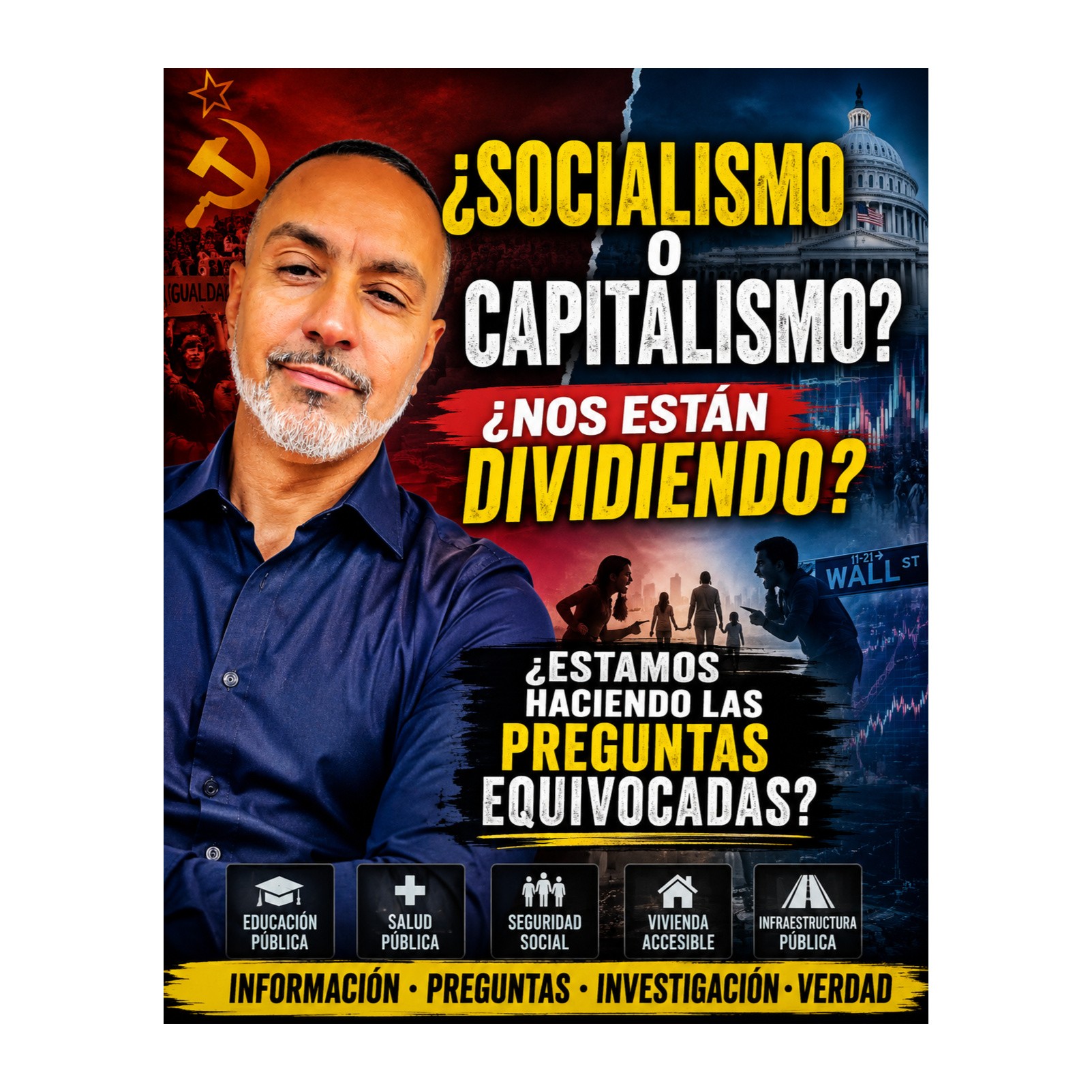
En este episodio de Puerto Rico, Abran los Ojos, realizamos un análisis profundo sobre la historia del socialismo y el comunismo, explorando sus orígenes, cómo han evolucionado a través del tiempo y cómo estos conceptos son utilizados en el discurso político actual. Más importante aún, examinamos si las etiquetas políticas se han convertido en herramientas que dividen a la sociedad en lugar de fomentar discusiones significativas.
Esta conversación no pretende decirle a nadie qué pensar. Nuestro objetivo es promover el pensamiento crítico, hacer preguntas difíciles, investigar po...
KETCHUP O NO KETCHUP? La Conversación que Revela la Realidad de Puerto Rico

Apoye Nuestros Esfuerzos Educativos y de Investigación
Si valora el trabajo que realizamos y desea apoyar nuestras iniciativas educativas, históricas y de investigación, le invitamos a considerar una contribución a través de nuestra campaña de recaudación de fondos.
Crowdfunder: https://www.crowdfunder.co.uk/p/qr/pnA83m2W?utm_campaign=sharemodal&utm_medium=referral&utm_source=shortlink
Manténgase Conectado — Únase Gratis a Nuestro Substack
Únase gratuitamente a nuestro Substack Puerto Rico Open Your Eyes para mantenerse informado, recibir contenido exclusivo y continuar conectado co...
Por Qué De Repente Se Está Hablando de la Reunificación con España?
En este episodio de Puerto Rico, Abran los Ojos, exploramos una pregunta que cada vez más puertorriqueños se están haciendo: ¿por qué la conversación sobre la autonomía o reunificación con España ha cobrado nueva fuerza en el siglo XXI? Analizamos la realidad constitucional actual de Puerto Rico como territorio no incorporado de los Estados Unidos, el creciente debate público tras nuestra presentación ante las Naciones Unidas y la importancia de que el pueblo puertorriqueño tenga acceso a todas las opciones políticas viables en un referéndum vinculante aut...
Why has the discussion about Puerto Rico’s reunification or autonomy with Spain suddenly gained so much attention?
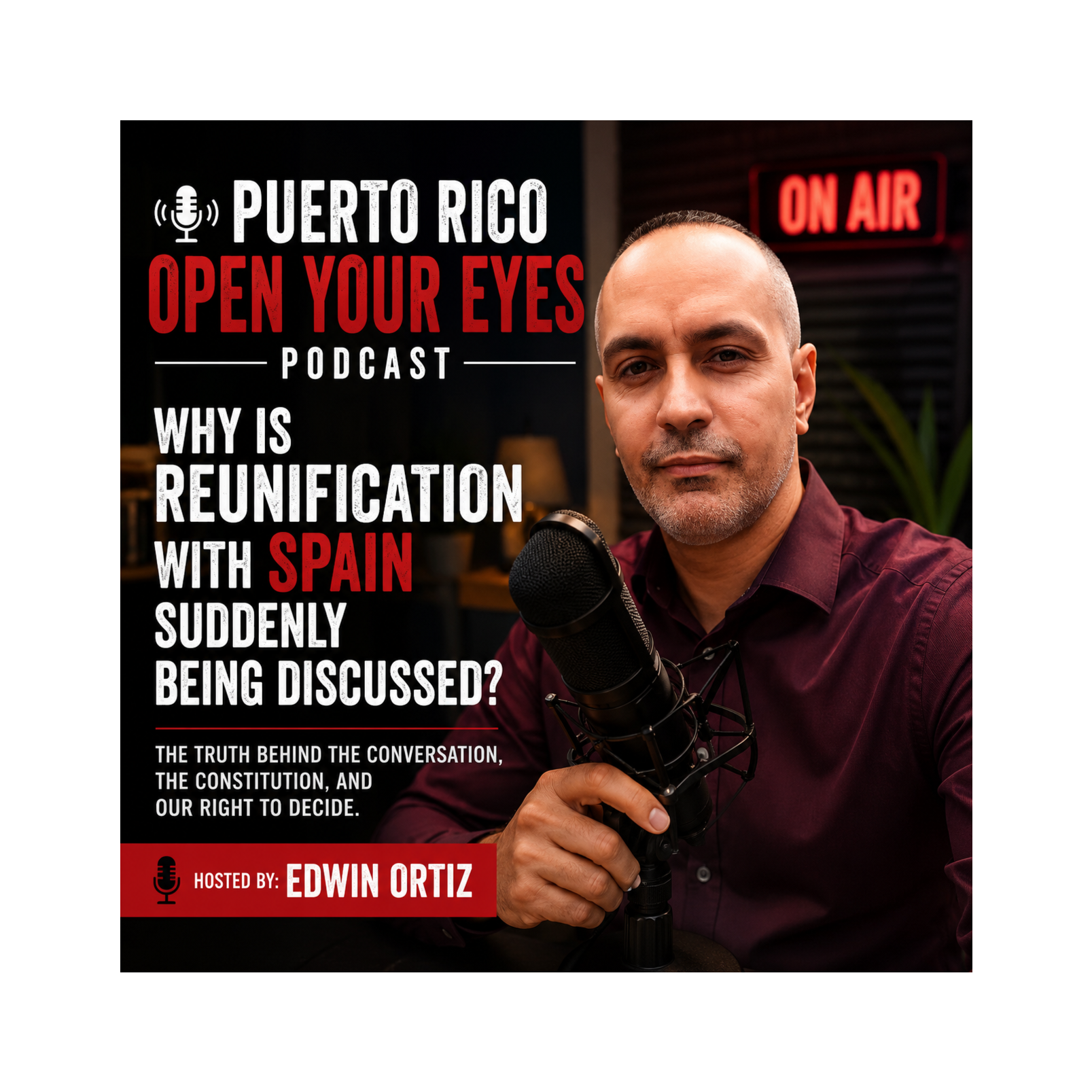
Why has the discussion about Puerto Rico's reunification or autonomy with Spain suddenly gained so much attention? The answer lies in Puerto Rico's current political status as an unincorporated territory of the United States. In this episode, we examine the constitutional realities, the growing public debate following our presentation before the United Nations, and why we believe all viable options should be available to the Puerto Rican people in a binding referendum authorized by Congress.
This conversation is not about imposing a political solution. It is about defending the democratic right of Puerto Ricans to study, debate...
Puerto Rico Open Your Eyes - Join the movement
Hello everyone,
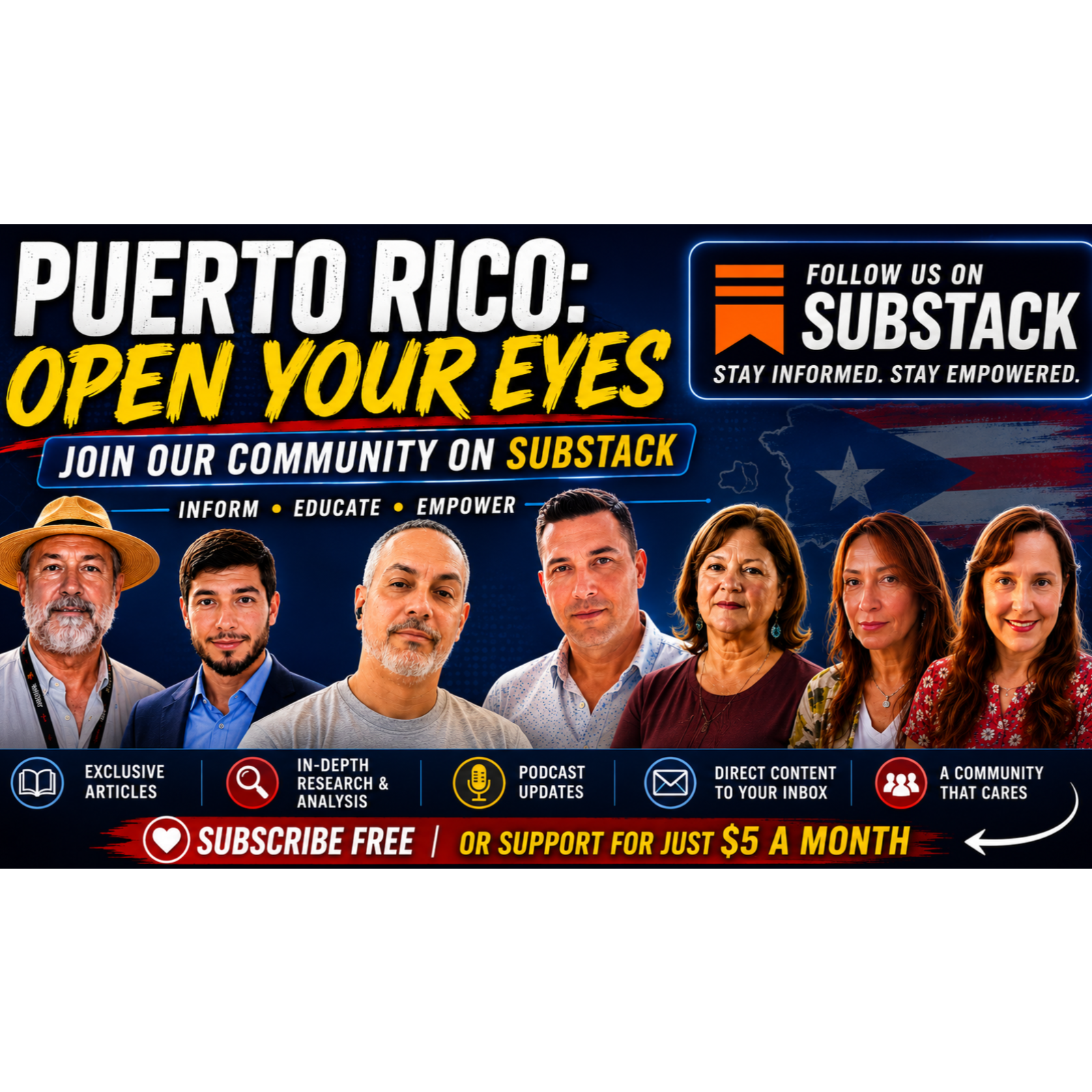
Puerto Rico: Open Your Eyes was created with a simple purpose: to inform, educate, and encourage meaningful conversations about Puerto Rico’s history, present realities, and future possibilities.
Every week, we share videos, articles, research, and commentary designed to explore topics that are often overlooked or rarely discussed. Our goal is not to tell people what to think, but to encourage people to ask questions, seek information, and stay engaged.
As many of you know, social media platforms can change overnight. Algorithms decide what content reaches people, and important information can ea...