Fun Facts Daily

Start your day smarter with Fun Facts Daily. Every episode explores a different topic giving you a quick and easy way to enjoy learning something new every weekday! Fun Facts Daily cuts through the noise of the world to deliver positive, uplifting, and fascinating trivia about art, biographies, geography, history, pop culture, science and anything else that might pique your curiosity. Get your daily dose of knowledge with a word of the day, five fun facts to blow your mind as well as practical tips and tricks that you can actually use. Every episode is safe for work (SFW) and...
Fun Facts About Timothy Dexter

Timothy Dexter was an eccentric 18th-century American merchant from Massachusetts who achieved legendary wealth through a sequence of seemingly foolish, highly improbable commercial ventures. Dexter first built a fortune in the wake of the Revolutionary War by purchasing massive amounts of depreciated Continental currency for pennies on the dollar, which yielded vast returns when Alexander Hamilton’s Funding Act of 1790 allowed debt to be funded with new federal bonds. Dexter expanded his wealth when competitors repeatedly tried to ruin him with bad advice: he shipped stray cats to the Caribbean just as local warehouses suffered severe rodent infestations, exported co...
Fun Facts About Washing Machines

The evolution of the washing machine represents a major milestone in domestic engineering and textile science. Laundry cleaning relies on surfactants, chemical agents that reduce water’s surface tension and use dual-ended molecular structures to bind water molecules to dirt, body grease, and oils. Historically, laundering demanded intense physical labor, from manual river scrubbing to hand-cranked wooden wash drums, before the 1908 introduction of the electric Thor washer. Today, front-loading washing machines utilize rotational speed, centripetal force, and inertia during high-speed spin cycles of up to 1,600 RPM to mechanically separate water through drum perforations, significantly cutting the energy required for he...
Fun Facts About Your Sense of Vision

The human visual system is a remarkably complex network that converts incoming light waves into clear, spatial mental representations, dedicating nearly a third of the brain’s cerebral cortex to processing vision. When light passes through the cornea and lens, it projects an inverted image onto the retina, which the brain's visual cortex systematically deciphers alongside sensory cues from the inner ear and touch. This intricate machinery includes rapid, coordinated eye jumps called saccades, during which the brain temporarily suspends visual processing to prevent motion blur. The ocular system also actively conceals the retina's natural physiological blind spot through bi...
Fun Facts About Skunks

Skunks (Mephitidae) are small mammals celebrated for their distinctive black-and-white coats, a classic evolutionary defense mechanism known as aposematism that visually warns predators of their potent chemical spray. Classified as their own distinct biological family through genetic sequencing rather than belonging to the weasel family (Mustelidae), these nocturnal omnivores provide essential pest control by feeding on lawn grubs, crop pests, and stinging insects. Their unique physiological resilience also makes them notable predators, possessing natural immunity to the hemotoxic venom of pit vipers like copperheads and rattlesnakes.
A skunk's signature defense relies on volatile sulfur-containing compounds called thiols...
Fun Facts About Ha Long Bay

Ha Long Bay, located in northeastern Vietnam’s Gulf of Tonkin, is a UNESCO World Heritage site renowned for its striking seascape of nearly 2,000 limestone islands and islets. Formed from thick layers of ancient marine sediment deposited during the Paleozoic era between 500 and 250 million years ago, these colossal pillars evolved through tectonic uplift and millions of years of tropical karst weathering. The resulting landscape features steep-walled towers rising hundreds of feet above emerald waters, cavernous underground networks rich in speleothems ,such as stalactites and flowstones, and enclosed marine lakes known as drowned dolines, which harbor fragile, specialized ecosystems isolated fr...
Fun Facts About DayGlo Colors

Day-Glo colors owe their existence to an accidental discovery made by brothers Bob and Joe Switzer in the 1930s while Bob was recovering from an injury in a dark basement. Unlike standard pigments, which merely reflect a fraction of the visible spectrum, fluorescent pigments absorb invisible ultraviolet light and instantly re-emit that energy as longer, visible wavelengths. By suspending these fluorescent chemicals in clear resins, the Switzers stabilized paints that can appear up to four times brighter than traditional hues, reflecting up to 300 percent of the visible colored light that strikes them.
The resulting high-visibility pigments quickly...
Fun Facts About Carrots

Carrots are nutrient-dense root vegetables rich in carotenoids, natural pigments synthesized by plants, most notably beta-carotene. Once digested, beta-carotene converts to vitamin A, supporting cellular growth, immune function, and vision health. Though modern supermarkets are dominated by sweet, bright-orange variants cultivated by Dutch growers in the 17th century, early cultivated varieties from Central Asia were predominantly purple and yellow. Today, processed options like baby carrots, invented in 1986 to drastically cut agricultural food waste, account for roughly 70% of North American retail carrot sales.
Beyond their agricultural history, carrots possess distinct biological and culinary properties. Because carotenoids are fat-soluble...
Fun Facts About the Solar System

The solar system operates on immense scales governed by extreme physical environments, orbital mechanics, and surprising planetary characteristics. At its center, the Sun contains approximately 99.86% of the solar system's total mass, exerting the gravitational dominance that keeps planets, asteroids, and comets in orbit. Surrounding the Sun are worlds with radically divergent atmospheres and compositions. Venus, despite orbiting farther out than Mercury, ranks as the hottest planet due to a runaway greenhouse effect driven by a crushing carbon dioxide atmosphere and reflective sulfuric acid clouds. Venus also exhibits a retrograde spin so slow that its rotation takes longer than its...
Fun Facts About the Sistine Chapel

The Sistine Chapel, commissioned in 1473 by Pope Sixtus IV and built to echo the biblical proportions of Solomon’s Temple, is one of the pinnacle achievements of Renaissance architecture and art. Spanning 40.9 meters long, 13.4 meters wide, and 20.7 meters high, the chapel was constructed both as a fortified papal sanctuary and as the consecrated venue for the papal conclave. Between 1508 and 1512, Michelangelo Buonarroti, who initially hesitated to take the papal commission because he thought of himself as a sculptor rather than a painter, transformed the vaulted ceiling into an enduring masterpiece. Utilizing the challenging buon fresco technique on fresh plaster, Mi...
Fun Facts About Unusual Jobs

While many careers follow traditional paths, several vital professions operate far outside conventional office environments. From certified water slide inspectors using multi-axis accelerometers and fluid dynamic monitoring to ensure rider safety, to commercial golf ball divers salvaging millions of sunken spheres to prevent environmental contamination, specialized technical skills serve essential niches. Similar dedication appears in historical and aviation institutions, such as the Tower of London Yeoman Warder Ravenmaster who maintains resident corvids, the International Ice Patrol's radar-equipped aerial crews tracking North Atlantic icebergs post-Titanic, and aircraft repossession specialists executing complex international extractions of commercial airliners.
Beyond standard...
Fun Facts About Pizza

Pizza has evolved from a traditional Mediterranean staple into one of the most commercially significant foods on the planet, with origins tracing back to ancient flatbreads and medieval Italian manuscripts. The craft of the Neapolitan pizzaiolo, recognized by UNESCO on its Intangible Cultural Heritage list, relies on technical discipline, high-heat wood-fired cooking, and hand-stretching rather than rolling pins to preserve dough aeration and structure. Despite widespread romantic legends attributing the Margherita pizza's invention to baker Raffaele Esposito honoring Queen Margherita in 1889, archival records reveal that the classic combination of tomatoes, basil, and cheese was well-documented across Naples decades earlier.<...
Fun Facts About Your Olfactory System (Sense of Smell)

The human olfactory system is an intricate sensory network capable of distinguishing an estimated one trillion distinct odor combinations through combinatorial receptor codes. Positioned high within the nasal cavity, the olfactory epithelium contains specialized sensory neurons exposed directly to the external environment. Because these cells frequently suffer damage from airborne pollutants and pathogens, they are among the rare neurons in the human body that continually regenerate from basal stem cells roughly every 30 to 60 days. Once stimulated, olfactory signals uniquely bypass the thalamus, the primary sensory relay station for vision, sound, touch, and taste, and project directly to limbic structures...
Fun Facts About Duct Tape

Duct tape originated during World War II when ordnance worker Vesta Strout designed a durable, waterproof cloth-backed adhesive tape to keep moisture out of ammunition cases. It was originally manufactured using cotton duck fabric, which inspired its early nickname "duck tape." The material was later rebranded as silver "duct tape" during the 1950s housing boom to market it for home repairs. Built from a composite structure featuring a polyethylene top coat, a woven fabric mesh scrim for tensile strength, and a rubber-based pressure-sensitive adhesive, duct tape provides an airtight, flexible seal capable of adhering firmly to diverse surfaces without...
Fun Facts About Tyrannosaurus Rex

The Tyrannosaurus rex stood as the apex predator of the Late Cretaceous period approximately 66 million years ago, equipped with evolutionary adaptations that made it an exceptionally formidable hunter. As a theropod dinosaur, the T. rex possessed massive structural strength, including a rigid skull architecture capable of exerting a bite force of up to 57,000 Newtons (12,800 pounds of force). This immense power enabled osteophagy—the crushing and digestion of dense bone—aided by approximately 60 serrated, foot-long teeth designed to withstand heavy impacts and continuously replace themselves throughout the animal's life. Despite the comical reputation of its short forelimbs, each arm featured dens...
Fun Facts About Montezuma Castle

Montezuma Castle National Monument, situated in Camp Verde, Arizona, preserves a remarkably intact five-story cliff dwelling built into a towering limestone cliff. Constructed between approximately 1100 and 1425 CE by the Sinagua people, the 20-room complex spans over 4,000 square feet and served as a multi-family residence elevated 90 feet above the Verde Valley. The architecture features thick limestone masonry, sycamore support beams, and clay plaster insulation, which protected the community from seasonal flooding along Beaver Creek while naturally regulating desert temperatures. Named a national monument by President Theodore Roosevelt in 1906 under the Antiquities Act, the site remains one of the earliest federally...
Fun Facts About the Theft of the Mona Lisa

On August 21, 1911, Leonardo da Vinci’s Mona Lisa was stolen from the Salon Carré inside the Louvre Museum in Paris. The thief, an Italian glazier and former Louvre contractor named Vincenzo Peruggia, walked out of the museum with the unframed masterpiece hidden under his workman's smock. Museum staff did not notice the portrait's disappearance until the following day, when artist Louis Béroud arrived to paint a study of the gallery and found four empty iron hooks. Driven by the mistaken belief that the painting had been looted from Italy by Napoleon Bonaparte, Peruggia concealed the poplar wood panel insi...
Fun Facts About the Japanese Spider Crab

The Japanese spider crab (Macrocheira kaempferi) is a giant deep-sea marine creature native to the cold, rocky ocean trenches surrounding Japan. Recognized for having the largest leg span of any living arthropod, fully grown adults can reach up to 12.5 feet (3.8 meters) across and weigh over 40 pounds (19–20 kg). These remarkable benthic animals can live for a century or more, a longevity enabled by stable deep-water temperatures that maintain a slow metabolic rate and reduce cellular oxidative damage over their extended lifespans.
Equipped with unique survival mechanisms, juvenile spider crabs camouflage themselves against predators by attaching sponges, kelp, and sm...
Fun Facts About the Alphabet

The modern English alphabet is the result of thousands of years of linguistic evolution, tracing its earliest roots back to ancient Egyptian hieroglyphics and Proto-Sinaitic script. Through adaptations by the Phoenicians, Greeks, Etruscans, and Romans, basic symbols developed into standardized phonetic letters. Over time, writing practices continually reshaped the alphabet, leading to innovations such as the dot over lowercase "i" and "j" known as a tittle, to improve manuscript legibility, as well as the formal addition of "j" as the 26th letter in the 16th and 17th centuries. Historical quirks also saw the ampersand briefly included as a 27th...
Fun Facts About Yogurt

Yogurt is a nutrient-dense dairy product created through the bacterial fermentation of milk by thermophilic cultures, primarily Lactobacillus delbrueckii subsp. bulgaricus and Streptococcus thermophilus. Originating accidentally around 5000 BCE among nomadic herdsmen using animal stomach pouches for storage, yogurt naturally preserved milk by converting lactose into lactic acid, dropping the pH and coagulating casein proteins into curds and whey. Straining this liquid whey yields thick Greek yogurt, which concentrates protein levels and reduces sugar content, requiring three to four times the volume of milk compared to unstrained varieties. Beyond culinary versatility as a marinade, tenderizer, and baking substitute, yogurt supports...
Fun Facts About the Blarney Stone

The Blarney Stone is a block of limestone built into the battlements of Blarney Castle in County Cork, Ireland, famous for the legend that kissing it bestows the "gift of the gab," or smooth eloquence. The term "blarney" originated in the 16th century during exchanges between Queen Elizabeth I and the Lord of Blarney, Cormac Teige McCarthy, whose endless flattering letters and evasive excuses led the Queen to dismiss his promises as meaningless flattery. First documented in Francis Grose’s 1785 Classical Dictionary of the Vulgar Tongue, the ritual of kissing the stone attracts over 400,000 visitors annually including historic figures su...
Fun Facts About Mary Anning

Mary Anning (1799–1847) was a pioneering English fossil collector and paleontologist whose discoveries along the cliffs of Lyme Regis, part of England’s Jurassic Coast, revolutionized the scientific understanding of prehistoric life and geological history. Working in an era when extinction was still widely debated, Anning unearthed the first correctly identified ichthyosaur skeleton at just twelve years old, followed by groundbreaking discoveries including the first complete plesiosaur and the first pterosaur found outside Germany (Dimorphodon). Her careful examination of fossilized stomach contents also led directly to the identification and study of coprolites (fossilized animal dung), providing crucial early insights into preh...
Fun Facts About Your Auditory System

The auditory system converts sound waves into electrical impulses for neural processing. Sound capture begins with the outer ear, where the cartilage folds of the pinna filter frequencies to provide spectral cues for sound localization, while binaural processing analyzes timing differences across both ears to isolate specific voices amidst background noise. These acoustic waves travel through the ear canal to vibrate the tympanic membrane which then transfers the force to the middle ear’s ossicles: the malleus, incus, and stapes. By concentrating sound pressure from the large surface area of the eardrum to the tiny stapes footplate, these bones am...
Fun Facts About Kiwi (Birds)
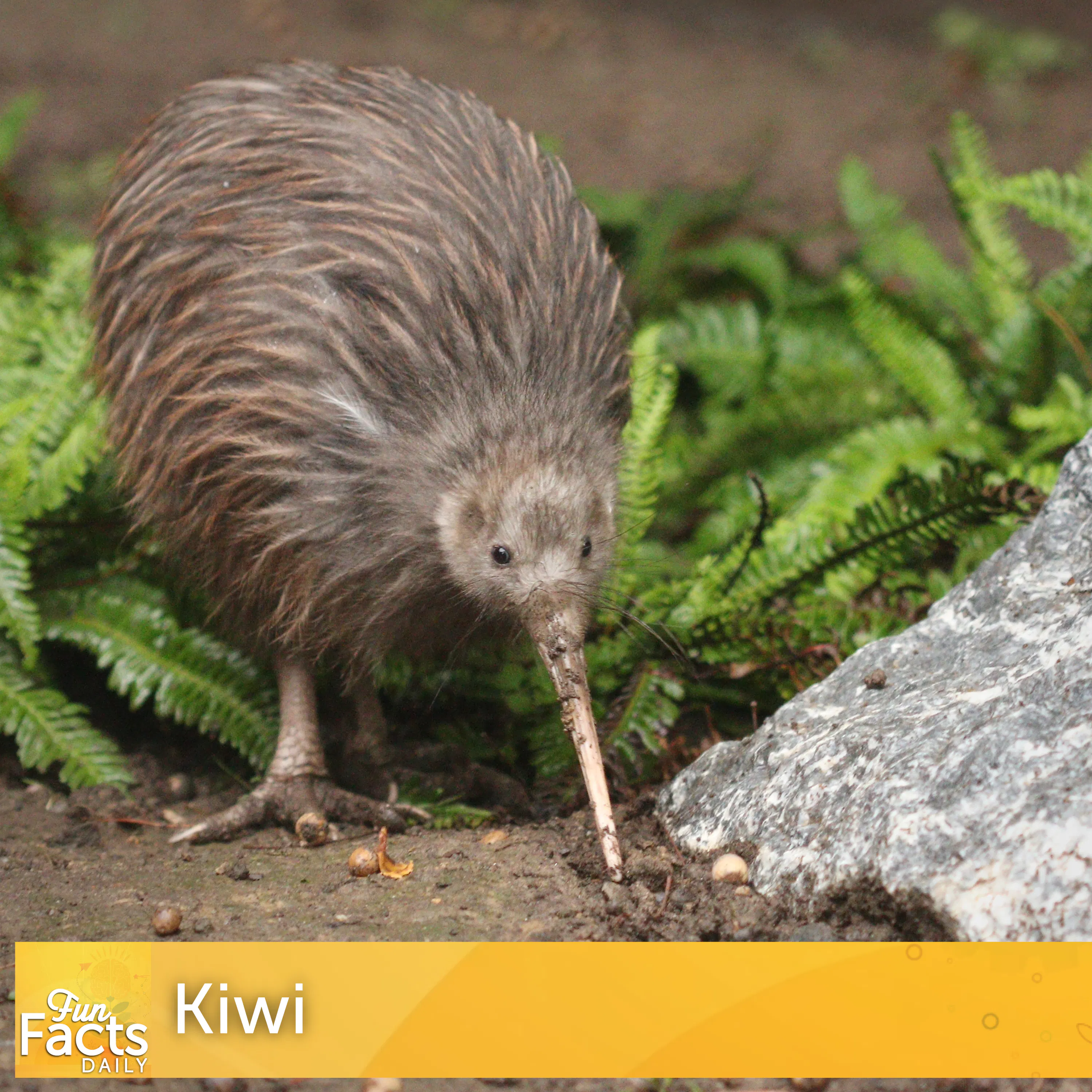
The kiwi is a unique, flightless ratite native to New Zealand, renowned for biological traits that resemble mammals more than typical birds. Lacking the sternal keel required for flight muscles, kiwis have evolved dense, marrow-filled bones, hair-like shaggy plumage, and whisker-like rictal bristles. They are the only birds with nostrils situated at the tip of their beaks, paired with highly developed olfactory bulbs and sensitive sensory pits. This specialized anatomy enables them to sniff out and detect vibrations from underground invertebrates in total darkness, making them exceptionally adapted nocturnal foragers.
Beyond their physical adaptations, kiwis exhibit distinct...
Fun Facts About Kiwifruit
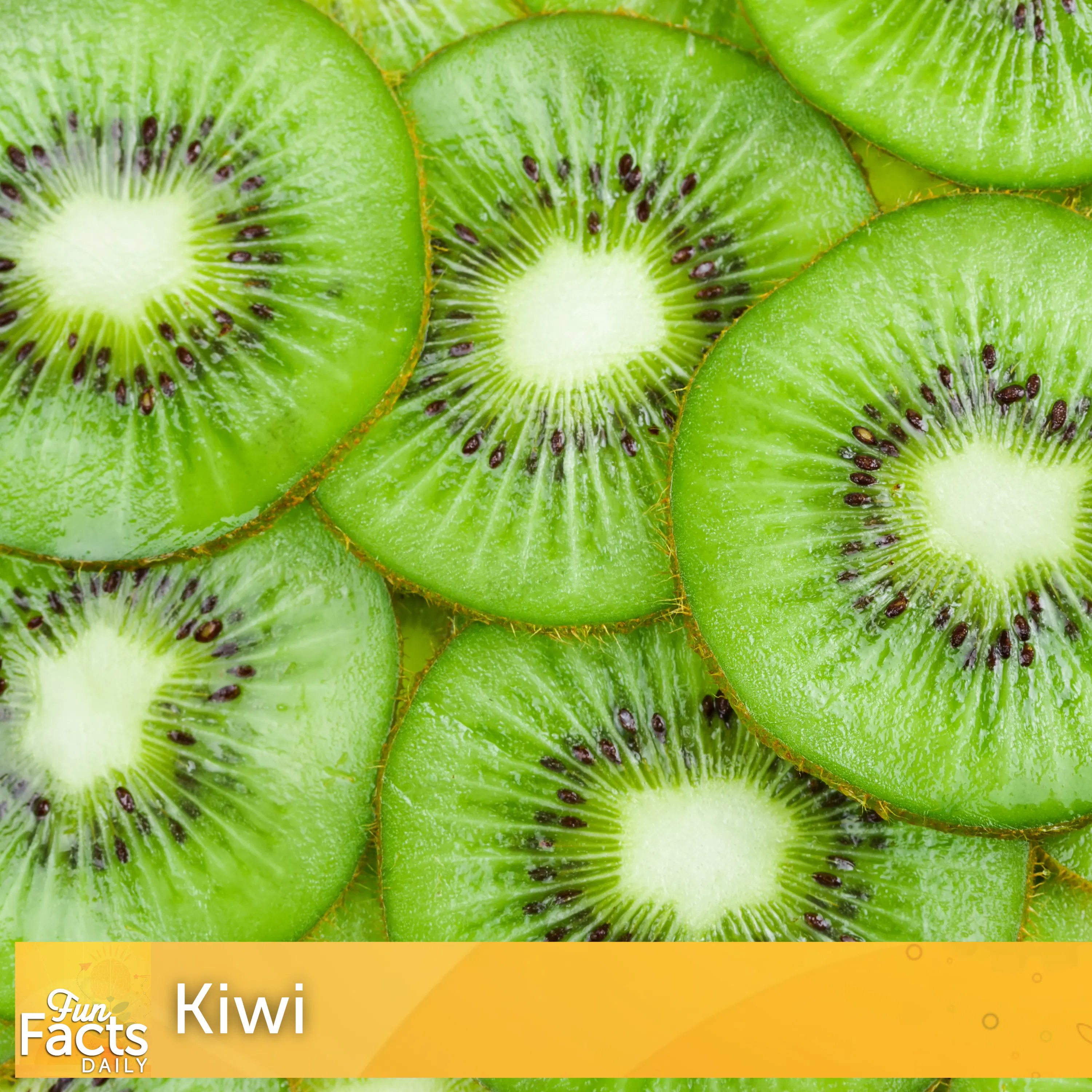
Kiwifruit is a nutrient-dense botanical berry that grows on large, woody perennial vines belonging to the genus Actinidia. Because kiwi plants are dioecious, meaning individual vines produce exclusively male or female flowers, growers must cultivate both to enable pollination. The fruit is recognized for its high nutritional value; gram for gram, kiwifruit contains more vitamin C than an orange and provides significant amounts of dietary fiber, potassium, vitamin K, and seed-concentrated vitamin E. Its low pesticide residues frequently earn it a spot on the "Clean Fifteen" produce list. Beyond the standard fuzzy green variety, cultivated kiwifruit spans golden varieties...
Fun Facts About the Magna Carta

The Magna Carta, sealed in 1215, remains one of the most significant legal documents in history, establishing the foundational principle that everyone, including the monarch, is subject to the law. Originating from a rebellion of English barons against King John, this 13th-century agreement fundamentally shifted the balance of power. The term "charter" itself refers to a formal grant of rights, a fitting name for a document that sought to curb royal overreach. Although initially annulled by Pope Innocent III merely ten weeks after its sealing, the Magna Carta was later revived, securing its enduring legacy in global legal systems.
<...Fun Facts About Chalk

Natural chalk is composed of coccoliths, microscopic limestone plates formed by single-celled marine organisms called coccolithophores. Millions of years ago, these accumulated calcium carbonate shells sank to the ocean floor, forming dense layers that eventually surfaced as prominent geological features such as the White Cliffs of Dover. This rock layer defines the Cretaceous period, derived from creta, the Latin word for chalk. Beyond its geological presence, chalk plays an important role in modern applications; agricultural liming utilizes pulverized chalk to neutralize acidic soils and optimize plant nutrient absorption, while specialty wax formulas are crafted into tailor's chalk that temporarily...
Fun Facts About Walmart
Walmart started in 1950 as a single small variety store in Arkansas and has grown into an incredibly large global retail company. Today the business generates well over $600 billion in revenue each year. To put that in perspective, if the company were its own country, it would have an economy larger than developed nations like Sweden and Belgium. The company employs over two million people worldwide to support this massive operation. Because of this enormous scale, Walmart focuses heavily on internal career growth. Both the current global chief executive officer and the head of United States operations began their careers...
Fun Facts About School Lunches

School lunch programs around the world have distinct origins, historical motivations, and cultural structures. Early school feeding initiatives began in Munich, Germany, in 1790, when Count Rumford established a soup kitchen serving a nutrient-dense mixture of peas, barley, and potatoes to impoverished children and adults. Over the following century, similar initiatives spread across Europe, supported by figures like Victor Hugo in Guernsey. In the United States, the federal school lunch model was established through the National School Lunch Act of 1946 under President Harry S. Truman. Spurred by World War II military recruit rejections caused by childhood malnutrition, the program was...
Fun Facts About Ancient Schools
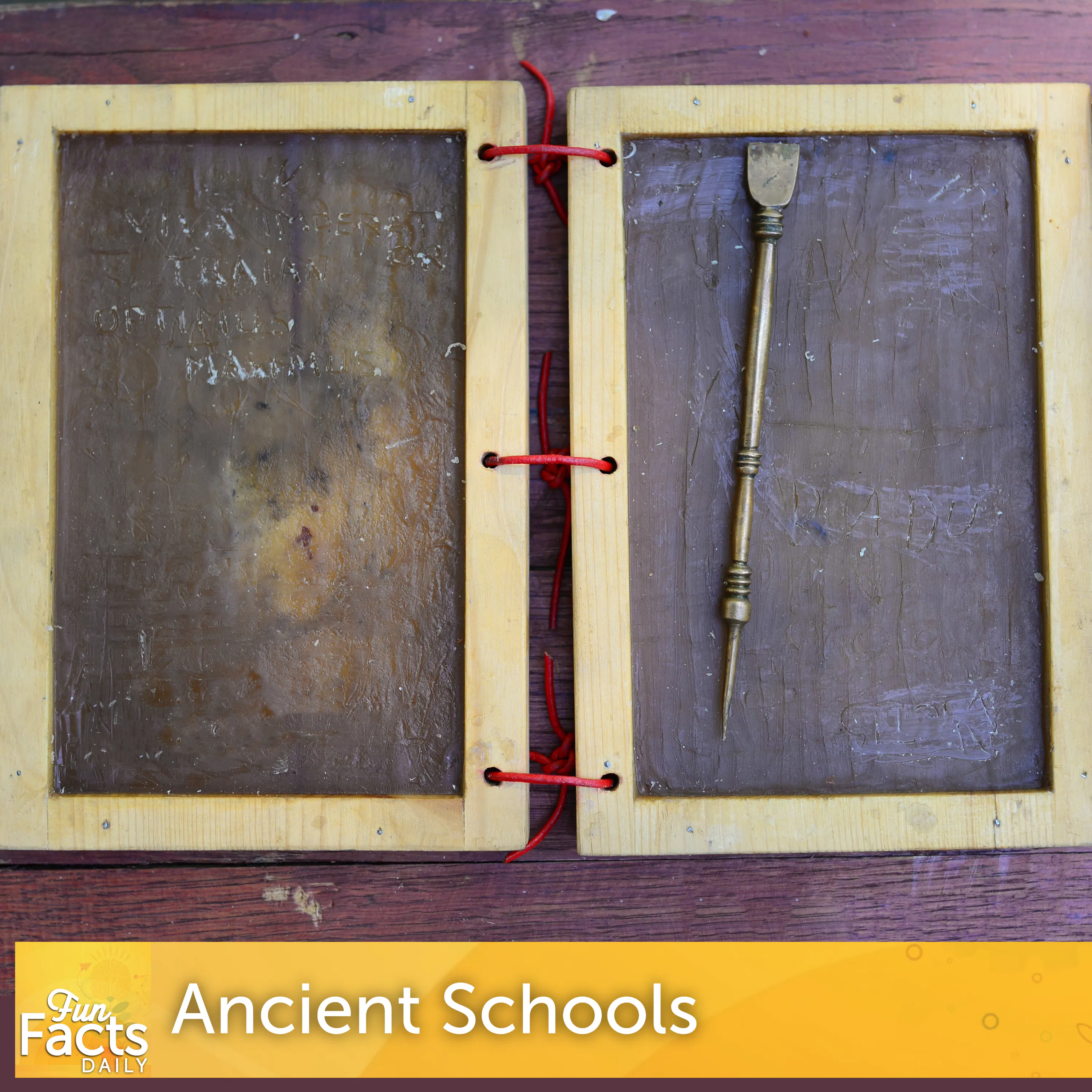
Educational systems throughout ancient history varied significantly across regions while laying early foundations for structured learning. In ancient Mesopotamia around 3000 BCE, the Sumerians established tablet houses to train scribes in cuneiform writing using reed styluses on wet clay tablets. In ancient Greece around 387 BCE, Plato founded his Academy in an olive grove outside Athens—named after the legendary hero Academos—to teach philosophy, astronomy, and mathematics. Meanwhile, ancient Sparta operated a state-mandated military education program called the Agoge, which trained young boys in survival skills and weapon tactics while providing girls with a state-sponsored education focused on physical fitness and...
Fun Facts About Erasers

Before the widespread availability of commercial rubber erasers, artists, writers, and engineers commonly used pieces of rolled, crustless white bread to lift graphite marks from paper. The discovery of rubber’s erasing capabilities in 1770 by Joseph Priestley and Edward Nairne transformed writing tools, leading to the creation of the first commercial rubber erasers. Later advancements included Charles Goodyear’s development of vulcanization in 1839, a chemical process using sulfur and intense heat to stabilize rubber so it would not melt or become brittle under temperature changes. Over time, manufacturing evolved from natural tree rubber to synthetic materials such as vinyl, whic...
Fun Facts About Cotton Candy
On the first Friday of every month, I have a Family Fun Friday with my kids co-hosting. For this episode, they chose cotton candy.
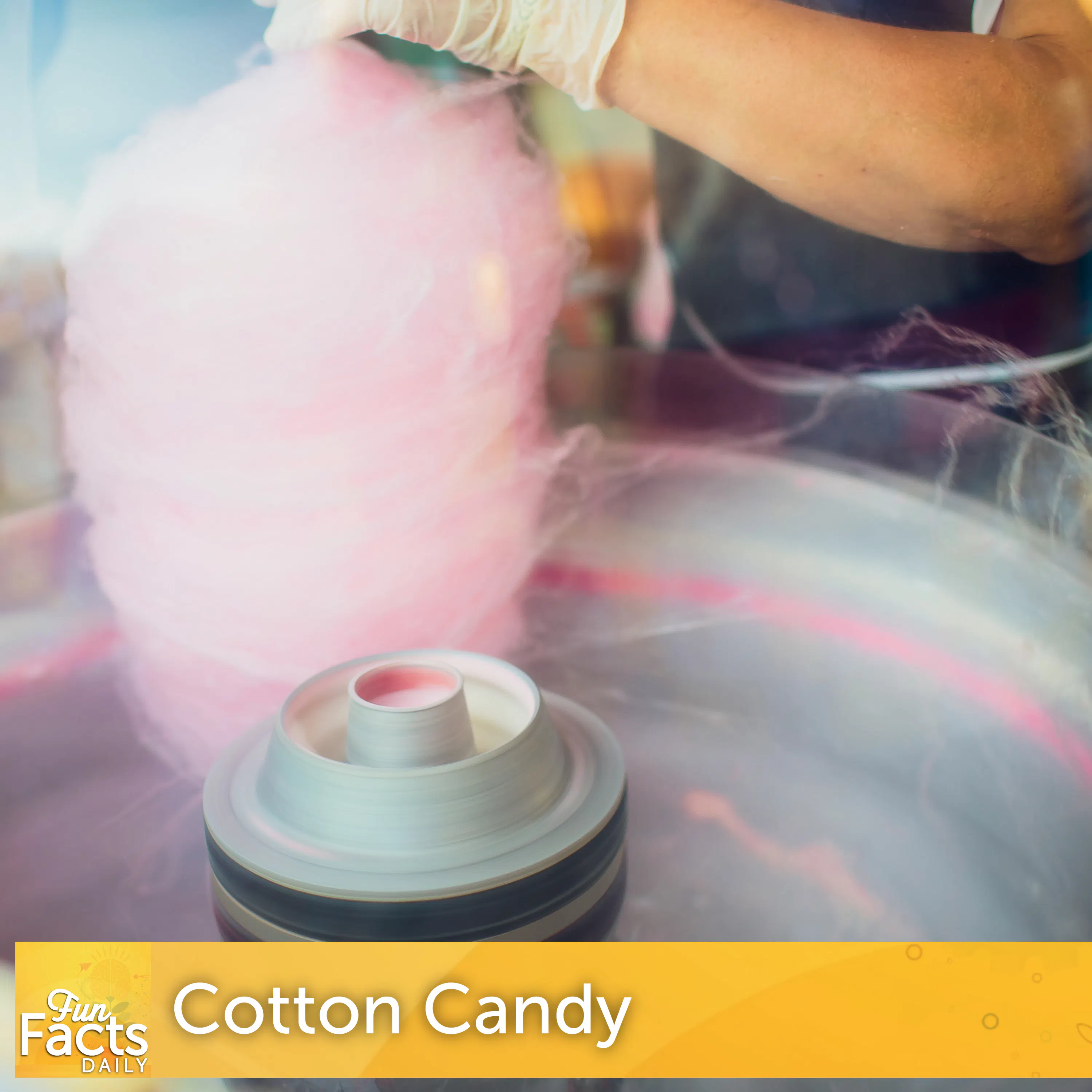
Cotton candy, originally introduced to the public as fairy floss, is a sugary confection manufactured through a precise scientific process. The production relies on centrifugal force, an outward pressure that pushes liquefied sugar through tiny holes in a spinning head heated to roughly 300 degrees Fahrenheit. As the liquid sugar is exposed to cooler outside air, it instantly solidifies into microscopic, thread-like strands. These delicate threads form a light, voluminous web...
Fun Facts About Snails
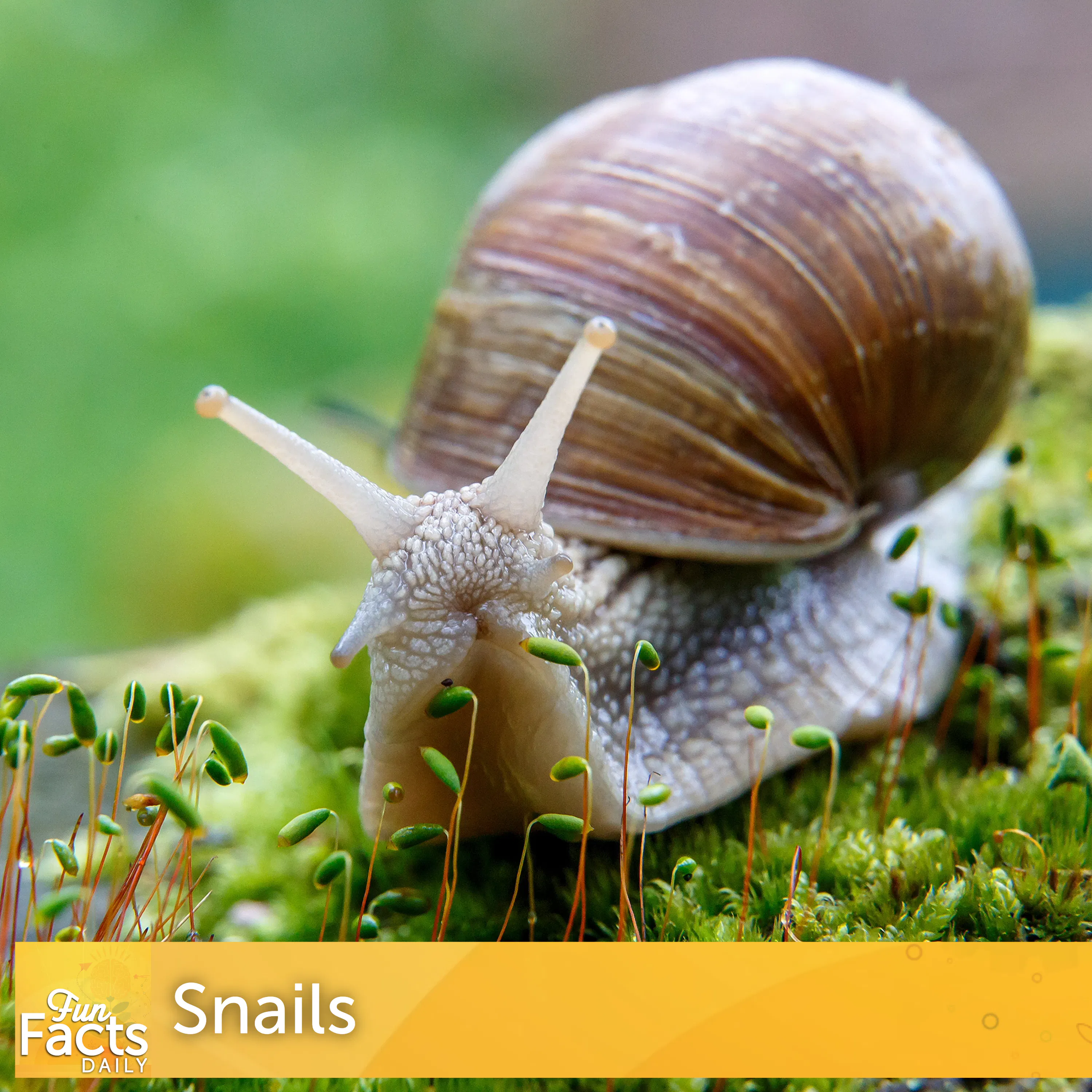
Snails are gastropods, a highly diverse class of mollusks equipped with incredible biological adaptations. Their defining anatomical feature is the radula, a flexible, ribbon-like tongue covered in thousands of continuously regenerating microscopic chitin teeth. In some aquatic species, such as limpets, these teeth are composed of a mineral-protein composite recognized as the strongest biological material on Earth. To navigate their environments, snails secrete a complex, non-Newtonian mucus that functions simultaneously as a powerful adhesive and a frictionless lubricant. This specialized slime allows them to scale vertical surfaces or glide unharmed over remarkably sharp edges without injury.
Beyond...
Fun Facts About the Ozarks
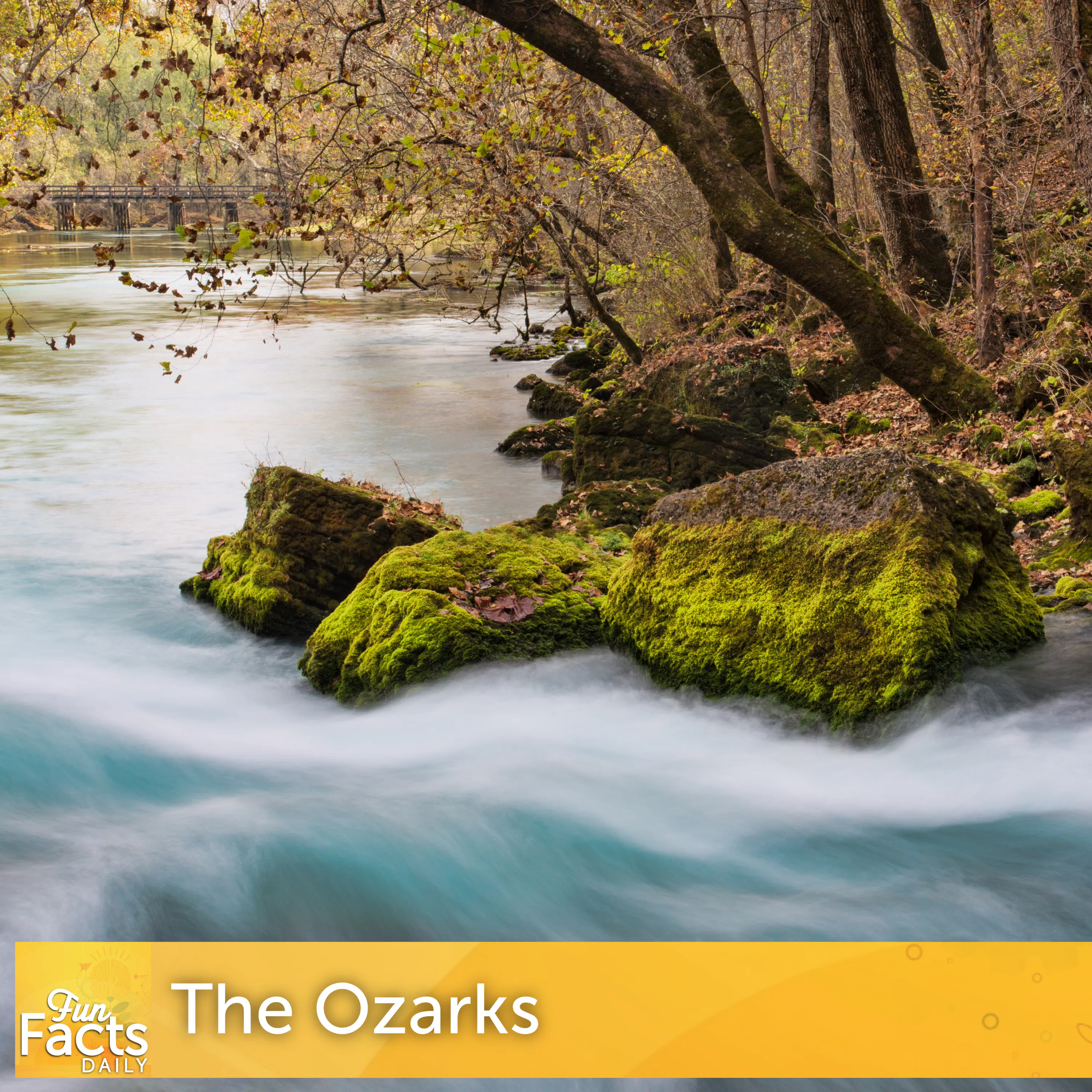
The Ozark region spans approximately 47,000 square miles across Missouri, Arkansas, Oklahoma, and Kansas, characterized by its distinct karst landscape formed by the dissolution of soluble bedrock. This soluble limestone and dolomite bedrock has created vast underground drainage networks featuring sinkholes, losing streams, and thousands of subterranean caves. Among these natural features is Big Spring near Van Buren, Missouri, which disgorges an average of 286 million gallons of fresh groundwater daily into the Current River. Geologically, the Ozarks represent a dissected plateau where millions of years of stream erosion carved deep valleys into an uplifted plain, while ancient igneous formations in...
Fun Facts About Grote Reber
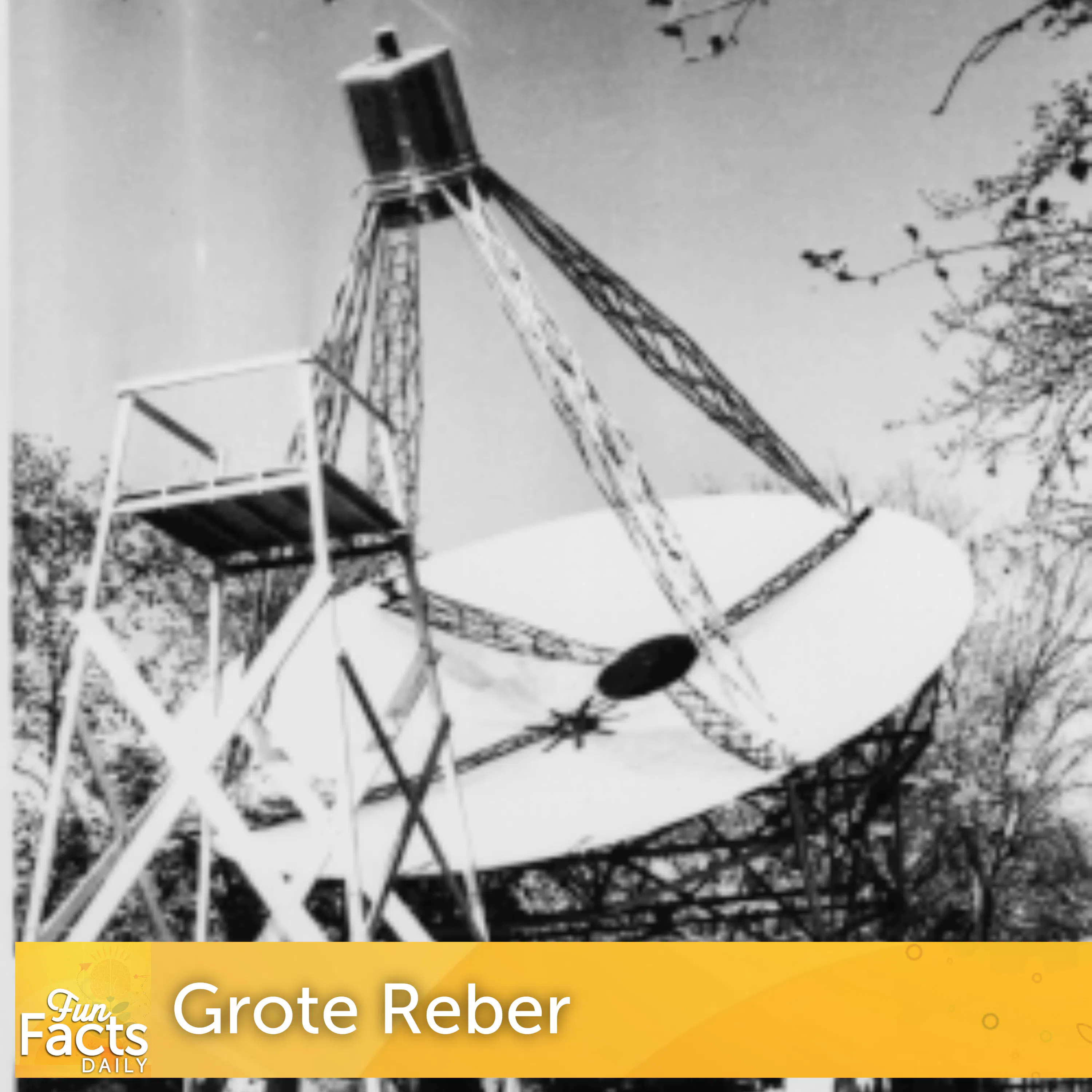
Grote Reber was an American engineer and pioneer in radio astronomy who built the world's first parabolic radio telescope in his suburban yard in Wheaton, Illinois. After conventional astronomical observatories declined to fund his research during the Great Depression, Reber spent $1,300 of his own money to construct a 31-foot parabolic metal dish supported by wooden rafters and mounted on a custom frame. The parabolic shape allowed incoming radio waves to reflect cleanly onto a central focal point without distortion, laying the engineering groundwork for modern dish-shaped radio telescopes. To avoid electromagnetic noise caused by spark plugs from local vehicular...
Fun Facts About the First Road Trip Across America
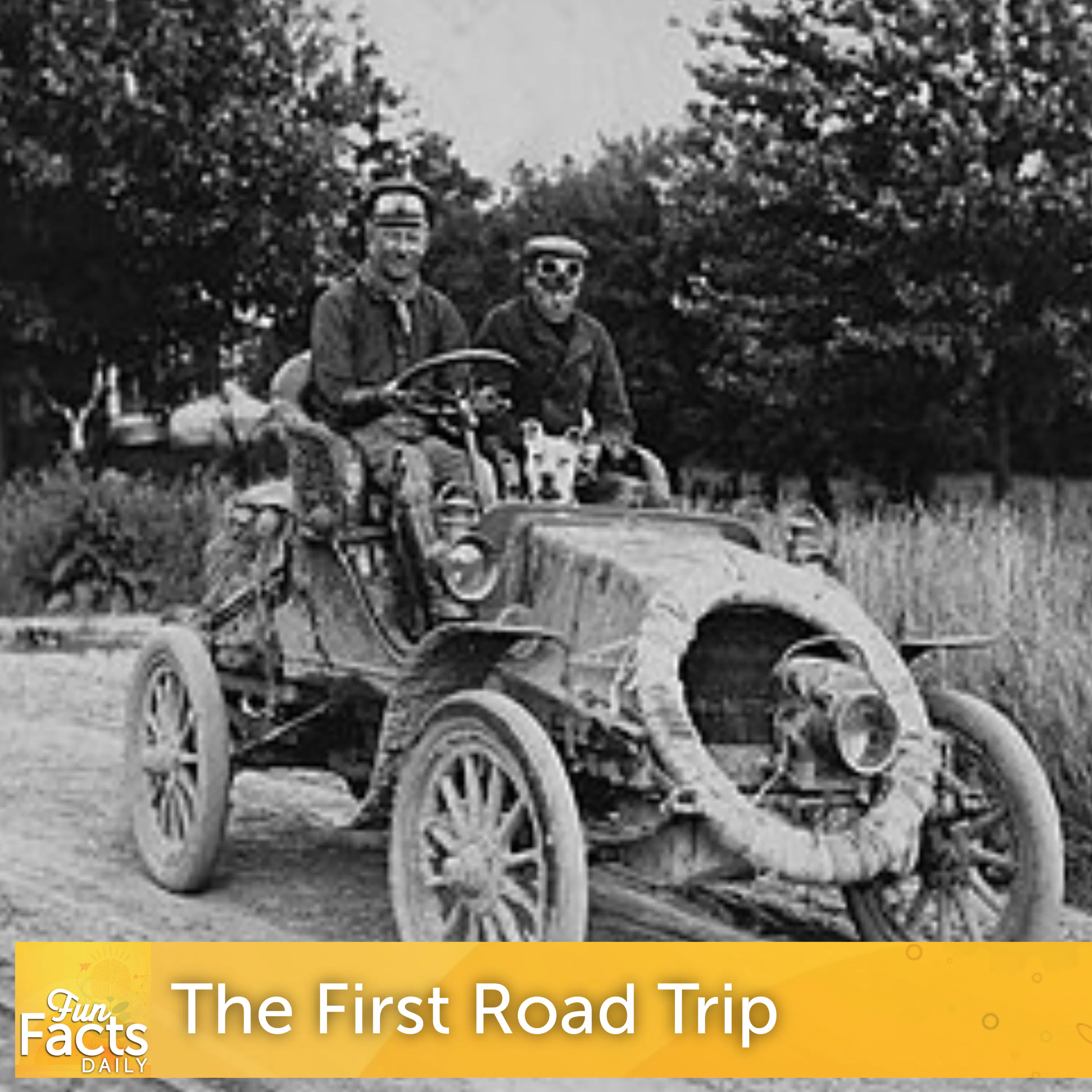
In 1903, Dr. Horatio Nelson Jackson and mechanic Sewall K. Crocker embarked on the first cross-country automobile journey across the United States. Spurred by a fifty-dollar wager, Jackson purchased a used 1903 Winton touring car to prove that personal vehicles were capable of long-distance travel. The transcontinental route spanned over five thousand miles across unpaved terrain, dried riverbeds, and elevated railroad trestles. Along the way in Idaho, the pair adopted a pit bull terrier named Bud, who famously wore custom driving goggles to protect his eyes from road dust during the trip.
The 63-day journey required extensive resourcefulness, as...
Fun Facts About Whale Sharks
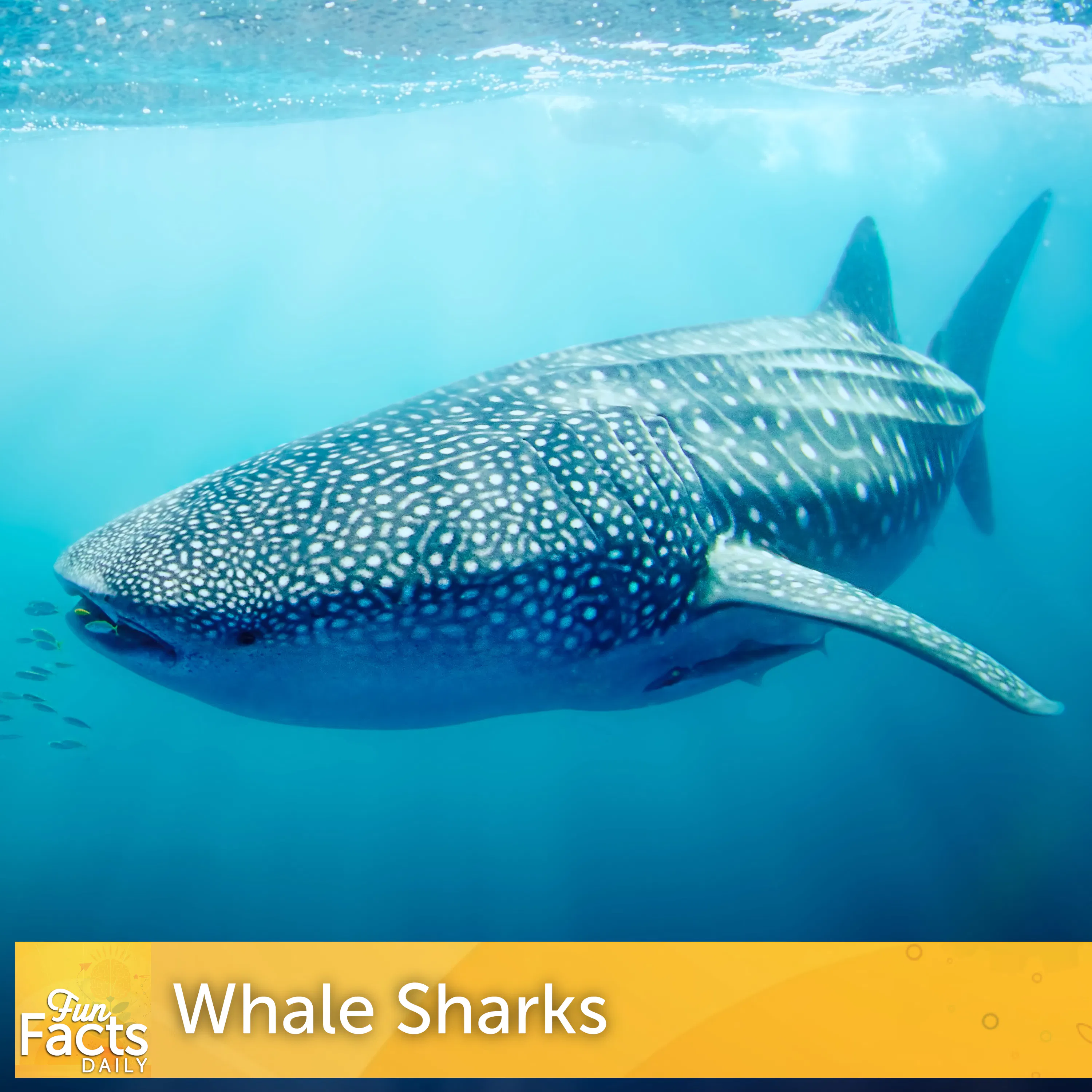
The whale shark (Rhincodon typus) is the world’s largest living fish species, with individuals recorded reaching lengths up to 61.7 feet or 18.8 meters. Despite their massive physical presence, these cartilaginous fish are filter feeders that consume microscopic plankton, krill, fish eggs, and small squid by processing tens of thousands of gallons of seawater per hour using specialized gill rakers. Researchers utilize a modified star-mapping algorithm originally developed for the Hubble Space Telescope to catalog and track individual whale sharks across ocean basins based on the distinct white spot and stripe patterns surrounding their gills.
Evolutionary adaptations provide wh...
Fun Facts About Hammerhead Sharks

Hammerhead sharks, which first appeared roughly 20 million years ago during the Miocene epoch, are among the most distinct and highly adapted marine predators in the ocean. Characterized by their unique flattened head structure known as a cephalofoil, these sharks have exceptional maneuverability and a 360-degree field of vision. The cephalofoil also houses advanced electrosensory organs that allow them to sweep the ocean floor to detect concealed prey. The hammerhead family consists of ten diverse species, ranging from the massive great hammerhead to the smaller, spade-headed bonnethead, all thriving in warm coastal waters worldwide.
Beyond their striking anatomy...
Fun Facts About Goblin Sharks
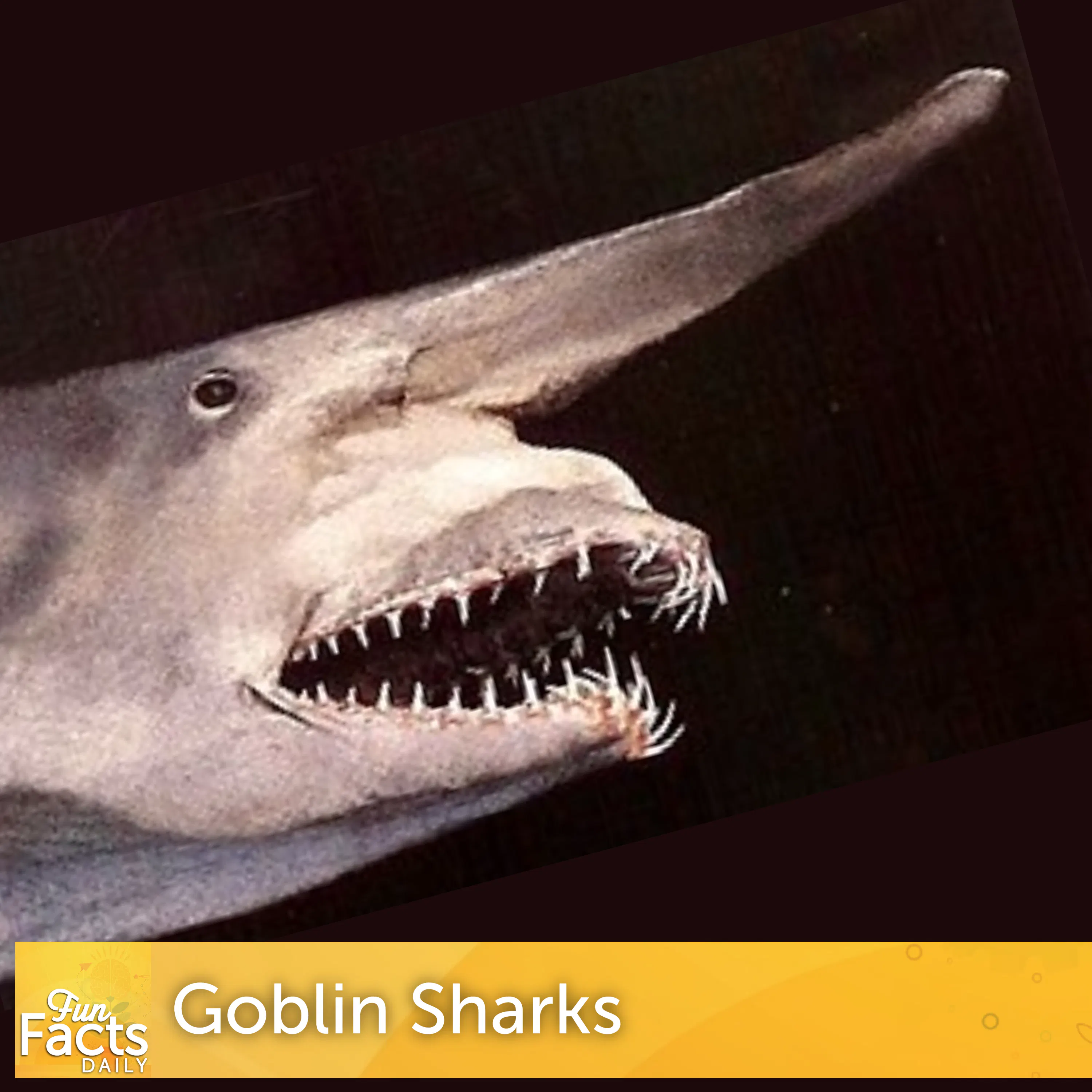
The goblin shark (Mitsukurina owstoni) is a rare, deep-sea predator renowned for its distinct prehistoric features and specialized hunting adaptations. Inhabiting the mesopelagic and bathypelagic zones, often referred to as the ocean's twilight and midnight zones, this species thrives at depths between 200 and 4,000 meters where sunlight is virtually non-existent. Lacking skin pigmentation, its translucent hide reveals underlying blood vessels, giving the shark a distinctive pinkish appearance that provides effective camouflage in low-light waters. As the sole surviving member of the family Mitsukurinidae, a lineage dating back 125 million years to the Early Cretaceous period, the goblin shark is widely recognized...
Fun Facts About Horn Sharks
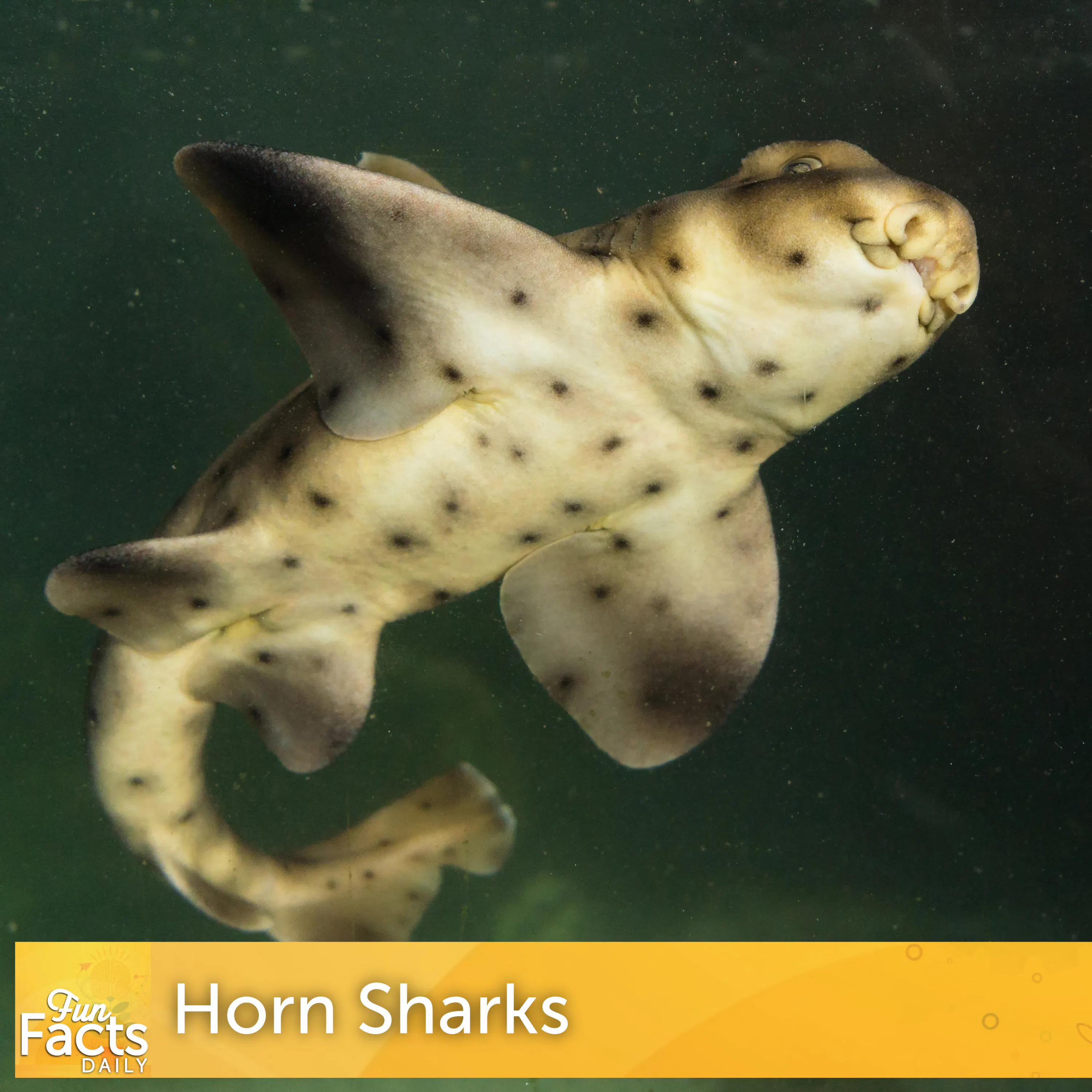
The horn shark (Heterodontus francisci) is a unique, bottom-dwelling species native to the shallow coastal waters and kelp forests along the western coast of North America. Known for its distinct anatomy, the species derives its scientific name from its heterodont dentition, featuring sharp, pointed front teeth designed for gripping prey and flat, broad back teeth engineered for crushing hard shells. Unlike most sharks that rely on continuous swimming to force water over their gills, the horn shark utilizes buccal pumping to actively pass water through its gill slits while remaining entirely motionless. This low-energy adaptation allows the shark to...
Fun Facts About Great White Sharks
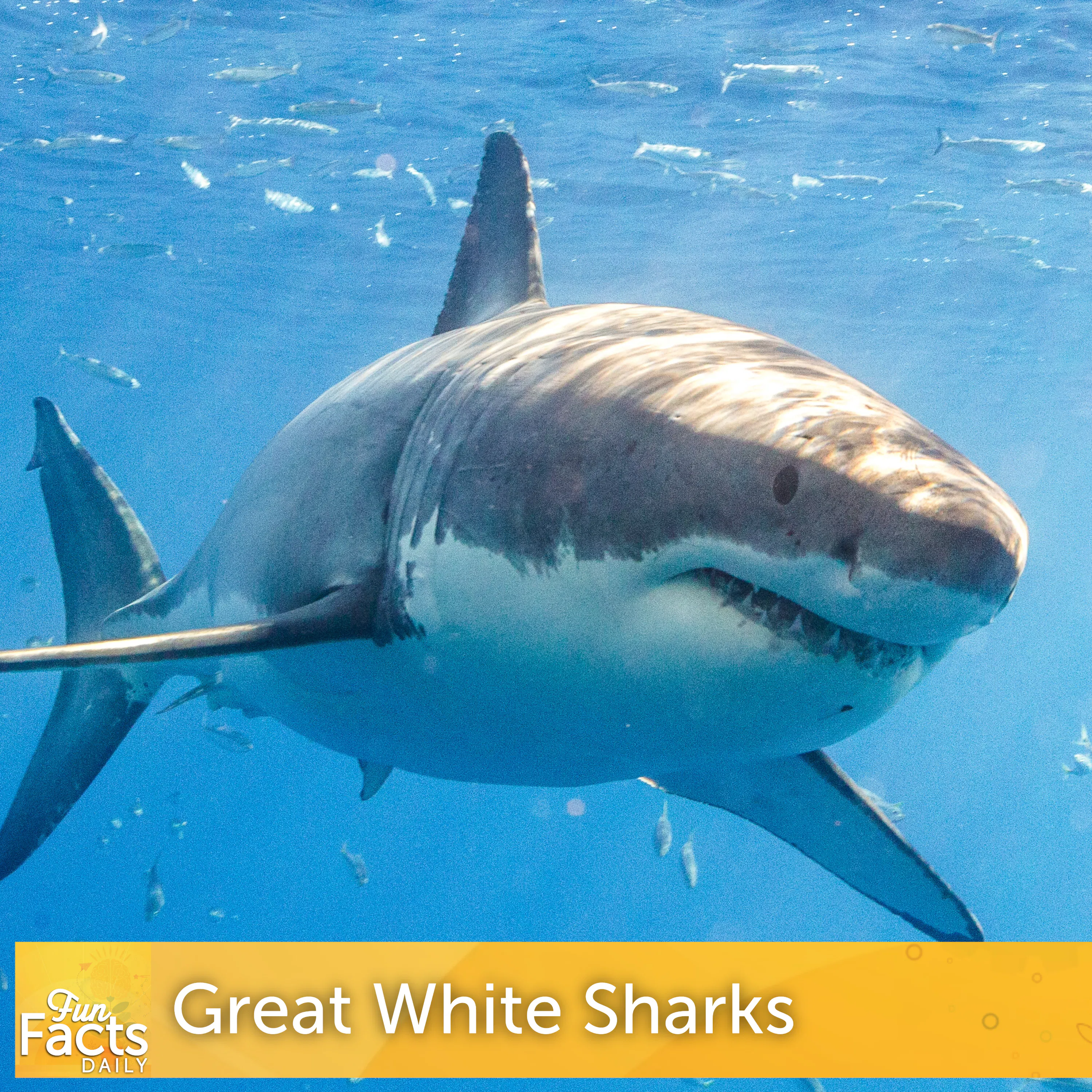
Great white sharks (Carcharodon carcharias) possess unique physiological traits and sensory adaptations that make them sophisticated ocean predators. Unlike most cold-blooded fish, great whites maintain an internal body temperature warmer than the surrounding sea water through a specialized network of blood vessels known as the rete mirabile. Their distinct coloration utilizes countershading, a dark dorsal side paired with a white underside, to camouflage them against both the dark ocean floor and bright surface waters. Equipped with a continuous supply of self-replacing serrated teeth and specialized electroreceptors called the ampullae of Lorenzini, these marine animals can detect minute electrical fields...