Ekklesia Church at Raleigh
Our highest hope is embodied in Jesus’s prayer: ‘Your Kingdom come; Your will be done on earth as it is in heaven.’ These words remind us that God’s Kingdom is not a distant future but present reality, calling us into discipleship.As Luke Timothy Johnson writes, the Church is to be ‘a sacrament of the world’s possibility. A sign of what the world can be.’ We aspire to fulfill this by loving radically, inclusively, and generously—embracing all regardless of age, race, gender, orientation, ethnicity, marital status, or disability.
Pentecost Sunday
This Sunday is Pentecost, the day we celebrate the giving of the Holy Spirit in Acts 2. With violent winds and tongues of fire, this is a wild story, but the bigger question is, “What does the Spirit do in our lives now that we have it?”
Resurrection Appearances – Part Six – But Some Doubted
Matthew includes a strange detail in the final story of his Gospel. The eleven are standing on the mountain, looking at the risen Jesus — and he writes "but some doubted." This message explores what it means that the Great Commission was given to a group that still contained doubt — and why that might be the best news you've heard all week.
Resurrection Appearances – Part Five – Peter
In the gospel of John’s final resurrection appearance, Jesus has a conversation with Peter on the shore of the sea of Galilee. What can we learn from this intimate exchange, as Jesus speaks into Peter’s shame and failure?
Resurrection Appearances – Part Four – Stay in the Room
We’ve called him Doubting Thomas for 2,000 years. But what if we’ve had him wrong the whole time? What if his doubt wasn’t a failure… but something deeply faithful?
Resurrection Apperances – Part Three – Mary Magdalene
Today in our resurrection appearances series, we turn to the Gospel of John — and the first story John tells is Jesus appearing to Mary Magdalene. When understood in context — inside a Gospel deliberately patterned after Genesis — this story reminds us of one of the great paradoxes of our faith: that Jesus is both immense and intimate.
Resurrection Appearances – Part Two – Too Good to Be True?
What do you do when something feels too good to trust? The disciples had testimony stacking up from every direction, and still couldn’t hold it when Jesus actually showed up. This message explores scar tissue, embodied faith, wounds that don’t disappear, and why resurrection might be too good to understand — but not too good to be true.
Resurrection Appearances – Part One – Burning Hearts and Broken Bread
This week we begin our series on the resurrection appearances of Jesus. Our first story is the story of the two disciples on the way to Emmaus. Why did Luke choose this specific encounter to lead his narrative? Join us as we explore what we can learn from this powerful story of revelation and the "breaking of the bread.
Stations of the Cross: Part Seven – Good Friday (Stations 13 and 14)
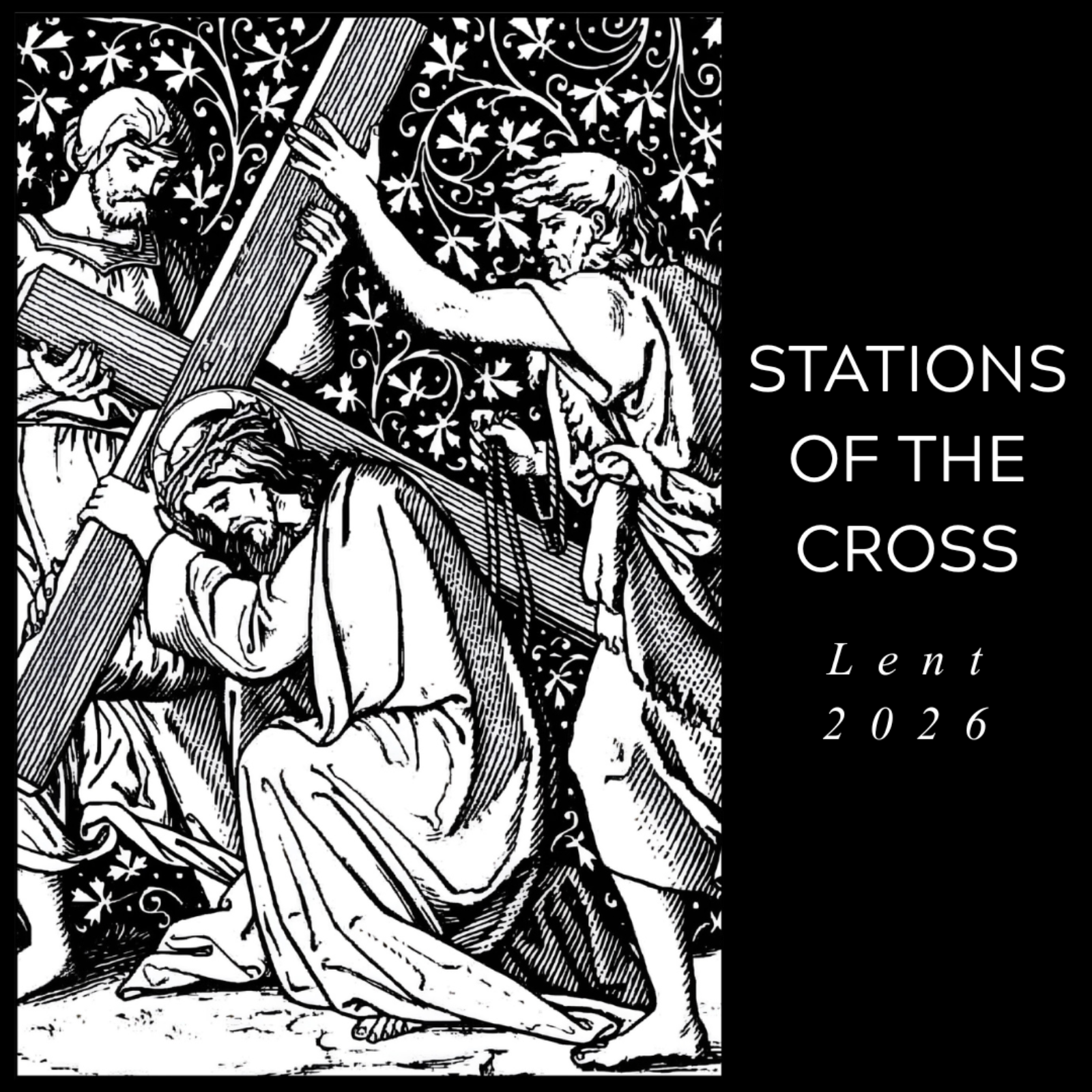
Between the crucifixion and the resurrection, there is a day with no miracles. No angels. No word from heaven. Just silence. This Good Friday, we sit with stations 13 and 14 of the Stations of the Cross — and ask what it means to wait in the dark when the story seems to be over.
Easter Sunday — 2026 — And Peter
Peter denied Jesus three times, wept bitterly, and disappeared into three days of silence. And then the angel at the empty tomb said something that must have stopped his heart. "Tell the disciples — and Peter." This is a message about grace and resurrection that refuse to let shame, failure, or disillusionment have the last word.
Stations of the Cross: Part Six – The Two Parades (Palm Sunday)
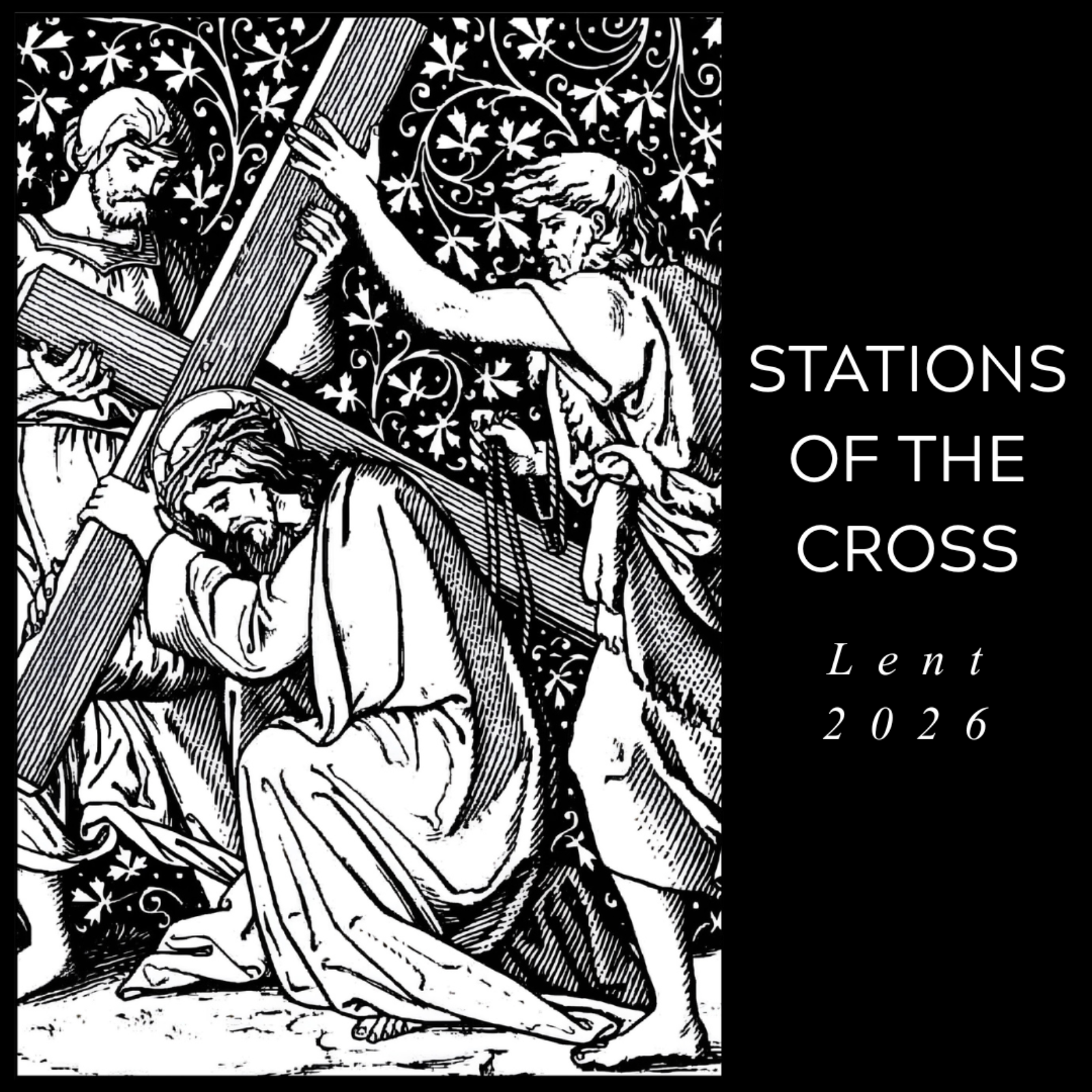
This Sunday is Palm Sunday, the day we celebrate the triumphal entry into Jerusalem. As we walk through the stations of the cross throughout Lent, Palm Sunday poses a challenging question for us. How do we reconcile the hopeful excitement of Palm Sunday with the tragic darkness of Good Friday?
Stations of the Cross: Part Five – The Third Fall
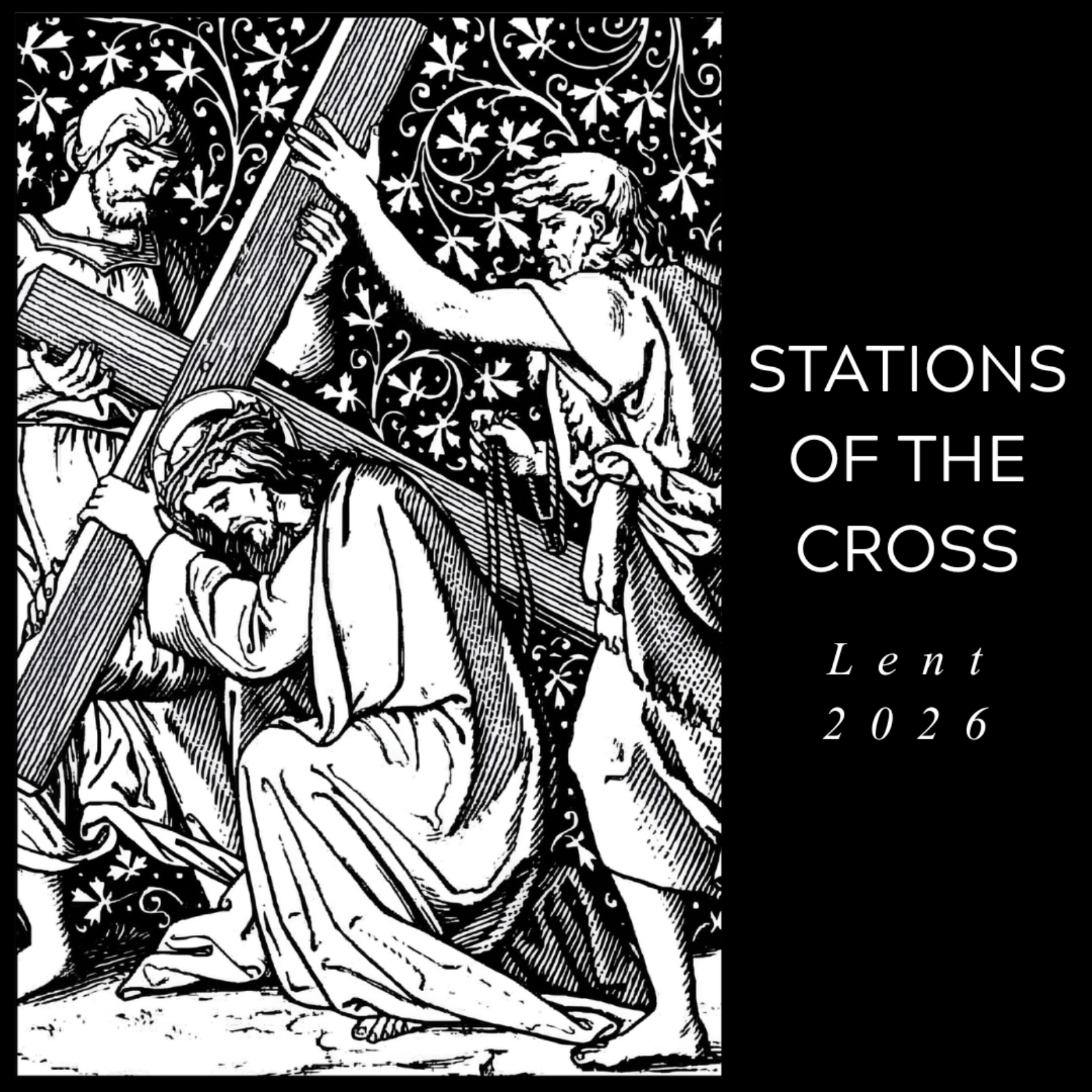
Stations 9 and 10. Jesus fell a third time. And they stripped him of everything. This is what God chose to enter. And it changes what we thought we knew about shame, failure, and what it means to belong.
Stations of the Cross: Part Four – The Cross or the Machine
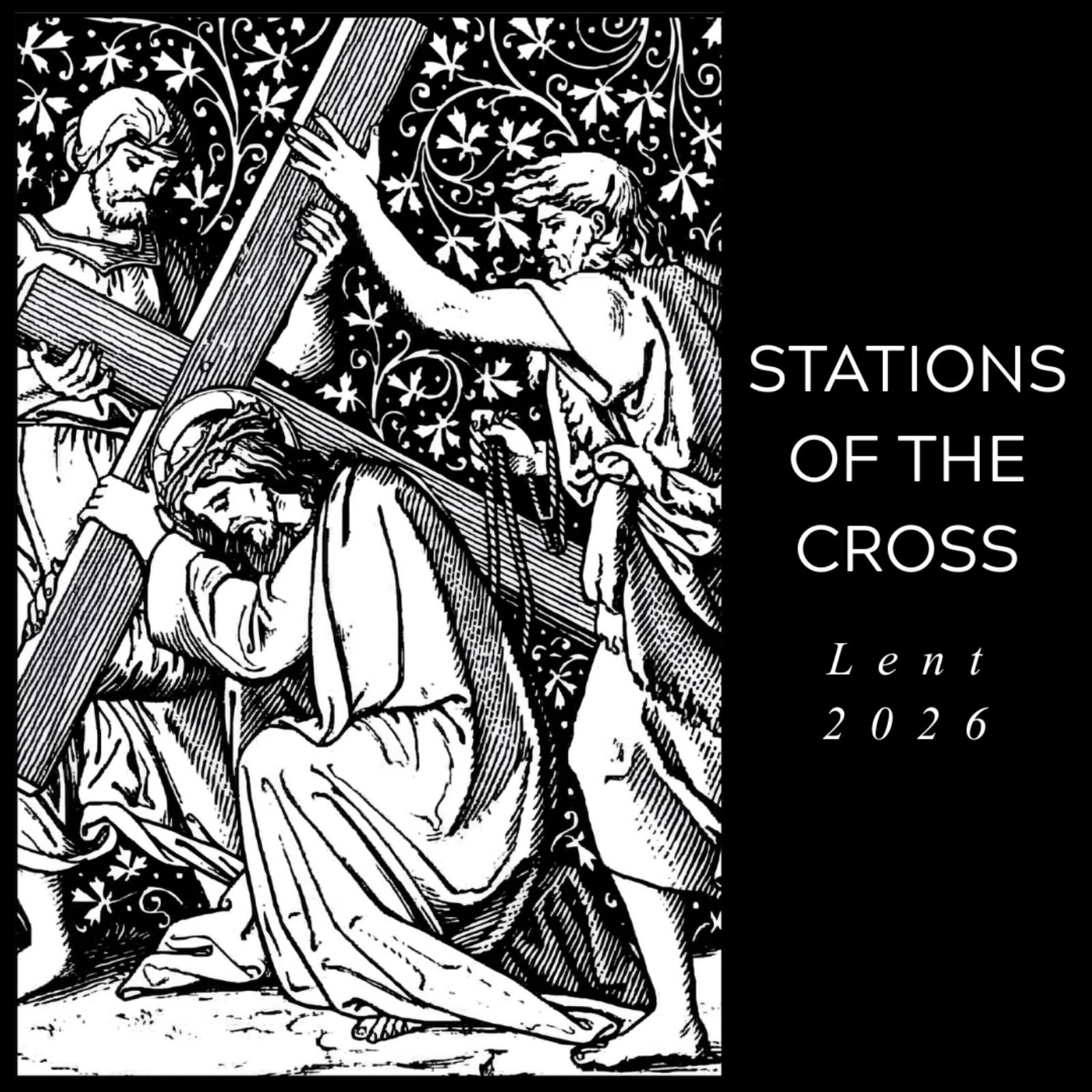
This week we crossed the halfway point in our series on the stations of the cross, with stations 7 (Jesus falls a second time) and 8 (the women of Jerusalem). When looked at in historical context, each of these stations has a lot to teach us about power, violence, and how we live in the world today.
Stations of the Cross: Part Three – Simon and Veronica
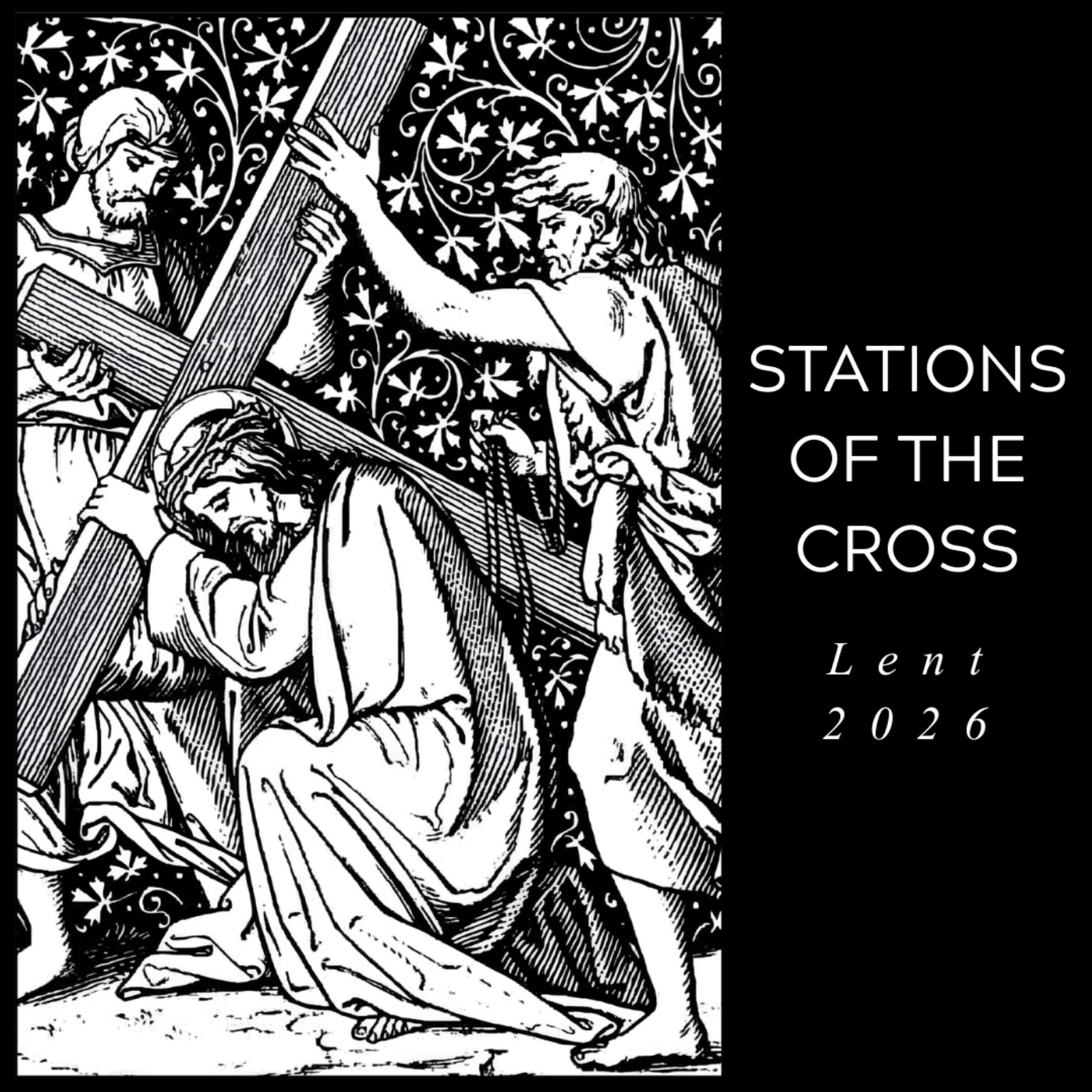
This week in our Lenten series on the Stations of the Cross, we meet two unlikely people on the road to Golgotha — Simon of Cyrene, who was forced to carry the cross, and Veronica, who isn't even in the Bible — and find ourselves in both of them.
Stations of the Cross: Part Two – Jesus Falls, and Jesus Meets His Mother
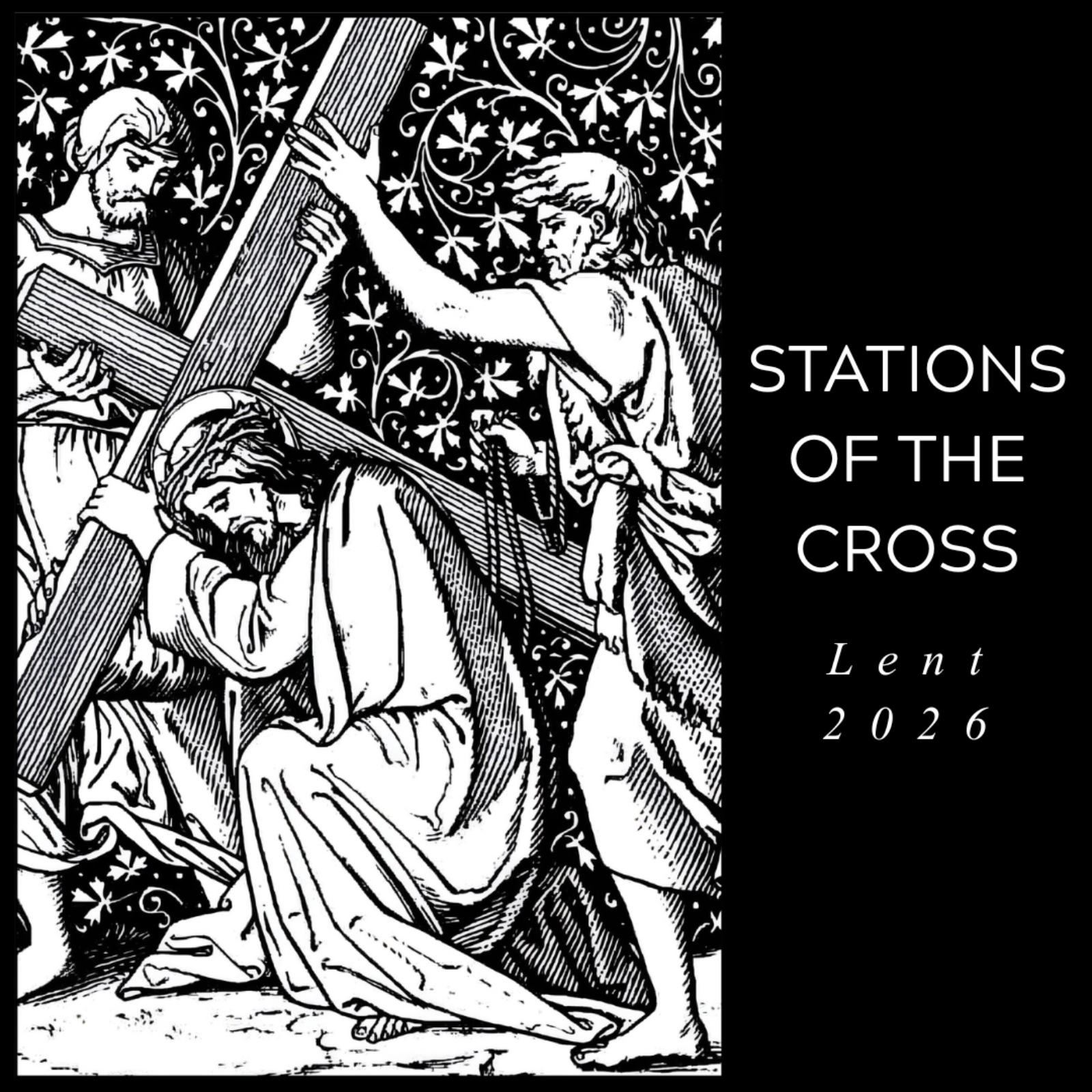
This Sunday we discuss stations 3 (Jesus Falls) and 4 (Jesus meets his mother) in our Journey through the Stations of the Cross. Neither of these stations is explicitly in the story of Scripture. Does that make them less “real,” or do they have something unique to teach us?
Stations of the Cross: Part One – Condemned and Carrying the Cross
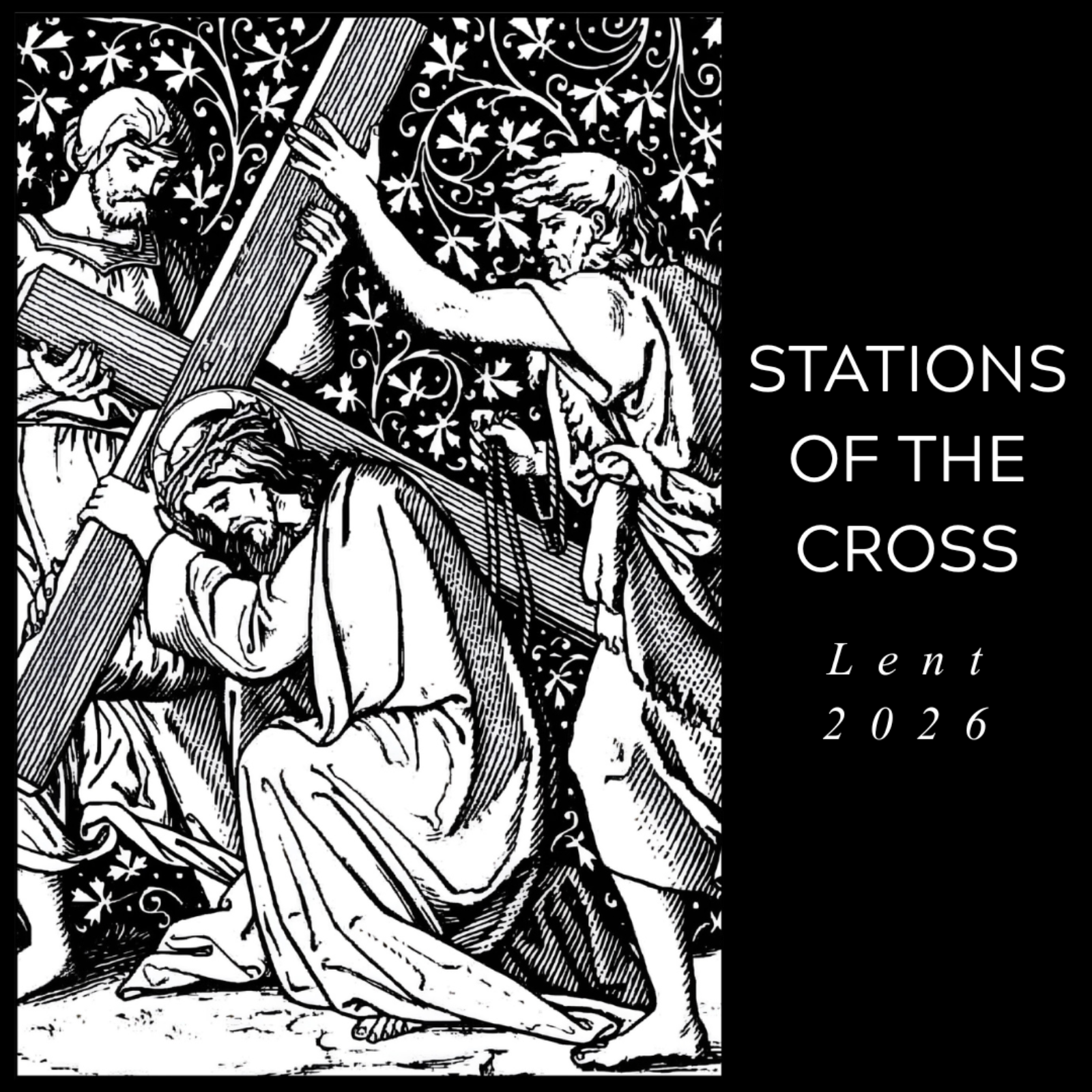
We begin a seven-week journey through the ancient Stations of the Cross. In this opening homily, we stand in Pilate's courtyard, watch a crowd choose the wrong kind of power, and follow Jesus as the cross is first placed upon his shoulders — carrying the weight of more than a wooden beam.
Time – Pace and Presence: Part Seven – With special guest, Dr. Sarah Boberg

The Intentionality of Time: What can a 12-year-old boy in a temple teach us about slowing down? Through the story of Jesus lingering in Jerusalem while his parents rushed toward home, guest speaker Dr. Sarah Boberg invites us to consider how rituals shape us, how children see what adults miss, and how the journey itself—not just the destination—is where faith comes alive.
Time – Pace and Presence: Part Six – Memento Mori

As we wrap up(ish) this series on time, we discuss our perspective on time. How can the more ancient concepts of Kairos Time and Memento Mori help us live in time well now?
Time – Pace and Presence: Part Five – Soul Care

What does soul care actually mean—and why does it so often feel exhausting instead of life-giving? In this homily—pre-recorded because of winter weather, so you won't hear our usual congregational participation—we explore how spiritual practices are not about performing for God, but learning to notice that God is already present in the ordinary life we’re living right now.
Time – Pace and Presence: Part Four – Made for Communion

In this series, we’re learning not to just organize our schedules differently, but to see differently. This Sunday's message—pre-recorded because of winter weather, so you won't hear our usual congregational participation—explores how the universe was made for communion, not competition and consumption. What does it look like when we realign our lives around that principle?
Time – Pace and Presence: Part Three – A Palace in Time (Sabbath)

What happens when a society tries to eliminate rest—and why does that still feel uncomfortably familiar? Through a failed Soviet experiment, Genesis, and Abraham Heschel’s “palace in time,” this message explores Sabbath as a quiet act of resistance against the lie that our worth is measured by productivity.
Time – Pace and Presence: Part Two – Time is Spiritual

In week one we talked about the "Three Mile an Hour" God — the fact that an incarnation-faith has a speed, a pace, a rhythm. And it is not fast or efficient. In week two we turn the lens inward a bit and ask questions about how our culture prioritizes time and what that says about our values. Our time always reflects the stories we believe.
Time – Pace and Presence: Part One – Three Mile an Hour God

What if the greatest threat to our faith right now isn't that we don't know enough—but that we're moving too fast to live what we already know? With insights from a Japanese theologian, an African guide, and two grieving disciples on the road to Emmaus, this message explores what it means to follow a God who moves at the speed of walking — three miles an hour.
Signs of the Season: Part 4 – Gifts

In this fourth-week Advent homily, we reflect on gifts as a sign of hope in the darkness—and how easily that sign gets turned around. With humor, history, and a call to generosity that costs something real, this message invites us to reclaim Christmas as worship, not accumulation.
Signs of the Season: Part 3 – Trees

Few symbols represent modern Christmas more than the Christmas tree. But how does putting a pine tree up in your house connect with the birth of a baby in the arid low hill country of Israel? Is is it just a sign of the ongoing secularization of Christmas? Or is there a deeper, more beautiful story to tell about the Christmas tree?
Signs of the Season: Part 2 – Lights

From the ancient fires that pushed back the winter darkness to Clark Griswold’s over-the-top Christmas lights, we’ve always tried to light the night. This homily explores the deeper Light behind it all — the courage to hope before there’s evidence.
Signs of the Season: Part 1 – Saint Nicholas

This Sunday our Saints series and our new Advent series overlap as we discuss the life and legacy of St. Nicholas, a 4th century bishop that is the inspiration for Santa Claus… but is much more interesting and compelling!
Saints: Part Seven – Julian of Norwich
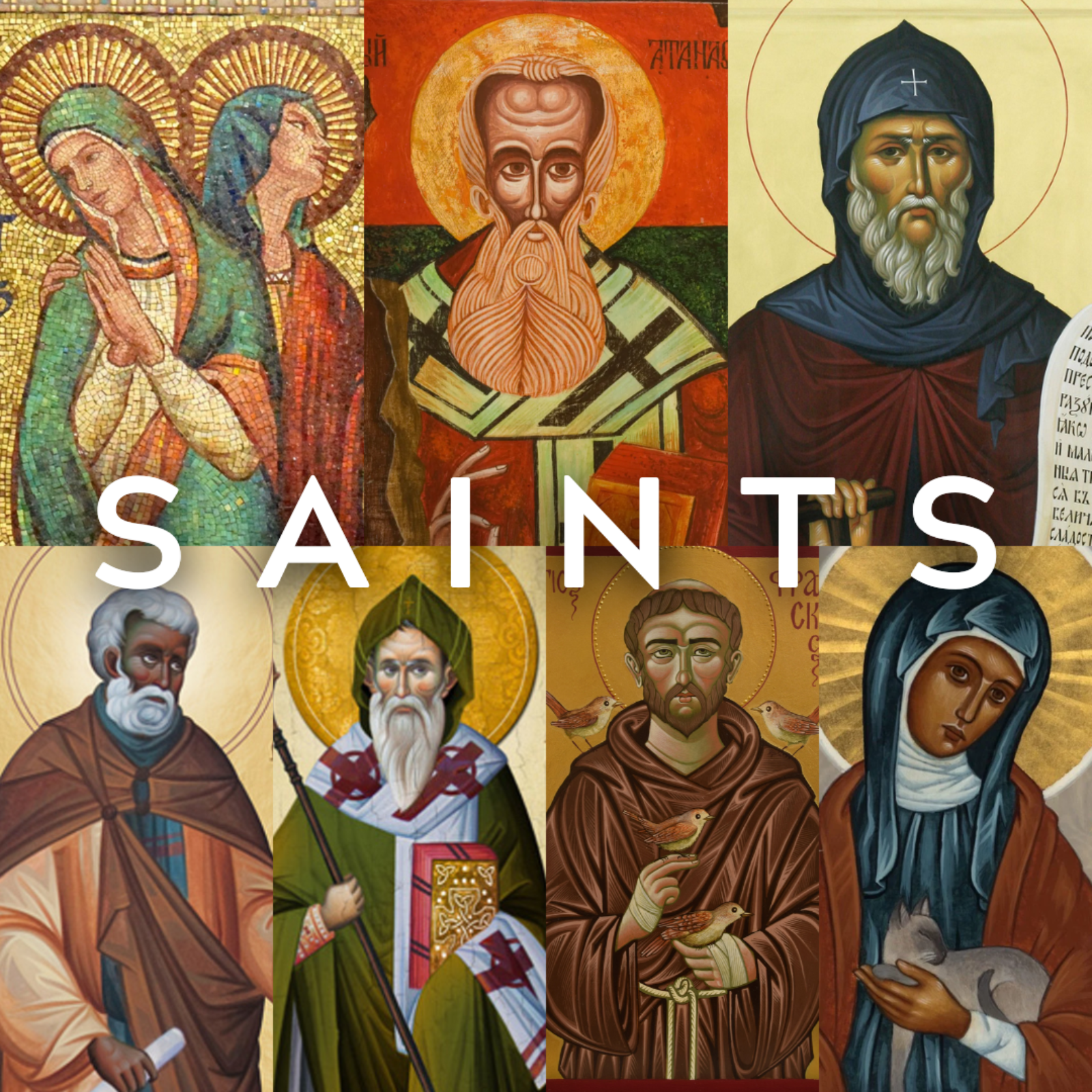
In a world drowning in plague and fear, a 14th-century woman sealed in a tiny room dared to say, "All shall be well." This week, when fear felt close to home, Julian of Norwich reminds us that love—not power, not empire—gets the last word.
Saints: Part Six – St. Francis
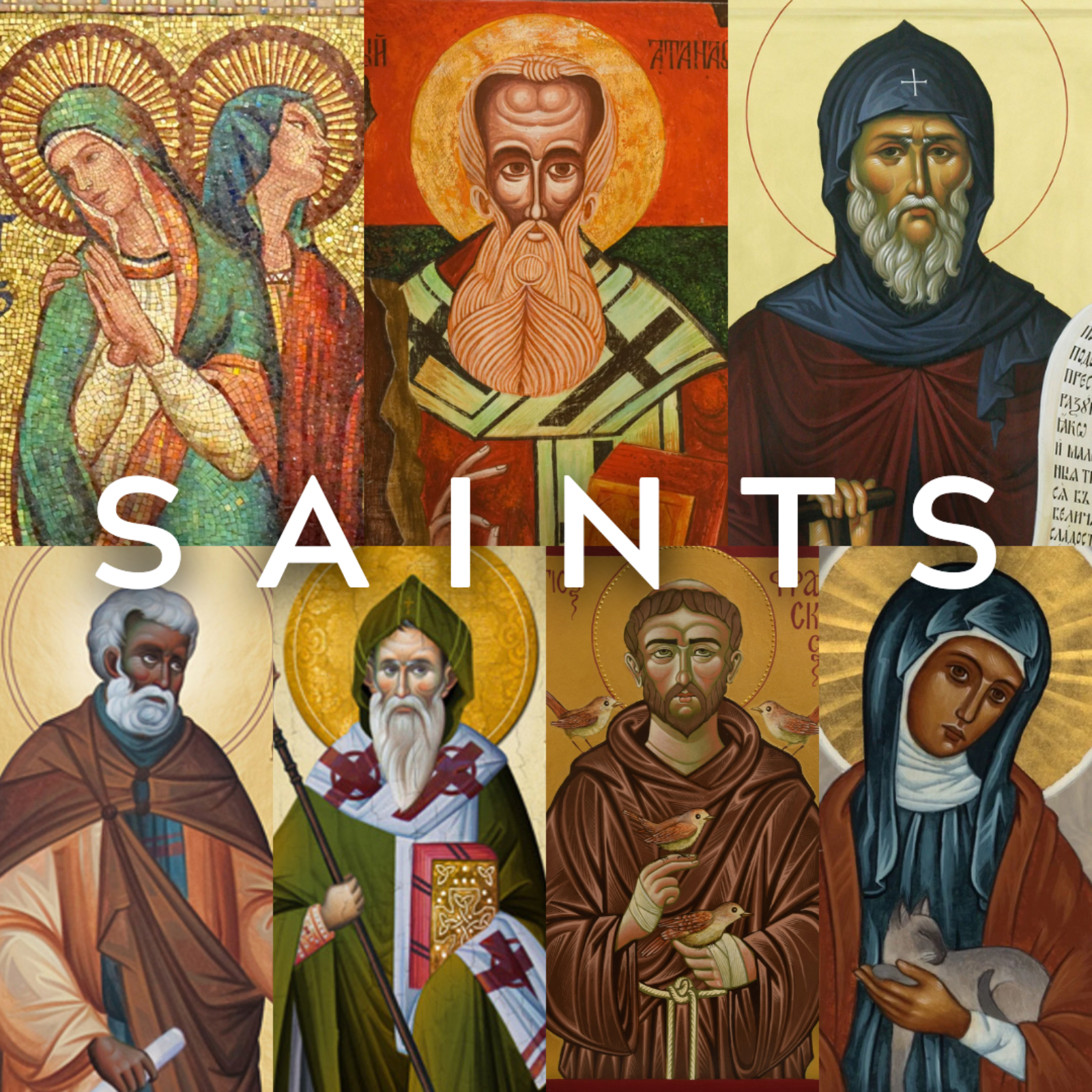
Saint Francis is one of the most popular saints in Christian history. One way to view him is as a holy fool. Someone who shows the absurdity of the world‘s values by simply living something different. What can his life—with an assist from Ted Lasso—teach us how to live out our faith today?
Saints: Part Five – Saint Patrick and the God who was Already There
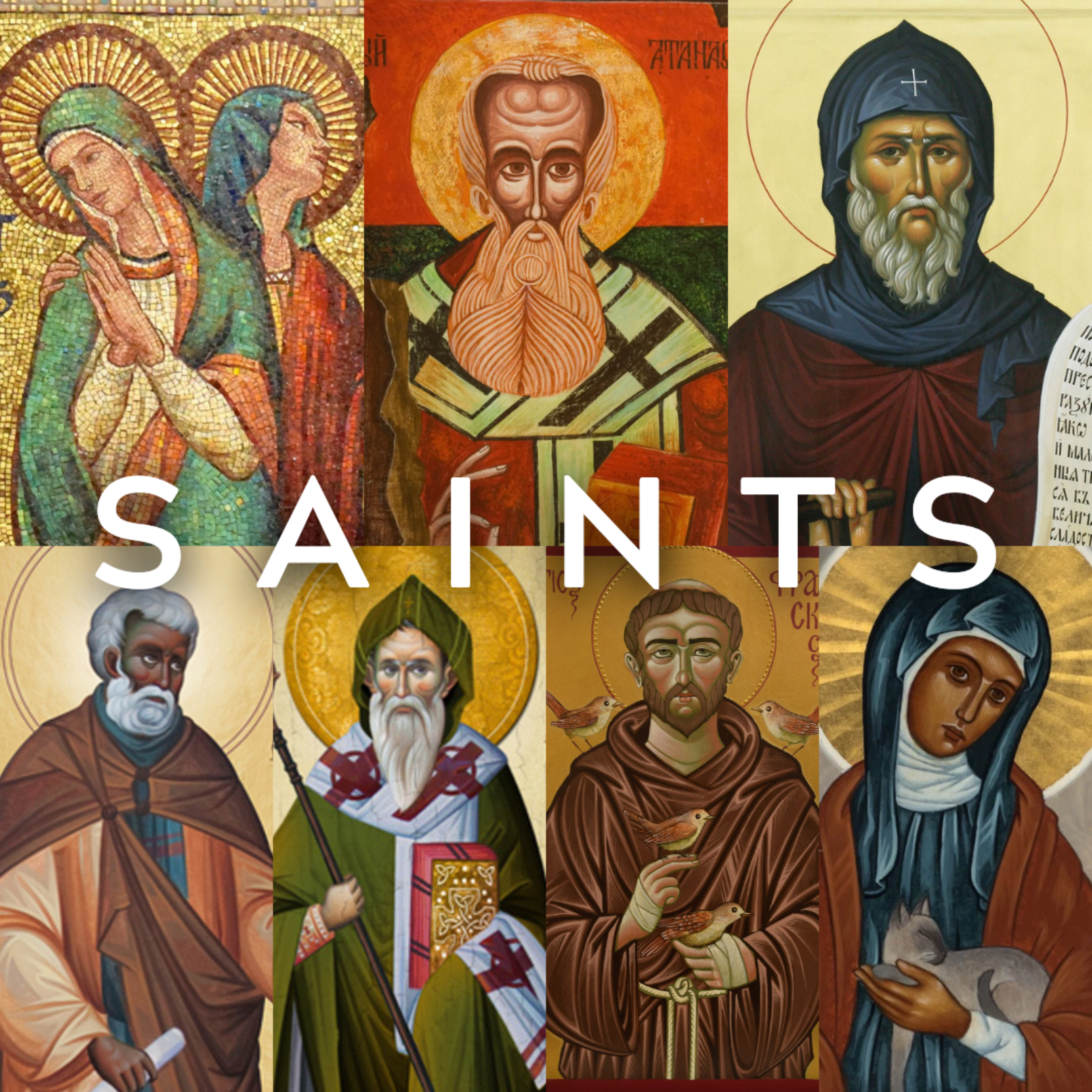
Between heaven and earth there are places — and people — where the veil grows thin. In this reflection on Saint Patrick, we're invited to notice God’s presence in unexpected places: our pain, our forgiveness, and the wonder of ordinary life.
Saints: Part Four – Moses the Black
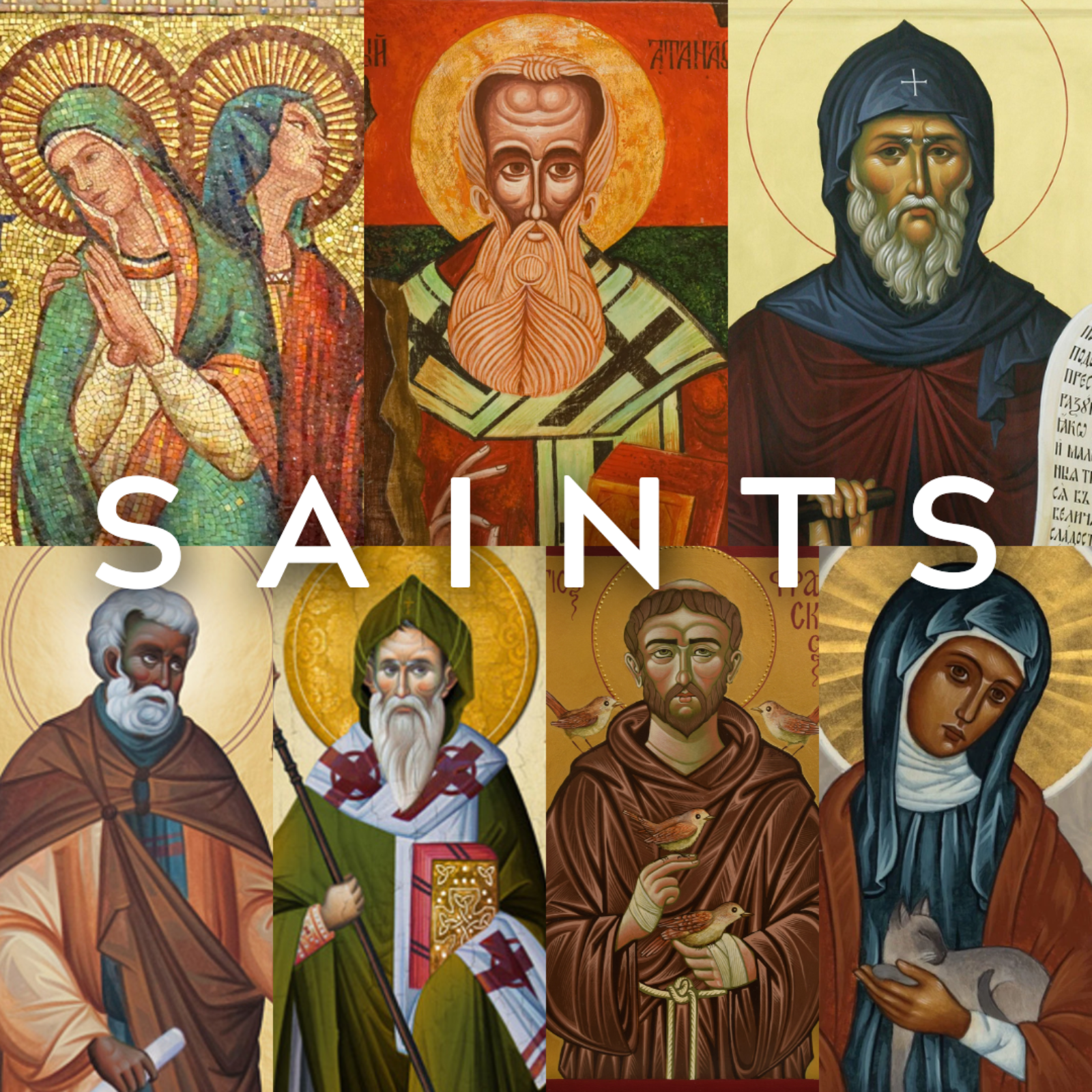
Saint Moses the Black was a 4th century monk in the desert of Egypt. He was known for his humility, nonviolence, and wisdom. His story is one of the most interesting and dramatic we will tell during the Saints series. Beginning life as a violent criminal, he becomes a model of nonviolence and forgiveness.
Saints: Part Three – Anthony
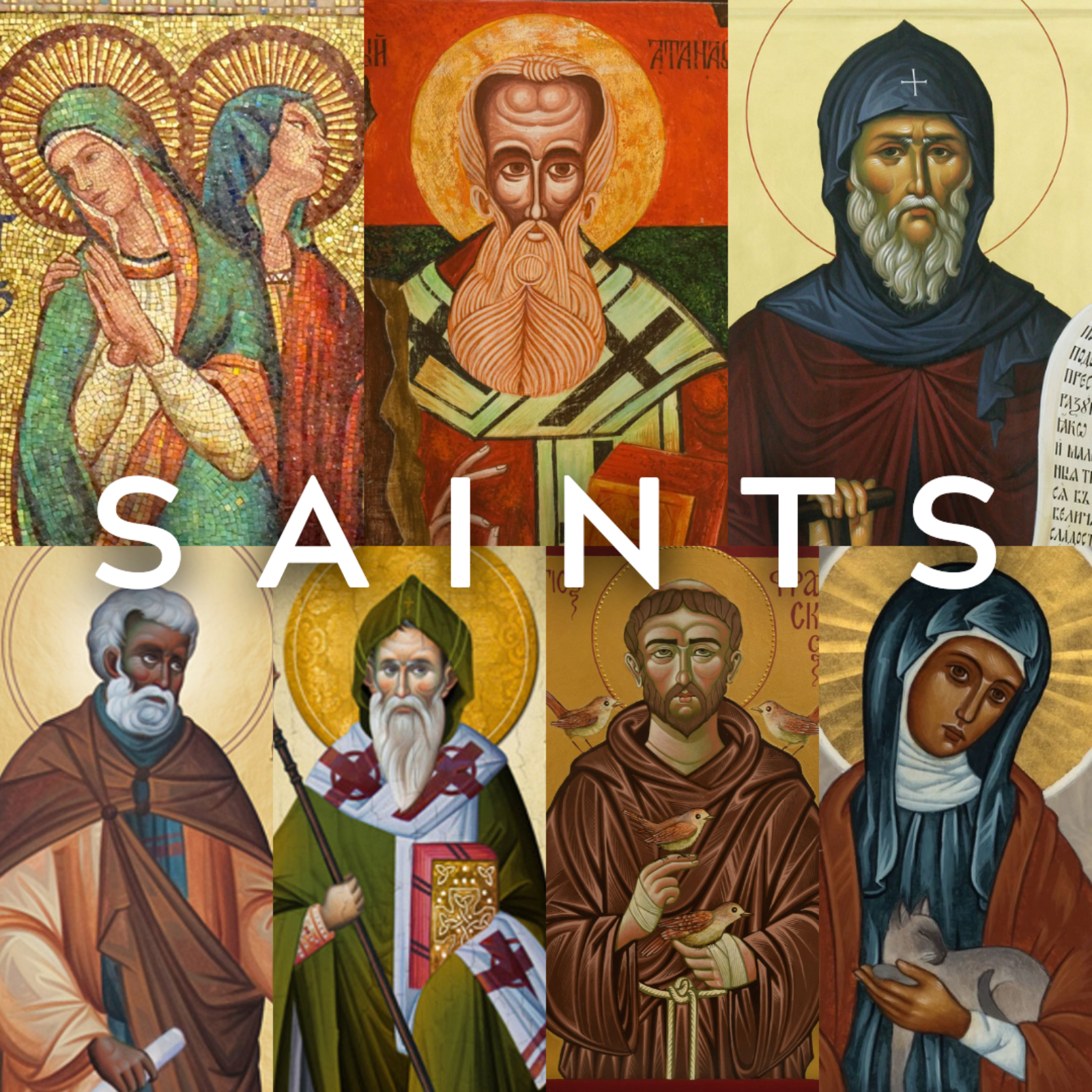
God used Saint Anthony powerfully despite his flawed theology - but could the real heresy be not our imperfect understanding of God, but our desire to rule?
Saints: Part Two – Athenasius
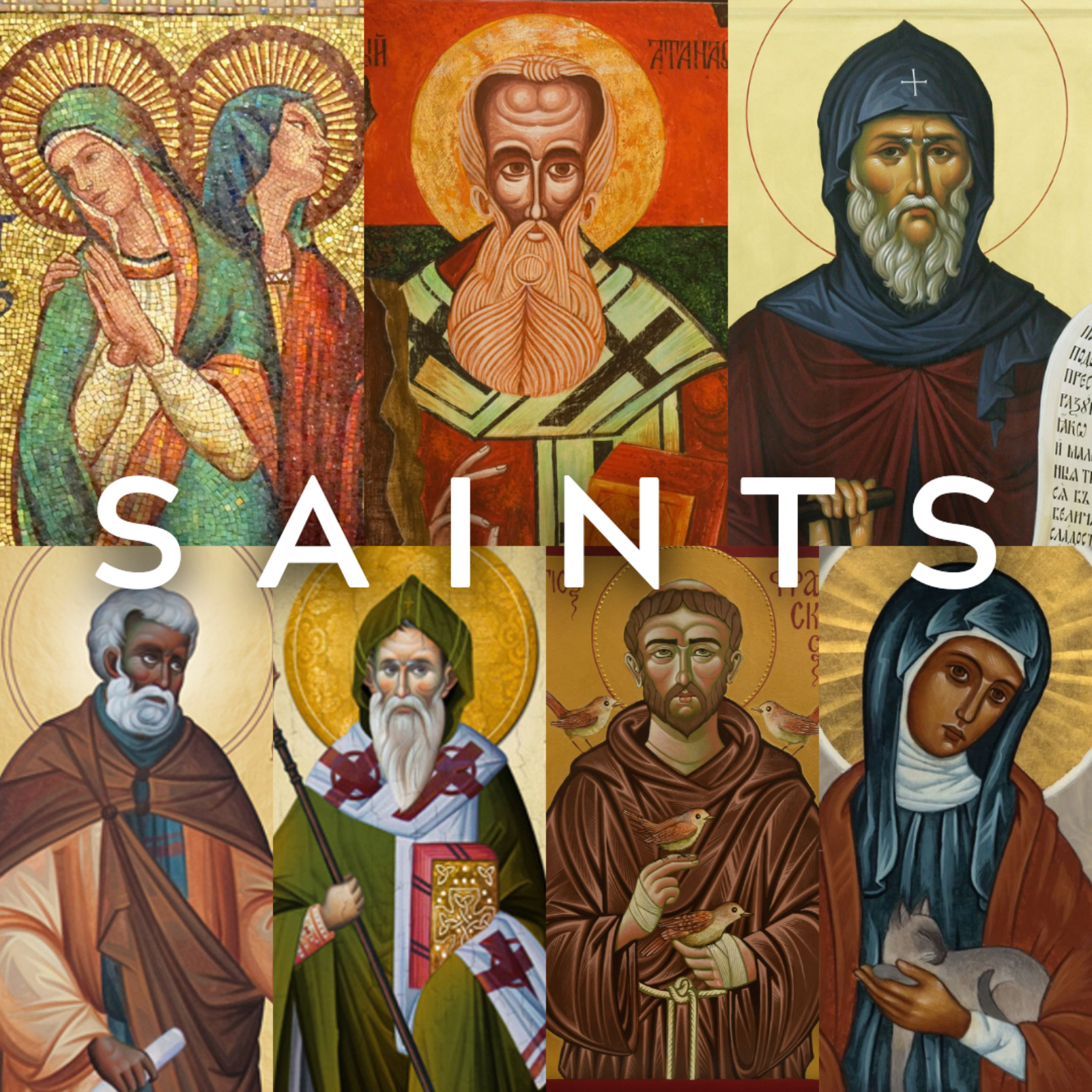
Athanasius, a fourth century intellectual and Bishop of Alexandria, earned one of the greatest nicknames in the ancient world: Athanasius Contra Mundum - Athanasius Against the World. In a life that saw him spend 17 years in 5 different exiles, he fought for the divinity of Christ and the intellectual integrity of the church in a time when everything was complex, contested, and even emperors stood against him.
Financial Update - Fall 2025

In this financial update, we celebrate positive giving trends and invite continued growth in stewardship to support our expanding ministries—including community partnerships and kids & youth programs. We also announce exciting news about an upcoming kitchen renovation that will enhance our hospitality and enable us to better serve our East Raleigh neighbors.
Saints: Part One – Perpetua and Felicity
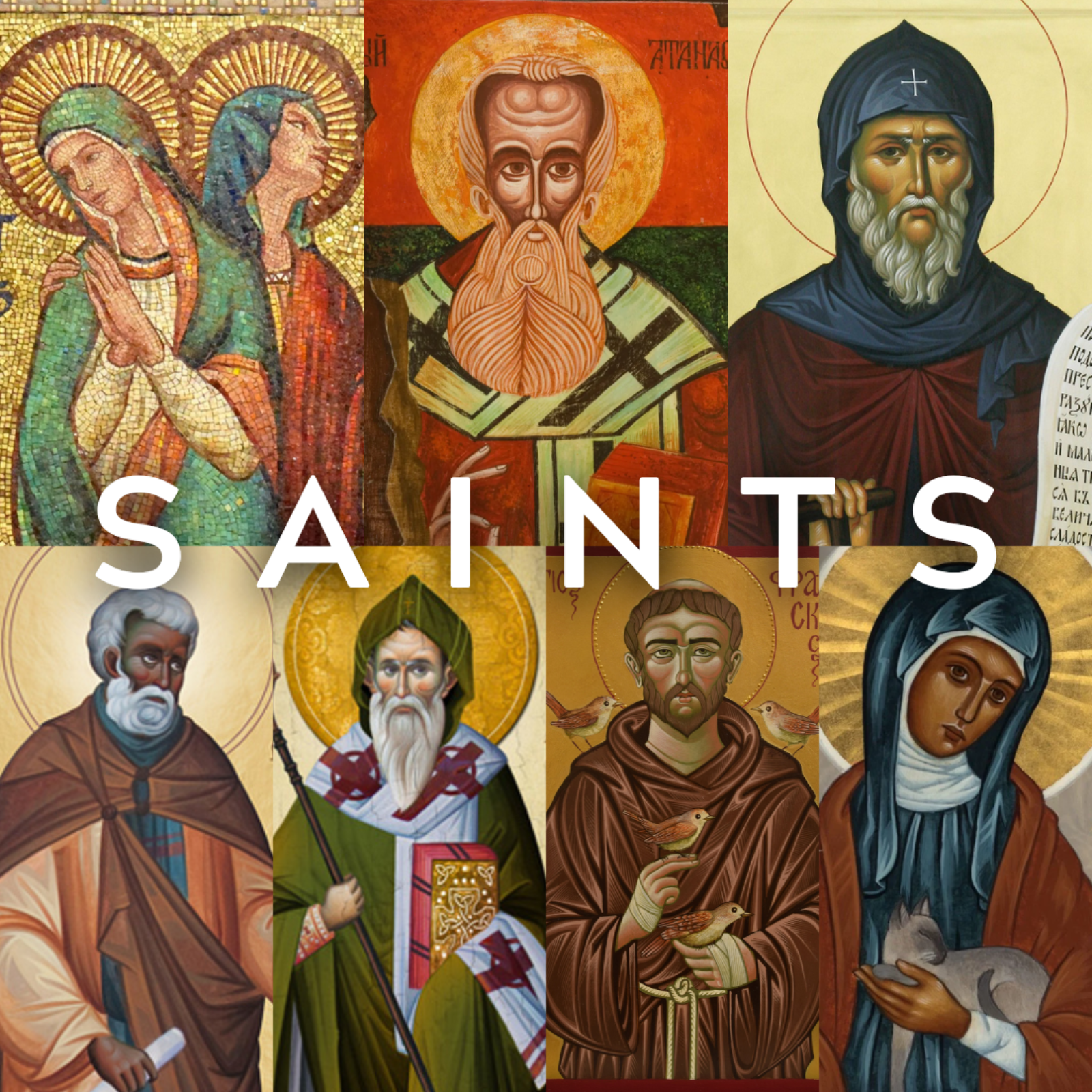
Carthage, North Africa, 203 CE. Two young mothers face an impossible choice: deny Christ and live, or confess Christ and die. How might their story challenge what we think we know about persecution, faithfulness, and the breadth of God's welcome?
Apostles' Creed: Part 13 - The Resurrection of the Body and the Life Everlasting
As we conclude our Apostles' Creed series, we discuss some often overlooked, but incredibly important ideas. Namely, about resurrection and our eternal hope. How can current events, scripture, and some stories about baseball fandom teach us about both our future and present?
Apostles' Creed: Part 12 - Escalating Forgiveness
What if forgiveness isn't something we earn, but something we live from? This message explores why "the forgiveness of sins" was one of the last lines added to the Apostles' Creed and what it means to choose escalating forgiveness in a world stuck on escalating revenge.
Apostles’ Creed: Part 11 – The holy catholic Church, the Communion of Saints
This Sunday we talk about two complicated lines from the creed … for protestants at least. What does it mean that the church is catholic (with a lowercase C)? And what does it mean that we believe in the communion of saints. Are these discussions about special things and people elsewhere? Or are they discussions about us right here and now?
Apostles' Creed: Part 10 – When the Air Grows Still
“I believe in the Holy Spirit.” But if the Spirit is like the wind, what do we do when the air grows still? This message explores Pentecost, Babel, and the Spirit’s work to disrupt, restore, and draw us into reconciliation.
Apostles' Creed: Part 9 - He Will Judge the Living and the Dead
This Sunday we discussed the final line in the Jesus section of the apostles creed. “He will come to judge the living and the dead.” Judgment is a fraught topic in our culture. How can we reframe it to see God‘s judgment as a joy and comfort rather than a burden?
Apostles' Creed: Part 8 - The Ascension - More, not Less
When Luke tells the story of Jesus’ ascension, it carries the echoes of Elijah taken up into the heavens. The parallel is no accident. What does Luke want his readers — and us — to understand about Jesus' ascension? What difference does it make?