Pixel Parenting

Pixel Parenting is your monthly guide to raising tech-savvy, balanced kids. Hosted by Patricia Cangas Rumeu, a mum and a seasoned expert in digital literacy and educational technology, this podcast aims to empower parents to guide their kids’ tech use confidently and thoughtfully. From screen time to educational apps, join us to explore tools and insights that help kids—and parents—build healthy digital habits. Listen to our trailer and subscribe to stay updated!
From Our Kids to Our Parents: Cybersecurity for the Sandwich Generation | Chad Rychlewski & Kae David
The scams we worry about for our kids are now aimed at our parents. In this episode I sit down again with Chad Rychlewski and Kae David, the cybersecurity experts behind Cybersecurity Parents, to talk about their new book, Cyber-Smart Caregiving: Protecting Your Parents in the Digital Age. It's written for the sandwich generation: those of us raising kids while also looking out for parents who are getting older in a world that keeps getting more digital.
We get into why scammers go after older adults, how AI can now copy the voice of someone you love...
Every Game Teaches Your Child Something | Dr. Erik Harpstead
Your child wants a new game, and the app store says it's educational. That label is checked for age, not for learning. In this episode I sit down with Dr. Erik Harpstead, Associate Research Professor at Carnegie Mellon's Human-Computer Interaction Institute, who studies the data behind kids' games to see whether anyone is learning anything, to replace the label with a check you can run in minutes.
Dr. Harpstead teaches game designers how to build games that teach, and he is part of the team behind The Vault, a free online library of learning games made by...
Green Flags and Red Flags in Kids' Apps and Shows | Charlotte Anne Wright

Everything in the app store says "educational". A lot of it says "expert backed" and "research backed" too. None of those words are regulated, and none of them tell you whether the app in your hand does anything for your three-year-old. In this episode I sit down with Charlotte Anne Wright, a learning designer and researcher at Begin and former president of the Bay Area chapter of the Children's Media Association, to swap the label for a framework you can use.
Charlotte taught young children for nearly a decade, then studied early childhood policy and spent almost...
How to Talk to Your Kids About Roblox (and Everything Else Online)| Dr. Elizabeth Milovidov

Your child asks to play Roblox, or some app that didn't exist when you were their age, and the first instinct is to Google the parental controls. In this episode I sit down with Dr. Elizabeth Milovidov, founder of DigitalParentingCoach.com and Roblox's first head of parental advocacy, to talk about why that instinct is only half the answer. Her reframe: parental controls are the training wheels, and it's the conversation that teaches your family how to steer.
Dr. Milovidov explains what Roblox actually is (a platform with millions of user-created games, not one single game), what...
Why Kids Bond With an AI Companion, and How to Approach It | Dr. Mathilde Cerioli

Have you ever wondered what happens when a child starts talking to an AI like it's a friend? In this episode I sit down with Dr. Mathilde Cerioli, a cognitive neuroscientist and Chief Scientific Officer at the nonprofit everyone.ai, to unpack what AI companions actually are, what they do to a child's developing brain, and why preteens and teens are especially drawn to them.
Mathilde explains why an AI can feel so social and so sticky, why the friction of real friendship is a feature of development rather than a flaw, and how the way an...
How Kids Actually Learn (and the AI Question) | Missy Widmann
What actually happens in your child's brain when they hand an assignment to AI — and is it really as harmless as it seems?
Patricia Cangas sits down with Missy Widmann — doctor of education, co-founder of Neural Education, and visiting assistant professor at Pacific Lutheran University. A former health and fitness teacher of 26 years, Missy found that movement isn't just good for the body; it fundamentally shapes how the brain learns. The conversation unpacks what attention really is, why productive struggle matters more than we admit, and what's actually at stake when kids hand their thinking over to AI...
How to Reduce the Mental Load of Parenting: Email, Attention, and AI | Amy Briggs
How many hours a week are you mentally running through the family calendar, and what could you do with that time instead?
Patricia Cangas sits down with Amy Briggs, founder and CEO of Aviva and a licensed speech-language pathologist, to dig into something every parent feels but rarely names: the invisible weight of managing family life through an inbox. Amy's clinical work with thousands of families led her to a sharp observation — parents today are more involved than any previous generation, yet feel worse about it. How does a missed school email spiral into parental guilt? And ca...
Is Your Child's AI Companion Safe? A Startup CEO Explains | Vivian Chong

Do you know how to tell if an AI tool has proper safeguards for kids?
I welcome Vivian Chong, co-founder and CEO of apgard.ai, a youth AI safety startup working to make AI tools safer for children. Vivian and her team build evaluation and monitoring systems that detect harmful content in AI companions and educational technology before it reaches kids. Their work started with a UNICEF-affiliated grant focused on child exploitation prevention and has expanded to address mental health risks in AI products. "The models will try to just appease the user and give them what...
Can Robots or AI Be Real Friends? Kids Ages 7–10 Weigh In
What would a machine be able to really be a friend?
This episode is a kids' philosophy conversation with Dr. Iris Oved (Paradox Lab) about friendship, robots, and anthropomorphism, the way our brains read emotion and intention into things that don't have them. Kids ages 7-10 meet Siri, Pebble AI, and a robot dog. Then they think out loud about what makes a friend real.
I host a unique episode of Pixel Parenting where kids ages 7-10 tackle a philosophical question: Can robots be real friends? Dr. Iris Oved guides children through hands-on experiments with...
Cybersecurity for Parents: Start With One Conversation | Chad Rychlewski & Kae David
When was the last time you explained to grandparents why broadcasting your kids' photos to their friends is risky?
Patricia Cangas talks with cybersecurity professionals Kae David and Chad Rychlewski, co-authors of Cyber Smart Parenting. Kae works with tech enterprises and has over 10 years in cybersecurity, while Chad has spent 16 years protecting public sector institutions including K-20 schools where his own children attend. They break down complex security concepts into everyday language parents can use. What should you know about digital footprints before your child gets their first device? Both experts stress that open communication matters far...
Is It Fair? Navigating Screen Rules with Multiple Kids | Kaitlin Tiches
Which parental mediation strategy does research say works best—and why?
Patricia Cangas sits down with Kaitlin Tiches, a research librarian at Boston Children's Hospital and the Digital Wellness Lab, who translates the latest media research into practical guidance for families. Kaitlin unpacks parental mediation strategies—from active conversations to co-viewing and boundary-setting—and tackles real challenges like sibling fairness and bedroom device rules. "Our number one suggested rule is screens outside of the bedroom," she emphasizes. This episode delivers research-backed approaches parents can implement immediately, including autonomy-supportive mediation and why young people themselves are demanding better digita...
It’s Not You vs. Your Teen — It’s All of Us vs. Addictive Tech | Dino Ambrosi

Could reframing one conversation turn your teen from defensive to collaborative about screen time?
Host Patricia Cangas talks with Dino Ambrosi, founder of Project Reboot, who turned his college struggle with phone addiction into a program now reaching over 50,000 students. Dino walks through surprising data showing 70% of teens at top schools self-identify as addicted to their phones, why banning devices without student buy-in often backfires, and practical strategies parents can start tonight. "We get addicted to escaping discomfort through seeking distraction," he explains. His biggest recommendation? Stop approaching tech time as you versus your teen—it's all of...
What Video Games Teach: How Kids Learn Through Play | Dr. Kelli Dunlap
What do Minecraft, D&D, and Fortnite actually teach your child's developing brain?
Dr. Kelli Dunlap, a licensed clinical psychologist with a master's in game design and executive director of Take This, joins us to explore video games as tools for learning and development. Dr. Dunlap explains why humans play, what games teach children at different ages, and how parents can distinguish healthy gaming from problematic patterns. She walks through practical strategies for managing screen time transitions, teaching emotional regulation through gameplay, and using curiosity instead of judgment when engaging with kids about their digital lives. "All...
Violent Video Games: The Science Behind the Headlines | Dr. Rachel Kowert

"Parents can be worried about all the other million things that we're worried about for our kids. But violent video games in and of themselves should not be at the top of that list."
- Dr. Rachel Kowert
Host Patricia Cangas sits down with Dr. Rachel Kowert, a psychologist and game researcher whose work has appeared in The New York Times and Wall Street Journal. Dr. Kowert founded the Psychgeist YouTube channel and podcast to make game science accessible to the public. She tackles the persistent myth linking violent games to real-world violence, explaining how decades of...
Speech, Screens & Kids: What Parents Should Know | Denise Ford

Episode Summary
Pediatric speech-language pathologist Denise Santos Ford, M.S., CCC-SLP joins Pixel Parenting to demystify what SLPs actually do (far beyond “fixing R’s”), how screen time intersects with social-emotional and language development, and practical, evidence-aligned ways parents can use tech—together with their kids—to spark more words. We also talk AAC devices, video-modeling, telehealth vs. in-person therapy, ultrasound biofeedback for tricky sounds, and emerging AI tools that may support home practice.
What We Cover
What SLPs treat beyond articulation and stuttering: phonology, motor planning/apraxia, social-pragmatic language, literacy (reading/writing), cognition, and feedin...Screens, Brains and 5 Healthy Screen Habits | Julianna Lorenzen
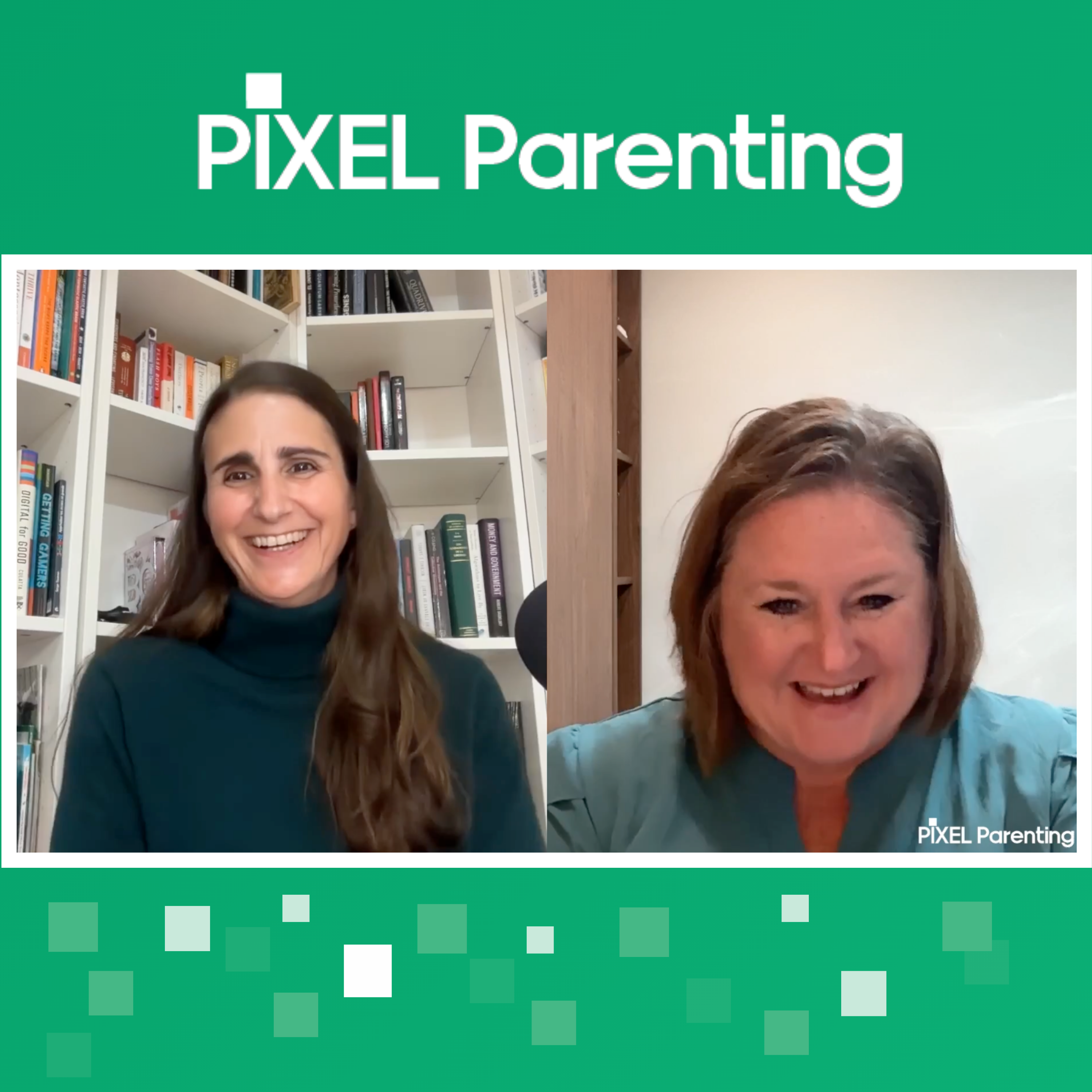
In this episode of Pixel Parenting, I talk with Julianna Lorenzen, co-founder of Healthy Screen Habits, about how screens shape kids’ brains, and what we can do about it.
Julianna has a background in sports medicine and is also a mom of four. She shares how her medical expertise and parenting journey led her to co-found a nonprofit that helps families navigate tech use with science, compassion, and practical tools. We cover the brain science behind screen habits, what makes apps so addictive, and five habits every family can use to build a healthier relationship with technology.
...Building Mental Health Skills Through Play | Dr. Celeste Sangiorgio
In this conversation, Dr. Celeste Sangiorgio discusses the intersection of video games and mental health, exploring how gaming can be utilized as a therapeutic tool. She shares insights on designing games that address mental health challenges, the importance of narrative in engaging players, and how games can influence identity development and empathy. The discussion also touches on parenting styles as represented in games, the potential for games to foster conversations between parents and children, and the future of gaming in mental health advocacy.
Takeaways
Dr. Celeste Sangiorgio focuses on translating cognitive behavior therapy concepts into game...Behind the Screen: Growing Up with Games | Allie Williams
In this conversation, Allie shares her journey through the world of gaming, discussing her educational background in game design and neuroscience, the impact of video games on her life, and how they have helped her manage ADHD. She emphasizes the importance of parental guidance in navigating online gaming safety and the role of trust in the parent-child relationship. Allie also highlights the potential of educational games and the future of gaming for families, encouraging young creators to explore their passion for game development.
Takeaways
Games can be a great way to exercise the brain. Understanding game...13 Ways Video Games May Affect Mental Health | Dr. Nick Ballou
In Part 2 of our special series with Dr. Nick Ballou, postdoctoral researcher at the Oxford Internet Institute, we dive into what research actually says about the effects of video games on mental health. Drawing from his newly published review paper, Dr. Ballou walks us through 13 potential ways gaming can influence well-being—from emotional regulation and social connection to displacement.
We also dig into common myths (no, violent games don’t turn kids violent), talk about when parents should worry (and when they can relax), and explore how context—not just screen time—shapes the impact of games.
W...
What Parents Should Know About Video Game Research | Dr. Nick Ballou
In this first part of a two-part series, I sit down with Dr. Nick Ballou, a postdoctoral researcher at the Oxford Internet Institute, to pull back the curtain on how video game research is actually done.
You’ve seen the headlines—video games are either harming or helping our kids—but what’s the truth behind those claims? Dr. Ballou explains the difference between self-reported survey data and behavioral data, what it takes to collaborate with the gaming industry, and why understanding the how behind the science is crucial for parents.
We also explore surprising findings...
Brain, Screens & Connection in Early Childhood | Rebecca Walsh

In this episode of Pixel Parenting, we dive into the critical early years of child development with Rebecca Walsh, founder of Early Childhood Matters. Rebecca shares how the first five years shape a child’s brain, why presence and connection are more powerful than we think, and how even small habits—like looking up from our phones—can make a big difference.
We talk about what “serve and return” really means, the science behind early brain development, and how modern parenting is being shaped by digital distractions. Plus, we explore how screen time affects kids under three, why boredo...
Behind the Scenes: Trust, Safety & Legal in Tech Companies | Abby Vollmer
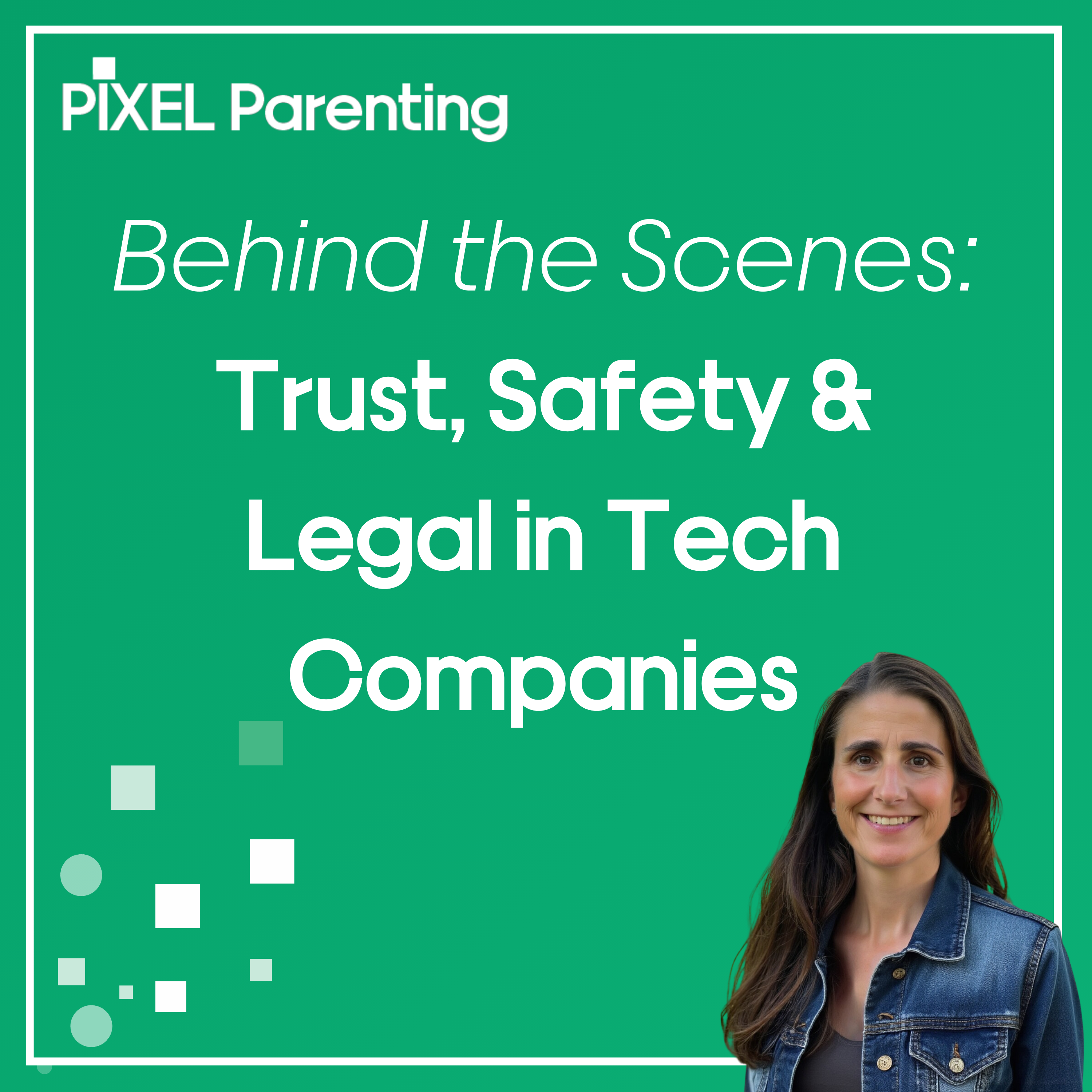
In this episode I’m excited to welcome Abby Vollmer—a legal and policy expert in the tech industry with a wealth of experience from GitHub, Strava, and now Cloudflare. In our conversation, Abby dives into her work at the intersection of technology, law, and child safety, exploring how tech policies shape everything from data management to community guidelines that protect our kids online. We discuss the evolving role of trust and safety teams in adapting to rapid technological change and the challenges lawmakers face in creating regulations that keep pace with innovation.
Throughout our discus...
Student Voices: A Middle Schooler’s Artificial Intelligence Journey
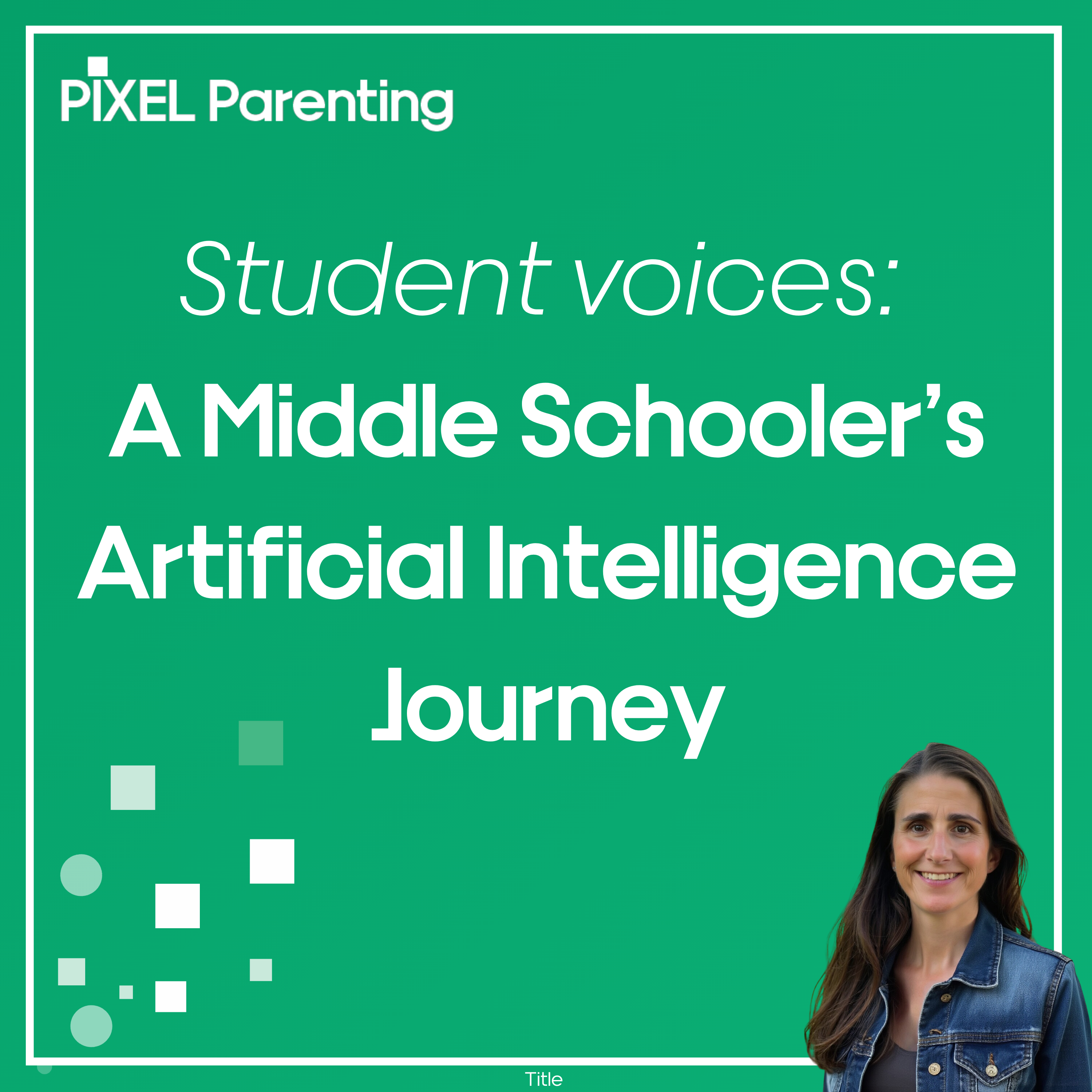
In this episode we explore the evolving role of AI in education through the eyes of Valentin, a tech-savvy seventh grader. Valentin recounts his early encounters with AI - starting with tools like DALL-E and ChatGPT - and how he now uses these technologies to overcome challenges such as dyslexia and ADHD. He explains how AI aids him in homework, streamlines group projects, and even sparks creative ideas for school assignments. While sharing his successes, Valentin also discusses the challenges of relying on AI, such as ensuring accuracy and the risk of misuse in academic settings. This open conversation...
When and How Should I Introduce Video Games? - Part 2

In Part 2, I focus on practical strategies for introducing and managing video games at home. I explain how creating a simple gaming contract and using parental controls can help set clear, balanced schedules for play, homework, and other activities. I also highlight the benefits of co-playing—showing that setting limits is important for both kids and adults—and break down how dopamine works in the brain, reinforcing the need to balance gaming with other rewarding pursuits. Finally, I share my personal approach and tips, like keeping a gaming journal and maintaining open communication, to help your children build healthy self...
When and How Should I Introduce Video Games? - Part 1

In this episode of Pixel Parenting, I kick off a special two-part series on introducing video games to children.
In Part One, I share when it’s the right time to start gaming—covering age guidelines and developmental milestones, from avoiding screens for infants to using simple, educational games for preschoolers, and gradually increasing playtime as children grow older. I also discuss the importance of balancing gaming with activities like outdoor play, reading, and creative hobbies, and explain how to evaluate game content using tools like ESRB, PEGI, and Common Sense Media. I share my own journey—from m...
Why Boredom is Good for Your Toddler

In this episode of Pixel Parenting, I take you on a dive into the unexpected power of boredom for toddlers. I share how those seemingly idle moments can be transformed into golden opportunities for sparking creativity, building emotional resilience, and nurturing independence in our little ones.
Here’s what I cover in this episode:
• The Psychology of Boredom: I explain why boredom isn’t just a void of activity but an emotional state that, when embraced, can ignite creative problem-solving and enhance cognitive flexibility.
• Unleashing Toddler Creativity: I share real-life examples of how t...
The AI Dialogs: Educational Apps
Are all “educational” apps created equal? In this episode, we dive into the world of apps designed for kids, exploring how to separate the genuinely educational from the flashy distractions. With over 80,000 apps labeled “educational,” how can parents make informed choices? Tune in as we discuss tips, tools, and research to guide you through the digital maze. Perfect for parents, educators, and anyone curious about technology’s role in learning!
The AI Dialogues: Understanding Gaming Disorder
Join Patricia and Sarah, an AI, on a discussion into the fascinating and complex world of gaming habits. This episode explores the science behind gaming disorder, the criteria used for diagnosis, and how to recognize the signs of excessive gaming. Through relatable anecdotes and insightful discussions, you'll gain a better understanding of when gaming becomes more than just a hobby.
Perfect for gamers, parents, and anyone curious about the psychology of gaming. Tune in for an engaging conversation that blends personal experiences with expert insights!
A Little Fun: The Pixel Parenting Song

Here’s a fun little song made by AI to brighten your day. No deep parenting insights here—just some lighthearted, tech-inspired fun for your day!
Using Brev.ai’s Royalty Free Music Generator.
Trailer
Welcome to Pixel Parenting, your go-to podcast for science-backed insights and practical tips on navigating the complex digital world with your children. Created by Patricia Cangas Rumeu, a seasoned expert in digital literacy and educational technology, this podcast aims to empower parents to guide their kids’ tech use confidently and thoughtfully.
With a Master’s degree in Education focused on neuroscience and technology, Patricia draws from over 15 years in the tech industry, alongside her experience as a parent and digital literacy advocate, to bring you the latest research and strategies. Through engaging conversations, evidence-based insights, and actionable advic...
The AI Dialogues: Game Genres
In this episode two of The AI Dialogues we dive into the fascinating world of video games through a unique conversation between two AI agents, John and Kate. Trained on insights from renowned experts and extensive research, these AIs explore gaming’s impact on our minds and motivations. They discuss why games are so engaging, the science behind dopamine's role in gaming, and how different game genres impact skills like hand-eye coordination, strategic thinking, and self-regulation. Join us for a fresh, AI-driven look at the world of video games that’s both insightful and engaging for parents and gamers alike
The AI Dialogues: Why Play Video Games? A Theory

In the first episode of our series "The AI dialogs" I delve into the underlying reasons why video games are so engaging and compelling, especially for children and teenagers. Drawing from my experience as a digital marketer, former video game professional, and educational studies expert, I sit down with David, an advanced AI trained on extensive research about gaming and psychology. Together, we explore self-determination theory to uncover how video games fulfill basic human needs like autonomy, competence, and relatedness. This episode offers valuable insights for parents aiming to understand the allure of gaming and provides practical tips to...
Navigating the Digital Landscape: An Overview of Modern Parenting

Join host Patricia Cangas in a thought-provoking conversation with an AI trained on 28 research articles about digital parenting. Together, they unravel the complexities and nuances of raising children in an ever-evolving digital world.
In this episode, Patricia and her AI co-host explore:
The Duality of Technology: Discussing how 71% of parents believe smartphones do more harm than good, yet acknowledging the undeniable benefits technology brings to learning and entertainment.
Beyond Screen Time Limits: Introducing strategies like time balancing, which focuses on making offline activities engaging so screens naturally take a backseat.
Building Trust...
