Faculty of Law general media

Recordings of lectures, events and other media from the Faculty of Law, University of Cambridge, which don't belong in other podcasts collections.
Child Contact Arrangements in the Context of Gender-Based Violence. A look at the Spanish no-contact rule: Family Law Seminar
Speaker: Dr Maitena Arakistain Arriola (Assistant Professor in Civil Law, University of the Basque Country; Visiting Fellow CFL; Bye Fellow, Robinson College)
Can the pro-contact culture that prevails in the justice system in child arrangement cases be changed through legislative reform? This is exactly what the Spanish legislator tried to do in 2021 when he amended the Civil Code to introduce a no-contact rule in cases of gendered-based violence. Now the presumption is that there will be no contact unless proven to be in the child’s best interests. Has it worked? The number of cases where unsafe co...
The Rt. Hon. Lord Lloyd-Jones addresses the Exploring Law Conference
In this lecture, delivered at the 51st iteration of the Exploring Law Conference (ELC) at Cambridge, Lord Lloyd-Jones provides an expert overview of the United Kingdom's highest appellate bodies: the Supreme Court of the United Kingdom and the Judicial Committee of the Privy Council.
Key themes from the address include:
Constitutional Evolution: The 2005 transition from the "Law Lords" in the House of Lords to an independent Supreme Court, emphasising the separation of powers and increased transparency.The Supreme Court's Mandate: The court acts as a final arbiter for "points of law of general public importance," deciding...The Employment Rights Bill Panel, 4 December 2025
A panel discussion on the Employment Rights Bill held at the Faculty of Law on 4 December 2025.
Lord (John) Hendy KC and Councillor Nick Denys from the Law Society shared their insights on the parliamentary process, the merits (and weaknesses) of the ERB, and its (practical) future once it is voted into law.
The development of this rather complex piece of legislation has been complicated and the interaction between the Lords and the Commons intense.
Professor Catherine Barnard chaired the session, with an additional contribution from Dr Fotis Vergis.
The Far-Right: The Left's Fault?: Cambridge Human Rights Law Society
Is modern left-wing progressive politics to blame for the current rise of the far-right?
This event was held by the Cambridge University Human Rights Law Society (CUHRLS) and Clare Politics Society, who hosted renowned human rights campaigner Peter Tatchell, best known for his decades-long work with LGBTQ+ and other global social justice movements which has shaped contemporary activism. Peter discussed the rising tide of the far right and why progressive politics has struggled to stem this tide and safeguard human rights in response.
Peter Tatchell is one of the UK’s best-known human rights campaigners, wi...
The Paradoxes of Property: What do we Own and What can we Own?: Hamlyn Lectures 2025, Lecture 2
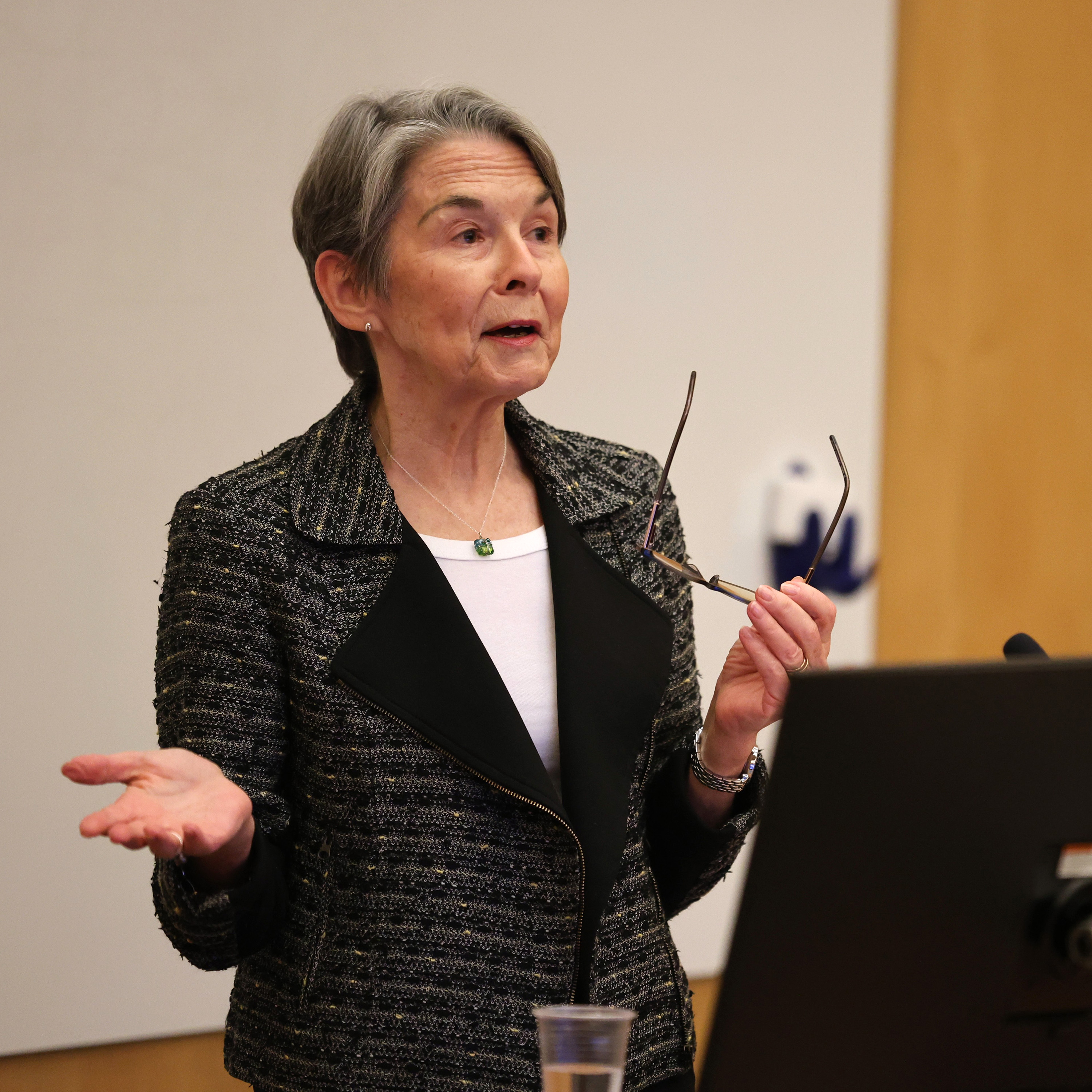
On Wednesday 12 November 2025 Professor Dame Sarah Worthington DBE, KC (Hon), FBA, FRSA delivered the second of three 2025 Hamlyn Lectures at the Faculty.
The Hamlyn Lectures are normally delivered in the autumn and the annual Hamlyn Seminar, which marks the publication of the lecture, is usually held in London in the following spring.
The lecture was on the title: 'The Paradoxes of Property: What do we Own and What can we Own?'
For more about the Hamlyn Lectures see: https://law.exeter.ac.uk/about/thehamlyntrust/lectures/
The future on trial: where next for human rights litigation?: Cambridge Women in Law
On 26 September 2025 Cambridge Women in Law (CWIL) hosted the Right Honourable Lady Arden of Heswall DBE as she chaired a compelling discussion with four exceptional legal minds shaping the future of human rights law, Nicola Greaney KC, Irena Sabic KC, Katherine Apps KC and Dr Kirsty Hughes, Associate Professor of Human Rights Law. The event took place as part of the Cambridge Alumni Festival, and was generously hosted by Murray Edwards College, Cambridge.
CWIL is an exciting social network of alumnae at the Faculty of Law, University of Cambridge, which features a diverse range of women from...
The future of the European Union after the Lisbon Treaty: The 2009 Alcuin Lecture
On Tuesday 17th November the Rt. Hon. Professor Shirley Williams delivered the 2009 Alcuin lecture at the Law Faculty, discussing the future of the European Union after the Lisbon Treaty.
Shirley Williams, Baroness Williams of Crosby, was one of the 'Gang of Four' moderate Labour politicians who in 1981 founded the Social Democratic Party (SDP), which merged with the Liberal Party in 1988 to form the Liberal Democrats.
Baroness Williams was first elected as an MP in the 1964 General Election to represent the Labour Party in the constituency of Hitchin, Hertfordshire. She rapidly rose to a junior ministerial...
BACL Book discussion: 'Press Freedom and Regulation in a Digital Era: A Comparative Study'
The British Association of Comparative Law (BACL) held a discussion of Dr Irini Katsirea’s book, 'Press Freedom and Regulation in a Digital Era: A Comparative Study' (2024) on 29th April 2025.
This book examines the challenges for press freedom in the nascent digital news ecosystem. Drawing upon decisions of the European Court of Human Rights and the Court of Justice of the European Union, as well as from German, UK and US case law, this comparative work explores the regulation of the press in the digital era and the impact of the proliferating media laws, policies, and jurisprudence on...
The statehood of Palestine: A Palestinian account: Cambridge University Lawyers Without Borders
Speaker: Professor Victor Kattan (University of Nottingham)
Chair: Professor Antony Anghie (Goodhart Professor, National University of Singapore and the University of Utah S.J. Quinney College of Law)
Abstract: In this presentation I will provide an account of the statehood of Palestine. After outlining the basic principles relating to statehood in international law, I will argue that recognition plays an important role in such assessments. My talk will focus on four key moments extending from the time of the League of Nations to the United Nations period. In presenting this account, I will address my...
On the Interface between Public and Private International Law: 1973 Professor Inaugural Lecture 2025
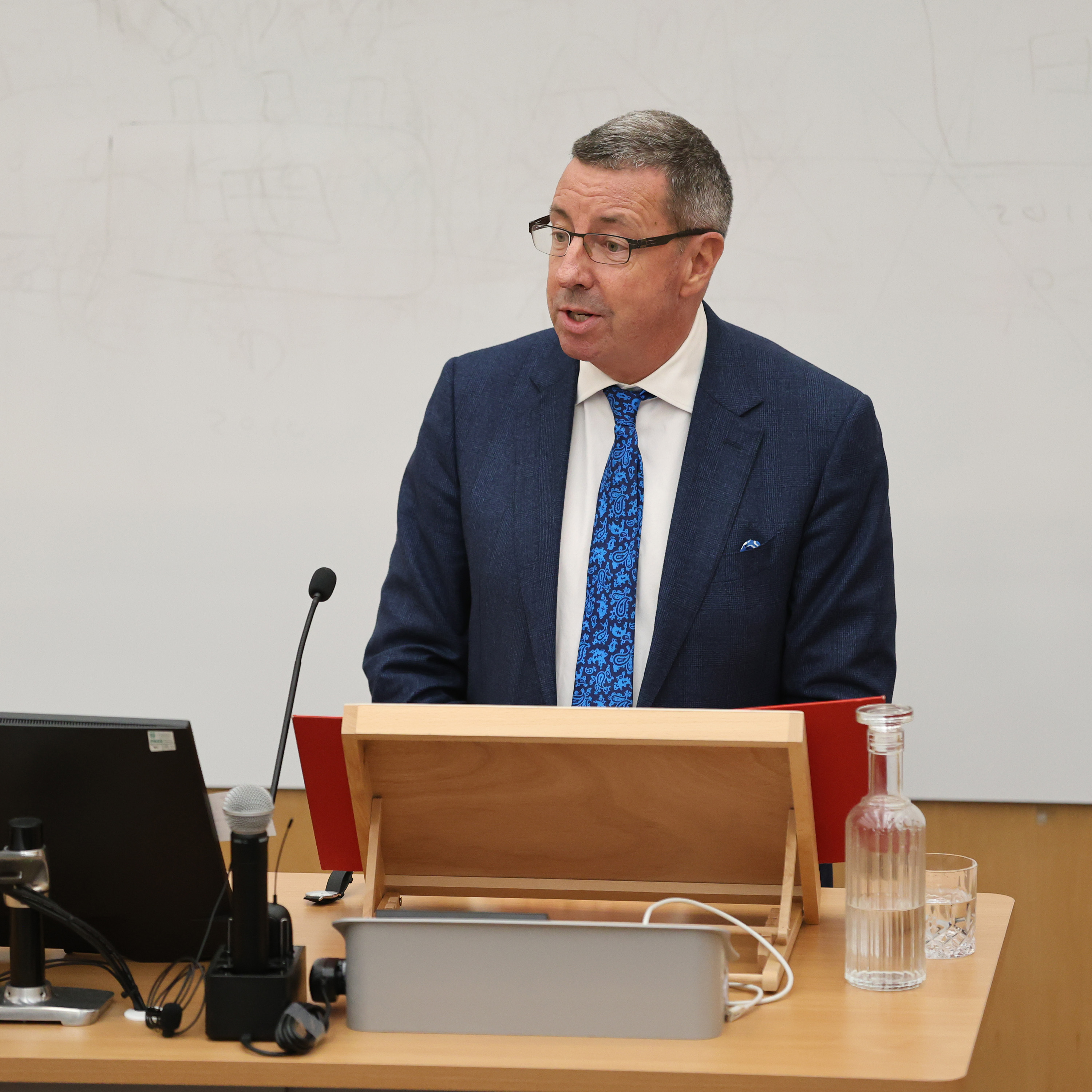
Oh Thursday 6th February 2025 Professor Campbell McLachlan KC delivered his 1973 Professor Inaugural Lecture: 'On the Interface between Public and Private International Law'.
The lecture begins at 05:18
Abstract: Our understanding of the operation of law beyond the nation State has been deeply shaped by two great disciplines: public and private international law. Yet surprisingly little systematic attention has been devoted to the relationship between the two. In his inaugural lecture as Professor of International Dispute Resolution in the University of Cambridge, McLachlan argues that the neglect of this interface is highly consequential for our understanding of l...
Professor Glanville Williams: 7 December 1970

Professor Glanville Williams, Peter Glazebrooke, David Williams, and Dr Richard Sparks with Mr A F Wilcocks, previously Chief Constable of Hertfordshire, and author of 'Enforcing the Law with Discretion'.
CFL Lecture: 'The Lundy Model of Child Participation: space, voice, audience and influence for young people in decision making when parents separate' (audio)

This event was hosted by Cambridge Family Law Centre (CFL) on 7 March 2024. Speakers: Professor Laura Lundy (Queen’s University Belfast), Professor Anne Barlow (University of Exeter) & Dr Jan Ewing (University of Cambridge) When parents separate, children have the right to a voice in the decision-making per their article 12, UNCRC rights. However, evidence shows that this right is rarely upheld in England and Wales. Professor Lundy has developed the ‘Lundy Model of Child Participation’ (‘the Lundy Model’), a core set of rights-based principles to ensure young people can participate meaningfully in decision-making. The model is core to the Irish National Framework on Child a...
'Judges, Jurists and Style': Professor Jonathan Morgan Inaugural lecture (audio)
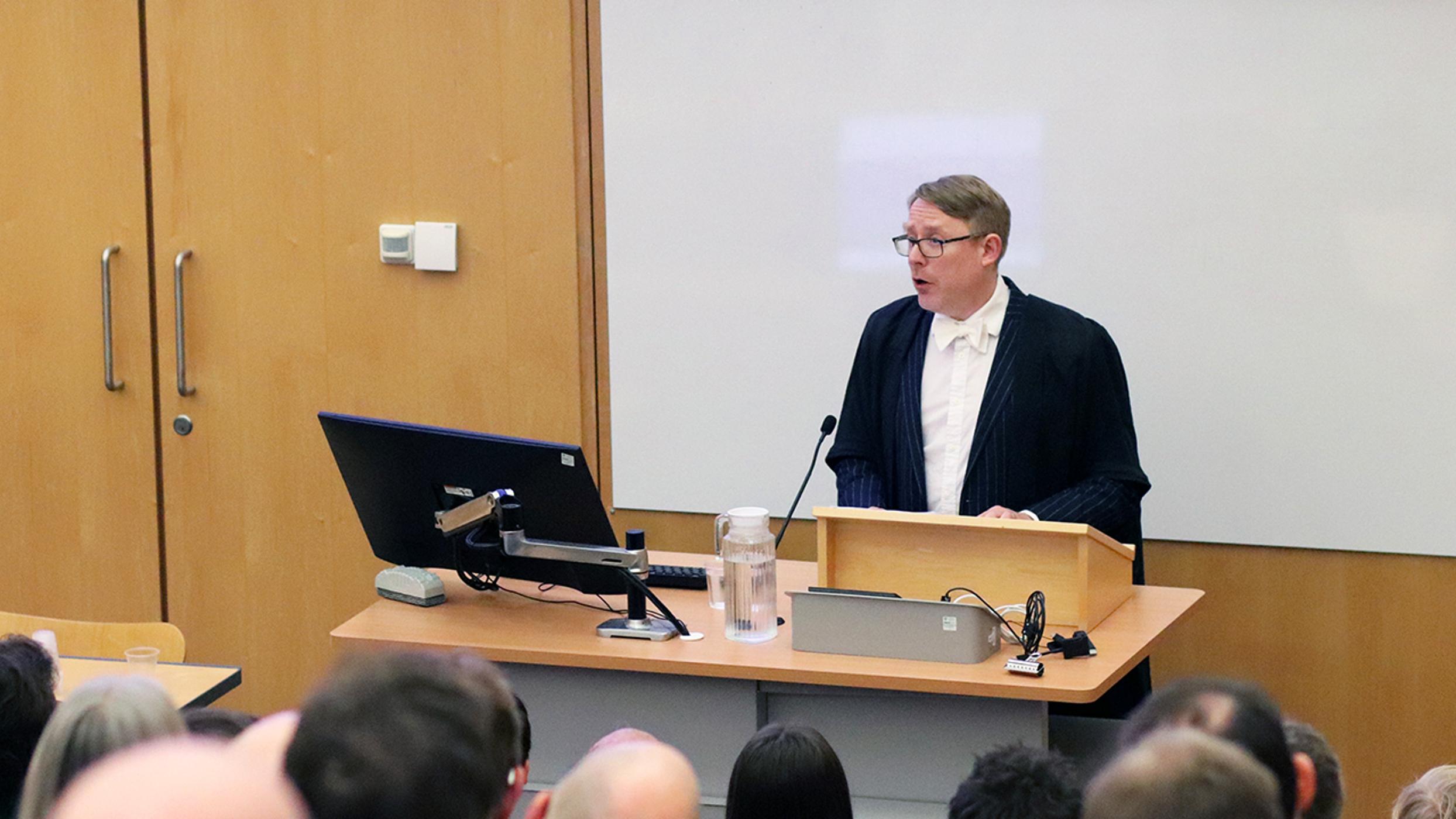
Judges and jurists employ distinctive, and distinctly different, styles of reasoning. Judges develop the common law cautiously, by incremental analogical development. Judicial reasoning is characteristically practical, even pragmatic, with the resolution of concrete disputes paramount. The stability of the common law depends on strong shared, albeit implicit, understandings about its content. Academia might seem hostile to much of this. Academics are expected to build ambitious theories, to investigate legal rules to their theoretical foundations, to question and reject consensus, and above all to innovate. In pursuing such goals, legal scholars risk misconceiving the nature of the common law enterprise, and...
'The Idealist's Dilemma' - Philip Allott
On 23 May 2014, Professor Philip Allott of the University of Cambridge addressed the Spring Conference of the International Law Association British Branch at the Inner Temple, London.
Downing Professor Inaugural Lecture: 'Private Law's Two Bodies' (audio)
Professor Lionel Smith gave his Downing Professor Inaugural Lecture on Friday 19 May 2023 at the Faculty of Law. The Downing Professorship was founded in 1800, supported from a bequest from Sir George Downing, the founder of Downing College. Previous holders have included Andrew Amos, FW Maitland, Sir William Ivor Jennings, Stanley de Smith, Gareth Jones and Sir John Baker. Professor Smith took up the Chair in October 2022, following the retirement of Dame Sarah Worthington. This entry provides an audio source for iTunes.
Darwin College Erasmus Seminar: 'What happens when enforcement doesn’t happen: Brexit, free movement and … Great Yarmouth' (audio)
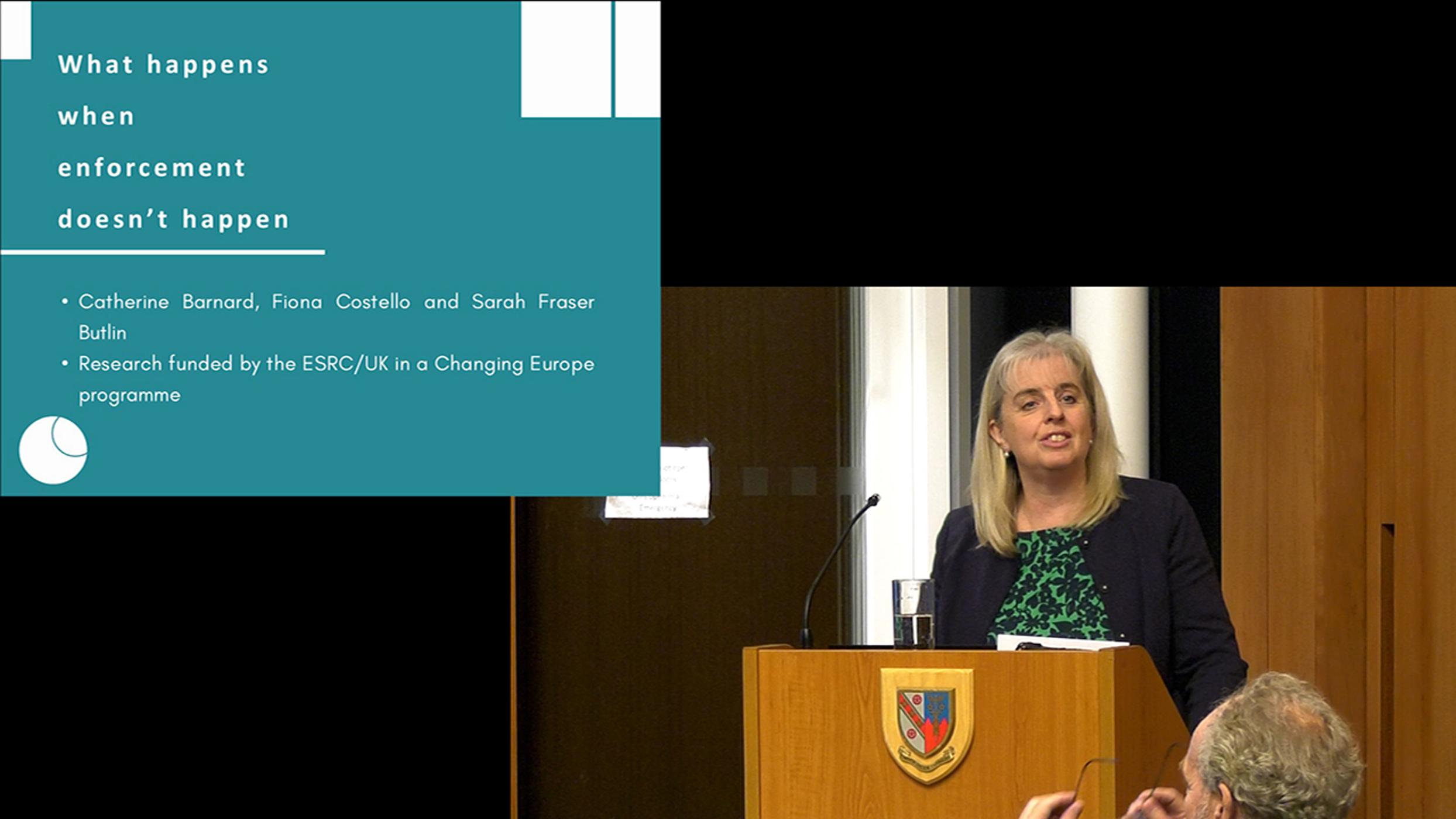
The inaugural Darwin College Erasmus Seminar took place on Wednesday 23 November at 6pm in Darwin College. Professor Catherine Barnard gave her talk on : 'What happens when enforcement doesn’t happen: Brexit, free movement and … Great Yarmouth'. Professor Barnard is Professor of EU Law and Employment Law in the University of Cambridge, and a Fellow of Trinity College. Professor Barnard looks at the experiences of EU migrant workers in Great Yarmouth, a declining seaside resort with the fifth highest leave vote in the UK. Her research has looked at the experiences of those living and working in Great Yarmouth. It tells the...
It's the Law: Civil Law
A BBC World Service programme broadcast on 29 August 1991. What is Civil Law, and why does the legal system of ancient Rome still matter? This second of five programmes looks at how many countries' legal systems can trace part of their legal history back to Rome. Programme information is available at https://www.bbc.co.uk/sounds/play/p03m0hxr Provided courtesy of the BBC.
It's the Law: Common Law
A BBC World Service programme broadcast on 19 August 1991. The history of common law in England and how it spread across the English-speaking world, adapting to local cultures. Plus, the development of the legal system, and questions arising from recent miscarriages of justice. In this first of five parts, speakers include Lord Denning, legal historian Professor John Baker and Sir Frederick Lawton. Programme information is available at https://www.bbc.co.uk/sounds/play/p03m0hx6 Provided courtesy of the BBC.
Webinar: 'Criminal Justice in a Pandemic: The Prisons' (audio)
In these two public webinars from the Faculty of Law at the University of Cambridge, the panels explore the enormous additional pressures that the pandemic has imposed on the criminal justice system. In this second webinar we look at the current conditions in English prisons and explore why more has not been done for those in custody throughout the pandemic. At the beginning of April, the government announced plans for the early release of up to 4,000 prisoners in England and Wales, to reduce prison overcrowding and to slow the rate of infection among prisoners and staff. The Prison Governors Association...
Webinar: 'Criminal Justice in a Pandemic: The courts' (audio)
In these two public webinars from the Faculty of Law at the University of Cambridge, the panels explore the enormous additional pressures that the pandemic has imposed on the criminal justice system. In the first event, our focus is the courts and we explore the reality of daily life in magistrates’ courts and in the Crown Court, from bail applications to sentencing. What has happened to the right to trial by jury? What will be the impact of the pandemic on the rights of defendants and victims, both in the short and the long term? What are the lessons to be...
Europe: Past, Present and Future: Speaker 3 - Norman Davies
The problems arising from Europe's troubled history was the subject of the fourth seminar in the ‘Future of Europe’ series, which took place at the University of Cambridge’s Faculty of Law in 2004. The seminar was held on Wednesday 28 January 2004, and discussed the issues of nationalism and the bitterness of past conflicts and how the problems still exist despite the creation of pan-European institutions. The seminar was chaired by Tim Blanning, Professor of Modern European History at the University of Cambridge. Speakers included Norman Davies, Historian, Oxford University; Misha Glenny, author and specialist in the history and politics of the Balkan...
Europe: Past, Present and Future: Speaker 2 - Micha Glenny
The problems arising from Europe's troubled history was the subject of the fourth seminar in the ‘Future of Europe’ series, which took place at the University of Cambridge’s Faculty of Law in 2004. The seminar was held on Wednesday 28 January 2004, and discussed the issues of nationalism and the bitterness of past conflicts and how the problems still exist despite the creation of pan-European institutions. The seminar was chaired by Tim Blanning, Professor of Modern European History at the University of Cambridge. Speakers included Norman Davies, Historian, Oxford University; Misha Glenny, author and specialist in the history and politics of the Balkan...
Europe: Past, Present and Future: Speaker 1 - Harold James
The problems arising from Europe's troubled history was the subject of the fourth seminar in the ‘Future of Europe’ series, which took place at the University of Cambridge’s Faculty of Law in 2004. The seminar was held on Wednesday 28 January 2004, and discussed the issues of nationalism and the bitterness of past conflicts and how the problems still exist despite the creation of pan-European institutions. The seminar was chaired by Tim Blanning, Professor of Modern European History at the University of Cambridge. Speakers included Norman Davies, Historian, Oxford University; Misha Glenny, author and specialist in the history and politics of the Balkan...
Europe: Past, Present and Future: Introduction - Tim Blanning
The problems arising from Europe's troubled history was the subject of the fourth seminar in the ‘Future of Europe’ series, which took place at the University of Cambridge’s Faculty of Law in 2004. The seminar was held on Wednesday 28 January 2004, and discussed the issues of nationalism and the bitterness of past conflicts and how the problems still exist despite the creation of pan-European institutions. The seminar was chaired by Tim Blanning, Professor of Modern European History at the University of Cambridge. Speakers included Norman Davies, Historian, Oxford University; Misha Glenny, author and specialist in the history and politics of the Balkan...
CELS Occasional podcast: '#Brexit how Europe views the UK now'
In another of the CELS occasional podcast documentary series we speak to three of our academics from the University of Cambridge about the reputation of the UK now following three years of ups and downs in its #Brexit negotiations with the EU. We ask Albertina Albors-Llorens, Professor of European Union Law; Catherine Barnard Professor of EU and Employment Law, Director of CELS and Dr Markus Gehring who teaches European Union and International Law at the Faculty of Law, if the EU is misunderstood, whether or not those misunderstandings are the result of media bias, and if the other 27 European Union...
Cambridge Women in Law Launch: In discussion with Lady Hale and Lady Arden (audio)
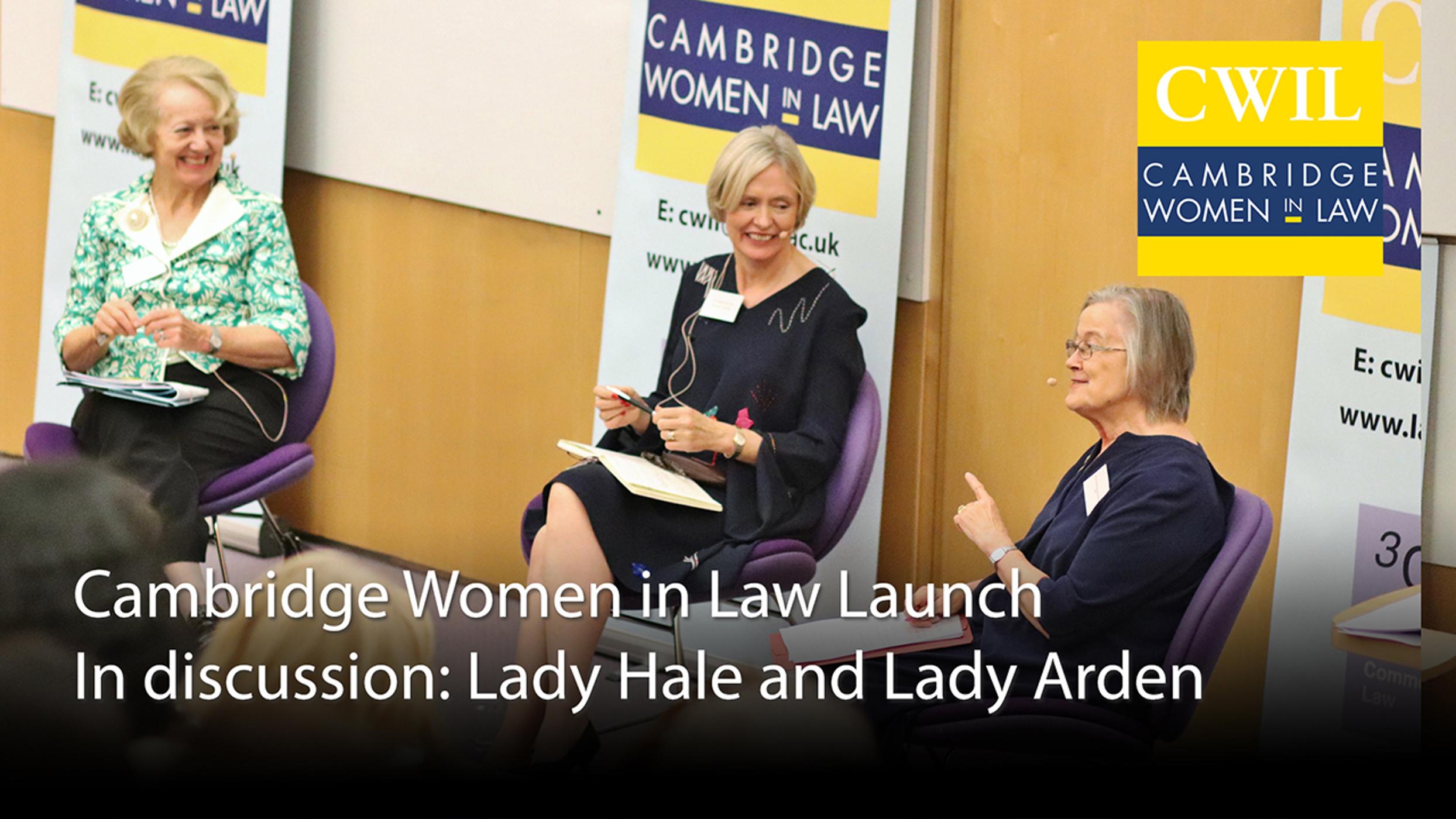
Cambridge Women in Law (CWIL) is an exciting new social network of alumnae at the Faculty of Law, University of Cambridge, which features a diverse range of women from all sectors. CWIL was officially launched on 27 September with an event to mark the centenary of the passing of the Sex Disqualification (Removal) Act 1919, when women were finally allowed to practise. The aim of the event, which coincided with the Cambridge Alumni Festival, was to celebrate the contribution of Law alumnae into legal practice and to the wider world. The Faculty also hosted an exhibition of the much heralded First 100 Years...
Cambridge Women in Law Launch: Panel 2 - Women in the wider world (audio)
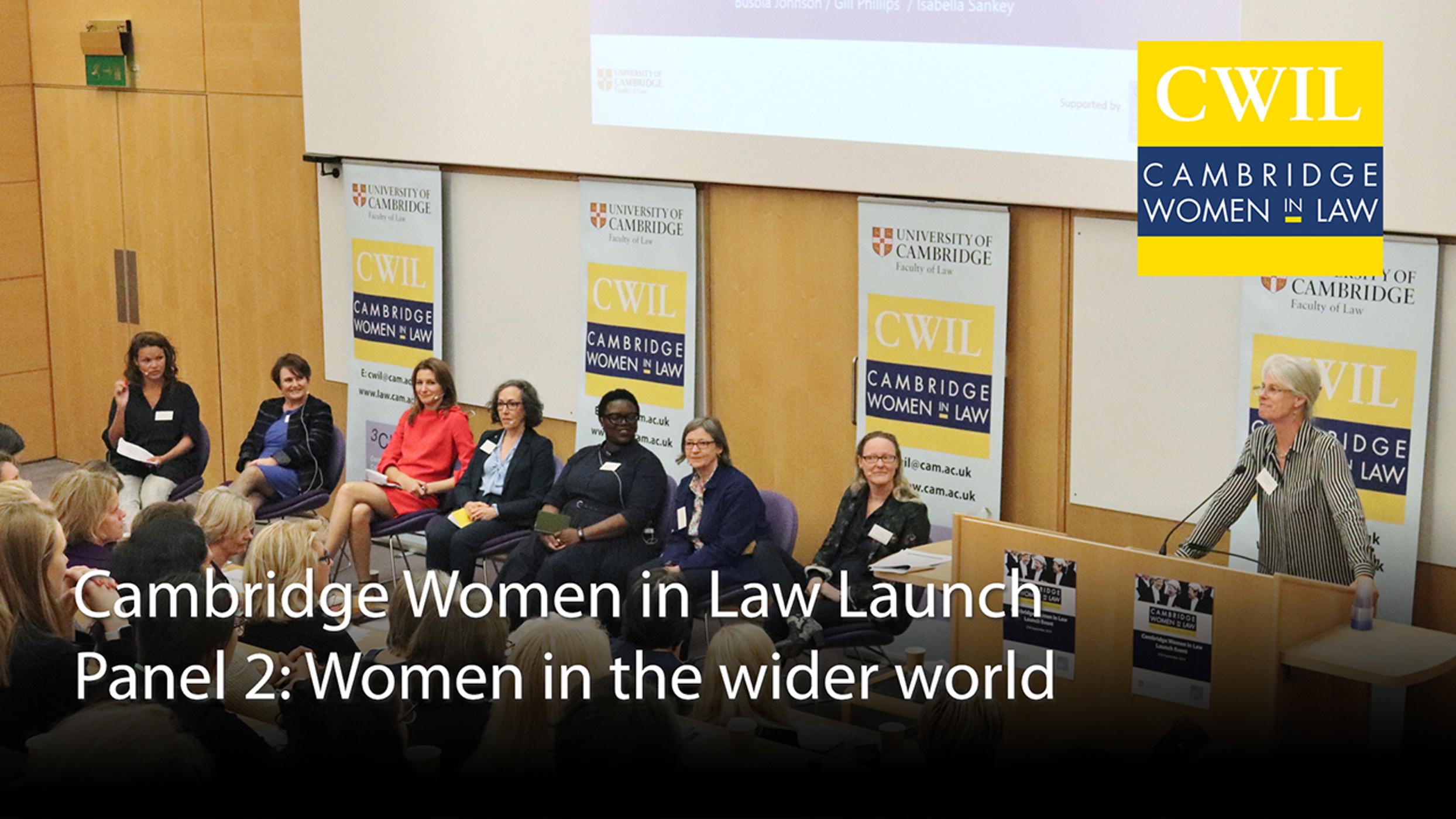
Cambridge Women in Law (CWIL) is an exciting new social network of alumnae at the Faculty of Law, University of Cambridge, which features a diverse range of women from all sectors. CWIL was officially launched on 27 September with an event to mark the centenary of the passing of the Sex Disqualification (Removal) Act 1919, when women were finally allowed to practise. The aim of the event, which coincided with the Cambridge Alumni Festival, was to celebrate the contribution of Law alumnae into legal practice and to the wider world. The Faculty also hosted an exhibition of the much heralded First 100 Years...
Cambridge Women in Law Launch: Panel 1 - Women in practice (audio)
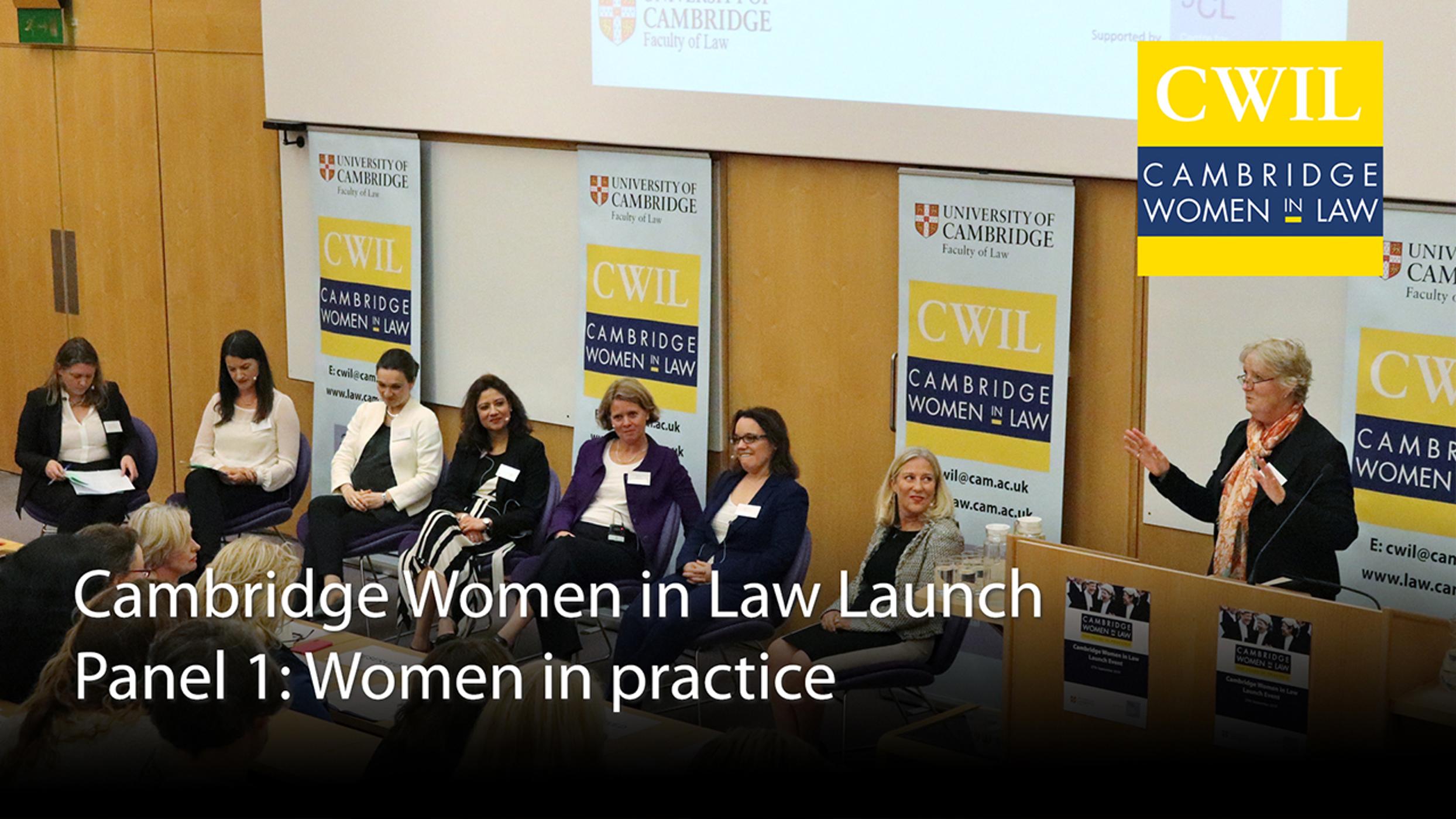
Cambridge Women in Law (CWIL) is an exciting new social network of alumnae at the Faculty of Law, University of Cambridge, which features a diverse range of women from all sectors. CWIL was officially launched on 27 September with an event to mark the centenary of the passing of the Sex Disqualification (Removal) Act 1919, when women were finally allowed to practise. The aim of the event, which coincided with the Cambridge Alumni Festival, was to celebrate the contribution of Law alumnae into legal practice and to the wider world. The Faculty also hosted an exhibition of the much heralded First 100 Years...
ECLA Lecture: 'EU Criminal law round up special: Where are we now with Brexit?'
In this lecture, Professor John Spencer (President of the European Criminal Law Association/University of Cambridge) presents a round up of the current situation in European Criminal Law and the potential impacts of Brexit. The accompanying slides for this event are available at: http://www.eucriminallaw.com/storage/spencer_annual_roundup_2019.pptx The European Criminal Law Association (ECLA UK) (formerly the Association to Combat Fraud in Europe (ACFE)) is an unincorporated association of practitioners, academics and others interested in the emerging body of European Criminal law. It has been associated since 1980, and continues to study, discuss and provide information on...
CELS #Brexit Myths podcast: Part 1
The Centre for European Legal Studies, University of Cambridge explores the common myths of #Brexit. In this exclusive podcast three academics from the Centre for European Legal Studies, University of Cambridge, give their verdicts on twelve common myths about the UK’s #Brexit from the EU. We speak to Professor Catherine Barnard, Professor of European Union Law and a Senior Fellow in the UK in a Changing Europe Programme; Dr Markus Gehring, University Lecturer in Law at the Law Faculty and former Deputy Director of the Centre for European Legal Studies and a Fellow of the Lauterpacht Centre for International La...
CELS #Brexit Myths podcast: Part 2
The Centre for European Legal Studies, University of Cambridge explores the common myths of #Brexit. In this exclusive podcast three academics from the Centre for European Legal Studies, University of Cambridge, give their verdicts on twelve common myths about the UK’s #Brexit from the EU. We speak to Professor Catherine Barnard, Professor of European Union Law and a Senior Fellow in the UK in a Changing Europe Programme; Dr Markus Gehring, University Lecturer in Law at the Law Faculty and former Deputy Director of the Centre for European Legal Studies and a Fellow of the Lauterpacht Centre for International La...
'From Clarence Thomas to Brett Kavanaugh: The selection and politics of nominees to the US Supreme Court': Shanin Specter - Clare College Lecture (audio)
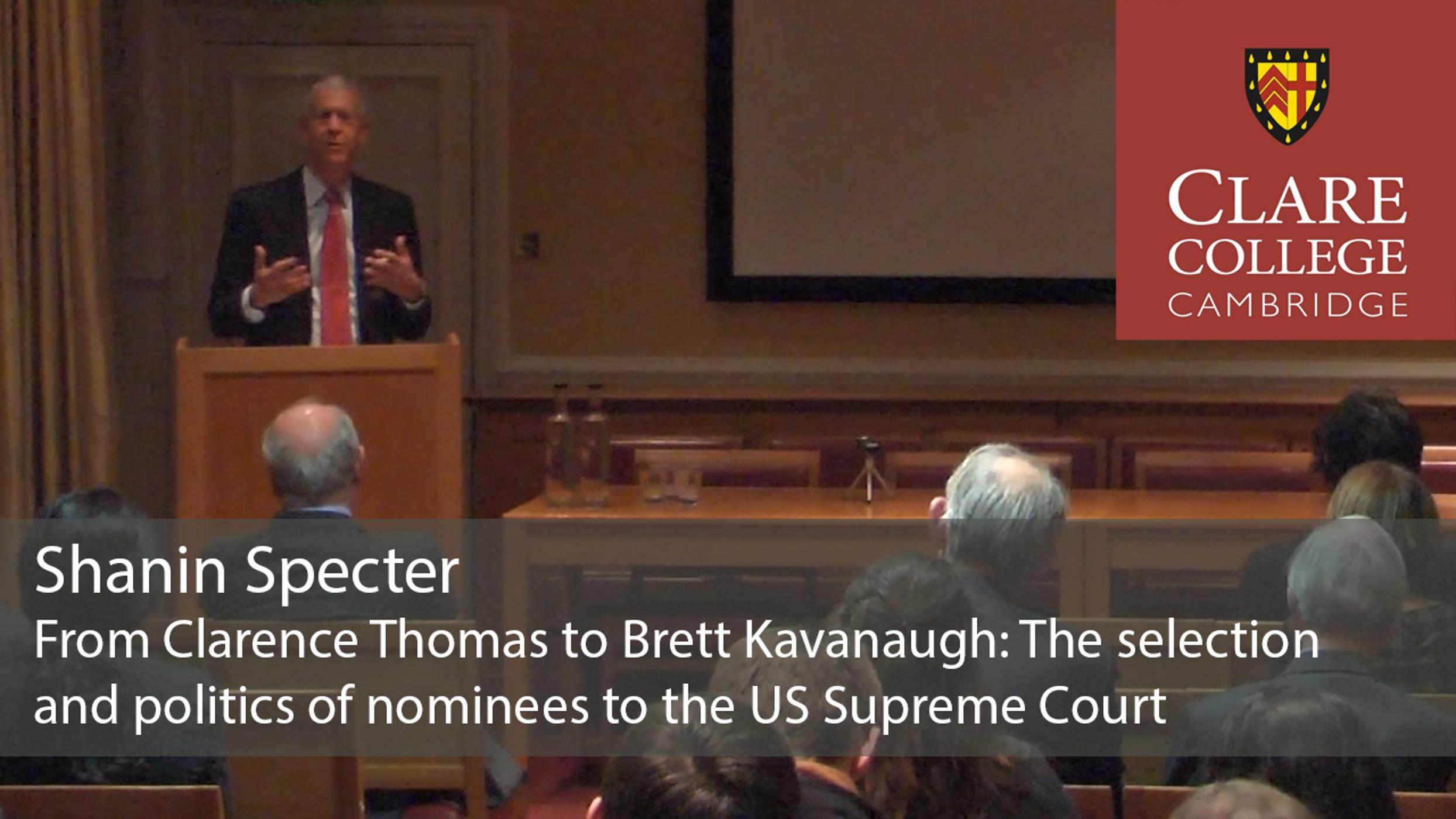
On 27 November 2018 Clare College, Cambridge, hosted Visiting Clare Fellow Mr Shanin Specter (1983) who delivered a lecture entitled "From Clarence Thomas to Brett Kavanaugh: The selection and politics of nominees to the US Supreme Court". Mr Specter has taught at the University of Pennsylvania Law School, UC Hastings College of the Law, UC Berkley School of Law and Stanford Law School. He is a founding Partner of the US firm Kilne & Specter. For any more information about the event, contact events@clare.cam.ac.uk This entry provides an audio source for iTunes.
Post-Brexit Options for the UK: New Legal Analysis
On 16 November 2018 the SRI (Strategic Research Initiative) and the CBR, the Centre for Business Research, University of Cambridge, held a conference at Peterhouse College in Cambridge on Brexit with the aim of encouraging interdisciplinary discussion amongst academics and further research on the implications of the UK leaving the EU for public policy.
While politicians in Westminster were arguing about the merits of Theresa May, the Prime Minister’s draft Withdrawal Agreement simultaneously delegates to the conference gave their verdict on it. They had actually read the 585 pages of what has been termed the “divorce” bill and the accomp...
Britain’s Broken Economic Model and Why Brexit isn’t the Cure
Simon Deakin, Director of the Centre for Business Research and Professor of Law at the University of Cambridge, tells the Cambridge Public Policy SRI (Strategic Research Initiative) why Brexit isn’t the cure for Britain’s broken economic model.
On 16 November 2018 the SRI and the CBR, the Centre for Business Research, University of Cambridge, are holding a conference in Cambridge on Brexit with the aim of encouraging interdisciplinary discussion amongst academics and further research on the implications of the UK leaving the EU for public policy.
This is the third of a series of podcasts whic...
Young Practitioners' Event Organised with ICC YAF 2017: Panel on The Clash Between the Common Law and Civil Law Approach in International Arbitration
This Young Practitioners’ Event was organized in association with the ICC Young Arbitrators Forum (YAF) on 17 March 2017, and preceded the main conference. This event was aimed at encouraging young practitioners to exchange professional experience and create a network that strengthens relationships within the young arbitration community. The panel discussion was on: Clash Between the Common Law and Civil Law Approach in International Arbitration
1. Moderator: Ania Farren / Partner Berwin Leighton Paisner
2. Role of the Counsel: Timothy Foden / Of Counsel Quinn Emanuel Urquhart & Sullivan
3. Discovery & Document Productions: Saadia Bhatty / Associate Clyde & Co
4. Differences in...
There’s no better trade deal for the UK than being in the EU but the Chequers ‘sticky tape’ may just help the UK Brexit if it still wants to.
Dr Lorand Bartels, a Reader in International Law at the University of Cambridge, teaches WTO & EU law, tells the Cambridge Public Policy SRI (Strategic Research Initiative) what he thinks the UK’s prospects are of getting proper trade deals with other countries post Brexit.
Will Michel Barnier save Theresa May’s bacon and will historian’s look back on a wasted three months soon after the UK’s June 2016 Referendum?
Catherine Barnard, Professor of EU Law at the University of Cambridge and a Senior Fellow of UK in a Changing Europe tells the Cambridge Public Policy SRI (Strategic Research Initiative) what she thinks of the UK government’s Chequers Deal.
The SRI and the CBR, the Centre for Business Research, University of Cambridge, are holding a conference in November on Brexit with the aim of encouraging interdisciplinary discussion amongst academics and further research on the implications of the UK leaving the EU for public policy.
This is the first of a series of podcasts the SR...
'The Politics of Constitution-Making after the Arab Spring': Hughes Hall Hat Club

On 16th May 2012, the Hughes Hall Hat Club at the University of Cambridge held a special public seminar which comprised a panel discussion based on the central topic of "The Politics of Constitution-Making after the Arab Spring”. The panel addressed whether re-constitutionalisation in the post-authoritarian era can embody the aspirations of the popular uprisings that swept across many parts of the Middle East and North Africa and the ways in which ongoing debates around constitutionalisation indicate that the Arab Spring is far from over. Among the topics highlighted was the discernible pertinence of the idea of constitutional change in the af...
'Legal Aid and the Costs Review Reforms': Lord Justice Rupert Jackson
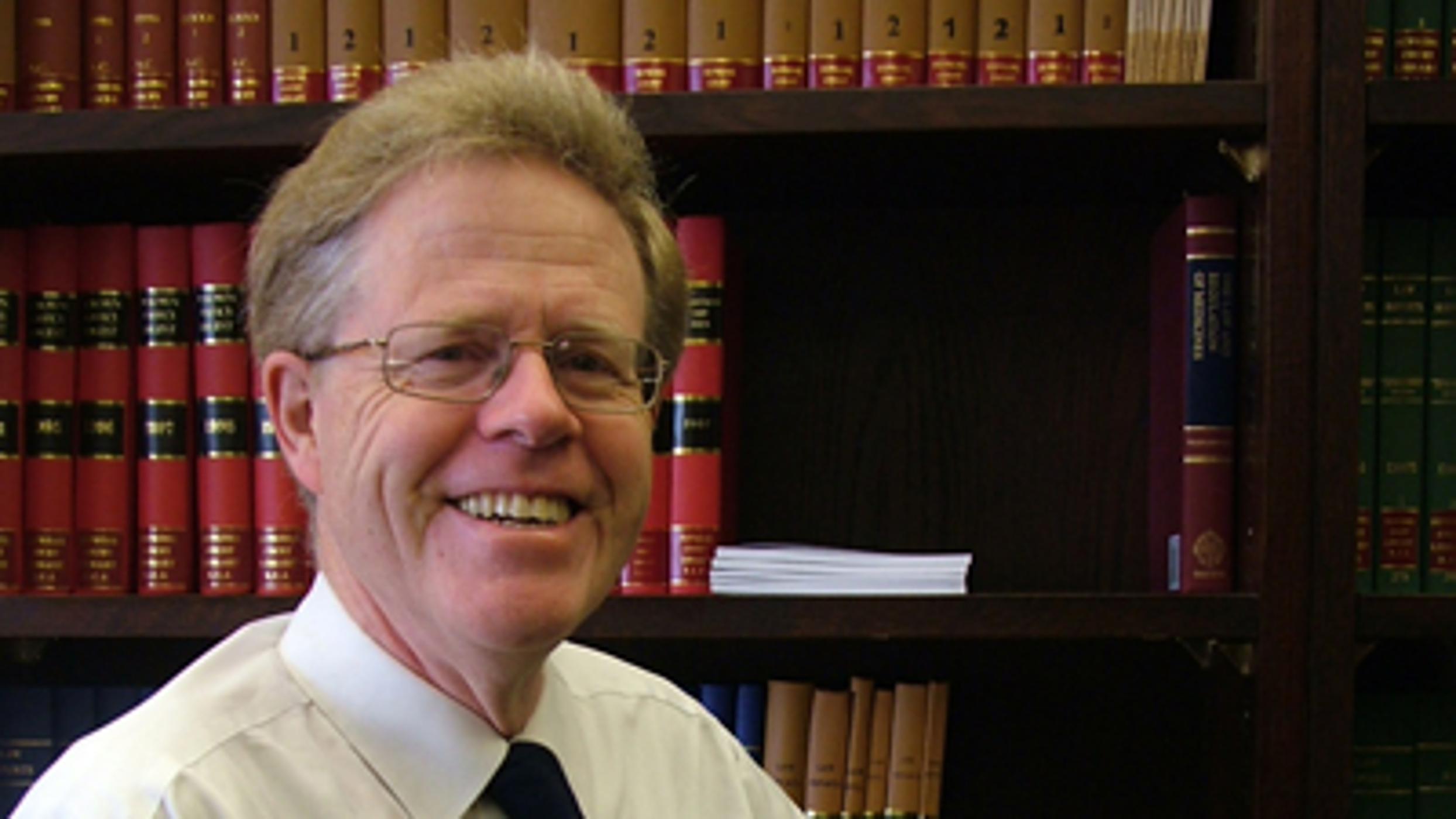
On Monday 5 September in the Moot Court Room of the Faculty of Law, Lord Justice Rupert Jackson delivered a talk entitled 'Legal Aid and the Costs Review Reforms'. In it, he considered Government proposals to reduce public financial support for civil proceedings through the Legal Aid, Sentencing and Punishment of Offenders Bill, implementing some of Lord Justice Jackson's recommendations in his Civil Litigation Costs Review. Following the talk, there was discussion by academics and practitioners.
An A-Z of Brexit (Part 2)
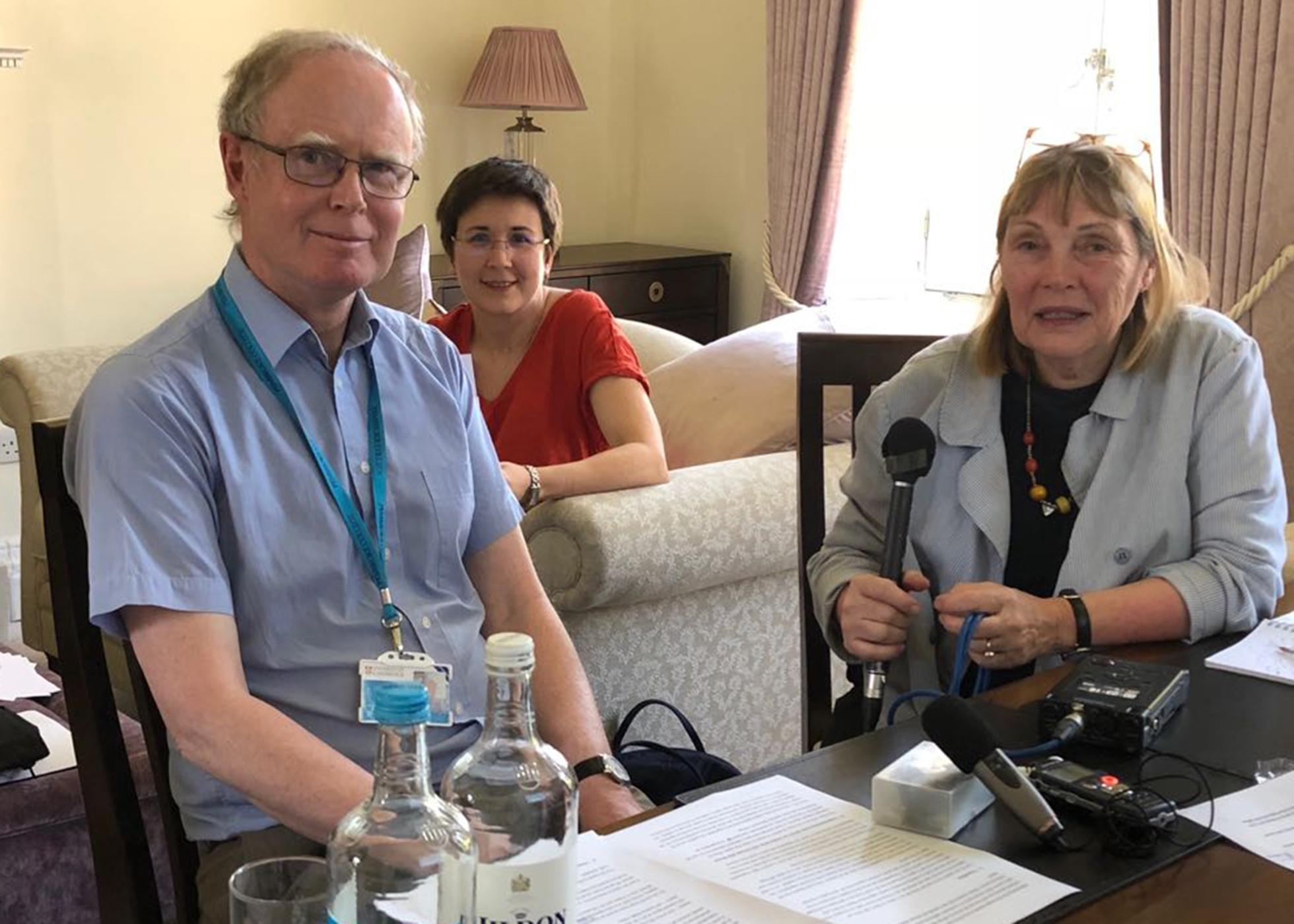
In 'An A-Z of Brexit', various members of the Centre for European Legal Studies (CELS), discuss Brexit issues. Over two episodes, the speakers lead listeners through the twenty six letters of the alphabet to help impart a greater understanding of what Brexit means for the United Kingdom. These recordings feature Catherine Barnard, Albertina Albors-Llorens, Markus Gehring, John Bell, Julie Smith, and Sophie Turenne, and were produced by Boni Sones. For more information see: https://www.cels.law.cam.ac.uk/brexit/an-a-z-of-brexit


