Street Smart Naturalist
A free newsletter oriented toward building stronger connections to place through stories of human and natural history in the Pacific Northwest streetsmartnaturalist.substack.com
Mount St. Helens: 46 Years After the Big Blast
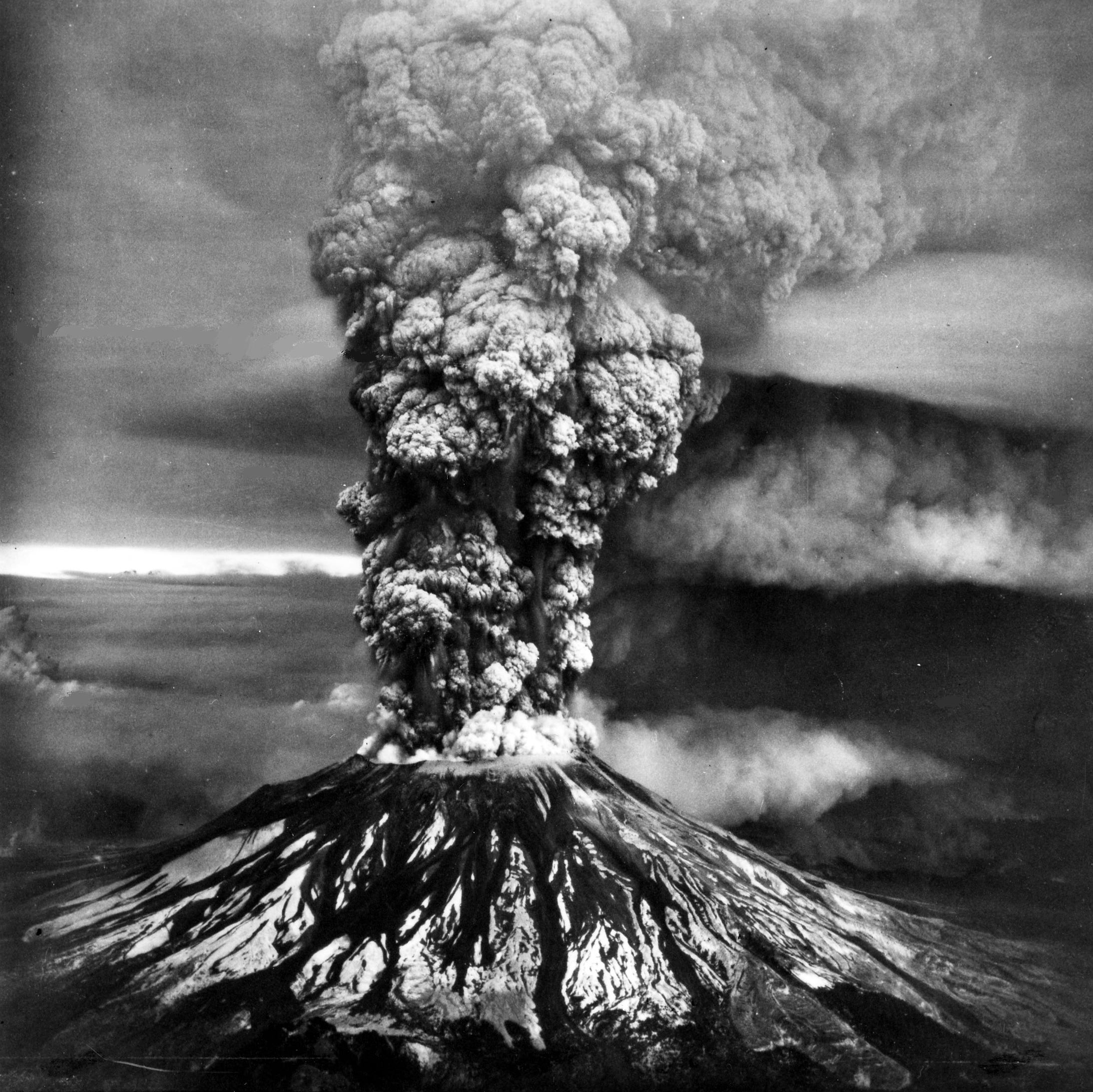
As has happened every year since 1981, we in the PNW noted the anniversary this week of the eruption of Mount St. Helens. At 8:32 AM on May 18, 1980, the mountain erupted for the first time since the 1850s. We couldn’t see the eruption from our house in Seattle but I have a vivid memory of watching the coverage on our black and white television. I was in awe of the seething mushroom cloud of ash and debris, the scary-looking tree-choked rivers, and the cloud of blackness that shrouded nearby towns and cities. (If I remember correctly, my brother was driving ho...
How Not to Harness a River
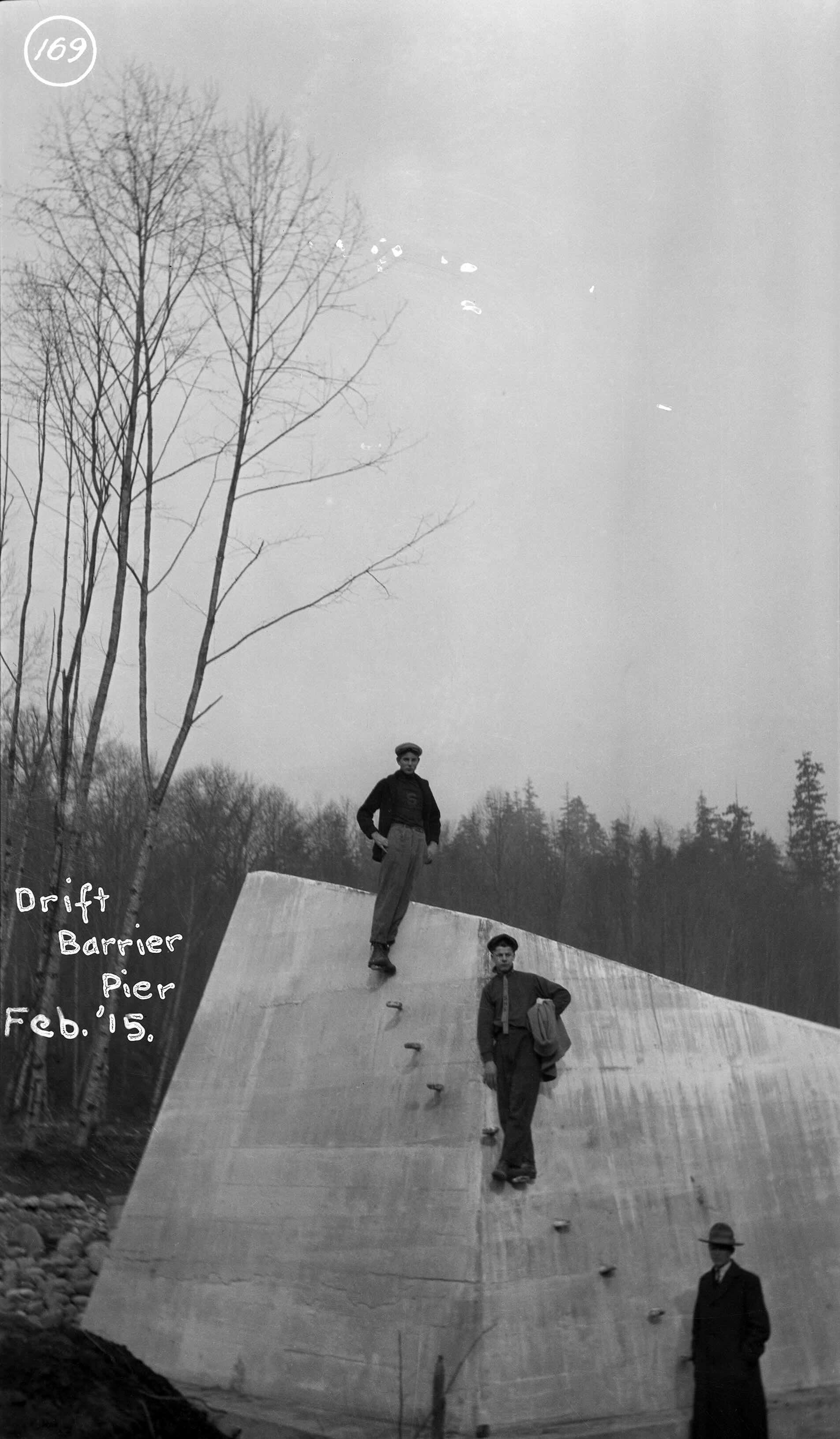
A poured concrete block the size of a Sprinter van is not something one normally finds in a river. Even less likely is finding an additional 21 such blocks strung across the length of a half mile wide flood plain. But such a location exists about four miles southeast of Auburn, Washington, on the White River. Not only do the massive piers, as they were described when built more than a century ago, litter the river valley, but many of them still retain remnants of the ten, one-inch steel cables strung between the blocks.
Known as the Drift...
An Urban Scavenger Hunt
With spring in the air and more and more people getting out and enjoying the loveliness, I thought I’d return to a scavenger hunt I put together several years ago. Not surprisingly, it’s a bit dorky but I hope that you will enjoy it and perhaps find some inspiration for further exploration. Although my knowledge is primarily Seattle biased and based, I feel confident that you can find these treasures in any large city and probably many towns.
The list is not in any particular order. And, please let me know if you have other sugg...
Spring Fling
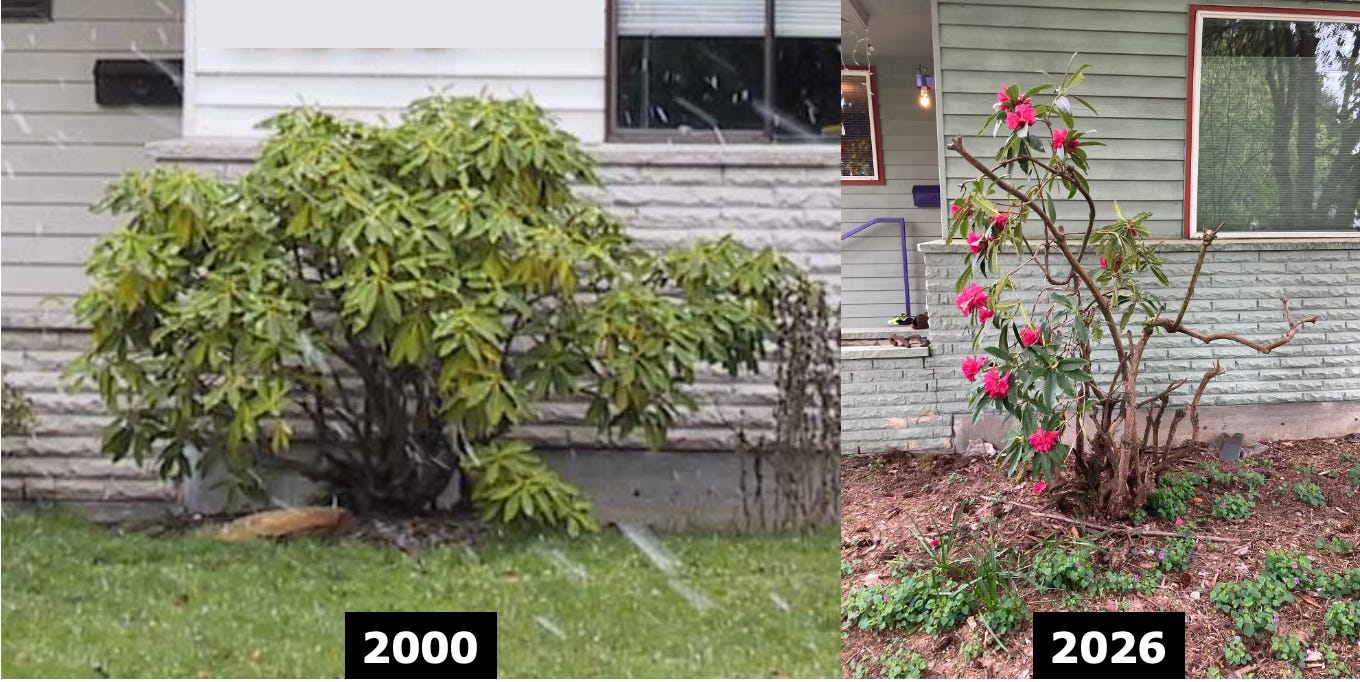
Spring has long been my favorite season, primarily because the weather is so mutable. This week we topped 70 degrees, had fog and rain and a few sunbreaks, and some classic days of gray. Even better was the return of green as plants rioted out their leaves and flowers pushed out their advertisements seeking pollinators. Not to be outdone, birds were trilling and singing and calling and gracing the air with their songs and territorial announcements.
Here’s a sampling of what I have been seeing and hearing.
A Hearty RhodyDepending on your world view the rh...
Dinosaurs Among Us
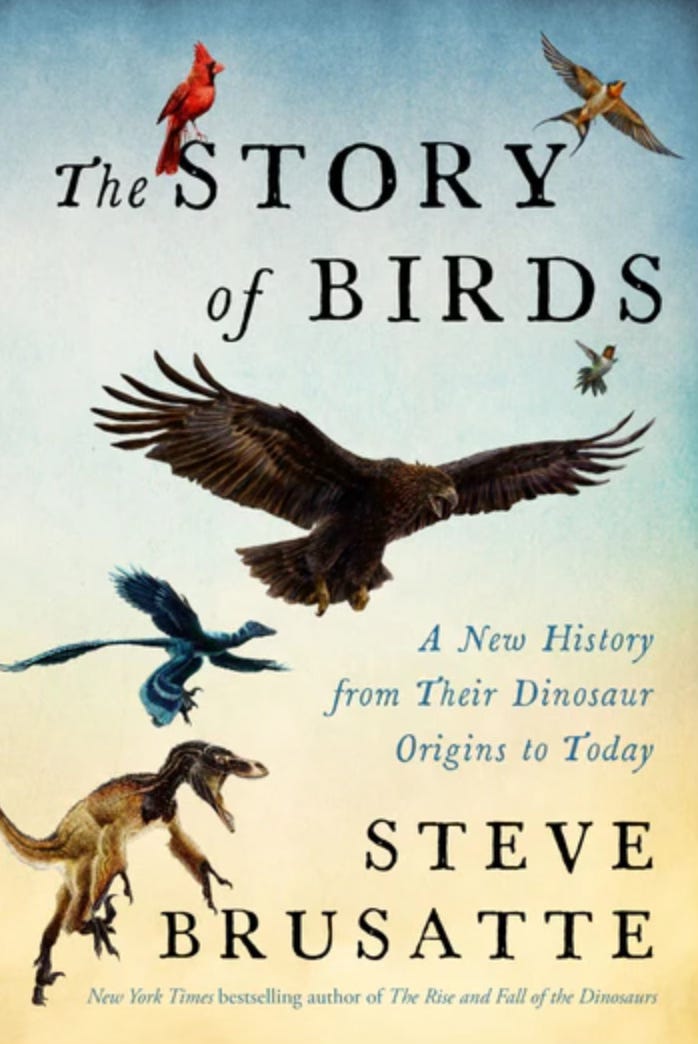
Birds are dinosaurs. “This is one of the greatest achievements in the history of paleontology,” writes Steve Brusatte, in his splendid new book, The Story of Birds: A New History from their Dinosaur Origins to the Present. Tracing the evolution of the idea of the bird-dinosaur connection, as well as the actual evolution of birds, Brusatte reveals a complex, layered story that justifies his statement. But I have to disagree slightly with him. Our understanding that birds are dinosaurs is not just a paleontological achievement. I would argue that it is one of the great achievements of science, illustrating a co...
Salmon, the Locks, and the Ship Canal

A few weeks ago I had the pleasure of launching my newest book, Seattle’s Locks and Ship Canal: A History and Guide. Written with my friend and Executive Director of HistoryLink.org, Jennifer Ott, the book tells the stories of one of the most pivotal landscape changes in Seattle history. It is published by the University of Washington Press and is an edited and updated version of our previous book Waterway: The Story of Seattle’s Locks and Ship Canal, which came out in 2017, to honor the centennial of the opening of the locks.
The new edit...
Ya Old Coot
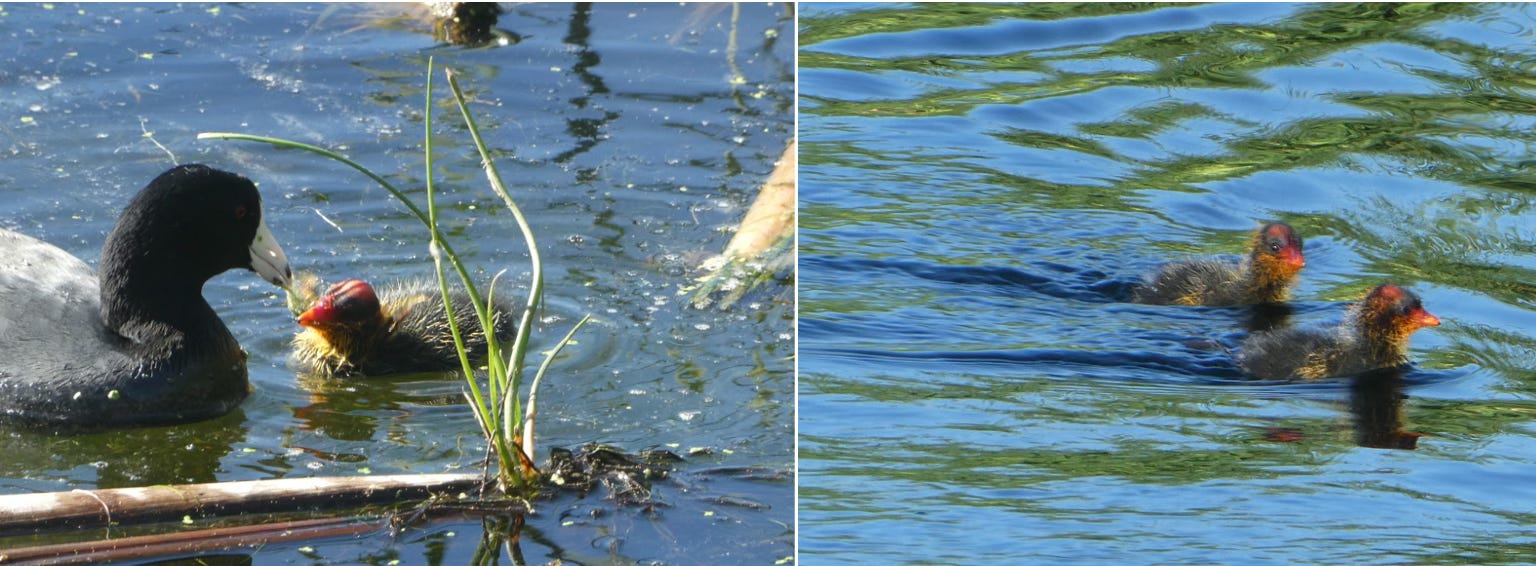
Do you know who produces super cute babies? Many animals, of course, but I was completely surprised to learn how über darling coot babies are. Unlike their parents, feathered darkly in gray and black with a white bill, the young sport a plumage of exuberant color. Fluffy black down accented with cadmium yellow highlights covers the back. Collaring the face are orange and flame red feathers. Topping the body is pinkish bald pate and red bill.
I had the good fortune to learn this when I saw baby coots for the first time recently. I only knew t...
The Geology of Whales
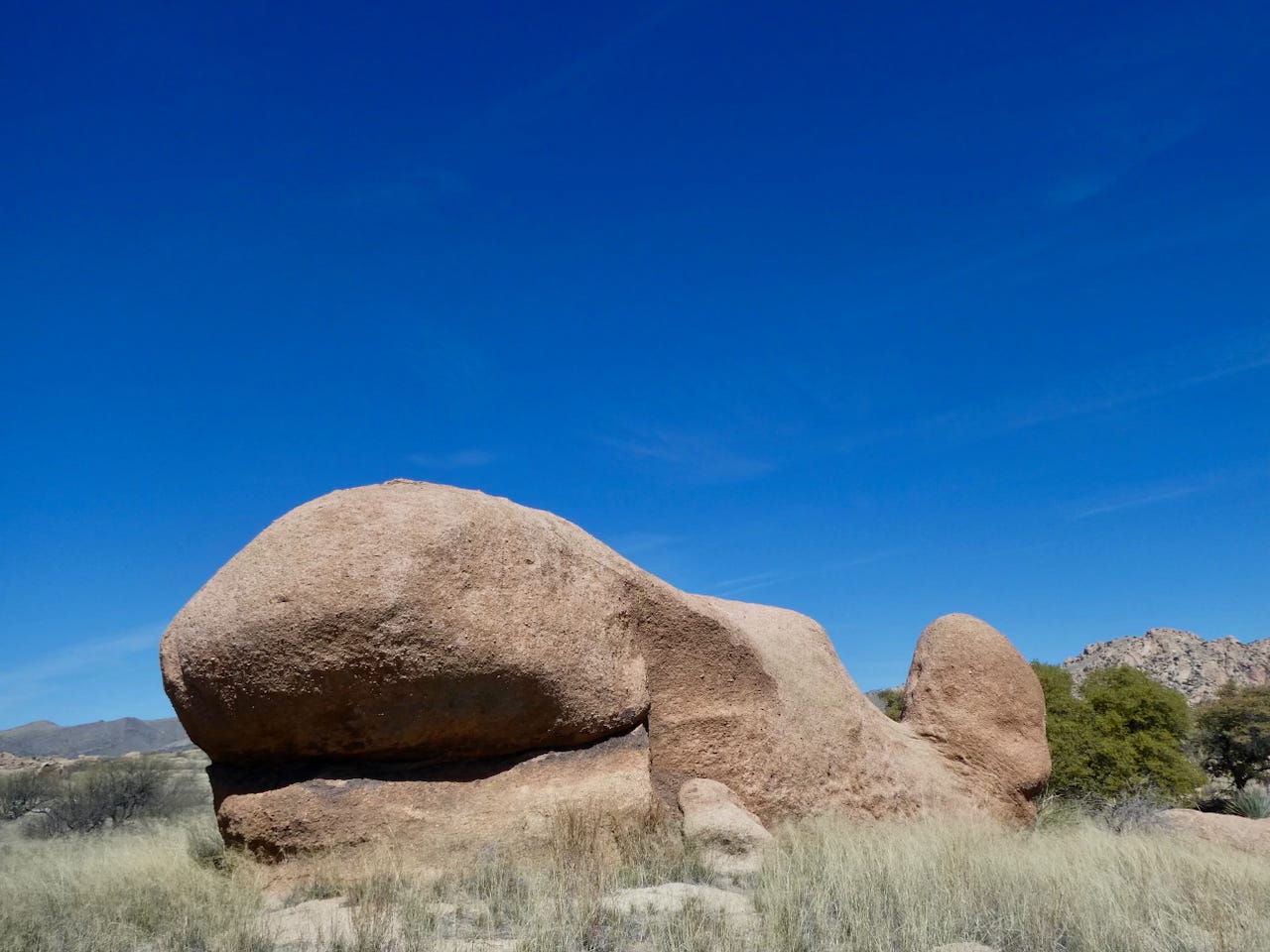
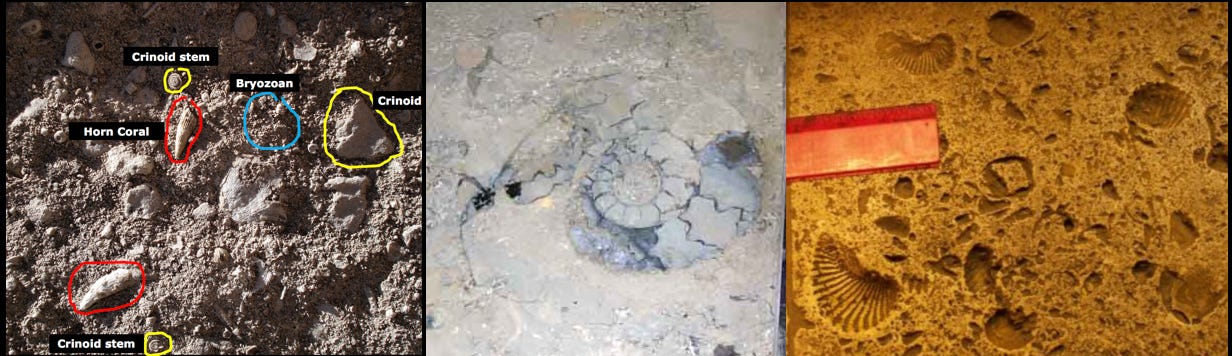
Marjorie and I had the opportunity to see a whale again (see Whale Tales for our previous whaling experience) the other day. We weren’t on a boat. In fact, we, weren’t near any water; the closest salt water was the Sea of Cortez, 200 miles west. We were amidst the stark landforms and plants of the Sonoran Desert, and the closest fresh water was our water bottle, which we relied on to combat the stifling heat. (As they say in the desert, it’s a dry heat, but 95 degrees is still way hot and means that you better have s...
Woody Woodpecker...Not!
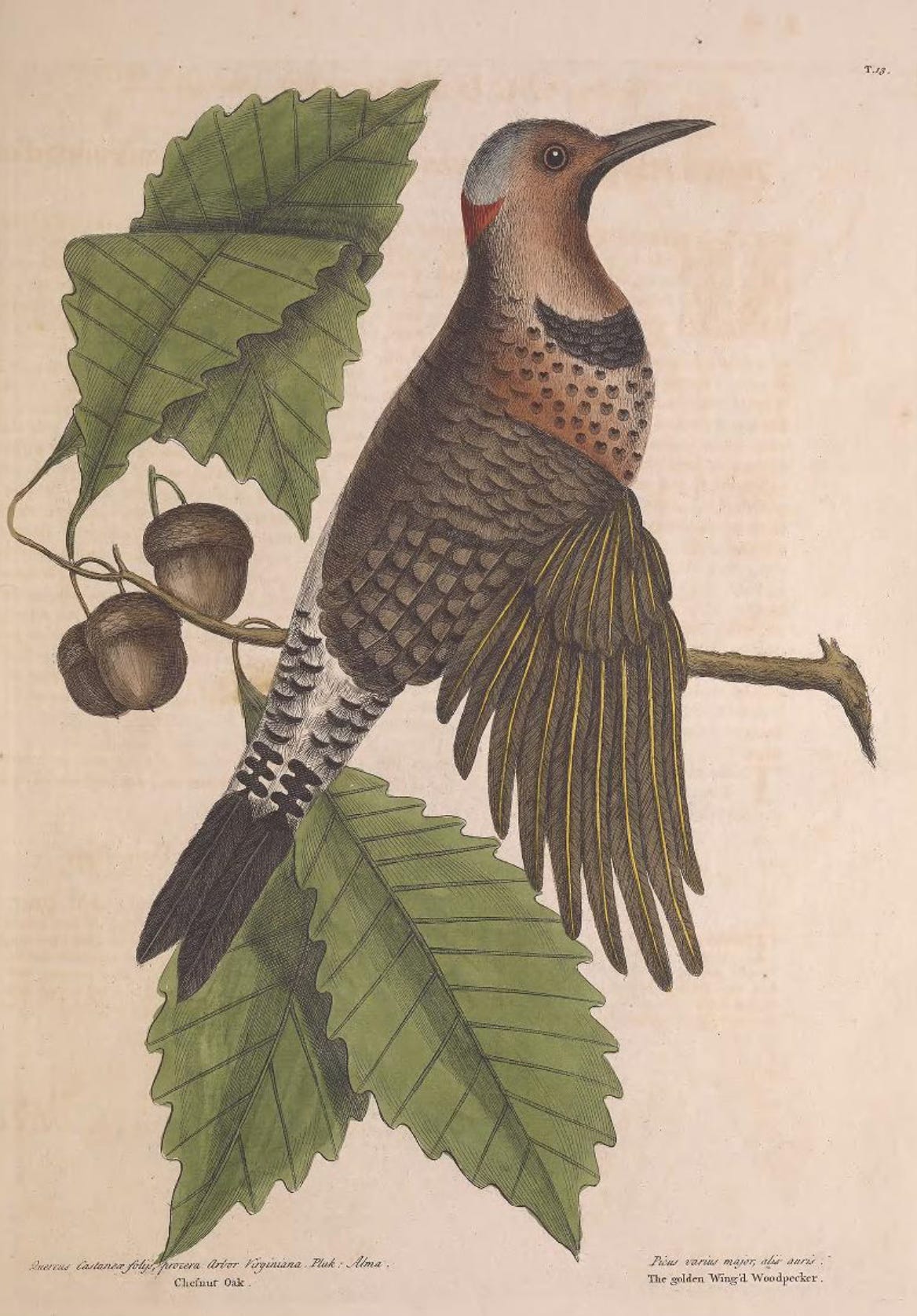
My guess is that many urban dwellers, particularly in Seattle, have heard the sounds of Northern Flickers. With a rapid, rhythmic banging, the birds pound all sorts of surfaces to produce what one ornithologist described as the sound of a miniature pneumatic drill. In my neighborhood, I have seen flickers drilling trees, utility poles, and everyone’s favorite, some sort of metal surface, which produces a resonant and astoundingly loud sound that can be heard deep inside our house.
Studies have found that both sexes drill. What makes them particularly troublesome for some people is that birds es...
The Windshield Phenomenon
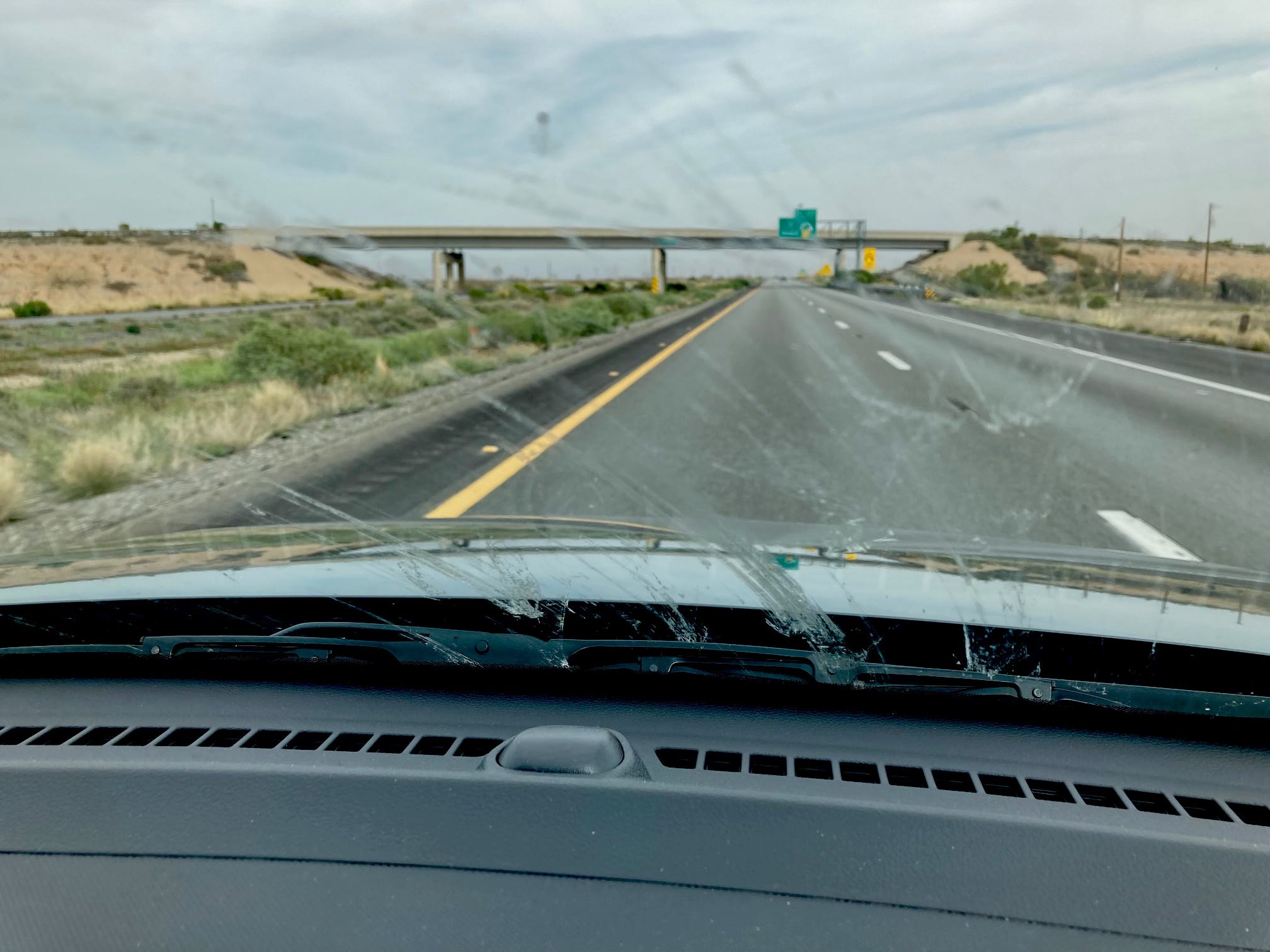
Recently, I experienced a natural history phenomenon I haven’t in many years: Marjorie and I had to stop to wash the bugs off our windshield. We were in the Sonoran Desert driving east from Tucson, Arizona, on Interstate 10. About fifteen miles west of Wilcox, I heard a light thunk on the windshield, simultaneous with the appearance of the classic bug splat. Within another ten minutes, bodies peppered the glass, so many that we needed to pull over at the next gas station and clean them off.
About thirty minutes later, we got splatted again. This time it...
A Love Letter to Libraries
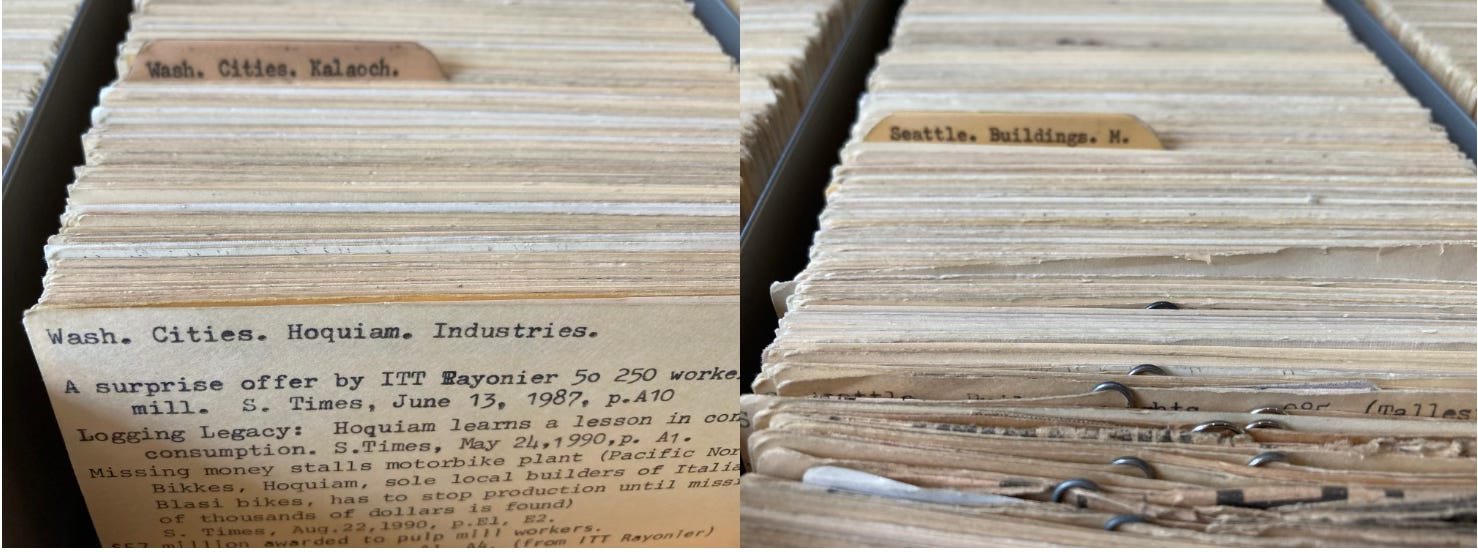
Last week, I had the honor and pleasure to be part of the King County Library System’s annual fundraising event: Literary Lions. The theme of the event was Love Letters to libraries. If it’s okay, I’d like to share my Love Letter.
To all the libraries and librarians I have known:
Thanks for the memories.
To Ms. Bass, who helped me find books at the Henry Branch on Capitol Hill when I was a wee lad. She lived up the block from us, and I thought it was darned cool to hav...
Seattle Shakes
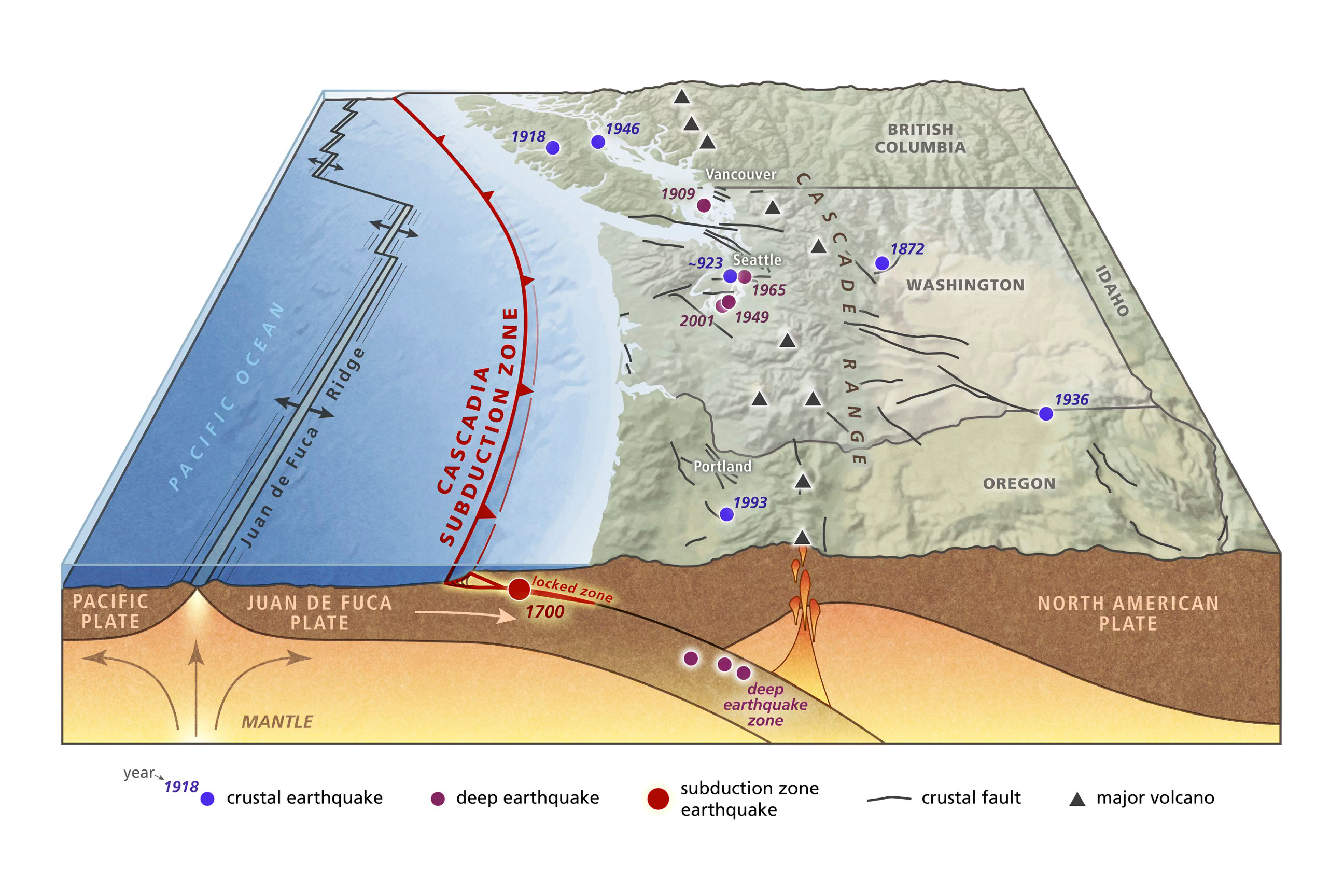
Twenty five years and five days ago, the earth shook in Seattle. Although the Big One didn’t hit that day, I doubt I will forget the seconds following 10:54 a.m. on that not-so-tranquil Wednesday, February 28, 2001. I had just picked up Audubon magazine at the University Bookstore (sadly no longer in existence) when the shaking began. It started slowly and gently, as if a large truck was passing on University Way. As the seconds seemed to stretch longer and longer, however, the shaking became a rumbling and concrete walls, bookshelves, and windows swayed and rattled.
Despite the ye...
Whale Tales
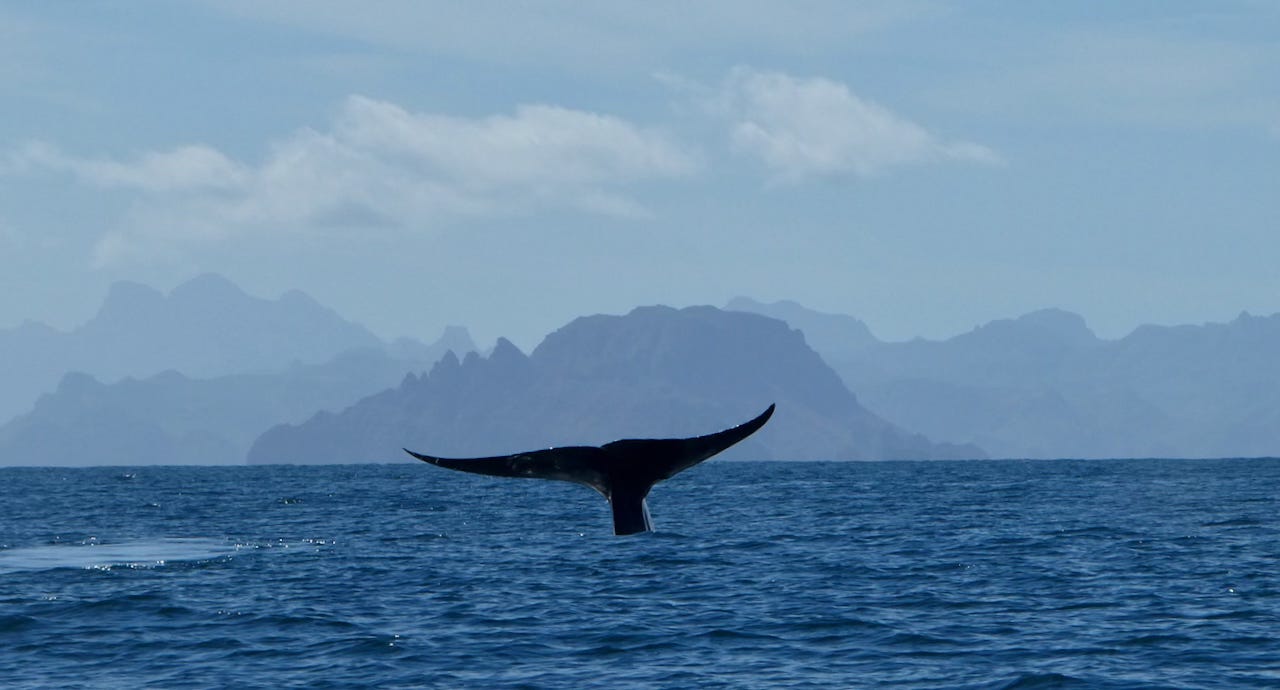
Recently, I had the good fortune to time travel back to when giants ruled the Earth. Well, sort of. I was down in Loreto, Mexico, and got to see the largest animals that have ever lived: blue whales. (By largest, this is in reference to heft and not to length, though there is some dispute about some fossilized beasts that may have outweighed the blue.) Like many northerners, blue whales take advantage of the calm, relatively warm, high diversity, food-abundant water to spend a couple months down in the Sea of Cortez.
Our whale watching trip began...
Creating a Book: In the Range of Fire and Ice
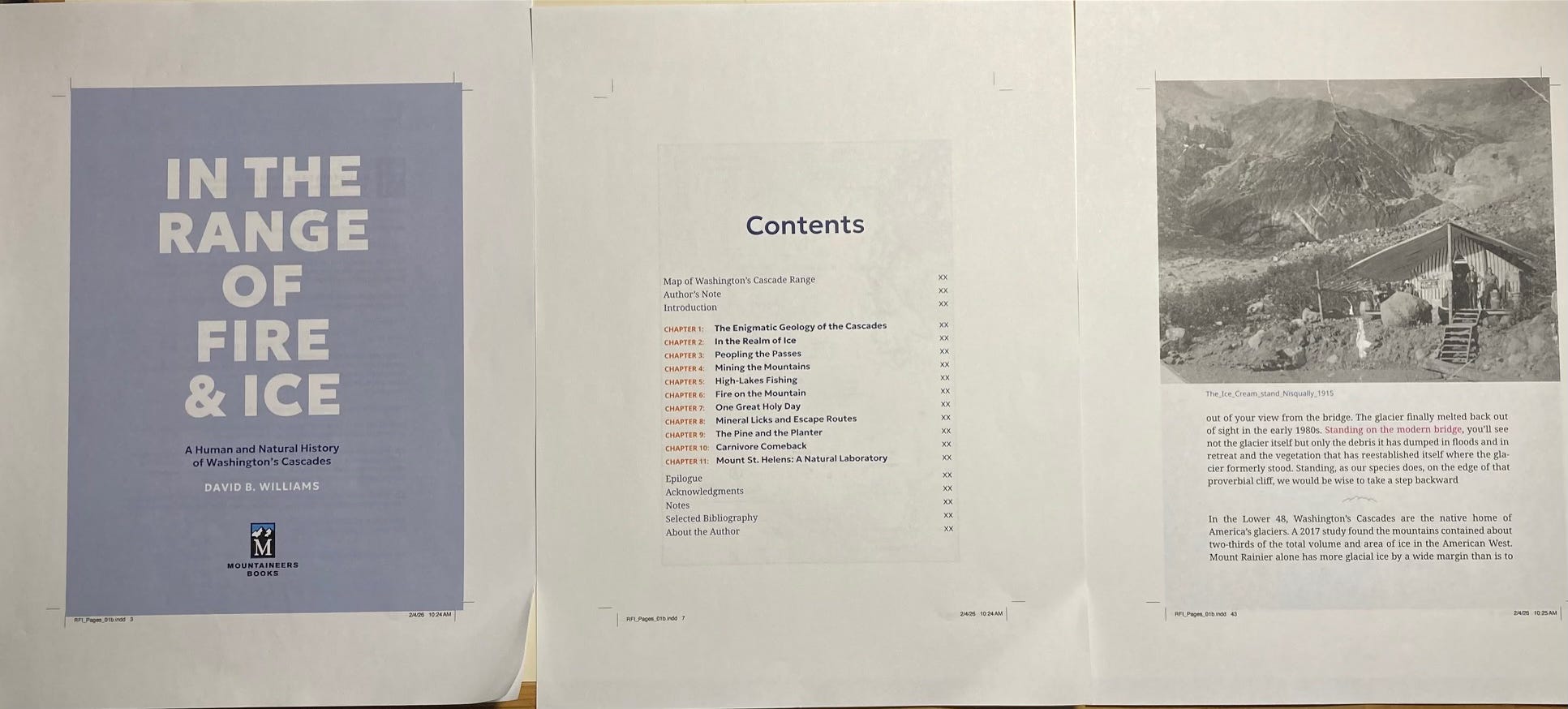
Nearly four years ago I sent a short email to my friend Emily White, Acquisitions Editor at Mountaineers Book: “Might you have 20 to 30 minutes to chat about a book idea in the next week or two?” Thus began a relationship for the book that has become In the Range of Fire and Ice: A Human and Natural History of Washington’s Cascades, which Mountaineers Books will publish in September 2026.
I bring this up now because I turned in the page proofs—which is the first time an author sees a book laid out as it will be when pub...
Status Symbols
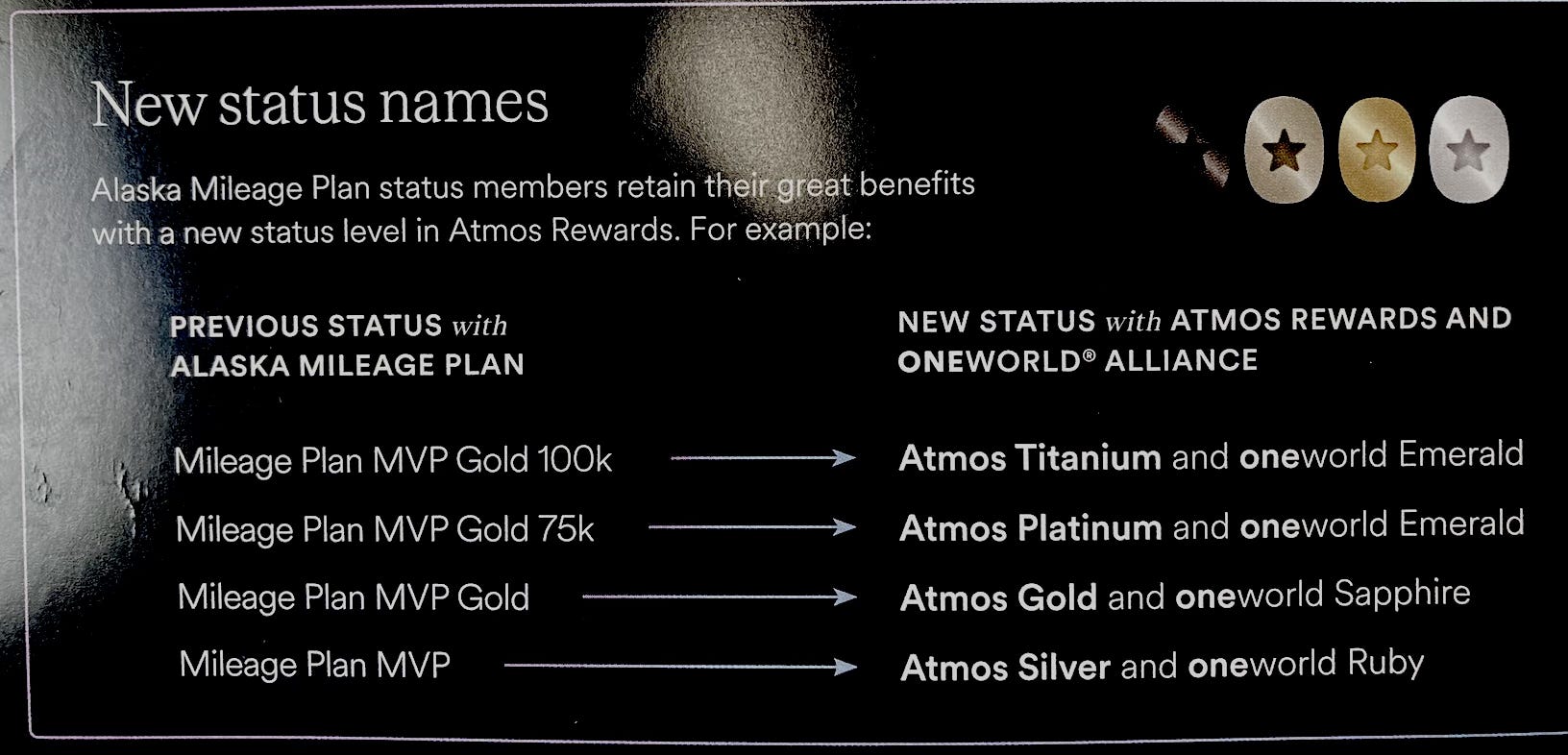
On a recent trip down to Tucson, we flew on Alaska Airlines. They were promoting their new mileage plan touting the changes and upgrades and wonderful reasons why one should join. All were, of course, terribly exciting; we couldn’t wait to sign up and be part of such an exclusive and thrilling program. Who wouldn’t want to join with their fellow members of the Titanium Level, especially if you linked it with being part of the oneworld (all lower case though I am not sure why) Emerald category? Life in the air would be pretty darned nifty.
Dead Trees Tell No Lies: The Electron Mudflow
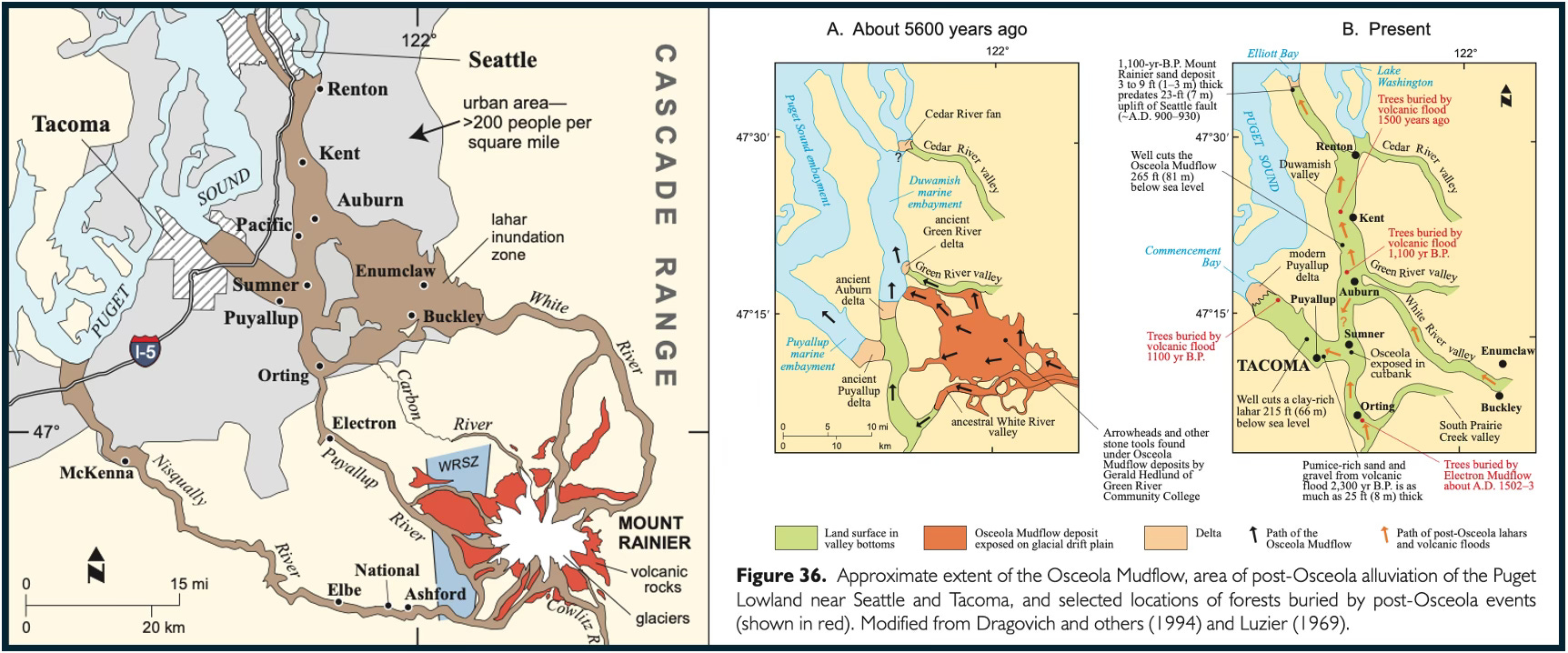
In October of 2023, I published a newsletter about scientists using tree rings to date the Seattle Fault. I wrote: “It is a tour de force and beautiful example of science, taking a unique set of features and combining technology with old school-out-in-the-field, mucky, muddy detective work to answer an essential question.” Two members of the group, Pat Pringle and Bryan Black, along with USGS volcanologist Jim Vallance, have done it again. They have solved an essential question via dendrochronology. They have pinpointed the date of the Electron Mudflow to the year 1507.
If you are not familiar with this...
Birding by Butt: The Mobile Edition
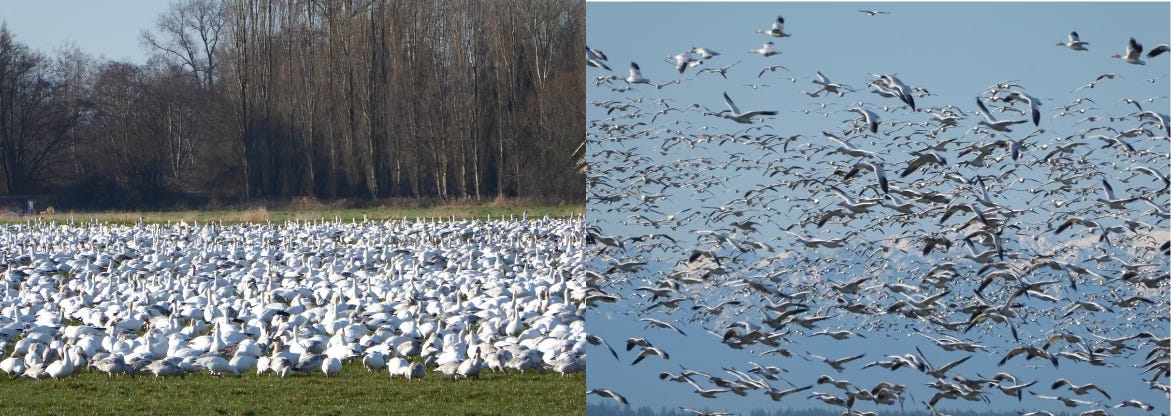
Last week, my wife and I and two pals of ours participated in one of the finer known BBB events, driving around the lower Stillaguamish, Skagit, and Samish river valleys looking for birds. We’ve been doing this regularly for the past half dozen plus years. It’s a pretty simple and satisfying day of sitting in a car, driving around, looking at birds, tallying up the numbers of a few choice species, grabbing a good lunch, and enjoying the beauty of the natural world and good friends. This year was no different.
We generally focus on coun...
An Ode to My Bike
I hope you’ll indulge me with an off topic newsletter about an important event in my life. Thanks kindly.
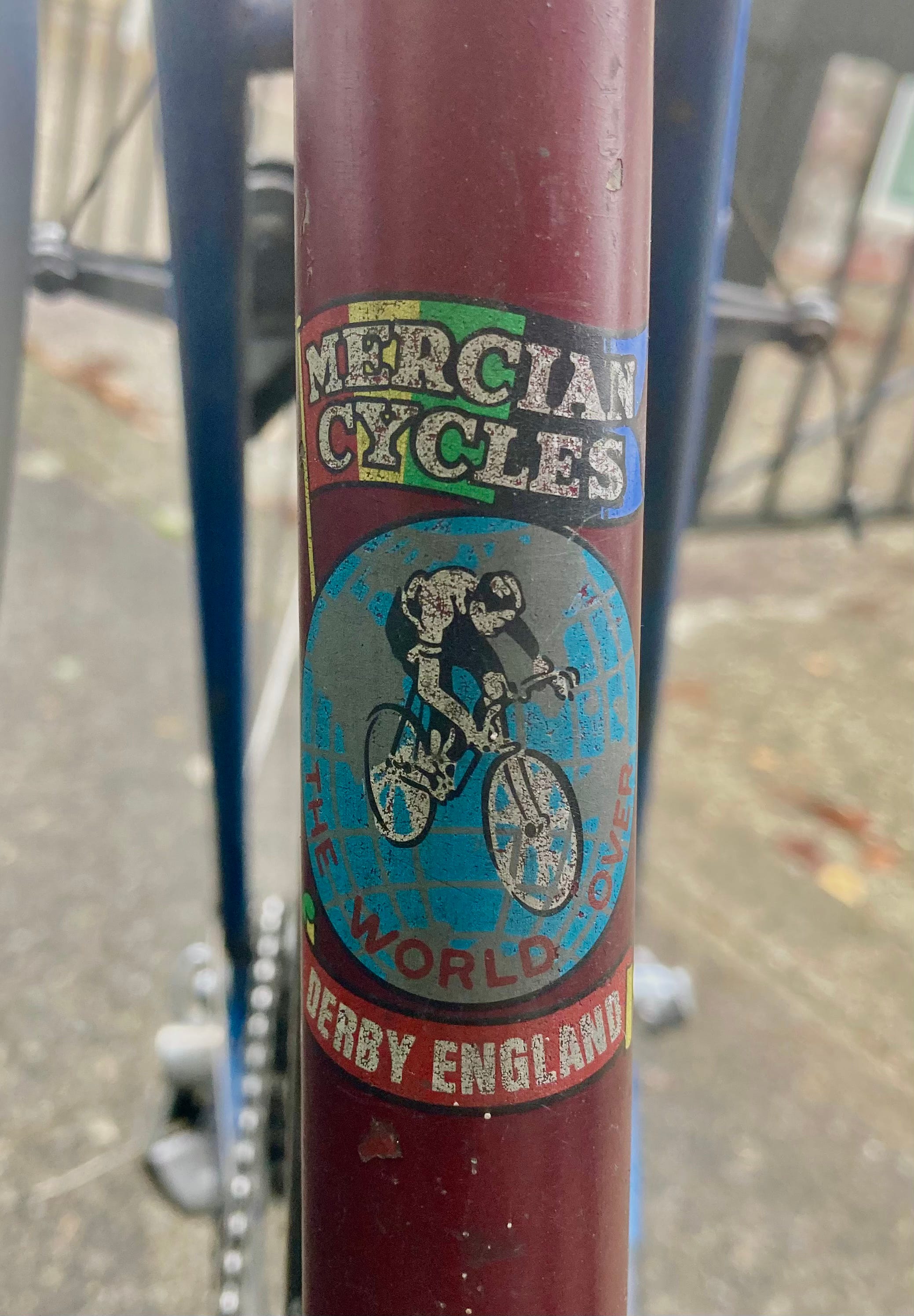
I recently gave away my old bike. It was the end of an era for me. For more than four decades, the lovely bike had served me well, taking me on trips ranging from short hops to the supermarket to an extended trip that covered more than 2,500 miles. I rode it at college, to many, many jobs, to do research on my books, for pleasure, for exercise. I rode it on 105°F plus days in southern Utah, on...
Grub Steaks
N.B. - I apologize if you get this twice. When I first sent it, Substack was having an issue and it was unclear if this newsletter was actually sent. Thanks.
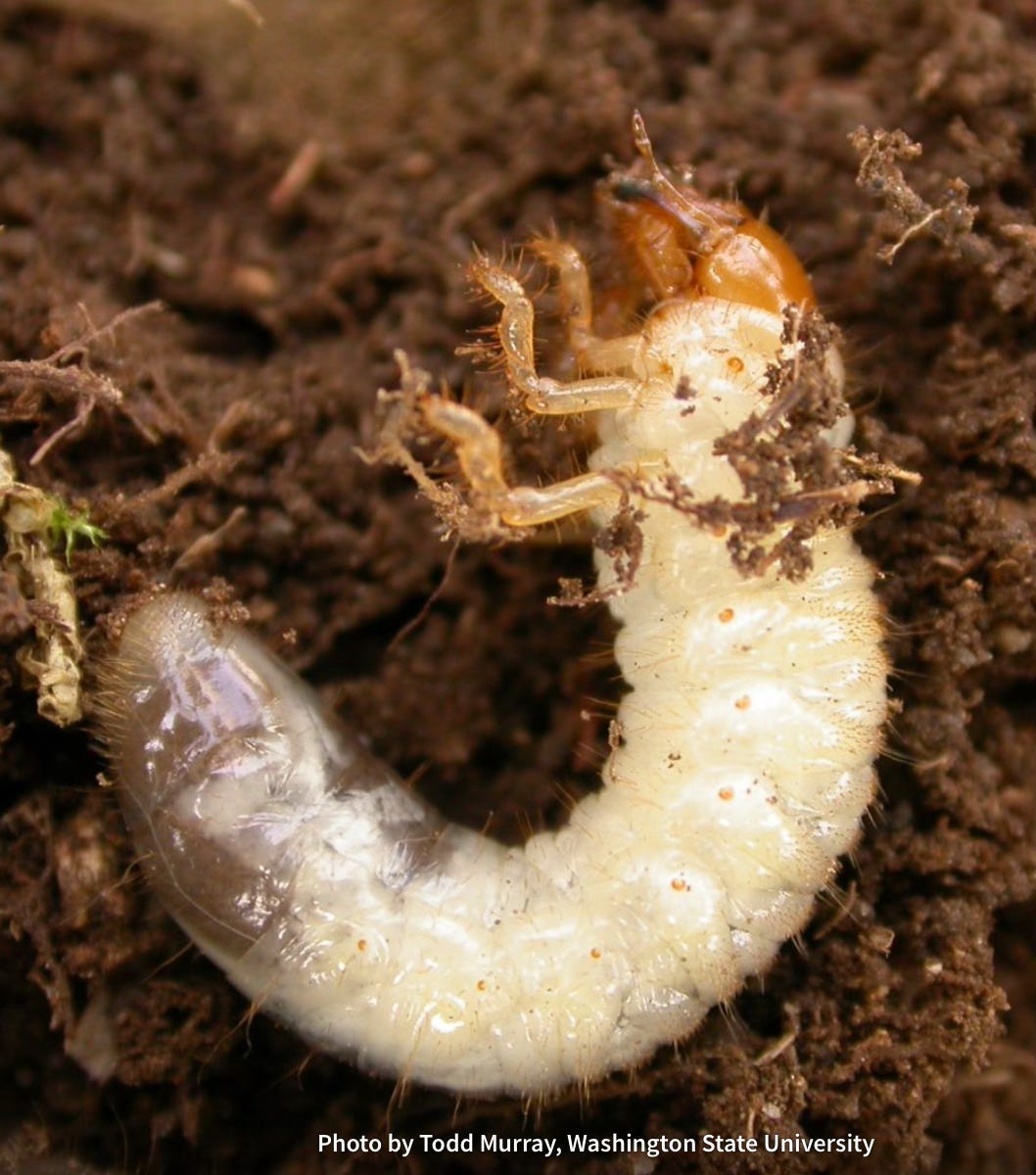
Walk around Seattle and you will observe what for many is a disturbing sight: green lawns with what looks like mange, or areas of shredded and denuded turf. They look as if the ground has been rototilled by an erratic, perhaps scatterbrained, and clearly inept, grounds maintenance person. The maltreated lawns are enough to drive any lawn lover to despair….or worse, to send them on a...
Grub Steaks
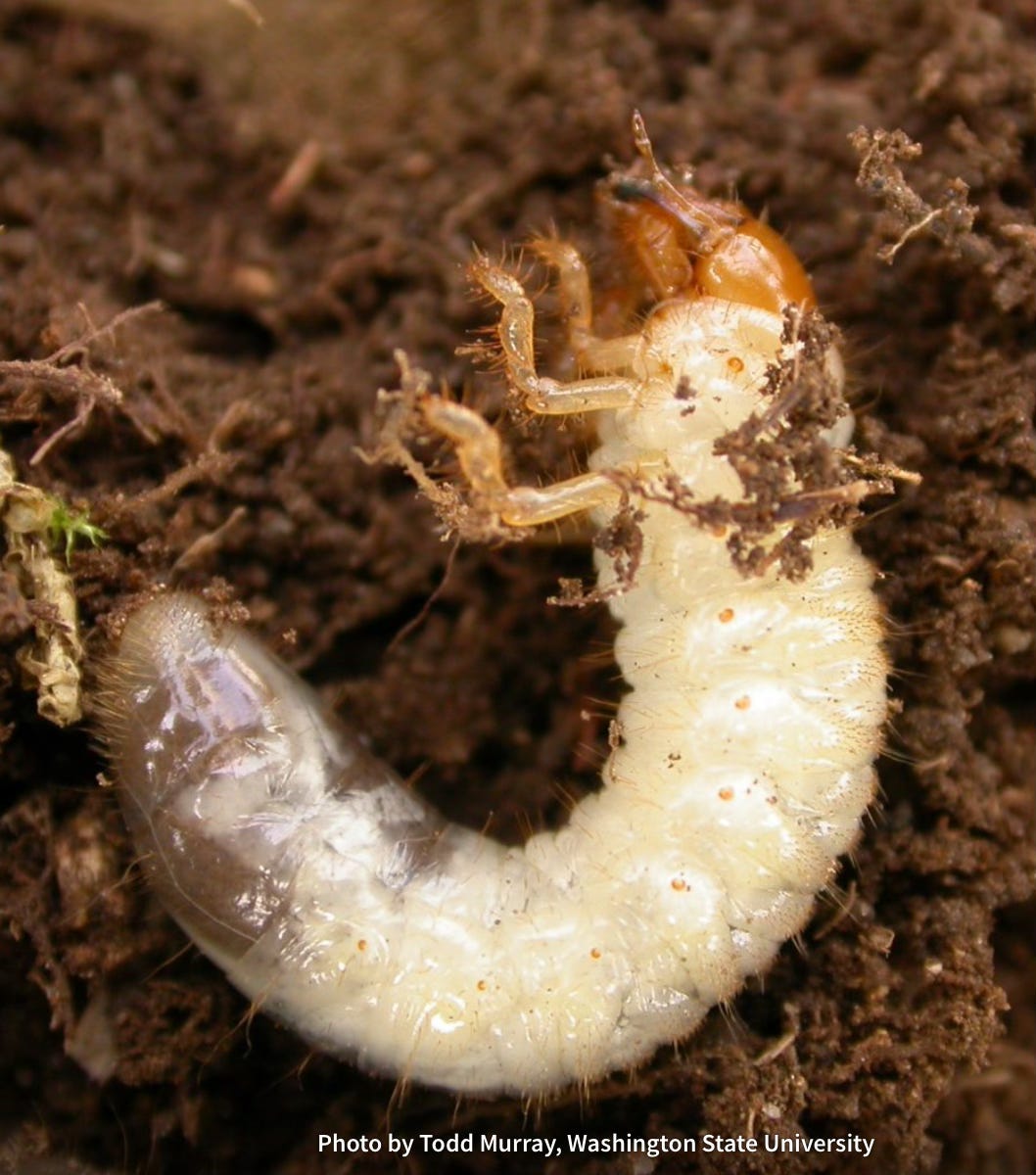
Walk around Seattle and you will observe what for many is a disturbing sight: green lawns with what looks like mange, or areas of shredded and denuded turf. They look as if the ground has been rototilled by an erratic, perhaps scatterbrained, and clearly inept, grounds maintenance person. The maltreated lawns are enough to drive any lawn lover to despair….or worse, to send them on a war path to annihilate whoever had the audacity and gall to show so little respect for that landscape icon, a green field of trimmed and tidy turf.
For those in se...
Ten Reasons to be an Urban Naturalist
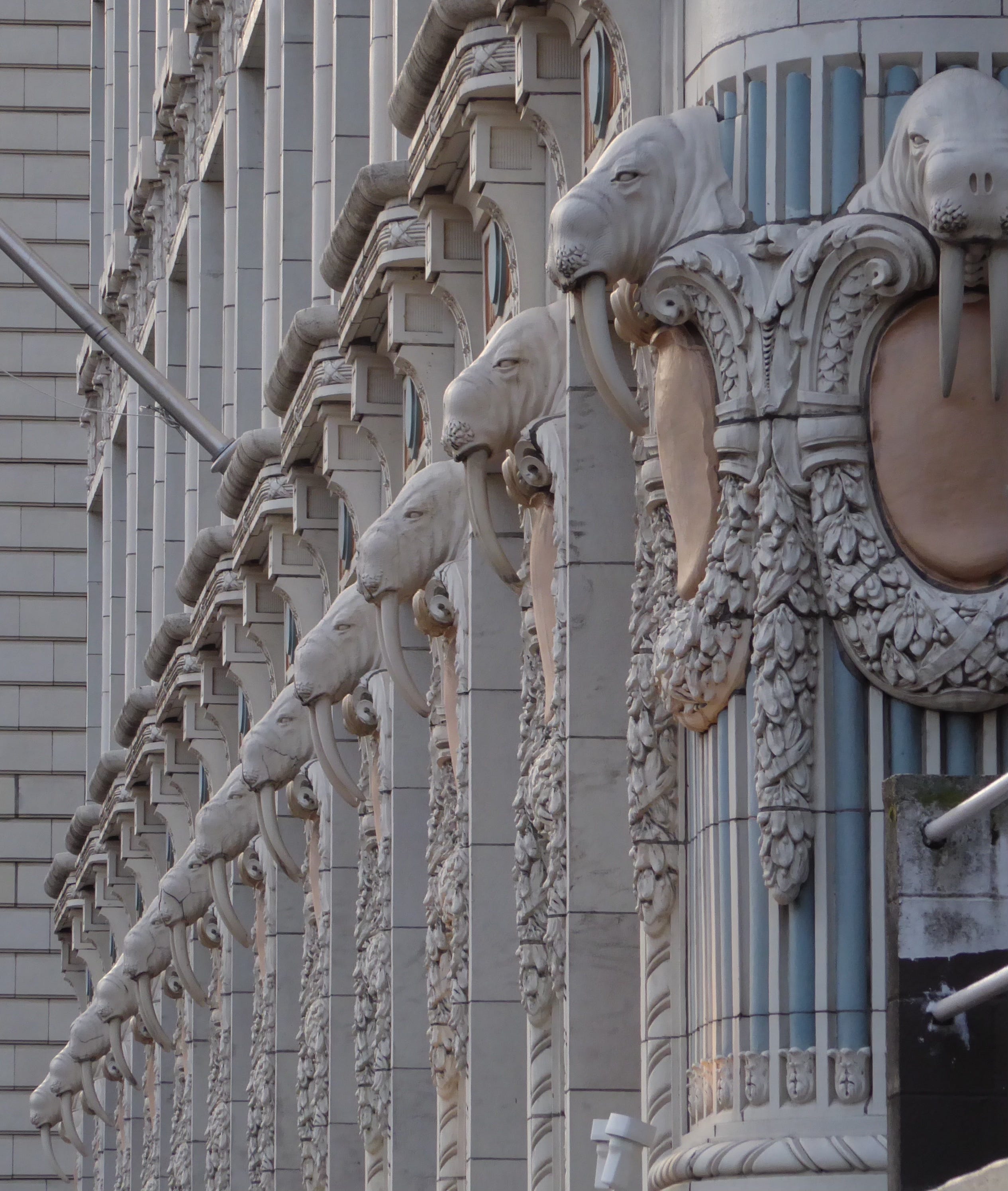
Thought I’d start my year of newsletters with a sort of summation of why I like to do what I do. And, everyone loves a list!
* Birding by butt - Why get up and go out in the field when you can sit in a comfy chair in your backyard and watch? No need to stress about whether the birds you want to see will be there. Wait until they come to you. In my backyard in Seattle, while perfecting the art of BBB I have seen Mallards swimming on our flooded roof, crows harassing Barred Ow...
Portrait of the Writer as a Young Historian
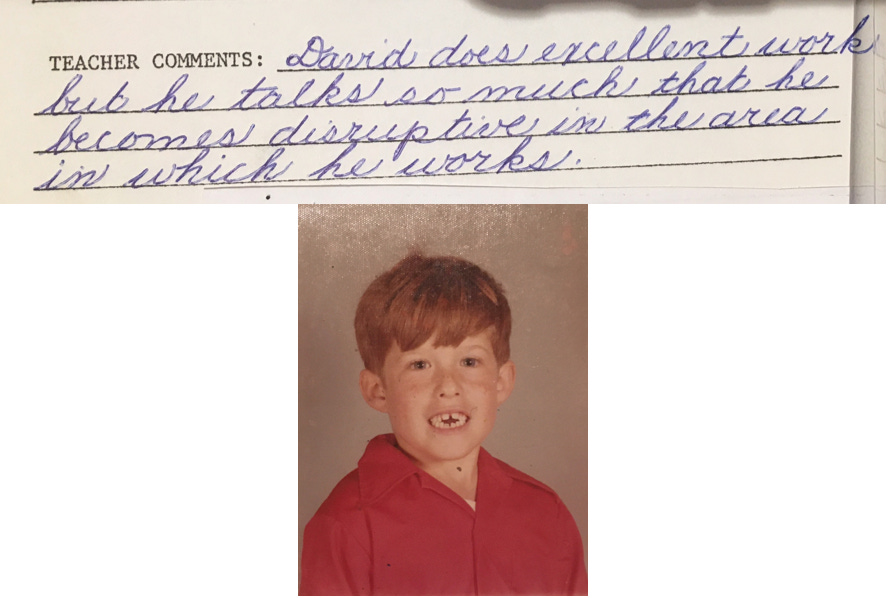
With the holidays upon us, I thought I’d take a quick and lighter spin to my subject, which happens to be me, in my youth. Plus, as you can tell, I decided to send it out a day early to beat the Christmas rush.
One of the great mysteries many of us address in life is how we ended up where we are. What decisions did we make that set us down a certain path? Was it nature or nurture, luck or planning? My path toward my present life focusing on human and natural history in Se...
Scarcely Fit For Food
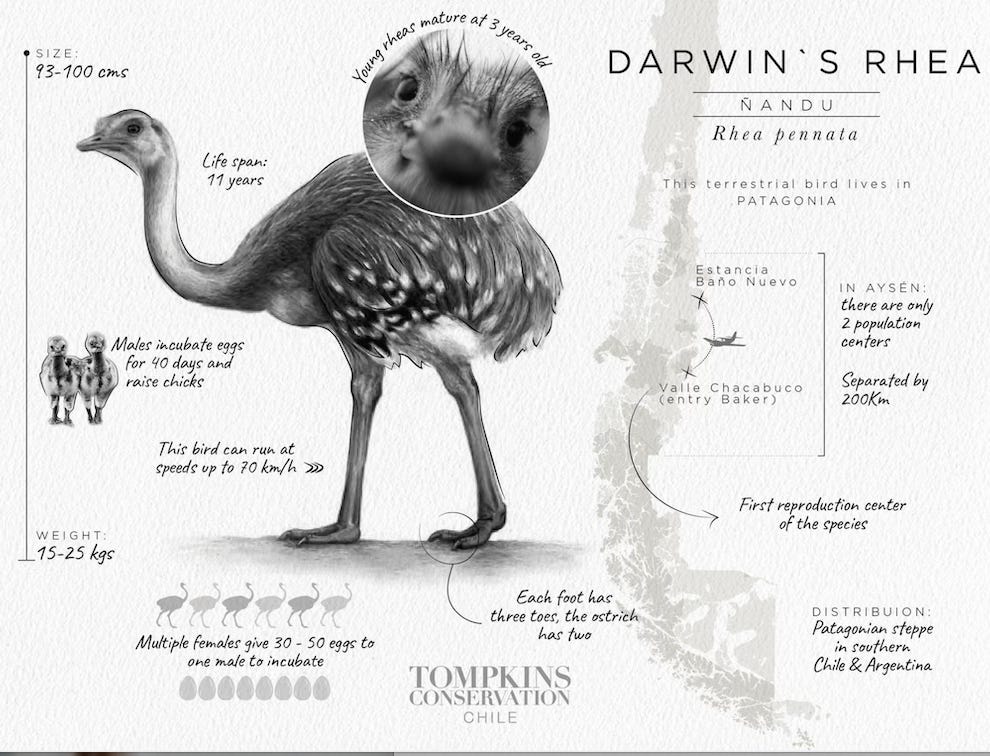
On September 2, 1834, naturalist John Kirk Townsend camped near the Umatilla River in eastern Oregon. Joining him were the fellow members of an exploring expedition lead by Nathaniel Wyeth, including the botanist Thomas Nuttall and Joseph Thing, a Boston sea captain, hired to help navigate. Traveling in the arid landscape had been trying. The previous day the men had had no water until nine o’clock at night and on the second, Townsend’s food consisted of rose buds he had found above their camp. Nuttall and Thing, however, had had a more substantial meal.
When Townsend returned from...
Lower case r regrades
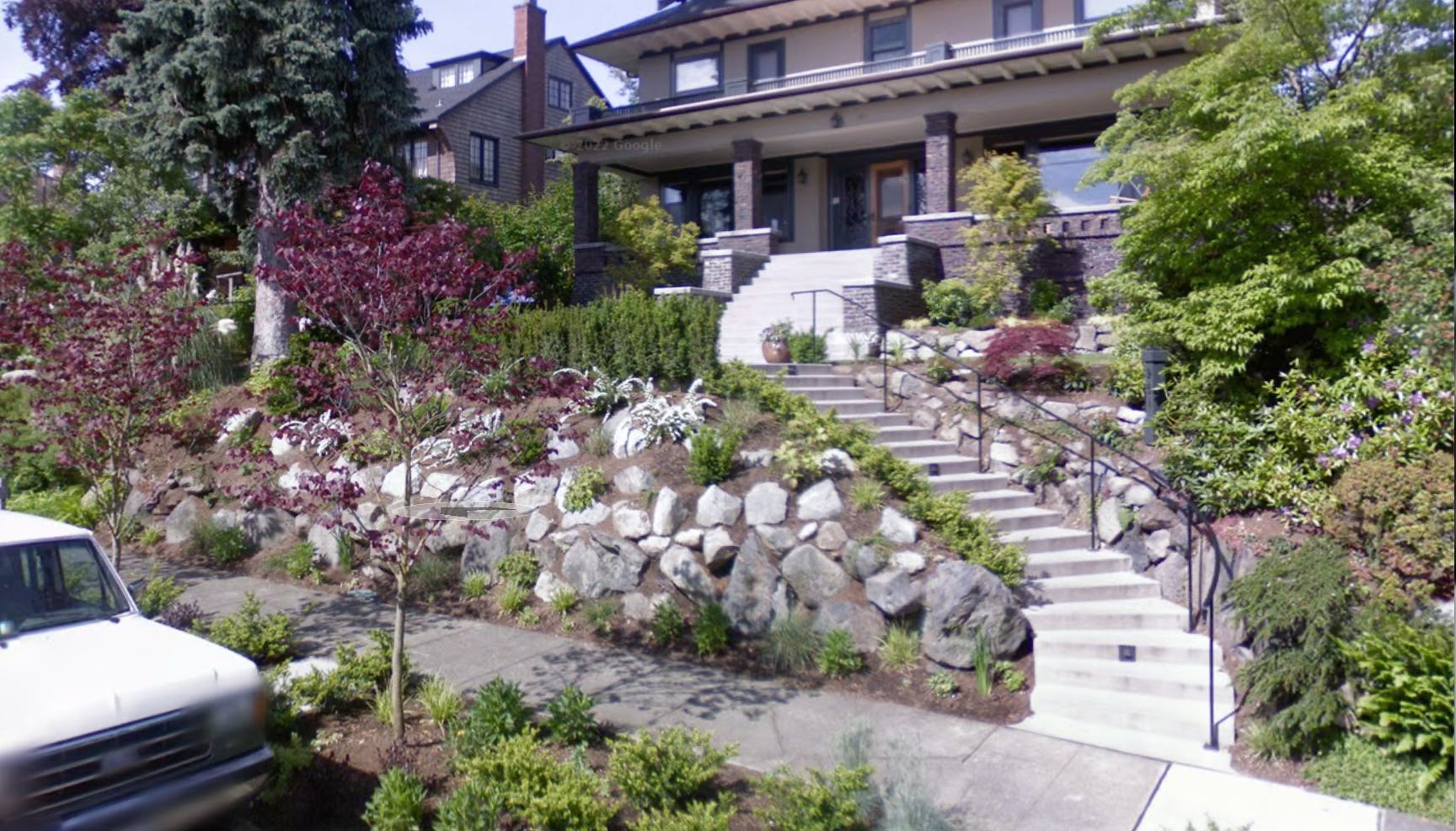
Often when I am out on a run, I like to go through alleys instead of sticking to streets. Mostly I do so to see new areas, plus, I always hope that I’ll see something fun or interesting in a backyard. I rarely do. But the other day, I had an epiphany about a topographic feature.
The alley where I ran had a short rise, whereas the streets to the north and south did not. While I cannot prove this, I think the reason why, is that it probably made sense when the streets were platted to...
Of Wolves and Monsters
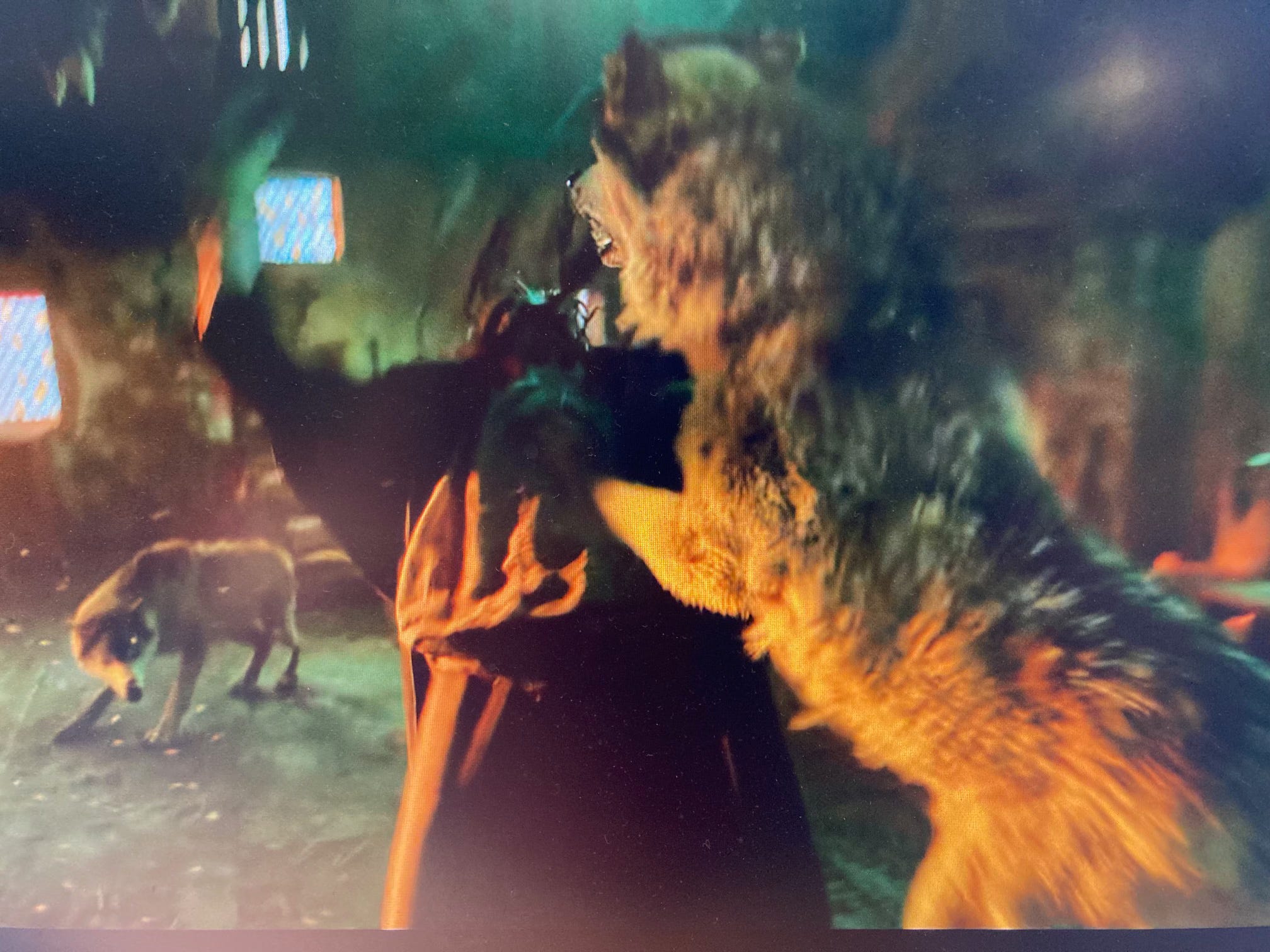
We recently watched Guillermo del Toro’s new film of Frankenstein. Many critics have noted that the movie hews more faithfully to Mary Shelley’s novel than most previous films and that del Toro humanizes the monster in a way seldom seen. Unfortunately, del Toro takes the opposite tack with wolves, which are merely a fantasy of the director as wolves do not appear in the book. In fact, del Toro seems to have gone out his way to paint an unfavorable portrait of wolves.
In the novel, one of the more beautiful parts is how the mons...
Happy Thanksgiving 2025

Greetings and Happy Thanksgiving to all. I thought I’d try an acrostic to celebrate the holiday and share a few highlights of my year.
Hiking - I was fortunate this year to get out on many wonderful hikes: Yellow Aster Butte, Summerland, and Marmot Pass in the Cascades; Jack’s Peak near Carmel, CA, and the Michinoku Coastal Trail in Japan. I feel blessed and privileged and lucky to have enjoyed these lovely places.
Agelaius phoeniceus - In case you wondered, this is the scientific name of the Red-winged Blackbird. Agelaius comes from the Gree...
Trees of a Feather Flock Together

I have long been pleased in my travels around Seattle to encounter what plant expert Arthur Lee Jacobson called the “ubiquitous exclamation point” of trees—the Lombardy poplar. Tall and narrow, and often in rows, either in a single line or paired to create an allée, Lombardy poplars add an element of arborescent elegance to any street or yard. Or as Scottish botanist John Claudius Loudon opined in his 8-volume Arboretum et Fruticetum Britannicum (1834-1837), the Lombardy’s perpendicular lines confer “a degree of sublimity…since it is allowed by all writers on the material sublime…that gradually tapering object...
There's Copper in Them Thar Hills
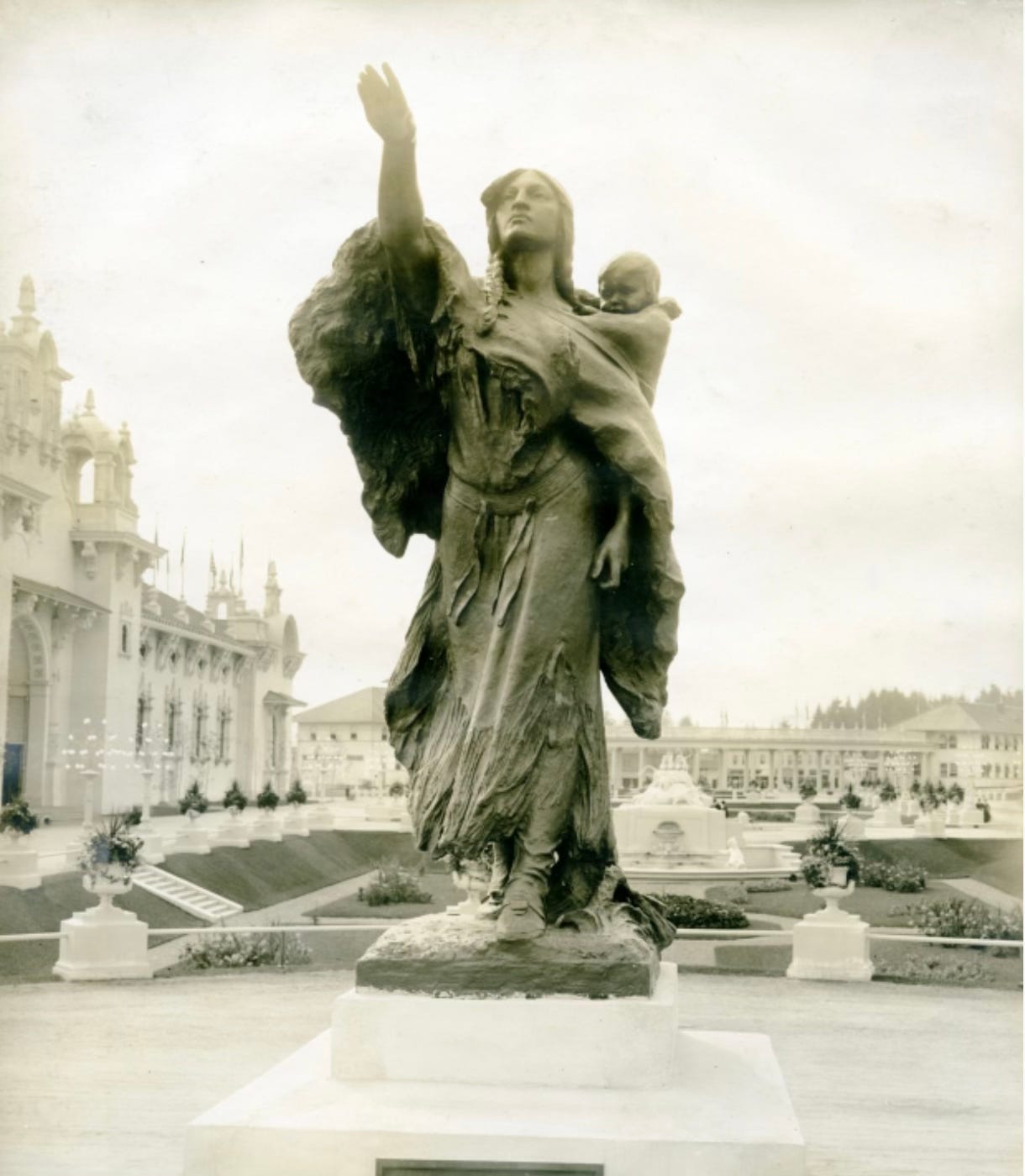
Mount St. Helens is best known for the epic eruption of 1980 when it spewed its guts 90,000 feet in the air and spread the debris around the globe. Far less known is that 75 years before the eruption, some of Mount St. Helens’ innards made their way to Portland, Oregon, in a much less violent manner. The material though was well-traveled, having gone from the mountain to New York before returning west. And, when it returned, it was in a new form, having been turned into a statue of Sacagawea, which was unveiled on July 6, 1905, at Portland’s Lewis and Clark Expo...
Weather Marathoners
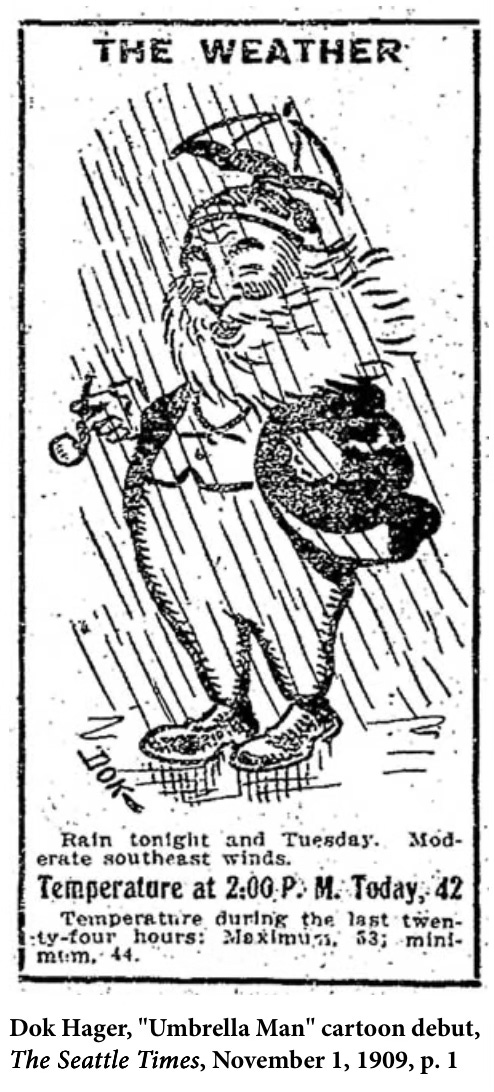
In the August 24, 1897, Hartford Courant, the editorial contained an infamous line: “Everybody talks about the weather, but nobody does anything about it.” Often attributed to Mark Twain, the true author was Charles Dudley Warner, editor, author, and co-collaborator with Twain on The Gilded Age.
What was true over 100 years ago is still true today. Everybody talks about the weather. We all experience it. We all have an opinion on it. We all complain about it. (Sadly, few aspects of natural history are daily topics for non-scientists except the weather.) Weather is the liquor of conversation, giving people some...
Spider friends
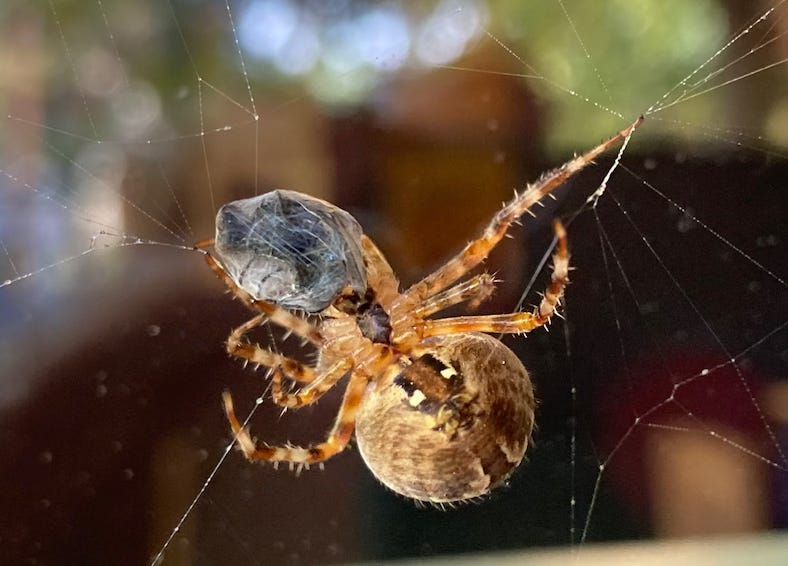
Spiders rarely get much empathy, in real life or in fiction. Often depicted as scary, evil, repulsive, deadly, malevolent, and horrible, they seem for many, to personify, or arachnify, the worst aspects of the natural world. Consider Shelob, the notorious spider of Lord of the Rings. Tolkien wrote that she was “an evil thing in spider-form…and she served none but herself, drinking the blood of elves and men, bloated and grown fat with endless brooding on her feasts, weaving webs of shadow.” Now, that is not a beast to trifle with.
In a more Charlotte-esque take, for th...
Overlooked and Underloved
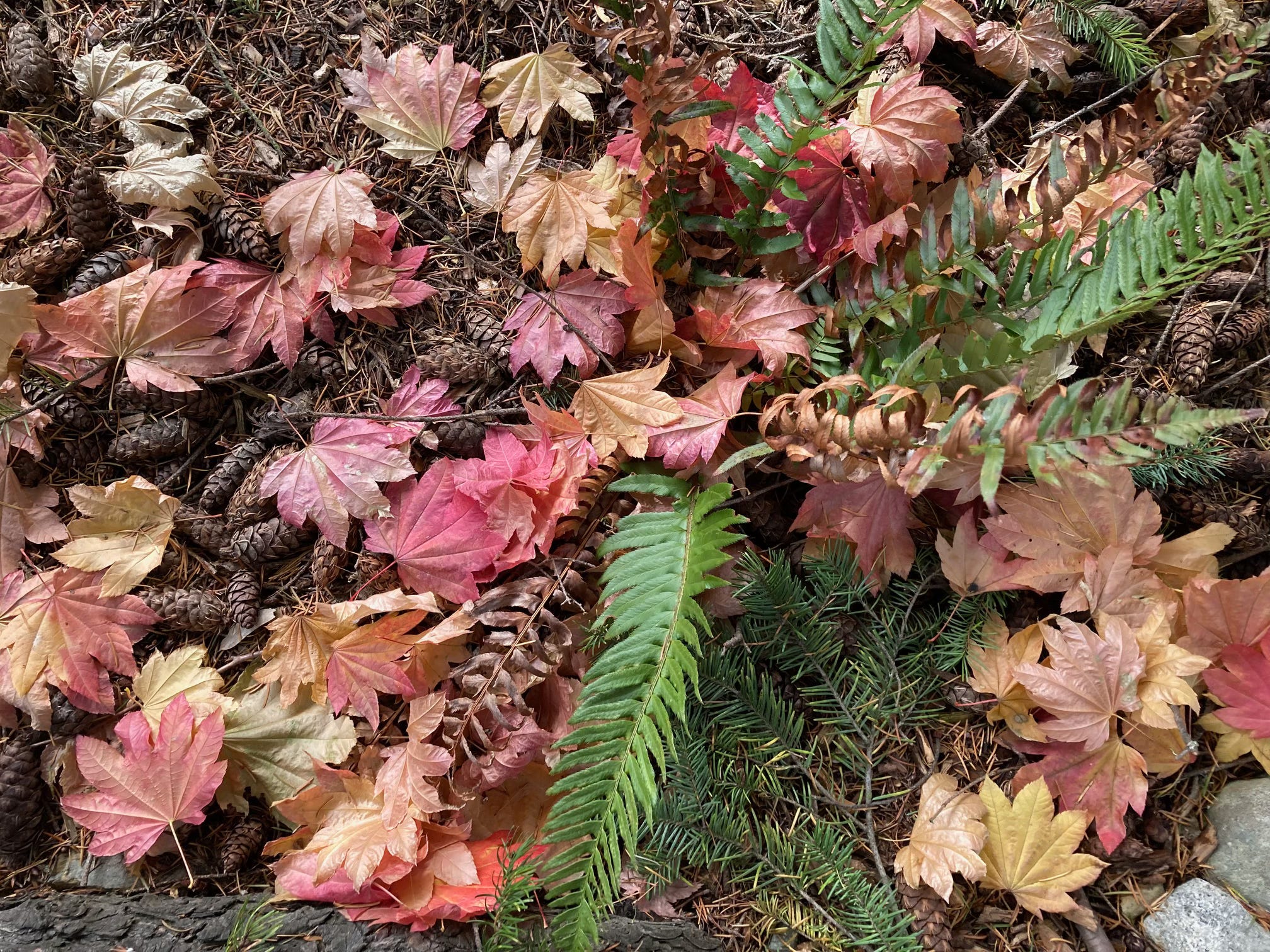
Probably many of you know of the overlooked little sibling, who loses out in attention to her or his elder. And, yet, that youngster certainly deserves to be noticed for all of their many assets. Such is the case of our local maples and the Vine maple, Acer circinatum, a beautiful shrub, which rarely gets the love of its sister-taxon bigleaf maple, Acer macrophyllum. (We have one other local, native species Acer glabrum, the Rocky Mountain maple.) Taller, bigger-leaved, and more abundant, bigleafs suck the well-deserved attention of most arborphiles.
(Then there are all the other maples...
The Great East Japan Earthquake and Tsunami
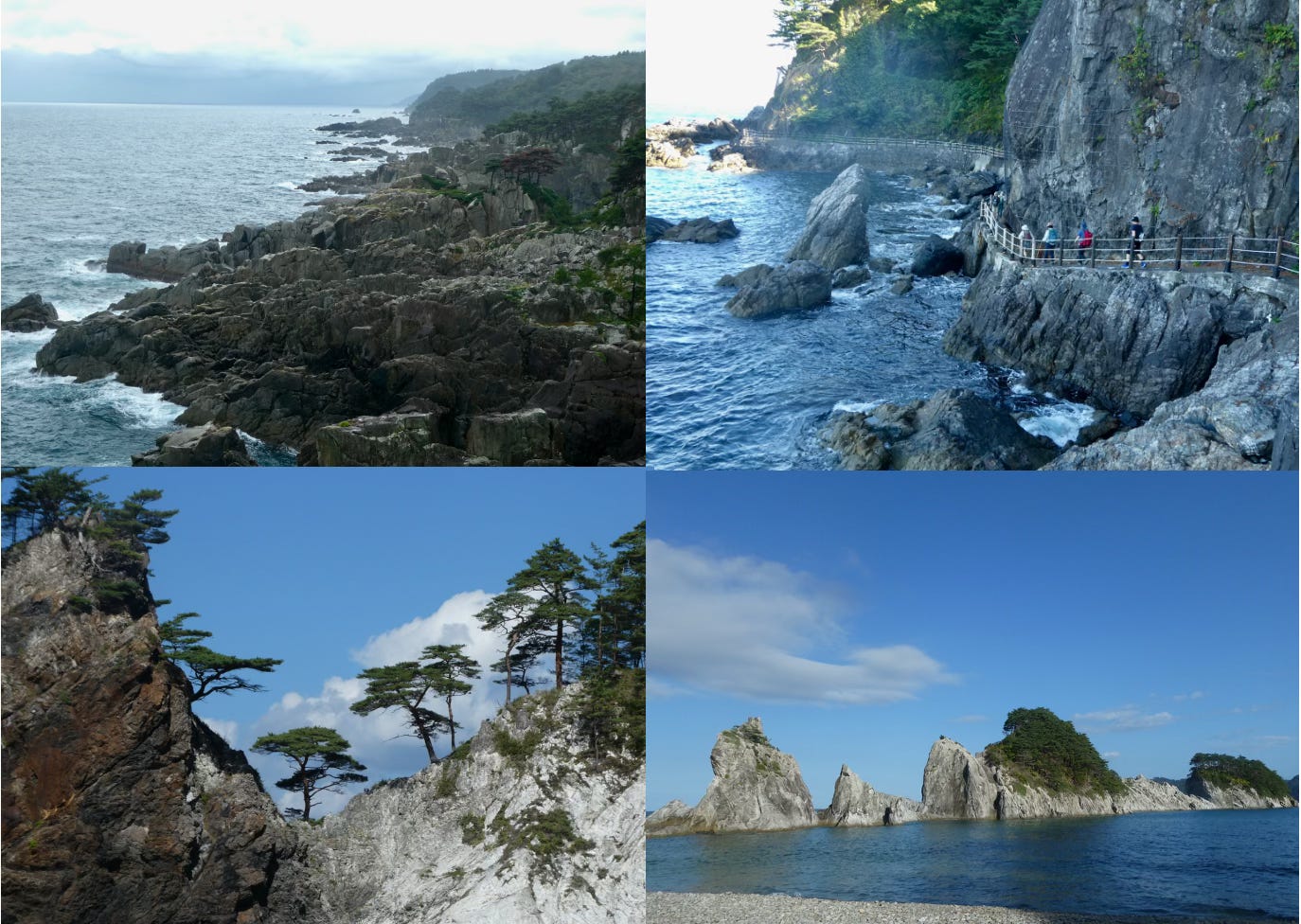
The contrast couldn’t be greater. One moment I am in the Iwate Tsunami Memorial Museum in Rikuzentakada, Japan, watching videos of The Great East Japan Earthquake and Tsunami in which towering waves wipe out town after town. I couldn’t help but feeling that the water was a living beast, malevolent and determined as it ripped through buildings, surged up streets, and wreaked unimaginable havoc, death, and destruction. The next moment, I am a five-minute walk from the Museum standing on a 41-foot-high, concrete seawall, watching six-inch waves wash onshore, their susurrating sound calming and benevolent.
For...
What the Dickens
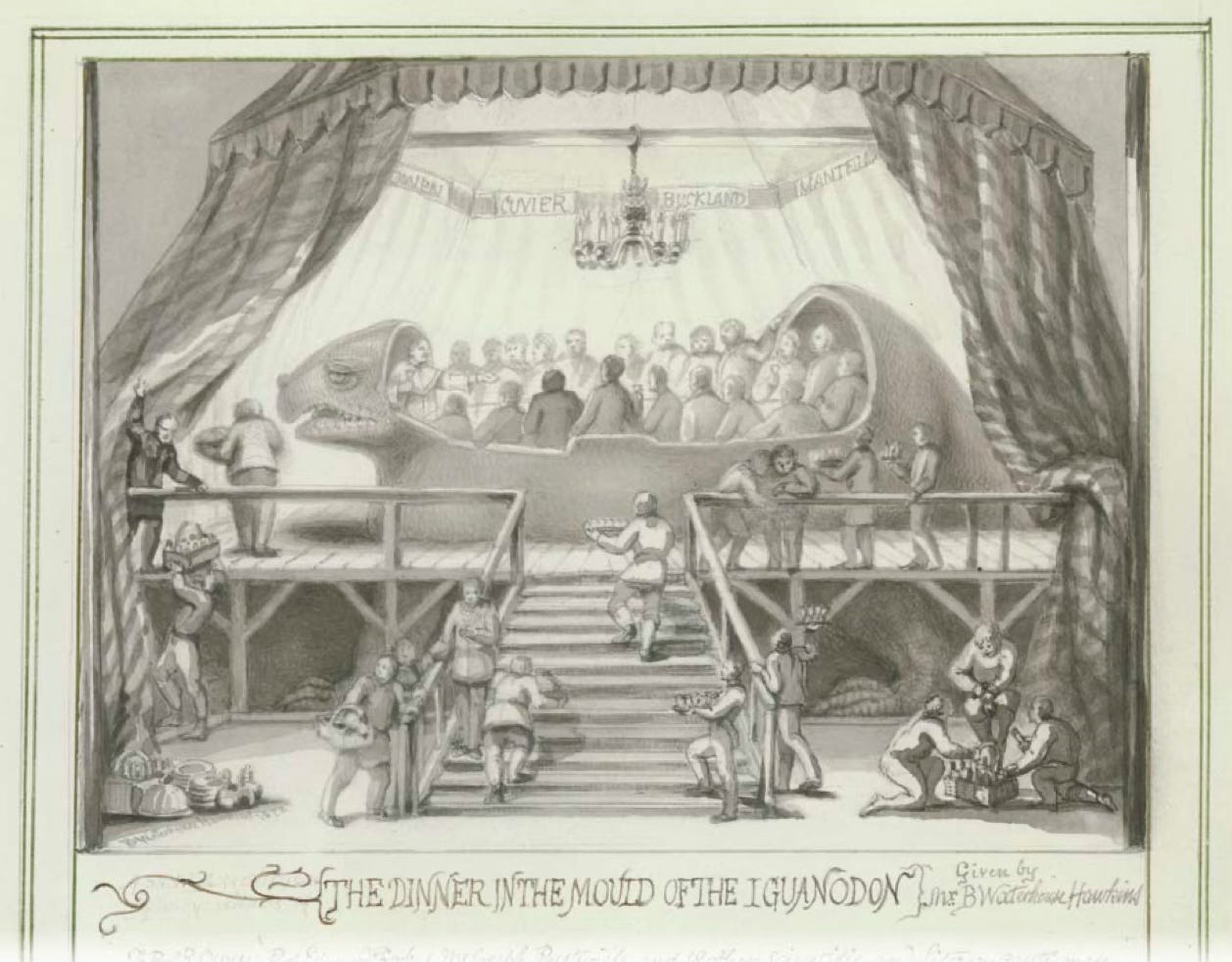
For many years, I have been a fan of Charles Dickens’ novels. In case you didn’t know, he was quite the writer. His books are funny, atmospheric, and rich in detail, both personal and geographic. He also came up with some splendid names, including Mr. Pumblechook, Inspector Bucket, Sargeant Buzfuz, Uriah Heep, and Harold Skimpole. Skimpole, a scheming mooch, comes from one of my favorite books, Bleak House (published serially from 1852-1853), which details the epic case of Jarndyce and Jarndyce.
Bleak House also contains two splendid references to geology. (If you don’t want to read i...
The Tides They are A-Changin'
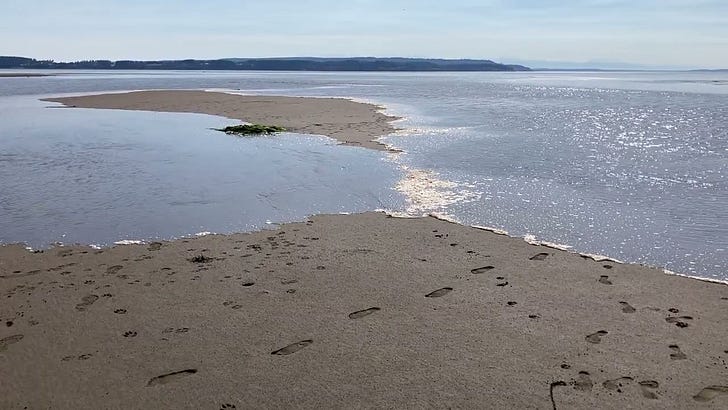
Several years ago, Marjorie and I and Taylor (our pooch) decided to canoe the Duwamish River in Seattle. Our plan was to put in just above the sort of confluence with the Black River; I use sort of because what’s left of the Black River is the merest remnant of what was the former outlet river of Lake Washington. We would then float about 11 miles down to the mouth of the Duwamish at Elliott Bay. As experienced canoeists from Utah (Taylor included), we thought the trip would take a couple of hours, taking advantage of the gentle current.
...Dead Trees Still Tell No Lies
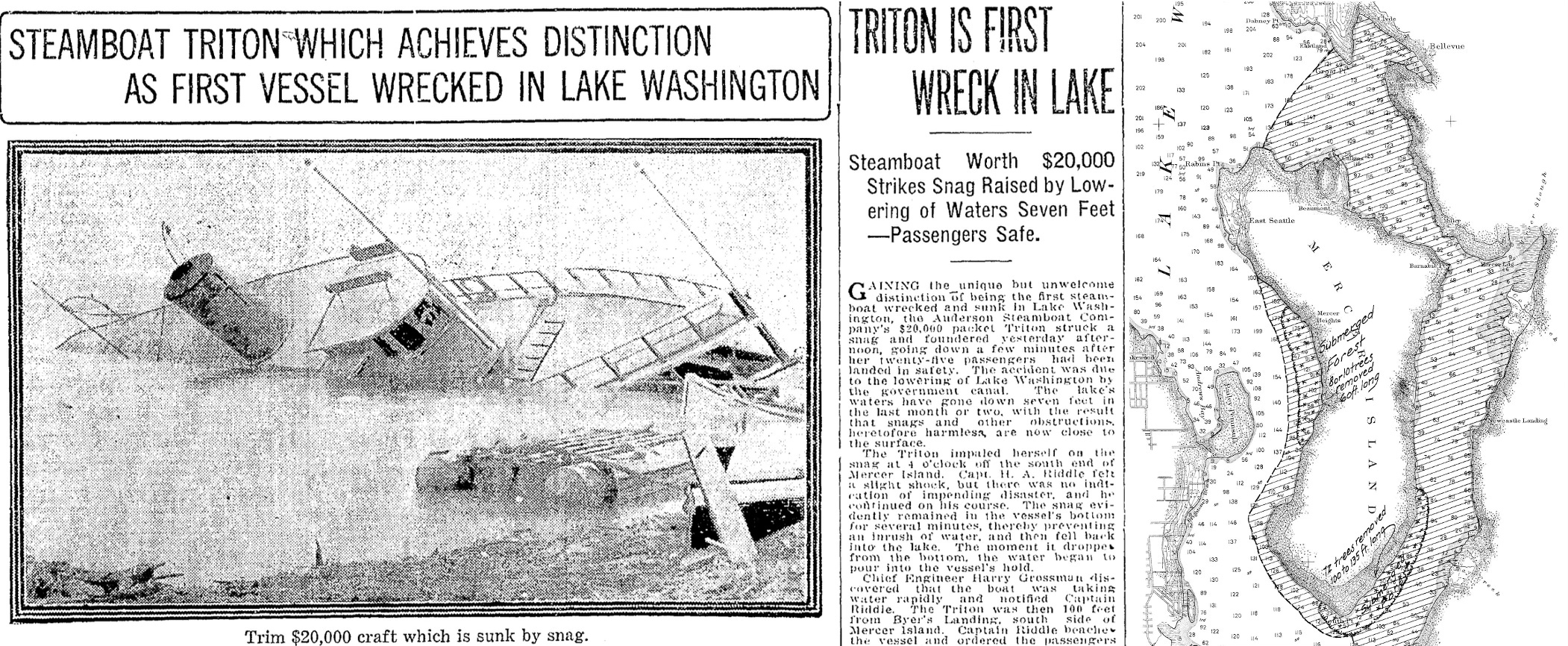
Recently, I had the good fortune to be interviewed by Bellamy Pailthorp, the environmental reporter at KNKX radio. We chatted about my Dead Trees Tell No Lies essay from my book Wild in Seattle. Because of this, I decided to repeat this essay, which originally made it into your mailboxes in October 2023. I’ve made a few updates in the story. Here’s a link to our conversation.
And, at the bottom of this newsletter is a coincidental connection about berries (which I wrote about last week) and a Union soldier in the Civil War.
Tree...
A Bounty of Berries
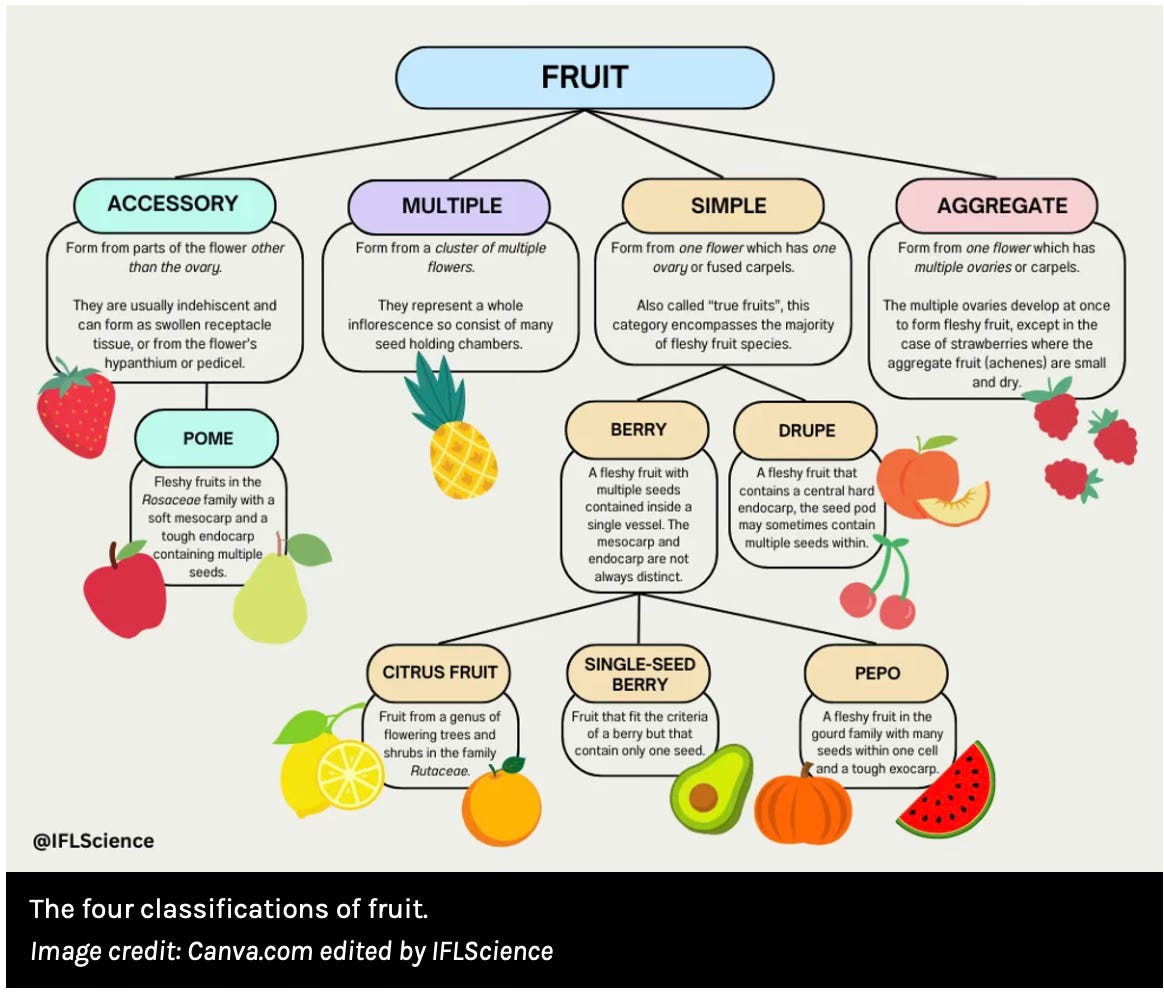
This past weekend we hiked up to Marmot Pass. Called by one guide book writer the Champagne Walk of the Olympic Mountains, it is famed for its wildflowers. We were too late for the wildflowers but timed it perfectly for berries. We saw black, red, blue, pruinose, yellow, and orange ones; yummy, mealy, and disappointing varieties; and ground hugging, shrubby, and sky-reaching plants. It was truly a stunning display of fecundity and hope for future success for what is a berry but an investment in the next generation.
More prosaically, what is a berry? My botany pals...
From Tide Pools to the Stars and Back
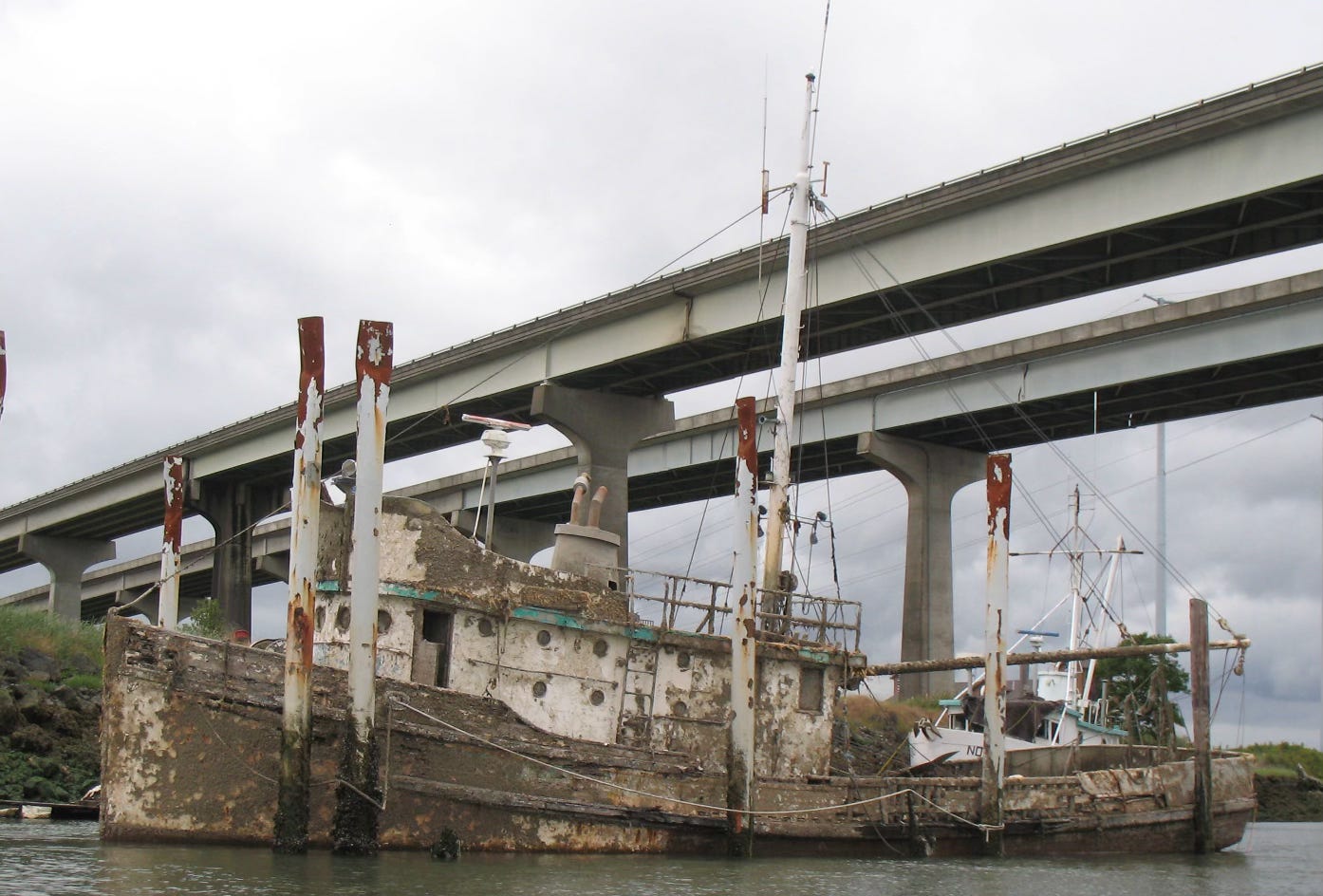
Last week, I had the privilege of seeing one of the most famous boats to ply the Pacific Ocean: the Western Flyer. Built in Tacoma in 1937 for the sardine fishery in Monterey Bay, California, the 76-foot boat achieved its notoriety through Ed Ricketts’ and John Steinbeck’s The Log from the Sea of Cortez. The book details the collecting trip they made in the summer of 1940. Best known as the model for “Doc” in Steinbeck’s novel, Cannery Row, and author of the legendary Between Pacific Tides, Ricketts, and Steinbeck, planned to survey marine life by collecting in the infamous s...
Lava. Lava. Lava!
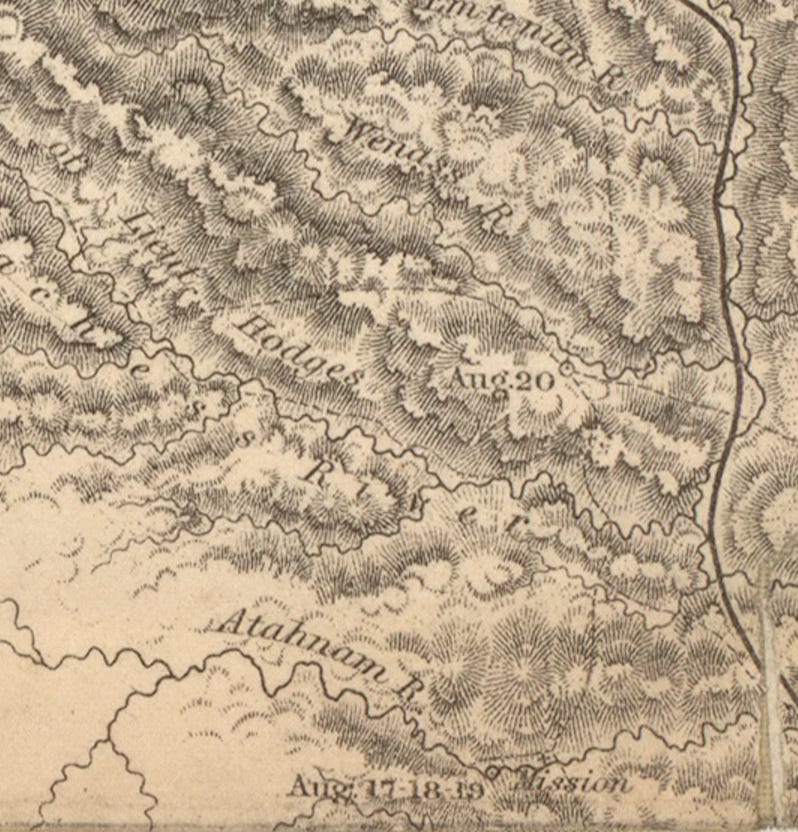
On August 20, 1853, future Civil War general George McClellan camped along Wenas (or Wee_Nass, as he wrote it) Creek, about 15 miles northwest of Yakima. It was his 22nd night out as part of a multi-month exploration of the Cascade Range. His task: finding the best route for a train over the mountains. (No secret, he failed.) That day, he and his survey team had crossed Cowiche Creek and Naches (Nah_Chess) Creek and several low ridges before entering the Wenas Creek valley. The land was “extremely barren,” wrote Lt. McClellan, with nothing but sagebrush and “almost literally, no grass.” He did t...
Mr. Bun in Seattle
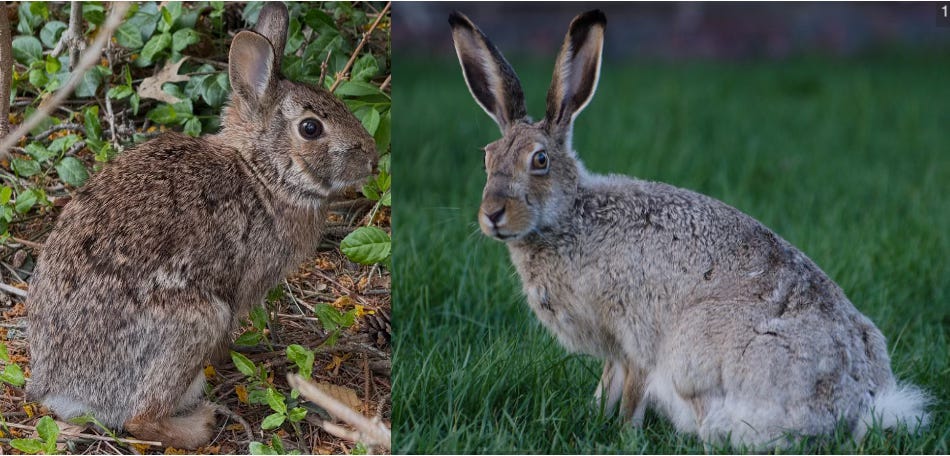
For many years, I have referred to every rabbit I see as Mr. Bun. I have no idea why but do know that this year I have been seeing more Mr. Buns around my fair city and its surroundings. They are sprinting across roads, hopping through yards (ours included), gallivanting in parks, flitting in fields, and skittering into smeuses. They’re eating garden vegetables, getting squished by cars, and getting eaten by other urban residents of the furred and fowl kind.
Curiously, no one has surveyed the population (of Mr. Buns, not us) to see how many li...
Global Warming: A Screed
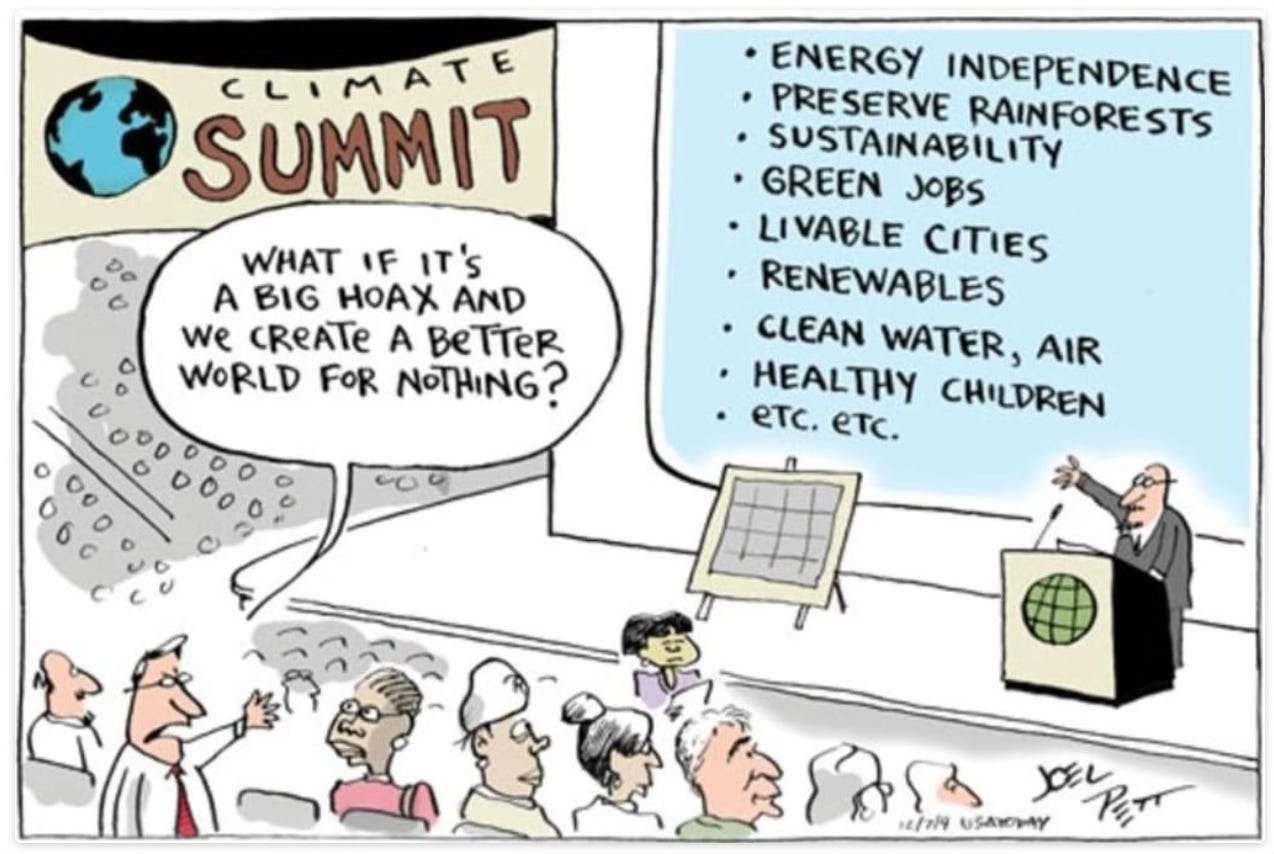
“We’re not doing that climate change, you know, crud, anymore.” Brooke Rollins, Secretary of Agriculture - 5/8/2025
‘Do you believe in climate change?’ is not really a meaningful question, because climate change has existed as long as the Earth has existed. Vivek Ramaswamy, self-described conservative American nationalist - 9/19/2023
“That’s why climate change is the perfect enemy. They get to control your life to deal with it, no matter what’s happening.” Pete Hegseth, Secretary of Defense - 8/13/2019
“By overhauling massive rules on the endangerment finding, the social cost of carbon and similar issues, we are drivi...


