New Politics: Australian Politics, News, Analysis & Commentary
Independent Australian politics podcast covering federal politics, elections, policy, media and power.Hosted by Eddy Jokovich and David Lewis, New Politics delivers sharp analysis of Australian politics, media narratives and political power – cutting through spin to explain what’s really happening./ Twitter @NewpoliticsAU / www.patreon.com/newpolitics/ newpolitics.substack.com/ www.newpolitics.com.au
One Nation: The billionaire’s battler party
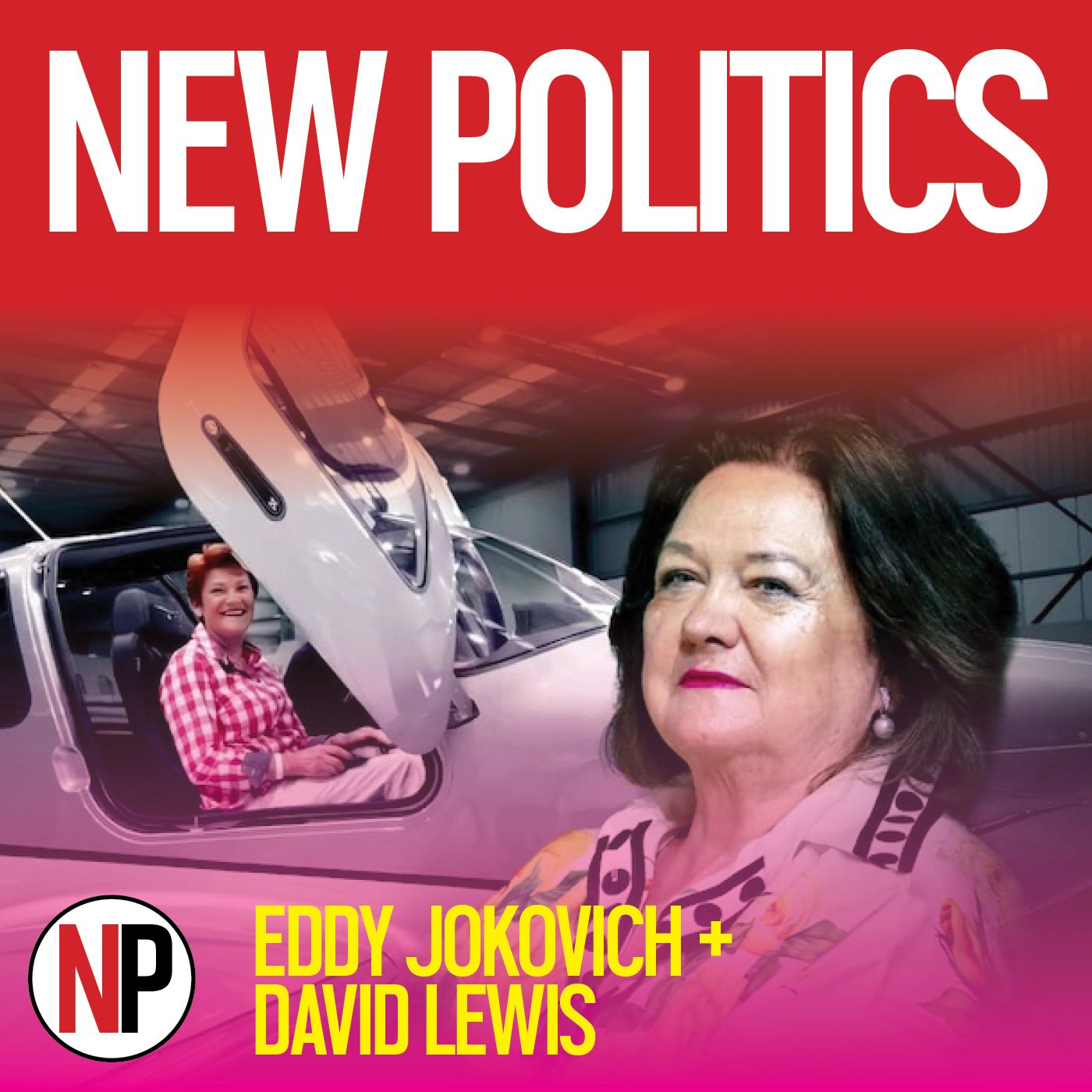
One Nation promises to defend ordinary Australians against wealthy elites – but Pauline Hanson’s party is moving into an $8 million Brisbane building owned by Gina Rinehart’s company. Barnaby Joyce insists it will pay commercial rent, yet questions about political independence go far beyond the lease itself. In this episode, we examine how One Nation’s positions on climate action, fossil fuels and migration reveal the contradictions of its anti-establishment message – and how culture wars redirect economic frustration while leaving corporate power untouched. Whose interests does the billionaire’s battler party really serve? #AusPol
Subscribe to New Politics for weekly br...
The FlyDubai incident: Fear and art of political fiction
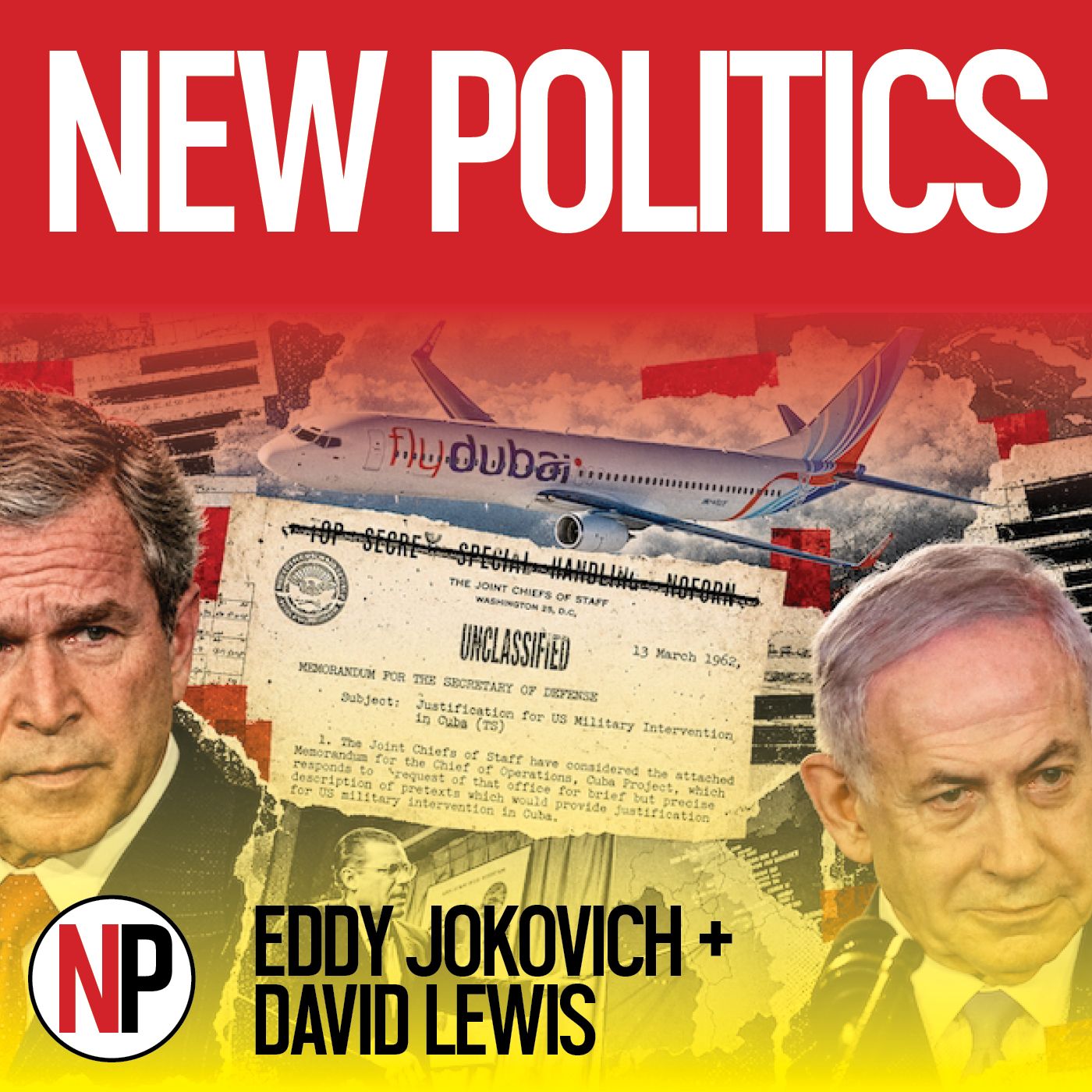
A crisis doesn’t have to be manufactured to become propaganda. We examine FlyDubai Flight FZ1073, Benjamin Netanyahu’s response and how terrorism and national security narratives can serve political survival, while diverting attention from Gaza and government accountability. Drawing on Operation Northwoods, the Gulf of Tonkin and Iraq’s weapons of mass destruction claims, we explore why journalists need to heavily scrutinise official versions of events, challenge unsupported assertions and follow the evidence. These historical examples don’t prove FlyDubai was a false flag, but they show why a politically convenient story should never be a substitute for a properly...
The Greens take on Labor, Supermarkets, AUKUS & Palestine
Can David Shoebridge turn frustration with Labor into electoral support for the Australian Greens? From publicly owned supermarkets and cheaper groceries to housing affordability, AUKUS, Pine Gap and Palestine, this episode examines who Australia’s economy and government really serve – and whether the Greens can offer a credible alternative. As the cost-of-living crisis exposes the gap between rising corporate profits and household hardship, can bold policies and a challenge to entrenched power translate into votes? #AusPol
Subscribe to New Politics for weekly briefings and full analysis: www.newpolitics.com.au
Support New Po...
Will David Shoebridge give Labor the boot?
Can David Shoebridge turn frustration with Labor into lasting support for the Australian Greens? In this episode, we examine how the Greens can rebuild after the 2025 federal election by connecting their policies to the cost-of-living crisis, affordable housing, cheaper electricity and stronger public services. With One Nation courting discontent from the right, can Shoebridge build a credible alternative from the left – and force the Albanese government to compete for progressive voters? #AusPol
Subscribe to New Politics for weekly briefings and full analysis: www.newpolitics.com.au
Support New Politics:
Patre...
The AI Medicare wake-up call
The OpenAI Medicare breach exposes a widening gap between artificial intelligence and corporate accountability. In this episode, we examine what unauthorised access to Australia’s Medicare statistics portal and delayed reporting reveal about AI safeguards, cybersecurity and government oversight. As the Albanese government balances investment pressures with public protection, the withdrawal of the proposed $1.2 billion Lane Cove data centre highlights concerns about community consultation, electricity and water use. From data sovereignty to AI regulation in Australia, who shapes our technological future – and who carries the costs when corporate promises fail? #AusPol
Subscribe to New Politics for weekly briefings and...
Australia wants a seat at the UN but what would it stand for?
Australia wants a UN Security Council seat in 2029–30, but what would it do with that influence? Anthony Albanese promises to defend international law, yet his government has declined to join proposed restrictions on goods from illegal Israeli settlements in the occupied West Bank. Its calls for accountability over the killing of Australian aid worker Zomi Frankcom in Gaza have also delivered little. Australia showed after the 2014 MH17 disaster that a Security Council seat can be put to purpose, but we ask whether its actions on Palestine match its ambitions at the United Nations. #AusPol
Subscribe to New Politics for...
What is ASIO really telling us about terror threats?
ASIO director-general Mike Burgess says the agency has disrupted 16 potential terror threats and four more serious plots since the Bondi Beach attack. But what does “disrupted” mean, and what did ASIO know before the Bondi attacks? In this episode of New Politics, we examine why a former informant’s claims about the Bondi attackers have been ignored, ASIO’s counterterrorism priorities, warnings about possible Iranian threats, the Dural caravan hoax and Burgess’s meeting with Israeli president Isaac Herzog. Intelligence work requires secrecy, but public trust also requires answers about decisions that affect Australia’s national security. #AustralianPolitics #AusPol #ASIO.
Su...
Labor is becoming what it once condemned
The Albanese Labor government came to office promising integrity, transparency and accountability, but four years later those standards are being tested by allegations of pork-barrelling, politically targeted grants and questionable corporate benefits. A $560 million infrastructure program heavily favouring Labor-held electorates, a $6 million grant to Marrickville Golf Club in Anthony Albanese’s electorate, and Transport Minister Catherine King’s lifetime Qantas Platinum membership raise a fundamental question: is Labor applying the same standards to itself that it demanded of the Morrison government? At the same time, changes to the NDIS are being justified through the familiar language of sustainability and value for...
Macklemore, Mary Kostakidis and the red line on Palestine
Political power doesn’t always operate through governments or legislation – it can work through vexatious litigation, lobbying, money, professional pressure and the ability of influential organisations to impose consequences on those who challenge powerful interests. The experiences of former SBS journalist Mary Kostakidis in Australia and musician Macklemore in the United States raise the difficult questions about Israel, Palestine, Gaza, Zionism and free speech: Kostakidis endured almost two years of legal proceedings before the Zionist Federation of Australia discontinued its Federal Court case without a judgment, while Macklemore faced organised pressure and was removed from the remainder of Ed Sheeran’s US t...
Australia, Israel and the charade of Palestinian recognition

Almost a year after Australia recognised Palestine as an independent and sovereign state, what has actually changed? The Albanese government has imposed no meaningful sanctions on Israel, restricted no trade with illegal Israeli settlements in the occupied West Bank and maintained Australia’s involvement in the F-35 military supply network. The killing of Australian aid worker Zomi Frankcom in Gaza remains unresolved, while Foreign Minister Penny Wong continues to defend a deeply contradictory policy: recognising Palestinian sovereignty while supporting the occupying power. With Israeli minister Itamar Ben-Gvir promoting the forced displacement of Palestinians from Gaza, Australia’s inaction is becoming a te...
The Liberal Party: Chasing One Nation to the edge of oblivion
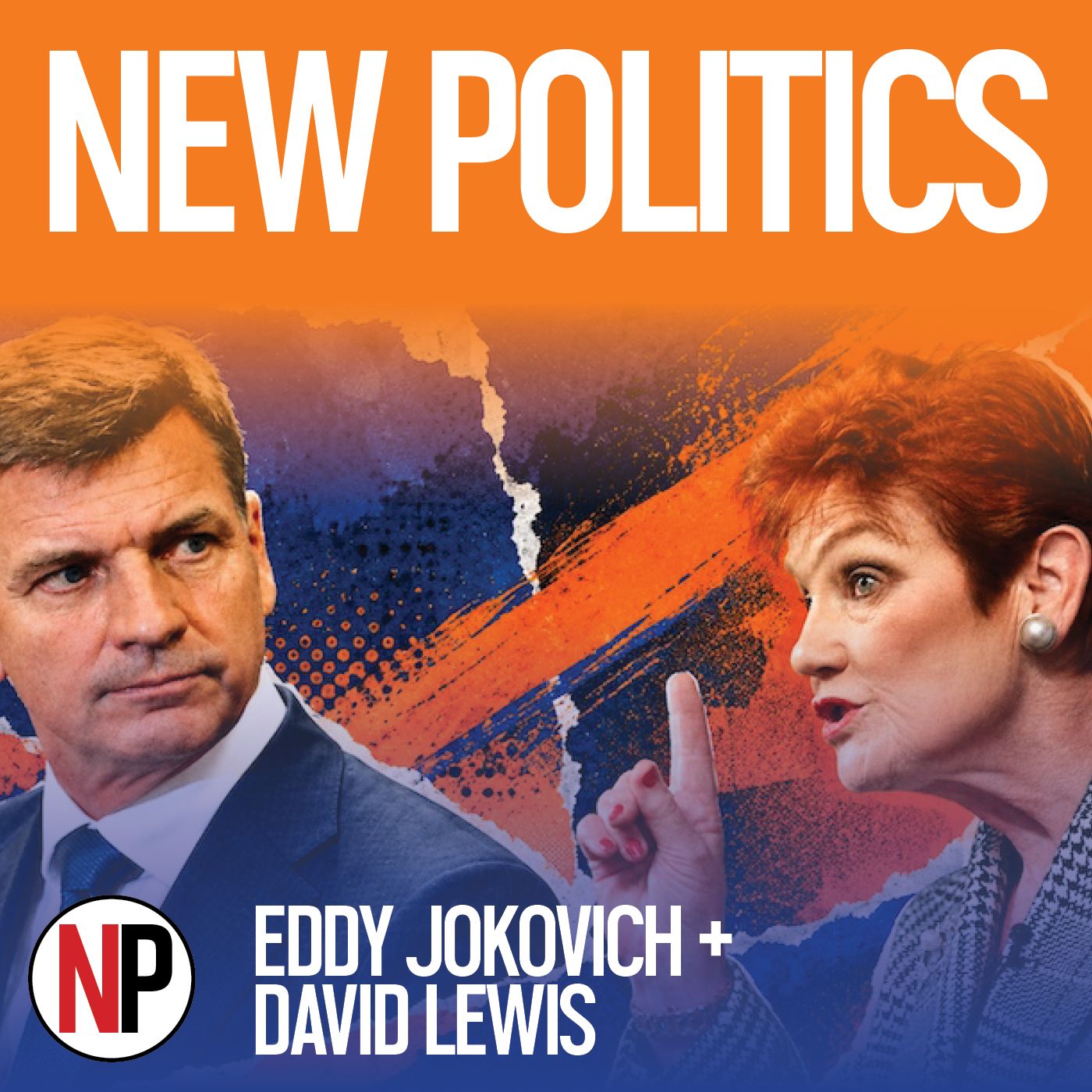
One Nation may be slipping in the polls, but Pauline Hanson is still setting the direction of conservative politics in Australia – and Liberal leader Angus Taylor appears determined to follow her to the fringes. Rather than addressing housing affordability, stagnant wages, healthcare pressures and inequality, the Coalition is escalating the culture wars with proposals targeting Australian flag burning, the date of Australia Day and Respectful Relationships education in schools. It is a familiar strategy: manufacture outrage, exploit resentment and promise punishment, while presenting programs designed to reduce domestic and sexual violence as attacks on men. With Labor and the Coalition le...
A climate change disaster in Nepal is Australia’s problem too
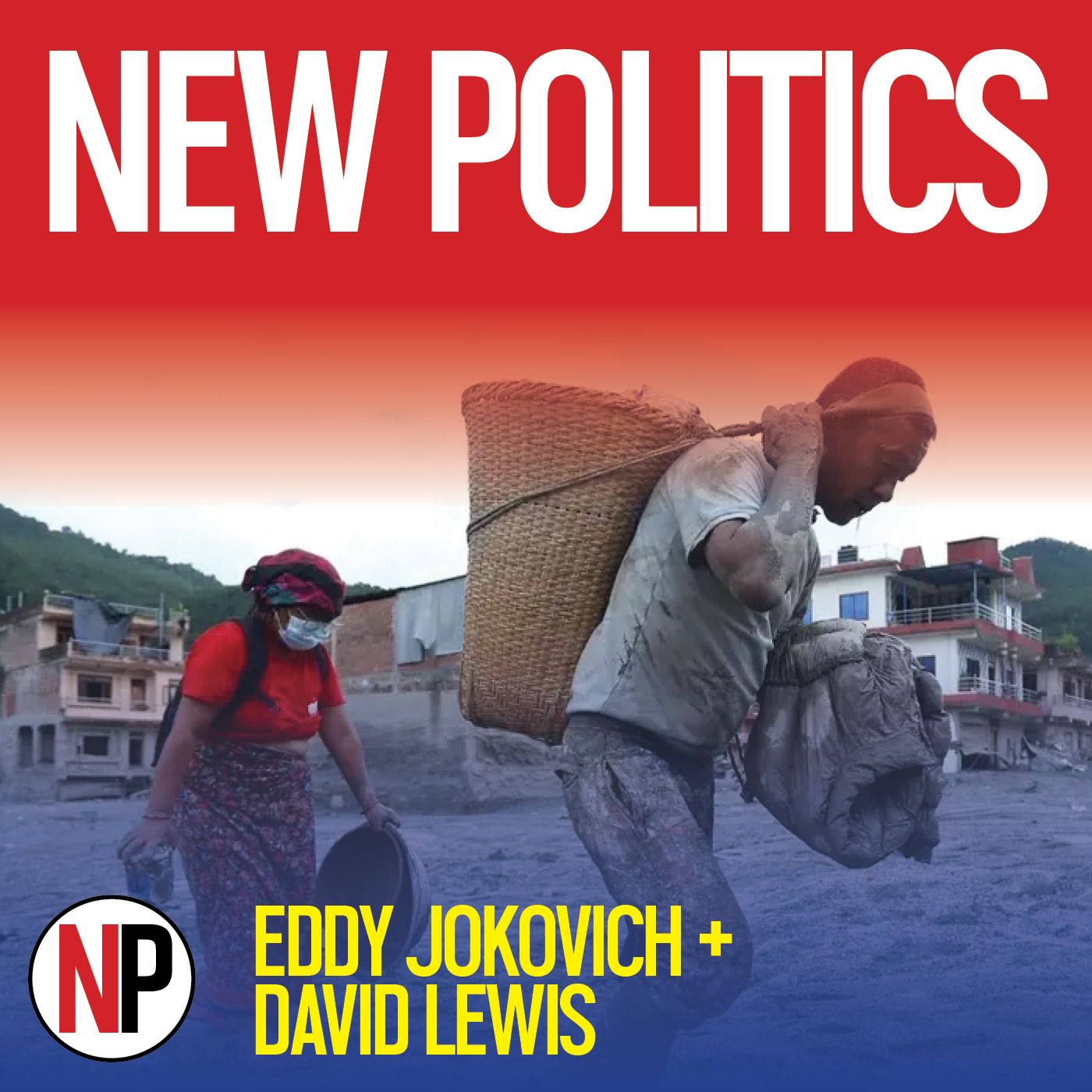
The catastrophic Nepal–Tibet floods, triggered by a collapse of glacial ice and rock in the Himalayas, have killed more than 1,250 people and left thousands missing, exposing the escalating dangers of climate change and glacial melting. As Nepal bears a devastating cost despite contributing little to global greenhouse-gas emissions, Anthony Albanese faces questions about Australia’s climate policy and the familiar political insistence that “now is not the time” to discuss the causes of disaster. This episode examines climate injustice, Australia’s continuing coal and gas expansion, Labor’s renewable-energy promises and the contradiction between presenting Australia as a Pacific security par...
Labor’s One Nation problem
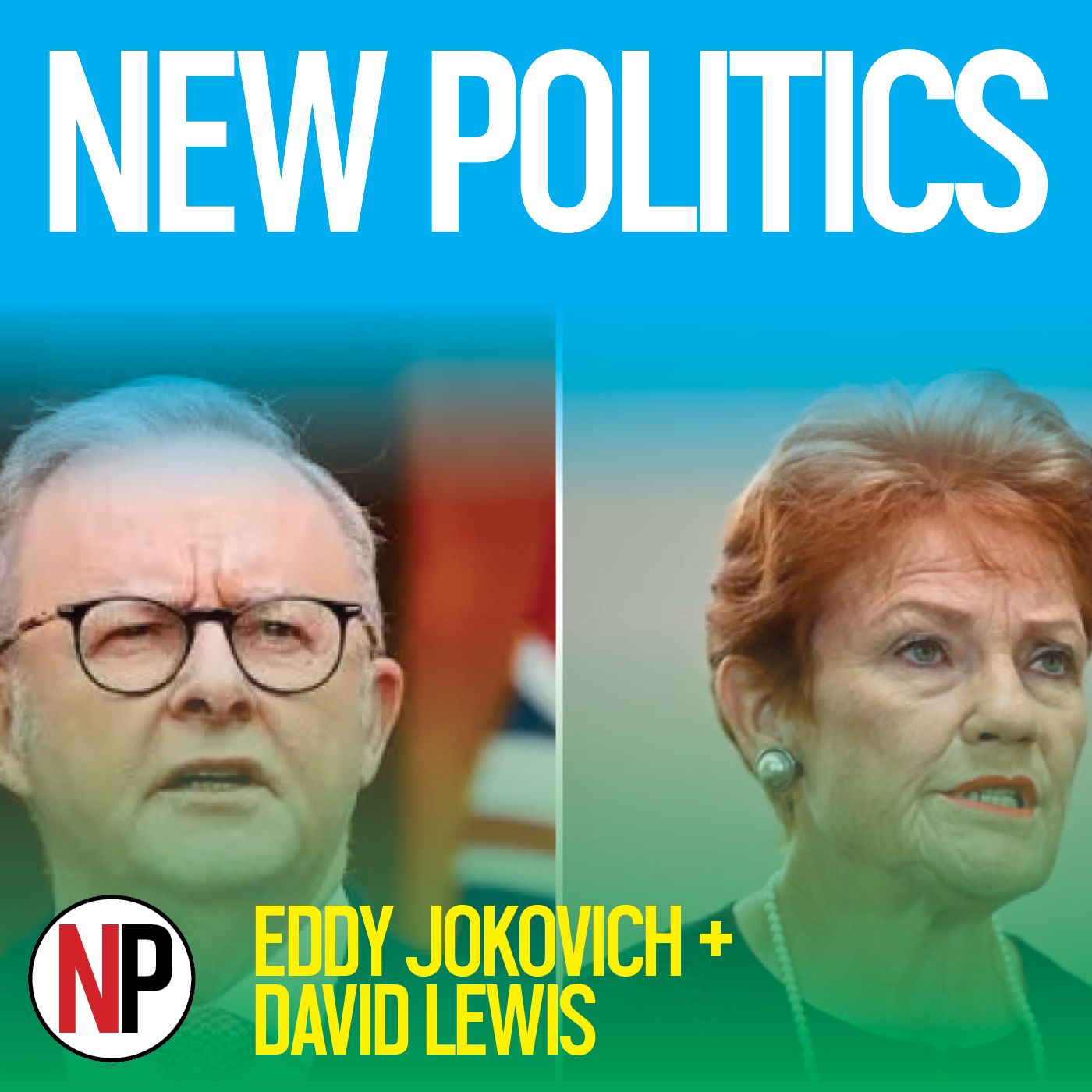
One Nation's byelection win in Secret Harbour – an 18 per cent swing in a WA Labor seat held for 37 years – is a warning sign for the Albanese government, and branding Pauline Hanson “dangerous and divisive” isn't working after three decades of using the same message. This episode explores why cost-of-living pressures, unaffordable housing and stagnant wages are driving voters toward populist protest even in a strong economy, why Labor risks legitimising One Nation by chasing its agenda, and what recent wins in South Australia, Farrer and now Secret Harbour reveal about One Nation's growing capacity to win seats ahead of the 2028 federal...
Football First, Women Last
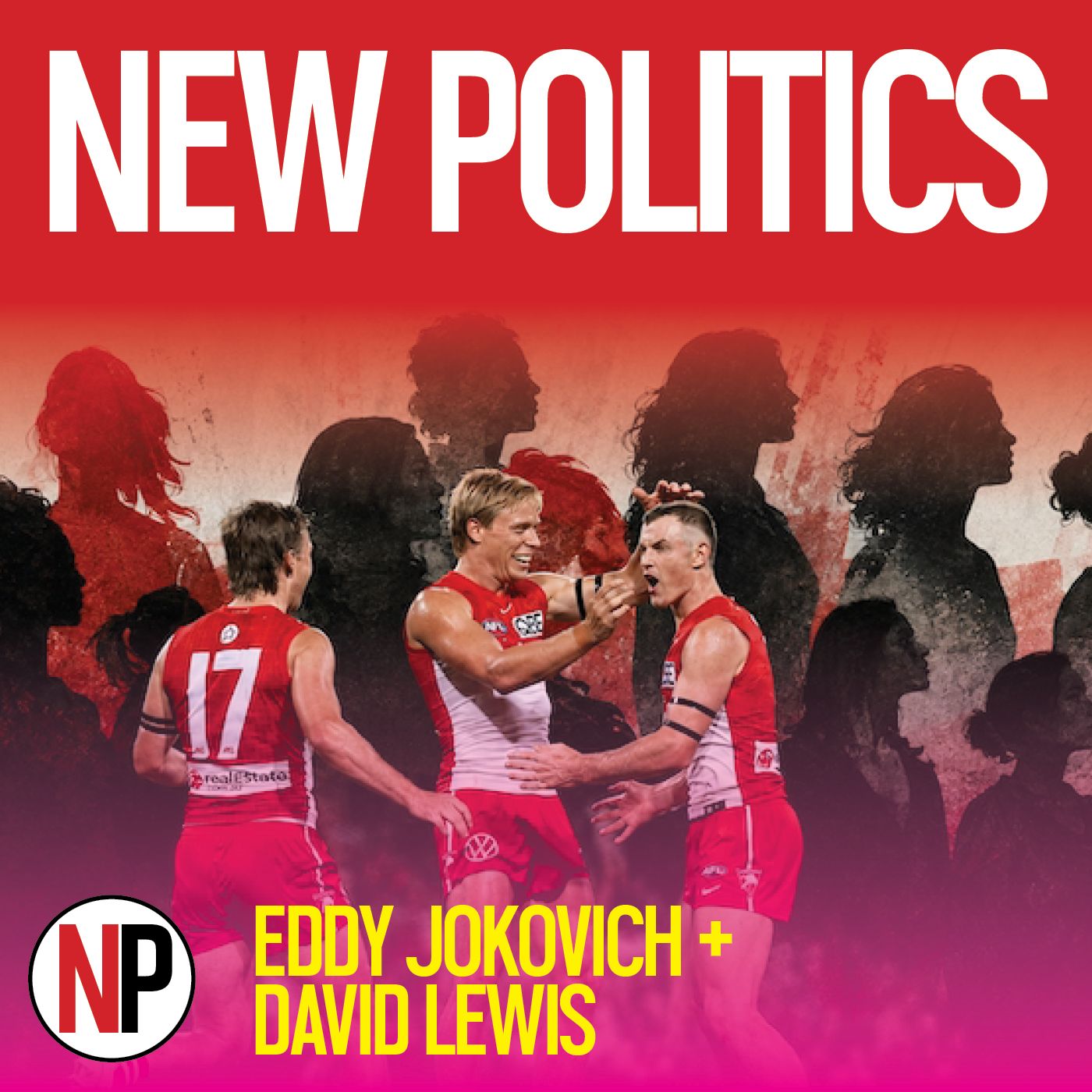
Allegations involving five Sydney Swans players have sparked one of the AFL season’s most serious controversies, yet much of the media coverage has focused on suspended players, damaged careers, premiership prospects and the club’s reputation rather than the women who reported the alleged sexual assaults. This episode of New Politics examines AFL culture, consent, masculinity and accountability, asking why education about respectful relationships continues to fail across elite sport and whether powerful football clubs are more concerned with brand protection than cultural change. Standing down players may be necessary, but genuine accountability also requires supporting complainants, cooperating with inve...
We need to talk about the influence of Israel
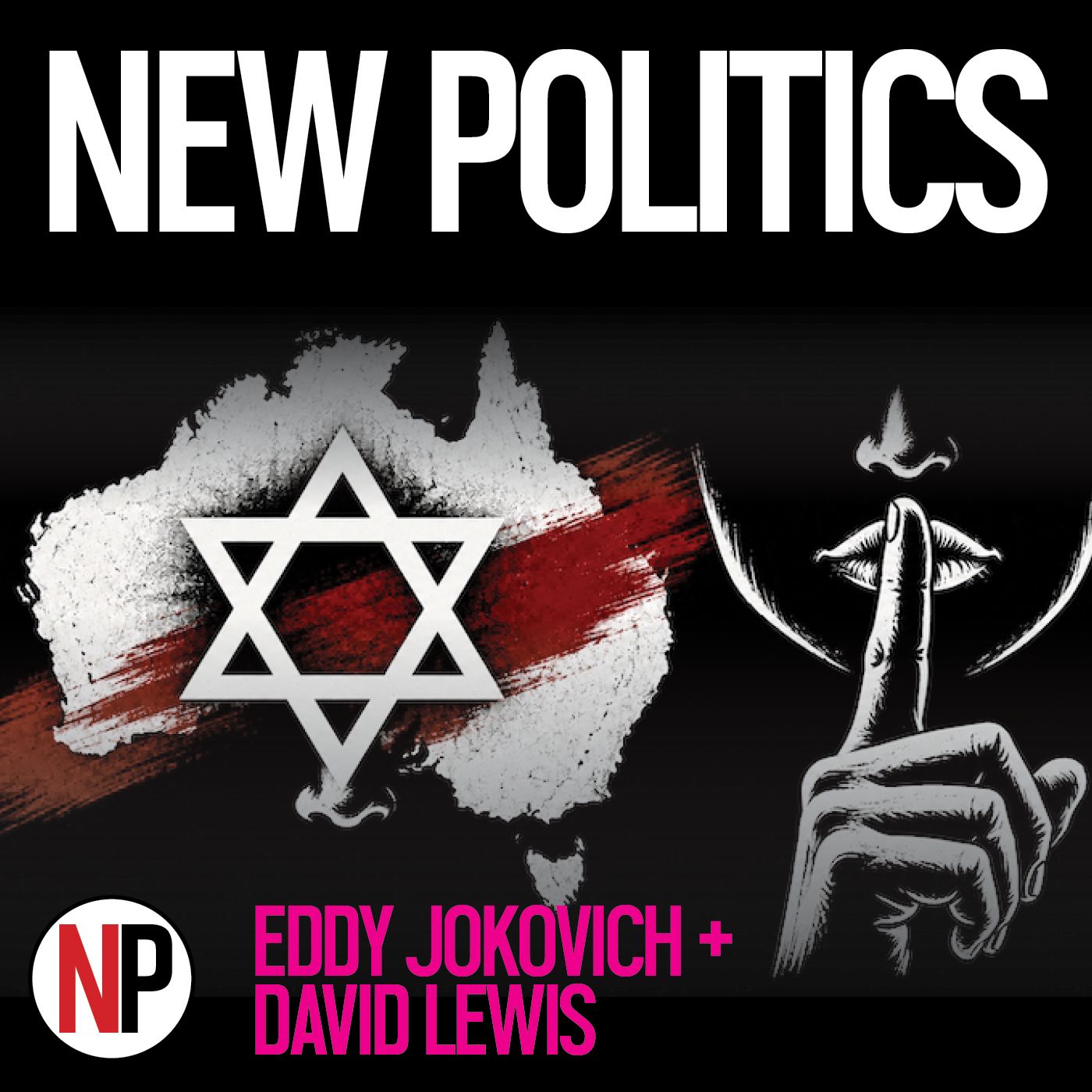
Nick McKim’s refusal to apologise for saying the Labor government has been “captured by Zionist interests” has opened a wider debate about political lobbying, influence and transparency in Australia. This episode examines the role of pro-Israel advocacy organisations, sponsored trips to Israel for Australian politicians and opinion-makers, and whether these relationships can influence political attitudes and policy on Israel, Gaza and Palestine. We also look at Australia’s political donation system, including the $138 million in funding that has remained outside immediate public scrutiny, and ask the big question: if lobbying governments is considered a legitimate part of Australian politics, shouldn’...
Silencing genocide, one book at a time
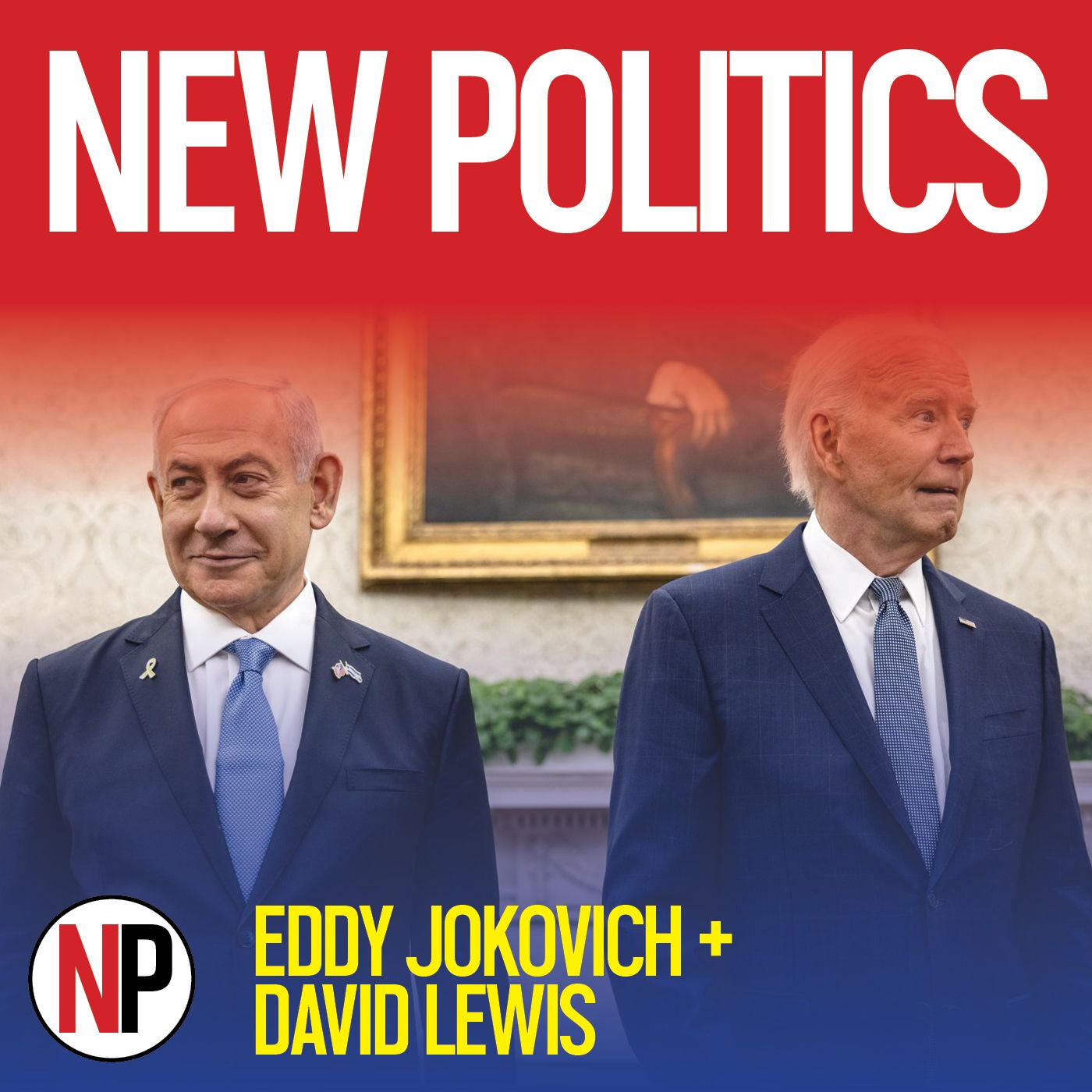
Waverley Library’s removal of Adam Johnson’s “How to Sell a Genocide” raises a question that goes far beyond one book or a Sydney council: who decides which political arguments the public is allowed to debate? While the distress of survivors of the Bondi Beach terror attack must be treated seriously, it cannot become a veto over what an entire community is allowed to read. This episode examines public library censorship, freedom of expression, Israel and Gaza, the contested use of the word “genocide”, and attempts to conflate criticism of Israel and Zionism with antisemitism through the IHRA definition. When institu...
The continuing corrosion and corruption of the Liberal Party
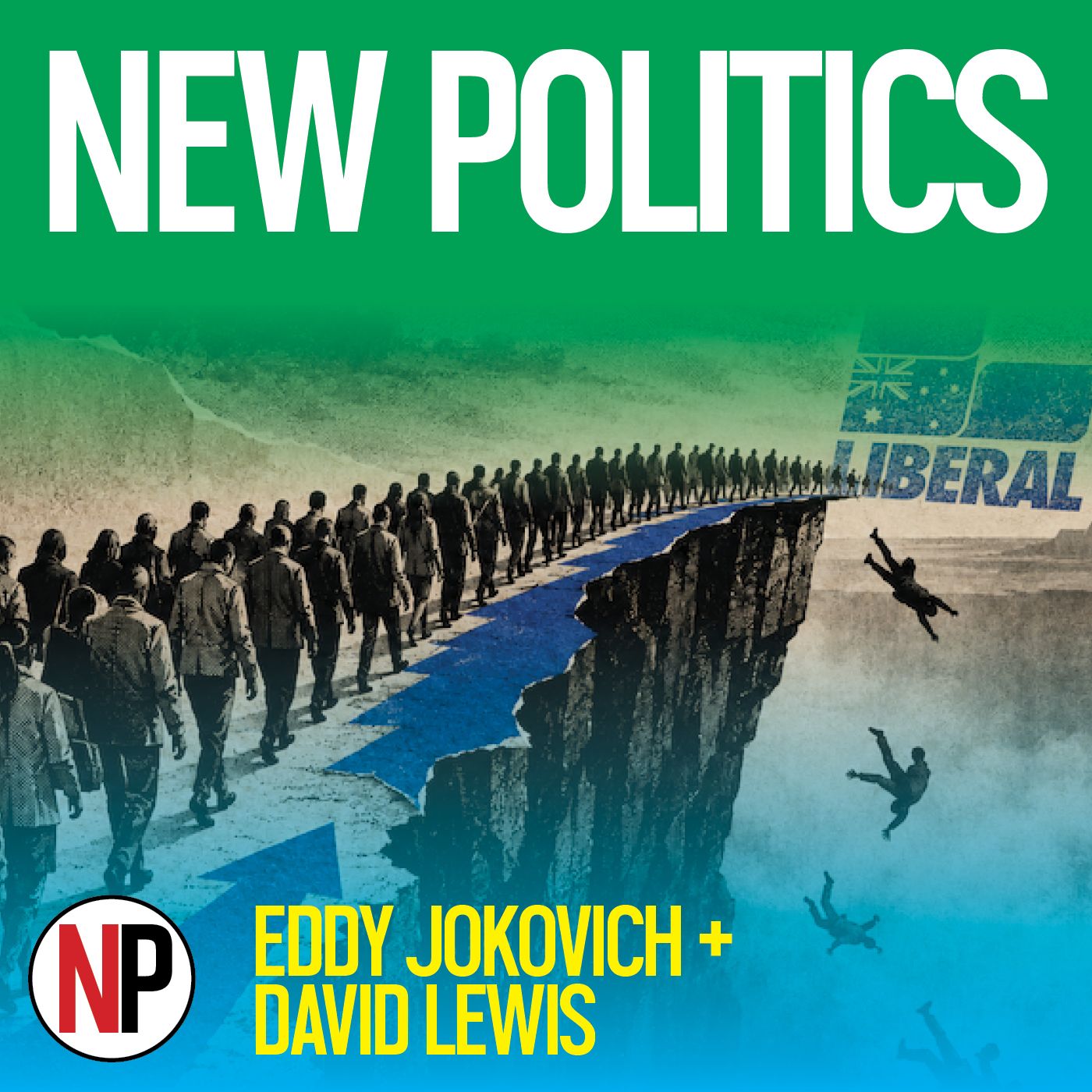
The Liberal Party’s crisis is no longer temporary. After two consecutive federal election defeats and a collapse in its primary vote, the party remains divided between the political centre and the conservative populism of One Nation and Donald Trump’s Republican Party. While Anthony Albanese and Labor remain vulnerable on housing affordability, the cost of living and declining living standards, voters still regard the Coalition as an unacceptable alternative. With dysfunction across Liberal Party branches, strained relations with the Nationals, the religious right’s growing influence, damaging evidence emerging from the NSW ICAC’s Operation Rosny and Andrew Bragg promotin...
The police state of New South Wales
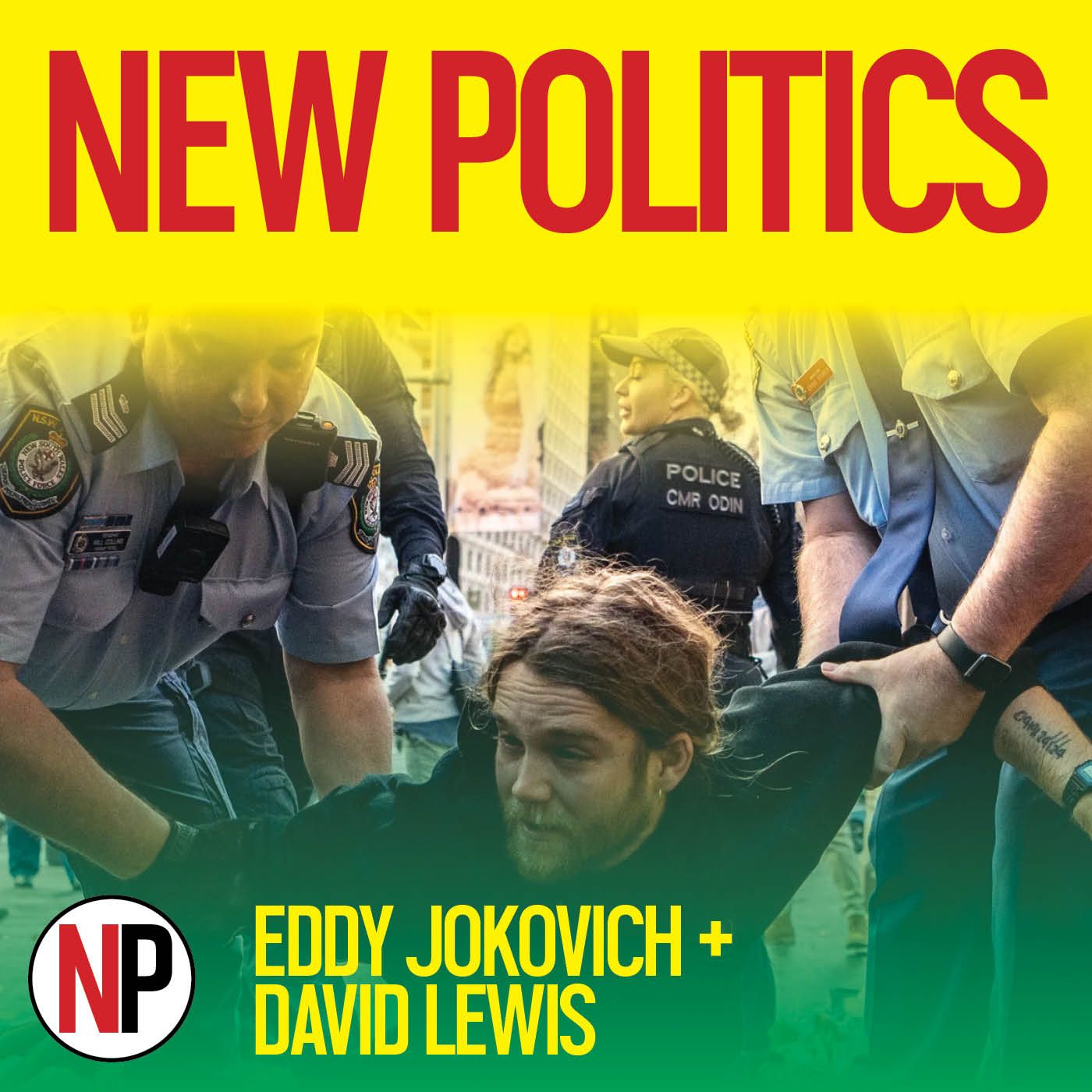
The Minns government says its proposed expansion of NSW Police digital surveillance powers is necessary to combat organised crime, but allowing easier access to mobile phones through Digital Evidence Access Orders – and compelling people to surrender passwords and PINs – threatens privacy, civil liberties and judicial oversight. With restrictive protest laws, expanding facial-recognition technology and questions surrounding data collection and retention, NSW risks normalising extraordinary police powers that could eventually target protesters, journalists and political activists. The use of phone-extraction technology from Israeli digital-forensics company Cellebrite further demonstrates why warrants, independent scrutiny and strict data-protection rules are essential. As surveillance technology beco...
The new US imperialism of AUKUS

Malcolm Turnbull’s warning that AUKUS is a “colossal mistake” is becoming harder to dismiss. Australia is spending hundreds of billions on nuclear submarines that depend on uncertain American production, Britain’s troubled shipbuilding industry and decades of geopolitical stability. With an expanding US military presence at HMAS Stirling, AUKUS risks surrendering Australian sovereignty while making the country more vulnerable in a future regional conflict. Shielded from proper scrutiny by bipartisan support, the deal may leave future generations trapped in an expensive military structure they never approved and will never be able to escape from. #AUSPOL
Subscribe to New Politics...
The real Anthony Albanese: Power without purpose
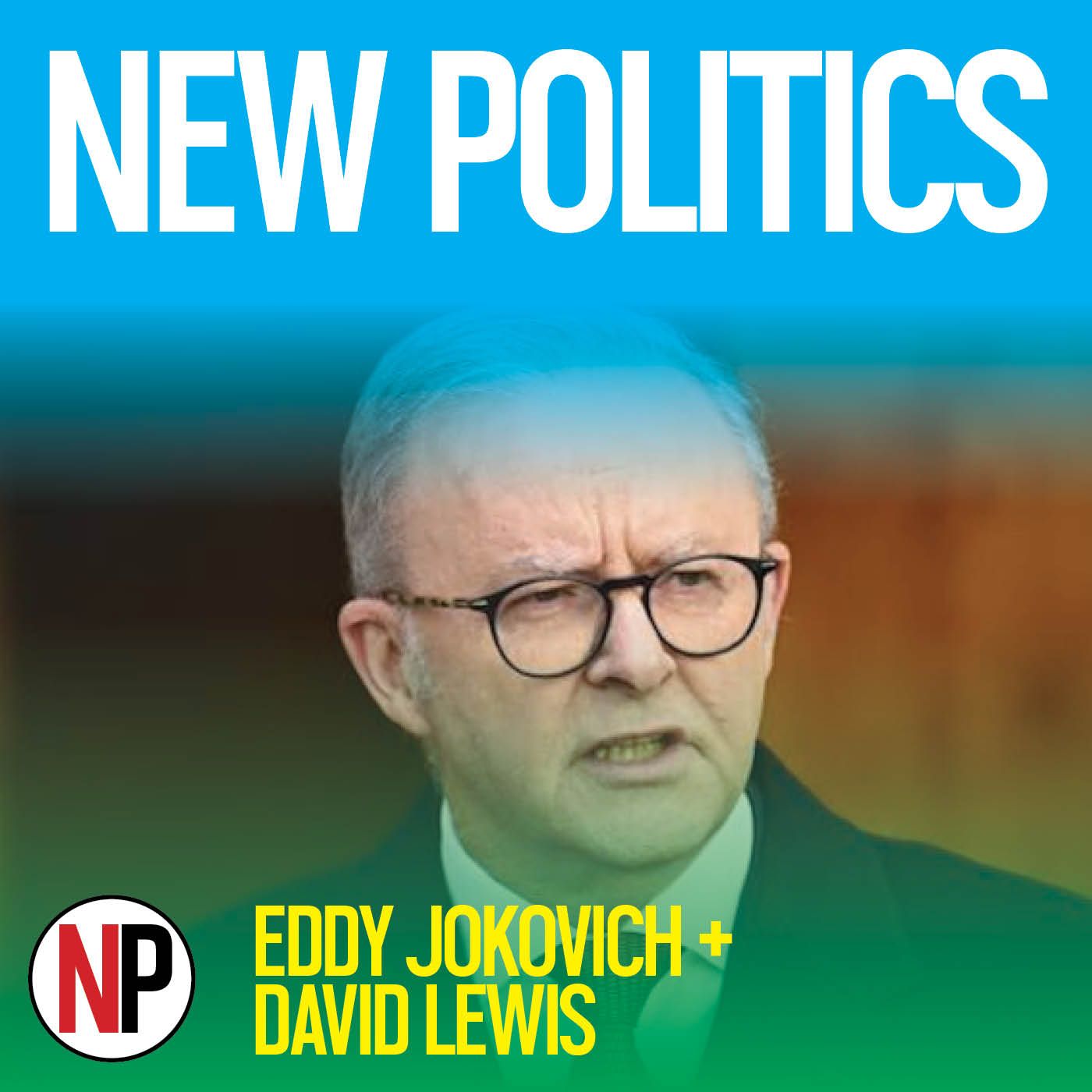
With Labor holding a record 94 House of Representatives seats, Anthony Albanese has the power to pursue substantial reform – yet his government remains cautious, deferential to corporate interests and resistant to its own membership. Once associated with Palestine, progressive politics and scepticism about the US alliance, Albanese has instead entrenched AUKUS, restricted internal debate on Gaza, weakened gambling advertising reform, protected gas exporters from meaningful taxation and embraced AI data centres without adequate scrutiny. Is the Prime Minister constrained by power, or does this reveal the real Anthony Albanese? We examine Labor values, One Nation’s influence on immigration policy and a po...
The Indoctrination of Australia’s Classrooms
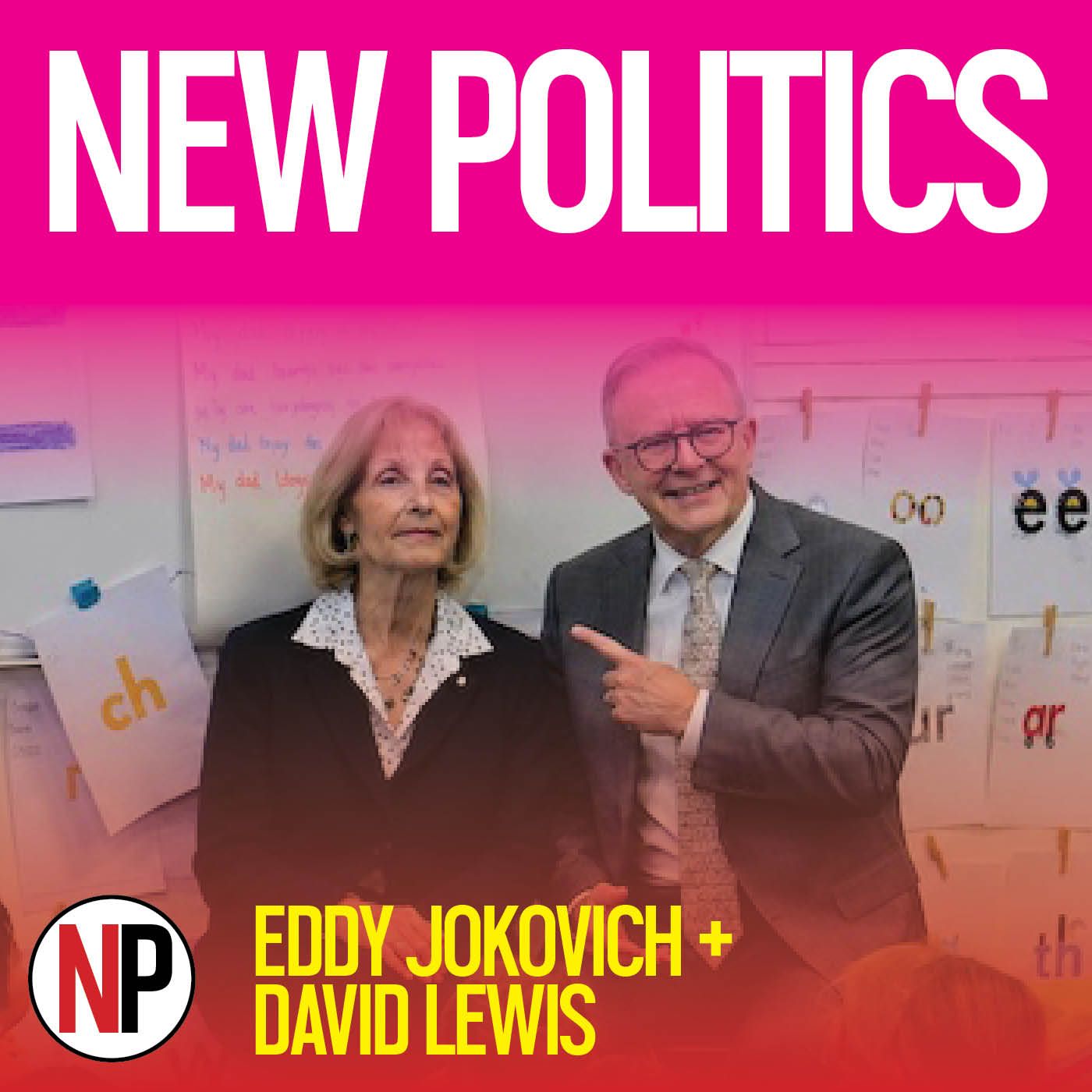
The Royal Commission on Antisemitism has expanded into a wider debate about Australian education, free speech and control of the national curriculum. Jillian Segal’s proposed antisemitism programs – from early childhood through schools and universities – raise questions about whether combating prejudice could blur the distinction between genuine antisemitism and legitimate criticism of Zionism, Israeli government policy, occupation, apartheid and alleged war crimes. With the controversial IHRA definition at the centre of this debate, can Australia protect Jewish students while preserving critical thinking, academic freedom and open discussion of Israel and Palestine – or will classrooms become the next battleground in the culture...
Reclaiming democracy for the people
Australian democracy isn’t broken, but political power is increasingly concentrated among wealthy donors, corporate lobbyists and party powerbrokers. From Anthony Albanese’s $10,000-a-head fundraiser to divisions within Labor and the Liberal Party, we examine how vested interests shape Australian politics – and the reforms needed to return democratic power to the public. #AUSPOL
Subscribe to New Politics for weekly briefings and full analysis: www.newpolitics.com.auSupport New Politics:
Patreon: https://www.patreon.com/newpoliticsSubstack: https://newpolitics.substack.comSong listing:
‘La Femme d’Argent’, AIR.
Jacinta Allan: Legacy, debt and the end of an era
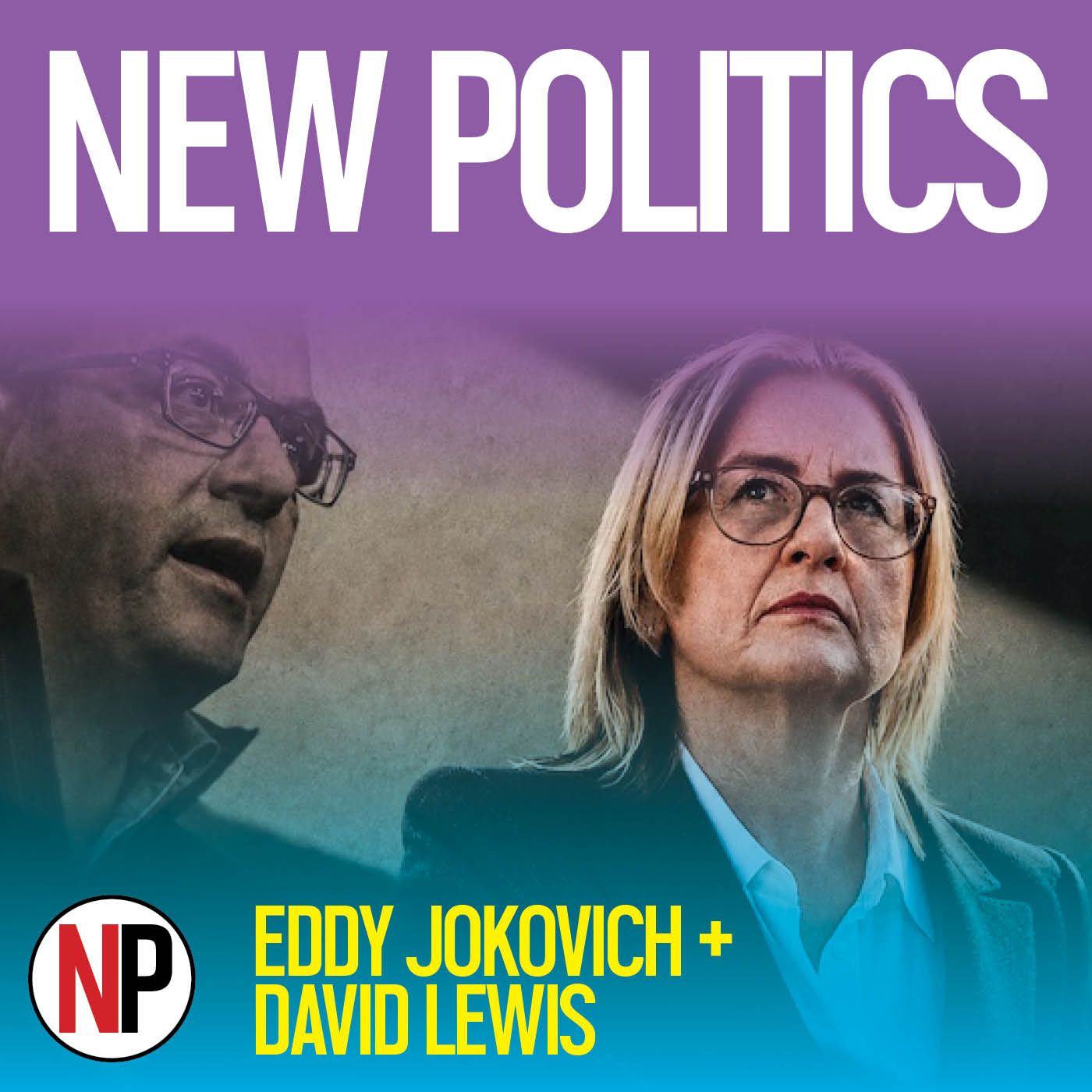
Jacinta Allan’s resignation ends the Daniel Andrews era and leaves Victorian Labor confronting the political cost of its ambitious Big Build agenda. Despite the achievements on major infrastructure, housing and an Indigenous Treaty, project delays, cost overruns, rising state debt and allegations involving the CFMEU shifted attention towards integrity and public trust. New Victorian Premier Ben Carroll has announced a royal commission into the construction sector, but with the 2026 Victorian election approaching, can he restore Labor’s credibility – or will the divided Victorian Liberal Party under Jess Wilson fail to capitalise on the government’s troubles? #AUSPOL
Subscribe to New Po...
Burnham’s Britain: Renewal or more disappointment?
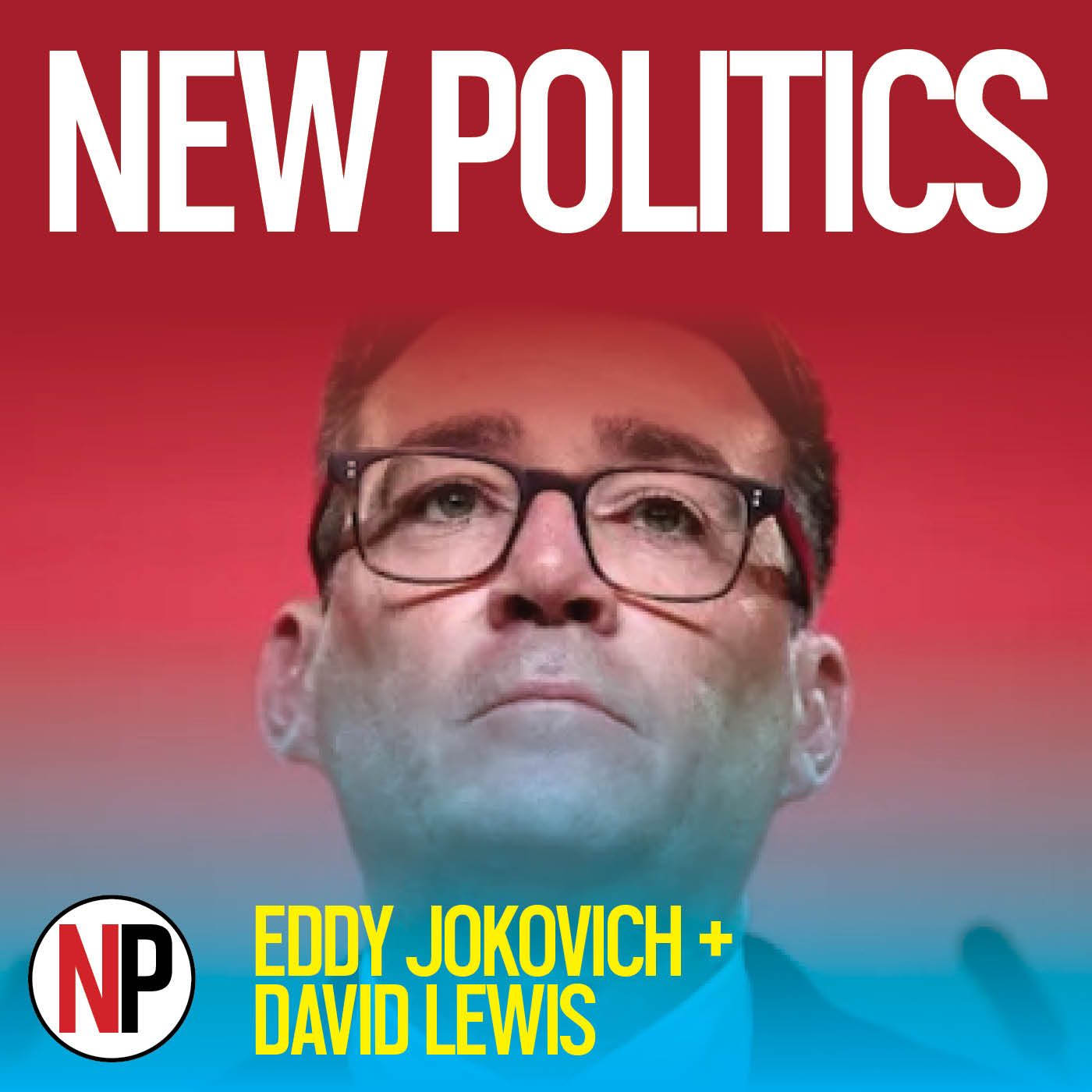
Andy Burnham’s arrival as British prime minister will test whether a modern Labour government can finally break with Thatcherism and neoliberalism by tackling the cost-of-living crisis, expanding social housing, rebuilding public services and confronting corporate power. His agenda – and a potential shift on Gaza and Palestine – also presents a challenge for Anthony Albanese and Australian Labor: if Burnham can deliver meaningful economic reform, Labor’s cautious incrementalism will become harder to defend. As members gather for the party’s 50th National Conference, demanding stronger action on Gaza, AUKUS, gas exports and gambling advertising, both countries face the same question: can labour...
The Hanson Battler Myth
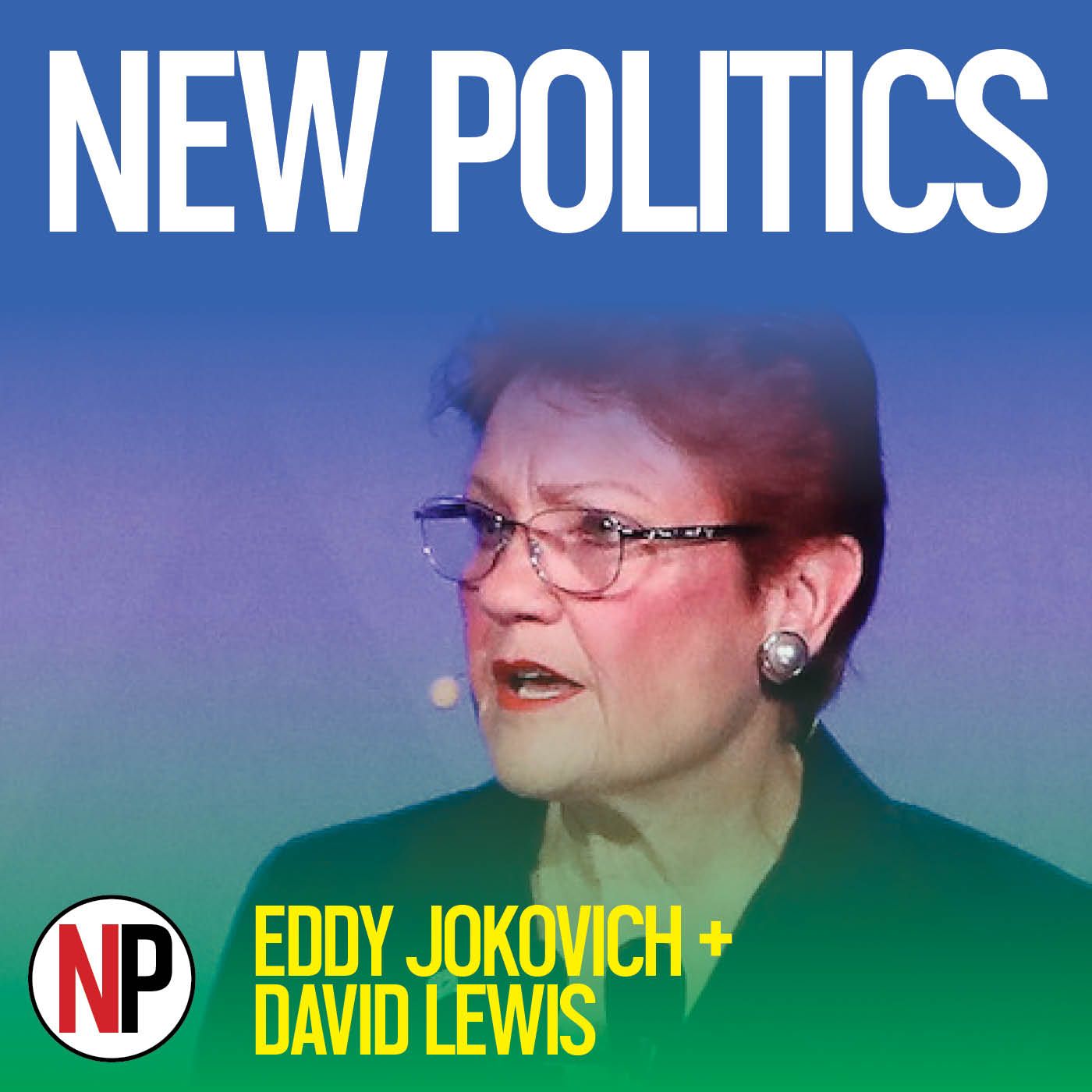
One Nation’s falling support is exposing the gap between Pauline Hanson’s media profile and electoral credibility. Her European roadshow offered culture-war attacks on multiculturalism, migration, transgender people and net zero, but no solutions to Australia’s housing crisis, stagnant wages or rising cost of living. Hanson cannot indefinitely pose as the champion of Australian battlers while keeping company with the billionaire class – and voters may finally be seeing through the contradiction. #AUSPOL
Subscribe to New Politics for weekly briefings and full analysis: www.newpolitics.com.au Support New Politics:
Patreon: https://www.patreon.com/newpoliticsS...
The price of speaking out: Art, Palestine and the MSO
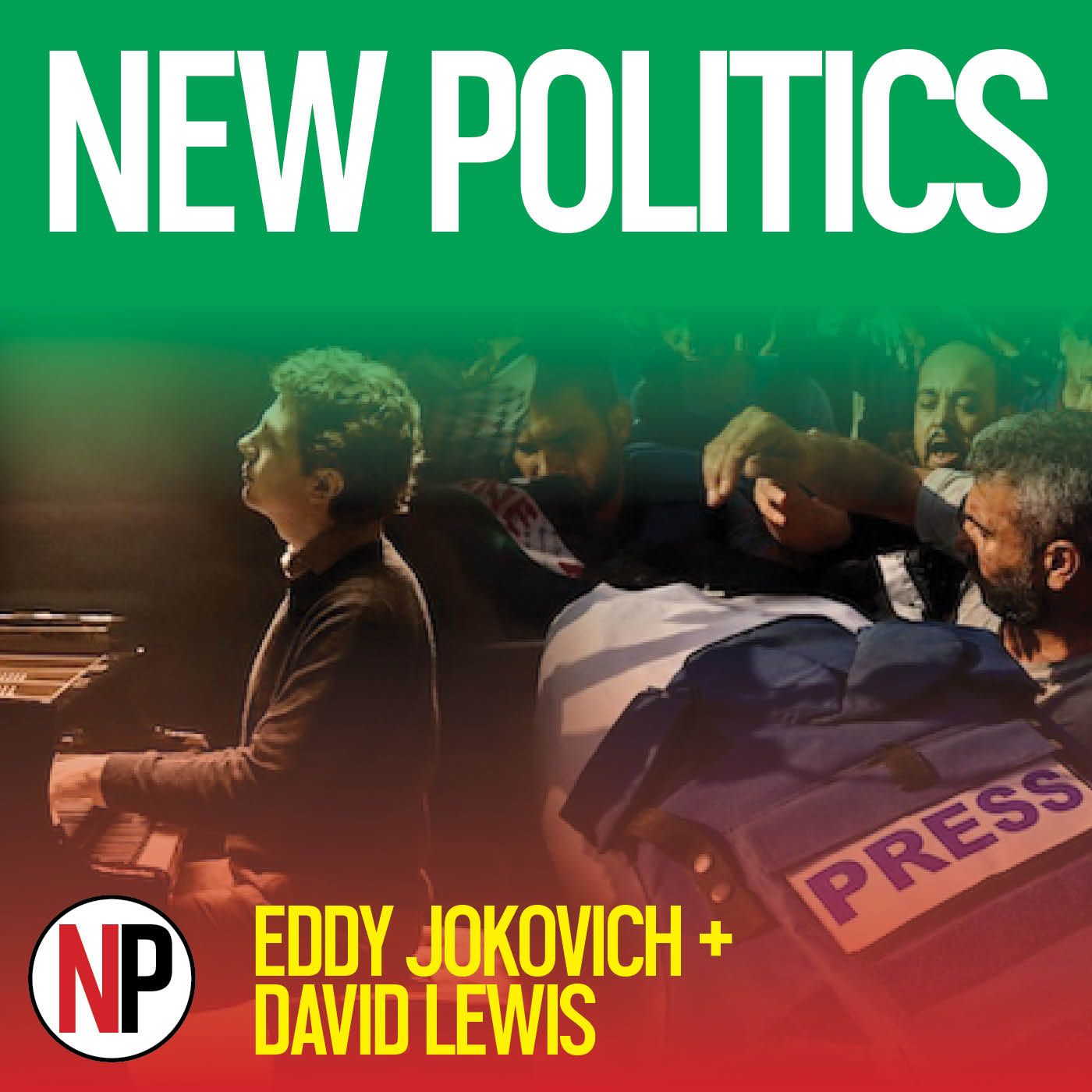
The Federal Court might have ended pianist Jayson Gillham’s legal battle with the Melbourne Symphony Orchestra, but the controversy raises broader questions about artistic freedom, political censorship and Palestine advocacy in Australia. After Gillham dedicated Connor D’Netto’s Witness to Palestinian journalists killed in Gaza, the MSO cancelled his performances, revealing how quickly free expression can become conditional when donors, boards and commercial reputations are involved. We examine the court ruling, apparent double standards within Australia’s cultural institutions and the chilling message it sends to artists: political expression is tolerated – until it challenges the wrong interests. #AUSPOL
Subsc...
The Royal Commission and silencing the critics of Israel
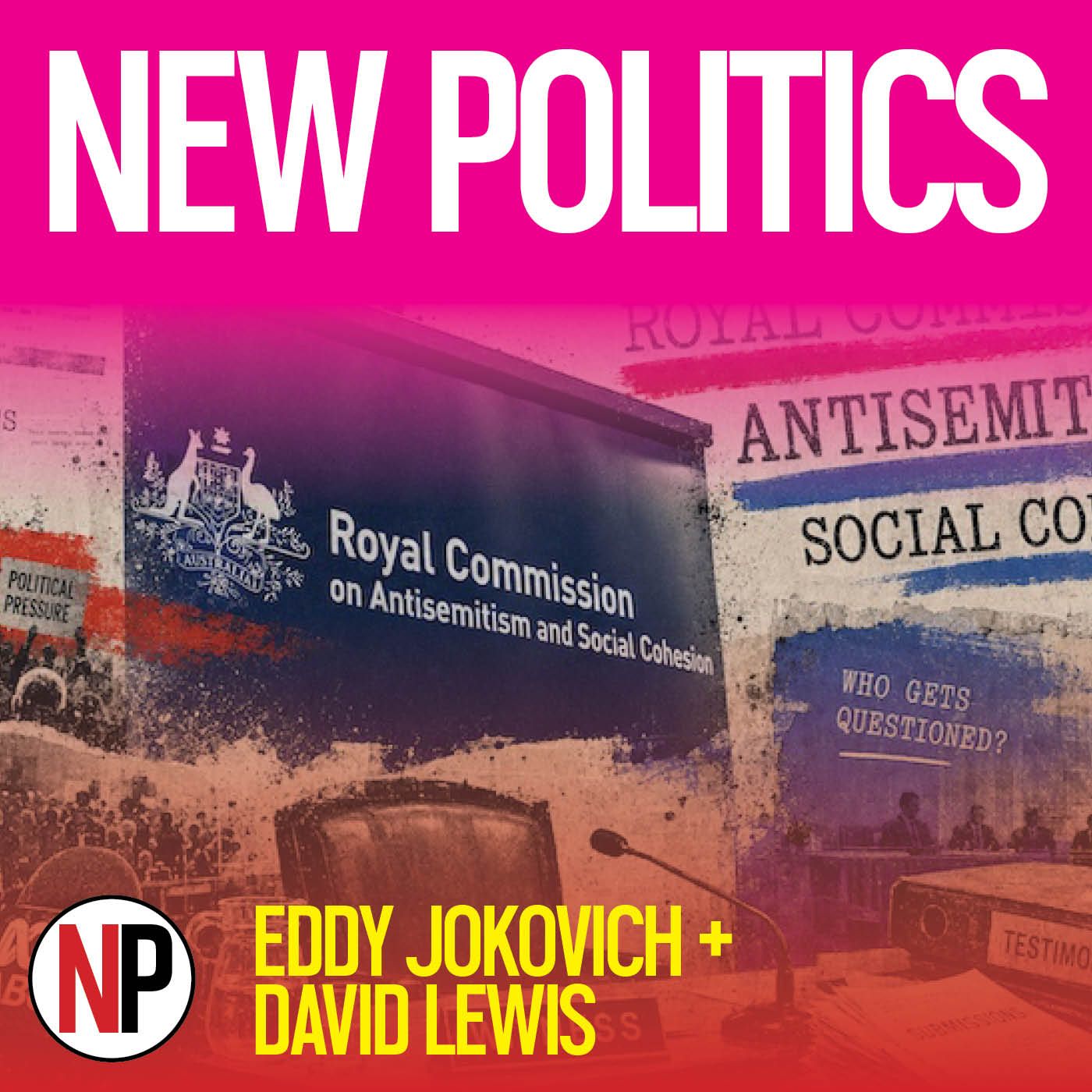
Australia’s Royal Commission into Antisemitism and Social Cohesion was created to confront genuine antisemitism, but is it instead silencing criticism of Israel and deepening division? We examine the uneven treatment of Zionist, progressive Jewish and pro-Palestinian witnesses; Jillian Segal’s proposals for scrutinising ABC and SBS coverage; pressure to adopt the controversial IHRA definition of antisemitism; and the threat to free speech, editorial independence and legitimate debate about Israel, Palestine and Gaza. Antisemitism must be confronted, but selectively testing evidence and redefining political dissent as prejudice will not strengthen social cohesion – it will erode public confidence and create even greate...
China’s missile launch and Australia’s panic merchants
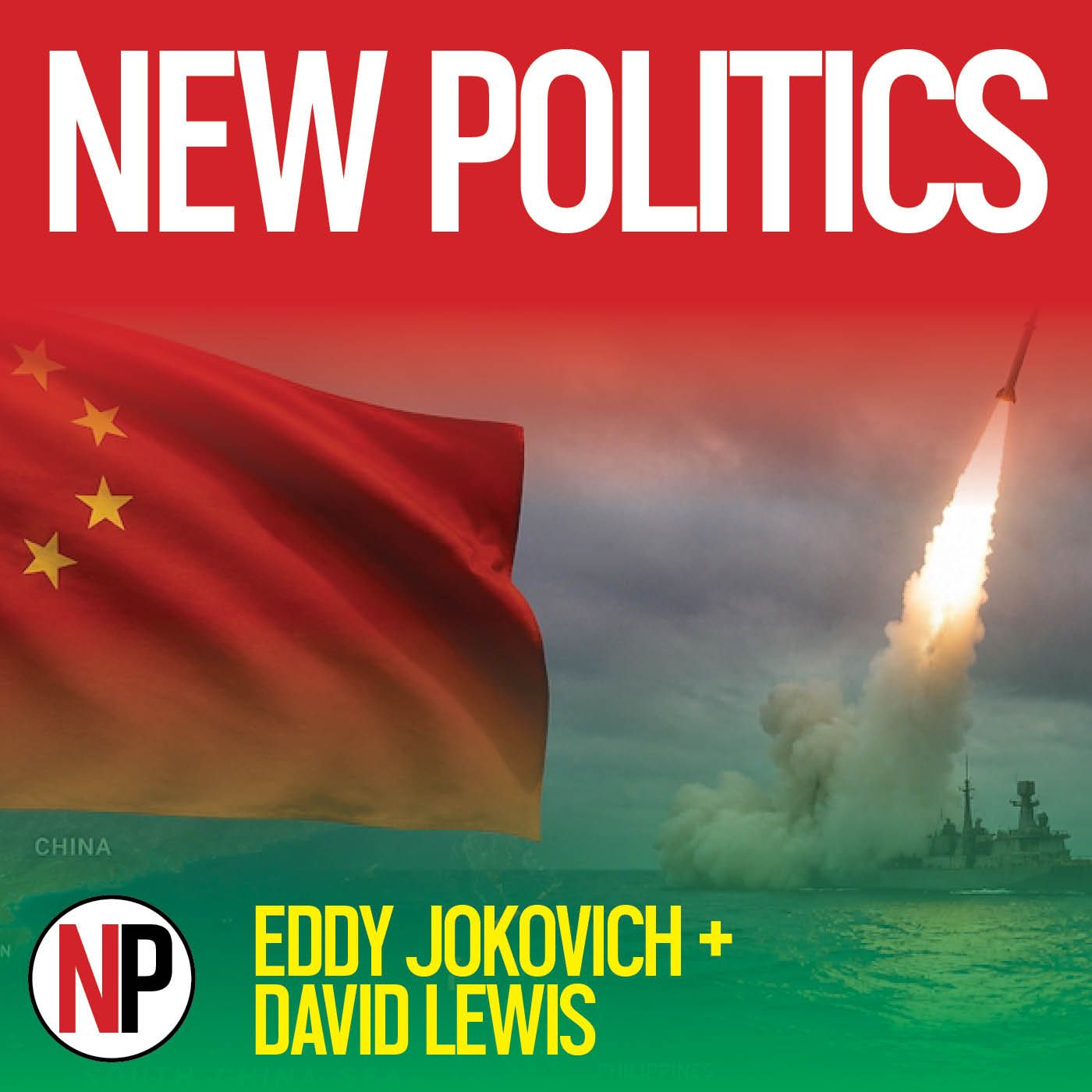
China's latest missile test triggered familiar warnings of an escalating security crisis, but was the reaction driven more by geopolitics than by the launch itself? This episode examines Australia's response, the role of the United States in shaping regional strategy, AUKUS, the growing contest for influence across the Pacific, and why China's primary audience was Washington rather than Canberra. We also explore the legacy of nuclear testing in the Pacific, Australia's relationship with Fiji, media narratives about China, and whether Australian politics has become trapped in a cycle of strategic alarmism instead of sober analysis. #AUSPOL
Subscribe to New P...
Labor’s power without purpose: Who does Labor govern for?
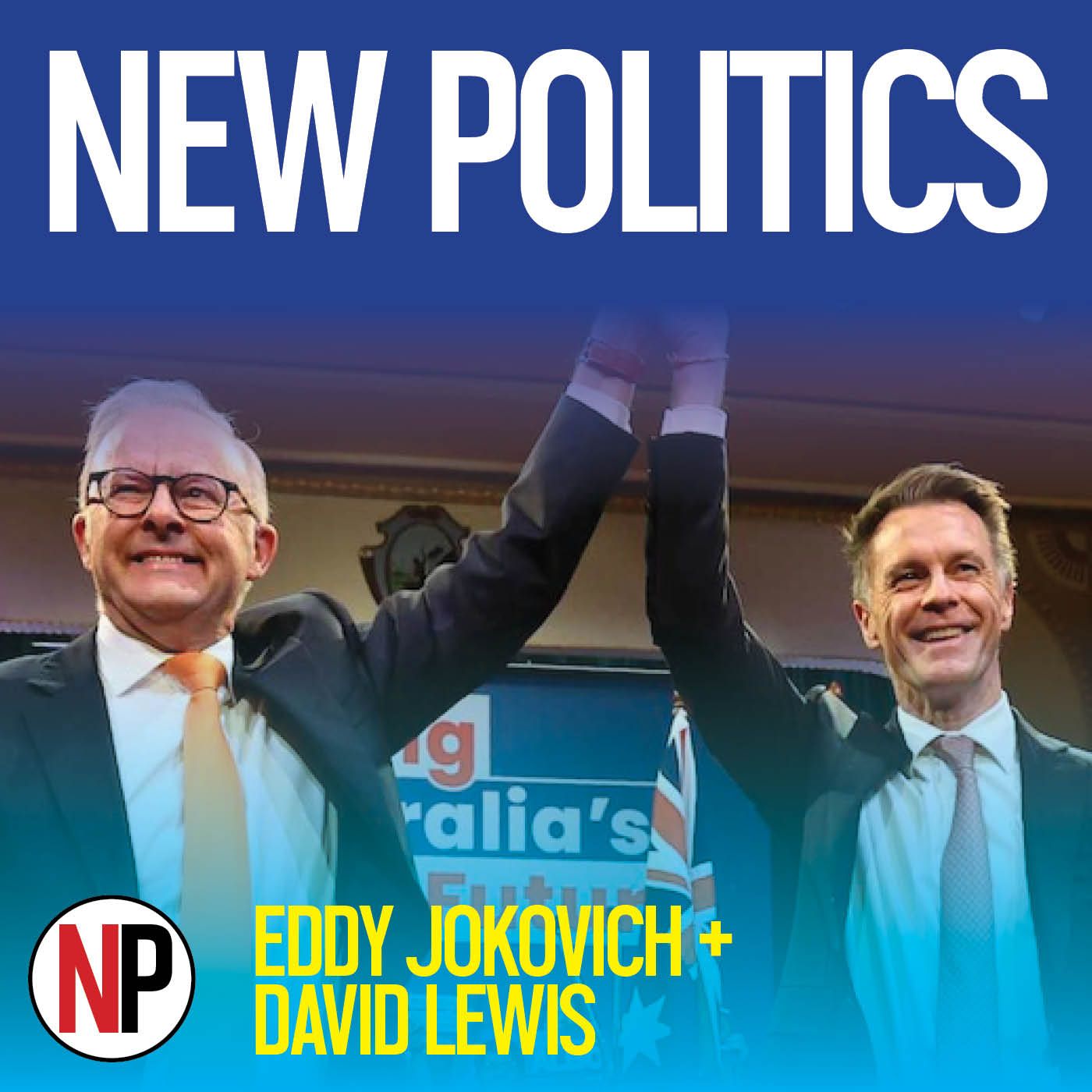
The NSW Labor Conference exposed a deeper question confronting Australian politics: what does the modern Labor Party actually stand for? As delegates debated gambling reform, housing affordability, civil liberties and Gaza, controversy over the removal of members displaying a Palestinian flag highlighted growing tensions between Labor’s leadership and its grassroots. We examine Premier Chris Minns’ warning about the rise of One Nation, Labor’s identity crisis, the widening gap between its platform and its record in government, and whether Australia’s dominant political party is using its electoral success to deliver meaningful reform – or simply to remain in power. #AUSPOL
The Politics of Outrage: When anger becomes the business model

The politics of outrage has become one of the most powerful business models in modern media, with podcasts, social media and algorithms increasingly rewarding anger, conflict and culture wars over evidence and public interest. We examine how journalism is being reshaped by the creator economy, and how billionaire-backed influence, digital platforms and outrage-driven media are transforming democracy in Australia and around the world. #AUSPOL
Subscribe to New Politics for weekly briefings and full analysis: www.newpolitics.com.au
Support New Politics:
Patreon: https://www.patreon.com/newpolitics
Substack: https://newpolitics.substack.com
The Liberal Party’s winter of irrelevance: Can it recover?
Why is the Liberal Party struggling to reconnect with Australian voters? This week, we examine Angus Taylor’s leadership, the Liberal Party’s identity crisis, and why rebranding cannot reverse decades of political decline. From the loss of moderate and younger voters to the rise of the teal independents and One Nation, we explore how the Coalition lost its political narrative and whether it can redefine its purpose for modern Australia. We also revisit Robert Menzies’ "Forgotten People" speech, assess the future of conservative politics, and ask what the Liberal Party’s decline reveals about the broader state of Australian democrac...
Starmer’s downfall should be a warning sign for Albanese
Keir Starmer's resignation after just 18 months as British Prime Minister raises important questions for centre-left governments across the democratic world. We examine the striking parallels between Labour in the UK and Labor in Australia, exploring why governments elected on promises of transformational reform often revert to cautious incrementalism, and how this has fuelled the rise of Reform UK and One Nation. As voters increasingly judge governments against their promises rather than their predecessors, Anthony Albanese faces the same challenge: deliver meaningful political and economic change, or risk creating the conditions for insurgent political movements to flourish. #AUSPOL
Subscribe to...
How America lost the war
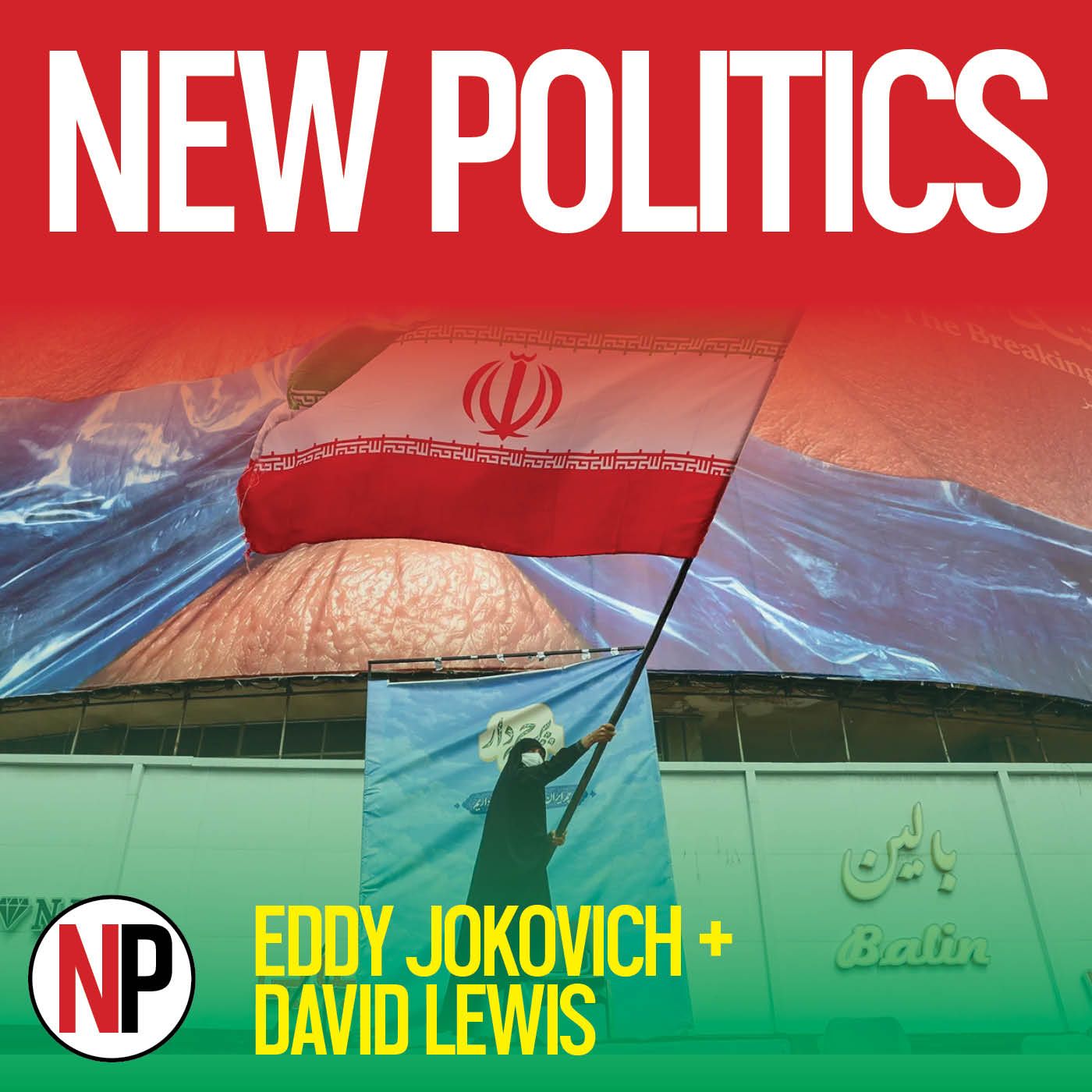
For years, the United States and Israel argued that war with Iran was inevitable, but after four months of conflict, soaring oil prices, disruption to the Strait of Hormuz and global economic uncertainty, Iran has emerged stronger while many of Washington’s objectives remain unfulfilled. As a ceasefire agreement approaches, we examine the strategic failures of the US and Israel, the collapse of the regime change narrative, the return of diplomacy, the future of Iran's nuclear program, and what this conflict reveals about power, geopolitics and the changing balance of influence in the Middle East.
#AUSPOL
Subscribe to New...
Hanson and the politics of hate
Pauline Hanson’s National Press Club appearance revealed that the politics of grievance, culture wars and division remain central to One Nation’s appeal. As voters continue to face cost-of-living pressures, housing affordability and a declining trust in institutions, we examine the rise of populism in Australia, the decline of the Liberal Party, the contradictions in One Nation’s economic agenda, and whether fear-based politics offers real solutions or simply creates new scapegoats. We also discuss the media’s role in normalising fringe political movements and why harmful ideas must be challenged rather than ignored. #AUSPOL
Subscribe to New Politics...
The One Nation poll surge: Protest or a passing fad?
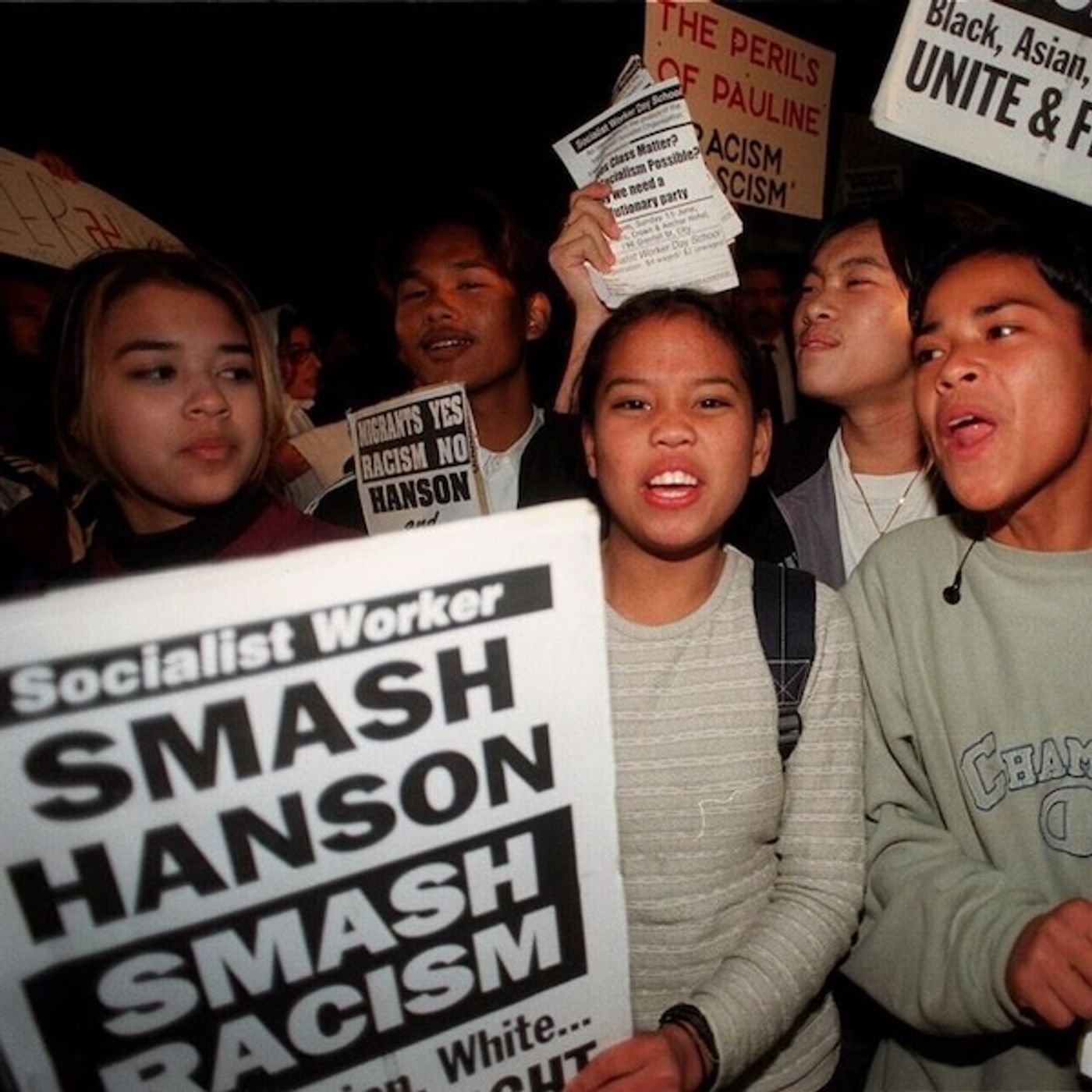
Recent opinion polls showing One Nation leading the primary vote have sparked debate about the future of Australian politics, but the bigger story may be the growing dissatisfaction with Labor, the Coalition and the political establishment itself. As voters grapple with cost-of-living pressures, housing affordability and declining trust in institutions, support for Pauline Hanson’s party appears increasingly driven by protest rather than ideology. In this episode, we examine whether One Nation’s surge represents a temporary backlash, a lasting political realignment, or a warning sign that Australia's traditional two-party system is facing its greatest challenge in decades.
#AUSPOL
Is Israel heading towards AUKUS? The bigger story behind the submarines

For years, the debate over AUKUS has focused on submarines, costs and delivery schedules, but the bigger story may be Australia’s growing integration into American military and defence systems. This week, we examine new legislation before the US Congress that would deepen defence technology cooperation between the United States and Israel, and what that could mean for Australia through AUKUS Pillar II. As artificial intelligence, autonomous weapons, cyber warfare and advanced military networks become increasingly interconnected, questions are emerging about Australian sovereignty, strategic independence and who ultimately controls critical defence decisions. Is AUKUS simply a submarine program, or is it...
Discarding human rights for the sake of Israel
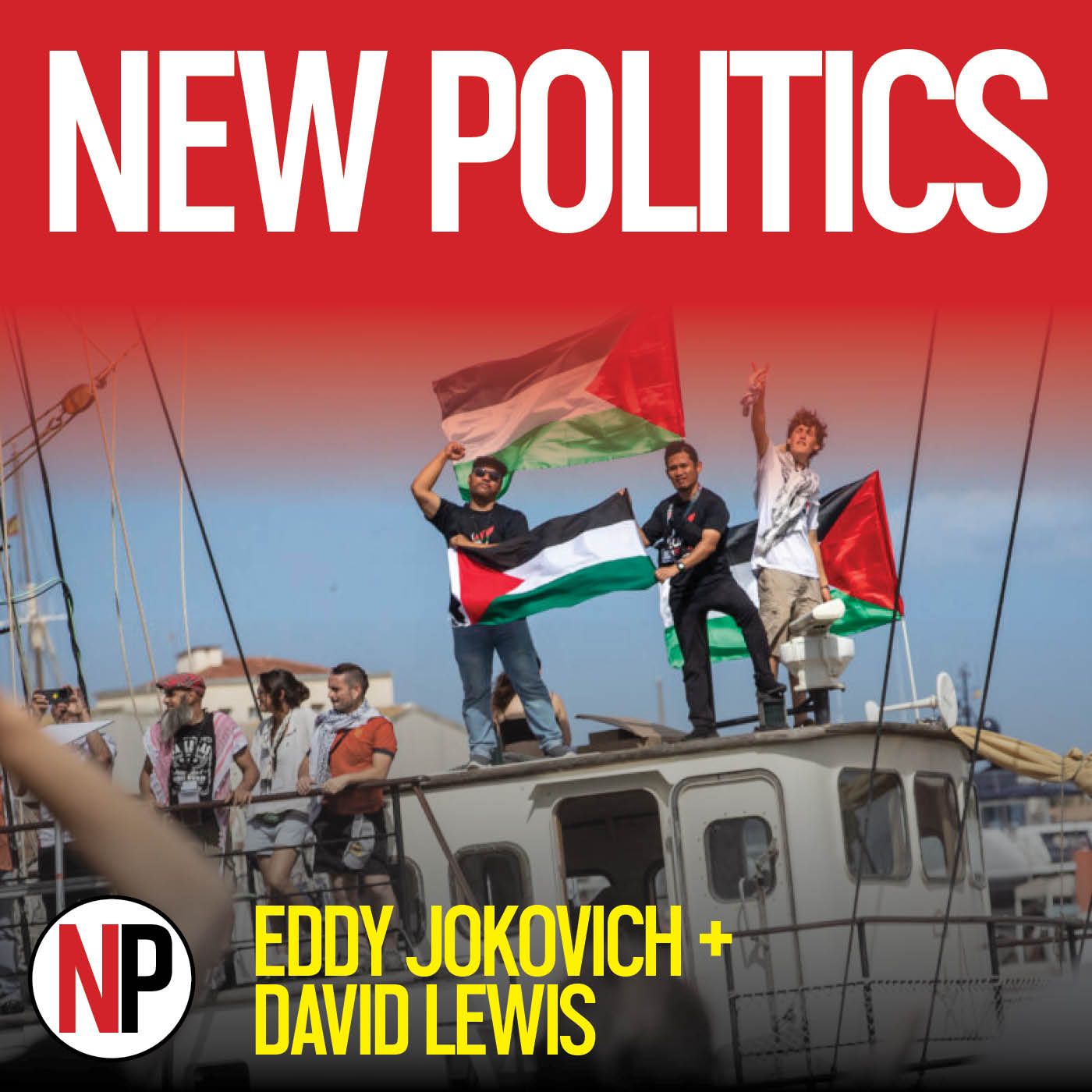
The Albanese government frequently presents Australia as a defender of international law, human rights and the rules-based international order, but does that commitment extend to all nations equally? This week, we examine serious allegations of sexual violence, physical abuse and rape made by Australian citizens detained by Israeli forces following the illegal interception of the Sumud Flotilla, with the acts now referred to the International Criminal Court. As scrutiny grows over Australia's response to Israel's actions in Gaza and Lebanon, we explore questions of accountability, consistency, international law, human rights, the ICC, Anthony Albanese, Penny Wong and whether Australia's foreign...
AUKUS: The $368 billion submarine mirage
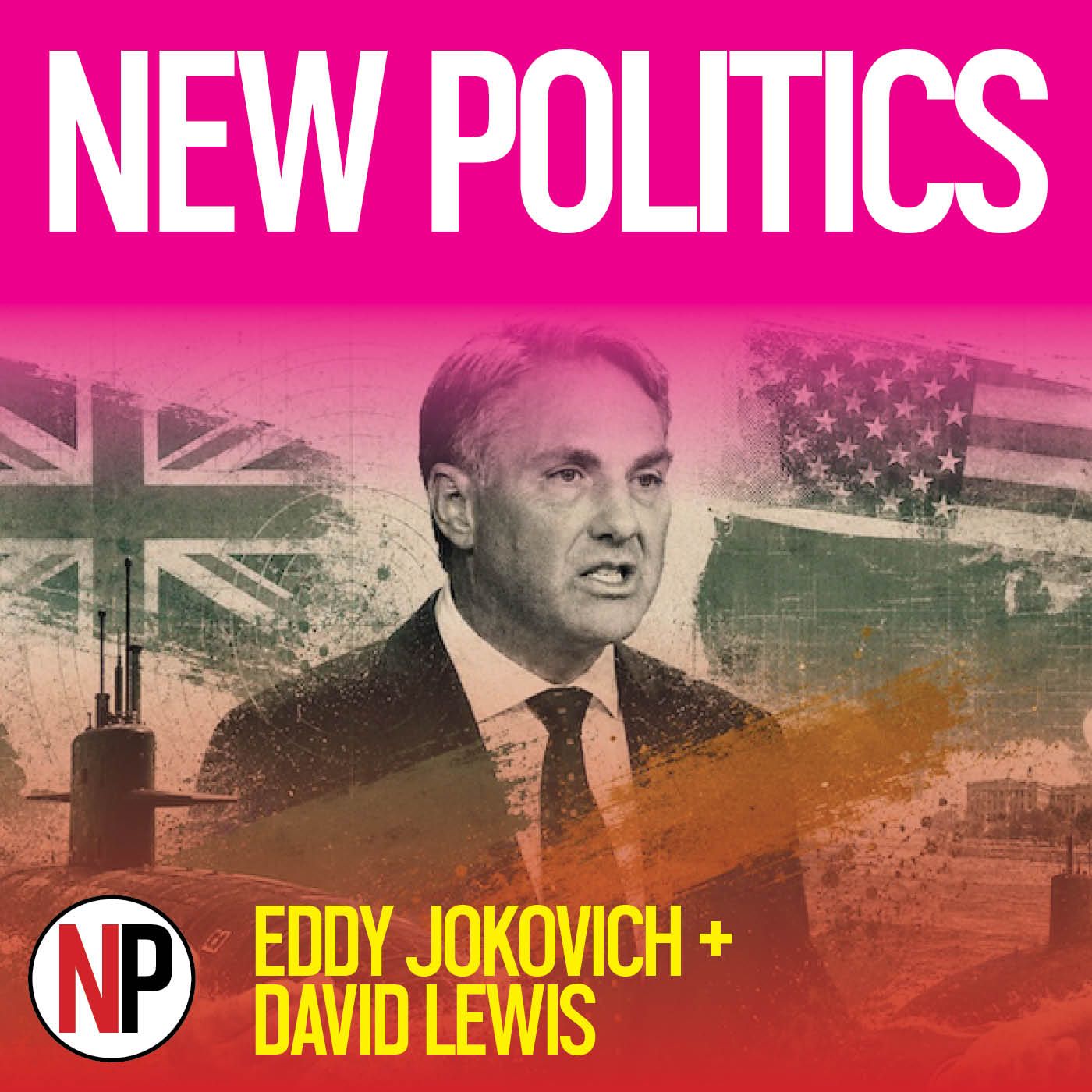
AUKUS was sold as a transformational defence agreement that would deliver a fleet of nuclear-powered submarines and strengthen Australia's security for decades to come. Nearly five years later, the promised new submarines have become second-hand Virginia-class vessels from the United States, raising fresh questions about a program expected to cost up to $368 billion. As former Labor minister Peter Garrett launches an independent review of AUKUS, we examine the escalating costs, shifting promises, lack of parliamentary scrutiny, growing dependence on the United States and Britain, and whether Australia is sacrificing sovereignty and assuming enormous financial risk for a defence strategy that...
Integrity on hold: The crisis facing the National Anti-Corruption Commission
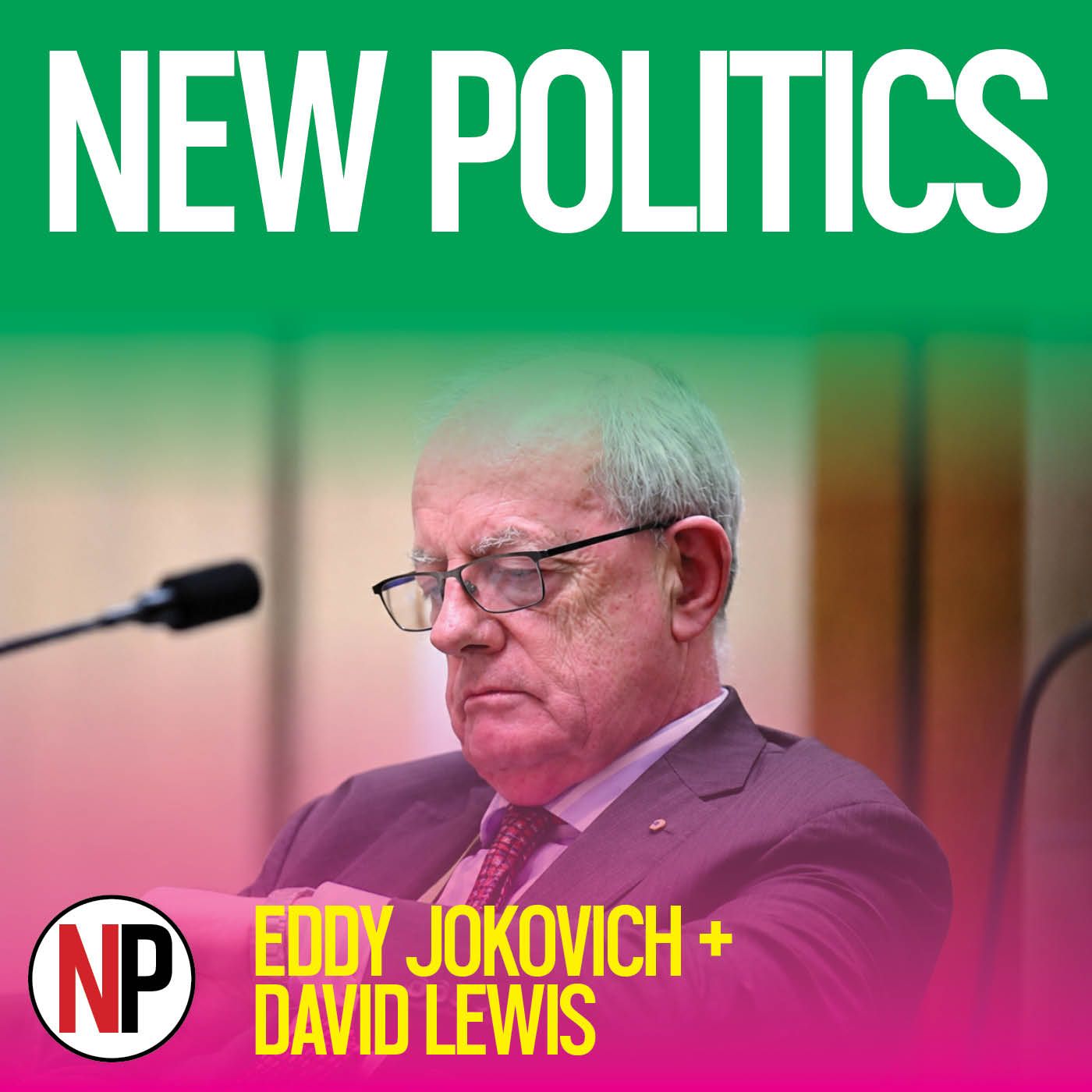
The resignation of NACC commissioner Paul Brereton has reignited debate about whether Australia’s federal anti-corruption watchdog is capable of delivering the accountability it promised. Created by the Albanese government in response to scandals including Robodebt, sports rorts and growing distrust in politics, the NACC was meant to restore integrity to public life. Nearly three years later, it has become a secretive, risk-averse institution that has avoided major political investigations while securing only a handful of lower-level convictions. We examine Brereton’s controversial tenure, the structural limitations built into the NACC, and whether Australia’s anti-corruption framework is too weak to con...
The Teal Party of Australia: Will it take off?
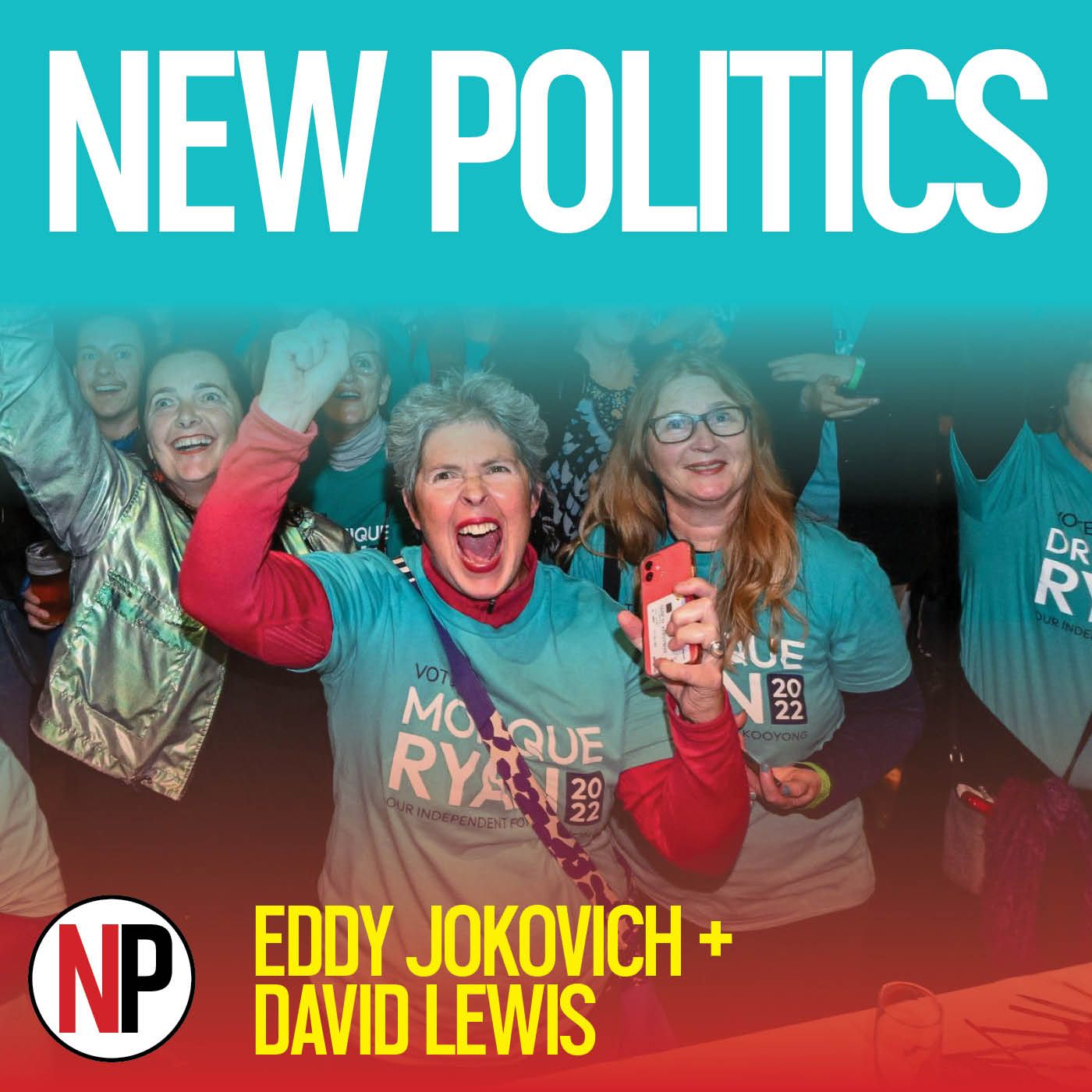
The teal independents transformed Australian politics by offering moderate urban voters an alternative to the Liberal Party’s culture-war politics under Scott Morrison and Peter Dutton, combining climate action, integrity and economic conservatism outside the traditional party system. But as discussion grows about forming a formal “Teal Party of Australia”, we examine whether the movement could lose the very independent appeal that made it successful. We also explore the collapse of traditional party loyalties, the rise of outsider movements like One Nation, growing voter dissatisfaction with both Labor and Liberal, and how housing affordability, cost-of-living pressures and economic insecurity are reshap...