Playful Beginnings
Welcome to playful beginnings. Within this podcast, Dr. Kristie Opiola and Dr. Maggie Parker explore the magic of play therapy, the why behind what we do, and how play therapy helps children heal and grow. This podcast is helpful for current play therapists, students and professionals interested in working with children or becoming play therapists, and anyone who is interested in creating transformative relationships with children. Parents and teachers can gain insights into what play therapy is, how it works, and why- helpful if they know children who could benefit from play therapy, and for those who are not sure...
Case Conceptualization from a CCPT perspective
Notes are an integral part of the play therapy process and theory should shine through in all aspects. We hear that it is difficult and while we wish we could give you a script of exactly what to say, like all things in counseling, it all depends. So instead, we walk you through our process. We hope it's helpful. Please, like and subscribe, follow us on instagram (theplaytherapyspace), facebook (playtherapyspace), tiktok, youtube, etc. and sign up for our newsletter to be the first to get fun freebies and supports, and info on new events.
Coming to APT...
Understanding Our Listeners
Hi everyone! In this episode, we're trying to address your questions about note taking. We want to ask your questions to the best of our abilities, and we are working on it. Here is our processing of the experience and how we can engage with our own note taking! Take a listen, we hope it's helpful!
Notes that Make Sense: The WHY behind our CCPT Skills
We heard you- you are having a hard time knowing what to say in your notes. We've got you!
There isn't a script you can use for CCPT notes- it is dependent upon the child, the relationship, the play- but we can help you conceptualize how it may work! Listen in for examples!
The Rest of the Clinical File: Custody, Informed Consent, and Addendums
Notes include a lot more than what happens in sessions and the conceptualization of clients. These include custody agreements, divorce decrees, releases of information, auxiliary notes detailing conversations, emails, CPS reports. All of these things are vital, but we don't always talk about them. This week, Dr. Kristie and Dr. Maggie share this and more to support you, the clinician, in ensuring you are exploring all aspects of note taking!
To Note, or Not to Note? 📝
Clipboard in hand or fully in the moment? 🧸✨
In this episode of Playful Beginnings, we’re diving into one of the most debated topics in child therapy: Should play therapists take notes during a session?
On one hand, real-time documentation captures the brilliant, subtle moments of play while they’re fresh. On the other hand… nothing breaks a child’s flow quite like a therapist constantly looking down at a notepad.
We’re breaking down:
🎯 How note-taking impacts the therapeutic alliance and child connection🧠 Strategies for holding onto key session details without writing mid-play⚖️ Fi...From Playroom to Page: Effective & Efficient Documentation Strategies
How do you capture non-verbal play, behavioral themes, and clinical progress clearly in a progress note? 🎨📋
In this week's episode of Playful Beginnings, we dive deep into the fundamentals of play therapy documentation. We share simple frameworks for structuring notes, translating play behaviors into objective clinical language, and optimizing your documentation workflow.
Listen in on your preferred podcast platform! 🎙️
The rest of the File: Custody, Informed Consent, and Addendums
Notes include a lot more than what happens in sessions and the conceptualization of clients. These include custody agreements, divorce decrees, releases of information, auxiliary notes detailing conversations, emails, CPS reports. All of these things are vital, but we don't always talk about them. This week, Dr. Kristie and Dr. Maggie share this and more to support you, the clinician, in ensuring you are exploring all aspects of note taking!
The Nuts and Bolts of Note Taking: CCPT Edition
A complete play therapy record is so much more than just weekly progress notes! 📂✨ In this episode of Playful Beginnings, we’re taking a deep dive into the essential aspects of notetaking from the initial contact to the subsequent parent consultations.
We break down how to read and navigate complex parenting plans, set clear legal and clinical boundaries with caregivers up front, translate intake assessment findings into child-centered treatment goals, and write clean, objective addendums when clinical situations evolve.
🎧 Tune in to make your administrative file as strong, clear, and clinical as your playroom work!
Understanding Evidence Based. What does it mean and why is it important?
In this episode, Drs. Kristie and Maggie break down what it means to be evidenced based and why you can't say that you are CCPT and CBT. We go through what that actually means and how it may not be as helpful as one would think. Sometimes, putting together two good things doesn't create something better. Same goes with theory. Listen to this week's episode to learn why.
Have questions about play therapy, child development, or child mental health? Send us your questions and videos to info@playtherapyspace.com or playtherapyspace on facebook and theplaytherapyspace...
Structured Doll Play: Supporting Kids Through Transitions
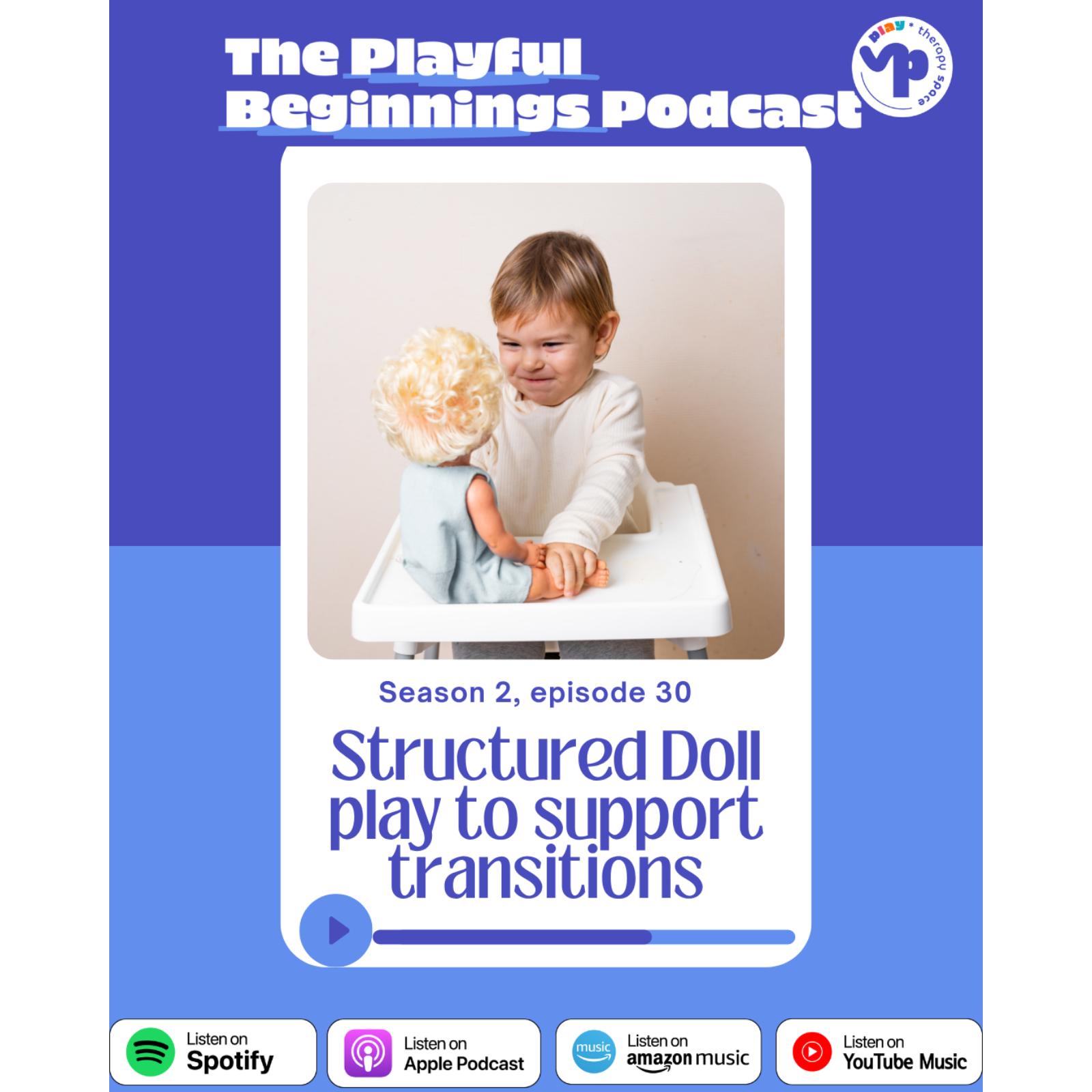
Ever wonder why kids melt down before a field trip, panic over substitute teachers, or struggle with simple routine changes? 🧸👇
Transitions are hard—for kids, parents, teachers, and therapists alike. But there is a proven tool that bridges the gap between fear and feeling safe: Structured Doll Play.
In this episode of Playful Beginnings, Dr. Kristie and Maggie break down this powerful intervention from the Child-Parent Relationship Therapy (CPRT) Manual (Landreth & Bratton, 2006).
Inside this episode, you’ll learn:
What structured doll play actually is (and why it works so well for anxious kids).How...Back to School Part 2: Making Space for Big Feelings
In this week's Playful Beginnings, Drs. Kristie and Maggie get practical — the routines worth shifting now, the logistics that quietly ease anxiety, and the one thing almost every family over schedules away without meaning to. Below, we've pulled the most useful pieces into two sections: one for parents in the thick of it, and one for fellow play therapists supporting families through it.
Parents, you can use these at home. Play therapists, you can provide these to parents in your next consultation.
Back to School Transition: Adapting to a new normal
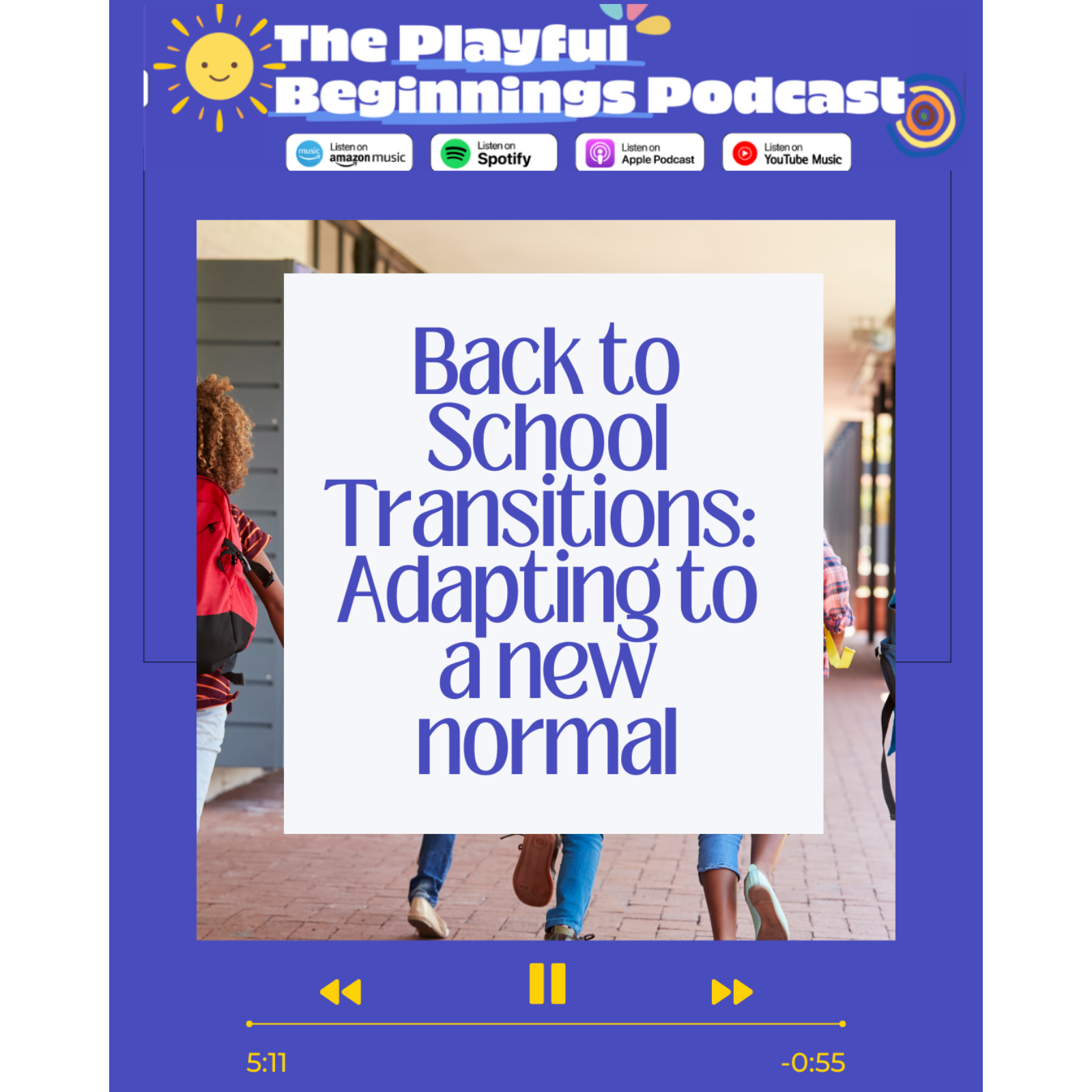
As the summer season draws to a close, some children may experience difficulties with the back to school transition, with anxiety and fears potentially manifesting prior to the start of the academic year.
In this episode of Playful Beginnings, Kristie and Maggie delve into the ways in which children may respond and exhibit behaviors at home and in the playroom, providing valuable insights for parents and play therapists to better understand the needs of their young clients.
This episode serves as a valuable resource for play therapists to inform their conversations with parents and for...
Demystifying CCPT and Parent Consultations with Dr. Ahou Line.
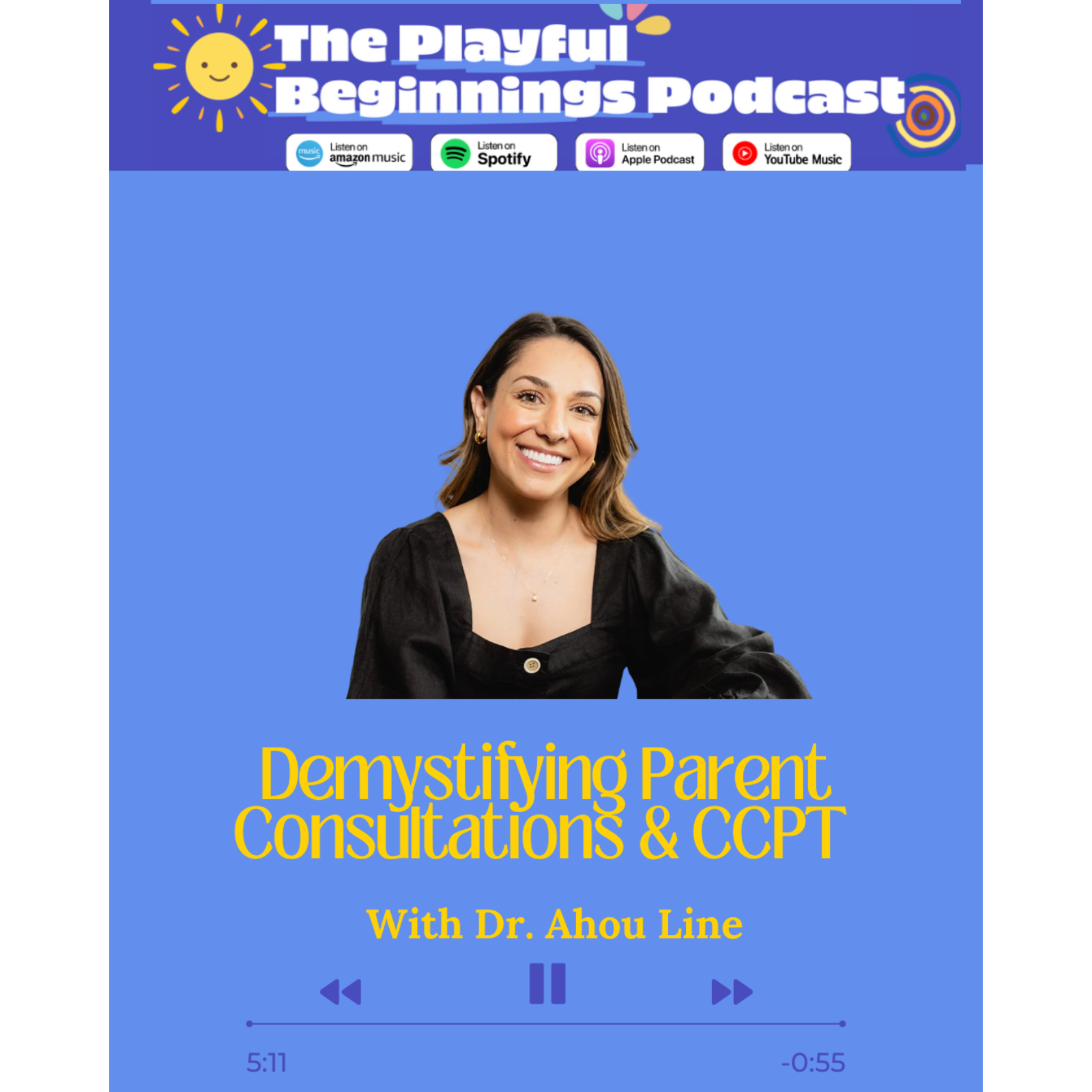
In this episode, we sit down with Dr. Ahou Line to dive into one of the most critical—and often daunting—aspects of being a play therapist: working with parents and caregivers. Dr. Line shares insights from her new Routledge textbook, Working with Parents in Play Therapy, offering clinicians a roadmap to transform parent consultations from nerve-wracking updates into culturally attuned, highly collaborative partnerships.
Child Centered Play Therapy and Internalizing Behaviors: With Dr. Jenna Taylor
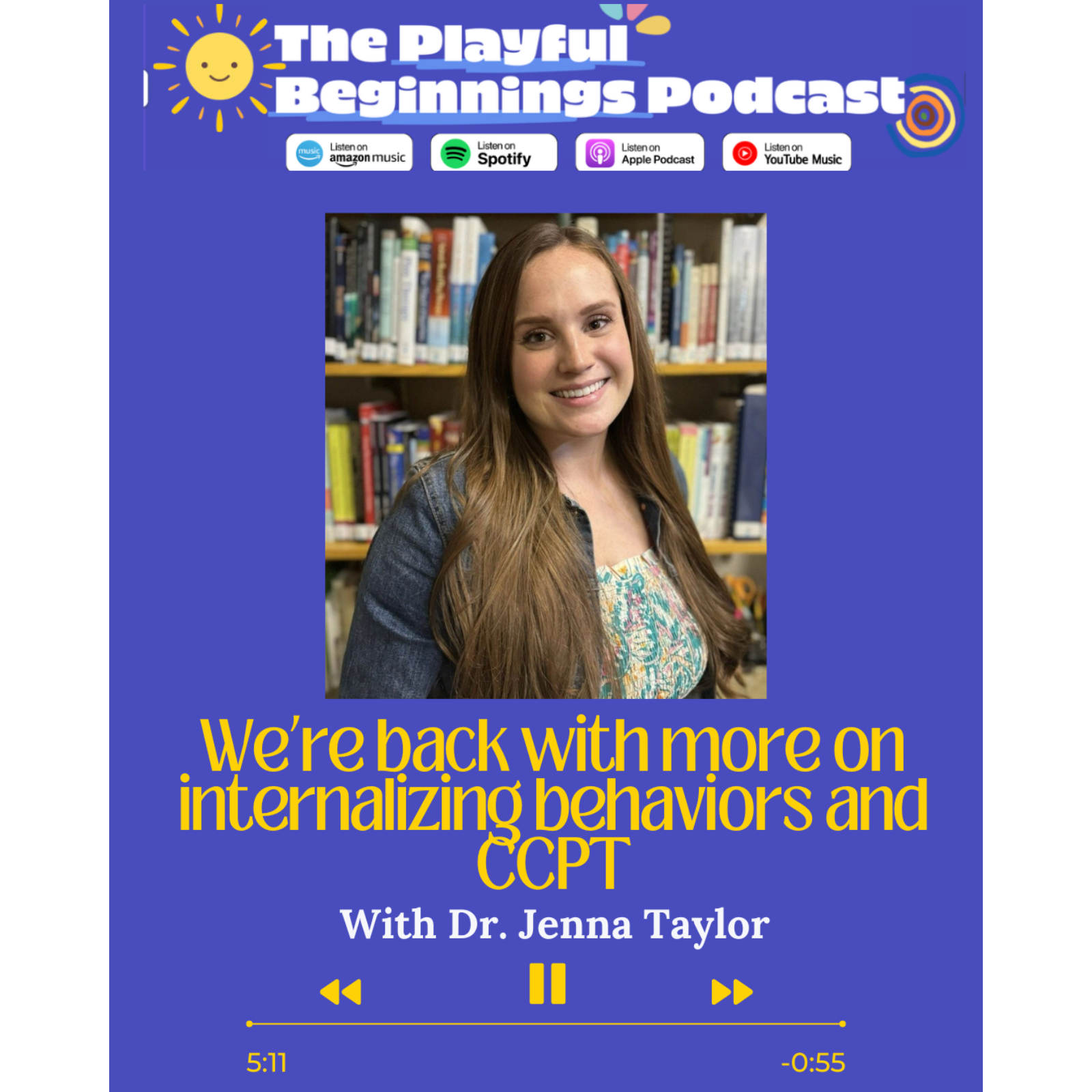
Listen in to hear more from Dr. Jenna Taylor on children who experience internalizing behaviors. Dr. Taylor engaged in a large meta-analysis to better understand the effect of CCPT on children who experience anxiety, depression, social withdrawal, among others. Listen in to learn more about how to speak with parents and teachers about childhood depression and anxiety, how internalizing behaviors can present in the school setting and at home, and how CCPT can benefit!
Getting to know Dr. Jenna Taylor and her research into CCPT and Internalizing Behaviors
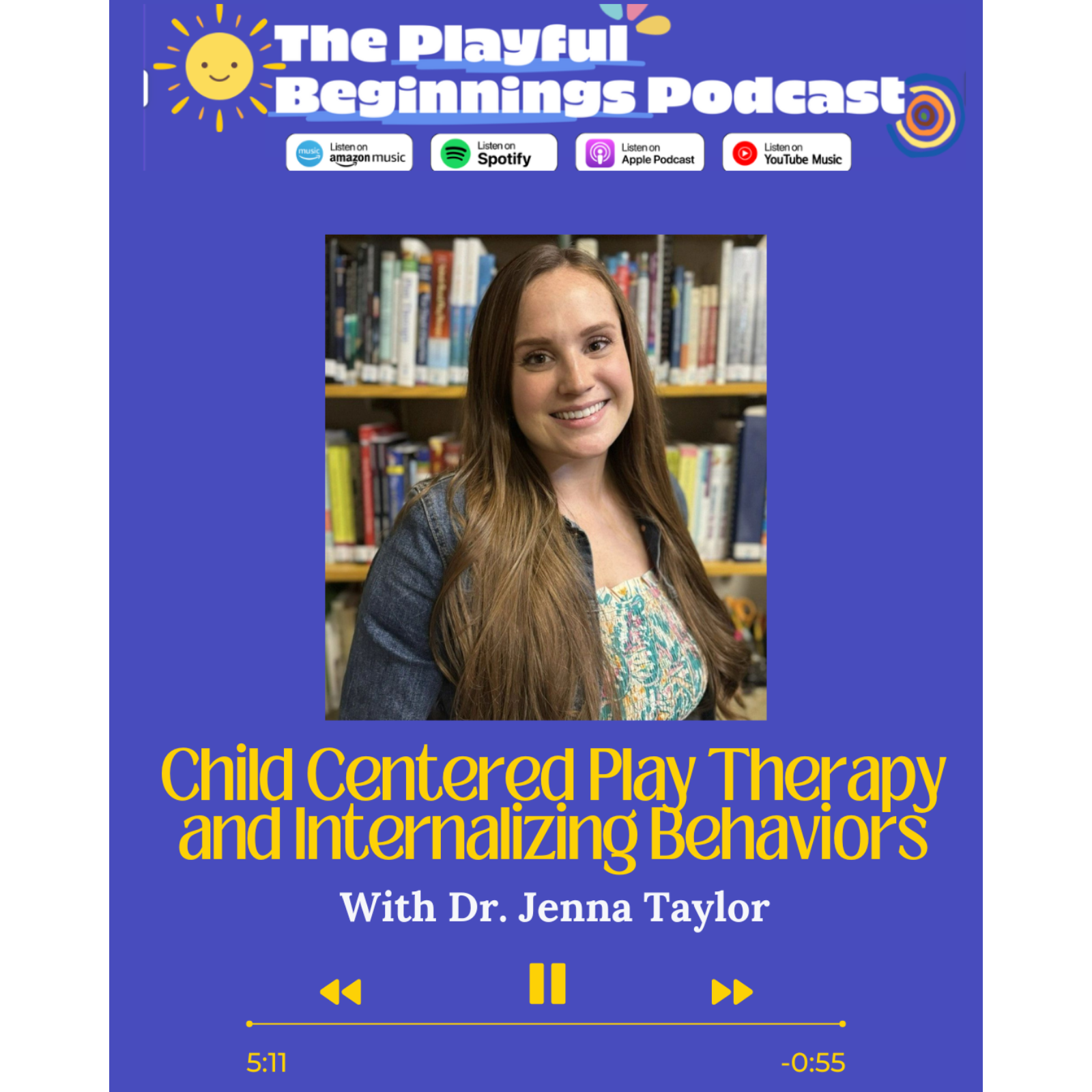
Join us as we speak with Dr. Jenna Taylor, author of a newly published meta analysis of CCPT and Internalizing Behaviors. Drs. Kristie and Maggie speak with Dr. Jenna about her entry into Child Centered Play Therapy, her experience as a CCPT therapist, and her dissertation. We hope you enjoy this episode and look forward to learning with you!
Childhood Depression: Symptoms to look out for and how CCPT can support
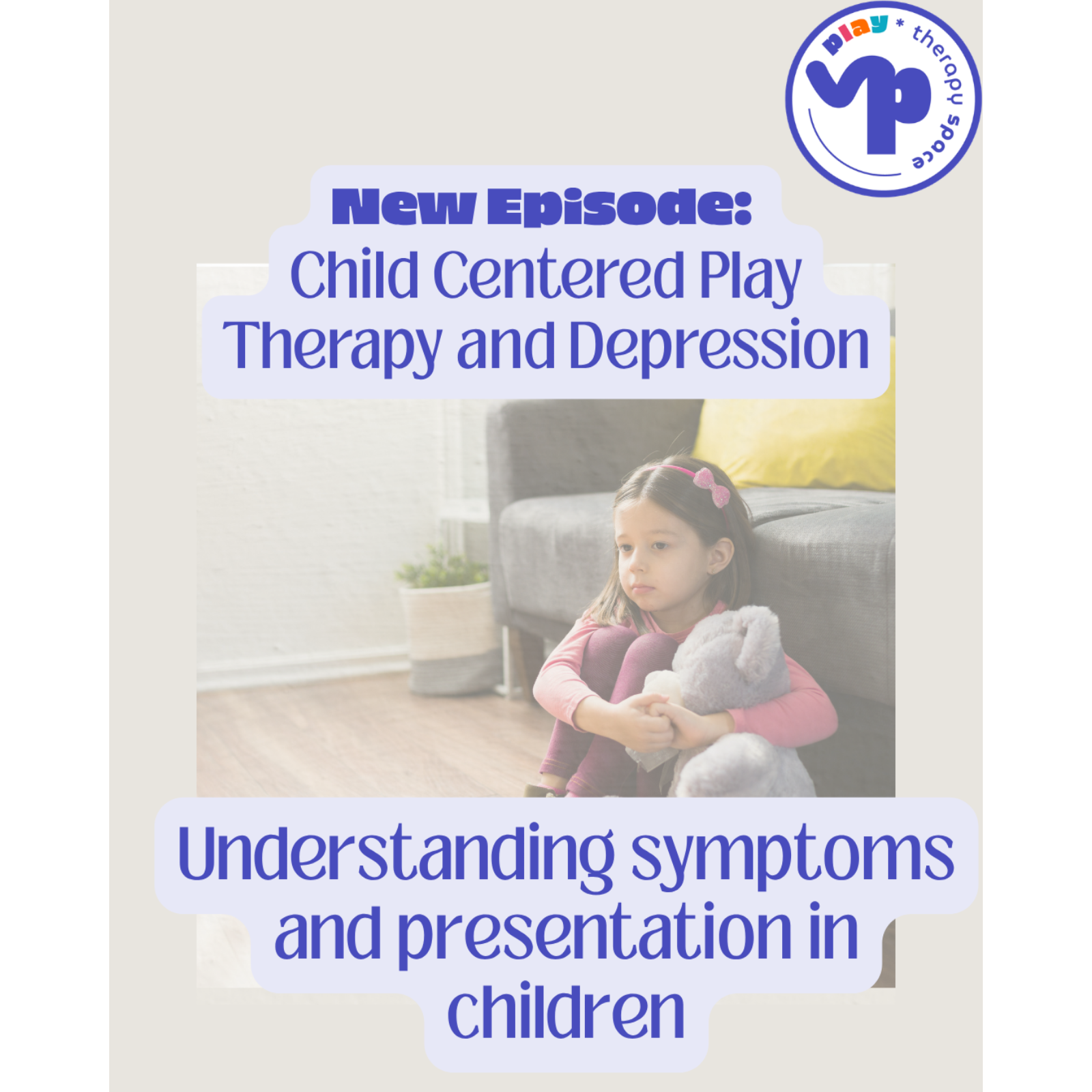
When we think of depression in adults, we picture sadness, withdrawal, and low energy. But in children, depression rarely looks like a miniature version of adult despair. Instead, it frequently masks itself as irritability, physical somatic complaints, or behavioral outbursts. In this episode, we break down the complex symptomology of childhood depression, discuss why these signs are so easily mislabeled by schools and parents, and explore how Child-Centered Play Therapy (CCPT) offers children a safe, non-verbal space to process their internal world. Listen today to learn more. Up next we have Dr. Jenna Taylor who discusses how CCPT aligns...
Unlocking Potential—How Child-Centered Play Therapy Transforms School Experiences with Dr. Kristi Perryman
Episode 2:
Join us for an insightful conversation with Dr. Kristi Perryman as we delve into the transformative power of Child-Centered Play Therapy in schools. Discover how this approach not only enhances the school experience but also nurtures emotional growth and resilience in children. Tune in to learn why play is more than just fun—it's a vital tool for development and understanding.
Understanding Childhood Depression: How it shows up at home and at school
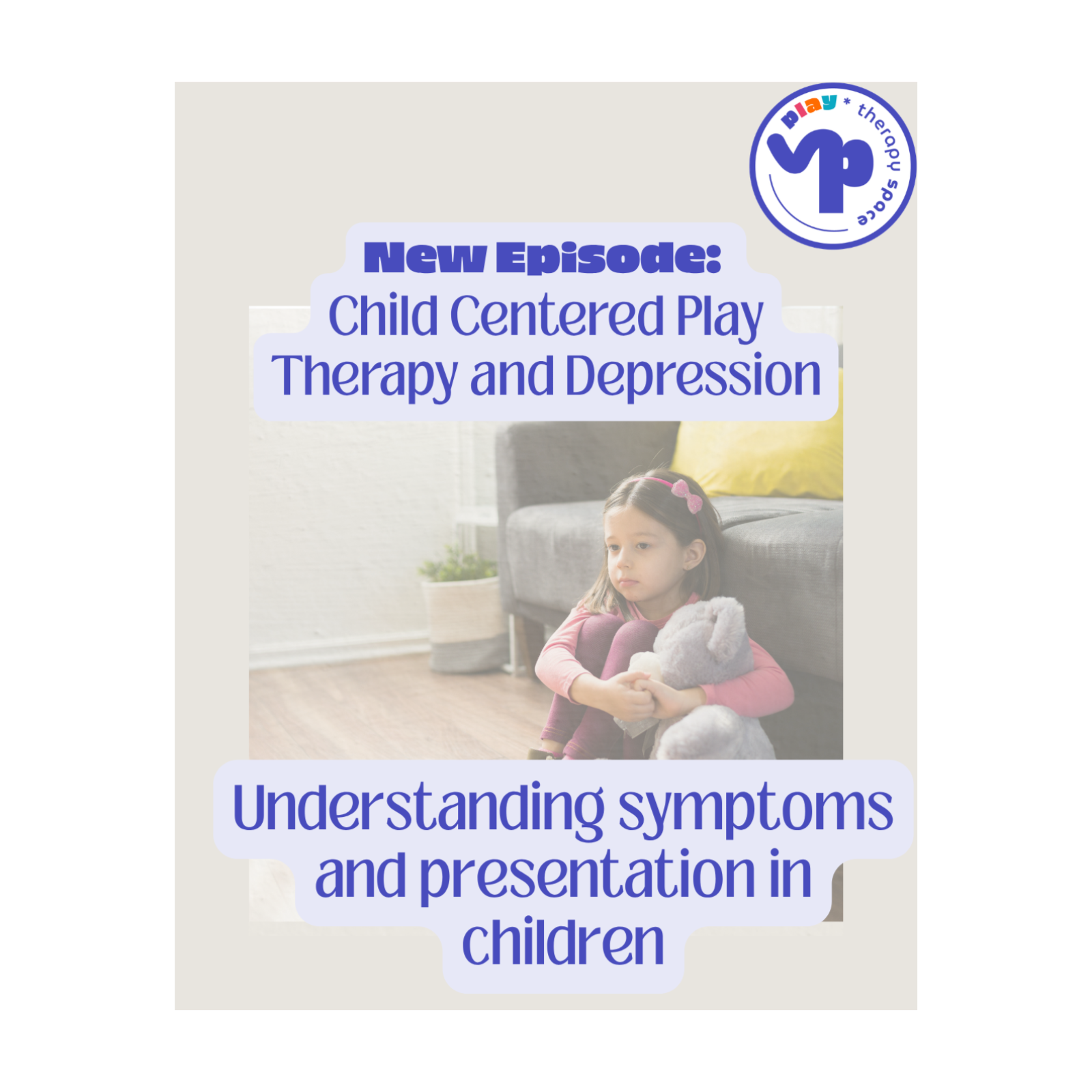
When we think of depression in adults, we picture sadness, withdrawal, and low energy. But in children, depression rarely looks like a miniature version of adult despair. Instead, it frequently masks itself as irritability, physical somatic complaints, or behavioral outbursts. In this episode, we break down the complex symptomology of childhood depression, discuss why these signs are so easily mislabeled by schools and parents, and explore how Child-Centered Play Therapy (CCPT) offers children a safe, non-verbal space to process their internal world. Listen today to learn more. Up next we have Dr. Jenna Taylor who discusses how CCPT aligns...
🧸 Honoring a Legend: Remembering Dr. Garry Landreth 🕊️

"Toys are children's words and play is their language."
It is with heavy hearts, but profound gratitude, that we dedicate this episode to the father of Child-Centered Play Therapy, Dr. Garry Landreth. The play therapy community lost a giant, but his legacy lives on in every playroom, every therapeutic relationship, and every child who has ever been truly seen and heard through the power of play.
In this special tribute episode, we look back at the radical empathy, wisdom, and warmth Dr. Landreth brought to our field. He didn't just teach us a modality; he...
Healing in the Hallways: Bringing Play Therapy into Schools with Dr. Kristi Perryman
What happens when we meet children where they spend the majority of their lives—not in an isolated clinic, but right in the school building?
In this episode, we sit down with the incredible Dr. Kristi Perryman, Director and Founder of the Office of Play Therapy Research and Training at the University of Arkansas and Chair-Elect for the national Association for Play Therapy (APT) Board. Long before she was a leading researcher and counselor educator, Dr. Perryman was on the front lines as a special education teacher, elementary school counselor, and middle school counselor. She lived the re...
Dr. PJ Blanco provides Tips and Insights for CCPT in Schools
In this episode, the hosts sit down with prominent child-centered play therapy (CCPT) researcher Dr. PJ Bianco to discuss the complex real-world challenges of practicing in school environments. The conversation centers heavily on a common point of friction for school counselors and contracted clinicians: navigating school administrations that ban or restrict aggressive toys from the playroom. The guest and hosts share clinical anecdotes, strategy adaptations, and therapeutic mindsets for maintaining programmatic success when systemic bureaucracy limits your toolset.
CCPT and Academic Success with Dr. PJ Blanco
Play Therapy & Academic Success
In this episode of Playful Beginnings, the hosts sit down with Dr. PJ Blanco to unpack his groundbreaking research on the correlation between Child-Centered Play Therapy (CCPT) and academic achievement.
Key Takeaways from the Conversation:
The Academic Disconnect: Schools frequently pour resources into traditional academic interventions (tutoring, extra drills, remedial classes). However, Dr. Blanco’s research reveals that for many children, academic struggles are not a cognitive capability issue, but an emotional and regulatory barrier.The Power of the Data: Dr. Blanco discusses his empirical studies showing that children who re...Child Centered Play Therapy and Academic Achievement
Play Heals and Helps Kids Thrive in School! 🧸📈
When people think of Child-Centered Play Therapy (CCPT), they usually think about emotional regulation, trauma healing, and behavioral growth. But did you know it also has a massive, evidence-based impact on academic achievement?
On this week’s episode of Playful Beginnings, we are thrilled to sit down with the incredible Dr. PJ Blanco to talk about his groundbreaking research on school-based play therapy! 🎒✨
Dr. Blanco’s work bridges the gap between clinical mental health and classroom success. He shares the fascinating data behind how providing children with a...
Navigating the Hallways: Expert Tips and Techniques for CCPT in Schools
Working with kids in a school setting is a whole different ballgame. Between the ringing bells, packed schedules, and the pressure of academic demands, finding the space and time to truly connect with a child can feel like a jigsaw puzzle.
In this week’s episode of Playful Beginnings, we are breaking down practical, real-world tips and tricks for working with kids within the school system! 🧩✨
Whether you are a school counselor, a play therapist splitting time between sites, or an educator looking to bring a more playful, child-centered lens into your day, this episode is pack...
Navigating CCPT in the School Space
In this episode, we pivot to a topic that touches almost every practitioner: Child-Centered Play Therapy (CCPT) in schools. Whether you are a full-time school counselor or a private practitioner connecting for an IEP meeting, the school environment brings a unique set of dynamics and challenges.
Join Dr. Christie Opiola and Dr. Maggie Parker as they share their diverse experiences working within public, private, charter, and Montessori settings. We dive into the practical (and sometimes frustrating) realities of setting up a therapeutic space within a school, including:
The "Banned" Toy List: How...Supporting Autistic Students through a Relational Lens
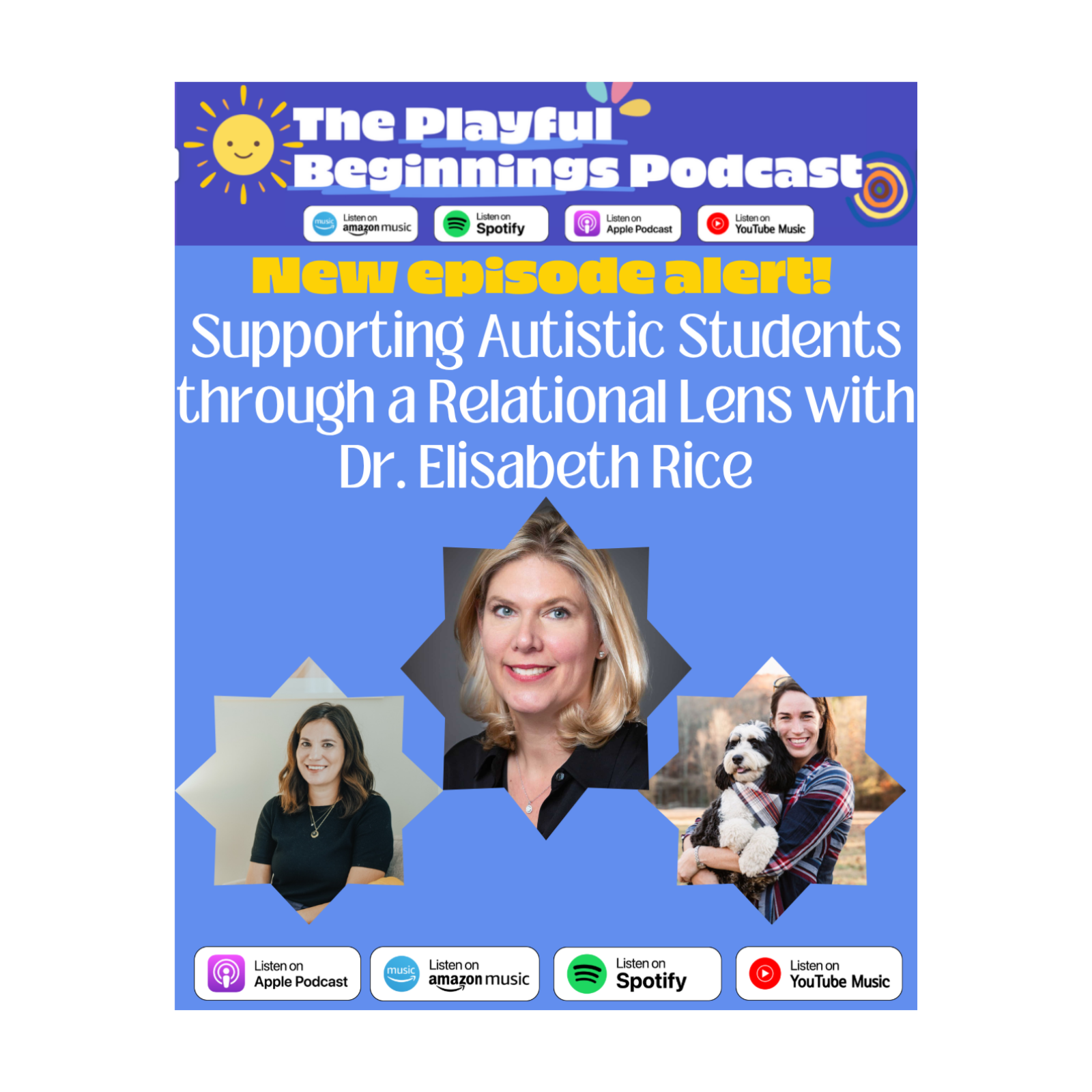
Episode Summary
In this episode, Dr. Lisa Rice joins the show to challenge traditional behavioral approaches to special education. As an accomplished researcher in inclusive education and the co-host of the On Her Side podcast, Dr. Rice discusses the critical importance of a "relational plate" when working with autistic children in school systems. The conversation delves into the "conflict cycle" between adults and children, the often-overlooked emotional needs of teachers, and how we can design school environments that accommodate neurodivergent needs rather than demanding compliance.
Key Discussion Points
The "Relational Plate" PhilosophyMoving beyond ABA...Unmasking the Experience of Girls on the Spectrum with Dr. Elisabeth Rice
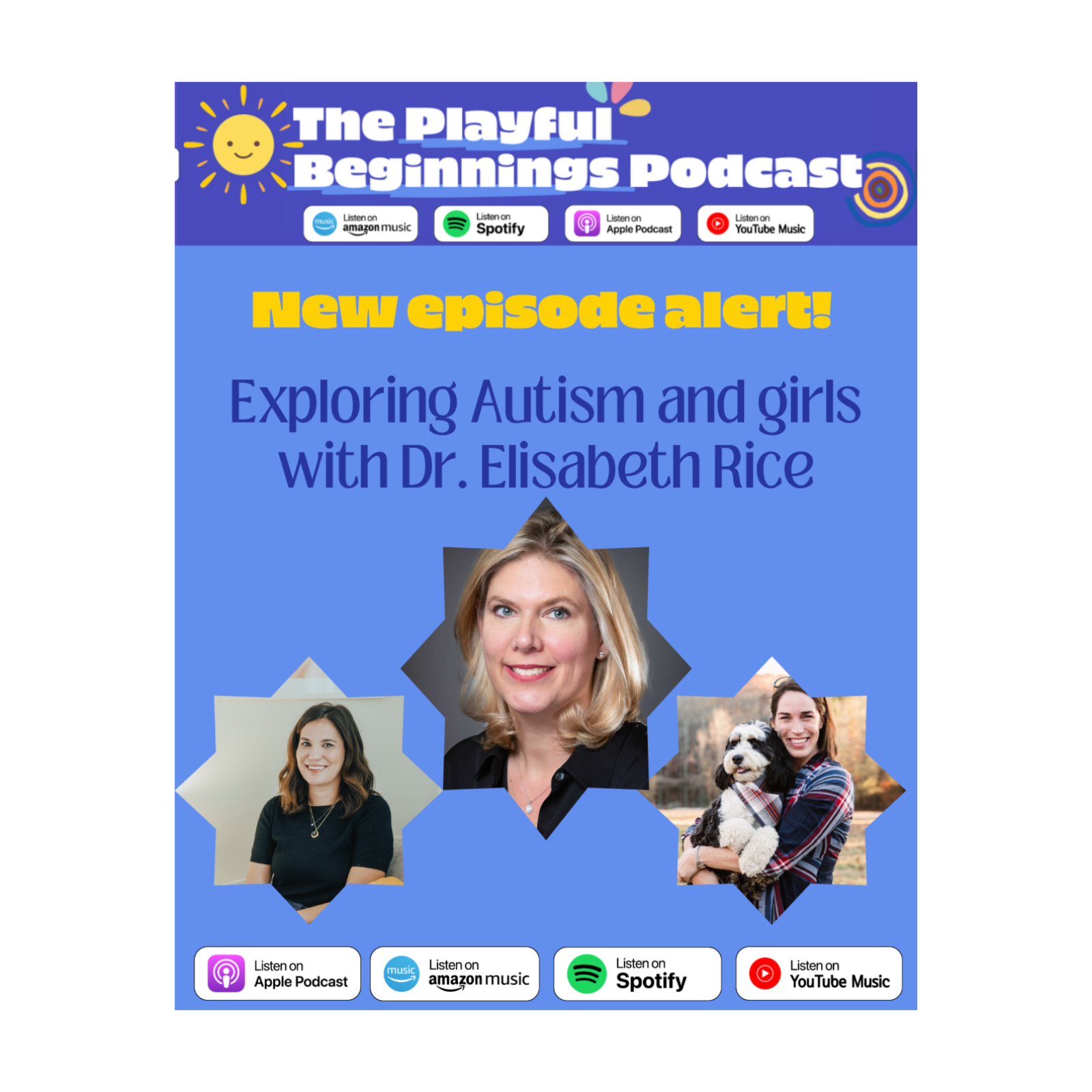
In this episode of Playful Beginnings, Dr. Maggie Parker and Dr. Kristie Opiola sit down with Dr. Elisabeth Rice, an Associate Professor at George Washington University and co-host of the On Her Side podcast. The conversation explores the nuanced and often overlooked presentation of Autism Spectrum Disorder (ASD) in girls. Dr. Rice discusses how traditional diagnostic criteria, largely based on male presentations, have led to a "lost generation" of women and girls who go undiagnosed or misdiagnosed.
The episode delves into the concept of "masking"—the exhausting social mimicking girls use to blend in—and the...
It’s time to change the conversation around ASD and Play Therapy. 🗣️✨
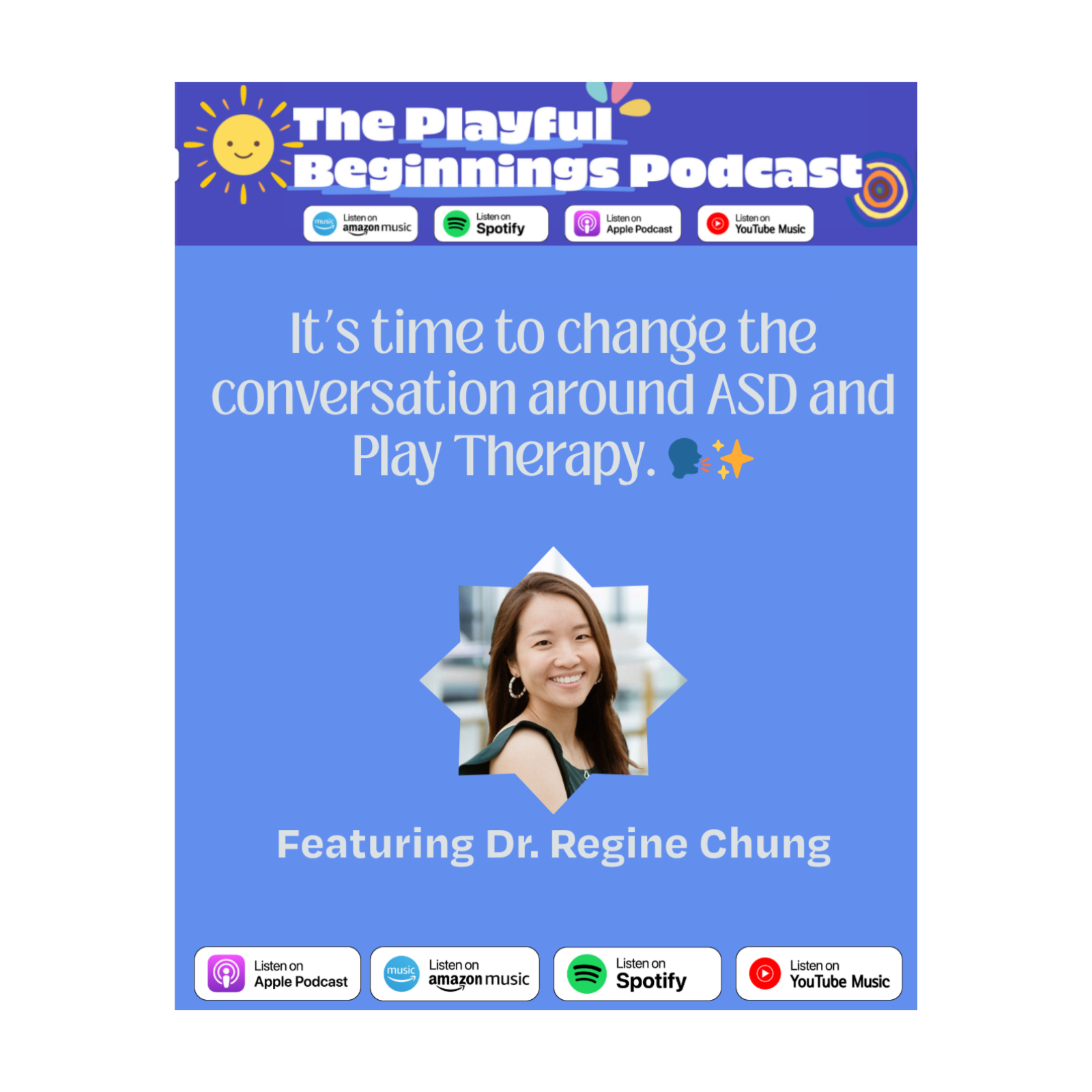
Often, therapists are pressured to focus solely on behavioral outcomes. But Dr. Regine Chung’s research shows us that when we provide a truly Child-Centered environment, non-verbal children don’t just 'behave'—they thrive.
Dr. Chung joins us to share her longitudinal findings, providing the clinical community with the data needed to advocate for relational, neurodiversity-affirming care.
Key Takeaways:
How CCPT facilitates autonomy in non-verbal children.Making sense of the research: What the numbers actually tell us.How to stand firm in your CCPT roots while serving the ASD community.Follow @playtherapyspace for more r...
Child Centered Play Therapy and Autism: Room Considerations. Featuring Dr. Regine Chung
Stop choosing between "compliance" and "connection." 🧩 Can Child-Centered Play Therapy (CCPT) actually work for non-verbal children with Autism? Dr. Regine Chung says YES—and she has the data to prove it.
If you’ve ever felt like your playroom wasn't "set up right" for neurodivergent clients, or feared that making adaptations would "ruin" the Child-Centered model, this episode is your roadmap.
In this deep dive, CCPT expert Dr. Regine Chung joins us to discuss her longitudinal study on non-verbal autistic children. We move past the theory and get into the practical "how-to" of inclusive play therapy...
Seeing the Soul: A Child Centered Approach to Autism with Dr. Regine Chung
Caring for the whole child means seeing beyond a diagnosis. 🌈
How does Child-Centered Play Therapy align with the needs of autistic children? It starts by recognizing that play is the universal language of childhood—regardless of neurotype. In this episode, Dr. Kristie Opiola and I sit down with Dr. Regine Chung to discuss:
Moving from a 'deficit' model to a 'strength-based' approach.The role of the therapist as a regulated, empathetic witness.Why the freedom of the playroom is essential for self-advocacy.Potential adaptations or things to consider in the playroomIf you’re a teacher...
Child-Centered Play Therapy and Autism: A Natural Alignment Meeting Autistic Children Where They Are
What if Child-Centered Play Therapy wasn't just compatible with autism — but was, at its core, designed for it?
In this episode, Dr. Christie Opiola and Dr. Maggie Parker explore the profound alignment between CCPT and the needs of autistic children. Not as a conversation about modifying or adapting the approach — but as an argument that Carl Rogers' six core conditions already speak directly to what autistic children need most: a relationship that meets them exactly where they are, without asking them to be different.
They explore what the core conditions look like through an ASD lens...
Relaying CCPT and Anxiety to Parents with Guest Expert Dr. Hayley Stulmaker
You asked, we listened. You want to know about how to work with parents and make the links between diagnosis/presenting concerns and child centered play therapy.
Listen in to this week's episode of Playful Beginnings for a greater understanding of childhood anxiety, how it shows up in the playroom, and bridging the gap with parents.
#playtherapy #childcenteredplaytherapy #CCPT #childcenterede #playtherapyworks #playtherapytraining
🎧 Playroom Anxiety & CCPT: Expert Insights with Dr. Hayley Stulmaker
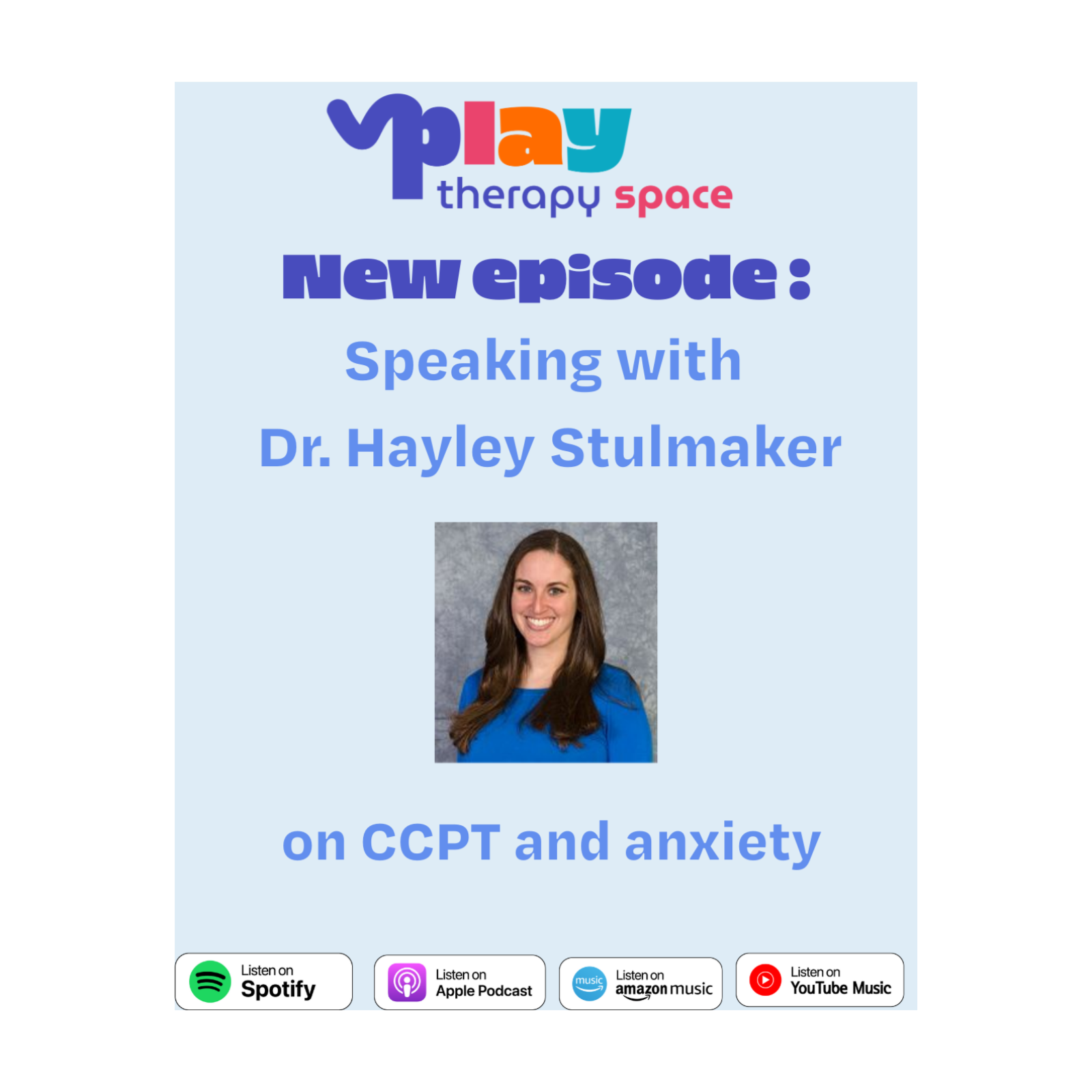
Anxiety in kids isn't always fear—sometimes it's rigid play or outbursts. 🌪️ Dr. Hayley Stulmaker joins the Playful Beginnings Podcast to explain how Child-Centered Play Therapy (CCPT) helps kiddos process anxiety.
Listen here: [Link] 🚀 #PlayTherapy #ChildhoodAnxiety #ParentingTips
🚨 Does anxiety look different in boys vs. girls?
Often, we miss the signs because they don't look like what we expect. In the latest episode of the Playful Beginnings Podcast, we break down how gender differences shape anxiety behaviors in kiddos—and how you can spot them early.
🎧 Click the link to listen and subscribe for more insights!
Anxiety Across Developmental Stages
In this episode of Playful Beginnings, Dr. Kristie Opiola and Dr. Maggie Parker shift the spotlight to one of the most common—yet frequently misunderstood—experiences in childhood: Anxiety.
While anxiety is a universal human emotion, it wears many different "masks" in the playroom and at home. This episode explores the nuance of the anxious child, moving beyond the stereotype of the "worried kid" to look at the physiological and developmental realities of a child in a state of alarm.
The Developmental Spectrum of Anxiety
The hosts break down how anxiety evolves as a ch...
How does ADHD show up in the CCPT Playroom?
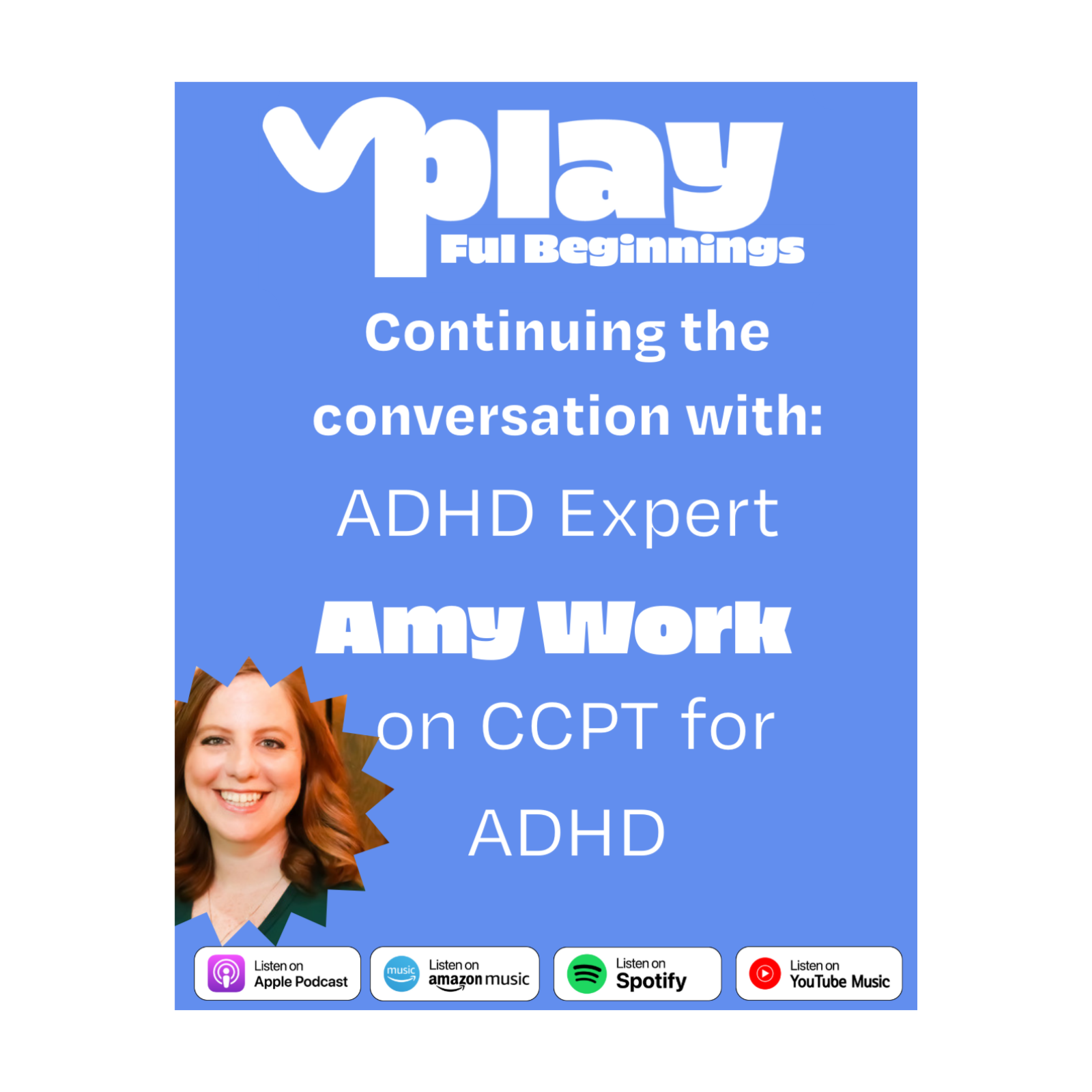
In this episode of Playful Beginnings, we delve deeper into ADHD and CCPT with expert Amy Work. Amy examines how ADHD can show up in the playroom, the symptoms and characteristics of ADHD, and how to support children and parents using CCPT. It is important to remember that there is no "hard and fast" rule- that with CCPT and children, there is always fluidity- so these are things to look for and examine!
CCPT and ADHD: Speaking with expert Amy Work
How do CCPT therapists support regulation, attention, and emotional growth without turning therapy into behavior management?
In this episode of Playful Beginnings, we’re joined by ADHD expert and Child-Centered Play Therapy clinician Amy Work for a rich, practice-informed conversation on how CCPT aligns naturally with the nervous system needs of children who present with or are diagnosed with ADHD.
Together, we explore:
✔️ How ADHD shows up in play, relationships, and regulation
✔️ What therapists often misinterpret as “noncompliance” or “disruption” in the playroom
✔️ How CCPT supports impulse control, emotional regulation, and execut...
How ADHD and CCPT Align
ADHD is often treated as a compliance problem rather than a nervous system and executive functioning difference.
In this episode of Playful Beginnings, we examine: • Core ADHD symptom presentation across development • Regulation, impulse control, working memory, and emotional modulation • Why behavior-based interventions alone frequently plateau • How Child-Centered Play Therapy supports intrinsic regulation, agency, and attachment security • Clinical implications for treatment planning and parent consultation
This episode is ideal for play therapists, clinicians, educators, and supervisors seeking developmentally responsive, evidence-aligned intervention strategies.
🎧 Now streaming. Follow Playful Beginnings for clinically grounded conversations that elevate the field.
...
ADHD or Developmentally Appropriate? Understanding the Nuance of the Diagnosis
Are you missing the subtle signs of ADHD in your home or classroom?
ADHD is often misunderstood- we hear about it all the time, but what is it actually?
In this episode of Playful Beginnings, Kristie and Maggie delve into what ADHD looks like in children. It's more than just "can't sit still." And often, boys and girls demonstrate ADHD differently.
Tune in as we outline the core symptoms you may be overlooking. This episode is great for parents, teachers, and play therapists. Understand the why behind the wiring, and change the how...
Talking to Parents about diagnoses: A CCPT Perspective
Parents often ask: “What does this diagnosis actually mean for my child?”
Play therapists often ask: “How do I explain diagnosis without labeling, limiting, or pathologizing the child?”
In this episode, we explore: • What diagnosis is (and isn’t) in child mental health • How CCPT conceptualizes the whole child beyond symptoms • How therapists can guide parents into developmentally informed conversations • How parents can collaborate effectively with their child’s therapist
If you care about ethical, developmentally grounded practice — this episode belongs in your queue.
Follow for research-informed play therapy education and parent support.
