CDFAM Computational Design Symposium
CDFAM Computational Design Symposium Presentation Recordings www.designforam.com
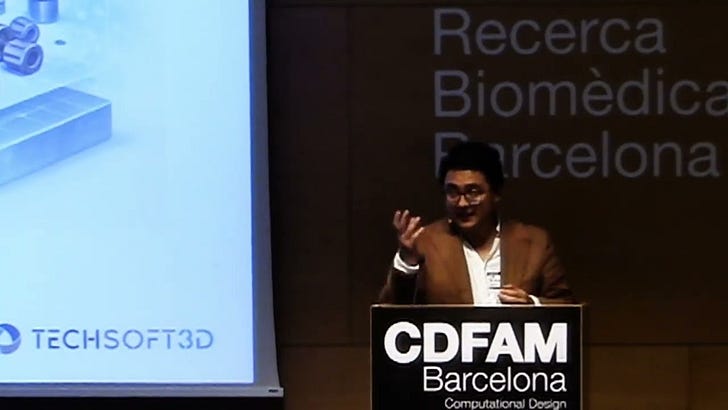
HOOPS AI: Correlating CAD Geometry with Manufacturing & Business Process Information
CDFAM Computational Design Symposium — Barcelona 2026
Luis Salazar Betancourt · Tech Soft 3D
Advances in computational design and additive manufacturing have enabled increasingly complex geometry, but industrial AI adoption remains constrained by a fundamental challenge: relating CAD design data to manufacturing behavior and downstream business processes. Geometry, process data, and enterprise information are typically analyzed in isolation, making it difficult to understand how design decisions propagate across the product lifecycle.
HOOPS AI addresses this by transforming CAD and manufacturing data into unified, AI-ready representations built on the HOOPS platform. The approach focuses on extracting stable geo...
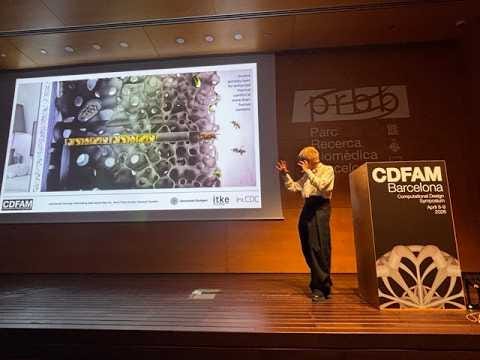
Architected Porosity Informed by Real-World Data for More-Than-Human Thermal Comfort
CDFAM Computational Design Symposium — Barcelona 2026
Maria Claudia Valverde Rojas · University of Stuttgart, IntCDC
This presentation introduces a design and research framework that integrates geometry generation with real-world climatic and ecological data to support more-than-human thermal comfort in the exterior of building envelopes. Over the past two years, I have developed architected porous cellular structures, periodic and non-periodic, based on adaptive density minimal surfaces (ADMS) and triply periodic minimal surfaces (TPMS). These structures serve as protective envelopes for nesting tubes used by cavity-nesting wild bees. The novelty of this work lies not in the digital modelling its...
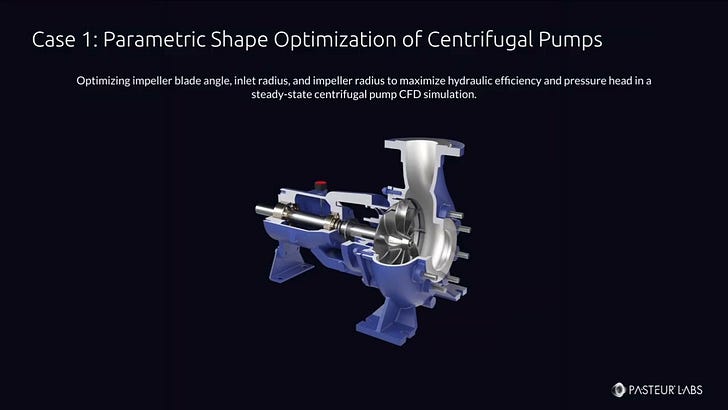
Real-Time Multi-Physics Collaboration for Real-World Engineering
CDFAM Computational Design Symposium — Barcelona 2026
Nikolas Borrel Jensen, Oliver Littlewood · Pasteur Labs
Real multiphysics necessitates coordination along multiple dimensions: one is of course the mixed physics, another is the heterogeneous data types & modeling approaches, and a third is the multidisciplinary (mis)communication. AI shoved into engineering workflows does not eliminate these gaps, rather it exacerbates them. For instance, numerical solver outputs and ML data structures are incompatible, with no shared representations to bridge them. At the human level, CAE experts, Mech/Aero/Nuclear Engineers, Systems Engineers, and AI/ML Engineers all operate in different conceptual fra...
Beyond Surrogates: Foundational AI for Physics-Native Design
CDFAM Computational Design Symposium — Barcelona 2026
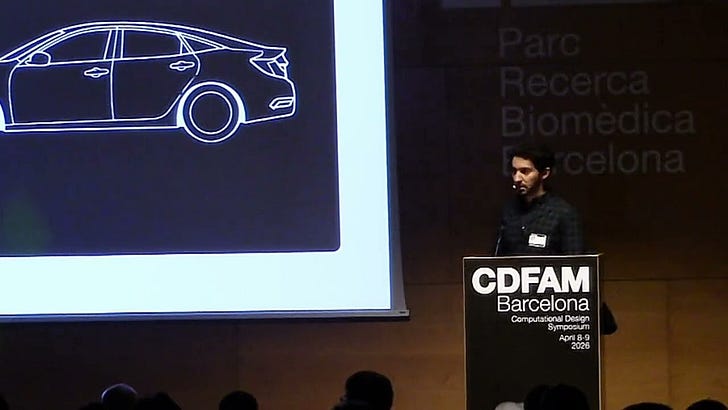
Wasil Rezk · BeyondMath
A new generation of AI models is emerging — not just faster approximators, but intelligent systems that understand and generate physics.
This talk explores how foundational physics AI breaks from the surrogate modeling paradigm. Unlike models that rely on customer-provided simulation data or narrow datasets, BeyondMath’s models are trained on self-generated data rooted in first principles — not interpolating outcomes, but learning the physical laws and structure of the design space itself.
This approach enables something radically new: generalizable, physics-consistent predictions at near-CFD fidelity, delivered...
NeuralShipper: Generative AI for the Next Generation of Ship Design and Manufacturing
CDFAM Computational Design Symposium — Barcelona 2026
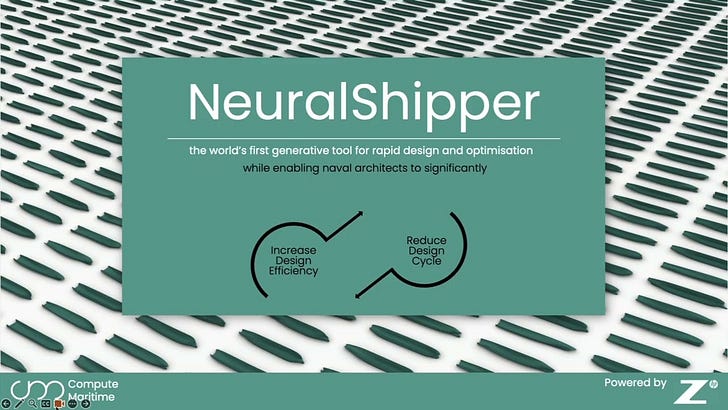
Shahroz Khan · Compute Maritime
Water transport, which accounts for approximately 90% of global trade, is essential to economic growth but poses a significant environmental challenge. In 2020, shipping emitted 1.4 billion tonnes of CO₂, nearly 3% of global emissions. Without decisive action, this figure could rise to 18% by 2050. To address this, the International Maritime Organization (IMO) is increasing regulatory and financial pressure on industry stakeholders to cut emissions by at least 40% by 2030 through the adoption of innovative technologies.
Achieving these targets requires optimising vessel performance from design through to operation. In fact, 80% of a...
Conjugate Heat Transfer Optimization for Turbine Blade Thermal Performance Using Field-Driven Design
CDFAM Computational Design Symposium — Barcelona 2026
Max Gaedtke, Markus Lempke · nTop, Siemens Energy
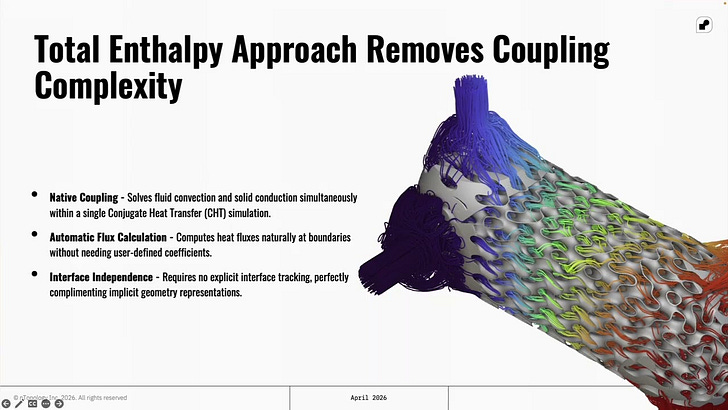
Turbine blade thermal management demands tight coupling between design exploration and high-fidelity simulation—yet traditional workflows separate these domains, limiting the design space that can be practically explored.
We present an integrated parametric optimization framework enabled by nTop’s robust implicit geometry engine. Field-driven design representation eliminates mesh regeneration between design variants, while a Lattice Boltzmann Method formulation for conjugate heat transfer removes the need for explicit fluid-solid interface handling. This architectural unity—implicit geometry paired with interface-agnostic thermal transport—permits fully autom...
An Engineer’s Approach to Integrating Machine Learning in Generative Design Tools
CDFAM Computational Design Symposium — Barcelona 2026
Thomas Rees · ToffeeX
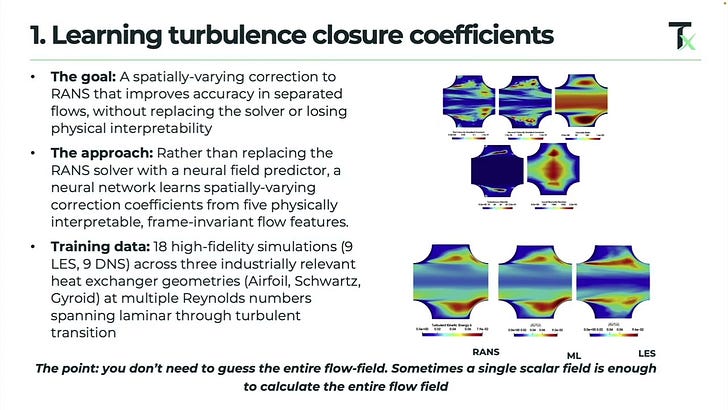
Machine learning and Artificial Intelligence have enormous potential as tools for generative design in engineering. However, most industry efforts remain stuck in research prototypes, brittle bespoke models, or disconnected add-ons that rarely survive real engineering workflows. In this talk, we will present an engineer’s approach to integrating machine learning directly into production-ready generative design tools, drawing on our experience building the fastest physics-driven thermo-fluid optimization platform on the market. Rather than replacing physics with opaque black boxes, our methodology uses ML only where it strengthens engineering outco...
Bridging Data to Geometry with Implicit Modeling
CDFAM Computational Design Symposium — Barcelona 2026
Wesley Essink · Siemens Digital Industries Software
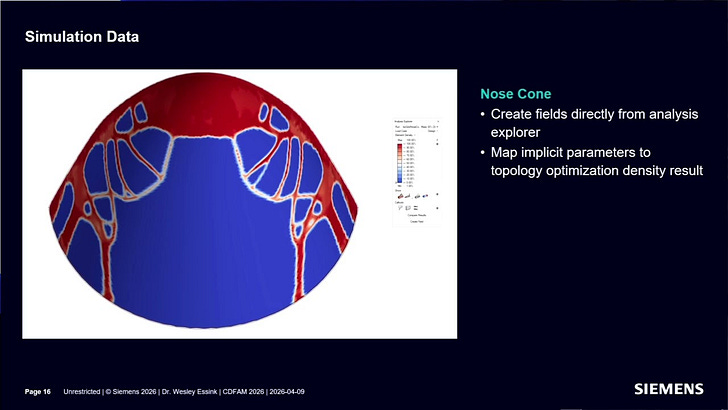
Engineering design is increasingly shaped by diverse sources of data (e.g. scans, images, measurements, simulation, requirements, reference geometries etc.). Traditional geometry modeling approaches often struggle to integrate these datasets in a flexible and scalable way. Implicit modeling offers a powerful alternative: a geometry representation that naturally incorporates engineering data into the modeling process as spatially varying fields capable of driving local and global design behavior.
This presentation explores how Simcenter Inspire leverages implicit modeling to create robust, data-driven design workflows. Showcasing met...
Redefining Mechanical Engineering in the Age of AI
CDFAM Computational Design Symposium — Barcelona 2026
Rhushik Matroja · Cognitive Design Systems
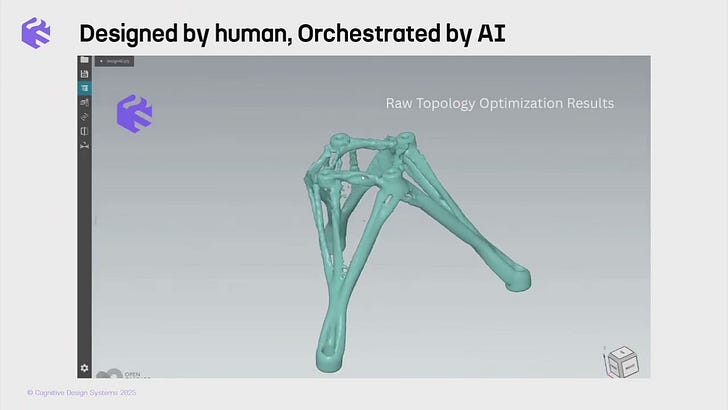
Mechanical engineering has been limited by the capabilities of traditional CAD software, most of which are built on architectures that are more than 30 years old. How can we design the products of the next 30 years using technology created three decades ago?
AI can introduce a real paradigm shift in how we conceive and develop products, but engineers must remain at the centre of the process. As an engineer, I know that the workflow is often more important than the final result. A great res...
From Tools to Agents: How Agentic Engineering Workflows Are Reshaping Simulation-Driven Product Development
CDFAM Computational Design Symposium — Barcelona 2026
Jon Wilde · Simscale
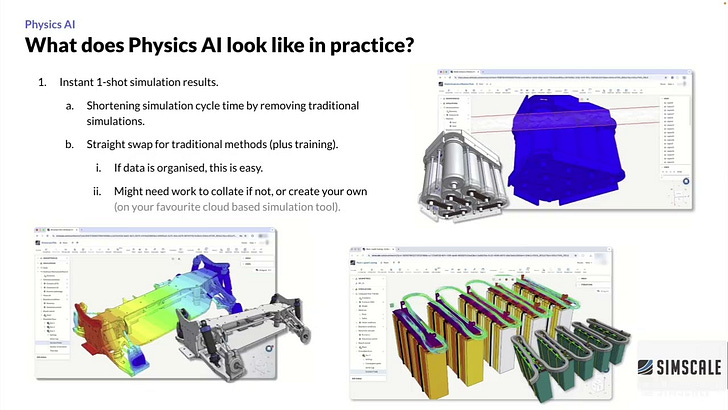
Simulation is central to engineering decision-making, yet in many organizations it remains an expert-driven activity rather than a scalable capability embedded across new product introduction (NPI). As product complexity grows and timelines compress, the key challenge shifts from solver accuracy to workflow coordination: when to simulate, at what fidelity, and how results inform decisions.
This talk introduces agentic engineering workflows — AI-driven systems that guide simulation tasks, recommend appropriate model fidelity, and support interpretation while remaining grounded in validated physics. By combining Engineering AI with Physics AI, t...
Raven AI: The Future Is In The Spaghetti
CDFAM Computational Design Symposium — Barcelona 2026
Moritz Rietschel · Raven
Twenty years of community-built Grasshopper infrastructure, decades of firm knowledge, scattered documentation, and forum posts that solved your problem in 2011.
The problem has never been capability - it has been access.
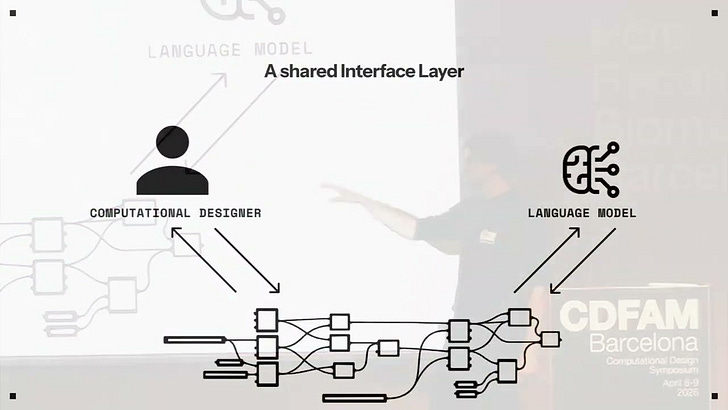
Raven is a code agent for Grasshopper that works across 900+ plugins through the native API. Rather than replacing existing tools, it functions as an infrastructure layer: connecting users to what was already there.
Moritz Rietschel walks through what it actually takes to build AI that works with CAD. How do you...
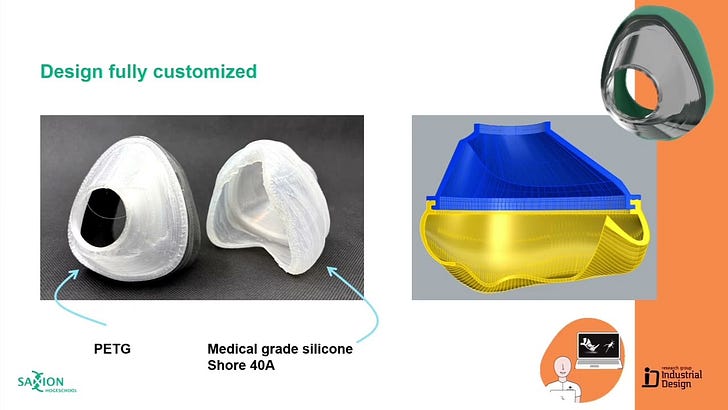
Computational Design of Personalized CPAP Masks
CDFAM Computational Design Symposium — Barcelona 2026
Anne Pasman, Emmy Kerssen · Saxion Hogeschool
CPAP therapy is used to treat patients with sleep apnea by providing constant air pressure through a mask during sleep. For many patients (75,4%), standard masks fit poorly or require tight adjustment, causing issues such as pressure points or leakage resulting in dry eyes, skin irritation, and finally even therapy discontinuation (30%). Personalized CPAP masks can improve fit and comfort and reduce leakage.
However, early designs face challenges due to the interaction between soft facial tissue and mask materials. During sleep, facial deformation and mas...
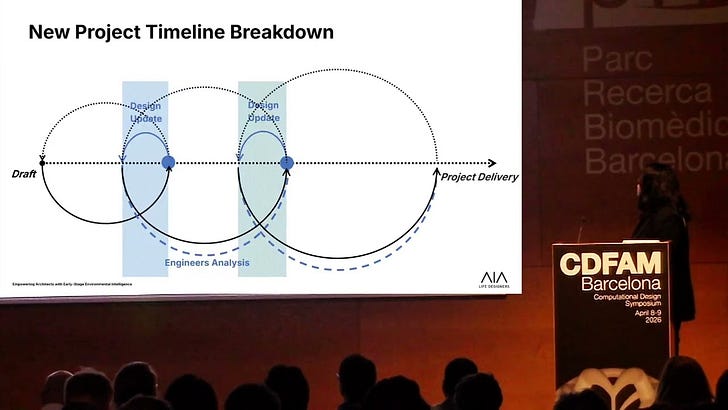
Empowering Architects with Early-Stage Environmental Intelligence
CDFAM Computational Design Symposium — Barcelona 2026
Michele Pescatore, Carol Fanjul · AiA Life Designers
Michele Pescatore and Carol Fanjul of AiA Life Designers present a simulation-driven workflow that brings environmental analysis into the earliest stages of architectural design, where decisions have the greatest influence on a project's environmental performance but actionable feedback is usually missing.
Conventional environmental tools require detailed BIM models or expert-level parametrization, so studies become outdated as a project evolves. To close that gap, AiA Life Designers built a streamlined Revit plug-in using Rhino.Inside.Revit, Grasshopper, and the open-source Honeybee and Lad...
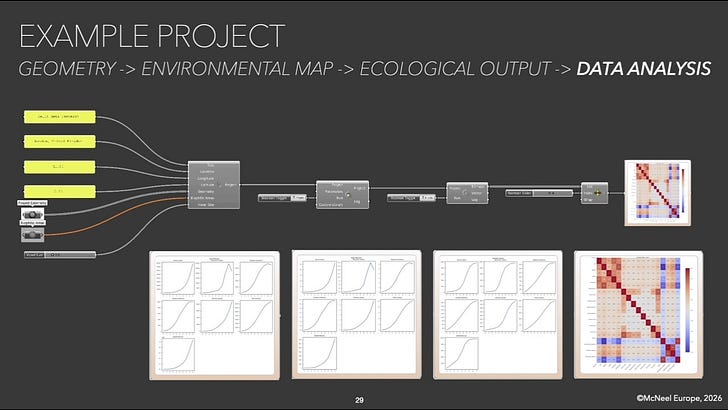
A New Ecological Simulation Framework for Rhino/Grasshopper
CDFAM Computational Design Symposium — Barcelona 2026
Verena Vogler · McNeel Europe
Verena Vogler introduces Rhino.Ecologic, an ecological simulation framework for Rhino and Grasshopper built for landscape architects and urban planners working in computational design. The plugin integrates ecological simulation into existing 3D modeling workflows to support nature-inclusive strategies at large and small scales.
The presentation covers how the tool generates location and time specific 3D species distribution maps alongside biomass and biodiversity simulations, supporting data-driven ecological decisions throughout the design process. It includes an overview of the plugin, an introduction to ecological simulation in AEC...
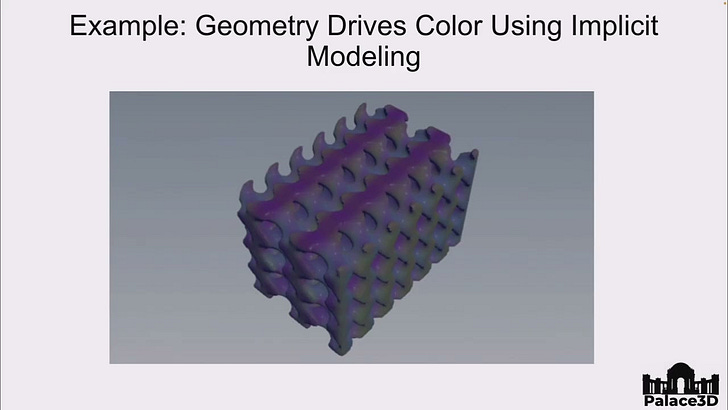
Computational Color and Texture for Additive Manufacturing
CDFAM Computational Design Symposium — Barcelona 2026
Mary Baker · Palace 3D
Computational geometry has advanced considerably. Color and texture in additive design have not kept pace. As multi-material hardware and capable file formats become more accessible, programming color and texture directly into the design workflow is emerging as a meaningful new capability.
Mary Baker draws on her experience building out that toolset at Palace 3D and previously at HP Inc., covering effects that traditional modeling tools cannot easily produce:
- Embedded data: hidden messages and encoded information within a part's surface
- G...
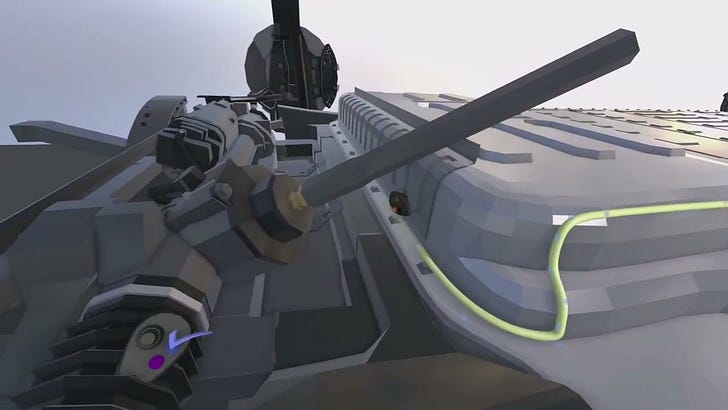
Immersive Engineering: Navigating Harnessing in True-Scale 3D
CDFAM Computational Design Symposium — Barcelona 2026
Oluwaseyi Sosanya · Gravity Sketch
Spatial computing is regularly framed as a future breakthrough. In certain workflows, it is already delivering measurable value.
Oluwaseyi Sosanya examines where immersive technologies are making a tangible impact in product development today, with particular attention to cable harnessing and automotive clay modeling. These are workflows where teams still depend on physical prototypes to evaluate critical decisions. Spatial tools enable earlier, more confident decision-making by improving spatial understanding and reducing costly physical iteration.
The talk also addresses the practical realities of building for...
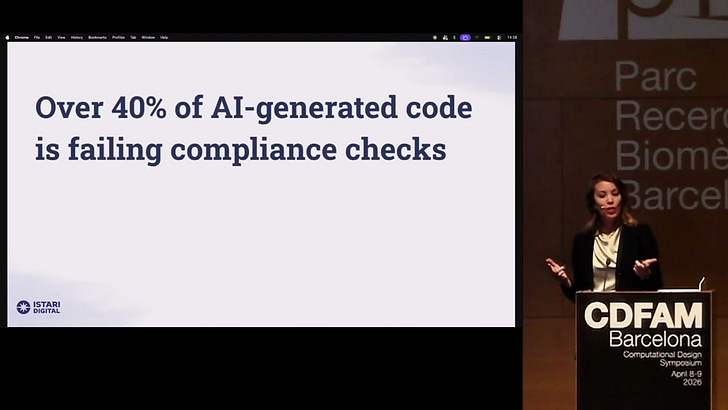
Beyond the Specialist: How Istari + AI Expands Who Gets to Drive Innovation in Hardware
CDFAM Computational Design Symposium — Barcelona 2026
Rebeka Melber · Istari Digital
AI coding tools didn't just accelerate software development — they changed who gets to build. A comparable shift is underway in hardware.
Rebeka Melber examines how AI paired with connected engineering infrastructure is lowering the barrier to hardware innovation. The argument isn't that AI replaces deep expertise. It's that it expands who can contribute meaningfully to the design process — and earlier in it. When more of the right people can engage at the right time, ideas move faster and better solutions emerge from places they otherwi...
You have an infrastructure problem, not an AI problem
CDFAM Computational Design Symposium — Barcelona 2026
Javier Blanco Cordero · Quix
Engineering teams have found AI useful for discrete tasks: SQL queries, graphs, summaries. Higher-value work, root cause analysis, physics-based ML, production deployment, remains out of reach. The standard diagnosis is that the models need to improve. Javier Blanco Cordero's experience points the other way: the models are already sufficient. The infrastructure surrounding them is not.
Using a real rotor balancing case involving 50,000 rotors per year, this talk walks through what it takes to move AI from task-level support to autonomous engineering investigation. With the rig...
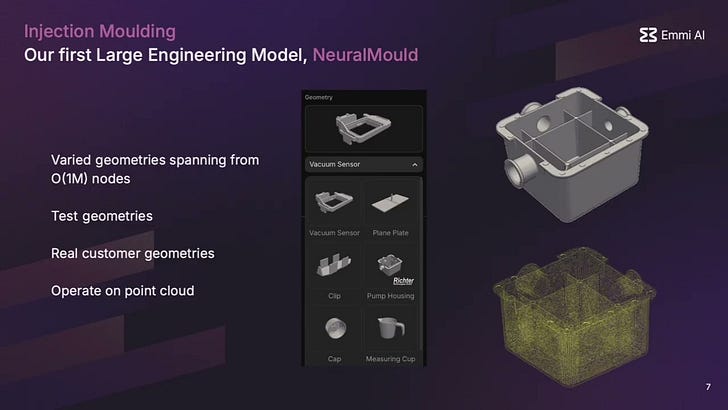
Large Engineering Models: Reimagining Design, Simulation, and Manufacturing | EMMI AI
Quercus Hernández · Emmi AI
Recorded at the CDFAM Computational Design Symposium, Barcelona 2026.
In this episode
Presentation Abstract
Engineering is entering a new paradigm where AI is no longer limited to accelerating isolated simulations, but is becoming a foundational layer of the industrial design and manufacturing stack. Across sectors such as automotive, energy, semiconductors, and aerospace, engineering workflows remain constrained by slow simulation feedback loops, fragmented CAD-to-CAE pipelines, and computational bottlenecks that limit design exploration and innovation speed.
In this talk, we present the vision of Large Engineering Models de...
Beyond Parametric: Explorable Simulation for Real Design Iterations
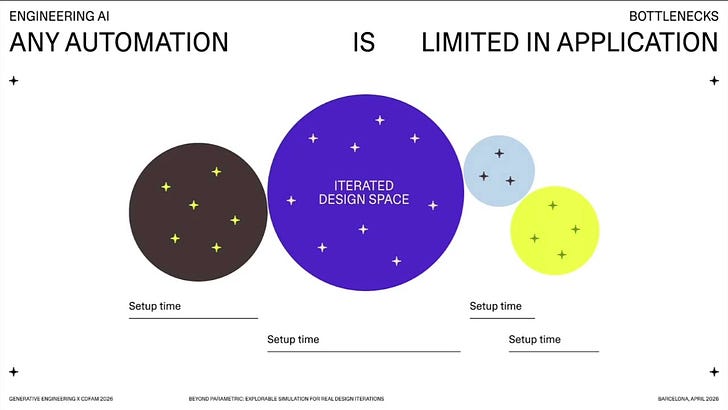
Beyond Parametric: Explorable Simulation for Real Design Iterations
Presentation Abstract
Design space exploration promises engineers the ability to evaluate thousands of variants in hours. The prerequisite—rarely discussed—is building a parametric geometry model that won’t break. This front-loaded investment assumes you know your design space before exploring it. Real engineering iteration isn’t parametric. Design changes are structural and topological: fundamentally different geometries evaluated against the same performance criteria.
Setup time, not simulation time, is the real bottleneck in enabling simulation-driven exploration for real engineering teams.
At Generative Engineering, this is...
Design For Real World Engineering: Integrating Uncertainty Into Product Assessment - Greg Grigoriadis - Metisec
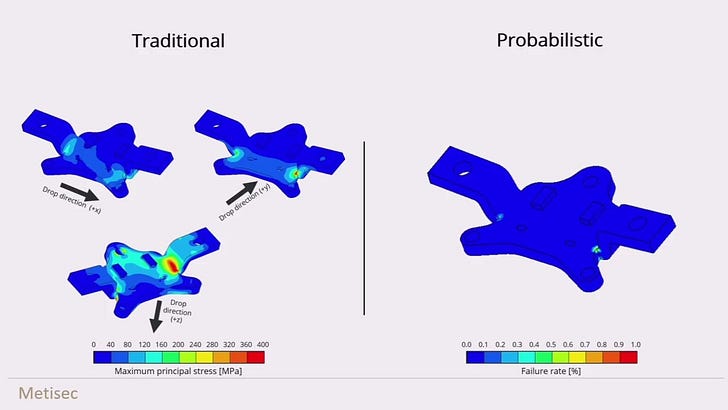
Deterministic engineering analysis assigns fixed values to loading conditions, geometry, and material properties. The approach is tractable, but it forces a choice between conservative overdesign and exposure to failure modes that fall outside assumed limits. Neither outcome is satisfying.
Greg Grigoriadis of Metisec describes a design toolkit that replaces fixed inputs with statistical distributions and runs Monte Carlo simulations across the resulting parameter space. The output is a probabilistic picture of performance: failure probabilities, sensitivity rankings, and the specific conditions that actually drive risk.
A sensor mounting bracket for a smart wearable serves as the...
SEAT | Digitizing Body-in-White Development with MAS Synera
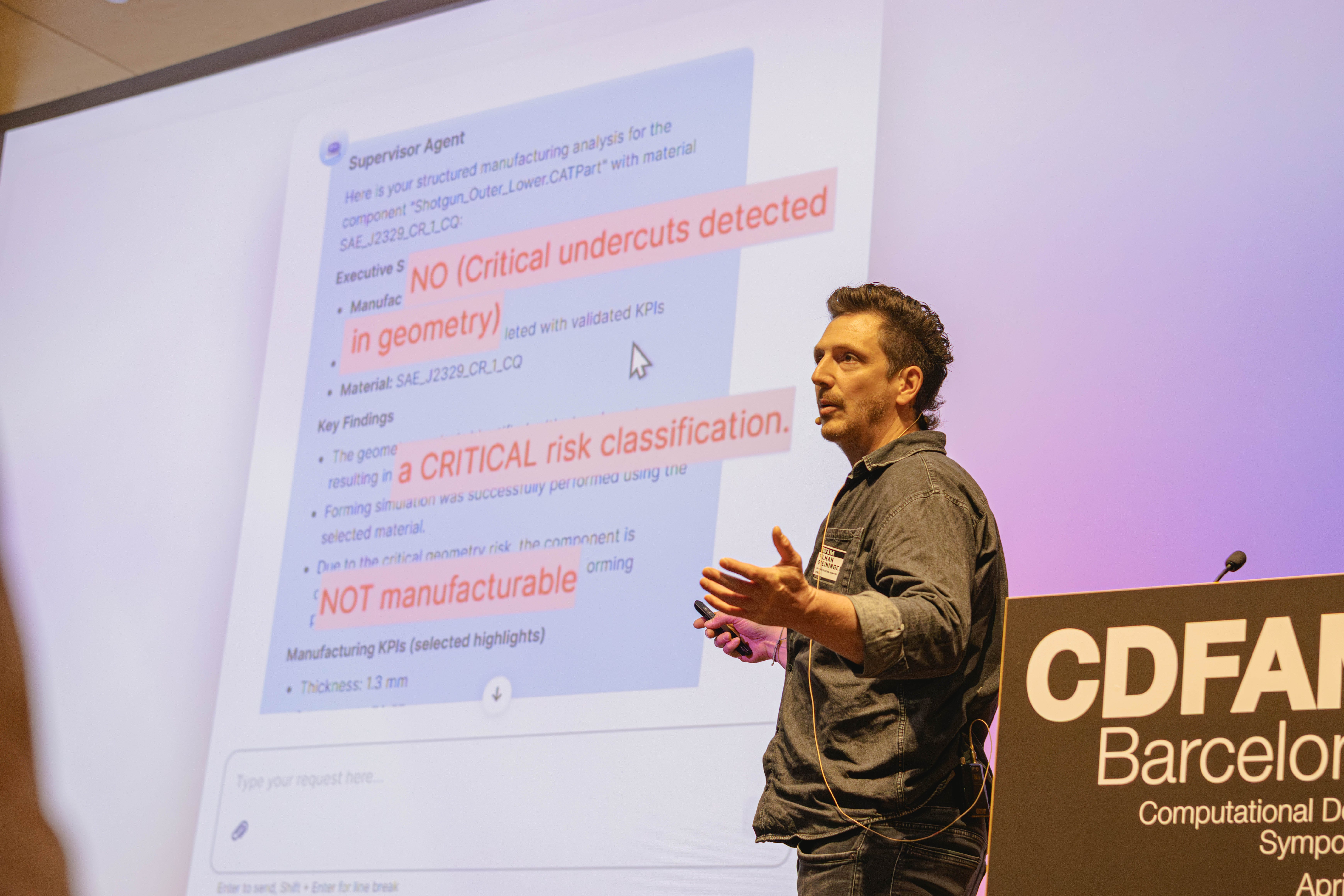
Body-in-White development sits at the intersection of structural performance, manufacturability, and schedule pressure — and traditional workflows are increasingly strained by the pace of platform proliferation and regulatory demands. This episode examines how SEAT/CUPRA is modernizing BIW development through Synera’s Multi-Agent System (MAS), connecting CAD, CAE, and manufacturing processes within a unified automation framework to accelerate iteration and improve engineering traceability.
Tilman Steininger, Customer Success Manager for Agentic Engineering at Synera, and Juan De Dios Escribano Felguera, Team Lead for Body-in-White and Corrosion Development at SEAT/CUPRA, present their collaborative work digitizing structural development work...
SubSimX: Interactive Subdivision-to-FEM for Computational Design
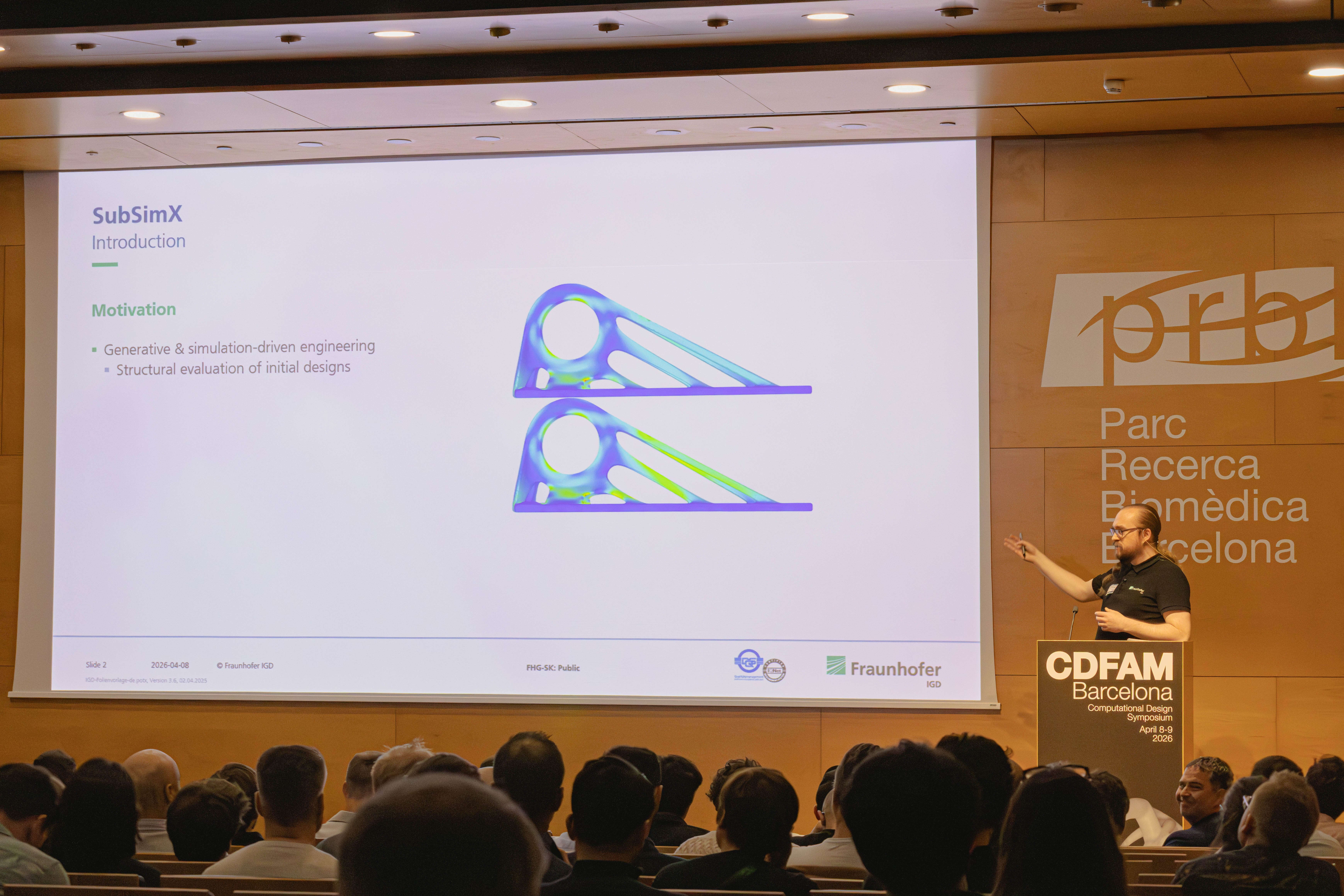
The gap between geometric modeling and structural simulation has always been a workflow problem as much as a technical one. Every time a designer changes a shape, the mesh breaks, boundary conditions need redefining, and the simulation has to be rerun from scratch. At the scale of iterative or generative design workflows, that overhead compounds quickly.
In this episode recorded at CDFAM Barcelona 2026, Johannes Mueller-Roemer presents SubSimX, a pipeline that addresses this by treating subdivision surfaces as a native simulation medium rather than a preprocessing step. Designers work on a standard Catmull-Clark control mesh. Meshing and boundary...
Unlocking Large-Scale Structural Synthesis: High-Performance GPU Topology Optimization For Architectural And Civil Engineering Applications
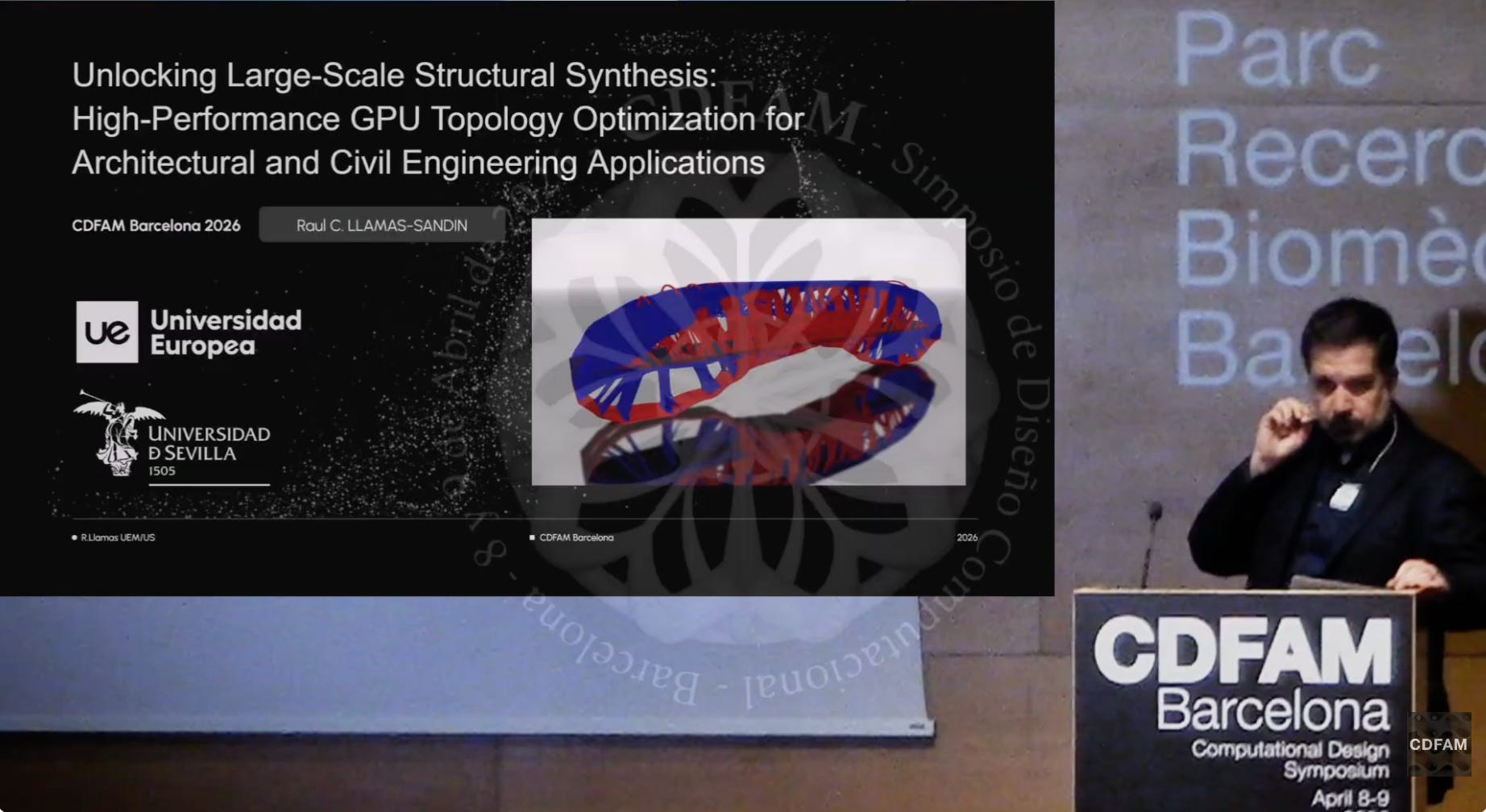
Topology optimization has long been constrained by the computational cost of working at meaningful scale. For architectural and civil engineering applications — where domains span tens of meters and element counts run into the millions — that constraint has made high-fidelity structural synthesis largely impractical on standard hardware.
In this episode recorded at CDFAM Barcelona 2026, Raul C. Llamas-Sandin presents a GPU-accelerated solver that addresses this directly, reducing solve times for large-scale problems to minutes on a workstation. He covers the key technical features that make it relevant for the built environment: asymmetric tension-compression stress constraints, thermoelastic analysis, and geometric cons...
Functional AI For 3D Design Automation — From Path Finding To Generative Modeling For Building Construction
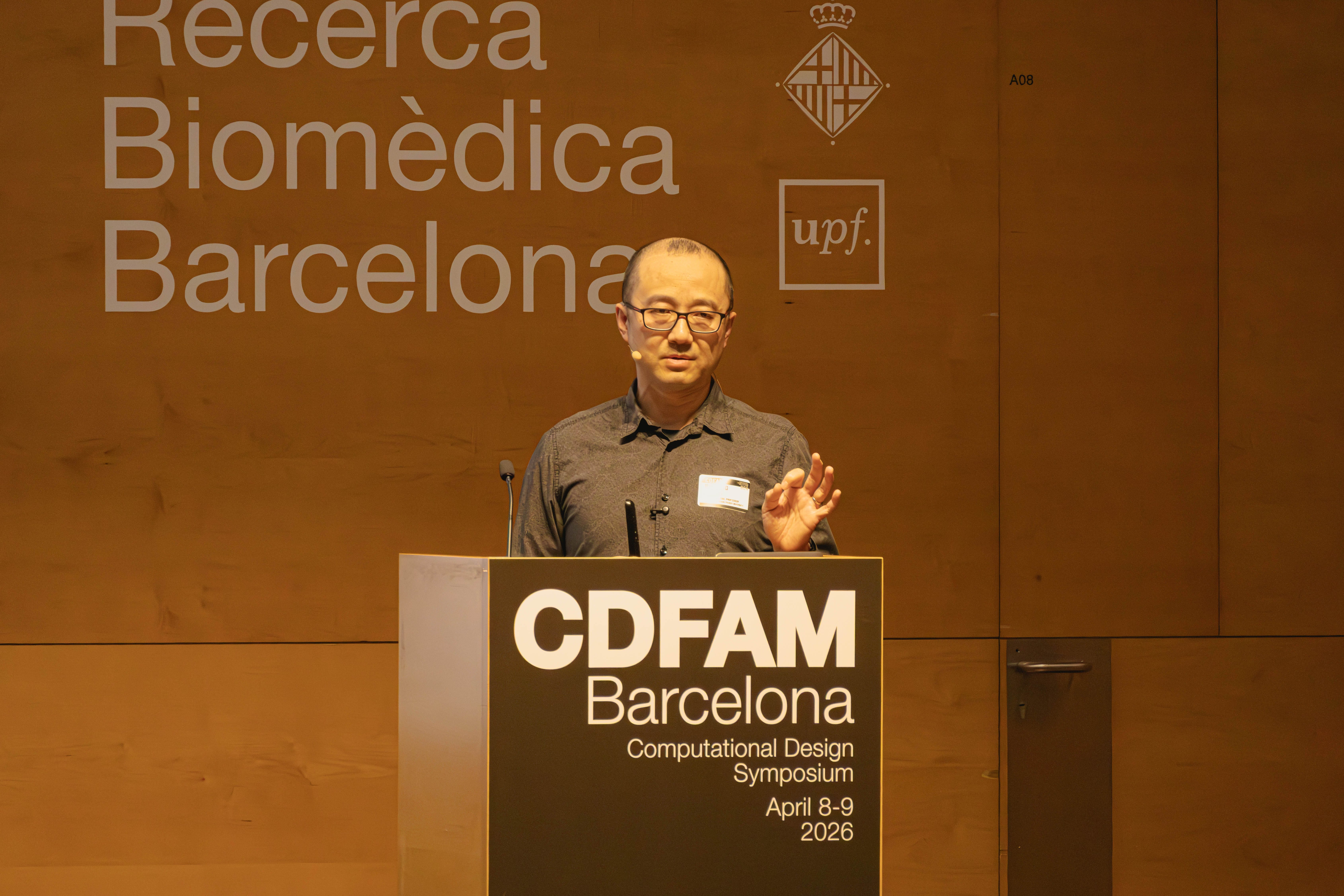
Most 3D generative AI has been built to produce things that look right. Hao (Richard) Zhang argues that for the built environment, that is the wrong objective. Buildings must function — and that means AI systems need to reason about spatial relationships, load paths, equipment routing, and regulatory constraints, not just geometry.
In this episode recorded at CDFAM Barcelona 2026, Richard introduces Functional AI as a framework for 3D design automation and walks through Augmenta’s work applying it to real building projects. The technical scope covers agentic AI for MEP path finding, generative modeling of complex stru...
Artificial Intuition: Building an AI Mind for Electromagnetic Design and Engineering - ARENA Physica
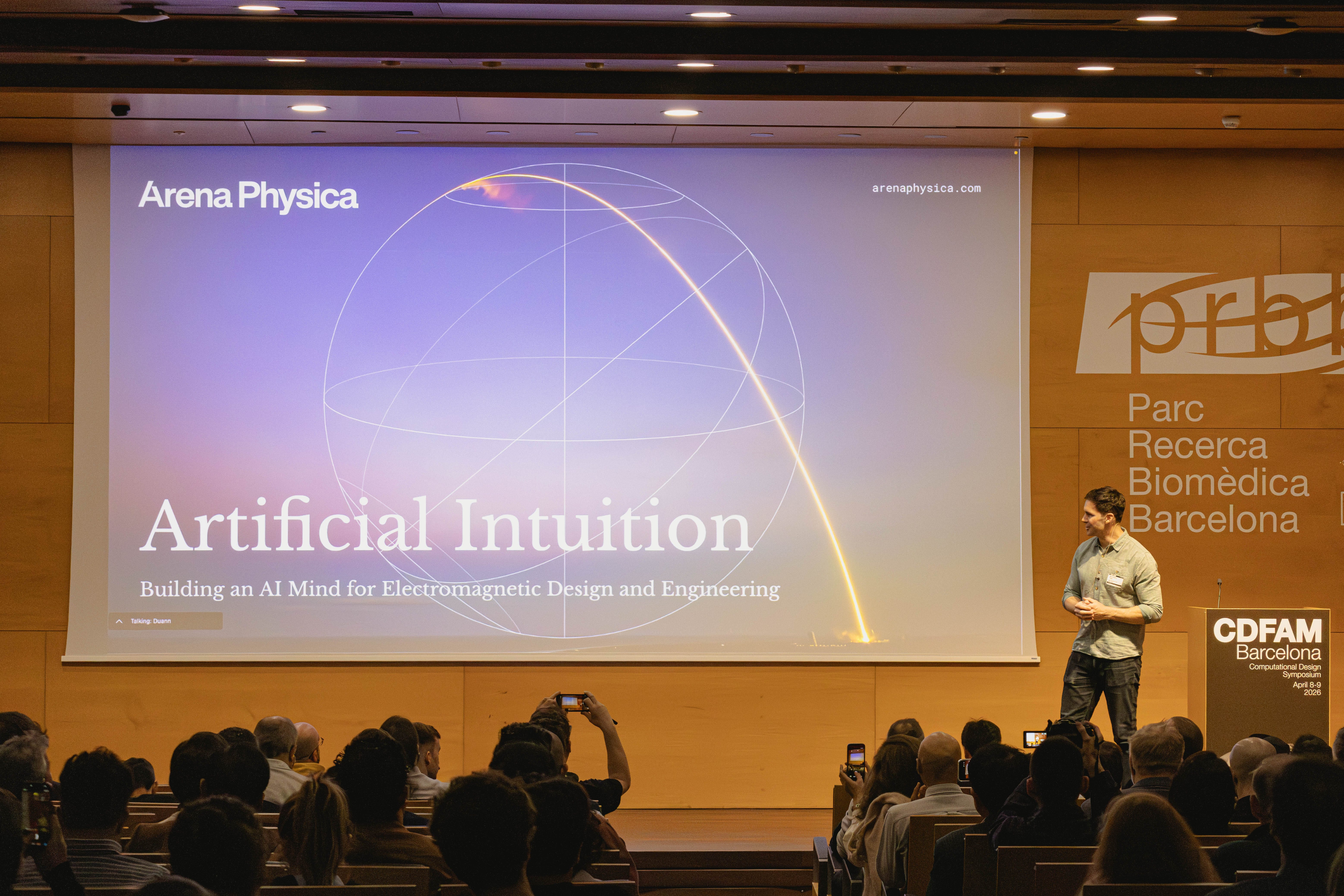
Mike Frei, of ARENA Physica, joins CDFAM Barcelona 2026 to discuss the company’s AI foundation model for electromagnetism and what it means for the future of electronic hardware design.
Mike brings an unusual combination of deep physics intuition - PhD from Columbia studying geometry and electron behavior at the molecular scale - and operational experience from McKinsey and C-suite roles at Swiss aerospace and defense company RUAG. That background informs Arena’s approach to reimagining electromagnetic simulation across semiconductors, aerospace, and automotive sectors.
The conversation covers how Arena is building what they call Artificial Intuition for...
Accelerating CAE: AI Physics, Surrogate Models, and Agentic Workflows - NVIDIA
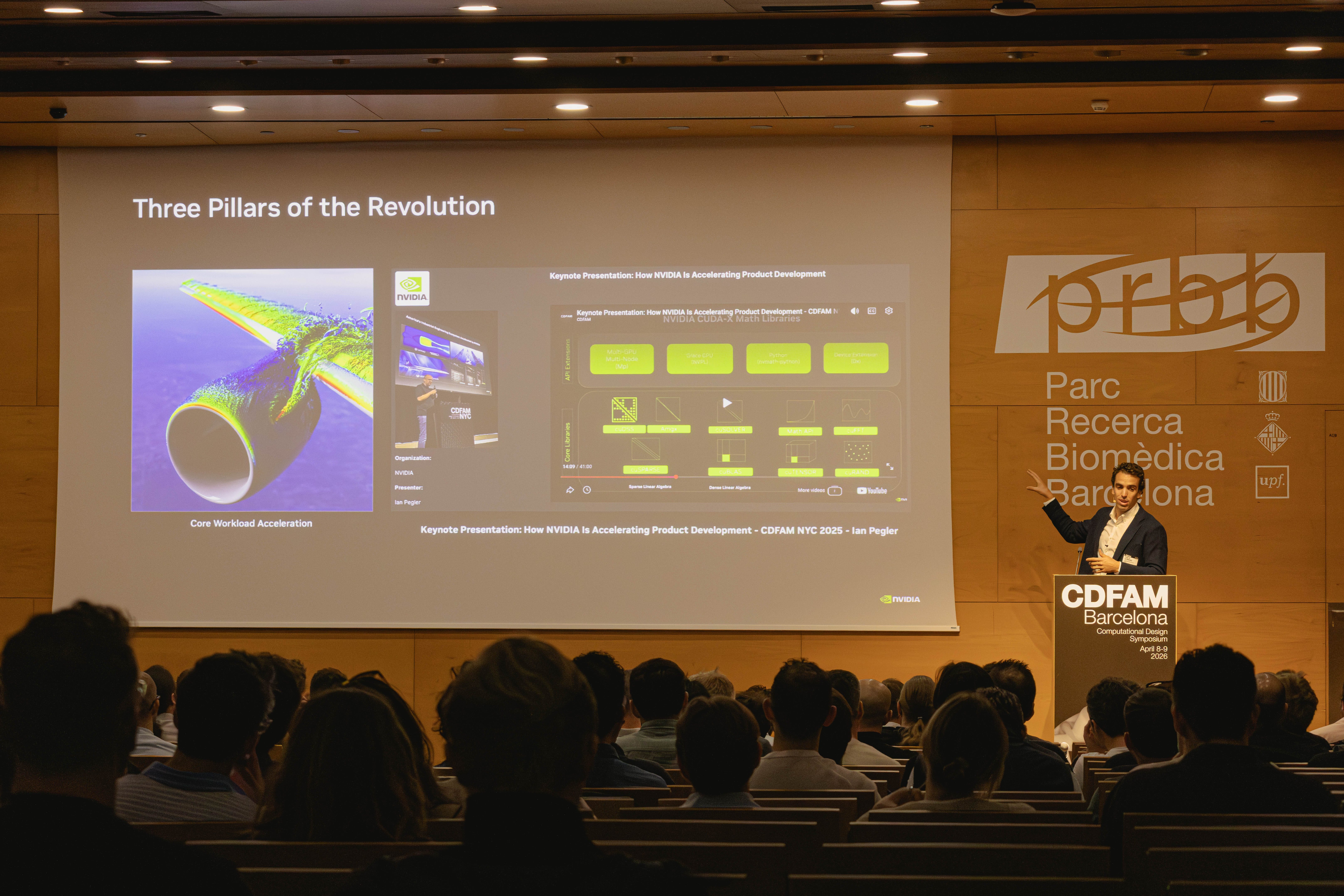
Pablo Hermoso Moreno, Senior Solutions Architect at NVIDIA, joins CDFAM Barcelona 2026 to discuss how AI is reshaping Computer-Aided Engineering workflows.
Pablo draws on his background in aerospace engineering, aerodynamics at Mercedes F1, and cloud-scale AI at AWS to frame where CAE bottlenecks actually live - and what NVIDIA is doing about them. The conversation covers AI physics and surrogate models for real-time simulation feedback, the role of digital twins, and how agentic AI built on the NVIDIA NeMo stack is automating end-to-end engineering workflows.
He also walks through the AI-Q Blueprint, a production-ready enterprise research...
Crease, Fold, Transform. - Alfonso Parra Rubio - MIT
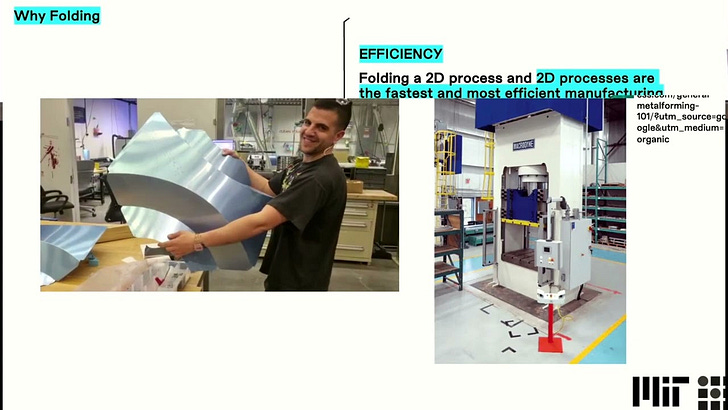
Recorded at CDFAM Computational Design Symposium, NYC, October 29-30, 2025https://cdfam.com/nyc-2025/
Organization:MITPresenter:Alfonso Parra RubioCrease, Fold, Transform. Presentation AbstractFolding is a fundamental process found throughout nature on multiple scales. Rather than altering the material itself, folding transforms its shape, offering a powerful means of engineering without compromising integrity.This presentation explores, from an engineering and design perspective, the unique potential of folding and discrete assembly as a design and manufacturing tool across multiple scales in engineering.From millimeter-scale bulk cellular materials to meter-scale structural corrugations and actuated robotic systems, and ultimately to...
Super-Modular Chiral Origami Metamaterials
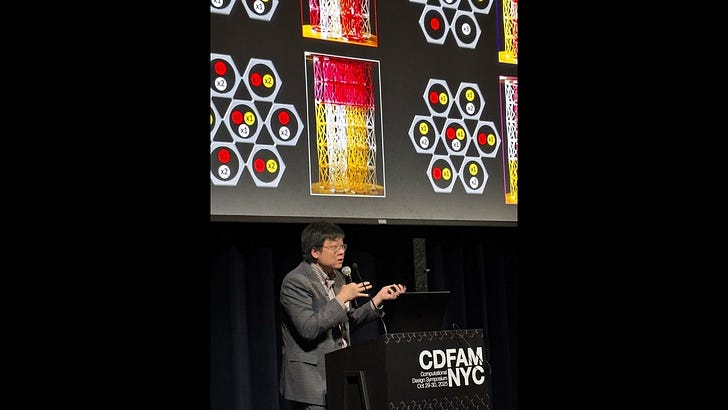
Recorded at CDFAM Computational Design Symposium, NYC, October 29-30, 2025https://cdfam.com/nyc-2025/
OrganizationPrinceton UniversityPresenter:Tuo ZhaoSuper-Modular Chiral Origami MetamaterialsPresentation AbstractMetamaterials with multimodal deformation mechanisms resemble machines, especially when endowed with autonomous functionality. A representative architected assembly, with tunable chirality, converts linear motion into rotation (1). These chiral metamaterials with a machine-like dual modality have potential use in areas such as wave manipulation, optical activity related to circular polarization and chiral active fluids. However, the dual motions are essentially coupled and cannot be independently controlled. Moreover, they are restricted to small deformation, that is, strain ≤2%, which li...
Greener by Every Fold. Strength in Every Curve.
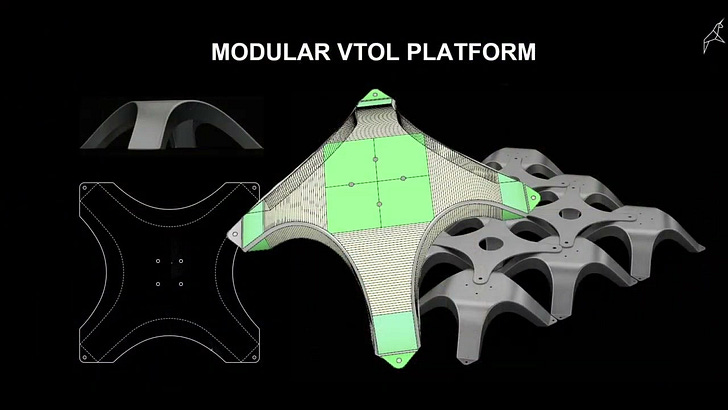
Recorded at CDFAM Computational Design Symposium, NYC, October 29-30, 2025https://cdfam.com/nyc-2025/
Organization: STILFOLD
https://www.stilfold.com/
Presenter:Julia HannuGreener by Every Fold. Strength in Every Curve. Presentation AbstractThis talk introduces STILFOLD’s innovative origami-inspired manufacturing process, where metal sheets are folded into form. The process uses both straight and curved crease folding, expanding the possibilities of how sheets can be transformed into products. This, to make curved crease folding accessible to a wider community of designers and engineers – moving it from a niche research technique into a scalable indu...
Conformal Lattice Design Made Easy: A CAD-Integrated Approach - Tetmet
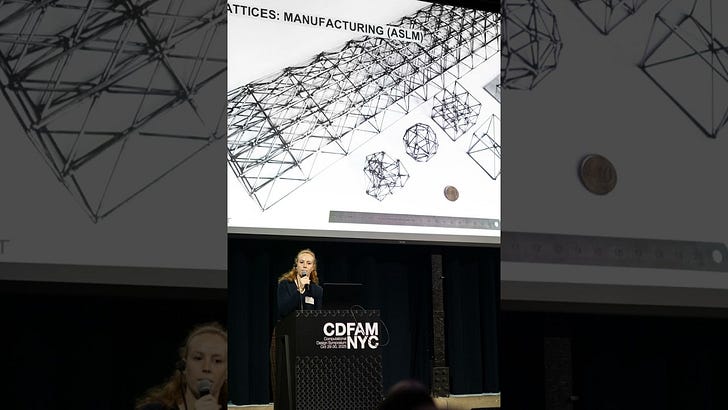
Recorded at CDFAM Computational Design Symposium, NYC, October 29-30, 2025https://cdfam.com/nyc-2025/
OrganizationTetmet
https://www.tetmet.net/
Presenter:Rachel AzulayConformal Lattice Design Made Easy: A CAD-Integrated ApproachPresentation AbstractTETMET has developed an innovative process to produce large-scale lattice structures in an automated way, enabling applications across multiple industries.However, existing lattice design software has significant limitations, particularly when it comes to creating efficient, manufacturable conformal lattice structures. Most available tools were developed with general 3D printing in mind, offering only basic latticing capabilities that fail to meet the demands of more...
Computational Design for Assembly: Automating Design Workflows for 3D Concrete Printed Staircases
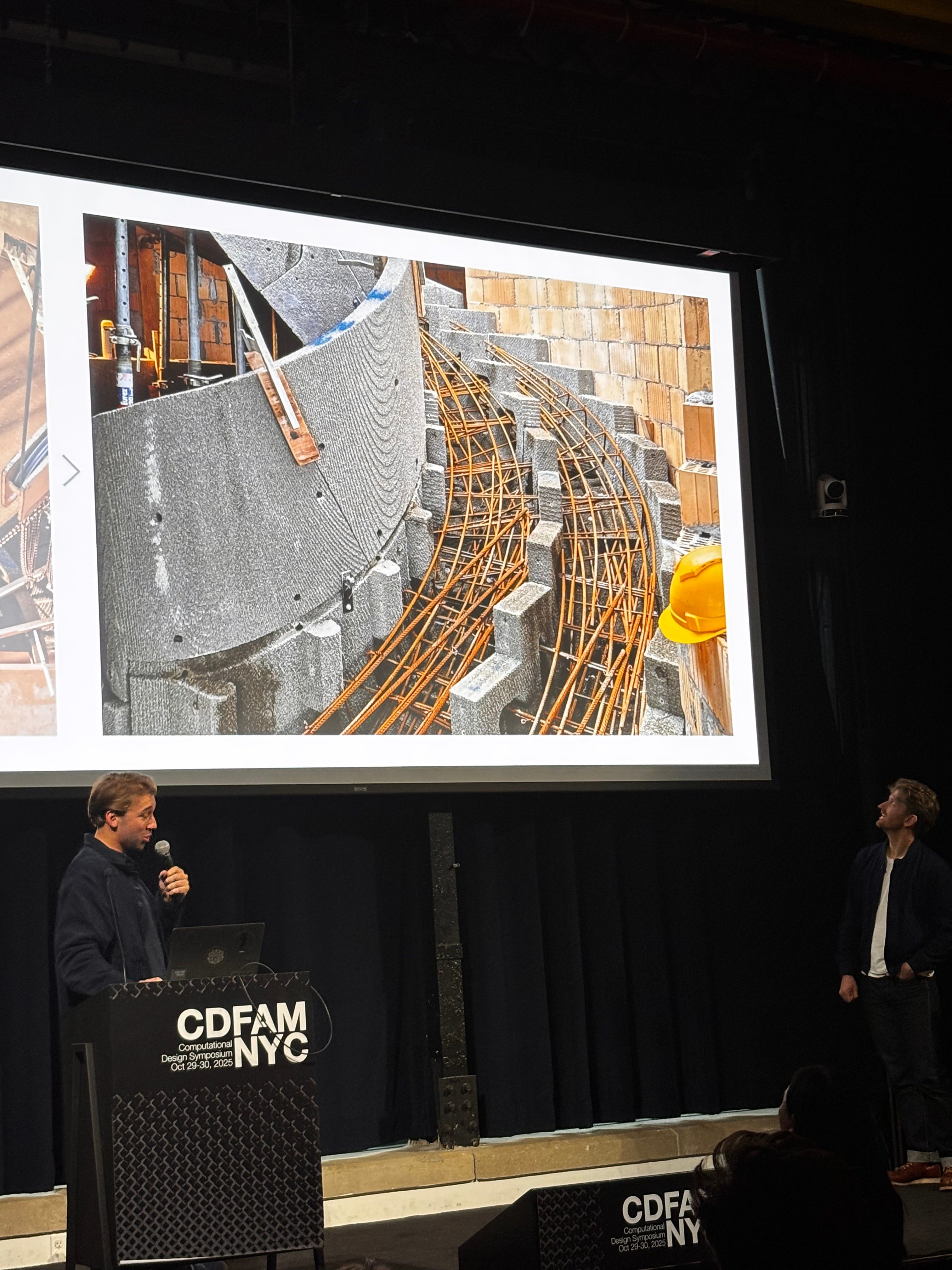
Recorded at CDFAM Computational Design Symposium, NYC, October 29-30, 2025https://cdfam.com/nyc-2025/
OrganizationScawo3DPresenter:Philip Schneider + Timo ZollnerComputational Design for Assembly: Automating Design Workflows for 3D Concrete Printed Freeform StaircasesPresentation AbstractBuilding large freeform reinforced concrete staircases has always been a challenge. Traditional methods rely on labor-intensive wooden or EPS formwork, making many designs too expensive. This can be changed with Selective Paste Intrusion, a new 3D concrete printing technique by Scawo3D using a large particle bed, with no constraints related to print overhangs or angles.While fabrication now allows full geometric freedom, the design process...
From 3 Configurations to 300: Rapid Trades for Advanced Aircraft Design - nTop - Brad Rothenberg
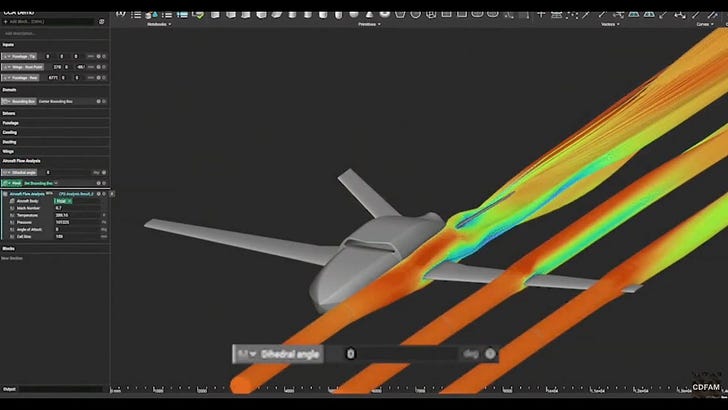
Recorded at CDFAM Computational Design Symposium, NYC, October 29-30, 2025https://cdfam.com/nyc-2025/nTopBradley RothenbergFrom 3 Configurations to 300: Rapid Trades for Advanced Aircraft DesignPresentation AbstractAircraft development timelines have collapsed from 7 years to 18 months, but design tools still assume you have years to iterate. The result: teams freeze architecture in week 2, before they understand the design space, and spend the rest of the program managing the consequences.The core problem is going from requirements-to-design is just too slow. Serial design evaluations, manual CAD updates that fail to parametrize correctly, and expensive simulation cycles create weeks-long iteration loops.nTop solves this through...
The Unreasonable Effectiveness of Simulation Intelligence - Alexander Lavin
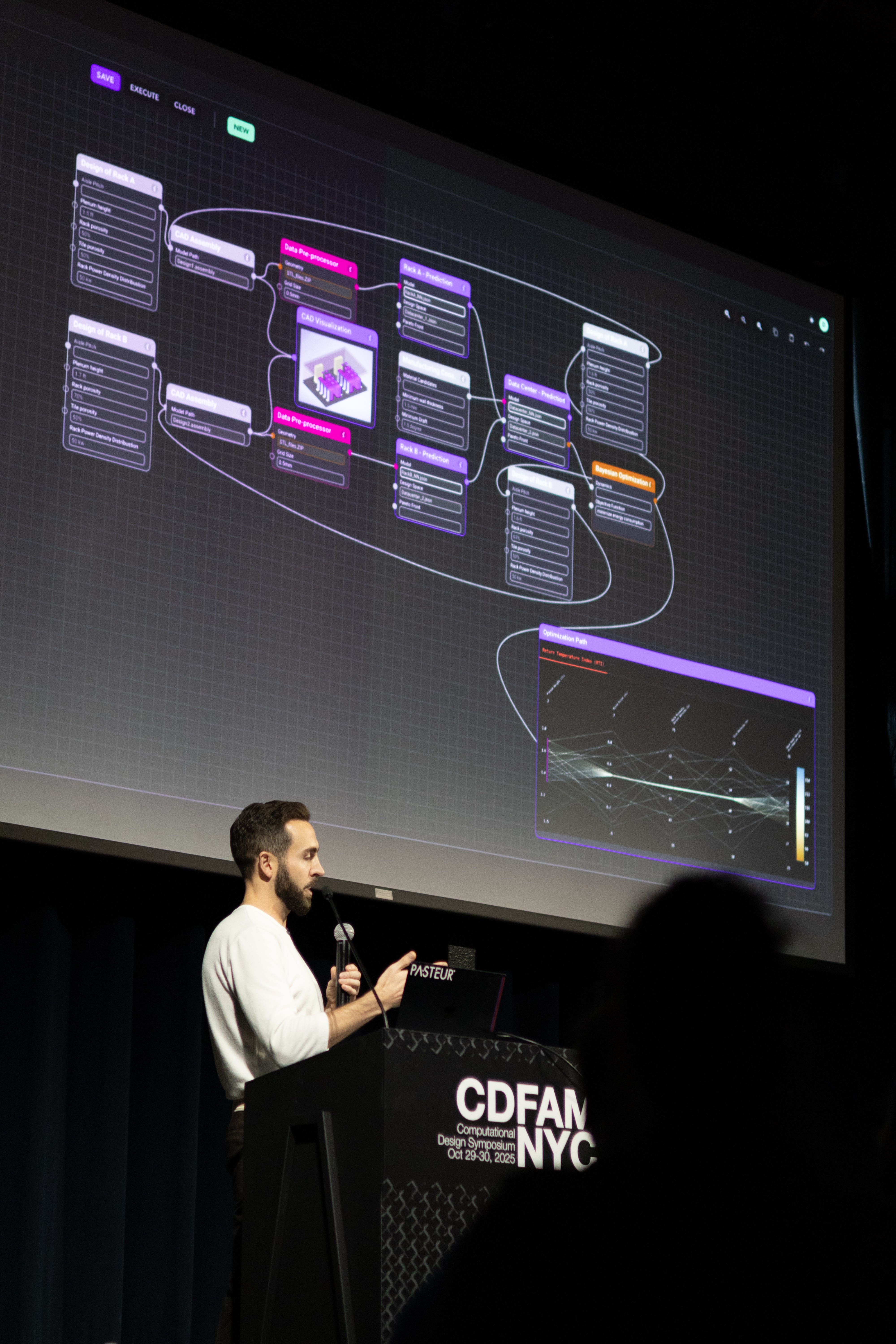
Recorded at CDFAM Computational Design Symposium, NYC, October 29-30, 2025https://cdfam.com/nyc-2025/
Organization:
Pasteur Labs
Presenter:
Alexander Lavin
The Unreasonable Effectiveness of Simulation Intelligence
Presentation Abstract
Scientific rigor & engineering reliability have always been important yet contentious topics in the AI field. Recent AI trends crank up model sizes, but at what costs? Transparency and verifiability, amongst others that are core to industrial R&D—not to mention the massive spending. These costs are perhaps felt the most in physics simulation and digital engineering. Enter si...
Artificial Intuition: Building an AI Mind for Electromagnetic Design - Pratap Ranade - ARENA AI
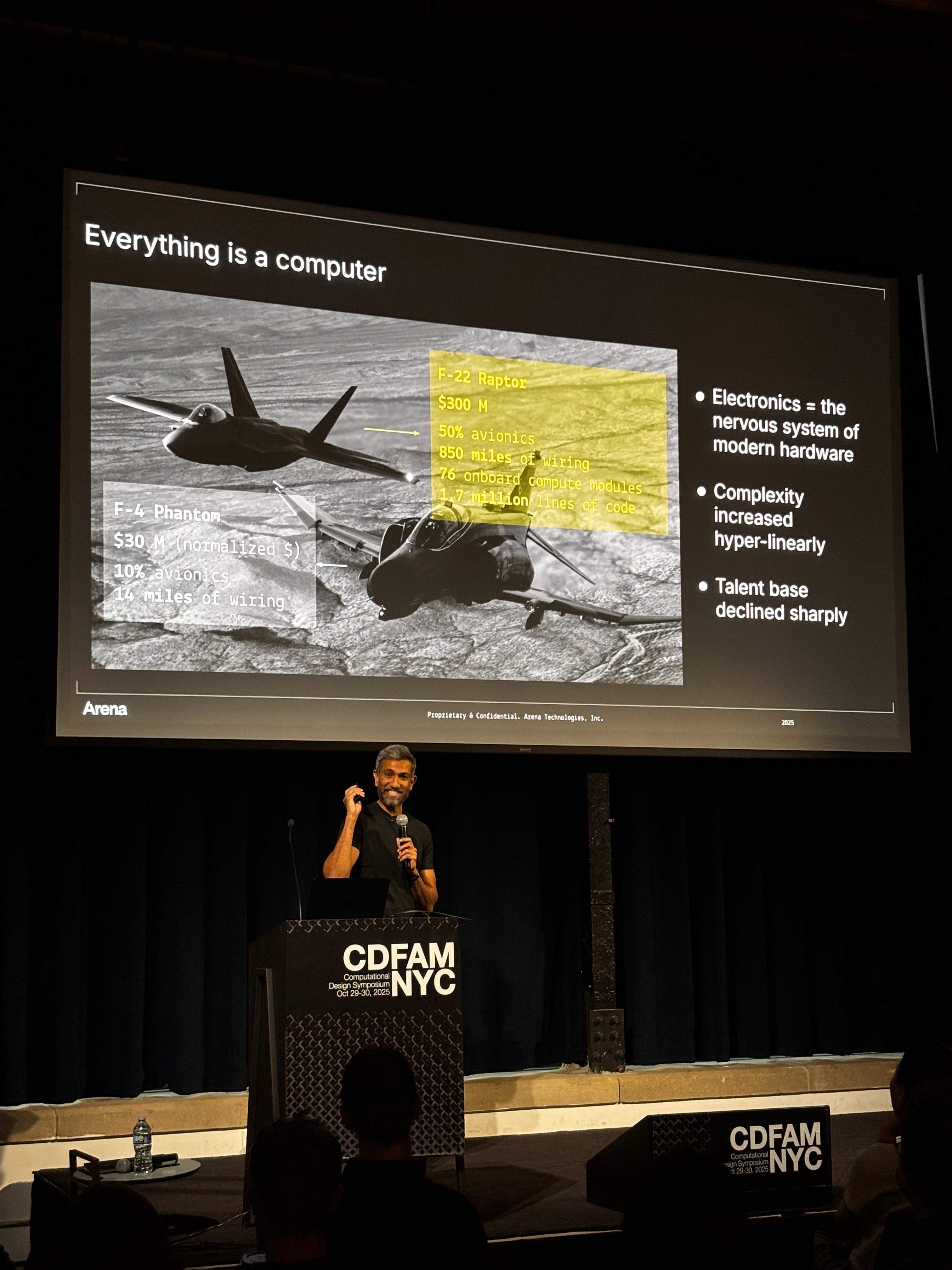
Recorded at CDFAM Computational Design Symposium, NYC, October 29-30, 2025https://cdfam.com/nyc-2025/
Organization:
ARENA-AI
Presenter:
Pratap Ranade
Artificial Intuition: Building an AI Mind for Electromagnetic Design
Presentation Abstract
Most advances in computational design focus on mechanical structure — domains we can visualize and have evolved an intuition for. But as modern hardware becomes increasingly software defined, the unseen and unintuitive world of electromagnetism is taking center stage. Conventional solvers can simulate fields, yet they cannot imagine new ones. In this talk, I’ll share how we’r...
Digital Twining a Living Lab - University of Southern California - David Gerber
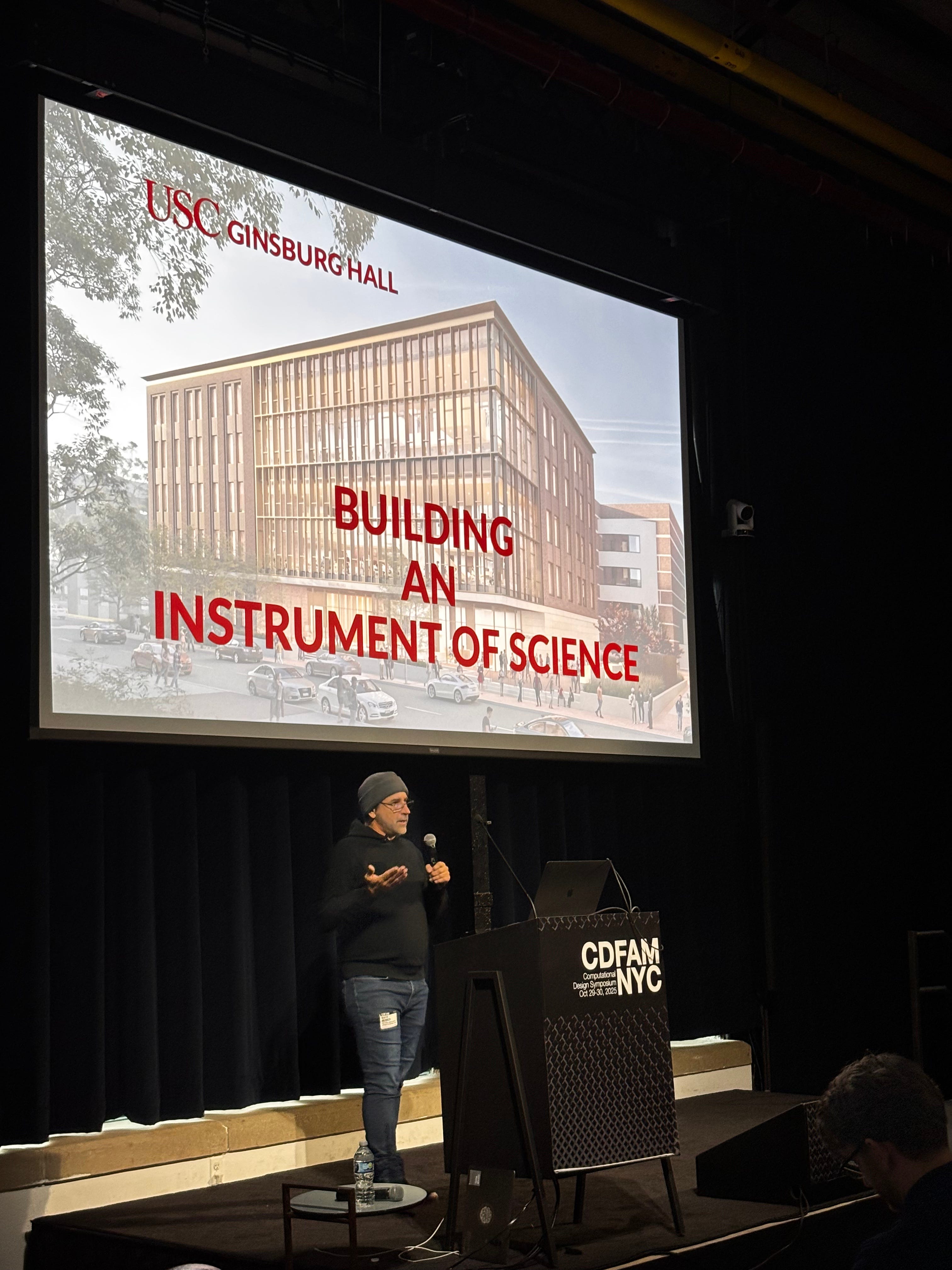
Recorded at CDFAM Computational Design Symposium, NYC, October 29-30, 2025https://cdfam.com/nyc-2025/
Organization:
University of Southern California
Presenter:
David Gerber
Digital Twining a Living Lab
Presentation Abstract
The Living Lab Project is an innovative Viterbi initiative designed to enhance academic research and provide practical learning experiences through real-time monitoring and analysis of the new Ginsburg Hall building. Leveraging sensors embedded in the building’s systems and integrating cutting-edge digital twin technology, this project captures and analyzes data on energy usage, water consumption, building health an...
Engineering Intelligence: Practical Applications of AI in Structural Engineering Practice - Sergey Pigach - Core Studio
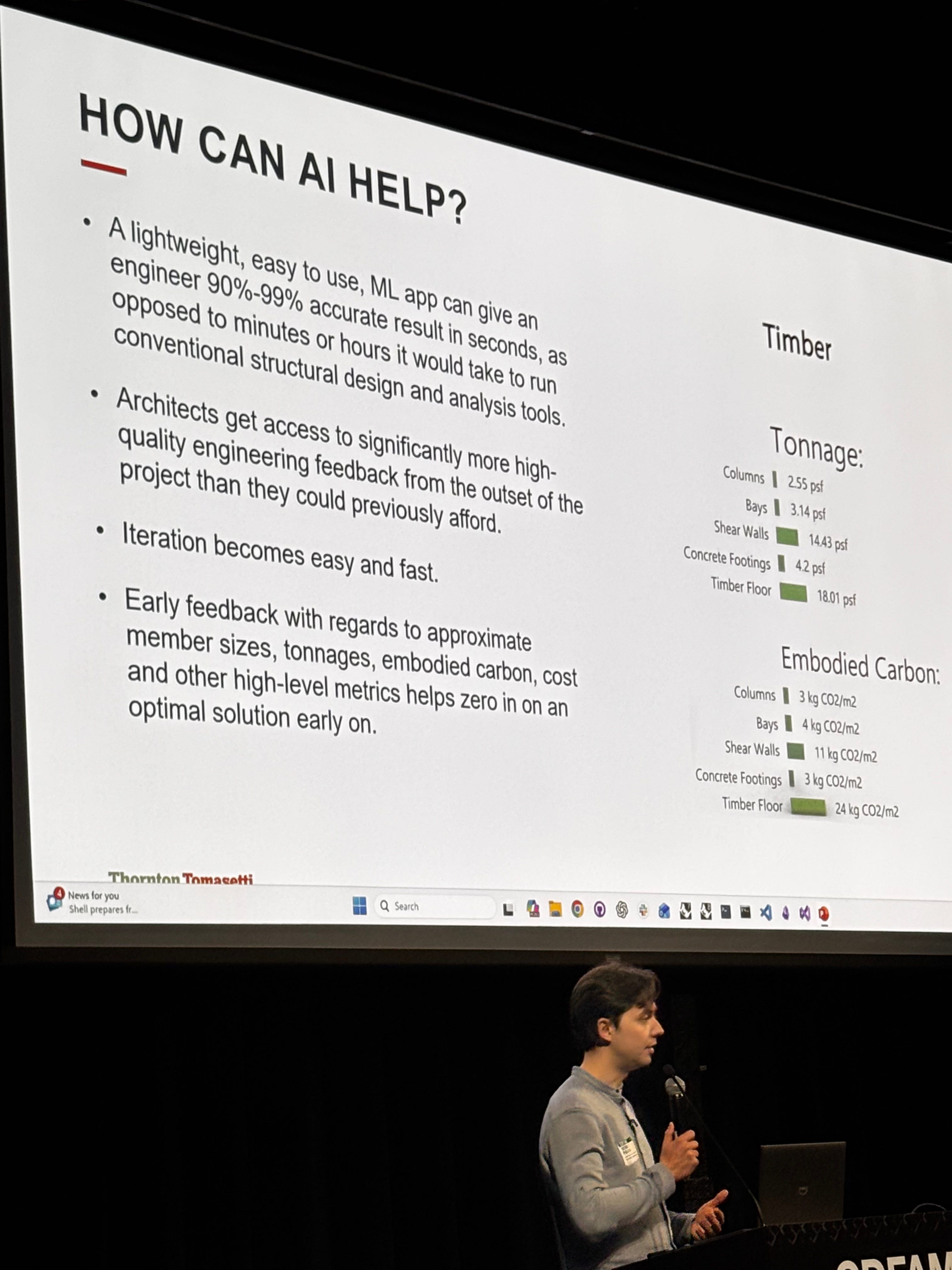
Recorded at CDFAM Computational Design Symposium, NYC, October 29-30, 2025https://cdfam.com/nyc-2025/
Organization:
CORE studio | Thornton Tomasetti
Presenter:
Sergey Pigach
Engineering Intelligence: Practical Applications of AI in Structural Engineering Practice
Presentation Abstract
Artificial Intelligence is no longer a distant future. It is actively shaping how structural engineers work, collaborate, and innovate. This session offers a practical look into how Thornton Tomasetti’s CORE studio is advancing AI integration within the firm, with a focus on real-world tools and workflows that enhance engineering practice. Attendees wi...
How NVIDIA Is Accelerating the Adoption of AI and Machine Learning in Engineering and Architecture
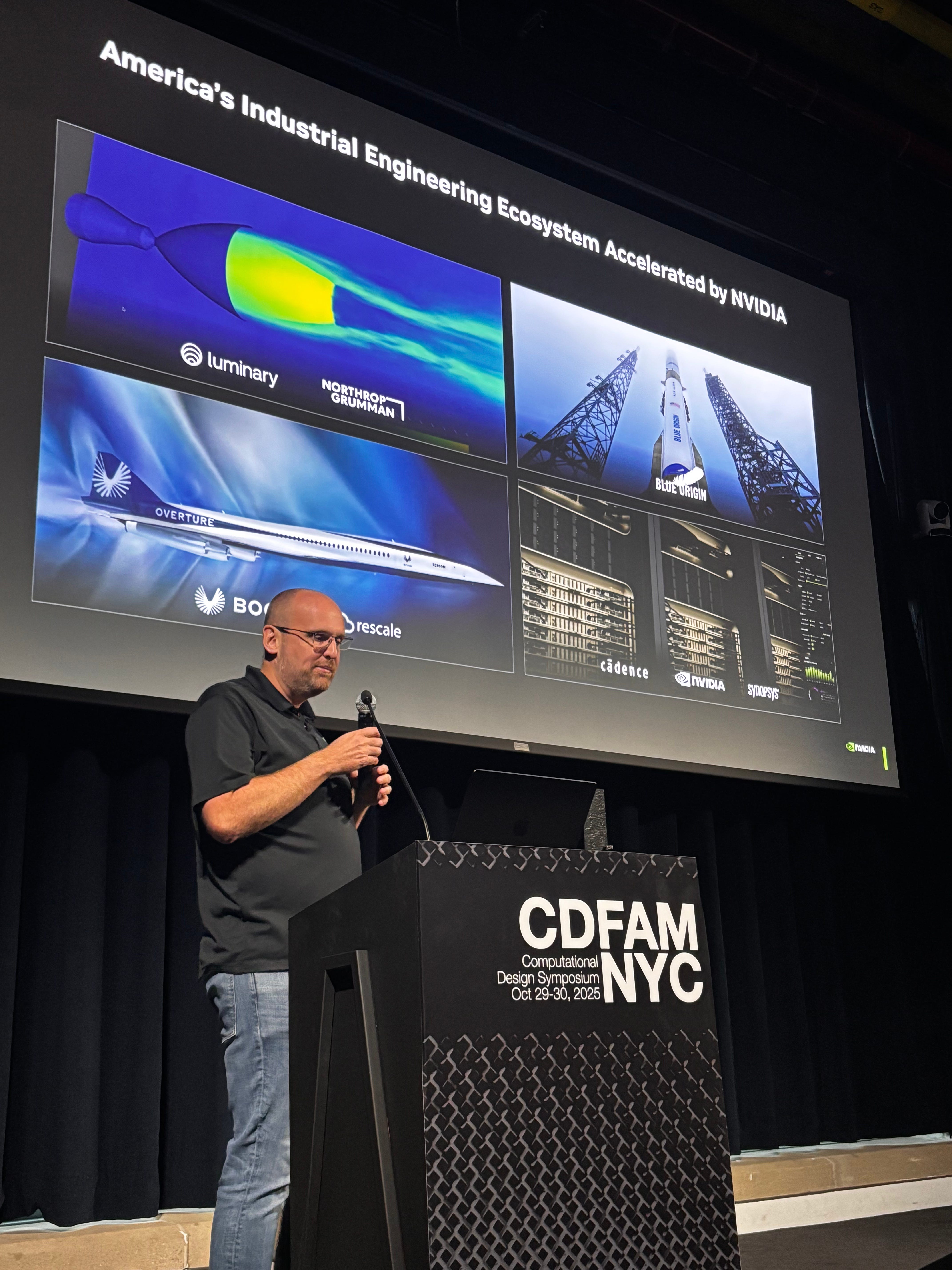
Recorded at CDFAM Computational Design Symposium, NYC, October 29-30, 2025https://cdfam.com/nyc-2025/
Organization:
NVIDIA
Presenter:
Ian Pegler
Keynote Presentation: How NVIDIA Is Accelerating Product Development
Presentation Abstract
Computational simulation and design have transformed product development by significantly reducing time and costs. However, designing complex products remains a challenging and resource-intensive process.
In this presentation, we will explore key industry challenges and demonstrate how NVIDIA is leveraging innovative solutions to address them. Specifically, we will highlight the use of accelerated computing to enable...
Computational Morphogenesis: Leveraging Proceduralism to Unlock Temporal Design - David Burpee
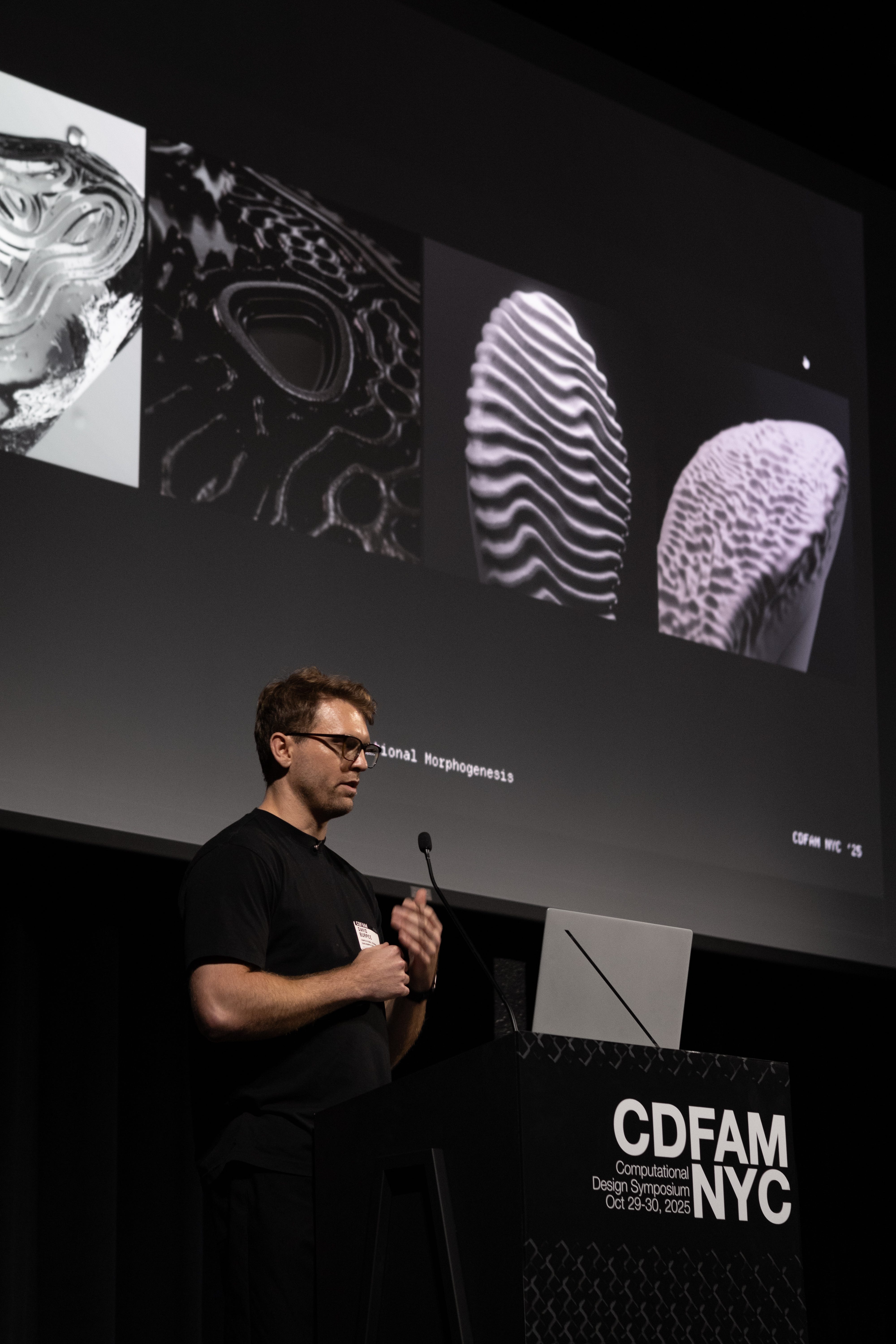
Recorded at CDFAM Computational Design Symposium, NYC, October 29-30, 2025https://cdfam.com/nyc-2025/
Organization
David Burpee Design
Presenter:
David Burpee
Computational Morphogenesis: Leveraging Proceduralism to Unlock Temporal Design
Presentation Abstract
Current paradigms of design and engineering operate on the premise that realized designs are static – that is once they are designed and manufactured they exist in their final state. Likewise even flexible computational systems tend to not incorporate the dimension of time as a design tool. Despite dozens or hundreds of sl...
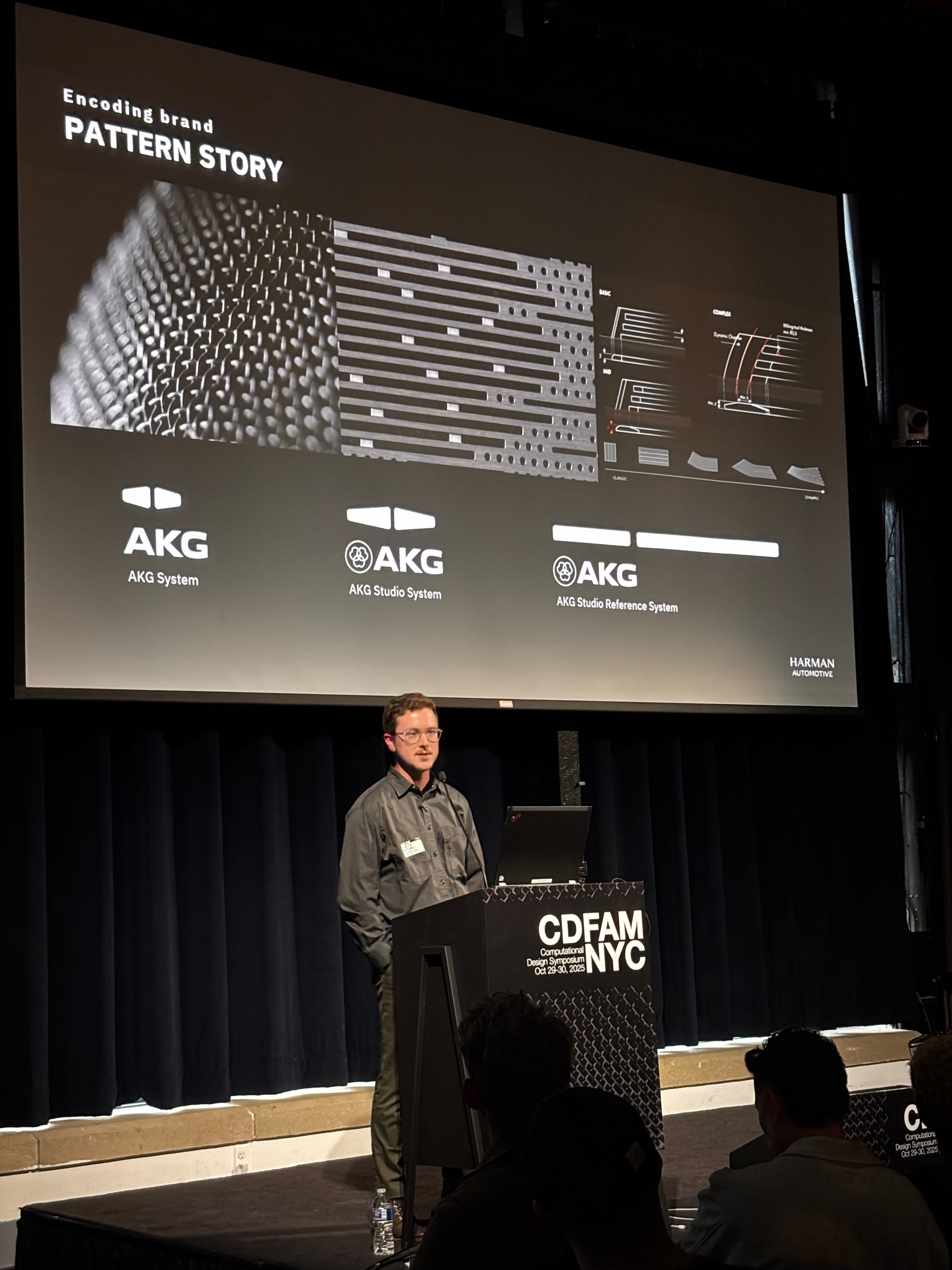
Acoustic-Driven Computational Design: Premium Branded Audio In The Automotive Industry - Austin Mitchell - Harman International
Organization:
Harman International
Presenter:
Austin Mitchell
Acoustic-Driven Computational Design: Premium Branded Audio In The Automotive Industry
Presentation Abstract
In the evolving landscape of automotive experiences, premium audio has become a defining element of in-cabin experiences and brand identity. At Harman International, we sit at the intersection of acoustic engineering, branded storytelling, and advanced manufacturing—designing audio systems globally for over fifty automotive manufacturers. This presentation explores how computational design is central to our industrial design strategy, enabling our team to generate highly manufacturable, acoustically-performative designs that are bo...
