The Language of Behavior
The Language of Behavior Podcast with Charle Peck and Joshua Stamper explores the deeper meaning behind student behaviors and provides actionable strategies for educators and leaders to respond with empathy and effectiveness. Each episode dives into innovative ways to create secure and supportive learning environments. Join us as we decode behaviors and build healthier school communities, one conversation at a time.
87. Empathy Does Not Mean Removing Expectations
Can we support an anxious child without removing every uncomfortable experience? In this episode of The Language of Behavior, Joshua Stamper and Charle Peck explore a question raised at a recent conference: Is gentle parenting making kids more anxious? They unpack the difference between empathy and permissiveness, discuss how support can become overprotection, and consider what it means to help children face challenges within a trusting relationship.
Drawing on their experiences as educators and parents, Josh and Charle discuss clear expectations, predictable routines, and accountability without fear or shame. They also explore ways to help students approach...
Reverse Time Blocking to Create Better Boundaries With Dr. TJ Vari

What if managing a stressful school year starts with changing your systems rather than working longer hours?
In this episode of The Language of Behavior, Joshua Stamper welcomes educator, author, speaker, and former district administrator Dr. TJ Vari to discuss practical ways to manage stress and protect your time. TJ explains reverse time blocking, a strategy for recording how your day actually unfolds so you can identify recurring interruptions and build systems that address them.
Josh and TJ also explore movement, meditation, predictable routines, and boundaries around evening work and email. They share their own...
86. What if Your Body is Telling You to Slow Down?
How do you take care of yourself when everything feels urgent and there is nothing left to give?
In this week's episode of The Language of Behavior, Joshua Stamper and Charle Peck share an honest conversation about overwhelm, including how it shows up through irritability, procrastination, disrupted sleep, and the pressure to keep pushing. They explore small, practical ways to pause and reset without waiting for a free afternoon or a less demanding week.
Josh and Charle also discuss setting boundaries, asking for help, and deciding what can be postponed, delegated, or declined. In Behind...
85. Is It a Behavior Problem or an Expectation Problem?
What do you do when someone genuinely cares but still does not follow through?
In this week's episode of The Language of Behavior, Joshua Stamper and Charle Peck explore whether missed follow-through points to a behavior problem, an unclear expectation, or a barrier that has not yet been addressed.
Rather than assuming someone does not care, Josh and Charle share questions that help uncover what is getting in the way and clarify what needs to happen next. They discuss how to offer support without micromanaging, name the impact of missed commitments, and hold people accountable...
84. You Have More Power and Creativity Than You Realize
In this solo episode of The Language of Behavior, Joshua Stamper reflects on a recent, in-depth conversation with Principal Kafele about the ideas and strategies behind The Language of Behavior. As the school year moves forward and the “honeymoon period” begins to fade, student behavior can become more challenging in classrooms and common spaces. Joshua reminds listeners that while students must be held accountable for their choices, consequences alone do not teach the skills students need to make different decisions in the future.
Drawing on a recent conversation with a new dean of students, Joshua breaks down four...
The Resistance Solution with Becca Silver
When someone resists change, what are they really trying to tell us?
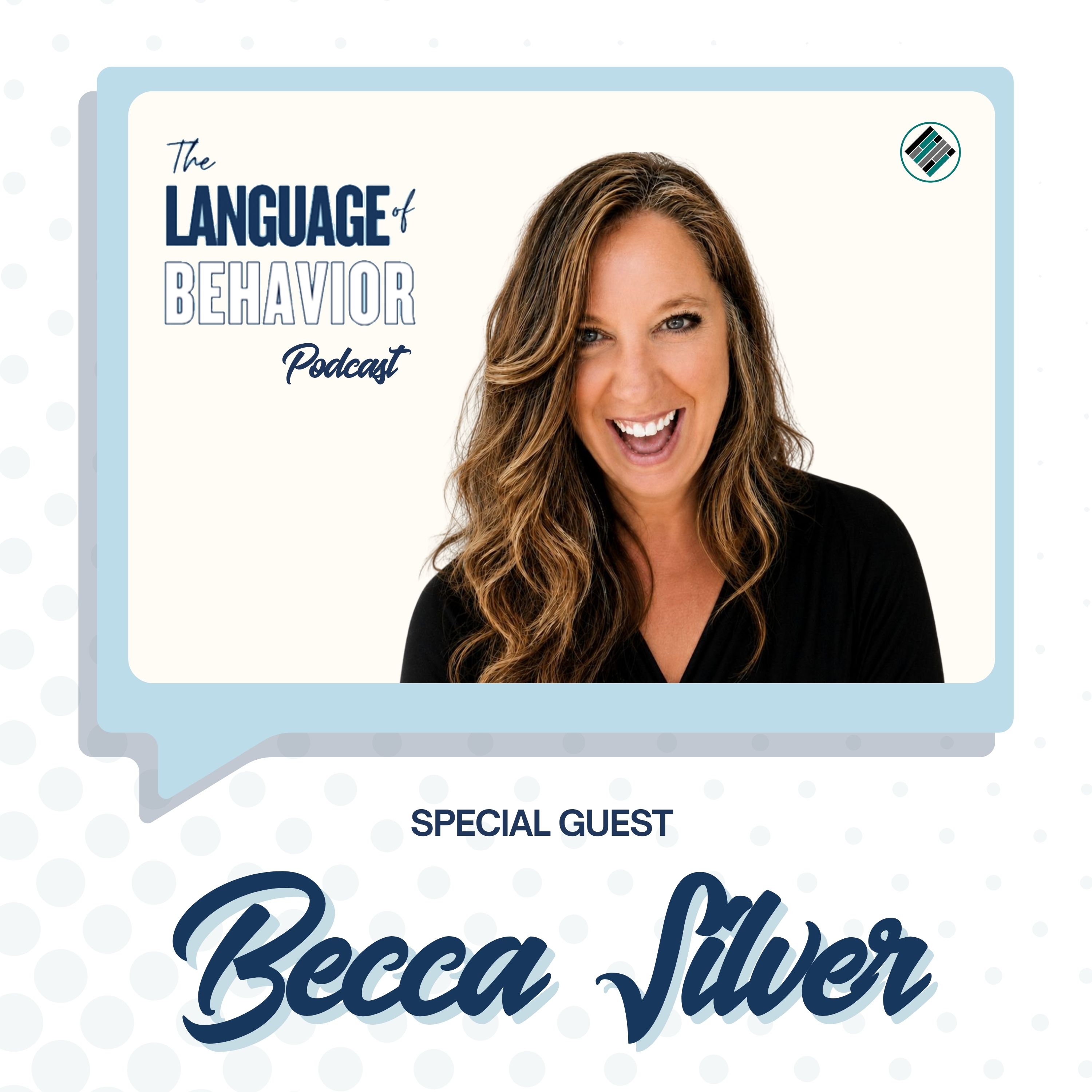
In this episode of The Language of Behavior, Josh is joined by educator, coach, author, and founder of The Whole Educator, Becca Silver. Together, they explore why resistance is not simply someone being difficult. It is often a signal that a need is not being met.
Becca shares the framework behind her book, The Resistance Solution, including five mindsets that support meaningful change, value, belonging, success, growth, and ownership. She explains the difference between compliance, buy in, and true ownership, and why leaders...
83. The Way You Talk to Yourself Matters
How do you stop being so hard on yourself when you make a mistake?
In this episode of The Language of Behavior, Josh and Charle explore why so many of us get stuck in guilt, shame, rumination, and harsh self talk after something goes wrong. Whether it is an awkward moment at work, a difficult conversation, a mistake in front of others, or criticism that keeps replaying in your mind, our brains often hold on to the negative far longer than the positive.
Josh and Charle discuss the importance of pausing, noticing the physical stress...
82. What Mental Health Changes Can Look Like
What changes are you noticing in the students and adults around you?
In this episode of The Language of Behavior, Josh and Charle discuss how stress and mental health needs often begin to show up as the school year gains momentum. They explore why October can be an important time to notice shifts in behavior, mood, engagement, attendance, organization, and energy.
The conversation reminds educators that they are not responsible for diagnosing students. Their role is to notice meaningful changes, document observable facts, start supportive conversations, and connect students to the appropriate resources. Josh and...
81. Preventing Challenging Behavior Before It Starts
In this episode of The Language of Behavior, Josh and Charle explore practical ways educators can create environments that help students feel safe, supported, and ready to learn before behavior escalates. They discuss the power of predictable routines, clear expectations, visual cues, relationship building, and using fewer words when students need direction.
Josh and Charle also talk about the impact of the physical and social environment. From lighting, noise, and classroom setup to tone of voice, personal space, and staff consistency, small changes can make a meaningful difference in how students regulate and engage.
The...
80. The Conversations That Can Save a Life
What do you do when a student may be thinking about suicide?
In this episode of The Language of Behavior, Josh and Charle have an important conversation about suicide prevention in schools. They discuss why educators and staff need the confidence to recognize shifts in student behavior, ask direct questions, and know exactly what to do next when a student discloses suicidal thoughts.
Josh shares a personal experience from his time as an administrator, while Charle explains why teachers do not need to be therapists to make a difference. The conversation highlights the importance of...
79. When a Student Shuts Down, What Should You Do?
What should you do when a student shuts down?
In this week's episode of The Language of Behavior, Josh and Charle explore what it looks like when a student becomes emotionally overwhelmed and shuts down. From glossy eyes and stiff posture to a student putting their head down or pulling up their hoodie, these behaviors are often signs of a nervous system in need of time and space, not defiance or disrespect.
Josh and Charle discuss why immediately demanding compliance can escalate the situation, how to safely give students space while still providing supervision, and...
78. Preparing for the Stress and Pressure Before It Hits
Are you managing your stress, or simply powering through it?
In this week's episode of The Language of Behavior, Josh and Charle talk about what happens when the demands of work start to take over and why work life balance is not the answer. As the school year ramps up, they explore the idea of building capacity under pressure, staying present, and making sure reactivity does not take over when stress starts to rise.
The conversation focuses on practical ways to prepare before chaos hits, including noticing stress signals, naming what you are feeling, setting...
77. Building Capacity Under High Pressure Seasons
What happens when the pressure starts building and your capacity starts shrinking?
In this week's episode of The Language of Behavior, Josh and Charle dig into what it really means to build capacity under pressure. As the school year ramps up and work-life demands start swinging hard, they explore why balance is a myth, why reactivity drains us, and how staying grounded in the present moment can help us protect our energy, relationships, and well-being.
The conversation focuses on practical strategies for navigating high-pressure seasons, including noticing your stress signals, naming what you feel, creating...
76. Breaking the Cycle of Overthinking
What if overthinking is not a weakness, but a protection strategy?
In this week's episode of The Language of Behavior, Josh and Charle talk about rumination, overthinking, and why so many people get stuck in thought loops when they are trying to protect themselves from uncertainty. The conversation explores how overthinking often shows up as a way to fill in blanks with worst case scenarios, especially in leadership, parenting, and education.
Josh and Charle also share practical ways to interrupt the spiral by focusing on facts, narrowing the next step, and using the circle of...
75. Behavior Is Data, Not a Verdict
In this week's episode of The Language of Behavior, Josh and Charlie dive into the question of how to tell when someone is lying. They explain why there is no perfect tell, why body language alone can be misleading, and why the most helpful approach is to look for clusters of behavior that deviate from a person’s baseline.
The conversation explores eye movement, stress responses, confirmation bias, and the importance of asking more questions instead of jumping to conclusions. Josh and Charlie remind listeners that behavior is data, not a verdict, and that curiosity is a be...
Creating Focused Classrooms With Cell Phone Policies with David James
In this week's episode of The Language of Behavior, Josh and Charlie are joined by middle school educator and leader David James to discuss the impact of cell phones in schools and why strong, consistent policies matter. David shares how his district implemented a “way for the day” approach, why teacher support and top down consistency are essential, and how removing cell phones from the classroom has improved engagement, collaboration, and student focus.
The conversation also explores how technology has changed classroom culture, why social media continues to affect student behavior and relationships, and what teachers can do t...
74. What Is Behind the Lie?
In this week's episode of The Language of Behavior, Josh and Charlie explore a question that affects students, adults, and leaders alike: why do good people lie? They unpack the many reasons people stretch the truth, including fear of consequences, shame, protecting their ego, avoiding embarrassment, and trying to gain approval or belonging.
The conversation also looks at what lies are really protecting beneath the surface, and why honesty is often tied to safety, trust, and self image. Josh and Charlie share practical ways to respond when someone may not be telling the full truth, emphasizing curiosity...
73. Are Screens Changing Our Kids Behavior?
Are screens really changing kids’ brains, behavior, sleep, and mental health?
In this episode of The Language of Behavior, Joshua Stamper and Charlie Peck explore what screens are really doing to kids’ brains, behavior, sleep, and mental health. They break down why screen time can lead to more anxiety, distraction, emotional dysregulation, and conflict at home and school. The conversation also offers practical ways parents and educators can set healthy boundaries, build better routines, and help kids develop stronger attention and regulation skills in a digital world.
--
FREE The Language of Behavior Book...
72. Reducing Cognitive Load to Improve Student Engagement
What if a student’s lack of attention is not defiance, but overload?
In this episode of The Language of Behavior, Josh and Charlie respond to a question about student attention and engagement in the classroom. They explore why what looks like disengagement is often confusion, overwhelm, or a need for more predictable routines and clearer expectations, especially for neurodivergent learners.
The conversation also connects attention to executive functioning, impulse control, and emotional capacity, highlighting how stress, uncertainty, and too much cognitive load can make it harder for students to focus and succeed. Josh and Ch...
71. What if They are Really Acting Like Jerks?
In this episode of The Language of Behavior, Joshua Stamper and Charlie Peck respond to a question many educators and leaders have quietly wondered themselves: what if students, staff, or even adults really are just being jerks? Together, they unpack why labels are tempting, especially when emotions are high and behavior is hard to manage, but why understanding the story behind the behavior is far more powerful than trying to define a person by one moment.
Joshua and Charlie explore how exhaustion, stress, environment, past experiences, and unmet needs shape the way people show up in schools...
70. Building the Foundation for Behavior Change
In this solo episode of The Language of Behavior, Joshua Stamper shares what school leaders should expect when implementing the strategies from the book, especially during year one. He explains why staff often feel discomfort during change, how old beliefs about punishment and control can create resistance, and why building a shared language around behavior, consequences, and responses is the first critical step.
Joshua also breaks down the importance of identifying staff champions, using intentional PD, and bringing discipline data into the conversation so teams can see the impact of their work. He reminds listeners that meaningful...
69. The EQ Impact
In this special announcement episode of The Language of Behavior, Josh and Charle share exciting news about their upcoming book project, The EQ Impact. They discuss why emotional intelligence is more important than ever in schools, workplaces, families, and relationships, and why the future of sustainable change depends on helping people build practical, usable skills for responding to stress, conflict, and reactivity.
Josh and Charle explain how this new resource will expand their work beyond behavior to focus on creating emotionally intelligent systems that support both adults and students. They talk about the need for clarity over “so...
68. Breaking the Cycle of Emotional Reactivity
In this episode of The Language of Behavior, Josh and Charle respond to a timely question about how to support students who keep returning to unhealthy relationships and friendships. They explore how anxious attachment, social pressure, and emotional reactivity can keep adolescents stuck in cycles that feel intense but are not actually healthy.
Charlie and Josh share strategies for helping students slow down, track patterns, and separate fact from assumption so they can better understand what is happening in their relationships. They also talk about the importance of giving students language, examples, and control points they can...
67. Simple Solutions for Difficult Conversations with Adults
In this episode of The Language of Behavior, Joshua Stamper and Charle Peck dig into one of the most common challenges in education and beyond: how to navigate difficult conversations with adults without escalating conflict. Charle explains why people in distress lose access to skills before they lose access to emotion, and why lowering the threat, slowing the pace, and keeping your tone calm can make all the difference.
Josh and Charle break down practical strategies for de-escalation, including using short, neutral language, shifting from “you” to “we,” and being firm but fair without matching someone else’s intensit...
The Language of Behavior at the Student Behavior Summit
In this special replay from the 2026 Student Behavior Summit, Brad Waid interviews Josh Stamper and Charle Peck about the work behind The Language of Behavior and why emotional intelligence matters now more than ever in schools. Together, they unpack the connection between adult behavior and student behavior, common misperceptions about discipline and consequences, and the importance of simplifying behavior support so it is actually sustainable for educators.
Josh and Charle also share how their work helps schools move from reactive systems to intentional ones through practical strategies like rapid resets, push-in support, and cohort-based professional learning. This...
66. Educational Hot Takes: Narcissism, Email Boundaries, and Integrity
In this newly formatted episode of The Language of Behavior, Josh and Charle switch things up with a fun and honest “educational hot takes” conversation. From narcissistic tendencies in education to why email may be the devil, they unpack some of the most frustrating dynamics educators face and share practical ways to protect your mental health and stability.
Charlie breaks down the difference between narcissistic behavior and a clinical diagnosis, why it is so important not to label kids too early, and how to communicate calmly and clearly with difficult personalities. Josh makes the case for stronger emai...
65. What Happens When Panic Takes Over?
What is really happening in your body and brain when panic hits, and what can you do about it?
In this episode of The Language of Behavior, Josh and Charle tackle a question that is deeply relevant for educators, students, and adults alike. They unpack panic through a nervous system lens, explaining how trauma, stress, and unresolved experiences can trigger intense physical responses that feel overwhelming and even frightening.
Josh and Charle explore the difference between generalized anxiety and panic disorder, why panic can sometimes show up without an obvious cause, and how to respond...
64. How Is Stress Affecting Your Performance?
How much is stress impacting the way you show up at work and at home?
In this episode of The Language of Behavior, Josh and Charle explore how chronic stress narrows performance, increases reactivity, and affects the brain, body, and nervous system. They share practical ways to respond intentionally, including rapid resets, identifying triggers, and using small, consistent steps to reduce stress before it escalates.
They also talk about the importance of building capacity inside the system, not just adding more to people’s plates, and share details about the upcoming free Student Behavior Summit on...
63. Stabilize Before You Strategize: Addressing Behavior at the System Level
What if the behavior crisis in your school is not a student problem — but a system problem?
In this episode of The Language of Behavior, Josh and Charle respond to a question straight from the NCMLE conference: "We are seeing behavior spike in the spring — how do we address this as a whole system?" The answer is not more programs or more staff. It is about stabilizing a flooded, reactive system before trying to fix it — using the people and resources already in place.
Josh and Charle unpack why reactive, compliance-based responses keep failing, how one sc...
62. The Compliance Trap: Why Rules Alone Will Never Be Enough
In this episode of The Language of Behavior, Josh and Charle tackle a bold listener question straight from their NCMLE conference session: "Do we need compliance when we work in a school system?"
The answer is more nuanced than you might think. Josh and Charle unpack why compliance-first thinking ignores what students are actually communicating through their behavior, creates unnecessary power struggles, and prioritizes short-term control over long-term growth. They are clear that expectations and accountability still matter — but compliance alone was never the goal.
Key takeaways from this episode include why only 8 to 10% of st...
61. When We Feel Like We Are Falling Short at our Role
We are back from the NCMLE Conference! In this episode of The Language of Behavior, Josh and Charle tackle a powerful listener question that hits close to home for so many educators right now: "I'm struggling to feel like I'm enough in my role. How do you know your own value when the job consistently makes you feel like you're falling short?"
Josh and Charle get real and personal by sharing stories of going to work sick, skipping meals, running on five hours of sleep, and still feeling like it was never enough. Together they unpack why...
60. Student Behavior Escalates When Adults Feel This Way
In this episode of The Language of Behavior, Josh and Charle go solo to unpack one of the most important—and often overlooked—dynamics in schools: what happens to student behavior when adults are overwhelmed, fearful, exhausted, or unsupported?
Using their upcoming NCMLE conference session as a springboard, Josh and Charle invite listeners to fill in the blank: "Student behavior usually escalates when adults feel ___." The answers are real, relatable, and revealing. From fear and powerlessness to exhaustion and a lack of administrative support, they explore how adult emotional states directly shape the climate in classrooms and scho...
Working with the Teen Brain with Dr. Cam Caswell
In this episode of The Language of Behavior, Josh and Charle welcome Dr. Cameron Caswell (Dr. Cam), co-author with Charle and expert on teen behavior. Dr. Cam reveals why teen "defiance" is often self-protection, not rebellion, and shares how understanding the powerful, learning-ready teen brain (ages 14-25) changes everything.
Key insights include:
Partnering with parents without blame—empowerment over finger-pointingTrading compliance for autonomy to reduce power strugglesDe-escalation tools: Validate emotions, stay calm, offer spacePractical responses for yelling, shutdowns, or storming offPlus, hear about Dr. Cam's upcoming book Your Teen Is Not an A$$ho...
Supporting Students with Complex Needs with Victoria Veneziano

In this episode of The Language of Behavior, Josh and Charle sit down with special education leader Victoria Veneziano to explore how we can better support students with complex behavioral and emotional needs. Drawing from her experience in special education and systems-level work, Victoria unpacks practical ways to build trust with students, collaborate with families, and partner with classroom teachers so behavior supports feel proactive instead of punitive. She also discusses how to navigate limited resources, advocate for appropriate placements and services, and care for the adults doing this challenging work. This conversation is filled with real-world examples, compassionate...
Lifted to Lead with Dr. Stefan Bean

In this powerful episode of The Language of Behavior, Joshua Stamper and Charle Peck sit down with Dr. Stefan Bean, Orange County Superintendent of Schools, to explore how a life marked by adversity became the foundation for a hope-filled, student-centered leadership journey. Dr. Bean shares his remarkable story from being abandoned in Saigon with polio and surviving Operation Babylift, to being adopted by the Bean family, discovering his voice through a sixth grade teacher who saw his “gift of gab,” and ultimately becoming a county superintendent who tells 450,000 students, “I’ve got your back.”
Drawing from his new book Lif...
Webinar Replay: Equip and Empower Your Staff to Transform Student Behavior
In this Webinar Replay, Joshua Stamper and Charle Peck share practical, school-tested strategies from The Language of Behavior that help staff move from reactive discipline to proactive, relationship-based support. You’ll learn how to:
- Shift from isolated trainings to a cohort model that embeds skills into daily practice
- Use “Consider Your Environment” to audit classroom and campus conditions that fuel or calm behavior
- Provide staff with simple, repeatable language and tools for responding to challenging behavior
- Align initiatives with your school’s identity so they survive turnover, time pre...
59. New Initiatives that Stick
In this week's episode of The Language of Behavior, Joshua Stamper and Charle Peck address a leader’s question about new year initiatives: “If I’m trying to implement practices to help students and staff, how do I make sure they don’t fall to the wayside?” They explain why one and done PD fails and why long term sustainability requires the cohort model, where a committed team embeds skills into everyday practice with consistent touch points.
Charlie calls out the need to stop adding tasks and instead shift to prevention, while Josh emphasizes making initiatives part of campus id...
58. Year One Impact with Tools and Takeaways
In this milestone episode of The Language of Behavior, Joshua Stamper and Charle Peck celebrate the book’s first birthday with reflections on its impact, favorite reader takeaways, and practical tools educators are using across the country. They highlight the “Consider Your Environment” inventory for transforming social and physical classrooms, and Josh’s free Relationship Inventory a checklist of 20 daily best practices like door greetings that boost engagement despite the chaos of interruptions.
Charlie shares how the book is sparking staff conversations and helping schools shift from reactive discipline to proactive prevention, while Josh reveals light bulb moments li...
57. Tiny Habits that Provide Big Relief from Daily Stress
In this week's episode of The Language of Behavior, Joshua Stamper and Charle Peck answer a listener’s question about daily stress and practical routines that actually help, rather than add more pressure. Charlie explains how habits live in the basal ganglia, why we cannot “think” our way into new routines, and how tiny, brain friendly steps like a funny alarm or simply throwing the covers off can jump start change for people stuck in overwhelm or depression.
Josh shares how shifting from outcome goals to identity based goals for example, “I am a runner” or “I am a healthy e...
56. Assessment, Attitude, and Action for Self Harm
In this episode of The Language of Behavior, Joshua Stamper and Charle Peck unpack a critical question from a recent Kentucky training on non-suicidal self injury (NSSI): how can we train teachers to respond effectively when self harm shows up in classrooms and hallways? Charlie shares the AAA framework assessment, attitude, and action that she uses with educators and clinicians to clarify roles, keep protocols simple, and move adults from freezing or overreacting to calm, supportive next steps.
Listeners learn what NSSI can look like across age groups, from hair pulling, biting, and skin picking in younger st...
