TrustTalk - It's all about Trust
Trust is the invisible force that shapes our world, and at TrustTalk, we're committed to exploring its many dimensions. Join us as we engage with thought leaders from all walks of life to discuss the role of trust in every aspect of our world. From personal relationships to business, technology, society, and beyond, we explore the wonders of this essential human emotion. It's a journey you won't want to miss.
Trusting, Line by Line
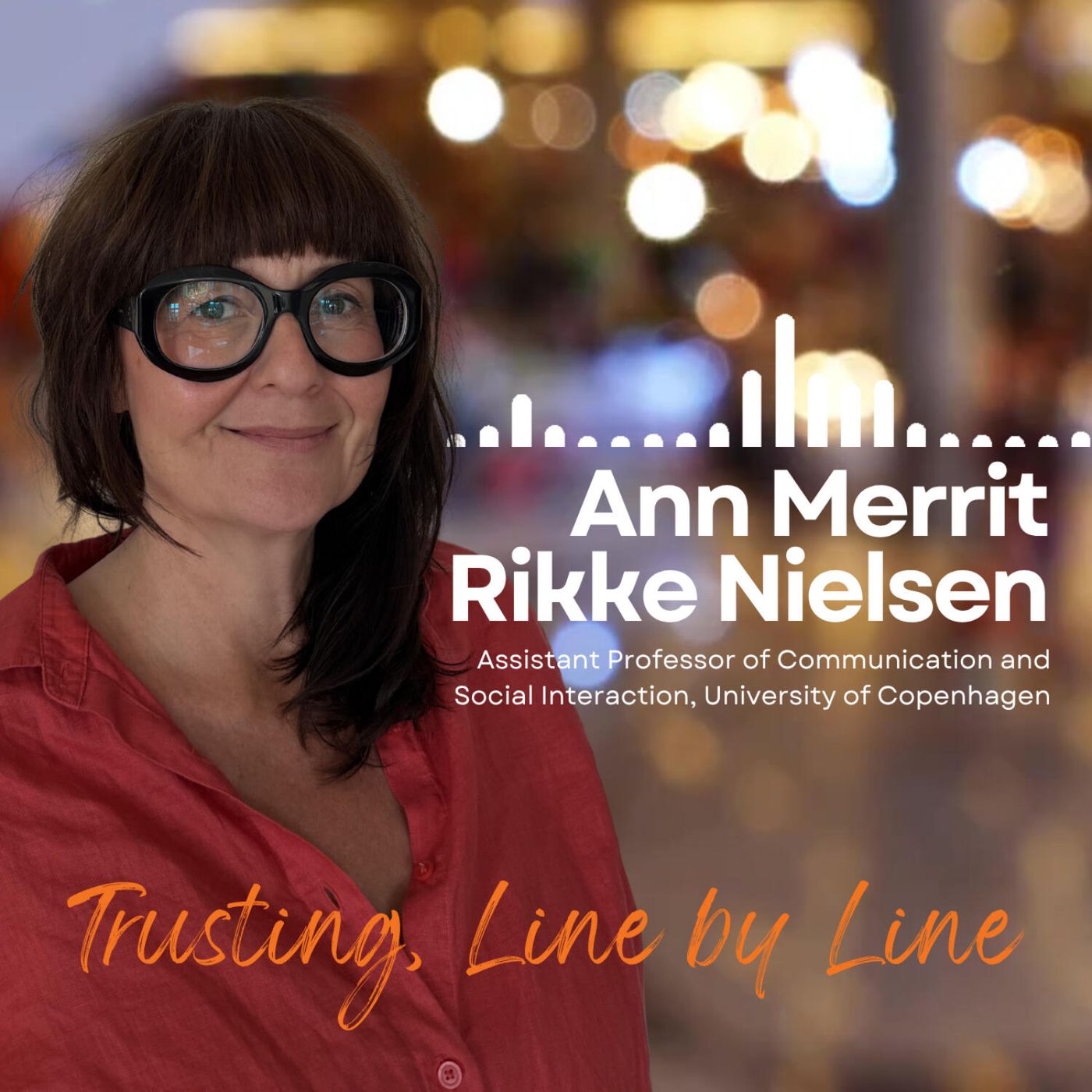
Most people think trust is something you either have or you don't. Ann Merrit Rikke Nielsen, assistant professor at the University of Copenhagen and vice director of Centre for Interaction Research and Communication Design (CIRCD,) thinks it is something you build, one turn of conversation at a time. In this episode, we talk about why trust is nearly invisible until the moment it is tested, and why Ann stopped trusting surveys and interviews to study it. Instead, she records real conversations between social workers and the vulnerable citizens they support, and listens back - sometimes pause by pause - for th...
How Medicine Earns Trust
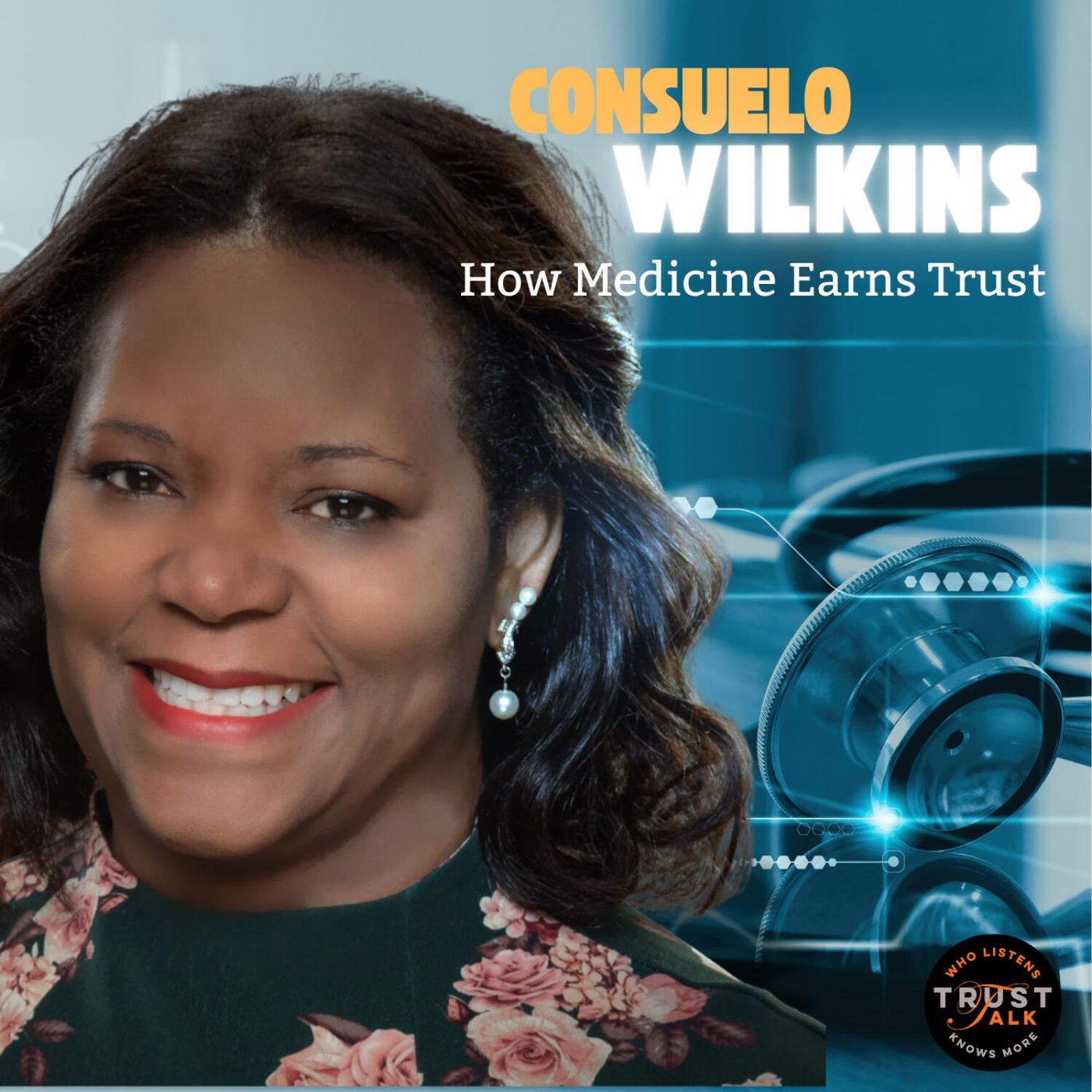
What does it actually take for a hospital, a research institution, or a public health agency to deserve the trust of the communities it serves? Consuelo H. Wilkins has spent her career asking that question — not as a philosopher, but as a physician who sees patients and as a researcher who has built the tools to measure whether trust is really there. Prof. Wilkins is Professor of Medicine and Senior Vice President at Vanderbilt University Medical Center in Nashville, Tennessee, where she also holds the Mildred Thornton Stahlman Chair in Rural Health. She led the development of Vanderbilt's Racial Equity Pl...
Trusted Philantrophy
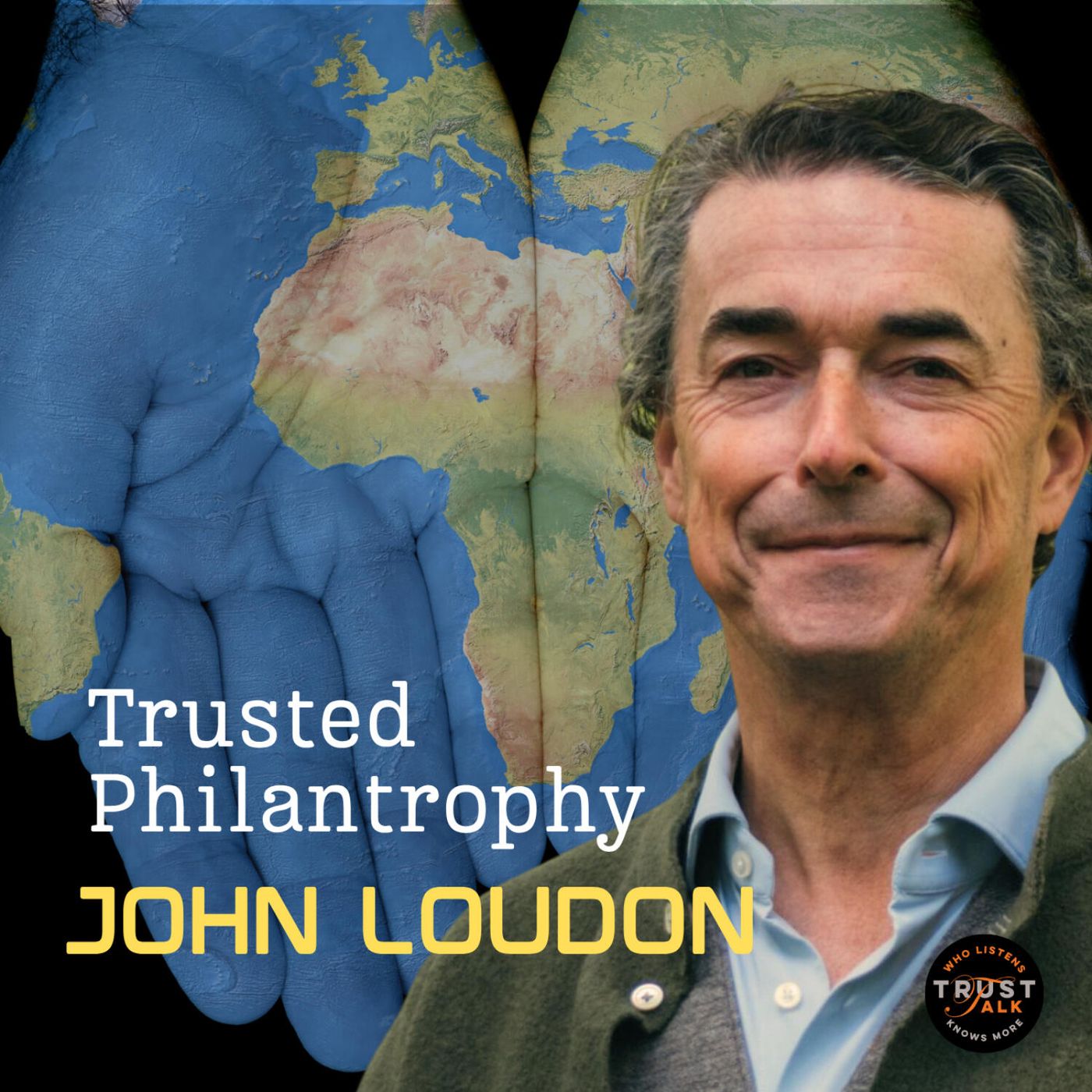
Most people think philanthropy is about money. John Loudon, Executive Director of the COmON Foundation and one of the best-known philanthropists in conservation and nature preservation, with a career spanning three decades across Europe and Africa, thinks it is about trust. In this episode, we talk about what happens when trust is missing from giving, how philanthropy becomes distant, data-driven, and ultimately ineffective. And what it looks like when trust is genuinely present. John brings two stories to illustrate this. One from Malawi, where a community that had been depleting a national park for survival became its guardian angels once...
Understanding the Trust-Law Dynamic: Insights on Legitimacy
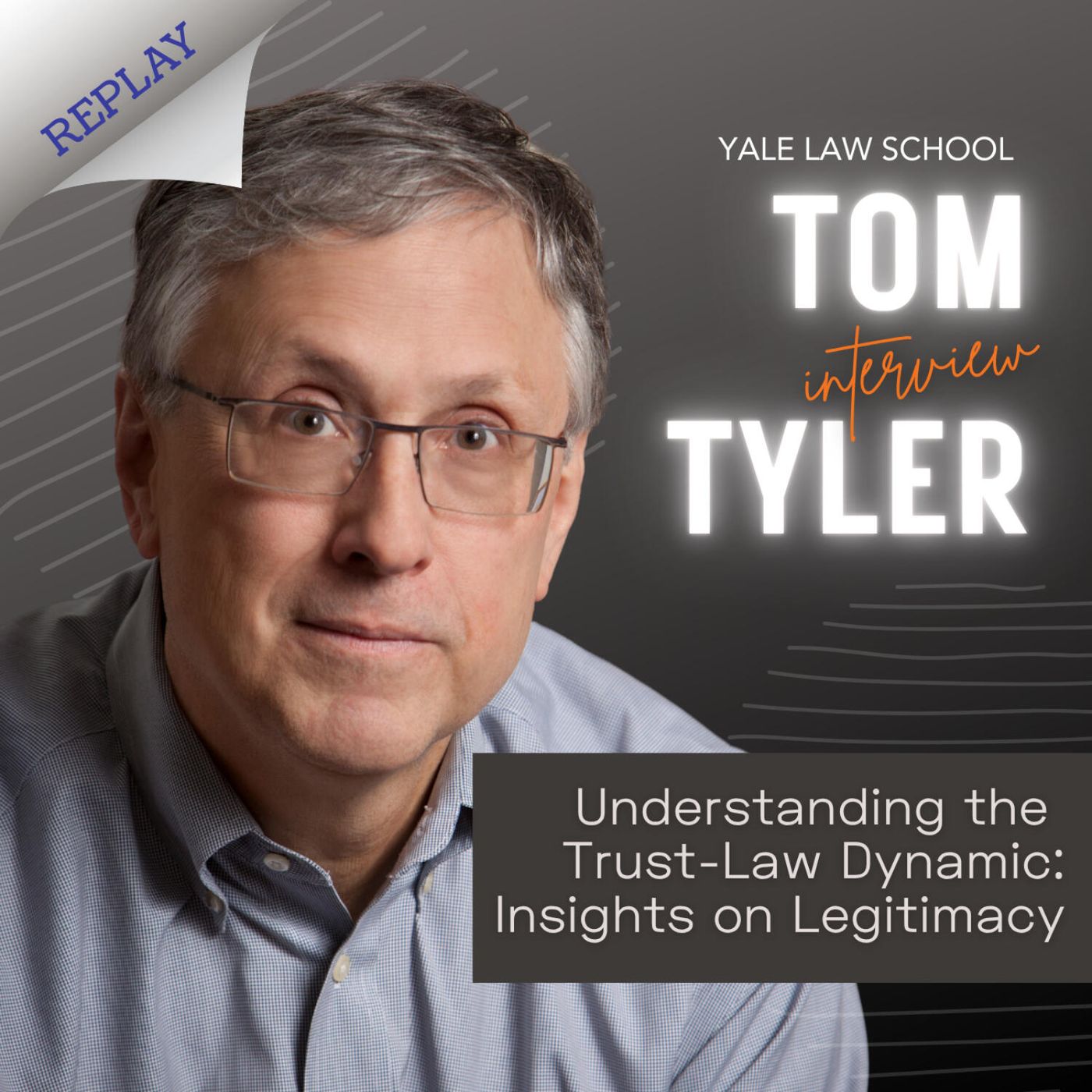
In this replay of a 2023 interview, Severin de Wit speaks with Tom Tyler, professor of law and psychology at Yale and founding director of the Justice Collaboratory. A psychologist teaching in a law school — a rare combination — Tyler argues that legal systems are built on assumptions about human nature that are seldom tested against what psychologists actually know. His research points to something striking: people comply with the law more because they trust it than because they fear it. And what builds that trust is not whether you win or lose your case, but how you were treated along the way...
Why Trust Matters
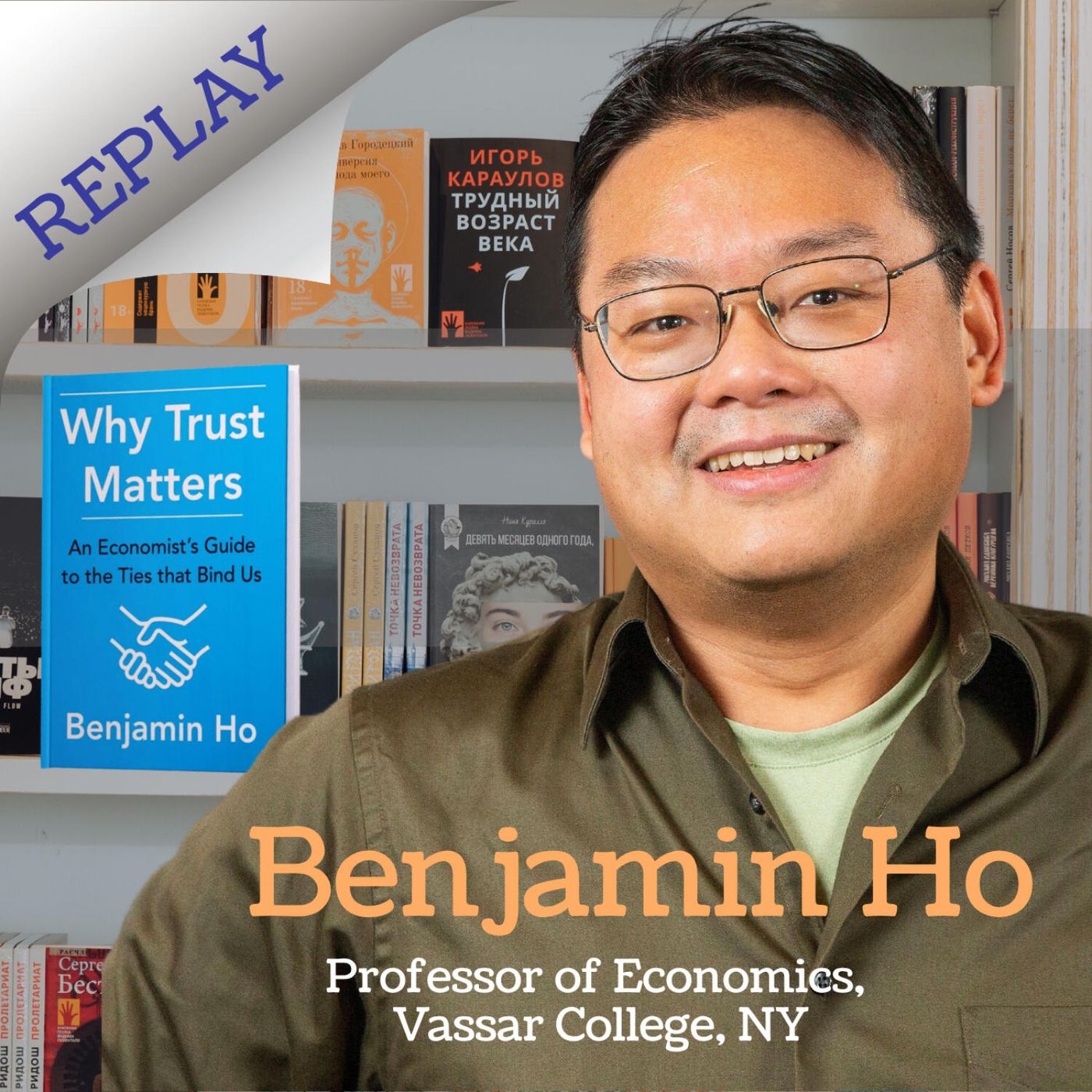
In this replay of a 2023 interview, Severin de Wit speaks with Economist Benjamin Ho - Professor of Economics at Vassar College and author of Why Trust Matters: An Economist's Guide to the Ties That Bind Us. What if trust isn't just a feeling, but something humans have been calculating for thousands of years? Ben Ho uses game theory to explain why we cooperate at all, why we keep promises that cost us, and why the words I am sorry almost never work the way we expect. Ben explains why an apology only repairs trust when it carries a real cost...
The Trust We Assume, the Consent We Feel
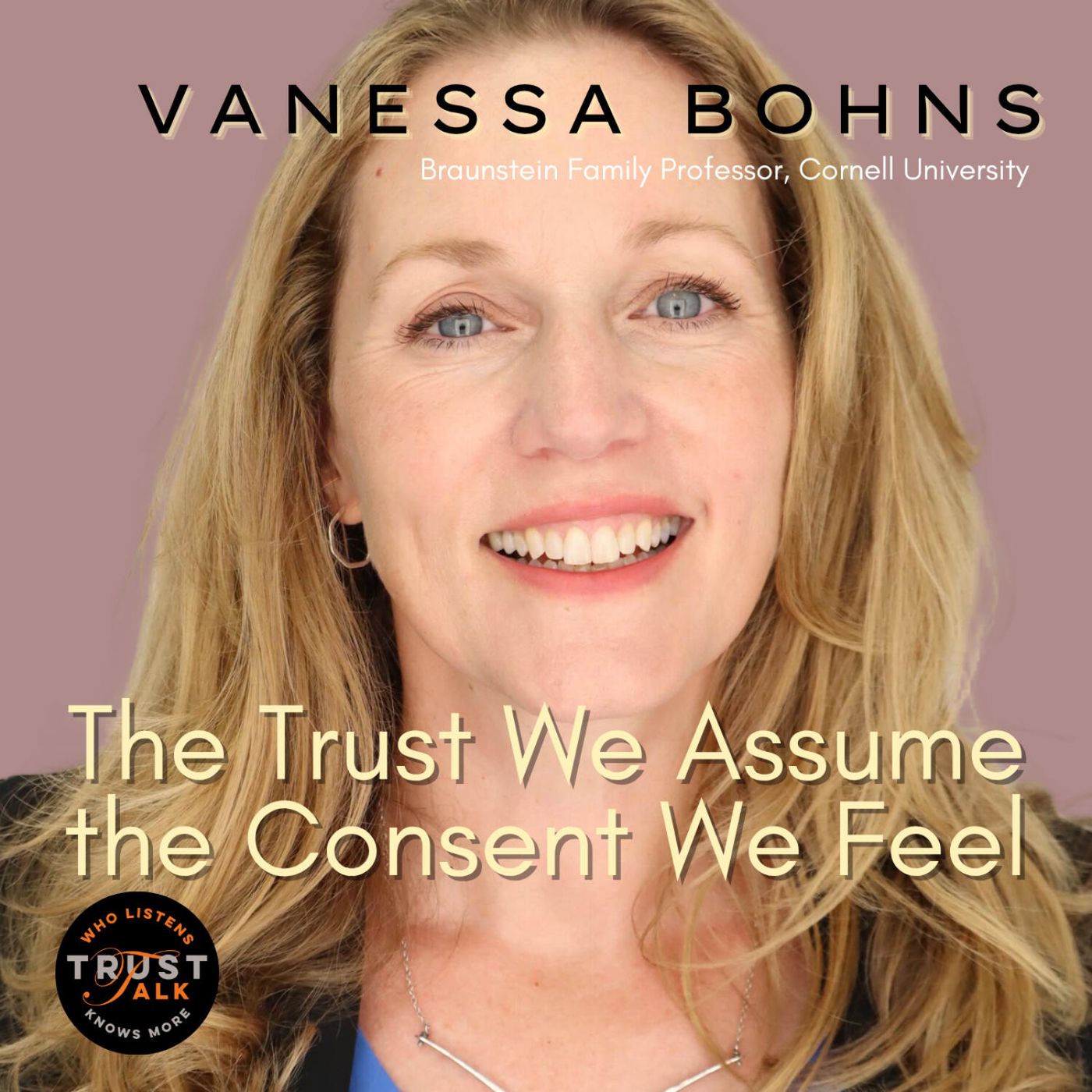
Imagine standing in a busy train station, asking strangers to answer a few questions. How many people would you need to approach before five say yes? In a now-classic study, Vanessa Bohns predicted twenty. The actual number was ten. People were almost twice as likely to agree as she expected, and two decades and more than 14,000 requests later, the finding still holds. We consistently underestimate how often others will say yes to us, and how hard it is for them to refuse. This is really a conversation about trust. We tend to assume that when someone agrees to a request...
San Francisco: Where Progress Meets Distrust
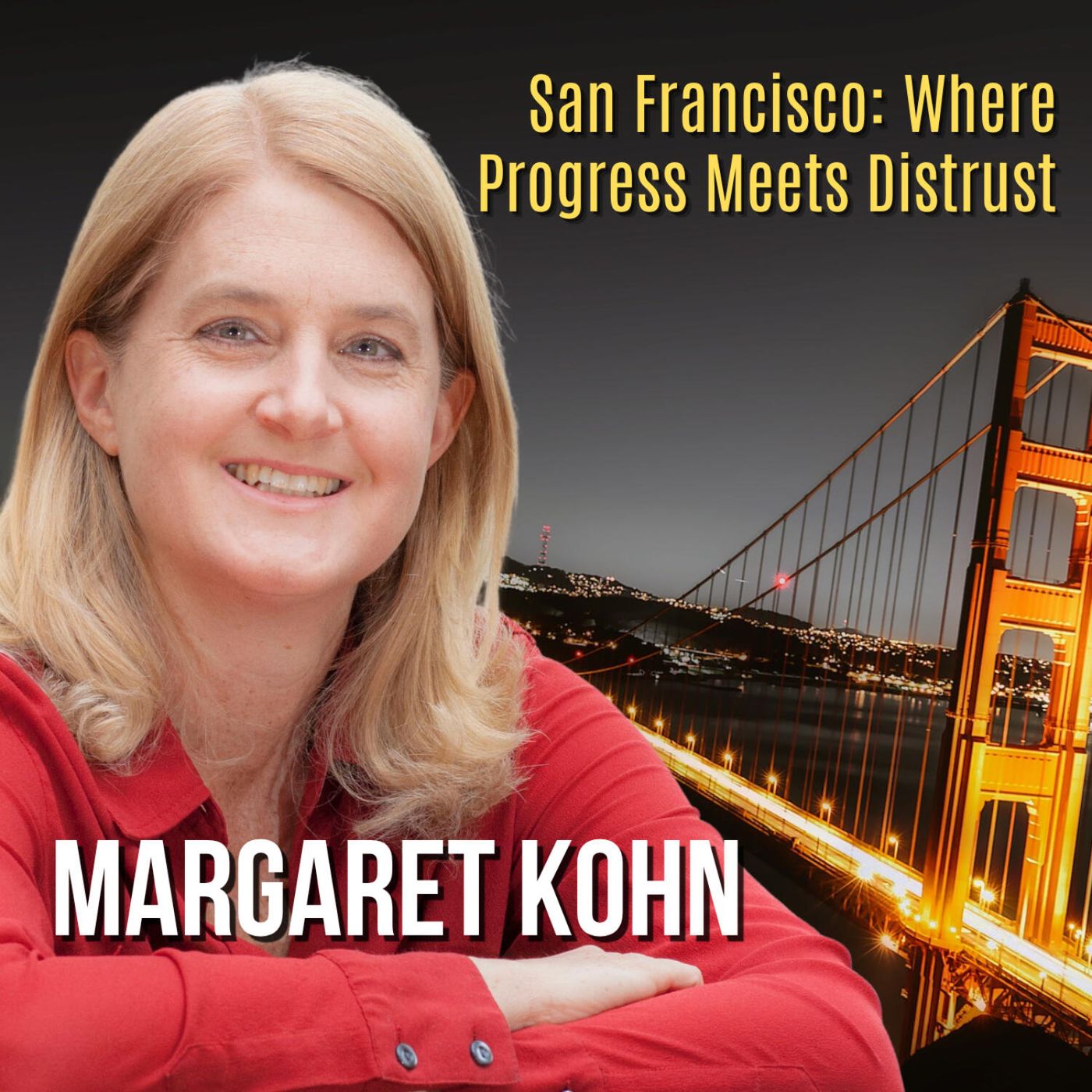
We tend to think of trust as something that grows where people agree. Where neighbors share values, where voters share a party, where a city sees itself as forward-looking and inclusive. The more common ground, the more trust. That, at least, is the intuition. San Francisco complicates that picture. Eighty per cent of voters belong to the same party. Almost everyone calls themselves progressive. The city is wealthy, diverse, and proud of both. And yet, by one well-known measure, it is also among the least trusting cities in the United States. The deepest political conflicts are no longer between left...
Trust Me, I'm Emotional
We tend to distrust people who lead with their emotions. In business, in politics, in negotiation. Someone who gets angry, who shows empathy, who wears their feelings openly is seen as a liability. Not quite serious. Possibly dangerous. Our guest today disagrees. Quite fundamentally. He has spent years studying how people actually make decisions — under pressure, in competition, in cooperation. And what he finds is that emotions don't cloud judgment. They are part of how judgment works. Trust is not a calculation with feelings getting in the way. Trust is a feeling — one that shapes the calculation from the start. He h...
Why Wikipedia Runs on Trust
Wikipedia serves 11 billion pages a month and almost nobody questions it anymore. But how did millions of anonymous strangers, unpaid and from every culture, manage to build the world's largest encyclopedia together and keep it honest? The answer, according to Jimmy Wales, is trust — and trust by design. In this conversation, Jimmy Wales, founder of Wikipedia and author of The Seven Rules of Trust, talks about what it actually takes to build trust at scale. We discuss why assuming good faith works better than suspicion, why civil conversation is rare online but does not have to be, and what the Ni...
Leading with Trust
Every day, millions of people trust retailers to decide what ends up on their table. But that trust extends far beyond the products themselves. It touches supply chains, leadership decisions, sustainability, and the values that guide a company, often under pressure and out of public view. In this episode of TrustTalk, we speak with Dick Boer, former CEO of Ahold Delhaize and now a board member and advisor to several large companies, who led one of the world’s largest food retail companies through major transformations, including a global merger and the aftermath of a corporate crisis. He reflects on ho...
When We Only Trust People Like Us
David Bersoff, Head of Research at the Edelman Trust Institute, has spent decades measuring trust across the globe. His most striking finding right now isn't that trust is collapsing, it's that our trust circles are shrinking. We've reached a point where people who think differently, vote differently, or read different sources can barely get into each other's trust circles. When those circles stop overlapping, the bridges between us disappear, and democracy starts to strain. In this conversation, David unpacks what he calls insularity: the homogenization of trust to the point where 7 in 10 people hesitate to trust someone who is simply...
Reasoning Runs on Trust
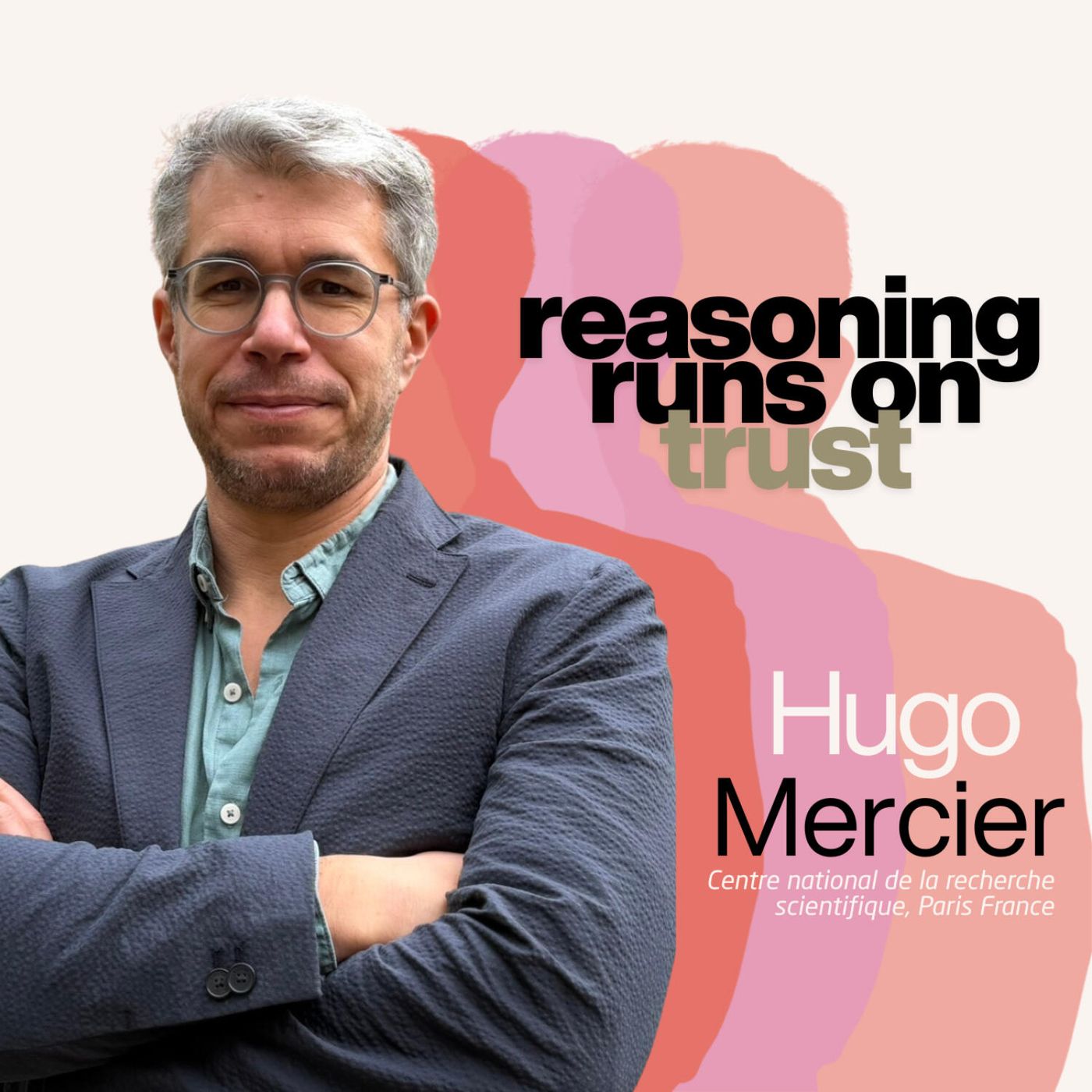
When we disagree with someone, it's tempting to assume the problem is simple: they're irrational, biased, or misinformed. But what if human reasoning doesn't work the way we think it does? What if reasoning isn't primarily about finding the truth on our own, but about exchanging arguments with others? In this episode of TrustTalk, we speak with cognitive scientist Hugo Mercier of the CNRS in Paris and co-author of The Enigma of Reason. He explains why humans may be better at reasoning than we assume, why disagreement often turns on trust rather than logic, and what this means for science...
When Power Replaces Trust
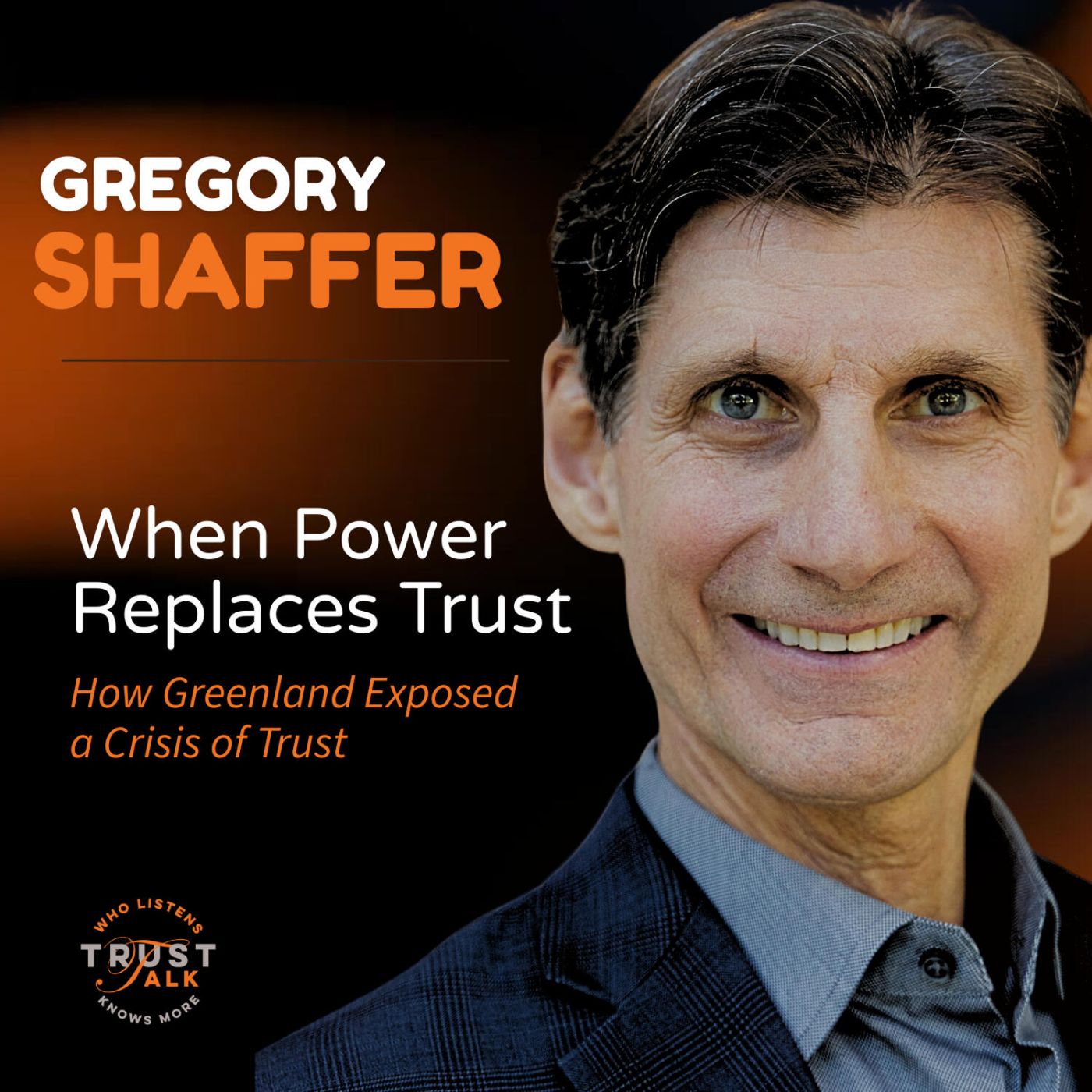
When the United States openly pressured Denmark over Greenland, the immediate dispute faded fast. The damage to trust did not. This episode looks beyond Greenland to a bigger question: what happens when the world’s most powerful country starts behaving like an unreliable partner? International law, trade agreements, and security alliances only work if states believe others will still play by the rules when it no longer suits them. That belief is now under strain. With Gregory Shaffer, Scott K. Ginsburg Professor of International Law at Georgetown, we talk about power, coercion, and the quiet erosion of trust in international tr...
When Participation Builds Trust
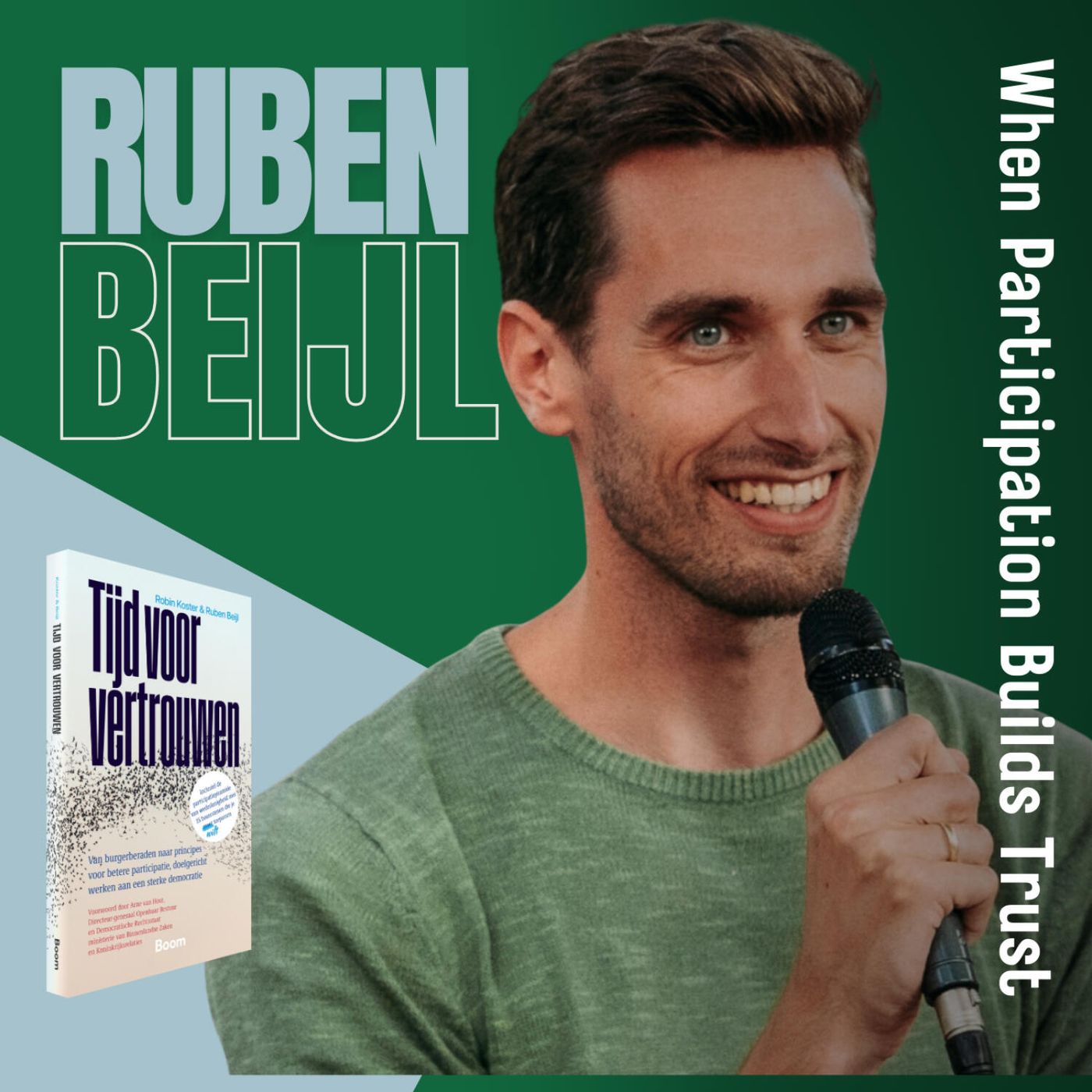
Trust is often talked about as if it were bad weather, something that just happens to us, beyond anyone’s control. But what if trust doesn’t disappear by accident, and what if its erosion has very concrete causes? In this episode, Ruben Beijl, co-author of Time for Trust (Tijd voor Vertrouwen), discusses how trust is built through participation and erodes when participation is only symbolic. Drawing on his work with citizens’ assemblies, Ruben explains why people do not lose trust because they disagree with outcomes, but because their voices ultimately do not matter. He shows why disagreement can coexist with tr...
Denmark’s Secret: Trust Is Cheaper Than Control
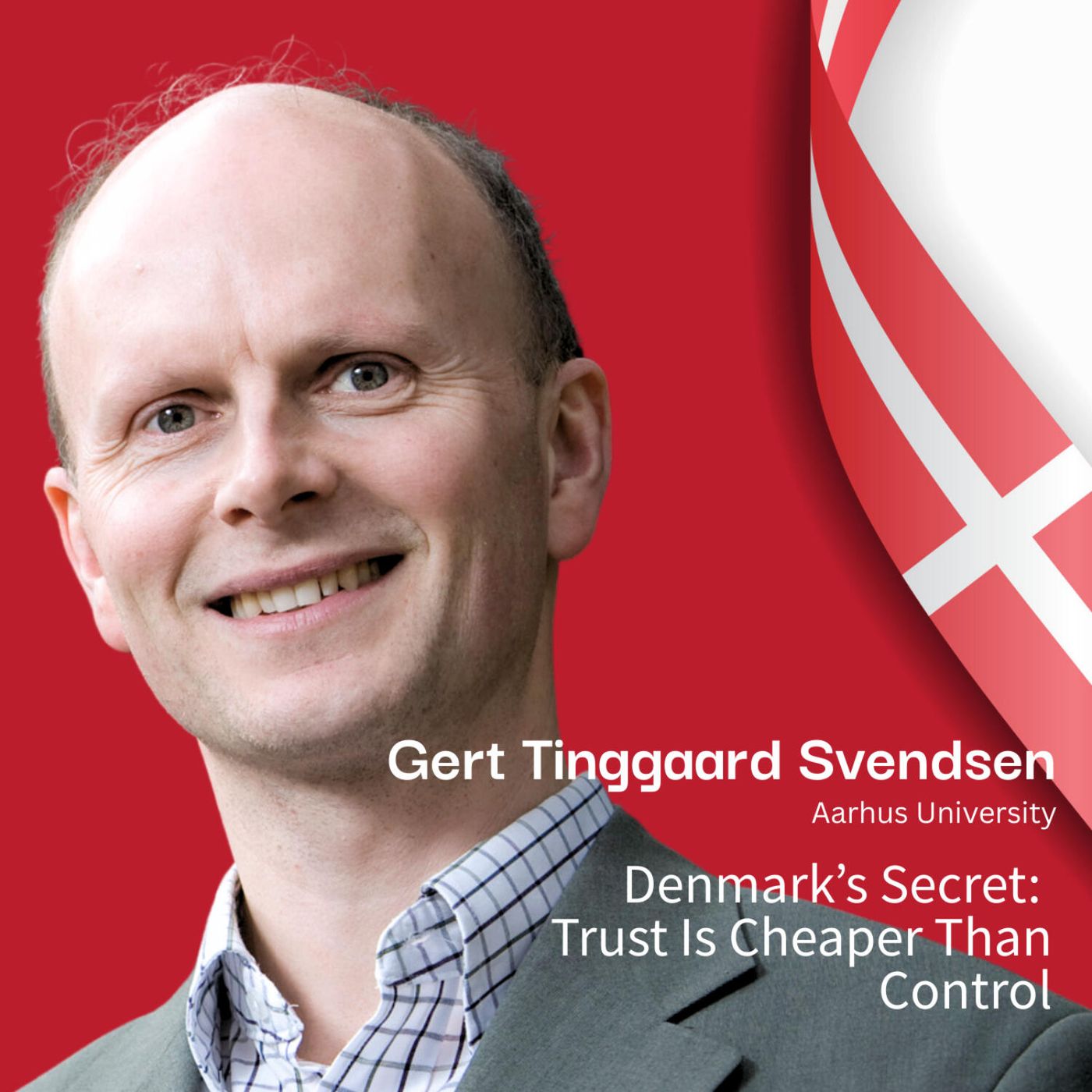
My guest today, Gert Tinggaard Svendsen challenges one of the most common myths about high-trust societies: that trust is cultural or “in the DNA.” In Denmark, he argues, trust is built, not inherited. It grows from institutions, incentives, and everyday experiences of fairness. He defines trust in practical terms: the likelihood of being cheated. When corruption is low and the rule of law applies equally, people learn that cooperation usually pays. That is why corruption is so destructive, it signals that some people are above the rules, and once that belief takes hold, trust quickly erodes. Much of Denmark’s resili...
A Season for Trust
On Christmas Eve, Santa Claus joins TrustTalk to discuss trust, doubt, and why listening to ourselves and to others matters as we look ahead to a new year, referring to Rudyard Kipling’s poem "If" on how to be confident without ignoring the doubts of others.
Trust in Wartime: Choosing Authority When the State Fails
Our guest, Mara Revkin, a leading scholar of governance and justice in conflict zones, talks about how civilians make trust decisions when the state collapses and armed groups take control. Drawing on fieldwork and survey research in places such as Mosul, this conversation challenges the idea that trust in wartime is driven by ideology or belief. Instead, it shows how trust under extreme conditions is often pragmatic. Civilians compare dangerous alternatives and look for the authority that appears more predictable, less arbitrary, and more likely to follow its own rules. The episode explores why predictability and procedural fairness can matter...
From Boeing to Financial Times: Real-World Lessons in Trust Leadership
Trust isn’t tested in calm moments; it’s exposed when leaders face uncertainty, conflicting demands, and real human consequences. This episode traces that reality across multiple organizations and industries. We look at Boeing, where leaders underestimated the depth and duration of a crisis that reshaped global aviation trust. We examine Nokia’s Bochum layoffs, a case that shows how a single restructuring decision can destroy trust not only with employees but with governments and the public. We also dive into Twiddy’s pandemic playbook, where open communication became a lifeline; Itochu’s long-term social commitments, which contrast sharply with Western qu...
From Boeing to Nokia: Real-World Lessons in Trust Leadership
Trust isn’t tested in calm moments; it’s exposed when leaders face uncertainty, conflicting demands, and real human consequences. This episode traces that reality across multiple organizations and industries. We look at Boeing, where leaders underestimated the depth and duration of a crisis that reshaped global aviation trust. We examine Nokia’s Bochum layoffs, a case that shows how a single restructuring decision can destroy trust not only with employees but with governments and the public. We also dive into Twiddy’s pandemic playbook, where open communication became a lifeline; Itochu’s long-term social commitments, which contrast sharply with Western qu...
Rethinking Financial Trust
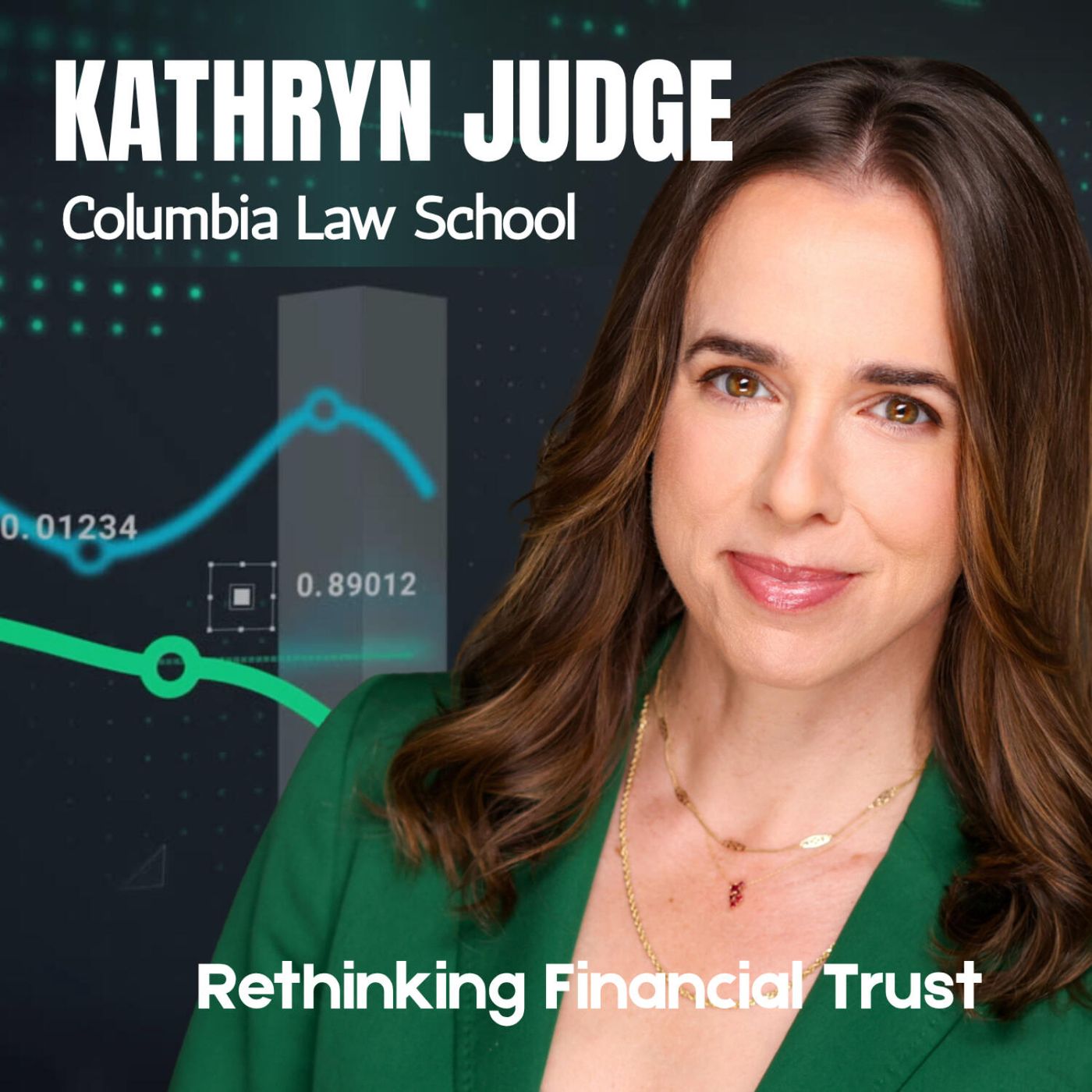
Our guest, Kathryn Judge from Columbia Law School, explores how trust quietly sustains the financial system and why it becomes most visible when things start to break. She explains that in finance, trust means acting despite incomplete information. Depositors often have little insight into the health of their bank, yet they continue to keep money there, relying on signals, habits, and confidence. When that confidence falters, trust does not fade slowly. It snaps, as seen in the rapid bank runs of 2023. Judge points out that technology accelerates these reactions, while strong relationships, particularly in community banking, can still hold panic...
Listen, Act, Explain: The Trust Playbook
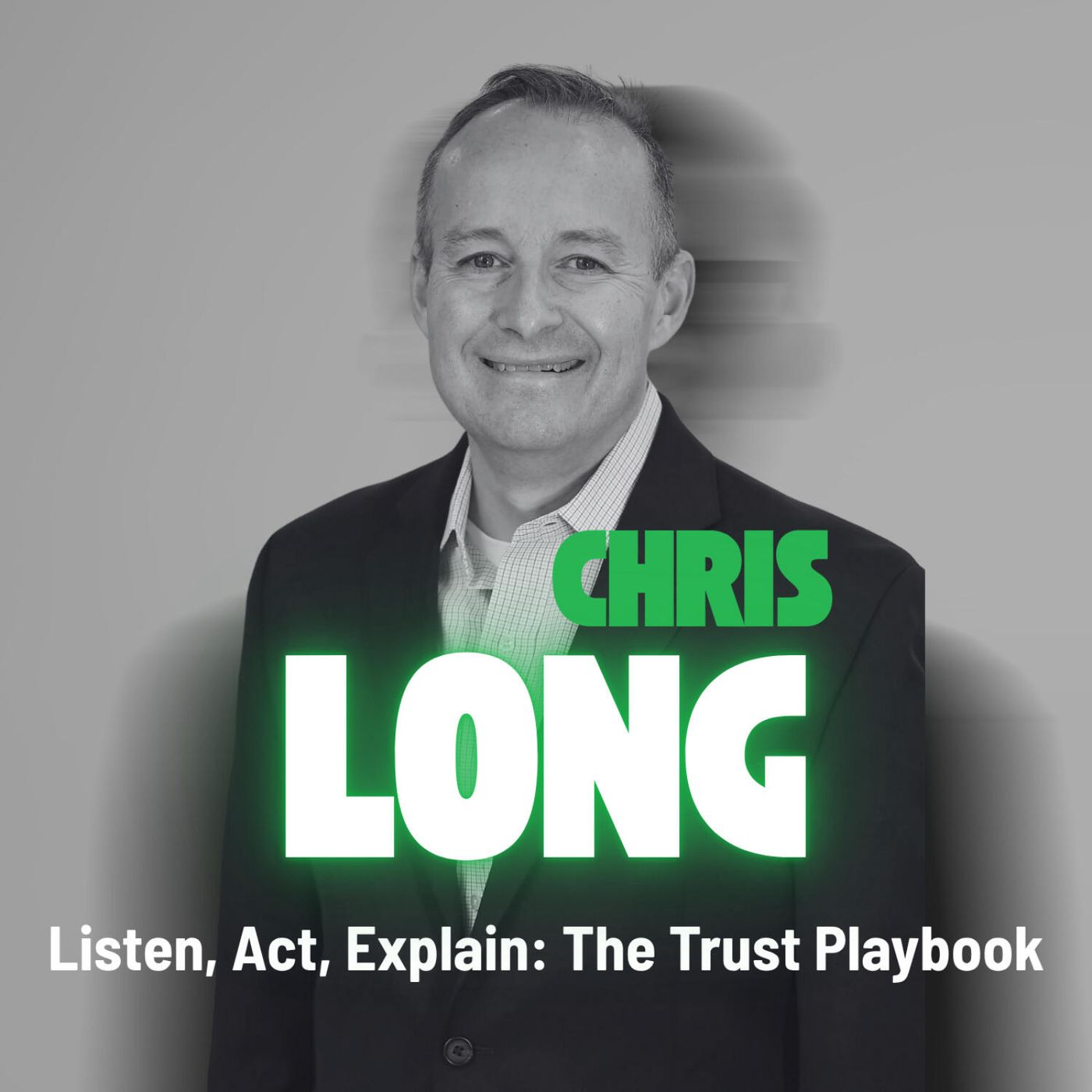
Trust in institutions, says Chris Long, professor at St. John’s University in New York City and a leading scholar on trust, control, and institutional contradictions, erodes when there’s a gap between what organizations say and what they actually do. These “institutional contradictions”, when stated values and real-world behaviour diverge, create confusion and cynicism among citizens and employees alike. In this conversation, Chris explores why such contradictions are so damaging, how they emerge, and what leaders can do to repair the trust that’s lost as a result. He refers to striking examples: from the Dutch childcare benefits scandal (het Toeslag...
The Prosecution Paradox
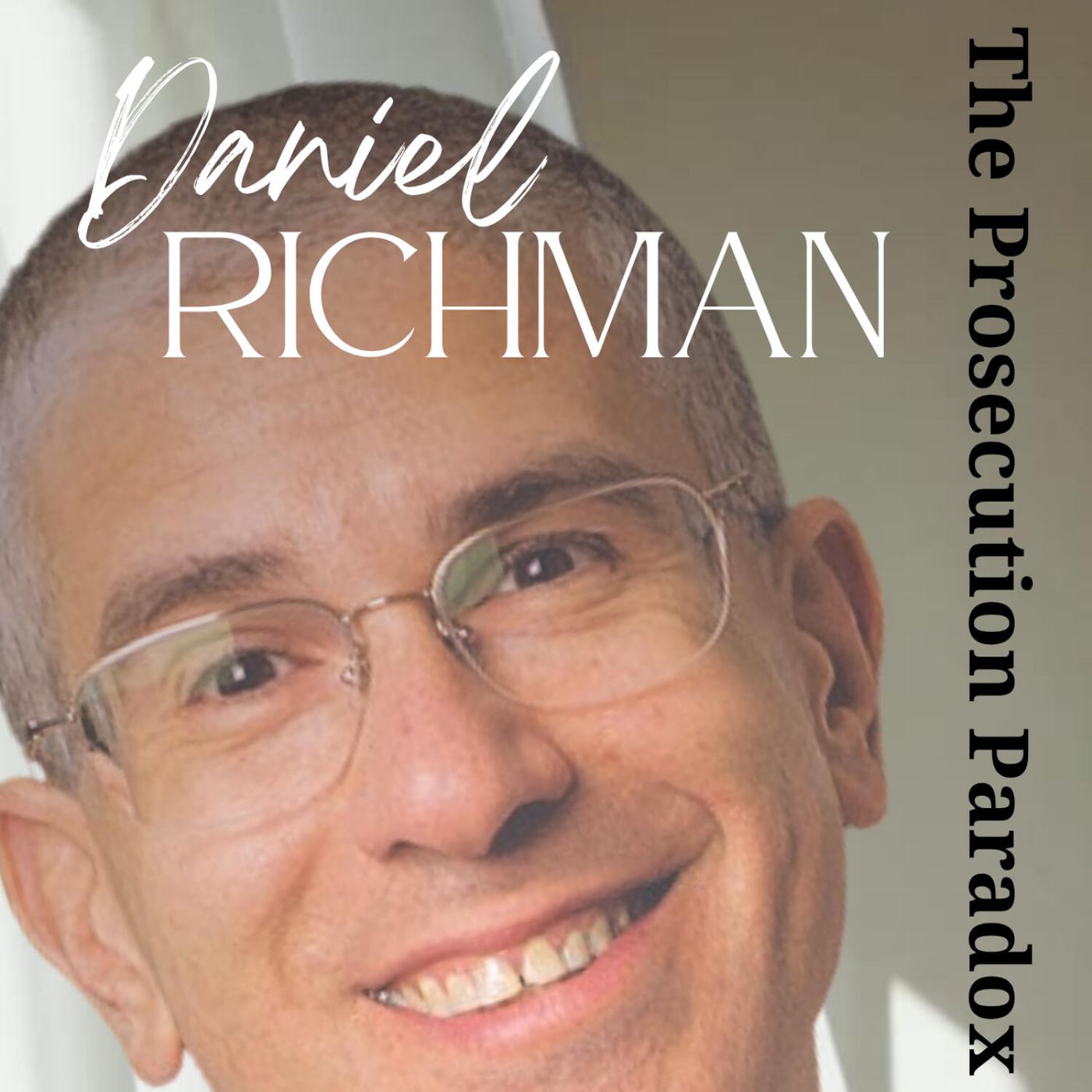
Few people stand closer to the intersection of politics and justice than prosecutors. In this episode, former federal prosecutor and Columbia Law School professor Dan Richman discusses why public trust is both the backbone of the justice system and its most fragile component. He explains how prosecutors have a uniquely delicate role in a democracy: they help build public trust, yet depend on that same trust to do their job. When politics begins to influence decisions about who is charged and who isn’t, the credibility of the entire system is at risk. Drawing on his New York Times op-ed, Da...
On Courts, Politics and Trust
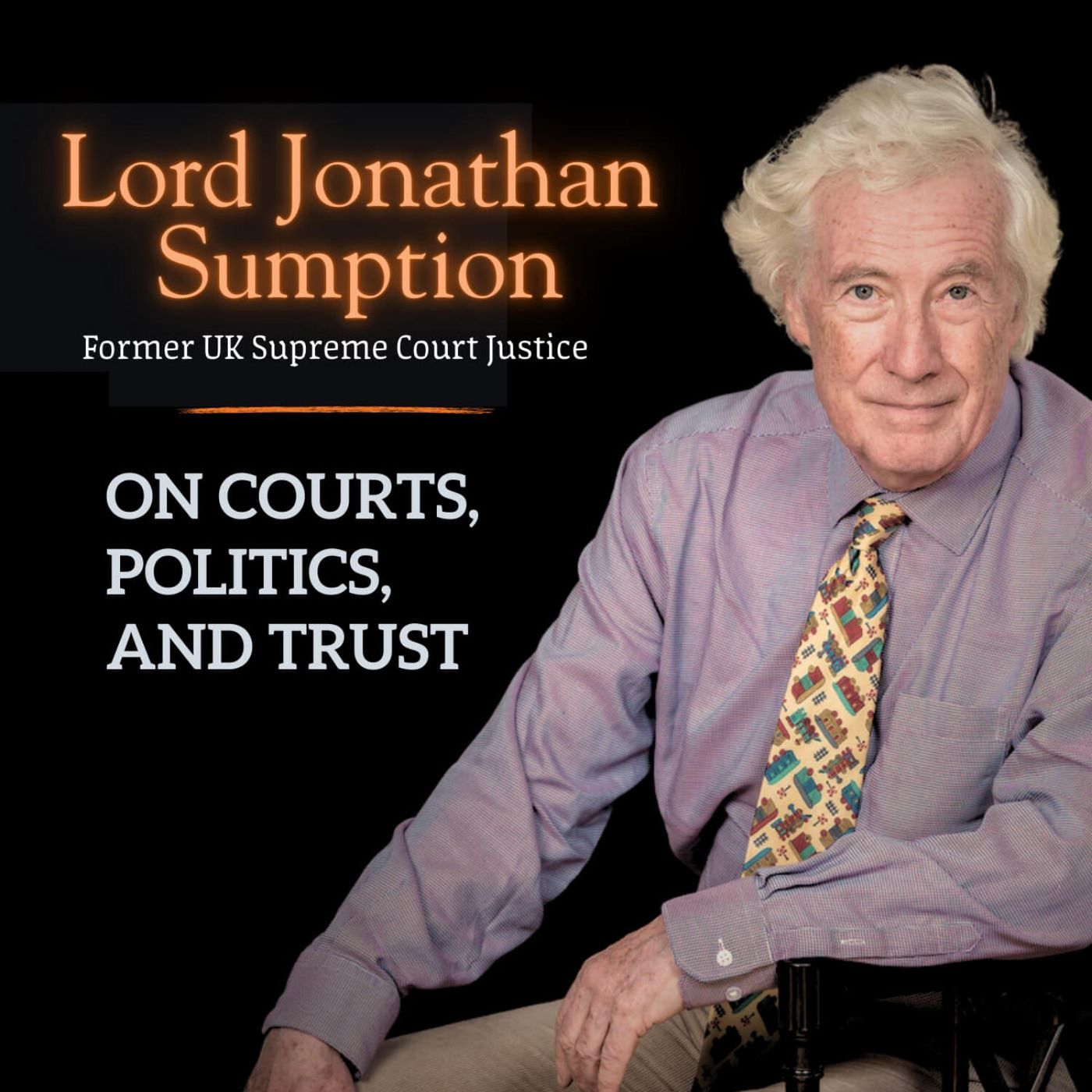
Our guest in this episode is Lord Jonathan Sumption, former Justice of the UK Supreme Court, acclaimed historian, and one of Britain’s leading public voices on law and democracy. The conversation explores the uneasy boundary between law and politics. Sumption reflects on the long history of the U.S. Supreme Court as a political actor, from the Lochner era’s resistance to worker protections, through clashes with Roosevelt’s New Deal, to the landmark Brown v. Board of Education decision on school segregation. He examines the controversies of Roe v. Wade and its recent reversal, warning that both decisions undermi...
Impatience, Vague Requests, and the Strain on Trust
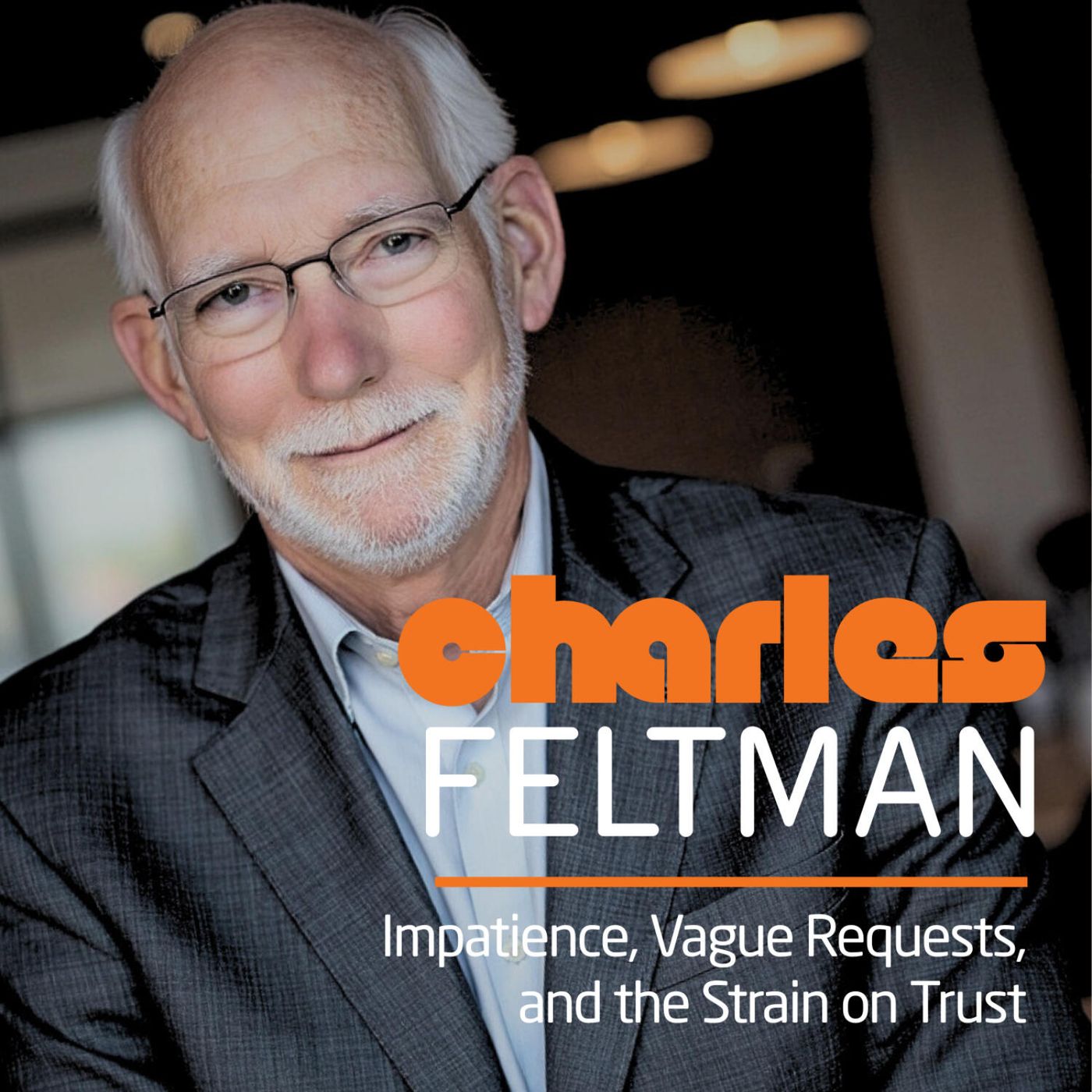
Our guest is Charles Feltman, founder of Insight Coaching and author of The Thin Book of Trust. Charles has spent decades helping leaders and teams strengthen their ability to lead through trust. He explains how trust is not built in theory but in everyday situations where it can grow or erode, in vague requests, unclear feedback, or the rush to move too fast at work. His framework is simple: trust rests on care, sincerity, reliability, and competence. Miss one, and trust wobbles, though care, knowing someone has your back, often matters most. Charles shares how slowing down just enough to...
Scandal, Suspicion, and the Road to Rebuilding Trust
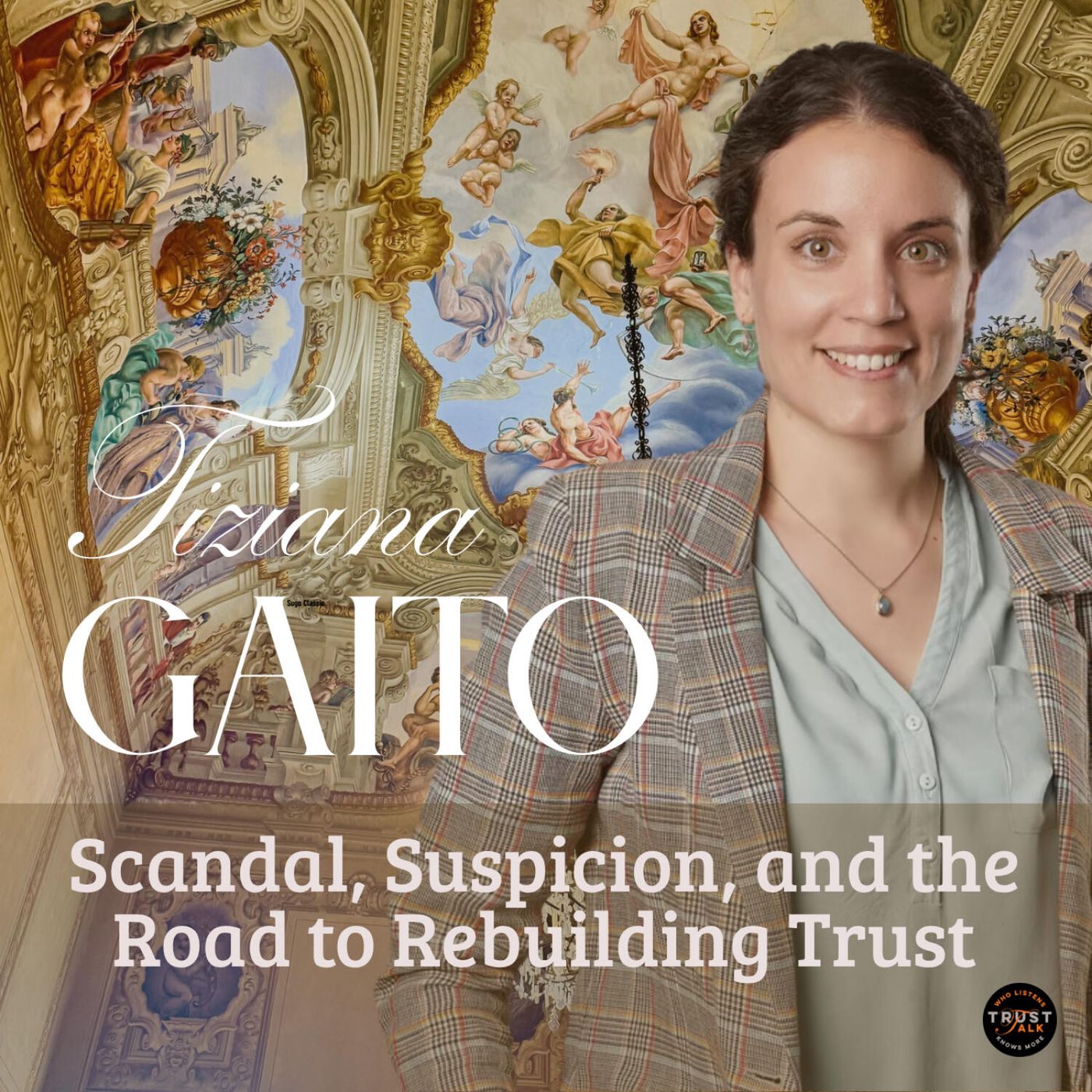
My guest, Tiziana Gaito explores what happens when a company caught in a sustainability scandal loses the trust of its stakeholders, and isn’t even believed when trying to make amends. Rather than offering a simple story of repair, it delves into the deeper dynamics of distrust: how it forms, why it lingers, and what makes it fundamentally different from trust that’s merely been shaken. The conversation traces the organization’s journey through a prolonged period of mutual suspicion, showing how clashing values and perceived malevolence fueled tensions on both sides. Traditional approaches to trust repair proved ineffective, as stakeh...
Organizational Schizophrenia, AI Villains, and the Logic of Suspicion
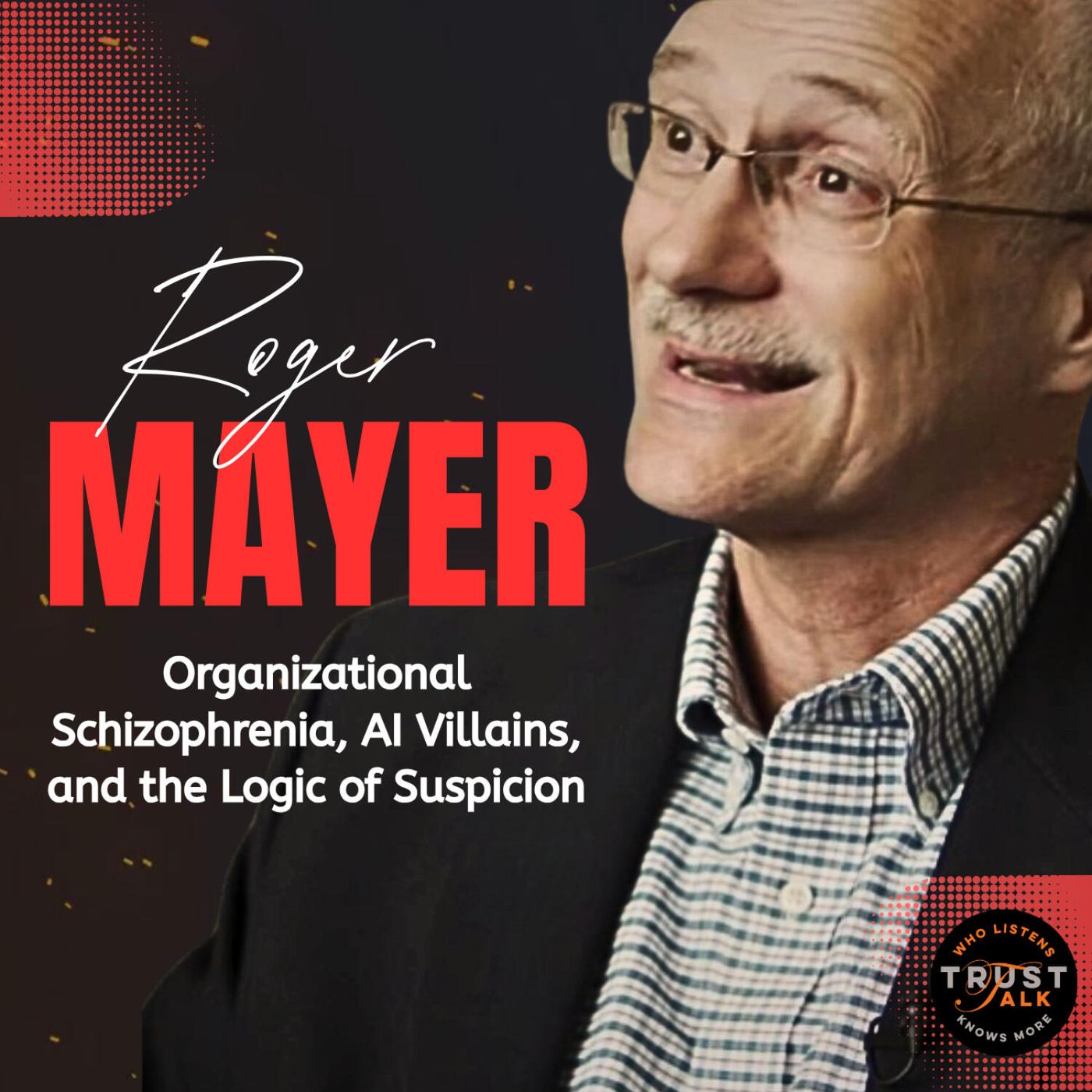
Our guest today is Roger Mayer, one of the most influential scholars in the field of trust and co-creator of a widely cited model of organizational trust. After attending Roger's presentation at the FINT Conference in Genoa, Italy, podcast host Severin de Wit sat down with him for a conversation on the evolving nature of trust and the surprising role that suspicion plays within it. The conversation begins with two striking images from Mayer’s FINT talk: HAL 9000, the eerily calm AI from 2001: A Space Odyssey, and the Shoggoth, a chaotic, shapeshifting creature recently adopted as a meme in AI ci...
Trade and Trust in Turbulent Times
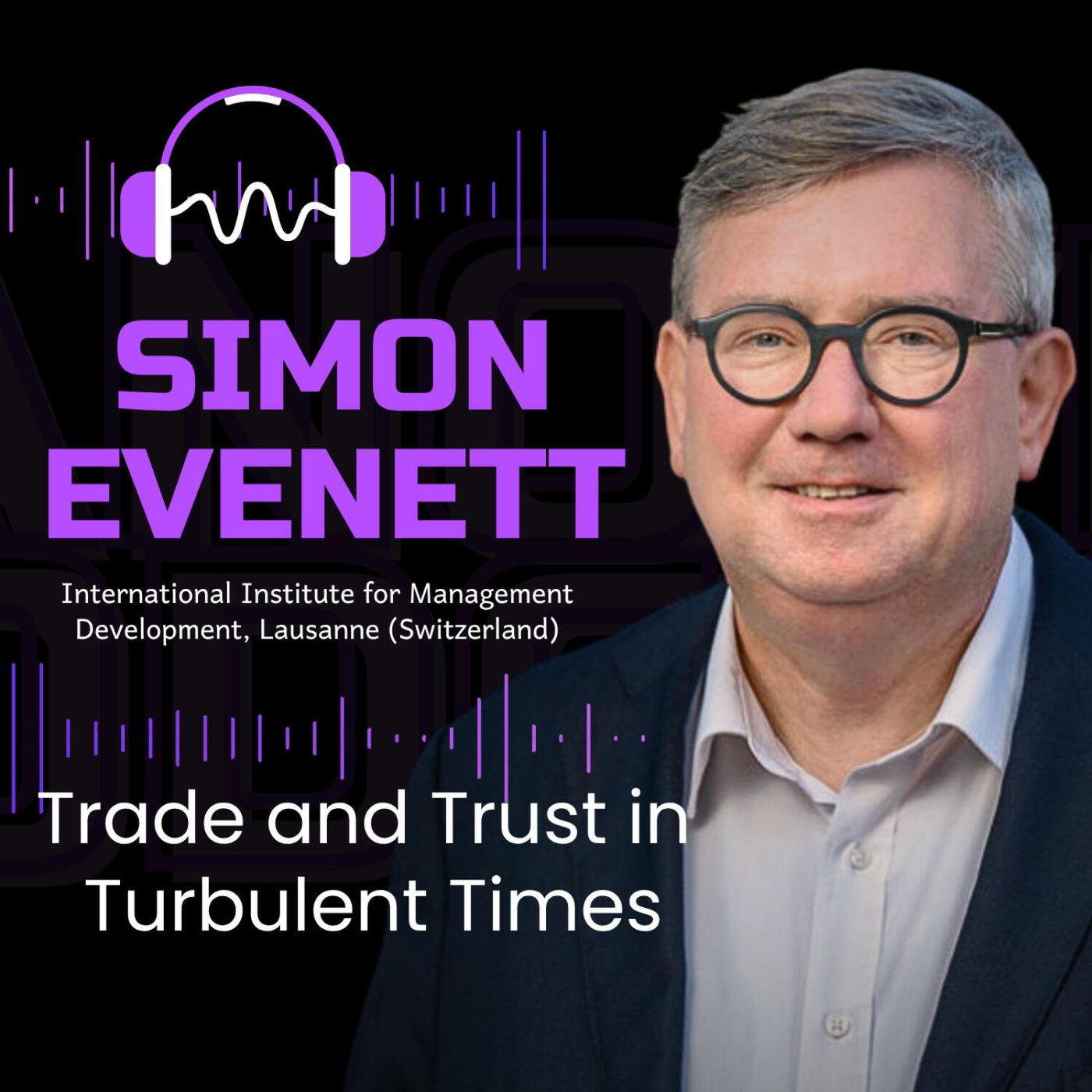
What happens to global trade when nations stop trusting each other? Our guest, Simon Evenett, Professor of Geopolitics and Strategy at IMD and co-chair of the World Economic Forum’s Global Future Council on Trade and Investment, offers a compelling look at how trust—or the erosion of it—is transforming the global trading system. He explains that international commerce has always depended on a degree of trust, even with rules in place. Since no rulebook is ever complete, trust and reputation step in to keep the system functioning. Evenett reflects on the shift from trade as a cooperative force to tra...
Trust Through Open-Source Evidence
Our guest today is Eliot Higgins, founder of Bellingcat, the groundbreaking open-source collective that has transformed investigative journalism. From uncovering the truth behind the downing of MH17 to documenting war crimes and exposing global disinformation campaigns, Bellingcat demonstrates how ordinary citizens, equipped with digital tools, can challenge the narratives of the powerful. Eliot recounts his unconventional path into investigative journalism, his motivations for launching Bellingcat, and the organization’s mission to make evidence-based inquiry accessible to all. He reflects on the fragile state of public trust, the manipulation of truth in the digital age, and the ethical tightrope walked by jo...
Woke Words, Broken Trust
Today we talk with Musa al-Gharbi, sociologist and author of the book "We Have Never Been Woke", a sharp, no-nonsense look at how modern social justice talk often serves the powerful more than the people it's meant to help. Musa takes us inside the contradictions of elite spaces—like universities, corporate boardrooms, and media—where people often speak the language of progress and justice but still benefit from systems of inequality in quiet, everyday ways. He shares a revealing example from the book: in many affluent, progressive households, both partners work full-time and embrace feminist values. But maintaining that lifestyle ofte...
Desire, Trust and the Boardroom
Our guest today is Dana Pharant, former professional dominatrix turned leadership coach, who shares her unique insights into the links between trust, power, and vulnerability. Drawing from her experience in the BDSM world and her work with corporate leaders, Dana explains that true leadership is not about domination, but about creating the space where people willingly place their trust in you. She emphasizes that trust is built through evidence and emotional safety, not through demands, fear, or blind faith. Dana discusses how surrender, often misunderstood as weakness, is actually a pathway to greater inner strength and more authentic leadership. She...
China–US, Trust in an Age of Trade Tensions and Civilizational Politics
As US-China relations strain under rising economic rivalry, political divergence, and competing global visions, trust has become more elusive and essential. In this episode, Yale scholar Feng Zhang explores how trust between these two superpowers has frayed—not only through policy missteps and trade tensions, but also through fundamentally different understandings of global order. From Confucian relational thinking to China’s Global Civilization Initiative, Zhang offers a rare, nuanced perspective on how trust might be rebuilt—even amid deep ideological divides and historical grievances. He reflects on missed diplomatic opportunities, the fading promise of cooperation post-Sunnylands, and whether China’s ambition...
The Bankers' New Clothes, The Danger of Blind Trust in Finance
Our guest today is Anat Admati, professor of Finance and Economics at Stanford Graduate School of Business and co-author of The Bankers’ New Clothes. In this episode, she takes a critical look at trust in powerful institutions—arguing that, when misplaced, trust can be not only naive but dangerous. Anat explains that much of the financial system operates on the illusion of oversight and accountability. While many believe that governments, regulators, and boards are safeguarding the public interest, the reality is often one of regulatory capture, corporate self-interest, and systemic opacity. She challenges listeners to rethink assumptions about “checks and balanc...
Leading Through the Storm: Fairness, Trust, and Tough Decisions
Our guest today is Joel Brockner, a professor at Columbia Business School. He discusses the crucial role of procedural fairness in building trust. He explains that trust isn’t just about delivering results—it’s also about how decisions are made. When people feel treated fairly, they are more likely to accept difficult outcomes, whether in the workplace or beyond. Joel highlights that leaders often assume they act fairly, but employees may perceive things differently. Research shows that workers who feel disrespected during layoffs are 17 times more likely to sue, and similar patterns exist in medical malpractice cases. He stresses that c...
Immigration, Trust, and the Politics of Fear
Our guest today is Zeke Hernandez, author of "The Truth About Immigration”. He powerfully challenges the myths and fears surrounding immigration, revealing the human stories and everyday realities behind the headlines. He argues that immigrants are often unfairly blamed for societal issues like crime, unemployment, and housing shortages, not because of facts but because of political narratives and media distortions that fuel fear. Hernandez explains that people often distrust immigrants simply because they don’t know them. Those who have little or no personal contact are more likely to believe stereotypes, while those who live and work alongside immigrants see them...
Trust, Performance, and the Dark Side of Business Partnerships
In this episode, Dominika Latusek from Kozminski University in Warsaw, Poland, talks about trust in business partnerships and why it doesn’t always work the way we expect. While trust can help buyers and suppliers work well together, it doesn’t always match reality. Sometimes companies keep trusting a partner even when performance is poor, and other times, they remain sceptical despite good results. She explains that trust between companies is based on two things: competence (can they do the job?) and goodwill (do they have good intentions?). To help businesses understand whether their trust in a partner is justified, she...
Trust, Doubt and the Power of Experts
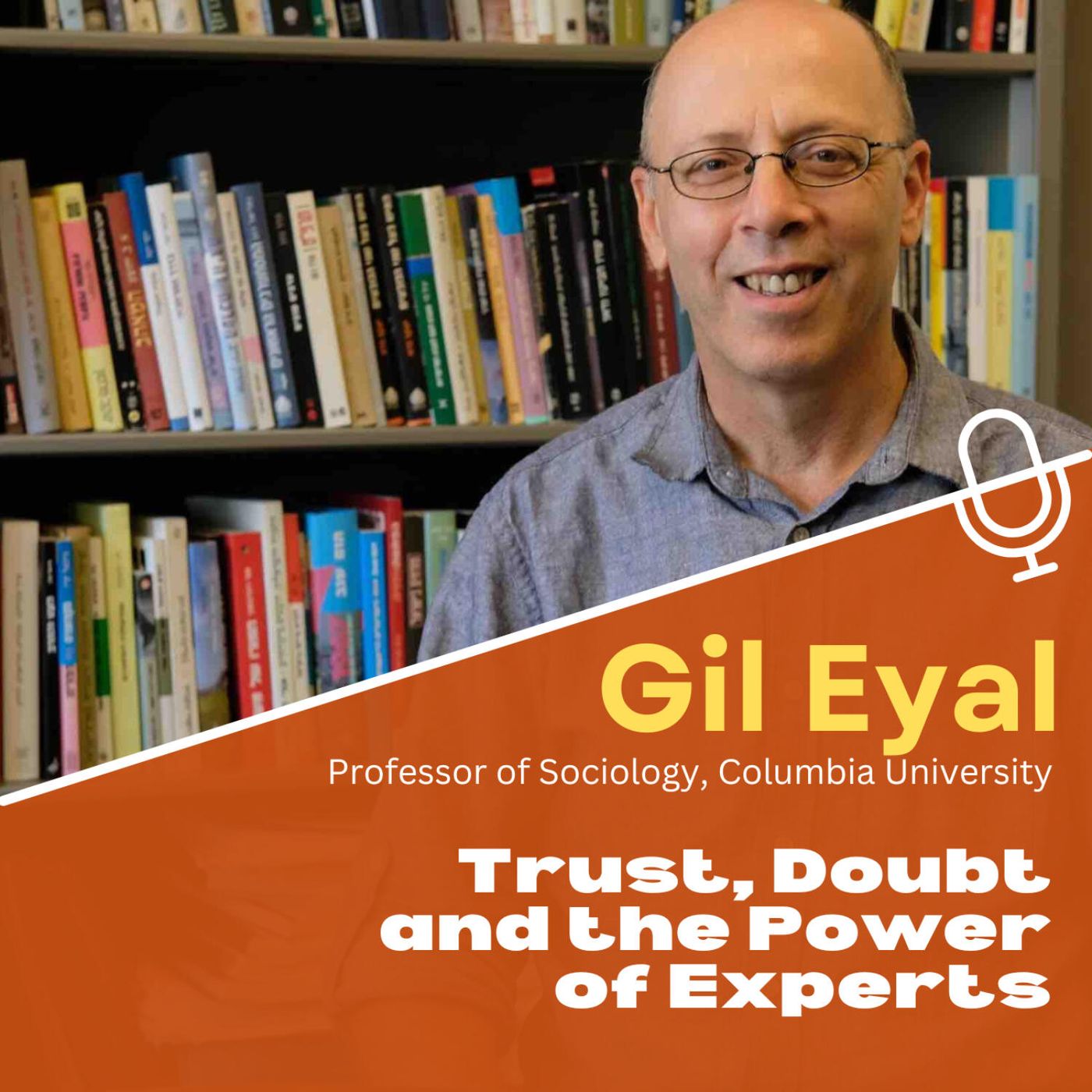
Is trust in experts really declining, or is it just changing? In this episode, Gil Eyal, sociology professor at Columbia University, challenges the popular idea that people are losing trust in science and expertise. Instead, he argues that trust exists in tension with blind faith on one side and skepticism on the other. Trust isn't just about believing in experts—it’s about knowing when to trust and when to question. A key theme of the discussion is the role of time in building and eroding trust. Eyal explains that trust is not a one-time decision but a process that unfo...
From Tap to Trust: Water as a Measure of Governance
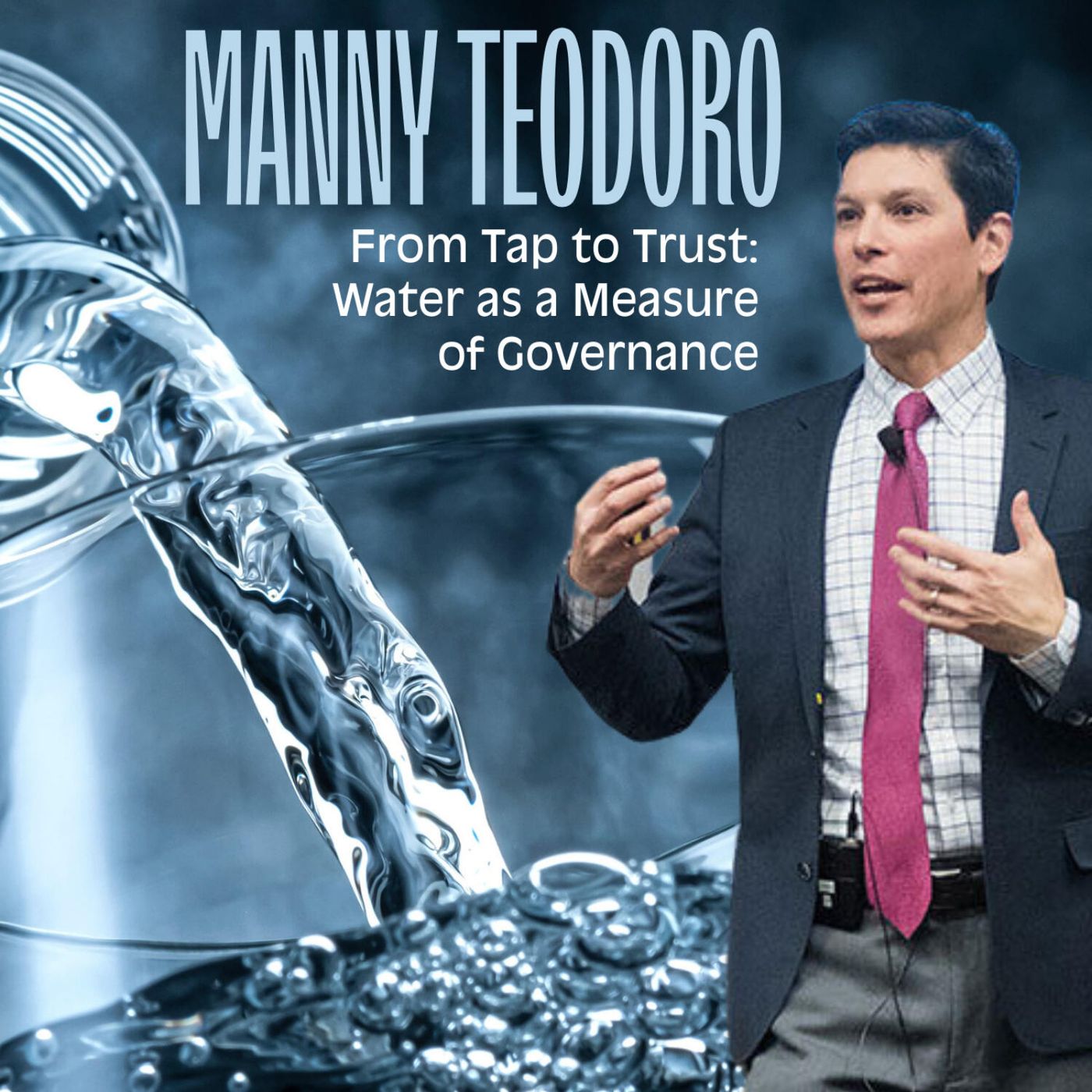
In this episode, Manny Teodoro, author of The Profits of Distrust, explores the deep connection between trust in tap water and trust in government. He explains how public distrust grows when water systems fail, as seen in the Flint Water Crisis, and how this distrust forces many, particularly low-income and minority communities, to turn to expensive bottled water. Manny emphasizes that restoring trust in public water systems requires governments to take clear and deliberate actions. Transparency is key—governments need to openly share how water is treated and explain the steps taken to ensure safety. Proactively engaging with communities, addressing th...
Does Control Erode Trust?
Today’s guest, Tina Øllgaard Bentzen, a researcher at Roskilde University in Denmark, explores the nuanced relationship between trust and control. Specializing in trust-based management, Tina challenges the assumption that control erodes trust. Instead, she explains how thoughtfully designed control systems can coexist with trust, fostering innovation, collaboration, and accountability. Drawing on Scandinavian public organizations, Tina highlights how trust-based management shifts the focus from rigid oversight to empowering employees through autonomy and intrinsic motivation. Tina describes trust as a "magic concept"—a powerful yet abstract idea driving organizational change. By using trust as a framework to critically evaluate and reshape contr...
Force for Good, Leadership with Purpose and Trust
Our guest today is John Blakey, author of Force for Good, to explore how leaders can embrace a purpose-driven approach to build trust, inspire teams, and create lasting impact in a skeptical world. John discusses the transformative power of leadership centered on values and purpose, moving beyond traditional profit-driven models to foster deeper connections and resilience. Drawing on his practical framework, he shares insights into the “UP, IN, and OUT” dimensions of leadership, guiding leaders to connect with their purpose, maintain personal motivation and well-being, and inspire trust among their teams. The conversation addresses the challenges leaders face in today’s post...
War, Alliances, and Trust: Navigating an Unstable Era
In this episode of TrustTalk, my guest explores the fragile dynamics of trust in today’s world of shifting alliances and escalating global tensions. With Richard Ned Lebow, emeritus professor of international political theory at King’s College London, we dive into the critical questions shaping our era: Can NATO hold firm in the face of unprecedented challenges? Will Europe step up to redefine its role in global security? How do rising tensions between China and Taiwan and the ongoing conflicts in Ukraine, Israel, and Gaza reshape the landscape of international trust? For those intrigued by the interplay of politics, war...