The Surrey Cardiovascular Clinic Podcast

The Surrey Cardiovascular Clinic Podcast features AI-generated discussions based on clinical articles published by The Surrey Cardiovascular Clinic (SCVC). Each episode explores contemporary issues in cardiology and cardiometabolic health, translating detailed blog content into an accessible audio format. Topics include cardiovascular risk, metabolic health, prevention strategies and structured clinical escalation. The series is authored by Dr Edward Leatham, Consultant Cardiologist, and is intended for GPs, junior doctors and patients. It may also be of interest to healthcare professionals and others involved in the wider cardiovascular health sector. Disclosure Dr Leatham is Director and Founder of the Surrey Cardiovascular Clinic and...
Beyond the Heart: Should We Be Screening for Cancer Before Symptoms Develop?

As cardiovascular prevention advances, could emerging cancer detection technologies become the next frontier in proactive healthcare?
Read the blog
Diet, Cholesterol and the Question No One Can Answer in Advance
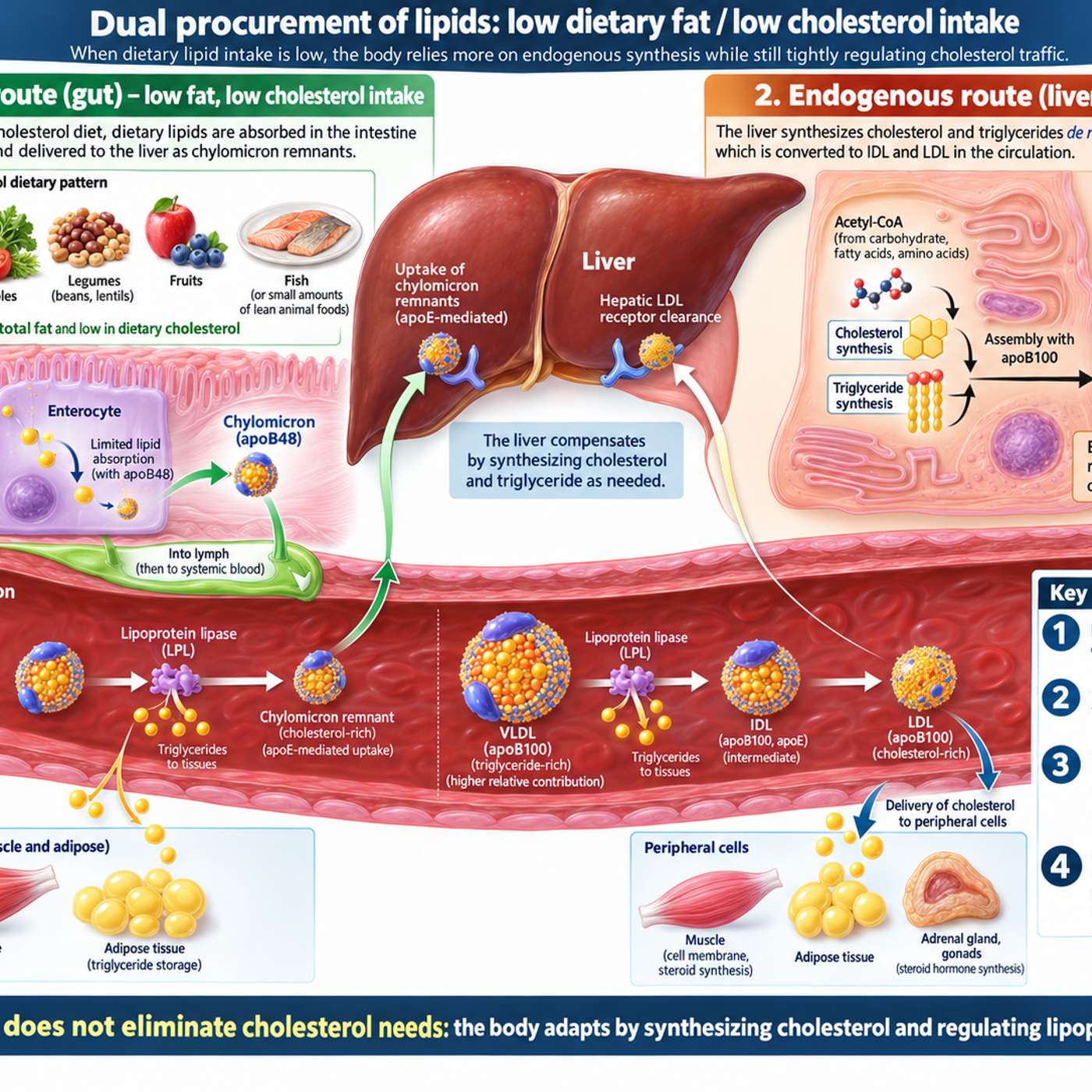
Deciding whether a statin is right for you depends on two things: your measurable cardiovascular risk and how much your cholesterol is actually influenced by diet. Both questions have real answers, and understanding them helps you and your doctor make a more informed, personalised decision together.
Read blog and try our AI companion pack to see how our cardiometabolic clinic might manage your cholesterol.
Ask the Evidence: How to Use AI to Get Real Answers From Our Cardiovascular Articles

A new tool on every SCVC article lets you interrogate the evidence behind our advice using your own AI assistant — here is how it works and why it matters.
https://www.scvc.co.uk/news/ask-the-evidence-how-to-use-ai-to-get-real-answers-from-our-cardiovascular-articles/
Why a cardiovascular clinic started running men’s health clinics

Men attending a heart clinic rarely come in with just one concern. Erectile dysfunction, prostate health and unexplained weight gain share biological pathways with cardiovascular disease. This article explores why one cardiology clinic built a dedicated men's health service, and what those links mean for patients and GPs.
Read the full article
Metabolic Health Assessment (MHA) — Early Detection of Insulin Resistance Beyond HbA1c

Insulin resistance often develops silently for years before diabetes or heart disease appears. Discover how modern metabolic assessment, including body composition, visceral fat analysis and targeted blood testing, can identify early risk, allowing personalised lifestyle and medical strategies to restore metabolic health, improve energy, and reduce long-term cardiovascular risk.
Full blog at https://www.scvc.co.uk/diagnostic-and-health-screening/insulin-resistance-metabolic-health/
https://www.scvc.co.uk/cardiovascular-prevention/cardiologist-body-recomposition/

Body recomposition focuses on reducing visceral fat while preserving muscle mass, offering superior cardiovascular protection compared to traditional weight loss. This approach proves particularly valuable for patients with coronary disease, those starting GLP-1 therapy, and adults over 60 facing age-related muscle loss.
https://www.scvc.co.uk/cardiovascular-prevention/cardiologist-body-recomposition/
TOE Before Cardioversion: Why Cardiologists Check for Hidden Clots
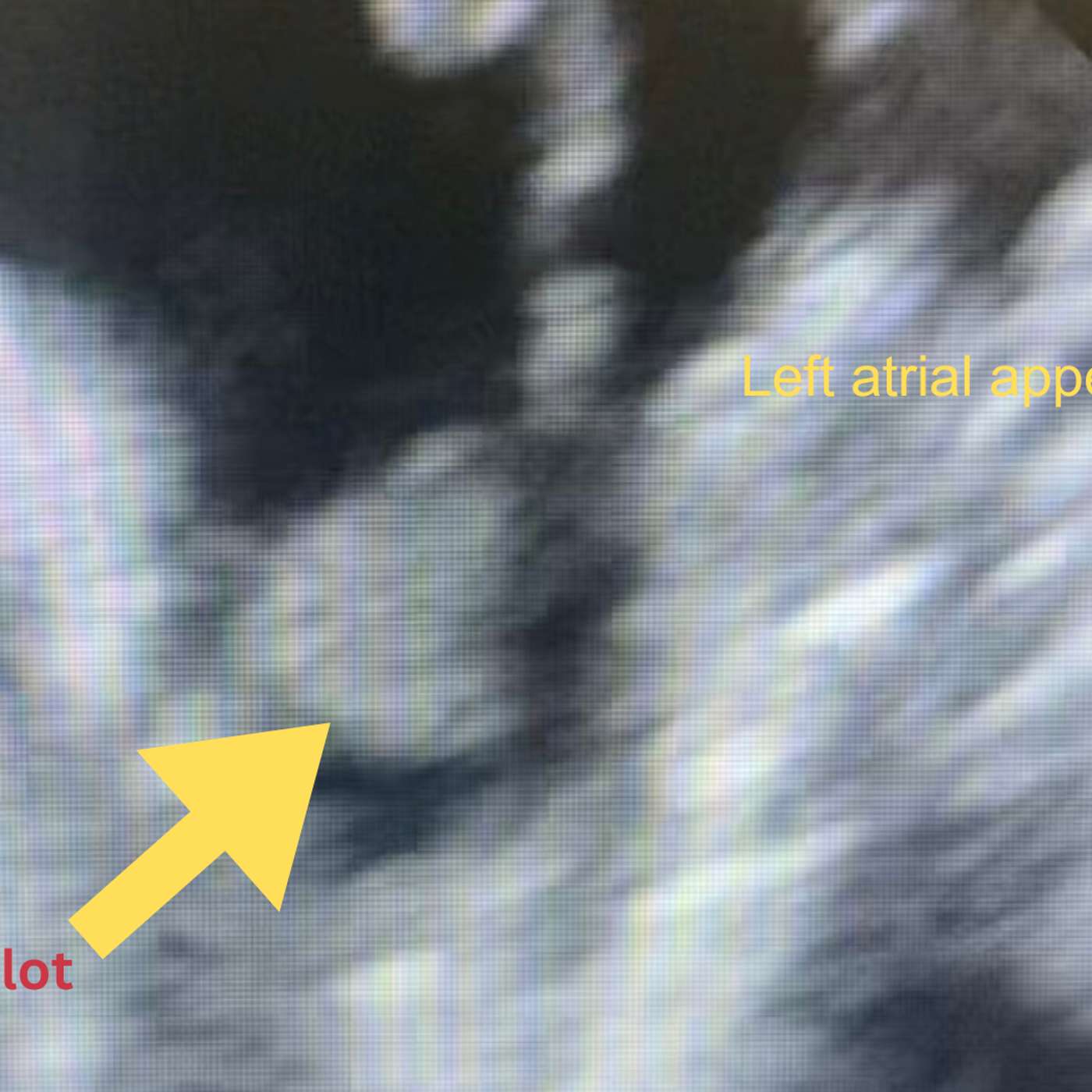
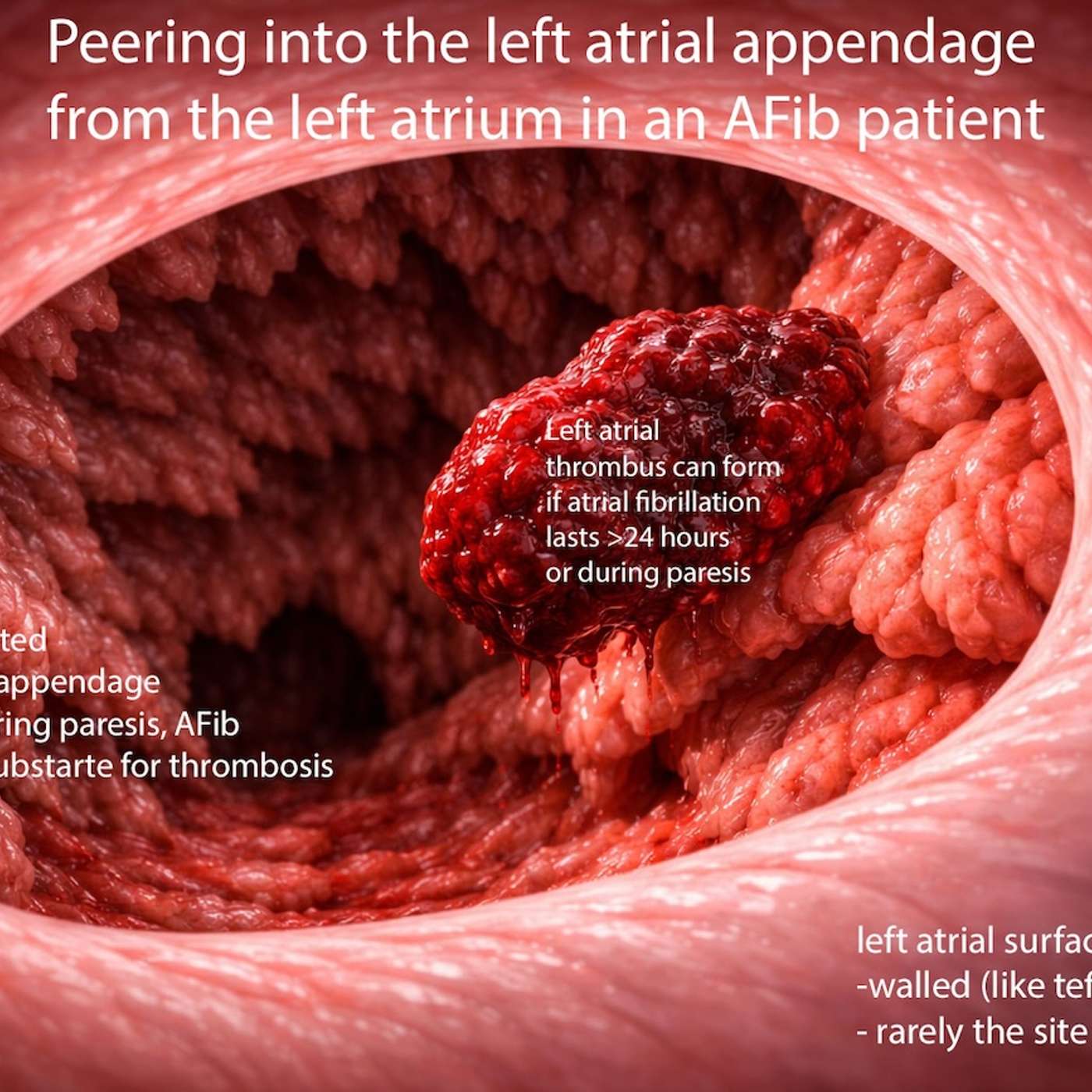
Transoesophageal echocardiography before atrial fibrillation cardioversion prevents stroke by detecting hidden left atrial appendage clots. The greatest risk comes from atrial stunning after rhythm restoration, not existing thrombus. TOE enables safe early intervention.
Read blog
A Single Episode of Atrial Fibrillation with a CHA₂DS₂-VASc Score ≥2: Do You Need Anticoagulants for Life?
A single episode of atrial fibrillation in patients with a CHA₂DS₂-VASc score ≥2 often leads to a recommendation for lifelong anticoagulation. But is this always necessary? This article explores when exceptions may be reasonable, the importance of rhythm monitoring, and how shared decision-making can guide personalised, safe stroke prevention strategies.
Read blog
Atrial Fibrillation or Flutter with a Low CHA₂DS₂-VASc Score: Why Cardioversion Still Carries Stroke Risk
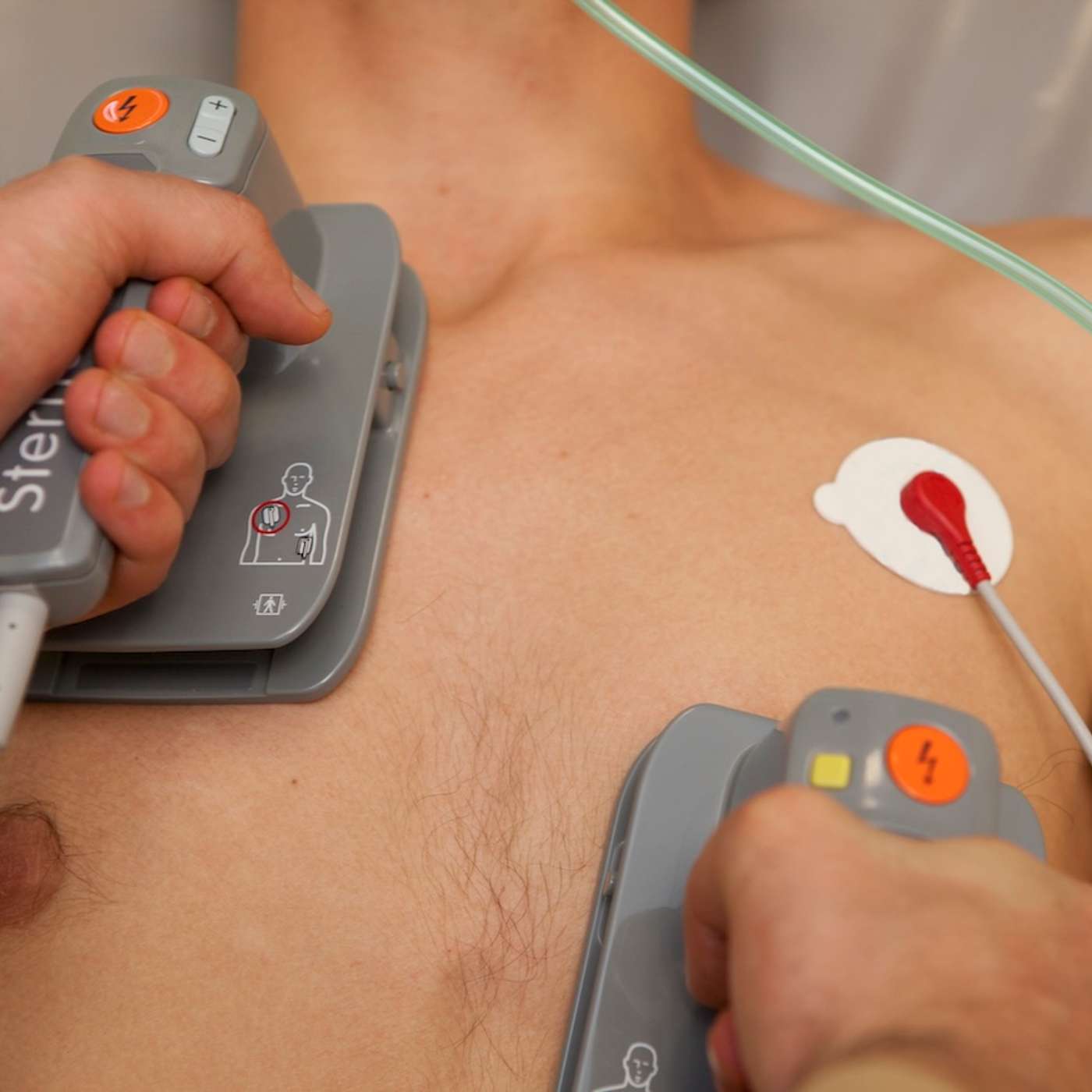
Patients with a low CHA₂DS₂-VASc score are often considered low risk for stroke. However, around cardioversion, this changes. Atrial paresis following restoration of sinus rhythm creates a temporary high-risk period for clot formation, particularly after AF lasting more than 24 hours, making short-term anticoagulation essential even in younger patients.
Read blog
LDL Cholesterol Reduction: Absolute Beats Relative? It’s “And,” Not “Or”
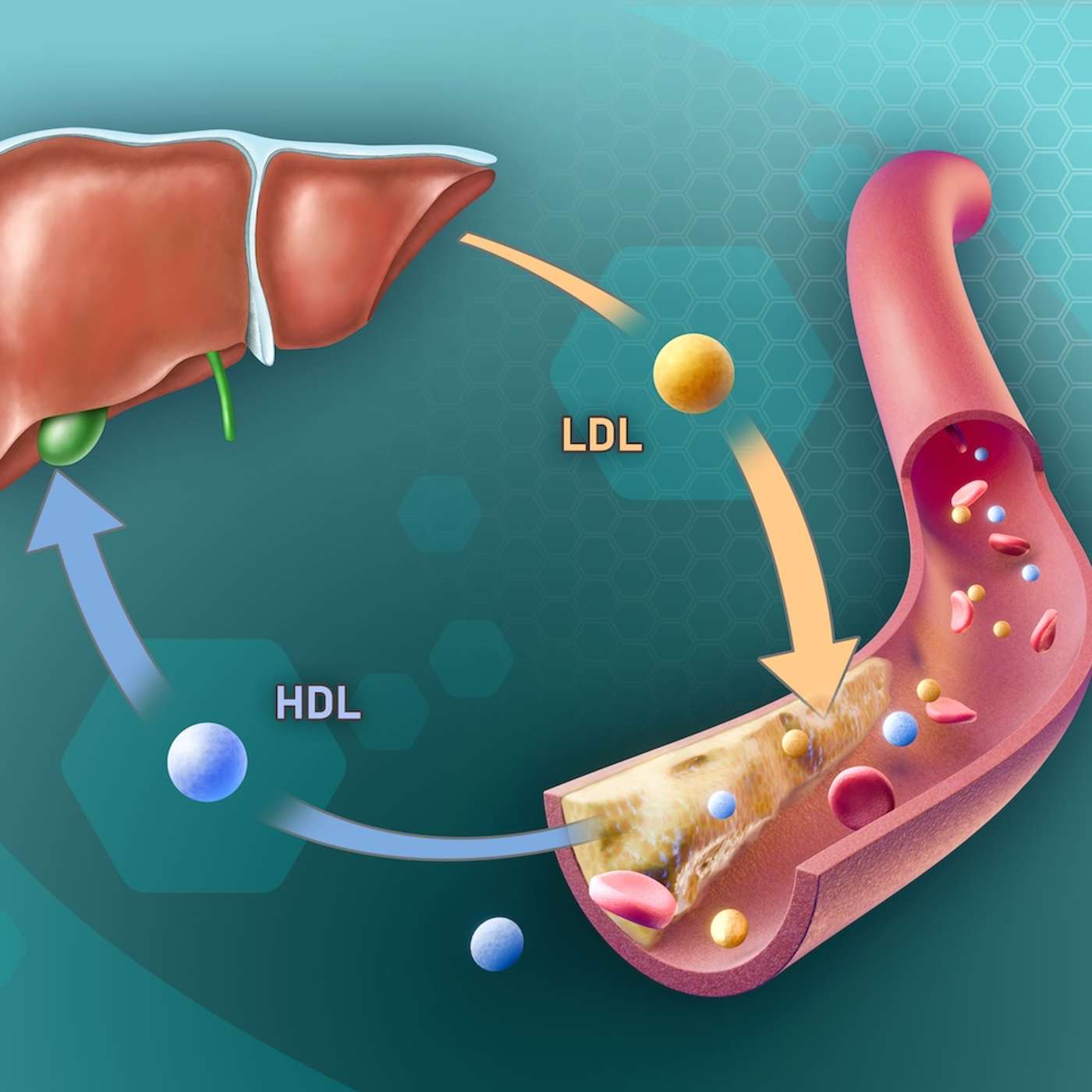
Modern lipid management requires both substantial percentage LDL reduction and achieving low absolute LDL levels. Relative reduction reflects treatment intensity, while absolute LDL determines residual risk. Trials consistently show “lower is better.” Even with good percentage drops, patients may remain undertreated—making combined pharmacological and lifestyle strategies essential to reduce atherogenic exposure and cardiovascular risk.
Read blog
Cardiology for medics podcast series
Targets for LDL-C, ApoB and Small Dense LDL
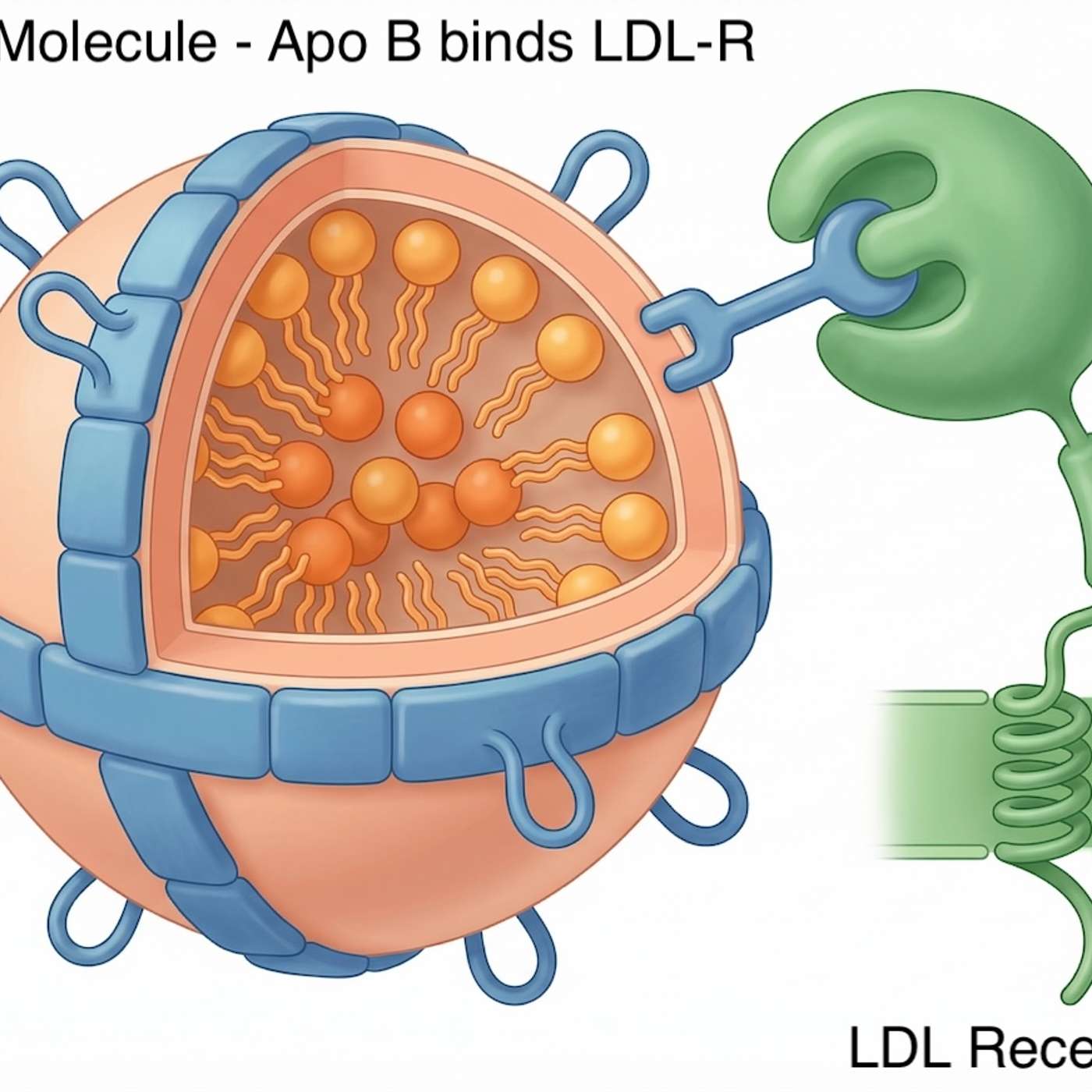
LDL-C alone may miss important cardiovascular risk. This article explains why ApoB and small dense LDL often better reflect atherosclerotic burden, especially in metabolic disease and high visceral fat. It outlines practical lipid targets by risk category and shows how LDL-C:ApoB ratios can estimate dangerous particle patterns
Read blog
Cardiology for medics podcast series
The Role of Gain of Function Mutations in Heart Disease
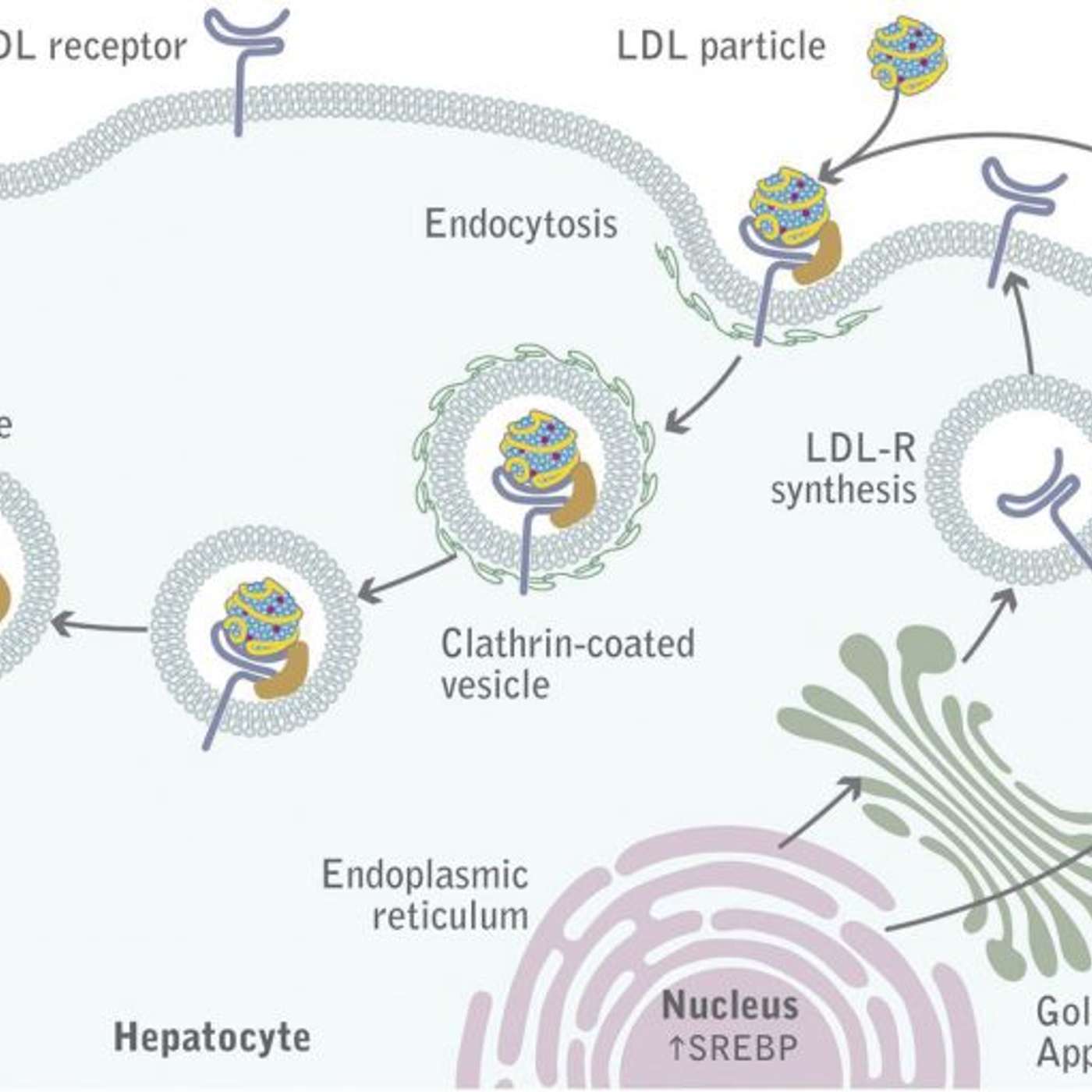
Gain-of-function mutations in PCSK9 increase LDL cholesterol by accelerating LDL receptor degradation, helping explain inherited cardiovascular risk. Unlike evolutionary adaptations such as sickle-cell heterozygote advantage, these mutations directly enhance protein activity. Understanding this genetic pathway has transformed cholesterol science and led to powerful new treatments for coronary artery disease.
Blog
Cardiology for medics podcast series
Your Roadmap to CHD Prevention: A 4-Step Guide
Coronary heart disease often presents without warning, making early prevention essential. This article outlines a personalised approach to identifying individual risk, detecting underlying coronary inflammation and plaque, and implementing structured preventive strategies. Combining risk scoring, advanced imaging and holistic management, we help patients reduce the likelihood of future heart events.
To read more see blog
Cardiometabolic Risk in 2026: From Self-Management to Structured Escalation
Cardiometabolic risk develops gradually through visceral fat accumulation, insulin resistance and rising blood pressure. A structured escalation model — from supported self-management to specialist review and selective GLP-1 therapy — allows proportionate intervention before overt cardiovascular disease emerges. Early, coordinated action can alter long-term risk trajectories.
Read blog
For more in this podcast series see https://feeds.transistor.fm/cardiology-topics-for-medics
THE CHOICE: How Cardiologists Operate GLP-1 Mimetics in Practice

Semaglutide’s cardiovascular benefits extend beyond weight loss — it powerfully reduces visceral adipose tissue (VAT), the internal fat that drives inflammation, insulin resistance and small dense LDL. At SCVC, our GLP-1 programme targets VAT directly using personalised VAT scans and flexible dosing to improve long-term heart health.
For full article see blog
The 8-Month Metabolic Reset: A New Approach to Reversing Visceral Fat, Improving Blood Pressure and Blood Glucose
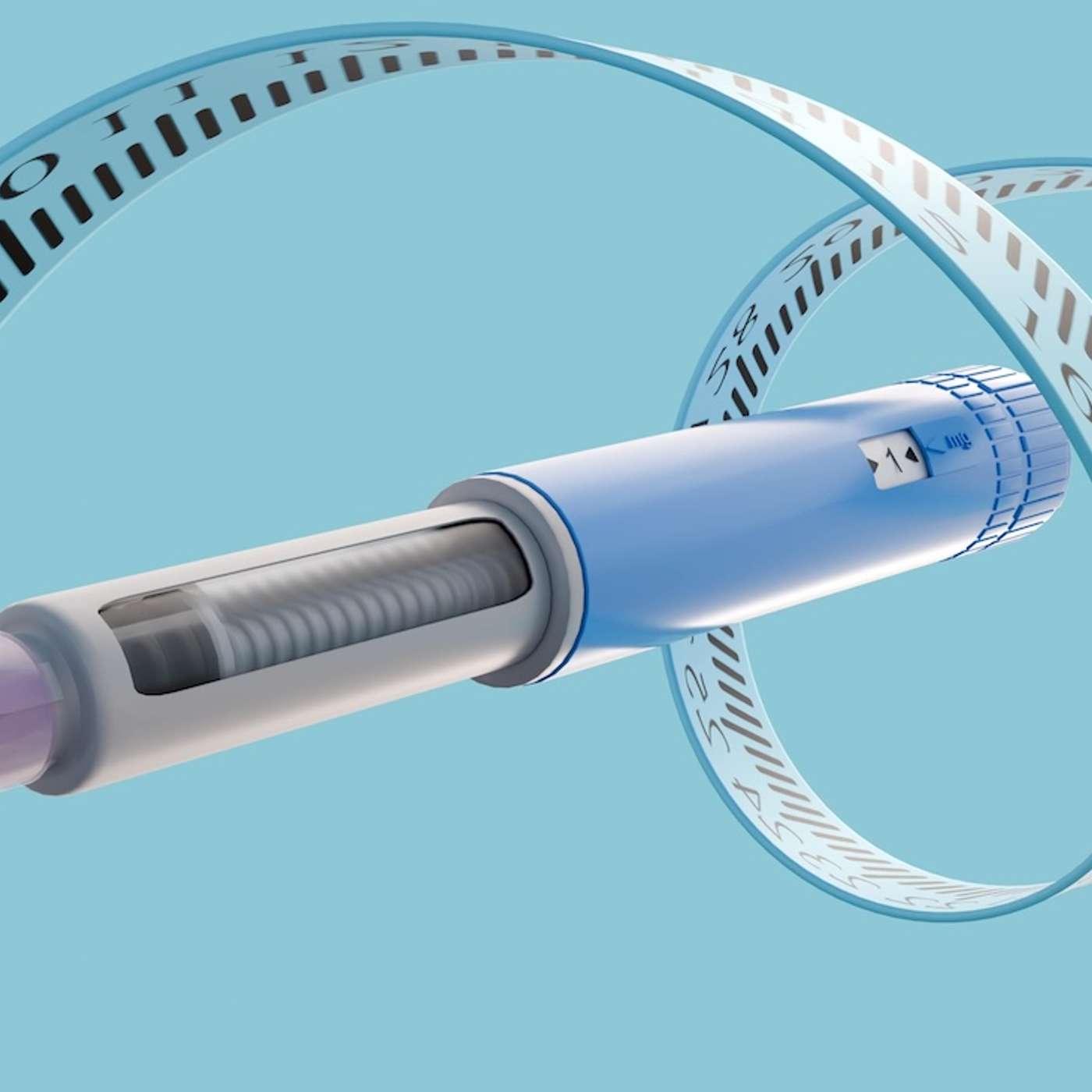
As we age — particularly if we have inherited genes that predispose us to metabolic disarray that accompanies modern diet and lifestyles, we start to gain weight as visceral fat increases, and muscle mass declines. This double effect worsens blood pressure, cholesterol triglycerides, and blood sugar — contributing to what is known as the metabolic syndrome. Fat cells that have reached their capacity to store extra energy as a healthy reserve start to cause havoc by releasing free fatty acids and in turn worsens insulin resistance, that steepens the decline in health.
However in many cases if we can redu...
Some hypothyroid patients with heart disease are prescribed T4 that doesn't convert to T3
Hypothyroidism is a very common medical condition. Most patients symptoms improve with standard thyroxine treatment, however some do not. There are some genetic variations that leads to poor conversion of T4 to T3 (the active thyroid hormone). It is not always possible to tell from TSH and T4 chemistry that this issue is present. This podcast covers a review article published in the Lancet in 2023.
If you have an underactive thyroid and are taking thyroxine but have hypothyroid symptoms despite apparently 'normal' TSH and T4, especially if you struggle to lose weight and have raised blood cholesterol th...
BP Targets: a personalised approach

This podcast is a discussion around
Guidance Document for GPs on Blood Pressure Management: Timeline of Events - where significant events and research in the evolution of blood pressure management guidelines, focusing particularly on heart failure. It aims to aid General Practitioners (GPs) in the UK in understanding the historical context and current standards for managing blood pressure across various patient demographics.
