बालमोदिनी

सम्भाषणसन्देशः इति संस्कृतमासिकपत्रिका (https://sambhashanasandesha.in) । एतस्यां पत्रिकायां प्रकाशिताः लेखाः, कथाः, बालकथाः, वार्ताः इत्यादिकं सर्वम् अपि सरलसंस्कृतेन एव प्रकाश्यते । तत्रत्याः “बालमोदिनी”नामिकाः बालकथाः अत्र प्रसार्यन्ते । अतः अस्याः शृङ्खलायाः नाम अपि “बालमोदिनी” एव । लघु गात्रं, सरला भाषा च कथानां विशेषः । प्रत्येकं कथा काञ्चित् नीतिं बोधयति । बालकथाः आबालवृद्धं सर्वेषां प्रियाः । संस्कृतेन ताः श्रोतुम् उपलब्धाः भवन्तु इति एषः प्रयत्नः श्रोतृभ्यः अवश्यं रोचेत इति विश्वासः । संस्कृतक्षेत्रे संस्कृतेन पॉड्कास्ट् क्रियमाणाः एताः प्रप्रथमाः कथाः इति सगौरवम् उद्घोष्यते । Sambhashana Sandesha is a Sanskrit monthly magazine (https://sambhashanasandesha.in). The articles, stories, children's stories, news, and other content published in this magazine are all presented in simple Sanskrit. Among these, the children's stories titled “Balamodini” are featured. The series is named “Balamodini” as well. The hallmark of these stories is their short length and simple language. Each story imparts a specific moral lesson. Children’s stories are cherished by everyone, young and old alike. It is believed that listeners will appreciate this effort to make these stories available in Sanskrit. These are the first stories to be podcasted in the Sanskrit language within this field.
अतिलोभात् विनश्यति
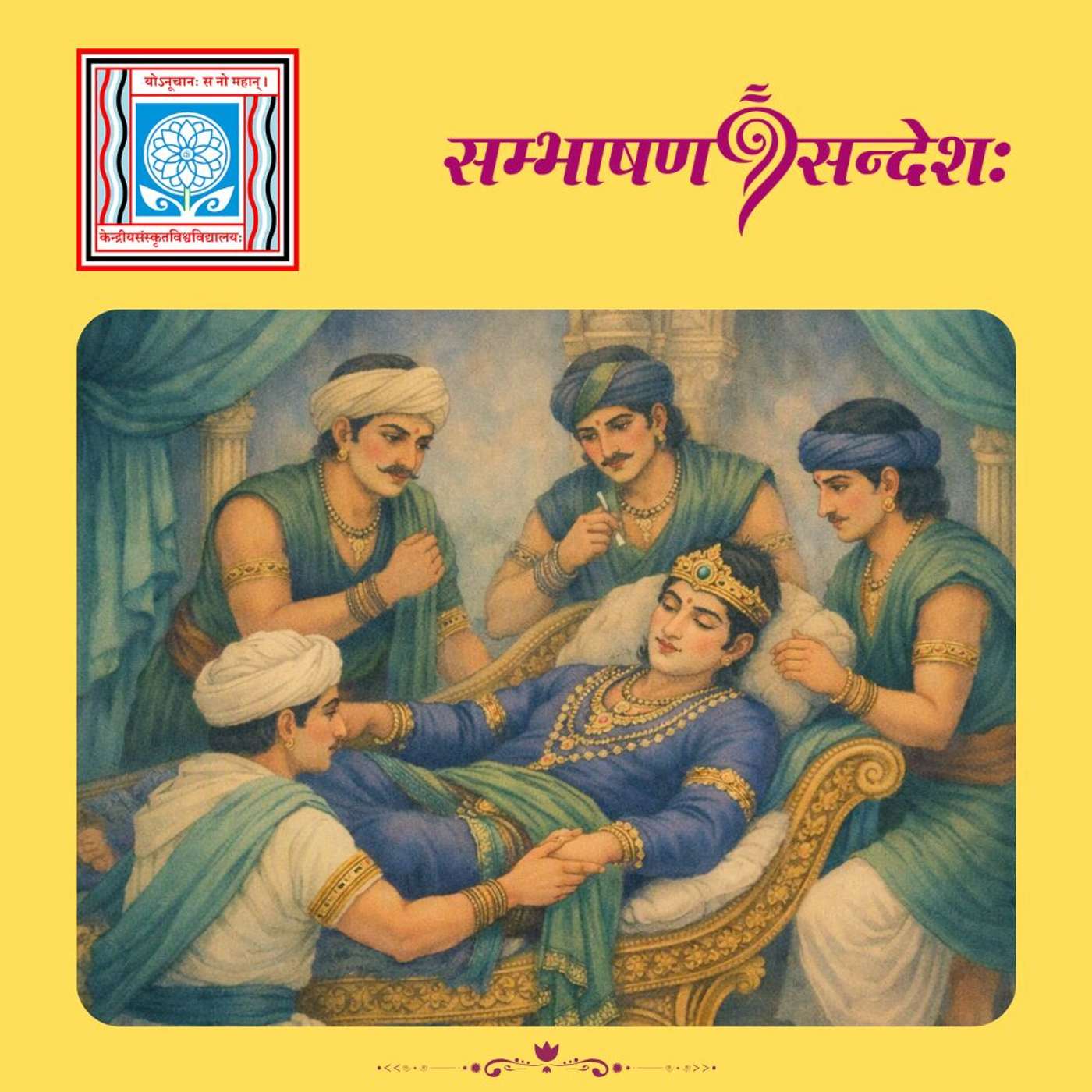
पुरातनकाले सञ्जीवनामकः महाराजः पुत्रकामनया बहुकालपर्यन्तं ब्राह्मणान् सेवितवान् । सन्तुष्टाः ब्राह्मणाः नारदमहर्षिं राज्ञे पुत्रदानार्थं प्रार्थितवन्तः । नारदमहर्षिः तत् अङ्गीकृत्य राजानम् अपृच्छत् 'भवान् कीदृशं पुत्रम् इच्छति?' इति । राजा अतिलोभात् 'तादृशं पुत्रं यच्छतु यस्य विष्ठा, मूत्रं, ष्ठीवनं, कफः सर्वमपि सुवर्णमयं स्यात्' इति । तथैव पुत्रः जातः । अल्पेनैव कालेन राज्ञः भाण्डागारं सुसंवृद्धम् । किन्तु कदाचित् चोराः तं राजकुमारम् अपहृत्य नीतवन्तः । ते यद्यपि बहुसुवर्णं प्राप्तवन्तः तथापि अन्ते तं राजभयात् मारितवन्तः । अतः वदन्ति 'अतिलोभात् विनश्यति' इति ।
(“केन्द्रीयसंस्कृतविश्वविद्यालयस्य अष्टादशीयोजनान्तर्गततया एतासां कथानां ध्वनिप्रक्षेपणं क्रियते”)
Long ago, King Sanjiva served many sages for years, praying for a son. Pleased with him, they requested Sage Narada to grant the king's wish. When Narada asked what kind of son he desired, the king, driven by greed, wished for a son whose every bodily waste would turn into gold. His wish was fulfilled, and soon the royal treasury overflowed with wealth. But one day, thieves kidnapped the prince. Though they gained much gold, they eventually killed him out of fear of being caught. Thus, the story teaches the timeless lesson: excessive greed leads to destruction.
आत्मानन्दः
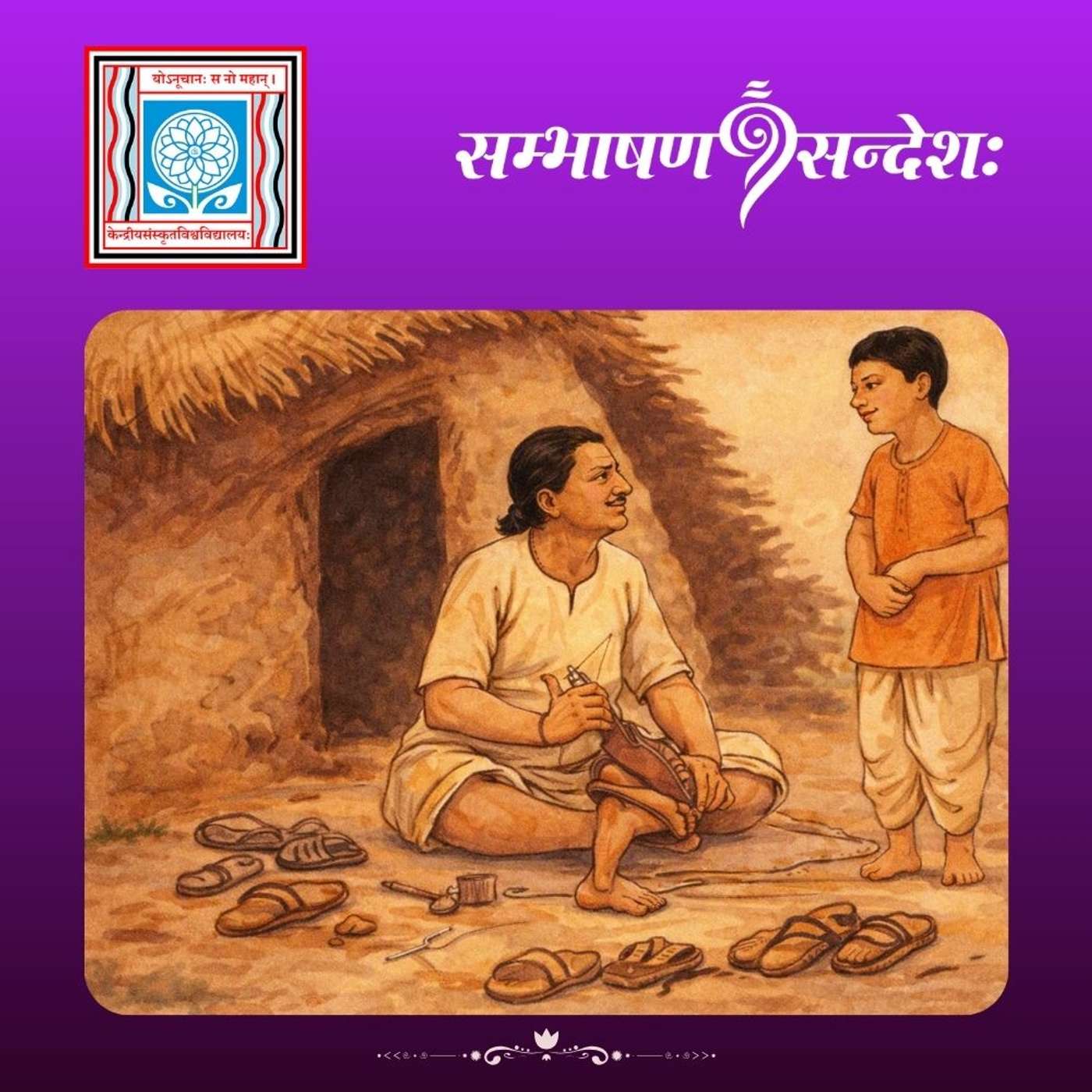
रोहिदासनामा कश्चन चर्मकारः पादरक्षाणां निर्माणं कृत्वा ताः विक्रीय जीवनं करोति स्म । महान् हरिभक्तः सः पादरक्षानिर्माणसमयेऽपि हरिनाम जपित्वा सर्वदा आनन्देन तिष्ठति स्म । तस्य शिष्यः चिन्तयति स्म यत् 'एतेन ज्ञानिना एतादृशं क्षुद्रं कार्यं न करणीयम्' इति । अतः सः गुरोः दारिद्र्यं दूरीकर्तुम् कञ्चन निकषं ददाति यस्य स्पर्शेन अयोमयानि वस्तूनि सुवर्णमयानि भवति । किन्तु रोहिदासः तस्य उपयोगं न करोति । तस्य कारणम् अपि उत्तमतया विवृणोति शिष्याय ।
(“केन्द्रीयसंस्कृतविश्वविद्यालयस्य अष्टादशीयोजनान्तर्गततया एतासां कथानां ध्वनिप्रक्षेपणं क्रियते”)
Rohidas was a humble cobbler who earned his living by making and selling footwear. A devoted devotee of Lord Hari, he joyfully chanted God's name even while working. His disciple felt that such a wise saint should not live in poverty, so he offered him a magical touchstone that could turn iron into gold. But Rohidas refused to use it and beautifully explained to his disciple why true wealth lies in contentment and devotion.
परिणामे भयङ्करः
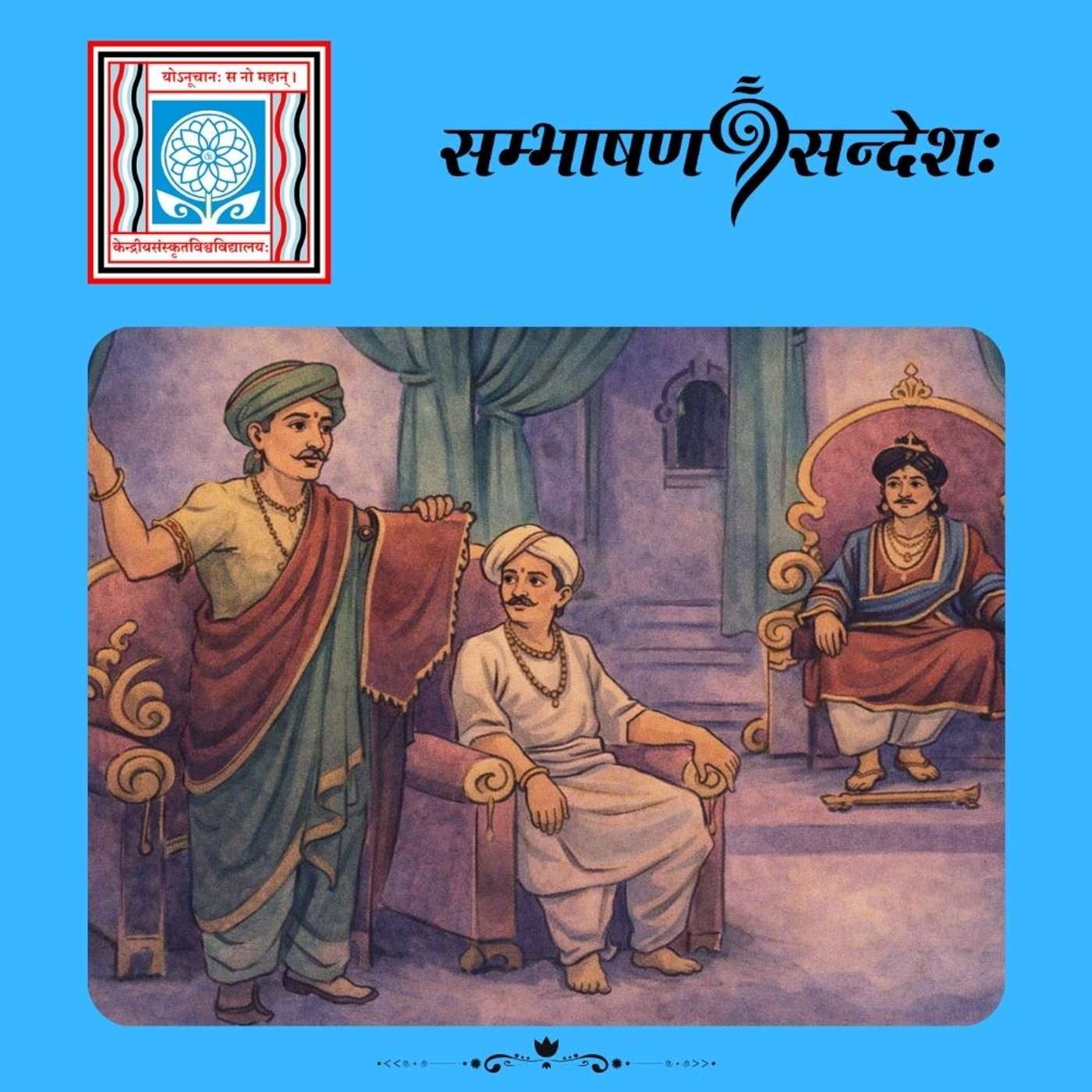
कश्चन कलारसिकः काव्यप्रियः च महाराजः आसीत् । कदाचित् मगधदेशात् काव्यं श्रावयितुम् अस्य महाराजस्य आस्थानम् आगतवान् । यद्यपि सः उत्तमः कविः तथापि तस्य एकः दुरभ्यासः आसीत् यत् सः काव्यश्रावणसमये पुनःपुनः करतलयोः कण्डूयनं करोति स्म । तदपि सः तावद्वारं करोति स्म यत् काव्यश्रोतारः तेन जुगुप्साम् अनुभवेयुः । महाराजः तस्य काव्यं श्रुत्वा तं दुरभ्यासं दूरीकर्तुम् उपायमेकं करोति ।
(“केन्द्रीयसंस्कृतविश्वविद्यालयस्य अष्टादशीयोजनान्तर्गततया एतासां कथानां ध्वनिप्रक्षेपणं क्रियते”)
A king who deeply loved poetry and the arts once invited a poet from Magadha to recite his verses. Though the poet was highly talented, he had an unpleasant habit of constantly scratching his palms while reciting, making the audience uncomfortable. After appreciating his poetry, the king devised a clever way to help the poet overcome this bad habit.
केतक्याः पतनम्
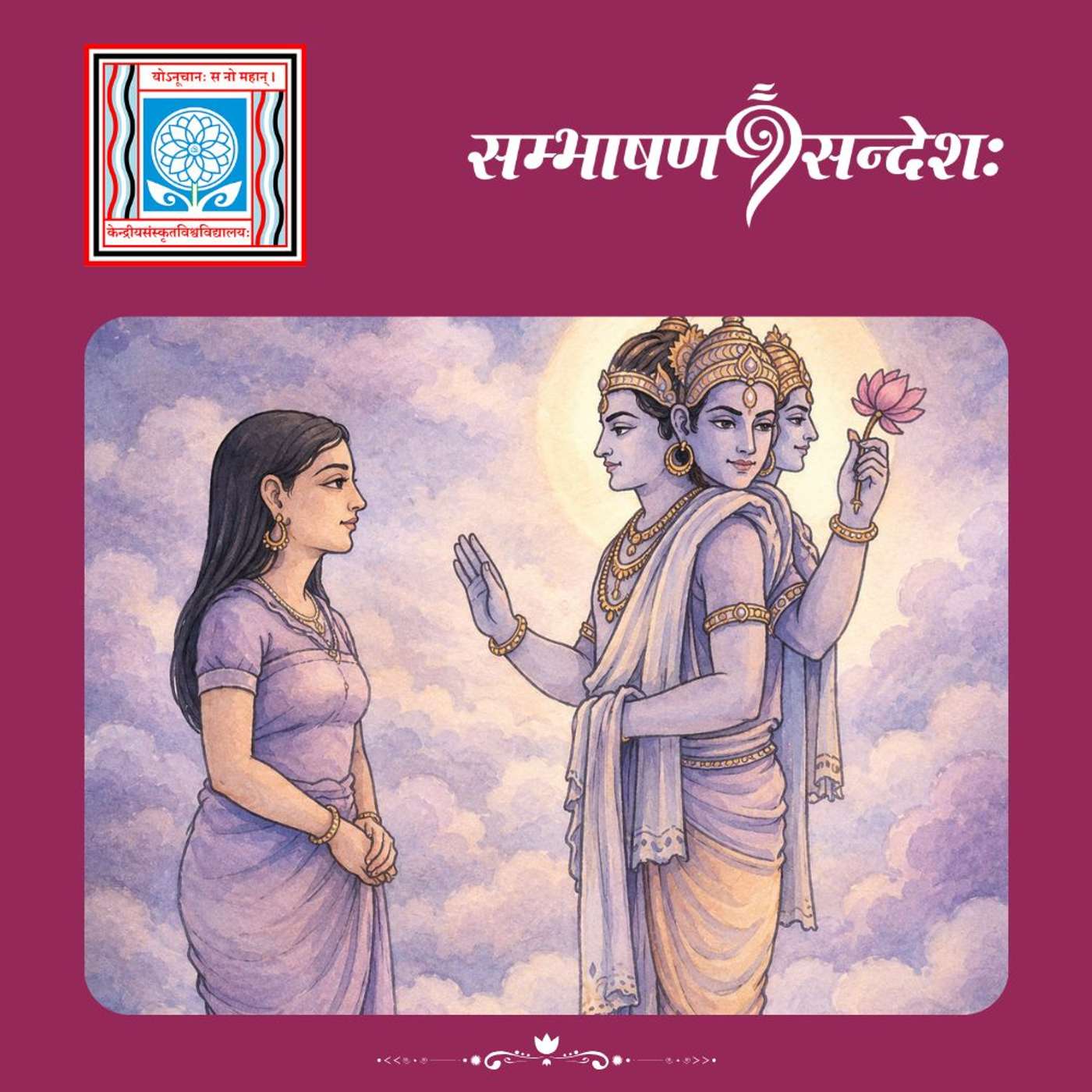
केतकी कदाचित् ब्रह्मणा सह मिलित्वा शिवस्य अन्वेषणविषये असत्यवचनं कथयति । कुपितः शिवः तां शप्तवान् यत् 'इतः परं मम पूजायां तव उपयोगः न भविष्यति' इति । अतः एव तदाप्रभृति शिवस्य पूजार्थं केतकी न उपयुज्यते ।
(“केन्द्रीयसंस्कृतविश्वविद्यालयस्य अष्टादशीयोजनान्तर्गततया एतासां कथानां ध्वनिप्रक्षेपणं क्रियते”)
Once, the Ketaki flower falsely supported Brahma during the search for Lord Shiva's true form. Angered by this, Lord Shiva cursed the flower, declaring that it would never again be used in His worship. That is why the Ketaki flower is traditionally not offered to Lord Shiva.
संयमात् एव शान्तिः
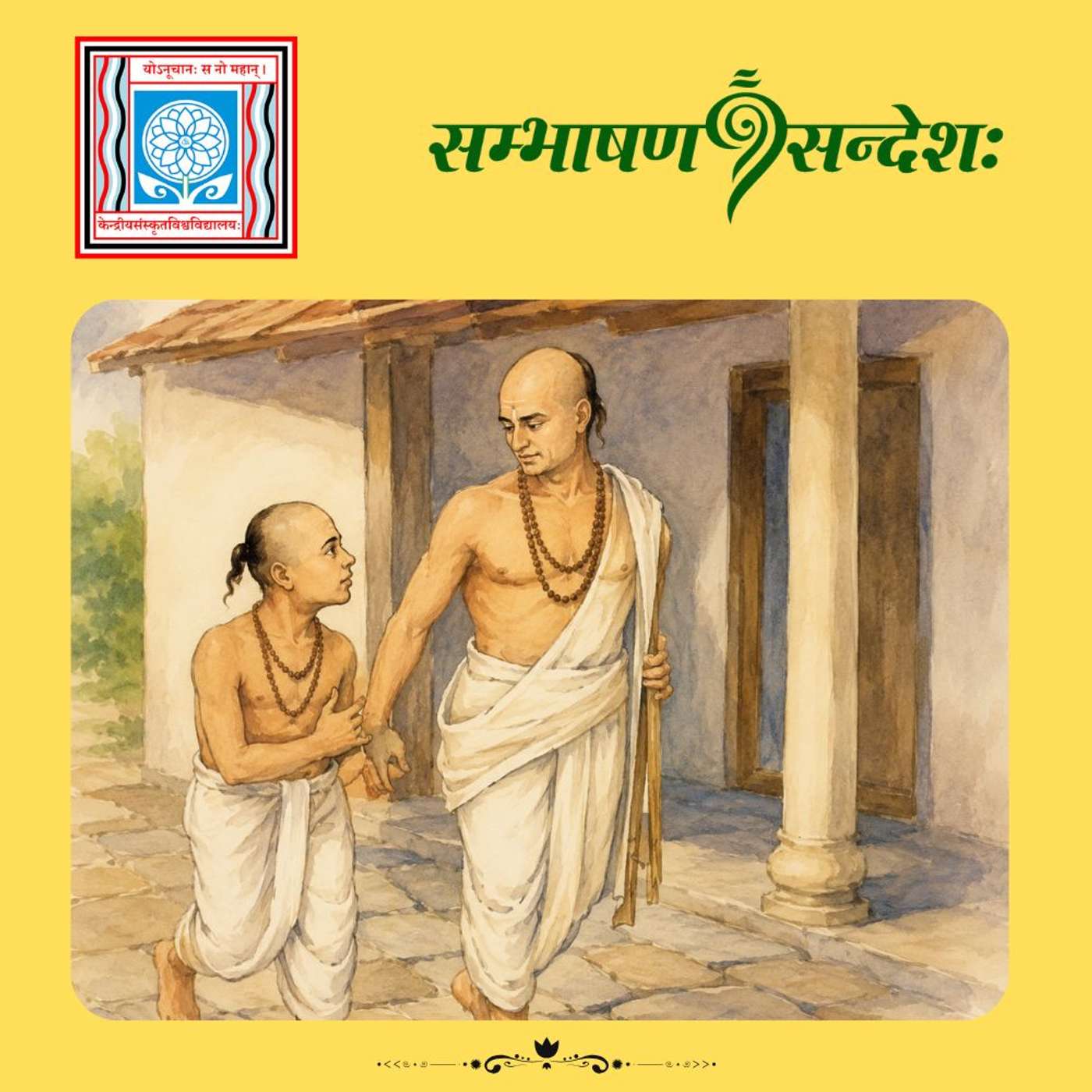
कदाचित् वारणास्याम् आयोजितायां सभायां नानाविधाः चर्चाः शास्त्रार्थसंवादाश्च प्राचलन् 'शान्तिः कस्मात् प्राप्यते' इत्यस्मिन् विषये । सप्त दिनानि यावत् सभा प्रवृत्ता । अन्ते राजपुरोहितः सर्वेषां मतानि परिशील्य 'ज्ञानेन एव शान्तिः प्राप्यते' इति निर्णयम् असूचयत् । सर्वेऽपि सभासदः सम्मतिं सूचितवन्तः । किन्तु कश्चन युवकः उत्थाय अवदत् यत् 'शान्तिः संयमेनैव प्राप्यते' इति । सः एव युवकः आसीत् उद्दालकः। सः निर्दशनेन अपि तस्य वादं प्रतिपादयति ।
(“केन्द्रीयसंस्कृतविश्वविद्यालयस्य अष्टादशीयोजनान्तर्गततया एतासां कथानां ध्वनिप्रक्षेपणं क्रियते”)
Once, a seven-day debate was held in Varanasi on the question, "How can true peace be attained?" After hearing many opinions, the royal priest concluded that peace comes through knowledge, and everyone agreed. But a young man named Uddalaka stood up and argued that true peace comes only through self-control. He then proved his point with a practical demonstration.
अक्षुण्णः अधिकारः
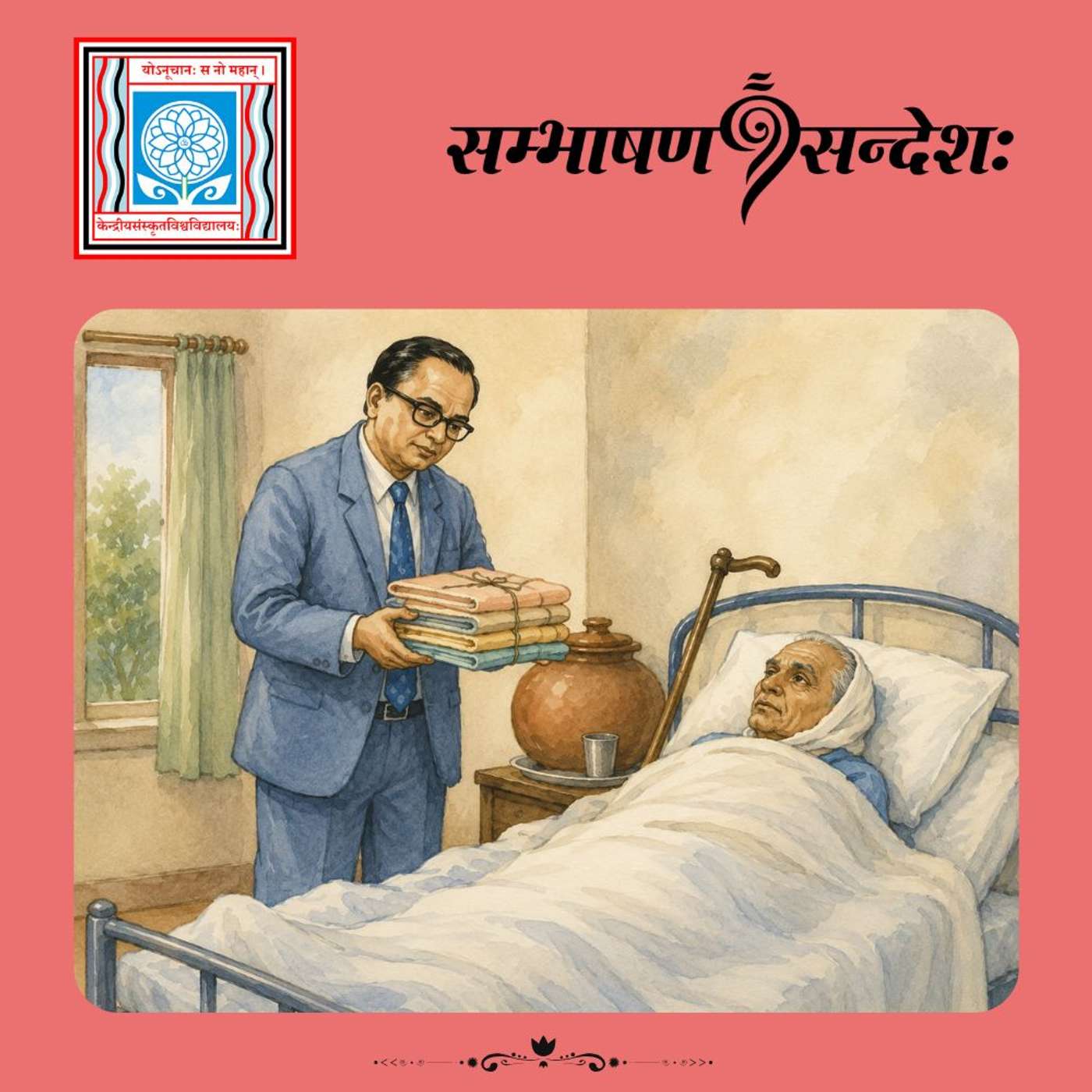
महाराष्ट्रे गाडगेमहाराजनामा कश्चन महापुरुषः अनेकलक्षरूप्यकाणि अन्येभ्यः दानरूपेण स्वीकृत्य तानि दरिद्राणां कल्याणाय व्ययीकरोति स्म । जीर्णानि वस्त्राणि, एकं कम्बलम्, एकं मृत्तिकापात्रं च एतावदेव तस्य धनम् आसीत् । एकस्यापि रूप्यकस्य दुर्विनियोगः तेन न कृतः । कदाचित् सः यदा अस्वस्थः जातः तदा डा.अम्बेडकरः तं द्रष्टुम् आगतः । स्वस्य निमित्तं किमपि न स्वीकरोति इत्यतः कम्बलद्व्यम् आनीय गाडगेमहाराजाय दत्तवान् । किन्तु तदपि चोखमेळाधर्मशालायै समर्पयितुम् ऐच्छत् गाडगेमहाराजः ।
(“केन्द्रीयसंस्कृतविश्वविद्यालयस्य अष्टादशीयोजनान्तर्गततया एतासां कथानां ध्वनिप्रक्षेपणं क्रियते”)
Gadge Maharaj of Maharashtra was a great saint who accepted donations only to use them for the welfare of the poor. He owned almost nothing—just old clothes, a blanket, and a clay pot—and never misused even a single rupee. Once, when he fell ill, Dr. B. R. Ambedkar visited him and gifted him two blankets, knowing he would accept nothing for himself. Yet, Gadge Maharaj wished to donate even those blankets to the Chokhamela Dharmashala.
गोसेवा
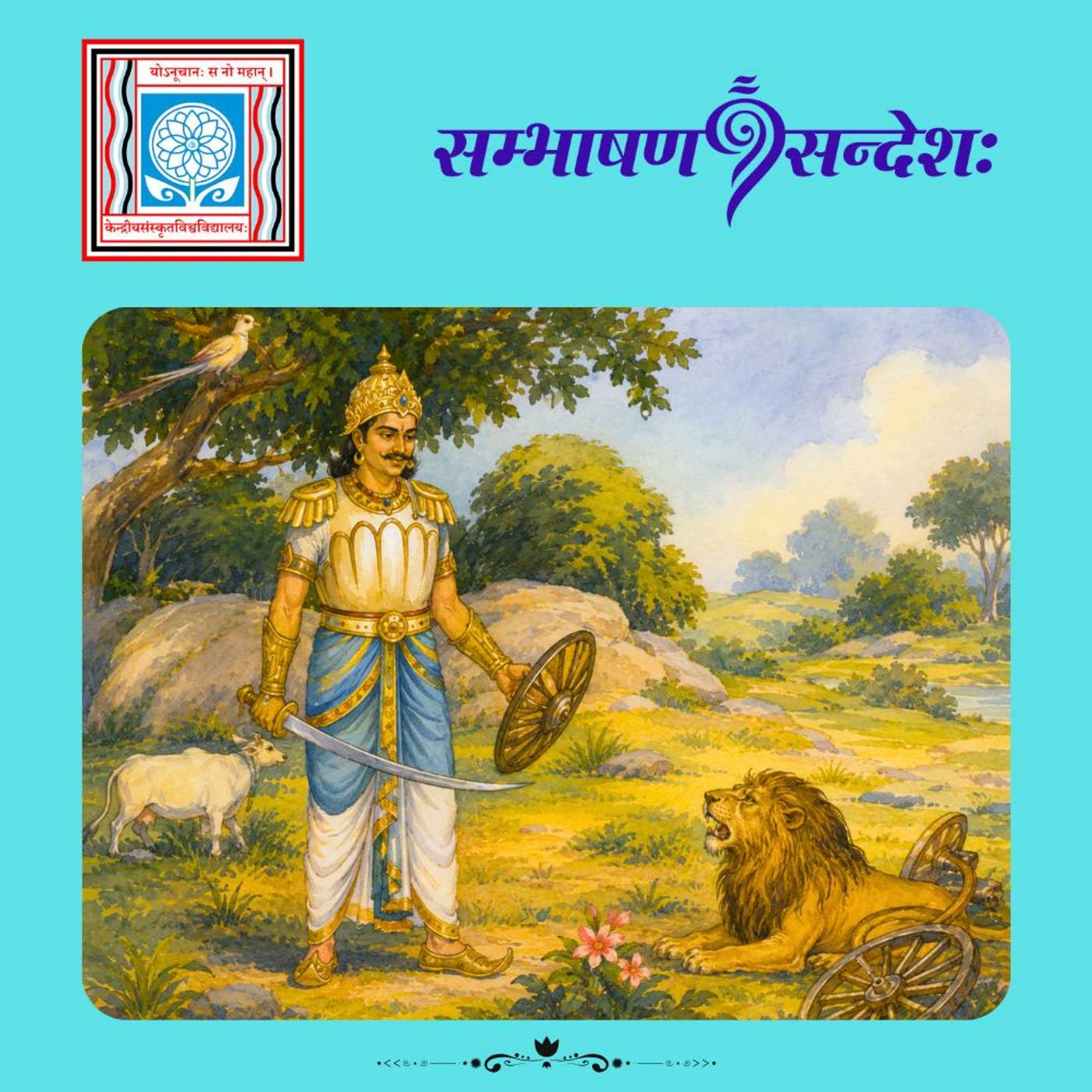
अनादिकालात् अपि भारते गौः पूज्यते स्म । तस्य सेवा रक्षणं च आद्यं कर्तव्यम् इति जनाः मन्यन्ते स्म । अत्रापि प्रजारक्षकः परमोदारः च महाराजः विक्रमादित्यः काञ्चन गावं रक्षति । कदाचित् सः एकाकी अश्वारोही सन् सन्ध्याकाले यदा अरण्यमार्गे गच्छन् आसीत् तदा दूरात् कस्याश्चित् गोः आक्रन्दनं श्रुतवान् । वर्षाकालः इत्यतः कस्मिंश्चित् गर्ते काचन गोः पतिता आसीत् । सिंहः अपि तत्र आयाति । सः स्वप्राणान् पणीकृत्य प्रातःकालपर्यन्तं गोरक्षणे एव मग्नः जातः ।
(“केन्द्रीयसंस्कृतविश्वविद्यालयस्य अष्टादशीयोजनान्तर्गततया एतासां कथानां ध्वनिप्रक्षेपणं क्रियते”)
From ancient times, the cow has been revered in India, and protecting it has been considered a sacred duty. This story tells how the noble King Vikramaditya risked his own life to save a cow. One evening, while riding alone through a forest, he heard the desperate cries of a cow trapped in a deep pit. As a lion approached, the king stood guard through the entire night, protecting the helpless animal until dawn.
अतिथिसत्कारस्य फलम्
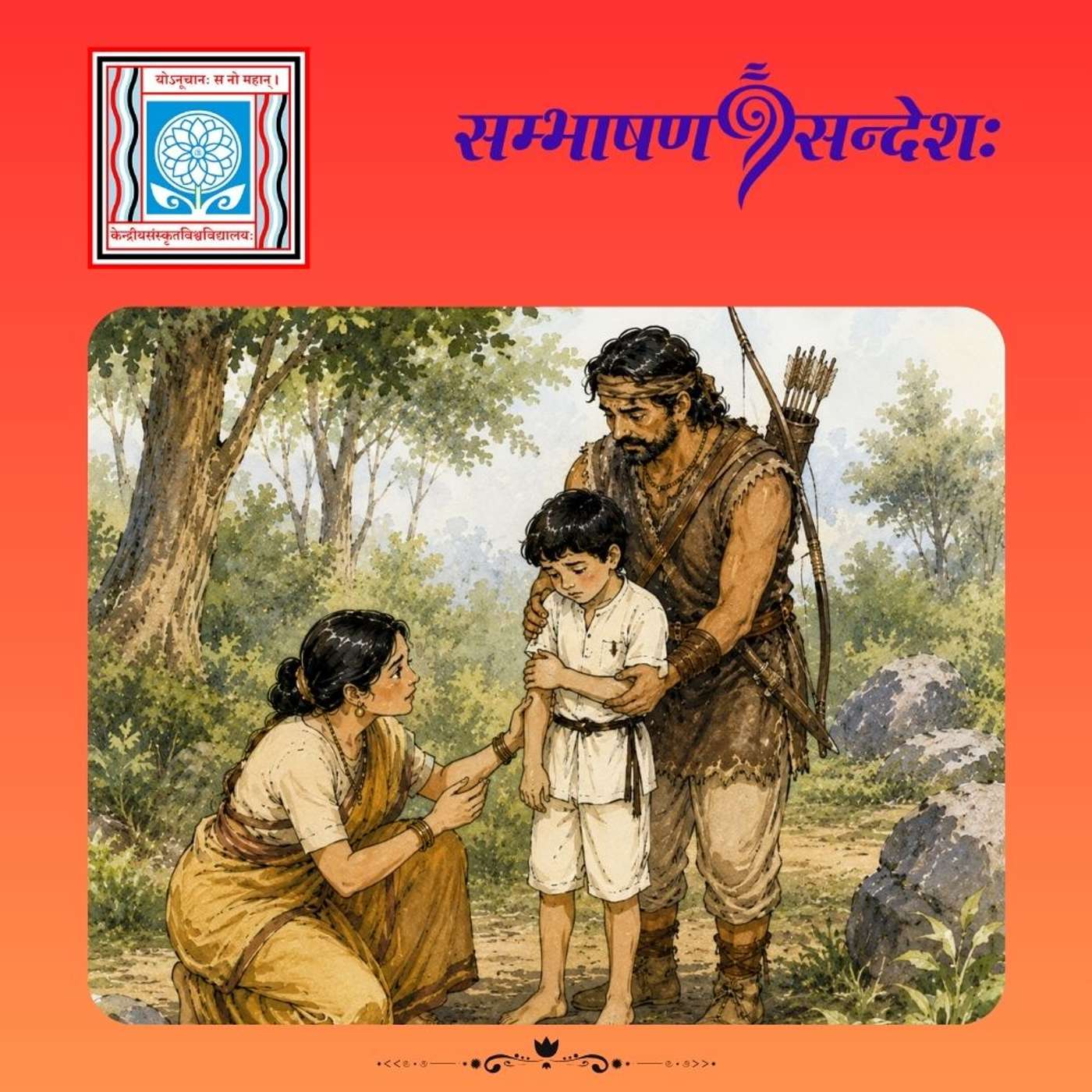
भारतीयसंस्कृतौ अतिथिसत्कारस्य विशिष्टं महत्त्वम् अस्ति । 'अतिथिदेवो भव' इति वचनम् अस्मान् शिक्षयति यत् अतिथिः देवता इव पूजनीयः । अतिथिसत्कारेण उत्तमं फलम् अपि लभ्यते । तत् फलं कीदृशं भवति इत्यस्य उत्तमम् उदाहरणं भवितुम् अर्हति इयं कथा । कथायाम् अस्यां कश्चन किरातः कस्यचित् बालकस्य अतिथिसत्कारकरणेन अग्रिमजन्मनि राजकुमाररूपेण जन्म प्राप्नोति ।
(“केन्द्रीयसंस्कृतविश्वविद्यालयस्य अष्टादशीयोजनान्तर्गततया एतासां कथानां ध्वनिप्रक्षेपणं क्रियते”)
In Indian culture, hospitality holds a special place. The saying "Atithi Devo Bhava" teaches us to treat a guest like God. Serving guests with respect brings great rewards. This story beautifully illustrates that truth—a hunter who warmly welcomed a young guest was rewarded by being reborn as a prince in his next life.
यथा त्वं तथा अहम्
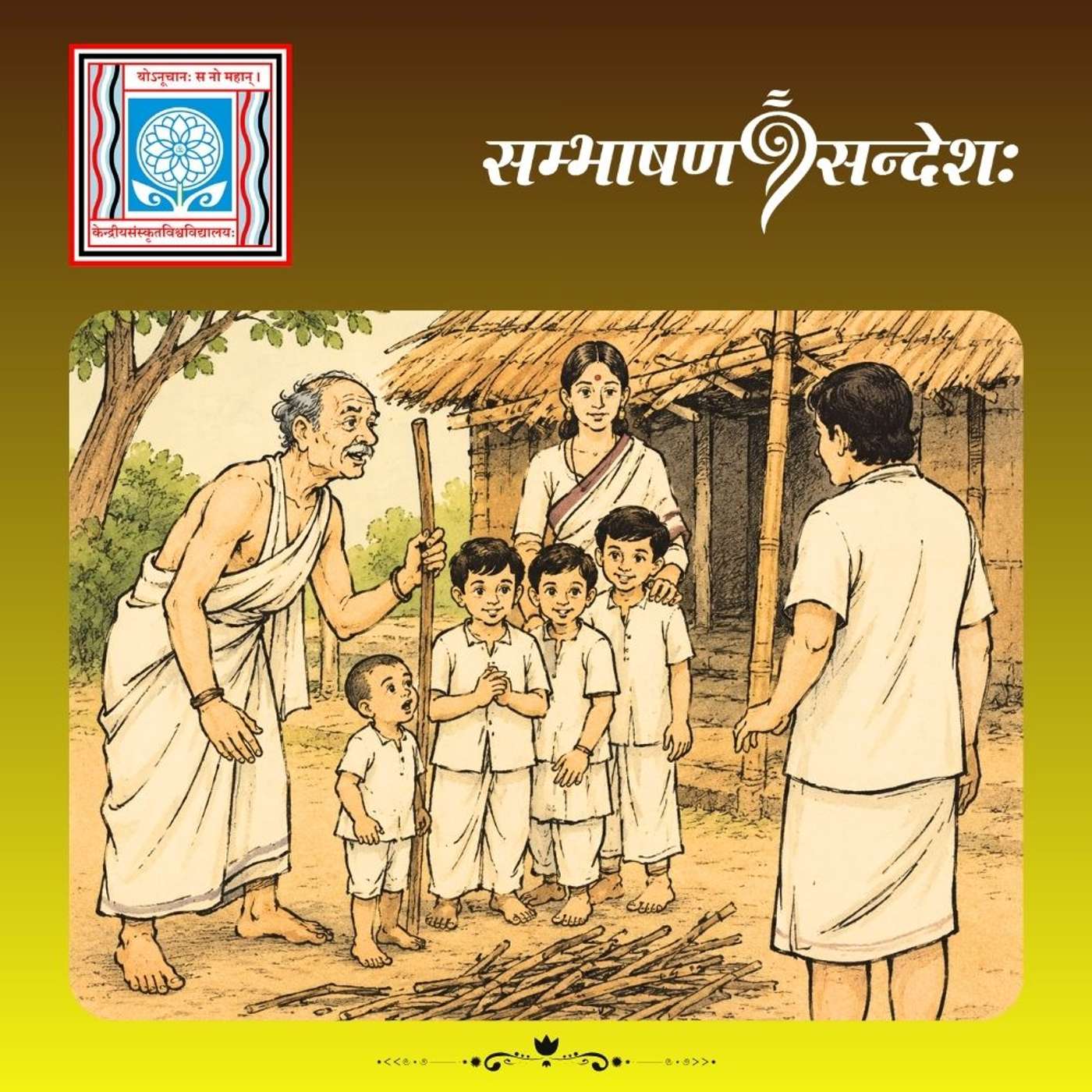
रत्नपुरनामके ग्रामे काचन वृद्धा वसति स्म । सा अतीव चतुरा बुद्धिमती च । तस्याः चत्वारः पुत्राः एका पुत्री च । पुत्री ज्येष्ठा, पुत्राः कनिष्ठाः च । पुत्र्याः विवाहः जातः । तस्याः पतिः स्वभावेन विनोदशीलः । सर्वदा श्वशुरालयगमनसमये सः शिशुभ्यः मिष्टान्नं नयति स्म किन्तु कदाचित् सः इक्षून् नीतवान् । कुतूहलेन यदा वृद्धा जामातरम् अपृच्छत् तदा तस्य वाक्चातुर्यं दृष्ट्वा सर्वे परिवारजनाः तूष्णीम् अभवन् । तदनन्तरं वृद्धा अपि स्वस्य चातुर्यं दर्शयति ।
(“केन्द्रीयसंस्कृतविश्वविद्यालयस्य अष्टादशीयोजनान्तर्गततया एतासां कथानां ध्वनिप्रक्षेपणं क्रियते”)
An elderly woman lived in the village of Ratnapura with her four sons and a married daughter. Her son-in-law was cheerful and witty. Whenever he visited, he brought sweets for the children, but one day he brought sugarcane instead. Curious, the old woman questioned him. His clever reply left the entire family speechless. The old woman then displayed her own wit, making for an entertaining exchange.
कः मूर्खः ?
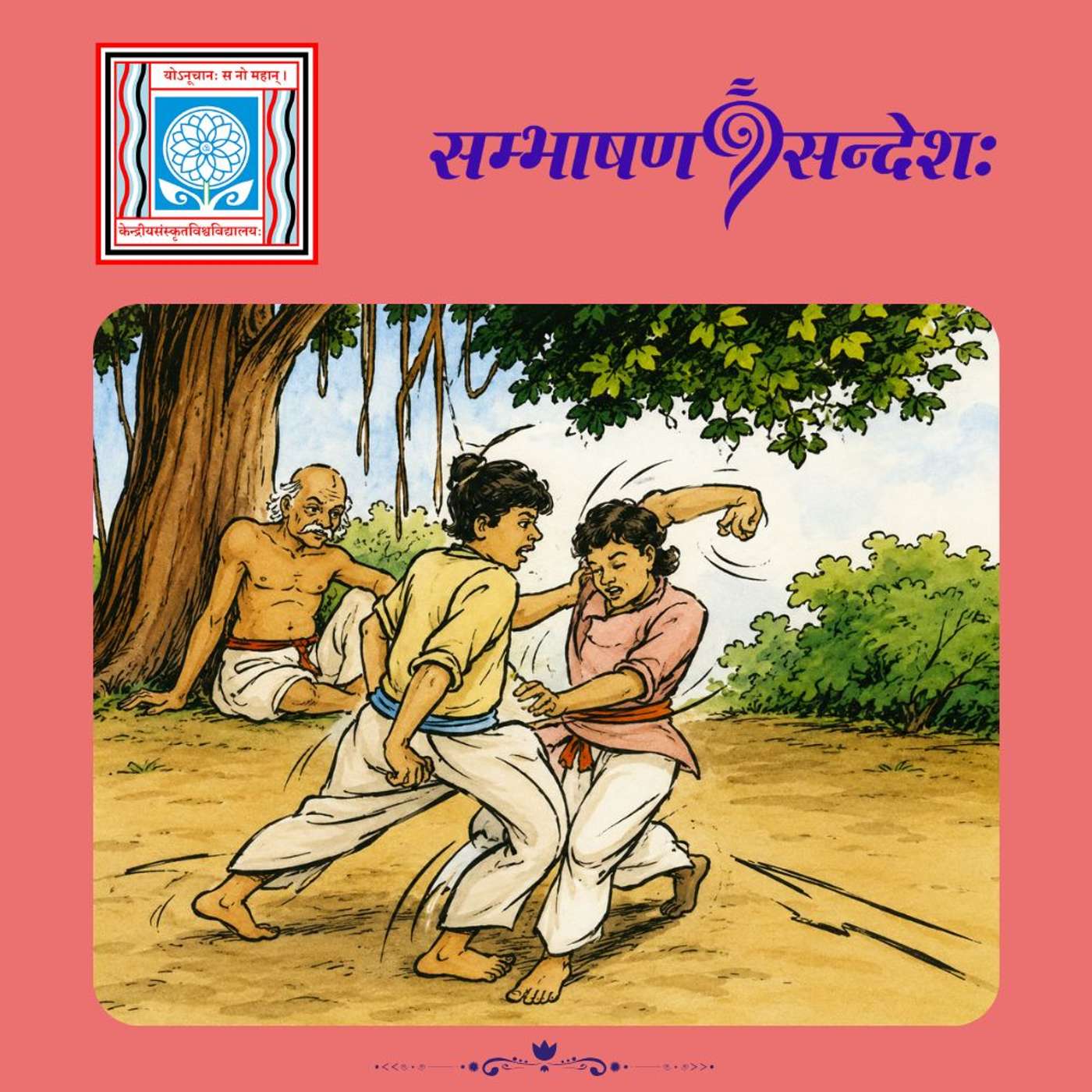
कश्चन वृद्धः नगरात् ग्रामं प्रति आगच्छन् आसीत् । सः सर्वदा चलन् एव गच्छति स्म । नगरात् ग्रामः दूरे आसीत् । यद्यपि वृद्धः मन्दमेव चलितवान् तथापि सः शीघ्रमेव श्रान्तः अभवत् । किञ्चित् दूरगमनानन्तरं सः परस्परं कलहमग्नौ द्वौ युवकौ दृष्टवान् । कलहस्य कारणम् आसीत् तयोः मध्ये कः बुद्धिमान् ? कः बलवान् ? इति । तत् श्रुत्वा सः वृद्धः तौ सान्त्वयन् अहं निर्णयं करोमि इत्युक्त्वा कञ्चित् उपायं करोति ।
(“केन्द्रीयसंस्कृतविश्वविद्यालयस्य अष्टादशीयोजनान्तर्गततया एतासां कथानां ध्वनिप्रक्षेपणं क्रियते”)
An old man was walking from the city to his village. Though he walked steadily, the long journey soon made him tired. On the way, he came across two young men arguing over who was stronger and wiser. Hearing their dispute, the old man offered to settle it and came up with a clever plan.
आदर्शसहोद्योगिनः अन्वेषणम्
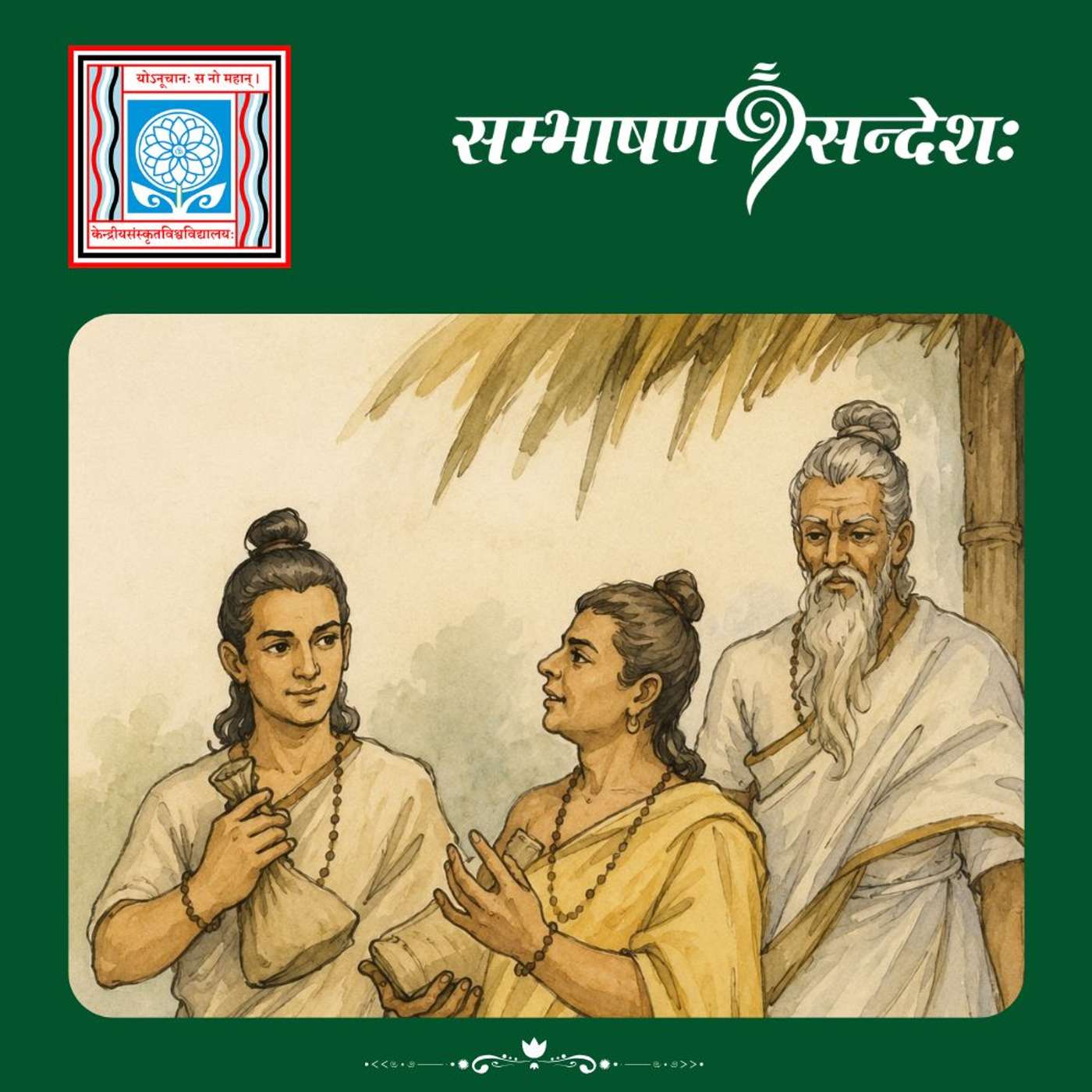
प्राचीनभारते नागार्जुननामकः कश्चन प्रसिद्धः आयुर्वेदशिक्षकः आसीत् । सः रसायनशास्त्रेऽपि निपुणः आसीत् । वार्धक्यकारणात् सः पूर्ववत् कार्यं कर्तुं न शक्नोति स्म । अतः सः एकस्य समर्थस्य साहाय्यकस्य नियोजनं चिन्तितवान् । यद्यपि तस्य शताधिकाः छात्राः आसन् तथापि मौखिक-व्यावहारिकयोः परीक्षयोः अनन्तरं वेणुगुप्तः शीलादित्यः चेति द्वौ एव सफलतां प्राप्तवन्तौ । तयोः अपि परिक्षायां शिलादित्यः एव जयं प्राप्नोति ।
(“केन्द्रीयसंस्कृतविश्वविद्यालयस्य अष्टादशीयोजनान्तर्गततया एतासां कथानां ध्वनिप्रक्षेपणं क्रियते”)
In ancient India, Nagarjuna was a renowned teacher of Ayurveda and an expert in alchemy. As old age made it difficult for him to continue his work, he decided to appoint a capable assistant. Out of more than a hundred students, only Venugupta and Shiladitya passed both the oral and practical tests. In the final test, Shiladitya emerged as the winner.
मुकुटधारी तु मोक्तुकामोSस्ति
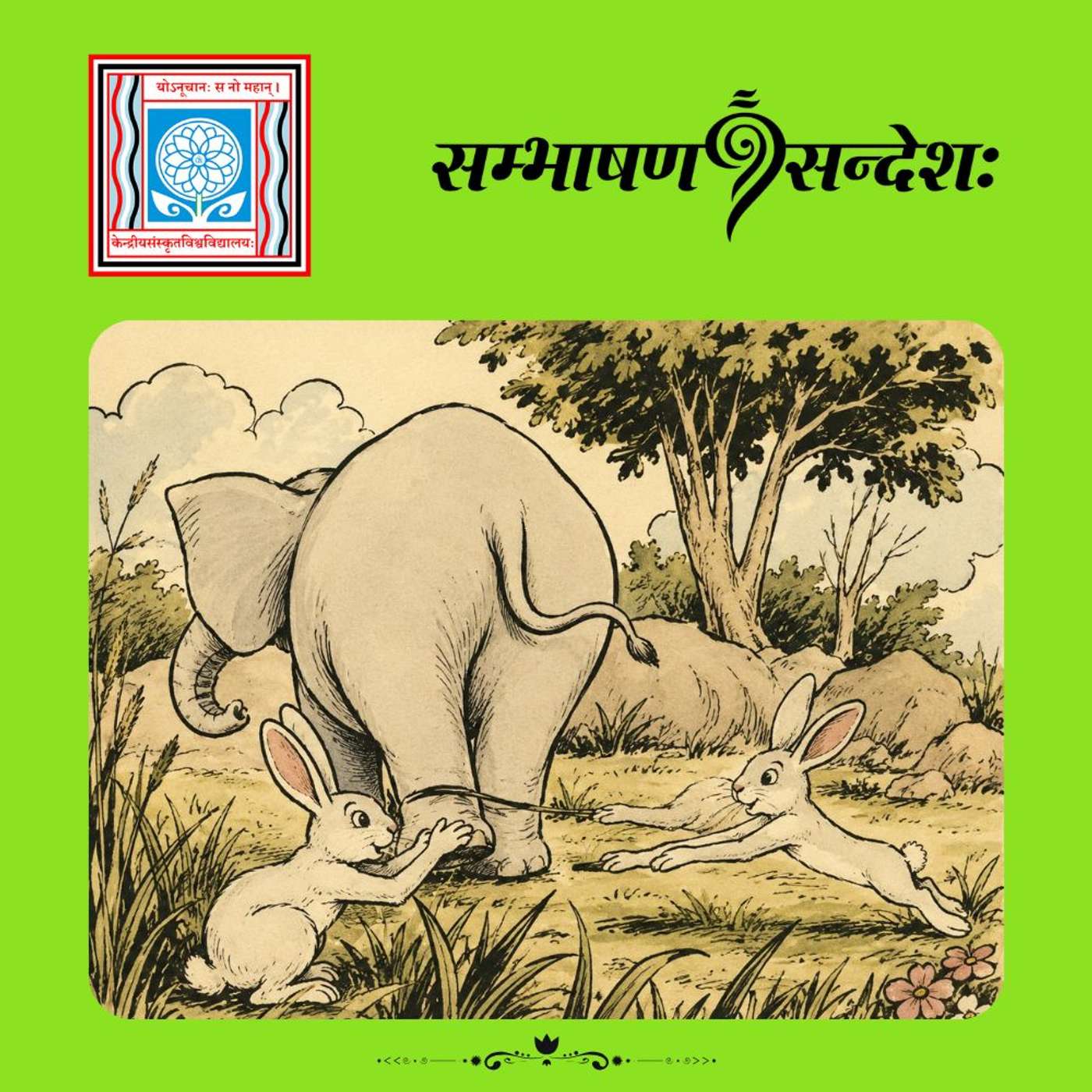
कस्मिंश्चित् वने कश्चन शशः परिवारेण सह निवसति स्म । यद्यपि शशः तस्य पत्नी च बहिः गमनसमये 'बहिः नः गन्तव्यम्' इति स्व-अपत्यानि सूचयतः तथापि शिशवः वारं वारं बहिः गत्वा क्रीडन्ति स्म । कदाचित् कश्चन दयालुः गजः क्रीडतः शशकान् दृष्ट्वा चिन्ताक्रान्तः भूत्वा 'भवतां मातापितरौ कुत्र?’ इति पृच्छति पितृभ्यां सूचनार्थम् । किन्तु प्रत्यागतौ मातापितरौ प्रवृत्तं सर्वं विदित्वा 'सः दुष्टगजः स्यात्' इति मत्वा कुपितौ जातौ । तं दण्डयितुम् अपि उद्युक्तौ ।
(“केन्द्रीयसंस्कृतविश्वविद्यालयस्य अष्टादशीयोजनान्तर्गततया एतासां कथानां ध्वनिप्रक्षेपणं क्रियते”)
A rabbit lived in a forest with his family. Although he and his wife repeatedly told their young ones not to wander outside, the little rabbits often went out to play. One day, a kind elephant saw them alone and asked where their parents were so he could inform them. But when the parents returned and heard what had happened, they misunderstood the elephant's intentions, assumed he was dangerous, and even decided to punish him.
सः पापीयान्
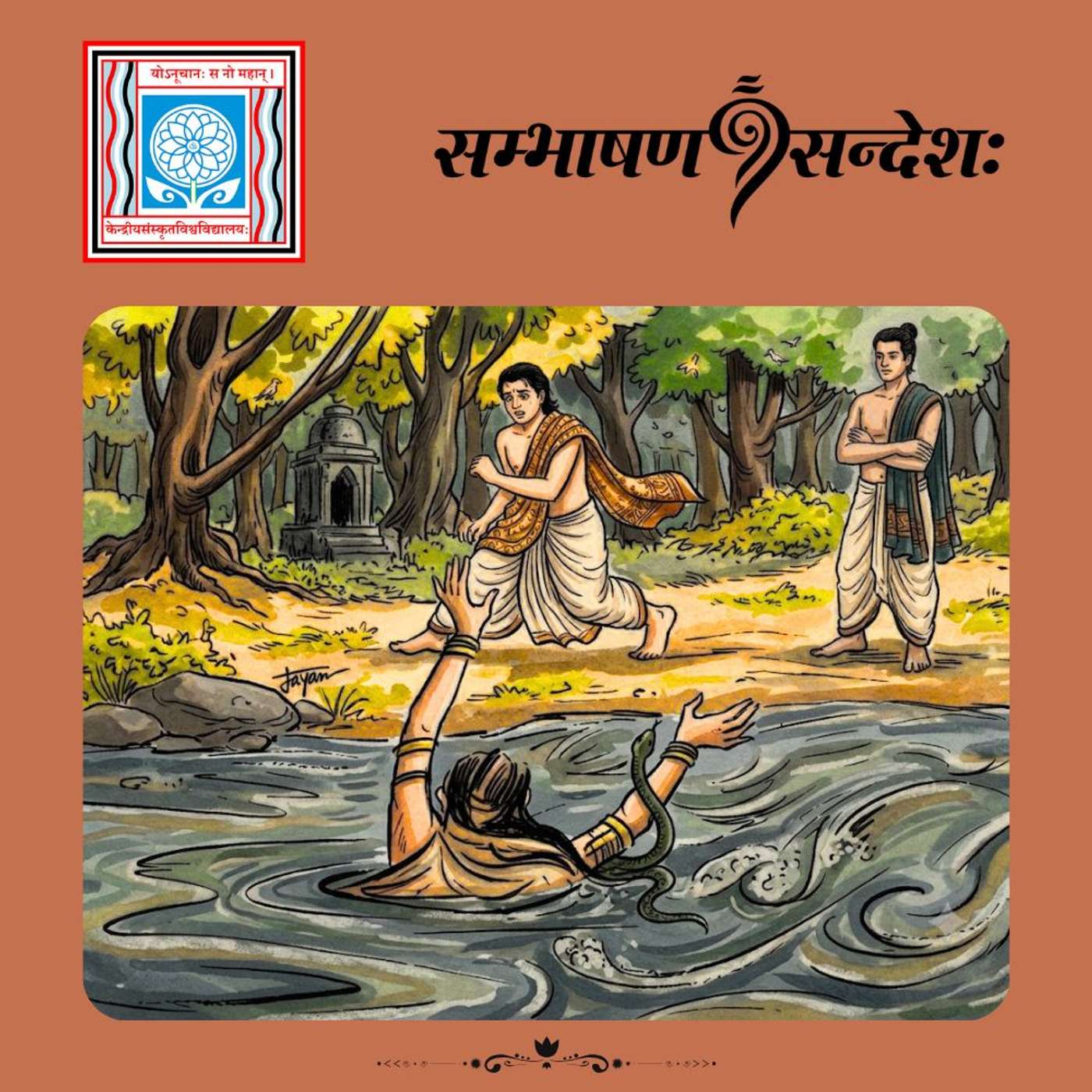
केचन जनाः दुःखदघटनाः शीघ्रमेव विस्मरन्ति । अन्ये तु ताः घटनाः चिरकालं यावत् स्वमनसि वहन्ति । ते क्रोधं द्वेषम् अपमानं दुःखं च न त्यजन्ति । तर्हि पापी कः ? यः दुःखं ददाति सः अथवा यः तदेव दुःखं चिरकालं यावत् स्वमनसि धारयति सः ? बौद्धभिक्षुद्वयस्य एषा कथा अस्य प्रश्नस्य उत्तरं ददाति।
(“केन्द्रीयसंस्कृतविश्वविद्यालयस्य अष्टादशीयोजनान्तर्गततया एतासां कथानां ध्वनिप्रक्षेपणं क्रियते”)
Some people quickly forget painful experiences, while others carry them in their hearts for years, holding on to anger, hatred, and hurt. So who is truly at fault—the one who causes the pain, or the one who keeps carrying it? This story of two Buddhist monks offers a thought-provoking answer.
यात्राफलम्
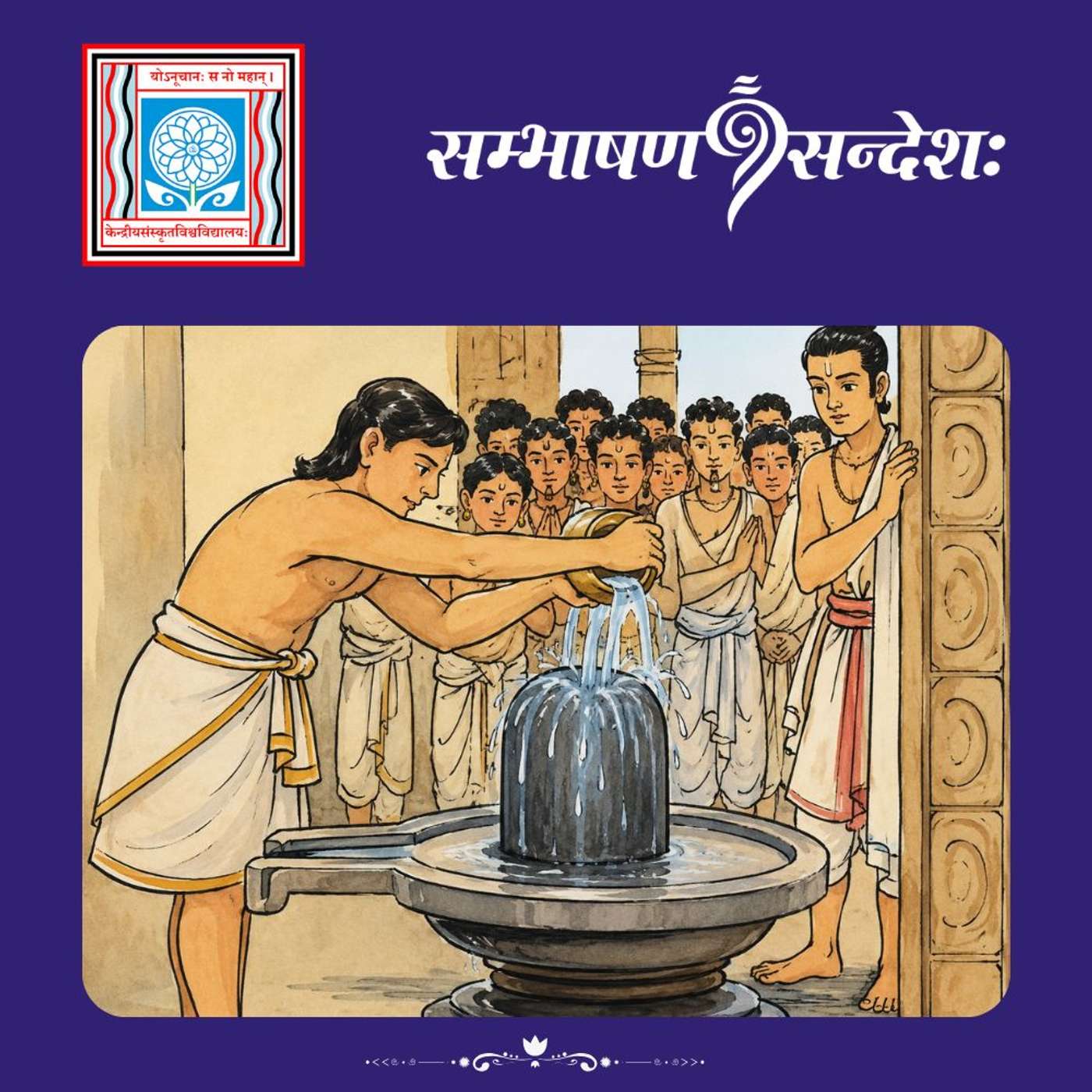
आनन्दपुरे रामः भीमः च द्वौ स्नेहितौ आस्ताम् । द्वौ अपि परिश्रमेण कृषिं कुरुतः । कदाचित् काशीयात्रां कर्तुं तौ द्वौ निश्चितवन्तौ । रामः गृहजनानां बन्धूनां च साहाय्येन धनसङ्ग्रहणं कृतवान् । भीमस्य तु धनस्य चिन्ता नासीत् । तयोः यात्रा कथं प्रचलति, किं किं जायते, यात्रा सफला भवति वा न वा इत्येव अस्याः कथायाः कथावस्तु वर्तते ।
(“केन्द्रीयसंस्कृतविश्वविद्यालयस्य अष्टादशीयोजनान्तर्गततया एतासां कथानां ध्वनिप्रक्षेपणं क्रियते”)
Rama and Bhima were two close friends who earned their living through farming. One day, they decided to go on a pilgrimage to Kashi. Rama collected money for the journey with the help of his family and relatives, while Bhima did not worry about money at all. This story tells how their journey unfolded, the challenges they faced, and whether their pilgrimage was successful.
रजकोषः प्रजोपयोगाय
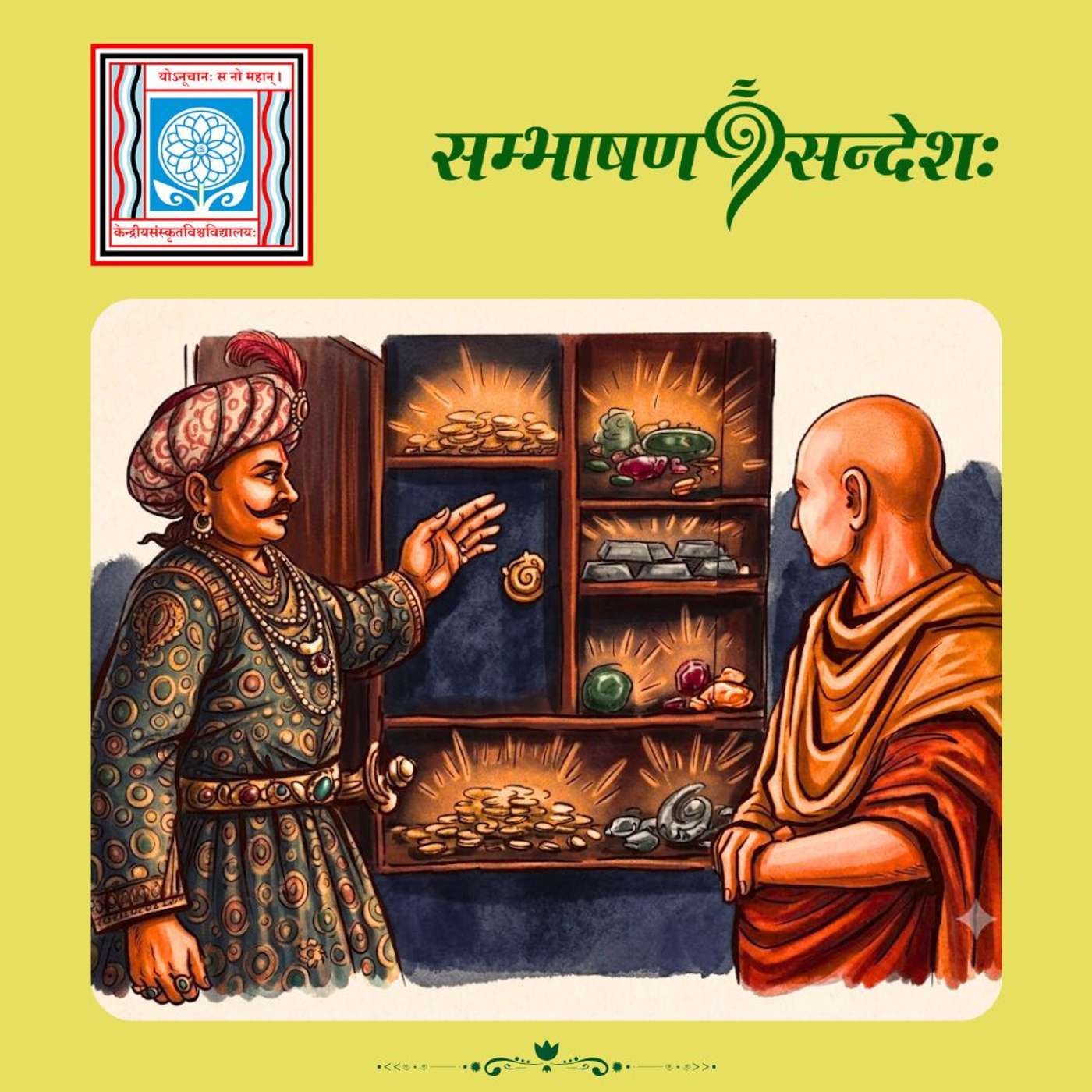
कदाचित् काशीक्षेत्रम् आगतवतः स्वामिनः सच्चिदानन्दस्य प्रवचनं योगानन्दमहाराजस्य आश्रमे जातम् । काशीनरेशः नटवरसिंहः सामान्यवेषं धृत्वा आश्रमं गतवान् । प्रवचनान्तरं महाराजः स्वपरिचयम् उक्त्वा स्वामिनं राजभवनं नीतवान् । सत्कारानन्तरं स्ववैभवं दर्शयितुम् अभिलषितवान् । यदा सः कोषागारं दर्शितवान् तदा 'अनेन कोषागारेण किं प्रयोजनम्?' इति अपृच्छत् स्वामी । 'यत् सम्पादितं तत् प्रजानां प्रयोजनाय भवेत् । विद्यालयानाम् आरम्भं करोतु' इति अवदत् स्वामी । महाराजः रत्नभाण्डागारं विक्रीय विश्वविद्यालयं संस्थापितवान् । अनेकाः पाठशालाः अपि उद्घाटिताः तेन ।
(“केन्द्रीयसंस्कृतविश्वविद्यालयस्य अष्टादशीयोजनान्तर्गततया एतासां कथानां ध्वनिप्रक्षेपणं क्रियते”)
Once, Swami Satchidananda gave a discourse in Kashi, where King Natwar Singh attended in disguise. Impressed, the king invited the Swami to his palace and proudly showed him the royal treasury. The Swami advised him to use the wealth for the welfare of the people by building schools. Inspired, the king sold his treasures, founded a university, and opened many schools.
कस्य कृते कस्य त्याग?
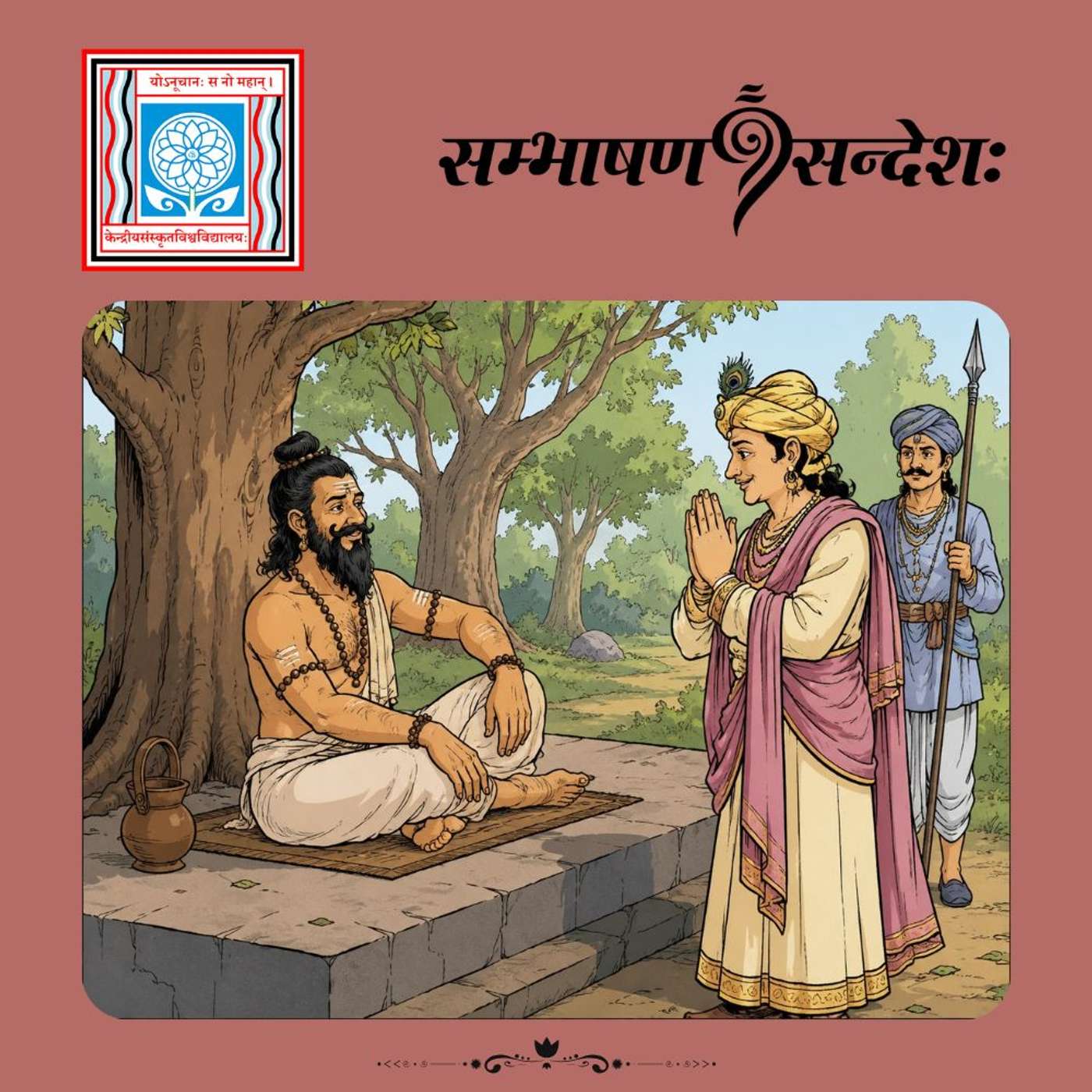
कस्यचन वीतरागस्य सर्वसङ्गपरित्यागिनः साधोः दर्शनार्थं कश्चन महाराजः गतवान् । स्वसमीपम् अगतवन्तं महाराजं दृष्ट्वा साधुः आश्चर्यान्वितः जातः । 'भवान् त्यागी अस्ति । समाजे त्यागिनः पुरुषाः एव सर्वाधिकम् आदरणीयाः भवन्ति' इति महाराजः अवदत् । किन्तु साधुः अवदत् 'भवान् एव महात्यागी' इति । तदनन्तरं या चर्चा प्राचलत् तया चर्चया महाराजस्य ज्ञानोदयः जातः ।
(“केन्द्रीयसंस्कृतविश्वविद्यालयस्य अष्टादशीयोजनान्तर्गततया एतासां कथानां ध्वनिप्रक्षेपणं क्रियते”)
A king once visited a saint who had renounced all worldly attachments. Seeing the king, the saint was surprised. The king praised him, saying, "You are a true renunciant. Such people are the most respected in society." But the saint replied, "No, Your Majesty, you are the greater renunciant." The conversation that followed opened the king's eyes and gave him a new understanding of true renunciation.
चतुरः शृगालः
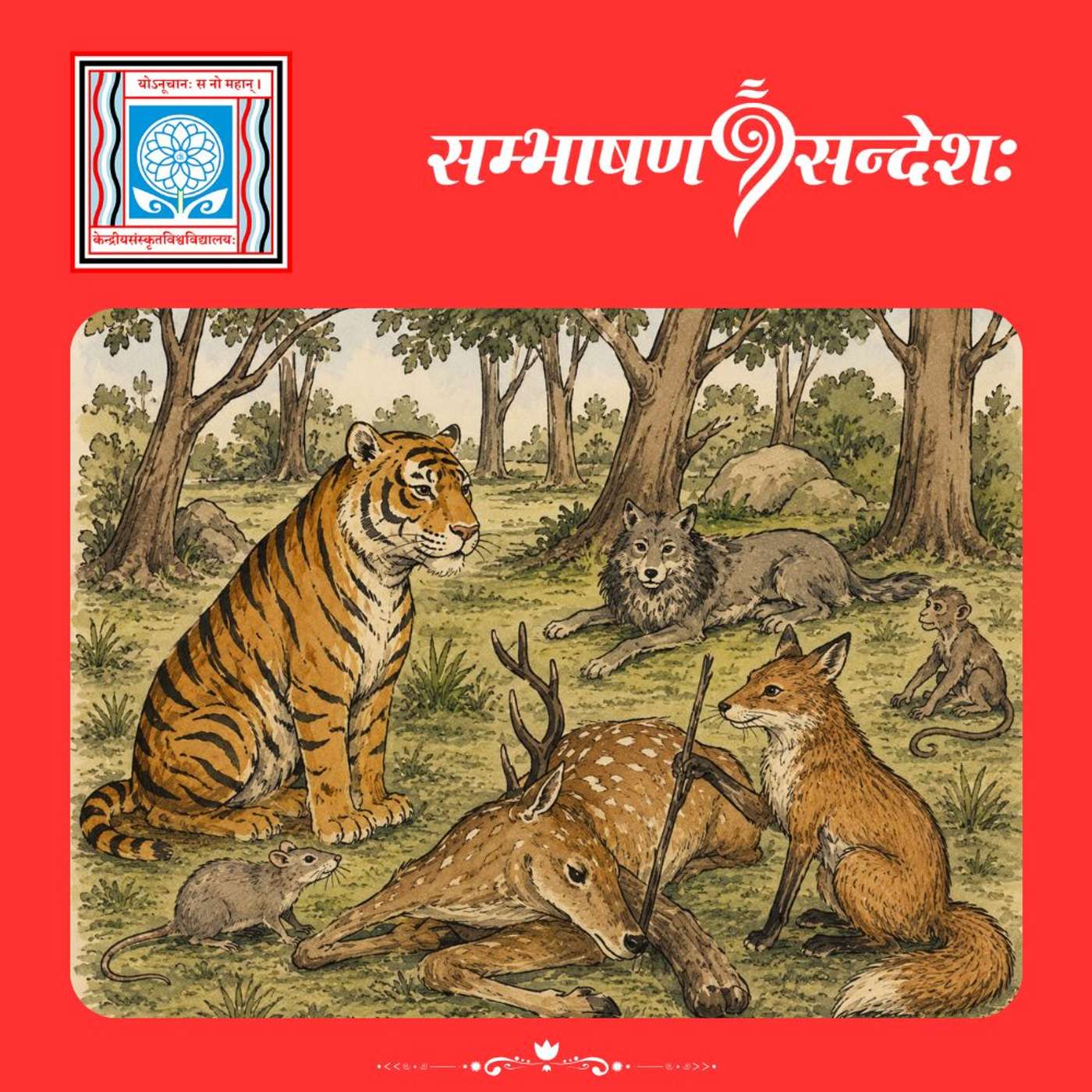
कस्मिंसश्चित् वने शृगालः, व्याघ्रः, मूषकः, वृकः, नकुलः च मित्रभावेन मिलित्वा निवसन्ति स्म । कदाचित् वनमध्ये भ्रमन्तः ते एकं पुष्टं हरिणम् अपश्यन् । शृगालस्य युक्त्या तं हरिणं मारितवन्तः । किन्तु हरिणस्य समग्रमपि शरीरं स्वयम् एव खादनीयम् इति विचिन्त्य शृगालः एकम् उपायं करोति । चतुरः शृगालः स्वबुद्ध्या सर्वान् निवार्य सर्वमपि हरिणमांसं खादति ।
(“केन्द्रीयसंस्कृतविश्वविद्यालयस्य अष्टादशीयोजनान्तर्गततया एतासां कथानां ध्वनिप्रक्षेपणं क्रियते”)
A jackal, a tiger, a mouse, a wolf, and a mongoose lived together as friends in a forest. One day, they spotted a healthy deer. Following the jackal's clever plan, they managed to kill it. But the jackal wanted the entire deer for himself. Using his wit, he tricked all his friends one by one and drove them away, keeping all the meat for himself.
पितृव्यस्य बुद्धिमत्ता
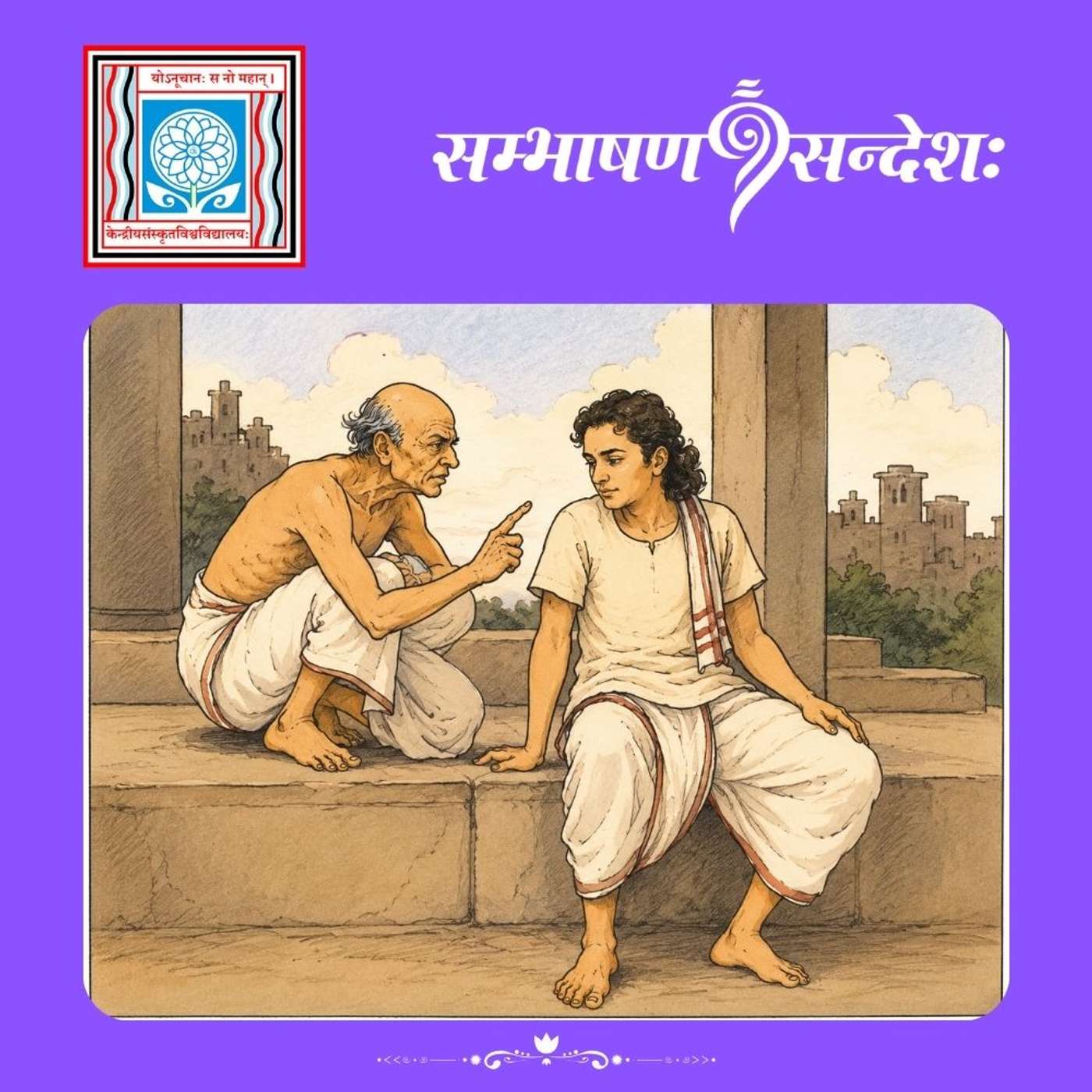
वणिजः वीरभद्रस्य चत्वारः पुत्राः आसन् । सः पुत्रेषु अतीव स्निह्यति स्म । कदाचित् वीरभद्रः पुत्रेभ्यः दत्तानि अङ्गुलीयकानि प्रतिस्वीकृत्य एकस्यां पेटिकायां निक्षिप्य स्वस्य मरणानन्तरं मातरं पृष्ट्वा पुनः अङ्गुलीयकानि स्वीकुर्वन्तु इति अवदत् । यदा वीरभद्रस्य मरणं जातं तदा कनिष्ठः पुत्रः यथाकथञ्चित् पेटिकातः अङ्गुलीयकम् अचोरयत् । पितुः उत्तरक्रियायाः अनन्तरं यदा अन्ये पुत्राः पेटिकाम् उद्घाटितवन्तः तदा तत्र त्रीणि एव अङ्गुलीयकानि आसन् । परस्परं कलहं कुर्वतः पुत्रान् माता पितृव्यस्य समीपं प्रेषयति न्यायं प्राप्तुम् ।
(“केन्द्रीयसंस्कृतविश्वविद्यालयस्य अष्टादशीयोजनान्तर्गततया एतासां कथानां ध्वनिप्रक्षेपणं क्रियते”)
The merchant Veerabhadra had four sons, whom he loved dearly. One day, he collected the rings he had given them, locked them in a box, and instructed that after his death they should ask their mother for the box and divide the rings among themselves. After Veerabhadra passed away, the youngest son secretly stole one ring from the box. Later, when the other brothers opened it after their father's last rites, they found only three rings. A dispute arose among them, and their mother sent them to their uncle to seek justice.
तत्र प्रीतिः यत्र निःस्वार्थता
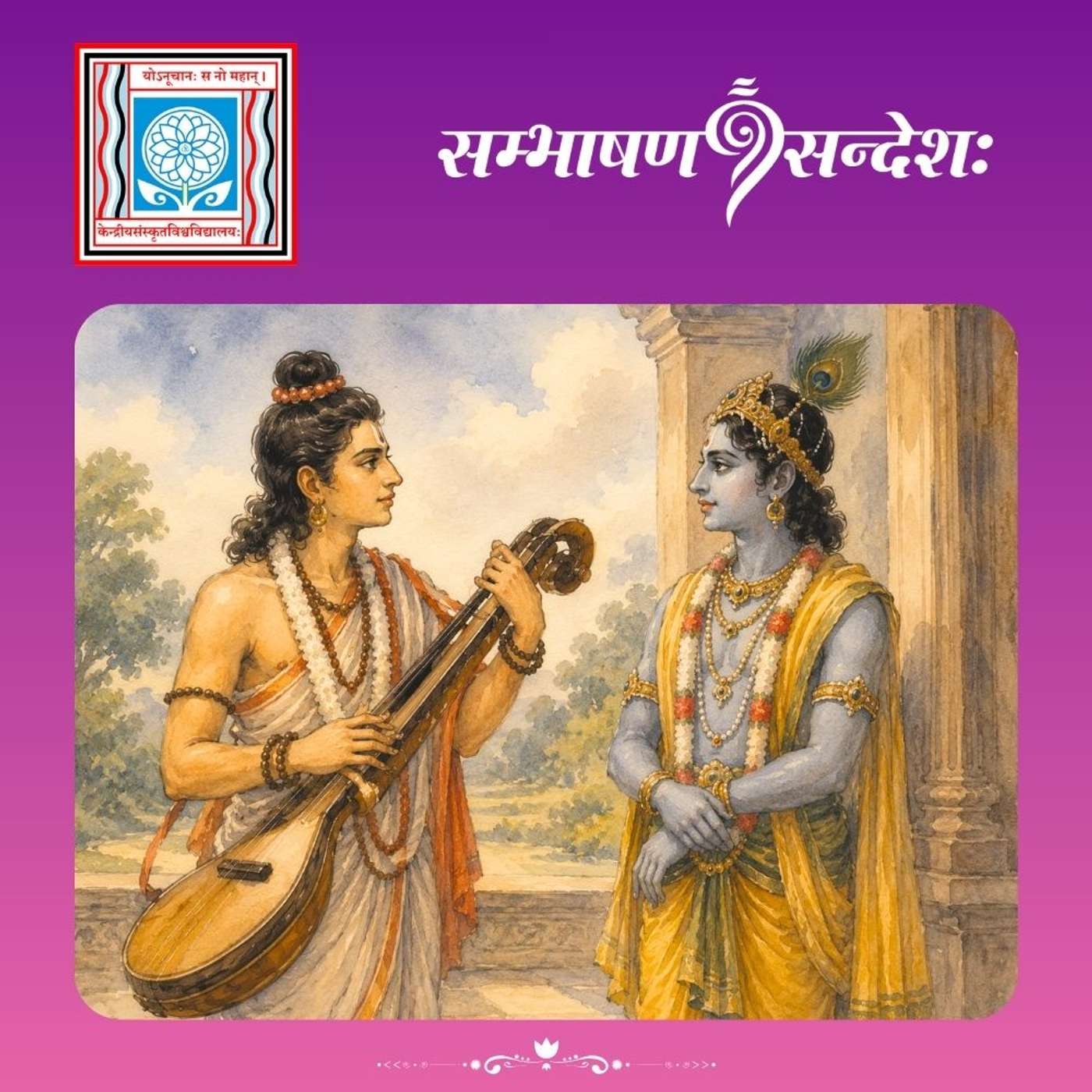
कदाचित् नारदमहर्षिः भगवन्तं कृष्णम् अपृच्छत् 'भवतः पत्नीषु भवति का अधिका स्निह्यति ?’ इति । इदं श्रुत्वा कृष्णः शिरःशूलस्य अभिनयं कृत्वा बलवतीं वेदनां प्रकटितवान् । कृष्णः अवदत् 'अश्रुजलमिश्रिता पादेन मर्दिता च मृत्तिका एव अस्याः वेदनायाः औषधम्' इति । नारदः रुक्मिणीं, सत्यभामाम्, अन्याः राज्ञीः च उपेत्य औषधम् अयाचत । परन्तु सर्वतः अपि निराकरणरूपमेव उत्तरं प्राप्नोत् । अन्ते सः राधायाः समीपं गत्वा अपृच्छत् । सपदि एव राधा तद् अयच्छत् । नारदः प्रत्यागत्य प्रवृत्तं सर्वम् उक्त्वा अवदत् 'यत्र निस्स्वार्थतया आत्मसमर्पणं भवति तत्र एव स्नेहः भक्तिः प्रीतिः च भवति इति अनेन ज्ञातम्' इति ।
(“केन्द्रीयसंस्कृतविश्वविद्यालयस्य अष्टादशीयोजनान्तर्गततया एतासां कथानां ध्वनिप्रक्षेपणं क्रियते”)
Once, Sage Narada asked Lord Krishna, "Among all your wives, who loves you the most?" In response, Krishna pretended to have a severe headache and said that the only cure was soil mixed with the tears of a devotee and touched by their feet. Narada approached Rukmini, Satyabhama, and the other queens, but all refused. Finally, he went to Radha, who immediately offered it without hesitation. Returning to Krishna, Narada realized that true love and devotion are marked by complete selflessness and total surrender.
न त्यक्तव्यः अभ्यासः
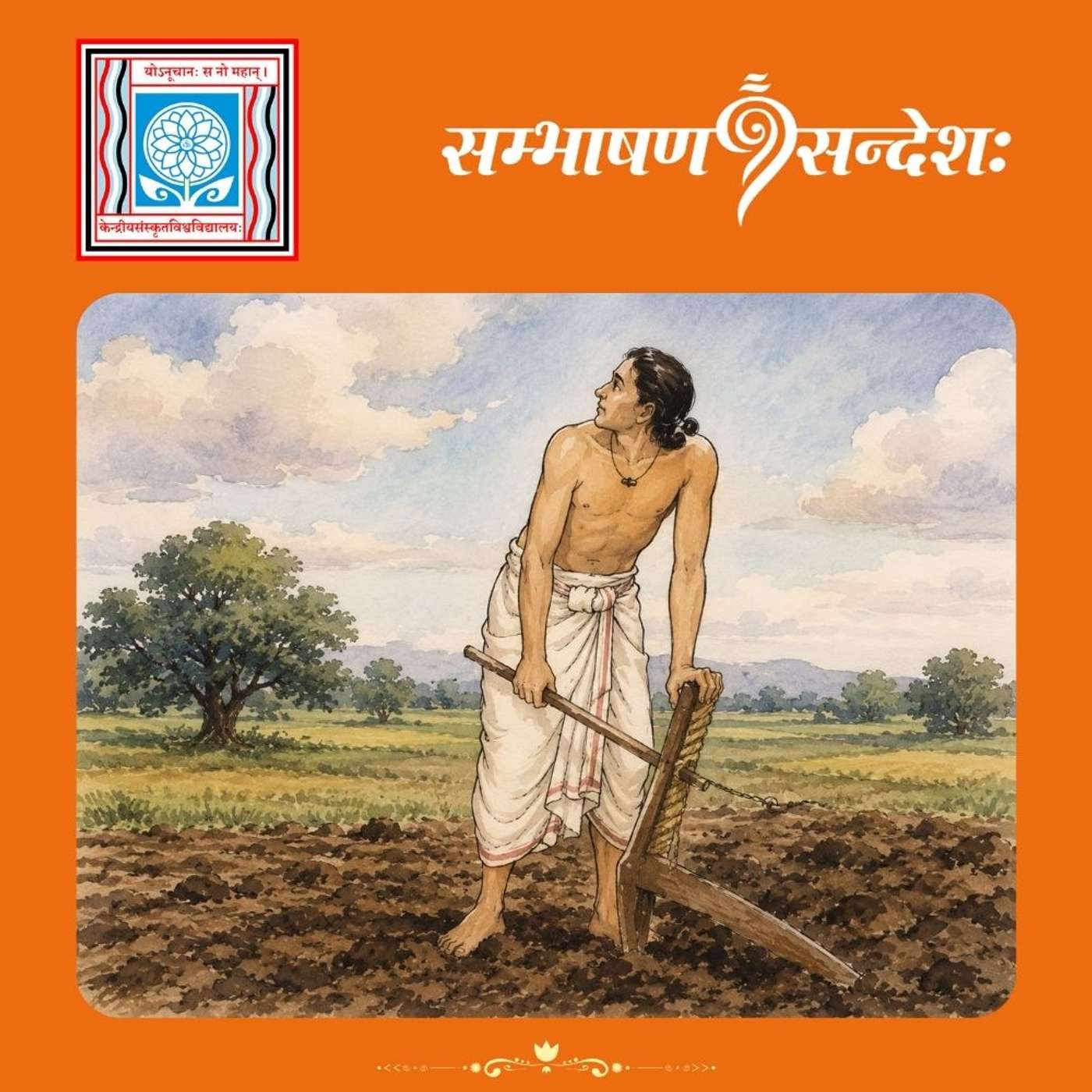
कस्मिंश्चित् ग्रामे वर्षत्रयं वृष्टिः न भविष्यति इति ज्ञात्वा ग्रामवासिनः जीवनार्थं यत्र कुत्रापि गतवन्तः । किन्तु एकः कृषकः तत्रैव स्थित्वा स्वशुष्कक्षेत्रस्य कर्षणं करोति स्म । एकदा आकाशे सञ्चरन् एकः मेघः तं कृषकं दृष्ट्वा आश्चर्येण अपृच्छत् 'किमर्थम् अत्रैव स्थितवान् भवान् ?' इति । तदा कृषकः अवदत् 'कृषिकार्यं विस्मृतं भवति यदि अहम् अन्यत्र गच्छामि । क्षेत्रकर्षणस्य अभ्यासः एव नष्टः भवेत्' इति । तत् श्रुत्वा मेघः 'यदि अहं वर्षत्रयं न वर्षामि, अहमपि वर्षणं विस्मरामि' इत्युक्त्वा अन्यान् मेघान् आहूय वर्षणम् अकरोत् ।
(“केन्द्रीयसंस्कृतविश्वविद्यालयस्य अष्टादशीयोजनान्तर्गततया एतासां कथानां ध्वनिप्रक्षेपणं क्रियते”)
When the people of a village learned that there would be no rain for three years, they left in search of a livelihood. But one farmer stayed back and continued ploughing his dry field. One day, a passing cloud asked him why he was still farming. The farmer replied, "If I stop, I may forget how to farm". Hearing this, the cloud thought, "If I don't rain for three years, I too may forget how to rain". It then called the other clouds, and together they brought rain.
त्यागस्य फलम्
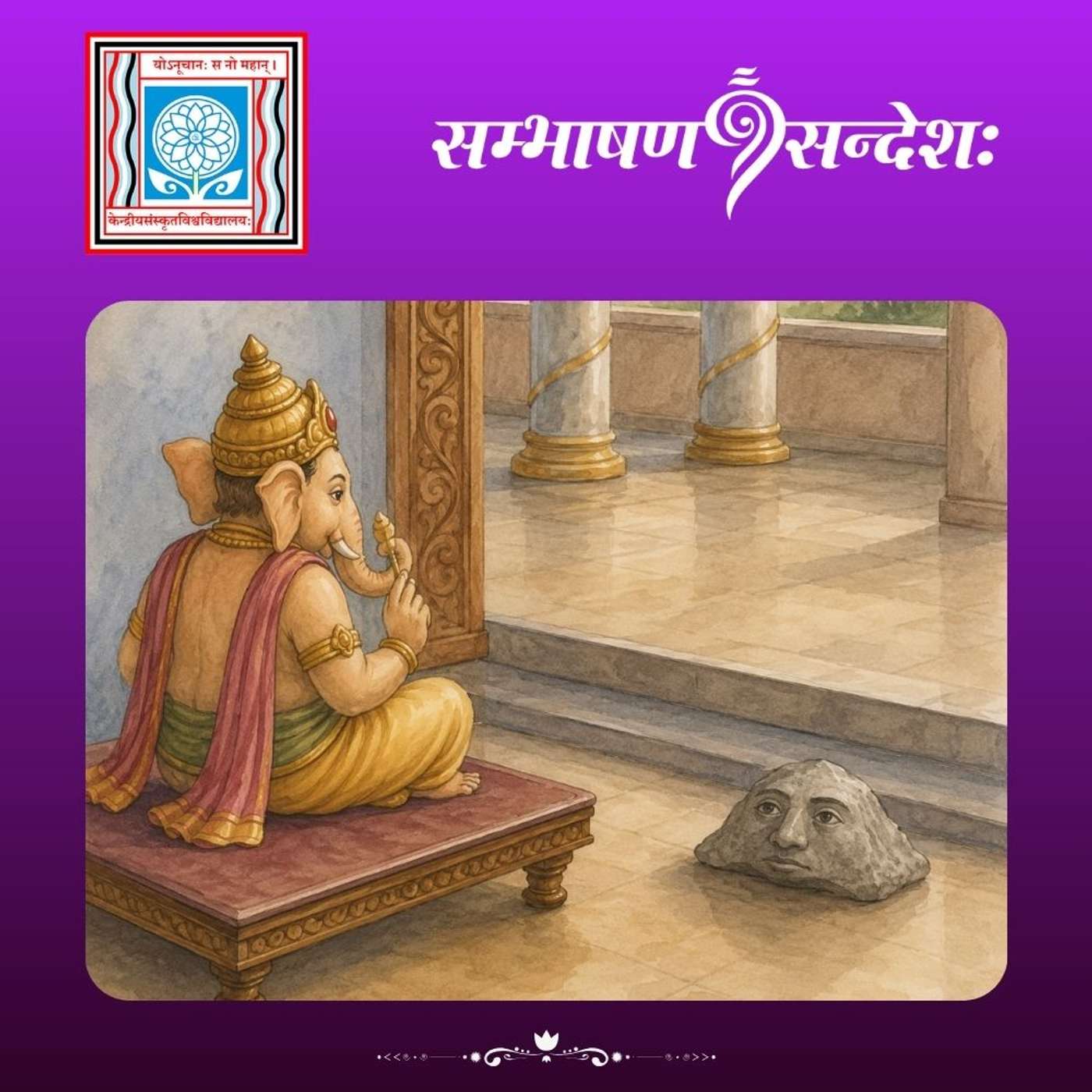
कश्चन शिल्पी यां यां शिलां पश्यति स्म तया शिलया सुन्दरीं मूर्तिं निर्माय विक्रीणीते स्म । कदाचित् उत्तमया शिलया विग्रहं कुर्याम् इति विचिन्त्य तां शिलां खण्डयित्वा भागद्वयम् अकरोत् । एकः भागः शिल्पिनः प्रहारं सोढुम् अशक्नुवन् दूरं गन्तुं प्रयत्नम् अकरोत् । शिल्पी निराशः भूत्वा अन्यं भागं स्वीकृत्य बहुपरिश्रमेण कार्यं कृत्वा सुन्दरं गणेशविग्रहं निर्मितवान् । सः विग्रहः देवालये प्रतिष्ठापितः अभवत् । अन्या शिला देवालये सोपानरूपेण अतिष्ठत् ।
(“केन्द्रीयसंस्कृतविश्वविद्यालयस्य अष्टादशीयोजनान्तर्गततया एतासां कथानां ध्वनिप्रक्षेपणं क्रियते”)
A sculptor could carve beautiful statues from any stone he found. One day, he discovered an excellent stone and split it into two pieces to create a masterpiece. One piece could not withstand the sculptor's chisel and was set aside. Using the other piece, the sculptor worked tirelessly and carved a beautiful idol of Lord Ganesha, which was installed in a temple. The rejected stone was later used as a temple step.
परमेश्वरभक्तः
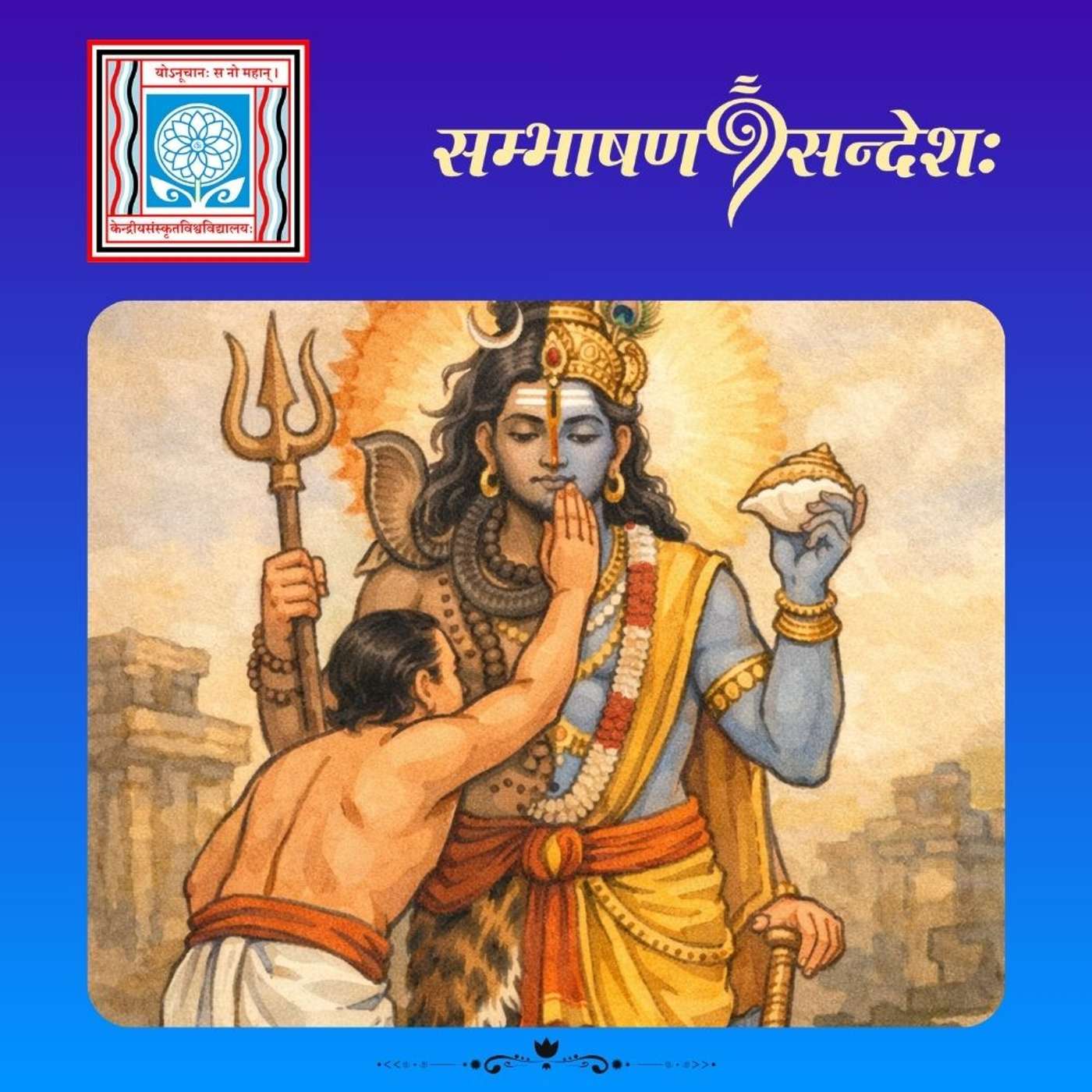
कश्चन शिवभक्तः आसीत् । तेन एकः श्लोकः रचितः आसीत् । "तस्य श्लोकस्य विशेषः कः इत्युक्ते प्रतिपदं प्रथमाक्षरं परित्यज्य पठनेन विष्णुपरकः अर्थः भवति । सः शिवभक्तः सन् कथं किमर्थं च शिवविष्ण्वोः स्तोत्रम् एकेनैव श्लोकेन कृतवान् इति पृष्ठभूमिकायां वर्तते इयं कथा ।
(“केन्द्रीयसंस्कृतविश्वविद्यालयस्य अष्टादशीयोजनान्तर्गततया एतासां कथानां ध्वनिप्रक्षेपणं क्रियते”)
There was a devotee of Lord Shiva who composed a unique verse. Its special feature was that if the first letter of each word was removed, the same verse became a hymn in praise of Lord Vishnu. This story explains why, though a devotee of Shiva, he composed a single verse glorifying both Shiva and Vishnu.
कोSहम्?
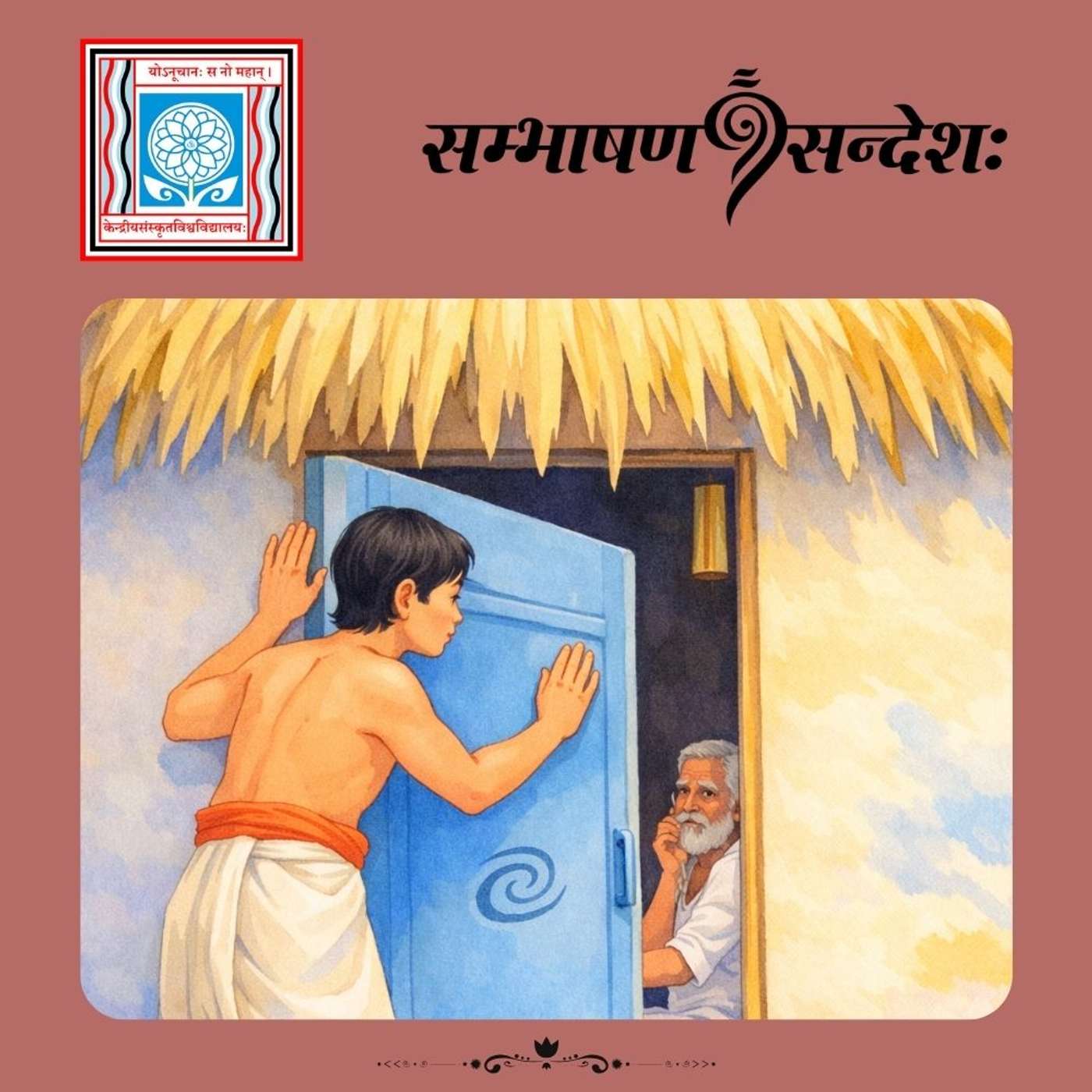
दयानन्दसरस्वती यदा युवकः आसीत् तदा सः सद्गुरोः अन्वेषणं कुर्वन् आसीत् । तदर्थं सः ग्रामं ग्रामम् अटति स्म । कदाचित् सः मथुरानगर्यां स्वामीविरजानन्दस्य विषये बहु श्रुतवान् । विरजानन्दः जन्मना अन्धः आसीत् । परन्तु प्रजाचक्षुः सः महान् ज्ञानी इति विख्यातः आसीत् । अनया कथया ज्ञायते कथं दयानन्दसरस्वती तस्य शिष्यः जातः इति । गुरुशिष्ययोः ऐतिहासिकमेलनेन कालान्तरे विश्वमानवतायाः क्षेत्रे वेदानां नवीनमार्गः प्रतिष्ठापितः अभवत् ।
(“केन्द्रीयसंस्कृतविश्वविद्यालयस्य अष्टादशीयोजनान्तर्गततया एतासां कथानां ध्वनिप्रक्षेपणं क्रियते”)
When Dayananda Saraswati was a young man, he travelled from village to village in search of a true Guru. During his journey, he heard about Swami Virajananda of Mathura. Though blind from birth, Virajananda was a great scholar, respected for his wisdom. This story tells how Dayananda became his disciple. Their historic meeting later paved the way for spreading the wisdom of the Vedas to the world.
नाम्नः माहात्म्यम्
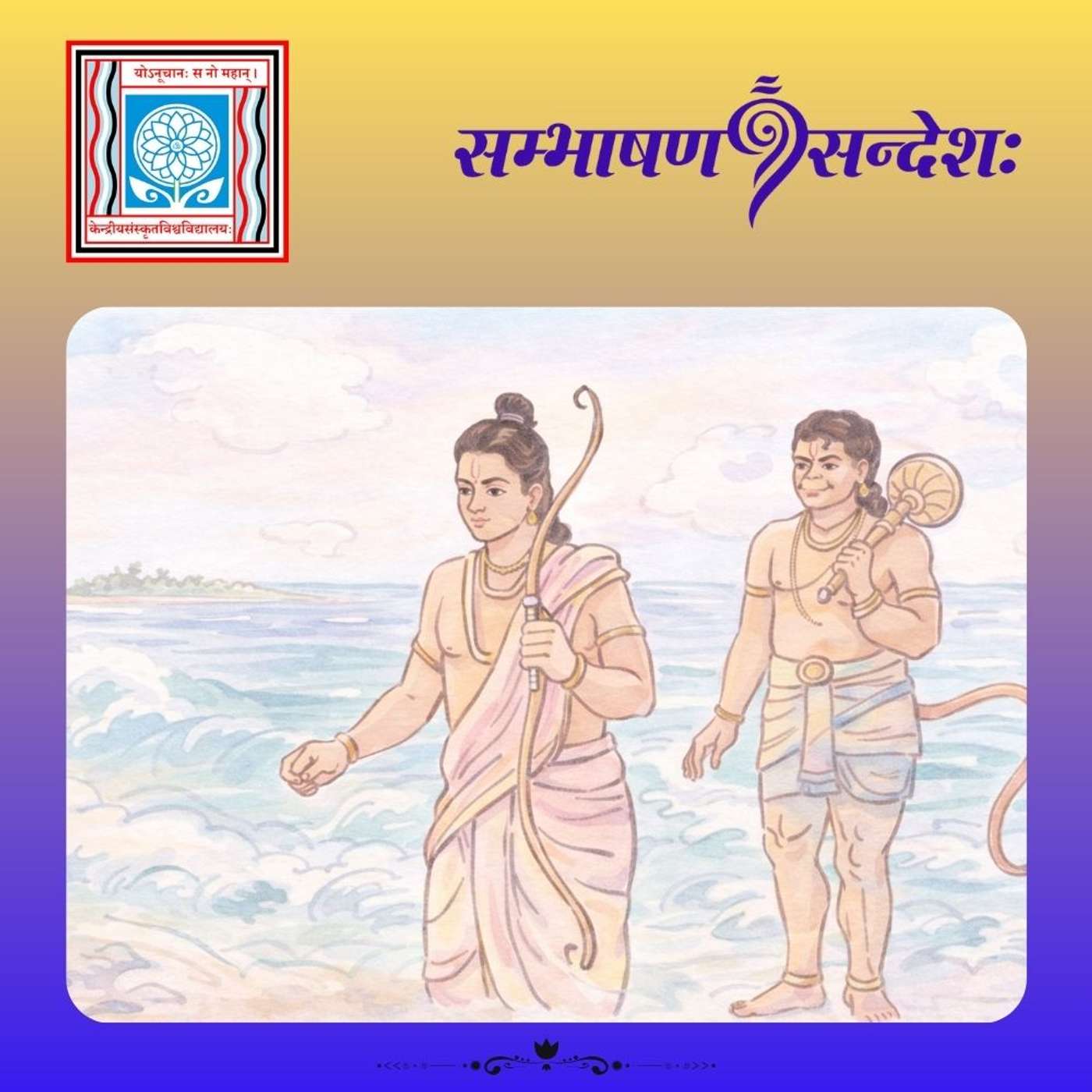
श्रीरामस्य लङ्काभियानसमयः । नलनिलयोः मार्गदर्शने सागरे सेतुनिर्माणम् आरब्धम् । सुविशालेषु प्रस्तरखण्डेषु रामनाम विलिख्य स्थापनेन ते जले अनिमग्नाः सन्तः स्थिरतया तिष्ठन्ति स्म । तत् दृष्ट्वा श्रीरामः सागरतटे कार्यरतेभ्यः वानरेभ्यः किञ्चित् दूरं गतवान् । भूम्याः एकां शिलाम् उन्नीय तां सागरजले निक्षिप्तवान् । आश्चर्यम् ! शिला तु पूर्णतया सागरजले निमग्ना जाता । एतत् सर्वं दृष्टवान् हनूमान् एवं कथयति "प्रभो ! अस्य एषः एव अर्थः यत् भवान् यं त्यजति तस्य पतनं निश्चितमेव" इति ।
(“केन्द्रीयसंस्कृतविश्वविद्यालयस्य अष्टादशीयोजनान्तर्गततया एतासां कथानां ध्वनिप्रक्षेपणं क्रियते”)
During Lord Rama's campaign to Lanka, Nala and Nila began building a bridge across the ocean. Huge stones inscribed with Rama's name floated steadily on the water. Seeing this, Lord Rama quietly picked up a stone and threw it into the sea. To everyone's surprise, it sank immediately. Watching this, Hanuman smiled and said, "Lord, this teaches us one truth—whoever is abandoned by You is certain to fall".
अनन्यशरणत्वम्
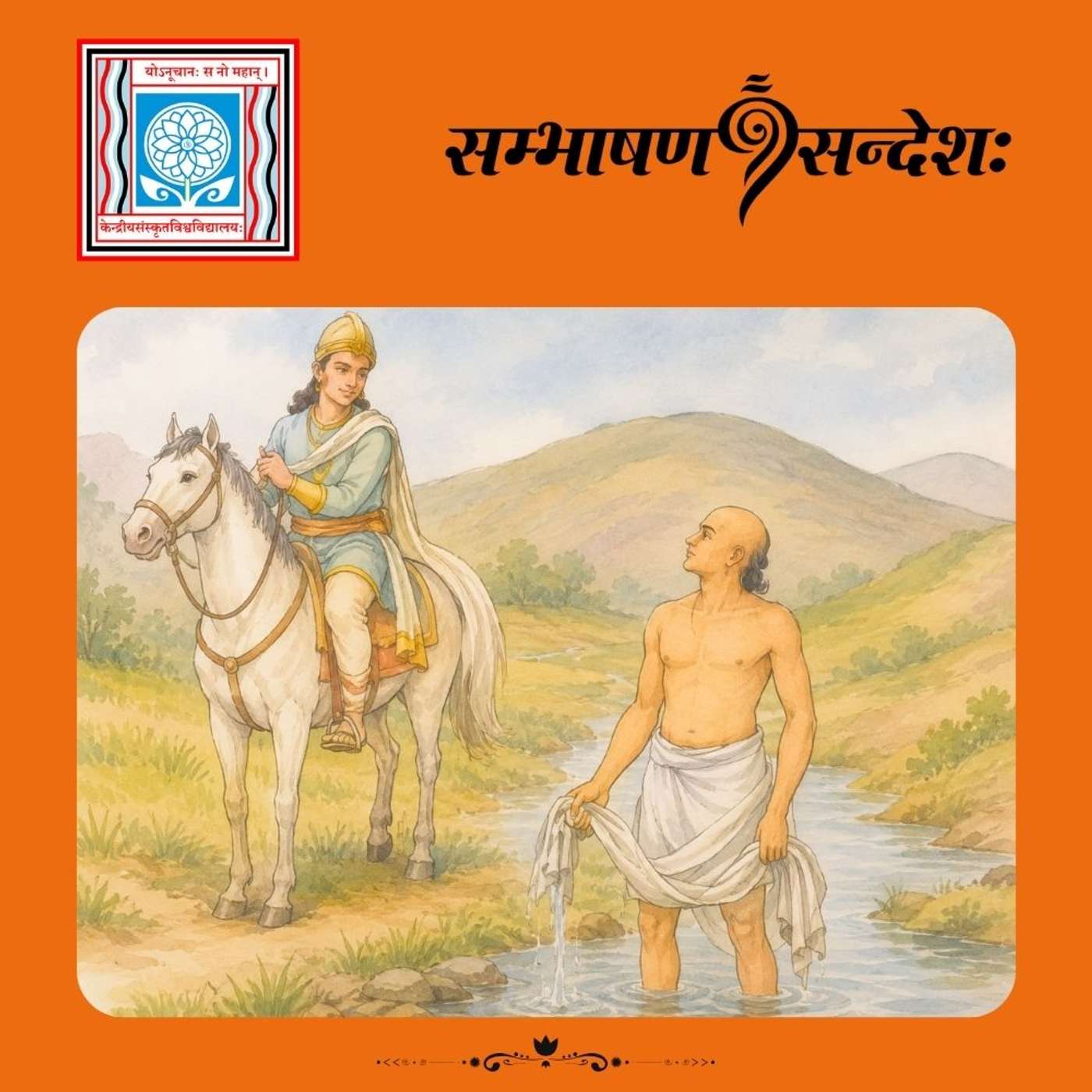
नन्दनृपतिः मगधदेशे पाटलीपुत्रे शासनं कुर्वन् आसीत् । चाणक्यः चन्द्रगुप्तस्य साहाय्येन पाटलीपुत्रं वशीकर्तुं प्रयत्नं कुर्वन् आसीत् । नन्दनृपतिः अपि चाणक्यं चन्द्रगुप्तं च निग्रहीतुं सर्वत्र सैनिकान् नियुक्तवान् आसीत् । कदाचित् अरण्यमार्गे चाणक्यचन्द्रगुप्तौ गच्छन्तौ आस्ताम् । कश्चन नन्दनृपतिसैनिकः तयोः अनुधावनं कृतवान् । तौ पादचारिणौ, सः सैनिकः अश्वारूढः । अतः चाणक्यः कञ्चन उपायम् कृत्वा आत्मानं चन्द्रगुप्तं च रक्षितवान् । सः उपायः कथायां विवृतः ।
(“केन्द्रीयसंस्कृतविश्वविद्यालयस्य अष्टादशीयोजनान्तर्गततया एतासां कथानां ध्वनिप्रक्षेपणं क्रियते”)
King Nanda was ruling Magadha from Pataliputra. Chanakya, with the help of Chandragupta, was trying to overthrow him. To stop them, King Nanda had deployed soldiers everywhere. One day, as Chanakya and Chandragupta were walking through a forest, one of Nanda's soldiers chased them on horseback. Though they were on foot, Chanakya used a clever trick to save them both. What was his plan? Listen to the story to find out.
रागिणां कीदृशी गतिः
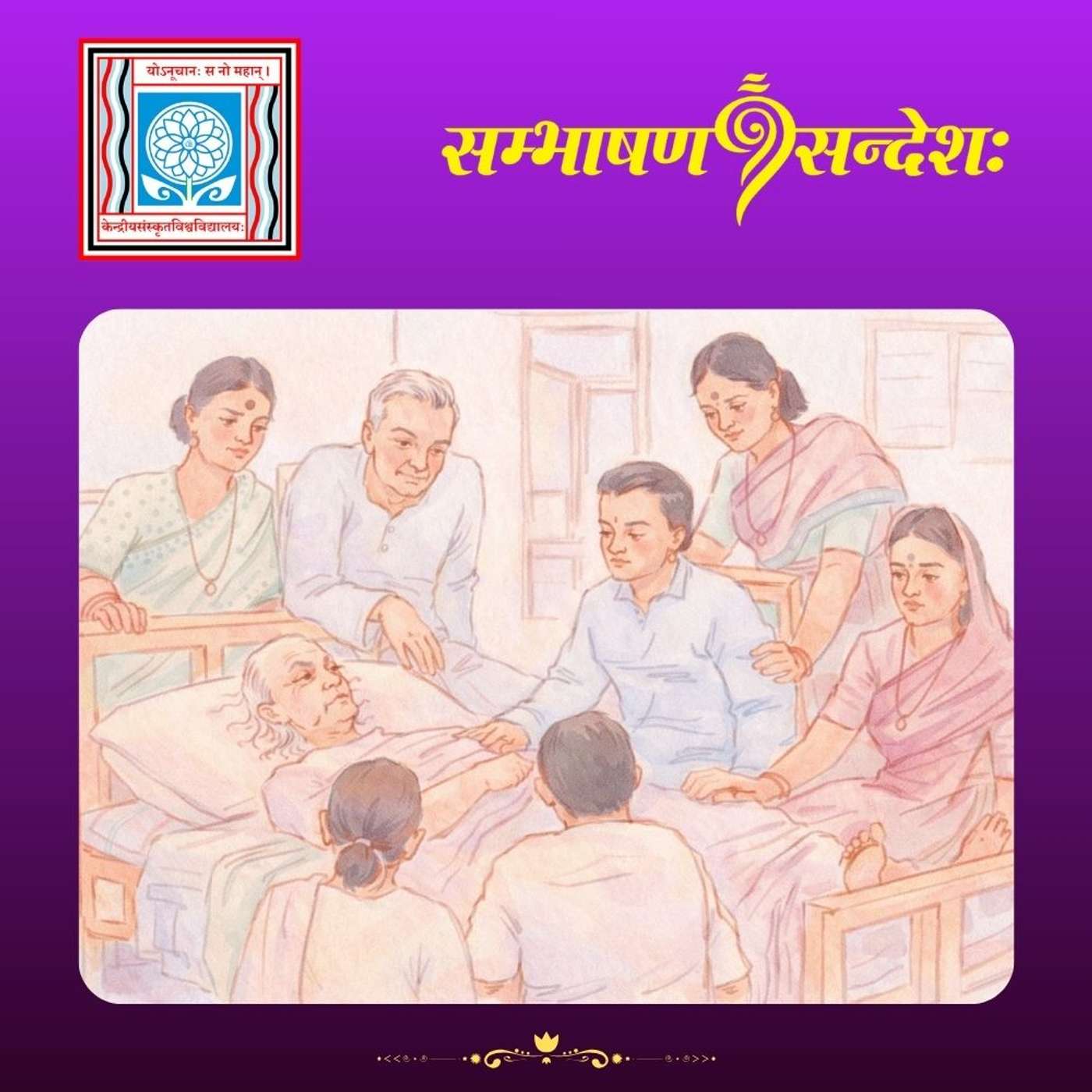
कश्चन महान् कृपणः वणिक् आसीत् । सः आदिनम् आपणे कार्यं करोति स्म । तेन बहु धनं सम्पादितम् आसीत् । स्वीये वार्धके अशीतितमे वर्षे सः अतीव रुग्णः आसीत् । तस्य अन्तकाले सर्वे गृहजनाः तं परितः स्थितवन्तः आसन् । तान् सर्वान् दृष्ट्वा सः वृद्धः किं पृष्टवान् जानन्ति वा ? "सर्वे अत्र सन्ति चेत् आपणे कः अस्ति ?” इति । अहो ! रागिणां कीदृशी गतिः यत् ते अन्तकालेऽपि न मुञ्चति संसारे मोहम् ।
(“केन्द्रीयसंस्कृतविश्वविद्यालयस्य अष्टादशीयोजनान्तर्गततया एतासां कथानां ध्वनिप्रक्षेपणं क्रियते”)
There was a wealthy merchant who was extremely miserly. He worked in his shop every day and earned a great deal of money. In his old age, when he was eighty years old, he became seriously ill. As he lay on his deathbed, all his family members gathered around him. Do you know what he asked them? He said, "If everyone is here, then who is at the shop?" Such is the attachment of worldly people. Even at the moment of death, they are unable to let go of their attachment to worldly possessions.
धूर्तः वृद्धः
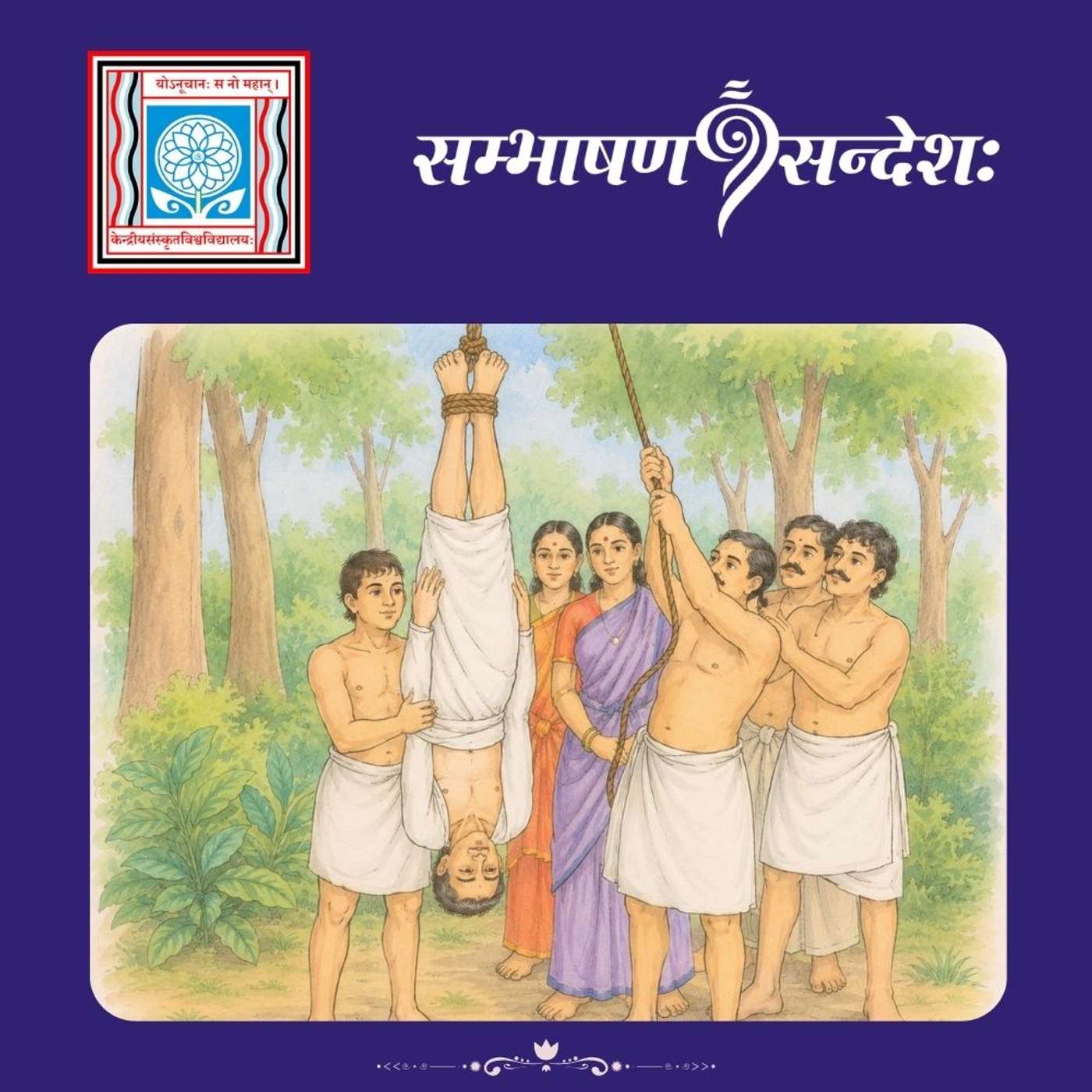
कस्मिंश्चित् ग्रामे कश्चन धूर्तः वृद्धः निवसति स्म । आजीवनं तेन तत्रत्याः ग्रामीणाः नानाप्रकारेण पीडिताः वञ्चिताः च । कदाचित् सः सन्निपातज्वरेण ग्रस्तः जातः । चिकित्सा व्यर्था जाता इत्यतः सः आसन्नमरणः जातः । तदा सः पुत्रम् आहूय किमपि कर्णे अवदत् । ततः यत् प्रवर्तते तेन ज्ञायते यत् सः वृद्धः कियान् धूर्तः अस्ति इति । सः मरणकाले अपि ग्रामीणान् कथं पीडितवान् इति कथायाः वस्तु वर्तते ।
(“केन्द्रीयसंस्कृतविश्वविद्यालयस्य अष्टादशीयोजनान्तर्गततया एतासां कथानां ध्वनिप्रक्षेपणं क्रियते”)
In a certain village lived a cunning old man. Throughout his life, he had troubled and cheated the villagers in many ways. One day, he was struck by a severe fever. As all medical treatment failed, he realized that death was near. He then called his son and whispered something into his ear. What happened next revealed just how crafty the old man really was. The story tells how, even at the time of his death, he managed to trouble the villagers once again.
प्रतीक्षा
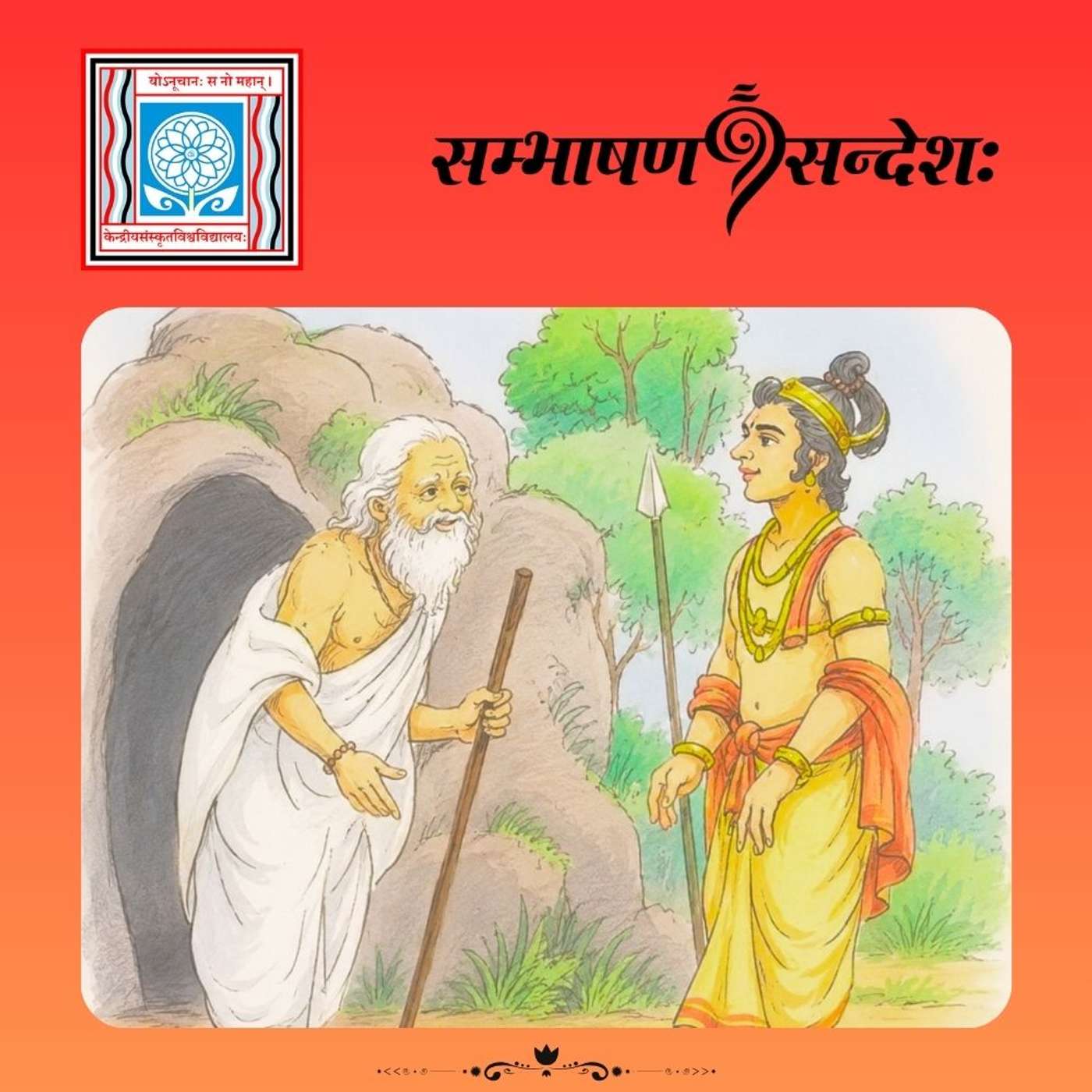
ईश्वरः मनुष्येण क्रियमाणं धर्मम् अधर्मं, न्याय्यम् अन्याय्यं च सर्वं जानाति । तदनुसारमेव तेभ्यः शुभाशुभफलानि ददाति । ईश्वरस्य मानदण्डं ज्ञातुं मनुष्याः न शक्नुवन्ति । किन्तु मनुष्यः चिन्तयति यत् ईश्वरस्य कर्माणि सर्वाणि मानवानुगुणानि भवन्ति इति । कथा इयम् उक्तानां तत्त्वानाम् उत्तमम् उदाहरणं वर्तते ।
(“केन्द्रीयसंस्कृतविश्वविद्यालयस्य अष्टादशीयोजनान्तर्गततया एतासां कथानां ध्वनिप्रक्षेपणं क्रियते”)
God knows every good and bad deed, every righteous and wrong action performed by people. He gives the results accordingly. Humans cannot understand God's way of judging. Yet, people often think that God acts according to human standards. This story is a wonderful example of this truth.
आत्मघातिका प्रशंसा
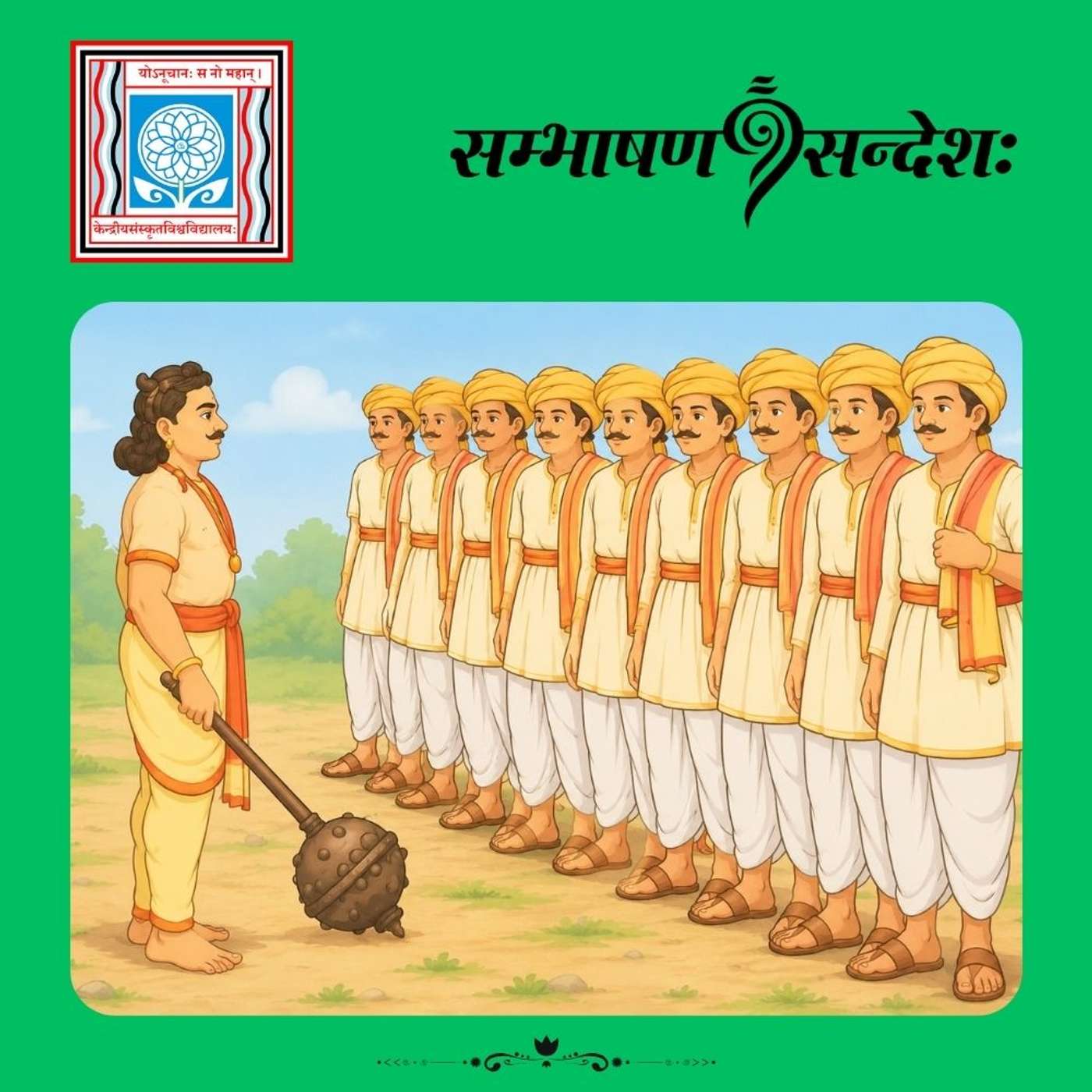
गुणाकारः नाम कश्चन शिल्पकारः यः स्वकलायाम् अतीव निपुणः आसीत् । मनुष्यस्य मूलशरीरं यथा अस्ति तादृशीमेव प्रतिमां सः निर्माति । कदाचित् गुणाकारः जौतिषिकस्य समीपं गत्वा स्वस्य जन्मपत्रिकां दर्शयित्वा आयुष्यविषयम् अपृच्छत् । तदा सूक्षमतया परिशील्य अस्मिन् शुक्रवासरे पुनश्च अग्रिमशुक्रवासरे च मृत्युयोगः अस्ति इति अवदत् जौतिषिकः । कमपि परिहारं सूचयतु इति यदा गुणाकारः अपृच्छत् तदा जौतिषिकः एकम् उपायं सूचयति । सः उपायः कः ? उपायः सफलः भवति वा ? इति ज्ञातुं सम्पूर्णां कथां शृण्वन्तु ।
(“केन्द्रीयसंस्कृतविश्वविद्यालयस्य अष्टादशीयोजनान्तर्गततया एतासां कथानां ध्वनिप्रक्षेपणं क्रियते”)
Gunakara was a sculptor who was highly skilled in his art. He could create statues that looked exactly like real people. One day, he went to an astrologer with his horoscope and asked about his lifespan. After carefully examining it, the astrologer said that there was a danger of death on that Friday and again on the following Friday. Gunakara then asked if there was any remedy. The astrologer suggested one. What was the remedy? Did it work? Listen to the full story to find out.
ईश्वरः सर्वव्यापी
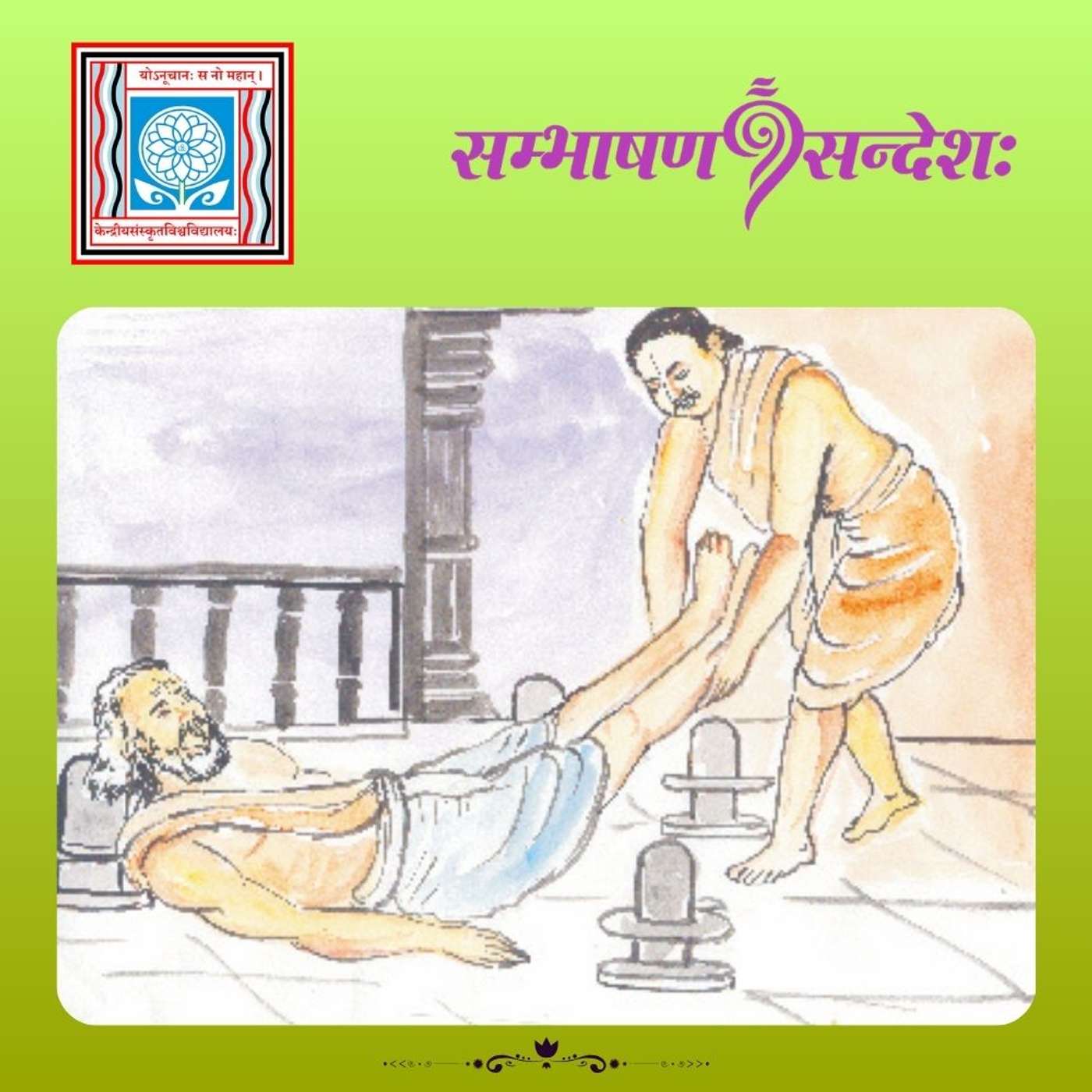
तिरुपादः कश्चन महान् शिवभक्तः । अथ कदाचित् दूरस्थं किञ्चन मन्दिरम् अगच्छत् । वयोवृद्धः सः यात्राक्लेशेन मन्दिरसोपाने एव शयितवान् । प्रभाते यदा अर्चकः आगतः तं वृद्धं दृष्ट्वा कुपितः सन् अभिषेकपात्रात् जलं स्वीकृत्य तिरुपादस्य मुखे अक्षिपत् । जागरितं तिरुपादम् अर्चकः तर्जयति । 'निश्चलौ ममं पादौ तत्र स्थापयतु यत्र ईश्वरः न स्यात् । यदा निश्चलत्वम् अपगच्छेत् तदा अहम् उत्थाय गमिष्यामि' इति तुरुपादः अवदत् । यदा अर्चकः तस्य पादौ गृहीत्वा अन्यत्र स्थापितवान् तदा तत्र अकस्मात् शिवलिङ्गम् आविर्भूतम् । एतस्मात् अर्चकः ज्ञातवान् यत् एषः तिरुपादः सामान्यः न इति ।
(“केन्द्रीयसंस्कृतविश्वविद्यालयस्य अष्टादशीयोजनान्तर्गततया एतासां कथानां ध्वनिप्रक्षेपणं क्रियते”)
Tirupada was a great devotee of Lord Shiva. Once, while visiting a distant temple, the elderly devotee became tired and slept on the temple steps. The next morning, the priest became angry on seeing him there and threw water from the worship vessel onto his face to wake him up. Tirupada calmly replied, “Please place my feet where God is not present, and I will move.” When the priest lifted his feet and placed them elsewhere, a Shiva linga suddenly appeared at that spot. Realizing this miracle, the priest understood that Tirupada was no ordinary person.
विचक्षणस्य गुरोः विलक्षणः शिष्यः
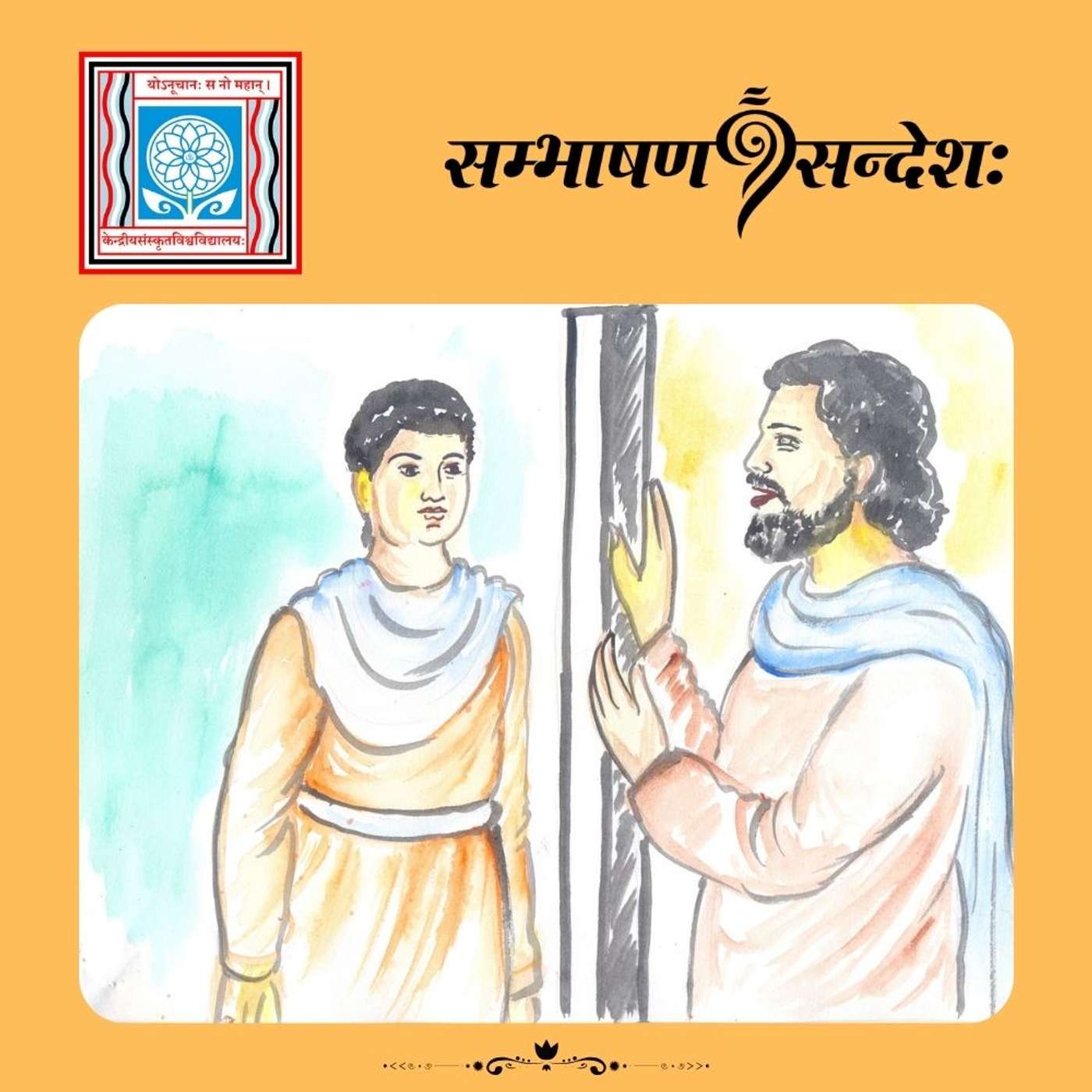
महाप्राज्ञः प्रज्ञाचक्षुः दण्डिवरेण्यः मधुरानगर्यां निवसति स्म । कदाचित् कश्चन युवा संन्यासी तदीयं कुटीरम् आगछत् । तस्य नाम आसीत् दयानन्दः । सरस्वतादयः ग्रन्थाः अपि पठिताः आसीत् तेन । 'यदि मम अनुशासनम् इष्यते तर्हि तान् अनार्षान् ग्रन्थान् यमुनायां प्रवाह्य अत्र आगम्यताम्' इति गुरुः अवदत् । तथैव अकरोत् सः संन्यासी । सन्तुष्टः गुरुः दयानन्दस्य पाठम् आरब्धवान् । सकृत् द्विः वा श्रुतं पाठं स्मृतिपथे स्थापयति स्म सः । सः शिष्यः एव आर्यसमाजस्य संस्थापकः दयानन्दसरस्वतीमहर्षिः ।
(“केन्द्रीयसंस्कृतविश्वविद्यालयस्य अष्टादशीयोजनान्तर्गततया एतासां कथानां ध्वनिप्रक्षेपणं क्रियते”)
The great blind scholar Dandi Swami lived in Mathura. One day, a young monk named Dayananda Saraswati came to him. Dayananda had already studied many books. The teacher told him that if he truly wished to become his student, he should throw those non-Vedic books into the Yamuna River and then return. Dayananda obeyed. Pleased with his dedication, the teacher began teaching him. Dayananda had an excellent memory and could remember lessons after hearing them only once or twice. This devoted student later became the founder of the Arya Samaj.
उपदेशवचनमात्रस्य पालनम्
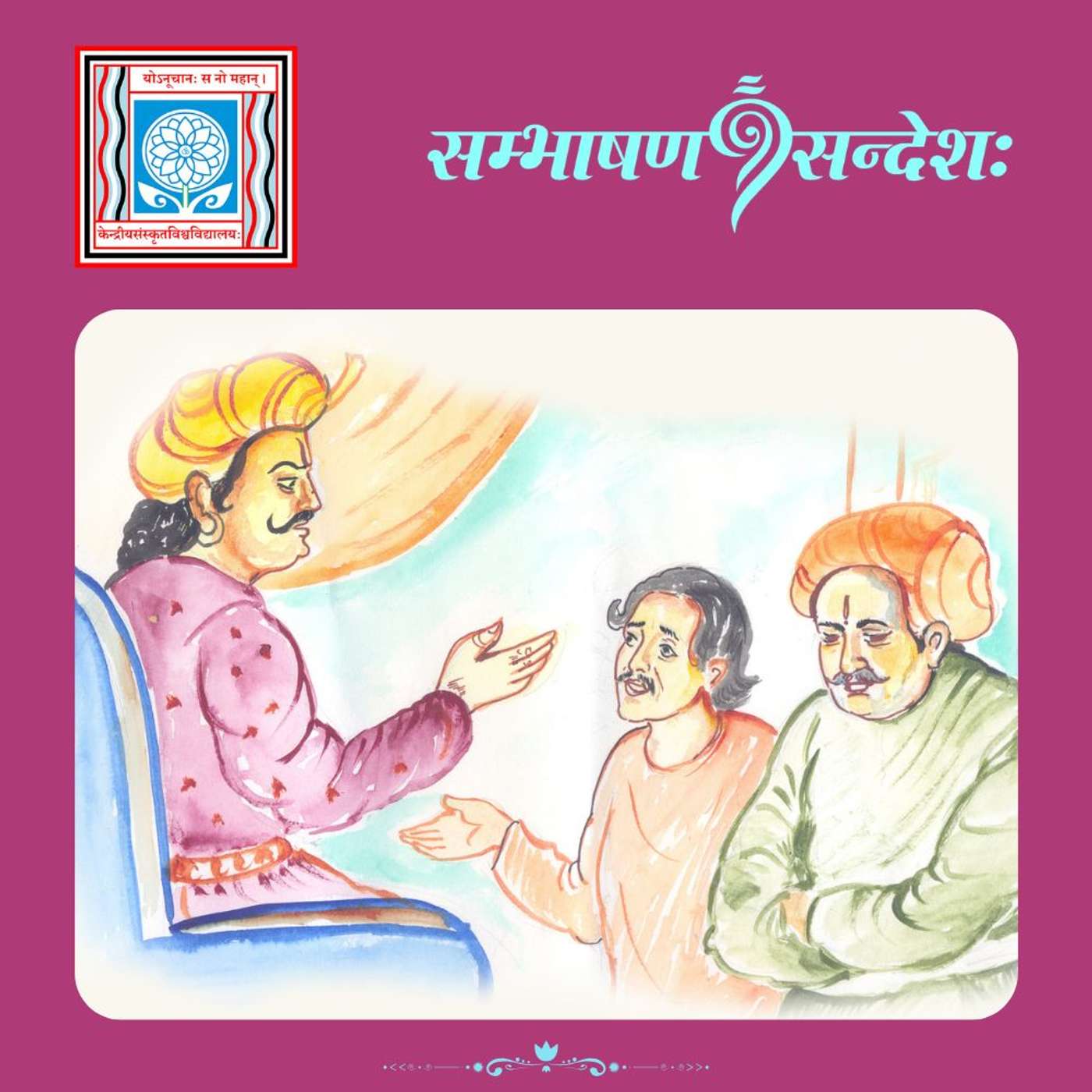
नामदेवमहाराजः कदाचित् तीर्थाटनं कुर्वन् राजधानीं अगच्छत् । तत्र तस्य उपदेशं श्रोतुं कश्चन चोरः अपि आगतवान् आसीत् । सः नामदेवम् उपसर्प्य 'अहम् उत्तमं जीवनं कर्तुम् इच्छामि किन्तु यदि चौर्यवृत्तिं परित्यज्येयं तर्हि जीवनं कष्टकरं भवेत्' इति । तदा नामदेवः अवदत् 'जीवनाधारभूतां चौर्यवृत्तिं मा त्यजतु । किन्तु सत्यकथनव्रतं पालयतु' इति । ततः तेन परिपालितेन सत्यव्रतकथानेन राज्ञः आस्थाने मन्त्रिपदम् अपि प्राप्नोत् ।
(“केन्द्रीयसंस्कृतविश्वविद्यालयस्य अष्टादशीयोजनान्तर्गततया एतासां कथानां ध्वनिप्रक्षेपणं क्रियते”)
Once, while travelling on a pilgrimage, Saint Namdev visited a capital city. A thief came to hear his teachings and said that he wanted to live a better life but could not give up stealing because it was his livelihood. Namdev advised him not to leave his profession immediately, but to always speak the truth. By faithfully following this vow of truthfulness, the thief gradually transformed his life and eventually earned the position of a minister in the king’s court.
यथा वेषः तथा आचारः
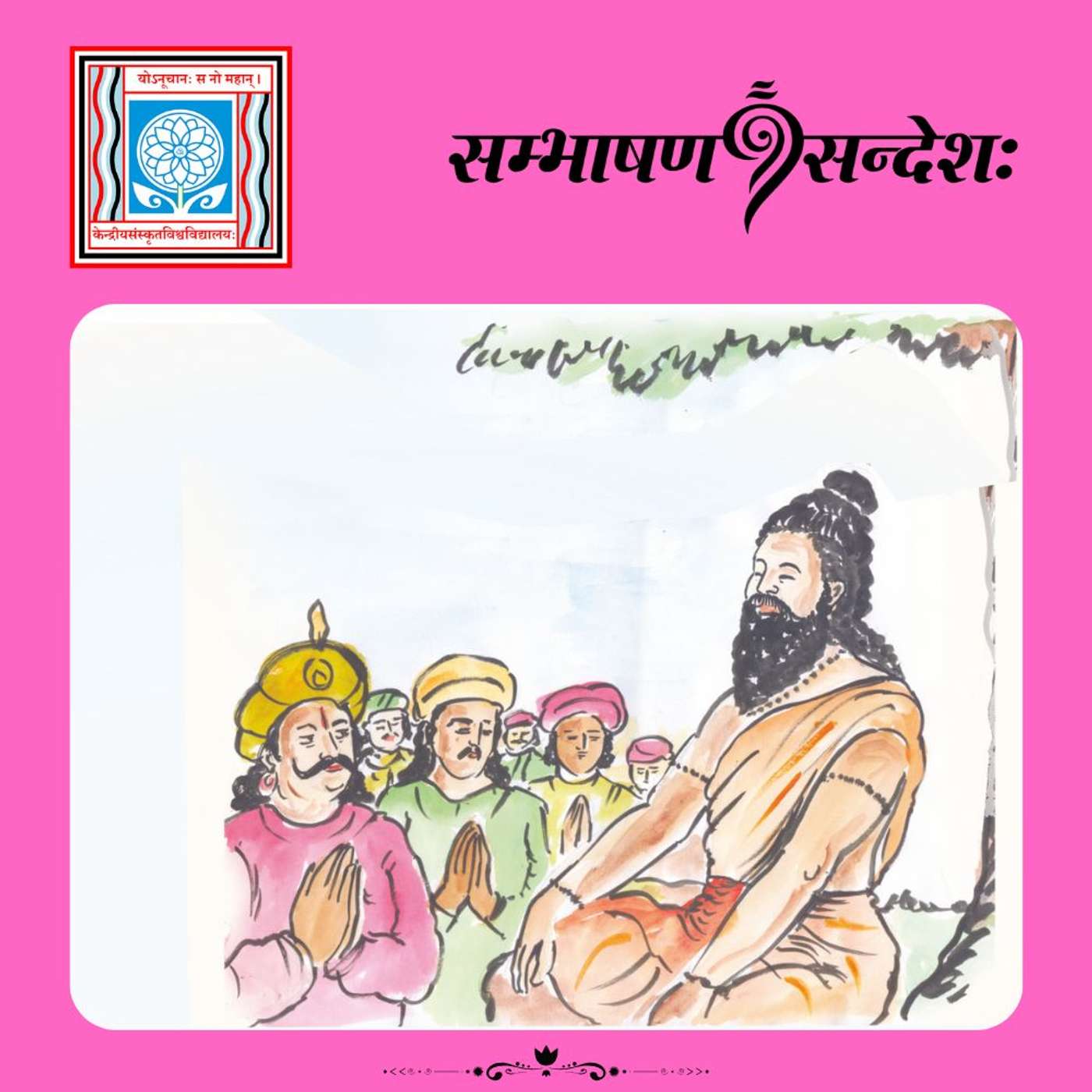
कदाचित् कश्चन बहुरूपः भोजराजस्य आस्थानम् आगत्य उदरपूरणाय पञ्चरूप्यकाणि अयाचत । किन्तु राजा वदति यत् 'अहं दानं न करोमि । कलाकारान् पुरस्करोमि । कापि कला यदि भवति स्यात् तर्हि सा दर्श्यताम्' इति । बहुरूपेण दिनत्रयं सन्यासिवेषः प्रभावितया दर्शितः । यदा राजा आगत्य लक्षं सुवर्णनाणकानि समर्पितवान् चेदपि सन्यासिवेषधारी बहुरूपः नेत्रे न उद्घाटितवान् । वेषानुगुणं व्यवहरणीयम् इति धिया तत् धनं तुच्छत्वेन परिगणितम् आसीत् तेन ।
(“केन्द्रीयसंस्कृतविश्वविद्यालयस्य अष्टादशीयोजनान्तर्गततया एतासां कथानां ध्वनिप्रक्षेपणं क्रियते”)
Once, a performer came to King Bhoja's court and asked for five rupees for food. The king replied that he did not give charity but rewarded talent, and asked him to show his skill. The performer then acted as a saint for three days so convincingly that everyone was impressed. Even when the king offered him a lakh of gold coins, he did not open his eyes. Staying true to the role of a saint, he treated the wealth as worthless.
सैनिकेषु उत्साहवर्धनाय
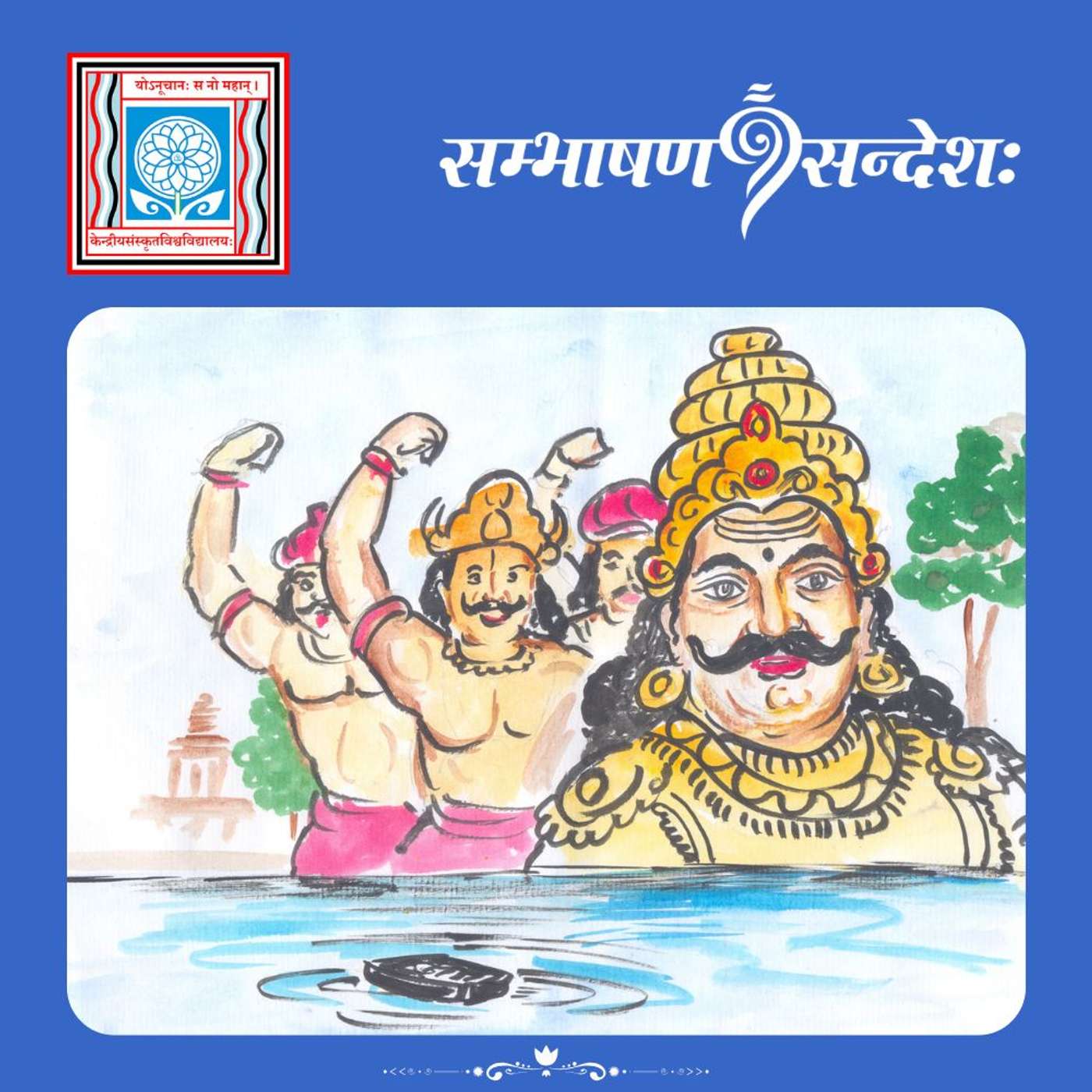
सेतुं निर्माय समुद्रम् अतिक्रम्य वानरैः सह लङ्कासमीपे श्रीरामः उपस्थितः यत् तस्मात् नितरां चिन्ताक्रान्तः आसीत् रावणः । कथम् एतत् सम्भवम् इति पृष्टे मन्त्री अवदत् 'वानराः शिलानाम् उपरि रामनाम लिखित्वा ताः शिलाः समुद्रे अक्षिपन् । रामनामबलात् ताः प्लवमानाः जाताः' इति । सन्धिप्रस्तावः एव वरम् इत्यपि अवदत् मन्त्री । कथञ्चित् सैनिकेषु आत्मविश्वासः पूरणीयः इति विचिन्त्य सः एकं तन्त्रम् आश्रितवान् । किं तत् तन्त्रं, तेन सैनिकेषु उत्साहः प्रवृद्धः वा इति सर्वम् इमां स्वारस्यकारीं कथां श्रुत्वा जानीयाम ।
(“केन्द्रीयसंस्कृतविश्वविद्यालयस्य अष्टादशीयोजनान्तर्गततया एतासां कथानां ध्वनिप्रक्षेपणं क्रियते”)
When Rama reached Lanka with his army after crossing the sea, Ravana became worried. A minister explained that the monkeys had made stones float by writing Rama’s name on them and advised Ravana to seek peace. Instead, Ravana used a clever trick to boost his soldiers’ confidence. This story tells what that trick was and whether it succeeded.
तृप्तिः अवलम्बते मनस्सन्तिष्टिम्

भगवान् बुद्धस्य प्रवचनं श्रोतुं बहवः जनाः आगच्छन्ति स्म । प्रतिदिनं जनाः स्वकष्टकथां श्रावयन्ति स्म । अथ कदाचित् कस्यचन शिष्यस्य मनसि अयं विचारः आगतः यत् तस्मिन् नगरे सुखी सन्तृप्तः वा किं कोऽपि नास्ति ? इति । यदा सः स्वस्य विचारं बुद्धस्य पुरतः प्रस्तौति तदा बुद्धः केनचित् निर्दर्शनेन दर्शयति कथं कश्चन भृतकः परमसुखी अस्ति इति । शिष्येण अवगतं यत् जीवने तृप्तिः तु मनस्सन्तुष्टिम् अवलम्बते, न तु धनादिकम् इति ।
(“केन्द्रीयसंस्कृतविश्वविद्यालयस्य अष्टादशीयोजनान्तर्गततया एतासां कथानां ध्वनिप्रक्षेपणं क्रियते”)
Many people used to come to listen to the teachings of Gautama Buddha. Every day, they would speak about their problems and sorrows. One day, a disciple wondered whether there was even a single happy and content person in the city. When he shared this thought with Buddha, Buddha showed him, through an example, that a simple servant was truly happy. The disciple then understood that real happiness comes from contentment of the mind, not from wealth or possessions.
याचच्छक्यम् एतस्मिन् जन्मनि
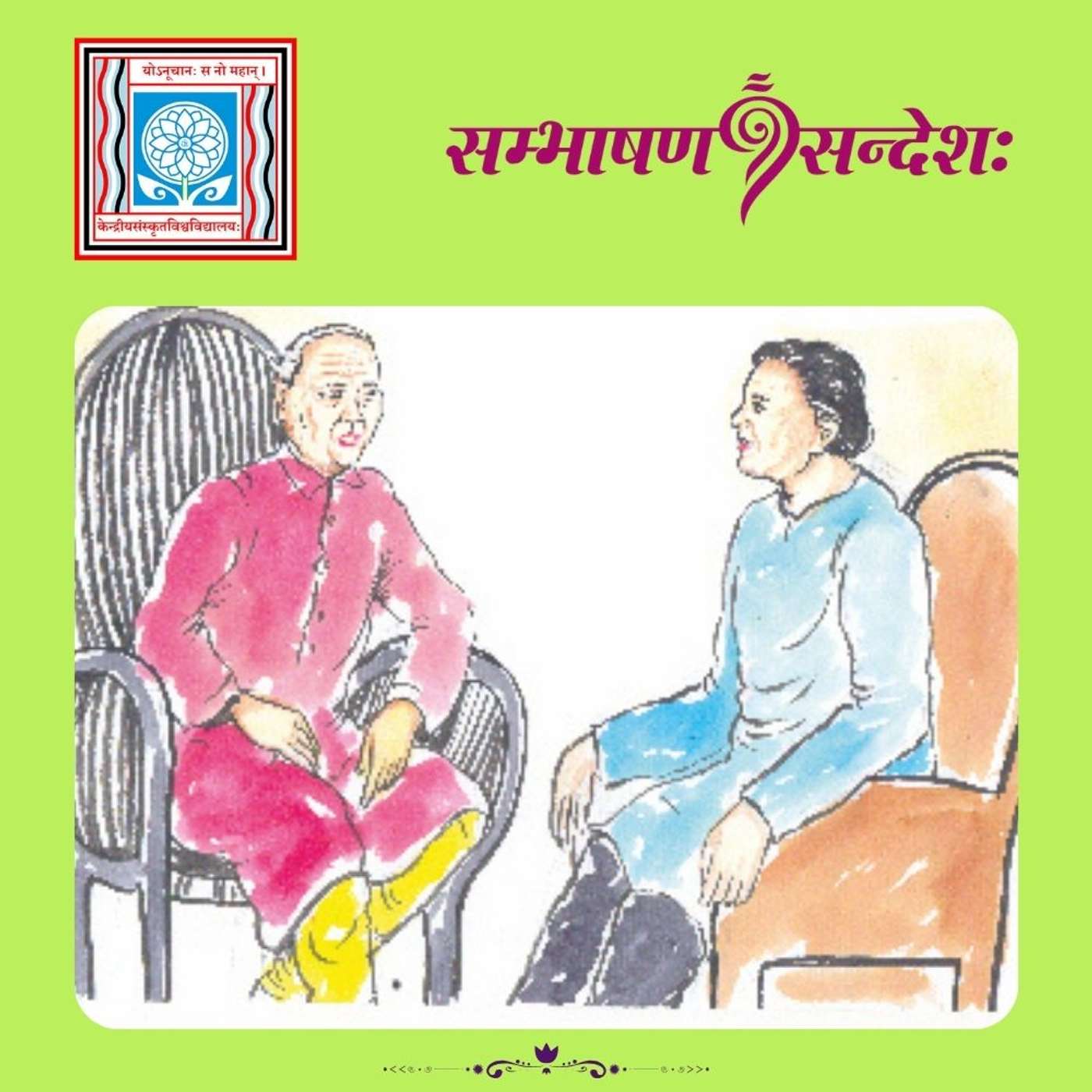
पूर्वं कदाचित् टोकियोनगरे प्रयागविश्वविद्यालयस्य डा. आर् के त्रिवेदीवर्यस्य भाषणानन्तरं कश्चन वयोवृद्धः तं चायपानानार्थं गृहम् अनयत् । सः वयोवृद्धः वेदानां विषये, संस्कृतग्रन्थानां विषये च बहून् प्रश्नान् अपृच्छत् । किन्तु त्रिवेदीवर्येण कस्यापि उत्तरं दातुं न शक्तम् । ततः ज्ञातं यत् सः ८५ वर्षीयः वयोवृद्धः संस्कृतस्य अध्ययनम् आरब्धवान् इति । 'एतस्मिन् जन्मनि यावत् शक्यं तावत् अध्ययनं करिष्यामि । शिष्टस्य अध्ययनं करिष्यामि अग्रिमे जन्मनि' इति अवदत् सः वयोवृद्धः । तस्य संकल्पं श्रुत्वा त्रिवेदीवर्यः आश्चर्येण स्तब्धः जातः ।
(“केन्द्रीयसंस्कृतविश्वविद्यालयस्य अष्टादशीयोजनान्तर्गततया एतासां कथानां ध्वनिप्रक्षेपणं क्रियते”)
Once, after a lecture in Tokyo, Dr. R. K. Trivedi of Prayag University was invited to an elderly man's house for tea. The old man asked many questions about the Vedas and Sanskrit texts, but Dr. Trivedi could not answer them all. Later, he learned that the 85-year-old man had only recently begun studying Sanskrit. The old man said, “I will learn as much as I can in this lifetime and continue the rest in my next life.” Hearing his determination, Dr. Trivedi was amazed.
दीनसेवा एव देवीसेवा
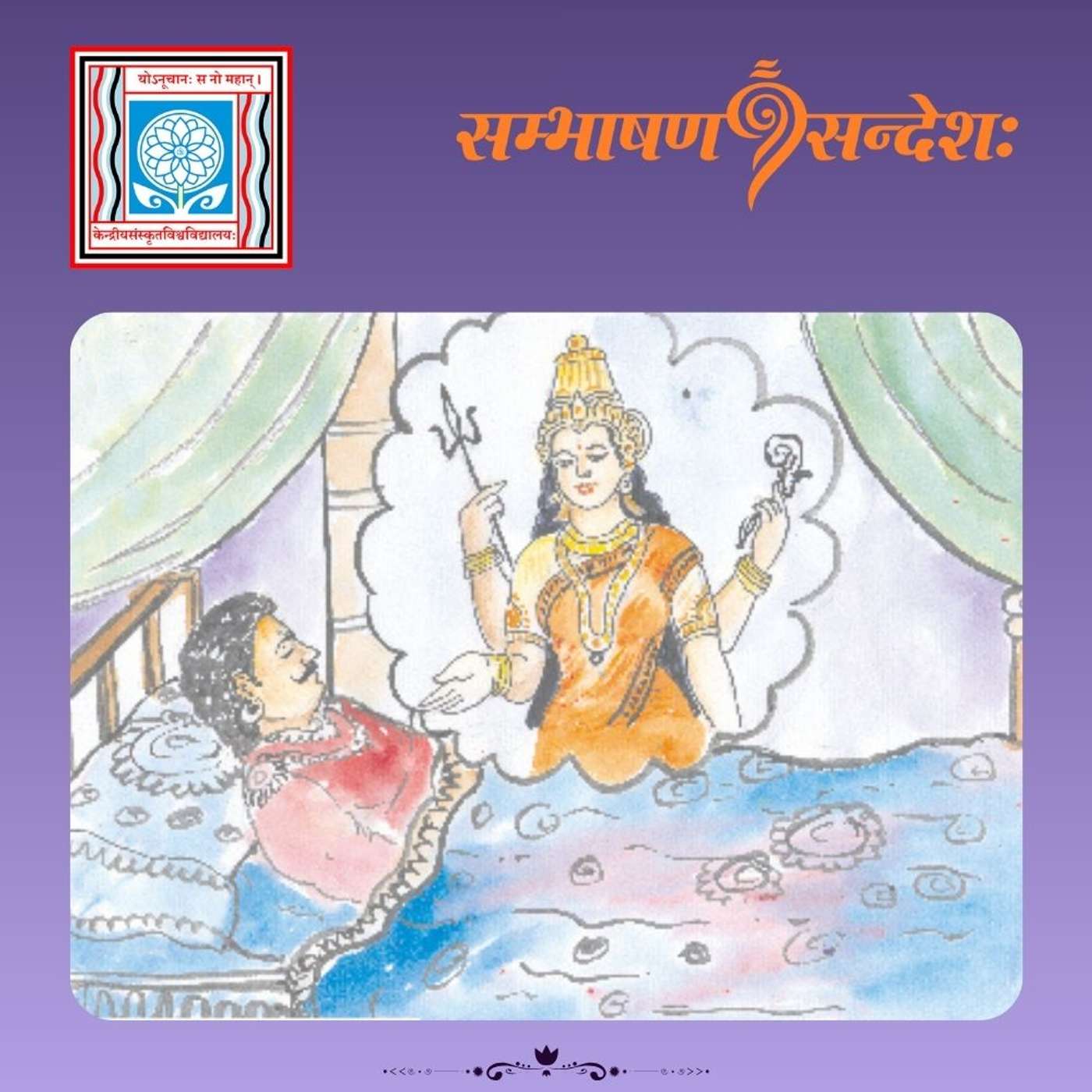
पूर्वं कश्चन सन्तानहीनः राजा आसीत् । अथ कदाचित् दुःखम् अनुभवन्तं राजानं 'राजधानीतः अनतिदूरे कश्चन वटवृक्षः अस्ति इति मन्त्री अवदत् । तत्र वसन्ती देवी पूज्येत तर्हि भवतः इष्टम् अवश्यं सिद्ध्येत्' इति मन्त्री अवदत् । ततः राजा कथं देव्याः पूजनं करोति, कथं दीनसेवा एव देवीसेवा इति ज्ञातं तेन इत्येव कथायाः वस्तु वर्तते ।
(“केन्द्रीयसंस्कृतविश्वविद्यालयस्य अष्टादशीयोजनान्तर्गततया एतासां कथानां ध्वनिप्रक्षेपणं क्रियते”)
Long ago, there was a king who had no children and was very sad. One day, his minister told him about a banyan tree near the capital where a goddess was believed to live. The minister said that if the king worshipped the goddess, his wish would be fulfilled. The story tells how the king worshipped the goddess and eventually learned that serving the poor and needy is the true worship of God.
लक्ष्यपथे बधिरता
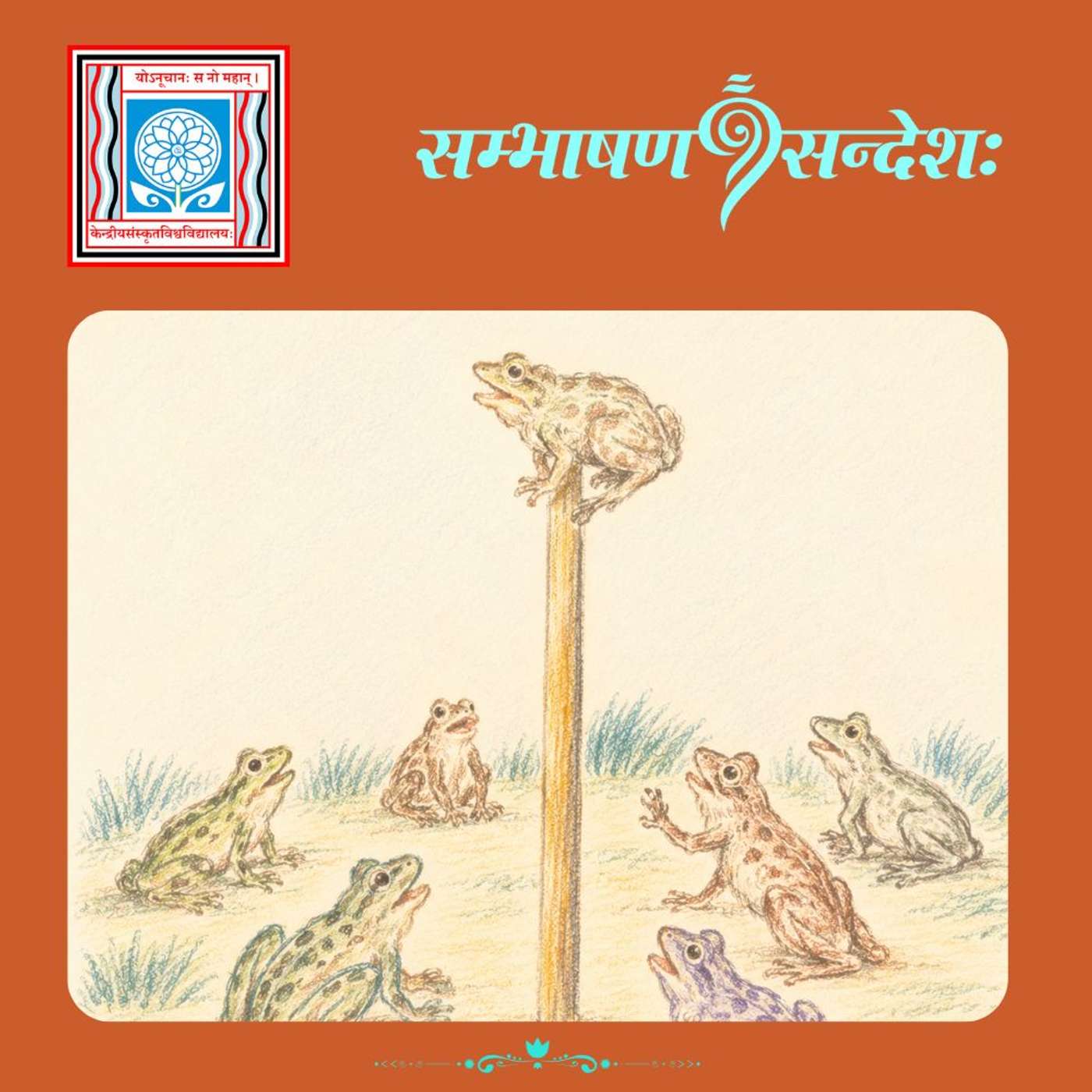
कदाचित् मण्डूककुलेन स्पर्धा आयोजिता । समुच्चस्य स्तम्भस्य शिखरं यः आदौ प्राप्नुयात् सः विजयी भवेत् इति निर्णीतम् । बहवः मण्डूकाः अल्पस्य भागस्य आरोहणमात्रेण एव पतिताः अभवन् । किन्तु कश्चन लघुकायः मण्डूकः मन्दं मन्दं स्तम्भस्य आरोहणम् आरब्धवान् । अन्ये मण्डूकानां मुखात् नैराशपूर्णानि वचनानि निर्गतानि । तथापि सः निरन्तरम् अग्रे अगच्छत् लक्ष्यं च प्राप्तवान् । अन्ते ज्ञातं यत् सः मण्डूकः बधिरः इति । लक्ष्यैकदृष्टिः निरन्तरप्रयत्नः च तस्य साफल्यस्य कारणं जातम् । लक्ष्यपथे अस्माभिः अपि नैराश्यपूर्णानां वचनानां विषये बधिरता अवलम्बनीया ।
(“केन्द्रीयसंस्कृतविश्वविद्यालयस्य अष्टादशीयोजनान्तर्गततया एतासां कथानां ध्वनिप्रक्षेपणं क्रियते”)
Once, a frog competition was held. The frog that first reached the top of a tall pillar would be the winner. Many frogs fell after climbing only a short distance. A small frog slowly continued climbing while the others discouraged him with negative comments. Yet he kept moving forward and finally reached the top. In the end, it was discovered that the frog was deaf. His success came from his focus on the goal and his constant effort. The story teaches us to ignore discouraging words and stay focused on our goals.
नन्दिनः प्रमादः
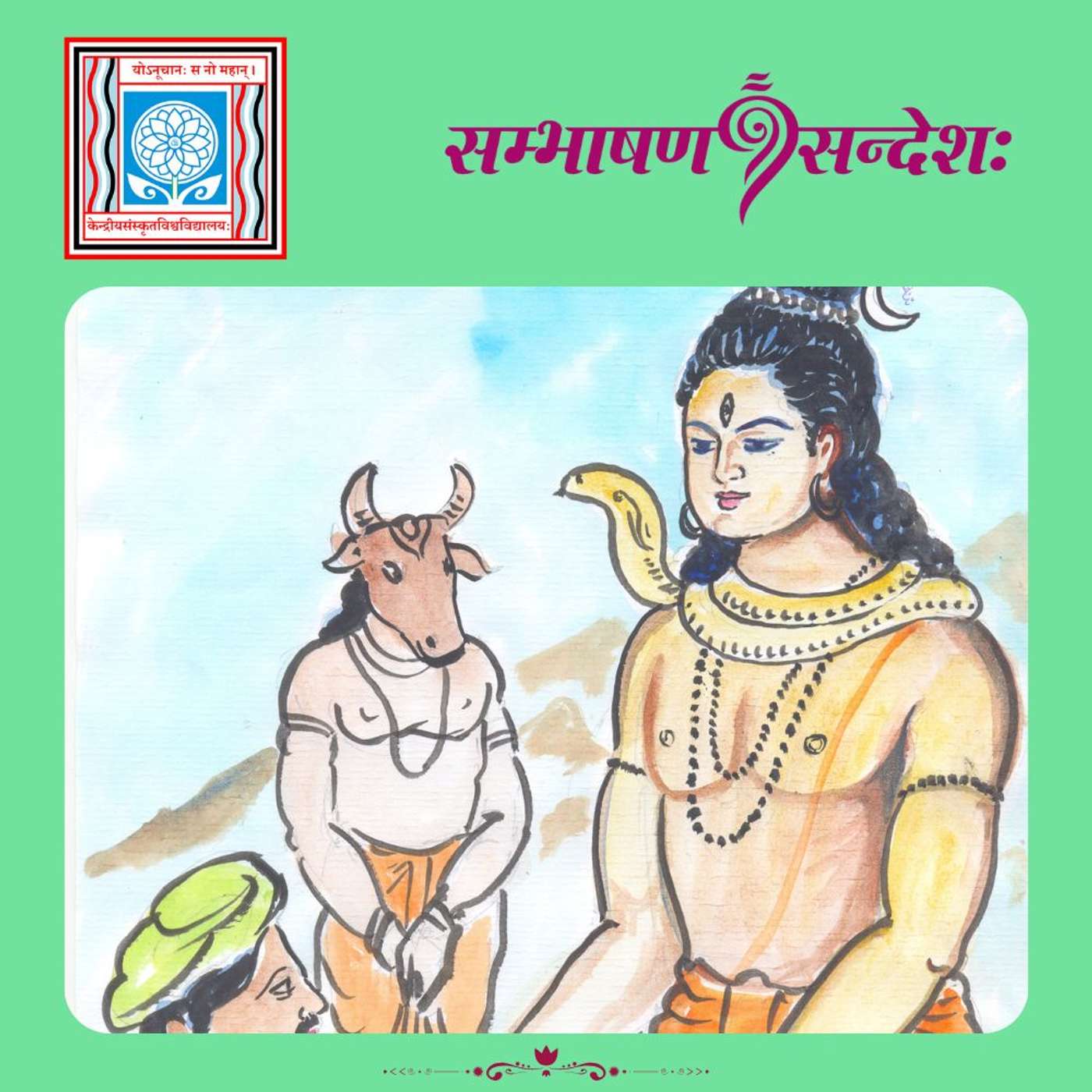
इयं तु चिरपरिचिता एव कथा । शिवेन नन्दी उक्तः आसीत् यत् मानवैः कृषिकार्यं करणीयं, द्विवारं स्नानं कर्तव्यम्, एकवारं भोक्तव्यम् इति । किन्तु नन्दिना प्रमादः आचरितः । सः आगत्य मानवान् विपरीतम् अवदत् 'भवद्भिः कृषिकार्यं कृत्वा दिने द्विवारं भोक्तव्यम्, एकवारं स्नानं कर्तव्यम्' इति । प्रतिदिनं द्विवारं भोजनं कृतम् इत्यतः तैः जनितं धान्यम् अल्पेनैव कालेन समाप्तम् अभवत् । यदा शिवेन नन्दिनः प्रमादः ज्ञातः तदा सः नन्दिनं दण्डितवान् यत् तस्य कुले जाताः वृषभाः मानवानां कृषिकार्ये सहायाः भूत्वा क्षेत्राणि कर्षेयुः इति ।
(“केन्द्रीयसंस्कृतविश्वविद्यालयस्य अष्टादशीयोजनान्तर्गततया एतासां कथानां ध्वनिप्रक्षेपणं क्रियते”)
This is a well-known story. Lord Shiva told Nandi to inform humans that they should farm, bathe twice a day, and eat once a day. But Nandi made a mistake and told them the opposite: to farm, eat twice a day, and bathe once a day. Because people ate more, their grain was quickly used up. When Shiva learned of Nandi’s mistake, he punished him by declaring that bulls born in Nandi’s lineage would help humans by ploughing their fields.
शिलाखण्डायते स्पर्शमणिः अपि
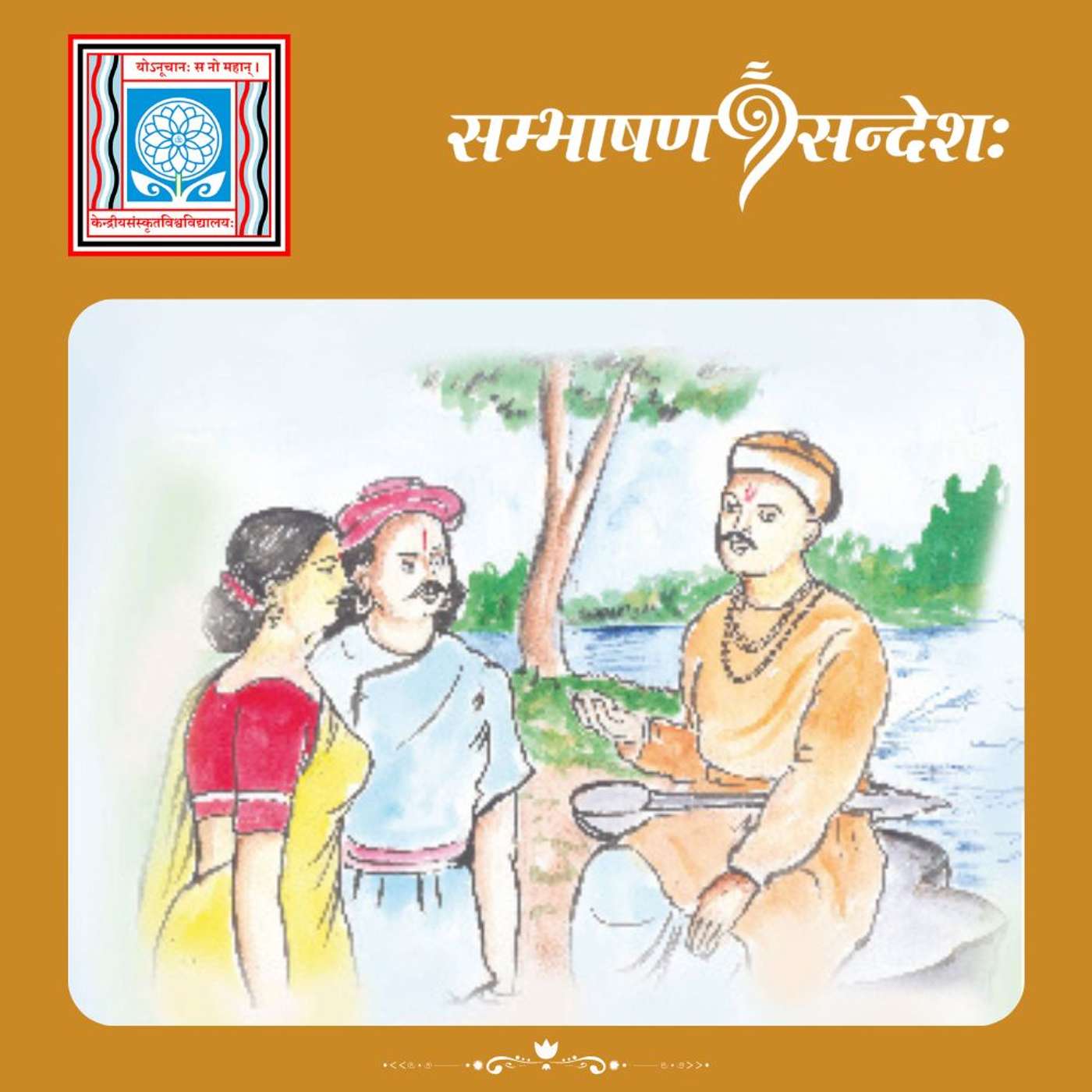
कदाचित् परशुरामभागवता स्पर्शमणिः लब्धः । गृहम् आगत्य पत्न्यै अयच्छत् । सख्याः नामदेवस्य पत्न्याः गृहे महती निर्धनता अस्ति इति कारणतः सा सख्यै 'अपेक्षितप्रमाणेन सुवर्णं प्राप्य मणिं प्रत्यर्प्यताम्' इत्युक्त्वा मणिम् अयच्छत् । सखी मणेः साहाय्येन सुवर्णं प्राप्य तं विक्रीय तण्डुलादिकम् आनीय पाकं सज्जीकृतवती । प्रवृत्तं सर्वं ज्ञात्वा नामदेवः दुराशामूलं मणिं नद्यां क्षिप्तवान् । तत् ज्ञात्वा यदा भगवान् मणिं प्रत्यर्पयितुम् अवदत् तदा नामदेवः नदीजले हस्तं प्रसार्य कञ्चित् शिलाखण्डम् उपरि आनीतवान् । शिलाखण्डस्य स्पर्शनेन तीरे पतितः अयोदण्डः सुवर्णखण्डः जातः ।
(“केन्द्रीयसंस्कृतविश्वविद्यालयस्य अष्टादशीयोजनान्तर्गततया एतासां कथानां ध्वनिप्रक्षेपणं क्रियते”)
Parashurama received a philosopher’s stone and gave it to his wife, who lent it to Namdev’s poor wife. She used it to obtain gold and buy food. When Namdev learned of this, he threw the stone into the river, considering it a source of greed. Later, when he was asked to return the stone, he simply picked up an ordinary stone from the river. When it touched an iron rod lying on the bank, the rod turned into gold, showing Namdev’s spiritual power.
